Airline Meal Trays Are Broken: This Korean Design Fixes Them

There’s something deeply satisfying about opening a Korean meal to find those little side dishes, each in their own small bowl, arranged just so. The banchan tradition turns eating into a kind of visual feast before you even take a bite. Now, imagine bringing that same thoughtful, modular approach to one of the most notoriously cramped dining experiences: airplane meals.

That’s exactly what BKID co has done with their System Tray design, and honestly, it’s one of those ideas that makes you wonder why we didn’t think of this sooner. The project takes the organizational genius behind Korean side dish service and reimagines it for the narrow, tray-table constrained world of in-flight dining.

Designer: BKID co

Anyone who’s flown recently knows the struggle. You get your meal tray, and it’s this precarious balancing act of overlapping plastic containers, a wobbly cup threatening to spill, and utensils that somehow always end up on the floor. There’s no elegance to it, no sense that anyone actually thought about the experience beyond “how do we get food from point A to point B?” The System Tray flips that script entirely. Drawing inspiration from traditional Korean wooden trays that hold multiple small dishes, the design creates a modular system where individual plates nest together like a puzzle. Each piece has those beautiful organic, flowing shapes that lock into each other or fit perfectly within the main tray. It’s functional geometry that doesn’t look robotic or cold.

What makes this particularly clever is how it addresses real constraints. Airlines aren’t going to adopt anything that doesn’t meet strict safety standards or adds significant weight. So BKID co worked with lightweight materials like durable plastics and lightweight ceramics, keeping things practical while maintaining that elevated aesthetic. The pieces can stack when not in use, which means they take up less storage space in the galley. For airlines constantly trying to maximize every square inch of cabin space, that’s a huge selling point.

But let’s talk about the visual appeal, because this is where the design really shines. The color palette is subtle and sophisticated: soft creams, muted blues, warm beiges, and earthy browns. These aren’t the harsh primary colors or industrial grays we’re used to seeing on planes. The shapes themselves are organic and almost playful, with curved edges that interlock in unexpected ways. Laid out, they look more like modern art than airline serviceware.

There’s something almost meditative about the way the pieces fit together. You can configure them in different arrangements depending on the meal, whether it’s a full dinner service with multiple courses or a lighter snack. That flexibility is key because not every flight or passenger needs the same setup. The modular approach means the system can adapt rather than forcing one rigid solution.

This design also taps into a broader trend we’re seeing in travel and hospitality: the push to make utilitarian experiences feel special. We’ve watched airport lounges transform into design showcases. We’ve seen hotel rooms become Instagram-worthy destinations. Even train stations are getting architectural makeovers. Why should airplane meals be any different? The banchan tradition isn’t just about having multiple dishes. It’s about balance, variety, and presentation. It turns a meal into something communal and considered, where each element has its place and purpose. That philosophy translates surprisingly well to the challenge of airline food service, where space is limited but the desire for a pleasant dining experience remains.

What BKID co has created here isn’t just a better tray. It’s a rethinking of how we approach one of travel’s most mundane moments. It suggests that even in a space as constrained as an airplane cabin, there’s room for thoughtfulness and beauty. The design proves that solving practical problems doesn’t mean sacrificing aesthetics.

Will we see these trays on flights anytime soon? That’s the real question. Airlines move slowly, and switching out serviceware across an entire fleet isn’t a small undertaking. But as more carriers compete on experience rather than just price, innovations like this become more attractive. Passengers increasingly expect more, even in economy. A meal served on a thoughtfully designed tray system could become a differentiator.

For now, the System Tray stands as a brilliant example of cross-cultural design thinking, where a traditional dining practice inspires a modern solution to a very contemporary problem. It reminds us that good design often comes from looking at how people have solved similar challenges in different contexts, then adapting those insights with fresh eyes.

The post Airline Meal Trays Are Broken: This Korean Design Fixes Them first appeared on Yanko Design.

5 Travel Essentials Every Last-Minute 2025 Traveler Regrets Forgetting

There’s a particular kind of panic that sets in about thirty minutes before you need to leave for the airport. You’ve thrown clothes into a suitcase, triple-checked your passport, and convinced yourself that you’ve packed everything important. Then you arrive at your destination and realize you’ve brought three chargers for devices you don’t own but somehow forgot the one thing that would’ve made your entire trip better. Last-minute travel has a way of exposing what truly matters versus what we think we need.

The beauty of spontaneous trips lies in their unpolished edges, but that doesn’t mean you should suffer through bad coffee, tangled headphone cords, or eating with your hands because the airline meal came with a flimsy plastic fork that snapped on contact. The difference between a trip you remember fondly and one you spent complaining about comes down to a handful of well-chosen essentials that solve real problems. These five designs represent the kind of thoughtful gear that takes up minimal space but delivers maximum impact when you need it most.

1. Nikon 4x10D CF Pocket Binoculars

Binoculars feel like relics from another era, the kind of thing your grandfather kept in a leather case that smelled faintly of pipe tobacco. Nikon’s 4x10D CF pocket binoculars challenge that entire perception by shrinking the form factor down to something that actually fits in your pocket without creating an awkward bulge. These aren’t meant to compete with your smartphone’s digital zoom or replace professional birding equipment. They exist in a different category entirely, prioritizing the experience of optical viewing over pixel counts and processing power.

The genius lies in recognizing that people don’t carry traditional binoculars because they’re too bulky and conspicuous. Nikon solved that problem by creating something so discreet it almost disappears. The optical quality remains surprisingly sharp for such a compact device, delivering a viewing experience that feels immediate and artifact-free. Whether you’re trying to read a distant street sign in an unfamiliar city or want a closer look at architectural details without looking like a tourist with professional gear, these slip into your travel kit without demanding dedicated space or special protection.

What we like

• The form factor makes them genuinely pocketable, solving the primary reason people don’t carry binoculars.

• Optical viewing delivers a tactile, immediate experience that digital zoom can’t replicate.

• The updated colorways transform them from technical equipment into an accessory you want to carry.

• Multiple uses, from reading transit signs to appreciating distant landscapes without looking conspicuous.

What we dislike

• The 4x magnification is modest compared to traditional binoculars, limiting long-distance viewing.

• The compact size means smaller objective lenses, reducing light-gathering capability in low-light conditions.

2. StillFrame Headphones

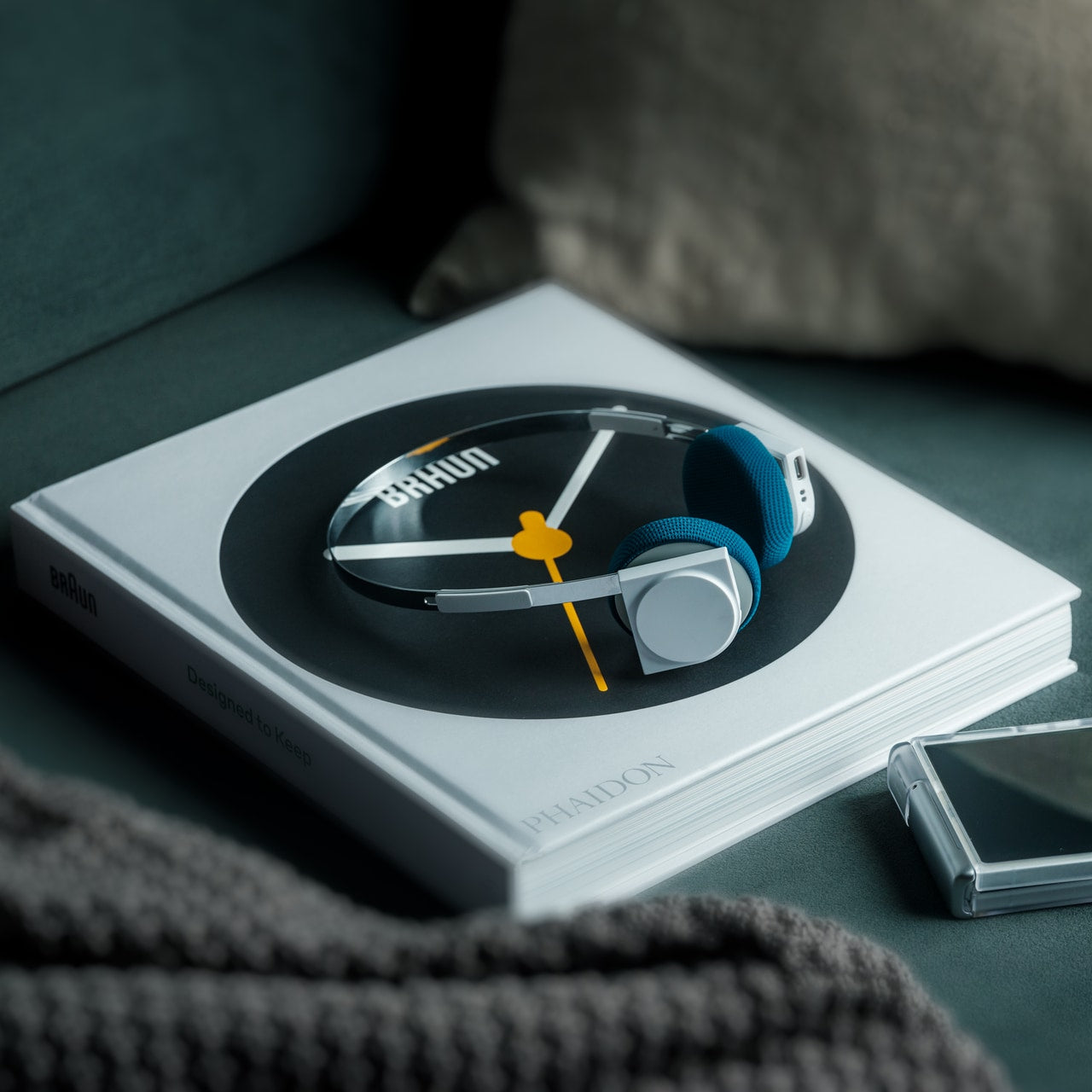
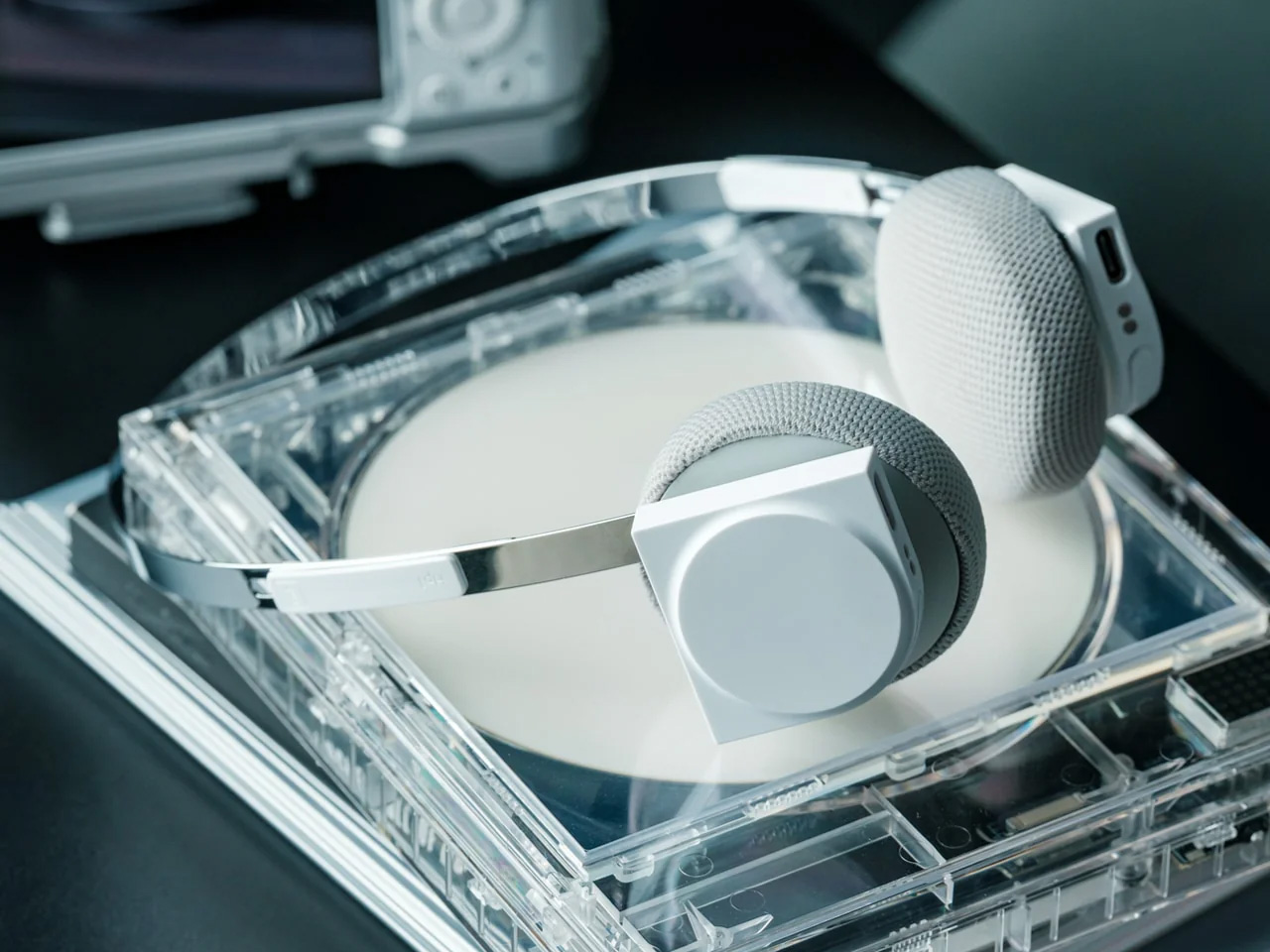
Air travel has become an endurance test for your ears. Between engine noise, crying babies, and the passenger next to you who insists on watching action movies without headphones until a flight attendant intervenes, you need something that creates a barrier between you and chaos. StillFrame wireless headphones approach this problem with a design philosophy borrowed from a time when music felt like a deliberate choice rather than background noise. The aesthetic draws from compact disc geometry, creating a visual language that feels refreshingly analog in an aggressively digital world.

Weighing just 103 grams, these headphones occupy a middle ground between intrusive over-ear designs and in-ear buds that always seem to fall out at the worst possible moment. The 40mm drivers create a soundstage that gives music room to breathe, which matters when you’re spending hours in compressed airplane cabins where everything feels claustrophobic. The combination of active noise cancelling and transparency mode means you can shift between complete isolation and situational awareness without removing them. That flexibility proves essential when navigating unfamiliar airports or wanting to hear boarding announcements without sacrificing your peace during the actual flight.

Click Here to Buy Now: $245.00

What we like

• The 24-hour battery life eliminates anxiety about running out of power mid-journey.

• Magnetic fabric ear cushions swap easily, giving you color options that match different moods.

• Dual connectivity through Bluetooth 5.4 and USB-C cable offers wireless freedom or wired stability.

• The exposed circuit board aesthetic celebrates the technology rather than hiding it behind plastic shells.

What we dislike

• The on-ear design may cause discomfort during extremely long flights compared to over-ear alternatives.

• The fashion-forward aesthetic might not appeal to travelers who prefer more conventional headphone designs.

3. 0.25 oz Aero Spork

There’s something deeply frustrating about packing perfectly good food for a trip only to realize you have nothing reasonable to eat it with. Plastic cutlery snaps under minimal pressure, full-sized metal utensils add unnecessary weight, and trying to eat noodles with a standard spoon requires patience most travelers don’t have after a long day. The Aero Spork weighs less than a quarter of an ounce but manages to feel substantial enough to handle actual meals. That combination of minimal weight and genuine utility makes it the kind of item that earns permanent residence in your travel kit.

The ergonomic curve gives you a secure grip even when your hands are cold or wet, while the tapered design specifically addresses the noodle-eating problem that plagues travelers across Asia and increasingly everywhere else. The stackable design means you can carry multiple sporks without them taking up more space than a single standard utensil. This becomes relevant when you’re traveling with others or want a backup. The durability factor matters more than you’d expect; these survive being tossed into bags, stepped on accidentally, and subjected to the kind of casual abuse that destroys lesser travel utensils within weeks.

Click Here to Buy Now: $19.95

What we like

• The 7-gram weight makes it lighter than most travel accessories you’ll forget you’re carrying.

• Stackable design solves the multi-person dining situation without requiring a full cutlery set.

• The tapered shape genuinely improves noodle-eating, addressing a specific and common travel challenge.

• Metal construction means it lasts indefinitely, unlike disposable or plastic alternatives.

What we dislike

• The hybrid spoon-fork design means neither side works quite as well as a dedicated utensil.

• Cleaning can be tricky in the field without proper access to soap and water.

4. MokaMax Portable Coffee Maker

Hotel coffee represents a special category of disappointment. It tastes like regret mixed with lukewarm water, extracted from pods that somehow cost three dollars each. Even when you find a decent café, you’re either waiting in line behind seventeen people who each ordered customized drinks with five modifications, or you’re drinking something that went cold during your walk back to your hotel. MokaMax addresses this problem by building a legitimate pressure-brewing system into a form factor that looks like a standard travel mug. The ridged stainless steel body provides a secure grip while reinforcing the rugged, outdoor-ready aesthetic.

The design spent considerable effort getting those ridges right, balancing functional grip with comfortable handling and visual interest. The flexible rope attachment transforms it from just another mug into something that clips onto backpacks or hangs from hooks, integrating into your mobile gear rather than requiring dedicated carrying. The key advantage over simply buying coffee everywhere you go is consistency and timing. You control the strength, temperature, and exact moment you brew. That autonomy matters when you’re dealing with jet lag and need coffee at 4 AM when nothing is open, or when you’re hiking and want something better than instant crystals dissolved in lukewarm water.

What we like

• The pressure-brewing system delivers espresso-style coffee without electricity or complex equipment.

• Single-vessel design eliminates the need to carry separate brewing and drinking containers.

• Ridged stainless steel construction provides grip and durability for genuine outdoor use.

• The rope attachment integrates it into your travel gear ecosystem rather than requiring dedicated space.

What we dislike

• The brewing process takes longer than simply buying coffee if you’re in an area with good options.

• Cleaning requires more attention than a standard travel mug, especially after brewing dark roasts.

5. Craftmaster EDC Utility Knife

Most travelers don’t think they need a utility knife until they’re standing in a hotel room trying to open packaging with their keys, teeth, or increasingly desperate improvisation. The Craftmaster EDC utility knife occupies just 8mm of thickness and 12cm of length, making it slim enough to slip into pockets, bags, or organizer pouches without creating bulk. The metallic construction gives it heft that feels reassuring rather than burdensome, while the rotating knob deployment mechanism adds a tactile satisfaction that pure functionality doesn’t require but somehow makes the tool more enjoyable to use.

The magnetic back serves double duty by letting you dock the knife on any metal surface and providing a home for the companion metal scale. That scale includes both metric and imperial measurements, a raised edge for easy pickup, and a blade-breaker for maintaining the OLFA blade’s sharpness. The 15-degree curvature protects your fingers during cutting tasks, while the 45-degree inclination helps with opening boxes without damaging contents. These details transform a basic utility knife into something that solves multiple problems, from precise measuring for emergency clothing repairs to clean package opening without destroying whatever’s inside.

Click Here to Buy Now: $79.00

What we like

• The 8mm thickness makes it genuinely pocketable without the bulk of traditional utility knives.

• Magnetic docking turns any metal surface into convenient storage, preventing loss in hotel rooms.

• The included ruler with blade-breaker combines multiple functions without requiring separate tools.

• OLFA blades are replaceable and widely available, extending the knife’s useful life indefinitely.

What we dislike

• The minimalist metal design lacks texture that could improve grip in wet conditions.

• Airport security restrictions mean it needs to go in checked luggage, limiting accessibility during travel days.

Why These Five Items Matter for Last-Minute Travel

The connecting thread between these designs is that they solve specific problems while occupying minimal space and requiring almost no learning curve. You don’t need an instruction manual, a YouTube tutorial, or previous experience. They work immediately and continue working reliably. That reliability becomes essential when you’re already dealing with the stress of spontaneous travel, unfamiliar locations, and the general chaos that comes from not having time to plan properly.

The other advantage is that none of these items are single-use solutions. Pocket binoculars serve navigation, sightseeing, and practical reading purposes. Headphones deliver both entertainment and environmental control. A quality spork handles any meal situation. The portable coffee maker works everywhere from mountain peaks to hotel rooms. The utility knife solves dozens of cutting, measuring, and opening challenges. That versatility means carrying five items gives you solutions to dozens of potential problems, which is exactly the kind of efficiency last-minute travelers need most.

The post 5 Travel Essentials Every Last-Minute 2025 Traveler Regrets Forgetting first appeared on Yanko Design.

Rimowa Just Built a $450 Bag That’s Actually 3 Bags in One

You know that frantic airport moment when you need your laptop but it’s buried deep in your suitcase? Or when you’re rolling through the terminal juggling a carry-on, a tote bag that keeps slipping off your shoulder, and a coffee that’s about to meet its untimely end? Rimowa just made all of that dramatically less chaotic.

The luxury luggage brand has reimagined its Cabin Luggage Harness with a clever upgrade that transforms it from a simple add-on into something genuinely versatile. This isn’t just another travel accessory trying to justify its existence. It’s a three-in-one design that actually makes sense for how we move through airports and cities today.

Designer: Rimowa

At first glance, it looks like a sleek organizer that wraps around your suitcase like a well-tailored vest. Made from high-quality recycled nylon with nylon webbing for durability, it attaches via adjustable straps that fit neatly over Rimowa’s Original, Classic, Essential, Essential Lite, and Hybrid cabin collections. The straps secure to the telescoping handle, keeping everything stable as you roll through crowded terminals. Three non-slip silicone strips ensure the bag stays balanced even when you’ve loaded it unevenly (because let’s be honest, we all do that).

What makes this version special are the hidden shoulder straps tucked into the design. When you need to break away from your rolling luggage for a coffee run or quick meeting, simply detach the harness and those concealed straps convert it into a surprisingly functional backpack. It’s the kind of thoughtful detail that makes you wonder why no one thought of it sooner.

The organizational setup is where Rimowa really nailed it. Two large pockets accommodate laptops up to 16 inches, plus tablets, documents, and magazines. Several smaller pockets handle the usual suspects: chargers, phones, passports, that random USB cable you always need. Everything stays accessible without forcing you to dig through your main suitcase or squat awkwardly in the middle of a busy airport corridor.

But wait, there’s more functionality packed into this thing. Zipped side panels connect the two sections of the harness, and when paired with the two top handles, the whole setup transforms into a hand-carry briefcase. It’s polished enough for a business meeting, yet practical enough for everyday travel. That’s three distinct carrying modes in one compact package. Despite all these features, the harness stays remarkably compact and lightweight. It weighs just 0.59 kilograms and measures 15.4 inches high by 12.2 inches wide by 3.5 inches deep. When attached to your suitcase, it sits flush against the surface rather than bulging awkwardly or throwing off your balance as you navigate tight airplane aisles.

The timing of this release feels particularly smart. As travel rebounds and more people return to airports, there’s growing frustration with the juggling act required to manage multiple bags while maintaining easy access to essentials. Airlines have gotten stricter about what counts as a personal item, and gate-checking fees continue to climb. A solution that consolidates your carry items while keeping them organized and accessible? That’s solving real problems.

Rimowa can’t claim total originality here. Similar suitcase harness designs have existed for years, though typically at lower price points and with less refined execution. What sets Rimowa’s version apart is the build quality, the versatility of those hidden shoulder straps, and the thoughtful integration with their suitcase lineup. It’s the difference between a hack that technically works and a solution that feels intentionally designed.

The recycled materials deserve a mention too. Using recycled nylon for both the exterior and lining aligns with growing expectations that luxury brands need to consider sustainability. It’s not revolutionary, but it’s the baseline we should expect from premium products in 2025. For frequent travelers who already own Rimowa luggage, this harness feels like an obvious upgrade. For everyone else, it’s an interesting glimpse into how thoughtful design can solve everyday frustrations without overcomplicating things. Sometimes the best innovations aren’t flashy new technology. They’re just smart solutions that make you say, “Why didn’t this exist before?”

The post Rimowa Just Built a $450 Bag That’s Actually 3 Bags in One first appeared on Yanko Design.
Vertical Aerospace Valo: The UK’s Electric Air Taxi Takes Flight

Imagine cutting a 90-minute airport transfer to 12 minutes. That is the value proposition Vertical Aerospace is selling with Valo, the electric air taxi it unveiled in London’s Canary Wharf on December 10. For business travelers, the pitch is straightforward. Skip ground traffic entirely on short-hop routes between major airports and city centers. Bring real luggage. Arrive in minutes instead of an hour.

Designer: Valo

If Vertical delivers on its technical targets and clears regulatory approval, Valo could reshape how time-sensitive travelers approach urban mobility. For cities, the calculus is different. Quiet electric aircraft designed to operate below 50 decibels in cruise might unlock airspace that conventional helicopters cannot access due to noise restrictions.

Vertiports on rooftops and waterfronts could become practical transit nodes rather than exclusive helipads. The infrastructure does not exist yet, but the partnerships to build it are forming.

The Aircraft

Valo is Vertical’s certification-intent production aircraft, not another prototype. The British company designed it from the ground up to clear regulatory approval rather than retrofit an experimental platform after the fact.

The cabin seats four passengers plus pilot at launch. Vertical plans to expand capacity to six as operator economics improve. Panoramic windows, generous space, and a cockpit divider create transport aesthetics distinct from early experimental aircraft.

Cargo capacity distinguishes Valo from competitors. The hold is designed to fit six cabin bags and six checked bags, with total payload around 550 kg. That addresses one of the persistent criticisms of early eVTOL concepts: nowhere to put your stuff.

Airline partners specifically requested this luggage capacity, and Vertical delivered.

Platform versatility extends beyond passenger service. Vertical has designed Valo to support EMS missions, cargo transport, and future defense applications.

Technical Targets

Vertical is targeting roughly 100 miles of range at cruise speeds approaching 150 mph. The company aims for zero operating emissions and noise levels below about 50 dBA.

If Vertical hits those acoustic targets, Valo cruising overhead would register quieter than typical street conversation. That matters for urban deployment. Helicopters face severe restrictions in noise-sensitive areas. Quiet electric aircraft could operate where rotorcraft cannot.

The propulsion system is designed with eight electric motors on multiple electrically isolated power lanes. Under-floor liquid-cooled battery packs, developed by Vertical’s Energy Centre using Molicel cylindrical cells, are intended to enable approximately 12-minute recharge cycles for short missions.

Honeywell supplies the fly-by-wire controls and avionics, purpose-built for eVTOL flight profiles. The tiltrotor configuration tilts forward propellers to manage vertical-to-horizontal transition. The aft array modulates based on wing lift. As speed increases, rear propellers reduce output and stop, transferring efficiency to cruise flight.

Carbon fiber composite blades and Low Noise Signature technology address specific frequency ranges that human hearing finds intrusive.

How It Got Here

The VX4 prototype generated thousands of test data points. Validated hover performance. Confirmed wingborne flight. Real maneuvers, not just simulation.

Vertical reports it is close to completing full piloted transition flight, the critical phase where the aircraft shifts from vertical lift into forward cruise. That accumulated knowledge shaped Valo’s production design.

The differences extend beyond surface refinements. A reworked airframe optimized for aerodynamics. New wing and propeller architecture. An under-floor battery system that redistributes weight and opens cabin space.

Syensqo and Aciturri contributed aerospace-grade composites for strength-to-weight optimization.

The VX4 received its Phase 4 Permit to Fly from the UK CAA in November 2025. This cleared final test sequences toward piloted transition. Hover, thrustborne, and wingborne phases have already been demonstrated.

Certification Path

Vertical is aiming for Type Certification under both UK CAA and EASA around 2028. The company plans to use the SC-VTOL Category Enhanced pathway.

This is the airliner-equivalent safety standard, requiring 10⁻⁹ failure probability. Approval at this level would enable commercial passenger operations with safety assurances travelers expect from scheduled airlines.

Seven UK-built certification aircraft will complete the full testing program. The redundant propulsion architecture, with eight motors on isolated power lanes, is mandatory to meet these standards.

Post-certification, Vertical holds roughly 1,500 pre-orders and MoUs from airlines including American and Japan Airlines, along with operators such as Bristow and Avolon. Deliveries could begin before decade-end if certification proceeds on schedule.

Planned Routes and Partnerships

Commercial structure is forming alongside the aircraft. Vertical, Skyports Infrastructure, and Bristow Group announced plans for what they describe as the UK’s first electric air taxi network.

The proposal centers on short-hop links between major airports and nearby city hubs.Canary Wharf would serve as the London node. Planned connections include Heathrow, Gatwick, Cambridge, Oxford, and Bicester. The partnership combines Vertical’s aircraft with Skyports’ London Heliport and Bicester Vertiport infrastructure, plus Bristow’s operational expertise.

Héli Air Monaco signed an MoU for Valo pre-orders, opening potential routes along the French Riviera. These are plans and memoranda of understanding that depend on certification and infrastructure buildout, not scheduled services.

Route economics favor corridors where time savings are most pronounced. Heathrow to central London currently consumes 60 to 90 minutes by ground. If Valo meets its performance targets, that could compress to roughly 12 minutes of flight.

Hybrid-Electric Expansion

Vertical announced a hybrid-electric variant in May 2025 targeting extended capabilities.

The hybrid version aims for 1,000 nautical miles of range, roughly ten times the all-electric envelope, with payload reaching 1,100 kg. Flight testing is scheduled for mid-2026.

This architecture would unlock market segments that battery-electric eVTOLs cannot currently serve: defense, logistics, air ambulance services where extended range is mandatory.

Economic Projections

According to company-cited projections from Frontier Economics, Vertical estimates the program could create over 2,000 skilled UK manufacturing and engineering positions. Annual economic contribution could reach £3 billion by 2035.

These are projections contingent on certification success and production scale-up, not guaranteed outcomes.

UK government backing adds context. The Department for Transport’s Plan for Change allocated over £20 million toward drone and air taxi development, signaling regulatory intent to streamline approval without compromising safety.

The Bottom Line

CEO Stuart Simpson positioned the reveal in manufacturing terms. The company is transitioning from prototype developer to production aerospace business.

Many eVTOL programs have demonstrated technology. Converting demonstrations into certified, commercially operating aircraft is the barrier that separates ambition from viable business.

The aircraft exists. The partnerships are signed. The certification path is defined.

What remains is execution against ambitious technical and regulatory targets. December 2025 marked a concrete step. Whether Valo becomes routine urban transport depends on what Vertical delivers over the next three years.

The post Vertical Aerospace Valo: The UK’s Electric Air Taxi Takes Flight first appeared on Yanko Design.

SabreSat Air-Breathing Satellite Treats the Upper Atmosphere Like Fuel

Most satellites avoid very low Earth orbit because the atmosphere is still thick enough to drag them down in days or weeks without constant propulsion. That said, Very Low Earth Orbit (VLEO) satellites offer sharper imagery with smaller optics and lower latency for communications if you can survive there. Redwire’s SabreSat is a satellite designed to live in that zone on purpose, using the air that normally kills spacecraft as part of its propulsion strategy.

SabreSat is Redwire’s VLEO-optimized satellite bus, chosen by DARPA for its OTTER program to demonstrate sustained operations in very low orbit. The platform is modular and built for Earth observation and atmospheric sensing, but its most interesting option is an air-breathing propulsion system that literally inhales thin air, ionizes it, and throws it out the back as thrust instead of relying on stored propellant alone.

Designer: Redwire

The overall shape from the renders looks more like a glider or flying wing than a cube with panels. A long, rounded fuselage with an oval nose, a huge vertical solar sail rising from the top, and two canted tail fins on each side. It has a clear nose, body, and tail rather than a generic bus, which makes sense for a spacecraft that has to fly through fluid instead of coasting in a vacuum.

The large vertical surface is clearly a solar array, covered in a dense grid of cells and framed in gold. Its size and placement suggest an aerodynamic role as well. In VLEO, that panel can act like a sail or stabilizer, helping align the spacecraft with the flow and giving attitude control systems something to work with. It’s a power source and an aerodynamic surface wrapped into one.

The fuselage and tail support the air-breathing concept. The smooth, rounded nose and long body are consistent with reducing drag and possibly funneling air toward an intake region inside. At the back, renders show twin exhaust plumes emerging from the aft end, hinting at an electric thruster fed by harvested air. The canted tail fin adds stability and helps manage the angle of attack in the thin atmosphere.

The air-breathing system is optional. SabreSat can fly as a more conventional VLEO satellite using stored propellant, or as an air-breathing craft that uses the atmosphere as reaction mass. That flexibility lets operators choose between shorter, simpler missions and long-duration, highly maneuverable flights that treat VLEO more like an operating layer than a decay zone where satellites eventually burn up.

SabreSat is a glimpse of what satellites might look like when we stop pretending space is always empty. Its flying-wing silhouette, solar sail, and air-breathing option suggest a future where spacecraft skim the upper atmosphere, sensing it and using it as fuel at the same time. It’s a reminder that the most interesting design work often happens where two environments overlap.

The post SabreSat Air-Breathing Satellite Treats the Upper Atmosphere Like Fuel first appeared on Yanko Design.

The Future of Retail Fits in This 3D-Printed Suitcase

Imagine packing the future into a suitcase. Not your clothes or toiletries, but ideas about how we’ll shop, connect, and experience retail spaces in the years to come. That’s exactly what Valencia-based design studio Cul De Sac has done with their latest project, and honestly, it’s one of the coolest design concepts I’ve seen in a while.

The piece is part of Gerflor’s “Portable Architecture” initiative, a traveling exhibition that challenges three international design studios to literally pack their visions of tomorrow into custom suitcases. Think of it as a design thought experiment meets art installation, inspired by Marcel Duchamp’s famous “Box in a Valise” concept where he miniaturized his entire body of work into a portable case.

Designer: Cul De Sac

What makes Cul De Sac’s contribution so compelling is its radical optimism about retail’s future. While many of us have grown accustomed to sterile, product-focused shopping environments, architect and creative director Borja Berna offers a completely different vision. “The future of retail will be human,” he explains. “We come from a past where the product was the center, but the spaces of the future will put the person at the center. They will be places of community, connection, where things happen beyond the purchase.”

That philosophy isn’t just talk. It’s physically manifested in the suitcase’s 3D-printed design, which looks like something between a neural network and organic coral. The structure breathes with these flowing, interconnected forms that evoke energy pathways and human connections. It’s deliberately designed to feel alive, like it’s constantly evolving and adapting, much like the retail spaces Berna imagines for our future.

The choice of 3D printing feels particularly intentional here. This technology allows for organic, impossible-to-manufacture-otherwise shapes that traditional fabrication methods simply can’t achieve. The result is a sculptural piece that captures fluidity and movement in a way that feels almost biological. You can see why they chose this approach when you look at the images: those undulating surfaces and cellular patterns really do suggest something living rather than static.

But here’s where it gets really interesting. The suitcase doesn’t just contain samples of Gerflor’s flooring materials as a reference library. The container itself becomes the statement. As Berna puts it, they wanted “the design itself to summarize our vision of the future of retail.” The piece integrates materials from Gerflor’s Creation range not as mere swatches but as part of the identity itself. In a market saturated with brands competing for attention, materials become the language through which spaces communicate with people and create memorable experiences.

Berna describes the biggest challenge as “condensing usually conceptual ideas into a tangible piece.” And you can feel that tension in the final work, in the best possible way. It’s both abstract and concrete, theoretical and physical. The suitcase manages to be a manifesto, a prototype, and an art object all at once.

This project sits alongside equally intriguing contributions from Studio Banana, who tackled the future of office spaces, and Nini Andrade Silva from Madeira, who explored hotels as experiential gathering places. Together, these three suitcases form a traveling exhibition that will move through seven cities across the Iberian Peninsula, sparking conversations about how we want to inhabit tomorrow’s spaces.

There’s something wonderfully democratic about packaging big architectural ideas into portable, approachable formats. Rather than presenting a massive installation or dense white paper, these studios offer something you can literally walk around, something that invites curiosity and conversation. As Juan Segura, Marketing Manager of Gerflor Iberia, notes, “More than showing product, we want to generate dialogue.”

What I love most about this project is how it reframes retail from transactional to transformational. In an era where online shopping dominates and physical stores struggle to justify their existence, Cul De Sac suggests that the answer isn’t better product displays or flashier signage. It’s about creating spaces where human connection happens, where community forms, where something meaningful occurs beyond the exchange of goods for money.

That 3D-printed suitcase, with its neural-network-like structure, becomes a perfect metaphor: retail spaces as living organisms that facilitate connections between people, emotions, and yes, brands, but in ways that feel organic rather than forced. It’s a vision of shopping as something closer to a social experience than a chore. And really, isn’t that the kind of future we’d all want to pack our bags for?

The post The Future of Retail Fits in This 3D-Printed Suitcase first appeared on Yanko Design.
7 Best Underrated Travel Gadgets That Fit in Your Carry-On and Solve 90% of Travel Headaches

Travel today feels more accessible than ever, but seasoned explorers know the headaches that still linger. Gaps in language can make even a simple conversation with a local shopkeeper feel like a monumental task. The promise of hotel Wi-Fi often gives way to the reality of a frustratingly slow connection, leaving you cut off when you need it most. Beyond connectivity, there is the constant, low-level anxiety that comes with protecting your belongings: the fear of a misplaced bag, a lost key, or the vulnerability of your precious digital files while on the move.

Fortunately, the coming years are poised to deliver a wave of practical, underrated solutions to these exact problems. A new generation of technology is rapidly neutralizing these pain points and putting the focus back on the adventure itself. Breakthroughs in real-time translation, personal networking, and ultra-secure luggage locks are changing the game. Combined with intelligent tracking tags and robust portable storage for your photos and files, these innovations promise to transform how we move, connect, and keep our holidays on track. Here’s a list of 7 essentials you absolutely need to add to your travel collection for business trips, holidays and the years ahead!

Timekettle W4 AI Interpreter Earbuds – For Seamless Multi-Lingual Conversations, From Boardrooms to Bistros

Whether you are navigating a crucial business negotiation in Tokyo or simply trying to order the best local dish in a small Italian village, the biggest barrier to a truly authentic experience is often language. Clunky smartphone apps are slow and awkward, and the nuance of conversation gets lost in translation. The Timekettle W4 AI Interpreter Earbuds are designed to erase that friction. These are far more than just audio devices; they are a sophisticated, real-time translation system packed into a stylish, portable design. By simply sharing an earbud with your client, a new acquaintance, or a shopkeeper, you can engage in a natural, two-way conversation as if you both speak the same language.

The magic behind the W4 lies in its cutting-edge technology. The earbuds use a unique Bone-voiceprint sensor that picks up your speech through vibrations, effectively cutting out distracting background noise, whether you’re in a busy conference hall or a bustling street market. This ensures crystal-clear voice capture for Timekettle’s Babel OS translation engine, which delivers an impressive 98% accuracy with a nearly invisible 0.2-second lag time across 43 languages and 96 accents. With up to four hours of continuous translation on a single charge and a charging case that extends that to ten hours, the W4 is built to handle a full day of business meetings or immersive city exploration.

Why We Recommend It

The Timekettle W4 is a game-changer because it moves beyond clunky apps and restores the human element to cross-cultural communication. For the leisure traveler, it unlocks a deeper, more immersive experience, allowing for genuine connections with locals that would otherwise be impossible. For the professional, it fosters the clarity and personal rapport critical for building international business relationships. This device empowers you to step into any foreign environment with the confidence that you will not just be heard, but truly understood, turning potential moments of confusion into opportunities for connection.

Click Here to Buy Now: $331.55 $349 ($17.45 off). Hurry, deal ends in 48-hours!

ASUS RT-BE58 Go WiFi 7 Travel Router – Your Personal Network, Anywhere in the World

Hotel Wi-Fi is notoriously unreliable, and public networks come with security concerns that can jeopardize sensitive work files or personal information. Remote workers trying to join a critical video call from a cafe or leisure travelers attempting to stream a show from their Airbnb often find themselves at the mercy of sluggish, unstable connections. The ASUS RT-BE58 Go WiFi 7 Travel Router eliminates that frustration by putting you in control of your own network, no matter where you are. This compact device harnesses the power of WiFi 7 technology, delivering speeds up to 3600 Mbps through dual-band connectivity (688 Mbps on 2.4 GHz and 2882 Mbps on 5 GHz) with Multi-Link Operation (MLO) that intelligently combines bands for buffer-free performance. Whether you are working from a hotel lobby or streaming a movie on a long-haul flight with in-flight Wi-Fi, the RT-BE58 Go ensures a fast, stable connection.

The router’s secret sauce lies in its tri-mode connectivity that adapts to your environment. In Public WiFi Mode (WISP), it transforms a weak hotel or airport network into your own secure hotspot. The 4G/5G mobile tethering feature allows you to share your smartphone’s data connection with all your devices, turning your phone into a powerful internet source without draining its battery. With comprehensive VPN support for up to 30 service providers and commercial-grade AiProtection security running 24/7, your data stays encrypted and safe from prying eyes. The device is powered by a 2.0 GHz quad-core processor, features a 2.5 Gbps WAN port and a 1 Gbps LAN port, and runs on USB-C power delivery, making it as portable as it is powerful.

Why We Recommend It

The ASUS RT-BE58 Go is a must-have because it solves one of travel’s most persistent problems: unpredictable connectivity. For business travelers, this device means you can confidently take video calls, access cloud files, and collaborate in real time without worrying about dropped connections or security breaches. For vacationers, it transforms frustrating hotel Wi-Fi into a robust network capable of supporting multiple devices simultaneously, perfect for families streaming different shows or staying connected on social media. By giving you control over your internet experience, the RT-BE58 Go removes a major source of travel stress and ensures that whether you are closing a deal or simply relaxing, your connection is always dependable.

Kodak Charmera Keychain Digital Camera – Nostalgic Memories In A Pocket-Sized Package

Smartphones have made photography incredibly convenient, but they have also made it predictable. Every shot looks clinical, over-processed, and somehow the same. There is something missing: the raw, unfiltered spontaneity that defined the analog era, when photos captured moments rather than curated Instagram feeds. The Kodak Charmera Keychain Digital Camera taps into that nostalgia while solving a modern problem, offering a tiny, pocket-friendly alternative to bulky cameras and sterile smartphone snaps. At just 58mm wide and weighing barely over an ounce, this miniature device clips onto your keychain, backpack, or belt loop, ensuring you always have a camera ready to capture life’s unscripted moments without the temptation to overthink the shot.

The Charmera packs surprising capability into its diminutive frame. It features a 1/4-inch CMOS sensor, a 35mm F2.4 lens, and shoots 1.6-megapixel photos at 1440 x 1080 resolution, along with video recording at 30 fps. What truly sets it apart are the built-in retro filters and vintage Kodak-branded frames that add an instant film-like aesthetic to your images, complete with a date stamp feature for that authentic throwback vibe. The camera supports micro SD cards up to 128GB and transfers media via USB-C, making it simple to move your captures to your phone or computer. Sold in blind box packaging with seven unique vintage designs (plus a rare transparent “secret edition”), the Charmera adds an element of collectible fun that makes it feel more like a lifestyle accessory than just another gadget.

Why We Recommend It

The Kodak Charmera is a breath of fresh air in an age of over-engineered AI-powered photography. It reintroduces the joy of spontaneous, imperfect snapshots that feel genuine and lived-in, rather than sterile or staged. For travelers, it is the perfect companion for quick candid shots at a bustling market, a sunset on the beach, or a quirky street scene, moments that deserve to be captured but not obsessed over. Its ultra-portable design means you will actually carry it everywhere, unlike a bulky DSLR or mirrorless camera that stays in the hotel. The Charmera is not about replacing your phone; it is about reclaiming the fun and unpredictability of photography, turning every outing into an opportunity to rediscover what it felt like to shoot without filters, apps, or second-guessing.

Loop Gear SK05Pro MAO Flat LED Flashlight – Light, Power, and Portability in One EDC Tool

Fumbling with a dead phone battery in a foreign city or navigating a poorly lit alley to your accommodation are situations most travelers would rather avoid. Power outages at remote Airbnbs, unexpected night hikes, or simply finding your way through an unfamiliar train station at 3 a.m. can all be solved by having a reliable light source. The Loop Gear SK05Pro MAO goes far beyond a typical flashlight by functioning as a multi-tool designed specifically for modern travelers who need power, versatility, and durability in one compact package. This palm-sized device delivers an astonishing 4,360 lumens of brightness with a beam range of 405 meters, featuring a combination of one SFT25 spot LED (1,300 lumens) and three SST25 flood LEDs (3,060 lumens) that offer unmatched illumination in a body small enough to slip into a coat pocket or clip onto your backpack.

What sets the SK05Pro MAO apart is its dual functionality as an 8,000mAh power bank with 20W fast-charging capability via USB-C, meaning you can charge your phone, camera, or other devices on the go while still having over 20 days of flashlight runtime. The device features three distinct lighting modes (floodlight, spotlight, and an RGB sidelight with seven modes including camp lighting, emergency beacon, and mood lighting), giving you adaptability for every scenario from reading a map to signaling for help. With dual rechargeable 18650 batteries that are easily replaceable, IP68 waterproof rating for submersion up to one meter, a magnetic tail for hands-free use, and a durable MAO (Micro-Arc Oxidation) finish that resists scratches and corrosion, this flashlight is built to handle whatever your journey throws at it.

Why We Recommend It

The Loop Gear SK05Pro MAO is essential because it eliminates two of travel’s most common anxieties: running out of battery and being caught in the dark without proper lighting. For adventure travelers exploring caves, hiking at dawn, or camping in remote areas, the 4,360-lumen output and versatile lighting modes provide professional-grade illumination. For urban travelers, the power bank feature is a lifesaver when your phone is dying and you need to navigate, translate, or contact someone. The compact, durable design means you will actually carry it, and the 20-day runtime ensures it will be ready when you need it most. This is not just a flashlight; it is a safety net, a power source, and a problem-solver wrapped into one remarkably practical device.

KeySmart SmartLock – The TSA-Approved Lock That Lets You Track Your Luggage

Few travel nightmares rival the sinking feeling of watching luggage carousel after luggage carousel spin endlessly without your bag appearing. Lost luggage is not just an inconvenience; it can derail an entire trip, leaving you without essentials, important documents, or sentimental items. Traditional luggage locks only address theft, not the far more common problem of misplaced or misrouted bags. The KeySmart SmartLock solves both issues by combining a TSA-compliant combination lock with built-in Apple Find My tracking technology, creating the world’s first trackable luggage lock. This means you can secure your bag from tampering while simultaneously knowing exactly where it is at all times, whether it is sitting in a baggage claim office halfway around the world or mistakenly loaded onto the wrong flight.

The SmartLock operates as a standard three-digit combination lock, but its real power lies in the integrated Find My chip that taps into Apple’s vast global network of over a billion devices to pinpoint your bag’s location with remarkable accuracy. The device features a 76 dB alarm that can be triggered remotely via the Find My app, making it easy to identify your bag on a crowded carousel or alert you if someone tries to walk off with it. With a replaceable CR1632 coin cell battery lasting up to four months under typical use, the lock continues to function manually even if the battery dies, ensuring you are never locked out. The ruggedized plastic construction is built to withstand the rough handling of airport baggage systems, and at just a fraction of the size of bulky AirTags or separate tracking devices, it adds virtually no weight or bulk to your luggage.

Why We Recommend It

The KeySmart SmartLock is a must-have because it addresses one of travel’s most pervasive anxieties with elegant simplicity. Airlines mishandle millions of bags annually, and the stress of not knowing where your belongings are can overshadow an entire trip. This lock gives you real-time visibility and control, allowing you to track your bag from check-in to baggage claim and even alert airport staff to its precise location if it goes missing. For frequent flyers, the peace of mind alone justifies the investment. Beyond tracking, the TSA compliance means security can inspect your bag without damaging the lock, and the audible alarm adds an extra layer of theft deterrence. This is not just a lock; it is a complete luggage security and tracking system that transforms how you protect and monitor your belongings while traveling.

Lexar 2TB Professional Go Portable SSD – Never Pay For iCloud Photo Storage Again

Running out of storage space mid-trip is a uniquely modern form of panic. Whether you are capturing sunset photos in Santorini, recording family moments at a reunion, or simply need to free up space for that crucial restaurant recommendation app, smartphone storage fills up fast and cloud storage often fails you when internet is spotty or expensive. The anxiety of choosing which precious memories to delete just to take one more photo is something no traveler should experience. The Lexar 2TB Professional Go Portable SSD eliminates this dilemma by offering massive local storage in a device smaller than your thumb. At just 1.71 x 0.98 x 0.32 inches and weighing only 13 grams, this drive plugs directly into any USB-C device without cables, instantly giving you up to 2TB of additional space that feels practically weightless in your pocket.

The magic lies in its simplicity and speed. With read speeds up to 1050MB/s and write speeds up to 1000MB/s via USB 3.2 Gen 2, transferring hundreds of photos or hours of video takes minutes, not hours. The plug-and-play design means no fumbling with adapters or cables, just plug it directly into your phone, tablet, or laptop and start backing up immediately. The drive is built for travel with IP65 dust and water resistance, 1-meter drop protection, and an included silicone protective case to handle the inevitable bumps and spills of life on the road. For those who need expanded connectivity, Lexar also offers a version with an integrated 4-port USB-C hub, but for most travelers, the standalone SSD provides all the storage security they need without the complexity.

Why We Recommend It

The Lexar Professional Go is essential because it gives you complete control over your digital memories without relying on cloud services or worrying about storage limits. For families traveling together, it means everyone can contribute photos and videos to a shared library without filling up individual phones. For solo travelers, it provides peace of mind knowing that every sunset, street scene, and spontaneous moment is safely backed up locally. The cable-free design ensures you will actually use it, unlike bulky drives that stay buried in your luggage, and the 2TB capacity means you can go months without worrying about running out of space. This device transforms travel photography from a constrained, anxiety-inducing experience into the free-flowing creative process it should be, all while keeping your precious memories secure and accessible wherever you are.

Satechi Vegan-Leather FindAll™ Passport Cover – Your Passport Just Got GPS Tracking Powers

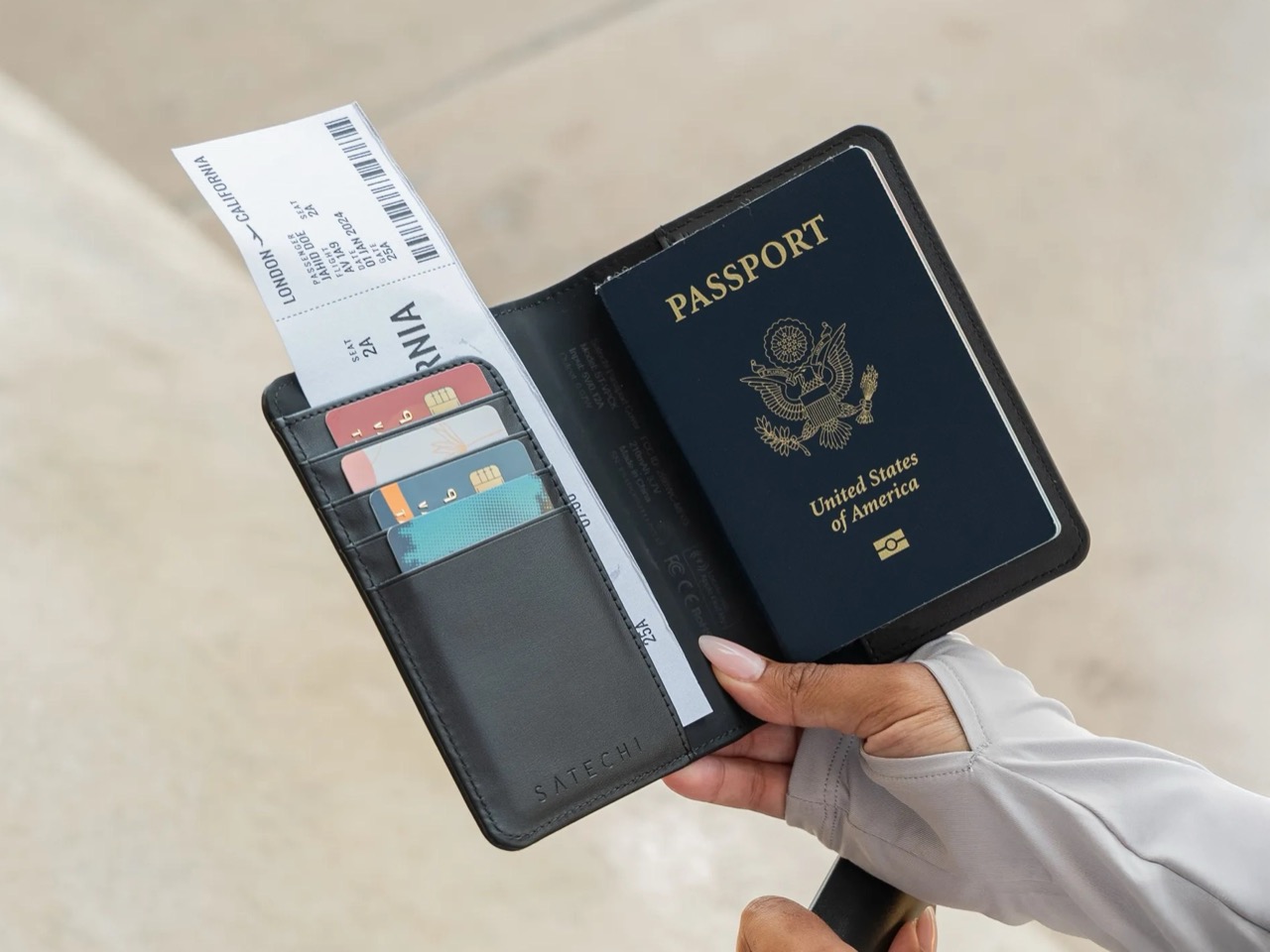
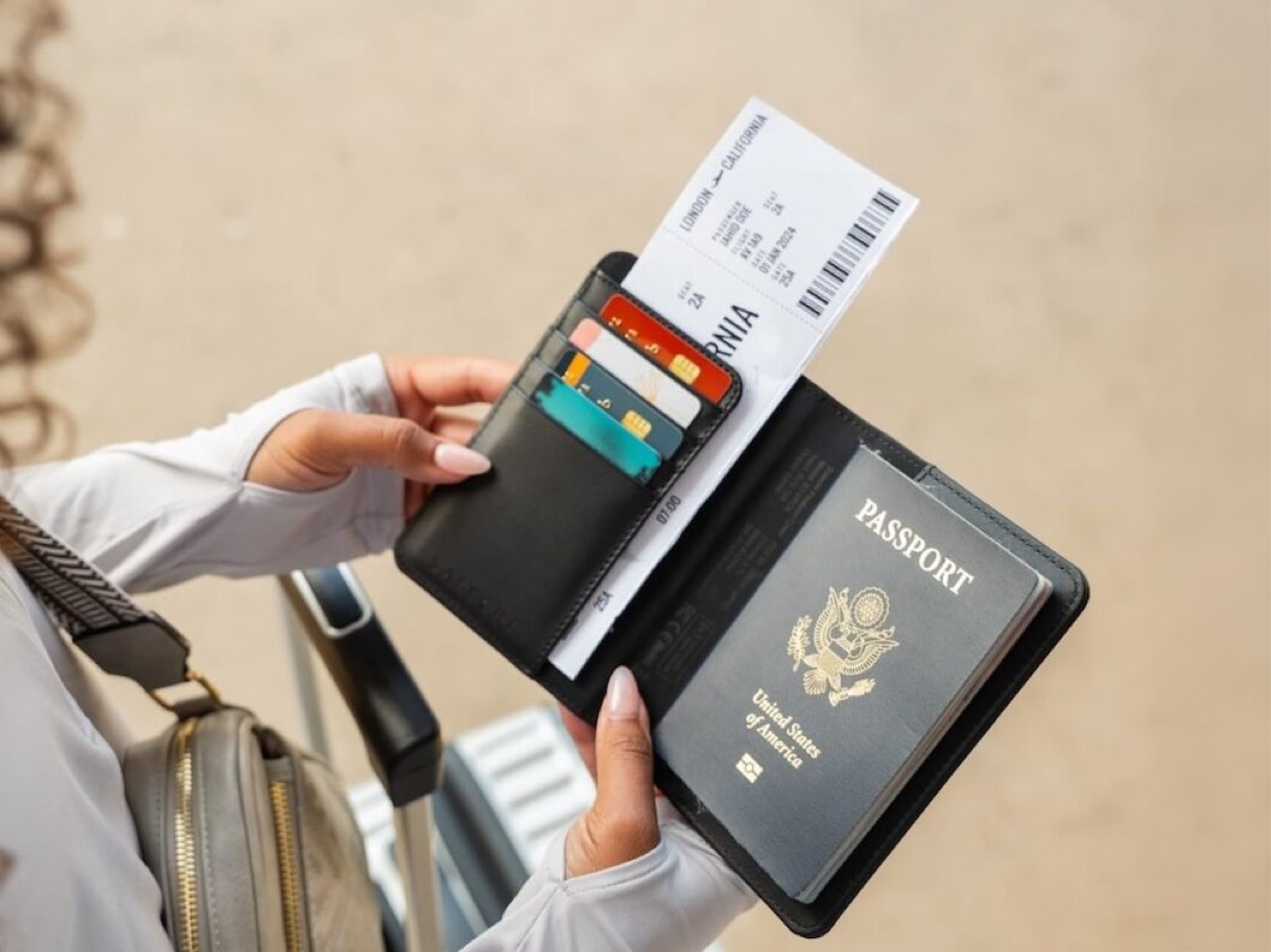
Travel documents have a habit of disappearing at the worst possible moments. You fumble through your bag at airport security, dig through coat pockets at passport control, or panic when you cannot remember if you left your passport in the hotel safe or the seat-back pocket on the plane. Beyond the stress of misplacing documents, there is the very real threat of digital pickpocketing through RFID skimming, where thieves wirelessly steal credit card and passport information simply by standing near you. The Satechi Vegan-Leather FindAll™ Passport Cover addresses both problems by combining elegant organization with cutting-edge tracking technology and security features. This bifold passport holder transforms the chaotic experience of managing travel documents into something streamlined and stress-free, with dedicated slots for your passport, boarding pass, and up to four cards, all wrapped in premium vegan leather that looks and feels like the real thing.

The FindAll technology integrated into the cover connects via Bluetooth 5.2 to Apple’s Find My network, allowing you to locate your passport through the app with audible alerts reaching 90 dB and step-by-step directions to its exact location. You will receive notifications if you accidentally leave it behind at a restaurant, taxi, or hotel room. The built-in 150mAh rechargeable lithium battery charges wirelessly on any Qi, Qi2, or MagSafe charger, lasting up to five months between charges with normal use. RFID-blocking technology protects your sensitive passport and credit card information from electronic theft, giving you peace of mind in crowded airports and tourist areas. Weighing just 3.7 ounces, the cover adds minimal bulk while dramatically upgrading how you carry and protect your most important travel documents.

Why We Recommend It

The Satechi FindAll Passport Cover is indispensable because it solves the organizational chaos that plagues international travel. For frequent flyers, having all your essential documents consolidated in one trackable, RFID-protected holder means faster security lines, smoother immigration checkpoints, and zero anxiety about where your passport is. The Find My integration provides a safety net that traditional passport holders cannot offer, immediately locating misplaced documents before they turn into lost ones. For occasional travelers, the elegant design and practical organization elevate the travel experience from stressful document-juggling to confident, prepared efficiency.

The post 7 Best Underrated Travel Gadgets That Fit in Your Carry-On and Solve 90% of Travel Headaches first appeared on Yanko Design.
10 Essential Compact Travel Gadgets & Tools That Won’t Weigh You Down

Modern travel demands a delicate balance between staying connected and packing light. The days of stuffing suitcases with bulky electronics are over. Today’s best travel gadgets prioritize intelligent design, multi-functionality, and genuine portability without sacrificing performance. These ten compact essentials prove that smart engineering can deliver full-featured experiences in surprisingly small packages.

Each item on this list earned its spot through rigorous real-world testing and design excellence. These aren’t just miniaturized versions of desk-bound gear – they’re purpose-built solutions for the mobile lifestyle. From enhanced optics that slip into your pocket to charging solutions that adapt to any global outlet, these gadgets redefine what travel-ready technology can accomplish.

1. Nikon 4x10D CF Pocket Binoculars

Nikon’s pocket binoculars represent industrial design at its most elegant. These aren’t chunky field glasses but sleek optical instruments that disappear into your everyday carry. The refreshed colorways add style without compromising the core philosophy: enhanced vision should integrate seamlessly into your life rather than announce itself through bulk.

The tactile experience feels fundamentally different from smartphone zoom. There’s something immediate about optical magnification that digital enhancement can’t replicate. These binoculars solve traditional field glass problems through pure miniaturization, creating a single-purpose tool that actually gets carried because it doesn’t burden your load.

What we like

  • Genuinely pocketable size without optical compromise.
  • Premium build quality with sophisticated design aesthetic.

What we dislike

  • Limited 4x magnification compared to larger binoculars.
  • Higher price point than basic compact alternatives.

2. ASUS RT-BE58U WiFi 7 Travel Router

The RT-BE58U transforms portable networking from afterthought to centerpiece. This Red Dot Award winner packs WiFi 7 speeds into a chassis that’s equally at home in a gaming setup or travel backpack. Collapsible antennas and sustainable materials prove that cutting-edge wireless technology doesn’t require traditional router bulk.

Multi-Link Operation and 4K-QAM deliver serious performance metrics – up to 3600 Mbps across dual bands with backward compatibility for legacy devices. The real innovation lies in seamless lifestyle integration. This router pivots from home office powerhouse to hotel room connectivity solution without missing a beat.

What we like

  • WiFi 7 speeds with comprehensive backward compatibility.
  • The collapsible design is perfect for both home and travel use.

What we dislike

  • Premium pricing for what some consider basic networking needs.
  • A complex feature set might overwhelm casual users.

3. Mophie 3-in-1 Travel Charging Station Global Edition

Mophie’s foldable charging station solves the Apple ecosystem’s biggest travel challenge: powering iPhone, Apple Watch, and AirPods simultaneously without cable chaos. The Global Edition adds international plug compatibility, making this a genuine worldwide solution rather than another US-centric accessory.

Foldable design transforms from compact travel companion to full desktop charging station. Wireless convenience means fewer cables and adapters cluttering your travel kit. The engineering prioritizes both space efficiency and charging reliability, delivering consistent power delivery across all three device types.

What we like

  • Simultaneous wireless charging for three Apple devices.
  • Truly foldable design that packs remarkably flat.

What we dislike

  • Limited to Apple ecosystem compatibility only.
  • Requires compatible wireless charging cases for older devices.

4. Goudveer F1 Portable Coffee Grinder

Fresh coffee shouldn’t be a luxury reserved for home kitchens. The F1 combines industrial-grade conical burrs with thermos-sized portability, ensuring quality grounds whether you’re camping or staying in a minimalist Airbnb. Hot-swappable motor and hand-crank options adapt to any power situation.

One hundred grind settings provide professional-level control in a package that fits standard travel bags. The fold-out collection tray eliminates the need for separate containers. This represents thoughtful engineering applied to a genuine travel problem: maintaining coffee quality without carrying barista-sized equipment.

What we like

  • Industrial-grade burrs deliver consistent professional results.
  • Dual electric/manual operation adapts to any situation.

What we dislike

  • Higher maintenance requirements than simple travel alternatives.
  • Premium price point may deter casual coffee drinkers.

5. RetroWave 7-in-1 Radio

This retro-styled radio proves that emergency preparedness doesn’t require military-grade aesthetics. Seven functions – radio, Bluetooth speaker, MP3 player, flashlight, power bank, clock, and SOS alarm – pack into a design that wouldn’t look out of place on a modern desk.

Hand-crank and solar charging ensure functionality when traditional power sources fail. The tactile tuning dial provides satisfying analog control while Bluetooth connectivity bridges old and new. This represents intelligent multi-functionality where every feature serves a genuine purpose rather than checking marketing boxes.

Click Here to Buy Now: $89.00

What we like

  • Seven essential functions in one beautifully designed package.
  • Multiple charging methods ensure power in any situation.

What we dislike

  • Retro aesthetic might not appeal to minimalist design preferences.
  • Feature complexity could overwhelm users seeking simple radio functionality.

6. Tspin Fidget Spinner Multi-Tool

Tspin transforms nervous fidgeting into practical functionality. This titanium multi-tool includes a bottle opener, SIM card tools, a smartphone stand, a cable organizer, and a precision screwdriver while maintaining classic spinner mechanics. The carabiner clip provides secure attachment without typical camping gear bulk.

Travel anxiety meets practical problem-solving through thoughtful engineering. That missing bottle opener or SIM card ejector tool gets integrated into something you’ll naturally carry. The smartphone stand function proves particularly valuable for solo travelers wanting to appear in their own photos.

What we like

  • Multiple essential tools disguised as a stress-relief toy.
  • Premium titanium construction ensures long-term durability.

What we dislike

  • The fidget spinner trend feels dated to some users.
  • Small tool sizes may not suit all hand sizes comfortably.

7. AirPods Neck Strap

These woven straps solve AirPods’ biggest design flaw: they’re expensive devices that easily disappear. The patented magnetic lock keeps both earbuds secure while allowing quick removal for listening. Three color options match different style preferences without screaming “tech accessory.”

Transforming wireless earbuds back into a necklace format feels counterintuitive until you experience the peace of mind. No more patting pockets or checking bags for escaped AirPods. The woven construction feels premium rather than cheap aftermarket, making this functional fashion rather than pure utility.

Click Here to Buy Now: $39.00

What we like

  • Eliminates AirPods loss anxiety.
  • Premium woven materials feel genuinely fashionable.

What we dislike

  • Returns to the tethered earbud concept that AirPods originally escaped.
  • Additional accessory to remember and maintain.

8. Nothing Power (1) Battery Bank

Nothing’s transparent design philosophy transforms boring power banks into captivating tech art. The glyph interface communicates charging status, battery levels, and smartphone notifications through sophisticated light patterns. Internal circuitry becomes a visual element rather than a hidden component.

Twenty thousand mAh capacity provides multiple phone charges, while 65W fast charging reaches fifty percent power in under twenty minutes. The glyph system proves particularly valuable for solo travelers who can monitor charging progress and receive notifications without constantly checking devices.

What we like

  • The glyph interface provides information without screen dependency.
  • Transparent design creates visual interest beyond pure functionality.

What we dislike

  • Premium pricing for what’s essentially standard power bank capacity.
  • Complex light patterns require a learning curve for interpretation.

9. For Me Buds AI Sleep Monitoring Earbuds

Sleep optimization becomes crucial when constantly changing time zones and sleeping environments. These earbuds combine noise cancellation with AI-powered binaural beats tailored to individual sleep stages. Heart rate and movement sensors provide comprehensive sleep analysis without wrist-worn devices.

Real-time sound adjustment throughout sleep cycles represents a genuine AI application rather than a marketing buzzword. The earbuds deliver personalized audio directly into your ears for more effective sleep enhancement than external speakers. Pattern analysis helps adapt to new schedules and unfamiliar environments.

What we like

  • AI-powered sleep optimization with real-time audio adjustment.
  • Comprehensive sleep tracking without additional wearable devices.

What we dislike

  • Sleeping with earbuds may feel uncomfortable for some users.
  • Complex AI features might overwhelm users seeking simple noise cancellation.

10. TA-205

This adapter acknowledges modern reality: travelers carry more devices than ever, and they all need power simultaneously. Supporting over 200 countries with seven charging ports eliminates device priority decisions. Dual AC sockets handle both universal and US-specific plugs.

Three USB-A ports manage accessories while dual USB-C ports handle primary devices. The 35.5W fast-charge capability means phones power quickly rather than keeping travelers tethered to walls. Compact engineering doesn’t compromise power delivery across the full range of modern electronics.

What we like

  • Seven simultaneous charging ports eliminate device priority decisions.
  • 200+ countries are compatible with intelligent plug adaptation.

What we dislike

  • Multiple ports might exceed some hotel outlet power limits.
  • Compact size makes individual port access occasionally cramped.

Smart Engineering Meets Modern Travel

These ten gadgets represent the evolution of travel technology from bulky necessities to elegant essentials. Each item earned its place through genuine utility rather than feature bloat. Smart travelers recognize that the best gear enhances experiences without announcing its presence through weight or bulk.

The common thread connecting these products is thoughtful engineering applied to real travel challenges. Whether it’s maintaining coffee quality, staying connected globally, or optimizing sleep across time zones, each solution prioritizes genuine portability without compromising core functionality. This represents the future of travel gear: invisible when not needed, indispensable when required.

The post 10 Essential Compact Travel Gadgets & Tools That Won’t Weigh You Down first appeared on Yanko Design.
Vintage-looking ebike sidecar lets you ride around in style

I am one of the estimated 50% of the world population that don’t know how to ride a bike and have no desire to actually learn how. But there’s one kind that I do know how to ride and given the chance, I’d probably willingly get on one: the sidecar. I can’t balance on two wheels but add a sidecar and another wheel to the equation, then yes, I can actually “drive” it. And if it’s an electric bike, then it also adds to the appeal.

Designer: Mod Bikes

The Mod Easy SideCar Sahara electric bike is something that may appeal to people like me or regular bike riders who want to get on this retro-looking thing that looks like a prop bike from Mad Max Fury Road. The design inspiration for the limited edition ebike is actually the BMW R75 Sahara motorcycle from the World War II era or the 1940s. But of course it has more bells and whistles given that it’s an electric bicycle.

The front wheel has a moto-style dual-crown suspension while the custom-made sidecar has dual headlights, an extended frame, and a cargo rack at the rear. And if your companion on the sidecar is a pet, it even has a built-in doggie door, which should work for pets and humans alike. There’s also a padded seat and a seatbelt for safety. As an ebike, it is equipped with a 750-W rear-hub motor plus give levels of programmable pedal-assist. It also has a responsive torque sensor and a thumb throttle.

The bike also has wide-beam LED headlight so you can be visible while driving around even when it’s dark already. There’s also a braking tail-light to add to the safety features. And if you want more control over the synched turn signaling and brake lighting, you can pair it with a Lumos smart helmet.

The post Vintage-looking ebike sidecar lets you ride around in style first appeared on Yanko Design.
Odd backpack is designed for carrying spare bicycle tires and large objects

It’s pretty amazing how much stuff we can cram into our backpacks, from laptops to 2-liter water bottles to a bundle of chargers and cables. Of course, these are objects that were designed to be small enough to fit in bags in the first place, so that’s not exactly out of the ordinary. Unfortunately, we sometimes need to carry things larger than the largest backpacks in the market.

This bag might be designed for bicycle racing, but it can definitely do more than just carry spare wheels for an emergency. Its literally open design actually offers a bit more wiggle room that will let you carry large or odd-shaped items without breaking a sweat. Unless, of course, they’re actually too heavy to carry on your back.

Designer: Fernando A. Robert

We often think of bags as enclosed containers with a single opening, but there really isn’t a formal definition of a bag’s design. This “Bike Backpack” might look like a regular backpack from the front, but its open sides definitely break the stereotype. Then again, the idea of carrying a bicycle wheel or a large box is itself already unconventional.
The Sherman Bike Backpack has a tri-fold design that opens vertically like a flap. The idea is that you stuff things that are too large or too wide for regular bags in between the flaps, letting the sides extend beyond the bag’s confines. Alternatively, you can also hang something outside and secure it with straps.

This is how you can carry one or two bicycle wheels that are thin and light enough to put on your back while cycling or racing. Of course, boxes, drawing boards, blueprint tubes, and other large objects are also fair game, as long as you secure them properly with straps. It definitely makes for an odd sight, but your comfort and convenience definitely outweigh any awkwardness.

The backpack also has compartments for carrying regular stuff, and you might be able to use it for carrying laptops, tools, or even clothes. That said, it isn’t the ideal backpack for all weather conditions, since the open sides make it very vulnerable to water, snow, and even dust.

The post Odd backpack is designed for carrying spare bicycle tires and large objects first appeared on Yanko Design.