One Table, 3 Games, Nobody Needs a Game Room

Most people who want a pool table and a dining table end up choosing neither. The math never works. A regulation pool table eats up roughly the same square footage as a small bedroom, a ping pong table needs its own dedicated stretch of floor to swing a paddle without hitting a wall, and a proper dining table has to look good enough to survive being seen by dinner guests. Pick two out of three and you’re already stretching a normal house. Pick all three and you need a room nobody actually has.

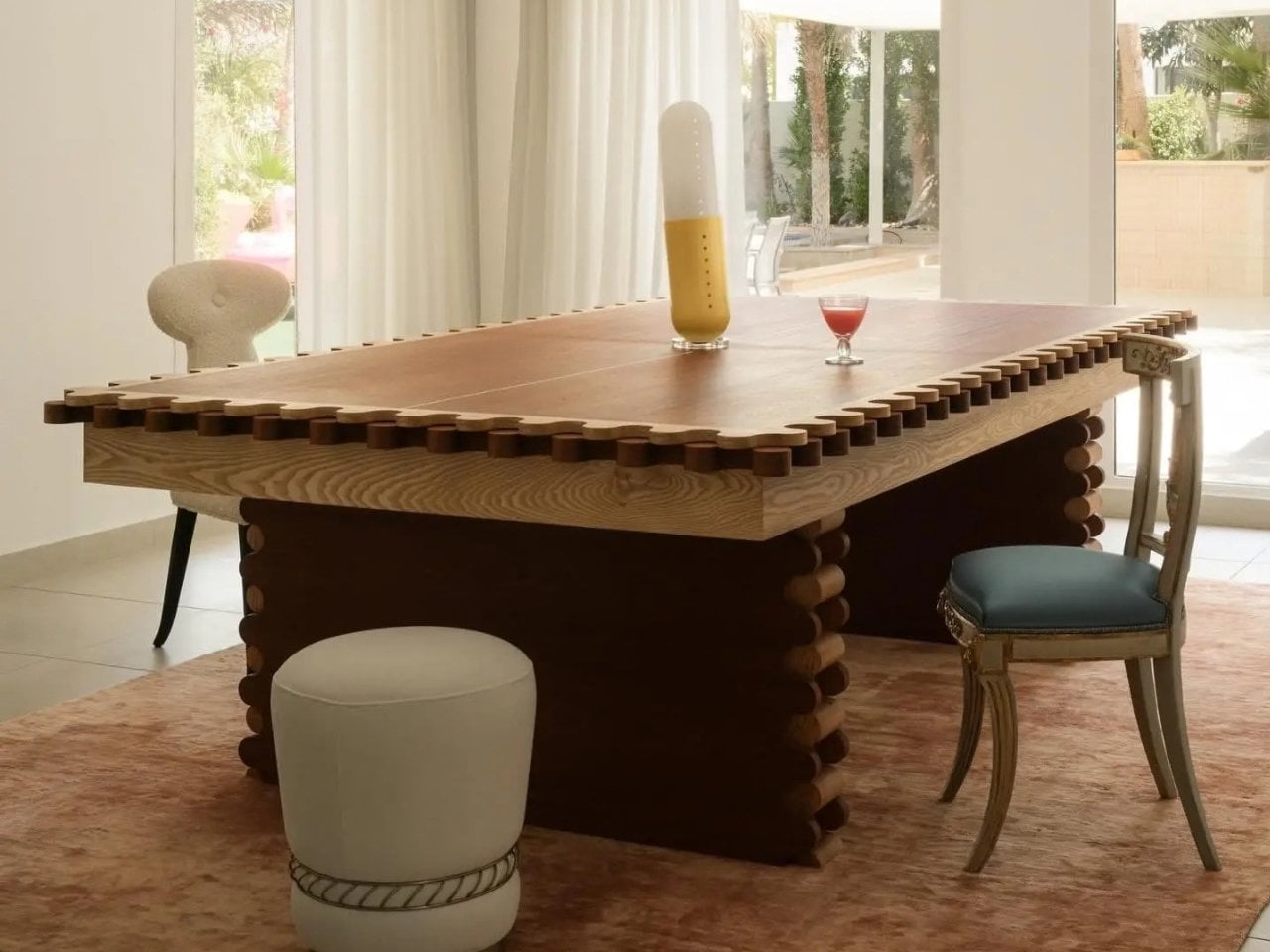
Sanne’s Department of Play looked at that math and decided it was wrong. The 3-in-1 Table is exactly what it sounds like: lift the top and a dining table becomes a full pool table, swap the surface again and it’s ping pong, complete with a cane-and-leather net that looks like it belongs in a much more expensive living room than most game tables ever see. It collapses three furniture purchases and three separate footprints into one object, which solves the actual problem that has quietly kept most people out of the game-room conversation entirely: there was never enough house for the fun stuff.

Designer: Sanne’s Department of Play (photos by Vitali Grishkov)
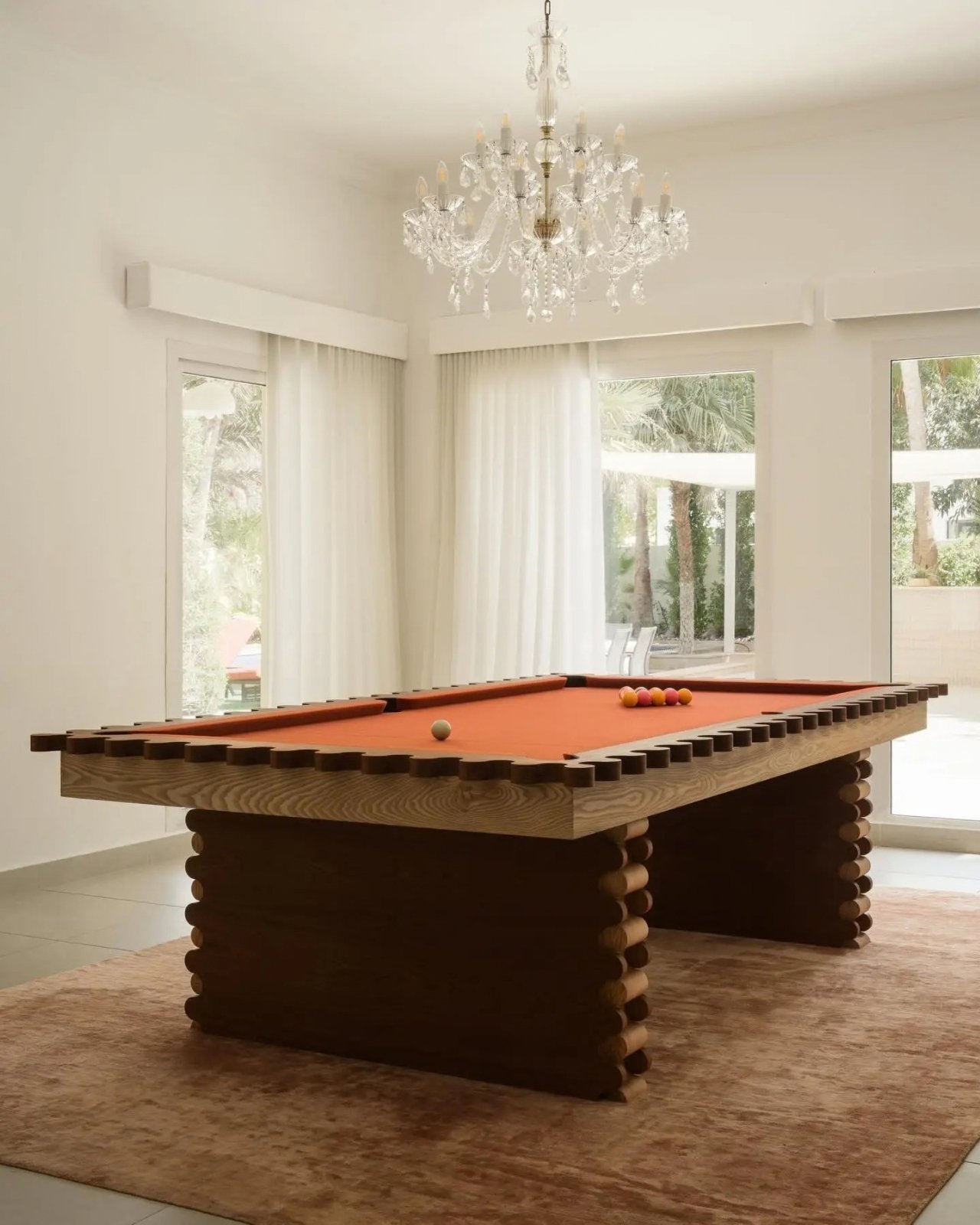
What gets me about this piece is that it doesn’t look like a compromise. Anyone who has shopped for a combo game table before knows the usual result, a pool table with a plywood lid bolted on top so it can technically also be a dining surface, priced around $800 and looking every bit like sports equipment wearing a costume. Sanne’s version starts somewhere else entirely. The scalloped edge running around the perimeter and down the legs, that repeating rounded bump pattern, looks like it was drawn first as a piece of sculpture and only later revealed to double as the ball guard for ping pong. Function followed form here instead of the other way around, and you can feel that order in every photo of it just sitting quietly as a dining table under a chandelier, giving away nothing about its second life.
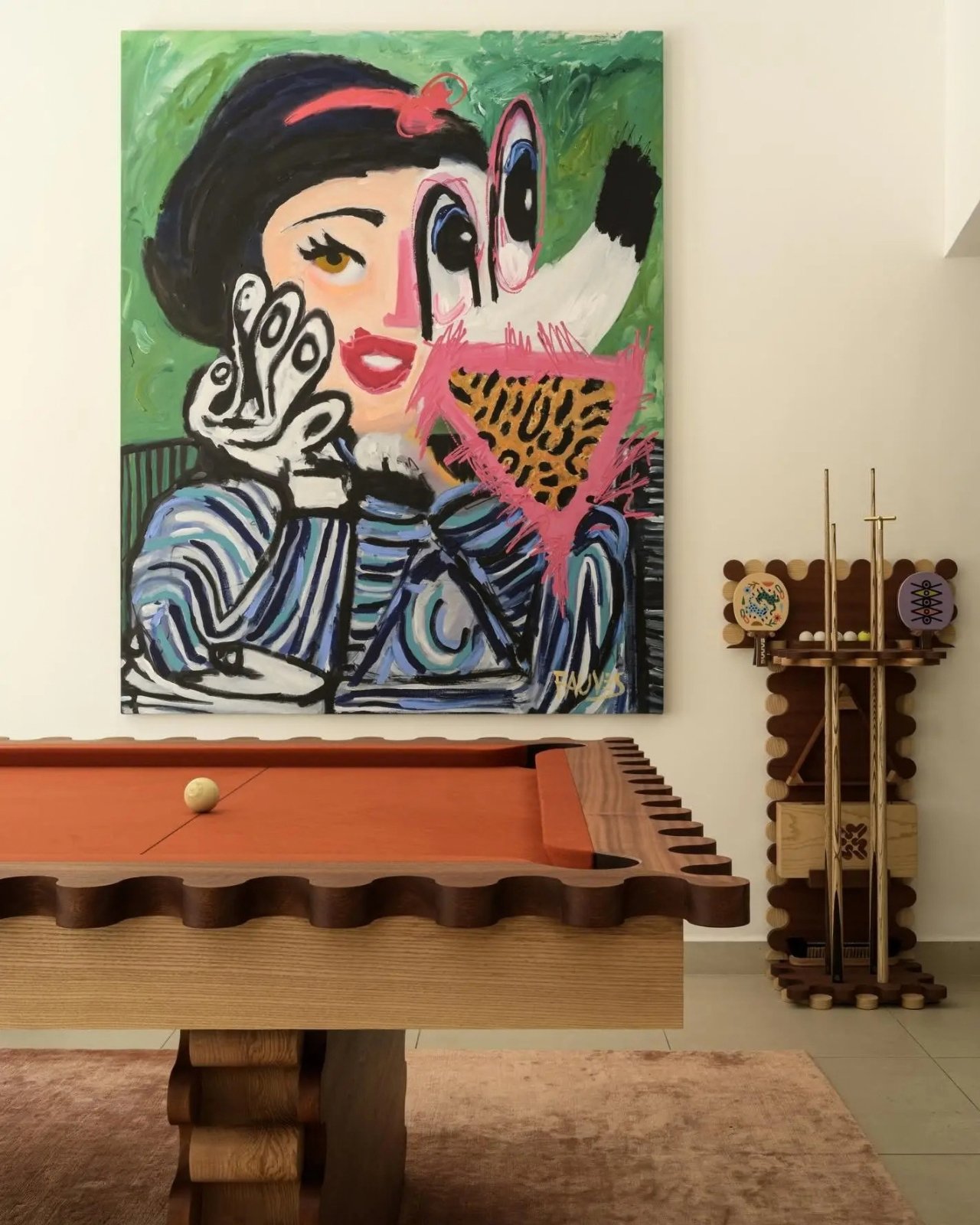
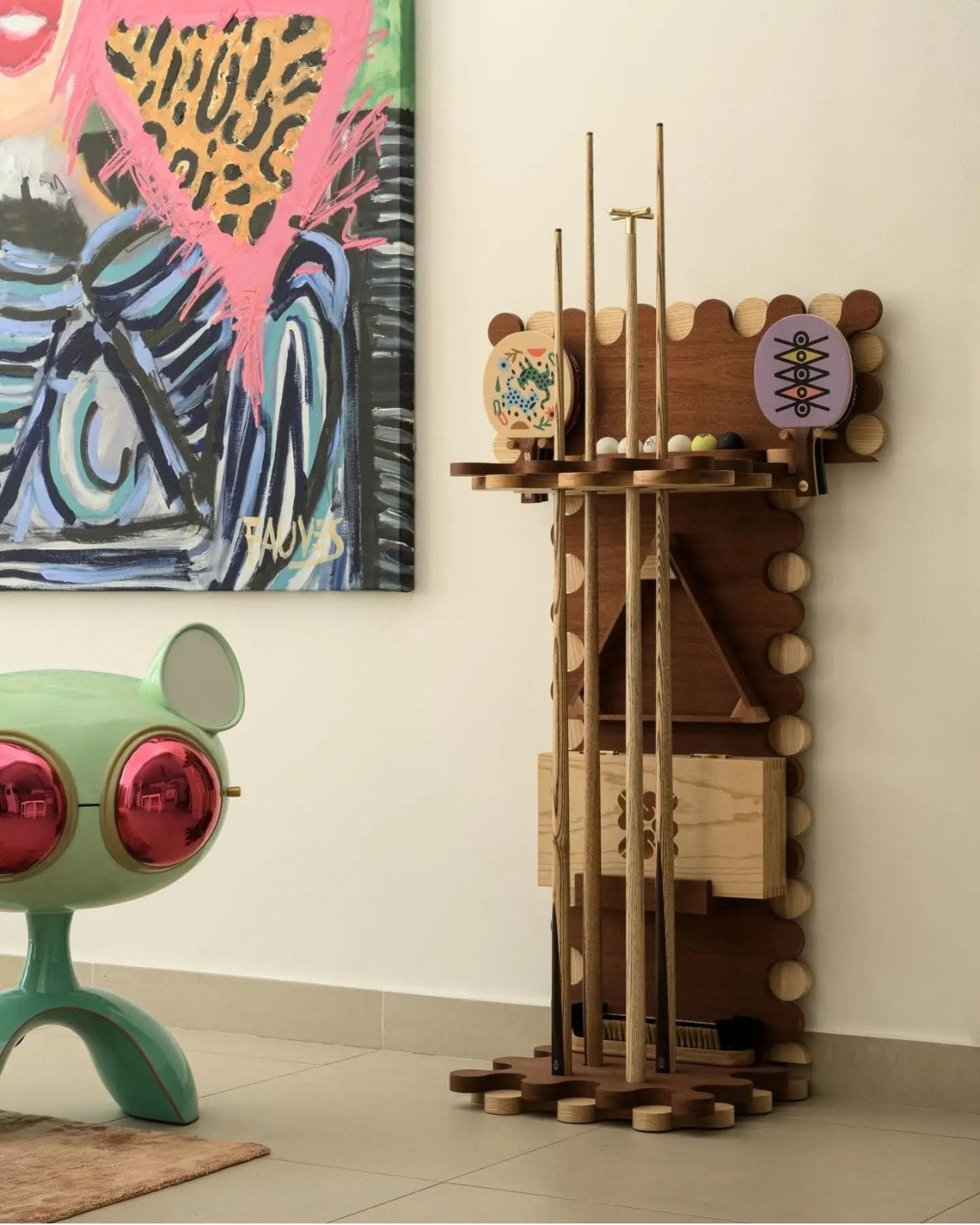
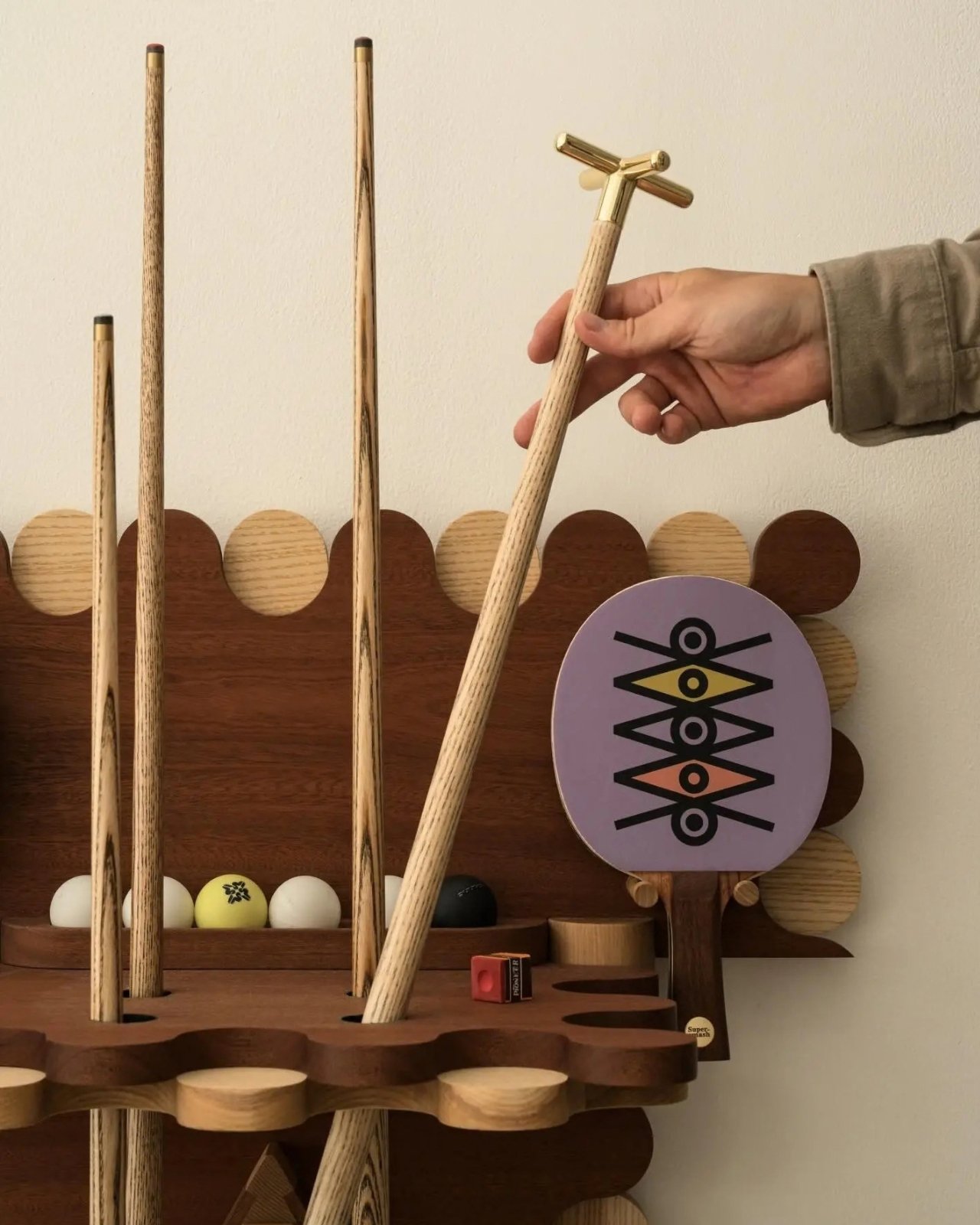
The material choices back that up. The base is a deep walnut tone against lighter ash detailing, which reads more mid-century furniture than rec room. When it becomes a pool table, the felt is a rust orange rather than the standard casino green, which sounds like a small thing until you realize it’s the difference between a table that argues with your décor and one that sits right at home. Even the accessories got the same treatment. The cue rack is its own scalloped tower that matches the table instead of leaning against a wall wrapped in a canvas cover, the ping pong paddles are hand-painted with little leopards and floral motifs, and the ball tray is dovetailed like a keepsake box. Nobody asked for the ball tray to look nice. They built it that way anyway.
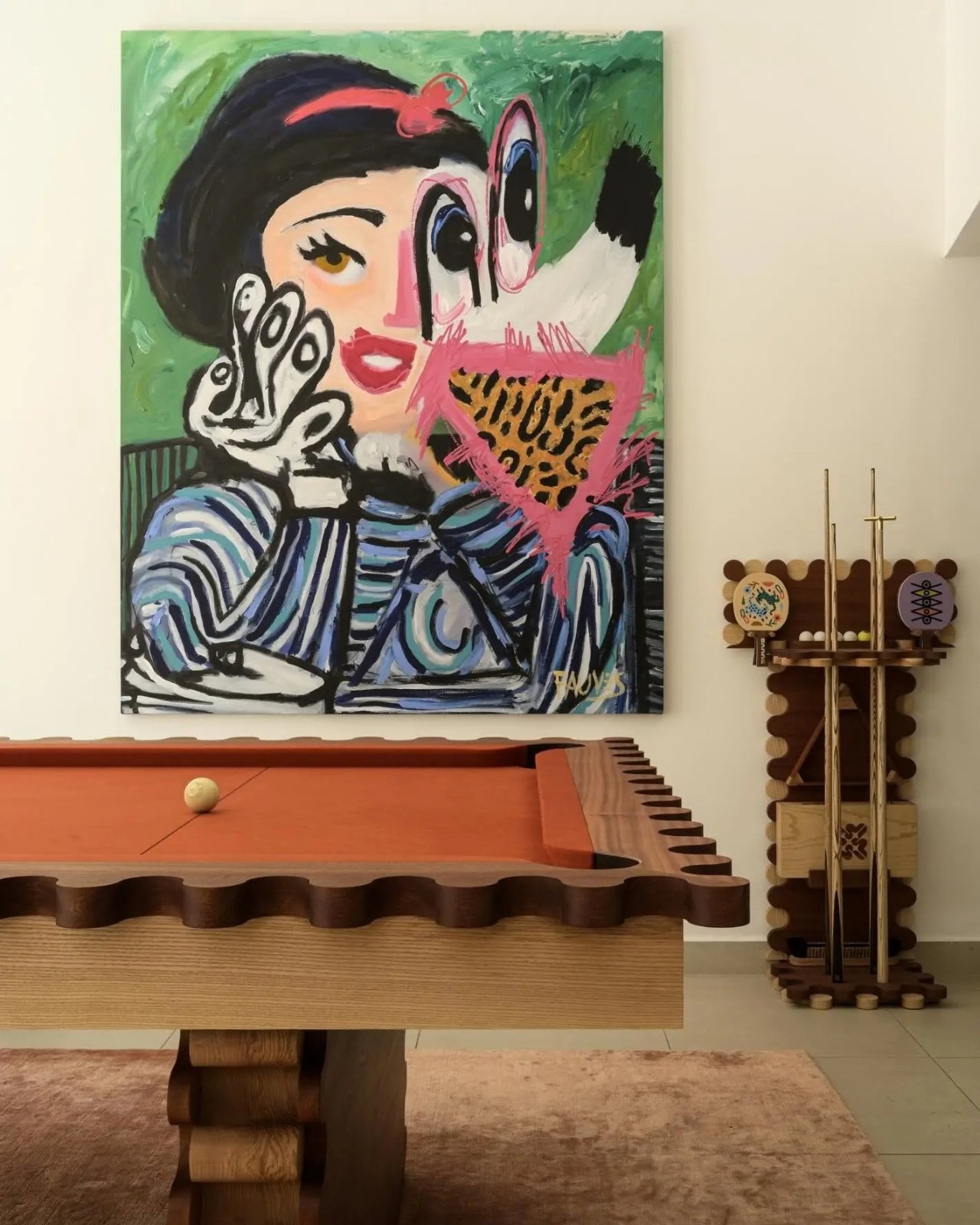
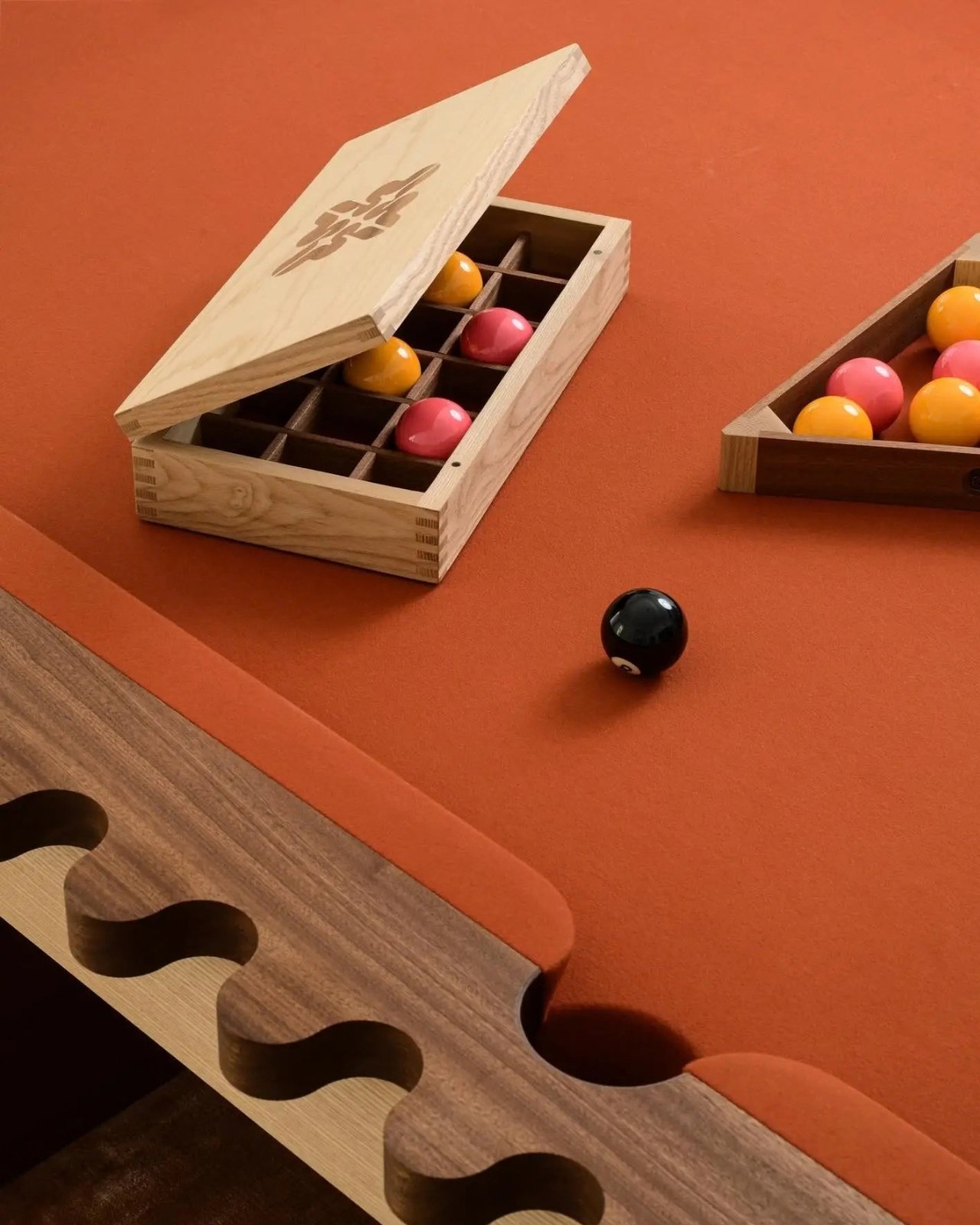
That attention to the parts nobody was going to scrutinize is what actually sells the bigger idea. Pricing puts the crafted-to-order version around $12,500, with a limited floorstock release closer to $7,500, so this sits firmly in collectible design furniture territory rather than impulse purchase territory. That framing matters more than it first appears. It’s less “we made a fun table” and more “we made a serious piece of furniture that happens to also be extremely fun,” and that distinction is the whole reason it works in a home that already has real art on the walls instead of only in a basement.
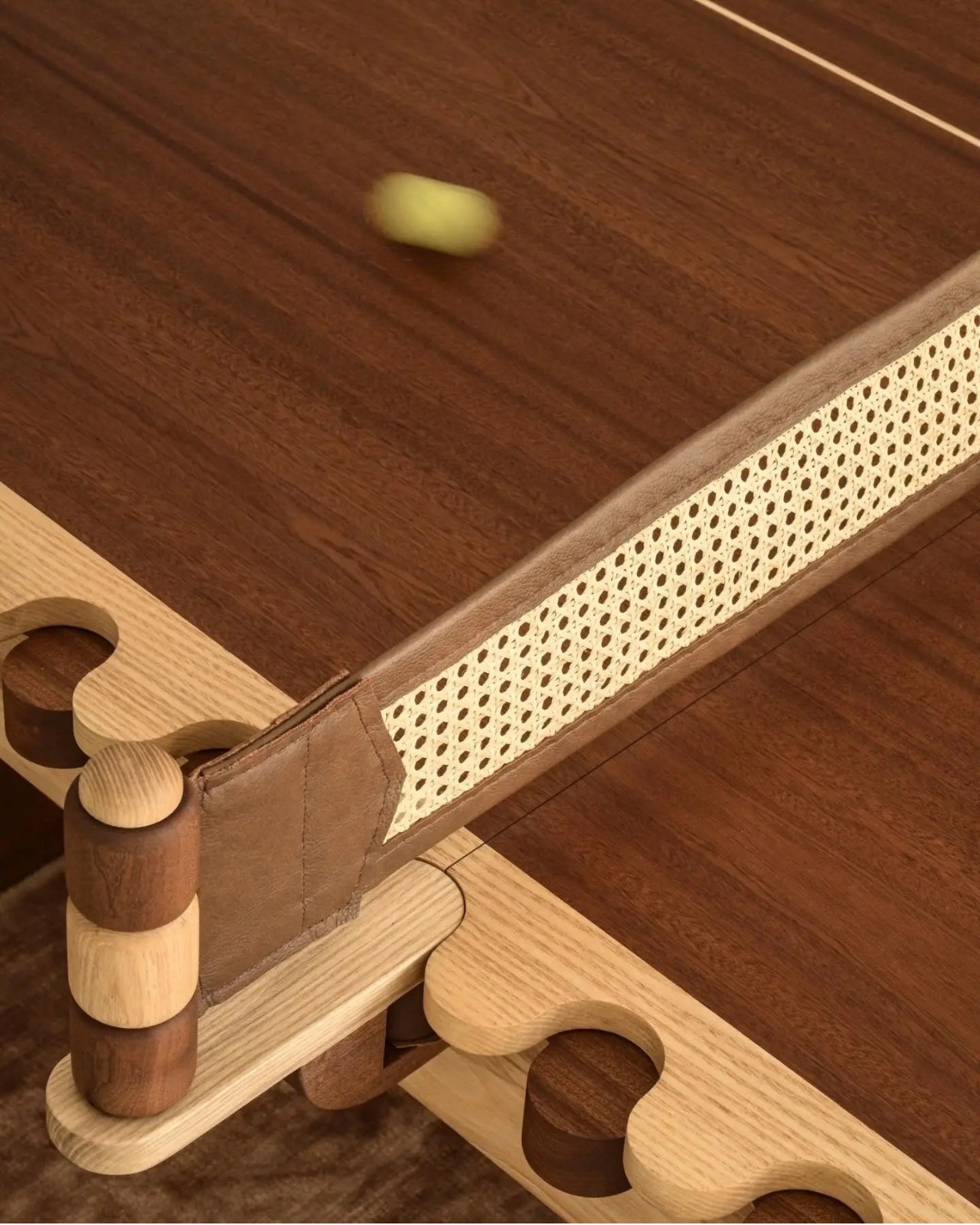
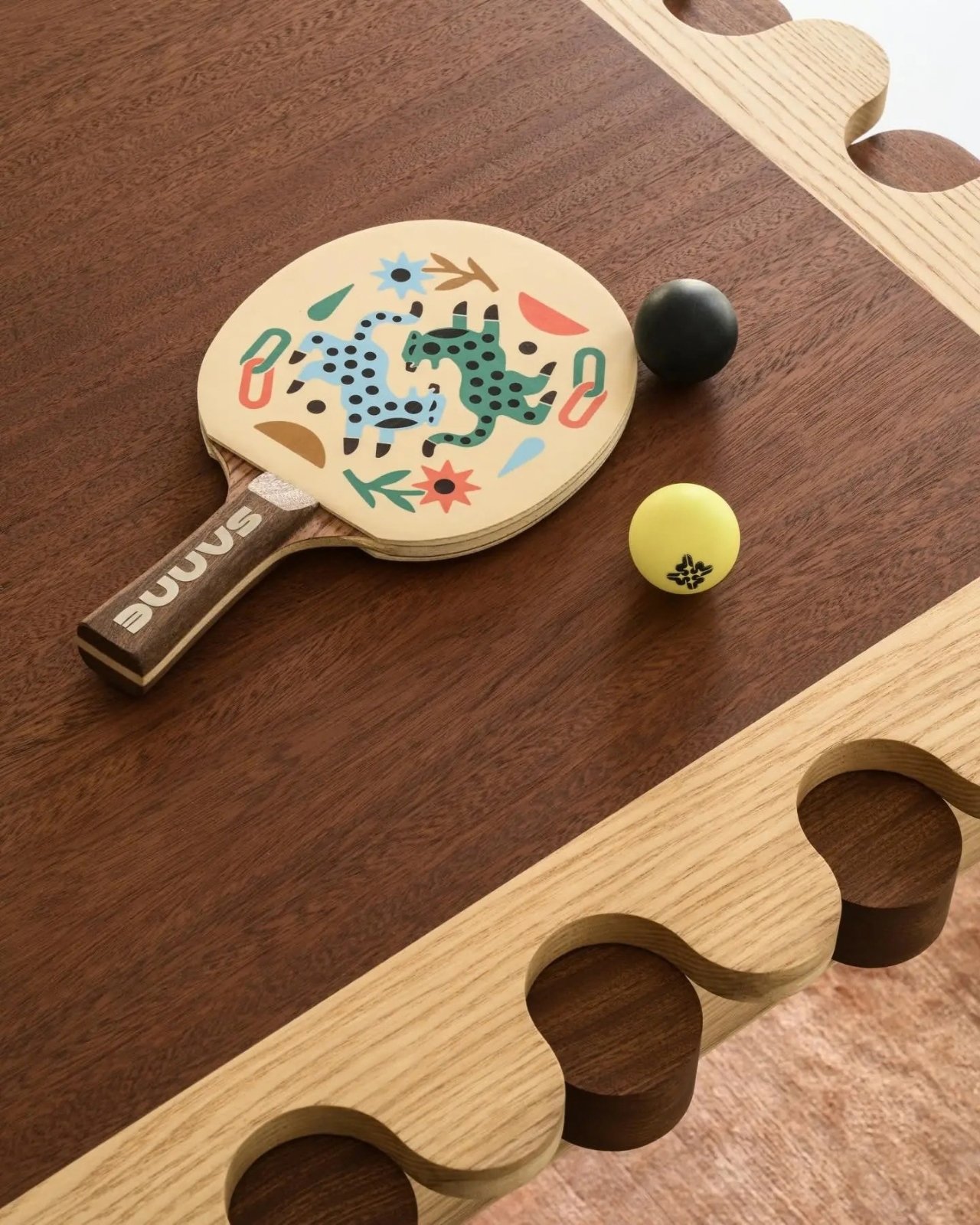
There’s a bigger shift happening around furniture like this, one where the game room stops being a separate destination and starts becoming part of the main living space instead of something hidden behind a closed door. A pool table tucked in a basement gets used four times a year. A pool table that is also the table where everyone already eats dinner gets used constantly, almost by accident, because nobody has to decide to go play. They just have to clear the plates.
The post One Table, 3 Games, Nobody Needs a Game Room first appeared on Yanko Design.
The Ping Pong Tables at This French School Have No Rules

Most of us learned to play ping pong the same way: flat table, net in the middle, bounce, smash, repeat. The rules were never really up for debate. You either knew them or you didn’t, and the table gave you very little room to imagine doing things differently. That’s exactly the kind of thinking French architecture studio Exercice decided to challenge.

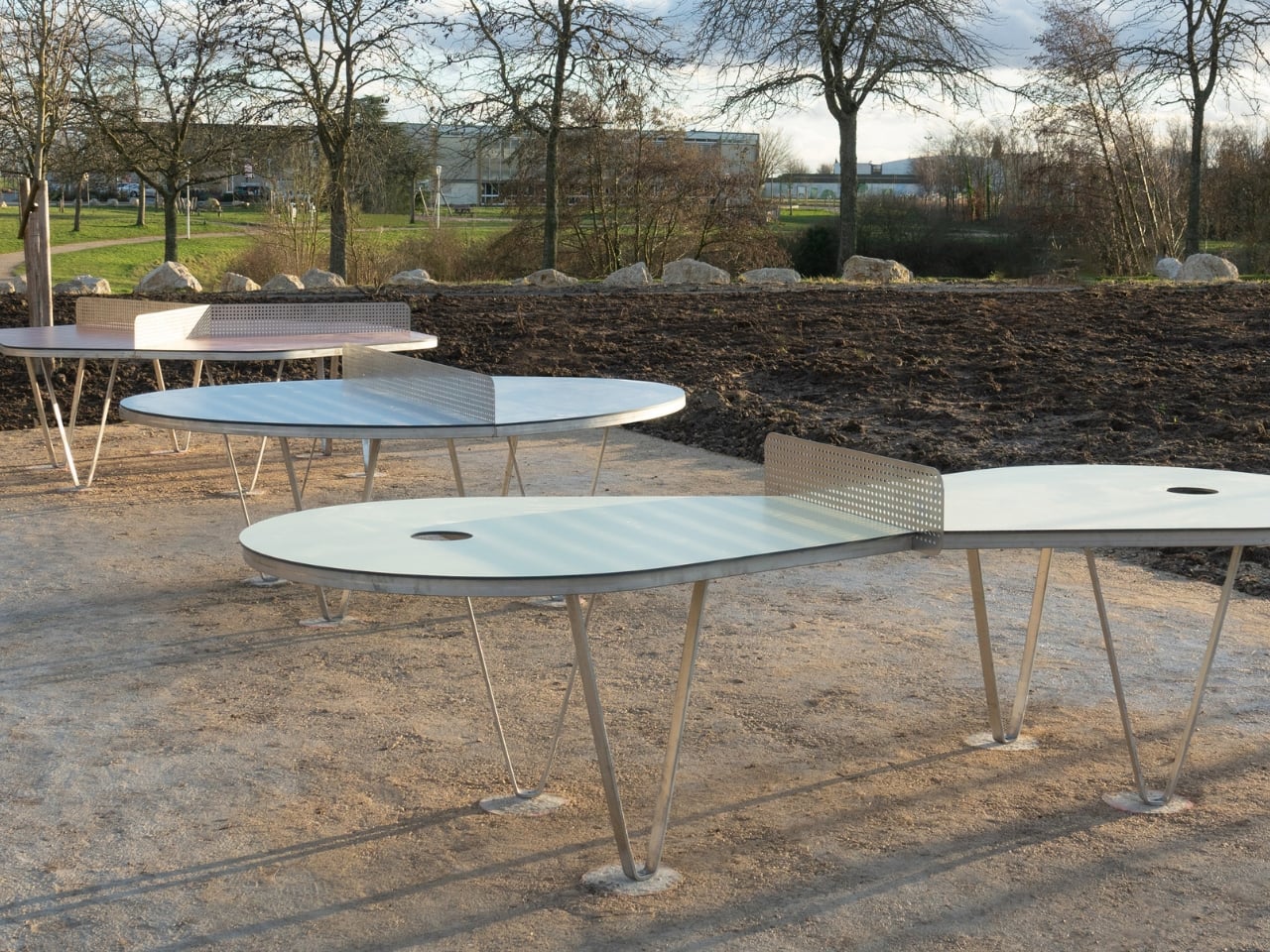
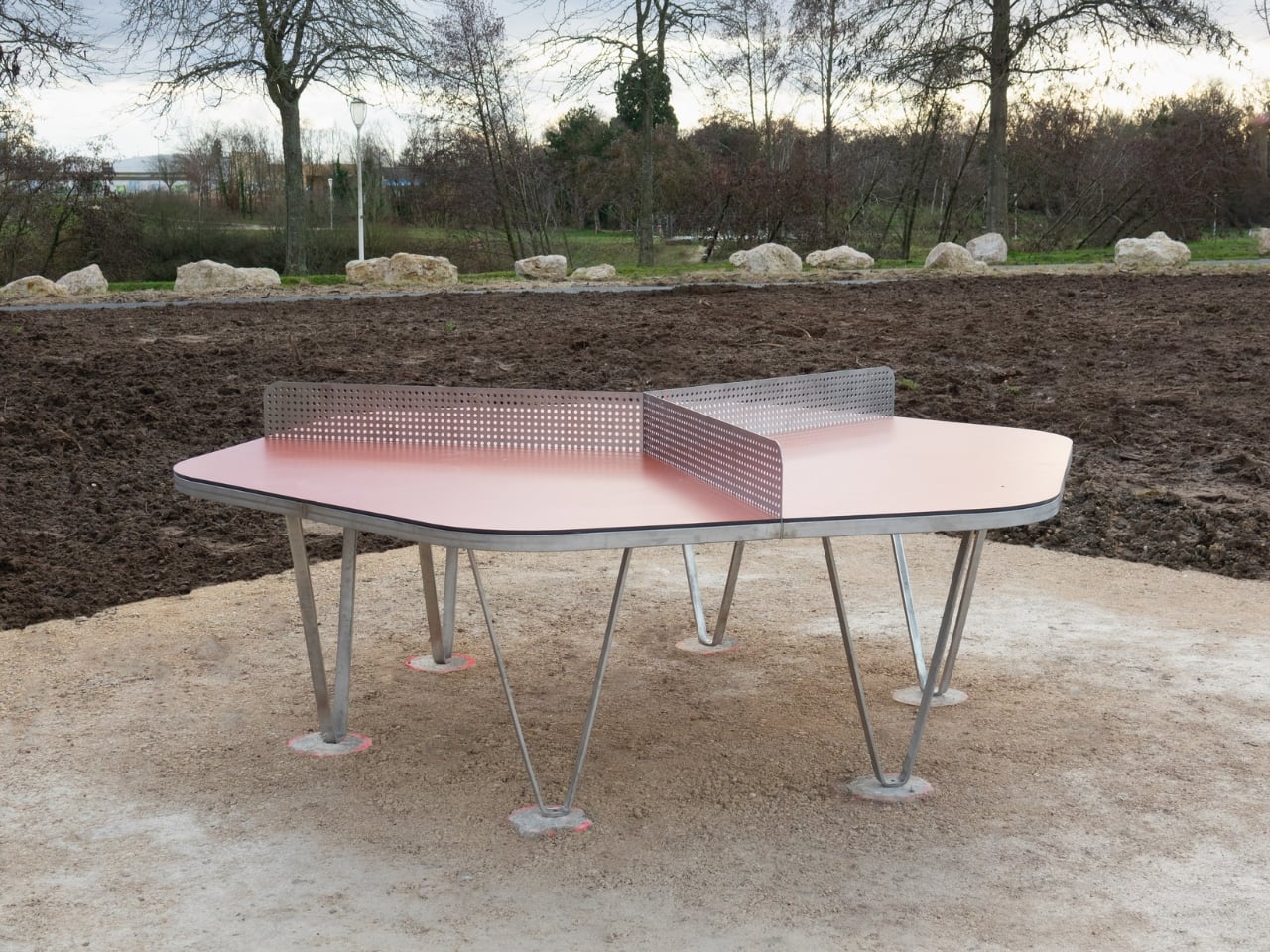
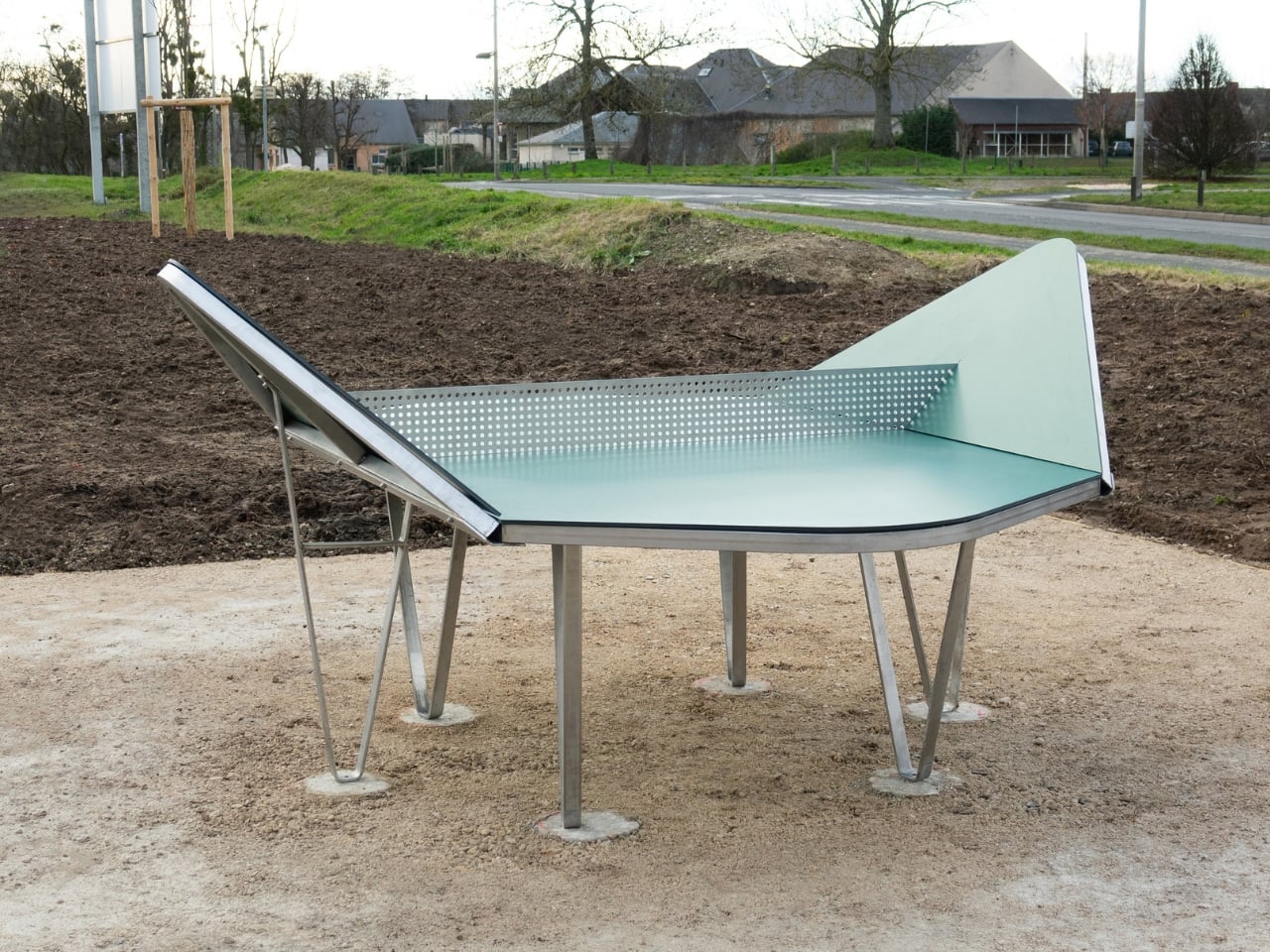
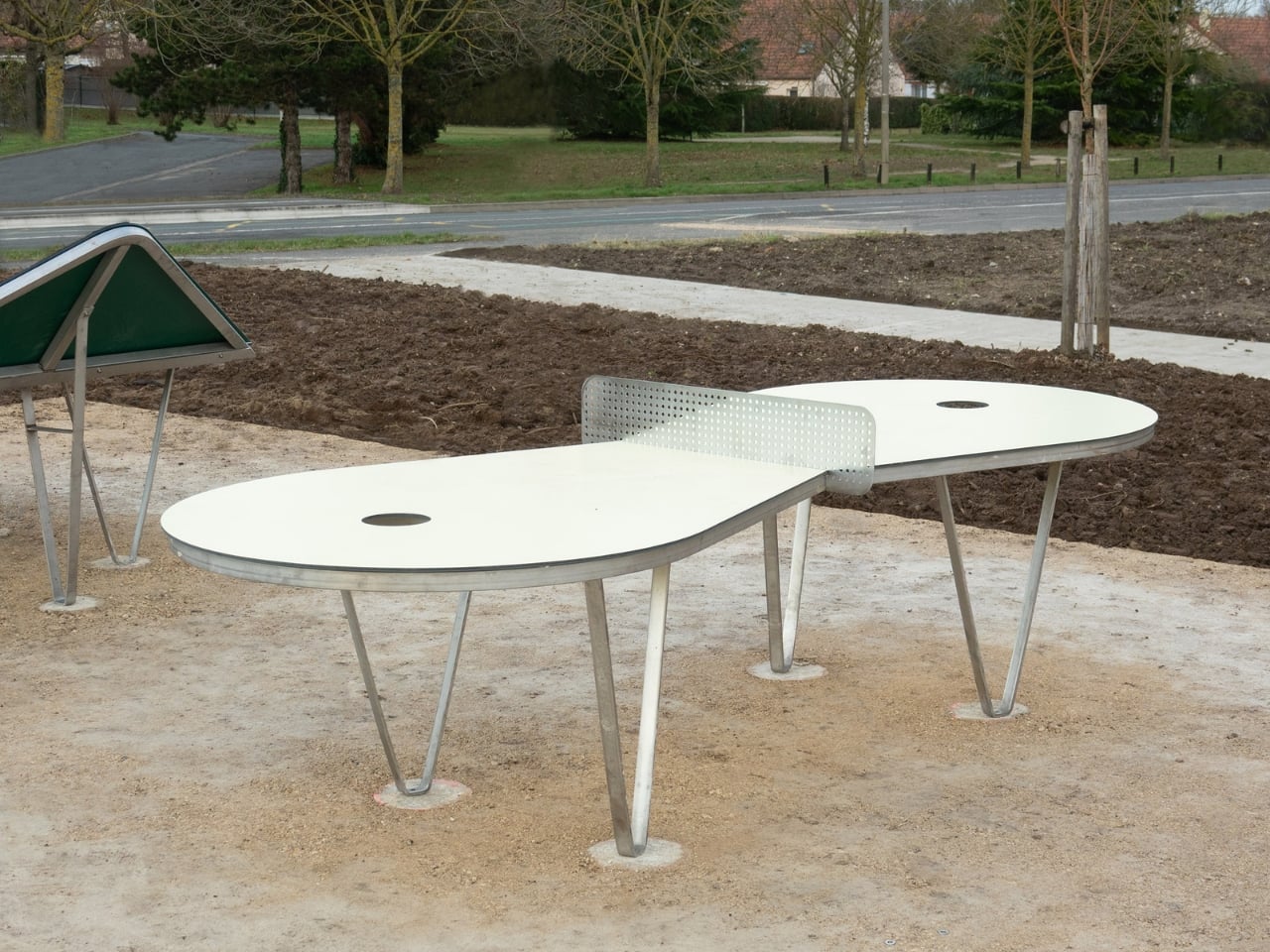
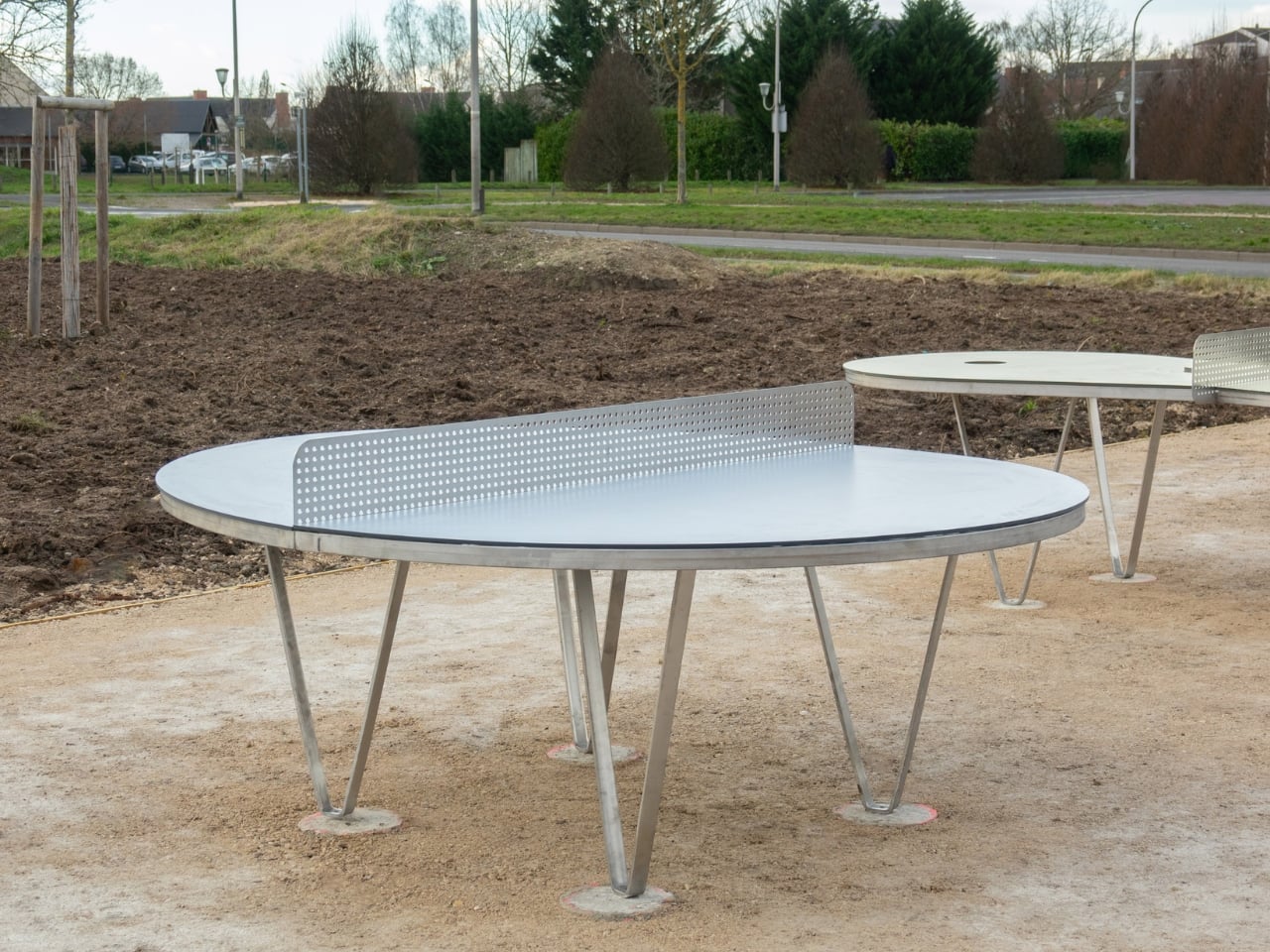
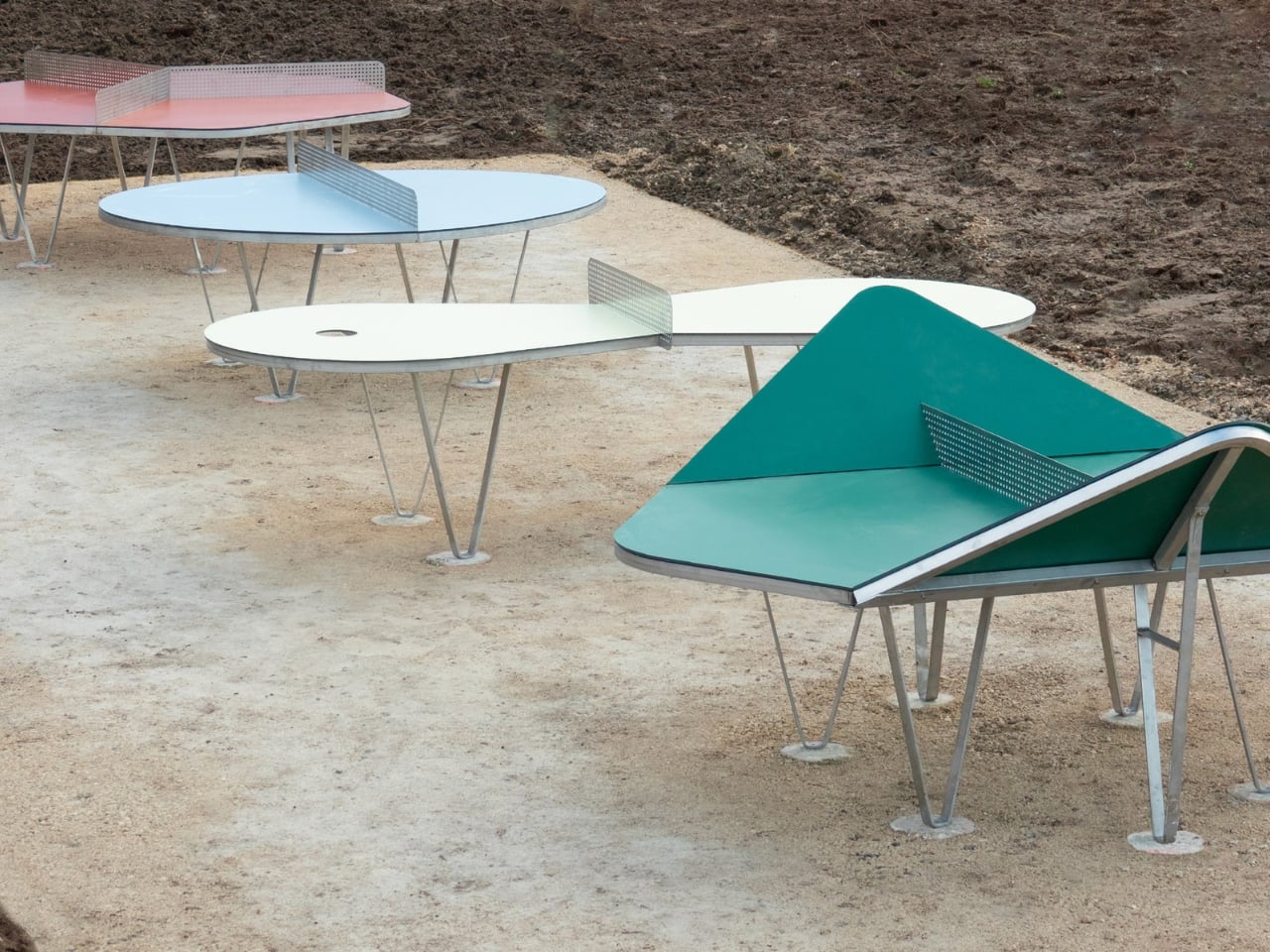
Their project, called Ping Pong Park, recently landed at a high school in Ingré, France, and it is not your standard schoolyard furniture. Exercice installed four table tennis tables on the school grounds, each one looking like it wandered out of an art gallery and accidentally became a playground fixture. They were designed to make children question the rules, experiment with play, and figure out how the game works for them, not for a referee.

Designer: Exercise

The four tables each have a distinct character. The Rebound table has raised sides that expand the playing surface vertically, so the ball doesn’t just travel across the table. It can careen off walls you didn’t anticipate. Every rally becomes a small physics experiment. The Golf table narrows at the centre and features holes on either side that can count as a winning point or a foul, depending entirely on what players decide before the match starts. Even the geometry pushes you toward longer, more strategic shots. Then there’s the Rotating table, which is circular and designed for tournante, the French schoolyard favourite where multiple players run around the table taking turns hitting the ball. The round shape accommodates up to six or seven players and keeps everyone moving, which means the social energy is essentially designed into the form.

Exercice describes these as “social sculptures: accessible, participatory and constantly evolving through collective appropriation.” That’s a mouthful, but it’s also kind of perfect. The tables aren’t static objects kids use and then forget. They change meaning every time a new group decides what the rules are going to be that afternoon. One day the holes in the Golf table are winning points. The next, they’re instant fouls. The table is genuinely indifferent either way, and that neutrality is the whole idea.

I love this approach because it trusts kids to be more interesting than we usually give them credit for. The whole premise assumes that children are capable of designing their own experience if you give them the right starting point. A regulation ping pong table says: here are the rules, now compete. The Ping Pong Park tables say: here’s a surface, now figure it out. That’s a subtle but genuinely different message about what play is for, and what sports equipment is really supposed to do.

The design itself holds up visually, which matters more than it might seem. The tables are made from galvanised steel and high-pressure laminate, built to survive daily use, not just an exhibition. They have clean, confident shapes that could hold their own as standalone sculptures in a public space. Exercice has framed them that way deliberately, noting that each table has a “distinctive aesthetic identity” that allows it to function as an autonomous artwork. The fact that they’re also durable enough for a schoolyard is the point. Art that only survives gallery conditions is less interesting to me than art that survives contact with twelve-year-olds.

The complete range, including indoor and outdoor versions, is available through French brand Nedj. So while the Ingré school installation is the most visible showcase right now, these aren’t a one-off concept piece locked behind a museum velvet rope. They’re in production, which means the logic behind them, that sports equipment can also be social infrastructure, is something other schools and public spaces could genuinely access. That’s the part that feels most exciting. Good ideas should travel.

Play is serious business when it’s done well. Exercice seems to understand that the best playground equipment doesn’t hand children a script. It hands them a question. And a ping pong paddle.

The post The Ping Pong Tables at This French School Have No Rules first appeared on Yanko Design.