Spring break planning tends to collapse into two extremes—either a frantic last-minute scramble or an over-packed disaster where you lug everything you own to a beach town and use about a third of it. Neither version feels great. The smarter move is knowing which objects genuinely earn their spot in your bag: the things that handle multiple jobs, hold up across unfamiliar environments, and make the week feel intentional rather than improvised. That’s what this list is built around.
What’s equally useful is that none of these will put you in the red. Every pick comes in under $100—and several sit comfortably well beneath that ceiling. These aren’t compromise buys either. They’re products with real design thinking behind them, built for actual use on actual trips by people who don’t want to carry more than they need. Whether it’s your first time packing light or your fourth attempt at getting it right, these five earn their place in the bag.
1. Side A Cassette Speaker — The Soundtrack to Every Spring Break Moment

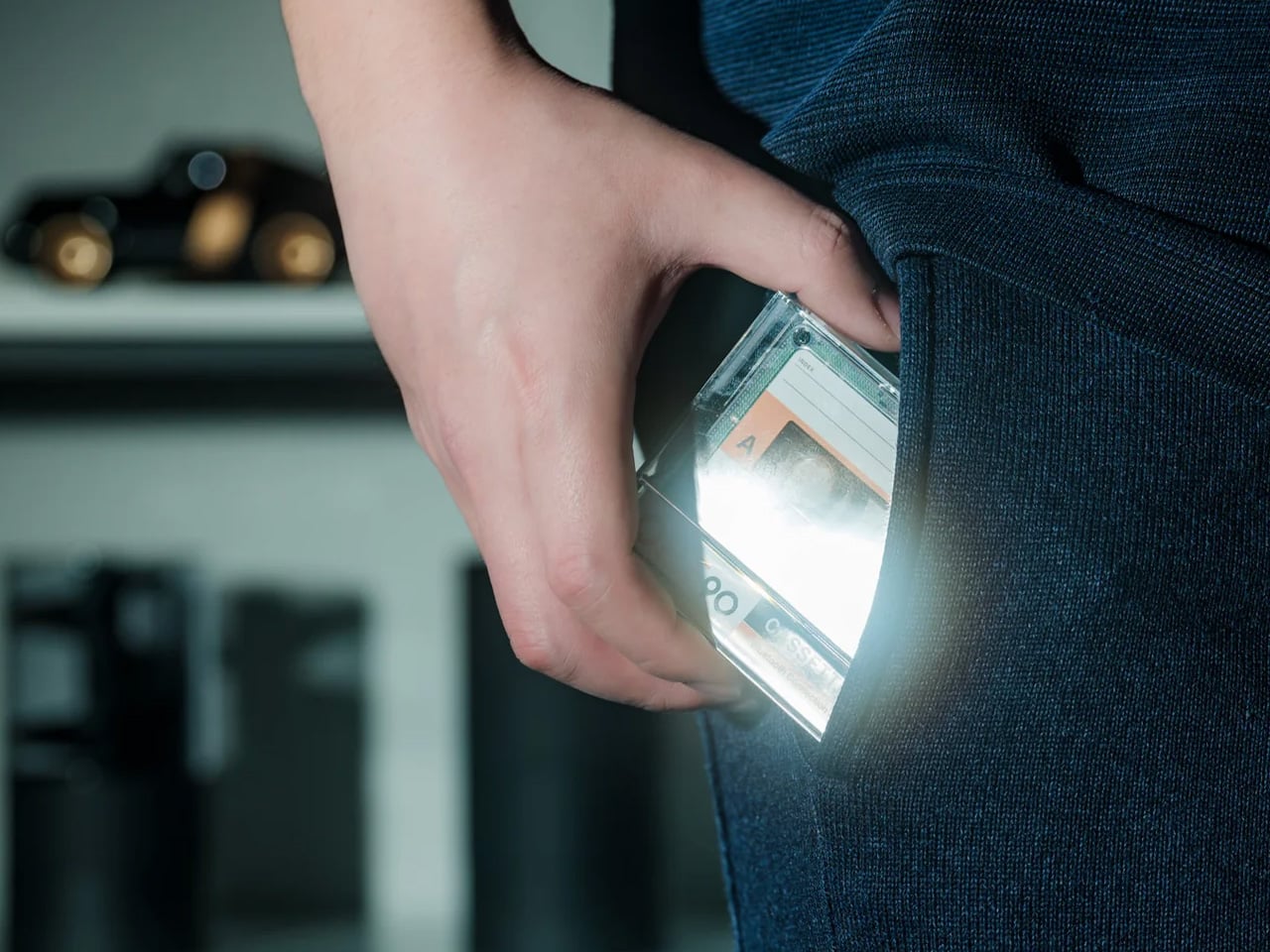
There’s something specific that a great travel speaker needs to be: compact without feeling cheap, audible without being obnoxious, and interesting enough to sit on a shelf without looking like clutter. The Side A Cassette Speaker from Yanko Design checks all three. Designed to look and feel like a real mixtape—transparent shell, authentic Side A label, the whole aesthetic fully committed—it’s a pocket-sized Bluetooth speaker with a personality that’s genuinely hard to ignore. Pull it out at a hostel, and someone will ask about it before you’ve even pressed play.
Underneath the retro exterior, the specs hold their own. Bluetooth 5.3 delivers a clean, drop-resistant connection across a hotel room or a beach setup without the frustration of constant dropouts. The microSD playback lets you load up a playlist and stream fully offline—no signal, no Wi-Fi, no problem. Sound is tuned to lean warm and cozy, channeling the soft roundness of actual tape playback rather than the harsh brightness that plagues most compact speakers. Six hours of battery at full volume covers a full afternoon, and a two-hour recharge means it’s back in action before the next session begins. At sub-$50, it’s also one of the most effortlessly giftable objects in recent memory.
What We Like
- The cassette form factor isn’t just a gimmick—it works as a design object and a conversation starter in any space it occupies, making it equally at home on a shelf as it is inside a bag.
- Bluetooth 5.3, offline microSD playback, and six hours of battery together make this a genuinely capable travel speaker, not just a pretty one.
What We Dislike
- The microSD slot supports MP3 files only, which means listeners with FLAC or AAC libraries will need to convert tracks or stay connected via Bluetooth for offline use.
- Six hours of playback is solid for personal sessions, but starts to feel limited during an extended group hang where the speaker runs continuously throughout the day.
2. Hitch — Your Bottle and Your Coffee Cup, Finally Together


Most reusable cups live at home. Not because people don’t care about sustainability, but because carrying both a water bottle and a coffee cup is genuinely inconvenient—and convenience almost always wins. The Hitch was designed to solve exactly that friction. Its patent-pending mechanism nests a full 12oz barista-approved cup directly inside an 18oz insulated water bottle, and a single crossbar twist at the base releases the cup cleanly. The two pieces carry as one. It’s not a miniaturized compromise either; both the bottle and the cup are full-size and built for all-day use.
Every component—bottle, cup, and lid—is double-walled, vacuum-insulated, stainless steel, and certified leak-proof, which means you’re not trading practicality for the novelty of the concept. For a spring break week that bounces between airports, coffee shops, beaches, and restaurants, the Hitch becomes the single carry that handles morning hydration, midday coffee runs, and everything in between. It’s the product that makes zero-waste feel like a practical decision rather than an aspirational one, and that distinction matters when you’re moving fast and packing light.
What We Like
- Nesting a full-size 12oz cup inside a full-size 18oz bottle is a genuinely smart design solution that addresses a real behavioral barrier to zero-waste carry without requiring a lifestyle overhaul.
- Full vacuum insulation on both the bottle and the cup means cold water stays cold and hot coffee stays hot, without either sacrificing function for the sake of the shared form.
What We Dislike
- The retail price sits toward the upper end of this list’s budget range, and some students may find it harder to justify compared to a standard insulated bottle at a lower price point.
- The cup lid has drawn criticism in user reviews for its durability over time, and replacement parts have been historically difficult to source after the initial purchase.
3. HP Sprocket Portable Instant Photo Printer — Make the Memories Stick
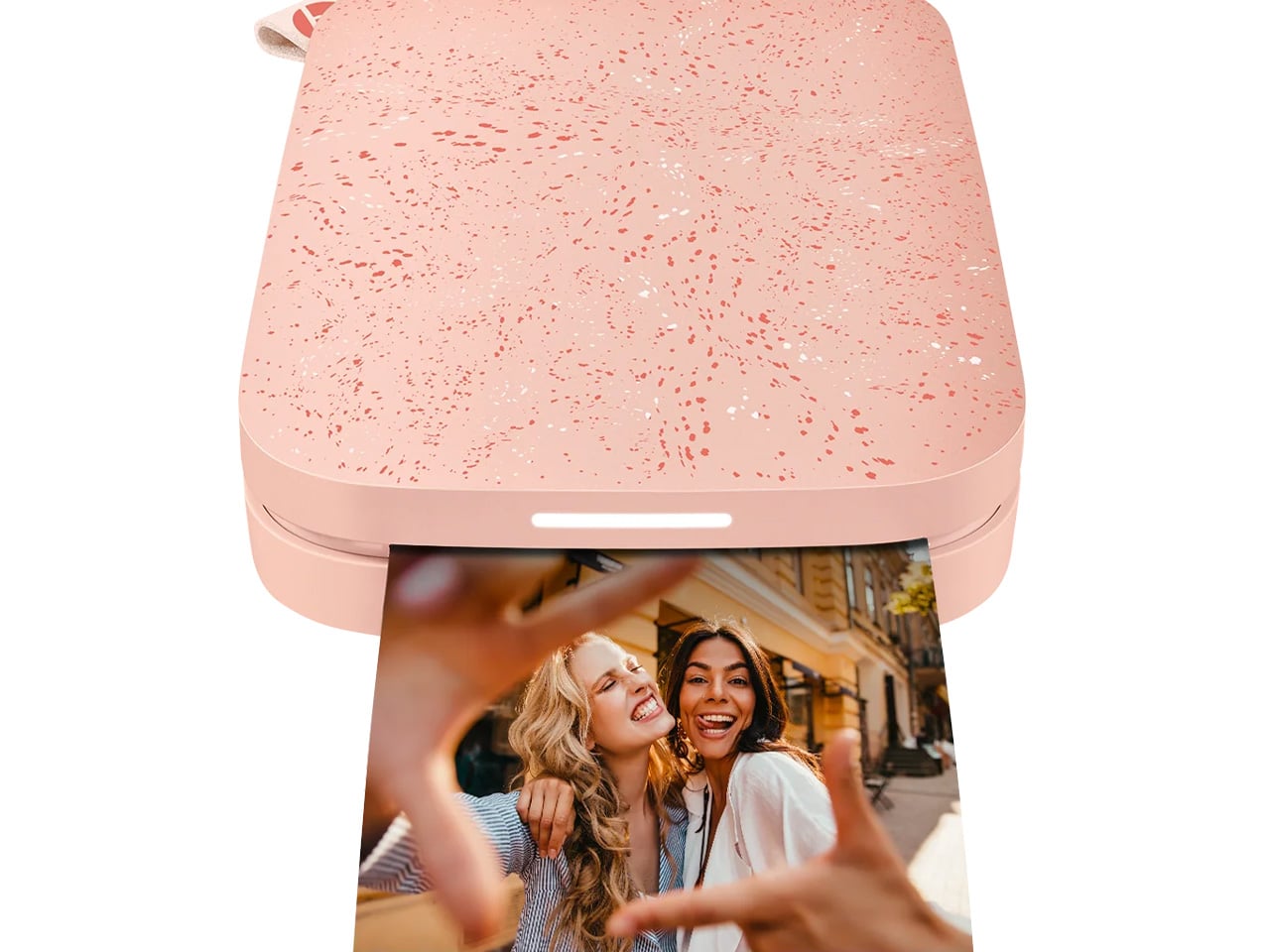
The paradox of phone photography is that the better the camera gets, the fewer photos actually get printed. Spring break produces hundreds of shots that live in a camera roll for a few weeks before fading into algorithmic obscurity. The HP Sprocket is a direct counterargument to that cycle—a pocket-sized wireless photo printer that pairs via Bluetooth 5.2, works with iOS and Android, and prints 2×3 glossy photos in seconds. No ink cartridges, no ribbons, no subscriptions. ZINK Zero Ink technology embeds color directly into the paper, keeping the entire process clean, fast, and genuinely portable.
The free HP Sprocket app adds a layer of creative control that makes it feel like more than a glorified receipt machine. Stickers, borders, filters, and emoji overlays are all part of the package, which makes the printing process feel as social as the photography itself. One charge delivers up to 35 prints, and a personalized LED indicator signals which device is printing during multi-person sessions—so a group of four can print simultaneously without creating confusion or a queue. The sticky back on every photo means it goes straight onto a journal, a wall, a laptop, or a postcard without needing tape. These are the photos that actually get kept.
What We Like
- ZINK Zero Ink technology eliminates cartridges and toner, making every print session as effortless as a Bluetooth connection and a single button press.
- Multi-device simultaneous printing makes this a genuinely social accessory—it doesn’t create a line, it creates a shared moment that fits naturally into group travel.
What We Dislike
- The 2×3-inch format is charming but small, and students hoping to print anything approaching a standard photo size will find the output limited for that specific purpose.
- 35 prints per charge sounds reasonable in isolation, but an active group setting burns through that ceiling quickly, making planned recharging a practical necessity during longer outings.
4. Mini X30 -The EDC Flashlight That Moonlights as a Power Bank
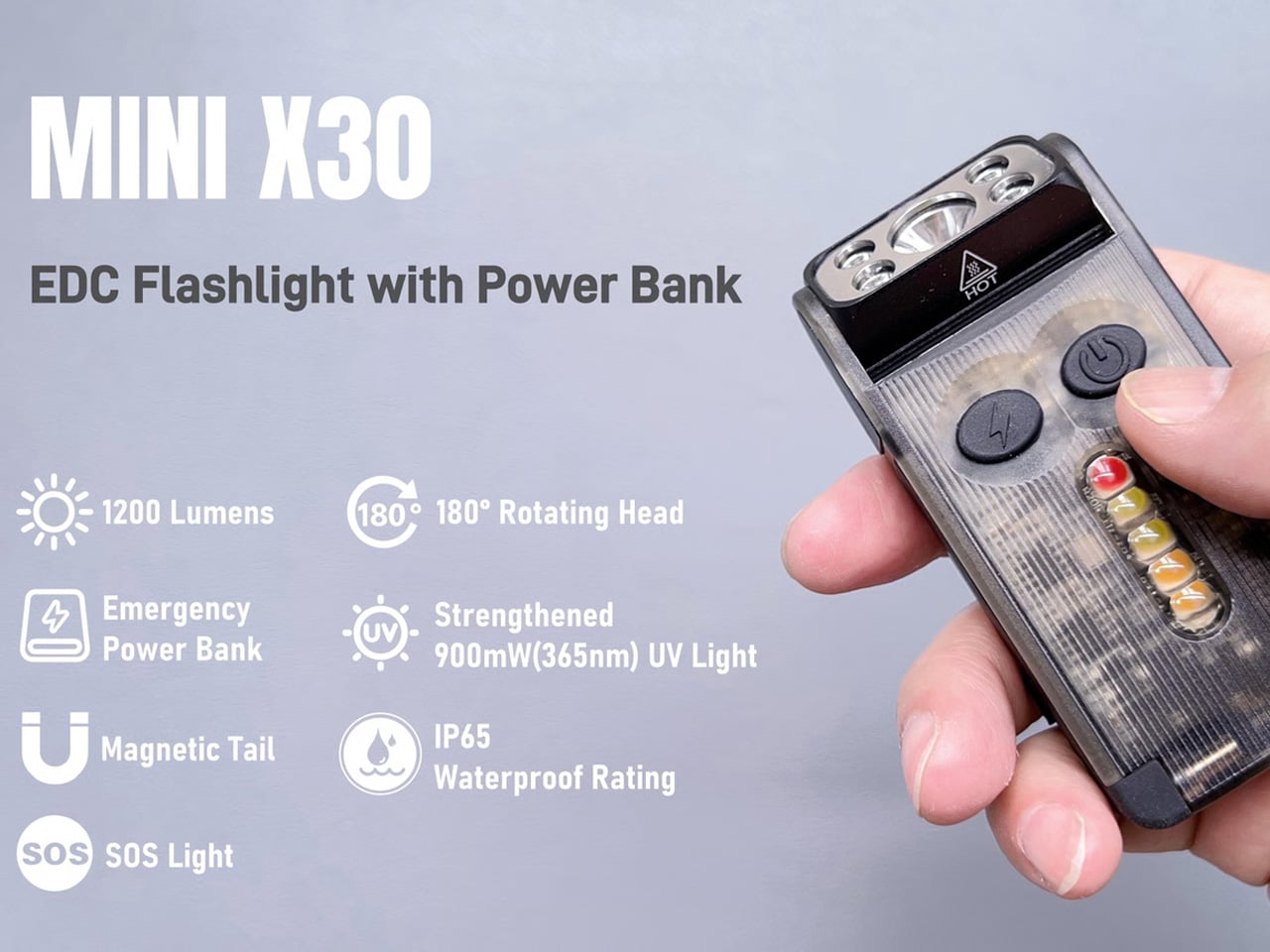

Most people don’t think about a flashlight until they desperately need one. The Mini X30 reframes that entirely by making it the kind of object you actually want to carry every day—not because emergencies demand it, but because it earns its spot before one ever arrives. Compact enough to clip onto a keychain, slide along a pocket edge, or attach to a backpack strap, it disappears into your carry until it’s needed. Then it delivers 1,200 lumens of turbo brightness with a single one-second press and hold—a level of output that handles everything from a pitch-dark campsite to a power outage in an unfamiliar city.
The built-in emergency charging function is what tips this from useful to genuinely essential for travel. When your phone battery drops at the wrong moment—mid-navigation, mid-emergency, mid-anything—the X30 steps in as a backup power source without requiring you to dig through your bag for a separate power bank you may or may not have remembered to pack. For a spring break trip that moves between outdoor adventures, late nights, and unfamiliar terrain, having light and emergency power consolidated into a single keychain-sized object is exactly the kind of redundancy that feels invisible until it saves the day.
What We Like
- Consolidating a 1,200-lumen flashlight and an emergency phone charger into a keychain-sized EDC tool is a genuinely practical design decision that eliminates the need to carry and track two separate devices.
- The turbo bright mode’s press-and-hold activation keeps max output immediately accessible without cycling through modes at the moment it matters most.
What We Dislike
- As an emergency charger, the X30 is best understood as a backup rather than a primary power solution—students who rely heavily on their devices throughout the day will still want a full-capacity power bank alongside it.
- The keychain and pocket-clip carry options are convenient for daily EDC, but attaching them to a bag strap in high-movement outdoor settings may require some deliberate adjustment to keep them secure.
5. Loop — The Only Neck Pillow That Actually Understands Your Neck
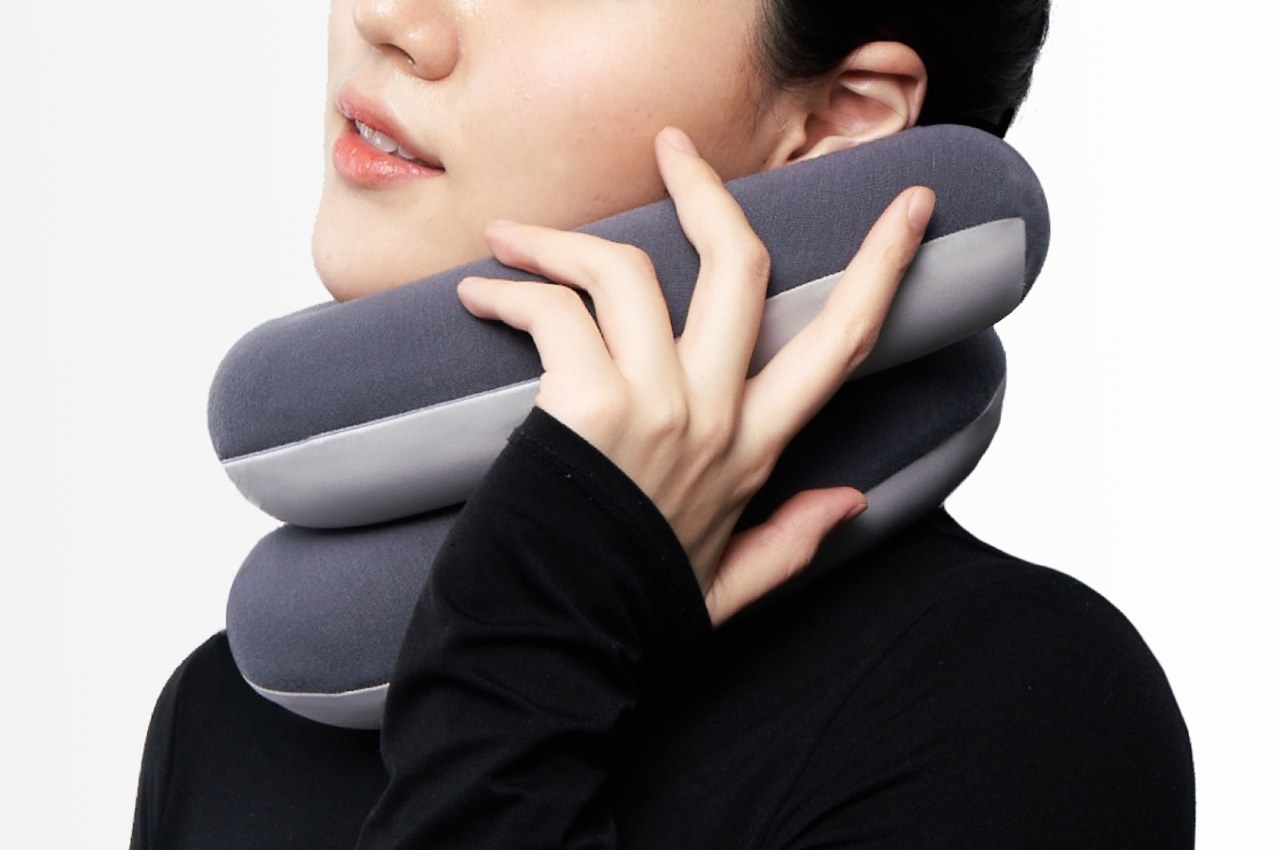
The standard U-shaped travel pillow is one of those products that’s been wrong for decades, and nobody fixed it. It props your head in a single position, falls off when you shift, and spends most of the journey doing very little. The Loop Pillow starts over entirely. Shaped more like a flexible neck noodle than a traditional pillow, it winds around your neck—loosely or tightly, depending on what you need—and provides lift exactly where your head wants to fall. It’s infinitely adjustable in a way that a fixed U-shape never could be, which means it works whether you sleep sitting upright, leaning left, tilting forward, or resting straight back.
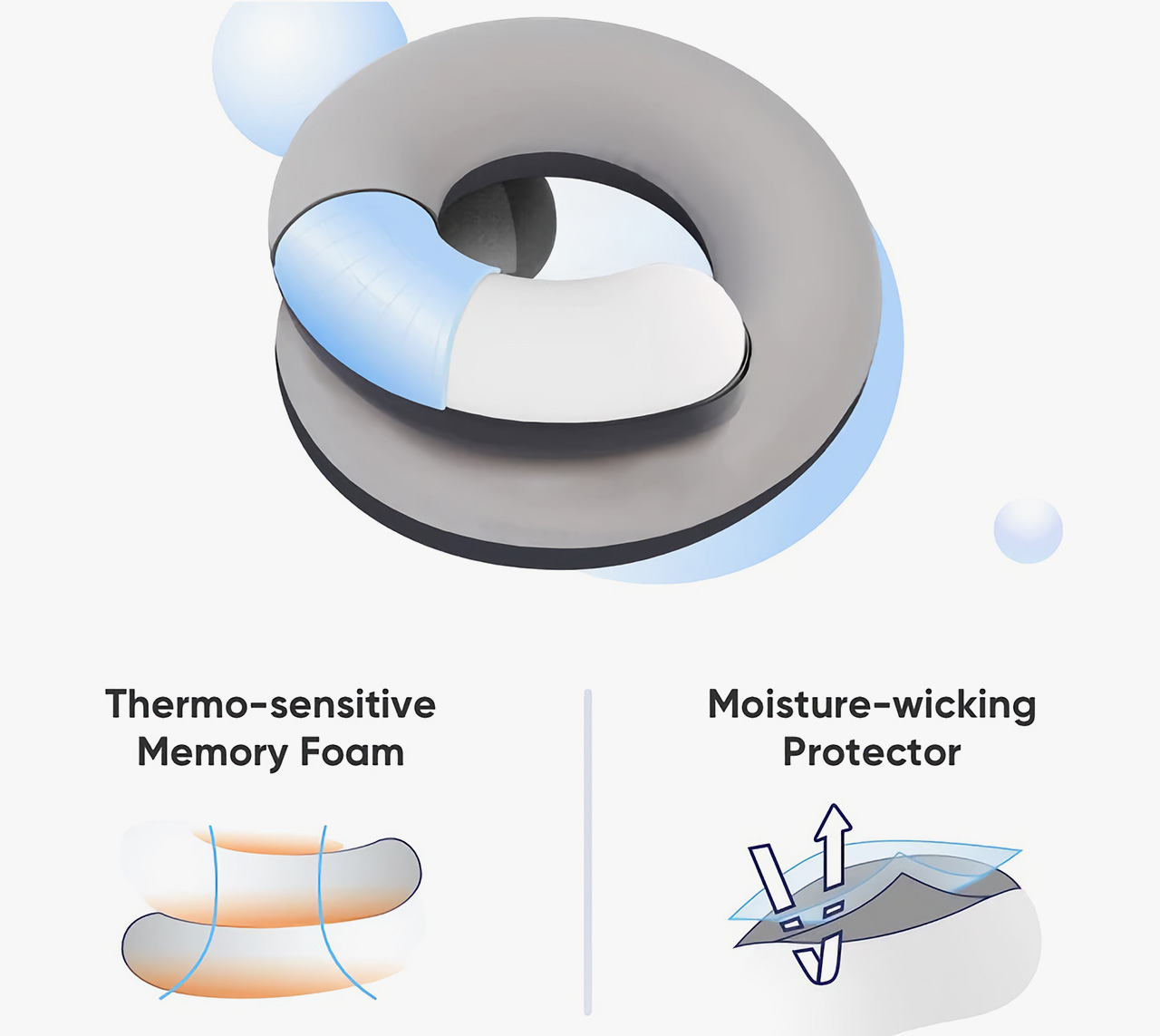
The material behind this one is doing real work. Thermo-sensitive memory foam molds directly to the contours of your neck, which means it isn’t approximating support—it’s actually conforming to you specifically. The outer cover is moisture-wicking and breathable, keeping things dry across long hauls where temperature and comfort tend to degrade together. A clever dual-tone design distinguishes the warm side from the cool side, letting you choose your preferred surface depending on the environment. For a spring break trip that starts with a red-eye flight and ends with a bus ride back, this is the carry that makes the in-between feel significantly less punishing.
What We Like
- The infinitely adjustable loop design accommodates every sleeping position naturally, which makes it genuinely more versatile than any fixed-form travel pillow on the market.
- Thermo-sensitive memory foam combined with a moisture-wicking, breathable cover means both the structure and the surface of the pillow are actively working in your favor throughout the journey.
What We Dislike
- The loop form factor is a meaningful departure from what most travelers are used to, and it may take a flight or two before the adjustment feels second nature.
- Travelers who prefer a more structured, rigid support system may find the flexible noodle design requires more deliberate positioning than they want to manage mid-sleep.
The Right Gear Makes the Break
Spring break doesn’t require a perfect packing list, but it rewards a smart one. The difference between a trip that flows and one that frustrates almost always comes down to the things you brought—or the things you left behind, wishing you hadn’t. These five picks cover the core categories: sound, hydration, memory-making, power, and carry. Together, they handle most of what a student needs for a week away without demanding too much space, too much budget, or too much thinking. That’s the whole point of good design—it simplifies the decisions so you can get to the experience.
What’s worth noting is how naturally these work alongside each other. The Cuktech keeps your phone alive for the Sprocket prints, the Hitch keeps you from reaching for a paper cup, and the Cassette Speaker scores the whole week. The Allpa Mini holds everything else together without complaint. This isn’t a random product roundup—it’s a considered carry. Spend the money once, pack it once, and show up somewhere fully ready to be there. That’s a spring break actually worth planning for.
The post 5 Best Spring Break Essentials Under $100 That Every Student Actually Needs first appeared on Yanko Design.