What to expect at Apple’s product launch event on March 4

Apple has scheduled a product launch event, dubbed an "Apple Experience", for March 4 at 9AM ET. The company is reportedly holding this event in NYC, London and Shanghai.

Everyone loves shiny new products, so what can we expect to see at Apple's first launch event of 2026? We don't know anything for certain, but we have plenty of educated guesses that have been sourced from industry reports and speculation from analysts.

Editor's Note (on March 2 at 9:45AM ET): Apple has officially announced the iPhone 17e and iPad Air (M4). It's expected to continue to unveil new hardware in the following days, per the rest of this article.

There have been rumors swirling that Apple is preparing to launch a cheaper alternative to the MacBook Air. Bloomberg reported on this all the way back in November. Industry rumors indicate that Apple will be stuffing this laptop with an iPhone processor, the A18 Pro, to keep the price down.

It's also been suggested that this laptop will only include 8GB of RAM, which kind of flies against the company's recent stance to outfit all Macs with at least 16GB of RAM. However, that would certainly help with the cost. You might have heard about a little thing called AI that chomp chomps on all RAM it can find.

TechRadar has reported that this could be Apple's biggest laptop launch in years, with potential initial shipments hitting 8 million units. The price is likely to be somewhere in the $699 to $799 range, which is pretty nifty. However, I'd still go for an Air at $999. They are absolute workhorses.

It's likely that Apple will release more powerful MacBook Pro models this year and the timing seems to match up. Bloomberg's Mark Gurman has suggested a March launch and the event is on March 4.

The company has already released a MacBook Pro with an M5 chip, but both the M5 Pro and Max are likely on the horizon. We could be getting new laptops outfitted with these chips in various display sizes.

A laptop on a table.
Devindra Hardawar for Engadget

There have also been reports that both of the higher-end M5 chips are getting a redesign to help improve heat dissipation and reduce defective chip rates. Additionally, the new chiplet design would allow the M5 Pro and Max to raise the total number of CPU and GPU cores. The Max is expected to have more cores than the Pro.

This idea is helped along by the fact that MacBook Pro M4 Max orders are currently delayed. This is typically the case with an outgoing model as stock dries up to make room for new releases. Also, the Pro and Max variants typically get announced in the Fall, so we are due. 

Rumors have been circulating that we are about to get new iPads, including an update to the base model and the Air. The standard model, which would be the 12th-gen release, is expected to upgrade the A16 chip to an A18. This should also allow for the integration of Apple Intelligence tools, if that's your bag.

An iPad.
Nathan Ingraham for Engadget

As for that iPad Air, rumors suggest an upgrade to the M4 chip from the M3. An extremely light tablet with an M4 would be fairly notable in my estimation, as only the newest iPad Pro has that chip.

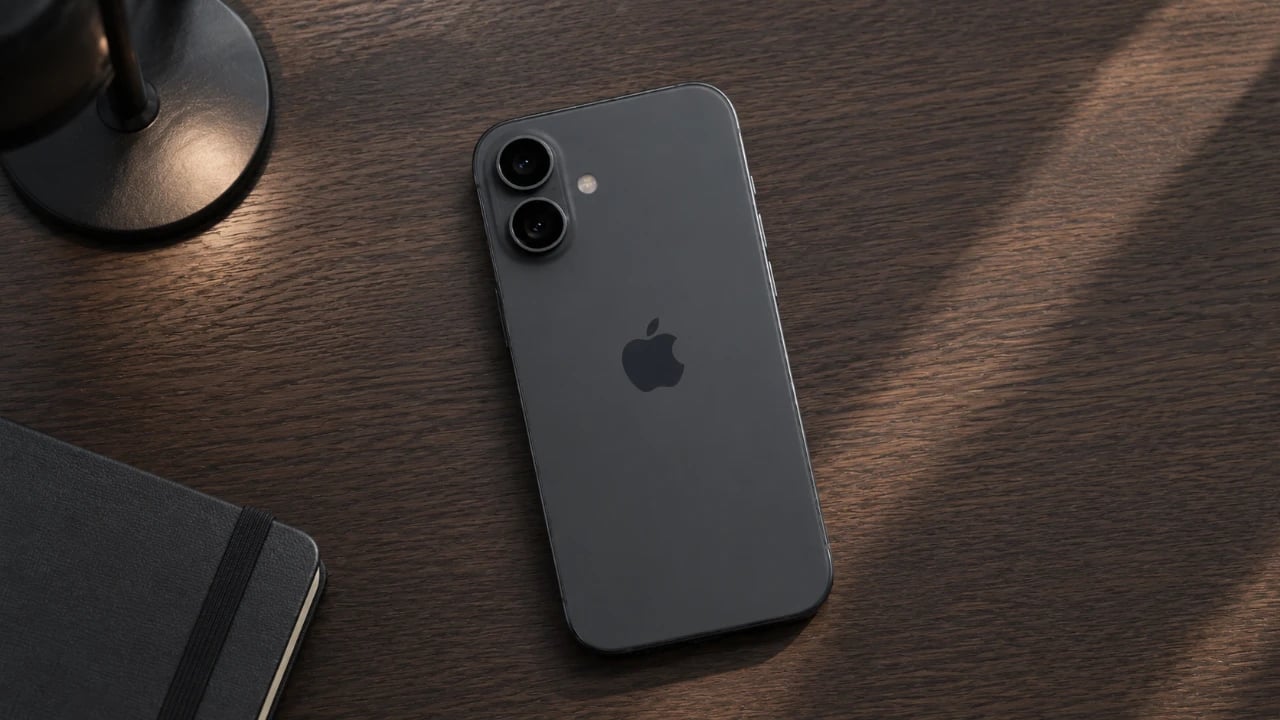
It was almost exactly a year ago that Apple announced the iPhone 16e, so you know what that means. It's time for a refresh. Recent reports have suggested that an announcement regarding the iPhone 17e is imminent, so this launch event seems like as good a place as any to reveal the latest "budget-friendly" smartphone.

As for specs, Mark Gurman has suggested that it'll be getting an upgrade to the A19 chip, which is nice. Also, it could be getting MagSafe support. That sounds like an iterative upgrade, but the price is expected to remain steady at $599.

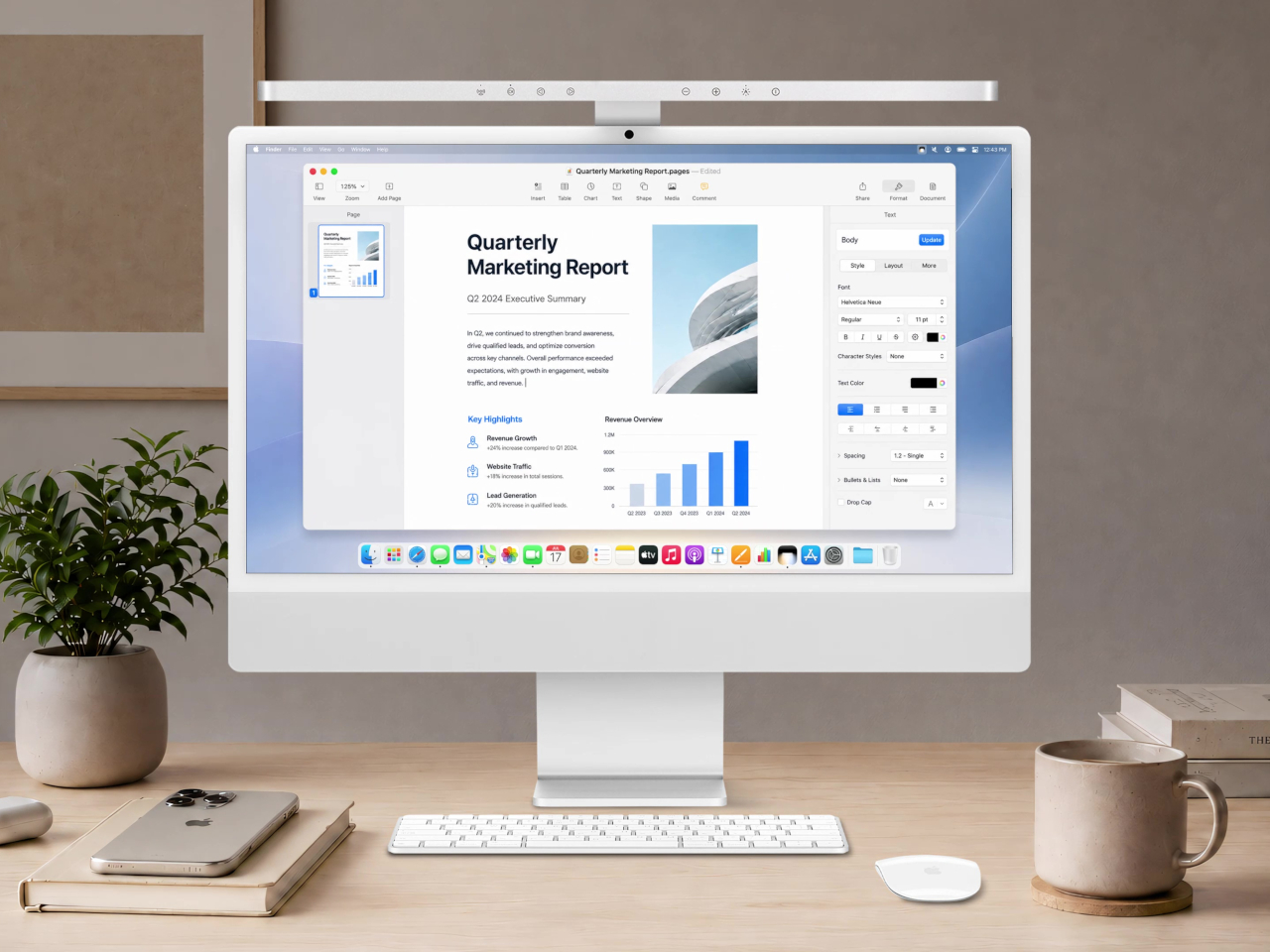
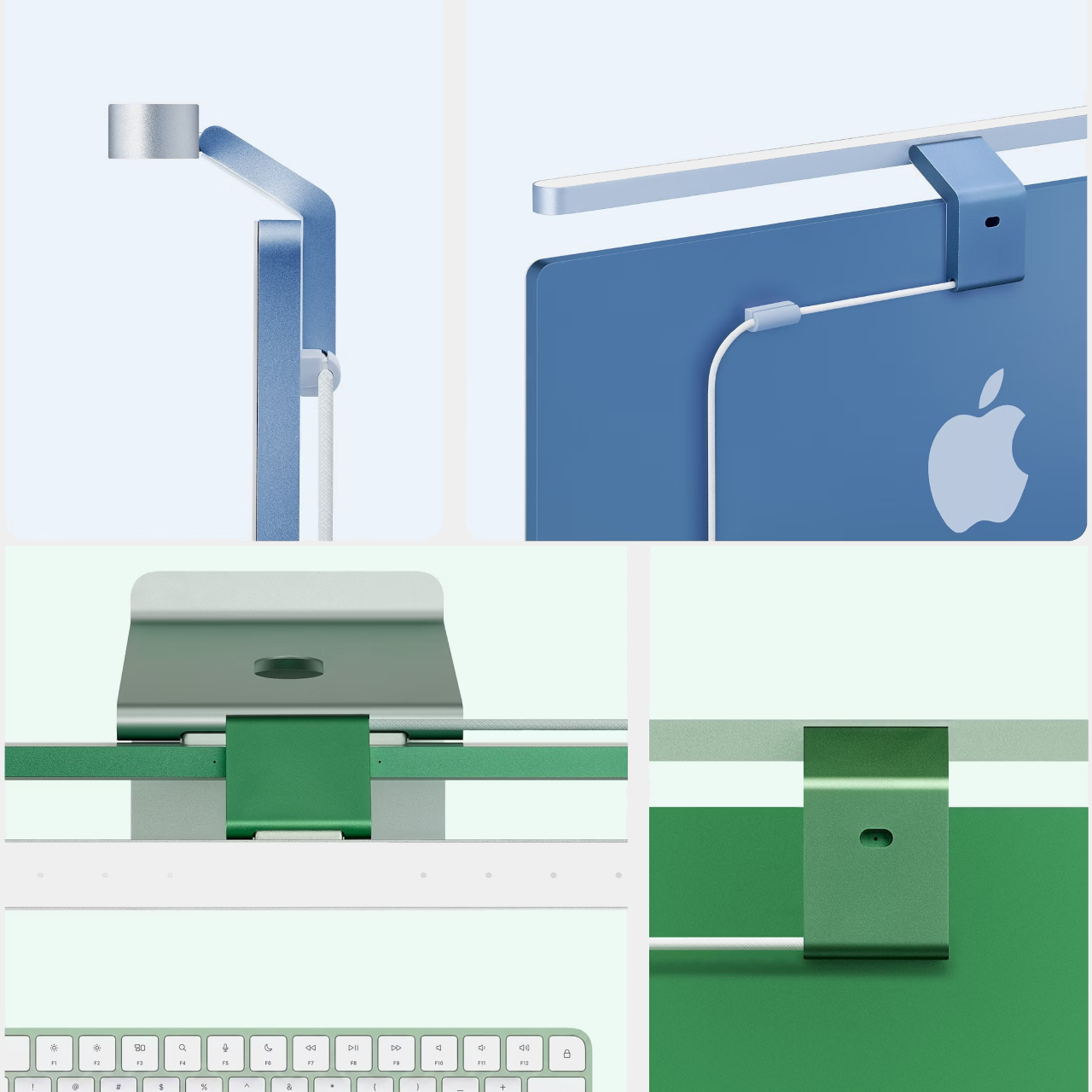
The following stuff is less likely, though certainly possible. There have been rumors that Apple is currently preparing a revamped Studio Display and Mac Studio desktop. The reports suggest a release sometime in the first half of the year, and March is right in the middle of that timeframe.

It's also possible that the company will reveal an upgrade to the MacBook Air with the M5 chip. Reports indicate that this is unlikely to happen during this event, but it is worth noting that the M4 Air came out in March of last year. In other words, it's a toss up.

What's not a toss up? You shouldn't expect anything regarding the long-anticipated Siri refresh. This looks to be a hardware event, so any software updates will likely have to wait until WWDC this summer. In any event, Engadget will be on hand to report on all of Apple's new products. 

Update, March 2 2026, 9:45AM ET: This story has been updated to add an Editor's Note with the latest news from Apple this week.

This article originally appeared on Engadget at https://www.engadget.com/computing/what-to-expect-at-apples-product-launch-event-on-march-4-173612816.html?src=rss

This Air Purifier Concept Looks Like Scandinavian Audio Gear

Air purifiers tend to look like medical equipment and come with apps you didn’t ask for. They arrive with dashboards, push notifications, and Wi-Fi setup rituals that turn “cleaner air” into another thing to manage on a phone. Most of them sit in corners behind plants because they look clinical, and no one wants to acknowledge the white plastic box while having guests over for dinner.

The Beolab Air 1 is a concept air purifier designed to sit in a room without announcing itself. It was developed as a student project and draws inspiration from the calm, material-driven design language of Bang & Olufsen’s Beolab line, though it’s not affiliated with the company in any way. The goal was to see what happens when you apply that kind of sculptural thinking to clean air, instead of just adding another screen to the wellness toolkit.

Designers: Ahaan Varma, Malhar Gadnis, Michelle Sequeira, Sharanya Karkera

The most refreshing part of the concept is the interaction model. A single button press is all it takes to start, with no app pairing, no IoT setup, and no onboarding routine. The project frames this as “digital detox,” which is a reasonable description when most purifiers try to sell you sensor graphs and weekly air quality reports. You turn it on the way you’d turn on a lamp or a speaker, then leave it to work.

The materials do a lot of the talking. Angled teak wooden ridges wrap the body and function as vents for filtered air, so the aesthetic choice also serves a purpose. Textured aluminum handles the rest of the exterior. The project’s own critique of the category is blunt: plastic yellows and looks cheap over time, while wood and metal age better. A purifier built to look like a piece of considered furniture has a better chance of earning a spot on a sideboard than one that resembles a hospital accessory.

Under the surface, there’s a plausible engineering stack. A high-efficiency BLDC fan delivers strong airflow while staying quiet, a HEPA filter handles particulate capture, and an MQ135 gas sensor pairs with PM2.5 sensing to monitor air quality without forcing anyone into an app. The concept keeps the monitoring internal and the feedback subtle, a soft ambient light band that changes gently rather than a display demanding attention.

Of course, that ambient feedback is the whole point. Clean air is invisible and usually silent, and a purifier that communicates the same way feels more appropriate than one with a scrolling PM2.5 count on a bright panel. You can check in when you feel like it, and the rest of the time it just works.

The concept calls out a genuine gap in the category: people want wellness that integrates quietly into a room, not hospital aesthetics, and yet another app. Whether or not Beolab Air 1 ever gets built, asking what a purifier looks like when treated with the same care as a premium speaker is a question the category probably needed someone to ask.

The post This Air Purifier Concept Looks Like Scandinavian Audio Gear first appeared on Yanko Design.

Spotify debuts SeatGeek integration for concert ticket sales

Ticketing marketplace SeatGeek has announced a partnership with Spotify that will direct an artist's fans to its platform from the Spotify app. The integration is currently limited to a few participating venues for which SeatGeek is the primary ticket seller.

While SeatGeek is one of the largest online marketplaces for the secondary ticketing market, the company's announcement makes clear that this Spotify integration only applies to venues where it's the primary ticketing company. For now, that's just 15 US partner venues, primarily professional sports arenas like AT&T Stadium in Arlington, Texas.

Spotify has experimented with direct ticket sales in the past, but now focuses on signing on partners to integrate into the streaming experience. The company currently lists 46 ticketing partners, including Ticketmaster, AXS and others. The app also allows users to follow specific venues to be notified about upcoming concerts and events.

The world's largest music streaming service has added a glut of new features recently. One helps listeners learn more about a song, while another new addition finally added group messaging. The platform, which now boasts some 750 million monthly users, has also been trying to address AI slop in its library, although not very hard by the looks of it.

This article originally appeared on Engadget at https://www.engadget.com/entertainment/streaming/spotify-debuts-seatgeek-integration-for-concert-ticket-sales-162248870.html?src=rss

This Does Not Compute Turns Tiny Mac Clock Into Working Raspberry Pi Macintosh

If you appreciate retro computing and DIY electronics, a new project from This Does Not Compute (YouTube channel) will be the best thing you will see today. The build emulates the 1984 Apple Macintosh, but in a miniaturized version. Not the smallest, but decently small to sit in the corner of your desk and do more than its intended function of a clock.

If that sounds puzzling, here’s a clearer explanation. The modder has actually taken a Maclock, which is a clock that looks identical to the original Mac, but of course considerably smaller, and ripped it open. He replaced the original alarm clock mechanics with a Raspberry Pi, turning it into a homage to the classic Apple computer.

Designer: This Does Not Compute

The project, as the modder himself states, “is just for fun” and doesn’t really reach out to prove anything other than love to toil with anything Mac. With the innards of the clock replaced by Raspberry Pi Zero 2 W, the original display of the clock is also swapped with a 640×480 2.8-in color screen from Wave Share, and the project is interestingly called Wondermac. The name is in reference to Wonder Boy, the Chinese company that makes Maclock.

The modder, as you can see in detail in the video above, starts by cracking open the Maclock case, which has screws, but they are only used to mimic the Macintosh and have no significant usage. Opening the case was “probably the hardest part of the whole project,” he says. The case is clipped together pretty tightly, but he was able to separate the front bezel from the back using a wide metal pry tool. Once the front panel was free, he unplugged the wiring harness and pulled out the main circuit board and the screen to clear up the space inside the Maclock body, which will now have new guts and a new purpose.

“Compact, low power, and relatively inexpensive,” Raspberry Pi Zero 2 W was a clear choice for the Mac’s innards, the modder affirms. It comes with a pin header presoldered and includes a heatsink, which would be a nifty addition to keep this tiny computer cool when it does some computing. The Pi is now connected to the externally purchased screen, and the modder gets down to launching the Raspberry Pi imager app and installing Minivvac on an SD card for the software side of the project.

For powering the Wondermac, the modder doesn’t rely on the Maclock’s built-in battery; instead, they take advantage of the USB-C port on the back housing for power. After some tweaking to power output, some wire soldering, and sticking, he was able to get the power going as required to run the screen. Finally, he designed a 3D printed bracket with black filament to fit the screen in place, and then everything was assembled back into shape. Content with the outcome, he leaves the little Mac on the desk with the Afterdark screen saver.

The post This Does Not Compute Turns Tiny Mac Clock Into Working Raspberry Pi Macintosh first appeared on Yanko Design.

OBRO Just Turned Leather Waste Into Luxury Material

There’s something quietly radical about a material that refuses to hide what it’s made from. OBRO, a new composite from Japanese manufacturer Sanyo Co., Ltd., takes recycled leather powder and suspends it in transparent black PVC, creating a surface that looks like stars scattered across a midnight sky. Instead of disguising its origins, the material puts waste on full display, transforming discarded scraps into something you actually want to touch.

The name itself gives you a sense of the effect. OBRO comes from the Japanese word “oboro,” which translates to “hazy” or “softly blurred.” It’s that in-between quality where things aren’t quite solid, not quite translucent. Hold the material up to light and the leather fragments shimmer beneath the surface, shifting between metallic glints and organic warmth depending on the angle. It’s the kind of visual texture that photographs beautifully but probably demands to be seen in person to fully appreciate.

Designer: Satoru Shimizu / Sanyo Co., Ltd.

Sanyo Co., Ltd. has been around since 1947, so they’ve had plenty of time to understand leather as both craft and industry. What makes OBRO interesting is that it doesn’t try to replicate traditional leather. There’s no embossing to fake a hide pattern, no attempt to make you forget you’re looking at something engineered. The leather powder is ground fine enough to become part of a new material language entirely, one that feels more industrial poetry than nostalgic pastiche.

The debut collection keeps things refreshingly straightforward. There’s a tote bag, a sacoche (the compact crossbody style that’s become ubiquitous in streetwear), and a key case. All three are designed with a minimalist, gender-neutral aesthetic that lets the material do the talking. Genuine leather accents frame the OBRO panels, creating a contrast between the hazy composite and the solid, familiar texture of traditional hide. It’s a smart move that highlights what makes OBRO different without abandoning the tactile warmth people expect from leather goods.

From a practical standpoint, OBRO brings some unexpected benefits. It’s lightweight in a way full-grain leather rarely is, and the PVC component makes it water-resistant without needing chemical treatments. For anyone who’s watched a leather bag slowly absorb a rainstorm and then spent days trying to condition it back to life, that’s not nothing. The material holds its shape well, which matters when you’re talking about bags that need structural integrity but don’t want the stiffness of heavily lined leather.

What’s compelling here is the philosophy embedded in the material itself. Most sustainable design efforts focus on using less, sourcing better, or finding biodegradable alternatives. OBRO takes a different approach by celebrating the waste stream as a visible design element. Those leather fragments aren’t hidden away or ground so fine they disappear. They’re the whole point, catching light and creating depth in a way that pure PVC never could. It’s sustainability that doesn’t ask you to compromise on aesthetics or accept something less refined in the name of environmental responsibility.

Designer Satoru Shimizu and the team at Sanyo have essentially created a new category. OBRO isn’t vegan leather trying to pass for the real thing, and it isn’t traditional leather pretending it has no environmental cost. It’s a third option that acknowledges material waste as an inevitable part of production and then asks what happens if we make that visible, beautiful, and functional all at once.

The market for this feels broad. Design enthusiasts will appreciate the material innovation and Japanese attention to detail. Tech-minded people will respect the engineering that makes disparate elements work together cohesively. Fashion and streetwear audiences already gravitate toward pieces that tell a material story, especially when that story involves reimagining waste. And anyone tired of greenwashing will probably appreciate a product that shows its sustainable credentials literally on its surface.

The post OBRO Just Turned Leather Waste Into Luxury Material first appeared on Yanko Design.

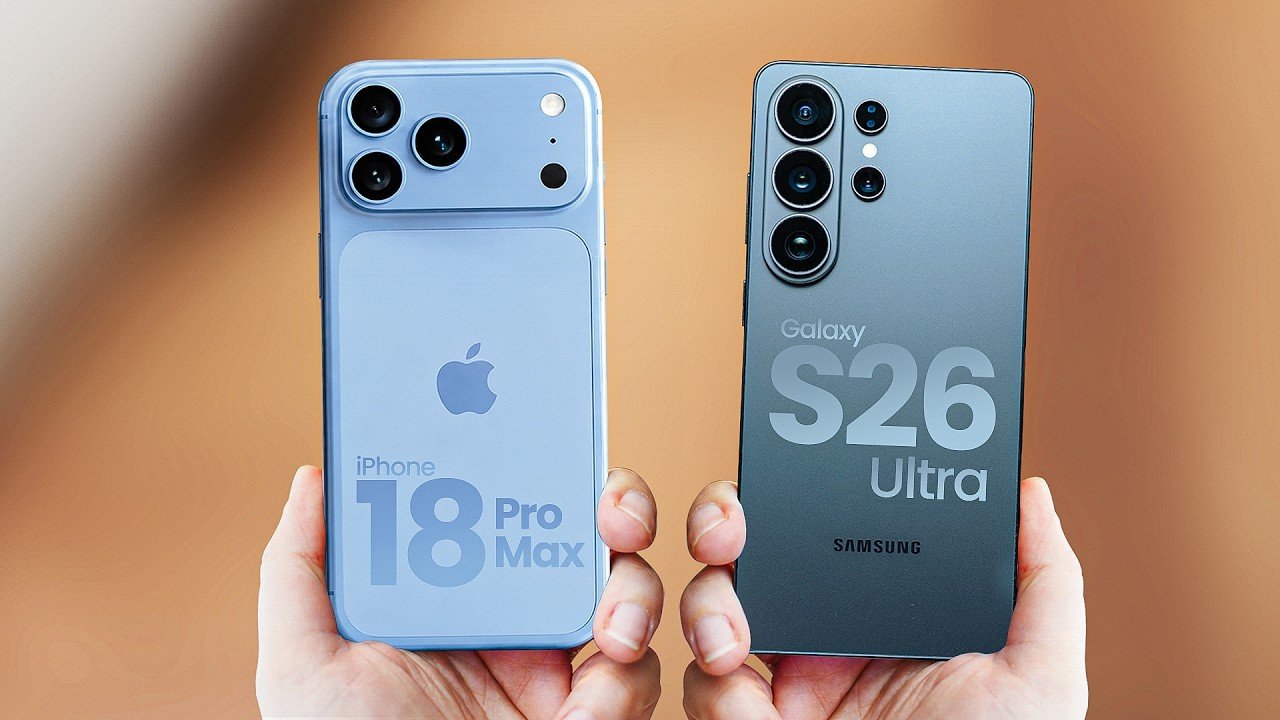
iPhone Fold Design Breakdown: 4.5mm Thin with the Largest Battery in iPhone History

iPhone Fold Design Breakdown: 4.5mm Thin with the Largest Battery in iPhone History iPhone Fold showcasing Apple’s minimalist design and innovative features

Apple is reportedly preparing to launch its first foldable iPhone, a move that could significantly influence the foldable smartphone landscape. By emphasizing durability, functionality, and minimalist design, Apple aims to address the challenges that have hindered foldable devices in the past. This strategic entry has the potential to disrupt the market dominance of competitors like […]

The post iPhone Fold Design Breakdown: 4.5mm Thin with the Largest Battery in iPhone History appeared first on Geeky Gadgets.

Posted in Uncategorized

Google Pixel 10a vs. Pixel 9a: What’s changed and which one should you buy?

Now that pre-orders are open for the Google Pixel 10a, it’s time to see how it stacks up against last year’s Pixel 9a. At first glance, the two phones look very similar, and that’s not a bad thing. Google hasn’t tried to reinvent its budget-friendly formula this year, sticking to the same compact design, clean software experience and camera-first approach that made the 9a such a good value.

Both phones share a lot in common, including 120Hz OLED displays, Google’s Tensor G4 chip, strong computational photography and seven years of OS and security updates. The actual differences are more incremental, including a moderately brighter, tougher display, improved Extreme Battery Saver longevity, slightly faster wireless charging and the addition of Satellite SOS. Importantly, Google is keeping the starting price the same as before, with both phones coming in at $499.

On paper, the Pixel 10a doesn’t dramatically rethink what an affordable Pixel should be, but it does offer meaningful upgrades for the same price. While we wait for a review unit to evaluate the Pixel 10a's day-to-day performance, here's a quick comparison of the spec sheets of the two devices to see what the new model brings.

There’s very little separating these two on performance. Both the Pixel 9a and Pixel 10a run Google’s Tensor G4 chip with 8GB of RAM and the same storage options, so day-to-day speed should feel virtually identical. The Pixel 10a ships with Android 16 out of the box, though the 9a can be updated to the same version.

Off the bat, the Pixel 10a doesn’t look dramatically different from the Pixel 9a, and that appears to be intentional. Google is sticking with the same compact, no-frills approach from the last few A-series Pixels, so you’re still getting a 6.3-inch OLED panel with a smooth 60–120Hz refresh rate and a clean, understated aesthetic. 

The meaningful changes show up once you dig into the display specs. The Pixel 10a upgrades the cover glass from Corning Gorilla Glass 3 to Gorilla Glass 7i, which should offer better durability against drops and scratches over time. Brightness also gets a noticeable bump. The 9a topped out at 1,800 nits for HDR content and 2,700 nits at peak, while the 10a pushes that to 2,000 nits for HDR and up to 3,000 nits at peak brightness. In practice, that should make the Pixel 10a easier to read outdoors and a bit punchier when watching HDR video.

Contrast is improved as well. The Pixel 10a’s panel is rated at a contrast ratio of more than 2,000,000:1, doubling the already respectable figure on the Pixel 9a. That won’t radically change how the phone looks day to day, but it should translate to deeper blacks and slightly more depth in darker scenes, especially when streaming video or browsing photos at night.

On paper, the Pixel 10a’s camera hardware looks very familiar. Like the Pixel 9a, it uses a 48-megapixel main camera paired with a 13MP ultra-wide, and there’s no dedicated telephoto lens. Image quality, color science and low-light performance should therefore be similar between the two.

Where the Pixel 10a pulls ahead is in software features. Google has added a few camera tools that aren’t available on the Pixel 9a, even though the underlying hardware hasn’t changed much. One of those is Camera Coach, which debuted on last year’s Pixel 10 series and offers on-screen tips to help you frame shots better or adjust how you’re holding the phone. The Pixel 10a also gains Macro Focus, allowing you to get much closer to small subjects like plants or textures. In our Pixel 9a review, we found the phone could capture solid close-up detail, but locking focus could be finicky at times, so a more dedicated macro mode should make those shots easier to nail.

Finally, there’s Auto Best Take, which automatically picks the best expressions from a burst of photos and combines them into a single image. The feature debuted on Google’s Pixel 10 lineup last year, and it’s especially handy for group shots where someone always seems to blink at the wrong moment. By bringing it to the 10a, Google is extending one of its more genuinely practical AI camera tricks to a cheaper phone.

Both the Pixel 9a and Pixel 10a use a 5,100mAh battery and support the same 23W wired charging speeds. Where the Pixel 10a does pull ahead slightly is wireless charging. The Pixel 9a tops out at 7.5W, while the Pixel 10a supports wireless charging at up to 10W when used with Qi-certified Extended Power Profile (EPP) chargers, which are designed to deliver faster wireless power than basic Qi pads. The difference isn’t dramatic, but the Pixel 10a should charge a bit quicker on a compatible wireless stand when you’re in a pinch.

You’ll also get some extra hours in dire situations. When you activate Extreme Battery Saver, the Pixel 9a is rated for up to 100 hours, while the Pixel 10a extends that to up to 120 hours. 

The biggest safety-related upgrade on the Pixel 10a is the addition of Satellite SOS. Because it uses a newer modem compared to the Pixel 9a’s Exynos Modem 5300, it is capable of tapping satellite networks when necessary. This allows the phone to contact emergency services when you’re outside of cellular or Wi-Fi coverage, which can be genuinely useful if you spend time hiking, traveling or driving in remote areas.

If you already own a Pixel 9a, there doesn’t appear to be a huge reason to upgrade. Day-to-day performance may feel almost identical, since both phones use the same Tensor G4 chip, the same amount of RAM and very similar camera hardware.

That said, the Pixel 10a does make a stronger case for first-time buyers or anyone upgrading from an older Pixel. The biggest differentiator, though, is Satellite SOS — it’s the one feature the Pixel 9a simply can’t match due to hardware limitations. At the same $499 starting price, the Pixel 10a is, on paper, the better long-term buy if you’re choosing between the two today. 

Spec

Google Pixel 10a

Google Pixel 9a

Price

$499

$499

Processor

Google Tensor G4, Titan M2 coprocessor

Google Tensor G4, Titan M2 coprocessor

Display

6.3-inch Actua display, 1080 x 2424 pOLED at 422.2 PPI, Gorilla Glass 7i

6.3-inch Actua display, 1080 x 2424 pOLED at 422.2 PPI, Corning Gorilla Glass 3

RAM

8GB

8GB

Storage

128GB, 256GB

128GB, 256GB

Battery

5,100mAh

5,100mAh

Wireless charging

Up to 10W

Up to 7.5W

Rear camera

48MP wide, 13MP ultrawide, Super Res Zoom up to 8x

48MP wide, 13MP ultrawide, Super Res Zoom up to 8x

Front camera

13MP selfie cam

13MP selfie cam

SIM

Dual SIM (single nano SIM, eSIM)

Dual SIM (single nano SIM, eSIM)

Connectivity

Wi-Fi 6E, Bluetooth v6, NFC

Wi-Fi 6E, Bluetooth v5.3, NFC

OS

Launch with Android 16

Launch with Android 15

This article originally appeared on Engadget at https://www.engadget.com/mobile/smartphones/google-pixel-10a-vs-pixel-9a-whats-changed-and-which-one-should-you-buy-150000786.html?src=rss

Google’s $500 Pixel 10a smartphone arrives on March 5

Google debuted the Pixel 10a phone today. Pre-orders are open now and the smartphone will be available starting March 5. Although it's the new 2026 addition to the A series lineup, the Pixel 10a invites many comparisons with last year's Pixel 9a. For starters, the price is identical at $499.

Design-wise, not much as changed. The back of the phone can lay flat, which has become a hallmark of the Pixel A collection, rather than wobbling around on a bulky camera housing. The screen is still 6.3 inches with an Actua display. The phone's insides are also the same; the 10a comes with the same Tensor G4 chip and 8GB of RAM as its predecessor, and buyers have the option to upgrade to either 128GB or 256GB of storage. The phone has an IP68 rating for dust and water resistance and its display uses Corning Gorilla Glass 7i.

One of the few areas where the 10a is getting a marked upgrade is on its battery. This version claims more than 30 hours of battery life, or up to 120 under the Extra Battery Saver mode. The 10a also brings the welcome addition of proper fast charging, where a compatible charger can get the device to 50 percent battery in about 30 minutes. This addresses one of the few complaints we had about the 9a. 

For the photo buffs, the Pixel 10a has a 48MP main camera and a 13MP ultrawide lens; again unchanged from the specs in the 9a. AI is also present in the new model's photography suite, with the addition of the Camera Coach resource for the first time on the A series lineup. Camera Coach uses Gemini AI models to read the scene and offer tips on getting the desired shot. The 10a also has the Auto Best Take feature for getting everyone's best side in a group shot and the Add Me tool that lets you insert yourself into a photo after the fact.

This article originally appeared on Engadget at https://www.engadget.com/mobile/smartphones/googles-500-pixel-10a-smartphone-arrives-on-march-5-150000489.html?src=rss

Pixel 10a hands-on: Google locks down the midrange phone game

Google's A-series phones have offered some of the best value among midrange handsets for years, and after checking out the new Pixel 10a, I don't see that trend stopping anytime soon.

Let's start with the specs. Starting at just $499, you get a vivid 6.3-inch OLED screen with a 120Hz refresh rate and 3,000 nits of peak brightness, 8GB of RAM and either 128GB or 256GB of onboard storage. The phone also features a durable aluminum frame along with a stronger Corning Gorilla Glass 7i panel in front and a composite plastic back with a lovely matte finish. As a nod towards sustainability, Google says the P10a's chassis is made from 100 percent recycled material, while the rear panel comes in at 81 percent. And just like its predecessor, you still get an IP68 rating for dust and water resistance and the same battery capacity (5,100mAh) — except now it charges even faster, both wired (30 watts, up from 23) and wirelessly (10 watts, up from 5).

While lavender is the new hero color for the Pixel 10a, berry is the hue I'd pick.
Sam Rutherford for Engadget

The one place where the Pixel 10a might come up a touch short is that unlike its more expensive siblings, it features an older Tensor G4 processor instead of the Tensor G5 chip used on the main Pixel 10 line. Google says the decision to go with an older SoC is due to budget constraints. While it might not be the first choice for gamers or power users, I've never really had an issue with the day-to-day performance of Google's recent homegrown silicon.

However, even with a one-year-old chip, Google found a way to port over three flagship features to the Pixel A series for the first time. Camera Coach uses AI to help you compose and come up with more interesting shots. Meanwhile, Auto Best Take is designed to ensure that everyone in a group shot ends up with their finest expression. Finally, Satellite SOS allows you to call for help during emergencies, even when you don't have proper cell service. 

Satellite SOS support is one of three new features coming to the Google's A-series phones for the first time.
Sam Rutherford for Engadget

As for its cameras, the P10a looks to be using the same sensors as before, including a 48MP main camera, a 13MP ultra-wide and a 13MP selfie shooter in front. That might be a bummer for some, but considering that the Pixel 9a offered by far the best image quality of any phone in its price bracket, I'm not that bothered. Also, it's quite likely that if Google had opted for new hardware, it may have pushed the phone above $500. 

After seeing the positive response to the barely-there camera bump on its predecessor, Google leaned in and made the Pixel 10a’s rear camera module completely flat, and it’s my favorite thing about the phone. There's no hump or protrusions to speak of, and when combined with the rest of the phone's design, it results in a really sleek, minimalist look. Plus, after almost a decade of big and bulky camera warts on the back of phones, it's just nice seeing the Pixel 10a go the opposite direction. 

I really appreciate how Google double downed on feedback regarding the Pixel 9a's tiny camera bump (left) by making the Pixel 10a's camera (right) completely flat.
Sam Rutherford for Engadget

On the flipside, my biggest complaint about the P10a is that Google didn't include Pixelsnap support (aka magnetic Qi2 compatibility). It's another feature that got cut due to cost and it's a real bummer because after introducing it on last year's main Pixel 10 line, I was hoping that it would become a standard inclusion on all Google phones going forward. Thankfully, when I asked about the lack of Pixelsnap support, Google representatives were able to confirm that there will be third-party accessory makers such as Casefinite, Dbrand and Spigen that will offer cases with built-in magnetic rings, so anyone hoping to attach magnetic peripherals will still have an avenue to do so. 

The Pixel 10a's charging speeds have been improved to 30 watts for wired and 10 watts wirelessly.
Sam Rutherford for Engadget

Regardless, for Android phone owners who are in the market for a simple, no-nonsense upgrade that covers all the basics without breaking the bank, the Pixel 10a is looking like another top contender. 

The Pixel 10a is available for pre-order today in lavender, berry, fog and obsidian with official sales slated for March 5. 


This article originally appeared on Engadget at https://www.engadget.com/mobile/smartphones/pixel-10a-hands-on-google-locks-down-the-midrange-phone-game-150000513.html?src=rss