
You probably don’t need two routers — do this instead
For better coverage or more wired connections, mesh, access points and Ethernet switches usually make more sense than a second active router.

The MemoMind One smart glasses have returned to the market, offering a range of AI-driven features at a competitive price of $299. Designed to simplify and enhance daily routines, these glasses include capabilities like real-time translation, conversation transcription and activity tracking. Initially delayed due to an intellectual property dispute during their Kickstarter campaign, the Mind […]
The post MemoMind One Smart Glasses Return with AI For $299 appeared first on Geeky Gadgets.


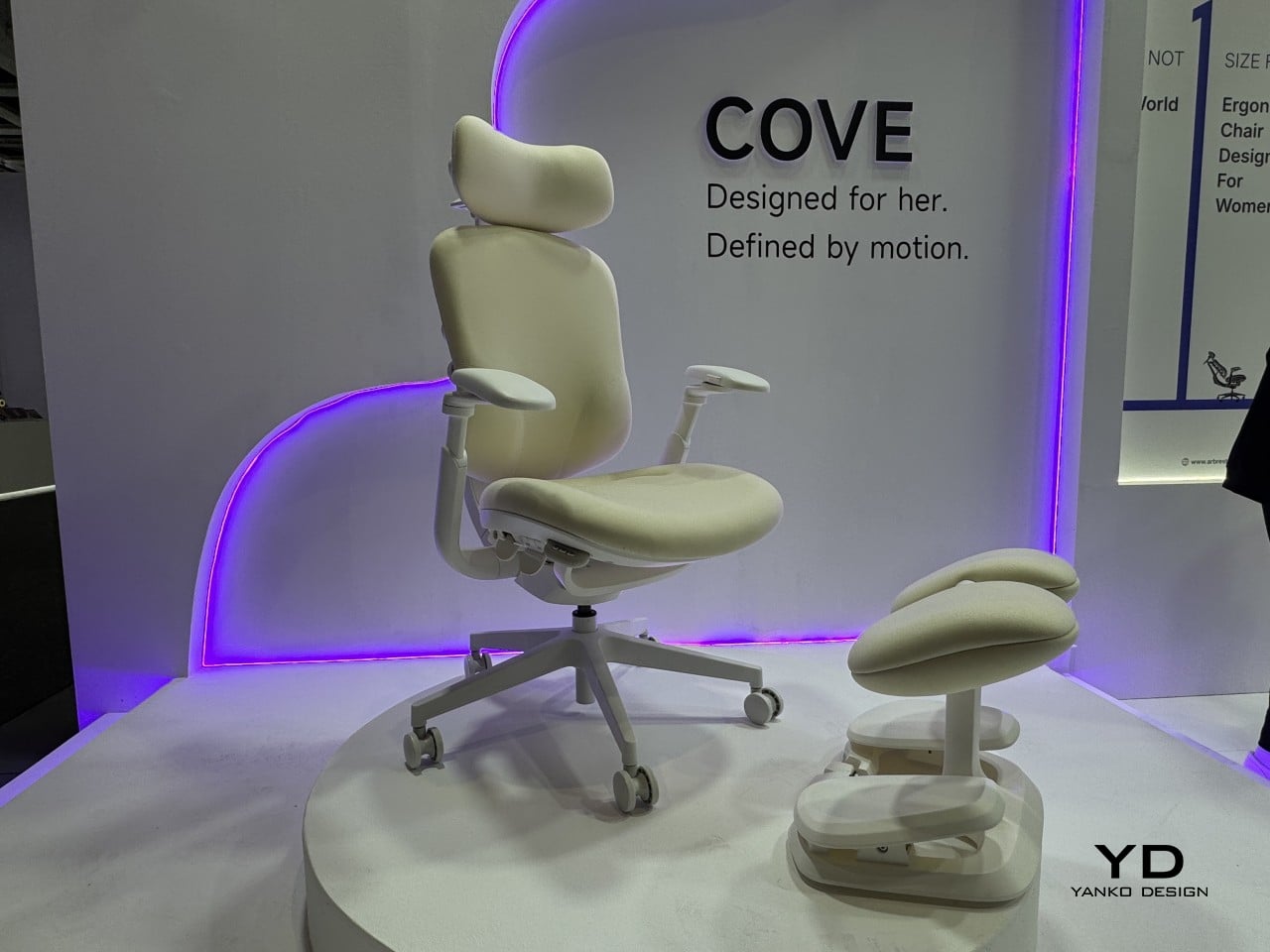
Most office chairs start with a body that isn’t yours. The measurements, the pivot points, the lumbar curve, they’re all built around broad averages that do not always translate well to smaller frames, leaving some users to compensate with cushions, perching, and constant readjusting. Arbrest’s COVE chair flips that order, starting with female proportions as the baseline, then building fit, posture support, and a one-touch stretch around them.
ARBREST calls itself a smart lifestyle technology brand rather than a furniture company. COVE is ARBREST’s first product and made its global debut in Berlin on September 4, 2026, as a Best in Design winner at the IFA Innovation Awards 2026. The company doesn’t define itself by category, choosing instead to start from real human needs rather than a predetermined product type. COVE reflects that approach directly, treating the female body as the starting reference rather than a modification made after the fact, built around fit, motion, and recovery.
Designer: ARBREST
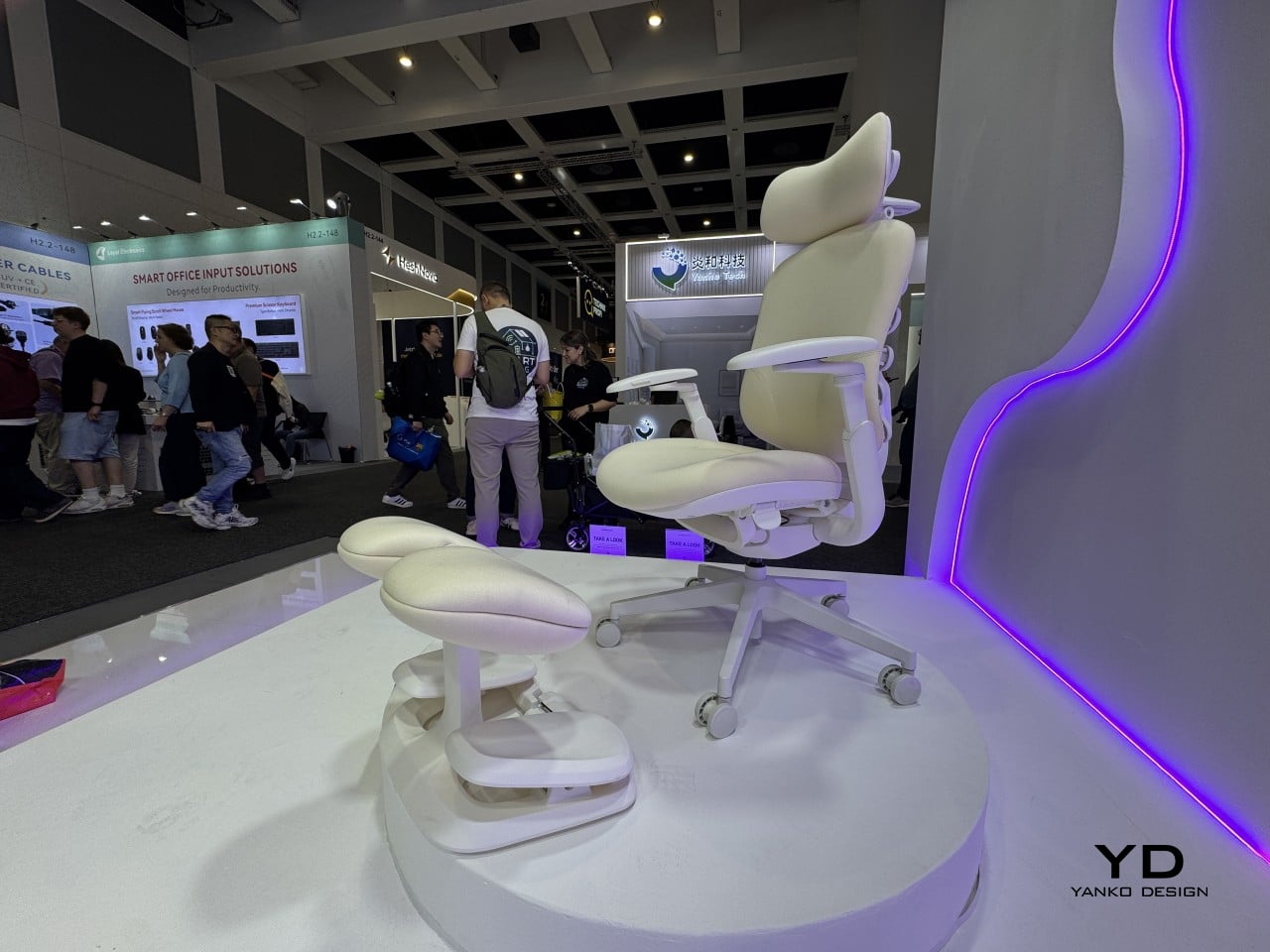
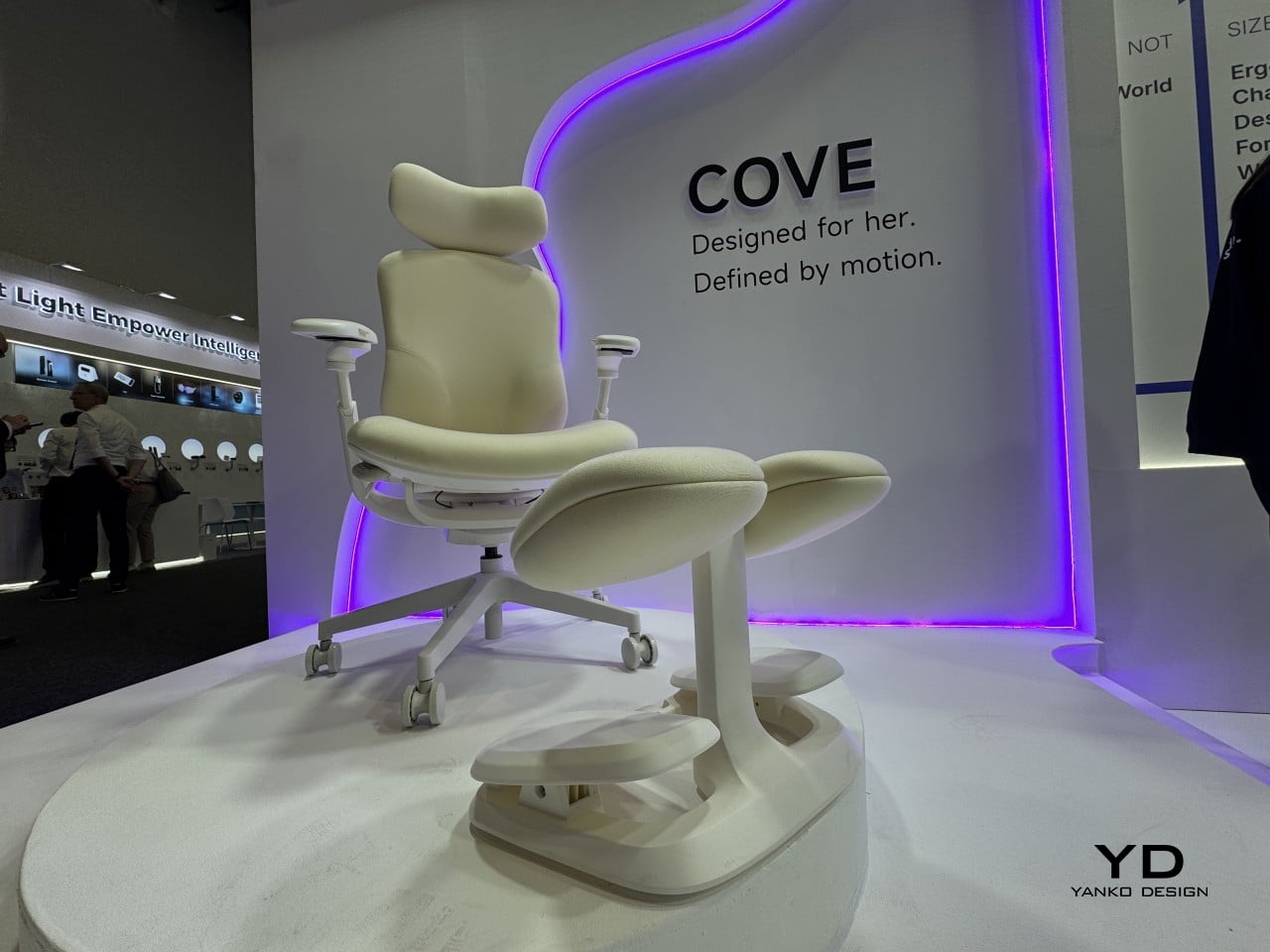
Instead of one universal seat size with a few knobs to twist, COVE calibrates seven points before you even settle in: seat height, seat width, seat depth, lumbar apex, armrest distance, headrest height, and footrest offset. On the pre-production model shown at IFA 2026, the seat height adjusts from 18.1 to 21.3 inches, while seat depth ranges from 16.9 to 19.3 inches, a useful context for understanding how COVE approaches fit for smaller frames. Final production dimensions and specifications may change before launch.
Once you’re seated, the cushion works in layers rather than as one flat pad. The area beneath your sit bones stays firm enough to keep you from sinking in after hours, while the pelvic region contours gently around your natural shape and the front edge softens under the thighs instead of digging in. Sitting cross-legged doesn’t throw off the balance, which is rare for a chair built around proper posture.
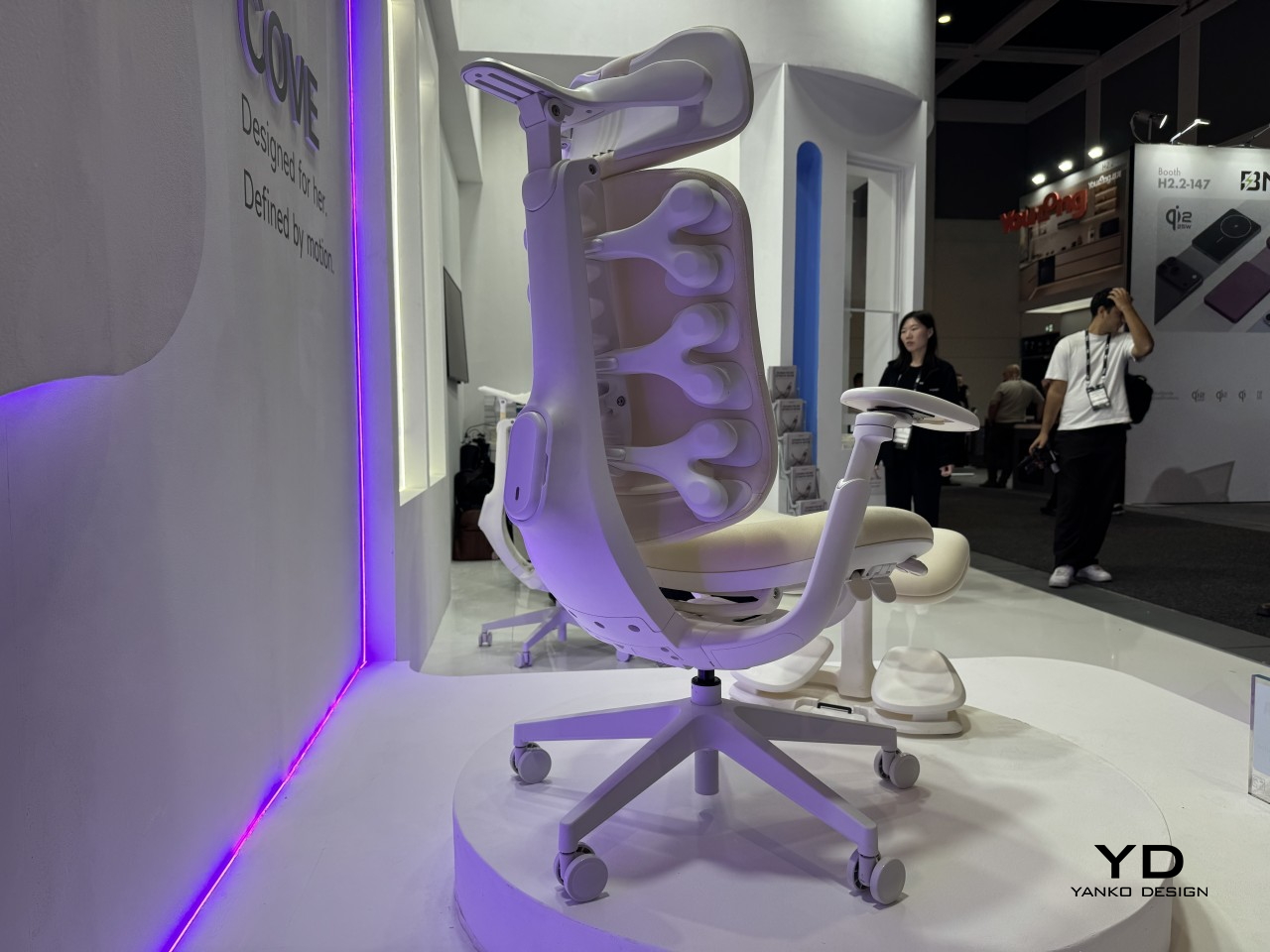
The small stuff is where COVE quietly stands out. Its winged headrest leaves room for a ponytail or a bun instead of squashing it flat during recline, the touch controls are wide enough to tap with long nails without fumbling, and the 5D dynamic armrests adjust along multiple axes to keep meeting your elbows, whether you’re typing, reading, or browsing.
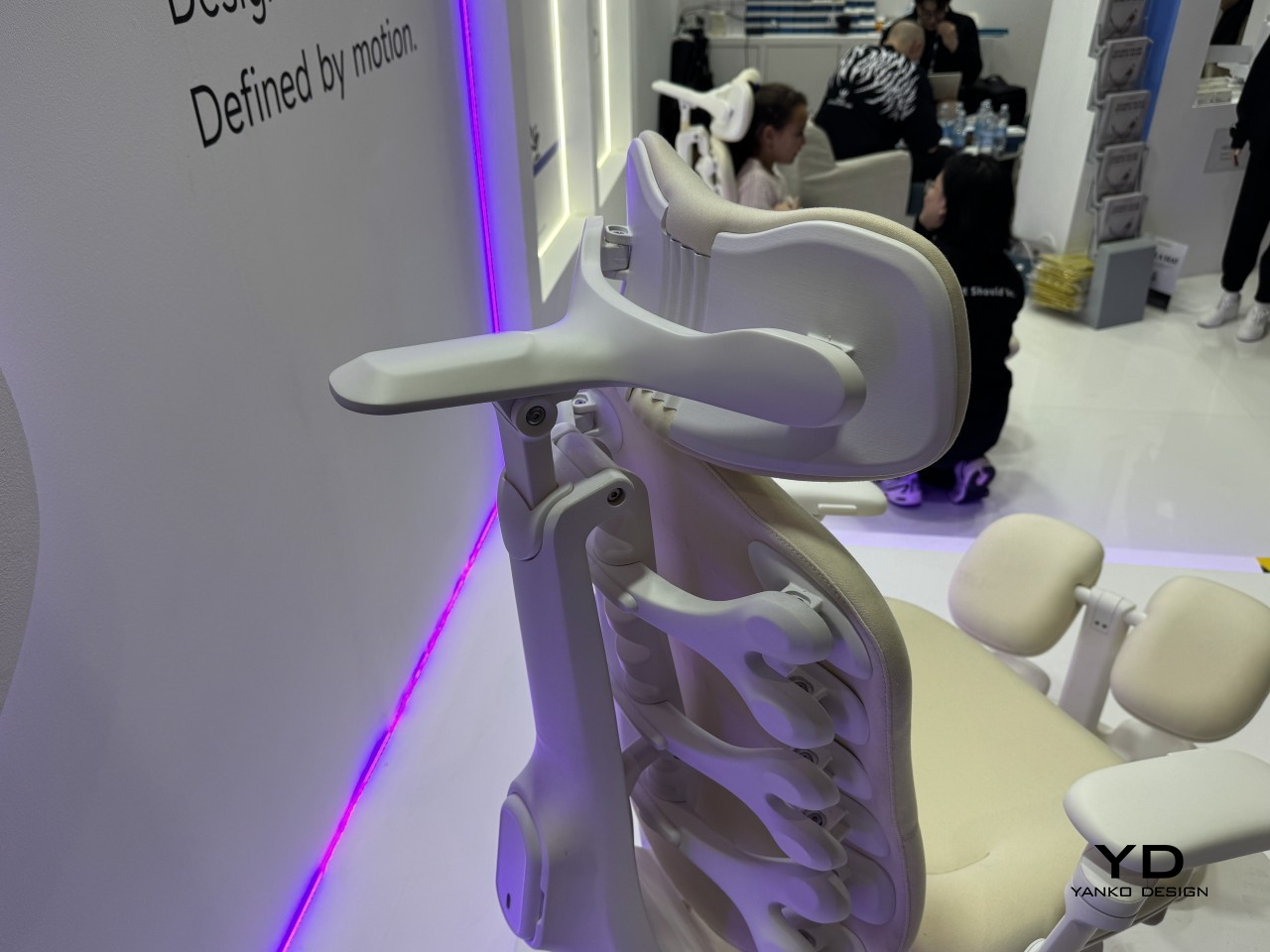
When you lean into a task, COVE leans with you. A 16-degree forward tilt opens up the angle between the seat and backrest, easing pressure off your stomach and letting your weight settle naturally toward the footrest. It’s the kind of support that keeps you locked into typing or designing without ever needing to retreat back into the chair to feel supported, even during long stretches of focused work.
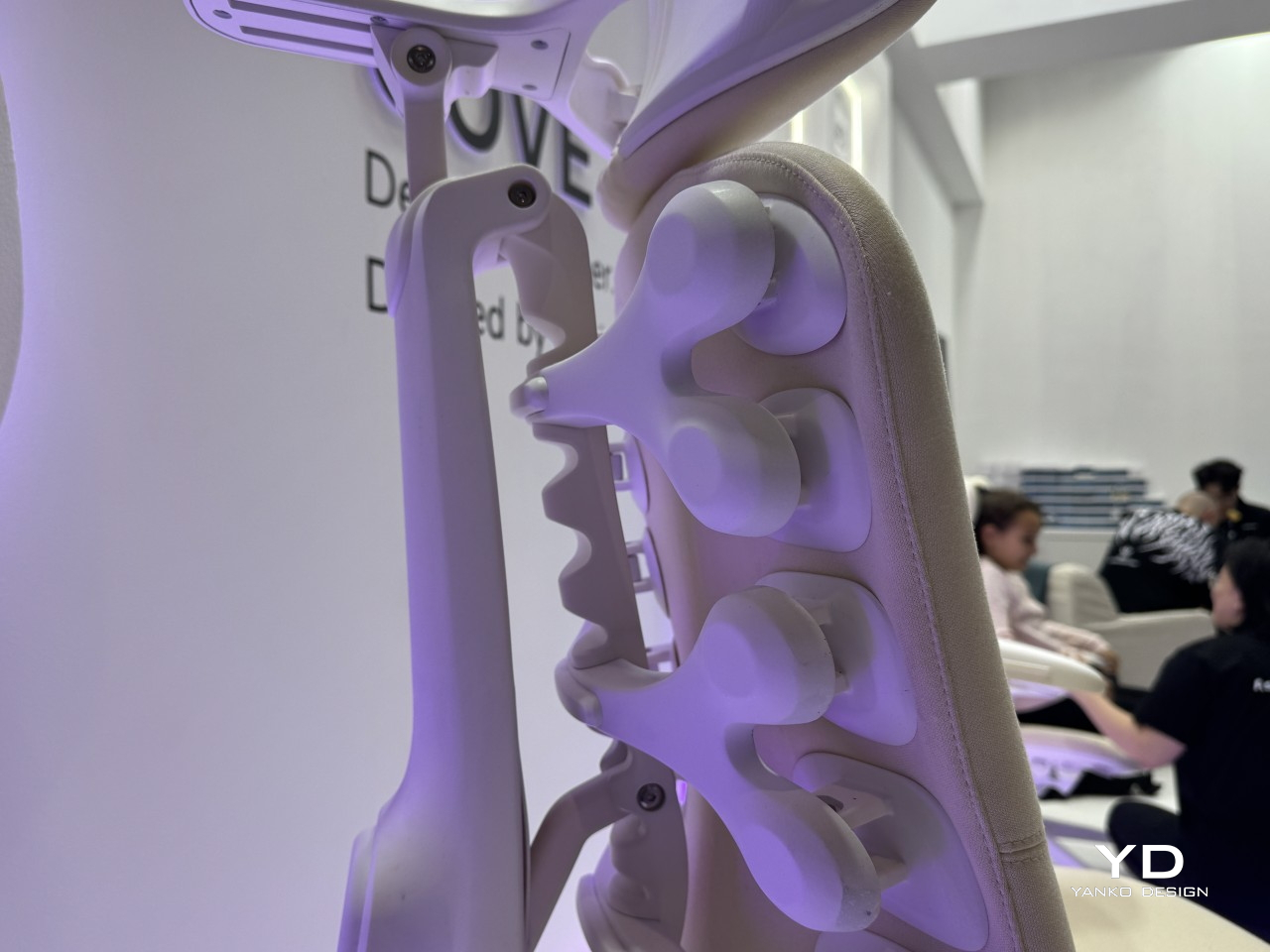
Behind you, 12 separate support units run along a flexible spine plate, each one reacting on its own to small shifts in your shoulders, back, and lower spine. Lean slightly to one side or twist to grab something off the desk, and the backrest adjusts locally instead of moving as one stiff panel, which keeps the fit close no matter how much you fidget.
COVE moves through four working angles altogether, tilting forward 16 degrees, sitting upright at 105 degrees, easing back to 120 degrees, and reclining fully at 135 degrees. Five points – the headrest, armrests, backrest, seat, and footrest – shift together through all of them, so changing position doesn’t mean fixing five separate parts individually every time you move. That coordination matters most in the middle of a long workday.
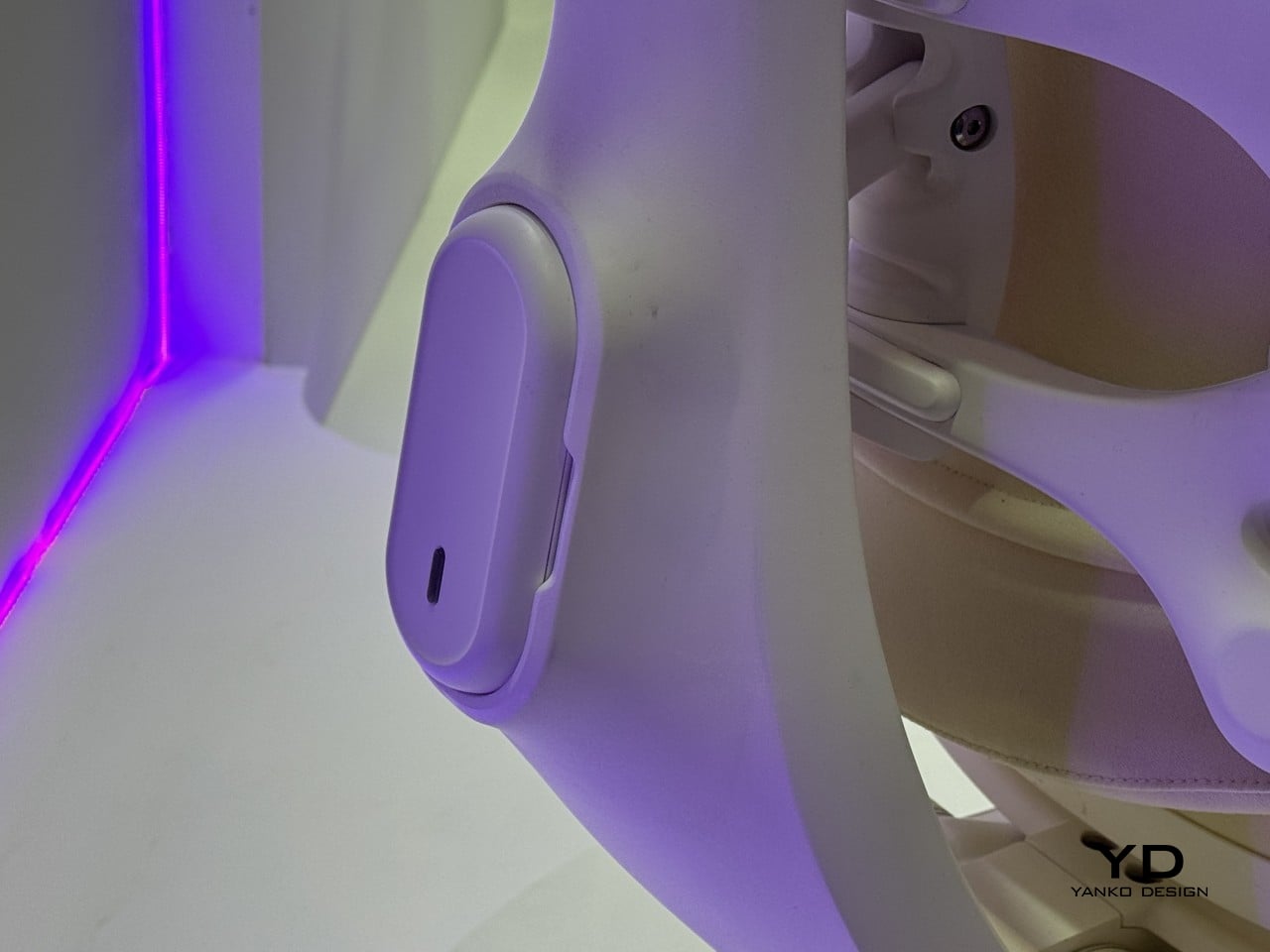
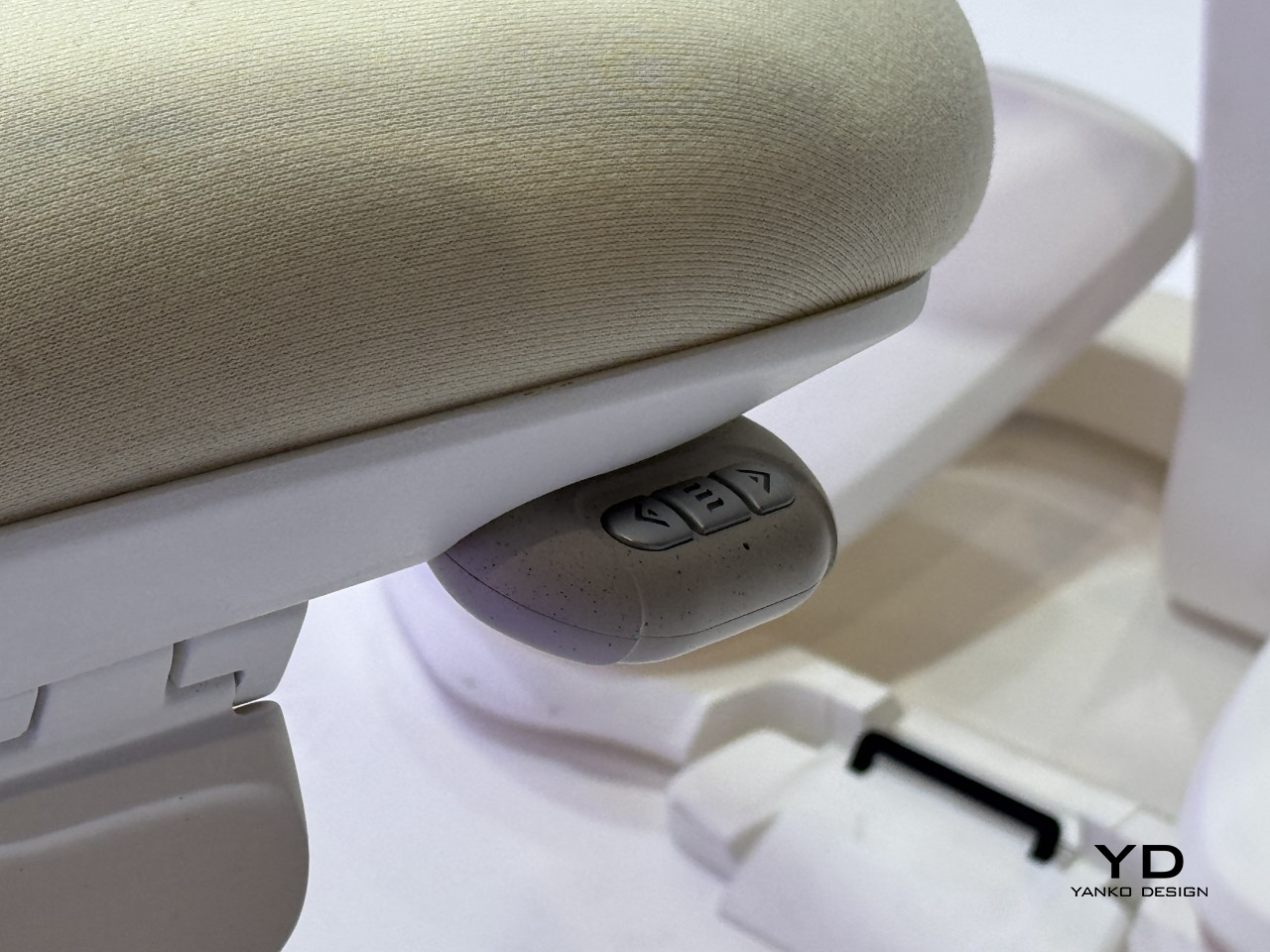
When fatigue creeps in, a single press sets off COVE’s stretch function. The motorized lumbar support pushes forward as the backrest reclines, slowly opening up your lower back, while the dual-tier footrest keeps your legs supported and carries that stretch down through your hips. None of it requires standing up, just a few seconds before getting back to work feeling looser.
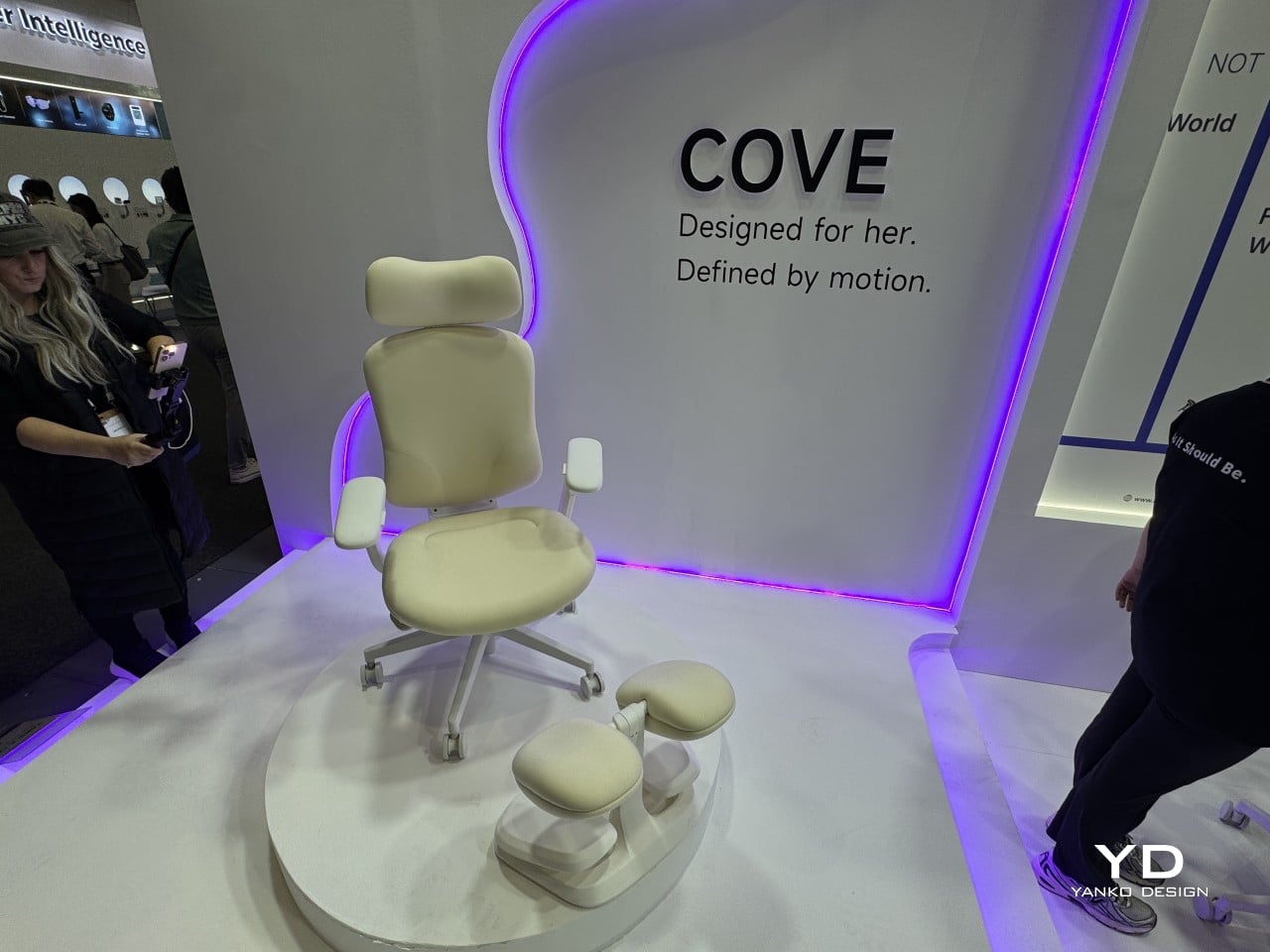
What stands out most about COVE isn’t any single mechanism; it’s the order of operations. The fit comes first, the motion follows naturally, and the stretch exists for the quieter moments in between, all built around a body that was part of the original brief rather than an edit to it. ARBREST is showcasing COVE at IFA Berlin 2026 in Hall 2.2, Stand 141, through September 8.
Final production dimensions and specifications may change before launch.
The post ARBREST COVE Is the Office Chair That is Actually Designed for Women first appeared on Yanko Design.

Apple Maps is more than just a navigation app; it’s a powerful tool designed to simplify travel, enhance planning, and improve exploration. While many users rely on it for basic directions, the app offers a wide range of features that can significantly elevate your experience. By learning how to use these tools effectively, you […]
The post 10 Tips to Master Maps for iPhone and Improve Navigation appeared first on Geeky Gadgets.



Cas and Chary XR review the KiWear Ring, a wearable designed for gesture-based interactions, motion sensing and basic health tracking. The ring enables actions like swiping, tapping and snapping fingers to control devices, including VR headsets and smart TVs. However, as noted in the overview, its performance varies by device. For instance, Android devices show […]
The post $249 KiWear Ring Adds Gesture Controls to Everything appeared first on Geeky Gadgets.