The impressive-looking Fallout: London mod has been on our radar for a couple of years, and now the fan-made adventure has an official release date of April 23. The development team says the game's already finished, but it requires these last few months for testing, according to Eurogamer.
This is a “DLC-sized mod” for Bethesda’s Fallout 4, so it was built from the bones of the 2015 sequel. As you can guess, it gives players free rein over a post-apocalyptic London. The release date trailer shows iconic locations like Big Ben, Shakespeare's Globe and Trafalgar Square, among others. Of course, these areas have been warped by nuclear fallout and decades of chaos. You know the drill.
Developer Team Folon says the game’s European location isn’t just window dressing. The mod will lead players down story paths that “explore pre-war European history” and take a look at how Fallout’s Resource Wars impacted the “class structured society” of the region. It’s also a direct sequel to Fallout 4, being advertised as a “continuation of the base game.” So you’ll need a PC version of the original title to play the mod.
Fallout: London has been in development for more than three years and was expected to launch in 2022 or 2023. Team Folon says the delay was unavoidable, as many team members “come from a region affected by conflict”, potentially referring to Ukraine.
While the release date may have little significance to those of us in the good ole USA, April 23 is St. George’s Day across Britain. It’s a day filled with celebrations and parades, though not an official bank holiday. It’s also just a week after that Fallout show drops on Amazon Prime Video. In other words, April’s a big month for fans of Vault Boy.
This article originally appeared on Engadget at https://www.engadget.com/fan-made-fallout-london-is-finally-coming-this-april-161548854.html?src=rss
The impressive-looking Fallout: London mod has been on our radar for a couple of years, and now the fan-made adventure has an official release date of April 23. The development team says the game's already finished, but it requires these last few months for testing, according to Eurogamer.
This is a “DLC-sized mod” for Bethesda’s Fallout 4, so it was built from the bones of the 2015 sequel. As you can guess, it gives players free rein over a post-apocalyptic London. The release date trailer shows iconic locations like Big Ben, Shakespeare's Globe and Trafalgar Square, among others. Of course, these areas have been warped by nuclear fallout and decades of chaos. You know the drill.
Developer Team Folon says the game’s European location isn’t just window dressing. The mod will lead players down story paths that “explore pre-war European history” and take a look at how Fallout’s Resource Wars impacted the “class structured society” of the region. It’s also a direct sequel to Fallout 4, being advertised as a “continuation of the base game.” So you’ll need a PC version of the original title to play the mod.
Fallout: London has been in development for more than three years and was expected to launch in 2022 or 2023. Team Folon says the delay was unavoidable, as many team members “come from a region affected by conflict”, potentially referring to Ukraine.
While the release date may have little significance to those of us in the good ole USA, April 23 is St. George’s Day across Britain. It’s a day filled with celebrations and parades, though not an official bank holiday. It’s also just a week after that Fallout show drops on Amazon Prime Video. In other words, April’s a big month for fans of Vault Boy.
This article originally appeared on Engadget at https://www.engadget.com/fan-made-fallout-london-is-finally-coming-this-april-161548854.html?src=rss
This year, tech companies have made concessions that would have once been unthinkable. Apple agreed to adopt the RCS protocol, allowing for text message interoperability with Android devices, and, after more than a decade it ditched the lightning port in its latest iPhone. Meta offered some users the choice to opt out of targeted advertising for a monthly subscription. TikTok, Meta, and Snap allowed some users to opt out of their recommendation algorithms entirely.
None of these concessions would have happened without pressure from the European Union. The bloc has long taken the lead in regulating “Big Tech” (or attempting to), but 2023 saw some of those efforts finally come to fruition.
The most immediate result of increased EU regulations this year came with the arrival of the iPhone 15 lineup, which was the first phone from Apple to support USB-C rather than its proprietary lightning port. The company may have eventually made the switch on its own, but it came in 2023 as a direct result of a European law that made USB-C the common charging standard.
"We have no choice as we do around the world but to comply to local laws," Apple exec Greg Joswiak said about the rules last year. (The regulation requires all new phones and other mobile devices to adopt USB-C by the end of 2024.)
Likewise, it’s widely believed Apple’s decision to finally agree to support the RCS standard in iMessage was the result of political will within the EU. Apple had long been resistant to supporting RCS, which would finally modernize text messages between iPhone owners and their “green bubble” friends.
Apple hasn’t publicly said why it changed its stance. But Google and other companies were pressuring EU authorities to regulate iMessage like other “gatekeeper” services that fall under its authority thanks to the Digital Markets Act (DMA). Apple’s surprise announcement that it would support RCS after all came on the same day as the deadline for companies to challenge the EU’s gatekeeper rules. So Apple’s about face on RCS could reasonably be interpreted as an attempt to pacify EU regulators who could have taken more aggressive measures, like requiring iMessage to be fully interoperable with other chat apps like WhatsApp.
Notably, both of these changes will also benefit US users, even though they are a consequence of EU-specific regulations.“There's definitely a higher degree of protection to the consumer in Europe than there is in the US,” Carolina Milanesi, a consumer analyst with Creative Strategies, told Engadget. Those protections, she noted, often “cascade down” to other regions because it can be impractical to implement different standards across geographies.
In addition to the gains made under the DMA, most of the major social media apps — including Facebook, TikTok, Twitter, YouTube, Snapchat and Instagram — fall under the purview of another EU law that went into effect this year, the Digital Services Act. Under this law, these companies are required to make detailed disclosures about disinformation and other harmful content, and explain how their recommendation algorithms work.
“If you force the social media industry to explain itself, to reveal to some degree its inner workings, it will have an incentive to not misbehave and/or incentive to self regulate more vigorously” explains Paul Barrett, deputy director of NYU’s Stern Center for Business and Human Rights.
Whether these measures will actually make these services better for those using them, however, is less clear. There are still open questions about how the rules will be enforced. But there have been a few notable changes for EU-based social media users.
Snapchat, Meta and TikTok all now allow European users to opt out of their recommendation algorithms entirely. Snapchat also ended most targeted advertising for 13- to 17-year-olds in the bloc. Additionally, Meta was forced to allow EU users to opt-out of targeted advertising or choose no advertising at all (in exchange for a hefty monthly subscription.)
While these may not seem like monumental changes, they do strike at the heart of all of these companies’ business models. And it’s unlikely, if left to self-regulate as US policymakers have been content to allow them to do, that any of these companies would have voluntarily acted against their own self-interest.
This article originally appeared on Engadget at https://www.engadget.com/how-the-eu-forced-tech-companies-to-change-in-2023-153023033.html?src=rss
This year, tech companies have made concessions that would have once been unthinkable. Apple agreed to adopt the RCS protocol, allowing for text message interoperability with Android devices, and, after more than a decade it ditched the lightning port in its latest iPhone. Meta offered some users the choice to opt out of targeted advertising for a monthly subscription. TikTok, Meta, and Snap allowed some users to opt out of their recommendation algorithms entirely.
None of these concessions would have happened without pressure from the European Union. The bloc has long taken the lead in regulating “Big Tech” (or attempting to), but 2023 saw some of those efforts finally come to fruition.
The most immediate result of increased EU regulations this year came with the arrival of the iPhone 15 lineup, which was the first phone from Apple to support USB-C rather than its proprietary lightning port. The company may have eventually made the switch on its own, but it came in 2023 as a direct result of a European law that made USB-C the common charging standard.
"We have no choice as we do around the world but to comply to local laws," Apple exec Greg Joswiak said about the rules last year. (The regulation requires all new phones and other mobile devices to adopt USB-C by the end of 2024.)
Likewise, it’s widely believed Apple’s decision to finally agree to support the RCS standard in iMessage was the result of political will within the EU. Apple had long been resistant to supporting RCS, which would finally modernize text messages between iPhone owners and their “green bubble” friends.
Apple hasn’t publicly said why it changed its stance. But Google and other companies were pressuring EU authorities to regulate iMessage like other “gatekeeper” services that fall under its authority thanks to the Digital Markets Act (DMA). Apple’s surprise announcement that it would support RCS after all came on the same day as the deadline for companies to challenge the EU’s gatekeeper rules. So Apple’s about face on RCS could reasonably be interpreted as an attempt to pacify EU regulators who could have taken more aggressive measures, like requiring iMessage to be fully interoperable with other chat apps like WhatsApp.
Notably, both of these changes will also benefit US users, even though they are a consequence of EU-specific regulations.“There's definitely a higher degree of protection to the consumer in Europe than there is in the US,” Carolina Milanesi, a consumer analyst with Creative Strategies, told Engadget. Those protections, she noted, often “cascade down” to other regions because it can be impractical to implement different standards across geographies.
In addition to the gains made under the DMA, most of the major social media apps — including Facebook, TikTok, Twitter, YouTube, Snapchat and Instagram — fall under the purview of another EU law that went into effect this year, the Digital Services Act. Under this law, these companies are required to make detailed disclosures about disinformation and other harmful content, and explain how their recommendation algorithms work.
“If you force the social media industry to explain itself, to reveal to some degree its inner workings, it will have an incentive to not misbehave and/or incentive to self regulate more vigorously” explains Paul Barrett, deputy director of NYU’s Stern Center for Business and Human Rights.
Whether these measures will actually make these services better for those using them, however, is less clear. There are still open questions about how the rules will be enforced. But there have been a few notable changes for EU-based social media users.
Snapchat, Meta and TikTok all now allow European users to opt out of their recommendation algorithms entirely. Snapchat also ended most targeted advertising for 13- to 17-year-olds in the bloc. Additionally, Meta was forced to allow EU users to opt-out of targeted advertising or choose no advertising at all (in exchange for a hefty monthly subscription.)
While these may not seem like monumental changes, they do strike at the heart of all of these companies’ business models. And it’s unlikely, if left to self-regulate as US policymakers have been content to allow them to do, that any of these companies would have voluntarily acted against their own self-interest.
This article originally appeared on Engadget at https://www.engadget.com/how-the-eu-forced-tech-companies-to-change-in-2023-153023033.html?src=rss
Every time Microsoft launched a major AI feature this year, I couldn't help but feel more skeptical about the company's new direction. Here's Microsoft, a notoriously conservative and slow-moving giant, reshaping its products around artificial intelligence not long after most people learned generative AI existed. The last time it made such a dramatic shift we got Windows 8, a failed attempt at making its flagship OS tablet and touchscreen friendly.
Now, the company is bringing AI right into the heart of Windows and I'm left wondering: Is Microsoft jumping into artificial intelligence to actually make its products better? Or is it just trying to stake a claim as an AI innovator and pray that the technology actually lives up to the hype? At this point, it's genuinely hard to tell.
As the Zune, WebTV and Windows Phone have shown, Microsoft isn't so great at timing. Its products often either land too early to be useful (as in the case of the sluggish WebTV), or arrive far too late to make an impact (like the genuinely great Zune HD). But when the company unveiled its AI-powered Bing Chat earlier this year, it was perfectly positioned to coast on the success of ChatGPT, which by then had reportedly reached 100 million users in just two months. According to UBS analysts, that would have made ChatGPT the fastest growing consumer application in history. What better time to mate the power of generative AI with one of its notoriously beleaguered products? Microsoft had nothing to lose.
OpenAI CEO Sam Altman and Microsoft CEO Satya Nadella at the first OpenAI DevDay in November 2023.
Justin Sullivan via Getty Images
After investing a total of $13 billion in ChatGPT-maker OpenAI (and acquiring a 49 percent stake in the process), Microsoft was probably eager to show off its shiny new toy ahead of Google and others. The introduction of Bing Chat officially kicked off Microsoft's year of AI: Copilot launched on Edge, Microsoft 365 products like Word and Powerpoint and eventually made its way to Windows 11. Even more surprising, the company recently announced that Copilot is coming to Windows 10 — a sign that it wants AI features in front of as many people as possible. (Windows 11 reportedly accounts for 26 percent of Windows installations, while Windows 10 still has 69 percent. By targeting both platforms Copilot could potentially reach up to 1.4 billion users.)
There's no doubt that Copilot makes a great first impression. Type in a few words (or speak them aloud), and it returns with direct answers to your questions, like a whip-smart assistant. There are no ads to wade through, and you only have to engage with additional links if you want. It's a glimpse at a world beyond search engines, one where AI could help guide us through an increasingly chaotic media landscape. Microsoft's Copilots can also help out in specific applications: In Edge it can summarize the webpage you're looking at; it can help to transcribe and generate action points in Teams Meetings; and it can help unearth hard to find settings in Windows (for example, you could just type "How do I turn on Night Mode?" to flip that on).
But Copilot's confident veneer hides the fact that it often makes errors and can occasionally misunderstand your questions entirely. It's far less responsive than using a typical search engine, as there's a lot of opaque AI processing happening in the background. And in my testing, it also crashes more often than you'd think, which requires a “reboot” of your session (but at least it doesn't flash a blue screen like Windows).
Microsoft
In an effort to temper our expectations, Microsoft has a helpful note emblazoned atop Bing's AI chat: "Bing is powered by AI, so surprises and mistakes are possible. Please share feedback so we can improve!" Microsoft appears to show a bit of humility here by acknowledging that its AI chat isn't perfect, and it's trying to earn some brownie points by saying it's listening to your feedback. Mostly, though, that warning serves as a way out for Microsoft. It can tout Copilot's ability to write essays for you and hold vaguely realistic conversations, but the minute it screws up, the company can just say, "It's just a beta, LOL!"
The big test for Microsoft's Copilots and other generative AI tools comes down to one thing: trust. Can a user trust that it'll deliver the relevant information when it asks a question? Can we be sure Copilow will even understand our query correctly? Aaron Woodman, Microsoft's VP of Windows Marketing, tells us that trust will ultimately come down to users "kicking the tires" for themselves and seeing how well Copilot performs. "I think that type of organic growth is one that we're going to see over time," he said in an interview with Engadget at the Windows Copilot launch in September. "And I bet it'll be explosive because the value is there, and I think customers will see that very quickly."
Microsoft
Woodman also believes that users will understand that Copilot won't always be perfect, especially during these early days. "I weirdly think we're probably more empathetic with people and understand where they're at with growth than we are with technology," he said. "I think the best thing that we can do is honestly own that, be transparent about it. At some level, every conversation we're in, we're trying to lean into [that] this is a growth process. We want to make sure you understand reference materials. I think people will understand that we're trying to accelerate bringing [new] technology to them."
I’ve been using Microsoft’s AI solutions since Bing Chat launched earlier this year, and while it’s helpful for simple tasks, like creating a specification table comparing two products, it hasn’t exactly changed the way I work. Microsoft also had to seriously restrict Bing Chat’s capabilities early on after it started arguing with users and issuing disturbing responses. In Windows 11, Copilot can sometimes help me find settings like dark mode, but it can’t always pull up the controls within the Copilot pane, and sometimes it just sends me to general settings menus if it can’t figure out what I’m asking for.
More recently, I’ve had disappointing conversations with Bing when I asked if it was a good time to buy a Nintendo Switch (it took some prodding for it to bring up rumors of a potential Switch follow-up coming next year), and its ability to answer questions around images is still less useful than Google’s image search.
When I took a photo of my kid’s baby monitor and asked “What is this?,” Bing was aware of its function, but it got the actual model and manufacturer wrong. That query also took five seconds to complete. The Google Image Search took half a second and correctly identified it as the Eufy Space Monitor. Score one for traditional search (and yes, I know it’s also powered by its own set of computer vision models).
Microsoft
We can look to Microsoft's Github Copilot, which launched in November 2021, as one way users can learn to work with AI. It's mainly meant to serve as a partner alongside an experienced programmer: It'll look out for potential issues and it can even whip up some simple code.
According to developer Aidan Tilgner, Github Copilot can be genuinely useful for coders, so long as you keep your expectations in check. In the paper "GitHub Copilot AI pair programming: Asset or Liability?" authors Arghavan Moradi Dakhel, Vahid Majdinasab, Amin Nikanjam, Foutse Khomh, Michel C.Desmarais, and Zhen Ming Jiang found Github Copilot similarly useful, but note "it can also become a liability if it is used by novices, those who may not be familiar with the problem context and correct coding methods."
"Copilot suggests solutions that might be buggy and difficult to understand, which may be accepted as correct solutions by novices," the authors add. "Adding such buggy and complex code into software projects can highly impact their quality."
By leaning so much on Copilots in the future, Microsoft may also be tying itself too closely to OpenAI, a young company that recently went through one of the most volatile weekends in Silicon Valley history. OpenAI’s board fired CEO Sam Altman, but after a significant amount of internal pressure (and some cajoling from Microsoft CEO Satya Nadella), it ultimately re-hired him a few days later. If OpenAI goes through another tumultuous event, it won’t just be Microsoft’s $13 billion investment in danger: It’ll be the company’s future plans for practically all of its products.
According to Windows Central, Microsoft’s next major Windows update, “Hudson Valley,” may arrive next year with a slew of AI enhancements in tow. That includes the ability to analyze content being displayed in video chats, an improved Copilot that can remember everything you’ve done on your PC, and better system-wide search. Some features may also require CPUs with NPUs, like AMD’s last batch of chips and Intel’s new Core Ultra hardware. That’s similar to the Windows Studio Effects features like background blurring and auto-framing, which also require NPUs.
The one constant around AI these days is that everything is changing quickly. Since I started writing this piece, Microsoft announced Copilot would be upgraded with the more powerful GPT-4 Turbo and Dall-E 3 models, which will make them even more capable. Perhaps Microsoft and OpenAI will eventually be able to fix all of the issues I’ve seen with Copilot so far, and ultimately deliver a transformative AI tool that’s easily available to everyone. But I also hoped for the best when it came to the company’s dual-screen Duo and Neo plans, and all I got in return was disappointment.
This article originally appeared on Engadget at https://www.engadget.com/microsoft-bet-big-on-ai-in-2023-but-its-ai-future-is-still-unclear-143055721.html?src=rss
Every time Microsoft launched a major AI feature this year, I couldn't help but feel more skeptical about the company's new direction. Here's Microsoft, a notoriously conservative and slow-moving giant, reshaping its products around artificial intelligence not long after most people learned generative AI existed. The last time it made such a dramatic shift we got Windows 8, a failed attempt at making its flagship OS tablet and touchscreen friendly.
Now, the company is bringing AI right into the heart of Windows and I'm left wondering: Is Microsoft jumping into artificial intelligence to actually make its products better? Or is it just trying to stake a claim as an AI innovator and pray that the technology actually lives up to the hype? At this point, it's genuinely hard to tell.
As the Zune, WebTV and Windows Phone have shown, Microsoft isn't so great at timing. Its products often either land too early to be useful (as in the case of the sluggish WebTV), or arrive far too late to make an impact (like the genuinely great Zune HD). But when the company unveiled its AI-powered Bing Chat earlier this year, it was perfectly positioned to coast on the success of ChatGPT, which by then had reportedly reached 100 million users in just two months. According to UBS analysts, that would have made ChatGPT the fastest growing consumer application in history. What better time to mate the power of generative AI with one of its notoriously beleaguered products? Microsoft had nothing to lose.
OpenAI CEO Sam Altman and Microsoft CEO Satya Nadella at the first OpenAI DevDay in November 2023.
Justin Sullivan via Getty Images
After investing a total of $13 billion in ChatGPT-maker OpenAI (and acquiring a 49 percent stake in the process), Microsoft was probably eager to show off its shiny new toy ahead of Google and others. The introduction of Bing Chat officially kicked off Microsoft's year of AI: Copilot launched on Edge, Microsoft 365 products like Word and Powerpoint and eventually made its way to Windows 11. Even more surprising, the company recently announced that Copilot is coming to Windows 10 — a sign that it wants AI features in front of as many people as possible. (Windows 11 reportedly accounts for 26 percent of Windows installations, while Windows 10 still has 69 percent. By targeting both platforms Copilot could potentially reach up to 1.4 billion users.)
There's no doubt that Copilot makes a great first impression. Type in a few words (or speak them aloud), and it returns with direct answers to your questions, like a whip-smart assistant. There are no ads to wade through, and you only have to engage with additional links if you want. It's a glimpse at a world beyond search engines, one where AI could help guide us through an increasingly chaotic media landscape. Microsoft's Copilots can also help out in specific applications: In Edge it can summarize the webpage you're looking at; it can help to transcribe and generate action points in Teams Meetings; and it can help unearth hard to find settings in Windows (for example, you could just type "How do I turn on Night Mode?" to flip that on).
But Copilot's confident veneer hides the fact that it often makes errors and can occasionally misunderstand your questions entirely. It's far less responsive than using a typical search engine, as there's a lot of opaque AI processing happening in the background. And in my testing, it also crashes more often than you'd think, which requires a “reboot” of your session (but at least it doesn't flash a blue screen like Windows).
Microsoft
In an effort to temper our expectations, Microsoft has a helpful note emblazoned atop Bing's AI chat: "Bing is powered by AI, so surprises and mistakes are possible. Please share feedback so we can improve!" Microsoft appears to show a bit of humility here by acknowledging that its AI chat isn't perfect, and it's trying to earn some brownie points by saying it's listening to your feedback. Mostly, though, that warning serves as a way out for Microsoft. It can tout Copilot's ability to write essays for you and hold vaguely realistic conversations, but the minute it screws up, the company can just say, "It's just a beta, LOL!"
The big test for Microsoft's Copilots and other generative AI tools comes down to one thing: trust. Can a user trust that it'll deliver the relevant information when it asks a question? Can we be sure Copilot will even understand our query correctly?
Aaron Woodman, Microsoft's VP of Windows Marketing, tells us that trust will ultimately come down to users "kicking the tires" for themselves and seeing how well Copilot performs. "I think that type of organic growth is one that we're going to see over time," he said in an interview with Engadget at the Windows Copilot launch in September. "And I bet it'll be explosive because the value is there, and I think customers will see that very quickly."
Microsoft
Woodman also believes that users will understand that Copilot won't always be perfect, especially during these early days. "I weirdly think we're probably more empathetic with people and understand where they're at with growth than we are with technology," he said. "I think the best thing that we can do is honestly own that, be transparent about it. At some level, every conversation we're in, we're trying to lean into [that] this is a growth process. We want to make sure you understand reference materials. I think people will understand that we're trying to accelerate bringing [new] technology to them."
I’ve been using Microsoft’s AI solutions since Bing Chat launched earlier this year, and while it’s helpful for simple tasks, like creating a specification table comparing two products, it hasn’t exactly changed the way I work. Microsoft also had to seriously restrict Bing Chat’s capabilities early on after it started arguing with users and issuing disturbing responses. In Windows 11, Copilot can sometimes help me find settings like dark mode, but it can’t always pull up the controls within the Copilot pane, and sometimes it just sends me to general settings menus if it can’t figure out what I’m asking for.
More recently, I’ve had disappointing conversations with Bing when I asked if it was a good time to buy a Nintendo Switch (it took some prodding for it to bring up rumors of a potential Switch follow-up coming next year), and its ability to answer questions around images is still less useful than Google’s image search.
When I took a photo of my kid’s baby monitor and asked “What is this?,” Bing was aware of its function, but it got the actual model and manufacturer wrong. That query also took five seconds to complete. The Google Image Search took half a second and correctly identified it as the Eufy Space Monitor. Score one for traditional search (and yes, I know it’s also powered by its own set of computer vision models).
Microsoft
We can look to Microsoft's Github Copilot, which launched in November 2021, as one way users can learn to work with AI. It's mainly meant to serve as a partner alongside an experienced programmer: It'll look out for potential issues and it can even whip up some simple code.
According to developer Aidan Tilgner, Github Copilot can be genuinely useful for coders, so long as you keep your expectations in check. In the paper "GitHub Copilot AI pair programming: Asset or Liability?" authors Arghavan Moradi Dakhel, Vahid Majdinasab, Amin Nikanjam, Foutse Khomh, Michel C.Desmarais, and Zhen Ming Jiang found Github Copilot similarly useful, but note "it can also become a liability if it is used by novices, those who may not be familiar with the problem context and correct coding methods."
"Copilot suggests solutions that might be buggy and difficult to understand, which may be accepted as correct solutions by novices," the authors add. "Adding such buggy and complex code into software projects can highly impact their quality."
By leaning so much on Copilots in the future, Microsoft may also be tying itself too closely to OpenAI, a young company that recently went through one of the most volatile weekends in Silicon Valley history. OpenAI’s board fired CEO Sam Altman, but after a significant amount of internal pressure (and some cajoling from Microsoft CEO Satya Nadella), it ultimately re-hired him a few days later. If OpenAI goes through another tumultuous event, it won’t just be Microsoft’s $13 billion investment in danger: It’ll be the company’s future plans for practically all of its products.
According to Windows Central, Microsoft’s next major Windows update, “Hudson Valley,” may arrive next year with a slew of AI enhancements in tow. That includes the ability to analyze content being displayed in video chats, an improved Copilot that can remember everything you’ve done on your PC, and better system-wide search. Some features may also require CPUs with NPUs, like AMD’s last batch of chips and Intel’s new Core Ultra hardware. That’s similar to the Windows Studio Effects features like background blurring and auto-framing, which also require NPUs.
The one constant around AI these days is that everything is changing quickly. Since I started writing this piece, Microsoft announced Copilot would be upgraded with the more powerful GPT-4 Turbo and Dall-E 3 models, which will make them even more capable. Perhaps Microsoft and OpenAI will eventually be able to fix all of the issues I’ve seen with Copilot so far, and ultimately deliver a transformative AI tool that’s easily available to everyone. But I also hoped for the best when it came to the company’s dual-screen Duo and Neo plans, and all I got in return was disappointment.
This article originally appeared on Engadget at https://www.engadget.com/microsoft-bet-big-on-ai-in-2023-but-its-ai-future-is-still-unclear-143055721.html?src=rss
If you’re someone who needs a break from the hectic and fast pace of life and needs to indulge in some much-needed me time, then you’re well aware that you need an assortment of accessories to help you achieve this feat. Pampering yourself, and allowing yourself to relax and unwind isn’t a task we can accomplish simply by ourselves. And this is where products like candles and aroma diffusers come into action! All you need is an array of serene candles and calming diffusers to give you some amazing aromatherapy, enabling you to truly relax after a long hard day at work. From a zen-like Japanese lantern candle to a battery-free aroma diffuser – we’ve curated a collection of designs that are all you need to treat yourself to some aromatherapy.
1. Japanese Lantern Candle
This beautiful Japanese lantern candle looks much like a traditional Japanese ‘chouchin’ lantern. It has a unique pillar shape and is essential for your bedroom or bathroom on the days you need some me-time and pampering.
It offers a modern take on an iconic Japanese design. Besides offering a relaxing glow, it also features a minimal design which allows it to merge with any modern living space perfectly. It is handcrafted by artisans in Kurashiki, Japan, and displays meticulous craftsmanship.
What we like
The wax is non-melting which creates a stunning clarity on the candle
What we dislike
You need to be careful while using it around children and pets, as it is a fire hazard
2. Silver Lining Warmer
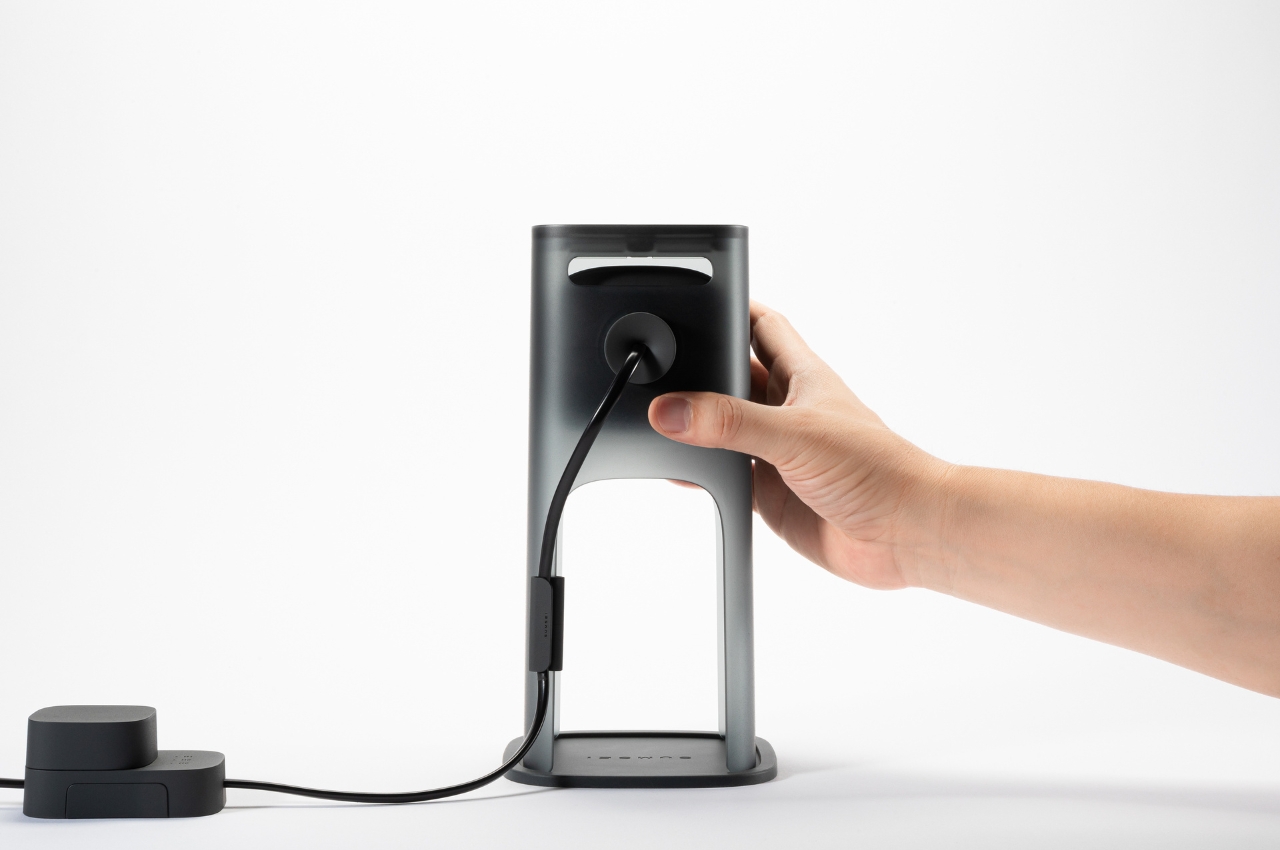
Meet the Silver Lining Warmer by SUMSEI. This is a unique candle warmer with the added bonus of halogen light to ensure that your room is comfy and calming.
Why is it noteworthy?
The main purpose of the warmer is to diffuse the scent of the paraffin candles as they’re melting from the halogen lamp. But the Silver Lining Warmer also has a halogen lamp that would flicker as you use it to give you a spa-like atmosphere as you enjoy the scents.
What we like
Creates a calming spa-like environment in the comfort of your own home
What we dislike
It is only available in black and white variants, it would be more fun if they had colorful options to choose from
3. Battery-free aroma diffuser
The battery-free aroma diffusers let you take a relaxing breath to unwind without causing any harm to the environment. Using this battery-free diffuser you can harness the power of a single candle by utilizing simple science and physics
The diffuser doesn’t need batteries or external power sources to operate. It relies on the heat of a single candle to spread calming aromatic scents. It is made using sustainable materials, hence featuring a minimalist and eco-friendly ethos.
What we like
Made from recyclable materials
Suitable with all kinds of essential oils
What we dislike
Since the diffuser lacks electric controls, it is tough to adjust the intensity of the aroma
4. Japanese Cypress Vãs Wood Diffuser
This Japanese Cypress vãs wood diffuser can diffuse your favorite essential oils without any power, batteries, or electricity. You simply need to add in a few drops, and let it work its natural magic!
Why is it noteworthy?
The design is inspired by the Latin word for a vessel which is vās, normally used to hold flowers. The vās itself is handcrafted from the Japanese hinoki cypress tree, giving you, not just a natural oil diffuser but also a decorative object to match your wooden theme if you have one.
What we like
Functions as a natural oil diffuser and as a decorative home accent
What we dislike
You need to use 100% pure essential oils only, as diluted ones won’t be as aromatic and may damage the wood
If you’re gonna use different scents, you need to wait 72 hours for the previous scent to dissipate
5. Miniature Bonfire Wood Diffuser Set
This relaxation-inducing design is called the Miniature Bonfire Wood Diffuser Set, and it recreates the smell, as well as the entire experience of a memorable and mesmerizing outdoor fire.
The mini hardwood is collected from branches that would otherwise have been thrown away, and they give off a comforting smoky smell when they are burnt on the stainless steel miniature oven. You simply need to add a few drops of the essential oils extracted from Mt.Hakusan trees, and you’ve got an amazing and authentic outdoor scent,
What we like
The diffuser can be used as a cooking or heating stool as well, by adding a piece of solid wood
What we dislike
6. Vitruvi Stone Diffuser
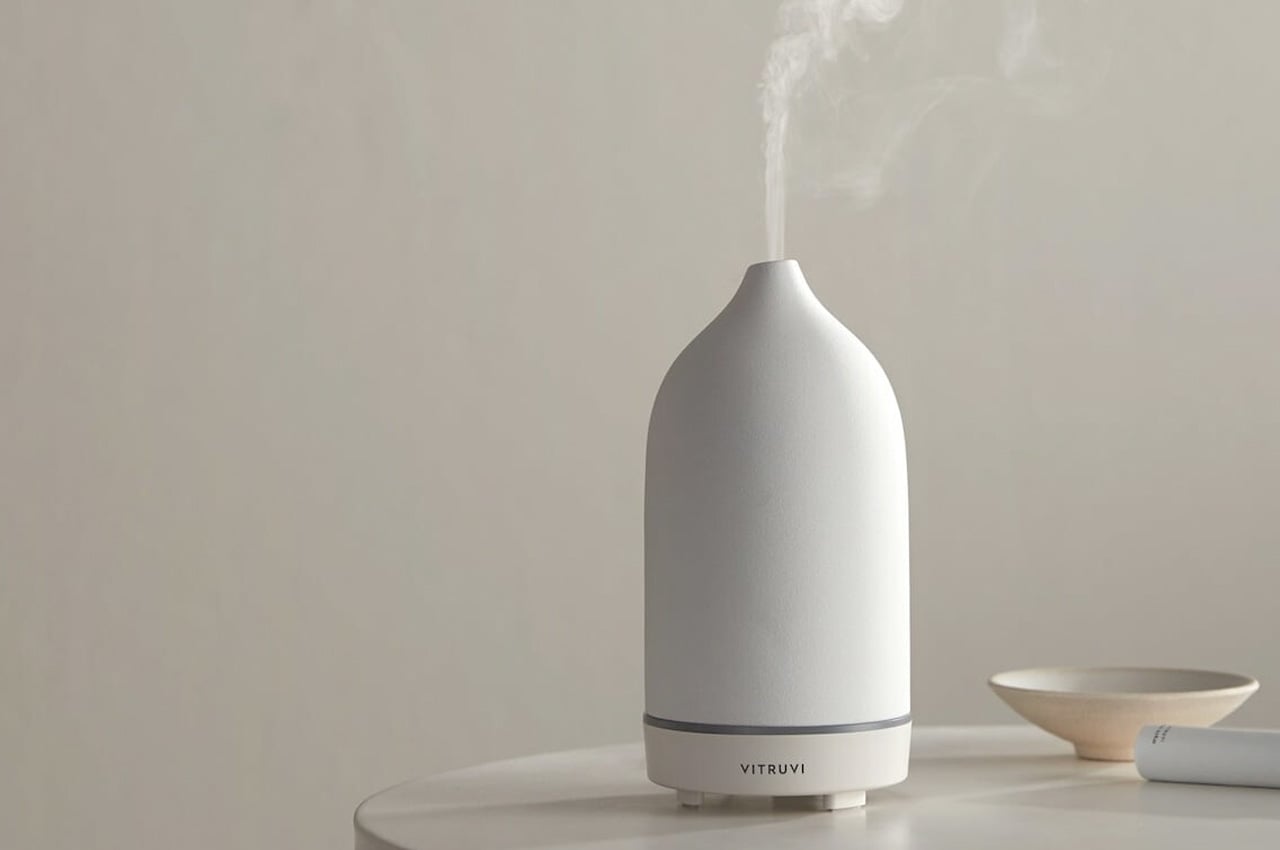
The Vitruvi Stone Diffuser is a unique aromatherapy gadget that blends seamlessly with the interiors of your living space. It looks more like a piece of pottery than a home appliance!
Why is it noteworthy?
This pretty aromatherapy diffuser features a high-quality matte ceramic cover which gives it a stunning pottery-like aesthetic. It is available in multiple beautiful colors, so you can pick the one that perfectly matches your home.
What we like
Offers 2 modes – 4 hours of continuous diffusion and an 8-hour intermittent setting
What we dislike
You have to keep it plugged in the entire time you use it
7. Stress-free Aroma Diffuser
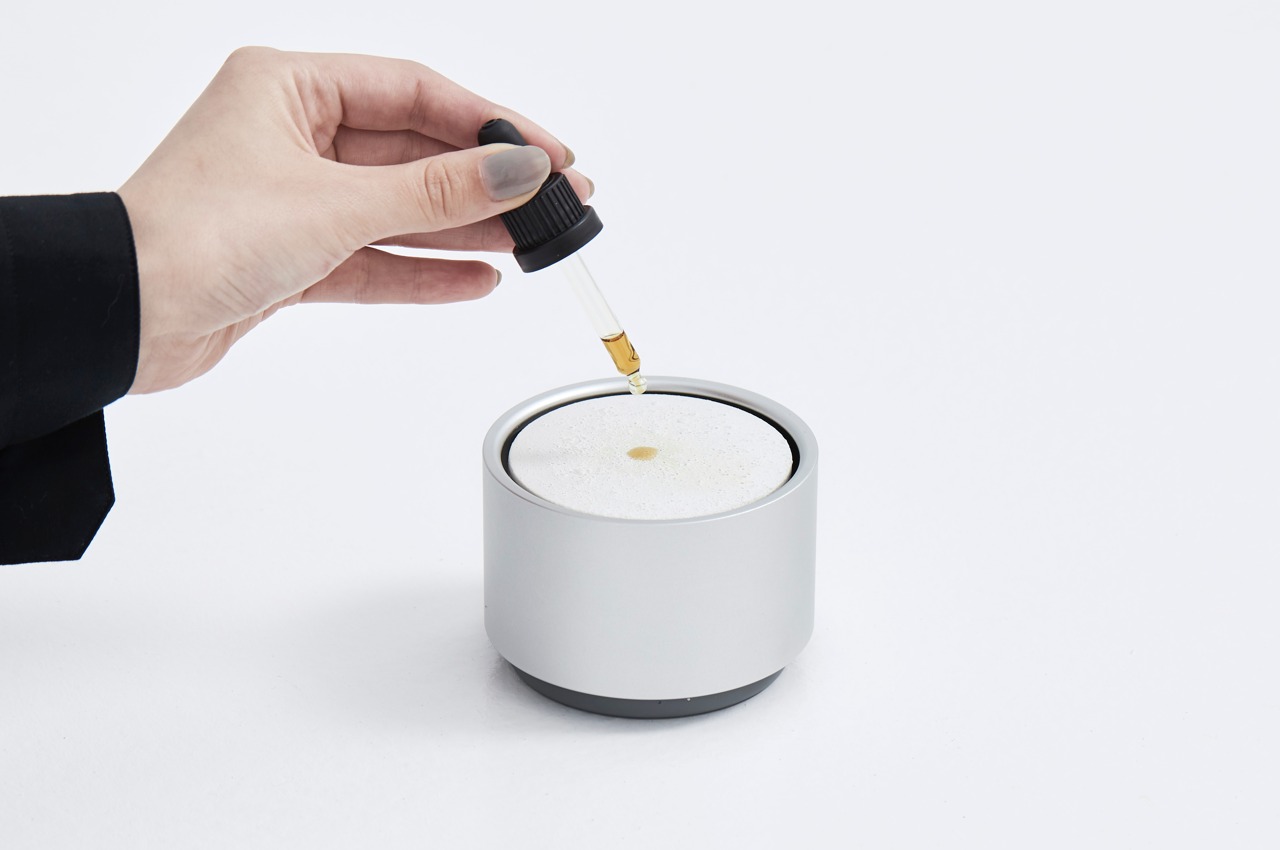
Say hello to the Stress-free Aroma Diffuser which is all you need to sit back and relax while breathing in an excellent mix of aromatic blends that have been selected to soothe your mind and help you unwind.
The diffuser creates its gentle breeze, allowing the aroma to softly and evenly disperse wherever you’re sitting, with a porcelain filter soaking up the oil to provide a long-lasting experience.
What we like
The polished base provides an intriguing contrast to the organic-looking porcelain disc, creating a sophisticated decoration piece
What we dislike
Looks easily breakable and fragile, so it must be handled with care
8. Gingko Smart Diffuser Lamp
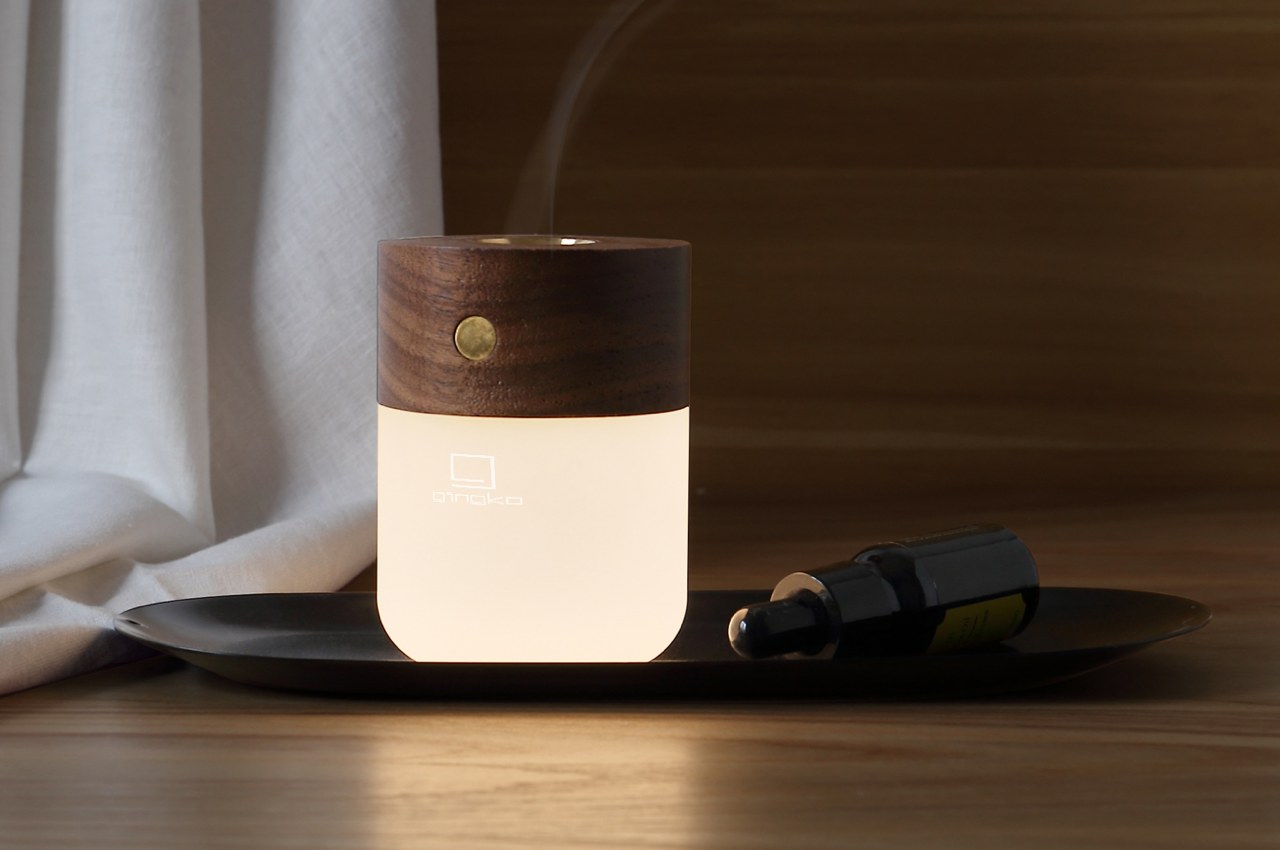
The Gingko Smart Diffuser Lamp features a monolithic form that holds a fragrance diffuser in its upper half, and a nifty and well-designed desk in its lower half.
Why is it noteworthy?
The diffuser is crafted from a combination of wood, copper, and frosted acrylic glass, giving it an earthy, warm appearance that’s come to become a signature feature across all of Gingko’s products.
What we like
A portable little device that you can carry around with ease
What we dislike
Some people may not prefer wood as their material of choice for diffusers
9. Focus
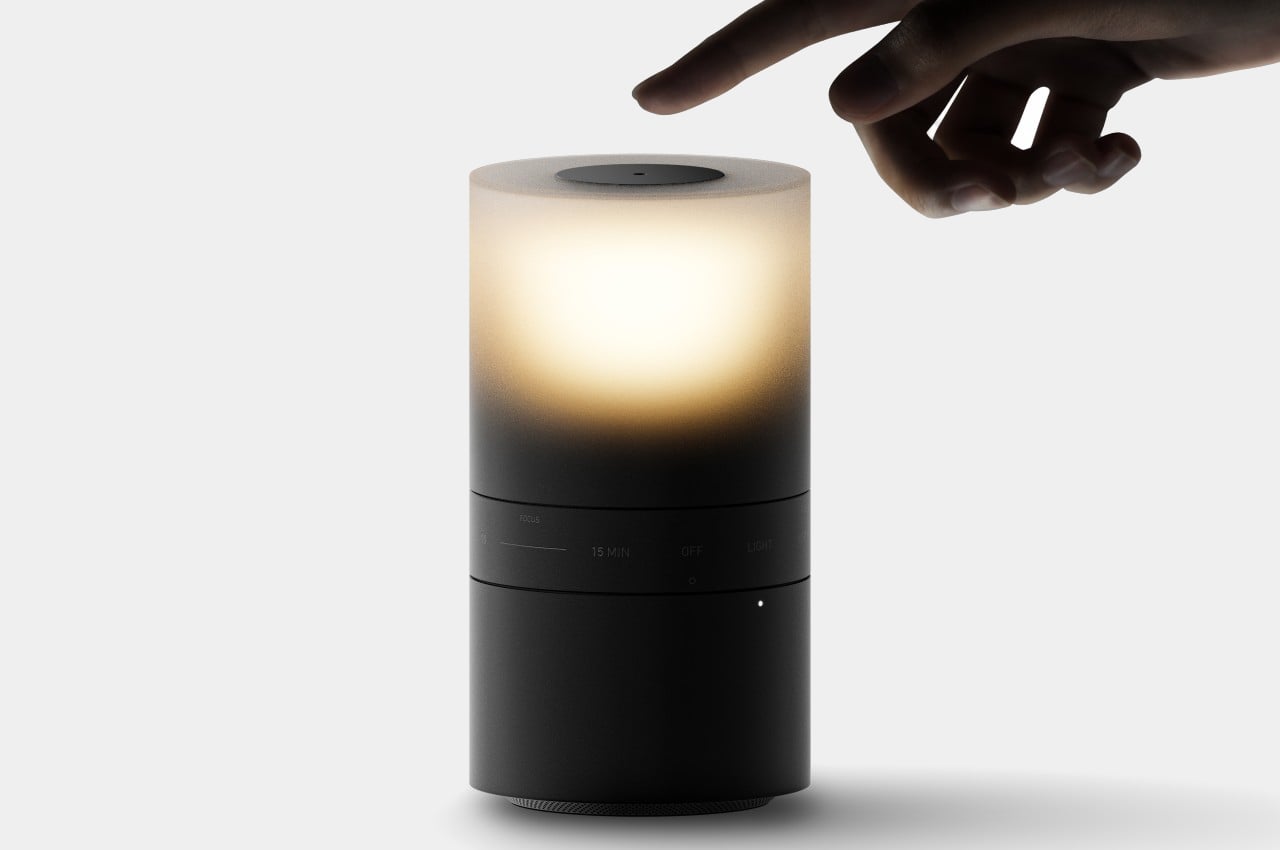
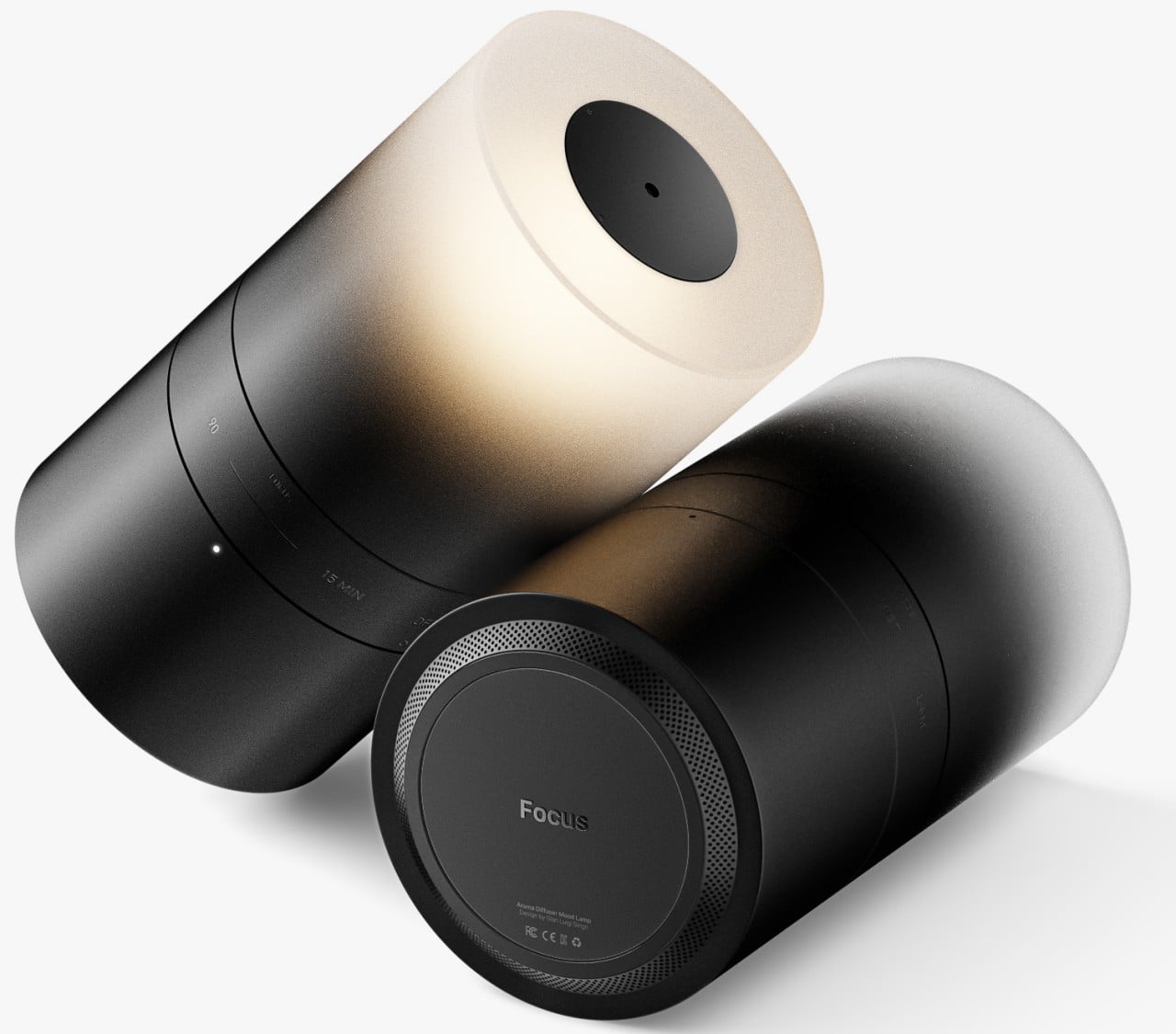
Called Focus, this design combines an aroma diffuser and a mood lamp to create an object that reminds you of a scented candle. It is meant to touch your different senses!
Why is it noteworthy?
When Focus is in its unlit mode, it looks like a small wireless speaker, when it is turned on, it helps you focus on the task at hand, while also enabling you to take a break and relax while being mindful.
What we like
Allows people to take little breaks and enjoy the present moment
What we dislike
It’s a concept, so we are unsure how the actual product will turn out to be
10. The Sfumato Candle
The Sfumato Candle takes the everyday ordinary candle and transforms it into more than a simple object. It makes it beautiful and alluring, while still having the ability to help you destress and relax.
Why is it noteworthy?
The Sfumato Candle throws some architectural inspiration into the design. The results are interesting visual elements, as shown by this unique vessel for scents. The Sfumato Candle is made of cast concrete, so this can be one sturdy home decor. The concrete finish reflects the stone, which is often used in architecture.
What we like
Inspired by architecture, hence giving the simple candle a twist
What we dislike
Besides its aesthetic, it doesn’t seem to have any other unique value
A video of Taters the cat beamed across 19 million miles of space because NASA had to try it. It was a successful demonstration of new laser communication technology, through which NASA beamed an ultra-high-definition video across deep space, from the Psyche spacecraft back to Earth. The signal from the video, sent on December 11, made it to Earth in 101 seconds.
That data speed — through space — is faster than most broadband connections on Earth.
— Mat Smith
You can get these reports delivered daily direct to your inbox. Subscribe right here!
It’s offering publishers deals worth at least $50 million, according to The New York Times.
Apple has apparently started negotiating with major publishers and news organizations to use their content to train its generative AI system. The company doesn’t expect to get its hands on content for free, though, and The New York Times says it’s offering them multi-year deals worth at least $50 million. While some of the publishers are reportedly concerned about the repercussions of letting Apple use their news articles throughout the years, the company is building goodwill simply by asking for permission and showing willingness to pay.
The Humane Ai Pin is expected to start shipping in March. On Friday, the company posted on X that “those who placed priority orders will receive their Ai Pins first when we begin shipping in March.” The company previously gave an “early 2024” estimate for the screen-less, $66 wearable device, which Humane believes is the next-gen hardware to replace smartphones.
Instead of a screen, the Ai Pin relies on voice cues and a projector that beams info onto the user’s hand.
Mint Mobile, the prepaid mobile carrier backed by Ryan Reynolds, notified customers via email this weekend that their information may have been stolen in a security breach. That information includes names, phone numbers, email addresses and SIM and IMEI numbers. Hackers did not access customers’ credit card information, which Mint says is not stored, nor were passwords compromised.
This article originally appeared on Engadget at https://www.engadget.com/the-morning-after-nasa-beamed-a-cat-video-from-deep-space-to-earth-121540007.html?src=rss
A video of Taters the cat beamed across 19 million miles of space because NASA had to try it. It was a successful demonstration of new laser communication technology, through which NASA beamed an ultra-high-definition video across deep space, from the Psyche spacecraft back to Earth. The signal from the video, sent on December 11, made it to Earth in 101 seconds.
That data speed — through space — is faster than most broadband connections on Earth.
— Mat Smith
You can get these reports delivered daily direct to your inbox. Subscribe right here!
It’s offering publishers deals worth at least $50 million, according to The New York Times.
Apple has apparently started negotiating with major publishers and news organizations to use their content to train its generative AI system. The company doesn’t expect to get its hands on content for free, though, and The New York Times says it’s offering them multi-year deals worth at least $50 million. While some of the publishers are reportedly concerned about the repercussions of letting Apple use their news articles throughout the years, the company is building goodwill simply by asking for permission and showing willingness to pay.
The Humane Ai Pin is expected to start shipping in March. On Friday, the company posted on X that “those who placed priority orders will receive their Ai Pins first when we begin shipping in March.” The company previously gave an “early 2024” estimate for the screen-less, $66 wearable device, which Humane believes is the next-gen hardware to replace smartphones.
Instead of a screen, the Ai Pin relies on voice cues and a projector that beams info onto the user’s hand.
Mint Mobile, the prepaid mobile carrier backed by Ryan Reynolds, notified customers via email this weekend that their information may have been stolen in a security breach. That information includes names, phone numbers, email addresses and SIM and IMEI numbers. Hackers did not access customers’ credit card information, which Mint says is not stored, nor were passwords compromised.
This article originally appeared on Engadget at https://www.engadget.com/the-morning-after-nasa-beamed-a-cat-video-from-deep-space-to-earth-121540007.html?src=rss
When it comes to enhancing the capabilities of the Mixtral 8x7B, an artificial intelligence model with a staggering 87 billion parameters, the task may seem daunting. This model, which falls under the category of a Mixture of Experts (MoE), stands out for its efficiency and high-quality output. It competes with the likes of GPT-4 and […]