Official Raspberry Pi Troubleshooting Guide in MagPi issue 139

If you would like to learn more about using and troubleshooting the Raspberry Pi mini PC you’ll be pleased to know that the latest and official Raspberry Pi magazine MagPi issue 139. Features a full Raspberry Pi troubleshooting guide allowing you to sort out most problems that you will come across when setting up the […]

The post Official Raspberry Pi Troubleshooting Guide in MagPi issue 139 appeared first on Geeky Gadgets.

EU fines Apple nearly $2 billion for ‘blocking’ alternative music apps

Following months of speculation, the European Commission has officially handed down its fine to Apple, and it's much higher than initially expected. Apple is on the hook to pay €1.8 billion ($1.95 billion) for restricting alternative music streaming apps on the App Store — the EU's first fine for Apple and its third-largest ever announced. It follows an investigation initially opened in 2020 following Spotify's filed complaint alleging Apple took steps to suppress the music service due to competition with iTunes and Apple Music. 

The Commission has announced "that Apple bans music streaming app developers from fully informing iOS users about alternative and cheaper music subscription services available outside of the app and from providing any instructions about how to subscribe to such offers." The practice, known as anti-steering, is illegal under EU antitrust laws. 

The investigation found that Apple banned app developers from telling users the price of any subscriptions on the internet or the difference in price between in-app and outside purchases. The company also prevented developers from including information about or links to alternative subscription purchasing pages on their websites or in emails. Apple has engaged in these practices for nearly 10 years and might have caused iOS users to pay more for music streaming subscriptions than necessary due to the fees it imposes (that developers then factor into their prices). The Commission found Apple's actions also "led to non-monetary harm," creating a more frustrating user experience. 

The news follows February rumors that Apple would be hit with a fine of €500 million ($542.6 million) due to its antitrust App Store policies — less than a third of the final number. The European Commission claims it set the fine at €1.8 billion to be "sufficiently deterrent" to prevent Apple repeating its actions. However, Apple plans to appeal the decision. 

This article originally appeared on Engadget at https://www.engadget.com/eu-fines-apple-nearly-2-billion-for-blocking-alternative-music-apps-134001372.html?src=rss

EU fines Apple nearly $2 billion for ‘blocking’ alternative music apps

Following months of speculation, the European Commission has officially handed down its fine to Apple, and it's much higher than initially expected. Apple is on the hook to pay €1.8 billion ($1.95 billion) for restricting alternative music streaming apps on the App Store — the EU's first fine for Apple and its third-largest ever announced. It follows an investigation initially opened in 2020 following Spotify's filed complaint alleging Apple took steps to suppress the music service due to competition with iTunes and Apple Music. 

The Commission has announced "that Apple bans music streaming app developers from fully informing iOS users about alternative and cheaper music subscription services available outside of the app and from providing any instructions about how to subscribe to such offers." The practice, known as anti-steering, is illegal under EU antitrust laws. 

The investigation found that Apple banned app developers from telling users the price of any subscriptions on the internet or the difference in price between in-app and outside purchases. The company also prevented developers from including information about or links to alternative subscription purchasing pages on their websites or in emails. Apple has engaged in these practices for nearly 10 years and might have caused iOS users to pay more for music streaming subscriptions than necessary due to the fees it imposes (that developers then factor into their prices). The Commission found Apple's actions also "led to non-monetary harm," creating a more frustrating user experience. 

The news follows February rumors that Apple would be hit with a fine of €500 million ($542.6 million) due to its antitrust App Store policies — less than a third of the final number. The European Commission claims it set the fine at €1.8 billion to be "sufficiently deterrent" to prevent Apple repeating its actions. However, Apple plans to appeal the decision. 

This article originally appeared on Engadget at https://www.engadget.com/eu-fines-apple-nearly-2-billion-for-blocking-alternative-music-apps-134001372.html?src=rss

Samsung gets 75 awards at iF Design Awards

Samsung iF Design

Samsung has announced that it has received a total of 25 awards at 2024 iF Design Awards, across a total of nine different categories which include, Product Design, Packaging Design, Communication Design, Interior Architecture, Professional Concept, Service Design, Architecture, User Experience (UX) and User Interface (UI) and more. Samsung Electronics today announced that it received […]

The post Samsung gets 75 awards at iF Design Awards appeared first on Geeky Gadgets.

Apple announces new MacBook Airs with M3 chips

Apple just announced a refresh for the ever-popular MacBook Air series, just one month after launching the Vision Pro headset. The big takeaway here? The new MacBook Air is outfitted with the company’s proprietary M3 chipset. This chip was previously reserved for the more powerful MacBook Pro line and the latest iMac models, and it's coming to new 13- and 15-inch MacBook Air models.

The M3 chip is significantly more powerful than its predecessor, with benchmark tests showing an approximate performance increase of 17 percent in single-core tasks and 21 percent in multi-core tasks. This carries over to GPU performance, with an improvement of around 15 percent compared to the M2. 

In other words, the line between the MacBook Air and the Pro continues to blur. Gone are the days when the Air was exclusively used for web surfing. (It is worth noting, however, that the new Air features the standard M3 chip, and not the M3 Pro or Max). 

Beyond the new chip, this is still the MacBook Air. It looks essentially the same as the 2022 model, with the same gorgeous 13.6-inch screen and surprisingly robust quad-speaker setup. We called the M2 version from two years ago "Apple’s near-perfect Mac" and an "ideal ultraportable." Similarly, the 15-inch model is essentially identical as the one that Apple introduced last summer, aside from the M3 upgrade.

The new MBAs come with a relatively humble 8 gigs of RAM — but these aren't Apple's power-user laptops. They... just have a very powerful chip. As before, both computers max out at 24GB of RAM and 2TB of storage.There should be new benefits, including, as Apple mentions, support for up to two external displays when the laptop is closed. There's also Wi-Fi 6E included in 2024's family of Air laptops.

The 13-inch M3 MacBook Air is priced at $1,099, while the 15-inch model starts from $1,299. Apple also bids farewell to the M1 MacBook Air, while the M2 13-inch model will remain on sale for $999.

Both new MacBook Air models are available to preorder today, with devices coming out Friday March 8. 

This article originally appeared on Engadget at https://www.engadget.com/apple-announces-new-macbook-airs-with-m3-chips-132810766.html?src=rss

Apple announces new MacBook Airs with M3 chips

Apple just announced a refresh for the ever-popular MacBook Air series, just one month after launching the Vision Pro headset. The big takeaway here? The new MacBook Air is outfitted with the company’s proprietary M3 chipset. This chip was previously reserved for the more powerful MacBook Pro line and the latest iMac models, and it's coming to new 13- and 15-inch MacBook Air models.

The M3 chip is significantly more powerful than its predecessor, with benchmark tests showing an approximate performance increase of 17 percent in single-core tasks and 21 percent in multi-core tasks. This carries over to GPU performance, with an improvement of around 15 percent compared to the M2. 

In other words, the line between the MacBook Air and the Pro continues to blur. Gone are the days when the Air was exclusively used for web surfing. (It is worth noting, however, that the new Air features the standard M3 chip, and not the M3 Pro or Max). 

Beyond the new chip, this is still the MacBook Air. It looks essentially the same as the 2022 model, with the same gorgeous 13.6-inch screen and surprisingly robust quad-speaker setup. We called the M2 version from two years ago "Apple’s near-perfect Mac" and an "ideal ultraportable." Similarly, the 15-inch model is essentially identical as the one that Apple introduced last summer, aside from the M3 upgrade.

The new MBAs come with a relatively humble 8 gigs of RAM — but these aren't Apple's power-user laptops. They... just have a very powerful chip. As before, both computers max out at 24GB of RAM and 2TB of storage.There should be new benefits, including, as Apple mentions, support for up to two external displays when the laptop is closed. There's also Wi-Fi 6E included in 2024's family of Air laptops.

The 13-inch M3 MacBook Air is priced at $1,099, while the 15-inch model starts from $1,299. Apple also bids farewell to the M1 MacBook Air, while the M2 13-inch model will remain on sale for $999.

Both new MacBook Air models are available to preorder today, with devices coming out Friday March 8. 

This article originally appeared on Engadget at https://www.engadget.com/apple-announces-new-macbook-airs-with-m3-chips-132810766.html?src=rss

Neuromancer Apple TV+ series announced based on science fiction novel by William Gibson

Apple Neuromancer drama series

Apple TV+ is set to launch a new drama series titled “Neuromancer,” adapted from William Gibson’s influential science fiction novel. The 10-episode series will be a collaborative creation by Graham Roland and JD Dillard, with Roland as the showrunner and Dillard directing the pilot. Production involves Skydance Television, Anonymous Content, and DreamCrew Entertainment, the latter […]

The post Neuromancer Apple TV+ series announced based on science fiction novel by William Gibson appeared first on Geeky Gadgets.

Perplexity vs Google AI search results compared

Perplexity vs Google

Perplexity has been specifically designed to provide users with an artificial intelligence (AI)  capable of searching the web and providing detailed answers to questions and more. But how does Perplexity vs Google AI search results compare?  If you are interested in learning more this quick overview guide will provide more insight into how you can […]

The post Perplexity vs Google AI search results compared appeared first on Geeky Gadgets.

How to Find Out if Your iPhone Will Run iOS 18

iOS 18

Apple’s Worldwide Developers Conference (WWDC) serves as the grand stage for the unveiling of the newest iteration of iOS each year, with iOS 18 being this year’s release, marking a highly anticipated event for developers and tech enthusiasts alike. As we look ahead to the 2024 conference, which has yet to occur, the question of […]

The post How to Find Out if Your iPhone Will Run iOS 18 appeared first on Geeky Gadgets.

What Are The 7 Principles Of Interior Design?

Interior design is a creative field that incorporates a variety of principles that combine to create visually appealing as well as functional spaces. These principles form the basis upon which designers create their themed compositions that ensure harmony, balance, and coherence within the interiors and also enhance the quality of life of its occupants. Whether planning a renovation with professionals or embarking on a do-it-yourself project, it is important to understand these principles of interior design. The seven fundamental principles of interior design include Balance, Harmony, Rhythm, Proportion and Scale, Emphasis, Contrast, and Detail.

Designer: Hygge by Kate
1. Balance
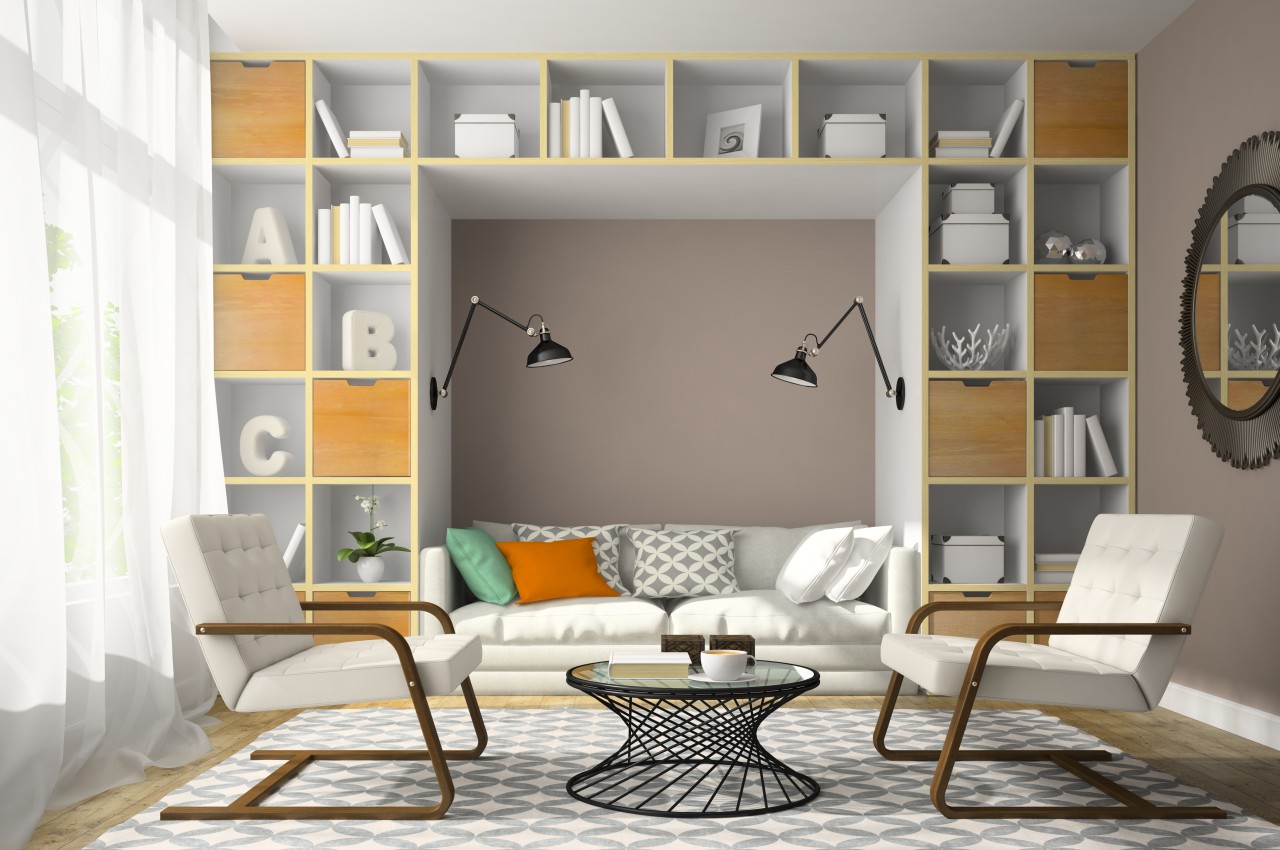
Image courtesy of: hemul75

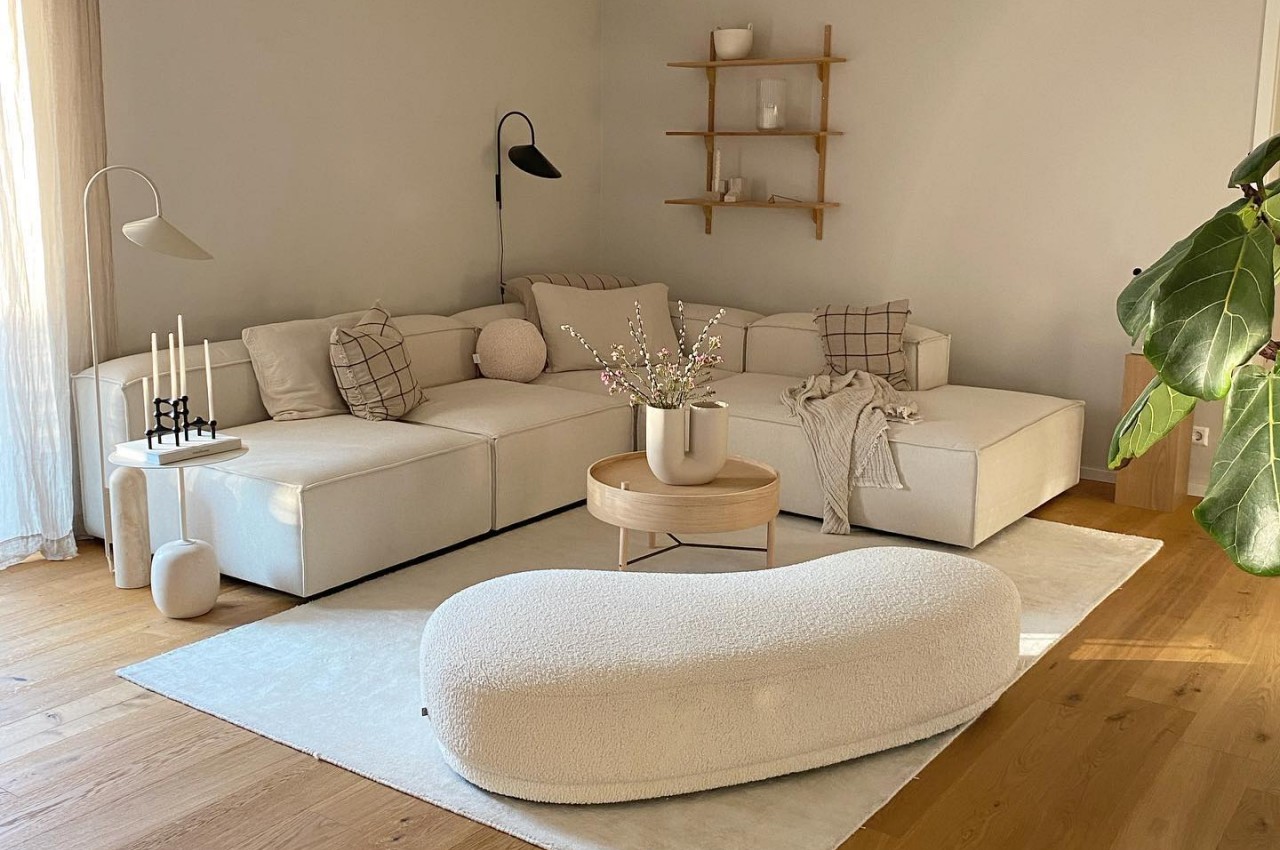
In interior design, balance creates a sense of harmony as it pertains to the visual arrangement of furniture and décor that distributes objects evenly to achieve a sense of equilibrium within the room décor. Achieving balance involves careful consideration of the placement of elements within the space so that it visually stabilizes a space, ensuring no single element dominates in terms of visual weight. A well-balanced room feels calm and comfortable, while imbalance creates discomfort and visual discord. Achieving balance, from managing color and texture to furniture arrangement, can be challenging, therefore well-designed spaces achieve visual balance by harmonizing elements like colors, lines, forms, furniture, lighting, and décor. Balance can be broadly classified into three categories.

Symmetrical Balance

Symmetrical or formal balance is the primary method of achieving balance in interior design as it evenly divides space into mirroring sides. For instance, in a living room, symmetrical balance is achieved with two identical armchairs flanking a coffee table. Similarly, in a bedroom, symmetry is attained with matching bedside tables and lamps. Note that too much symmetry in modern design can create a lack of visual interest.

Asymmetrical Balance

Asymmetrical balance is a contemporary interior design approach that prioritizes flexibility over the replication of identical objects. Instead, it seeks balance through variations in visual weight, shape, dimensions, and size. Unlike symmetry, which imposes uniform order, asymmetry introduces a dynamic, informal atmosphere. Balancing visual elements such as weight, texture, and color becomes pivotal. Despite its challenges, an asymmetrical design can significantly elevate a space.

Radial Balance

Radial balance employs a central focal point from which design elements extend outward or inward. It uses a more intricate approach and revolves around a central focal point, such as a round rug or pendant light fixture, with all other elements arranged symmetrically around it.

2. Harmony
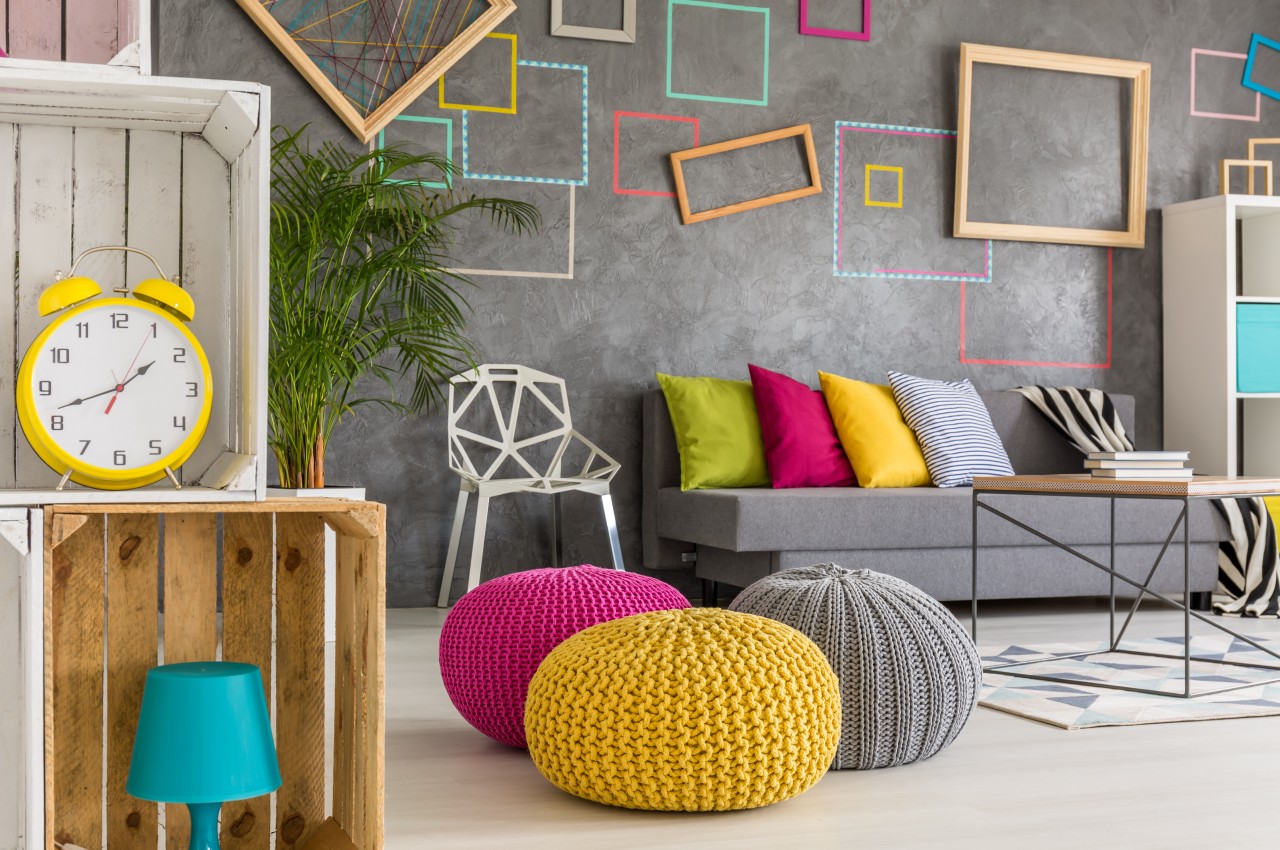
Image courtesy of: bialasiewicz

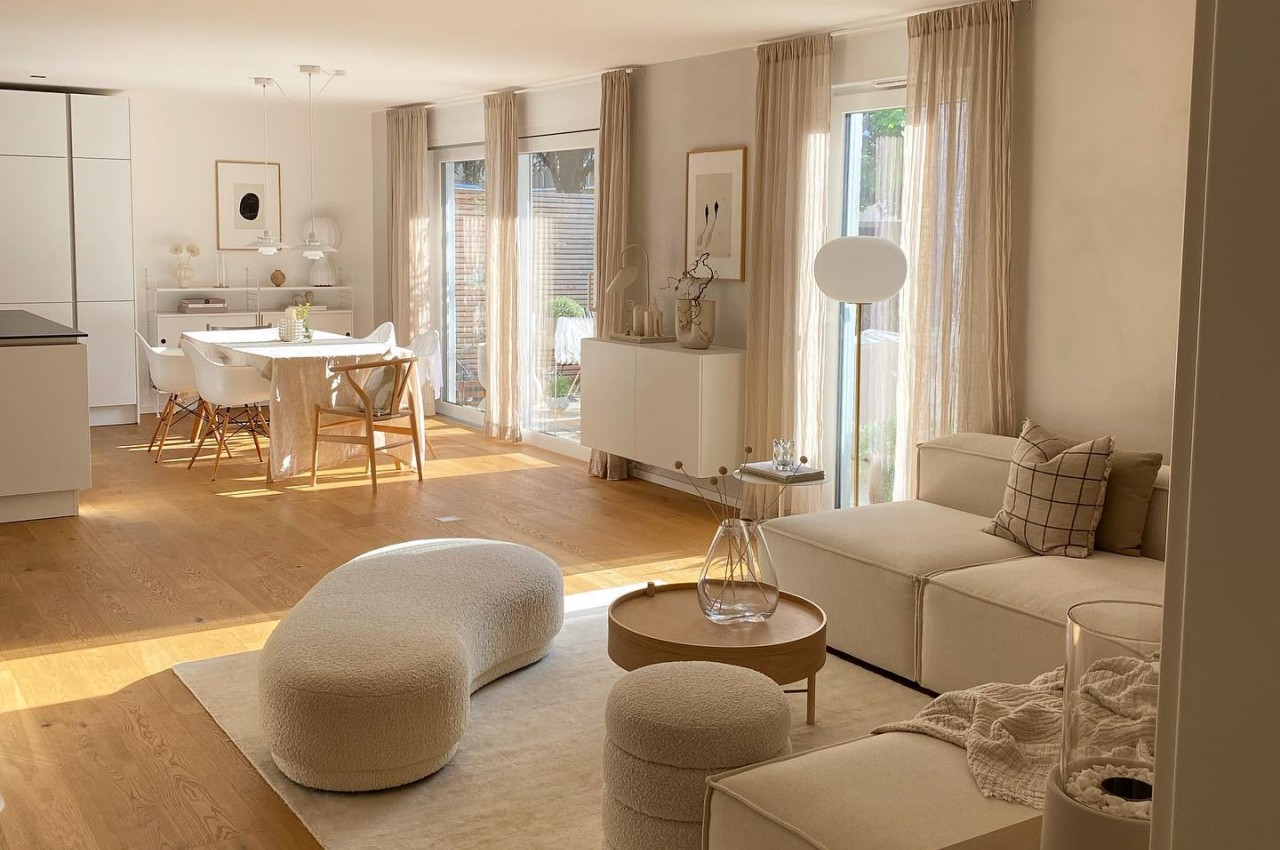
Harmony in design involves arranging objects and colors in a space to create a unified and cohesive aesthetic. It’s achieved when everything in a room works together to reinforce a common theme or style throughout the space. This might involve using a dominant color or pattern or selecting furniture pieces with similar shapes and textures. Harmony in interior design principles involves seamlessly blending style, theme, or mood to create a sense of unity and belonging in the room’s design. While not every element needs to match, they should complement each other, such as through the use of a consistent color scheme or pattern.

3. Rhythm

Image courtesy of: arina-habich

Rhythm is an important principle in interior design that revolves around the repetition or contrast of design elements to create movement and visual interest. Much like music and poems use repetition to establish rhythm, in interior design, repeating specific elements at regular intervals defines rhythm. This element is crucial for a well-executed design, as it significantly influences both the functionality and aesthetic appeal of a space. Colors, patterns, and textures are employed in rhythm to generate visual interest and guide the eye throughout the space. For example, repeating a geometric pattern across various elements like rugs, throw pillows, and artwork establishes rhythm and cohesion within the overall design. By utilizing these visual techniques, the eye can be directed throughout the space and enhance the room’s overall appeal.

4. Scale and Proportion
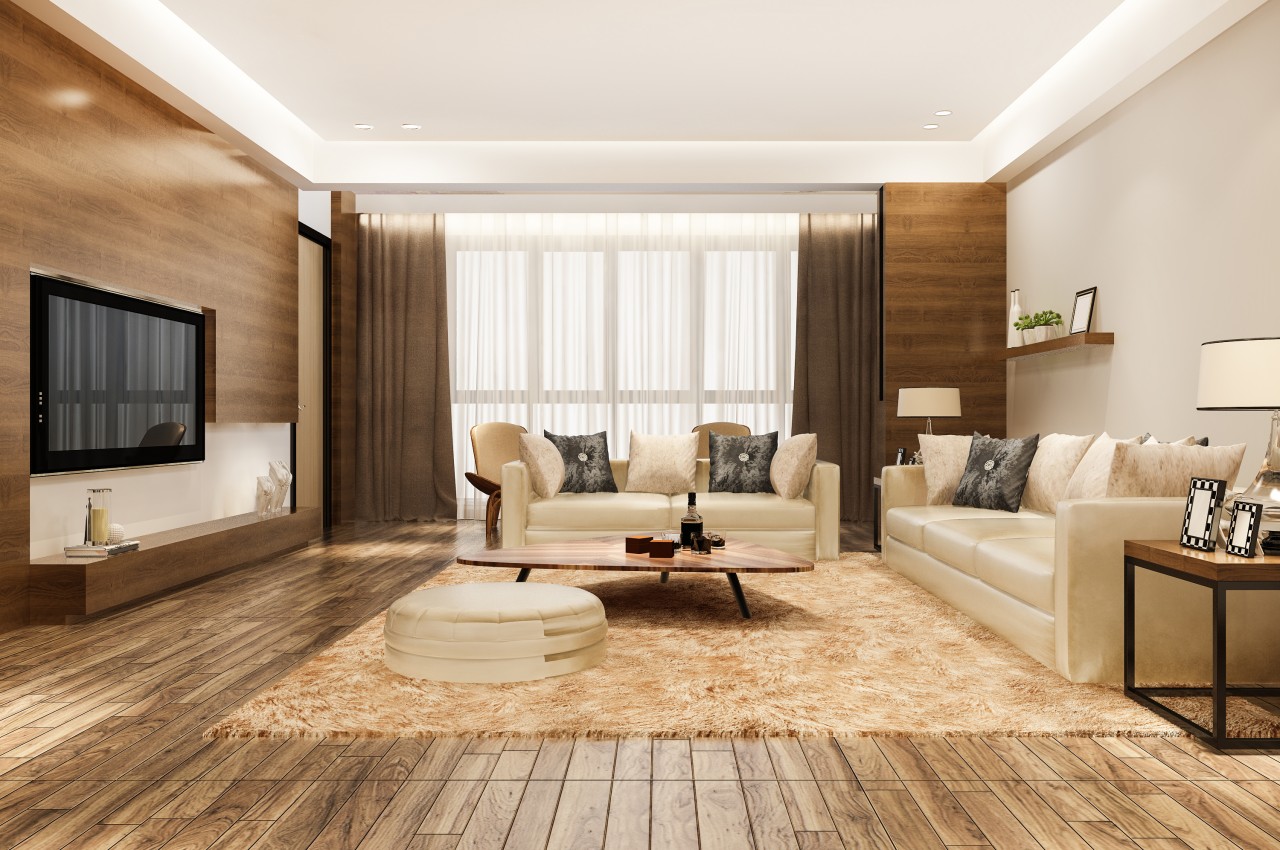
Image courtesy of: dit26978

Proportion refers to the relationship between two items, while scale concerns how one object’s size relates to another. For instance, a tiny rug in a spacious living room can appear disproportionate. Conversely, an oversized lamp on a small side table might seem overwhelming in scale. In the industry, both scale and proportion relate to object size. Scale refers to the size of objects to others or the space itself. For example, a bed may be measured in proportion to the average human body. Note that the ancient Greeks unveiled the mystery of proportions through the Golden Ratio, a formula that enhances aesthetic appeal by simplifying proportions into a harmonious equation. This ratio embodies perfect symmetry between two proportions and is not only evident but also widely employed by artists and architects for its profound impact on design.

5. Emphasis
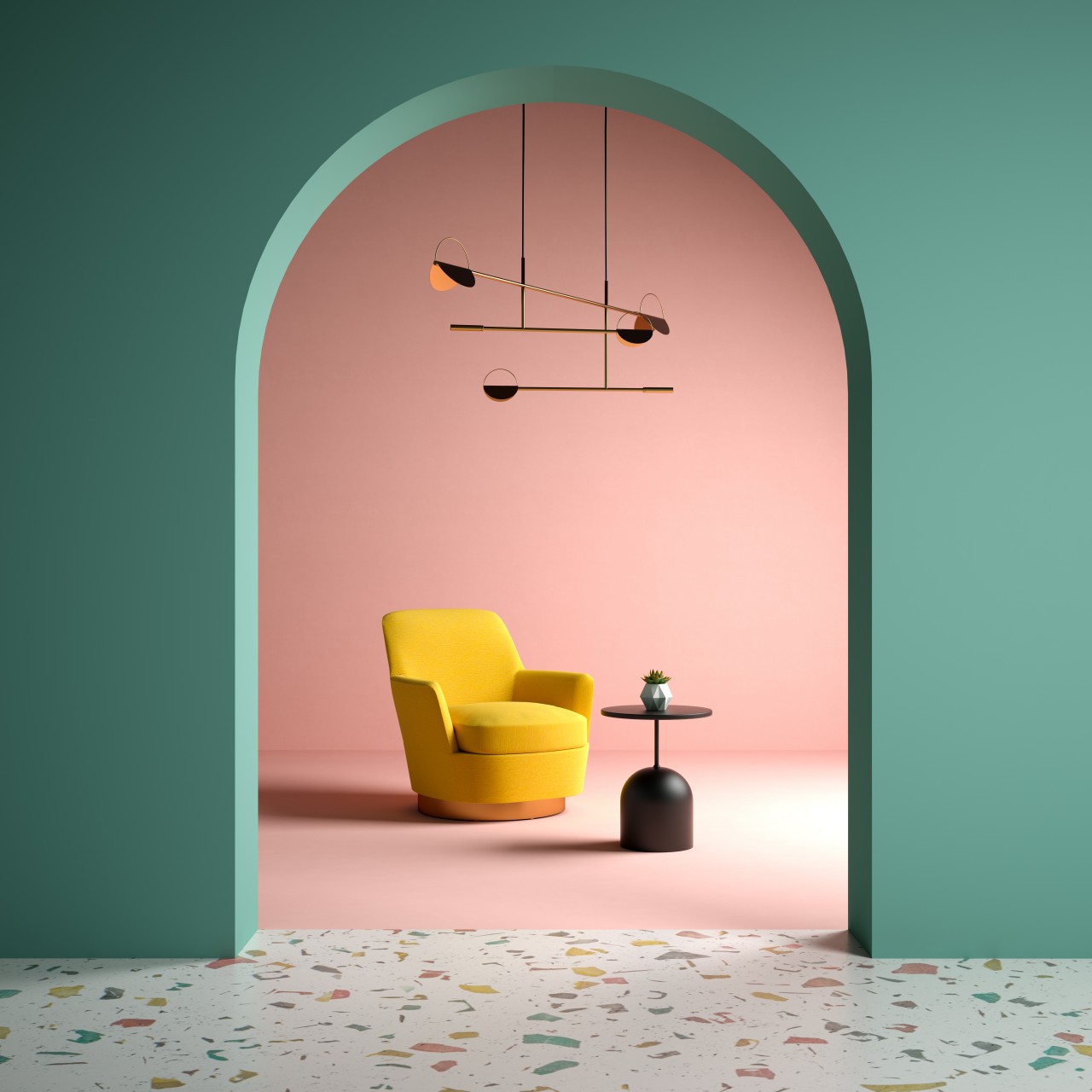
Image courtesy of: hemul75

While balance and harmony are important in interior design, focusing solely on them can result in a lack of dynamism in a space. This is where emphasis becomes crucial as it involves incorporating a focal point, such as a striking piece of art or unique sculpture, to anchor the room. Radial balance complements this concept by directing focus towards the chosen focal point, enhancing its prominence within the space. There are numerous ways to apply this principle, including statement lighting fixtures, bold rugs, or eye-catching architectural features like fireplaces or exposed beams. A focal point catches the viewer’s attention upon entering a room, standing out prominently due to the space’s arrangement. Design elements can highlight a focal point, allowing it to dominate the space and unify the design. Regardless of its nature, a focal point should draw the eye more than other areas of the room. Various techniques, such as the use of color, statement furniture, artwork, or architectural features, can establish emphasis. However, color is a powerful tool for emphasis where using a bold color immediately draws attention, making it effective for highlighting specific areas. Bold patterns can also create emphasis and make a strong statement, while subtle ones add interest without overwhelming the space.

6. Contrast
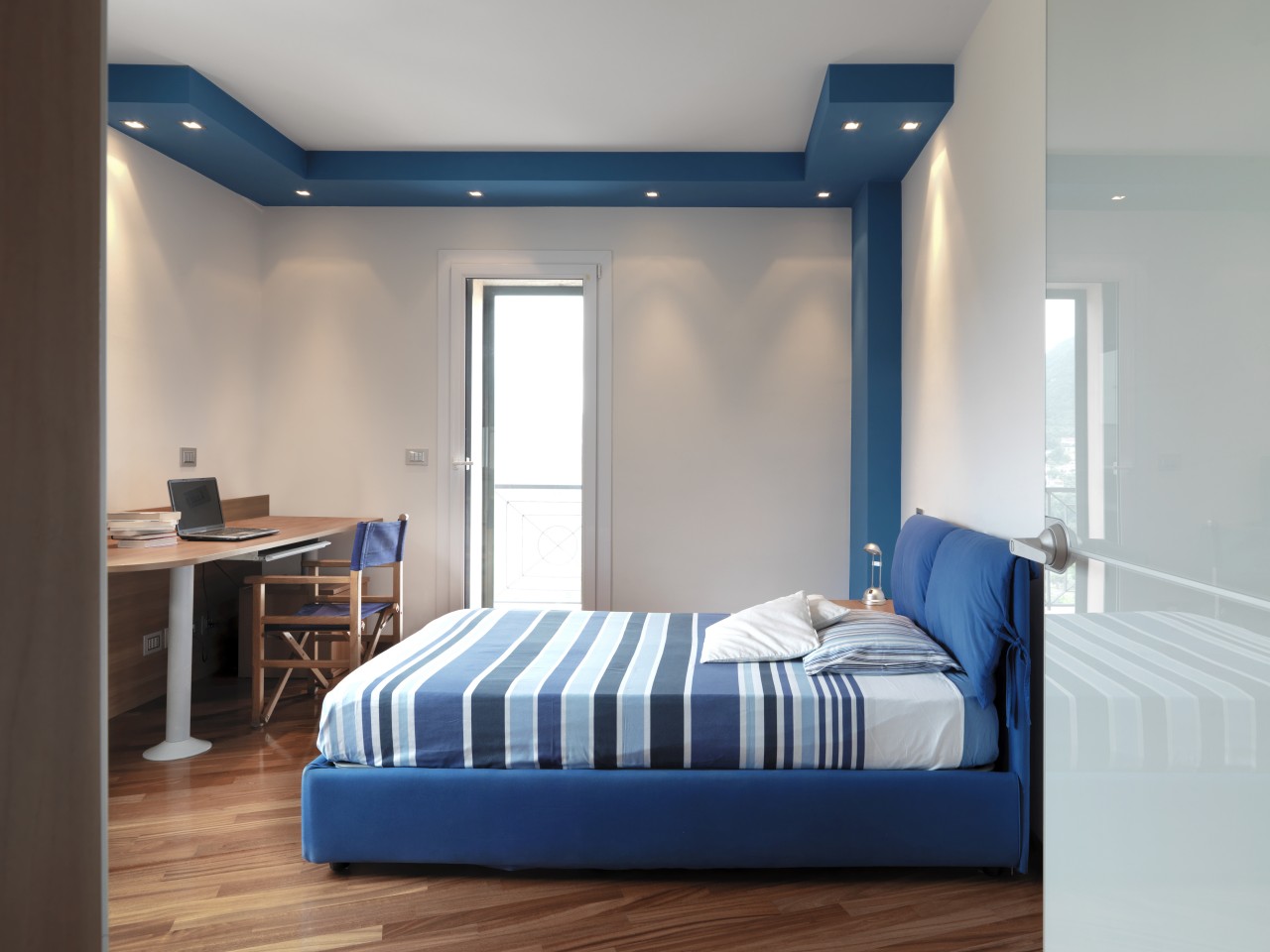
Image courtesy of: adpephoto

Contrast is a cornerstone of interior design, injecting spaces with visual intrigue and vitality. While harmony is crucial, an excess of uniformity can render a space dull and uninspiring, lacking in distinction. Contrast serves to strike the necessary balance, allowing specific room features or design elements to command attention effectively. Contrast infuses playfulness, drama, and visual interest into space through various means like juxtaposing colors, blending geometric patterns with organic ones, unifying modern minimalism with vintage charm, contrasting textures such as rough and smooth surfaces, and integrating circular forms with angular furniture.

7. Details
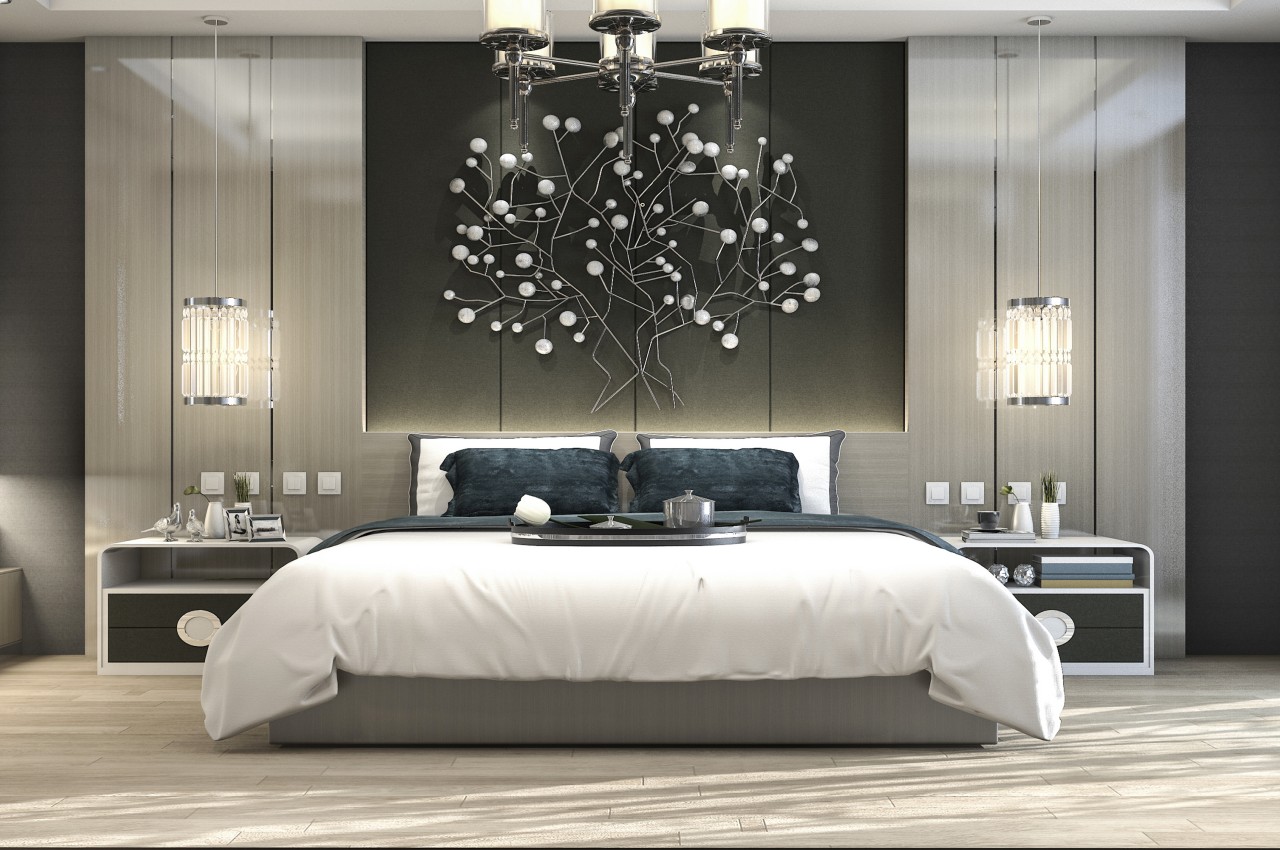
Image courtesy of: dit26978

Details, the last fundamental principle of interior design, are of immense importance as they form the essence of design. A room, no matter how well-designed, feels incomplete without attention to these elements. This principle provides an opportunity for personal expression, allowing one to truly customize the space. From selecting unique hardware like drawer pulls and faucets to choosing artwork, plants, and textiles, these small elements imbue the room with character.
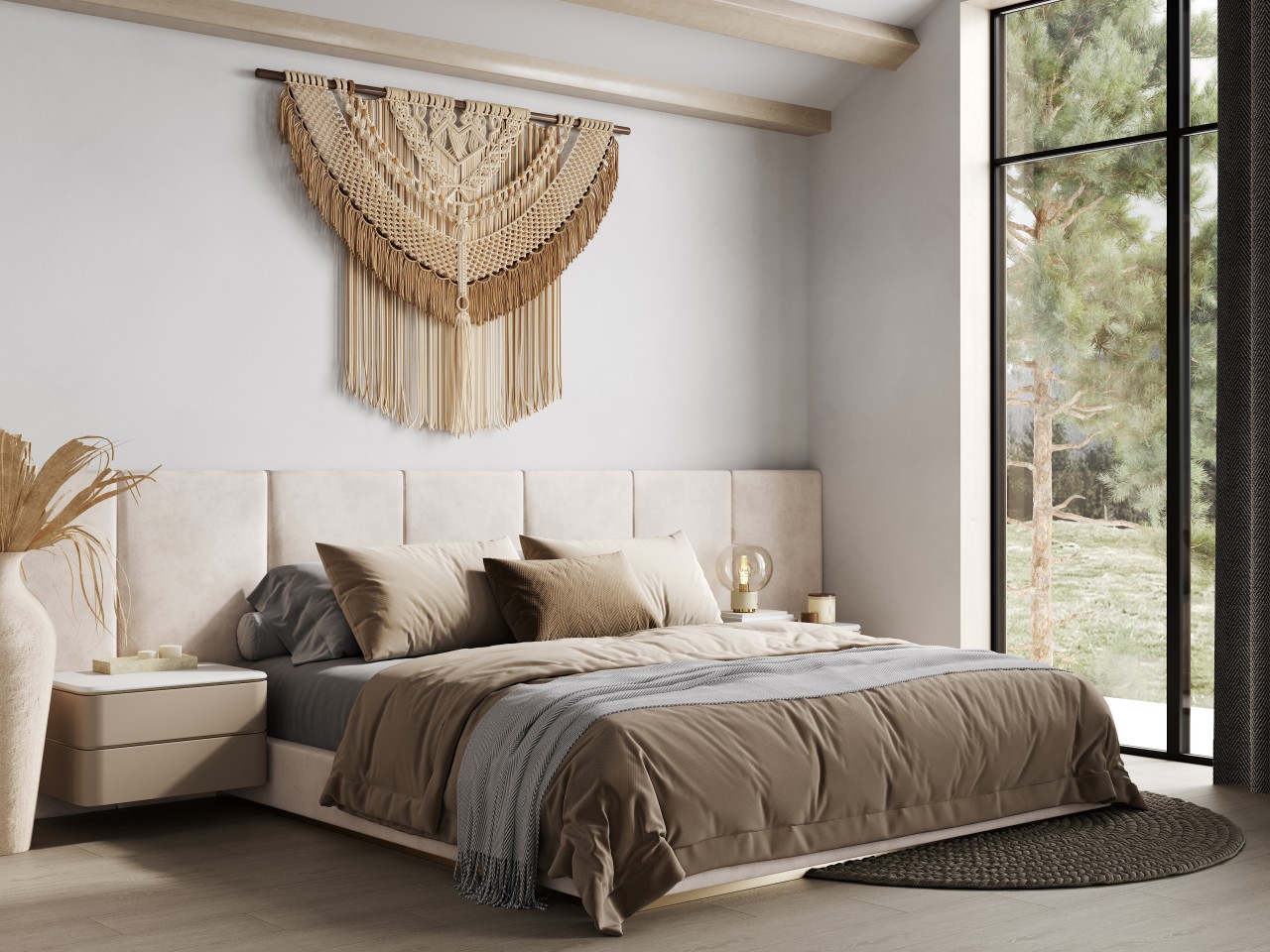
Image courtesy of: lytvynliliia

In conclusion, the principles of interior design provide a framework for creating highly functional and aesthetically pleasing spaces. By applying these principles, designers can achieve harmony, balance, rhythm, emphasis, proportion, and unity within interiors. Every aspect of the design contributes to a cohesive and inviting interior environment. Mastering these principles empowers designers to transform spaces into inspiring reflections of both style and purpose.

The post What Are The 7 Principles Of Interior Design? first appeared on Yanko Design.