It can’t be stressed enough that literacy is the best tool for empowerment and social change. Literacy is everyone’s prerogative but it is not available for everyone in reality. For some their economic status is a hindrance, while for some the social stigmas and lack of opportunity become an impediment. Whatever the circumstance may be, the inability to read and write can lead to issues in everyday life, with the littlest of things such as signing a document or reading the medical prescription/medication.
Literacy drives have been a common endeavor in most developing countries in the last few decades, yet the UNESC report has alarming numbers. Reportedly, some “773 million” people globally “struggle with literacy.” The World Literacy Foundation, which has been at the forefront of providing literacy to the maximum individuals possible, has collaborated with Media.Monks to create the Literacy Pen: a speech-to-text assistance device.
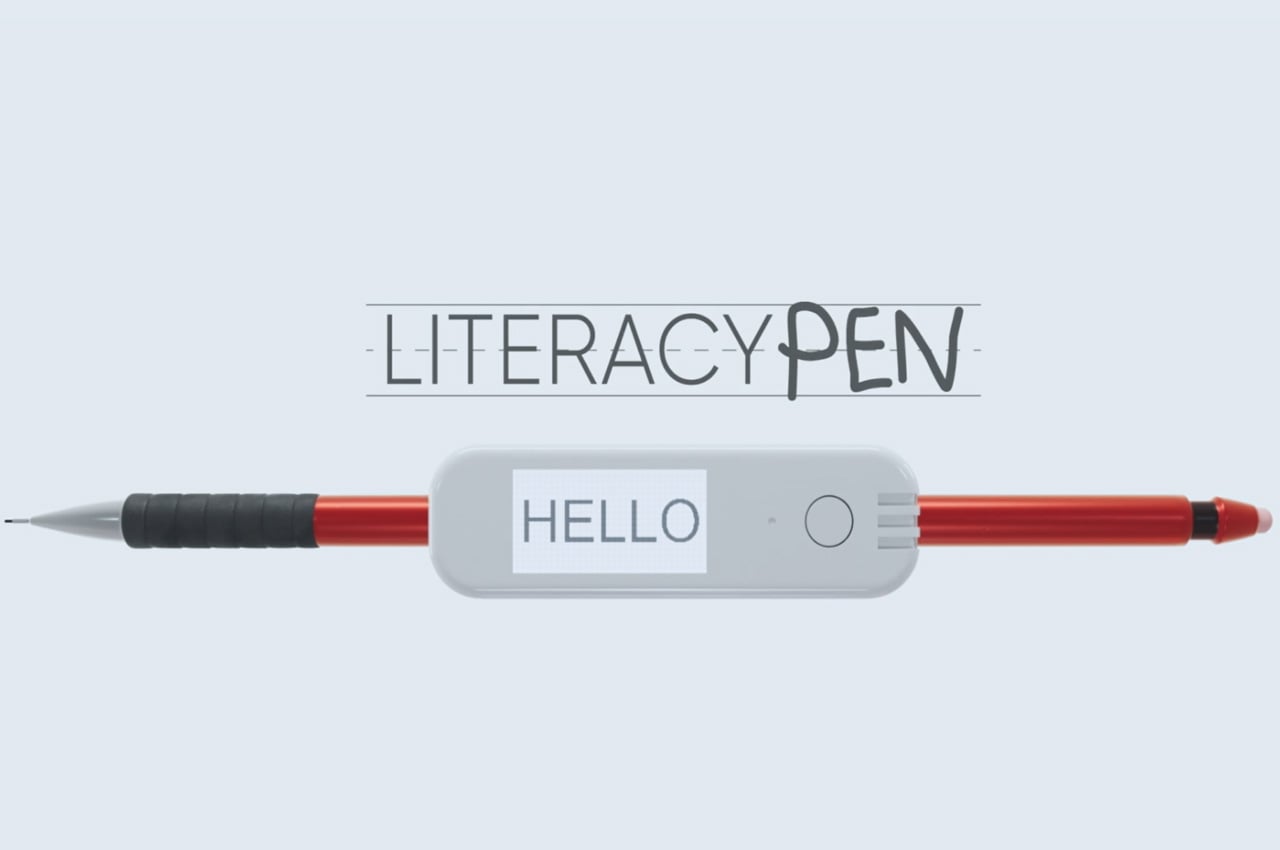
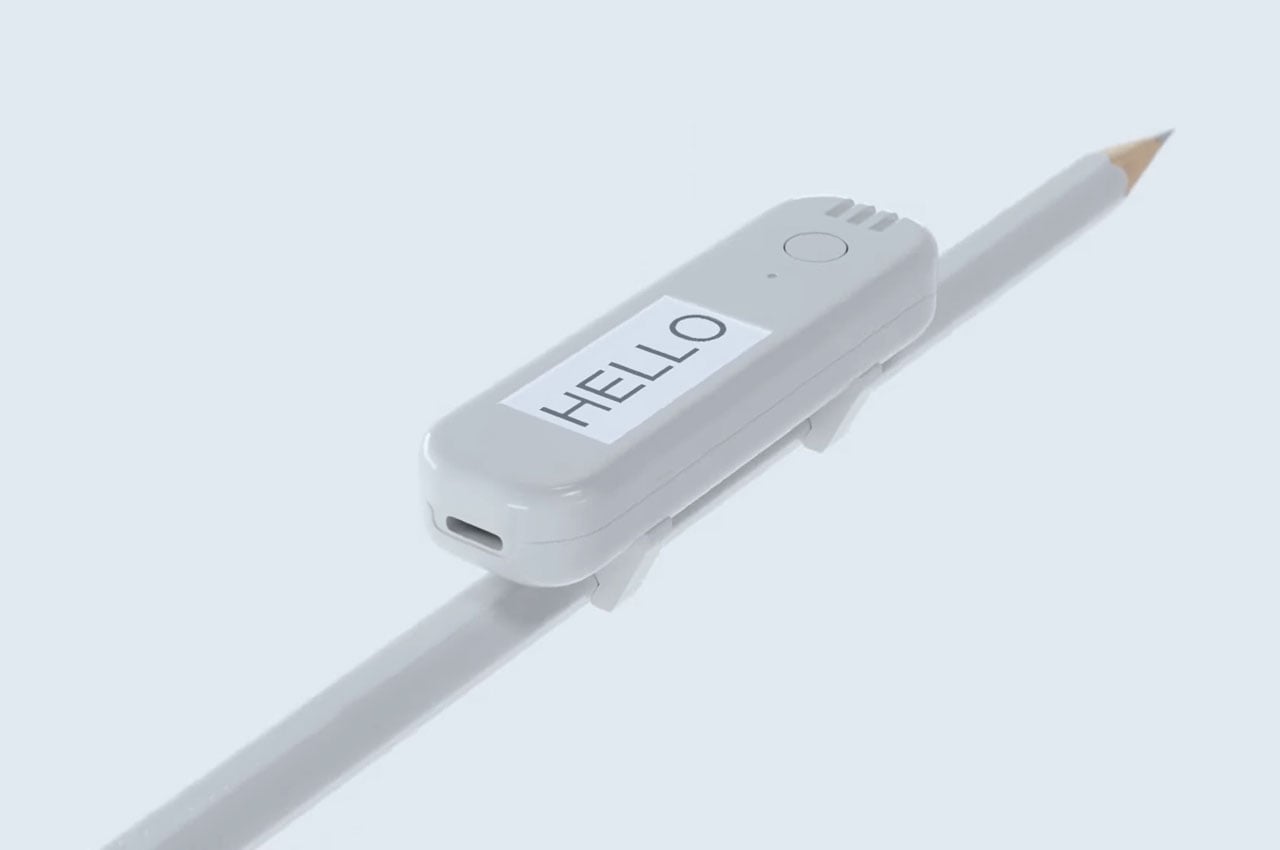
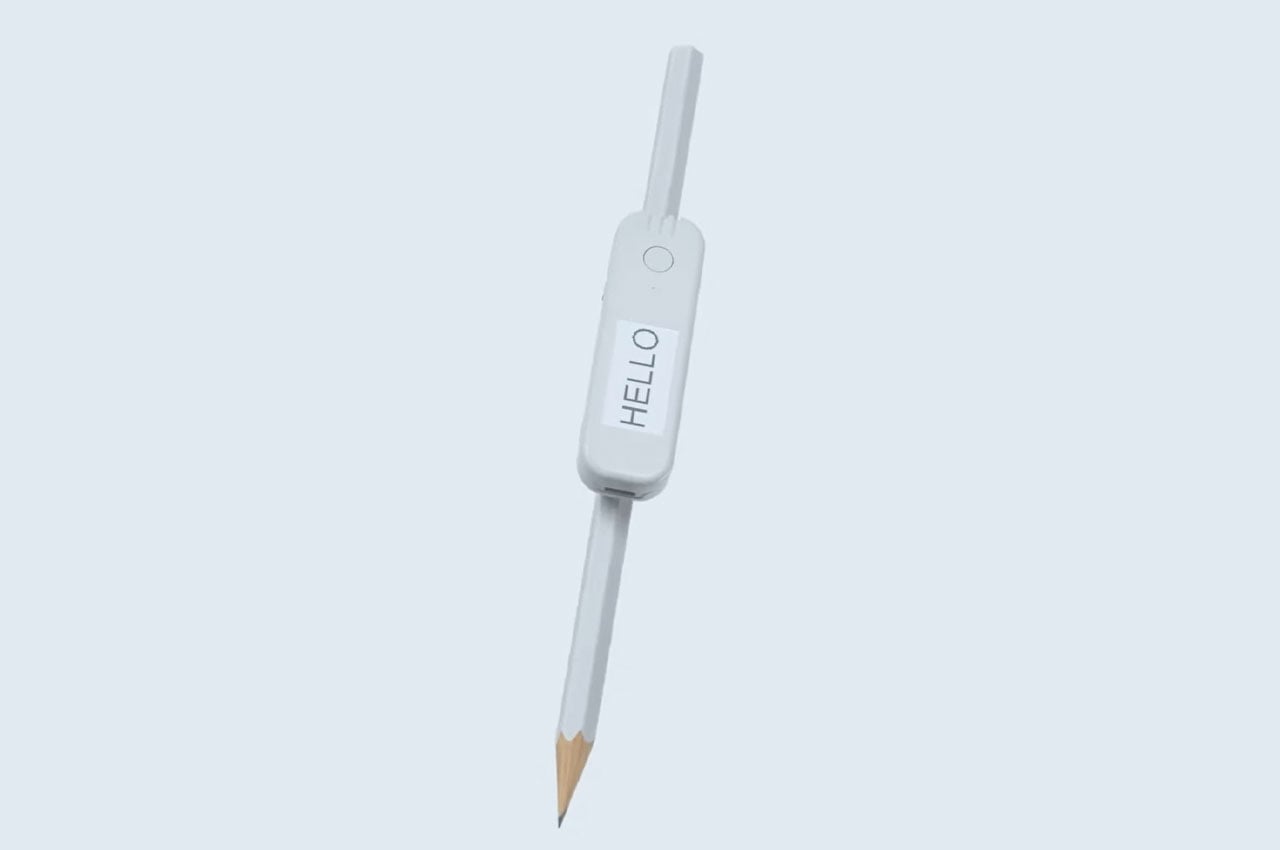
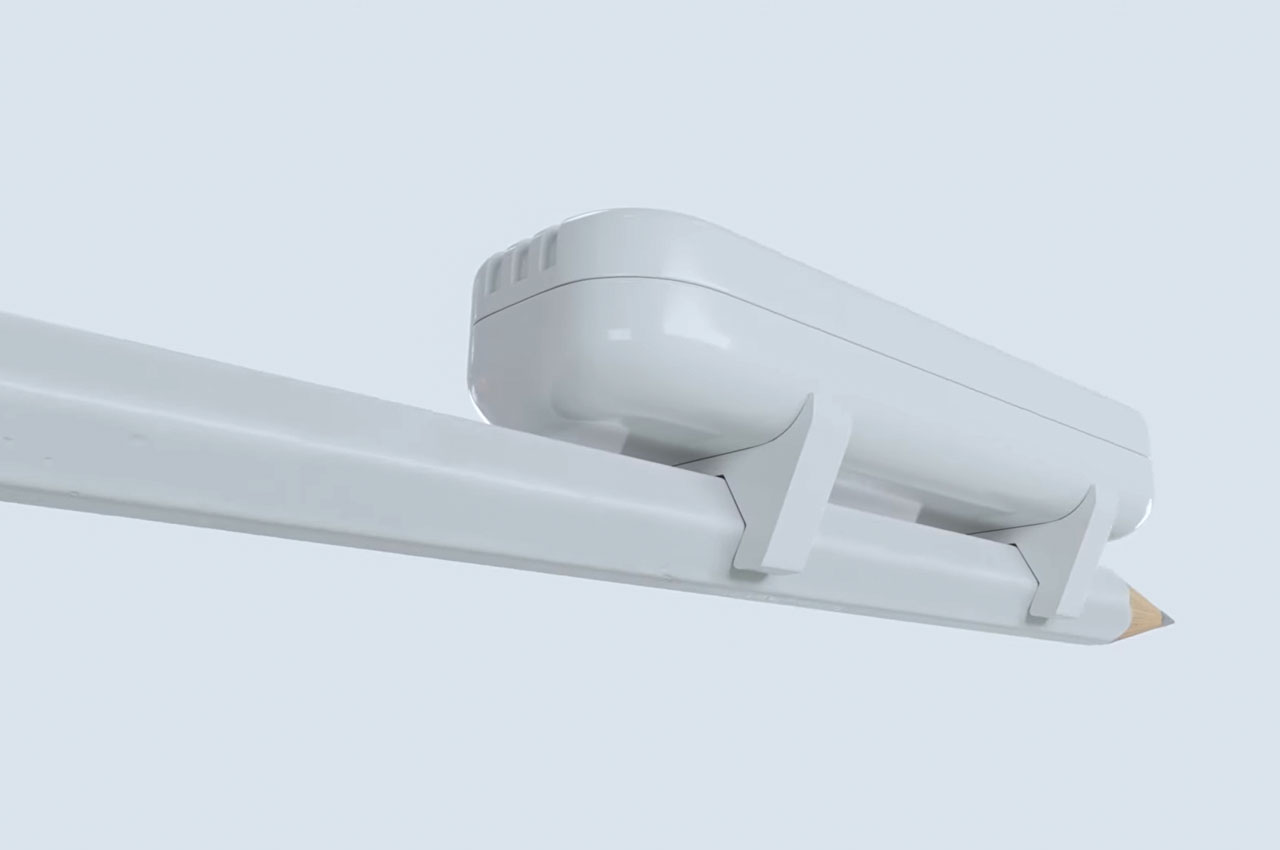
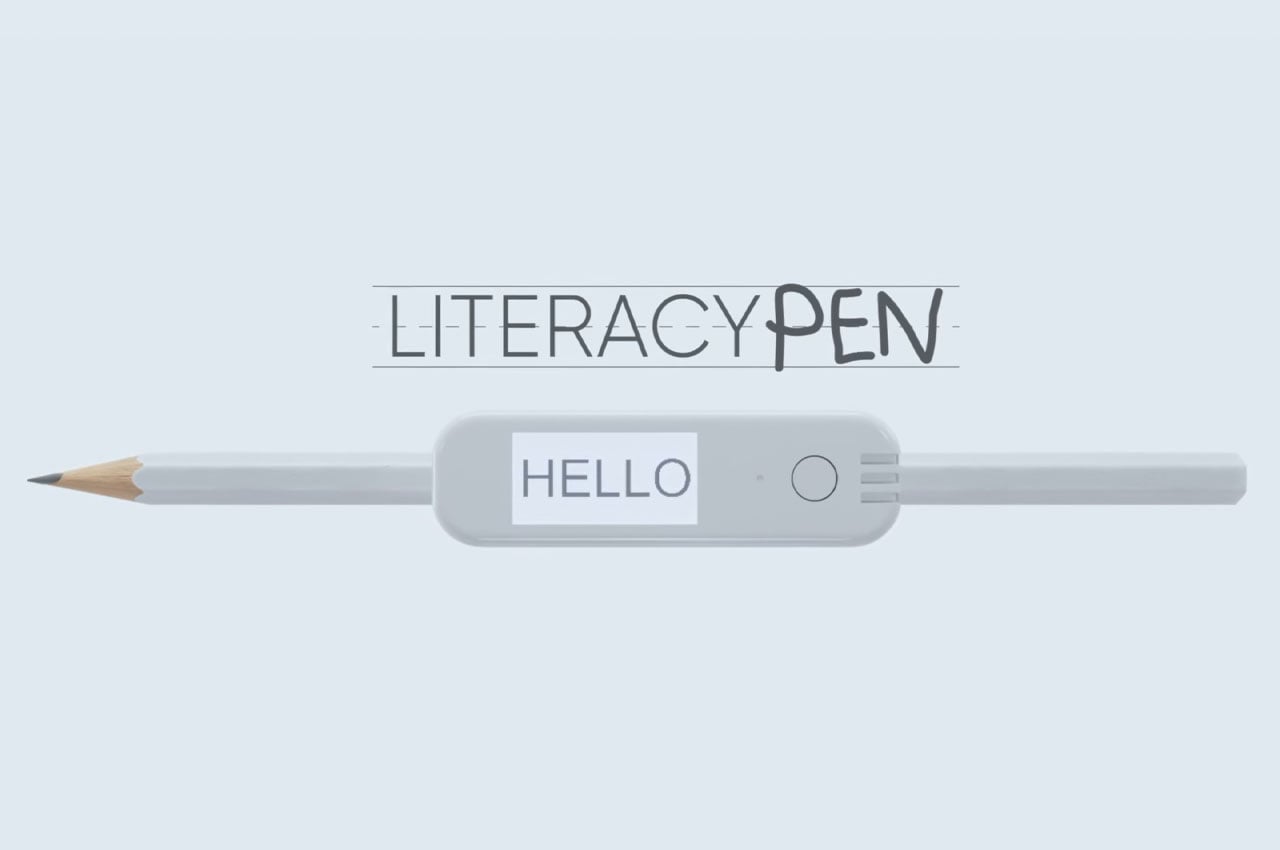
Literacy Pen is the first, portable education tool that can let the illiterate read and write instantly. It is a small device – compatible with any standard pen or pencil – with an onboard screen to display visual input that can be directly copied onto paper.
Designed with key literacy development aspects like visual repetition in hindsight, this user-friendly, lightweight tool comes with a microphone. The user can effortlessly slide a pen into the compactly designed Literacy Pen, and speak desired words into the microphone, which transcribes them word by word automatically onto the digital screen. From here the individual can see and directly copy it onto paper using the attached pen.
How much of that is possible in the real-world environment where individuals we are talking about would have never held a pen in their hand before? Considering this tool is inexpensive that the lowest in the economic hierarchy can own, with due practice, at least some people should be able to sign their financial documents or even land a job.
Instagram is far from a gleaming example of protecting young people online, having failed to prevent its algorithm from promoting child sexual abuse material. But new features bring some (at least a little?) hope that the platform could become a bit safer. Meta announced it's rolling out new tools meant to protect users against intimate image abuse and sextortion — when a person is digitally blackmailed under threat of sharing intimate media.
One of the most significant updates is that nudity protection is coming to private messages. Meta first confirmed it was building this technology back in 2022, and it will automatically activate the tool for users under 18. Once switched on, a machine learning tool will detect and blur images it suspects of containing nudity for the recipient. The analysis happens on the user's device, so messages should remain end-to-end encrypted without Meta ever having access to them. Users will have the option to view the image alongside a pop-up message from Meta that they shouldn't feel pressured to respond, along with a safety tips button and an option to block the sender.
Meta's new tool — which it will start testing "soon" — also detects if a person is sending a nude image and warns them to "take care when sharing sensitive photos" while outlining potential risks. Plus, it reminds users that they can delete a message before anyone sees it. Then there's the final warning: a reminder to be responsible and respectful appears when someone tries to forward a message with detected nudity (though it still lets the image be forwarded).
Then there are the tools designed to detect potential scammers or sextortionists and make it more difficult for them to approach teens. Message requests from these possible bad actors should now go to hidden requests, and anyone already involved in a conversation will receive a warning with boundary reminders and steps to report users. As for young people, Meta previously barred people from messaging users 16 or under if they weren't mutually connected — even if the other account claimed to be the same age. Now, these potential scammers won't see the option to message a teen even if they follow each other.
This article originally appeared on Engadget at https://www.engadget.com/instagram-will-test-nudity-protection-in-messages-to-fight-sextortion-131516318.html?src=rss
Instagram is far from a gleaming example of protecting young people online, having failed to prevent its algorithm from promoting child sexual abuse material. But new features bring some (at least a little?) hope that the platform could become a bit safer. Meta announced it's rolling out new tools meant to protect users against intimate image abuse and sextortion — when a person is digitally blackmailed under threat of sharing intimate media.
One of the most significant updates is that nudity protection is coming to private messages. Meta first confirmed it was building this technology back in 2022, and it will automatically activate the tool for users under 18. Once switched on, a machine learning tool will detect and blur images it suspects of containing nudity for the recipient. The analysis happens on the user's device, so messages should remain end-to-end encrypted without Meta ever having access to them. Users will have the option to view the image alongside a pop-up message from Meta that they shouldn't feel pressured to respond, along with a safety tips button and an option to block the sender.
Meta's new tool — which it will start testing "soon" — also detects if a person is sending a nude image and warns them to "take care when sharing sensitive photos" while outlining potential risks. Plus, it reminds users that they can delete a message before anyone sees it. Then there's the final warning: a reminder to be responsible and respectful appears when someone tries to forward a message with detected nudity (though it still lets the image be forwarded).
Then there are the tools designed to detect potential scammers or sextortionists and make it more difficult for them to approach teens. Message requests from these possible bad actors should now go to hidden requests, and anyone already involved in a conversation will receive a warning with boundary reminders and steps to report users. As for young people, Meta previously barred people from messaging users 16 or under if they weren't mutually connected — even if the other account claimed to be the same age. Now, these potential scammers won't see the option to message a teen even if they follow each other.
This article originally appeared on Engadget at https://www.engadget.com/instagram-will-test-nudity-protection-in-messages-to-fight-sextortion-131516318.html?src=rss
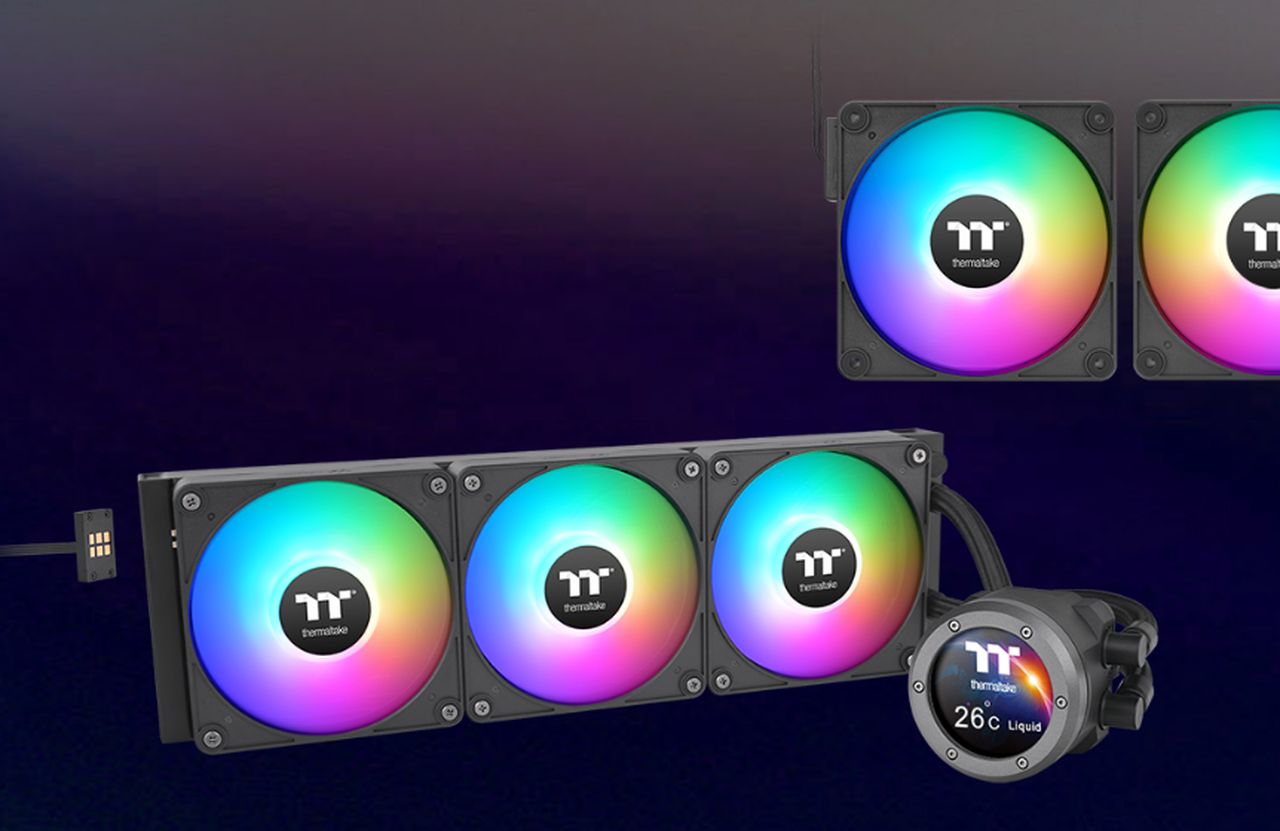
Gamers especially understand the importance of keeping your gaming rig running at peak performance. The new Thermaltake MagForce 2.0 AIO PC cooler range are designed to help you achieve just that. These customizable cooling solutions harness the power of liquid cooling to ensure your CPU stays cool, even during the most demanding gaming sessions. With […]
The Motorola Moto g04s is a new AI-powered smartphone is designed to elevate your photography skills, allowing you to take breathtaking photos in any lighting condition. The 50MP camera is equipped with advanced AI capabilities, such as Portrait mode, Night Vision, and HDR, enabling you to shoot like a professional photographer. Whether you’re capturing a […]
Meta AI has this week introduced its new next-generation AI Training and Inference Accelerator chips. With the demand for sophisticated AI models soaring across industries, businesses will need a powerful and reliable computing infrastructure to keep pace. Meta’s accelerator could be the answer, providing enterprise applications with the tools to tackle even the most complex […]
When DJI’s Avata came out in 2022, its agility and people-safe propeller guards made it an instant hit — especially with video pros and content creators. It was hampered by poor video quality, though, and gave users no ability to see the outside world when using the Goggles 2 pilot headset. It was also less maneuverable than other FPV drones and quite expensive.
Now, the company has released its successor, the Avata 2. The camera now uses the same 1/1.3-inch sensor as the Mini 4 Pro, so video quality is highly improved. The Goggles 3 have passthrough cameras to show the world around you and the Avata 2 can now maneuver more like a real FPV drone. Battery life has improved and it’s cheaper to boot.
It sounds great, but how is it in the real world? With my drone and FPV pilot friends, we tested it in a variety of scenarios and events. In general, it's much improved from its predecessor, but there are a few things to know if you’re considering buying one, especially around the Goggles 3.
Body
The Avata 2 has been completely redesigned to improve flight characteristics. It’s more oblong, less top-heavy, comes with a bigger battery and weighs 30 grams less at just 377 grams. It also just looks less toy-like and more professional.
The updated propeller guards and extensive obstacle detection make it far more crash-resistant than other drones. Updated binocular fisheye sensors cover both the bottom and rear views to detect hazards while increasing flight stability. It also features a “turtle mode” that flips the drone back to a normal stance for takeoff if it hits something and flips over during flight.
The propellers have the same 3-inch size as before, but engine noise is reduced to 81dB, making it more suitable for events like weddings.
Steve Dent for Engadget
The camera unit and gimbal are larger and the protective covering is easier to install and remove. The USB-C and card slots, notoriously hard to access on the Avata, are much easier to get to here. Another welcome update is the generous 46GB of onboard storage, more than double the last model and considerably higher than most other drones.
The 18-minute battery life was a big issue with the Avata, but the new model now boasts 23 minutes max flight time, up 28 percent. The batteries can be charged quickly using the charging hub, too, from 0 to 100 percent in 45 minutes with a 60W charger — a bit faster than before, considering the higher capacity. The hub also supports DJI’s new power accumulation feature, letting you completely drain the two weakest batteries to transfer power to the strongest.
Transmission and controls
Like the Mini 4 Pro and Air 3, the Avata uses DJI’s latest O4 transmission system that boosts range to 13km in the US and 10km in Europe — impressive for an FPV drone. It streams a 1080p video feed at up to 100 fps, with latency as low as 24 milliseconds using the Googles 3.
Steve Dent for Engadget
Speaking of, the Goggles 3 have a built-in battery like the Goggles Integra while updating to O4 capability. Along with the improved transmission, they now come with higher-resolution 1080p MicroOLED displays and improved eye comfort compared to the Goggles 2 that shipped with the original Avata.
The big update, though, is the Real View pass-through cameras. With a double tap on the side of the headset or side button on the RC Motion 3 controller, you’ll instantly switch to a forward view outside the Goggles 3. The resolution isn’t very high, but at least you can see outside without removing them. A setting allows you to see the drone view as a picture-in-picture to boost situational awareness.
The Goggles 3 now allows you to capture up to 1080p video directly to a microSD card on the headset itself and you can even stream live to another Goggles 3 headset simultaneously. Video quality is still higher when capturing directly to the drone, of course, but it does provide a backup. You can also record a view showing the on-screen controls — handy for reviewing flights.
Another new feature is head tracking to control the aircraft and gimbal with head functions, allowing better control for experienced pilots.
Steve Dent for Engadget
There are a few downsides. It still doesn’t support glasses, so folks with astigmatism will need to purchase custom lenses. If you have the Goggles V2, which does support eyeglasses, it’s unfortunately not compatible with the Avata 2.
DJI hasn’t quite nailed the comfort part, either. The padding isn’t soft enough, so the edges pushed against the bridge of my nose, creating some discomfort. It was better after installing the additional (included) pad, but still not perfect.
The RC Motion 3 controller has been considerably revamped for the better. It’s smaller, lighter and has a more comfortable grip. Controls are also more precise, with a new sidelink wireless solution boosting the quality of the joystick’s signal. And for FPV enthusiasts who prefer a classic drone controller, the Avata 2 also works with the new FPV Remote Control 3.
Performance
Steve Dent for Engadget
Where the original Avata dumbed down FPV performance, the Avata 2 goes all in. It’s incredibly maneuverable, and unlike most FPV drones, highly crash-resistant.
Maximum speeds are the same as the Avata at around 60MPH in manual mode with obstacle detection turned off. That might be slower than purpose-built open-propeller FPVs, but it’s fast for a consumer product and won’t slice up bystanders like regular drones.
Though it’s not faster, it’s quicker and more precise than the Avatar thanks to the slimmed-down and better-balanced body. It turns on a dime around obstacles and climbs and descends with alacrity. At the same time, you can plow through small twigs or leaves and barely slow down.
Flying it is truly fun. The improved Goggles 3 with O4 give a clearer view, and the Motion 3 controller allows for precise and intuitive control. For events around people, you can fly in normal or beginner modes for safety, or elsewhere at 35 or 60 MPH in sport and manual modes.
Steve Dent for Engadget
The Motion 3 adds a new trigger setting that rotates the Avata 2 in place for easier maneuvers and it now includes a dedicated mode button for normal or sport flying. The joystick is larger and the controller more responsive and precise overall.
Head tracking is a common feature on FPV and Cinewoop drones, and it now works on the Avata 2. I found it helpful mainly for controlling the camera tilt, as it’s a natural way to adjust that parameter.
If you want to fly the Avata 2 at top speed in manual mode, you’ll need the FPV Remote Controller 3, which is sold separately for $199.
The Easy Acro mode is cool, but a bit cumbersome since you have to switch it on and off. Also, it’s so easy to implement with the RC Motion controller that it's almost... boring. Tricks include slides, 180-degree drifts and flips, though you can’t record video in flip mode.
Steve Dent for Engadget
The Avata 2 is better than before in stiff winds, but can still get buffeted around and often has to lean against the breeze, causing choppy or unlevel footage. Keeping things smooth, particularly outdoors, requires more practice than with a drone like the Mini 4 Pro.
It doesn’t have forward-facing sensors, so its main protection is the prop guards and high durability. It does detect obstacles from the rear and below, and that kept me safe in some tight spots. I still crashed it at least four to five times though, luckily just in the grass or against small twigs and leaves — without leaving a scratch. This could make some pilots overconfident, though.
Battery life is noticeably better than the Avata and eliminates much of the range anxiety typical with FPV drones. However, you only get 18-20 minutes of realistic range. Most serious pilots will want to have at least three batteries with the Fly-More kit, and preferably more.
Video
The Avata 2 eliminates the Avata’s mediocre video quality via a much larger 1/1.3-inch sensor with 10-bit D-LogM capability borrowed from the Mini 4 Pro.
As before it offers normal, wide and ultra-wide shooting with up to a 155-degree field of view. It has two stabilization modes, RockSteady 3.0 and HorizonSteady. The latter is best if you want to keep things level, particularly in high winds — it does tend to lean into wind. RockSteady smooths footage more while allowing the camera to tilt, all the better to show off thrilling maneuvers.
It supports 4K video at up to 60 fps or 1080p and 2.7K at 120 fps. However, it can only capture 12-megapixel JPEG stills, so it’s not ideal for photography.
All that puts it leaps ahead of the Avata for video. Images are generally sharper and colors more accurate. The 10-bit D-LogM mode allows for higher dynamic range in bright or contrasty conditions. The one quality flaw I noticed was occasionally blockiness in video at 4K 60p when flying fast, likely artifacts due to the 130Mbps bit rate (beware of re-encoding for YouTube).
It’s much improved in low light for cityscapes or interiors as well thanks to the larger sensor. It’s not up to the level of a mirrorless camera, but as with the Mini 4 Pro, it’s fine for well lit night scenes in most cases. ISO levels are usable up to 12800 with noise reduction, with the 25600 max setting being for emergency use only.
Wrap-up
Steve Dent for Engadget
The Avata 2 is bound to be another hit for DJI. It eliminates nearly every flaw on the Avata, boosting picture quality, FPV maneuverability, battery life, range and more. Video quality, in particular, will make it even more desirable for content creators, event videographers and others (my pro friends, who already own the Avata, are planning to order one). At the same time, it’s a fantastic FPV drone for beginners — just super fun to use.
It’s also more affordable. The Avata 2 is priced at $1,000 with a single battery in the Fly-More kit with the Goggles 3 and Motion 3 controller, or $1,200 with three batteries, the two-way charging hub and a carrying case. You can also purchase it alone at $490.
That compares to original $630 price for the Avata. That model also cost $1,388 for the Avata with Goggles and Motion Controller, plus another $279 for the 2-battery/charger Fly-More kit (for $1,667 total) — so the Avata 2 is nearly $500 cheaper in that configuration. As mentioned, the FPV Remote Controller 3 is $199, while the ND Filters Set is $79.
The Avata 2 doesn’t have much competition, as regular FPV drones generally lack propeller guards and rivals like Autel don’t offer similar products. That doesn’t really matter, though, as DJI’s latest drone is both powerful and attractively priced — making it a highly desirable product for creators of all stripes.
This article originally appeared on Engadget at https://www.engadget.com/dji-avata-2-fpv-drone-review-a-cheaper-more-potent-tool-for-creators-130052278.html?src=rss
When DJI’s Avata came out in 2022, its agility and people-safe propeller guards made it an instant hit — especially with video pros and content creators. It was hampered by poor video quality, though, and gave users no ability to see the outside world when using the Goggles 2 pilot headset. It was also less maneuverable than other FPV drones and quite expensive.
Now, the company has released its successor, the Avata 2. The camera now uses the same 1/1.3-inch sensor as the Mini 4 Pro, so video quality is highly improved. The Goggles 3 have passthrough cameras to show the world around you and the Avata 2 can now maneuver more like a real FPV drone. Battery life has improved and it’s cheaper to boot.
It sounds great, but how is it in the real world? With my drone and FPV pilot friends, we tested it in a variety of scenarios and events. In general, it's much improved from its predecessor, but there are a few things to know if you’re considering buying one, especially around the Goggles 3.
Body
The Avata 2 has been completely redesigned to improve flight characteristics. It’s more oblong, less top-heavy, comes with a bigger battery and weighs 30 grams less at just 377 grams. It also just looks less toy-like and more professional.
The updated propeller guards and extensive obstacle detection make it far more crash-resistant than other drones. Updated binocular fisheye sensors cover both the bottom and rear views to detect hazards while increasing flight stability. It also features a “turtle mode” that flips the drone back to a normal stance for takeoff if it hits something and flips over during flight.
The propellers have the same 3-inch size as before, but engine noise is reduced to 81dB, making it more suitable for events like weddings.
Steve Dent for Engadget
The camera unit and gimbal are larger and the protective covering is easier to install and remove. The USB-C and card slots, notoriously hard to access on the Avata, are much easier to get to here. Another welcome update is the generous 46GB of onboard storage, more than double the last model and considerably higher than most other drones.
The 18-minute battery life was a big issue with the Avata, but the new model now boasts 23 minutes max flight time, up 28 percent. The batteries can be charged quickly using the charging hub, too, from 0 to 100 percent in 45 minutes with a 60W charger — a bit faster than before, considering the higher capacity. The hub also supports DJI’s new power accumulation feature, letting you completely drain the two weakest batteries to transfer power to the strongest.
Transmission and controls
Like the Mini 4 Pro and Air 3, the Avata uses DJI’s latest O4 transmission system that boosts range to 13km in the US and 10km in Europe — impressive for an FPV drone. It streams a 1080p video feed at up to 100 fps, with latency as low as 24 milliseconds using the Googles 3.
Steve Dent for Engadget
Speaking of, the Goggles 3 have a built-in battery like the Goggles Integra while updating to O4 capability. Along with the improved transmission, they now come with higher-resolution 1080p MicroOLED displays and improved eye comfort compared to the Goggles 2 that shipped with the original Avata.
The big update, though, is the Real View pass-through cameras. With a double tap on the side of the headset or side button on the RC Motion 3 controller, you’ll instantly switch to a forward view outside the Goggles 3. The resolution isn’t very high, but at least you can see outside without removing them. A setting allows you to see the drone view as a picture-in-picture to boost situational awareness.
The Goggles 3 now allows you to capture up to 1080p video directly to a microSD card on the headset itself and you can even stream live to another Goggles 3 headset simultaneously. Video quality is still higher when capturing directly to the drone, of course, but it does provide a backup. You can also record a view showing the on-screen controls — handy for reviewing flights.
Another new feature is head tracking to control the aircraft and gimbal with head functions, allowing better control for experienced pilots.
Steve Dent for Engadget
There are a few downsides. It still doesn’t support glasses, so folks with astigmatism will need to purchase custom lenses. If you have the Goggles V2, which does support eyeglasses, it’s unfortunately not compatible with the Avata 2.
DJI hasn’t quite nailed the comfort part, either. The padding isn’t soft enough, so the edges pushed against the bridge of my nose, creating some discomfort. It was better after installing the additional (included) pad, but still not perfect.
The RC Motion 3 controller has been considerably revamped for the better. It’s smaller, lighter and has a more comfortable grip. Controls are also more precise, with a new sidelink wireless solution boosting the quality of the joystick’s signal. And for FPV enthusiasts who prefer a classic drone controller, the Avata 2 also works with the new FPV Remote Control 3.
Performance
Steve Dent for Engadget
Where the original Avata dumbed down FPV performance, the Avata 2 goes all in. It’s incredibly maneuverable, and unlike most FPV drones, highly crash-resistant.
Maximum speeds are the same as the Avata at around 60MPH in manual mode with obstacle detection turned off. That might be slower than purpose-built open-propeller FPVs, but it’s fast for a consumer product and won’t slice up bystanders like regular drones.
Though it’s not faster, it’s quicker and more precise than the Avatar thanks to the slimmed-down and better-balanced body. It turns on a dime around obstacles and climbs and descends with alacrity. At the same time, you can plow through small twigs or leaves and barely slow down.
Flying it is truly fun. The improved Goggles 3 with O4 give a clearer view, and the Motion 3 controller allows for precise and intuitive control. For events around people, you can fly in normal or beginner modes for safety, or elsewhere at 35 or 60 MPH in sport and manual modes.
Steve Dent for Engadget
The Motion 3 adds a new trigger setting that rotates the Avata 2 in place for easier maneuvers and it now includes a dedicated mode button for normal or sport flying. The joystick is larger and the controller more responsive and precise overall.
Head tracking is a common feature on FPV and Cinewoop drones, and it now works on the Avata 2. I found it helpful mainly for controlling the camera tilt, as it’s a natural way to adjust that parameter.
If you want to fly the Avata 2 at top speed in manual mode, you’ll need the FPV Remote Controller 3, which is sold separately for $199.
The Easy Acro mode is cool, but a bit cumbersome since you have to switch it on and off. Also, it’s so easy to implement with the RC Motion controller that it's almost... boring. Tricks include slides, 180-degree drifts and flips, though you can’t record video in flip mode.
Steve Dent for Engadget
The Avata 2 is better than before in stiff winds, but can still get buffeted around and often has to lean against the breeze, causing choppy or unlevel footage. Keeping things smooth, particularly outdoors, requires more practice than with a drone like the Mini 4 Pro.
It doesn’t have forward-facing sensors, so its main protection is the prop guards and high durability. It does detect obstacles from the rear and below, and that kept me safe in some tight spots. I still crashed it at least four to five times though, luckily just in the grass or against small twigs and leaves — without leaving a scratch. This could make some pilots overconfident, though.
Battery life is noticeably better than the Avata and eliminates much of the range anxiety typical with FPV drones. However, you only get 18-20 minutes of realistic range. Most serious pilots will want to have at least three batteries with the Fly-More kit, and preferably more.
Video
The Avata 2 eliminates the Avata’s mediocre video quality via a much larger 1/1.3-inch sensor with 10-bit D-LogM capability borrowed from the Mini 4 Pro.
As before it offers normal, wide and ultra-wide shooting with up to a 155-degree field of view. It has two stabilization modes, RockSteady 3.0 and HorizonSteady. The latter is best if you want to keep things level, particularly in high winds — it does tend to lean into wind. RockSteady smooths footage more while allowing the camera to tilt, all the better to show off thrilling maneuvers.
It supports 4K video at up to 60 fps or 1080p and 2.7K at 120 fps. However, it can only capture 12-megapixel JPEG stills, so it’s not ideal for photography.
All that puts it leaps ahead of the Avata for video. Images are generally sharper and colors more accurate. The 10-bit D-LogM mode allows for higher dynamic range in bright or contrasty conditions. The one quality flaw I noticed was occasionally blockiness in video at 4K 60p when flying fast, likely artifacts due to the 130Mbps bit rate (beware of re-encoding for YouTube).
It’s much improved in low light for cityscapes or interiors as well thanks to the larger sensor. It’s not up to the level of a mirrorless camera, but as with the Mini 4 Pro, it’s fine for well lit night scenes in most cases. ISO levels are usable up to 12800 with noise reduction, with the 25600 max setting being for emergency use only.
Wrap-up
Steve Dent for Engadget
The Avata 2 is bound to be another hit for DJI. It eliminates nearly every flaw on the Avata, boosting picture quality, FPV maneuverability, battery life, range and more. Video quality, in particular, will make it even more desirable for content creators, event videographers and others (my pro friends, who already own the Avata, are planning to order one). At the same time, it’s a fantastic FPV drone for beginners — just super fun to use.
It’s also more affordable. The Avata 2 is priced at $1,000 with a single battery in the Fly-More kit with the Goggles 3 and Motion 3 controller, or $1,200 with three batteries, the two-way charging hub and a carrying case. You can also purchase it alone at $490.
That compares to original $630 price for the Avata. That model also cost $1,388 for the Avata with Goggles and Motion Controller, plus another $279 for the 2-battery/charger Fly-More kit (for $1,667 total) — so the Avata 2 is nearly $500 cheaper in that configuration. As mentioned, the FPV Remote Controller 3 is $199, while the ND Filters Set is $79.
The Avata 2 doesn’t have much competition, as regular FPV drones generally lack propeller guards and rivals like Autel don’t offer similar products. That doesn’t really matter, though, as DJI’s latest drone is both powerful and attractively priced — making it a highly desirable product for creators of all stripes.
This article originally appeared on Engadget at https://www.engadget.com/dji-avata-2-fpv-drone-review-a-cheaper-more-potent-tool-for-creators-130052278.html?src=rss
Google has introduced a comprehensive suite of AI agents at Google Cloud Next 2024, emphasizing their integration across various sectors and applications. These AI agents are designed to transform various sectors, including customer service, employee productivity, marketing, data analysis, content creation, cybersecurity, and coding. Google’s vision is to seamlessly integrate artificial intelligence across multiple industries, […]
Mixtral 8x22B MoE is a new open source large language model (LLM) developed by Mistral AI, is making waves in the AI community. With an astounding 140.5 billion parameters and the ability to process up to 65,000 tokens, this model is setting new standards in machine learning. Its open source nature, licensed under Apache 2.0, […]