Nubia Z80 Ultra: Massive 7,200mAh Battery & Unique 35mm Camera Arrive

Nubia Z80 Ultra: Massive 7,200mAh Battery & Unique 35mm Camera Arrive

The Nubia Z80 Ultra represents a significant leap forward in the smartphone industry, blending innovative technology, exceptional performance, and a sleek design. Designed for users who demand both functionality and aesthetics, this flagship device offers a comprehensive experience that caters to diverse needs, from productivity to creativity. With its advanced features and robust build, the […]

The post Nubia Z80 Ultra: Massive 7,200mAh Battery & Unique 35mm Camera Arrive appeared first on Geeky Gadgets.

Posted in Uncategorized

Master Apple Notes in Minutes : Smart Folders, Tags & Hidden Features

Master Apple Notes in Minutes : Smart Folders, Tags & Hidden Features

Have you ever felt like your digital notes are more chaos than clarity? Between juggling work tasks, personal reminders, and creative ideas, it’s easy for your notes to spiral into an unmanageable mess. But what if your note-taking app could do the heavy lifting for you, organizing, categorizing, and even automating your workflow? Enter Apple […]

The post Master Apple Notes in Minutes : Smart Folders, Tags & Hidden Features appeared first on Geeky Gadgets.

Posted in Uncategorized

watchOS 26.1 Deep Dive: The 5 Best New Features and Hidden Changes

watchOS 26.1 Deep Dive: The 5 Best New Features and Hidden Changes

Apple has officially rolled out WatchOS 26.1, a software update designed to refine and enhance the Apple Watch experience. While this update does not introduce innovative features, it focuses on delivering meaningful improvements that enhance usability, connectivity, and overall performance. These updates aim to streamline daily interactions with your Apple Watch, making sure it remains […]

The post watchOS 26.1 Deep Dive: The 5 Best New Features and Hidden Changes appeared first on Geeky Gadgets.

Posted in Uncategorized

Cyclocopter : Why Cycloidal Rotors Could Make City Air Taxis Safer, Quieter & Nimble

Cyclocopter : Why Cycloidal Rotors Could Make City Air Taxis Safer, Quieter & Nimble

What if the future of flight didn’t spin the way we’ve always imagined? Picture an aircraft that hovers effortlessly, maneuvers with surgical precision, and operates so quietly it could glide through a bustling city without disrupting a single conversation. Enter the cyclocopter, a innovative leap in aviation that ditches the familiar spinning rotors of helicopters […]

The post Cyclocopter : Why Cycloidal Rotors Could Make City Air Taxis Safer, Quieter & Nimble appeared first on Geeky Gadgets.

Posted in Uncategorized

The best keyboards for 2025

Typing, gaming, coding or just browsing — how your fingers connect with your keyboard can change the whole feel of your setup. Whether you’re looking for something whisper-quiet and compact or a thunderous mechanical board that sings with every stroke, the best keyboards make a real difference in comfort and performance.

Some people want a minimalist board that lives neatly next to their laptop or slips into a travel bag. Others need a full-size model with a numpad, dedicated macros and a build that stands up to long sessions. Today’s keyboard market is more diverse than ever. You’ll find boards designed for elegant workspace minimalism, gaming keyboards with aggressive RGB-lit setups and ergonomic keyboards built to reduce strain when you spend hours typing. Wireless models offer flexibility and tidy desks, while wired options still lead when speed and reliability matter most.

Whether you’re upgrading your first desktop, building a pro-level gaming rig or simply looking for a board that works better day after day, we’ve found the keyboards worth your time and money.

Size

The first thing you’ll want to consider when it comes to your next computer keyboard’s design is size. There are a number of different keyboard layouts to choose from, but the most common are full-sized, tenkeyless and those smaller than tenkeyless.

Full-sized keyboards, or 100 percent, include a function row at the top and a complete numpad with arrow keys on the right side, along with all of the rest of the alphanumeric keys you’d expect on a standard QWERTY layout. Tenkeyless, or 80 percent, removes the number pad but keeps the arrow keys and the function row, reducing the overall width measurement of the board by a decent amount. Compact keyboards keep things ultra simple by including only the alphanumeric keys and modifiers like Alt, Shift, Ctrl and others and they come in different sizes like 60 percent, 65 percent and more. These are the most popular sizes out there, but you can find plenty of other designs that include different mixes of keys along with the standard letters and numbers all should have.

Aside from size, there are two other big categories that you could use to define a keyboard: ergonomic and mechanical. Ergonomic keyboards are designed with, you guessed it, better ergonomics in mind, taking into account where you should position your fingers, hands and forearms to maintain proper posture. Separately, mechanical keyboards use mechanical switches (of which there are many types) that differ greatly from the membrane or scissor-switch keyboards you’ll find dominating most wired and wireless options widely available today. We have guides to the best ergonomic keyboards and best mechanical keyboards, but we’ll summarize what you need to know about both here.

Ergonomic keyboards

If you deal with discomfort from working at a computer all day, ergonomic keyboards can help. These specially designed boards re-orient the keys, allowing you to hold your elbows farther apart and maintain a straighter line from your forearms to hands. Some people find this subtle change more comfortable.

Ergonomic keyboards typically fall into two categories: Alice and split keyboards. The former is a single unit with an A-shaped gap in the center of the keys. Split models come in two separate pieces which you can arrange as you like on your desk. Additional ergonomic features like tenting and negative tilt can make typing feel even more comfortable, and are often available on both Alice and split boards. Tenting raises the middle of the keys up so your hands take on more of a “handshake” position. Negative tilting lowers the top of the keyboard to keep your wrists angled downward instead of back towards your forearms.

The way the keys are arranged on the keyboard may make typing easier as well. Traditionally, keyboards are staggered, with one row of letters slightly offset from the row beneath it. Columnar keyboards arrange the keys in a grid of rows and columns. This style takes a little getting used to, but some people find it allows them to type faster. You can also make the keys of some keyboards do more than just produce letters. Programmable boards let you map shortcuts and other functions, including macros, which may keep you from reaching for the mouse quite so often, saving you time and possibly strain as well.

Mechanical keyboards

Mechanical keyboards have blown up in popularity as more people have been thrust into creating their own workspaces at home. It’s easy to see why: Compared to a traditional membrane keyboard, a good mechanical board is more durable, more satisfying to press and, most importantly, infinitely more customizable. The best of them usually come with a price premium, but even some cheaper models let you “hot-swap” between keycaps, switches and other materials, letting you tinker with different typing sensations and sound profiles until you find a combination that best expresses your preferences.

Do you want each press to feel deep and full or fast and light? Do you need them to sound loud and clacky or almost totally muffled? Do you prefer your keycaps to look subdued and professional, stuffed with RGB lights or written in an Elvish language from The Lord of the Rings for some reason? With the right new keyboard, it’s all up to you — the only things really holding you back are your imagination and your wallet.

We have a dedicated buying guide that digs deeper into the key aspects to consider when buying a mechanical gaming keyboard, so we encourage you to look at that for a full rundown. To keep things high-level, the most influential part of your purchase is your keyboard’s switch type. These little mechanisms slot underneath the keycaps and generally have the biggest effect on how your keyboard feels and sounds as you type away.

You can broadly separate mechanical switches into three buckets: linear, tactile and clicky. Linear switches feel smooth all the way down; they’re often popular with gamers since they tend to be light and fast to actuate. Tactile switches create a tangible “bump” sensation partway through a press; many people who spend all day typing prefer them because they clearly confirm each press without (always) being all that loud. Clicky switches are functionally similar to tactiles but make an audible “click” sound to match the bump; your coworkers may hate them, but others love the full-throated sense of feedback they provide. To be clear, just because two switches fall within the same bucket doesn’t mean they feel or sound exactly the same. The only way to figure out which switch works best for you is to do your research and, preferably, try some out for yourself.

Other keyboards have a mechanical-style feel but are built on different mechanisms entirely. The hot new trend in gaming-focused keyboards, for example, is Hall effect switches, which use tiny magnets to register keystrokes and let you customize the sensitivity of each press. Optical switches, meanwhile, offer similar functionality by replacing the physical contact point of a typical mechanical switch with a beam of infrared light. More recently, we’ve seen a couple keyboards launch with inductive switches, which can work like magnetic switches but use inductive coils in the keyboard’s printed circuit board (PCB) to cater to all switches collectively and don’t require a sensor for each individual switch. We touch on a couple of magnetic-switch keyboards in our picks below, but for a fuller breakdown of this sort of tech, we recommend you check out our dedicated buying guide to the best gaming keyboards.

You’ve got two options here: wired or wireless. Wired keyboards typically have an attached cable that plugs into a USB-A or USB-C port on your computer (or docking station), although some come with cables that can be removed. Wireless mechanical keyboards connect to your machine either via Bluetooth or a wireless receiver dongle. There’s always the chance of some latency with wireless keyboards, so keep that in mind if you’re picking one up to use primarily with a gaming PC. Of course, you’ll only have to worry about battery life with Bluetooth keyboards.

This article originally appeared on Engadget at https://www.engadget.com/computing/accessories/best-keyboard-120000018.html?src=rss
Unpair, Reset, Reconnect: The Only AirPods Reset Tutorial You Need

Unpair, Reset, Reconnect: The Only AirPods Reset Tutorial You Need

Resetting your AirPods, AirPods Pro, or AirPods Max is a straightforward process that can resolve connectivity issues, prepare them for pairing with a new device, or restore them to factory settings. The video below from Apple provides a detailed, step-by-step approach to unpairing and resetting each model, making sure your devices are ready for seamless […]

The post Unpair, Reset, Reconnect: The Only AirPods Reset Tutorial You Need appeared first on Geeky Gadgets.

Posted in Uncategorized

Dual Intel Arc GPUs in Small Form Factor PC Tested : The Results Are Unreal!

Dual Intel Arc GPUs in Small Form Factor PC Tested : The Results Are Unreal!

Have you ever wondered if a small form factor (SFF) PC could truly rival the performance of a full-sized gaming rig? It sounds like a bold claim, but we decided to put it to the test with not one, but two Intel ARC GPUs packed into a compact chassis. The result? A system that not […]

The post Dual Intel Arc GPUs in Small Form Factor PC Tested : The Results Are Unreal! appeared first on Geeky Gadgets.

Posted in Uncategorized

This Foldable iPhone Never Actually Folds, and That’s Genius

Foldable phones promise devices that shrink for portability and expand for productivity, but they consistently run into the same problems. Hinges wear out or develop resistance over time. Screens crease visibly where they bend. The devices end up thicker than standard phones, even when folded. Most foldables also force users to accept awkward seams running through their primary displays, creating visual interruptions that never quite disappear.

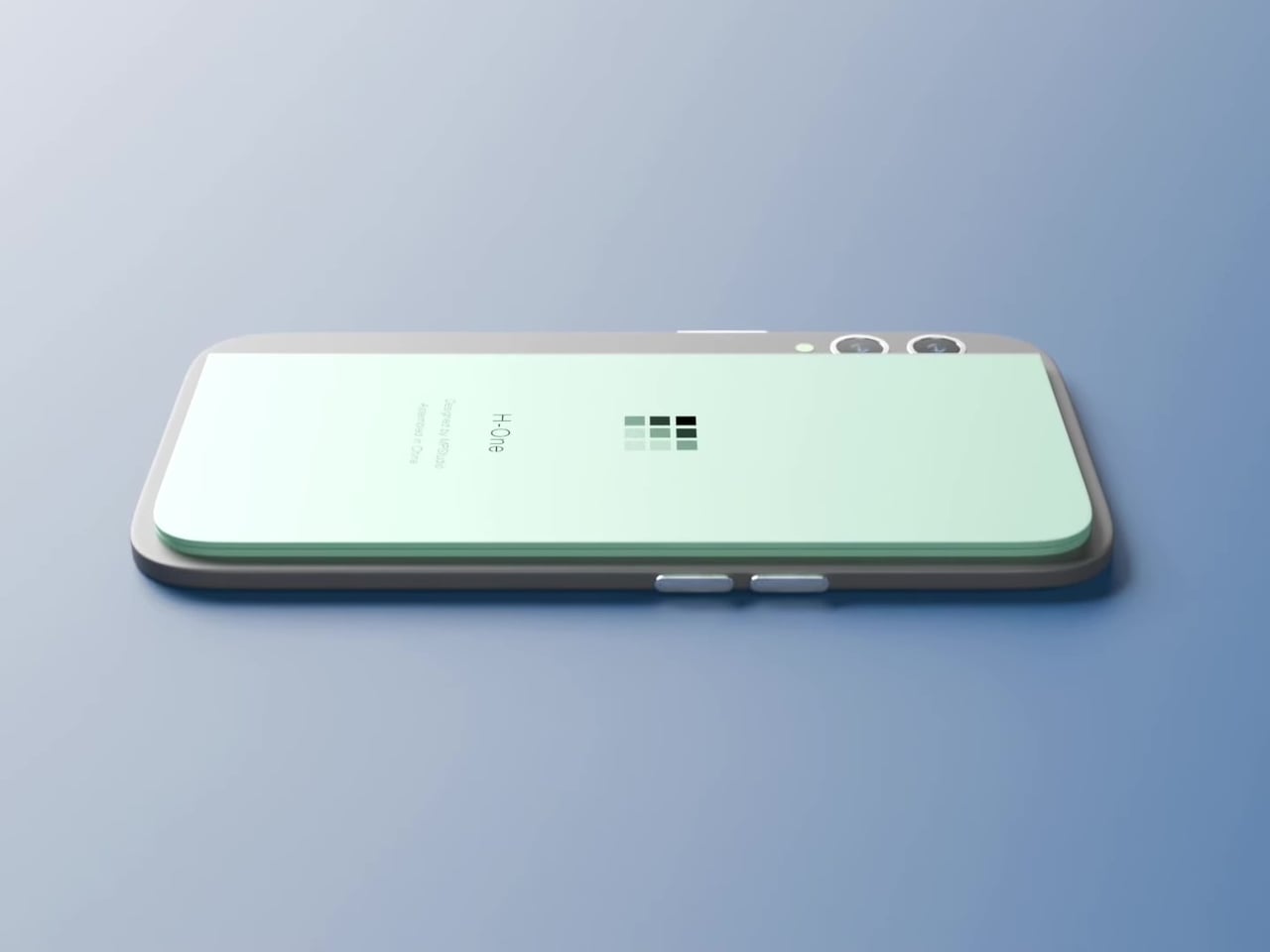
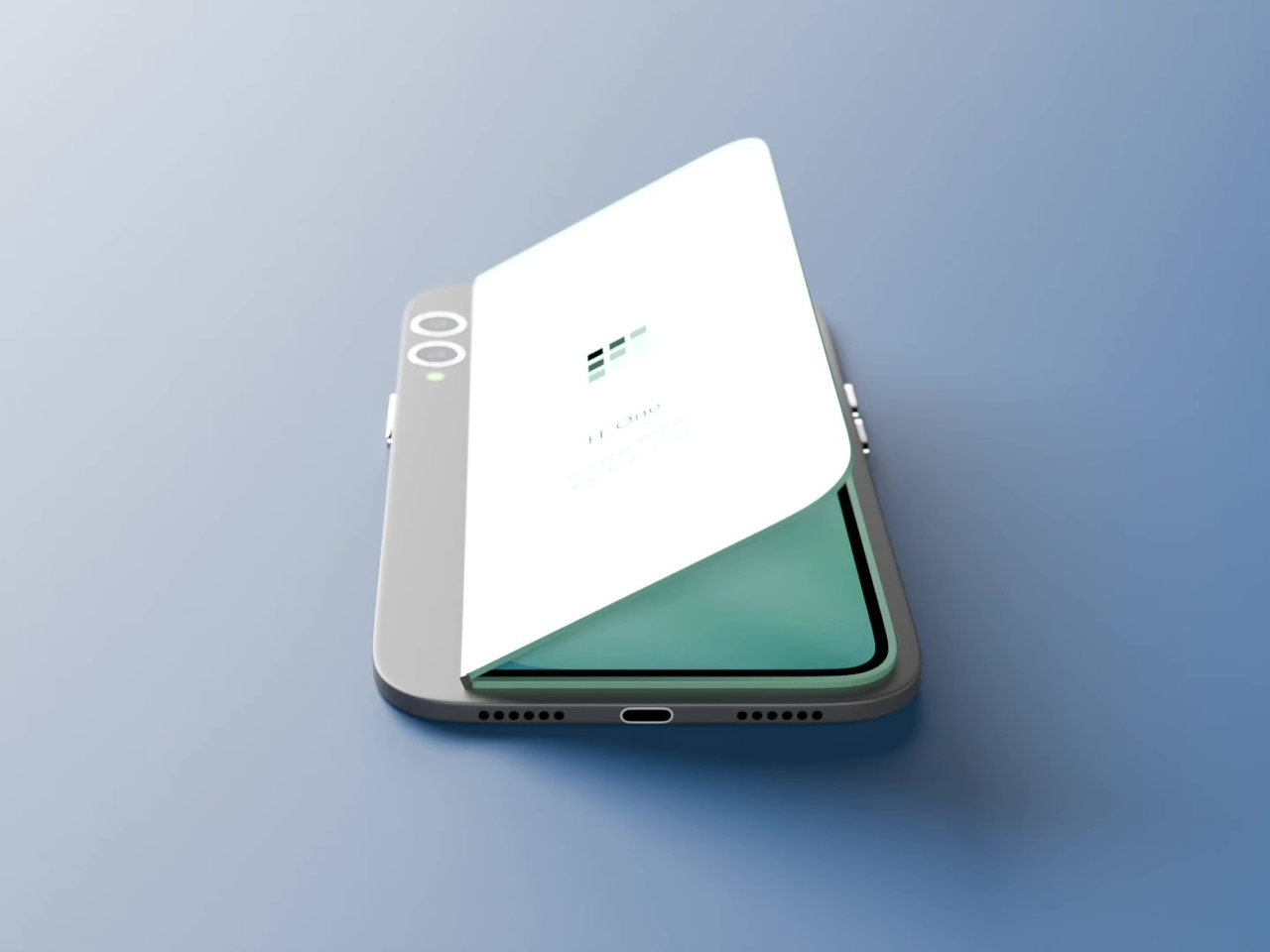
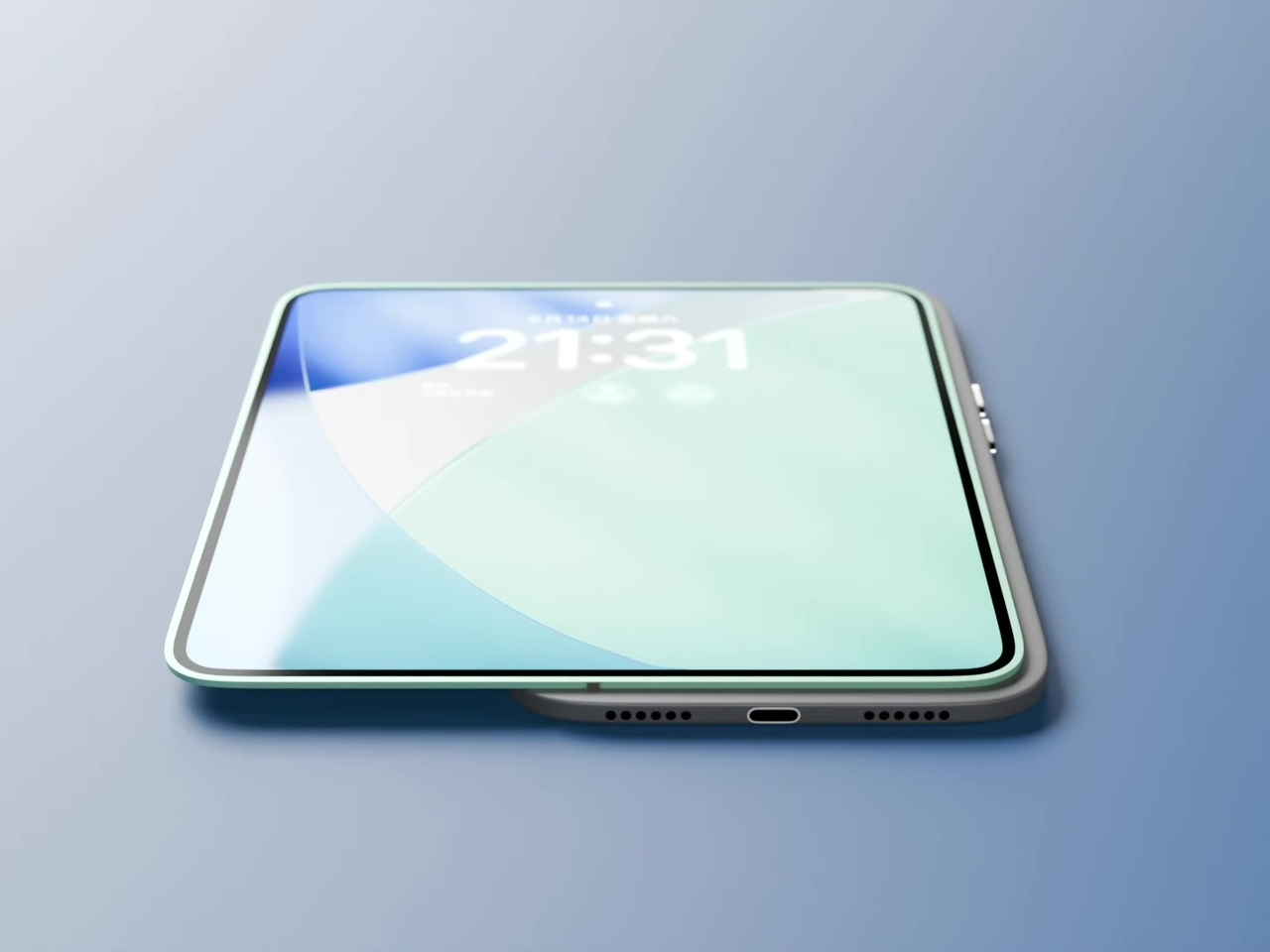
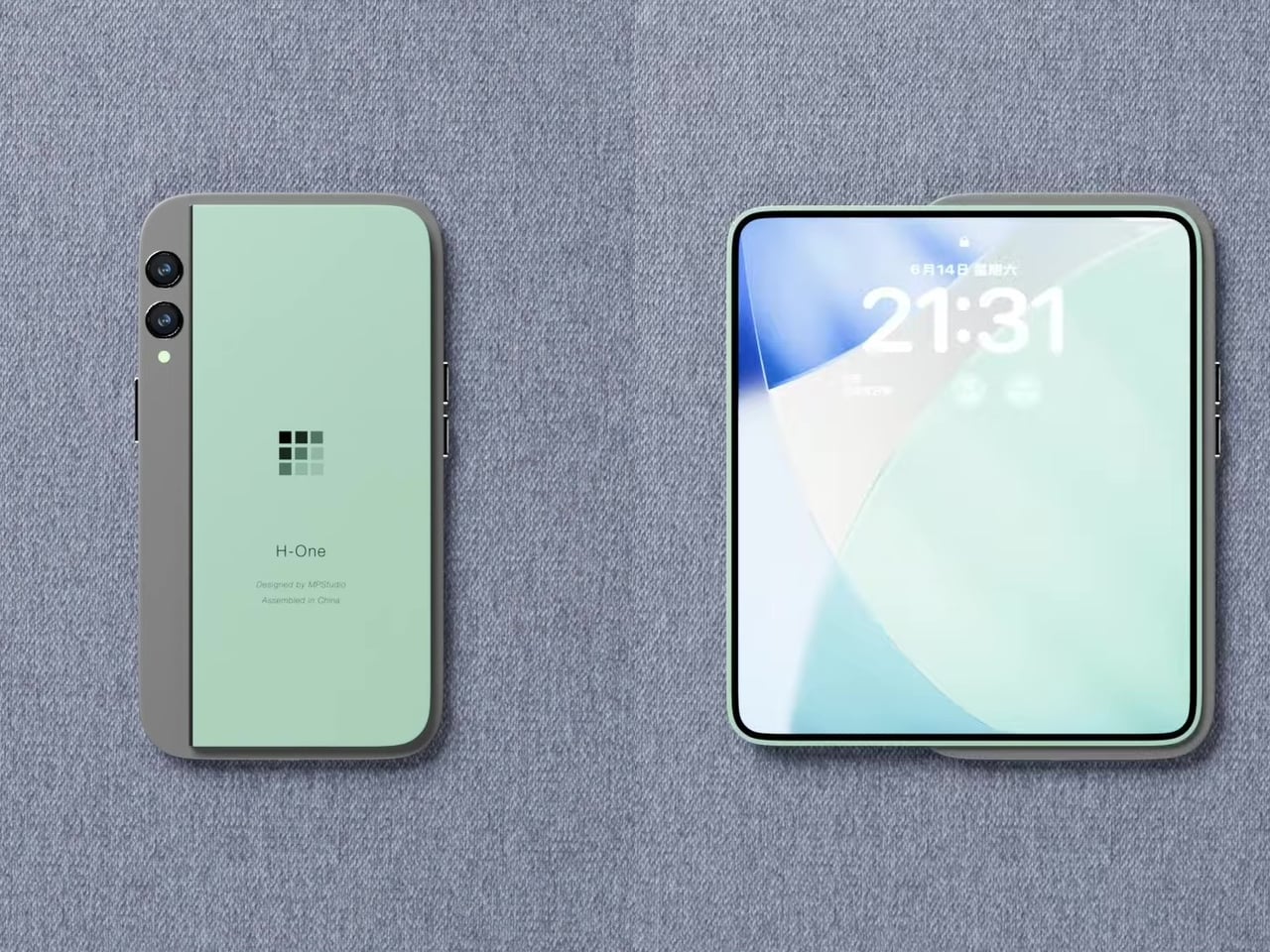
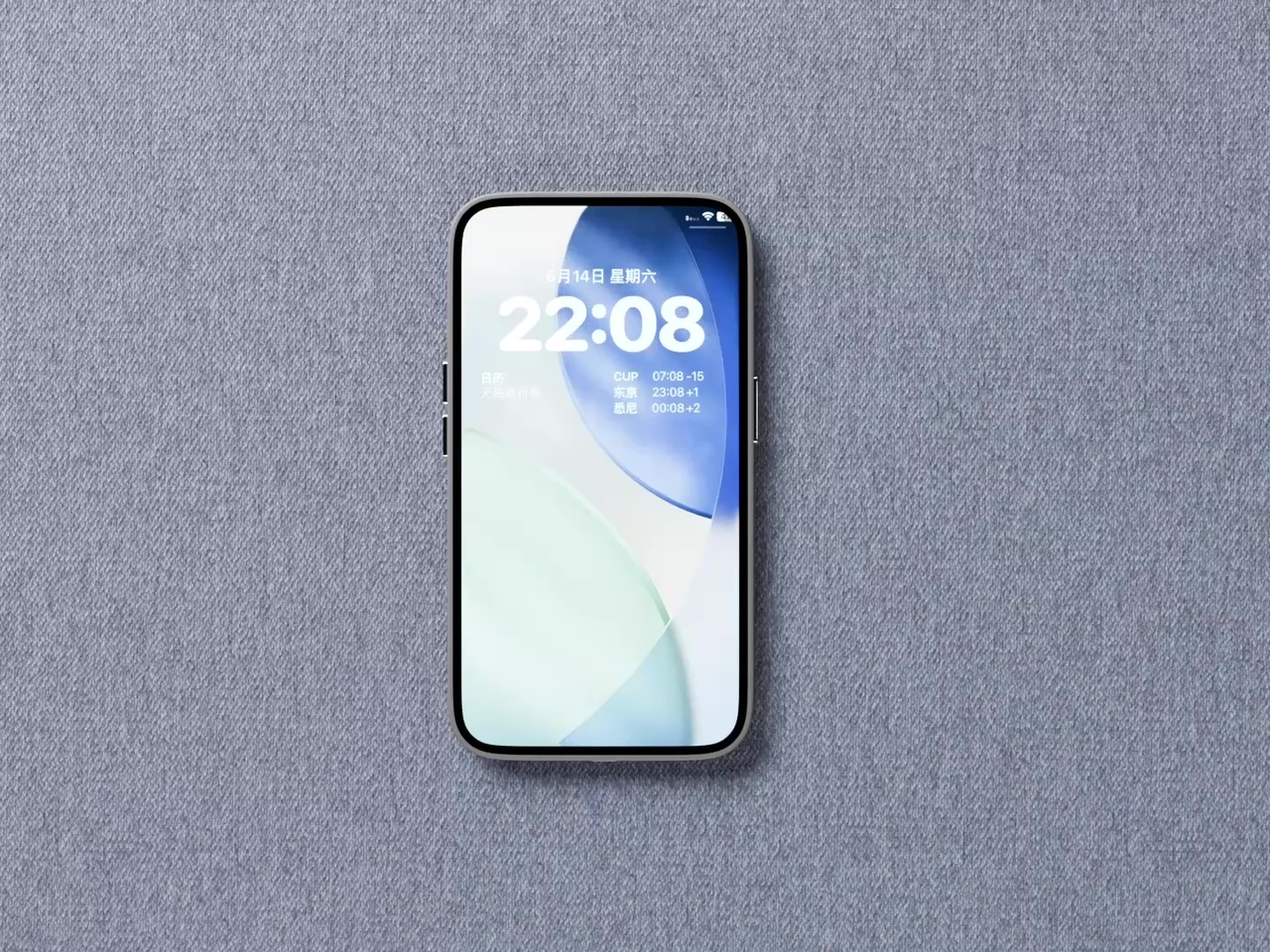
Mechanical Pixel’s iPhone Fold concept sidesteps these issues by keeping the phone itself rigid and adding a separate foldable screen to the back. The main iPhone body stays conventional, maintaining the familiar feel and dimensions people expect. A thin, flexible display sits raised on a platform above the rear panel, almost like it was stuck there as an afterthought. When needed, that screen unfolds outward to create a larger, squarish tablet surface.

Designer: Mechanical Pixel

The raised platform is visible when viewing the device from the side, creating a layered appearance that signals something unusual is happening on the back. This isn’t a flush integration where the foldable screen hides seamlessly. The screen clearly sits above the phone’s rear panel, which gives the concept an experimental, modular quality. The camera module remains in its typical position, unaffected by the additional display layer.

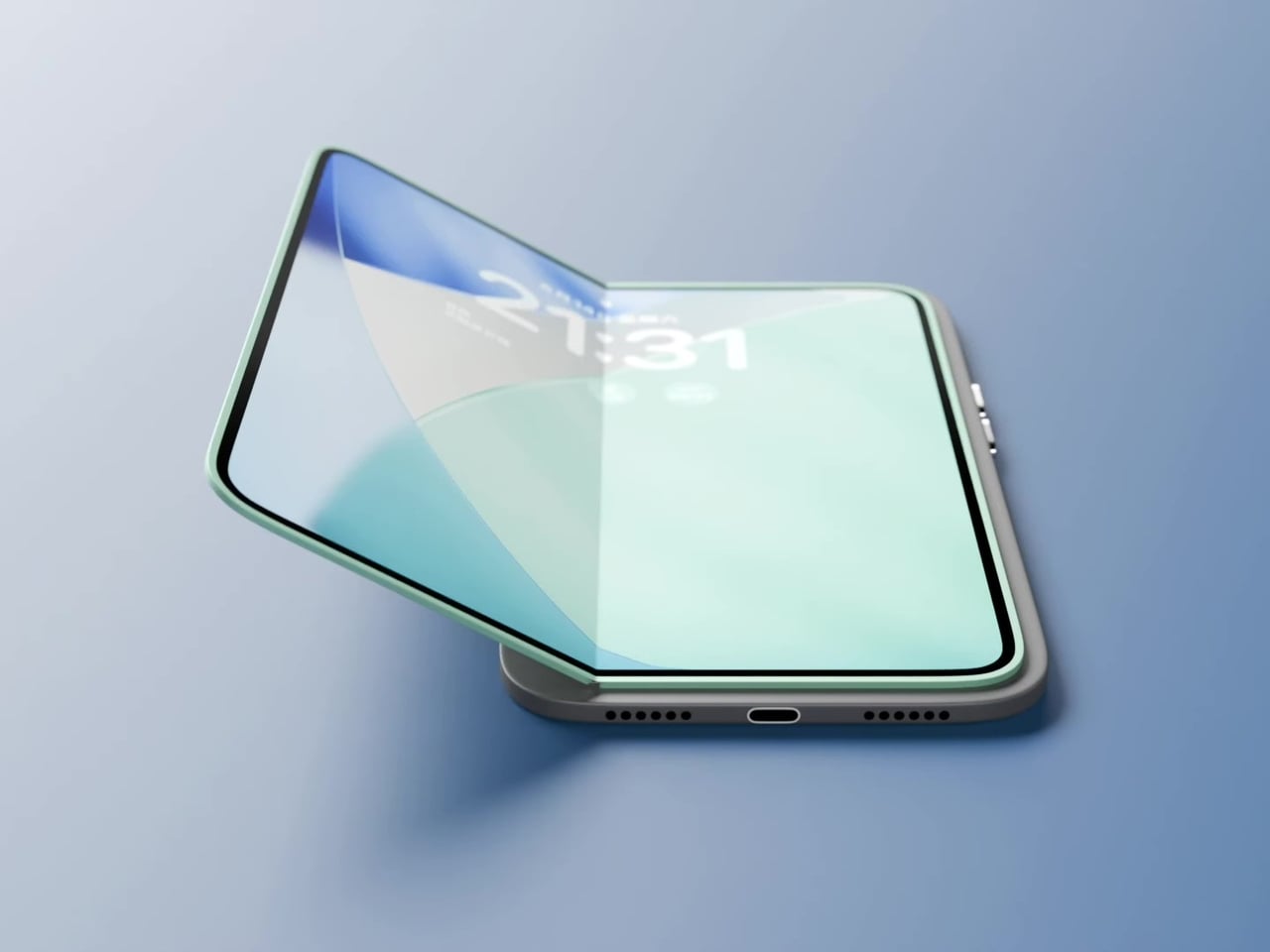
Unfolding the screen pulls it away from the phone’s back and opens like a book. The result resembles a small tablet with nearly square proportions rather than the typical elongated phone-to-tablet transformation most foldables offer. The phone’s primary display can continue functioning normally, while the flexible screen adds surface area when tasks require it. The main body never bends or flexes during this process.

This approach solves several foldable phone complaints. Hinge durability becomes less critical because the phone’s structural integrity doesn’t depend on a folding mechanism. Screen creasing affects only the secondary display, leaving the primary screen untouched and pristine. Daily phone use feels identical to a standard iPhone because that’s essentially what it remains when the extra screen stays folded.

New problems emerge with this design. The raised platform adds bulk to the back, making the phone thicker overall and potentially awkward to hold or pocket. Wireless charging might struggle with the raised section interfering with coil alignment. Camera usage in tablet mode is nearly impossible because the unfolded display covers the lenses.

The concept exists as speculation rather than serious product development. Naturally, Apple hasn’t officially endorsed this design, and manufacturing challenges make actual production unlikely. It addresses real durability concerns while introducing new ergonomic and practical challenges. The raised platform aesthetic makes the experimental nature visible rather than hidden, which feels honest about what this design represents as a thought experiment.

The post This Foldable iPhone Never Actually Folds, and That’s Genius first appeared on Yanko Design.

iOS 26.1: The 10 HIDDEN Features You MUST See

iOS 26.1: The 10 HIDDEN Features You MUST See

Apple’s iOS 26.1 brings a collection of subtle yet impactful updates designed to elevate your iPhone experience. This release focuses on enhancing usability, refining visuals, and addressing user feedback to deliver a more polished and efficient operating system. In the video below, iReviews delves into the most noteworthy hidden features and changes, making sure you […]

The post iOS 26.1: The 10 HIDDEN Features You MUST See appeared first on Geeky Gadgets.

Posted in Uncategorized

Turn Outlook into an AI Personal Assistant with Microsoft Copilot

Turn Outlook into an AI Personal Assistant with Microsoft Copilot

What if your inbox could anticipate your needs, draft thoughtful replies, and prioritize your most pressing tasks, all without lifting a finger? Enter Microsoft Copilot, the innovative tool that transforms Outlook from a simple email client into a full-fledged executive assistant. In a world where professionals spend an average of 28% of their workweek managing […]

The post Turn Outlook into an AI Personal Assistant with Microsoft Copilot appeared first on Geeky Gadgets.

Posted in Uncategorized