M6 MacBook Pro Leaks: OLED, Touchscreen, and a Total Redesign?

M6 MacBook Pro Leaks: OLED, Touchscreen, and a Total Redesign? Concept illustration of an Apple M6 Pro chip label with a 2nm process note beside a MacBook Pro silhouette.

Apple is preparing to unveil a new update to its MacBook Pro lineup, set to launch in late 2026. This highly anticipated redesign introduces a suite of advanced features, including OLED displays, touchscreen functionality, and the Dynamic Island, a feature adapted from the iPhone. Additionally, the MacBook Pro will debut Apple’s next-generation M6 Pro and […]

The post M6 MacBook Pro Leaks: OLED, Touchscreen, and a Total Redesign? appeared first on Geeky Gadgets.

Posted in Uncategorized

Apple Notes Tips for 2026 : Lock Notes, Pin Lists & Use Tables

Apple Notes Tips for 2026 : Lock Notes, Pin Lists & Use Tables iPhone screen showing Apple Notes Smart Folders sorting tagged notes into groups automatically for faster organization.

Apple Notes has evolved into a platform that supports more than just basic note-taking, offering features aimed at enhancing organization and efficiency. According to RowySwitch, one notable feature is the built-in document scanner, which enables users to digitize items like receipts or handwritten notes directly within the app. This feature not only simplifies the process […]

The post Apple Notes Tips for 2026 : Lock Notes, Pin Lists & Use Tables appeared first on Geeky Gadgets.

Posted in Uncategorized

Apple announces the AirPods Max 2 with improved noise cancelation and H2 chip

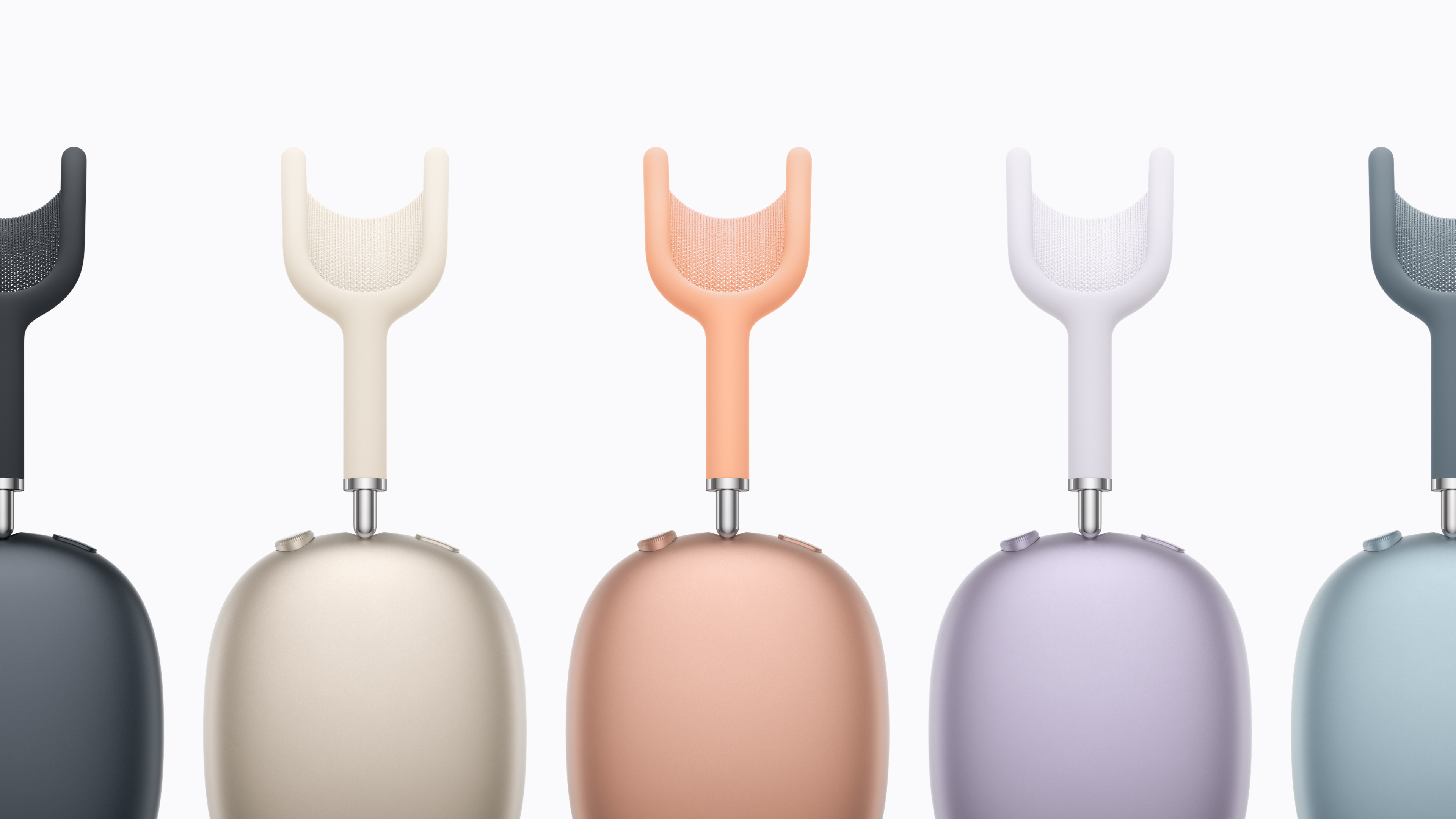
The AirPods Max 2 are almost here. Apple announced this morning that the first true update to its over-hear phones are up for pre-order on March 25 and will be shipping in early April. They look identical to the predecessor, with large, colorful earcups and a matching headband. But inside is the H2 chip that Apple first introduced with the AirPods Pro 2, which enables a host of new features. Chief among those is improved noise cancelation — Apple says with the H2 and improved audio algorithms, the AirPods Max 2 are 1.5 times more effective at reducing noise than the old model.

From an audio perspective, there’s a new amplifier on board here as well for clearer music and improved spatial audio performance. If you want lossless music, you can get that by using the included USB-C cable.

There are also a host of new features for the AirPods Max 2 enabled by the H2. These include an “Adaptive Audio” mode that balances between transparency and ANC modes depending on the environment so you can hear things when you need to while still blocking extraneous noise. Similarly, the conversation awareness features lower the volume of your content and increase transparency when your’e speaking. Live Translation comes to the AirPods Max 2 as well, a feature that uses your AirPods and iPhone to translate incoming speech to and from the language of your choosing.

Apple AirPods Max 2 colors
Apple

Essentially, the AirPods Max 2 now have almost all the features you’ll find in the AirPods Pro 3, just in an over-ear design. What hasn’t changed is the price — AirPods Max 2 still cost $549, notably more than most of the competition. Despite the high price, the first AirPods Max did sound exceptional — they’ve just been hard to recommend for years because of the aging feature set and cost.

Given that the first AirPods Max were released in 2020, these new headphones are long overdue and are probably what we should have got in 2024 when Apple added USB-C but otherwise didn’t change anything besides refreshing the colors.

This article originally appeared on Engadget at https://www.engadget.com/audio/headphones/apple-announces-the-airpods-max-2-with-improved-noise-cancelation-and-h2-chip-133319594.html?src=rss

Futurewave Just Built a Smartwatch That Works Off the Grid

Most smartwatches are sold on the premise of convenience. They track your steps, ping you when you get a text, tell you to breathe, and remind you to stand up every hour like a politely nagging coworker strapped to your wrist. I don’t say that as a knock on the category. Convenience is genuinely valuable. But somewhere along the way, the smartwatch conversation became entirely about optimization and lifestyle metrics, and we kind of forgot that the wrist is also a really good place to put something that could keep you alive.

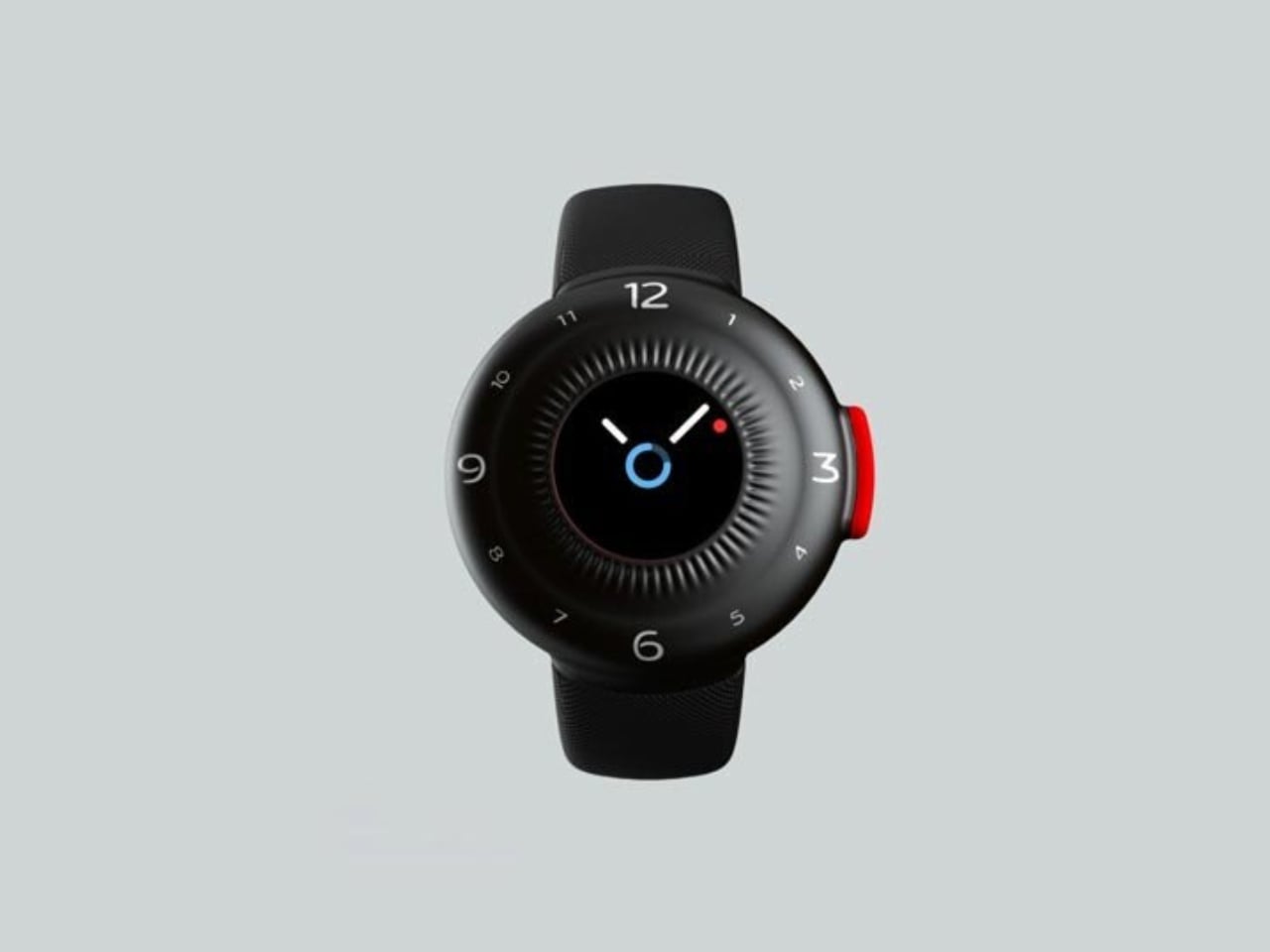
That’s where O-Boy comes in. Developed by Brussels-based design studio Futurewave, O-Boy is a satellite-connected smartwatch built specifically for emergencies in places where mobile networks simply don’t exist. No bars. No Wi-Fi. No backup signal. We’re talking mountains, open ocean, remote job sites, the kind of geography that doesn’t care about your carrier plan. In those environments, O-Boy functions as a direct link to satellite communication, allowing the wearer to transmit an emergency alert regardless of terrestrial infrastructure.

Designer: Futurewave
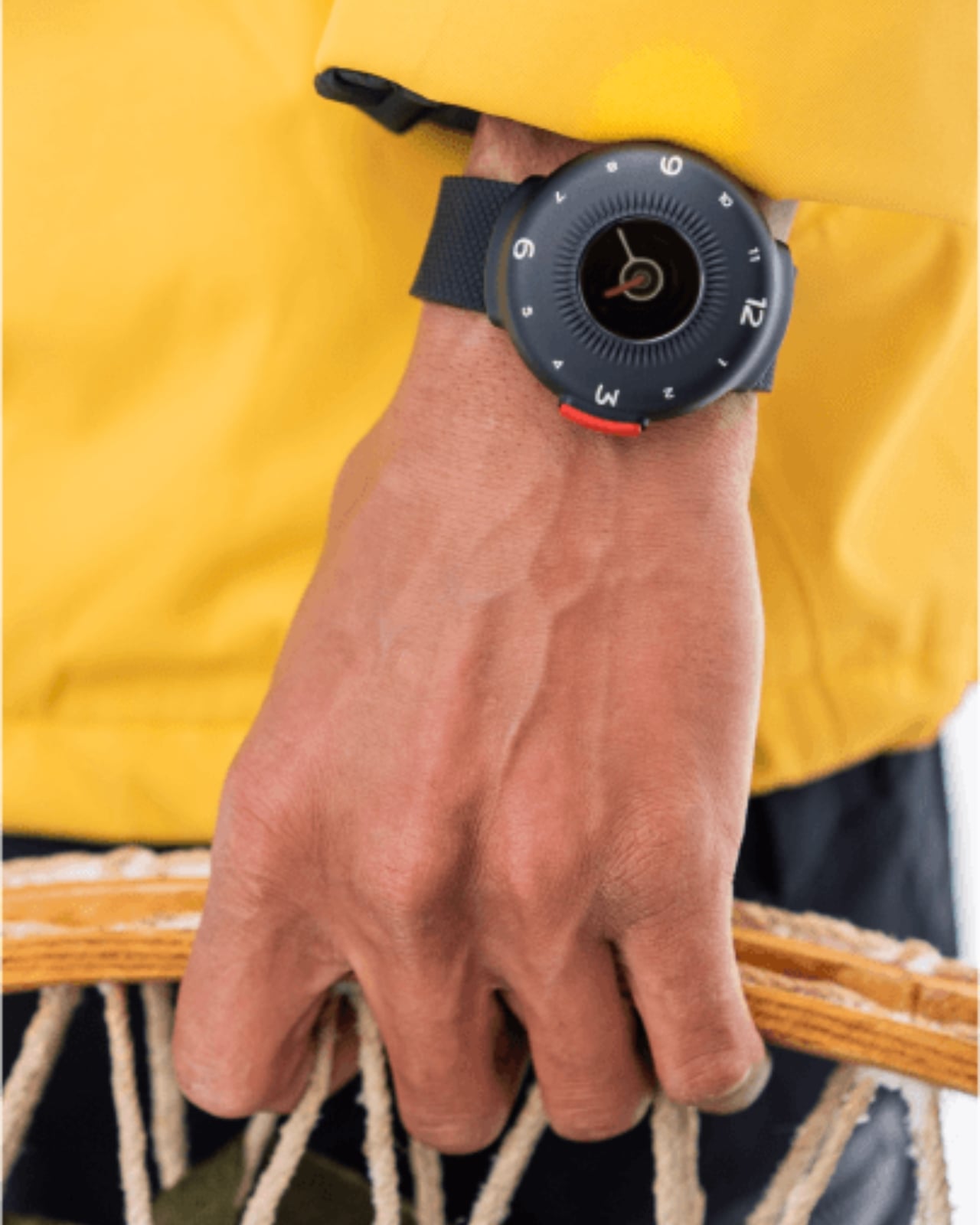
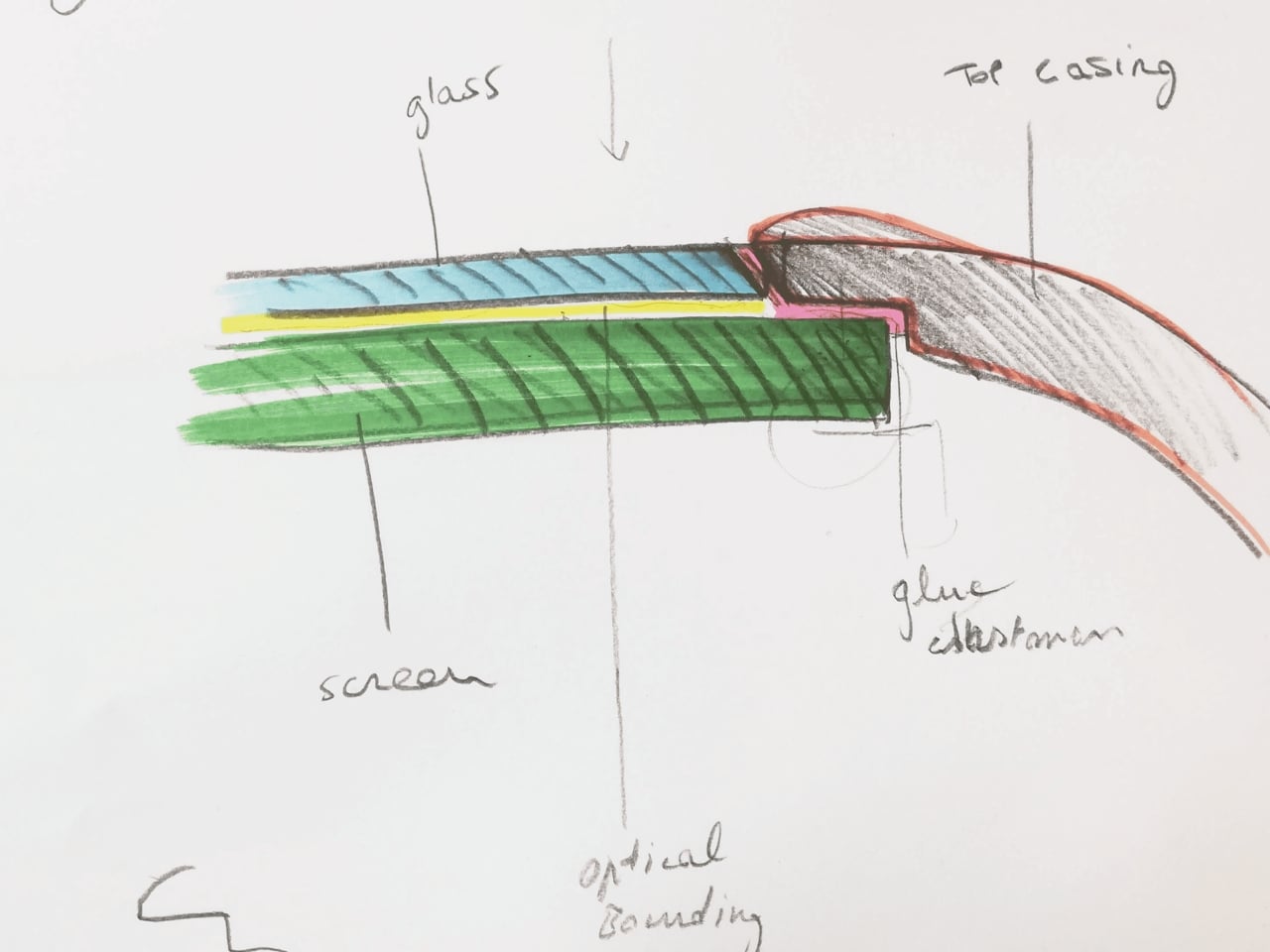
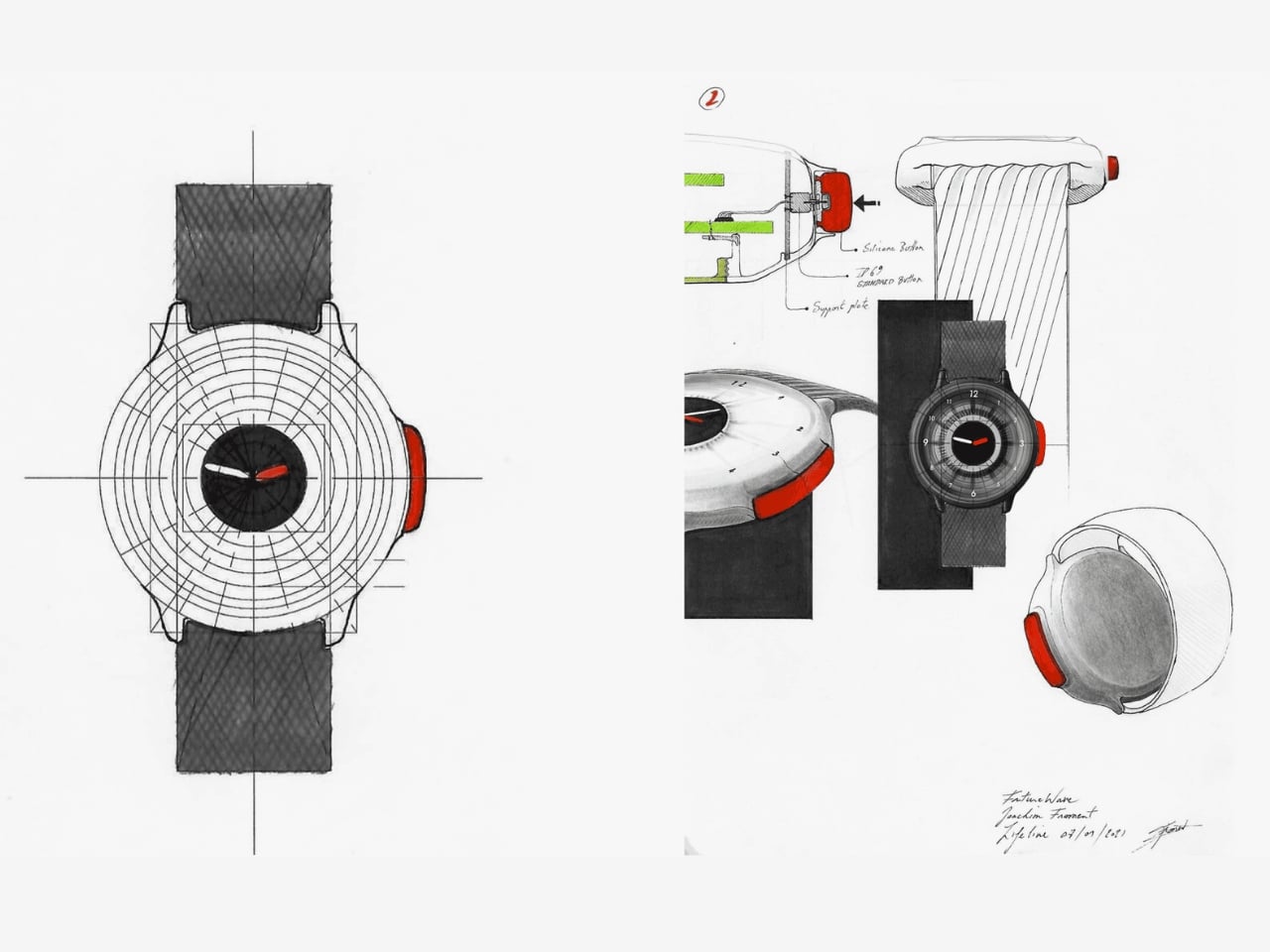
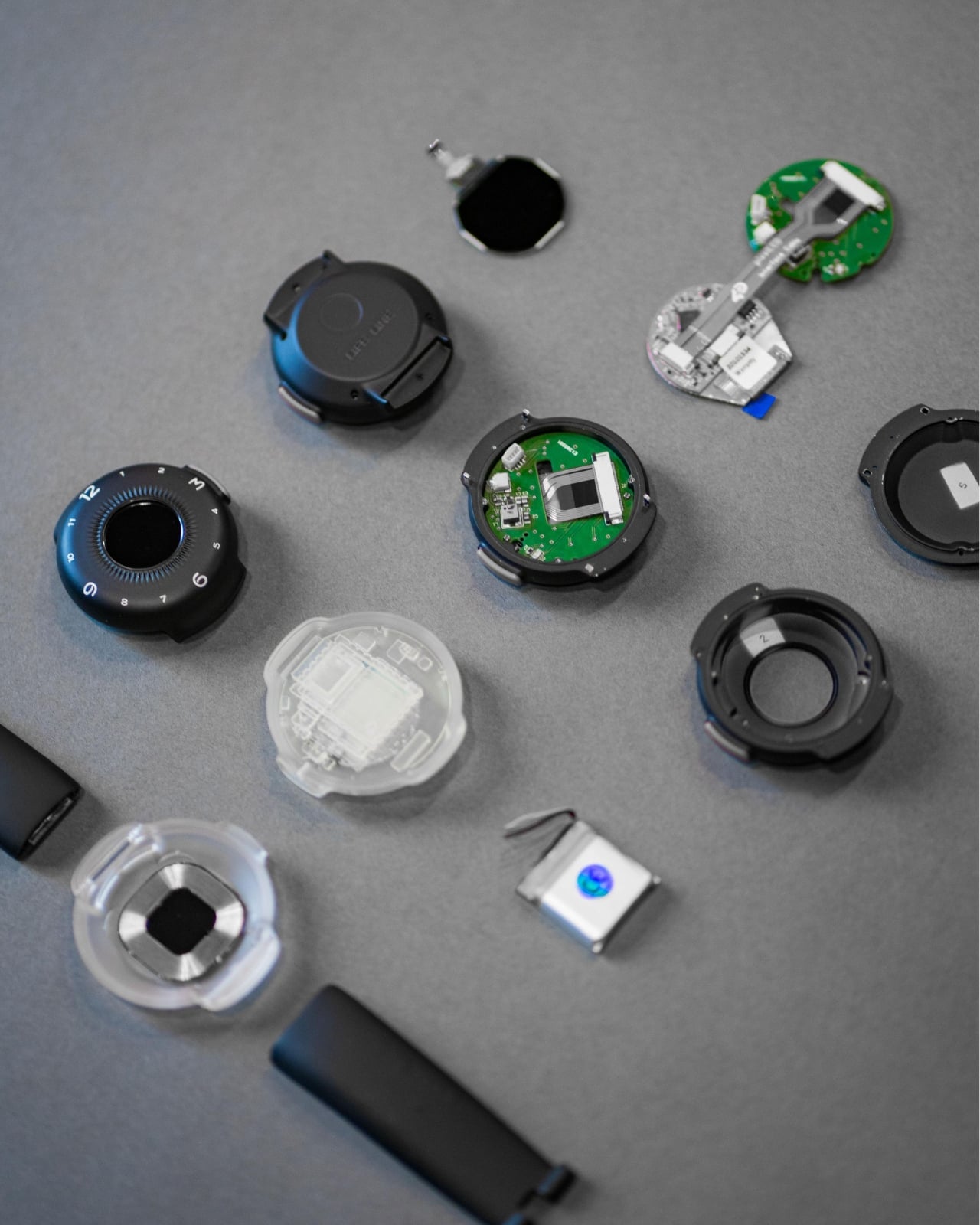
The premise sounds straightforward enough, but the execution is what makes this project interesting. Getting satellite communication hardware into a compact, wearable form factor is not a small feat. Futurewave brought together product designers, electronics engineers, and antenna specialists to make it work, and rethought the assembly system entirely from how conventional wearables are manufactured. That kind of cross-disciplinary collaboration tends to produce things that actually push the category forward rather than just iterating on what’s already there.
Visually, O-Boy reads as deliberate and utilitarian without being overtly tactical or rugged-for-rugged’s-sake. It doesn’t look like a watch that belongs exclusively to climbers or military personnel, which I think is actually the right call. The moment you design something to look extreme, you narrow your audience to people who already identify with that world. O-Boy appears to be reaching for a broader user: anyone who spends time in remote environments, whether for work or adventure, and wants a layer of safety that their phone simply cannot provide.
I’ll be honest about something. I’ve never been fully convinced that the average smartwatch user needs another notification device. The market is crowded, the differentiation is thin, and most new entries end up competing on specs that only matter to enthusiasts. O-Boy sidesteps that conversation almost entirely. It’s not trying to be the smartest watch. It’s trying to be the one you’d actually want on your wrist when a situation becomes life-or-death. That’s a completely different design brief, and it produces a completely different kind of product.
What I appreciate most is that the project seems to understand its context. Conventional mobile networks cover only a fraction of the Earth’s surface. Vast swaths of ocean, mountain ranges, deserts, and rural work sites exist in a communication dead zone that we collectively don’t think about until something goes wrong. The Apple Watch’s satellite SOS feature hinted at this need, but that capability is baked into a device designed primarily for a very different kind of user, sold at a premium price point and wrapped in a broader ecosystem. O-Boy is positioning itself as something more focused, more purpose-built, and arguably more honest about what it’s actually for.
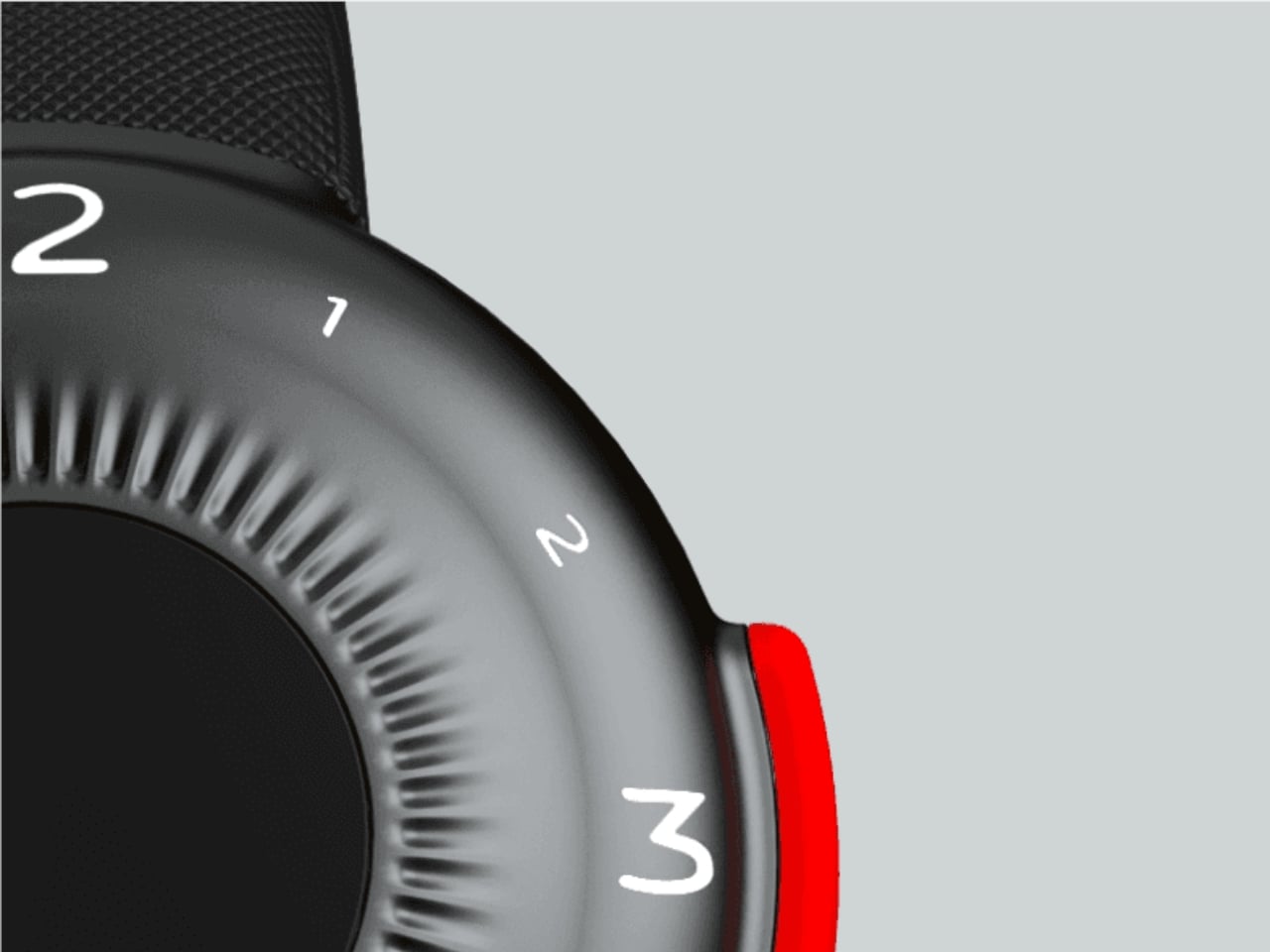
Does it solve every problem in the wearable safety space? Almost certainly not. Satellite communication latency, subscription models for satellite access, and battery constraints are all real questions that any device in this category has to reckon with. Futurewave hasn’t published exhaustive technical specs publicly, so some of those answers remain open. But as a design concept and a signal of where wearables could be heading, it’s genuinely compelling.
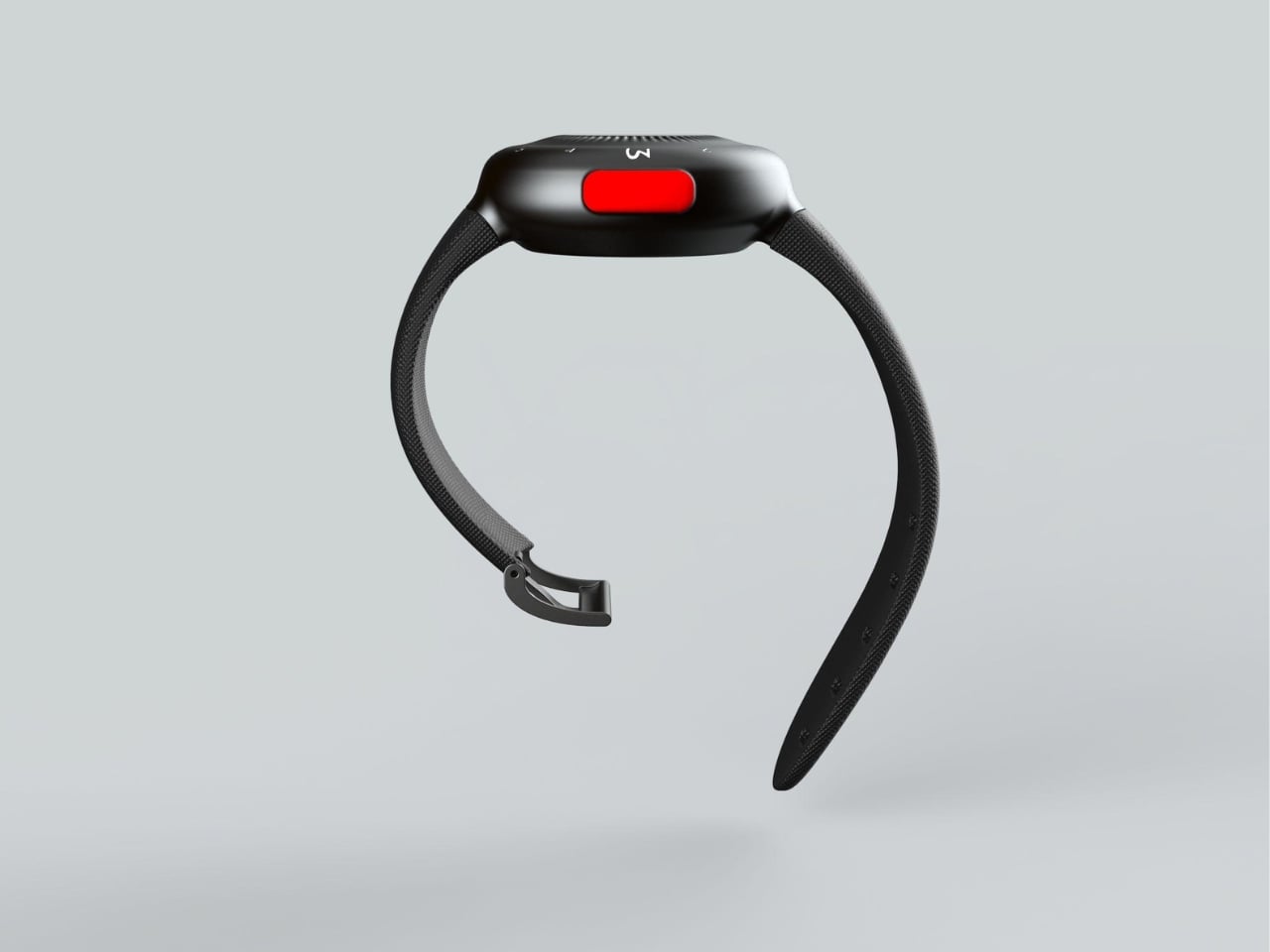
The best design doesn’t ask you to change your habits. It meets you exactly where you are, anticipates the moment things go wrong, and gives you a way through. O-Boy feels like it was built with that thinking at its core. Whether it reaches mass production or stays within niche markets, the conversation it’s starting is one worth having.
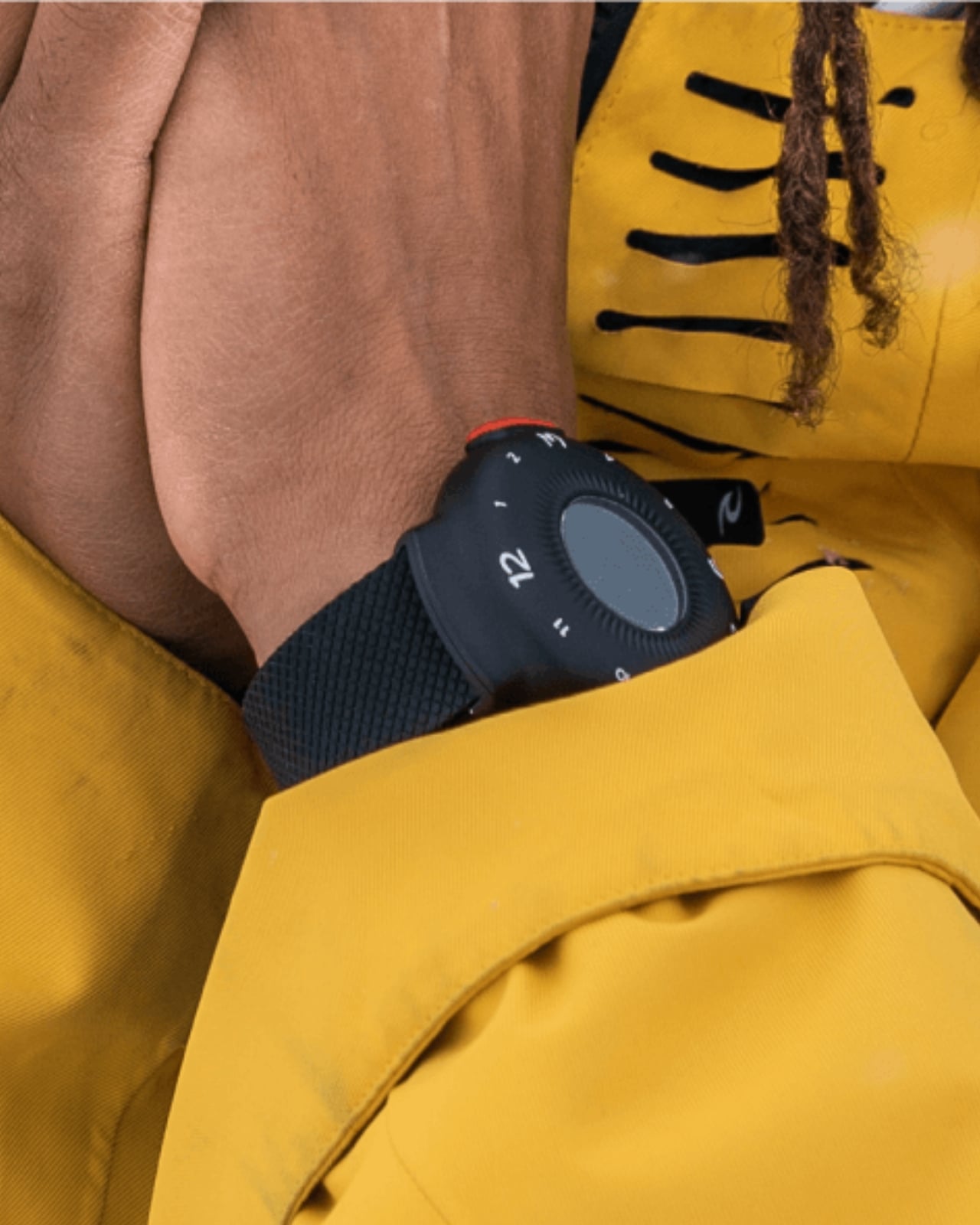
The post Futurewave Just Built a Smartwatch That Works Off the Grid first appeared on Yanko Design.

Combining Claude Code & Obsidian Vaults for Persistent Project Memory

Combining Claude Code & Obsidian Vaults for Persistent Project Memory Screenshot-style view of an Obsidian markdown vault with architecture notes, tasks, and bug lists for a project.

Artificial intelligence has long struggled with memory retention, particularly in extended workflows or complex projects. This limitation often forces users to reintroduce context repeatedly, disrupting productivity and increasing the risk of errors. In a recent breakdown by World of AI, the integration of Claude Code with Obsidian is presented as a solution to this challenge. […]

The post Combining Claude Code & Obsidian Vaults for Persistent Project Memory appeared first on Geeky Gadgets.

Posted in Uncategorized

Tired of Missing Turns? Google Maps New 3D View is a Game Changer

Tired of Missing Turns? Google Maps New 3D View is a Game Changer Google Maps

Google Maps has introduced a significant update designed to transform the way you navigate and explore your surroundings. With a focus on a redesigned interface, advanced AI-powered features, and innovative 3D technology, this update aims to provide a more seamless, personalized, and visually engaging experience. Initially launched in the United States and India, the update […]

The post Tired of Missing Turns? Google Maps New 3D View is a Game Changer appeared first on Geeky Gadgets.

Posted in Uncategorized

Discord Alternatives Compared 2026 : Zulip, TeamSpeak, Matrix, Stoat, Fluxer & More

Discord Alternatives Compared 2026 : Zulip, TeamSpeak, Matrix, Stoat, Fluxer & More Discord Alternatives

Discord’s growing reliance on government ID verification and its alleged ties to surveillance entities have sparked widespread privacy concerns among users. Gamers Nexus explores whether self-hosted alternatives can address these issues, testing platforms like Matrix, TeamSpeak and Fluxer to evaluate their privacy features, usability and overall functionality. For instance, Matrix offers end-to-end encryption and a […]

The post Discord Alternatives Compared 2026 : Zulip, TeamSpeak, Matrix, Stoat, Fluxer & More appeared first on Geeky Gadgets.

Posted in Uncategorized

Forget the Pro Max: Apple’s New ‘Ultra’ Lineup is Coming for Your Wallet

Forget the Pro Max: Apple’s New ‘Ultra’ Lineup is Coming for Your Wallet AirPods Ultra concept showing tiny camera sensors and notes about an H3 chip and stronger noise cancellation.

Apple is reportedly preparing to expand its premium product lineup with a series of “Ultra” devices, signaling a bold step forward in technology and design. These rumored products include a foldable iPhone, advanced AirPods, a larger iPad, a high-performance MacBook, and a powerful iMac. Each device is expected to incorporate new technologies and innovative designs, […]

The post Forget the Pro Max: Apple’s New ‘Ultra’ Lineup is Coming for Your Wallet appeared first on Geeky Gadgets.

Posted in Uncategorized

Perplexity Computer AI Agent Guide : Browsing, Files & Over 400 Integrations

Perplexity Computer AI Agent Guide : Browsing, Files & Over 400 Integrations Pricing visual showing Perplexity Computer at $200 per month with credits that can run out for heavy users.

Perplexity Computer, as explained by David Ondrej, is a cloud-hosted AI system designed to handle complex tasks such as web automation, file generation and software integration. Its architecture includes features like dual virtual machines for enhanced security and dynamic task routing via the Opus 4.6 orchestrator, which assigns tasks to the most suitable AI models. […]

The post Perplexity Computer AI Agent Guide : Browsing, Files & Over 400 Integrations appeared first on Geeky Gadgets.

Posted in Uncategorized

Firefly is getting rebooted as an animated series

Firefly aired for just one season in 2002 before Fox canceled it. In the 24 years since, the sci-fi show has skyrocketed in popularity and now fans are finally getting more. Nathan Fillion has announced that an animated Firefly series is currently in advanced development, Deadline first reported

Fillion shared the news at AwesomeCon during a live taping of his podcast Once We Were Spacemen with his Firefly co-stars Gina Torres, Morena Baccarin, Summer Glau, Sean Maher, Jewel Staite and Alan Tudyk. Tudyk co-hosts the podcast, in which the duo look back at their careers and interview past coworkers. Each of the actors present at AwesomeCon are expected to voice the animated versions of their characters.

This isn't one of those maybe one day it will happen announcements, with many steps already being taken. The animated reboot is under the direction of showrunners Tara Butters (Agent Carter, Reaper) and Marc Guggenheim (DC's Legends of Tomorrow, Arrow) — original creator Joss Whedon is not involved, but has given his blessing. It has early concept art from ShadowMachine, an Oscar- and Emmy-winning animation studio. Fillion is producing the show through Collision33, his production company, and with 20th Television Animation. There's even already a script in place. 

According to Fillion, the one thing left is a home for the series. He and his co-stars took to Once We Were Spacemen's Instagram to provide more details and implore FireFly fans to show demand for the reboot.

Firefly took place in 2517, centuries after a universal civil war. It followed a group of people living aboard a transport ship, Serenity, flying through the galaxy. In 2005, the show got a sequel in the form of a movie, Serenity

This article originally appeared on Engadget at https://www.engadget.com/entertainment/tv-movies/firefly-is-getting-rebooted-as-an-animated-series-120604649.html?src=rss