HUAWEI WATCH D3 Debuts With Smarter BP Monitoring
HUAWEI WATCH D3 expands wrist-based blood pressure monitoring with exercise measurements, environmental reminders, and a lighter design.
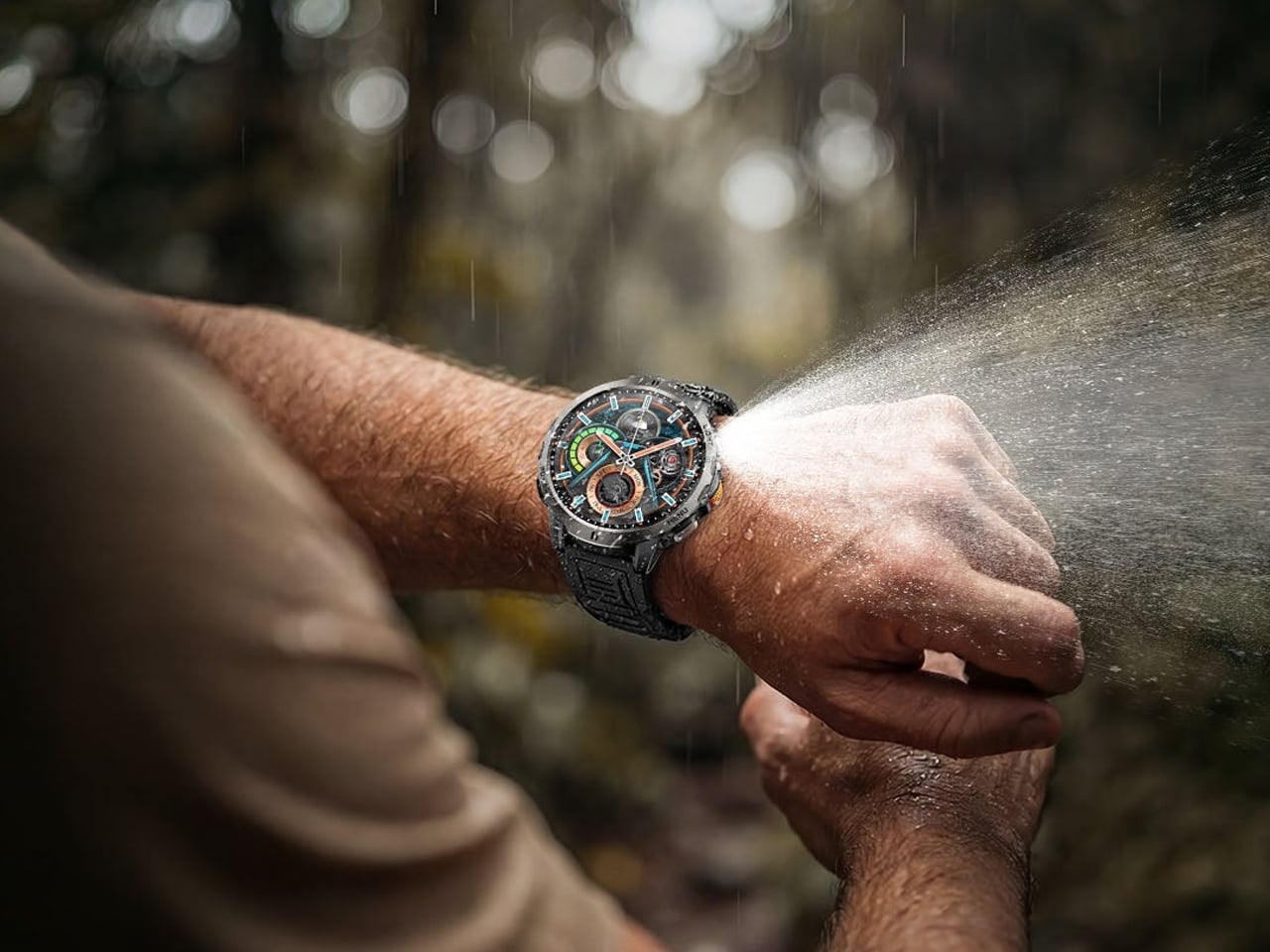
Rogbid believes traditional crowns are so dead. The watches now need mouse-style scroll wheels because, why not? If you think that’s a good idea, and want to give yourself a head start on the design idea without committing too much on the price front, check out the Rogbid SpinR – a budget-friendly smartwatch with rugged features and an optical scroll wheel for navigation.
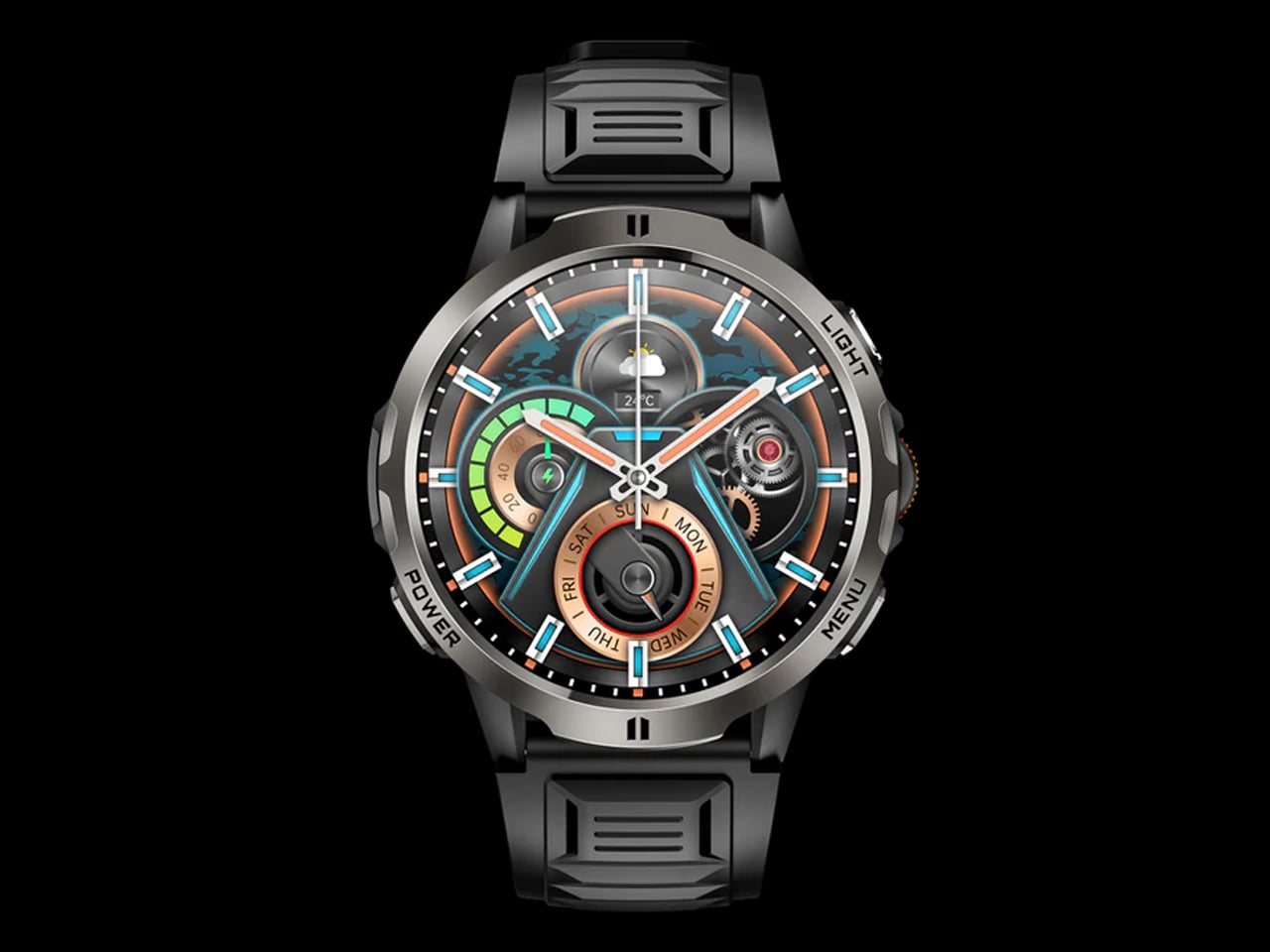
SpinR is an entry-level smartwatch. Rogbid has priced it at a very affordable $49.99. But what you get for the price – minus onboard GPS – is pretty noteworthy. First up, you have the metal case of the watch, which is made from zinc alloy and features a vacuum-plated finish. Offered in two colors – black and orange- the watch feels quite premium on the wrist. Despite the price and material usage, it’s not one of those chunky watches. It’s smart enough to go from work to gym, and anywhere else your adventure may take you.
Designer: Rogbid
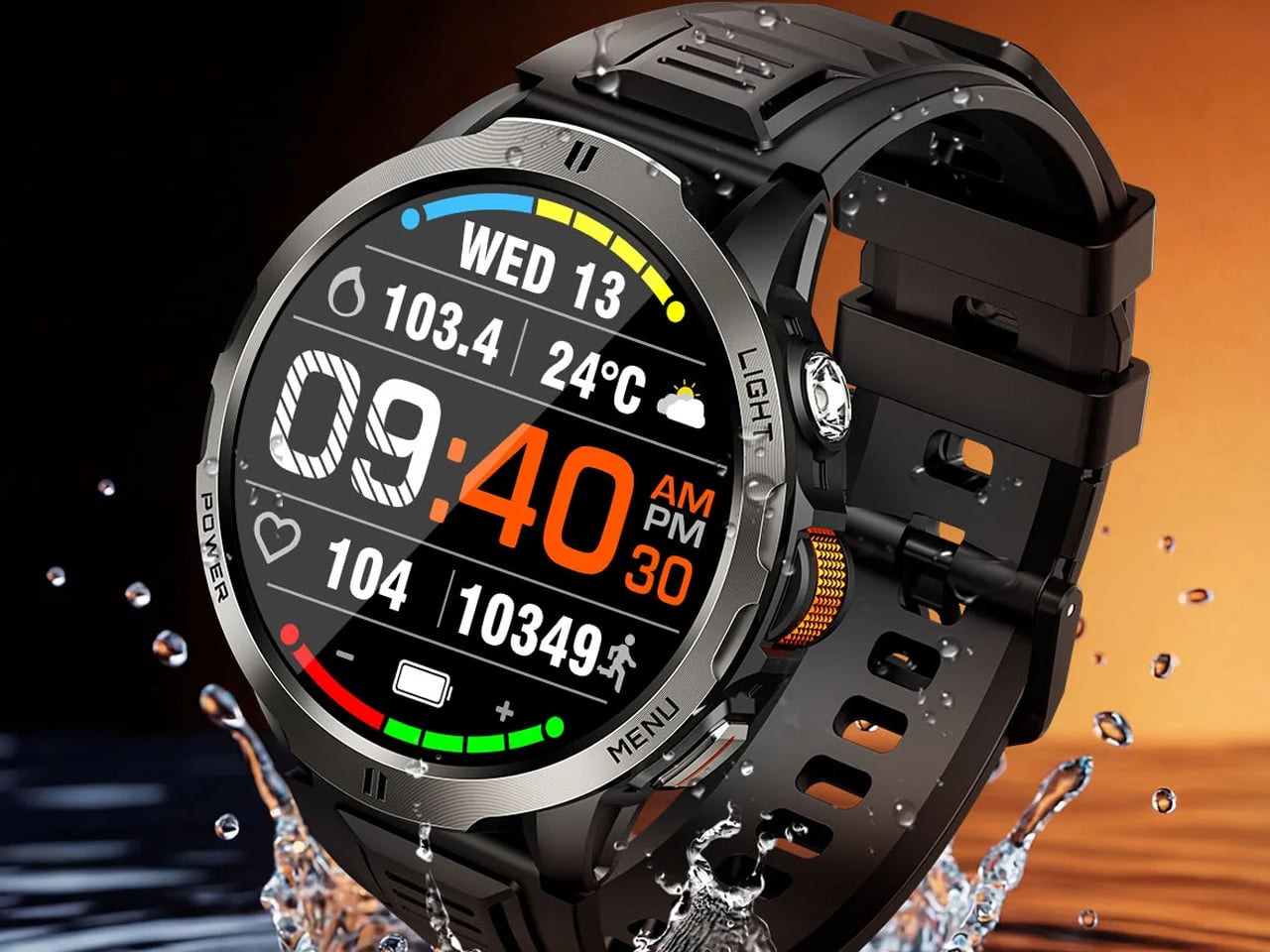
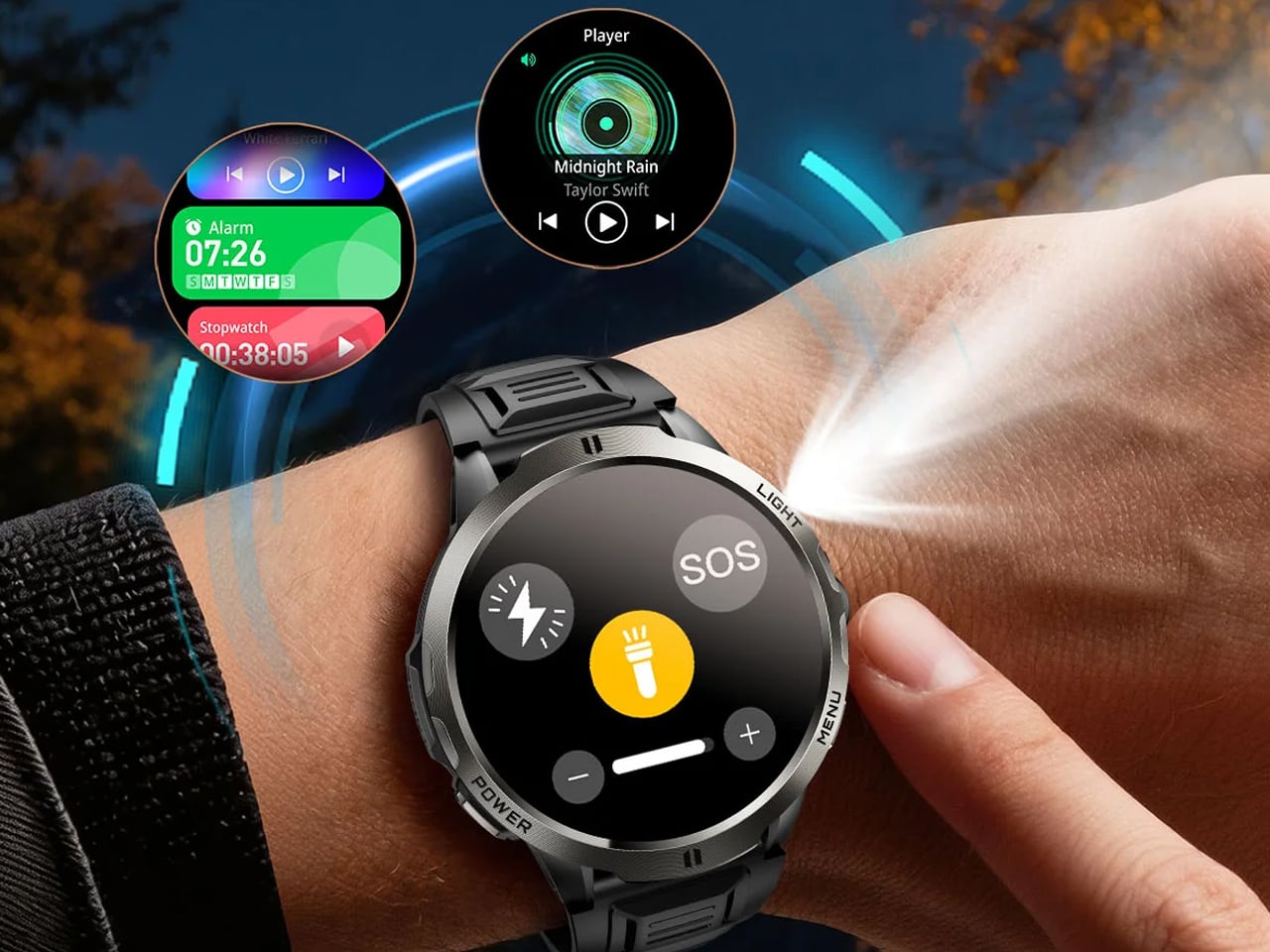
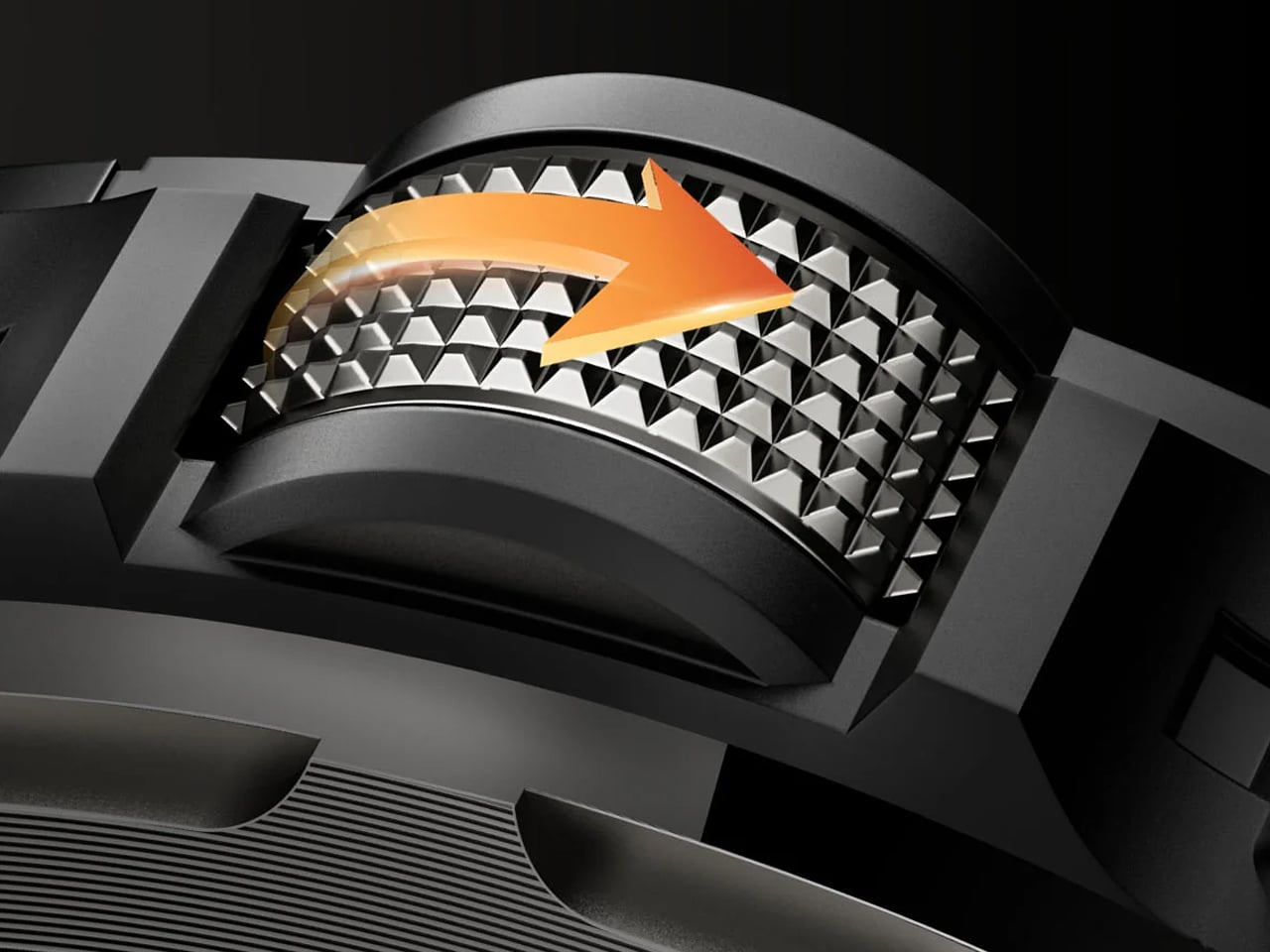
The case, however, is not small in any way. It measures 51 mm diagonally and is 13.4 mm at the thickest point. As noted, the main highlight of the SpinR is not its case. It’s that optical scroller built into the side crown. A jewel on the large case, the optical scroll wheel functions somewhat like the crown on the Apple Watch – for navigation. You can navigate the menu, adjust settings, and control apps with the scroll wheel without touching the screen at any time. This can be particularly helpful when you have sweaty hands or your fingers are covered in chip crumbs.
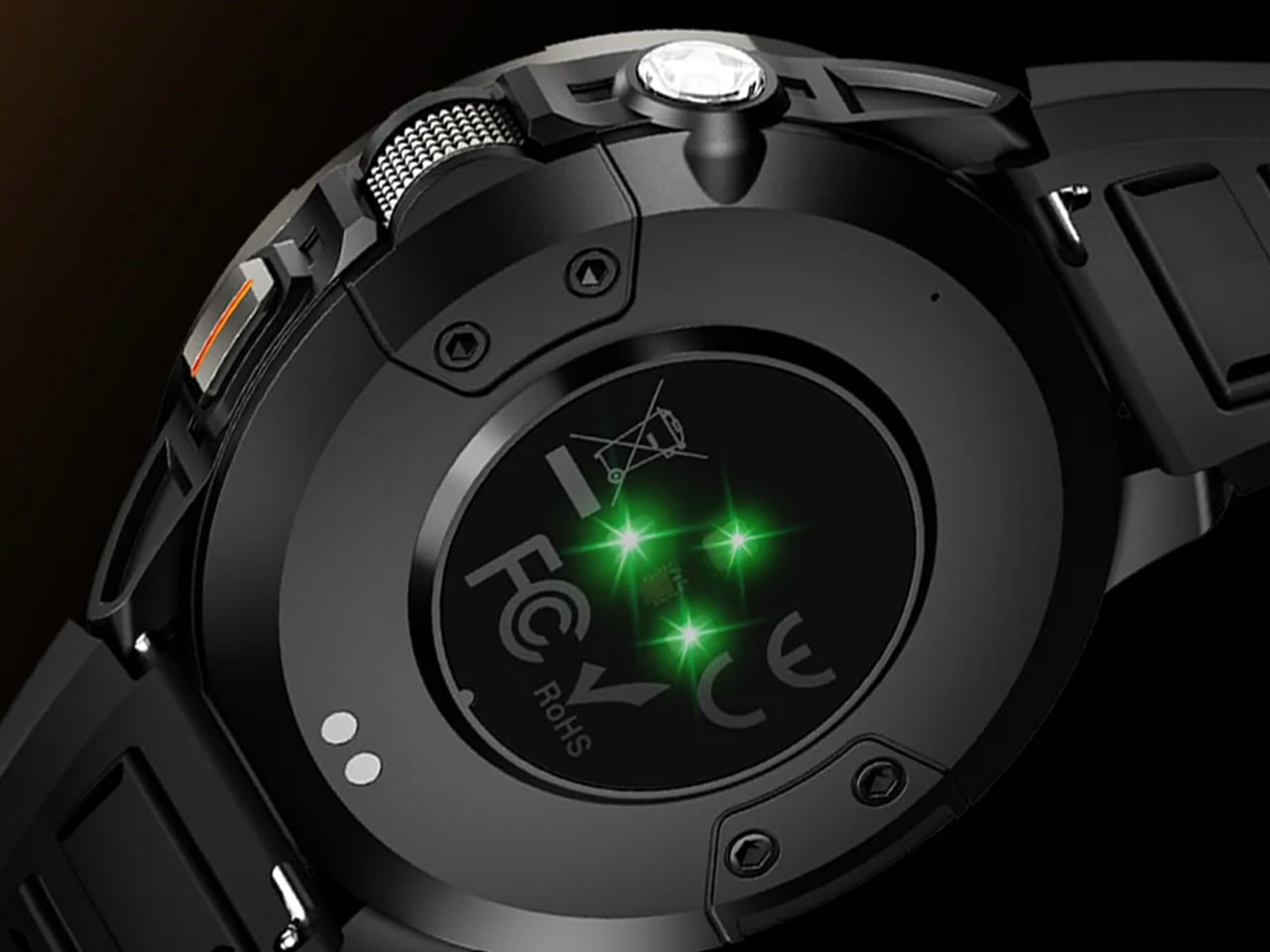
According to the company, to simplify the interactions, the scroll wheel uses light to register scrolling movement when you are changing the volume, scrolling through your music library, or increasing the flashlight intensity. The process of the wheel’s functioning is pretty similar to that found in gaming mice.
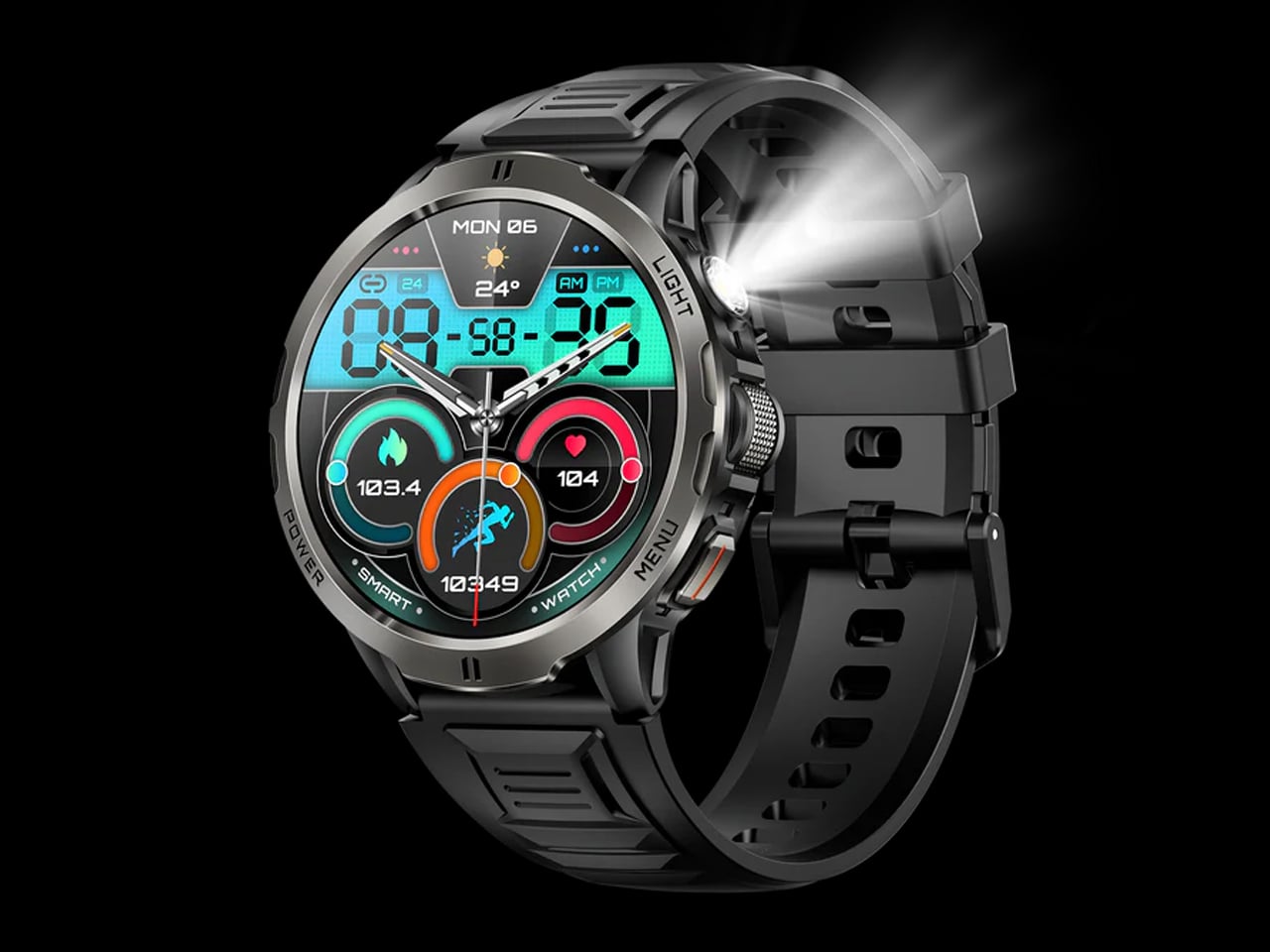
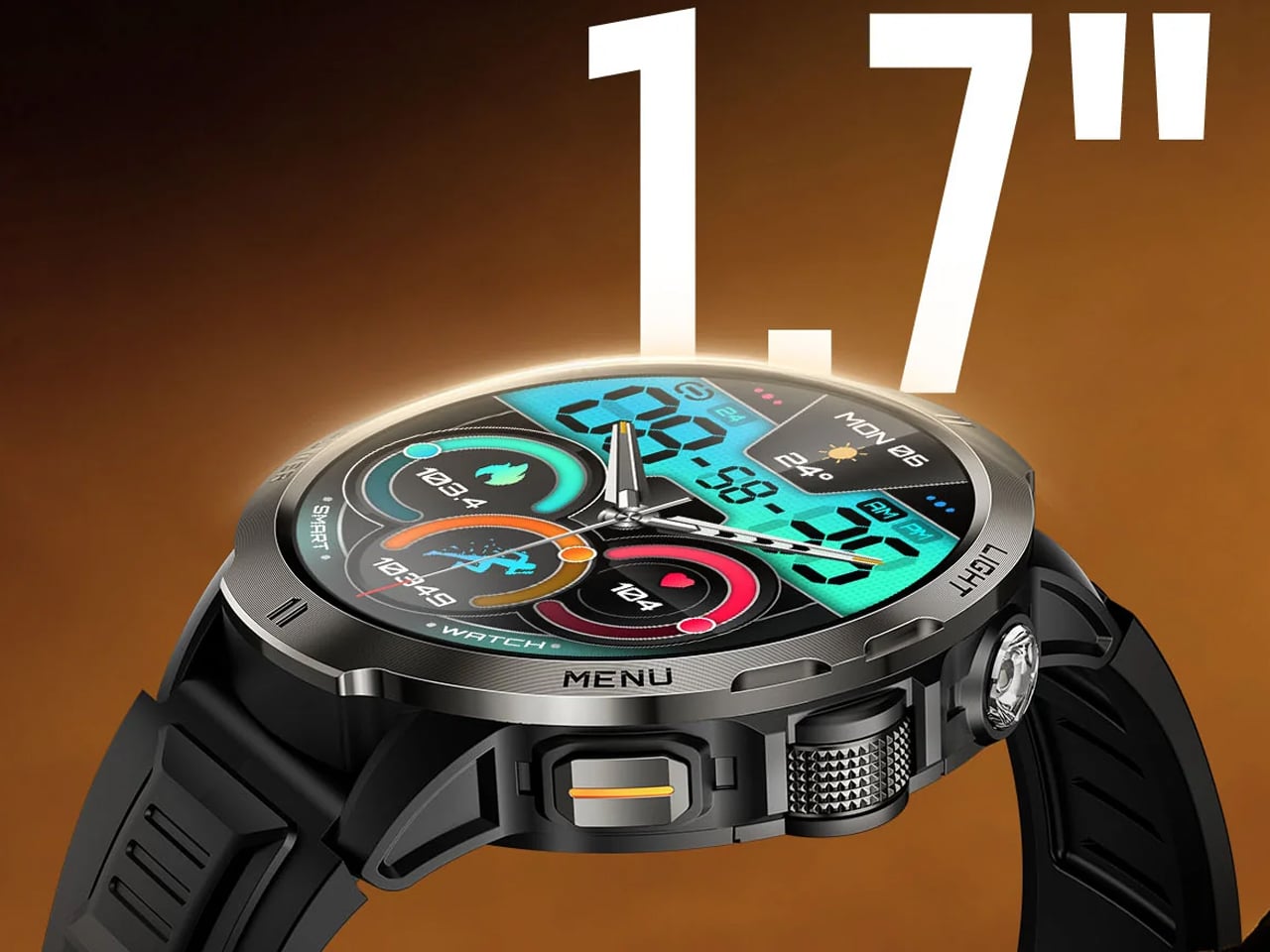
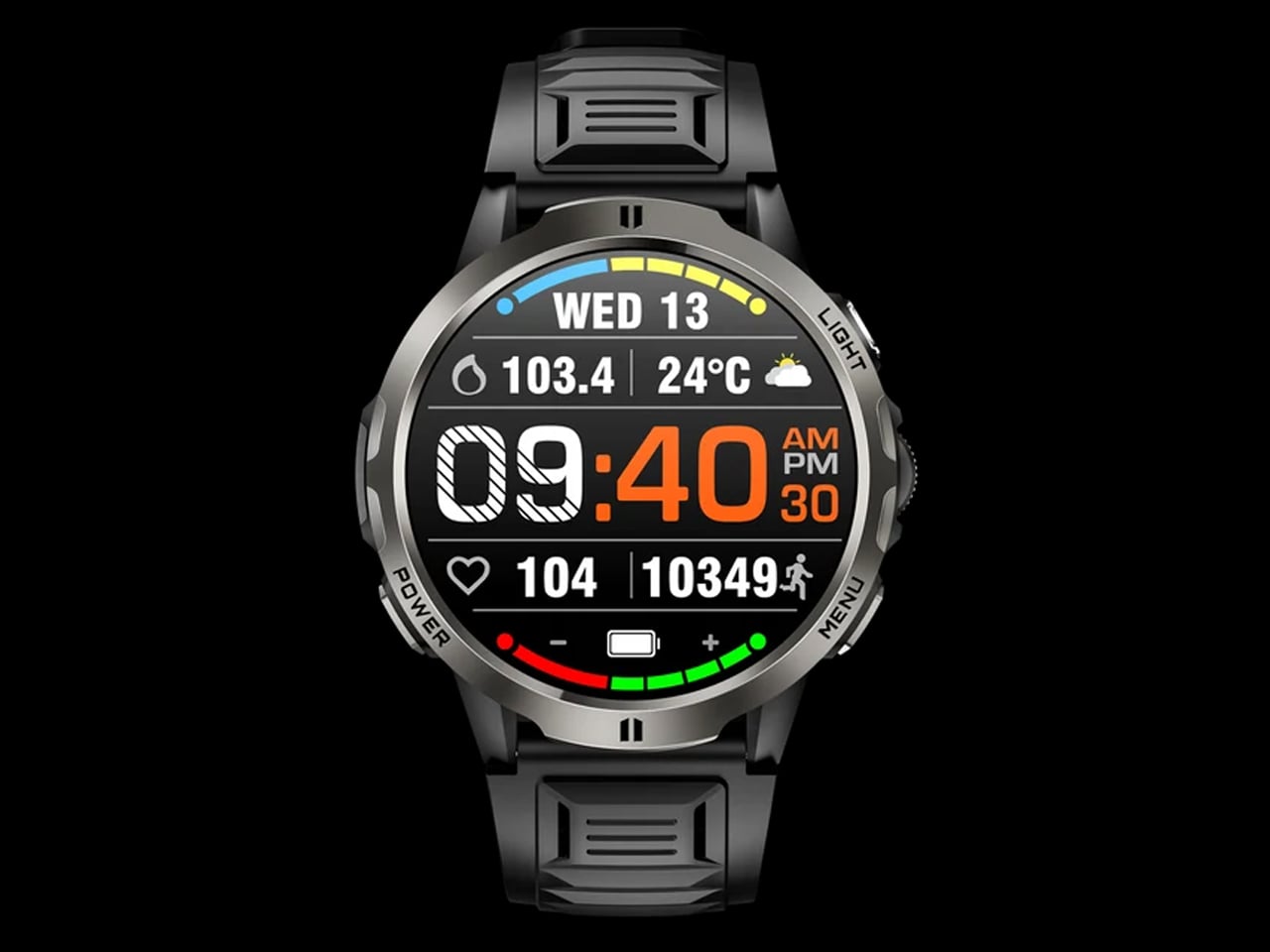
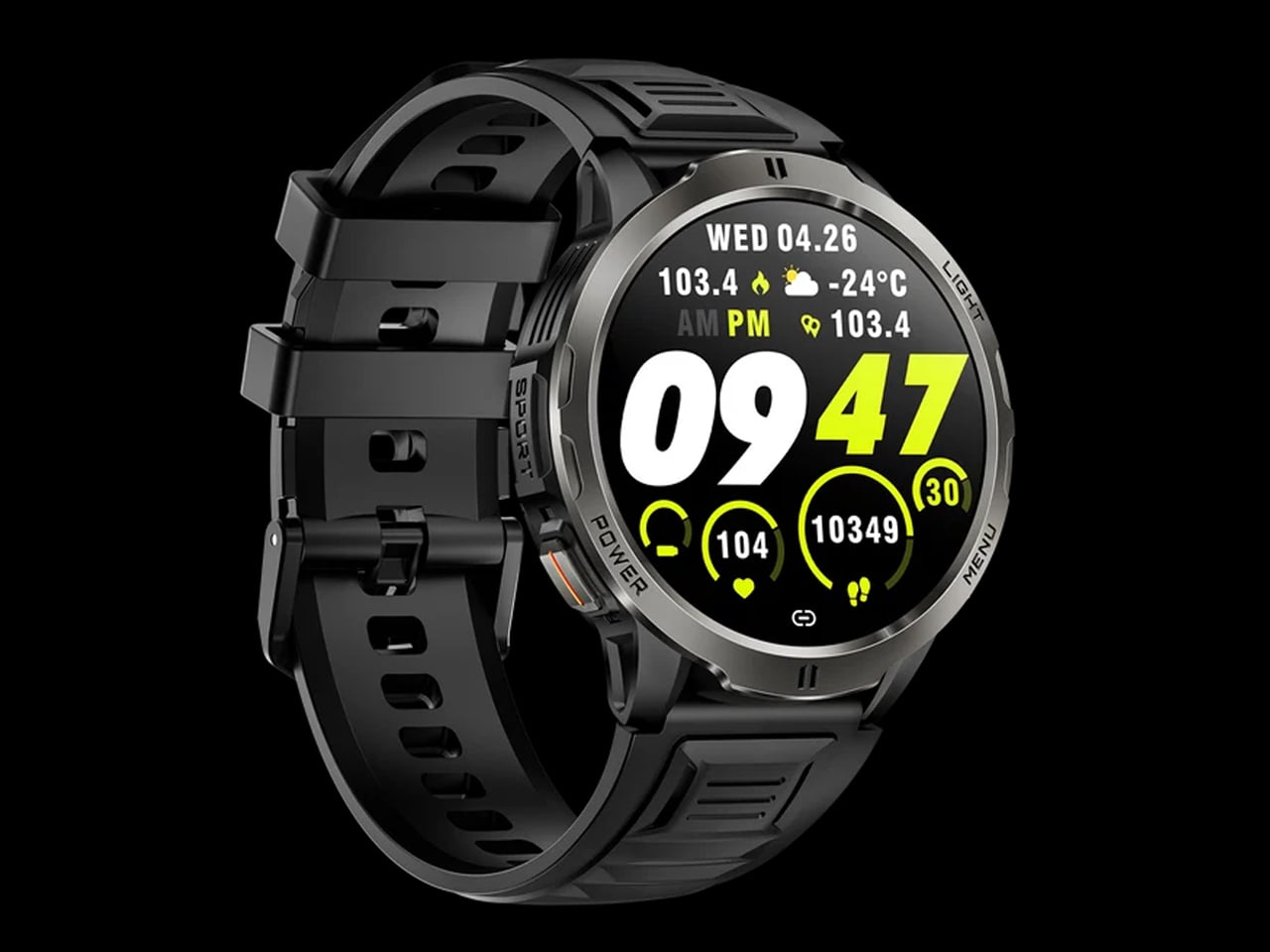
Besides the innovative wheel for navigation, the Rogbid SpinR smartwatch wears a 1.7-inch display. It is unclear whether its LCD or AMOLED panel, but what we do know for certain is that it features a 360 x 360-pixel resolution. The watch draws power from a 7074 A7 chipset with 128 MB of flash storage and comes with some standard smartwatch features such as heart rate tracking and a pedometer. What the SpinR misses is built-in GPS. For precise location tracking, therefore, the watch featuring Bluetooth 5.4 will rely on the paired phone.
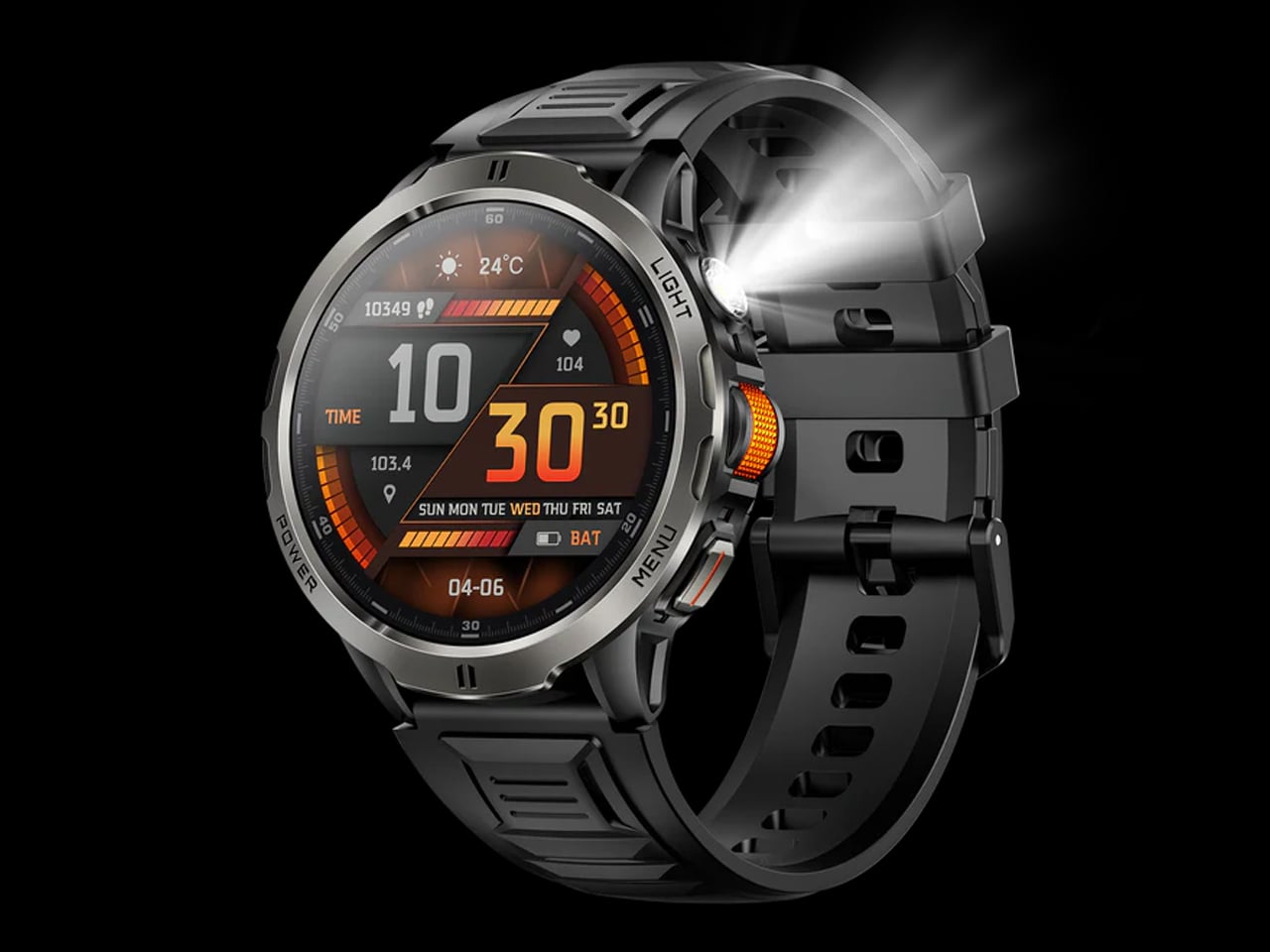
You want the smartwatch you own to work for a few days without requiring a recharge. The Rogbid SpinR could be one such offering with its 1100 mAh battery, which the company claims has 100-plus days of standby time. In real-world usage, of course, it’s going to be way less, but with the magnetic charging, it will give you a quick way to refuel if you’re caught up running out of power on the go. SpinR has a plastic caseback and comes paired with a silicone strap. The watch is rated IPX8 and features 30-meter water resistance.
The post Rogbid SpinR is a rugged, budget-friendly smartwatch with optical scroll wheel for navigation first appeared on Yanko Design.
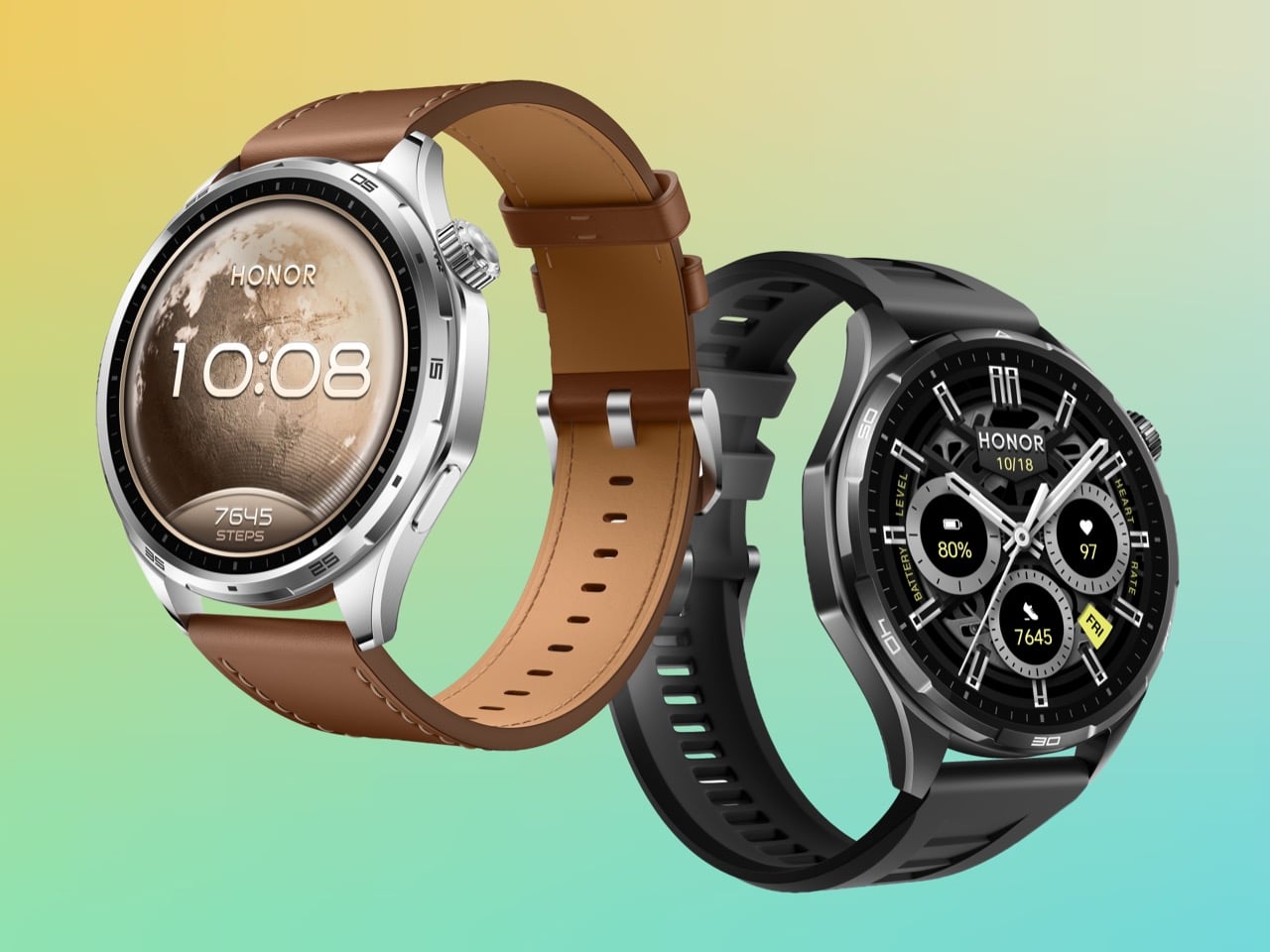
Every smartwatch eventually comes off. The reasons vary: the charge ran out, the case dug in, the weight got old. Battery anxiety and wrist fatigue are the two great enemies of wearable compliance, and the industry has spent years solving one at the expense of the other. HONOR has taken a different approach with the Watch 6.
The case weighs 41 grams, which puts it in the same neighborhood as a set of car keys. The battery inside it is 980mAh, a capacity that delivers up to 35 days of use and has no comparable precedent in a smartwatch this light. HONOR achieved it through a sandblasted aluminium alloy construction, designed around a Racing Dashboard aesthetic that borrows visual tension from high-performance automotive design. The Watch 6 is built to stay on. And at 41 grams, there is very little reason to take it off.
Designer: HONOR
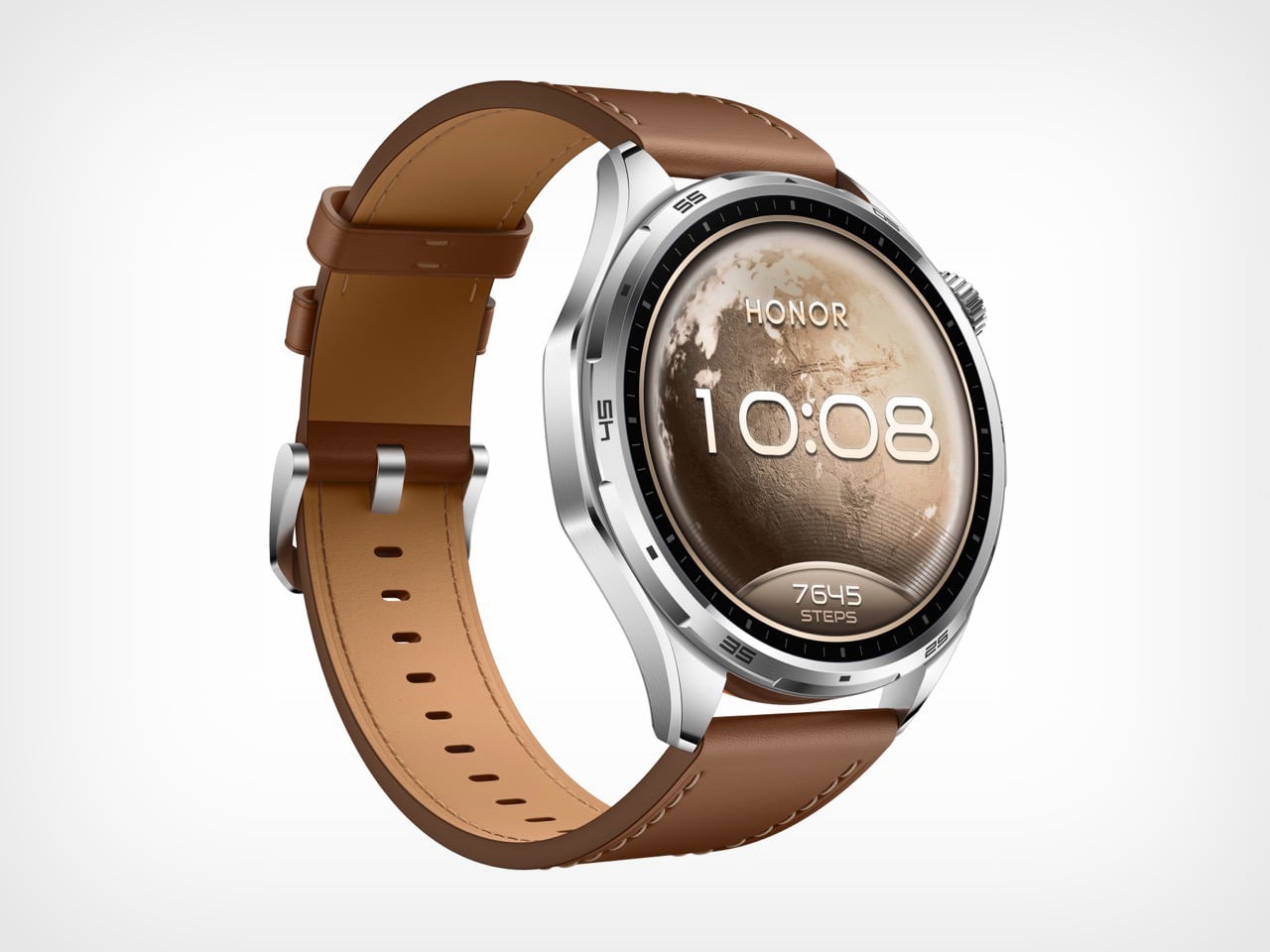
The wearable industry’s battery problem has always been architectural. Garmin solved it by making watches thick enough to house serious cells, producing devices that track ultramarathons flawlessly but look faintly ridiculous at a dinner table. Apple went the opposite direction, keeping the Watch Series ultra-slim and ultra-light while accepting that you will charge it every night like a phone. The Apple Watch Ultra 3 splits the difference with a 599mAh battery in a titanium case, and while that is genuinely impressive engineering, it still asks you to charge weekly and costs north of $700 for the privilege. Samsung’s Galaxy Watch 7 lands closer to HONOR’s price bracket but tops out around 425mAh, delivering maybe three days of real-world use. HONOR’s Watch 6 arrives at 980mAh and 41 grams, and neither of those numbers should coexist in the same sentence.
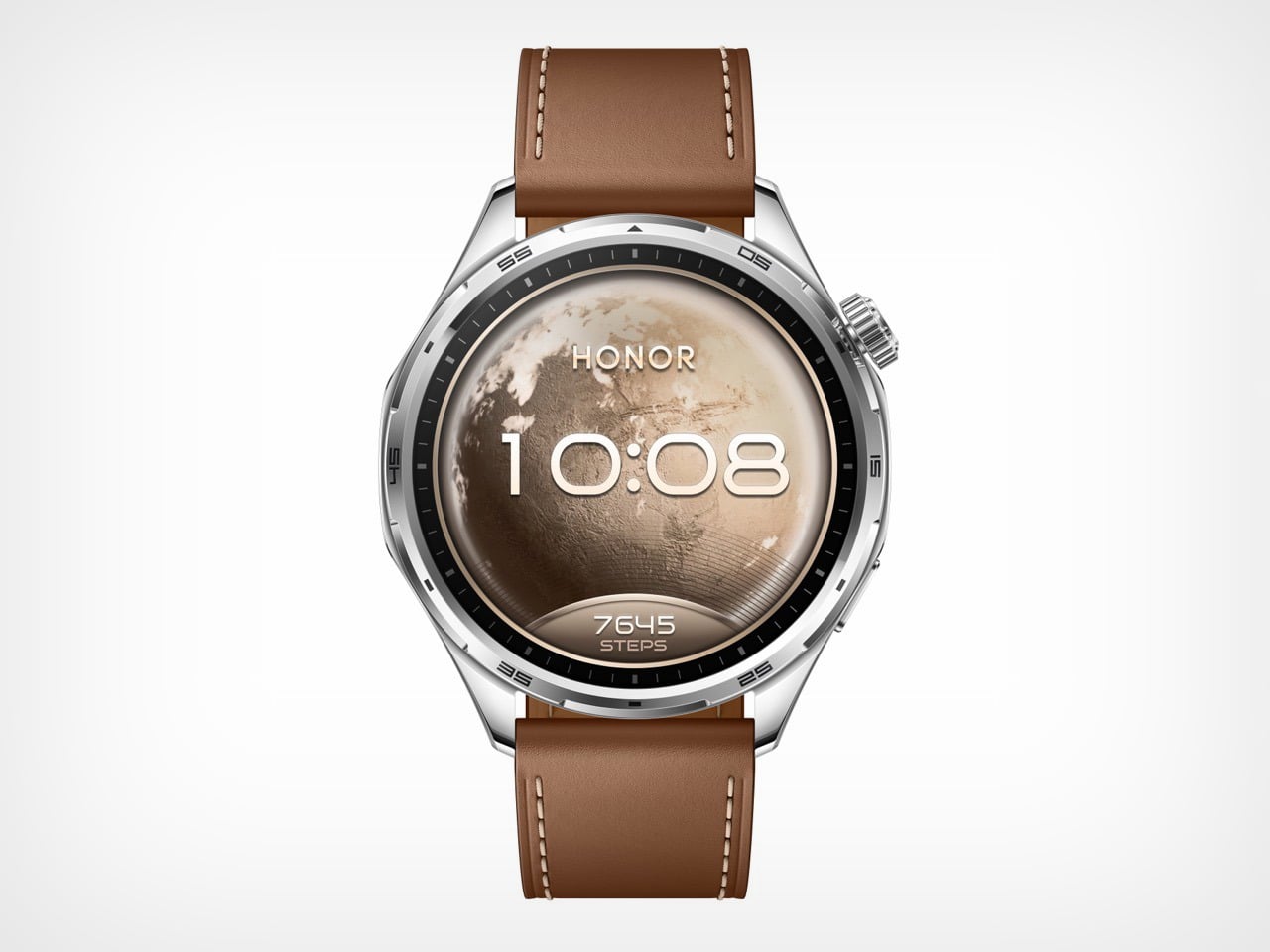
The secret is in the surface. HONOR’s construction process runs the aluminium alloy case through a precision sandblasting treatment that produces a finish comparable to titanium in texture and perceived premium-ness, without titanium’s weight penalty. This is the same category of material intelligence that made the Watch 5 Ultra’s grade 5 titanium case feel like such a statement at MWC 2025, except here HONOR is pulling the trick in reverse, making aluminium feel like it punches upward. The beveled edges add a three-dimensional quality to the 46.5mm round case that photographs well and catches light differently depending on angle, borrowing visual language from automotive air intakes in a way that feels considered rather than decorative. At 317 PPI on a 1.46-inch AMOLED panel hitting 3,000 nits of peak brightness, the display holds up in direct sunlight in a way that cheaper panels simply cannot.
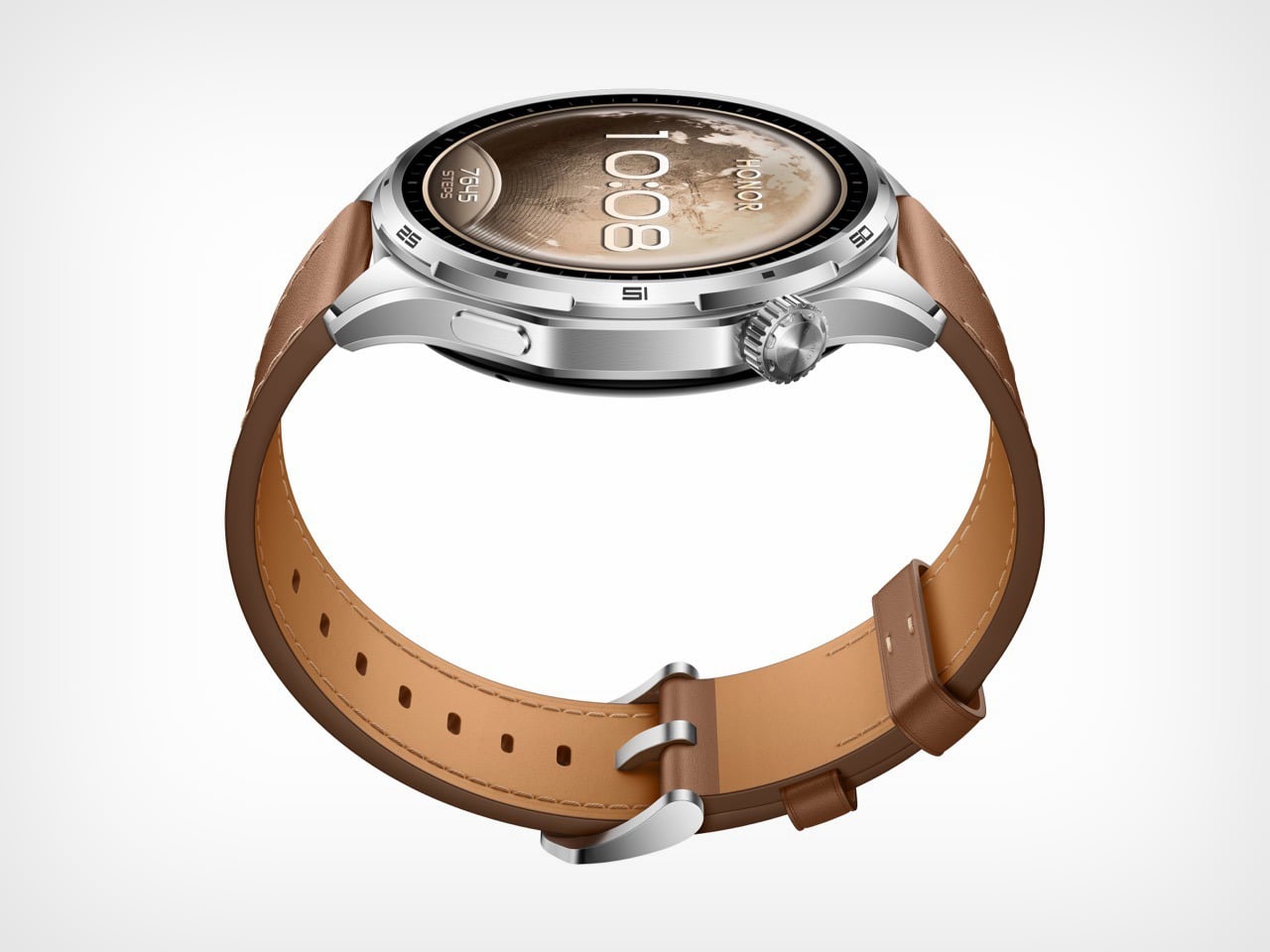
Where the Watch 6 earns its credibility beyond the spec sheet is in the specificity of its sports intelligence. HONOR’s badminton mode tracks smash speeds, rally counts, and shot distribution in a way that goes well beyond the generic “racket sport” detection most smartwatches offer. The football mode generates heat maps and trajectory data that a Sunday league player will find genuinely useful, not just flattering. Trail running gets an AI coaching layer on top of dual-band six-star GPS, with route deviation alerts that matter when you are actually in the hills. These are features borrowed in spirit from Garmin’s sport-specific playbook, delivered at a price point Garmin has never seriously entertained.
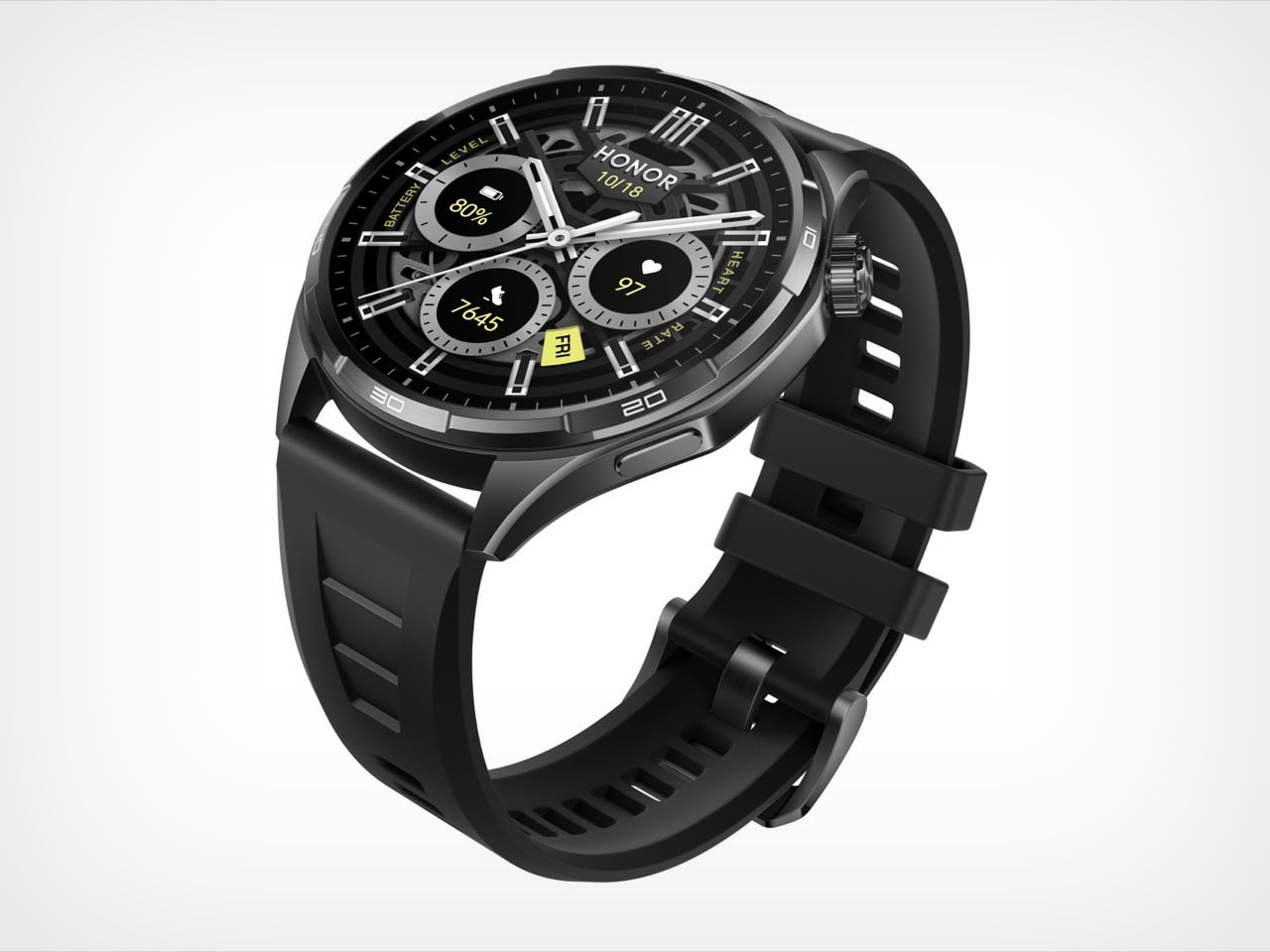
The one honest caveat is software. HONOR’s proprietary MagicOS ecosystem has historically been the ceiling on what their hardware could achieve, and the Watch 5 Ultra illustrated that tension clearly when reviewers found the tracking data compelling but the platform limiting. The Watch 6 inherits that same closed loop, meaning your 35 days of biometric data lives inside the Honor Health app and nowhere else. For athletes already inside that ecosystem, that is fine. For anyone hoping to pipe data to Strava, Garmin Connect, or Apple Health with any consistency, it remains a friction point worth knowing about before you buy.
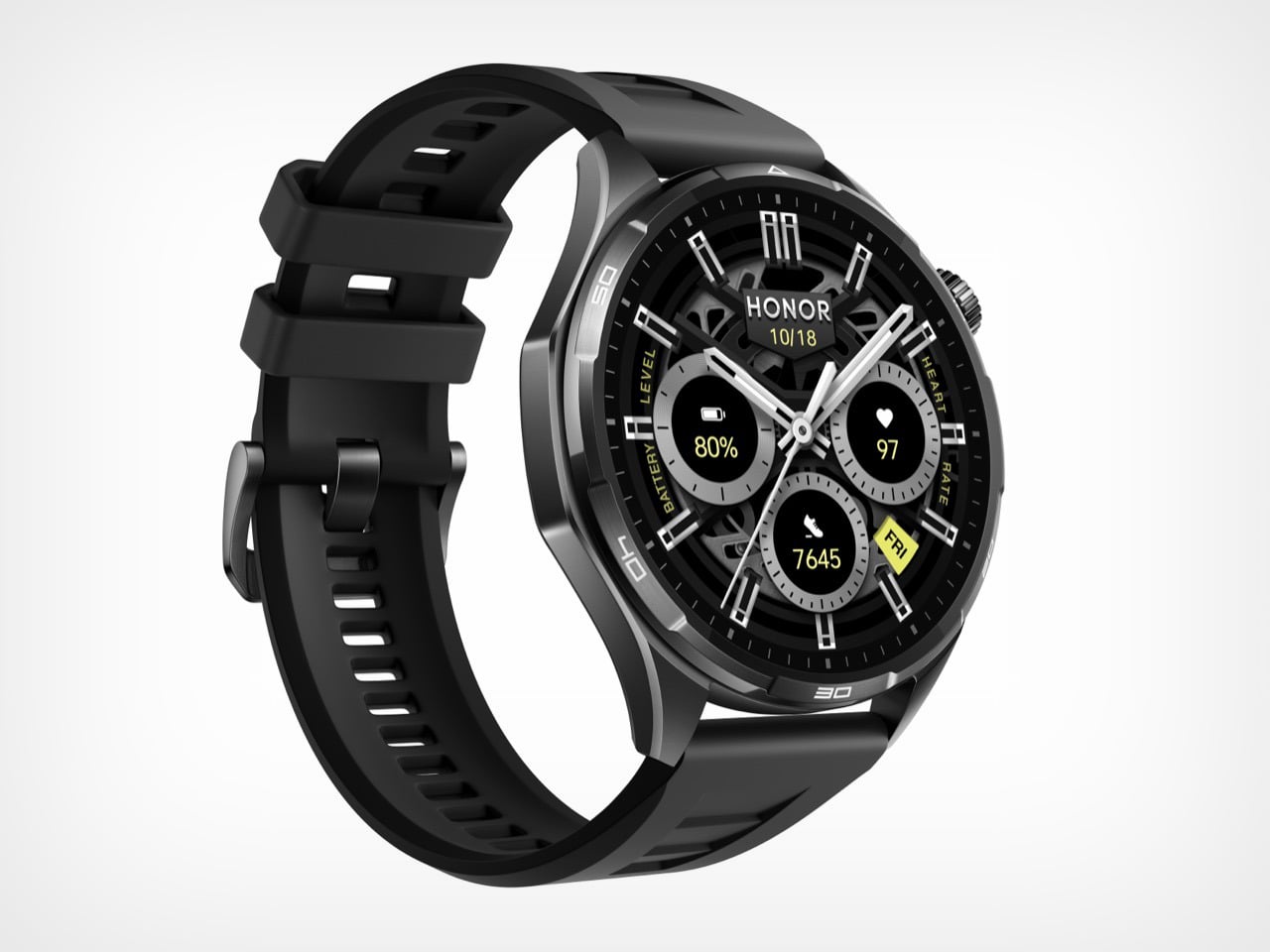
The post HONOR packed a 35-day battery into a 41g smartwatch – and nothing else comes close first appeared on Yanko Design.
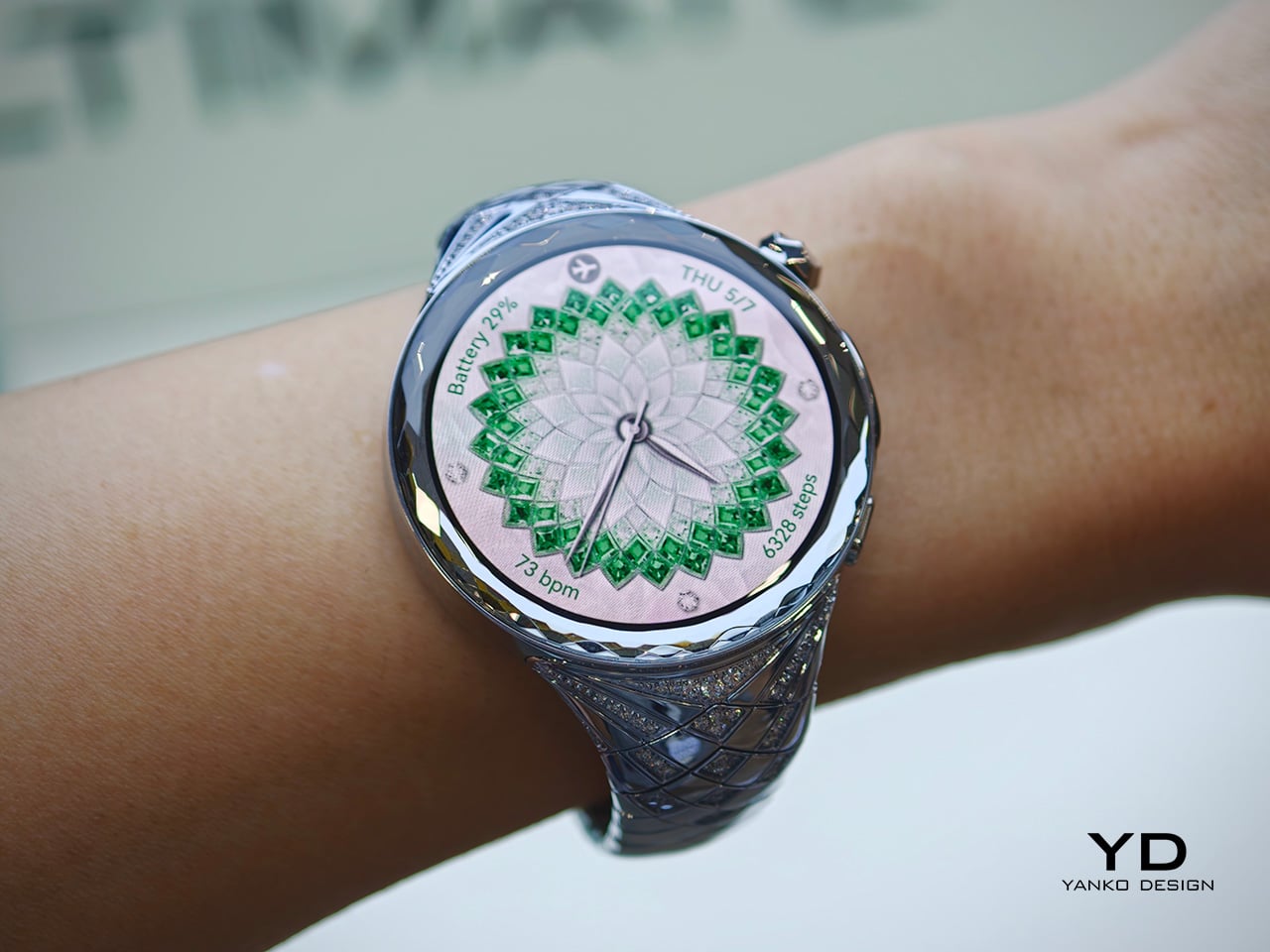
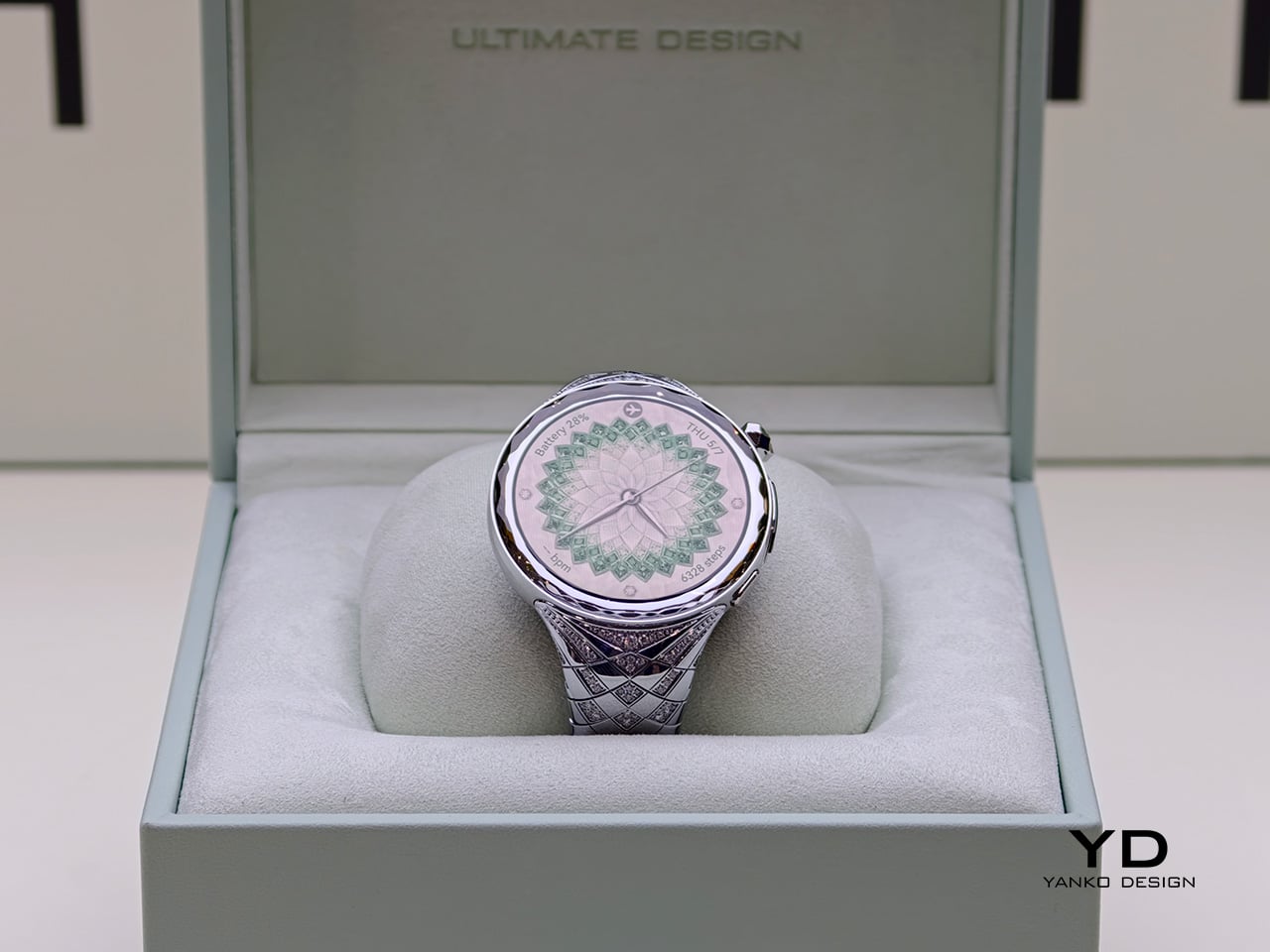
Huawei’s latest luxury wearable explores a space the smartwatch industry still hasn’t fully resolved. Instead of presenting technology as something discreet, technical, or performance-first, the Huawei Watch Ultimate Design – Spring Edition approaches the category from a more ornamental direction, treating the smartwatch as a fashion object as much as a connected device. In a market still dominated by sporty silhouettes and restrained finishes, that alone makes it a distinct proposition.
Announced as part of Huawei’s latest global product launch, the Huawei Watch Ultimate Design – Spring Edition was created in collaboration with world-renowned jewelry designer Francesca Amfitheatrof. The watch draws on the imagery of spring and incorporates 99 natural diamonds, positioning itself less as a conventional wearable and more as a luxury interpretation of one. Rather than relying on a simple premium finish or a new strap option, Huawei appears to have built the product’s identity around adornment from the outset.
Designer: Huawei x Francesca Amfitheatrof
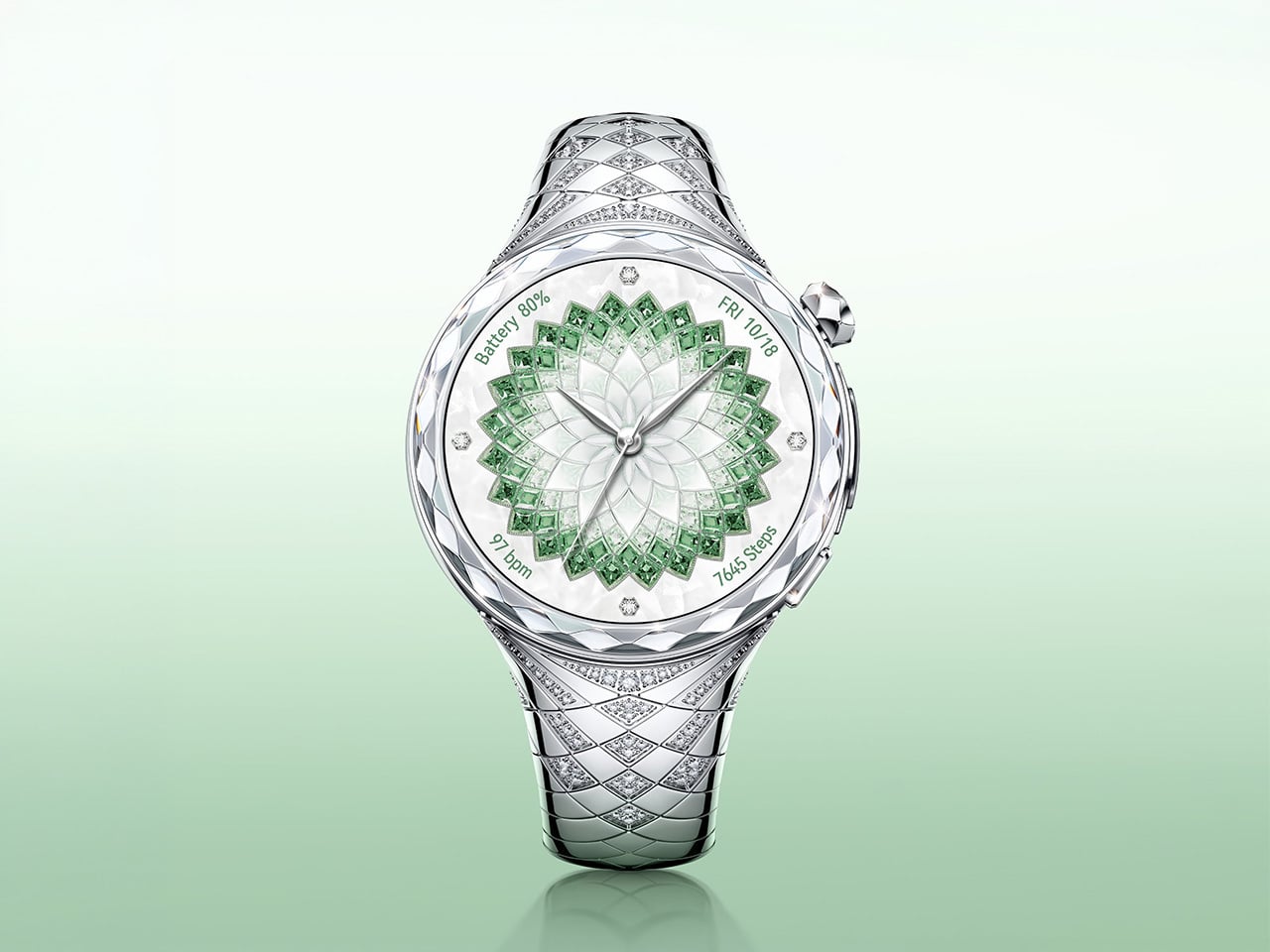
Most smartwatches still follow a familiar visual formula. They tend to emphasize utility through subdued finishes, sporty proportions, and a design language shaped by fitness tracking and digital convenience. The Huawei Watch Ultimate Design – Spring Edition moves in another direction, using precious materials and decorative detailing to shift attention toward styling, symbolism, and visual presence. It does not try to disappear into an everyday tech wardrobe. Instead, it is designed to be noticed, and to function as part of a broader personal aesthetic.
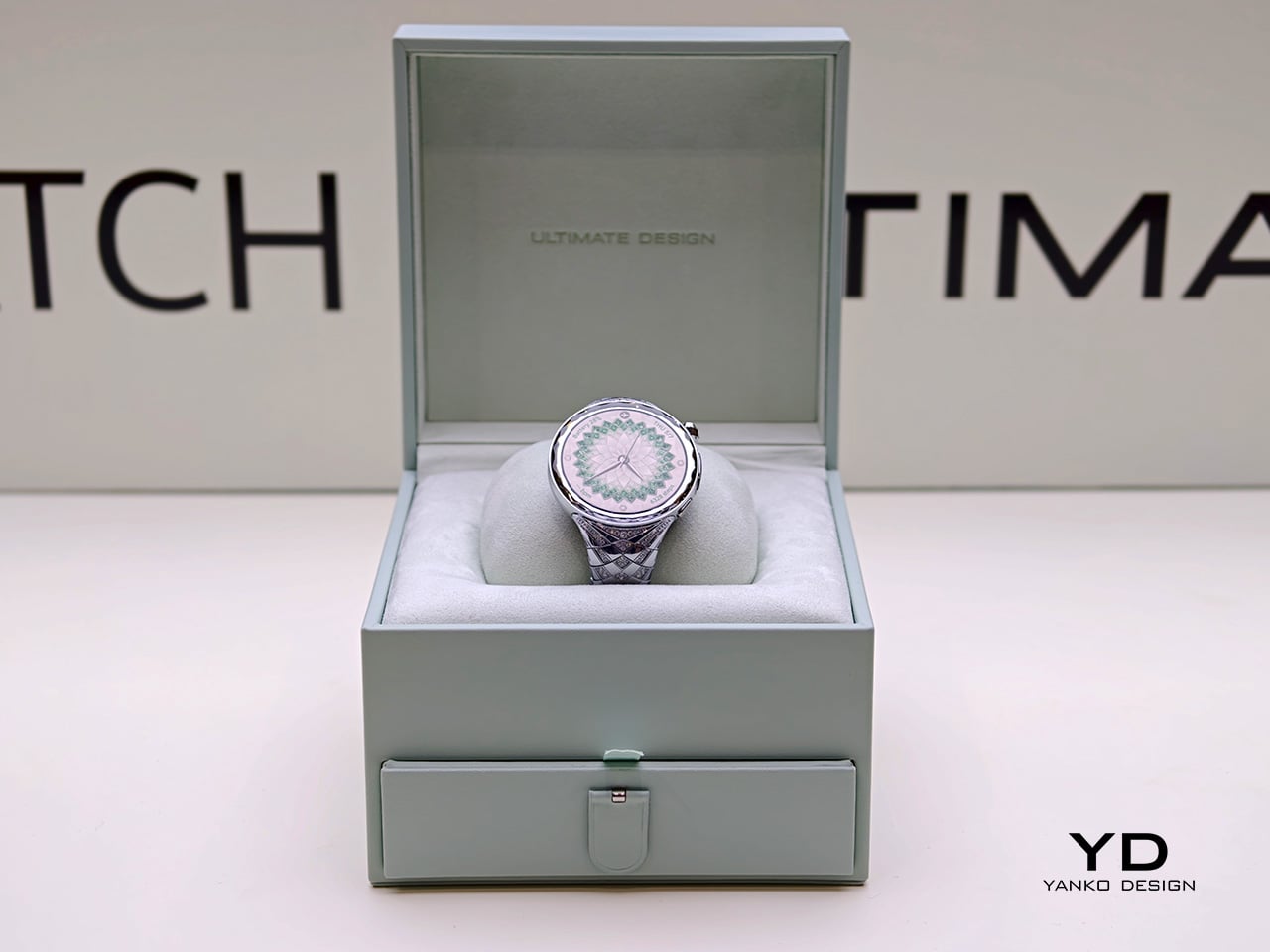
That is what makes the watch interesting from a design perspective. Rather than simply applying luxury cues to an otherwise standard smartwatch body, Huawei seems to frame the product around a more expressive visual narrative. The result is a wearable that sits closer to jewelry than to the stripped-back minimalism that still defines much of the category. It also reflects a broader shift in premium wearables, where differentiation increasingly comes from form, finish, and material storytelling rather than purely from software or sensors.
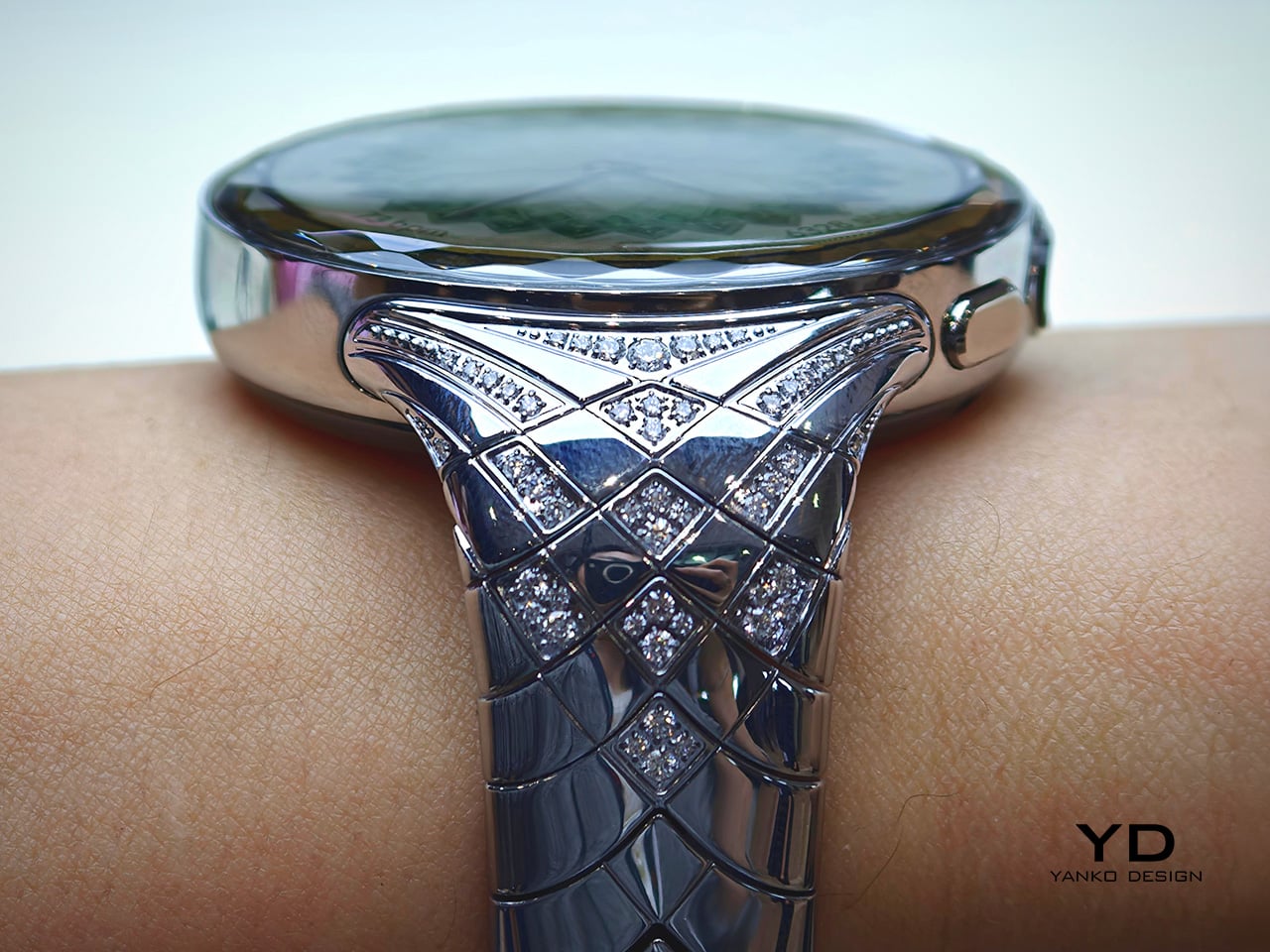
The watch is inspired by the blossoming of spring and is intended to reflect women’s strength and vitality. In practice, that gives the product a softer narrative framework than most wearable launches, which usually center on health metrics, performance upgrades, or endurance claims. Here, the emphasis is clearly on material expression and thematic storytelling. Whether that spring concept feels nuanced or simply decorative will depend on the viewer, but it does give the watch a more distinct point of view than the usual language of optimization and performance.
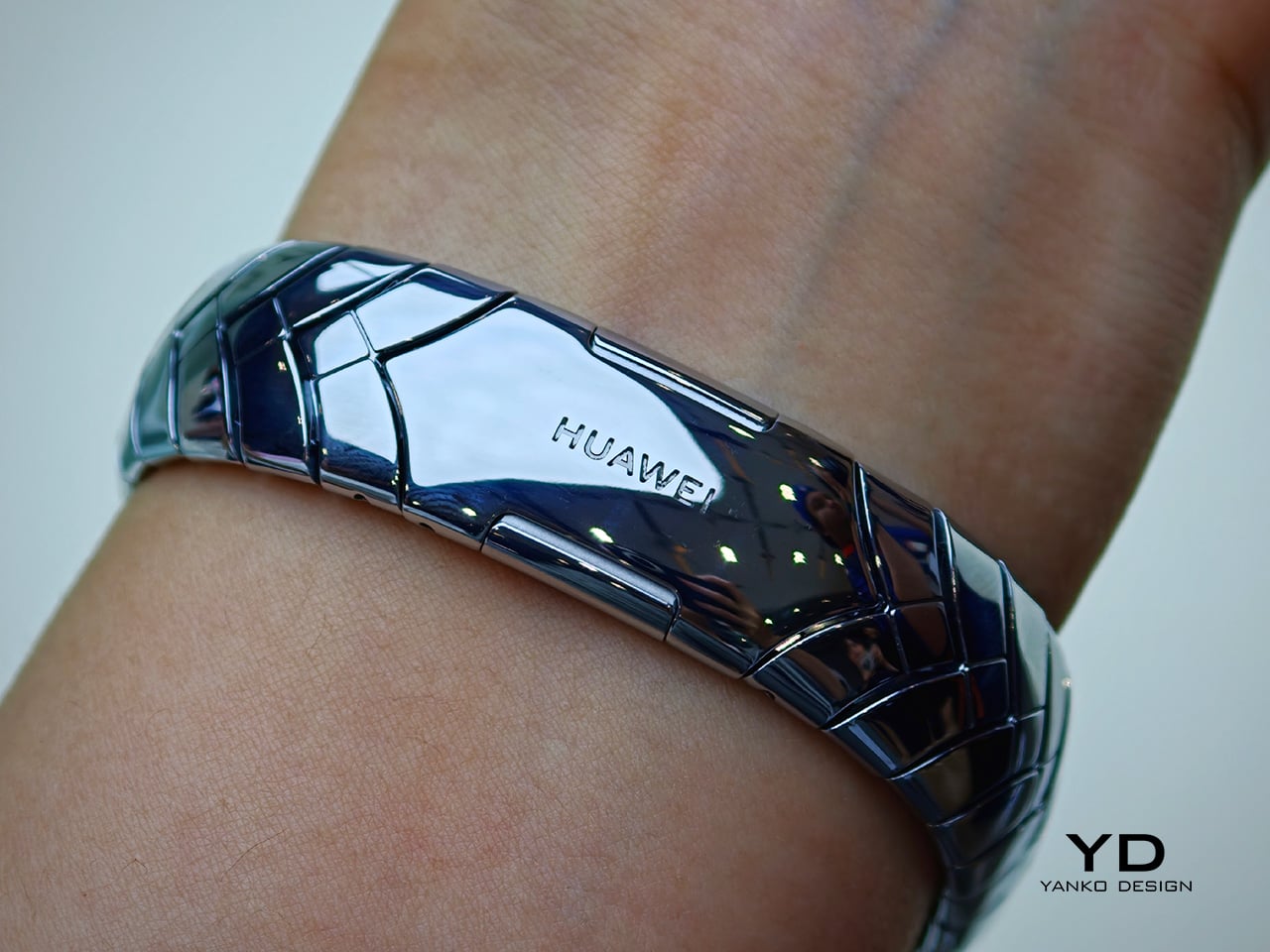
At the same time, Huawei has not stripped away the technical identity of the WATCH ULTIMATE range. It includes advanced outdoor modes, health tracking, ECG support, expedition mode, diving capability up to 100 meters, and battery life of up to 14 days under typical use. That combination makes the Spring Edition more than a simple luxury variant. It still carries the expectations of a tool watch, even as its materials and detailing push it toward a more ornamental category.
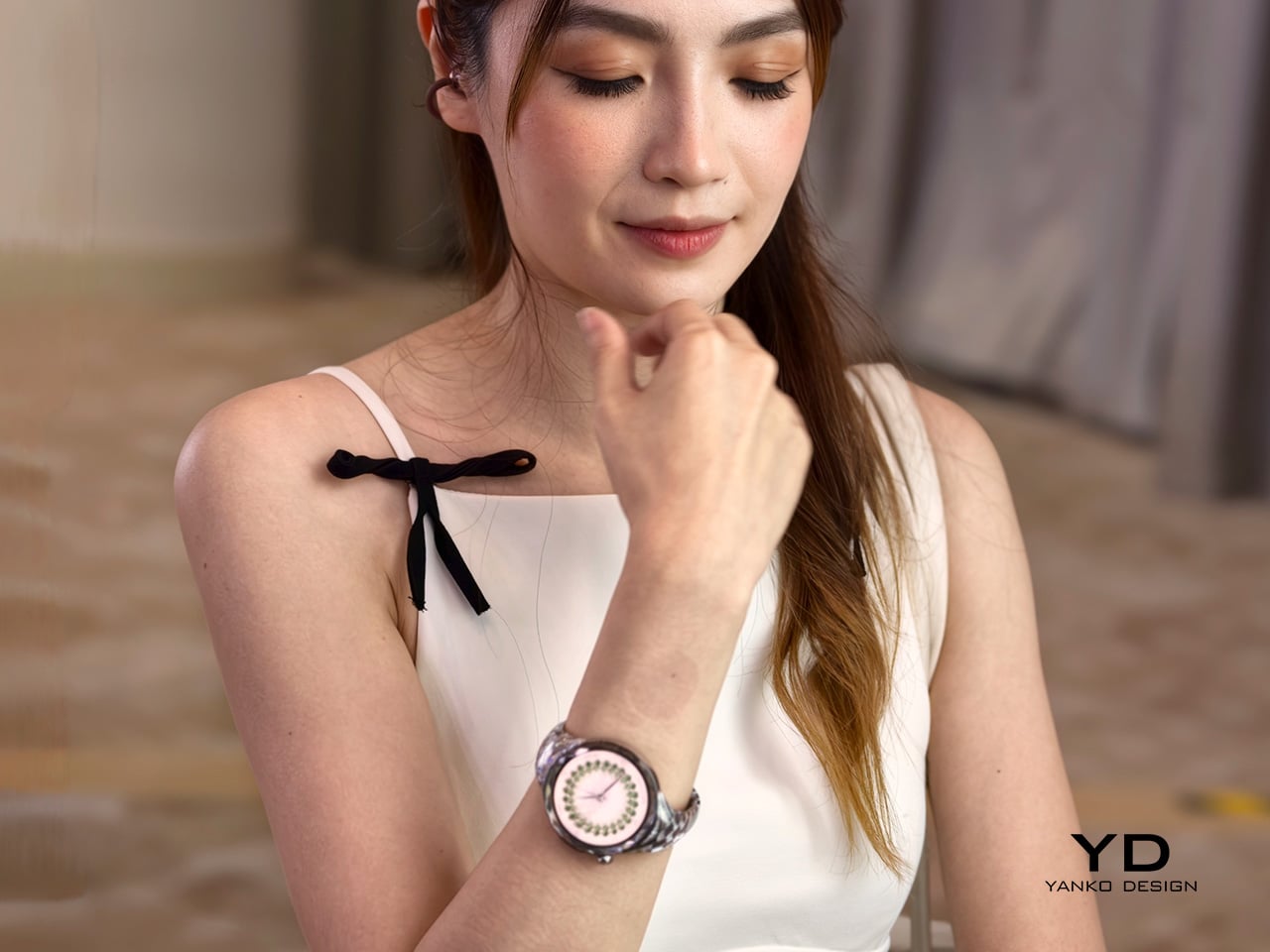
Huawei’s answer here is to push further into the language of jewelry, suggesting that for some users, a smartwatch is no longer just a tool to wear but an accessory to build a look around. Priced at £3,499.99 or €3,799, the Huawei Watch Ultimate Design – Spring Edition sits firmly in the territory of statement objects rather than everyday wearables. More than anything, it reflects how wearable tech is evolving, not just as a category of devices, but as a category of personal objects.
The post Huawei Adds 99 Diamonds to Its Toughest Smartwatch first appeared on Yanko Design.
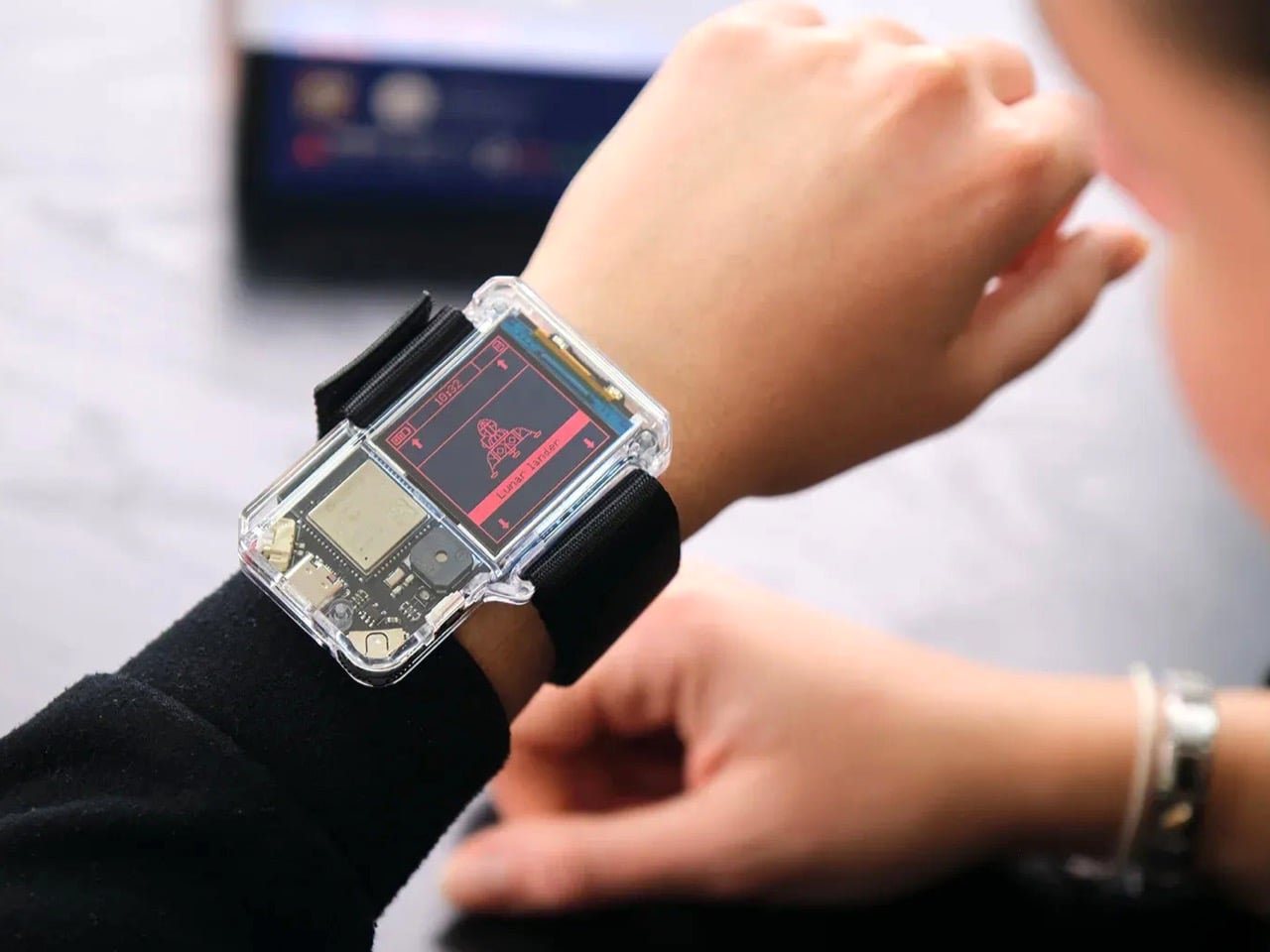
NASA’s Artemis II lifted off from Kennedy Space Center on April 1, 2026, carrying four astronauts on humanity’s first crewed lunar mission in over 50 years. Reid Wiseman, Victor Glover, Christina Koch, and Canada’s Jeremy Hansen are currently aboard the Orion spacecraft, preparing for a lunar flyby that will take them farther from Earth than any humans have traveled since Apollo 13. Space exploration feels immediate again in a way it hasn’t in decades, and CircuitMess timed the NASA Artemis Watch 2.0 perfectly into that cultural moment. This is a $129 programmable smartwatch, fully assembled and ready to use out of the box, inspired by the very mission currently making headlines.
The hardware inside includes a dual-core ESP32 microcontroller, a full-color LCD screen, an accelerometer, a gyroscope, a compass, and a temperature sensor. It pairs with iOS and Android devices over Bluetooth for activity tracking and notifications, and the firmware is entirely open-source, reprogrammable in Python, CircuitBlocks, or the Arduino IDE. You can design custom watch faces, build interactive apps, and modify sensor behavior as deep as you want to go. The age recommendation is 9 and up, which reflects the lower barrier to entry compared to CircuitMess’s Perseverance Rover kit we wrote about earlier. No assembly required, no soldering, just charge it and start exploring.
Designer: CircuitMess
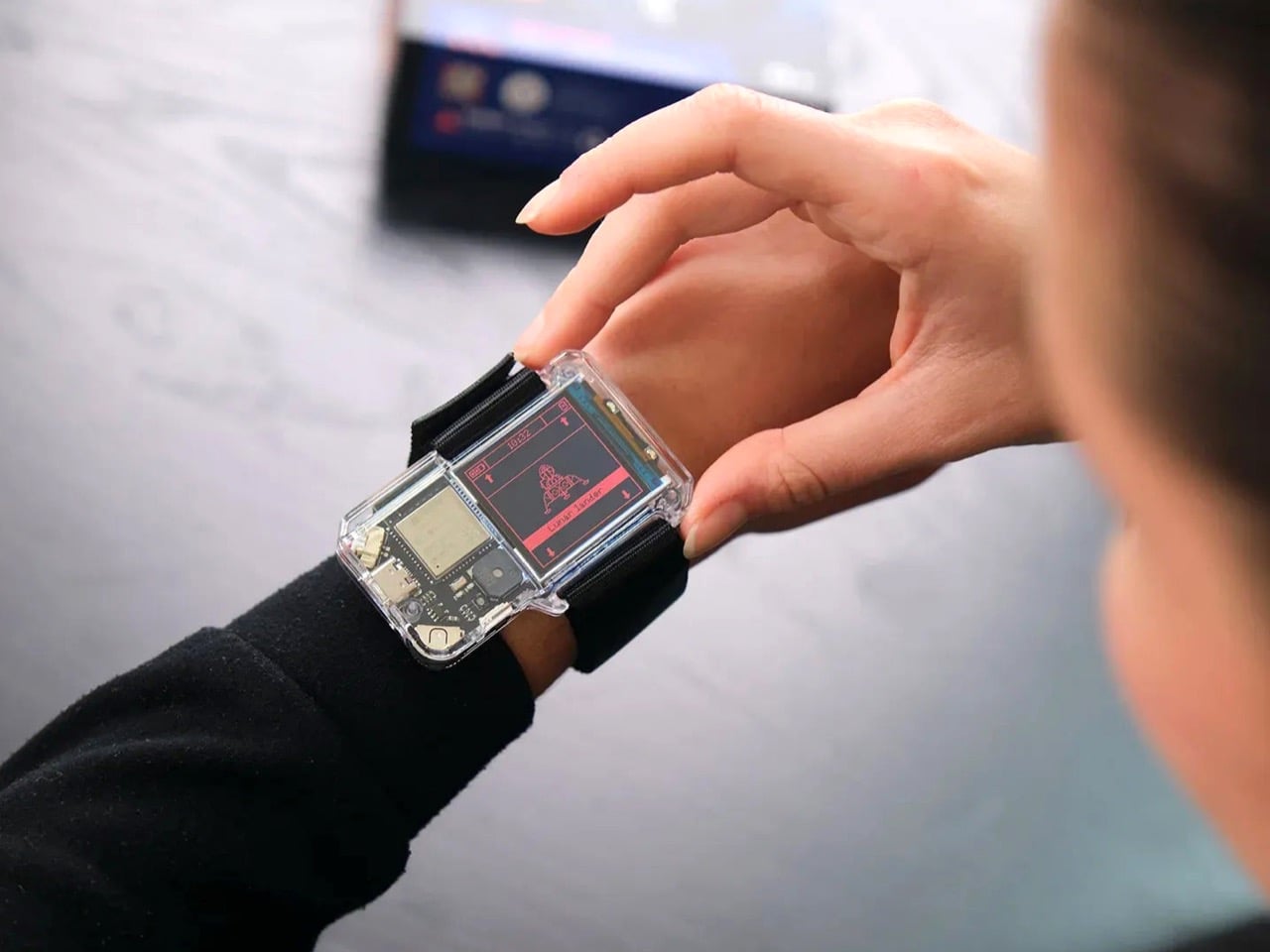
Most smartwatches aimed at kids treat programming as something that happens elsewhere, if it happens at all. You get a companion app with preset themes, maybe a handful of watch face options, and locked-down software that assumes the wearer has no interest in understanding what’s running underneath. The Artemis Watch 2.0 flips that entire model. CircuitMess ships it fully functional, but every layer of the software is accessible and modifiable. The visual block-based CircuitBlocks environment gives beginners a starting point, while Python and Arduino IDE support mean users can graduate to full code without hitting an artificial ceiling. The firmware lives on GitHub as an open-source repository, so there’s no proprietary lock-in and no feature wall you can’t get past.
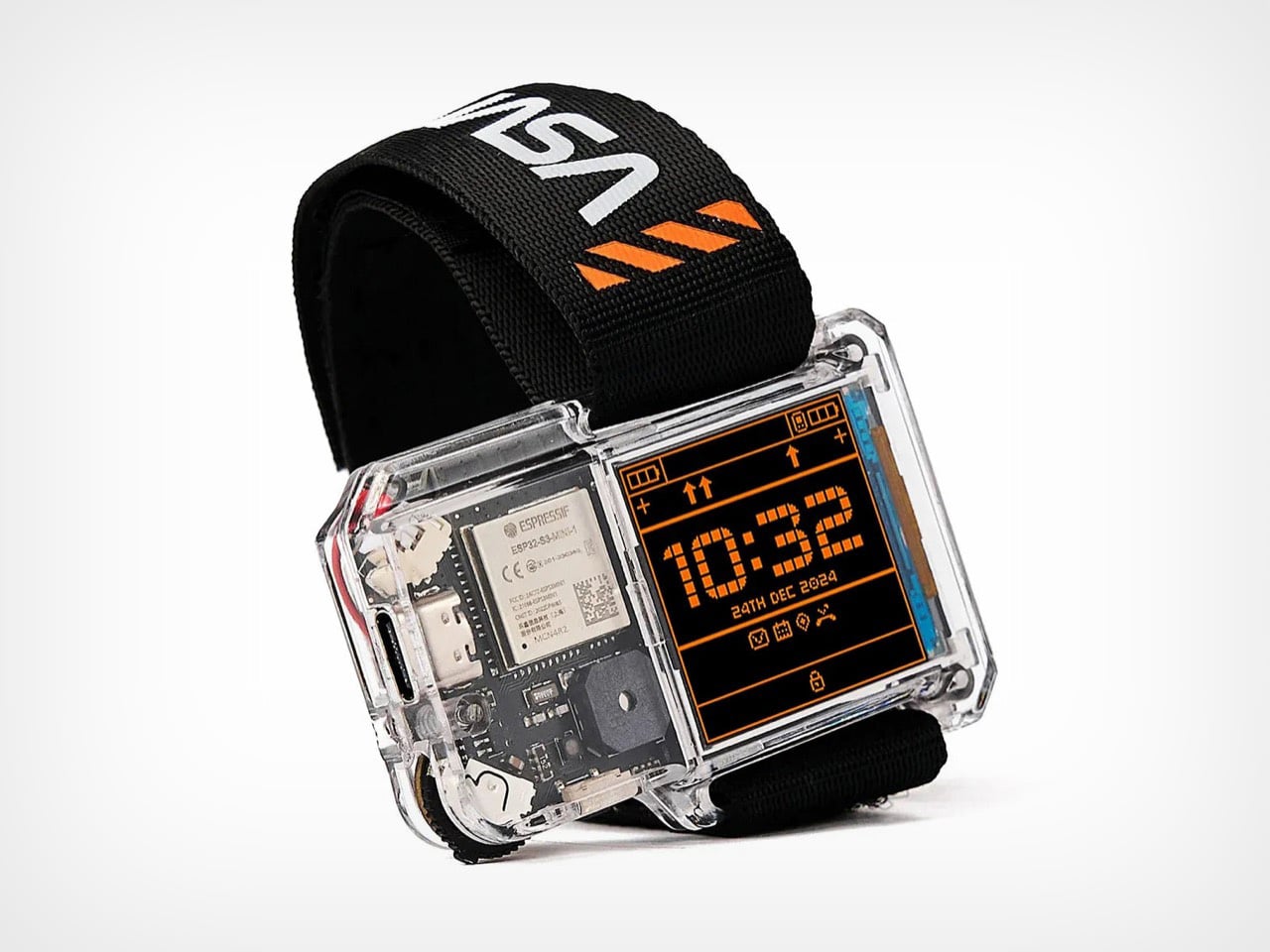
The dual-core ESP32 processor does real work here. It handles Bluetooth pairing with smartphones, processes sensor data from the accelerometer and gyroscope in real time, and runs whatever custom apps you decide to build on top of the base system. The compass and temperature sensor add environmental awareness, which opens up coding projects beyond simple timekeeping. You could program the watch to log temperature changes throughout the day, trigger alerts based on compass heading, or build a step counter that uses the accelerometer to track movement patterns. The 1.77 x 0.5 x 2.76 inch form factor keeps it wearable for younger users, and the rechargeable Li-Po battery charges via USB-C.
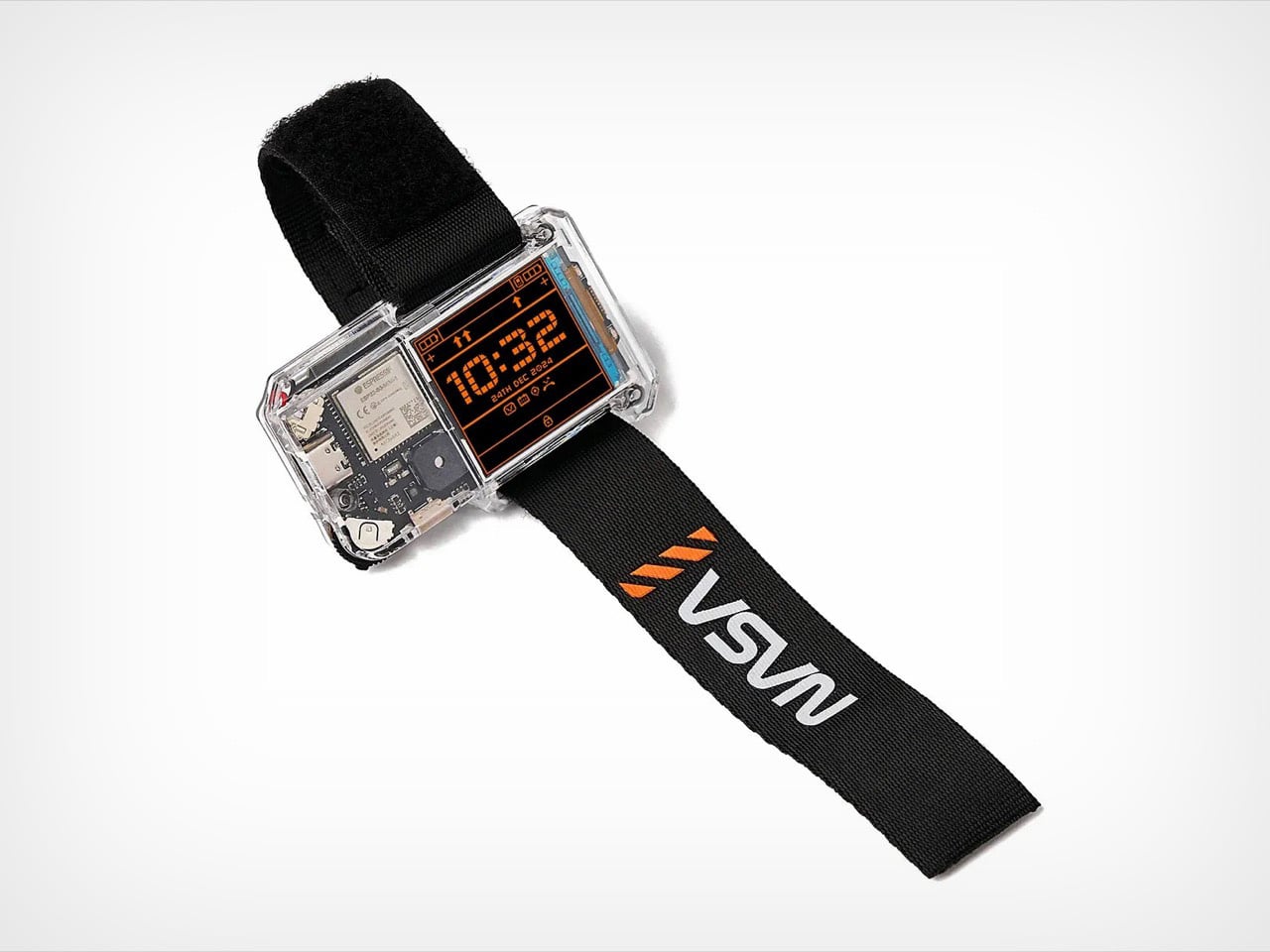
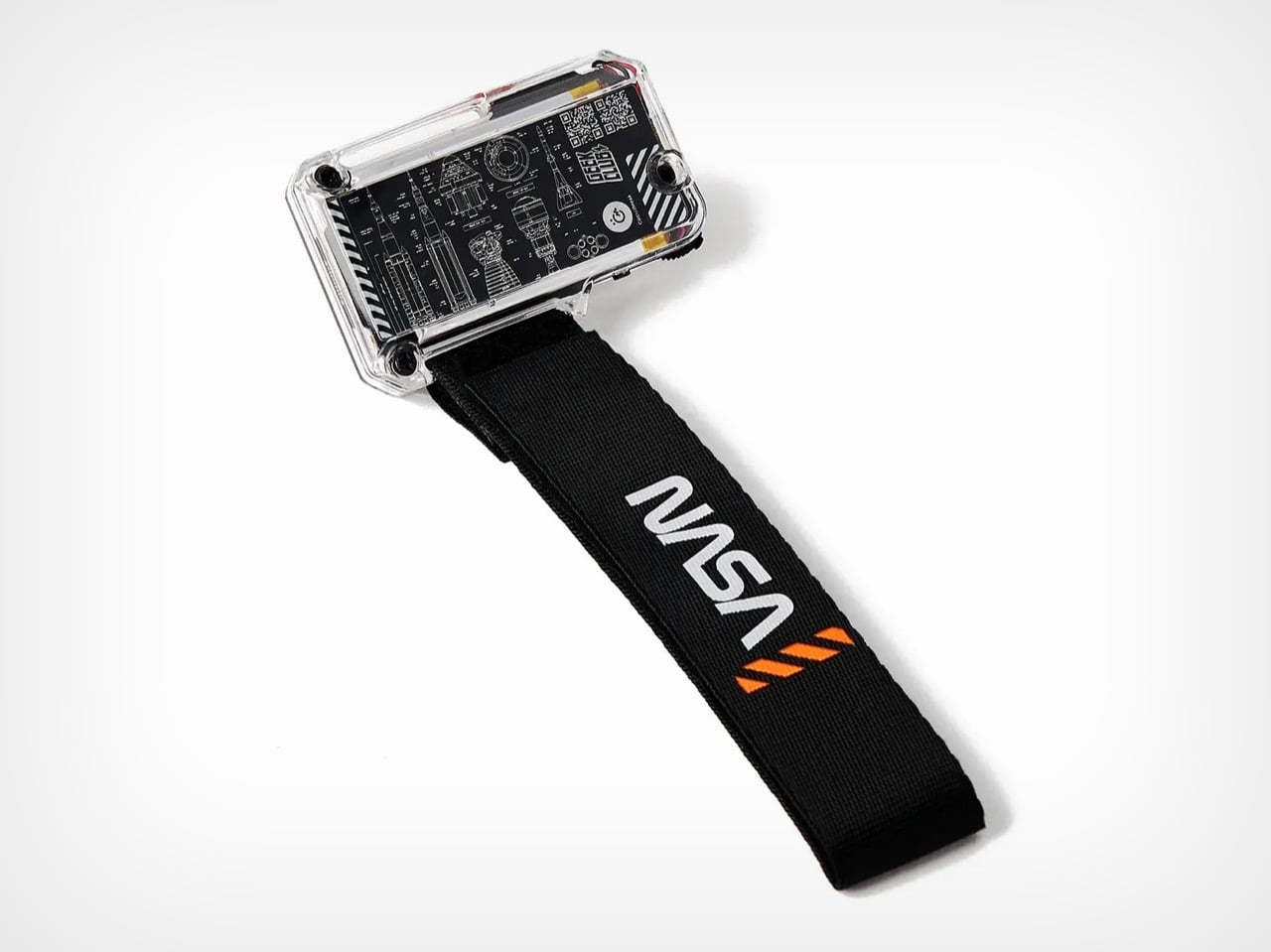
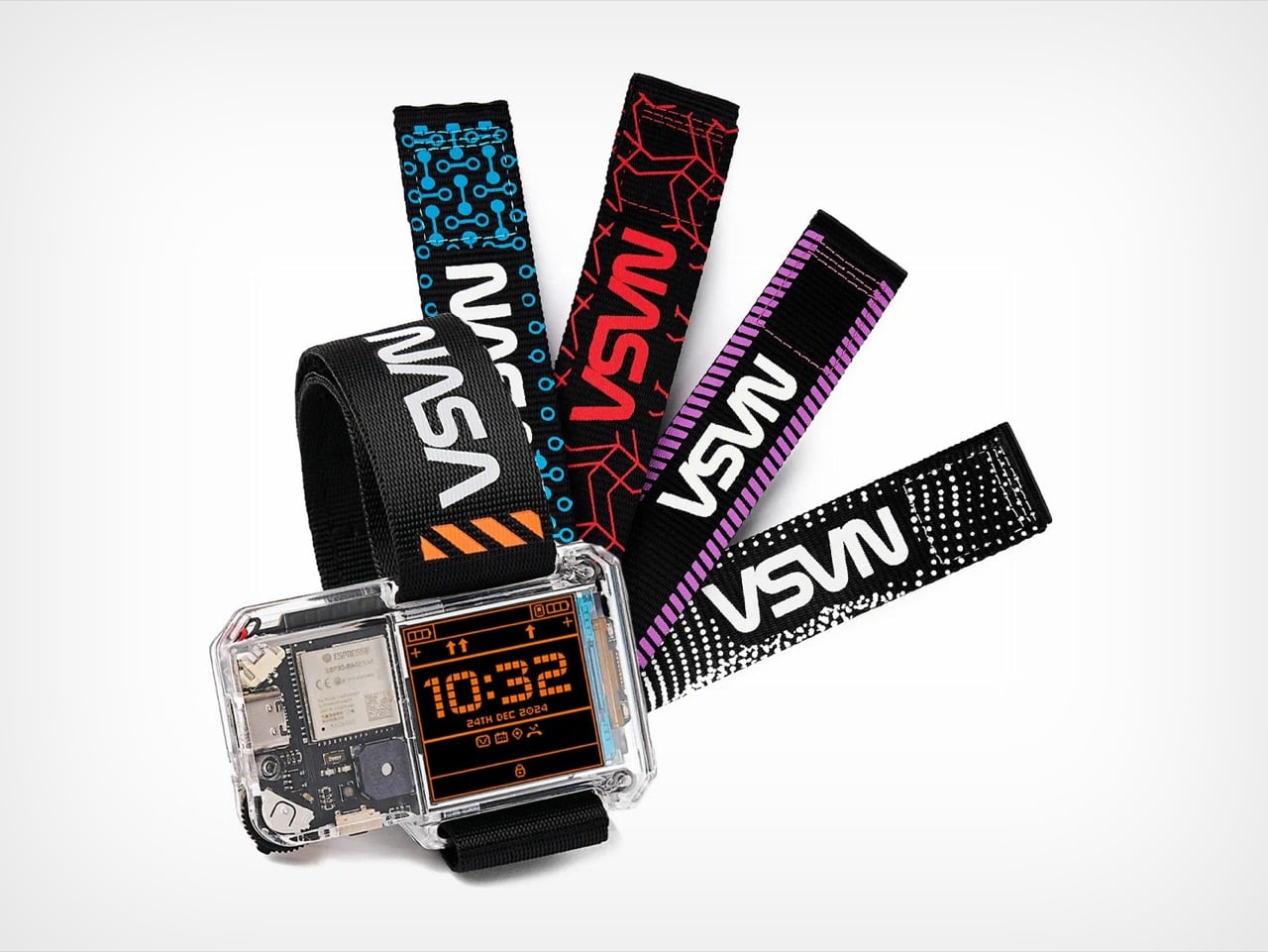
CircuitMess sells the Artemis Watch 2.0 standalone at $129, but it also appears in a Mars Exploration Bundle alongside the Perseverance Rover for $399, a 23% discount over buying both separately. That bundle positions the watch as a companion device for tracking rover missions and staying connected during the 20-hour rover build. CircuitMess also offers a Collector’s Bundle that includes the watch and four official strap designs for $149. The company has sold over 300,000 kits worldwide, and the Artemis branding ties directly into the kind of sustained media coverage that makes space feel culturally relevant again.
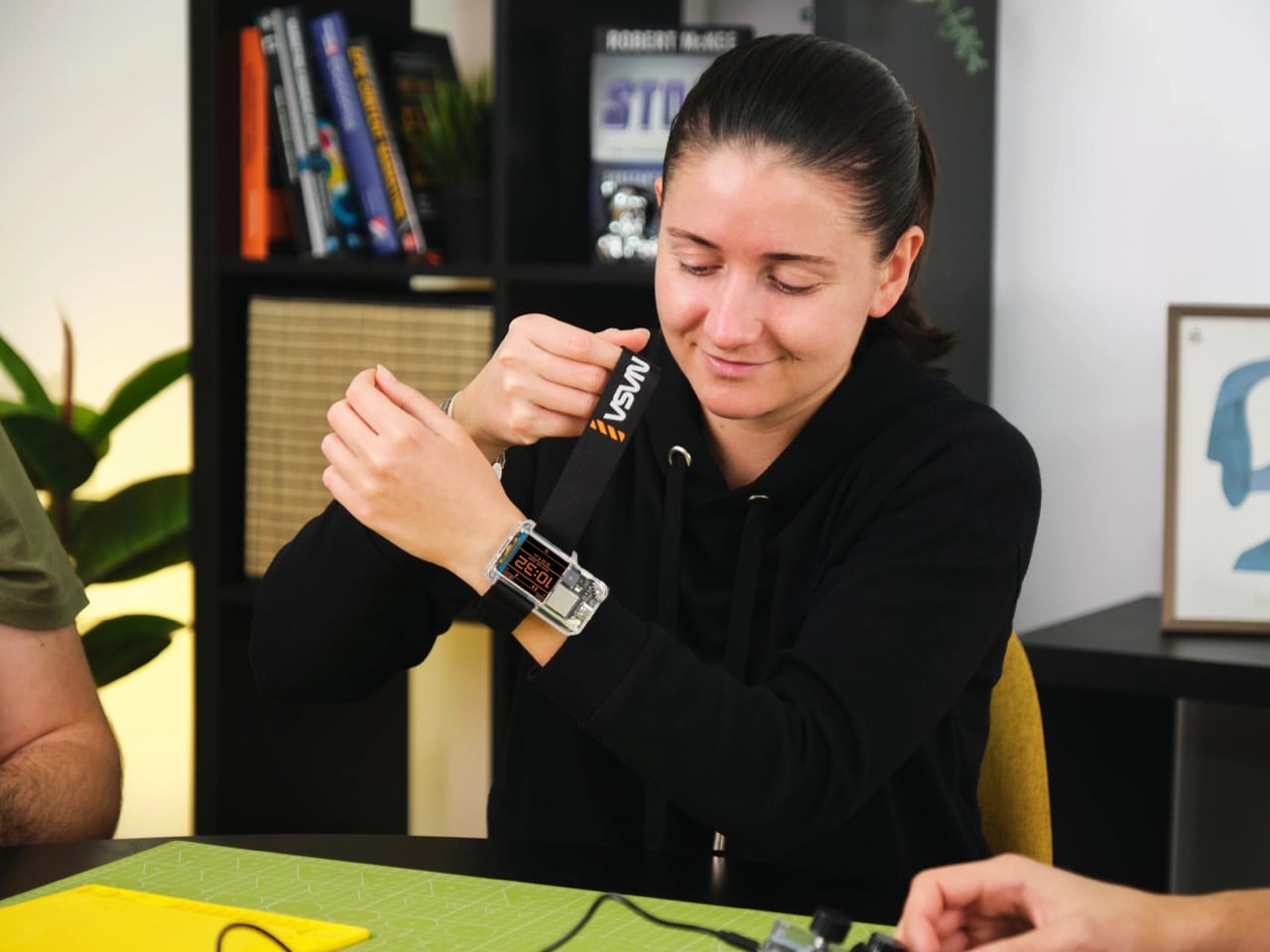
The Artemis Watch 2.0 is available now at circuitmess.com. If you followed the actual Artemis II launch this week, if you care about wearable tech that doesn’t condescend to younger users, or if you want a smartwatch that teaches coding by letting you rebuild it from the inside out, this is one of the few products in this category worth the $129 ask.
The post The NASA Artemis 2.0 Smartwatch Runs Python And Lets Kids Code Their Own Wearable first appeared on Yanko Design.
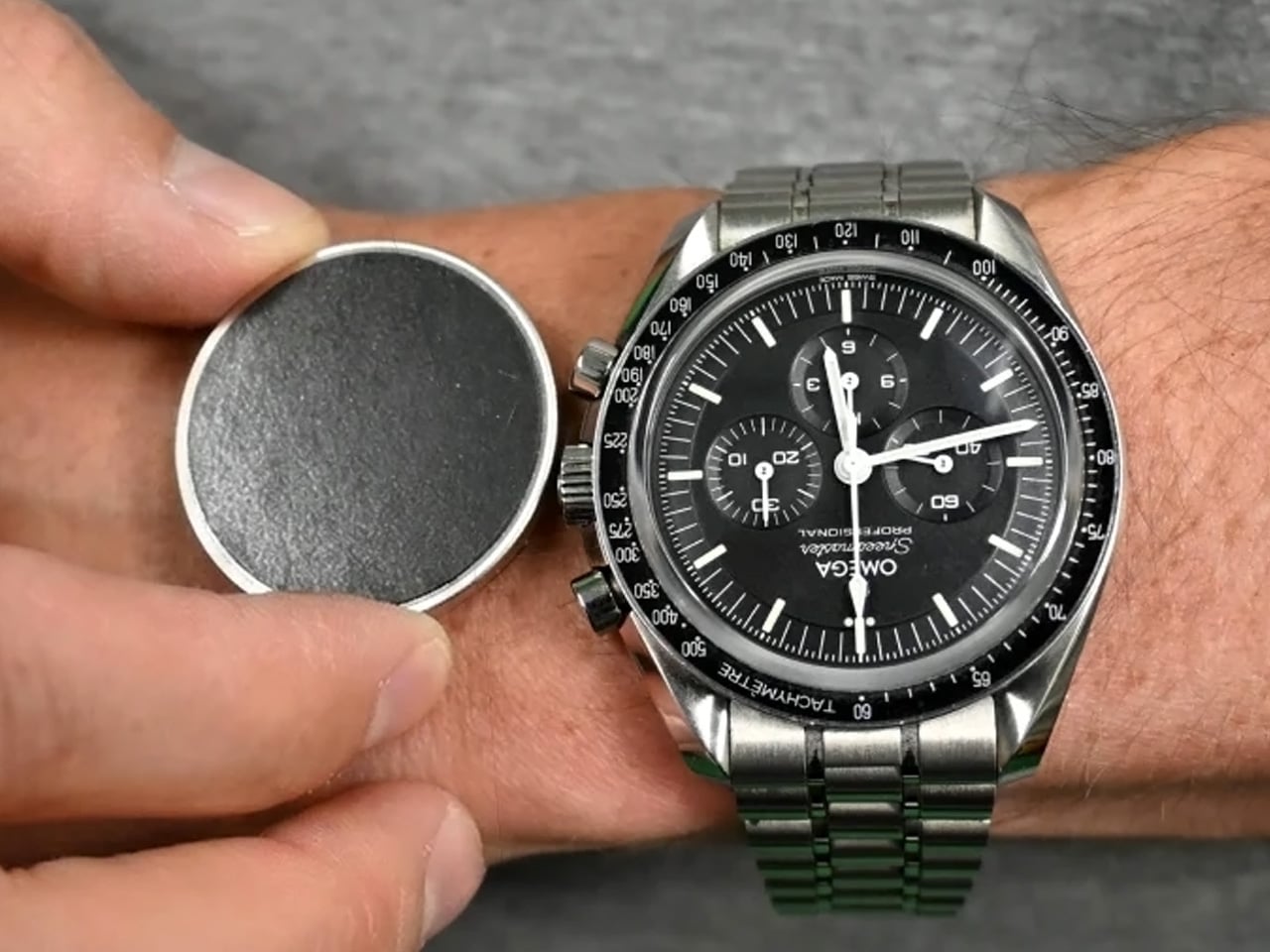
There is always a persistent tension in the watch world. Smartwatches do a lot, but they rarely look good doing it. Analog watches look exceptional, but they’ll never ping you when you’ve hit 10,000 steps. The Ganance Heir is a small, coin-sized sensor that quietly sits on the caseback of your watch and bridges that gap… no screen, no subscription, no compromise.
Developed by a Chicago-based startup with a focus on intentional technology, the Heir attaches to the caseback of most watches using a micro suction disc. At 30 mm in diameter and just 3 mm thick, it weighs a feather-light 5 grams. You’d barely know it’s there. Swap it between watches in seconds, slot it into the HeirBand for gym days when you’d rather not ruin a leather strap with sweat, and carry on.
Designer: Ganance
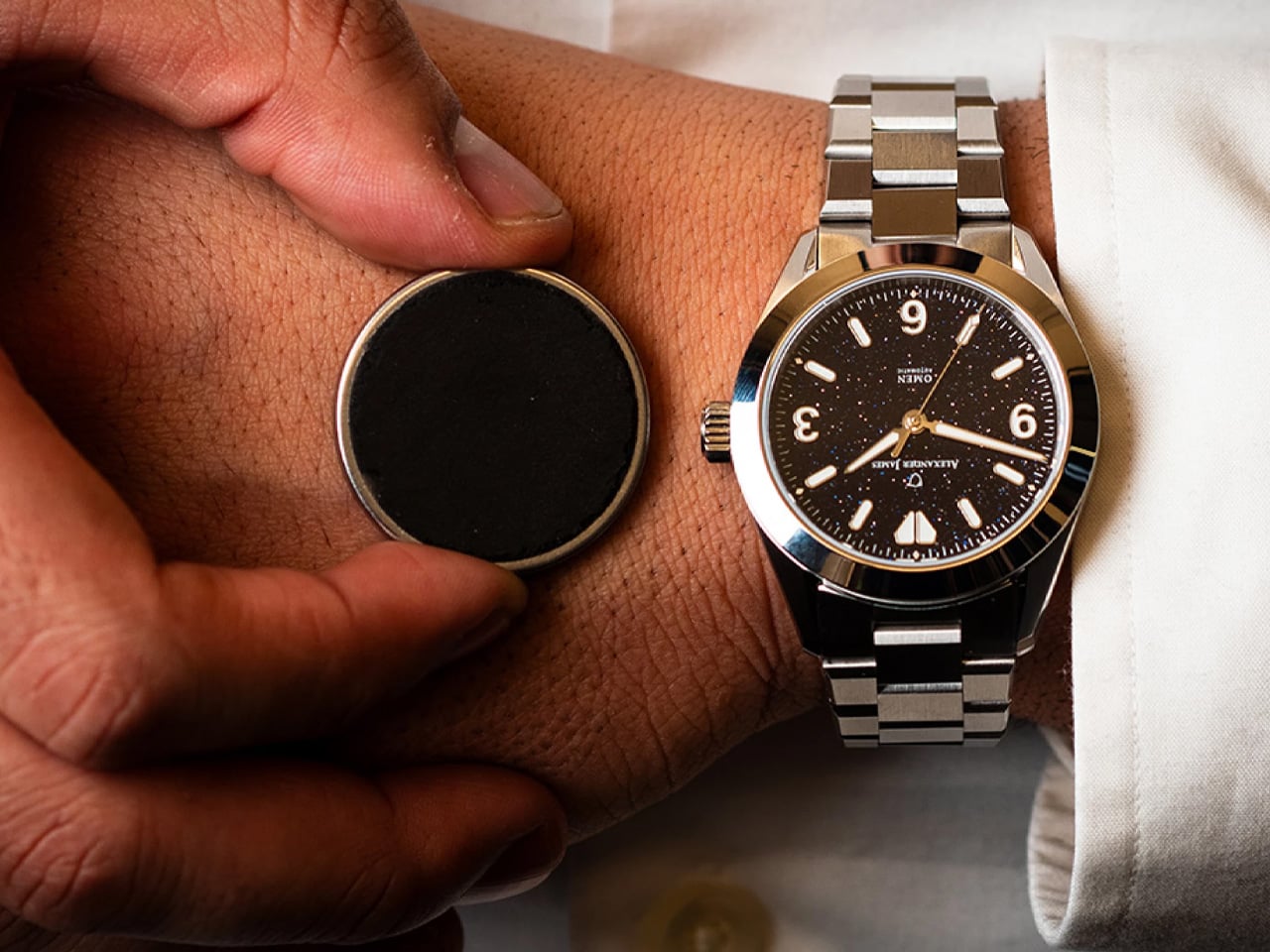
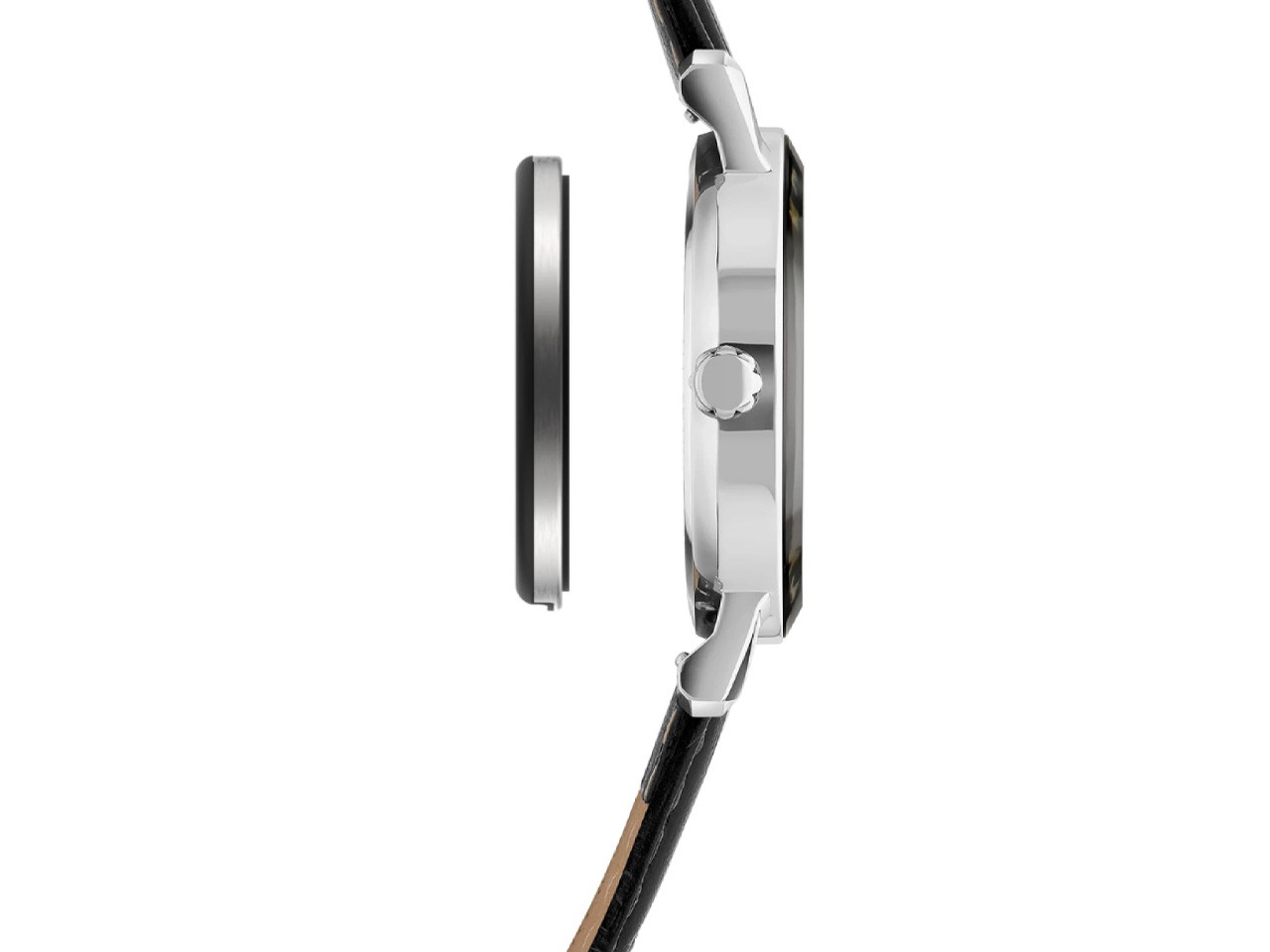
The feature set is deliberately restrained. The Heir tracks steps, distance, and calories, pushing that data to the Ganance iPhone app and Apple Health. It vibrates to alert you to incoming calls and texts, and a single or double tap controls media playback. Three levels of vibration strength give you a degree of personalization, and tap input can be disabled entirely through the app. No heart rate sensor, no always-on display, no noise.
An Android app is currently in development, expected around late June alongside the next batch of shipments. At that point, the device will also sync with Google’s Health Connect, opening it up to a wider ecosystem of fitness apps. Future updates already on the roadmap include activity type splitting, sedentary time tracking, adaptive goals, a silent alarm, WhatsApp and Slack vibration alerts, task reminders, and weather-based activity recommendations.
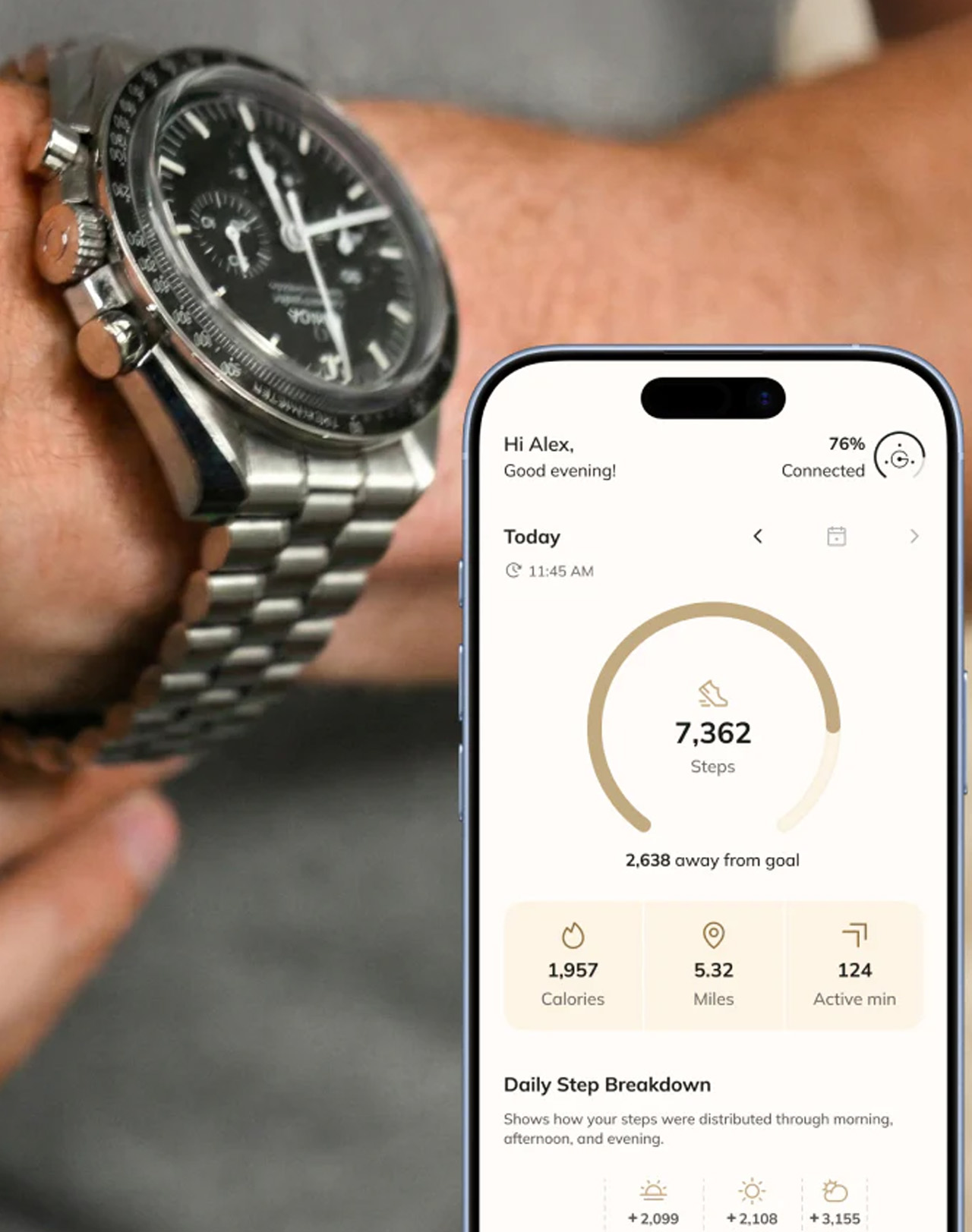
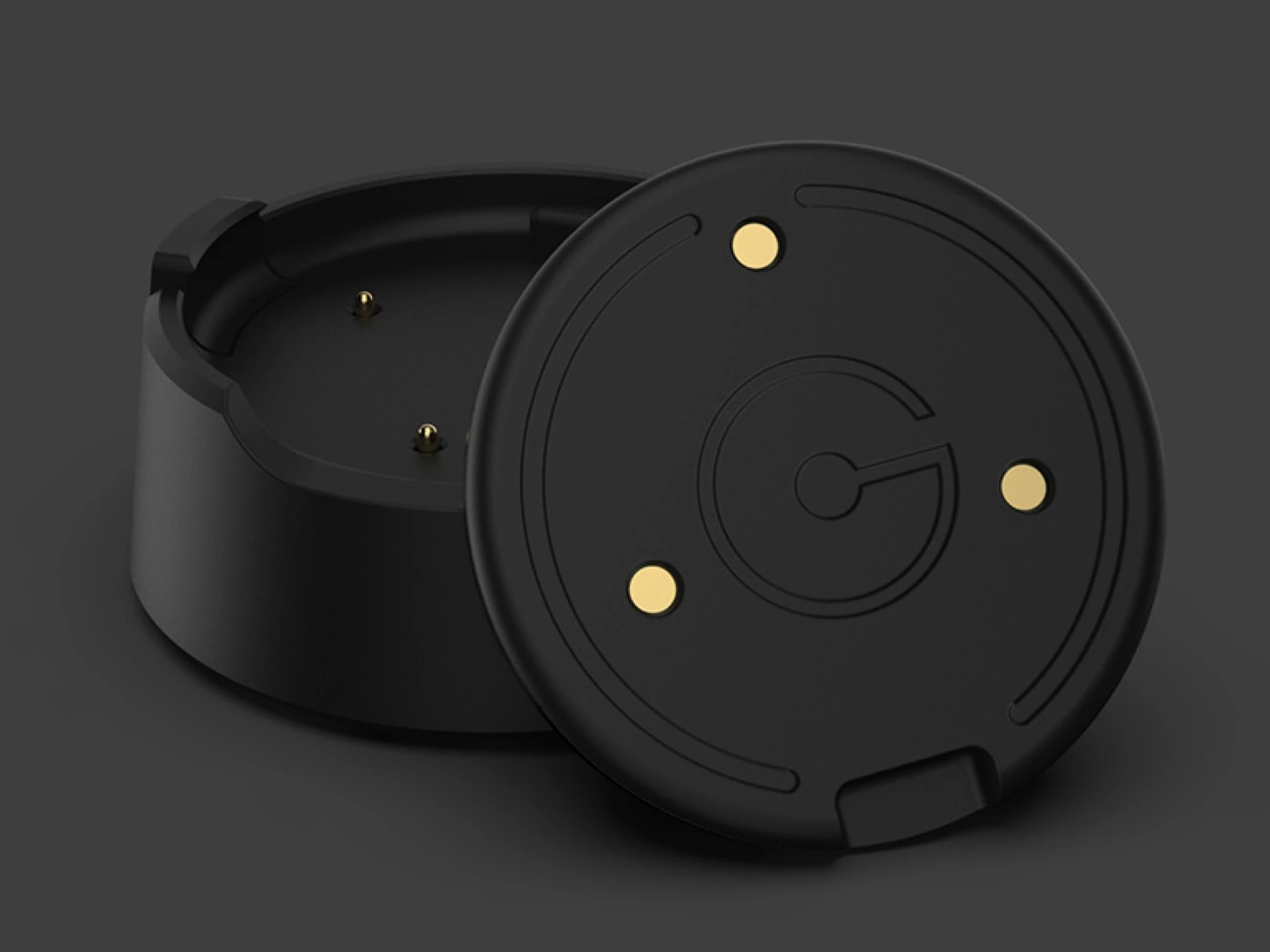
The Heir isn’t without its limitations. Battery life sits at 42 hours, meaning a daily top-up via the proprietary dock is essentially non-negotiable. Early adopter reviews have flagged some inconsistencies with step tracking and connectivity, though Ganance says those issues are actively being addressed.
Ganance isn’t the first to explore this concept — the Chronos and Germany’s Trivoly tried similar approaches without gaining lasting traction. Whether the Heir has the staying power its predecessors lacked remains to be seen. The Heir is available to pre-order at $149, with the HeirBand priced at $39 or bundled together for $169. Shipping is expected this spring across the US, Canada, the UK, and select European countries.
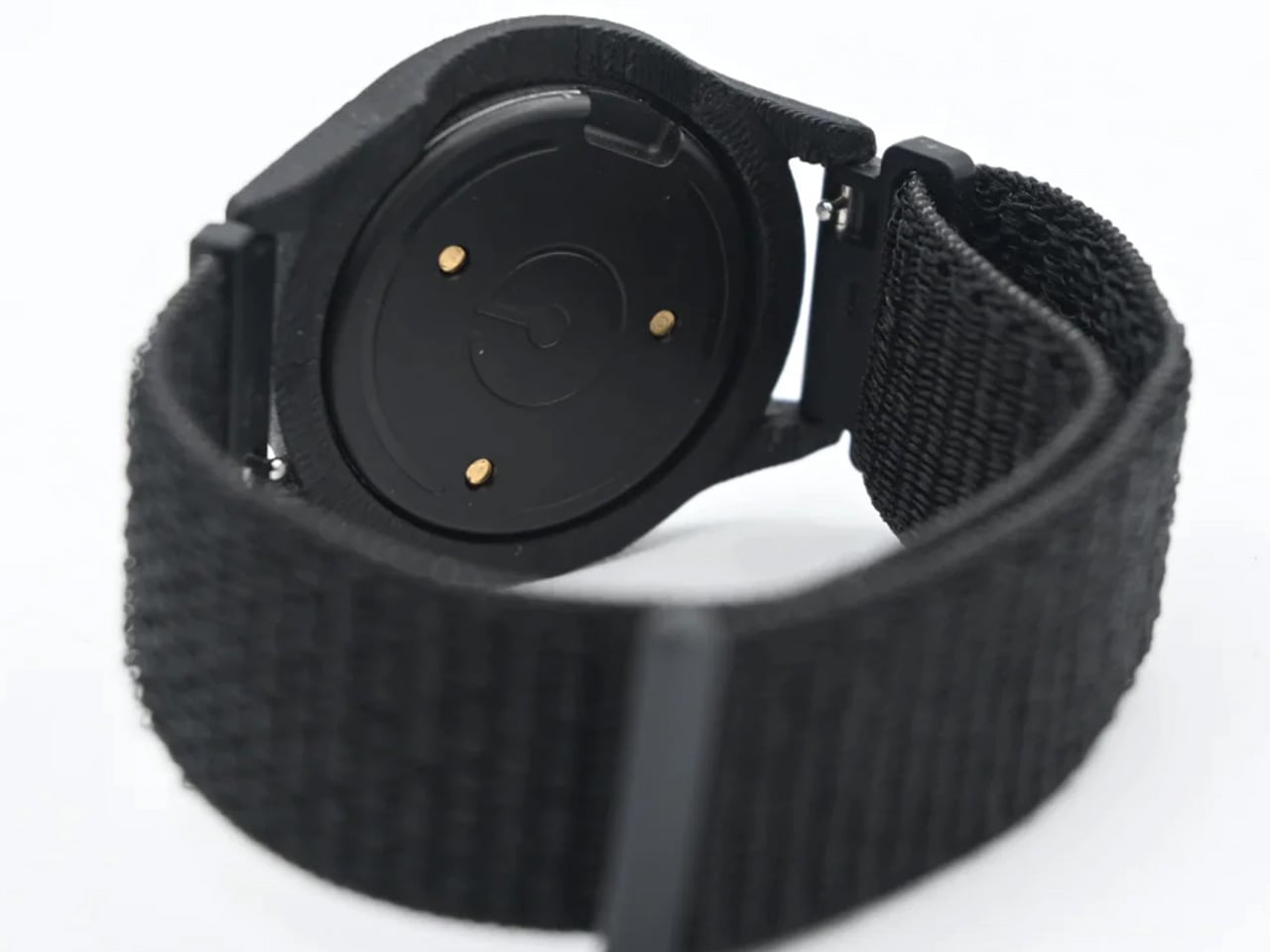
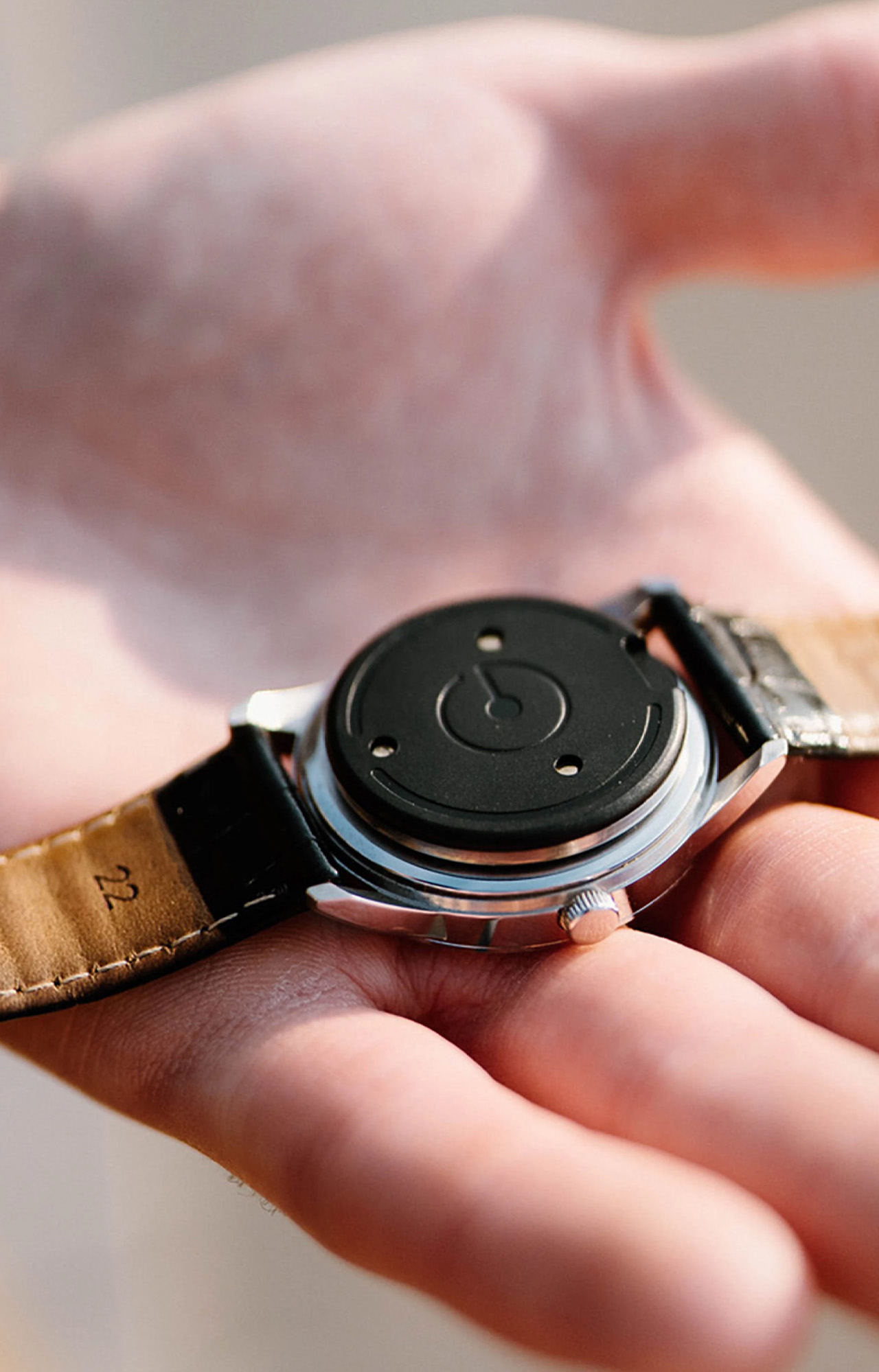
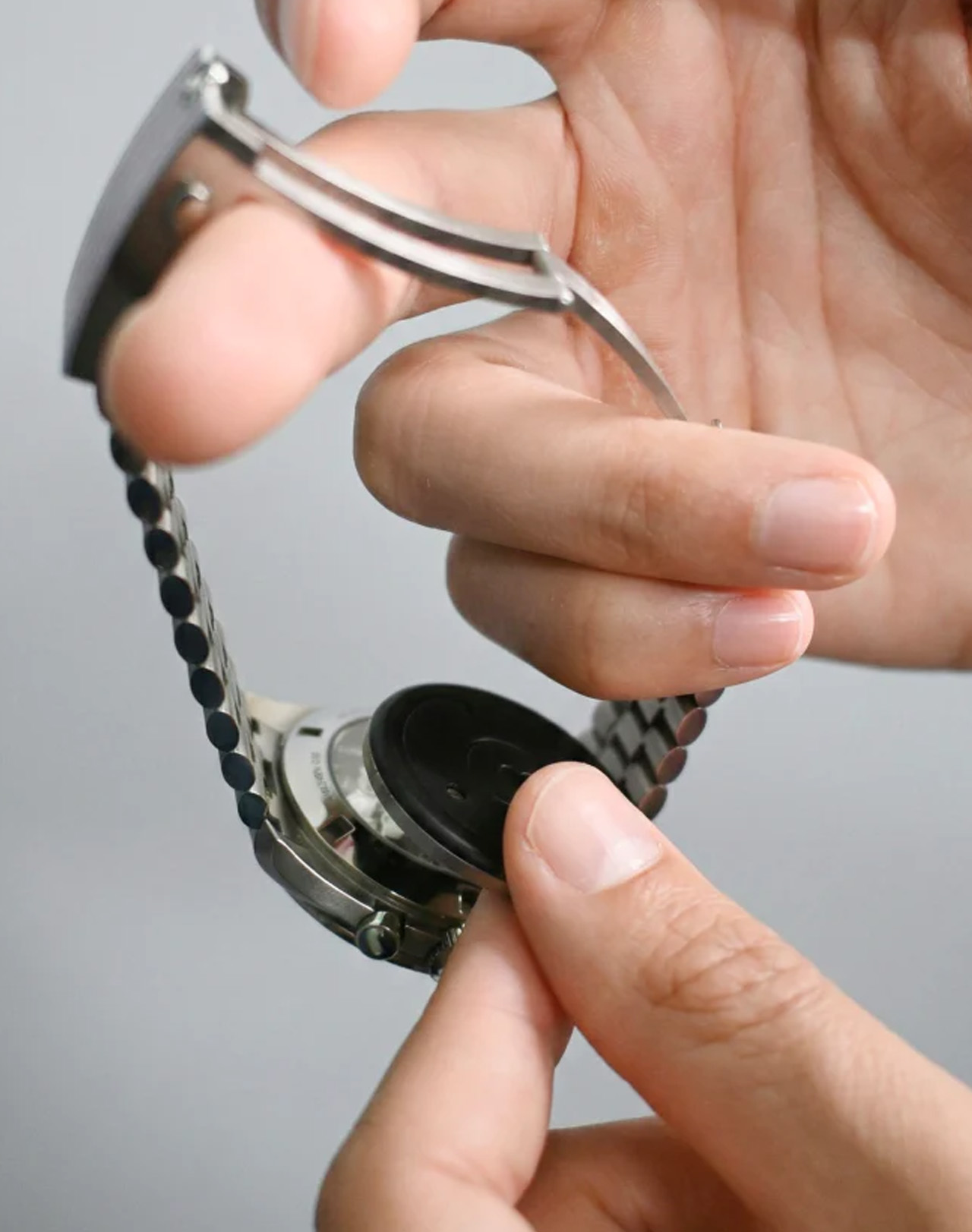
The post This Coin-Sized Sensor Turns Any Analog Watch Into a Fitness Tracker first appeared on Yanko Design.
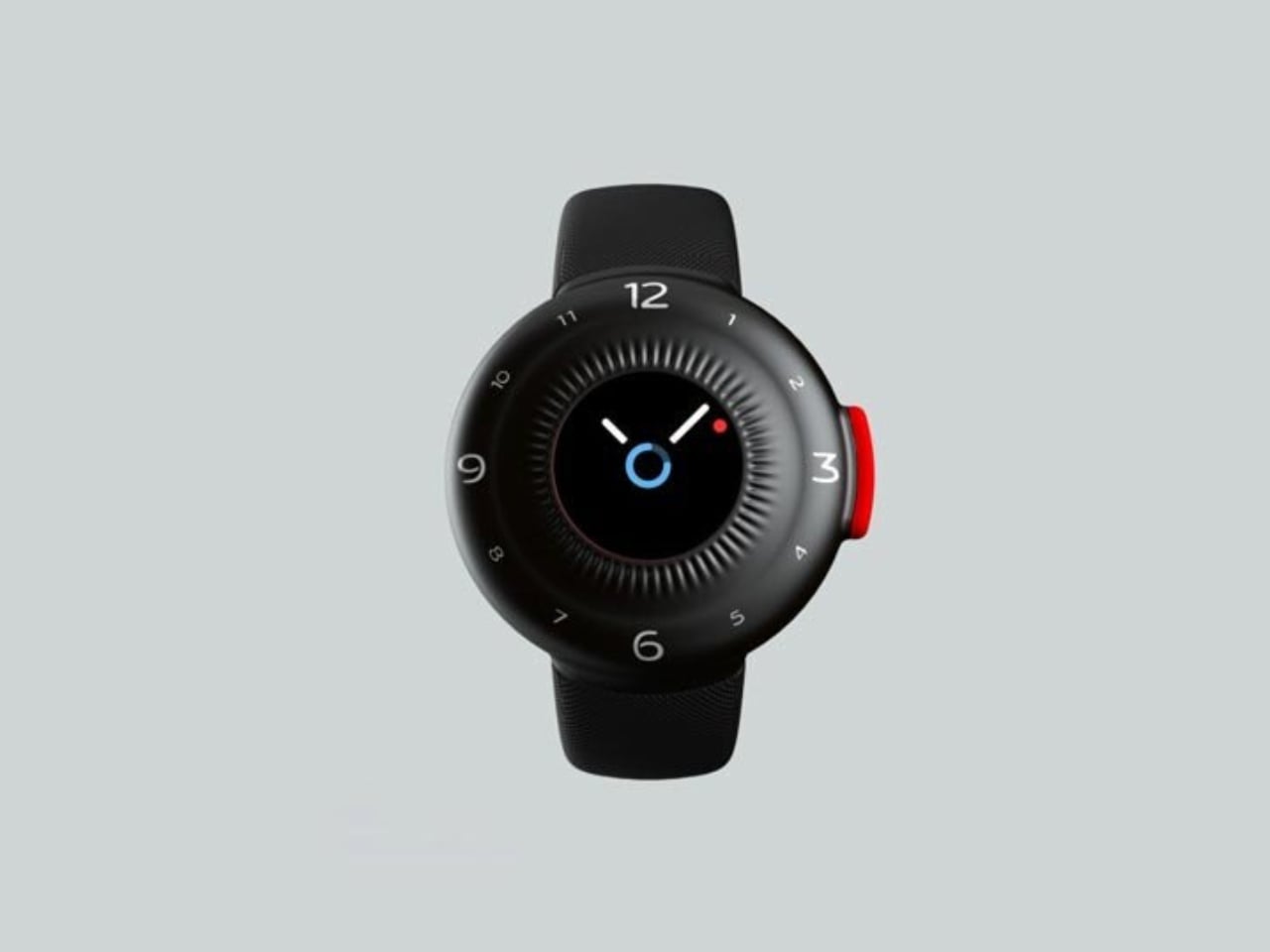
Most smartwatches are sold on the premise of convenience. They track your steps, ping you when you get a text, tell you to breathe, and remind you to stand up every hour like a politely nagging coworker strapped to your wrist. I don’t say that as a knock on the category. Convenience is genuinely valuable. But somewhere along the way, the smartwatch conversation became entirely about optimization and lifestyle metrics, and we kind of forgot that the wrist is also a really good place to put something that could keep you alive.
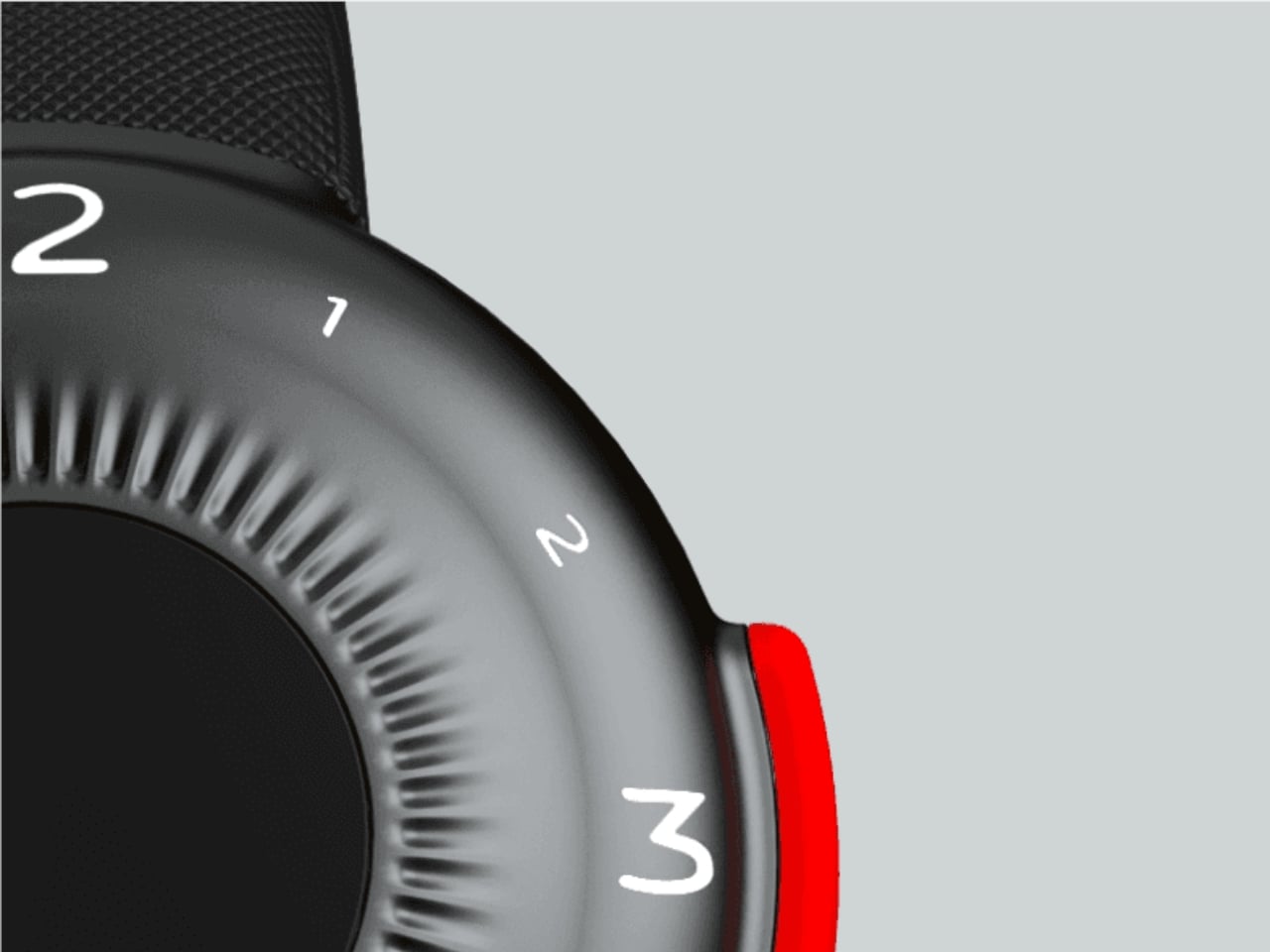
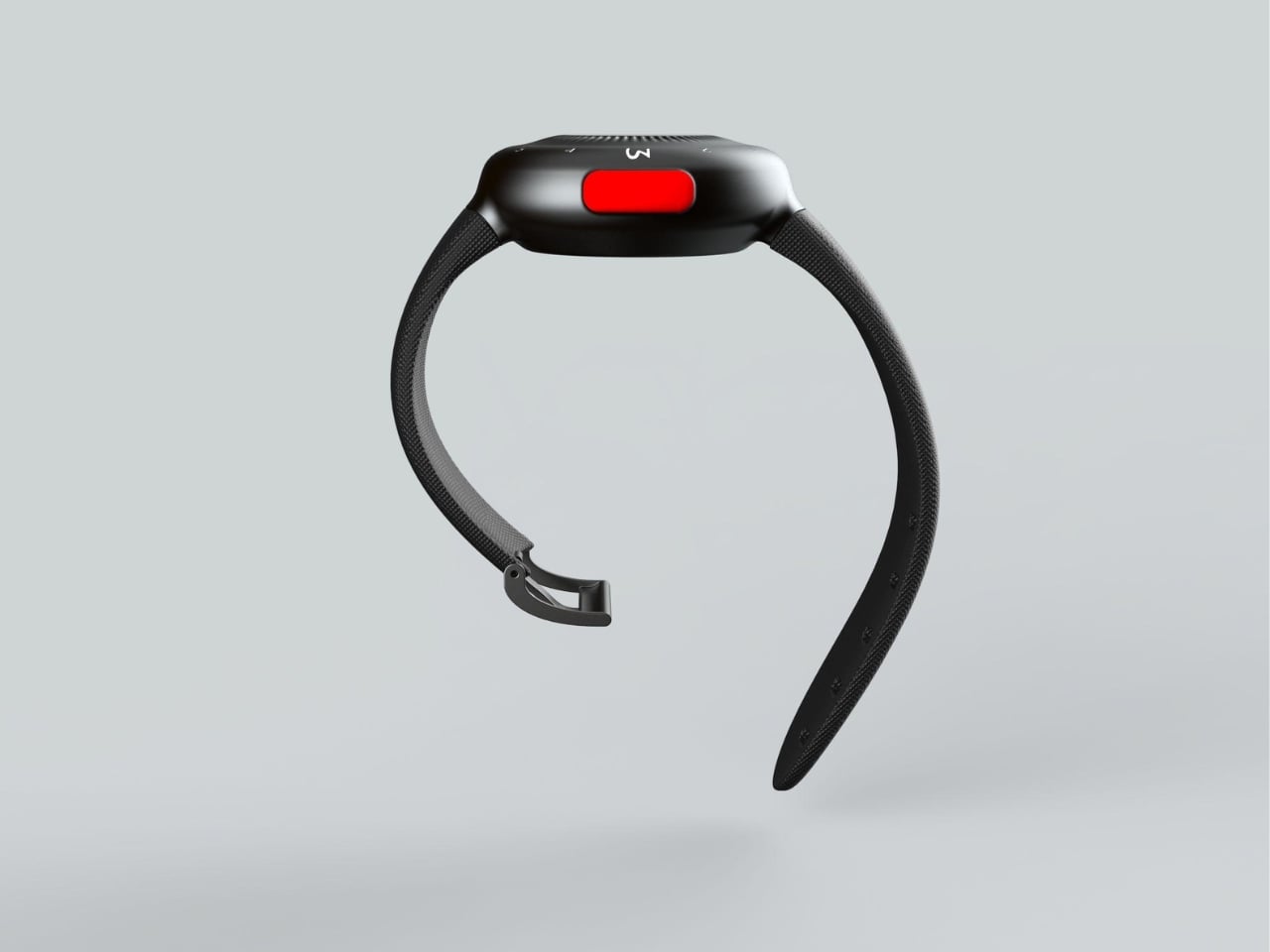
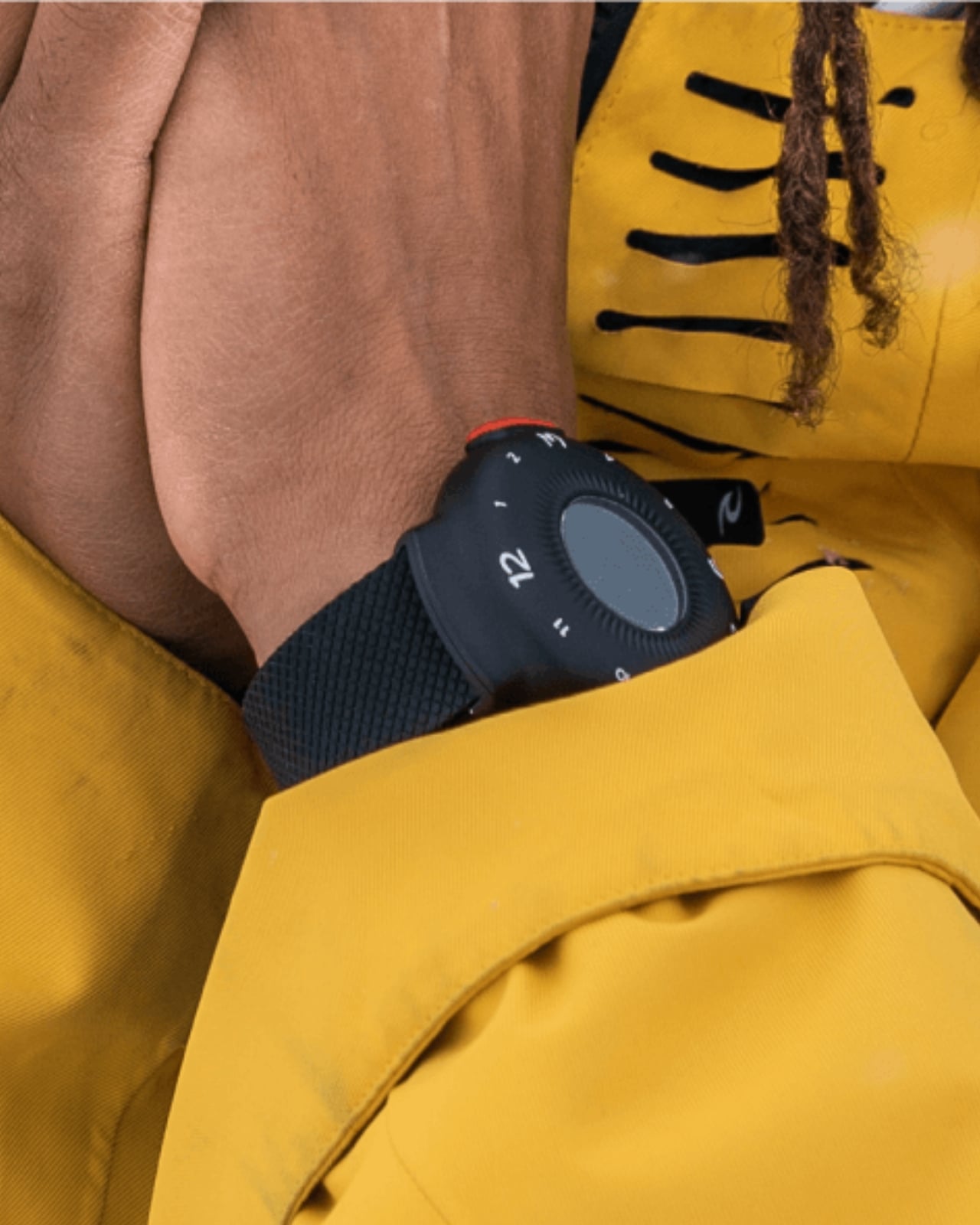
That’s where O-Boy comes in. Developed by Brussels-based design studio Futurewave, O-Boy is a satellite-connected smartwatch built specifically for emergencies in places where mobile networks simply don’t exist. No bars. No Wi-Fi. No backup signal. We’re talking mountains, open ocean, remote job sites, the kind of geography that doesn’t care about your carrier plan. In those environments, O-Boy functions as a direct link to satellite communication, allowing the wearer to transmit an emergency alert regardless of terrestrial infrastructure.
Designer: Futurewave
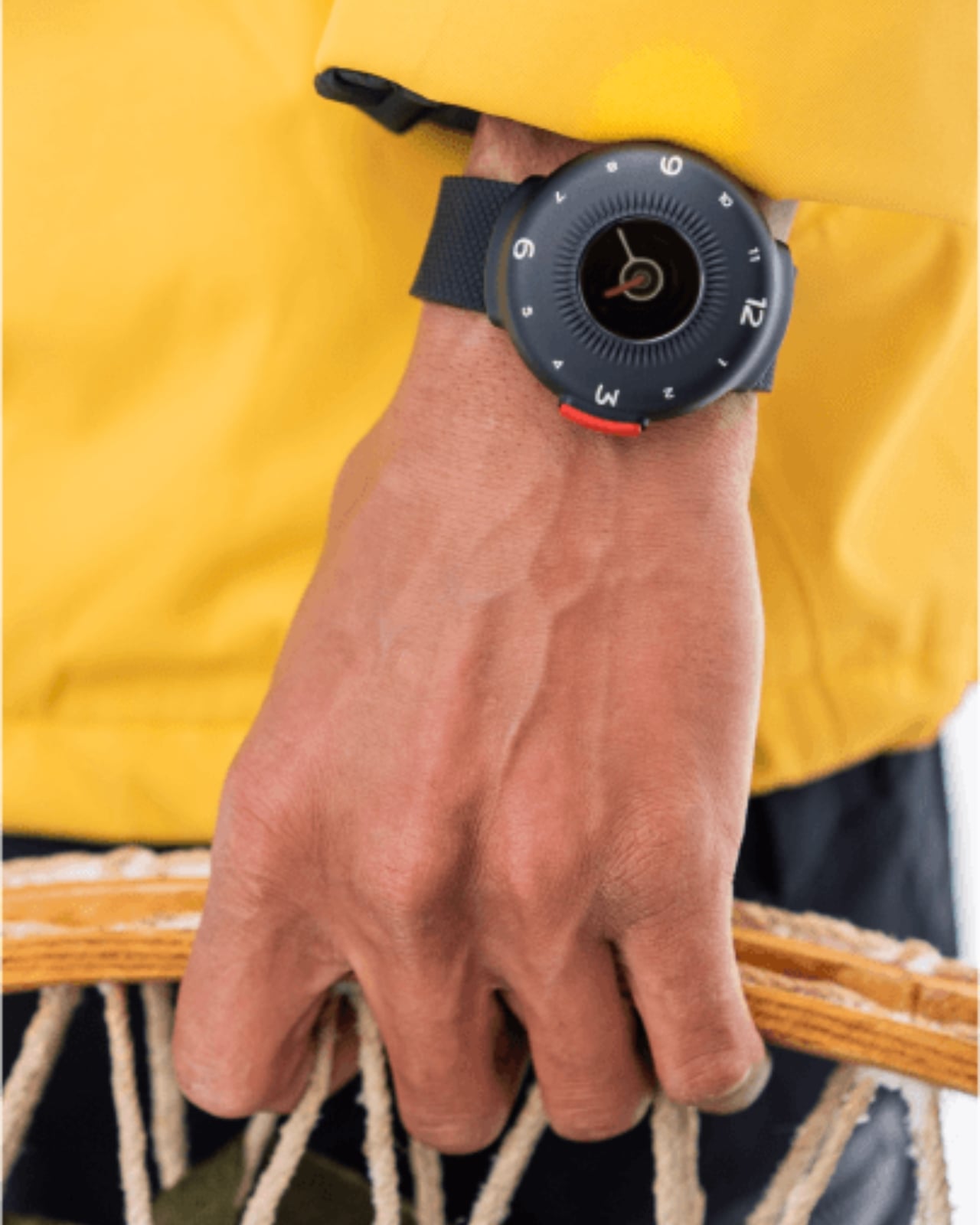
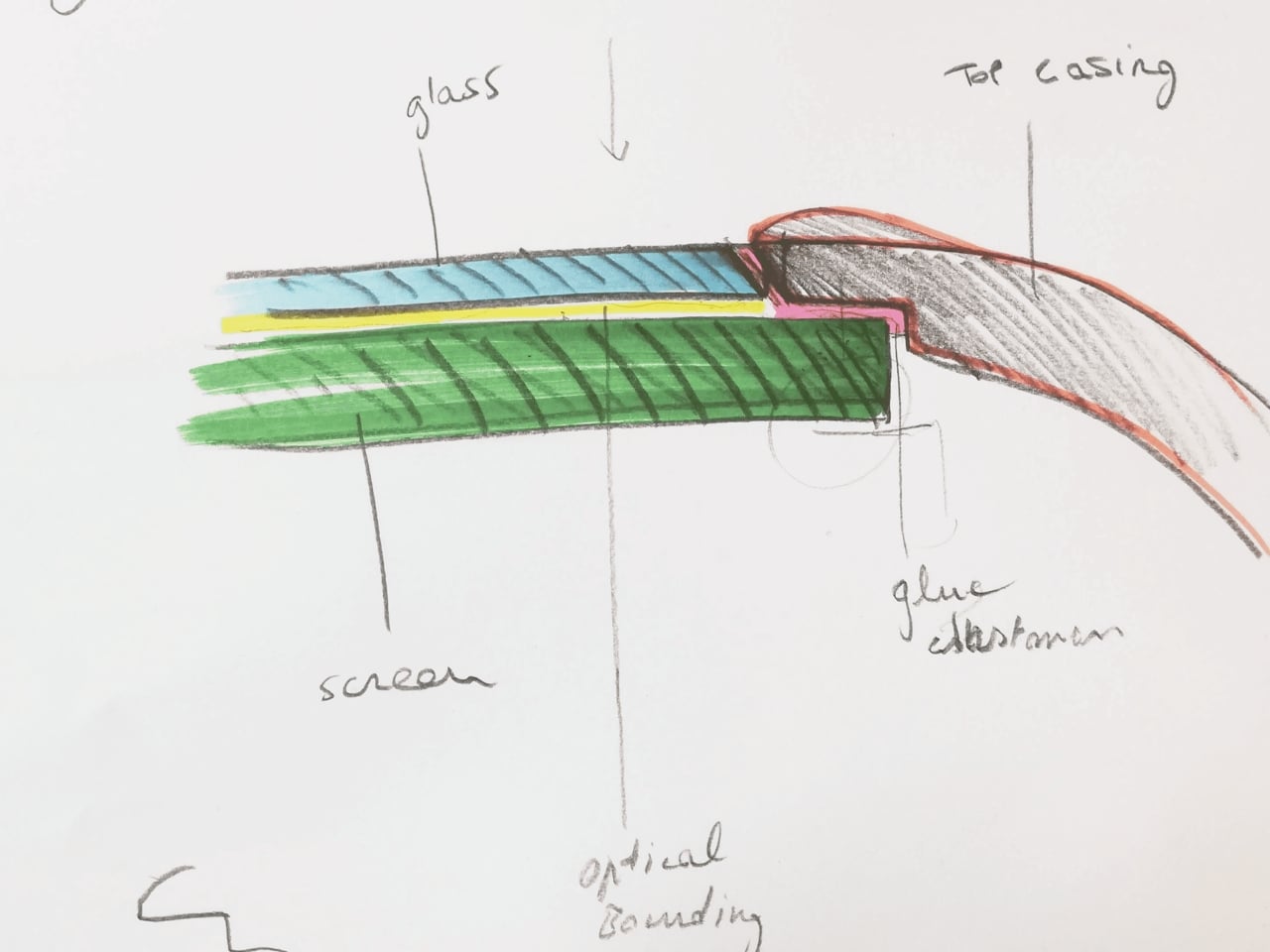
The premise sounds straightforward enough, but the execution is what makes this project interesting. Getting satellite communication hardware into a compact, wearable form factor is not a small feat. Futurewave brought together product designers, electronics engineers, and antenna specialists to make it work, and rethought the assembly system entirely from how conventional wearables are manufactured. That kind of cross-disciplinary collaboration tends to produce things that actually push the category forward rather than just iterating on what’s already there.
Visually, O-Boy reads as deliberate and utilitarian without being overtly tactical or rugged-for-rugged’s-sake. It doesn’t look like a watch that belongs exclusively to climbers or military personnel, which I think is actually the right call. The moment you design something to look extreme, you narrow your audience to people who already identify with that world. O-Boy appears to be reaching for a broader user: anyone who spends time in remote environments, whether for work or adventure, and wants a layer of safety that their phone simply cannot provide.
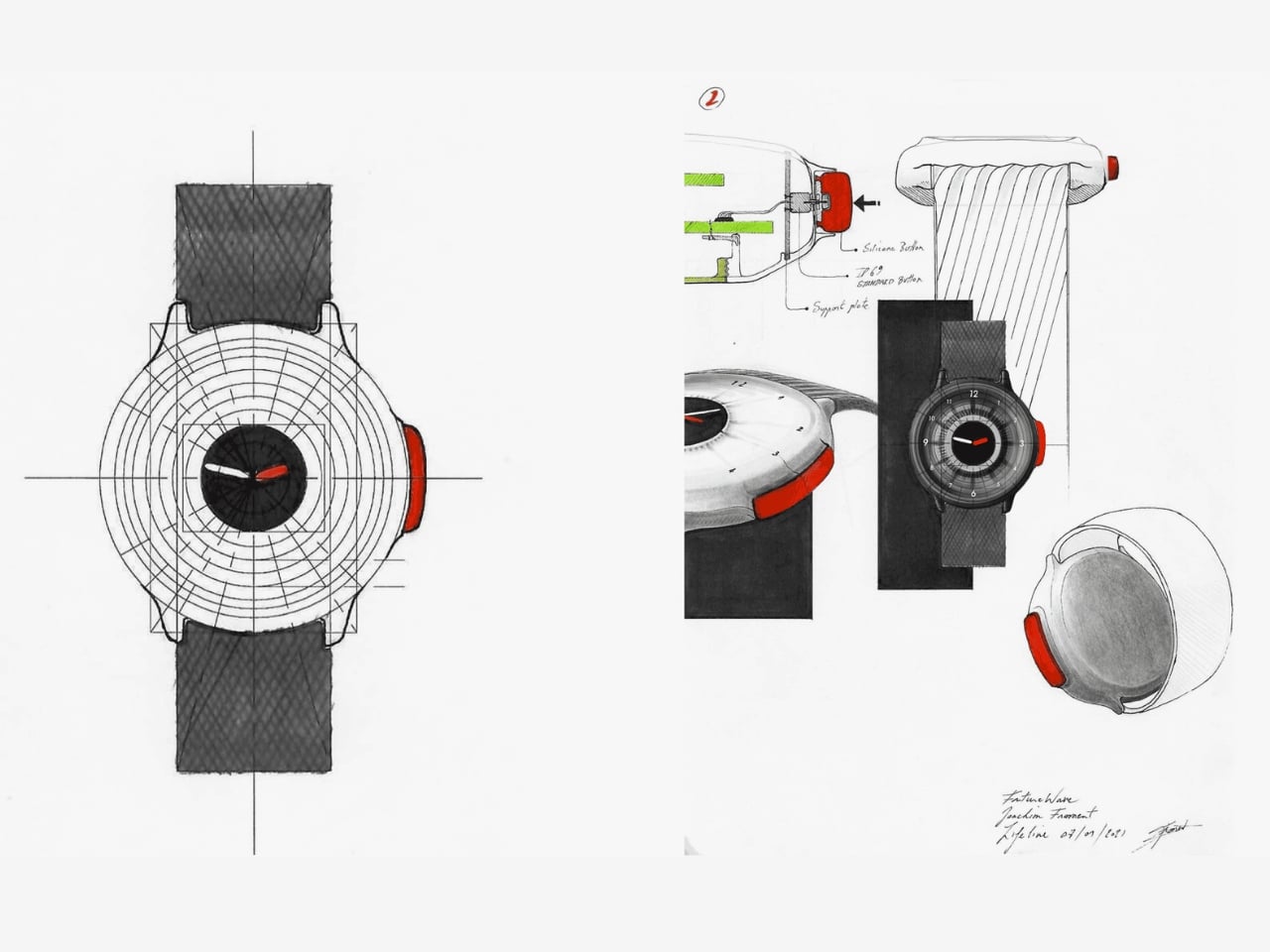
I’ll be honest about something. I’ve never been fully convinced that the average smartwatch user needs another notification device. The market is crowded, the differentiation is thin, and most new entries end up competing on specs that only matter to enthusiasts. O-Boy sidesteps that conversation almost entirely. It’s not trying to be the smartest watch. It’s trying to be the one you’d actually want on your wrist when a situation becomes life-or-death. That’s a completely different design brief, and it produces a completely different kind of product.
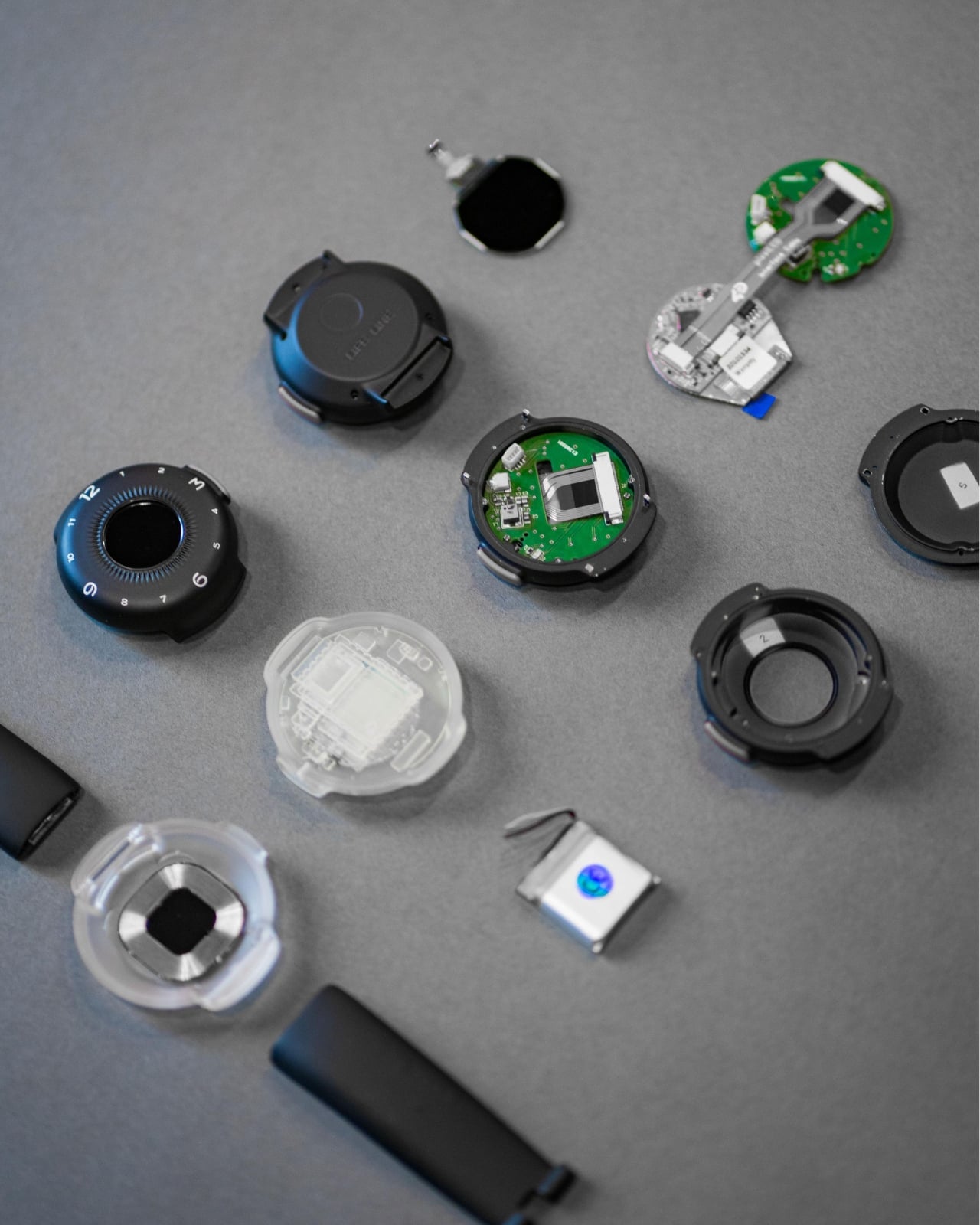
What I appreciate most is that the project seems to understand its context. Conventional mobile networks cover only a fraction of the Earth’s surface. Vast swaths of ocean, mountain ranges, deserts, and rural work sites exist in a communication dead zone that we collectively don’t think about until something goes wrong. The Apple Watch’s satellite SOS feature hinted at this need, but that capability is baked into a device designed primarily for a very different kind of user, sold at a premium price point and wrapped in a broader ecosystem. O-Boy is positioning itself as something more focused, more purpose-built, and arguably more honest about what it’s actually for.
Does it solve every problem in the wearable safety space? Almost certainly not. Satellite communication latency, subscription models for satellite access, and battery constraints are all real questions that any device in this category has to reckon with. Futurewave hasn’t published exhaustive technical specs publicly, so some of those answers remain open. But as a design concept and a signal of where wearables could be heading, it’s genuinely compelling.
The best design doesn’t ask you to change your habits. It meets you exactly where you are, anticipates the moment things go wrong, and gives you a way through. O-Boy feels like it was built with that thinking at its core. Whether it reaches mass production or stays within niche markets, the conversation it’s starting is one worth having.
The post Futurewave Just Built a Smartwatch That Works Off the Grid first appeared on Yanko Design.
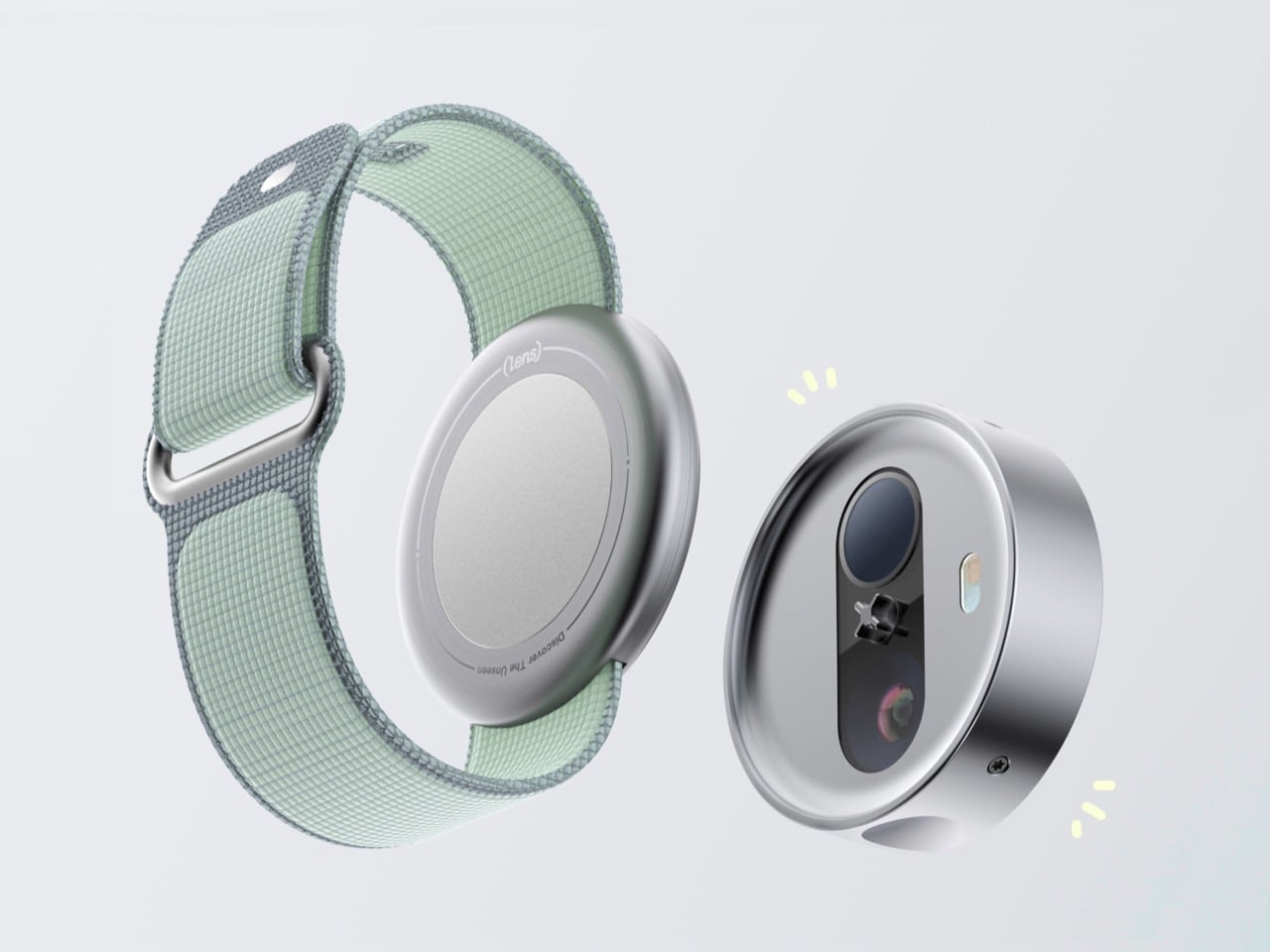
Sailors used to carry pocket telescopes. Birdwatchers still carry monoculars. Geologists carry hand lenses. What these instruments share, beyond the obvious optical function, is a deliberate relationship to information: you raise the tool when you choose to engage with it, and the world stays unmediated the rest of the time. That’s actually a pretty sophisticated UX philosophy, and it’s one the entire wearable tech industry has quietly abandoned in favor of always-on overlays, persistent notifications, and the assumption that more access to information is axiomatically better. Yuxuan Hua’s Lens concept is a Silver A’ Design Award winner that makes the counterargument in hardware form.
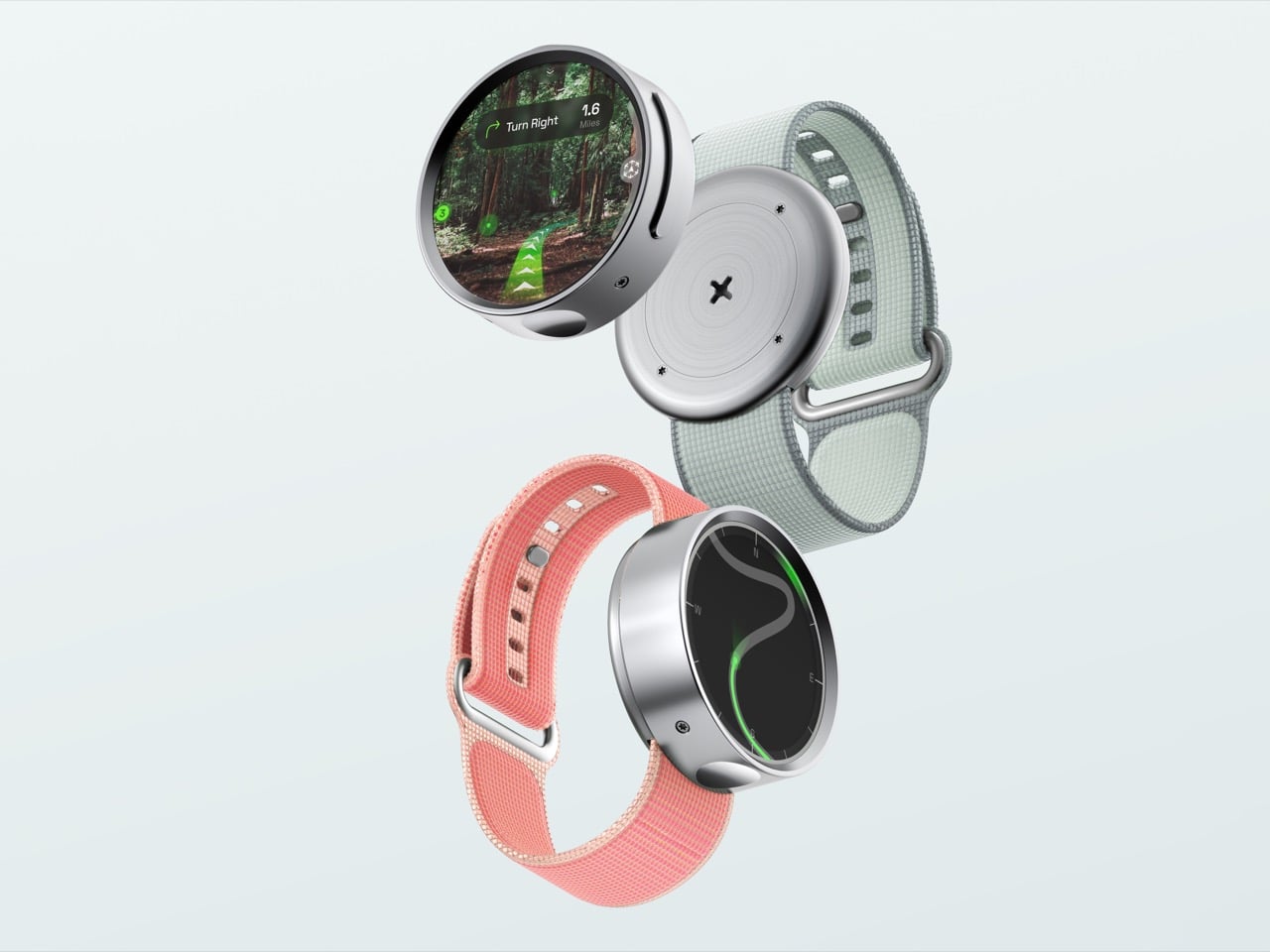
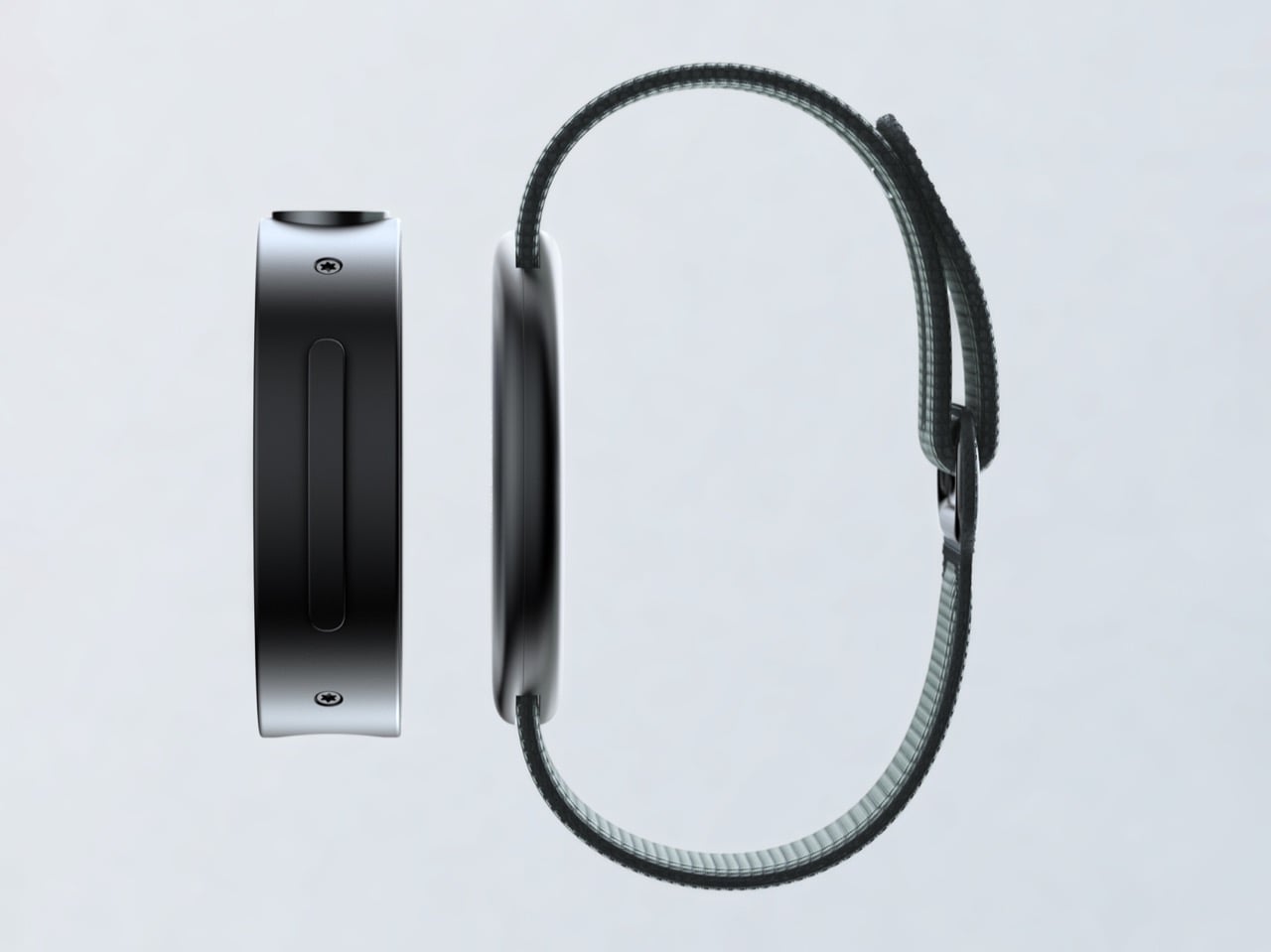
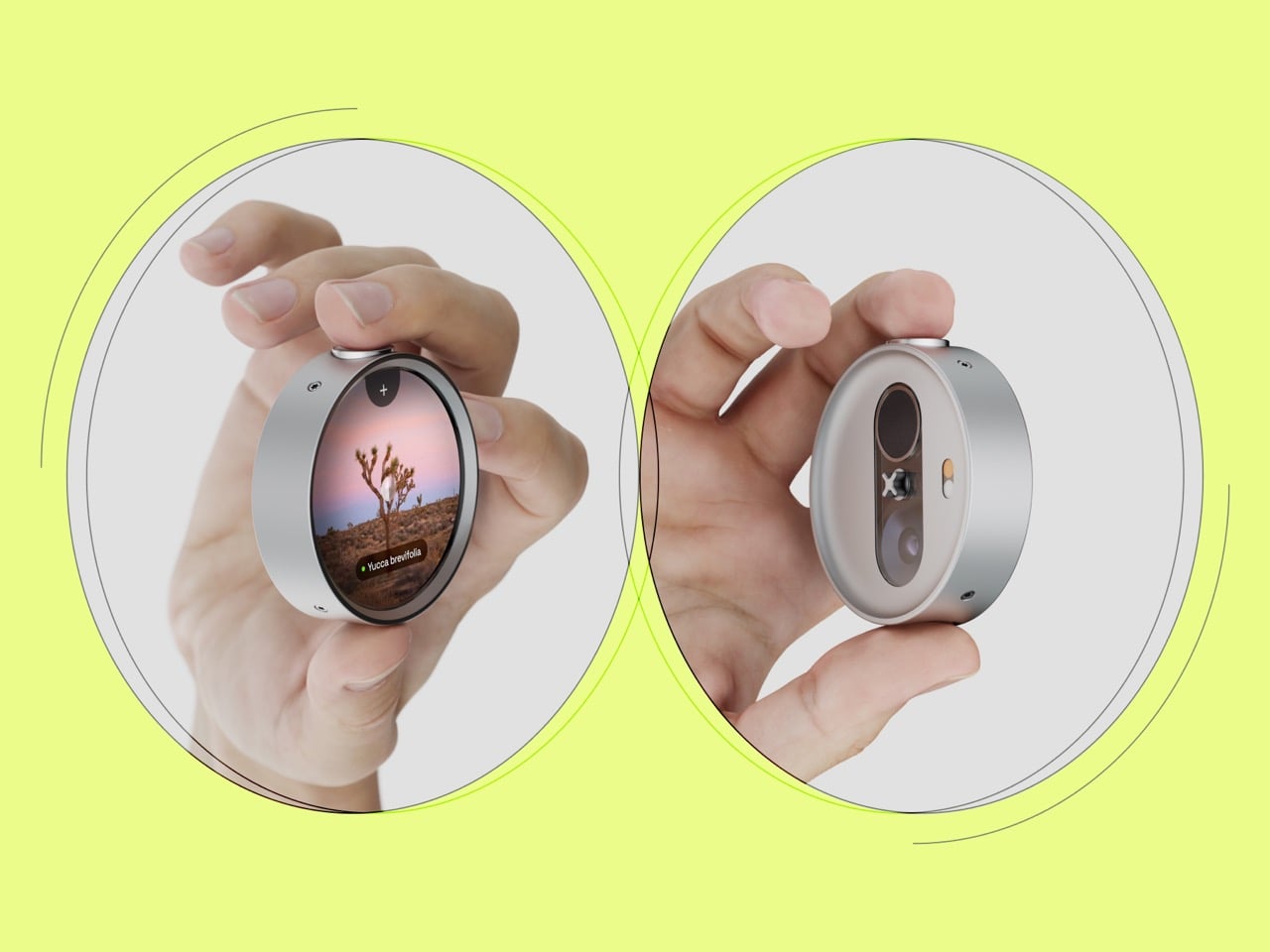
The concept is a detachable AR smartwatch that splits into two objects: a wrist-worn puck for everyday use and a handheld monocular for AR-enhanced outdoor exploration. The back face of the module houses a dual-lens optical array, a wide camera and LiDAR sensor tucked into a vertical pill recess, while the face doubles as a circular display that overlays navigation prompts, species identification, and star charts over a live feed when held up like a field scope. The band itself is Alpine-loop textile, the lug system simple enough to suggest the module can swap across band styles, and the whole thing comes in at 48mm wide and 68g. The rendering detail is strong: the detached module has the cold, machined look of a quality compass or a classic light meter, the kind of object that rewards handling.
Designer: Yuxuan Hua
Hua interviewed hikers, foragers, and stargazers and found three consistent frustrations: devices were too bulky and fragile for rugged environments, and frequent screen interactions broke the rhythm of being outside. The phone-as-field-guide pattern, pull it out, unlock, navigate to the app, wait for it to load, try to hold it steady while pointing at something, is a sequence of six interruptions where you actually wanted zero. Smart glasses solve the unlock problem but introduce the far more annoying problem of a permanent digital scrim between you and whatever you came outdoors to look at. The monocular is the thing you raise when you want to know something and lower when you don’t, which is precisely how attention works when you’re actually engaged with a landscape.
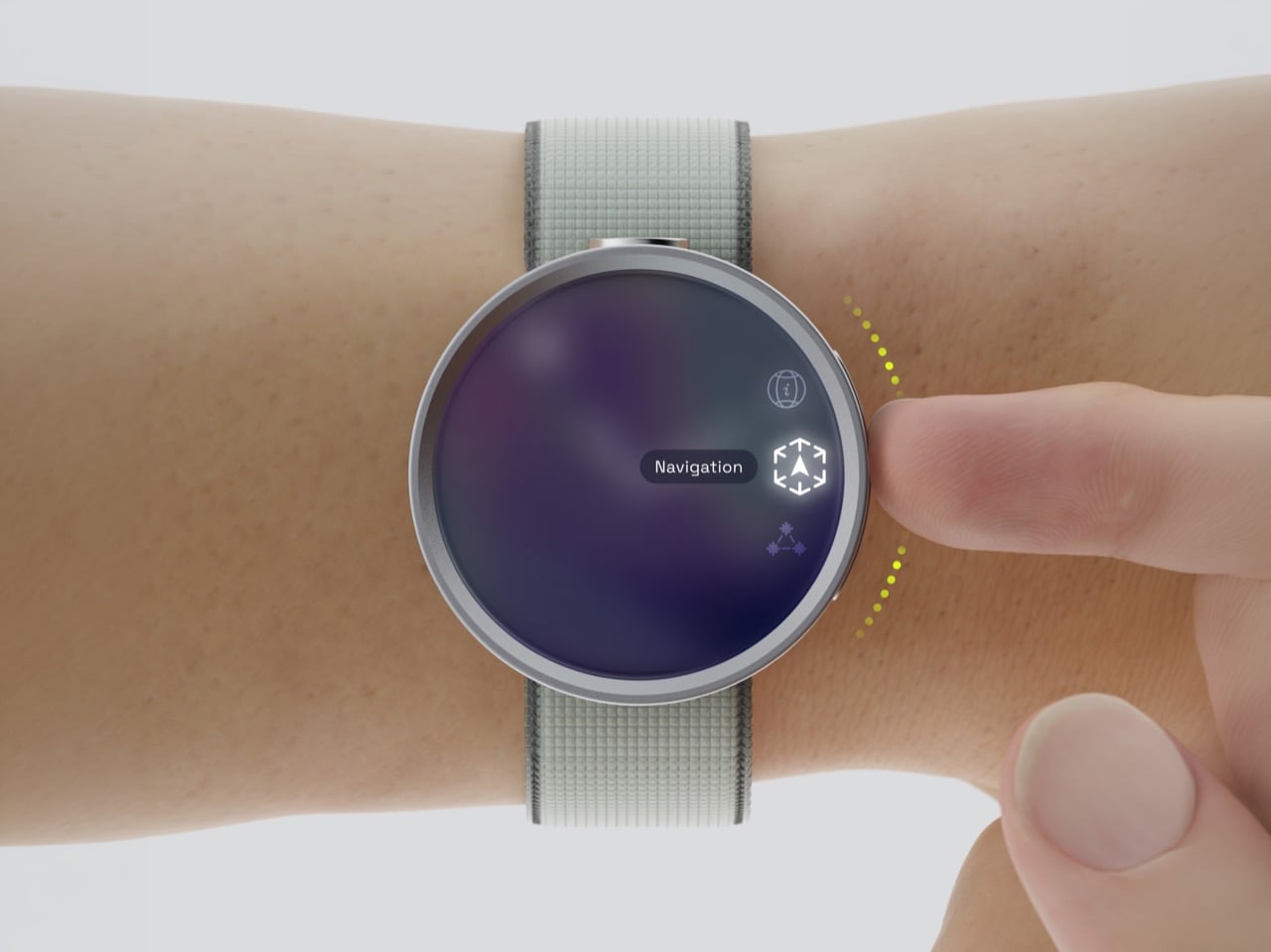
Most AR concept hardware reaches for science fiction: translucent surfaces, glowing elements, the visual grammar of a prop department. Lens reaches instead for the instrument drawer: the detached module has the proportions and material honesty of a quality compass housing or a Leica light meter, machined aluminum with visible fasteners and a lens array that looks like it belongs in an optician’s toolkit. It doesn’t look like the future. It looks like a very well-made tool, which is a significantly harder design target to hit.
Hua began developing Lens in 2021, during the pandemic, which is useful context. Lockdown-era design projects often reveal what designers actually miss about the physical world when it’s taken away, and what Lens mourns, obliquely, is uninterrupted attention. The whole concept is an argument that the best AR device for outdoor use is one that disappears when you’re not using it, one that earns its presence by staying out of the way until the moment it’s needed, then delivers exactly what the moment requires. Whether the engineering can catch up to that vision, packing AR projection, LiDAR, and a wide-FOV camera into a 68g coin of aluminum, is another question entirely. As a design proposition, it’s already done its job.
The post This Concept Smartwatch Detaches Into an AR Monocular, and It Solves a Problem Meta Can’t first appeared on Yanko Design.
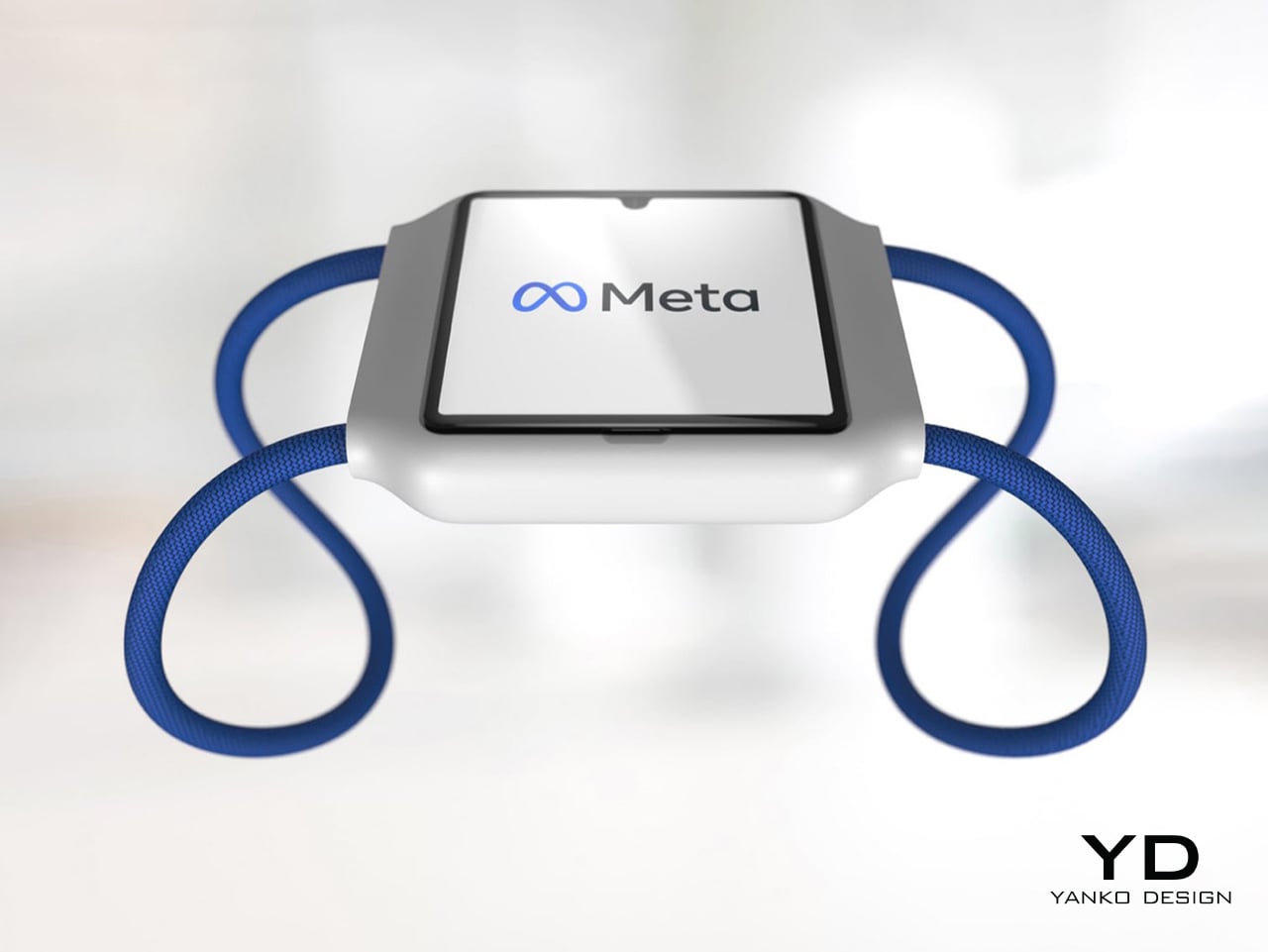
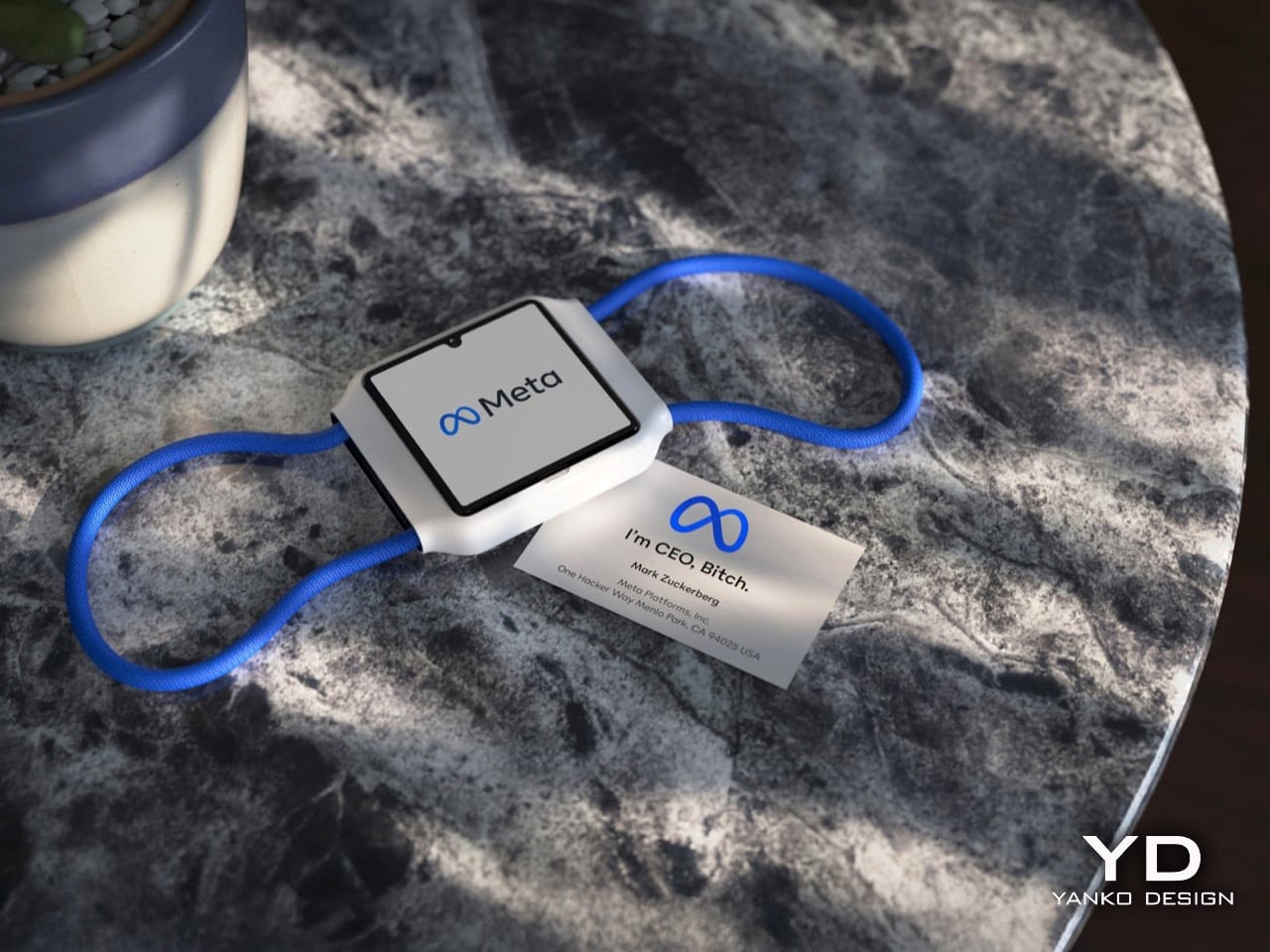
Meta is building a smartwatch, and it wants to know your heart rate, your sleep patterns, your activity levels, and whatever else it can pull from a sensor pressed against your skin all day. The device is codenamed Malibu 2, it’s targeting a 2026 launch, and by most accounts it sounds like a perfectly competent health wearable. The problem isn’t the hardware. The problem is the company attached to it.
This is the same Meta that just faced congressional scrutiny over social media addiction today. The same Meta whose smart glasses are reportedly inching toward facial recognition. The same Meta that filed a patent for Project Lazarus, a system designed to generate posthumous content from deceased users, because apparently your data doesn’t stop being useful to them just because you do. Handing your most intimate biometric information to that company is a case study in one.
Designer: Meta
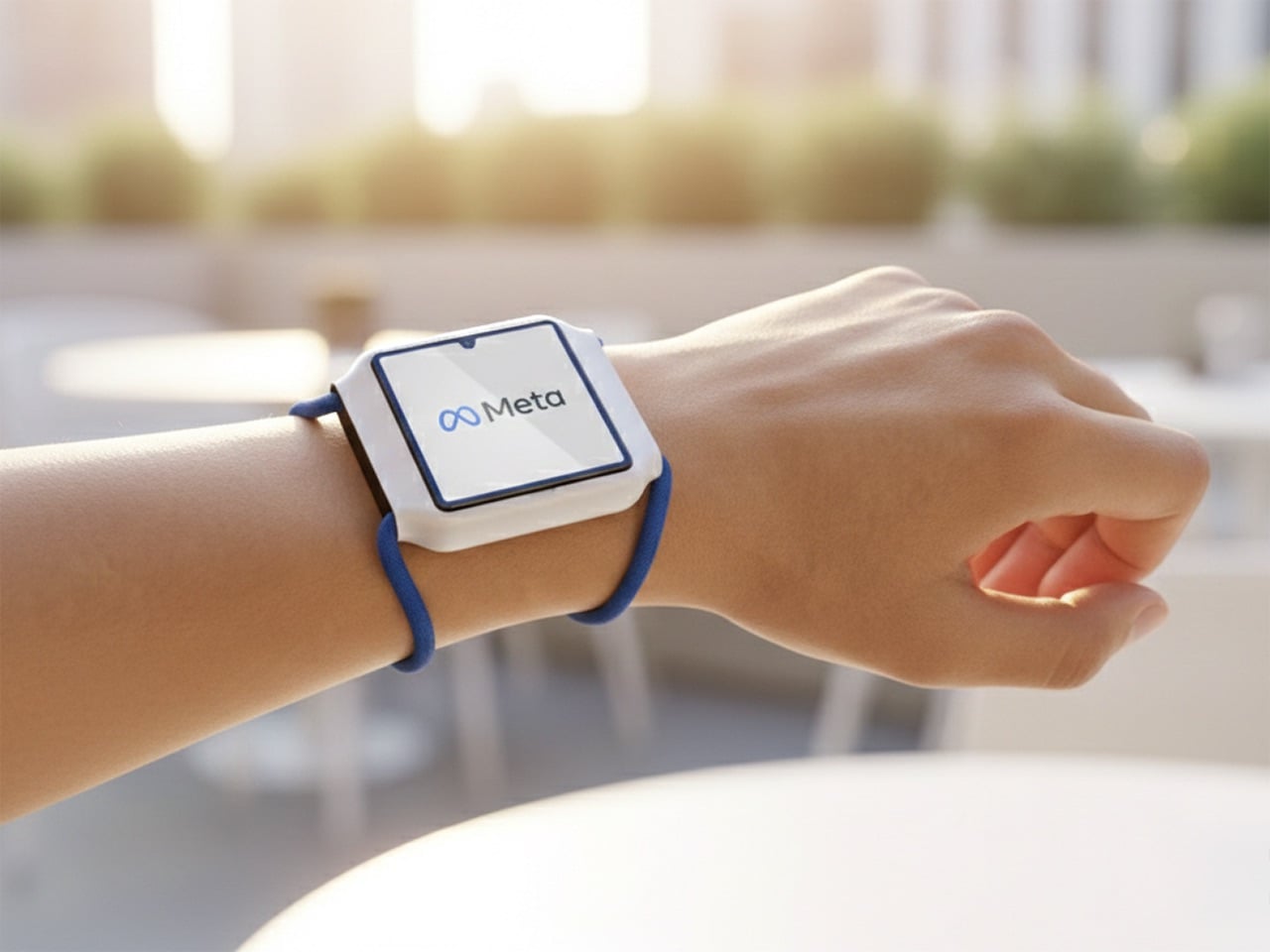
To be fair, the product itself has a coherent logic behind it. Meta’s Ray-Ban Display glasses have been received surprisingly well by the press, and the neural wristband that ships with them, which uses electromyography to read muscle signals and translate them into gestures, only works with those glasses. That’s a real limitation. A smartwatch that absorbs that gesture-control functionality while adding health tracking and a persistent AI assistant would close a gap that currently makes the whole setup feel incomplete. From a pure product strategy standpoint, Malibu 2 makes sense.
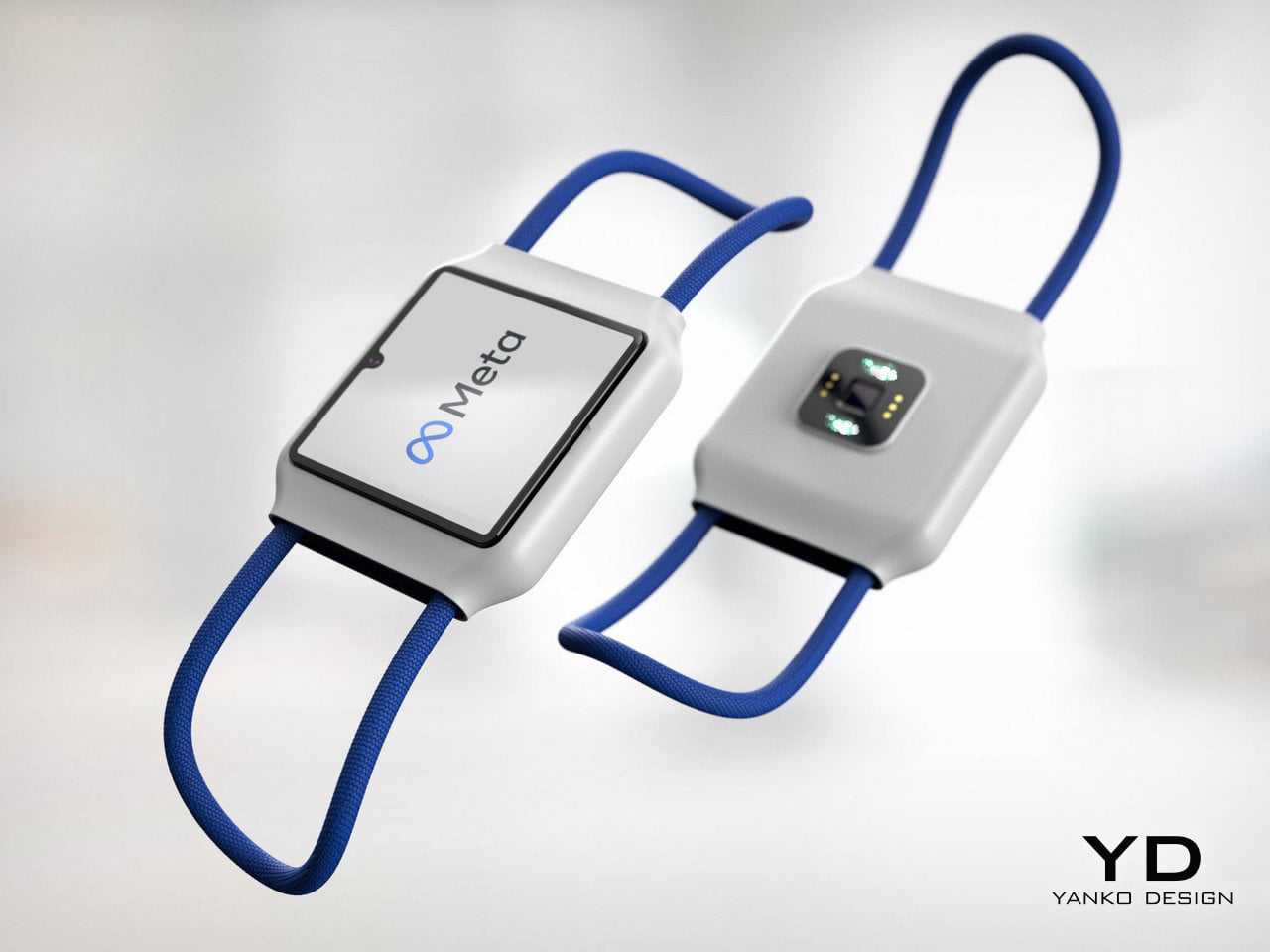
The hardware ambitions have also matured since Meta’s first attempt at a smartwatch, which was scrapped in 2022 after accumulating plans for detachable cameras and metaverse tie-ins that never quite added up to a coherent device. Malibu 2 is reportedly focused on health tracking and Meta AI integration, which is a much cleaner pitch. The company already has a working partnership with Garmin, visible in the Oakley Vanguard sports glasses and a neural band demo at CES 2026 inside a Garmin-powered car concept. If there’s a natural manufacturing and platform partner for this watch, Garmin is the obvious candidate.
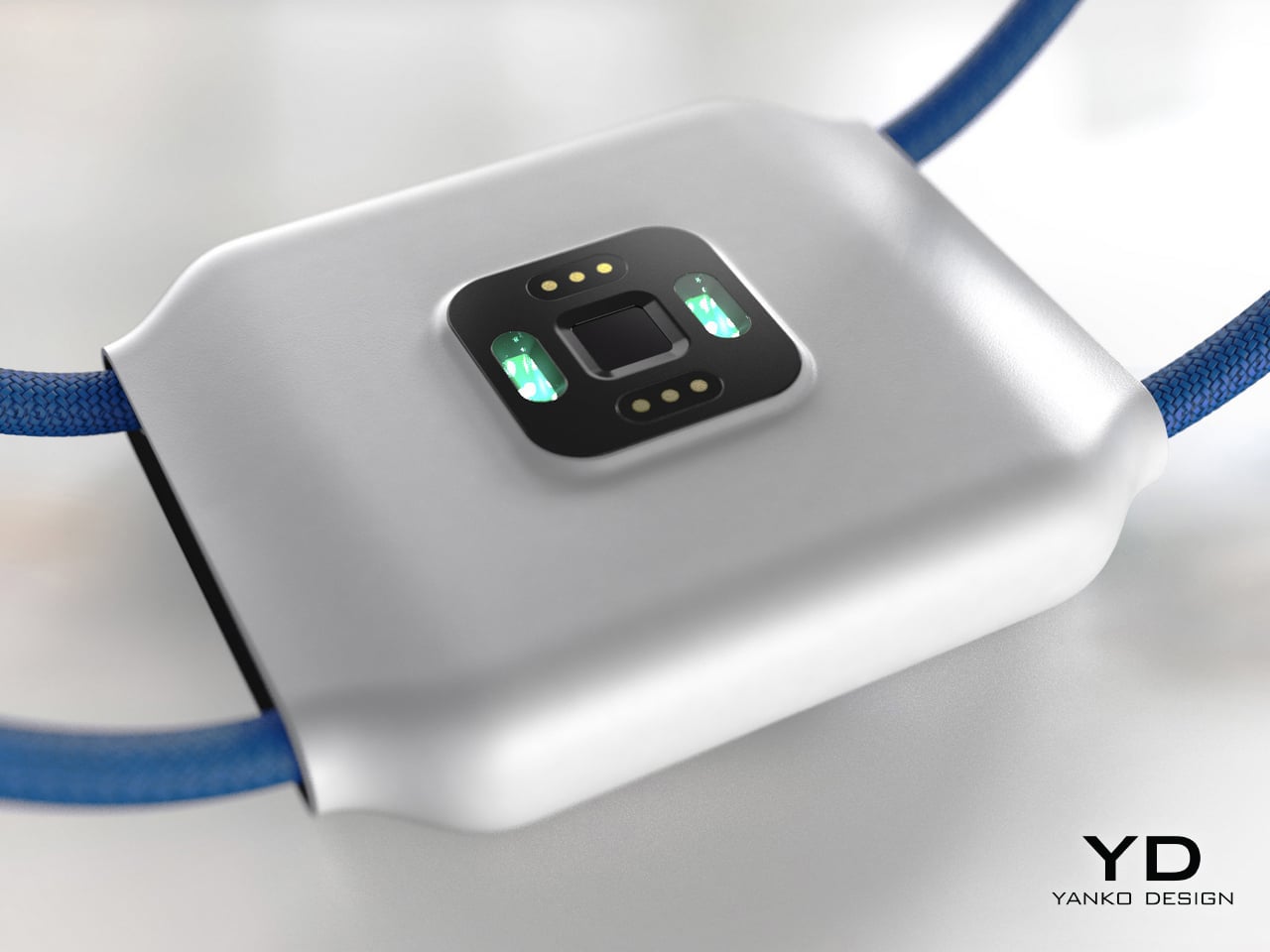
Meta is also reportedly developing the watch to sit alongside updated Ray-Ban Display glasses, internally called Hypernova 2, with both devices likely to be unveiled at Meta Connect in September. The Phoenix mixed reality glasses, meanwhile, have been pushed to 2027 partly because Meta’s executives were concerned about releasing too many devices at once and confusing consumers. That’s a reasonable concern. It’s also a little rich coming from a company whose current product lineup already includes smart glasses with a separate neural band that only controls one device.
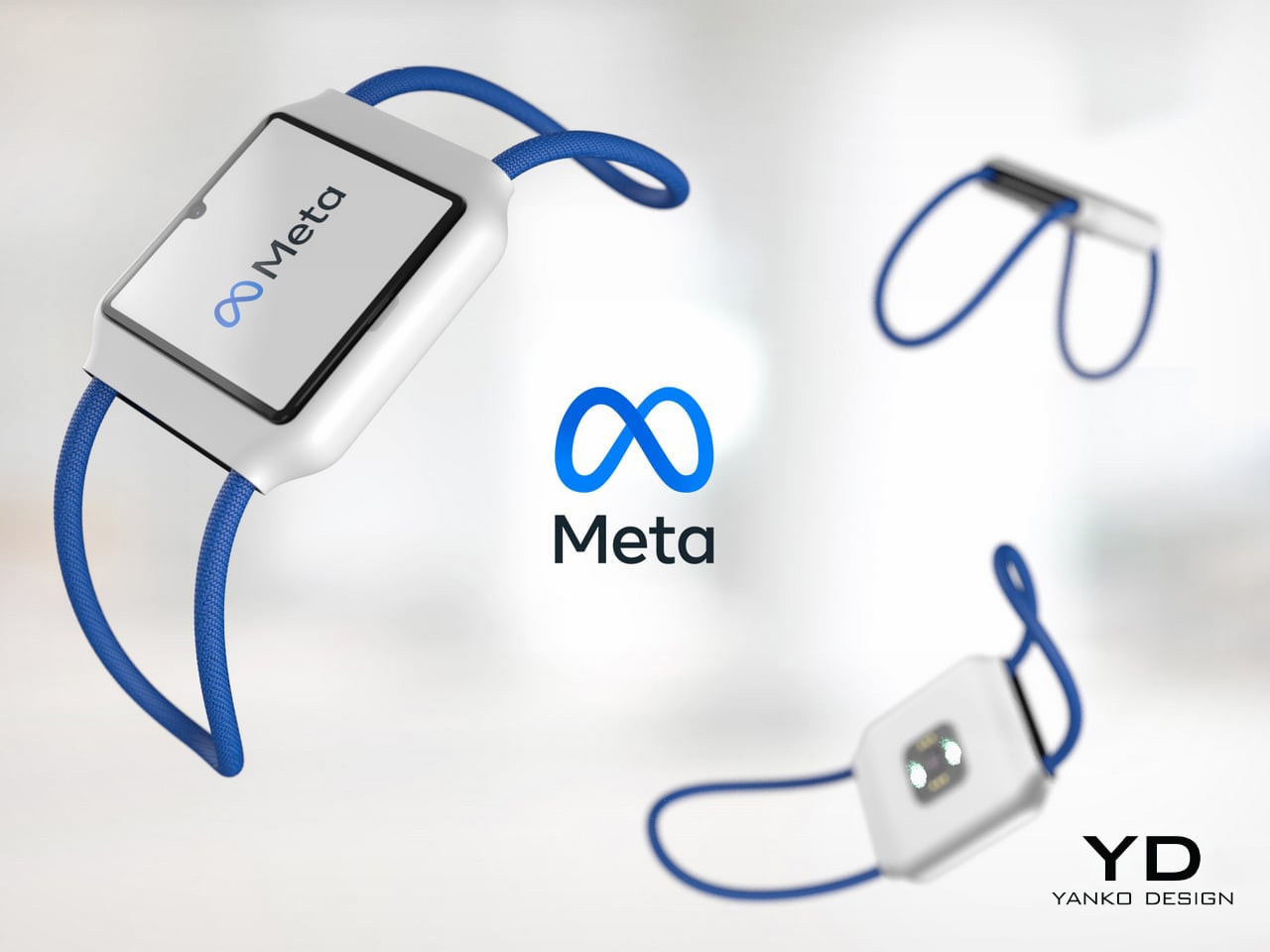
The wearables market is genuinely ready for a credible third competitor alongside Apple and Samsung, and Meta has the AI infrastructure and the existing glasses ecosystem to make Malibu 2 compelling from launch. But compelling and trustworthy are different things, and Meta has spent twenty years demonstrating which one it prioritizes. Your Apple Watch data sits in Apple’s ecosystem, behind a company that has made privacy a marketing pillar and a legal battleground. Your Malibu 2 data sits with a company that patented a way to keep monetizing you after you die.
The post Meta Wants to Put an AI Health Tracker on Your Wrist in 2026. What Could Go Wrong?? first appeared on Yanko Design.