
Sony is adding free TV channels to PS5
Ad-supported streaming channels are hitting Sony's console in the US today.


I’ve lost count of how many times a delivery robot has shown up in a video, rolled confidently across a parking lot, and then just stopped at the base of a staircase like it hit an invisible wall. That has always been the real bottleneck in last-mile delivery, not the miles of open road but the last twenty feet of stairs, curbs, and uneven walkways leading to an actual front door. Robot.com’s new concept, R-dog, is the first design I’ve seen that treats that problem as the whole point rather than an afterthought.
R-dog is a four-legged robot with wheels built into its feet, plus a furry tail and a face designed to look approachable rather than robotic. Its four flexible legs bend at the knee, letting it climb stairs, step over thresholds, and cross the mixed, unpredictable terrain that trips up wheel-only robots, while the wheels themselves handle flat ground efficiently. It’s a hybrid design that finally matches the actual geography of a residential delivery, and it’s the kind of practical engineering that makes you wonder why every delivery robot before this one settled for wheels alone.
Designer: Robot.com

The cargo compartment doubles as the robot’s body, and it’s large enough to carry multiple packages at once, whether that’s stacked food orders sitting alongside standard parcels. Once R-dog reaches your door, an unattended auto drop-off feature completes the handoff without anyone needing to be home, then it moves on to its next stop. For dense urban blocks and residential neighborhoods with walk-ups, that’s a genuinely useful piece of infrastructure, not just a cute demo built for a press release.

Here’s where the story gets a little more complicated, and I think it’s worth sitting with rather than glossing over. R-dog isn’t only a delivery robot. It also runs on Robot.com’s R-ads platform, meaning it can carry branded advertising campaigns as it moves through neighborhoods and hold natural voice conversations with anyone who stops to interact with it. The design leans into this on purpose. R-dog’s look is built specifically to attract attention and encourage people to walk up and engage with it, and that furry tail is doing exactly the job it was designed to do.

I don’t think that’s a dealbreaker, but it does raise a fair question. Is this a delivery robot that happens to carry ads, or an advertising platform that happens to carry packages? One outlet covering the reveal asked almost the same thing, noting that R-dog “definitely could be both,” and admitting the answer isn’t settled yet. I appreciate that kind of honesty from the coverage, because pretending this is purely a delivery innovation would undersell what the company is actually building here.
On the technical side, R-dog runs on REMI, Robot.com’s fleet management platform, and its navigation comes from FieldAI’s Field Foundation Models, which let it operate in unpredictable real-world environments without needing the area pre-mapped first. That matters enormously for a robot meant to handle whatever staircase, curb, or oddly angled walkway it encounters next. Robot.com has been building robots since 2017 and currently has more than 500 deployed across the US, Canada, Dubai, and the MENA region, having completed over 2.5 million tasks. R-dog joins an existing lineup that includes the R-kiwi for campus deliveries, the R-cargo for industrial logistics, and the humanoid R-noid.

Commercial deployment is planned for 2027, and pricing hasn’t been announced. What I keep landing on is that R-dog solves the one problem that has quietly limited every delivery robot before it. Whether it ends up remembered as the design that finally cracked the last twenty feet, or as a very charming way to get people to look at ads, will depend entirely on how it’s actually deployed once it leaves the concept stage. For now, it’s the most convincing answer I’ve seen to a problem that’s been sitting in plain sight for years.

The post Meet the Robot Dog Built to Climb Your Stairs With Your Packages first appeared on Yanko Design.

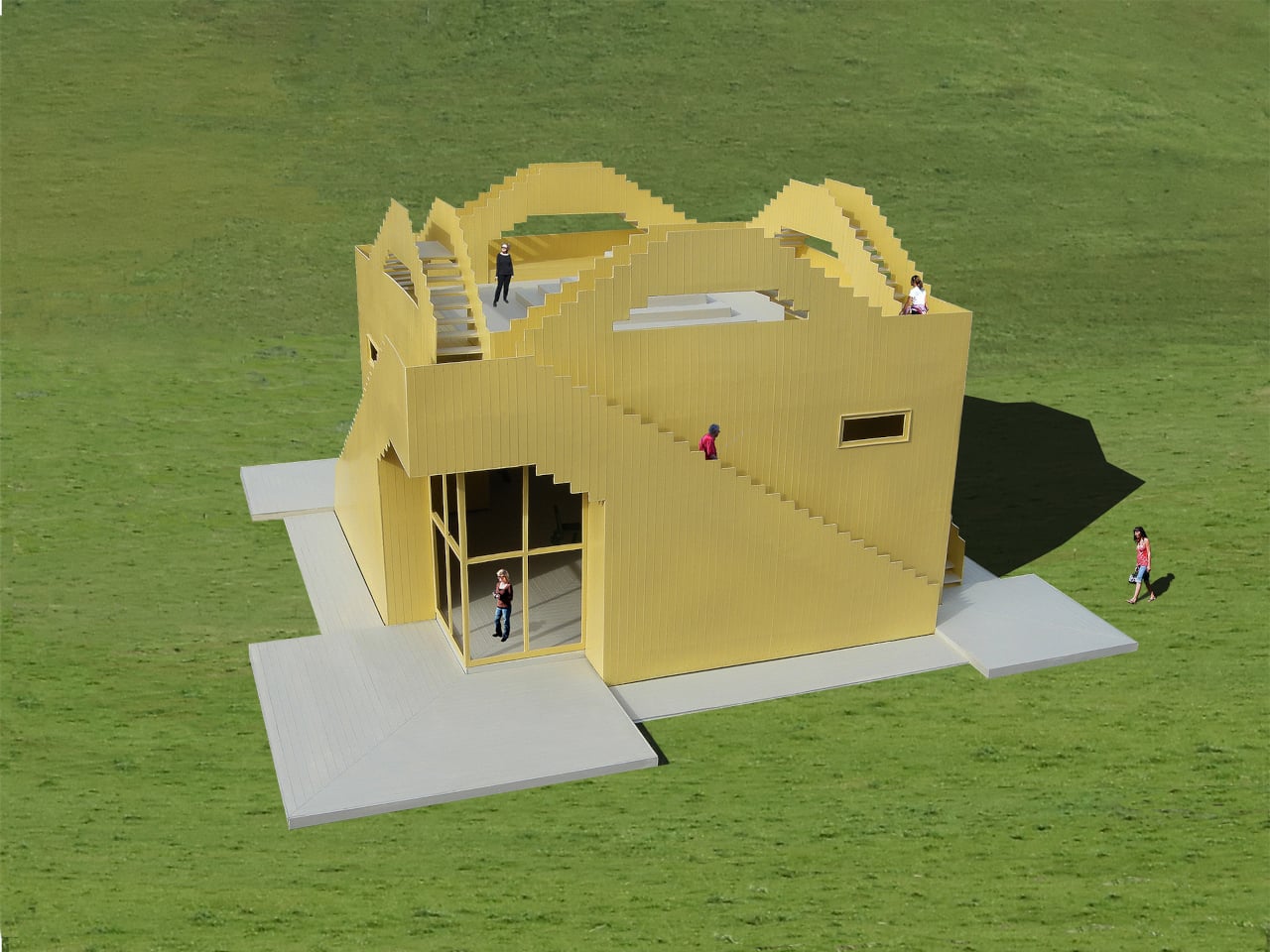
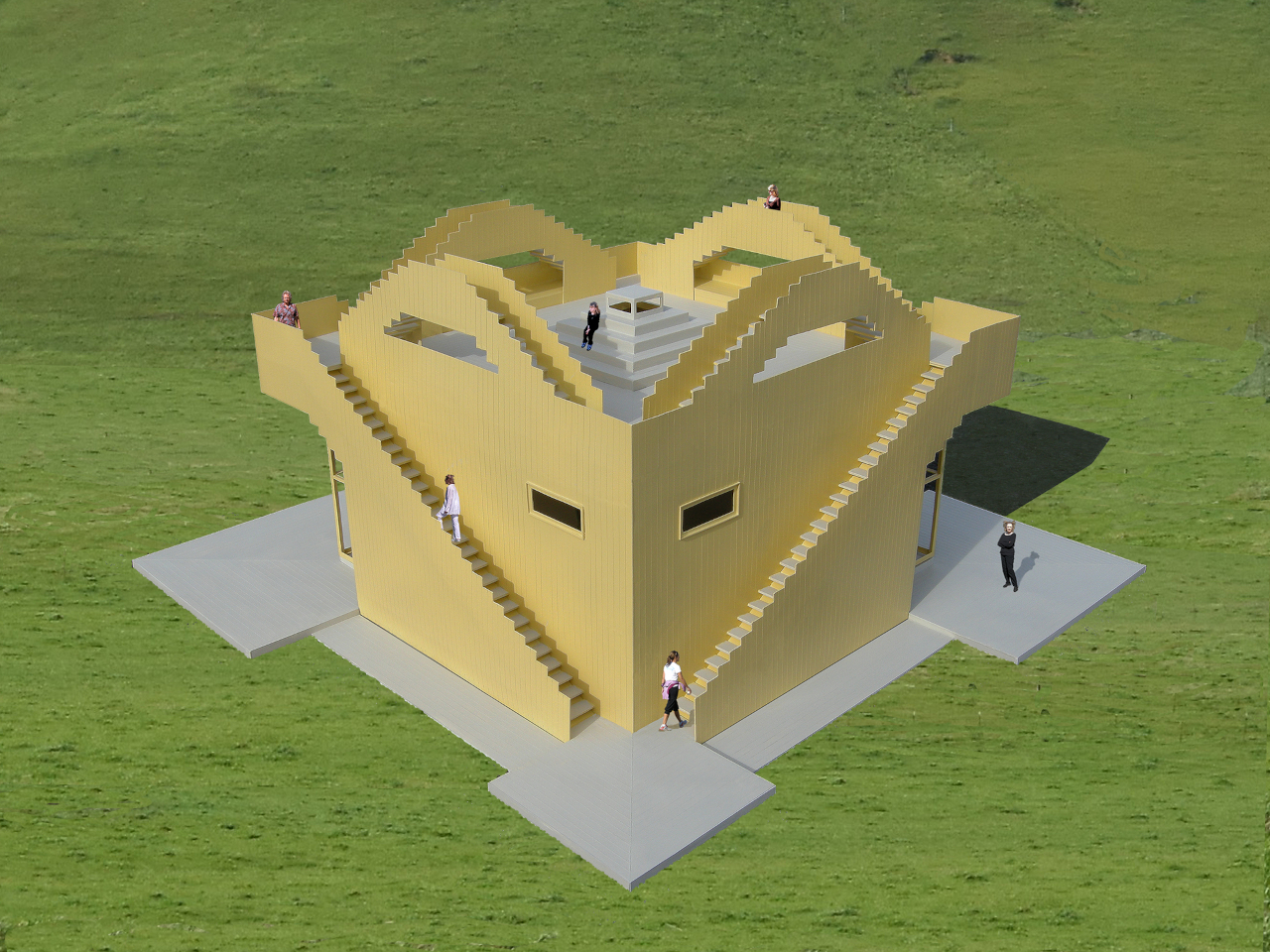
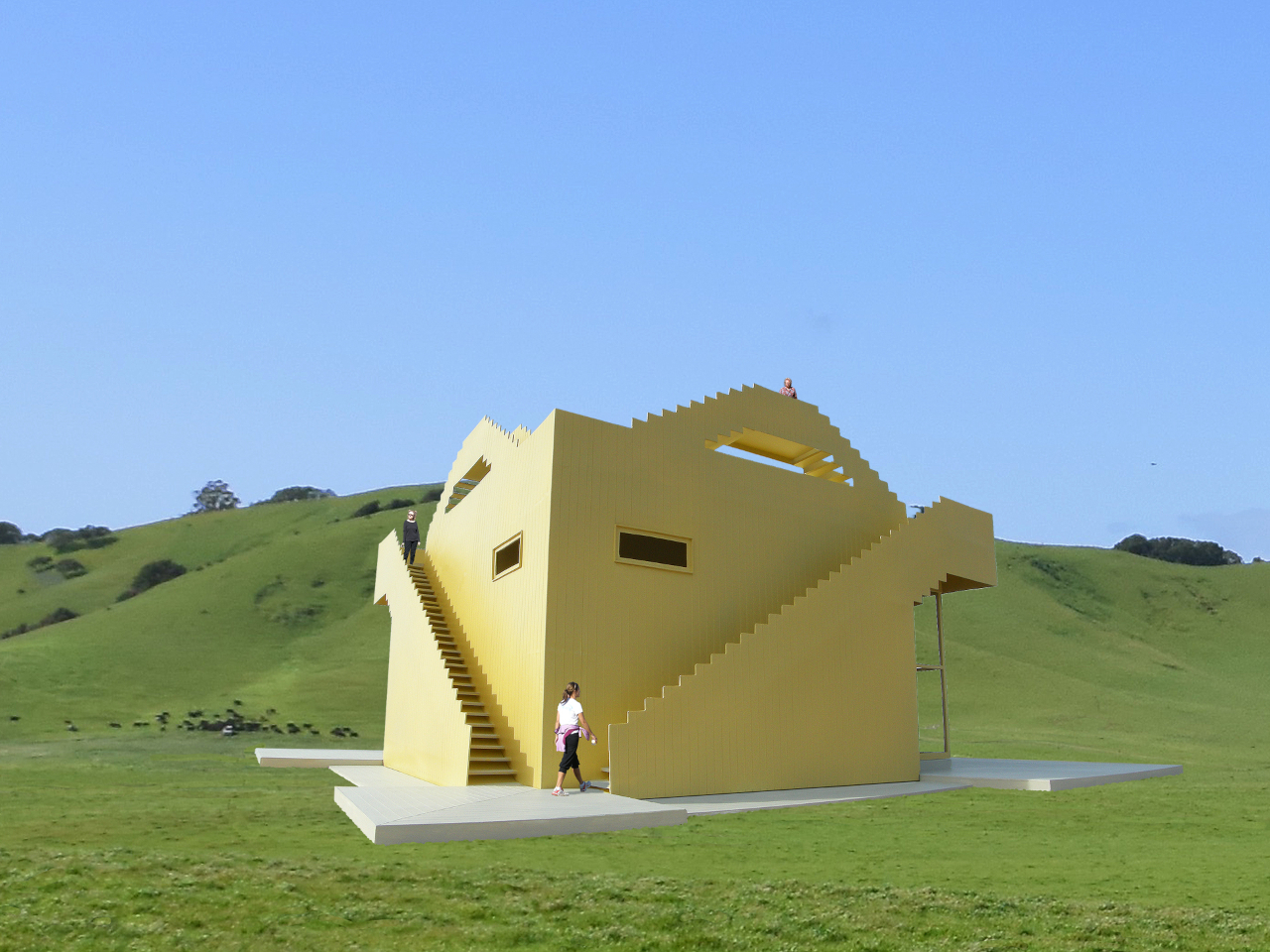
Most houses ask you to sit still. The Staircase House asks you to climb. This small, unbuilt concept wraps 180 wooden steps around a simple 1,000 sq ft cube, turning the entire building envelope into a piece of exercise equipment that also happens to keep the lights on. It’s a house shaped by staircases and about them.
Every one of those steps hides a piezoelectric tread plate underneath the surface, converting the weight of a footstep into a small charge of electricity. That energy gets stored in onsite batteries and folded back into the house’s power supply, a modest amount per step, but multiplied across 180 treads and however many trips residents make up and down them. The building quietly rewards the exact behavior it was designed to encourage.
Designer: Michael Jantzen
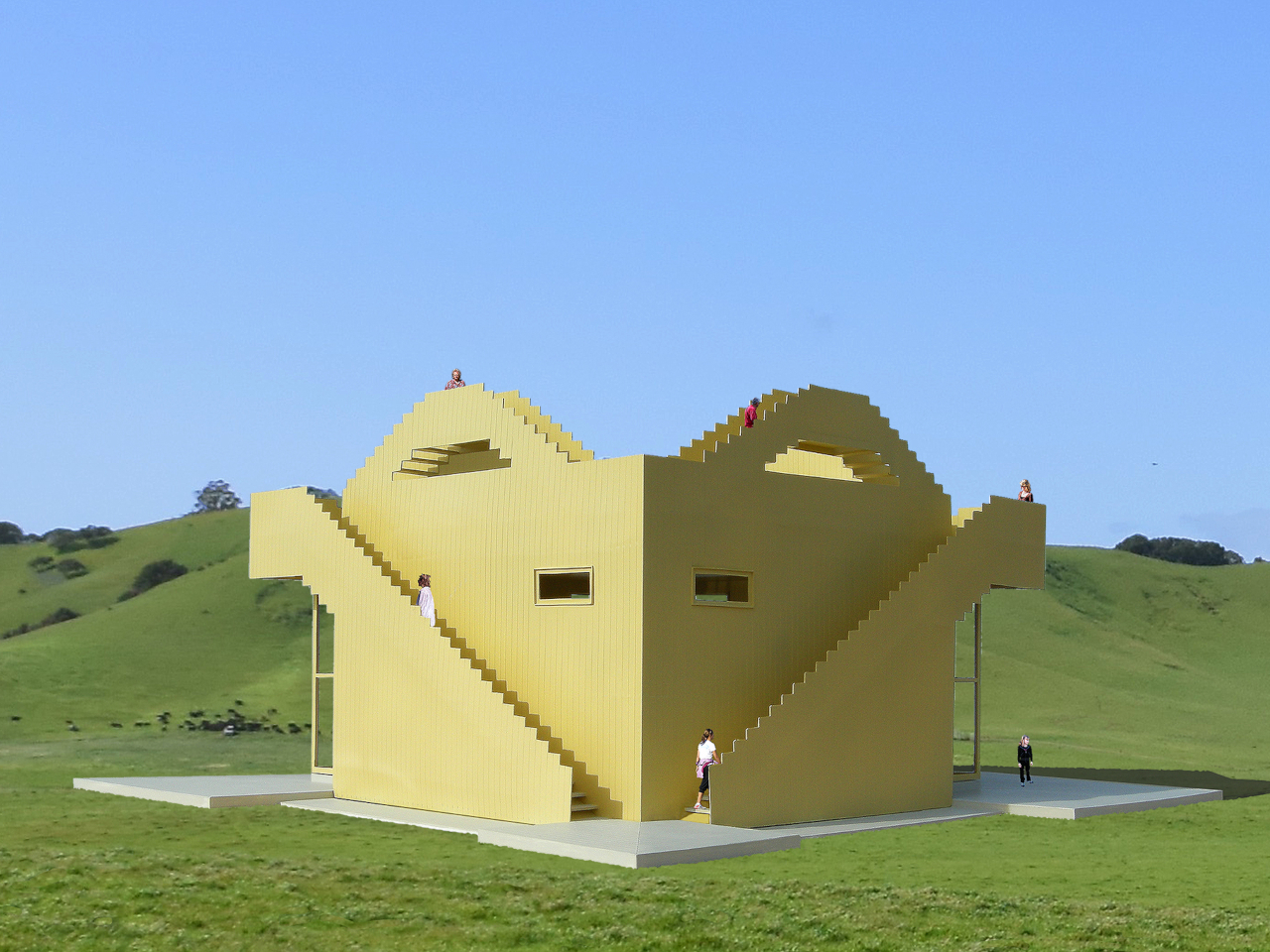
Climb high enough, and the stairs deliver you to an open rooftop deck built with benches and storage cabinets tucked into the framing. Four wooden decks wrap the ground floor as well, so the house offers outdoor space at both its base and its summit, connected by the staircases running up its exterior walls. You could start a morning on the roof and end an evening on the ground, using the same climbing structure to bridge both.
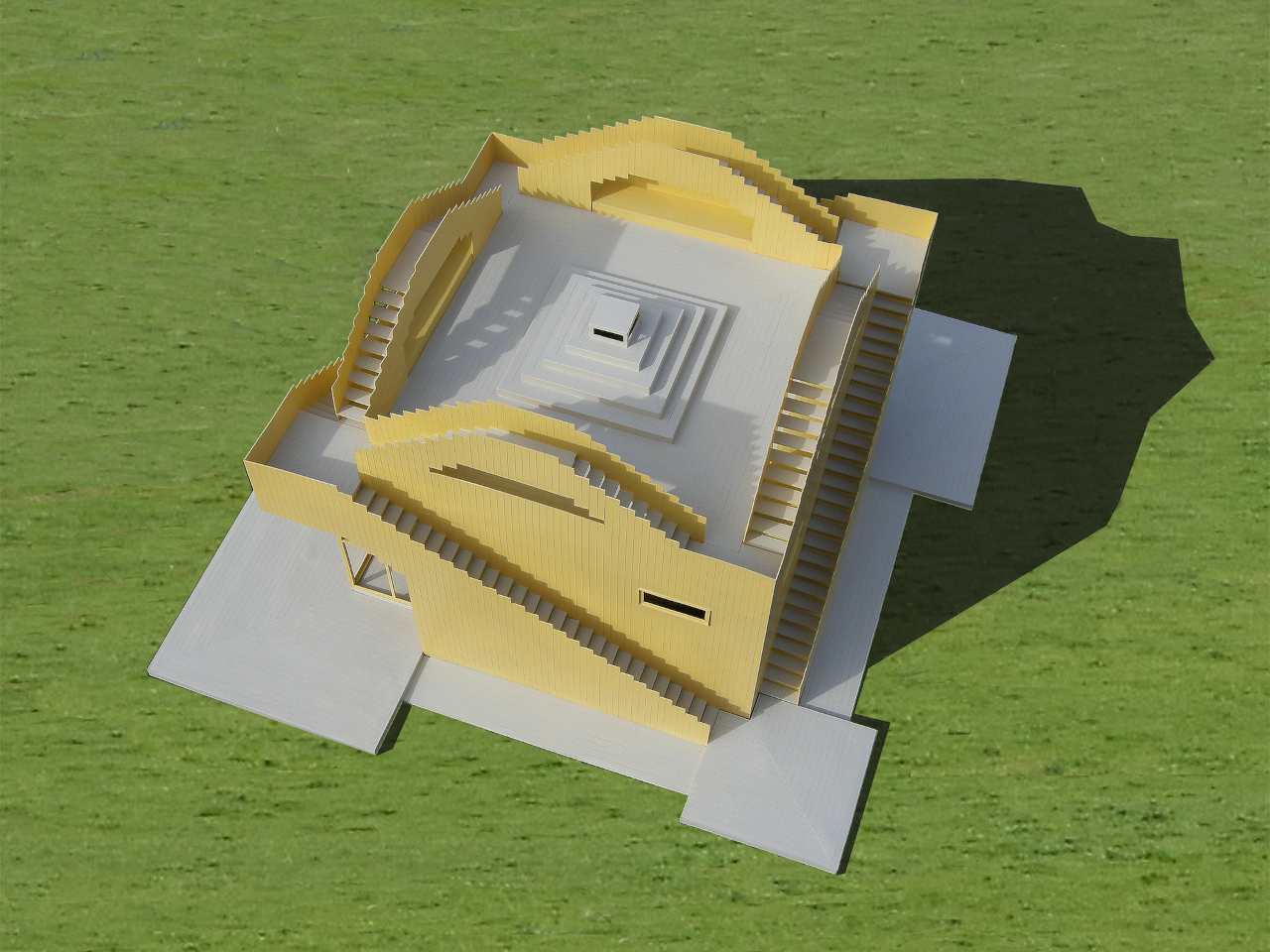
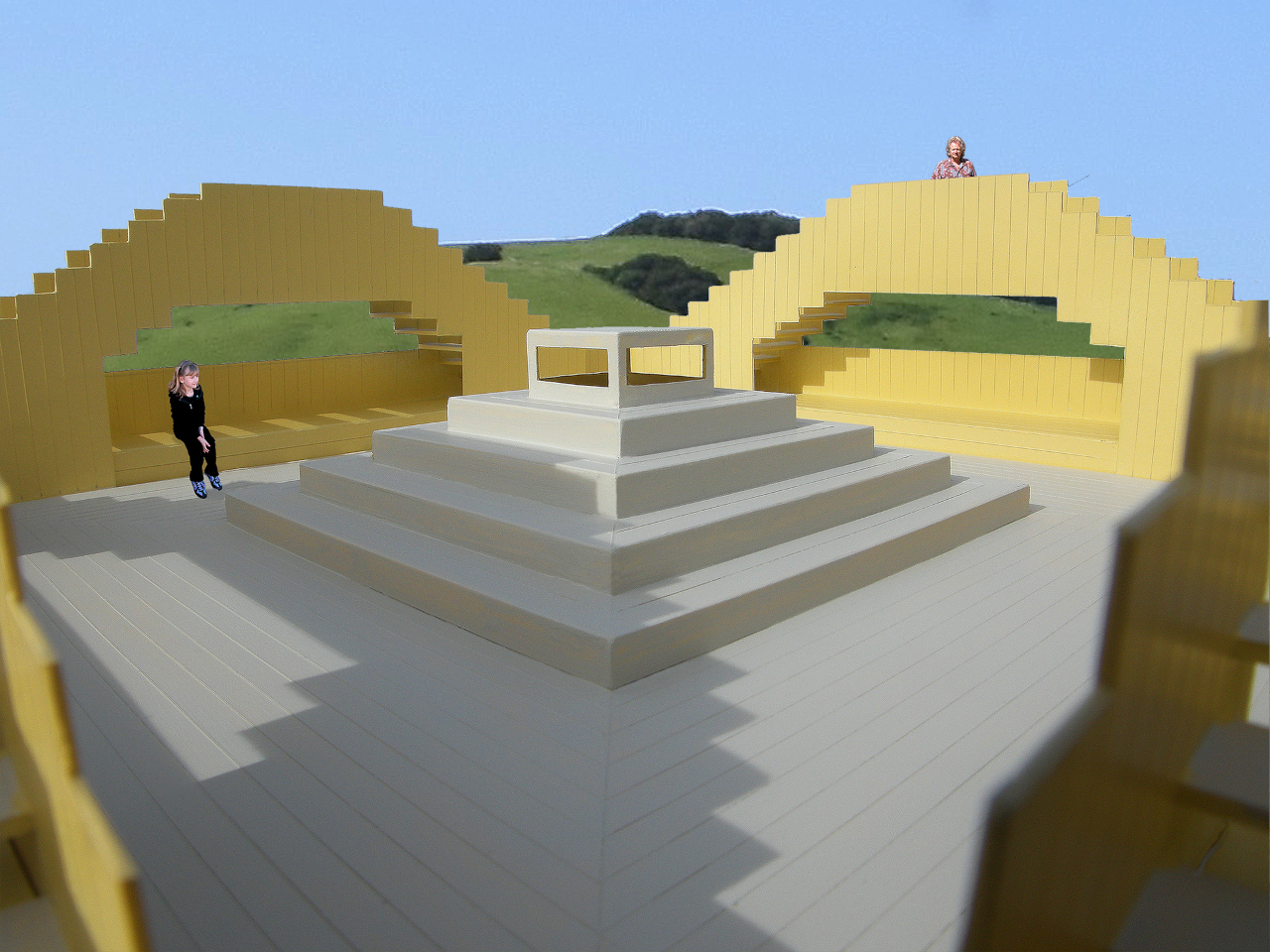
Down at ground level, four oversized sliding glass doors mark the entry points at two corners, letting the interior breathe and stay naturally ventilated without mechanical assistance. Inside, a large central skylight repeats that same logic overhead, pulling daylight down through a stepped shaft that echoes the stair motif one more time before it reaches the floor.
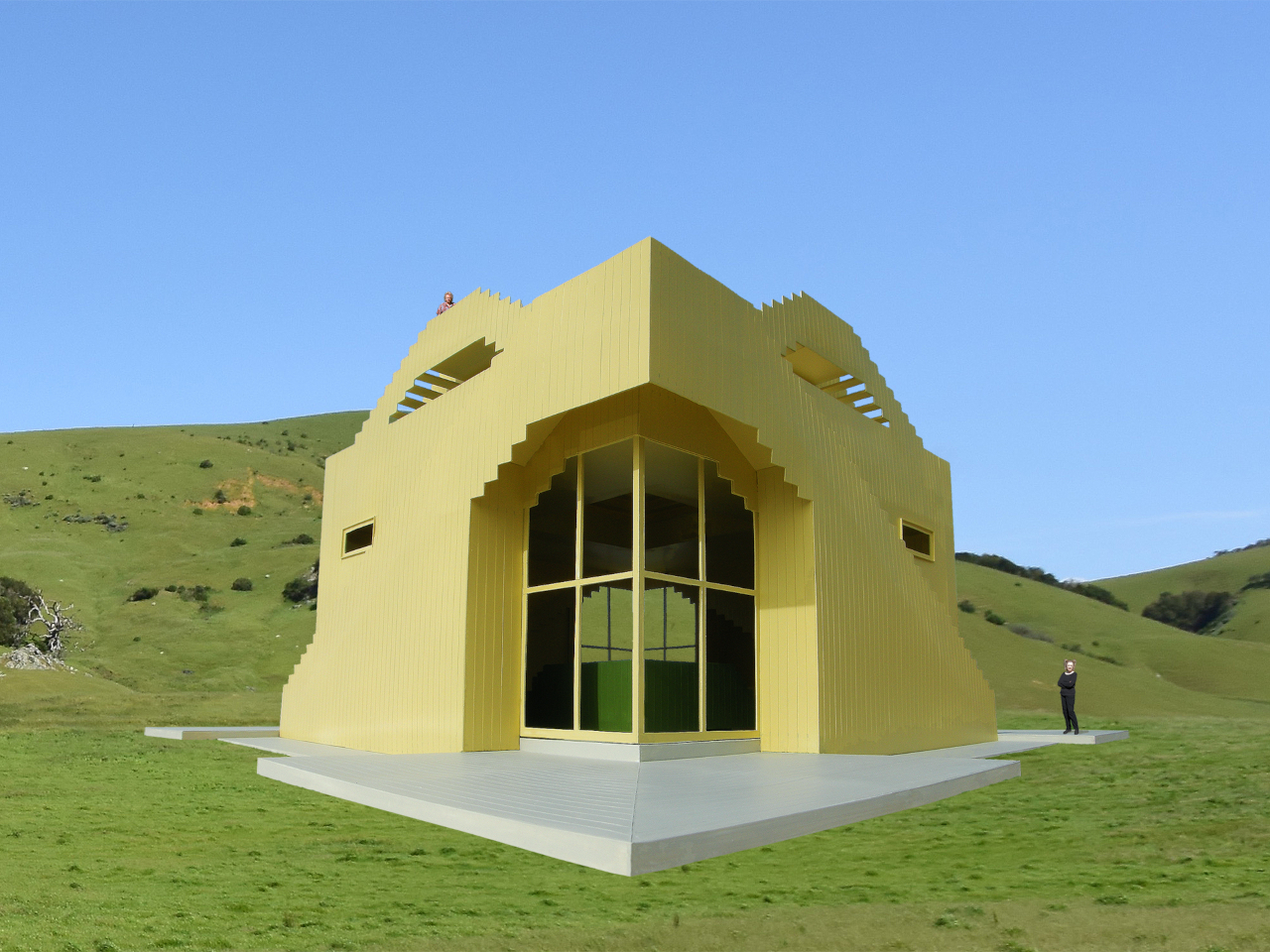
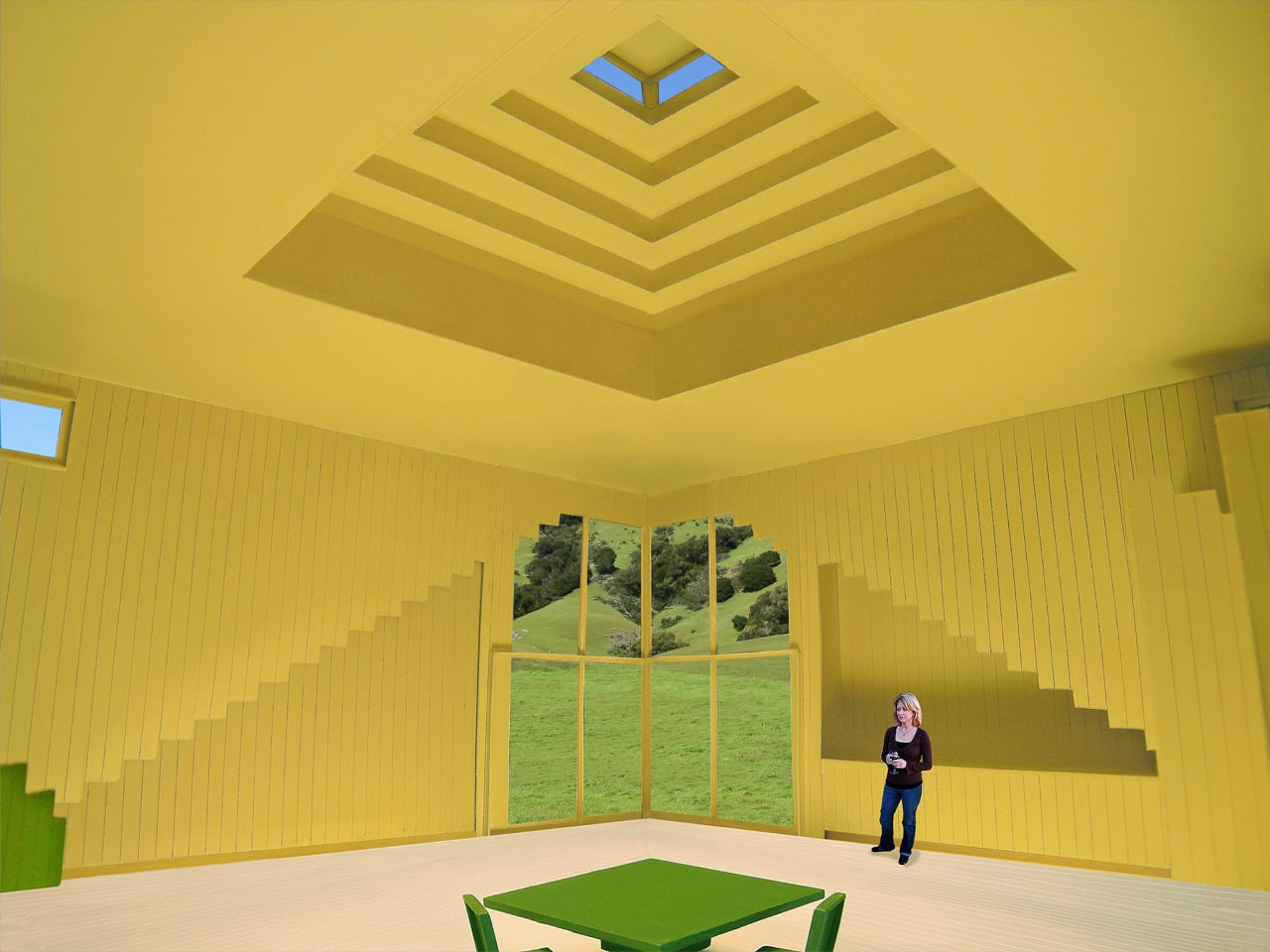
Practical rooms get folded into the leftover space beneath the exterior staircases rather than competing with them. An office, food preparation area, storage, and entertainment space are all built into the walls under those stair volumes, while a compact bathroom module stands apart in one corner with a guest bed positioned on top of it. Nothing about the layout wastes the odd geometry the stairs create.
Even the furniture inside carries the theme forward. Every piece was shaped to visually reference climbing in some way: benches that step down like miniature staircases, tables whose legs echo the same stacked rhythm found on the exterior. It’s a small detail, but it keeps the concept from feeling like a gimmick bolted onto an otherwise ordinary house.
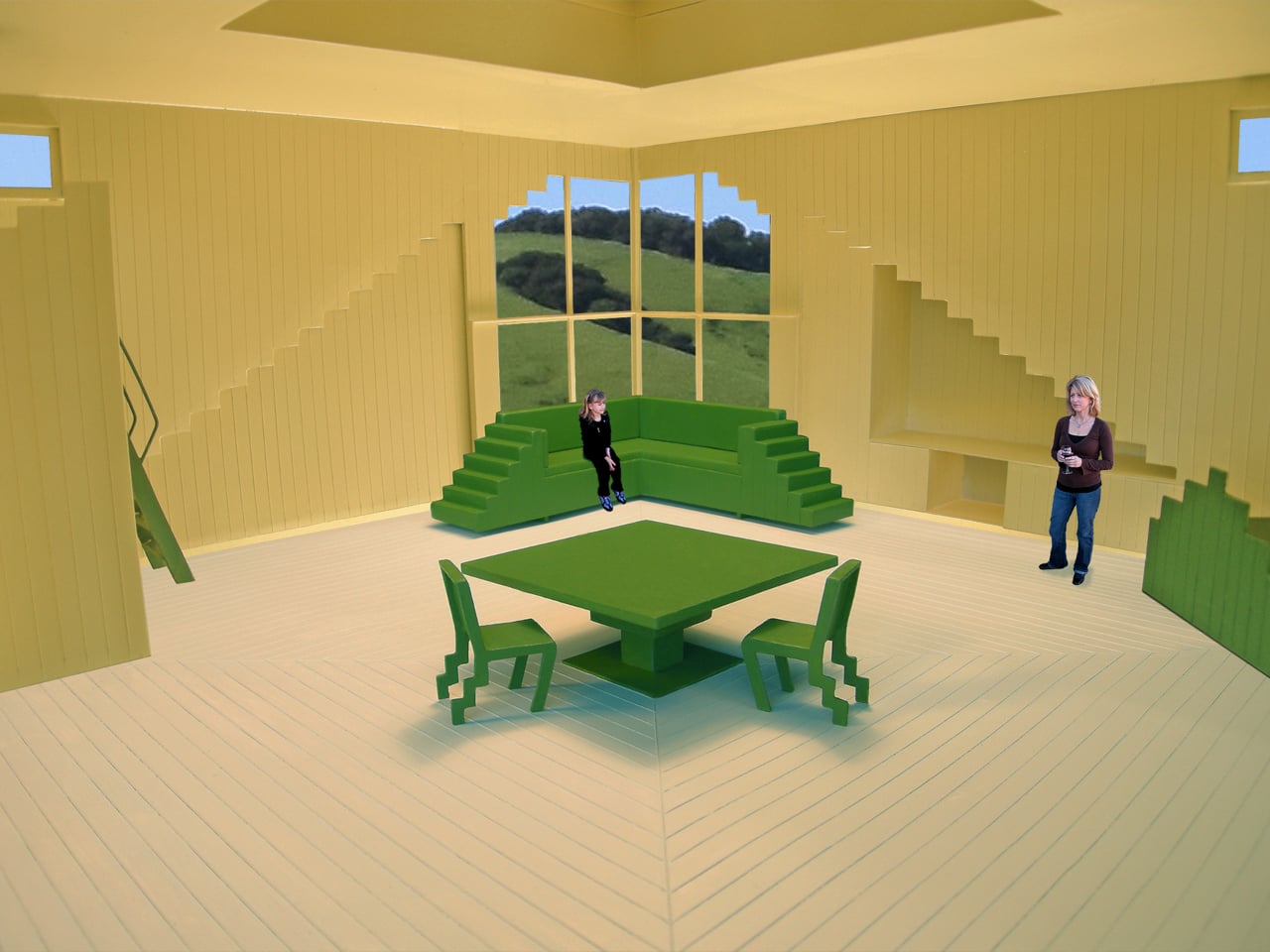
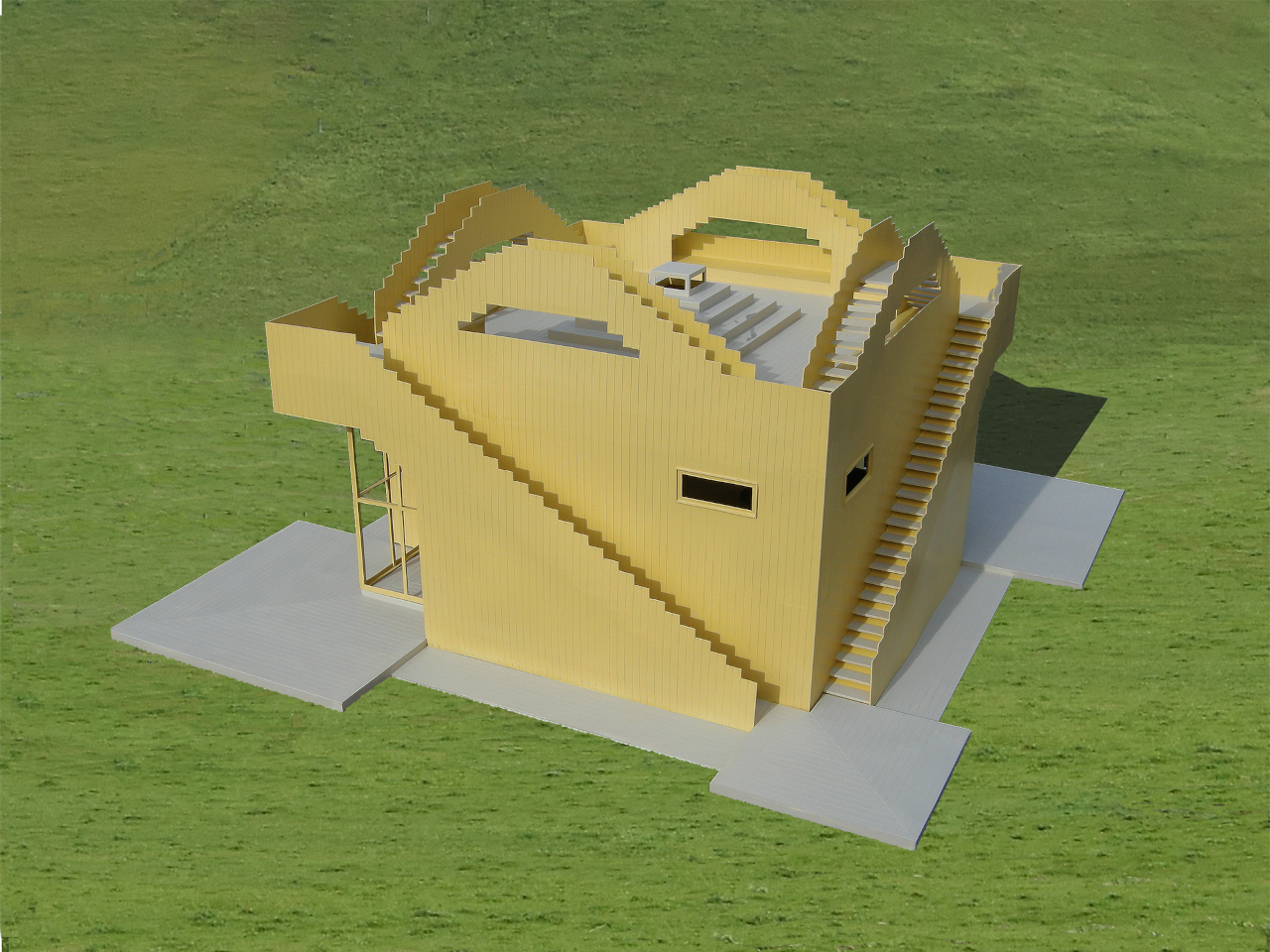
Built entirely from sustainably grown, painted or stained wood, the structure treats sustainability as something achieved through use as much as through materials. A retreat, studio, office, or guesthouse could all fit comfortably inside this footprint, and the house doesn’t really distinguish between those uses and the act of physically moving through it. The whole structure works like a machine built to be lived in and worked out on at the same time.
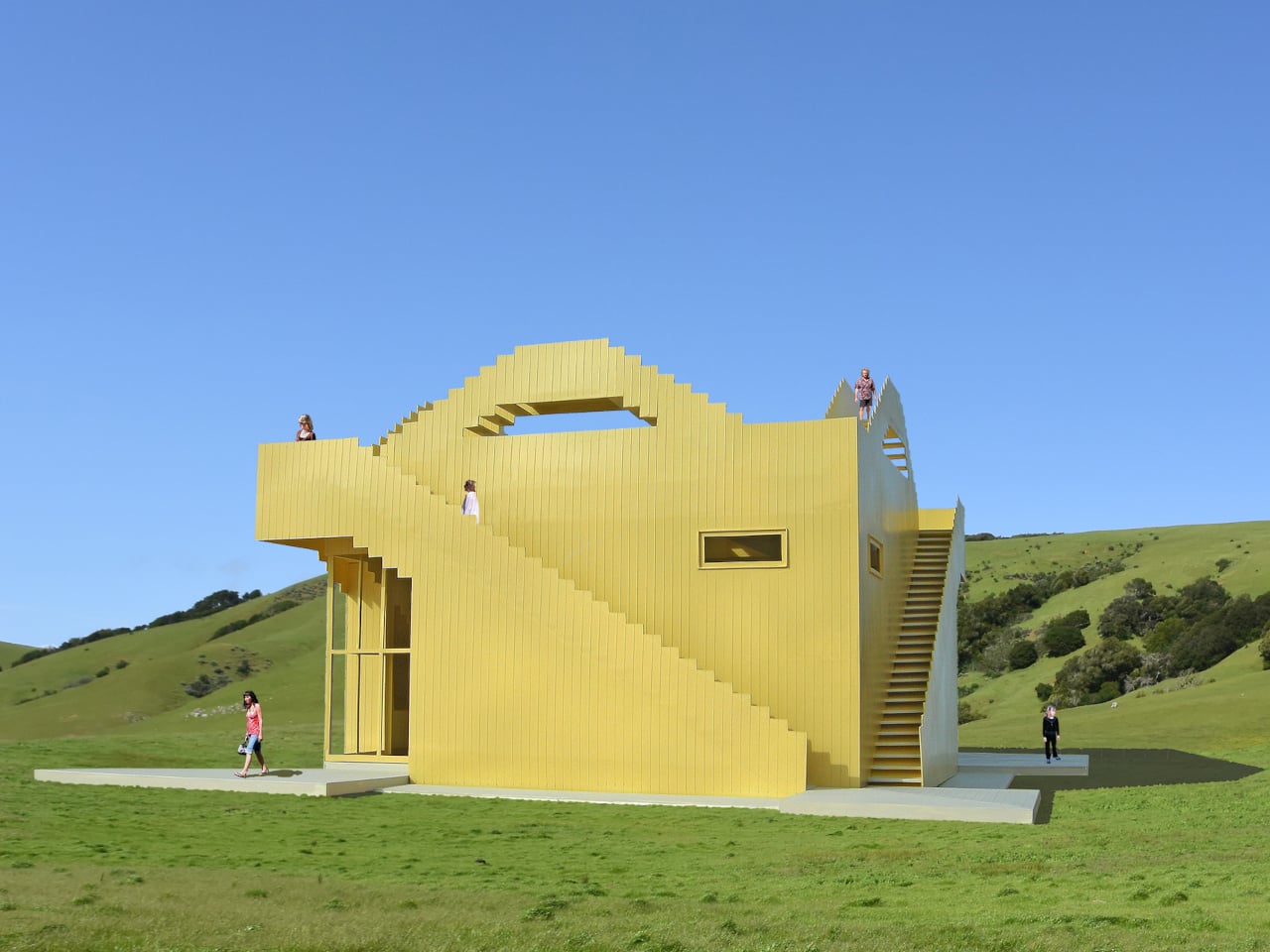
The post This House Makes You Sweat, Then Harvests That Energy to Power Itself first appeared on Yanko Design.


Apple’s highly anticipated iPhone Air 2, part of the iPhone 18 series, is set to make waves in the ultra-thin smartphone market. By addressing key challenges such as camera performance, battery life, and processing power, the iPhone Air 2 aims to deliver a seamless blend of portability and functionality. With its sleek design and meaningful […]
The post Why the iPhone Air 2 Might Actually Be Worth Buying This Time appeared first on Geeky Gadgets.


Since the beginning of BO7 ranked play, three guns have been dominating the meta, and one of them is the undisputed king of ranked. I have Black Ops 7 meta and ranked loadouts explained in this article, covering the best loadouts for each of the 3 meta beasts and what perks and gadgets you want […]
The post Black Ops 7 Meta Explained – Guns, Loadouts and Ranked Play appeared first on Geeky Gadgets.