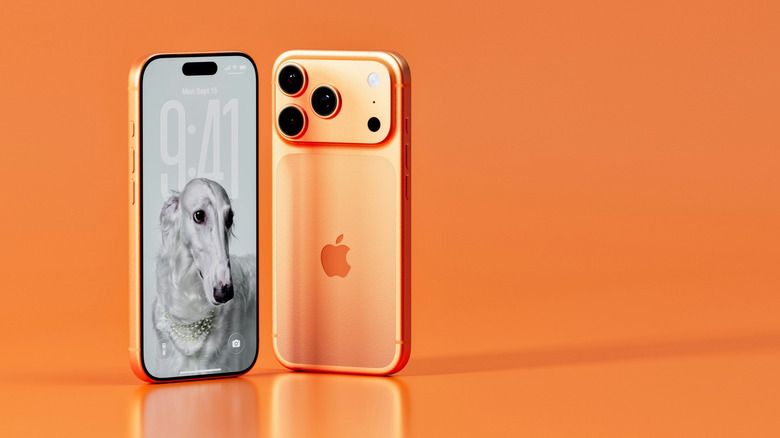
Apple announces September 9 date for ‘Surprise and shine’ iPhone event
Is it finally time to see the foldable iPhone?
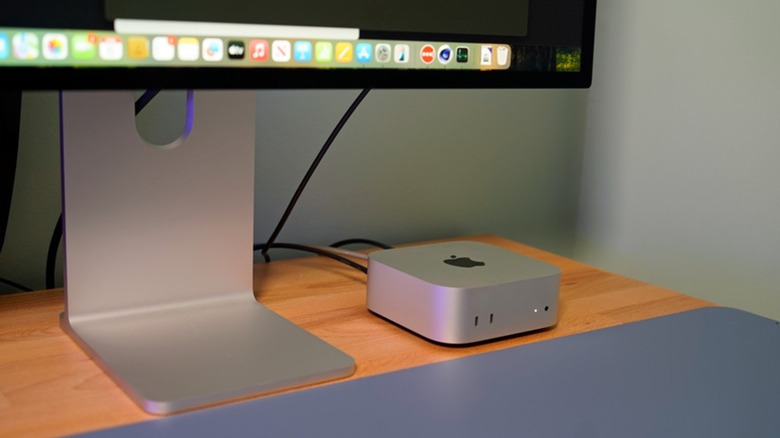
Twelve days ago I wrote that Apple was testing a Mac mini with a brand new M6 in the cheap model and a carried-over M5 Pro in the expensive one, and that anyone holding out for a clean M5 mini should let that dream go. That machine now exists, with a price and a ship date. Mark Gurman’s reporting was the source and it landed almost exactly. I would be enjoying this more if the shipping version had not arrived with a hundred dollars stapled to both configurations. Being right is fun. Being right about a price hike is considerably less fun.
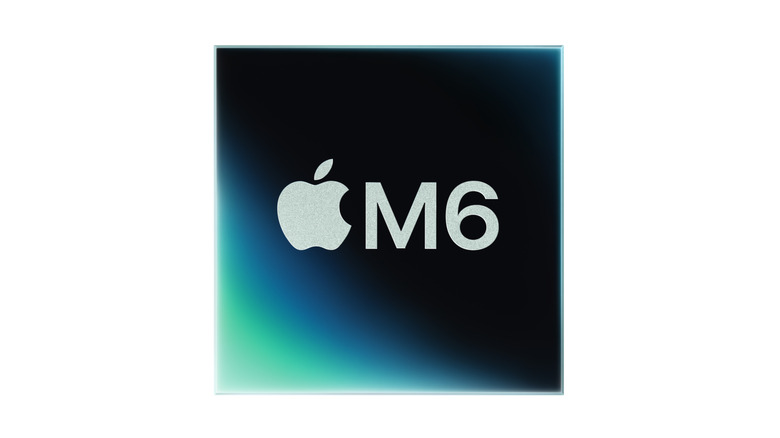
Here is what Apple actually put on sale on August 25, arriving September 22 across 30 countries. The $899 base mini gets M6, Apple’s first 2nm chip, with 12 CPU cores, 12 GPU cores and a Dual 16-core Neural Engine running at up to 170GB/s. The $1,699 model gets M5 Pro, scaling to 18 CPU cores and 20 GPU cores, 64GB of memory at 307GB/s, Thunderbolt 5, and the ability to cluster multiple minis to run large models entirely on device. Two chip generations, one product page. The aluminum shell is untouched since 2024.
Designer: Apple
Six hundred dollars bought an M4 Mac mini in October 2024, which felt at the time like Apple briefly forgetting to charge properly. May 2026 killed the 256GB configuration and pushed the effective floor to $799. June raised the M4 Pro from $1,399 to $1,599. Apple told the Wall Street Journal it had never seen component prices climb this much this quickly, pointing at the memory and storage crunch that AI data centres created. So the entry Mac has gained three hundred dollars in under two years, and the desktop best suited to running models locally got expensive precisely because everyone else is running models too.
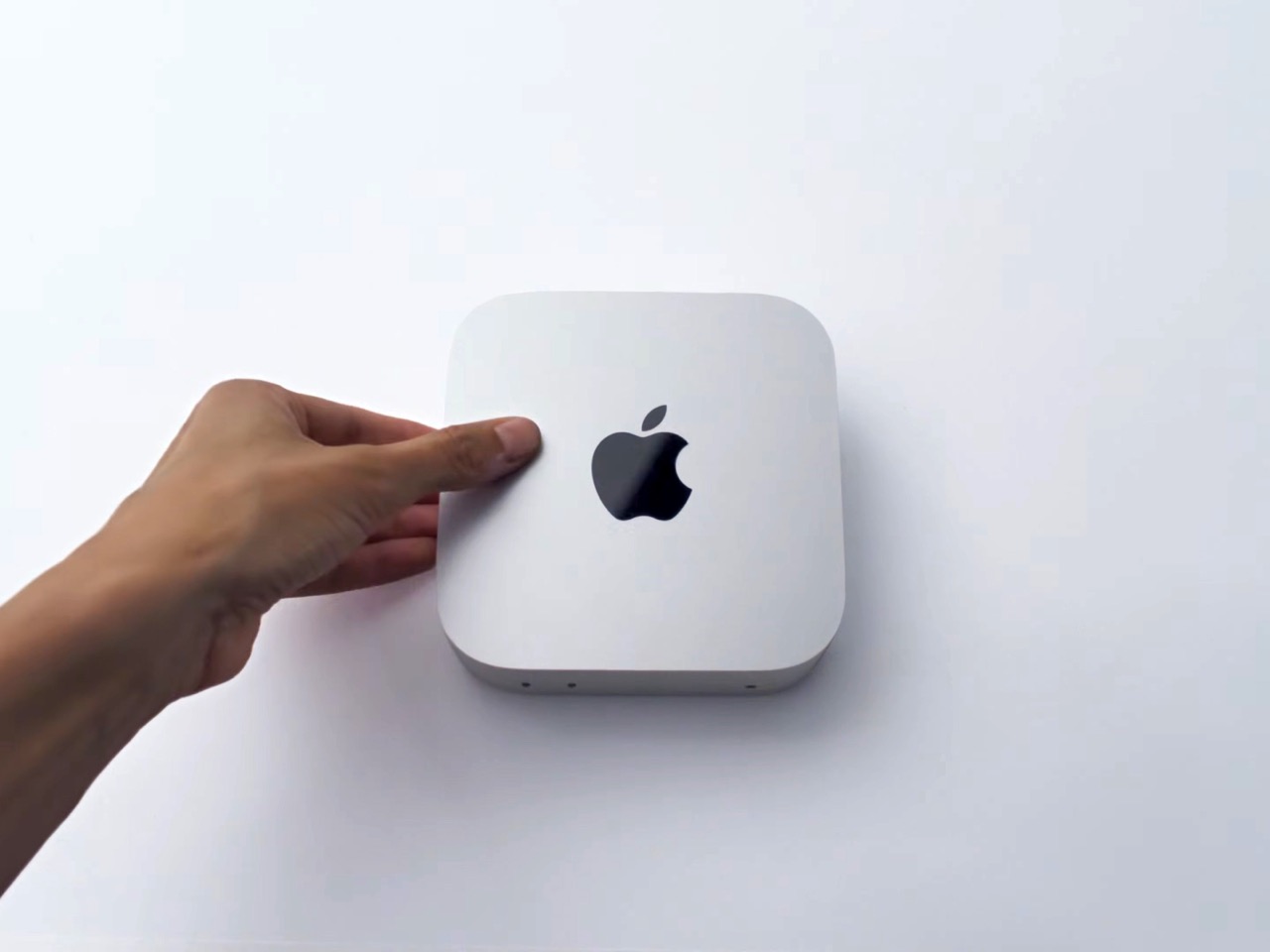
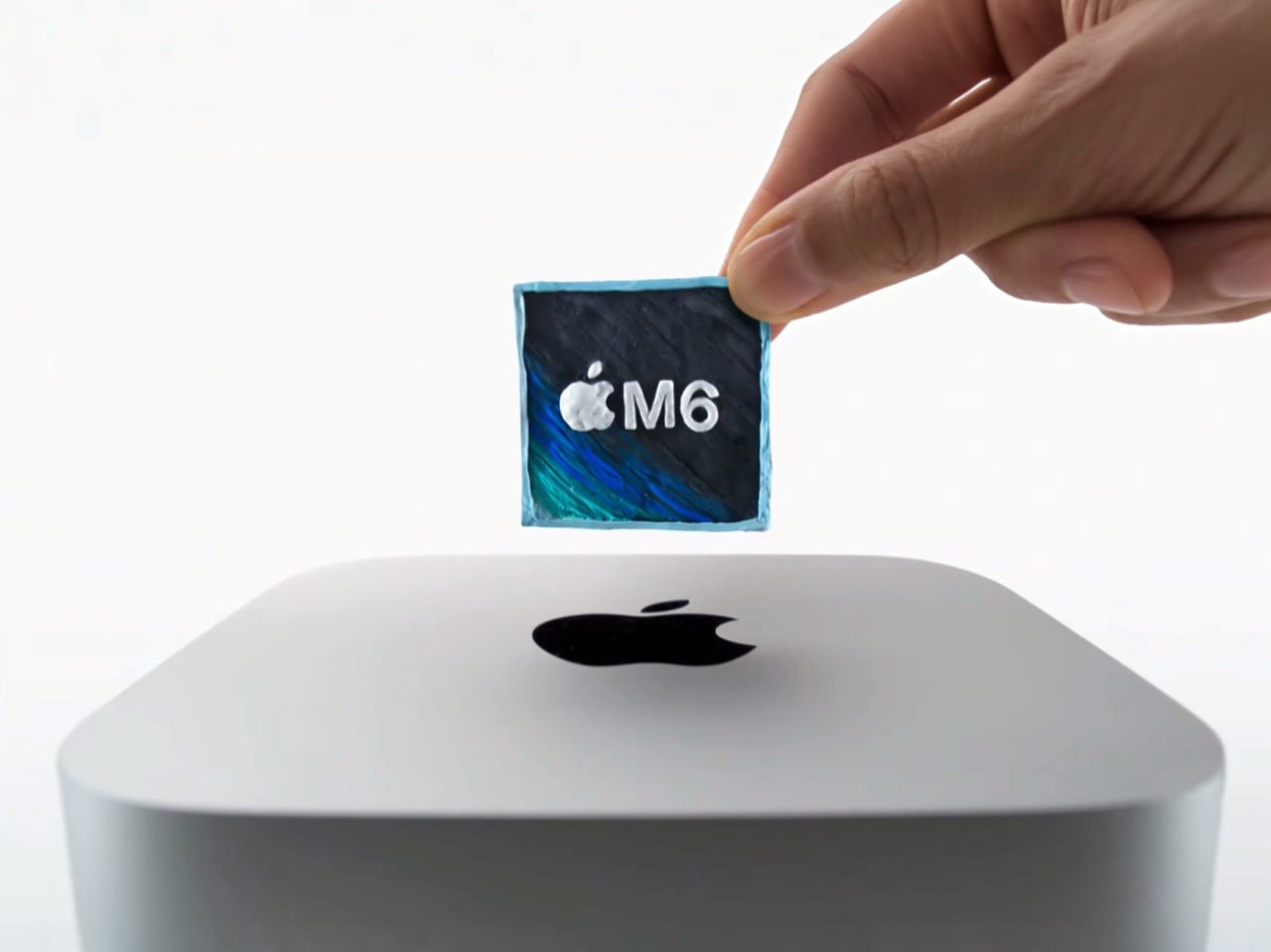
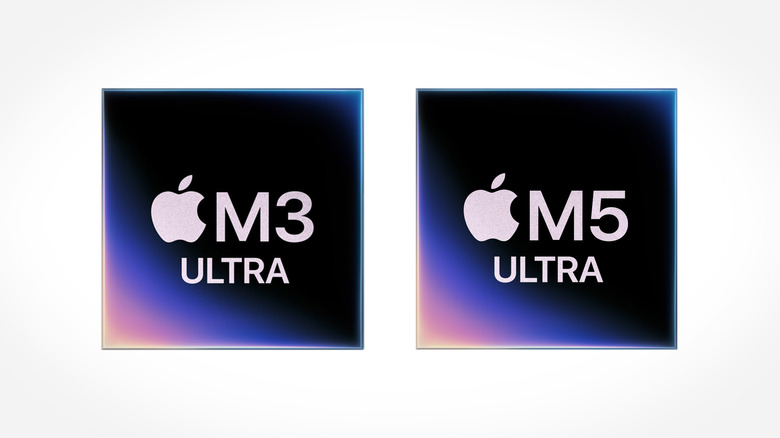
M6 is Apple’s first 2nm silicon and it lands in the cheapest Mac on the shelf, with a 12-core CPU split into two super cores, four performance cores and six efficiency cores, plus a Neural Accelerator inside every one of its 12 GPU cores. M5 Pro, sitting in the machine that costs eight hundred dollars more, is last year’s architecture scaled wider. On the multi-core and graphics work that Pro-tier buyers actually pay for, M5 Pro wins comfortably. On the number printed on the box, it loses. Apple spent a decade teaching people to read that number as shorthand for how current a machine is, and has now quietly stopped honouring its own shorthand.
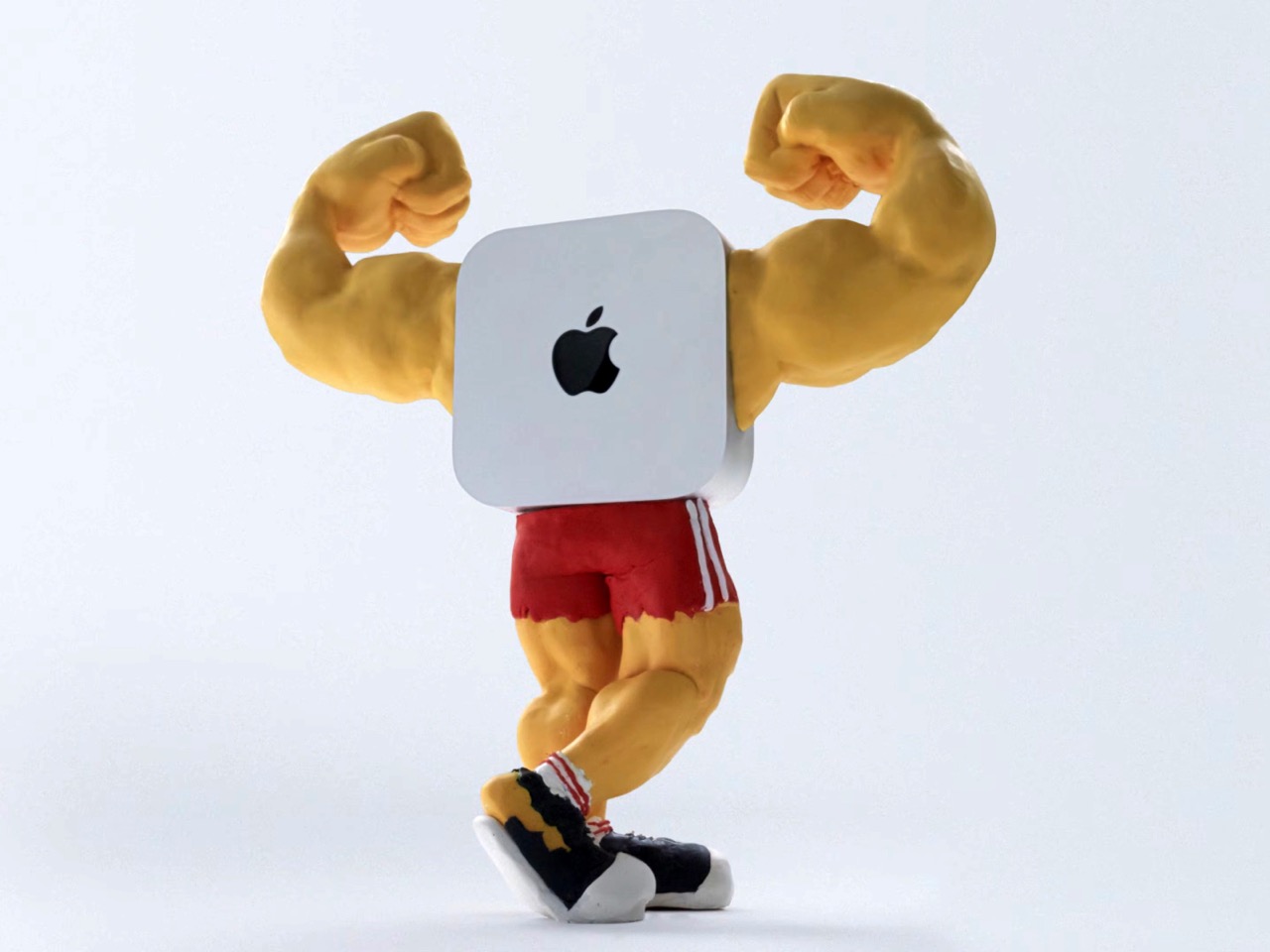
The gap traces back to a decision that had nothing to do with the mini. Apple reportedly cancelled the M6 Pro and M6 Max outright, fast-tracking an AI-focused M7 line rather than building a Pro tier that would be stale within months of shipping. The engineering logic is sound and I understand it. The customer position is still rough. Mac Studio pulled the same trick last year with mismatched M4 Max and M3 Ultra chips and nobody blinked, because Studio shoppers expect spec weirdness, while the mini is the Mac people buy specifically because it never asks them to think.
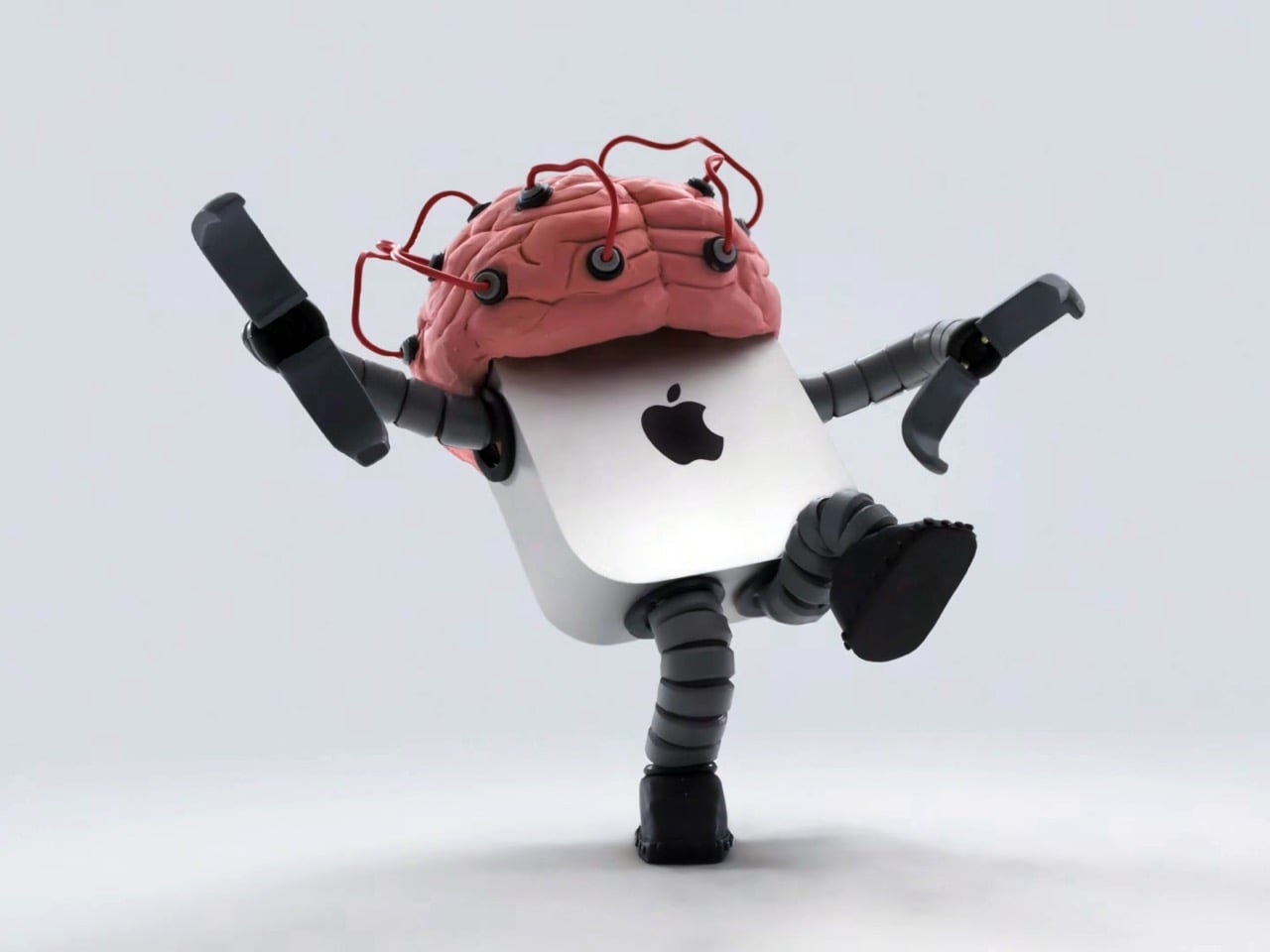
Three Thunderbolt 4 ports sit on the back of the newer-silicon M6 model, while the older M5 Pro gets Thunderbolt 5. That is segmentation, not physics, and it is the clearest sign that Apple is now pricing tiers rather than describing them. Both machines pick up Wi-Fi 7, Bluetooth 6 and 2.5Gb Ethernet as standard, with a 10Gb option. The two front USB-C ports still run at plain USB 3 speeds. New genlock support over USB-C syncs a display to a camera, including the iPhone 17 Pro, which is a genuinely useful addition nobody will notice.
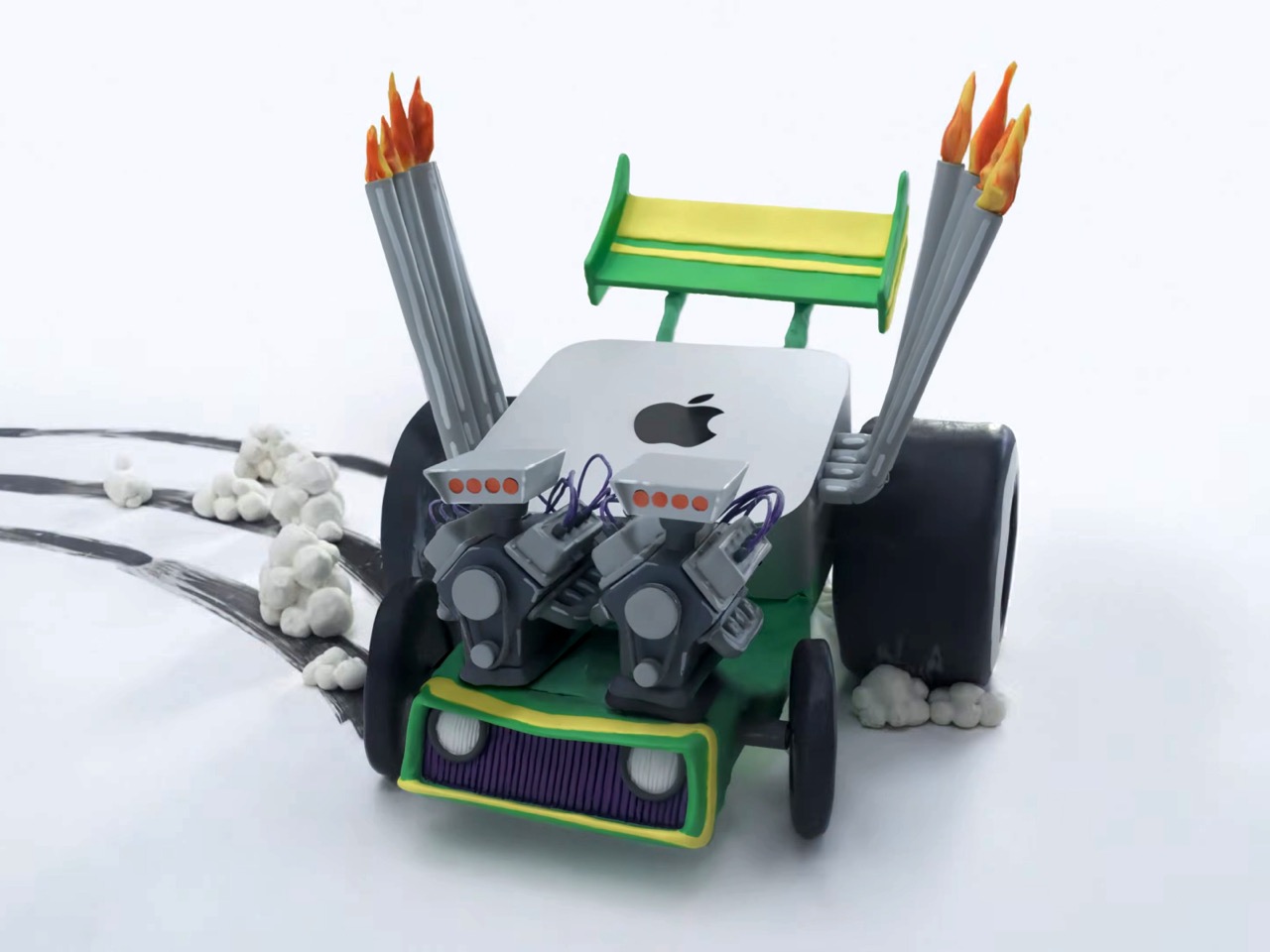
That unchanged aluminum box remains my favorite part of this whole story. Every vertical cooling case, stacking SSD and retro Macintosh shell built for the M4 still fits, which is accidental sustainability of a kind Apple rarely gets credit for. The power button is still underneath, obviously. What Apple has not published is a single head-to-head AI benchmark between M6 and M5 Pro, which is the one comparison that would tell buyers whether the cheap mini out-thinks the expensive one. Its silence there is doing a lot of work.
The post Apple’s $899 Mac mini Skips M5 Entirely, Keeps the 2024 Body first appeared on Yanko Design.
Fingerprint readers are on phones, laptops, door locks, and gym lockers. They are on tablets, car dashboards, hotel room entrances, and even some credit cards. The one place you still cannot use one in Apple’s ecosystem is the watch on your wrist, and the Apple Watch Ultra 4 is reportedly the device that might finally change that. Leaks suggest Touch ID could be integrated into the Action button or side button, bringing biometric authentication to the Apple Watch for the first time in the lineup’s eleven-year history. Apple is expected to announce the Ultra 4 at a fall event in September 2026, and the fingerprint sensor question is the detail that has dominated the pre-announcement conversation.
Bloomberg’s Mark Gurman expects no major design changes to the Ultra 4 this cycle, which would likely include a new biometric button, making the Touch ID rumor more aspirational than confirmed. MacRumors has flagged it as increasingly unlikely as a result. Gurman does foresee a chip upgrade, health and fitness improvements, and efficiency-driven battery gains from the same-sized cell. Other leaks sketch out a thinner titanium case, a redesigned rear sensor array with up to eight sensors, and watchOS 27 with a smarter Siri and new women’s health tracking. Touch ID may or may not make the cut, but the Ultra 4 is shaping up to be a meaningful update either way.
Designer: Apple
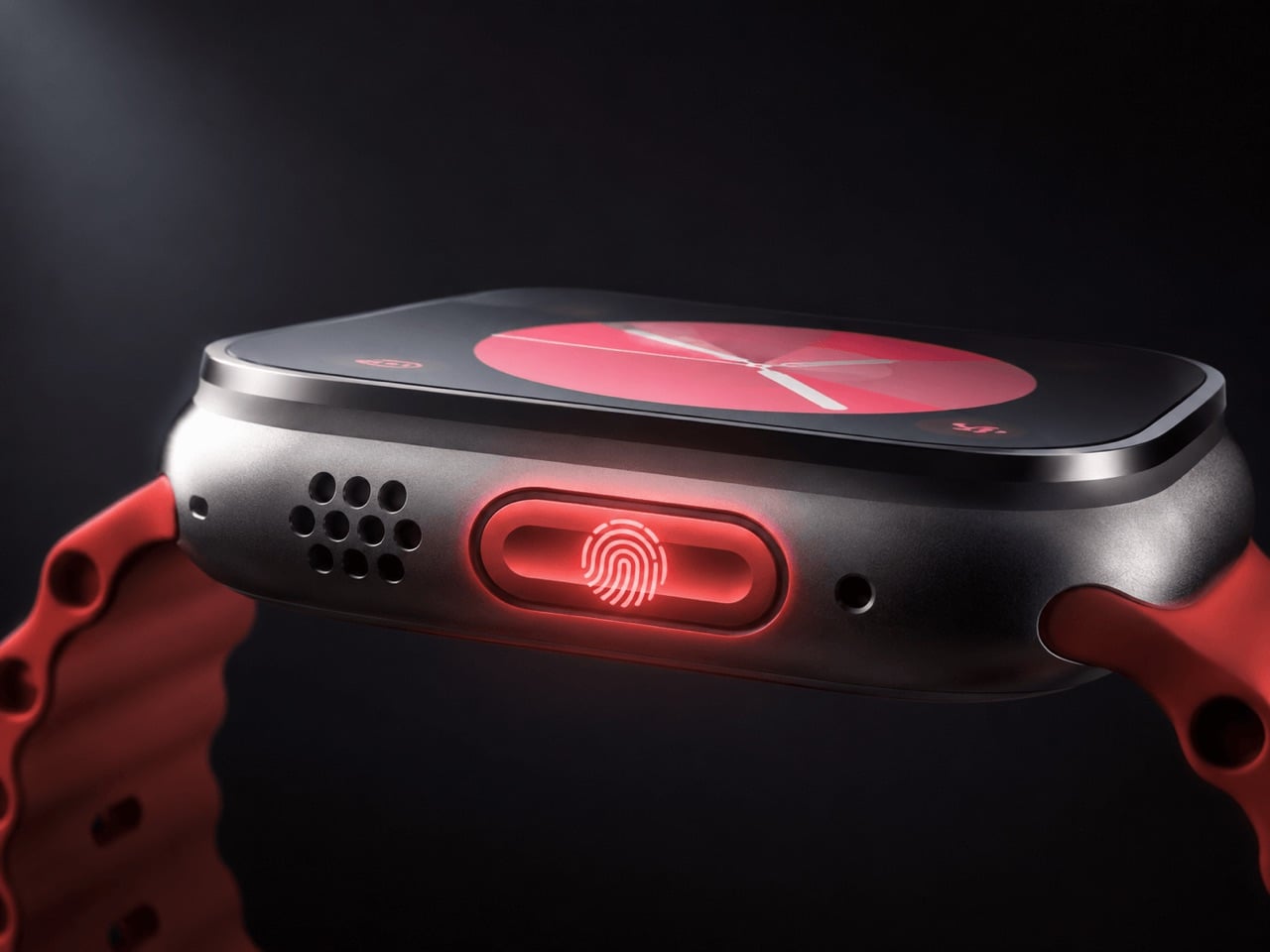
Apple Pay authentication on the Ultra currently requires a double-press of the side button, which is fine at a checkout counter and genuinely irritating mid-trail with trekking poles in both hands. A Touch ID sensor in the Action button would solve that in the most direct way possible. The Action button already handles flashlight toggling, workout starts, and dive computer modes depending on configuration, so adding biometric capability would make it the most densely functional physical control on any Apple device. Building a reliable fingerprint reader into a button that regularly encounters water, mud, and cold is the engineering challenge that may keep bumping this feature to a future generation. That tension between the obvious use case and the real manufacturing difficulty is likely why this rumor has had such a short lifespan in reliable reporting.
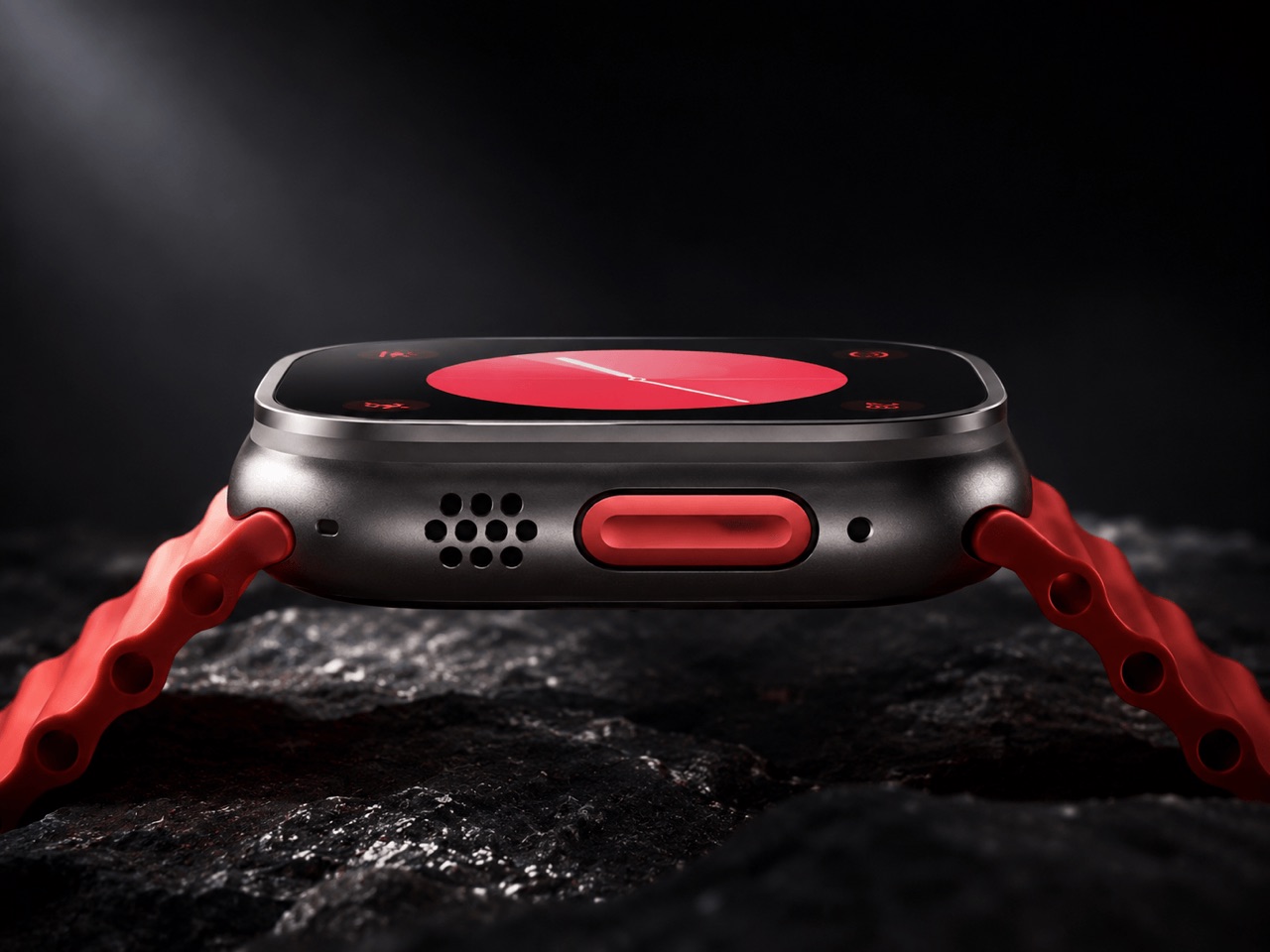
Current leaks point to as many as eight sensors on the back of the Ultra 4, compared to the existing array that handles heart rate, SpO2, wrist temperature, and ECG. The shift Apple appears to be making is away from software-compensated estimations toward hardware-grounded measurements, which matters most for use cases like altitude training and longitudinal hypertension monitoring. The chassis is also expected to get thinner, and that matters more than it sounds: the Ultra 3’s profile is comfortable during workouts and just present enough during overnight wear that some owners skip sleep tracking altogether. A slimmer build addresses that without touching the rugged character of the product. Together, the sensor overhaul and the thinner case are the two changes most likely to make existing Ultra owners seriously consider upgrading.
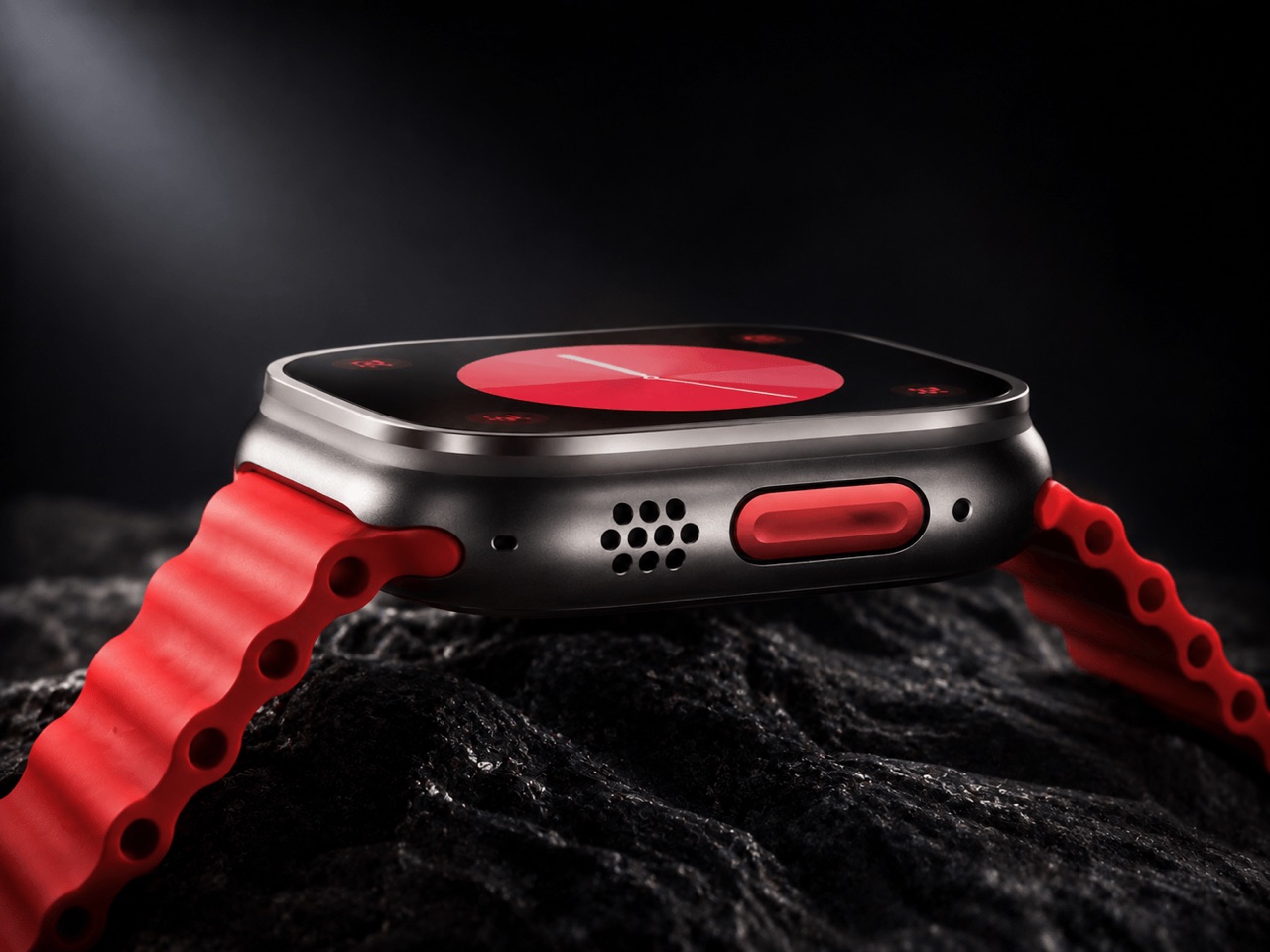
Battery life is expected to hold steady or extend slightly through chip efficiency gains rather than a larger cell, with the Ultra 3’s 42-hour standard and 72-hour Low Power Mode serving as the baseline to beat. watchOS 27 brings a more context-aware Siri with a dedicated watch app, Apple Intelligence across first-party apps, and new perimenopause and menopause tracking in Health. Apple is separately developing a more significant Watch redesign for a later generation, with reports pointing to a round case and a screenless fitness tracker. The Ultra 4 arrives before any of that. Touch ID would have made this generation an easy, quotable pitch; without it, the sensor upgrade, the thinner body, and the software stack carry the argument instead.
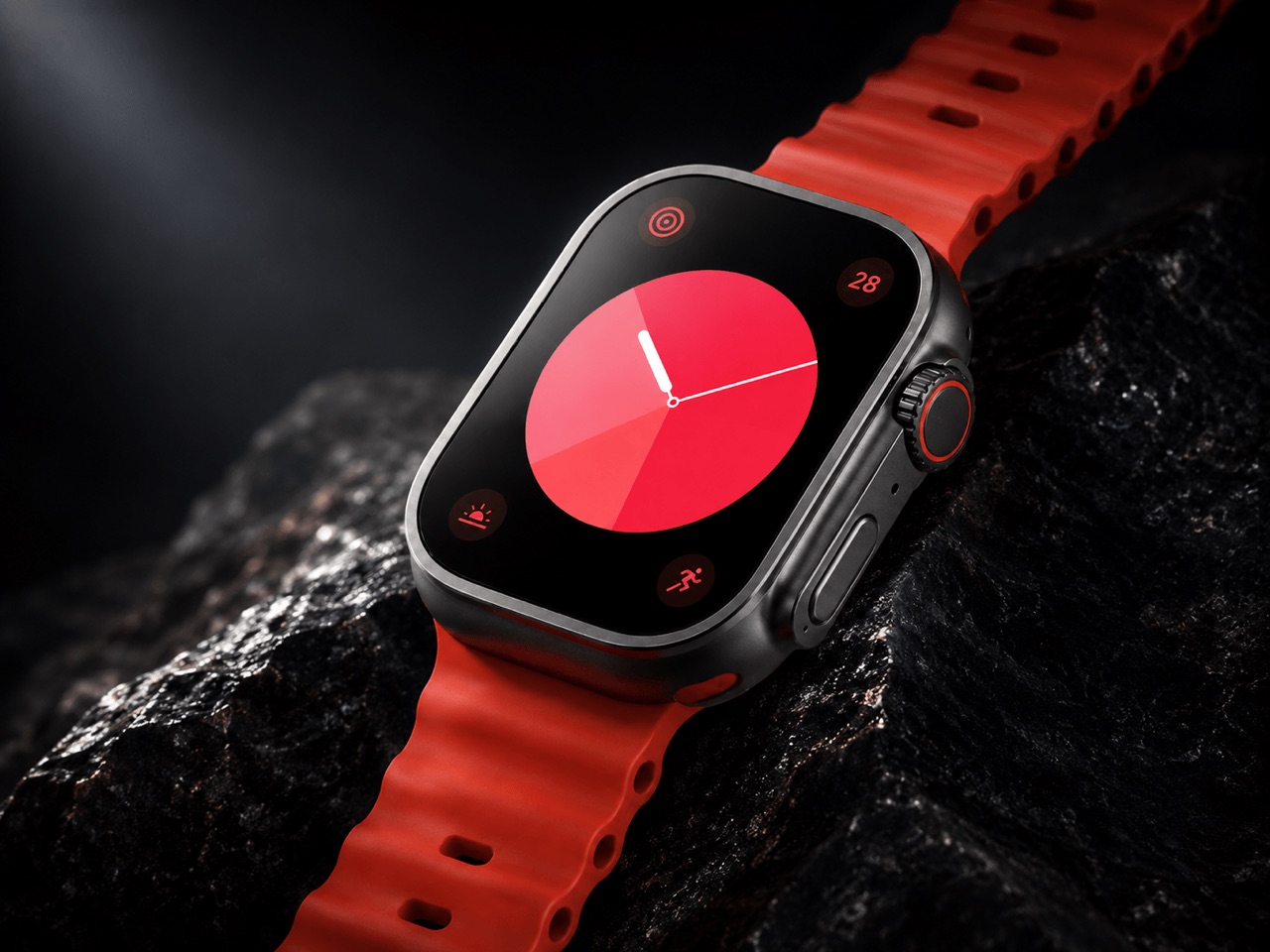
The post Apple Watch Ultra 4 May Finally Add Touch ID This September, Along With A Thinner Case first appeared on Yanko Design.
Fingerprint readers are on phones, laptops, door locks, and gym lockers. They are on tablets, car dashboards, hotel room entrances, and even some credit cards. The one place you still cannot use one in Apple’s ecosystem is the watch on your wrist, and the Apple Watch Ultra 4 is reportedly the device that might finally change that. Leaks suggest Touch ID could be integrated into the Action button or side button, bringing biometric authentication to the Apple Watch for the first time in the lineup’s eleven-year history. Apple is expected to announce the Ultra 4 at a fall event in September 2026, and the fingerprint sensor question is the detail that has dominated the pre-announcement conversation.
Bloomberg’s Mark Gurman expects no major design changes to the Ultra 4 this cycle, which would likely include a new biometric button, making the Touch ID rumor more aspirational than confirmed. MacRumors has flagged it as increasingly unlikely as a result. Gurman does foresee a chip upgrade, health and fitness improvements, and efficiency-driven battery gains from the same-sized cell. Other leaks sketch out a thinner titanium case, a redesigned rear sensor array with up to eight sensors, and watchOS 27 with a smarter Siri and new women’s health tracking. Touch ID may or may not make the cut, but the Ultra 4 is shaping up to be a meaningful update either way.
Designer: Apple
Apple Pay authentication on the Ultra currently requires a double-press of the side button, which is fine at a checkout counter and genuinely irritating mid-trail with trekking poles in both hands. A Touch ID sensor in the Action button would solve that in the most direct way possible. The Action button already handles flashlight toggling, workout starts, and dive computer modes depending on configuration, so adding biometric capability would make it the most densely functional physical control on any Apple device. Building a reliable fingerprint reader into a button that regularly encounters water, mud, and cold is the engineering challenge that may keep bumping this feature to a future generation. That tension between the obvious use case and the real manufacturing difficulty is likely why this rumor has had such a short lifespan in reliable reporting.
Current leaks point to as many as eight sensors on the back of the Ultra 4, compared to the existing array that handles heart rate, SpO2, wrist temperature, and ECG. The shift Apple appears to be making is away from software-compensated estimations toward hardware-grounded measurements, which matters most for use cases like altitude training and longitudinal hypertension monitoring. The chassis is also expected to get thinner, and that matters more than it sounds: the Ultra 3’s profile is comfortable during workouts and just present enough during overnight wear that some owners skip sleep tracking altogether. A slimmer build addresses that without touching the rugged character of the product. Together, the sensor overhaul and the thinner case are the two changes most likely to make existing Ultra owners seriously consider upgrading.
Battery life is expected to hold steady or extend slightly through chip efficiency gains rather than a larger cell, with the Ultra 3’s 42-hour standard and 72-hour Low Power Mode serving as the baseline to beat. watchOS 27 brings a more context-aware Siri with a dedicated watch app, Apple Intelligence across first-party apps, and new perimenopause and menopause tracking in Health. Apple is separately developing a more significant Watch redesign for a later generation, with reports pointing to a round case and a screenless fitness tracker. The Ultra 4 arrives before any of that. Touch ID would have made this generation an easy, quotable pitch; without it, the sensor upgrade, the thinner body, and the software stack carry the argument instead.
The post Apple Watch Ultra 4 May Finally Add Touch ID This September, Along With A Thinner Case first appeared on Yanko Design.