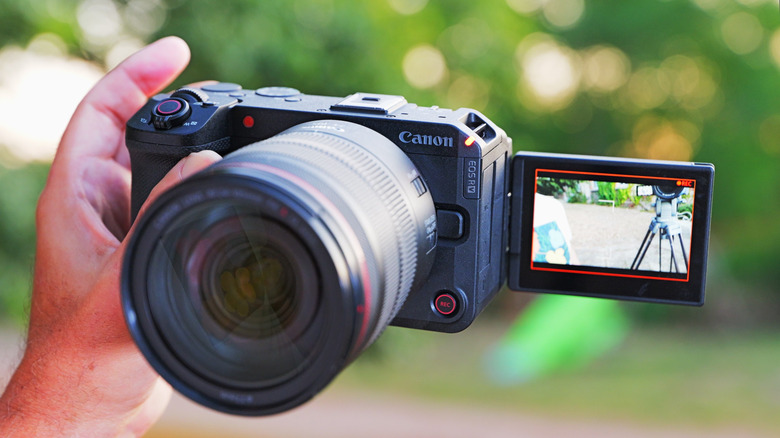
Canon EOS R6 V review: A pro vlogging camera at a mirrorless price
Canon's EOS R6 V is a video-focused hybrid camera that's outstanding for vlogging.
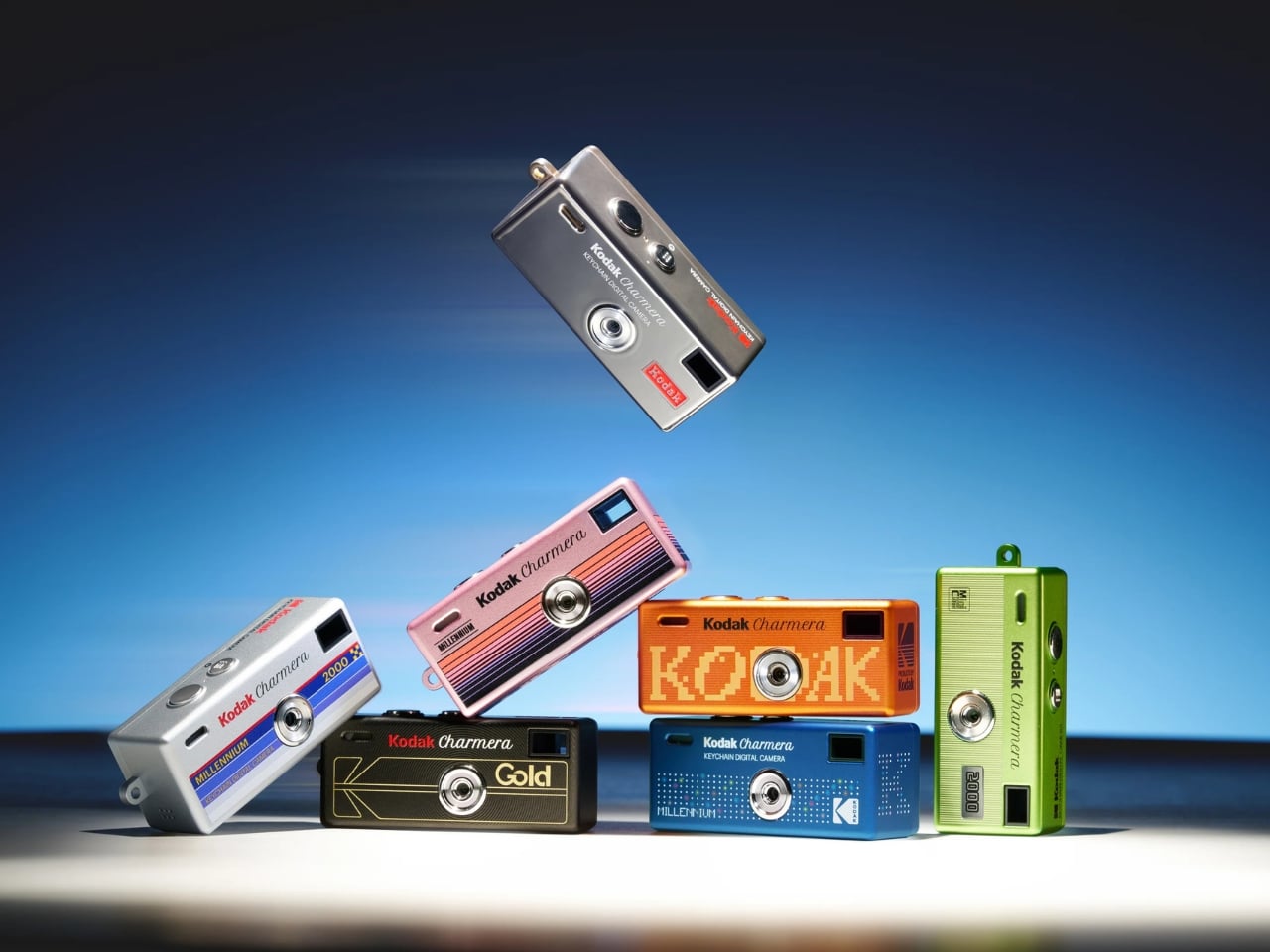
Cutesy analog-inspired cameras that also serve as keychains are probably all over your feed, if it’s anything like mine. And just when you thought you might be satisfied with the one you already have (if you actually have one), they go ahead and release new designs that make you want to replace what you have, or finally succumb and get one.
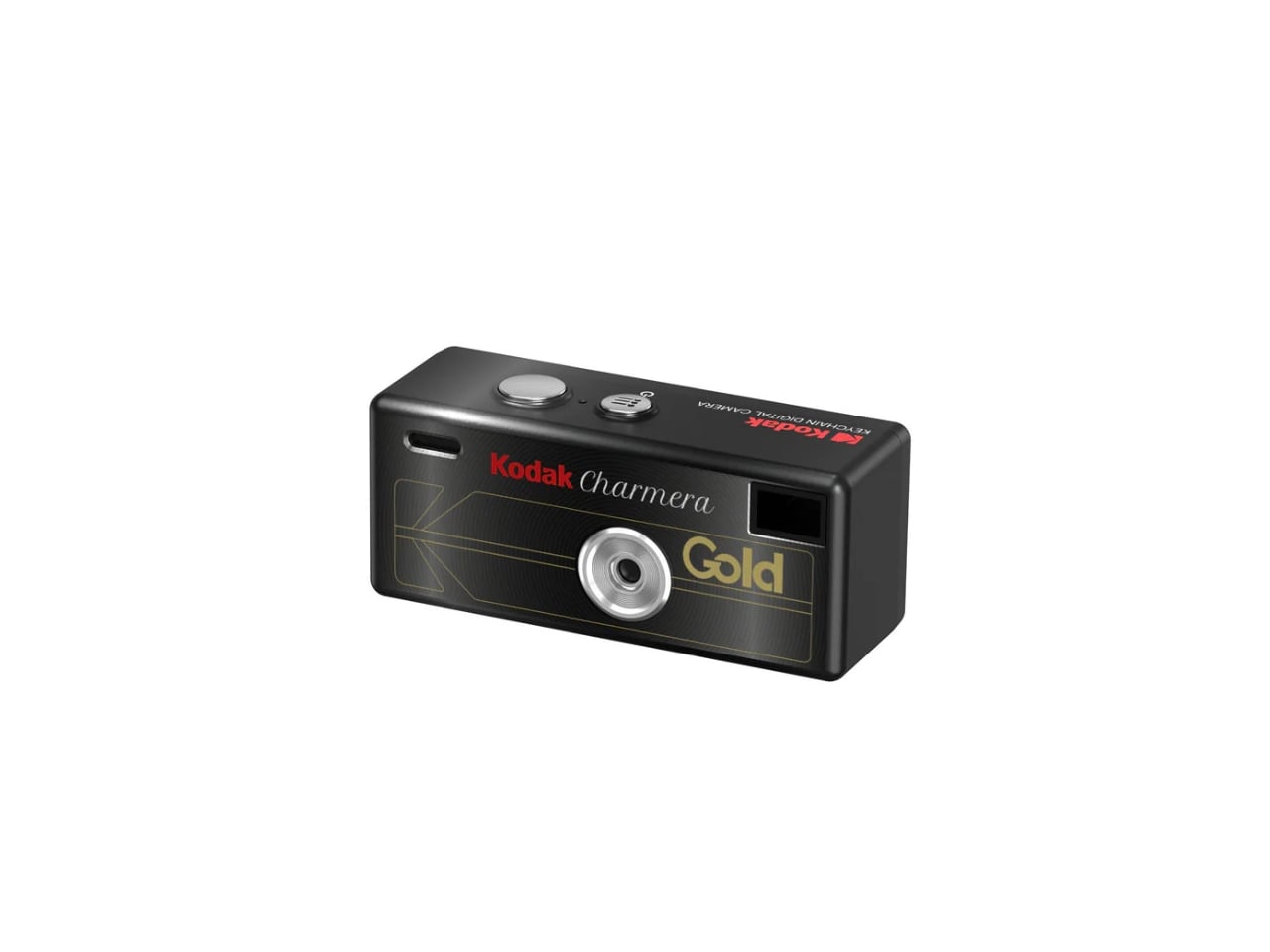
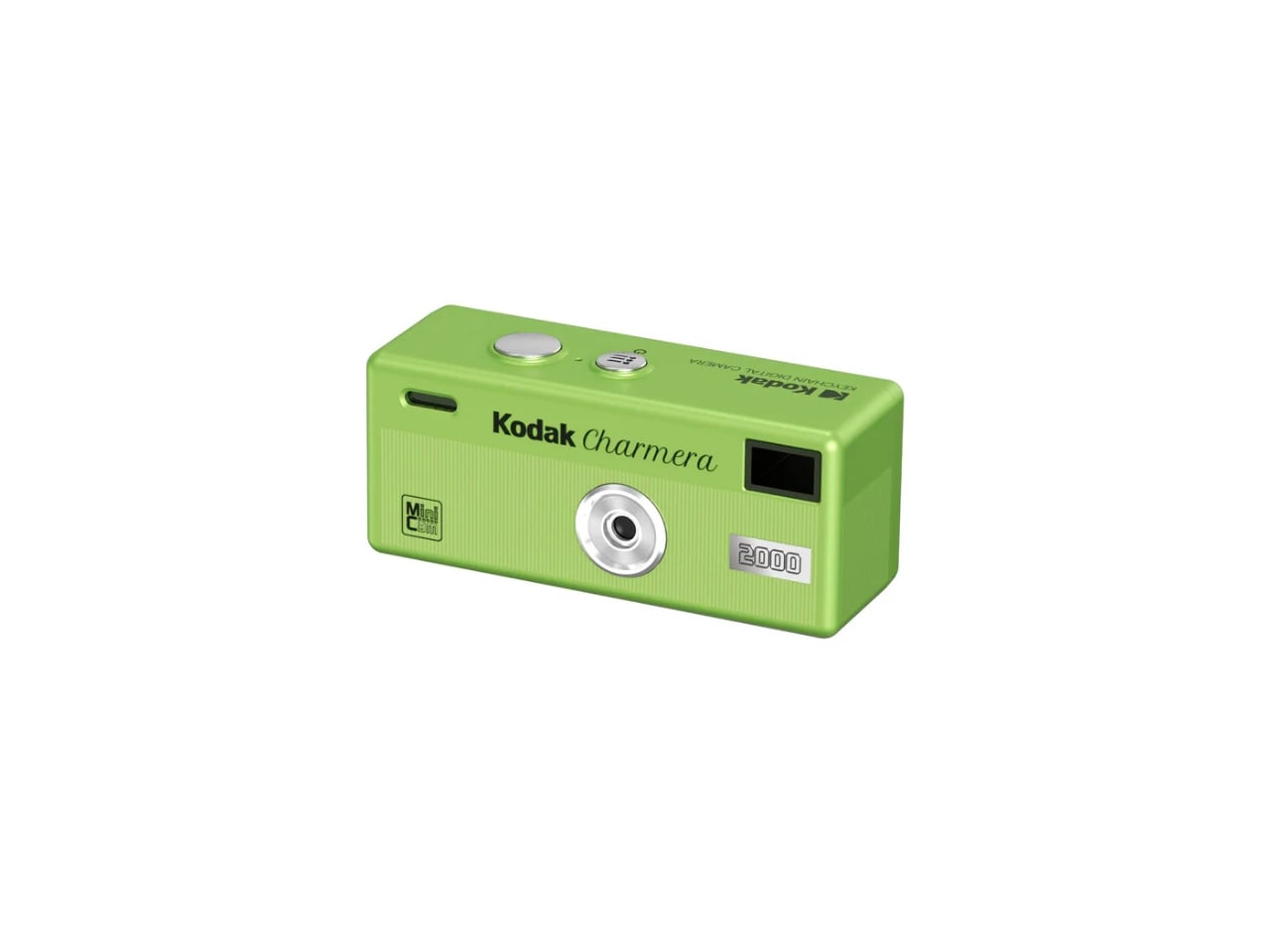
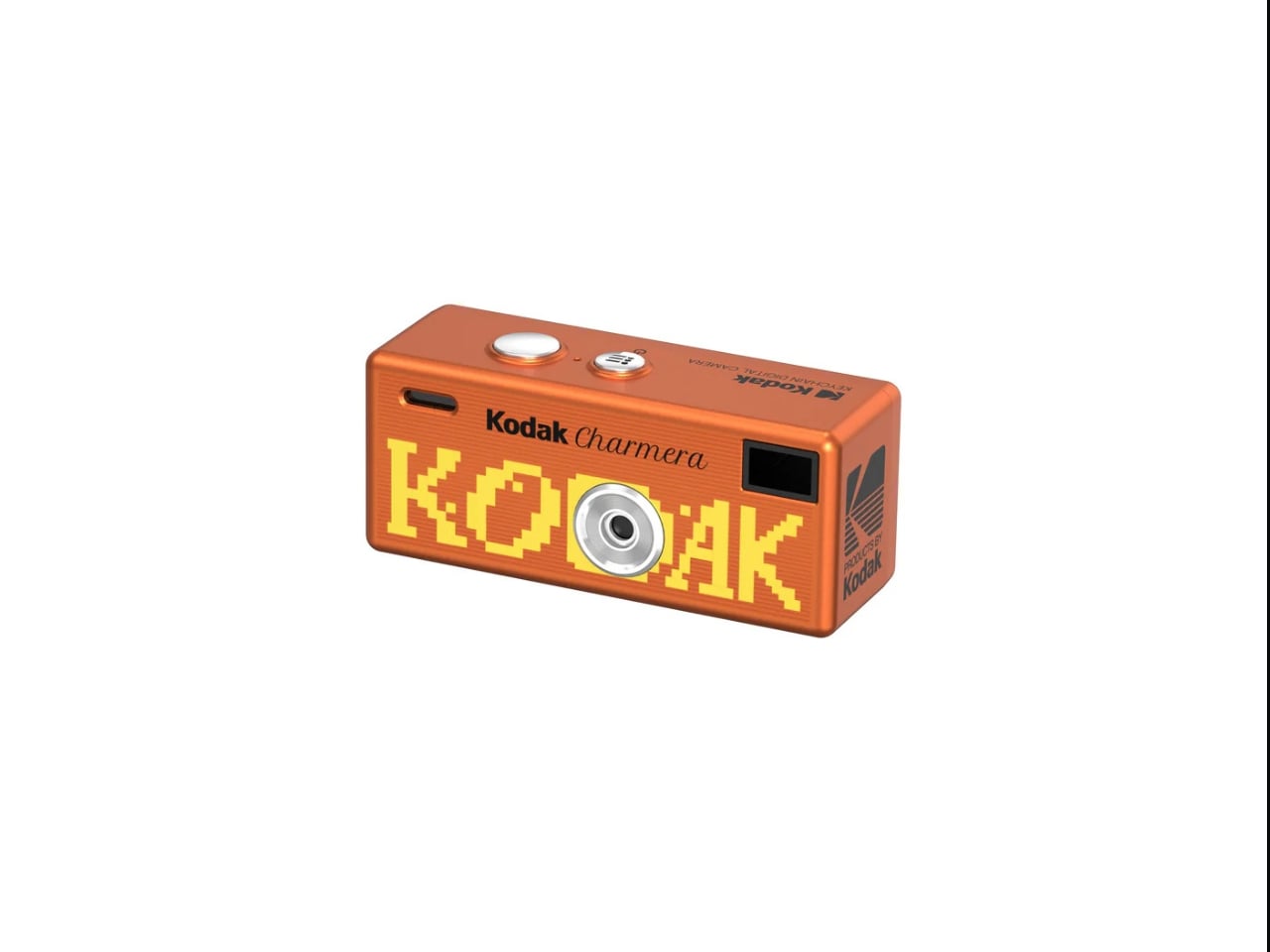
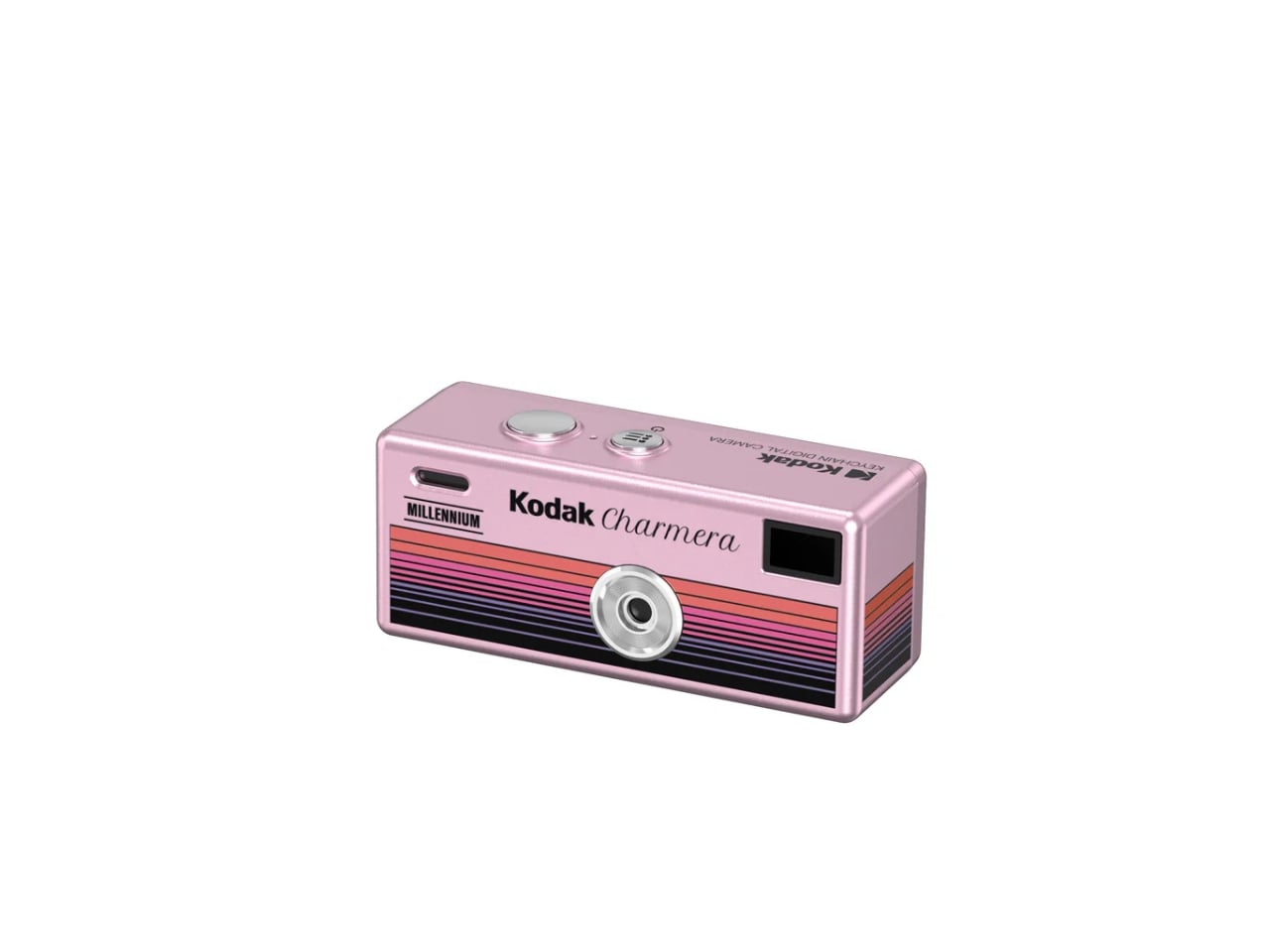
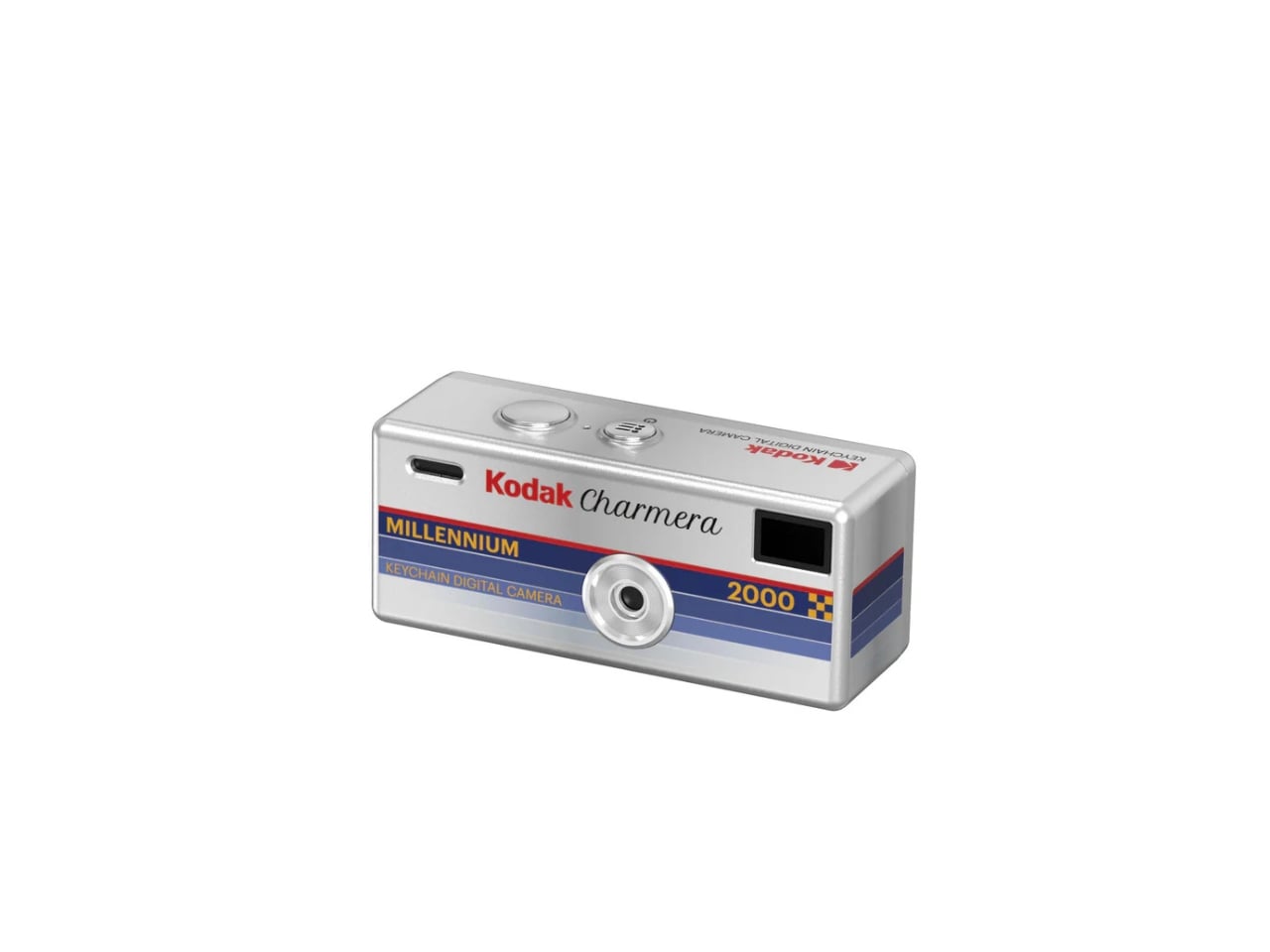
The Kodak Charmera line is one of the most popular devices in this segment, and now they have released a new series that will scratch the Y2K itch within you. The Kodak Charmera Keychain Digital Camera – Millennium Edition brings this line into the future-past, stepping away from the “portable retro” look of the original 1987 Kodak Fling-inspired Charmera. Riding on the current wave of Y2K nostalgia, Kodak is branding this new line as “the ultimate lo-fi futurist accessory.”
Designer: Kodak
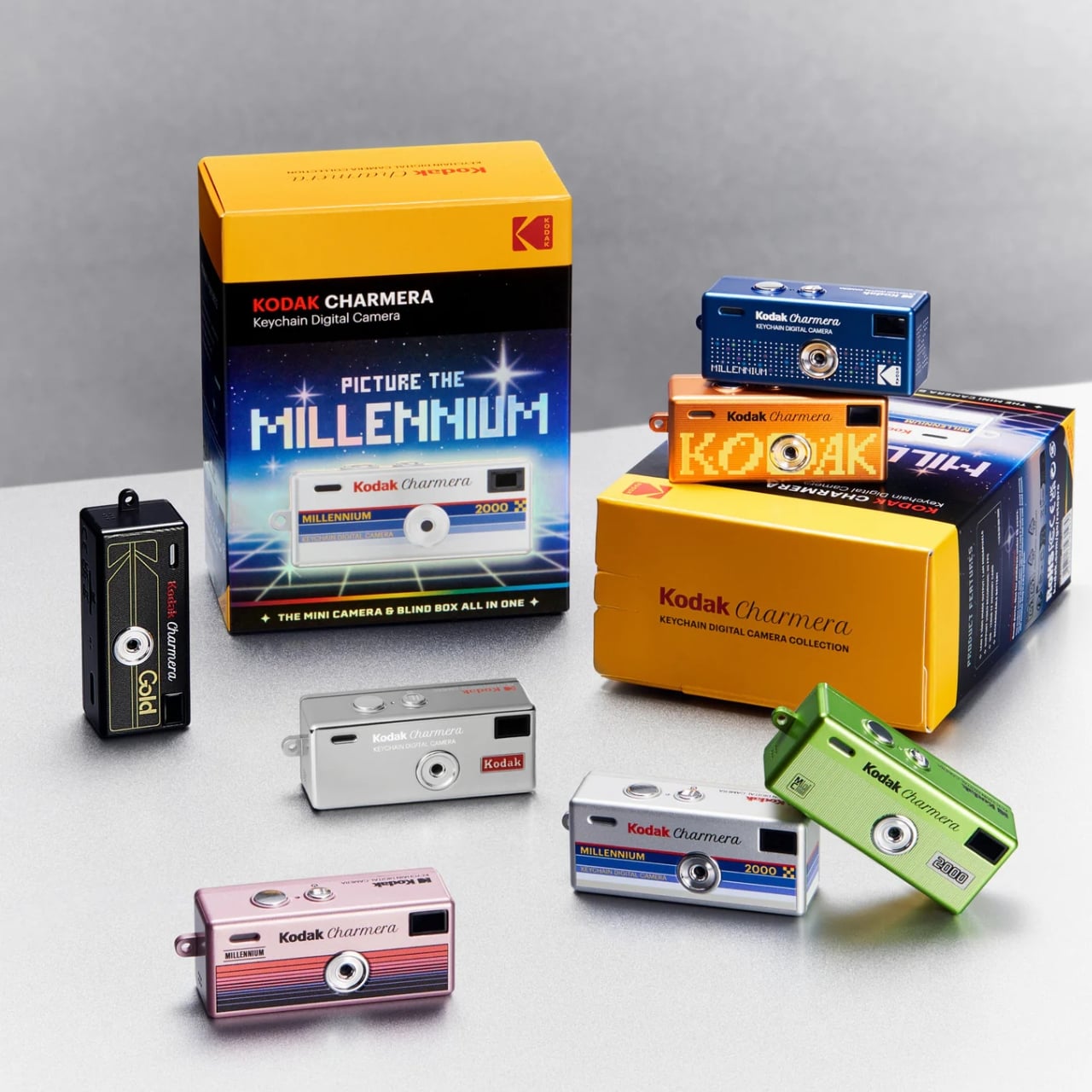

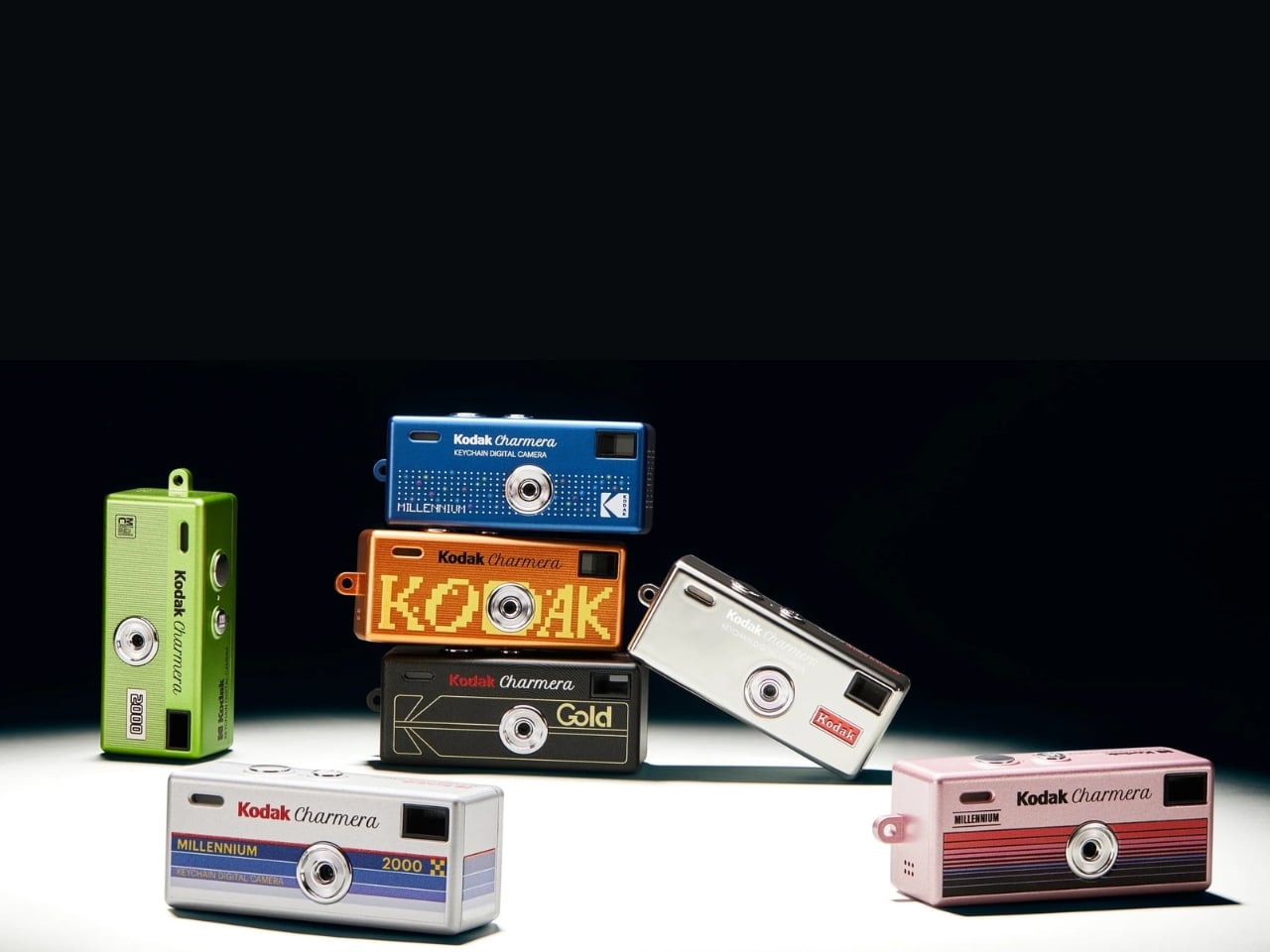
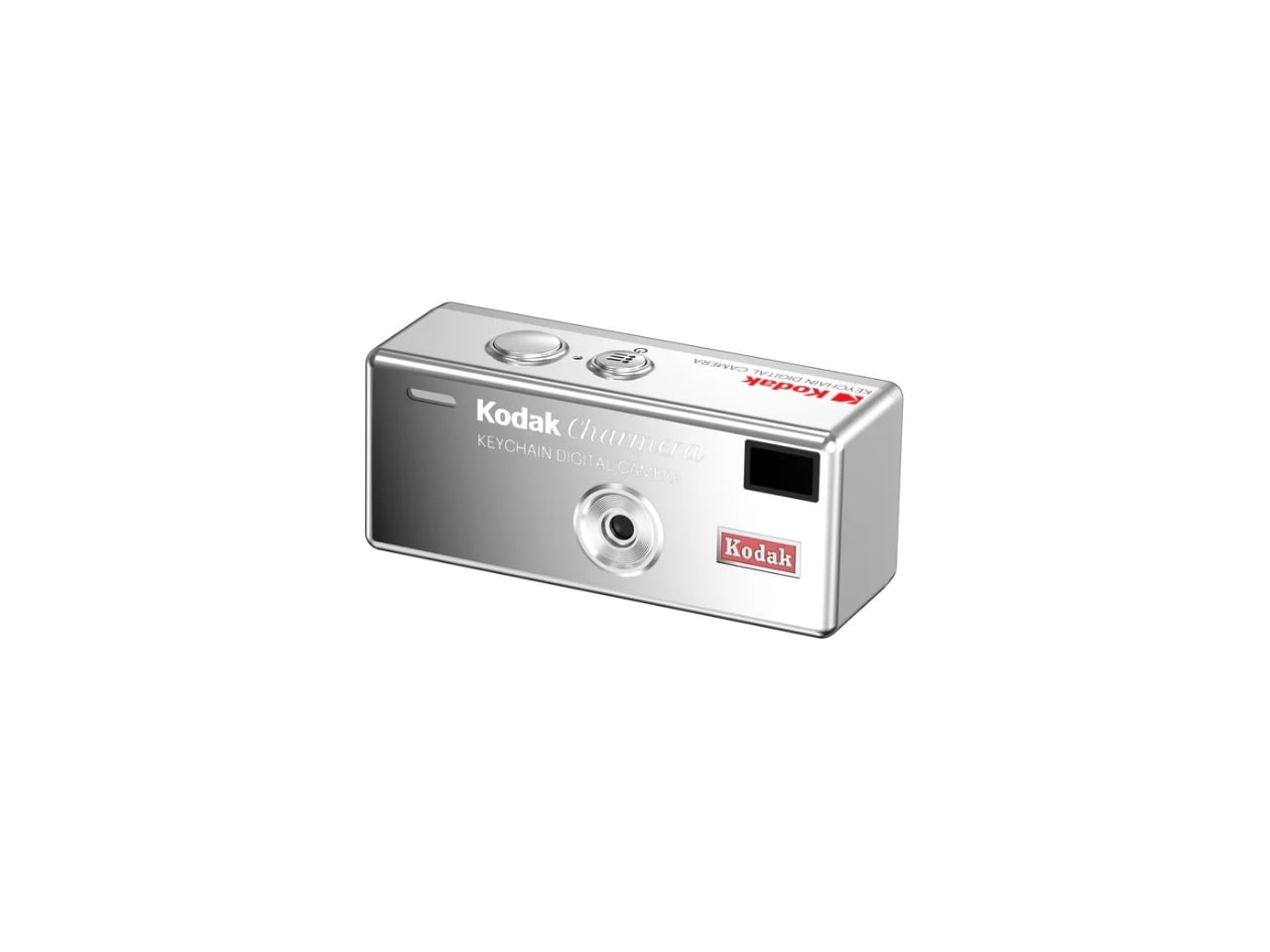
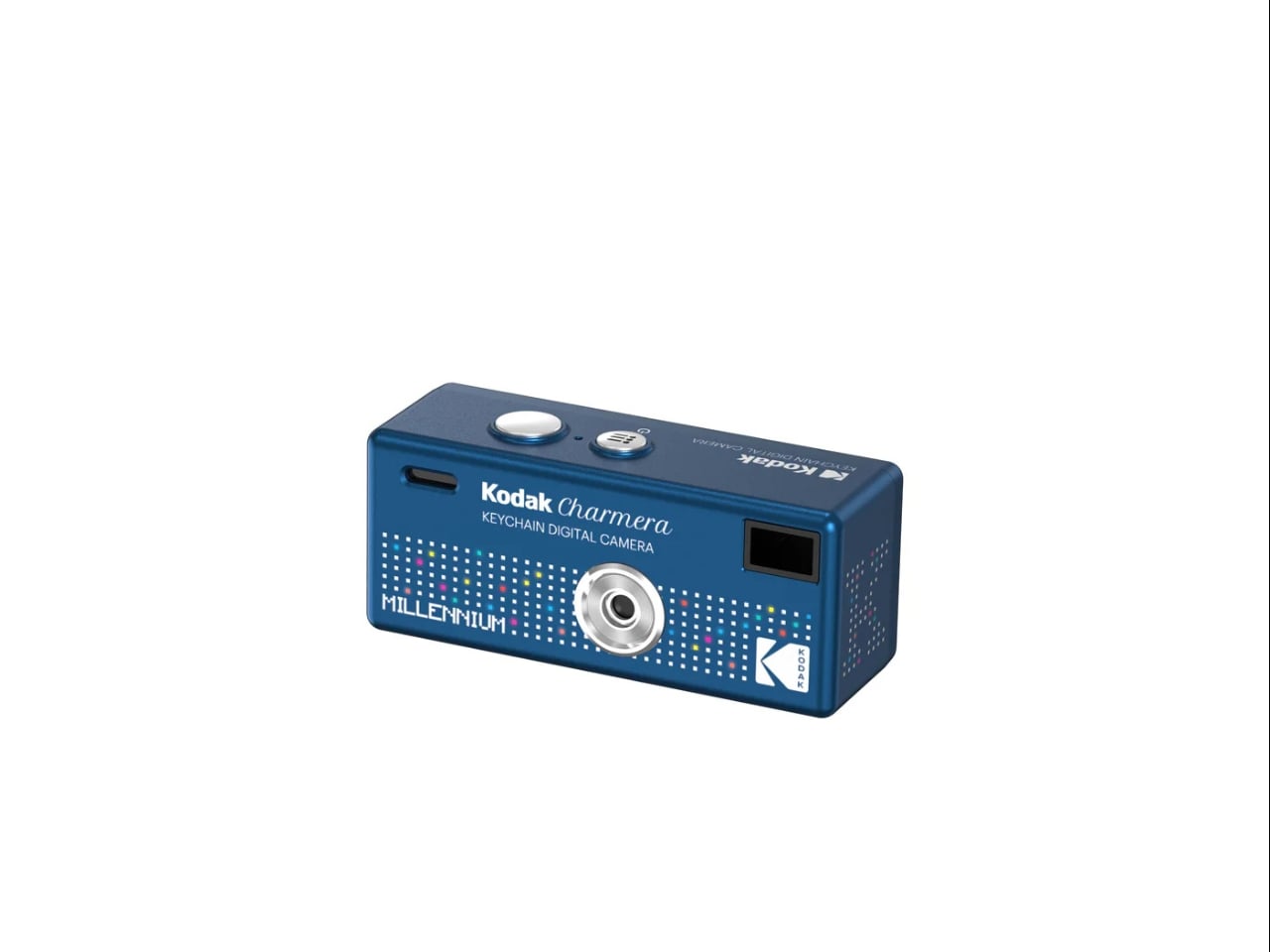
Just like the previous Kodak Charmera cameras, this one is a Blind Box edition, so you never know which of the seven designs you’re going to get. There are six standard colorways: silver, black, green, orange, pink, and metallic, plus a chrome-like secret mirror variant, which you have a one-in-48 chance of getting. The original Charmera features a classic retro look, while this edition gives you a new high-gloss metallic Y2K finish. Think bedazzled flip phones, candy-colored Discmans, and the iMac G3. That’s the exact energy the Millennium Edition is channeling.

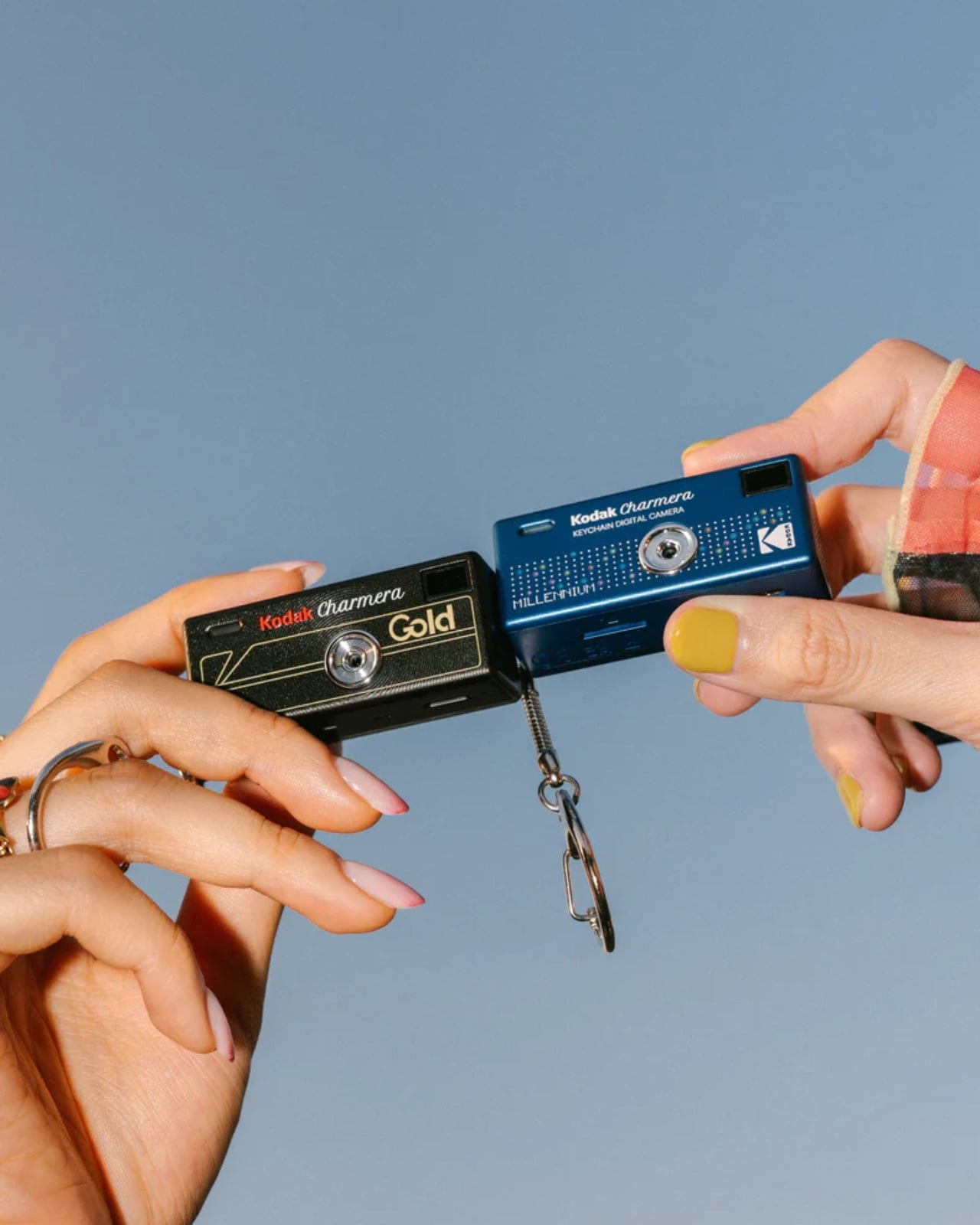
In terms of hardware, everything is more or less the same as the original. You have a 1.6MP 1/4-inch CMOS sensor, a 35mm F2.4 fixed lens, an image output of 1440 x 1080, and 30fps video recording. This is still in keeping with the lo-fi nature of what you’ll get from these keychain cameras, so don’t expect sharp or crisp images and videos. The intentionally grainy, pixelated results are all part of the charm. Lo-fi is a feature, not a flaw. After all, you’re not buying this camera to replace your phone. You’re buying it for the vibe.


What is new in this edition is the software and aesthetic overhaul. In photo mode, you get access to 4 retro-futurism frames, 7 color-rich pixelated filters, and a date stamp, all designed to give your shots that unmistakable early-2000s digital soul. The camera also comes with a dual zone focus system that distinguishes between subjects closer than eight feet and those farther away, giving you a little more control over your shots than you might expect from something this tiny.


The Charmera Millennium Edition is pocket-sized, literally. It measures just 58 x 24.5 x 20mm and weighs only 30 grams, making it one of the most carry-friendly cameras around. It charges via USB-C, which is included in the box, and runs on a built-in 200mAh rechargeable battery. You will also need to bring your own microSD card (up to 128GB supported), as one is not included. Each blind box also comes with a keyring, a CHARMERA ID card, and an A5 leaflet.
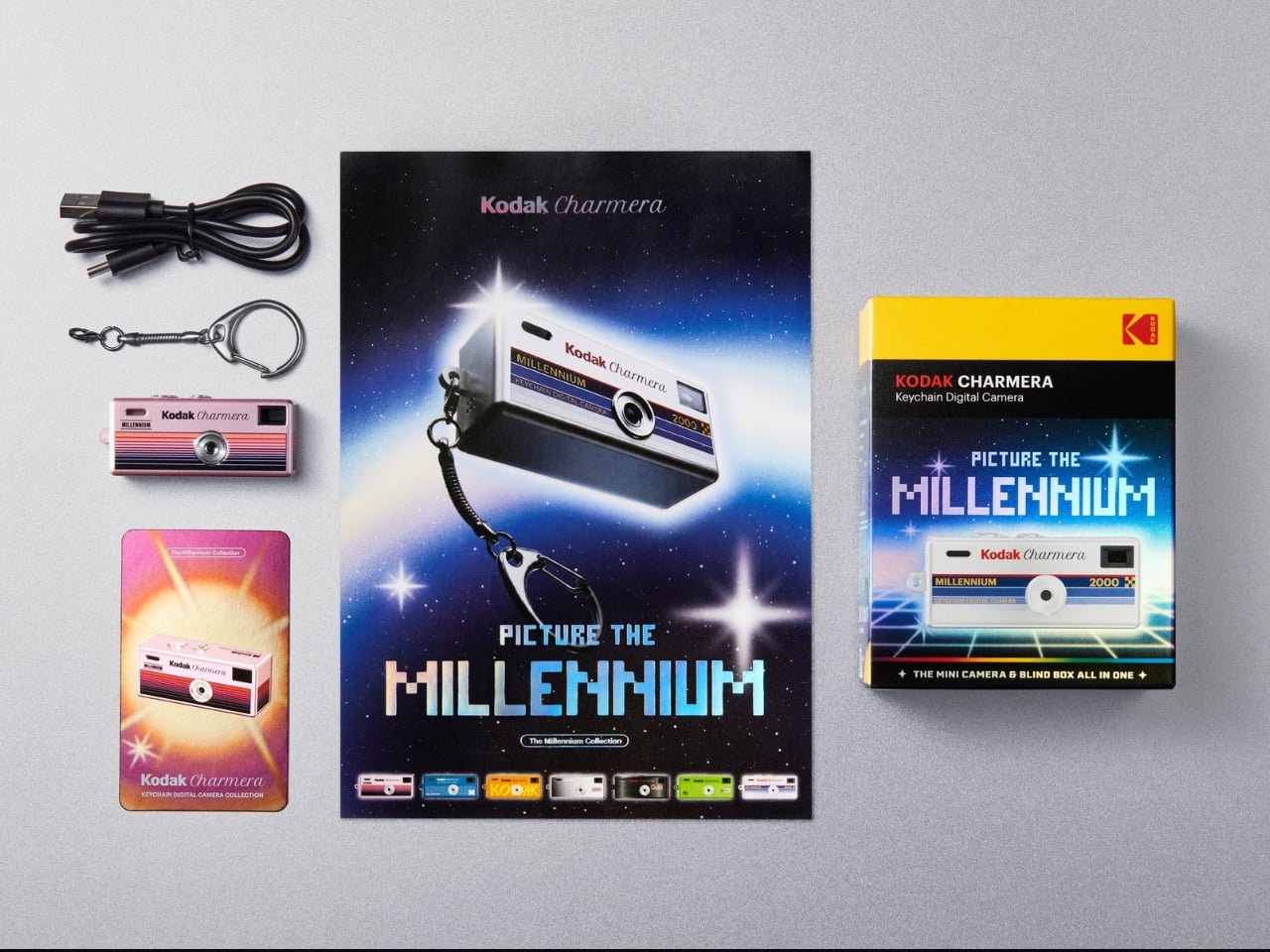
Now, about that blind box format. It truly is half the fun. You pay $34.99 and get one random design out of seven. For collectors, this is both the thrill and the torment. You might land the silver on your first try, or you might end up with four oranges before you see the one you actually want. Kodak also offers the whole set for those who simply need them all, and yes, you know who you are.
The Kodak Charmera Millennium Edition is available for $34.99 per single blind box on the official RETO Pro website and on Amazon. Whether you are a longtime collector of the Charmera line, a devoted Y2K aesthetic enthusiast, or just looking for the most fun $35 you will spend this year, this tiny camera delivers exactly what it promises. No more, no less, and honestly? That is exactly the point.
The post Kodak Just Dropped the $35 Y2K Camera Collectors Can’t Stop Chasing first appeared on Yanko Design.
The gap between smartphone convenience and dedicated camera quality has never been more complicated to navigate. Smartphones shoot impressive footage, but the moment you start walking, panning, or filming yourself without a stabilizer, the limitations show. Shaky handheld video, compromised low-light performance, and the inconvenience of carrying a larger camera rig have pushed creators to look for a smarter middle ground.
The DJI Osmo Pocket 4 is designed to solve that exact problem. Building on a line of compact gimbal cameras that have quietly become a go-to tool for vloggers and travel creators alike, the fourth generation pushes the formula further with an improved sensor, smarter tracking, and a handful of practical upgrades that address the friction points that have always come with shooting on the go.
Designer: DJI
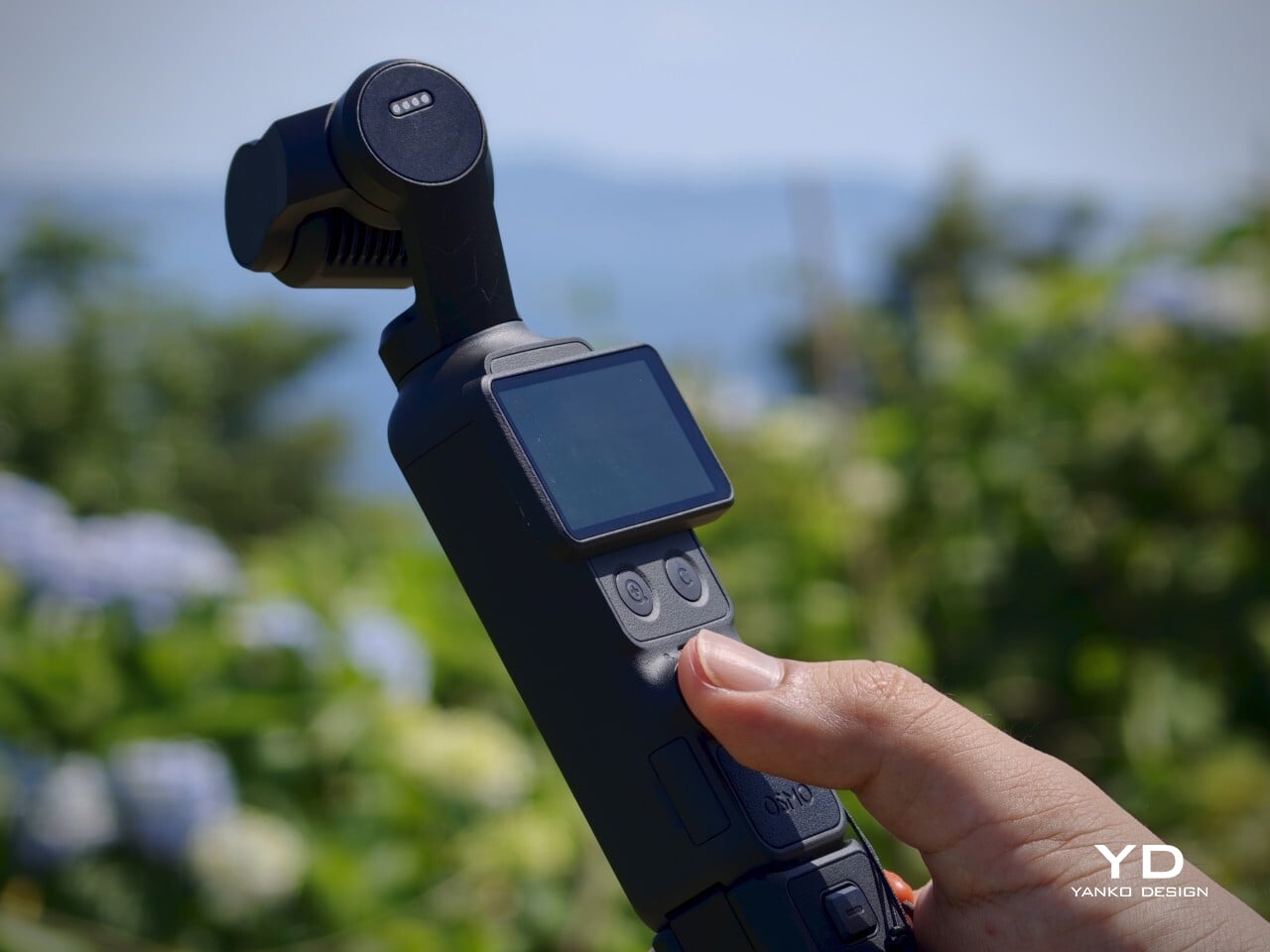
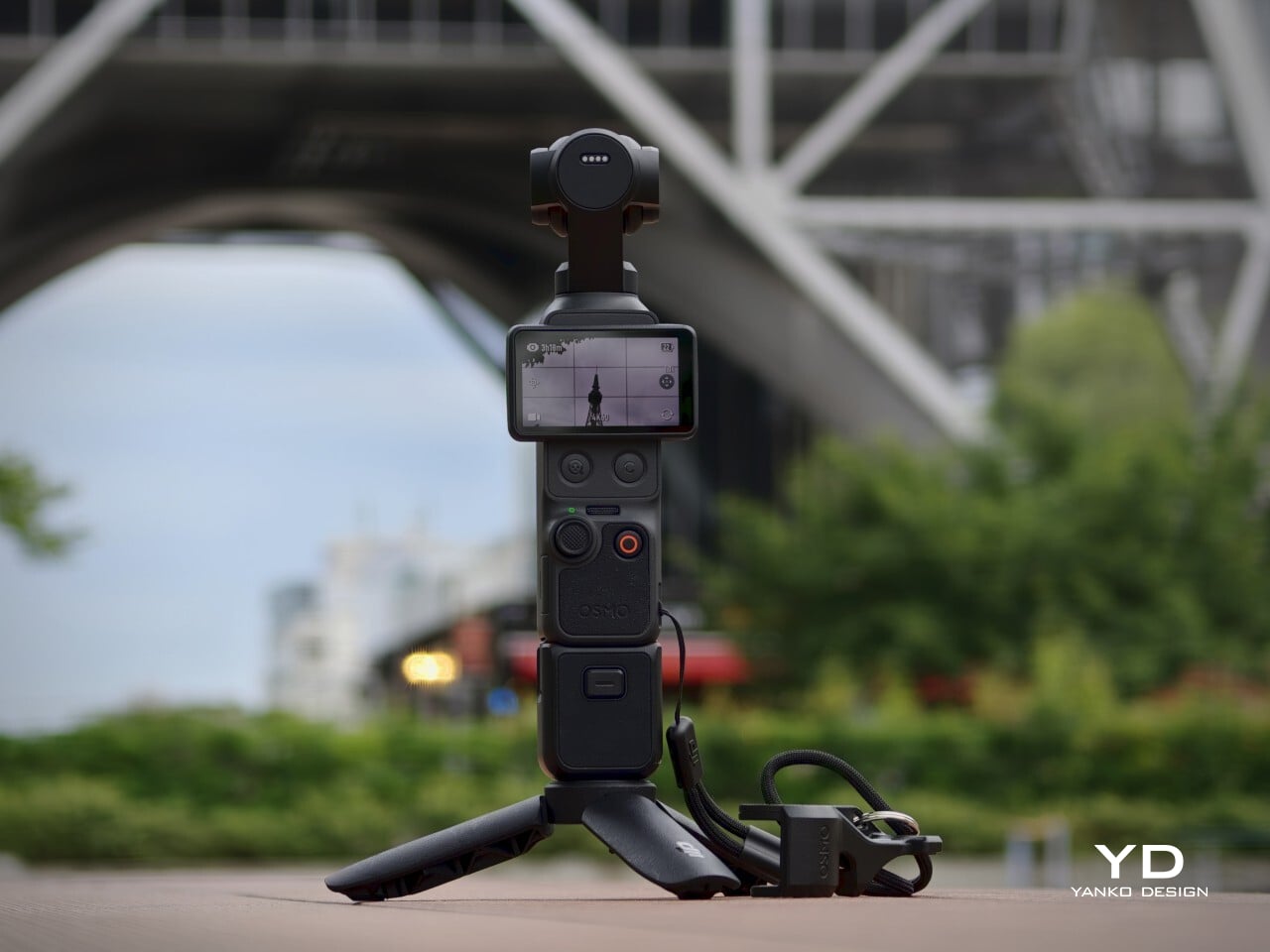
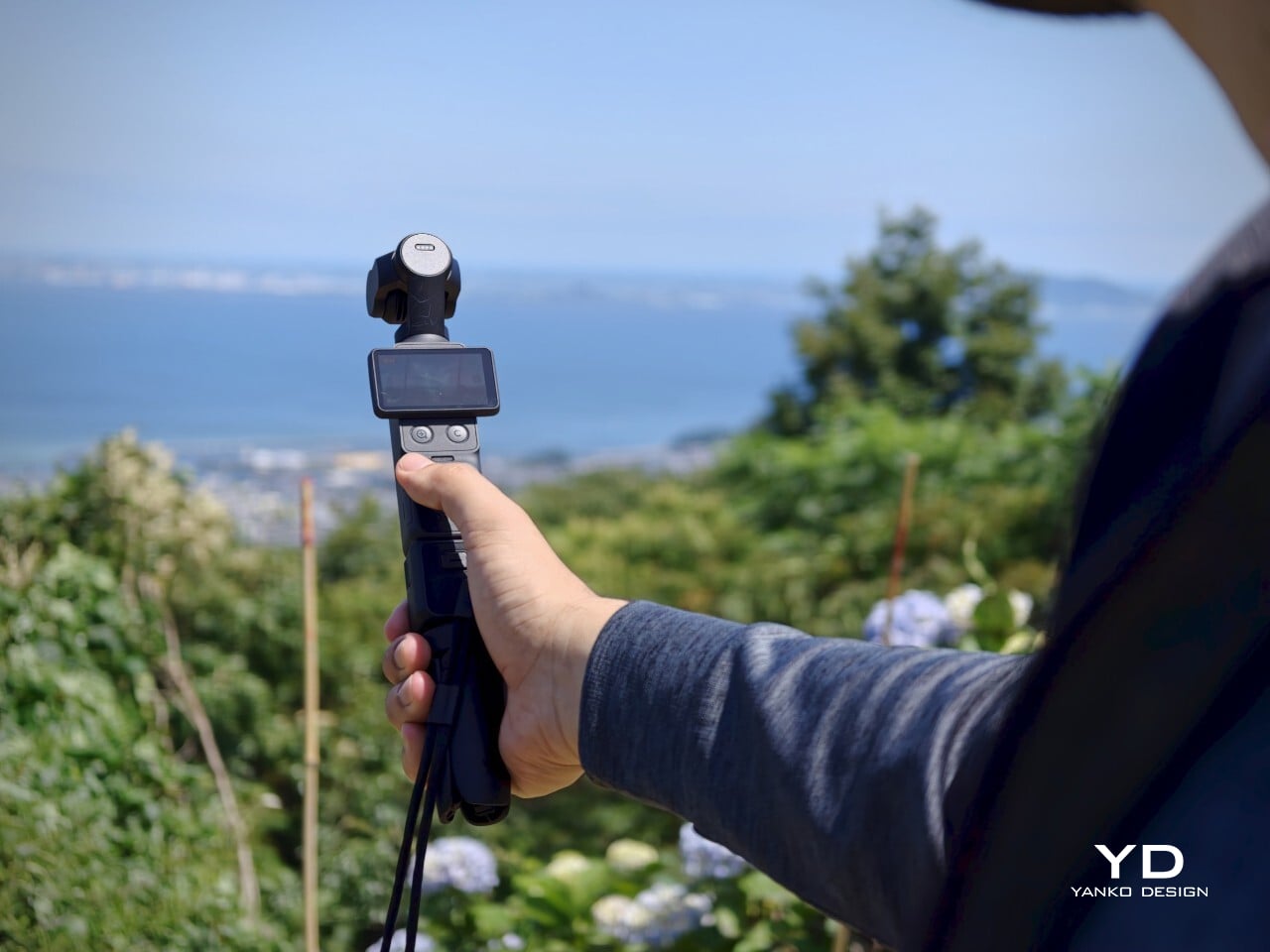
The Osmo Pocket 4 doesn’t try to look exciting. Its silhouette is tall and narrow, with a small three-axis gimbal head sitting at the top. It’s a restrained design that communicates precision rather than personality, and that’s part of the appeal. The matte black finish and clean lines make it look purposeful without being flashy, which is exactly the visual confidence that good industrial design earns.
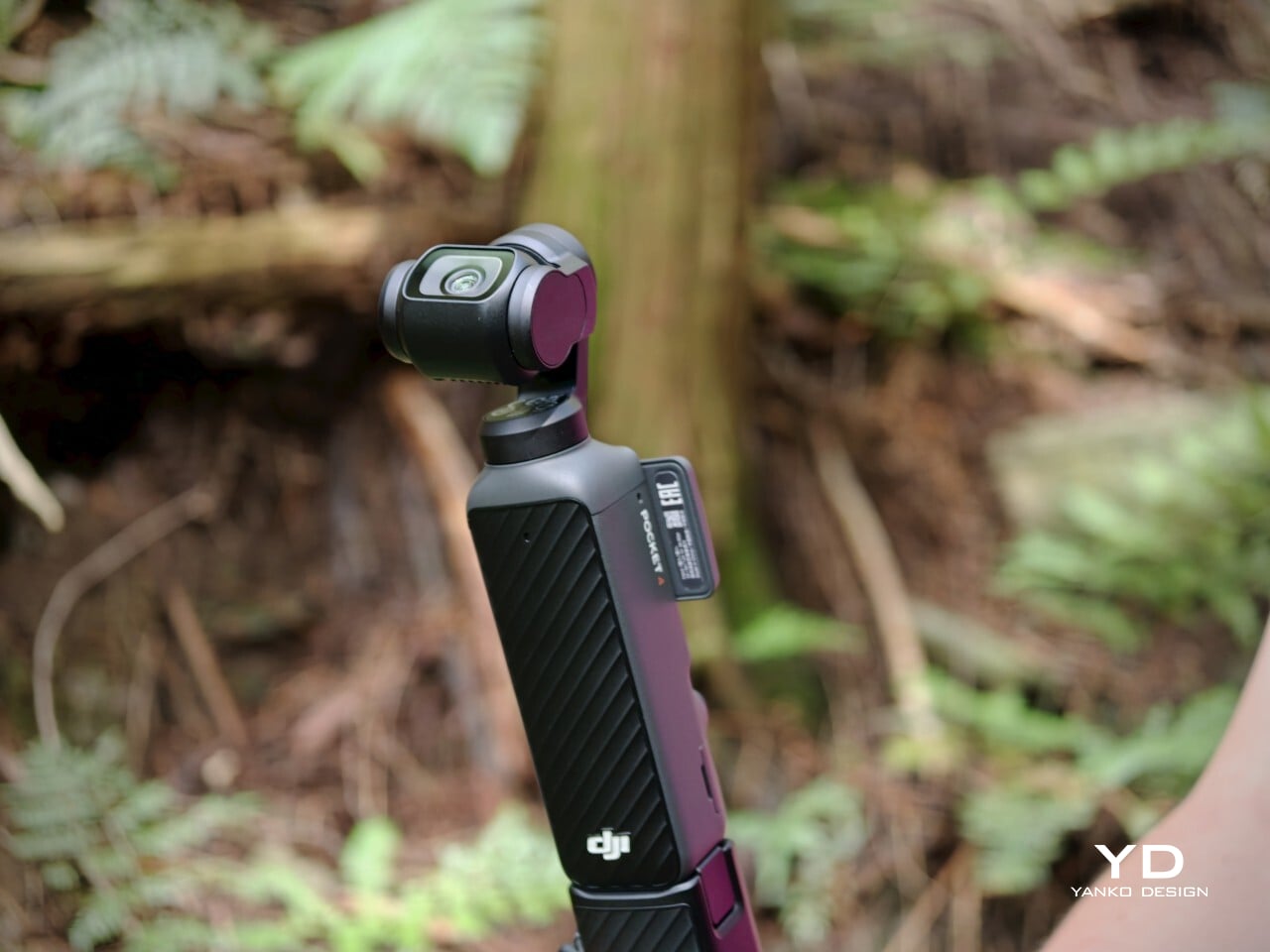
What makes it visually distinctive is the tension between the utilitarian body and the delicate gimbal mechanism at the top. The rotating touchscreen adds a layer of mechanical thoughtfulness to the otherwise straightforward form. Up close, the camera looks precise and well-assembled, with tight tolerances and a consistent finish across its surfaces. It’s the kind of object that rewards a closer look.
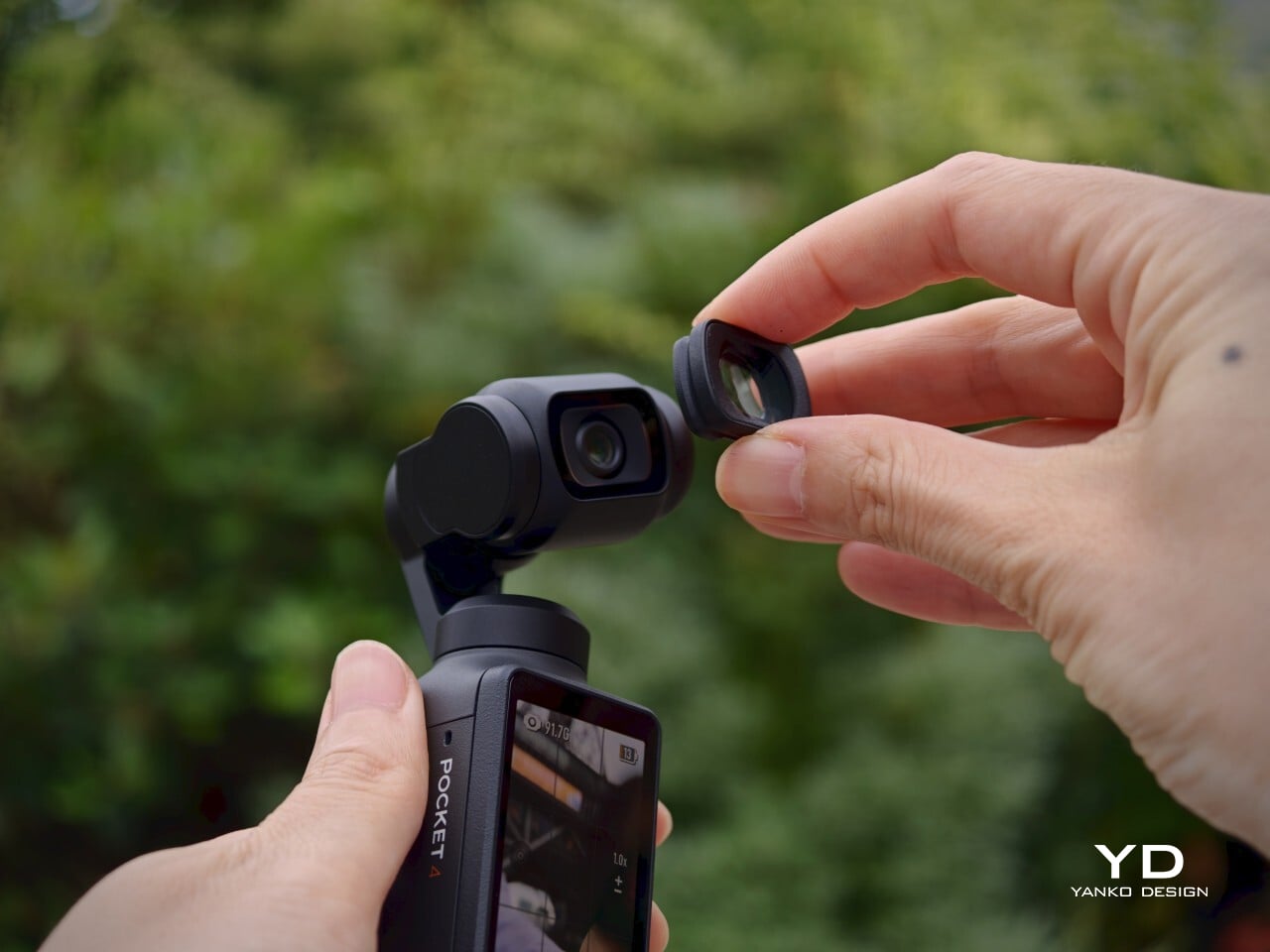
The Creator Combo accessories, including the magnetic fill light and the wide-angle lens, add functional range without dramatically changing the camera’s character. They fit onto the device with minimal fuss and are compact enough to carry without much extra bulk. The wide-angle lens introduces some edge distortion, a minor tradeoff, and it needs to be removed before powering the camera down, making it a small but notable habit to build.
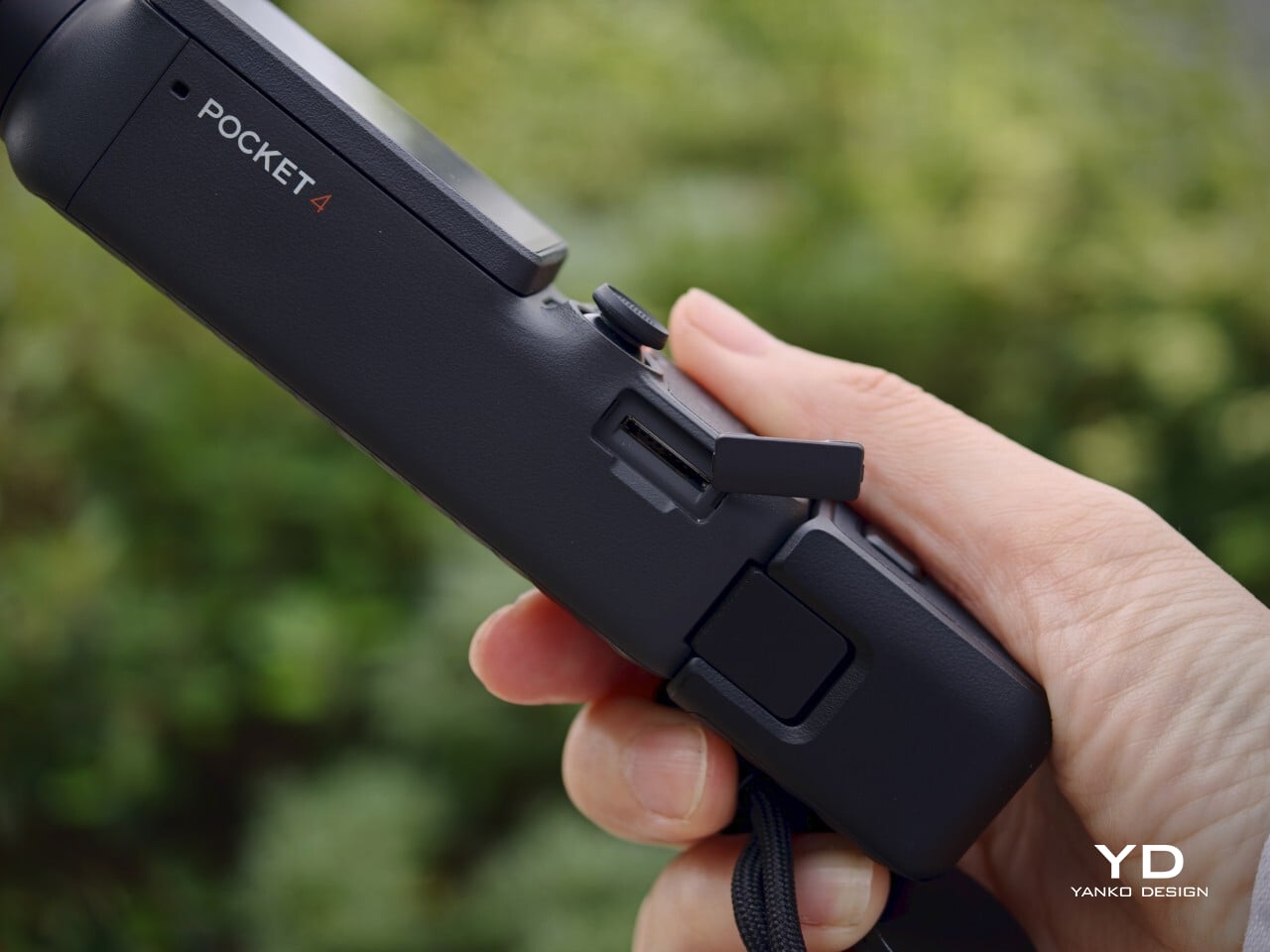
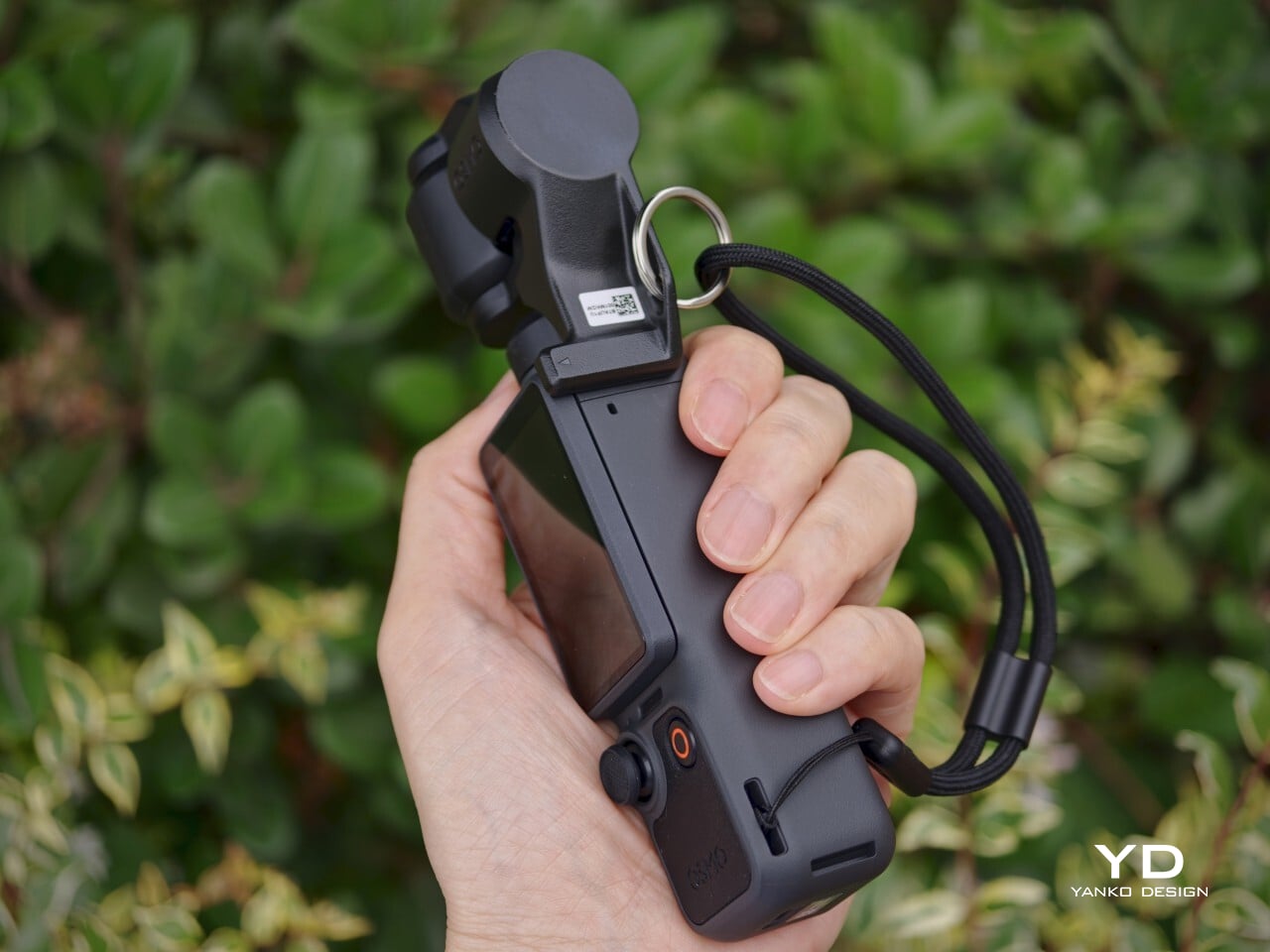
At 190.5g and measuring 144.2mm x 44.4mm x 33.5mm, the Osmo Pocket 4 genuinely fits in a pocket. That sounds like a marketing line, but it’s one of the more meaningful things you can say about a dedicated camera. It’s light enough to forget you have it and small enough that pulling it out feels no more dramatic than reaching for your phone, which is completely the point.
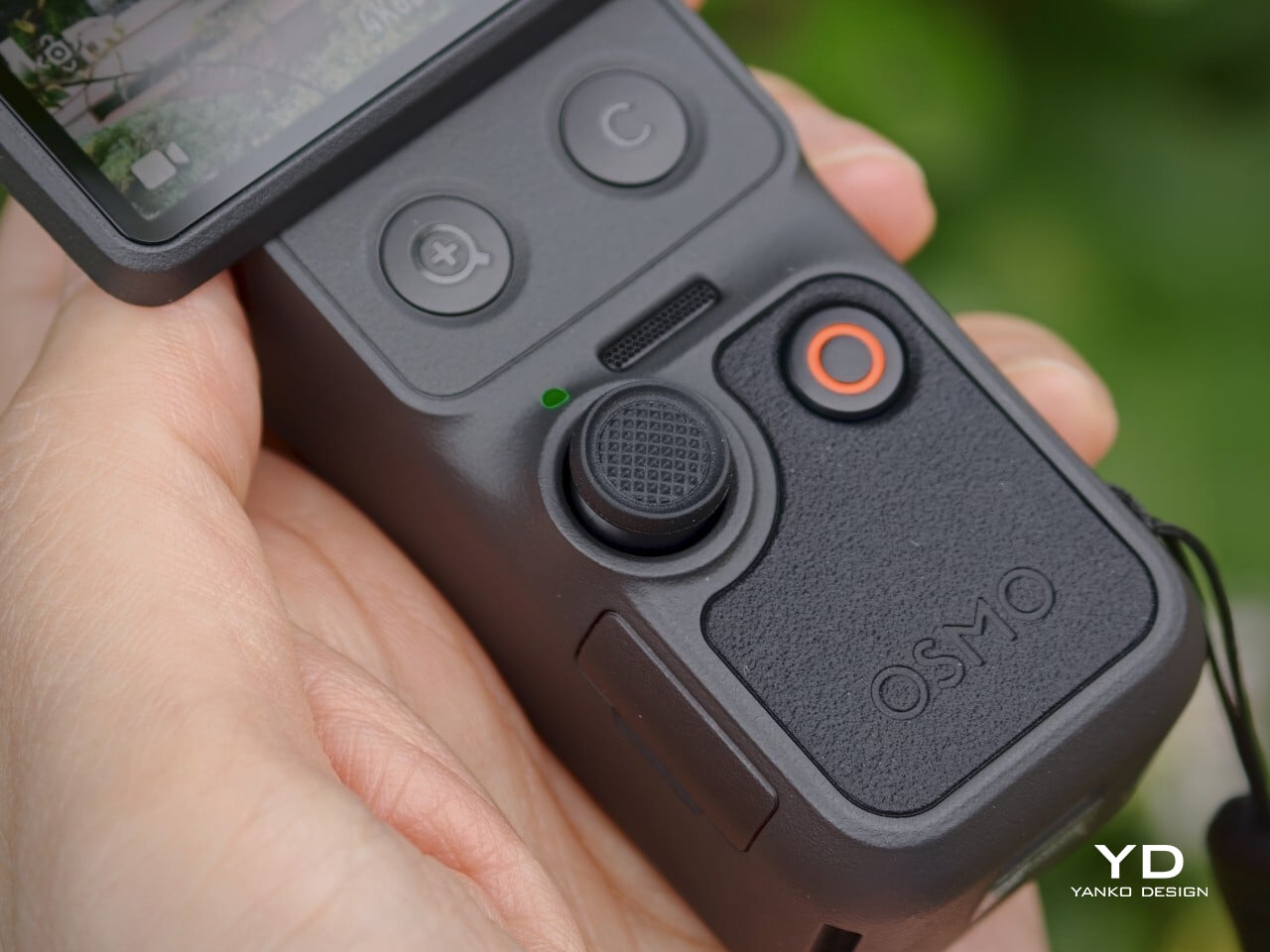
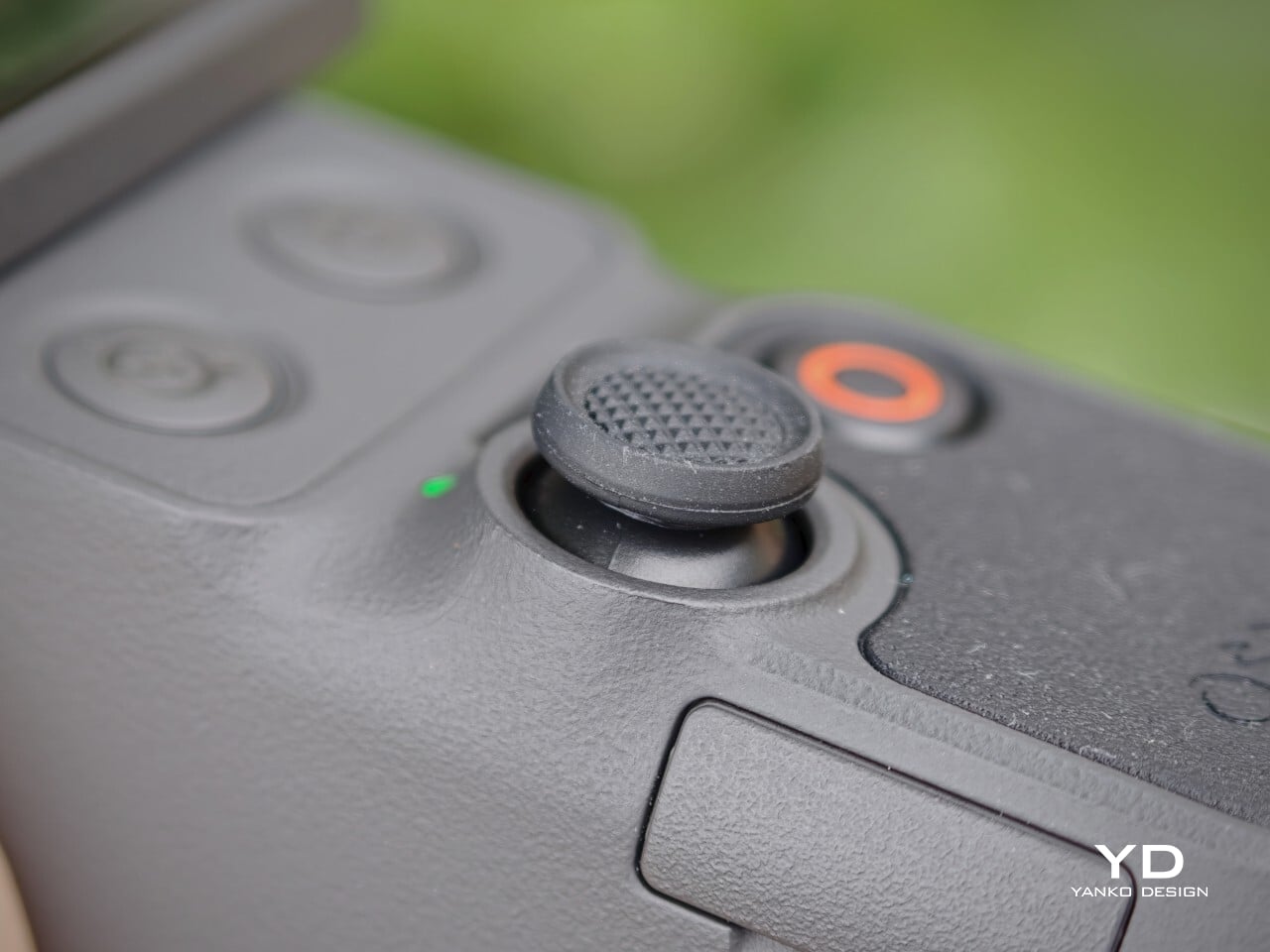
Operating the Osmo Pocket 4 is intuitive. Rotating the screen starts recording automatically, a shortcut that makes spontaneous moments actually capturable. Two new buttons below the screen handle zoom and custom presets, while the 5D joystick lets you reposition the gimbal or flip the camera orientation without going into menus. The controls feel deliberate rather than crowded, and that discipline counts in a device this compact.
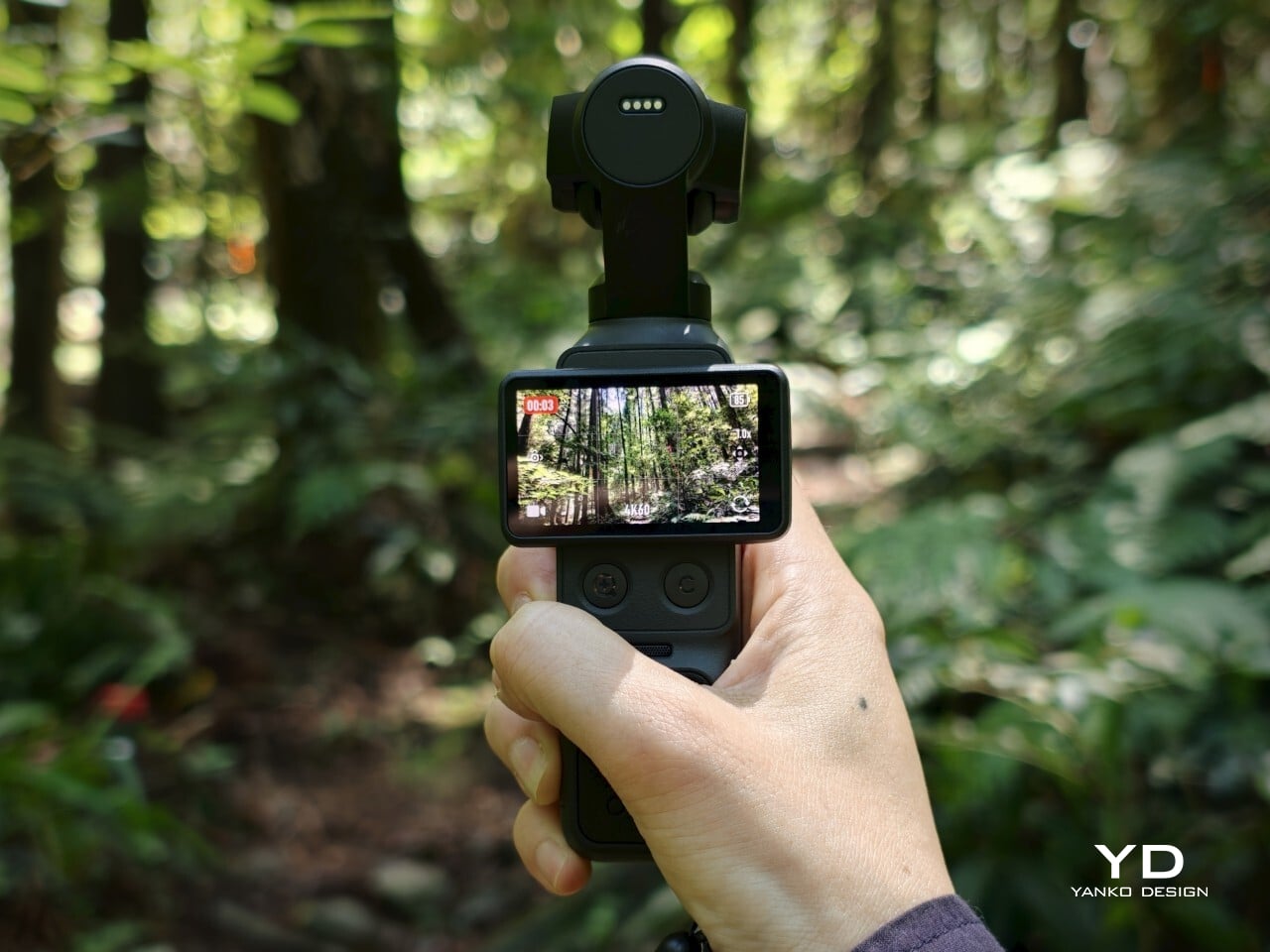
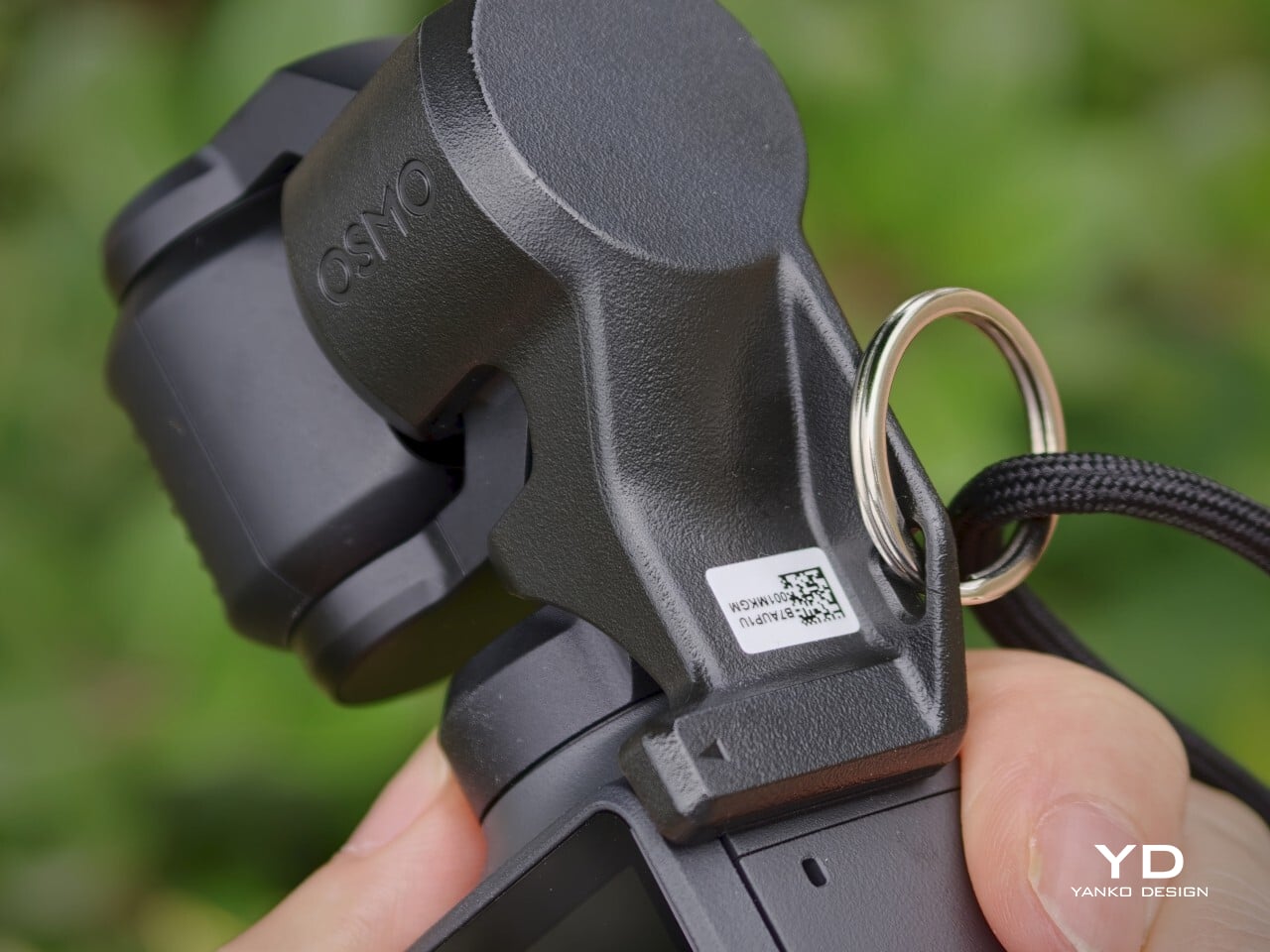
The 2.0-inch touchscreen is bright at 1000 nits, visible enough for outdoor framing, though it could benefit from an anti-reflective surface under harsh direct sunlight. The gimbal clamp that protects the camera head during storage is usefully low-profile, but it’s also easy to misplace precisely because of that. A lanyard attachment helps solve that problem and keeps the clamp reliably on hand whenever the camera needs to be put away.
The core of the Osmo Pocket 4’s appeal is its improved 1-inch CMOS sensor, paired with an f/2.0 lens and 14 stops of dynamic range. In practice, that combination produces video with noticeably more texture and tonal depth than a typical smartphone sensor can manage. Highlight retention in bright outdoor scenes holds up well, and shadow detail in mixed-light interiors stays controlled rather than collapsing into noise or flat gray.
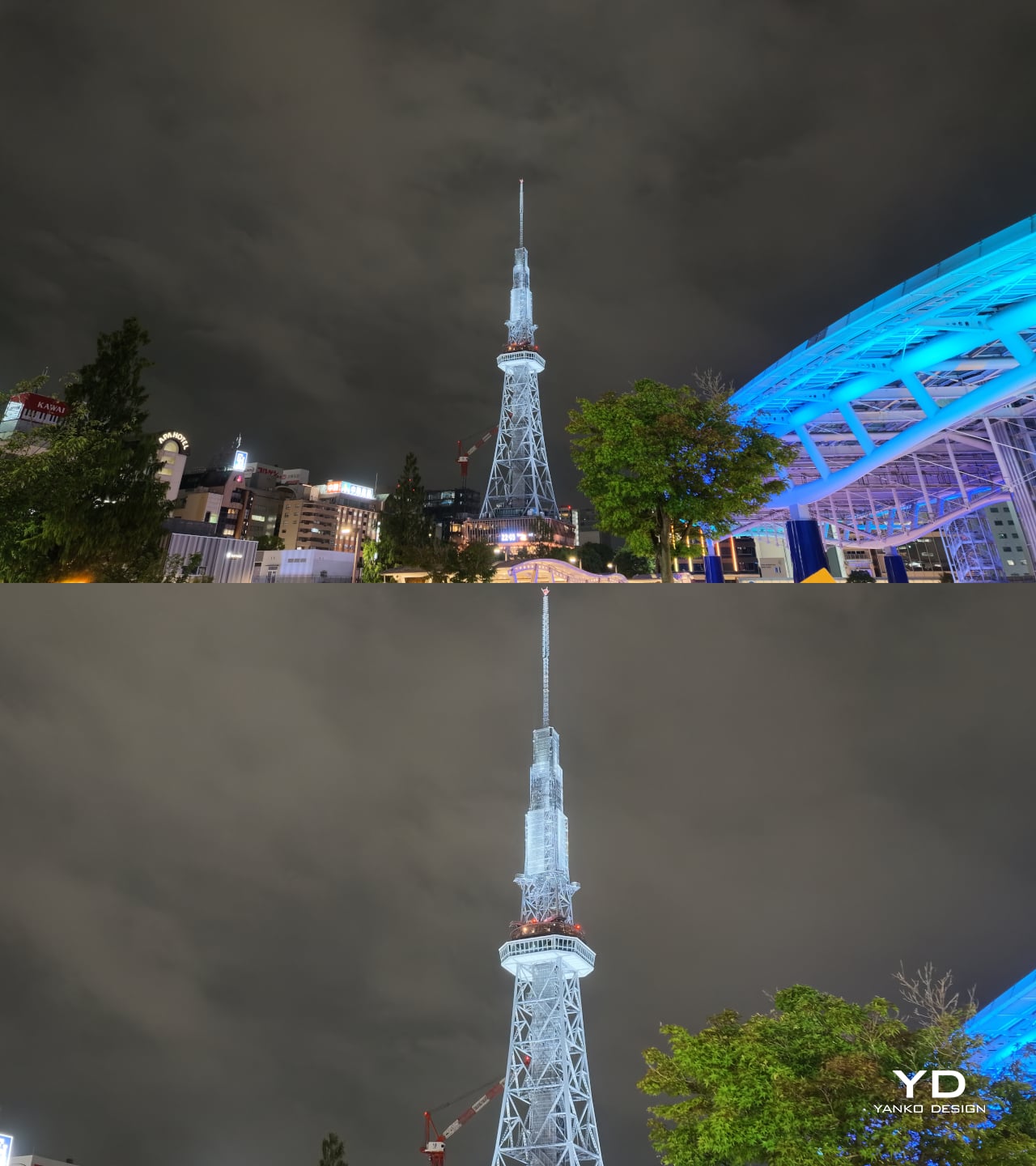
1x (Top) | 2x (Bottom)
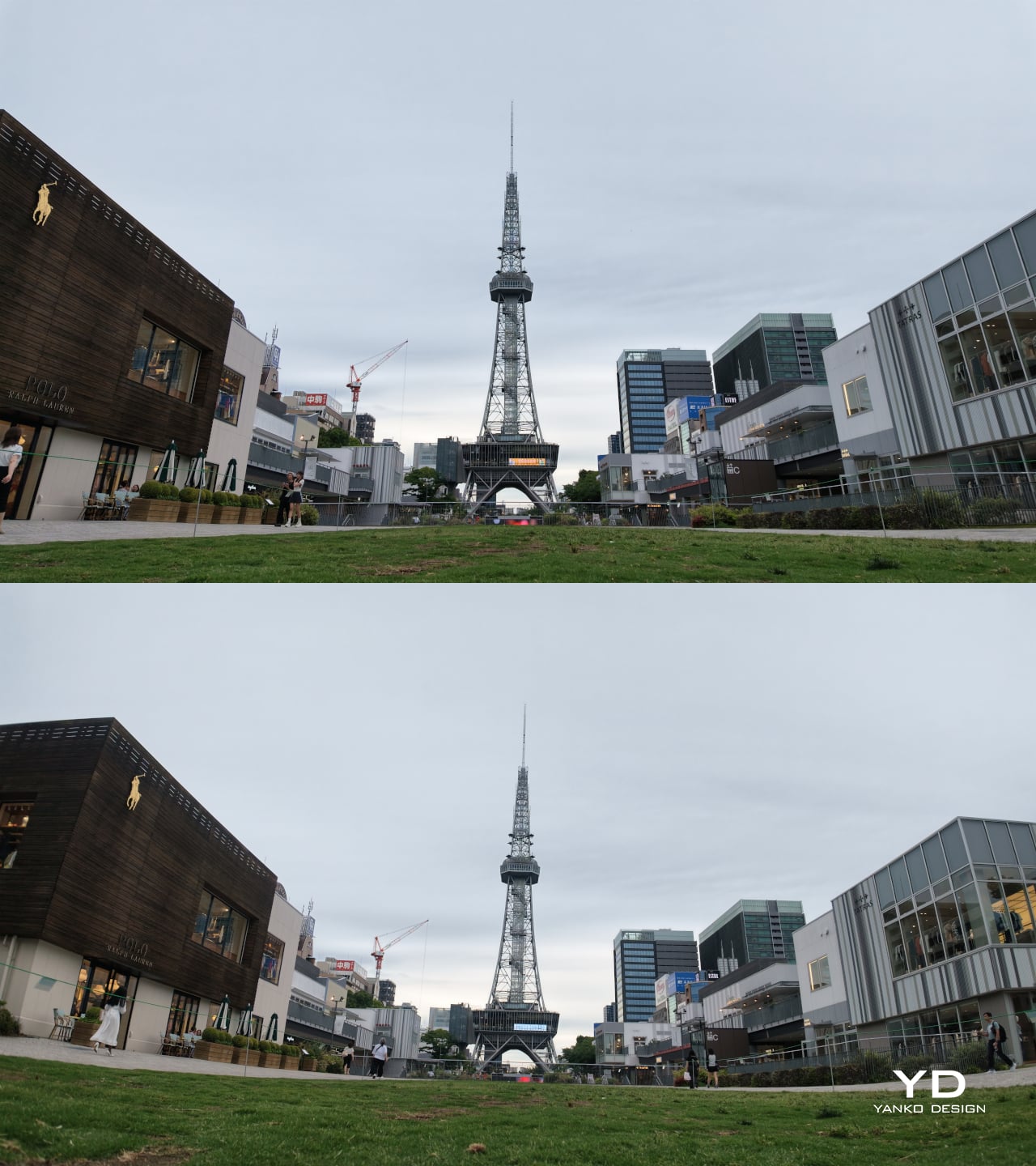
1x (Top) | Wide Lens Attachment (Bottom)
Low-light performance is one of the Pocket 4’s stronger points, both for still photos and videos. The dedicated low-light video mode produces clean, well-exposed footage in dim environments where smartphones typically struggle with noise and color accuracy. Sadly, the latter comes with a hidden cost: low-light video mode only works at 1x zoom.



The magnetic fill light from the Creator Combo is a helpful companion for indoor portraits and evening setups, adding enough brightness to make skin tones look clear, though it’s more of a useful enhancement than an absolute necessity. The Osmo Pocket 4 works well enough on its own for nighttime photography and low-lit environments, but in pitch-black situations, the fill light snaps on in a flash, pardon the pun.
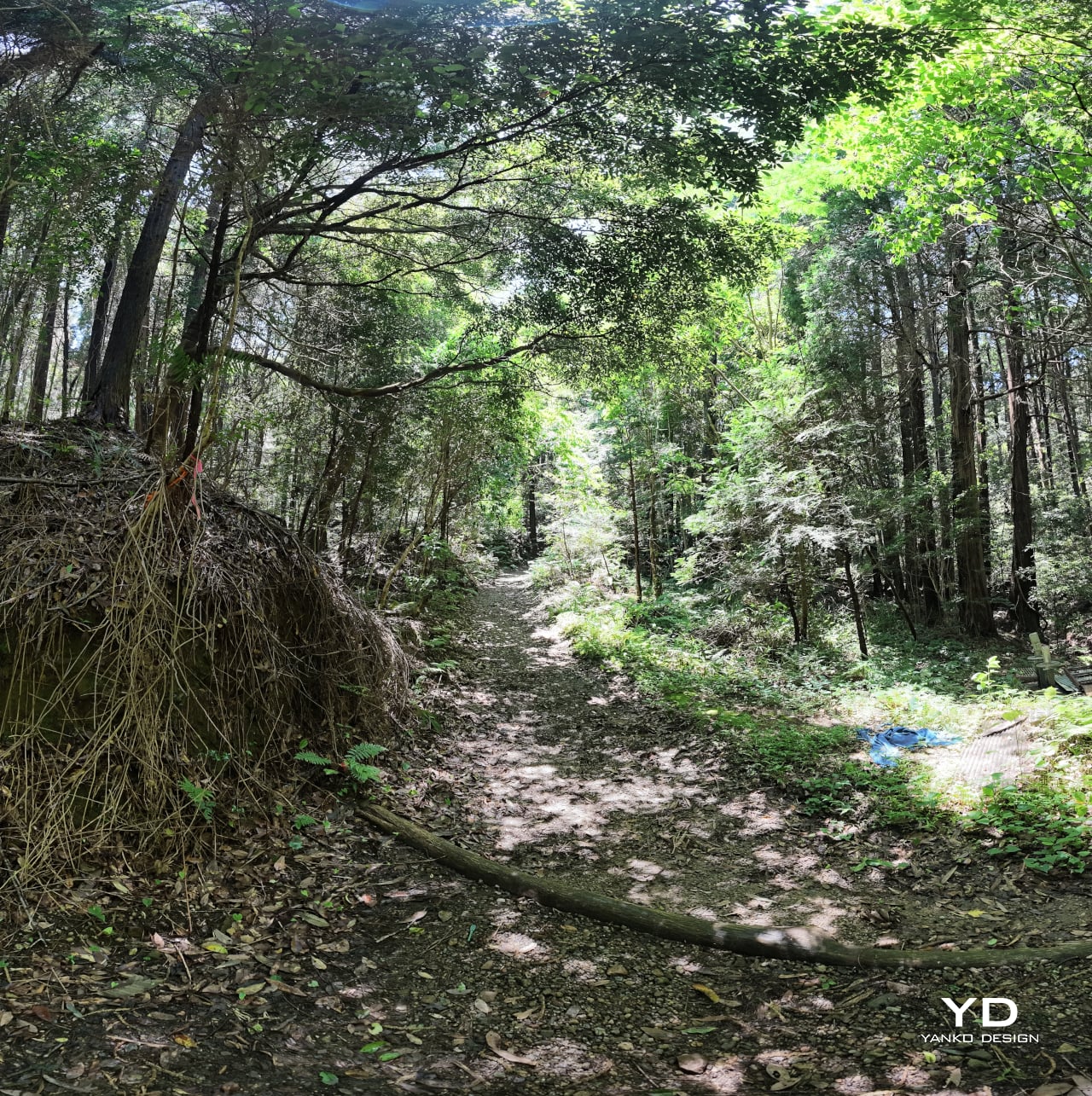
Panorama

Landscape
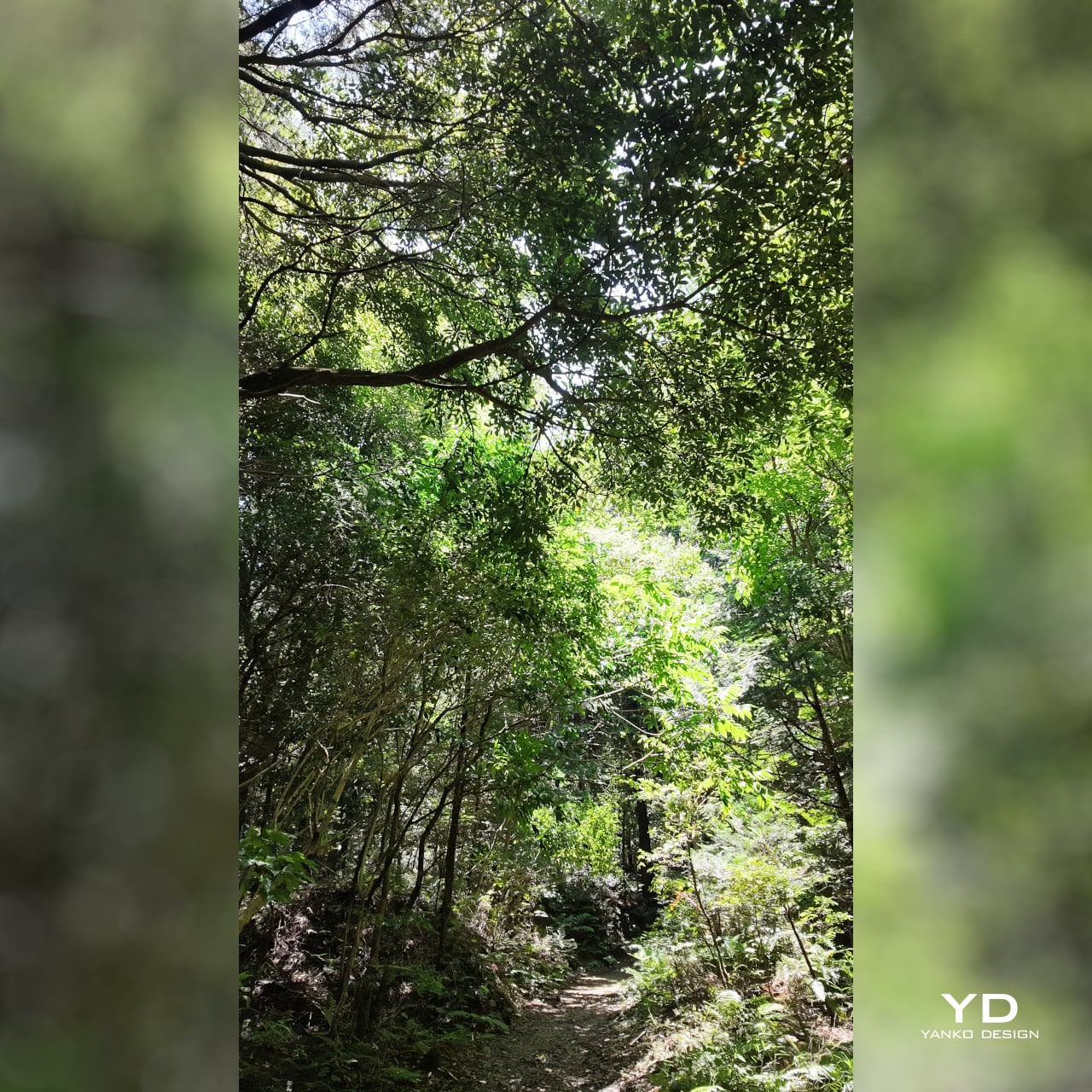
Vertical
For video enthusiasts, the 4K/240 fps slow-motion mode is a genuine highlight. Capturing slow motion at that resolution opens up detailed, cinematic-looking sequences that would have required bulkier equipment not long ago. Sadly, that 4K upgrade doesn’t apply to vertical portrait mode, which remains in 3K land. The 10-bit D-Log color profile adds post-production flexibility, capturing a wider tonal range for those who want to grade their footage in editing software. It’s a meaningful upgrade from the lighter D-Log M available on the previous generation.
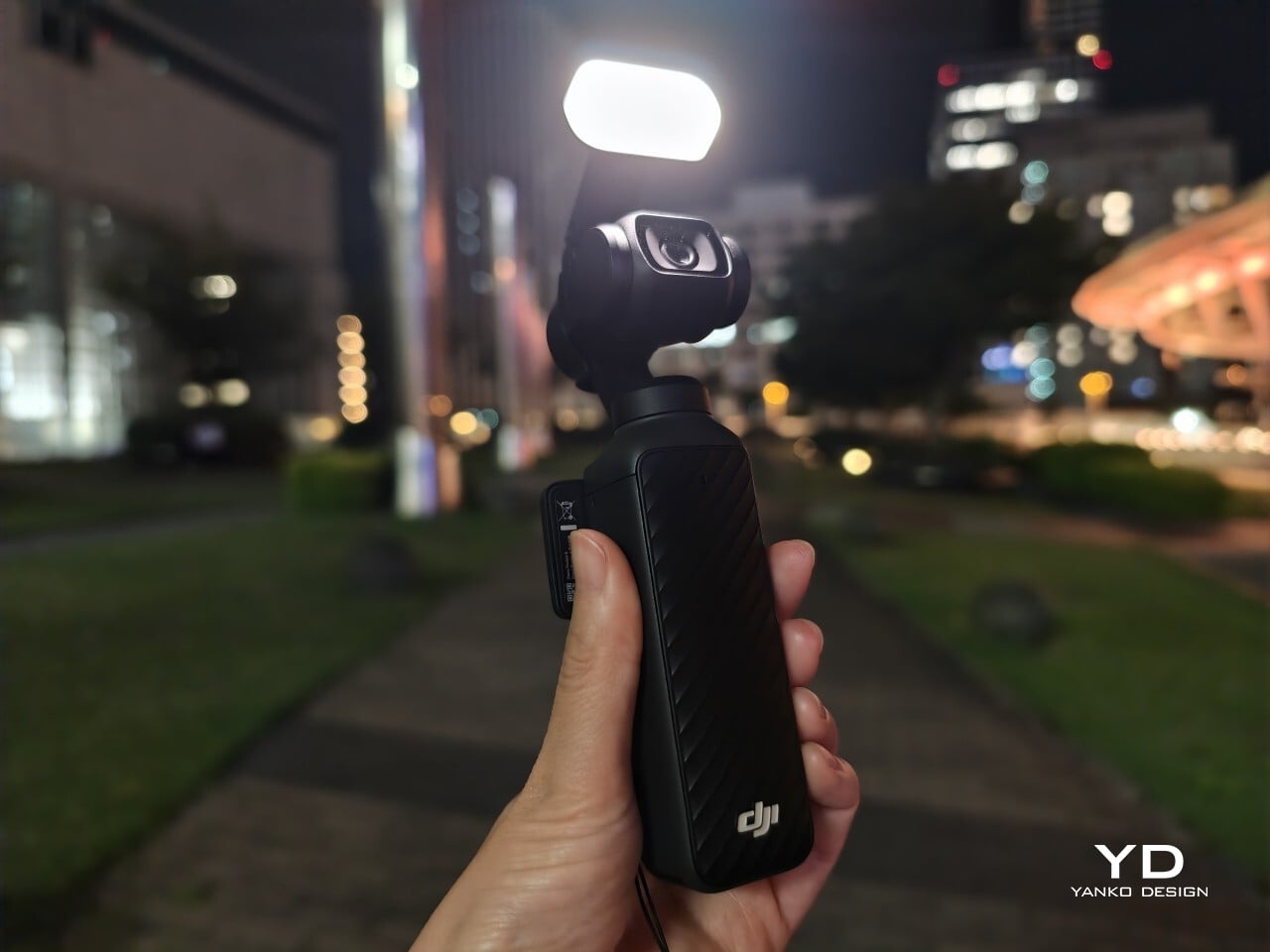

With Fill Light
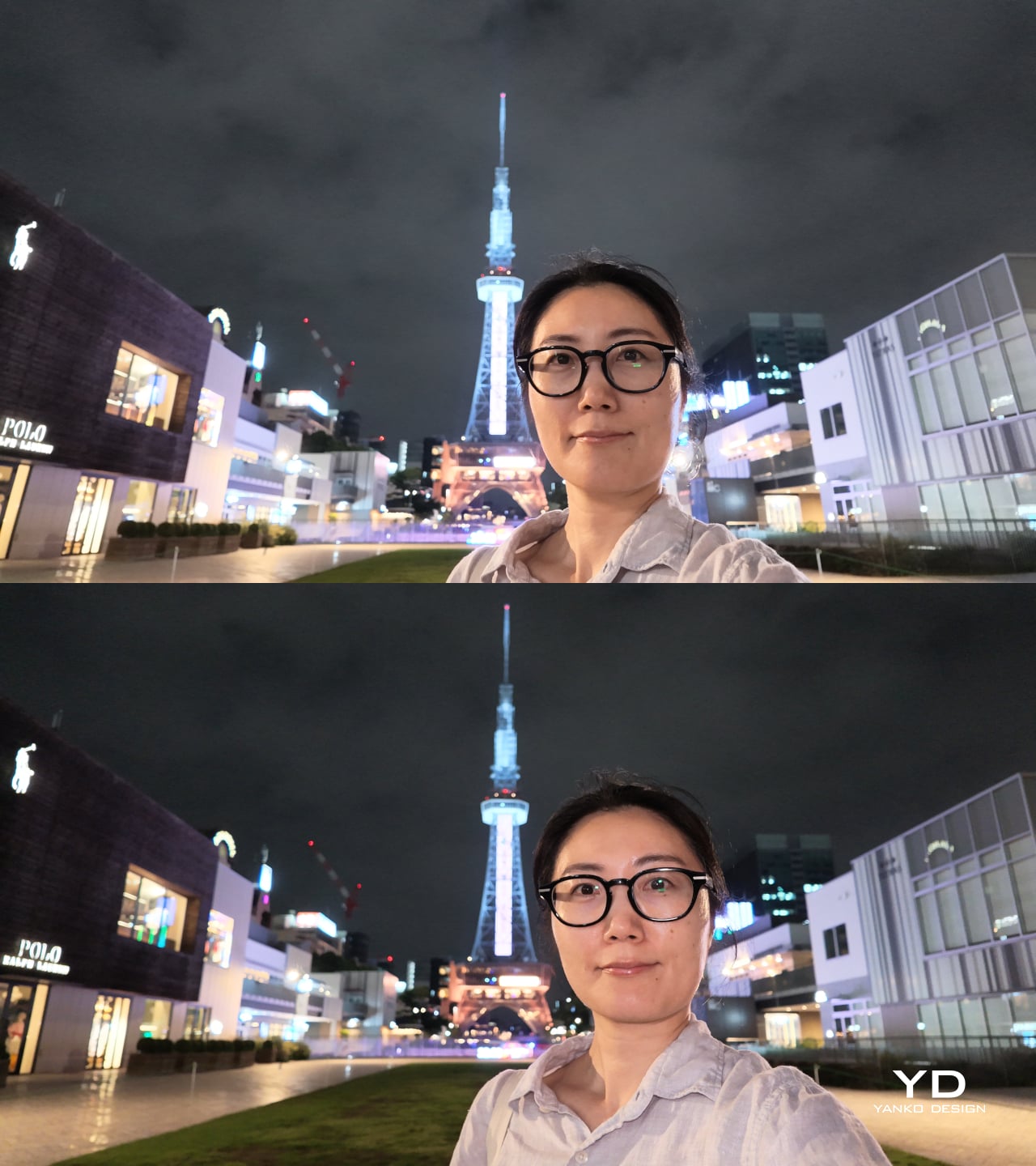
No Fill Light (top) | With Fill Light (bottom)
The three-axis stabilization is the product’s most compelling advantage. Walking footage stays smooth without the warping that aggressive digital stabilization sometimes produces, and ActiveTrack 7.0 tracks subjects confidently through movement at up to 4x zoom. The 107 GB of built-in storage, transferable at up to 800 MB/s via USB 3.1, removes the need for a memory card on most shoots and makes offloading footage back at a desk genuinely fast.
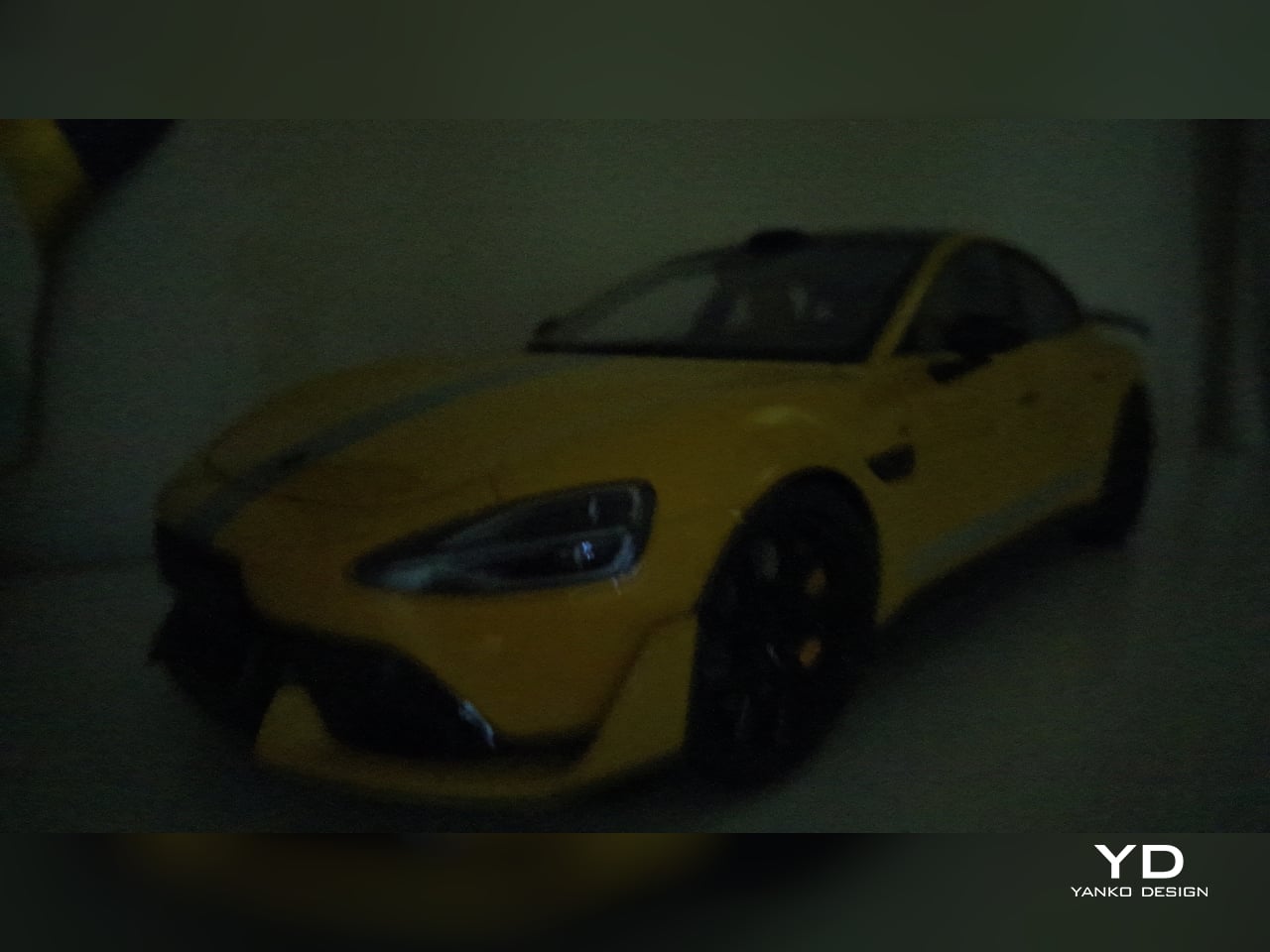
Pitch Black
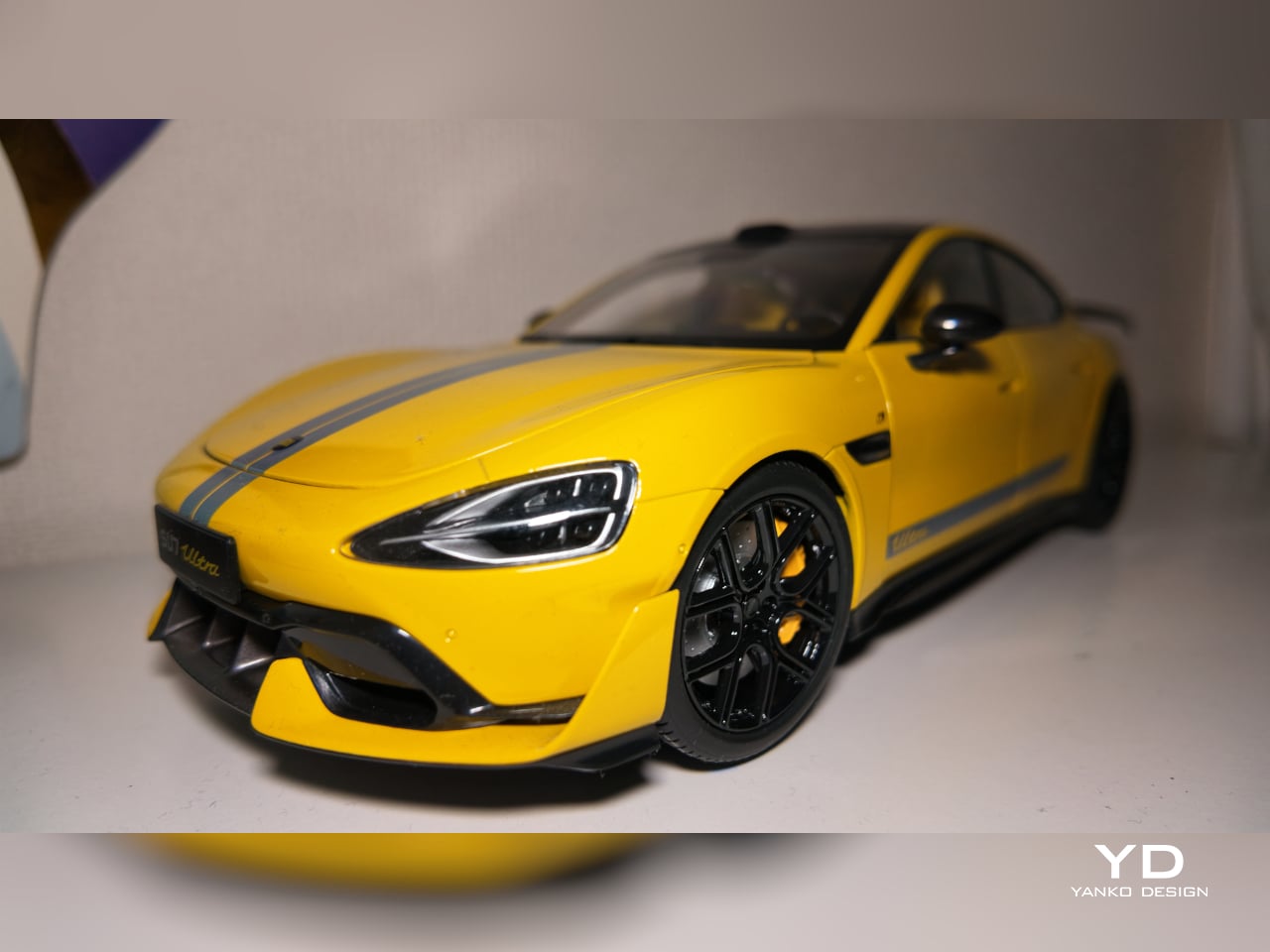
With Fill Light

Night Shot (Without Fill Light)

Night Shot (With Fill Light)
The Osmo Pocket 4 doesn’t make bold claims about eco-friendly materials, and that honesty is more useful than hollow greenwashing. What it does offer is a well-built product that feels designed to last. The body has no creaking or flex, and the feature set is current enough that it isn’t likely to feel obsolete quickly. That kind of longevity is a meaningful sustainability argument for a consumer electronics device.
Unfortunately, it doesn’t come with any water or dust resistance guarantee, let alone a formal IP (ingress protection) rating. The Osmo Pocket 4 is best used with a bit of care outdoors, since its gimbal-based design doesn’t lend itself to the kind of weather resistance you’d expect from a rugged action camera.
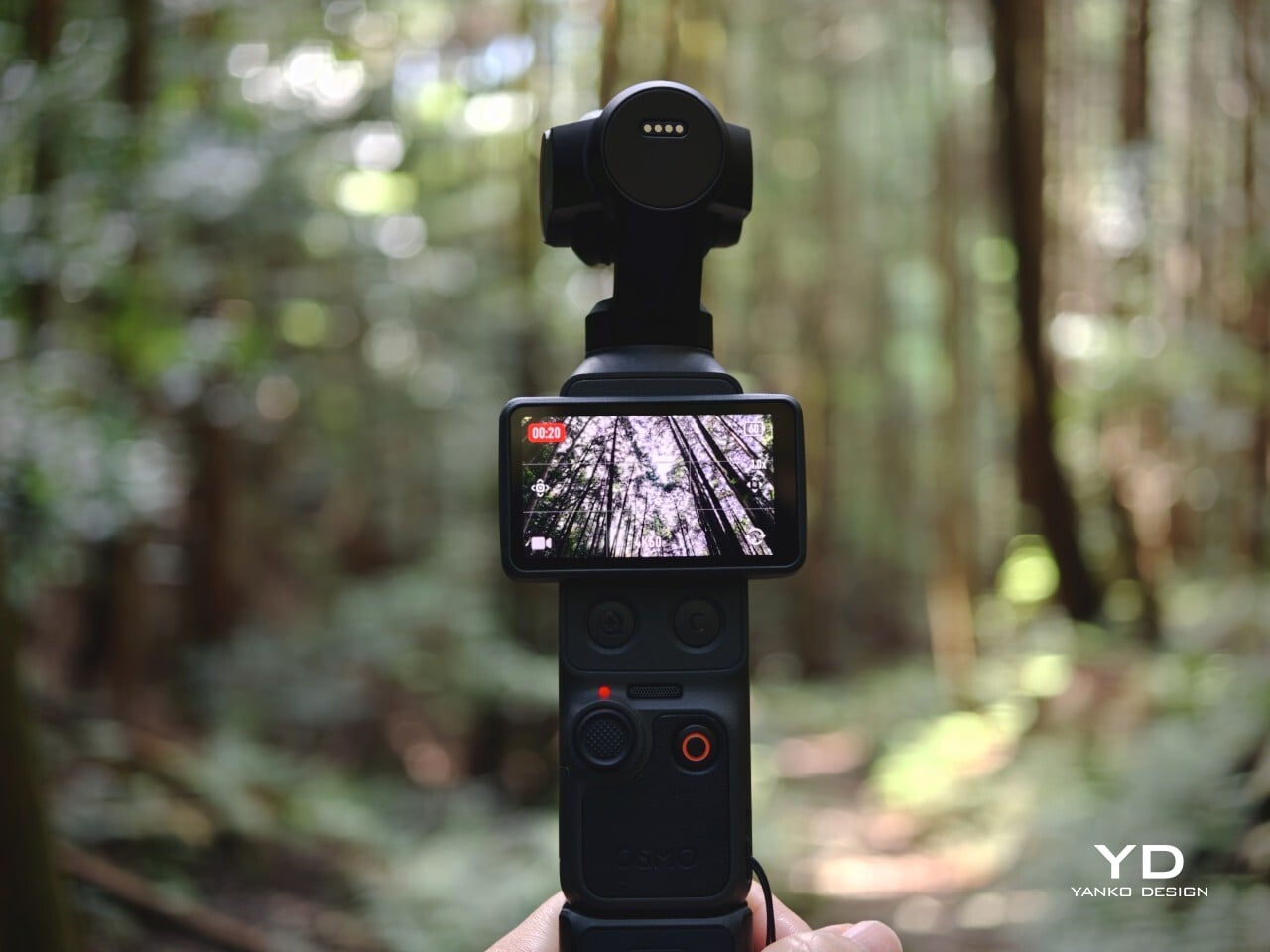
Like most compact gimbal cameras, the Pocket 4 isn’t particularly serviceable at the consumer level. Tightly integrated components make independent repair difficult, so long-term ownership depends on careful handling more than easy maintenance. That said, the modular accessory system means you’re less likely to replace the camera because one peripheral breaks or becomes outdated. The accessories extend the product’s useful life without requiring a full device swap.
At $486, the Osmo Pocket 4 sits at a price point where expectations of serious performance are fair, and for the most part, it delivers. What you’re paying for isn’t just a feature list but the engineering that concentrates stabilization, a 1-inch sensor, internal storage, and creator-focused controls into something pocketable. That concentration costs more than a simpler compact camera, and the footage quality shows where the money went.
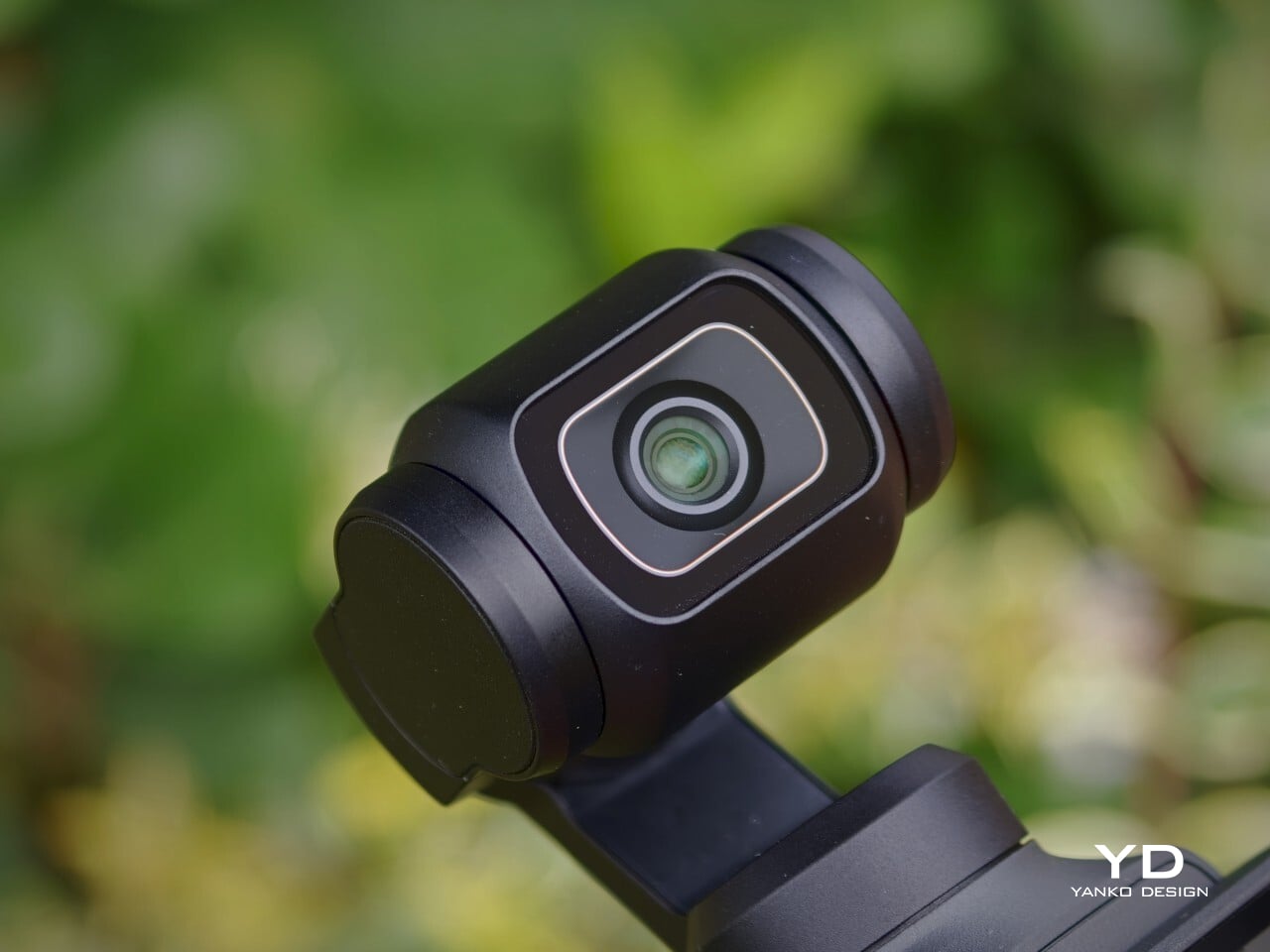
The $607 Creator Combo version adds genuine value through the DJI Mic 3 transmitter, the fill light, and a handful of supporting accessories. The wireless microphone alone is a meaningful addition for anyone who records dialogue, since the built-in setup works well but can’t match a properly placed lapel mic. Together, these accessories shift the package from a capable camera into a more complete creator kit.
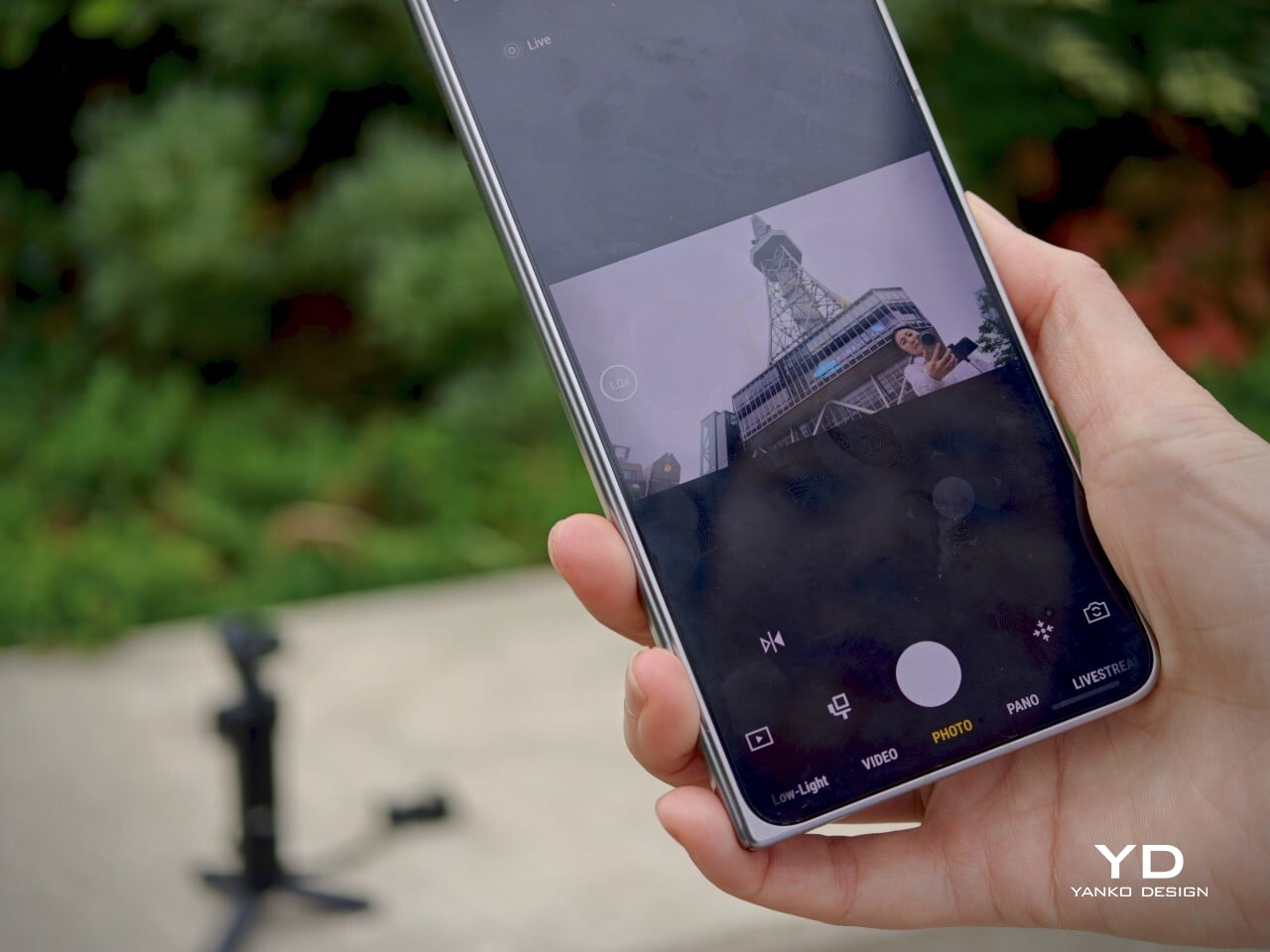
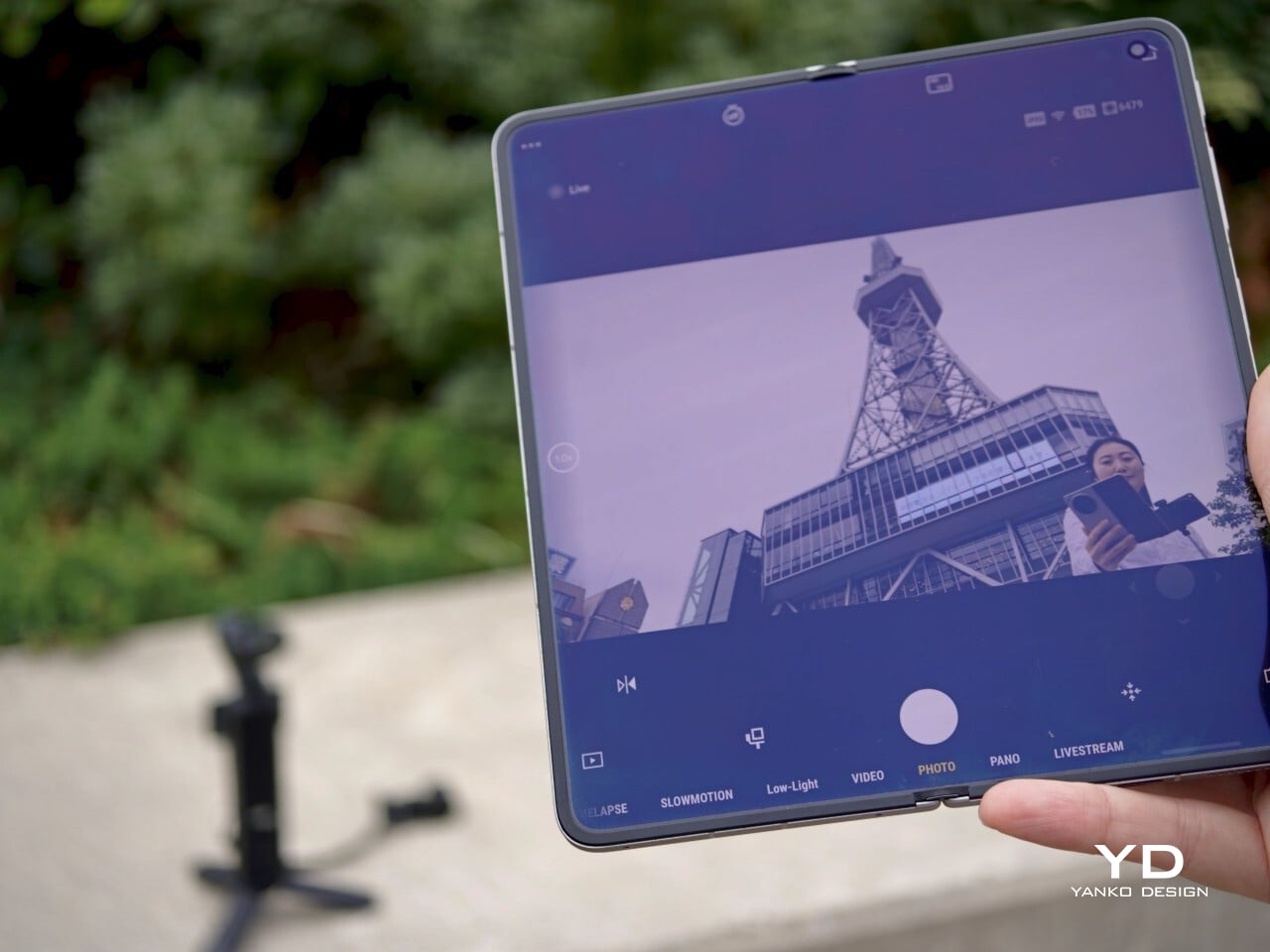
For creators who shoot on the go regularly and want footage that looks better than what a phone can deliver, the Pocket 4 sits in a position few other devices can match cleanly. The form factor eliminates excuses for not having the camera out, the stabilization removes the need for post-production smoothing, and the image quality means you’re not apologizing for what you captured.
The Osmo Pocket 4 is a thoughtfully resolved compact camera that does its intended job with real consistency. The stabilized footage looks clean and confident, the low-light performance holds up better than the size suggests, and the built-in storage removes a quiet but persistent inconvenience. These aren’t small things for a device that has to fit in your jeans pocket while still competing with cameras twice its size.
There are tradeoffs, as there always are with a device optimized this tightly. Portrait shooting tops out at 3K rather than full 4K, the low-light mode locks to 1x zoom, and the lack of weather sealing limits it in unpredictable outdoor conditions. These aren’t dealbreakers so much as parameters, and understanding them is all it takes to decide whether the Pocket 4 fits the footage you actually want to make.
The post DJI Osmo Pocket 4 Review: A $486 Pocket Camera That Earns Its Price first appeared on Yanko Design.
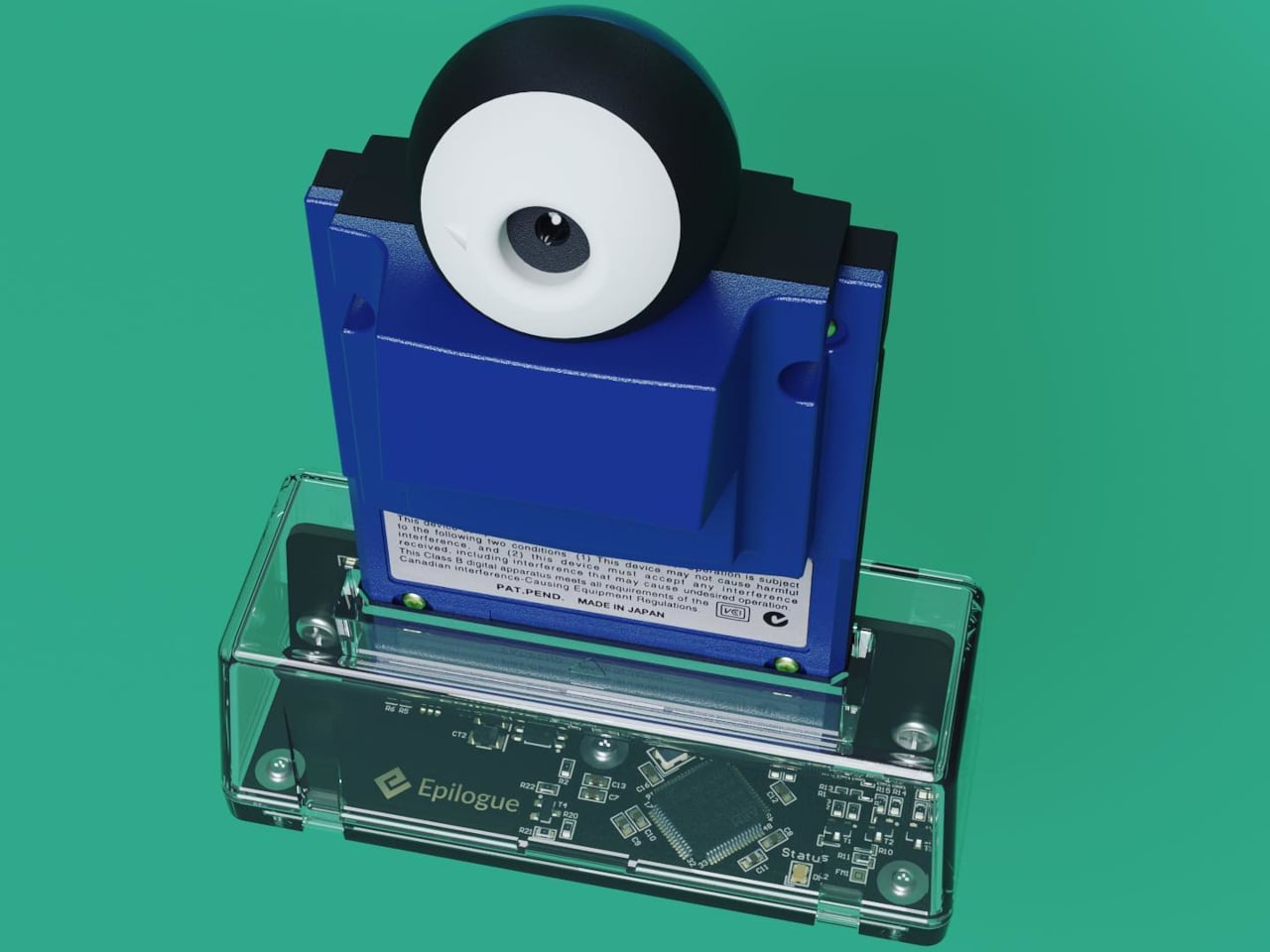
Lo-fi photography has quietly staged a comeback over the past several years. Grainy film shots and pixel-heavy images have become a sought-after look among photographers and casual snappers alike, partly as a reaction to the almost clinical sharpness of modern smartphone cameras. The Game Boy Camera, Nintendo’s cartridge-based accessory from 1998, sits at the center of this revival, beloved for its impossibly low resolution and four-shade grayscale.
Getting that Game Boy Camera experience has typically meant tracking down the original hardware through secondhand markets, often at a premium, with no guarantee the cartridge still works. Epilogue’s Flashback app changes that. It bridges the gap between a Nintendo accessory from the late ’90s and your current smartphone, letting you capture images in that pixelated, lo-fi style with or without the original cartridge, and it doesn’t cost a thing.
Designer: Epilogue
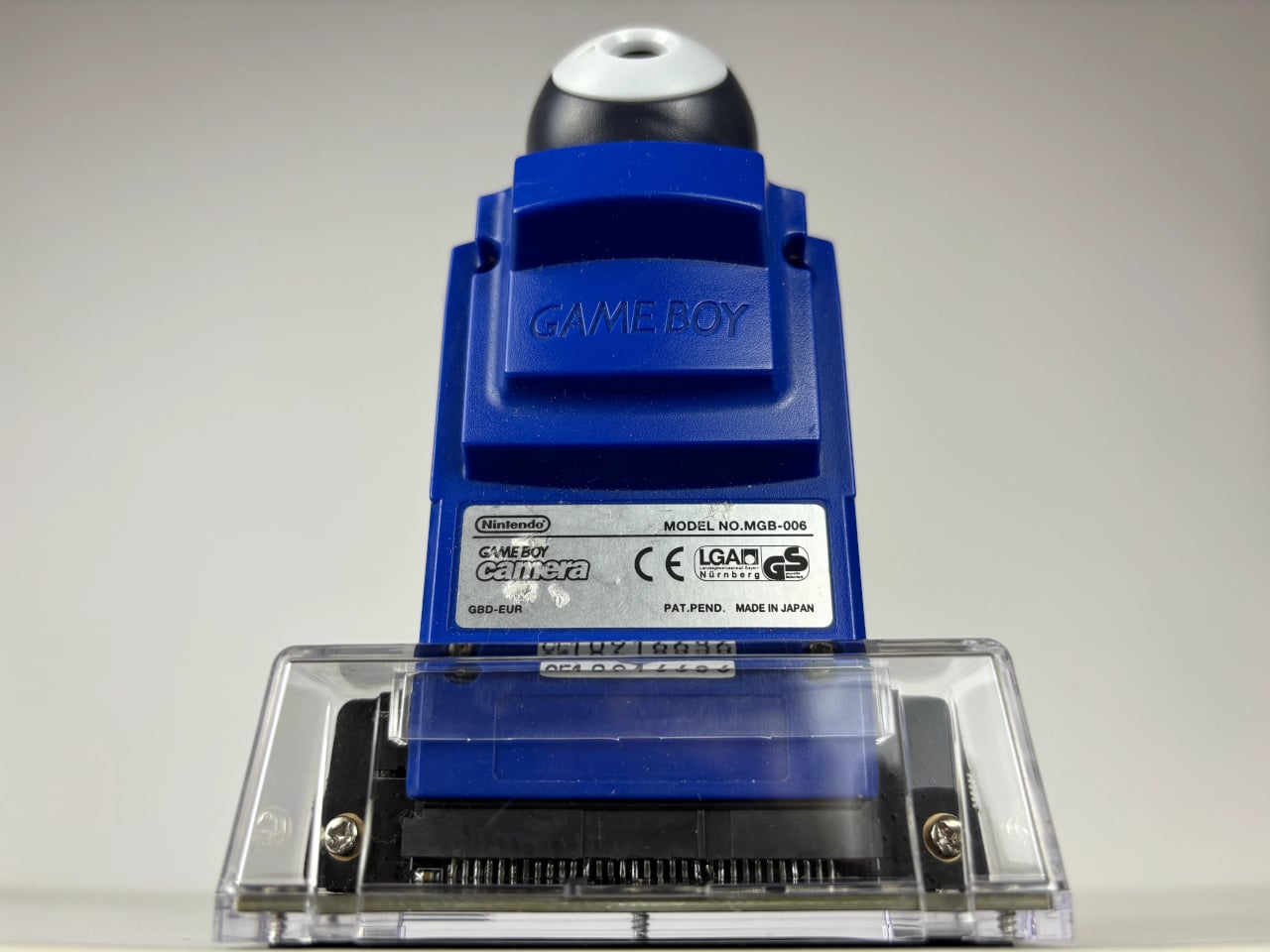
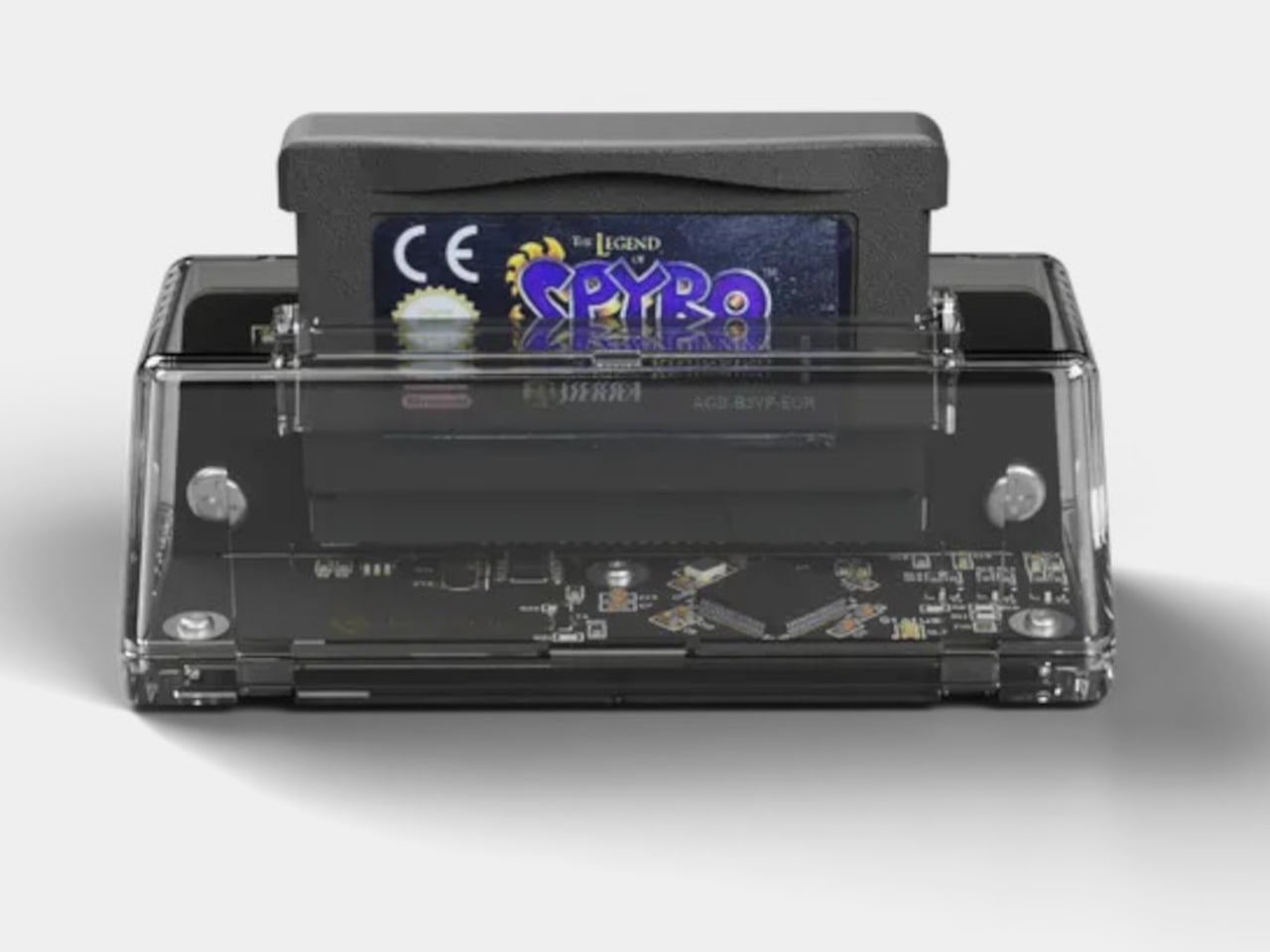
If you do have the original Game Boy Camera tucked away, Flashback has a Hardware Mode that pairs with Epilogue’s GB Operator, a $90 cartridge reader that connects to your phone via USB-C. Slot in the cartridge, plug it into your phone, and the app detects the camera automatically. No pairing is needed, and nothing is emulated: you’re shooting straight through the original Mitsubishi M64282FP sensor.
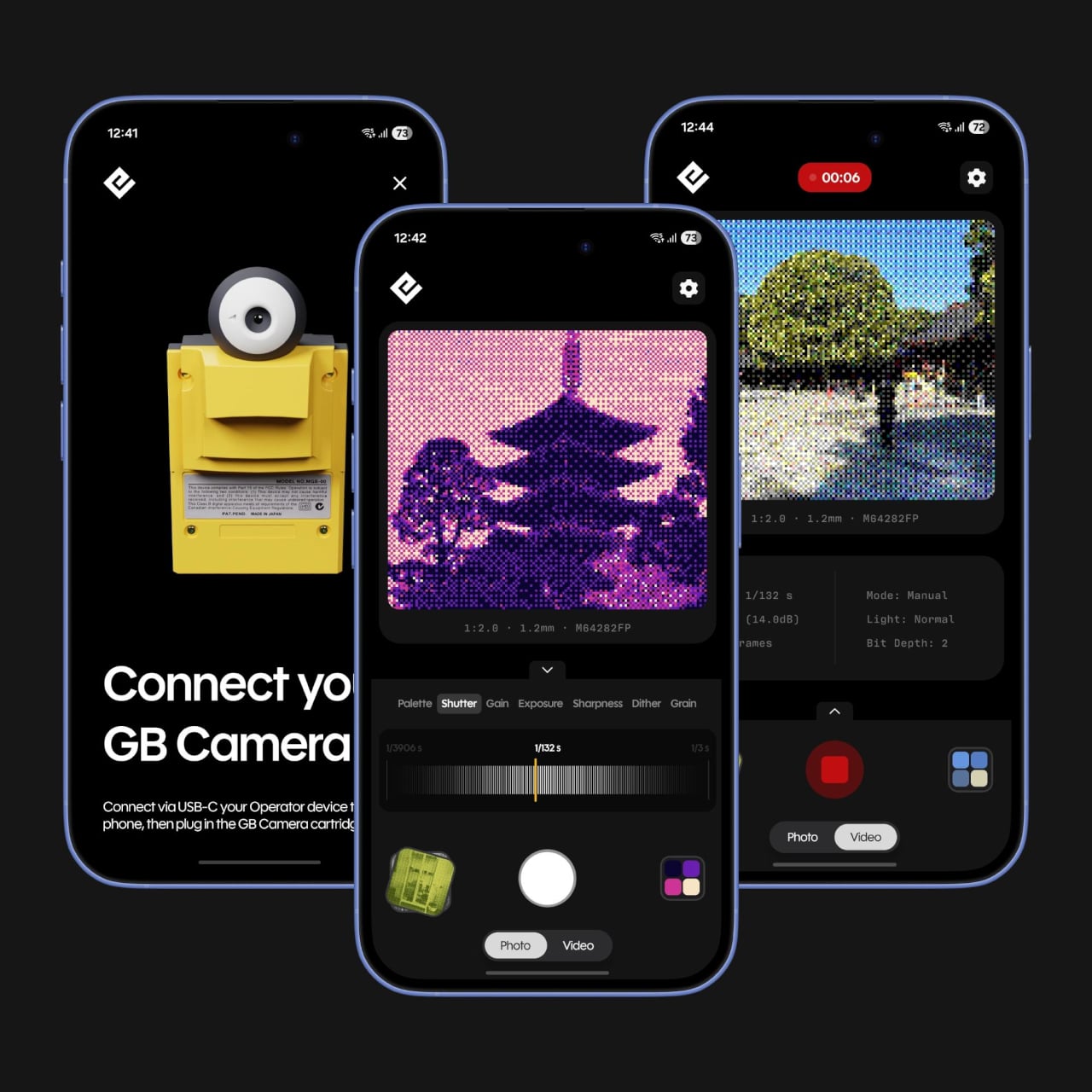
Not everyone held onto their Game Boy Camera from the ’90s, and Flashback accounts for that. Its Software Mode skips the hardware altogether, using your phone’s own camera and faithfully recreating the Game Boy Camera’s image processing pipeline. You get the same 128×112 pixel grid, the same dithering, and the same four-shade rendering, applied to whatever your lens captures. It’s a faithful recreation, not a generic retro filter.

You’re not limited to gray, either. Flashback comes loaded with 32 color palettes, ranging from the original grayscale to classic Game Boy green, plus creative options like Ice Cream, Tidewater, Spacehaze, and Velvet Cherry. In Software Mode, there’s also a Color Mode that dynamically builds a palette from whatever hues are actually in front of your lens, making the filter feel responsive rather than fixed.

For those who want to go further, Flashback opens up manual controls for shutter speed, gain, exposure, sharpness, dither, and grain. These aren’t decorative sliders. They map to the actual registers of the M64282FP sensor itself. Every shot you take gets stamped with its exact settings, so if you land on a combination you like, you’ve already saved the recipe for getting back to it.
Flashback isn’t limited to photos. It records video too, with audio captured through your phone’s microphone, giving the lo-fi aesthetic a moving dimension. Everything goes straight to your Camera Roll when you’re done. The app is free on the App Store and Google Play, available on iOS 17.2 and above, or Android 8.0 and above, and it also runs natively on Mac.
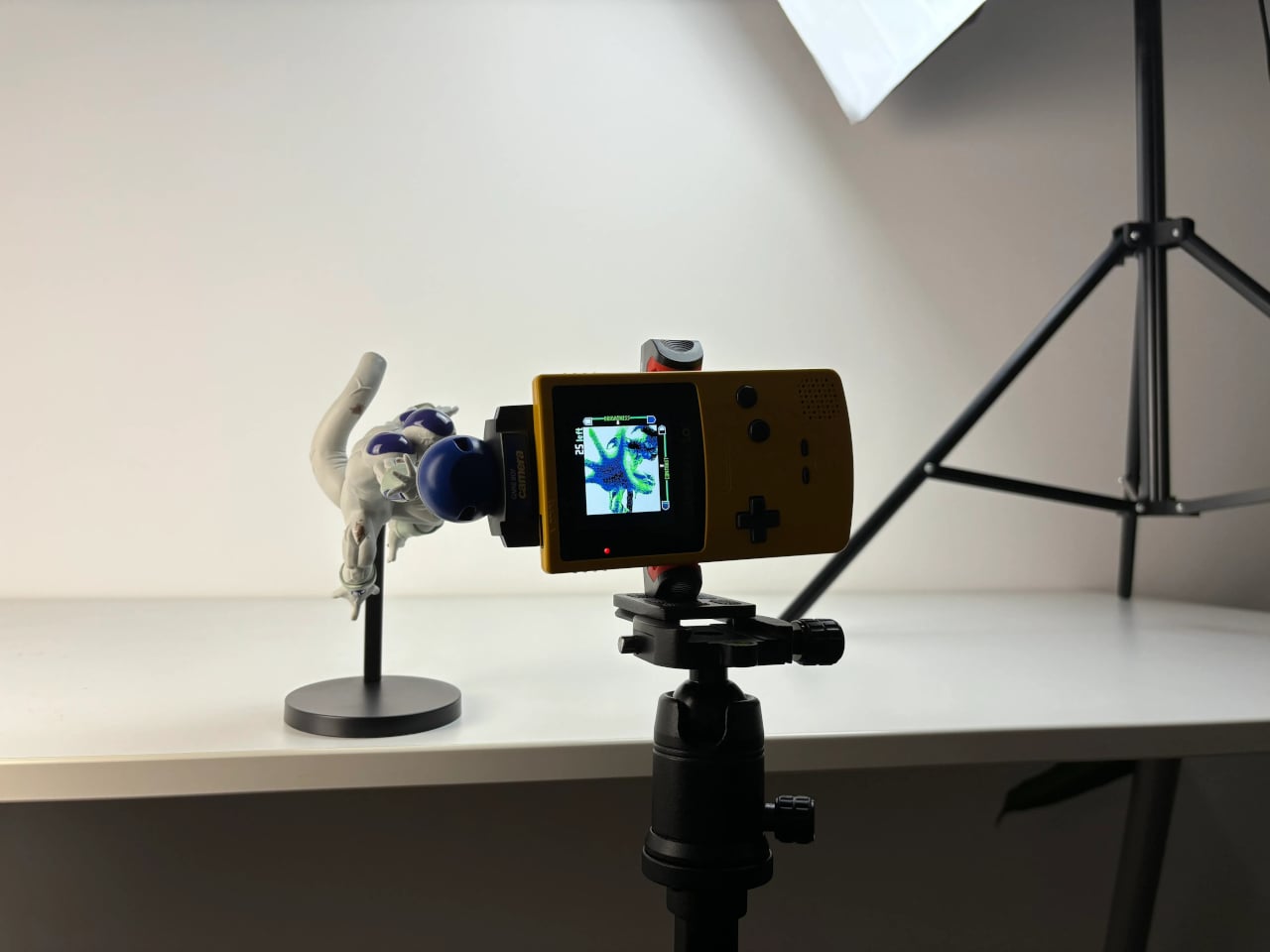
For anyone who grew up with a Game Boy, getting back to that same exact photographic experience today costs only a free app download and, if you still have the cartridge, a USB-C cable. It’s a combination that makes a sensor originally from 1998 feel unexpectedly relevant, and its lo-fi images strangely compelling for something that barely clocks 14 kilopixels.
The post Epilogue Just Turned the 1998 Game Boy Camera Into a Free Phone App first appeared on Yanko Design.
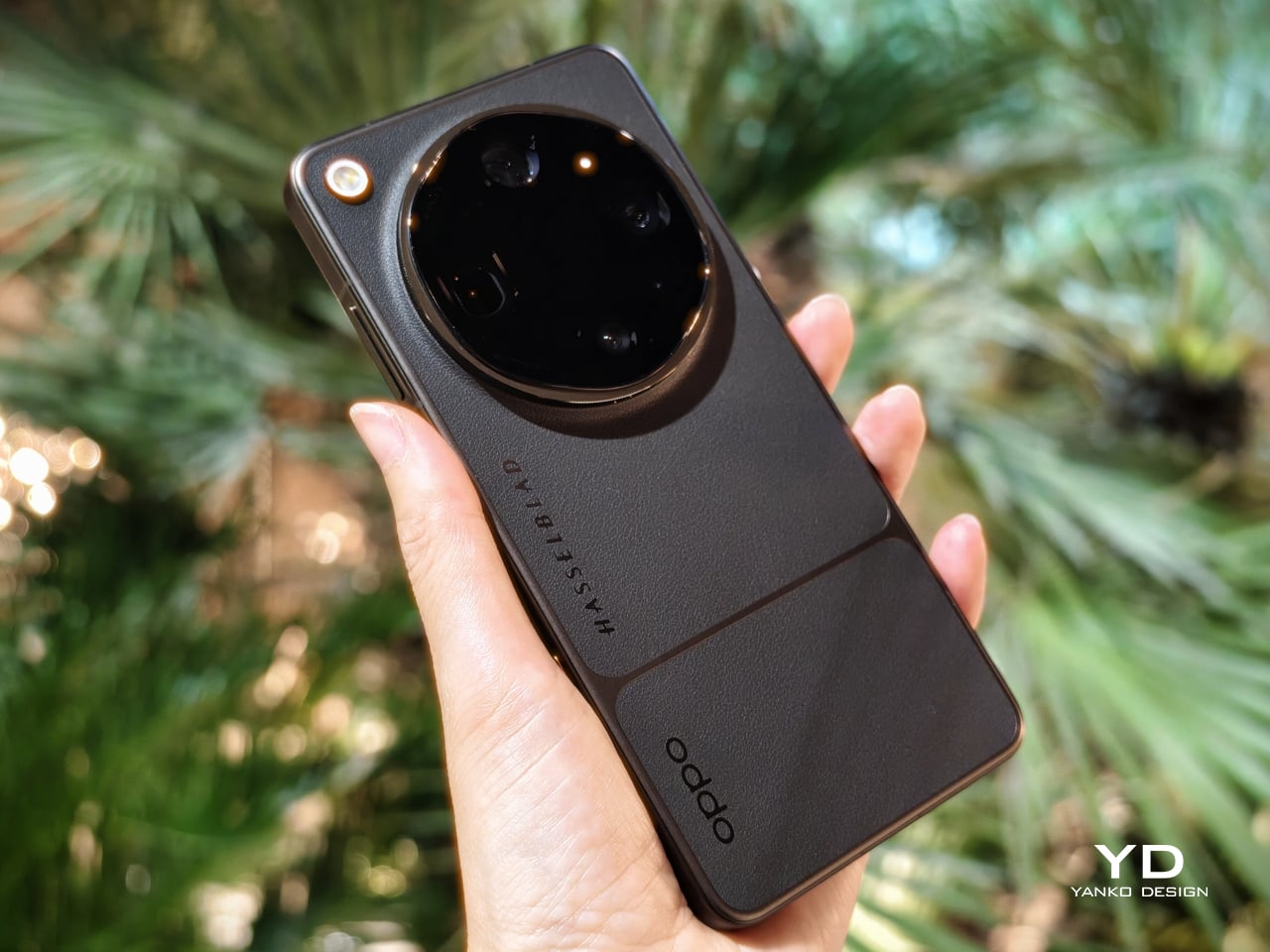
The OPPO Find X9 Ultra is a true flagship with a clear camera-first identity, but what makes it stand out is how little it sacrifices elsewhere. OPPO has built this phone around photography, yet the rest of the package feels just as considered. The design is distinctive, the battery is huge, the performance is top-tier, and the software experience is polished enough to make the Find X9 Ultra feel like a genuine all-rounder rather than a specialist device.
Many camera-focused phones excel in one area while asking users to accept compromises in others, but the Find X9 Ultra aims to do more than that. It wants to be one of the best camera phones on the market while still delivering the kind of complete flagship experience people expect at this level. And for the most part, it succeeds. The OPPO Find X9 Ultra is not just a phone for photography enthusiasts. It is a premium smartphone that happens to put photography first, without forgetting everything else that makes a flagship great.
Designer: OPPO
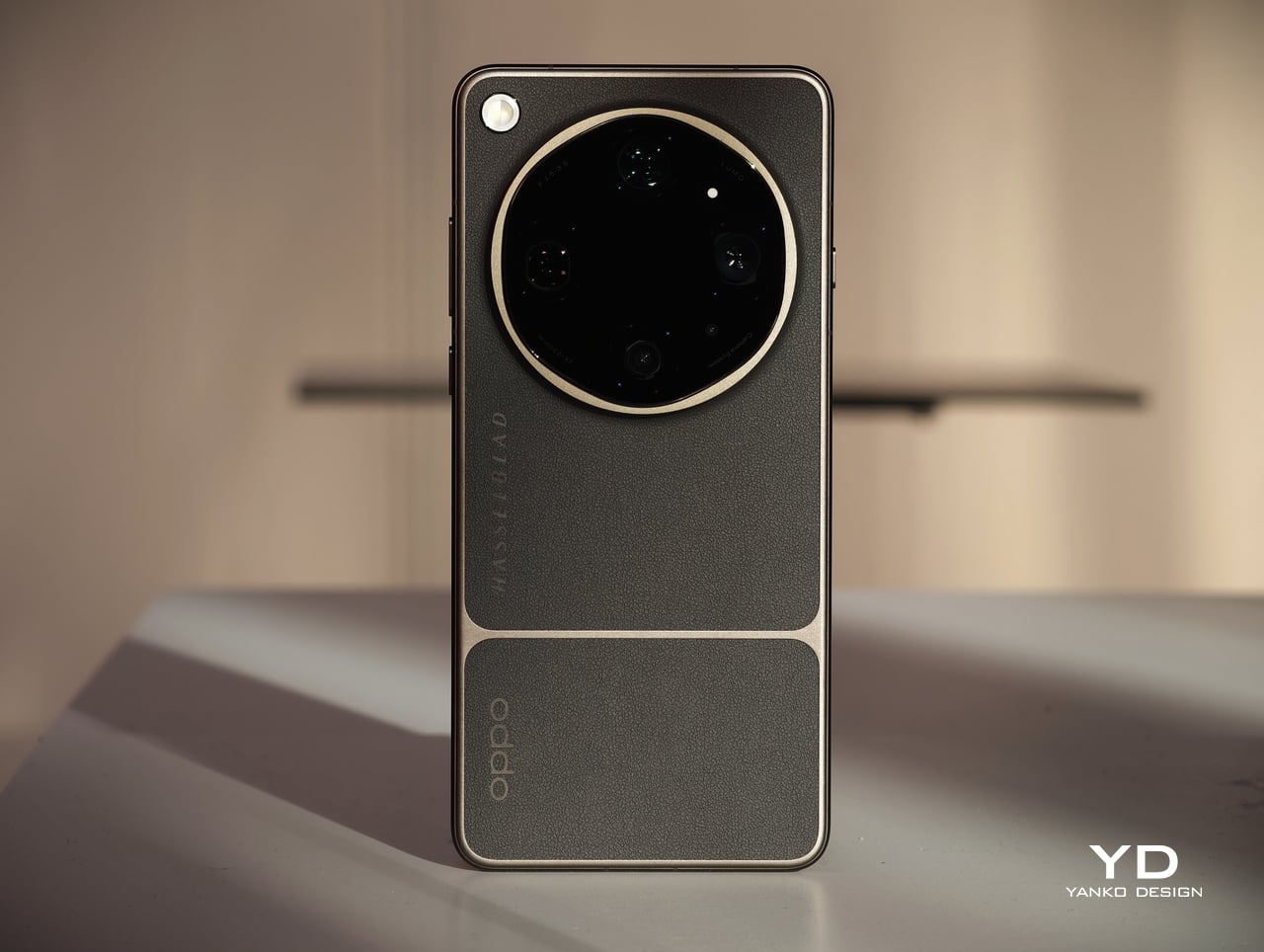
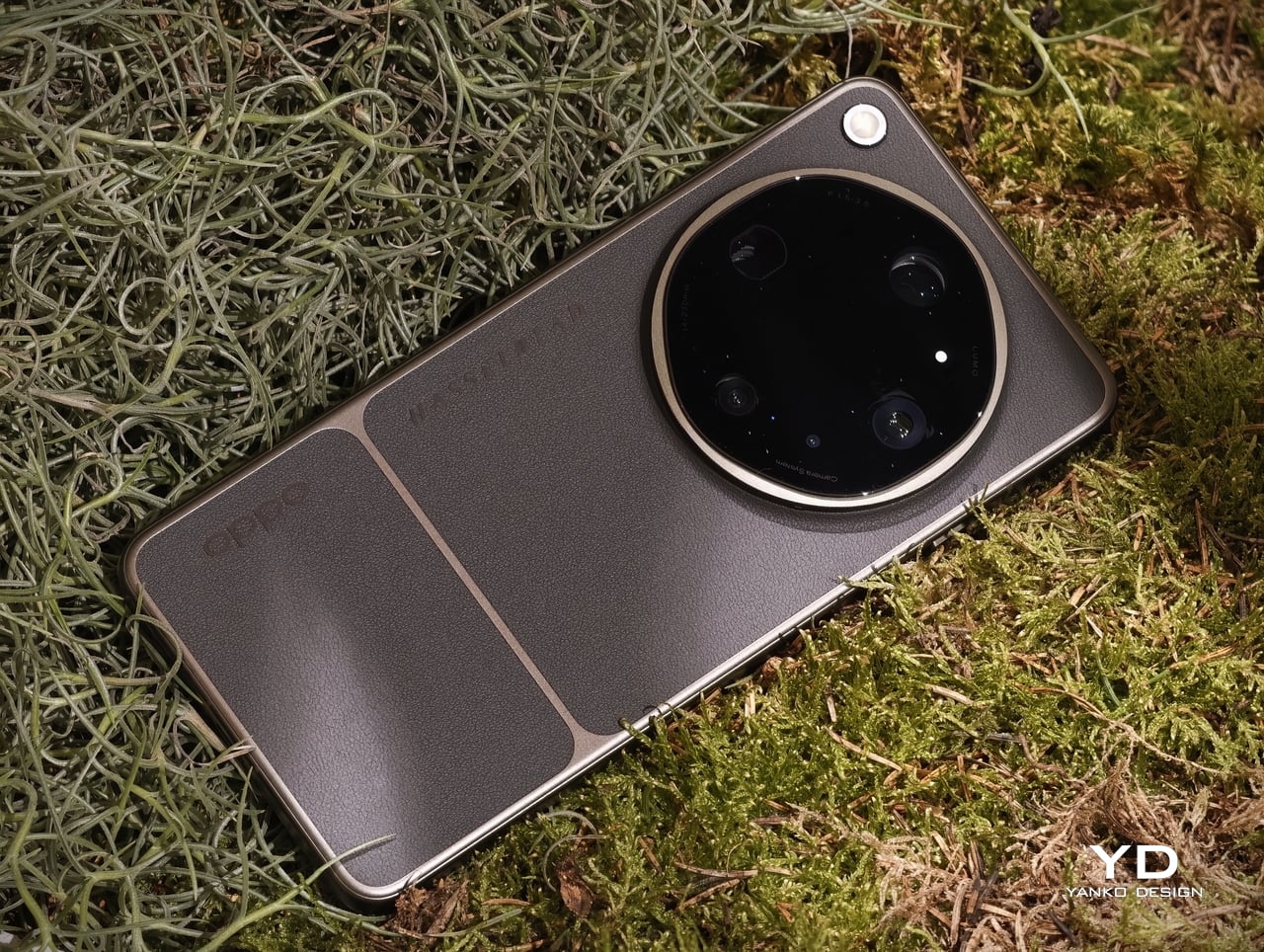
The OPPO Find X9 Ultra makes a strong first impression, shaped by two clearly distinct colorways that carry different design languages. Rather than simply offering the same phone in different shades, OPPO gives the device two visual personalities. One leans into classic camera-inspired warmth and tactile richness, while the other takes on a sharper, more expressive character.
That broader design story is rooted in photography. Tundra Umber is the more classic of the two, drawing inspiration from the Hasselblad X2D 100C Earth Explorer Edition while refining the camera-led design language OPPO established with its Ultra series. Its finely textured, eco-friendly vegan leather back is divided into broad vertical panels, giving it a structured, almost camera-body-like feel. A deep bronze-toned matte surround traces those panel divisions and the oversized circular camera housing before continuing into the side frame, helping the whole design feel cohesive.
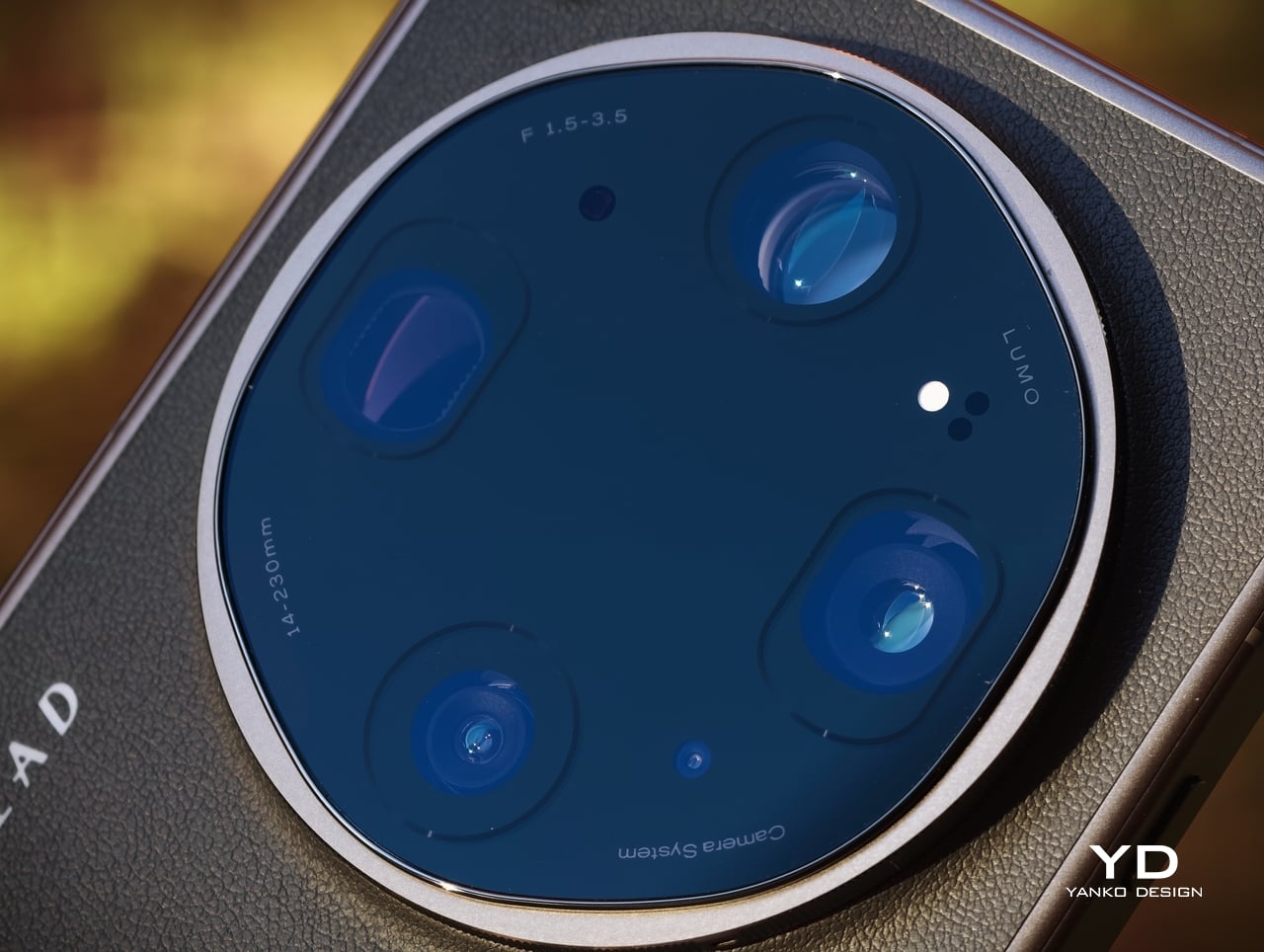
The camera influence is visible throughout, from the horizontally aligned OPPO and Hasselblad logos to the orange detailing around the camera ring and Quick Button, both nods to Hasselblad’s iconic orange dot. Tundra Umber feels warm, tactile, and understated, with a sense of luxury rooted more in texture and material depth than in visual flash. Canyon Orange takes the opposite approach. Its aircraft-grade fiber back is finished with a sculpted pattern inspired by canyon formations, adding movement and depth to the surface.
Taken together, the two finishes make the Find X9 Ultra feel more thoughtfully designed than most ultra-premium smartphones. Instead of relying on superficial color variation, OPPO uses material, texture, and framing details to create two genuinely different expressions of the same flagship. That gives the device more character, and more importantly, gives buyers a real choice in how they want that character to be expressed.
The OPPO Find X9 Ultra is unmistakably a large flagship. Measuring 163.16 × 76.97 mm and weighing 236 grams in Tundra Amber or 235 grams in Canyon Orange, it is a phone that feels substantial from the moment you pick it up. The two finishes also differ slightly in thickness, with Tundra Amber at 9.10 mm and Canyon Orange at 8.65 mm, giving each version a subtly different physical character.
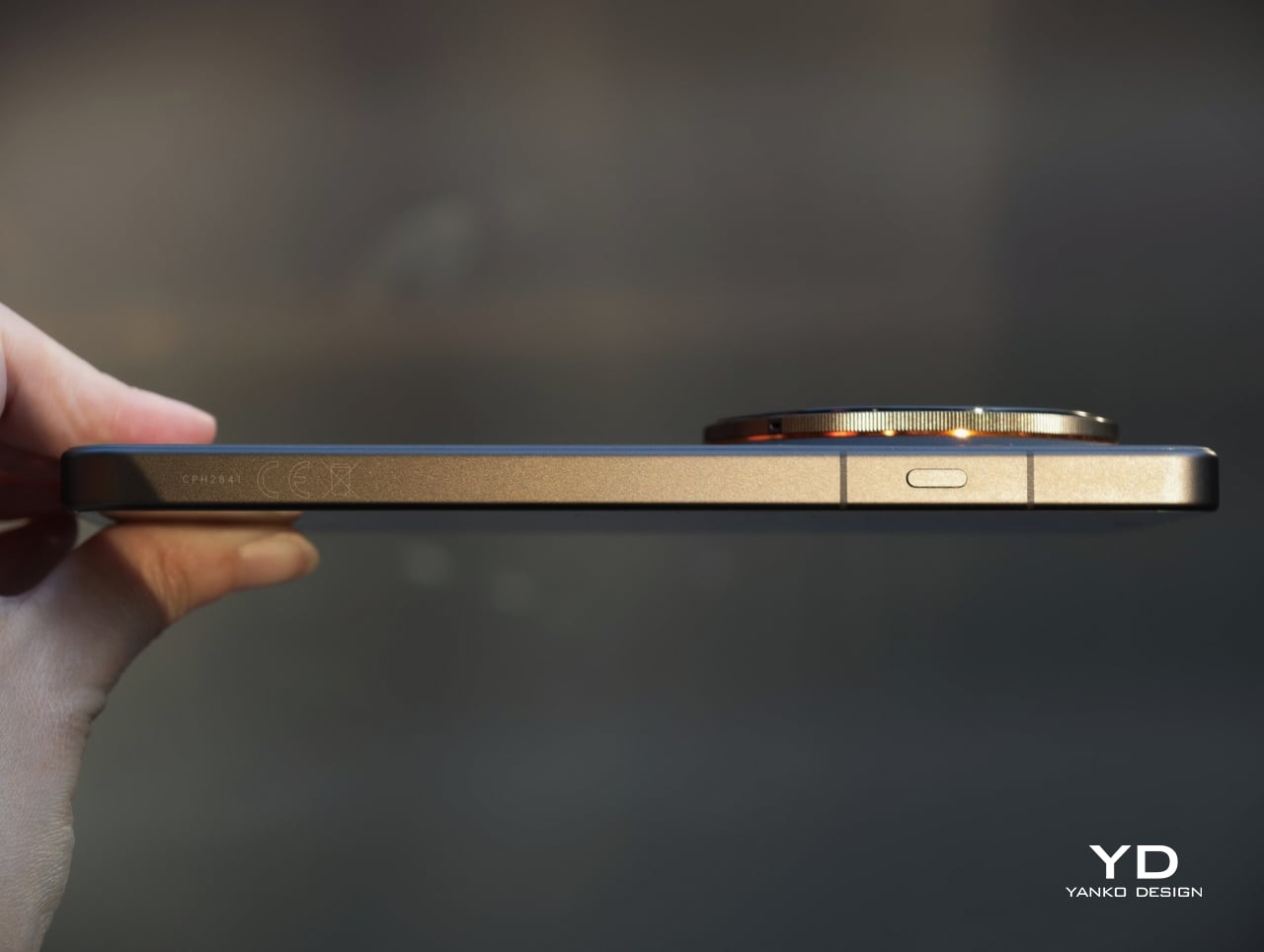
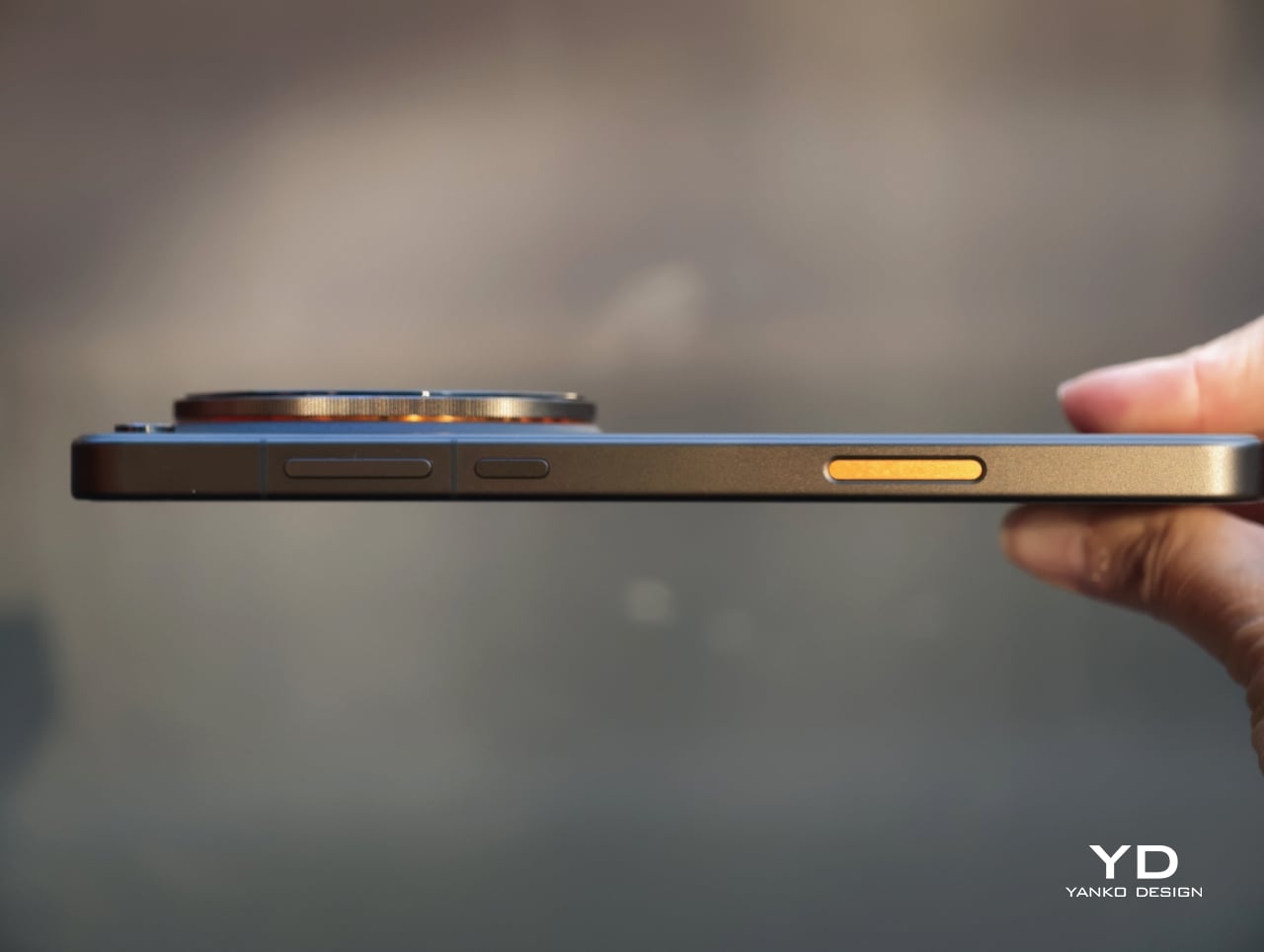
Even so, the difference between the two finishes is worth noting, as it subtly changes how the phone feels in daily use. Tundra Amber is both slightly thicker and slightly heavier, and its eco-friendly vegan leather back gives it the more tactile and forgiving grip of the two. Despite the large camera housing, both versions feel balanced rather than top-heavy, and the oversized module can even serve as a natural resting point for the index finger during use.
The OPPO Find X9 Ultra brings the kind of hardware expected of a true flagship, but what matters most is how that translates into everyday use. For most people, performance is not about benchmark numbers. It is about whether a phone feels fast, fluid, and dependable, and the Find X9 Ultra appears built with very few compromises.
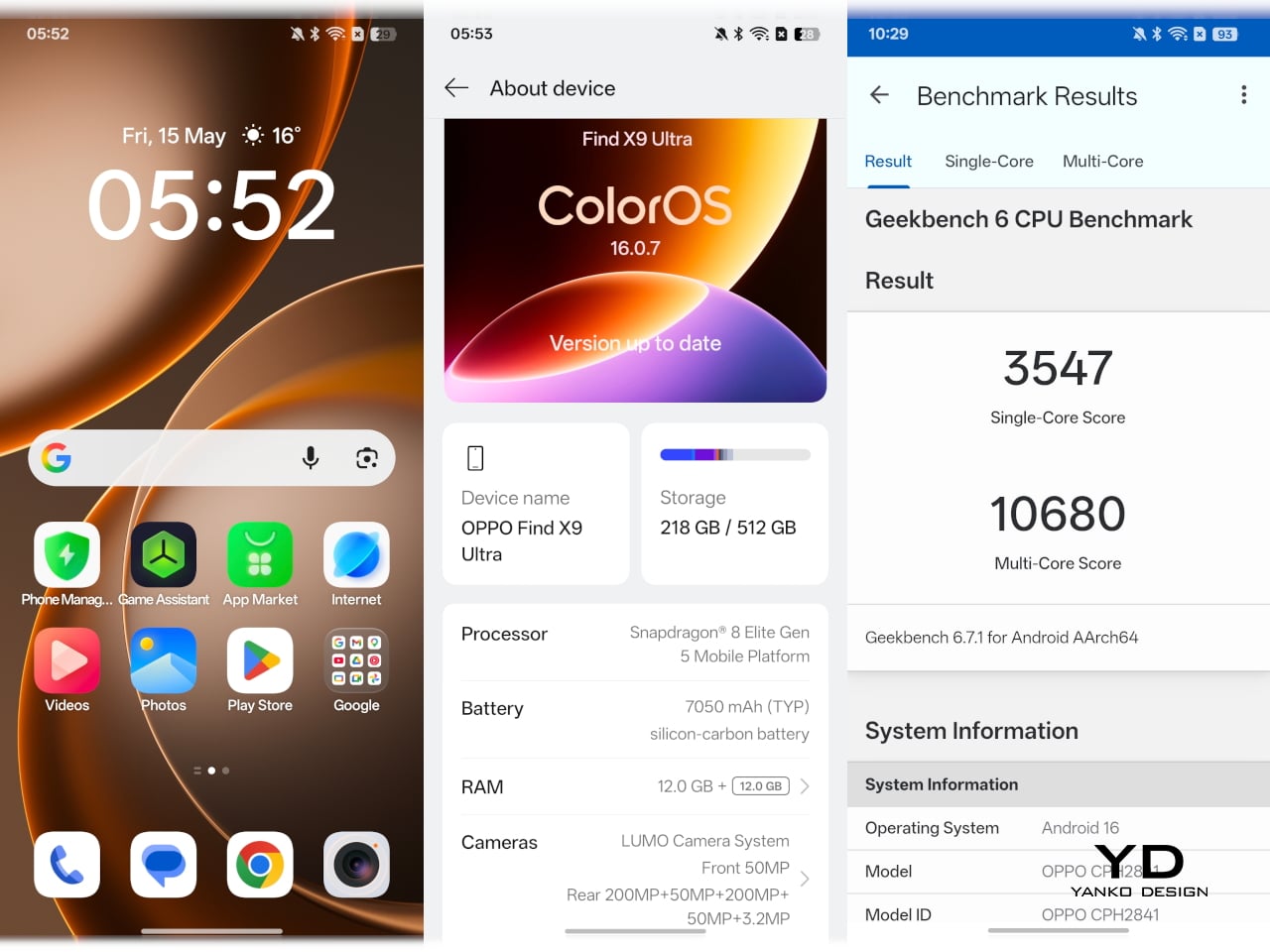
Powered by Qualcomm’s Snapdragon 8 Elite Gen 5, it ranks among the fastest Android phones of its generation. That means quick app launches, smooth multitasking, fast photo processing, and strong gaming performance, all delivered with the kind of effortless responsiveness buyers expect at this level. Offered in 12GB + 512GB and China-only 16GB + 1TB configurations, it also has the memory and storage headroom to remain smooth over time while supporting its demanding camera system without strain.
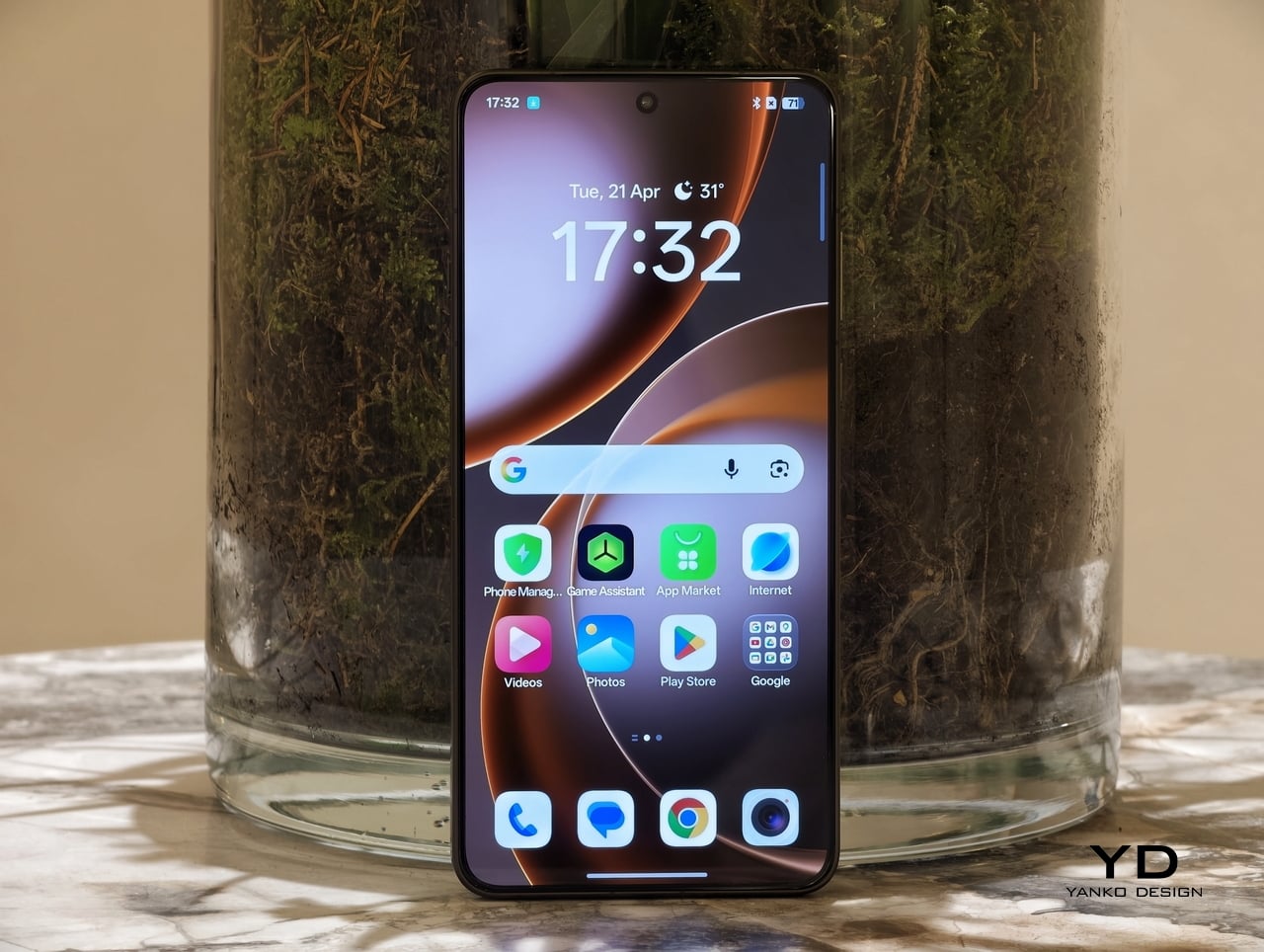
The Find X9 Ultra’s 6.82-inch AMOLED display is every bit as flagship as the rest of the hardware. With a sharp 3168 x 1440 resolution, a 120Hz LTPO refresh rate, and peak brightness of up to 2500 nits, it feels bright, crisp, and fluid in daily use. Whether you are scrolling, watching a video, or reviewing photos, it delivers the kind of polished visual experience you would expect from a phone in this class.

Portrait Mode
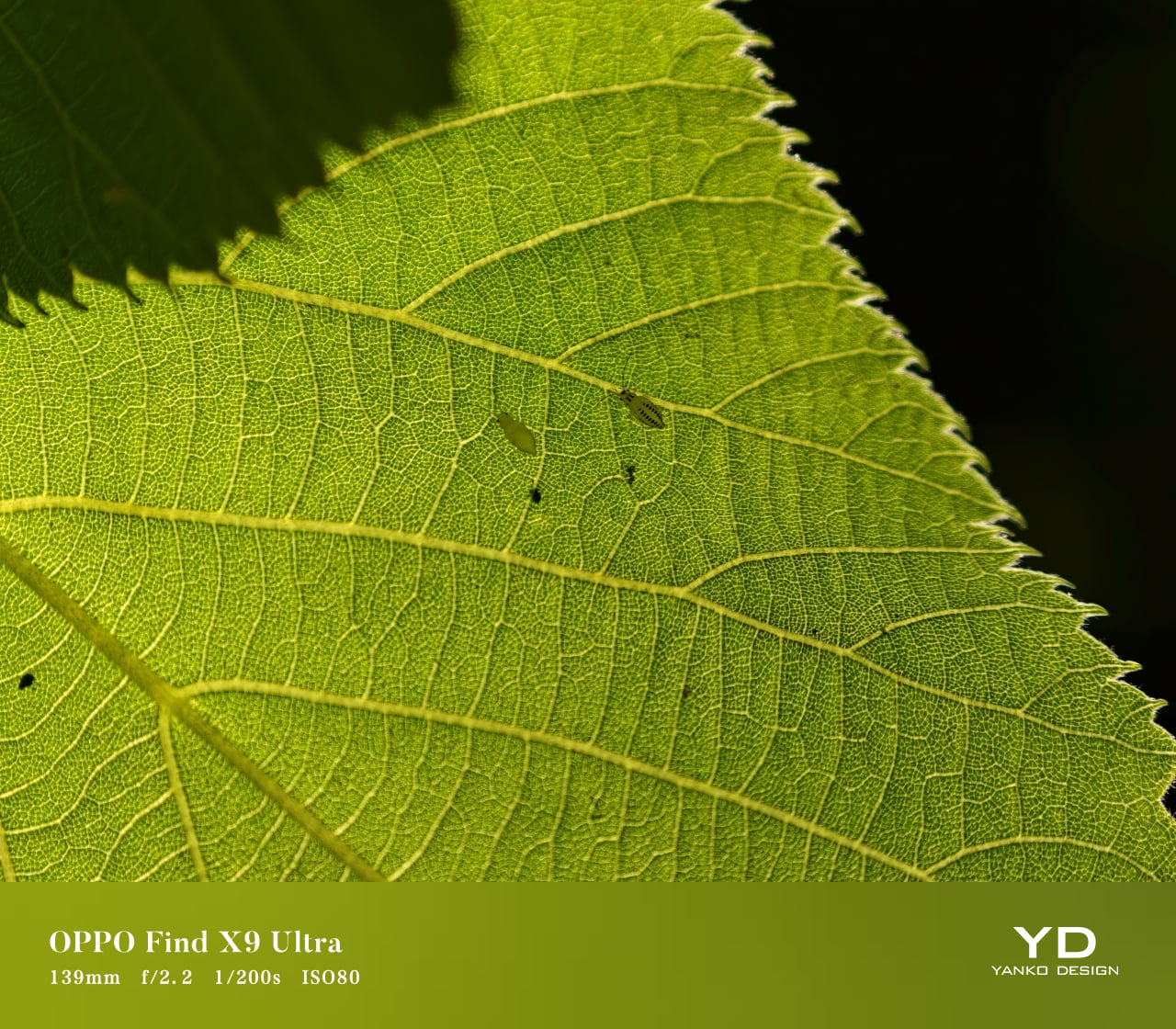
Macro Mode
The camera system, developed in continued partnership with Hasselblad, is where the Find X9 Ultra becomes genuinely distinctive. OPPO has upgraded the entire imaging setup and expanded it into what it now calls a penta-camera system. The rear array includes a 200MP main camera, a 200MP telephoto camera with 3x optical zoom, a 50MP periscope telephoto with 10x optical zoom, a 50MP ultra-wide camera, and a dedicated white balance sensor.

Ultrawide

Main, 1x
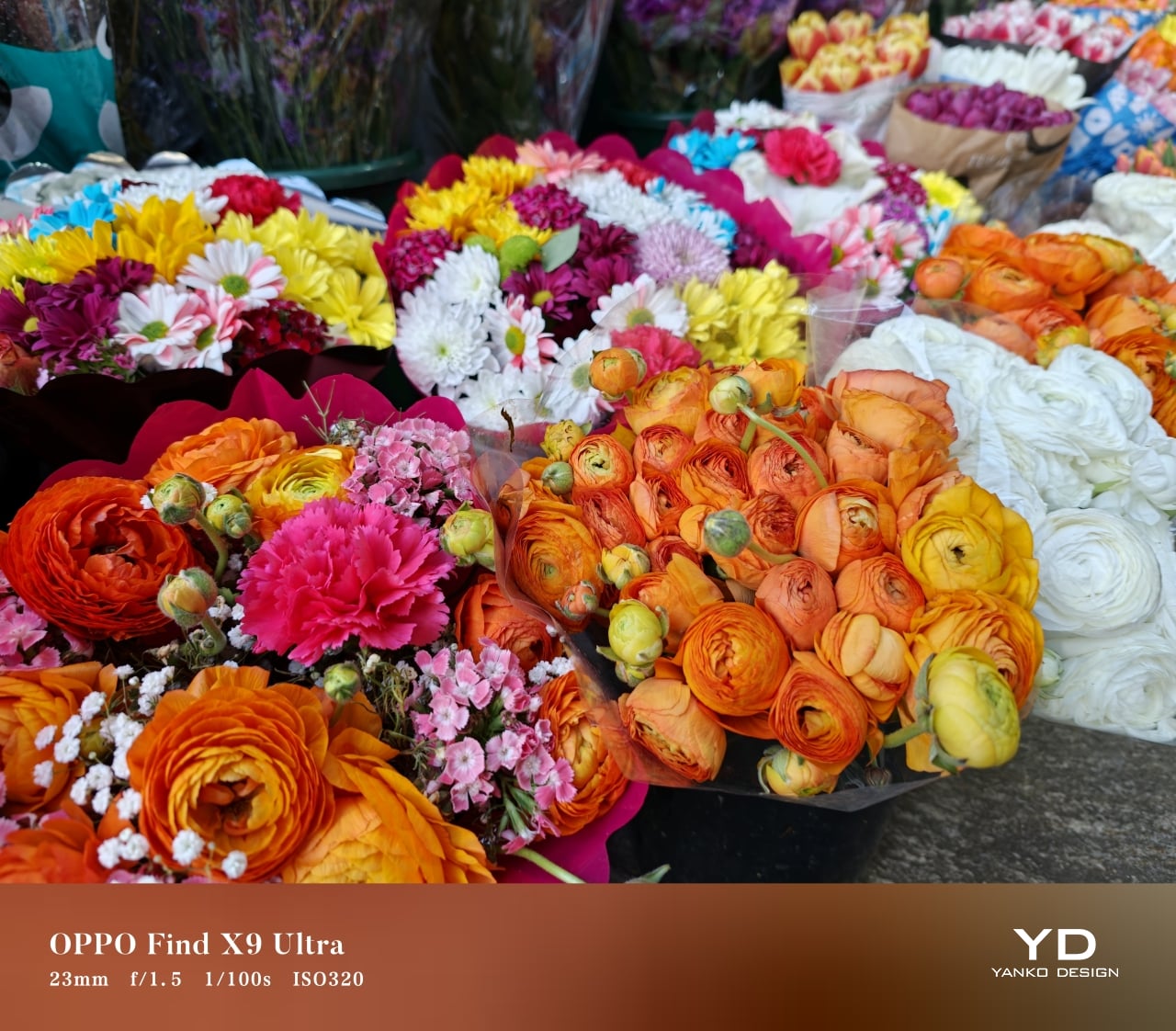
The 200MP main camera, built around a 1/1.2-inch Sony LYT-901 sensor with an f/1.5 aperture and OIS, produces images that are crisp, detailed, and rich in dynamic range, with color reproduction that remains pleasingly natural. The 200MP 3x telephoto camera is just as impressive. Using a large 1/1.28-inch OmniVision OV52A sensor with an f/2.2 aperture and OIS, it delivers similarly detailed results with strong dynamic range and balanced color.

Telephoto, 3x

Telephoto, 10x
The 50MP 10x periscope telephoto is the most technically fascinating part of the setup. Long-range zoom in a smartphone is always constrained by space, and OPPO addresses that challenge with its Quintuple Prism Reflection Periscope Structure, which bends light five times before it reaches the sensor. The result is serious optical reach within the tight confines of a smartphone body, making it one of the device’s most ambitious engineering features. Crucially, it is not just impressive in theory. It also captures excellent 10x shots, giving the Find X9 Ultra a level of versatility that few flagships can match.
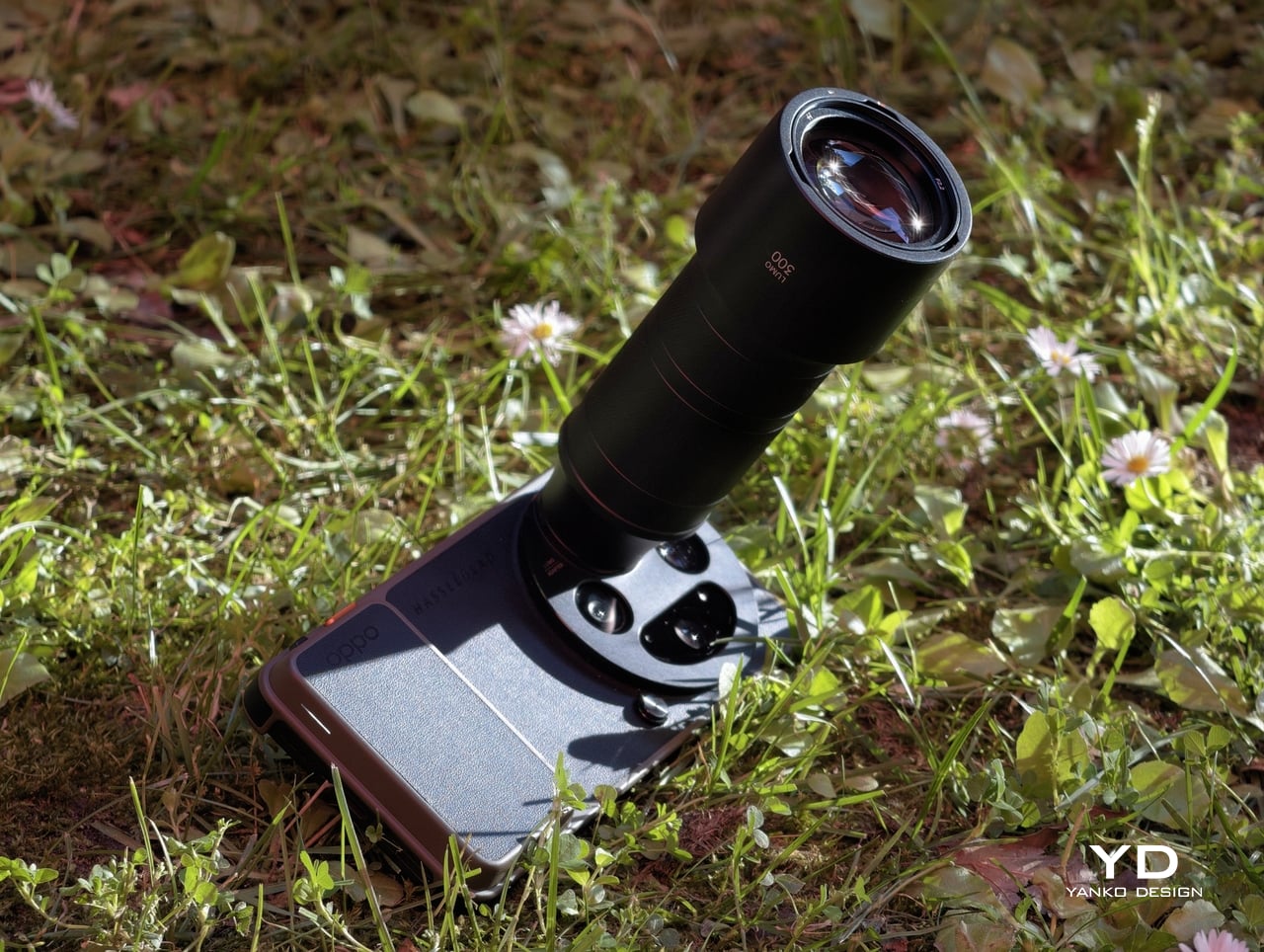

300mm, Teleconverter
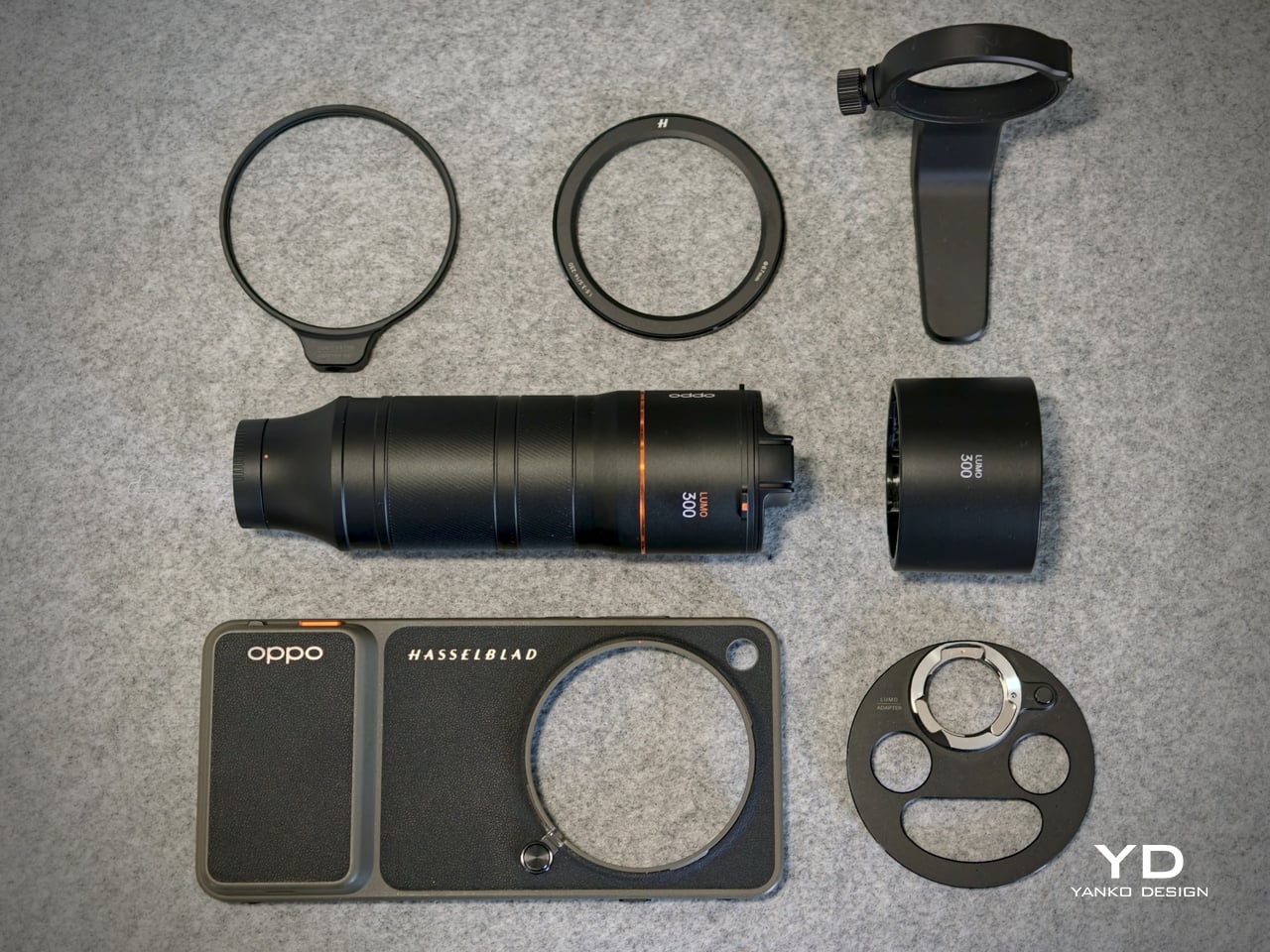
OPPO also offers an optional Hasselblad Earth Explorer Kit, which includes a Bluetooth camera grip case and a dedicated lens mount. Its standout feature is a 300mm lens attachment that extends the system to 13x optical zoom and up to 200x hybrid zoom. The setup is undeniably bulky, but in situations where extra reach really matters, whether for sports, concerts, detailed architectural photography, or other distant subjects, it can be genuinely worthwhile. Results at the optical end are impressive, while pushing further into hybrid zoom brings the familiar decline in image quality.

13x, Normal

13x, With Teleconverter
The 50MP front-facing camera also performs well, capturing detailed selfies with natural-looking skin tones. The 50MP ultra-wide camera is useful and generally capable, but it is the least convincing part of the rear setup, with images that can look a little softer than those from the main and telephoto cameras.

200x, Normal

200x, With Teleconverter
That flexibility extends beyond the hardware. Portrait mode offers seven focal lengths ranging from 1x to 10x, giving users far more freedom in how they frame subjects than most phones allow. More importantly, the Find X9 Ultra generally processes images with a natural touch, avoiding some of the heavy-handed contrast and tone shaping that still affect many smartphone cameras. For those who want an even more photography-focused look, Master Mode uses a different imaging pipeline that steps away from the aggressive tone mapping common to traditional smartphone processing.
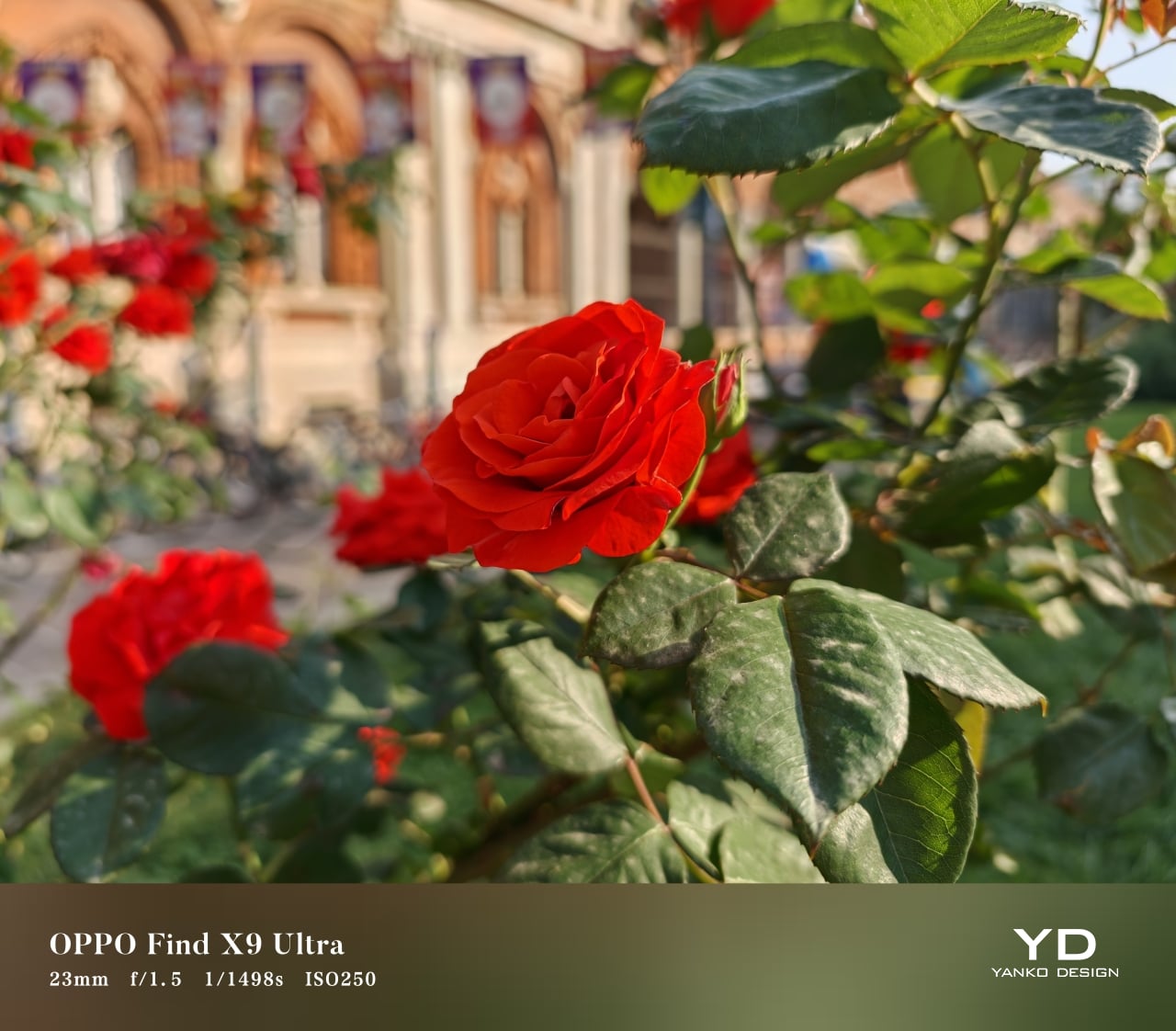
Normal
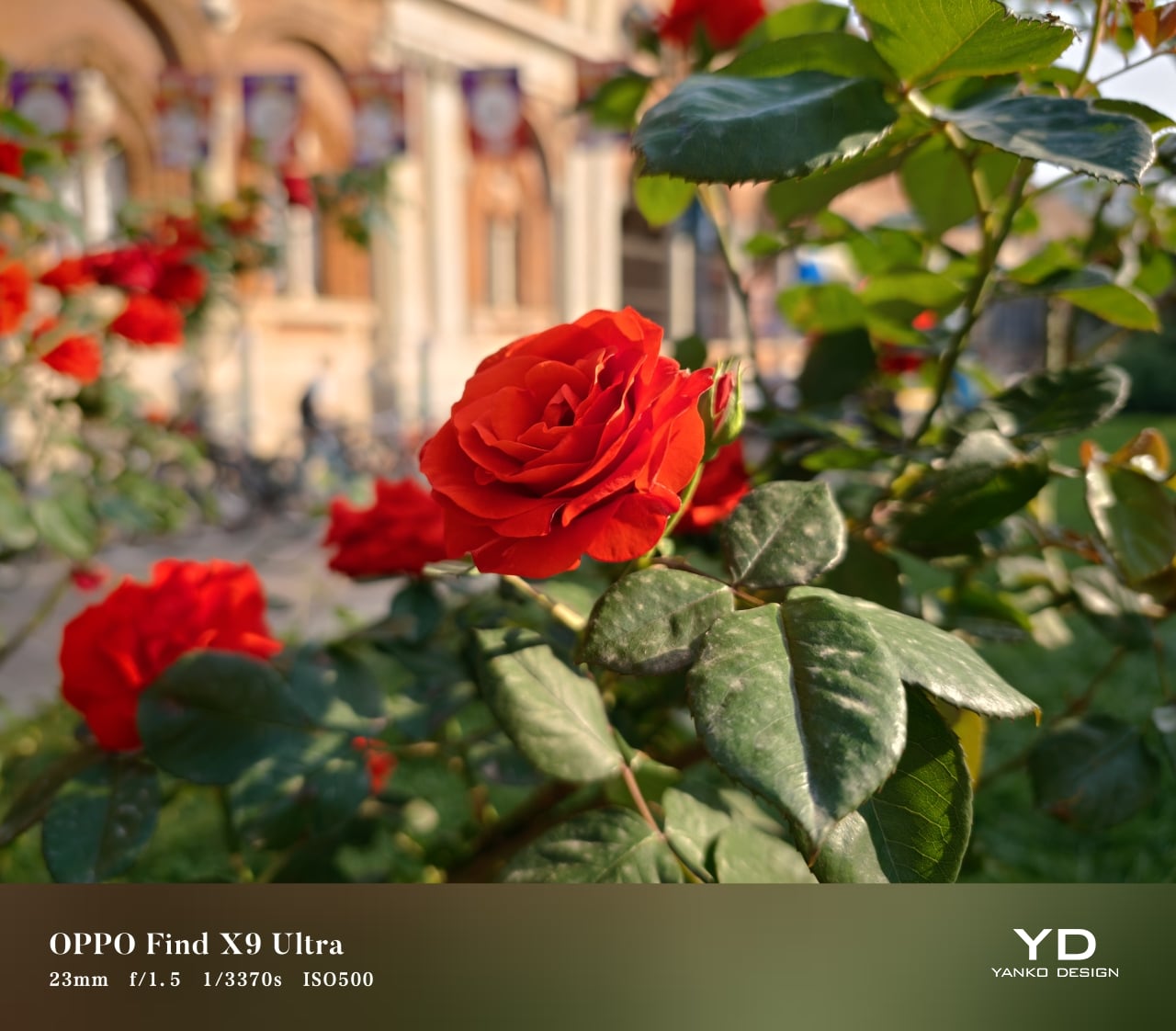
Hasselblad Master Mode
OPPO also equips the Find X9 Ultra with a very capable video system. All cameras support recording at up to 4K 60fps with Dolby Vision, while the main and 3x telephoto cameras can go as high as 4K 120fps or 8K 30fps. Video quality is generally very good, with strong detail, solid stabilization, and an overall polished look. For users who want a more advanced workflow, Pro mode includes Log recording and support for importing custom LUTs, making the phone more flexible for grading and post-production.
That said, the experience is not flawless. Panning at 3x zoom or beyond can sometimes introduce a touch of jitter, and transitions between lenses could be smoother. These are relatively minor complaints in the context of such a flexible video system, but they are worth noting all the same.
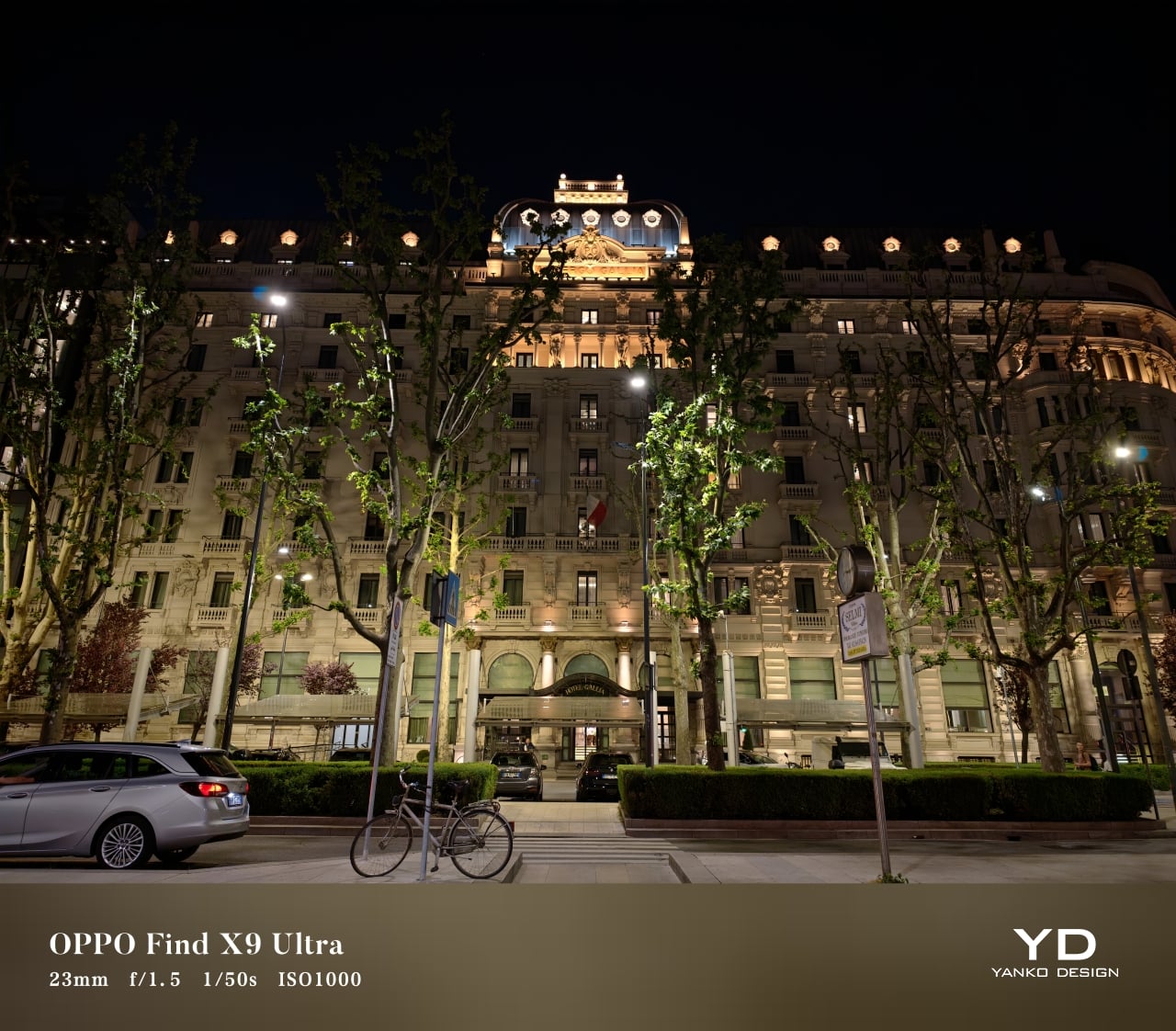
Main, 1x, Night Mode

Telephoto, 3x, Night Mode

Telephoto, 10x, Night Mode
Battery life may be just as important to mainstream buyers as the camera system, and the Find X9 Ultra looks especially strong on that front. It comes with a massive 7050mAh silicon-carbon battery, a capacity that should comfortably support heavy use without the low-battery anxiety that still shadows some premium phones.
Charging is impressive too. With OPPO’s proprietary charger, the Find X9 Ultra supports 100W wired and 50W wireless charging, while USB-PD support allows for up to 55W wired charging with compatible third-party adapters. Reverse wired and reverse wireless charging are both available as well, rounding out a battery setup that feels as flexible as it is powerful.

Sustainability in a premium smartphone should be approached from multiple angles, and in the case of the Find X9 Ultra, durability is clearly where OPPO has placed the greatest emphasis. That does not tell the whole sustainability story, but it does give the phone a solid foundation in the areas that most directly affect long-term ownership. In practical terms, OPPO seems more focused on helping the device last longer than on building a broader environmental narrative around it.
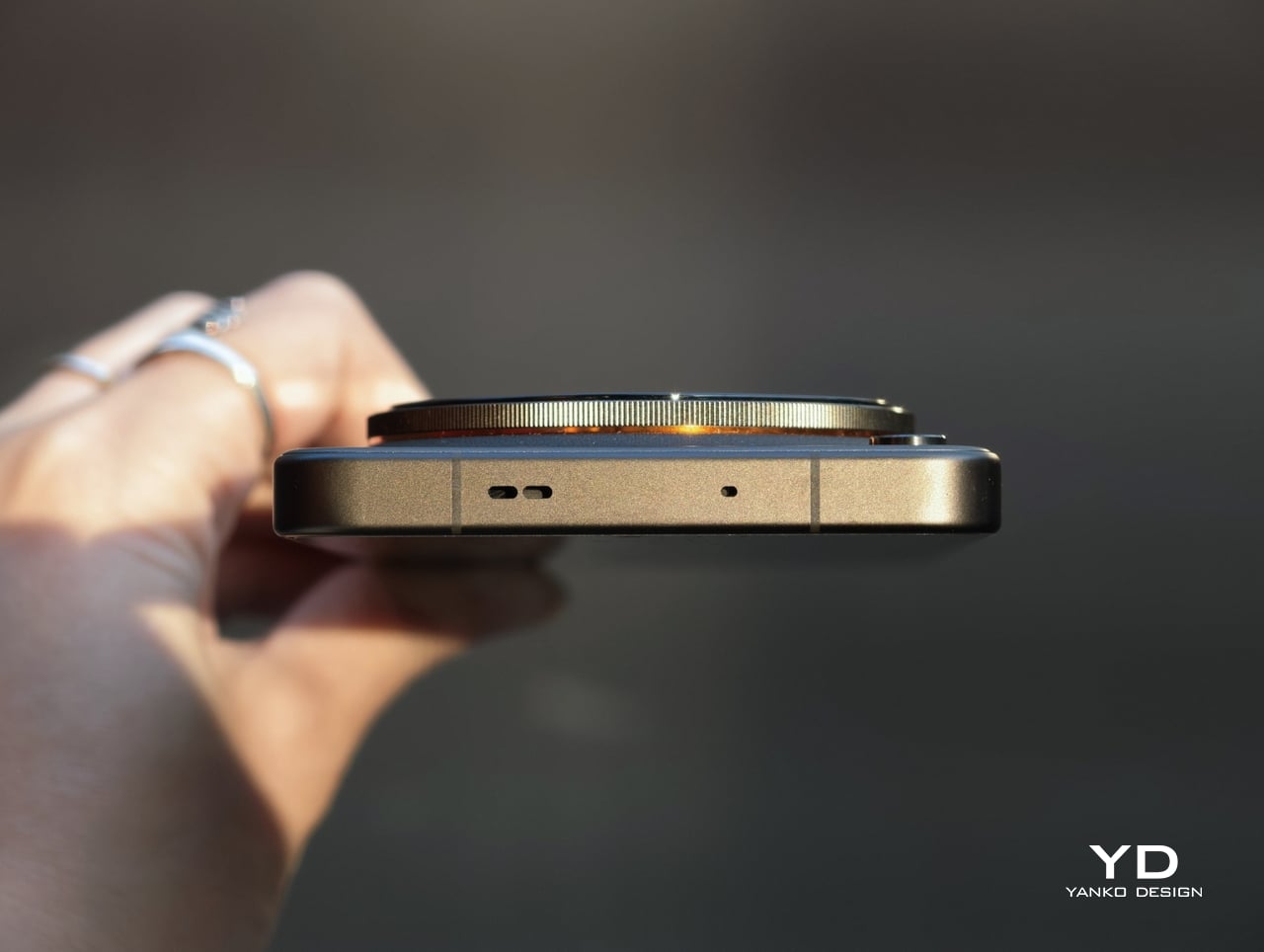
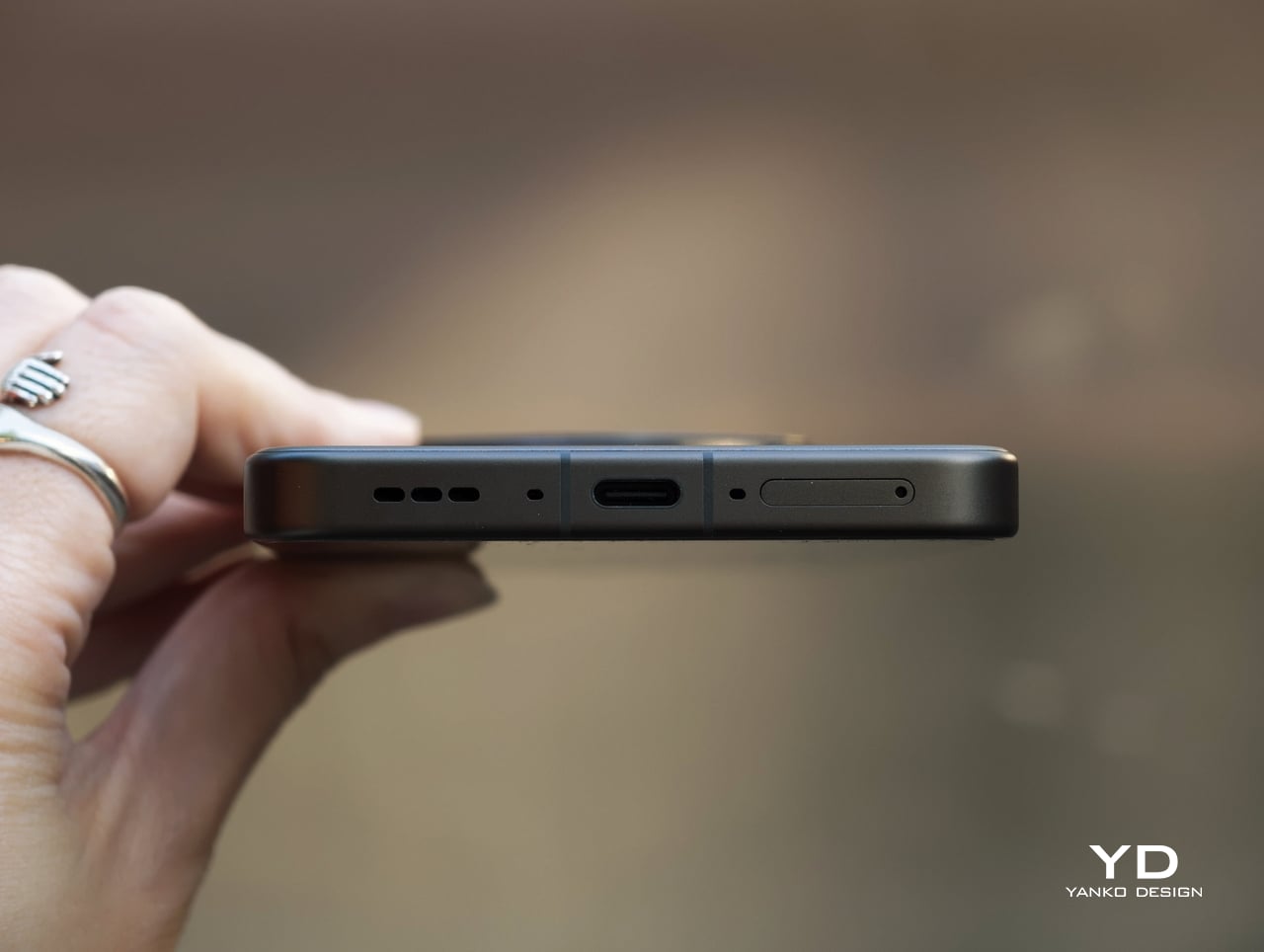
It carries IP66, IP68, and IP69 ratings for dust and water resistance, uses Corning Gorilla Glass Victus 2 on the front, and has earned an SGS Premium Performance 5-Star drop-resistance certification. OPPO also backs the phone with five major OS updates and six years of security patches, which strengthens the case for keeping the device longer rather than replacing it early. At the same time, OPPO says far less about the broader environmental side of sustainability, so the Find X9 Ultra feels more convincing as a durable long-term device than as a flagship making a wider green statement.
The Find X9 Ultra is priced like a true flagship, and in global markets, it leaves no doubt about that. The 12GB + 512GB version comes in at €1,699.99, or roughly $1,940, while the same configuration in China is priced at CNY 7,999, or about $1,180. That makes the global version undeniably expensive, while the China pricing feels strikingly aggressive by comparison.
What makes the phone interesting is that even at its global price, it still has a real value argument. The camera system is among the very best available today, the battery is exceptionally large for a premium flagship, the design feels distinctive, and the software experience is smooth and pleasant to live with. It is not cheap by any measure, but it does feel like a phone that gives you something memorable in return.
The catch is that this value depends on how much you care about what OPPO is doing differently. If photography, endurance, and design identity sit high on your list, the Find X9 Ultra feels easier to justify. If not, it becomes harder to ignore just how expensive the global model really is.
The OPPO Find X9 Ultra stands out by knowing exactly what it wants to be. It is a camera-first flagship with one of the best imaging systems available today, backed by excellent battery life, polished software, and a design that feels more distinctive than most ultra-premium rivals.
There are still compromises. The ultra-wide camera is not quite on the same level as the rest of the setup; some video behavior could be smoother, and the global price is undeniably steep. Even so, for buyers who value photography and want a flagship with real personality, the Find X9 Ultra is one of the most compelling choices on the market.
The post OPPO Find X9 Ultra Review: An Exceptional Camera Phone That Gets Everything Else Right Too first appeared on Yanko Design.
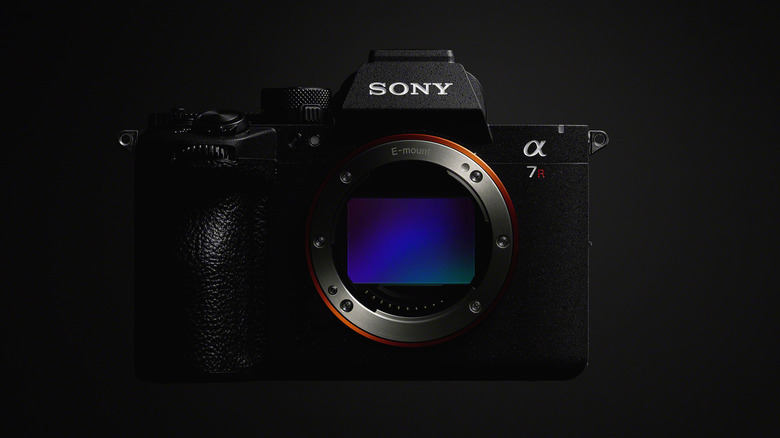
Smartphone photography has come a long way, but there’s always been a tension between what these cameras can do and what serious photographers actually want from them. Most flagships rely on heavy computational processing that smooths, brightens, and sharpens images into something generically appealing. For photographers who value accuracy over flattery and real control over automated guesswork, the gap between phone cameras and dedicated hardware hasn’t entirely closed.
Sony’s Xperia lineup has always tried to bridge that gap, offering manual controls and ZEISS optics where others defaulted to automation. The Xperia 1 VIII continues that approach while adding an AI Camera Assistant that draws on the company’s Alpha mirrorless camera heritage. It doesn’t take over the shooting process; it reads the scene and offers Creative Look suggestions, which the photographer can accept or ignore entirely.
Designer: Sony
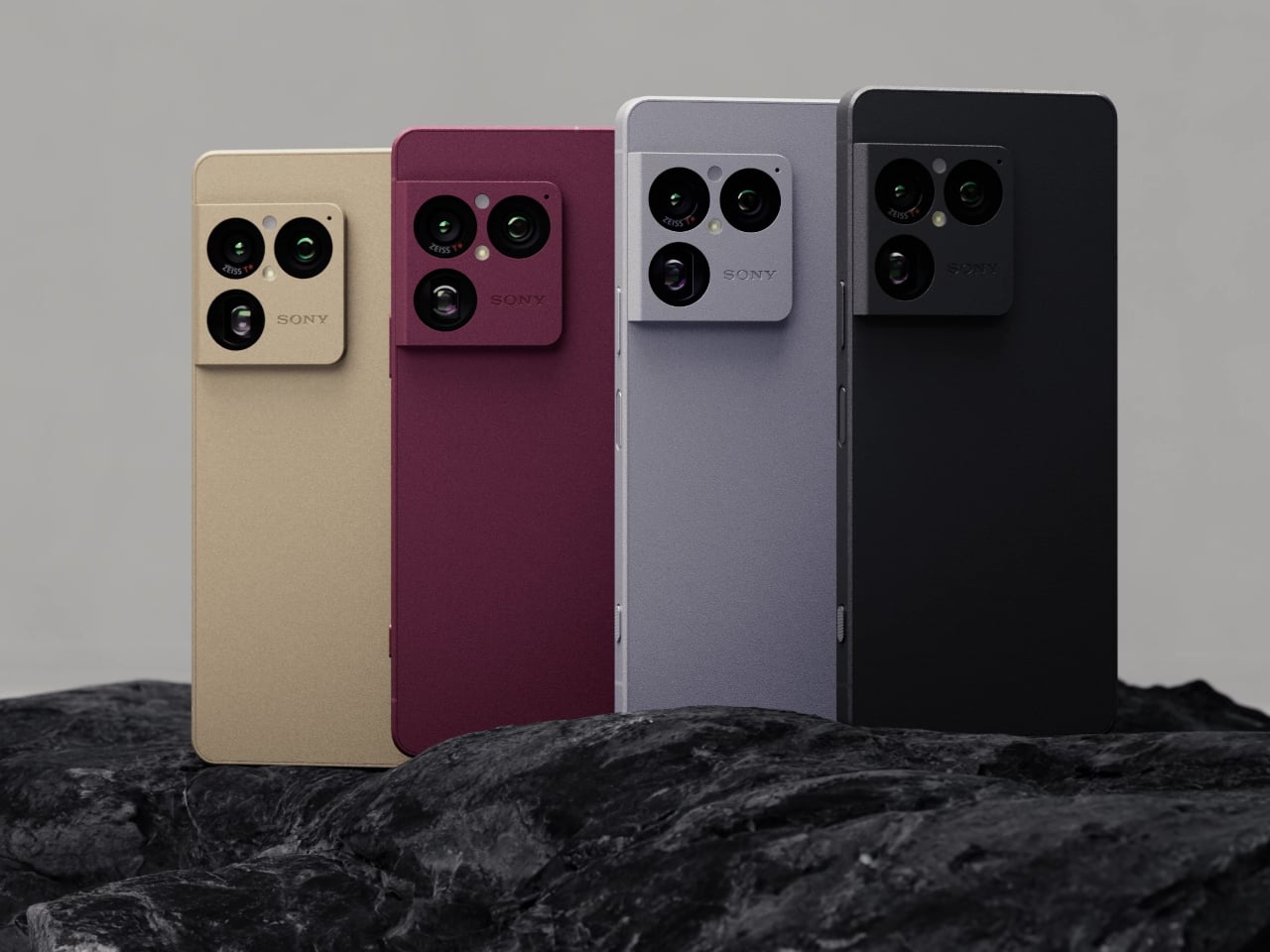
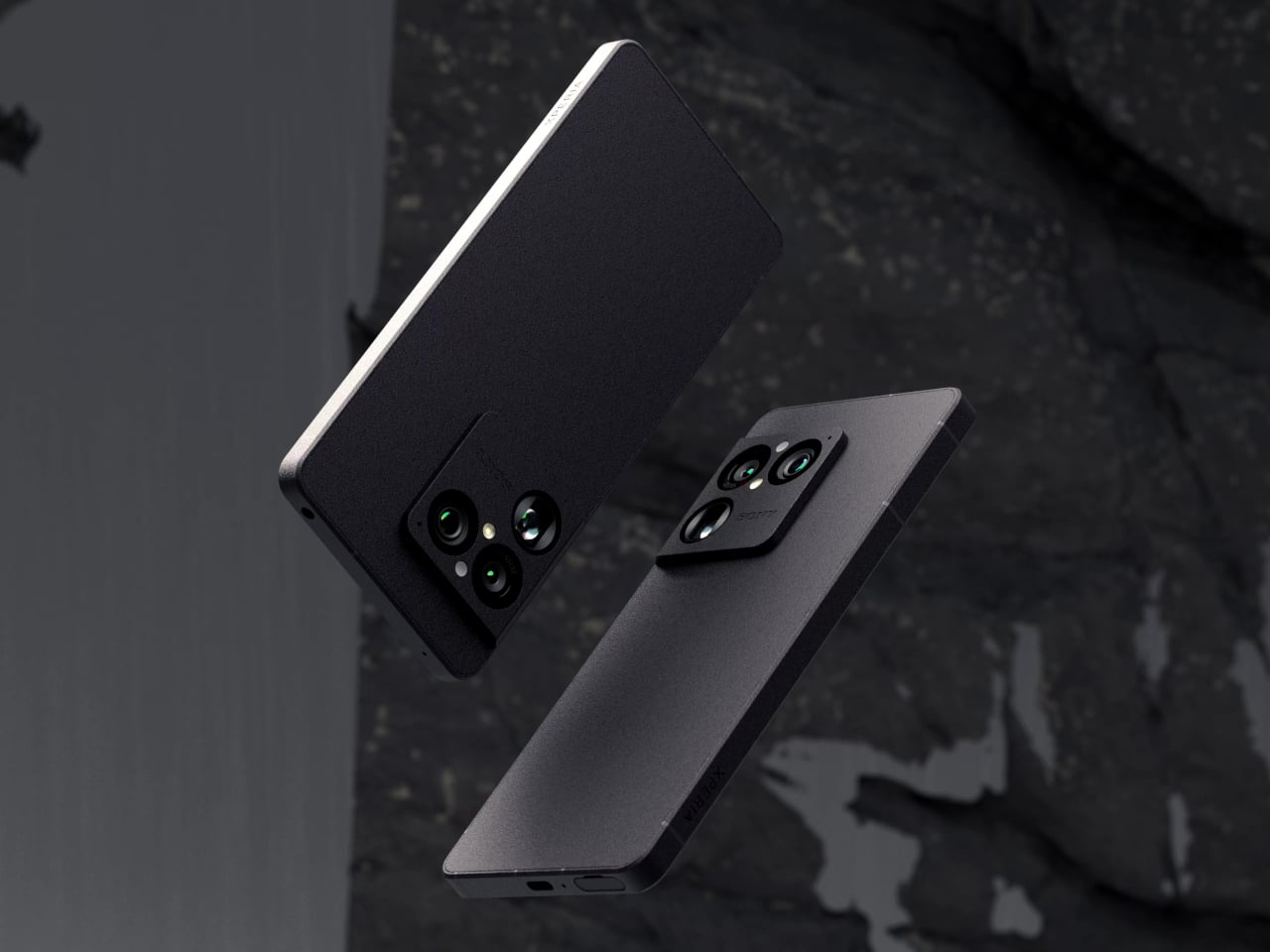
The most significant hardware change is the telephoto camera, now carrying a 48MP sensor measuring 1/1.56 inches, four times larger than the Xperia 1 VII’s. A bigger sensor catches more light, which translates to sharper, cleaner shots when zooming in at dusk or across a crowded room, the kind of situations where previous phone telephoto cameras would typically struggle.
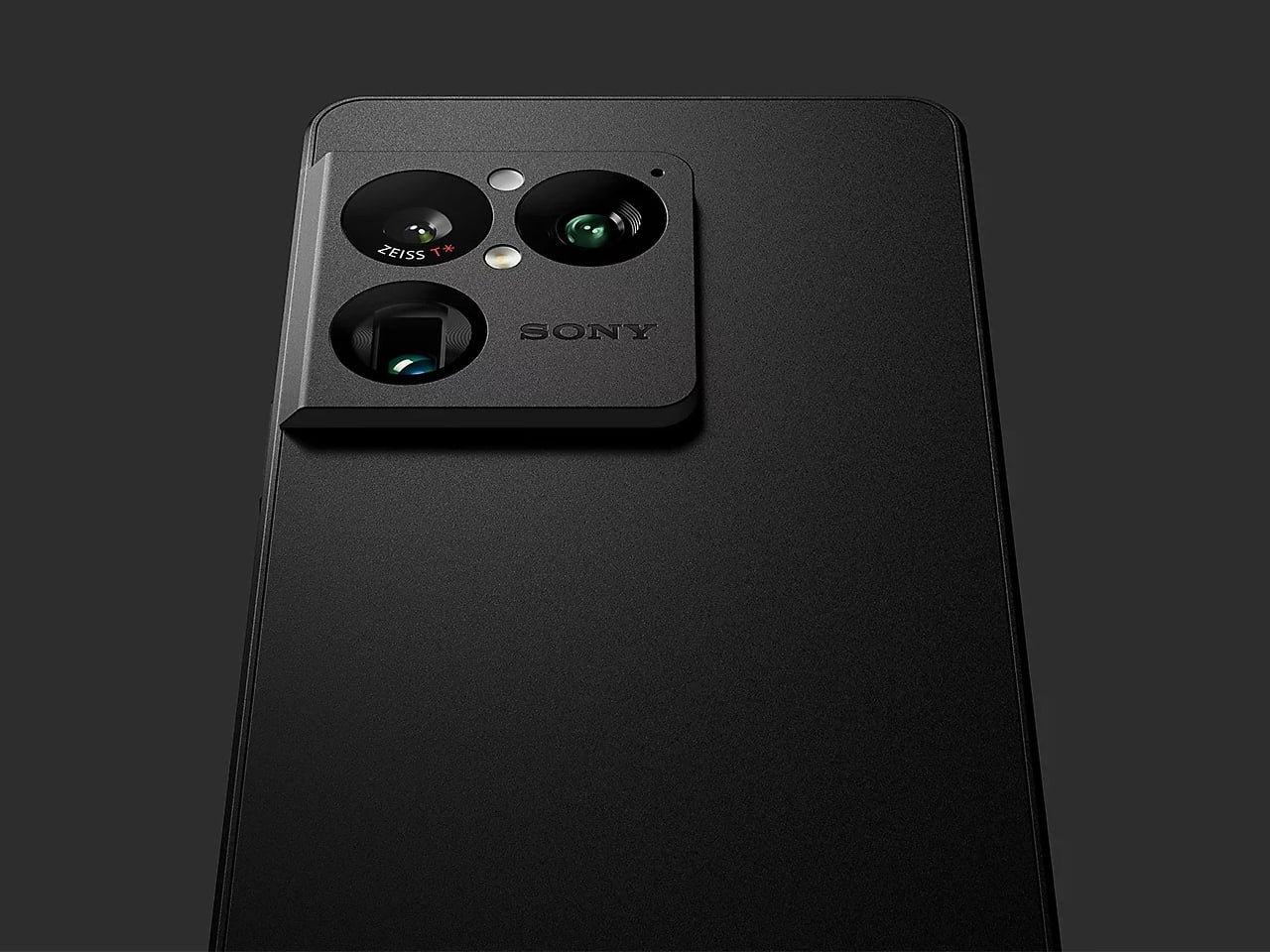
Picture trying to photograph a performer on a dimly lit stage from the back of the venue. On most phones, that means noise, blur, and a lot of guessing about which lens to reach for. The AI Camera Assistant analyzes the scene in real time and recommends the right telephoto setting, a tone profile that suits the mood, and the ideal bokeh depth. You just compose and shoot.
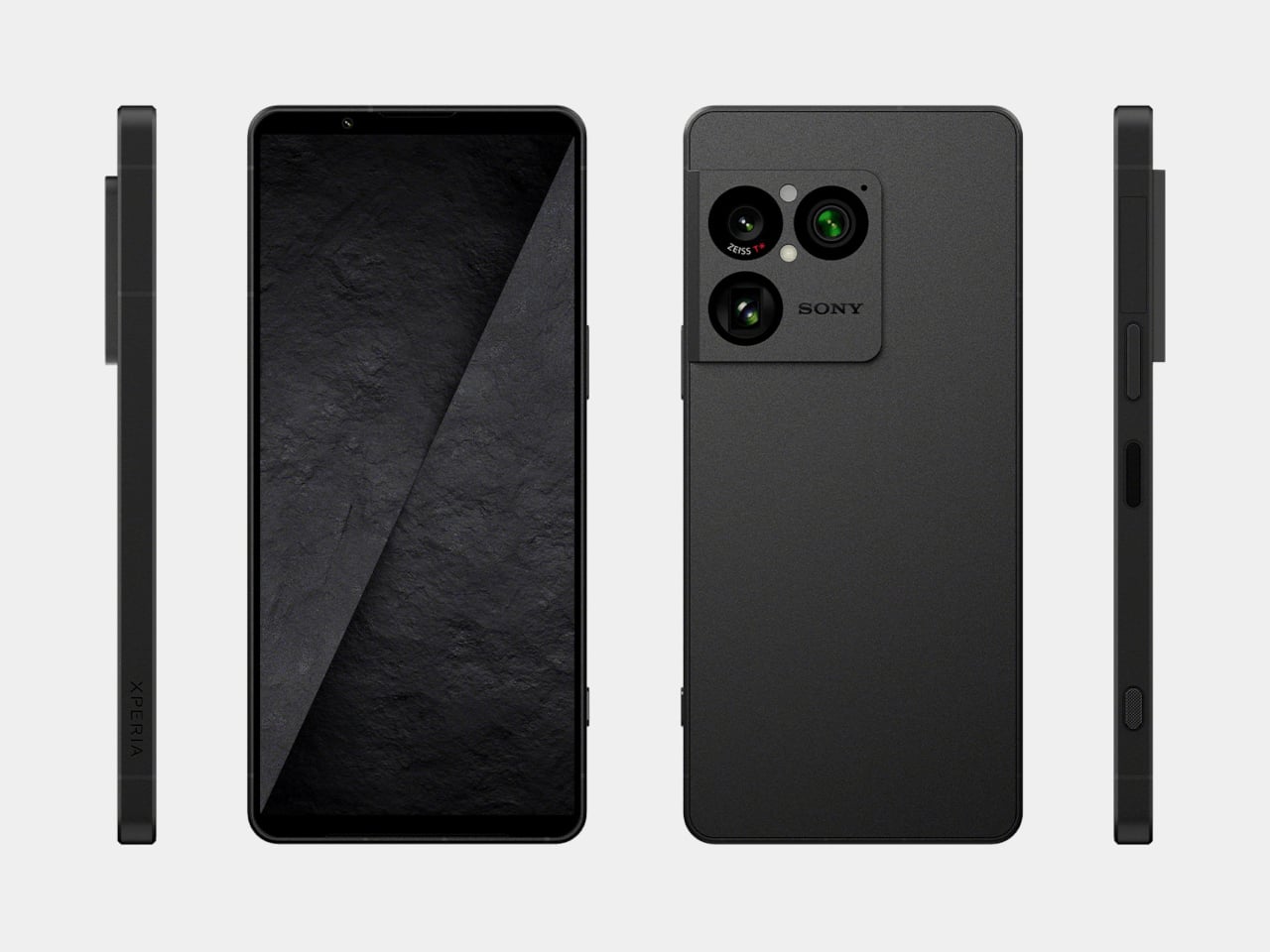
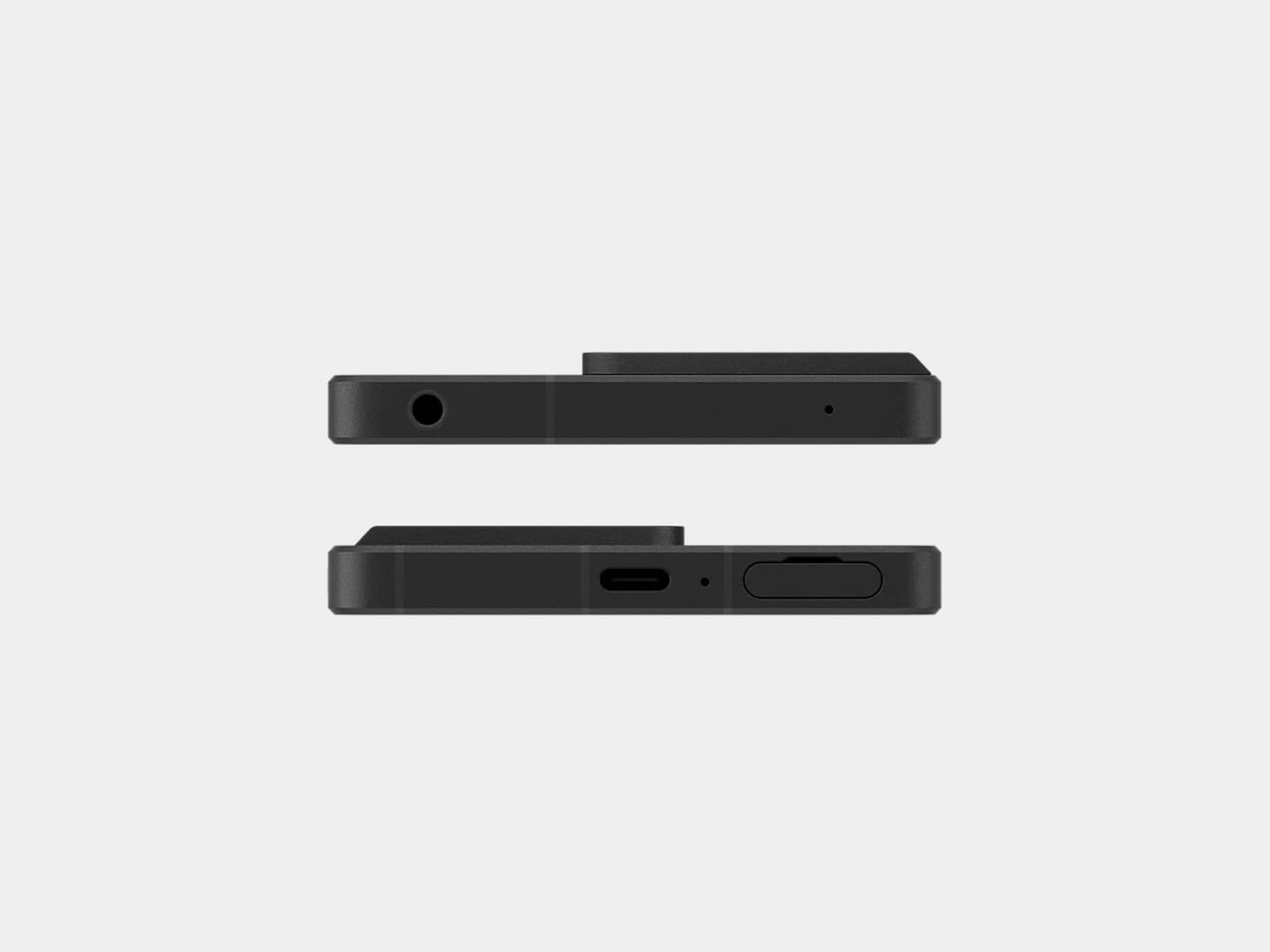
Under the hood, the Qualcomm Snapdragon 8 Elite Gen 5 advertises a roughly 20% performance boost over the previous generation, helping the phone stay responsive under demanding workloads. Paired with up to 16GB of RAM, storage options reaching 1TB, and a rare microSD slot supporting up to 2TB more, there’s no shortage of headroom for anyone accumulating large RAW files and 4K video footage.
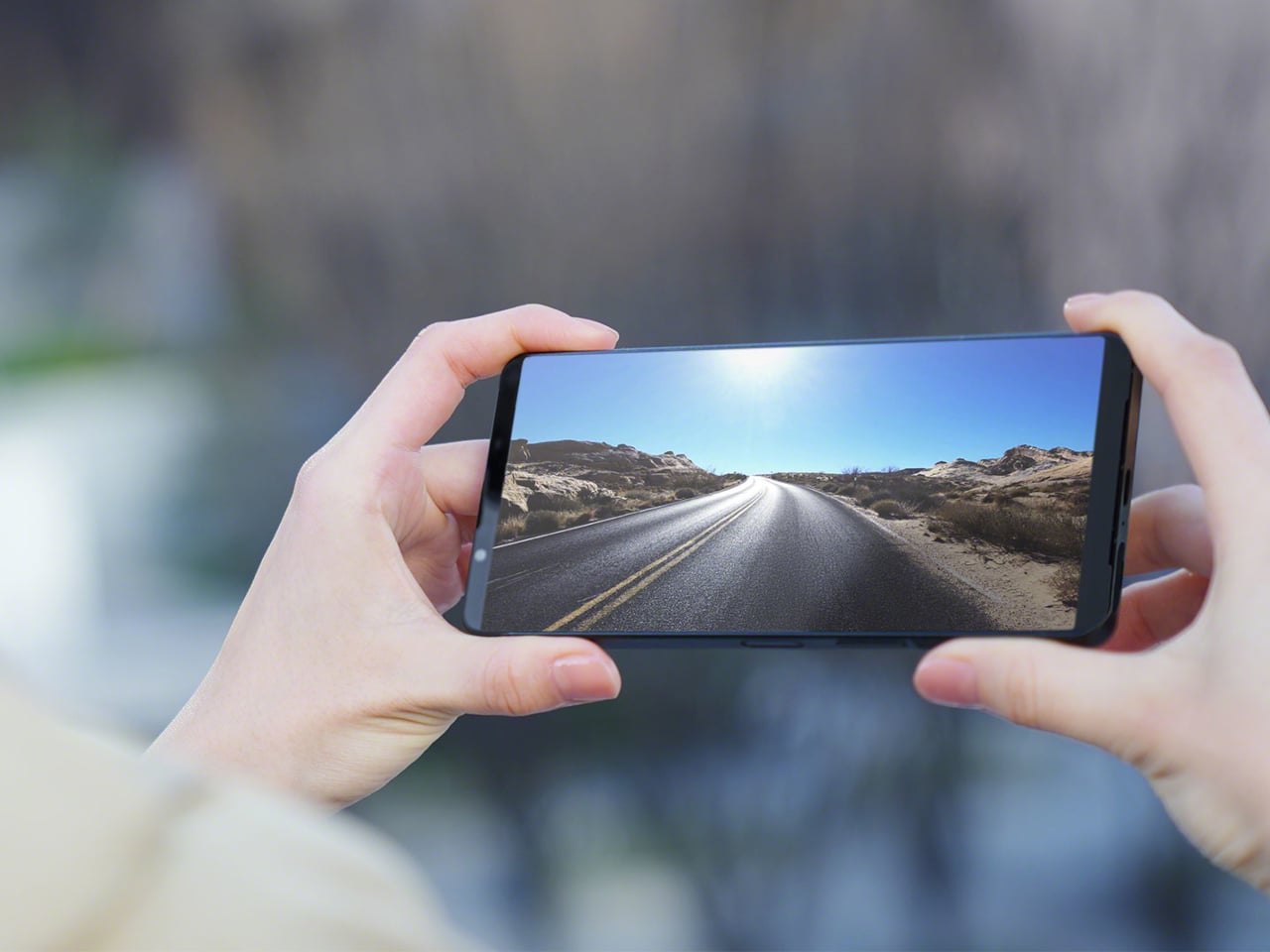
The 6.5-inch LTPO OLED display uses Sony’s BRAVIA processing alongside both front and rear ambient light sensors to calibrate color for wherever you happen to be. It’s a feature borrowed from Sony’s television lineup, and it makes a real difference when reviewing footage outdoors. The 3.5mm headphone jack stays, and a Walkman-tuned circuit design improves wired audio quality noticeably beyond what most flagships manage.
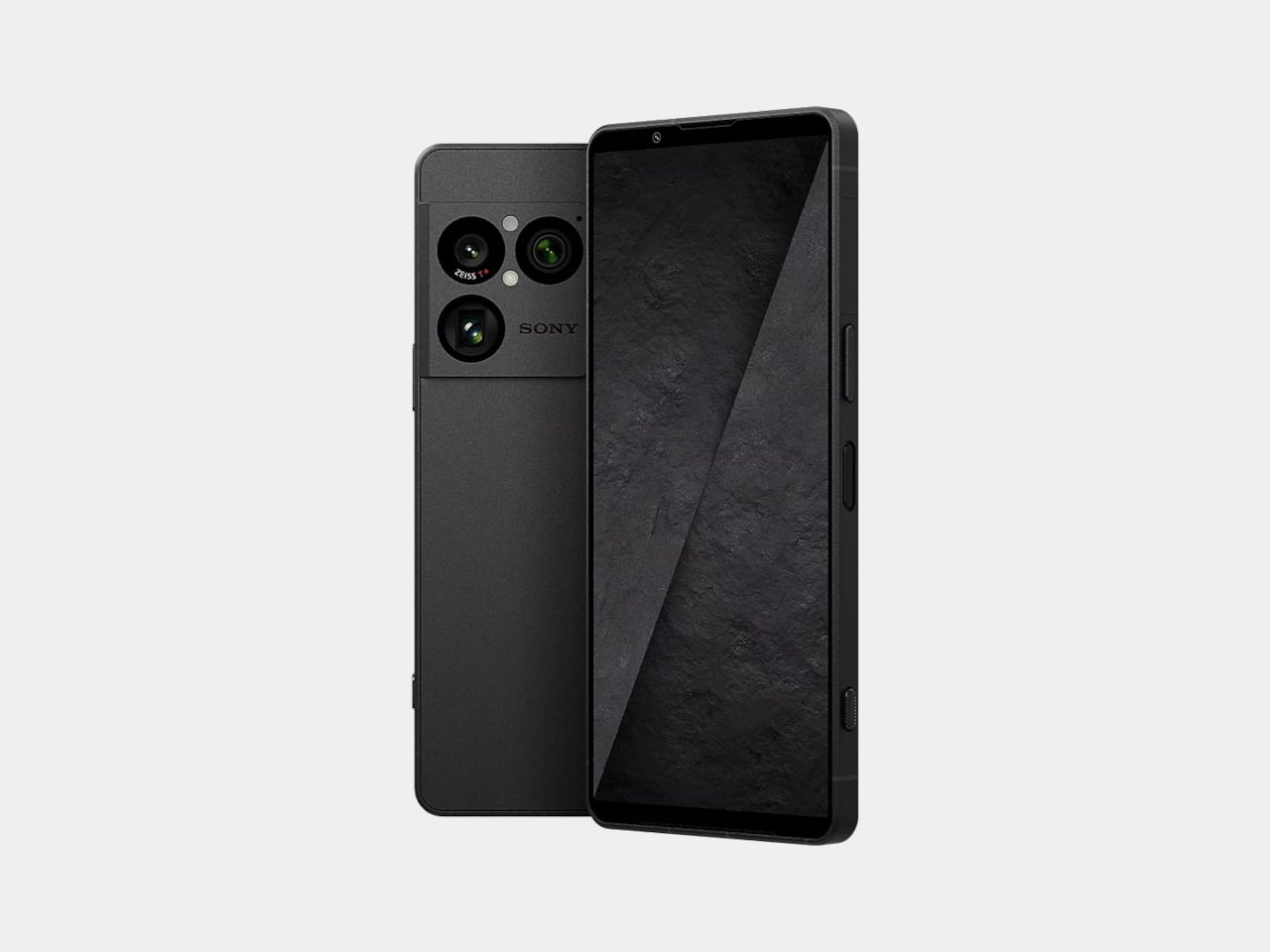
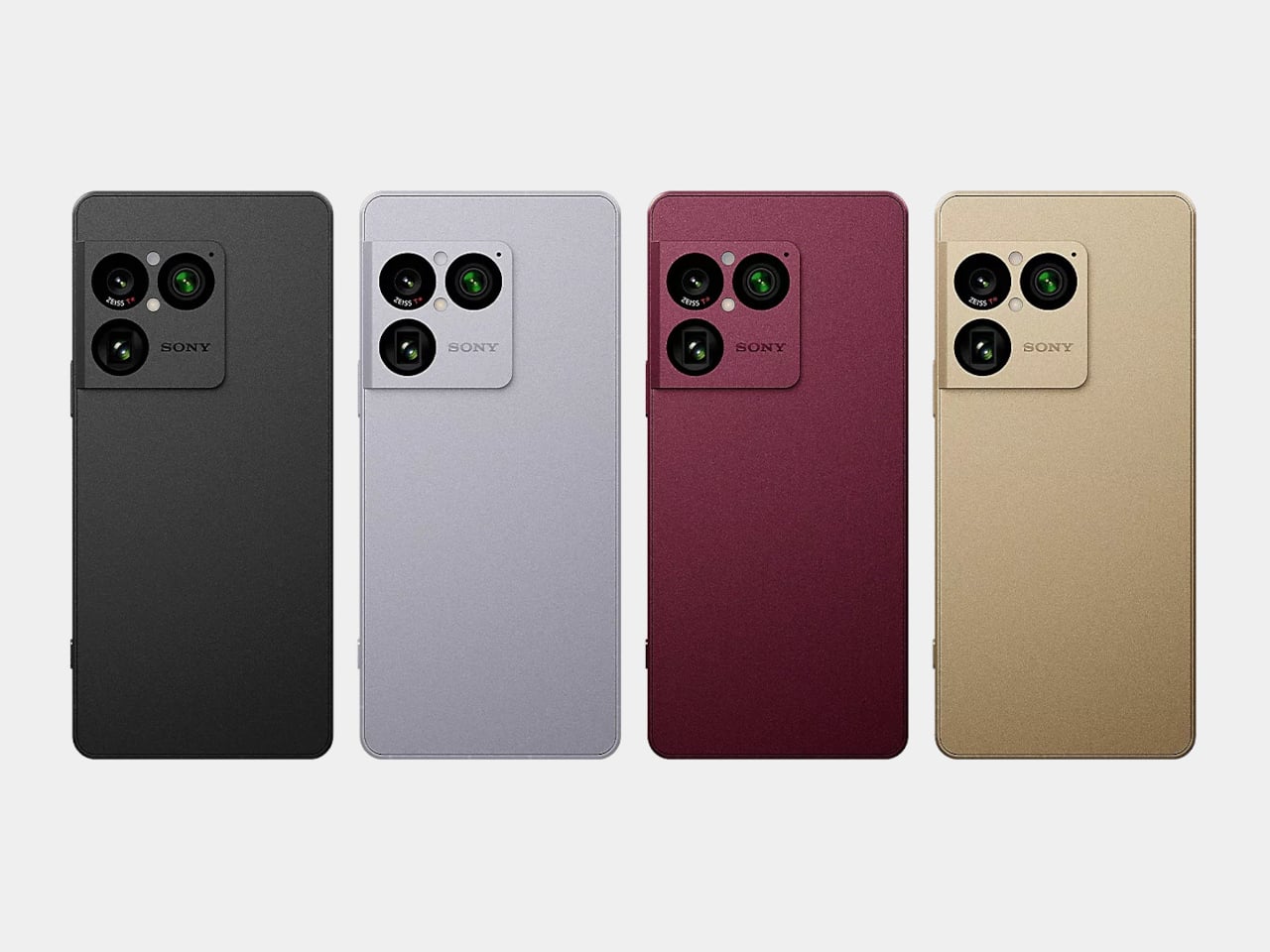
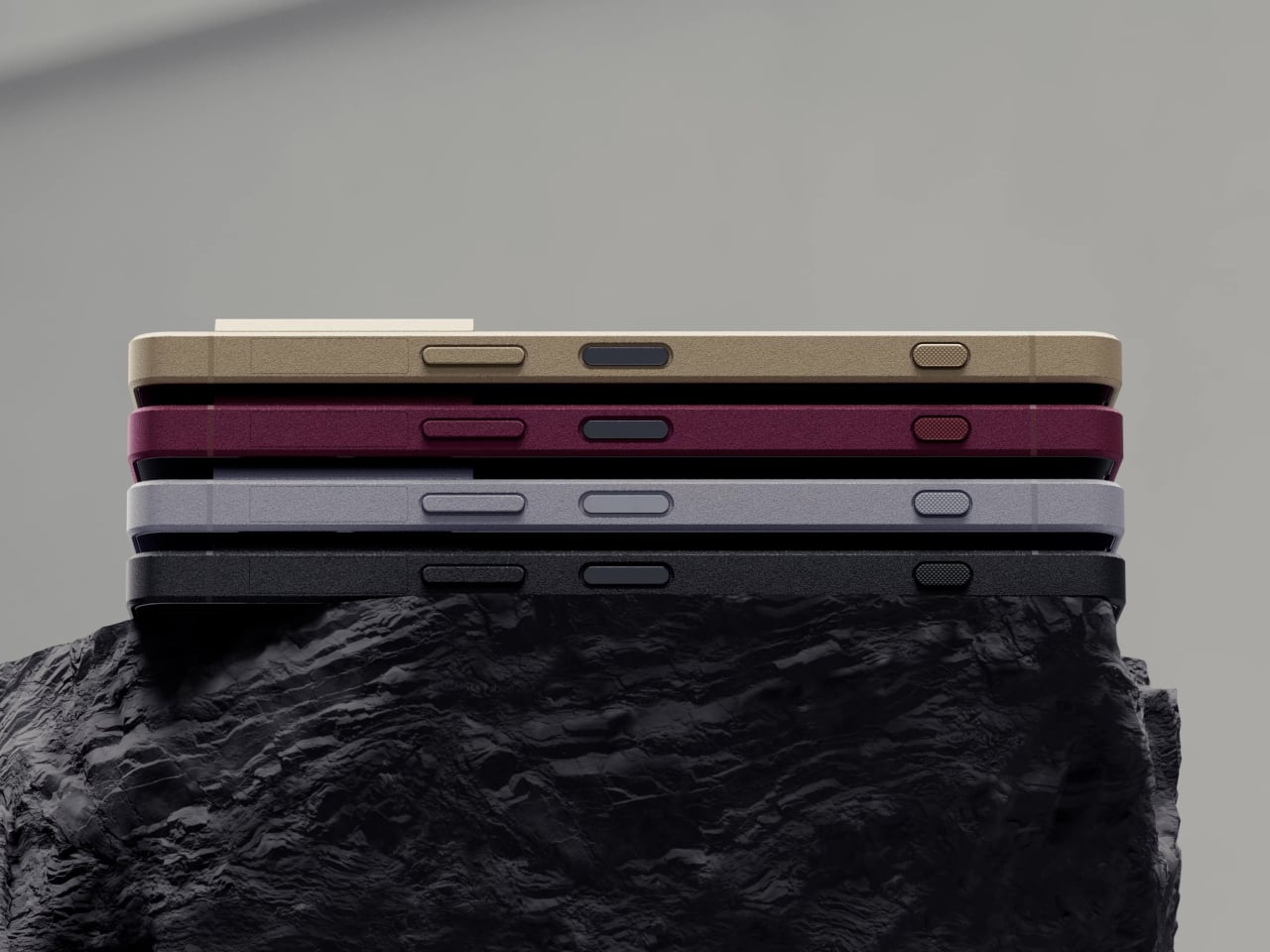
Battery life is rated at two days, backed by a 5,000 mAh cell and a Processing Optimization mode that dials back power use during intensive tasks like navigation. Sony also commits to four years of battery health, a meaningful promise for a device at this price. Charging maxes out at 30 W wired and 15W wireless, with three color options: Graphite Black, Iolite Silver, and Garnet Red.
At £1,399 in the UK (roughly US$1,890), the Xperia 1 VIII isn’t an impulse buy, and Sony isn’t pitching it as one. It’s built for people who shoot deliberately, edit with intention, and want a phone that keeps pace with that mindset rather than working against it. For those who fit that profile, there aren’t many phones currently offering this level of thoughtful integration across camera, display, and audio.

The post Most Phone Cameras Flatter Your Shots, Sony Xperia 1 VIII Doesn’t first appeared on Yanko Design.