Microsoft’s Copilot Health can use AI to turn your fitness data and medical records ‘into a coherent story’

Microsoft has unveiled Copilot Health, an AI-powered tool it claims can help make sense of your medical records, health history and fitness data from wearables, should you grant it access to that information. The company said it will be in a "separate, secure space" in the Copilot app and that the idea is to help provide you with more context and insights so you can ask your doctor the right questions when you see them.

Copilot Health is designed to help you better understand your medical information as a whole, Microsoft says. It is not "intended to diagnose, treat or prevent diseases or other conditions and is not a substitute for professional medical advice," the company pointed out in a blog post.

The tool can pull in activity, fitness and sleep data from more than 50 devices, including Apple Watch, Oura and Fitbit. Through HealthEx, it can access health records that include visit summaries, medication details and test results from more than 50,000 hospitals and provider organizations in the US. It can tap into lab test results from Function, should you allow it to do so.

Copilot Health can take all those details and apply "intelligence to turn them into a coherent story," such as helping you pinpoint the reasons why you don't sleep too well, the company suggested. It can access real-time provider directories in the US to help users find clinicians based on factors like location, specialty, spoken languages and insurance coverage.

Microsoft says that, across AI-powered consumer products like Copilot and Bing, users ask more than 50 million health-related questions every day. "We’ve improved the quality and reliability of answers by elevating information from credible health organizations across 50 countries, as verified by our clinical team using principles independently established by the National Academy of Medicine," the blog post states. "Responses include clear citations with easy links to source material, alongside expert‑written answer cards from Harvard Health." 

As far as privacy is concerned, Microsoft says Copilot Health data and conversations are siloed from the broader Copilot app and there are extra access and safety controls in place, including "encryption at rest and in transit." You can delete your information and cut off the app's access to health records and wearable data at any time. Microsoft also notes that it won't use your Copilot Health information to train its models.

The company explained that Copilot Health was informed by its responsible AI principles. Microsoft built the tool in collaboration with its own clinical team and with the expertise and feedback of more than 230 physicians from dozens of countries. "Copilot Health has achieved ISO/IEC 42001 certification, the world’s first standard for AI management systems, meaning an independent third party has verified how we build, govern and continuously improve the AI behind this service," it noted.

Microsoft has opened up a waitlist for those interested in trying Copilot Health. The tool will initially be available in English in the US for those aged 18 and over. The company is working on adding support for more language and voice options and it will announce availability for those and other territories down the line. 

While users will be able to try Copilot Health for free at first, Microsoft plans to charge for access via a subscription, according to The New York Times. The company has not yet disclosed pricing details.

The Copilot Health announcement comes just a couple of days after Amazon expanded its Health AI tool beyond One Medical. It's now available on the Amazon website and app. Prime members in the US have the option to chat about certain conditions with a One Medical provider via direct message at no extra cost. Earlier this year, OpenAI announced that it was testing ChatGPT Health. Anthropic has healthcare tools as well.

Given how tough it is for many folks to access affordable healthcare and the fact their data and health records are often spread across a number of providers, some might believe there are benefits of using such tools from AI companies.

However, there's a big difference between tracking your sleep or calling your doctor after an Apple Watch detects signs of atrial fibrillation and entrusting all of your medical information to a chatbot. There are also issues like AI hallucinations and chatbots providing users with straight-up bad advice, as well as the possibility that an LLM-based tool might downplay or exaggerate potential risks.

This article originally appeared on Engadget at https://www.engadget.com/ai/microsofts-copilot-health-can-use-ai-to-turn-your-fitness-data-and-medical-records-into-a-coherent-story-152000621.html?src=rss

Uber is shooting for even more upscale clientele with Uber Elite

Uber has launched a new invite-only luxury ride experience called Uber Elite. Aimed at "executives, frequent travelers, and riders looking for a more elevated experience," it sounds like an upgraded version of Uber Black for the, well, uber-rich.

A ride booked through Uber Elite will be operated by a professional chauffeur driving a new-model luxury vehicle less than three years old. An Elite-only "Meet and Greet" feature allows riders to pre-arrange to be picked up in the airport terminal they arrive at from a flight, with their chauffeur dutifully awaiting them at baggage claim.

Uber says all Elite rides include chargers, bottled water, mints and premium hand wipes. If those perks are deemed too basic by the customer, they can also request sparkling water or champagne in the app ahead of their ride, and Uber says it’ll work with its partners to accommodate them "where feasible." Once an Uber Elite trip is booked, the rider can also take advantage of round-the-clock phone support.

The new luxury service is available through the Uber app, as well as via Uber Reserve and Uber for Business. Rides can be booked one hour in advance or up to 90 days ahead.

Uber Elite is launching first in Los Angeles and San Francisco, with New York to follow soon, and then other cities in the US and internationally. Invitations will first be extended to frequent Uber Black and Uber for Business users, before the service is eventually made available to all riders. If you think you’re important enough, you can join a waitlist right now.

This article originally appeared on Engadget at https://www.engadget.com/transportation/uber-is-shooting-for-even-more-upscale-clientele-with-uber-elite-150620441.html?src=rss

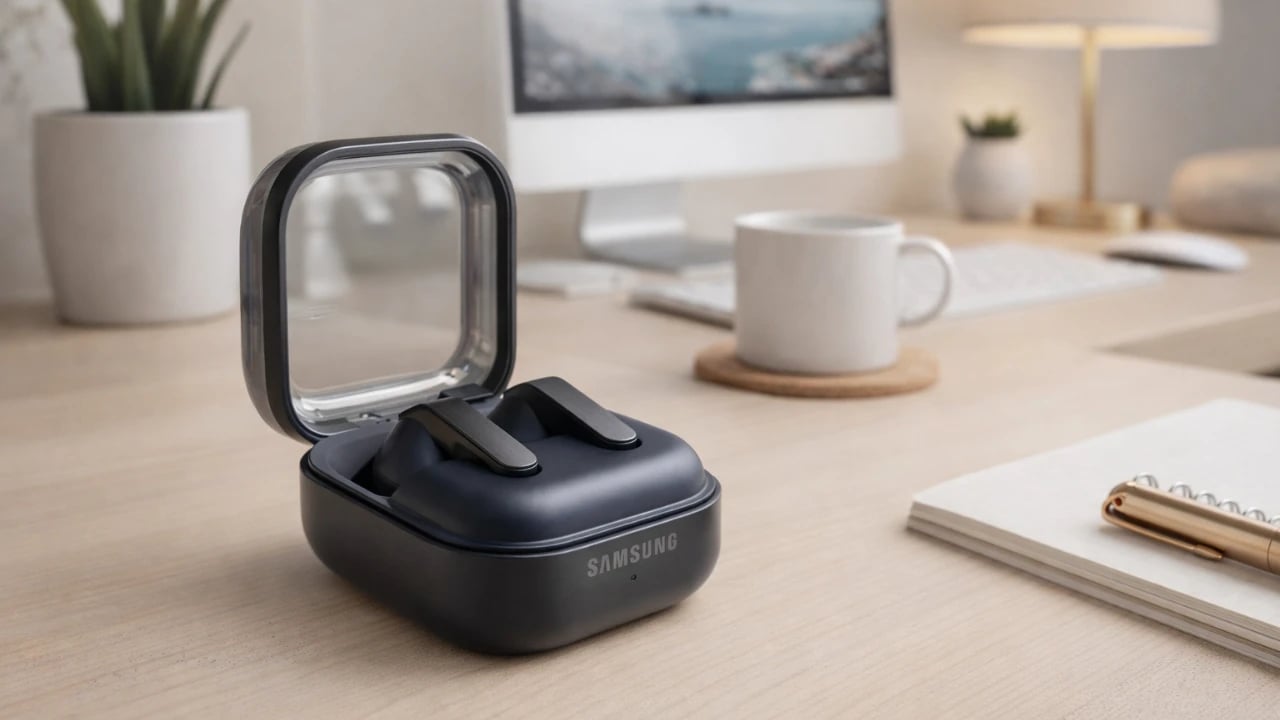
Galaxy Buds 4 Pro vs AirPods Pro 3: Stop and Read This Before You Tap ‘Buy’

Galaxy Buds 4 Pro vs AirPods Pro 3: Stop and Read This Before You Tap ‘Buy’ Galaxy Buds 4 Pro

The Apple AirPods Pro 3 and Samsung Galaxy Buds Pro 4 represent the pinnacle of premium wireless earbuds in 2026. Both models are priced at $249 and come equipped with advanced features, but their differences cater to distinct user needs and preferences. This comparison explores their design, features, performance, and ecosystem integration to help you […]

The post Galaxy Buds 4 Pro vs AirPods Pro 3: Stop and Read This Before You Tap ‘Buy’ appeared first on Geeky Gadgets.

Posted in Uncategorized

Rivian’s R2 EV arrives this spring with a $58,000 price tag

Ahead of its official release later this spring, today Rivan is announcing full pricing and trim levels for its long-awaited R2 electric SUV. 

The rollout for the company's first mid-size (two-row) offering will be similar to its previous vehicles, with more expensive premium models hitting the road first this spring, followed by more affordable configurations becoming available later this year and into 2027. This timeline is especially important for anyone hoping to snag the $45,000 base model of the R2, which isn't expected to go on sale until sometime in late 2027. The R2 Performance with Launch Package and R2 Premium trims will arrive initially as model year 2027 vehicles, followed by the R2 Standard (MY 2028) next year. 

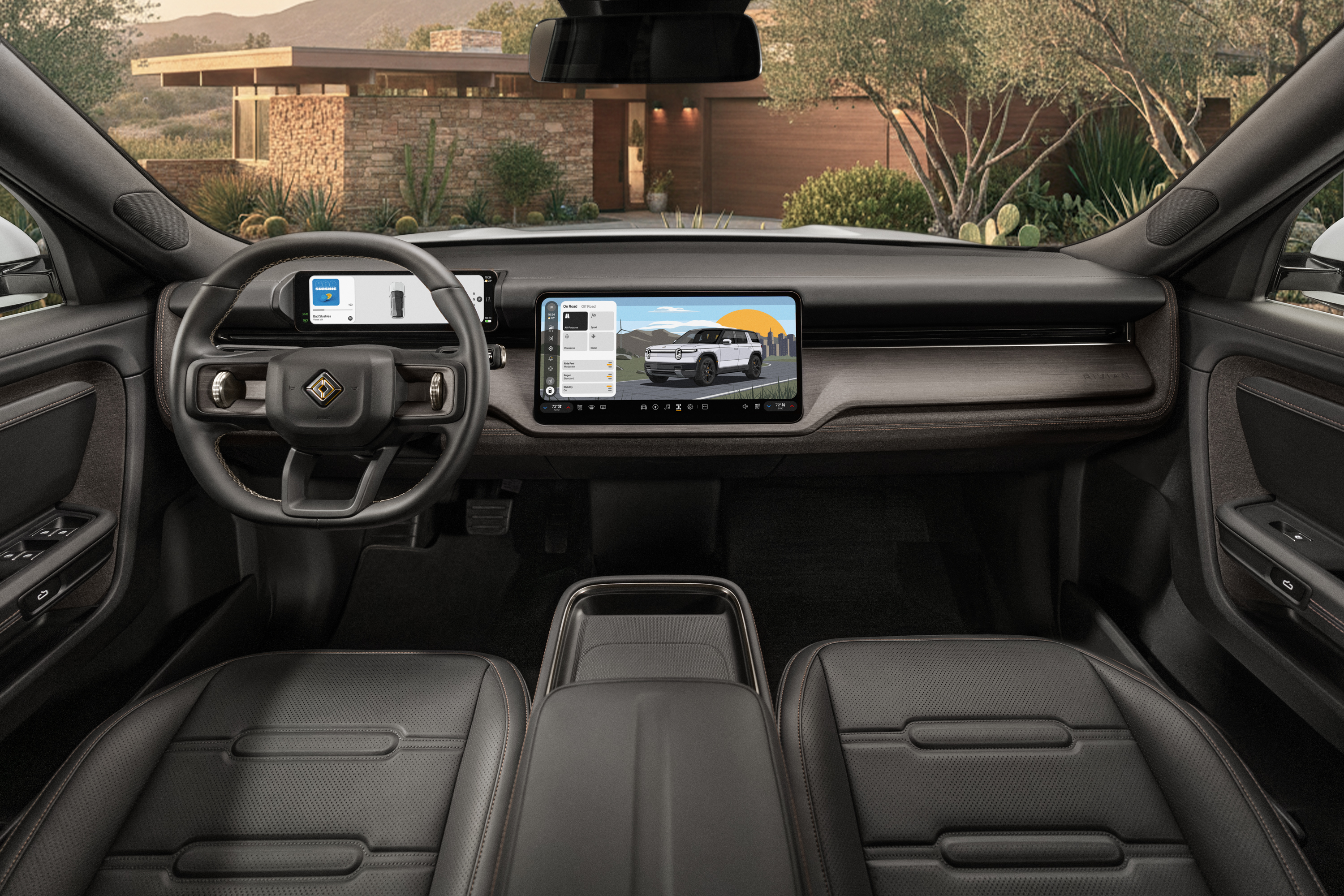
The new R2 with Rivian's Black Crater interior
Rivian

Some features that will be standard on every R2 are a native NACS charging port and Autonomy+ hardware. However, for the latter, while new vehicles will come with a free 60-day trial of Autonomy+, once that expires, owners will need to choose between a one-time fee or a monthly subscription to continue using Rivian's enhanced hands-free driving tech.

Regardless of which trim or performance package you prefer, the arrival of the R2 is a huge deal for Rivian as it represents the company's first true mass-market vehicle that looks to bring a lot of the tech and engineering used in the R1T and R1S to a more affordable price point.

For a closer look at the R2's trim levels and pricing, see the breakdown below.

  1. Available Spring 2026 starting at $57,990

  2. Features a dual-motor AWD setup with 656 horsepower and 609 lb-ft of torque

  3. EPA-estimated range of up to 330 miles

  4. 0 to 60 time of up to 3.6 seconds

Notably, the Launch Package will include a free lifetime subscription to Autonomy+, along with 20-inch Black Sand all-terrain wheels, a limited Rivian Green anodized key fob, exclusive Launch Green exterior paint option (which will be a paid upgrade) and a tow package that supports up to 4,440 pounds of towing capacity.

Other inclusions on the Performance trim include an Esker Silver exterior, semi-active suspension, Compass Yellow brake calipers and rear drop glass. This config also features Rivian's Matrix LED headlights with adaptive high beams, integrated tow hooks, a flashlight that can be stowed inside the driver door and 21-inch tungsten all-season wheels.

The interior features birch wood accents with a Black Crater color scheme along with heated and ventilated front readers, heated steering wheel, heated rear outboard seats and 12-way adjustment with lumbar support for the driver and front passenger.

  • Available late 2026 starting at $53,990

  • Features a dual-motor AWD setup with 450 horsepower and 537 lb-ft of torque

  • EPA-estimated range of up to 330 miles

  • 0 to 60 time of up to 4.6 seconds

The premium trim includes many of the same features as the Performance model, but with smaller 20-inch bicolor carbon all-season wheels and fewer drive modes (there's no option for rally, soft sand and launch).

  • Available first half of 2027 starting at $48,490

  • Features a single motor RWD setup with 350 horsepower and 355 lb-ft of torque

  • Rivian-estimated range of up to 345 miles

  • 0 to 60 time of 5.9 seconds

Finally, the R2 Standard variant features a slightly more spartan kit consisting of heated front seats, a heated steering wheel, 12-way seats (but only for the driver) and 19-inch machine graphite wheels. 

  • Available late 2027 starting at $45,000

  • Rivian-estimated range of 265+ miles

  • More detailed info will be released closer to launch


This article originally appeared on Engadget at https://www.engadget.com/transportation/evs/rivians-r2-ev-arrives-this-spring-with-a-58000-price-tag-150000363.html?src=rss

These Shell-Inspired Lamps Cast Wing-Like Shadows on Your Walls

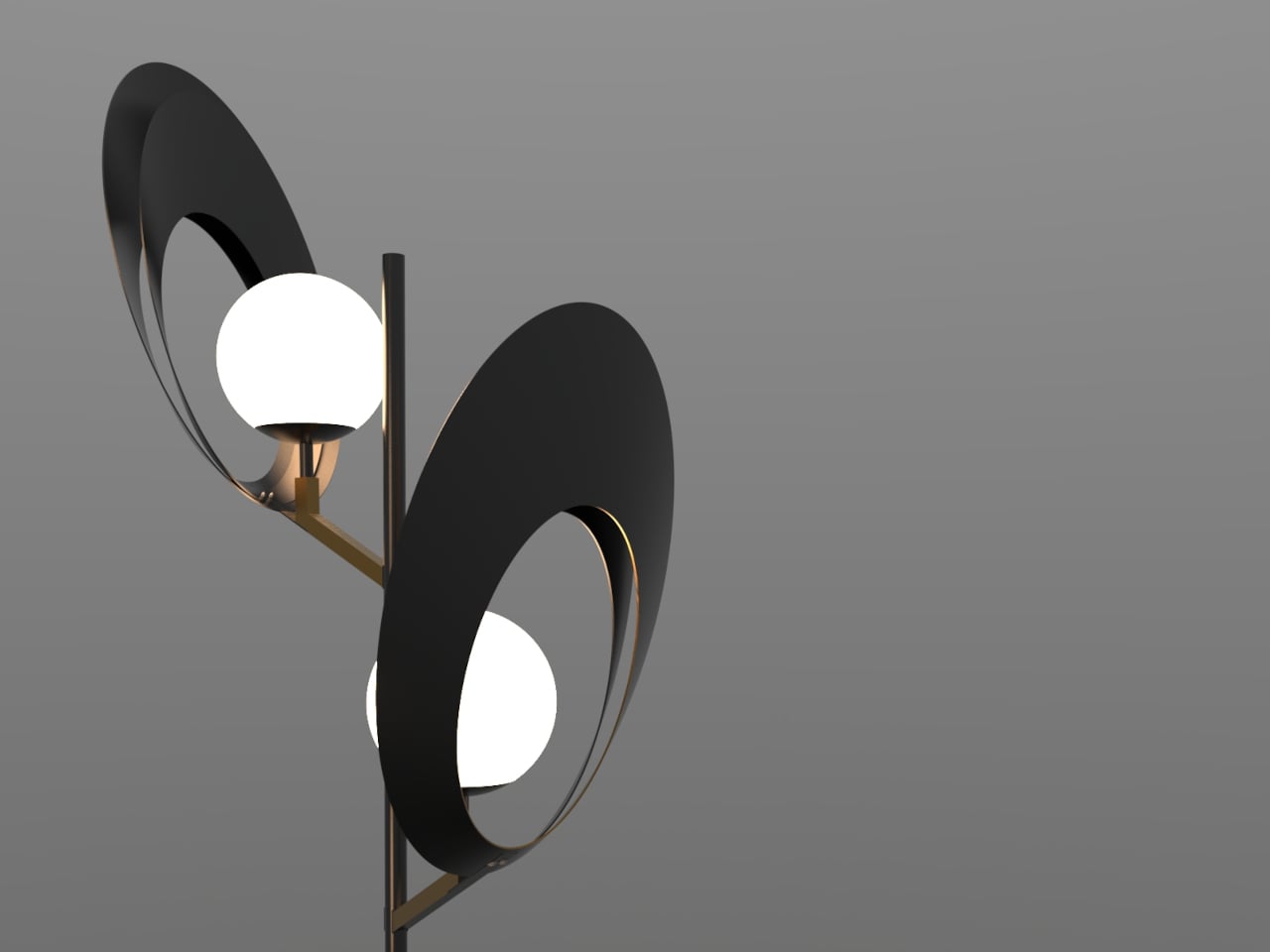
Most lamps are designed to disappear into a room. The fixture is an afterthought, a delivery mechanism for the bulb, and anything drawing attention to itself risks becoming a problem rather than a solution. Mostafa Arvandbarmchi and Lampart Lighting Solution took the opposite position with the Pelk collection, designing lamps that treat the fixture as the point, with light almost secondary to the form holding it.

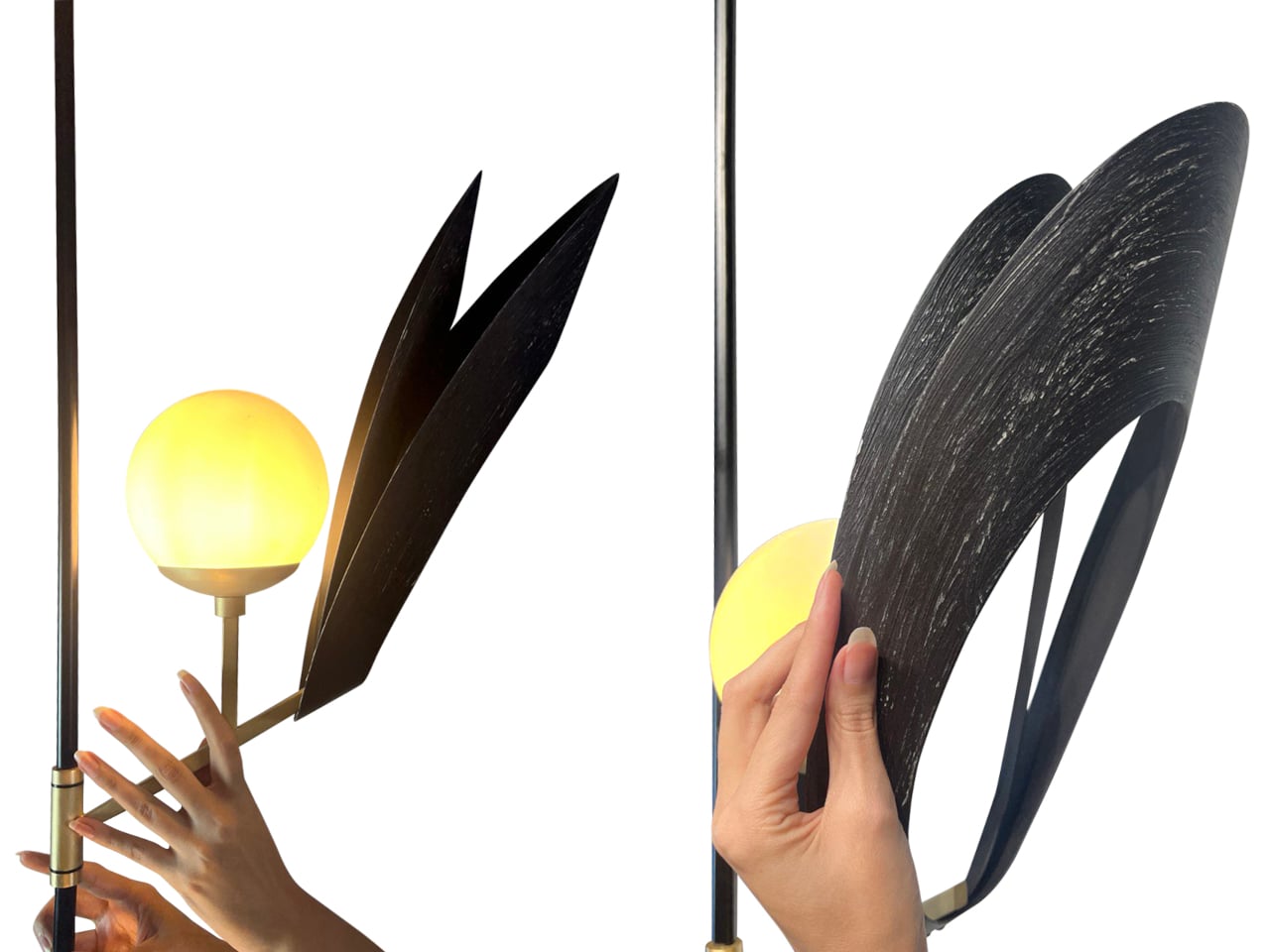
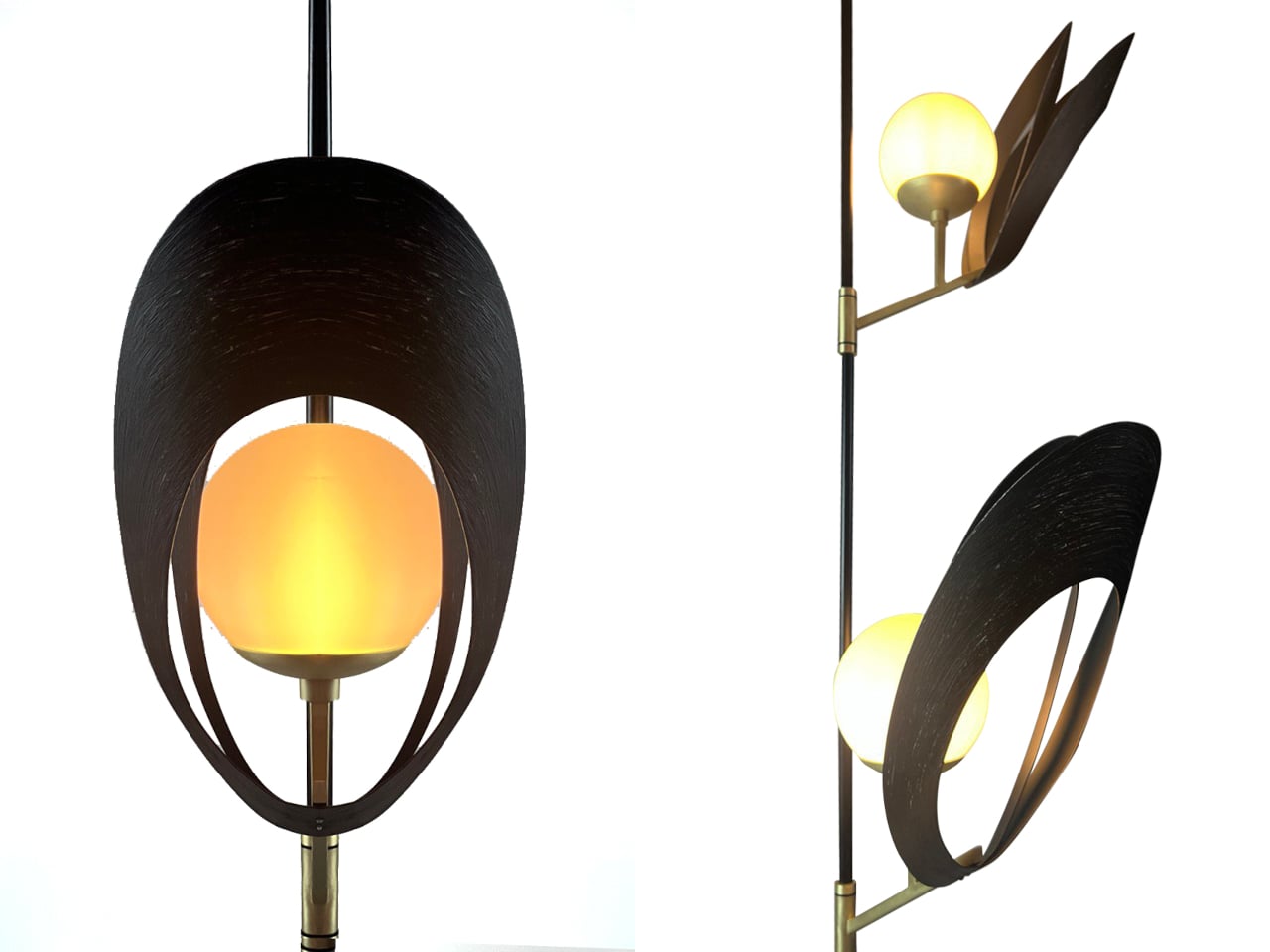
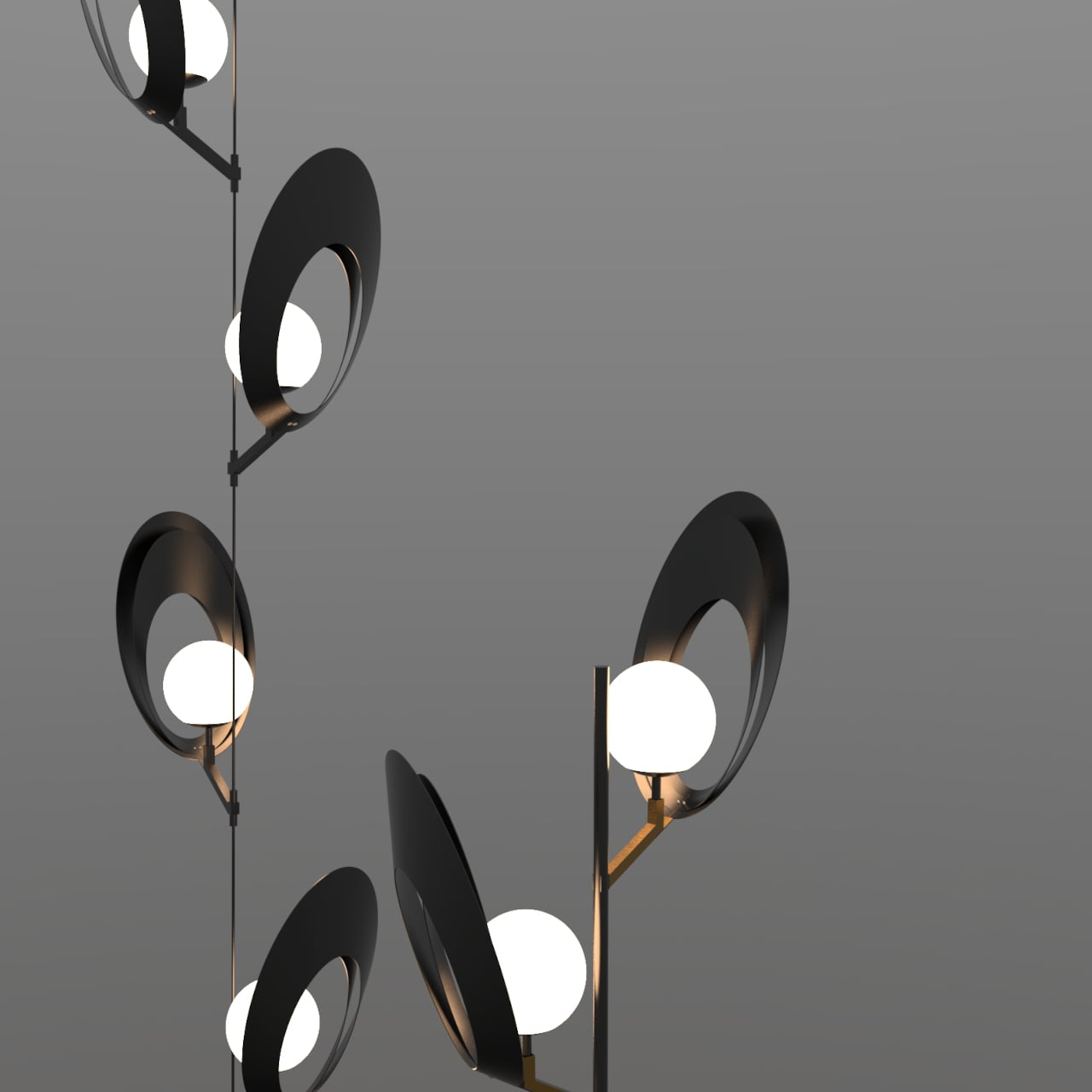
The starting reference is the black sea shell, specifically the way its structure balances curvature, layering, and quiet rhythm without any of it feeling constructed. Each Pelk module translates that logic into a pair of curved metal arcs, split open at the front, wrapping a frosted spherical globe without fully enclosing it. The arcs have a brushed, darkened finish and a visible surface texture that reads as geological up close, smooth from a distance, but clearly worked.

Designer: Mostafa Arvandbarmchi

What the shell geometry does for the light is more interesting than what it does for the form. The arcs cup the globe rather than enclose it, so light spills forward and sideways while the back of the shell stays dark. Brass-toned cylindrical connectors catch just enough ambient glow to register as a material contrast. On the wall behind, the arcs throw wide, wing-like shadows that shift with viewing angle, extending the fixture’s presence well beyond its physical footprint.

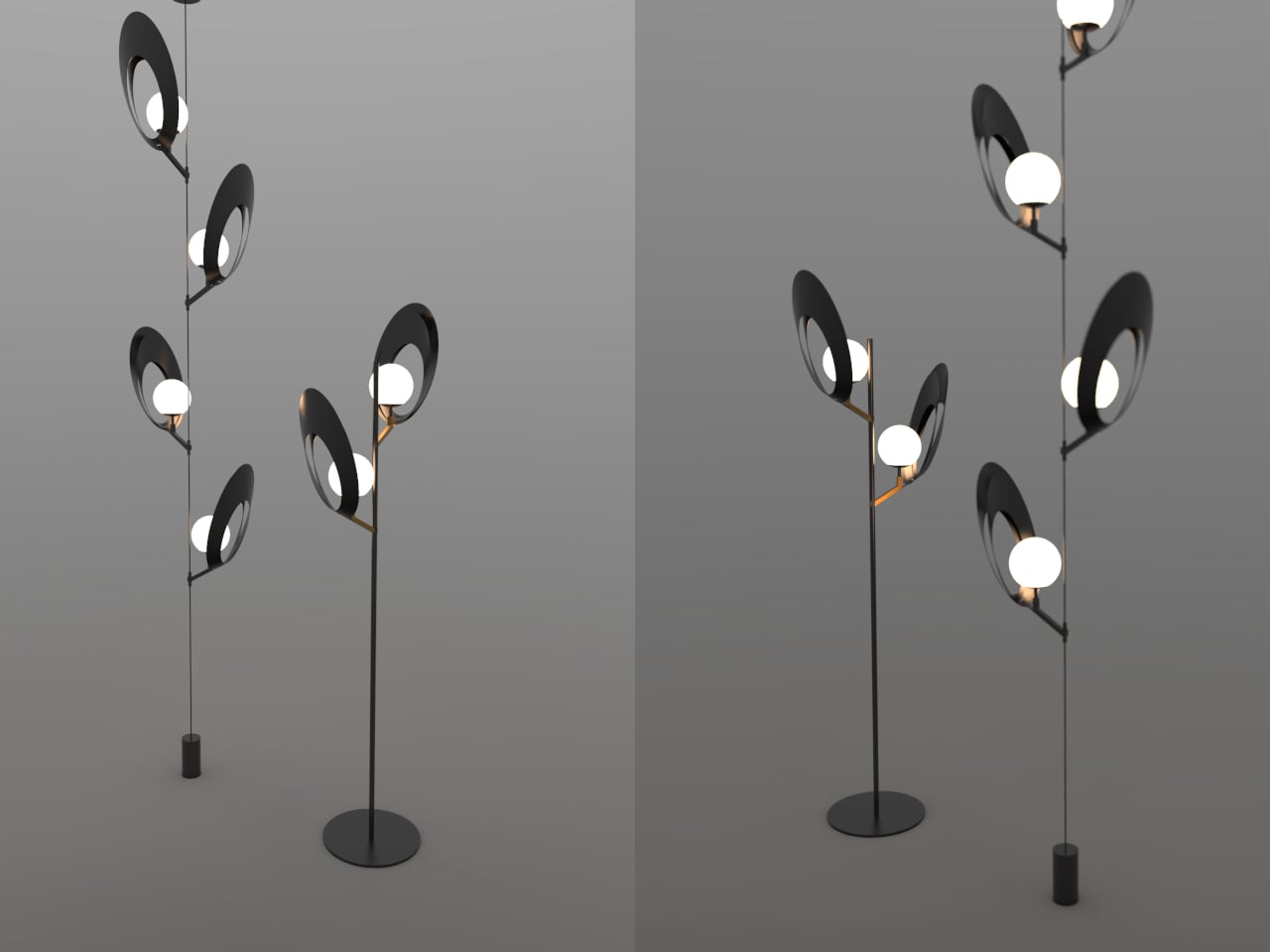
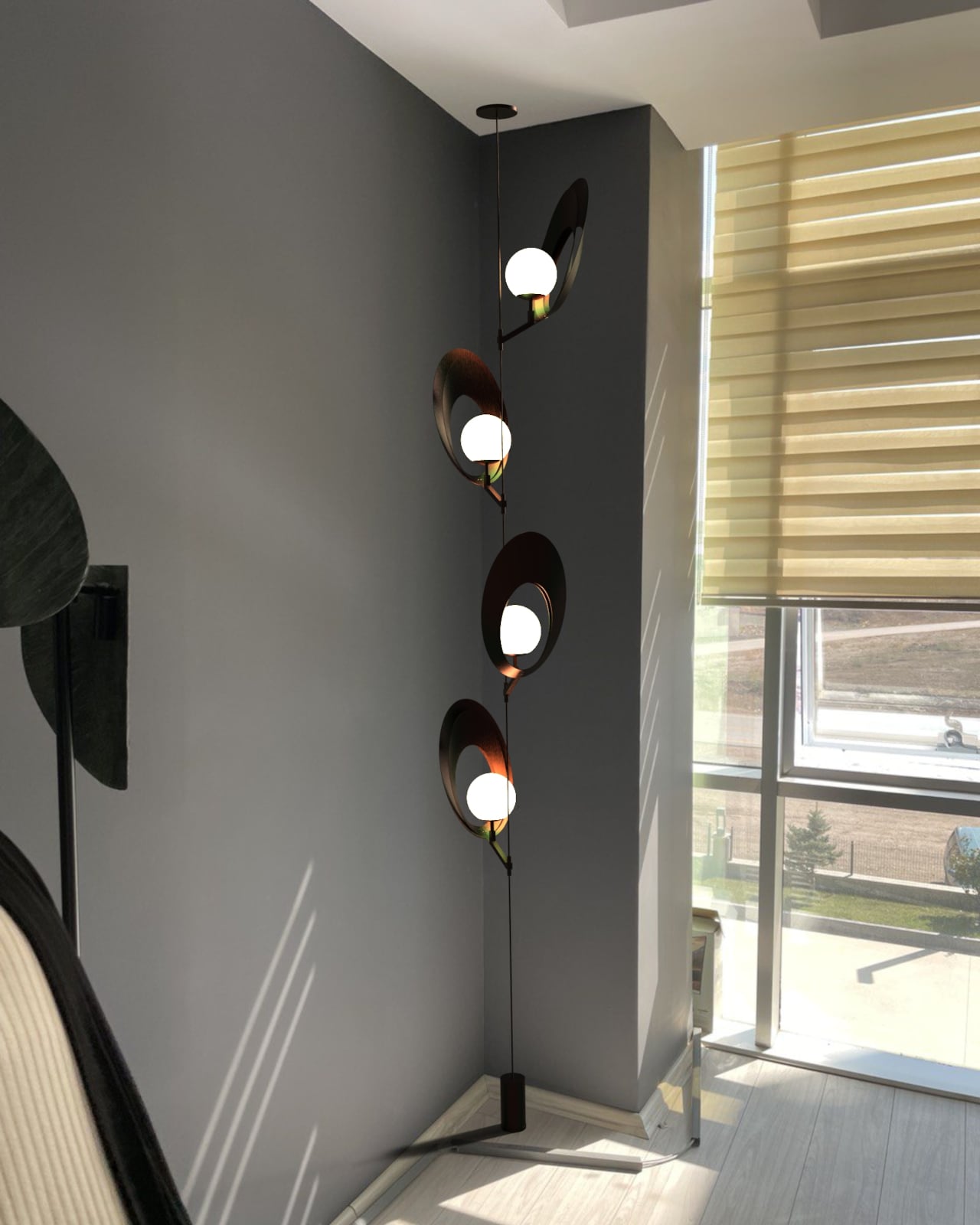
Pelk comes in two configurations. The floor lamp mounts two modules on a slender black rod above a flat circular base, staggered in height and rotated so the pair reads as a branching structure rather than a stack. The pendant version runs a thin cable from a ceiling mount down to a cylindrical floor counterweight, with four modules spiraling the full length, each rotated slightly from the last for a slow, unwinding rhythm.

That pendant version is the more spatially demanding of the two, occupying a full ceiling-to-floor span and working best against tall, uninterrupted walls where the vertical composition has room to resolve. A low ceiling or a cluttered corner fights it. The floor lamp is more forgiving, but it still performs better with clear wall space behind it, where the shadow work has somewhere to register, and the arcs read as architecture rather than decoration.

Arvandbarmchi frames Pelk as a spatial object that brings rhythm and proportion into a room, not just illumination. That ambition holds up in the pendant version especially, where the spiraling modules do something genuinely unusual with vertical space. That said, the lamp’s strong visual identity could either make it a collaborator in a room’s composition or a fixture that quietly competes with everything around it.

The post These Shell-Inspired Lamps Cast Wing-Like Shadows on Your Walls first appeared on Yanko Design.

RAG vs Long Context for LLMs : When Each Approach Works Best

RAG vs Long Context for LLMs : When Each Approach Works Best Side-by-side chart of tradeoffs: infrastructure complexity, cost, and accuracy for RAG versus long context.

Large Language Models (LLMs) have transformed natural language processing, but their limitations, such as fixed training data and lack of real-time updates, pose challenges for certain applications. IBM Technology explores two prominent strategies for addressing these gaps: Retrieval-Augmented Generation (RAG) and long context. RAG integrates external data through embedding models and vector databases, making it […]

The post RAG vs Long Context for LLMs : When Each Approach Works Best appeared first on Geeky Gadgets.

Posted in Uncategorized

The $2,000 Game Changer: Why Apple Waited Until 2026 for the iPhone Fold

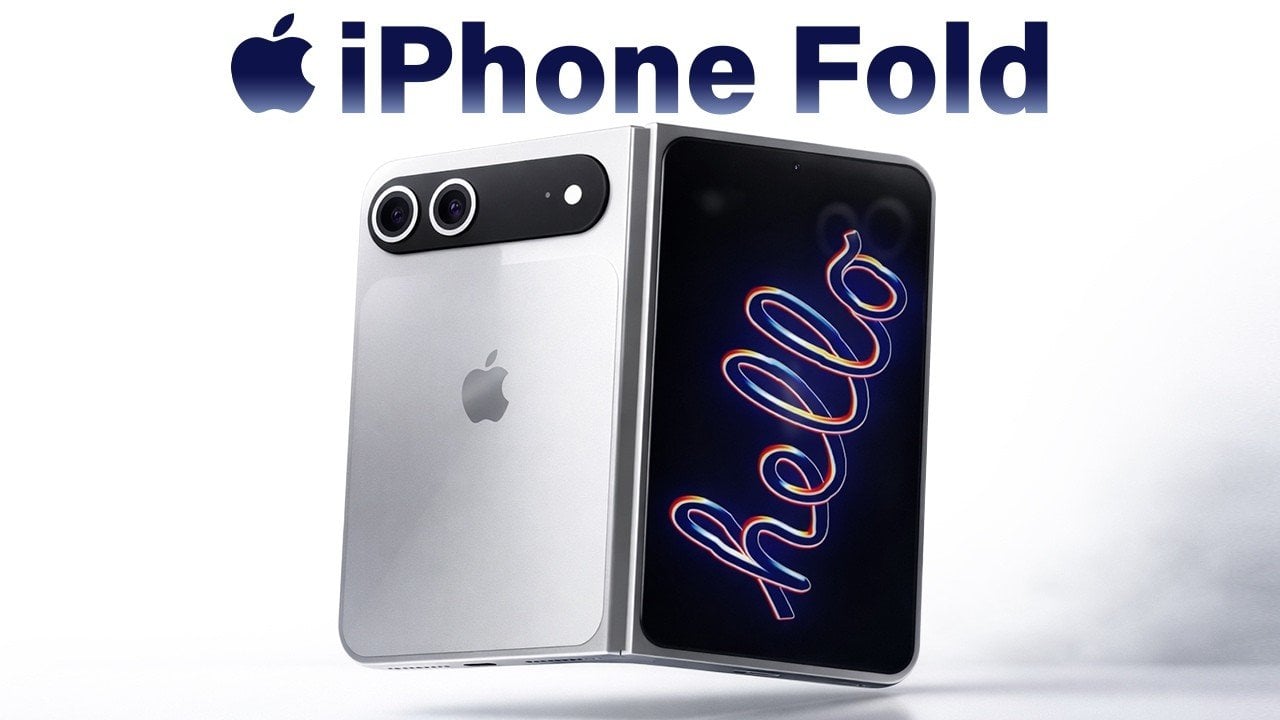
The $2,000 Game Changer: Why Apple Waited Until 2026 for the iPhone Fold Render of Apple iPhone Fold concept showing 7.8-inch inner screen and 5.5-inch outer display side by side.

Apple is poised to make its debut in the foldable smartphone market with its first-ever foldable iPhone, rumored to launch in 2026. Tentatively named the iPhone Fold or iPhone Ultra, this device is expected to combine advanced technology, a sleek design, and a premium price tag of approximately $2,000. With its anticipated features and innovations, […]

The post The $2,000 Game Changer: Why Apple Waited Until 2026 for the iPhone Fold appeared first on Geeky Gadgets.

Posted in Uncategorized

Proton Lumo AI : End-To-End Encrypted AI Chats, Ghost Mode & File Uploads

Proton Lumo AI : End-To-End Encrypted AI Chats, Ghost Mode & File Uploads Pricing panel showing Lumo Free and Plus tiers, including unlimited chats and extended conversation history on Plus.

Proton’s latest creation, Lumo, is a privacy-focused AI agent designed to stand out in a market dominated by data-driven alternatives. Built on open source AI models like Nemo and Mistral, Lumo emphasizes user data security with features such as end-to-end encryption and no data logging. Techlore’s review explores how these privacy measures translate into real-world […]

The post Proton Lumo AI : End-To-End Encrypted AI Chats, Ghost Mode & File Uploads appeared first on Geeky Gadgets.

Posted in Uncategorized

Disney+ gets its own time-sucking vertical video section

It’s not just the major social platforms that know how effective an endless scroll of short videos is at hijacking your dopamine system. Disney+ is adding Verts, a selection of short vertical clips you can scroll through to keep your brain chemistry happy when you are in the bathroom so inclined. The company says it’s a “dynamic feed” to help users “quickly find their next favorite watch,” letting you jump straight in to see the full movie or TV show the clip hails from. Not to mention the side benefit of elbowing out those social platforms, many of which use cut-down clips of Disney-owned content anyway.

Disney said it would be adding vertical video to its premiere streaming platform back in January, and it also launched Verts on the ESPN app last year. Today, it said the addition of vertical clips drove “additional engagement,” but neglected to mention by how much. It's worth noting Disney's not an outlier here — Netflix announced a similar pivot back in January as well. 

The company does say, however, that its recommendation engine has an “advanced algorithm” to ensure the clips are relevant to each user. Naturally, Disney is happy to lean on the century or more of content in its library, but also said Verts could broaden out to include “content from creators that reflects our fandoms.” Which you could (and should) take as a plan to at least try to put a tank or two on YouTube’s front lawn.

This article originally appeared on Engadget at https://www.engadget.com/entertainment/streaming/disney-gets-its-own-time-sucking-vertical-video-section-133308487.html?src=rss

Starfleet Academy is the best first season of a Star Trek show ever

The first season of a TV show is a tricky thing. It has to convince people to watch it and justify the show’s existence to the network (or streaming service) execs. It has to deal with actors and writers who may not have fully dialed into the characters and world yet. There are some shows with absolutely stellar first seasons — Stranger Things, Veronica Mars and Ted Lasso are a few — but many other hit shows stumbled out of the gate, like The Office and Supernatural.

Star Trek is not immune to this phenomenon. The Original Series had a decent first season, with classic episodes like “The City on the Edge of Forever.” But the next four shows all have rather weak beginnings, with even fan-favorite The Next Generation stumbling badly with episodes like “Code of Honor.” That show picked up in season three, beginning a trend called “Growing the Beard,” in reference to how Commander Riker’s new beard coincided with the uptick in quality.

This trend unfortunately continued into the current era, with 2017’s Star Trek: Discovery delivering a first season with an overwhelmingly dour tone and a lot of franchise changes that didn’t sit well with fans. The show made some tweaks in season two (including a change in setting that involved traveling 900 years into the future), and showed a lot of improvement with season three. Picard also floundered horribly, with an uneven first season that killed off some fan-favorite characters and also turned the title character into an android. 

Things started looking up after that, with shows like Strange New Worlds all posting strong outings with their first go-arounds. While episodes like “A Quality of Mercy” and “Lift Us Where Suffering Cannot Reach” may not make the list of all-time classics, there are no outright stinkers. It seemed like the franchise as a whole was finally finding its footing in this new streaming era.

Star Trek: Starfleet Academy
L-R: Tatiana Maslany as Anisha, Sandro Rosta as Caleb, Kerrice Brooks as SAM, Bella Shepard as Genesis, and George Hawkins as Darem in season 1, episode 9, of Star Trek: Starfleet Academy streaming on Paramount+.
Michael Gibson/Paramount+

That leads us to Starfleet Academy, which debuted in January on Paramount+. Prior to its premiere, the internet was full of people deriding it as “CW Trek” and declaring that they don’t want to watch a show about “teenyboppers” that wasn’t “real” Star Trek. Now that the show has finished its first season… the internet is still full of people complaining. But many folks who were wary of it at the beginning have been pleasantly surprised — every day there seems to be multiple posts on various Star Trek subreddits along the lines of “Starfleet Academy is actually good?!?” I personally didn’t enjoy the first episode, but episode two turned me around rather quickly, and it seemed that every week brought new converts.

Granted, 10 episodes is a short amount of time to make an impact, but Starfleet Academy did a lot with that number. Four of the episodes are dedicated to the ongoing villainy of Nus Braka, a murderous pirate played with scene-chewing delight by Paul Giamatti. These have all been pretty straightforward adventure stories, which also did a good job of fleshing out not only Braka, but cadet Caleb Mir, whose mother went to prison because of Braka.

The emphasis on Caleb in the first episode made it seem like the show would focus on him, much in the way Discovery focused on Michael Burnham, but he took a back seat as the show explored the other characters as well as its setting. Episode two, “Beta Test,” focused on diplomacy, a long-standing theme of Star Trek, and even shook up the status quo by moving the Federation headquarters from Earth to Betazed. 

Paul Giamatti as Nus Braka and Holly Hunter as Captain Nahla Ake in season 1, episode 6, of Star Trek: Starfleet Academy streaming on Paramount+.
Brooke Palmer/Paramount+

Episodes four and five were more personal stories, with “Vox in Excelso” focusing on soft boy Klingon character Jay-Den as well as the fate of his race in general after hundreds of years, while “Series Acclimation Mil” also gave us characterization of photonic being Sam along with some heartfelt fan service for the Deep Space Nine fandom. Sam would also shine once more in “The Life of the Stars,” an episode that dealt with trauma, but also (again) delivered fan service in a way that didn’t feel like pandering because of how it was used to develop not just Sam, but also the Doctor, a legacy character from Voyager.

It’s not that every episode in season one of Starfleet Academy is a masterpiece – “Vitus Reflux” and “Ko’Zeine” are somewhat weak – but none of them are outright bad, making the batting average of the season rather high. That bodes well for word-of-mouth, as it's easier to recommend a show when you don't have to couch it with excuses about how it gets good “eventually.”

It will need that word-of-mouth if it wants to get through a complete four seasons of schooling; season two just finished filming so we're guaranteed at least that, but there's a lot up in the air for not just the show, but the entire franchise. Strange New Worlds season four will debut later this year, and then we have an abbreviated season five to look forward to. But past that, nothing firm is on the horizon: Starfleet Academy hasn't been renewed yet, and projects like the Tawny Newsome-helmed comedy show are still in development with nothing tangible revealed yet. 

Newsome played Beckett Mariner on Lower Decks and worked in the writers room for Starfleet Academy — she's an example of how Paramount has been building up a roster of talent behind the scenes for the franchise who, even when a show is new, understand the universe and, more importantly, how to work together to make good TV. And that's going to be important in the next year or so, as Paramount makes decisions about the future of the franchise in the shadow of the recent Skydance merger and the upcoming Warner Bros. purchase. Star Trek has an uphill battle ahead of it, but at least Starfleet Academy’s first season has made it an easier climb.

This article originally appeared on Engadget at https://www.engadget.com/entertainment/starfleet-academy-is-the-best-first-season-of-a-star-trek-show-ever-133000945.html?src=rss