Engineering the Smart Pool: How iGarden Swim Jet X Series Solved the Aquatic Power Puzzle

Engineering the Smart Pool: How iGarden Swim Jet X Series Solved the Aquatic Power Puzzle iGarden Swim Jet X Series

  Engineering a high-output water motor that is both powerful and portable has long been an industry challenge. The core problem has always been the “Power-to-Weight” ratio: how do you generate a current strong enough to challenge a human swimmer using only battery power, without the unit becoming too heavy to move? On March 12th […]

The post Engineering the Smart Pool: How iGarden Swim Jet X Series Solved the Aquatic Power Puzzle appeared first on Geeky Gadgets.

Posted in Uncategorized

Ukraine allows allies to train AI models on its battlefield data

Ukraine's four-year war with Russia has made it the world leader in battlefield drone technology. One byproduct of that is that the data it collects has become one of the country's most valuable assets. On Thursday, Ukraine played that card, saying it will begin sharing its battlefield data with allies to train drone AI software.

"In modern warfare, we must defeat Russia in every technological cycle," Ukraine Defense Minister Mykhailo Fedorov wrote on Telegram (translated from Ukrainian). "Artificial intelligence is one of the key areas of this competition."

Fedorov previewed the move when he took his post in January. At the time, the tech-savvy cabinet member pledged to "more actively" bring allies into projects. Foreign allies and companies have sought access to the country's data as, for better or worse, AI increasingly becomes an integral element of warfare.

Fedorov says Ukraine has a platform that will safely train partners' AI models without providing sensitive data. The system is said to provide continually updating datasets, including large volumes of photos and videos.

"For us, this is the next step in the development of win-win cooperation," Fedorov wrote. "Partners get the opportunity to train their AI models on real data from modern warfare. And [for] Ukraine: faster development of autonomous systems and new technological solutions for the front."

Last year, Ukrainian President Volodymyr Zelenskyy warned global leaders of a dangerous escalation tied to drone tech and AI. “We are now living through the most destructive arms race in human history,” he said at a meeting of the UN General Assembly in September. However, given the ugly realities in his country, Zelenskyy reiterated his need for armaments. “The only guarantee of security is friends and weapons,” he said.

This article originally appeared on Engadget at https://www.engadget.com/ai/ukraine-allows-allies-to-train-ai-models-on-its-battlefield-data-165104853.html?src=rss

This Burning Man Temple Blooms for One Night, Then Burns Forever

Every year, Burning Man erects a temple on the playa, and every year, it burns. That ritual of building and releasing has been part of the festival’s identity for over two decades, and yet each new design still manages to find a fresh way to make the whole thing hit differently. The 2026 edition, called the Temple of the Moon, might be the most quietly devastating one yet.

Designed by artist James Gwertzman, the structure takes its inspiration from the epiphyllum oxypetalum, better known as the Queen of the Night, a cactus flower that blooms exactly once a year, only at night, releasing its fragrance before wilting by morning. It’s the kind of plant that demands you pay attention, because if you’re not watching, you’ll miss it entirely. As a metaphor for grief, for presence, for what it means to witness something you know won’t last, it’s almost uncomfortably perfect.

Designer: James Gwertzman

Gwertzman came to this design through a deeply personal place. He spent years walking alongside a friend as she lost her partner to pancreatic cancer, learning what it means to simply be present in someone else’s pain without trying to fix it. Before all of this, he was trained in theater as a set and lighting designer, then spent decades in the video game industry building interactive worlds. Now he’s building something you can actually stand inside, and then watch burn.

The architectural approach is where things get genuinely fascinating from a design perspective. Gwertzman and his team used a parametric design method, essentially algorithmic generation, to create complex organic curves out of straight pieces of timber. It’s the kind of technical problem-solving that sounds counterintuitive: using math to fake nature. But the result, at least from the renderings, is stunning. From above, the structure looks like a fully bloomed flower, with slatted wooden petals radiating outward from a central chamber.

The center of the temple is built around a hyperboloid structure, a column that flares outward at the top, edged with sharp petals and light-topped wooden pieces that echo the look of a flower’s stamen. Fan-like wooden forms provide shelter and mark the entryways into the mostly enclosed inner space. The renderings feel alive in a way that strictly geometric architecture rarely does, and I think that has everything to do with the fact that the form was borrowed from something real.

What I find most considered about this design is that it doesn’t try to be monumental in the traditional sense. Yes, it’s large, and yes, it will be visible from a distance across the Black Rock Desert. But the experience is designed to be intimate, with petal-like seating areas and an approach path built as a journey rather than a straight line toward the entrance. Eight gateways mark the perimeter fence, each one corresponding to a phase of the moon. The fence panels will feature CNC-cut designs submitted by the community around moon and flower motifs, making the very border of the temple a kind of collective artwork.

That detail matters more than it might seem. Burning Man’s Temple has always been a communal space, a place where people leave names, photos, and notes for loved ones who have died. But designing the threshold of that space to carry the marks of many hands is a meaningful gesture. It says the temple doesn’t belong only to the artist. It belongs to whoever needs it.

The whole structure is scheduled to burn on September 6th, 2026. Everything about it, from the flower that wilts at dawn to the lunar cycle that keeps starting over, points toward that moment. The 2026 Burning Man theme is “Axis Mundi,” meaning the center of the world. It’s a heavy framework to design inside of, but the Temple of the Moon seems to hold it without strain. It’s not trying to be the center of everything. It’s trying to be a place where you can stand still for a moment, feel the weight of what you’re carrying, and let it go.

The post This Burning Man Temple Blooms for One Night, Then Burns Forever first appeared on Yanko Design.


Former Overwatch director Jeff Kaplan returns with a Western survival shooter

After spending many years as the public face of Overwatch, Jeff Kaplan stayed well out of the limelight after leaving Blizzard in 2021. Five years later, the former Blizzard vice president and Overwatch lead director is back with his own studio and a new game, which you might be able to play pretty soon.

The Legend of California is billed as an open-world, action-survival shooter. It looks like a mix of Red Dead Redemption and Rust (Rust Dead Redemption, if you will). It's set during the gold rush era, but Kaplan says he and his team at Kintsugiyama were not aiming for historical accuracy. For one thing, this version of California is an island. Still, the developers wanted to make the game feel authentic to the time period.

There are cowboys and prospectors, and you'll be able to go hunting, build mines and stables, craft tools and weapons, build out your homestead and raid hostile camps. There are "challenging" player vs. environment encounters (Kaplan says there are four difficulty tiers available to start with) and optional player vs. player battles. You'll be able to form a company with up to three other players and share progress, resources, buildings and other things with them.

Kaplan says his 34-strong team hand-crafted the world, though there's a degree of randomization at play. A certain biome (say, the game's version of the Mojave Desert) might be the easiest, most beginner-friendly area of the game on one server, and the endgame, tier four section on another. The points of interest might pop up in unexpected spots too — an Alcatraz-inspired structure will appear in a Bay Area-style region in some world seeds, and in snowy mountains in others.

The Legend of California is being published by Blizzard co-founder and former CEO Mike Morhaime's company Dreamhaven. It's slated to enter early access on Steam and the Epic Games Store later this year, with closed alpha playtests expected to start soon.

Kaplan announced The Legend of California in unusual fashion. Not during a splashy showcase, but in a five-hour appearance on Lex Fridman's podcast. Kaplan discussed his life and career, including his work on World of Warcraft, the ill-fated Titan and, of course, Overwatch

In his first public appearance since stepping down as Overwatch director, Kaplan revealed his reasons for leaving Blizzard, where he spent 19 years and previously had no intention of leaving. Business pressures related to the Overwatch League and Overwatch 2 played a part in his departure, but the final straw came in 2020 during a meeting with Blizzard's then-chief financial officer. Kaplan says he was told that if Overwatch didn't reach certain revenue targets, the publisher would lay off 1,000 people and that would be on Kaplan's shoulders.

This article originally appeared on Engadget at https://www.engadget.com/gaming/former-overwatch-director-jeff-kaplan-returns-with-a-western-survival-shooter-161221852.html?src=rss

Audi’s Legendary 5-Cylinder Goes Out with a Bang: Meet the RS 3 Competition Limited

Audi’s Legendary 5-Cylinder Goes Out with a Bang: Meet the RS 3 Competition Limited Front three-quarter view of the Audi RS 3 Competition Limited with matte carbon trim and dark LED lights.

Audi Bids Farewell to Its Iconic Five-Cylinder Engine with the RS 3 Competition Limited Audi commemorates the end of an era by celebrating 50 years of its legendary five-cylinder engine with the RS 3 Competition Limited. This exclusive model, limited to just 750 units worldwide (with only 11 allocated to the UK), represents a harmonious […]

The post Audi’s Legendary 5-Cylinder Goes Out with a Bang: Meet the RS 3 Competition Limited appeared first on Geeky Gadgets.

Posted in Uncategorized

Claude can now generate charts and diagrams

With Claude enjoying a moment of newfound popularity among regular people, Anthropic is previewing an update designed to make its chatbot better at explaining some concepts. Starting today, Claude can generate charts and diagrams as part of its responses, either when asked directly or when it decides visuals might be helpful to the user. 

For example, try asking Claude what's the best way to fold a paper plane. Where previously it was limited to text, now it can show you step by step how to fold a Nakamura lock plane. Anthropic is quick to point out what it's introducing today isn't image generation. When producing visual aids, Claude will use HTML code and XML vector graphics. Anthropic likens it to giving Claude access to its own whiteboard. 

The new feature is available to all Claude users, regardless of whether you pay for one of Anthropic's subscriptions. However, the company does warn it's releasing beta software, so expect some quirks along the way. The feature also isn’t available on mobile just yet. This release comes just days after OpenAI made ChatGPT capable of generating interactive visuals when explaining science and math concepts. 

This article originally appeared on Engadget at https://www.engadget.com/ai/claude-can-now-generate-charts-and-diagrams-160000369.html?src=rss

Honda cancels three EVs that were months away from US production

Honda has announced it is canceling three electric vehicles it was months from starting production on at its EV Hub in Ohio. The Honda 0 SUV, the Honda 0 sedan and the Acura RSX are all being wound down. The company showed off all three models, and touted them as in near-production form at CES 2025. Unlike the Honda Prologue and Acura ZDX, which run on GM's Ultium platform, the scrapped models were built on Honda's own Zero platform and would have been its first fully in-house EVs.

Honda in part blamed the elimination of federal EV tax credits, eased fossil fuel regulations and US tariffs for the decision. The company said US demand for electric vehicles had slowed because of the policy changes. In China, it admitted it could not match the value offered by newer manufacturers building software-driven vehicles on shorter production cycles. CEO Toshihiro Mibe said at a press conference that the demand shift had made EV profitability "very difficult," according to Reuters.

The company said it will redirect resources toward next-generation hybrids and only bring EVs to market when demand justifies it. It also shared plans to expand in India, where it expects the hybrid market to expand. Honda is not alone in pulling back from EV production, with brands like Hyundai, Kia, Volkswagen, Porsche and Ford having all scrapped or delayed major US EV projects since federal policy shifted.

The total restructuring of its EV business could cost Honda up to 2.5 trillion yen ($15.7 billion), with the company set to lose money for the first time since going public in 1957. Mibe and Executive Vice President Noriya Kaihara will forgo 30 percent of their compensation for three months, with other senior executives giving up 20 percent. Honda said it plans to share a detailed long-term strategy at a press conference in May.

This article originally appeared on Engadget at https://www.engadget.com/transportation/evs/honda-cancels-three-evs-that-were-months-away-from-us-production-155523384.html?src=rss

Google built a flash-flood prediction tool using Gemini and old news reports

Flash floods are notoriously difficult to predict, but Google might have a novel solution. The company just revealed Groundsource, a prediction tool for flash floods that uses Gemini to source data from old news reports. This is the first time it has used a language model for this type of work.

Google tasked Gemini with sorting through 5 million news articles from around the world and isolating flood reports. It transformed this data into a geo-tagged series of chronological events. Next, researchers trained a model to ingest current weather forecasts and leverage the Groundsource data to determine the likelihood of a flash flood in a given area.

We don't have any concrete information as to how accurate Google's forecast model is, though that should come over time. One trial user did say it helped his organization respond quicker to localized weather events. For now, the company is highlighting risks for urban areas in 150 countries via its Flood Hub platform. Google is also sharing its data with emergency response agencies in these locations.

A map.
Google

There are some limitations here. The model can only identify risk across a 20-square-kilometer area. It's also not quite as precise as the US National Weather Service's flood alert system, because Google's model doesn't integrate local radar data. This data typically enables real-time tracking of precipitation. However, the platform's been designed to work in areas that don't typically have access to that kind of weather-sensing infrastructure.

Juliet Rothenberg, a program manager on Google's Resilience team, hopes that this technology can eventually be used to predict other tricky phenomena. This includes stuff like heat waves and mudslides.

"We’re aggregating millions of reports,” she told reporters this week. "It enables us to extrapolate to other regions where there isn’t as much information."

This is Google's first use of a language model for weather forecasts, but not its first time it has relied on AI for this type of thing. The company's DeepMind WeatherNext 2 forecasting model has proven to be extremely accurate.

This article originally appeared on Engadget at https://www.engadget.com/ai/google-built-a-flash-flood-prediction-tool-using-gemini-and-old-news-reports-154542963.html?src=rss

This Sideboard Has Lapis Lazuli and Green Onyx Hand-Set Into Marble

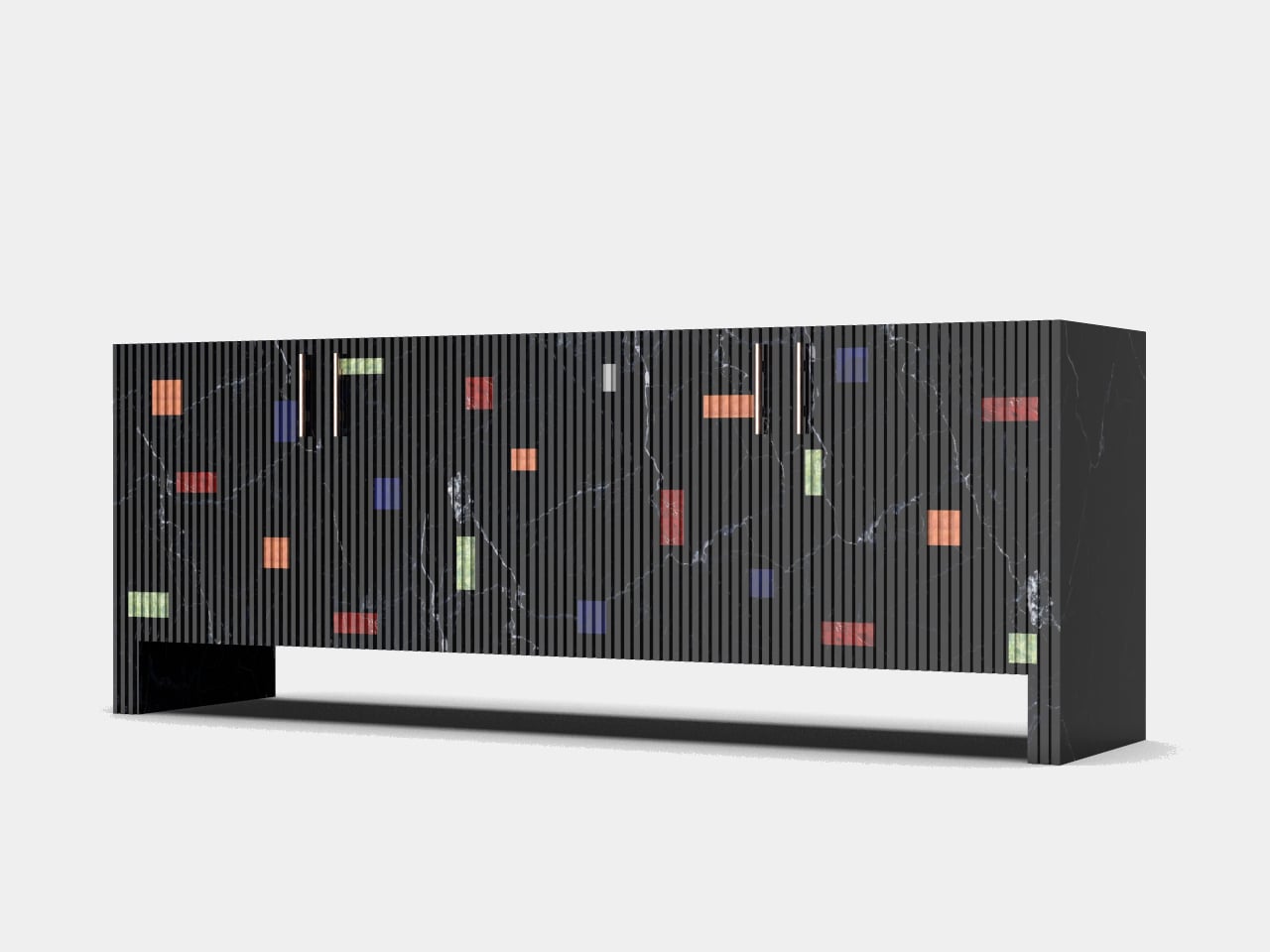
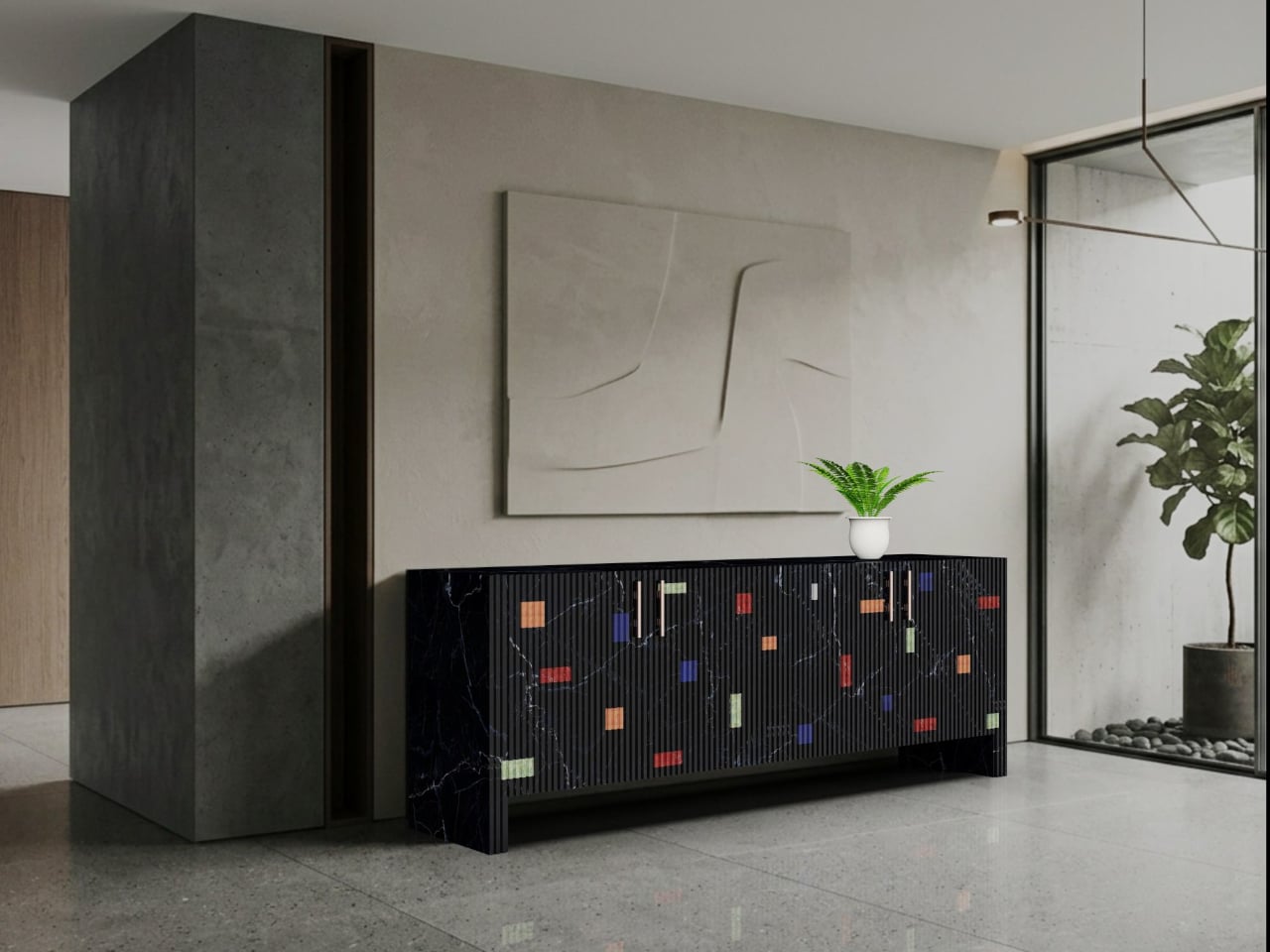
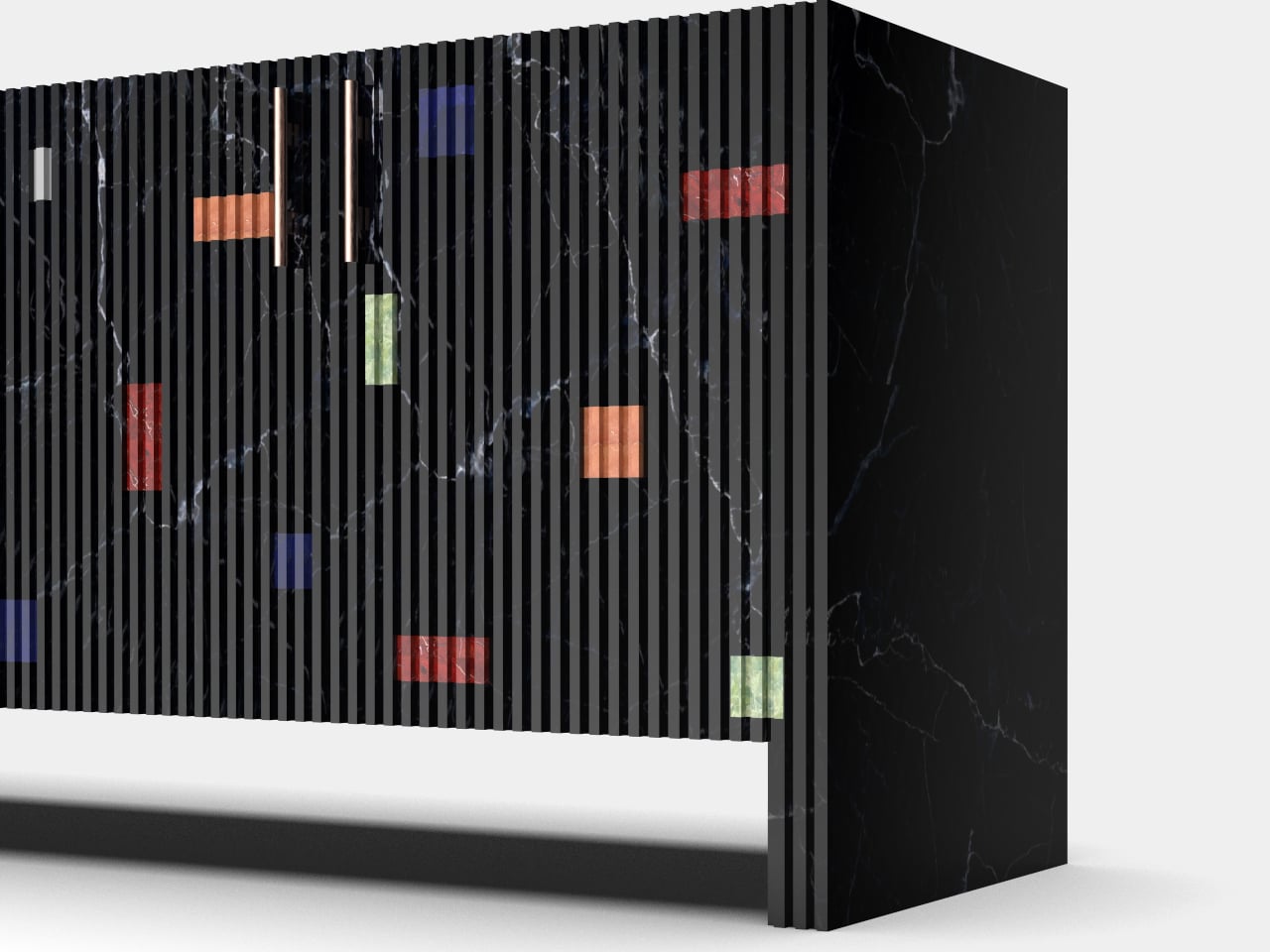
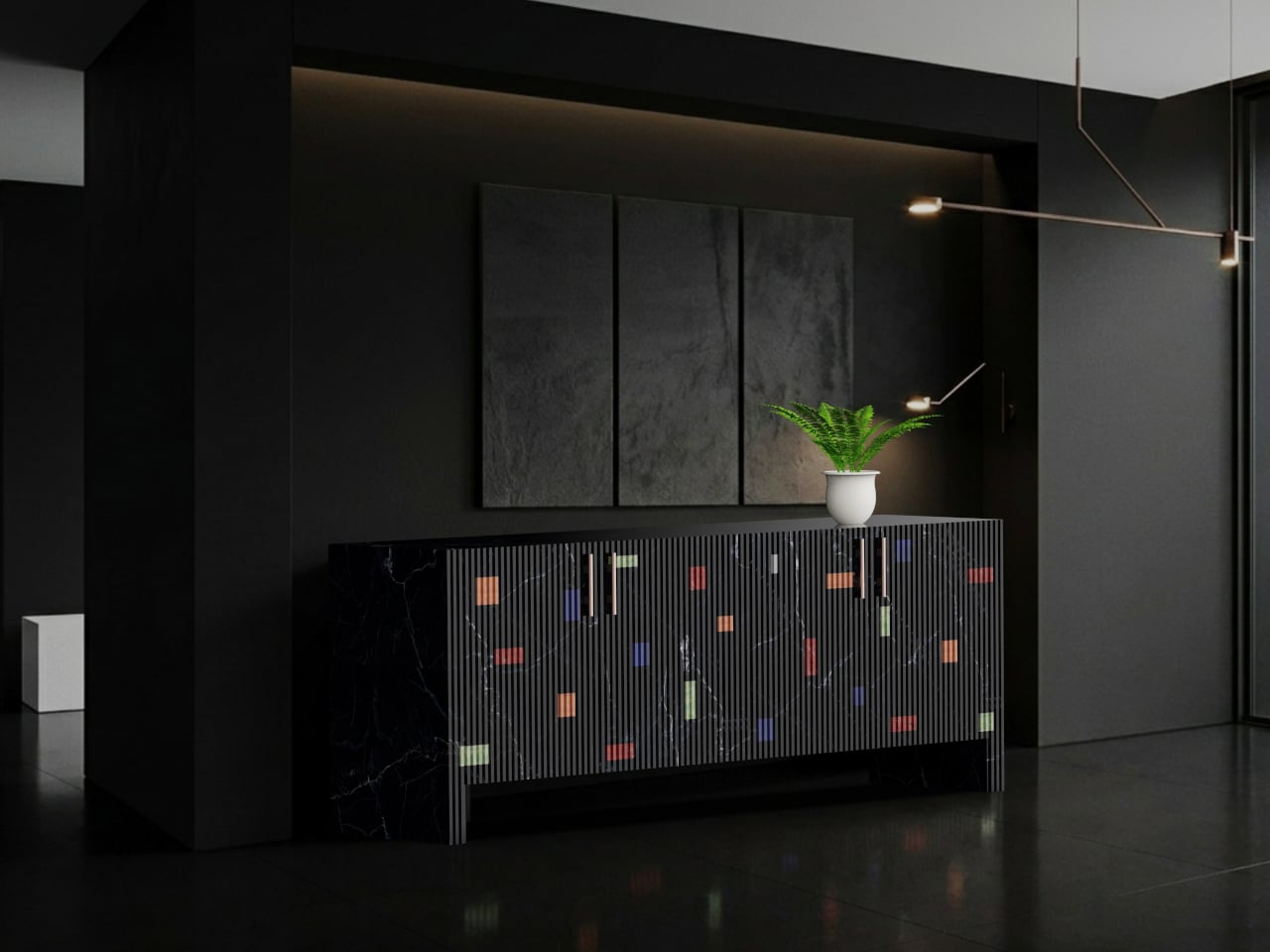
Black Marquina marble tends to command a room before anything else in it does. The material has a particular gravity, that deep, carbonized base cut through with white veining, which makes most furniture around it feel like an afterthought. Designer Himanshu Kumar Gupta leans into that authority completely with the Midnight Inlay Sideboard, then quietly subverts it the moment someone opens a door.

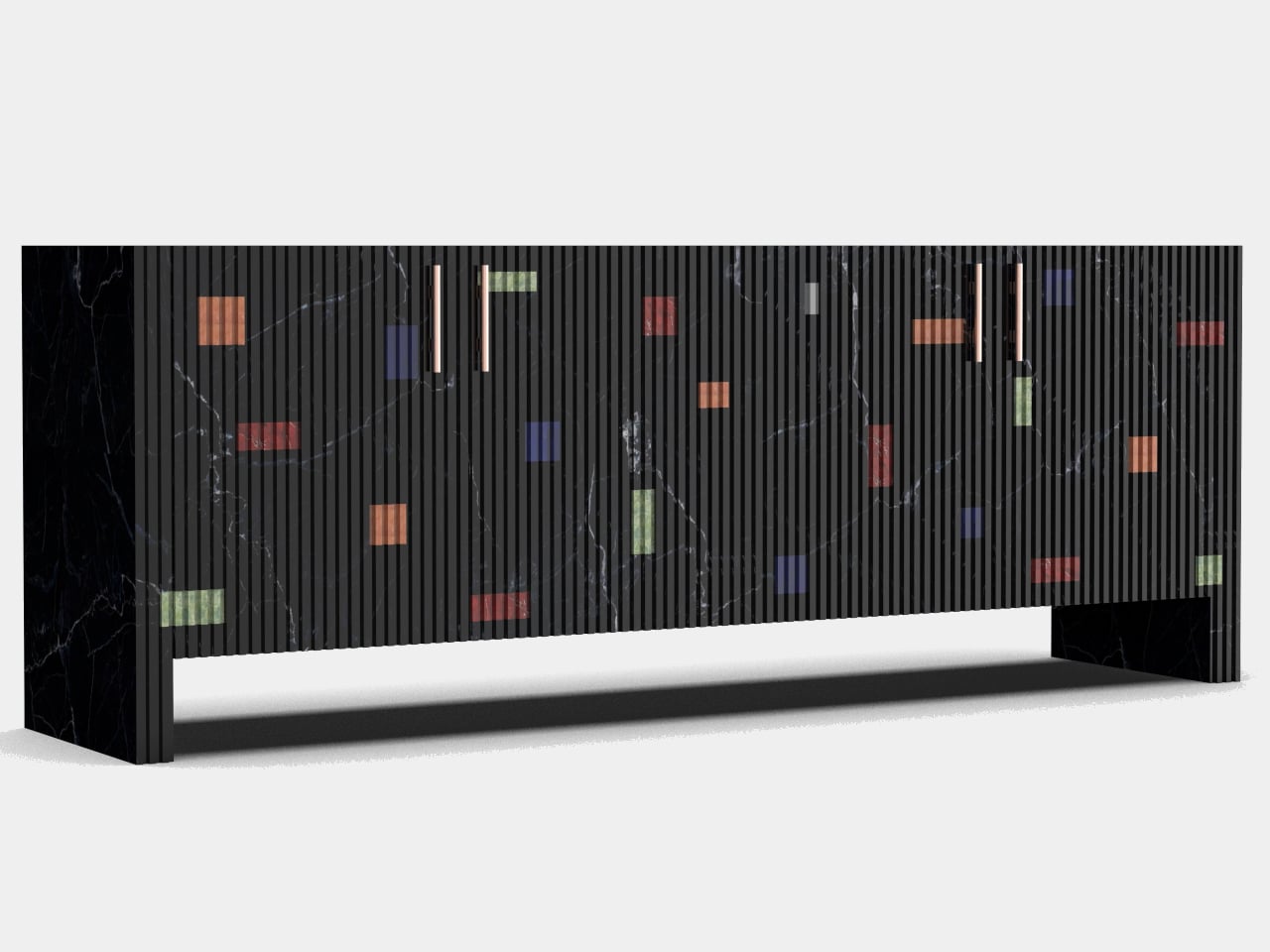
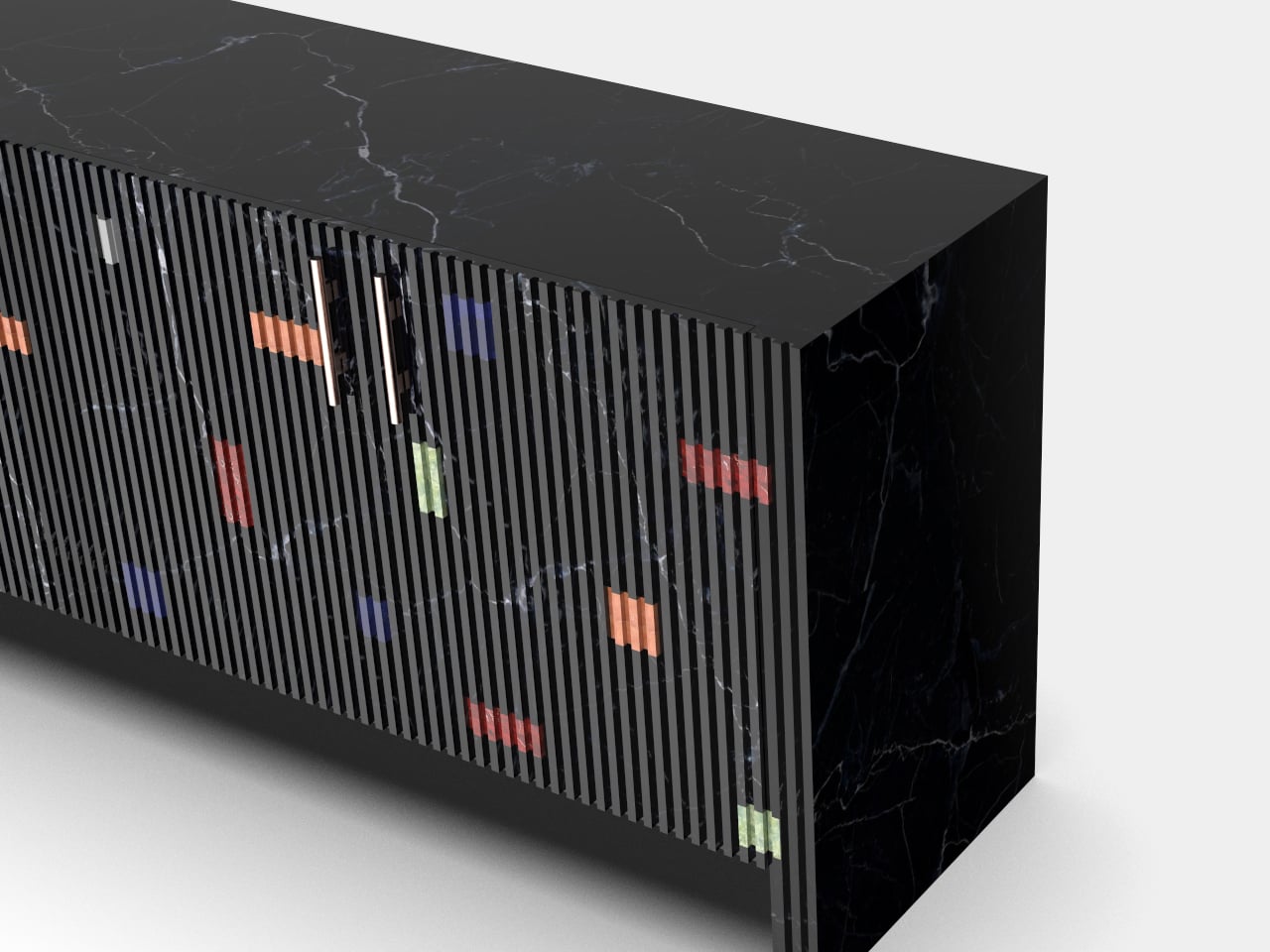
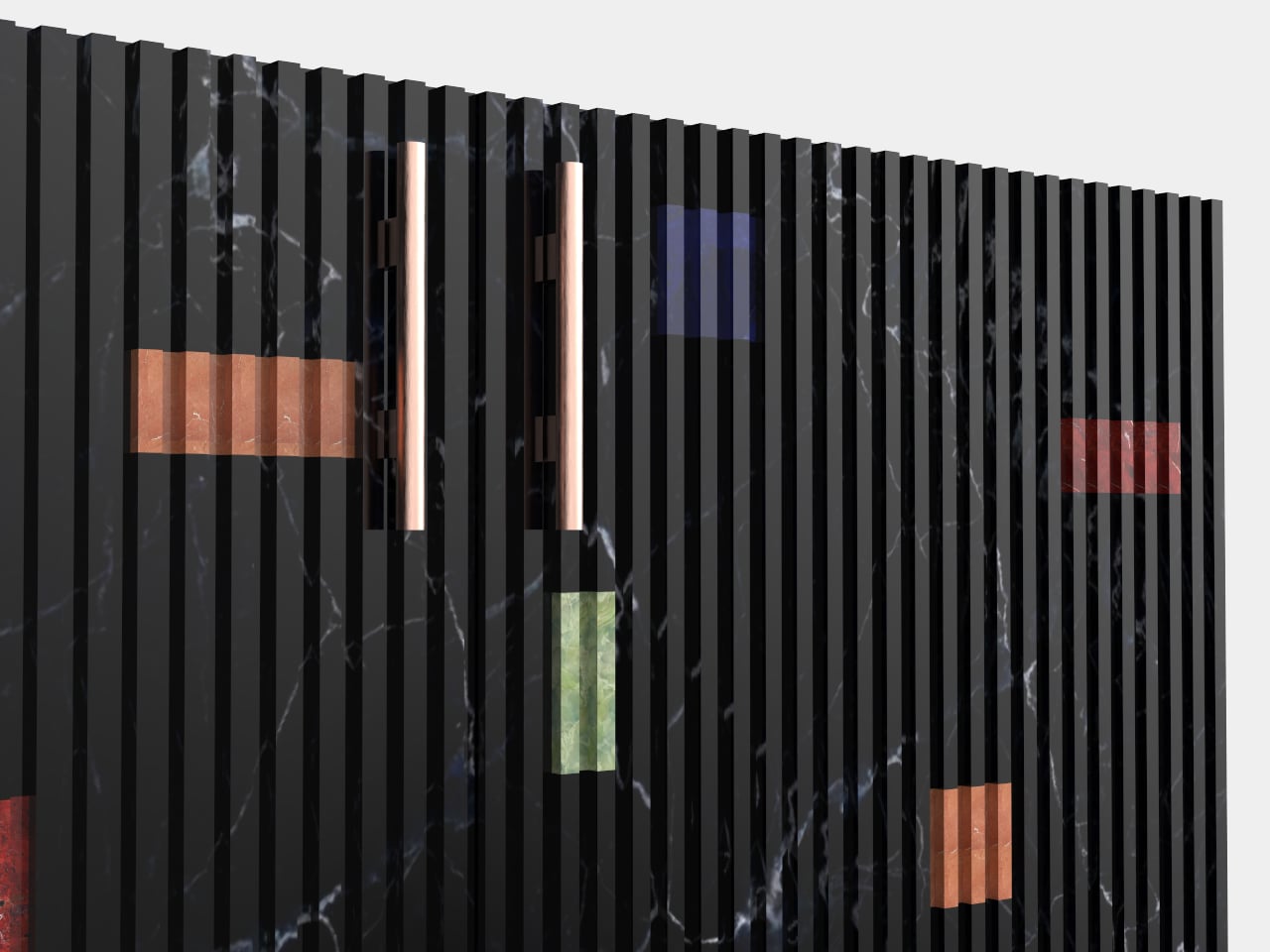
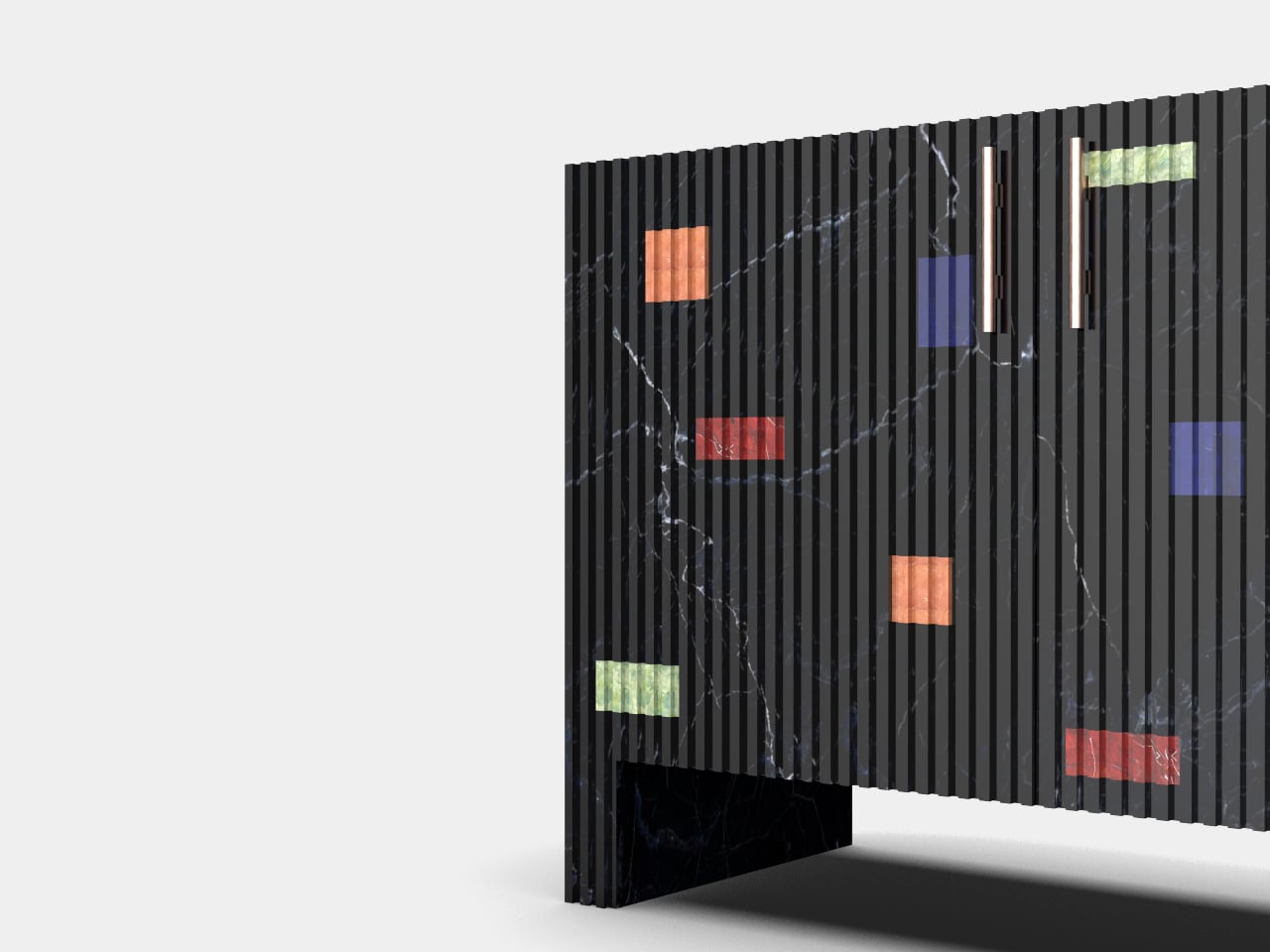
The exterior runs on strict formal logic. Vertical fluting covers the door panels from edge to edge, each ridge precisely cut into the stone so the surface ripples with shadow even under flat ambient light. On plain marble, this treatment would read as architectural severity, which is exactly the point. The fluting establishes a rhythm, almost like a grid, that makes what comes next feel genuinely disruptive.

Designer: Himanshu Gupta

Scattered across those ridged panels are rectangular inlays in Lapis Lazuli, Red Fire marble, Alikanta, and Green Onyx, appearing at irregular intervals and orientations like signals caught mid-transmission. Each inlay sits flush within the fluting, which means the stone was routed and fitted with zero tolerance for error. A slightly proud or recessed block would break the silhouette entirely. That constraint alone separates this from surface-applied decoration.

The interior is where the piece earns its sharpest contrast. Behind the cool, textured stone exterior is a cavity lined in red velvet over solid wood, a warm, almost theatrical shift in material register. Opening the doors feels less like accessing storage and more like discovering that a severe stone cabinet had a completely different personality waiting inside, the kind of detail that does not photograph well and cannot be fully appreciated without direct interaction.

Cylindrical handles in a warm copper-toned metallic finish sit vertically in the fluting, restrained enough to avoid competing with the inlays. The base is a solid slab, no tapered legs, no gap between cabinet and floor, keeping the profile ground-hugging and monolithic. The overall silhouette is low and horizontal, which helps it read as furniture rather than architecture, even with the stone’s commanding presence working against that reading.

Combining five different natural stones into a single fluted facade is a nontrivial production problem. Stone inlay of this precision typically requires hand-fitting each piece individually, since natural stone does not behave with the consistency of milled engineered material. The designer frames this as a contemporary take on traditional inlay craft, creating a beautiful tension between order and spontaneity, old and new.

The post This Sideboard Has Lapis Lazuli and Green Onyx Hand-Set Into Marble first appeared on Yanko Design.