Selecting the right Mac mini can be a challenging task, given the variety of models Apple offers, each designed to cater to different user requirements and budgets. Whether you’re considering the state-of-the-art M6 model or exploring more affordable options like the M2, this guide will help you navigate the choices and identify the Mac mini […]
Managing a high-volume inbox can quickly become a time-consuming challenge, but building an AI email agent offers a structured way to automate this task. In this step-by-step guide, Corbin explains how to create a system that integrates with platforms like Gmail or Outlook, uses AI models such as OpenAI’s GPT and incorporates customizable rules to […]
The Sleep feature on iPhone is a practical tool designed to help you establish a consistent sleep routine, ultimately enhancing your overall sleep quality. By integrating features such as Sleep Focus, Wind Down, and Sleep Screen, it minimizes distractions and fosters a calming environment conducive to rest. Accessible through both the Clock and Health apps, […]
JayzTwoCents dives into the ambitious task of upgrading a Steam Machine to an unprecedented 128GB of RAM, far exceeding its typical configuration. While the Ryzen architecture supports this capacity, the process revealed significant challenges, such as navigating BIOS adjustments, addressing stability issues and dealing with the system’s inherent limitations when handling extreme memory setups. Most […]
Efficient data management in Power Query often involves choosing between different methods for loading and processing data. In a recent breakdown by Excel Off The Grid, two approaches were tested to compare their impact on performance: creating separate connections for each sheet in an Excel workbook versus referencing a single connection multiple times. Using a […]
As someone who enjoys making lists, whether it’s productivity lists, pop culture rankings, journaling spreads, or actual listicles for work, I have accumulated more notebooks and apps than I probably need. Sometimes, though, what you really need isn’t another app or another notebook. What you need is something that forces you to focus on the one task that actually matters instead of getting distracted by pop-up windows, social media notifications, or the colorful pens and stickers calling your name from the journaling aisle.
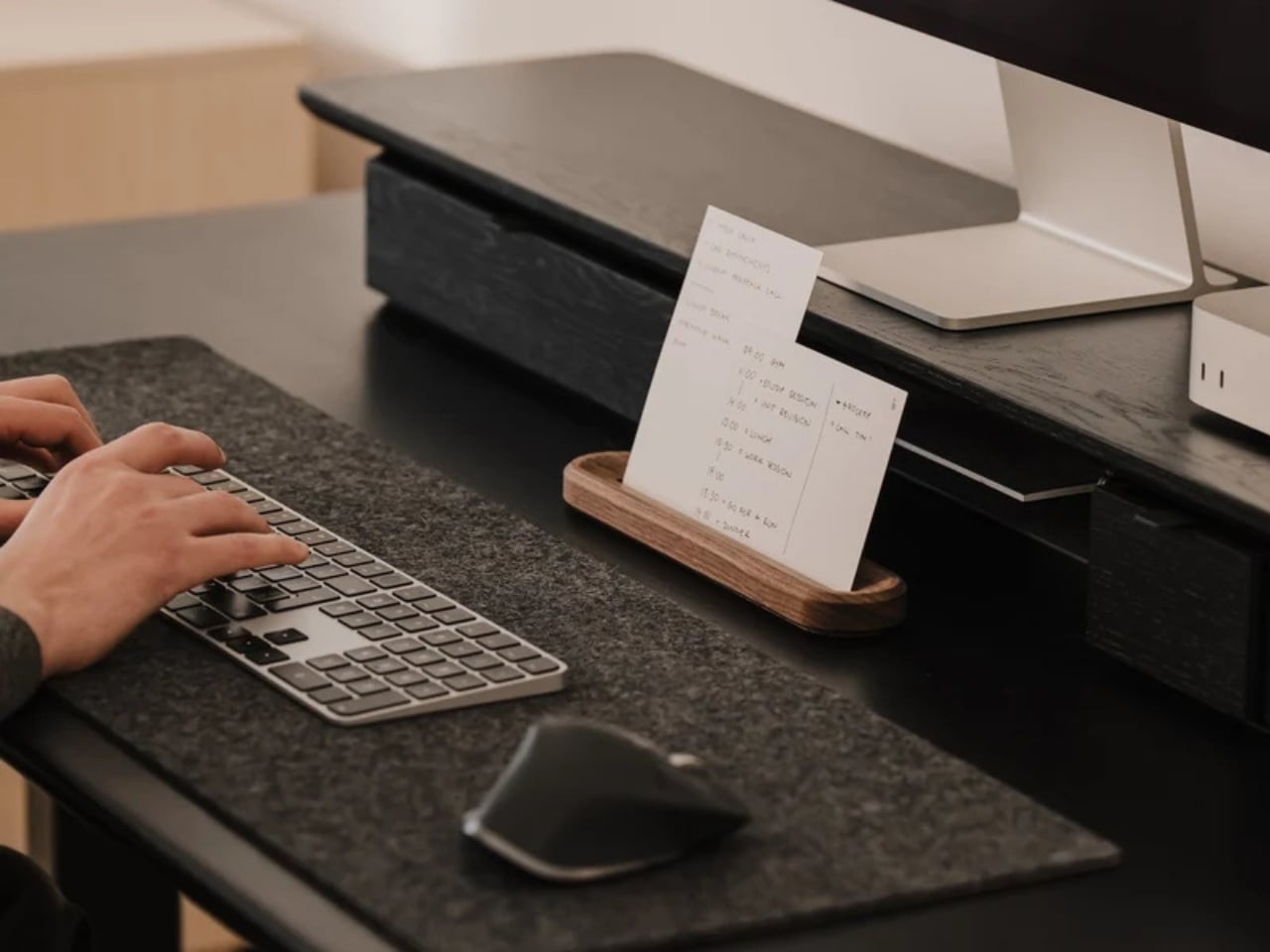
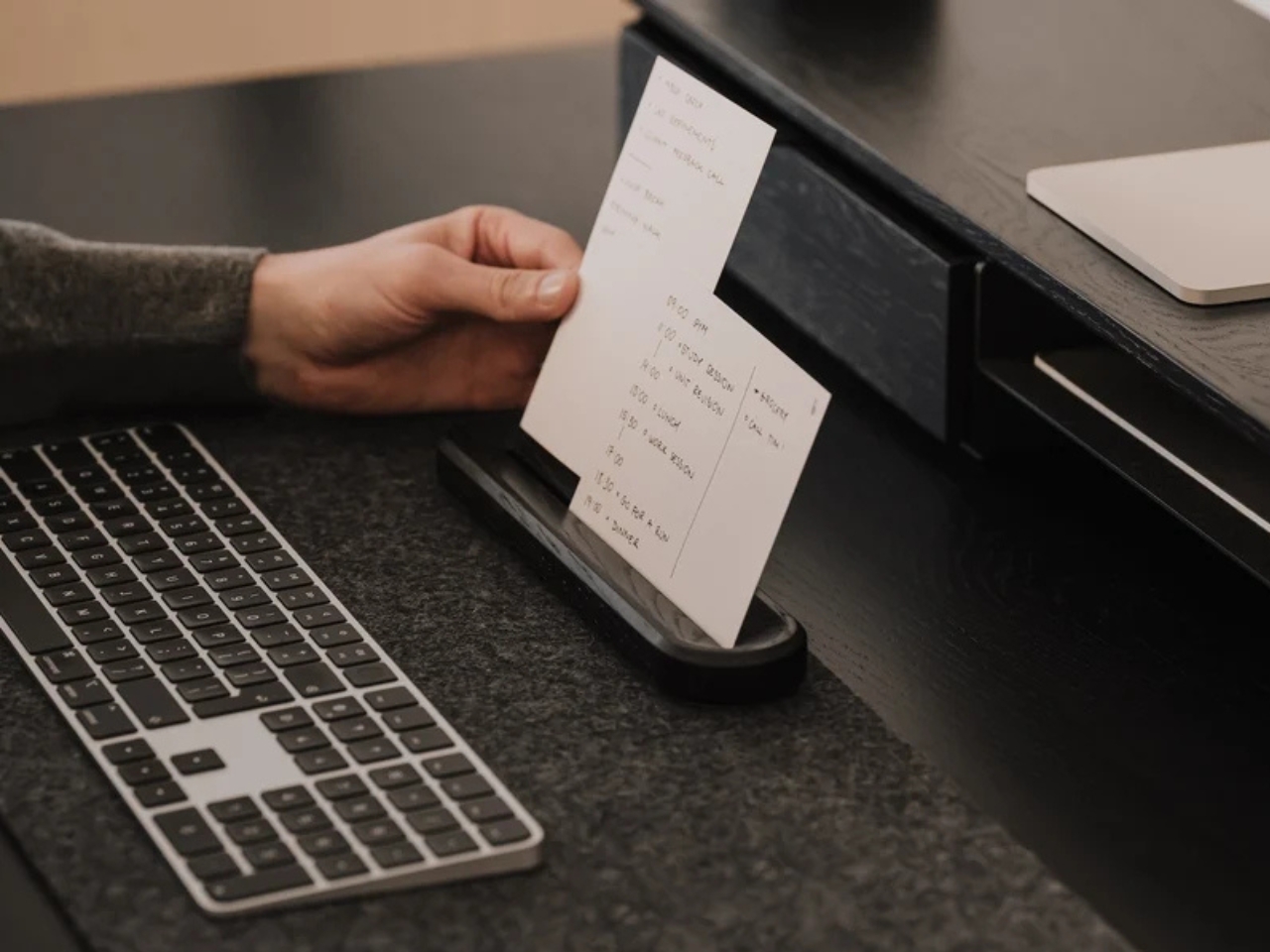
The To-Do Desk Kit from Oakywood wants to solve exactly that problem by narrowing your focus down to a single piece of paper, placed on a small wooden card holder, sitting right at eye level on your desk. It’s a simple, minimalist tool, but it’s designed with a clear purpose: to bring a bit of analog calm back to what is probably a screen-cluttered and object-cluttered workspace. Sure, you could just grab a notepad or scribble on a whiteboard, but this is a far more aesthetic and intentional way to work on your productivity, and it looks good doing it.
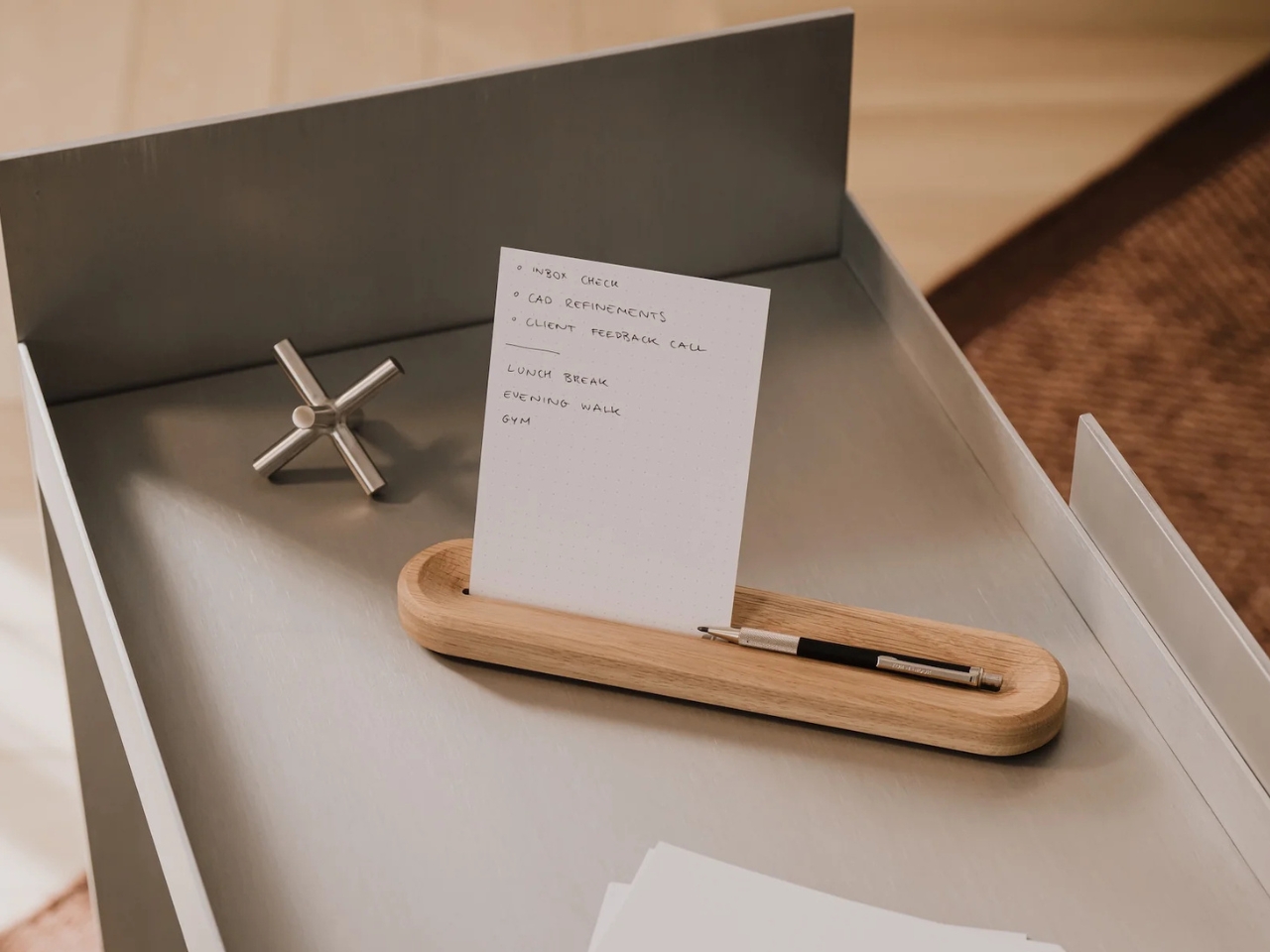
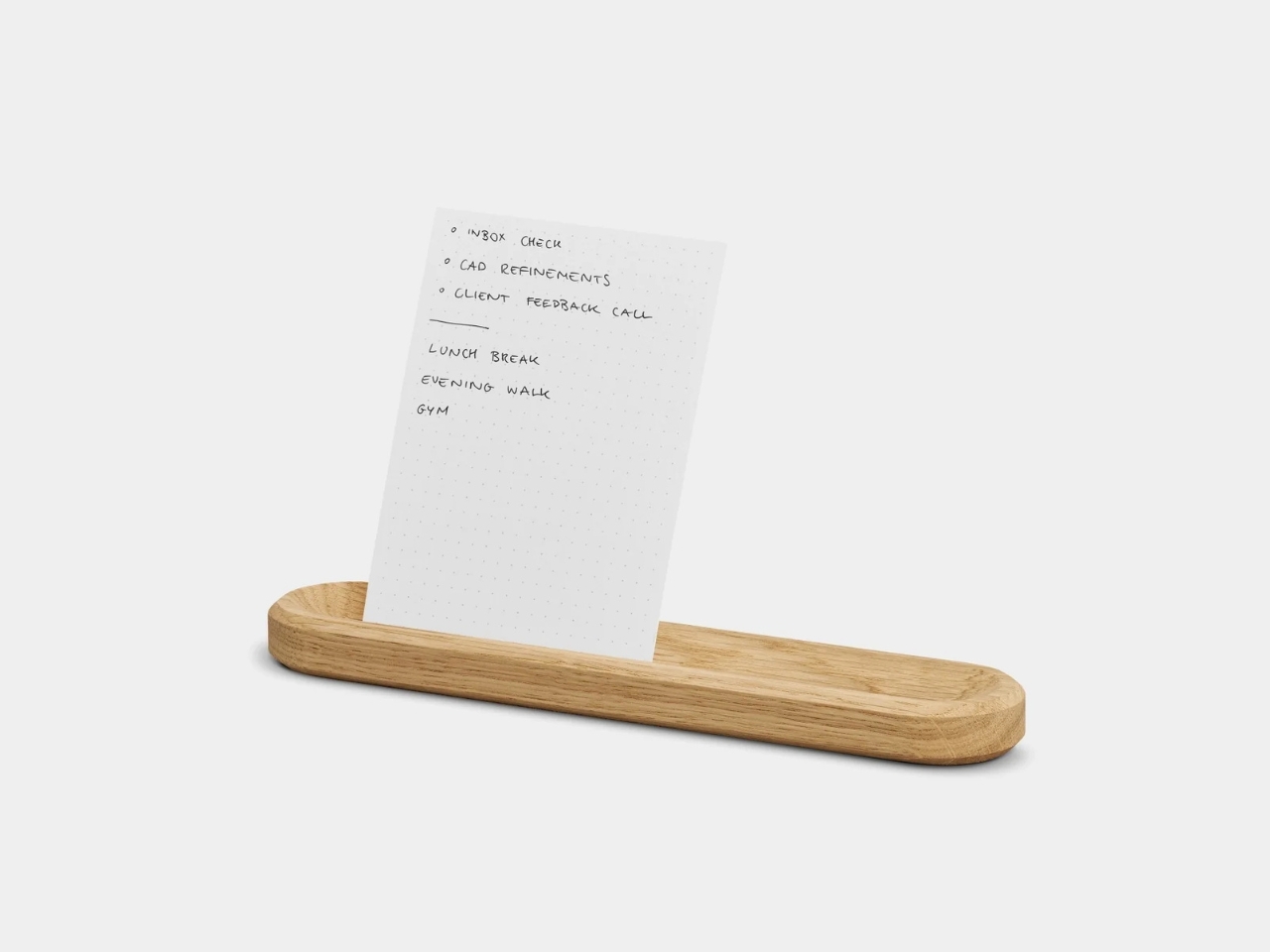
Oakywood, the brand behind the kit, is known for handcrafted wooden desk accessories, and this piece fits right into that world. The holder itself is made from solid oak or solid walnut, with a black finish also available if you prefer a more subdued look. There’s a slot to hold one or two cards vertically at eye level, so you can glance over whenever you need a reminder of what you’re supposed to be accomplishing, whether you’re deep in work on your computer or handling something entirely analog. Behind that visible card, the holder can actually stack up to eight more, so you’re never digging through a pile of loose paper to find your list.
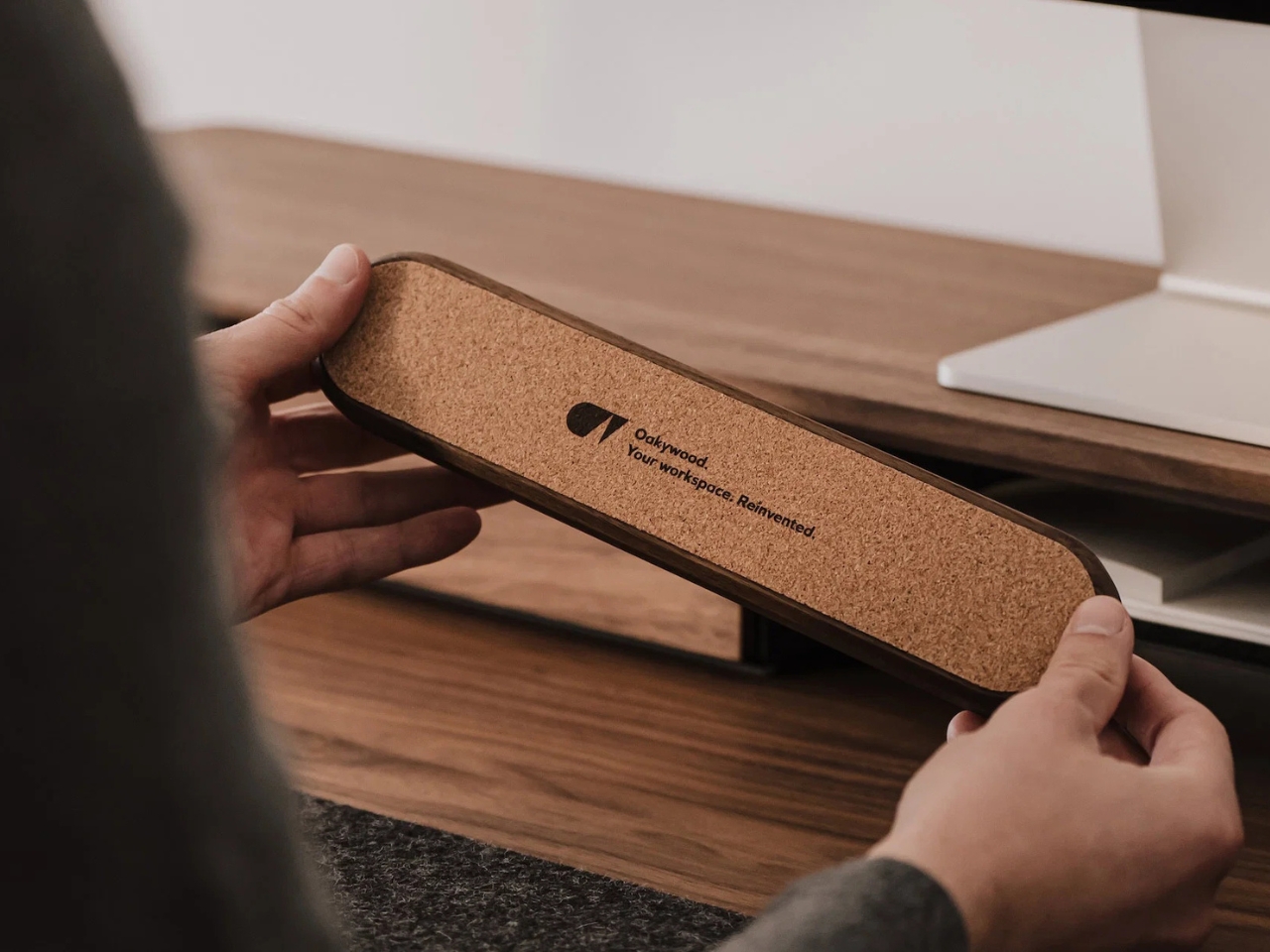
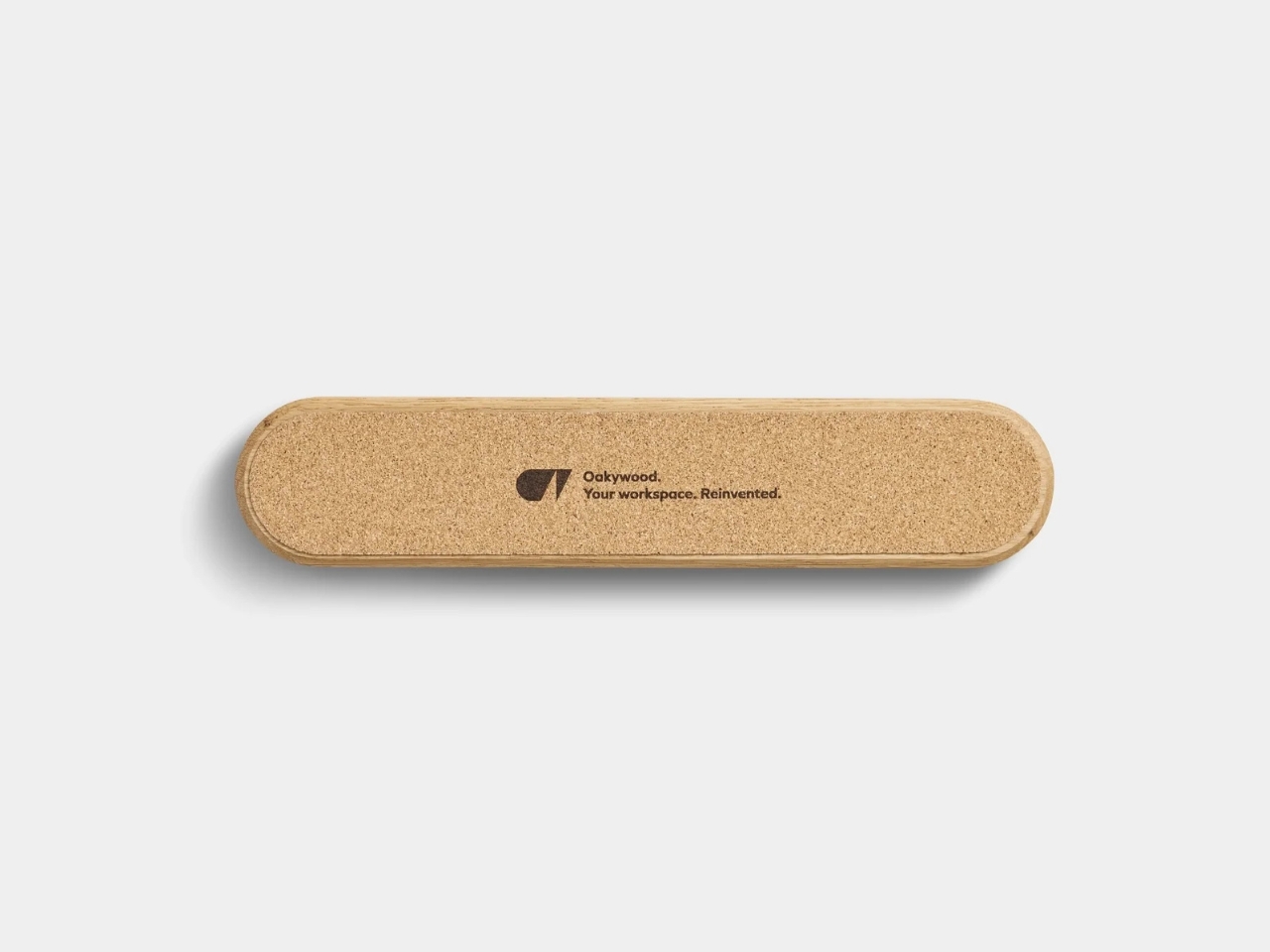
One of my favorite small details is the contoured groove carved into the block, which doubles as a pen dock. Instead of hunting around your desk for a pen every time you want to add a task or cross one off, it’s already sitting right there, built into the design. The base is lined with natural cork, too, which means it stays put on your desk and won’t leave scratches behind, no matter what material your desk is made of. It’s a small touch, but it shows the kind of thoughtful design that Oakywood puts into all of its pieces.
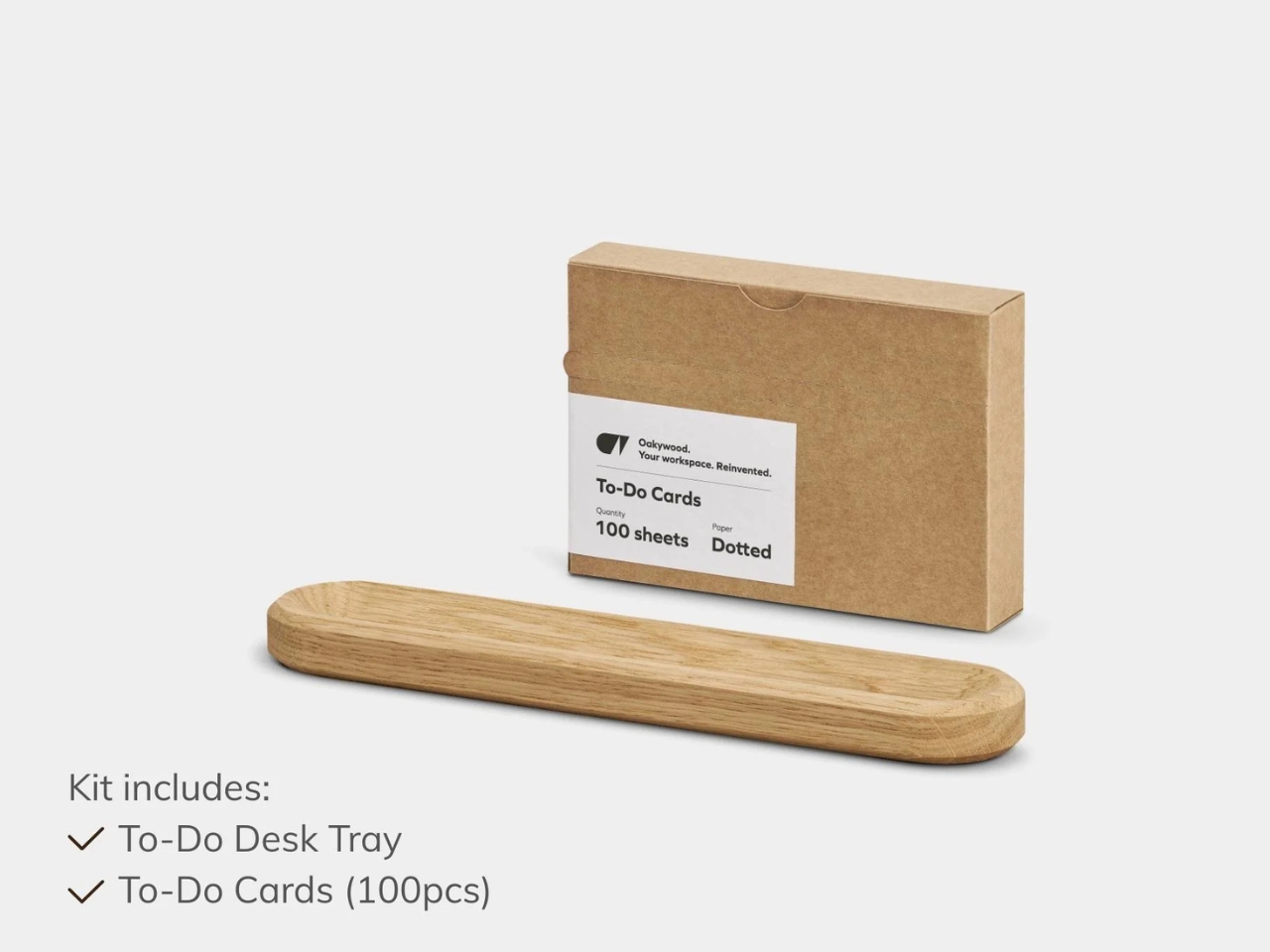
The kit also comes with a starter pack of 100 To-Do Cards, printed with a soft dotted grid on the front, similar to what you’d find in a bullet journal, and a completely blank back if you want more freedom. That blank side is a nice bonus for anyone who occasionally needs to sketch out an idea, map out a plan, or jot down something that does not fit neatly into a to-do list format. The cards are printed on premium 250-gram uncoated, FSC-certified offset paper, so pens, pencils, and even fountain pens will not smudge or bleed through. Refill packs are sold separately once you run through the starter set, though you could just as easily swap in your own card stock if you want to write your own affirmations, motivational quotes, or reminders instead.
It’s also worth mentioning that Oakywood plants a tree for every product sold, and the cards themselves are made from FSC-certified paper. If you already own an Oakywood laptop stand, pen tray, or wireless charger, the To-Do Desk Kit fits right into that same warm, wood-toned ecosystem, making your desk feel like one cohesive space instead of a pile of mismatched gadgets.
Priced at around fifty dollars, give or take a discount depending on when you catch it on sale, the To-Do Desk Kit isn’t just a productivity gadget. It’s a small, tactile object that makes sitting down to work feel a little more intentional. For anyone who loves collecting beautifully made desk pieces as much as they love checking things off a list, this feels like an easy addition to a growing collection, and an even easier way to talk yourself into finally starting that task you have been putting off. Sometimes all it takes is one card, one pen, and one clear line of sight to get moving again.
The Apple Watch Ultra 4, anticipated to launch on September 9, 2026, is set to push the boundaries of wearable technology. While its external design may retain the familiar aesthetic, the internal advancements promise to deliver a fantastic user experience. With a strong emphasis on health tracking, fitness monitoring, and AI integration, the Ultra 4 […]
The ESP32 S31 Devkit features a dual-core RISC-V processor running at 320 MHz and is designed for IoT, maker and cybersecurity applications. Valleytech Custom Solutions examines this microcontroller, noting its Wi-Fi 6 (2.4 GHz) and Bluetooth 5.4 capabilities, which support reliable connectivity for a range of modern use cases. However, the absence of dual-band Wi-Fi […]
Samsung is preparing to elevate its flagship smartphone lineup with the highly anticipated Galaxy S27 series, set to debut in early 2027. This series is expected to combine innovative technology, refined design and versatile options to appeal to a broad spectrum of users. Whether you’re a tech enthusiast eager for the latest innovations or someone […]
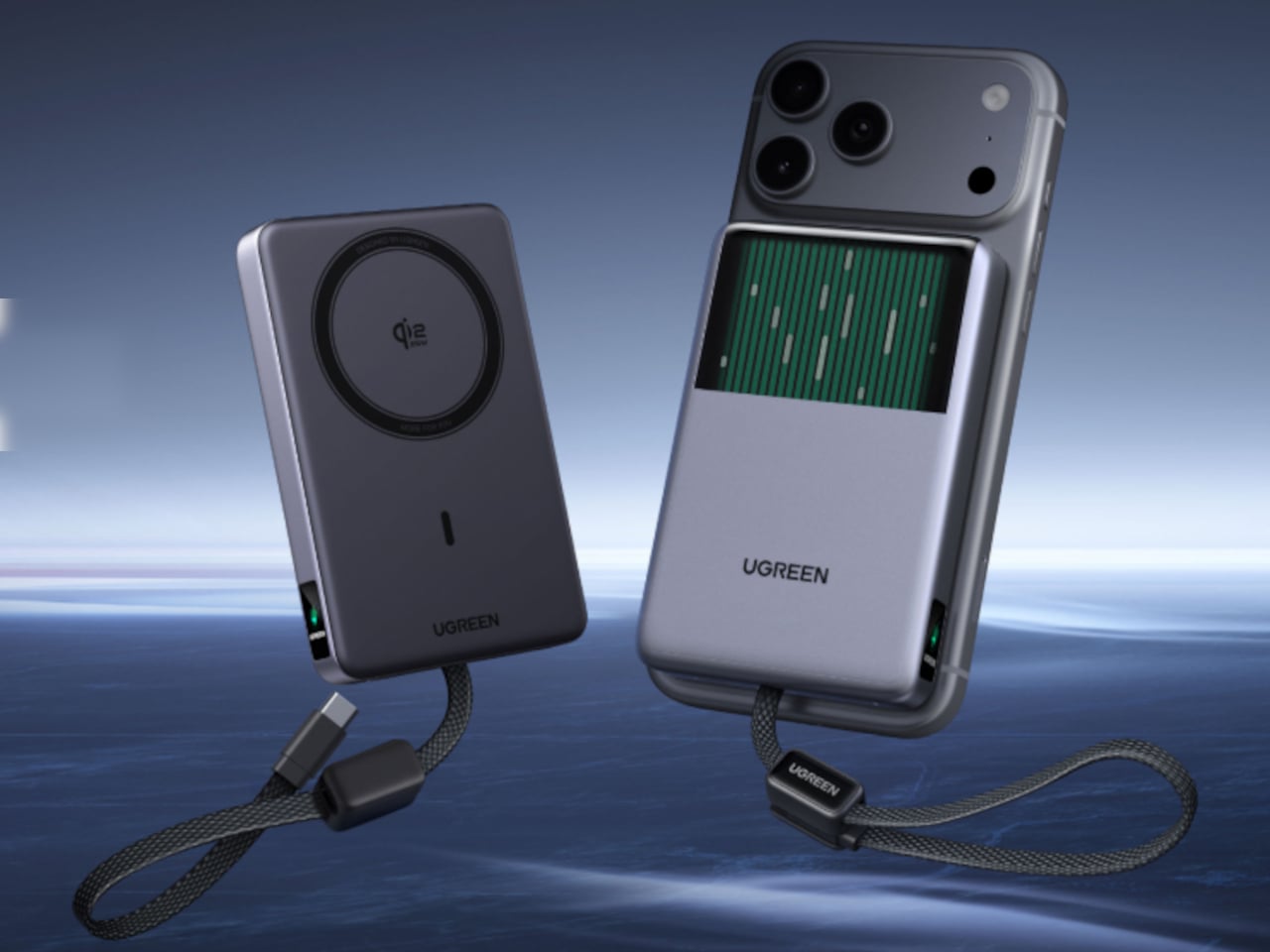
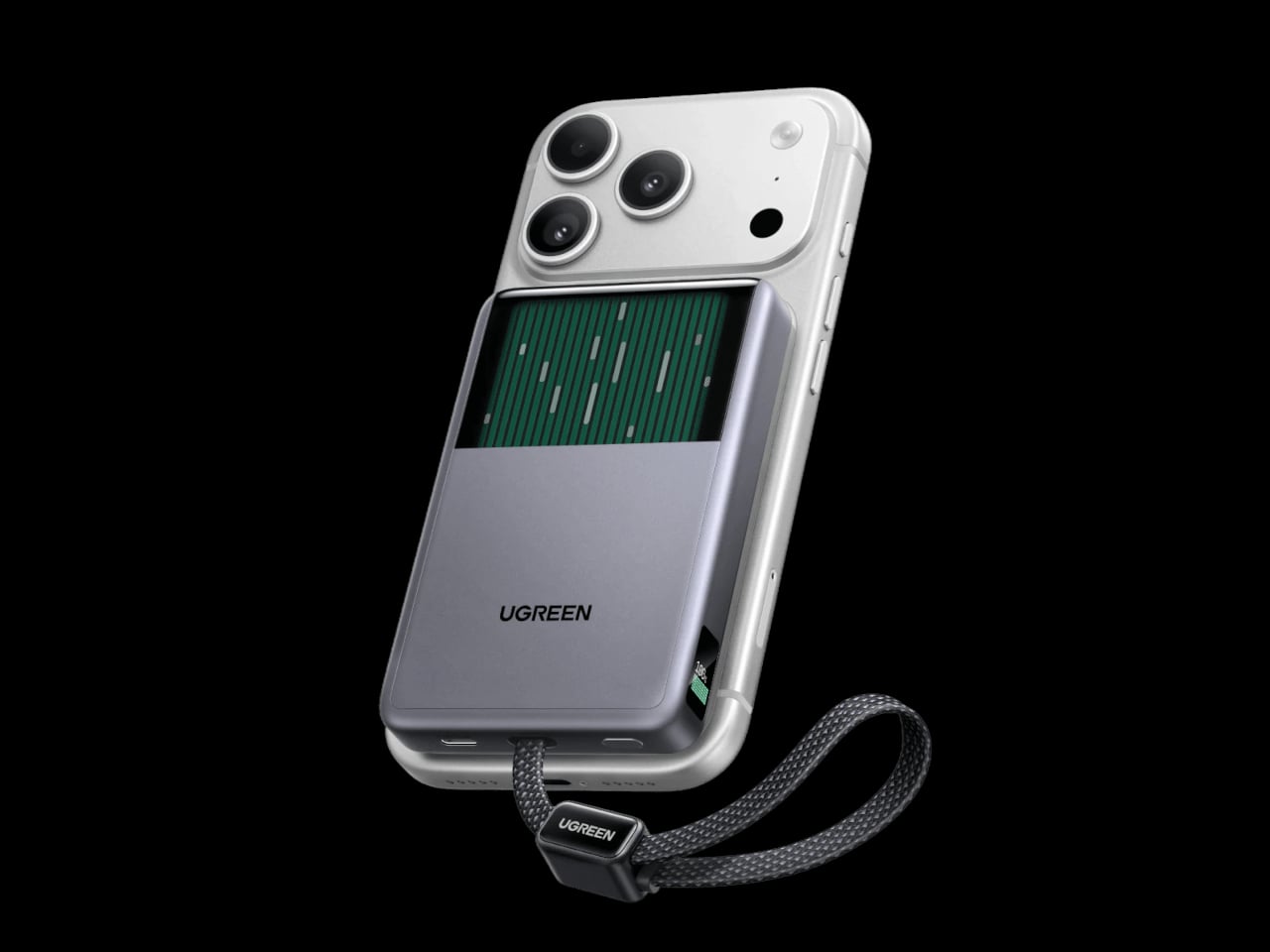
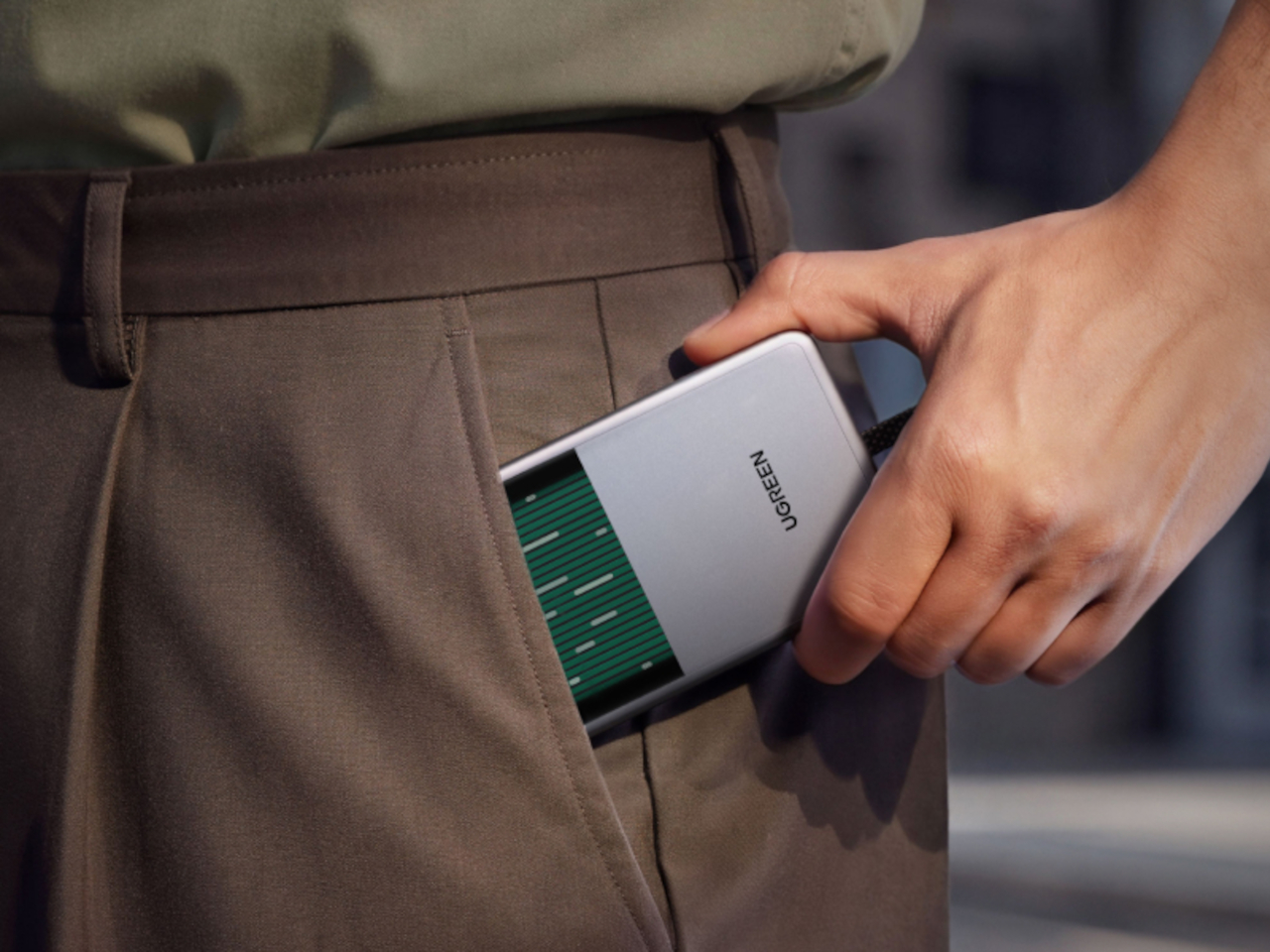
UGREEN’s MagFlow Pro treats overheating as a design problem worth solving with actual engineering, not just a bigger heat sink. This 10,000mAh magnetic power bank borrows liquid cooling from gaming PCs and squeezes it into a pocket-sized charger, aiming to keep wireless charging fast without turning your phone into a hand warmer along the way.
Qi2 charging has always had a dirty secret hiding under its magnetic convenience. Wireless systems lose up to 30% of their power as heat during transfer, which means a phone sitting at 25W often throttles down within minutes to avoid overheating. UGREEN built the MagFlow Pro around fixing that exact bottleneck rather than just chasing a bigger battery number.
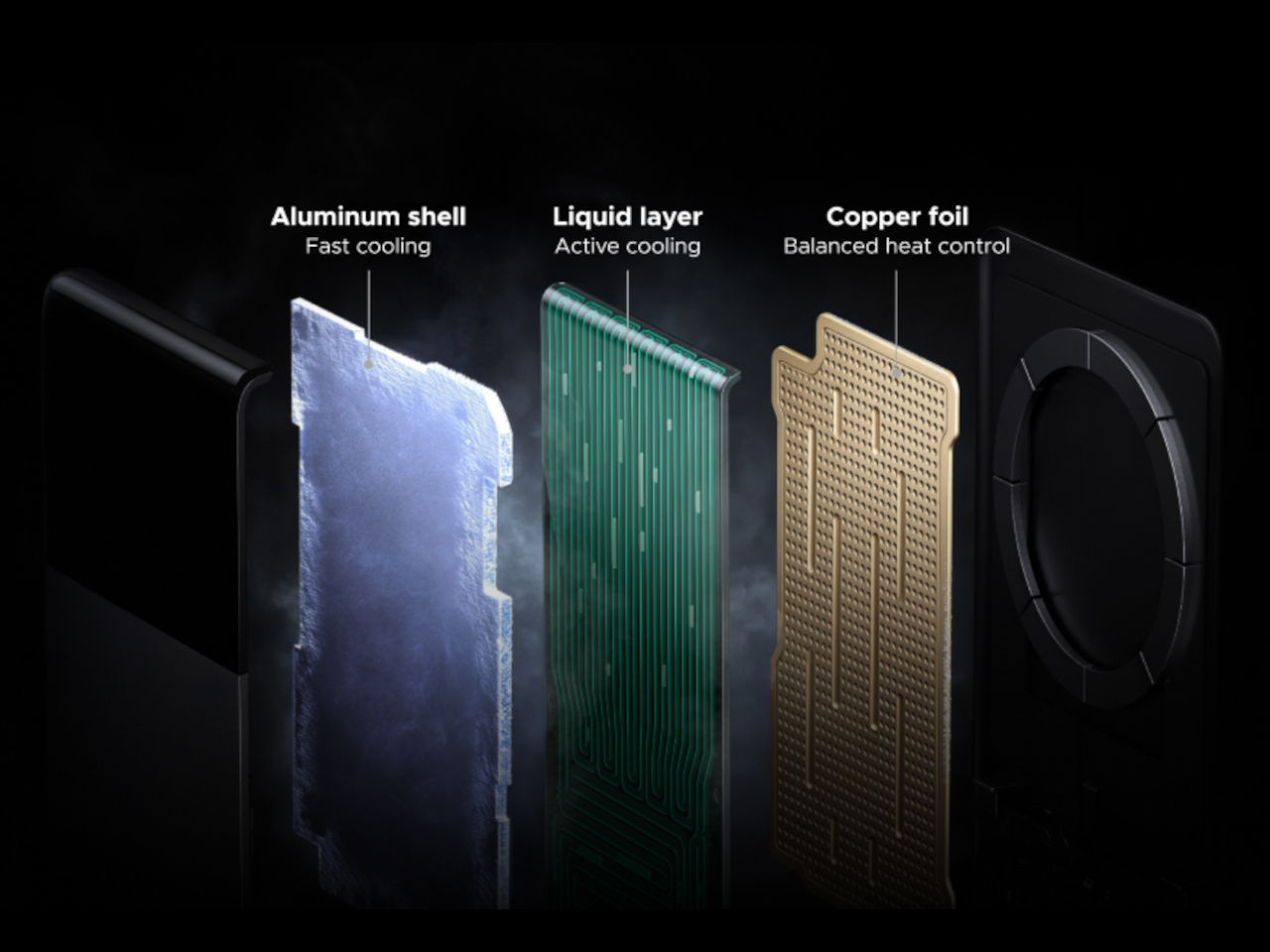
Inside sits CryoPulse, a cooling system built around a micro-pump that circulates liquid coolant past the charging coil and other heat-generating components. Copper foil spreads that heat further, while a layout that physically separates key parts keeps warmth from concentrating in one spot. It is a scaled-down version of what keeps a gaming rig from throttling under load, just built to survive inside a phone charger.
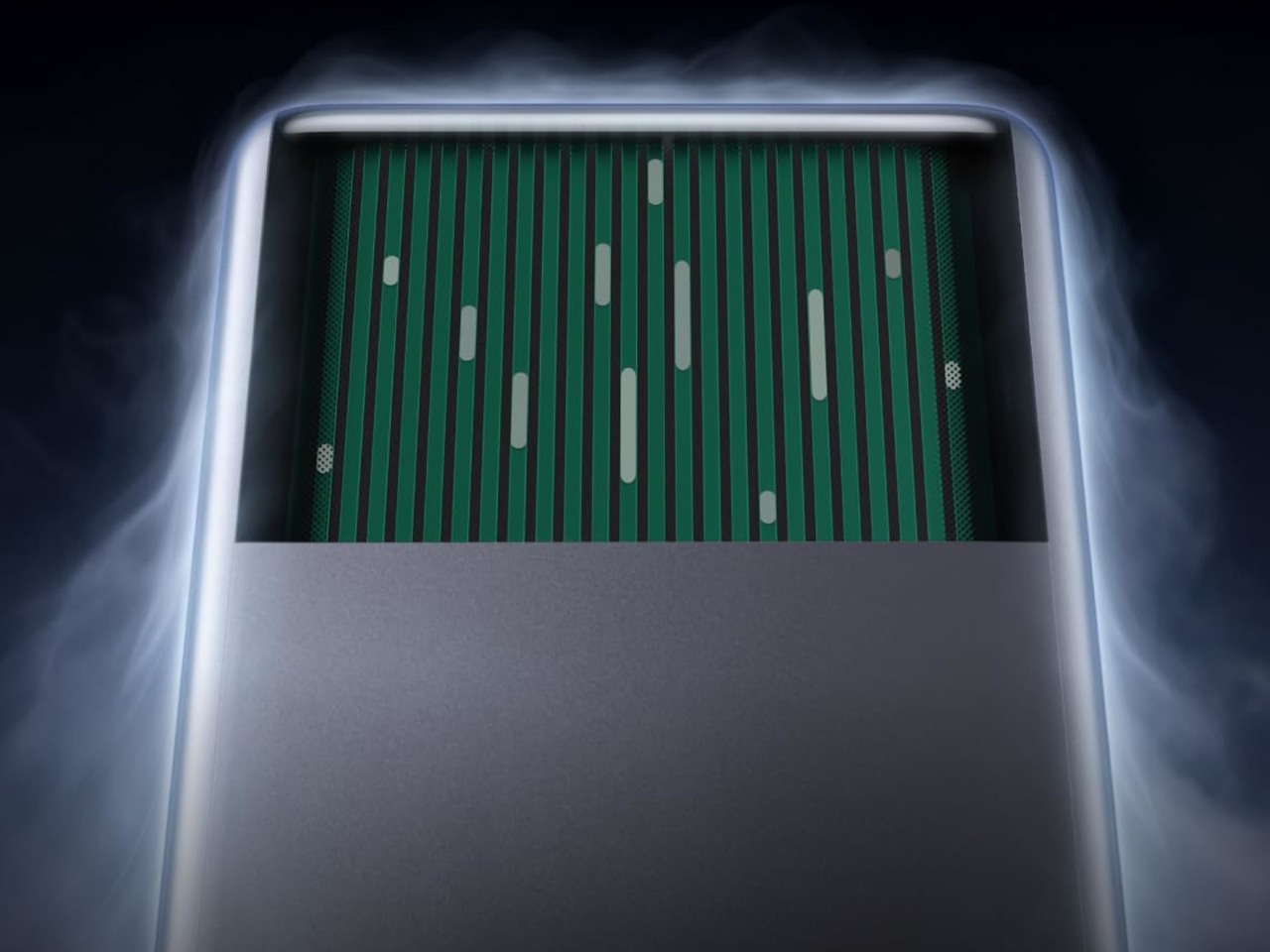
A transparent panel on the front turns that entire process into something you can actually watch, showing coolant moving through the internal channels while your phone charges. It is an odd, almost theatrical touch for a power bank, but it doubles as reassurance that the system is doing its job. UGREEN calls it the Cyber Window, and it is hard to look away from once it is running.
That cooling translates into real numbers, too. UGREEN claims the system keeps peak surface temperatures on a phone up to 18°F below its own reference benchmark, letting a device hold onto higher wattage for longer instead of stepping down early. In practice, that means someone topping up before a flight or during a commute gets closer to advertised charging speeds instead of a slow crawl once things heat up.
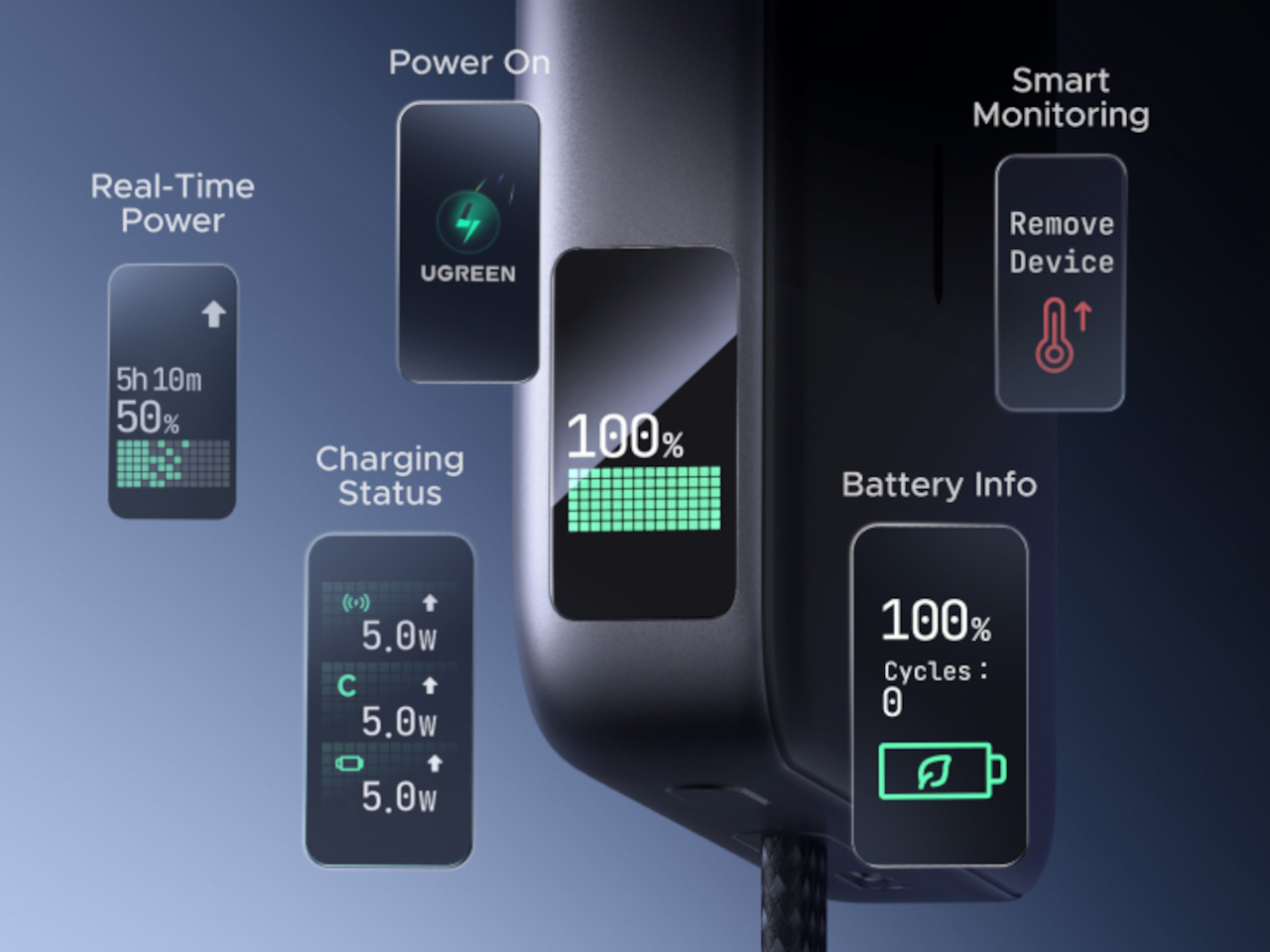
A small display embedded in the shell keeps track of charging wattage, remaining battery percentage, cycle count, and cooling status, turning what used to be a guessing game into actual visible data. Paired with a built-in USB-C cable capable of 30W and a combined output of up to 45W, the MagFlow Pro can charge a phone, tablet, and another accessory simultaneously without demanding a bag full of extra cables.
If the battery degraded quickly, all of those fancy features would be pointless, so UGREEN built the cell around Dymondcell 2.0 protection, retaining more than 80% of its capacity after 800 charge cycles. It also survived seven hours of continuous overcharge testing without failure, a detail aimed squarely at anyone who leaves their charger plugged in overnight out of habit rather than necessity.
At $149.99, the MagFlow Pro costs considerably more than other 10,000mAh power banks on the market, and that price tag puts real weight behind its cooling claims. It is a bet that people charging phones daily care as much about consistent performance and battery longevity as they do about raw capacity, and that a bit of visible engineering can justify paying extra for it.