A Coffee Bar Without a Remodel: UNITO’s Rolling Station

A coffee grinder, a kettle, and a few favorite mugs can turn into a surprisingly territorial collection. Add filters, beans, and the tools that make a morning ritual feel worthwhile, and suddenly the kitchen counter has a second job. UNITO’s Coffee Station offers a dedicated home for that equipment, with wheels underneath so the coffee corner doesn’t have to become a permanent fixture.

Designed by Unito, the station brings preparation space and storage together in a movable counter. Its appeal extends beyond reclaiming kitchen space. For a studio hosting clients or someone setting up a coffee pop-up, it could provide a more organized starting point than a table surrounded by supply boxes. Unito’s founder has described the Coffee Station as part of the brand’s move toward furniture and tools for small businesses.

Designer: Unito
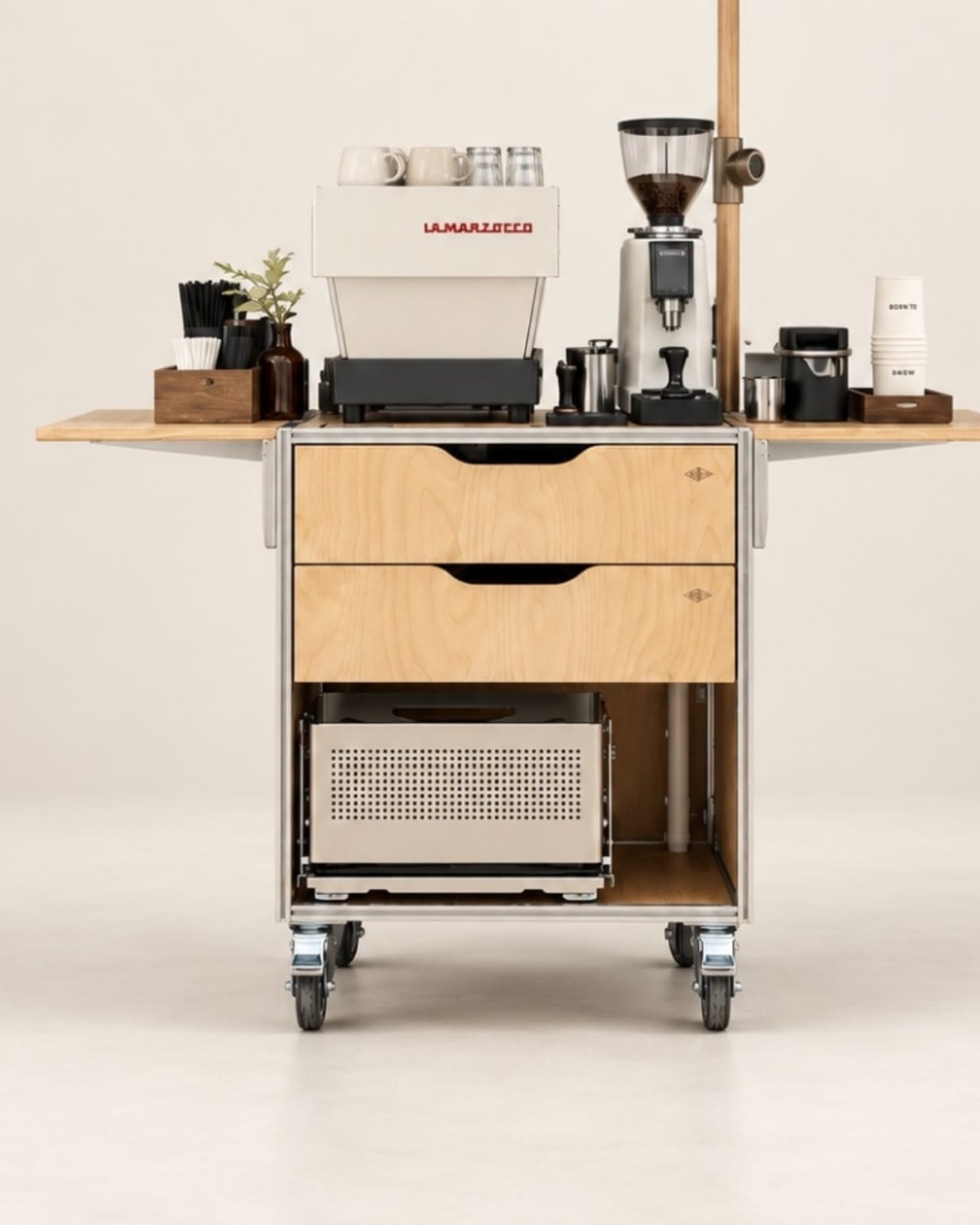
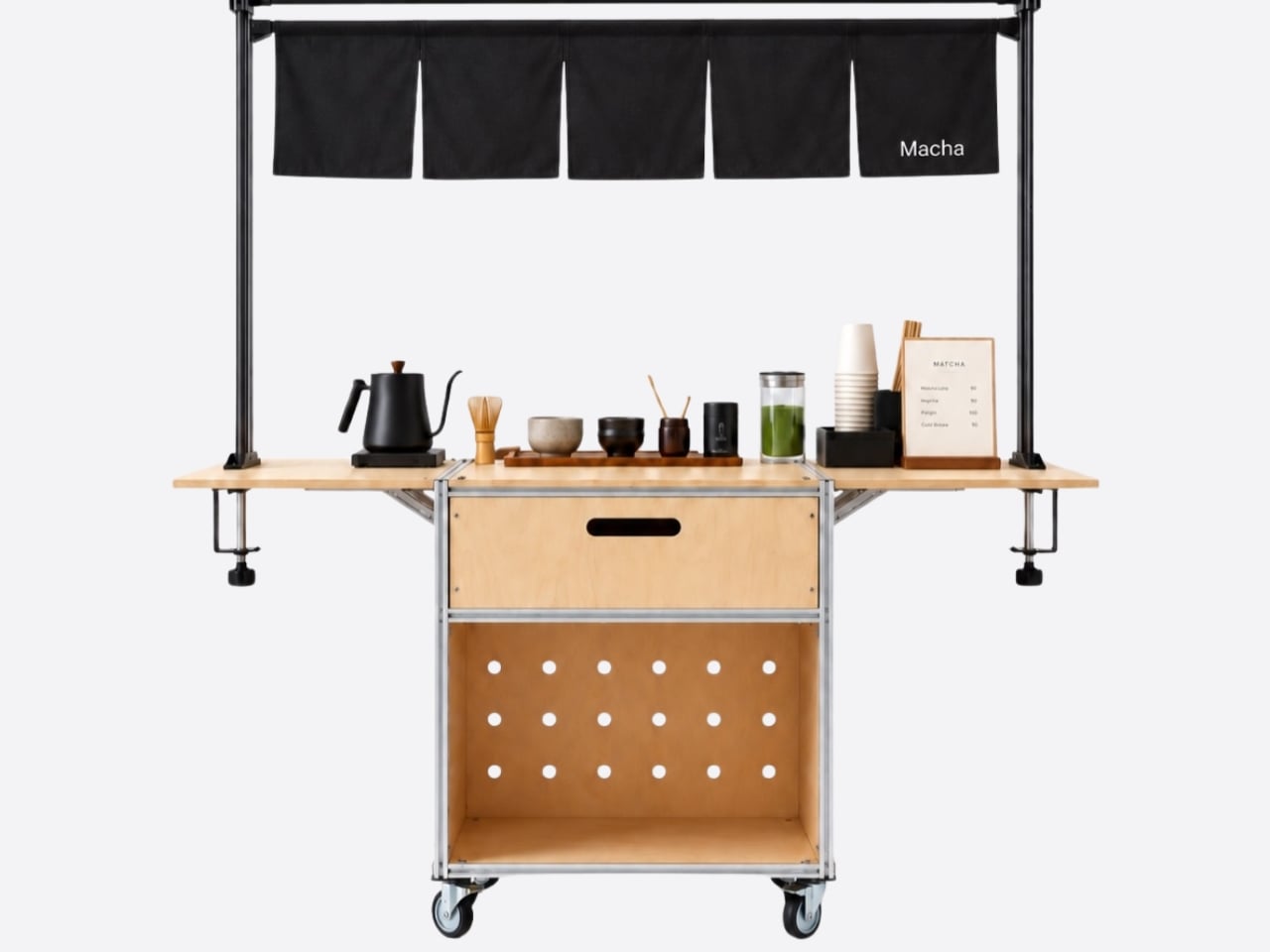
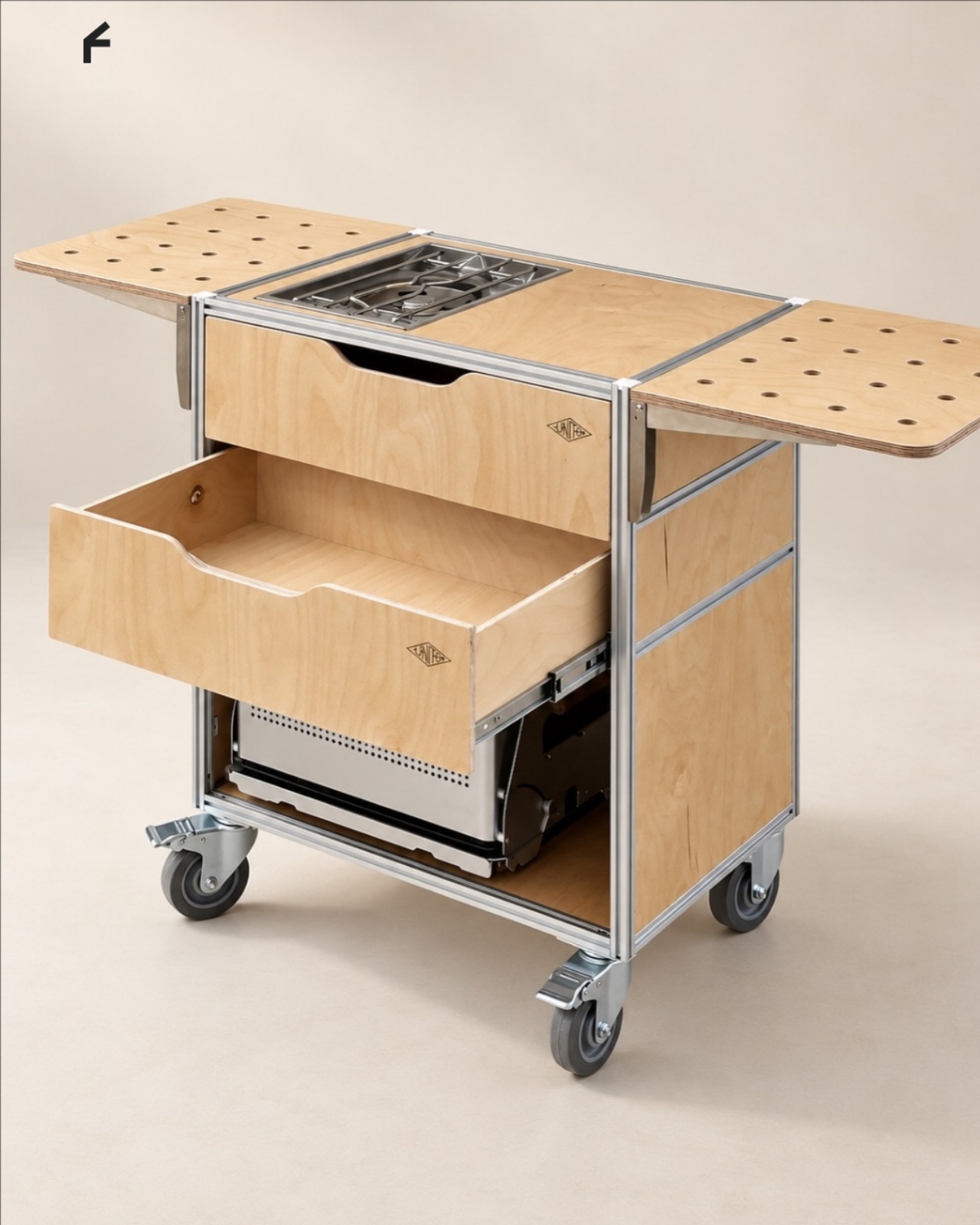
The material combination gives that practical idea some personality. According to the supplied product description, silver anodized aluminum profiles form the frame, while light birch plywood supplies the panels. I like that the design lets both materials retain their identities. The metal outlines the structure with a workshop-like precision; the wood gives the broad surfaces enough warmth to keep the station from reading as purely institutional equipment.

That balance matters for something that might face customers. In the published photographs, the silver framework remains visible around the wooden drawer fronts, and side surfaces extend beyond the central cabinet on supporting brackets. Those extra surfaces look useful for separating preparation from pickup. A cup waiting to be served shouldn’t have to compete with the grinder for the same patch of counter.
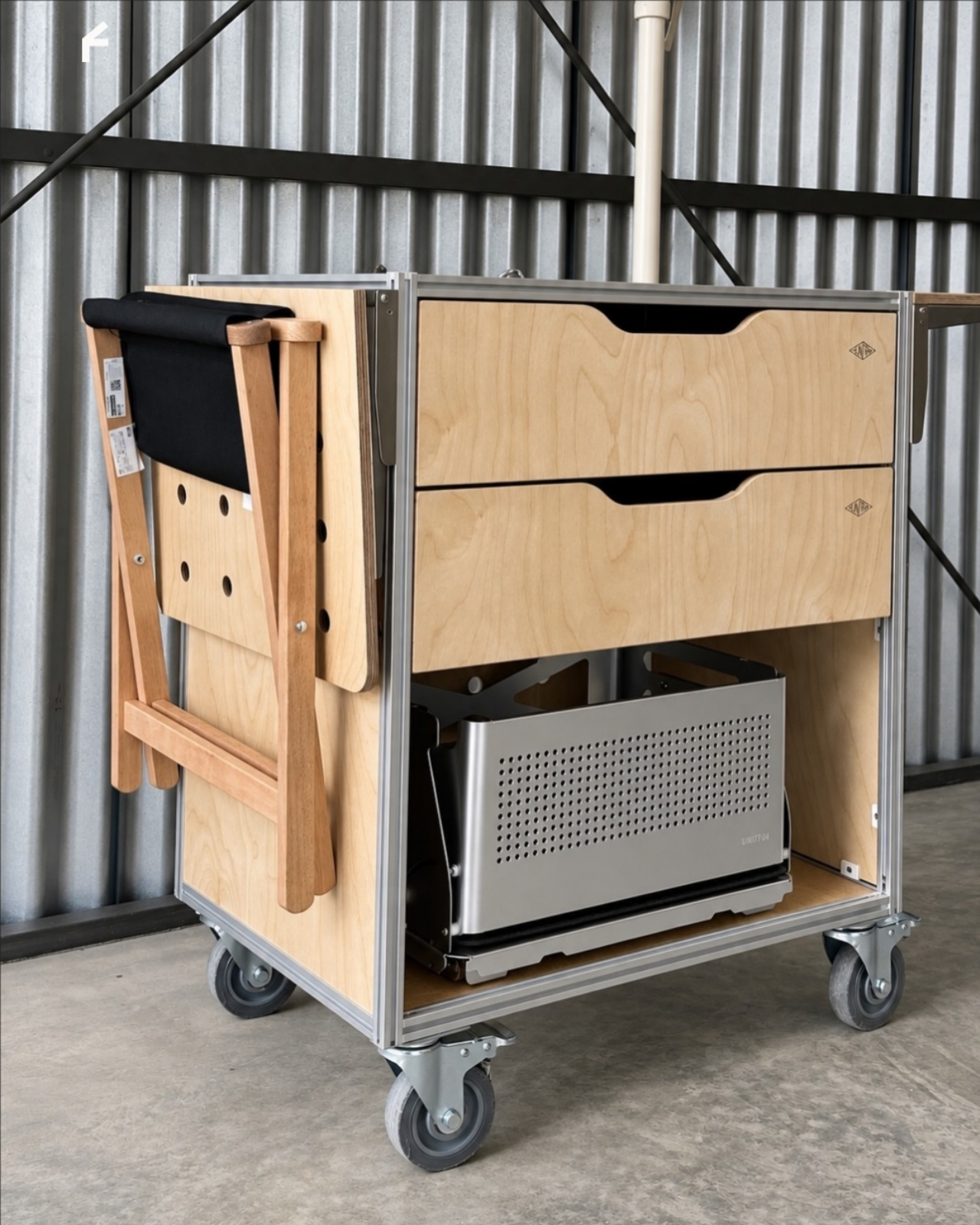
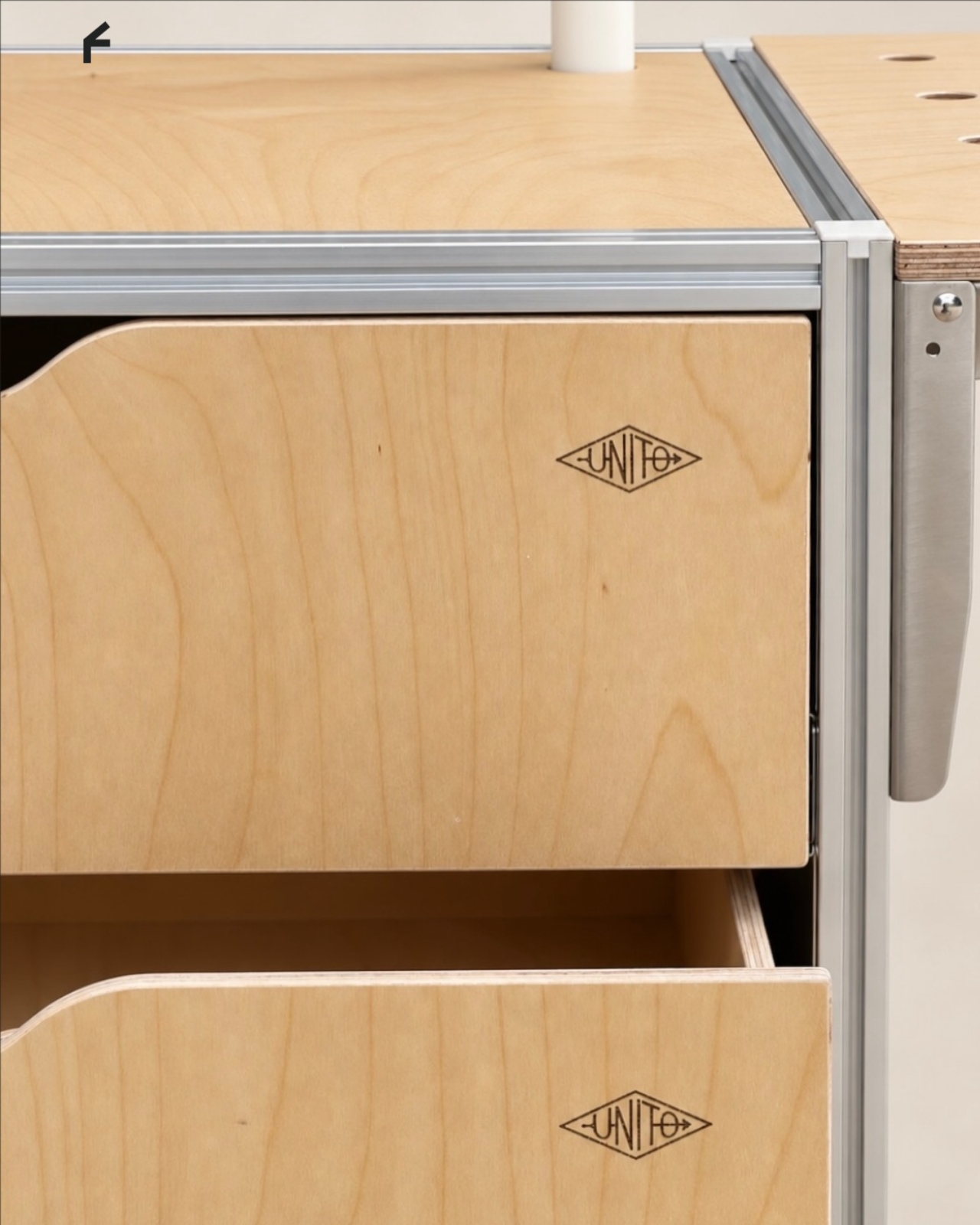
Storage deserves as much attention as the equipment displayed above it. The described configuration includes two soft-close drawers, with an open compartment underneath. The photographs show wide finger-pull cutouts rather than projecting handles. I appreciate that restraint, but the more useful decision is giving small supplies somewhere to disappear. Filters, spoons, and towels could stay close without becoming part of the countertop display.

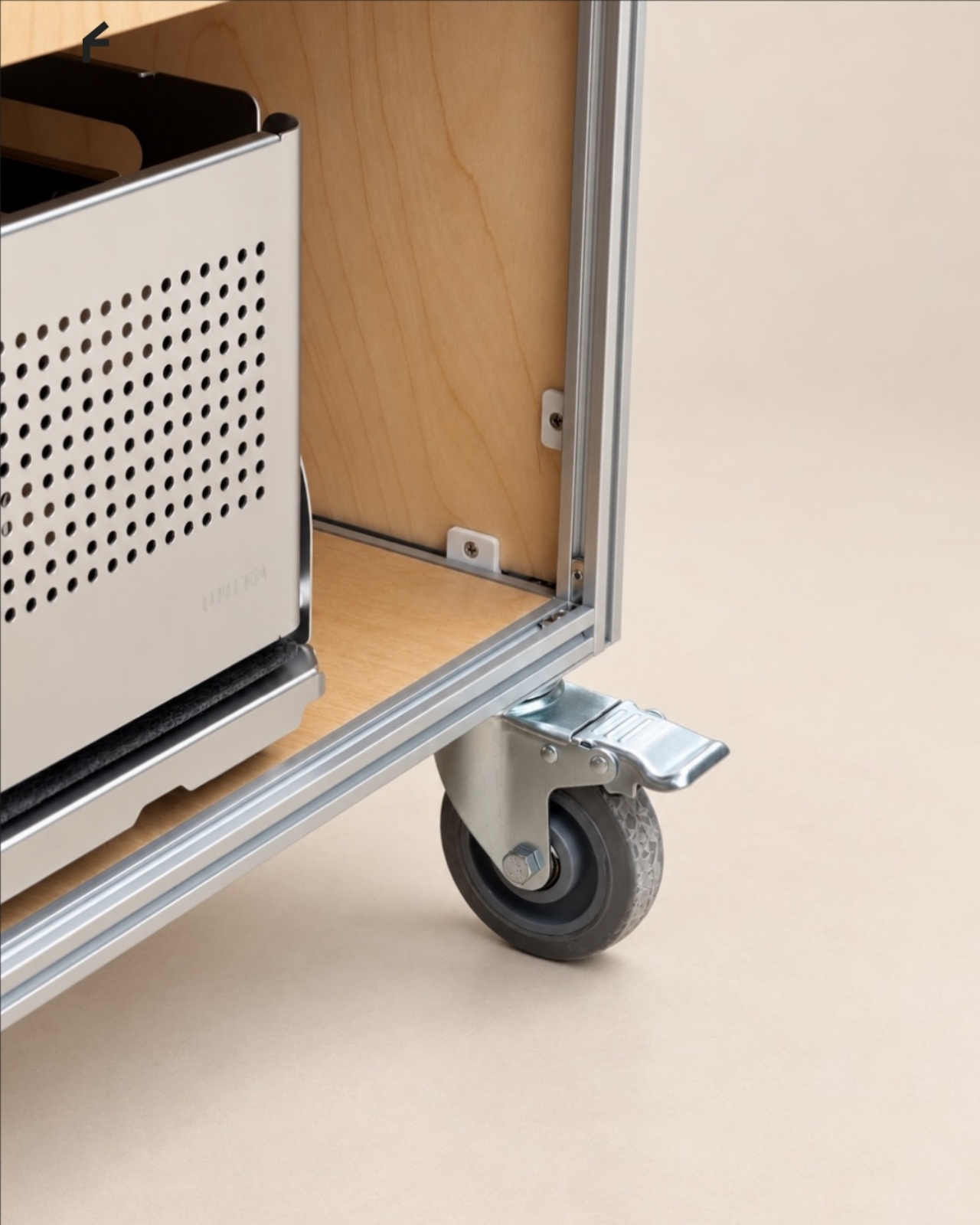
Then come the wheels, arguably the least glamorous and most consequential detail. The specifications list four locking stainless steel casters, and brake levers are visible in the photographs. That arrangement is intended to let the station move into position and then stay put. I’d still distinguish a rolling workstation from portable luggage. Moving across a suitable floor is a different proposition from negotiating stairs or loading it into a car.
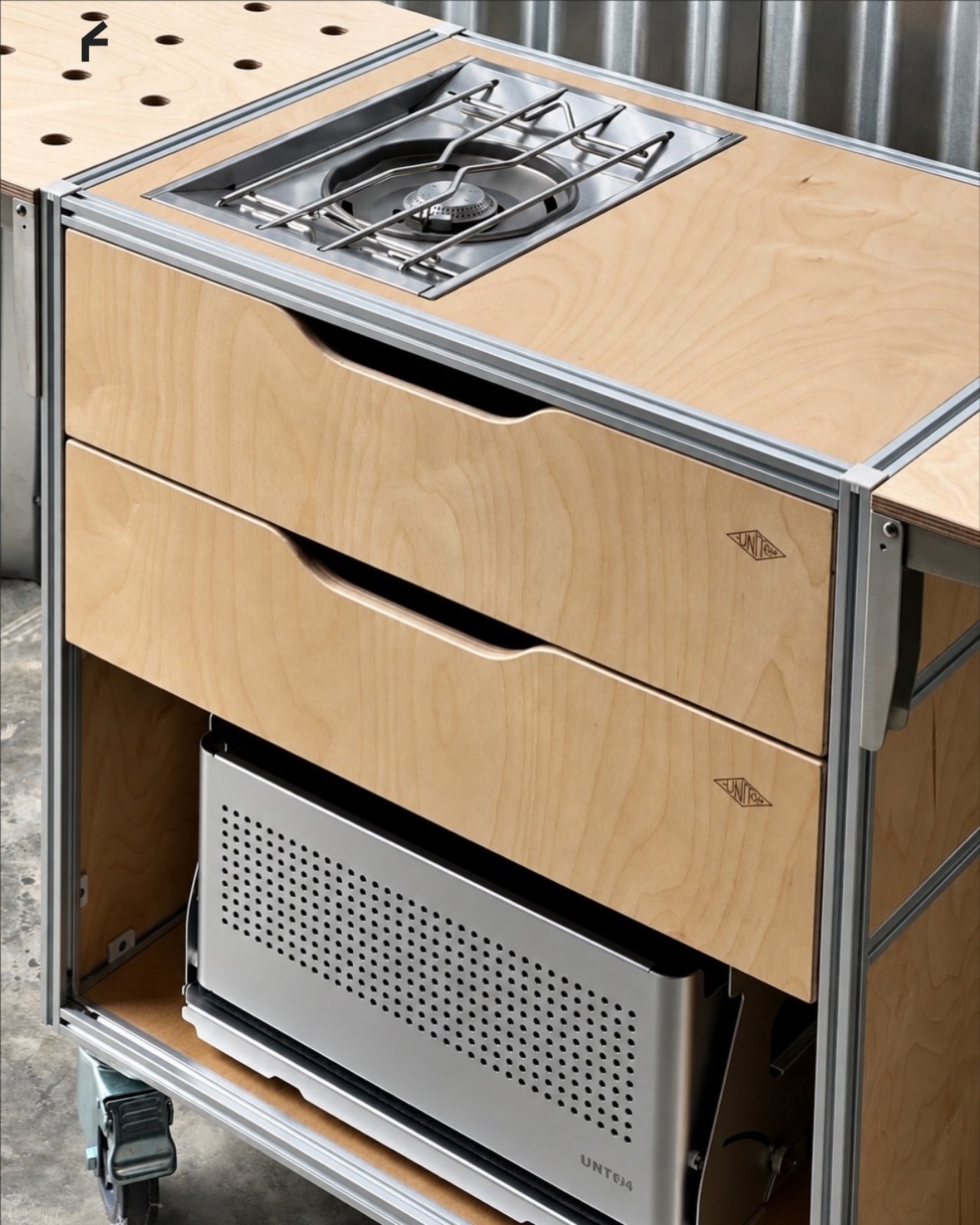
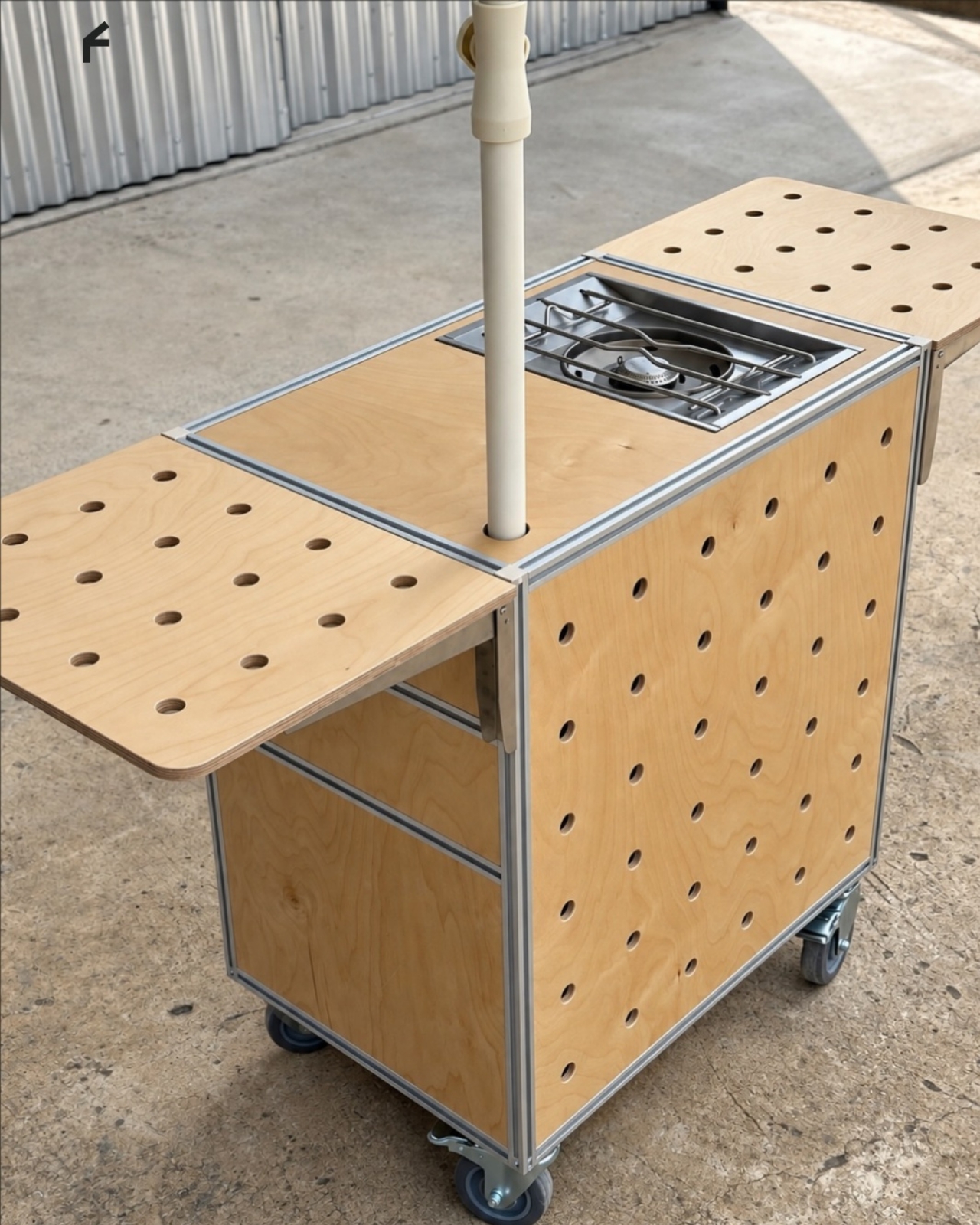
The top also introduces an interesting possibility: it is specified to accept IGT panels or stoves. IGT refers to the Iron Grill Table system, whose modular approach combines frames with cooking and work-surface inserts. For UNITO, the appeal is a surface that could accommodate different tasks rather than permanently committing to one arrangement. Exact insert compatibility still needs confirmation before anyone starts ordering accessories.

The dedicated patio umbrella slot is another thoughtful detail. Published images show an umbrella rising above a fully arranged coffee setup, making the station read like a small service point rather than a kitchen cart parked outside. That could be useful for a temporary outdoor gathering. It doesn’t, however, establish that the plywood is weatherproof or that the station can anchor an umbrella safely in wind.
My favorite potential use is actually the less theatrical one: a shared studio where the coffee setup needs its own territory but the room changes throughout the week. A dedicated station could keep supplies together while allowing the host to rearrange the space. That feels like a convincing reason to put furniture on wheels, especially when building another fixed counter would make the room less flexible.

I wouldn’t call it a complete café or an outdoor kitchen. Those descriptions skip over water, power, cleanup, and the practical demands of serving people. Its more believable contribution is giving coffee equipment a coherent place to live and work. For someone who wants a serious setup without designing the room around it, that’s an appealing amount of commitment.
The post A Coffee Bar Without a Remodel: UNITO’s Rolling Station first appeared on Yanko Design.
Espresso Without an Outlet or a Separate Cup

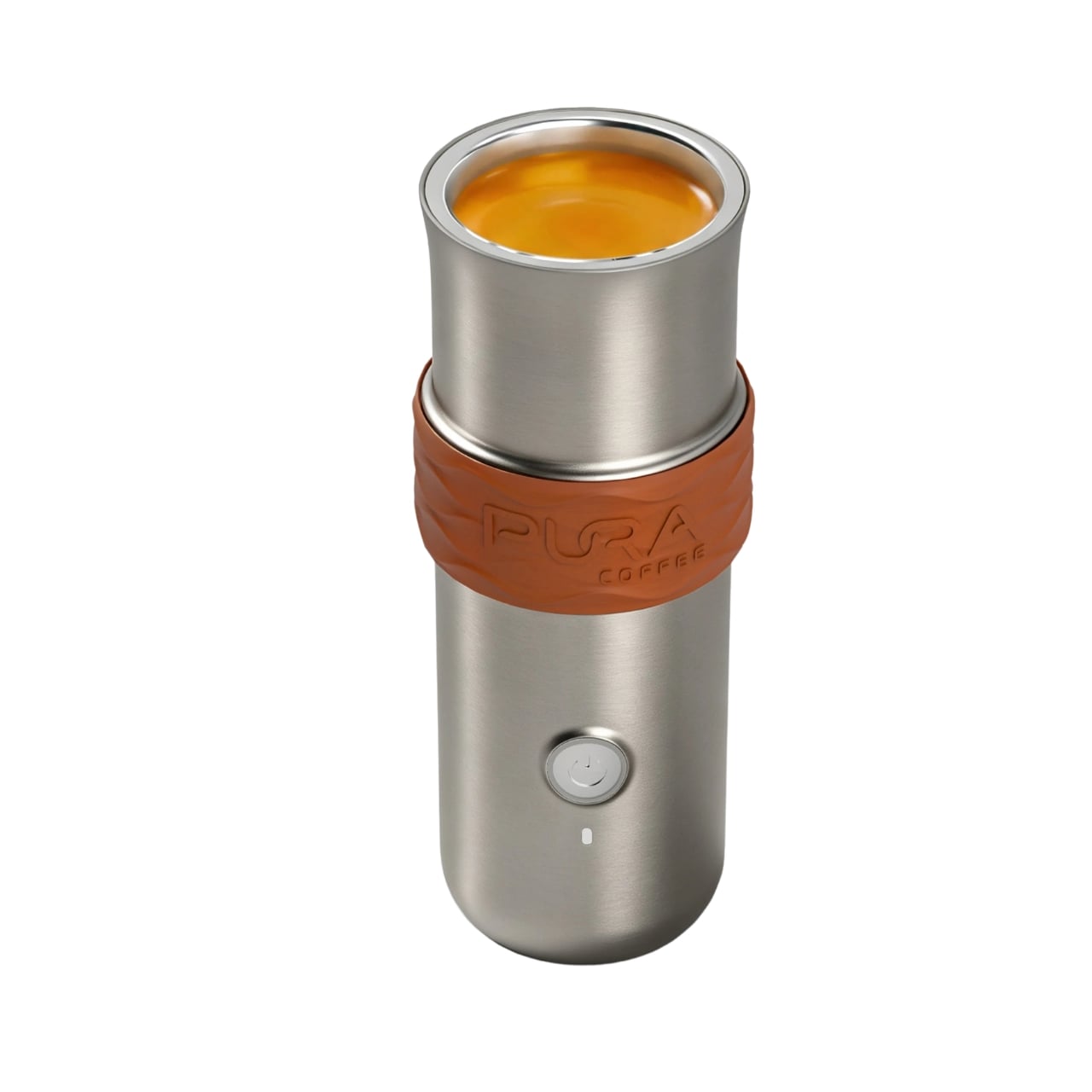
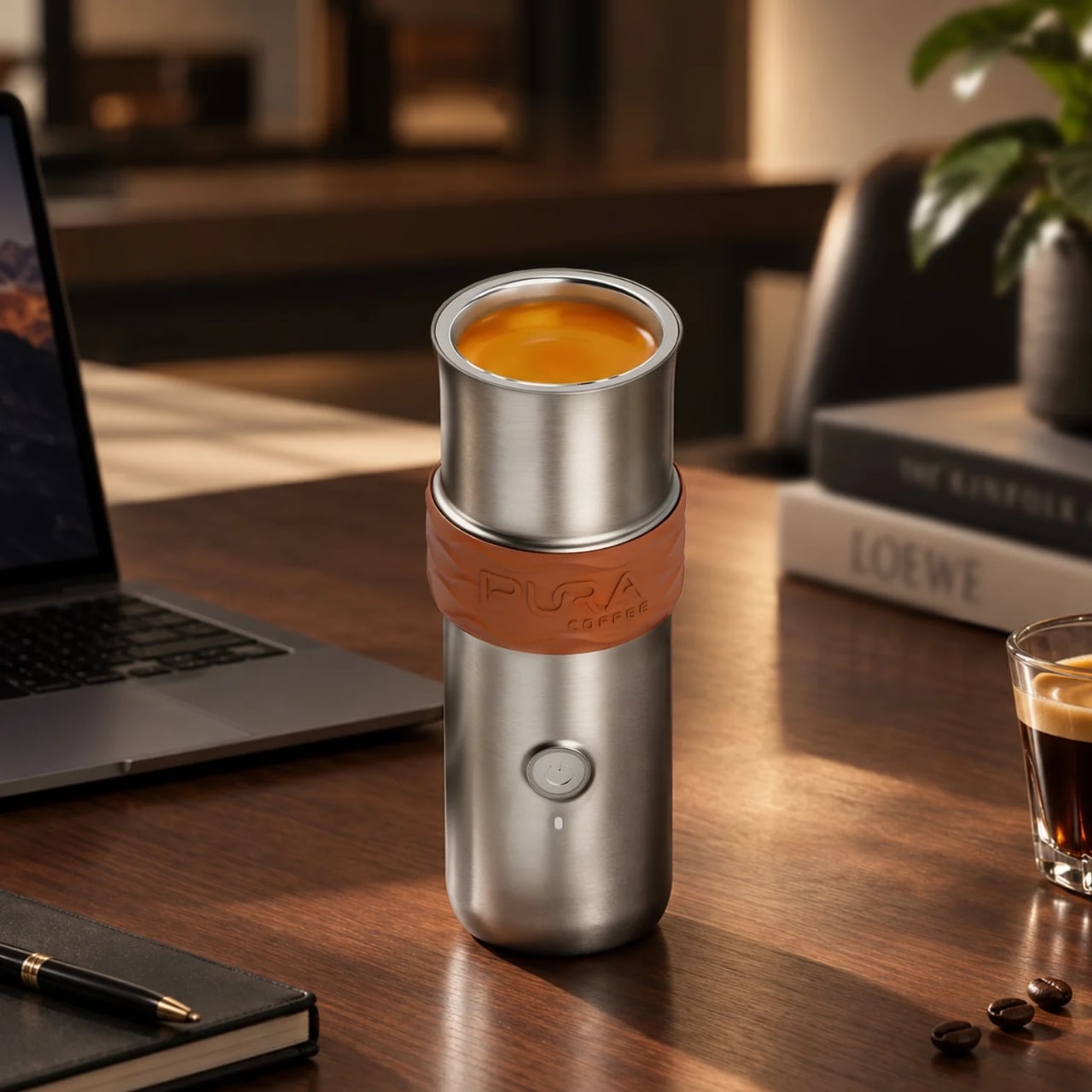
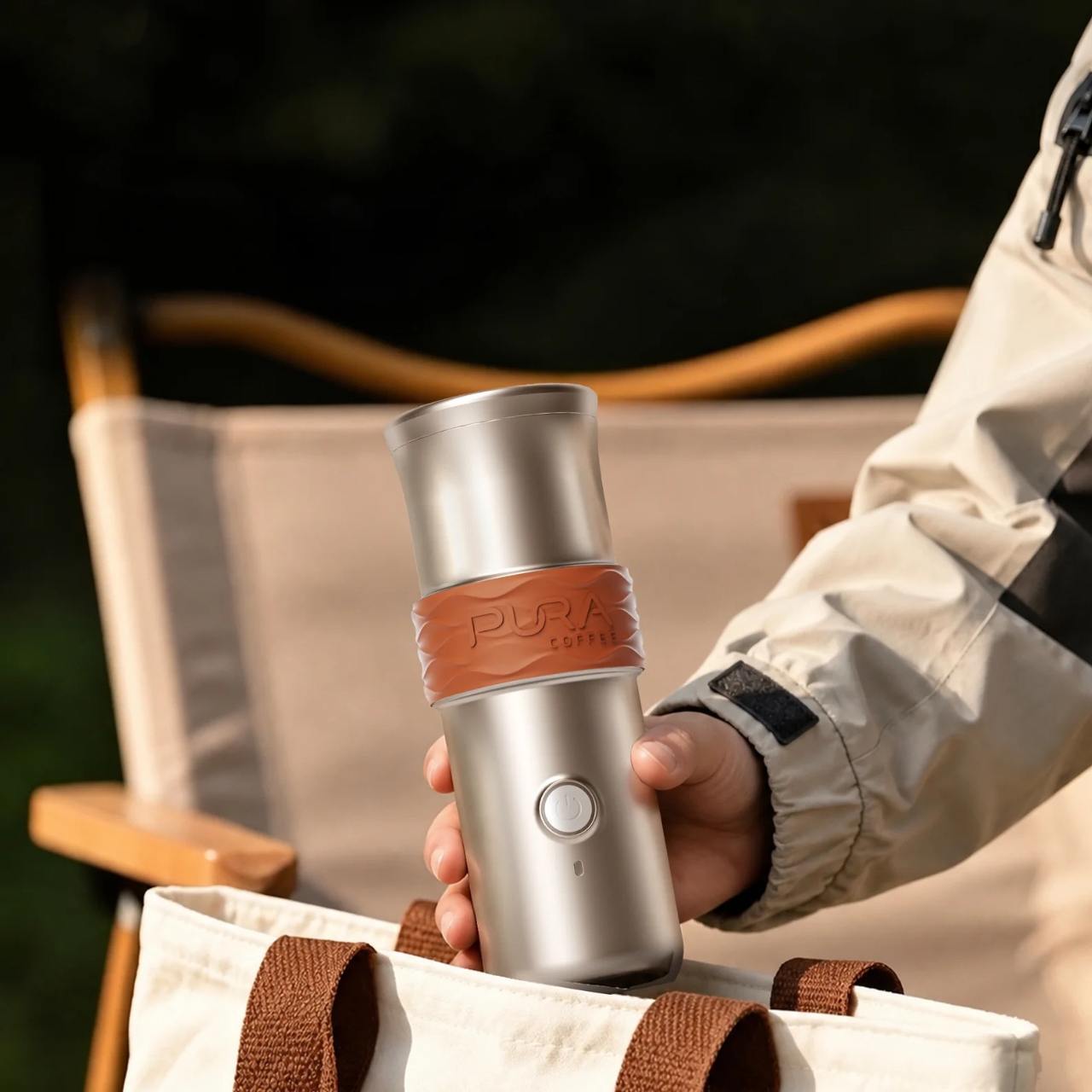
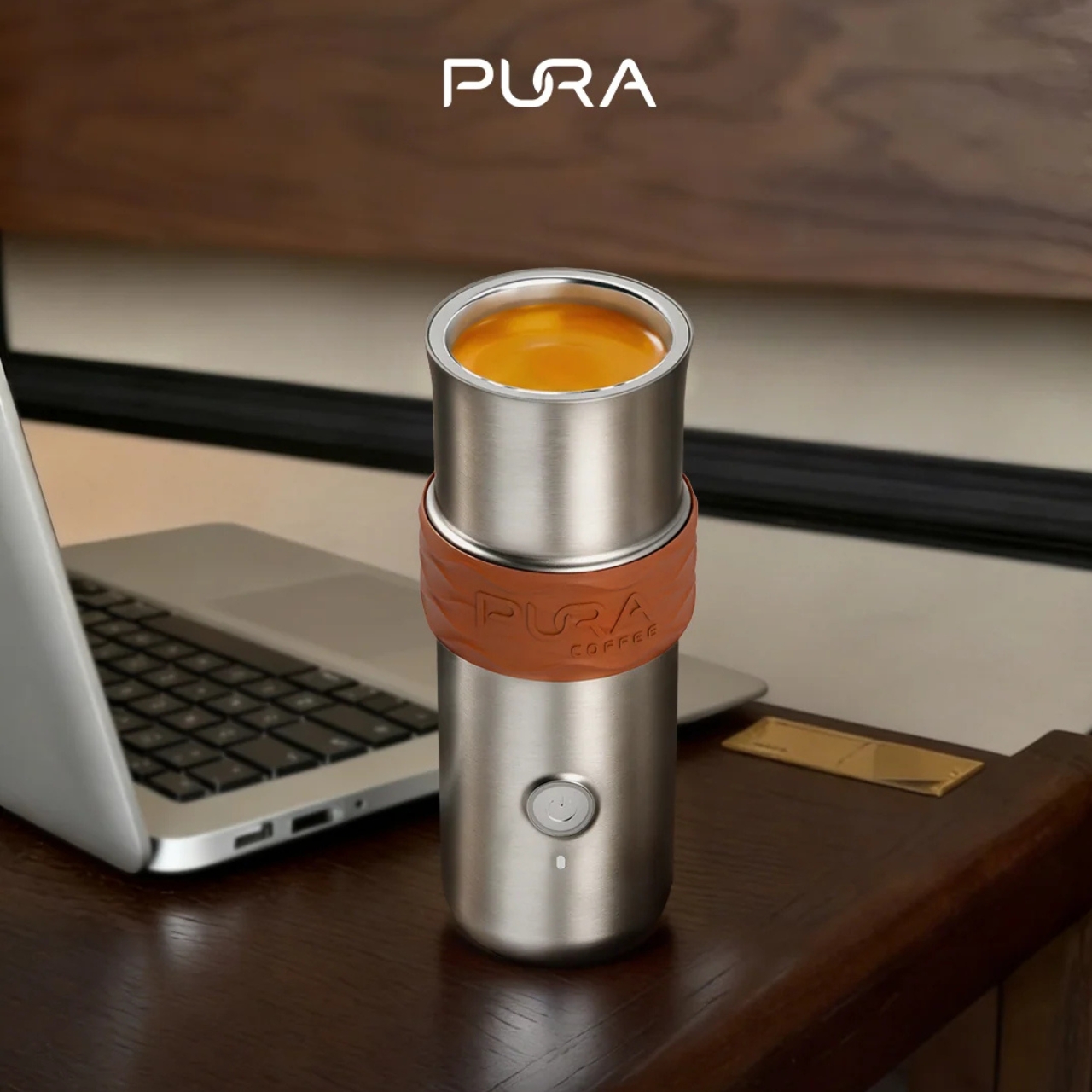
An espresso habit gets complicated the minute you leave the kitchen. You can bring the beans, but the equipment tends to stay beside an outlet, occupying a respectable chunk of counter. Pura Coffee’s PURA NEO Pro, listed for sale at $349, is designed to put heating, extraction, and drinking into one battery-powered object. The problem it tackles is straightforward: making espresso away from your usual setup without packing a miniature coffee station.

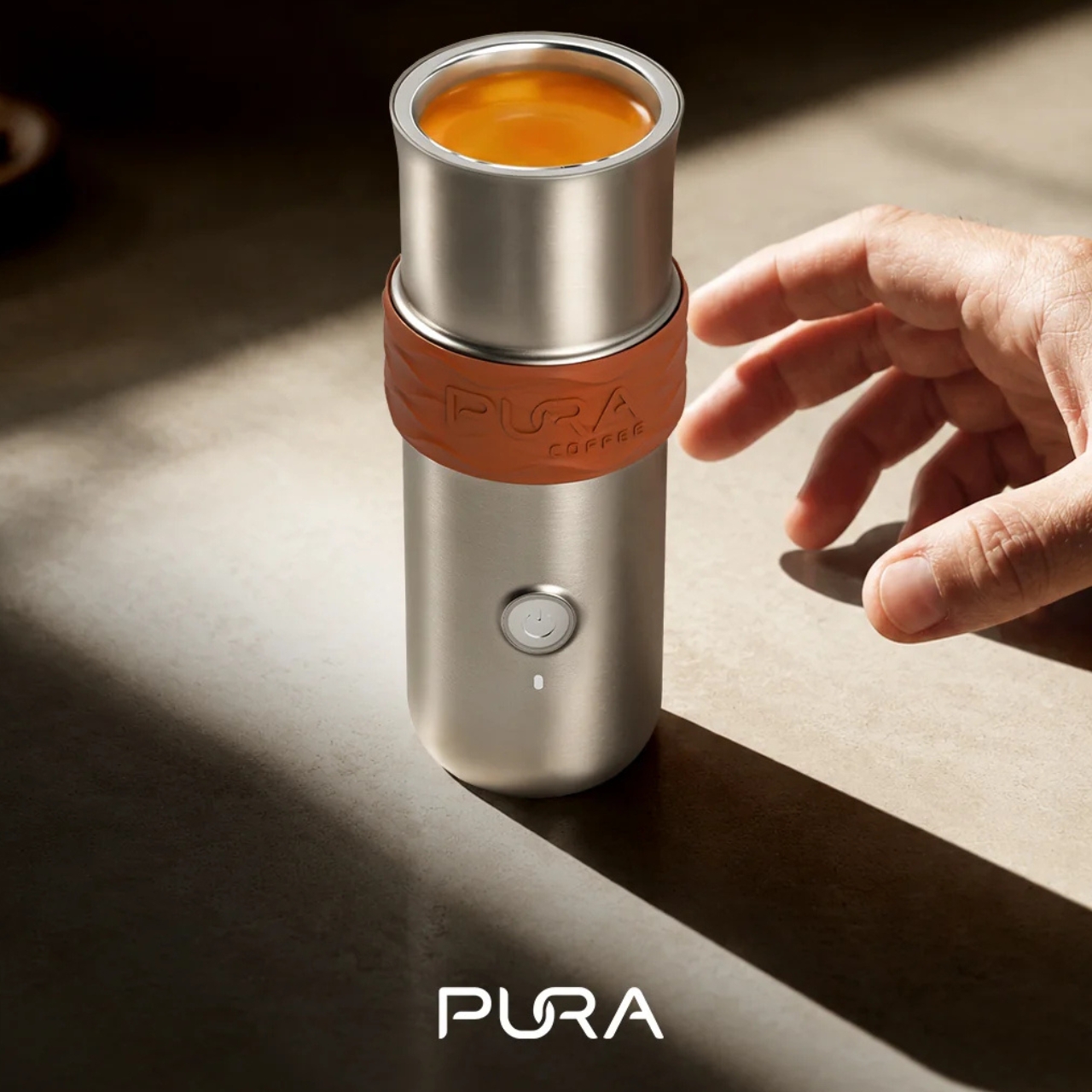
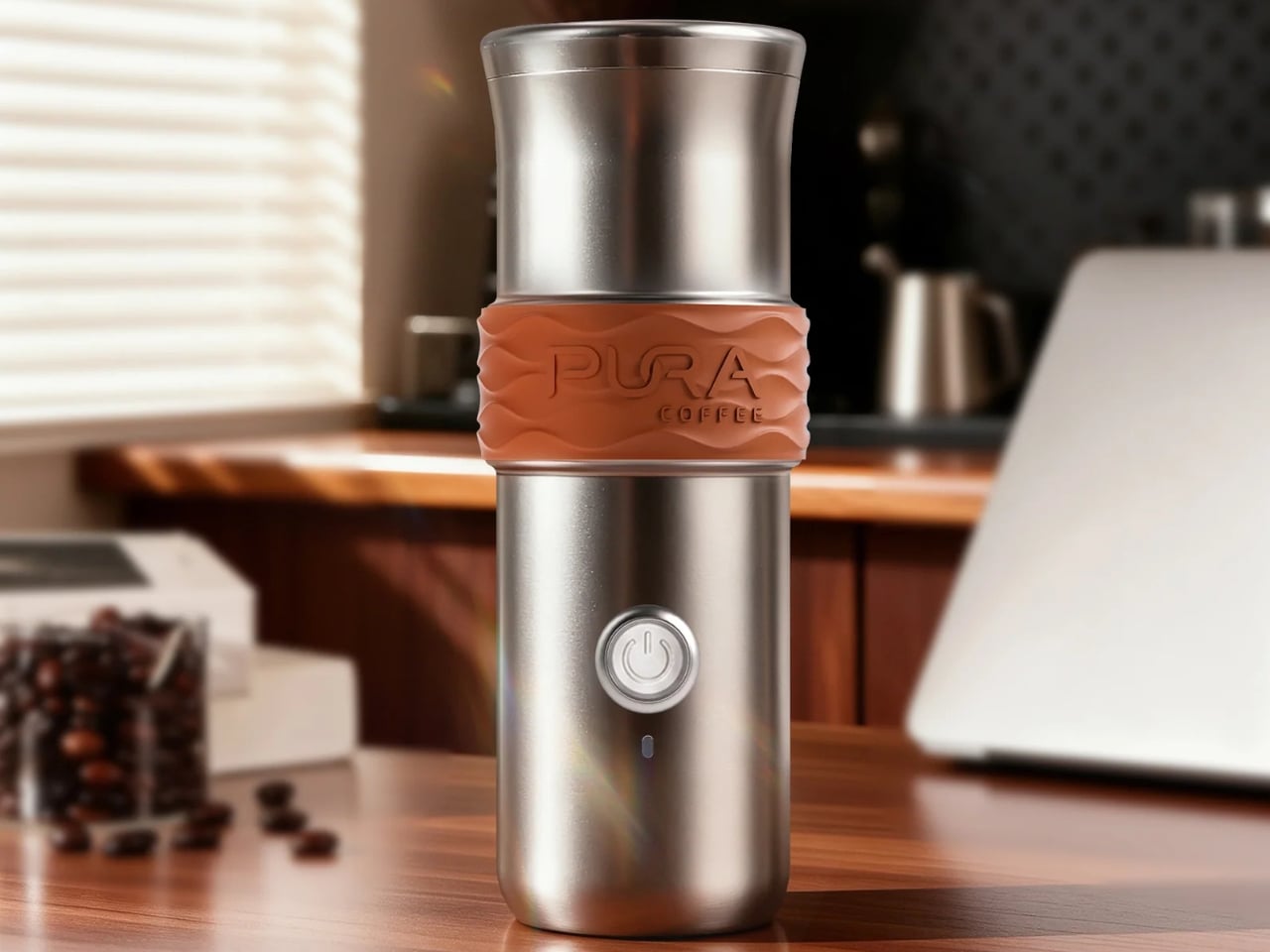
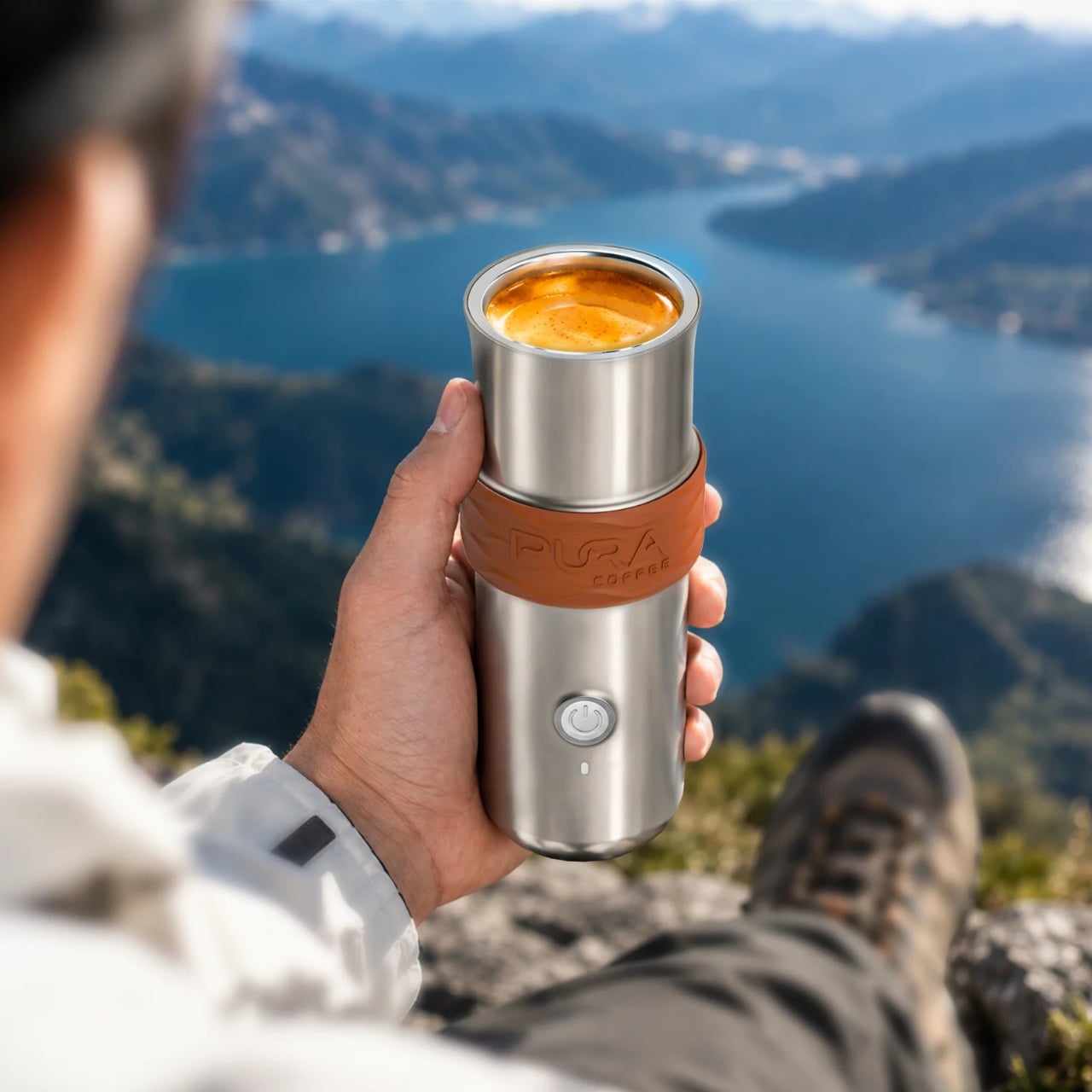
Visually, the NEO Pro looks closer to a travel tumbler than a shrunken kitchen appliance. The company’s imagery shows a cylindrical body, a cup at the top, and a textured brown band around the middle. A circular power button keeps the front relatively uncluttered. I like the restraint here. It looks like an object you could leave beside a laptop without your desk suddenly resembling the equipment shelf behind a coffee bar.

Designer: Pura Coffee

That stacked layout explains the design’s most interesting decision. Pura pumps water upward through the grounds into the drinking cup above, so you don’t need to balance the brewer over a separate vessel. The cup becomes part of the architecture rather than another accessory to remember. The company says upward flow helps wet the coffee bed evenly and reduce channeling. That extraction advantage needs testing, but the integrated cup has an immediately understandable purpose.

The basic controls are refreshingly physical. After a short press followed by a two-second hold to power on, one press starts heated brewing at the default 92°C, roughly 198°F. A double press skips heating and brews using the water’s existing temperature. Pura also uses a colored light ring to communicate status. It’s a sensible division of labor: a button for getting coffee started, with a small visual signal instead of another screen demanding your attention.

Inside, the ambition gets more technical. Pura specifies extraction pressure of 6 to 9 bar at the coffee puck and a five-stage process that moves from pre-infusion through brewing to pressure release. Its roughly three-minute cold-start brewing time is explicitly labeled a design target, not a verified result here. I’d treat that timing as provisional, particularly if the appeal is making a quick cup between meetings rather than enjoying the preparation itself.

Then comes Brew OS, the companion software that lets owners adjust brewing parameters and save combinations as shareable Brew Cards. Pura says the app can also suggest a starting extraction curve from a photograph of a coffee bag or the beans themselves. That’s a potentially useful entry point for someone who wants more guidance than a temperature slider. Importantly, the company describes these suggestions as starting points, while deeper learning from personal taste ratings remains on its roadmap.

I’m more persuaded by saving a recipe than by the prospect of photographing beans. A saved combination gives the tinkering a destination: find settings you like, then stop rebuilding them every morning. For me, that’s a better reason to connect a coffee maker to a phone than simply adding remote controls. Brew OS allows that recipe to be saved and shared, although repeating settings shouldn’t be mistaken for guaranteeing identical flavor.

The practical boundaries matter, too. The water tank holds a maximum of 70 milliliters, about 2.4 fluid ounces, so think espresso-sized servings, not a full commuter mug. Ground coffee is the primary approach, with an optional Nespresso-compatible capsule adapter. Cleanup still involves discarding the grounds and rinsing removable parts; the body cannot be immersed or put in the dishwasher. Portability gets the equipment into your bag, but it doesn’t make the used grounds disappear afterward.

At $349, I’d want the NEO Pro to earn its place through regular use, not just the occasional campsite photo. Its strongest design argument is the cup itself: brewing and drinking share one vertical assembly, with fewer separate objects to arrange. If carrying your espresso routine matters enough to justify the preparation and cleanup, that’s a thoughtful place to start. The app can offer more settings later. First, the coffee needs somewhere to land.

The post Espresso Without an Outlet or a Separate Cup first appeared on Yanko Design.
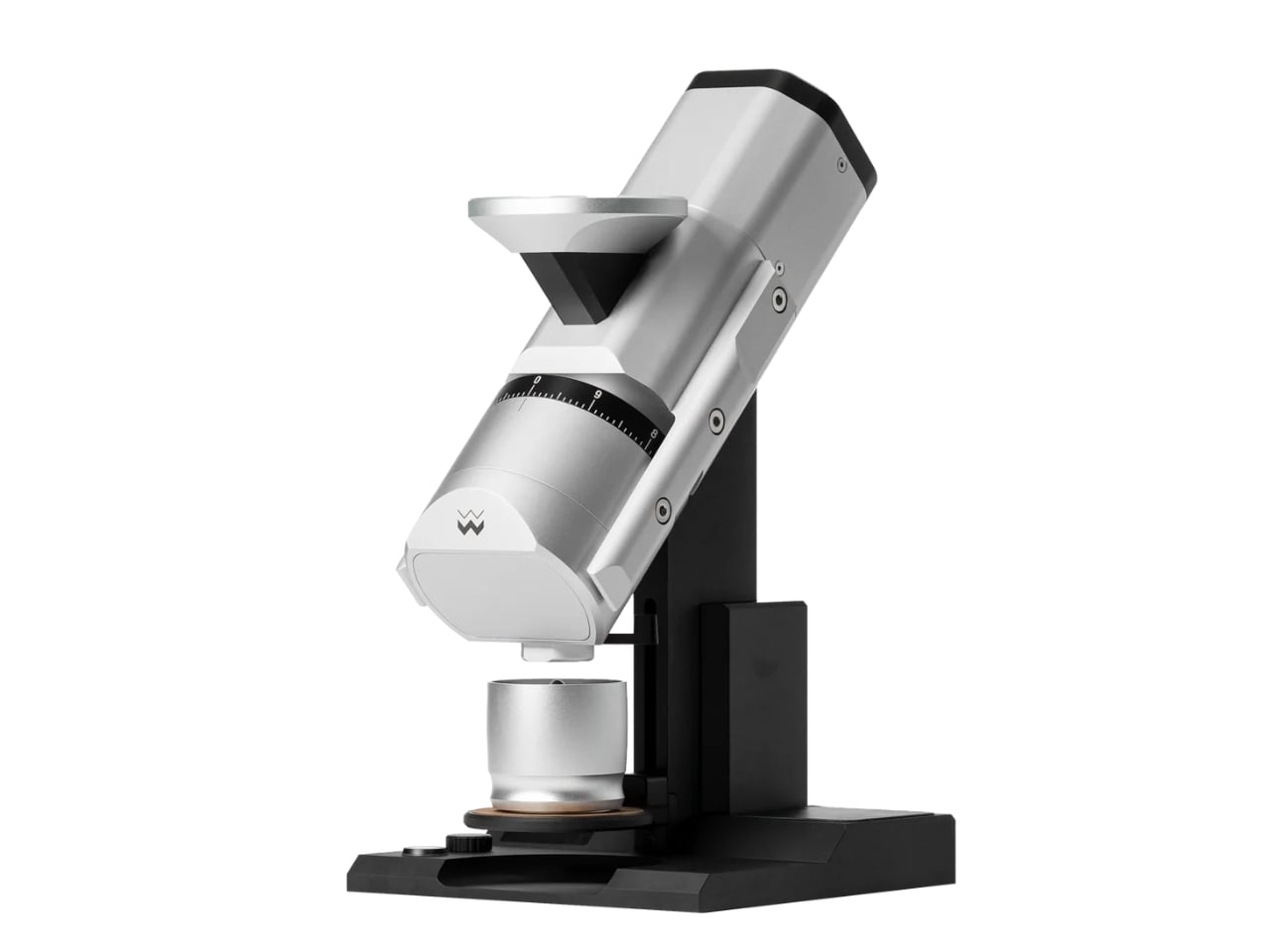
Weber’s EG-1 Coffee Grinder Tackles Static and Hidden Grounds

I have different coffee paraphernalia at home, and using different grinders can sometimes be a hassle. I like having options, but I don’t love the idea of every option bringing its own cleanup routine. Grounds clinging to a chute or lingering inside a machine are small problems until they become part of the process you repeat every morning.

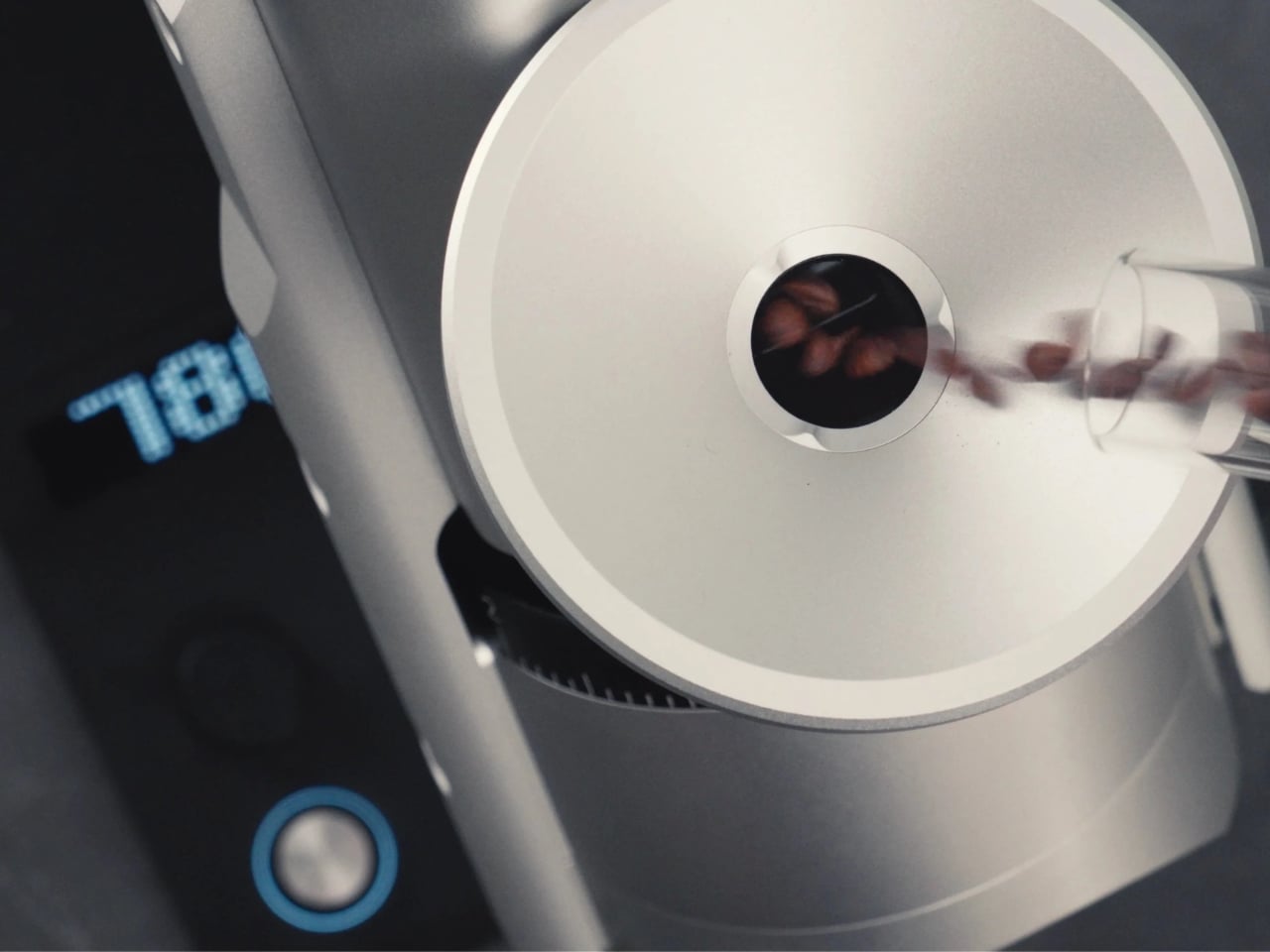
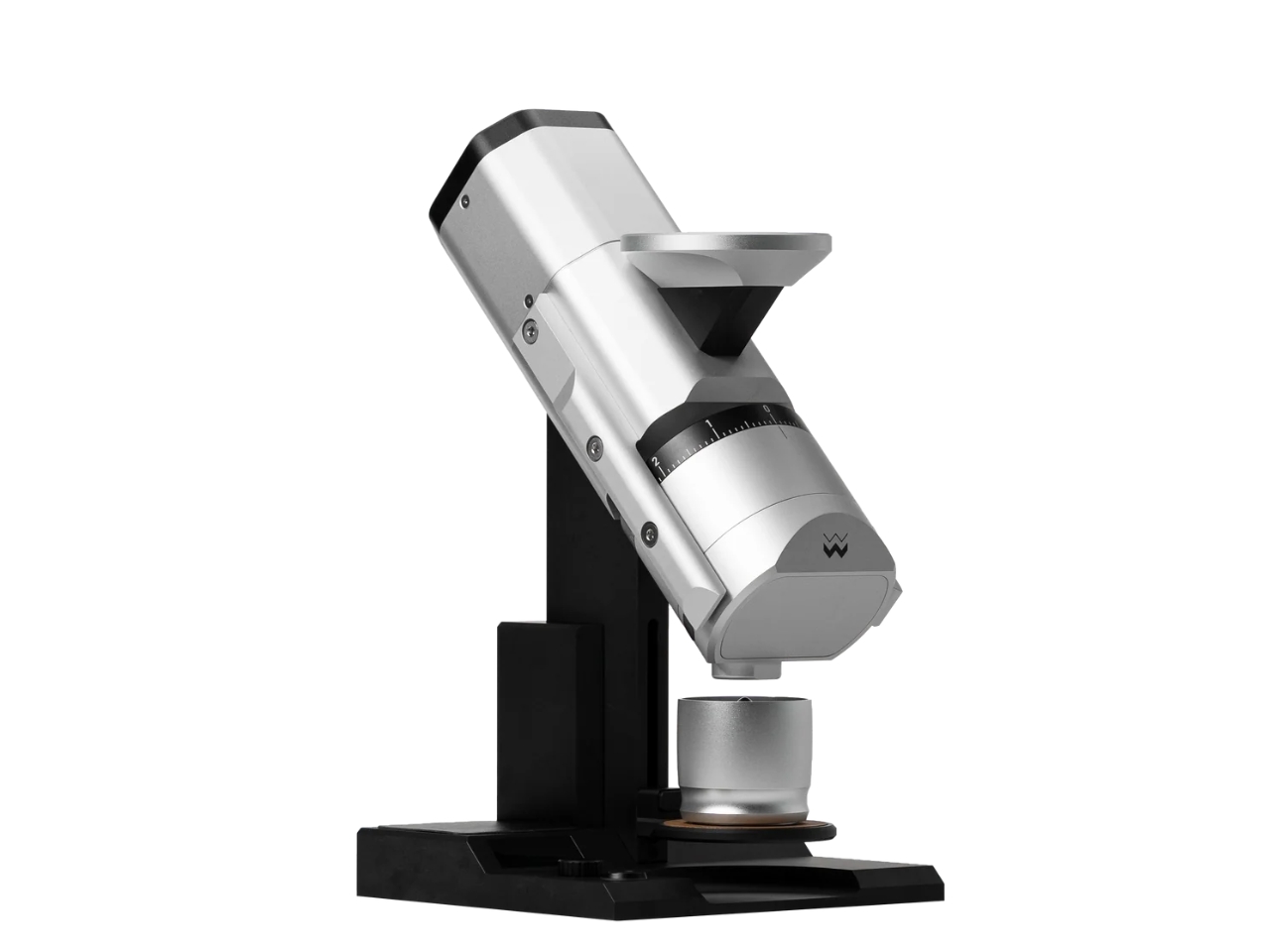
Weber Workshops’ redesigned EG-1 addresses that friction through features targeting static, trapped coffee, and awkward maintenance. It’s an electric single-dose grinder built around 80mm flat burrs, intended for loading the beans needed for each brew. With a listed price of $4,450, it’s firmly an enthusiast purchase. Still, its approach deserves attention beyond the people prepared to spend that much on grinding coffee.

Designer Name: Weber Workshops

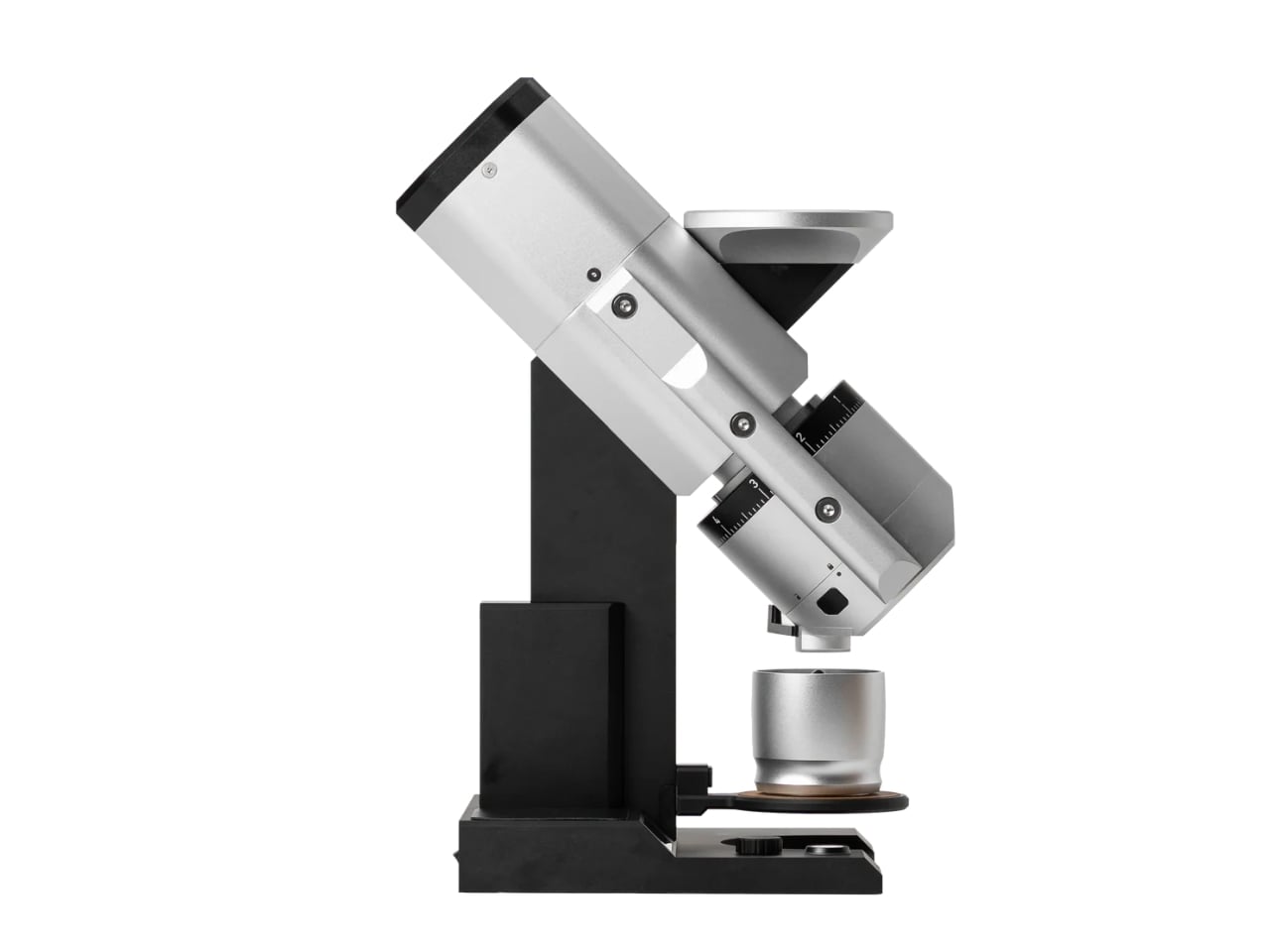
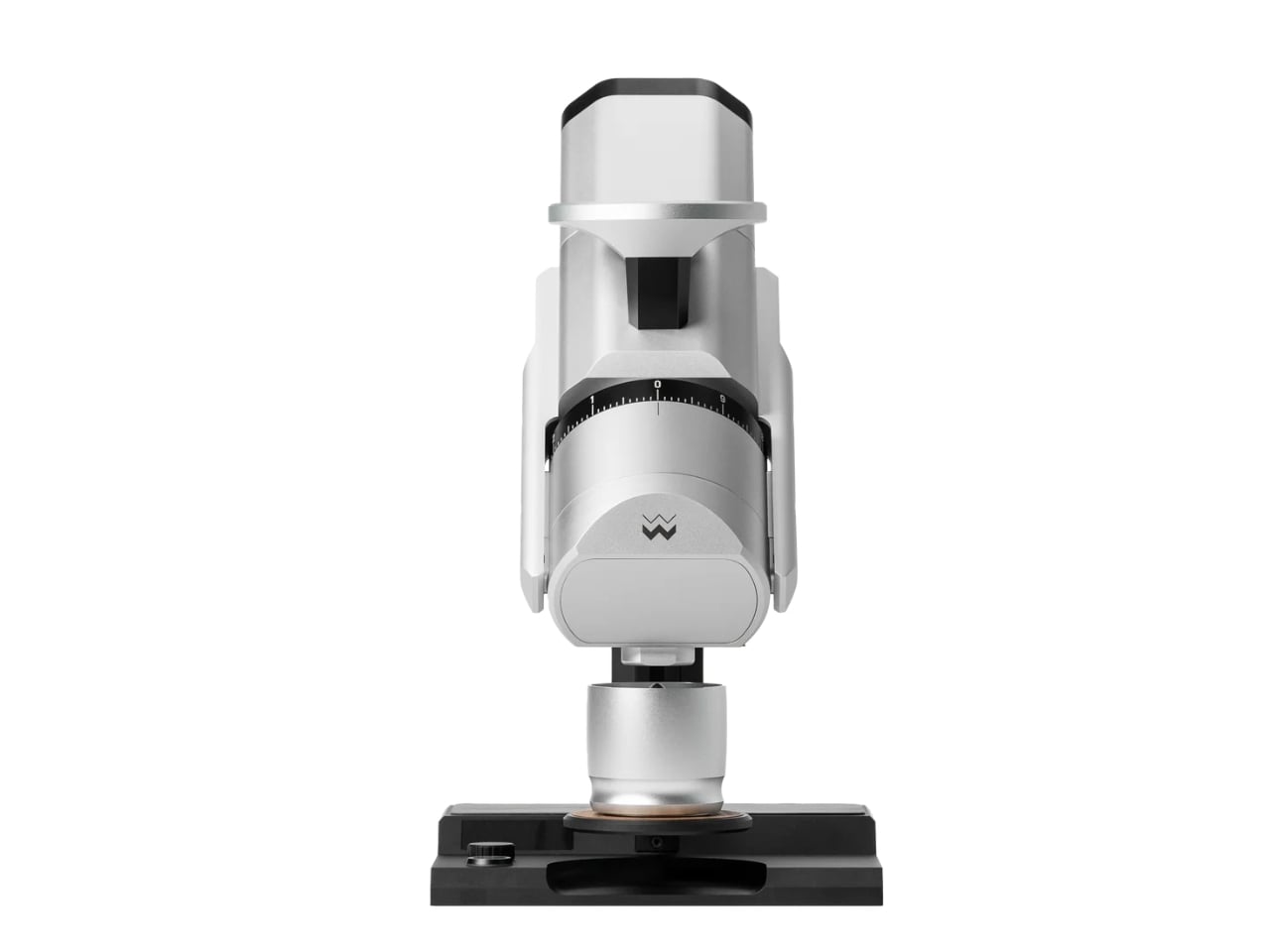
The product images give it the presence of a small laboratory instrument. Its cylindrical grinding assembly sits above a collection cup, supported by an exposed frame rather than hidden inside a countertop box. A numbered adjustment ring makes the machinery feel legible. I like that visual directness. It looks like equipment you’re supposed to understand, although that appearance alone tells us nothing about how easy it actually is to operate.

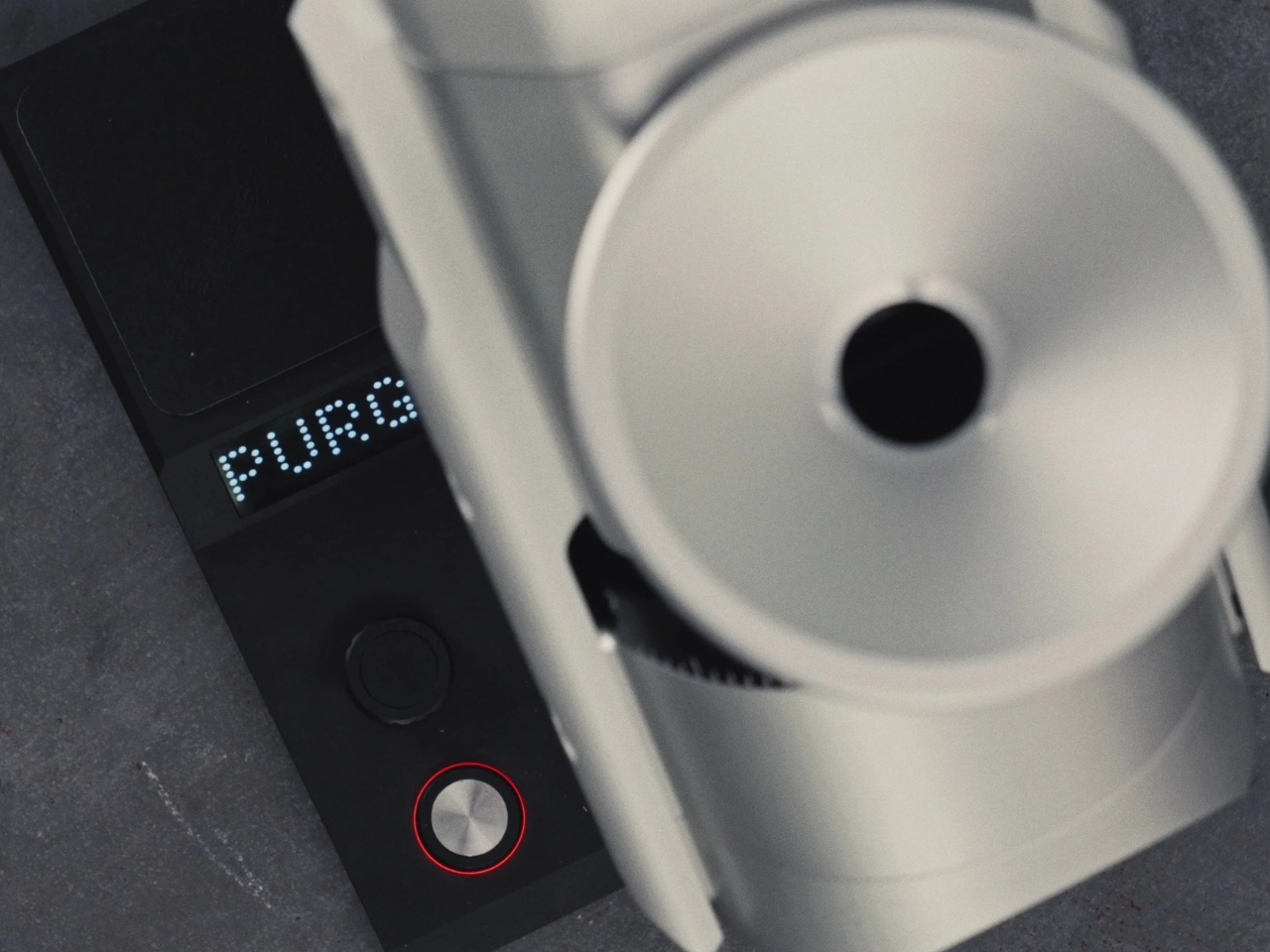
The integrated ion generator is designed to neutralize static as grounds exit the burr chamber. That’s a practical place to intervene. I’d rather see a recurring nuisance addressed inside the appliance than add another corrective step to the routine. For someone already juggling coffee accessories, the appeal is straightforward: potentially fewer grounds clinging where they shouldn’t. It’s also the kind of improvement that would matter after the novelty of owning an impressive-looking machine wears off.

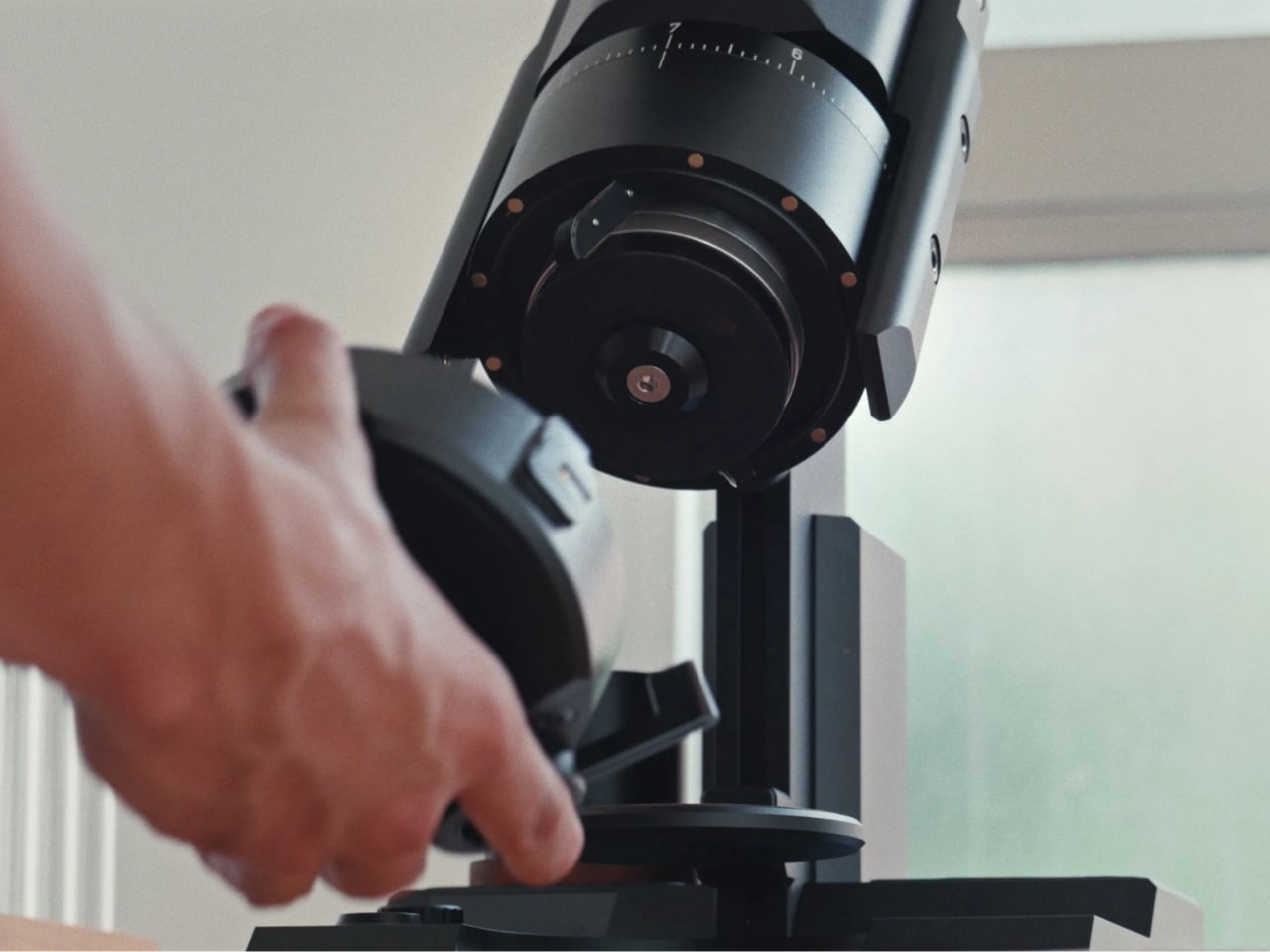
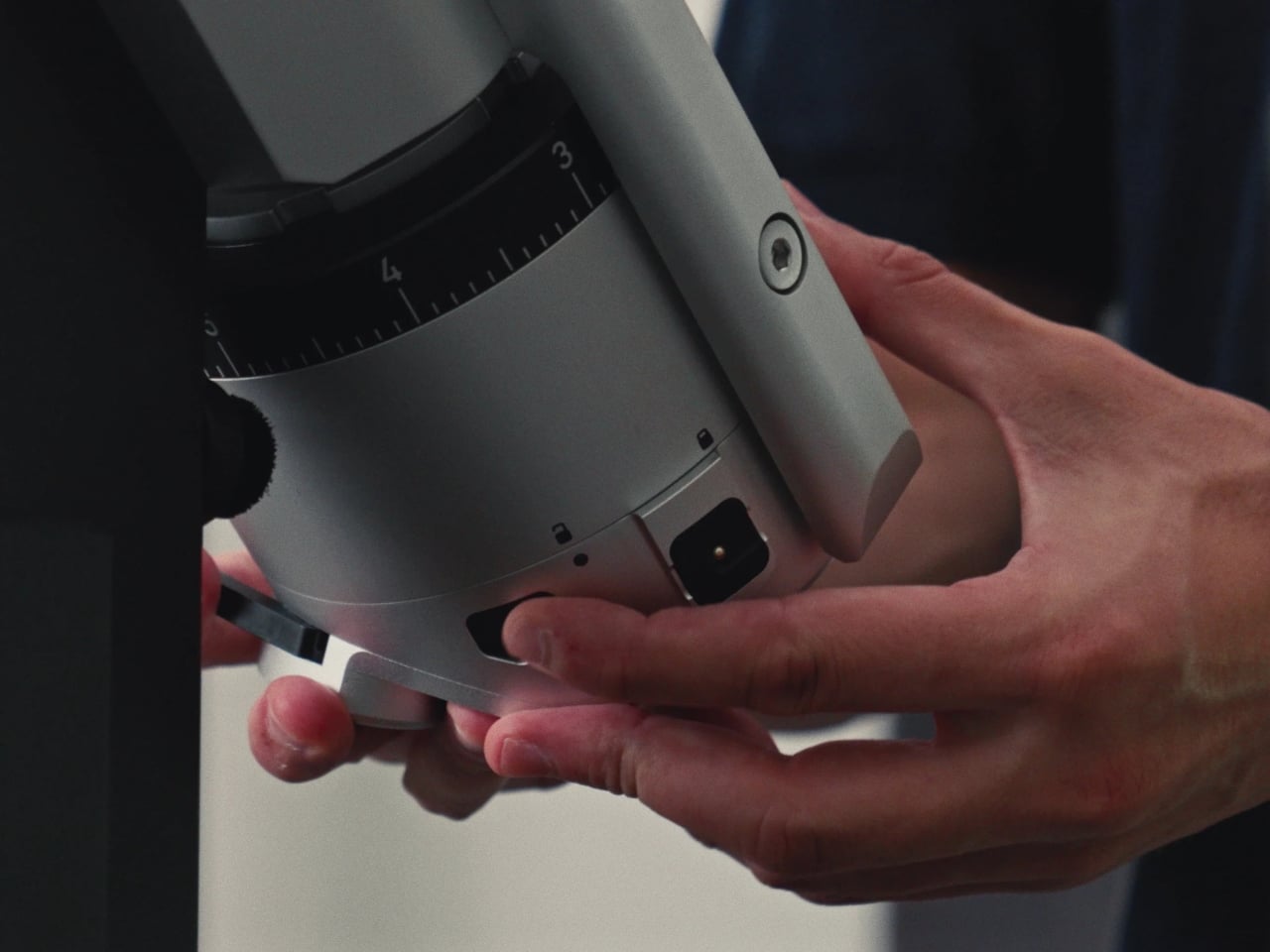
Cleaning gets similar attention. The burr chamber cover comes off without tools, while Weber says its “Intrinsic Alignment” architecture removes the need for manual burr alignment after cleaning or changes. I appreciate the thinking here more than another specification promising exceptional precision. Access matters. If maintaining an expensive object feels intimidating, I’d be less inclined to do it regularly. Designing around that reluctance is a sensible way to make precision equipment more approachable, particularly for an owner who enjoys brewing but doesn’t want a second hobby in machine maintenance.

Then there’s Vibe Tone, a name that sounds faintly like a setting on a synthesizer. It uses motor-driven oscillations to help clear coffee remaining between the burr teeth. The appeal is getting more of the intended dose out of the machine instead of leaving it behind. These are manufacturer-described mechanisms, not a hands-on verdict. I’d want measured retention and static results before calling the cleanup problem solved, but the engineering is aimed at recognizable inconveniences.

Burr choice still requires some thought. Weber recommends CORE for espresso and filter brewing; ULTRA is filter-specific and unsuitable for traditional espresso. The separate burr page also makes clear that the system offers different grinding profiles. I’d resist treating the more specialized option as an automatic upgrade. For a home with different brewing tools, versatility may be more useful than specialization. Matching the setup to what you actually make is a better starting point than buying the most impressive-sounding configuration.

Some of the quieter details are equally appealing. The power inlet rotates between rear-facing and downward-facing positions, giving the cable different routes away from the machine. That won’t improve the coffee, but it acknowledges that a grinder has to live on a counter alongside everything else. I’m more persuaded by this sort of accommodation than by decorative flourishes. A desirable object should also make sense once the cord is plugged in.

The price remains a substantial obstacle, and I wouldn’t suggest that a less frustrating morning requires a $4,450 grinder. What interests me is the attention given to ownership after purchase. I enjoy having coffee choices at home; I’d simply like those choices to involve less housekeeping. Before adding another grinder to that collection, I’d want to know that its clever mechanisms save effort rather than introduce a different set of chores.

The post Weber’s EG-1 Coffee Grinder Tackles Static and Hidden Grounds first appeared on Yanko Design.
AeroPress Built a Coffee Maker Nobody Wants to Hide

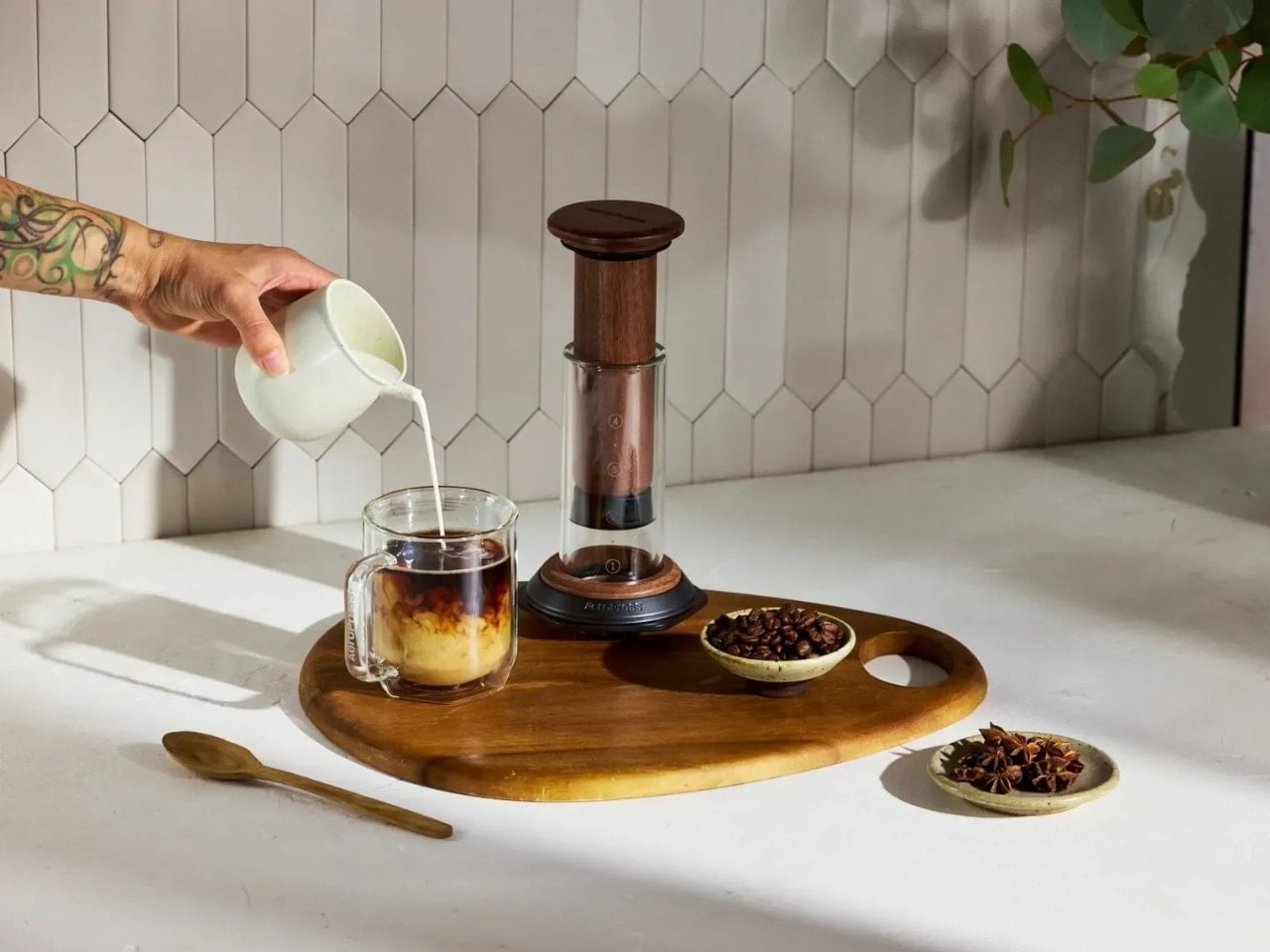
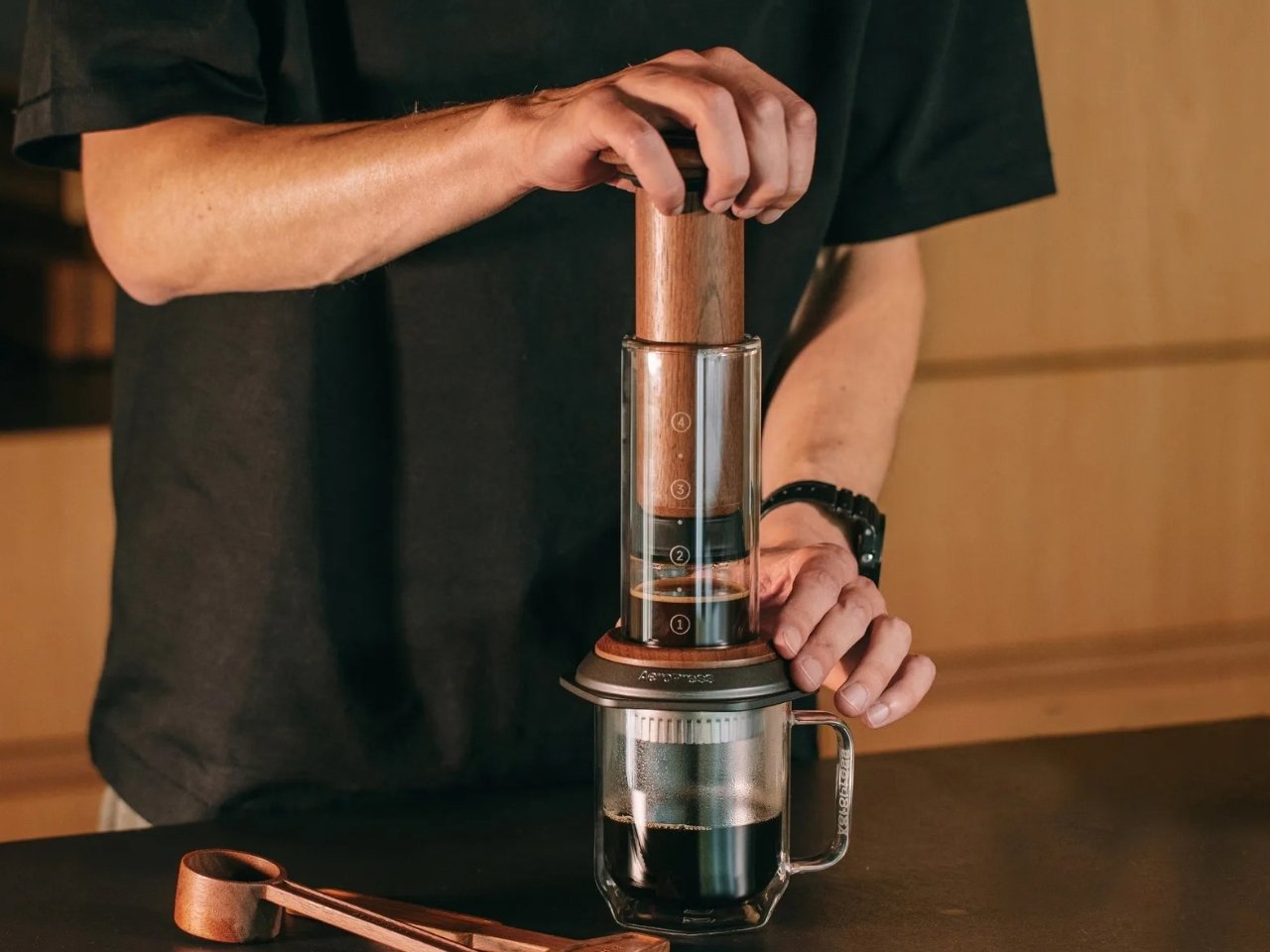
As someone who loves exploring different ways to make coffee, I have a confession: I still haven’t tried an AeroPress. I’ve been curious about it for years, but I’m also a certified clumsy person who imagines making a mess on the first try. Maybe that fear says more about me than the coffee maker. Still, if I’m going to take the plunge, the AeroPress Premium Walnut might be the version that convinces me. It looks less like a piece of equipment I’d tuck into a cabinet and more like something I’d make room for on the counter.

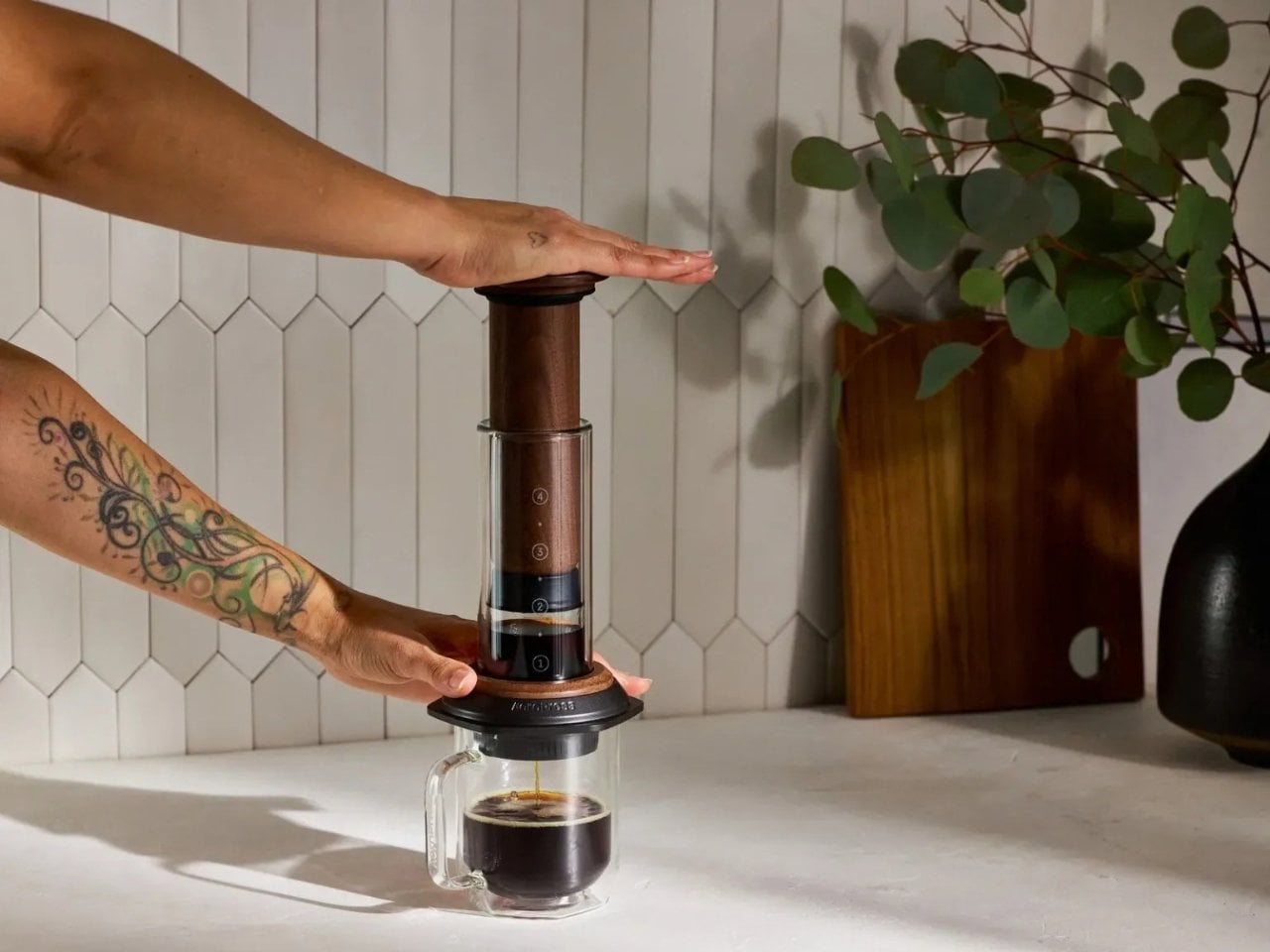
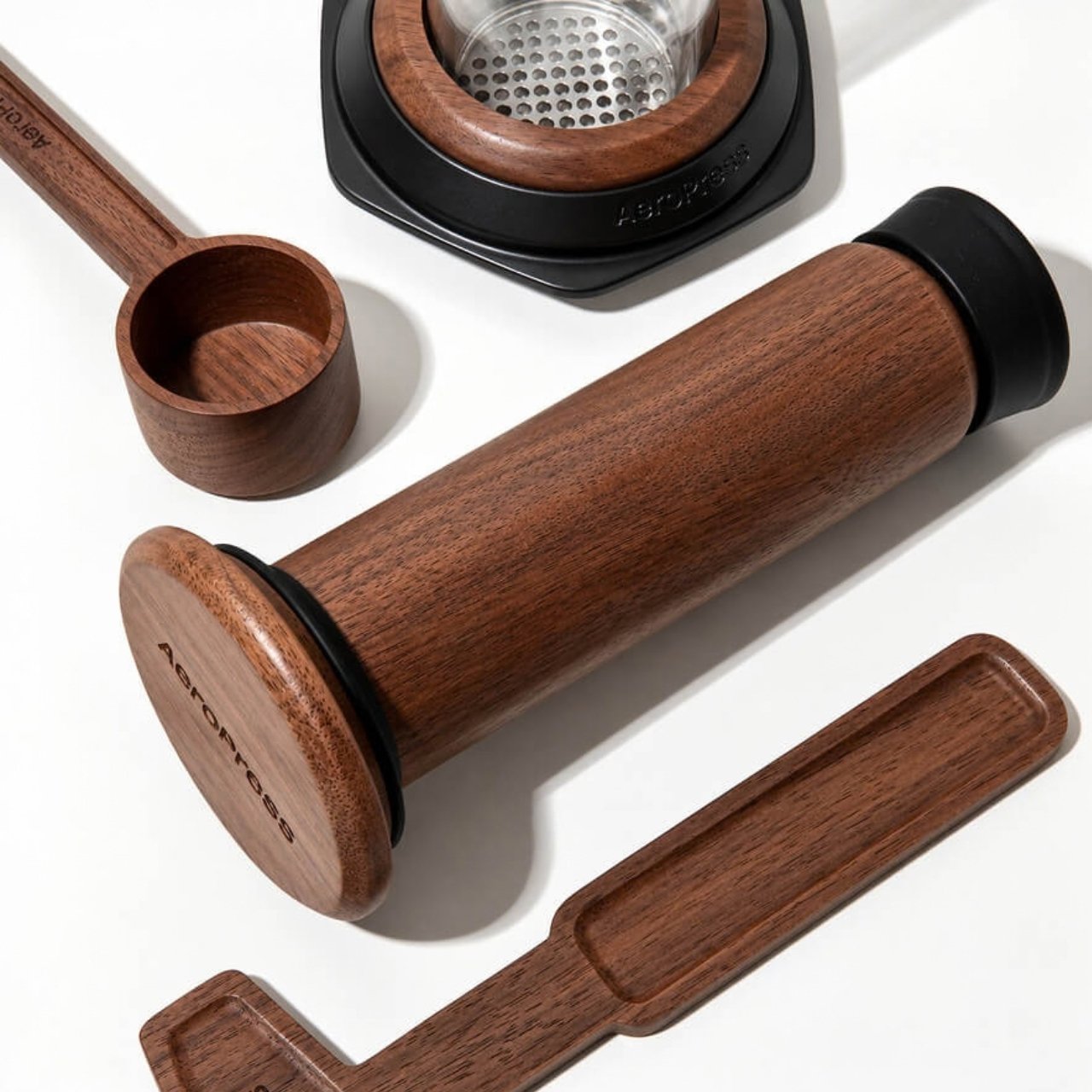
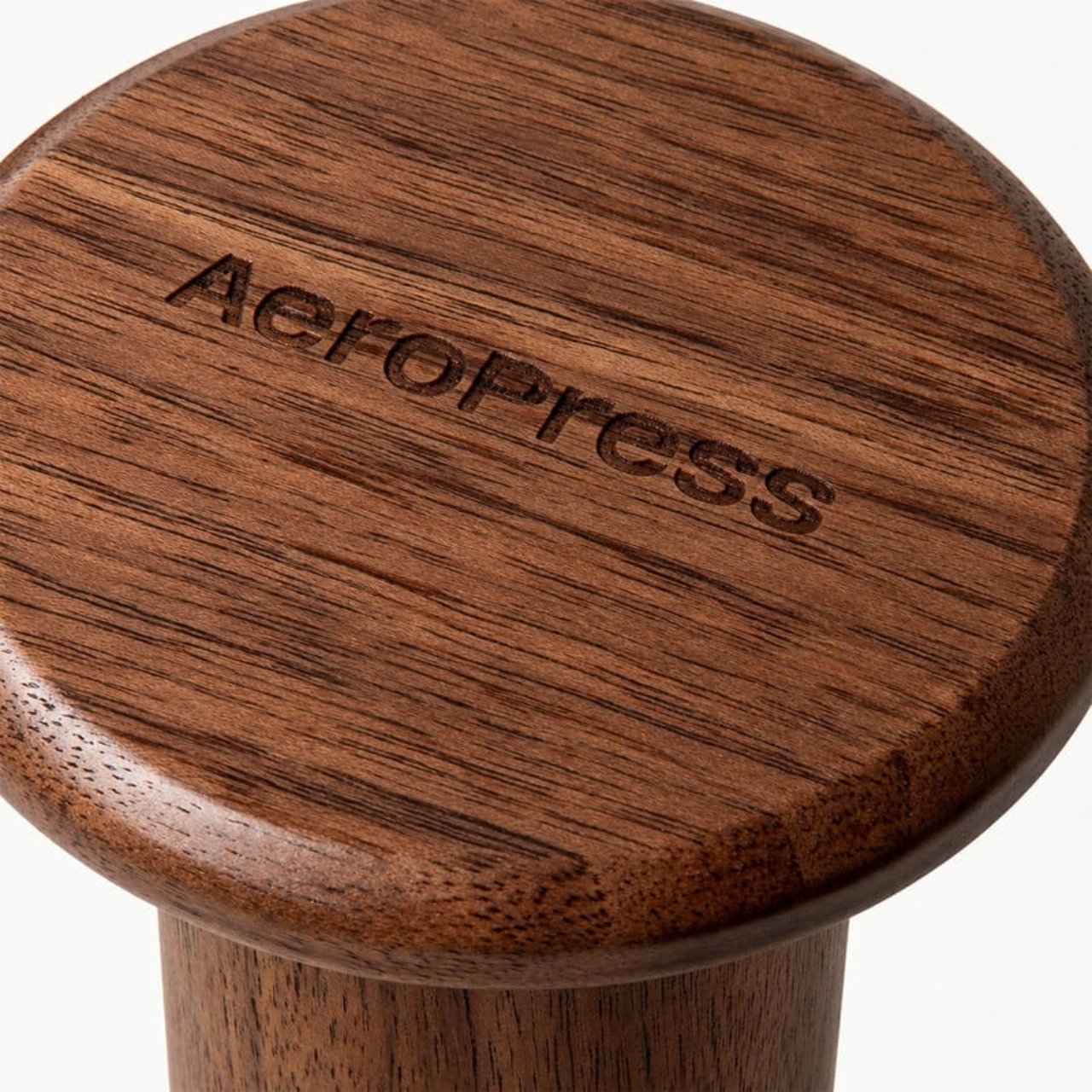
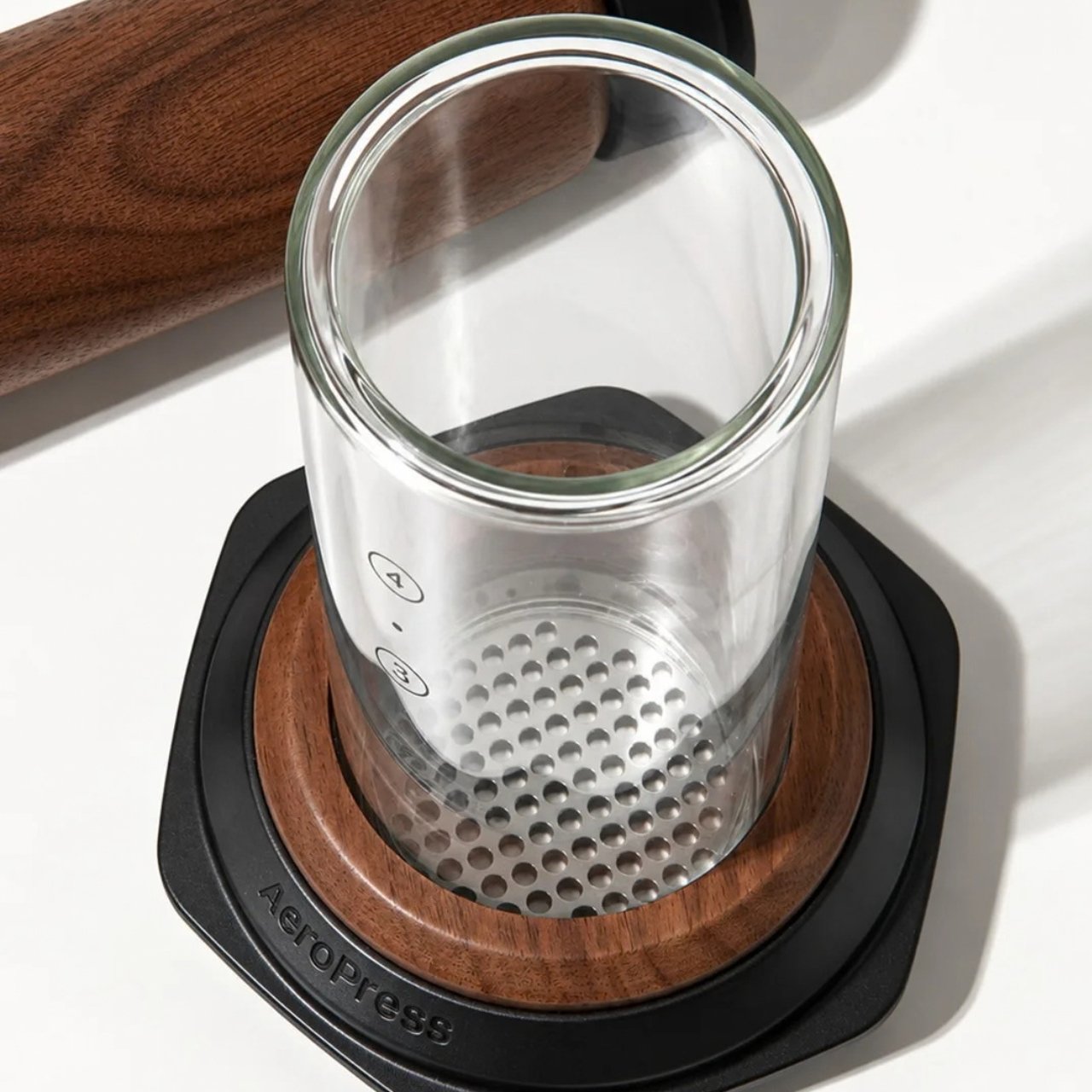
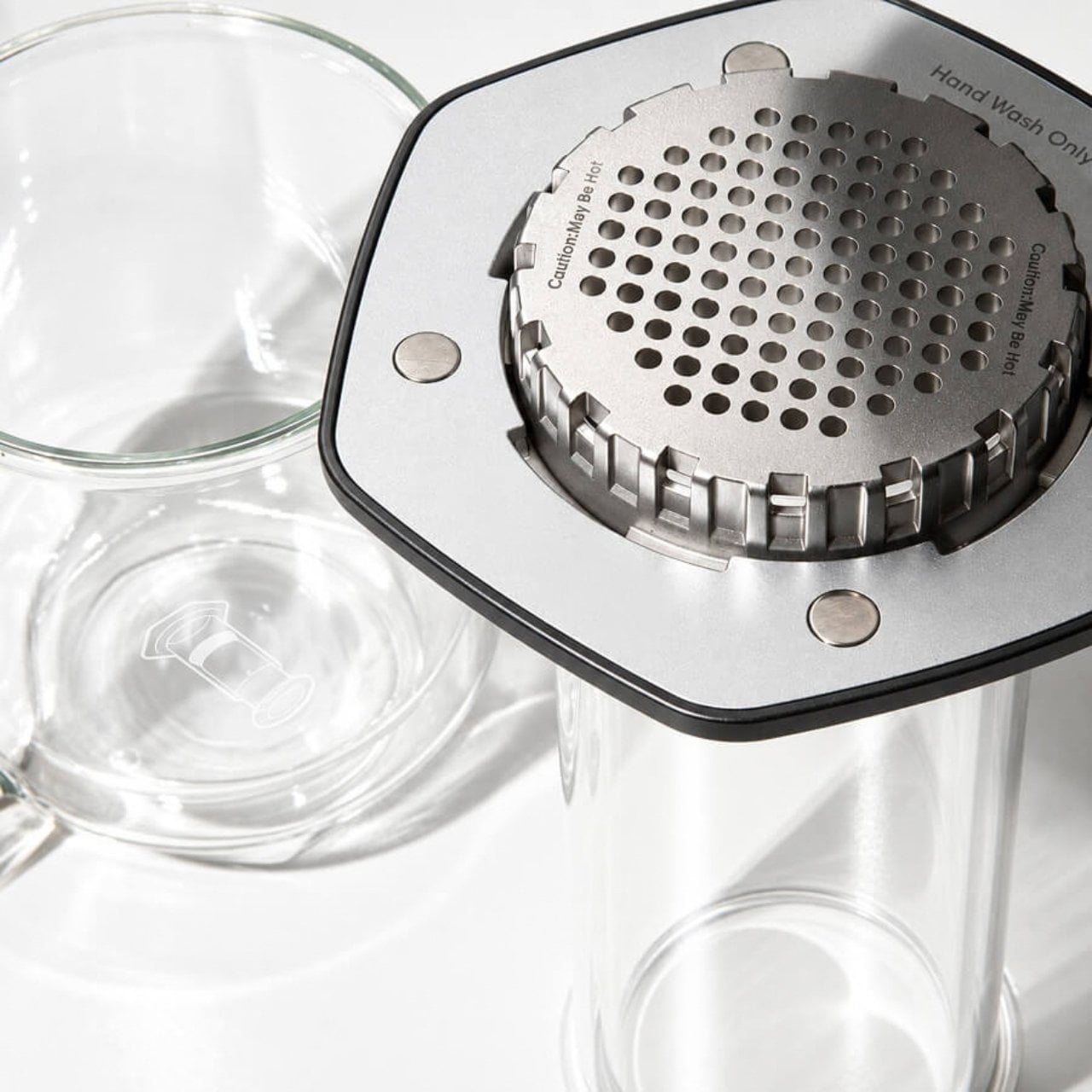
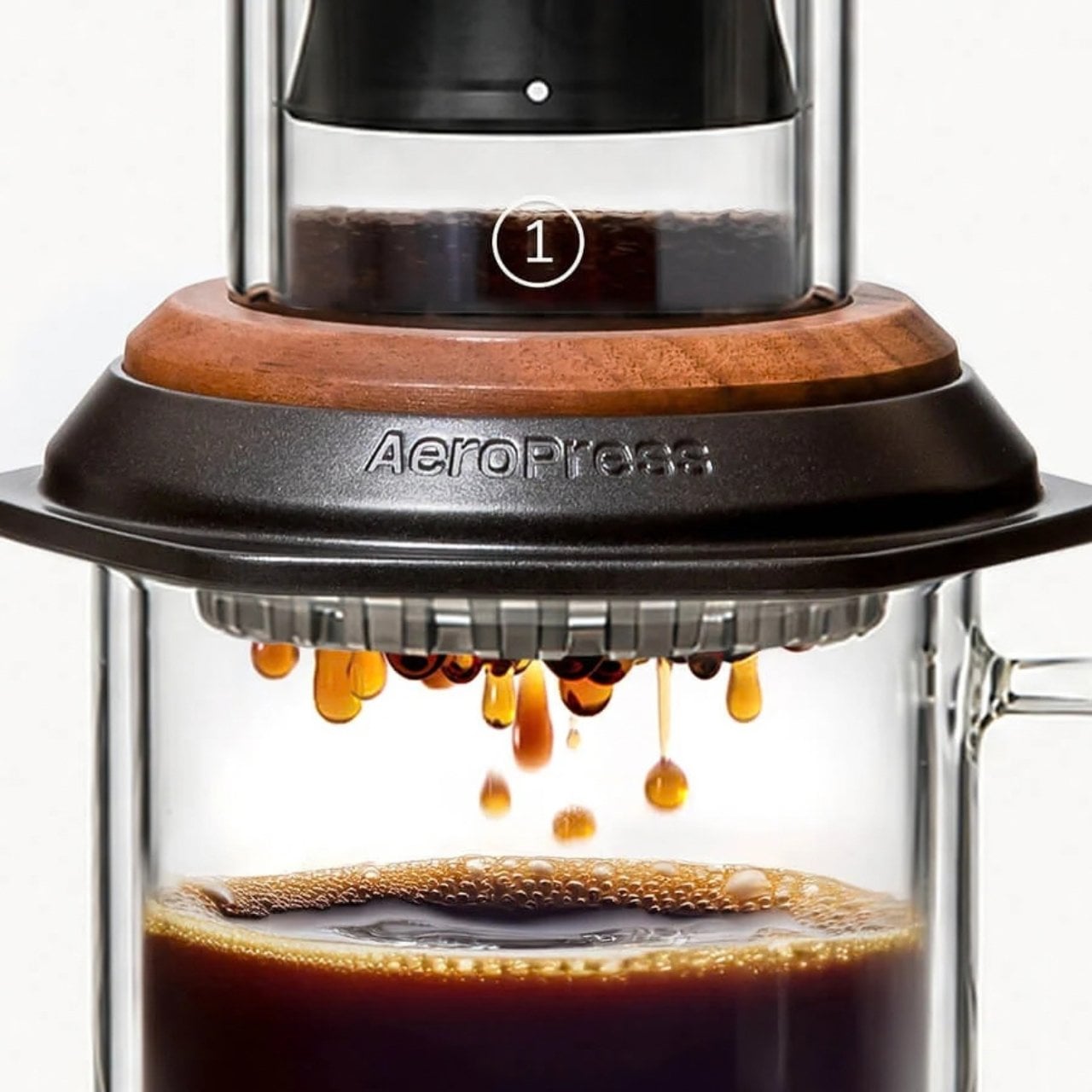
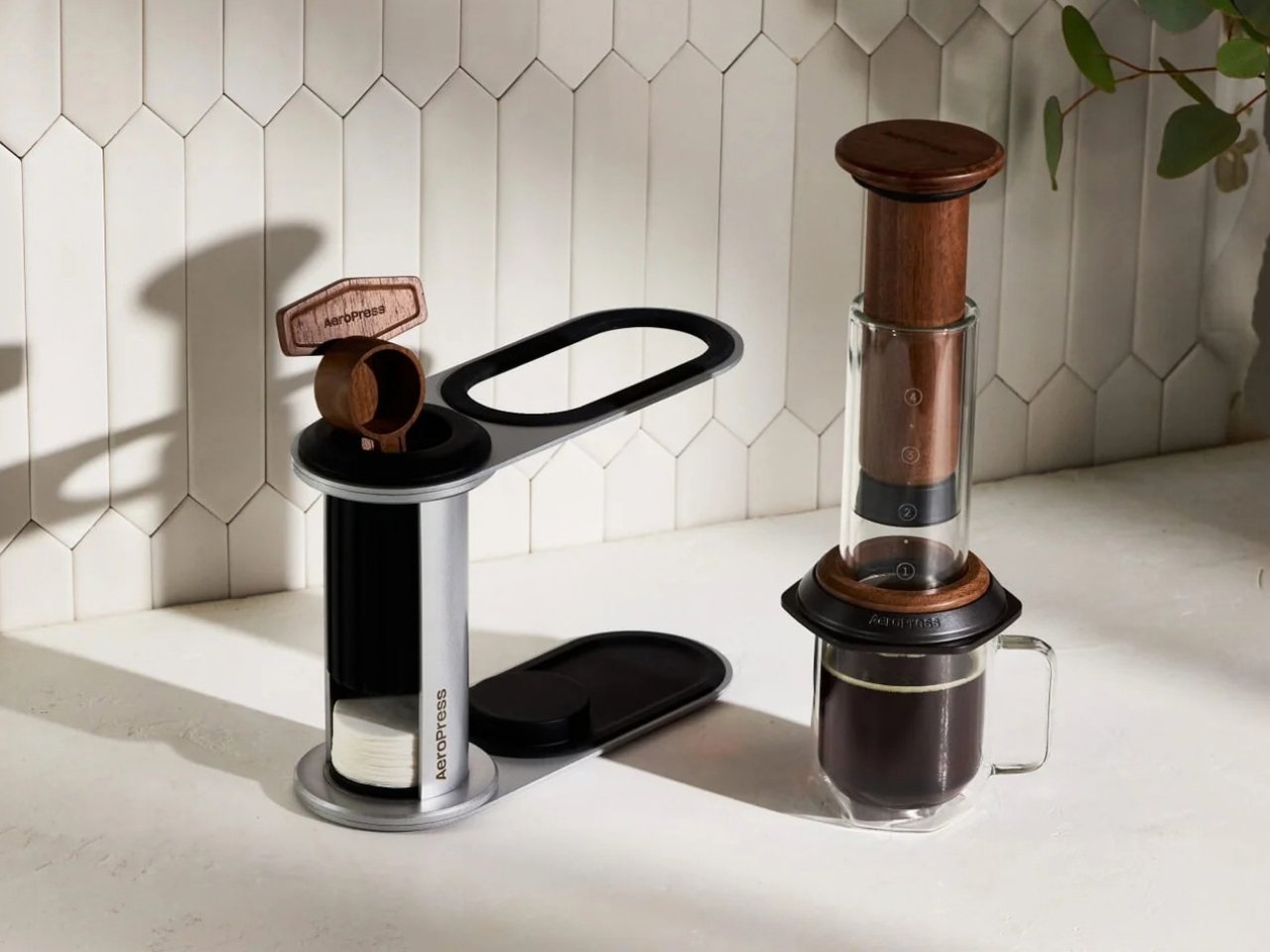
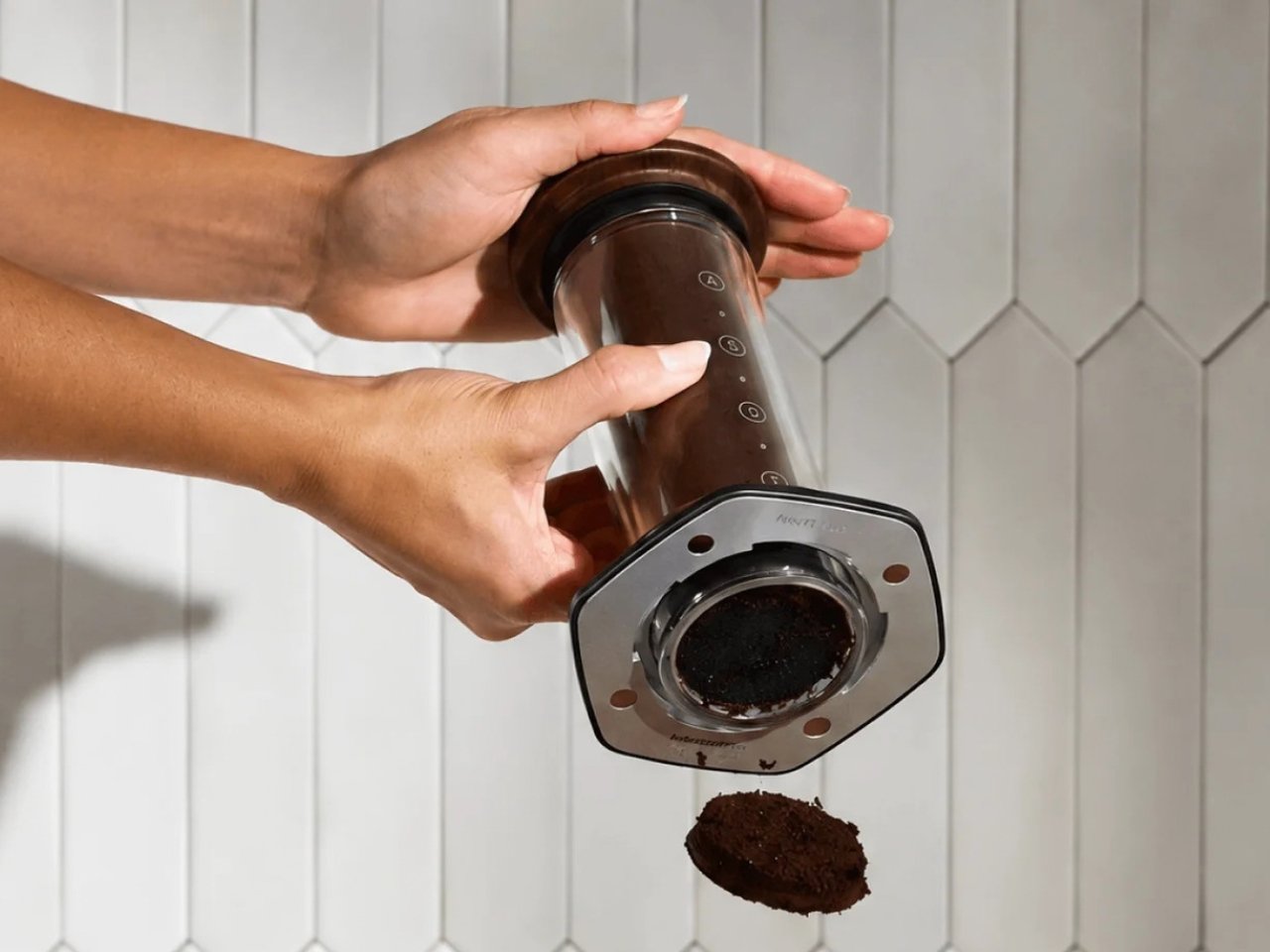
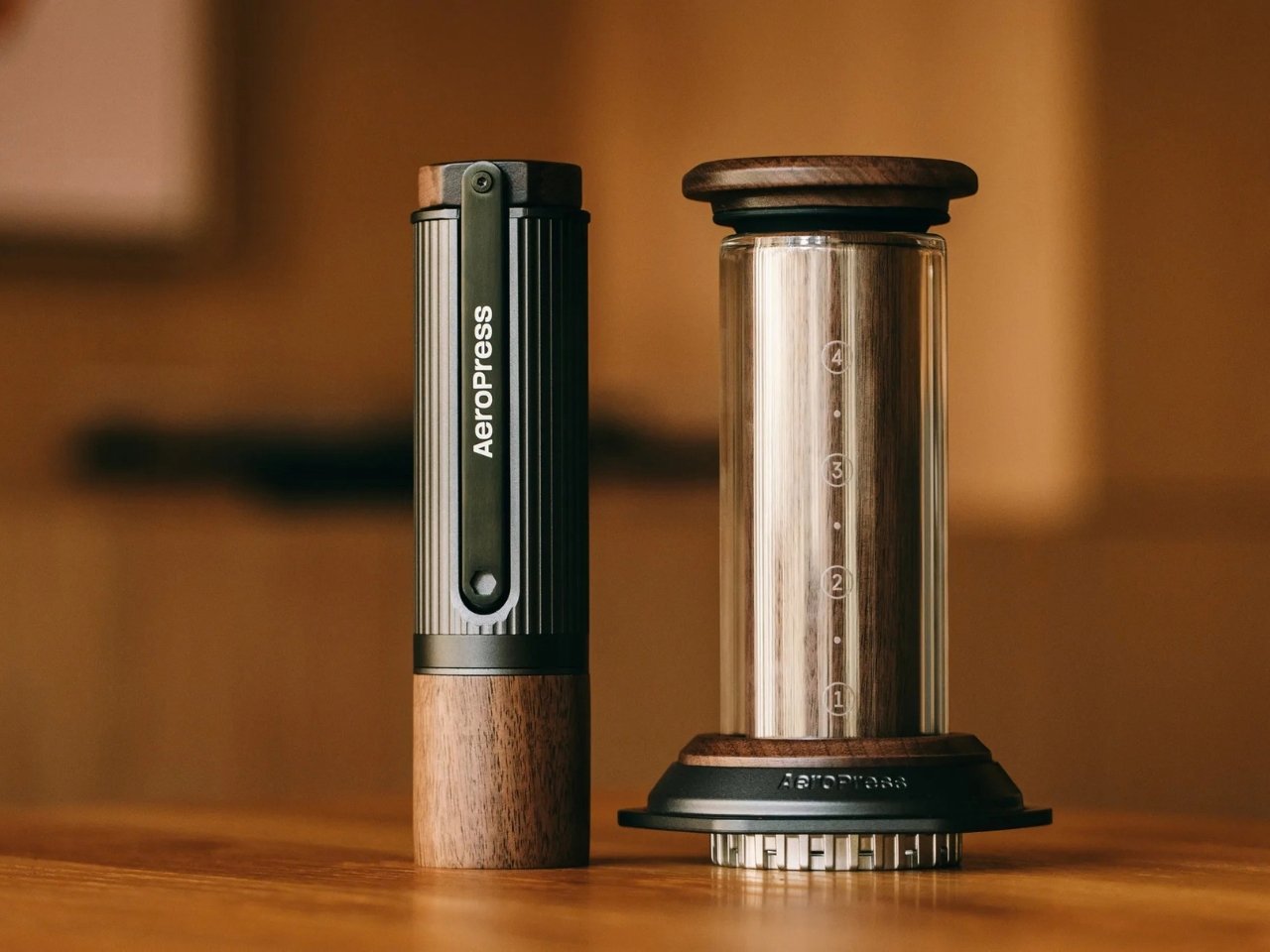
The Premium Walnut keeps the manual, 3-in-1 brewing method that made the AeroPress recognizable. What changes is the experience surrounding it. Instead of the Original’s plastic body, this version combines a double-wall borosilicate-glass chamber with walnut, stainless steel, and aluminum. You can see the coffee brewing through the glass, while the wood brings warmth to a design that might otherwise feel industrial. It’s a coffee maker meant to look as considered as the rest of your kitchen.

Designer: AeroPress

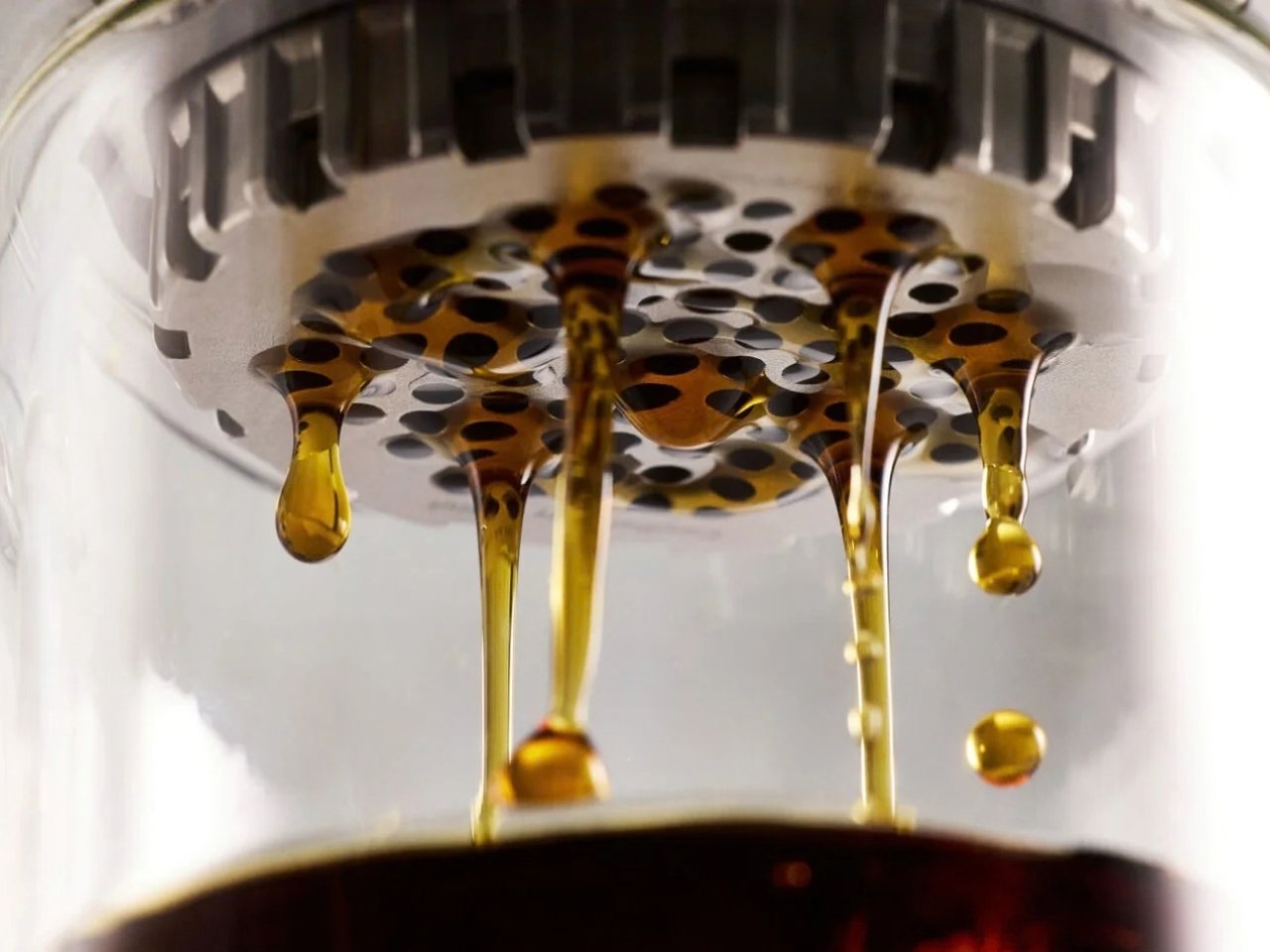
That matters because the AeroPress already has an appeal beyond its appearance. It offers a compact way to make a cup of coffee without an electric machine, and its method leaves room to experiment with grind size, water temperature, and brewing time. AeroPress describes the result as combining qualities of French press, pour-over, and espresso-style coffee. The “espresso-style” distinction is worth keeping: this is a manual press, not a replacement for an espresso machine.

The Walnut version addresses a different problem. If you enjoy making coffee but dislike the look of plastic gear on your counter, it gives you an AeroPress you might actually want to leave out. The transparent chamber makes the process part of the visual appeal, and the walnut plunger stands out against the glass and metal. For anyone who enjoys arranging a home coffee bar or filming their morning routine, that combination offers something beyond the finished cup.

Of course, looks aren’t the whole story when you’re using an object every morning. The double-wall glass is intended to help retain heat, and the brewer comes with paper micro-filters, a stainless-steel scoop, and a stainless-steel stirrer. Its 10-ounce capacity makes it a better fit for brewing a cup or two than for serving a crowd. Those details help position it as a small, personal coffee ritual rather than an all-purpose replacement for a large drip machine.

There is also a trade-off in choosing these materials. A glass chamber deserves more careful handling than the Original’s plastic body, especially if, like me, you’re prone to knocking things around before your first cup. The Premium Walnut is better understood as an at-home brewer than a toss-it-in-your-bag travel companion. Its appeal lies in slowing down just enough to enjoy using it, perhaps while giving it a permanent spot where you can admire it between brews.

The price makes that distinction important. At $249.95, the Premium Walnut costs far more than the $39.95 AeroPress Original, even though it uses the same core brewing approach. You’re paying primarily for the glass, wood, metal, and the pleasure of owning a more refined object rather than for a completely new way to make coffee. If your priority is simply trying an AeroPress, the Original is the less expensive place to start.

But if your morning coffee is as much a ritual as a caffeine fix, the Premium Walnut makes a persuasive case for itself. It takes a familiar, functional brewer and gives it a presence that suits a kitchen counter rather than a storage drawer. I can’t promise it would make my first attempt mess-free. I can say it makes me want to try. That might be the most convincing thing a new coffee maker can do.

The post AeroPress Built a Coffee Maker Nobody Wants to Hide first appeared on Yanko Design.
Every single curve on this coffee dripper has a job, from preserving heat to guiding flow

Most coffee nerds can tell you the difference between a bean from Colombia and one from Ghana, or even one from Brazil, without hesitation. Some are arabica, some robusta, some carry caramel notes while others lean fruity, some taste gentler thanks to high-altitude growing conditions, while others pick up the character of the soil they’re grown in. Most coffee nerds can taste the difference between two cups brewed with two different beans. What they usually can’t do at a glance is look at two pour-over drippers and instantly tell how each design shapes the brewing process and, ultimately, the flavor in the cup. They obsess over coffee, and sometimes maybe even the device they brew the coffee in, but not everyone can identify the hidden engineering details that make your coffee maker do its job consistently.

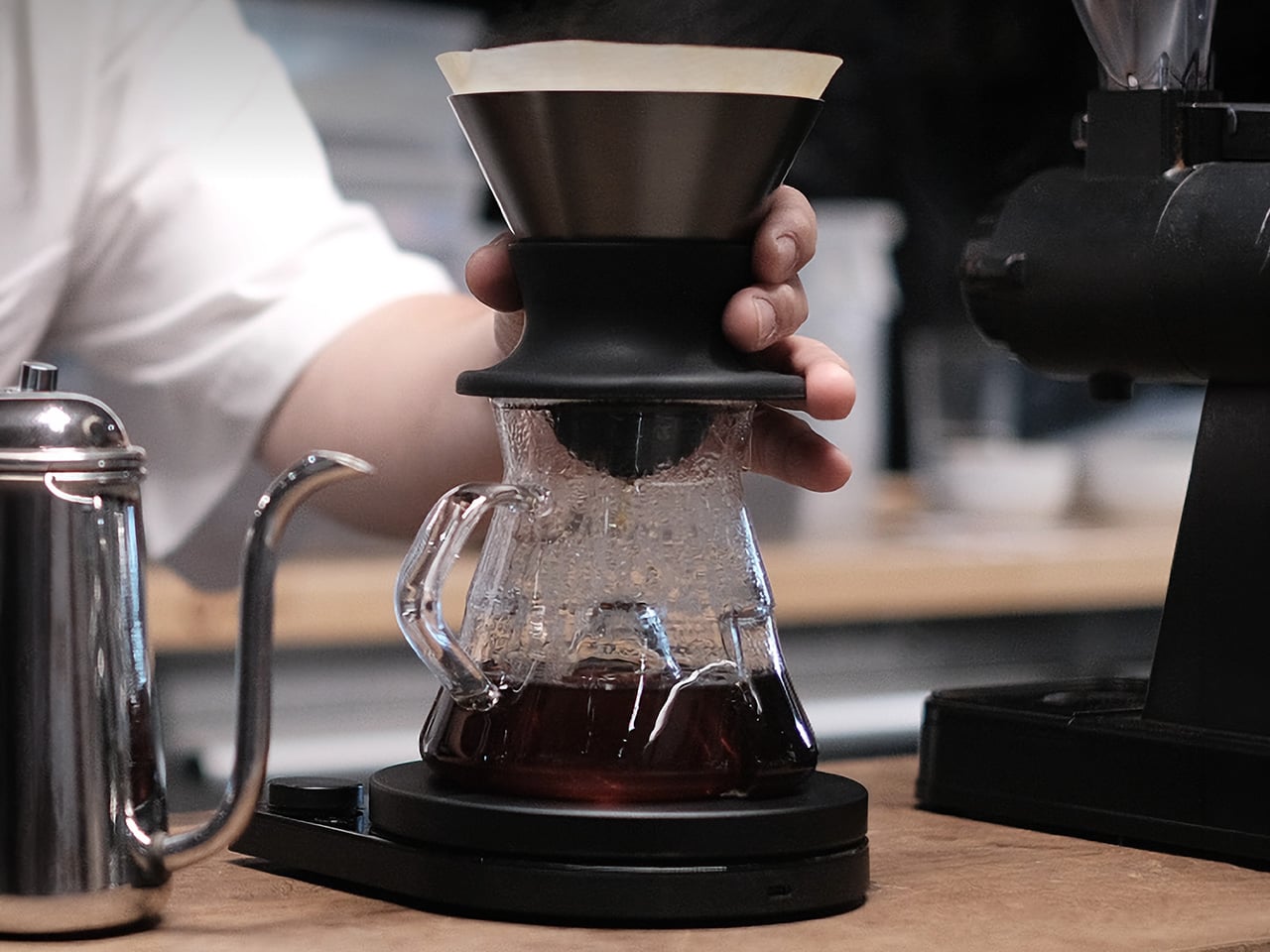
The fun part is that JUNE wears all that engineering incredibly well. It has the clean, almost gallery-like silhouette of a countertop design object you’d actually want to leave out, but every part of that shape is secretly working double duty. The dual-wall vacuum body is there to stop heat from escaping mid-brew, the ceramic-coated interior keeps your coffee tasting like coffee instead of metal, and the 12 internal ribs are designed to manage filter contact and airflow with a surprising amount of precision. It’s the kind of thoughtful design that makes you realize some drippers are basically just bowls with ambition, hoping for the best. JUNE, on the other hand, tries to account for every unknown variable, make it known, and then control it obsessively to ensure that your brew is consistent to the point where it feels like science meets art meets coffee.

Designer: Shelbru

Click Here to Buy Now: $63 $99 (37% off). Hurry, only a few left!

Temperature is the variable most pour-over gear quietly ignores. Glass, ceramic, and single-wall steel drippers all absorb heat from brewing water rapidly, sometimes dropping the temperature by as much as 15-20°C in the first thirty seconds of a brew, which changes how compounds extract from the grounds and ultimately changes what ends up in the cup. Most people never realize it’s happening because the result is just a slightly flatter, slightly less interesting version of what the coffee could have been. JUNE’s double-wall vacuum structure builds a thermal barrier directly into the dripper itself, maintaining a more stable brewing environment from bloom to drawdown. Shelbru’s own testing showed JUNE holding within roughly 1-2°C of its starting brew temperature over four minutes, while glass and metal competitors dropped far more aggressively. The practical payoff is straightforward: you can dial in a recipe and actually repeat it, which sounds obvious but is genuinely harder than it should be with conventional gear.

The 12 concave ribs inside JUNE are doing more brewing work than they look like. Their primary job is holding the paper filter flush against the dripper wall, which reduces the gap through which water can slip around the coffee bed instead of through it, a problem that quietly leads to under-extracted, uneven cups. Between each rib, recessed air channels let pressure escape smoothly as water flows down, helping maintain a steadier, more controlled drawdown from start to finish. Then there’s the Aroma Flow outlet at the base, which centers and stabilizes the coffee stream as it exits the dripper, pointing it precisely where it needs to land. For people using a standard server, that’s a nice quality-of-life detail. For people pairing JUNE with ICOSA’s Avensi Cyclone, it becomes the entire point.

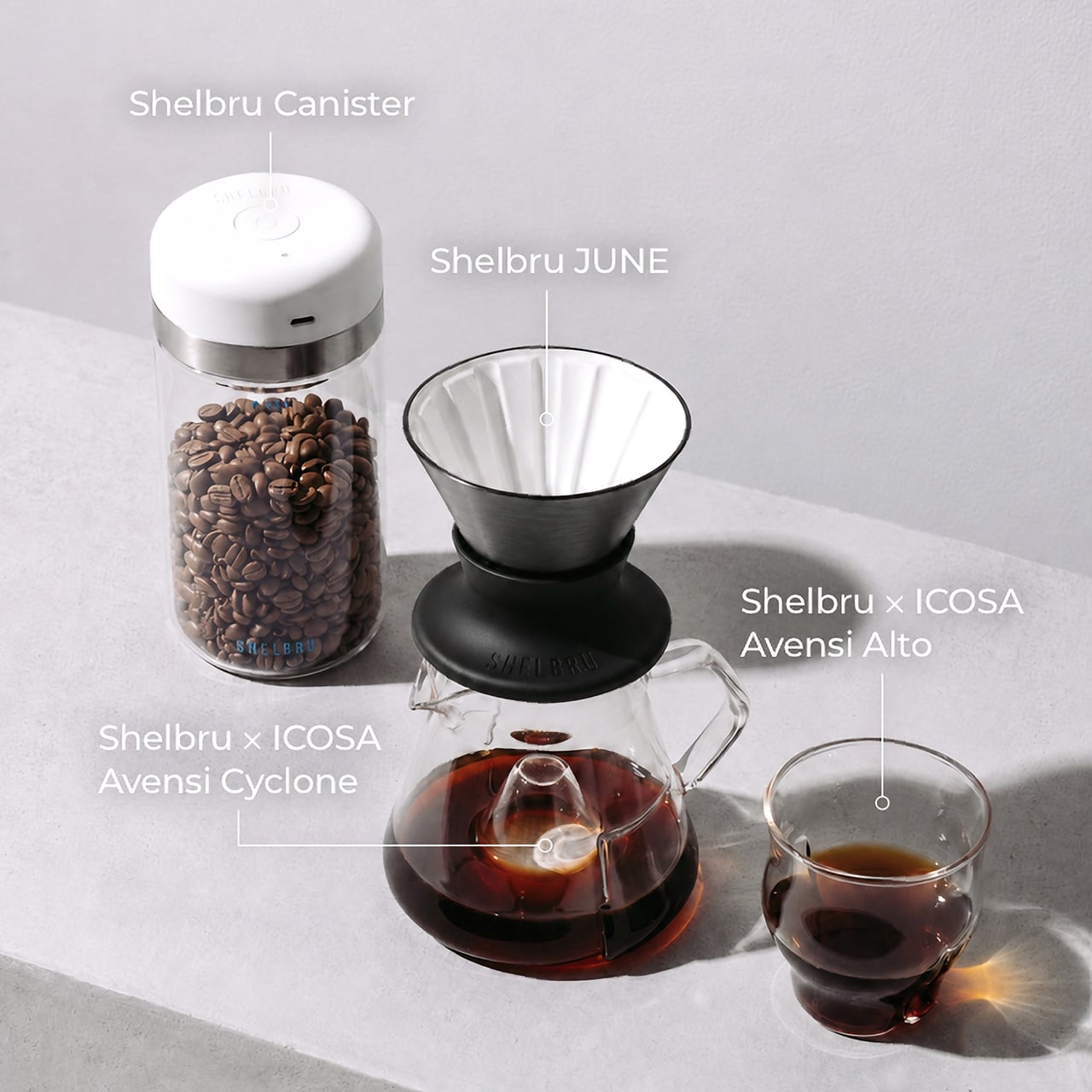
JUNE’s Aroma Flow outlet was designed with a specific destination in mind, and the Shelbru x ICOSA Avensi Cyclone is it. The Cyclone is a borosilicate glass sensory carafe featuring a raised Aroma Peak at its center, a form inspired by high-end wine decanters, which coffee cascades over as it drips from JUNE’s outlet, diffusing and magnifying aromatics into the air as it does. The Avensi Alto tasting cup extends that philosophy further, with an hourglass form and Aeration Waves geometry that amplify the aromatic complexity of each sip. Both pieces are handcrafted from borosilicate glass and designed to stack cleanly for storage. Together they push the serving and tasting half of the pour-over ritual well past what a standard mug typically offers.

The Shelbru Smart Canister handles everything that happens before the kettle even comes out. It’s a vacuum-sealed bean storage container with an automated pressure sensor that monitors internal conditions and reactivates vacuuming whenever pressure drops below -20 kPa, keeping beans in a stable, low-oxygen environment without any manual effort on your part. Press once to seal, press again to open, and the canister takes care of the rest. It holds 250 to 300 grams of roasted coffee, runs on a 1,500 mAh battery rated for around 4,000 hours of standby, and charges fully in three hours. For anyone who has bought genuinely excellent beans and then watched them go stale in a poorly sealed bag, this is the container that fixes that specific, recurring regret.

Swapping JUNE’s silicone base for a Hario Switch converts the entire setup to immersion brewing in seconds, giving you a different extraction profile from the same dripper body without buying a second piece of equipment. Pairing JUNE with Nucleus Paragon opens up rapid cooling and temperature-controlled experiments for brewers who want to get more technical about what’s in the cup. The detachable base makes JUNE feel like a platform rather than a fixed tool, one that grows with how seriously you decide to take this whole thing. For casual daily brewers, this is context they may never need. For the kind of person who already owns a precision kettle and a gram scale, this is where JUNE gets very interesting very fast.

JUNE starts at $63 for the single dripper, with the Fresh Brew Bundle pairing JUNE with the Smart Canister at $103. The Complete Aroma System, which brings together JUNE, the Avensi Cyclone, the Avensi Alto, and the Smart Canister, covers the full pour-over journey from bean storage to brewing to serving to tasting, and is priced at $137. Yanko Design readers get an exclusive deal on that Complete Aroma System at $135, against an MSRP of $235. The Cold Brew Bundle, which includes the Shelbru Brewer, Carafe, and Smart Canister, comes in at $83. Mass production is already underway with delivery expected in September 2026, and full details are available on the Kickstarter page below

Click Here to Buy Now: $63 $99 (37% off). Hurry, only a few left!

The post Every single curve on this coffee dripper has a job, from preserving heat to guiding flow first appeared on Yanko Design.
The $149 Toolbox That Turned Into a Coffee Ritual Kit

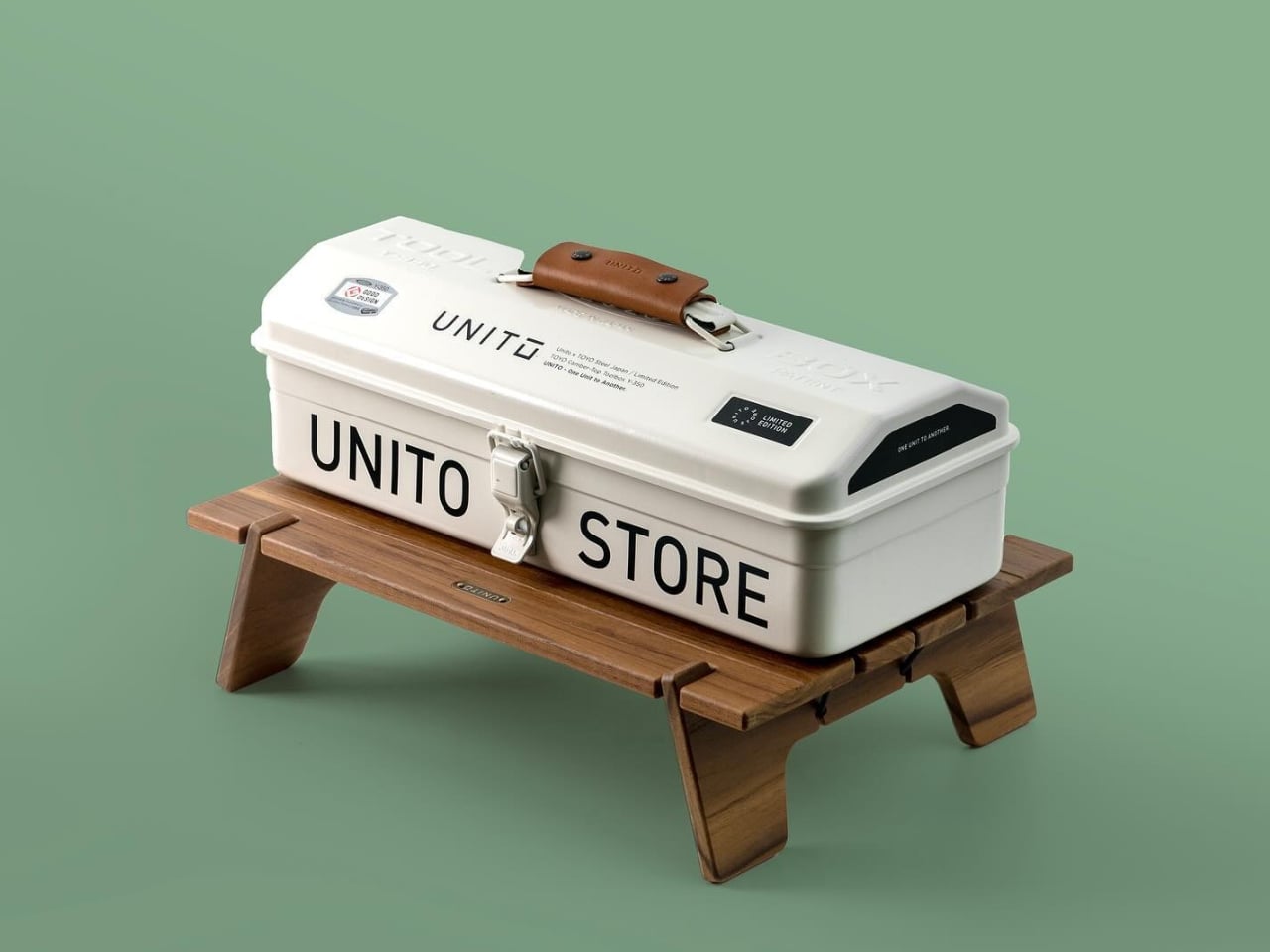
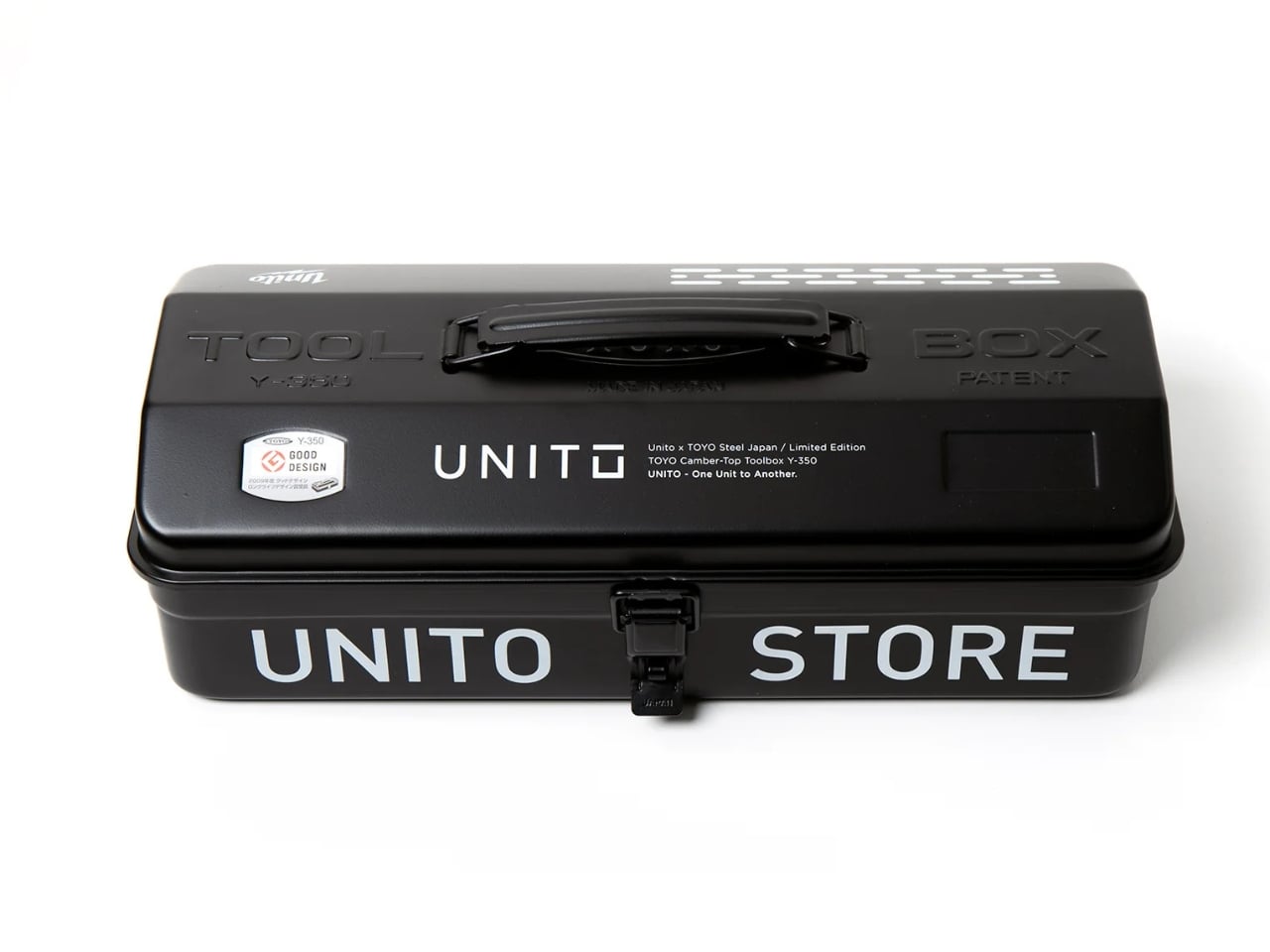
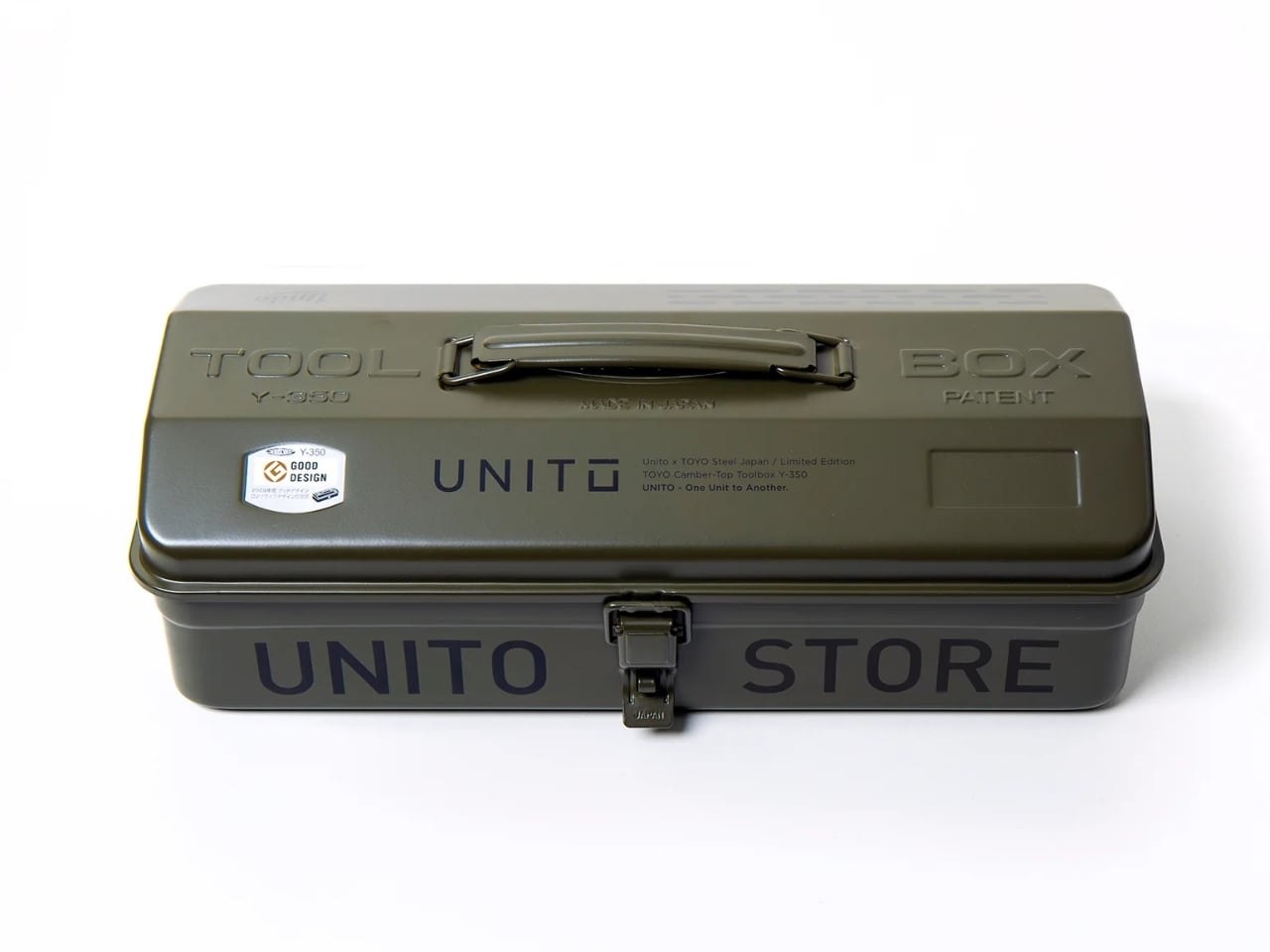
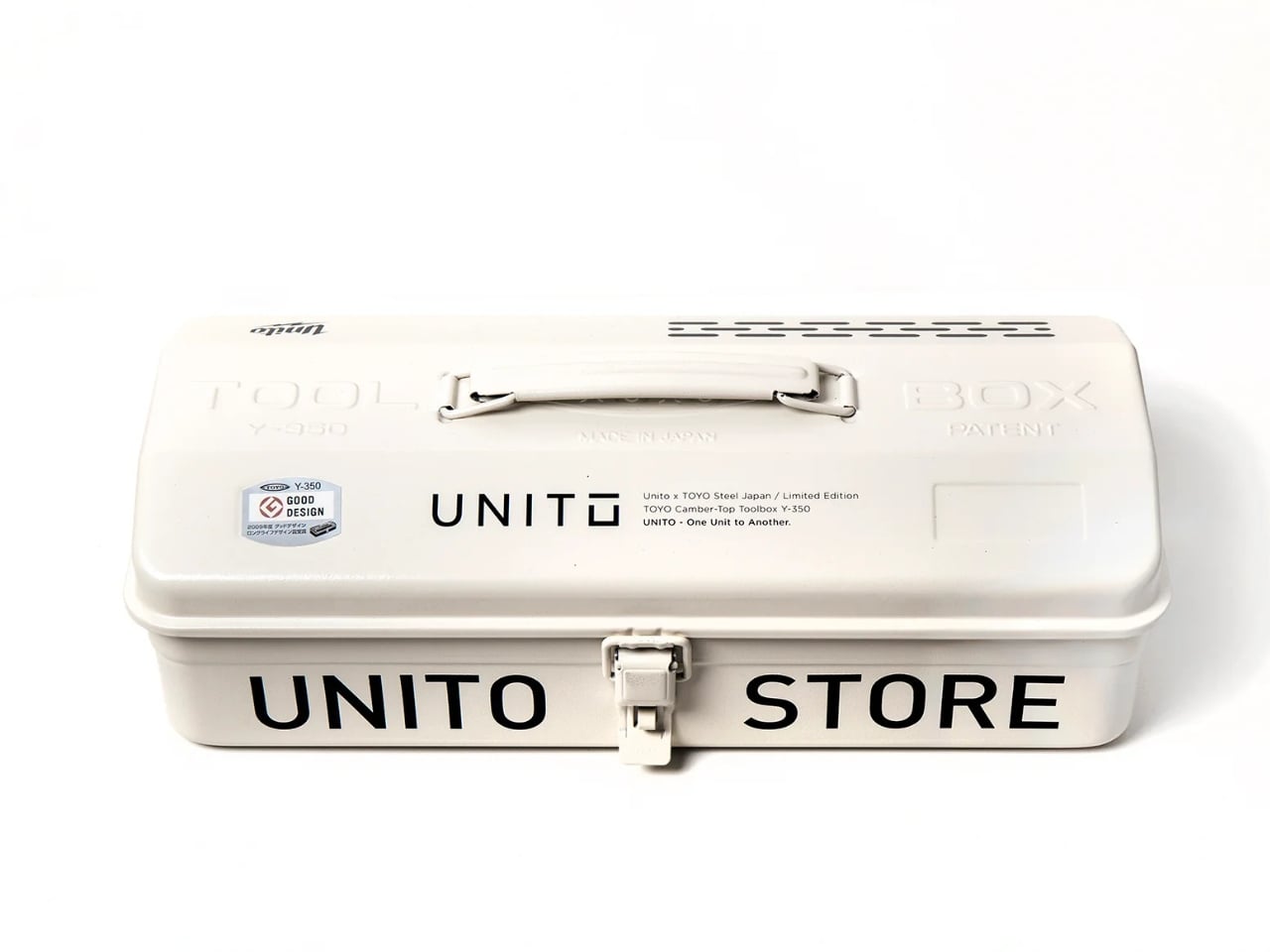
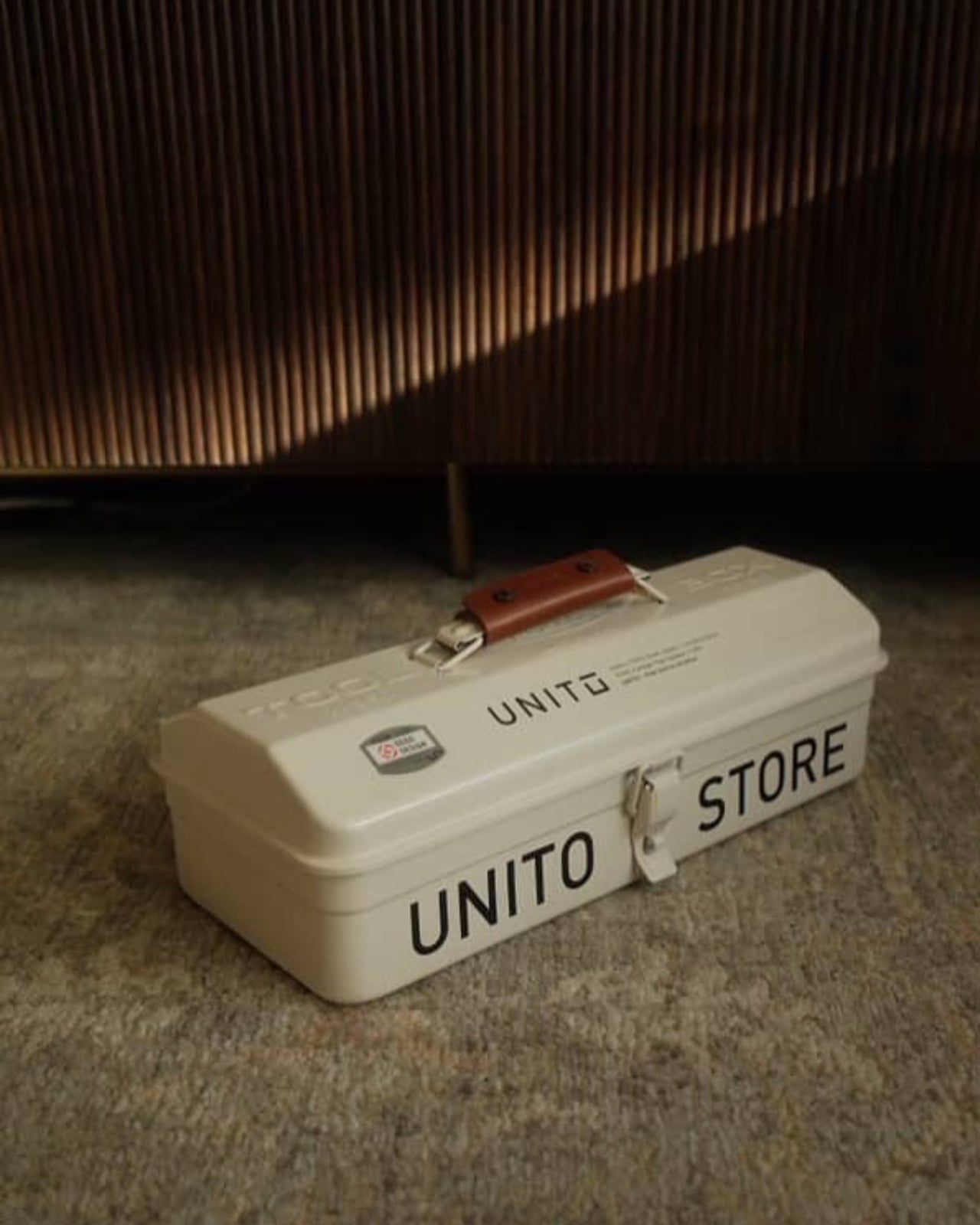
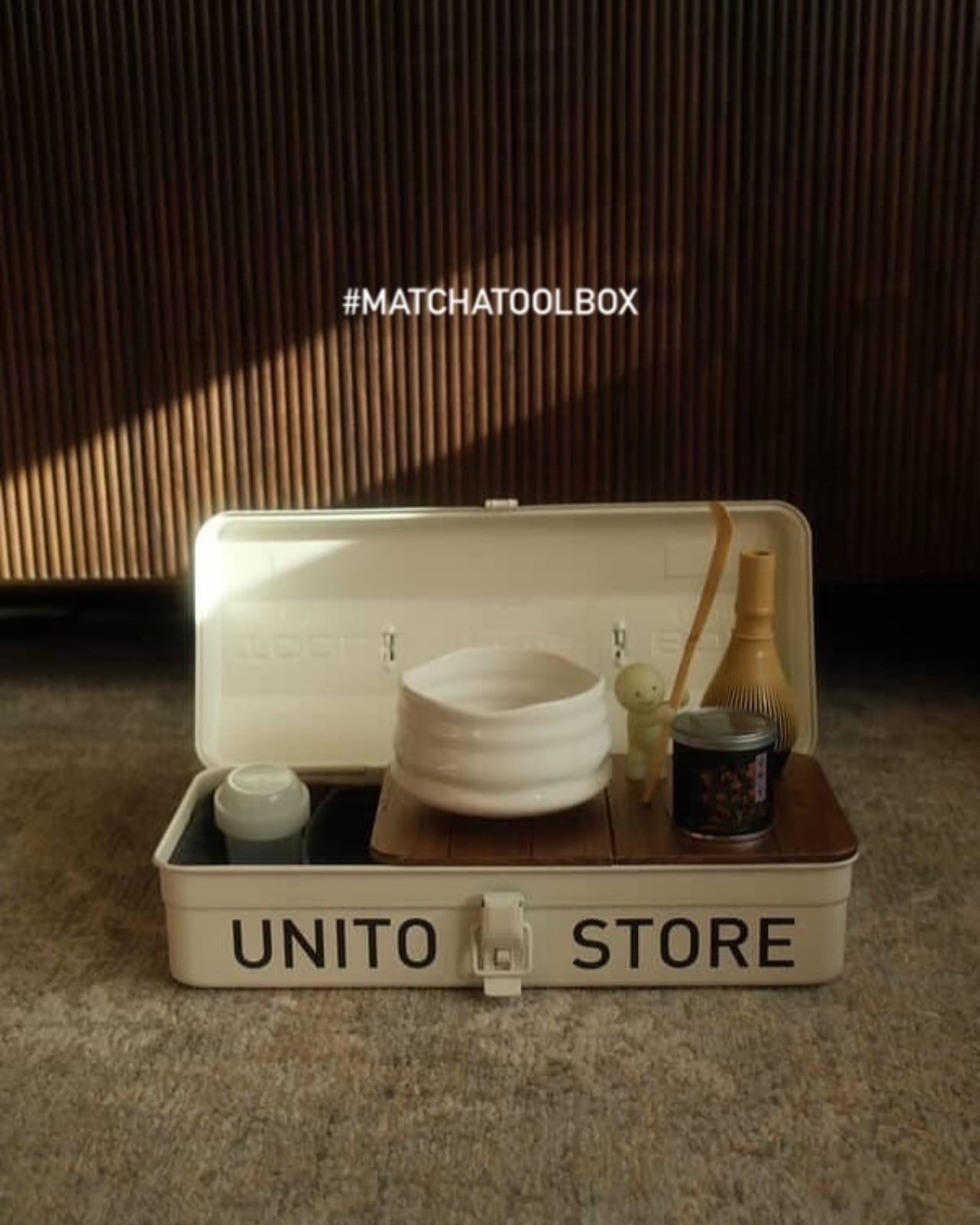
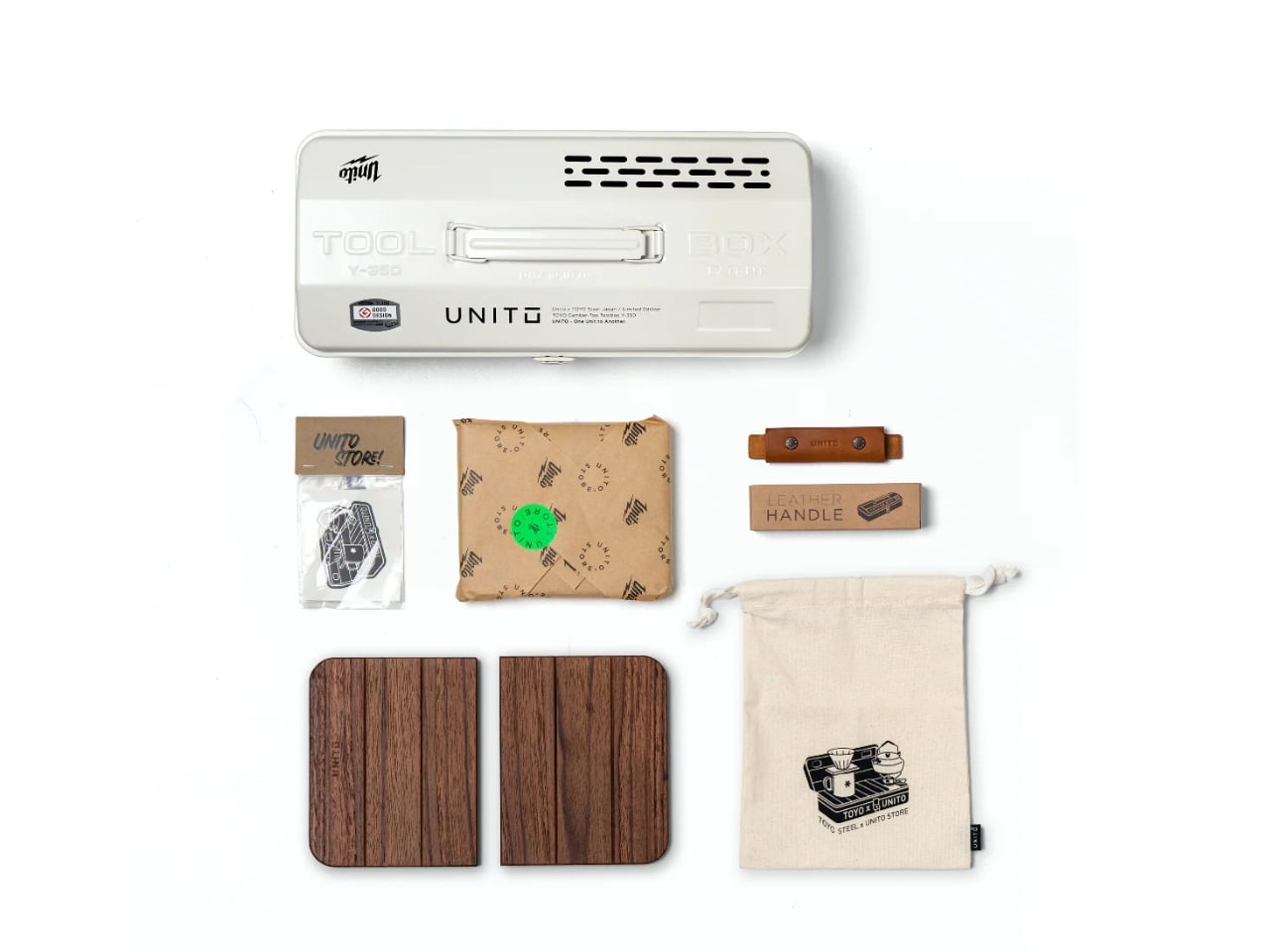
Most of us have been there: standing in front of something we absolutely do not need, talking ourselves into it anyway. The Unito x Toyo Coffee Box is that kind of object. It’s a steel toolbox dressed up in leather and felt and wood. It costs $149. It doesn’t even come with the coffee gear. I saw it and immediately wanted one.

Let me back up. The base of this collaboration is Toyo Steel’s Y-350 Camber-Top Toolbox, a piece that has been quietly adored in Japan for decades. Toyo Steel has been making these compact, beautifully engineered steel boxes for years, and they have the kind of loyal following that most consumer products never achieve. They’re practical, they’re durable, and they have this understated industrial charm that design people lose their minds over. The Y-350 in particular has that slightly arched lid, a clean latch system, and proportions that just feel right.

Designers: Unito x Toyo

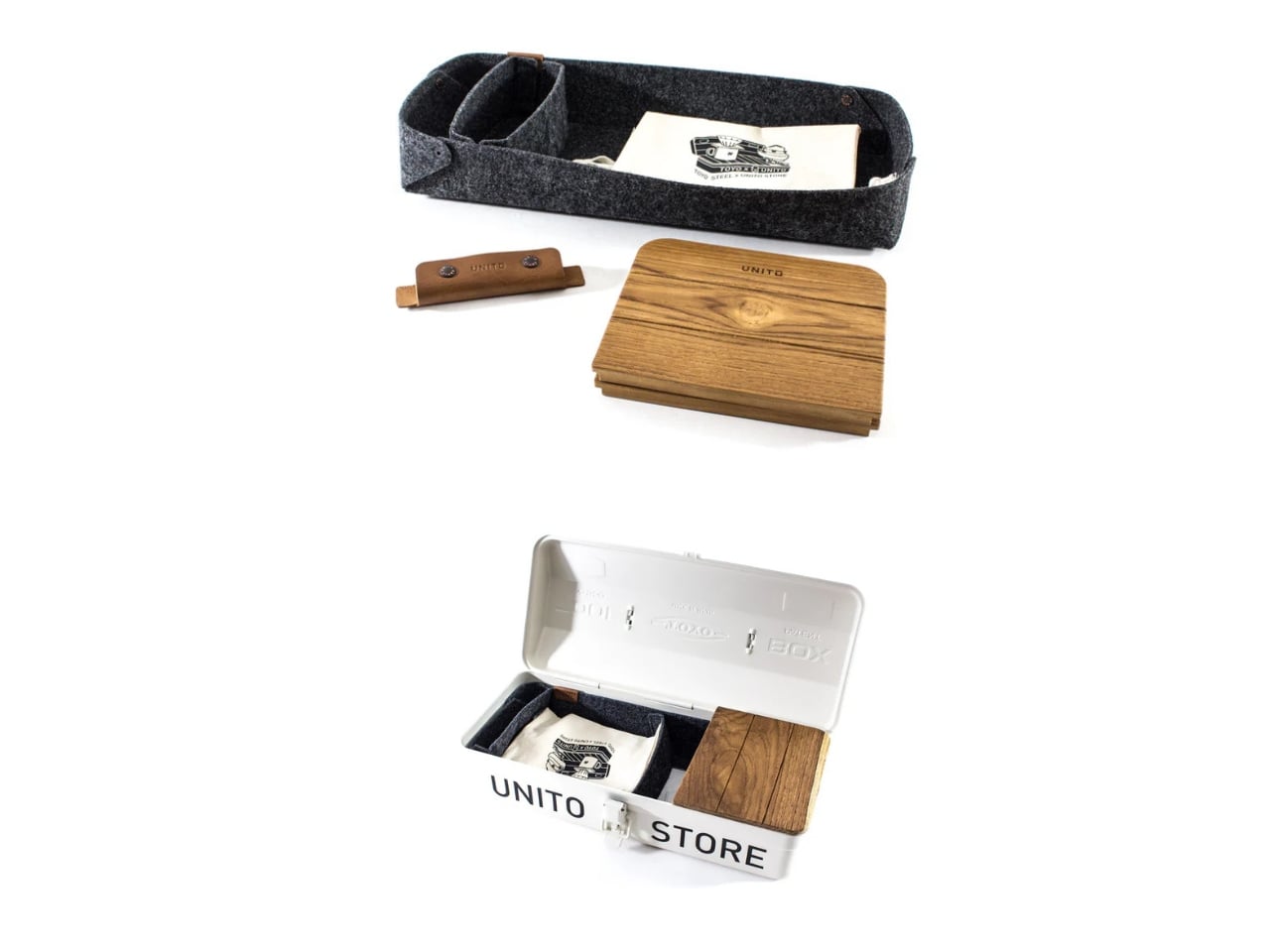
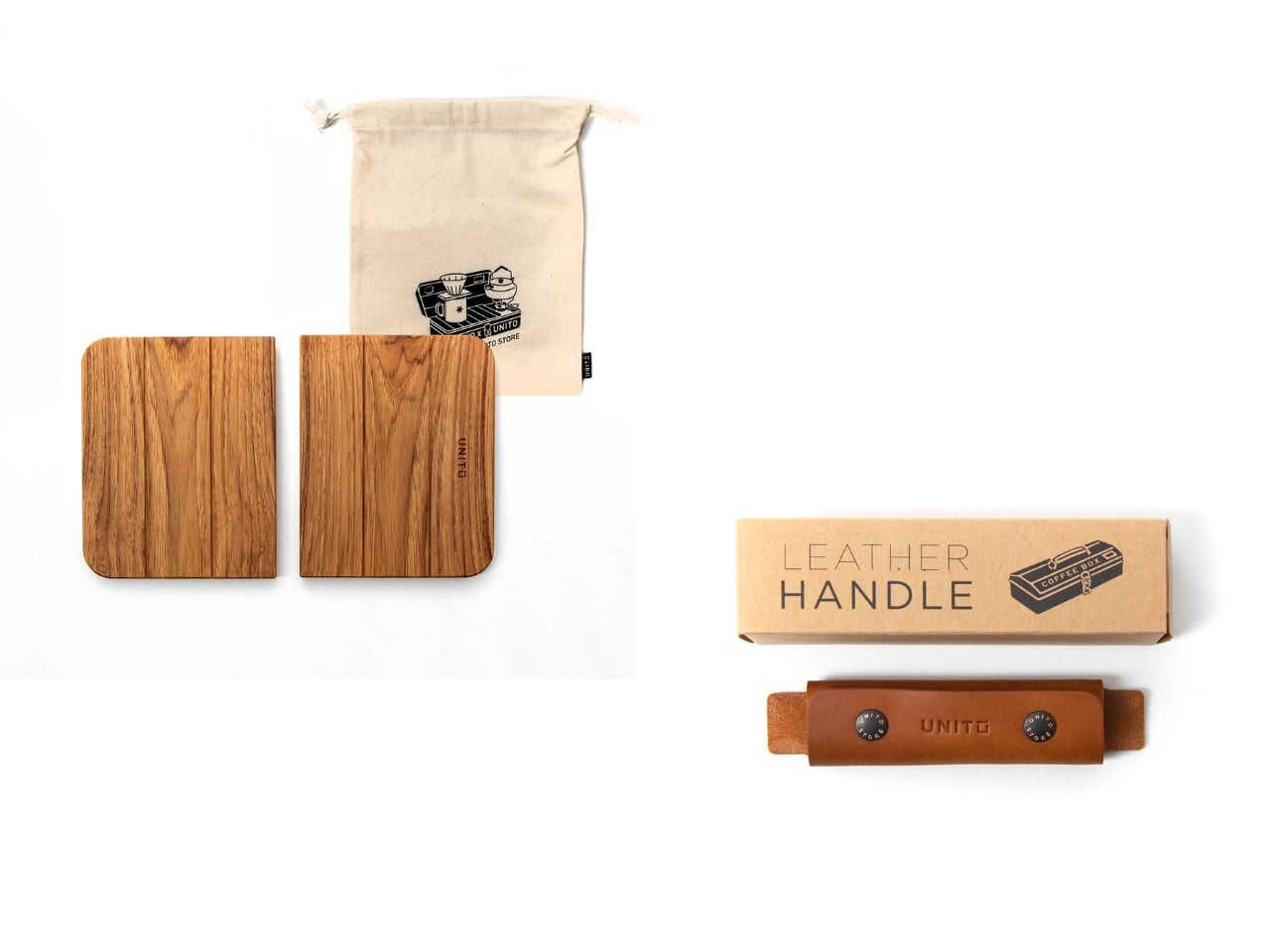
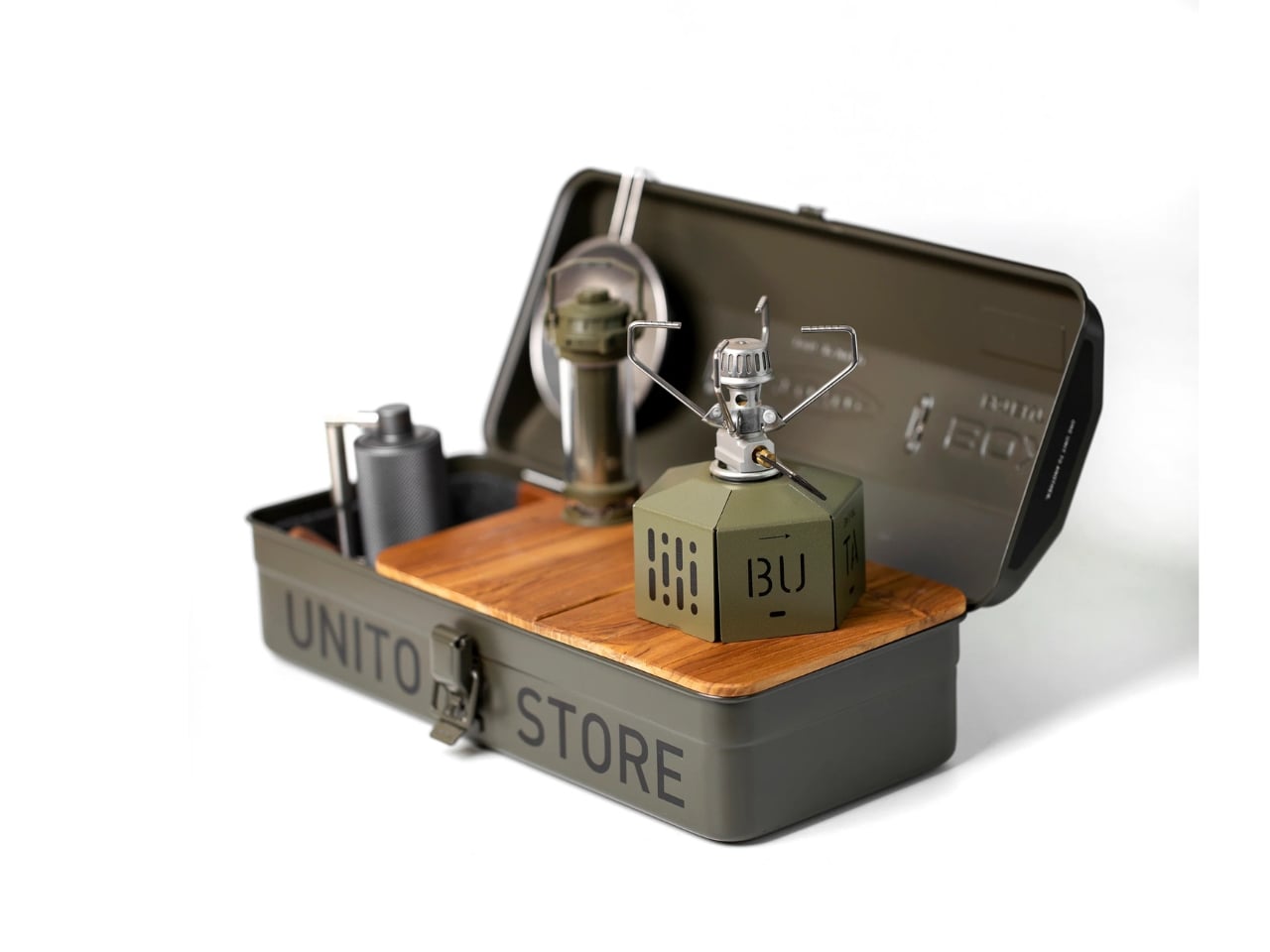
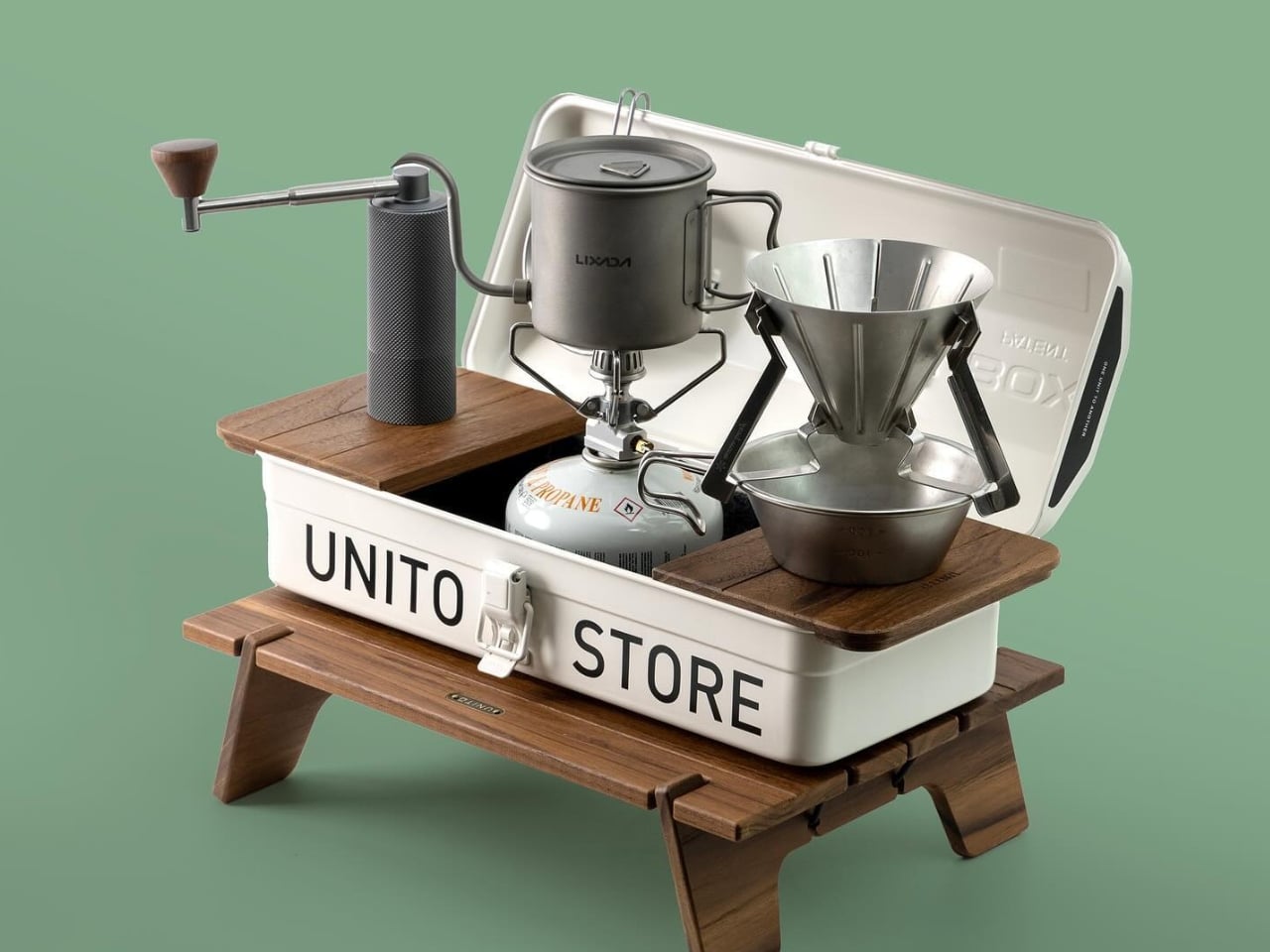
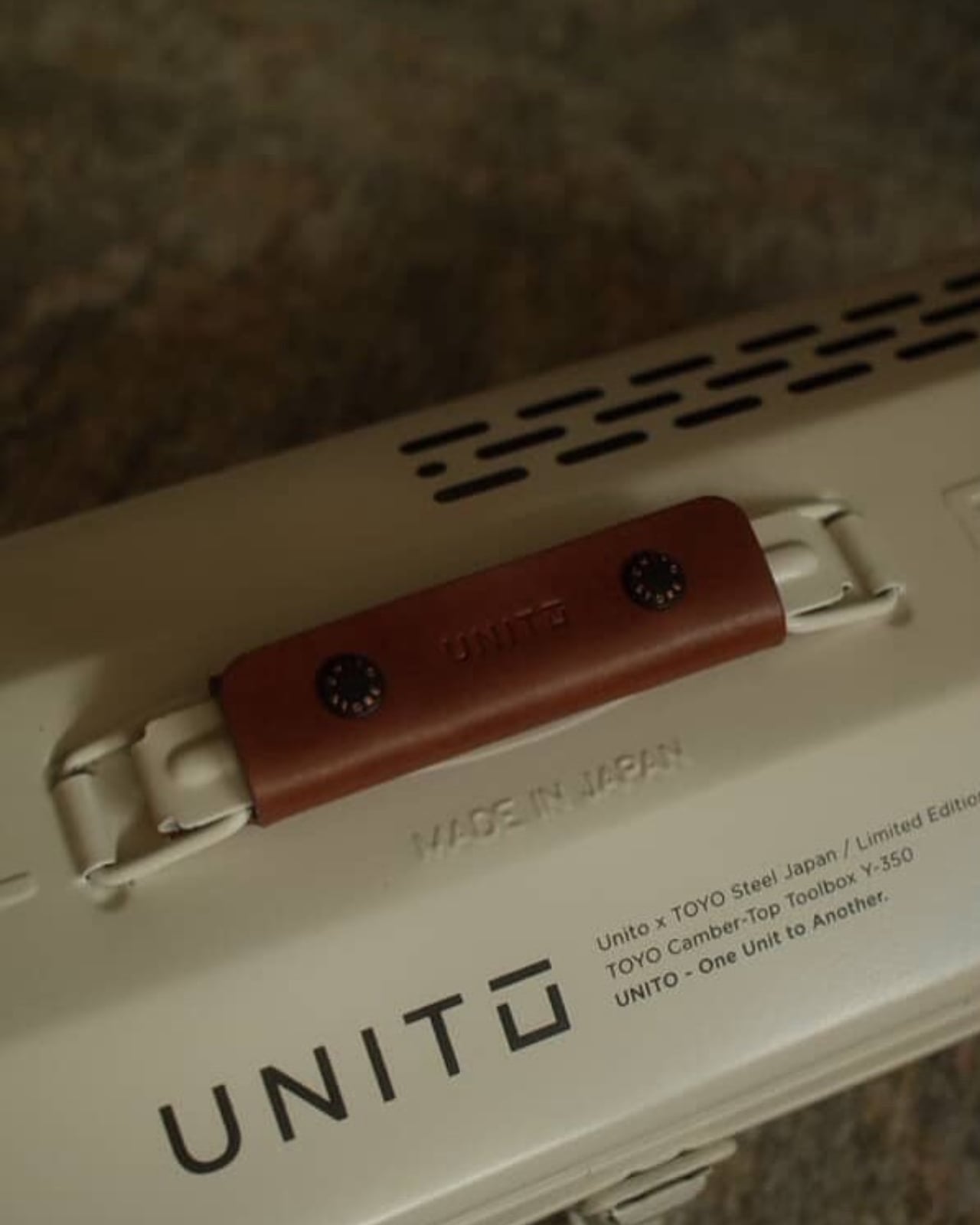
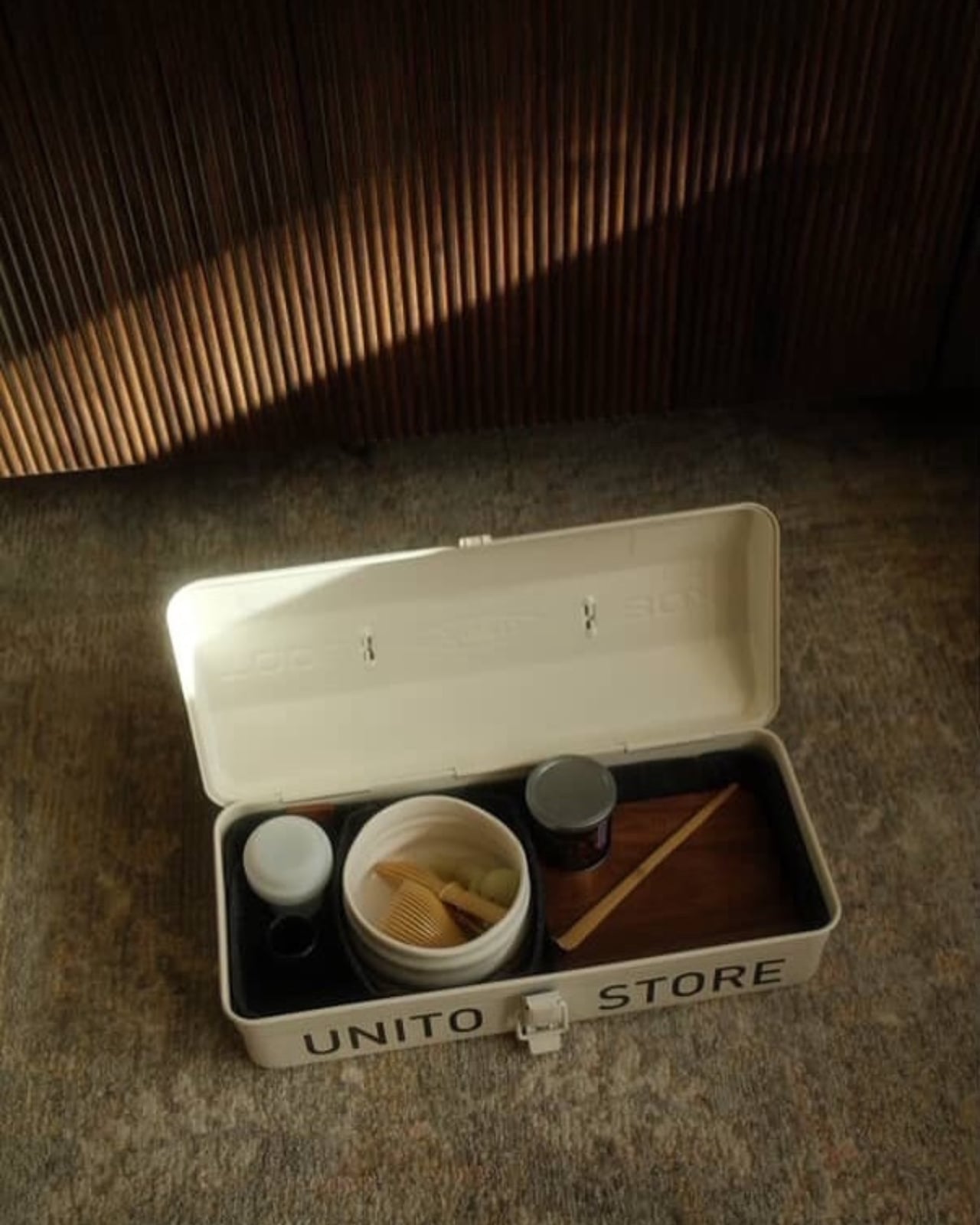
What Unito, an outdoor goods brand from Thailand, has done is take that already-loved object and rework it into something that sits comfortably at the intersection of camping culture and specialty coffee culture, two communities that have elevated their gear into an art form. They added a leather wrap on the handle, a soft felt interior tray, a wood accent on top, and their own typography to the exterior. The result comes in black, moss green, and white, all three of which look like they belong on a very curated flat-lay photo.

Here’s where I have to be honest about something. The design transformation is, objectively speaking, not radical. Unito didn’t redesign the box. They styled it. That distinction matters to some people, and I get that. A purist might argue that adding a leather wrap and a wood accent to someone else’s iconic product is more decorating than designing. But I think that misses what’s actually interesting here.

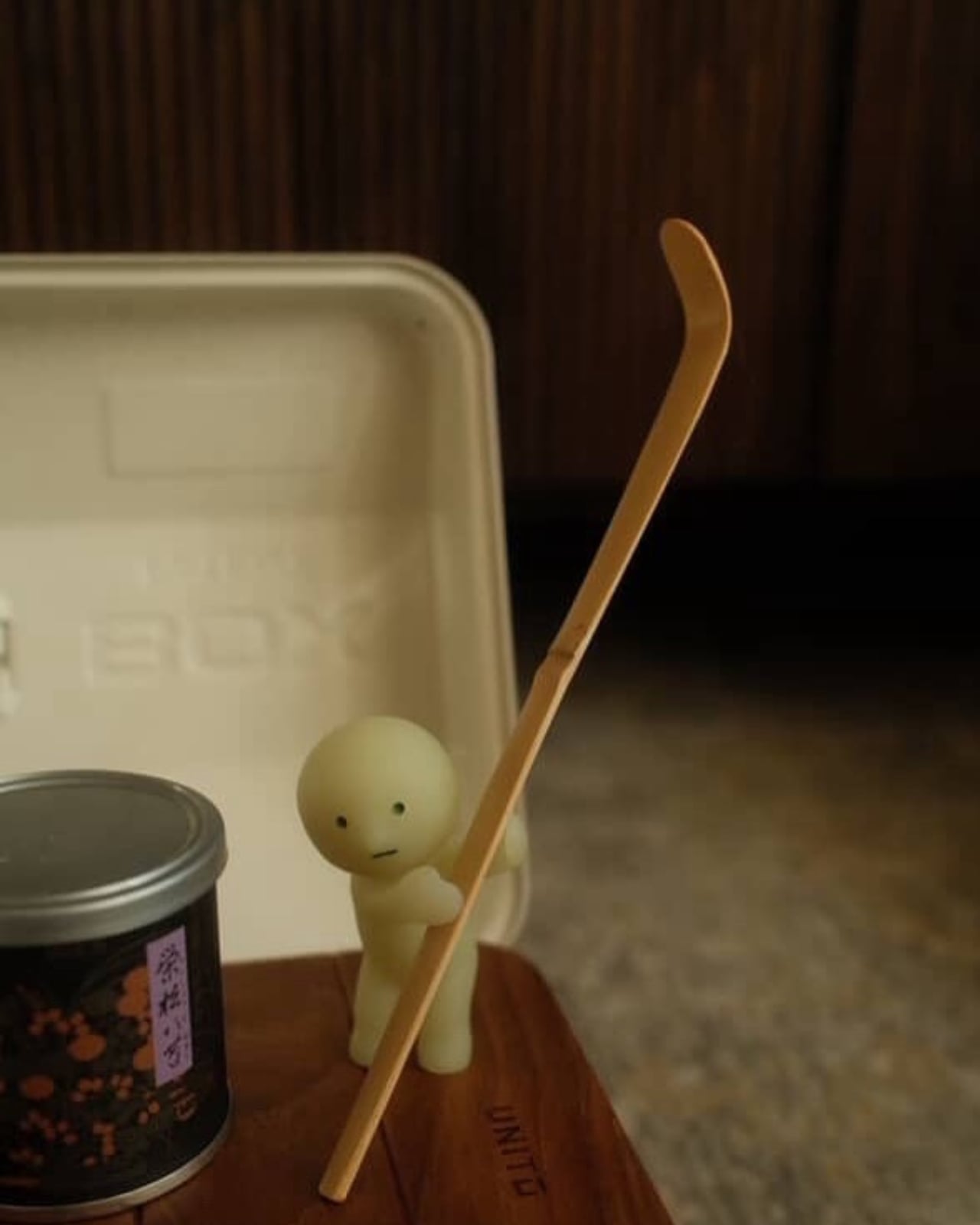
The collaboration is really about context. Toyo’s toolbox was built for workshops. Unito has relocated it to the campsite, the rooftop, the weekend market, the kind of slow Saturday morning where you grind your beans by hand and take your time about it. The felt tray organizes your coffee tools. The wood piece sits on top and gives the whole setup a kind of quiet ceremony. The leather handle signals that this is not a box for carrying wrenches anymore. Every material choice is a cue that reframes what the object is for.

That reframing taps into something real about how we relate to the things we own. Coffee culture, especially the third-wave, pour-over, traveling barista kind, has always been about ritual. The gear matters not just functionally but emotionally. Owning a beautiful setup is part of the experience. So a limited-edition box that houses your dripper and your kettle in a well-made Japanese steel case with a leather handle isn’t extravagant; it’s just playing by the rules of a game a lot of people are already playing.

The $149 price point is where people will either get it or not. You’re not paying for engineering. Toyo already handled that part. You’re paying for the curation, the collab, the materials, and the very specific lifestyle signal the object sends. That’s not a criticism; that’s just what premium objects are, and have always been.

What I keep coming back to is how well the two brands actually complement each other. Japan’s quiet precision and Thailand’s outdoor-first sensibility turn out to be a genuinely good pairing. Toyo brings the bones. Unito brings the warmth. The result is a limited-edition piece that feels considered rather than manufactured for a trend cycle. Whether you need it is the wrong question. The better one is whether it makes you want to get outside, make something slowly, and pay attention to the morning. Objects that do that earn their place.

The post The $149 Toolbox That Turned Into a Coffee Ritual Kit first appeared on Yanko Design.
This Designer Just Solved Cold Coffee With One Candle

You know that moment when you’re deep into a project, finally hitting your flow state, and you reach for your coffee only to find it’s gone stone cold? It’s one of those tiny frustrations that can derail your entire momentum. But it’s also part of the workflow that you forget you have a warm cup waiting for you to wake you up since you’re engrossed with whatever it is you’re doing. So when you realize it’s gone cold, you either just slurp it down or you make a new cup.

Designer Germain Verbrackel clearly understands this universal struggle, because his new concept called Warmer tackles it with the kind of elegant simplicity that makes you wonder why it hasn’t been done before. Why not have something that will keep your coffee or any beverage warm so you won’t suffer through drinking something lukewarm?

Designer: Germain Verbrackel

Create your own Aesthetic Render: Download KeyShot Studio Right Now!

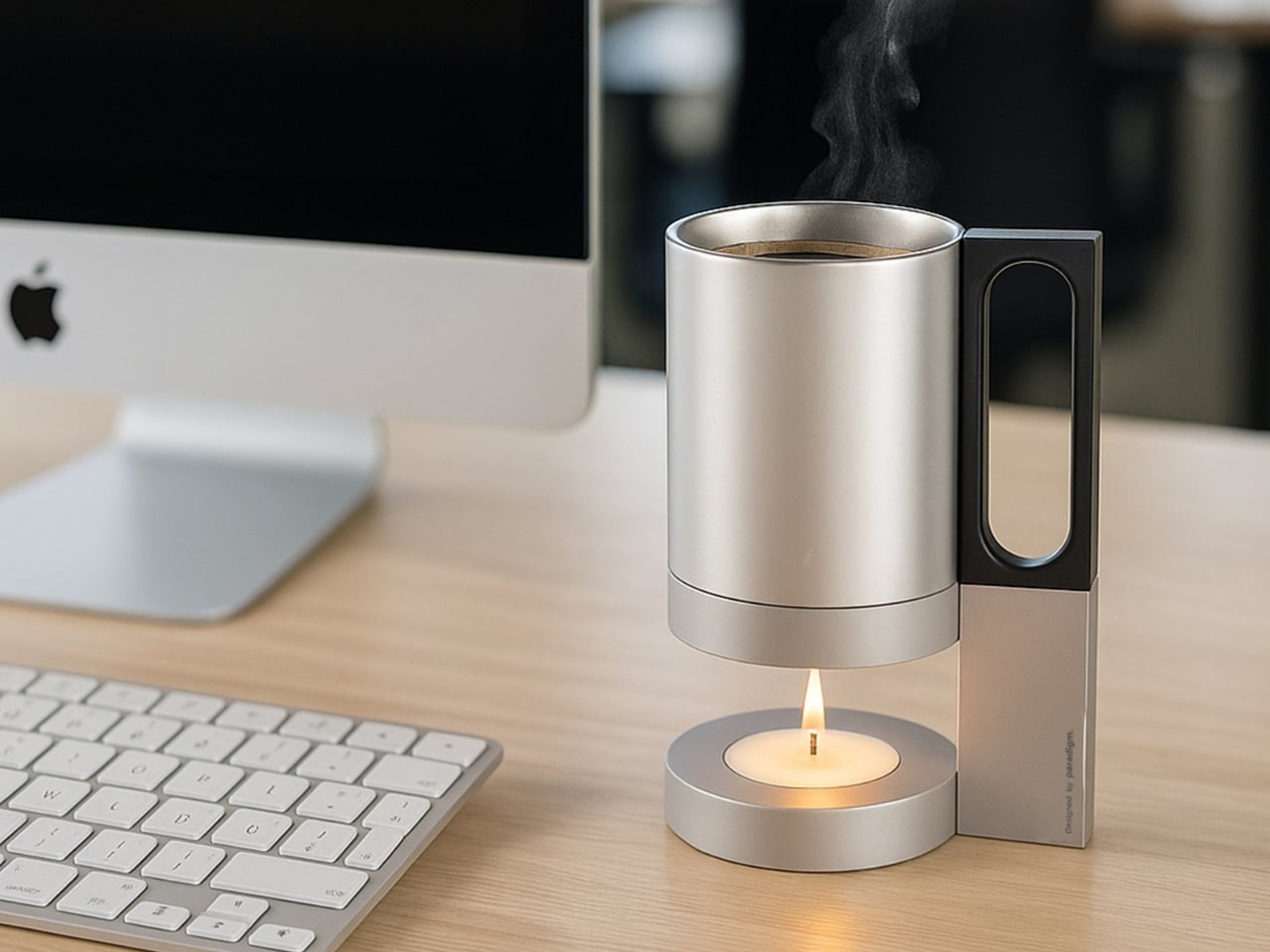
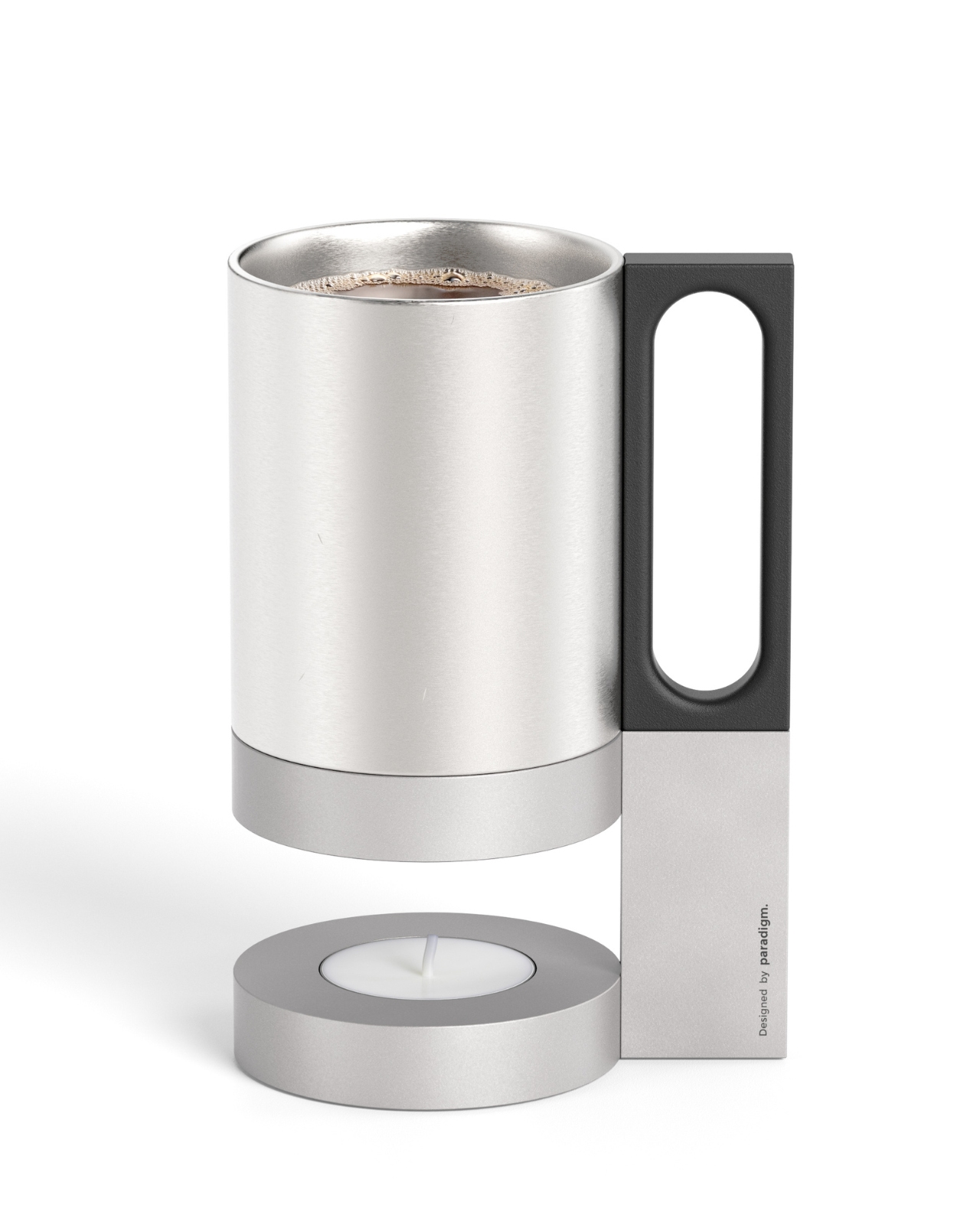
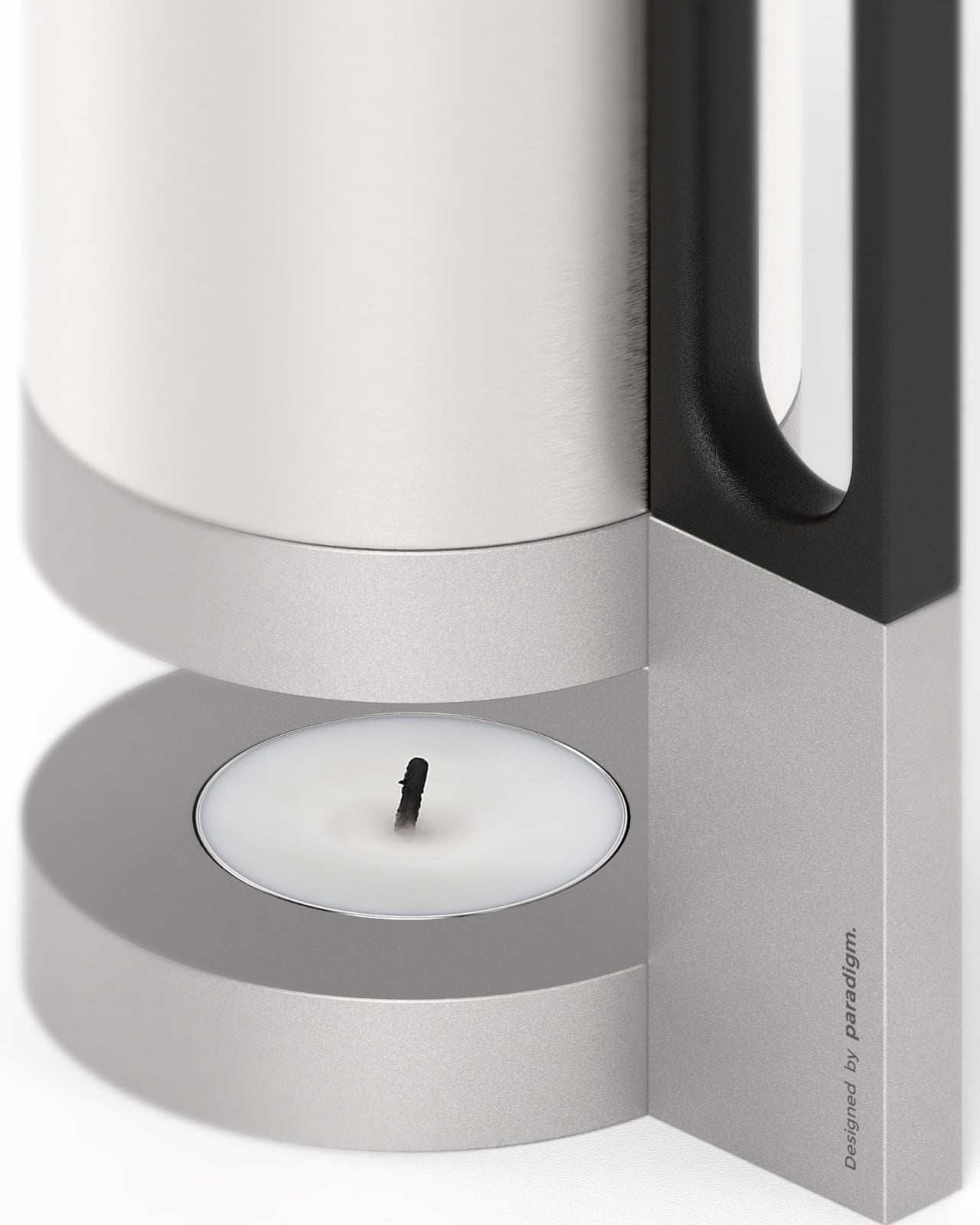
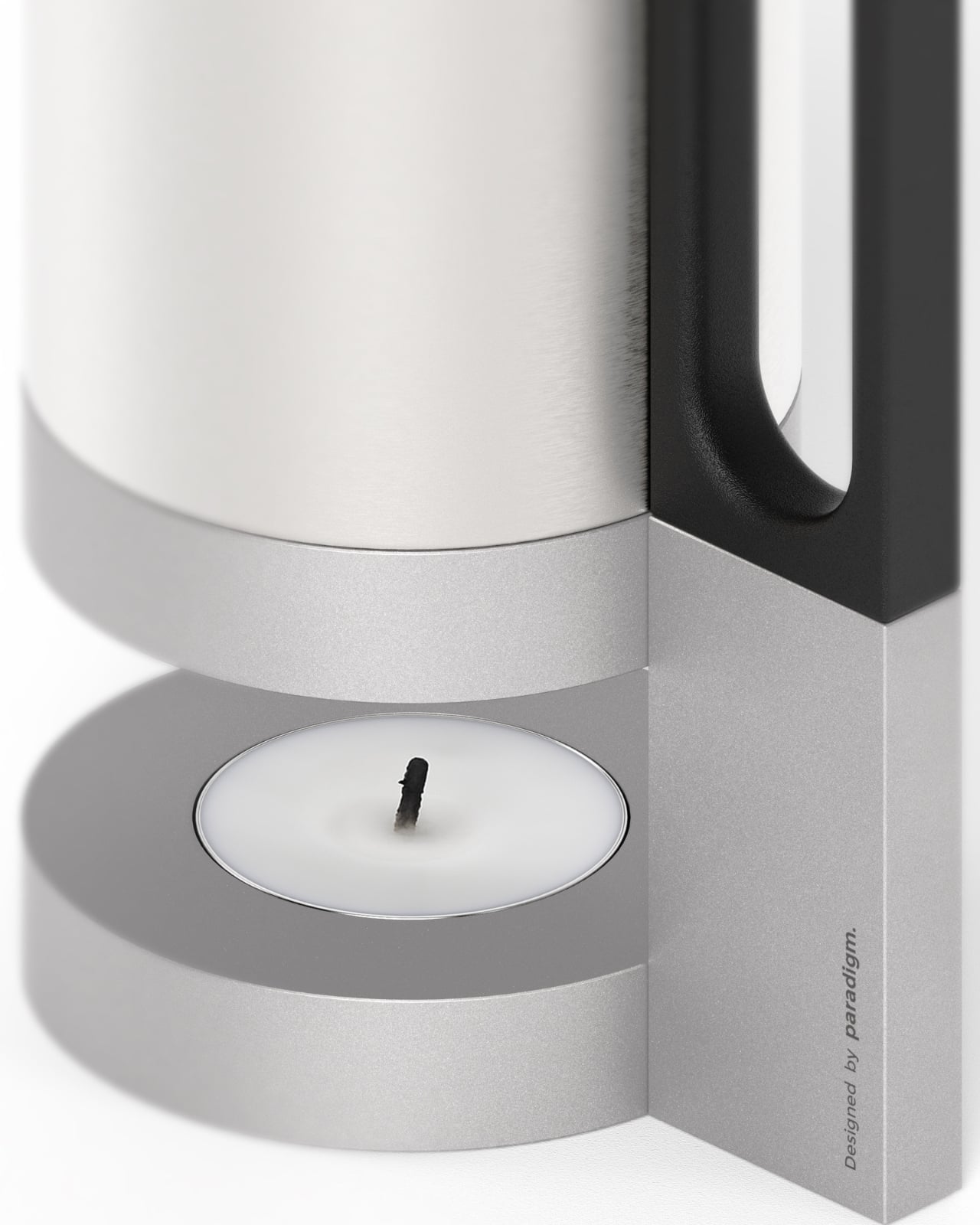
At first glance, Warmer looks like something that could sit comfortably on the desk of a minimalist tech enthusiast or grace the pages of a Scandinavian design magazine. Crafted from aluminum and brushed steel, it has that industrial-yet-refined aesthetic that never goes out of style. But what makes it particularly interesting is that it’s completely analog in our hyper-digital world. No USB cables, no app to download, no Bluetooth connectivity. Just a simple tea light candle providing gentle, sustained heat.

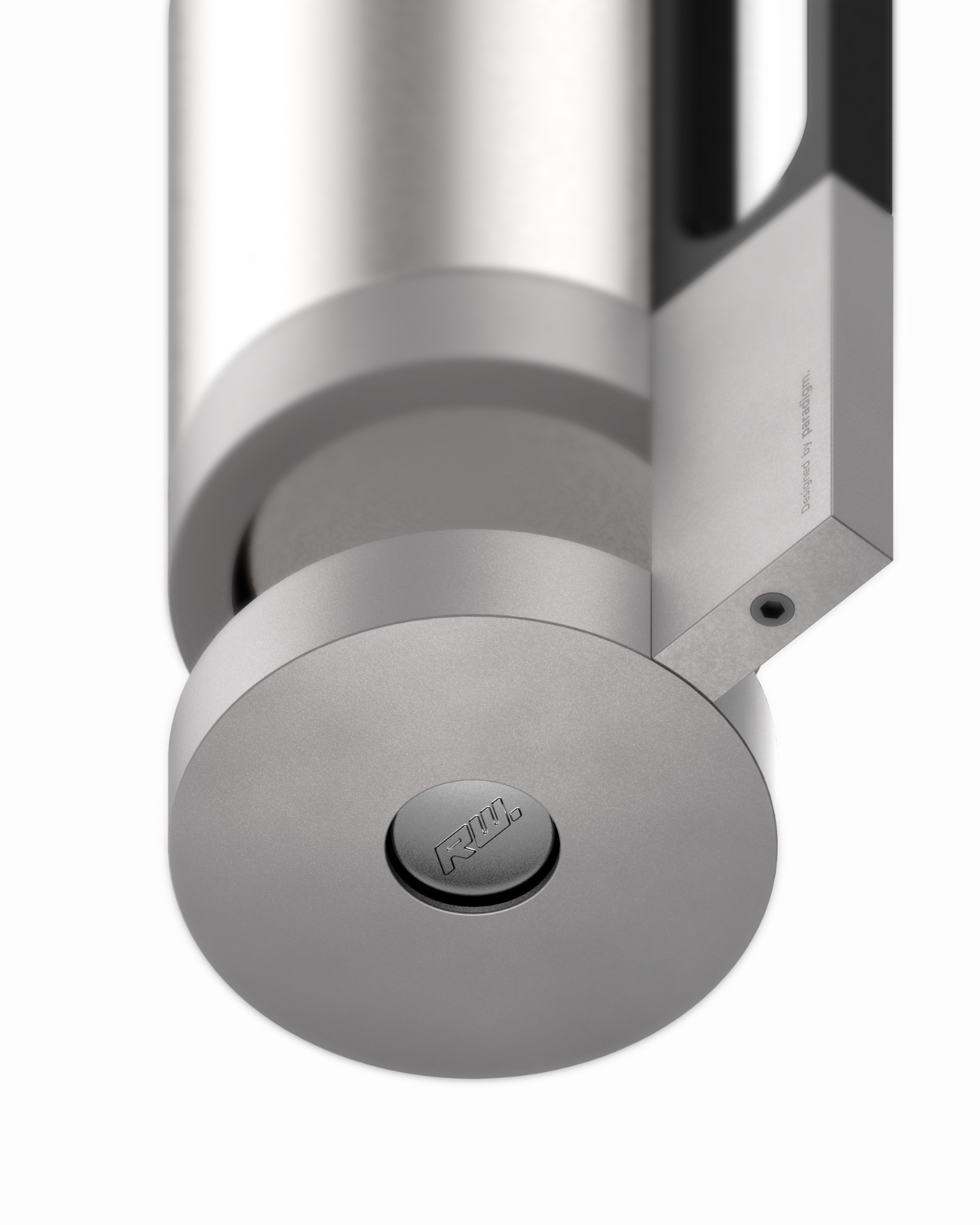
The design itself is brilliantly straightforward. A circular base houses the candle, and a vertical support structure rises up to hold your cup, bowl, or small pan at the perfect distance from the flame. That black geometric handle detail adds a nice visual contrast to all that brushed metal, giving it a touch of contemporary flair without feeling overdone. It’s functional sculpture, really.

1

What I love about this concept is how it challenges our default assumption that every solution needs to be high-tech. We’ve become so accustomed to electric mug warmers with their glowing LED indicators and temperature controls that we’ve forgotten about the simple physics of a candle flame. There’s something almost meditative about watching that tiny flame flicker while you work, knowing it’s quietly doing its job without demanding anything from your power strip or Wi-Fi network.

The versatility factor is pretty smart too. Sure, keeping your morning coffee at the perfect sipping temperature throughout those long Zoom meetings is great, but Verbrackel designed Warmer to accommodate different container types. Need to keep soup warm during lunch at your desk? Done. Want to gently heat something small in a bowl or pan? It can handle that. This multi-purpose approach gives it staying power beyond being a one-trick pony.

From a practical standpoint, there are some real advantages to this candle-powered approach. Tea lights are incredibly cheap, widely available, and burn for hours. There’s no complicated maintenance, no heating element to burn out, and no worrying about forgetting to turn it off (though obviously, you still need to be mindful of open flames). It’s the kind of product that would work just as well in a modern office as it would in a cabin without electricity. The material choice speaks to durability and heat conductivity. Aluminum and steel can handle constant exposure to heat without degrading, and that brushed finish will age gracefully rather than looking worn. It’s clearly designed to be something you’d keep on your desk as a permanent fixture rather than tucking it away in a drawer.

1

There’s also something quietly rebellious about Warmer in our current moment. While tech companies are racing to make everything “smart” and connected, this design deliberately goes the opposite direction. It’s almost making a statement about intentional simplicity and questioning whether we really need to digitize every aspect of our daily routines. In a world of planned obsolescence and constant software updates, a candle-powered warmer feels almost radical in its simplicity.

Of course, this is still a concept design showcased on Behance, so we don’t know yet if it will make it to production. But that’s part of what makes following industrial design so fascinating. These concepts give us a glimpse into how designers are thinking about everyday problems and push us to reconsider assumptions we didn’t even know we were making. Whether Warmer ever hits store shelves or not, it’s a beautiful reminder that good design doesn’t always mean more complexity. Sometimes the best solution is the one that strips away everything unnecessary and gets back to basics. And honestly, your coffee deserves to stay warm while you conquer your to-do list.

The post This Designer Just Solved Cold Coffee With One Candle first appeared on Yanko Design.
Victorinox and La Marzocco Just Built a Swiss Army Knife for Coffee Obsessives

You know that moment when you’re trying to deep clean your espresso machine and you’re juggling three different screwdrivers, a wrench, and some weird proprietary tool that came in the box five years ago? Well, Victorinox and La Marzocco apparently had the same frustration, because they just dropped a collaboration that feels like it was designed specifically for that chaotic kitchen drawer situation.

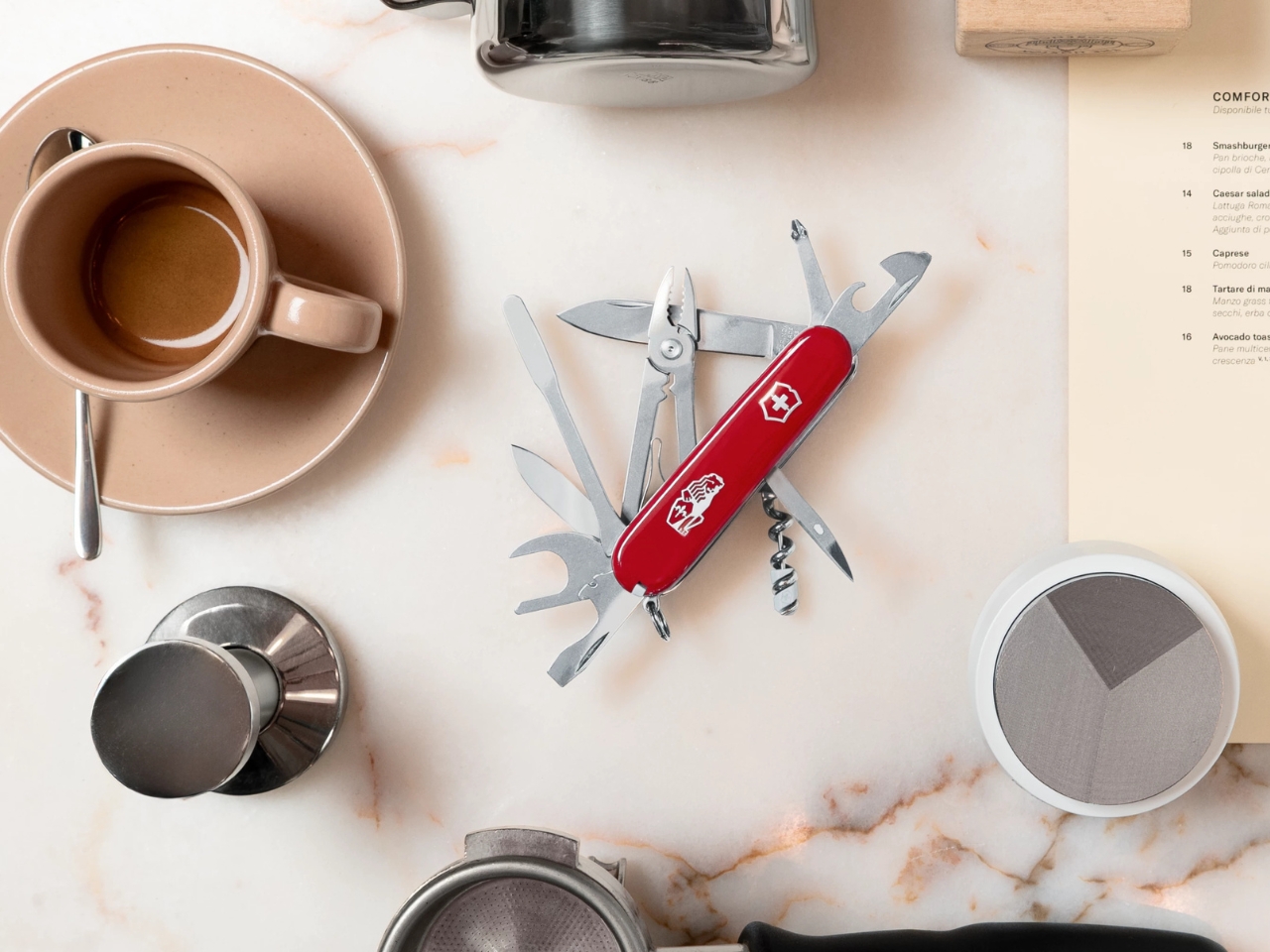
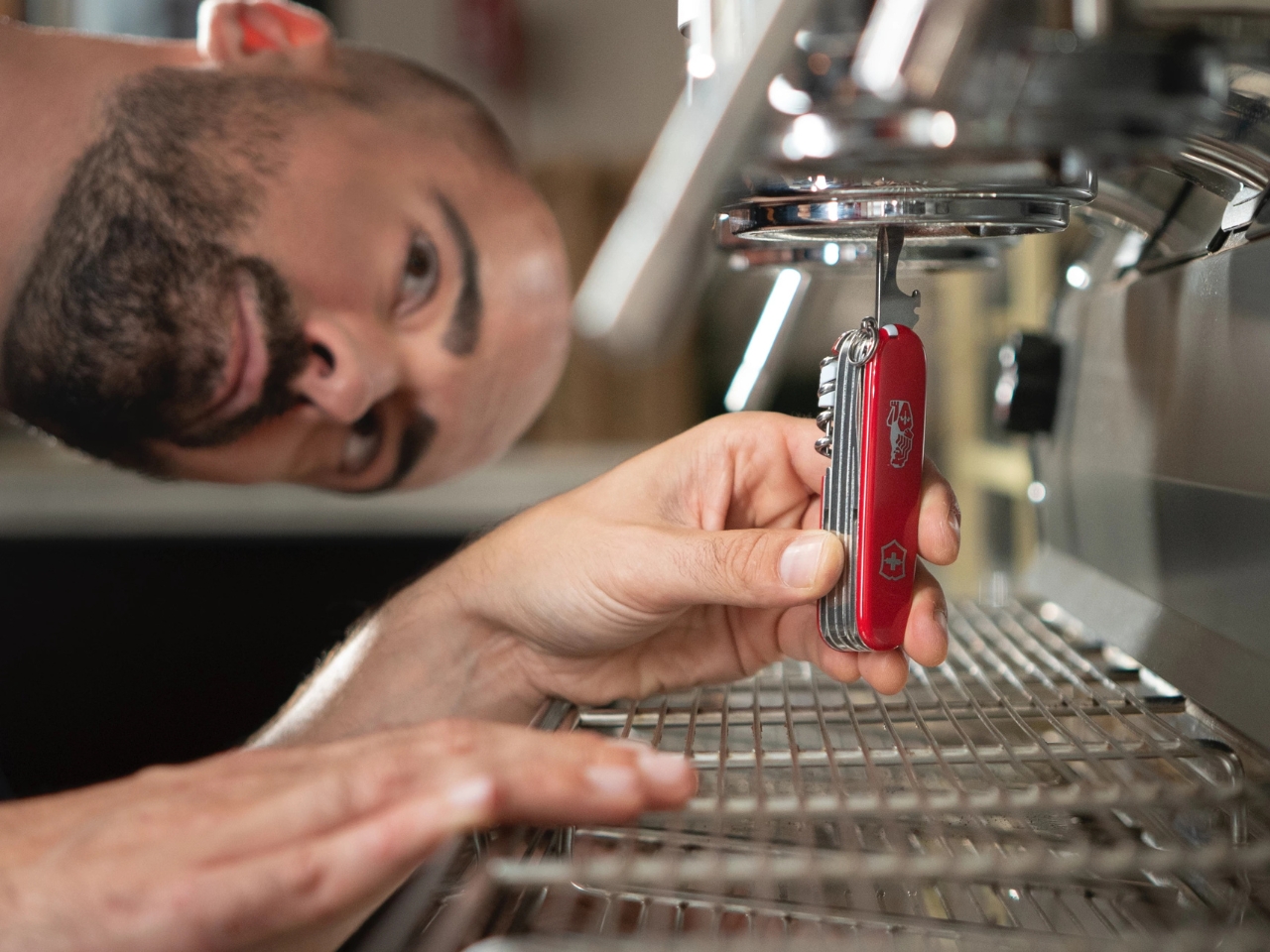
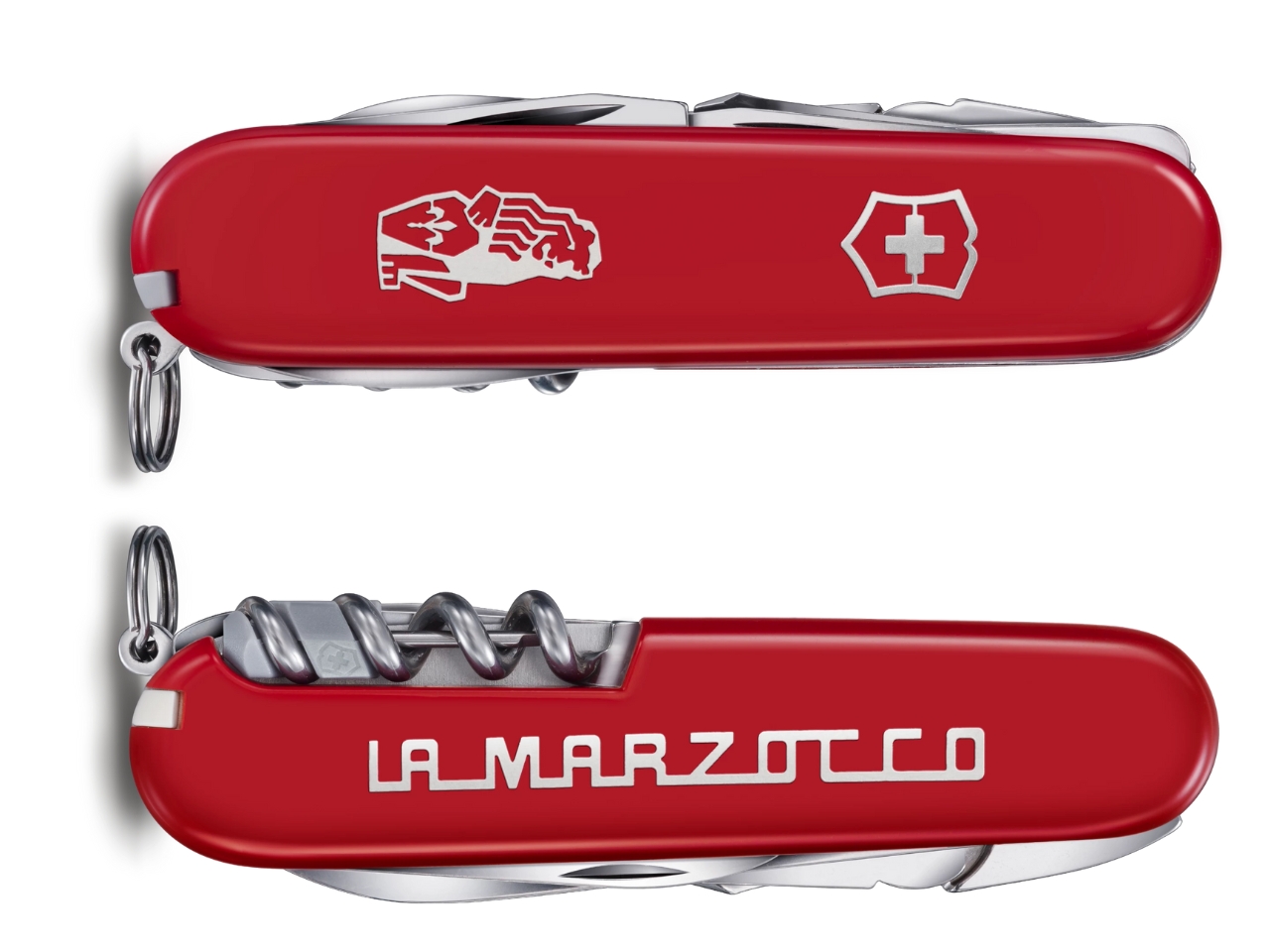
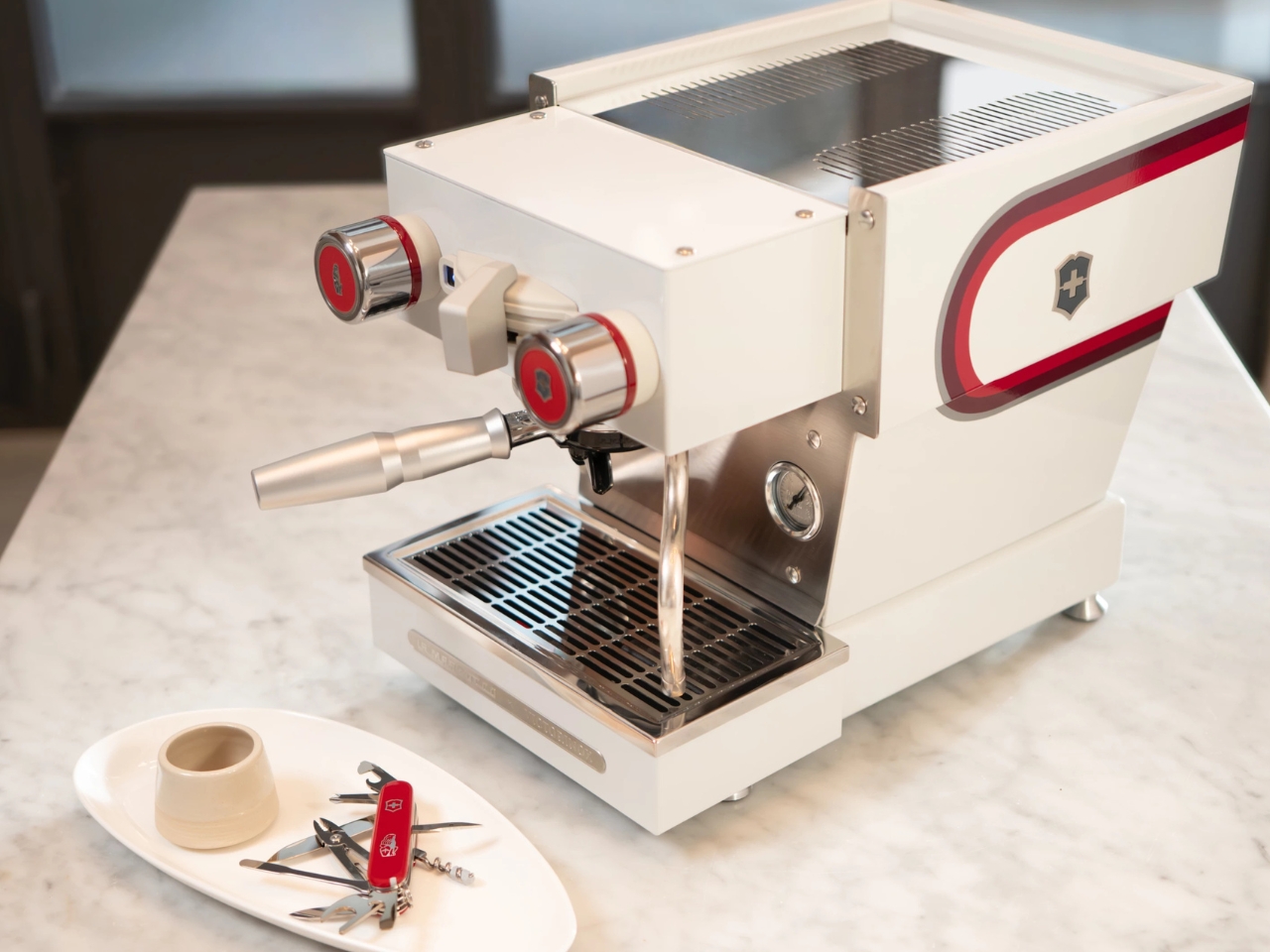
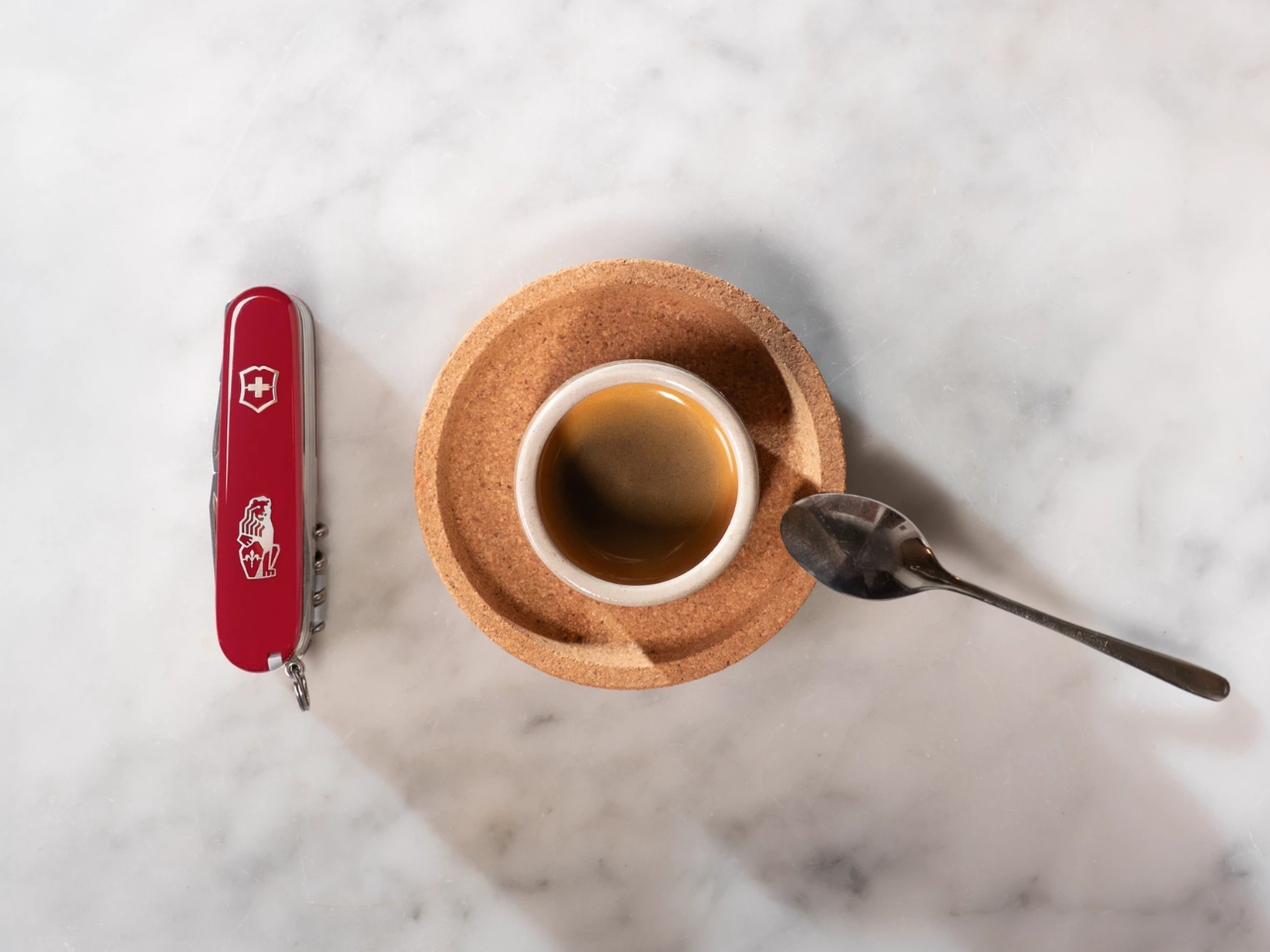
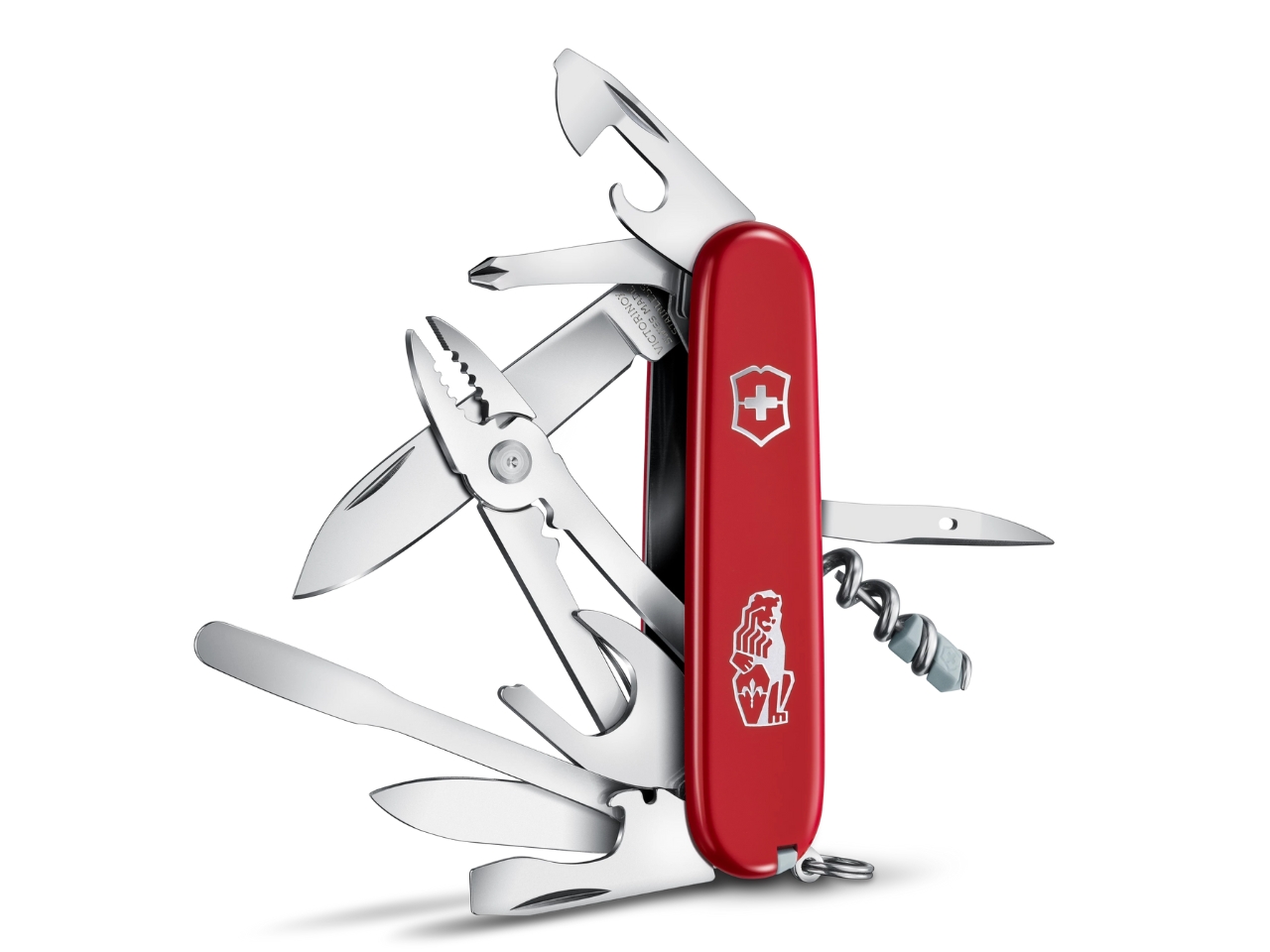
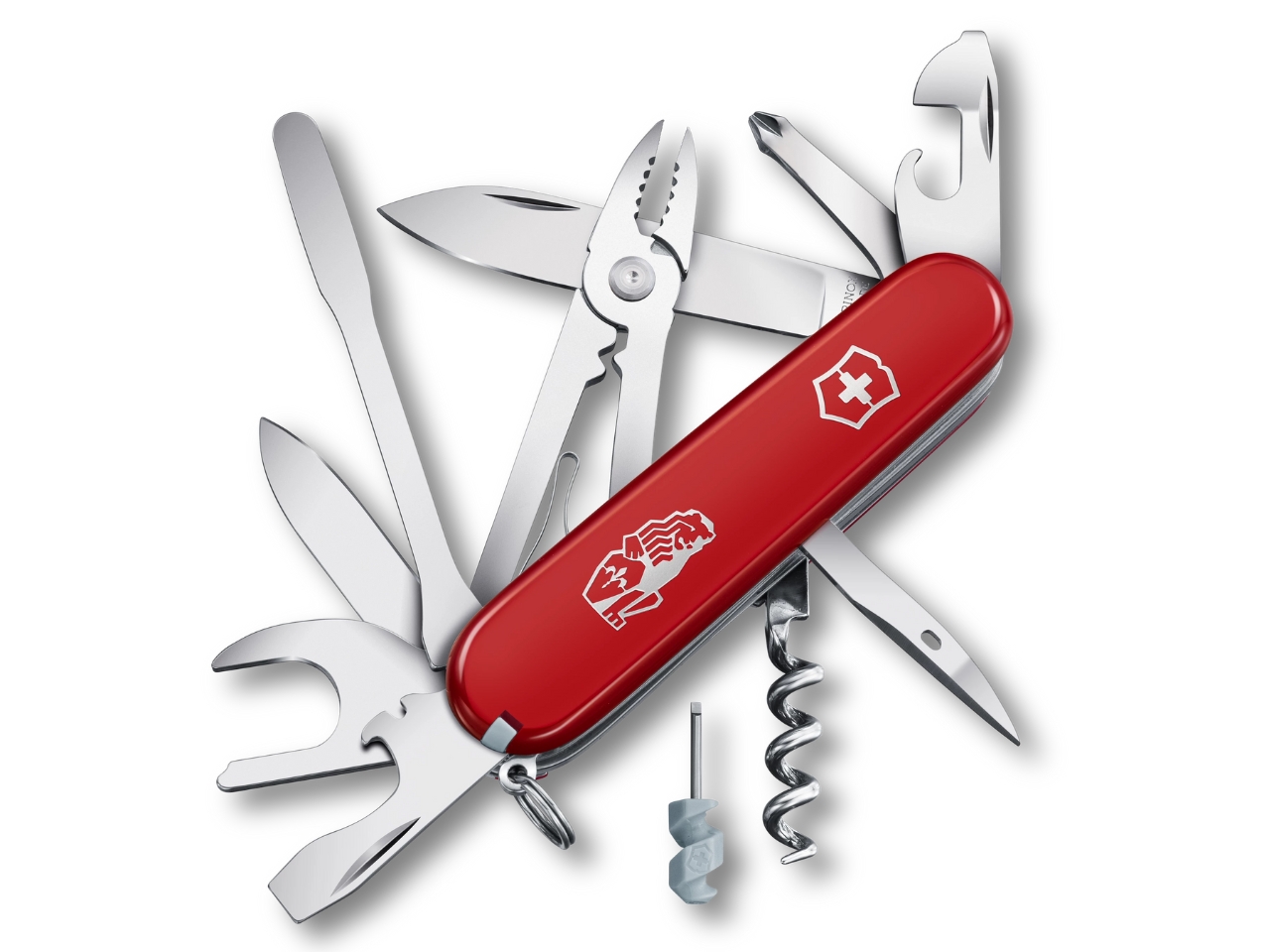
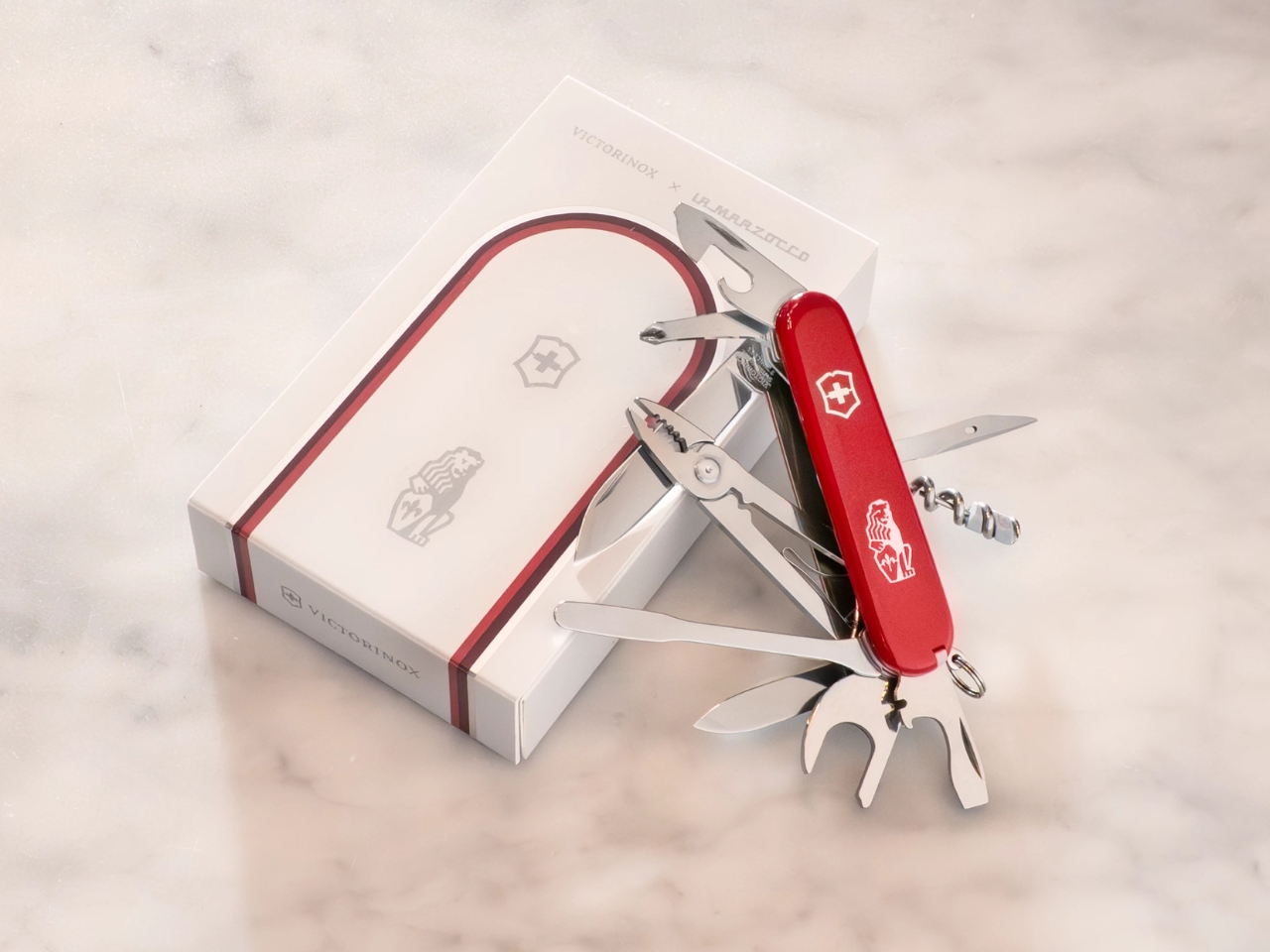
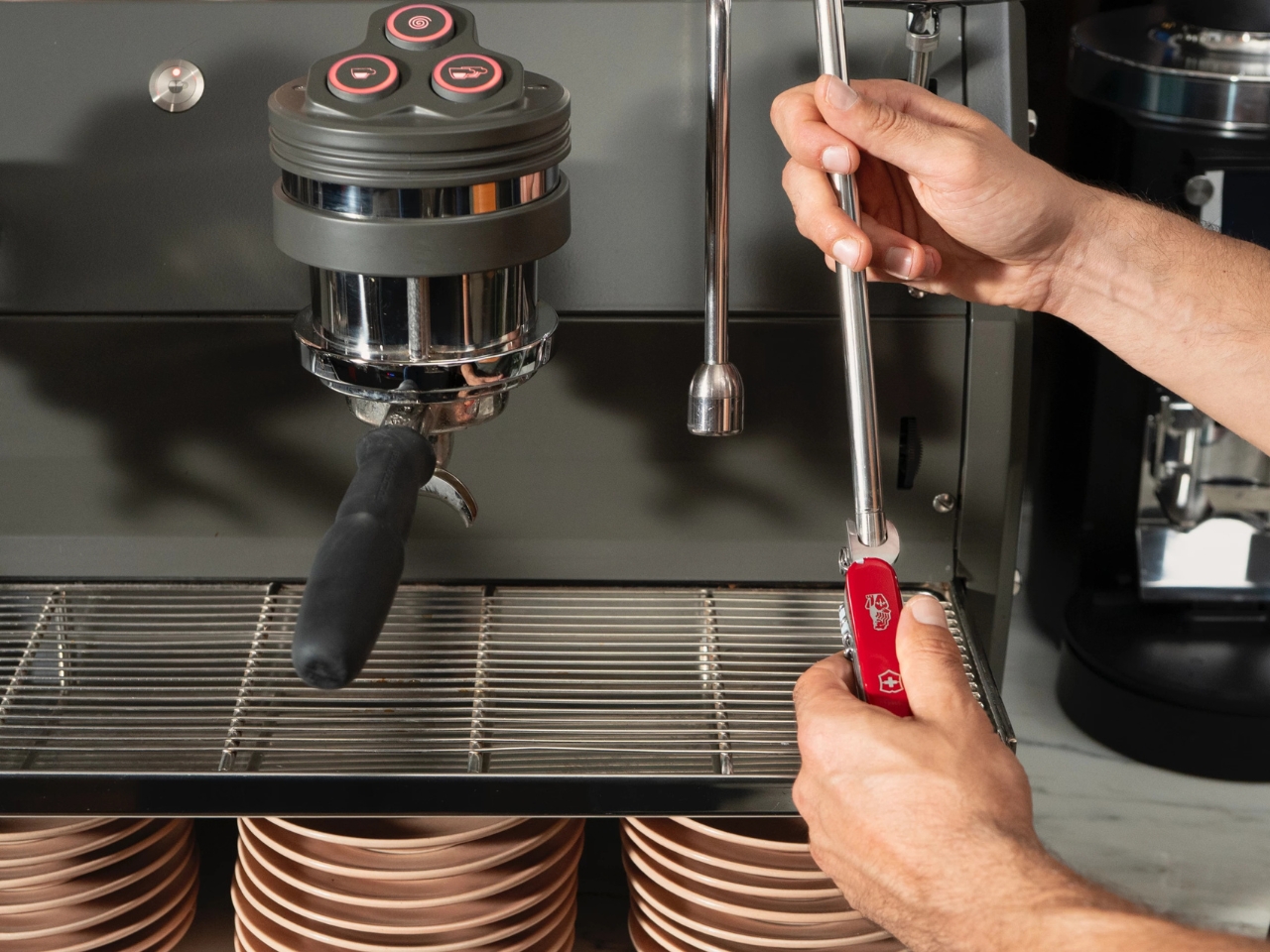
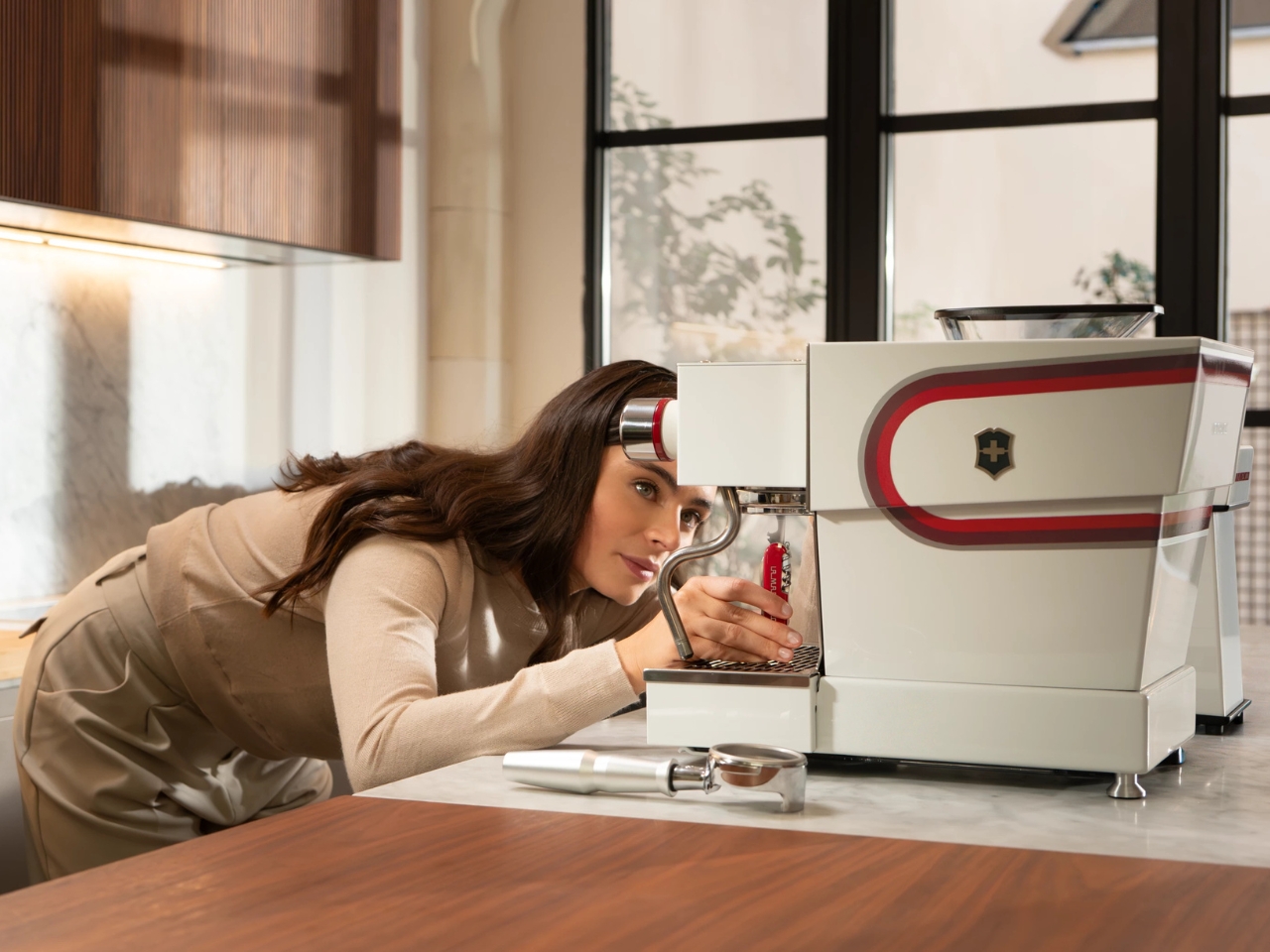
The Victorinox x La Marzocco Barista Tool is exactly what it sounds like: a Swiss Army knife that traded in some of its camping credentials for coffee shop clout. And honestly, it’s kind of brilliant. This isn’t just slapping a coffee brand logo on a classic multitool and calling it a day. It’s a genuinely thoughtful reimagining of what a pocket tool could be for the caffeine-obsessed among us.

Designers: Victorinox x La Marzocco

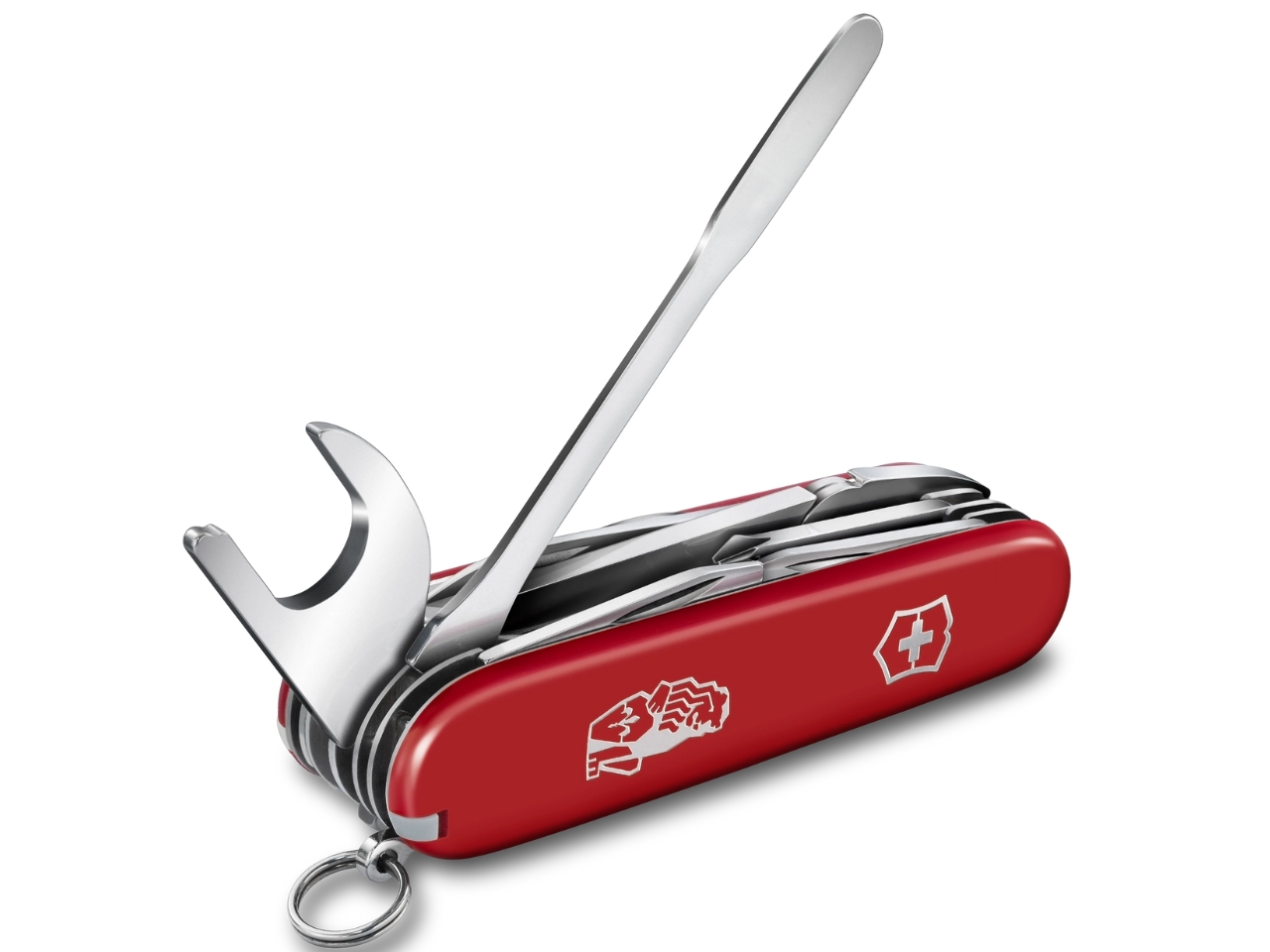
Let’s talk about what makes this thing special. Sure, it’s got your standard Swiss Army knife features, the ones we all know and love, like a blade, screwdrivers, and pliers. But then there are the coffee-specific additions that show someone actually thought about what home baristas need. There’s a thin spatula designed for scooping excess coffee grounds and cleaning the shower screen on your espresso machine. There’s a steam wand nozzle remover, which is one of those tools you never think about until you desperately need it at 7 a.m. when your milk won’t foam properly. And there are specialized screwdrivers sized for common espresso machine adjustments, because apparently not all screwdrivers are created equal when you’re tinkering with a $3,000 La Marzocco at home.

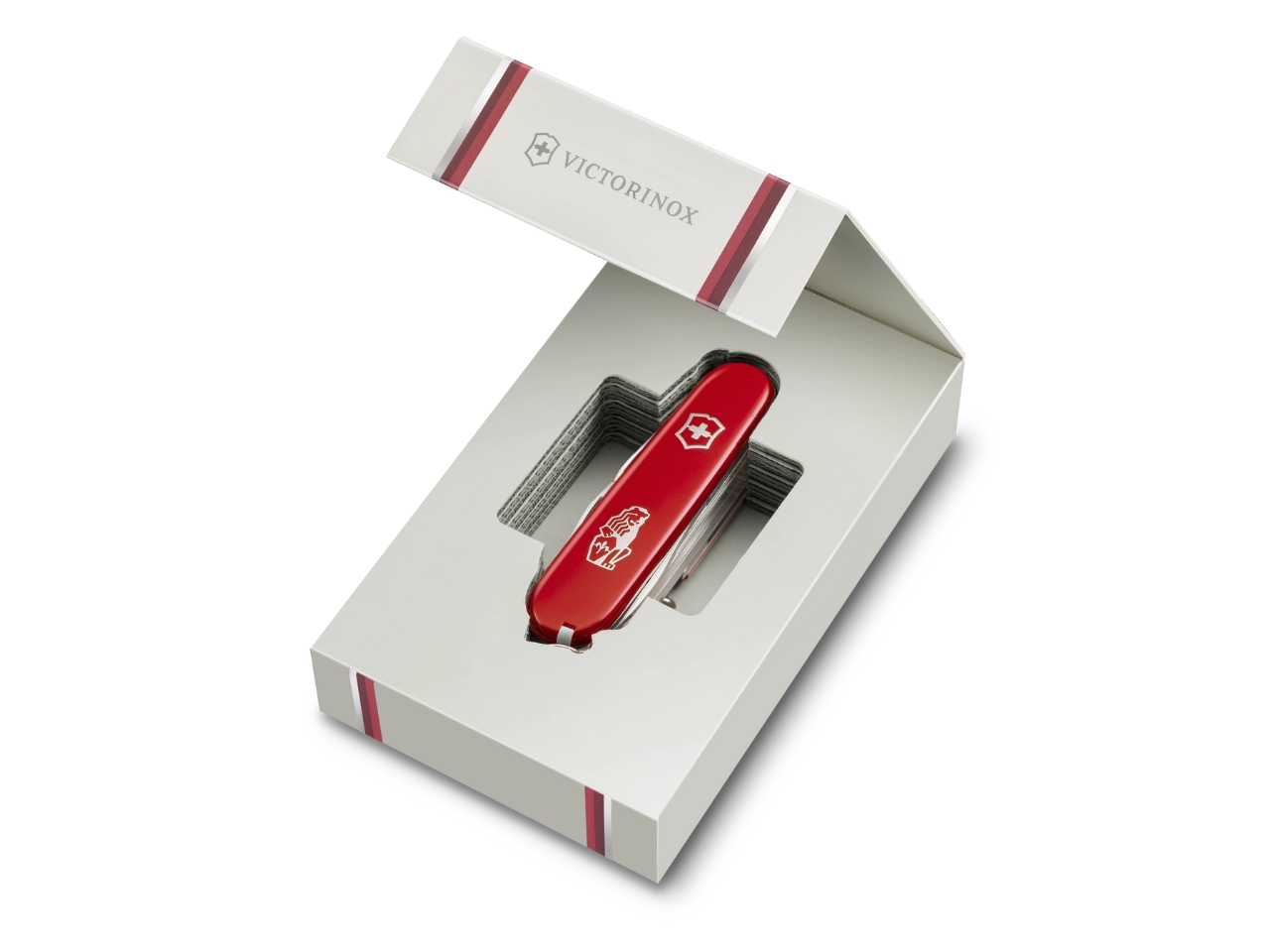
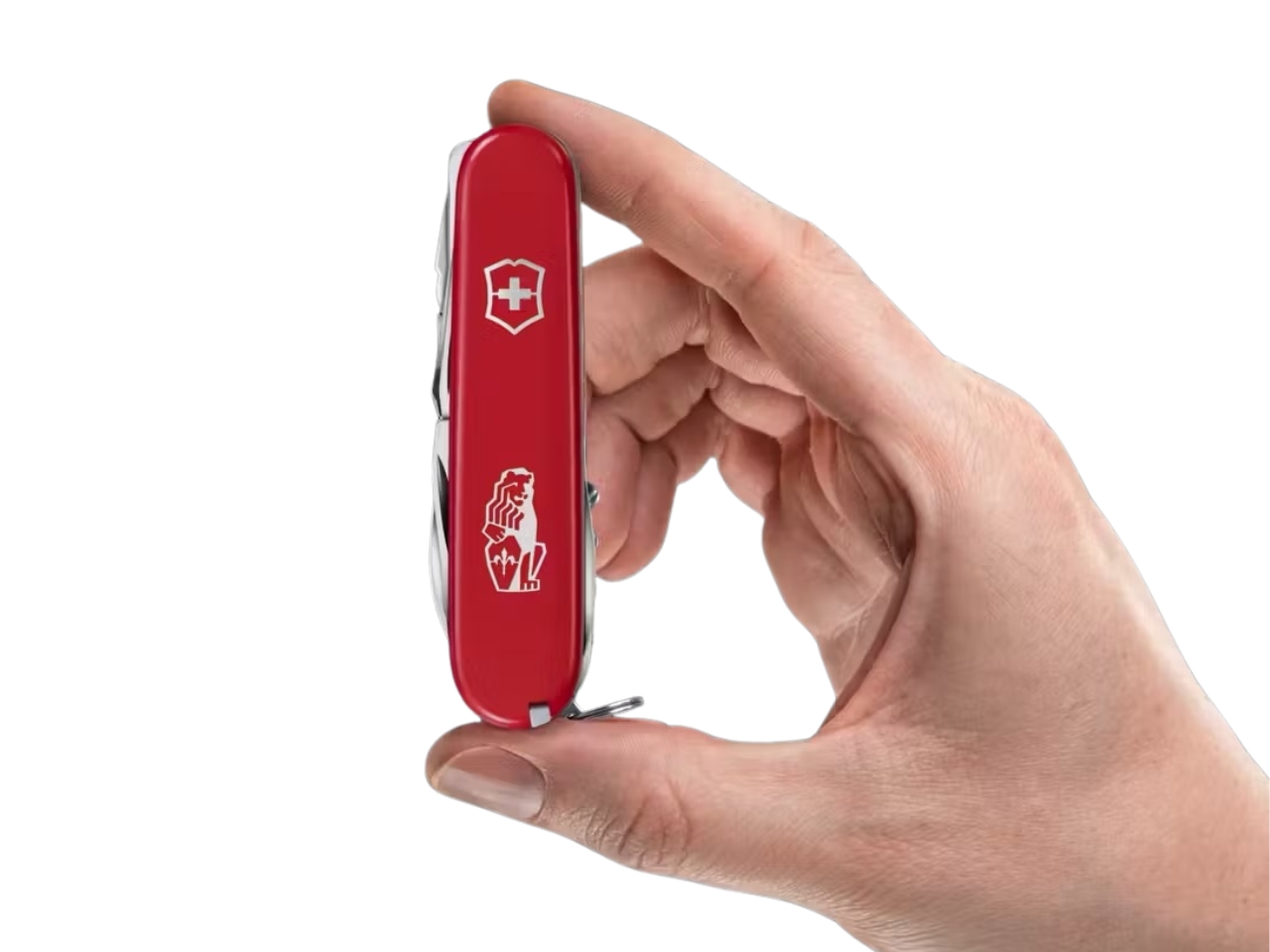
The tool comes in that iconic Swiss Army knife red with special La Marzocco badging, bridging Swiss precision engineering with Italian espresso heritage. It’s a collaboration that makes sense when you think about it. Both companies have cult followings among people who care deeply about craft and quality. Victorinox has been making reliable multitools since 1884, and La Marzocco has been the gold standard in espresso machines since 1927. Put them together and you get something that speaks to both the design nerd and the coffee snob.

Here’s what’s interesting about this release: it represents a growing trend of hyper-specialized everyday carry tools. We’re moving beyond the one-size-fits-all approach to gear. Rock climbers have their specific multitools, cyclists have theirs, and now home baristas have one too. It acknowledges that coffee culture has evolved from a casual morning routine to a legitimate hobby with its own maintenance requirements and technical know-how.

The Barista Tool includes 19 functions total, which sounds excessive until you realize how many tiny adjustments and cleaning tasks go into maintaining a home espresso setup. Anyone who’s owned a machine knows that regular maintenance isn’t optional if you want consistently good shots. This tool consolidates all those little tasks into one pocket-sized package. No more hunting for that one specific hex key or trying to MacGyver a solution with whatever’s in your junk drawer.

At $160, it’s definitely positioned as a premium accessory. That price point puts it firmly in enthusiast territory, the kind of thing serious home baristas might put on a wish list or gift to themselves after finally dialing in that perfect espresso recipe. It’s not trying to be a mass-market impulse buy. This is for people who already dropped serious money on their setup and want tools that match that level of investment.

What I find most compelling about this collaboration is how it reflects where design is heading. We’re seeing more crossover projects that merge different expertise areas to solve specific problems. It’s functional design at its best: identifying a real need, bringing together the right partners, and creating something that’s both practical and a little bit special. The Barista Tool isn’t revolutionary, but it doesn’t need to be. It’s just really good at doing exactly what it promises.

Whether you’ll actually use all 19 functions regularly is debatable, but that’s kind of the charm of any Swiss Army knife, isn’t it? It’s there when you need it, compact enough to stay out of the way when you don’t, and substantial enough to feel like a quality tool rather than a gimmick. For the home barista who has everything, this might just be the thing they didn’t know they needed.

The post Victorinox and La Marzocco Just Built a Swiss Army Knife for Coffee Obsessives first appeared on Yanko Design.
Portable moka pot lets you enjoy coffee in the middle of nature

While I will most likely not be going camping anytime soon, there are a lot of people who enjoy this kind of thing. There are also a lot of campers or outdoor enthusiasts who like to enjoy having a cup of coffee once they have pitched their tents or reached their mountainous destination. Sure they can just bring a flask or heat water for their instant coffee but wouldn’t you rather “brew” your own coffee when you’re marveling at nature?

Designer: Militello Design

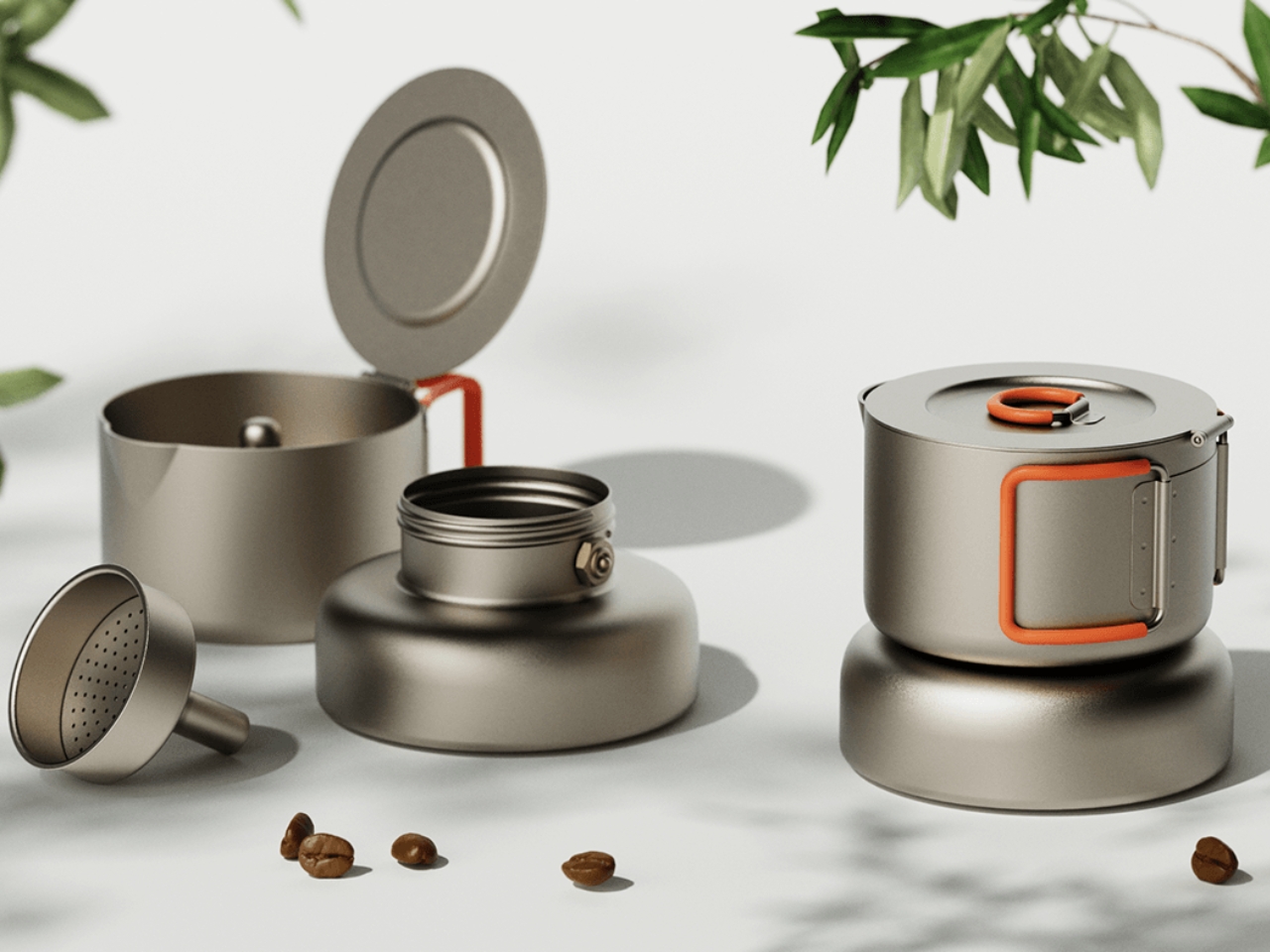
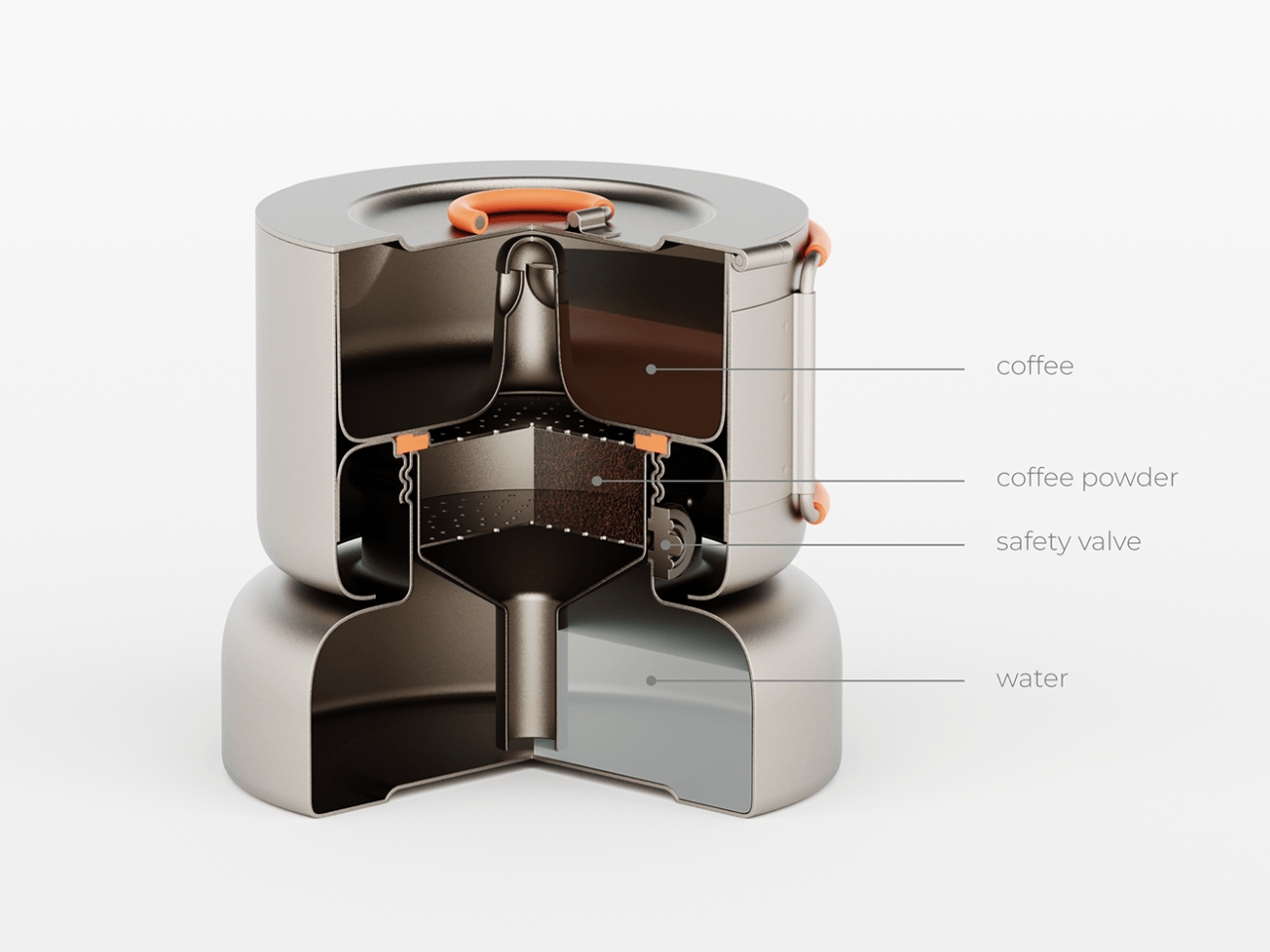
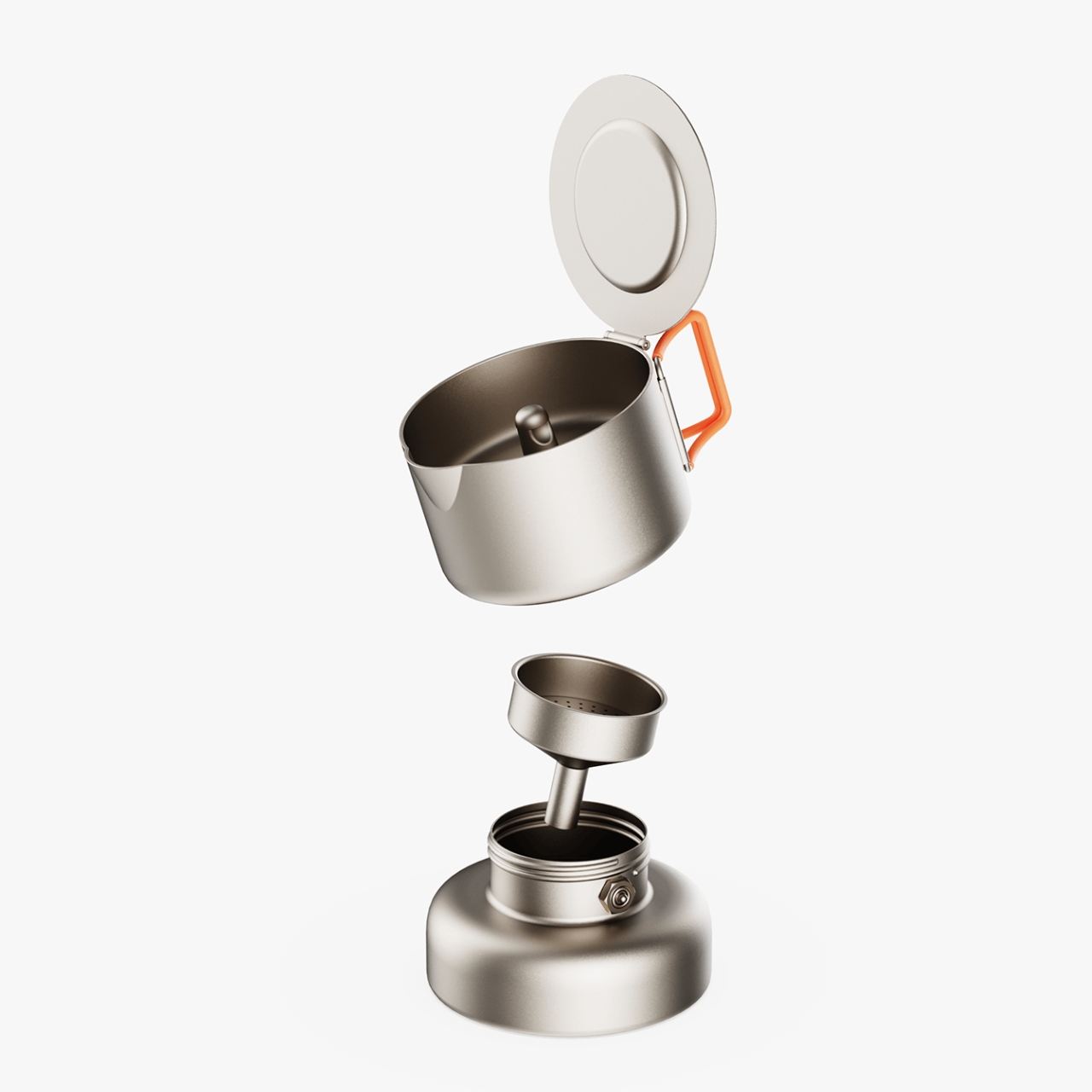
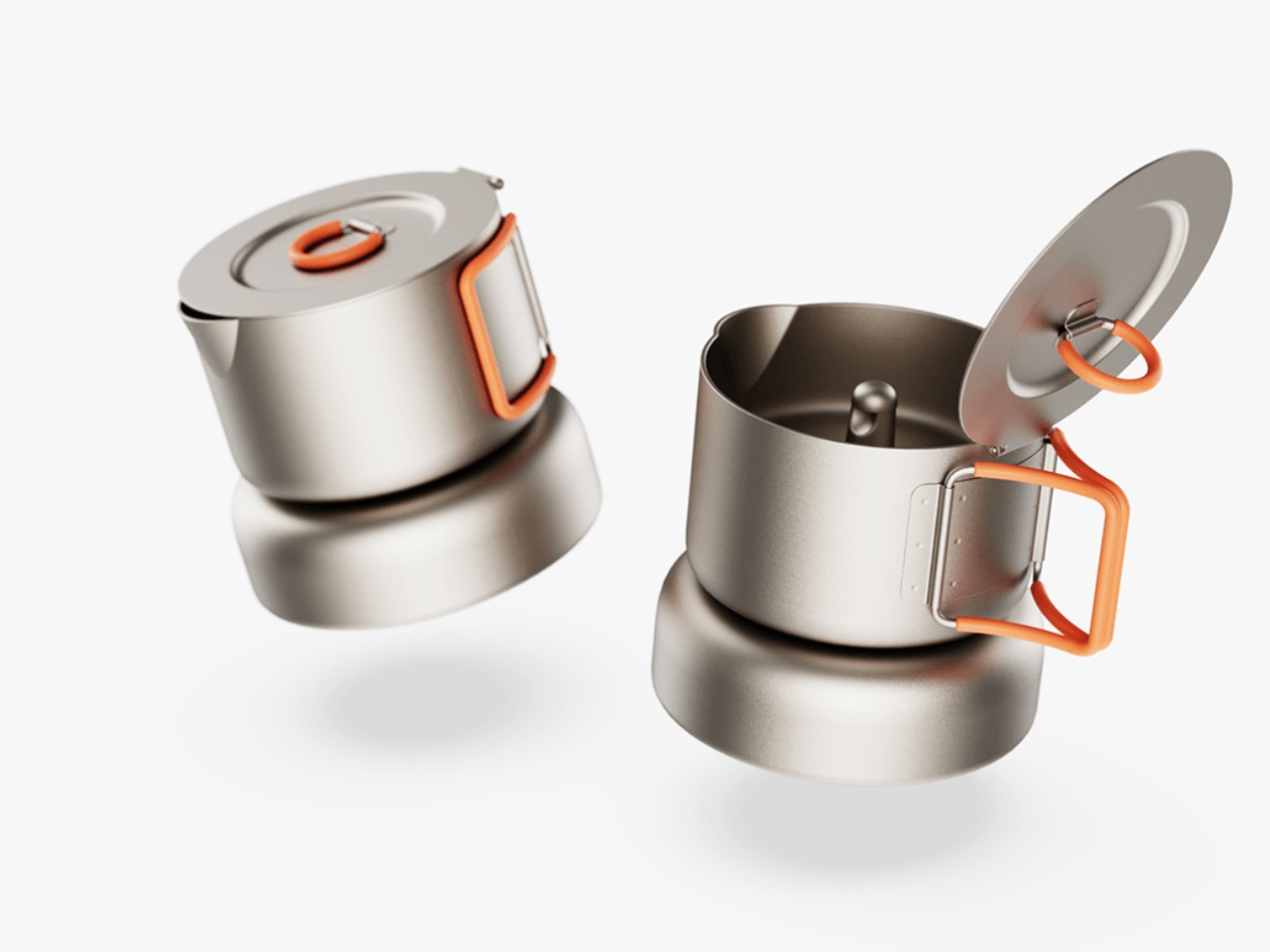
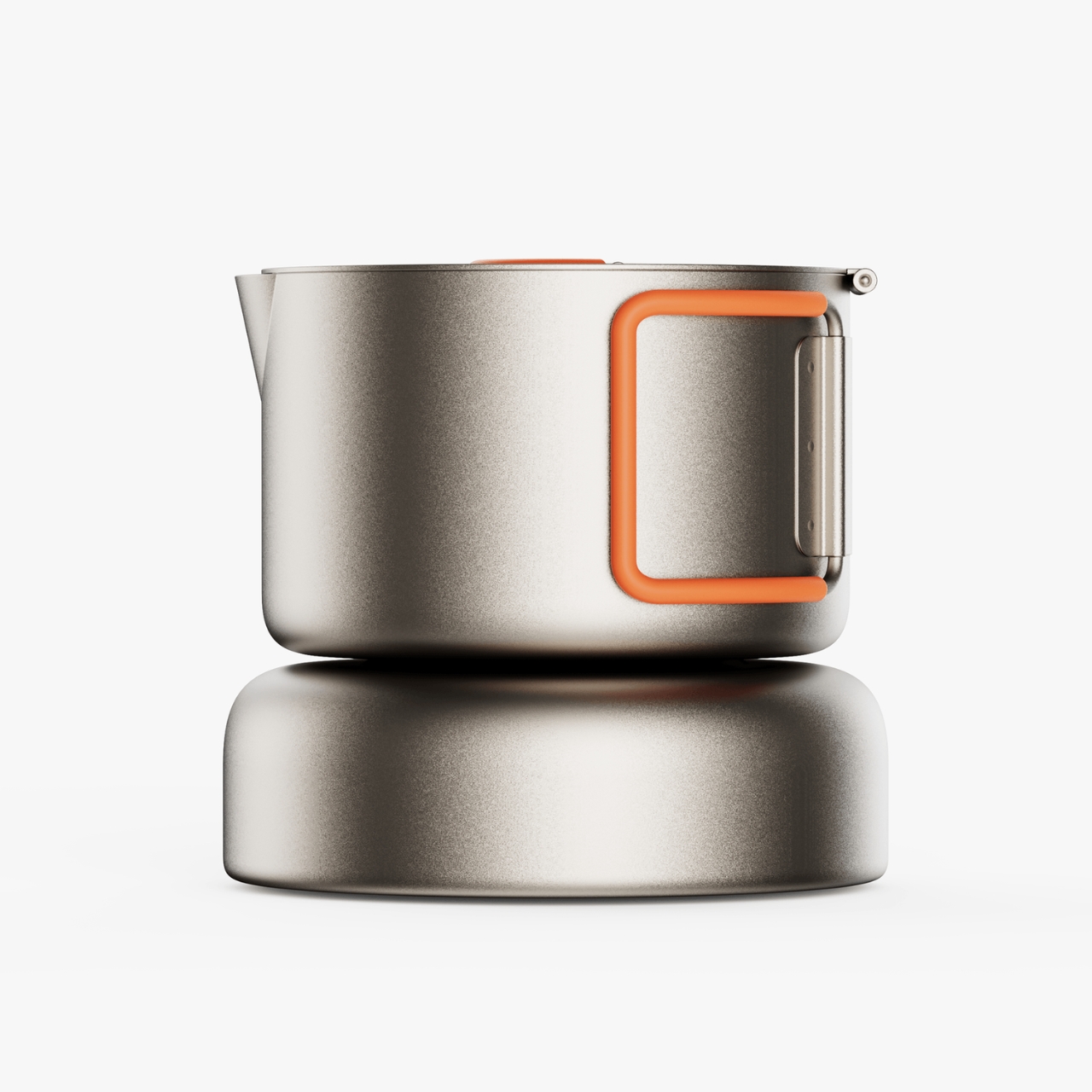
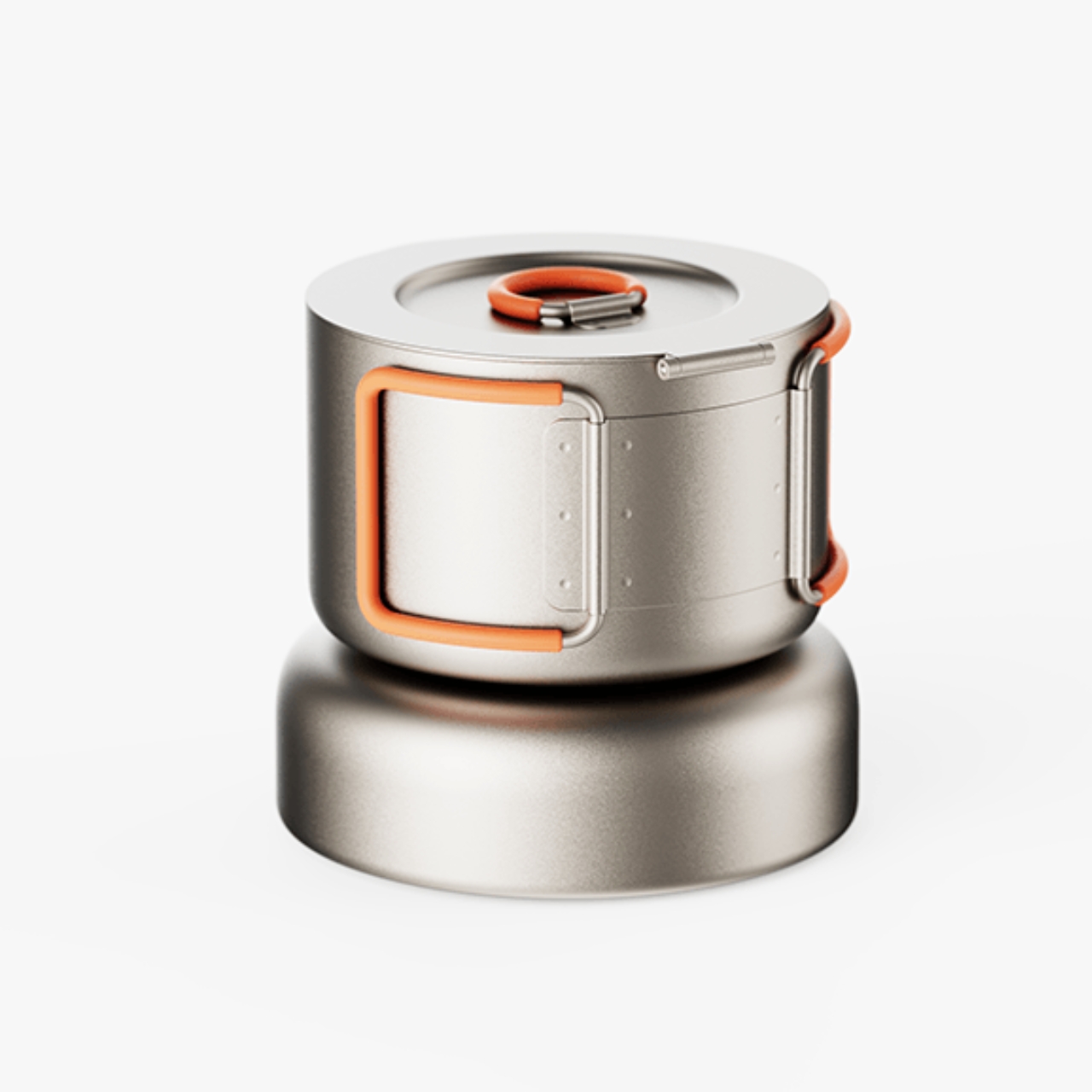
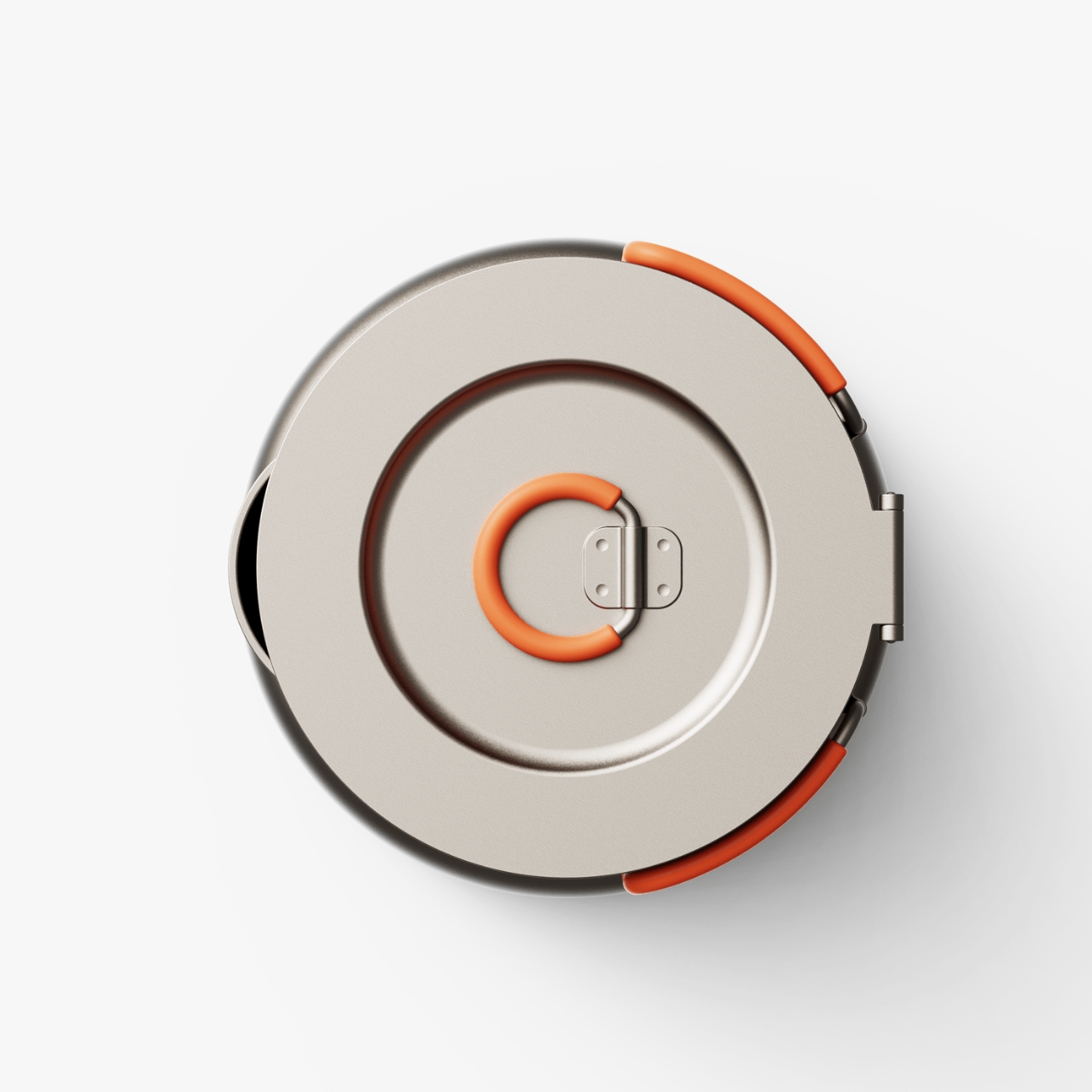
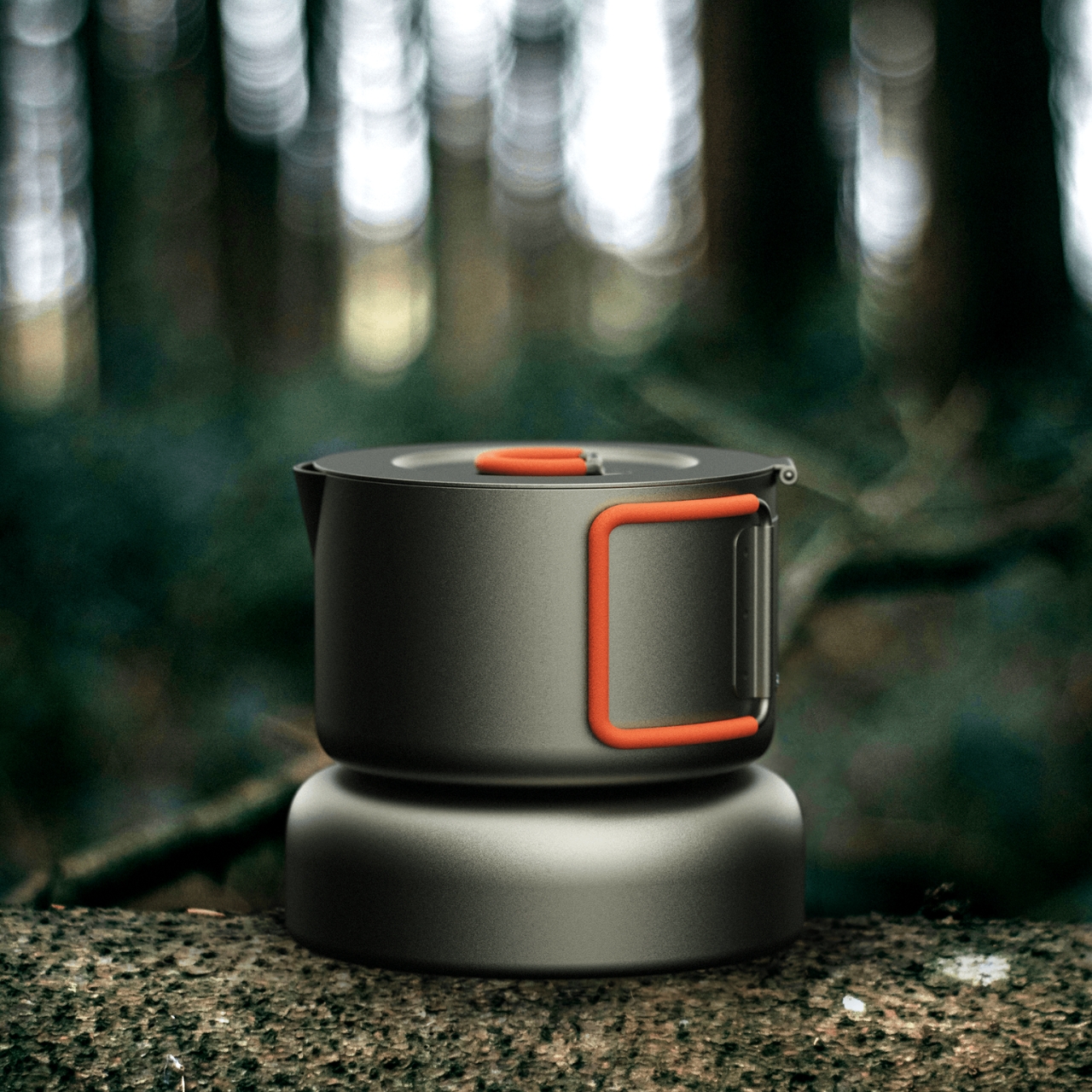
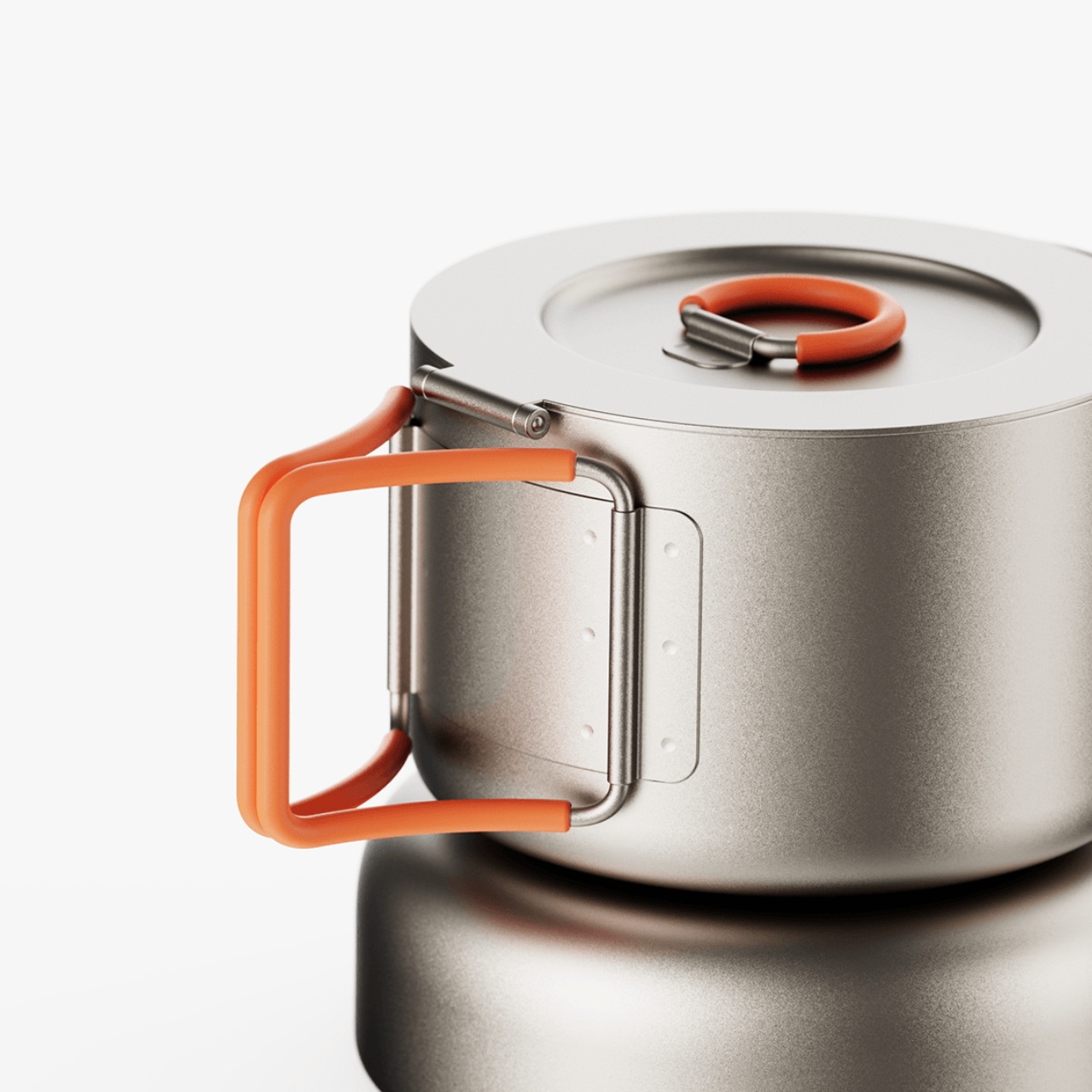
This product concept is called Moka-mp and based on that name, you kind of already know what it is. It is a portable moka coffee pot that is light enough but still durable enough that you can bring it with you when you’re climbing a mountain or spending the night camping outdoors. It’s meant to help you enjoy your time with nature while still drinking a cup of brewed coffee.

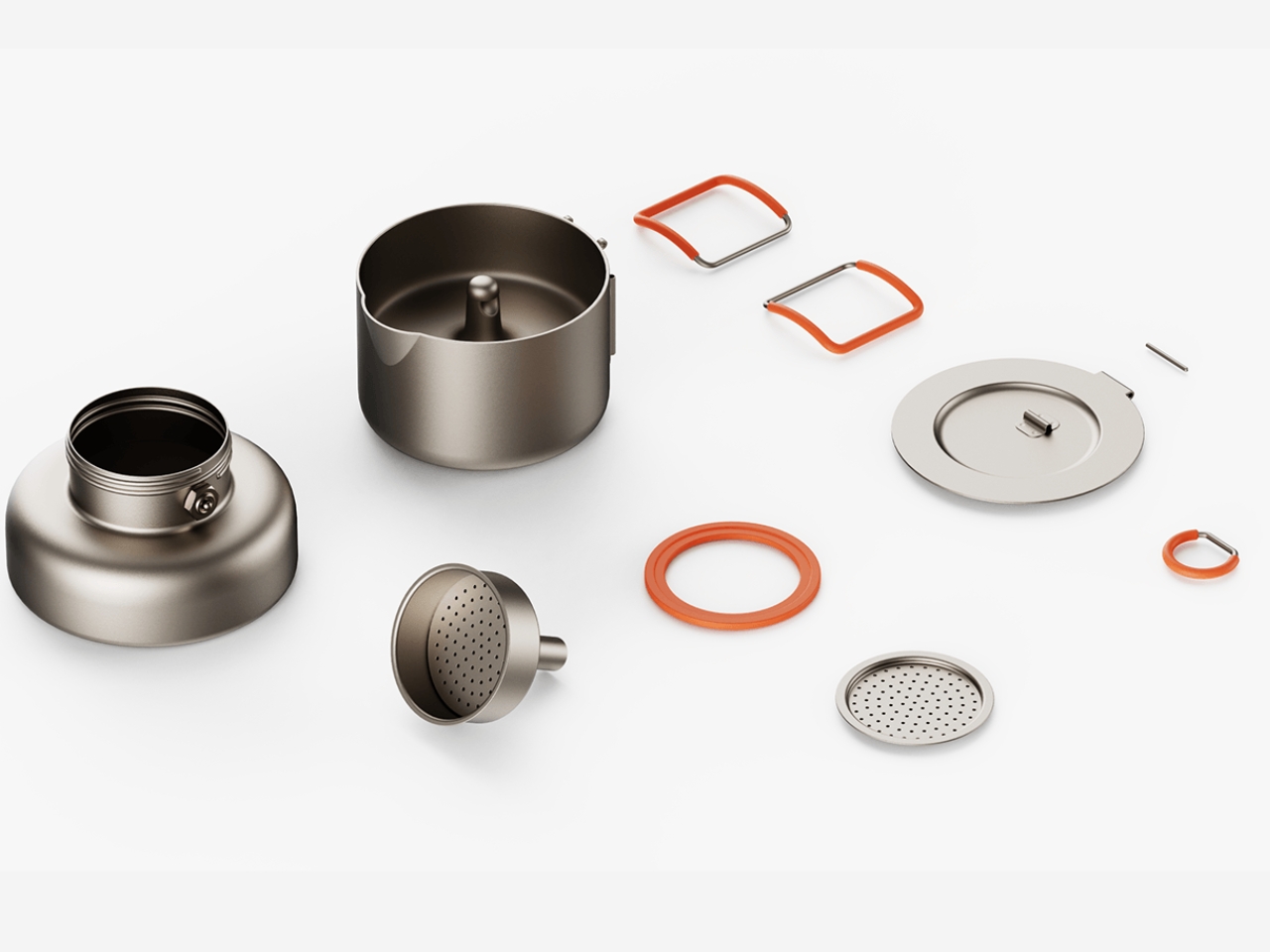
The moka pot doesn’t look like your usual stovetop coffee brewer. If you didn’t know that it brews your coffee, you might think it’s just a regular portable cooking pot, albeit smaller. The bottom part holds the water while just above it is a safety valve and the space where you put your coffee powder and where the coffee magic happens.

This can become an essential part of your camping and outdoor gear if it becomes an actual product eventually. Those who love both coffee and the outdoors will have a good time as they sip their (hopefully) delicious cup while enjoying the wonders of nature. However, I’d stick to my cup of coffee in an air-conditioned coffee shop, thank you very much.

The post Portable moka pot lets you enjoy coffee in the middle of nature first appeared on Yanko Design.
Portable moka pot lets you get that espresso shot boost while traveling

When I travel to a new place, one of the things that I always want to try out are the local coffee places. However, not all places have really great original beans and not all coffee addict travelers would trust coffee shops especially if there are not a lot of recommended places. So I know some people who are picky with their caffeine fix who actually travel with all sorts of coffee paraphernalia. Of course this adds to their luggage so it’s not always that convenient. So having paraphernalia that’s handy and at the same time gives you that kick that you need is a must.
Designers: Vanshika Singhal and Yashi Jivnani

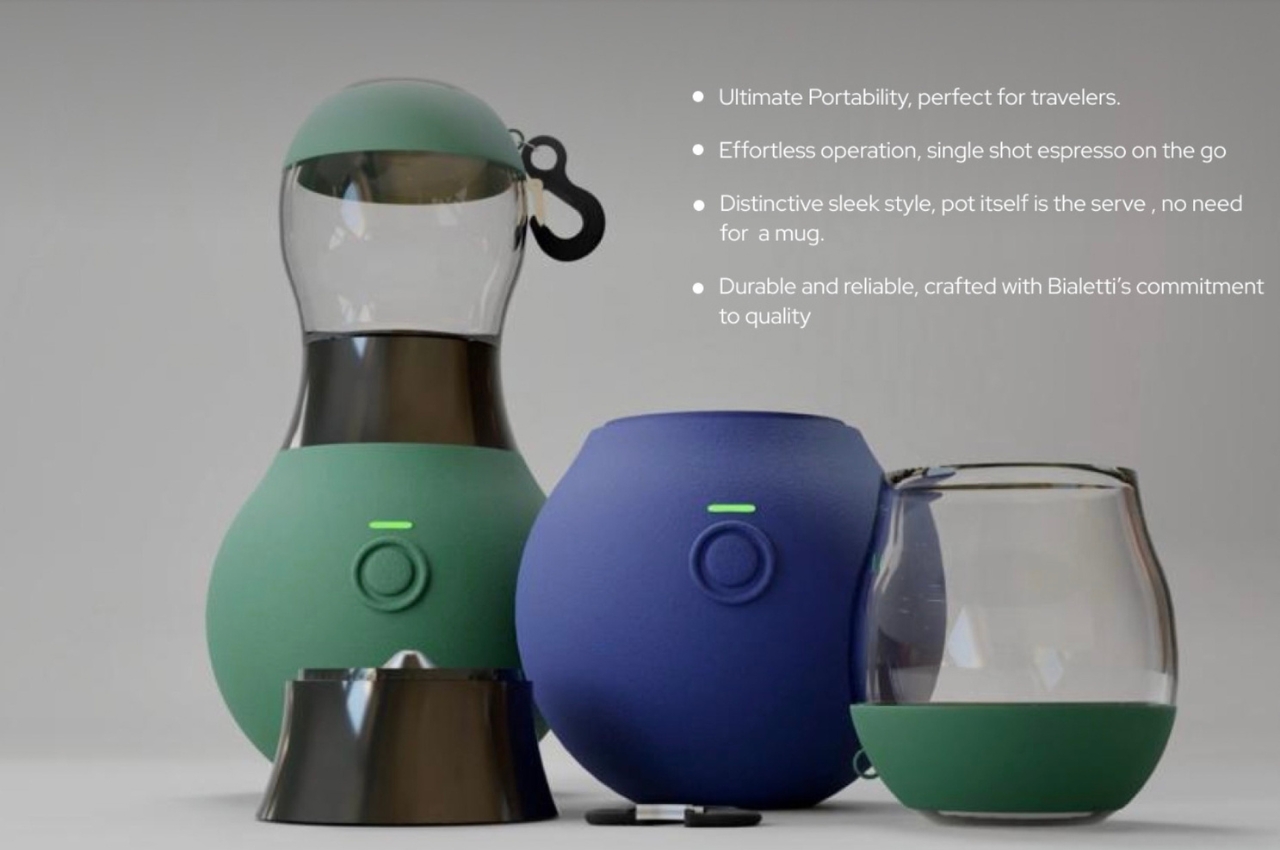
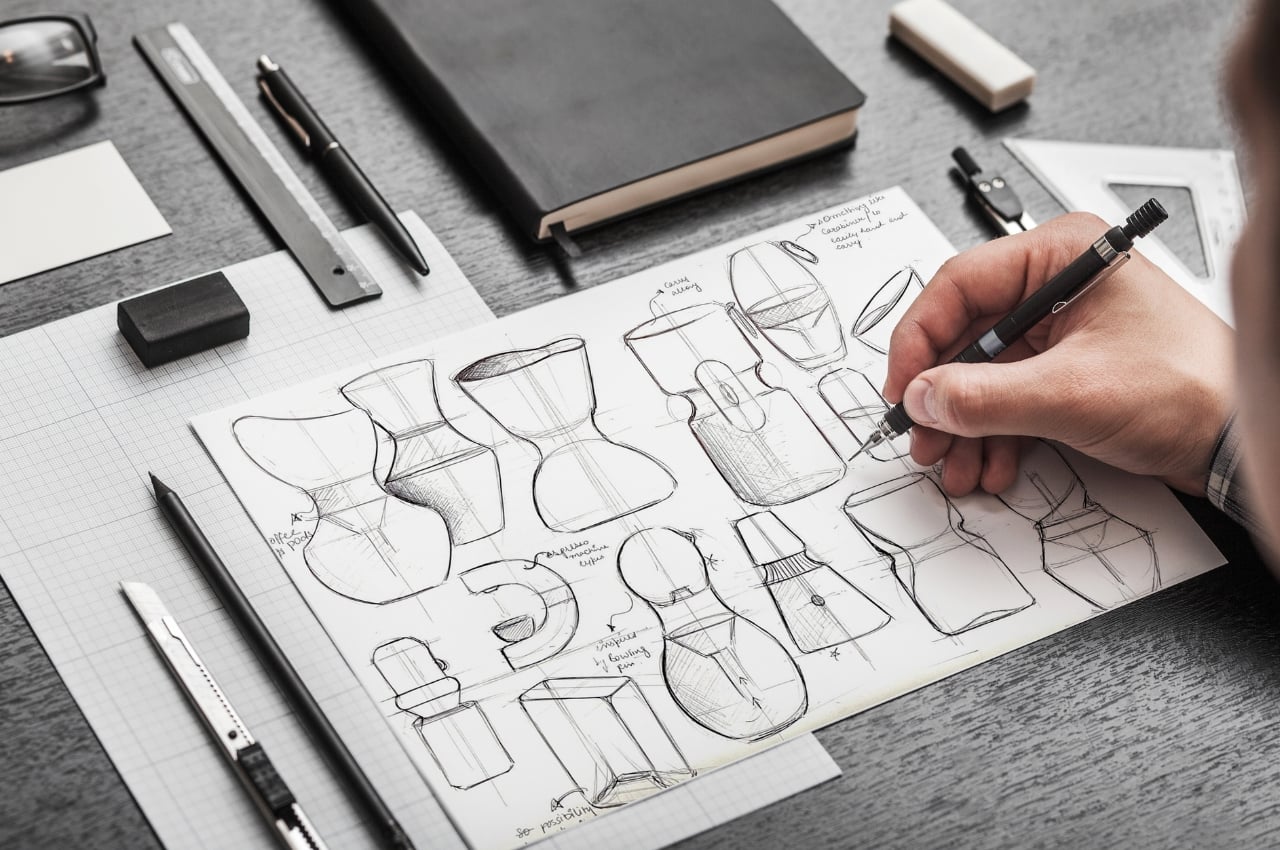
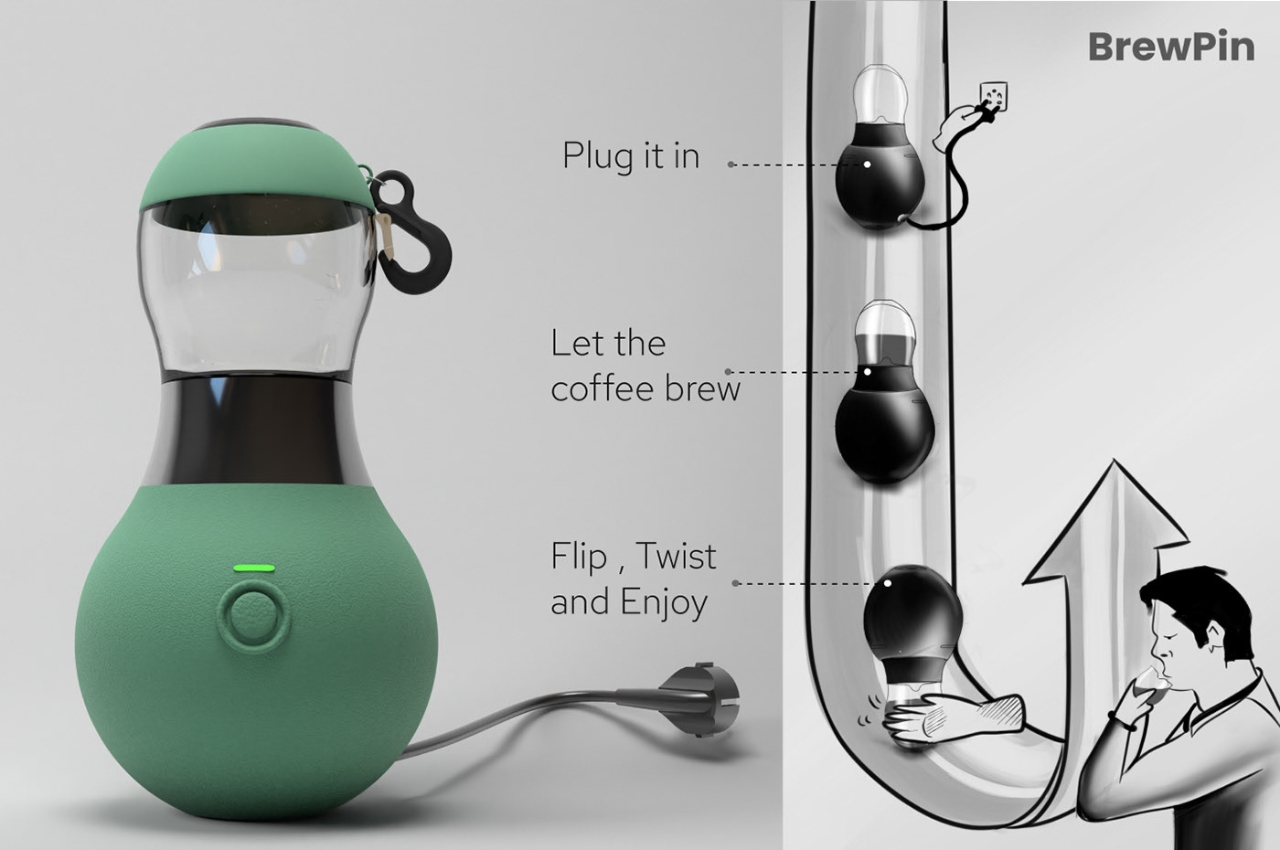
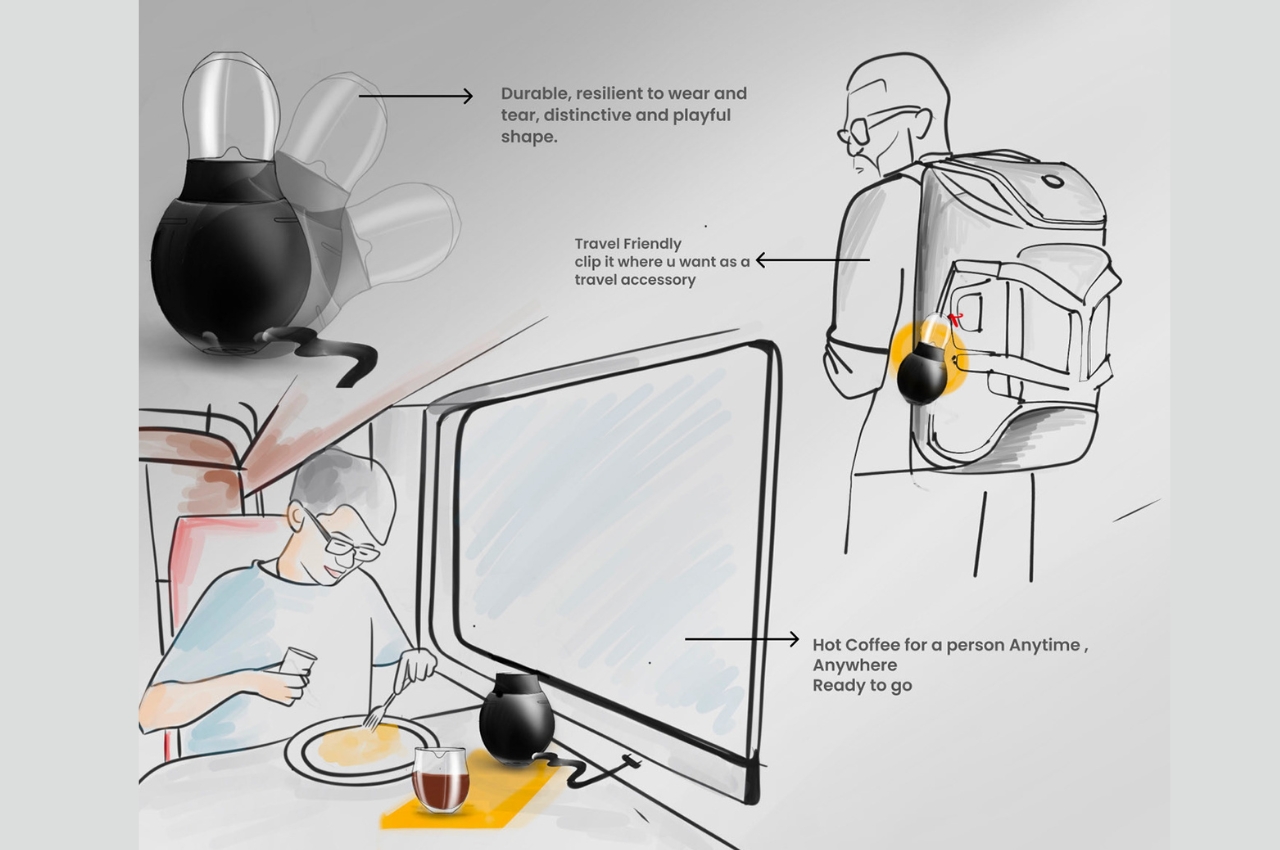
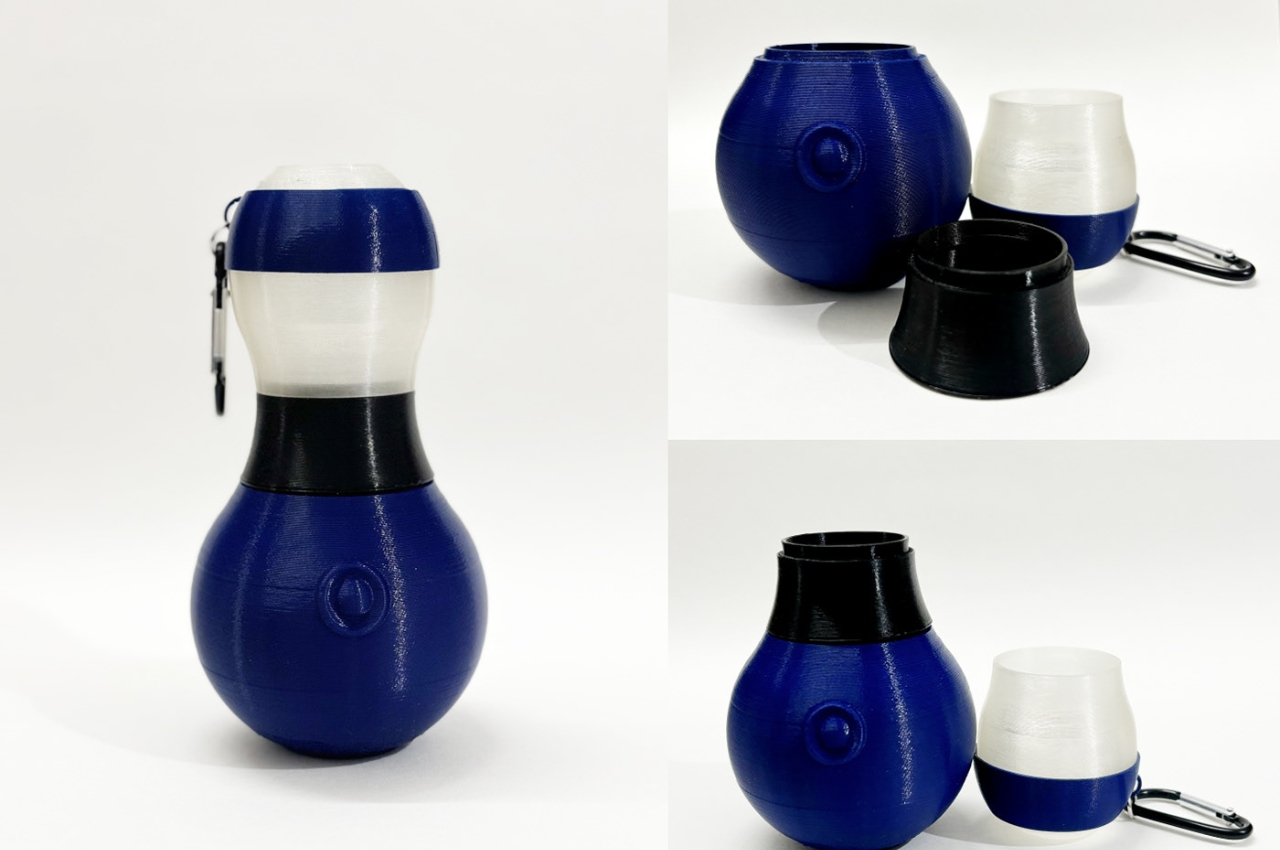
BrewPin is a portable coffee machine using the moka pot brewing method that was developed as a concept for coffee brand Bialetti. It is meant for those picky travelers that need to have their espresso shot when they want a caffeine boost and there isn’t any local coffee shop that would suit their taste or if there aren’t any coffee shops in general, like in the mountains or in rural areas. It looks like your typical portable coffee tool but it looks like it’s much easier to use.

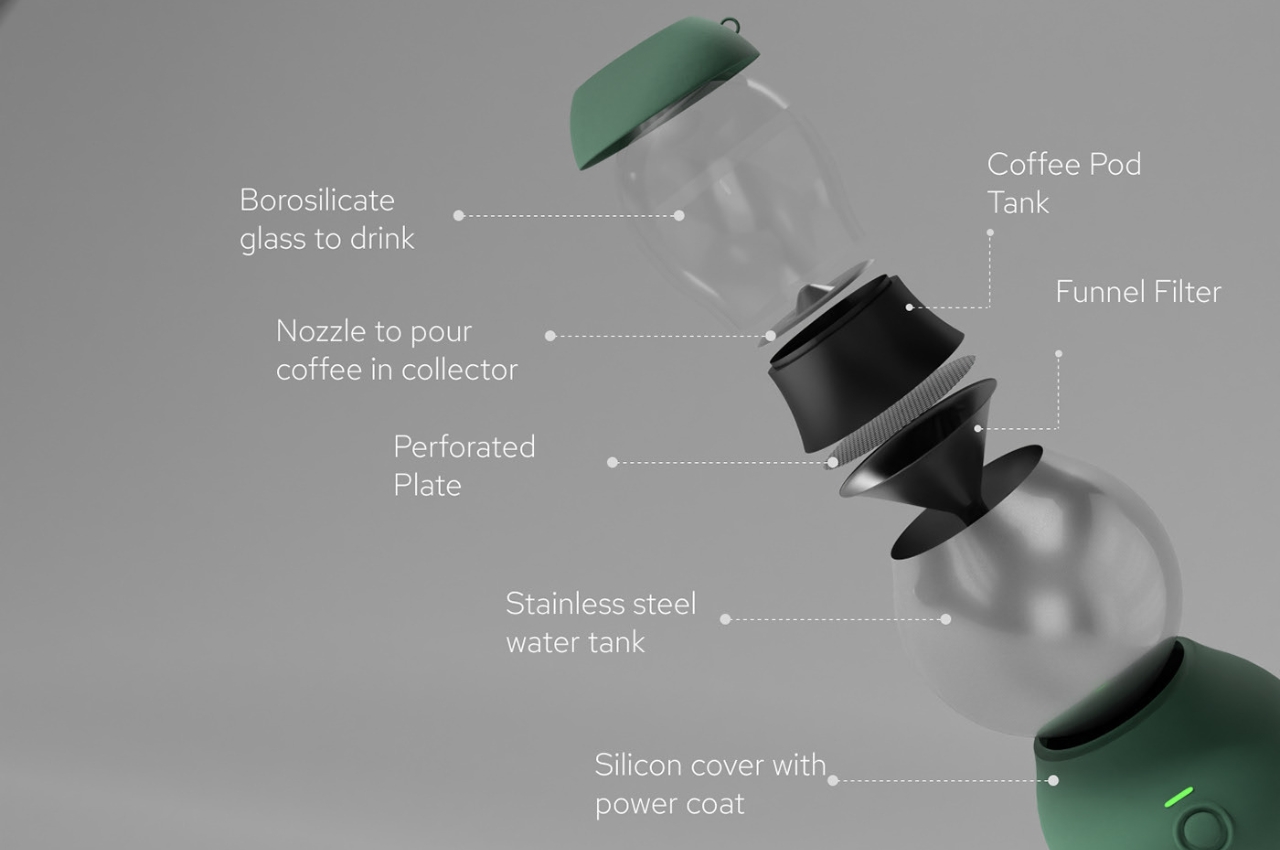
The bottom part has a silicone cover with power coat and above it, you find the stainless steel water tank. There’s also a funnel filter and a coffee pod tank as well as a perforated plate where the moka magic happens. There’s a borosilicate glass on top where you pour your coffee in and a nozzle to pour the coffee from. Basically you just plug in the BrewPin, let the coffee brew your espresso shot and then flip it, twist off the cup, and enjoy your caffeine boost.

As someone who often complains that the hotel coffee is almost always no good, this can be a great tool to tide me over until I’m able to get to a proper coffee shop. The only downside to this is that you need to plug it in but if they’re able to create something that would harness energy from somewhere else to get that espresso shot, it would be perfect.

The post Portable moka pot lets you get that espresso shot boost while traveling first appeared on Yanko Design.