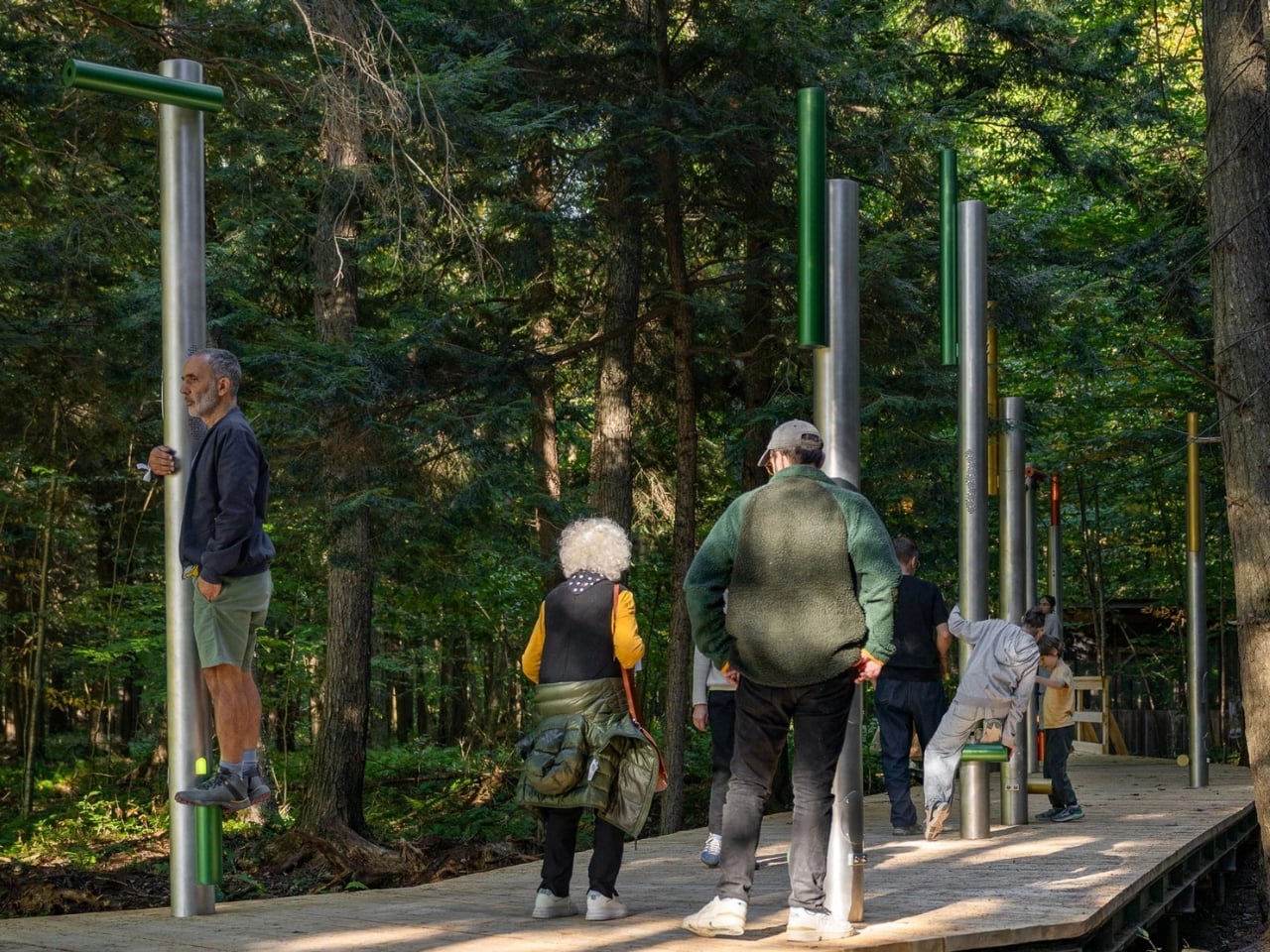
Picture yourself standing on a small platform in the middle of a Quebec forest, balancing on what feels like an oversized bird perch. The moment your weight settles, something magical happens. A bird call rings out, blending seamlessly into an ethereal soundtrack that seems to rise from the forest itself. Welcome to Human Perches, the latest installation from Montreal design studio Daily tous les jours that’s making us rethink how we experience nature.
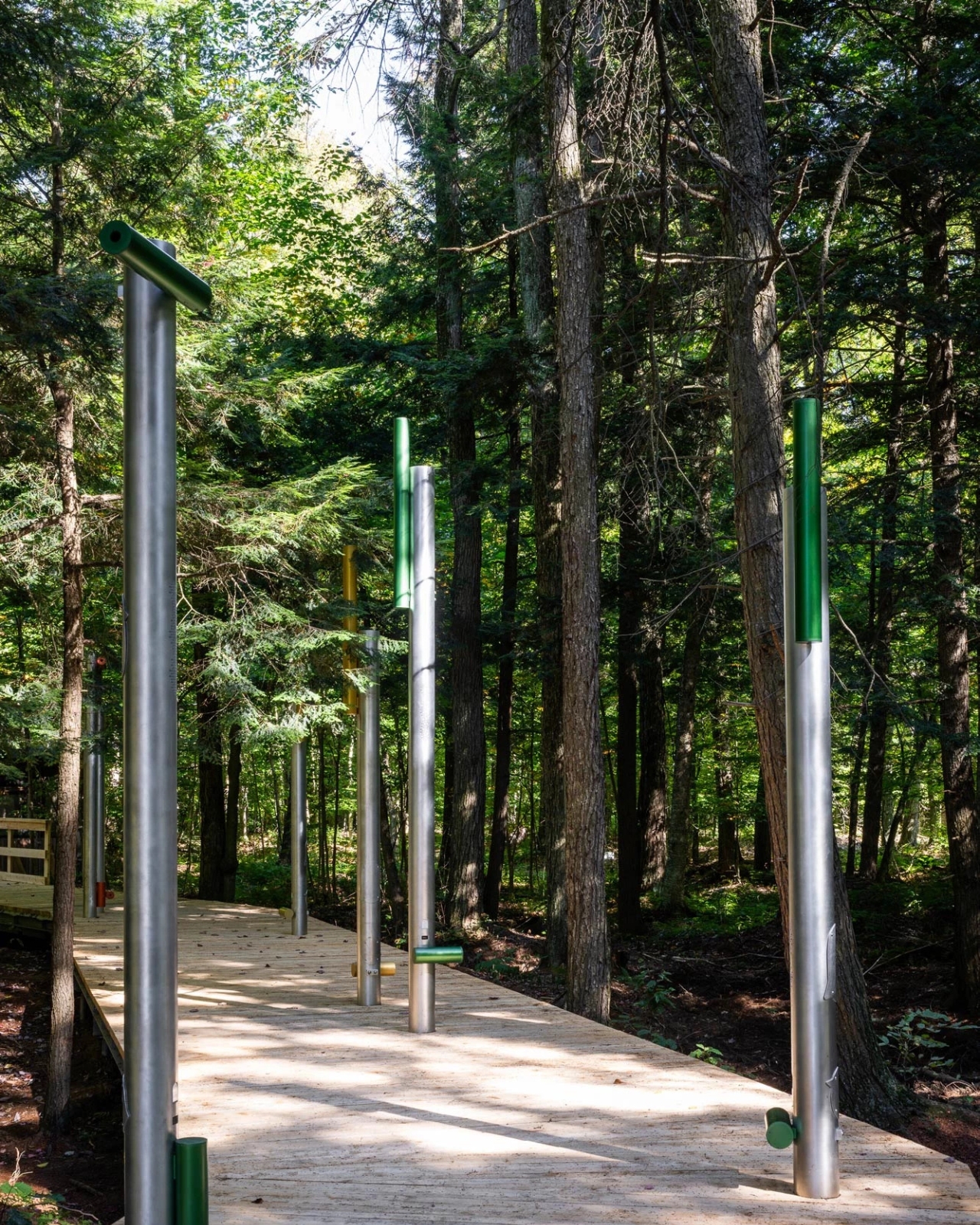
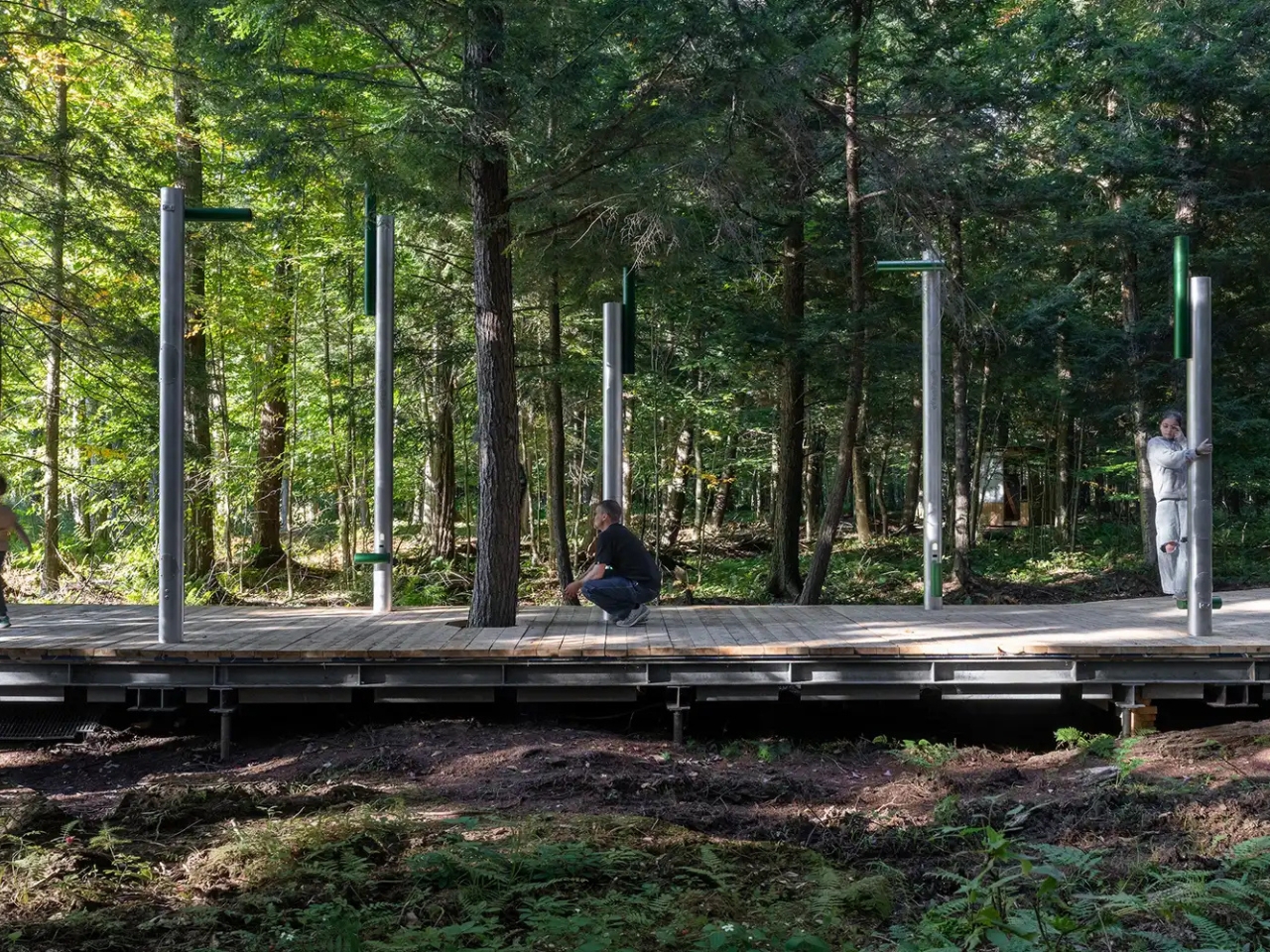
Located at Chouette à voir!, a bird of prey sanctuary in St-Jude, Quebec, this permanent installation transforms a 55-meter elevated boardwalk into an interactive musical journey through the seasons. Ten aluminum perching stations punctuate the path, each one waiting for a human visitor to activate its hidden soundscape. The design is brilliantly simple: step onto a green perch, and you become part of the forest’s symphony.
Designer: Daily tous les jours
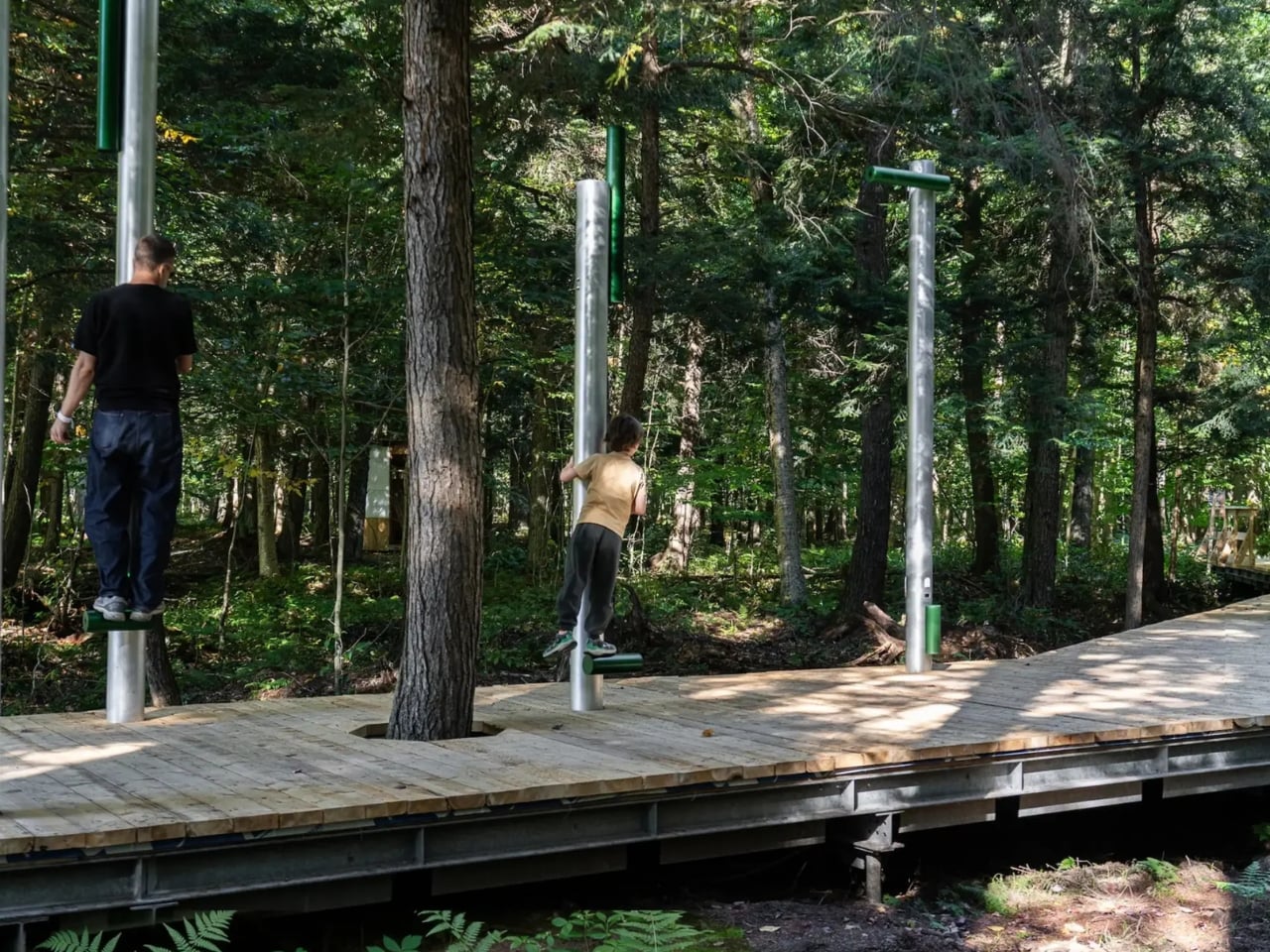
What makes this project so captivating is how it flips our usual relationship with wildlife. We’re used to being the noisy intruders, the reason birds fall silent when we approach. Here, we become the activators of sound. When humans aren’t present, the artwork stays quiet, mirroring the behavior of the sanctuary’s winged residents. It’s a poetic reversal that makes you acutely aware of your presence in the ecosystem.
The experience unfolds like a sonic story as you move along the boardwalk. Each perch represents a different season, with soundscapes that capture winter’s vigilance, spring’s courtship, summer’s protection, and autumn’s migration. The genius lies in the layering. Juno Award-winning composer Keiko Devaux crafted an evolving dialogue between abstract base compositions and actual bird calls from local species. Sometimes the bird voices appear as themselves. Other times, they’re transformed into ethereal textures or rhythmic elements that pulse beneath the surface.
Daily tous les jours, led by co-founders Mouna Andraos and Melissa Mongiat, has spent fifteen years creating participatory urban experiences, from musical swings to interactive light installations. But Human Perches marks a shift in their practice. Instead of focusing purely on human-to-human connection, they’re exploring the delicate interfaces between species. It’s part of a broader investigation into how sound vibrations can stimulate growth and communication within ecosystems, a thread that runs through their concurrent Forest Mixer project on Hornby Island as well.
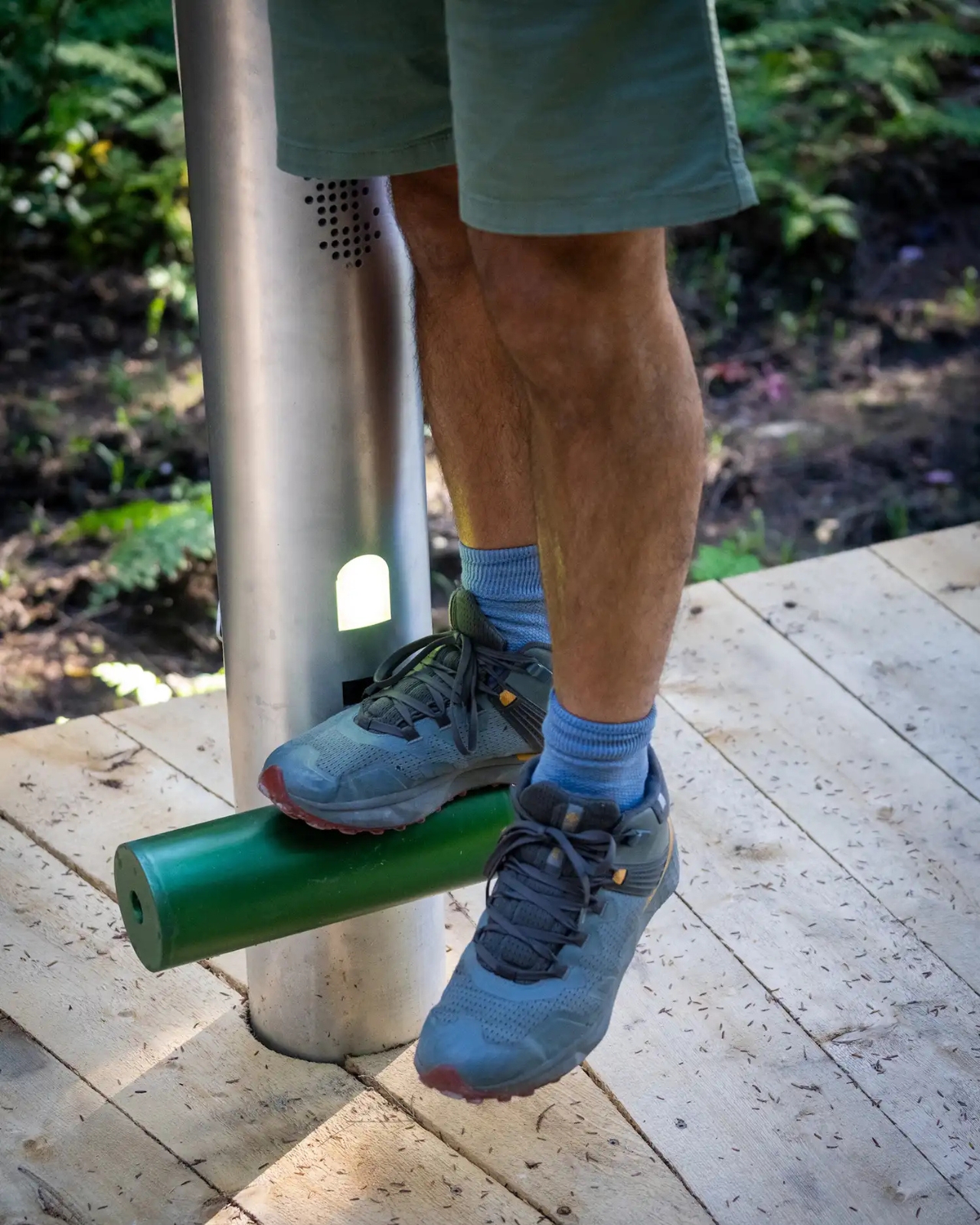
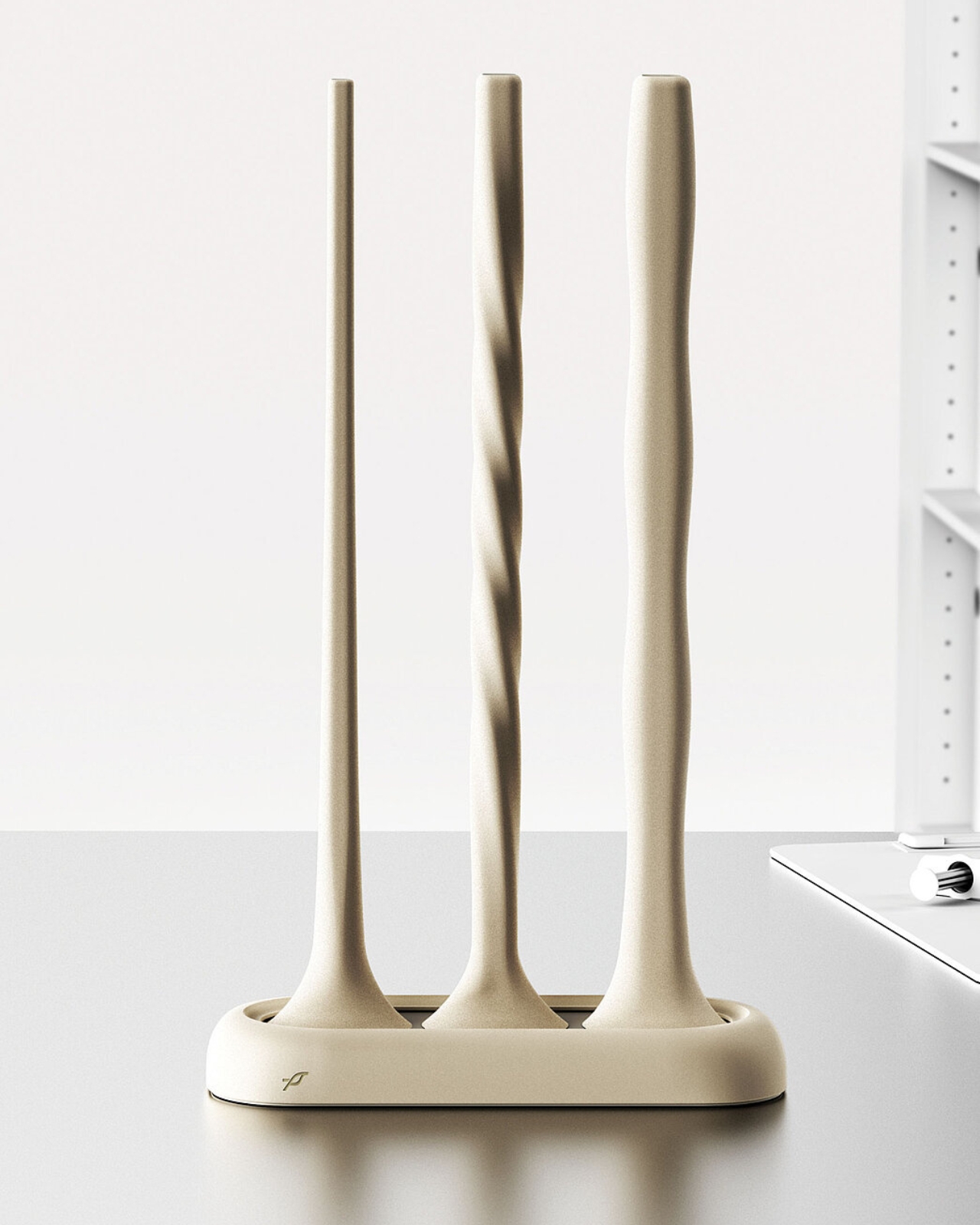
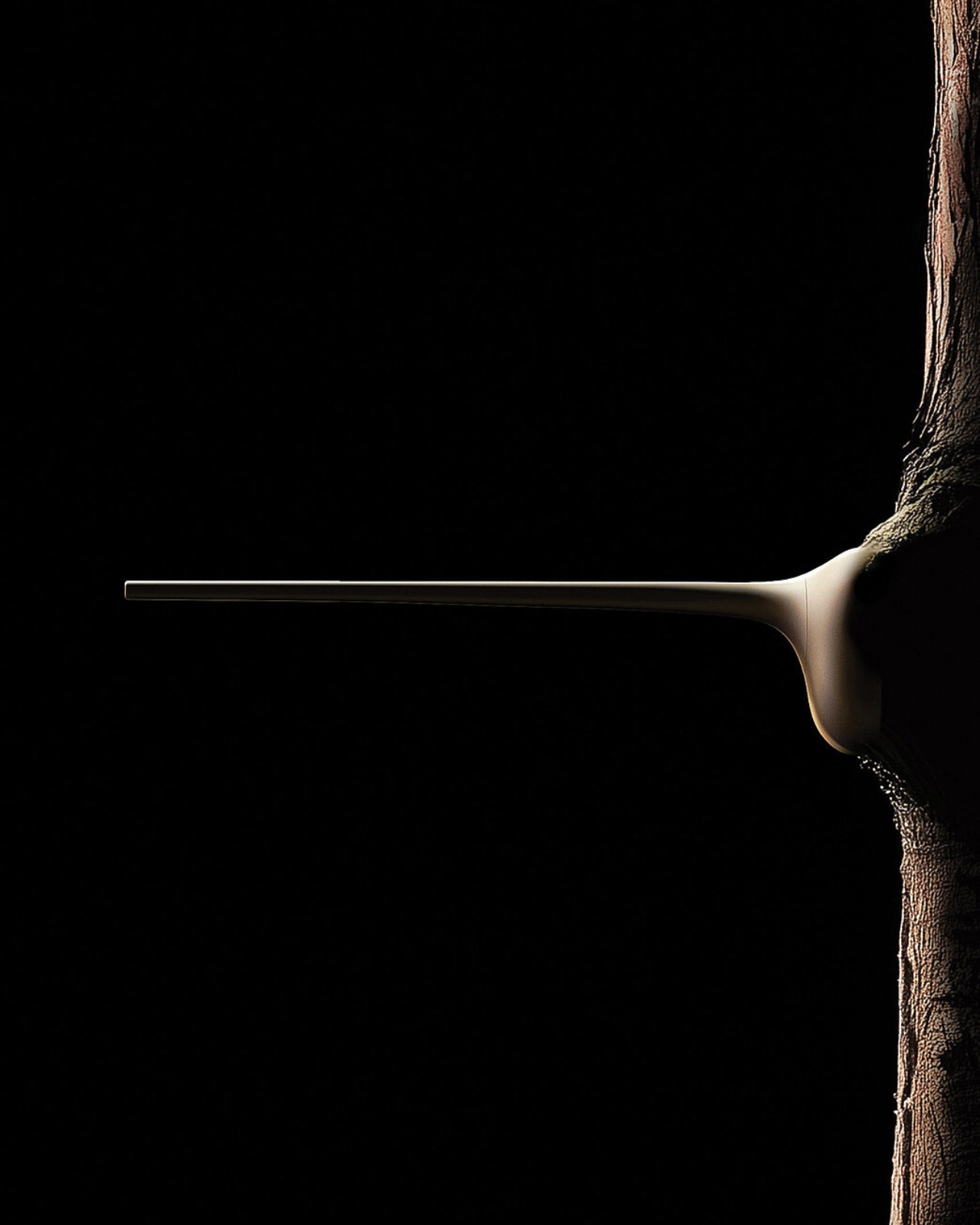
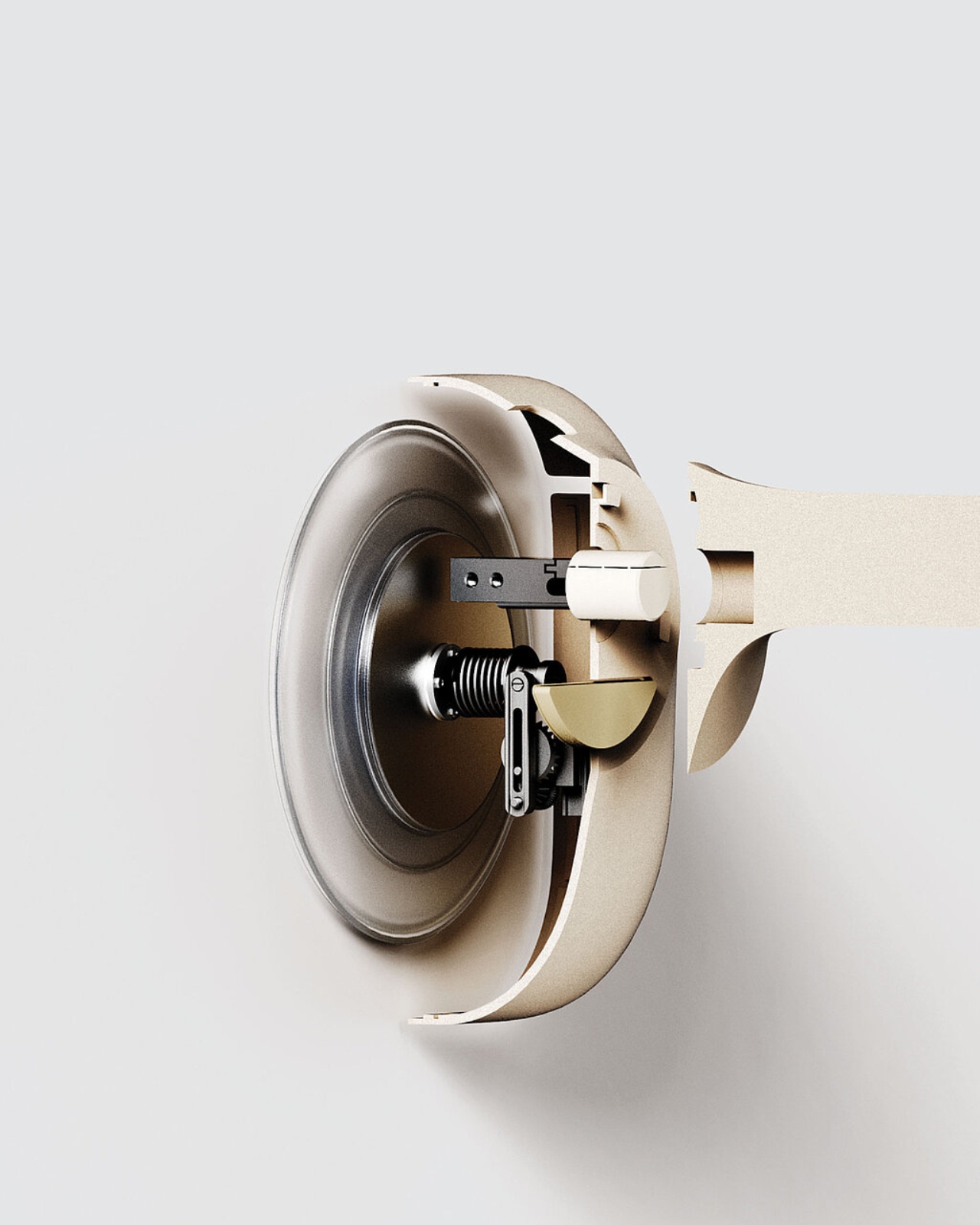
The physical design is minimal but thoughtful. The aluminum perches create a striking contrast against the organic textures of the red cedar and spruce boardwalk, highlighting the intentionality of human presence in wild spaces. Each station includes sensors that detect when someone steps up, triggering both a soft light and the corresponding bird call. The act of perching itself becomes meaningful. You’re balancing, aware of your body, suspended between the marsh below and the forest canopy above. It demands a different kind of attention than simply walking through.
There’s an educational dimension here too. The sanctuary is home to various bird species, including vulnerable ones, and the installation serves as both attraction and conservation tool. “Conservation efforts to preserve our precious wildlife also involve education and enchantment,” Andraos explains. The project received significant support from Quebec’s Ministry of Culture and Communications, reflecting recognition that these kinds of immersive cultural experiences can reach audiences in unexpected ways.
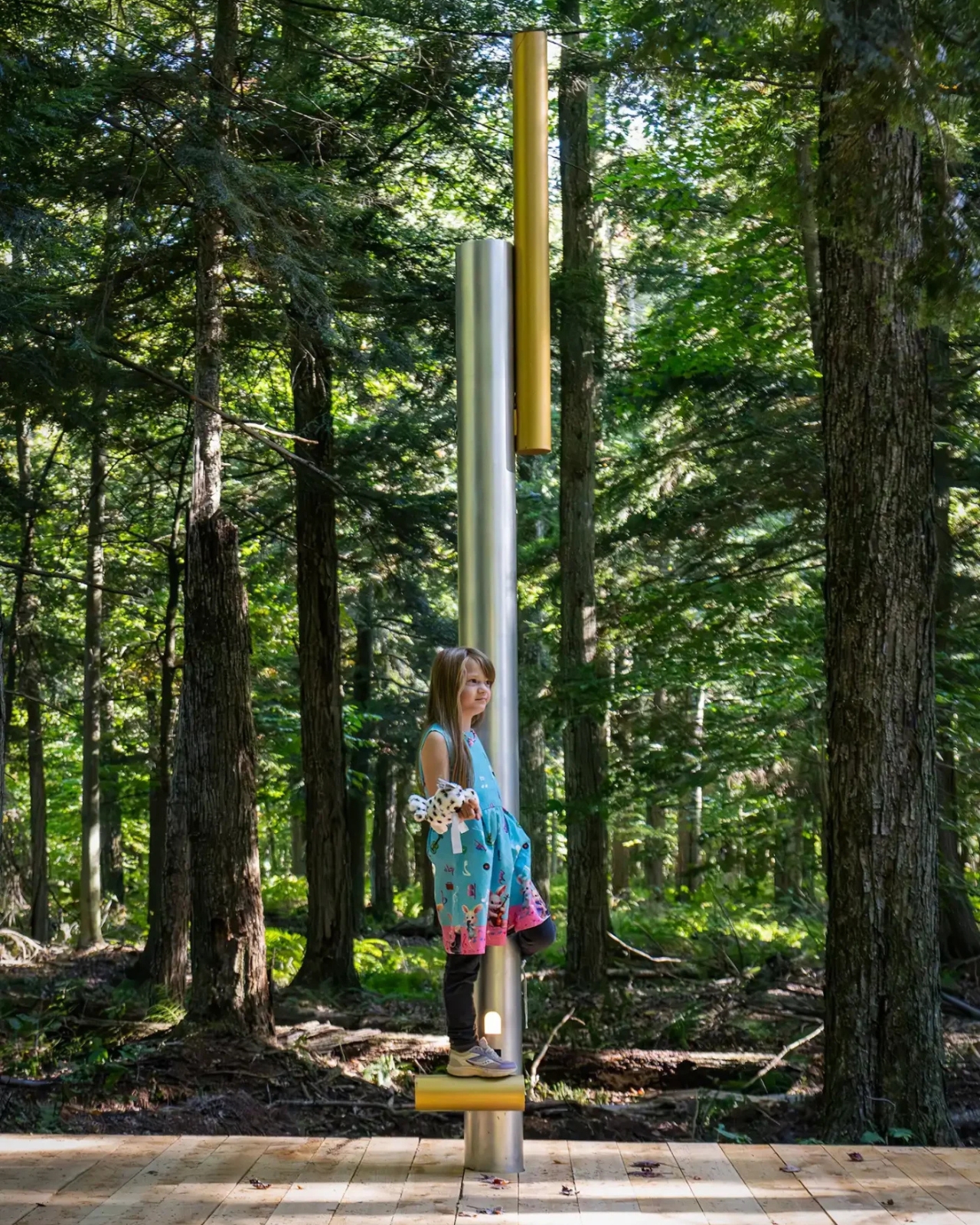
What resonates most about Human Perches is how it heightens awareness without being preachy. You’re not being lectured about biodiversity or habitat loss. Instead, you’re invited to listen differently, to tune into layers of sound you might have walked past before. After experiencing the installation, visitors report hearing the forest with new ears, imagining the hidden life thrumming all around them even after they’ve left the perches behind.
In our increasingly screen-saturated world, projects like this offer something rare: a reason to be fully present in a physical space, to engage your whole body in the act of listening. It’s technology in service of slowness, design that creates space for wonder rather than distraction. The forest has always been singing. Daily tous les jours just gave us a way to finally hear it.
The post When the Forest Sings Back: Human Perches in Quebec first appeared on Yanko Design.