London’s Barbican Now Has Furniture You’re Allowed to Move

Most public spaces don’t trust you. They’re designed to move you through them efficiently, seat you for a limited time, or keep you from lingering too long. Benches with armrests in the middle to prevent sleeping. Spikes on flat ledges. Gaps between seats so no one gets too comfortable. Somewhere along the way, cities stopped being places you inhabit and started being places you pass through.

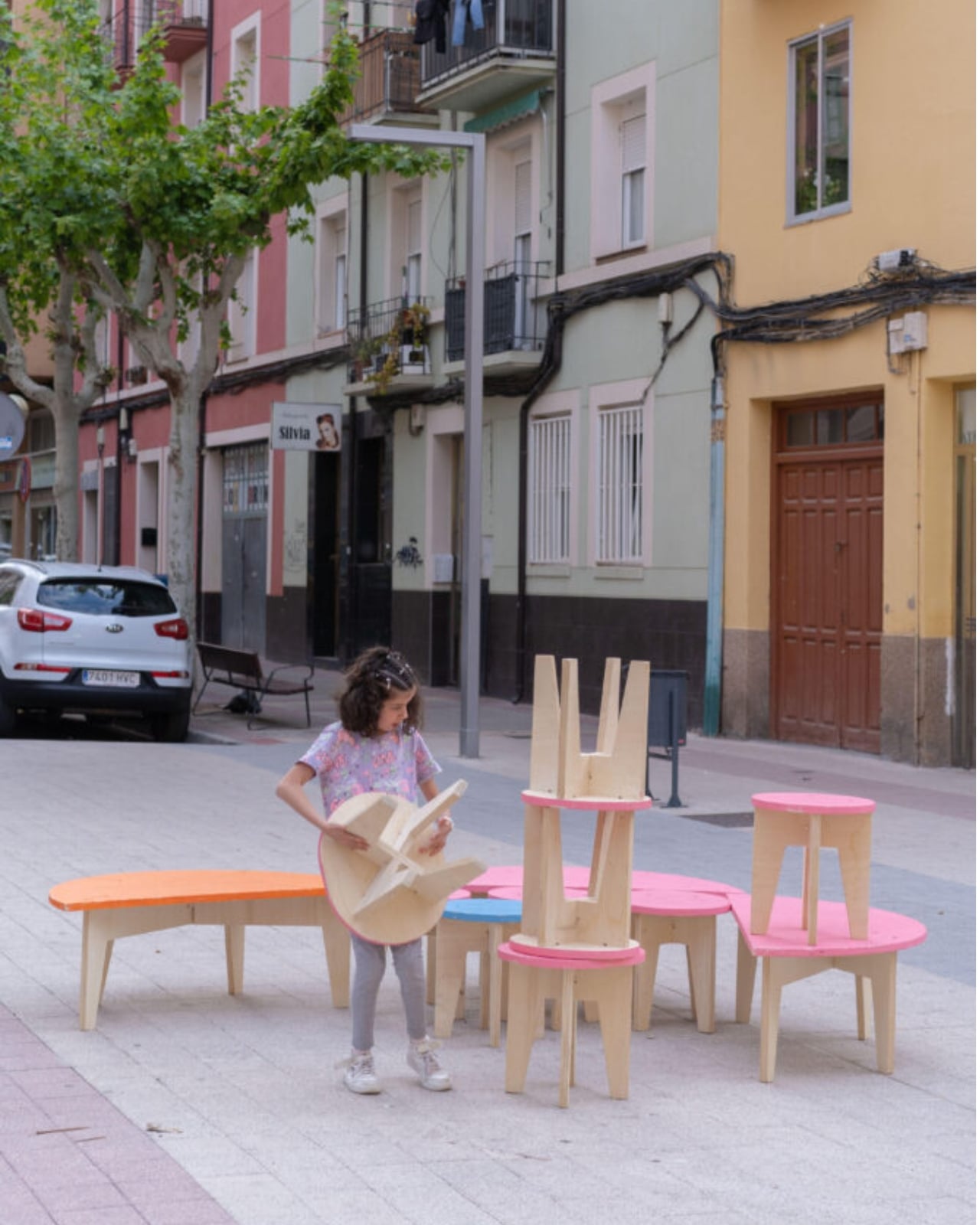
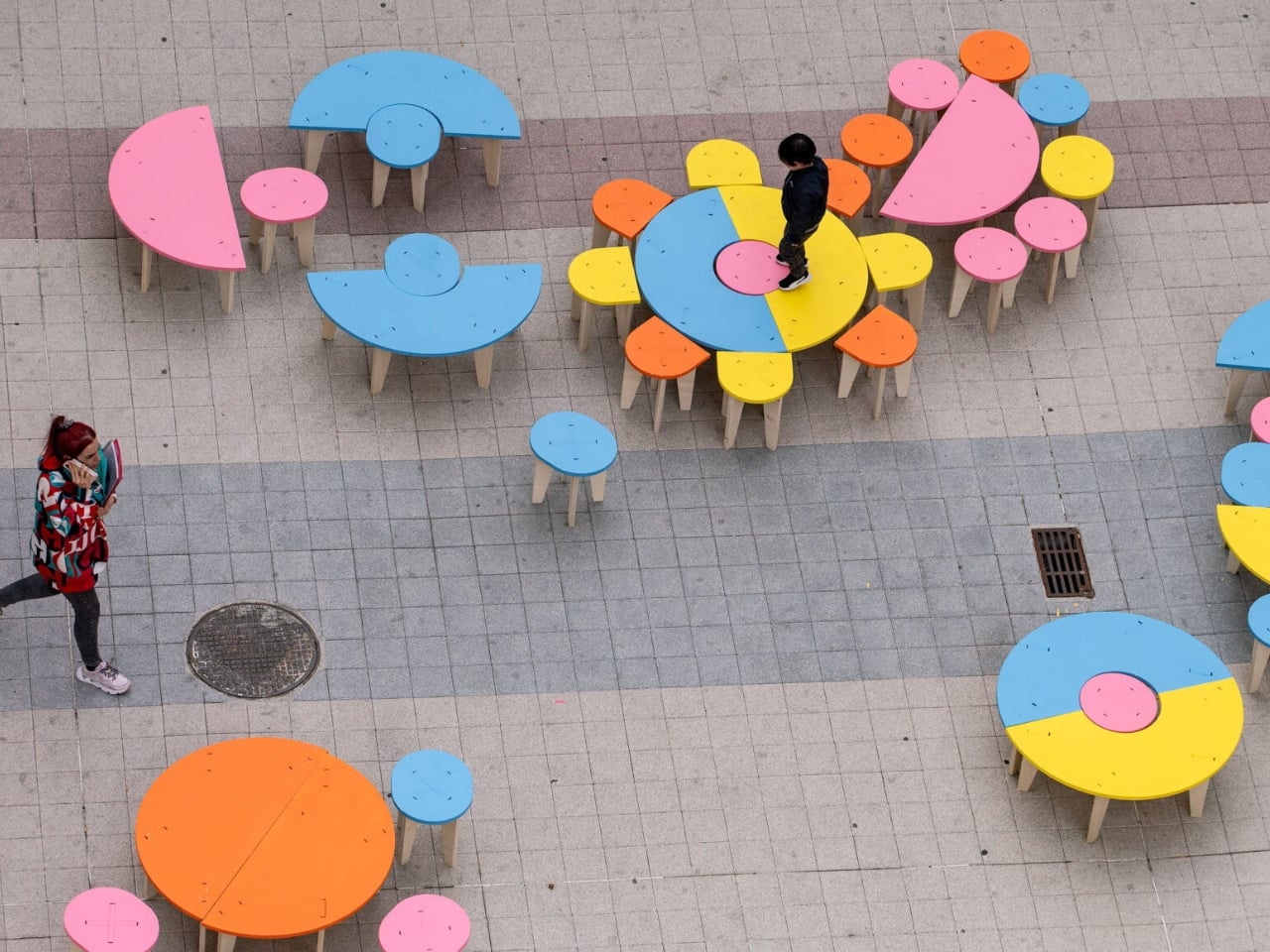
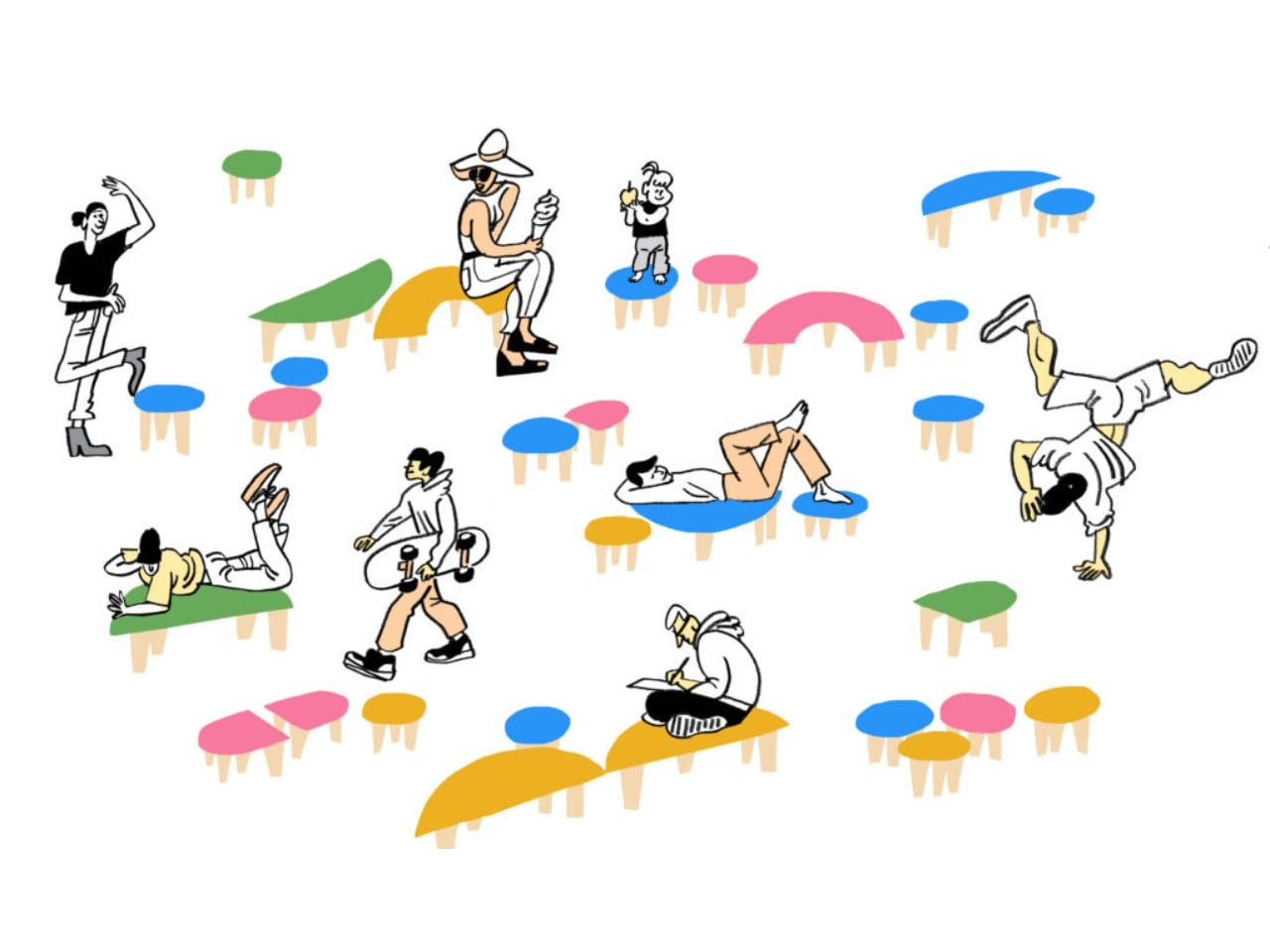
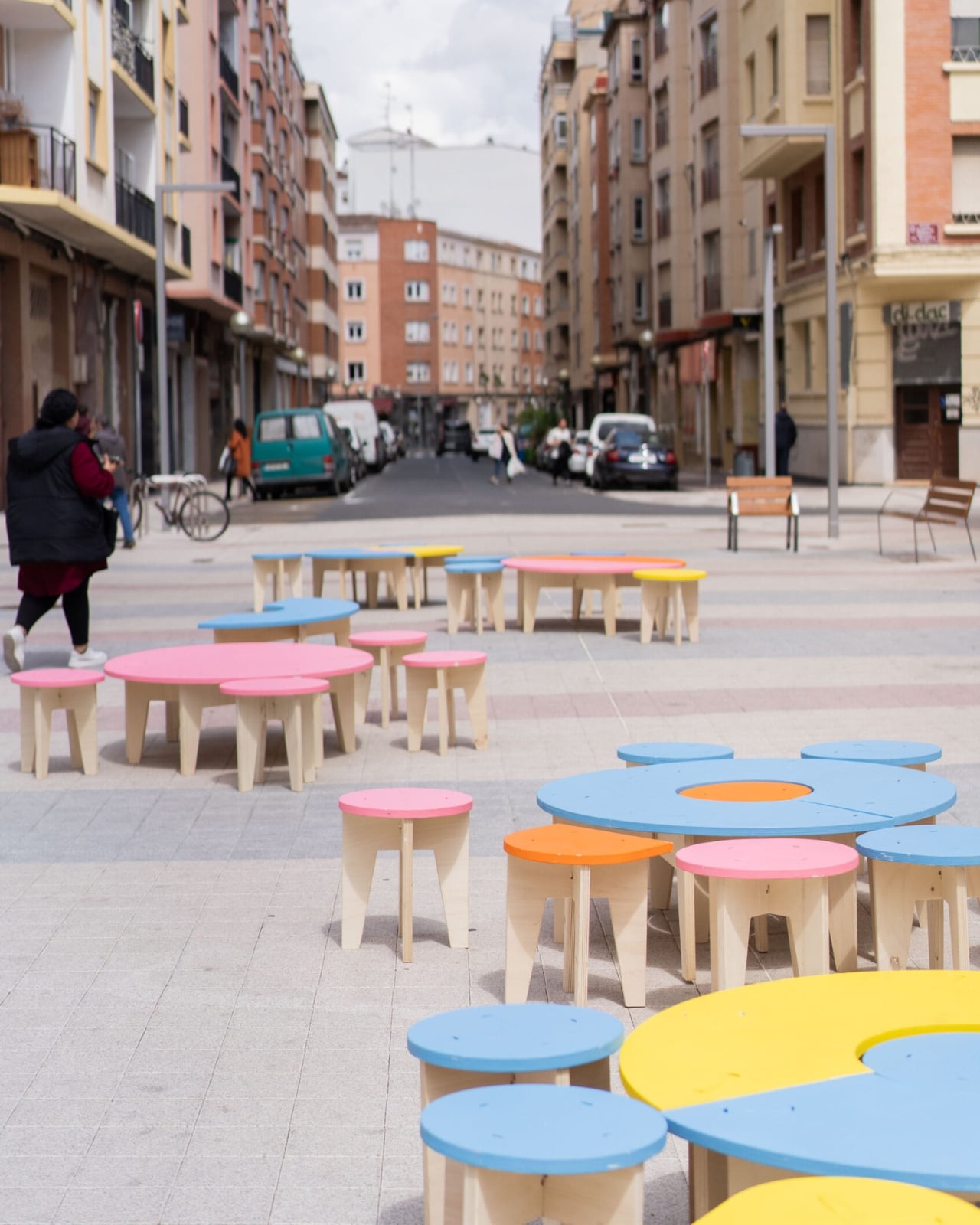
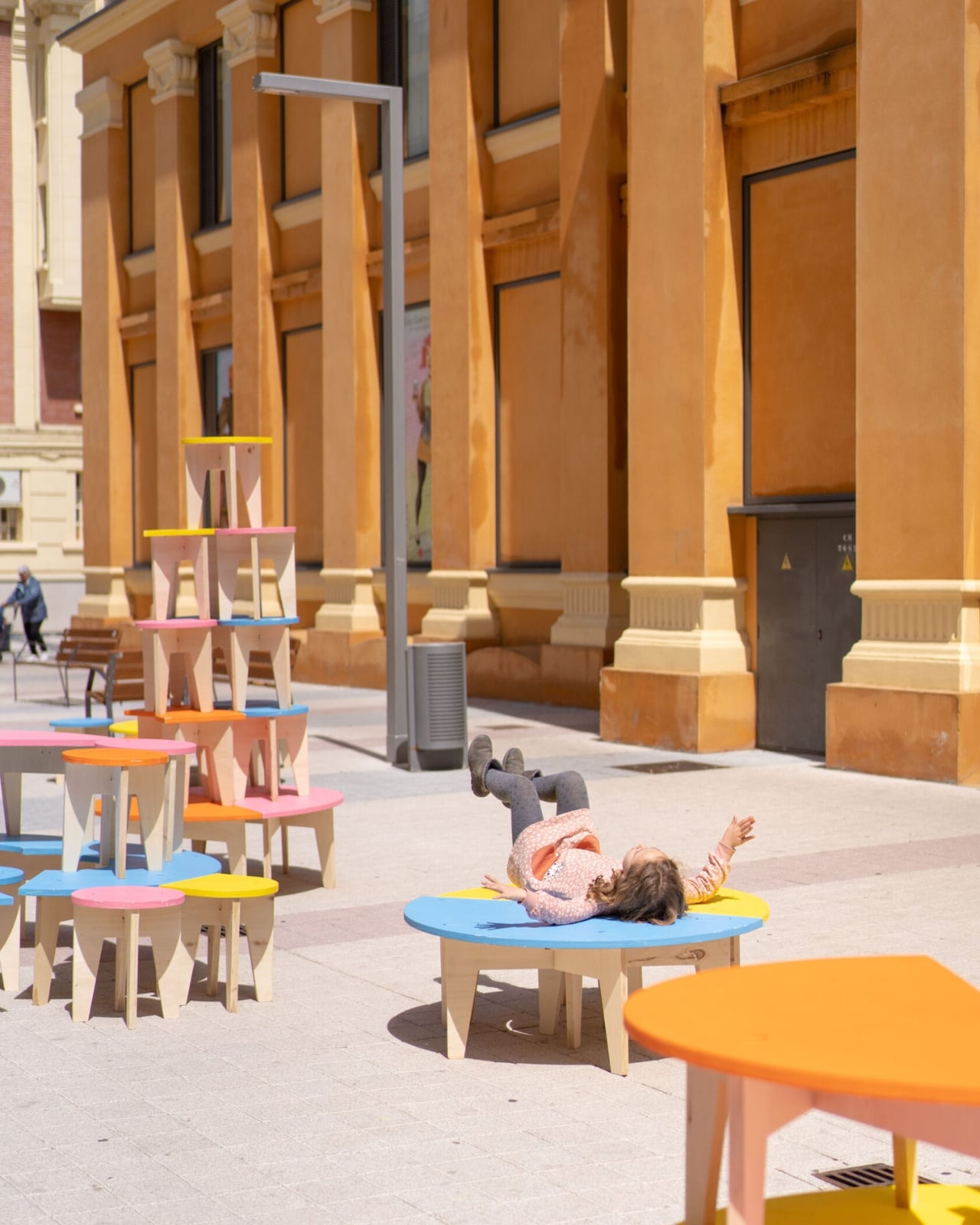
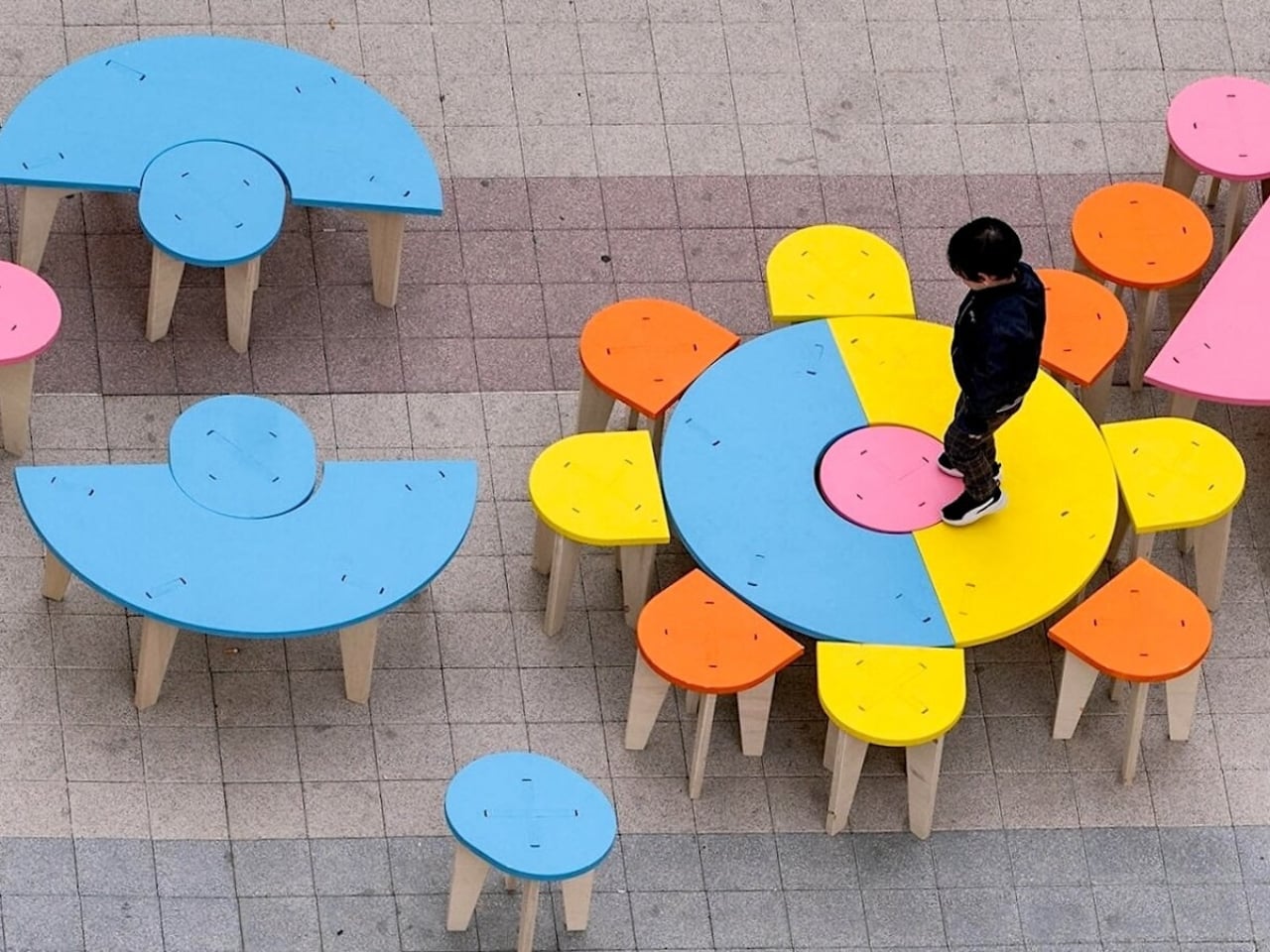
Päivi Raivio’s Basic Forms (of Urban Life) is a direct and cheerful argument against all of that. The Finnish artist and urban designer has taken a set of geometric plywood pieces, painted in colors borrowed from the Barbican’s own brutalist architecture, and placed them in the middle of one of London’s most famous cultural complexes. No instructions. No fixed configuration. No single correct answer. Visitors are invited to pick them up, move them around, stack them, sit on them, or arrange them into something entirely new. What looks like furniture is actually a question: what do you want this space to be?

Designer: Päivi Raivio
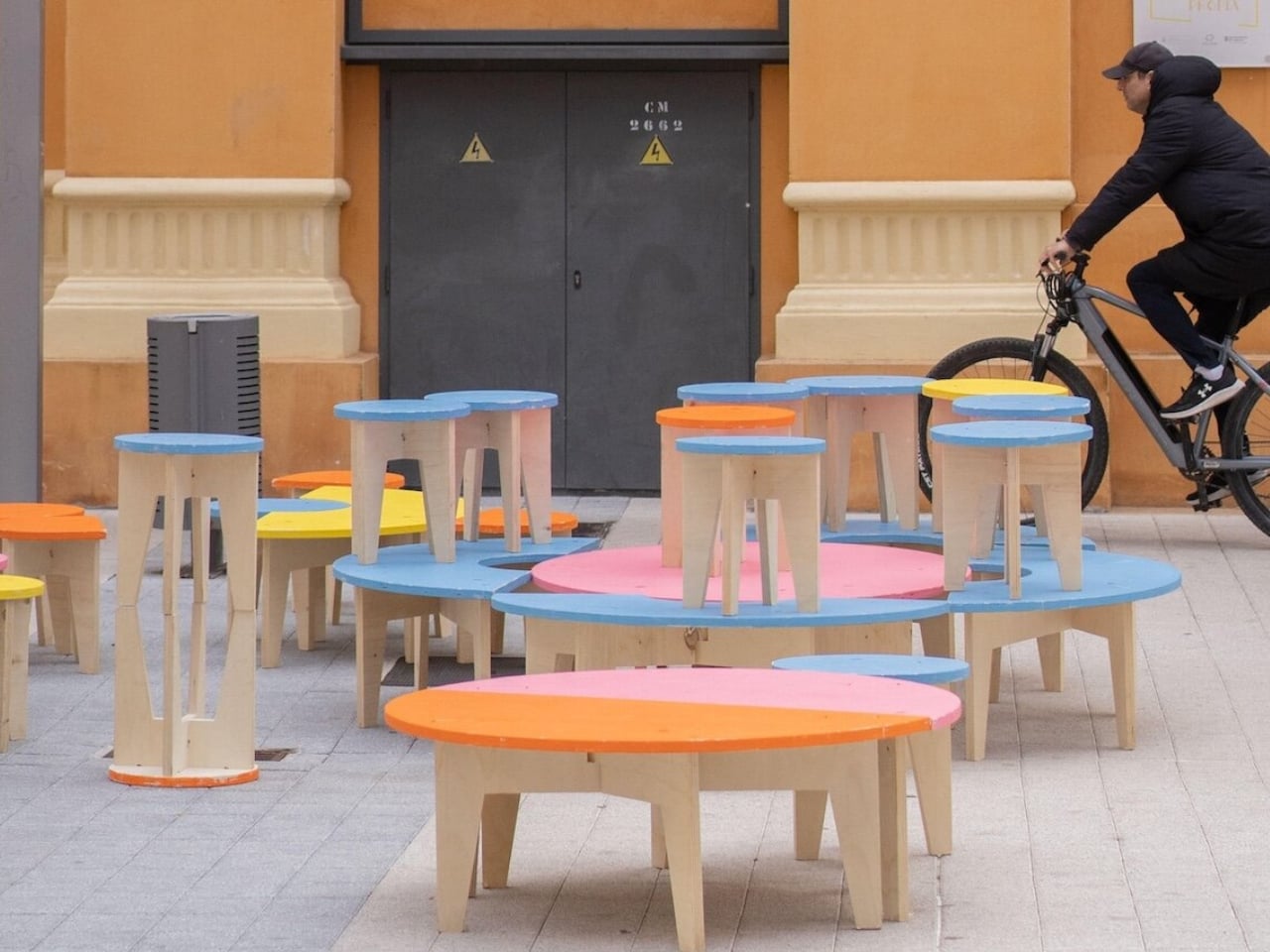
I’ve seen a lot of participatory design installations over the years, and most of them fail for the same reason: they participate for you. They have a predetermined “correct” arrangement that visitors slowly discover through guided cues. There’s no real agency. Raivio’s work is different because it genuinely means it. A seat can become a table. A table can become a platform. A platform can become a wall, a stage, or a privacy screen between two strangers who both needed a quiet corner at the same moment. The work shifts with whoever is using it, and that feels radical compared to what most public design offers.

The Barbican is a fitting backdrop for all of this. Designed through the 1950s and completed in 1982, it’s one of the most monumental pieces of brutalist architecture in the UK, all exposed concrete and sharp geometry. Raivio’s lightweight, colorful pieces don’t fight the setting. They echo it quietly, picking up the shapes and tones of the architecture without trying to compete with several acres of concrete. The contrast between the fixed permanence of the building and the cheerful rearrangeability of the installation is part of what makes the whole thing click.
For Raivio, play isn’t a decorative layer applied over the surface of serious design. It’s a foundational principle. Her studio, RaivioBumann, focuses on transforming public spaces into places that are genuinely livable, not just functional. The idea that disorder and disruption can be design tools, rather than problems to be solved, runs through everything about Basic Forms. Public space, in her view, is most alive when it hasn’t been entirely decided for you.
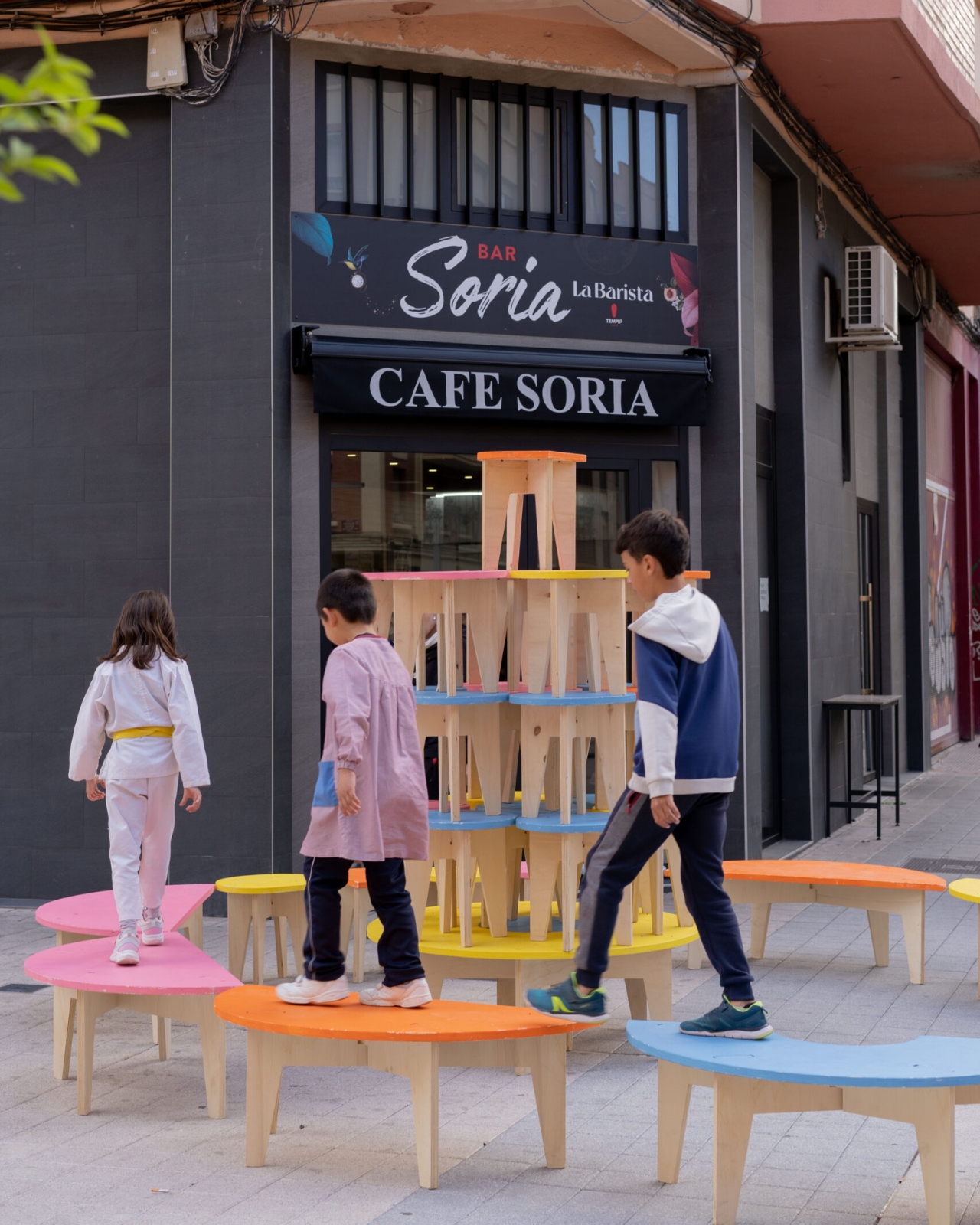
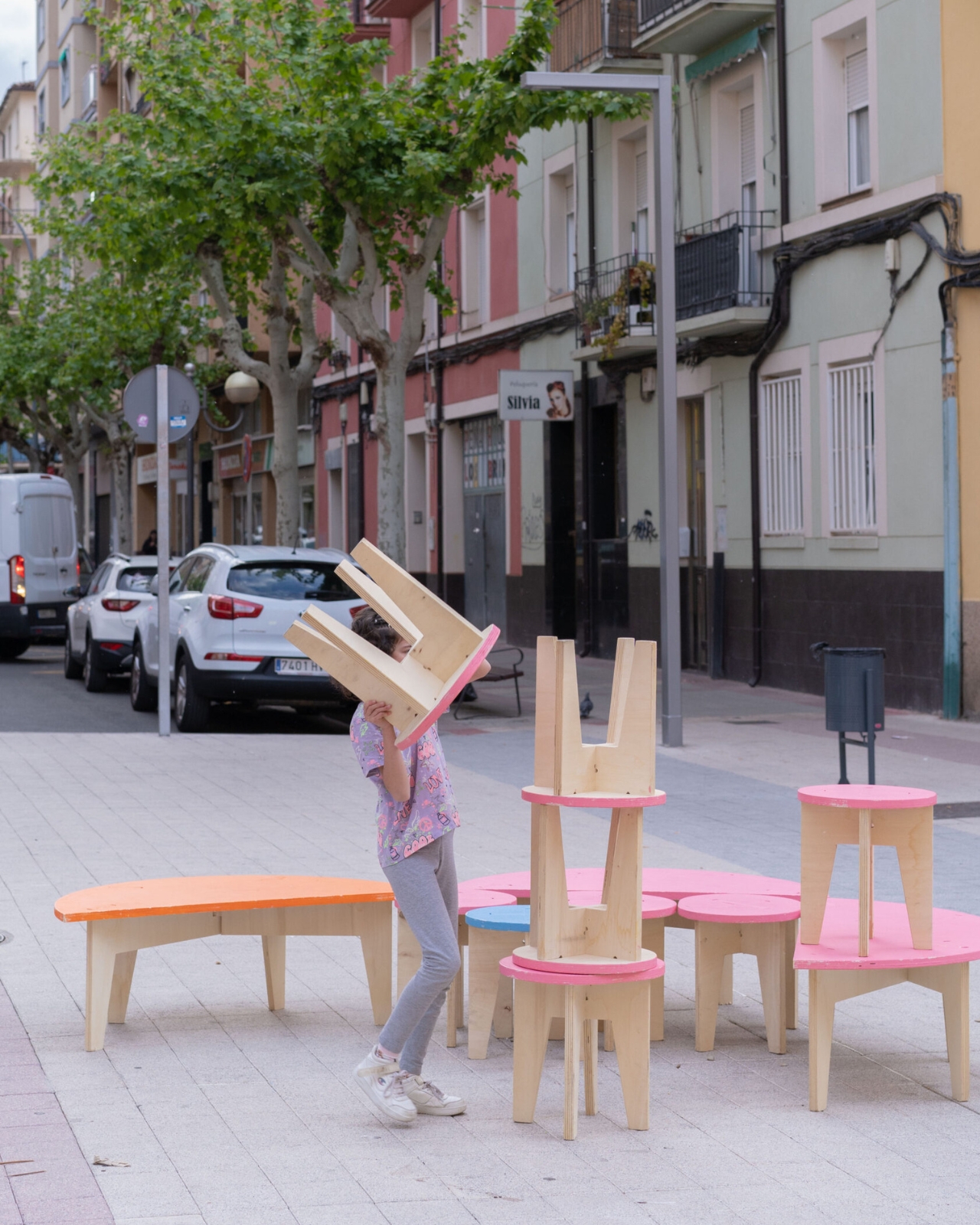
The installation is part of the Barbican’s Play Make Do festival, running 14 to 16 August 2026, and it’s free, unticketed, and open to anyone who walks through. It previously showed at Concéntrico in Logroño, Spain, where it was met with the kind of spontaneous collective enthusiasm that designers spend careers hoping for. People of all ages rearranged, combined, balanced, and rebuilt the pieces for hours. The images from that presentation are worth looking up. They show something you don’t see often enough in public space: strangers making decisions together.
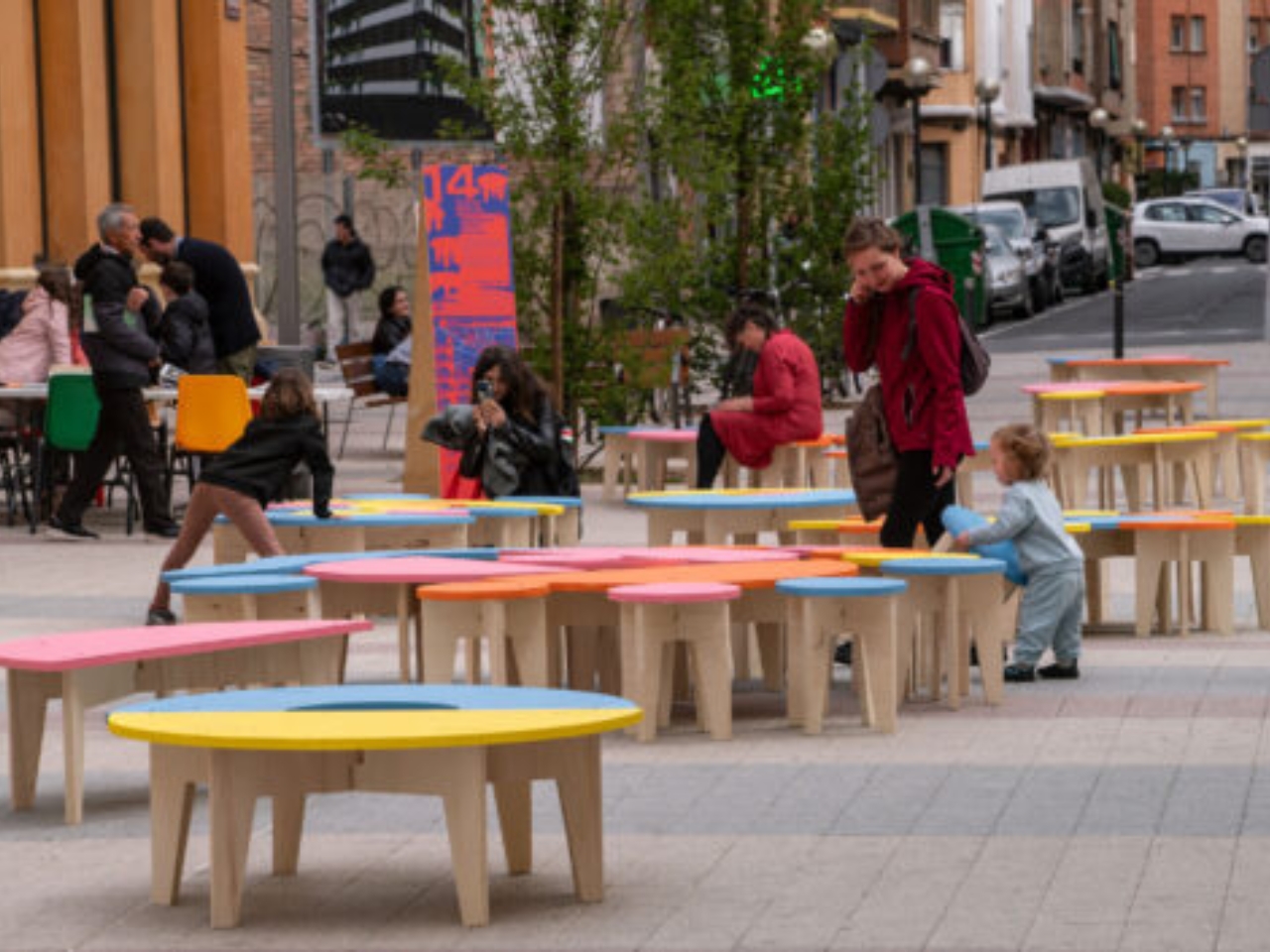
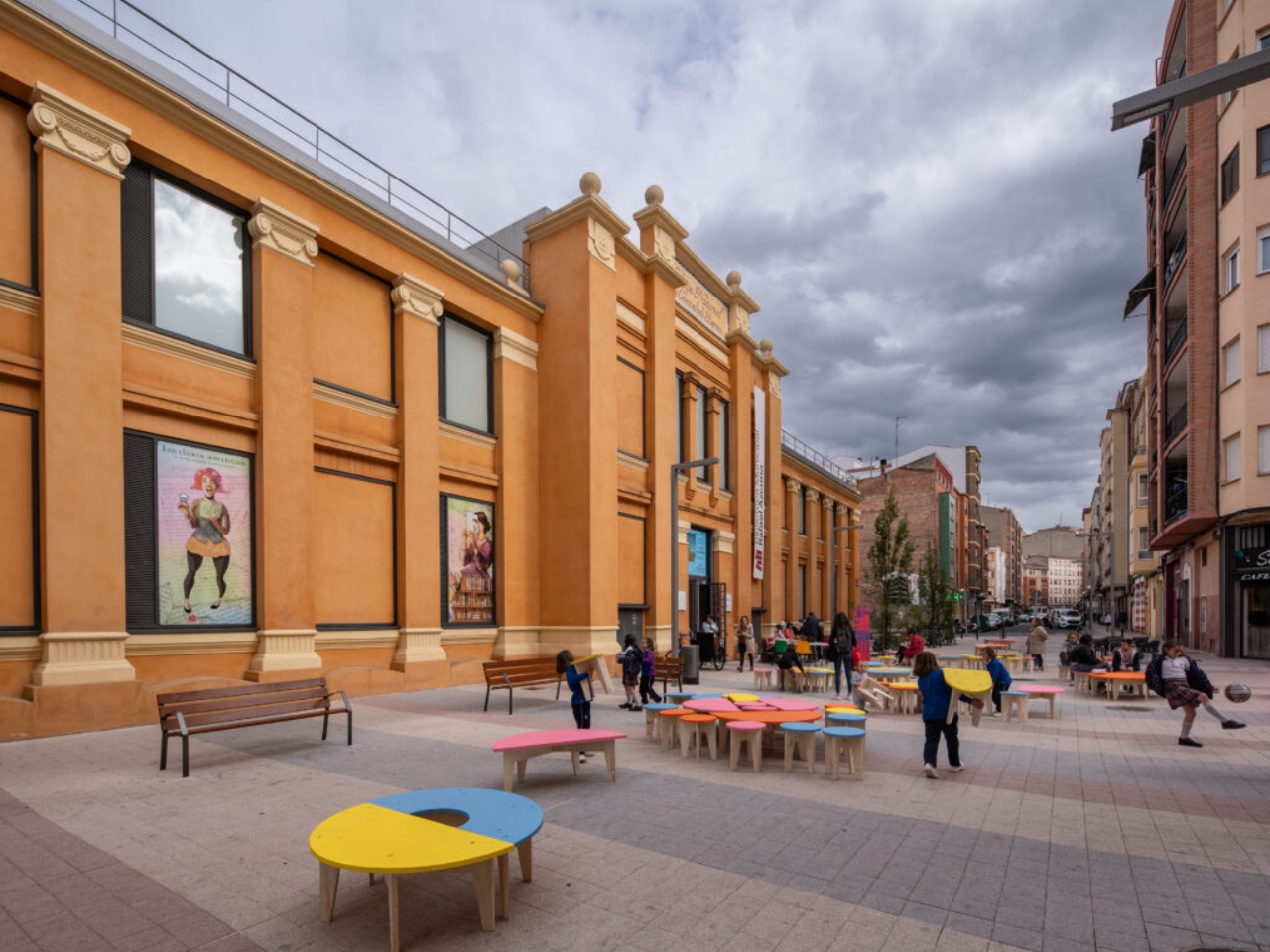
That’s the detail that sticks with me. Not the form, not the color palette, not even the clever way the installation adapts to its environment. It’s the fact that two people who don’t know each other will naturally start negotiating, collaborating, and eventually laughing over how to arrange a pile of plywood. Raivio has essentially built a permission slip for connection, disguised as furniture.
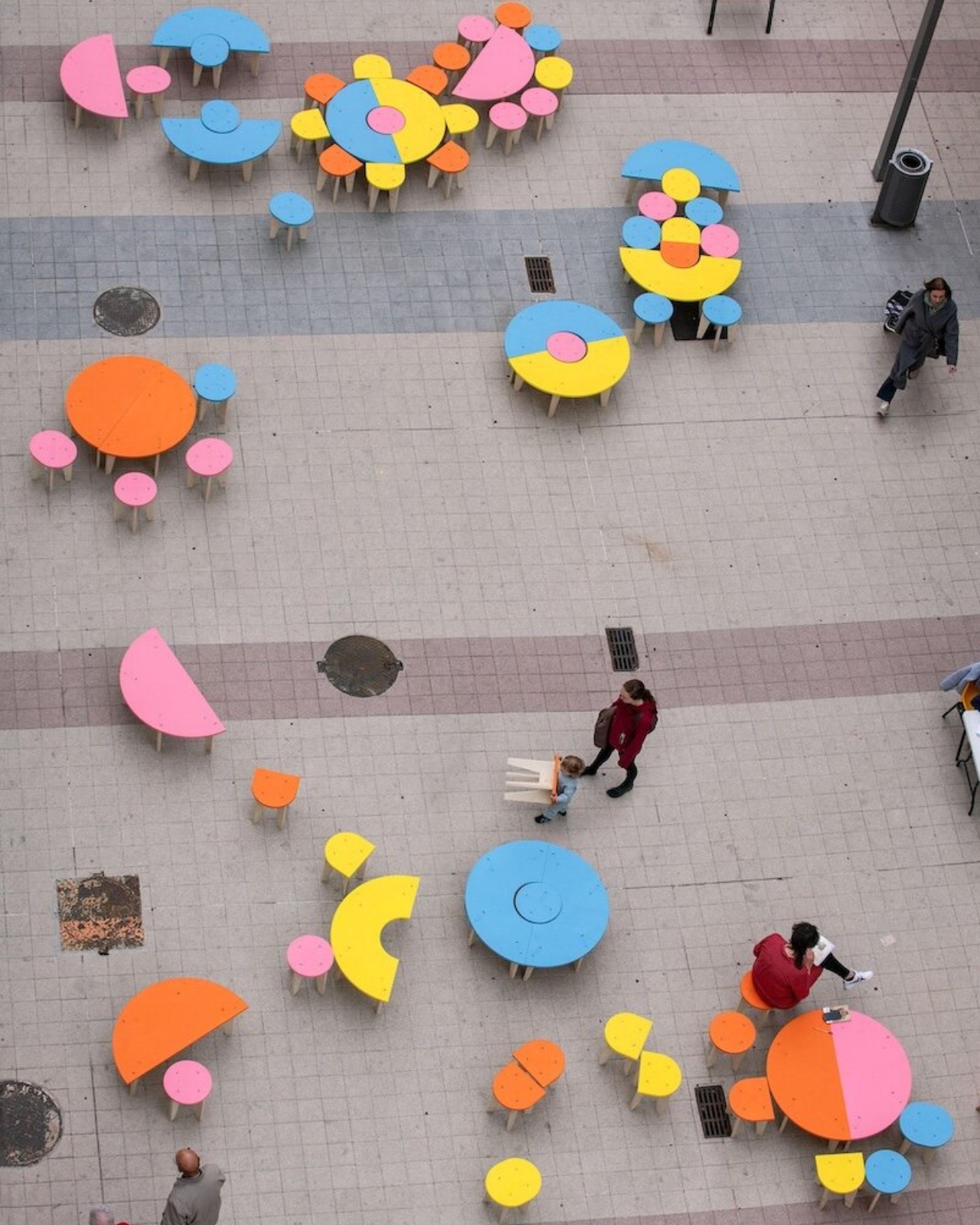
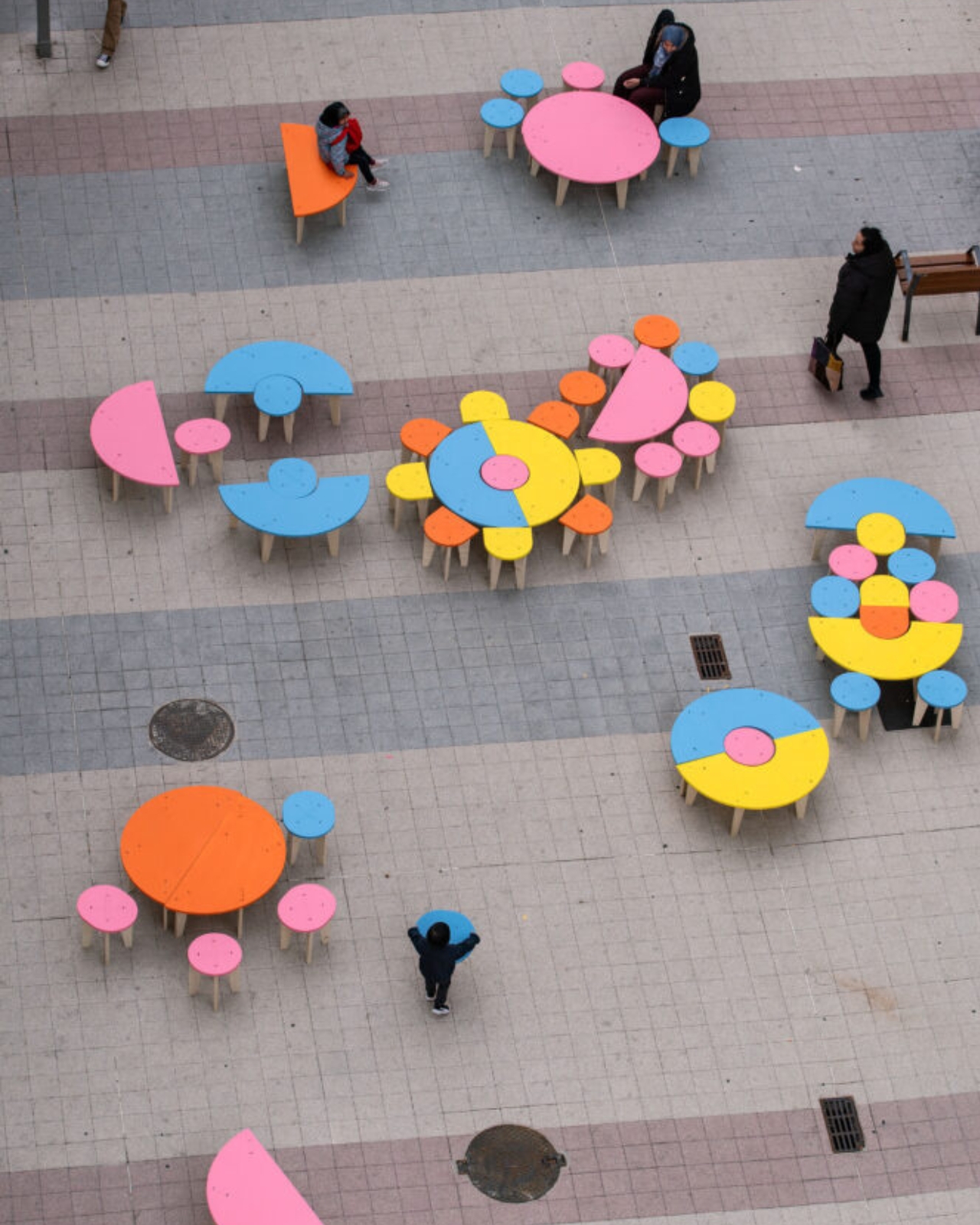
Cities don’t lack benches or tables. They lack reasons to linger. They lack spaces that say, figure it out, make it yours, stay as long as you want. Basic Forms gives London exactly that, even if only for a weekend. The real question it raises is why we aren’t building this kind of thinking into cities permanently, instead of treating it as a festival-season novelty.
The post London’s Barbican Now Has Furniture You’re Allowed to Move first appeared on Yanko Design.
When the Forest Sings Back: Human Perches in Quebec

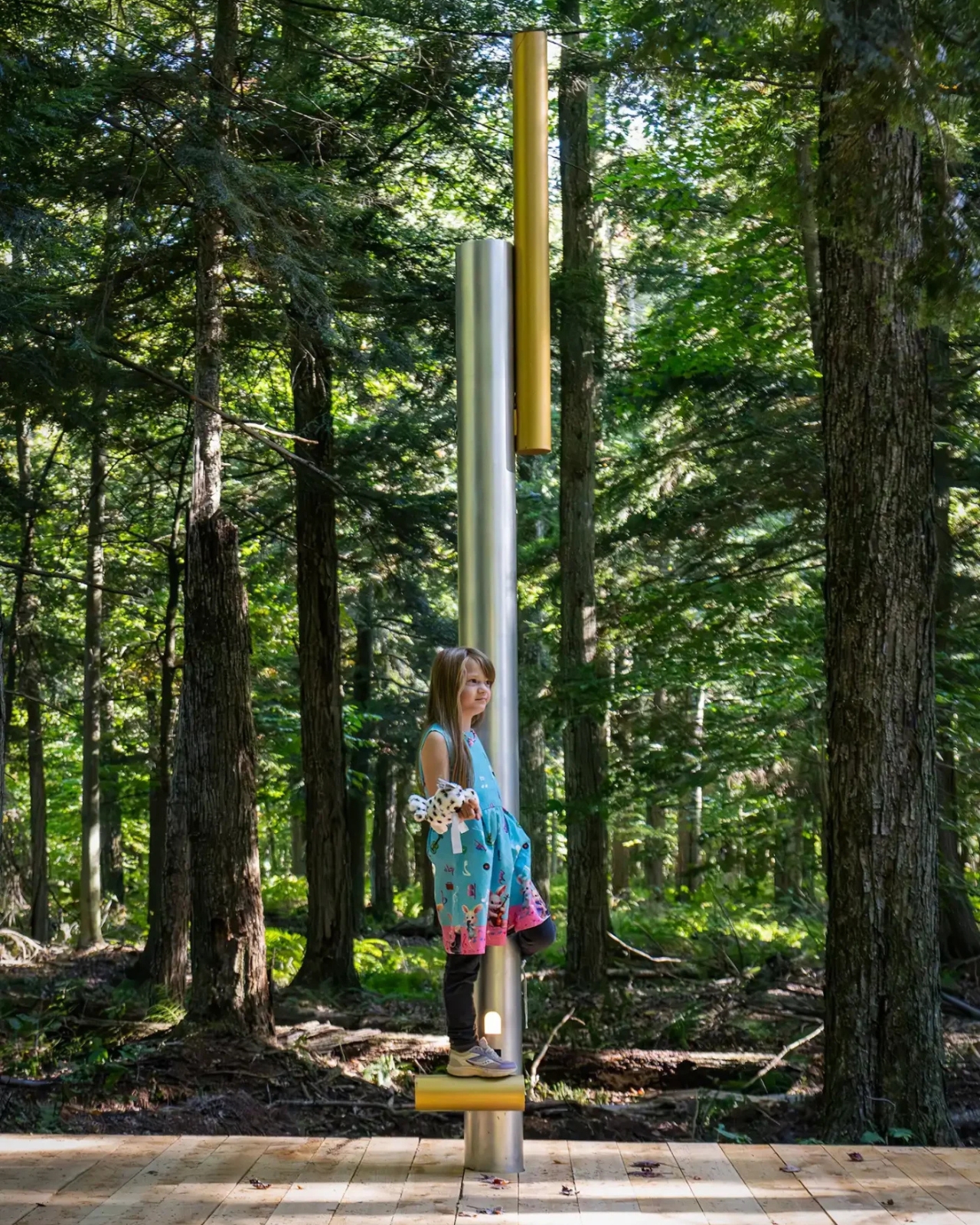
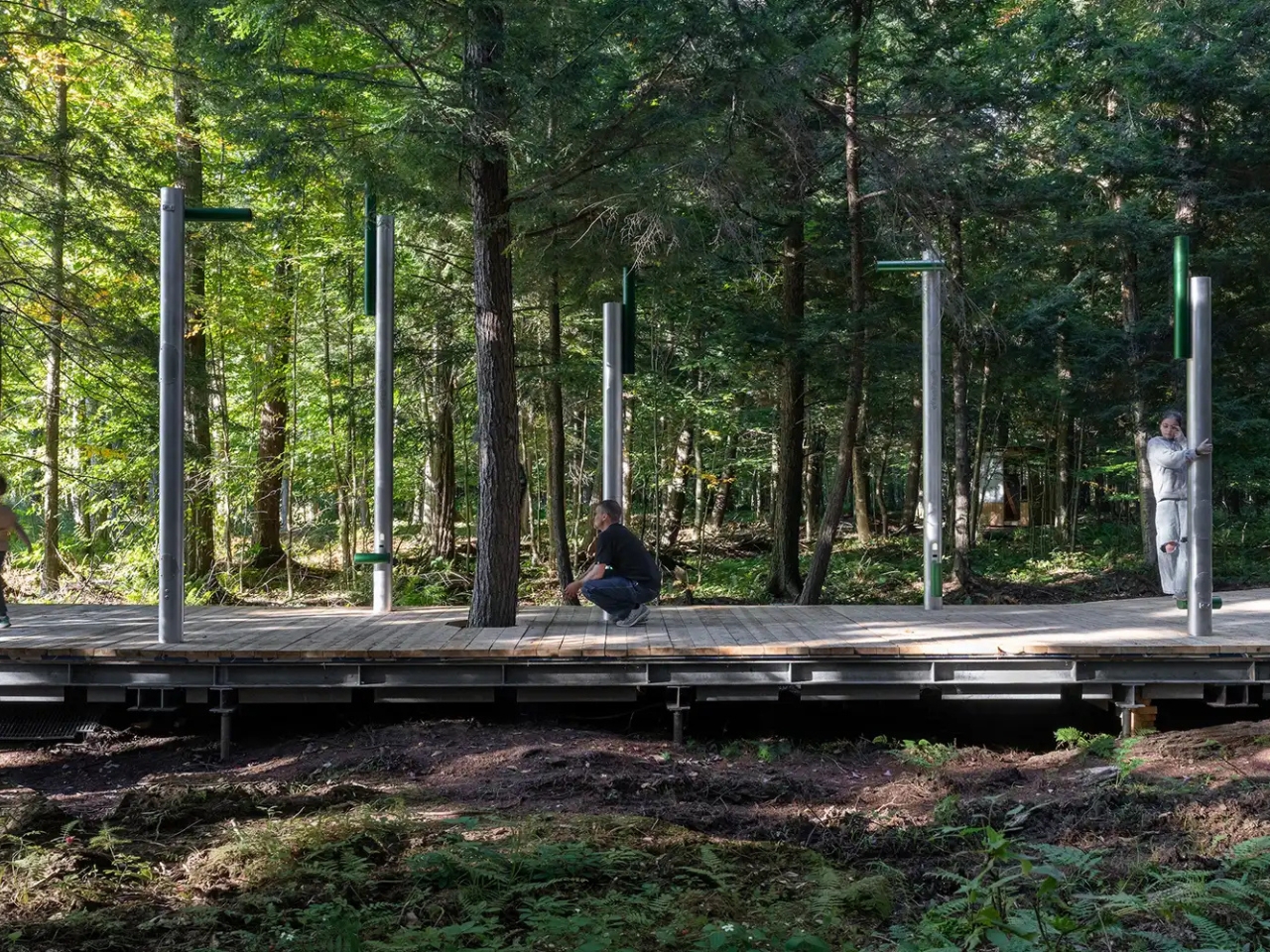
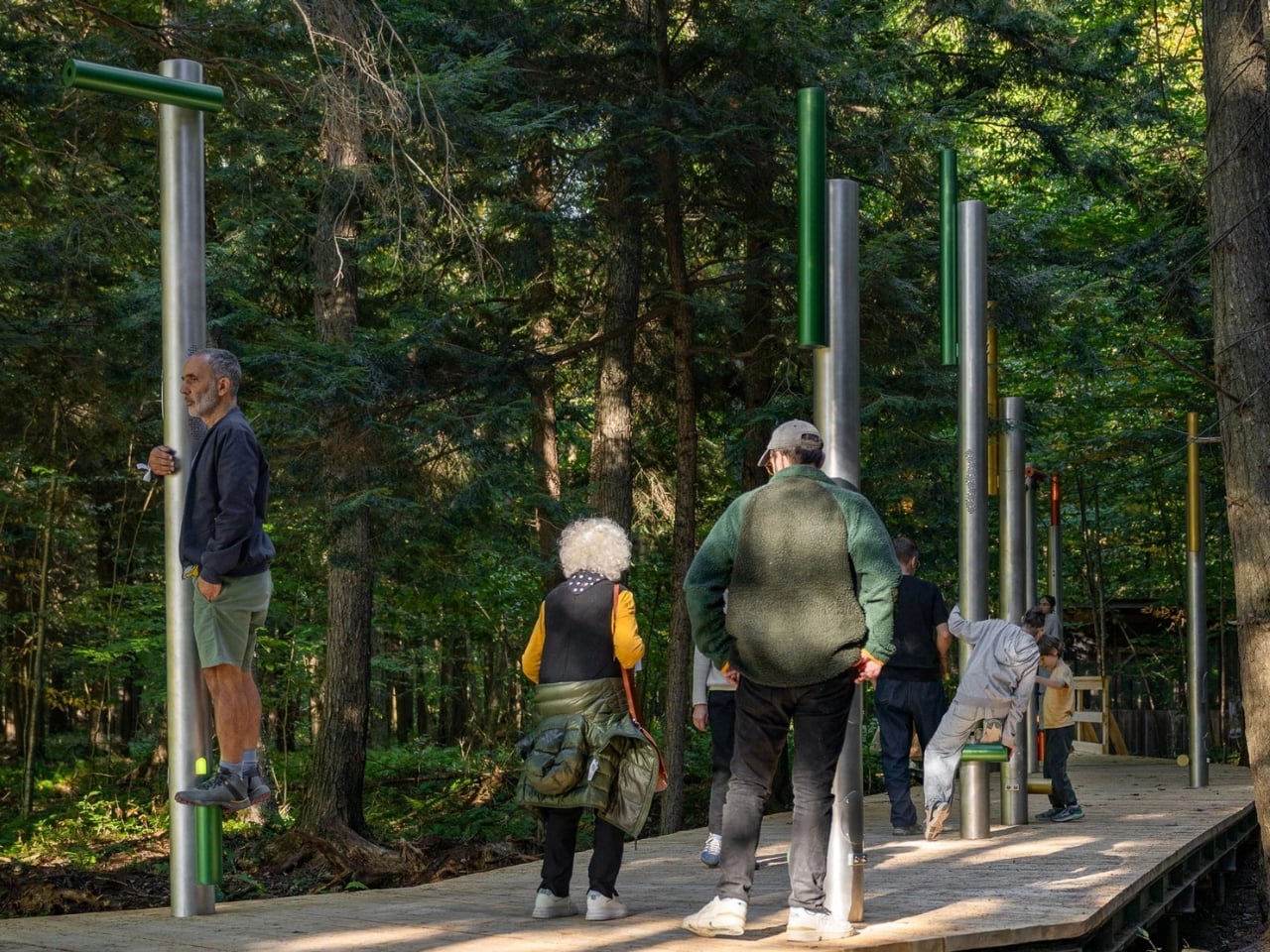
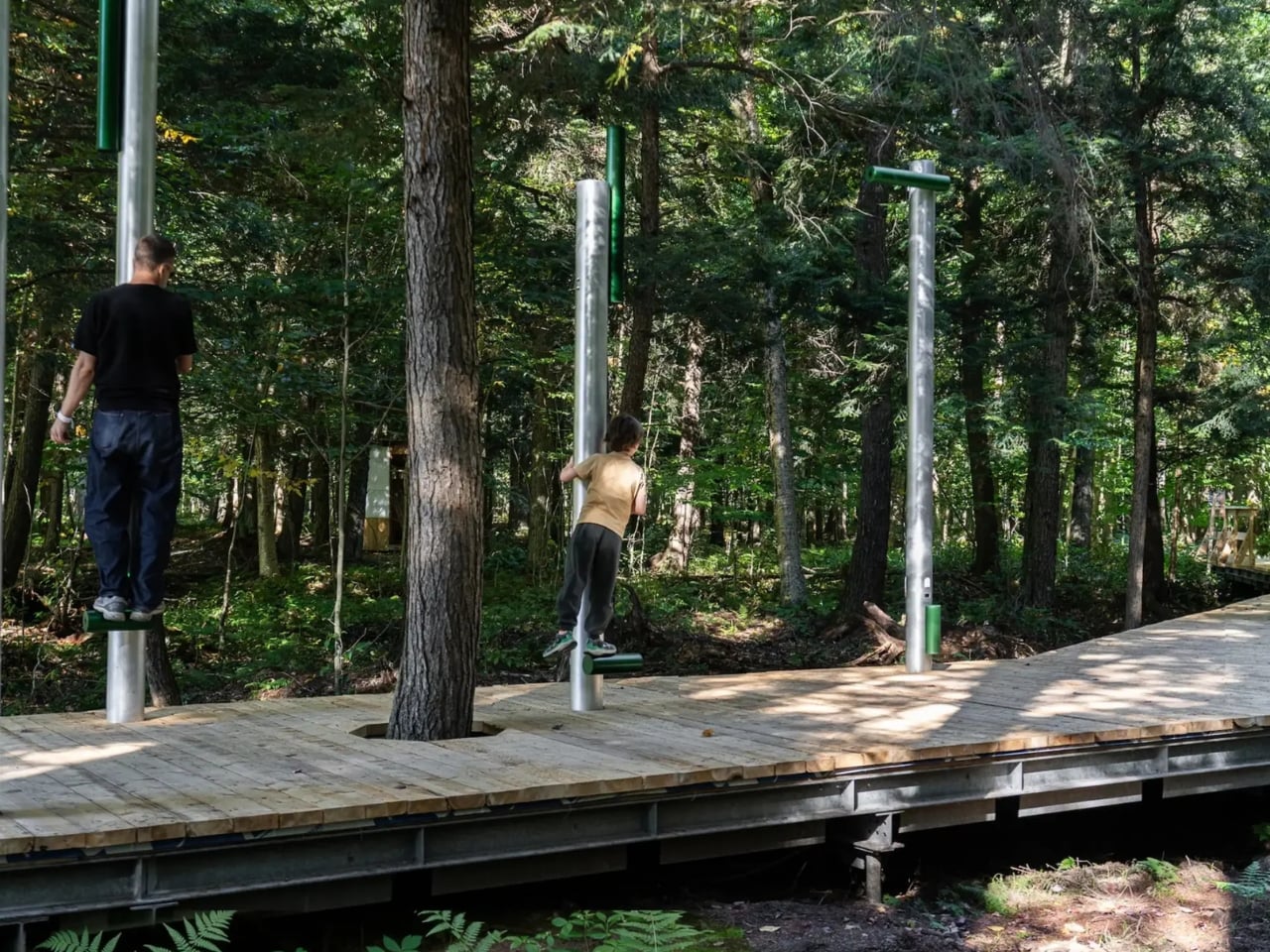
Picture yourself standing on a small platform in the middle of a Quebec forest, balancing on what feels like an oversized bird perch. The moment your weight settles, something magical happens. A bird call rings out, blending seamlessly into an ethereal soundtrack that seems to rise from the forest itself. Welcome to Human Perches, the latest installation from Montreal design studio Daily tous les jours that’s making us rethink how we experience nature.

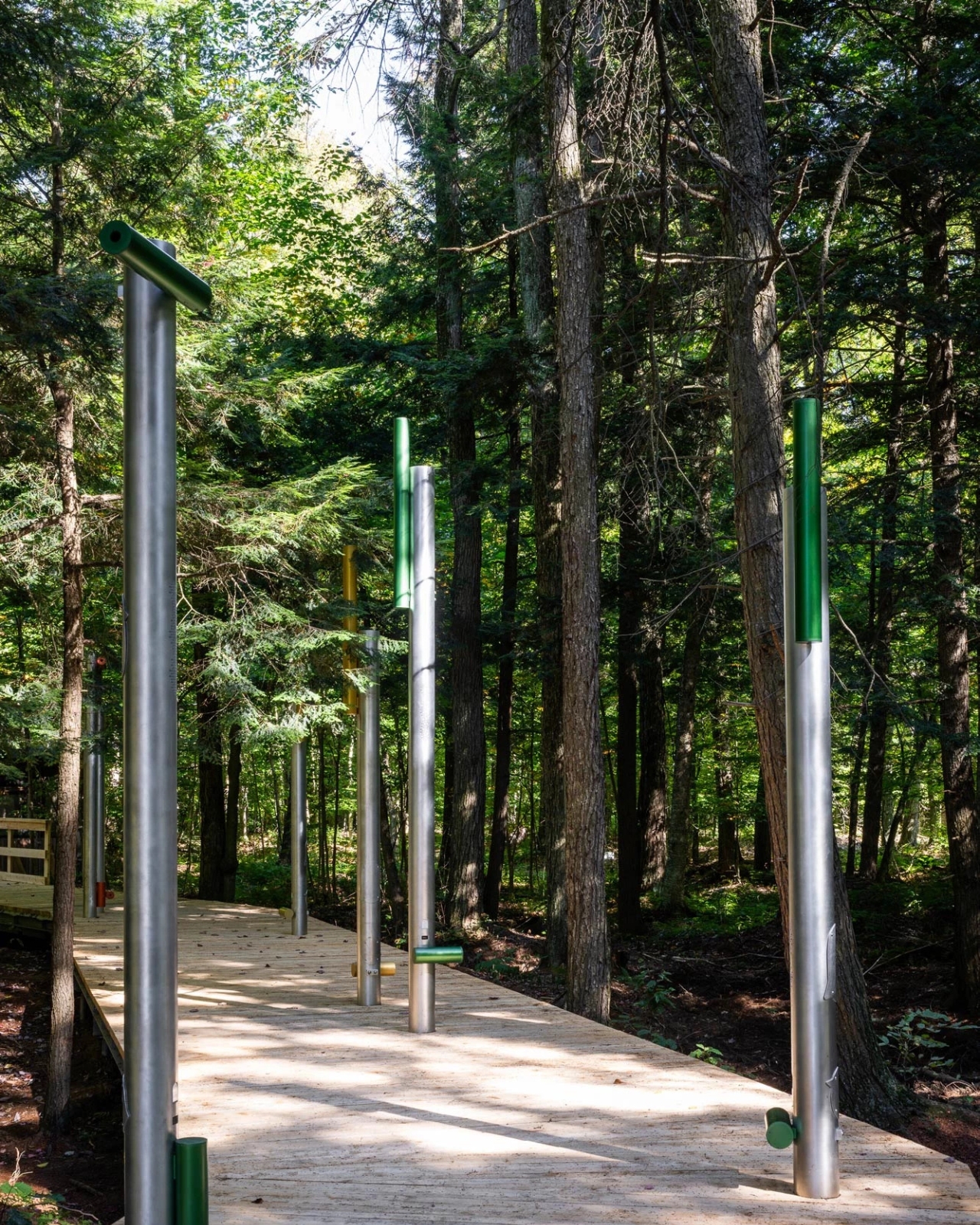
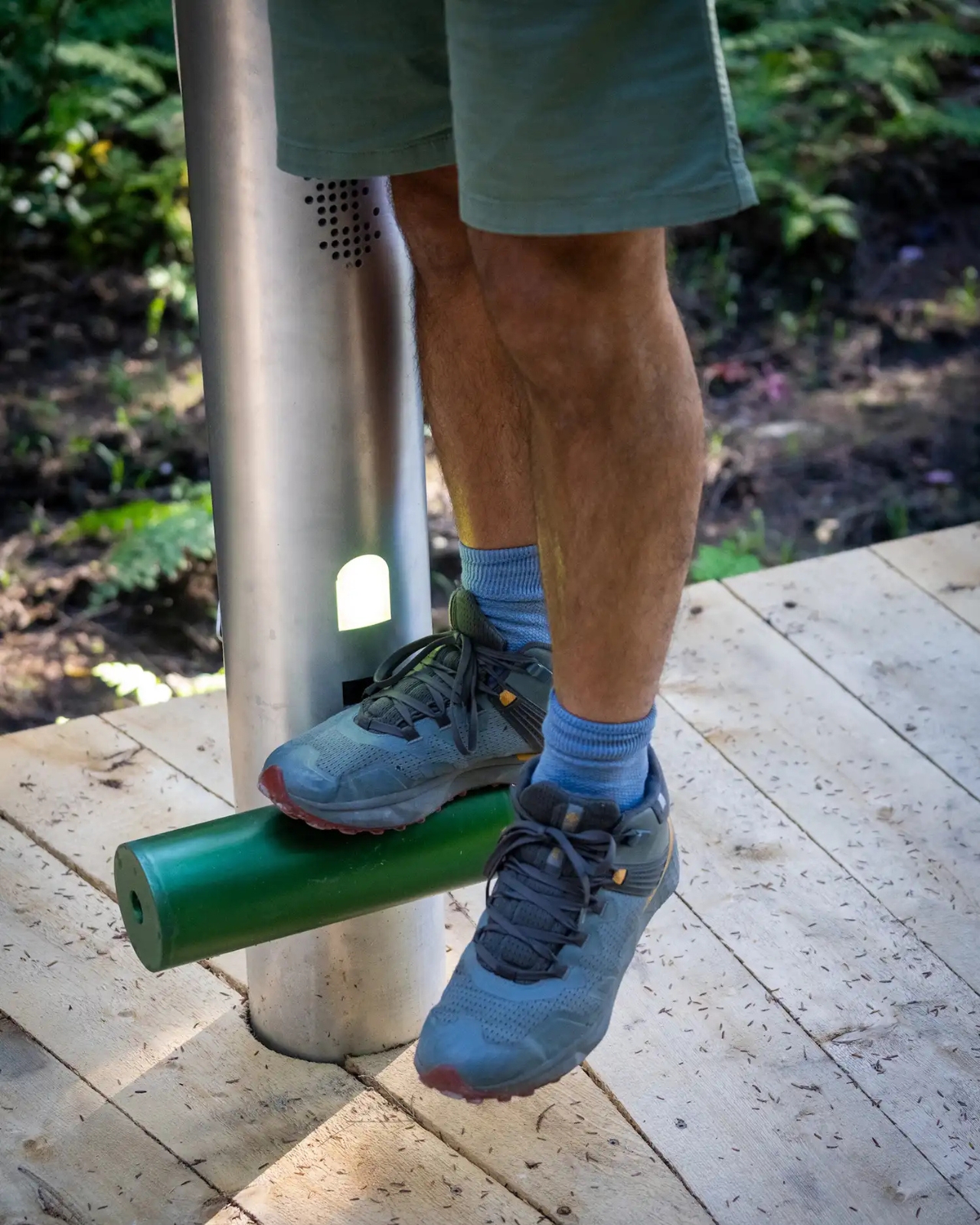
Located at Chouette à voir!, a bird of prey sanctuary in St-Jude, Quebec, this permanent installation transforms a 55-meter elevated boardwalk into an interactive musical journey through the seasons. Ten aluminum perching stations punctuate the path, each one waiting for a human visitor to activate its hidden soundscape. The design is brilliantly simple: step onto a green perch, and you become part of the forest’s symphony.

Designer: Daily tous les jours

What makes this project so captivating is how it flips our usual relationship with wildlife. We’re used to being the noisy intruders, the reason birds fall silent when we approach. Here, we become the activators of sound. When humans aren’t present, the artwork stays quiet, mirroring the behavior of the sanctuary’s winged residents. It’s a poetic reversal that makes you acutely aware of your presence in the ecosystem.

The experience unfolds like a sonic story as you move along the boardwalk. Each perch represents a different season, with soundscapes that capture winter’s vigilance, spring’s courtship, summer’s protection, and autumn’s migration. The genius lies in the layering. Juno Award-winning composer Keiko Devaux crafted an evolving dialogue between abstract base compositions and actual bird calls from local species. Sometimes the bird voices appear as themselves. Other times, they’re transformed into ethereal textures or rhythmic elements that pulse beneath the surface.

Daily tous les jours, led by co-founders Mouna Andraos and Melissa Mongiat, has spent fifteen years creating participatory urban experiences, from musical swings to interactive light installations. But Human Perches marks a shift in their practice. Instead of focusing purely on human-to-human connection, they’re exploring the delicate interfaces between species. It’s part of a broader investigation into how sound vibrations can stimulate growth and communication within ecosystems, a thread that runs through their concurrent Forest Mixer project on Hornby Island as well.

The physical design is minimal but thoughtful. The aluminum perches create a striking contrast against the organic textures of the red cedar and spruce boardwalk, highlighting the intentionality of human presence in wild spaces. Each station includes sensors that detect when someone steps up, triggering both a soft light and the corresponding bird call. The act of perching itself becomes meaningful. You’re balancing, aware of your body, suspended between the marsh below and the forest canopy above. It demands a different kind of attention than simply walking through.

There’s an educational dimension here too. The sanctuary is home to various bird species, including vulnerable ones, and the installation serves as both attraction and conservation tool. “Conservation efforts to preserve our precious wildlife also involve education and enchantment,” Andraos explains. The project received significant support from Quebec’s Ministry of Culture and Communications, reflecting recognition that these kinds of immersive cultural experiences can reach audiences in unexpected ways.

What resonates most about Human Perches is how it heightens awareness without being preachy. You’re not being lectured about biodiversity or habitat loss. Instead, you’re invited to listen differently, to tune into layers of sound you might have walked past before. After experiencing the installation, visitors report hearing the forest with new ears, imagining the hidden life thrumming all around them even after they’ve left the perches behind.

In our increasingly screen-saturated world, projects like this offer something rare: a reason to be fully present in a physical space, to engage your whole body in the act of listening. It’s technology in service of slowness, design that creates space for wonder rather than distraction. The forest has always been singing. Daily tous les jours just gave us a way to finally hear it.

The post When the Forest Sings Back: Human Perches in Quebec first appeared on Yanko Design.

10 Best Outdoor Furniture Designed To Make Your Yard Comfy, Fun & Functional

You can actually do a lot at home, especially in your backyard! It definitely made us realize we shouldn’t underestimate our backyards, they can be locations of major fun, recreation, and relaxation…depending on how we do them up. You can turn your backyard into an ideal date spot for you and your partner, or host a barbecue party! We’ve curated a collection of furniture designs to help you transform these exciting ideas into a reality. These designs will turn your yard into the ultimate relaxation destination. We bet you won’t want to step out of your yard, once you introduce these furniture pieces to it. These furniture pieces will majorly transform your humble backyard.

1. Hut Lounge Bed

Named the Hut Lounge Bed, this exceptional furniture design for the outdoors was created by Marco Levit for the Italian outdoor furniture company Ethimo. It serves as a cozy and comfy space to relax and unwind in and is an excellent place to lounge about after a long day at work.

Why is it noteworthy?

With the Hut Lounge Bed, you can soak up the sun, and connect peacefully with nature. It has a conical and semi-enclosed space which offers protection while letting you rest and relax.

What we like

  • Perfect fit for your backyard during the spring or summer season
  • It can handle years of exposure to the elements and weather

What we dislike

  • Bulky and space-consuming design, intended for large yards

2. Cosmo Pavilion

Called the Cosmo Pavilion, this furniture design is a revamped version of the classic garden pergola. It is a pretty and quaint pavilion that is designed to frame outdoor furniture settings while also offering protection from the elements. The pavilion brings comfort and coziness to the outdoors.

Why is it noteworthy?

The Cosmo Pavilion is designed for the evenings, and it features integrated LEDs which shine upwards, scattering light across the fabric canopy, and creating a lovely ambiance.

What we like

  • Offers protection and creates a lovely ambiance

What we dislike

  • Bulky and space-consuming design, not intended for places with space constraints

3. Tool Seat

If you like getting down and dirty, then you need to get your hands on the Gardeners Tool Seat. It provides you with everything you need – a collapsible seat to sit on, gardening tools, and a bonus pocket for carrying a cool drink.

Why is it noteworthy?

Equipped with a standard collapsible tool, the seat is built from stainless steel piping, amped with a nylon fabric seat, as well as a detailed base that holds your gardening toolbag underneath it. It also features a gardening toolkit.

What we like

  • Equipped with a space on the inside to accommodate your gardening trimmings

What we dislike

  • It really doesn’t look too comfy to sit on for long periods

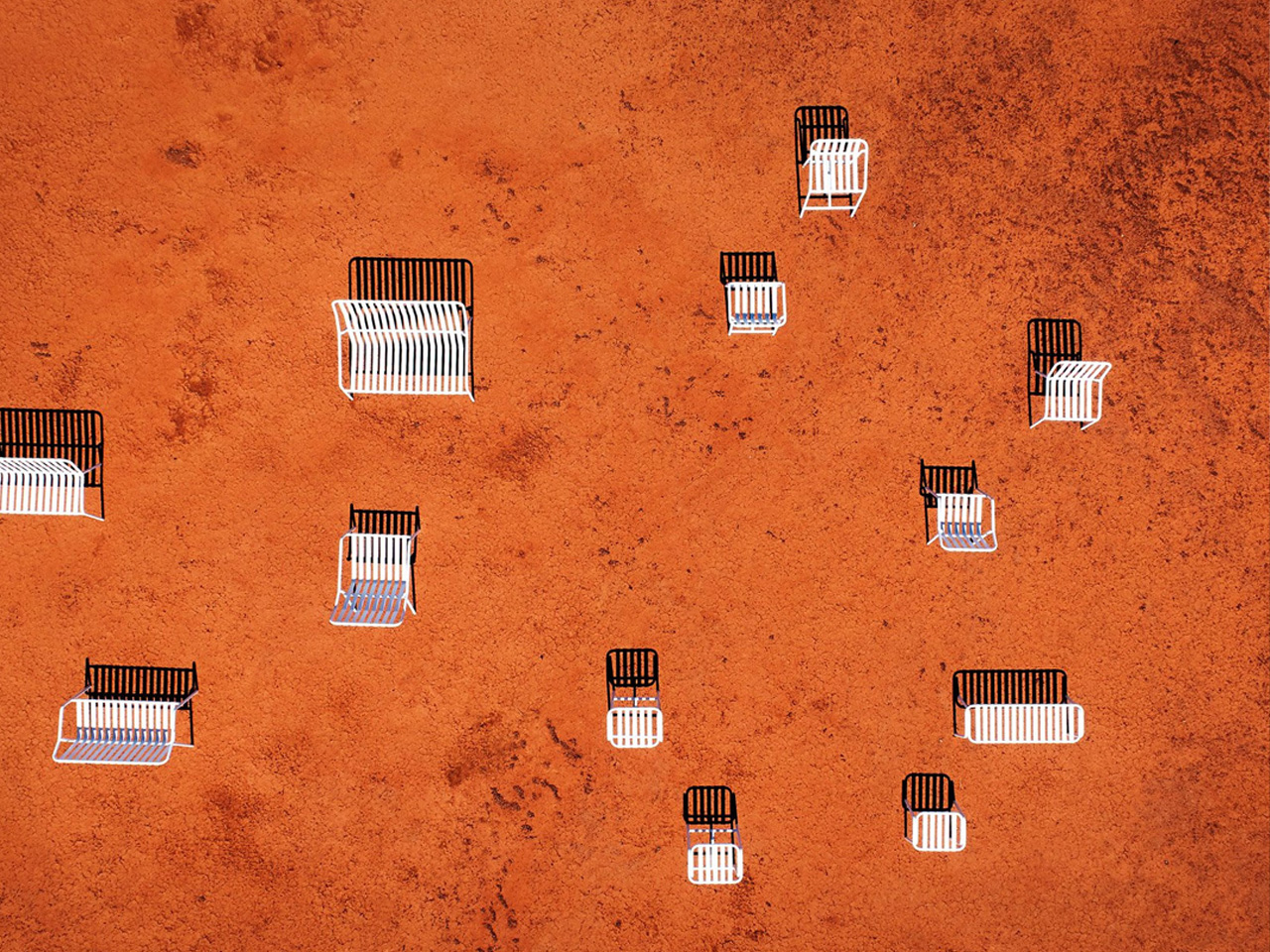
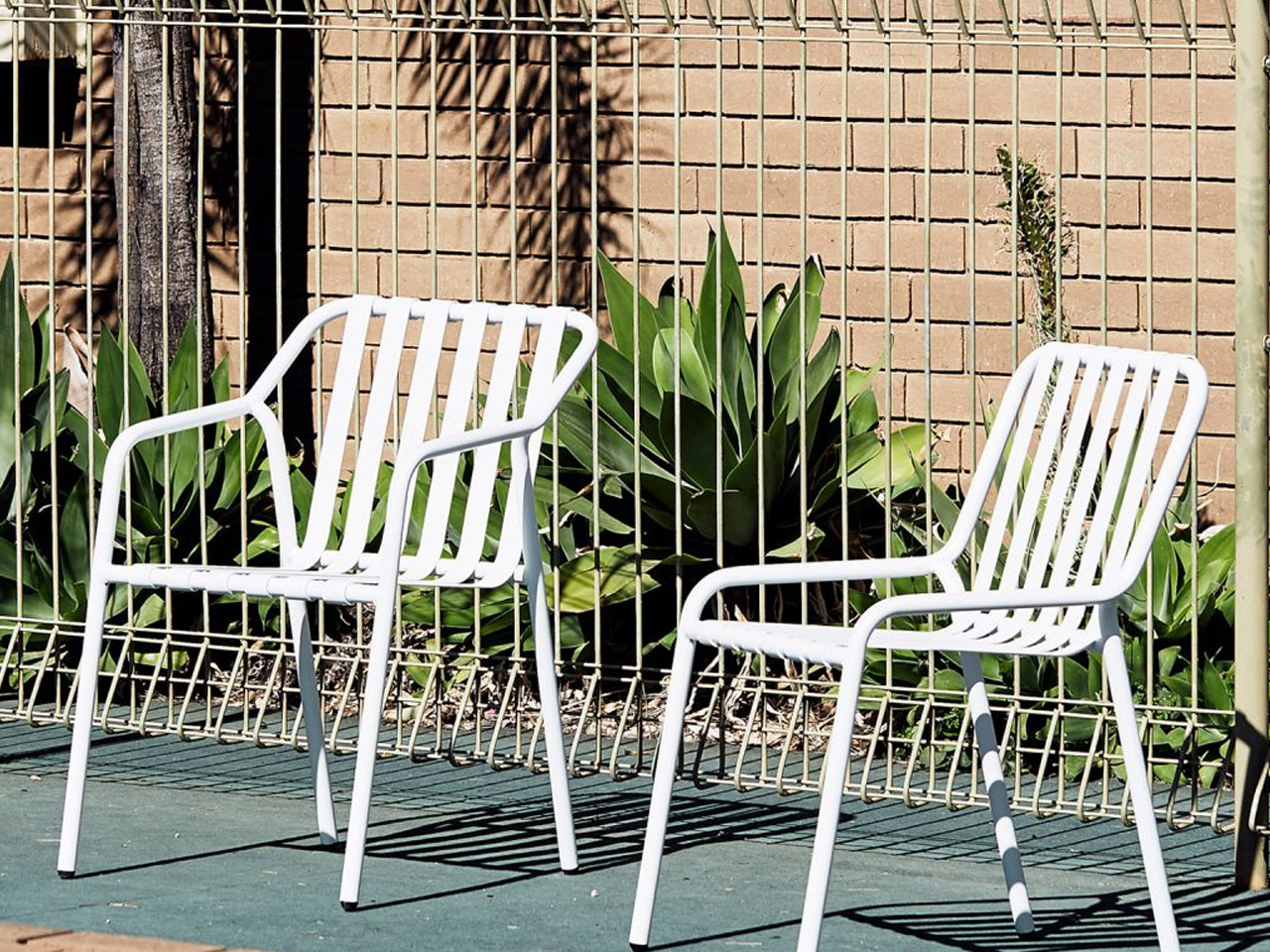
4. Strap Furniture Collection

Called the Strap furniture collection, this outdoor furniture collection draws inspiration from the 1970s poolside furniture. It includes eleven seating designs such as stools, armchairs, benches, loungers, and stackable chair. It brings the lovely 1970s charm to your yard.

Why is it noteworthy?

The metallic chairs are made from aluminum straps, which seem to be quite tightly wound around simple tubular frames. The furniture pieces draw inspiration from the designer’s childhood memories of sun loungers around the local pool.

What we like

  • Evokes childhood nostalgia
  • They can be used in shopping districts, university campuses, and other urban spaces

What we dislike

  • The aesthetics need some work and innovation, as they are a bit dry and boring

5. Bello! Bench

Named the Bello! bench. This outdoor bench was created by aluminum producer Hydro and draws inspiration from the penne rigate pasta. It is a unique-looking bench that makes a lovely addition to your yard, for those warm evenings when you want to get some fresh air.

Why is it noteworthy?

It is a versatile piece of furniture and is influenced by the form, shape, and design of pasta. The bench can be used both indoors and outdoors and is made from ninety percent recycled and one hundred percent recyclable aluminum.

What we like

  • Influenced by the penne rigate
  • It can be customized to fit lamps, tables, or chargers

What we dislike

  • The shape may create a slipping sensation, making it uncomfy to sit on the chair for longer durations

6. Aluminum Week-End Outdoor Furniture

If youre in the mood to spruce up your yard, then you may want to get your hands on the Aluminum Week-End outdoor furniture by Petite Friture. The unique collection includes tables and chairs with slatted aluminum surfaces, and is equipped with a silvery metallic finish.

Why is it noteworthy?

The furniture pieces showcases a raw and stark aesthetic, and it has a grained epoxy paint finish available in a variety of colors, which brings focus to the furniture’s aluminum material in its raw and bare state.

What we like

  • Adds a whole dose of personality and amusement to your yard

What we dislike

  • Is only exclusively available for contract buyers to buy

7. Stack Stool & Combo Table

Created by Raffaello Galiotto for the Italian furniture brand Nardi, this Stack Stool and Combo Table are an excellent stool and table collection that are equipped with a linear designed complemented by strips of wood.

Why is it noteworthy?

Made from 100 per cent recyclable regenerated polypropylene, the collection is designed to look like traditional timber furniture. The furniture collection is lightweight and sturdy, and they can be easily moved, lifted and handled.

What we like

  • The furniture pieces are completely weatherproof

What we dislike

  • Aesthetics are simple and unassuming

8. Mondos

The Mondos is a warm and cozy afternoon spent on a Southern Californian beach transformed into comfy and chonky furniture pieces. Designed by two California-based brands Laun and Chet Architecture, the furniture collection includes six pieces.

Why is it noteworthy?

The six pieces are inspired by Mondos Beach in Ventura, California, which is said to be the capital of the state’s surfing culture. The entire collection is designed to be bold yet low-key, inviting, and exclusive.

What we like

  • Brings the beach to your backyard
  • Inspired by the 1980s pool and garden furniture

What we dislike

  • The entire collection is quite bulky, so it is only suitable for backyards with an ample amount of space

9. Gravitas

Called Gravitas, this outdoor furniture looks “grated”. It is sturdy and strong enough to handle the strong winds, rains, and snow. It is designed to be “all-weather all-rounder” pieces of furniture, making them an exceptional fit for a garden, patio, or the backyard.

Why is it noteworthy?

It features a unique galvanized grating design, and is a good fit for cafes and restaurants with an industrial look or theme. It is a great fit for both outdoor and indoor spaces.

What we like

  • It makes for an excellent fit for different spaces

What we dislike

  • The steel material might be too hot for when the sun is out

10. Mass Table

Alexander Lotersztain designed the Mass Table for Derlot. The table is the reimagined and recreated version of the stereotypical and mundane picnic table!

Why is it noteworthy?

Alexander took the typical picnic table and transformed it into a unique flat-packed table in an almost fluorescent yellow color. Made from a sturdy combination of powder-coated steel and aluminum, the Mass table is ideal for both indoors and outdoors.

What we like

  • Inspired by the iconic garden table, but a more sturdy and contemporary version

What we dislike

  • The table can be used indoors, but we don’t think it would be a suitable fit

The post 10 Best Outdoor Furniture Designed To Make Your Yard Comfy, Fun & Functional first appeared on Yanko Design.