Camprit Just Solved Camping’s Bulkiest Problem With 5 Titanium Pieces

There’s something oddly satisfying about watching outdoor gear shed its bulk. We’ve seen tents collapse into impossibly small pouches and sleeping bags compress into cylinders the size of water bottles. Now, Camprit is applying that same minimalist philosophy to camp stoves with their TiStove, and the results are kind of brilliant.

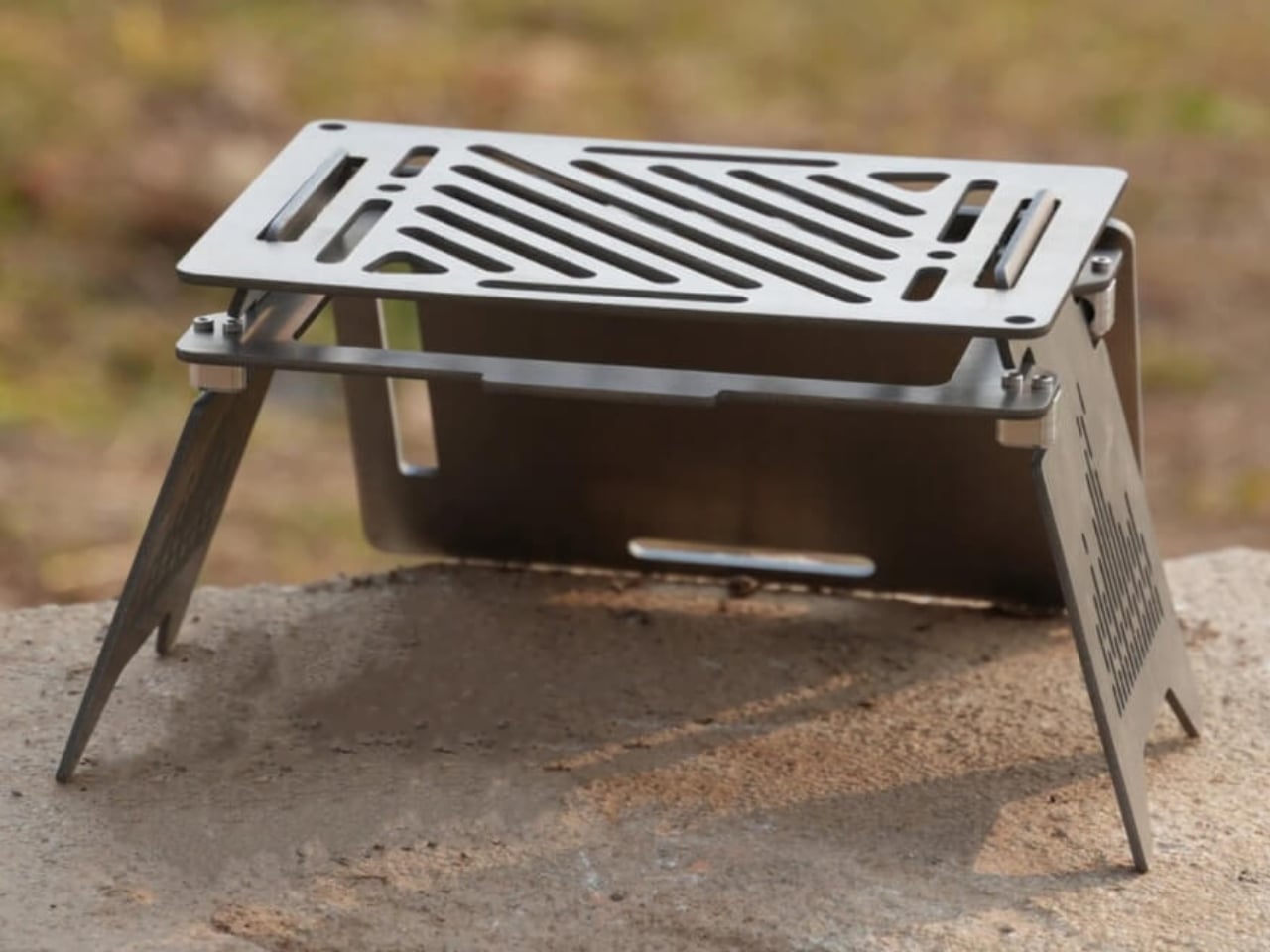
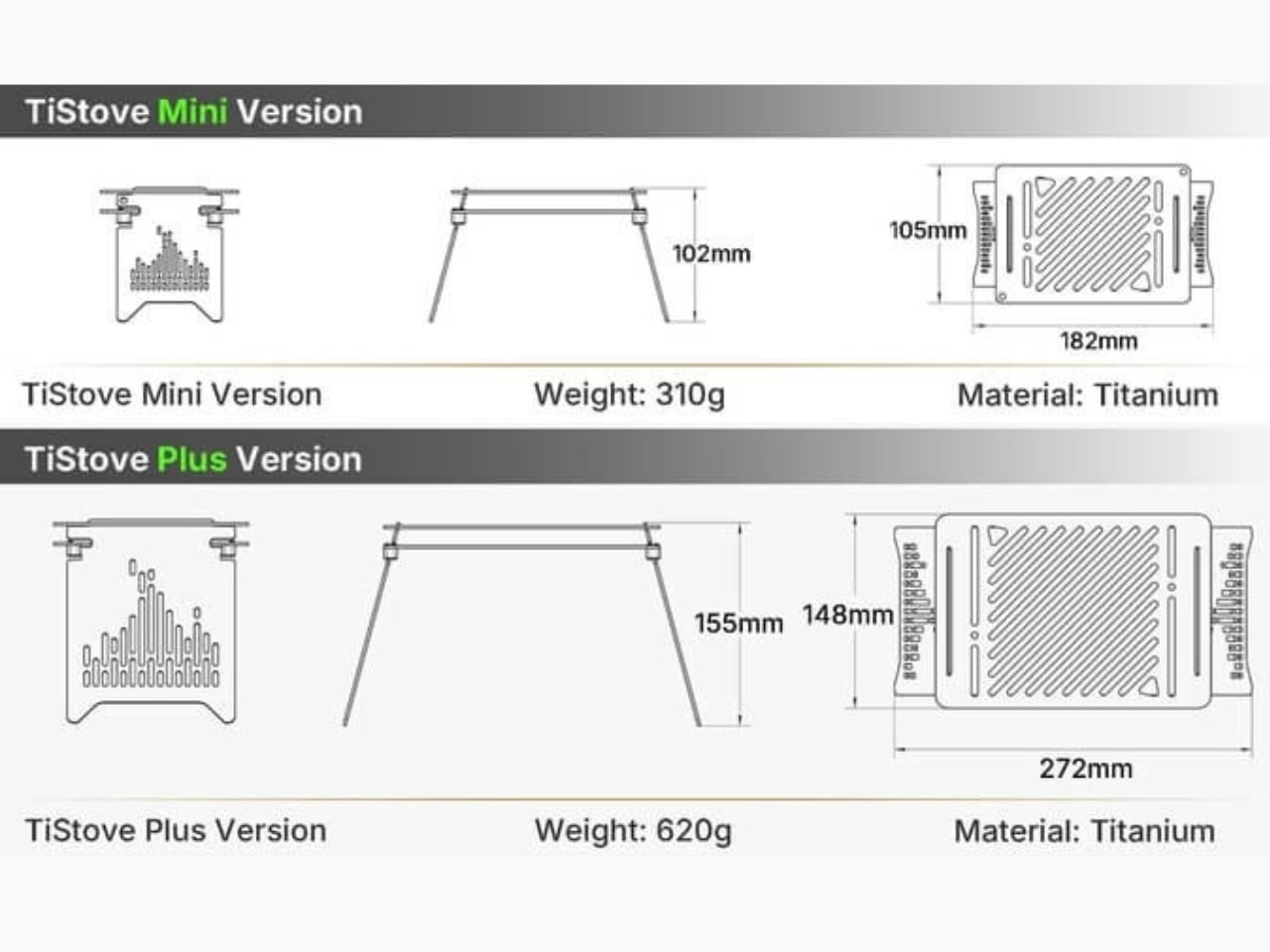
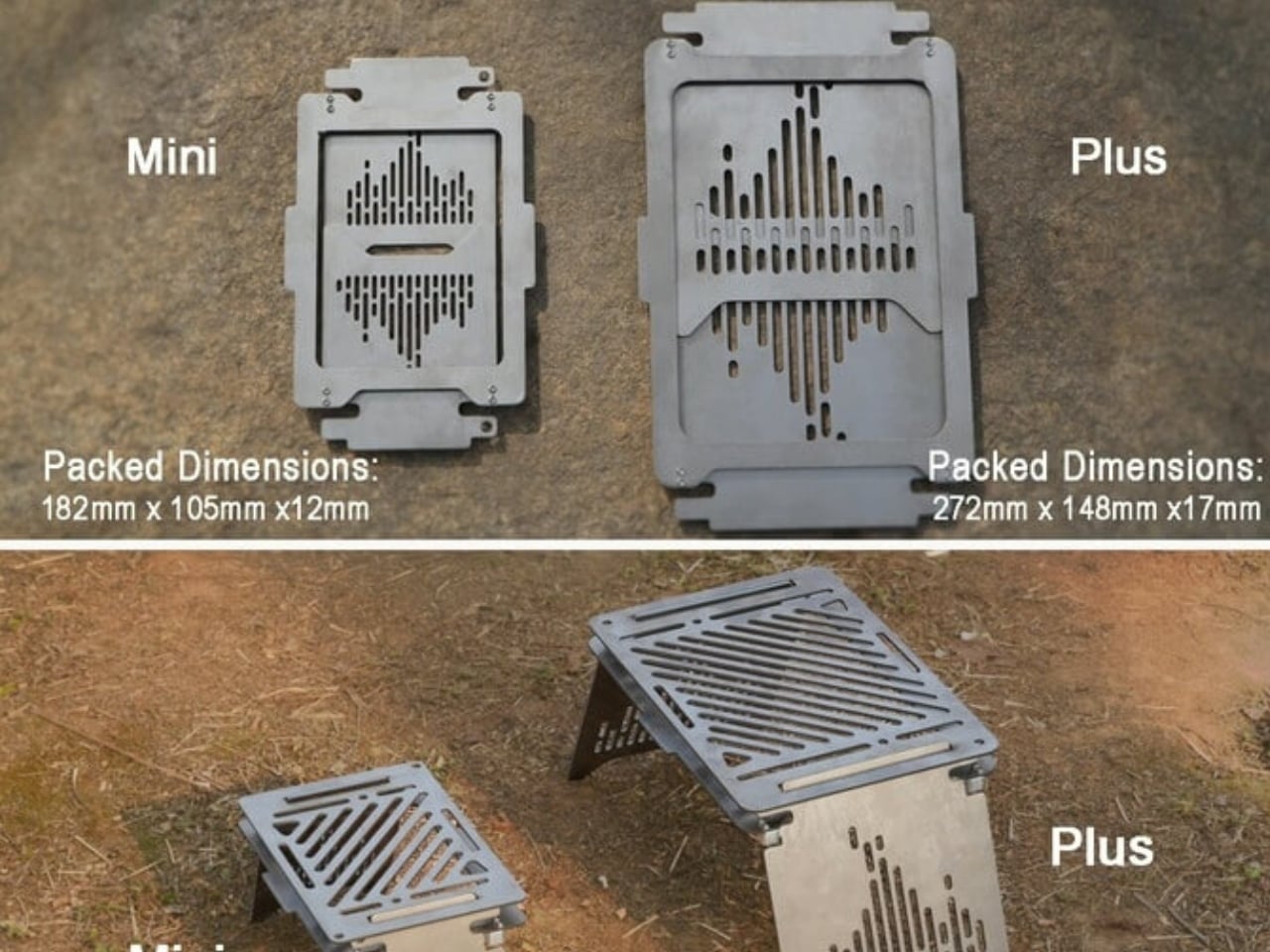
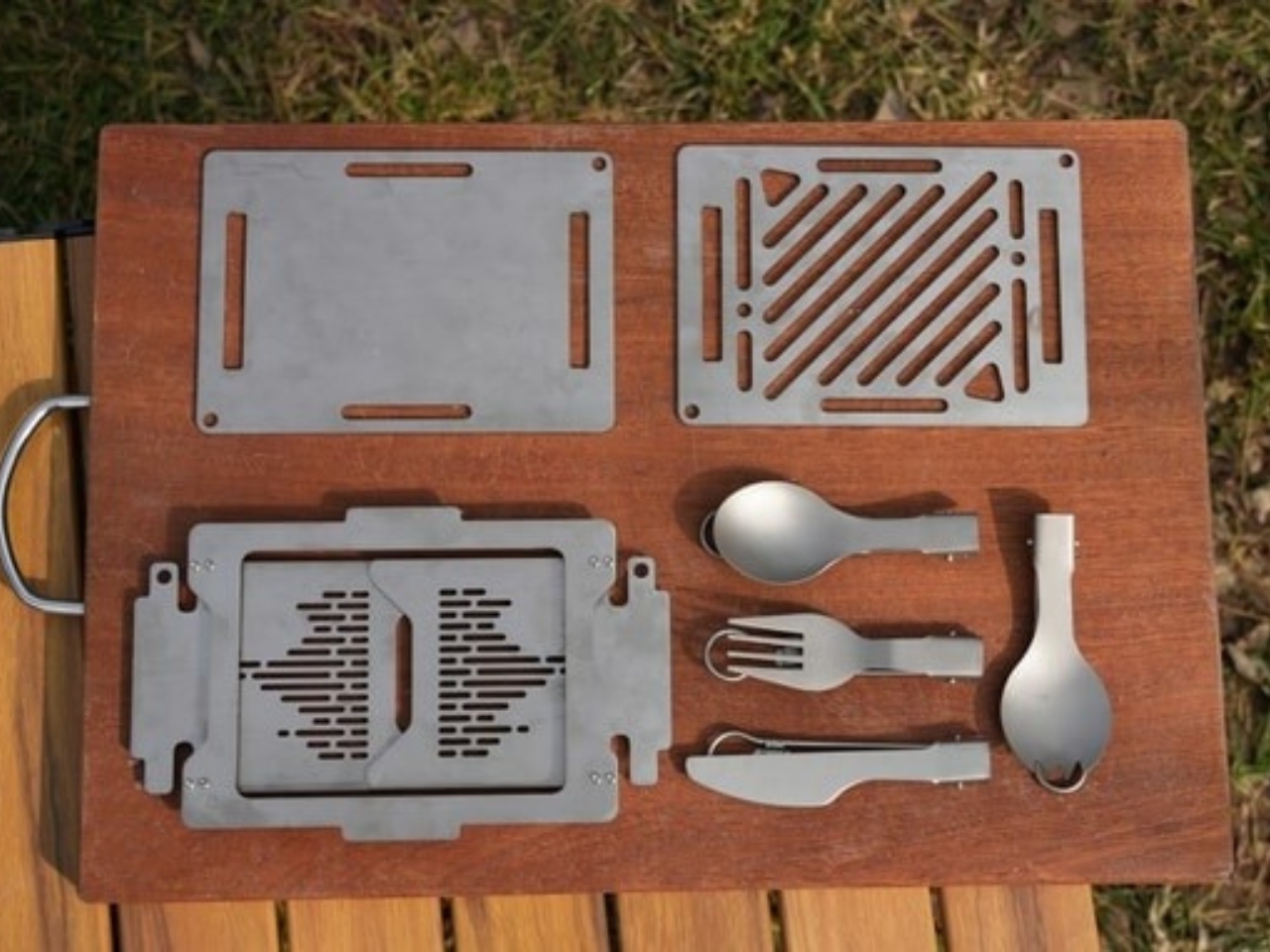
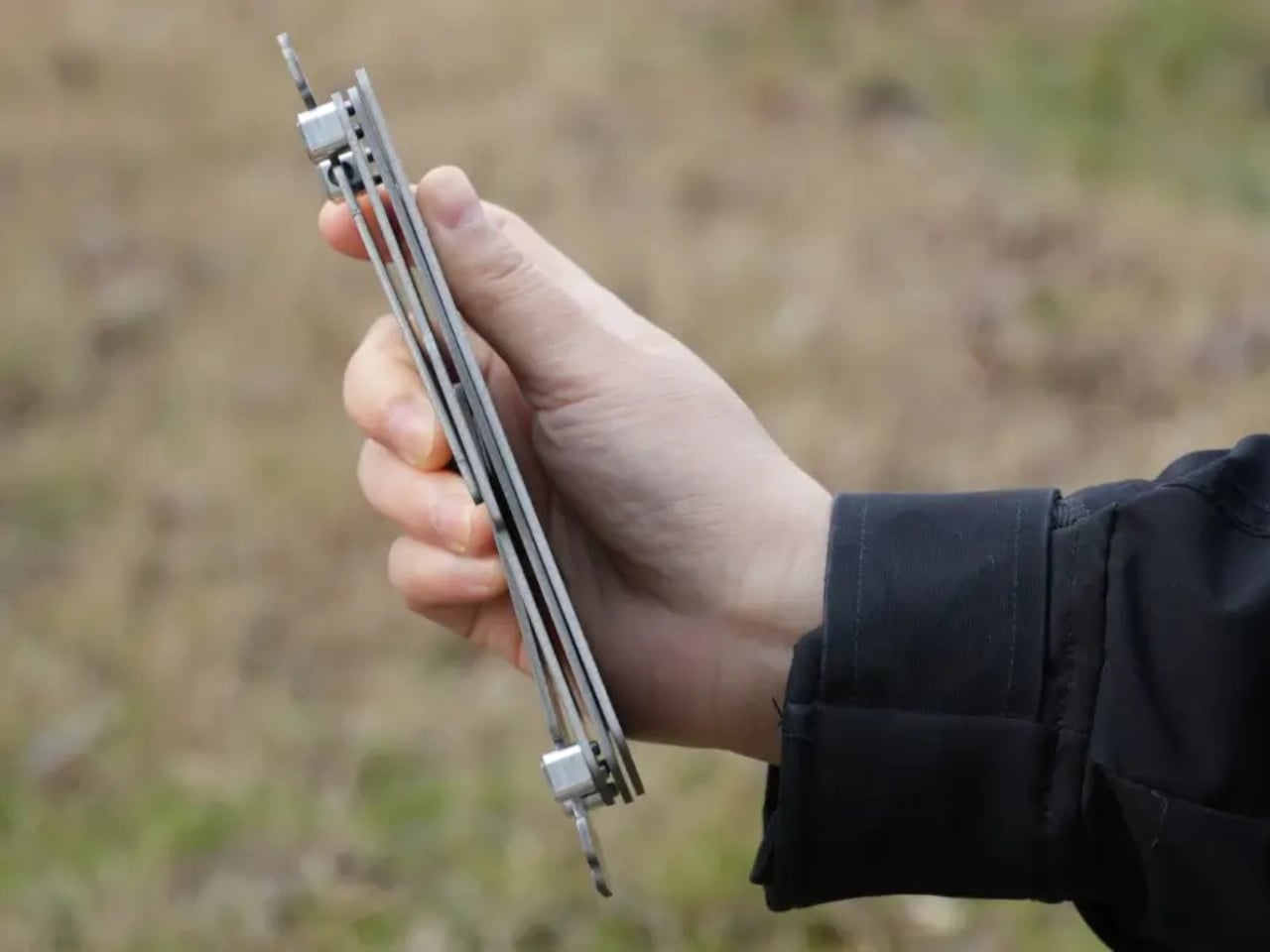
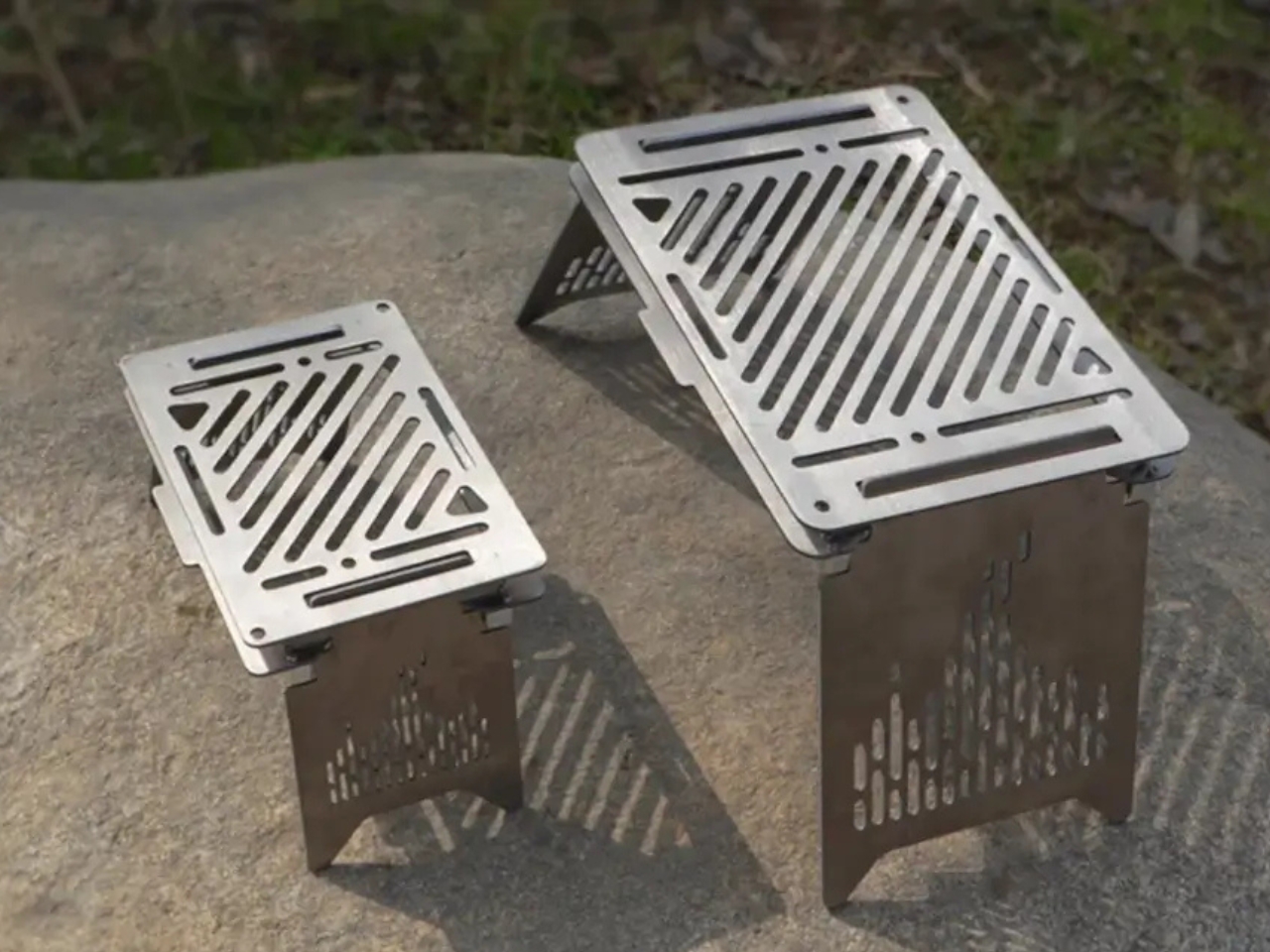
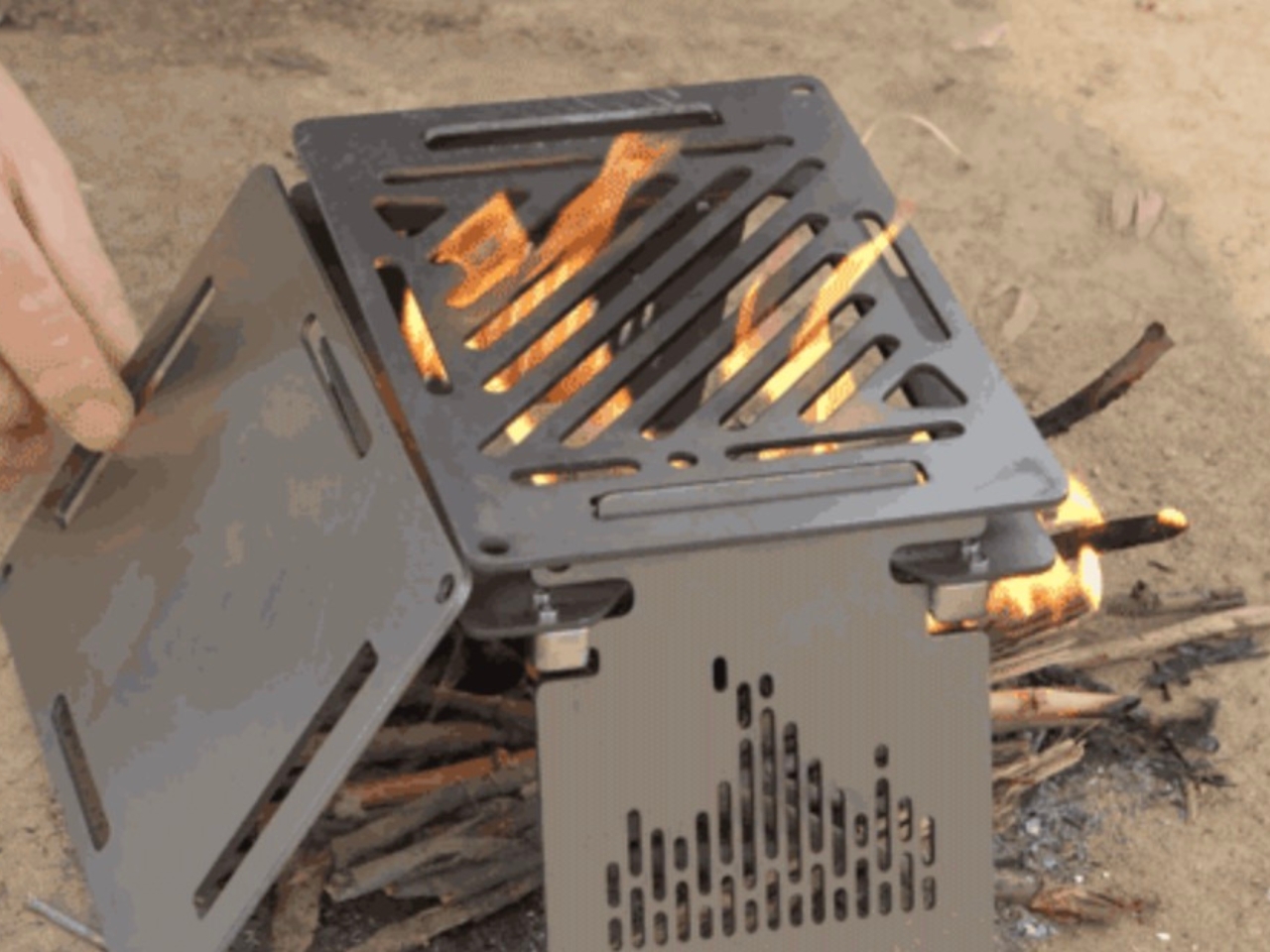
The concept is deceptively simple. Take five titanium pieces (two foldable legs and three cooking panels), make them pack completely flat, and keep the whole setup under 1.5 pounds. But what makes this more interesting than just another ultralight camping gadget is how Camprit rethought what a portable stove should actually do.

Designer: Camprit

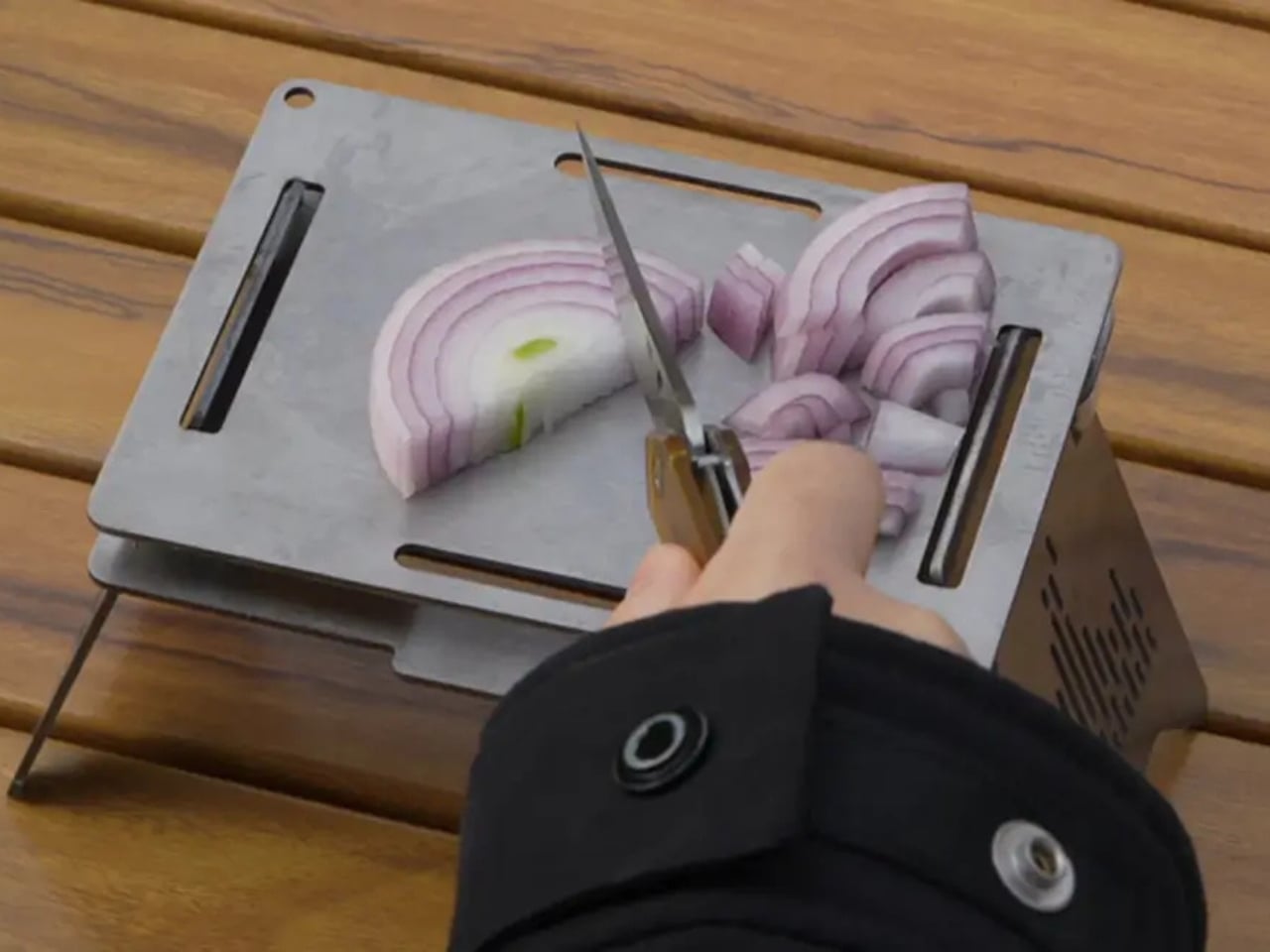
Most camp stoves force you into a specific cooking method. You’re either boiling water for freeze-dried meals or you’re lugging around a full camping kitchen. TiStove splits the difference by giving you three interchangeable panels that transform the cooking surface. The base panel handles your standard boiling needs. Swap in the grill panel and you can cook directly on the grates. Want to sear something? There’s a panel for that too. It’s modular cooking without the usual camping compromise of eating yet another packet of instant noodles.

The titanium construction isn’t just about keeping weight down, though that’s obviously a factor when you’re counting grams in your pack. Titanium brings that combination of strength and heat resistance that makes it ideal for something that needs to withstand direct flame while remaining stable on uneven ground. The material also means the stove won’t corrode when it inevitably gets wet, smoky, or covered in whatever wilderness conditions you throw at it.

What’s particularly clever is the no-assembly approach. Anyone who’s fumbled with camping gear in fading daylight knows that “some assembly required” translates to “good luck finding that tiny connector piece you just dropped in the dirt.” TiStove unfolds rather than requiring construction, which means you’re cooking faster and cursing less.

The fuel flexibility adds another practical layer. Unlike canister stoves that leave you dependent on finding the right fuel cartridge, this system burns wood, twigs, branches, basically whatever dry combustibles you can scavenge. That’s not just convenient but also more sustainable than constantly buying and disposing of fuel canisters. Plus, there’s something primal and satisfying about cooking over actual fire rather than a blue gas flame.

Camprit isn’t new to this space. They previously launched FireNest, which followed a similar modular, flat-pack titanium philosophy. With TiStove, they’ve refined the concept into something that feels more like a complete cooking system than a single-purpose stove.

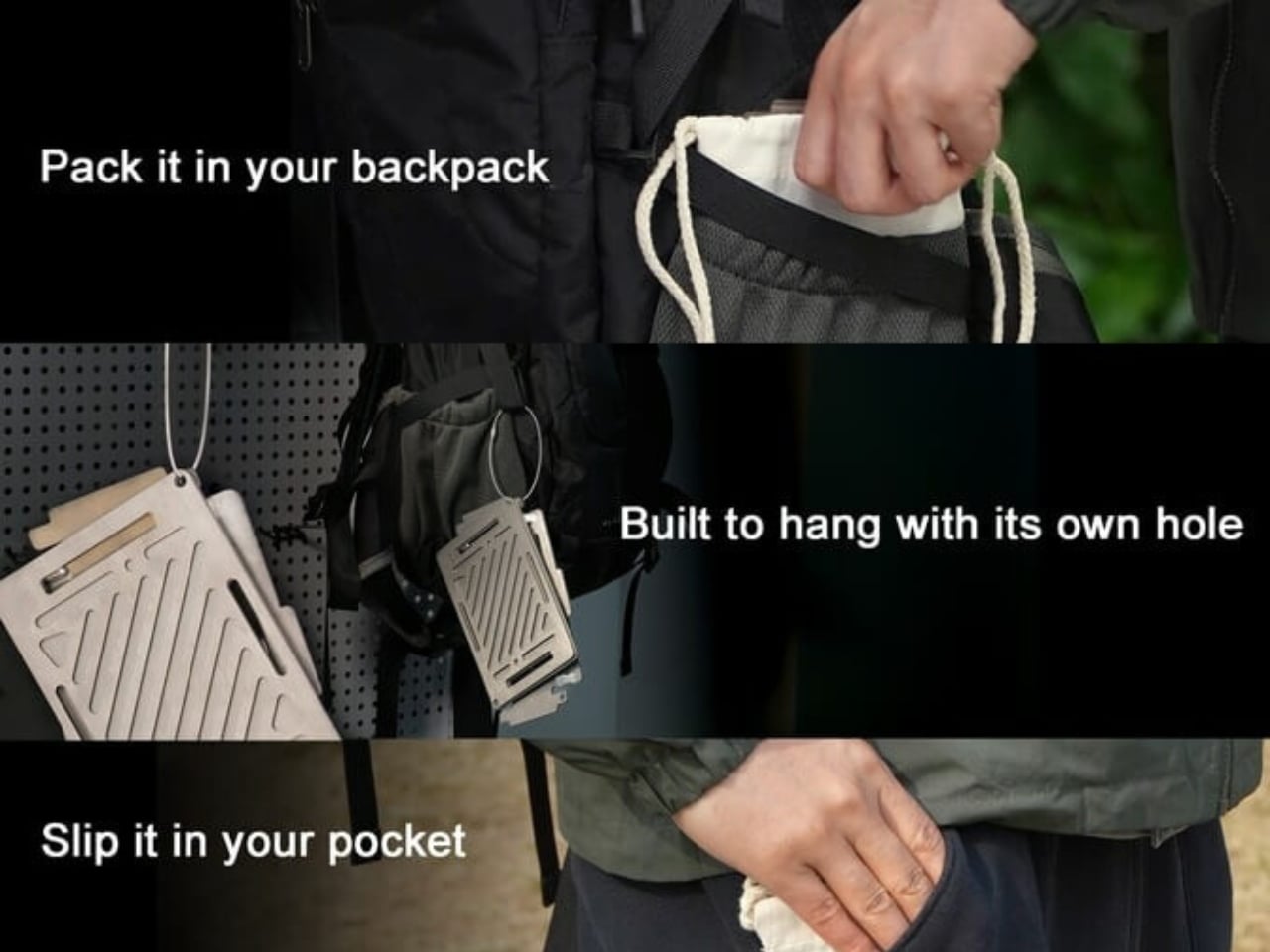
The flat-pack design also addresses one of camping’s most annoying realities: pack space is precious. When your stove collapses to basically the thickness of a laptop, it slides into spaces that bulkier gear could never occupy. That means more room for the things that actually matter, like extra food or that book you’re definitely going to read by the campfire.

There’s a broader trend here worth noting. Outdoor gear has been shedding the old “rugged means bulky” mentality for years now, but projects like TiStove show how far that evolution has come. This isn’t about sacrificing functionality for portability. It’s about questioning whether those trade-offs were ever necessary in the first place.

The Hong Kong-based company seems to understand that good design isn’t about adding features but about removing friction. Every aspect of TiStove, from the material choice to the panel system to the folding mechanism, eliminates a pain point. Can’t find fuel? Burn sticks. Pack too heavy? Here’s titanium. Tired of one-note camping meals? Swap the cooking surface.

Whether you’re a weekend warrior or someone who just appreciates clever product design, TiStove represents the kind of functional innovation that makes you wonder why it took this long. It’s not reinventing fire, just making it easier to cook over one. And sometimes, that’s exactly what good design should do.

The post Camprit Just Solved Camping’s Bulkiest Problem With 5 Titanium Pieces first appeared on Yanko Design.
This Flat Bottle Becomes a Kettle When You Need It Most

There’s something satisfying about products that do more with less. You know the feeling: when you discover a gadget that’s been cleverly engineered to solve multiple problems without adding bulk to your life. Tetra, a new travel bottle concept by designer Amal SS, nails that sweet spot between everyday practicality and outdoor functionality in a way that actually makes sense.

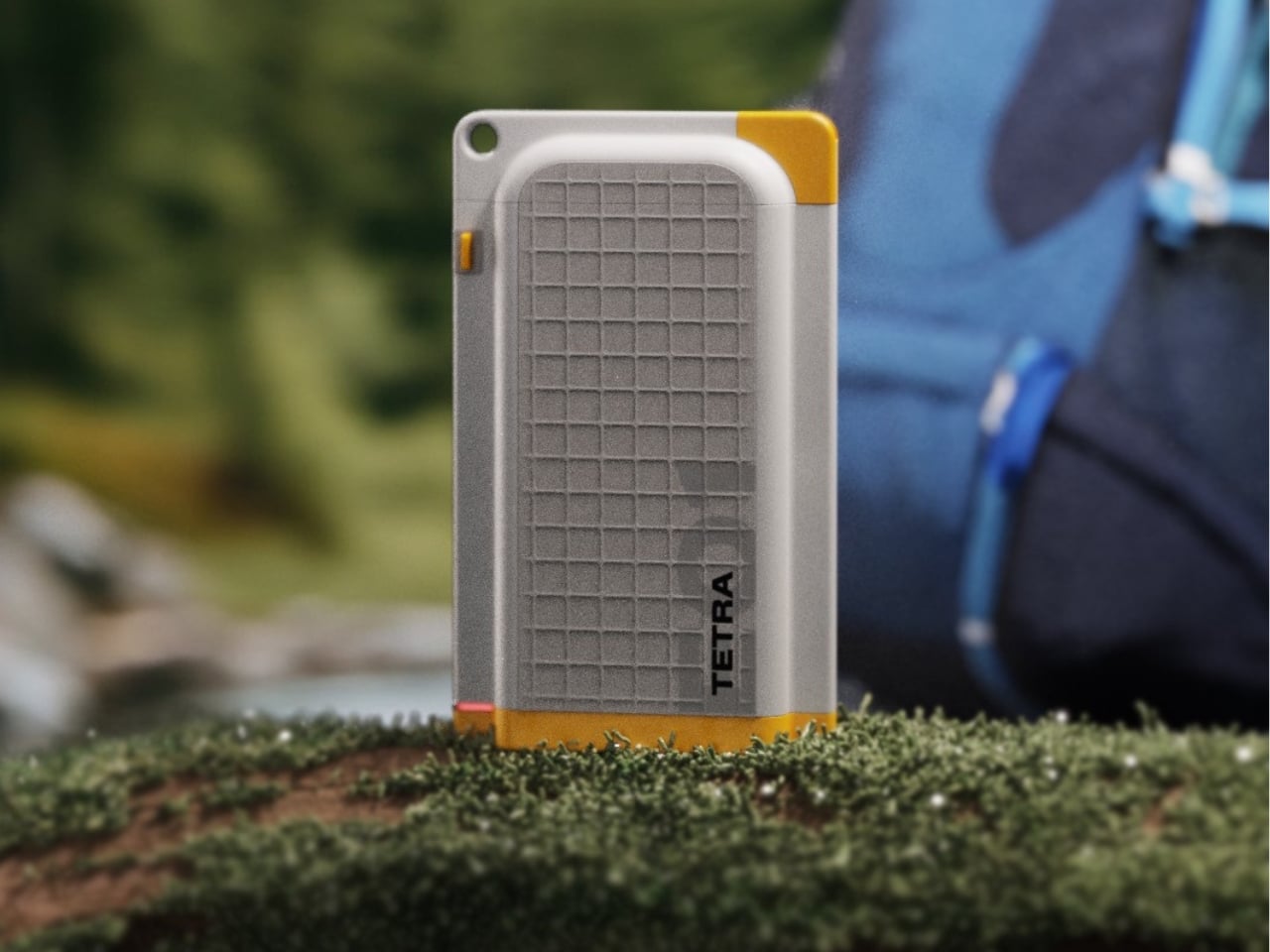
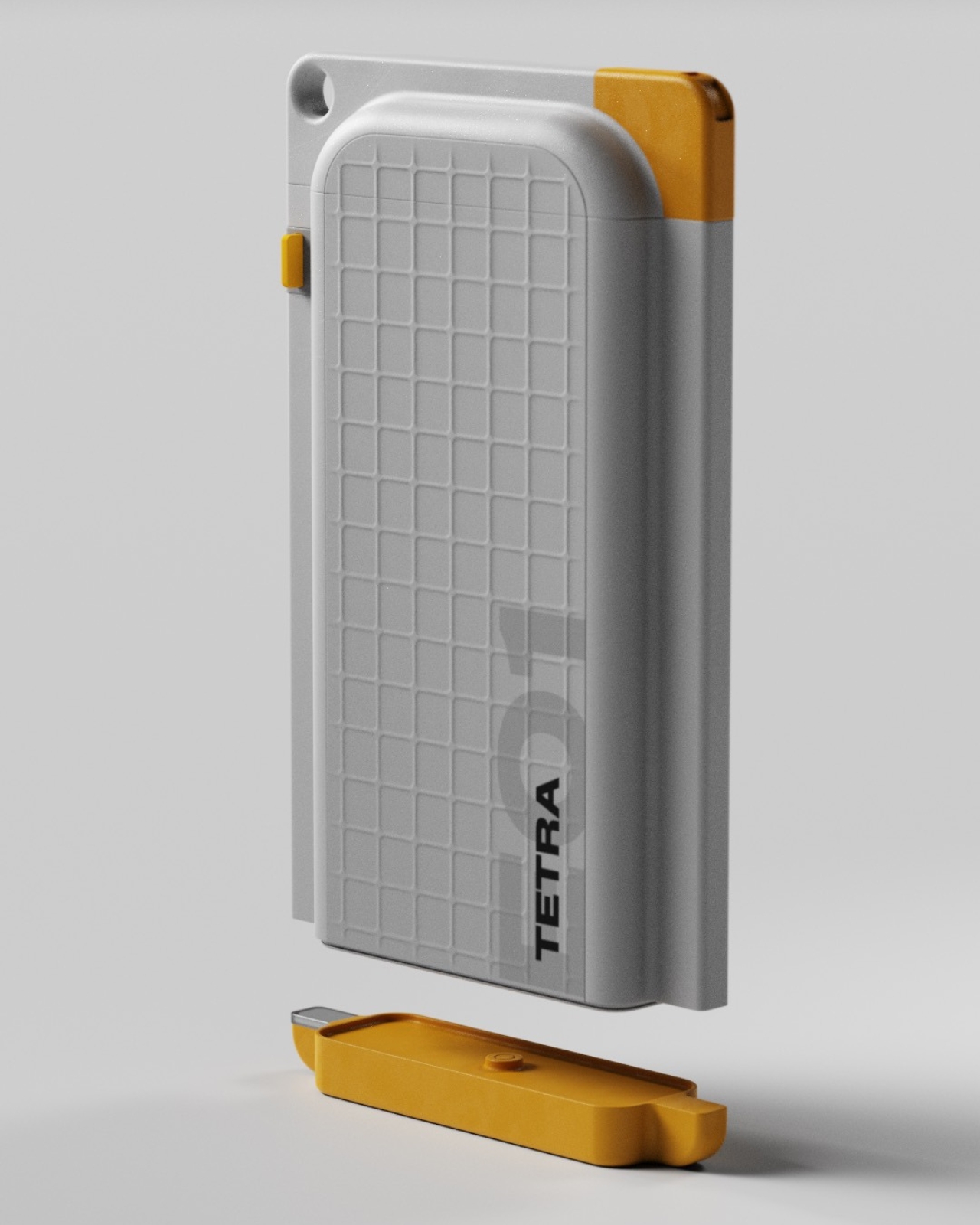
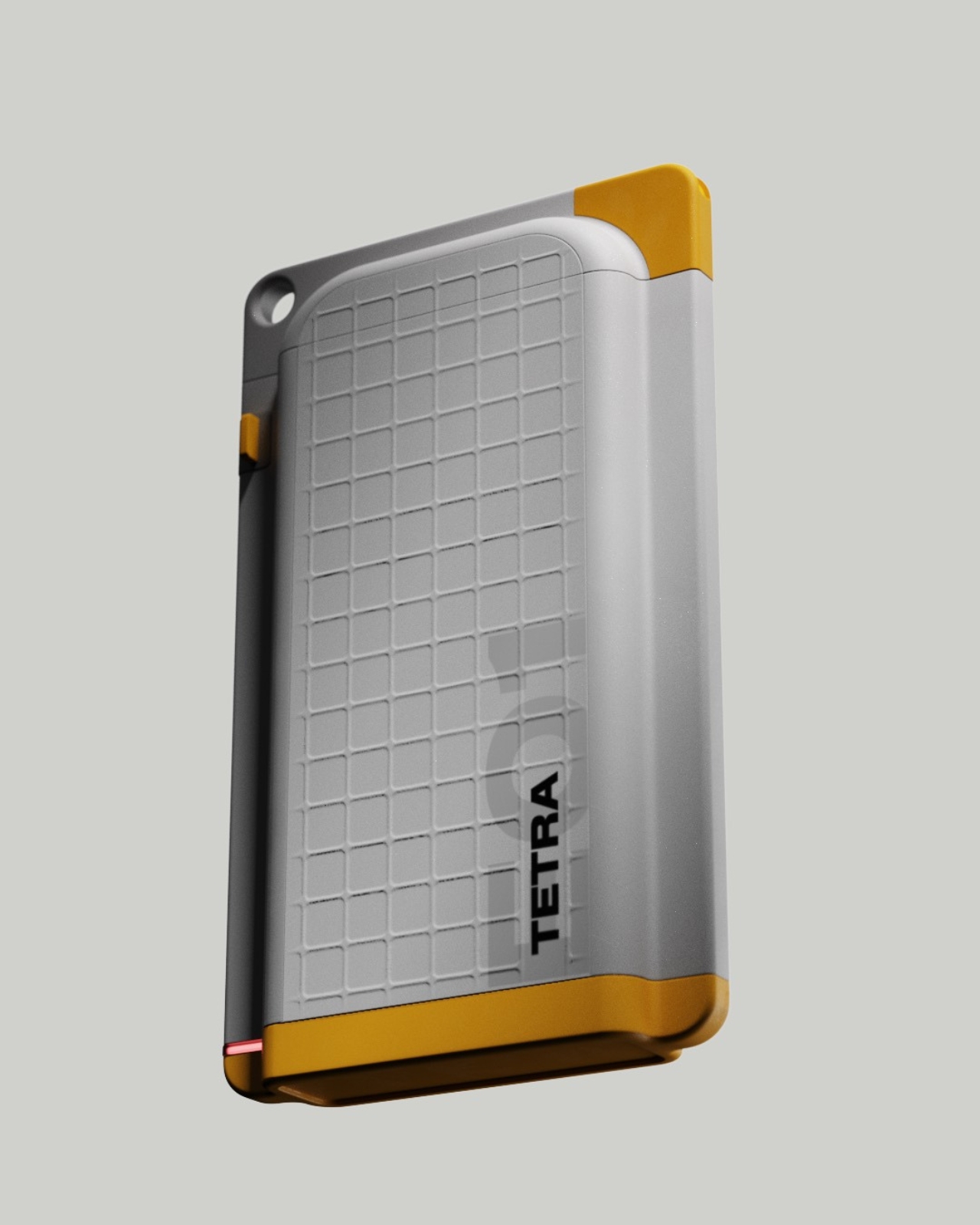
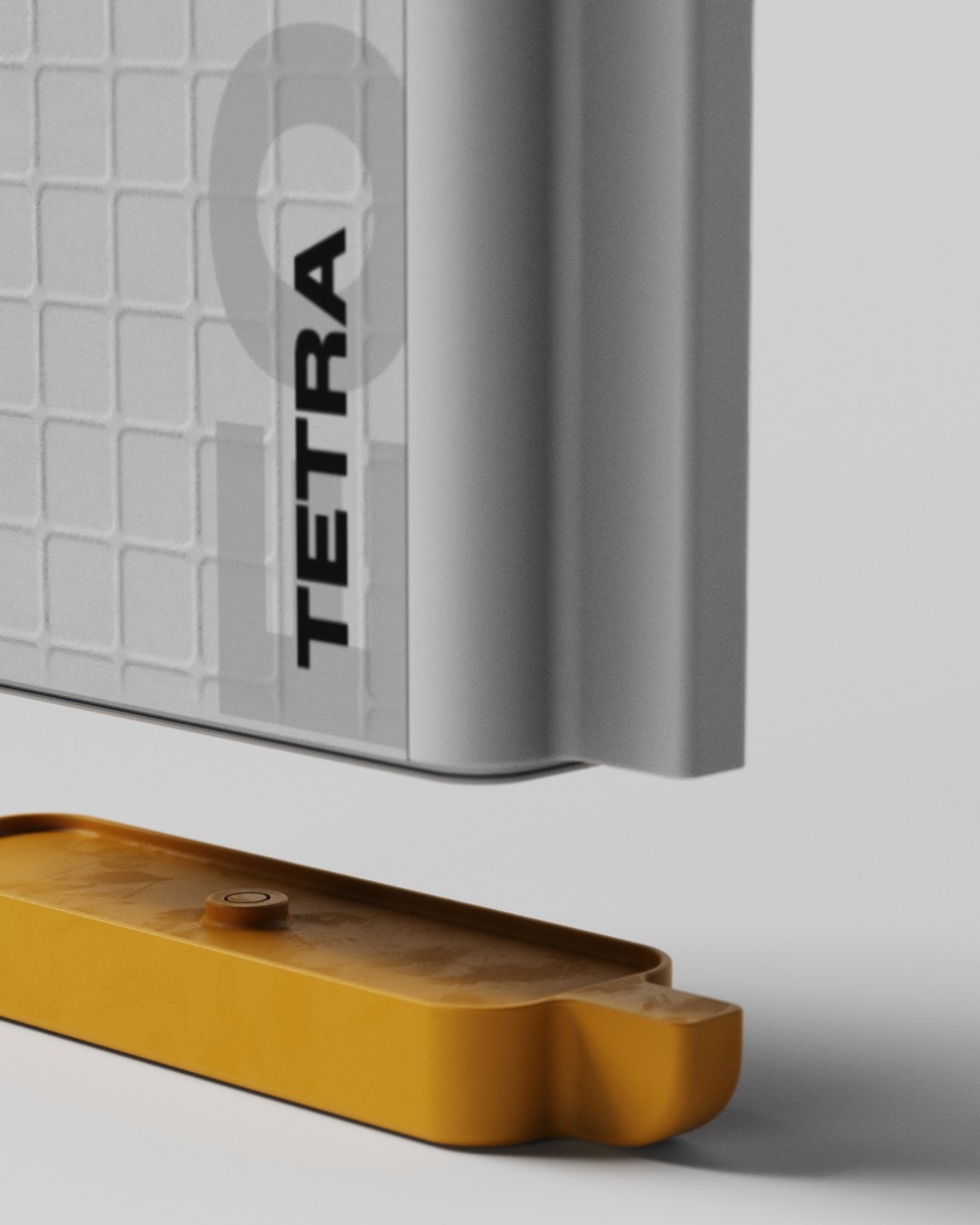
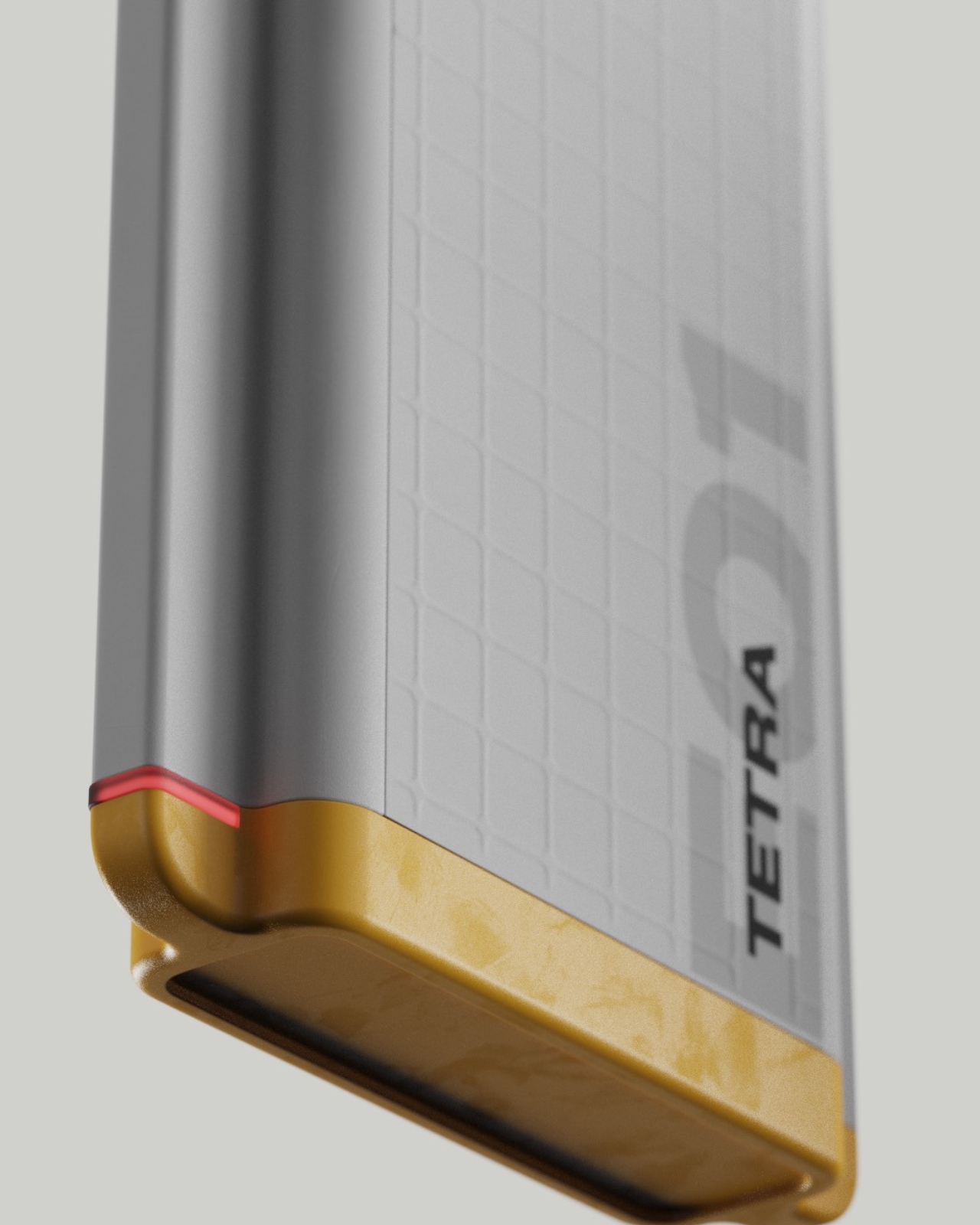
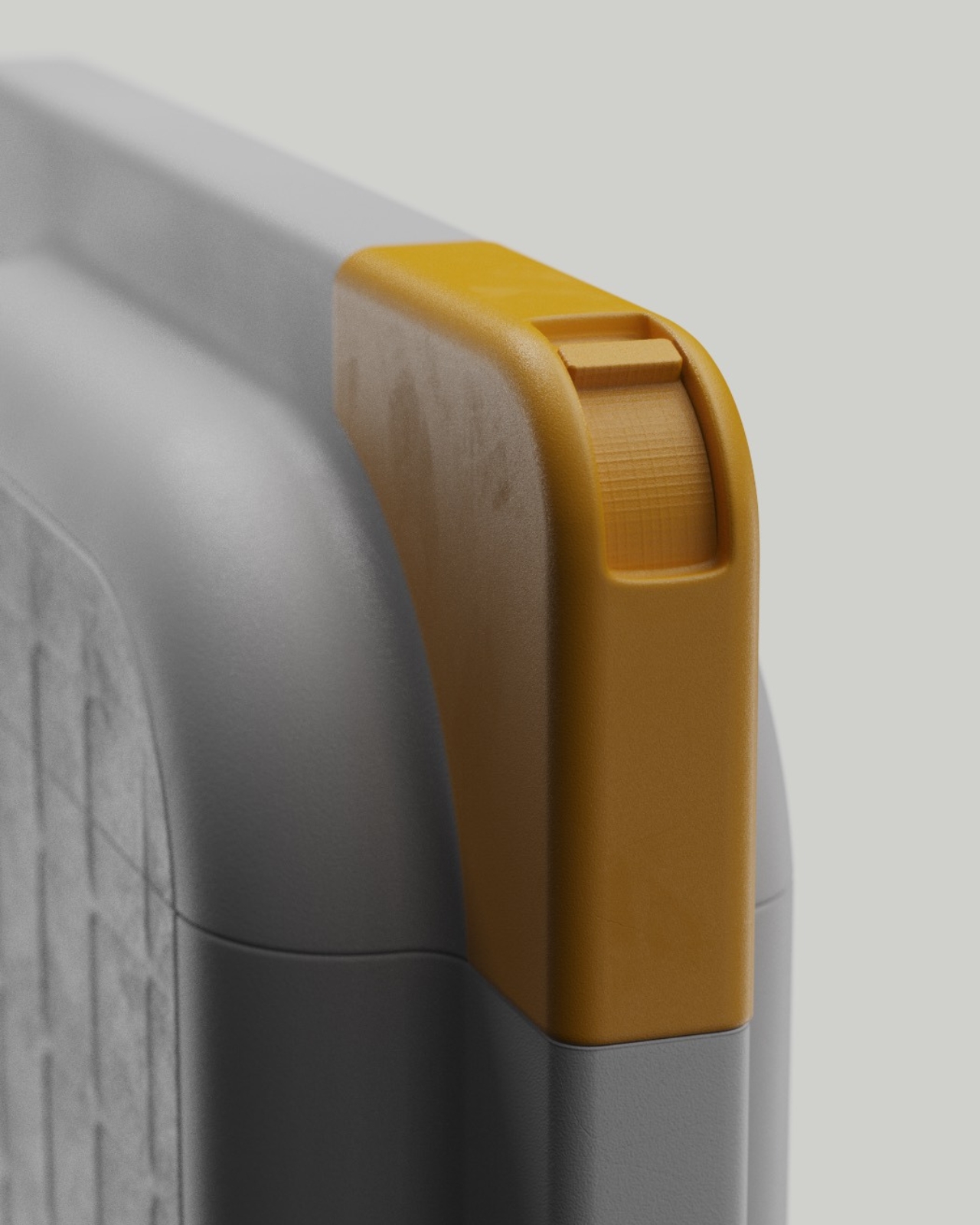
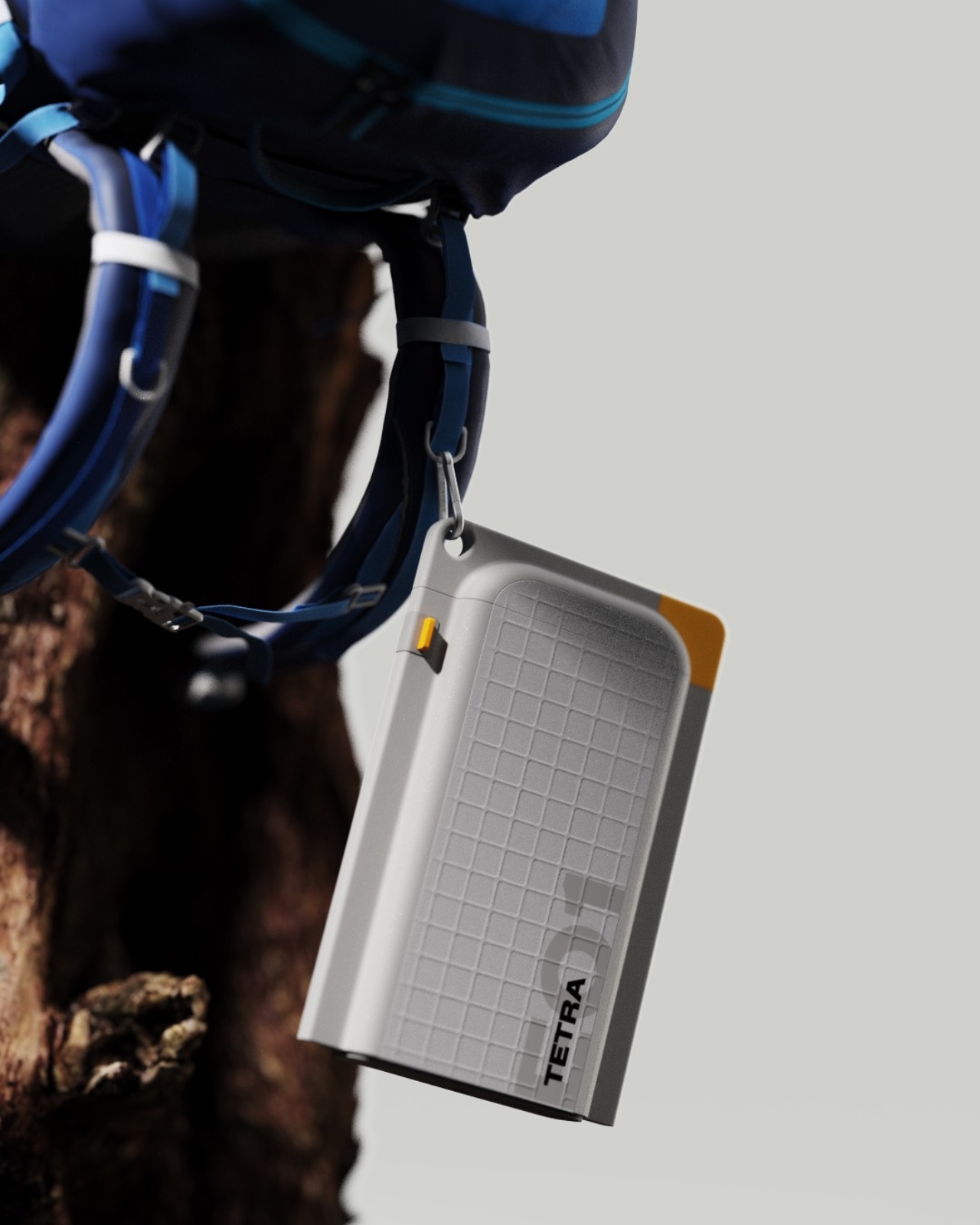
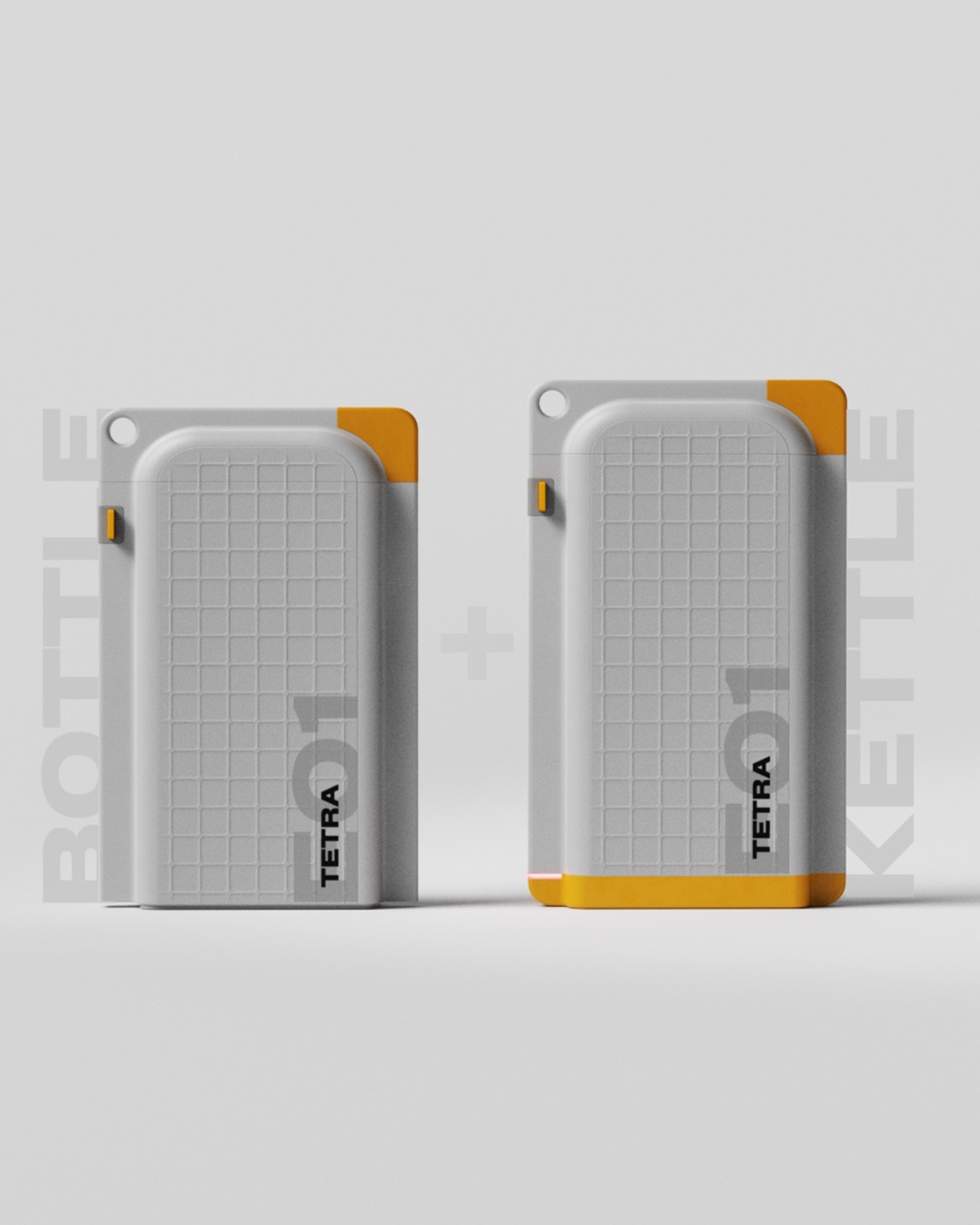
At first glance, Tetra looks like a streamlined water bottle dressed in a minimalist gray shell with sunny yellow corner accents. It’s flat, roughly the size of an A5 notebook, which immediately tells you someone thought hard about how this would actually fit in a backpack. But here’s where it gets interesting: that yellow base section? It’s not just decorative. It’s a detachable heating deck that transforms your water bottle into a portable kettle when you need it.

Designer: Amal SS

The modular approach is what sets Tetra apart from the crowded field of travel bottles trying to be all things at once. Instead of permanently integrating heating elements that add weight and complexity to something you might carry daily, Amal SS separated the functions. Need just a water bottle for your commute or gym session? Leave the Thermo-Deck at home and travel light. Heading into the wilderness for a camping trip? Snap it on and you’ve got hot water capability wherever you land.

This kind of thinking feels refreshingly practical in a world where most products seem designed to cram in every possible feature whether you need them or not. The architecture here respects how people actually use things. Your daily hydration needs don’t require heating functionality, so why carry that extra weight around? But when you’re watching the sunrise from a mountaintop or setting up camp after a long hike, having the ability to heat water for coffee or tea without packing separate equipment becomes genuinely valuable.

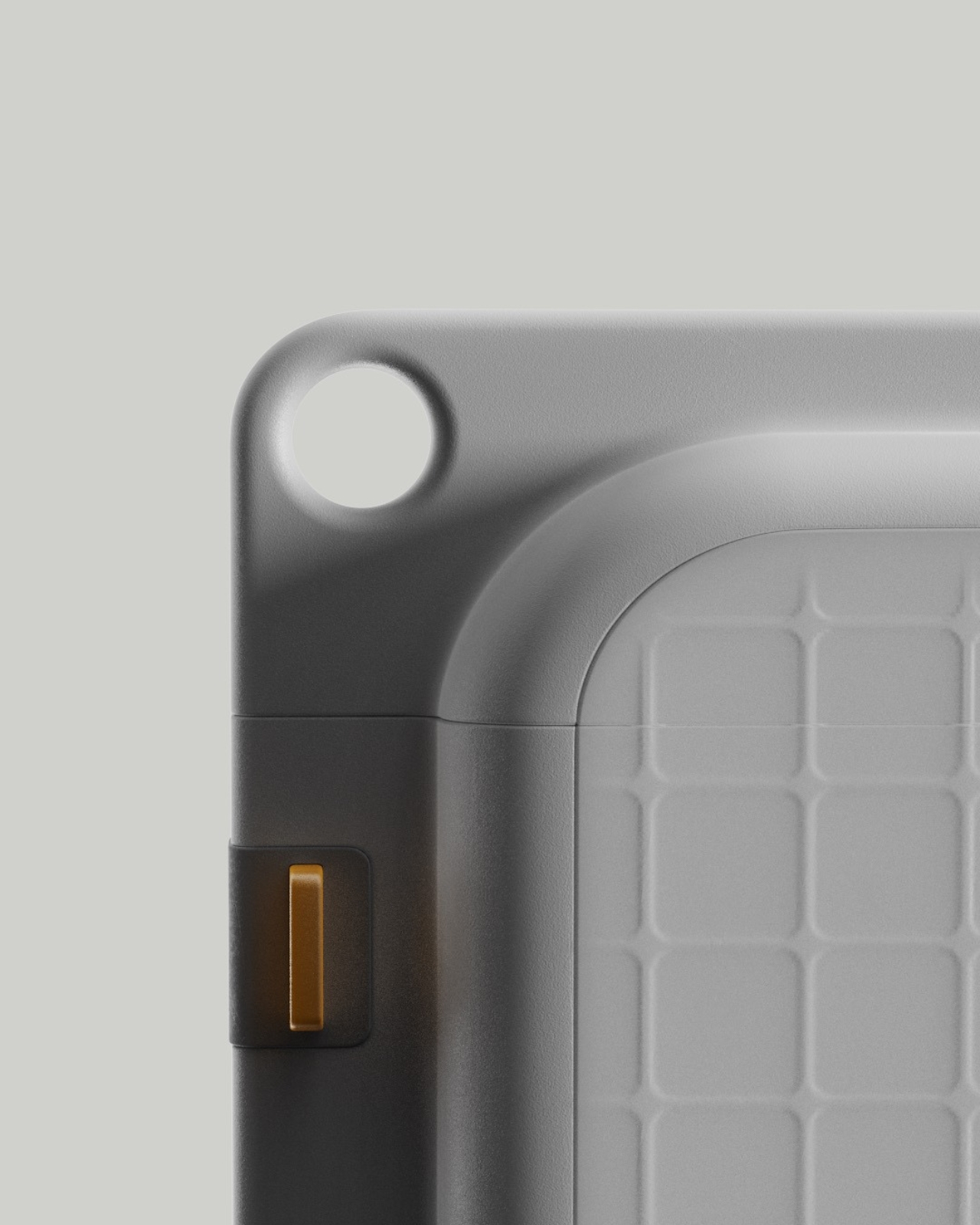
The design language speaks to durability and thoughtful interaction. Those yellow corner guards aren’t just visual punctuation, they’re protective reinforcement for the spots most likely to take impact when you inevitably drop this thing on a rocky trail or concrete floor. The recessed grip grid textured across the surface gives your hands something to hold onto, even when wet or wearing gloves. Every detail seems considered from the perspective of actual use rather than pure aesthetics, though the clean lines and confident color blocking certainly don’t hurt.

What really catches the eye is how Tetra manages to look tech-forward without screaming “gadget.” The flat profile feels almost architectural, like something that could live comfortably in a design studio or strapped to a hiking pack with equal credibility. The proportions are balanced, the material transitions feel intentional, and those yellow accents provide just enough visual interest without tipping into gimmicky territory.

The A5 form factor deserves special mention because it solves a genuine packing problem. Cylindrical bottles, no matter how well-designed, create awkward gaps and wasted space in bags. A flat profile nestles against laptops, books, and clothing layers much more efficiently. For anyone who’s played Tetris with their backpack contents before a trip, this thoughtful approach to dimensionality will resonate immediately.

There’s also something appealing about products that acknowledge different contexts of use. Tetra doesn’t pretend you’ll need a kettle function at your desk job, and it doesn’t force you to commit to carrying unnecessary weight just to have that option available. The snap-on, snap-off modularity respects your intelligence as a user and trusts you to configure the tool for your actual needs. This kind of flexible functionality reflects a broader shift in how we think about everyday carry items. The best products increasingly recognize that our days aren’t one-size-fits-all, and neither should our gear be. Something that works for Monday’s office routine might need different capabilities for Saturday’s mountain trail. Tetra’s modular design bridges that gap without compromise.

Whether you’re a design enthusiast who appreciates thoughtful industrial solutions, a tech person drawn to smart functionality, or an outdoor adventurer tired of juggling multiple pieces of equipment, Tetra presents an intriguing answer to the eternal question: how do we carry less while being prepared for more? Sometimes the smartest design move isn’t adding another feature. It’s knowing exactly which features to make optional.

The post This Flat Bottle Becomes a Kettle When You Need It Most first appeared on Yanko Design.
Gerber Just Solved Camp Cooking’s Messiest Problem With 6 Pieces

You know what’s annoying about camping? You’re out there trying to enjoy nature, breathe in the fresh air, and cook a decent meal, but then you realize your cutting board is wedged under the cooler, your knife is somewhere in the depths of your trunk, and everything you need for meal prep is scattered across three different bags. It’s chaos, and not the fun kind.

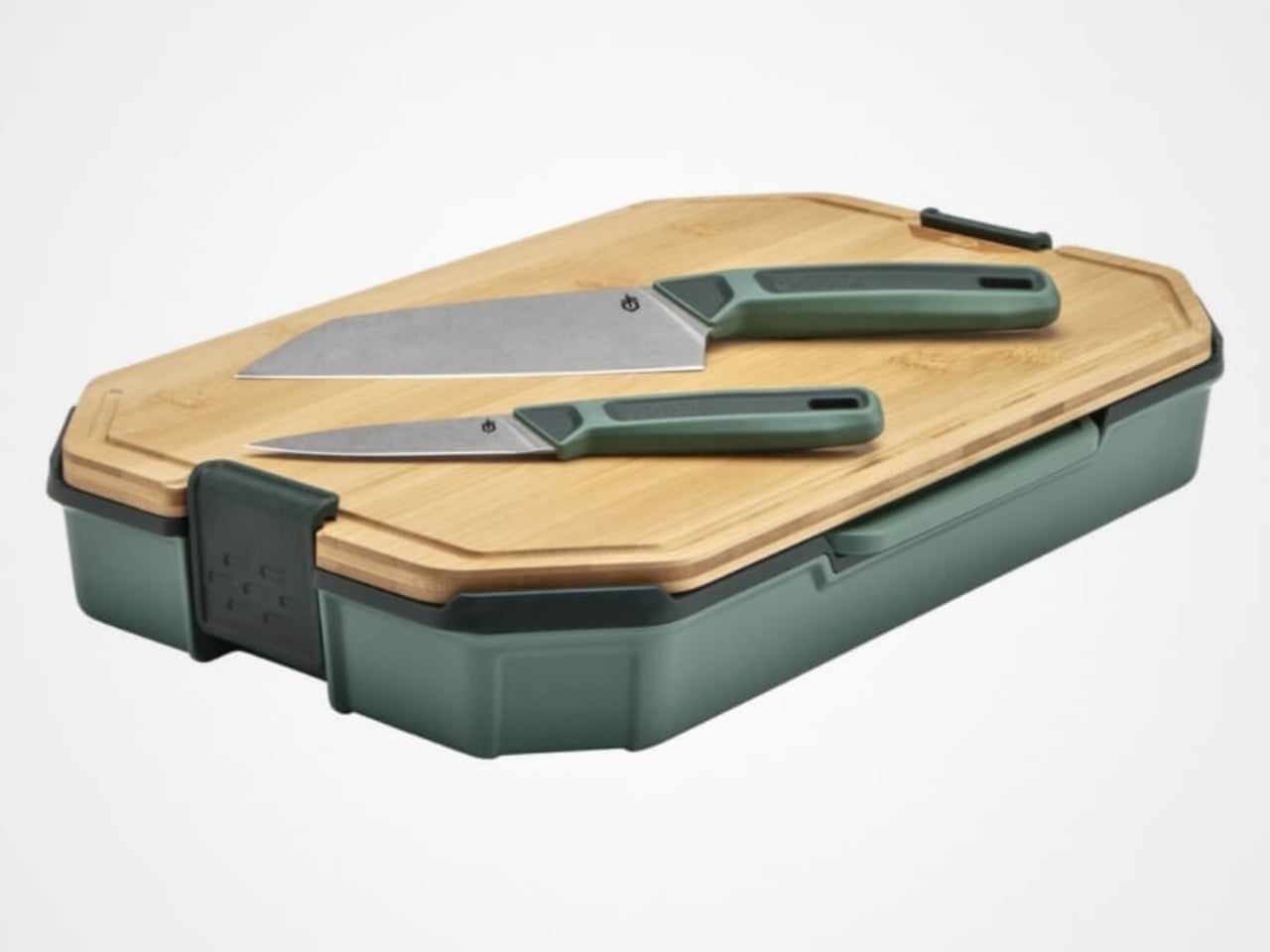
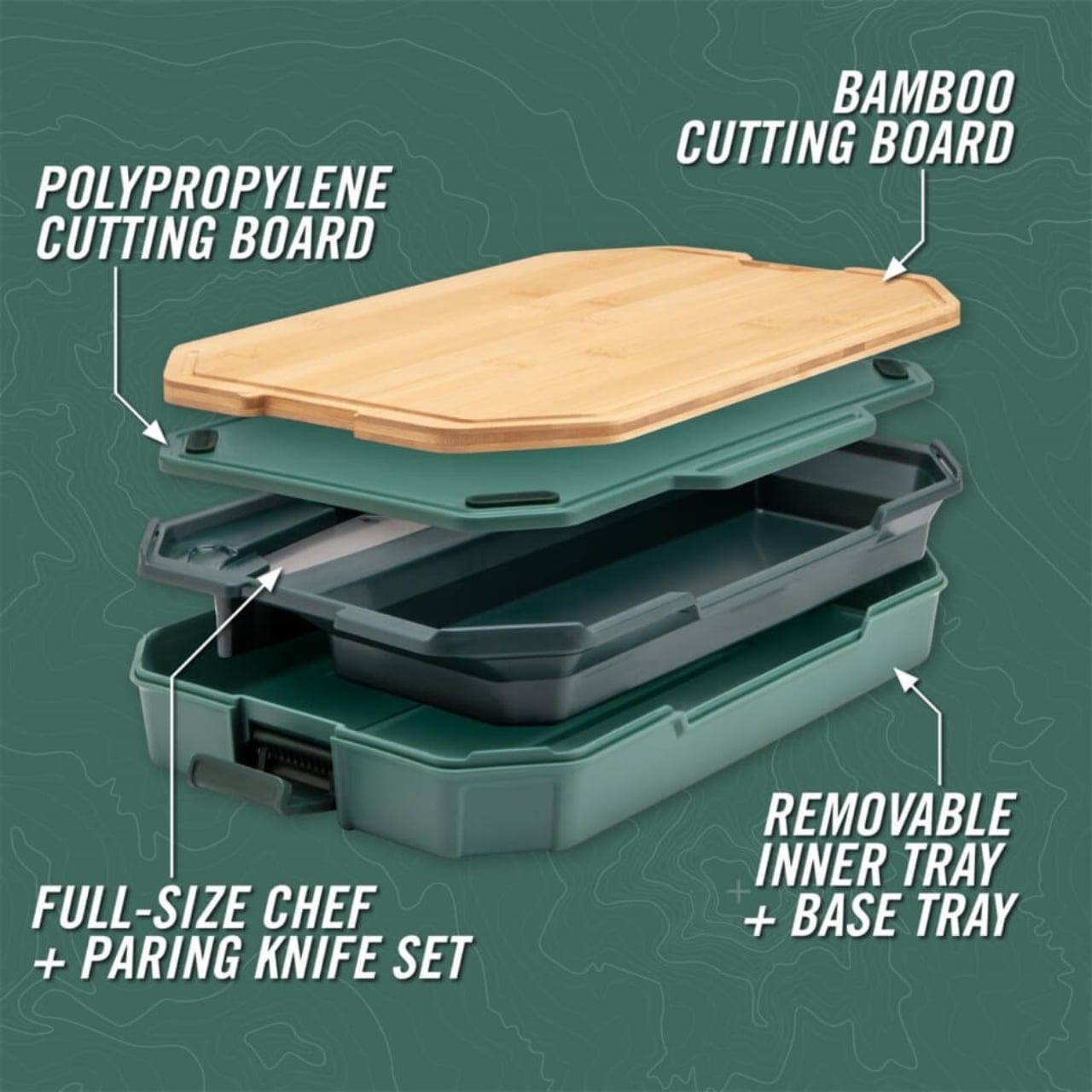
Enter the Gerber ComplEAT Cutting Board Set, which is basically what happens when someone finally asks the right question: what if your entire camp kitchen could pack itself into something the size of a shoebox? This six-piece set is like the Russian nesting doll of outdoor cooking gear, and honestly, it’s kind of brilliant.

Designer: Gerber Gear

The whole thing starts with two cutting boards. One is bamboo, measuring about 9.6 by 15.6 inches, and the other is polypropylene, slightly smaller at 8.9 by 14.3 inches. Both are dual-sided with juice grooves, which means you can flip them depending on what you’re prepping. The bamboo board gives you that nice, knife-friendly surface for vegetables and bread, while the polypropylene one handles the messier stuff like raw meat without absorbing odors or staining. It’s the kind of thoughtful detail that shows someone actually tested this thing in the real world.

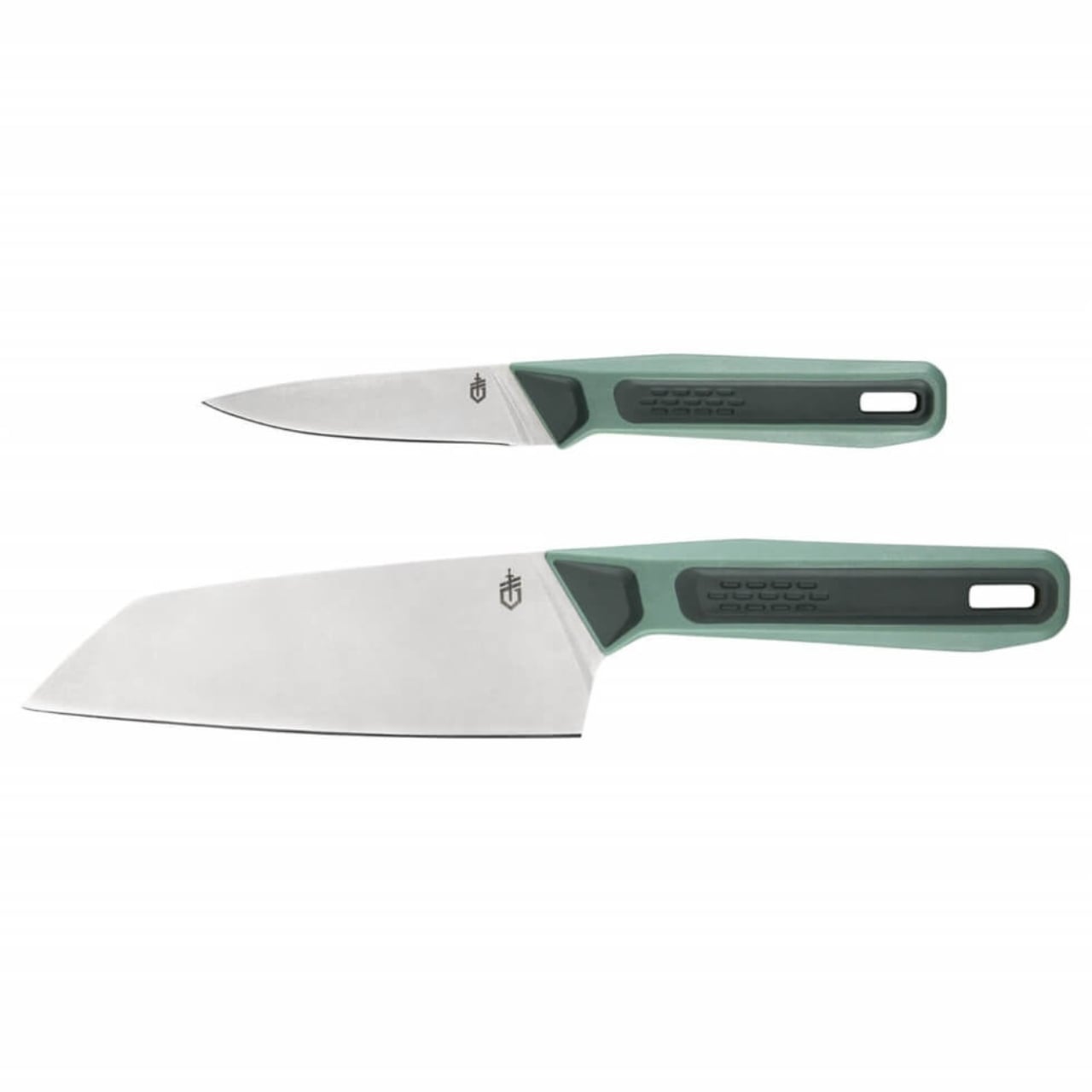
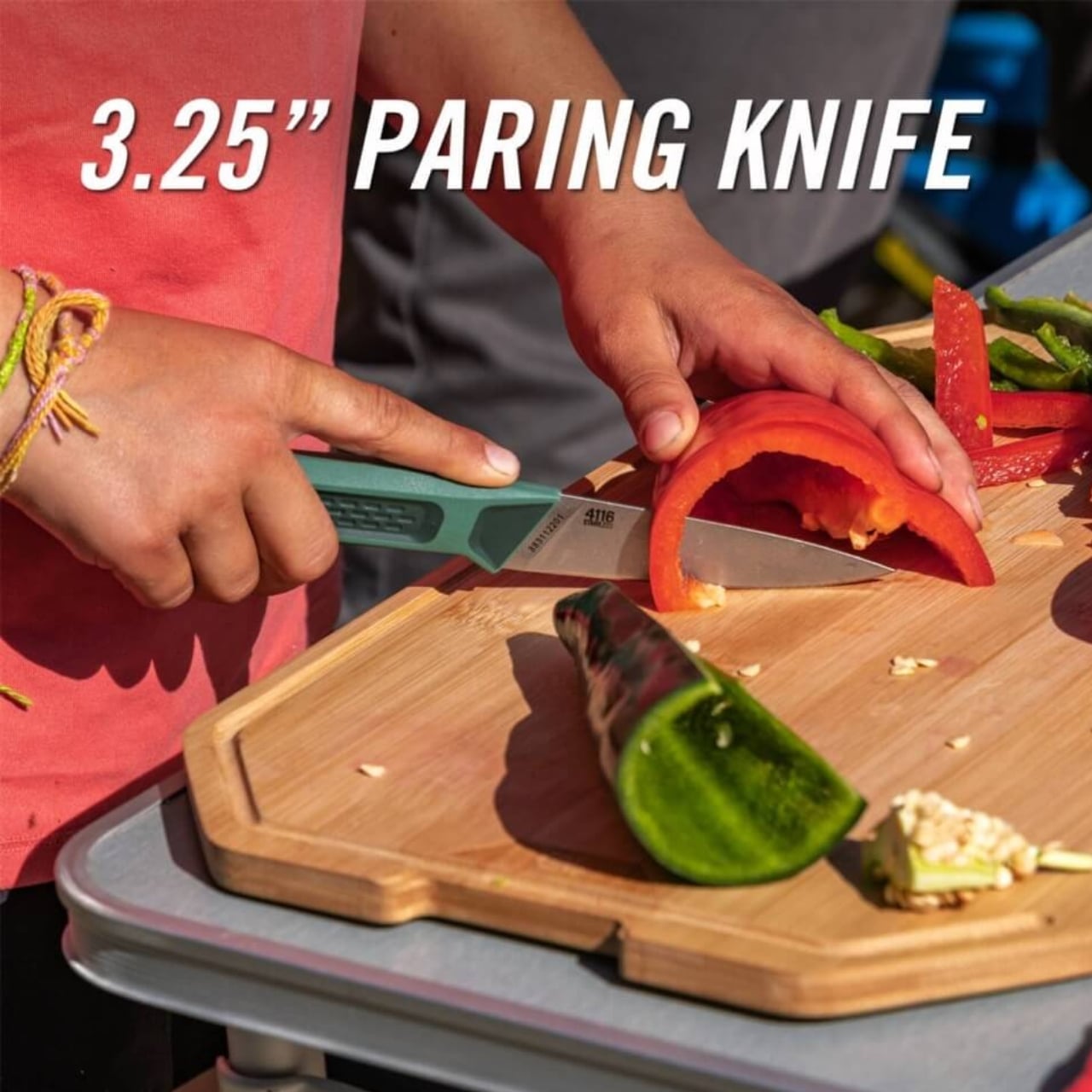
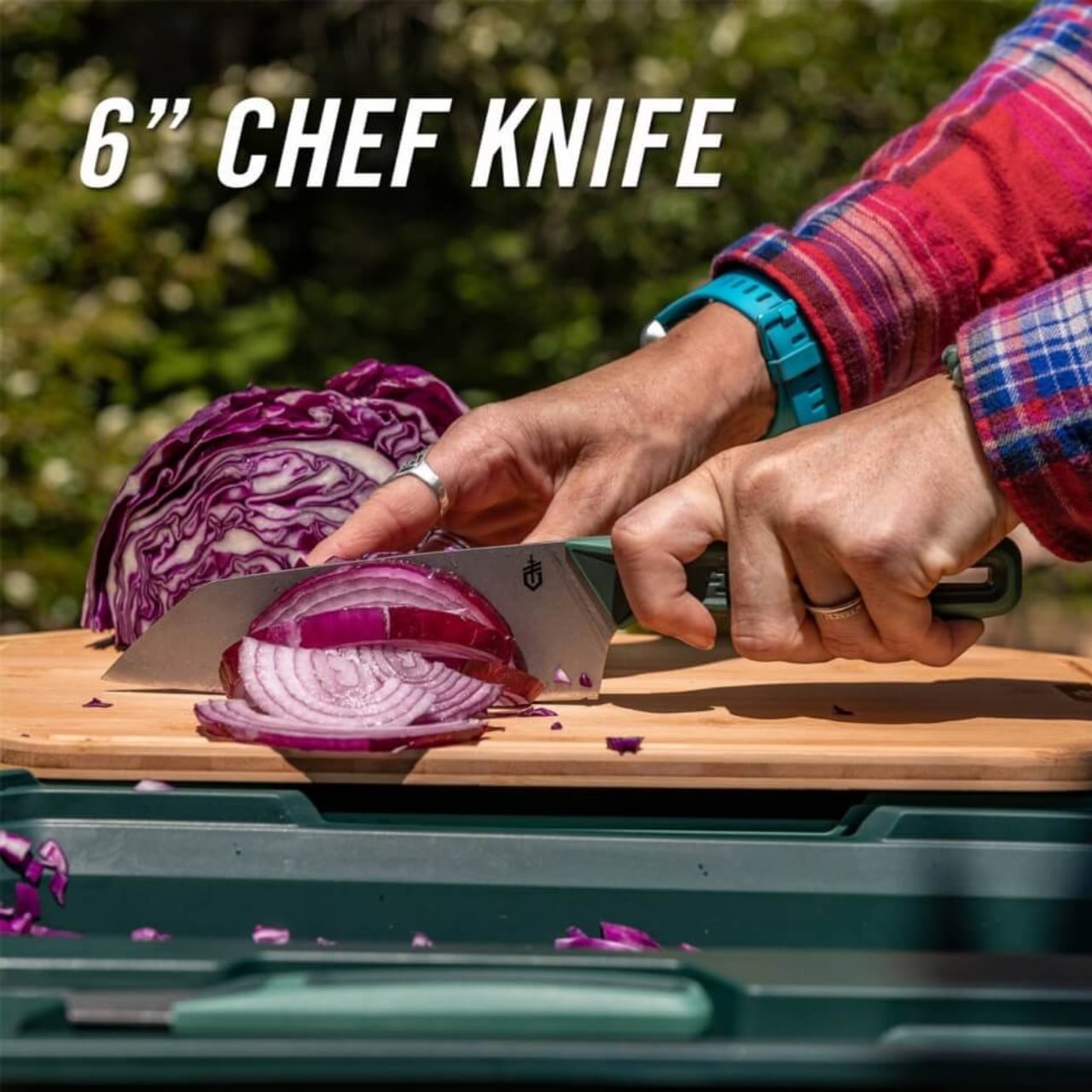
Tucked inside are two fixed-blade knives: a 3.25-inch paring knife and a 6-inch chef knife. These aren’t flimsy camping afterthoughts, either. They’re made with 4116 German stainless steel, which is corrosion-resistant and holds an edge really well. The handles are glass-filled polypropylene with a rubber overmold for grip, and there’s even a lanyard hole if you want to tether them. According to reviews, these knives are legitimately sharp, the kind you’d be happy to use in your home kitchen.

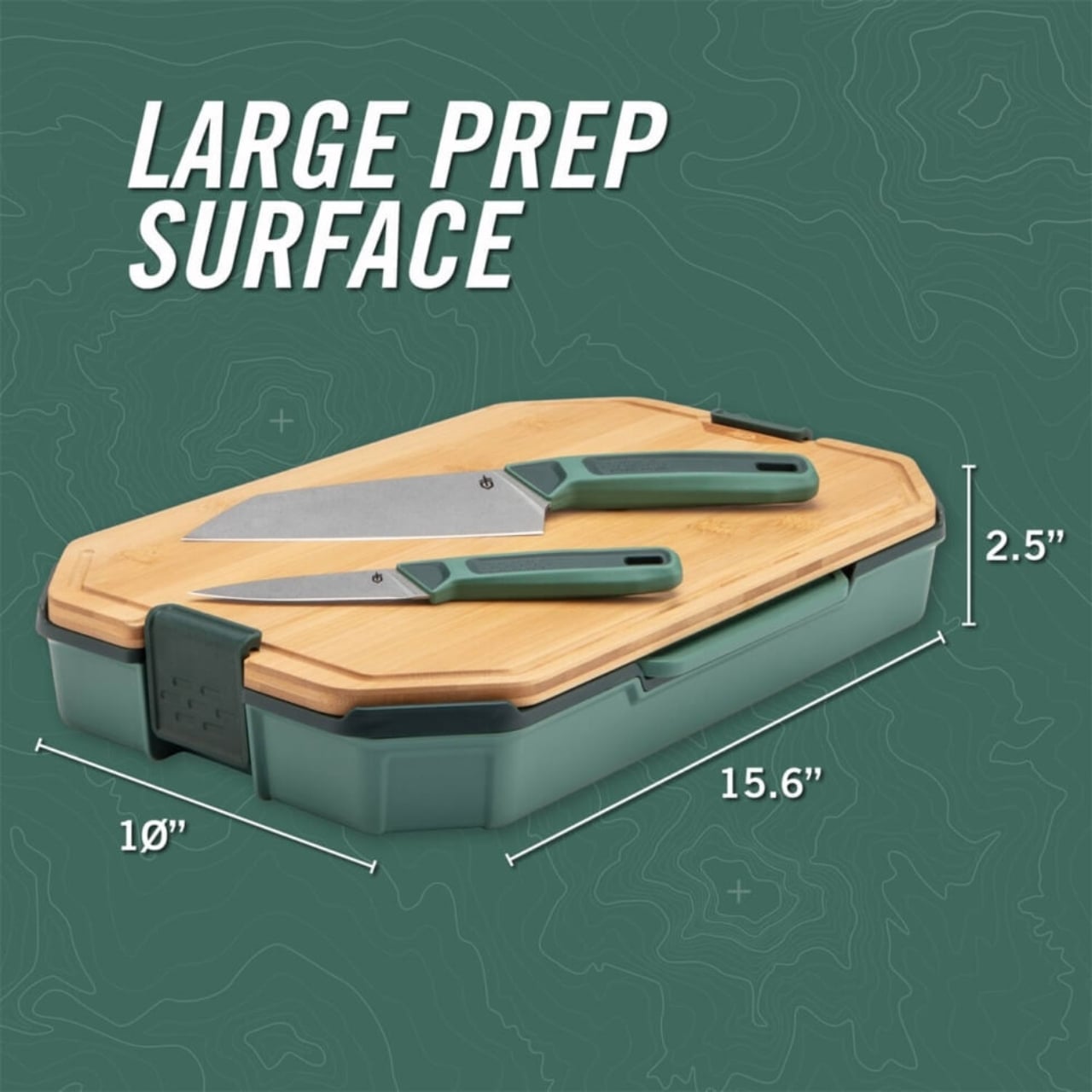
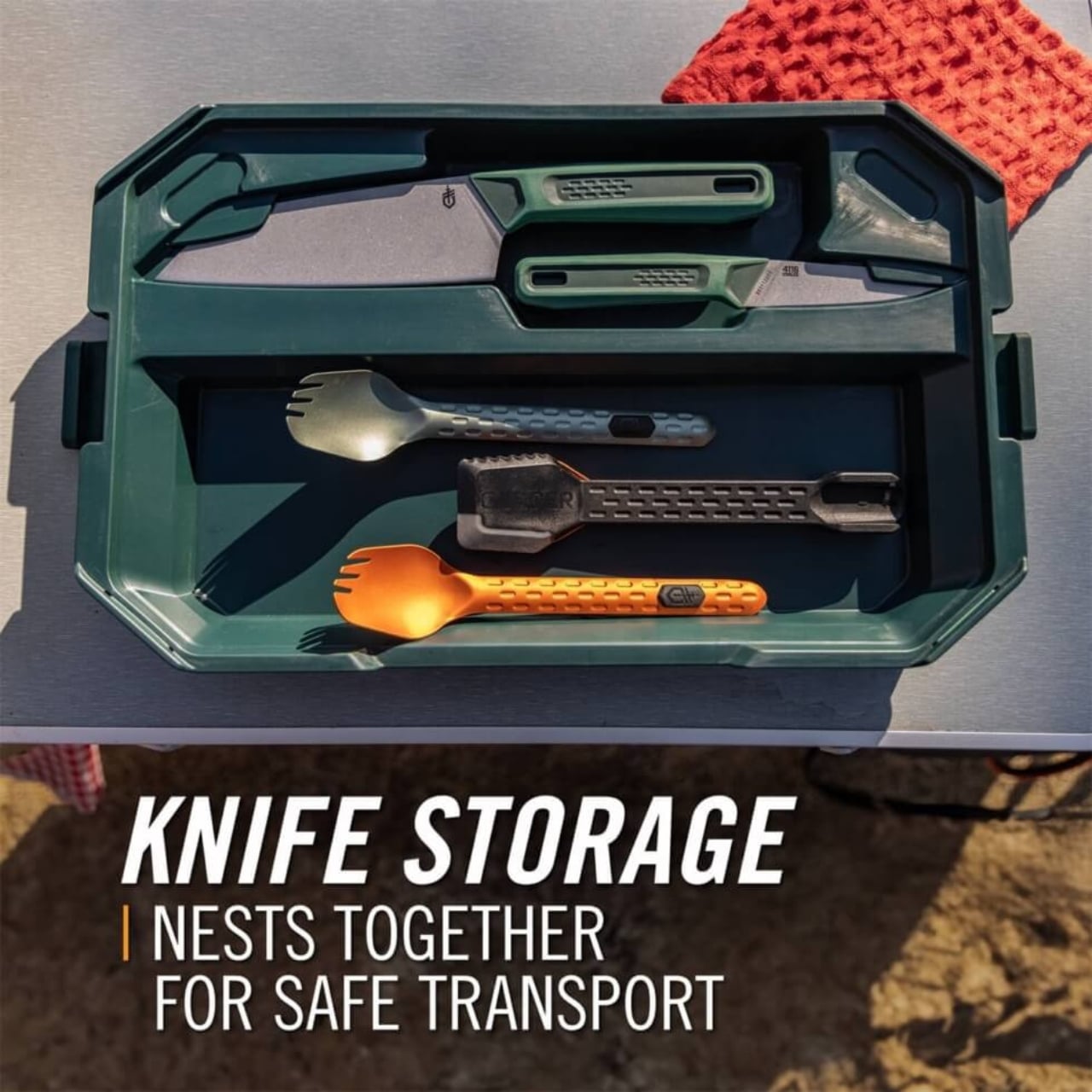
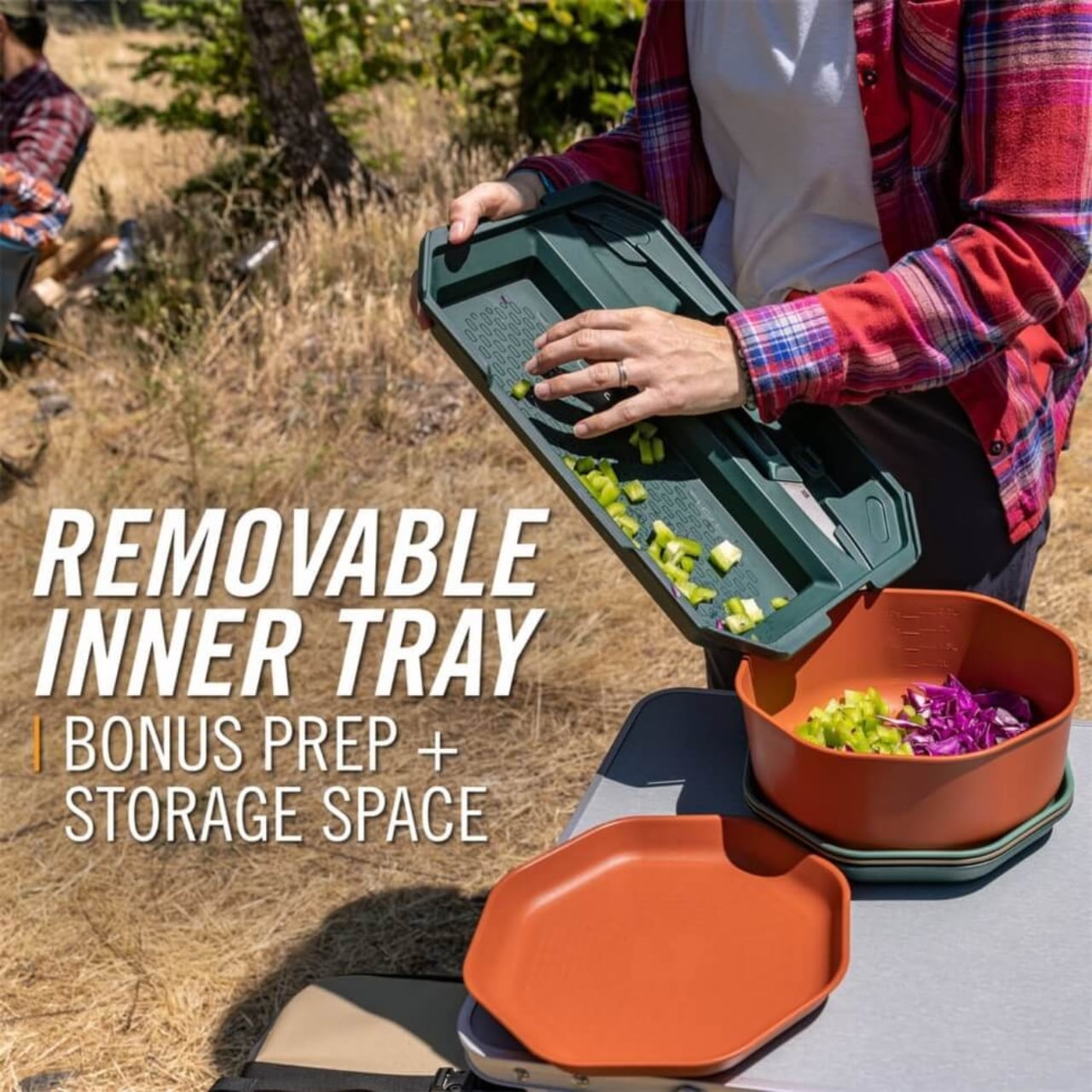
What makes this set stand out is how everything nests together. The knives fit into an inner tray, and that tray sits inside the base tray between the two cutting boards. Heavy-duty locks keep everything secure, so you’re not worried about sharp blades sliding around in your gear. When closed, the whole setup measures approximately 15.6 by 10 by 2.5 inches and weighs just over four pounds. That’s compact enough to slide into a car trunk, RV cabinet, or even a large backpack without monopolizing space.

The design is smart in those small, annoying-problem-solving ways. The cutting boards have rubber feet to keep them stable while you’re chopping on uneven surfaces, which is pretty much every surface when you’re camping. Everything is dishwasher safe, so cleanup isn’t a nightmare after a long day outdoors. And the inner tray doubles as storage for utensils or other small kitchen items, giving you a little extra organizational real estate.

Is it perfect? Well, at around $117, it’s definitely an investment. This isn’t something you casually toss in your cart unless you’re serious about outdoor cooking or you’ve had one too many experiences with bad camp knives. But if you’re the kind of person who actually enjoys making real meals while camping (or tailgating, van life-ing, or boat dwelling), the quality justifies the price. Reviews consistently mention that the knives alone make it worth it, and the fact that everything stores so neatly is a game changer.

Gerber designed the ComplEAT as part of a larger collection aimed at people who don’t want to sacrifice quality when they’re away from home. It’s for the folks who would rather grill fresh vegetables and sear a good steak over the fire than eat sad sandwiches out of a cooler. There’s something satisfying about gear that works hard and looks good doing it, and this set checks both boxes.

At its core, the ComplEAT Cutting Board Set is about solving a very specific problem: how do you bring a functional kitchen into the woods without it becoming a logistical nightmare? Gerber’s answer is elegantly simple. Pack smart, nest everything, and don’t compromise on the tools. It’s design meeting utility in the best possible way, wrapped up in a package that actually makes outdoor cooking feel less like roughing it and more like, well, eating well.

The post Gerber Just Solved Camp Cooking’s Messiest Problem With 6 Pieces first appeared on Yanko Design.