4 Students Just Designed a Cargo Bike With a Built-In Forklift

Most design conversations are obsessed with the “last mile,” that final stretch of delivery between a warehouse and your front door. It’s where billions of dollars in innovation have been poured: electric vans, autonomous robots, drone deliveries. But quietly neglected is what happens before any of that. The “first mile” problem, getting raw goods from the source to any kind of distribution point, barely makes the headlines. Four industrial design students from the University of Bologna just made a strong argument for why it should.

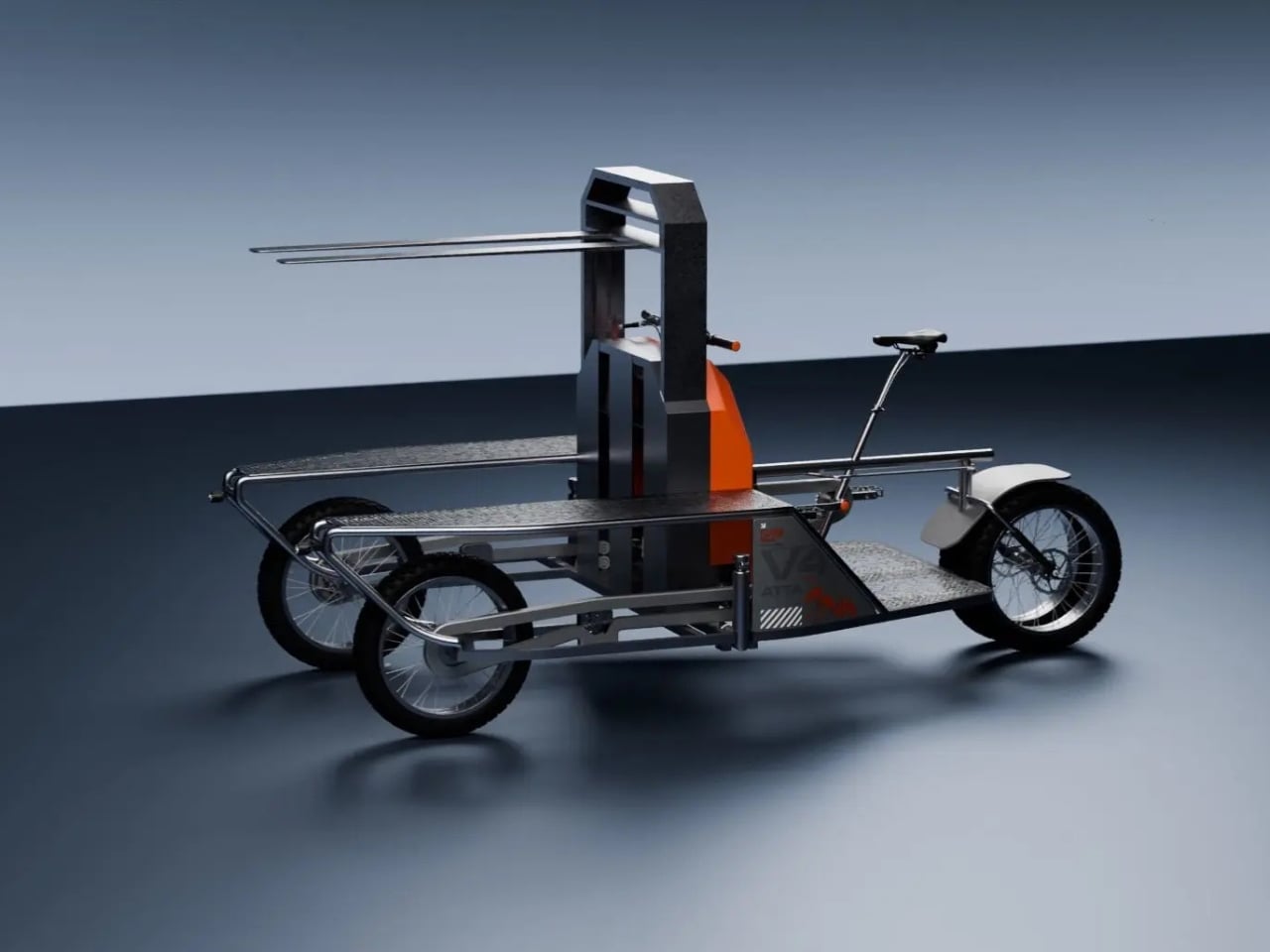
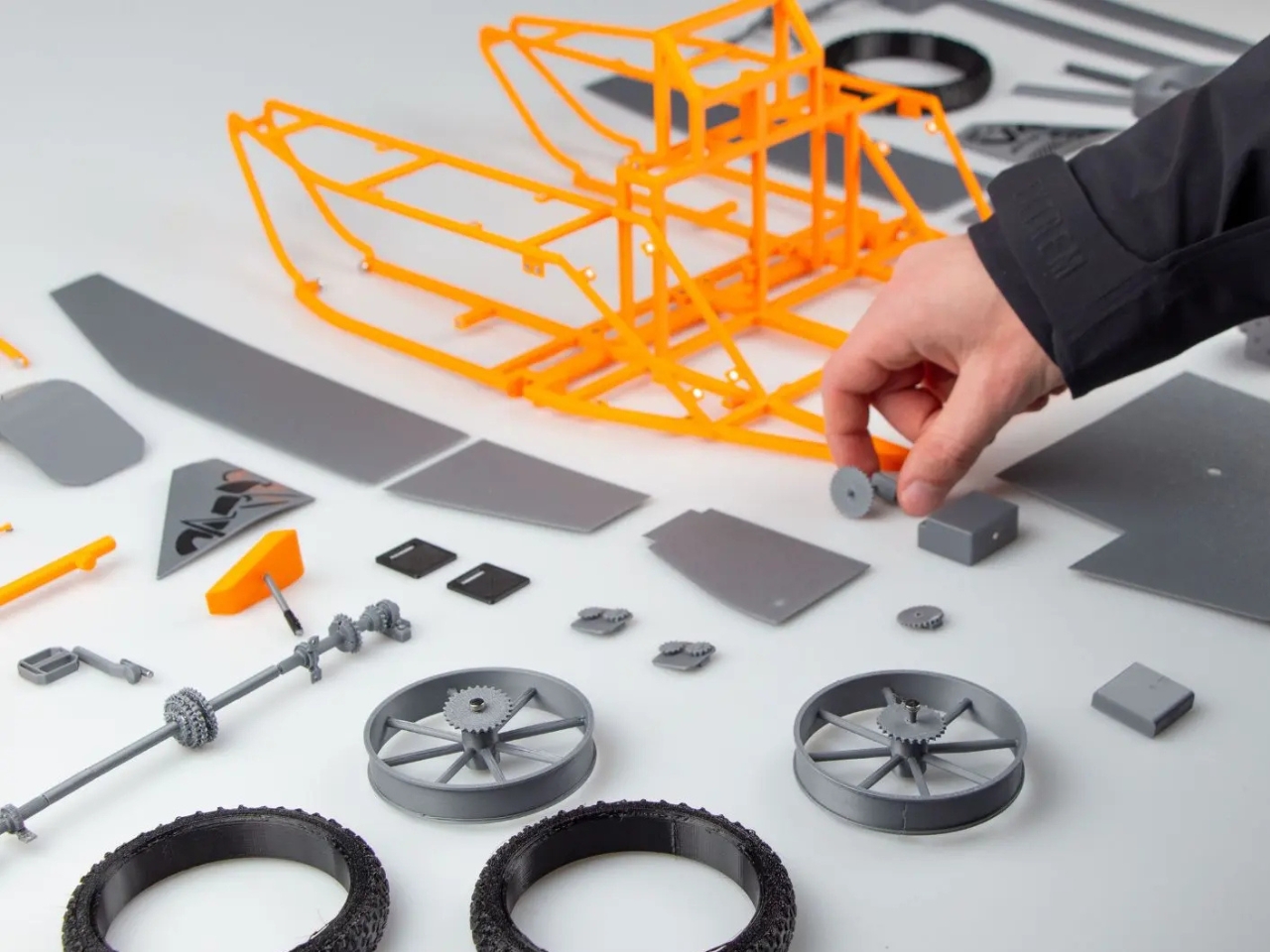
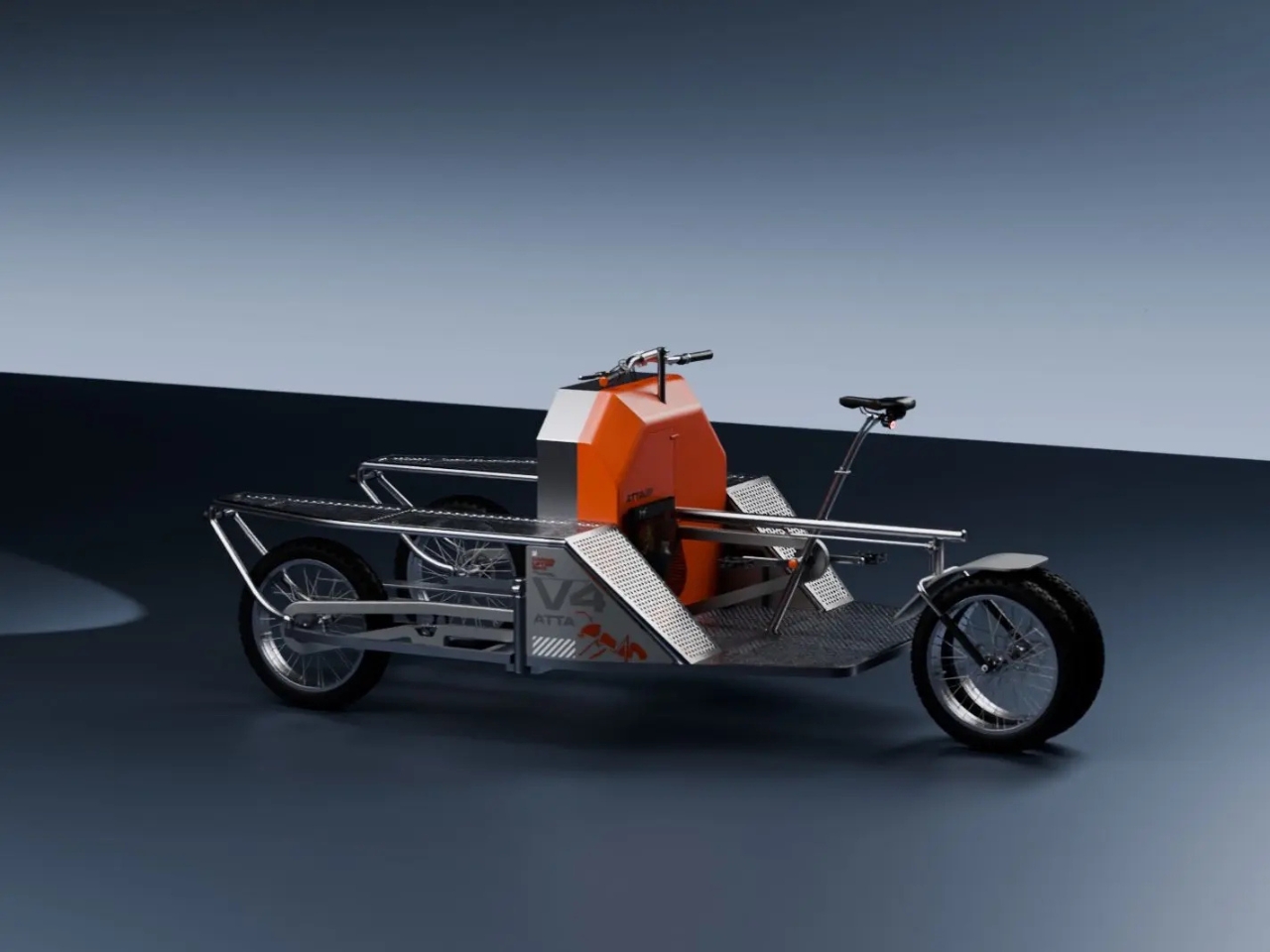
Their project is called ATTA, a human-powered cargo tricycle with an integrated lifting mechanism, designed specifically for banana farmers in rural Kenya. The name is no coincidence. It’s borrowed from the genus of leafcutter ants, those remarkable insects that carry loads far exceeding their own body weight with near-mechanical precision. The designers, Irene Ponteduro, Edoardo Govoni, Filippo Murotti, and Matteo Marinaro, leaned into that metaphor completely, and it paid off. ATTA won first place in the Product Design category of the Toyota Logistic Design Competition 2026, a global competition that drew students and recent graduates from around the world to solve logistics challenges across Africa.

Designers: Irene Ponteduro, Edoardo Govoni, Filippo Murotti, and Matteo Marinaro

That naming choice matters more than it might seem. Choosing an ant as your design muse isn’t a branding exercise. It’s a philosophical stance. Ants don’t overthink a problem; they optimize around it. They work with what the terrain gives them. ATTA follows the same logic. Rather than conjuring up some solar-powered, sensor-loaded machine that would require imported parts and a technical specialist to service, the team focused on something that could actually exist in the hands of a smallholder farmer. Human-powered. Locally maintainable. Built for the reality of the road, not the dream of one.
The problem they were solving is more specific than “Africa needs better logistics,” which is a frustratingly vague framing that designers and development agencies have circled for decades without much progress. Banana farming in Kenya has a particular, stubborn challenge: harvesting involves moving heavy bunches across uneven terrain with little to no infrastructure support. The process is slow, physically punishing, and often damages the fruit before it even reaches a collection point. For a smallholder farmer operating on thin margins, bruised fruit isn’t an aesthetic concern. It’s a financial one.
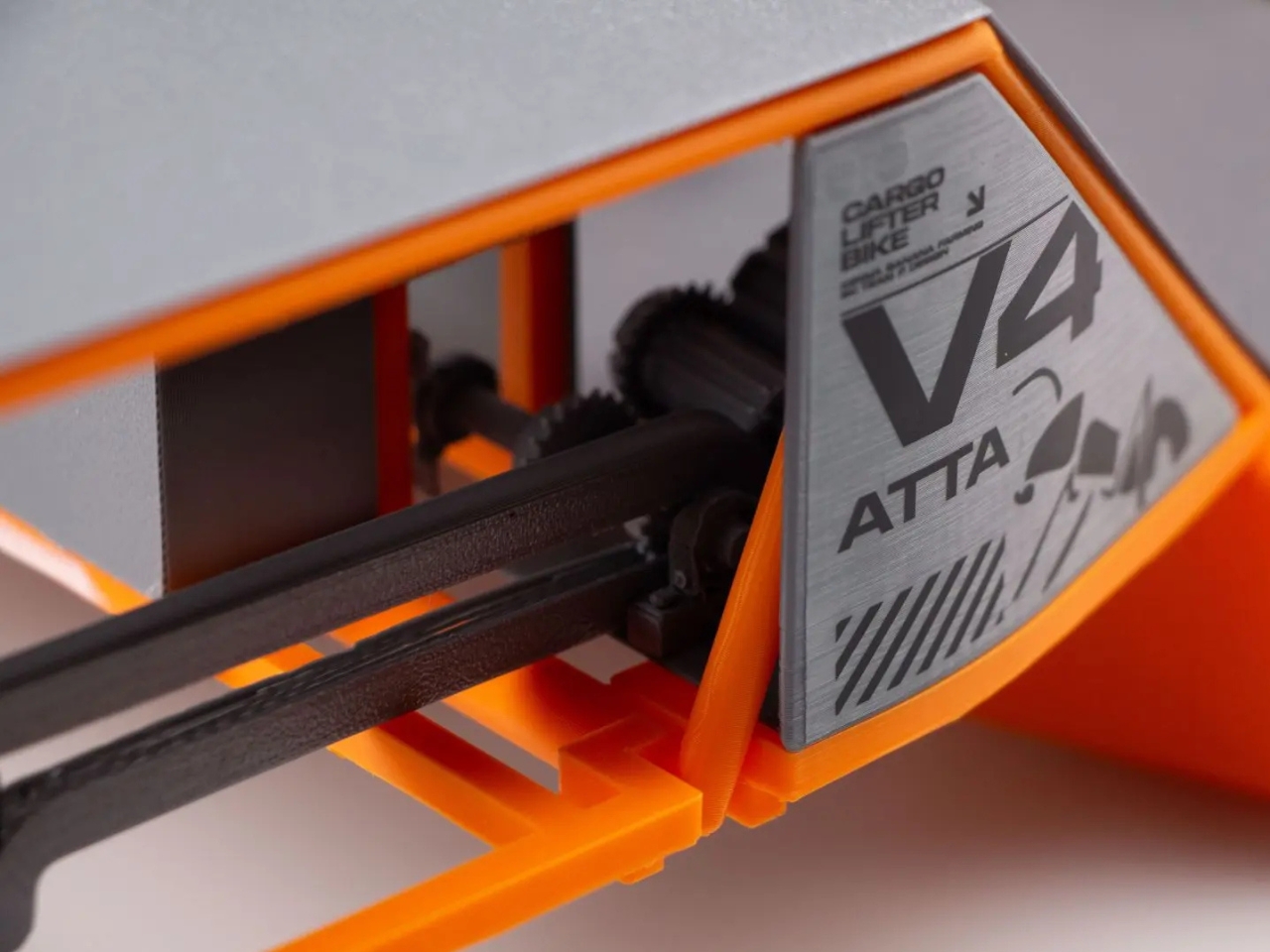
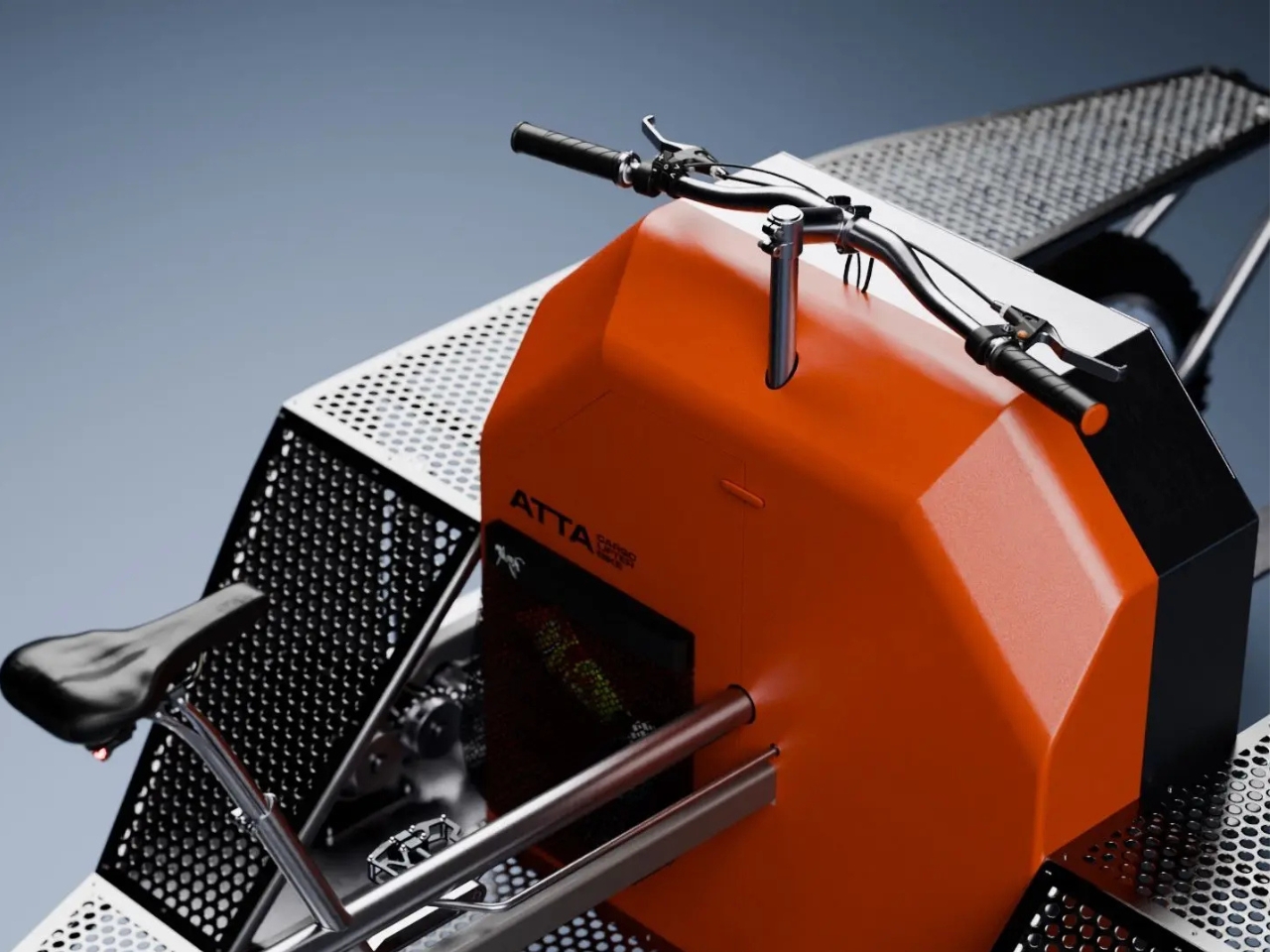
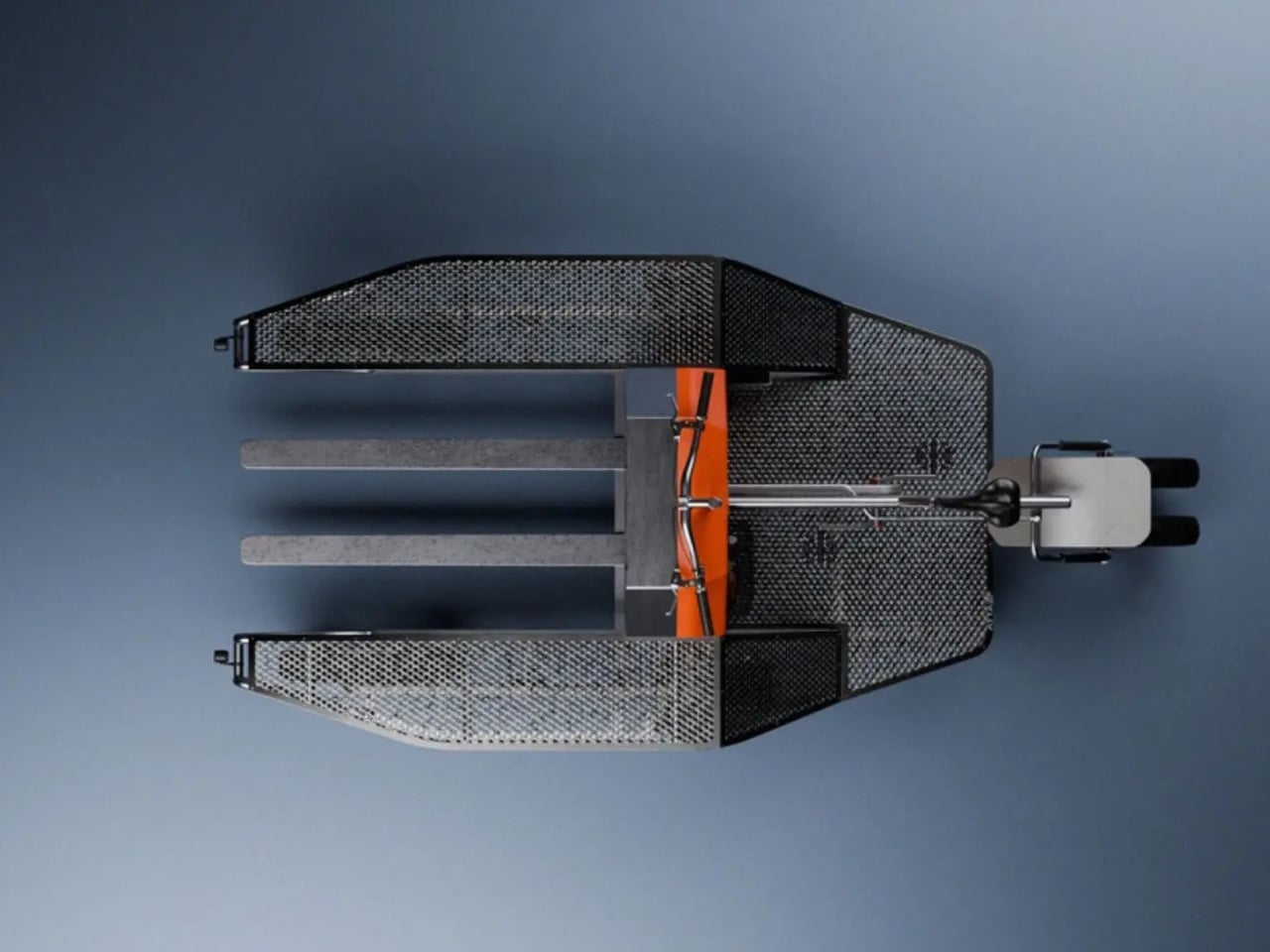
ATTA addresses this with a cargo frame built for load stability, paired with an integrated forklift-style lifting system that takes the strain out of loading and unloading. The result is a tricycle that doesn’t just transport produce. It handles it carefully, cutting down on the bruising and waste that eat into a farmer’s income before the supply chain has even properly begun. The forklift integration is the detail that stands out to me. It’s not flashy, but it shows how deeply the designers thought about the actual work being done, not just the transportation of it.
What strikes me about ATTA is the discipline it took to arrive at this. Student design competitions have a gravitational pull toward spectacle. The bigger, the bolder, the more futuristic, the better. ATTA resisted that completely. It went precise instead of grand, and that is genuinely harder to pull off. Anyone can propose a sweeping technological vision. Building something that works exactly where it needs to work, for exactly the people who need it, requires a different kind of ambition.
It also raises a quiet question about who design is actually for. A classroom in Bologna thinking about rural Kenya isn’t the obvious pairing, but it might be exactly the right one. Design problems don’t live in the polished neighborhoods we’re used to seeing on mood boards and in design magazines. They live in the first mile, on unpaved roads, in the physical labor that no app has streamlined and no algorithm has bothered to optimize.

ATTA didn’t reinvent the bicycle. It asked what the bicycle could actually do for someone who genuinely needed it, and then it built that. Sometimes that is exactly the point.

The post 4 Students Just Designed a Cargo Bike With a Built-In Forklift first appeared on Yanko Design.


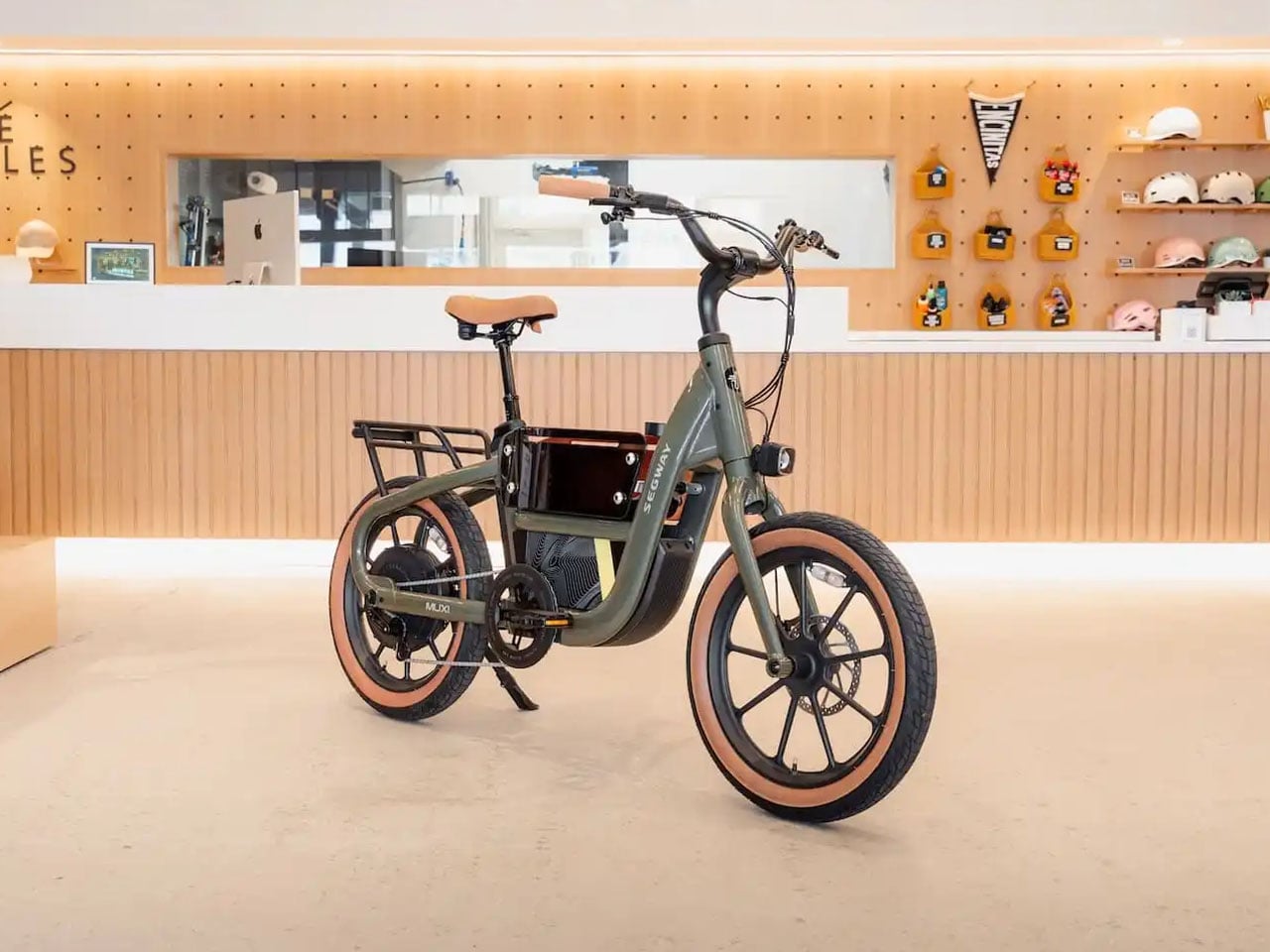
Segway Muxi is a compact cargo e-bike that carries more style than bulk

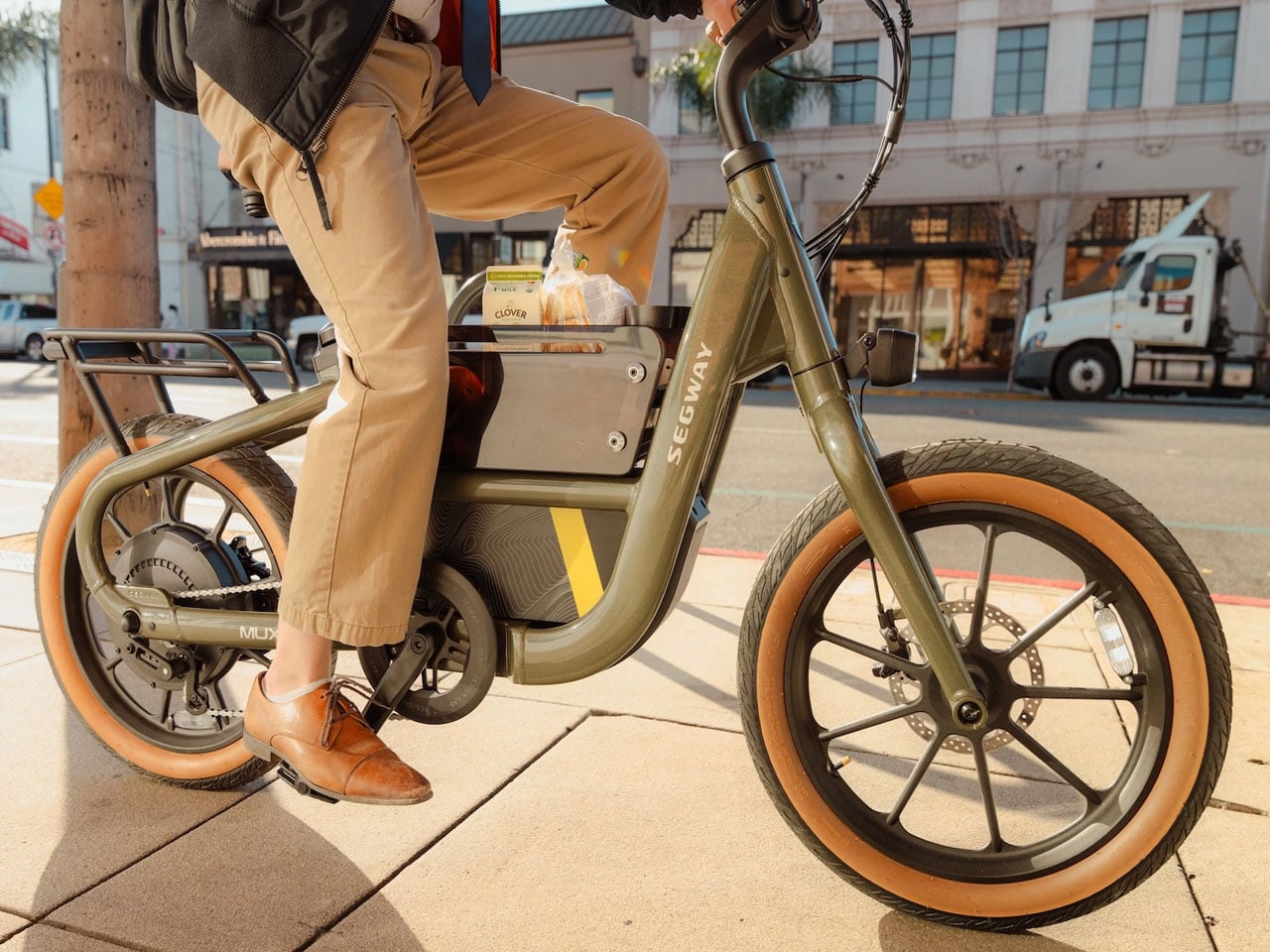
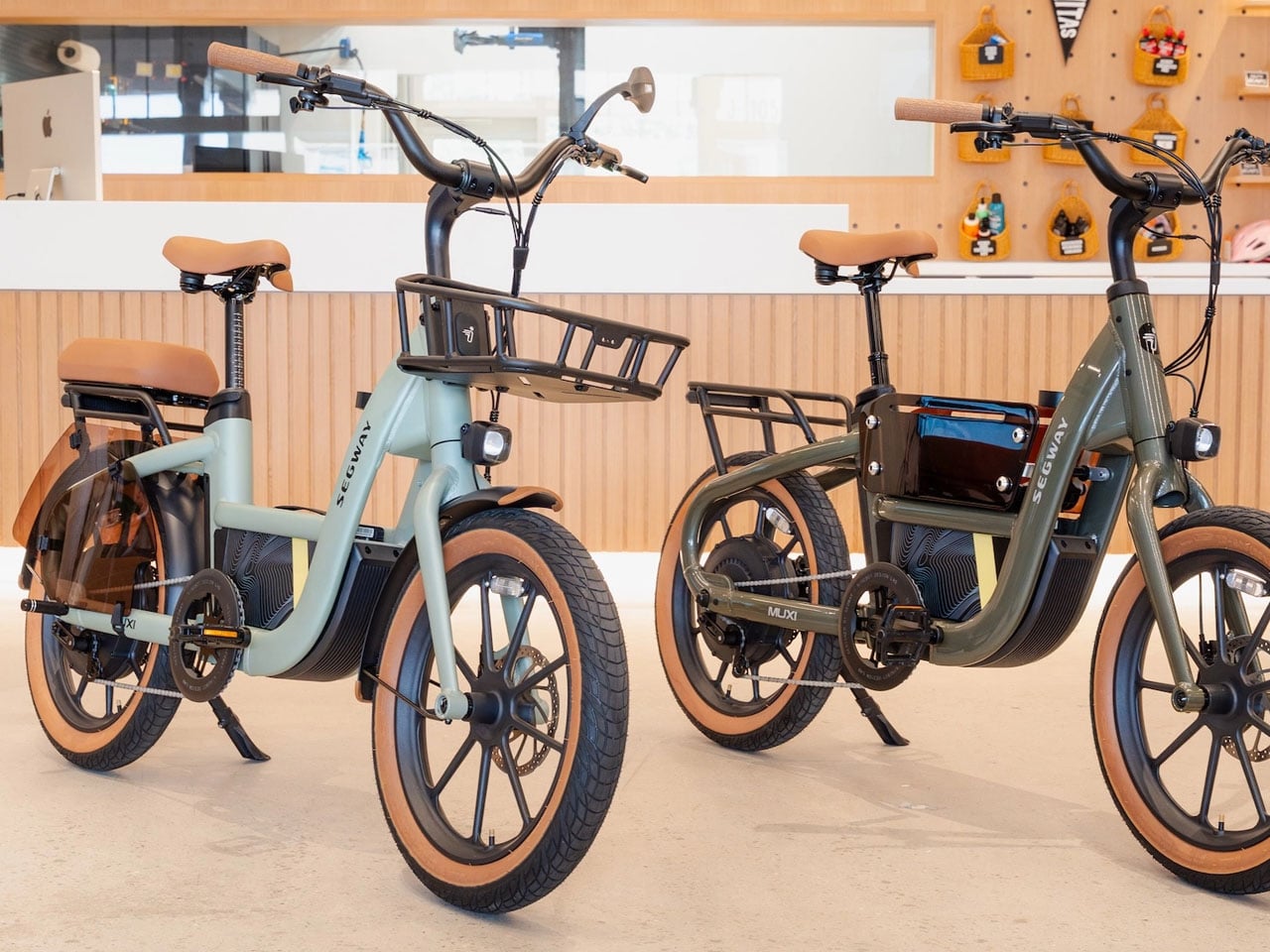
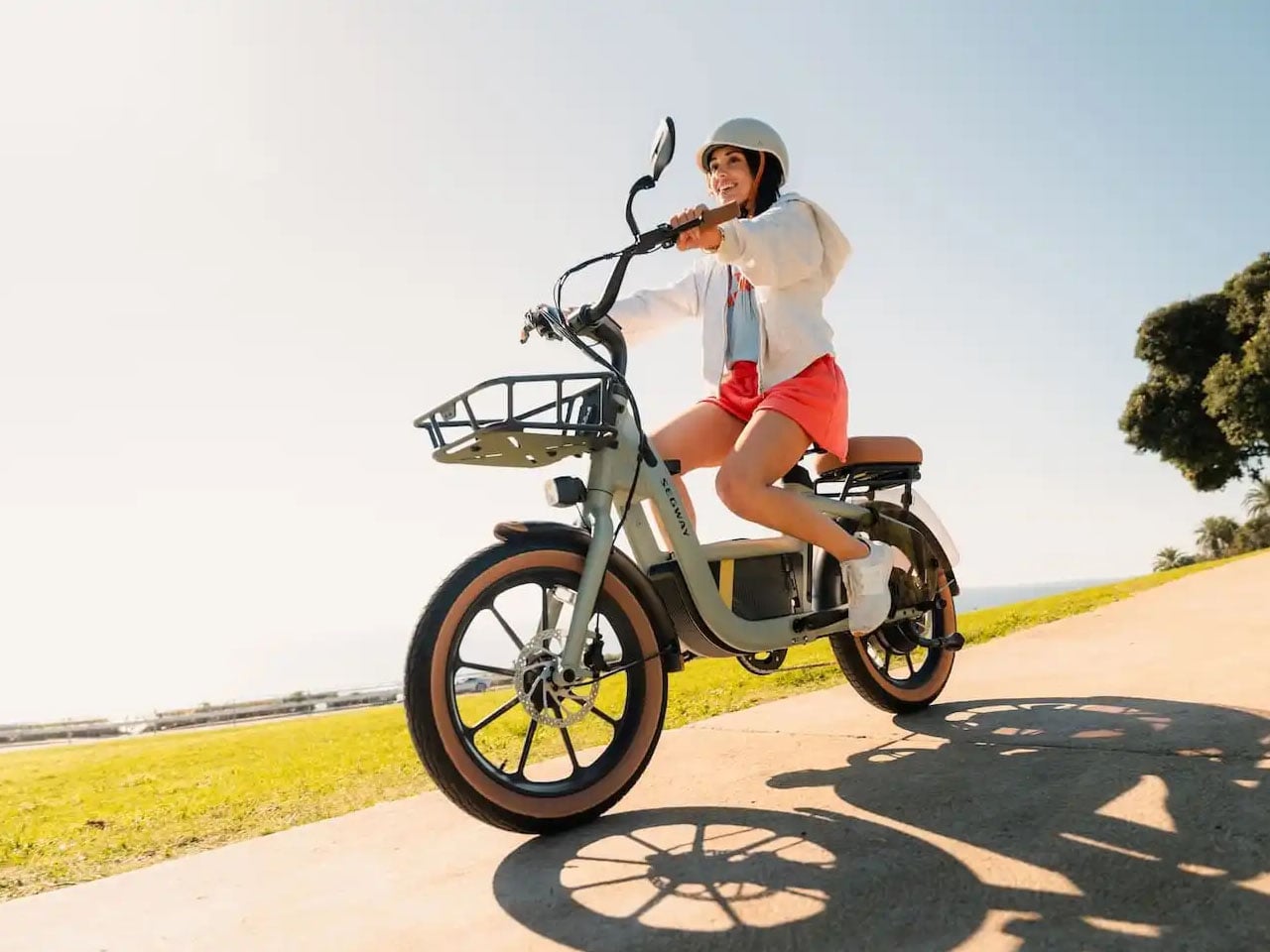
Segway has rarely been a brand that plays it safe, and the Muxi feels like a natural extension of that design-forward thinking. The ebike is designed with an approach that prioritizes not just function, but the emotional appeal of everyday mobility. In a space where cargo e-bikes often lean toward bulky, utilitarian silhouettes, Muxi refreshes the landscape with a sense of restraint, blending compact proportions with a personality that feels closer to a lifestyle product than a workhorse.

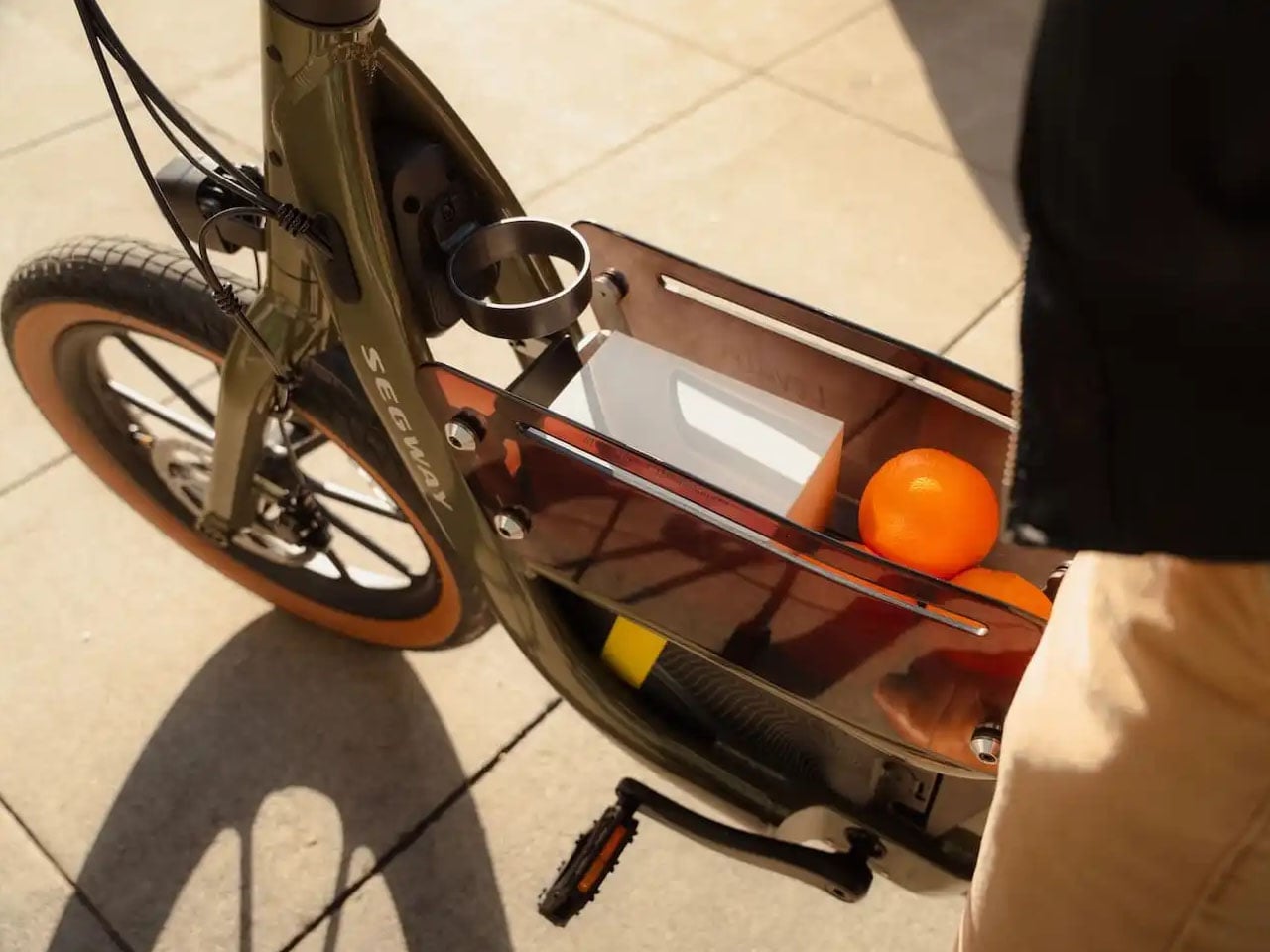
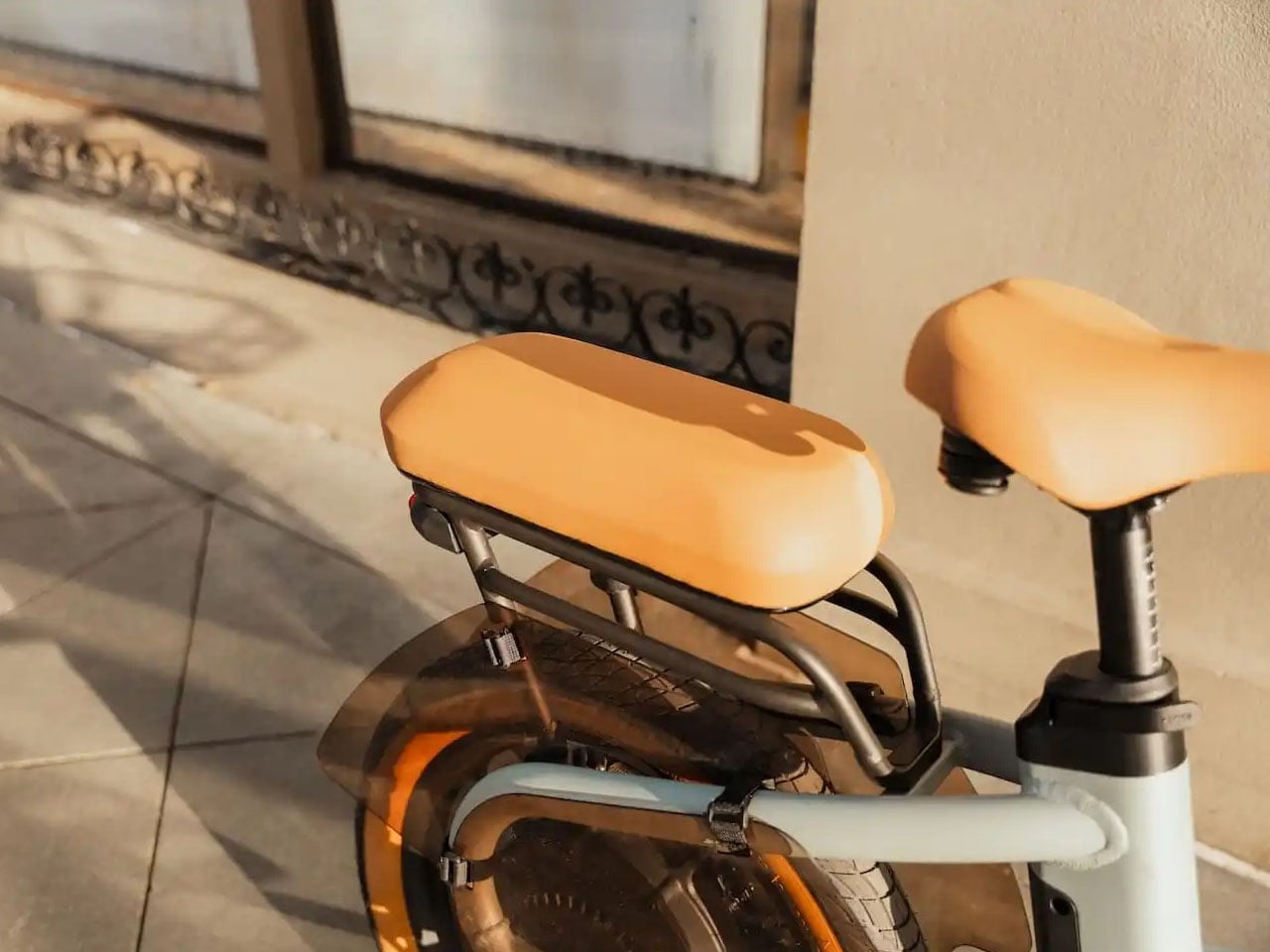
First introduced at CES 2026, the Muxi is Segway’s first short-tail utility e-bike, designed to deliver cargo-ready practicality without the visual and physical heft of traditional long-tail alternatives. It supports a total payload of up to 418 pounds, making it capable of handling groceries, gear, or even a passenger when paired with optional accessories like a child kit.

Designer: Segway

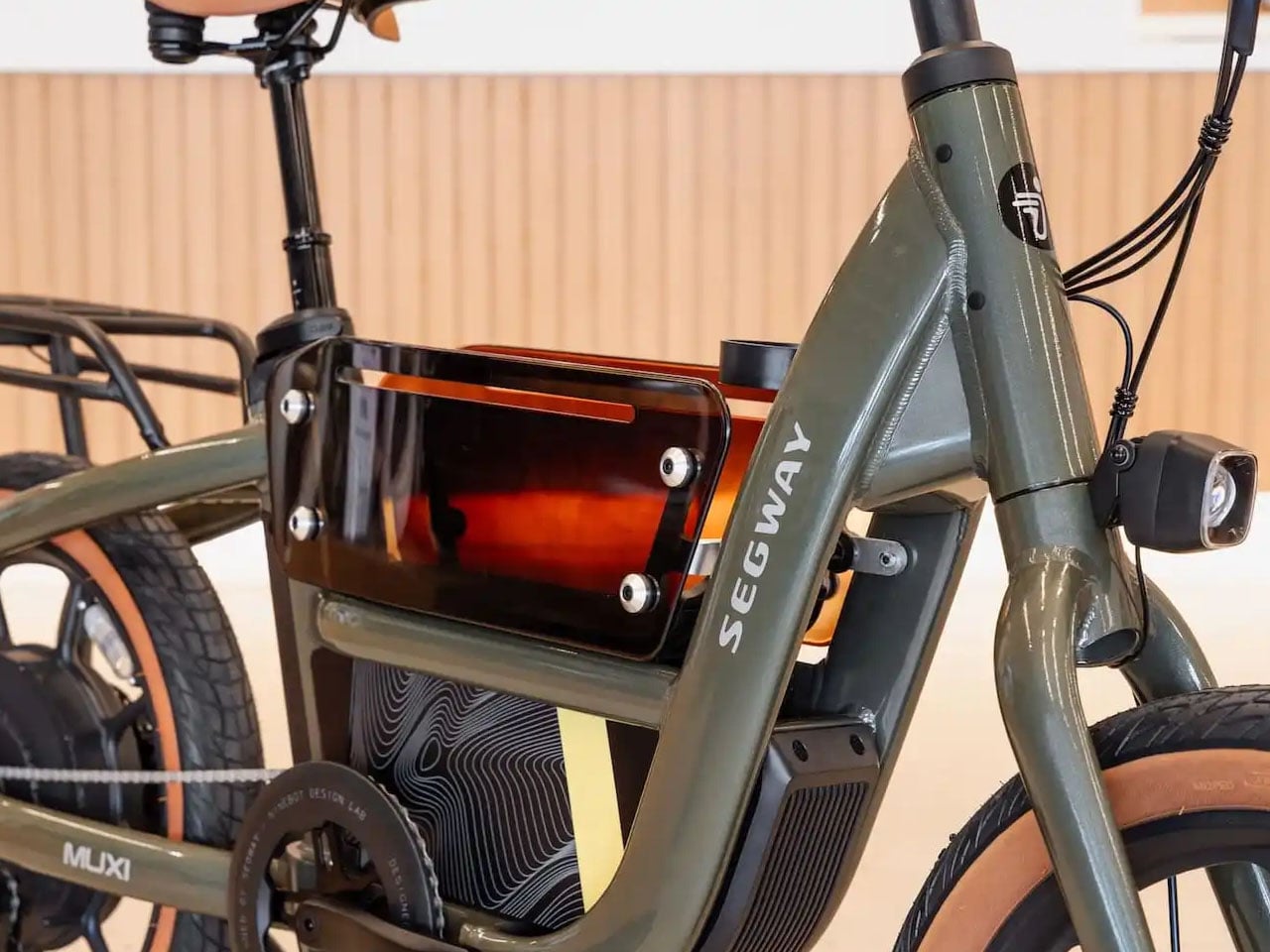
The step-through frame keeps things accessible, while integrated storage solutions within the frame add a layer of thoughtful convenience that aligns with its everyday usability. Powering the bike is a 750W rear hub motor producing around 80 Nm of torque, paired with a 48V, 716Wh battery. This combination enables a range of up to 80 miles on a single charge, giving it enough endurance for extended urban commutes or weekend errands. Riders can switch between Class 1 and Class 2 modes depending on their preference, allowing the Muxi to adapt to different riding scenarios without compromising on control or efficiency.

Muxi’s feature set leans heavily into safety and connectivity, reinforcing Segway’s push toward smarter mobility solutions. Hydraulic disc brakes provide consistent stopping power, while integrated lighting with turn signals improves visibility in traffic. The inclusion of Segway’s Intelligent Ride System adds a connected layer to the experience, with features like Apple Find My compatibility, AirLock proximity unlocking, and a Lost Mode that can disable the bike remotely if it’s misplaced or stolen. These additions move the ebike beyond the realm of a conventional e-bike, positioning it as part of a broader ecosystem of intelligent transport.

Design remains at the core of its unrelenting appeal, with the 20 x 3-inch tires striking a balance between stability and comfort. Particularly when carrying additional load, while the overall geometry keeps the ride approachable despite the bike’s roughly 73-pound weight. Visually, it walks a fine line between cruiser and utility machine, resulting in a form that feels both functional and expressive, which is an uncommon combination in this niche.

Priced at $1,699.99, the Segway Muxi is positioned as an accessible yet well-equipped option for urban riders who want versatility without compromise. It doesn’t attempt to replace full-sized cargo bikes, but instead redefines what a compact utility e-bike can be. The two-wheeler is everything you need in a practical, connected, and distinctly designed electric commuter that fits your modern city life.

The post Segway Muxi is a compact cargo e-bike that carries more style than bulk first appeared on Yanko Design.

Segway Muxi is a compact cargo e-bike that carries more style than bulk

Segway has rarely been a brand that plays it safe, and the Muxi feels like a natural extension of that design-forward thinking. The ebike is designed with an approach that prioritizes not just function, but the emotional appeal of everyday mobility. In a space where cargo e-bikes often lean toward bulky, utilitarian silhouettes, Muxi refreshes the landscape with a sense of restraint, blending compact proportions with a personality that feels closer to a lifestyle product than a workhorse.

First introduced at CES 2026, the Muxi is Segway’s first short-tail utility e-bike, designed to deliver cargo-ready practicality without the visual and physical heft of traditional long-tail alternatives. It supports a total payload of up to 418 pounds, making it capable of handling groceries, gear, or even a passenger when paired with optional accessories like a child kit.

Designer: Segway

The step-through frame keeps things accessible, while integrated storage solutions within the frame add a layer of thoughtful convenience that aligns with its everyday usability. Powering the bike is a 750W rear hub motor producing around 80 Nm of torque, paired with a 48V, 716Wh battery. This combination enables a range of up to 80 miles on a single charge, giving it enough endurance for extended urban commutes or weekend errands. Riders can switch between Class 1 and Class 2 modes depending on their preference, allowing the Muxi to adapt to different riding scenarios without compromising on control or efficiency.

Muxi’s feature set leans heavily into safety and connectivity, reinforcing Segway’s push toward smarter mobility solutions. Hydraulic disc brakes provide consistent stopping power, while integrated lighting with turn signals improves visibility in traffic. The inclusion of Segway’s Intelligent Ride System adds a connected layer to the experience, with features like Apple Find My compatibility, AirLock proximity unlocking, and a Lost Mode that can disable the bike remotely if it’s misplaced or stolen. These additions move the ebike beyond the realm of a conventional e-bike, positioning it as part of a broader ecosystem of intelligent transport.

Design remains at the core of its unrelenting appeal, with the 20 x 3-inch tires striking a balance between stability and comfort. Particularly when carrying additional load, while the overall geometry keeps the ride approachable despite the bike’s roughly 73-pound weight. Visually, it walks a fine line between cruiser and utility machine, resulting in a form that feels both functional and expressive, which is an uncommon combination in this niche.

Priced at $1,699.99, the Segway Muxi is positioned as an accessible yet well-equipped option for urban riders who want versatility without compromise. It doesn’t attempt to replace full-sized cargo bikes, but instead redefines what a compact utility e-bike can be. The two-wheeler is everything you need in a practical, connected, and distinctly designed electric commuter that fits your modern city life.

The post Segway Muxi is a compact cargo e-bike that carries more style than bulk first appeared on Yanko Design.

This solar powered electric scooter is a cooler sibling of the Motocompo moped

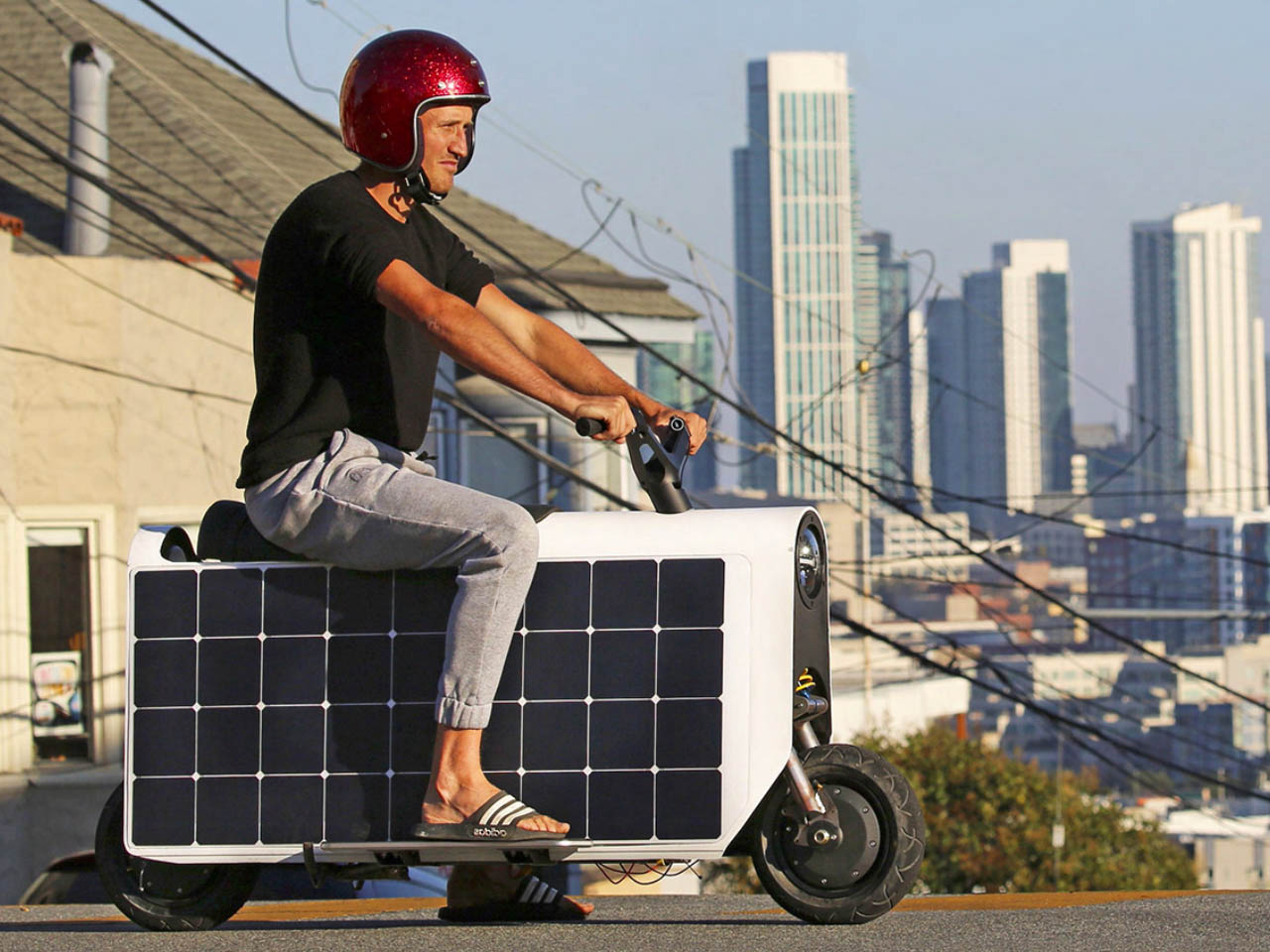
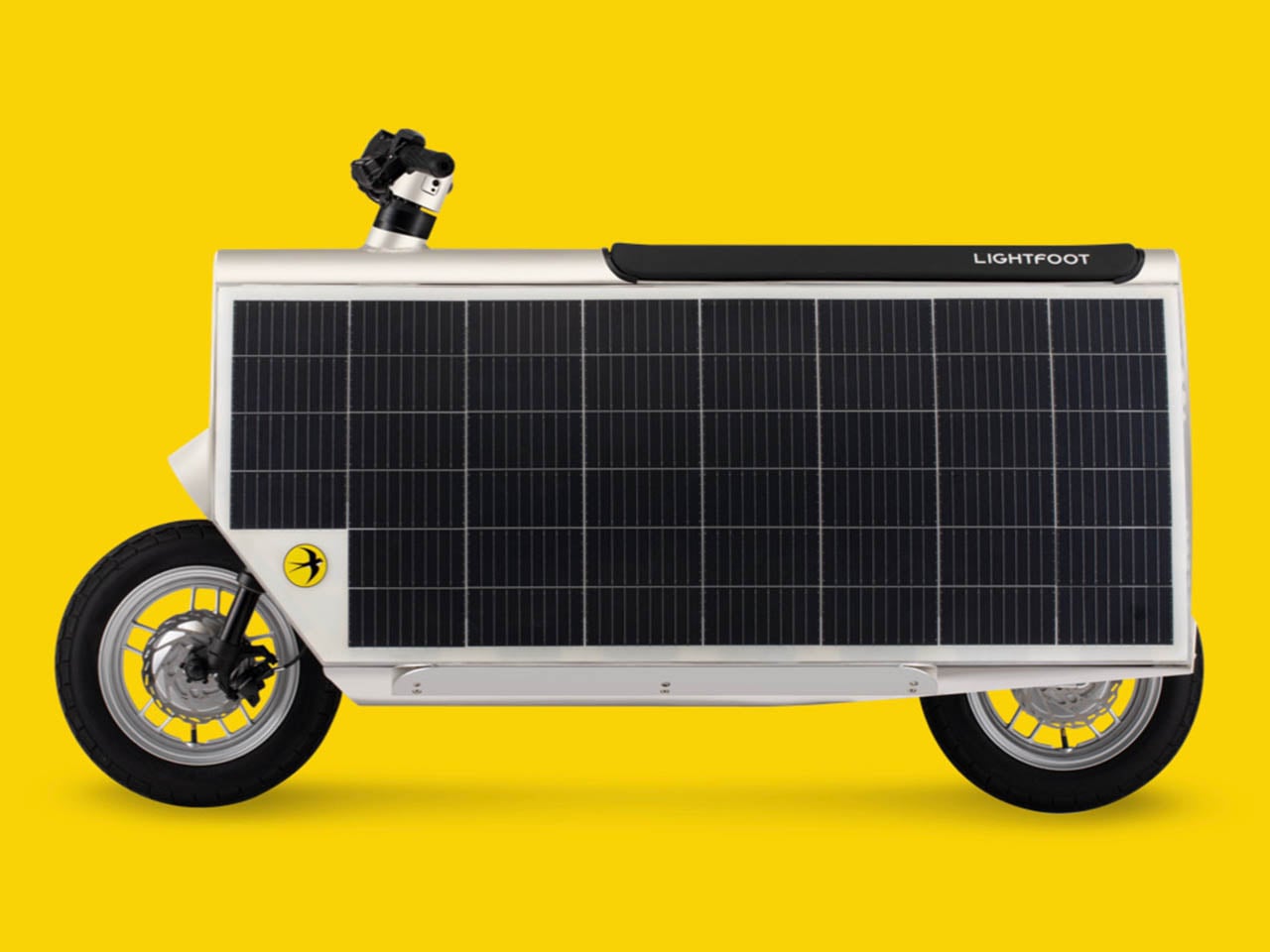
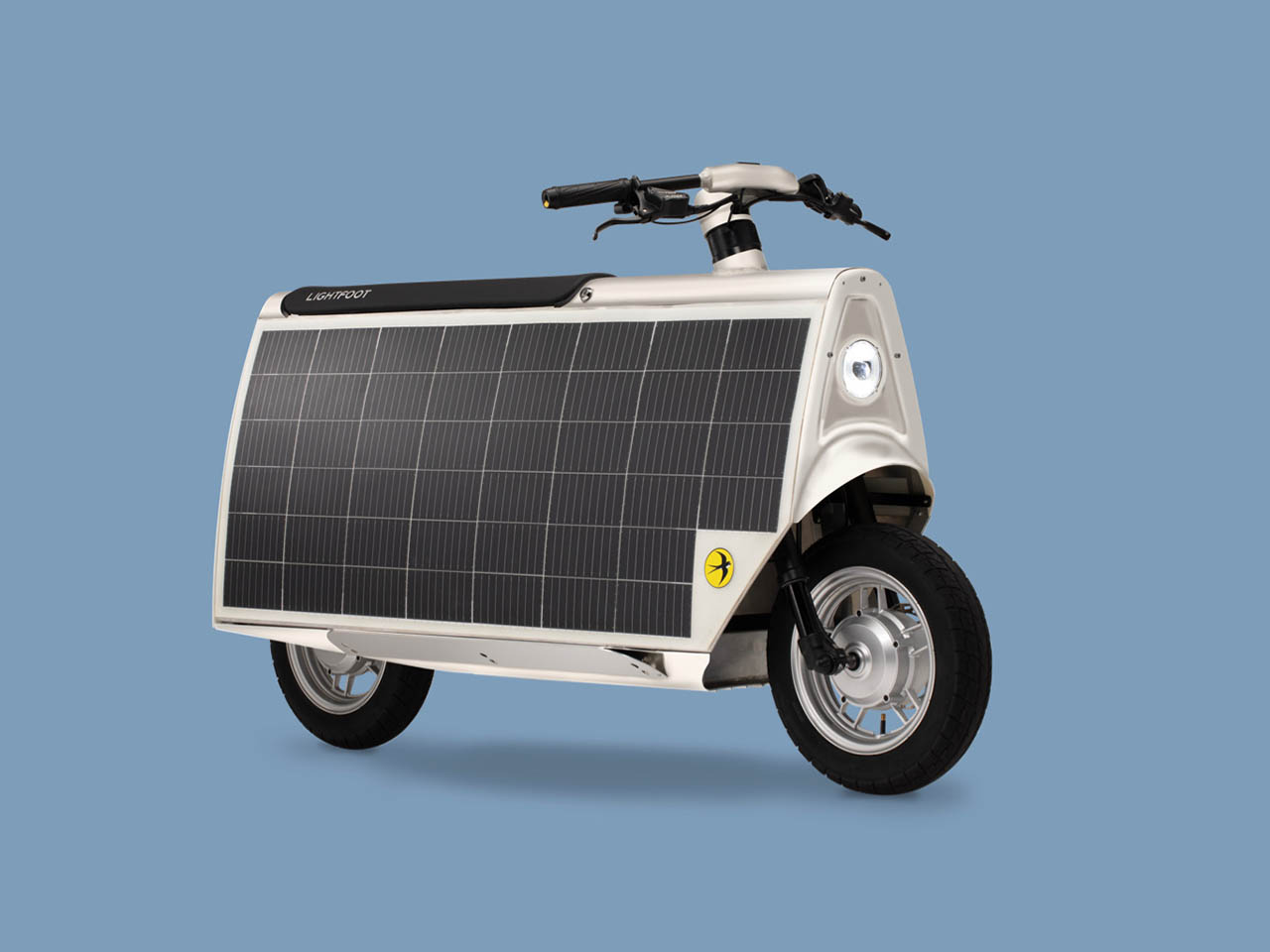
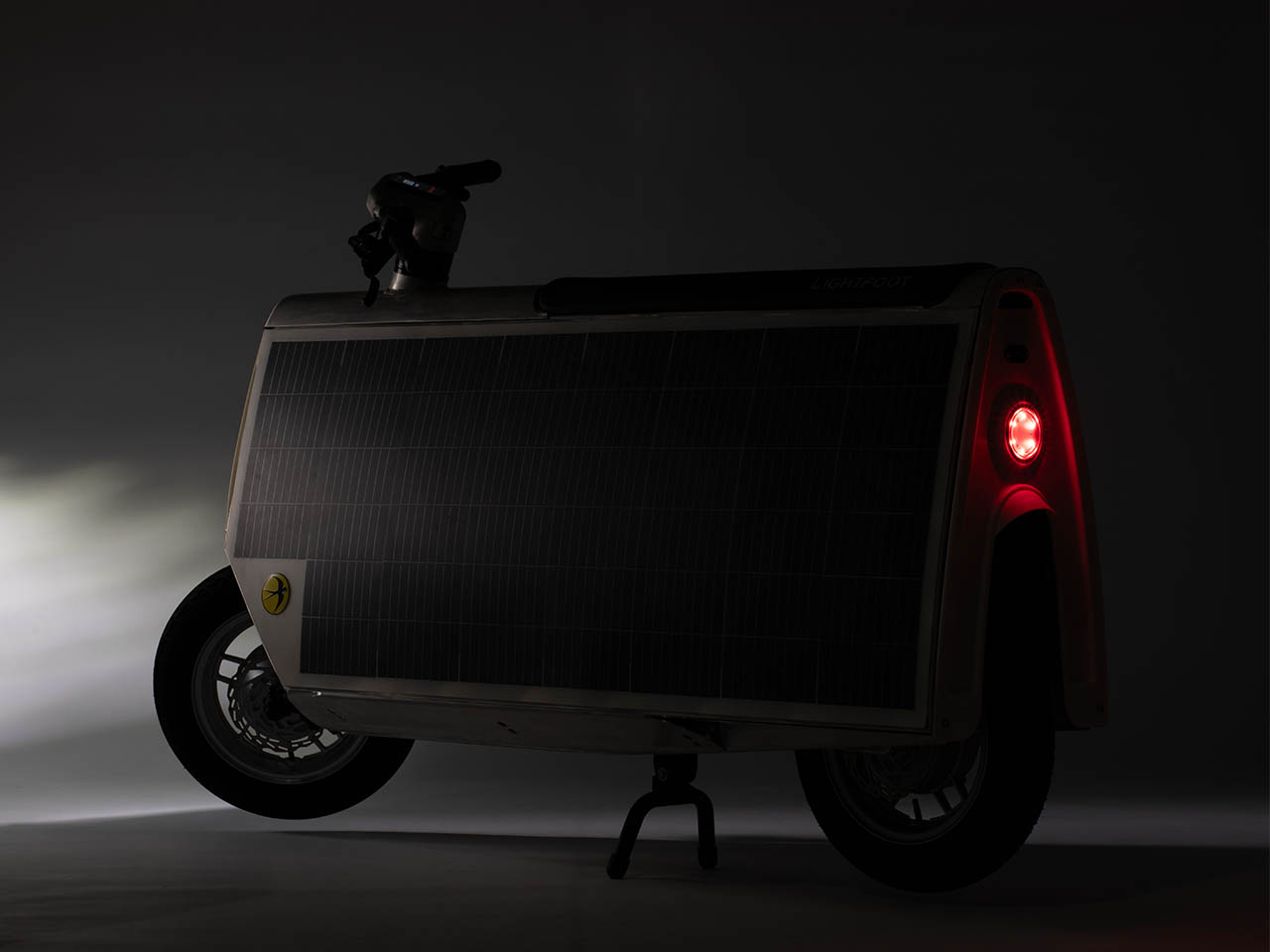
We’ve seen Motocompo knock-offs, personal electric commuters and cargo bikes that would put a four-wheeler to shame. This one by San Francisco-based company Otherlab is radically different though. Dubbed Lightfoot, the electric cargo scooter has built-in solar panels to employ limitless solar power to charge the in-built battery.

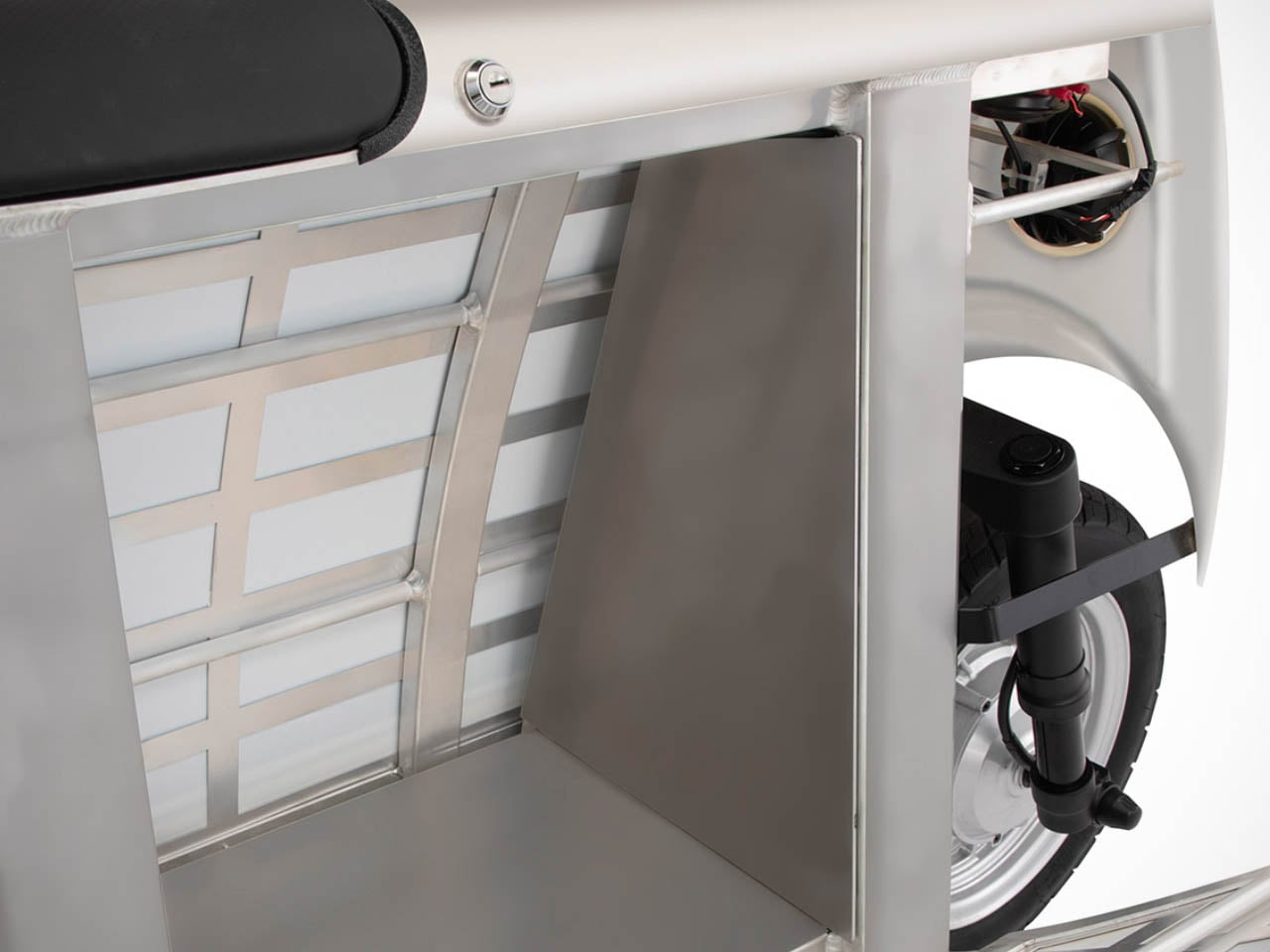
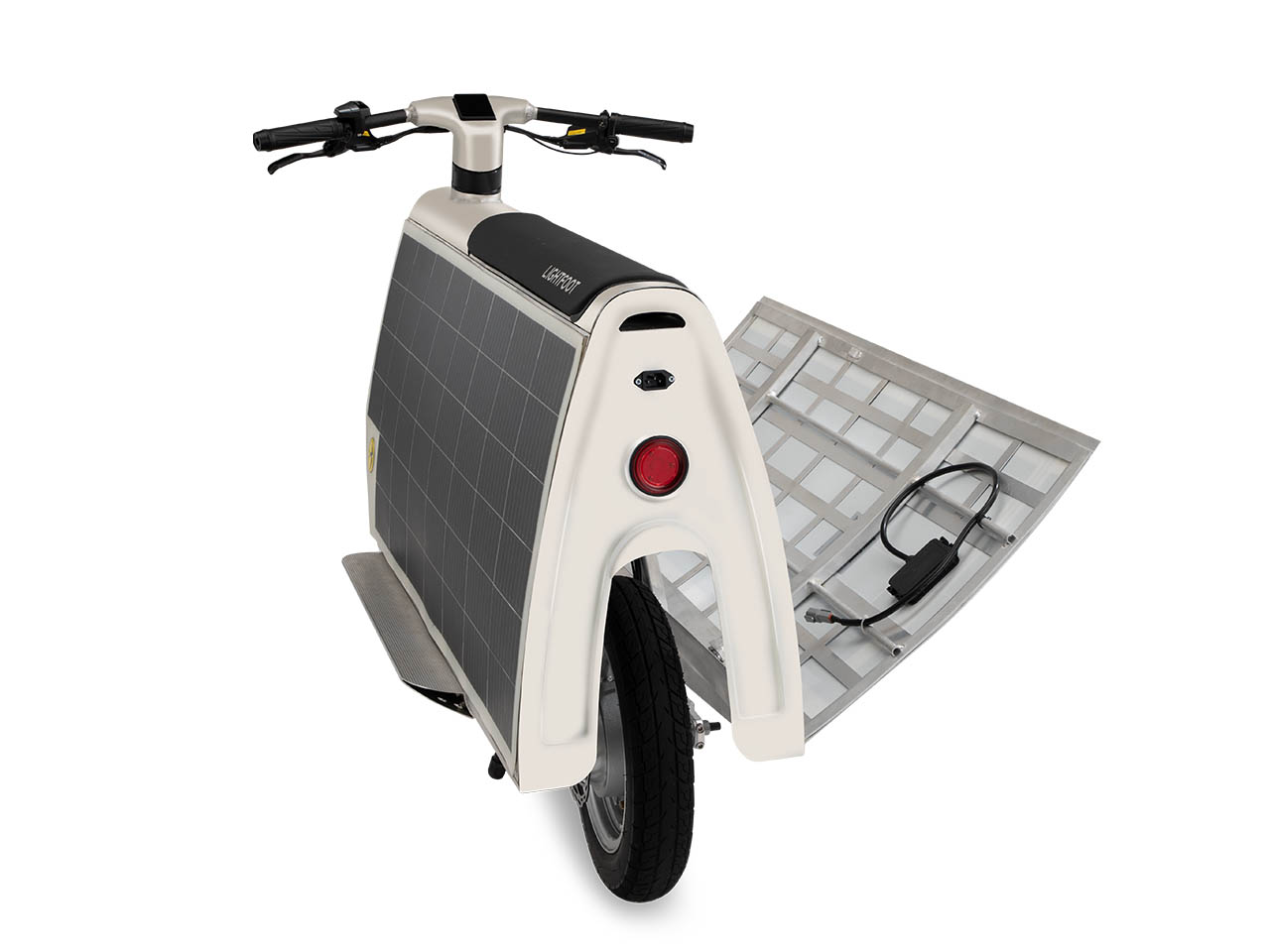
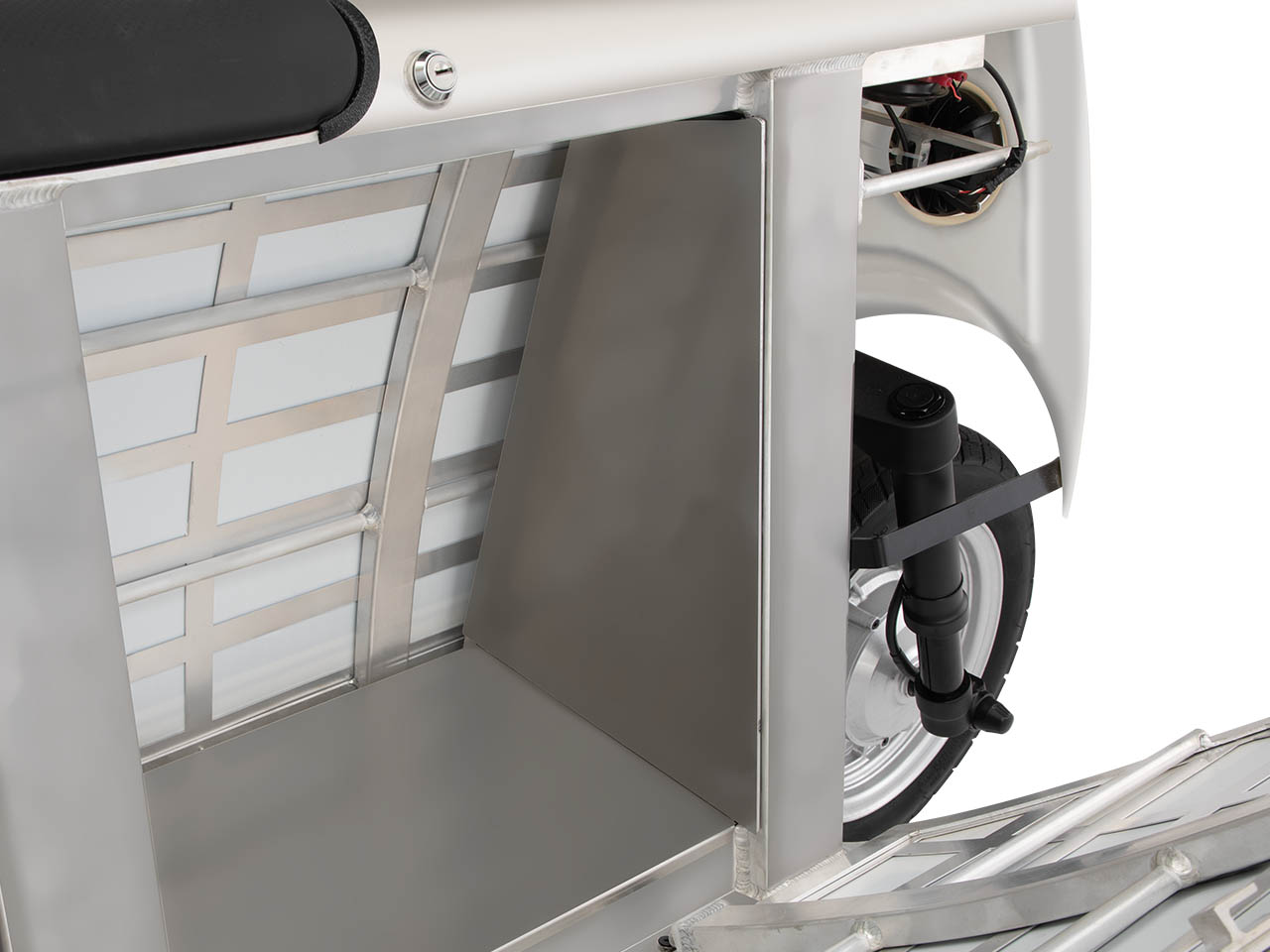
The electric scooter’s 120W solar panels sandwich the considerably large 45.2 L storage compartment which is big enough to store essentials like a backpack, grocery bags, books, or any other essentials. One of these panels is hinged to allow access to the inside compartment. This space is also used to conceal the UL-certified 1.1 kWh battery and the 600W on-board charger.

Designer: Otherlab

The padded seat on the bike is comfortable enough for a single rider, however, if a pillion needs to take the ride home that option is also open as the bike has footplates too. Lightfoot is powered by a couple of 750W brushless DC motors that generate 90Nm peak torque and hurl it to a top speed of 20 miles per hour. Whether it can scoot around medium-grade hilly terrain is still not clear, but based on specifications alone it should be able to do that. The motors are plugged into the 1.1kWh battery capable of having a 37-mile range on a single charge.

The solar panels charge up in broad sunlight to add around 3 miles with an hour of charge, and 18 miles on a full sunny day.  People who are heavy users will mostly rely on the wall plug charging option and the solar charge will be a bonus. The bike will be a good option for users who will use it for short trips to the supermarket or local metro station.

Otherlab has kept in mind the maintenance and repairability of the scooter at any service center or local garage since it comes with off-the-shelf components making up the functional parts of the ride. Another set of deal-making features are the one-year complete bike guarantee and two-year mechanical guarantee. To top it off you’ll also get the “ironclad buy-back guarantee” as the company is promising a buy-back option if the user is not satisfied with LIghtfoot. Interestingly the goofy little scooter will be available to buy in the US from January for a price of $4,995. We can expect it to make an appearance at CES 2025 in Las Vegas.

The post This solar powered electric scooter is a cooler sibling of the Motocompo moped first appeared on Yanko Design.

America’s best-selling cargo e-bike arrives with advanced features at same affordable price

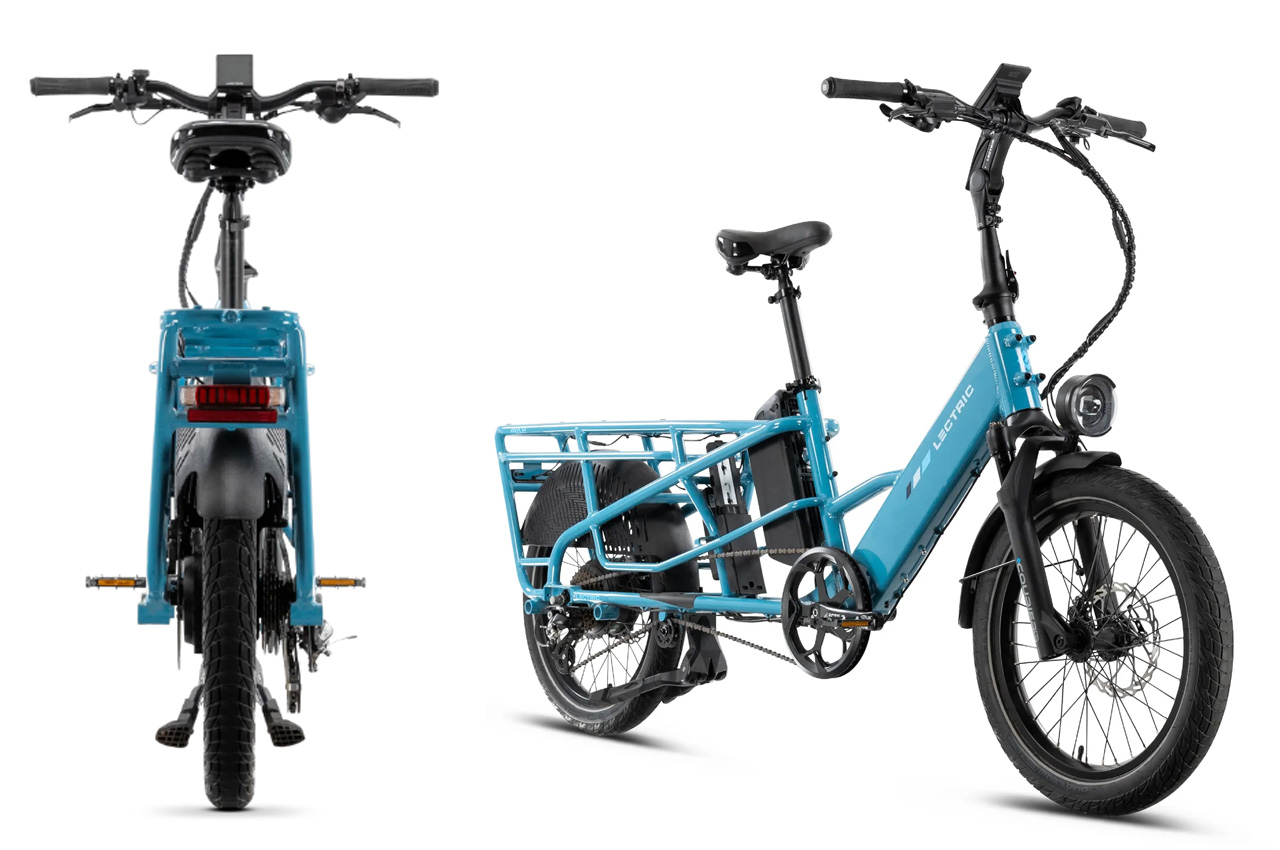
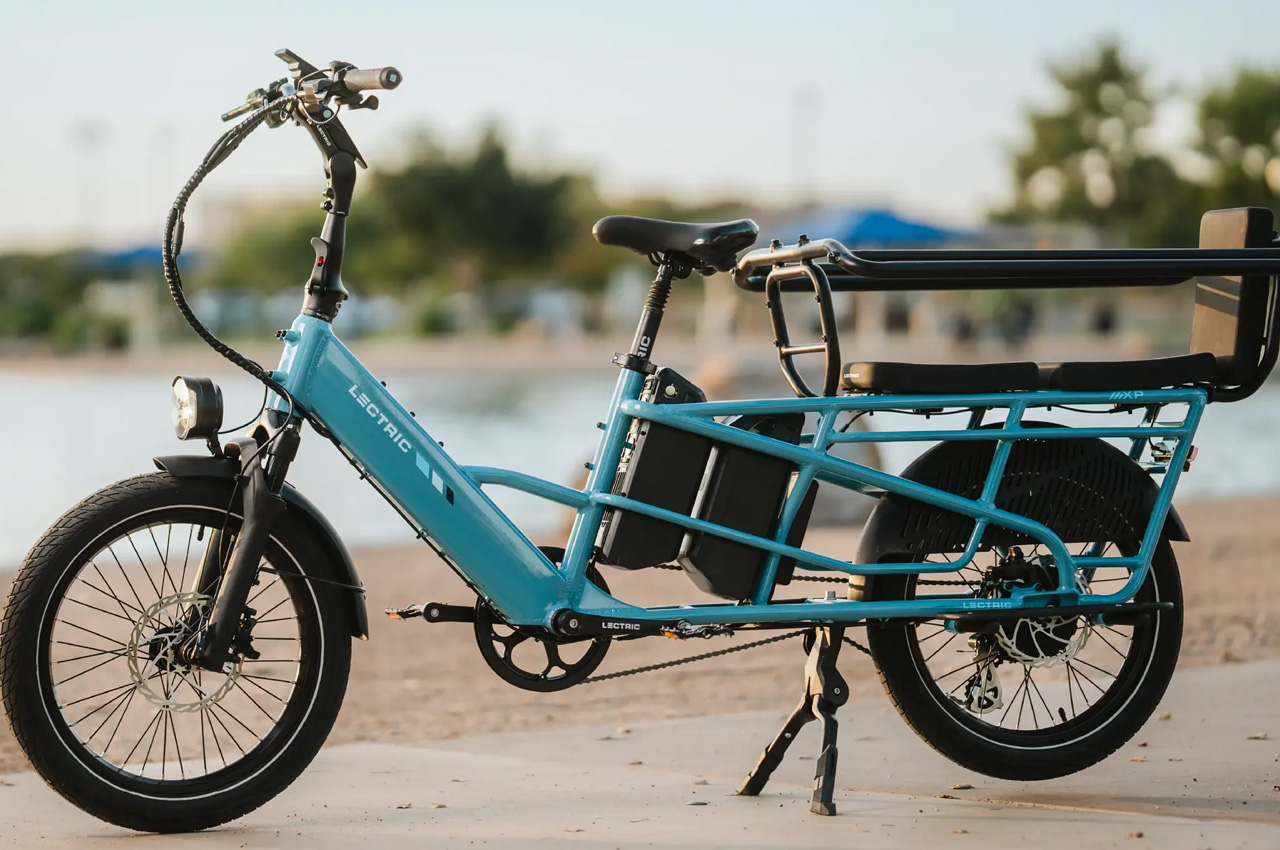
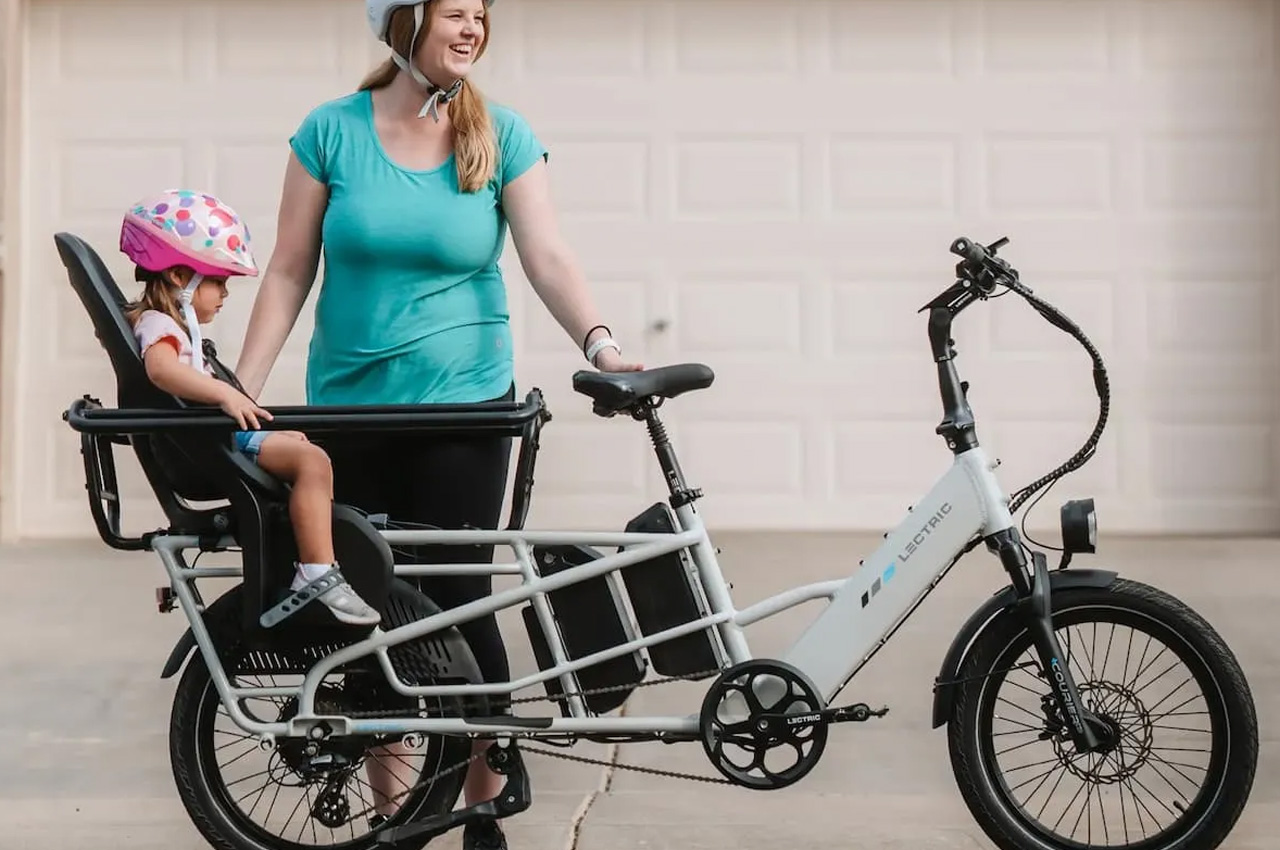
Cargo e-bikes are built for convenience and functionality. Whether it’s carrying your child back from school; taking pet to the vet; picking groceries from the store; or hauling hard coolers to the camp; cargo e-bike will help you with all of that effortlessly. And who knows it better than Lectric? After the successful run of their XPedition, dubbed the most popular cargo eBike in America, Lectric eBikes has unveiled the XPedition 2.0, which it hails as the most advanced cargo bike yet!

Arriving with advanced features and an all-new design, the XPedition 2.0 by the Phoenix-based electric bike company is priced the same as the original XPedition at $1,399 and is now available for pre-order. When the prices of electric bikes are shooting through the roof and every new addition arrives with a steeper price tag, staying true to the cost and stuffing the bike with better looks and features, Lectric has pulled off a remarkable customer-winning move.

Designer: Lectric

Undeniably, the price is the most interesting aspect of this new release, but its reworked versatility to benefit a larger span of riders is more inspiring. “The XPedition has been the best-selling and most successful cargo eBike in the industry since its debut, and that’s due to its unmatched combination of performance and value,” CEO Levi Conlow informed. “With the XPedition 2.0, we’re doubling down on that commitment. Even in a year when many eBike prices have gone up, we’re delivering significant upgrades without increasing the price—something we believe will only amplify the continued success of this eBike.”

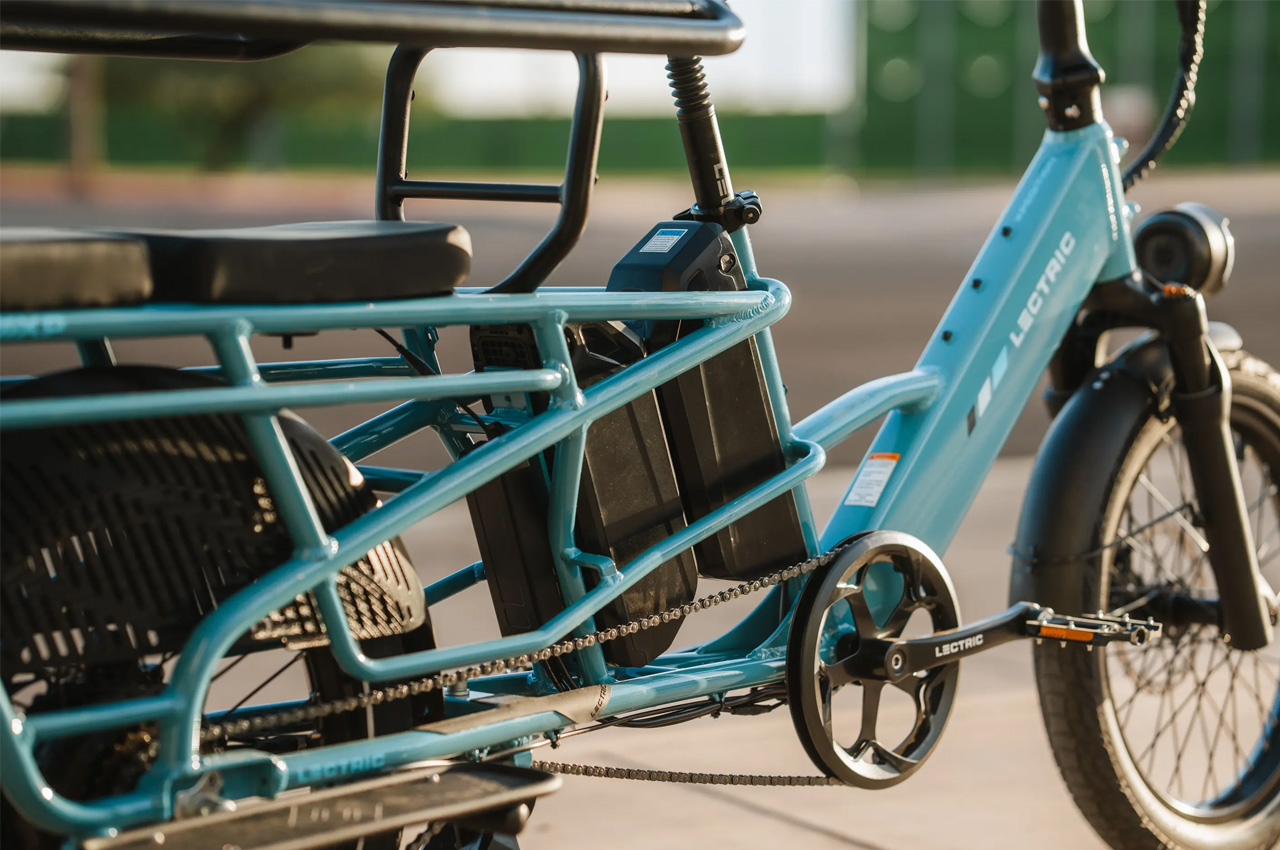
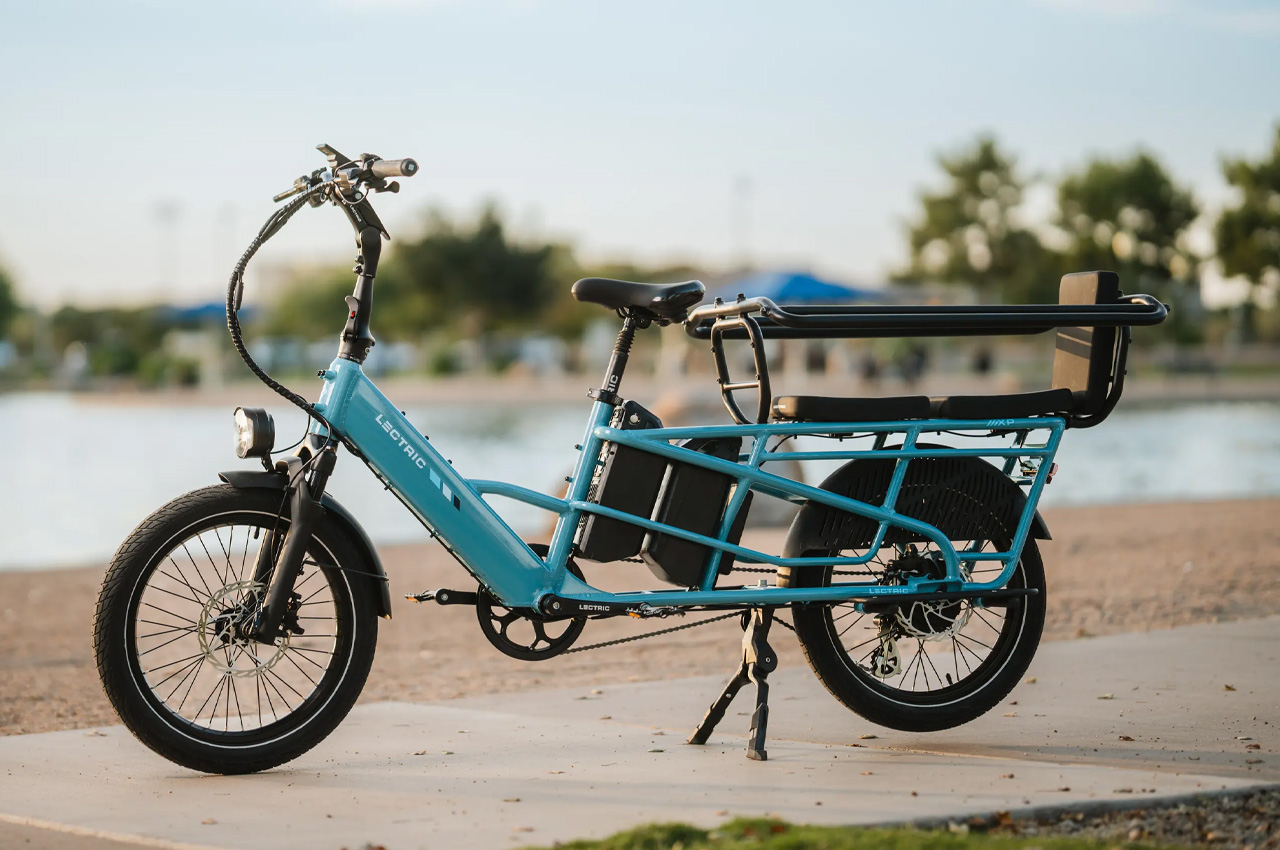
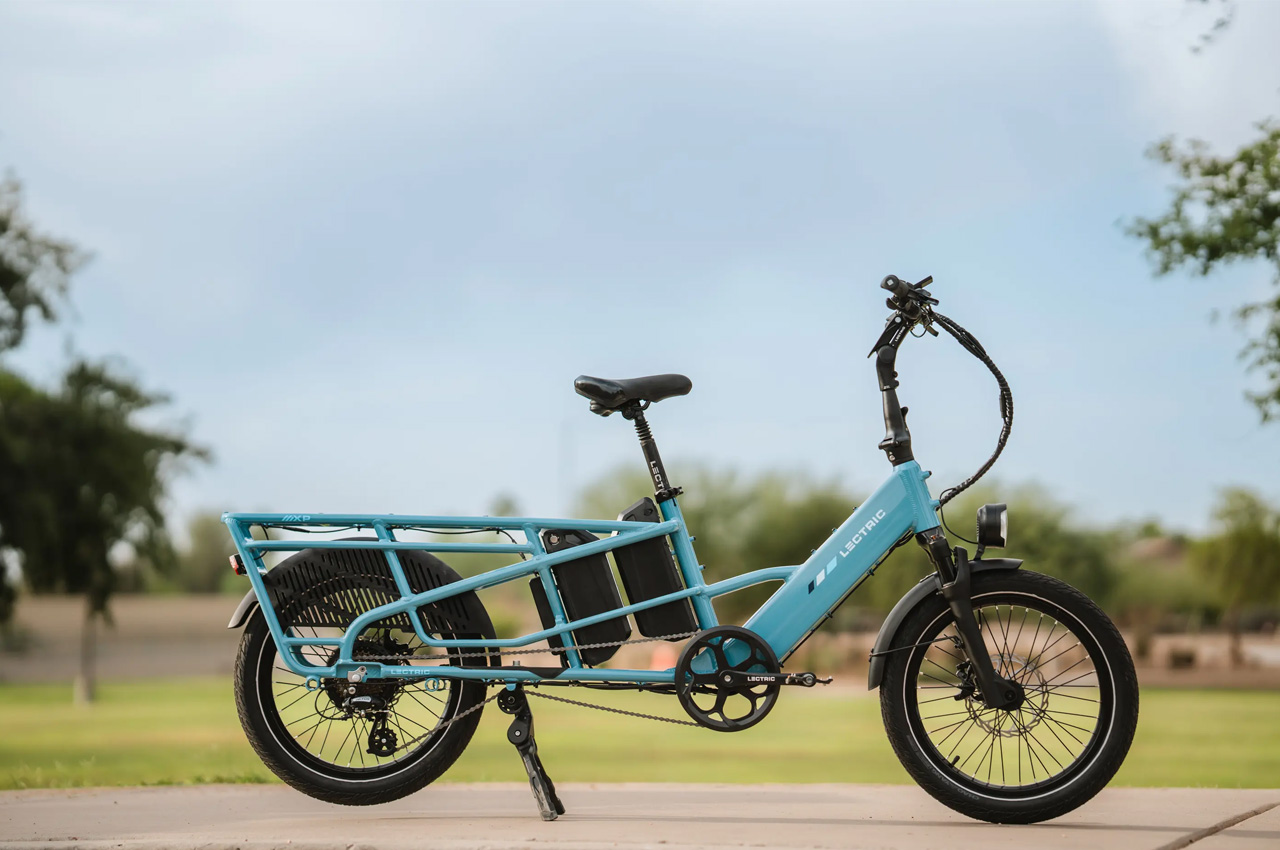
The XPedition 2.0 with its new aluminum frame and an extended wheelbase for carrying cargo more safely, arrives with the same 750W M24 hub motor in the rear which peaks at over 1,310 watts with a payload capacity of up to 450 lb as in the original. It now is upgraded with a torque sensor to deliver an all-new pedal assist experience: it produces 85 Nm torque and pedal assist of up to 28mph.

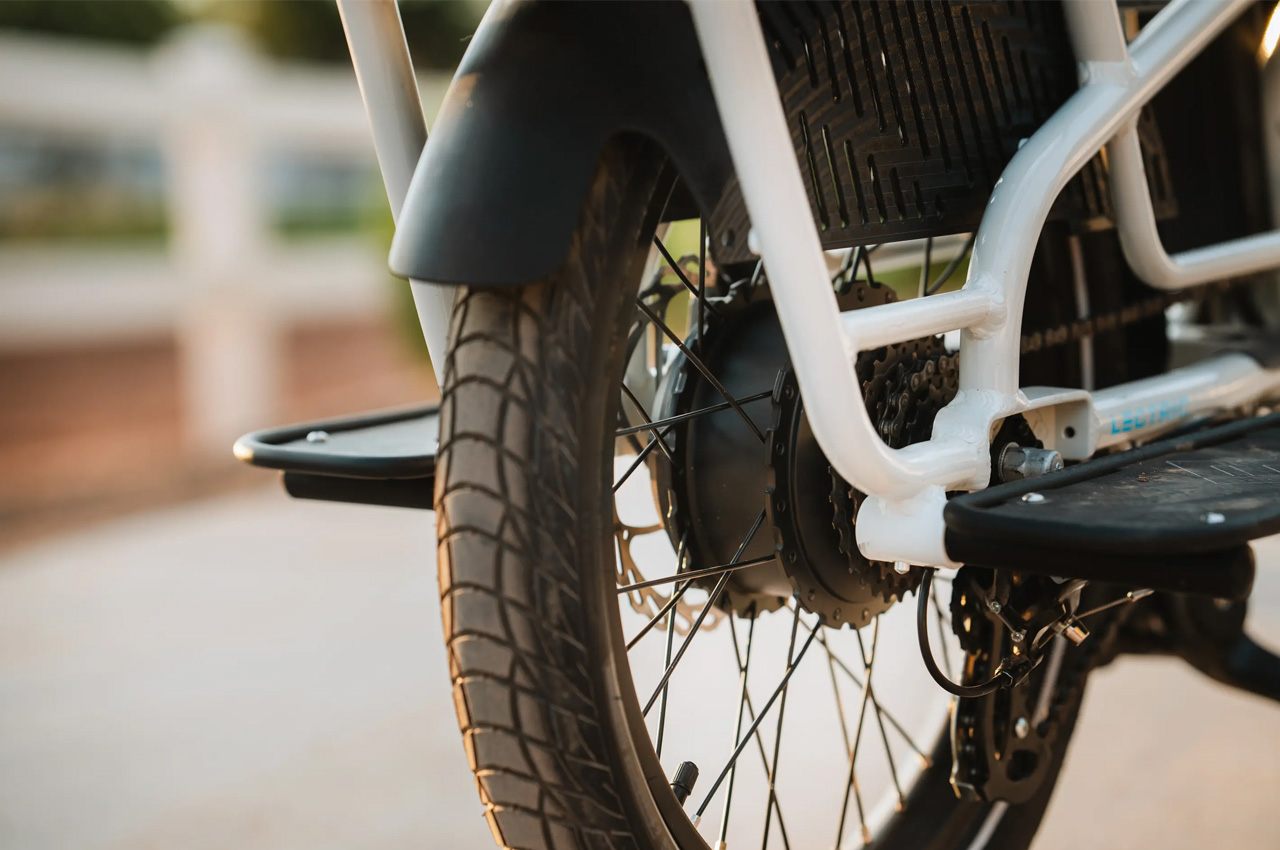
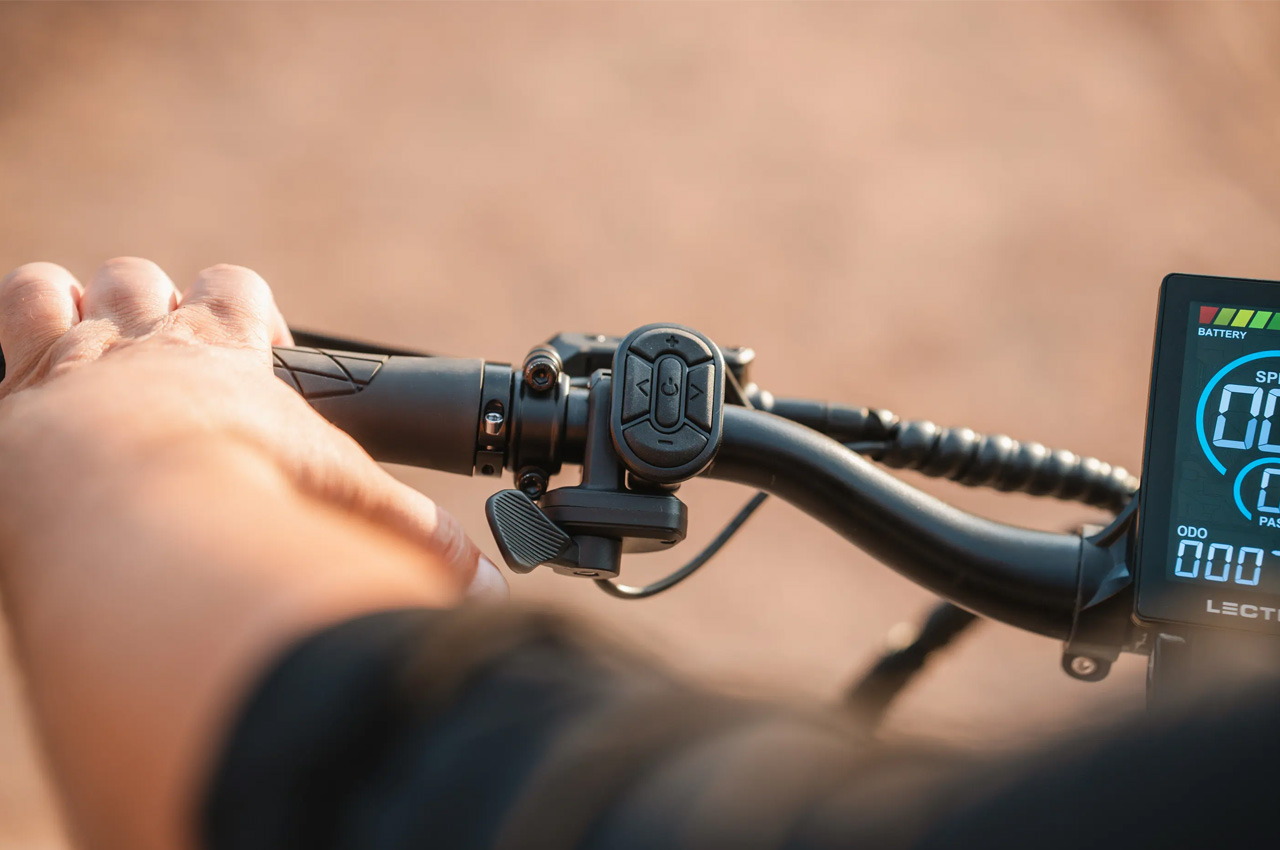
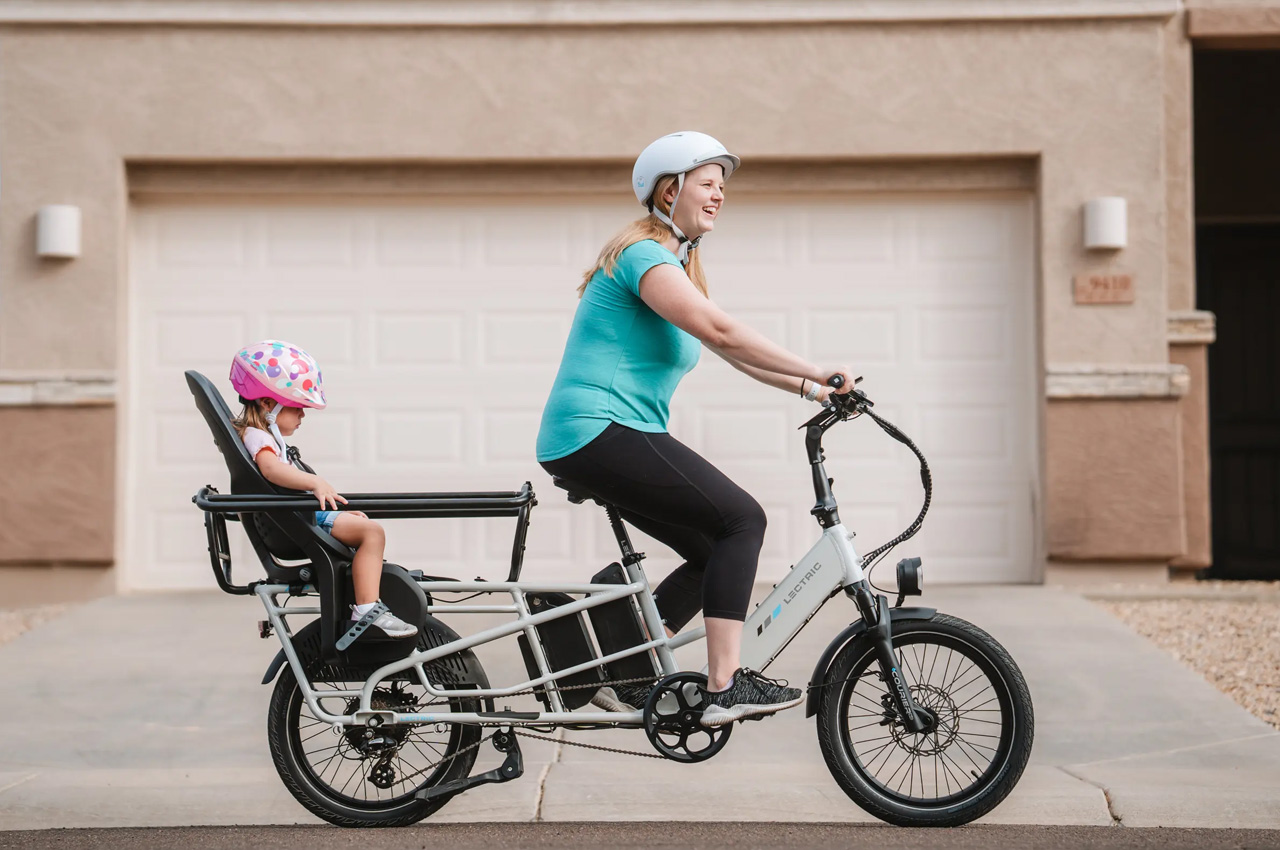
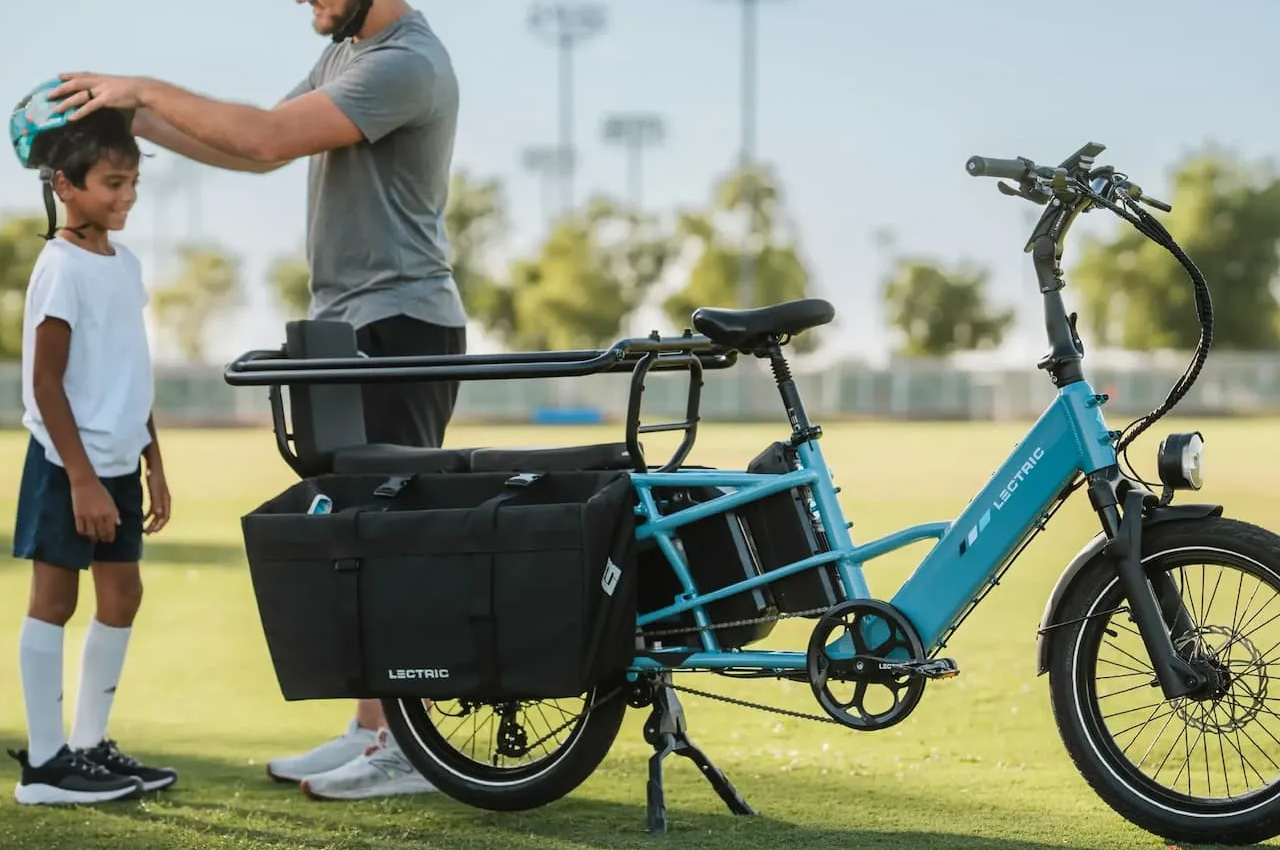
Featuring a rear rack in the redesigned frame with updated tubing, the XPedition 2.0 can carry just about any cargo or an extra passenger. The 35Ah battery – compatible with a 5-amp fast charger – ensures over 170 miles of range and the adjustable dual-spring 50mm front suspension fork makes travel smooth over street bumps. Interestingly, Lectric provides the new XPedition 2.0 Cargo e-bikes in three options and two colorways: Single 13Ah battery model for $1,399, dual 13Ah battery model for $1,699, and the dual 17.5Ah battery model for $1,999. All three come in Raindrop Blue and Stratus White colors with integrated hydraulic disc brakes, color LCD display, turn signal lights, and an extra-wide dual-leg kickstand for safer parking.

The post America’s best-selling cargo e-bike arrives with advanced features at same affordable price first appeared on Yanko Design.

E-cargo bike lets you transfer cargo without much effort

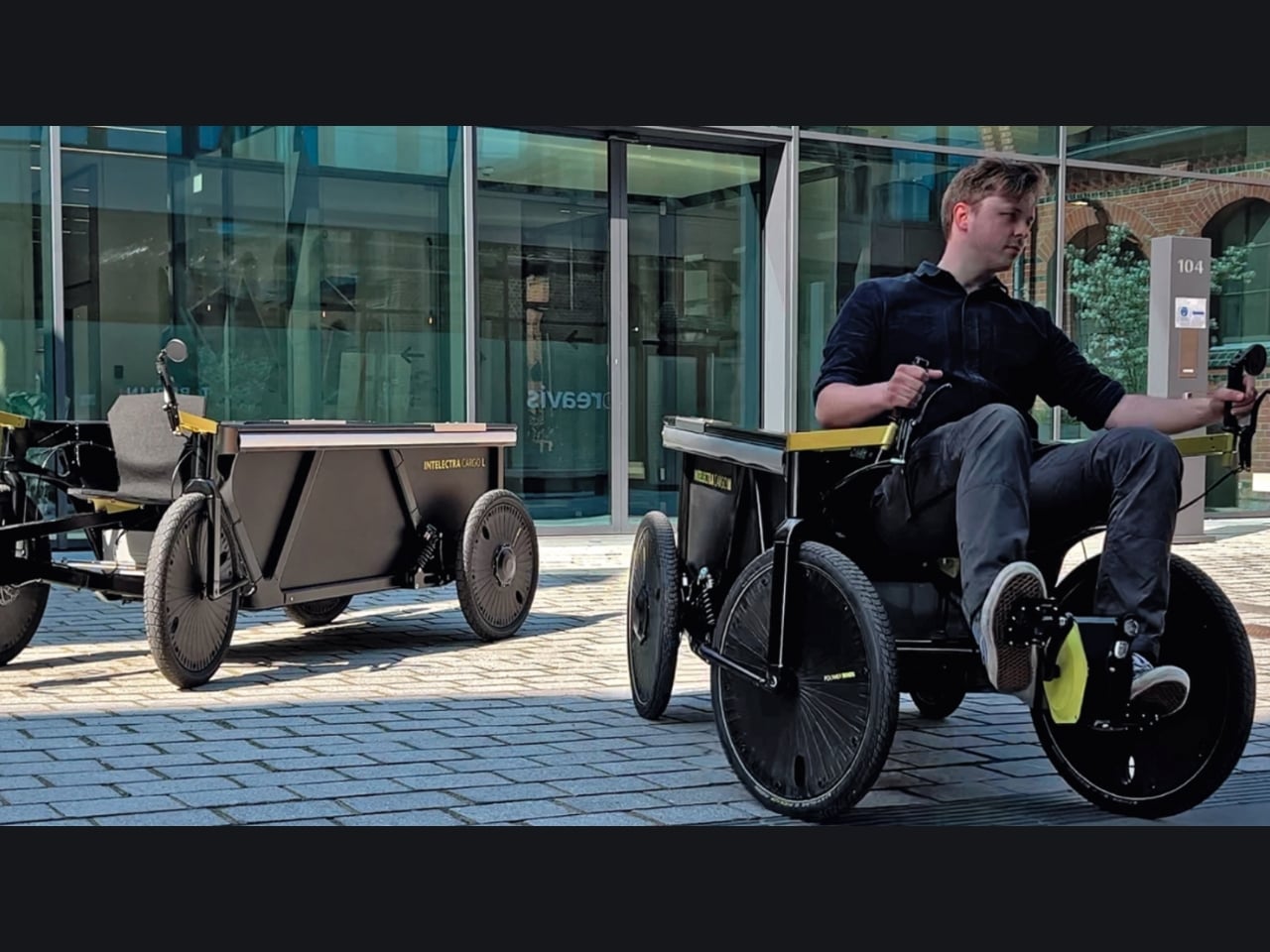
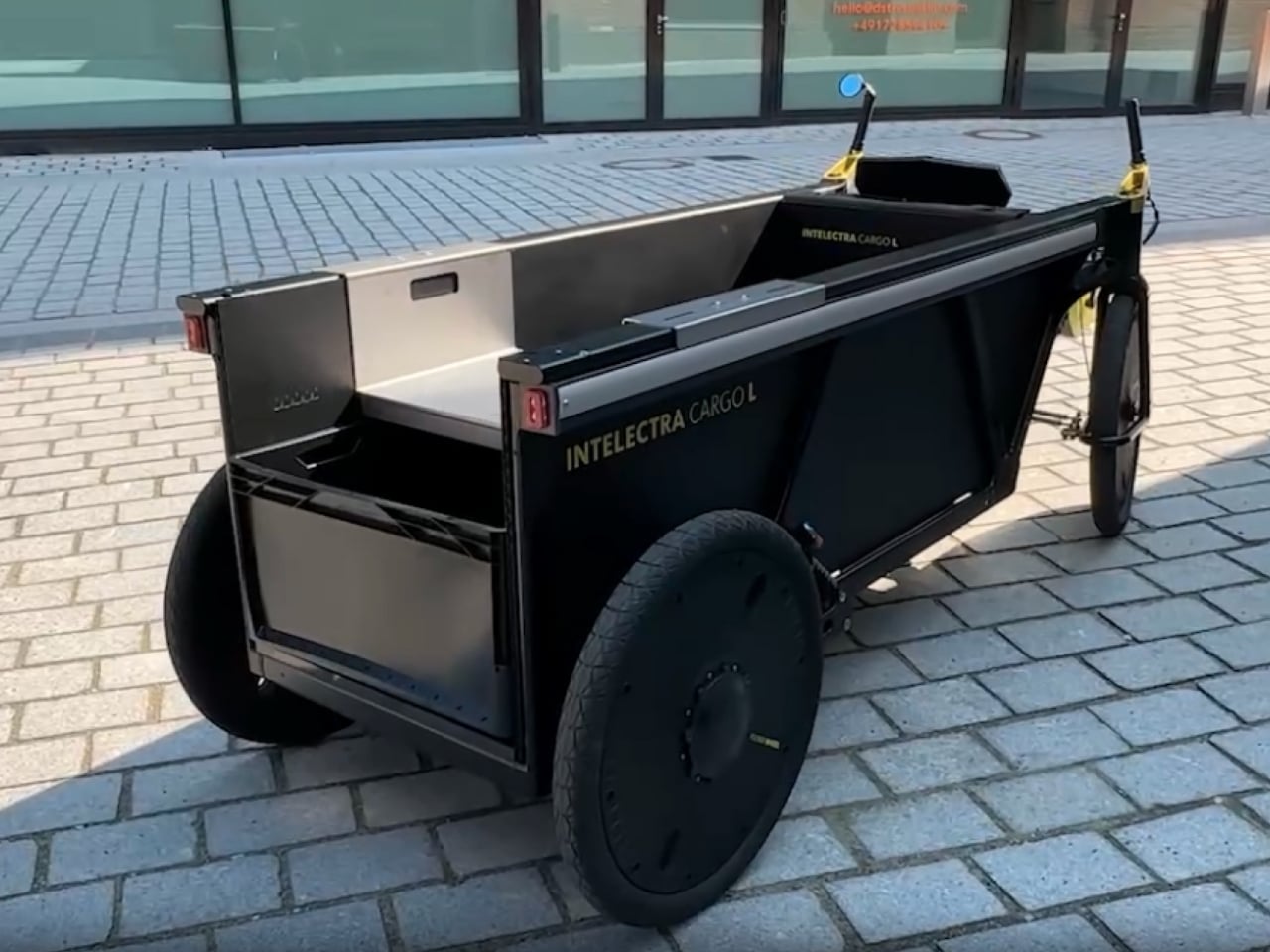
If you work in a business that needs to transport cargo but not that heavy that needs an actual truck, there are few options in the market that can fit that need. And of course if you’re looking for something that is eco-friendly and easy to manage and maintain, then of course the options become fewer. A German startup is offering something that operate like a mini HD truck but also seems like a pedaled dump truck.

Designer: Dynamic Drives Giessen

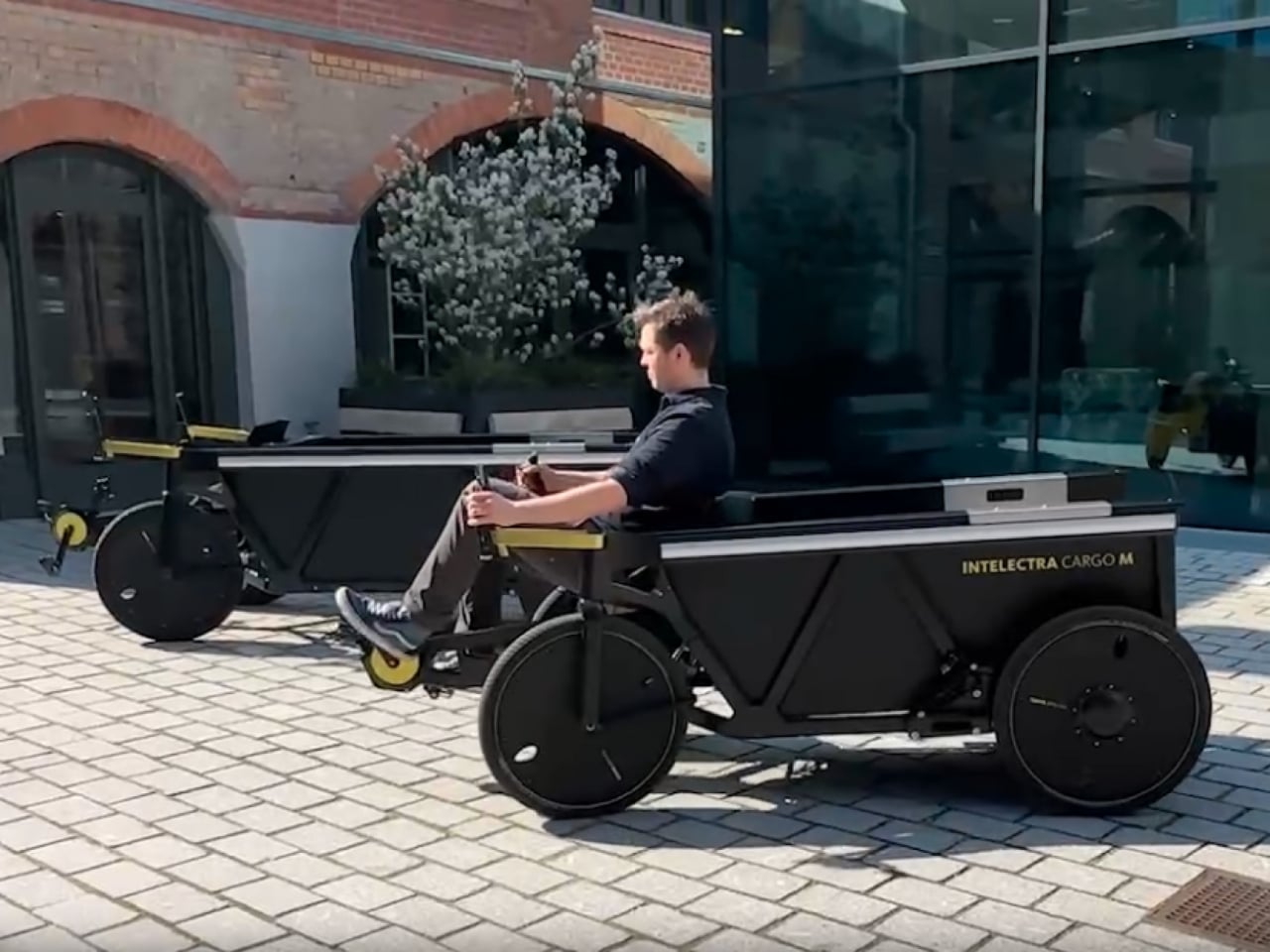
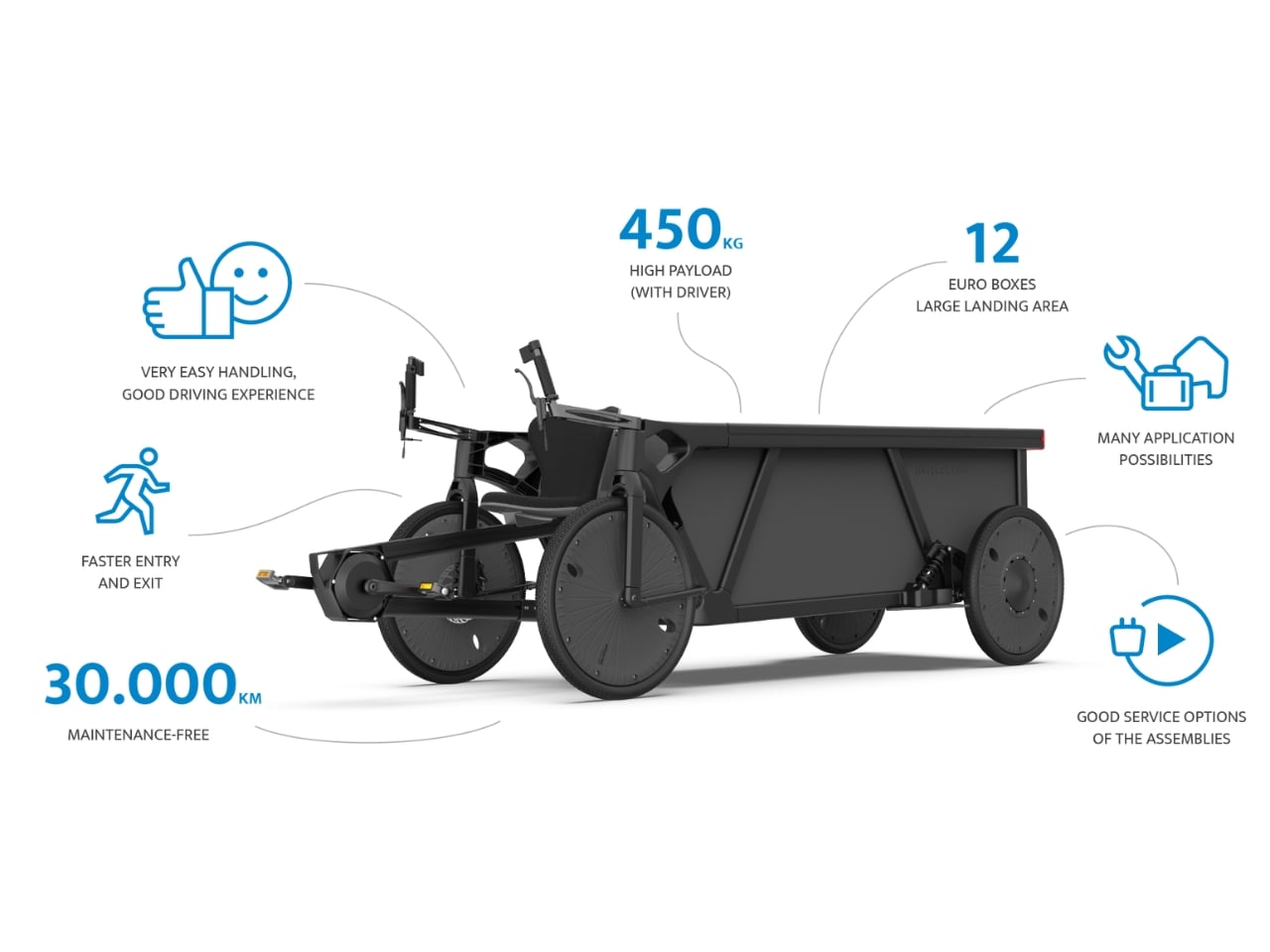
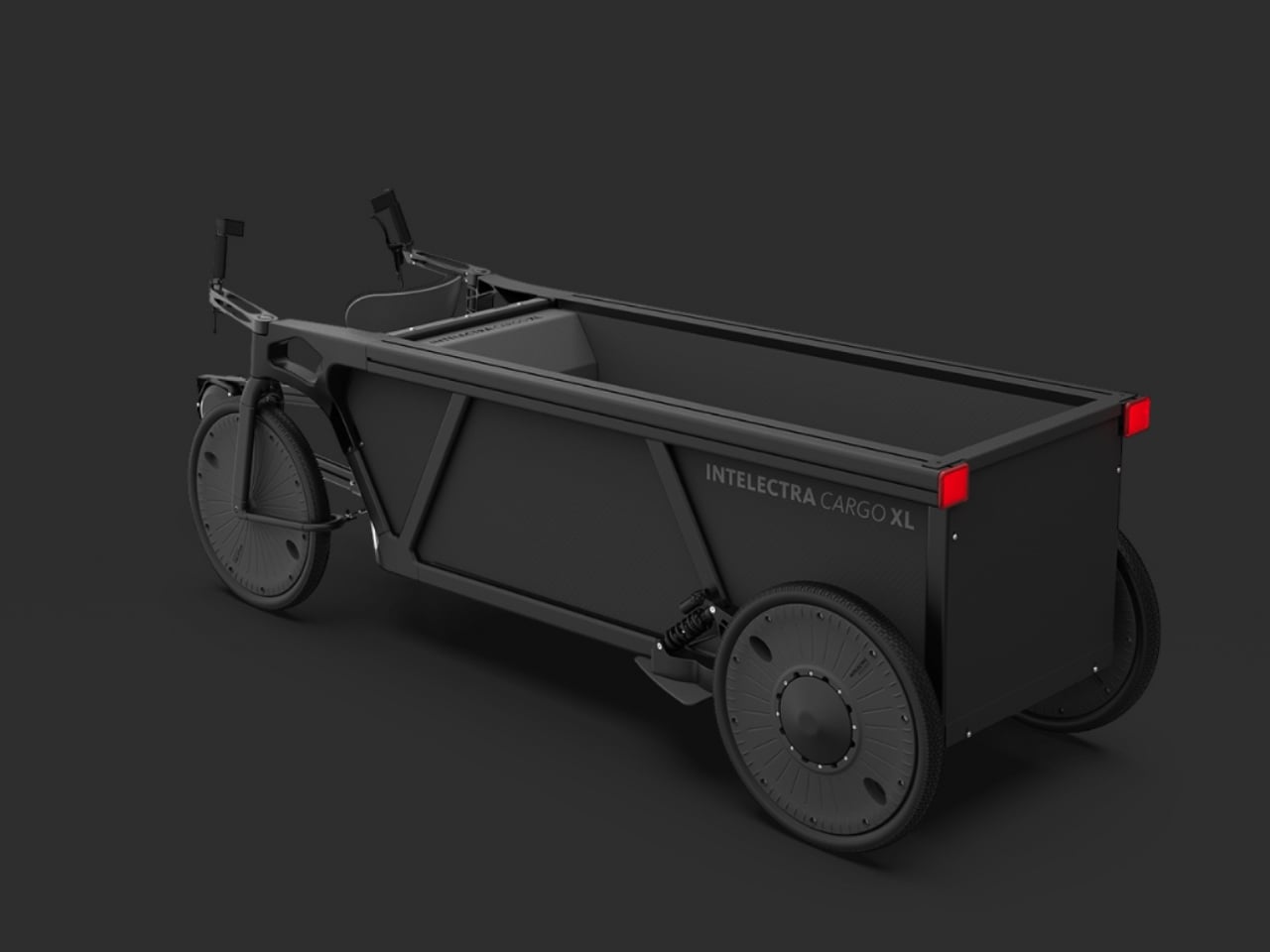
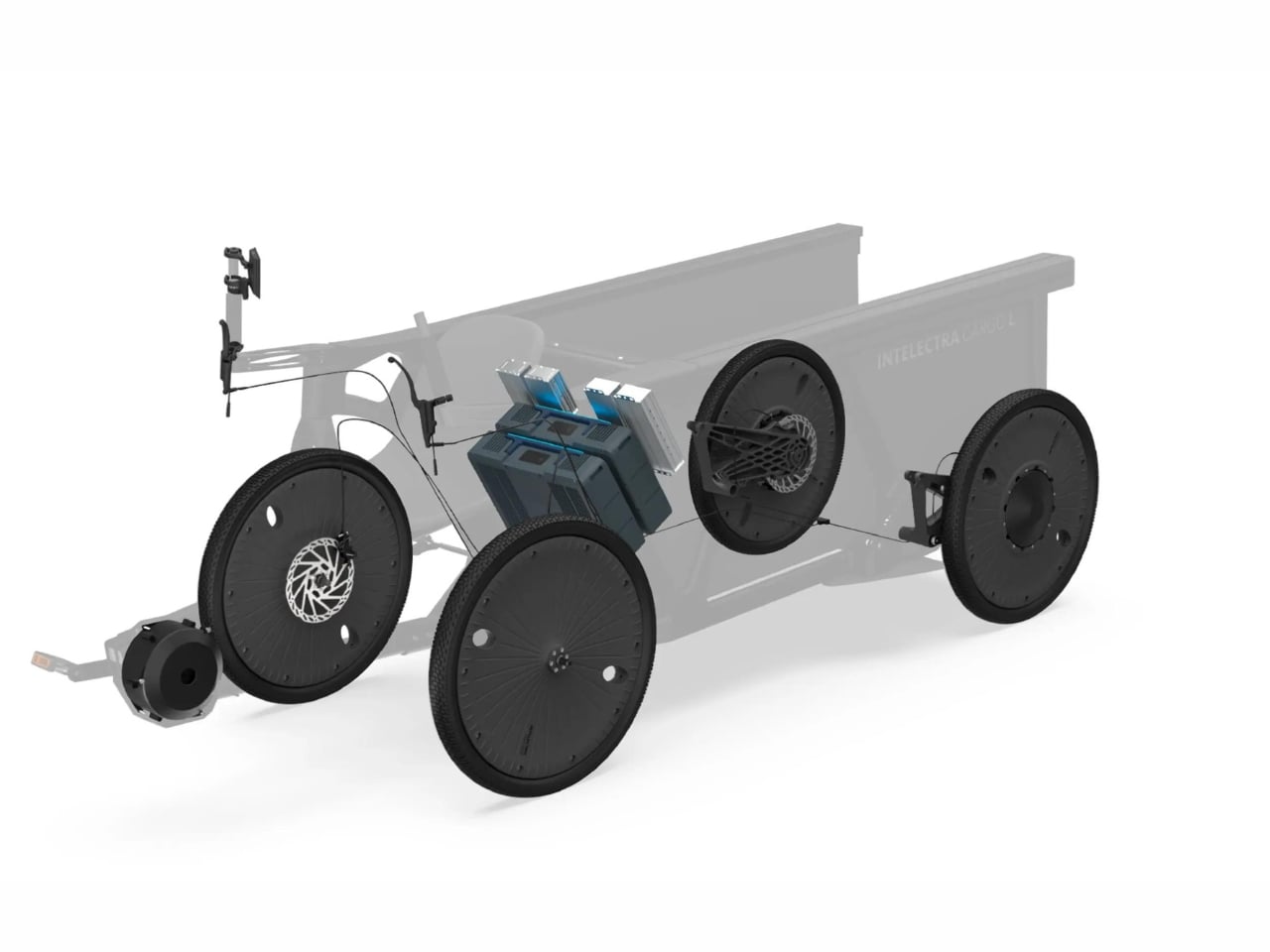
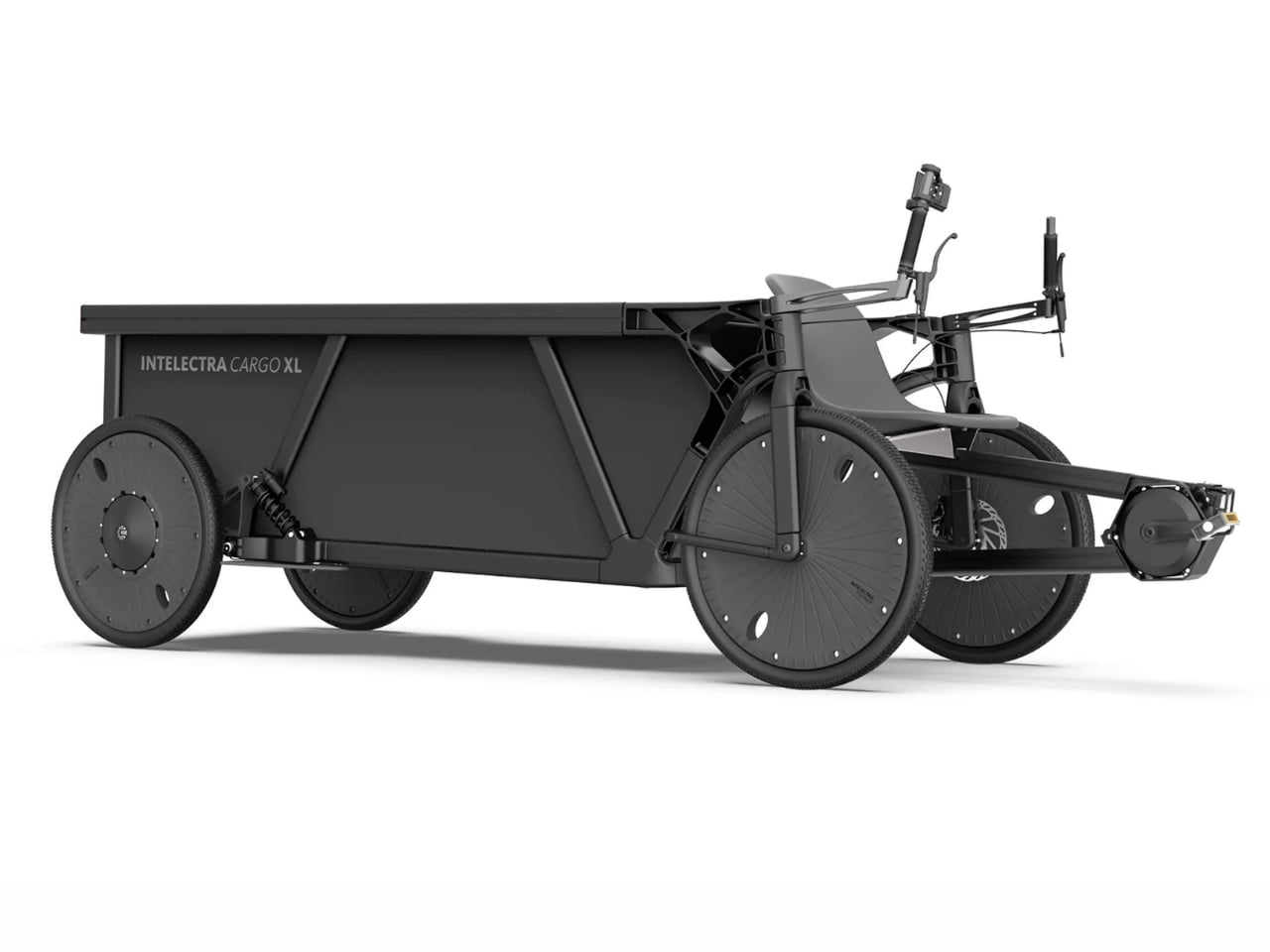
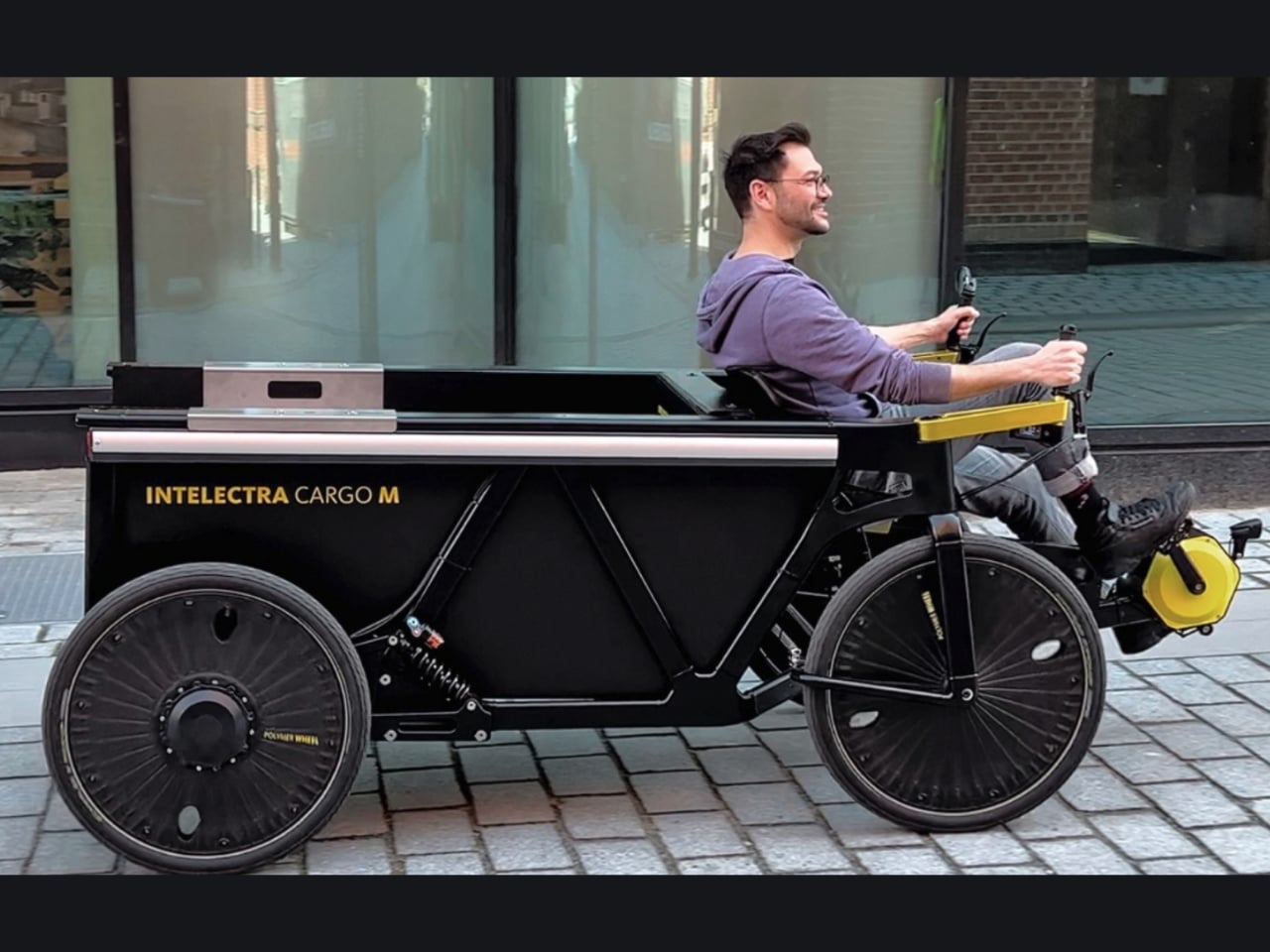
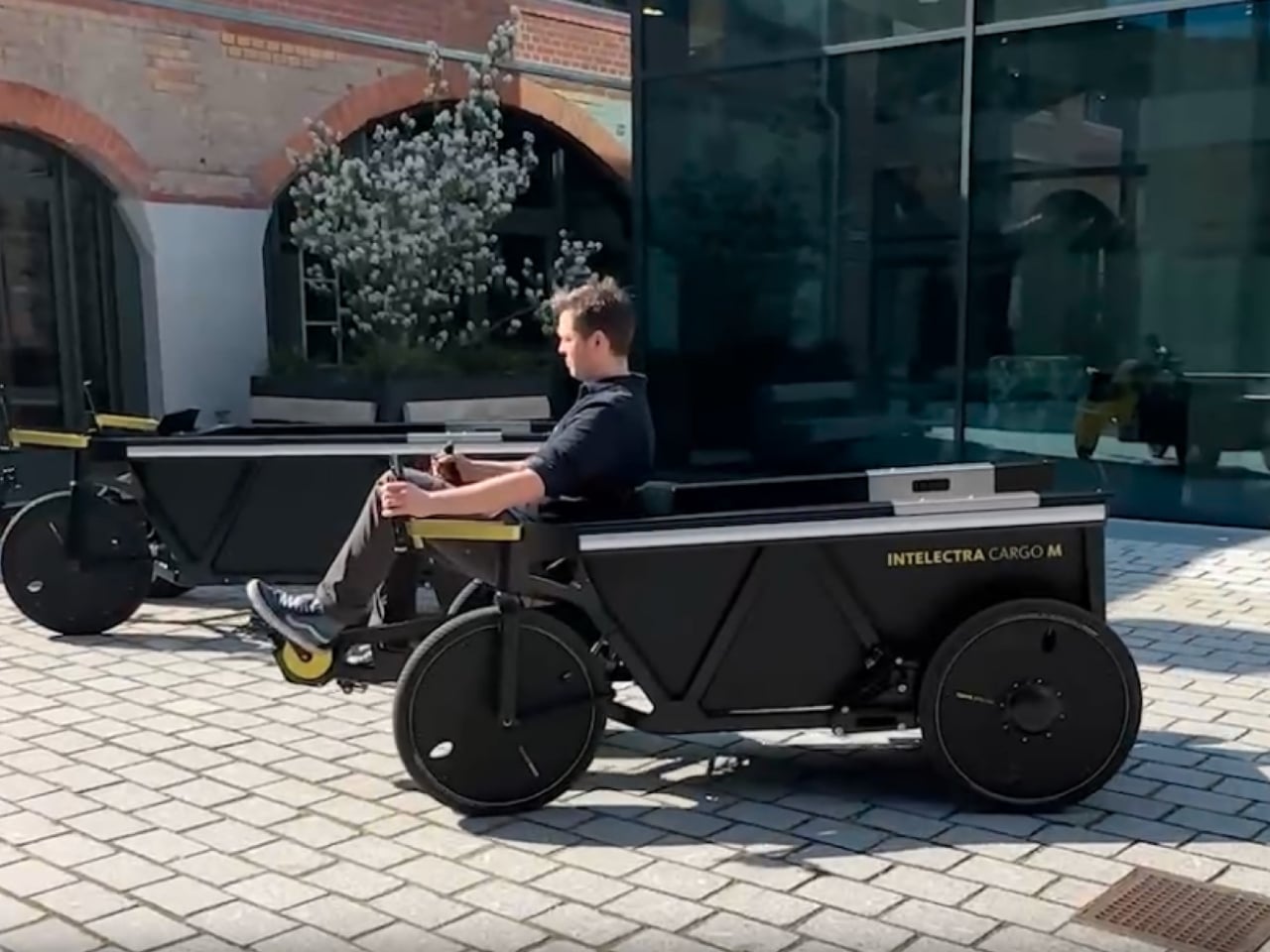
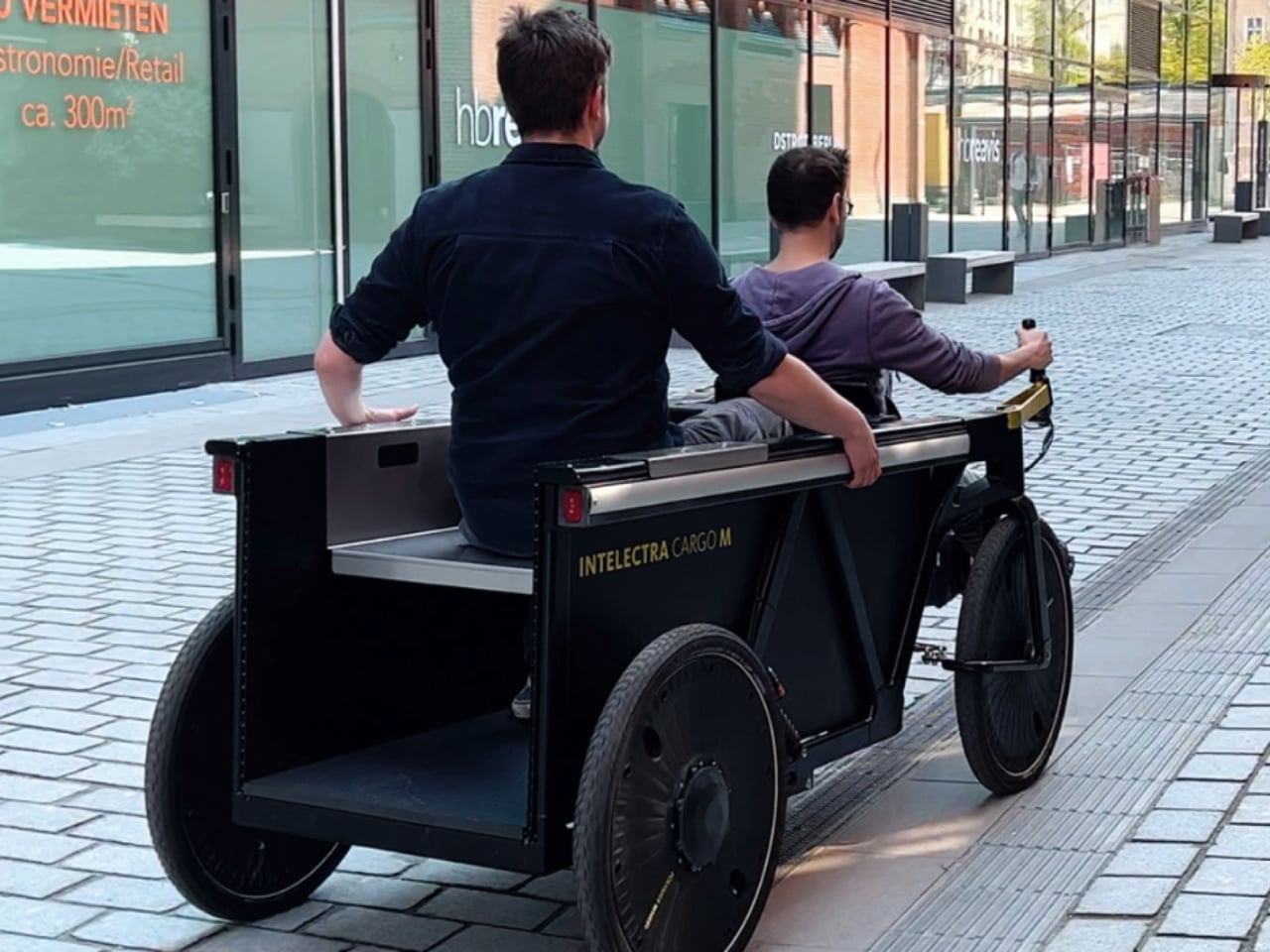
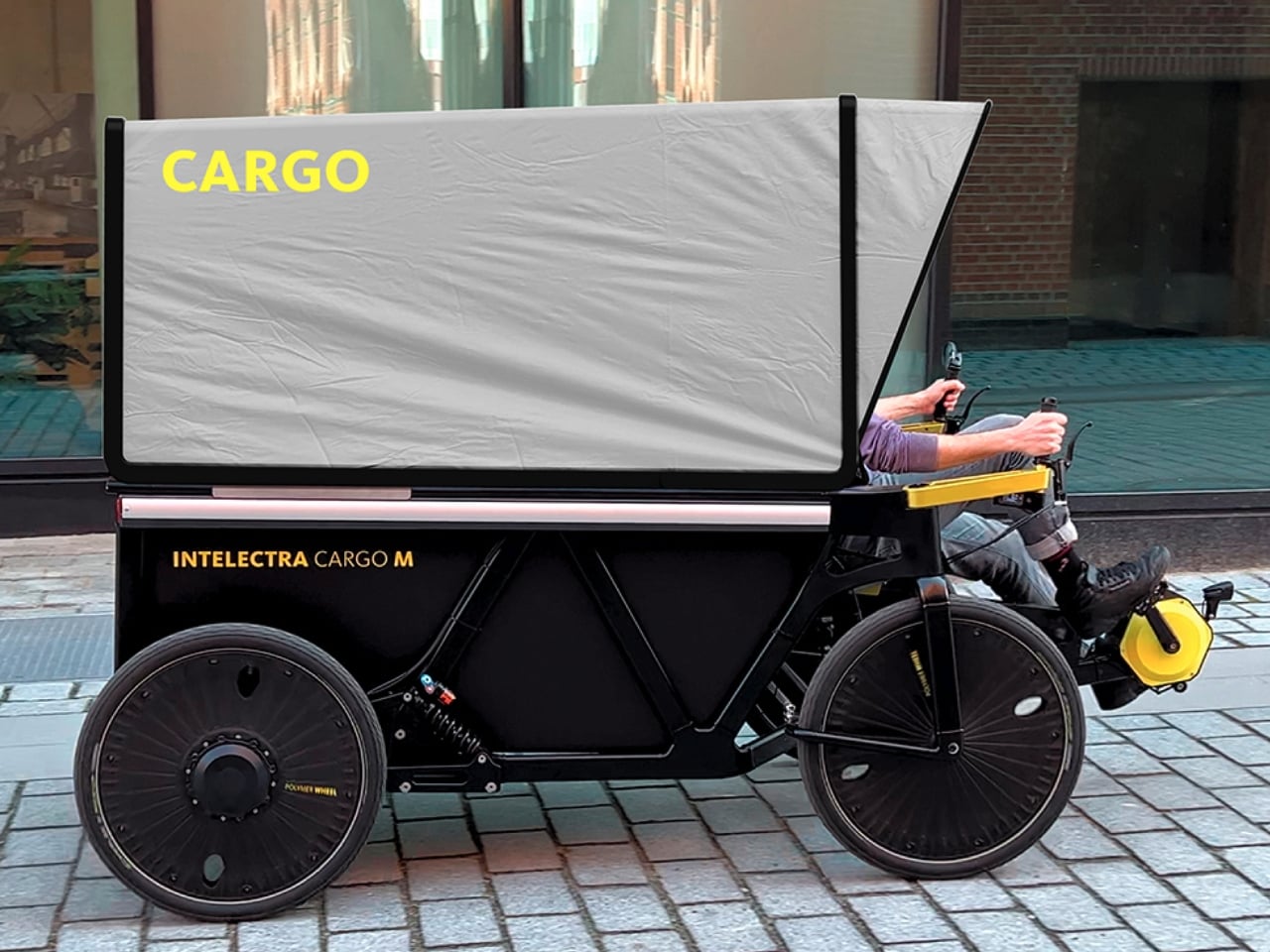
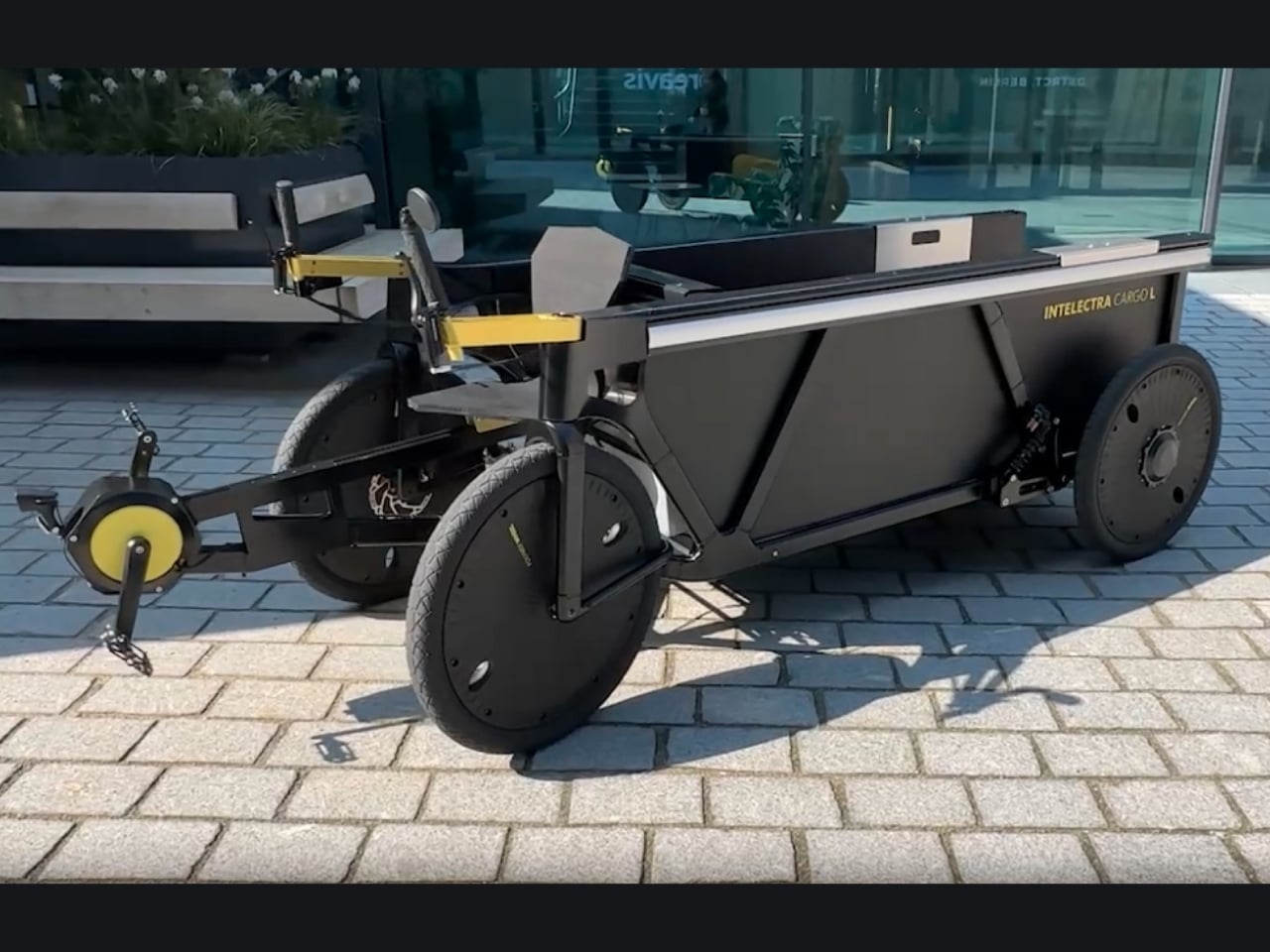
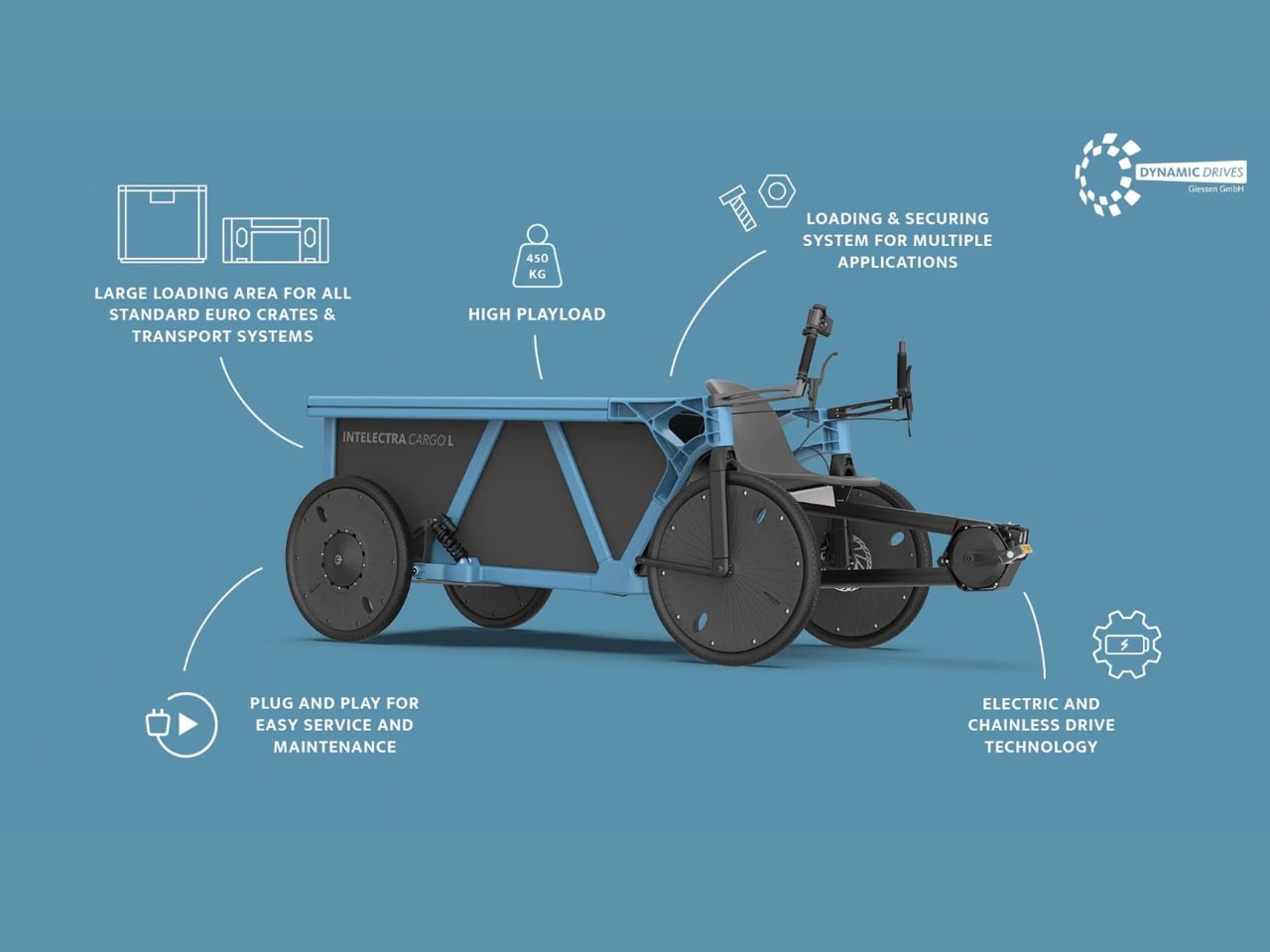
The Intelectra E-cargo bike is a four-wheeled, pedal-based tool that can work in cargo transport in urban areas. It is also easy to drive around in as it uses the INTELECTRIC drive system (iSHS) that turns your pedaling power into up to 250 Watts of electrical power to drive the 270-lb truck-cycle forward. So the driver will not be so stressed in “carrying” the cargo even as they pedal to their destination.

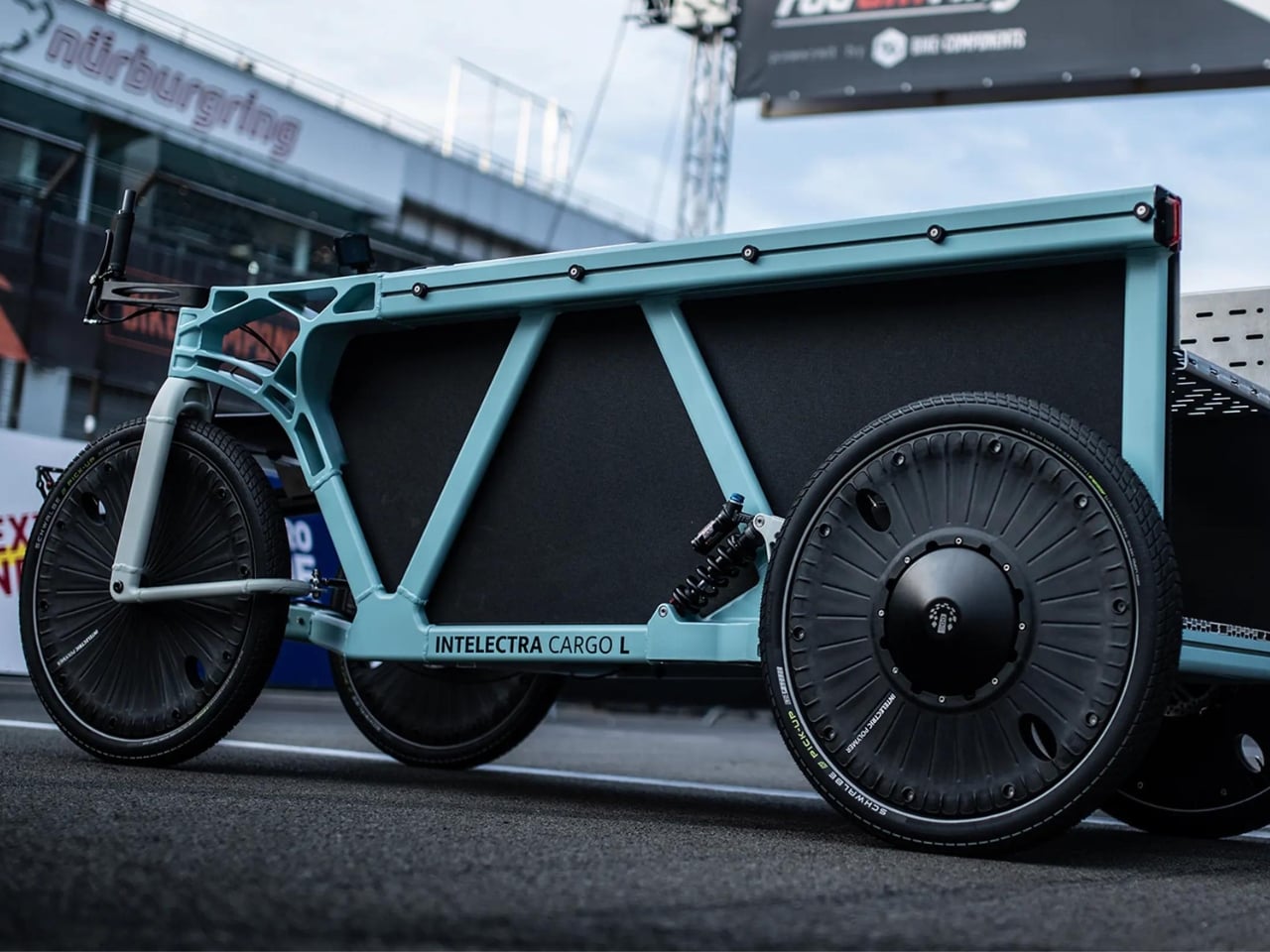
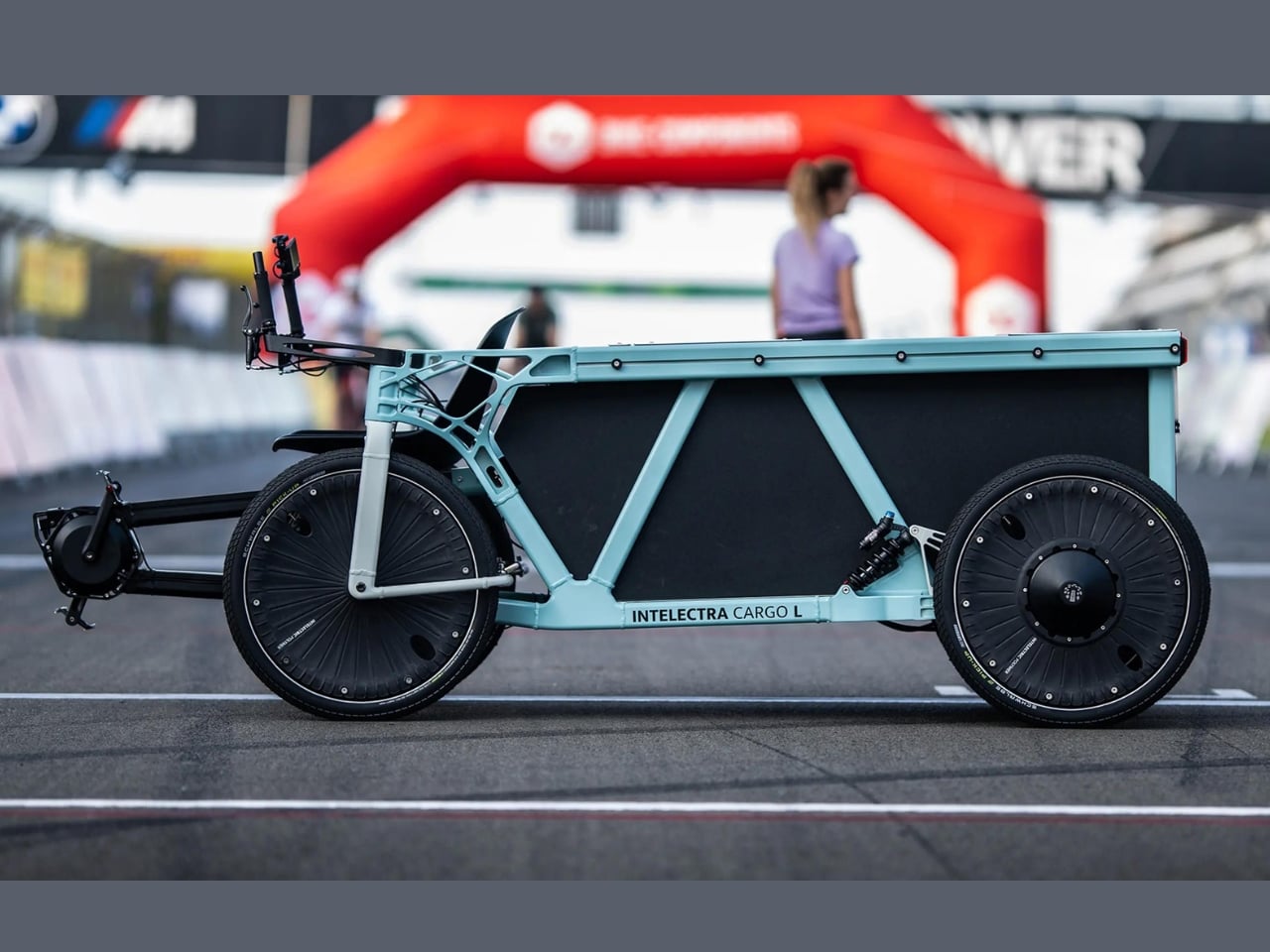
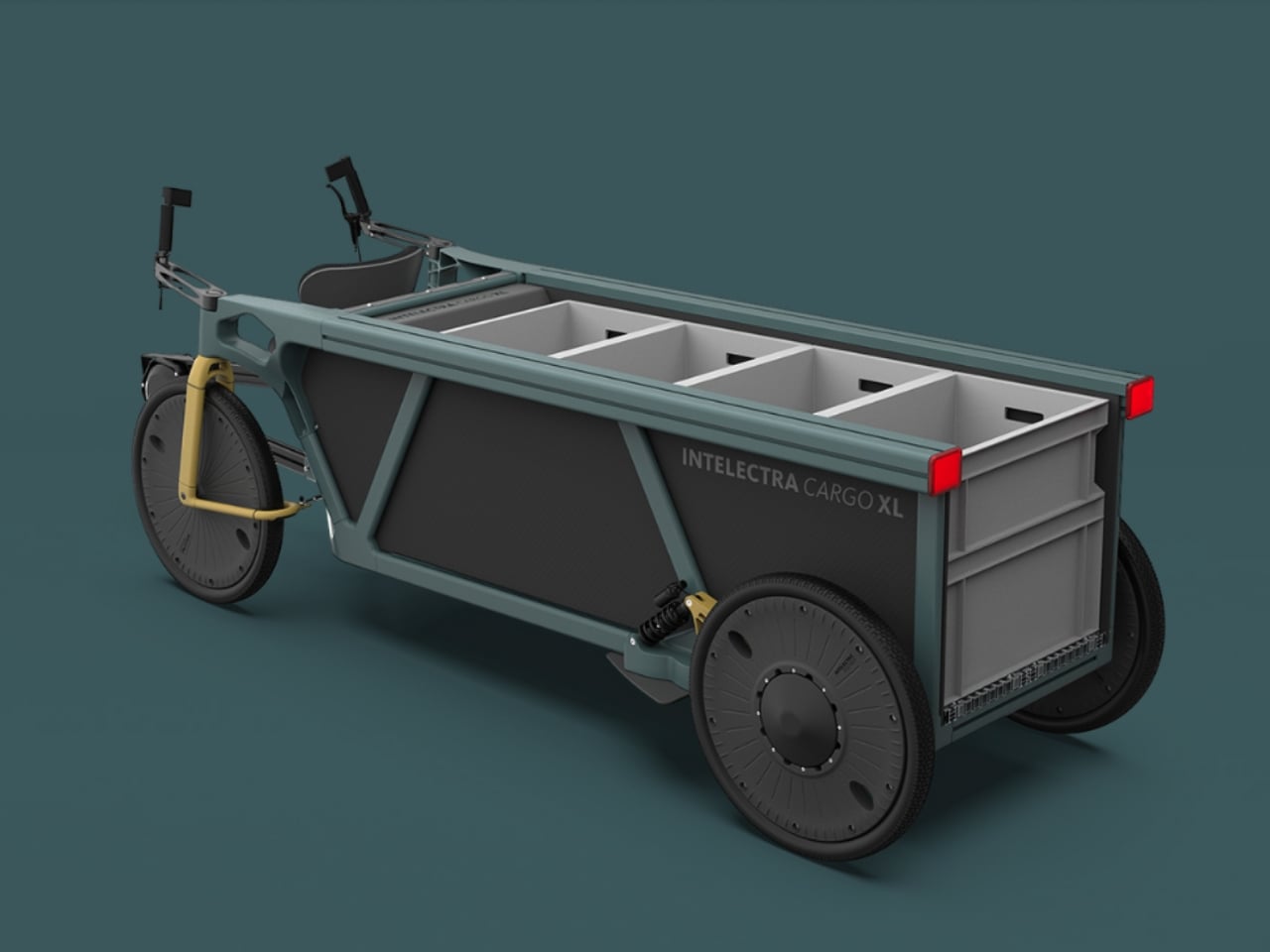
It actually looks like a regular bike or trike but with a rear cargo box with an aluminum frame at the back that is 4-foot-long, can carry up to 450kg (driver included) and can load up to 12 euro boxes. The square aluminum tubes are supported by tall, plastic-rimmed wheels. The pedal drive that extends past the wheelbase lets the driver sit upright as they power the bike through their pedaling.

The purely electric drive technology gives the Intelectra a maintenance-free system so there’s no need for things like oiling and less wear and tear. The drive system can go for 30,000 km without needing any maintenance. It can travel up to 93 km per charge while the battery can charge for an hour and a half. There are L and XL options with the latter being one euro crate width longer.

The post E-cargo bike lets you transfer cargo without much effort first appeared on Yanko Design.
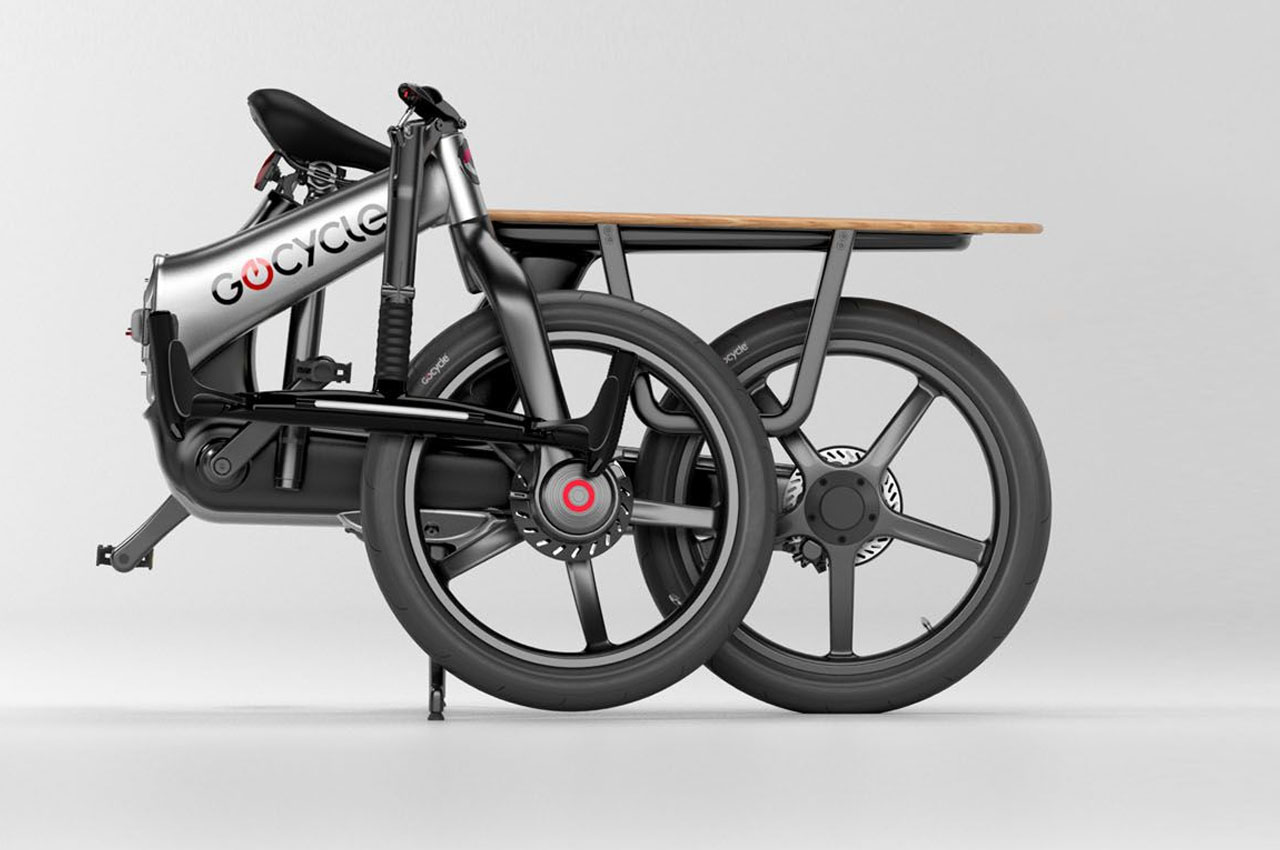
Lightweight and sleek Gocycle cargo e-bike fold down for hassle-free transportation

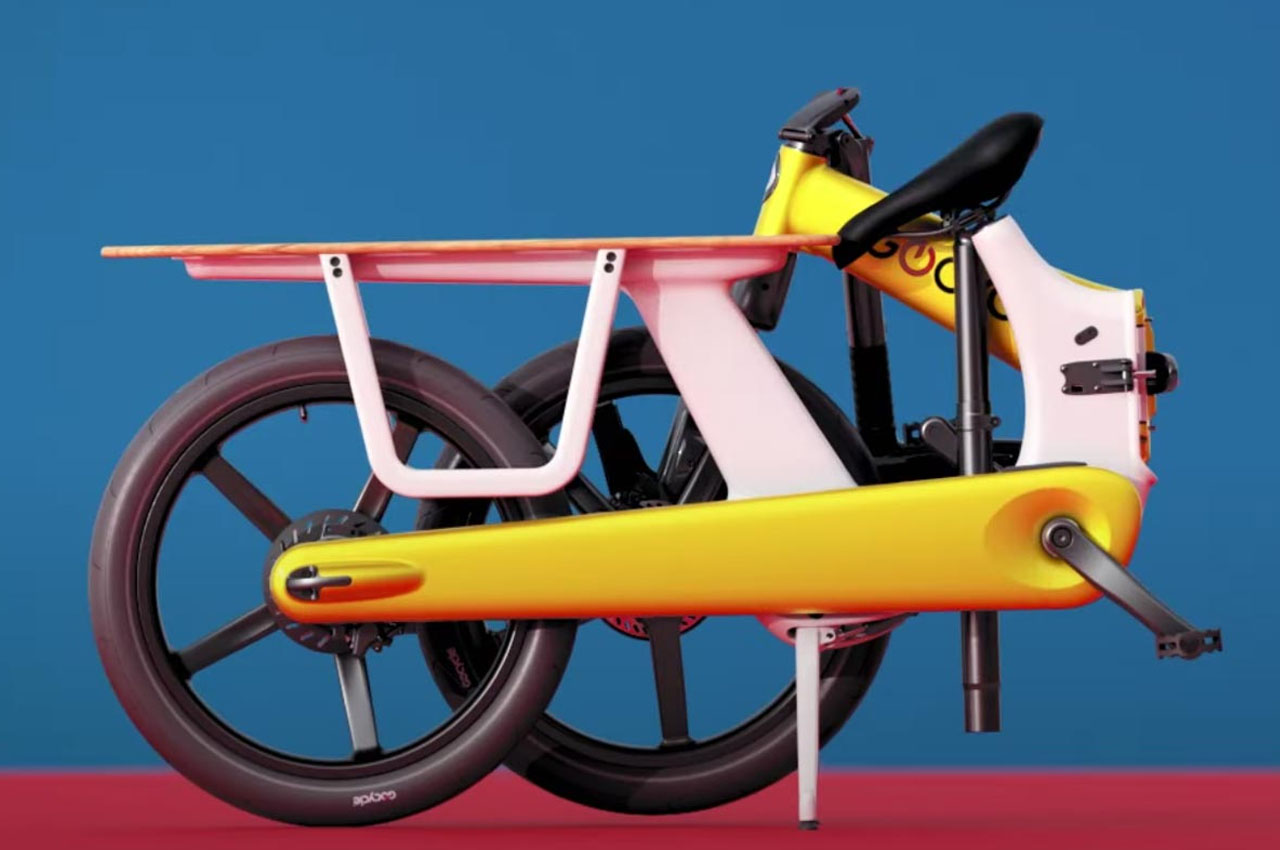
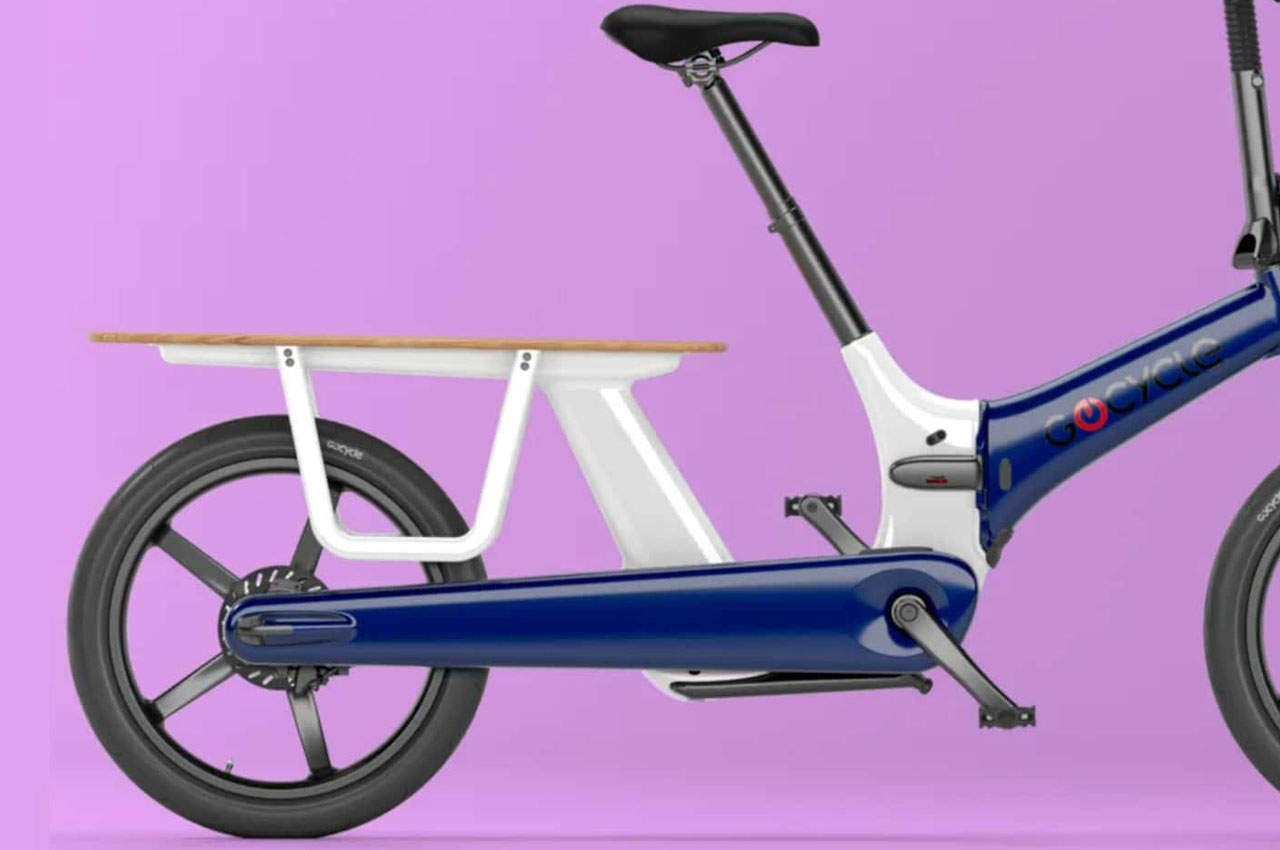
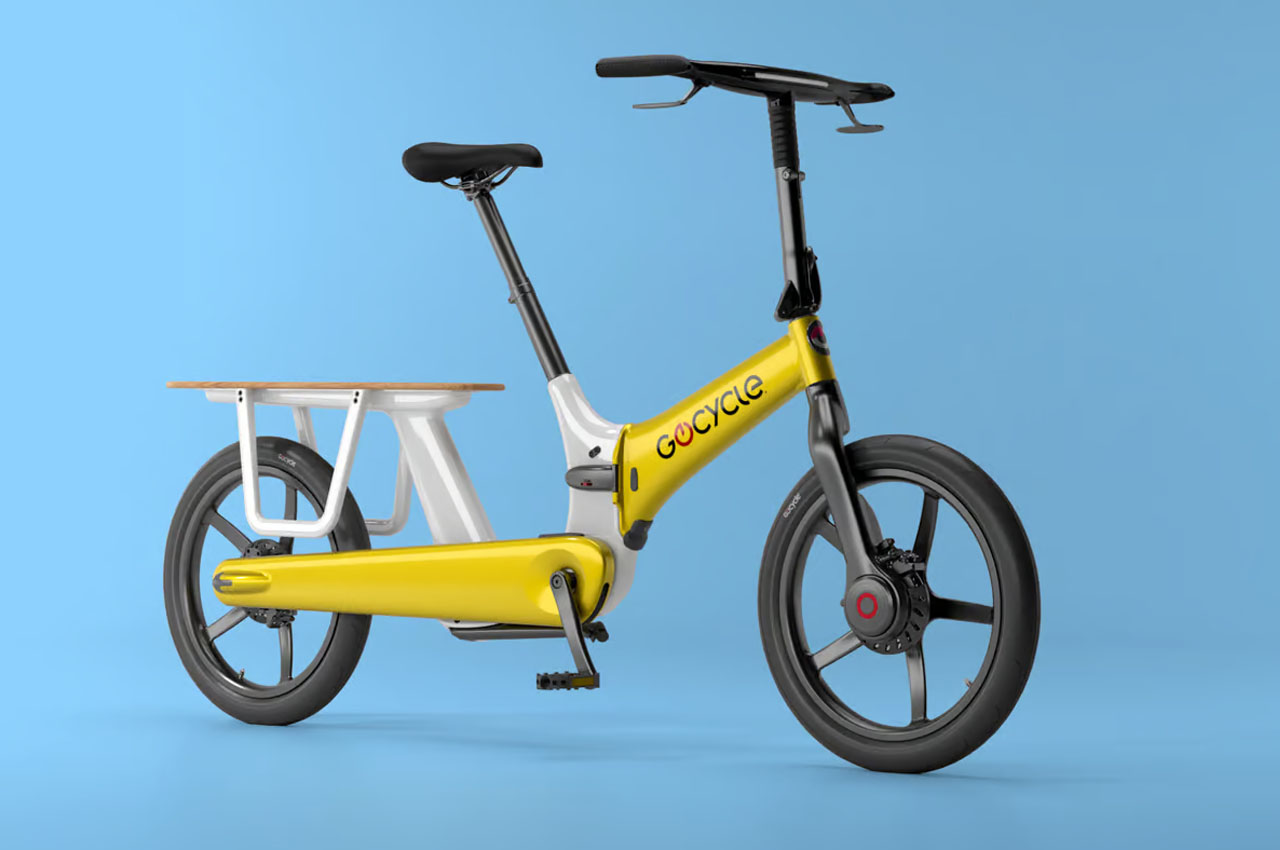
Gocycle is pretty adept at making electric bikes showcasing a sleek, exotic design. Taking their innovation further, they’ve revealed the lightweight Gocycle CXI Family Cargo Bicycle that carries forward the core values of lightweight and portability for people who were always turned off by cumbersome cargo bikes.

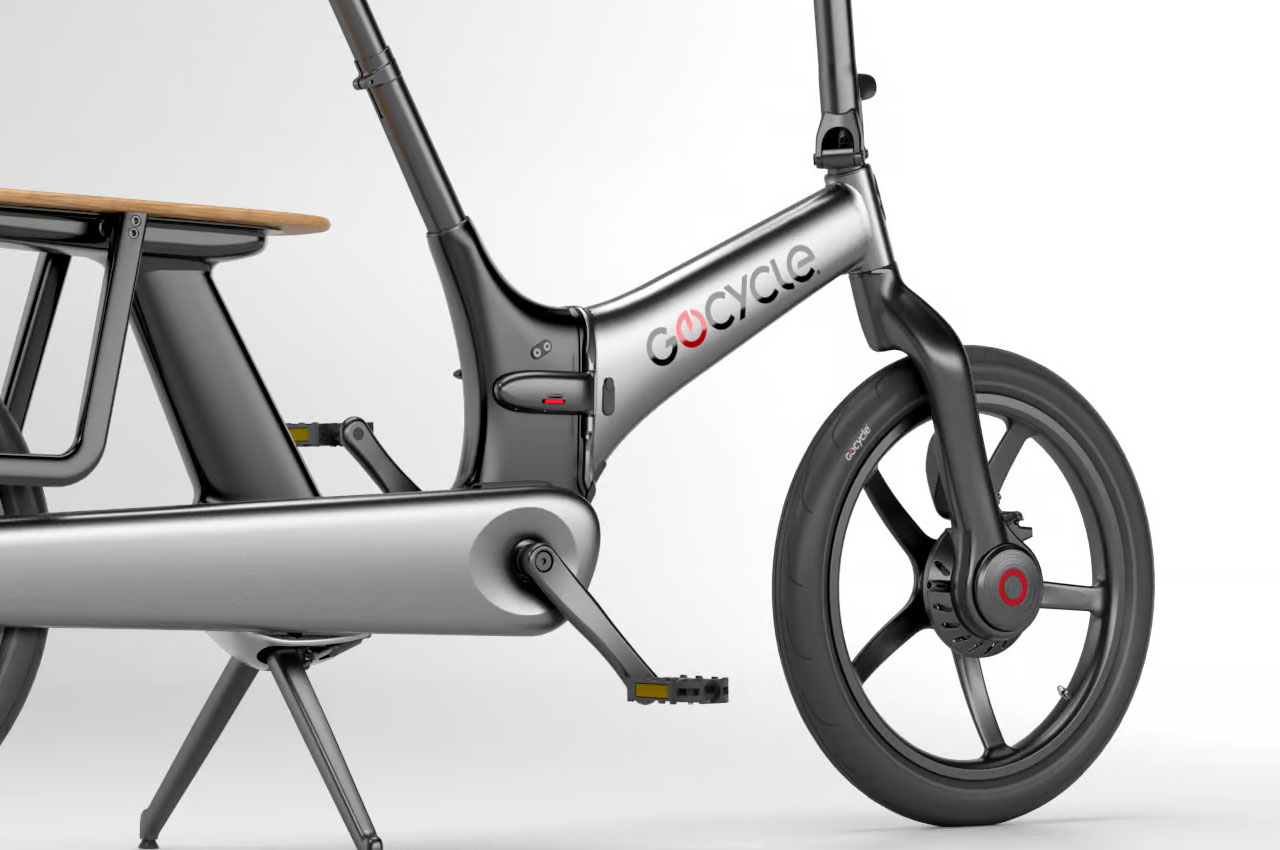
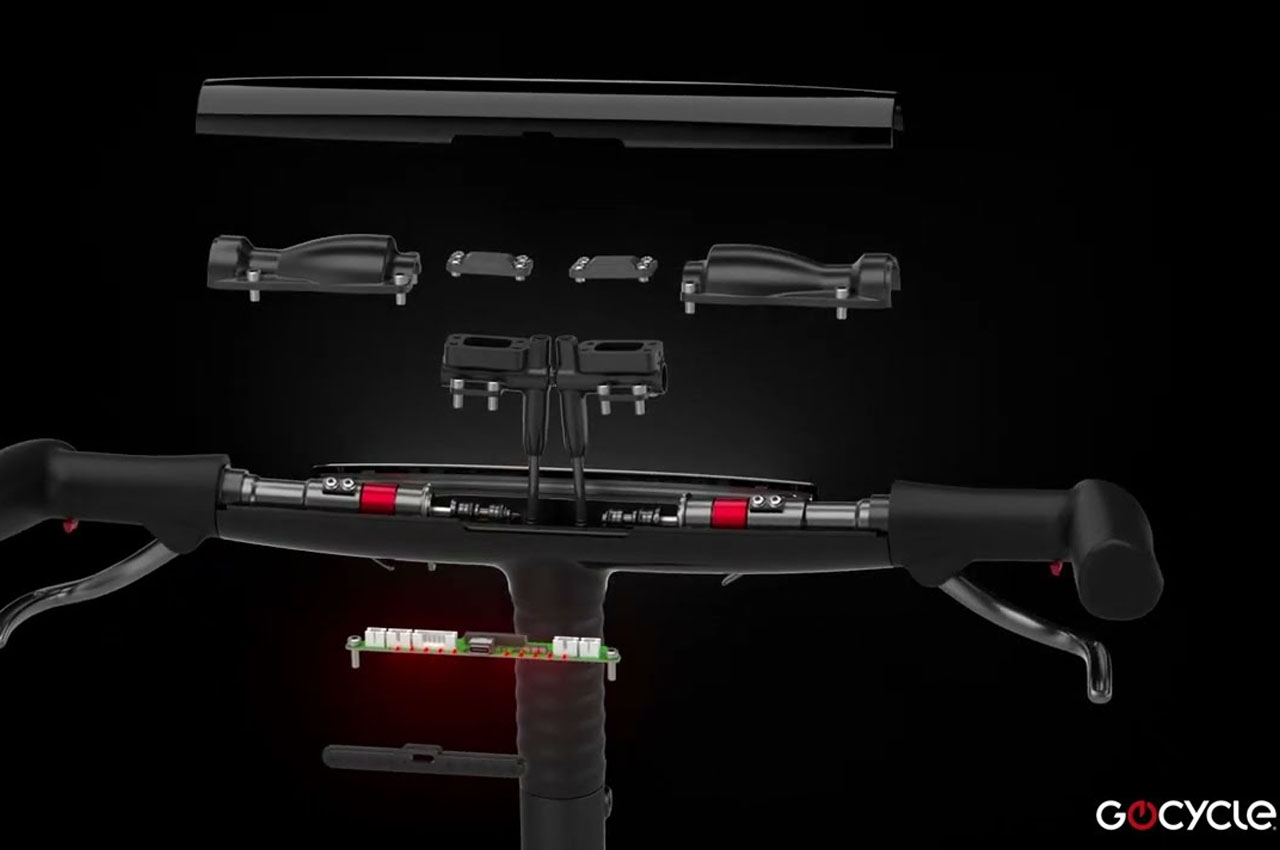
The company has added the CXi lineup of cargo e-bikes that come with core patented innovations including side-mounted Pitstopwheels, F1-inspired monocoque chassis, internal cabling and Cleandrive drivetrain. There are two e-bikes, CXi and CX+ which are more or less the same, with the differentiator being the newly designed FloFit Handlebar in the latter.
Designer: Gocycle

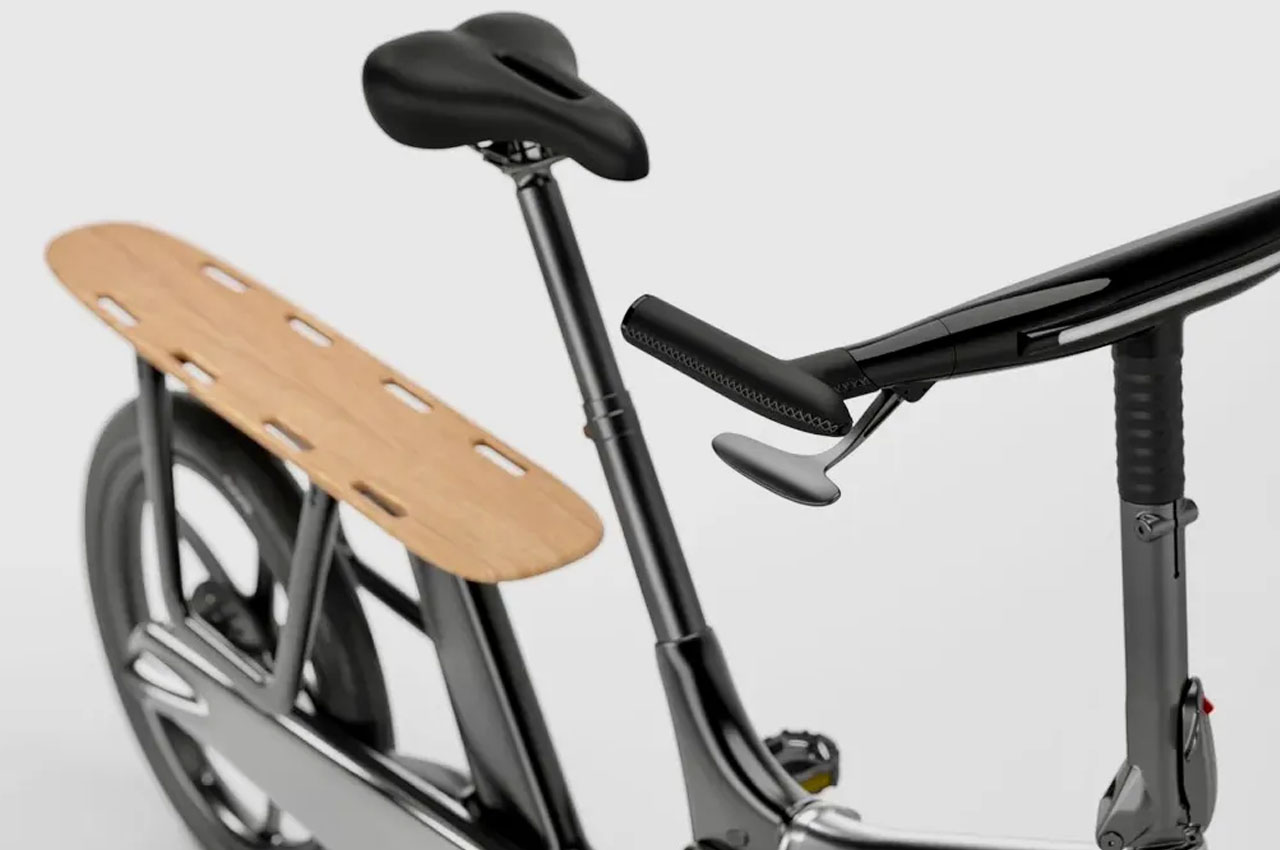
The CXi’s patent-pending handlebar permits adjustments for reach height, multiple hand positioning, fingertip controls and grip angle to toggle the upright or forward stance. Other than that the signature Gocycle styling is evident with an appealing design that has no visual presence of chains, spokes, wires or gears. Some are engineered into oblivion, while others are cleverly hidden behind engineered shrouds and custom-built frames. The 51 lb bike folds down to a transportable size of 46.5 x 15.75 x 30.75 inches which makes it highly practical for diverse needs.

Combining the performance front, the cargo bikes are built on the hydro-formed 6061 T6 front frame and carbon fiber rear frame. This time around Gocycle is calling it the WingPillar Frame which can haul a load of up to 480 lb. The MIK-compatible rear rack does all the heavy lifting with space for accessories and seating. There’s the 500-W front hub motor that provides smooth pedal assistance of 20 mph courtesy of the five-speed Shimano Nexus geared hub. On a single charge, the 375-Wh battery is good for a range of 50 miles.

The two models will arrive in a choice of six colors with the CXi priced at $6,999 and the CX+ coming in at $7,999. Deliveries are scheduled for September and pre-orders are live now for a refundable deposit of $499.

The post Lightweight and sleek Gocycle cargo e-bike fold down for hassle-free transportation first appeared on Yanko Design.