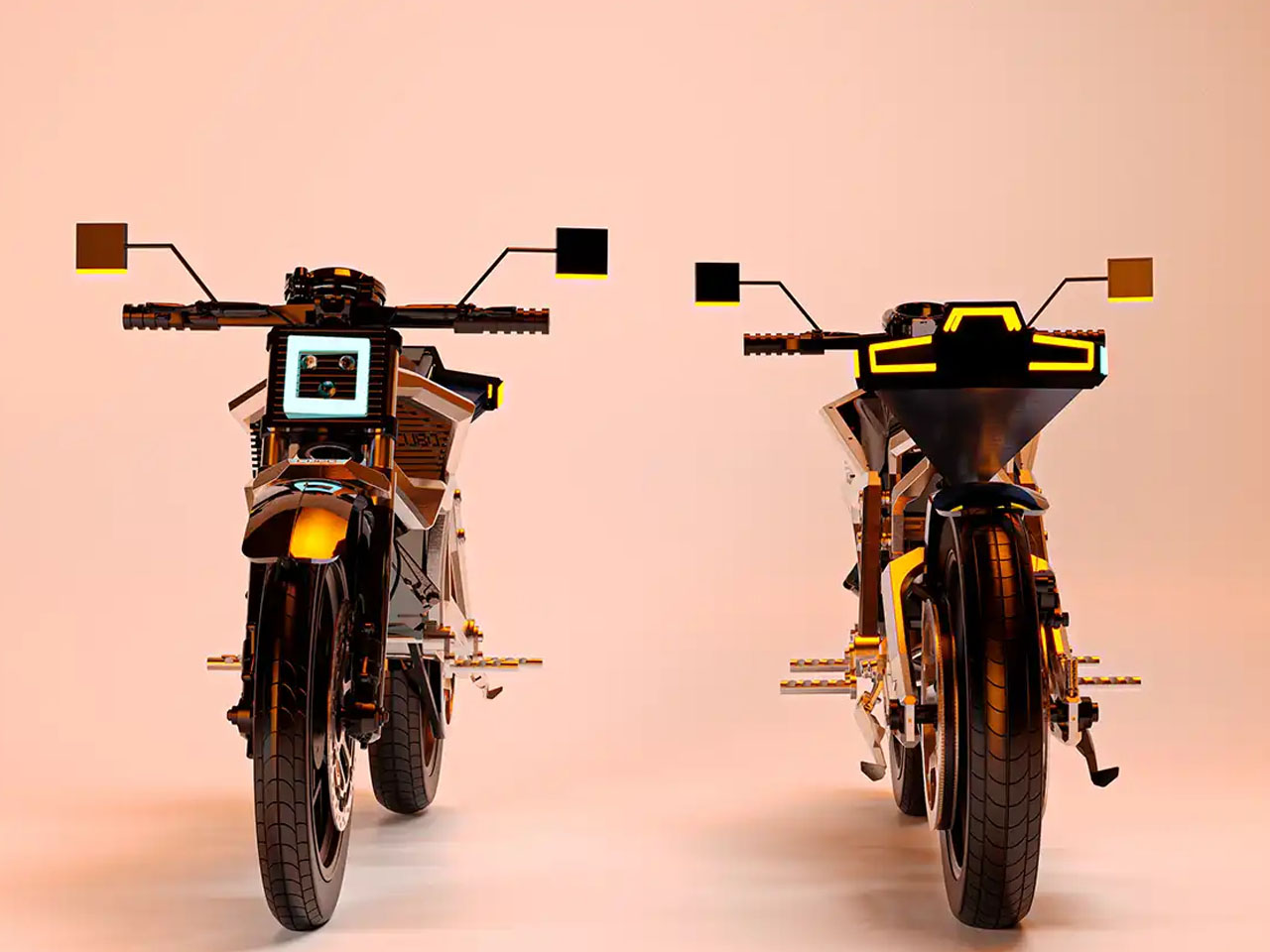
This solar powered motorcycle never needs charging for true energy independence

For years, electric mobility has been shaped by predictable patterns: bigger batteries, denser charging networks, and efficiency improvements that feel more evolutionary than revolutionary. Yet the dependency remains the same: riders still need plugs, stations, and the infrastructure that powers their daily movement. In the middle of this familiar landscape arrives a concept that doesn’t try to optimize the system but instead questions why the system needs to exist at all. The SOLARIS Self-Charging Solar Motorcycle by MASK Architects challenges the core assumptions of electric mobility with a vehicle that produces its own energy and redefines the relationship between rider, machine, and environment.

Developed by Öznur Pınar Cer and Danilo Petta, the SOLARIS approaches mobility as something closer to a self-sustaining organism than a machine waiting to be recharged. It operates entirely on power it generates itself, eliminating reliance on fuel stations, external charging points, or electrical grids. This shift reframes freedom for riders, offering movement that isn’t conditioned by access to infrastructure or energy markets. It introduces a future where independence is built into the vehicle, pushing the concept of autonomy far beyond driving modes or connected features.

Designer: MASK Architects

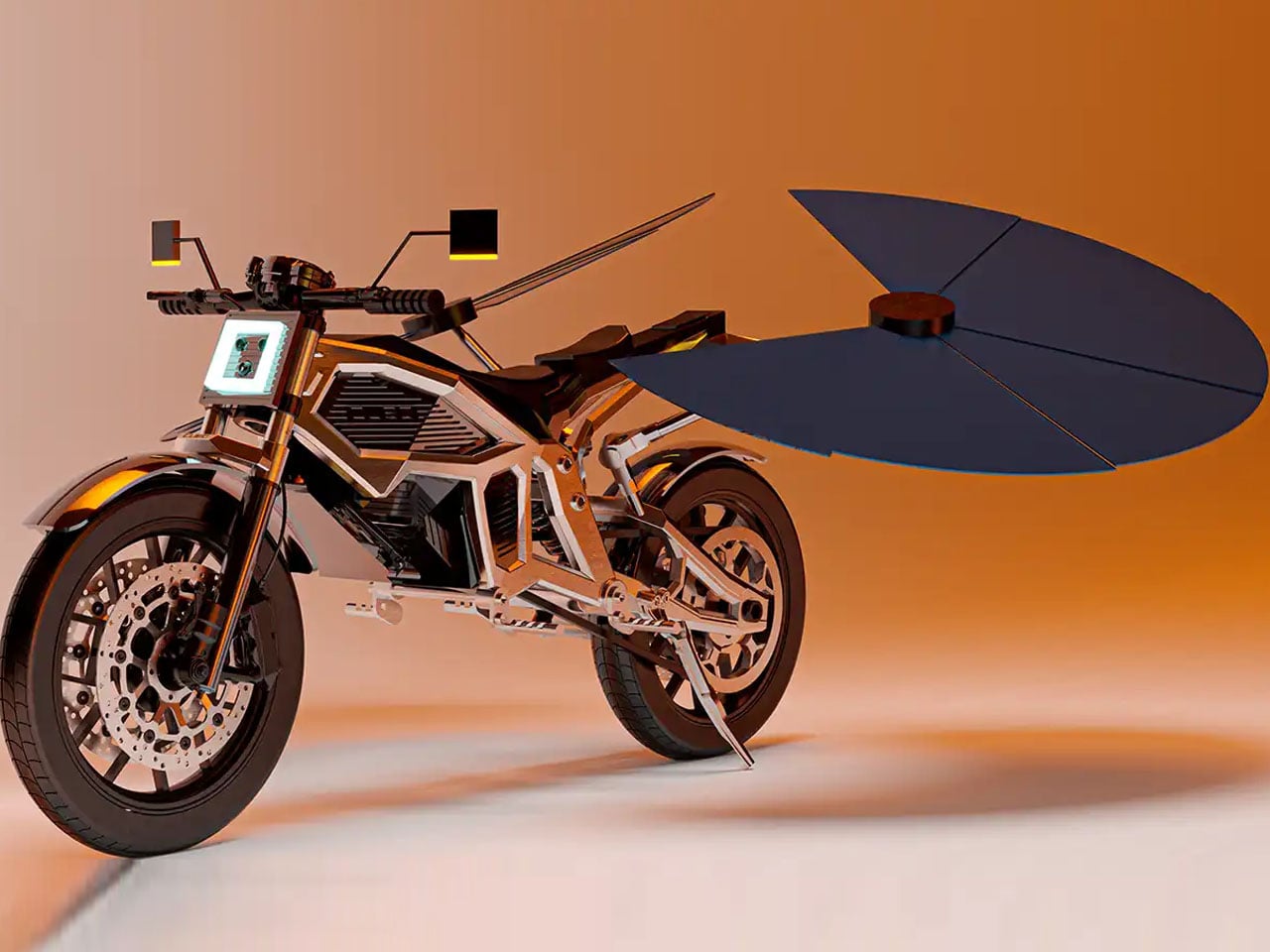
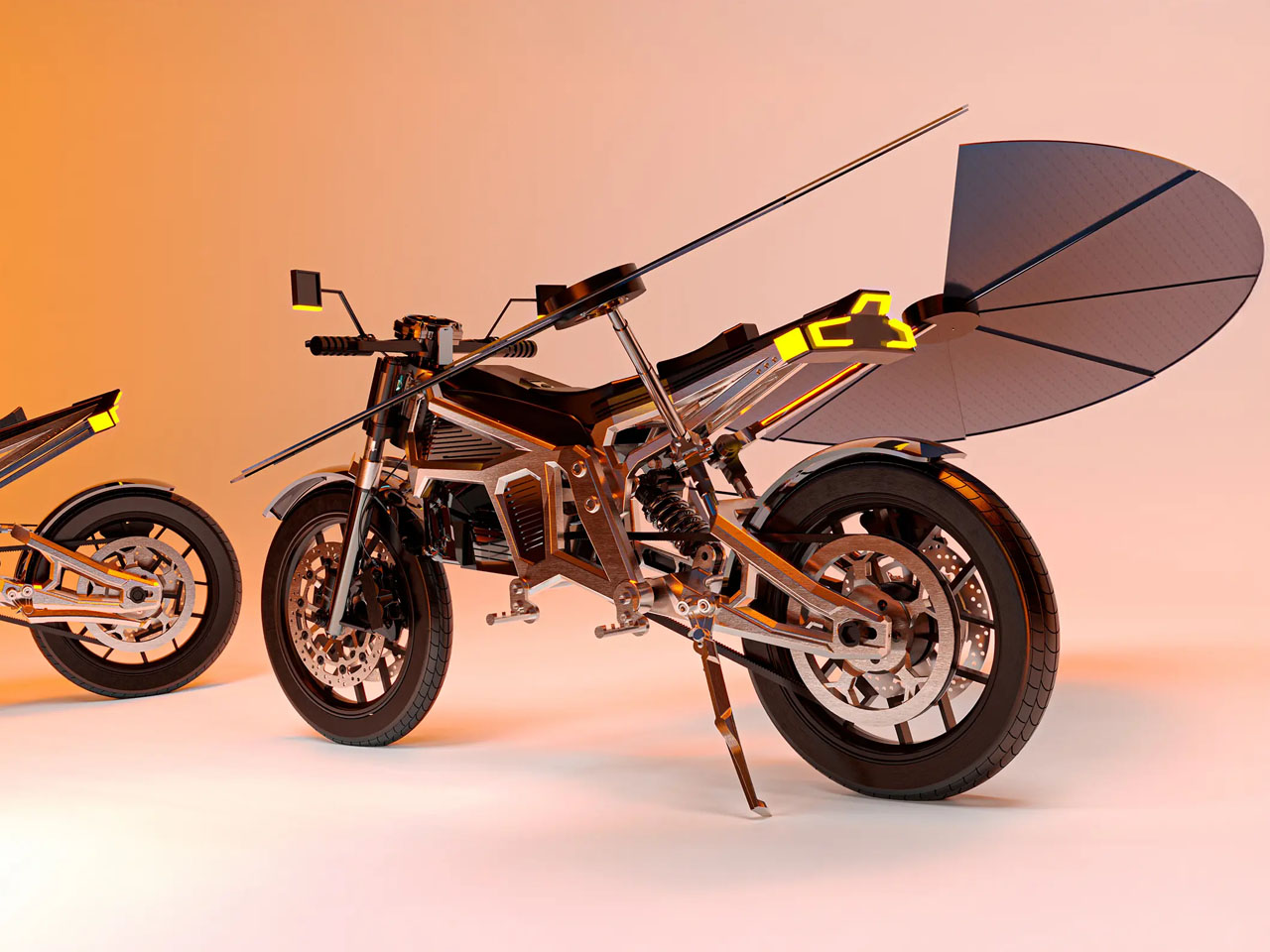
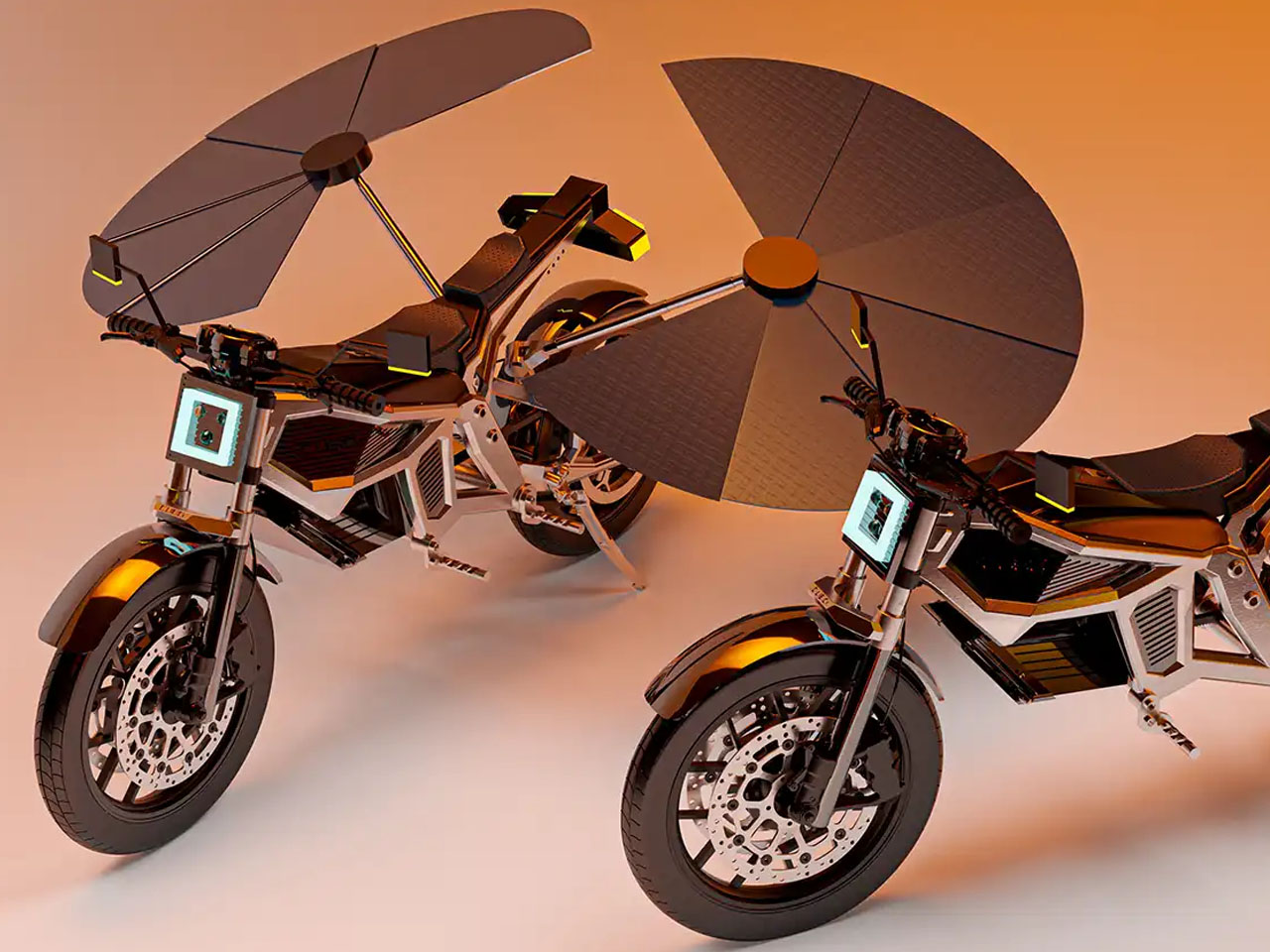
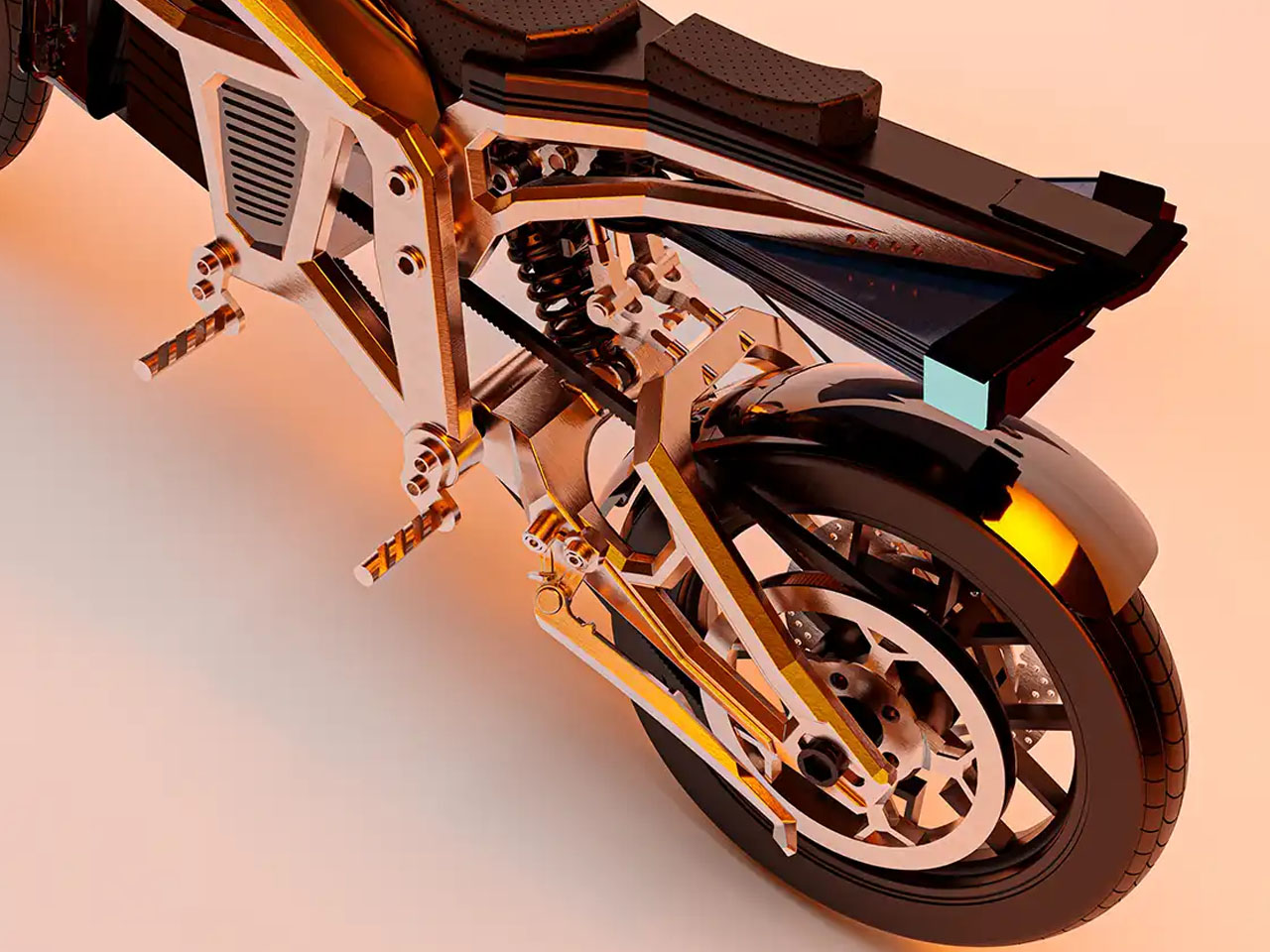
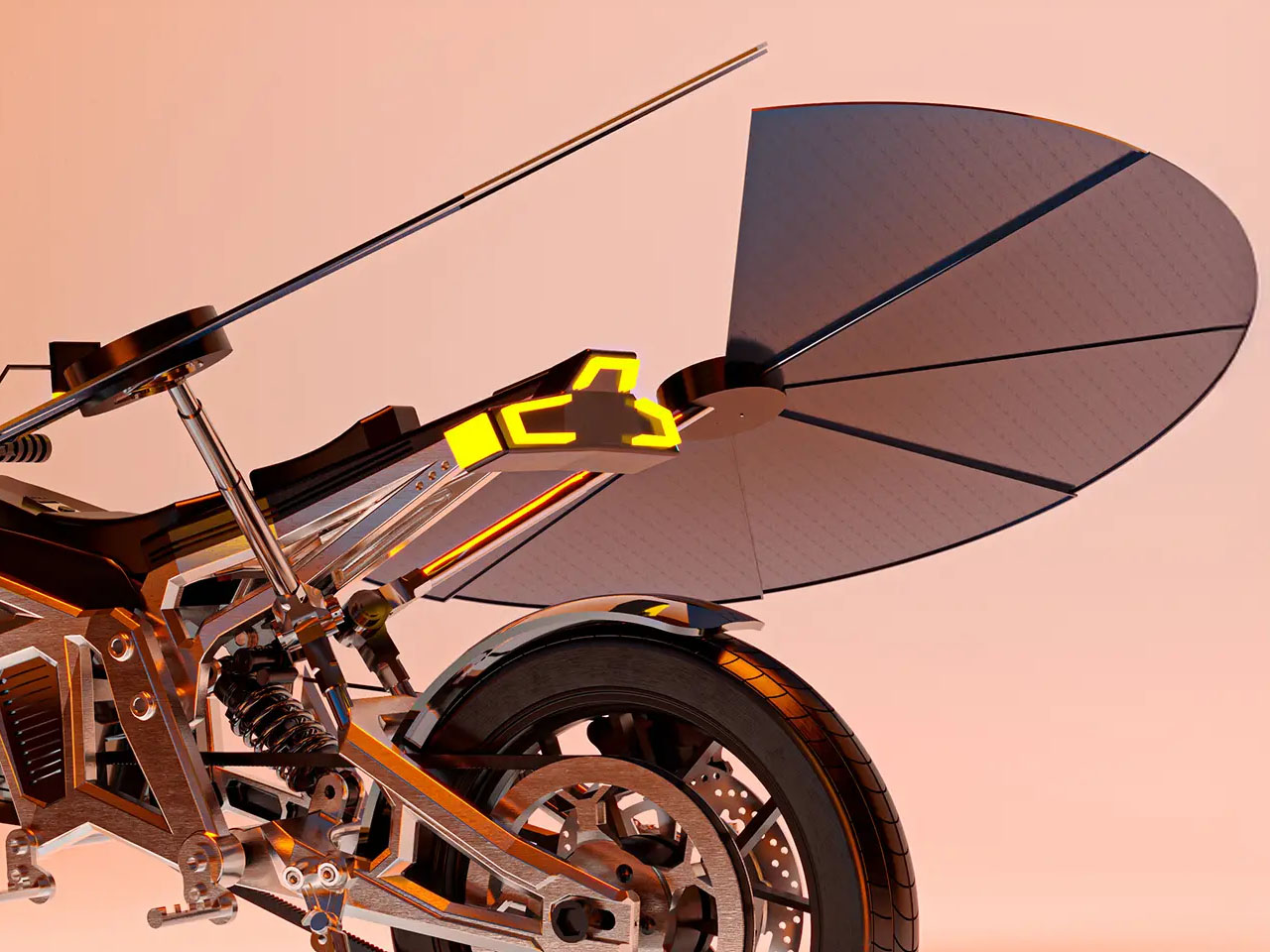
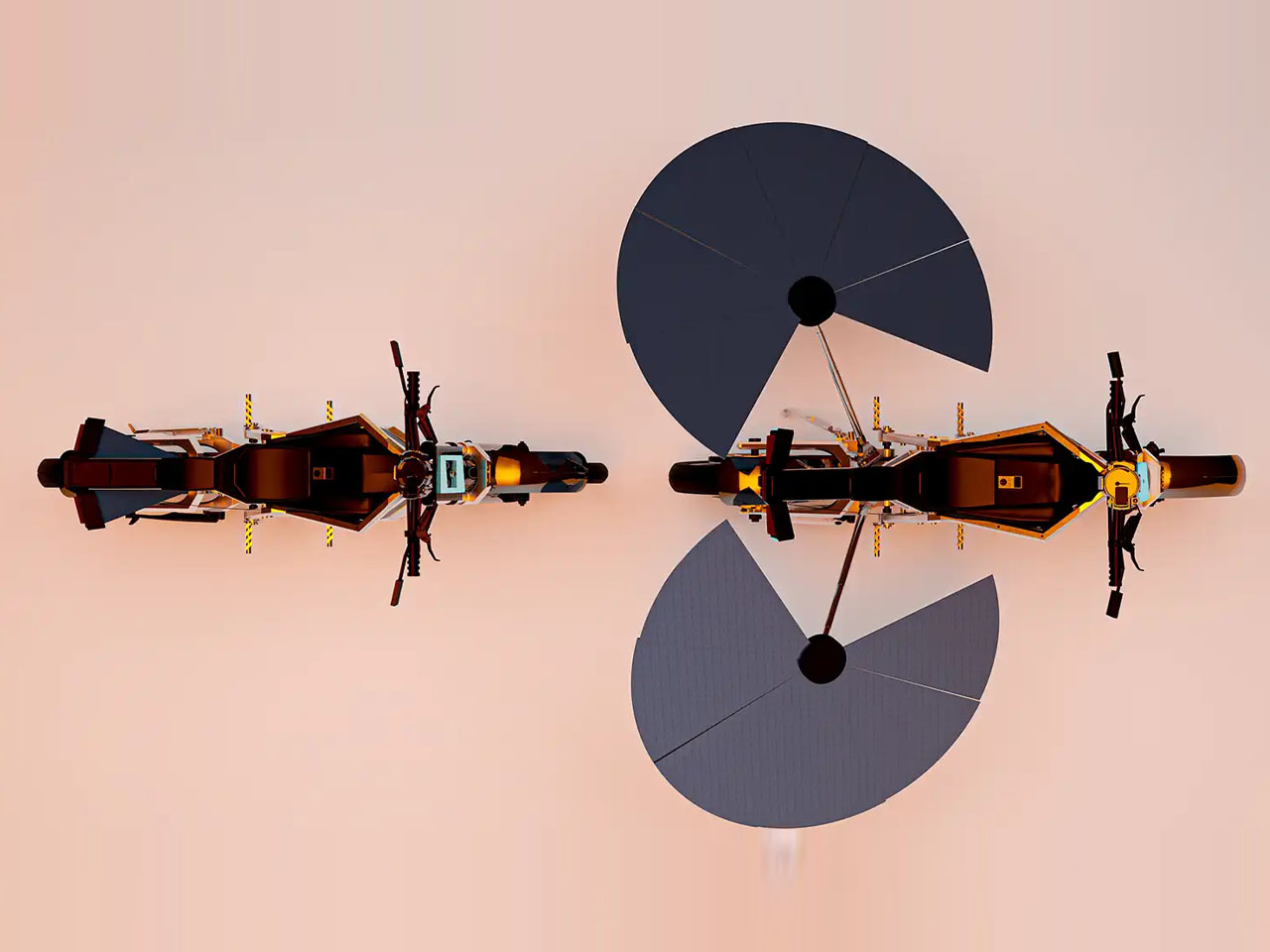
The technology that enables this transformation begins with next-generation photovoltaic cells integrated into the motorcycle’s structure. These high-efficiency solar elements convert light into energy throughout the day, ensuring the system remains active under varying conditions. A defining feature of the SOLARIS is its deployable charging mechanism, which expands into a protective wing when the motorcycle is parked. This design increases the solar capture area by up to 150 percent, allowing the battery to be replenished whether the vehicle is in motion or stationary. The result is a power source that continuously supports itself, removing the downtime associated with conventional charging and allowing the vehicle to remain ready for use without external input.

Visual identity plays an equally important role in its appeal. The deployable wing draws inspiration from the structure of a dragonfly’s wing, merging natural efficiency with a mechanical aesthetic. This biomimetic approach gives the motorcycle a distinctive presence while reinforcing its connection to the environment it relies on for power. The blend of organic influence and engineered precision creates a form that communicates both purpose and innovation, capturing the attention of users who value sustainability and future-focused design.

The potential impact of a self-charging motorcycle extends beyond individual riders. Without dependence on fuel or electricity networks, the concept becomes a practical solution for remote regions, developing communities, and delicate natural environments where infrastructure is limited or intentionally preserved. For logistics operators, tour providers, and municipal programs, the removal of energy costs and reduced mechanical complexity offers clear economic advantages and faster returns compared to traditional electric models.

The post This solar powered motorcycle never needs charging for true energy independence first appeared on Yanko Design.

DIYer builds first 100% solar-powered drone that flies without batteries

It’s not usual for DIYers to step up and experiment with the logic of solar-powered devices as we know it. The ideal generally is to keep it simple. Add solar panels, connect them to a battery system, and power the connected devices. But that’s way too straightforward for Luke Maximo Bell, who runs an eponymous YouTube Channel and already has a Guinness World Record to his credit.

Last year, Luke and his father challenged the record for the fastest drone from Red Bull with their 3D-printed drone. It not only officially surpassed the former’s top speed of 350km/h, but actually bettered it by nearly 50 percent, hitting high speeds of 500km/h (310mph). A record-breaking feat verified by the team at Guinness Book of World Records.

Designer: Luke Maximo Bell

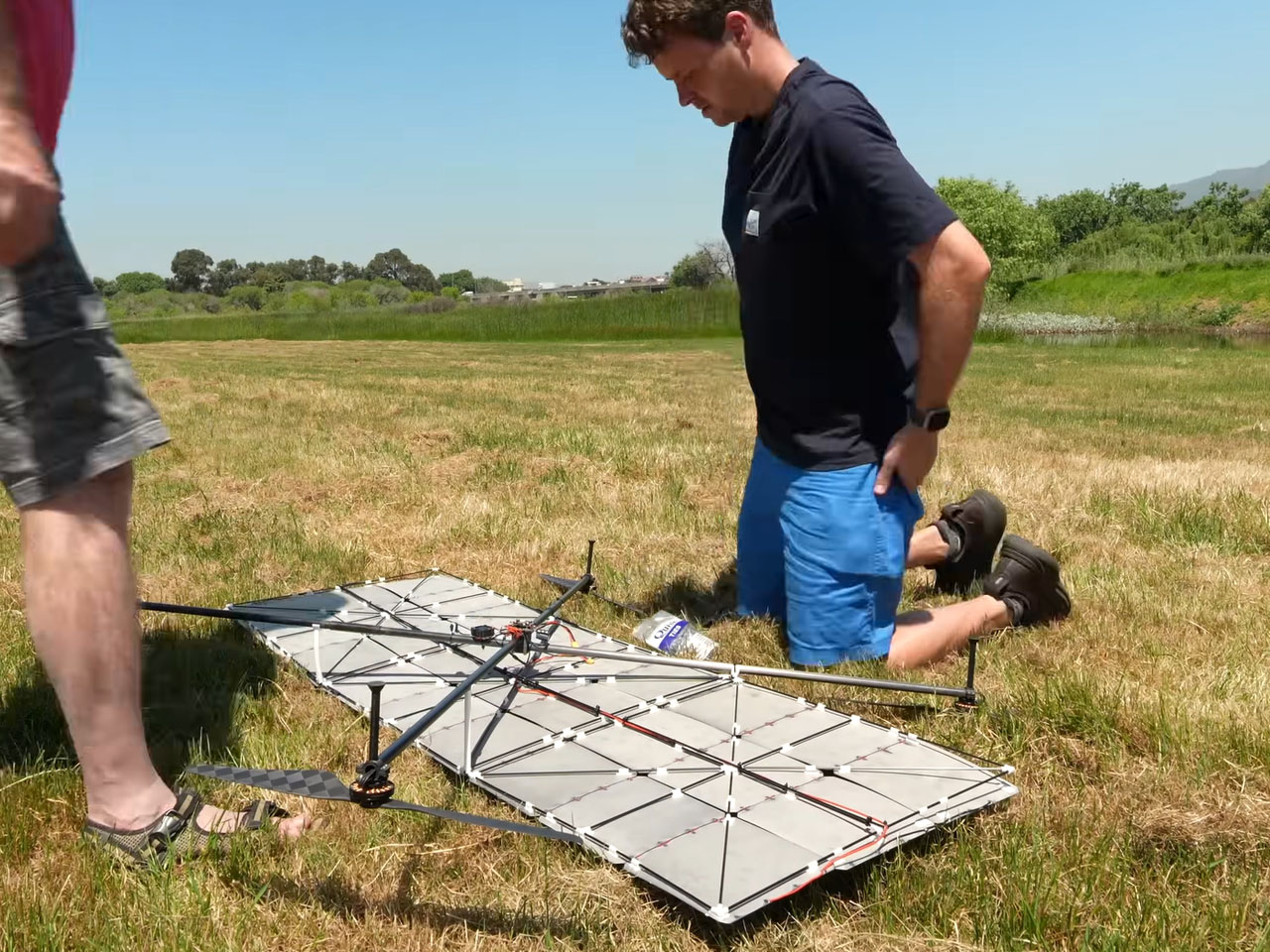
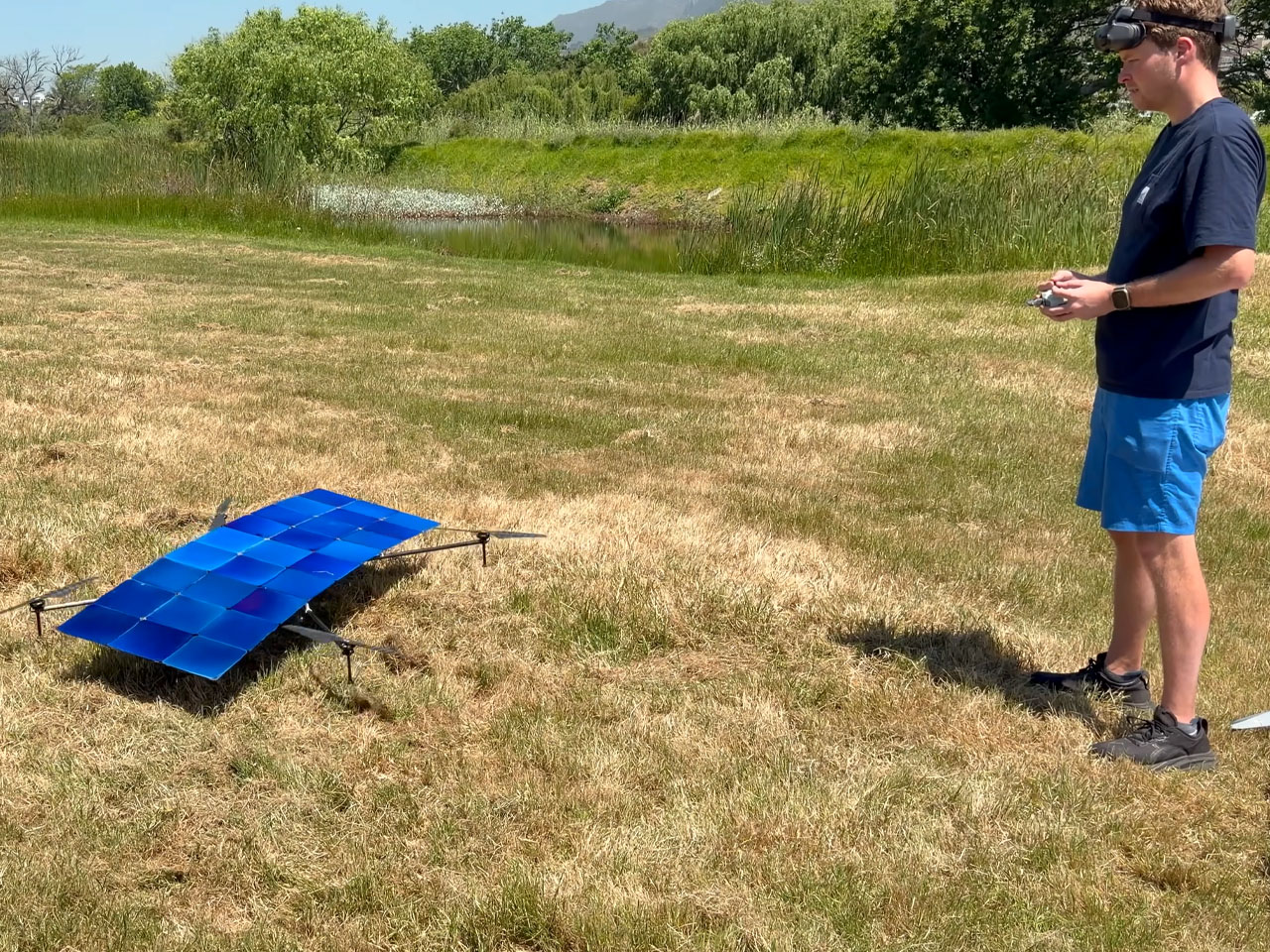
The idea of this new solar-powered drone, based on an X-shaped frame, is not to shatter any records per se, but to experiment with the feasibility of a drone that runs completely on solar power, without any battery attachments. Of course, as you see it, a drone like that would practically have little real-world applications, but it could pave the way for more exploration, certainly. Maybe the kite festival of Jaipur, India, could see ropes tethered to kites mounted with solar panels on them someday.

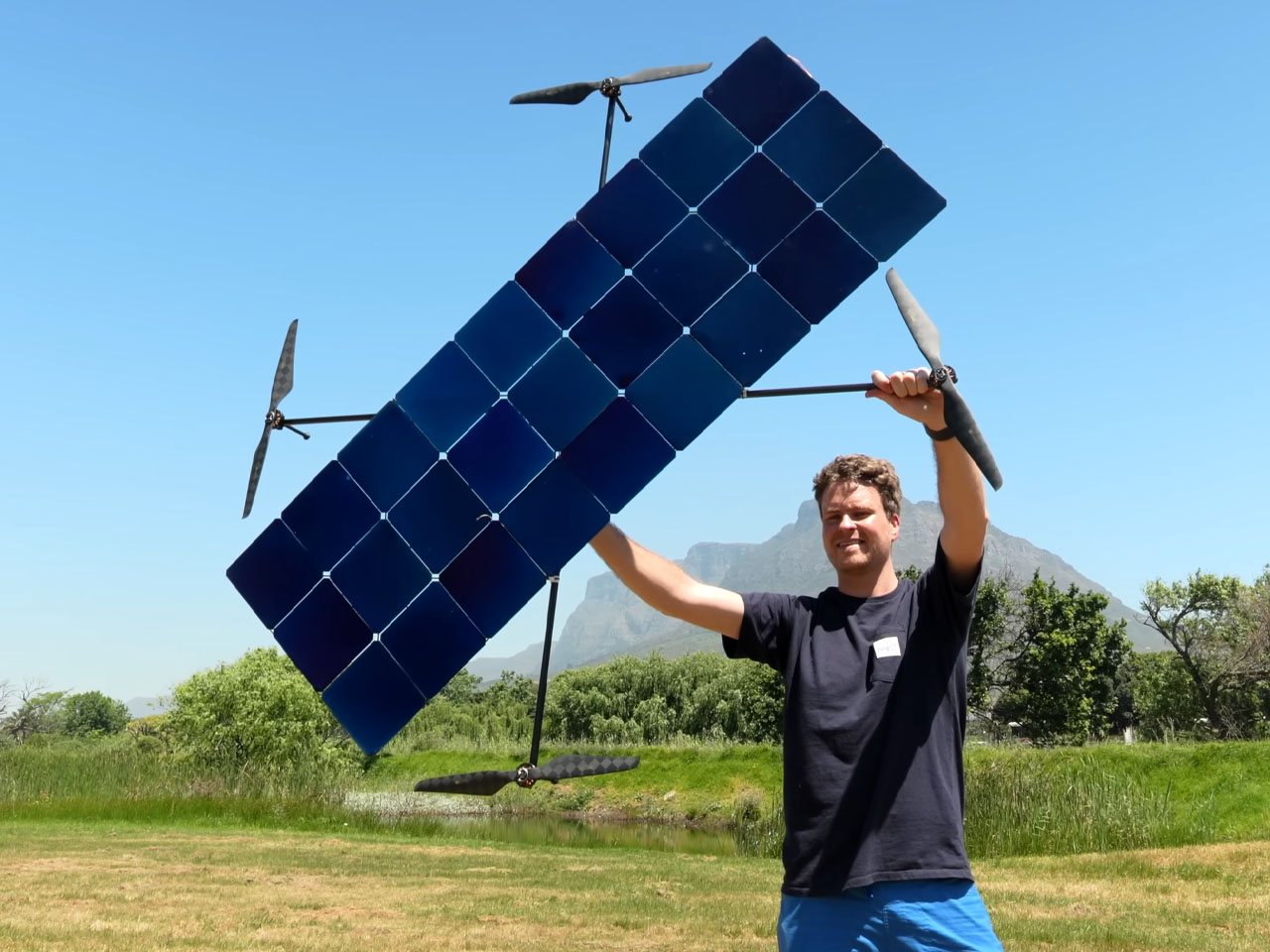
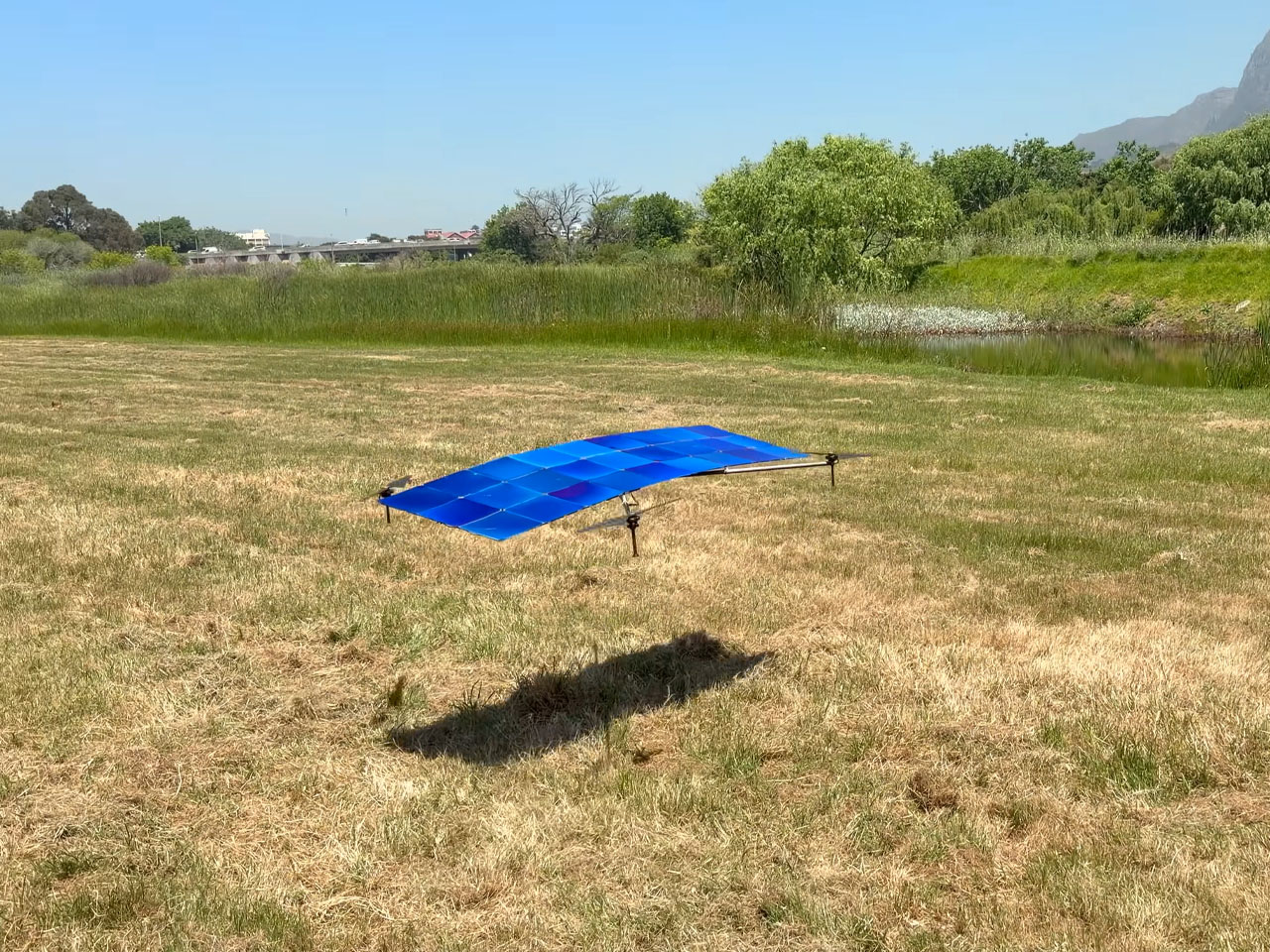
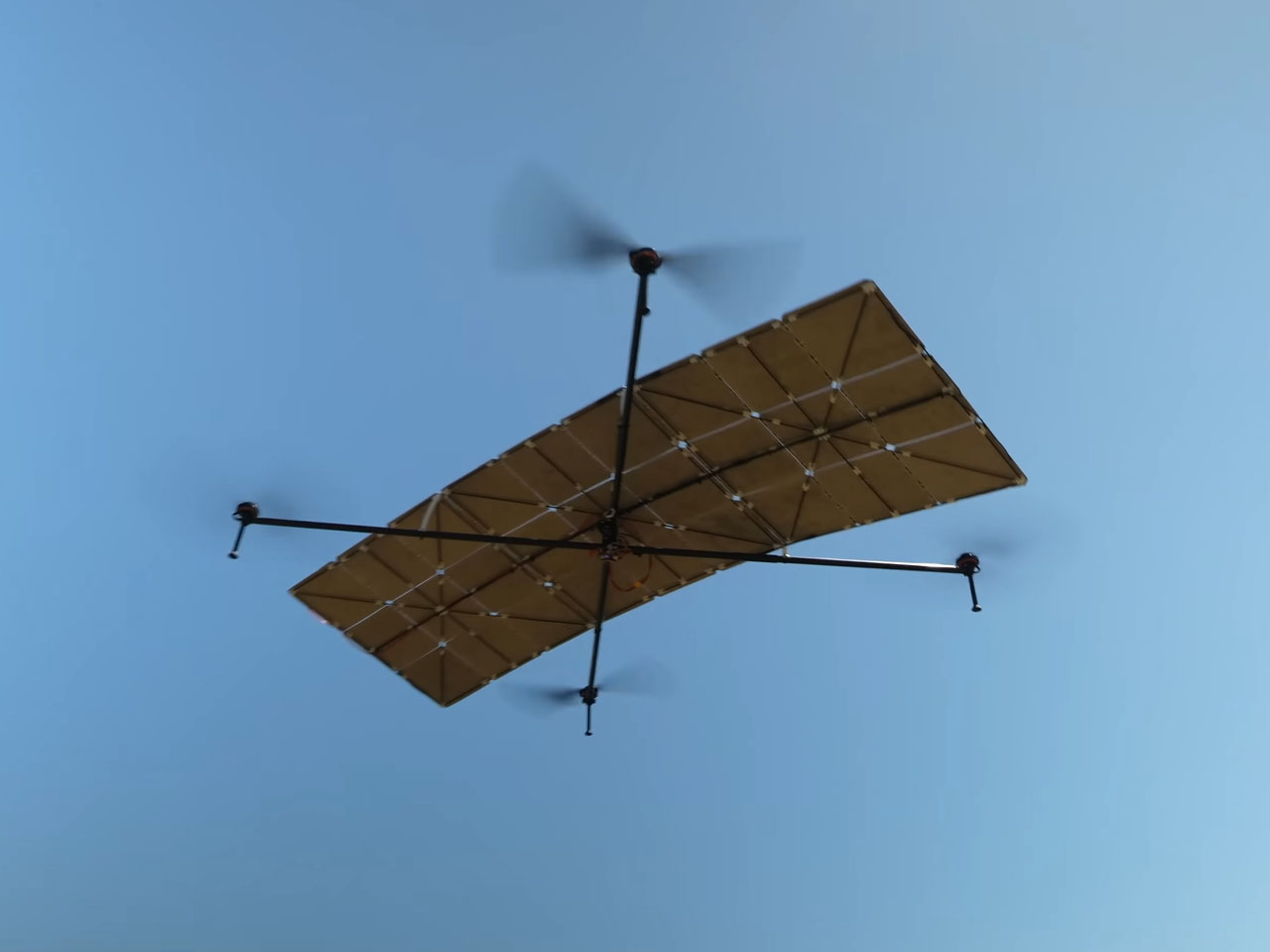
Jokes apart, Luke as for years had this thought of, what if a drone could fly on solar power alone? And this project is “designed to find that out.” From the video demonstration, the drone looks like nothing more than a flying sheet of solar panels, but it has been successfully tested to fly, which is an achievement.

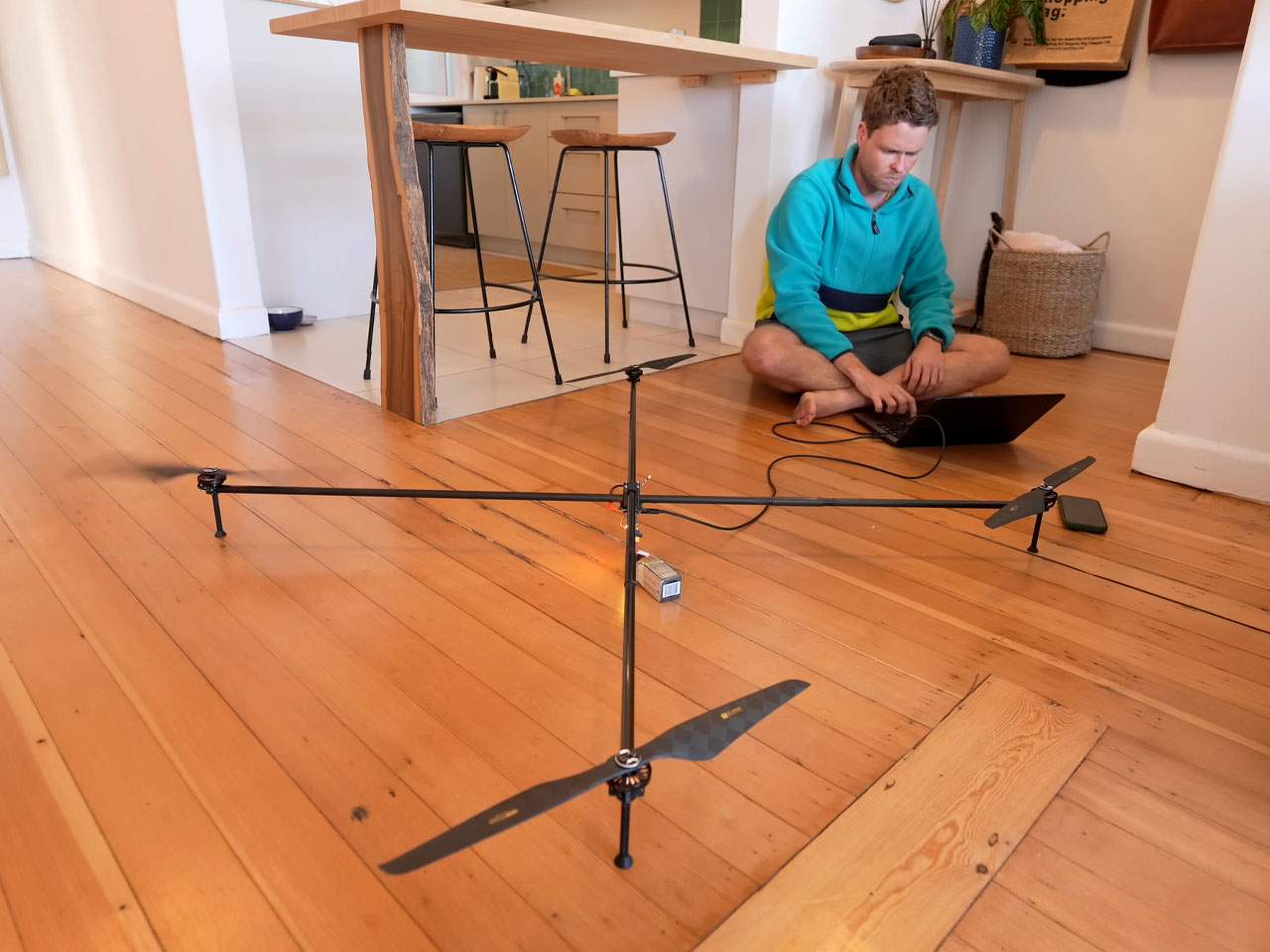
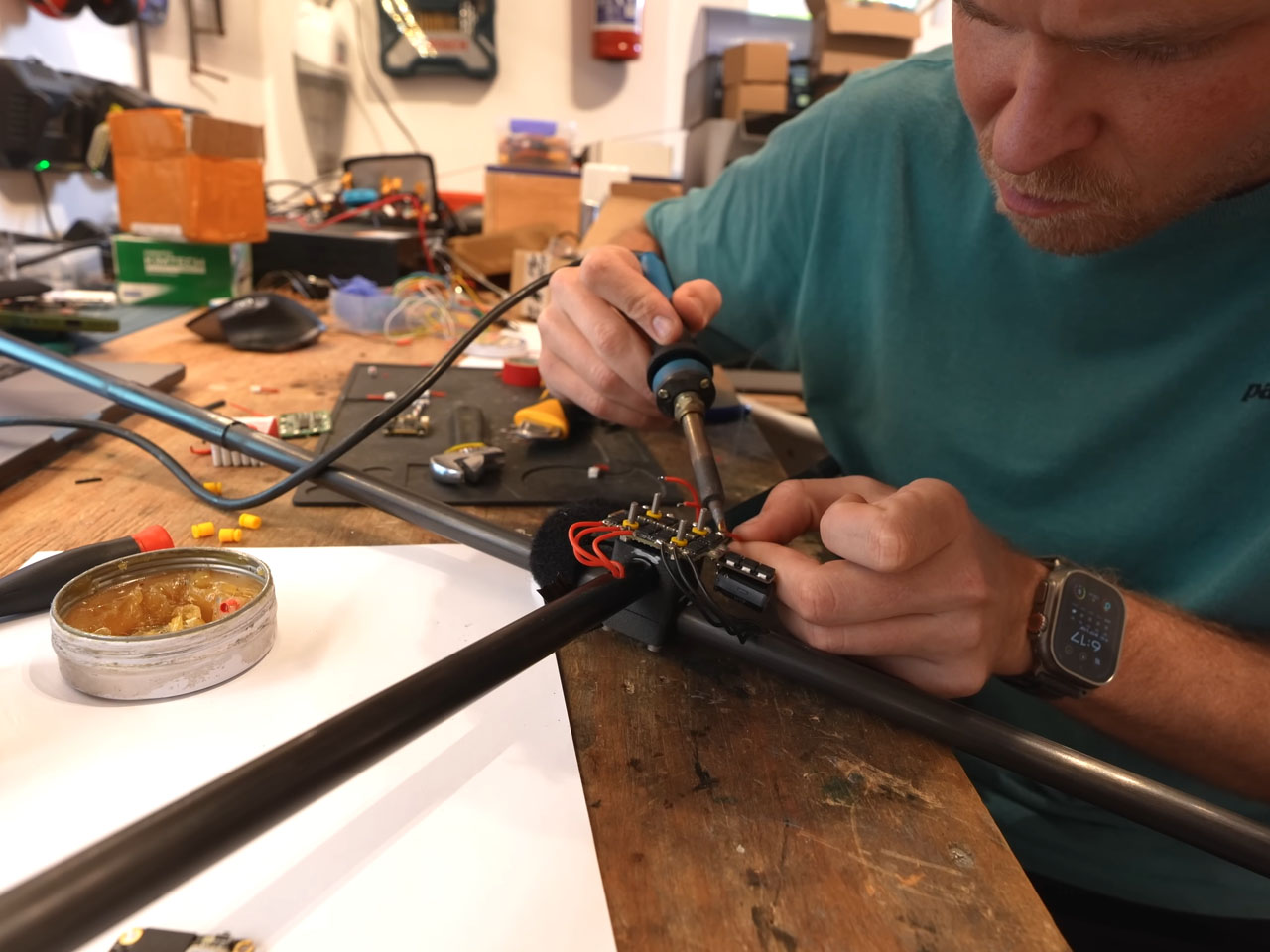
The idea of the drone is based on two parts, as Luke puts it, the drone itself (comprising antigravity motors residing on 3D printed mounts, propellers, and frame. And the second part being the photovoltaic panels. Both are combined to create this sun-loving drone that keeps airborne as long as the sun shines on it. The 18-inch X-frame of their unique drone is made of carbon fiber tubing, and it features the decisive flight controller installed right at the X intersection of the two frame bars holding the propellers at their ends.

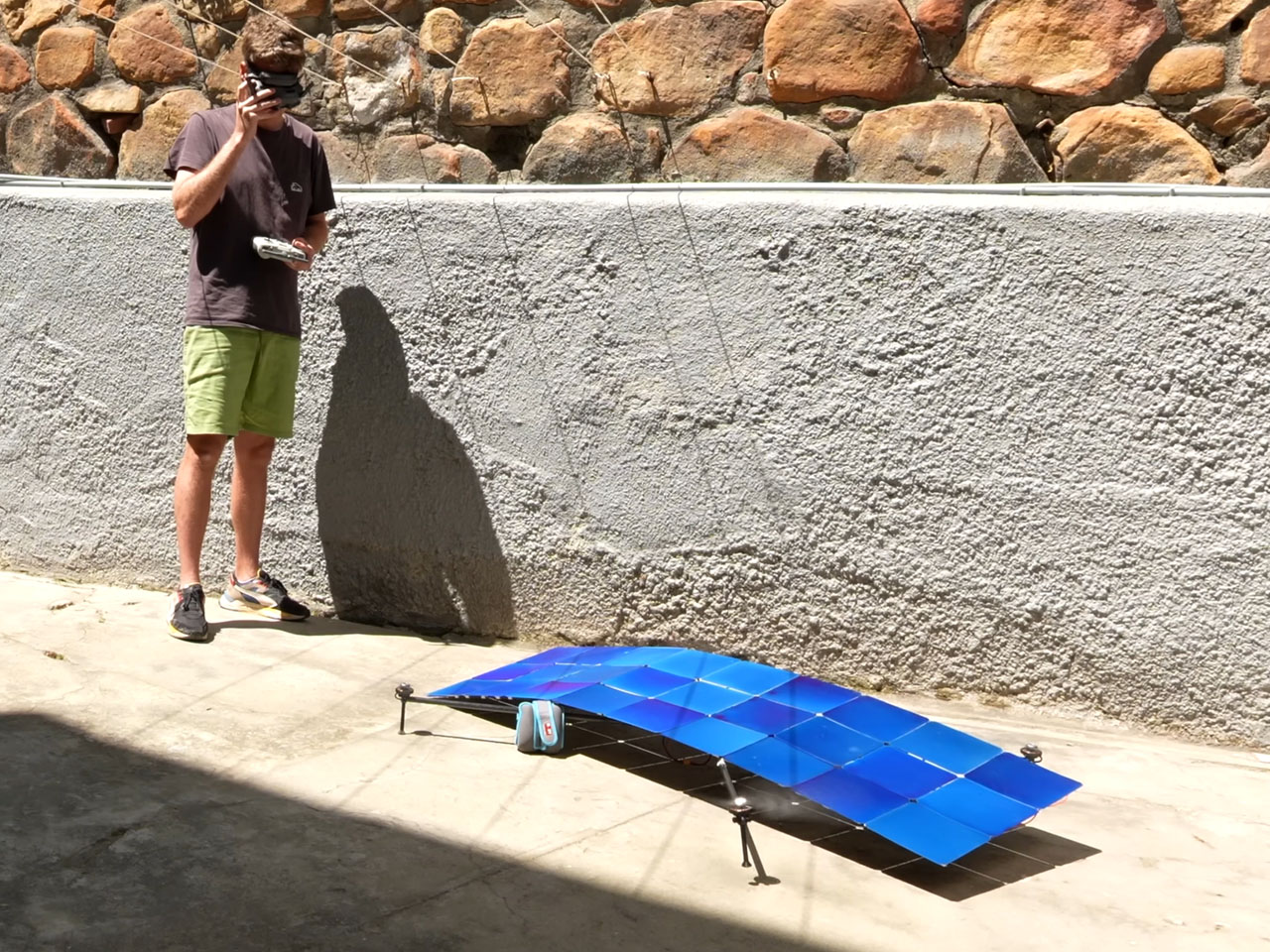
Understandably, the entire contraption has taken Luke hours of jostling through the odds, check out the video above for more details; but he has been able to pull it off. With solar panels and no batteries on board, the drone does take off after a few nervous minutes on 100 percent solar power alone. The flight was a “bit shaky,” Luke says in the video, but it’s “flying,” and the testing was “successful,” he proudly notes.

The post DIYer builds first 100% solar-powered drone that flies without batteries first appeared on Yanko Design.

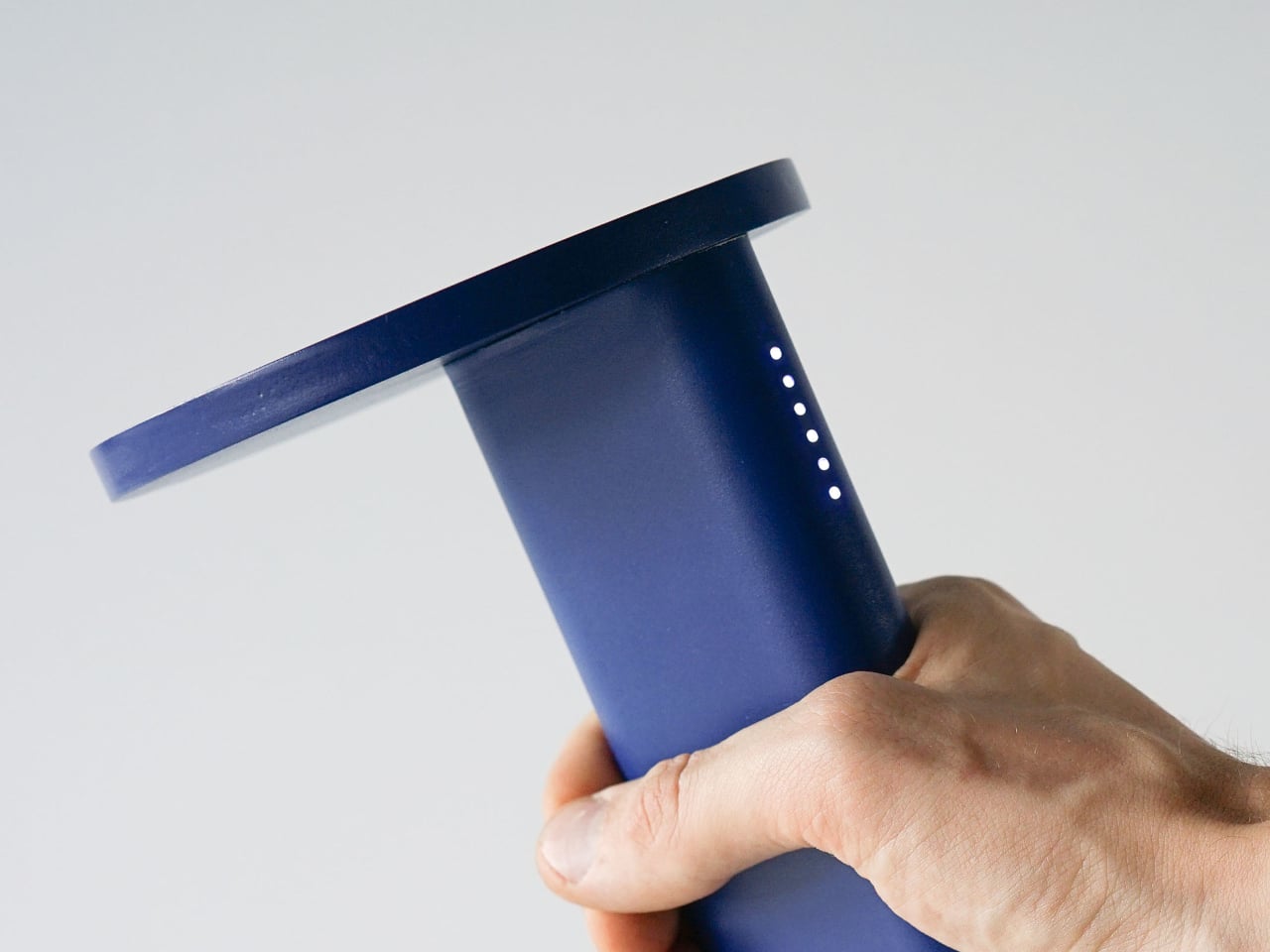
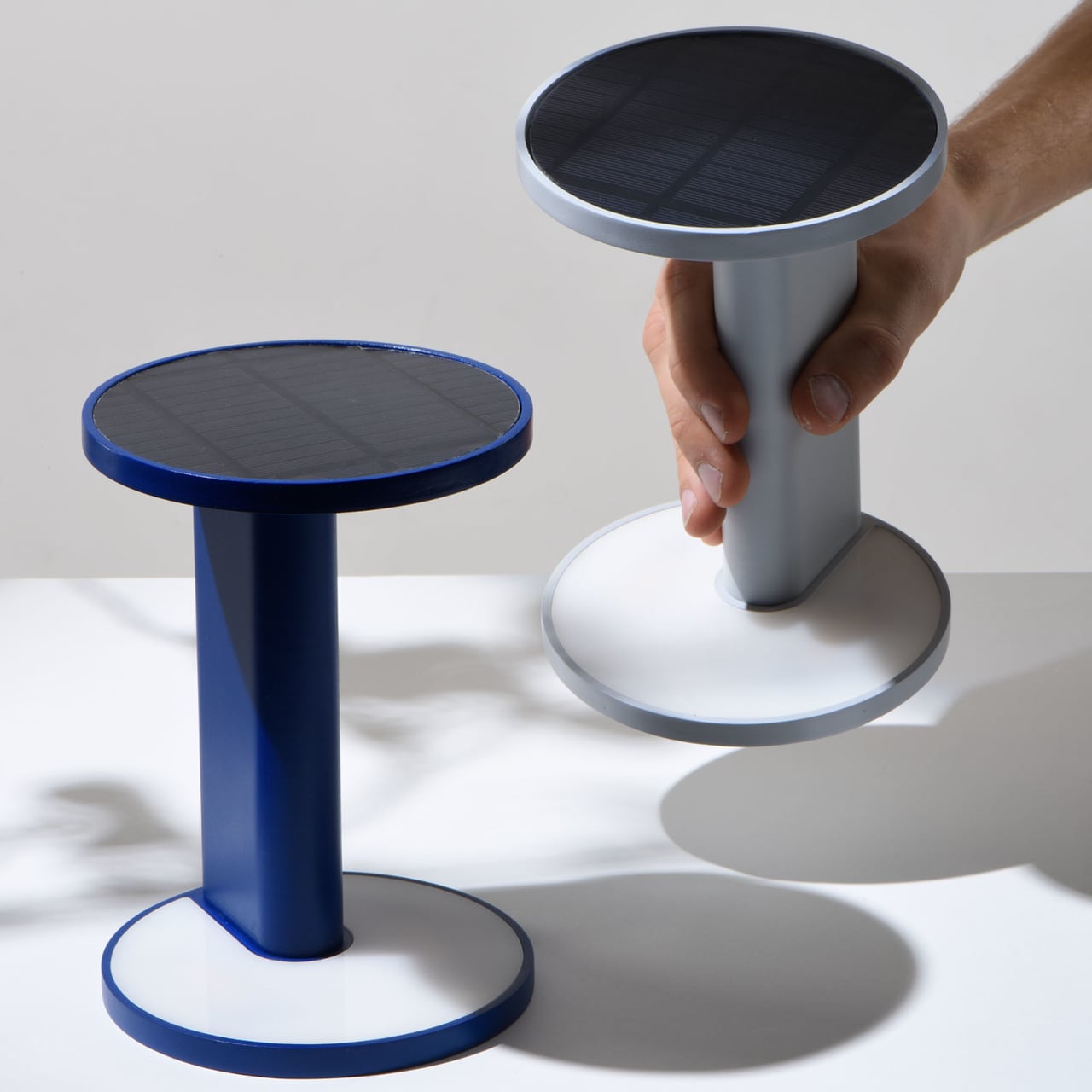
This Solar Bench Just Turned Every City Street Into a Charging Hub

Picture this: you’re exhausted from walking through the city, desperately need to charge your phone, and suddenly spot the perfect bench bathed in soft light. You sit down, plug in, and realize this isn’t just any piece of street furniture. It’s actually harvesting energy from the sun and transforming the urban landscape around you. Welcome to Perovia, a design project that’s making us rethink what public spaces can be.

Created by TAIWA, a contemporary design laboratory that lives at the crossroads of technology, sustainability, and spatial aesthetics, Perovia is essentially an urban bench on steroids. But calling it just a bench feels like calling a smartphone just a phone. It’s so much more than that.

Designer: TAIWA

The name itself is a clever nod to perovskite, a revolutionary solar material that’s been causing quite a stir in renewable energy circles. Unlike traditional bulky solar panels, perovskite cells are flexible, efficient, and can be integrated into all sorts of surfaces. TAIWA took this cutting-edge tech and asked a simple question: what if our city furniture could work as hard as we do?

The result is something that looks like it rolled out of a sci-fi movie set. Perovia functions as what the designers call “a node of light in the urban circuit.” During the day, it quietly soaks up solar energy through its integrated perovskite cells. As evening falls, it transforms into a glowing beacon, providing ambient lighting that makes public spaces feel safer and more inviting. But it doesn’t stop there. The bench also features USB charging ports, because let’s be honest, in 2025, a dead phone battery is basically a modern emergency.

What makes this design particularly brilliant is how it addresses multiple urban challenges simultaneously. Cities everywhere are wrestling with sustainability goals, trying to reduce their carbon footprints while making public spaces more livable. Street lighting gobbles up enormous amounts of electricity, and providing public charging stations requires complex infrastructure. Perovia tackles both issues in one sleek package.

But beyond the recognition and the tech specs, what’s really exciting about Perovia is its philosophy. TAIWA describes being inspired by “the silent rhythm of cities,” and you can feel that in the design. Cities have their own pulse, their own flow of energy and movement. Most street furniture just sits there passively, but Perovia actively participates in that urban metabolism. It takes energy when the sun is high, gives light when darkness falls, and serves people whenever they need it.

This kind of thinking represents a fundamental shift in how we approach urban design. For too long, sustainability features have been add-ons, afterthoughts bolted onto existing infrastructure. Perovia shows what happens when you bake sustainability into the core concept from the beginning. The result doesn’t just work better, it looks better too. The bench manages to be both futuristic and inviting, high-tech without feeling cold or intimidating.

Of course, the real test will be seeing these benches roll out in actual cities, weathering real conditions and serving real communities. Will the technology hold up? Can it scale affordably? These are questions that only time will answer. But as a proof of concept and a vision of what’s possible, Perovia absolutely delivers.

We live in a world where climate change dominates headlines and cities struggle to reinvent themselves for a sustainable future. So we need designs that don’t make us choose between functionality and environmental responsibility. Perovia suggests we can have both, wrapped up in a package that actually makes our cities more beautiful and livable. That’s the kind of design innovation worth getting excited about.

The post This Solar Bench Just Turned Every City Street Into a Charging Hub first appeared on Yanko Design.

More than a backpack, the solar-powered Makeshift Traveler is helping California’s homeless live better

The best part about my job is, I get to see so many interesting products designed for a spectrum of users. While some cater to the elite and embody luxury, others — such as the HomeMore Project’s Makeshift Traveler — truly touch the heart because of the purpose behind their creation. Since the introduction of the first Makeshift Traveler (a backpack, per se; more on it below), the not-for-profit organization behind the creation has delivered upward of 1,200 units to individuals experiencing homelessness in California.

The target with the fourth edition, built in 2025 with enhanced design and new features, is to deliver another 2,000 units across 25 cities in California and counting. The project that started from Tenderloin in San Francisco has, with feedback from unhoused people, reached a point where it’s more than an ordinary backpack. It’s a self-sustaining unit that is designed to provide connectivity, shelter, resources, and assistance to the homeless.

Designer: The HomeMore Project

Conceived with the idea to empower the unsheltered homeless community in California, the Makeshift Traveler backpack, with an integrated solar panel, allows the owner to charge their phone and stay connected. The backpack comes integrated with a 4-watt polycrystalline solar panel connected to an internal 10,000-mAh rechargeable power bank, and allows the user to connect their mobile device through the integrated USB port. The backpack comes with many additional utilities, such as a tent and sleeping bag, and also has an FM radio and flashlight inside the pack, which can be charged directly by the power bank.

The Makeshift Traveler requires almost six hours of sunlight to juice up the internal power bank, which can deliver enough power to charge up to three standard smartphone batteries in one full charge. On overcast days or in areas of less sun, the backpack’s power station is chargeable via a wall charger.

As for the construction, the outer surface of the pack is water and weather-proof and is constructed from recycled plastic bottles. With a solar panel embedded on the top and a rain poncho in the pocket at the bottom, the Makeshift Traveler backpack comes with a urethane-coated nylon pillow that can be puffed by stuffing in a piece of clothing. Along with the utilities, the backpack with an anti-theft zipper also features an ID card, a hygiene kit, a 24 oz water bottle, Bombas socks, and an informational brochure listing 15 local partner services ranging from shelter, mental health services, food distribution, wellness, and more.

Of course, this is not an open market product. You cannot get it off the shelf, but if you’re concerned and interested in donating, you can check out the HomeMore Project’s website. Or if you want to wait and ponder introducing a backpack into your community, you have about a year to do so. The fifth edition of the Makeshift Traveler is on the cusp – to release in 2016 – and it will come with reflectors on the front and rear for better nighttime visibility in the dark.

The post More than a backpack, the solar-powered Makeshift Traveler is helping California’s homeless live better first appeared on Yanko Design.

This solar powered electric scooter is a cooler sibling of the Motocompo moped

We’ve seen Motocompo knock-offs, personal electric commuters and cargo bikes that would put a four-wheeler to shame. This one by San Francisco-based company Otherlab is radically different though. Dubbed Lightfoot, the electric cargo scooter has built-in solar panels to employ limitless solar power to charge the in-built battery.

The electric scooter’s 120W solar panels sandwich the considerably large 45.2 L storage compartment which is big enough to store essentials like a backpack, grocery bags, books, or any other essentials. One of these panels is hinged to allow access to the inside compartment. This space is also used to conceal the UL-certified 1.1 kWh battery and the 600W on-board charger.

Designer: Otherlab

The padded seat on the bike is comfortable enough for a single rider, however, if a pillion needs to take the ride home that option is also open as the bike has footplates too. Lightfoot is powered by a couple of 750W brushless DC motors that generate 90Nm peak torque and hurl it to a top speed of 20 miles per hour. Whether it can scoot around medium-grade hilly terrain is still not clear, but based on specifications alone it should be able to do that. The motors are plugged into the 1.1kWh battery capable of having a 37-mile range on a single charge.

The solar panels charge up in broad sunlight to add around 3 miles with an hour of charge, and 18 miles on a full sunny day.  People who are heavy users will mostly rely on the wall plug charging option and the solar charge will be a bonus. The bike will be a good option for users who will use it for short trips to the supermarket or local metro station.

Otherlab has kept in mind the maintenance and repairability of the scooter at any service center or local garage since it comes with off-the-shelf components making up the functional parts of the ride. Another set of deal-making features are the one-year complete bike guarantee and two-year mechanical guarantee. To top it off you’ll also get the “ironclad buy-back guarantee” as the company is promising a buy-back option if the user is not satisfied with LIghtfoot. Interestingly the goofy little scooter will be available to buy in the US from January for a price of $4,995. We can expect it to make an appearance at CES 2025 in Las Vegas.

The post This solar powered electric scooter is a cooler sibling of the Motocompo moped first appeared on Yanko Design.
Chinese researchers test smallest solar-powered drone that can fly as long as it gets sunlight

A major problem with tiny flying drones, referred to as micro aerial vehicles (MAVs), is that they cannot fly for a very long duration. Especially the MAVs weighing under 10 grams, as such micro vehicles can only stay airborne for about 10 minutes. Using sunlight as a constant power source could provide a solution to keep such bird-sized drones afloat and flying longer.

However, it’s not as simple as sticking a solar panel on the wings. Traditional propulsion systems used in micro aerial vehicles aren’t very efficient at making appropriate use of generated solar power. Moreover, these tiny drones can’t carry much payload, making them inconsistent and unworthy in support operations, search, and rescue.

Designer: Beihang University

The CoulombFly, a small, ultra-efficient drone powered by static electricity was introduced as a solution to the abovementioned problem by scientists at Beihang University in Beijing, China. The super-small drone uses a special propulsion system that can lift to a decent height while using very little power for the same. The vehicle itself weighs just 4.21 grams – which is extremely lightweight – has a wingspan of 20 cm, and can carry a payload of roughly 1.59 g.

According to the researchers, CoulombFly is about ten times smaller and weighs 1/600th the weight of the previous, smallest and lightest solar-powered aerial vehicle out there. Dubbed then as the smallest and lightest solar-powered aerial vehicle, it is small enough to sit on the palm and is engineered to fly indefinitely while the sun shines on its wings. Mingjing Qi professor at Beihang and the lead of the project says he doesn’t want to settle for this size of the drone. “My ultimate goal is to make a super tiny flying vehicle, about the size and weight of a mosquito, with a wingspan under 1 centimeter,” Qi notes.

Unlike the previous tiny aerial vehicles that rely on electromagnetic motors and generate power using electromagnets; CoulombFly uses an electrostatic field to produce motion. With a mass of 1.52 g, electrostatic motor can generate lift-to-power efficiency that’s twice or even thrice that of traditional MAV motors. The electrostatic motor of the tiny drone comprises two rings: the inner ring is a spinning motor with 64 carbon fiber slats covered with aluminum foil, while the outer ring has eight alternating pairs of negative and positive carbon fiber electrode plates also bonded with foil. When the CoulombFly is exposed to sunlight, the outer ring with its 16 plates generates electric fields. Since each electrode plate is embedded in aluminum brushes, these brush against the rotor slats on the inner ring spinning the propeller and lifting the drone up until the sun is shining on it.


The post Chinese researchers test smallest solar-powered drone that can fly as long as it gets sunlight first appeared on Yanko Design.
Solar-Powered Fridge Doesn’t Require Electricity And Can Run For 40 Hours Without Power

In the privileged corners of the world, it’s easy to take for granted the amenities that define modern life—consistent electricity, reliable refrigeration, and an abundance of technological conveniences. However, a significant portion of the global population struggles to access what many consider basic necessities. This disparity underscores a broader issue: our comforts, powered by unsustainable practices, contribute to long-term environmental degradation. EasyFreeze finds a good balance between the two, embracing more sustainable alternatives, which is not just a nod to the past but a necessary step toward a viable future.

Designer: Amped Innovation

Imagine living in Lagos, Nigeria, where daily power outages can last for hours. In such conditions, a conventional refrigerator is nearly useless, and consequently, very few people own one. However, Amped Innovation, a forward-thinking startup, has developed a game-changing solution: the EasyFreeze, a solar-powered fridge designed to operate efficiently even with an unreliable grid or completely off-grid. This innovation is particularly transformative for regions rich in solar energy but poor in infrastructure.

The EasyFreeze is a meticulously designed fridge and freezer capable of refrigeration in under 20 minutes (reaching 8ºC) and freezing in less than an hour (0ºC). Unlike typical cold storage solutions, it maintains its temperature for up to 40 hours during power outages or on cloudy days, ensuring reliability in even the most challenging conditions.

A significant innovation within EasyFreeze is its use of an “ice battery” instead of traditional lithium-ion batteries. Lithium-ion batteries, while common, are expensive, prone to overheating, have a shorter lifespan, and pose safety risks. The ice battery system in EasyFreeze utilizes ice pouches embedded within the refrigerator walls to absorb and release heat. These pouches are cooled by solar panels during the day or by grid power when available, enabling the fridge to remain cold for extended periods without active power. This system not only enhances safety and durability but also significantly reduces costs.

Amped Innovation is rolling out the EasyFreeze across more than a dozen countries in sub-Saharan Africa and Asia, focusing on communities that are hardest to reach. Small businesses, such as corner stores, benefit immensely from the ability to sell cold beverages and ice, while medical clinics and hospitals can safely store medicines and vaccines at precise temperatures. The fridge’s design prioritizes off-grid efficiency, with proprietary circuits, software, and mechanical designs to deliver city-like performance in rural settings.

One of the distinguishing features of the EasyFreeze is its durability. Unlike many other solar refrigerators that fail within a year of use, the EasyFreeze is built to last. The equipment is assembled locally to avoid steep import fees and reduce costs, ensuring affordability without compromising on quality. This holistic approach to product design and distribution makes EasyFreeze not only efficient but also economically viable.

The EasyFreeze uses R-600a refrigerant, which has zero ozone depletion potential (ODP) and a very low global warming potential (GWP). It is at least 38% more energy-efficient than other market options, thanks to its powerful 225W compressor and thick, 75mm closed-cell polyurethane insulation. These features ensure the fastest cool-down times and the longest autonomy—maintaining efficient cold storage for up to 18 times longer than other freezers during power outages.

While the EasyFreeze is not inexpensive, retailers charge around $900, it remains within reach of middle-class families in countries like Nigeria. This price point reflects a commitment to quality and long-term affordability, prioritizing the total cost of ownership over the initial purchase price. Amped Innovation’s focus on high-quality materials and efficient design means EasyFreeze offers unmatched value, making it accessible to a broader audience.

The EasyFreeze’s utility extends beyond developing regions. Following the wildfires in Maui in 2023, the fridge garnered interest from residents in Hawaii. With electricity costs in Hawaii being exceptionally high, EasyFreeze offers a payback period of just two years, making it an economically attractive solution for both disaster resilience and everyday use.

As we acknowledge the privileges that many of us enjoy, it is crucial to recognize the pressing need for sustainable innovations that can bridge the gap for those less fortunate. The EasyFreeze exemplifies how thoughtful, eco-friendly design can transform lives, providing reliable refrigeration in areas with unreliable power. Amped Innovation’s focus on efficiency, durability, and affordability positions EasyFreeze to become a conventional choice for refrigeration in parts of Africa and Asia that receive ample sunlight. This remarkable appliance not only meets the immediate needs of its users but also paves the way for a more sustainable future.

The post Solar-Powered Fridge Doesn’t Require Electricity And Can Run For 40 Hours Without Power first appeared on Yanko Design.
Solar-powered sundial wall clock concept offers a unique way to tell the time

Today’s clocks and watches seem to be split between mechanical analog and electronic digital designs, but there are more than two ways to tell the time. Of course, some of these methods are regarded to be inaccurate, error-prone, and at the mercy of the elements, but there’s a certain charm and magical feeling to the way our ancient ancestors tried to discern the time of day. The sundial is one of the oldest time-keeping tools, one that works on the presumption that the sun travels the same path every day of the year, which isn’t exactly the case. Still, it’s not an entirely incorrect method and it can easily be fixed with modern technology, like this sustainable wall clock concept that is powered by the sun in more ways than one.

Designer: Begüm Kılınç

A sundial works by simply observing the shadow that a stick or a tall thin object casts on a flat surface, a shadow that moves around and grows or shrinks as the sun makes its way through the sky. The sun doesn’t travel the exact same path all year round, however, and this method definitely doesn’t work at night. Modern technology, however, has a way to shine a light 24/7, and this wall clock uses that to recreate the almost mystical appearance of a sundial while utilizing energy from the very sun that inspired it.

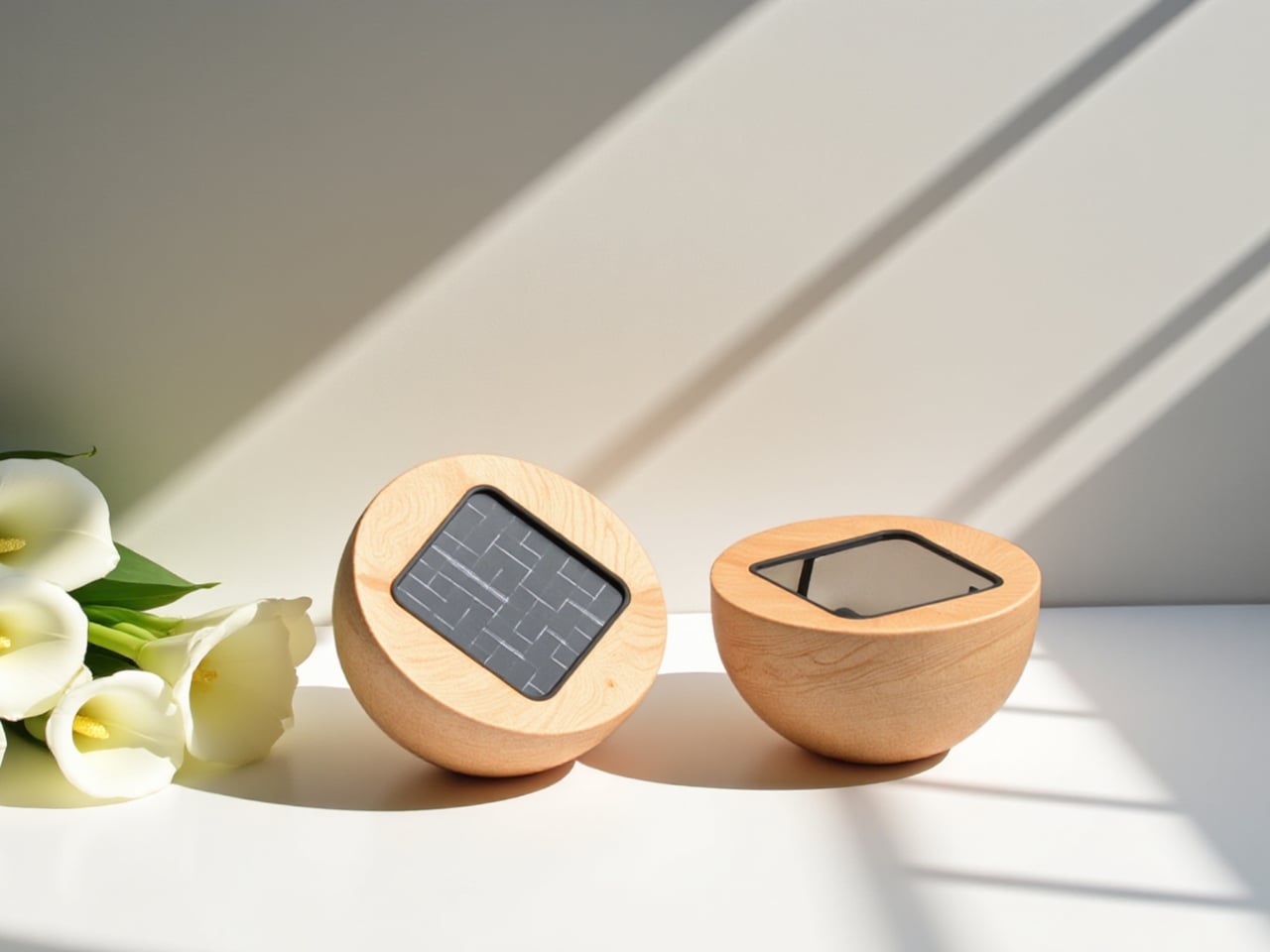
Name after the Egyptian god of the sun, the Ra wall clock utilizes an LED ring light to simulate the sun. But rather than shining from all directions, the light is focused on a single point to recreate the effect of a short stick casting a very long shadow. As time moves, so does the light move around the periphery of the circle, thus mimicking a sundial but with more consistency and accuracy. Plus, it works at night as it does during the day.

While this would have been enough to create a modern sundial clock, the concept takes the association even further by also following how the sundial of old needed only the sun to function. Rather than relying on batteries, Ra uses solar power to make sure the clock is running 24/7 without the need to charge it or change batteries. The transparent solar panel that makes up the wall clock’s front cover actually harnesses any light around it, so the clock doesn’t need to actually be exposed to the sun and can be used indoors or under low-light environments.

This design helps give the sundial wall clock a sustainable potential, even if it does minimally use some electronics as well as LED lighting. Unlike analog clocks, there are now complex mechanisms that are difficult to repair, and unlike digital clocks, there are no screens or displays to show the time. It uses a very simple method that traces its roots back to ancient times, but one that still has benefits to the people of today.

The post Solar-powered sundial wall clock concept offers a unique way to tell the time first appeared on Yanko Design.

Dubai Solar-Powered Rail Bus System Will Bring Us a Marvel Once Again

Dubai, a city known for pushing the boundaries of innovation and technology, is set to redefine its transportation landscape with two groundbreaking projects. The Roads and Transport Authority (RTA) in Dubai has recently entered into partnerships with international experts to develop sustainable and futuristic transport solutions. The first memorandum focuses on the development of the Floc Duo Rail system, while the second aims to create a solar-powered rail bus system. These initiatives mark a significant leap forward in Dubai’s commitment to embracing advanced technologies, sustainability, and the future of urban mobility.

Designer: Urban-Mass Company and RAIL BUS Inc.

Over the past 15 years, Dubai has undergone a remarkable transformation, from the inauguration of the iconic Dubai metro in 2009 to the creation of architectural marvels such as the Burj Khalifa and Palm Jumeirah Islands. The UAE has truly made a mark on the map, quite literally with the man-made islands. Dubai has consistently demonstrated a commitment to pushing the boundaries of what is possible, blending luxury with technological advancements. With a conscious focus on sustainability, Dubai has established forums that encourage initiatives aimed at reducing environmental impact.

Floc Duo Rail System:

The Floc Duo Rail system, developed in collaboration with UK-based Urban-Mass Company, is set to revolutionize urban transportation. Comprising driverless, electric-powered pods moving on an elevated track, this innovative system eliminates the need for extensive earthworks, costly tunnels, and large stations. The double-track design enables swift and efficient movement within urban areas, with the added advantage of scalability. The system can be tailored from small local areas to city-wide networks, showcasing its adaptability to various urban environments.

yanko design images to size – Dubai_new_transport_03

Furthermore, the Floc Duo Rail system is characterized by its reliance on solar energy. Equipped with solar panels, the system generates the electricity needed for operation, aligning with Dubai’s commitment to sustainable practices. As a 21st-century mass transit solution, Floc Duo Rail is adaptable to various urban environments, scalable from small local links to extensive city-wide networks. The stations, ranging from ‘bus stops’ to large interchanges, are customized to meet rider demand. Platform lengths are flexible, allowing platoons to break up when entering and exiting stations. The driverless nature of the pods allows for smart-designed capacity adjustments, ensuring energy efficiency by using short units during low peak periods and long units during high peak periods.

Ricky Sandhu, the founder and CEO of Urban.Mass, emphasized the partnership’s significance, stating that it epitomizes the strong commitment of the UK and the UAE to combat climate change. The collaboration is poised to pave the way for sustainable mass transit solutions through innovative technology, reshaping urban mobility in the city.

Solar-Powered Rail Bus System:

In a parallel development, Dubai’s RTA has signed a memorandum with US-based Rail Bus Inc. to develop a solar-powered rail bus system. This system employs small, driverless electric vehicles that run on elevated tracks, emphasizing its lightweight and flexible nature. The adaptability of this system makes it suitable for retrofitting into various environments, offering an environmentally friendly and operationally efficient transportation solution. It’s mostly going to be a smaller size of a metro with an added layer of sustainability.

yanko design images to size – Dubai_new_transport_07

Dubai’s campaign into the future of transportation through the Floc Duo Rail system and the solar-powered rail bus system underscores the city’s commitment to adopting cutting-edge technologies and sustainable practices. As the world watches, Dubai continues to position itself as a pioneer in urban mobility, setting the stage for a greener and technologically advanced future. These initiatives not only enhance the city’s quality of life but also contribute to a global conversation about the possibilities and benefits of embracing innovative and sustainable transportation solutions.

The post Dubai Solar-Powered Rail Bus System Will Bring Us a Marvel Once Again first appeared on Yanko Design.
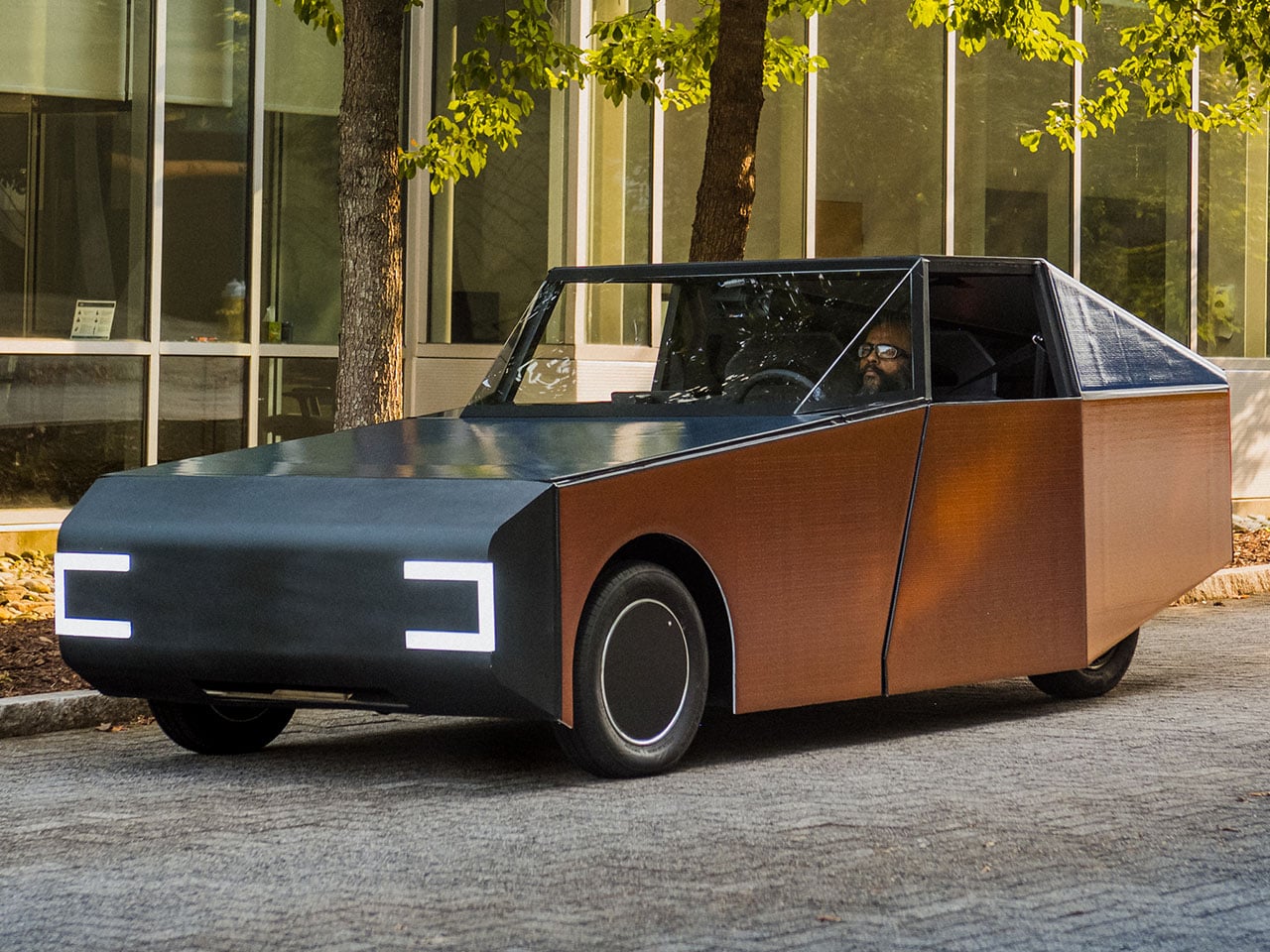
Solar-powered streetlights spin and move to chase the sun

We see plenty of solar-powered products today, ranging from simple lamps to complicated electronics. But despite the sustainability benefits these offer, there’s no escaping the fact that they do need to soak up the rays to actually work. That’s not much of a problem if the devices have large batteries that can be used when the sun is out, but not so much for smaller objects that have to be smarter in how they get some sunlight. The sun, unfortunately, never stays still, and other atmospheric conditions could make an area less exposed from time to time. To help alleviate that problem, this design concept for solar-powered street lamps takes inspiration from Mother Nature in order to seek out the sun where it shines the brightest.

Designer: VANTOT

When people talk about street lights, most will probably imagine lamps on top of posts. These lighting fixtures are designed to be stationary in order to be reliable landmarks as well as to make them more convenient to reach and maintain. That restriction, however, might pose a problem for solar-powered street lamps because they will always be at the mercy of the sun’s location. When clouds cast shadows or buildings rise to block the sun, these lamps might lose their one and only source of power.
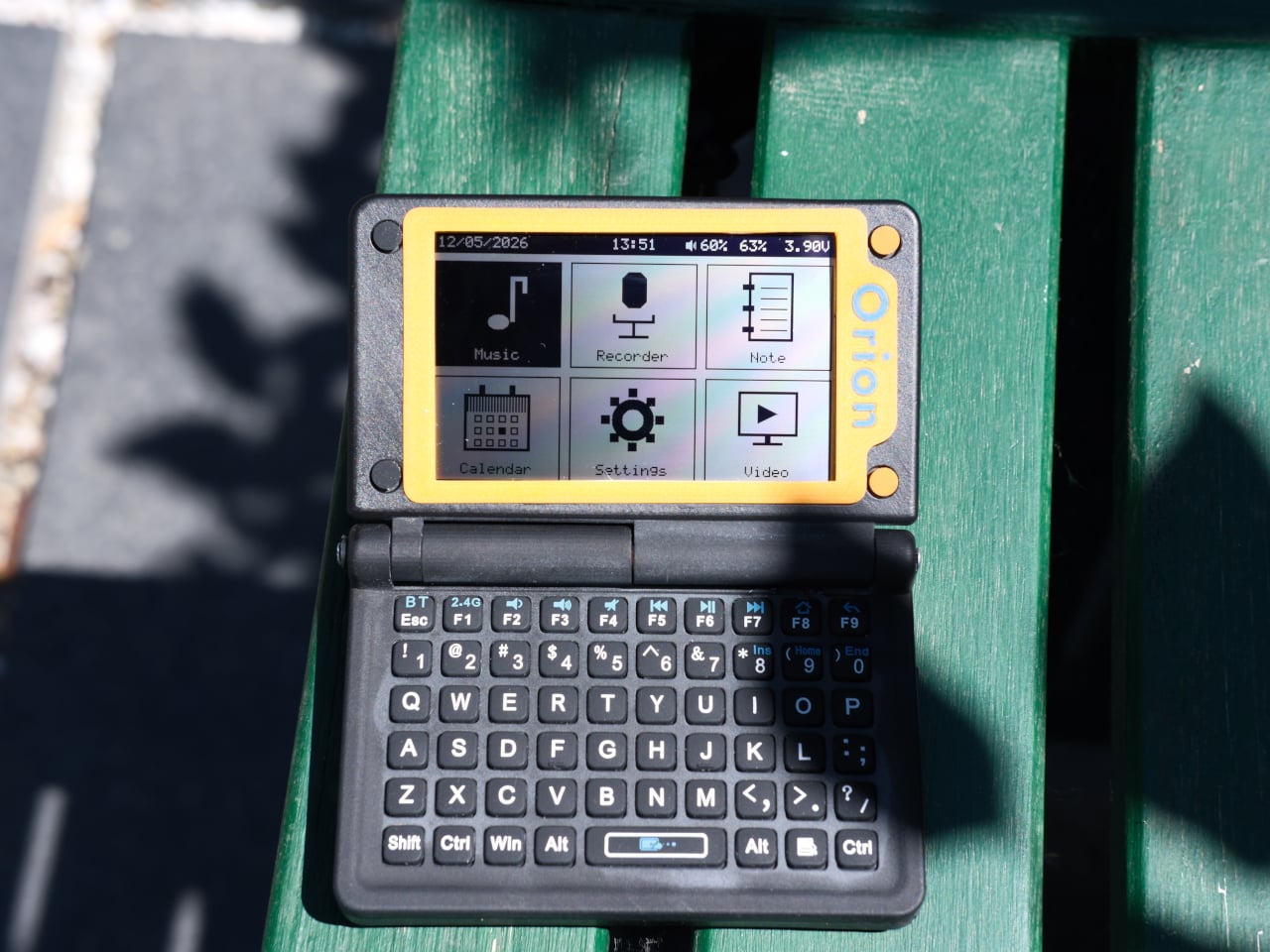
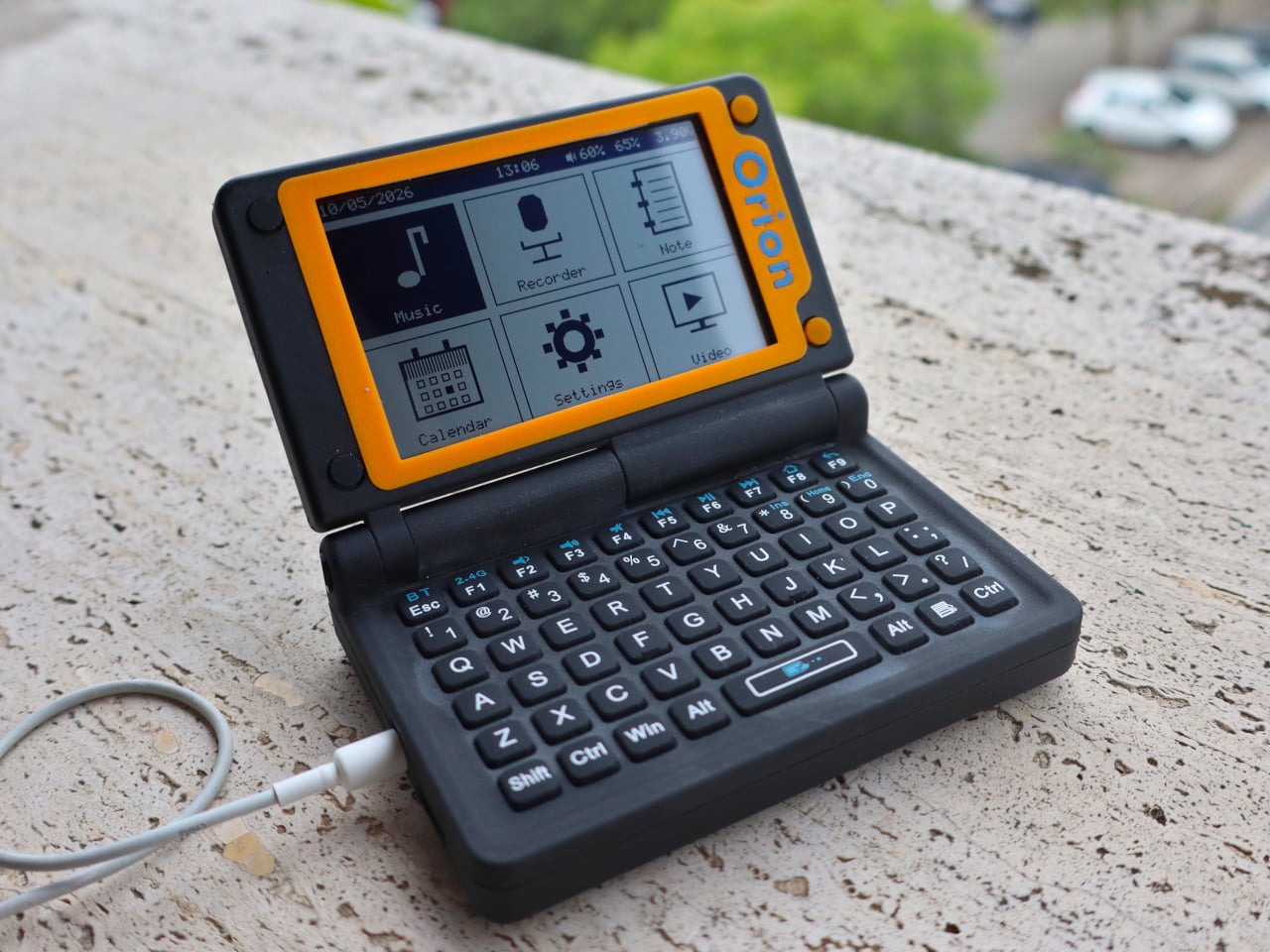
The Sunseeker is an experimental solution to that problem that uproots street lights and sets them on a chain rather than on a post. This frees the hanging lights from staying in one spot and lets them move freely along the chain. It might be a strange capability, but it makes sense when you consider that the light sensors on each lamp actually detect where sunlight shines strongest and then move or turn the lamp’s solar panel to face that direction.

It’s definitely an odd feature, but one that can actually be seen in nature. The sunflower, for example, is famous for how it always faces the sun, a trait that is even more important for solar-powered devices. In this manner, the Sunseeker lights can move where the sun is, ensuring that it will always be at peak performance when the day star finally sets.

In addition to implementing a critical function, this sun-seeking behavior puts a playful spin on the lamps, pun intended. Crowds can be amazed and entertained as the circular panels slowly move and spin to match the direction of the sun. But even when they’re staying still, the lamps exude a character that is almost otherworldly, especially with how they look like a fleet of tiny UFOs lining up in the night sky.

The post Solar-powered streetlights spin and move to chase the sun first appeared on Yanko Design.