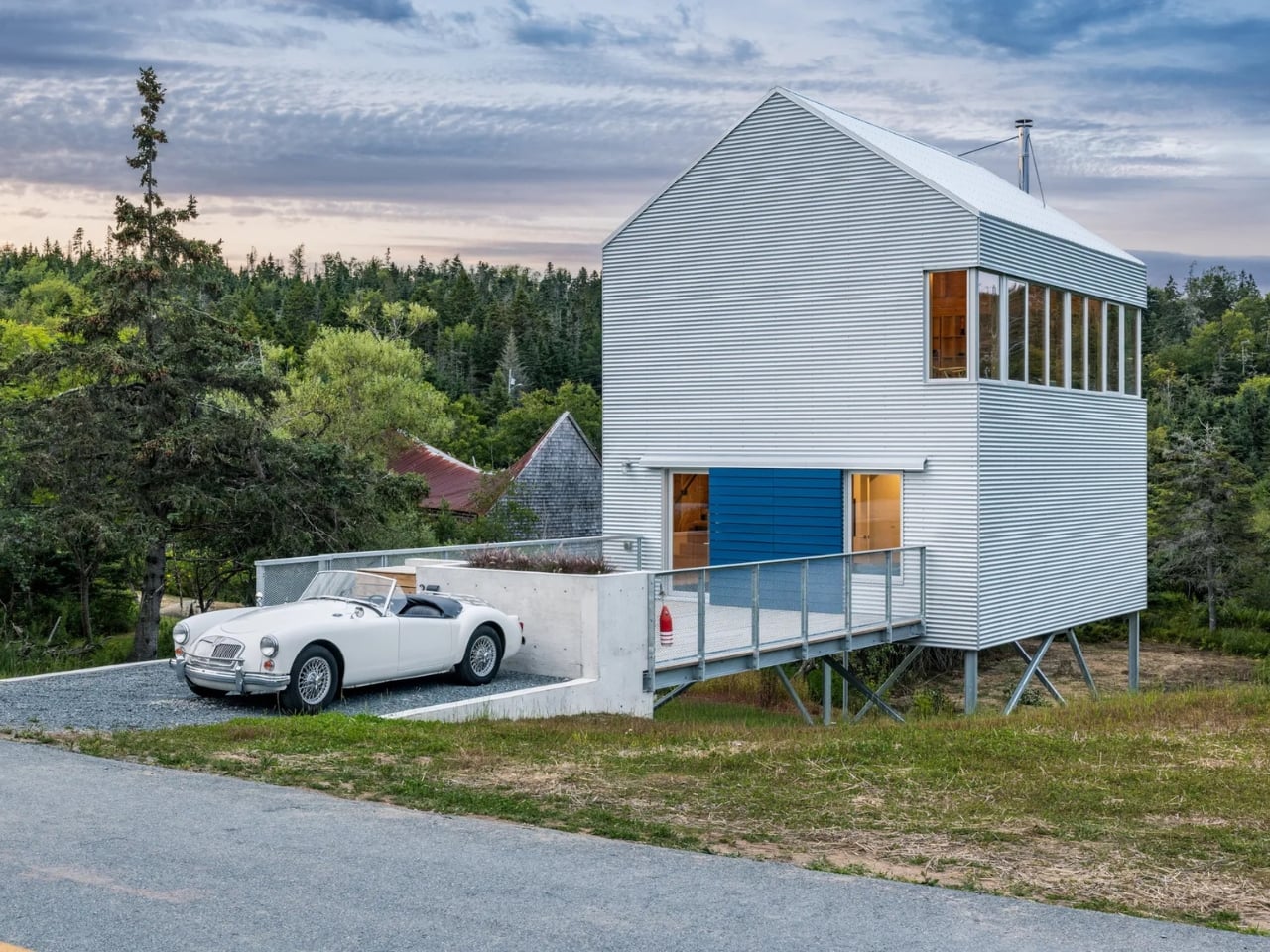
A thousand and fifty square feet. That’s roughly the size of a generous one-bedroom apartment in most major cities. And yet somehow, the Skybox, a new residence perched on stilts in Upper Kingsburg, Nova Scotia, manages to feel like a manifesto about how we’ve been thinking about small homes all wrong.
Designed by Halifax-based MacKay-Lyons Sweetapple Architects, the Skybox was built for a couple called the Everetts, who wanted something honest, modest, and rooted in place. What they got is all of that, and then some. The house sits on a sloping site that runs from road to creek, which is the kind of terrain that usually sends budgets spiraling. Architect Brian MacKay-Lyons solved it elegantly with stilts, lifting the structure off the ground so that it, as he puts it, “floats.” He compares it to a birdhouse. The analogy sticks.
Designer: MacKay-Lyons Sweetapple Architects
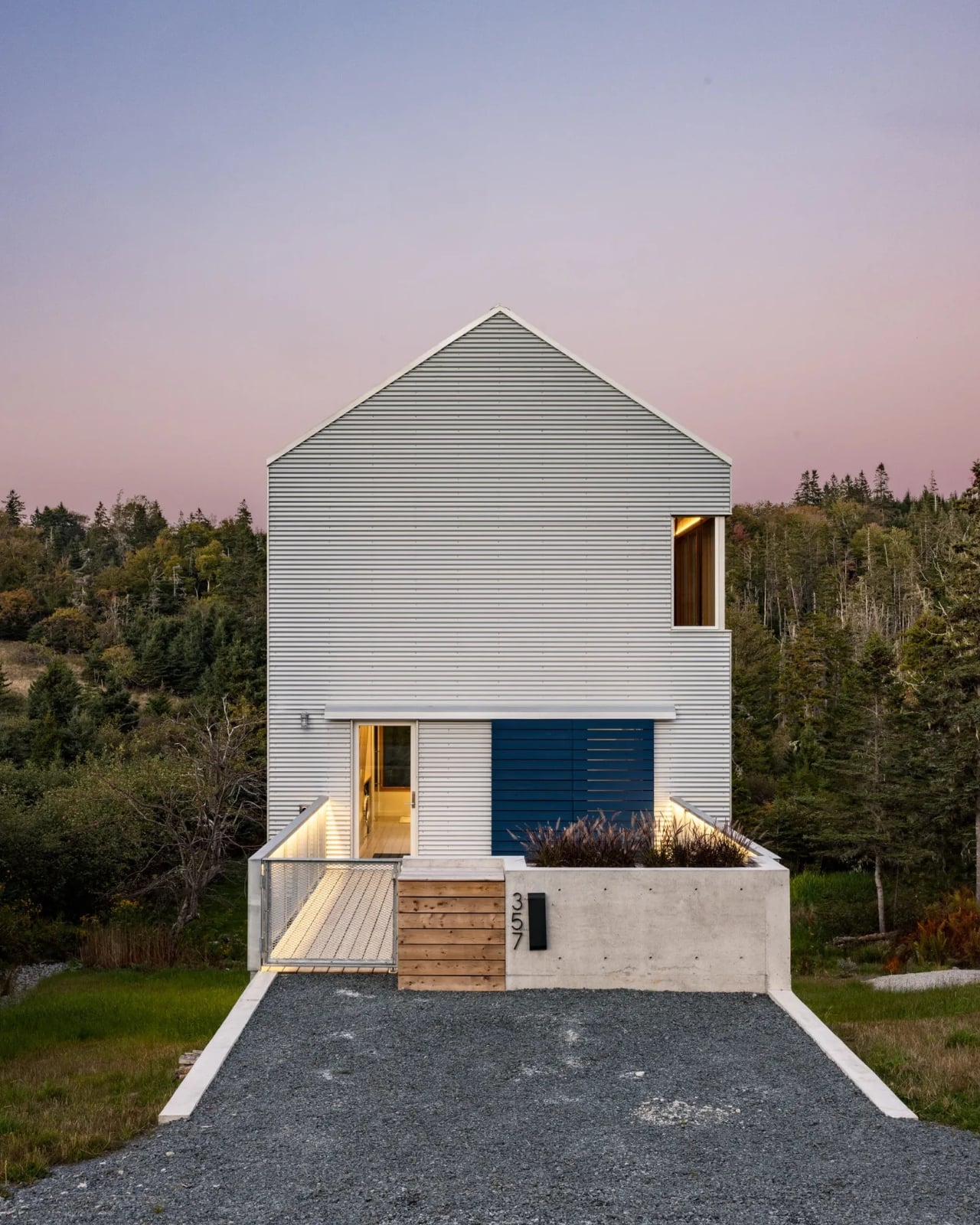
The Skybox takes its visual cues from the traditional Nova Scotia fisherman’s cottage, but it’s not a nostalgic recreation. The exterior is wrapped in galvalume, an industrial aluminum-zinc alloy that’s durable, low-maintenance, and unapologetically contemporary. The result is a building that reads as both entirely of its place and entirely of its moment. It belongs to the landscape the way a weathered boathouse does, not because it’s pretending to be old, but because it respects the same logic: build lean, build honest, build for the conditions.
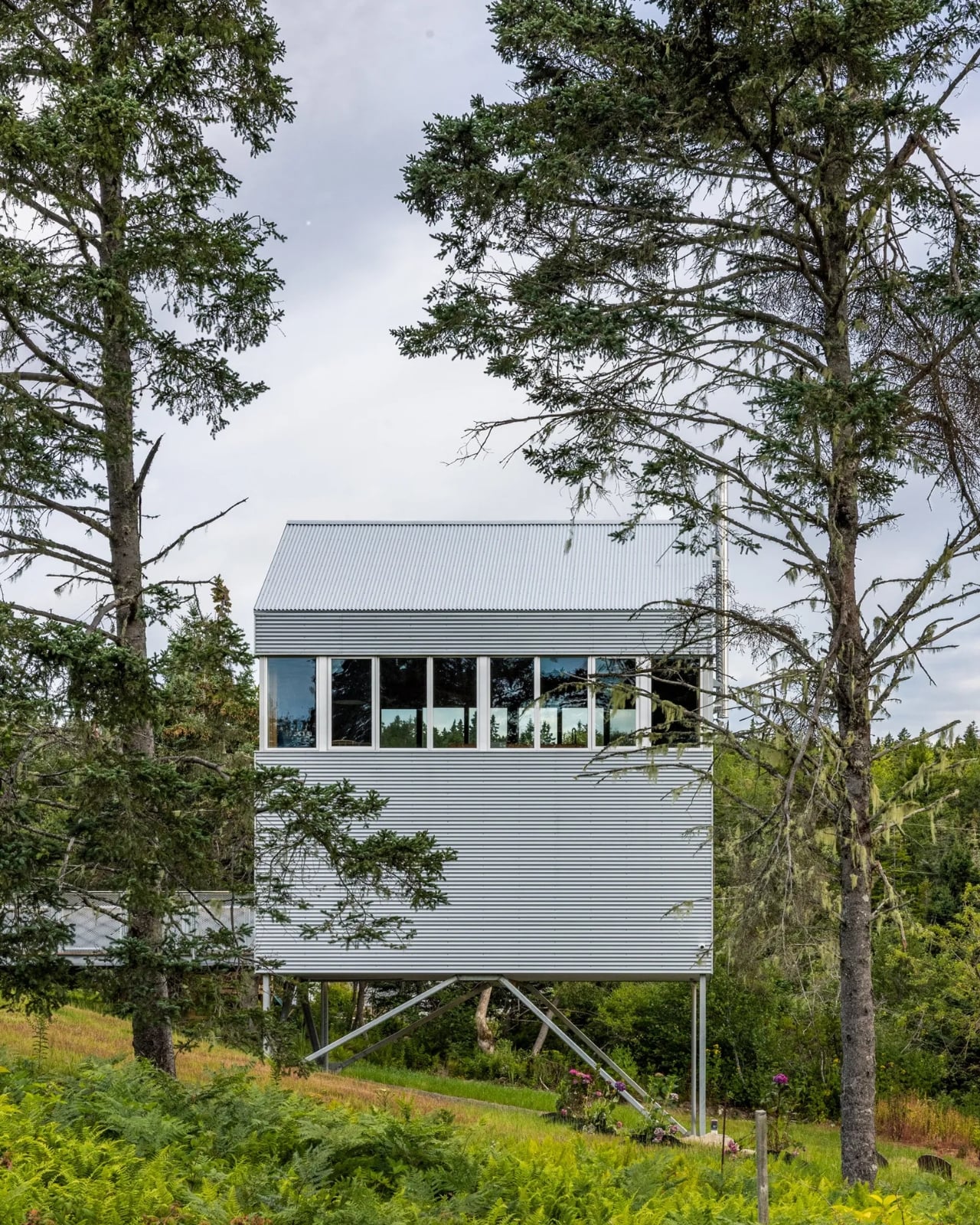
The interior takes the most interesting turn. The Skybox is what MacKay-Lyons calls an “upside-down house.” The sleeping areas, the private and quieter spaces of home life, sit on the lower floor. The living room, dining area, and kitchen are upstairs, where the views are wide and the light is generous. It’s a reversal that feels obvious in hindsight, which is usually the mark of a genuinely good idea. Why hide your best rooms at eye level when you could push them toward the sky?
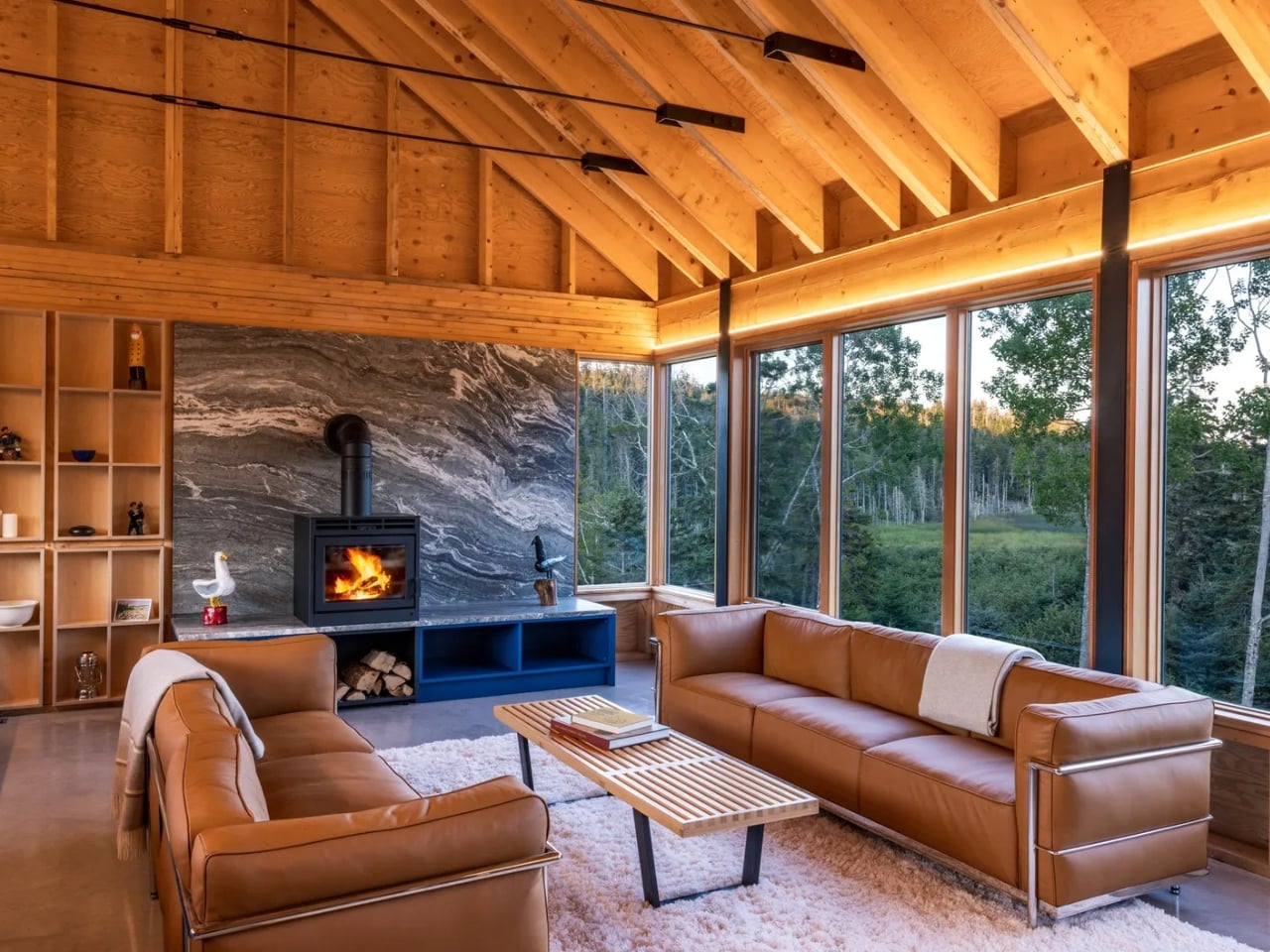
Client Corey Everett coined the phrase “fish shack fabulous” to describe what they were going for, and it’s one of the most useful design descriptors I’ve come across in a while. It captures exactly what’s happening here: humble materials, unpretentious form, but a kind of elevated confidence in the result. No apologies for the size. No compensating with expensive finishes or overworked details. Just a clear idea, executed well.
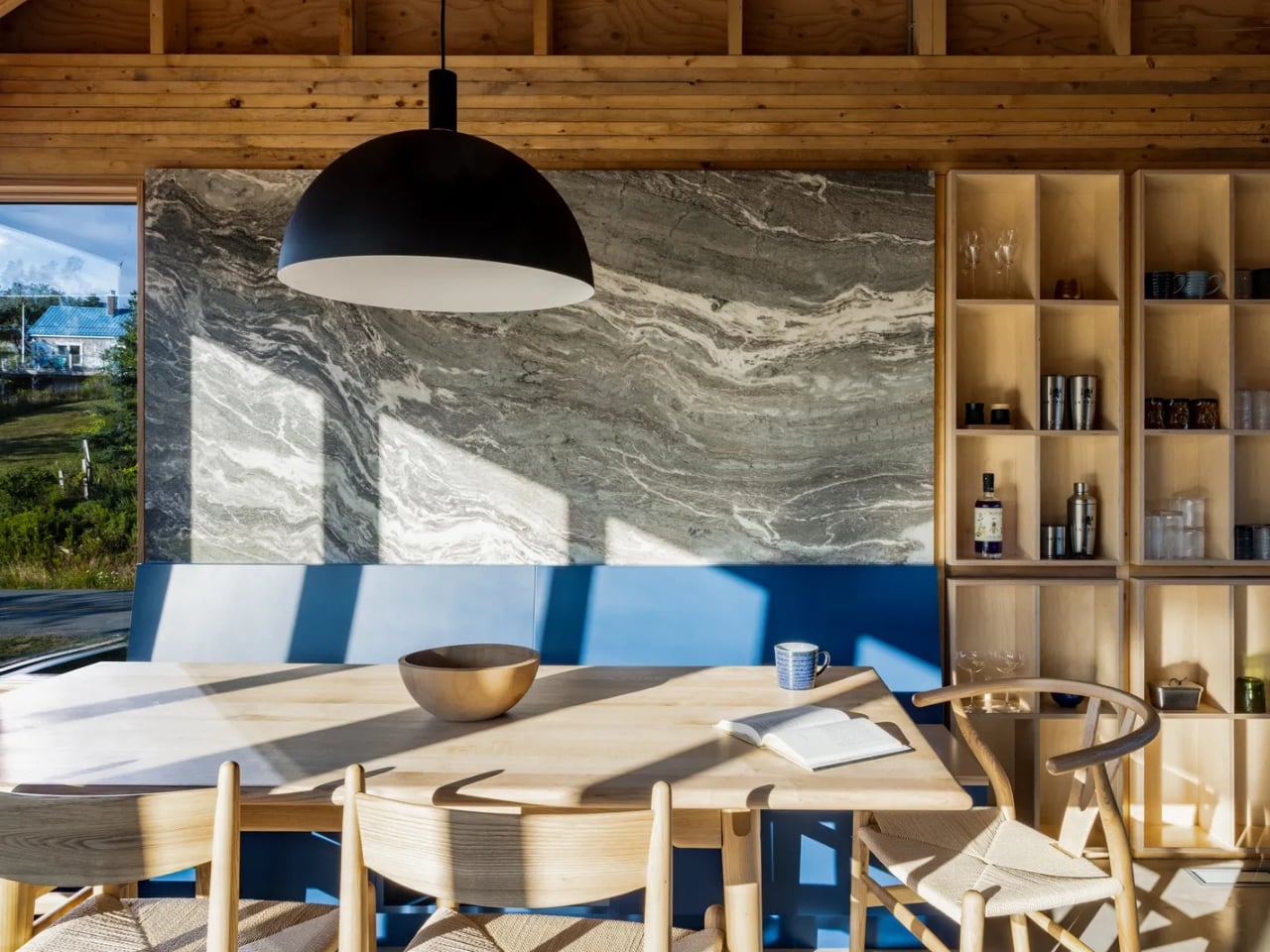
What makes the Skybox part of a bigger story is the community it belongs to. Upper Kingsburg isn’t a random stretch of Nova Scotia coastline. MacKay-Lyons has spent four decades building dwellings here, more than fifty of them, as part of an ongoing exploration he calls “village-making.” The Skybox is the newest addition to that experiment. His own daughter’s house is visible from the property. This is architecture as long-term commitment, which is rare, and worth noting.
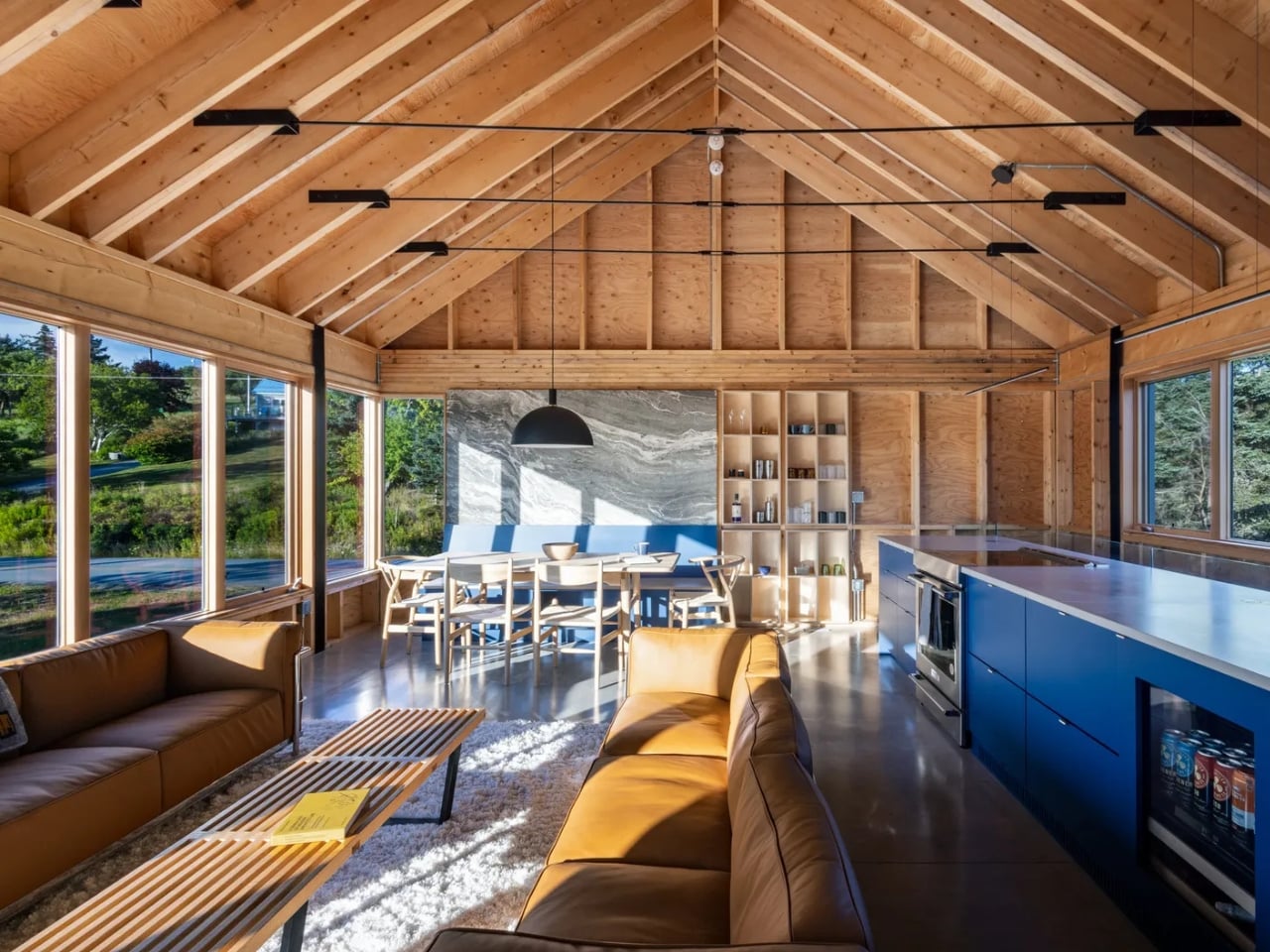
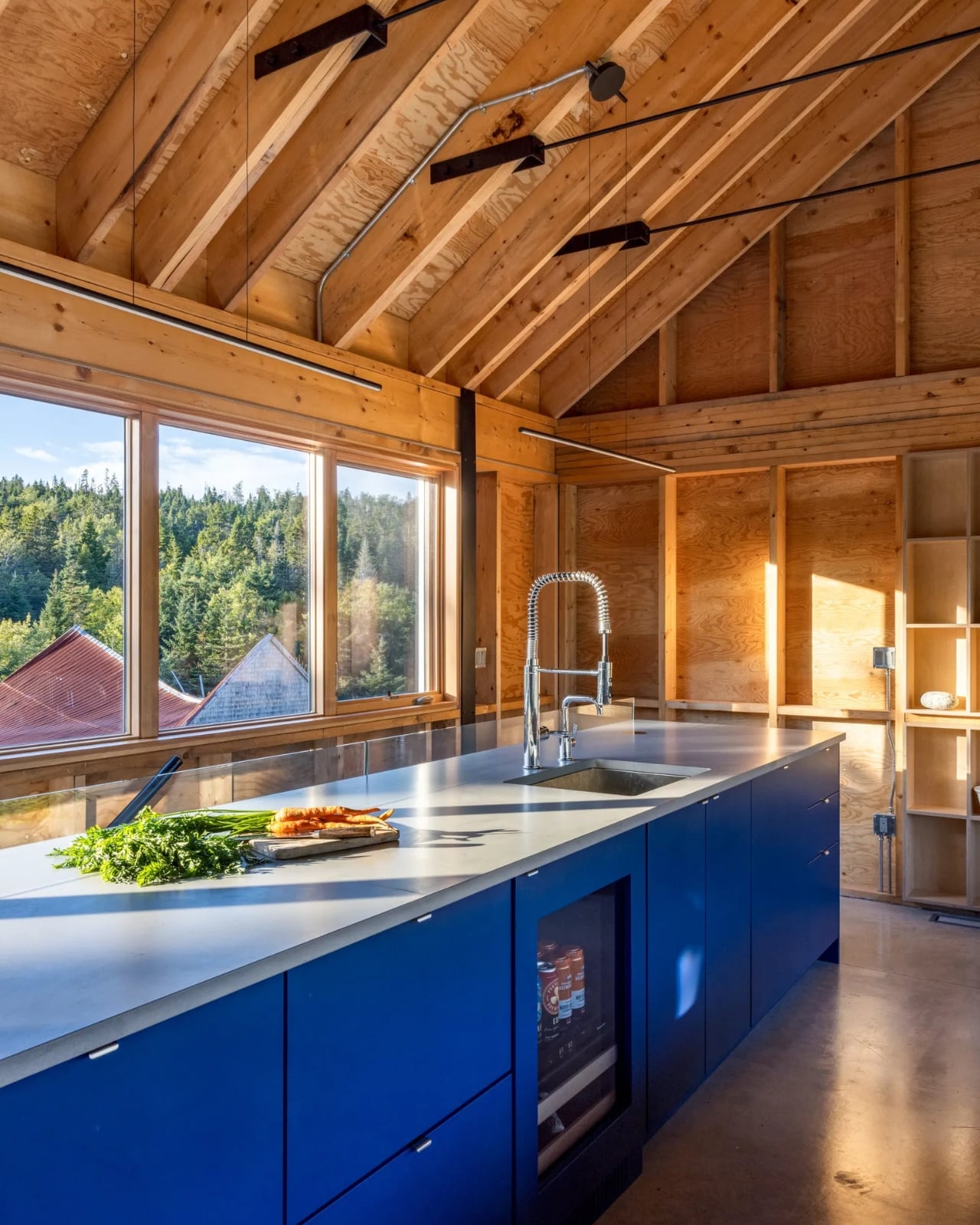
I keep thinking about the cultural timing of this. We are, at this point, thoroughly oversaturated with the idea of the dream home as something maximalist: the open floor plan that swallows a football field, the kitchen with two islands, the great room with thirty-foot ceilings. Those homes photograph well, but they also carry a quiet anxiety, a sense that more space must mean more living. The Skybox argues the opposite. At 1,050 square feet, it’s not asking you to scale down your ambitions. It’s asking you to redirect them.
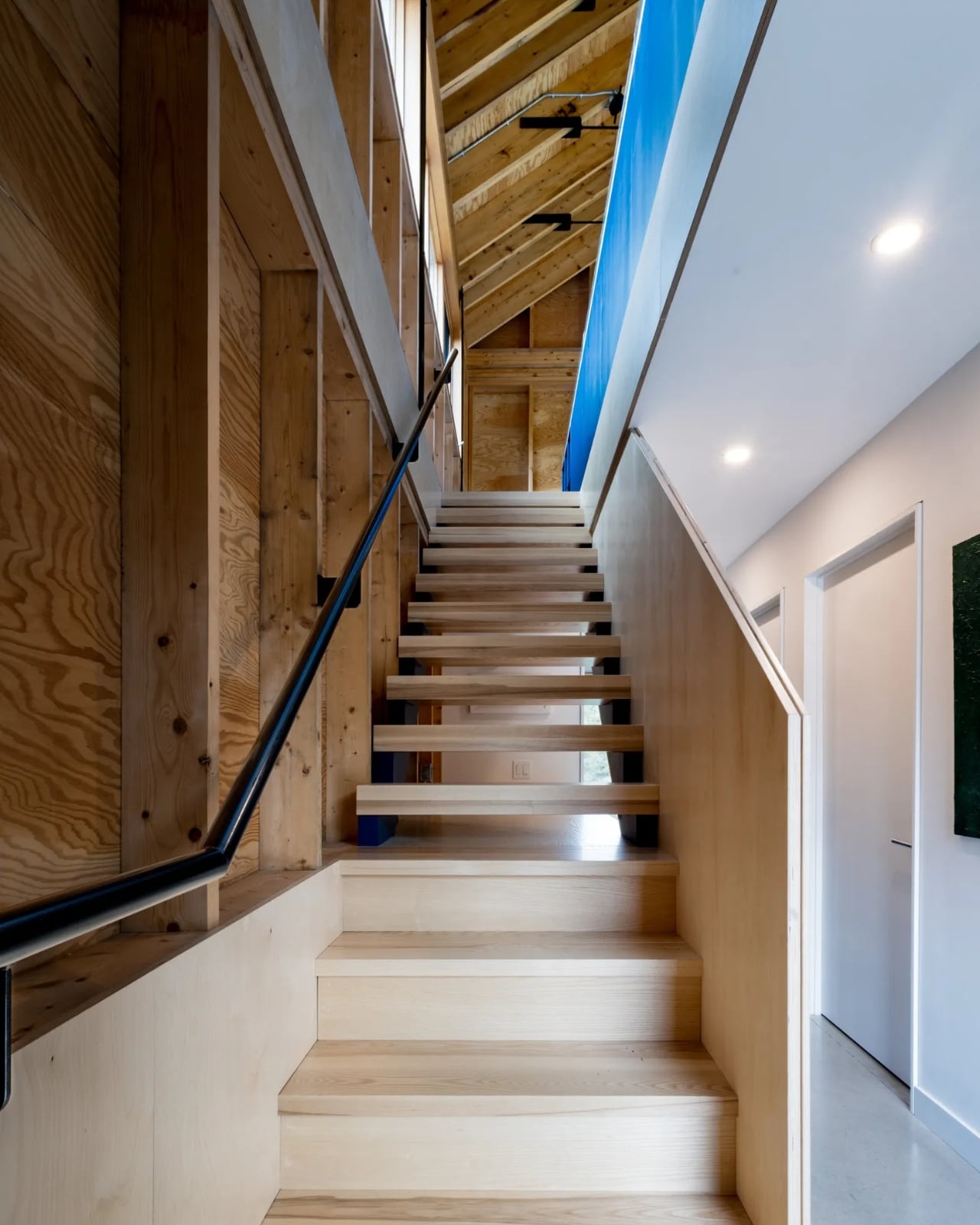
Small doesn’t have to mean compromise. It can mean precision. It can mean that every decision about where you put a window or how you orient a room is made with intent. The Skybox earns its square footage in a way that many larger homes simply don’t bother to.
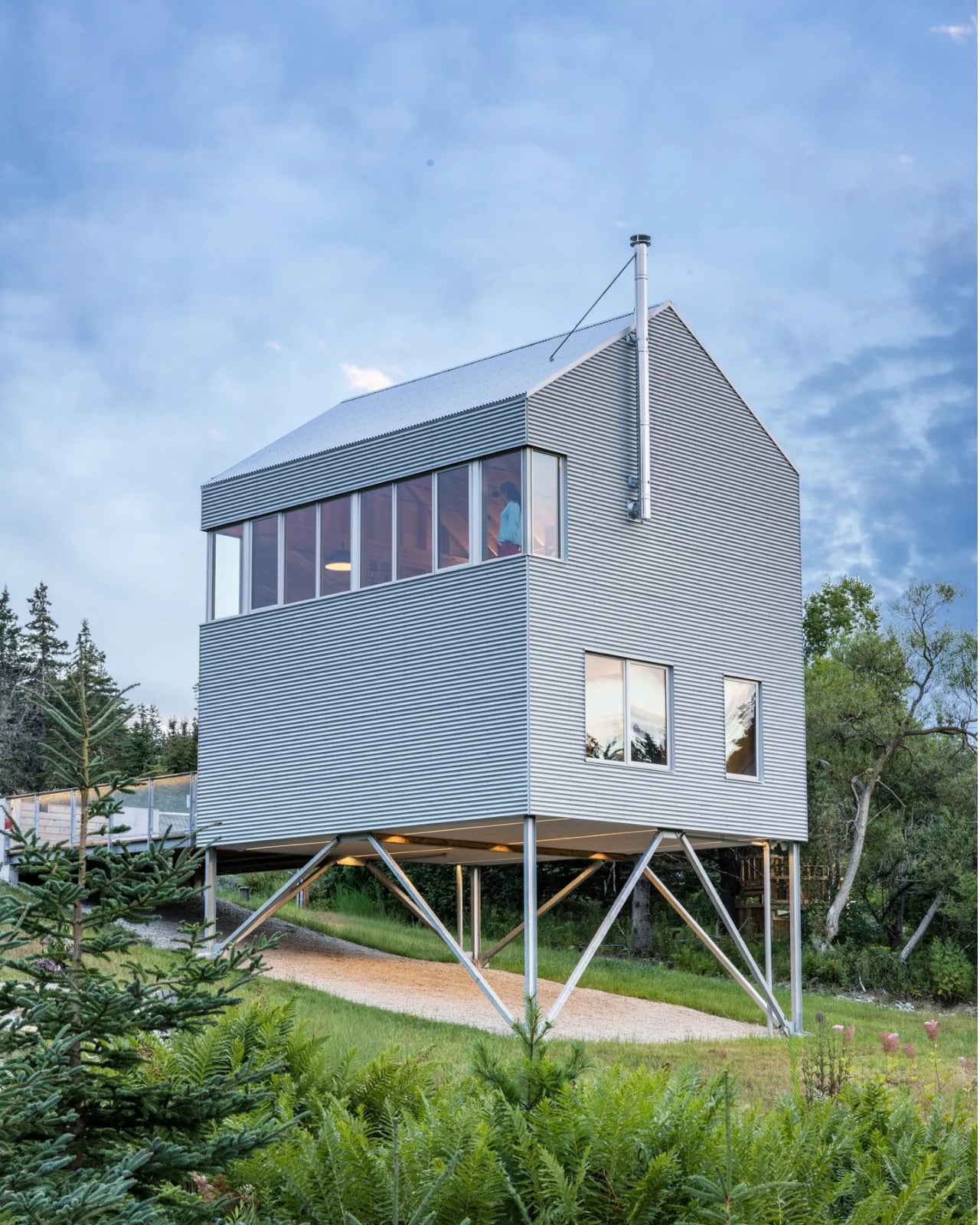
MacKay-Lyons described it as floating in the air like a birdhouse, and that’s also a quietly poetic way of explaining why the Skybox works. It’s light. It doesn’t take more than it needs from the land. And it leaves room for the view, the community, and the life happening all around it. That’s a harder thing to design than it looks.
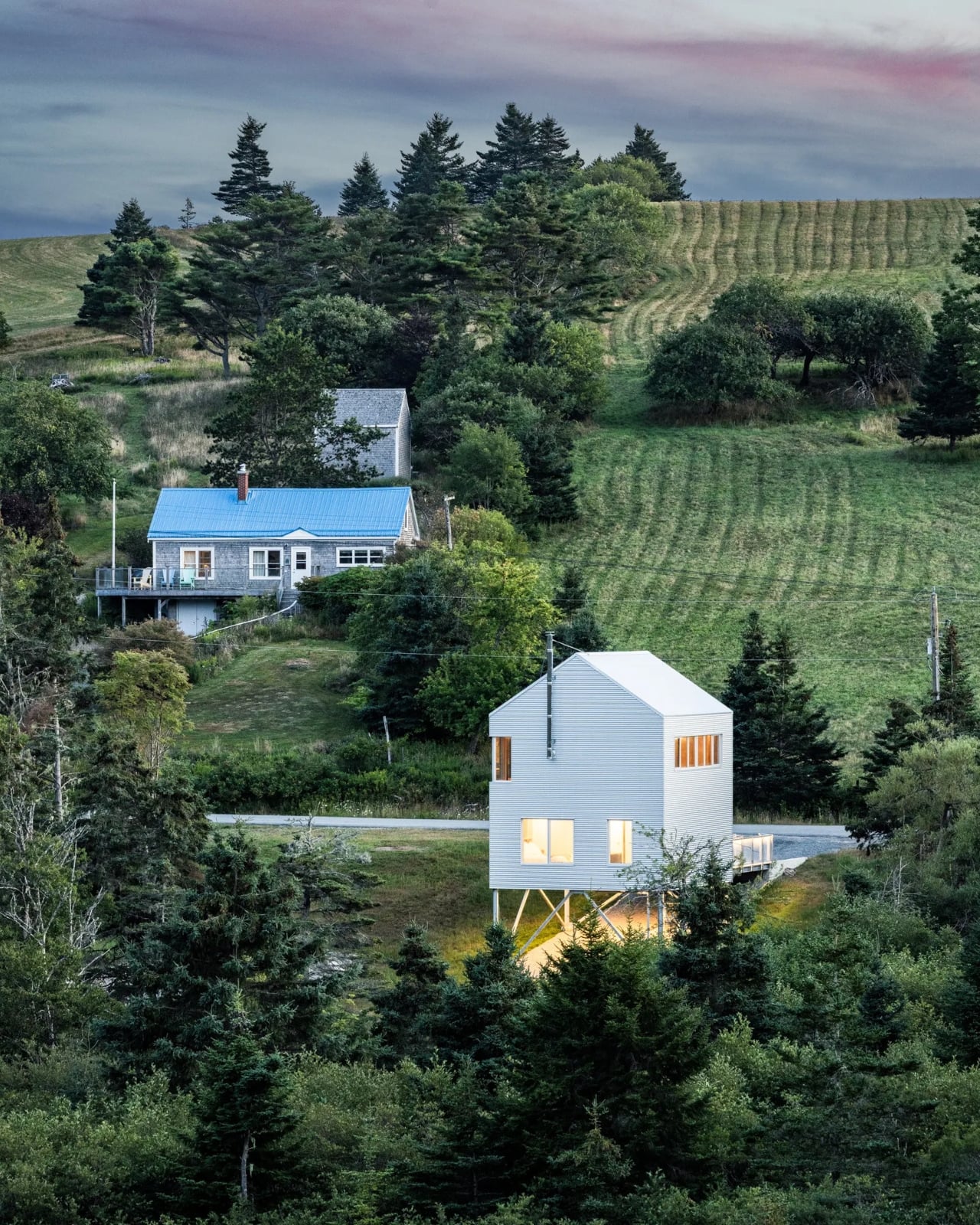
The post Why This 1,050 Sq Ft Upside-Down Cottage Beats a McMansion first appeared on Yanko Design.