This Tiny Red Shelter in the Alps Blurs Art and Architecture

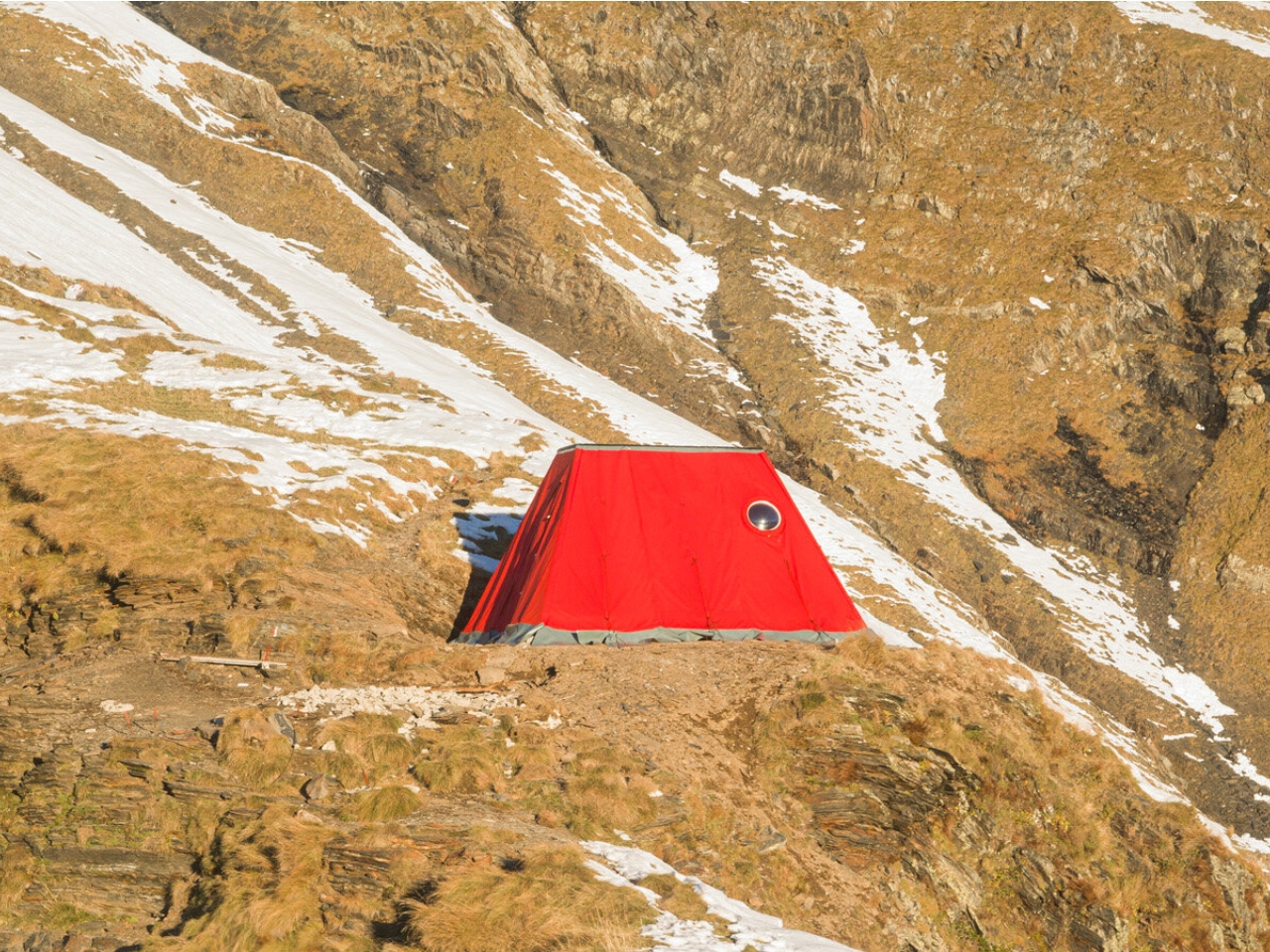
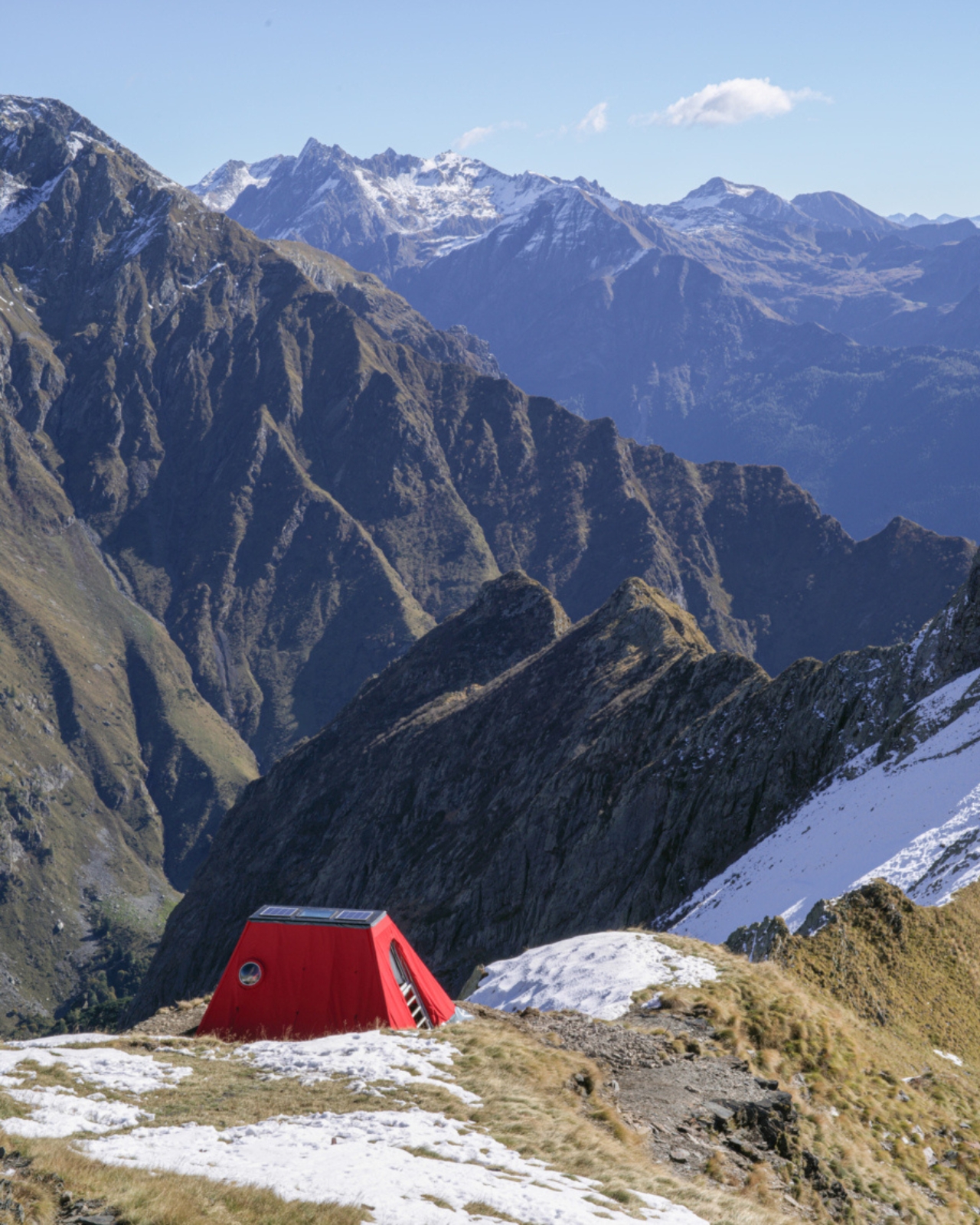
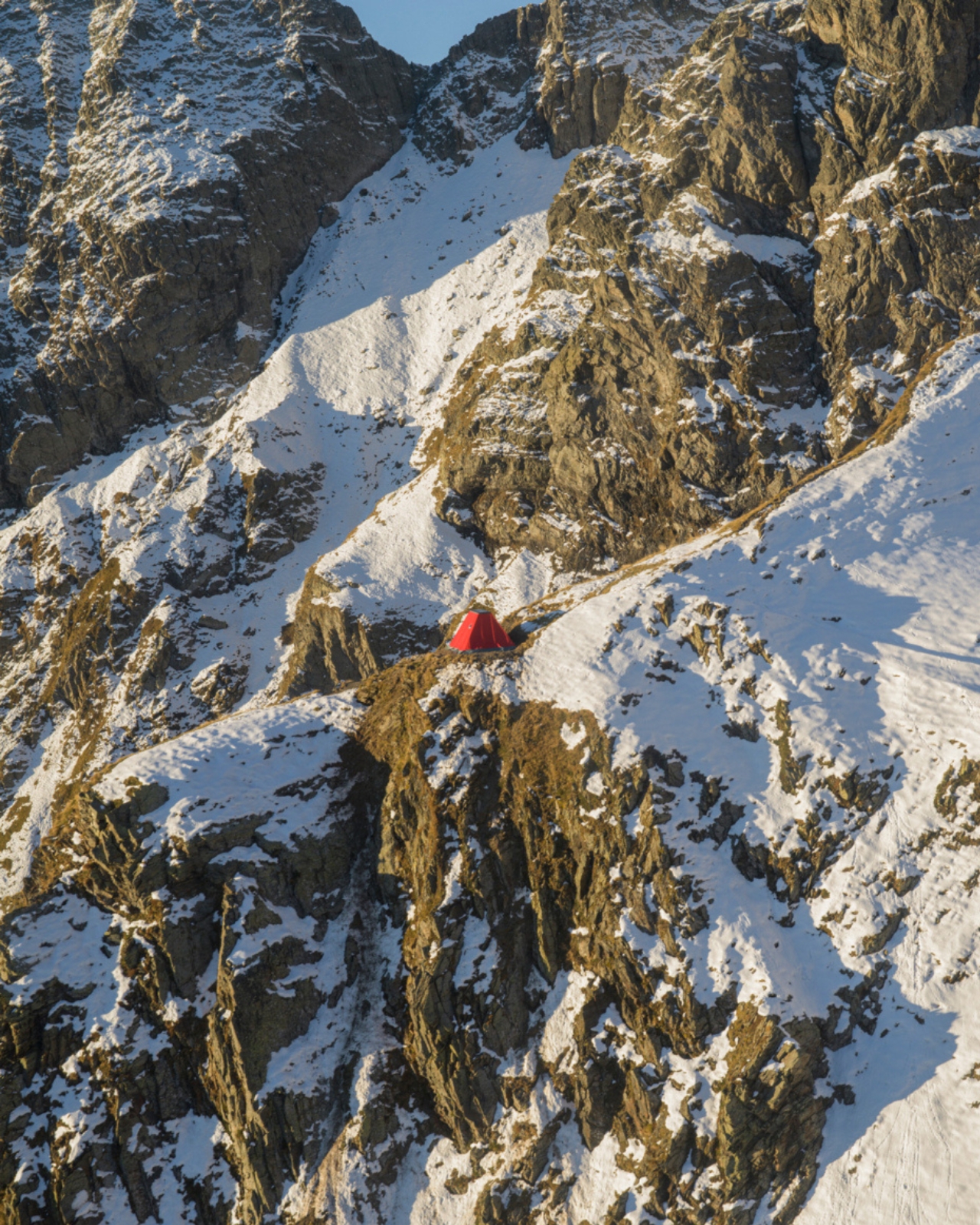
Picture this: a bright red pod perched at 2,300 meters in the Italian Alps, measuring just 4 by 2 meters, designed to shelter nine climbers in an emergency while also serving as a cultural outpost for a contemporary art gallery. If that sounds like a wild concept, well, that’s because it is.

The Aldo Frattini Bivouac, designed by the research and design studio EX., is part of something called “Thinking Like a Mountain,” a biennial program organized by GAMeC (Bergamo’s Gallery of Modern and Contemporary Art) that explores the relationship between art, landscape, and ecology. But unlike your typical art project, this one involves helicopters, emergency shelter protocols, and a whole lot of mountain weather.

Designer: EX. (photos by Tomaso Clavarino)

Located along the Alta Via delle Orobie Bergamasche in Val Seriana, the structure replaces a decaying asbestos shed that was no longer safe for climbers. The design team, led by Andrea Cassi and Michele Versaci, approached this project with a humility that’s refreshing in contemporary architecture. They weren’t trying to create some iconic landmark that screams “look at me” from across the valley.

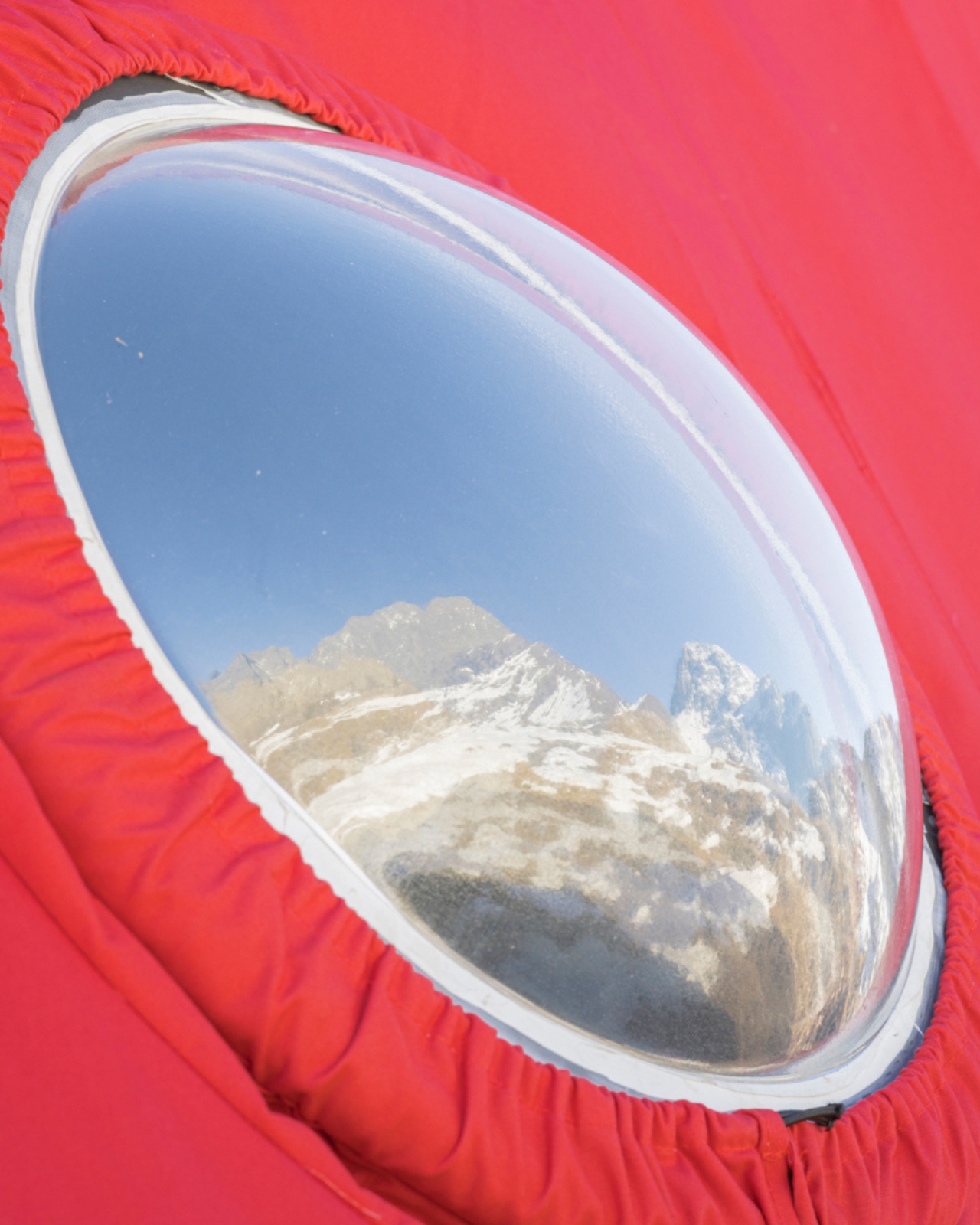
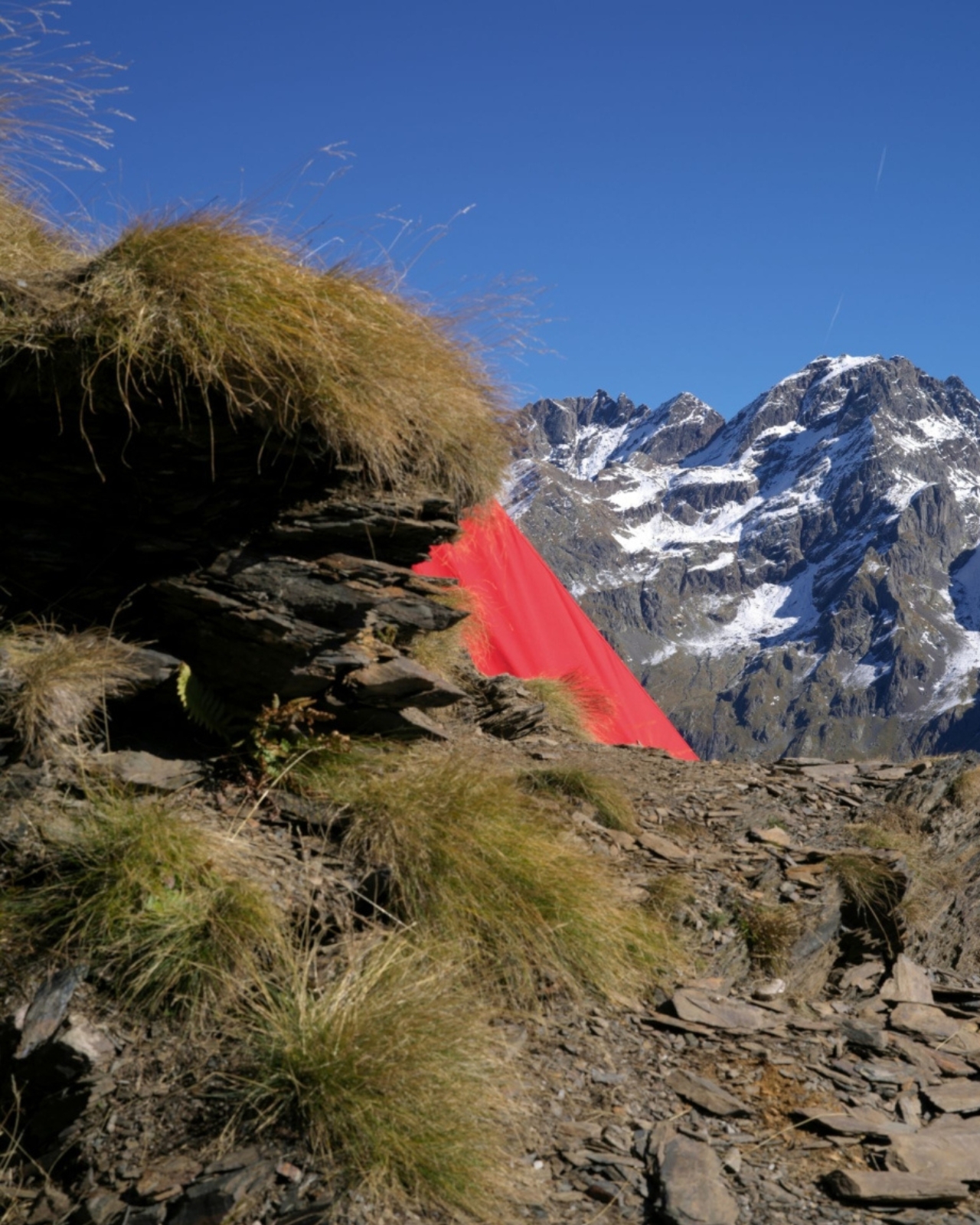
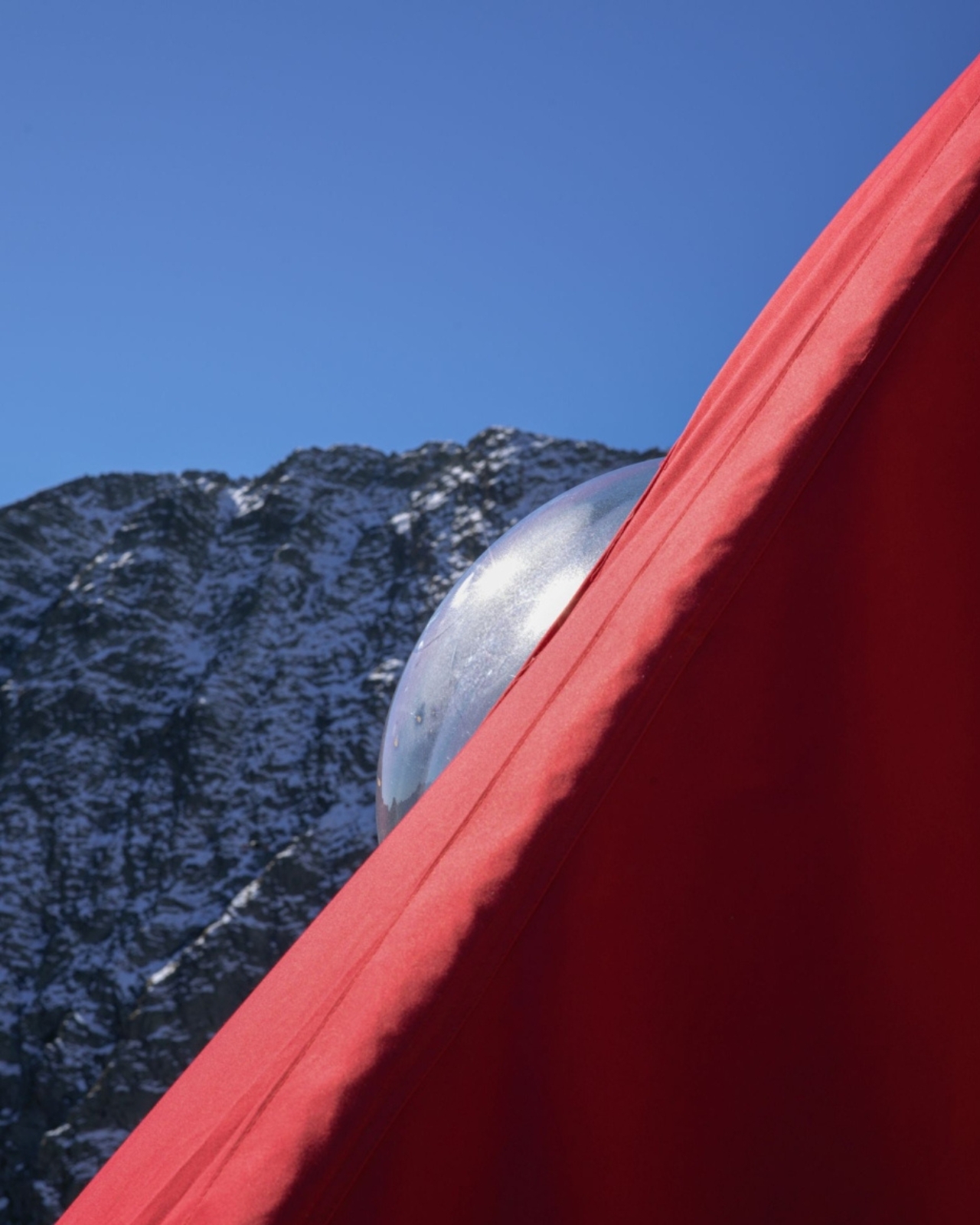
Instead, the bivouac takes its visual cues from classic alpine tents, those temporary shelters that early mountaineers relied on during their high-altitude adventures. The exterior is wrapped in a lightweight fabric skin made by Ferrino, a Turin-based company known for mountaineering equipment. This rippling, shimmering material gives the structure a sense of impermanence, almost like it’s acknowledging its own fragility against the backdrop of ancient mountains.

The construction process was its own kind of adventure. Because the site sits at such a high altitude and is accessible only to experienced climbers, traditional building methods were out of the question. The solution? Prefabricate the entire thing in three parts, weighing about 2,000 kilograms total, and have a helicopter drop it into place during a brief weather window before snowstorms rolled in. It’s the kind of logistical puzzle that makes you appreciate the careful planning behind what looks like a simple structure.

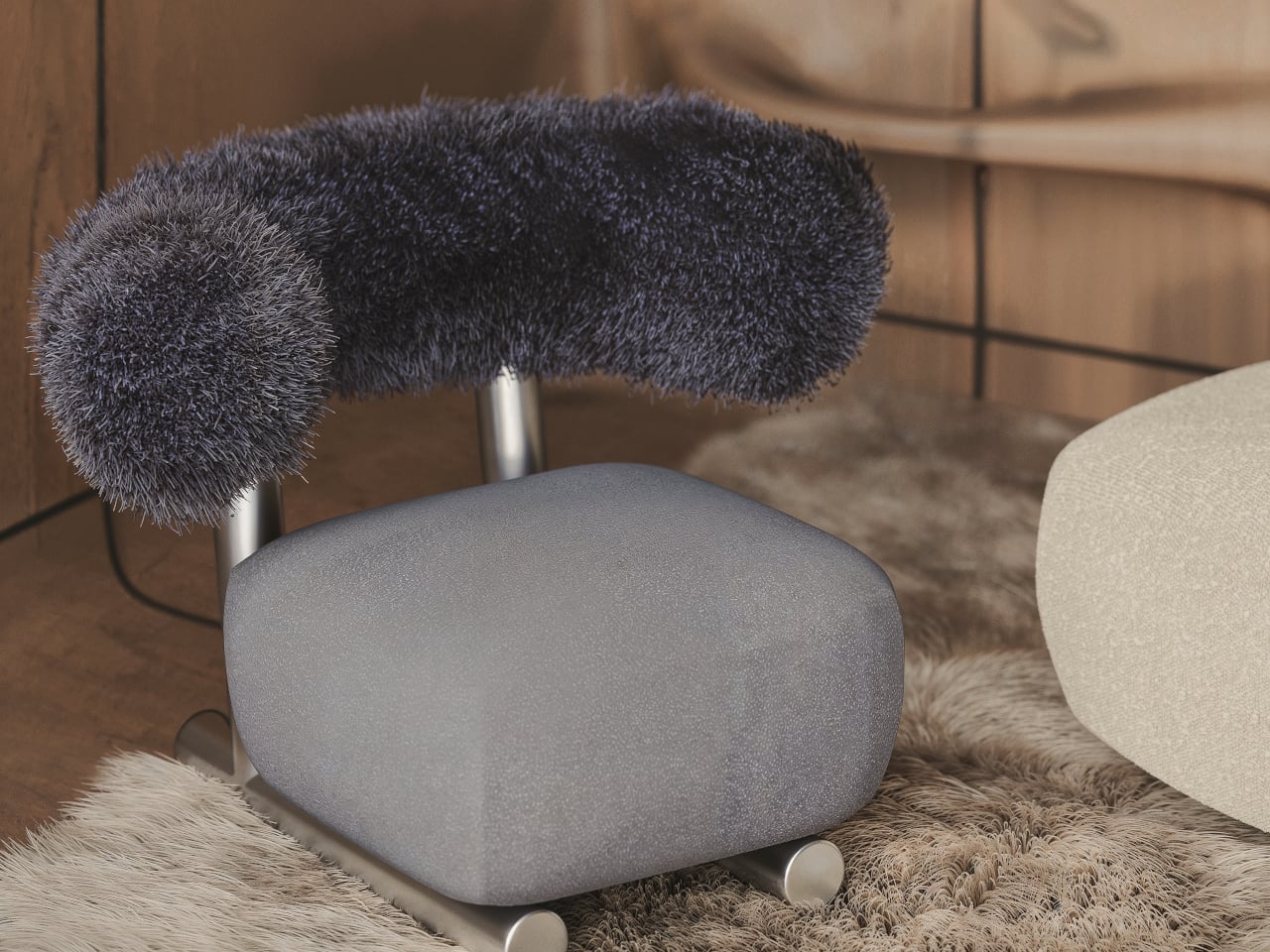
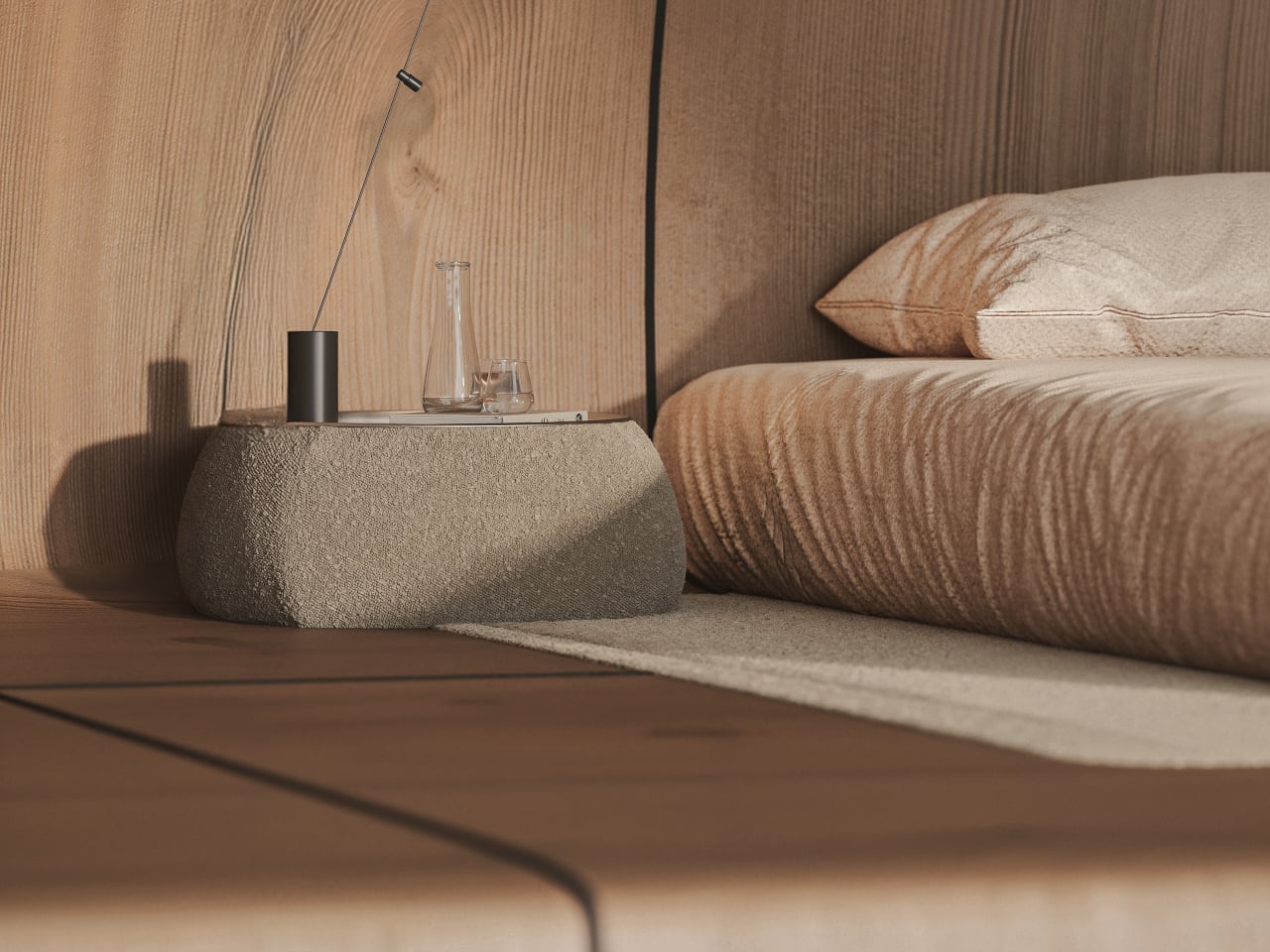
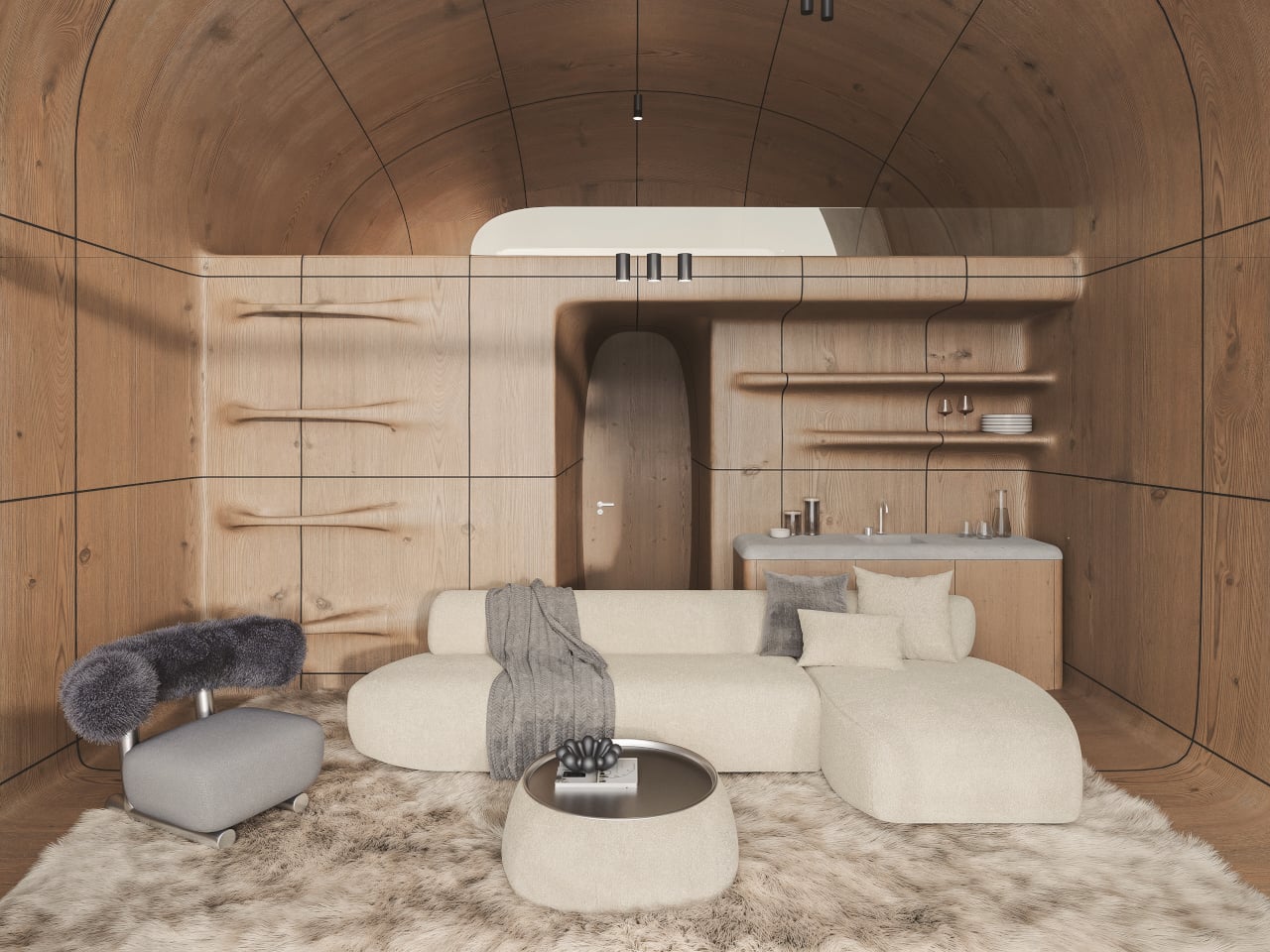
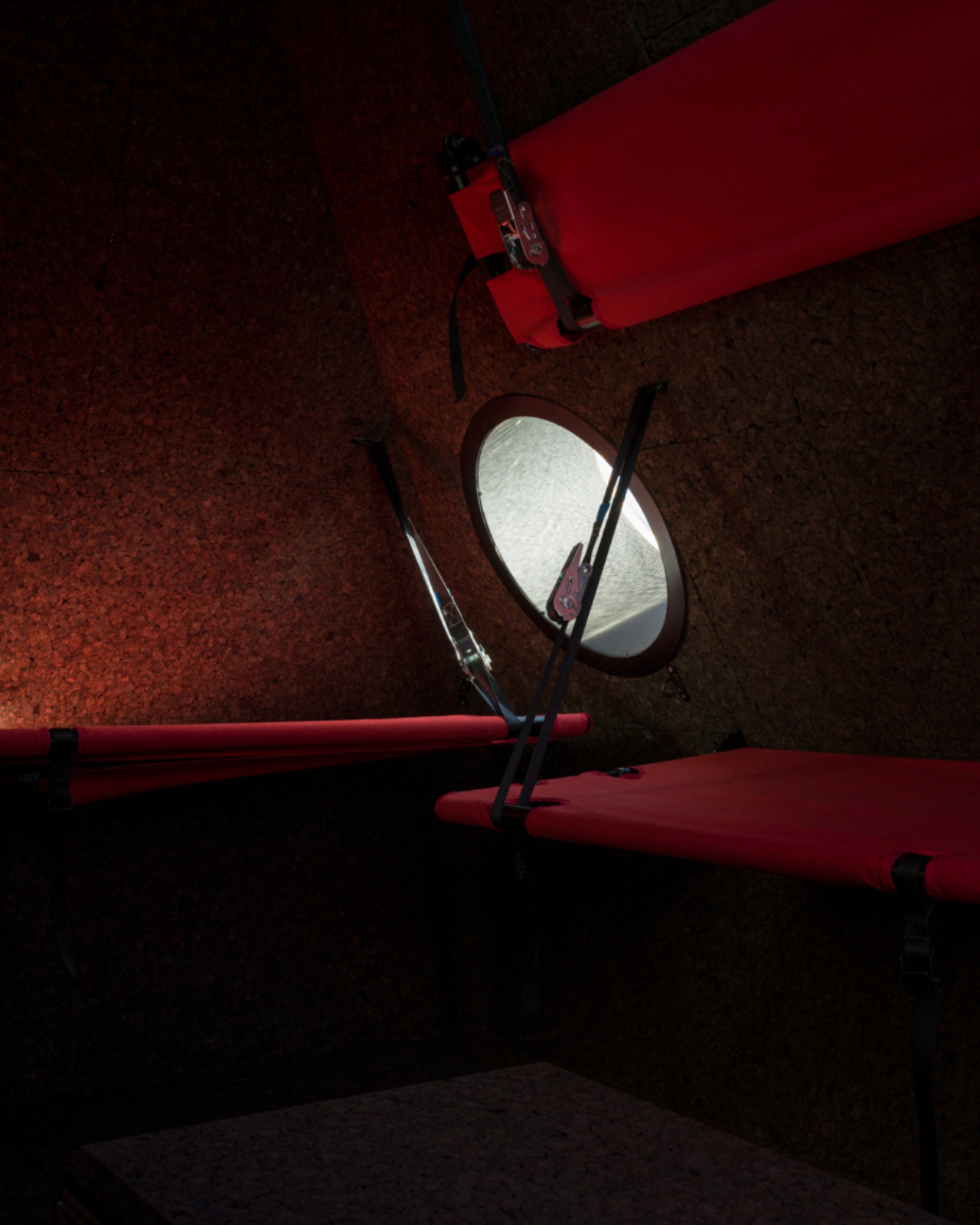
Inside, natural cork lining provides both thermal and acoustic insulation, creating a surprisingly cozy refuge against harsh alpine conditions. The space is engineered to accommodate up to nine people through a carefully choreographed arrangement of beds that unfold from the walls when needed. Most of the time, it might sit empty or shelter just one or two climbers. But in emergency situations, every inch of that compact interior becomes crucial.

What makes this project fascinating is its dual identity. Yes, it’s a functioning emergency shelter that serves a vital practical purpose for alpinists. But it’s also an extension of GAMeC’s cultural reach into the alpine environment. The gallery isn’t trying to stage exhibitions up there or host events. Instead, the bivouac serves as what they call an “observatory,” a place for gathering data, images, and environmental monitoring that helps create connections between Bergamo’s urban context and the mountainous terrain to the north.

This approach represents a kind of anti-artwashing, if you will. Rather than imposing bold artistic statements onto a landscape, the project tries to listen to and learn from the culture of the Alps. The architecture becomes a medium for presence and observation rather than display, a subtle but significant shift in how we think about bringing art and design into remote natural spaces.

The red fabric exterior is deliberately vulnerable looking. It flutters in the wind, showing creases and movement rather than presenting some pristine, unchanging surface. EX. describes it as “embracing fragility as an aesthetic,” a rejection of the idea that mountain architecture needs to be sleek and immaculate. In a way, that fabric skin becomes a kind of truth-telling, acknowledging that all human structures in the mountains are provisional and temporary when measured against geological time.

Supported by Fondazione Cariplo and Fondazione della Comunità Bergamasca, the Aldo Frattini Bivouac might just be one of the smallest buildings you’ll read about this year, but it punches well above its weight in terms of ambition and thoughtfulness. It’s a reminder that good design isn’t always about scale or spectacle. Sometimes it’s about finding elegant solutions to complex problems while respecting the environment you’re working in, even when that environment is barely accessible and completely unforgiving.

The post This Tiny Red Shelter in the Alps Blurs Art and Architecture first appeared on Yanko Design.
Topographic wooden coffee table puts the Rock of Gibraltar in your room

Coffee tables these days aren’t just places to put down books and drinks. They’re often the center of a room, specifically a living room, both in location and in design. They do more than just add visual interest in a space but, in many homes, also reflect the owner’s tastes and sometimes their aspirations.

That’s especially true if you get the opportunity to design your own coffee table or get someone to do it for you. This wood and glass design, for example, tries to capture feelings of welcoming warmth as well as structural strength. And what better way to represent those ideas than by putting the semblance of a glorious mountain right in the center of your living room.

Designer: Prerna Panjwani

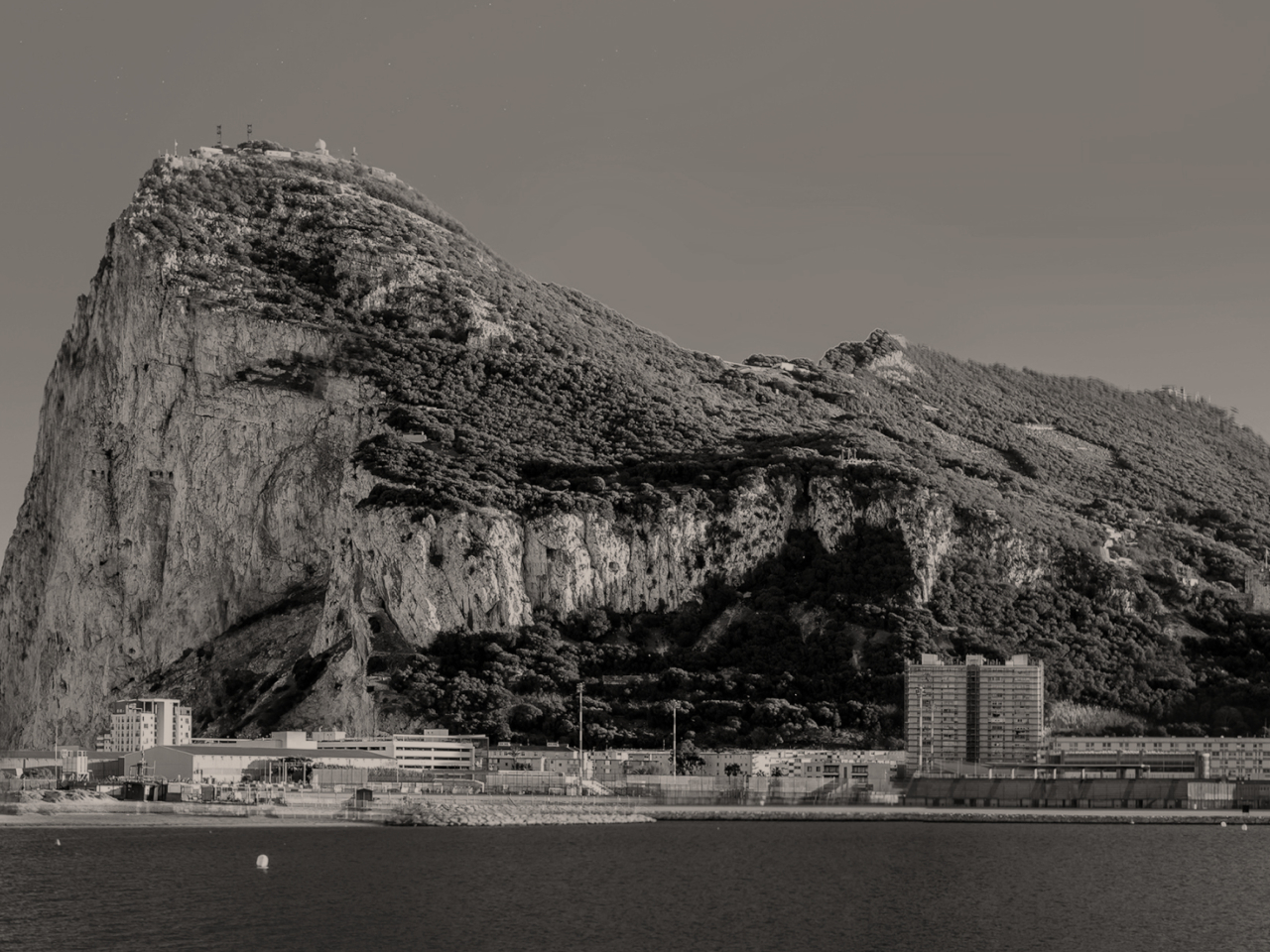
The Rock of Gibraltar is a majestic sight that inspires awe not just with its height but with its distinctive shape as well. It’s almost like a ship resting in the ocean and a testament to the Earth’s geological history. It isn’t as imposing as other mountains, making it the perfect fit for a coffee table design.

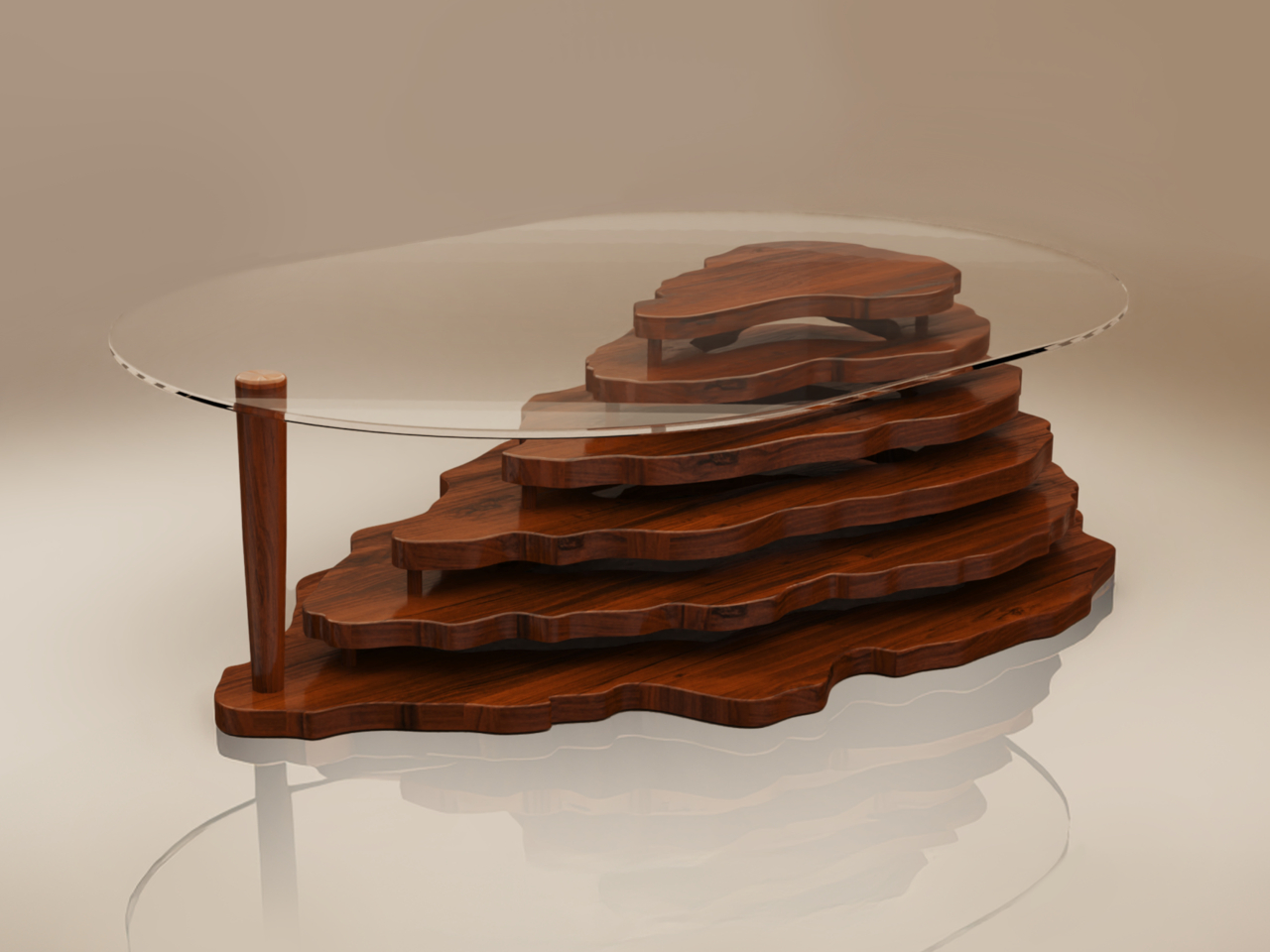
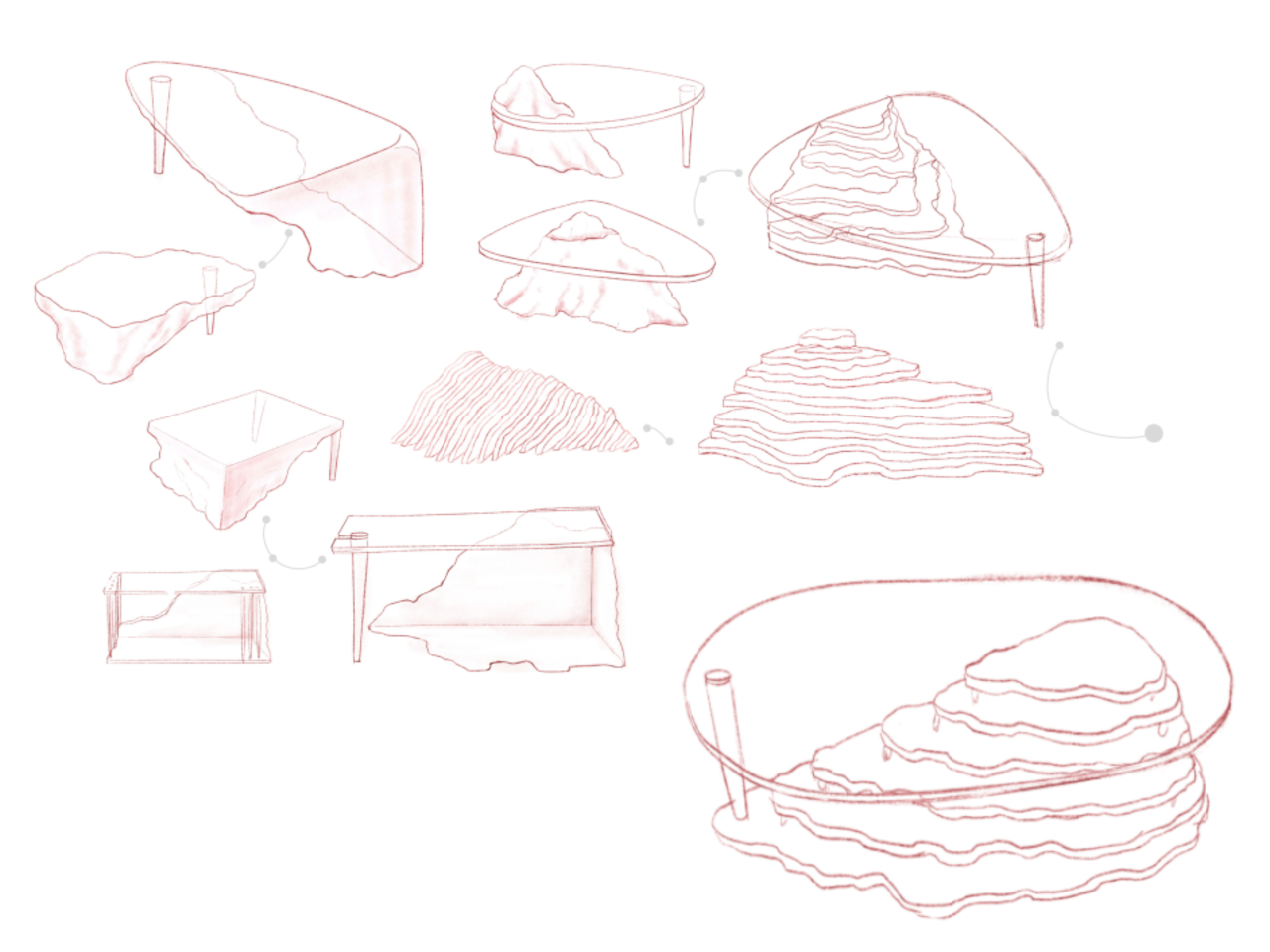
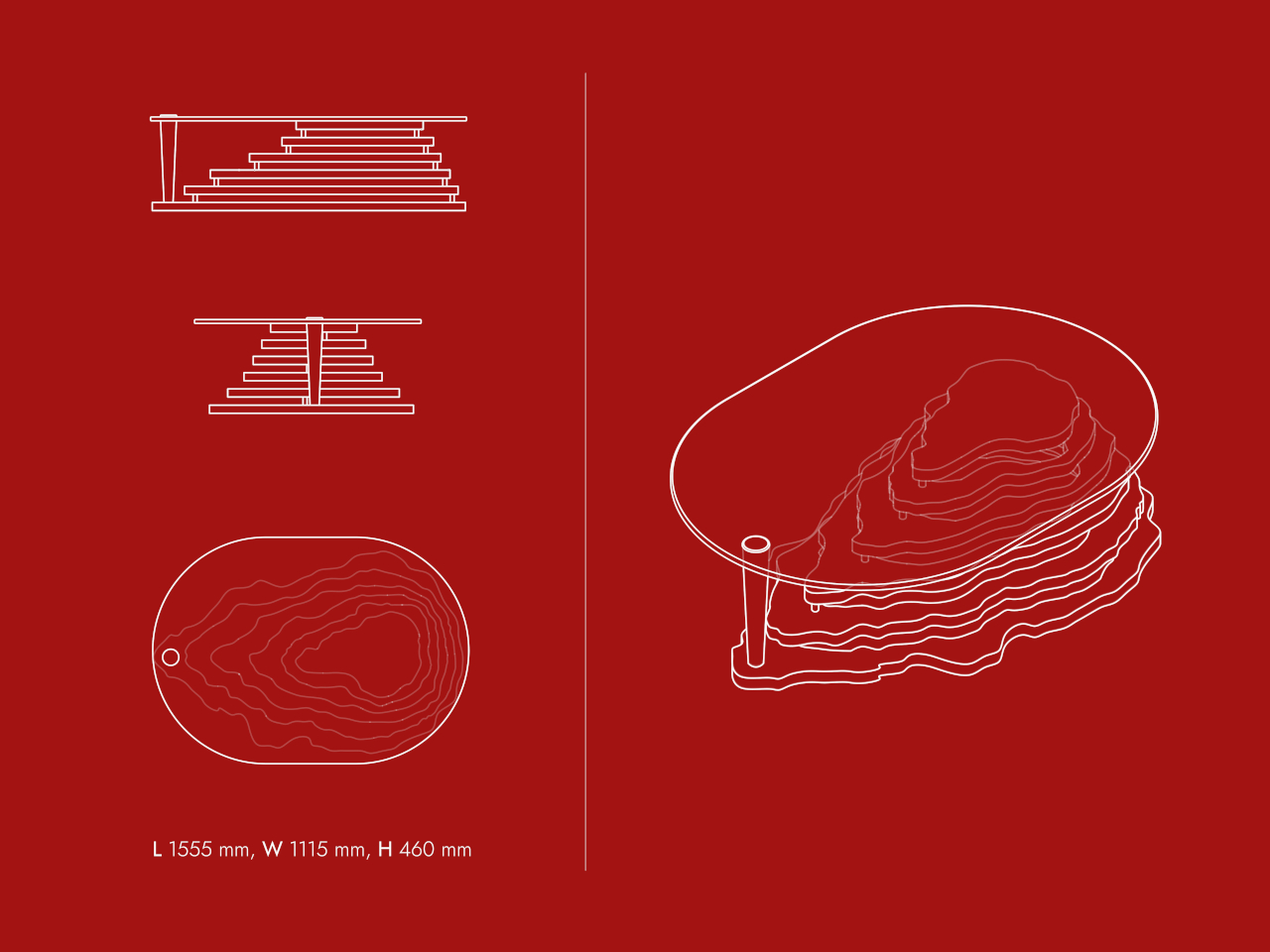
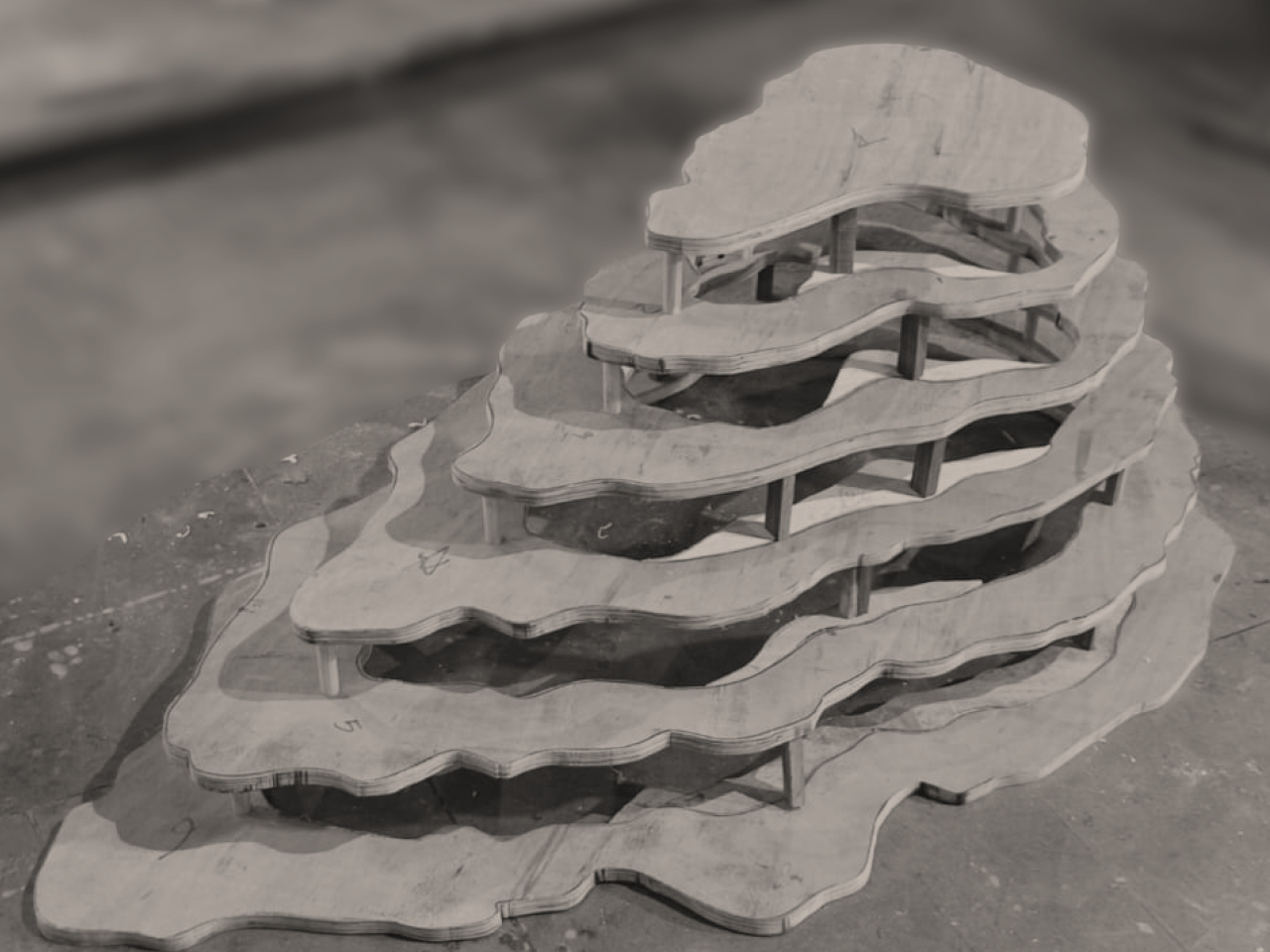
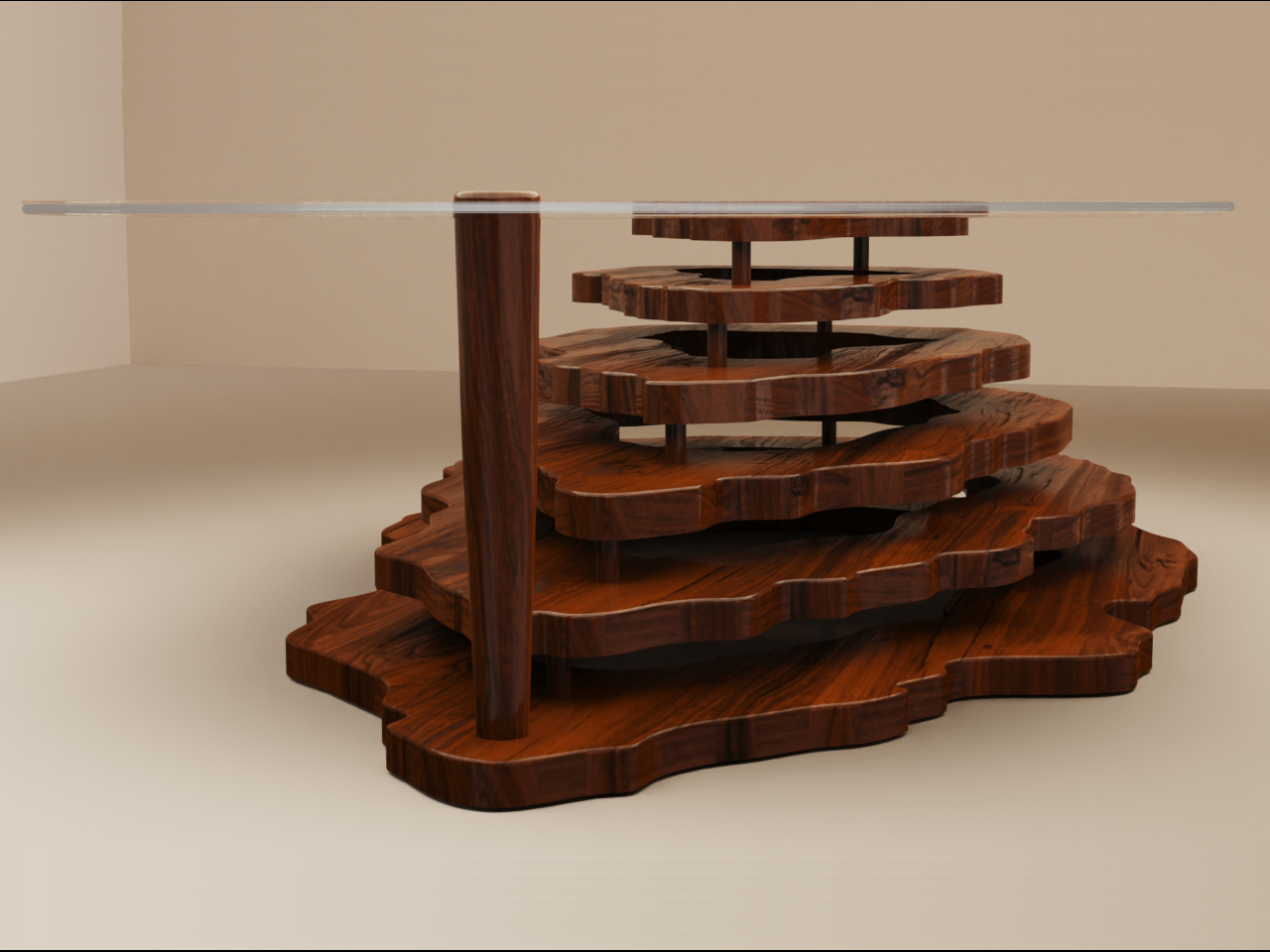
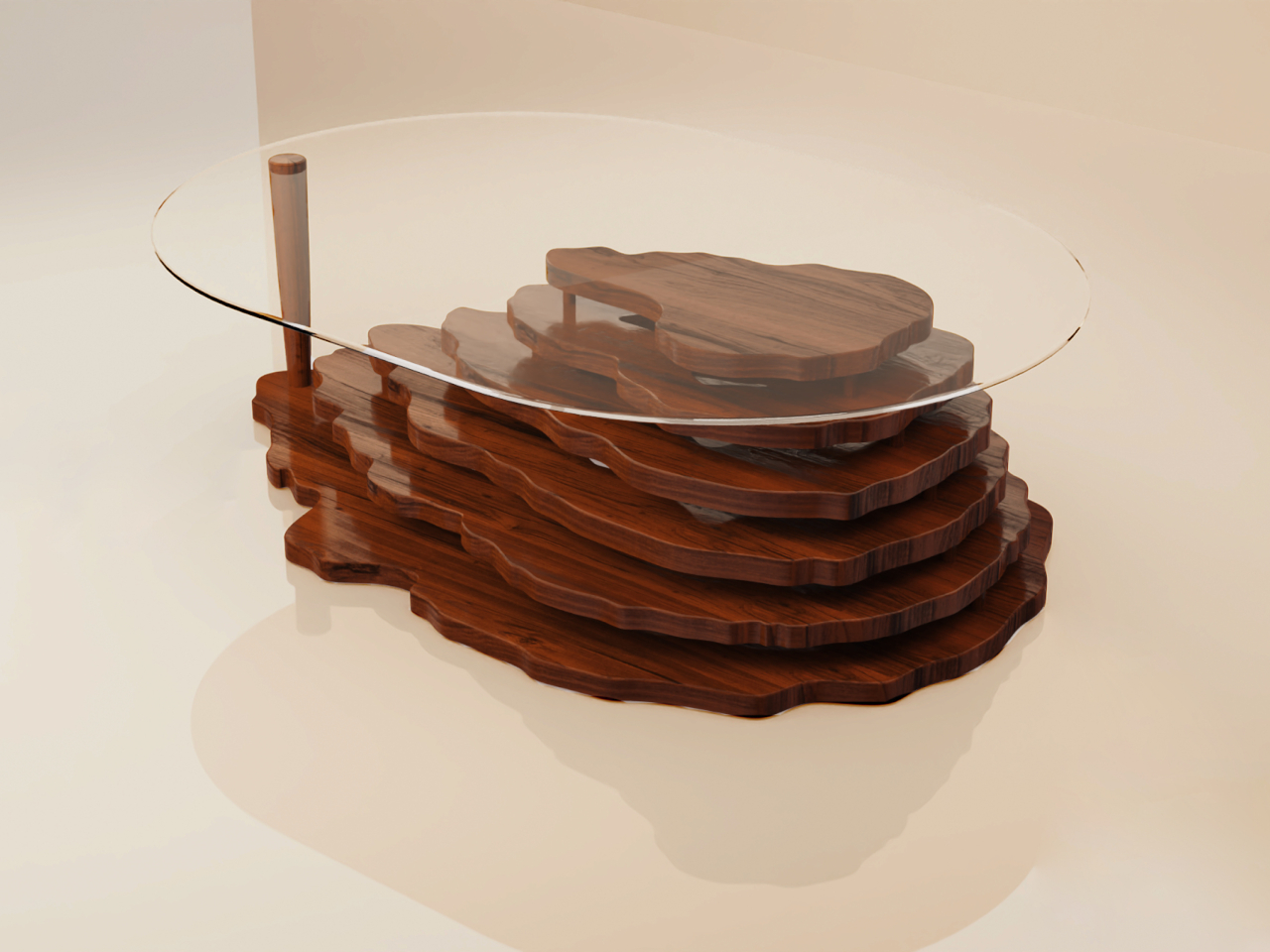
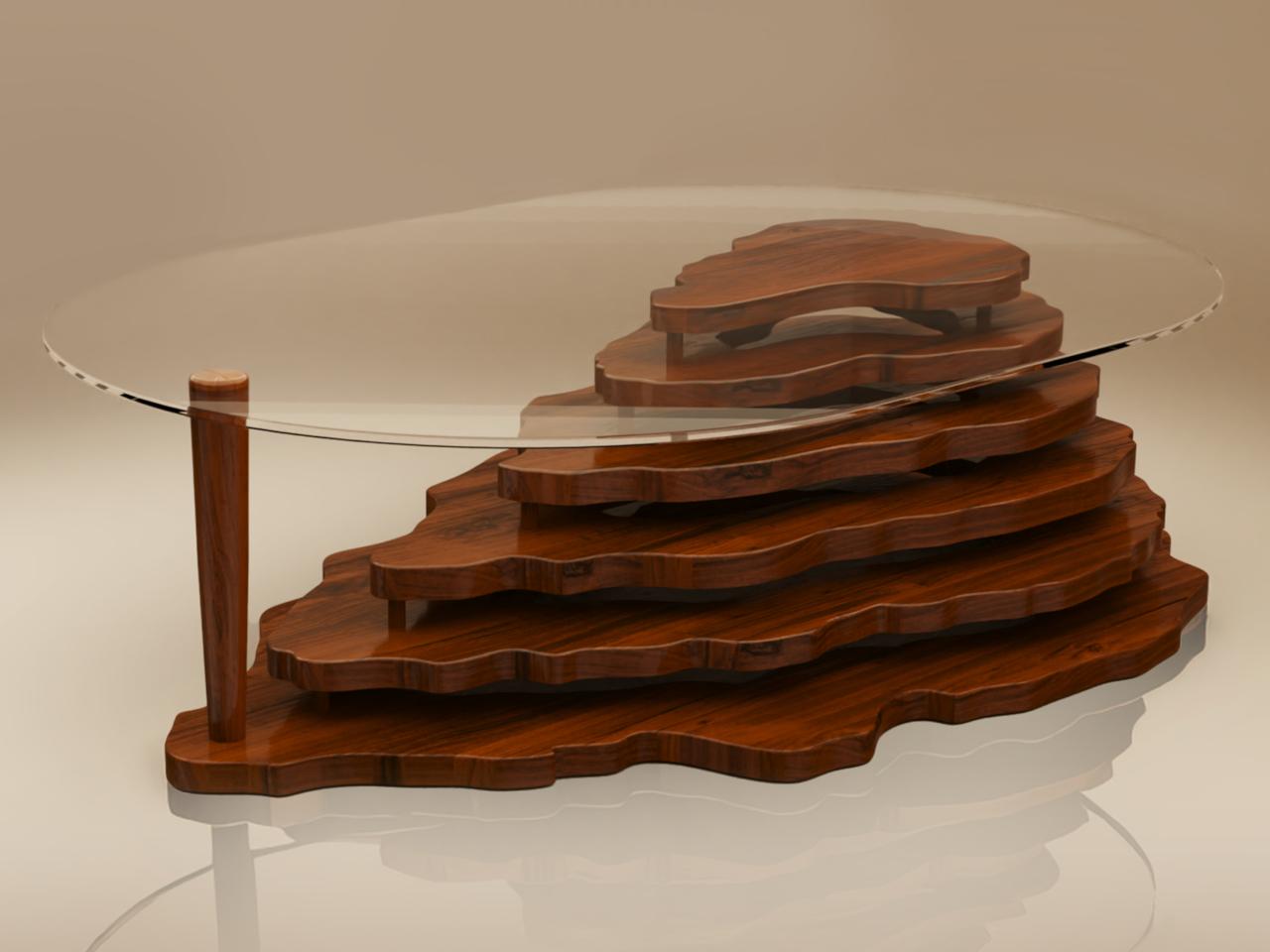
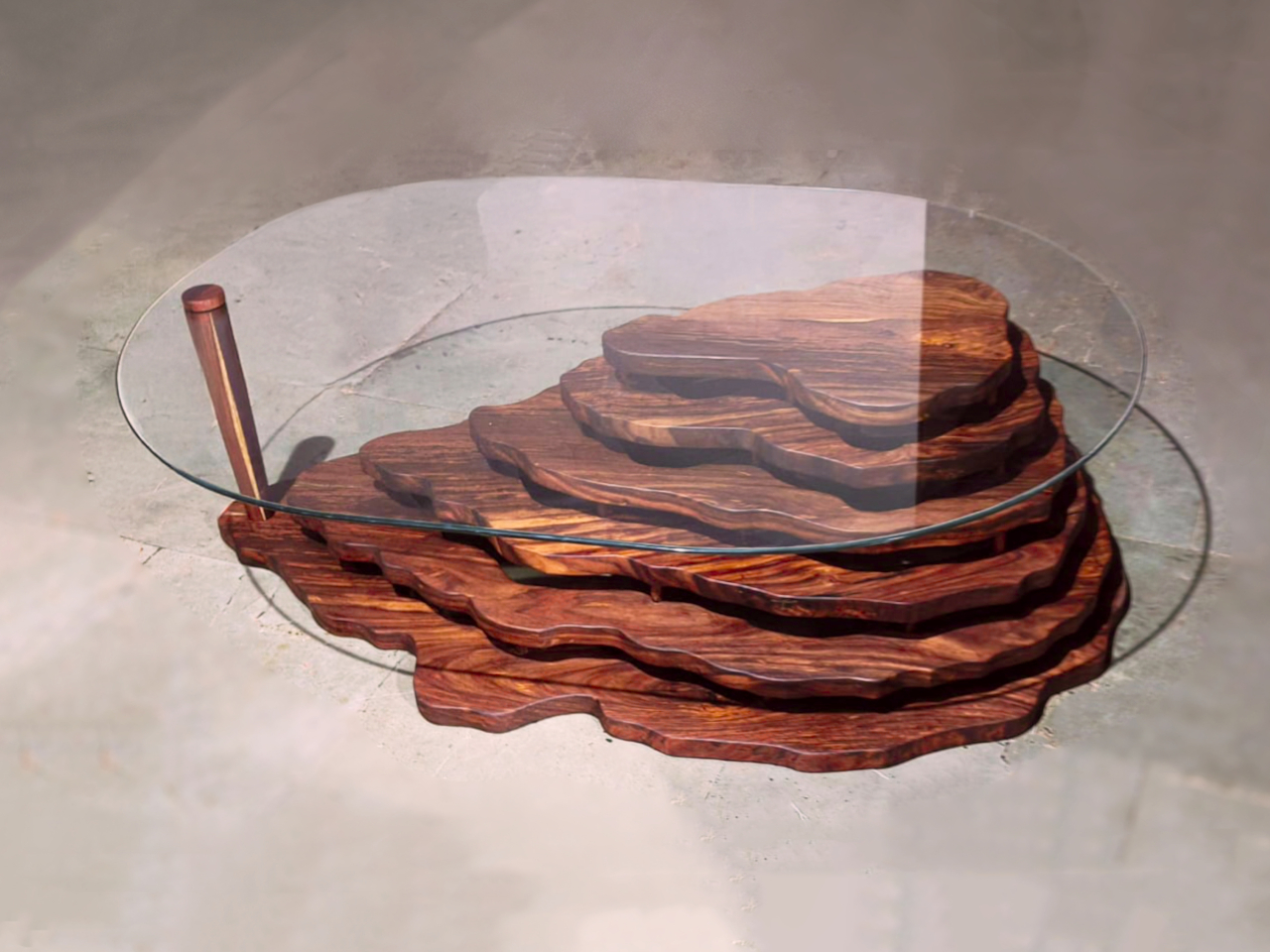
The Vista coffee table, however, doesn’t simply mold or carve the shape of the mountain. It instead assembles layers of rosewood panels cut to the rough shape of the Rock of Gibraltar. The layers are held together by a few sticks of wood, creating very visible gaps in between each step.

The resulting aesthetic is similar to those cardboard topographic maps some students are told to make for their science projects. It’s almost like an artistic representation of a geographic form, leaving just enough details for our minds to fill in the gaps. At the same time, this layered design is like a metaphor for the natural formation of the mountain itself, built up layer by layer over hundreds if not thousands of years.

The Vista coffee table tries to combine the lofty image of mountains with the grounding materials of wood. It’s definitely a conversation starter among guests seeing it for the first time, or even between friends revisiting memories of the table’s arrival. Perhaps an unintended feature of the design is the gaps that can be used to hold or hide objects, almost like the man-made structures that have been built around the mountain, also a metaphor for the clutter that humans create around nature.

The post Topographic wooden coffee table puts the Rock of Gibraltar in your room first appeared on Yanko Design.
NEOM Siranna resort hotel looks like a fantasy castle carved from a mountainside

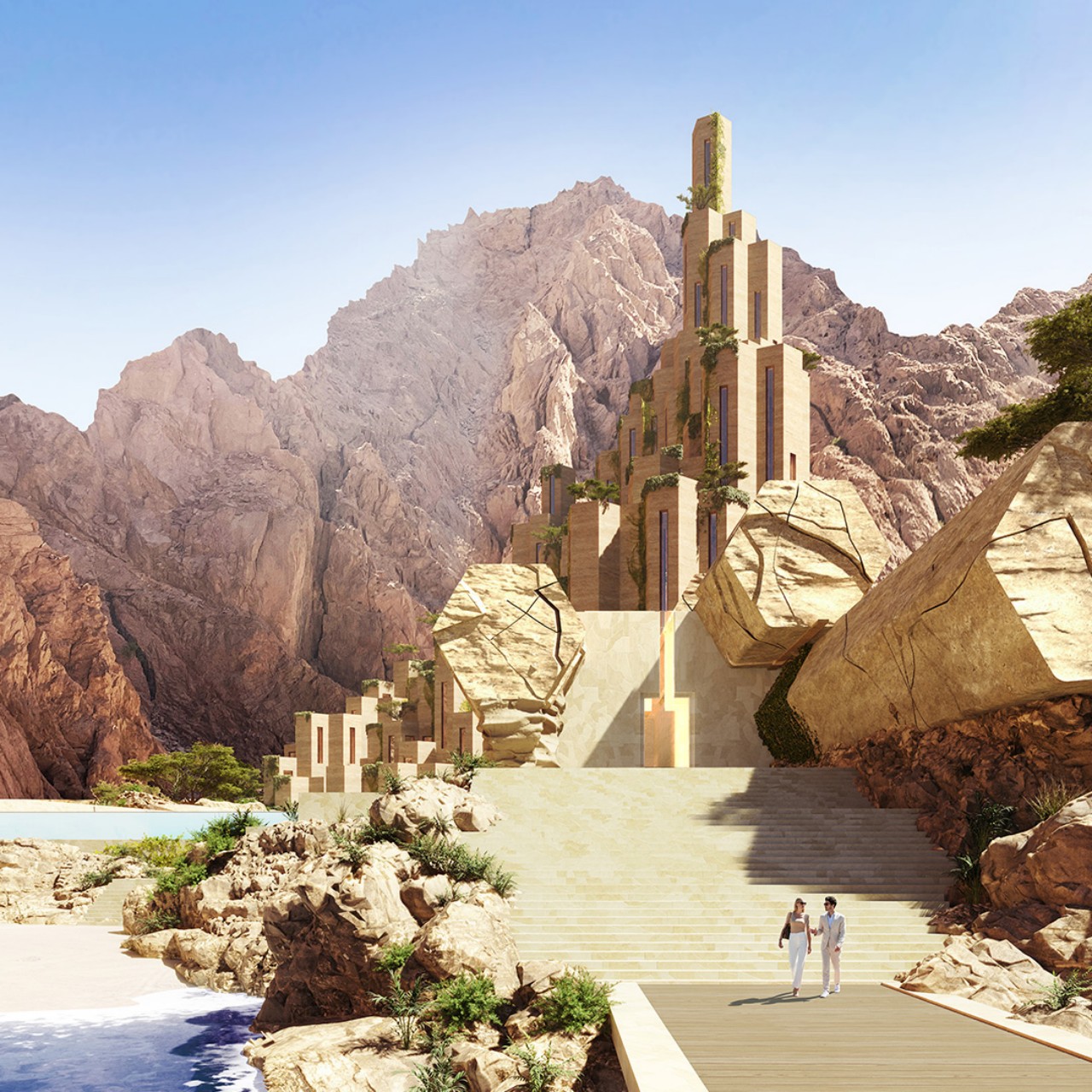
When people speak of hotels, they probably think of towering buildings in the middle of cities or near beaches and tourist hot spots. Few will probably imagine one built on desert landscapes, surrounded by imposing mountains on one end and a sea on the other. They probably wouldn’t even be able to imagine how the hotel would be composed of towering spires that seem to be made from the very same rock as the mountains. That combination of elements, however, is exactly what NEOM’s latest ambitious project is proposing, creating a picturesque tourism escape that resembles fantasy or sci-fi fortresses built from mountains, which is actually also the blueprint for this hotel and residence dream.

Designer: NEOM

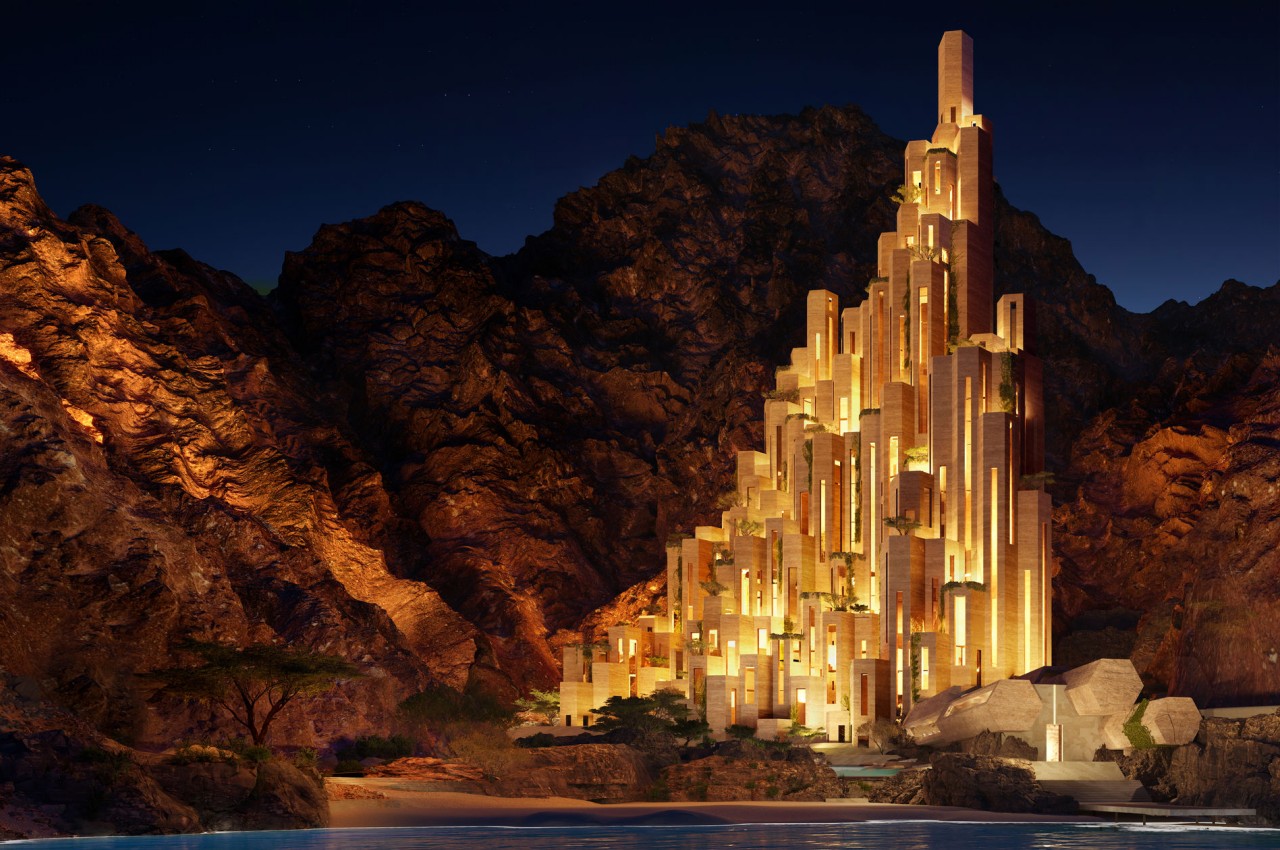
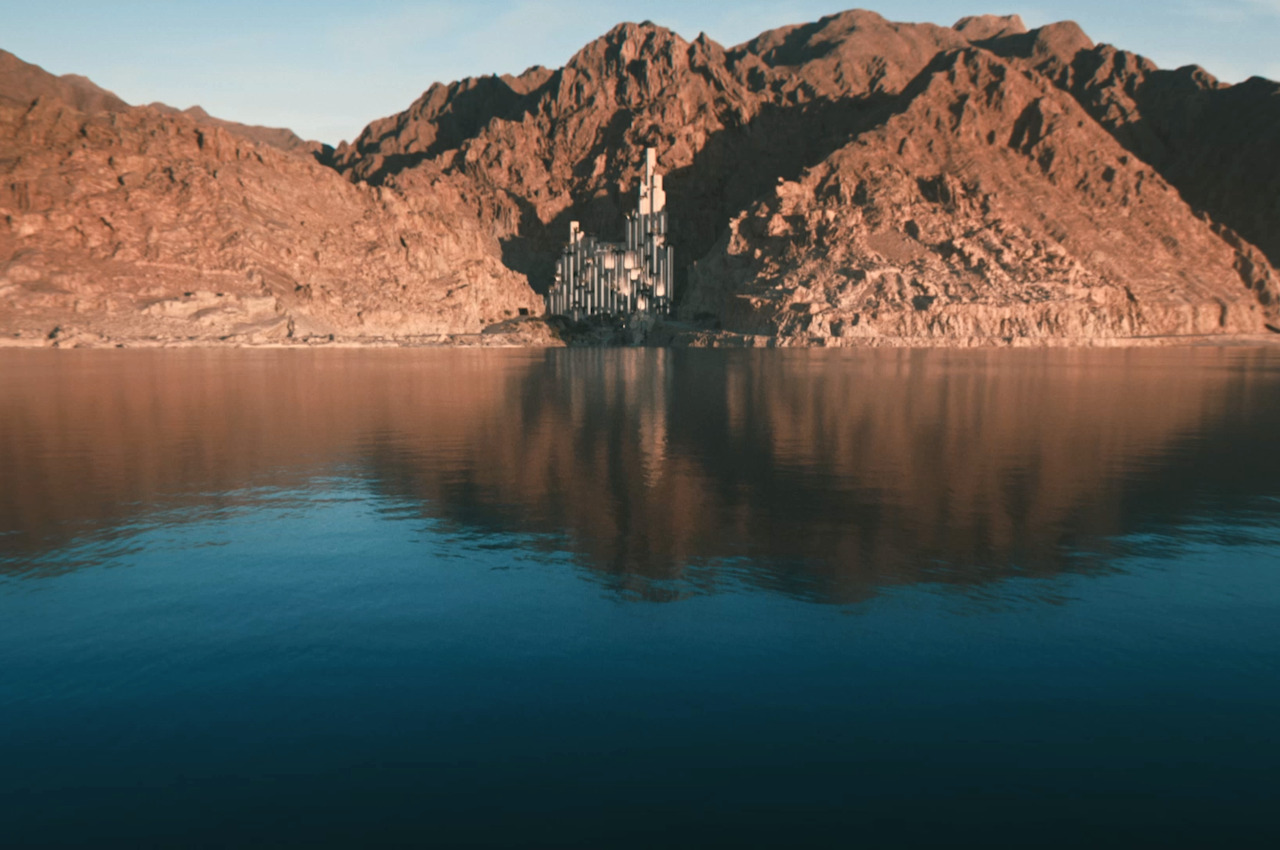
Imagine riding a boat across a sea and gazing at an imposing mountain range across the horizon. As you near the coast, you notice what seem to be stone pillars rising from the ground, their shadows during the day and lights at night casting an almost otherworldly atmosphere around them. This majestic view is actually your destination, and that’s the kind of adventure that the Siranna is meant to offer, a break from the hustle and bustle of everyday life and a journey into an ultra-luxurious and dreamy location where sea, mountains, and wadi intersect.

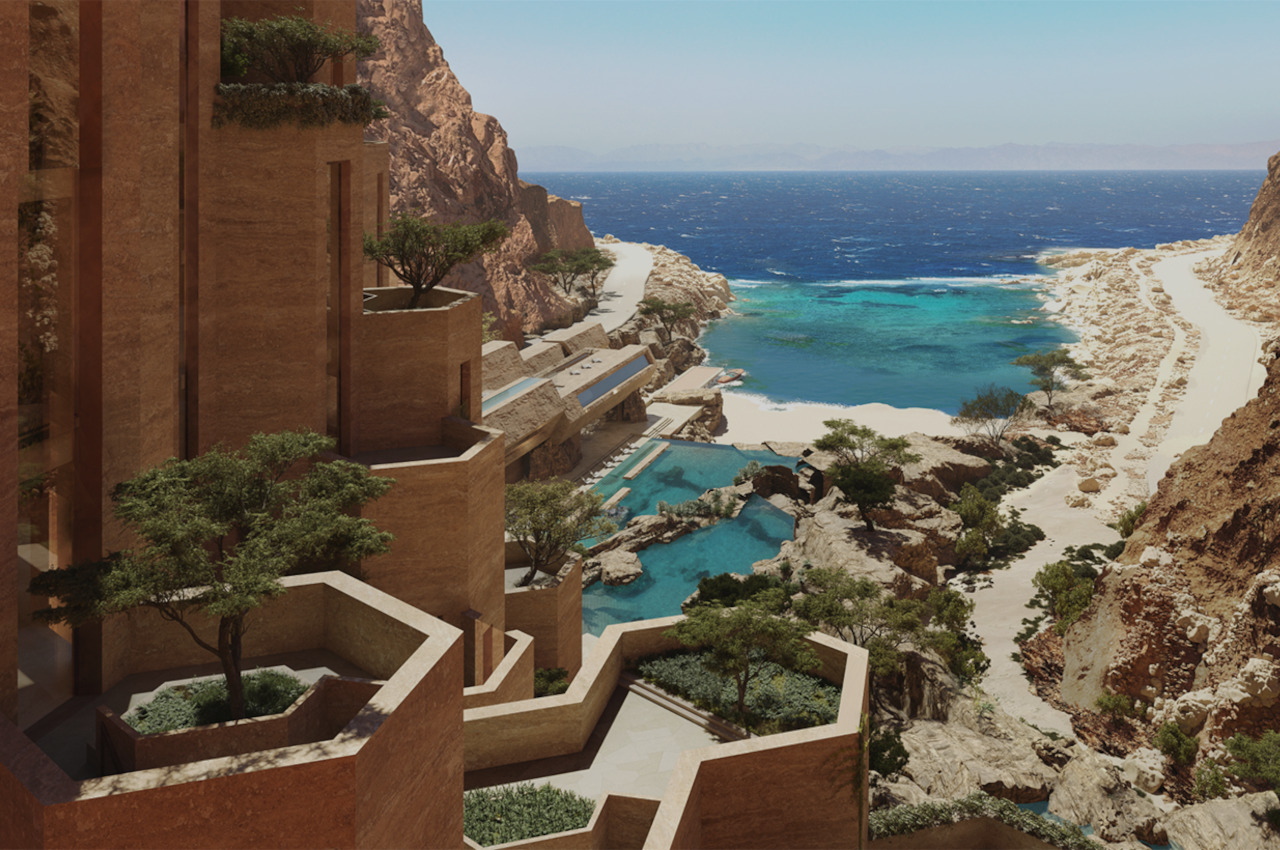
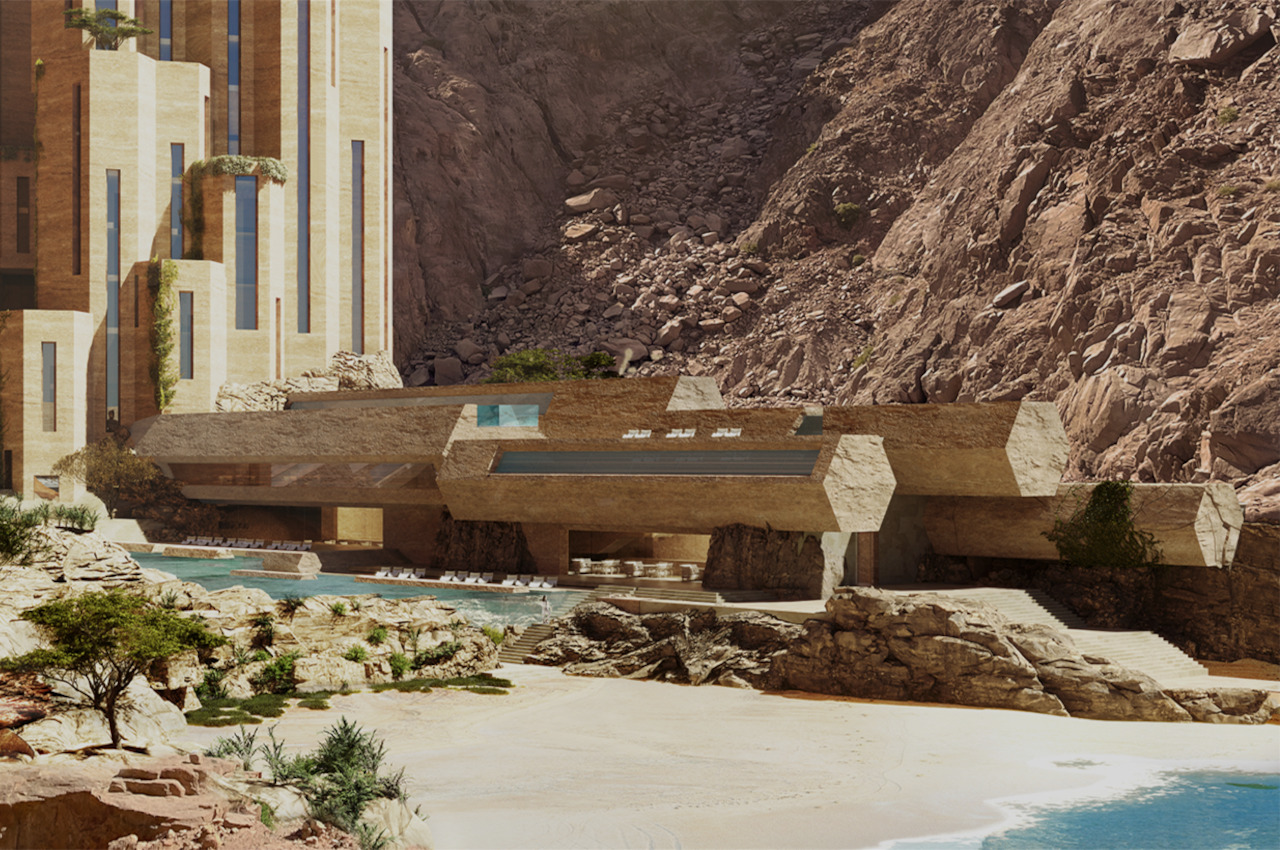
To be built on the Gulf of Aqaba coastline in Saudi Arabia, the Siranna is a complex that will be home to a 65-key hotel and 35 exclusive residences that promise top-of-the-line resort amenities, from beach clubs to spas to wellness facilities. Despite the seemingly dry environment, the experience will also include outdoor adventures, whether on foot or on horseback, to explore the awe-inspiring landscapes that surround this man-made structure. Even the way you get to Siranna will be a breathtaking journey that starts with a boat ride to a secluded bay and then a trek through the mountain’s natural rock formations before finally reaching the property.

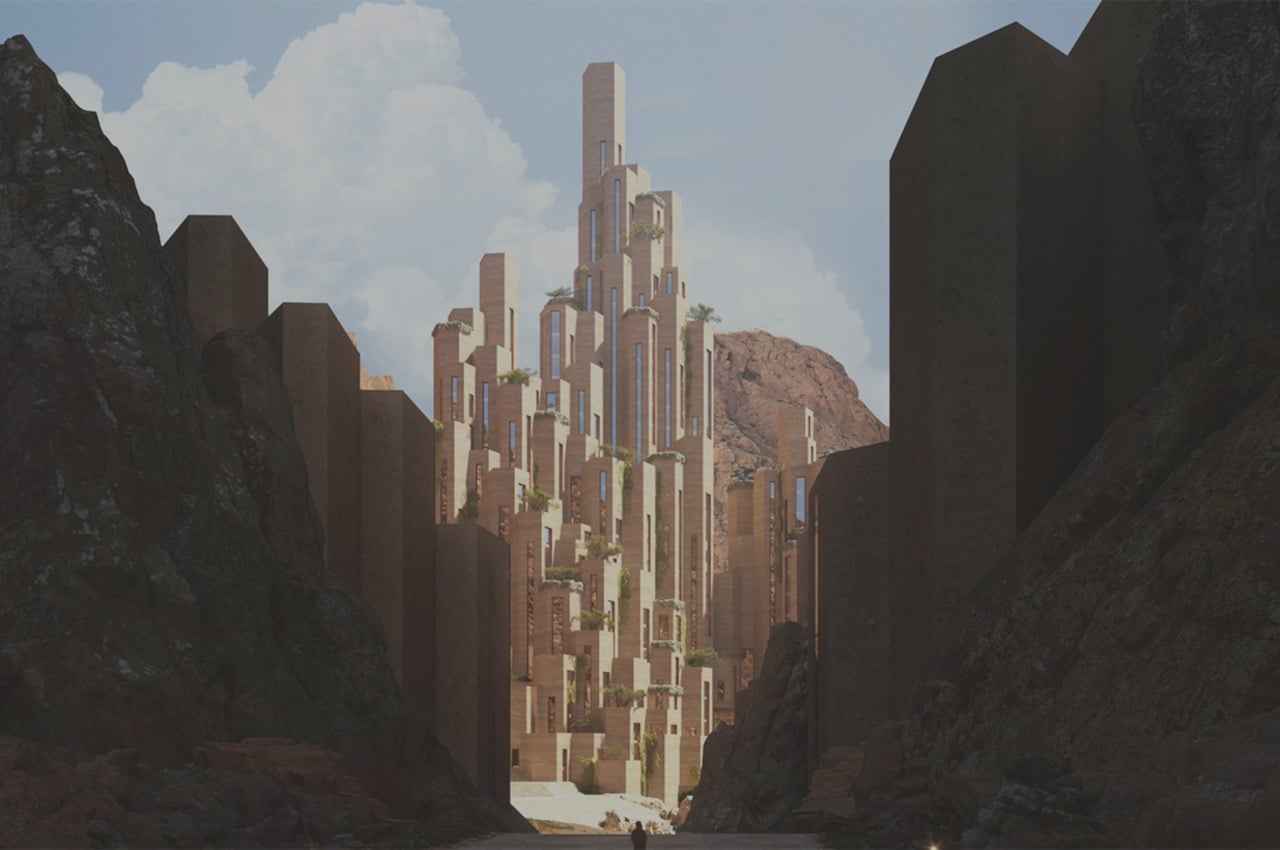
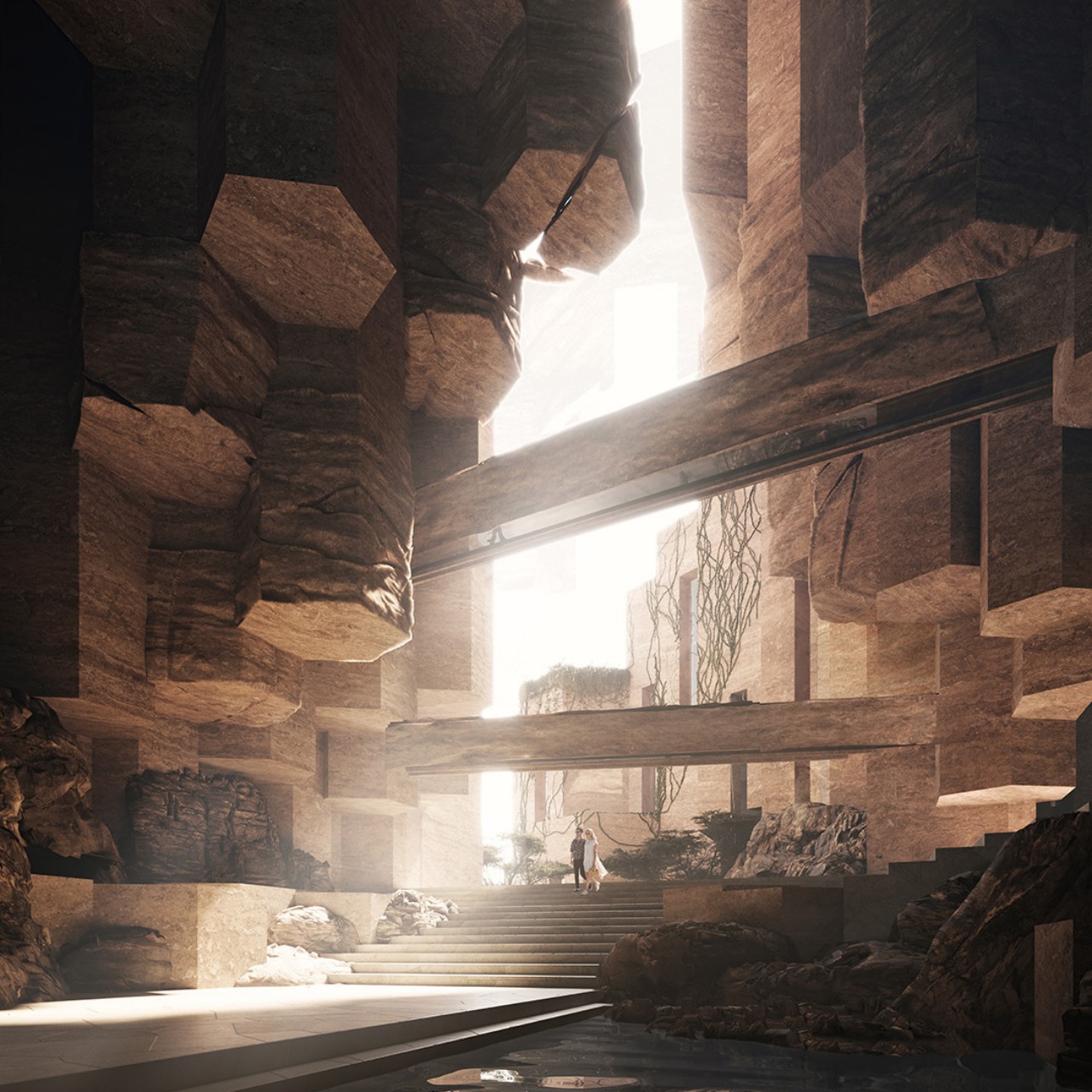
The design of the architecture is quite unique and distinctive, with hexagonal pillars that make up both the vertical buildings as well as horizontal spaces. The towers have a single window that runs through the height of the pillar, resulting in a rather striking vertical pattern of lights at night. If you’ve ever seen fictional cities or castles built on the side of mountains, this rather unusual space definitely fits the bill.

Just as unusual as its design is the actual construction of Siranna, intended to support sustainable living and conservation at the same time. The hotel is almost literally carved into the mountainside, allowing it to seamlessly blend with its surroundings while also minimizing intervention in nature and preserving the surrounding landscape. In an age where skyscrapers are eating up the land and blocking the skies for the sake of human convenience, the NEOM Siranna represents an escape not only from the mundane but also from the devastation we inflict on the planet.

The post NEOM Siranna resort hotel looks like a fantasy castle carved from a mountainside first appeared on Yanko Design.