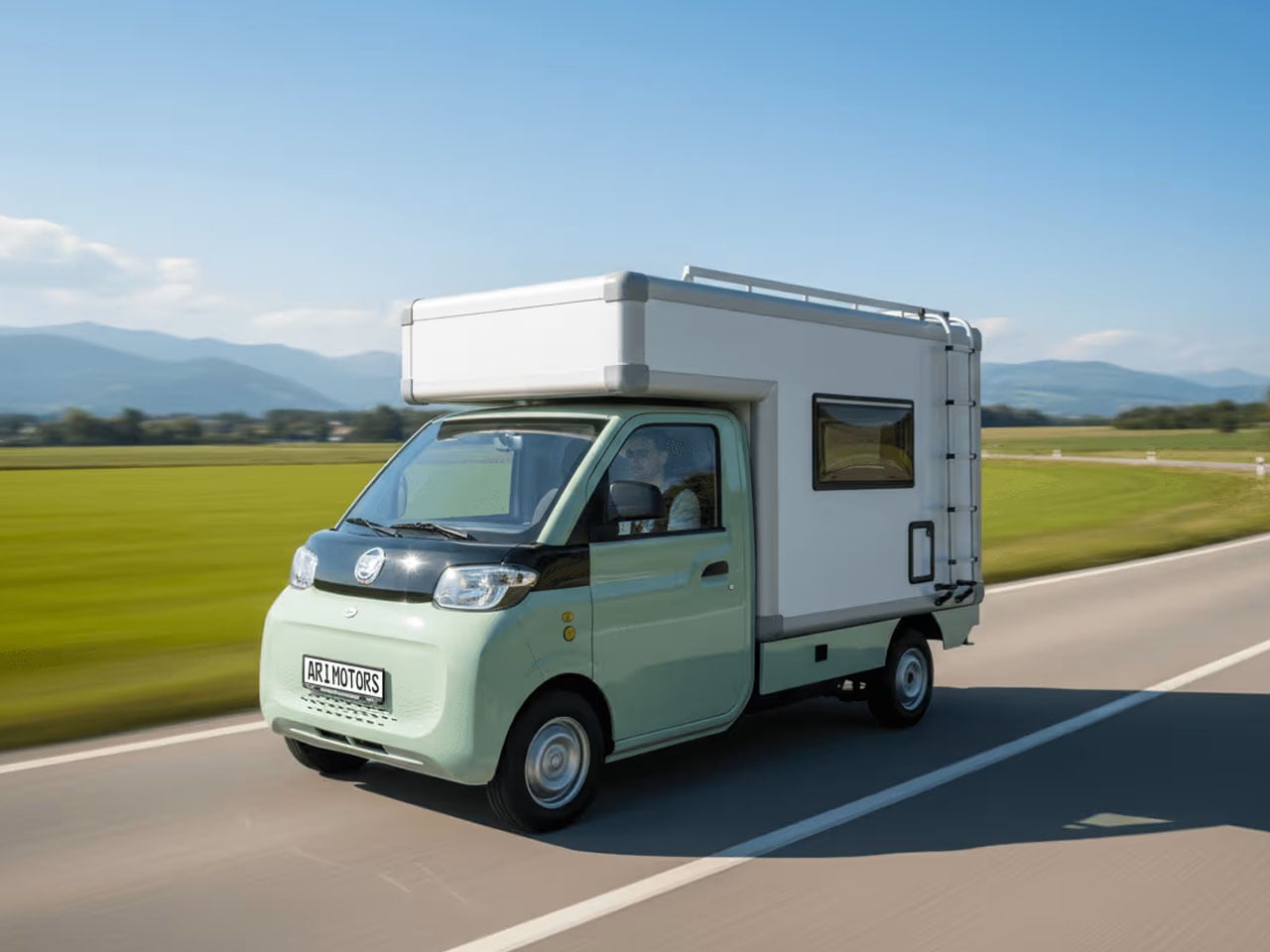
It’s rare to come across a capable mobile living unit built onto the back of a Midsize Light Commercial Vehicle (LCV). The versatile delivery truck platform has the power and capacity to carry a living unit, but it’s not a preferred conversion choice for obvious reasons: It wouldn’t go beyond the convenient city and semi-urban paths.
If you’re someone who is content with camping in designated sites and parks at accessible distances over a weekend; the Ari 458 Pro electric camper van is tailored for your ‘compact, efficient and consistently sustainable’ lifestyle. For those who prefer the rugged wilderness, look over for other options.
Created in Germany by Ari Motors, the Ari 458 Pro doesn’t have the rugged appearance: It’s not meant to be a mean adventure rig. The docile appearance may not be German, but the quality of what you get onboard the motorhome – space-saving design with maximum flexibility for living and traveling – is definitely German, if you know what I mean.
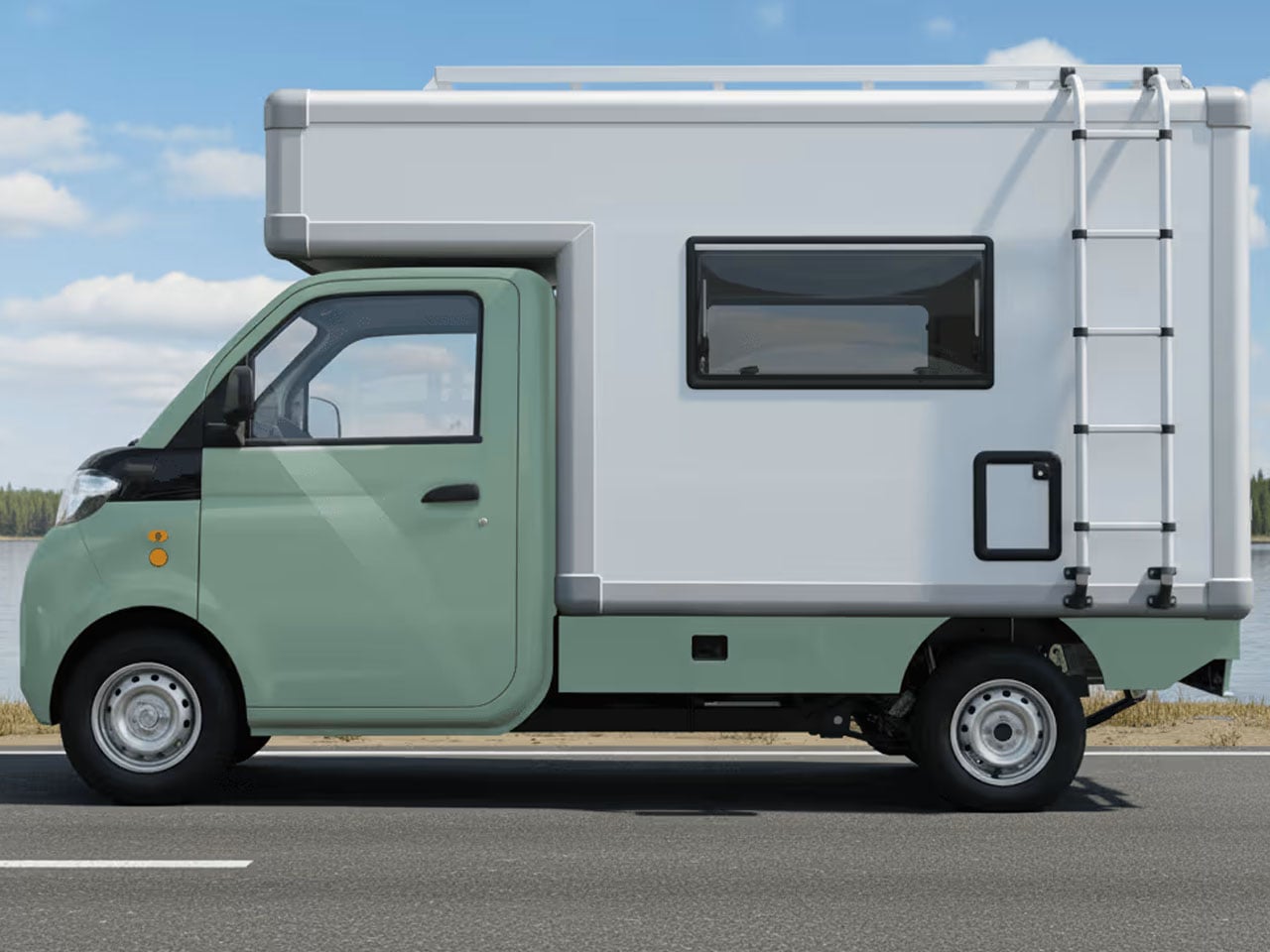
Designed to be Germany’s smallest electric camper van out there, Ari 458 Pro is created keeping in mind adventurers and family campers interested in short vacations. The mini-camper with 30 square feet of living space has a top speed of 70 km/h (44 mph) and about 230 kilometers (143 miles) range. It draws power from a solitary 23.5kWh electric motor, which produces up to 20 horsepower. A choice of 15kWh battery is also available. It will perhaps reduce the range from 143 to roughly 112 miles.
It comes based on a resilient chassis with an integrated power supply, solar and water systems, while the interior is left out as a blank canvas for the individual to customize to their different requirement. Users can choose to customize the 12.5 feet long, 4.9 feet wide, and 6 feet high (headroom) camper interior from a minimalist solution for sleeping to a fully-equipped home with kitchenette, storage, couch, bed and other necessities.
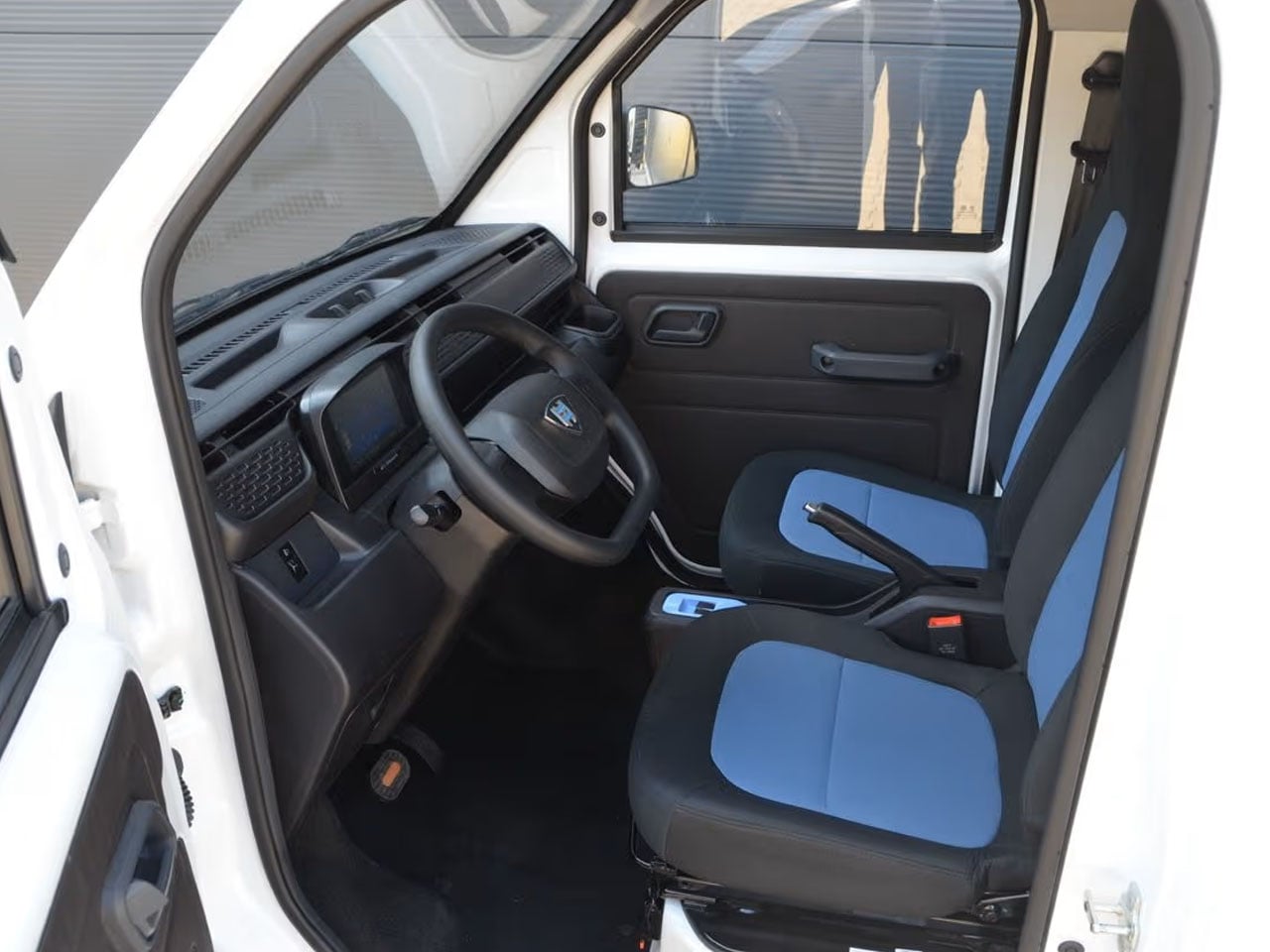
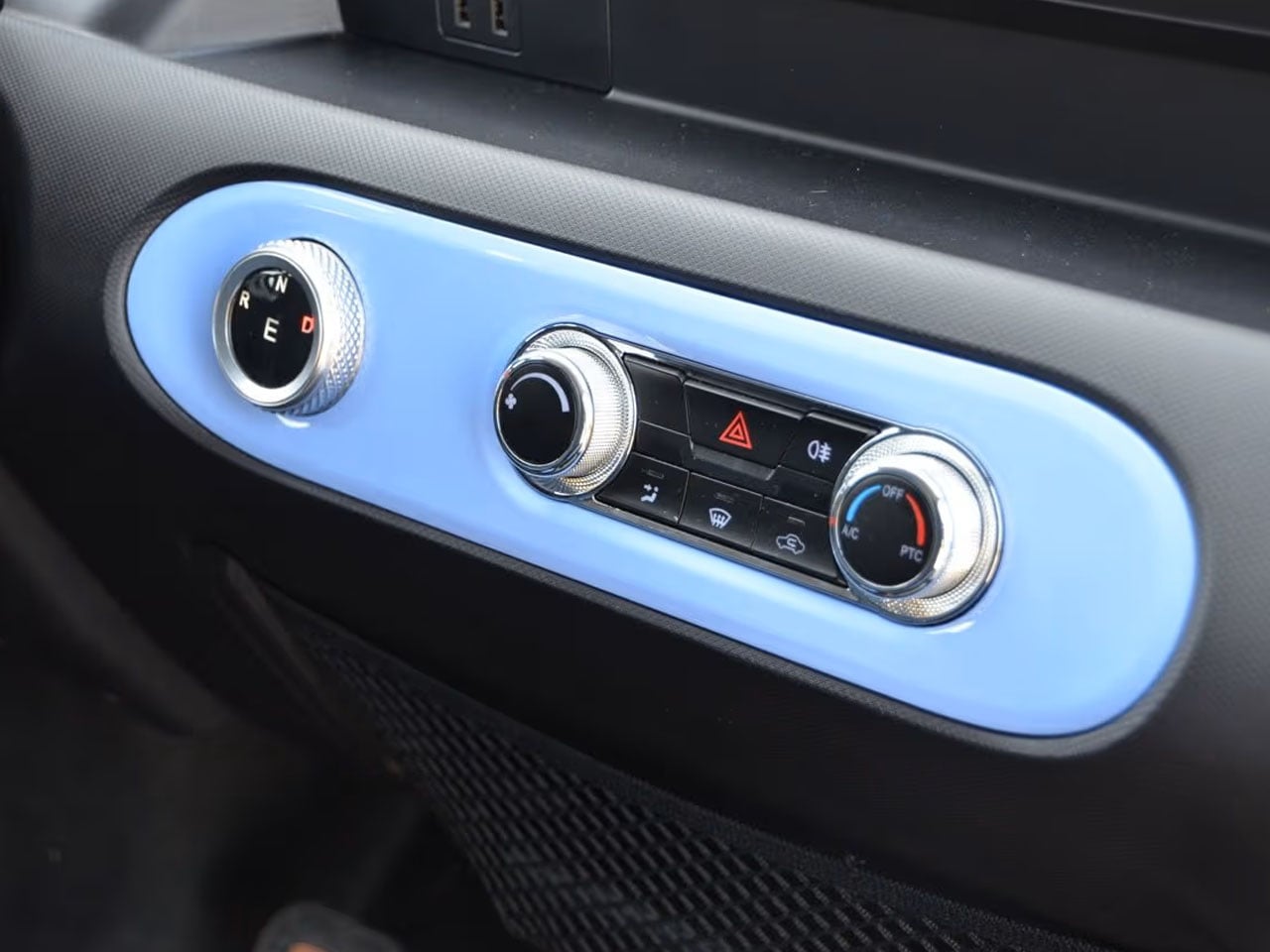
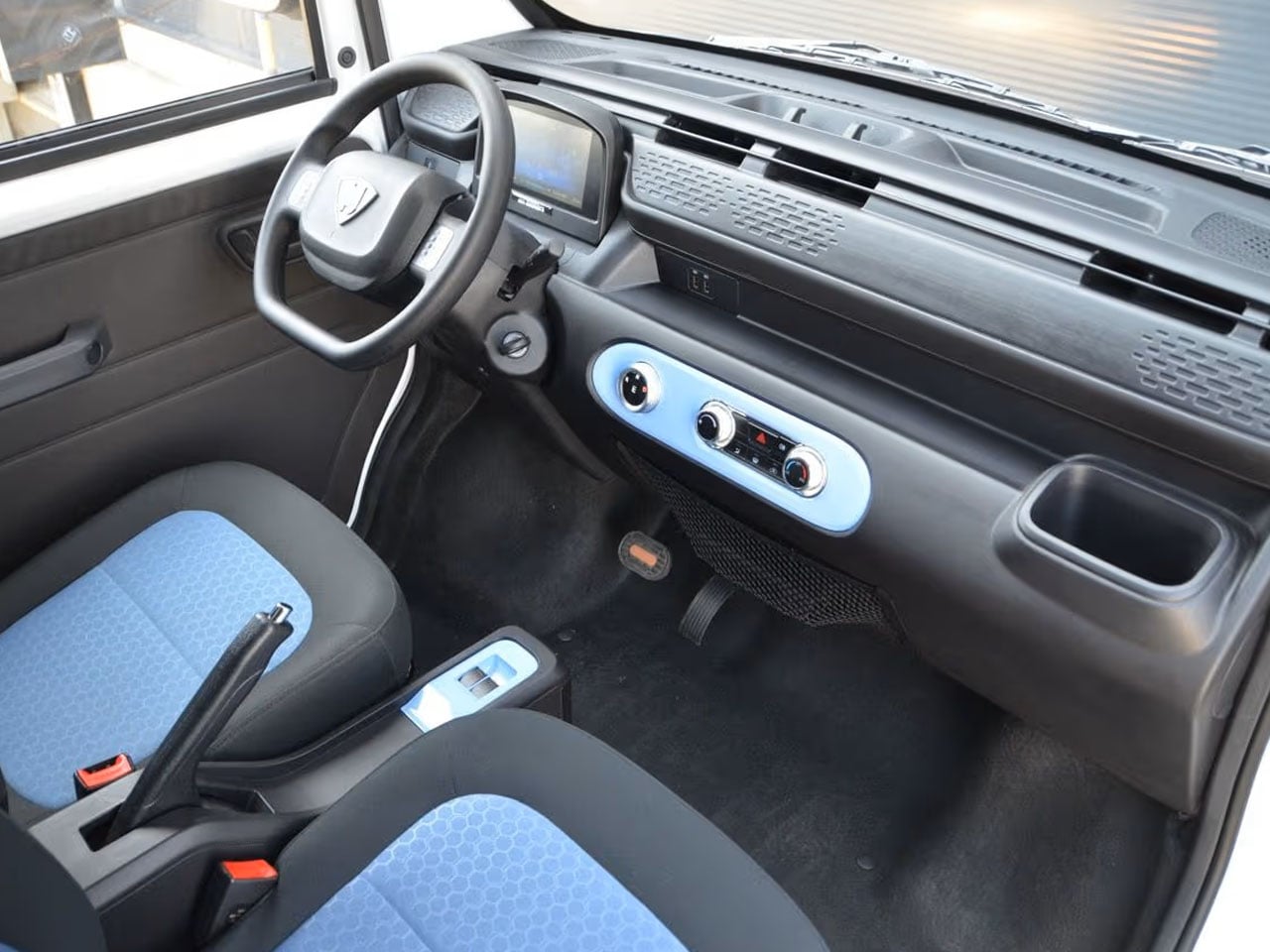
Created small and compact, the Ari 458 Pro camper van can park conveniently in any parking space, and as the company says, ‘fit narrow roads where larger motorhomes cannot go.’ Its cockpit is interestingly furnished with two seats, a digital display, and a reversing camera to ensure safety. The camper van is currently available in Germany and is priced at €30,381 ($35,100). We do not have a word on the Air 458 Pro’s international availability, but for the interested, the Ari 458 Pro is available in the country in over 30 different variants: food truck, box van, flatbed, tipper, or even a compact garbage truck. These configurations start at €15,790 ($18,200).
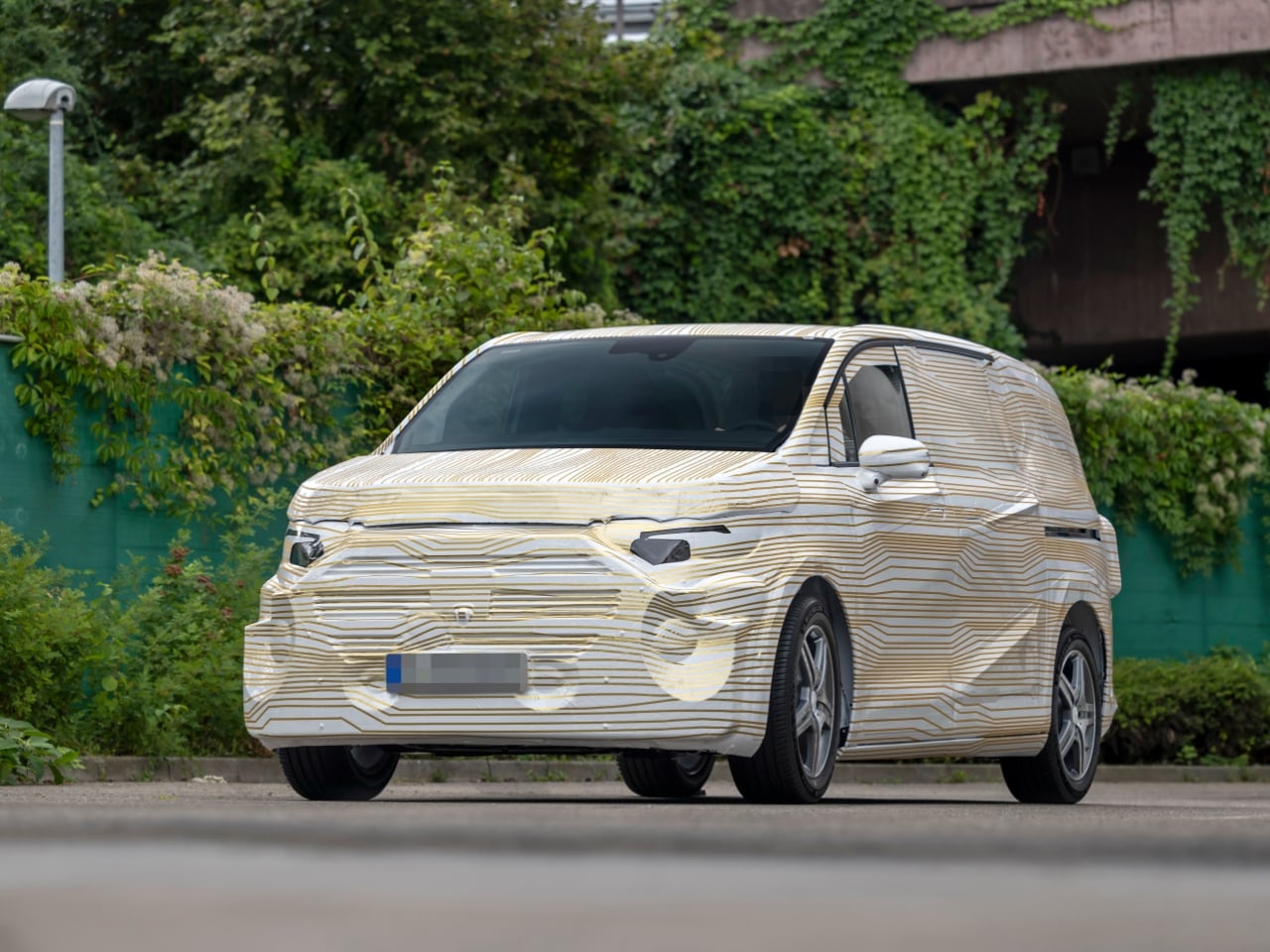
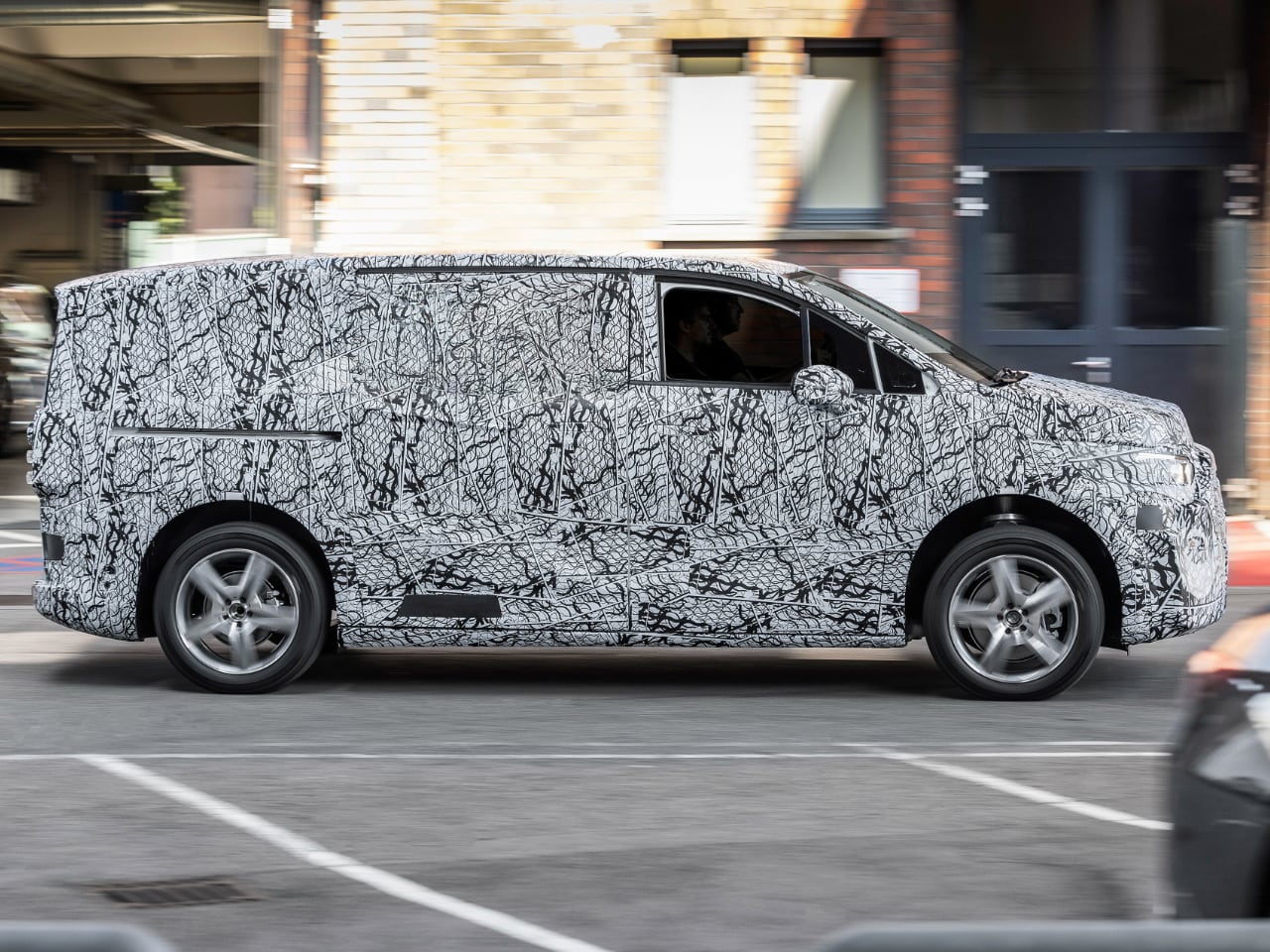
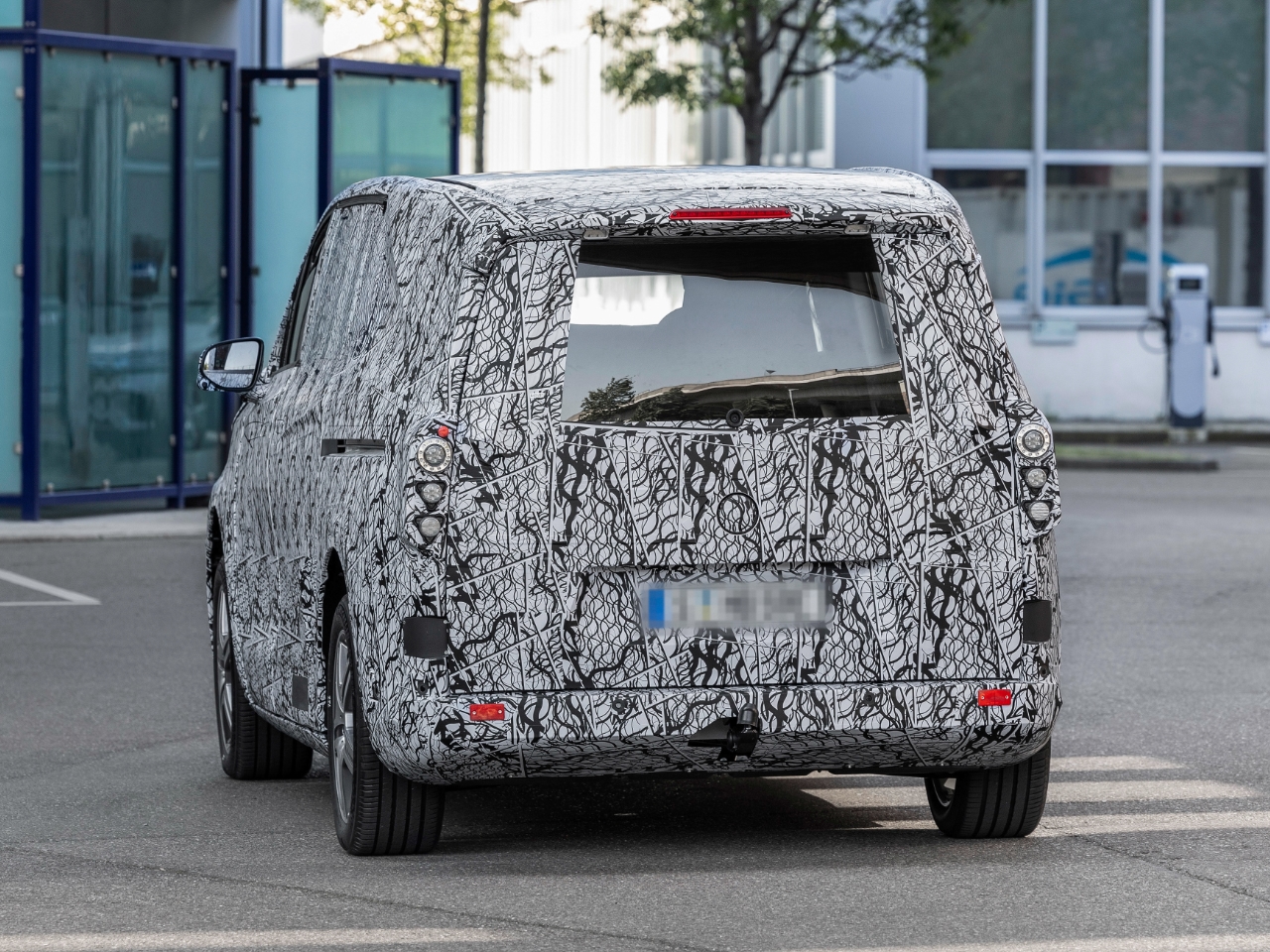
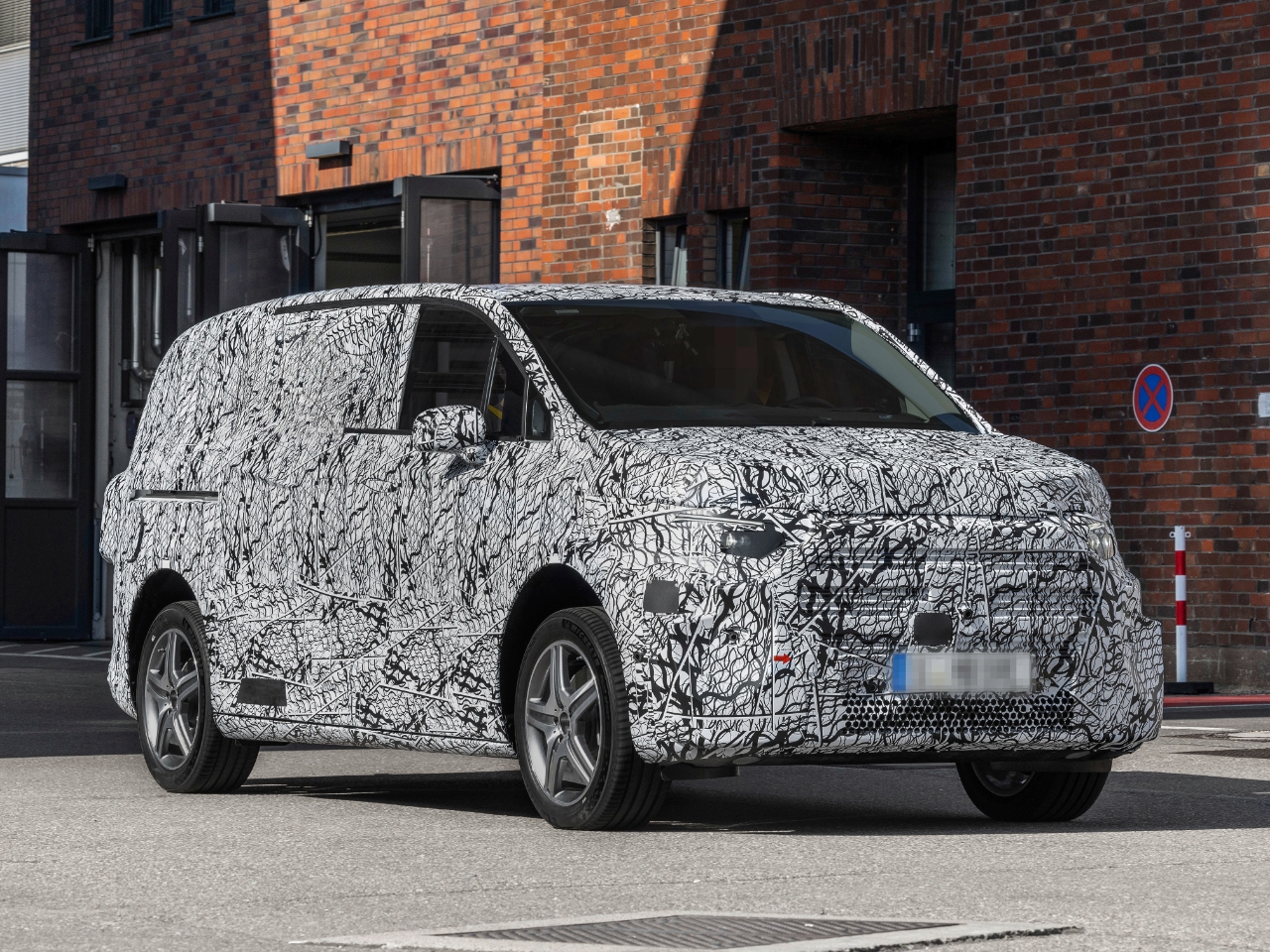
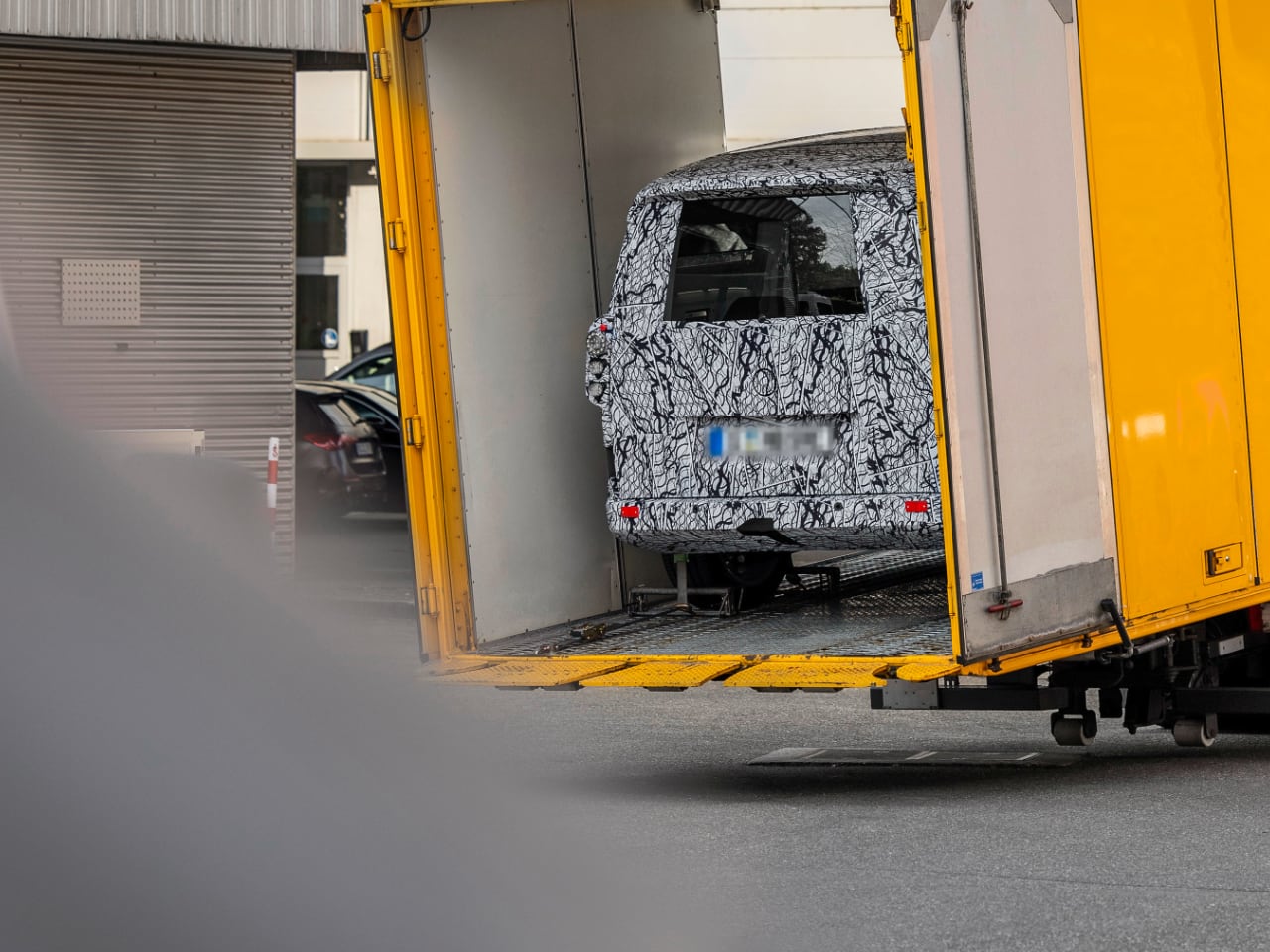
Mercedes-Benz is gearing up for a new era in electric mobility with its VAN.EA platform, set to power all newly developed vans by 2026. This strategic shift marks a pivotal moment for the brand as it moves towards a fully electric future for its van lineup. With public road tests for prototypes already underway, Mercedes is offering a first glimpse at its next generation of electric vans—an evolution that promises to reshape the market.
Designer: Mercedes-Benz
What is VAN.EA?
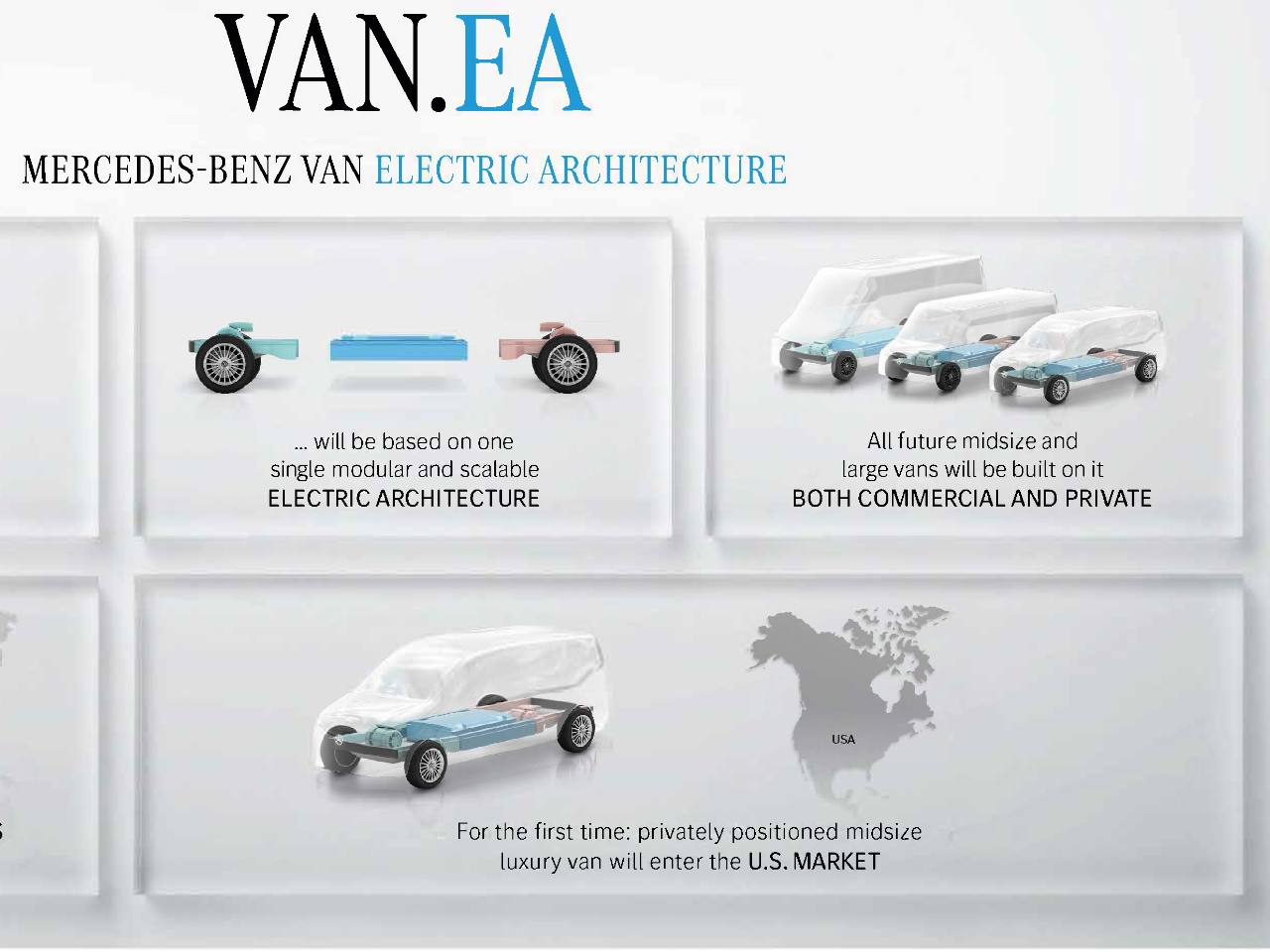
VAN.EA, short for Van Electric Architecture, is Mercedes-Benz’s flexible new platform specifically built for electric vans of all sizes and purposes. Be it a midsize camper for weekend adventures, a delivery vehicle for urban logistics, or a full-size work van, VAN.EA’s modular framework makes it adaptable to a wide range of needs. The platform’s divided into three main parts: the front houses the electric motor and drive system, the middle contains the configurable battery pack with options for different capacities, and the rear can be adapted for front-wheel or all-wheel drive. This design reduces the number of components needed, streamlining production and allowing Mercedes to efficiently produce various van models without compromising on performance or utility.
The VAN.EA platform goes beyond versatility, incorporating a scalable design focused on meeting diverse needs with innovative solutions. Mercedes has designed the platform to be scalable, allowing for easy modifications based on the specific requirements of different models. This means that if you’re seeking a luxury camper van or a dependable workhorse, the VAN.EA platform can deliver. The electric drive system and advanced battery technology ensure that these vans provide the range and reliability customers expect from Mercedes-Benz. Using lightweight materials and optimized aerodynamics further enhances efficiency, resulting in a more capable and environmentally friendly lineup.
For Camper Van Enthusiasts or Van Life
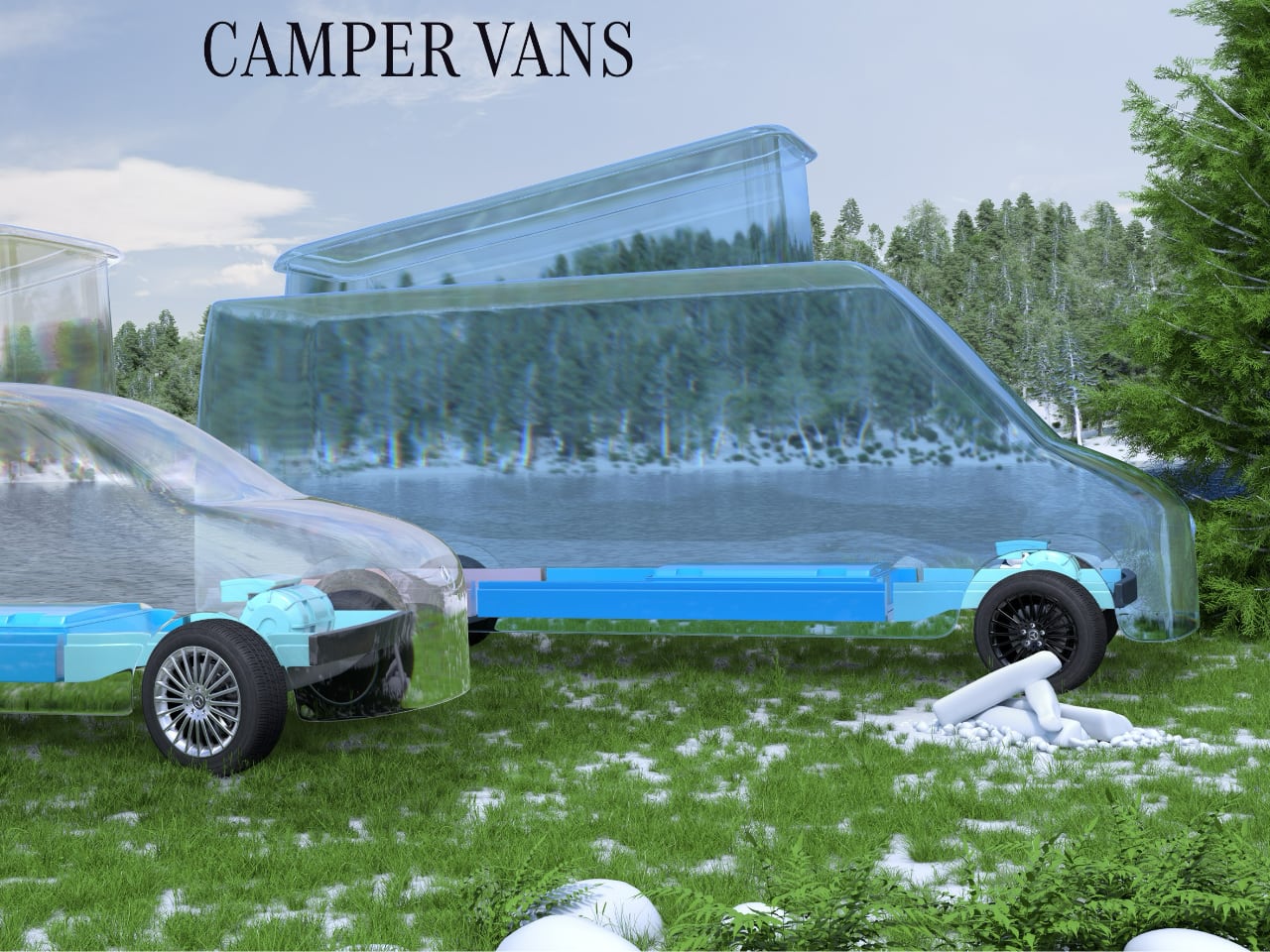
Mercedes hasn’t forgotten the thrill of open roads for camper enthusiasts. The upcoming electric camper vans are designed to offer more than 310 miles (500 kilometers) of range—perfect for extended journeys without the constant need to recharge. Since these vans are battery-powered, you can leave them running without any environmental impact compared to traditional models, providing additional convenience for extended stops or when using onboard amenities.
These vans come with Mercedes’ new MB.OS system, an advanced infotainment and operating platform that provides an integrated driving experience. MB.OS combines entertainment, navigation, and digital services in a seamless package while also offering semi-autonomous driving features to make long road trips or navigating urban environments easier and more enjoyable. The spacious interior can be customized with various amenities, making these camper vans ideal for those who want the freedom to explore without limits.
Commercial Vans Get Serious Upgrades
For commercial users, VAN.EA brings a robust electric alternative to traditional work vans. Mercedes-Benz has focused on creating a platform that caters to industries like delivery, logistics, and emergency services.
These electric workhorses provide ample cargo space and can be configured to meet specific industry needs. Additionally, options such as all-wheel drive ensure that these vans are capable of operating in various environments, from city streets to rural roads.
Advanced digital systems allow fleet operators to manage their vehicles more effectively, providing insights into vehicle status, maintenance schedules, and route optimization. By transitioning to electric power, businesses can also benefit from lower fuel costs, reduced maintenance, and a smaller environmental footprint. This shift is a clear advantage for companies looking to modernize their fleets while contributing to sustainability goals.
A Greener Approach
Sustainability is a core aspect of the VAN.EA initiative and Mercedes-Benz is committed to reducing its environmental impact beyond its vehicle emissions.
The production of VAN.EA models will take place in carbon-neutral factories powered by renewable energy sources like wind and solar. This approach ensures that a greener manufacturing process complements the environmental benefits of electric vehicles.
Mercedes is also reducing the number of van variants in its lineup, simplifying production, and minimizing waste. This eco-friendly approach aims to create a more sustainable future in which the entire lifecycle of a vehicle—from production to end-of-life—has a reduced environmental footprint.
What’s Next?
With prototypes already on the road, the VAN.EA platform is quickly becoming a reality. By 2026, Mercedes-Benz plans to launch a full lineup of electric vans for private and commercial users. Whether you’re in the market for a luxury camper for long road trips or a reliable van for business, VAN.EA is ready to change the game with cleaner and smarter options.
Mercedes-Benz is applying its legacy of innovation to the future of electric vans, ensuring it meets modern mobility’s needs.
The future of vans is electric, and Mercedes-Benz is at the forefront of this transformation. Expect to see these electric vans on the road soon, delivering a smarter, cleaner, and more efficient way to travel and transport goods while maintaining the quality and performance that Mercedes-Benz is known for.