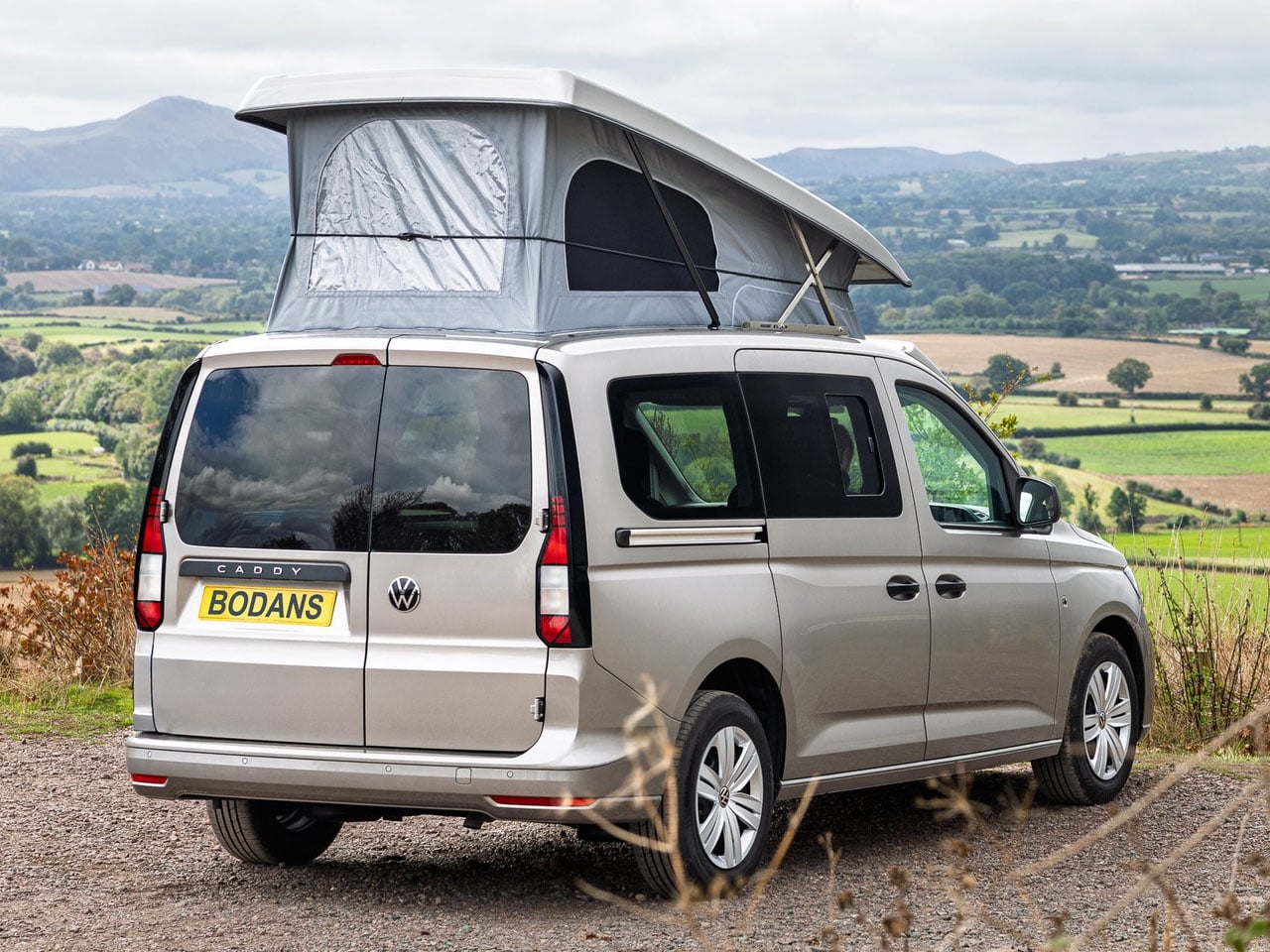
Volkswagen Caddy gets a compact campervan makeover with a pop-up roof and clever interior

The most recent high-quality Volkswagen camper van we’ve seen is the one transformed in the workshops of Dutch converter Tonke. Called the Basecamp, it is a self-sufficient, luxurious campervan, designed to go where life takes you. A slightly more mellowed version of the Volkswagen adventure vehicle is the new Caddy Campervan, built by British converter Bodans.

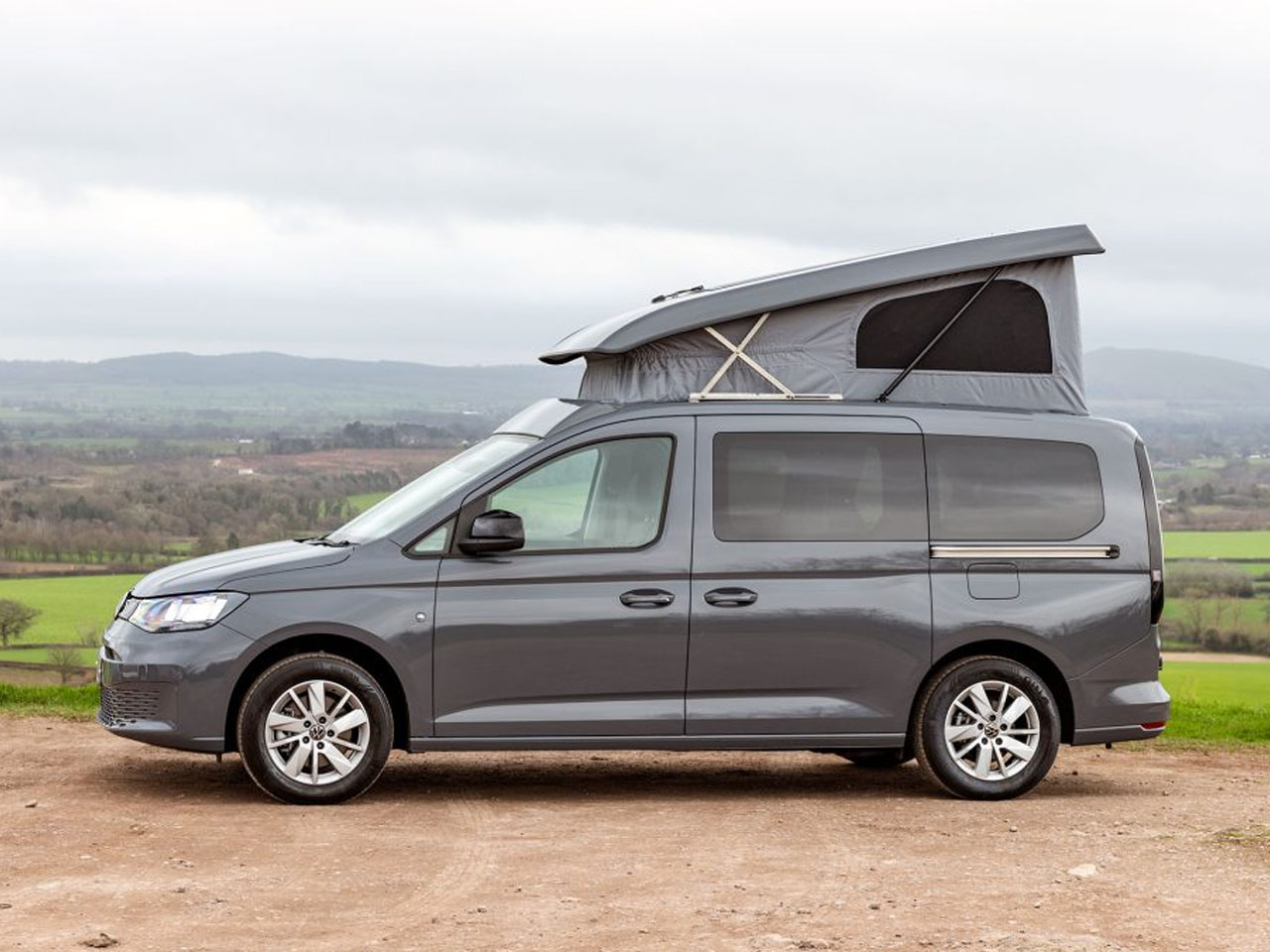
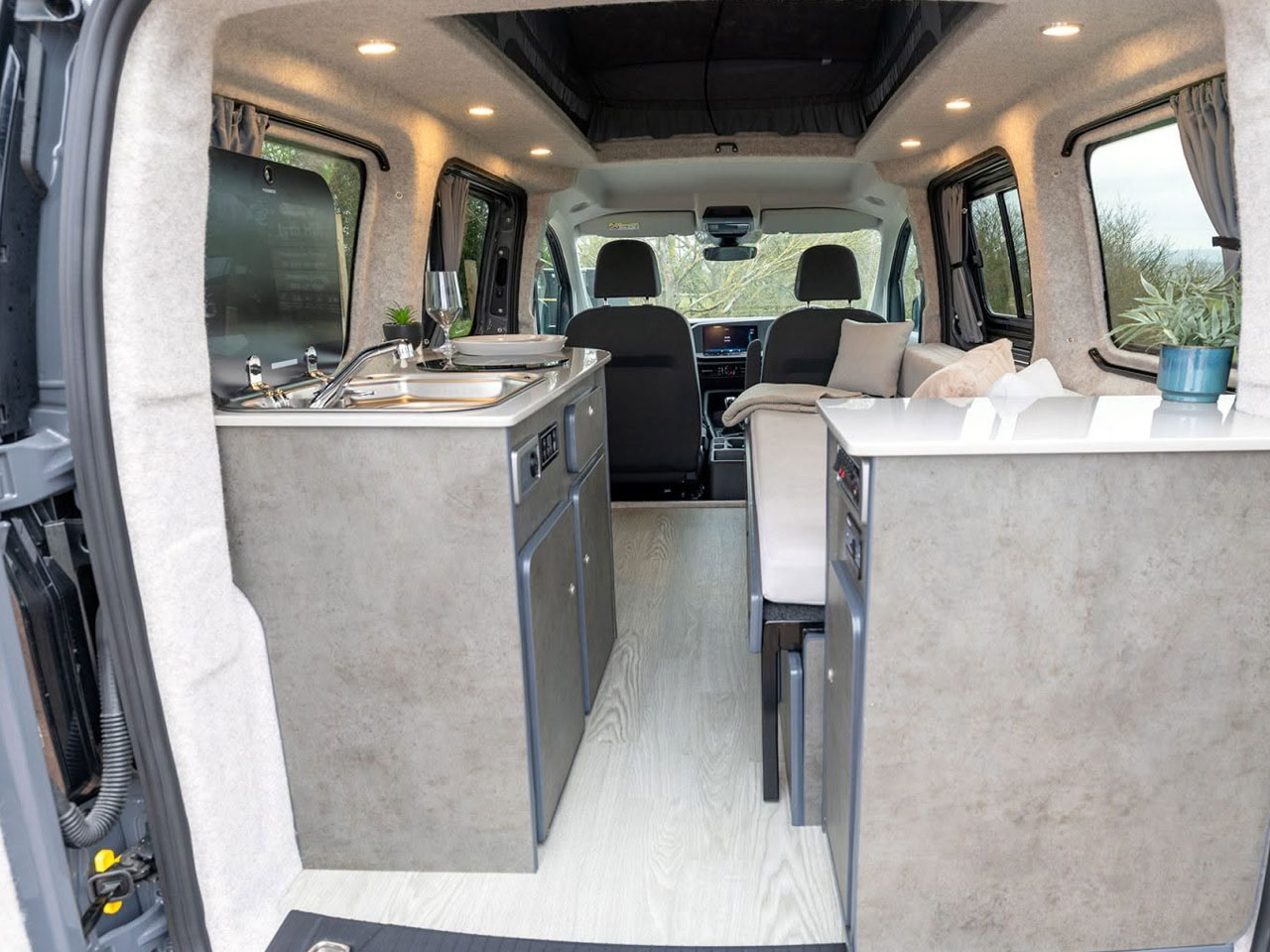
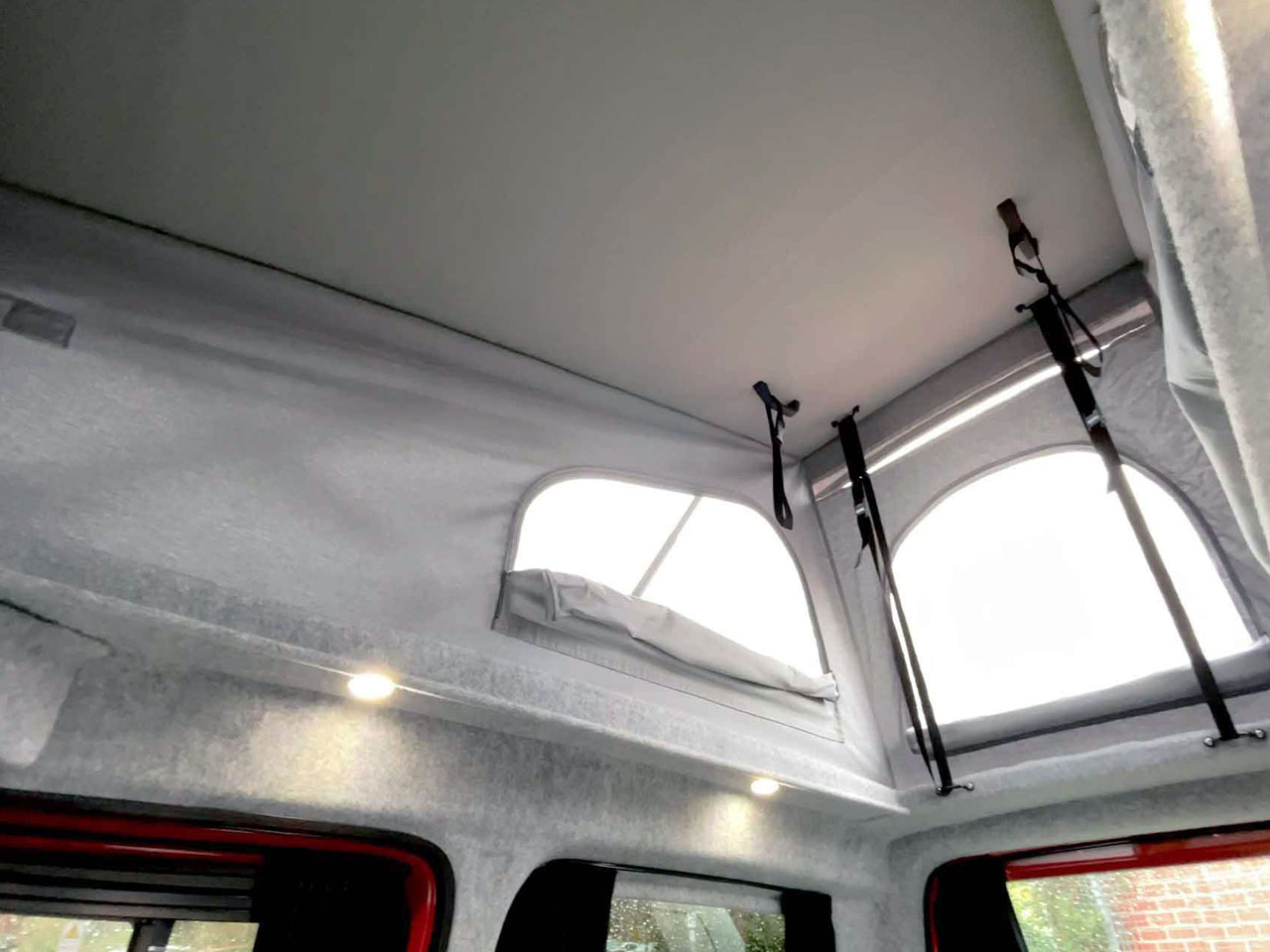
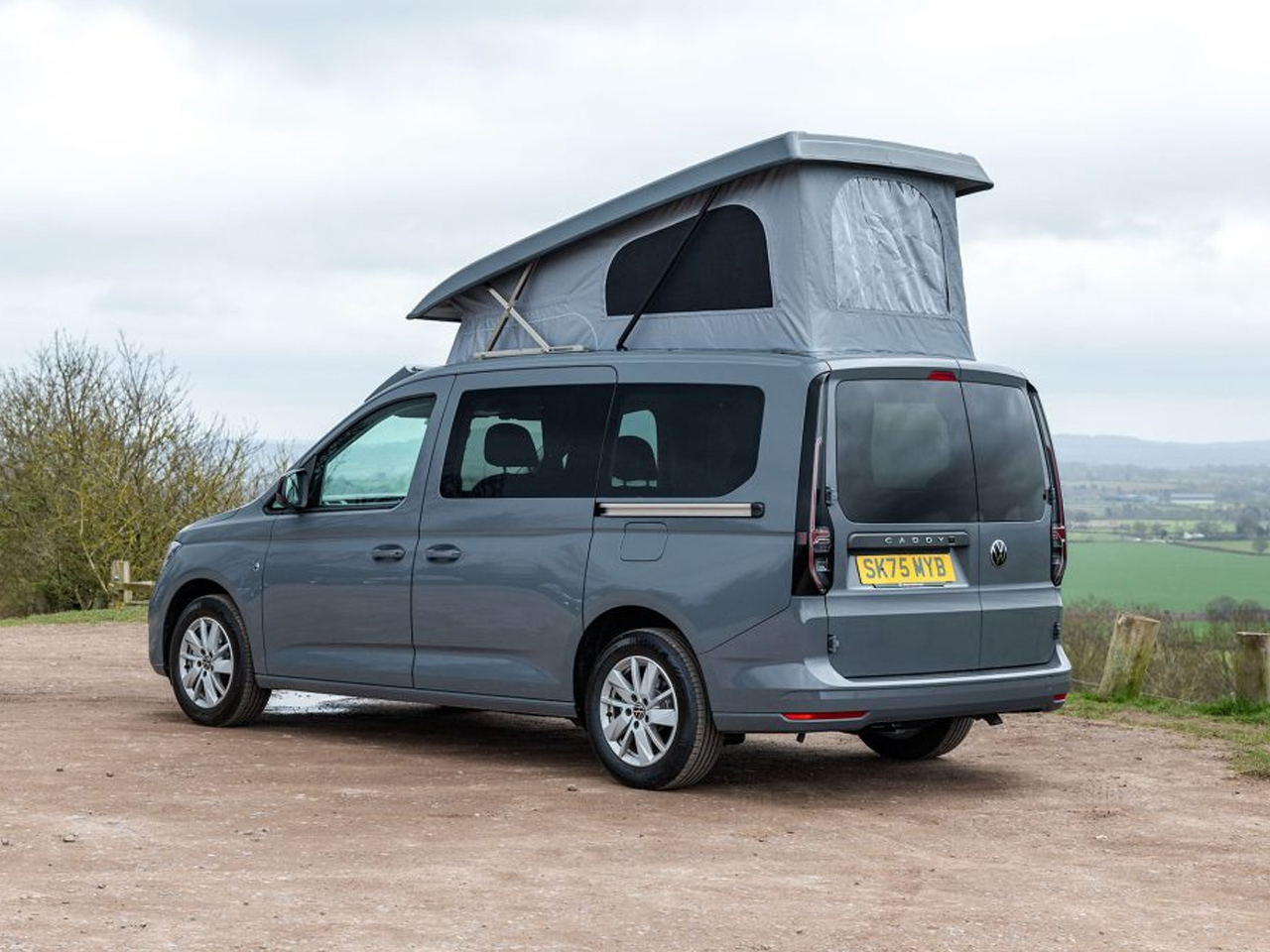
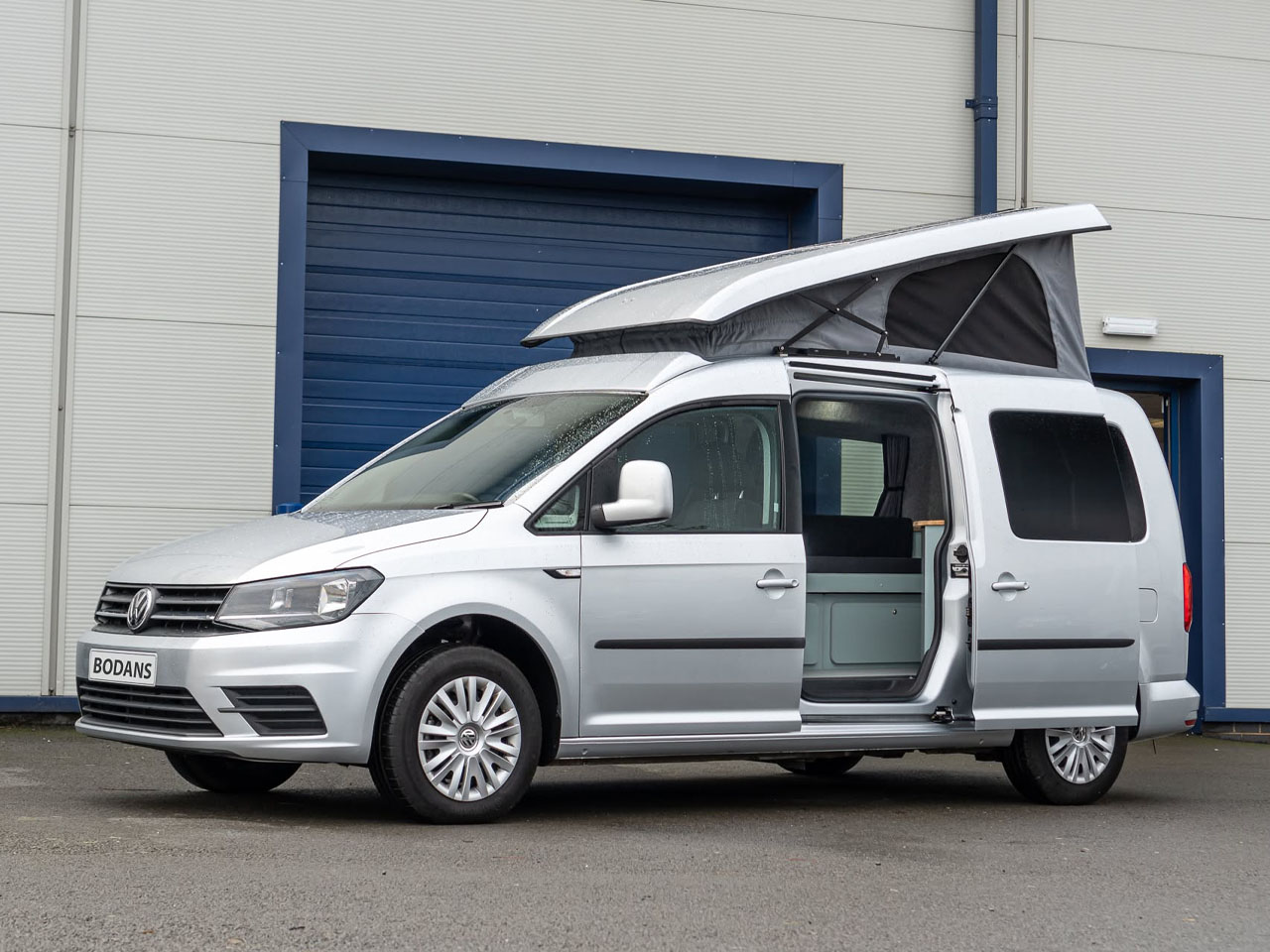
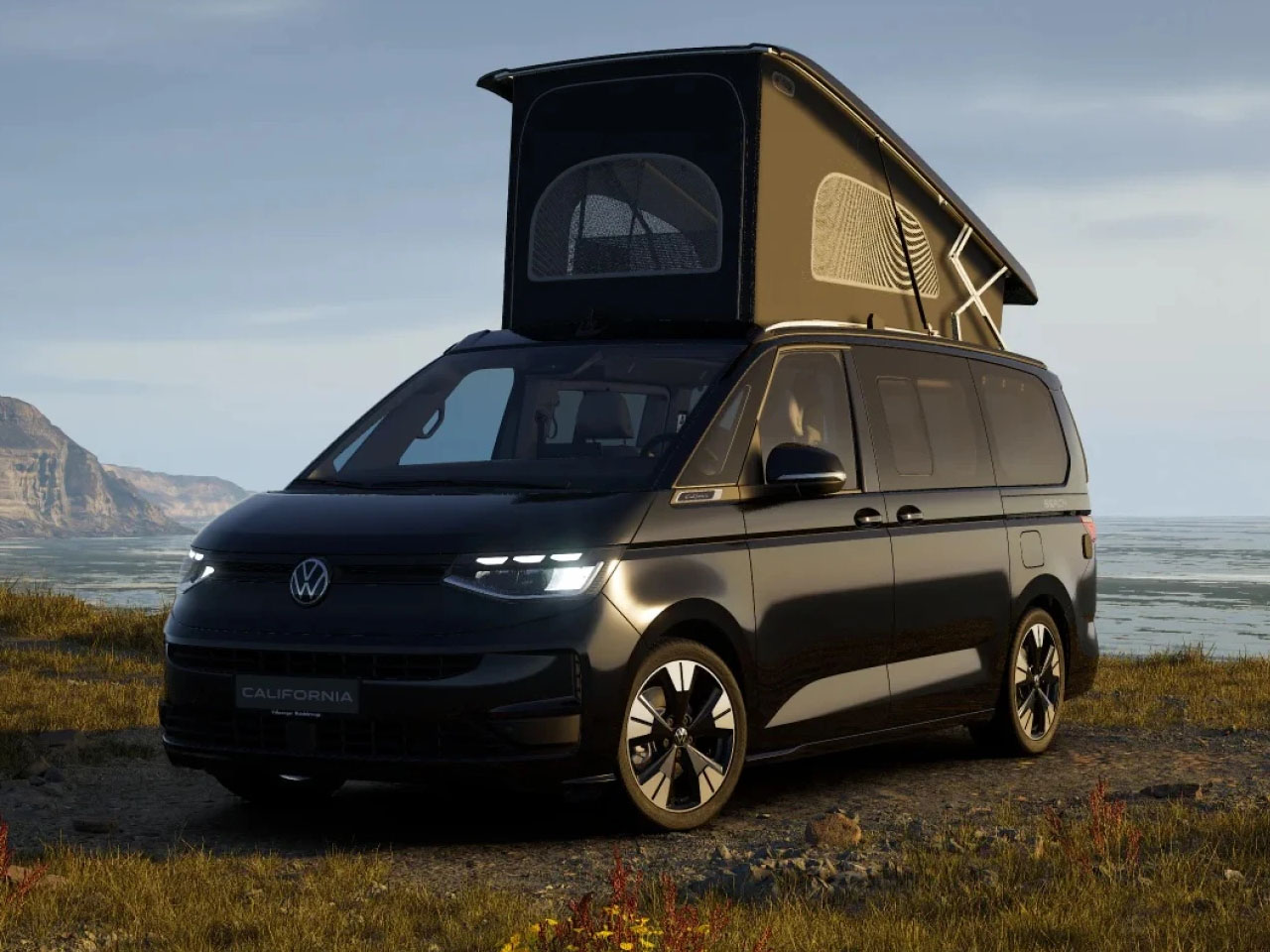
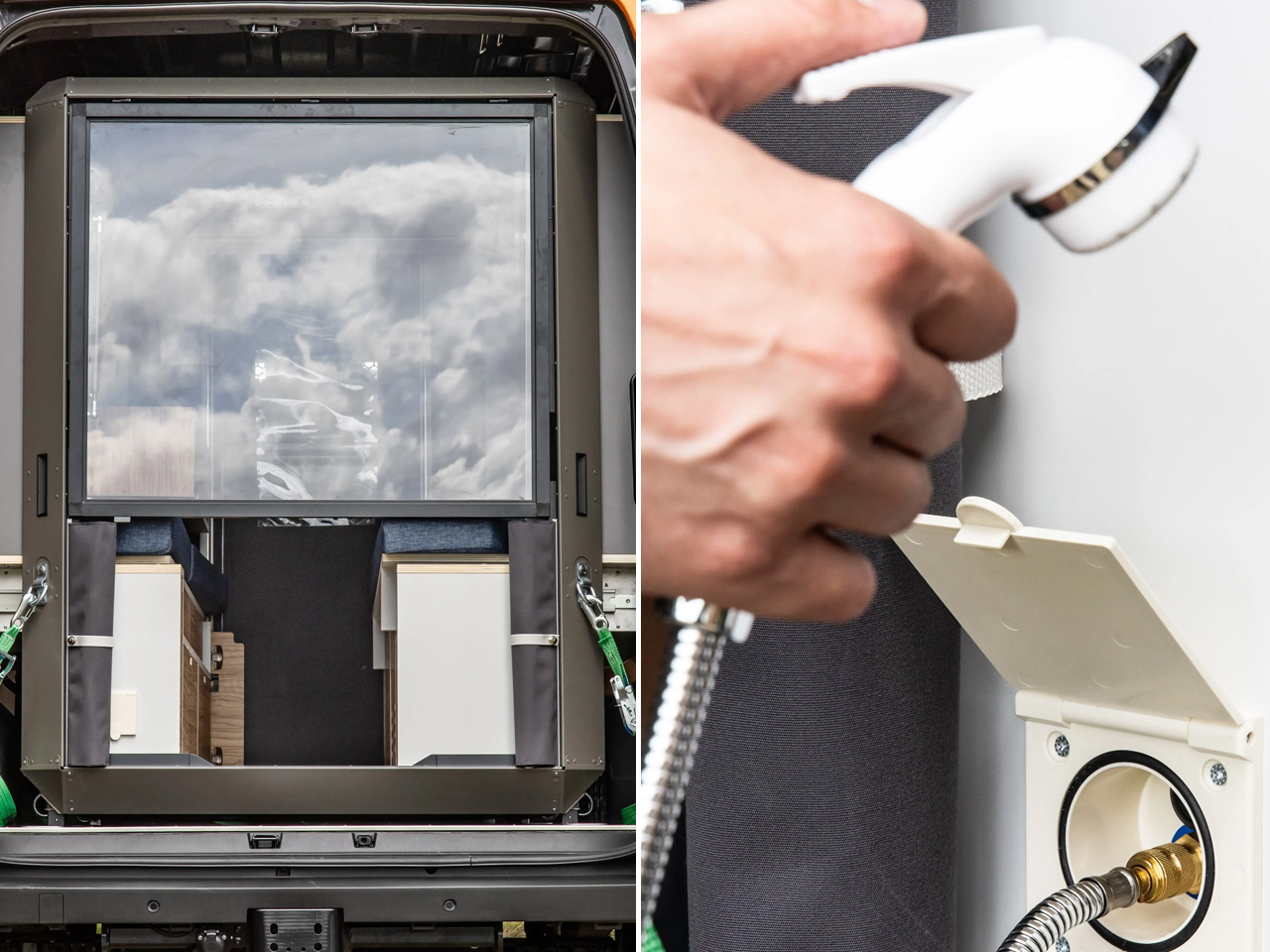
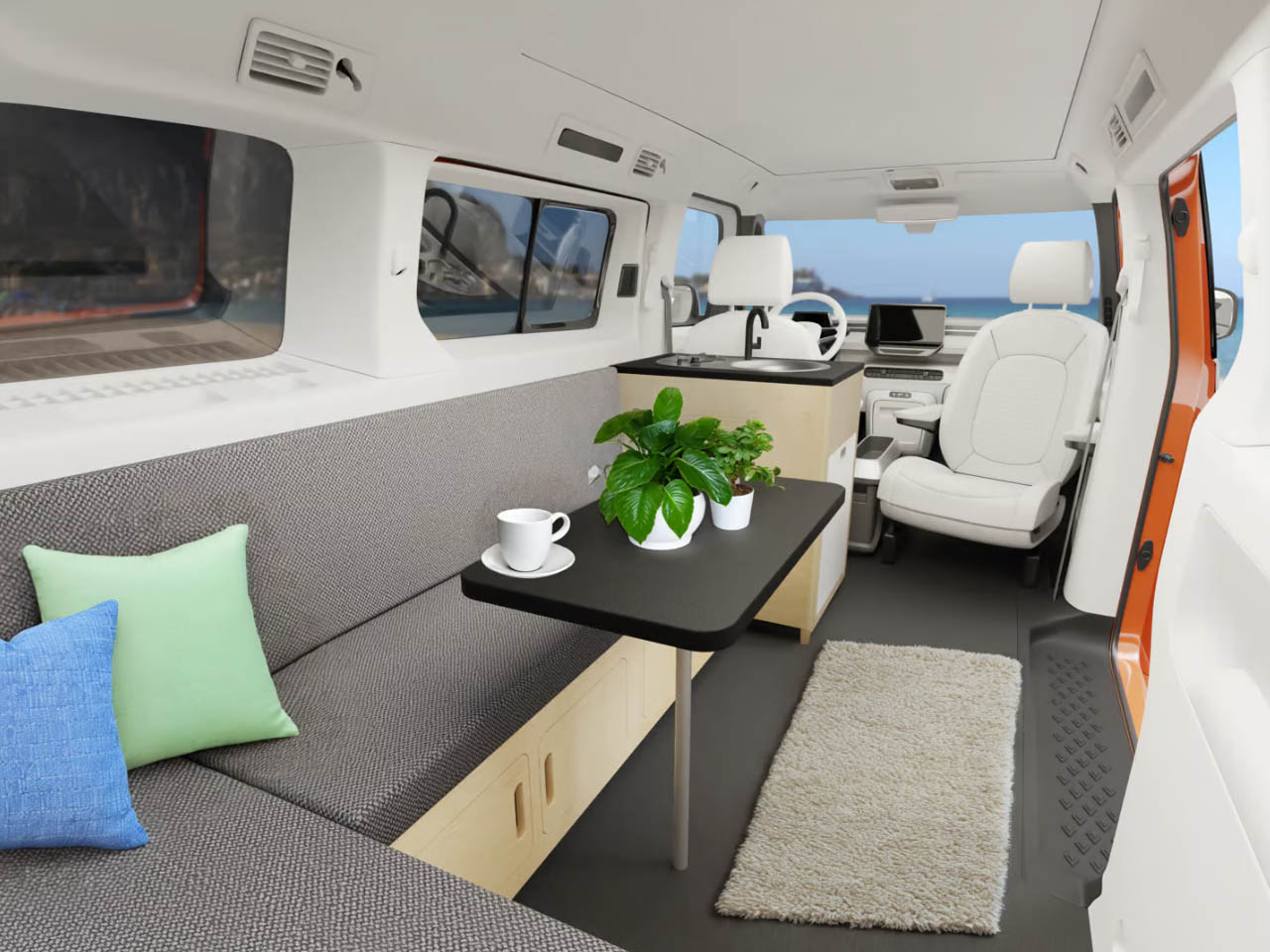
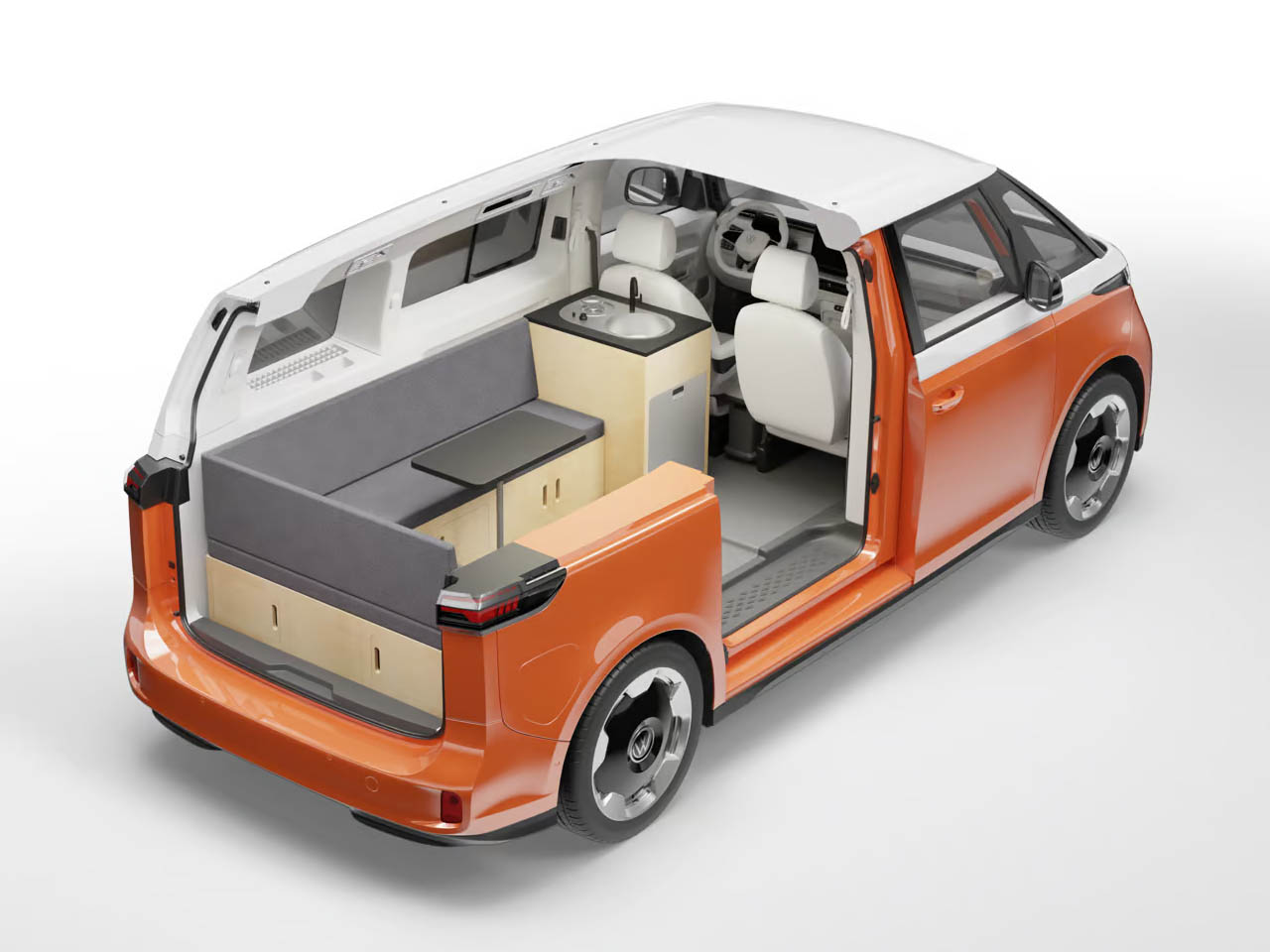
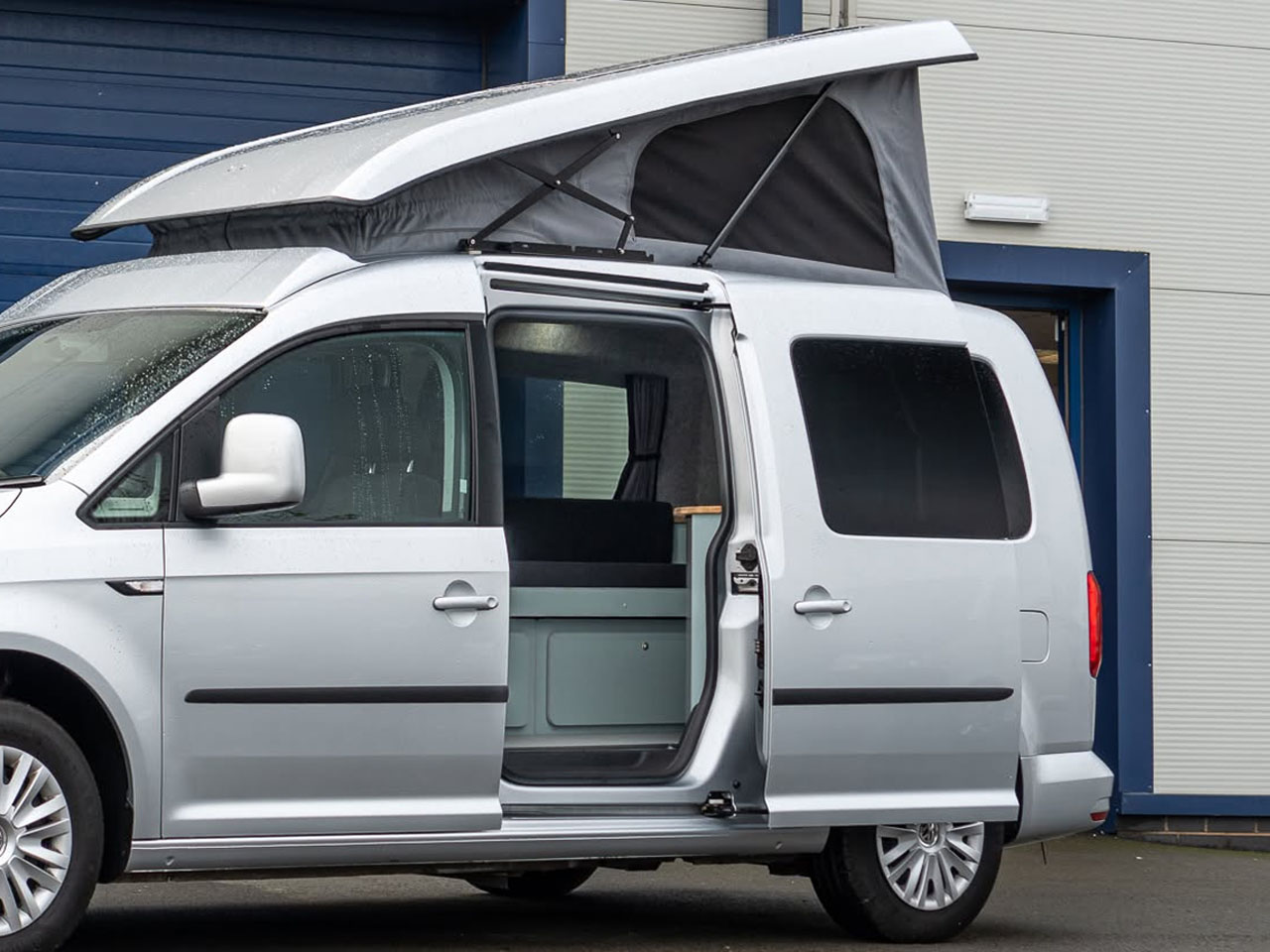
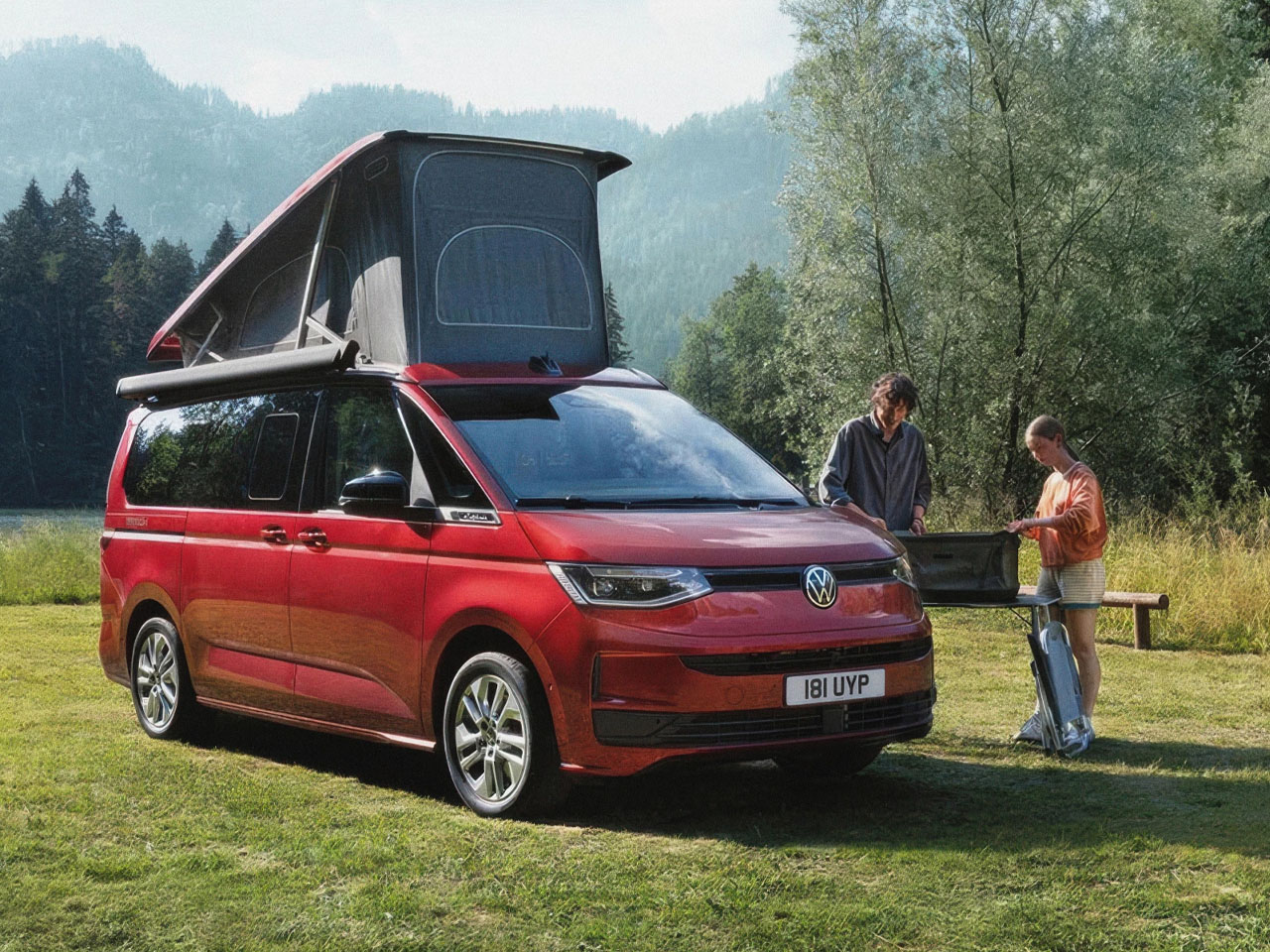
The new Cubert VW campervan is based on Volkswagen’s Caddy platform. The latter is the smallest ICE van, making the Cubert VW Caddy an ultra-compact campervan that blends comfort and convenience. It has a simple floorplan and a rear elevating roof that opens up to increase headroom and provide ventilation through the mesh windows.

Designer: Bodans
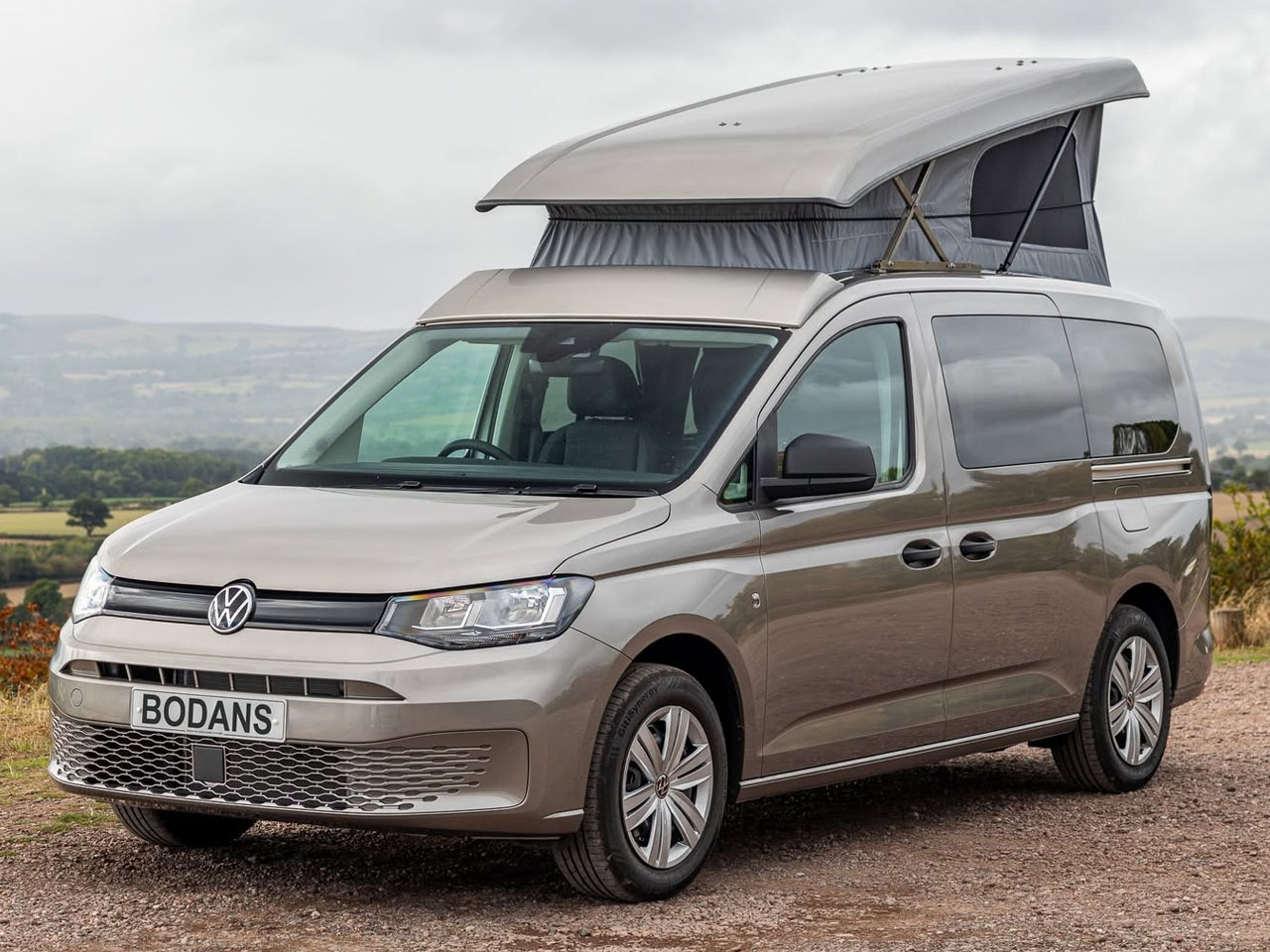
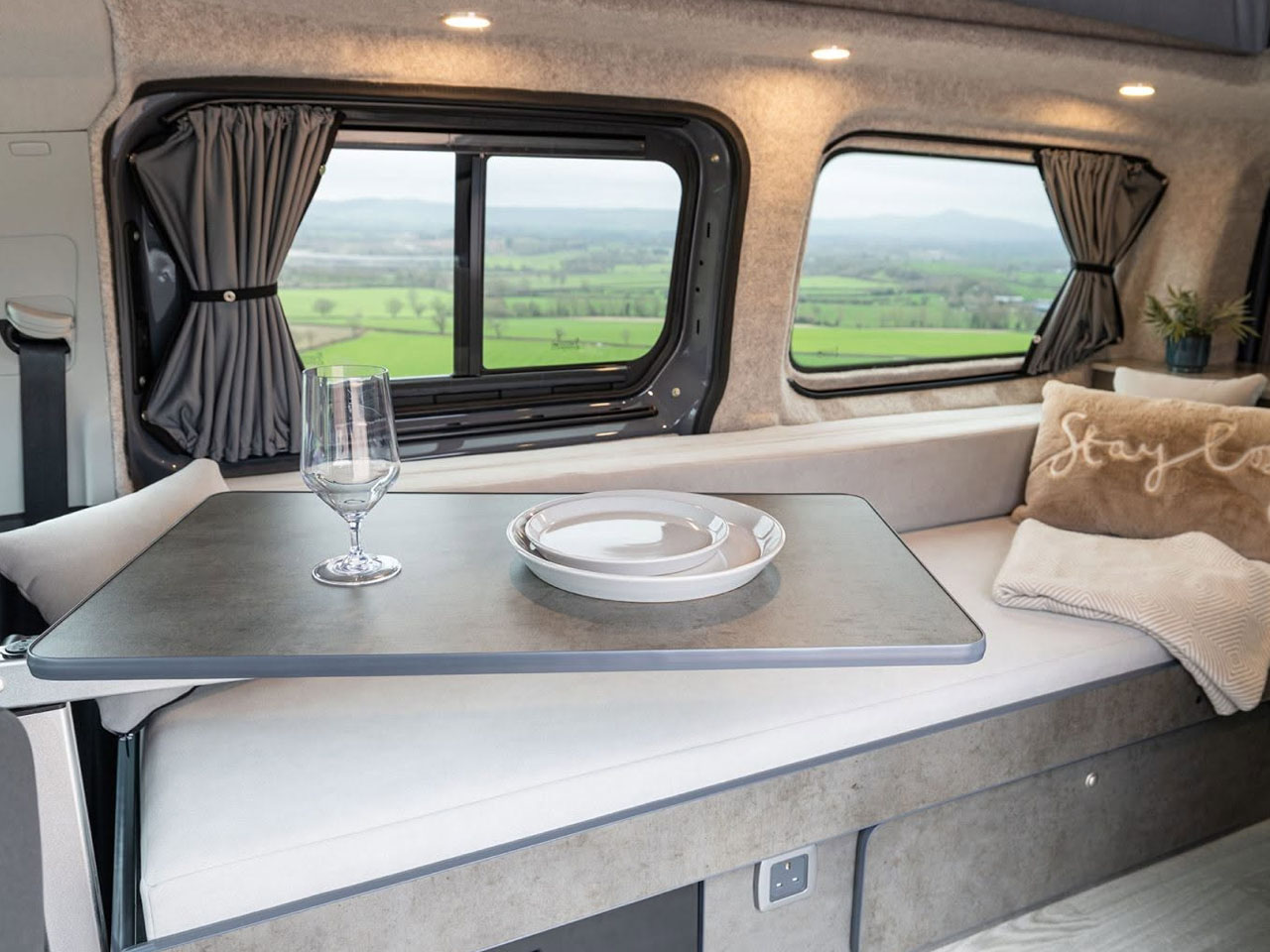
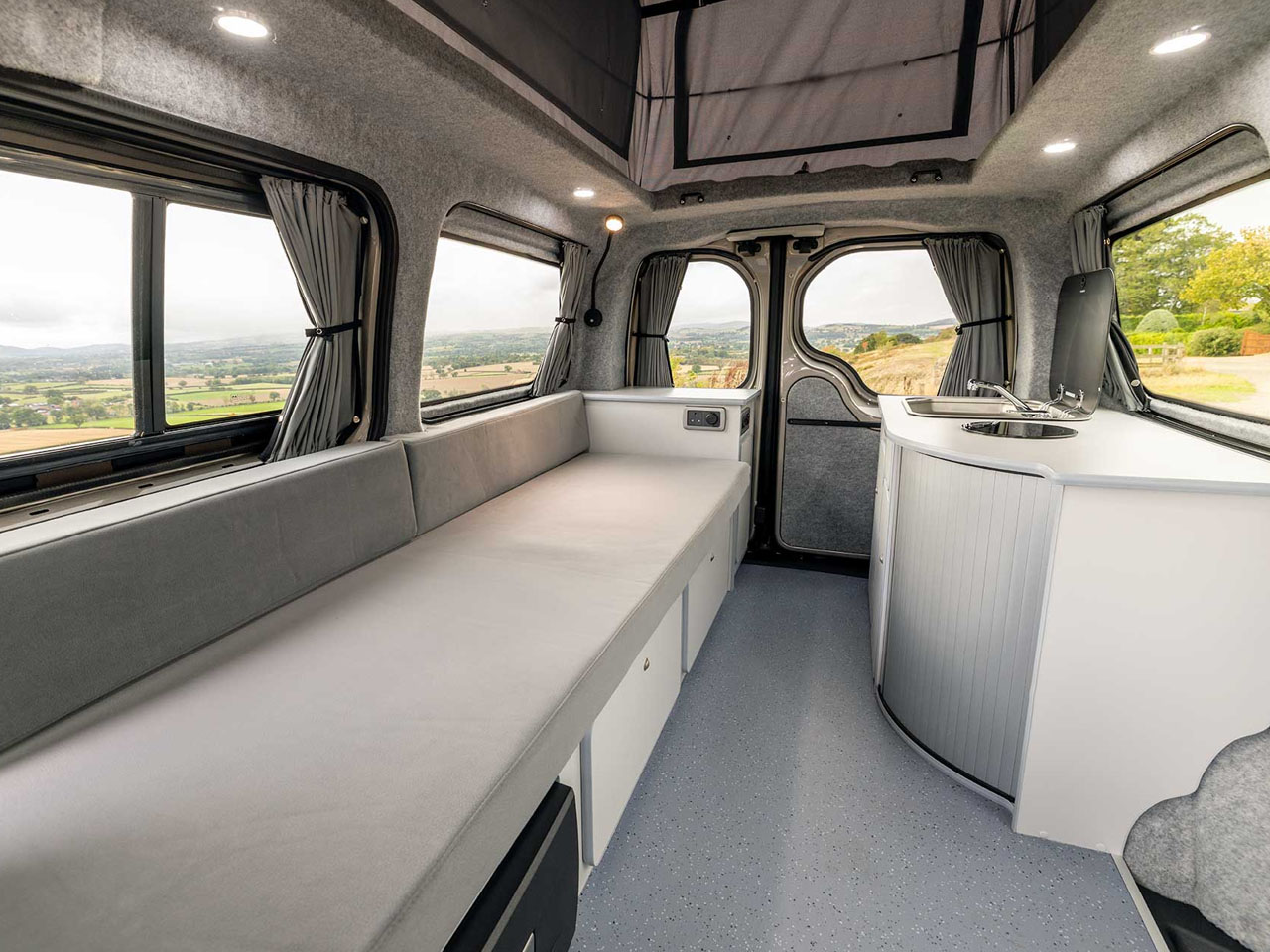
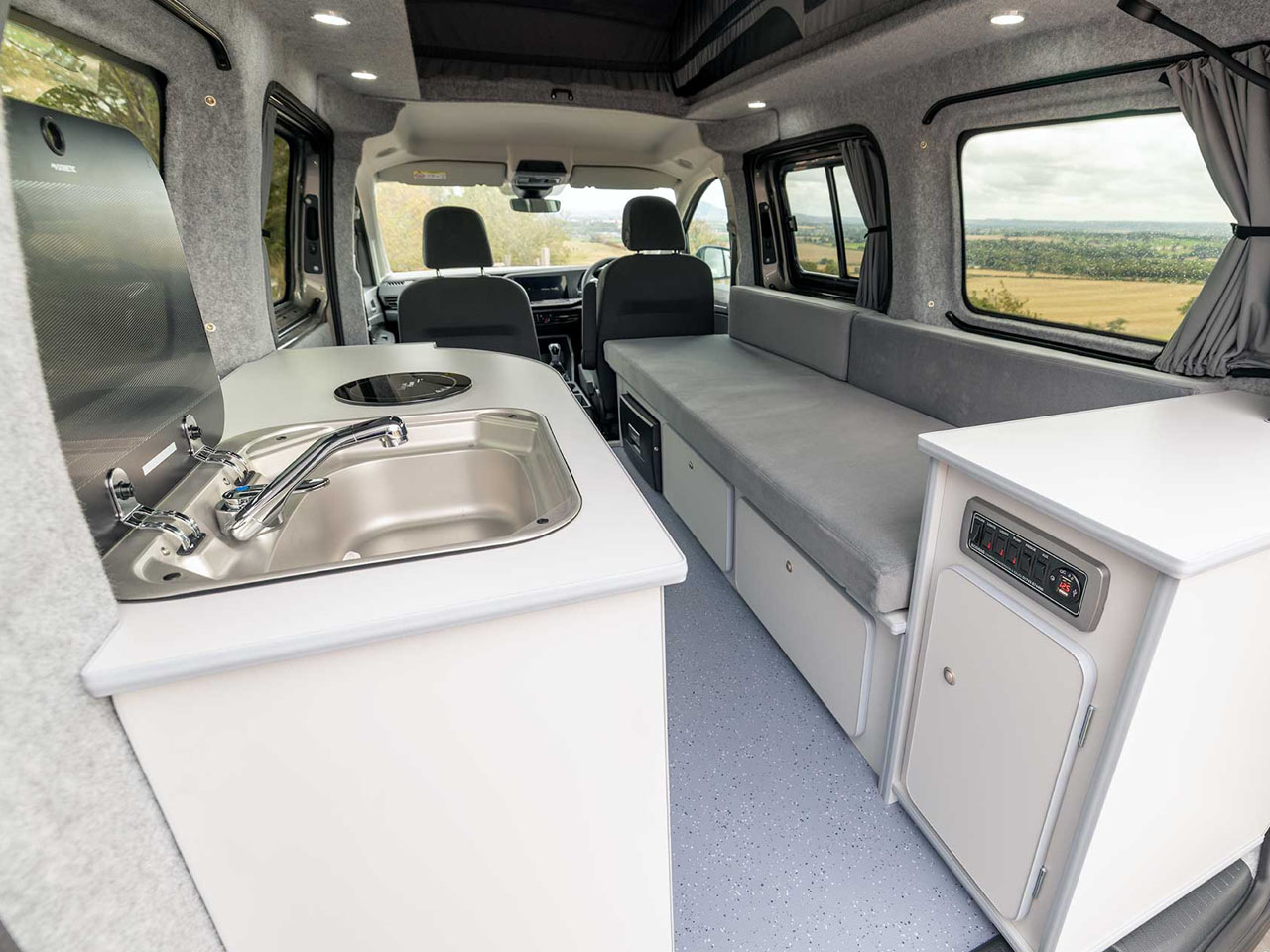
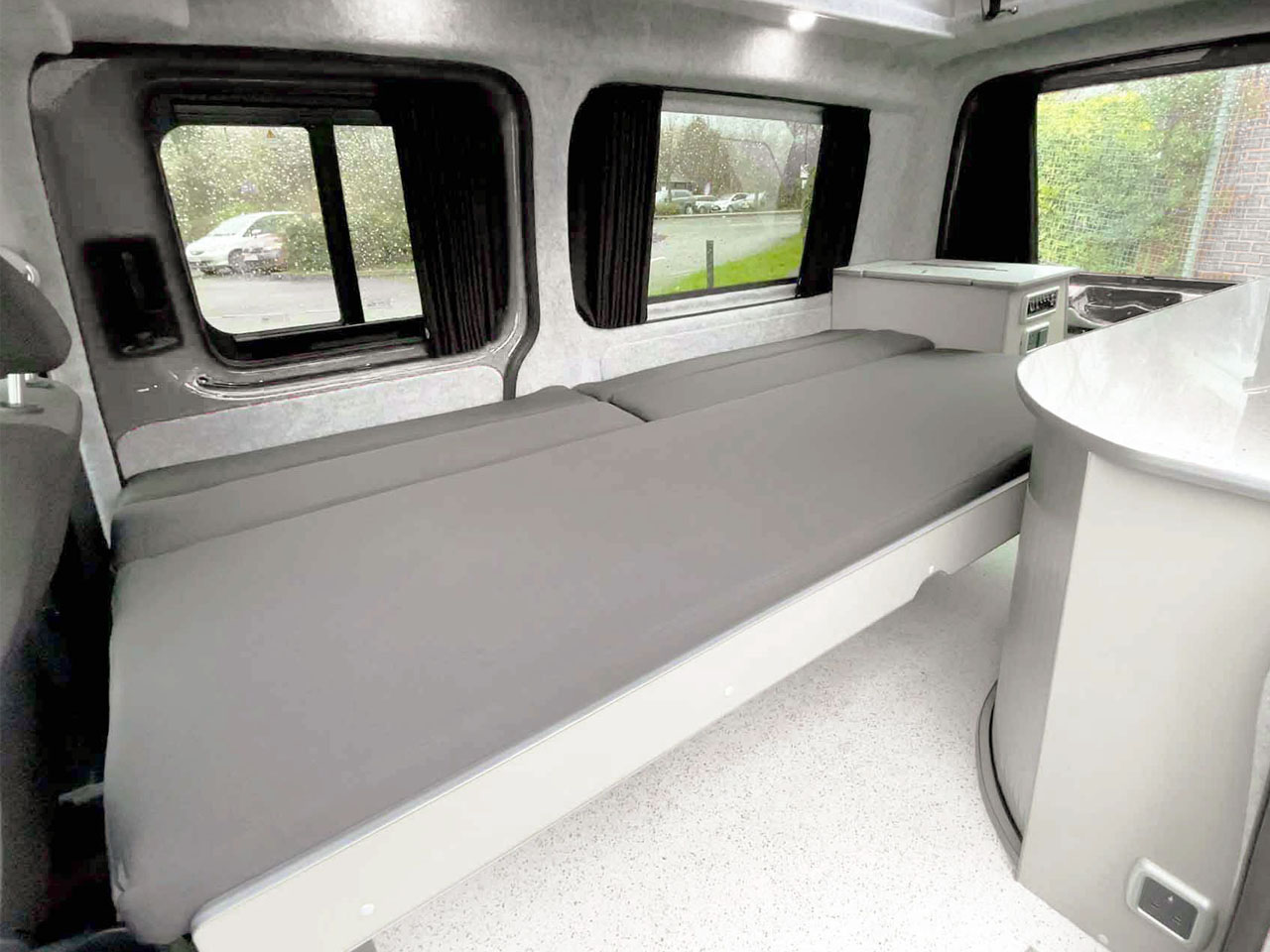
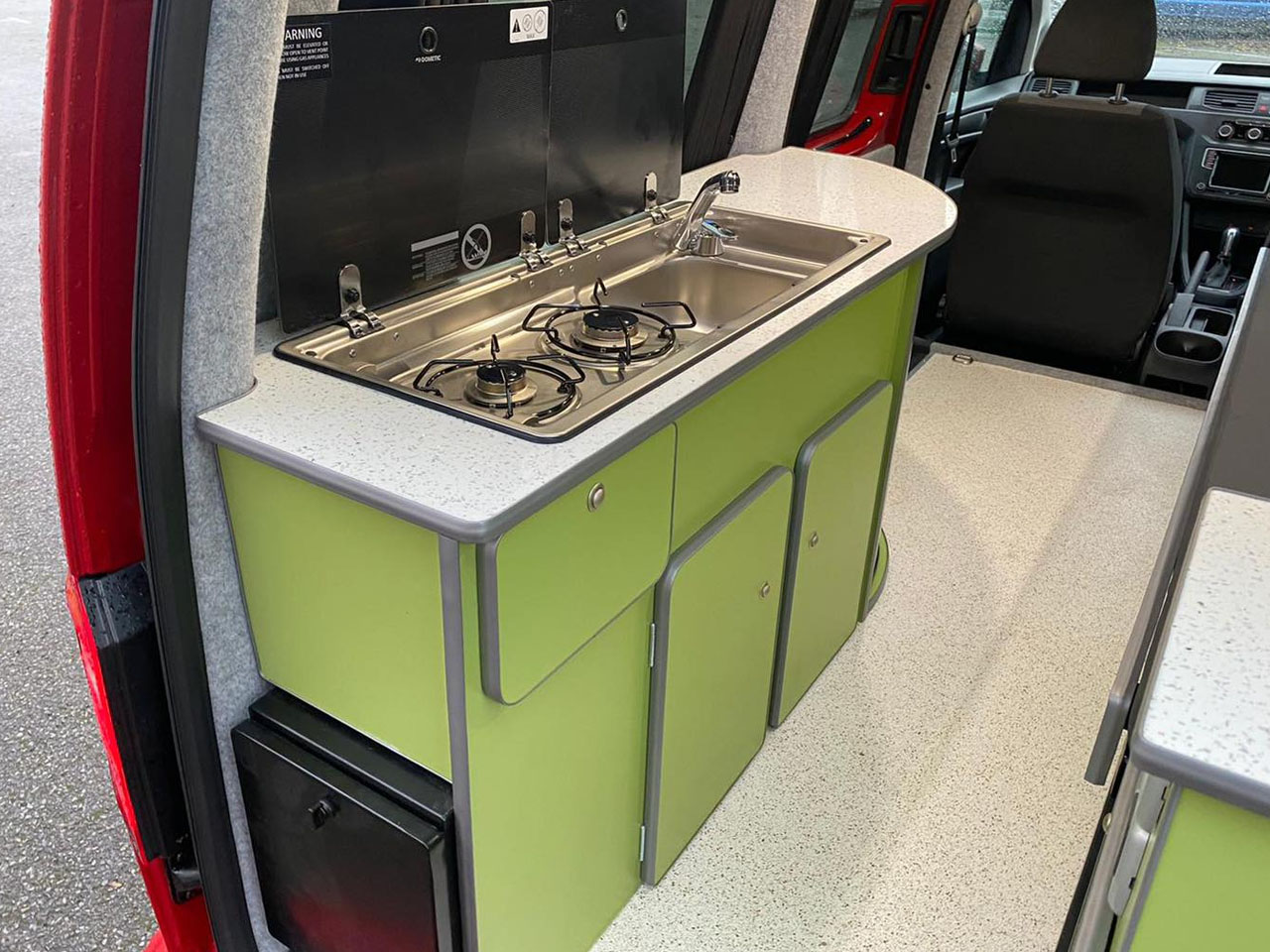
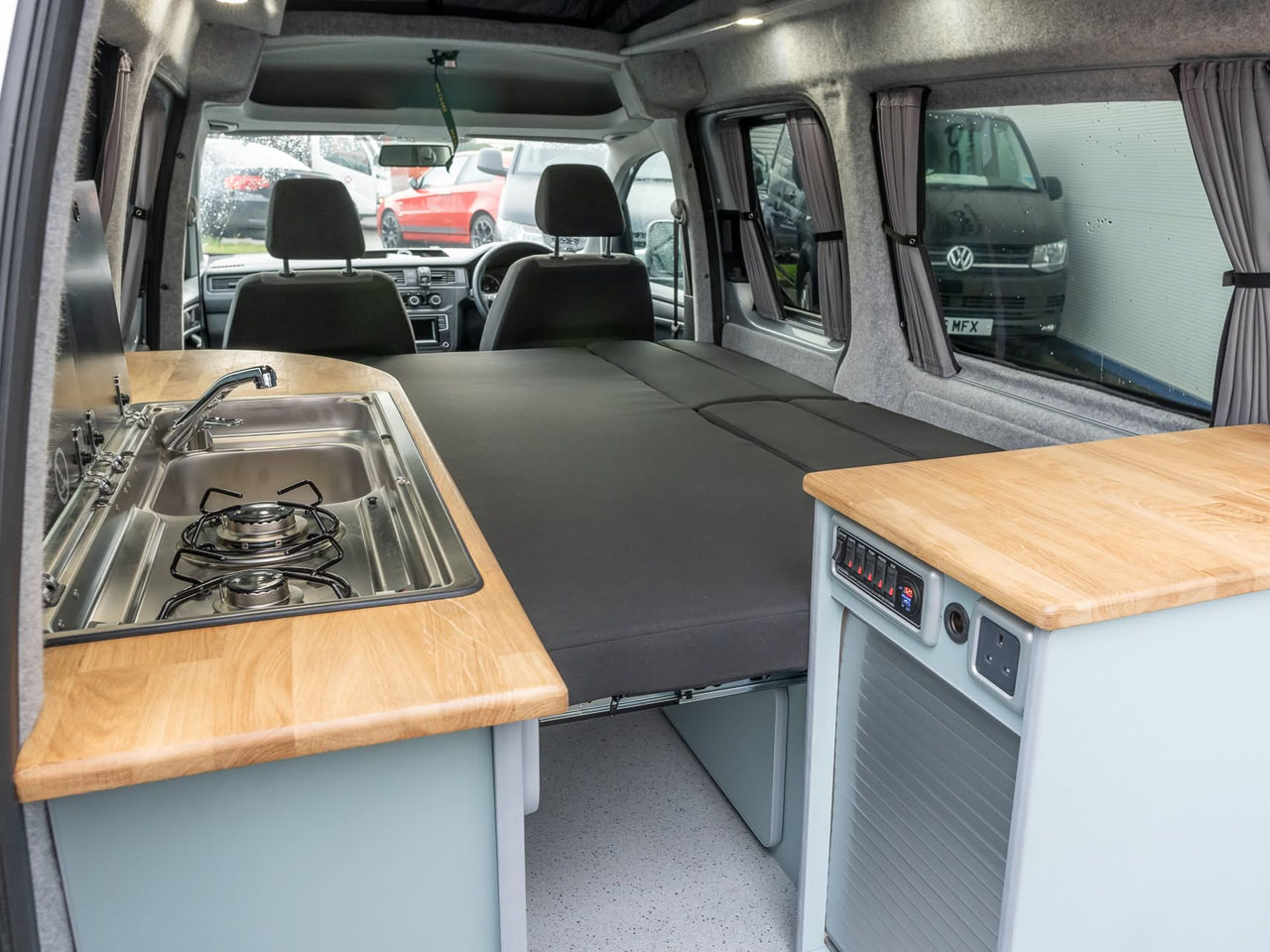
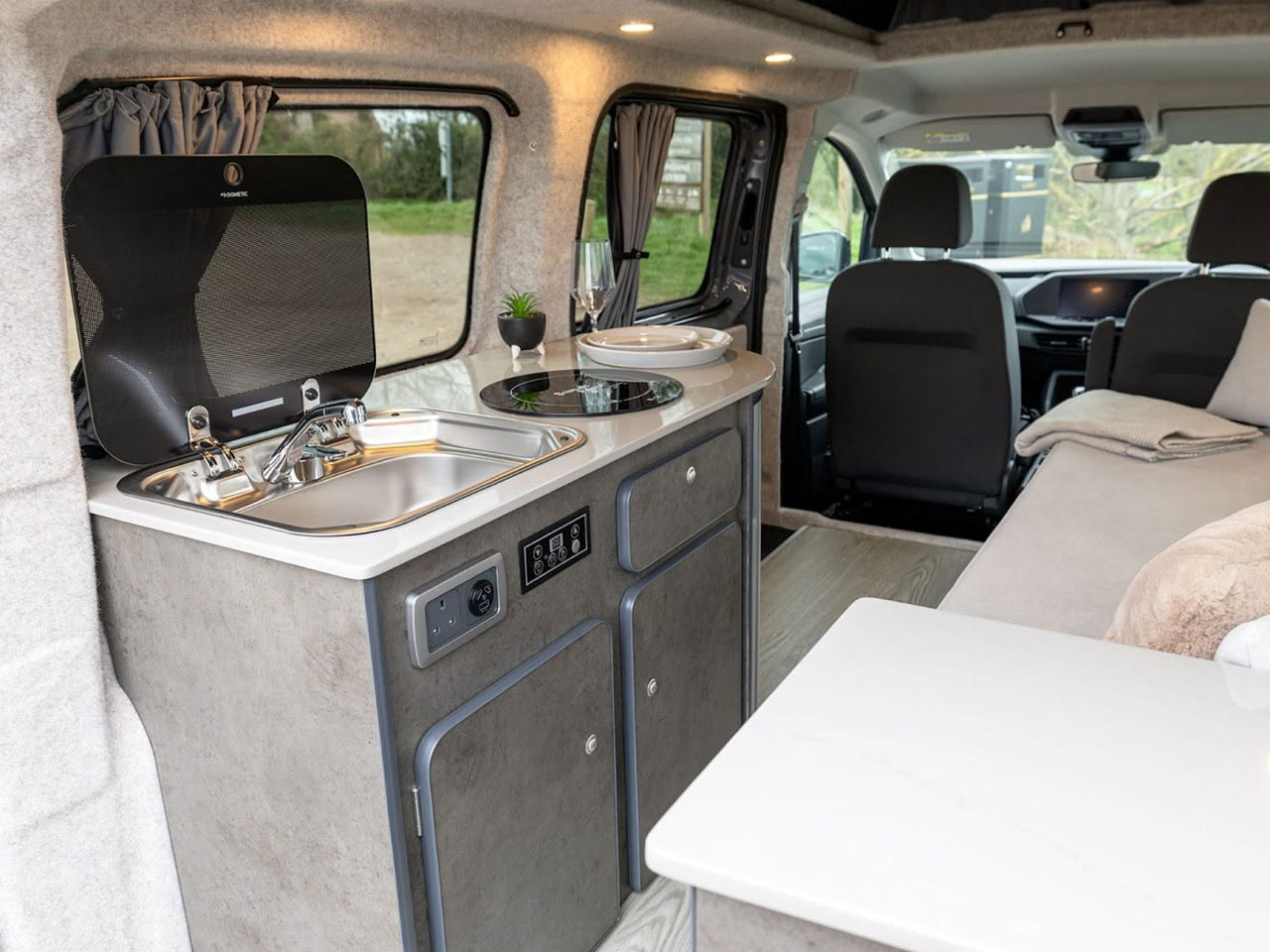
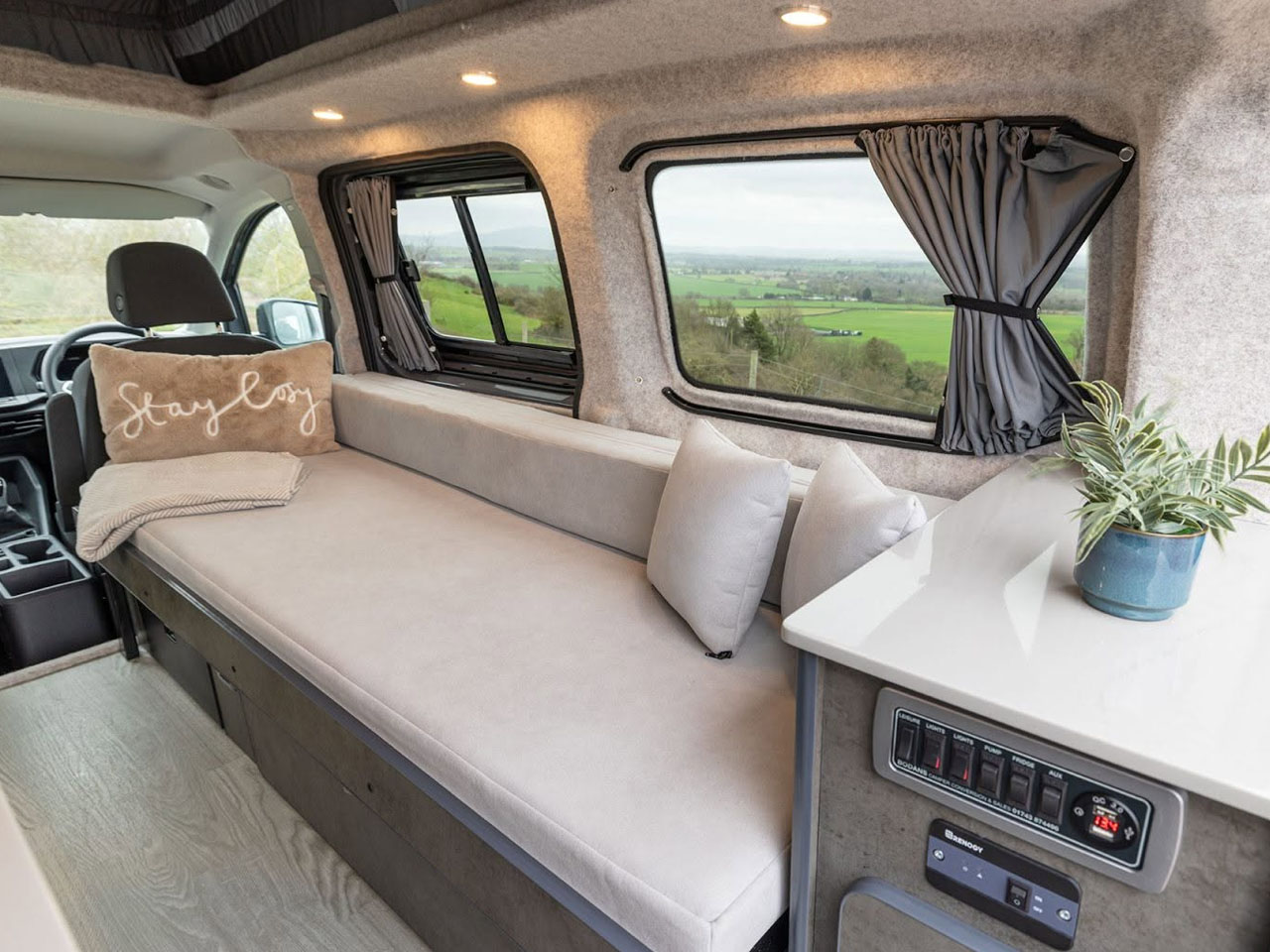
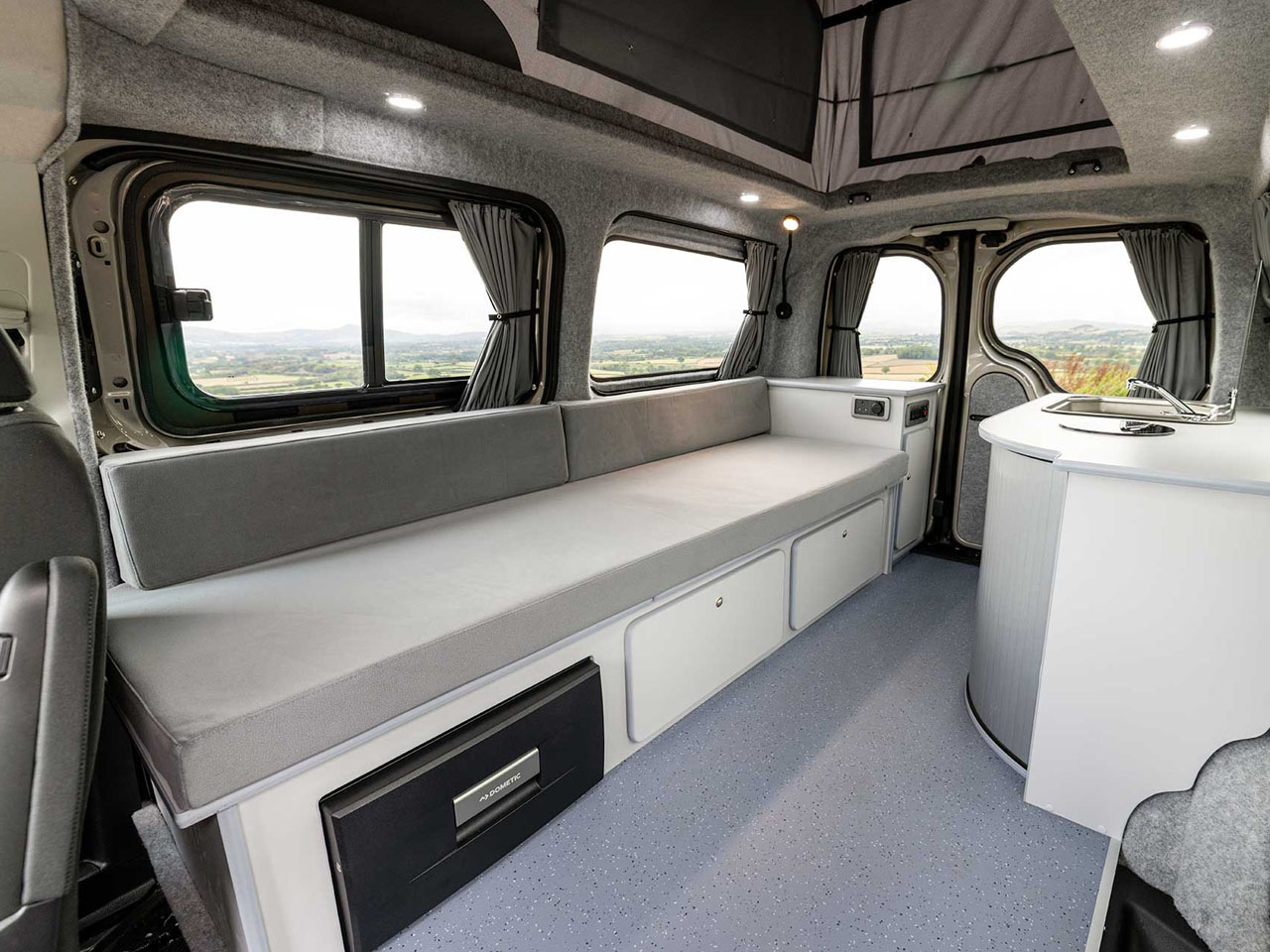
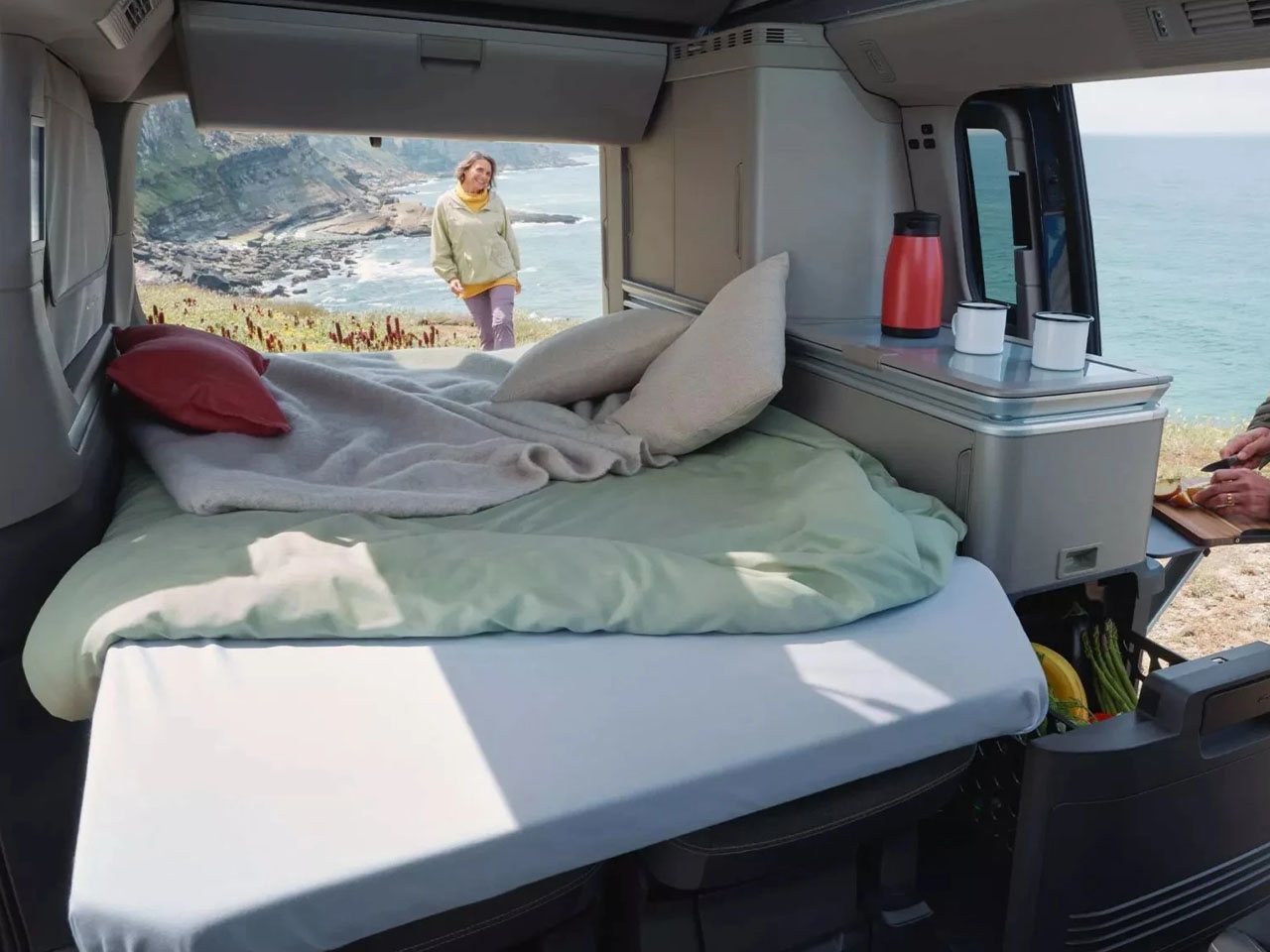
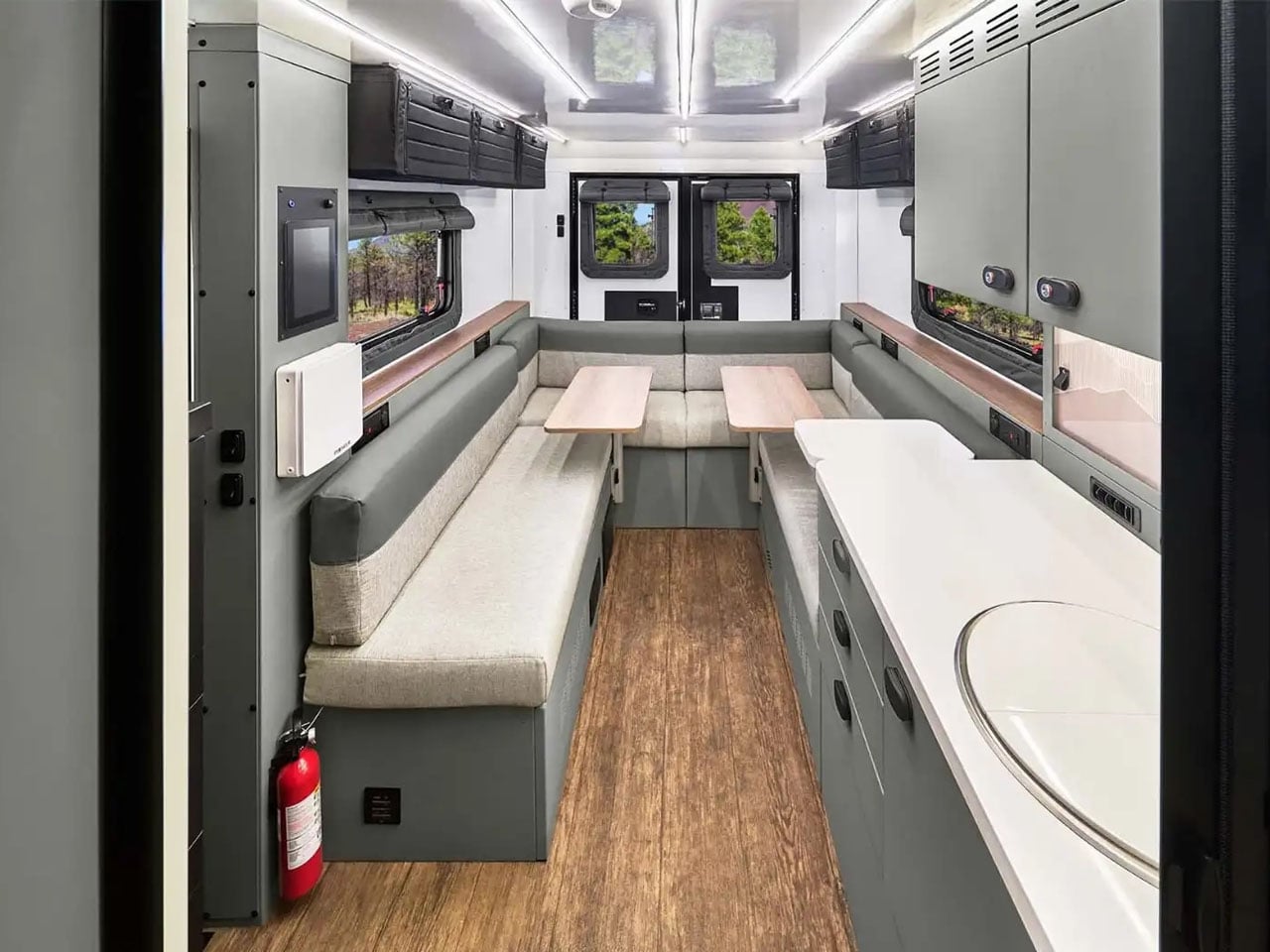
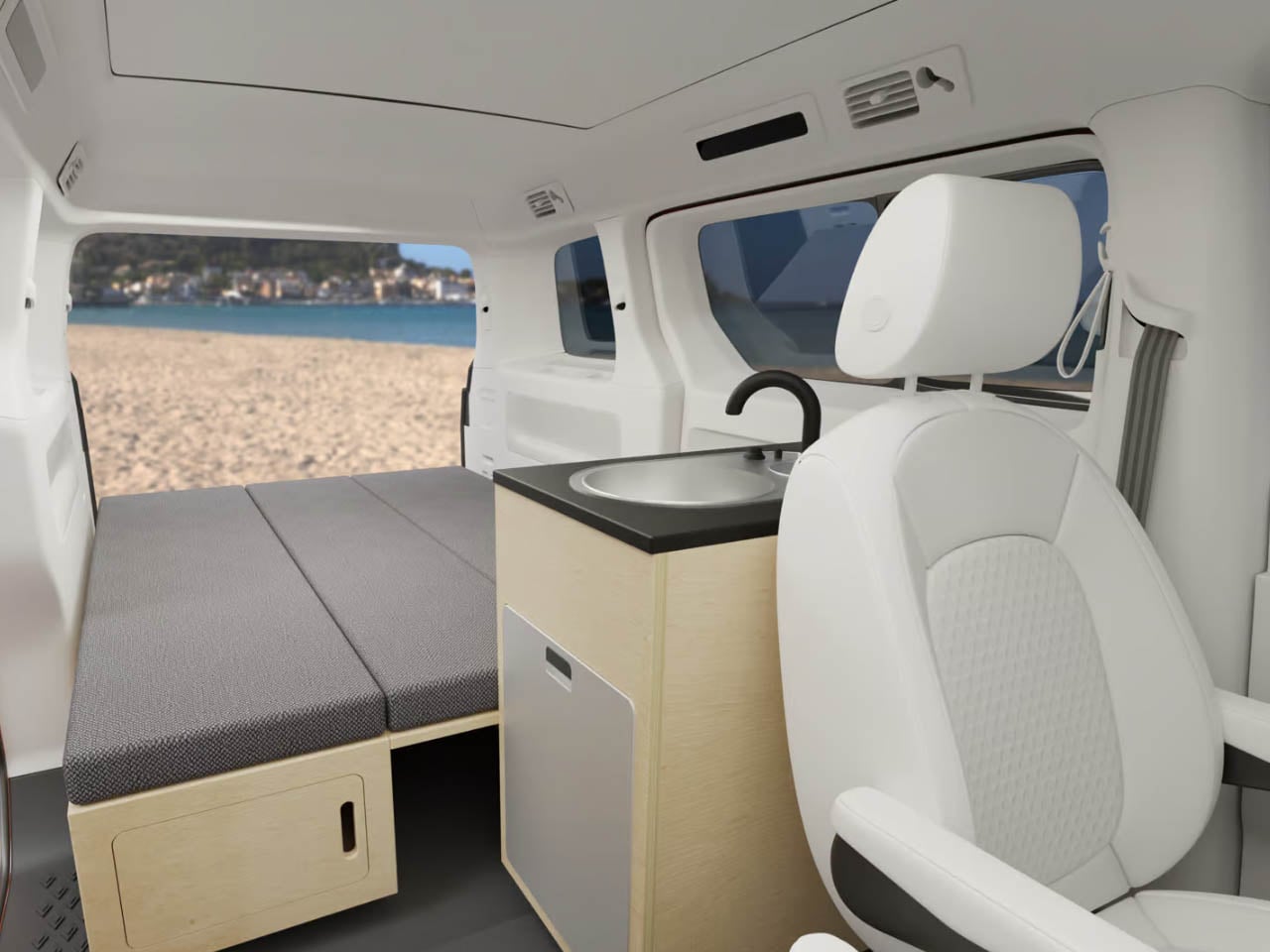
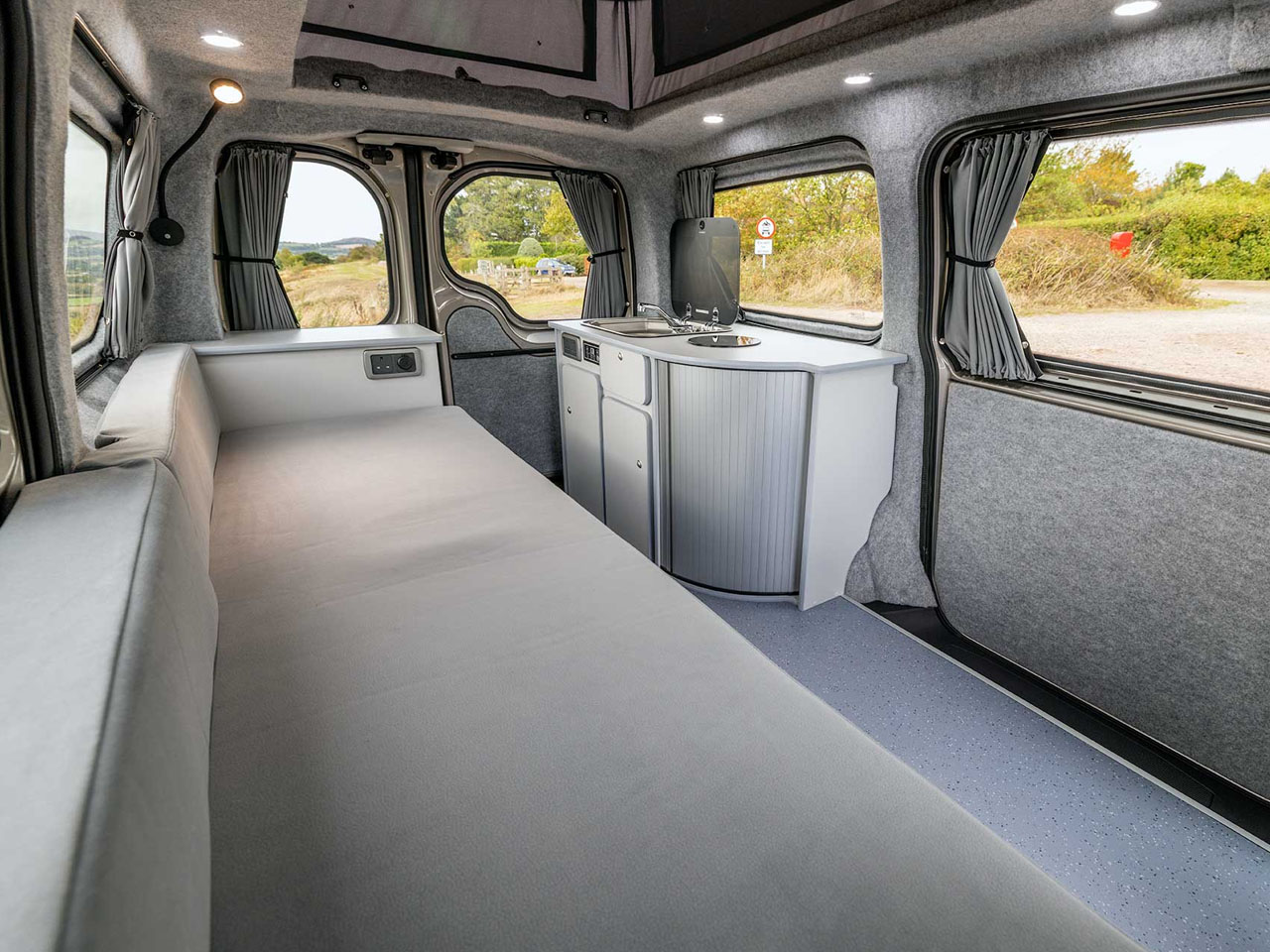
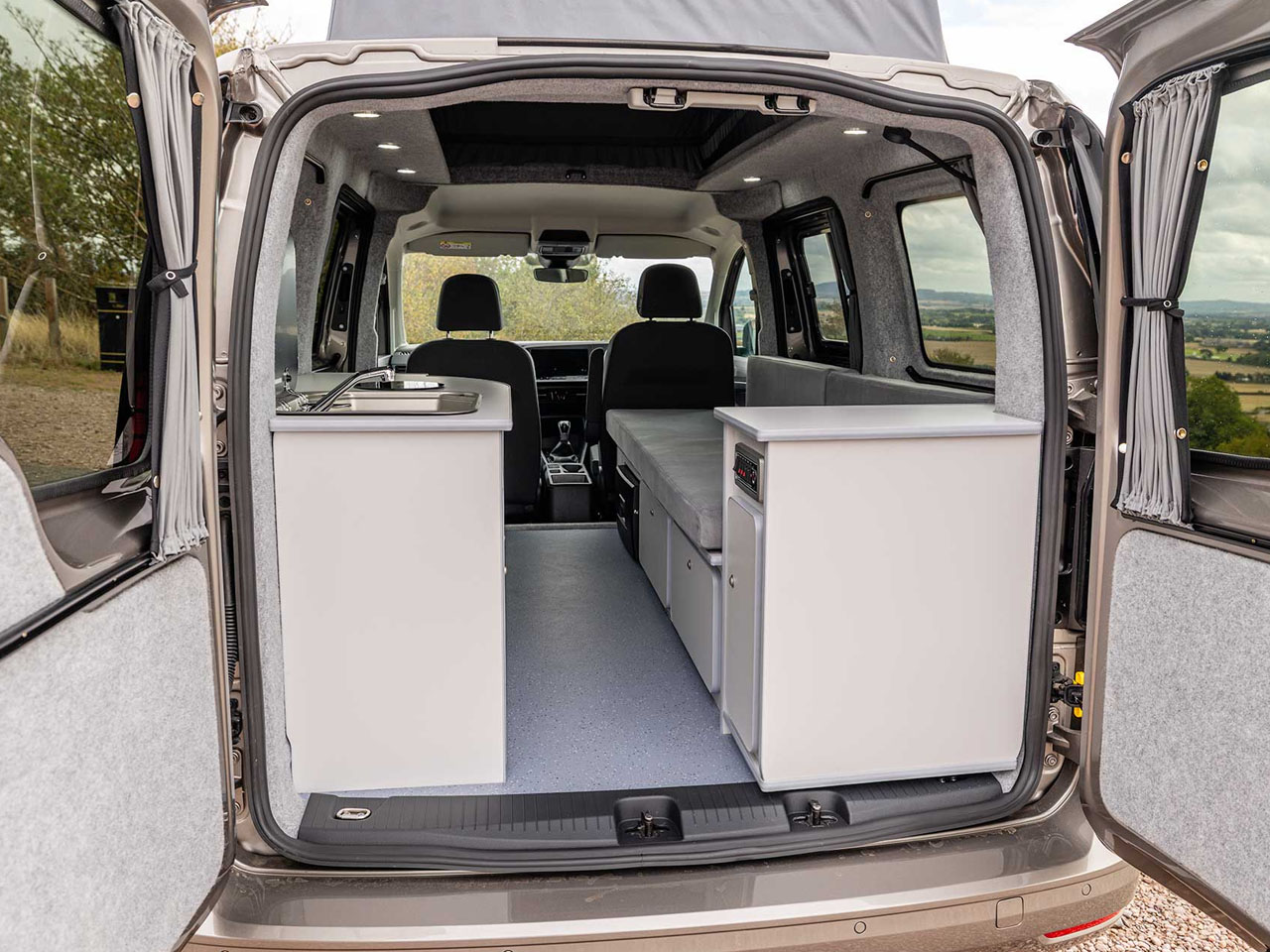
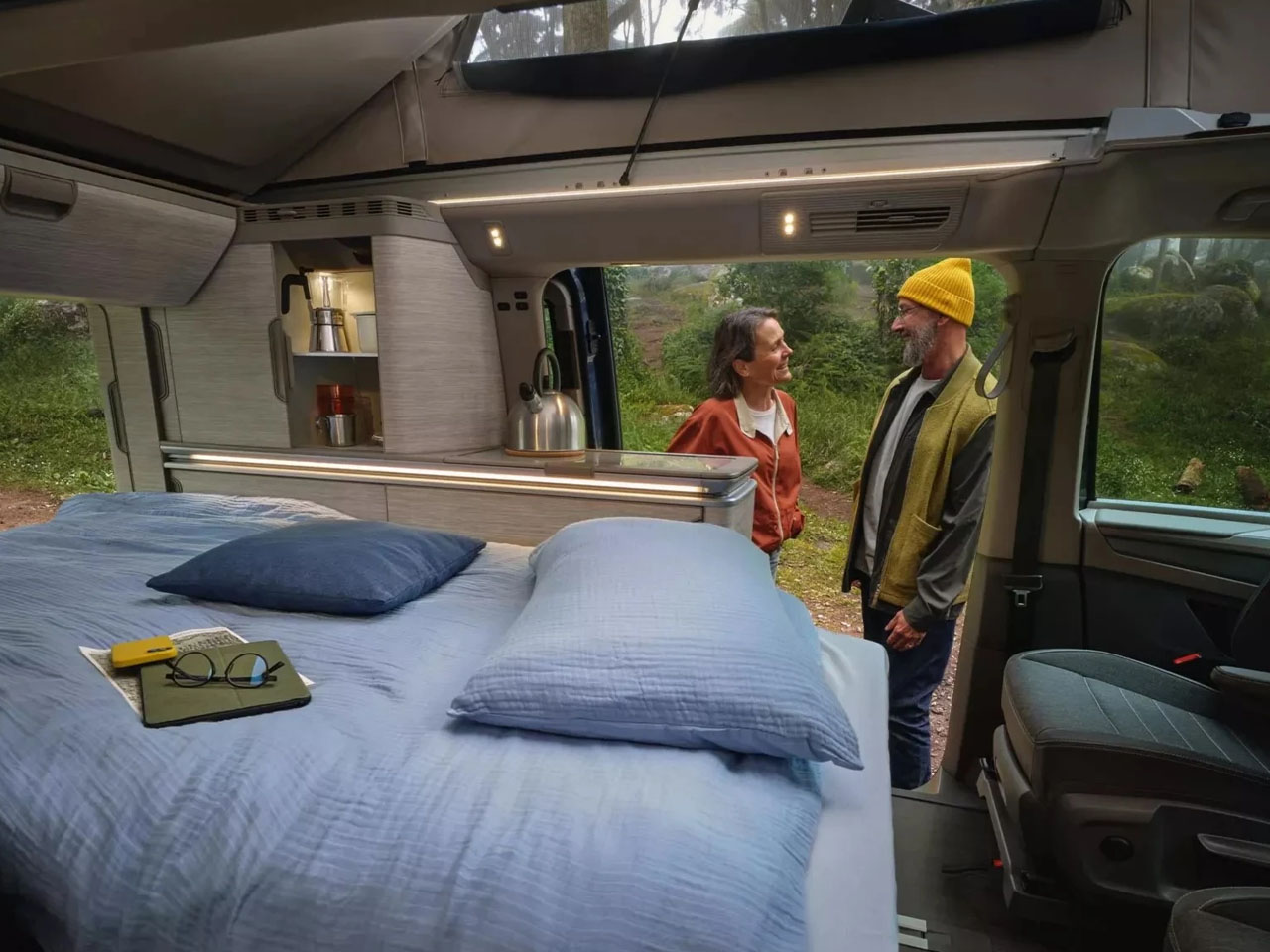
The Cubert is based on Volkswagen’s 114-hp plug-in hybrid drivetrain and offers up to 116 km range. The floor plan features two seats in the cockpit and places the cabin behind them. A long convertible sofa sits on one side, while the kitchen occupies the space across the aisle. The basic essence inside the cabin is enhanced by gray flooring, furniture, and upholstery, while the integrated LED lights create a warm ambience.

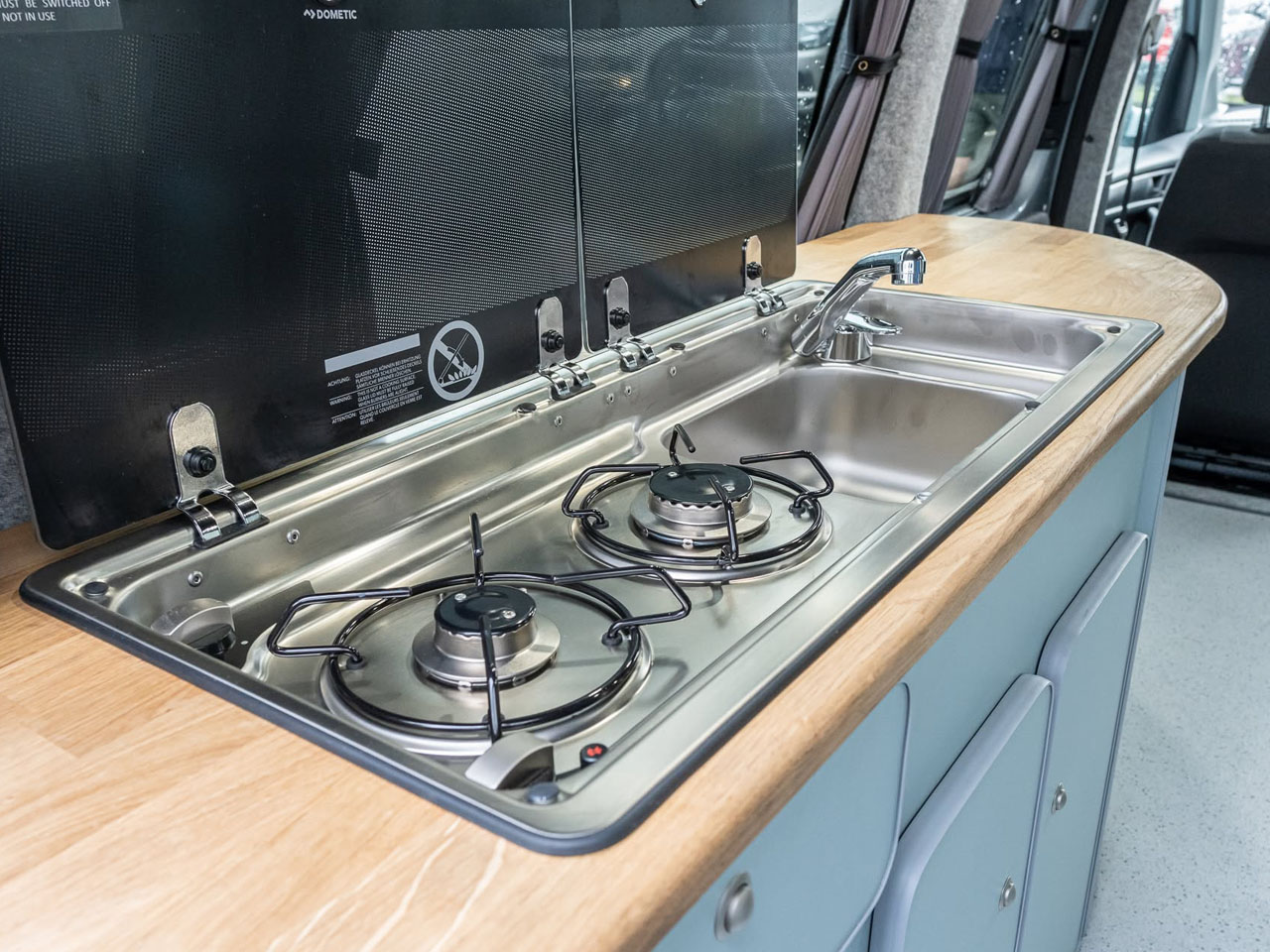
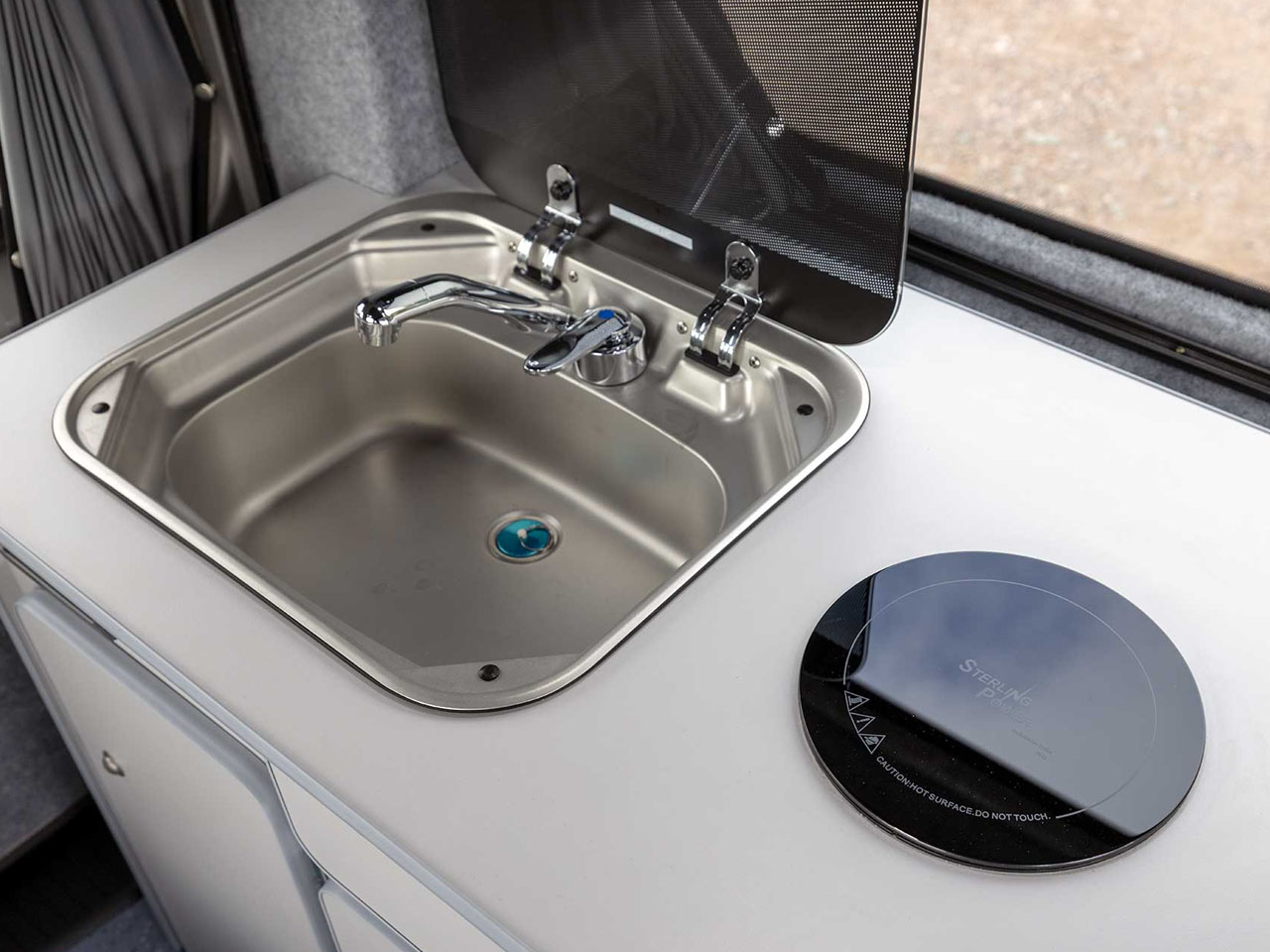
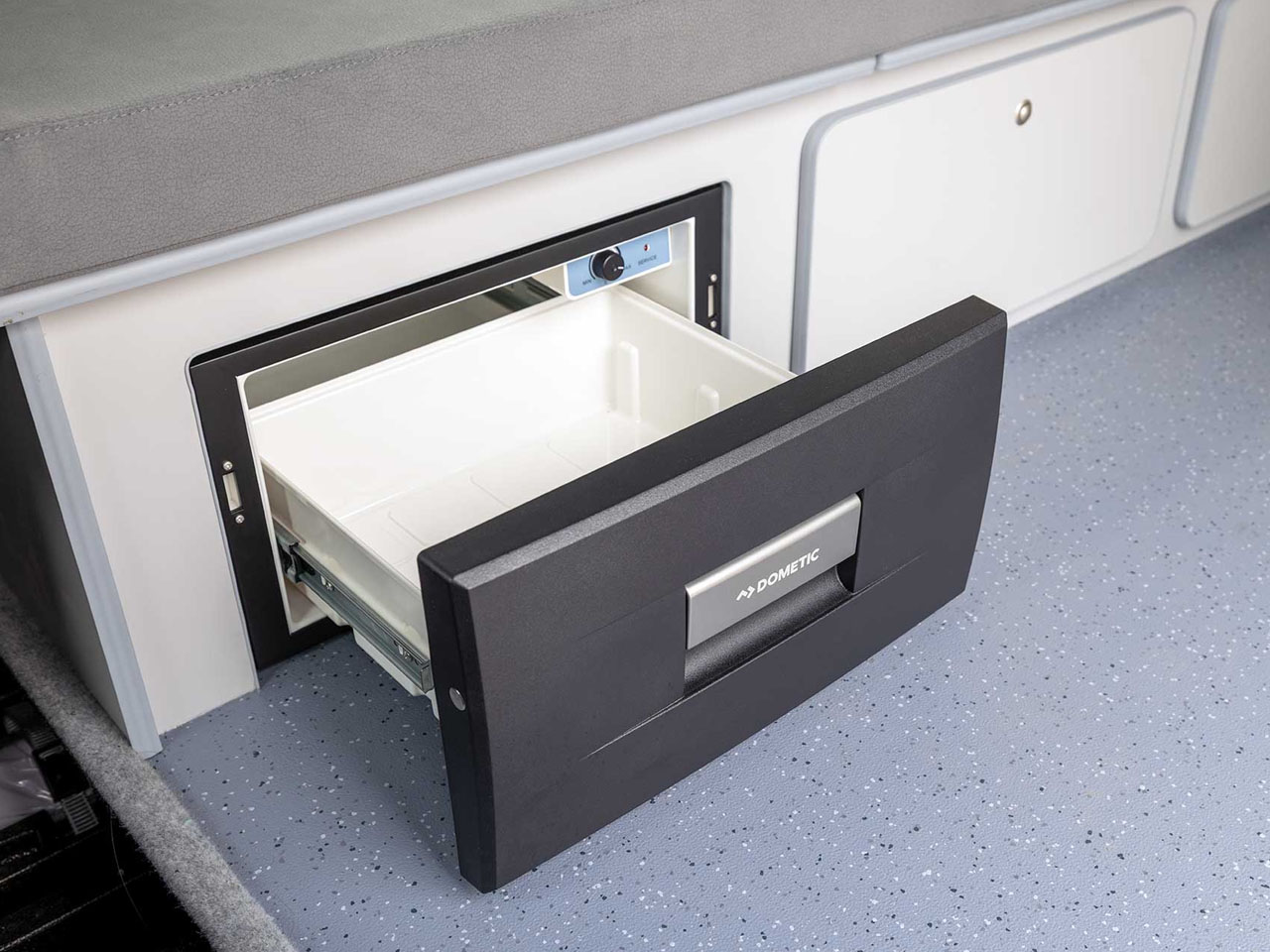
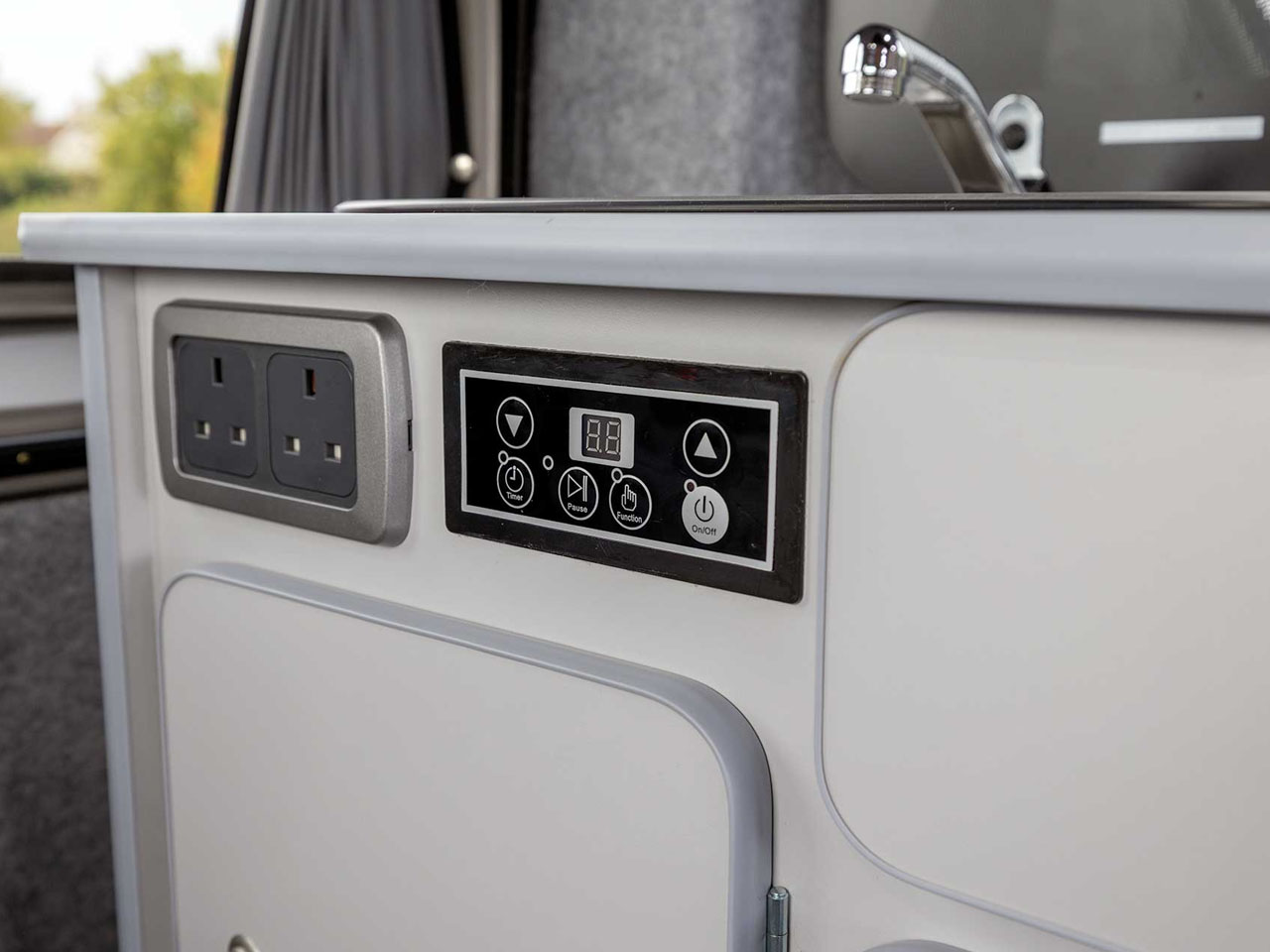
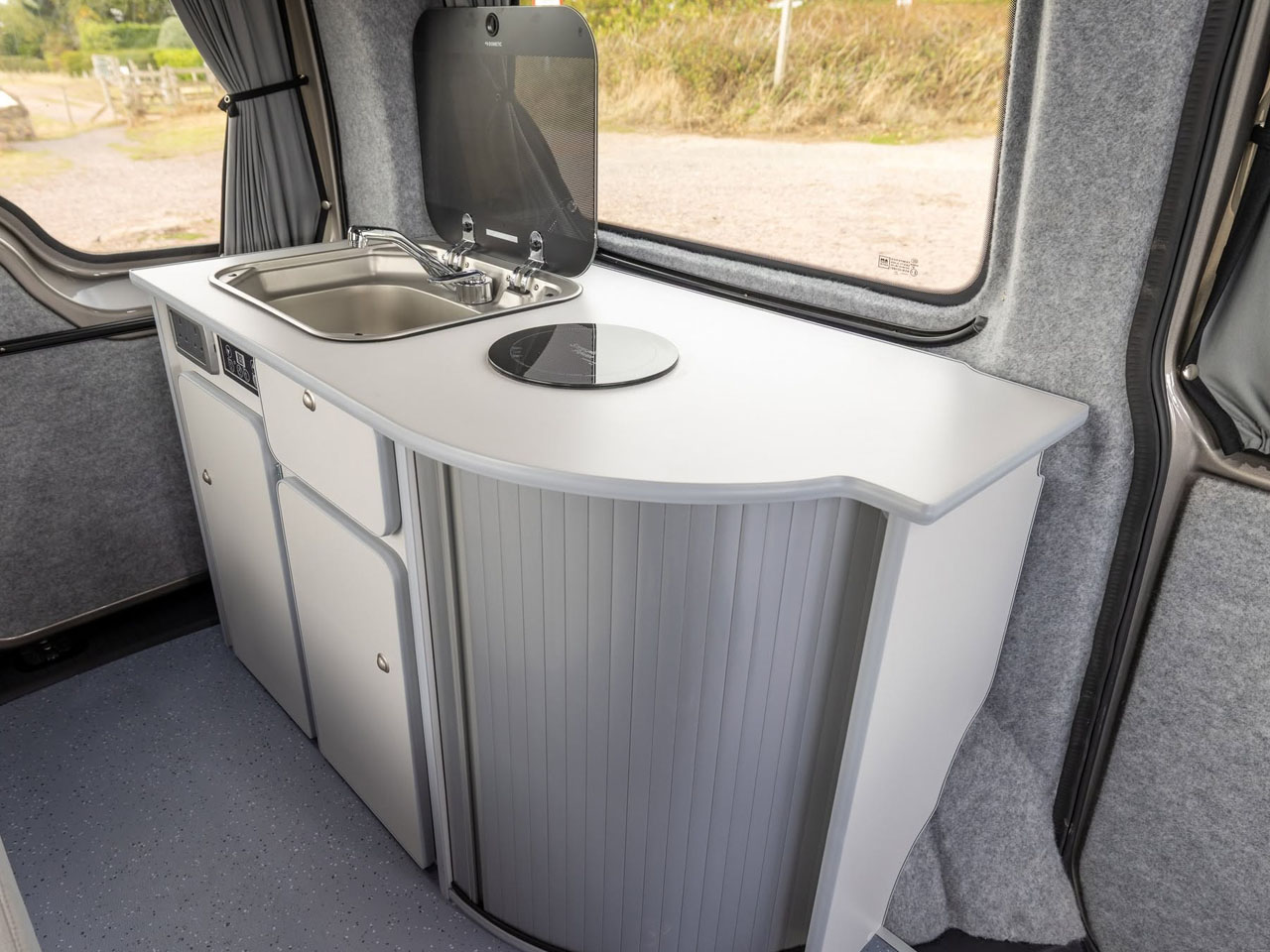
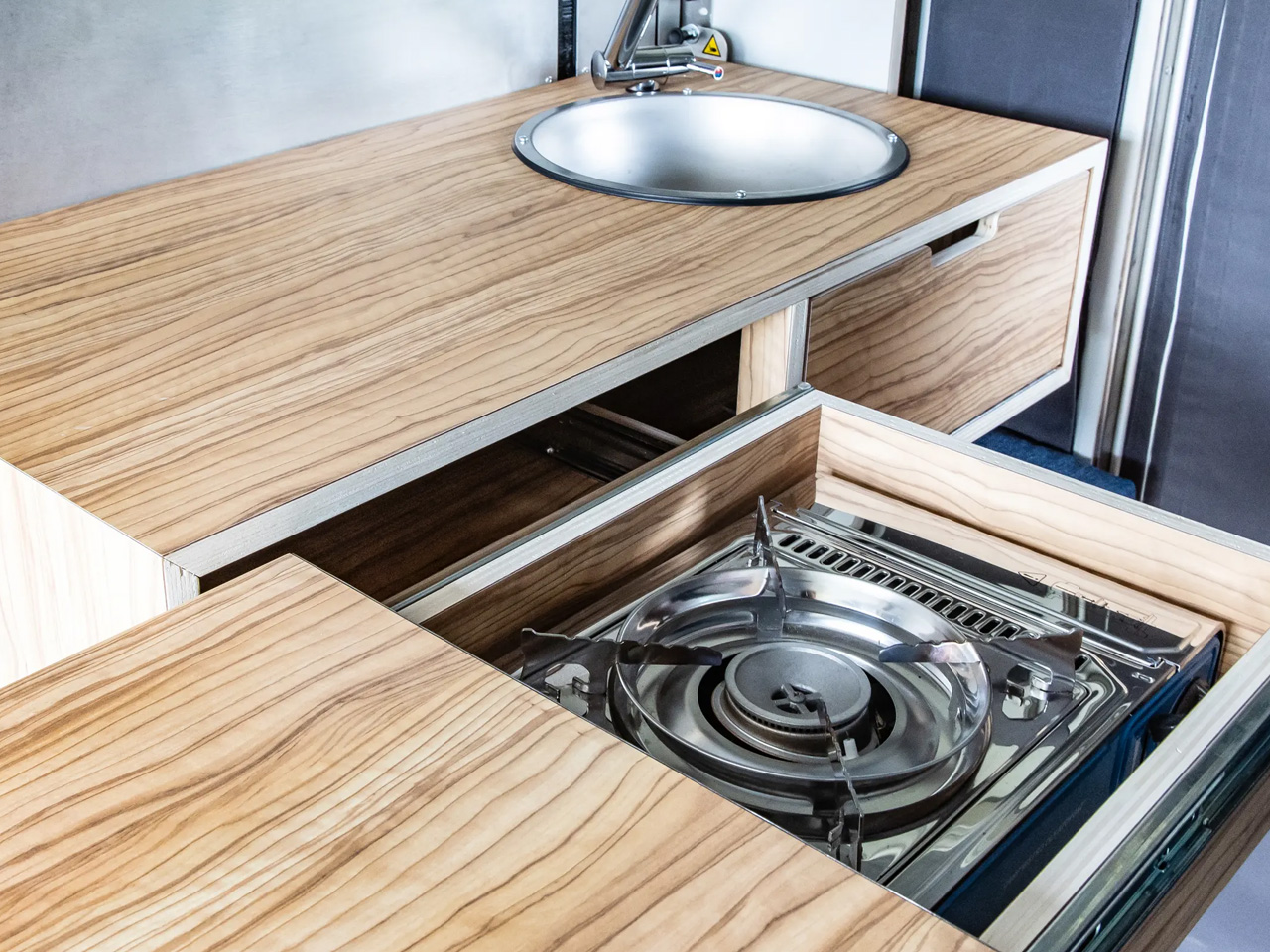
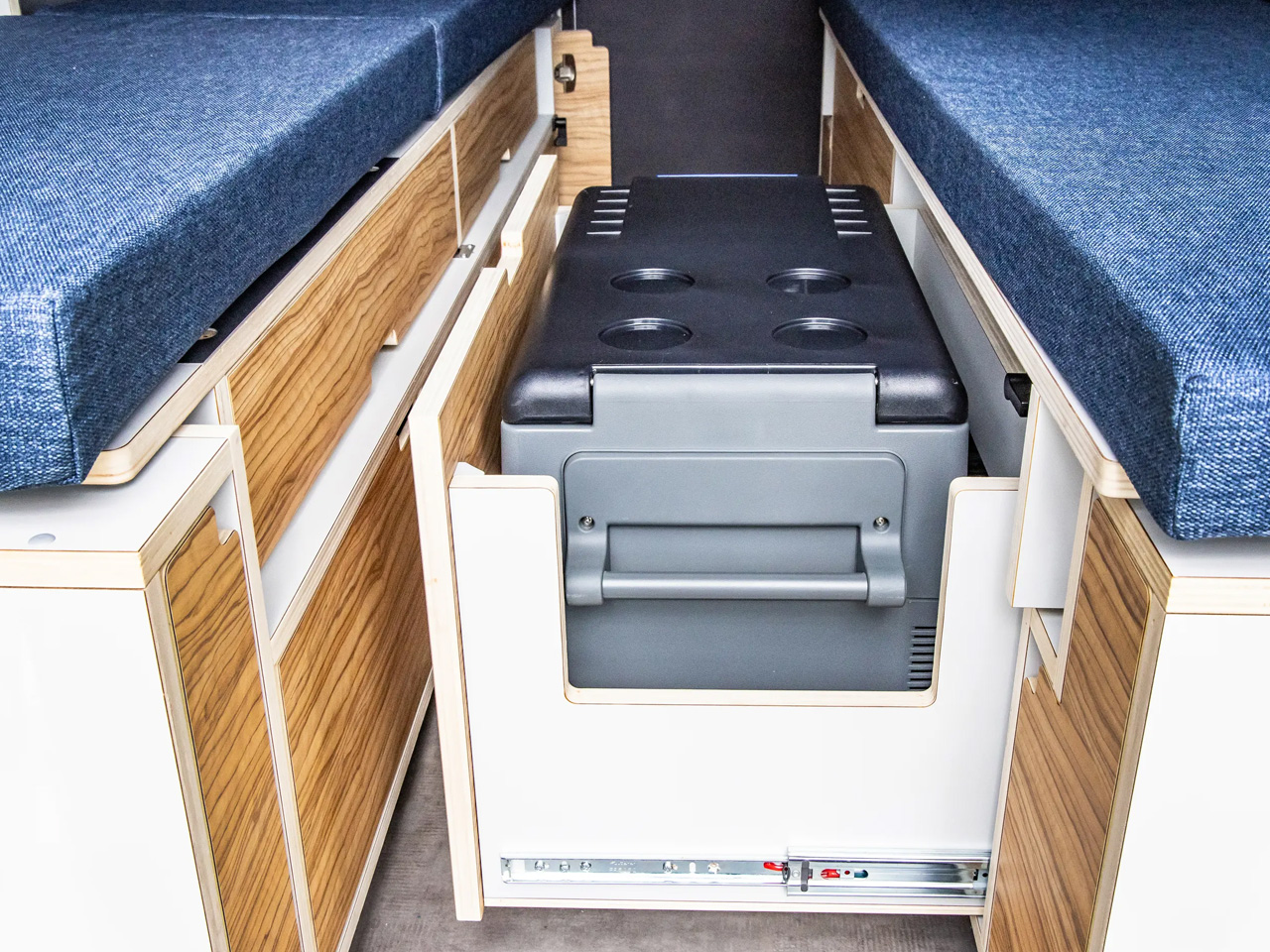
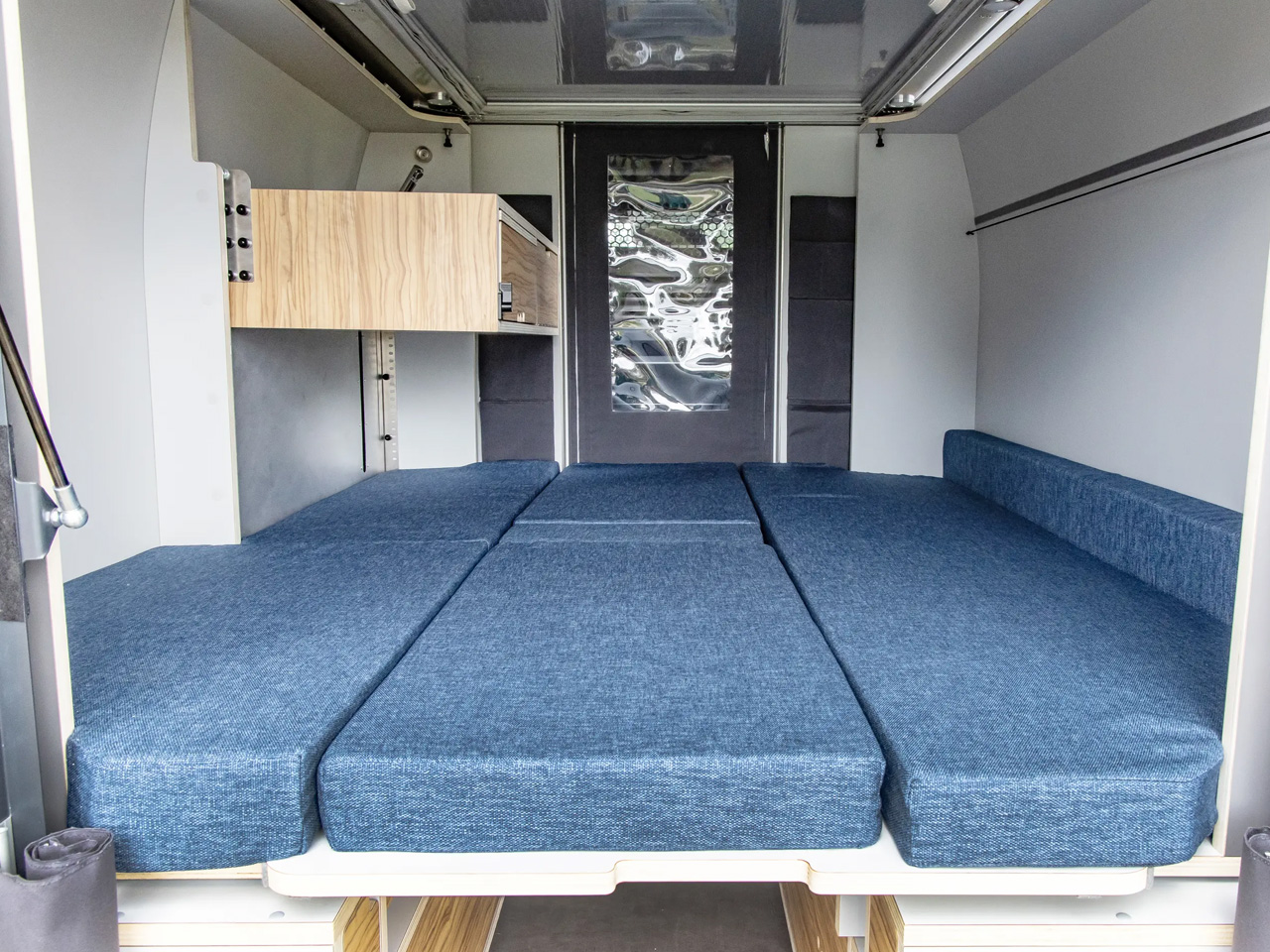
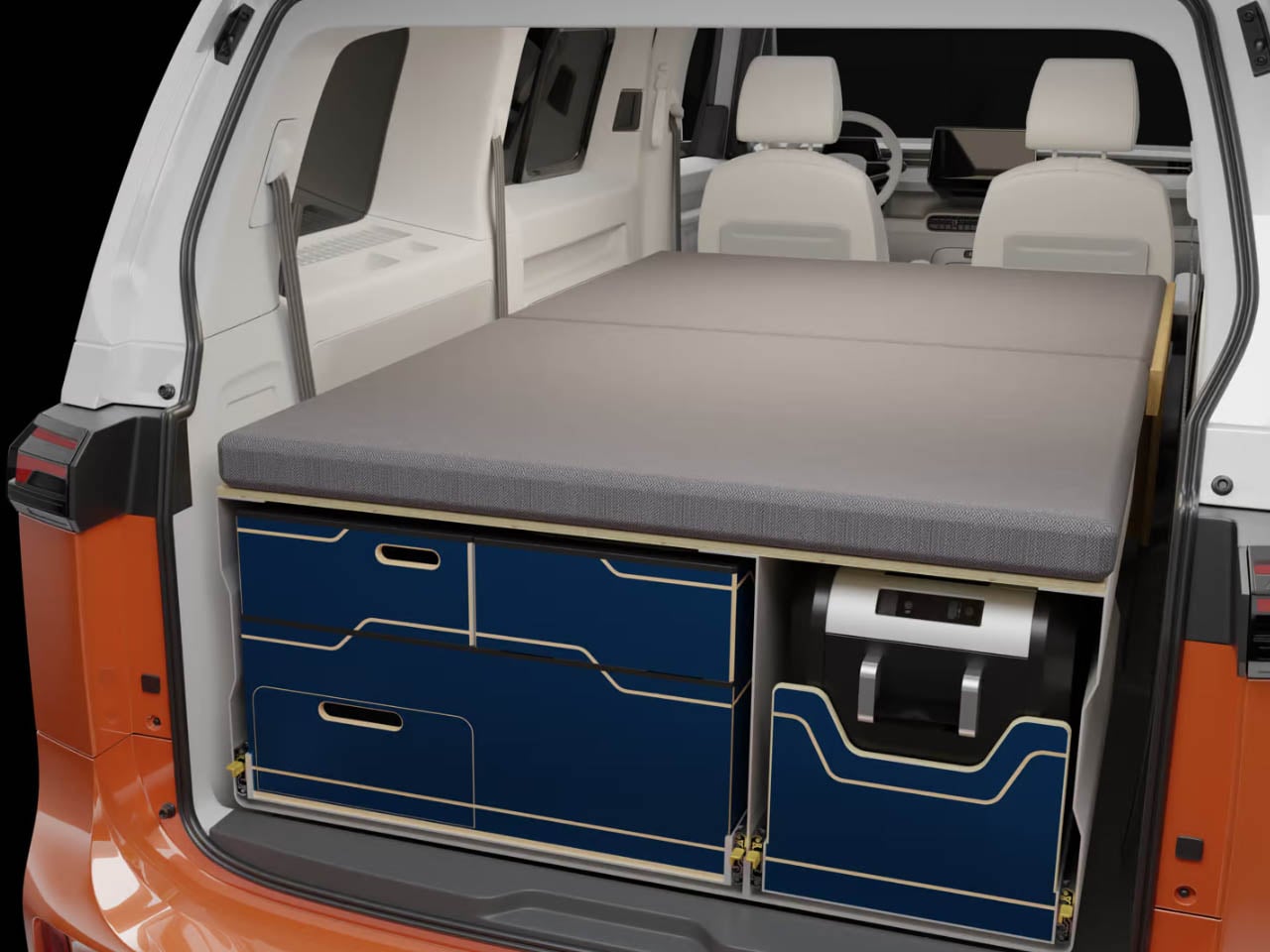
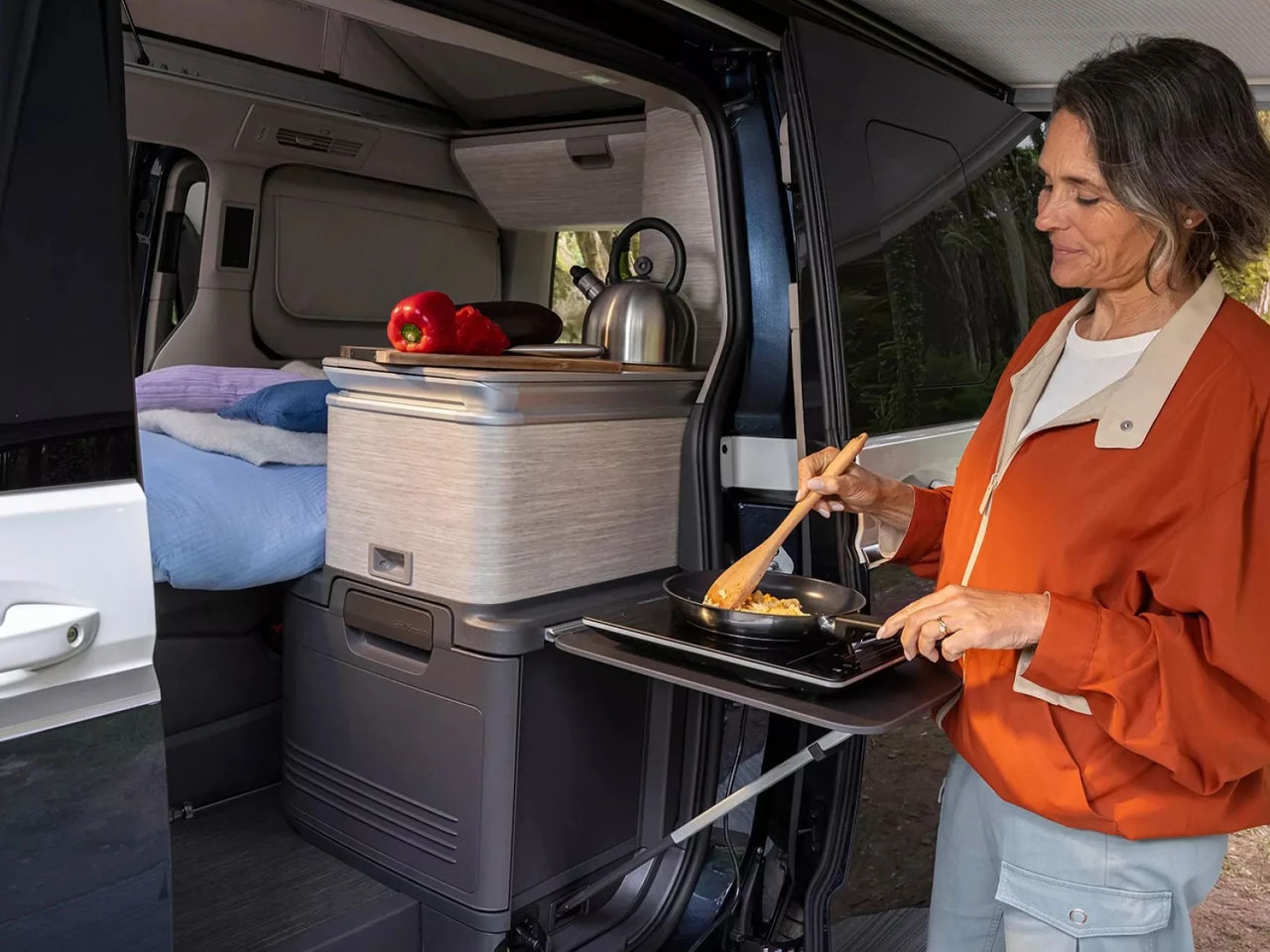
The kitchen is fully functional and comprises an electric induction hob for off-grid use. You also get the option to include a 2-burner gas hob. The kitchen space also includes a large sink, a drawer fridge, and cabinets for storage. The sofa on the opposite side converts into a double bed and includes under-bed storage space for camping equipment.
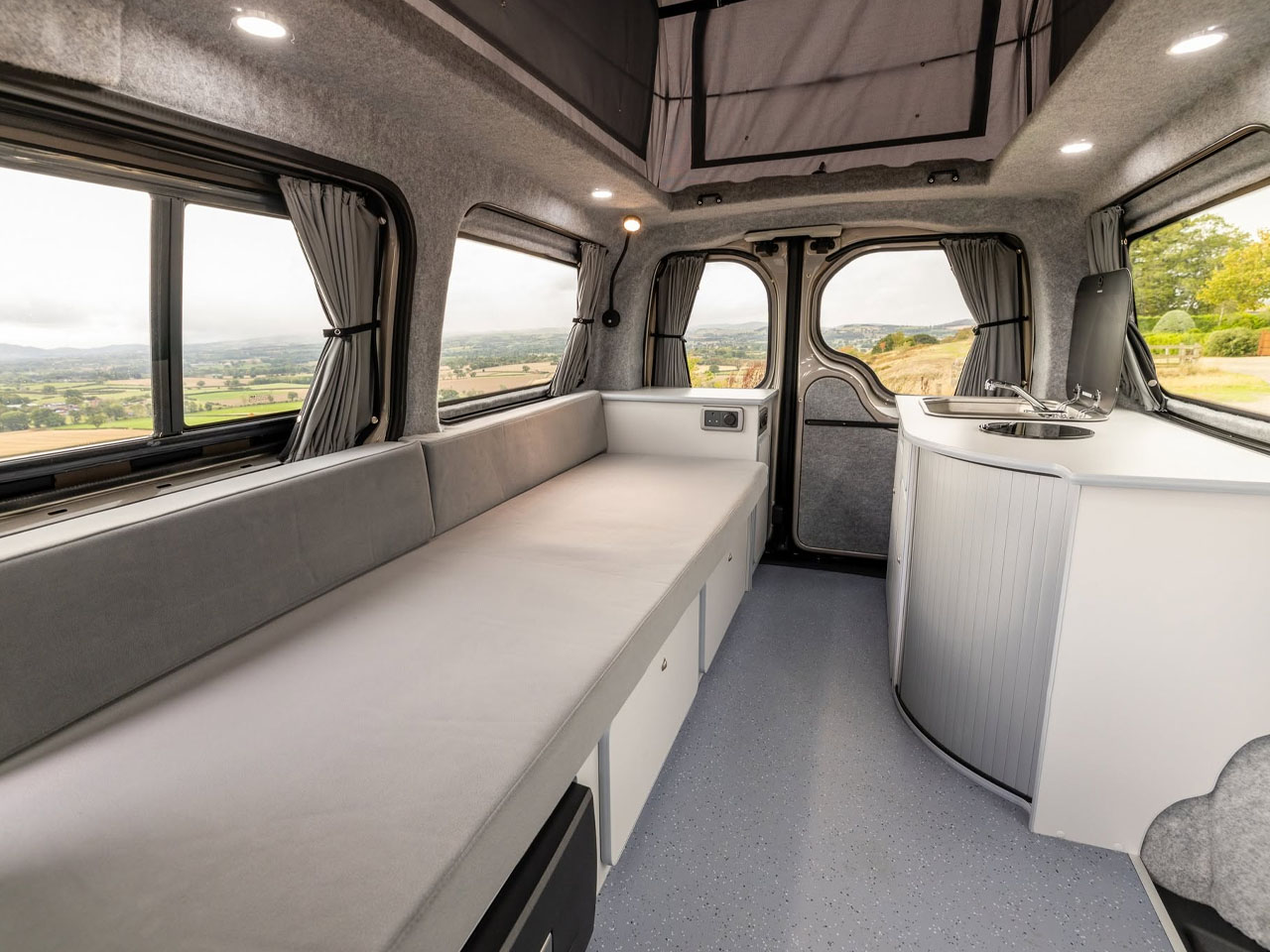
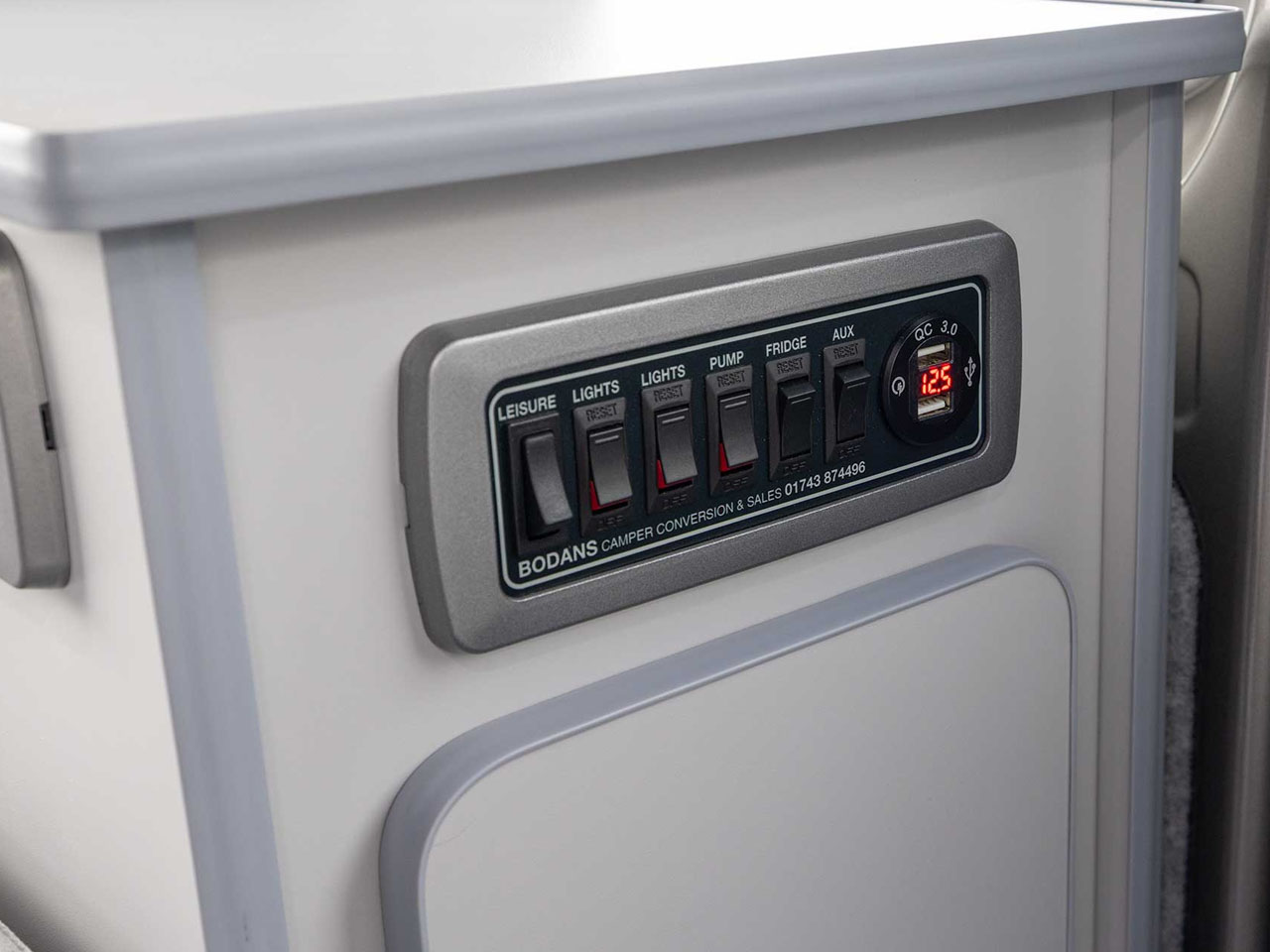
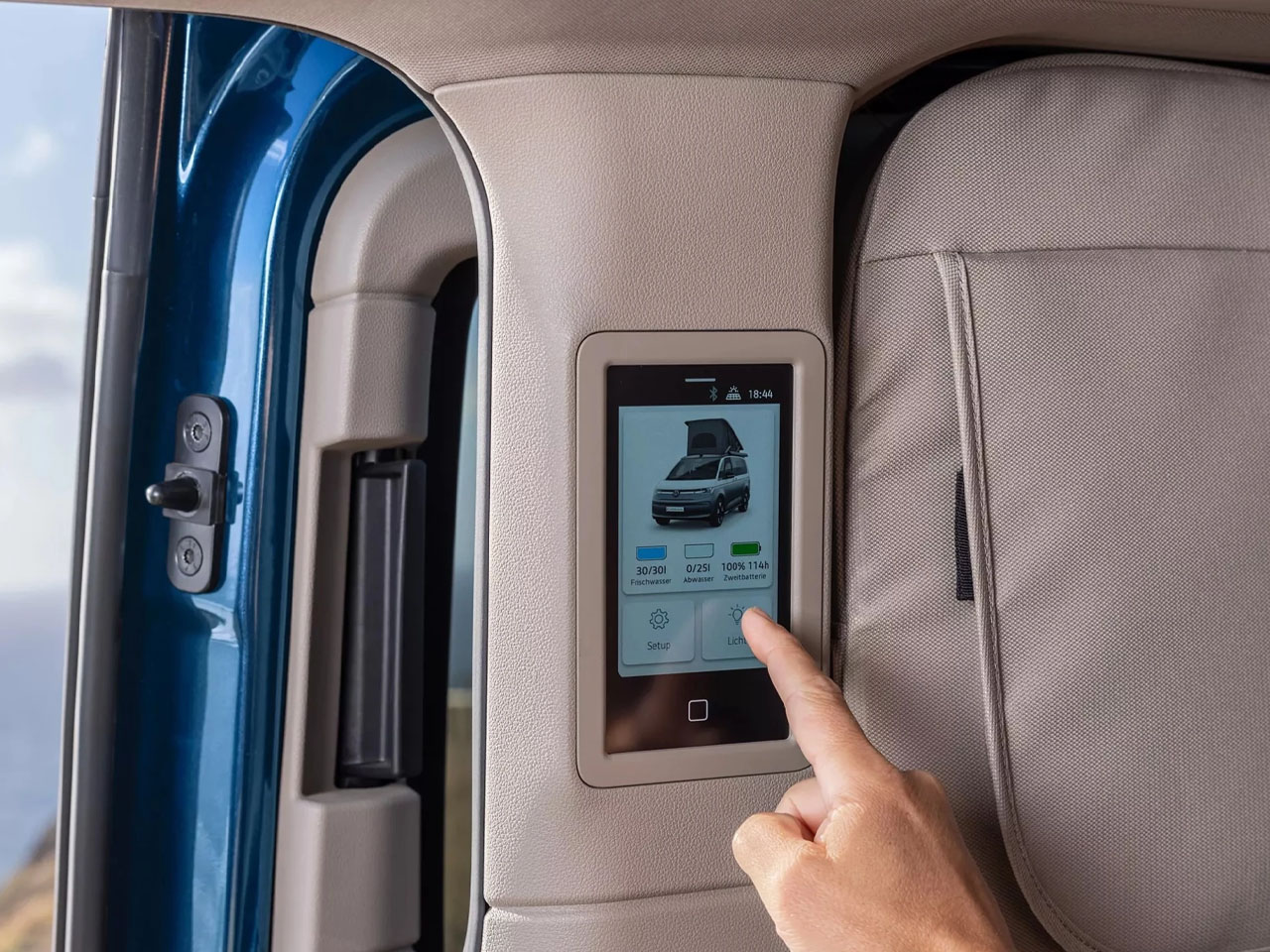
The most exciting aspect of the Cubert VW Caddy Campervan is the pop-up roof, which adds headroom to the standard interior height of the van. The roof doesn’t come with an additional bed, but the converter can offer a lift-away double bed to add to the basic two-person sleeping facility. Since the Caddy Campervan only has two seats and stock bedding for two, it is ideal for a couple, but with the additional bed, you can increase the sleeping space for two people. Given the floor space inside the cabin, I believe the campervan can feel cramped up for more than two people, it’s ideally modified for. Adventurers have the option to finish their campervan with a rooftop solar panel, a microwave, and a touchscreen for all onboard controls.

The campervan Bodans informs can be made in a range of colors and interior finishes. The van converter says it can professionally customize the campervan to user requirements as well. In its base configuration, the Cubert starts at £49,995 (approx. $66,000) if it’s based on a new Caddy van. If the base vehicle is used, then the cost trims down to £43,995 (approx. $58,000)
The post Volkswagen Caddy gets a compact campervan makeover with a pop-up roof and clever interior first appeared on Yanko Design.
Volkswagen’s new 2027 California Campervan models with smarter features and prices starting at $72,000

Just in time for the summer season next year, when you’re going to begin weighing your adventure choices, you will have an excellent option in the new Volkswagen California campervan. The company has unveiled in the UK its new models of the people’s favourite campervan, which is expected to start deliveries in early 2027.

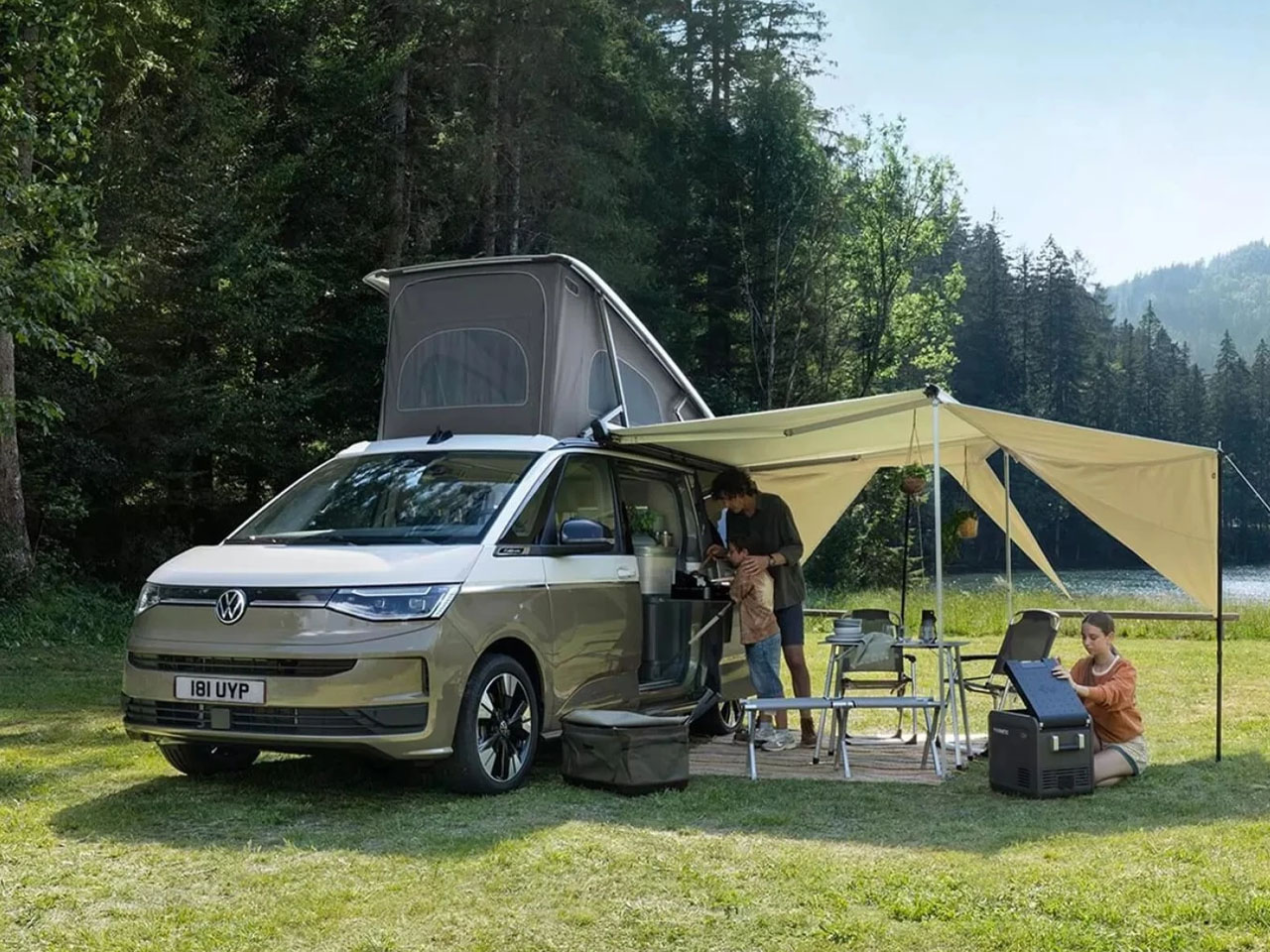
The adventurers in the UK should be able to order the new generation California campervans now, for a starting price of £54,065 (approx. $72,000). Based on its basic DNA of adventure, the campervan models are designed with all types of travelers – solo, family, or romantic couples in mind.

Designer: VolkswagenVolkswagen

The new design of the California campervan starts with the front below the bonnet. Here, the LED headlights are the new defining feature. The cabin has been uplifted with driver comfort and safety in mind. State-of-the-art technologies now find their way into the campervan setup, which complements the on-road lifestyle. Thus, new safety and comfort features have been added through software-level integration and interesting driver assistance systems.

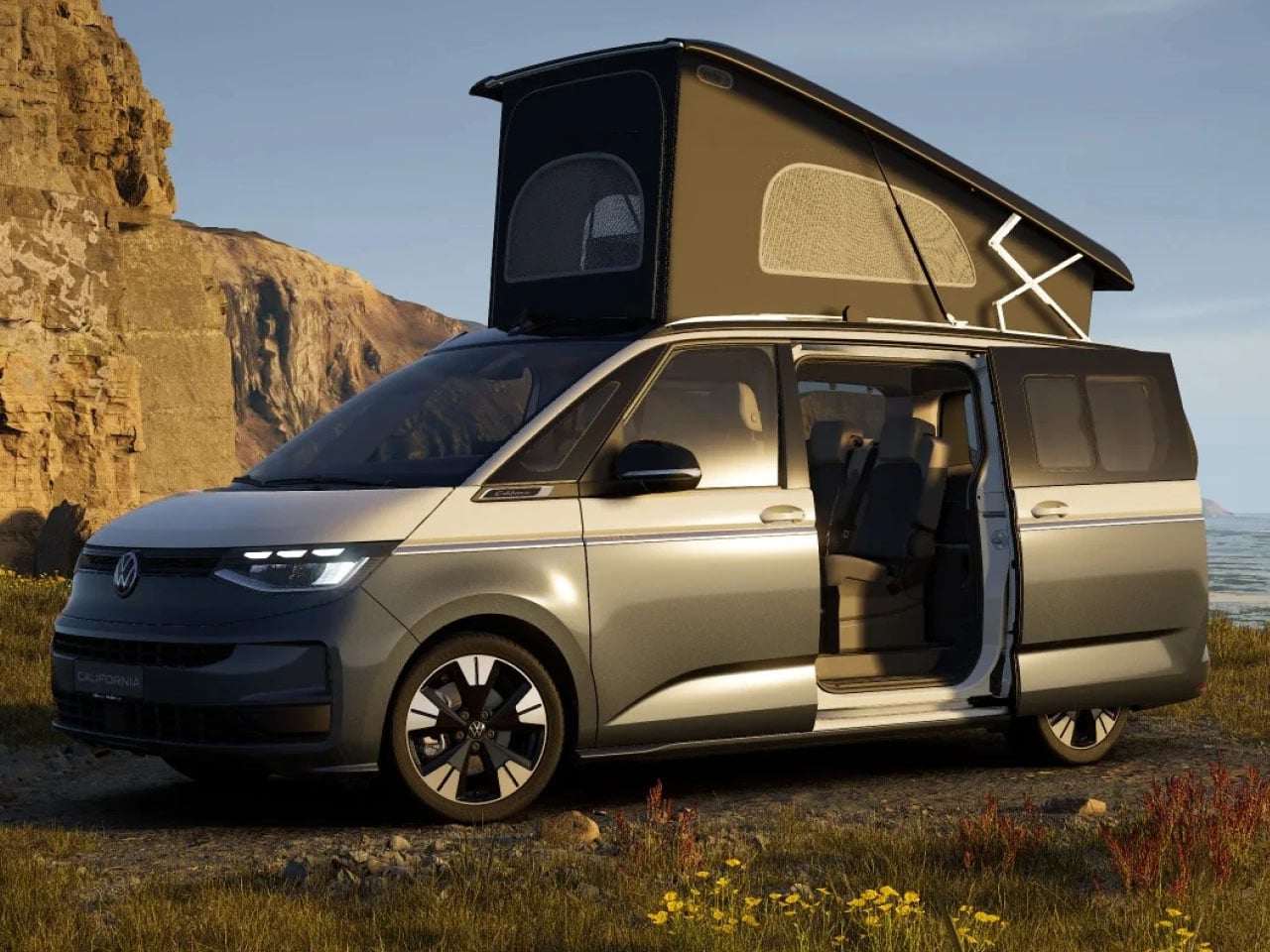
The cosmetic changes to the shape of the California render it a sharper appearance and feature power-latching sliding doors and tailgates. Before you lose the plot, Volkswagen has narrowed the campervan range to three new specifications titled the Beach, Coast, and Ocean. The Beach is the basic and the cheapest of them all, with 17-inch alloy wheels and heated front seats. The model features a manually operated pop-up roof, awning, and a sliding door on the passenger side with a mini-kitchen to prep food on the go.

Coast model packs all the basic features and builds on it with the addition of a larger kitchen, some cabinetry, a fridge, and large battery power. The top-of-the-line California Ocean comes with 18-inch alloy wheels, an electric pop-out roof, climate control, and ambient lighting. The new models come in 19 new colors across solid, metallic and two-tone paint options. These campervan models feature a 12.9-inch infotainment system that also works as the control center for everything from media and navigation to camping monitoring.

Specific to the new Volkswagen California, eHybrid 4MOTION is an electric stationary air conditioning system that can keep the campervan heated or electrically cooled for eight hours. The two latest California Coast and Ocean modes come with two rear seats that fold into a 78 x 43-in (198 x 108-cm) lower bed. They also feature new driver assistants: the Travel Assist system for assisted lane change and an integrated Emergency Assist, which, according to the company, “guides the vehicle to the hard shoulder or outermost lane in the case of the driver suffering a medical emergency.” All the interesting comfort and safety features onboard make this new California campervan the go-to choice for summer campers.


The post Volkswagen’s new 2027 California Campervan models with smarter features and prices starting at $72,000 first appeared on Yanko Design.

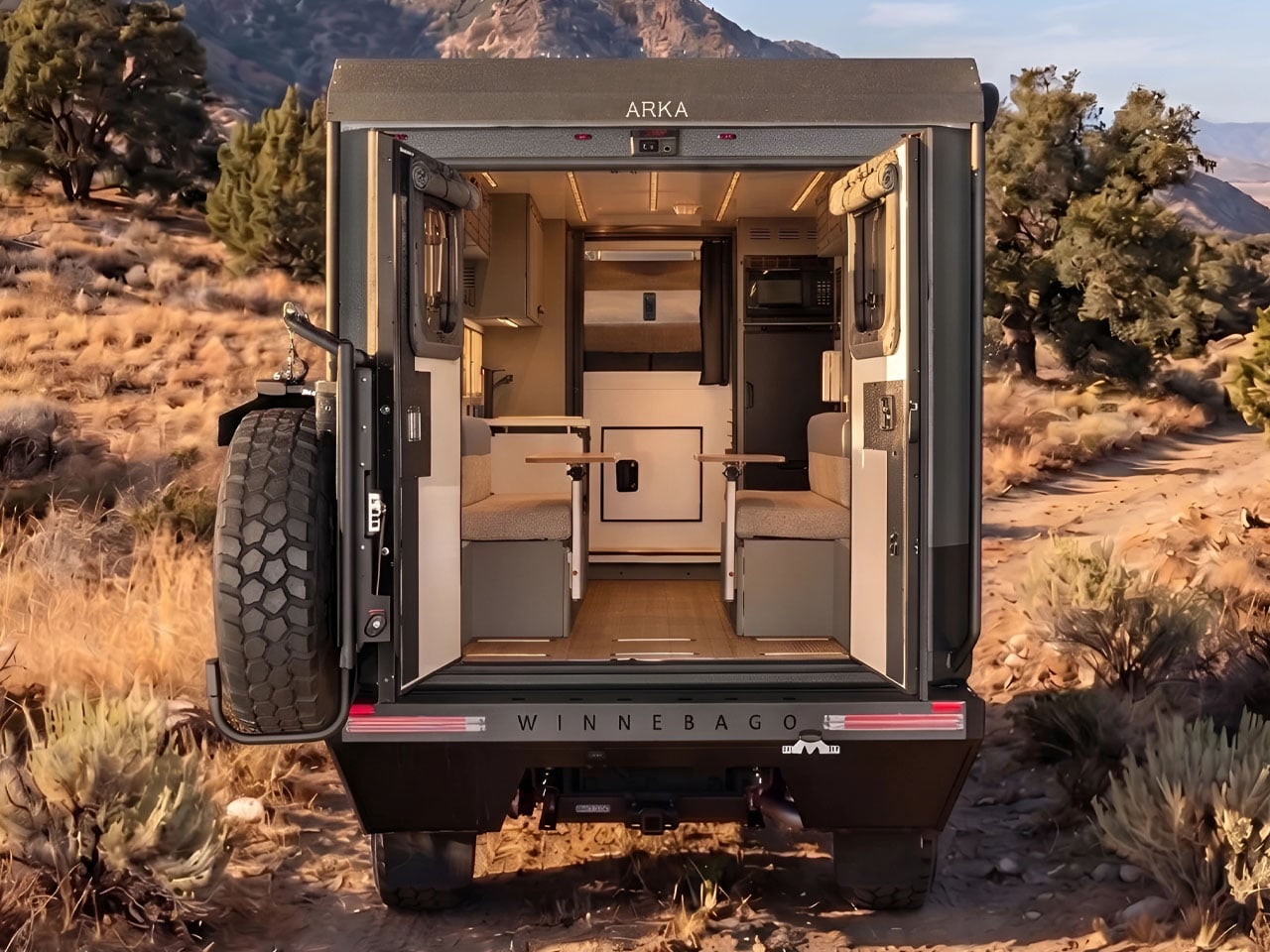
This 26-Foot Winnebago Adventure Truck Packs King Bed and 14-Day Off-Grid Power

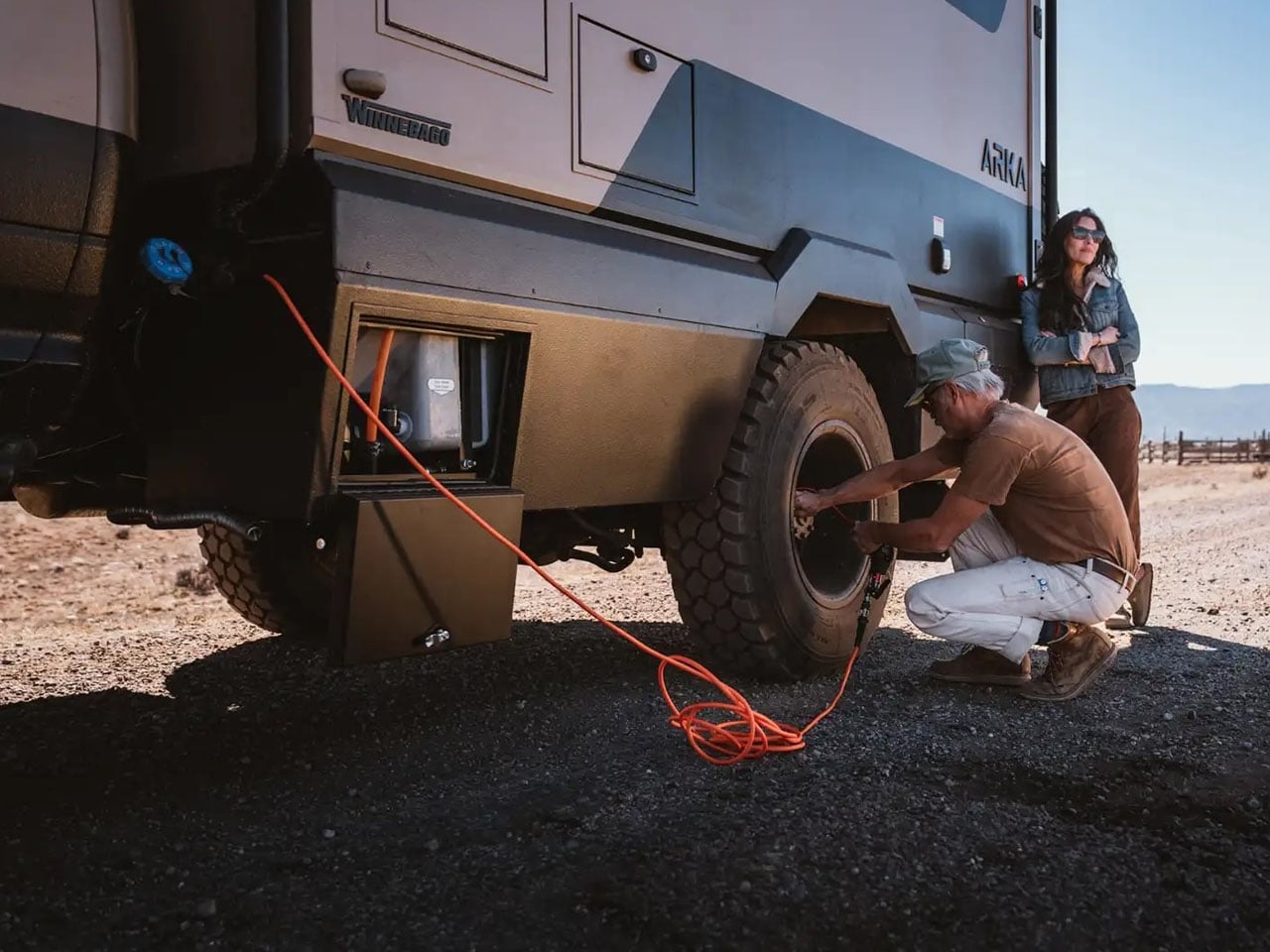
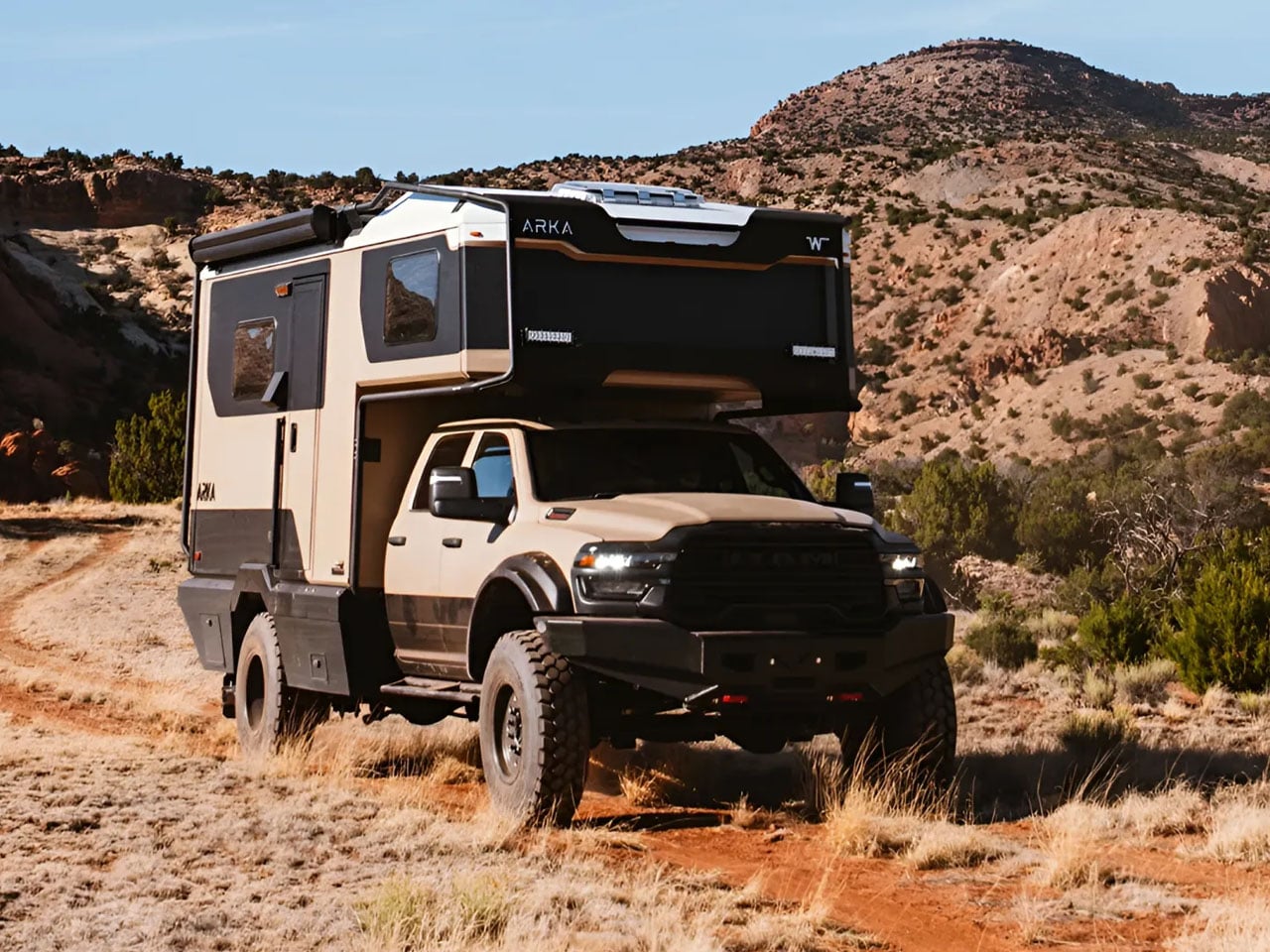
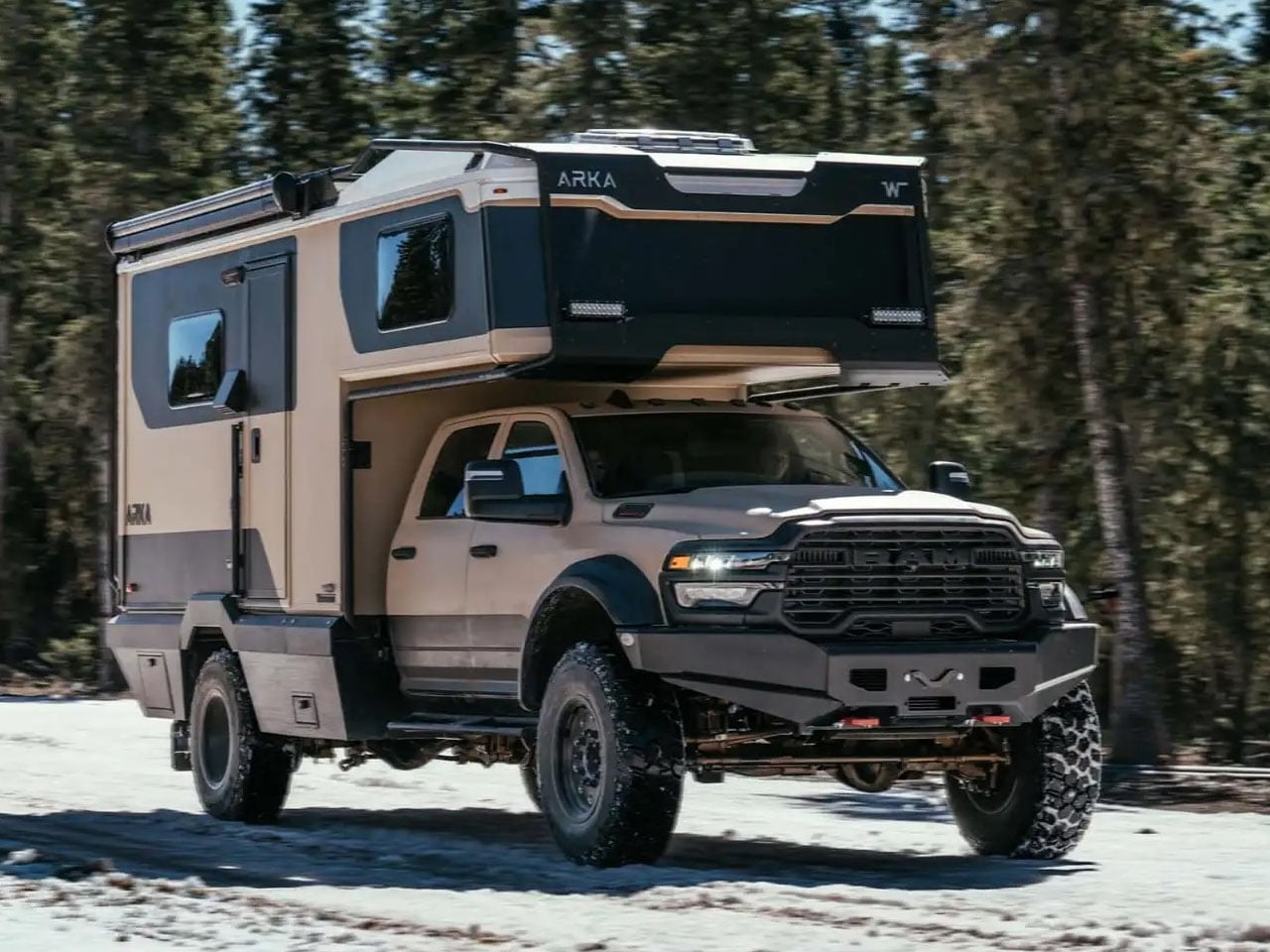
It’s not usual for brands to branch out of their niche and still rock the universe with the same effectiveness. Generally, there are incongruities here and there, but it’s not the case with Winnebago. The campervan genius that adventurers swear by, is this time around, venturing out of its comfort zone with a fully equipped overlanding adventure truck it calls the ARKA 20Z.

ARKA is definitely not the first time Winnebago has experimented with adventure rigs designed for extended stays away from the paved roads. However, how it’s been built ground up and from what’s packed into it, ARKA is the first proper overland adventure truck from Winnebago that serious overlanders wouldn’t want to ignore.

Designer: Winnebago

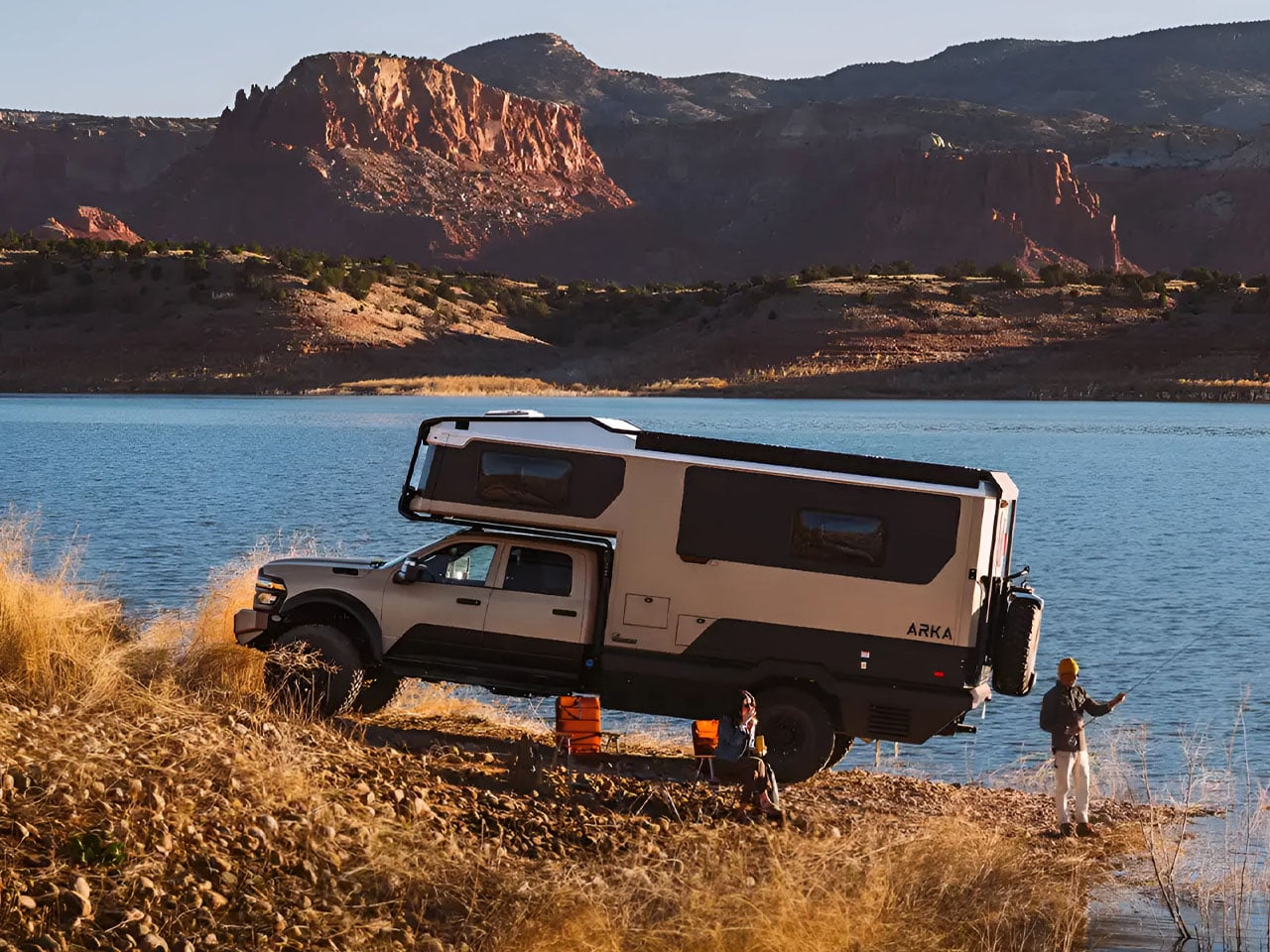
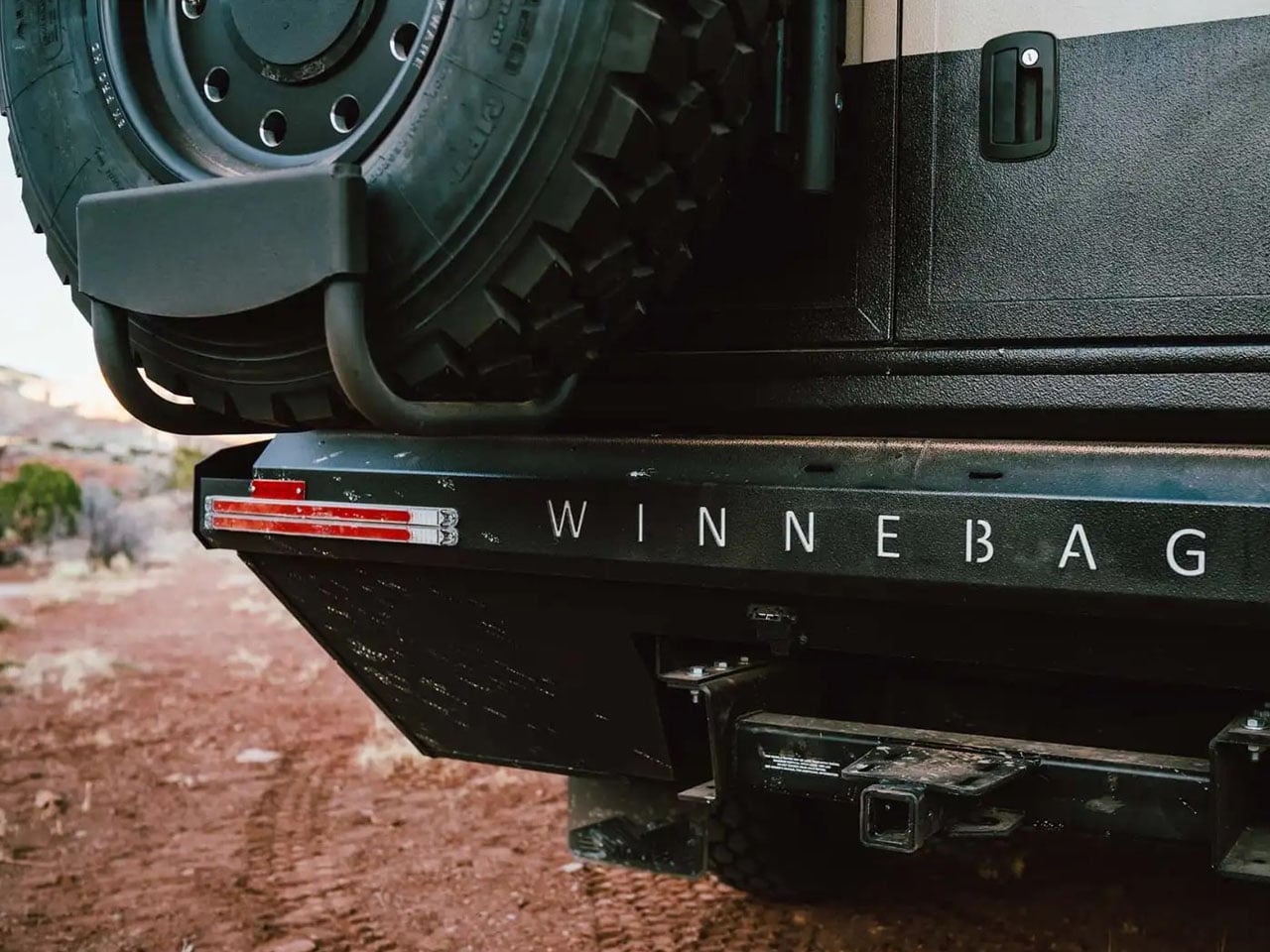
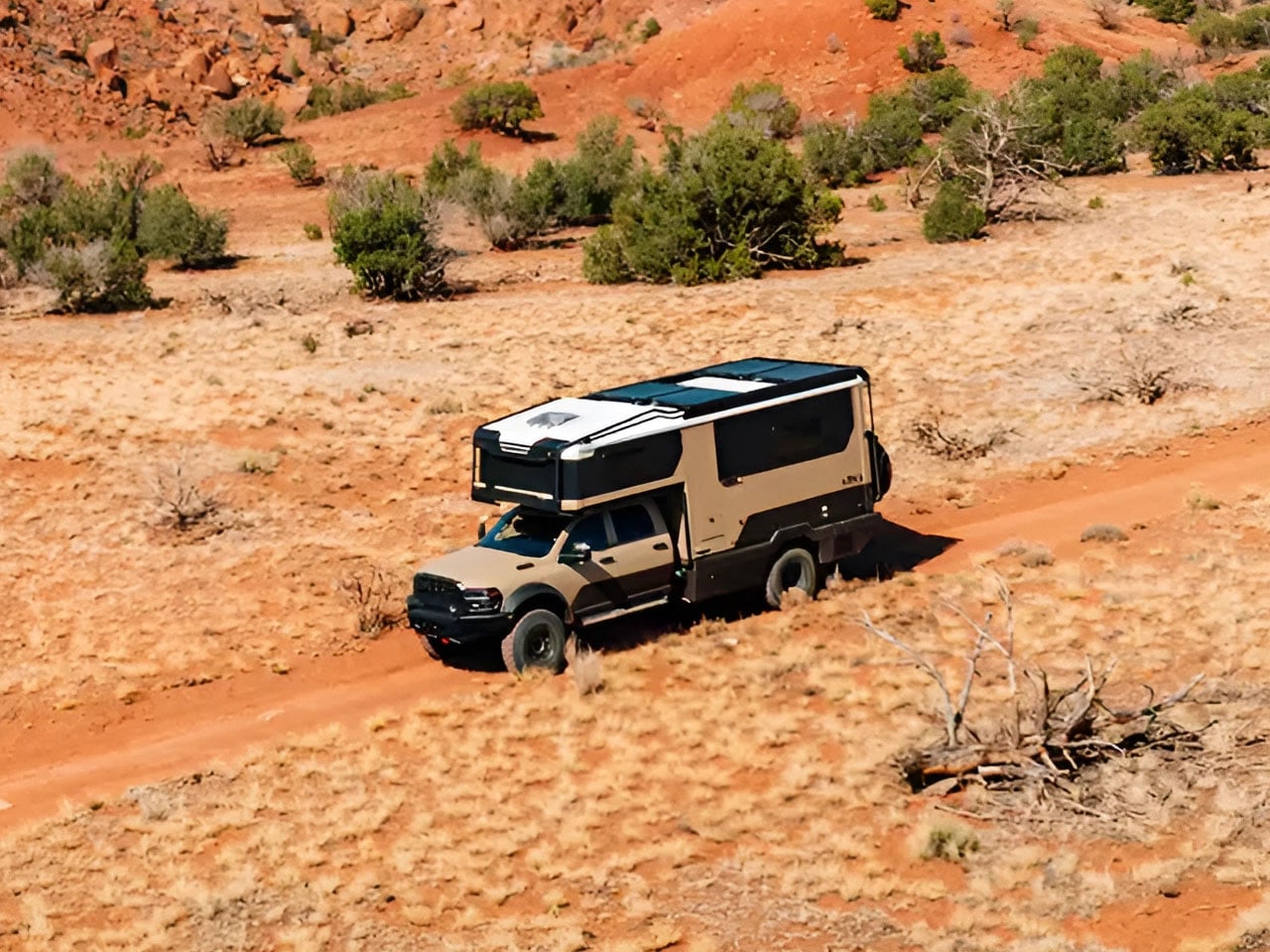
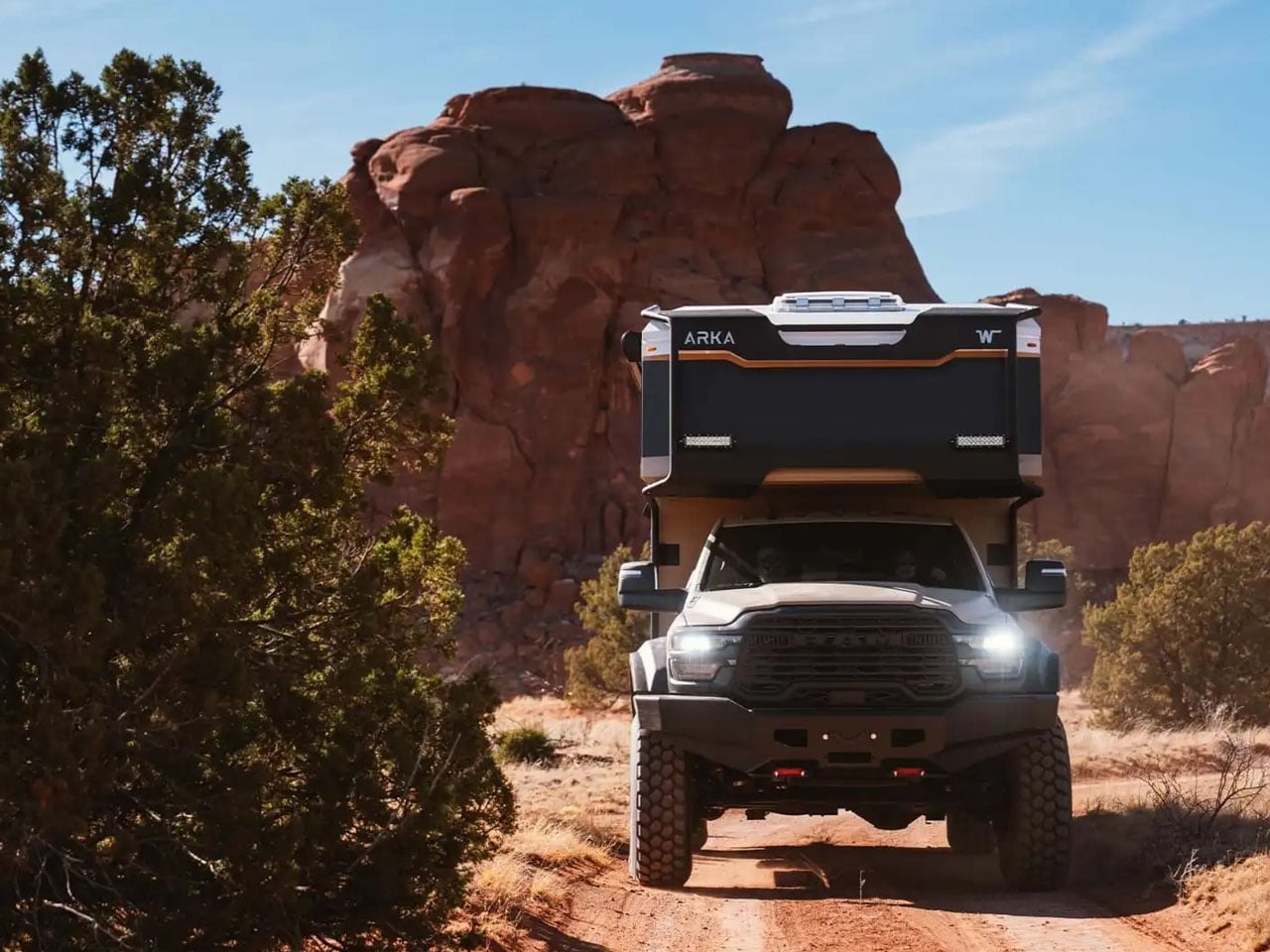
To start with Winnebago has based the ARKA 20Z on the heavy-duty Ram 5500 4×4 crew cab. It features a Cummins 6.7L Turbo diesel engine with an 8-speed automatic transmission and is complemented by a set of 41-inch tires to go anywhere your adventure takes you. Robust in appearance, the adventure truck is 26 feet 7 inches long and features fiberglass construction right from the hatch to the over-cab space.

It’s not meant to be lightweight; it’s designed for the ruggedness necessary for the overlanding expeditions. Understandably then, the ARKA has a 19,500-pound GVWR. It has a 15,000-pound hitch capacity and is packed with 48V energy architecture and serious off-grid spec to justify its readiness for the expedition territory it envisions to ride into.

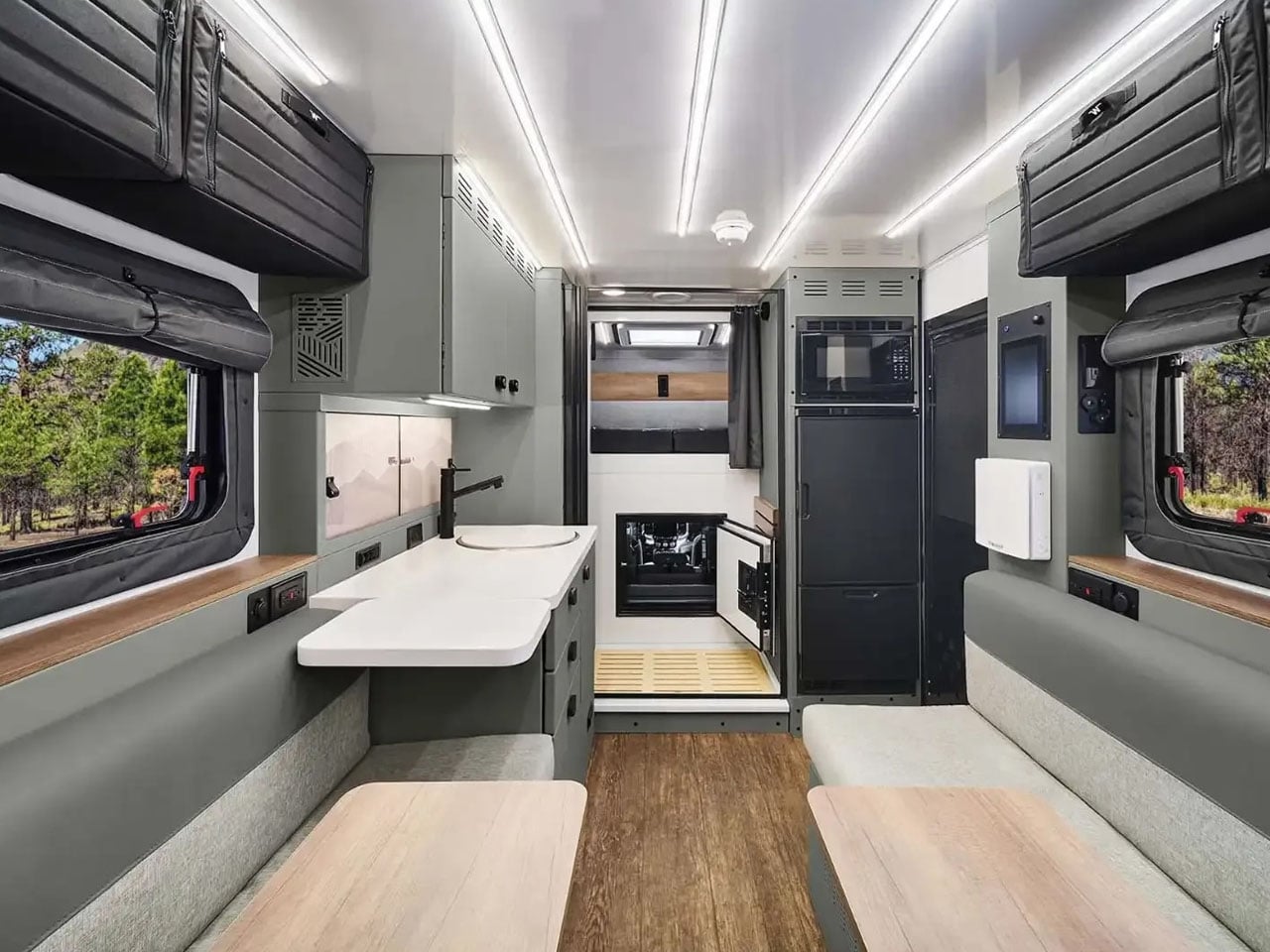
The interior of Winnebago’s new RV is outfitted in a choice of two decor options: dark gray and the company’s preferred river stone color. Its single molded fiberglass shell allows all-season exploration. According to the company, the roof and floor feature R-15 insulation, while its walls have a thermal resistance rating of 12. When you are on that off-grid, off-road setting, you need your RV to deliver. Winnebago has considered this strictly in the construction of the ARKA. “It doesn’t come with things that you don’t need in your everyday adventures,” the company explains.

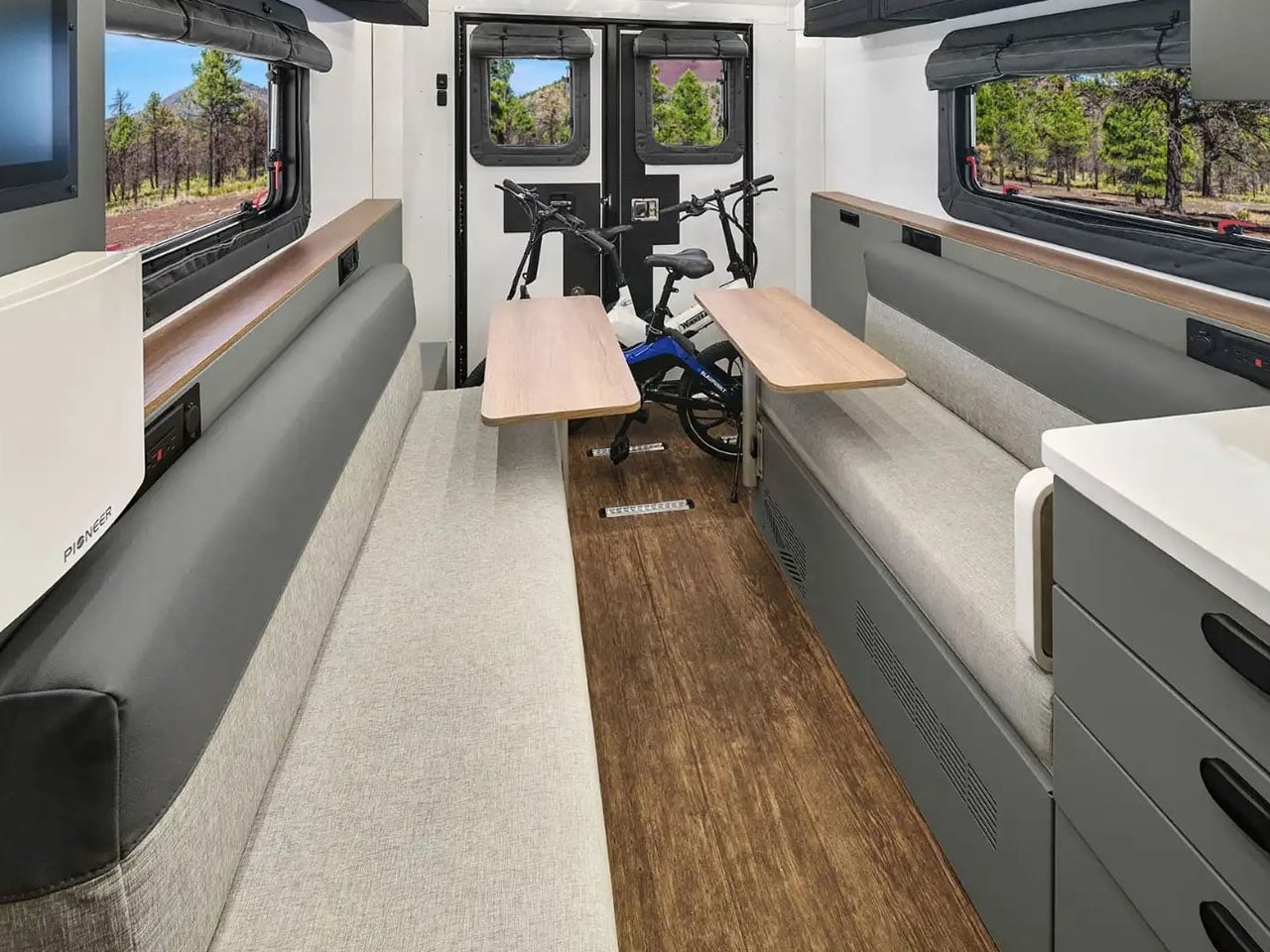
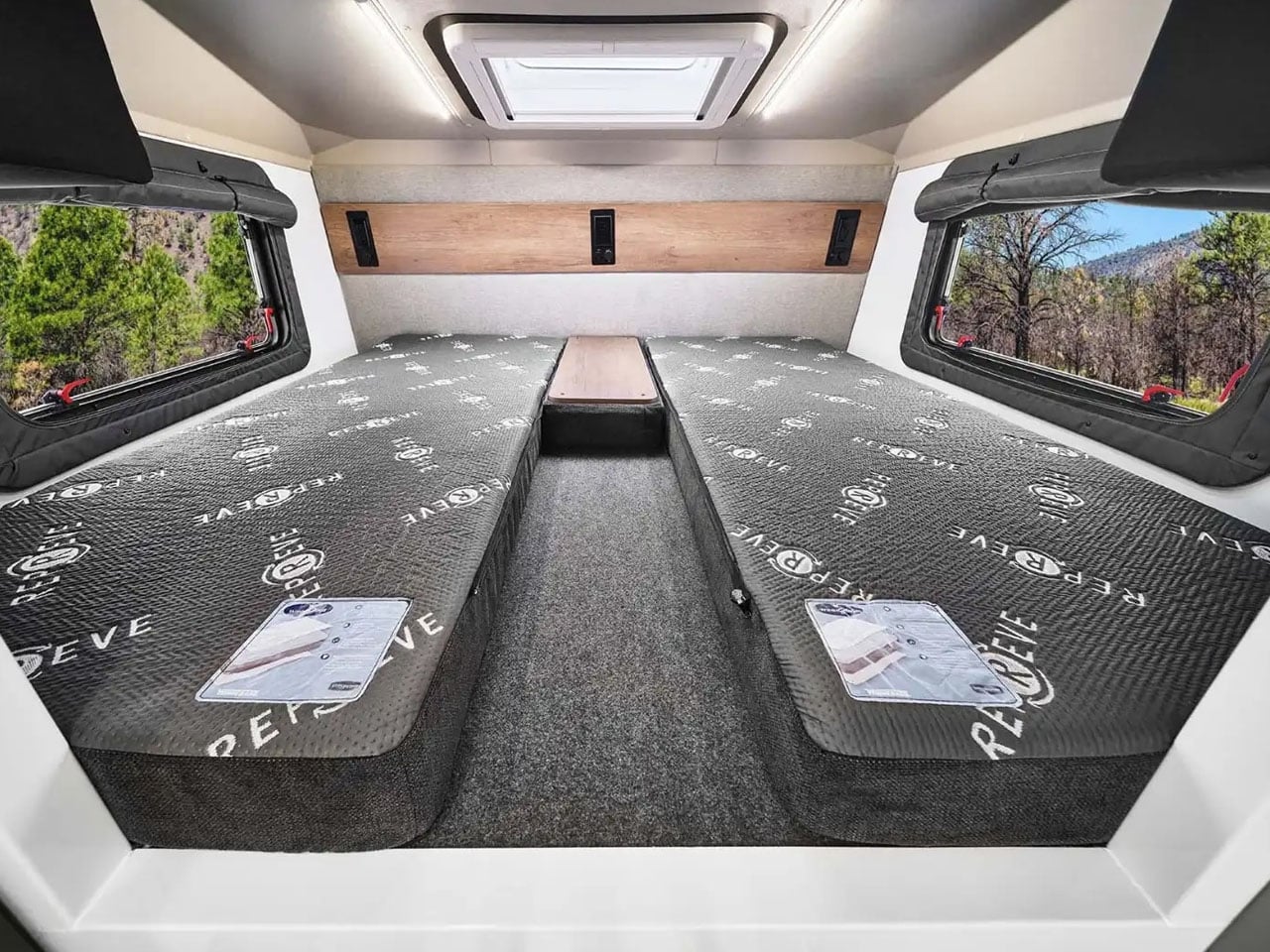
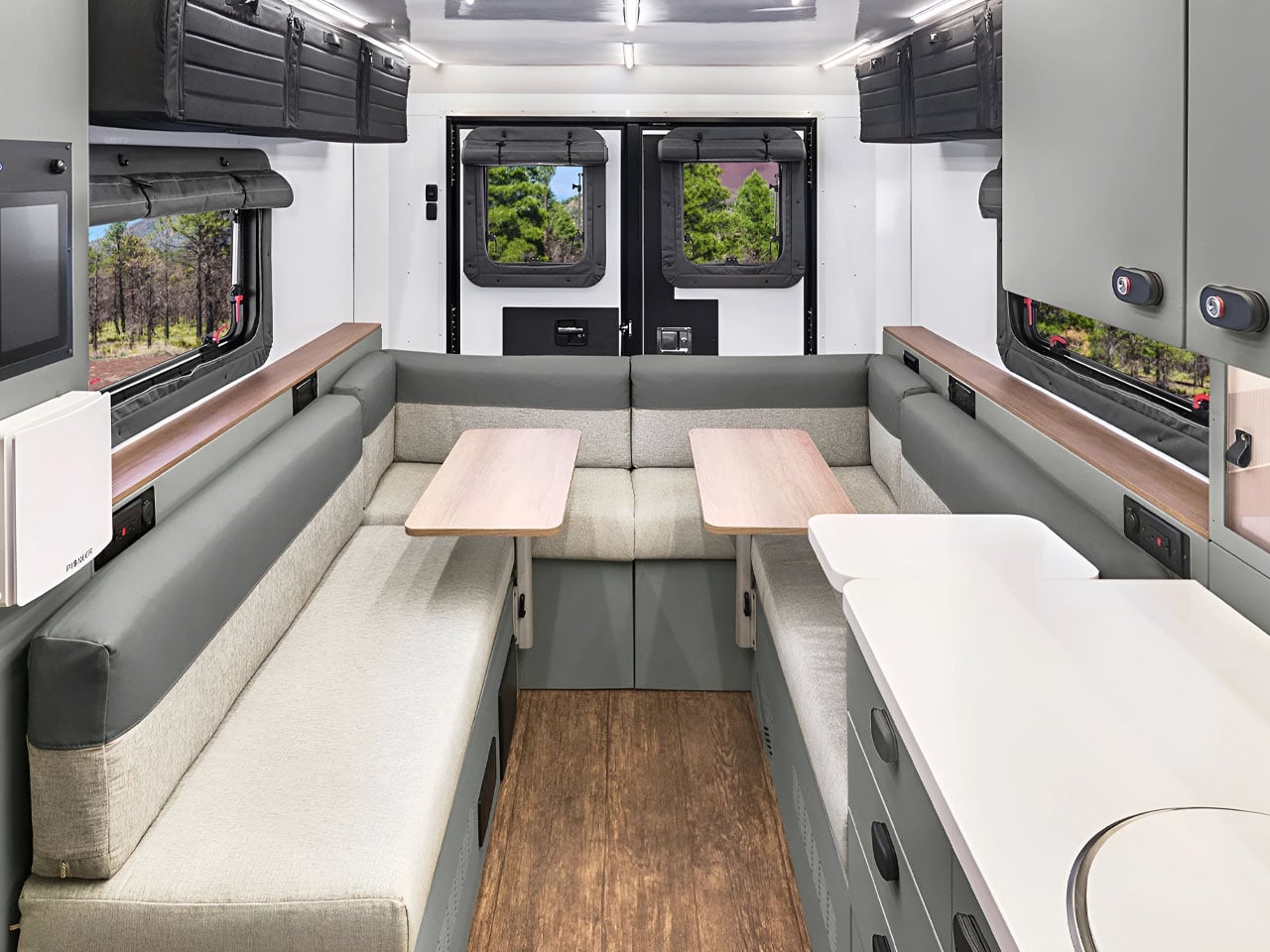
Therefore, the interior is furnished for usability alone. The cab-over space features a surprisingly spacious bedroom. You get a king-sized bed here that, depending on choice and requirement, can convert into queen-size or twin-size beds. Hydronic heating runs along the floor of the motorhome and its rear U-shaped dinette converts into an additional, spacious sleeping area. The ARKA is therefore marketed to sleep up to four people conveniently.

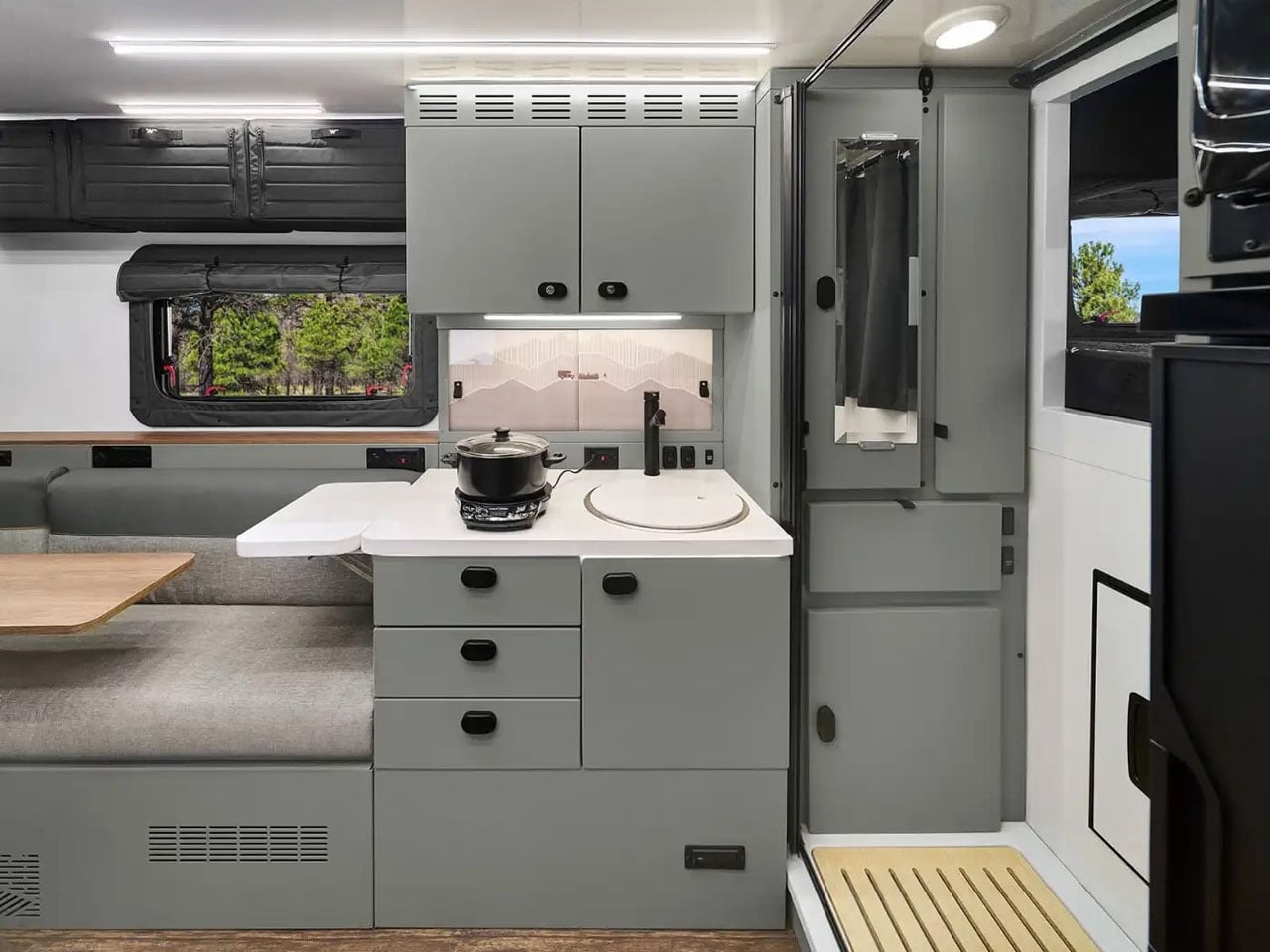
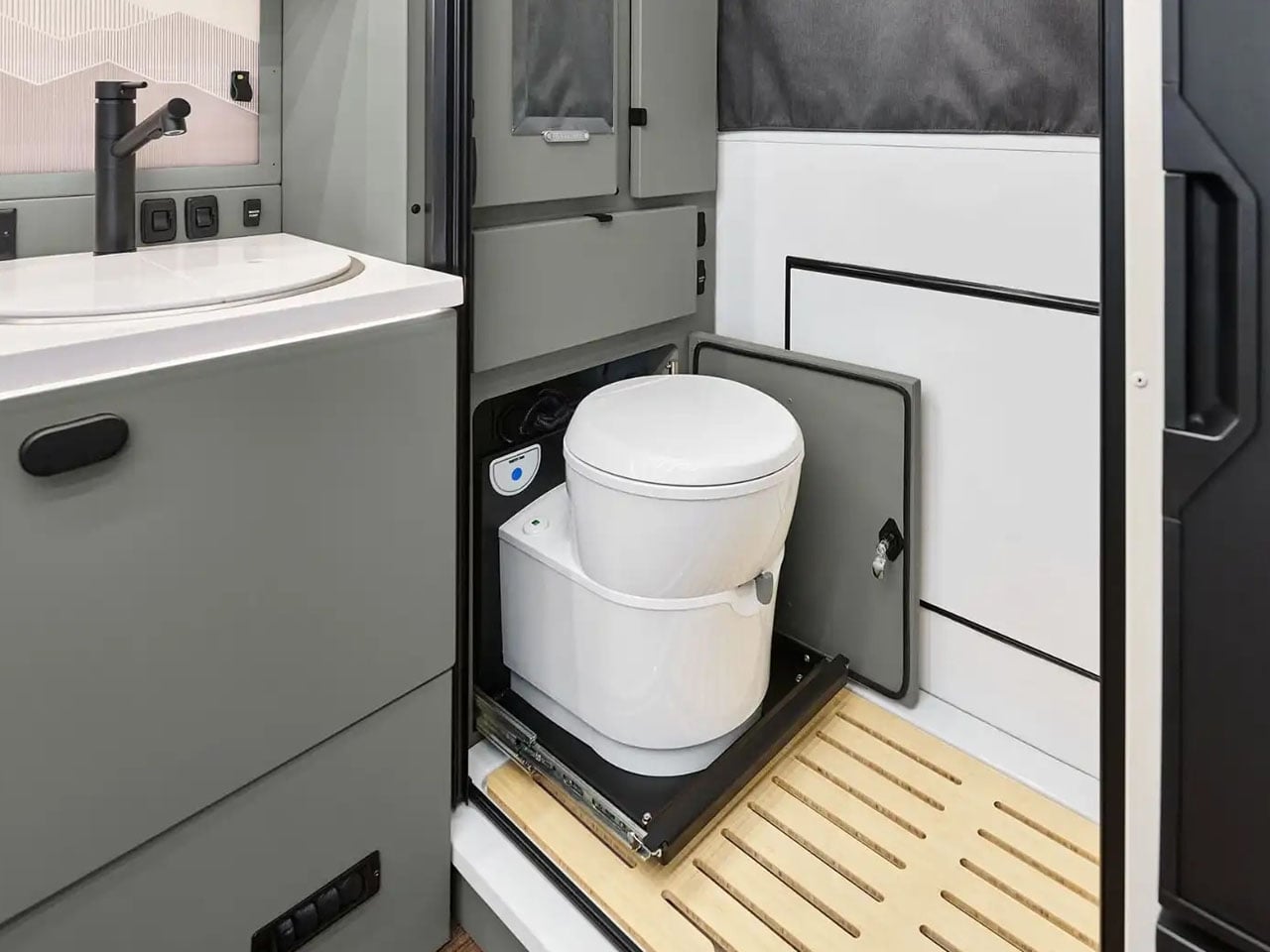
The adventure rig is powered by up to 16.8kWh of lithium battery. A rooftop 800W solar panel (expandable up to 1,200W) feeding a 3,600W inverter runs the backup. Winnebago says ARKA can stay convenient off-grid for 14 days without the AC, with the power options and the 60-gallon heated freshwater tank. The truck galley is equipped with a portable induction cooktop and a refrigerator. And the dry bath with 76-inch shower height and insulated gray water tank completes the fully-equipped Winnebago adventure truck that will set you back $332,000.


The post This 26-Foot Winnebago Adventure Truck Packs King Bed and 14-Day Off-Grid Power first appeared on Yanko Design.
Ari 458 Pro is Germany’s smallest electric camper and we love its approach

It’s rare to come across a capable mobile living unit built onto the back of a Midsize Light Commercial Vehicle (LCV). The versatile delivery truck platform has the power and capacity to carry a living unit, but it’s not a preferred conversion choice for obvious reasons: It wouldn’t go beyond the convenient city and semi-urban paths.

If you’re someone who is content with camping in designated sites and parks at accessible distances over a weekend; the Ari 458 Pro electric camper van is tailored for your ‘compact, efficient and consistently sustainable’ lifestyle. For those who prefer the rugged wilderness, look over for other options.

Designer: Ari Motors

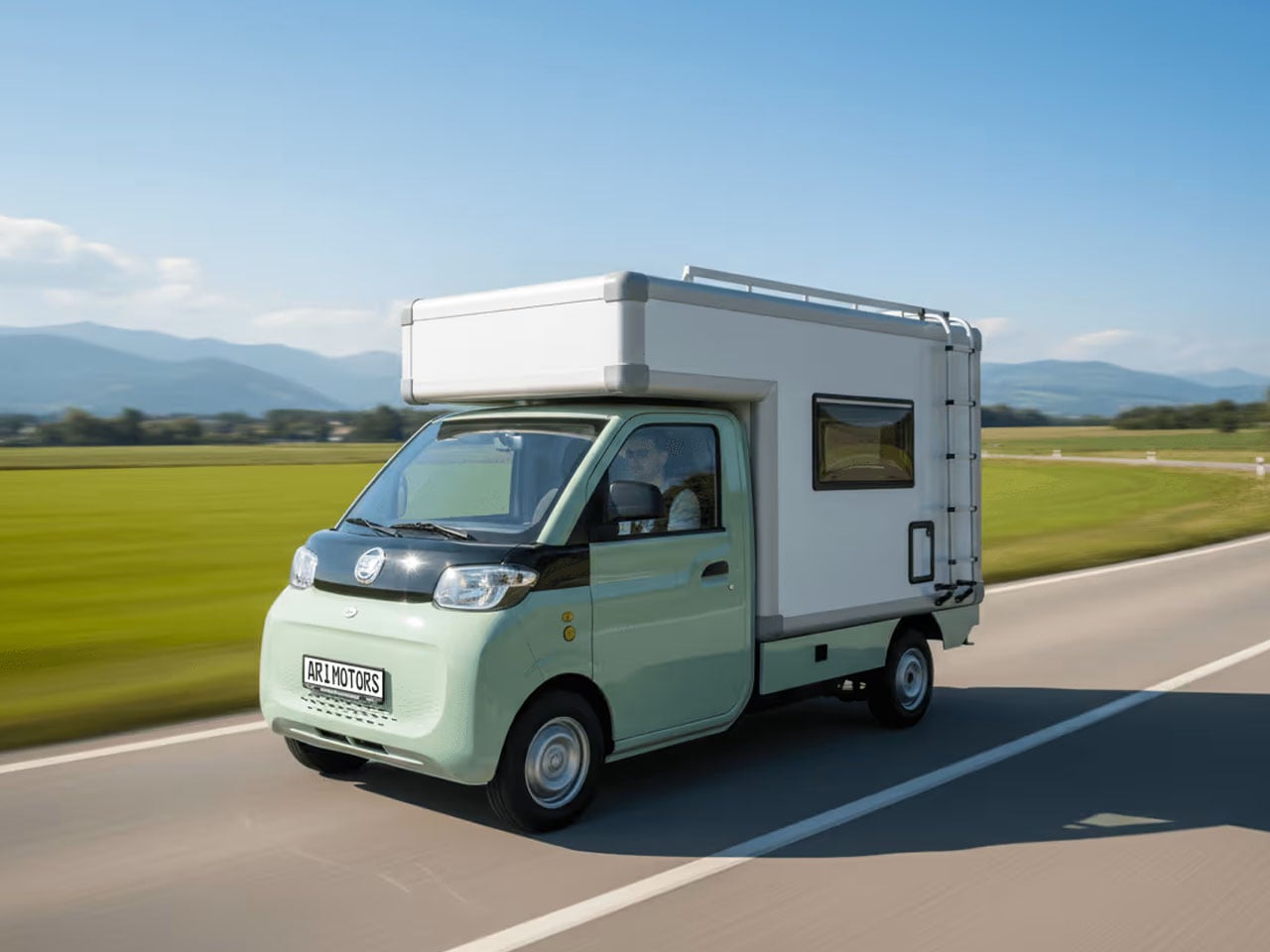
Created in Germany by Ari Motors, the Ari 458 Pro doesn’t have the rugged appearance: It’s not meant to be a mean adventure rig. The docile appearance may not be German, but the quality of what you get onboard the motorhome – space-saving design with maximum flexibility for living and traveling – is definitely German, if you know what I mean.

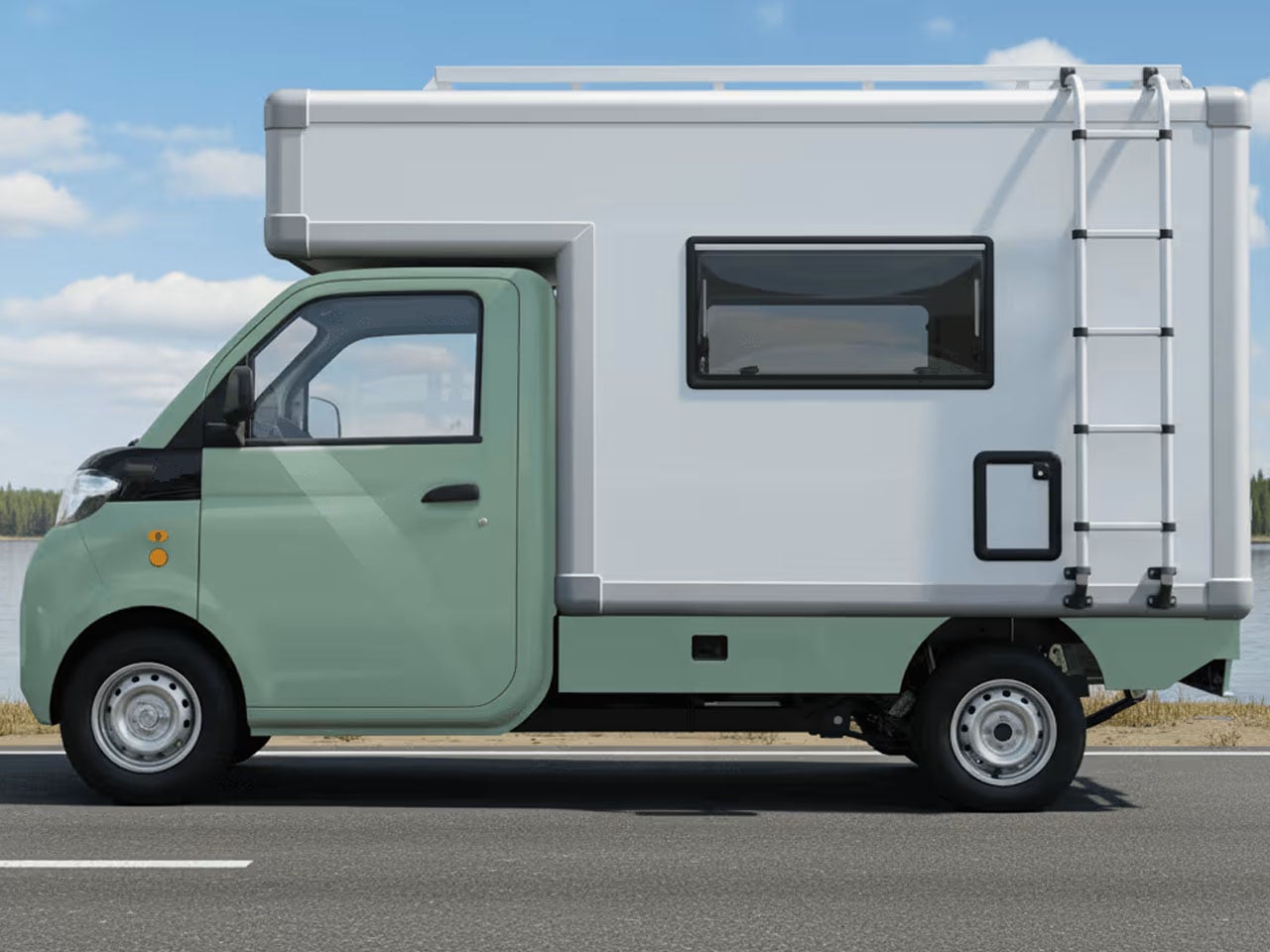
Designed to be Germany’s smallest electric camper van out there, Ari 458 Pro is created keeping in mind adventurers and family campers interested in short vacations. The mini-camper with 30 square feet of living space has a top speed of 70 km/h (44 mph) and about 230 kilometers (143 miles) range. It draws power from a solitary 23.5kWh electric motor, which produces up to 20 horsepower.  A choice of 15kWh battery is also available. It will perhaps reduce the range from 143 to roughly 112 miles.

It comes based on a resilient chassis with an integrated power supply, solar and water systems, while the interior is left out as a blank canvas for the individual to customize to their different requirement. Users can choose to customize the 12.5 feet long, 4.9 feet wide, and 6 feet high (headroom) camper interior from a minimalist solution for sleeping to a fully-equipped home with kitchenette, storage, couch, bed and other necessities.

Created small and compact, the Ari 458 Pro camper van can park conveniently in any parking space, and as the company says, ‘fit narrow roads where larger motorhomes cannot go.’ Its cockpit is interestingly furnished with two seats, a digital display, and a reversing camera to ensure safety. The camper van is currently available in Germany and is priced at €30,381 ($35,100). We do not have a word on the Air 458 Pro’s international availability, but for the interested, the Ari 458 Pro is available in the country in over 30 different variants: food truck, box van, flatbed, tipper, or even a compact garbage truck. These configurations start at €15,790 ($18,200).


The post Ari 458 Pro is Germany’s smallest electric camper and we love its approach first appeared on Yanko Design.
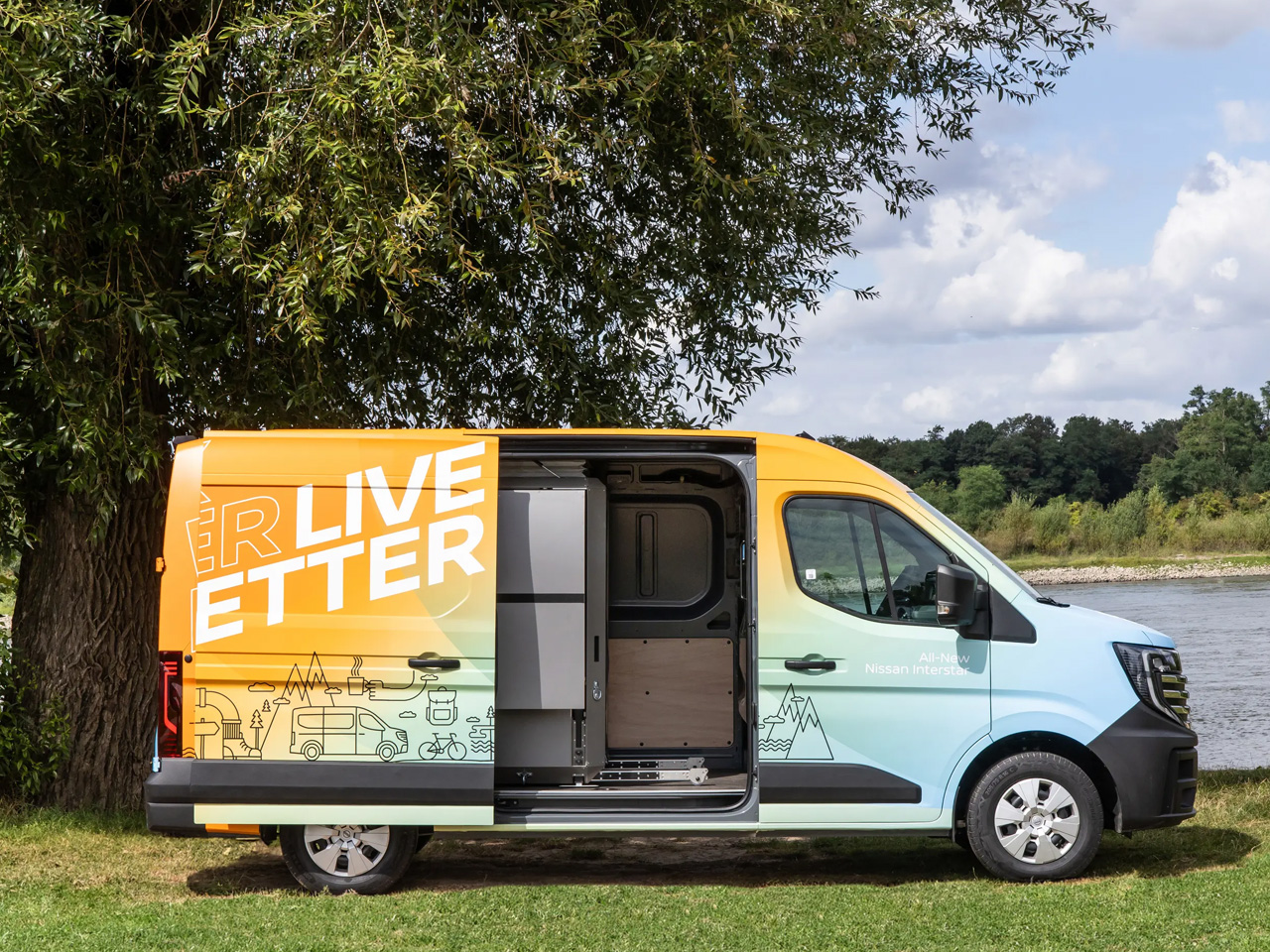
Nissan Interstar converted into comfortable camper van with adaptable living module from PlugVan

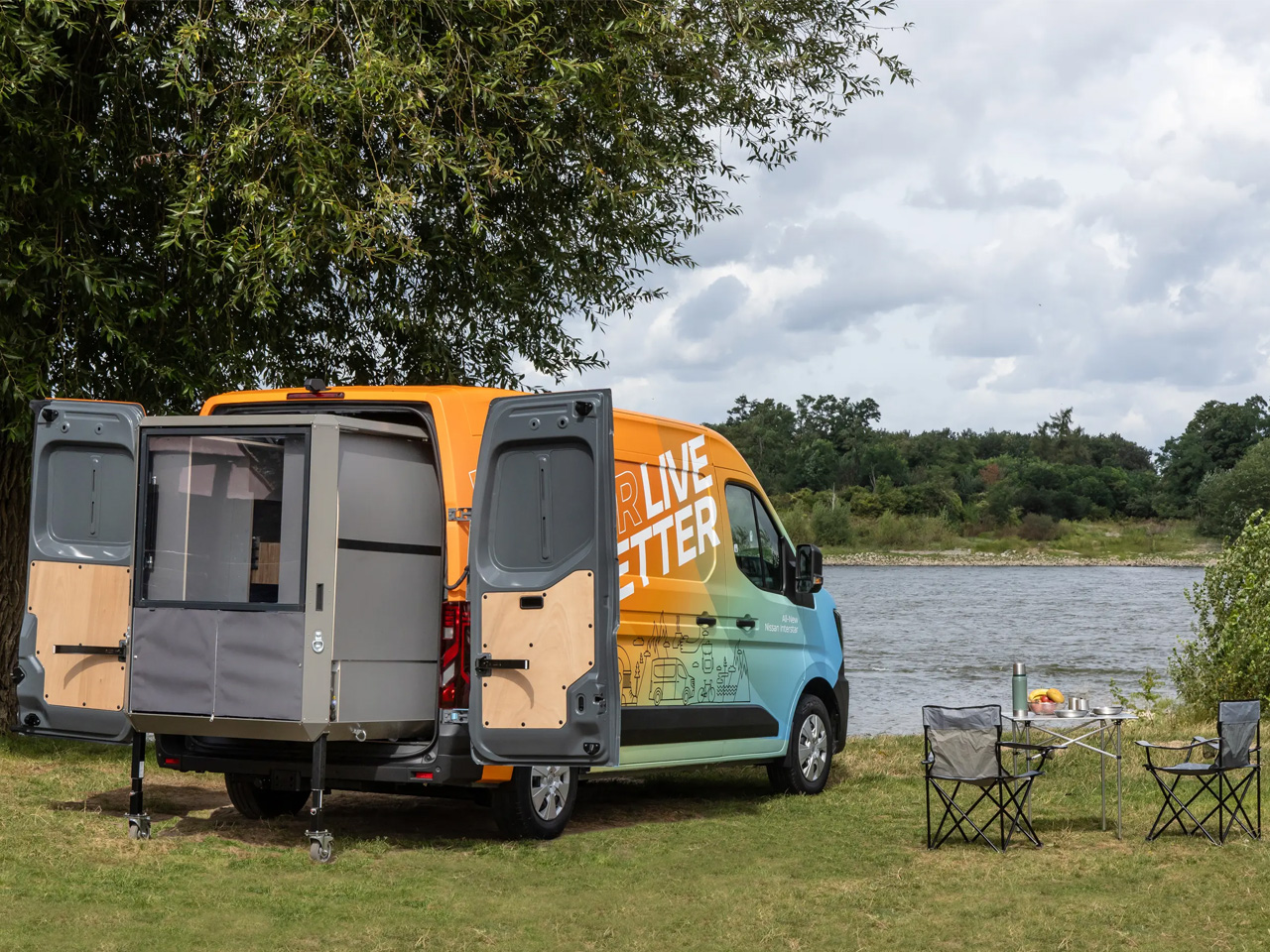
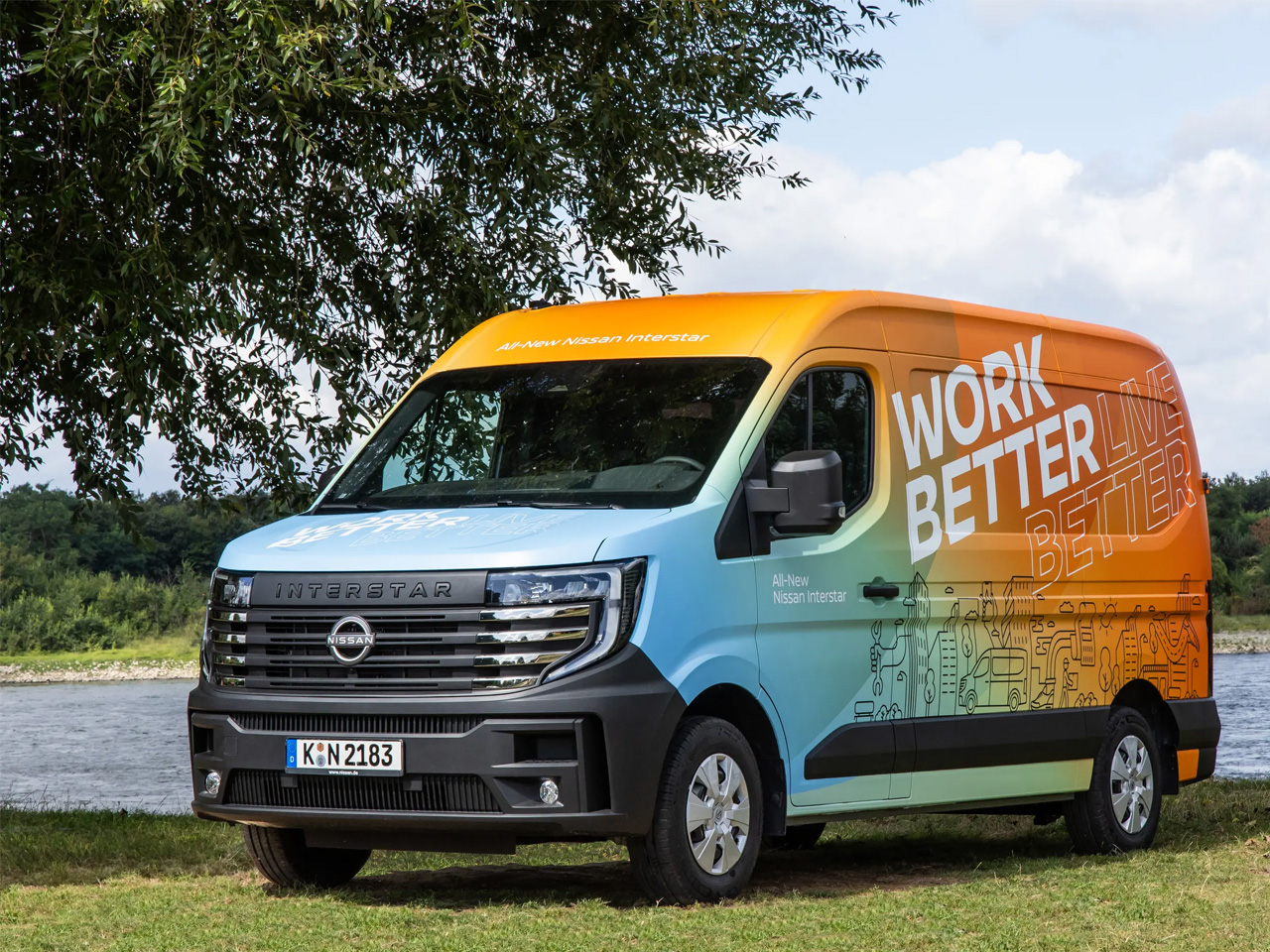
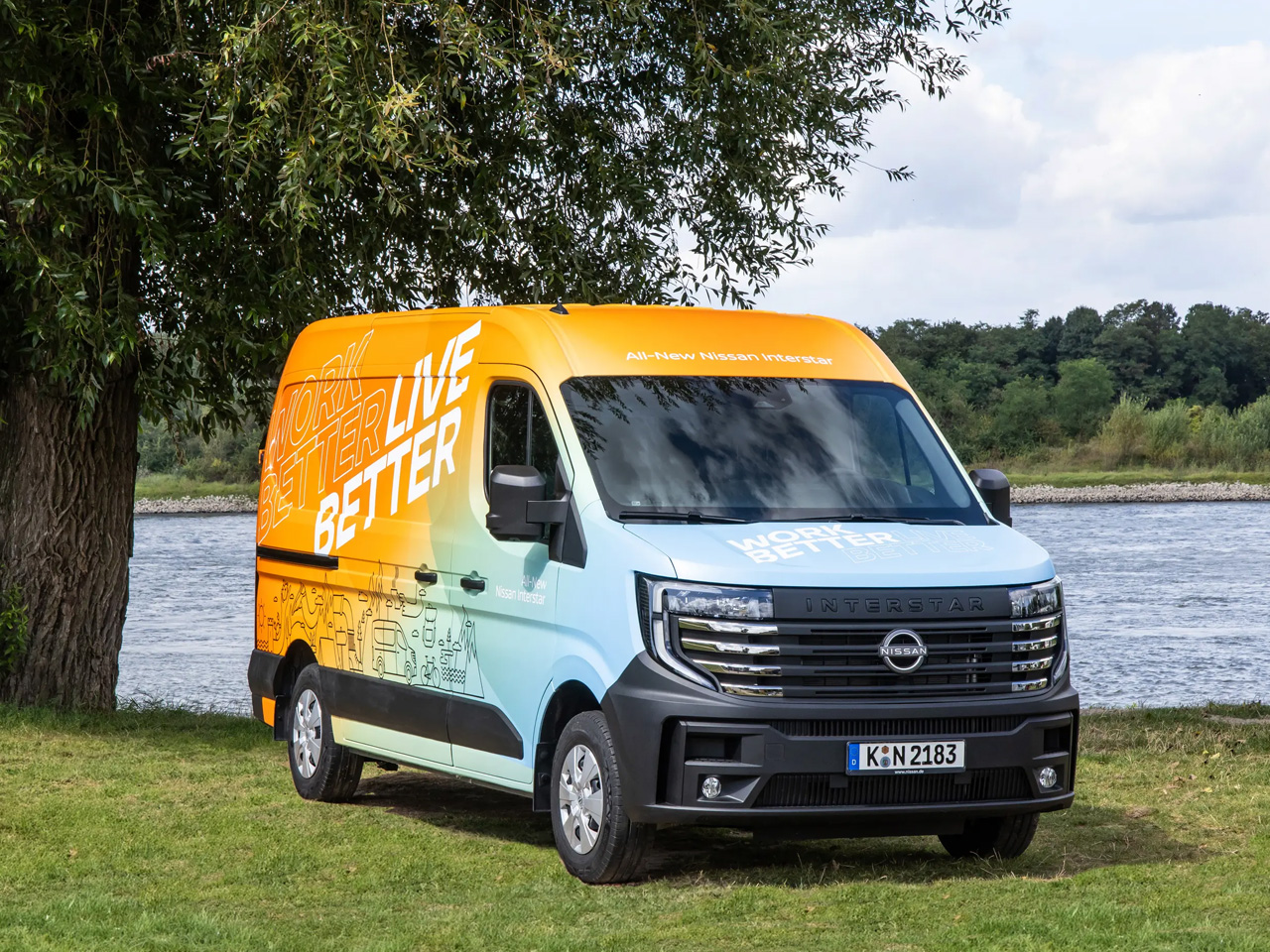
Camper vans have come of age. There are liveable vans for all types of adventure and camping enthusiasts, but do not have much for the tradesmen. Nissan is breaking the norm with the introduction of the Interstar converted into a camper van using a slide-in conversion module from its new partner, PlugVan based out of Germany, which allows the Nissan van to be used as a camper over the weekend and turned effortlessly into a commercial cargo van over the weekdays.

Interstar is one of the larger vans from Japanese automobile manufacturer that is easily customizable to user requirements thanks to its availability in different range of wheelbases, body sizes, and payload capacities. Now at the Caravan Salon 2024 in Düsseldorf, Germany, Nissan is not going to just reveal the Interstar, but will show its camper van abilities using the new PlugVan camping module.

Designer: Nissan

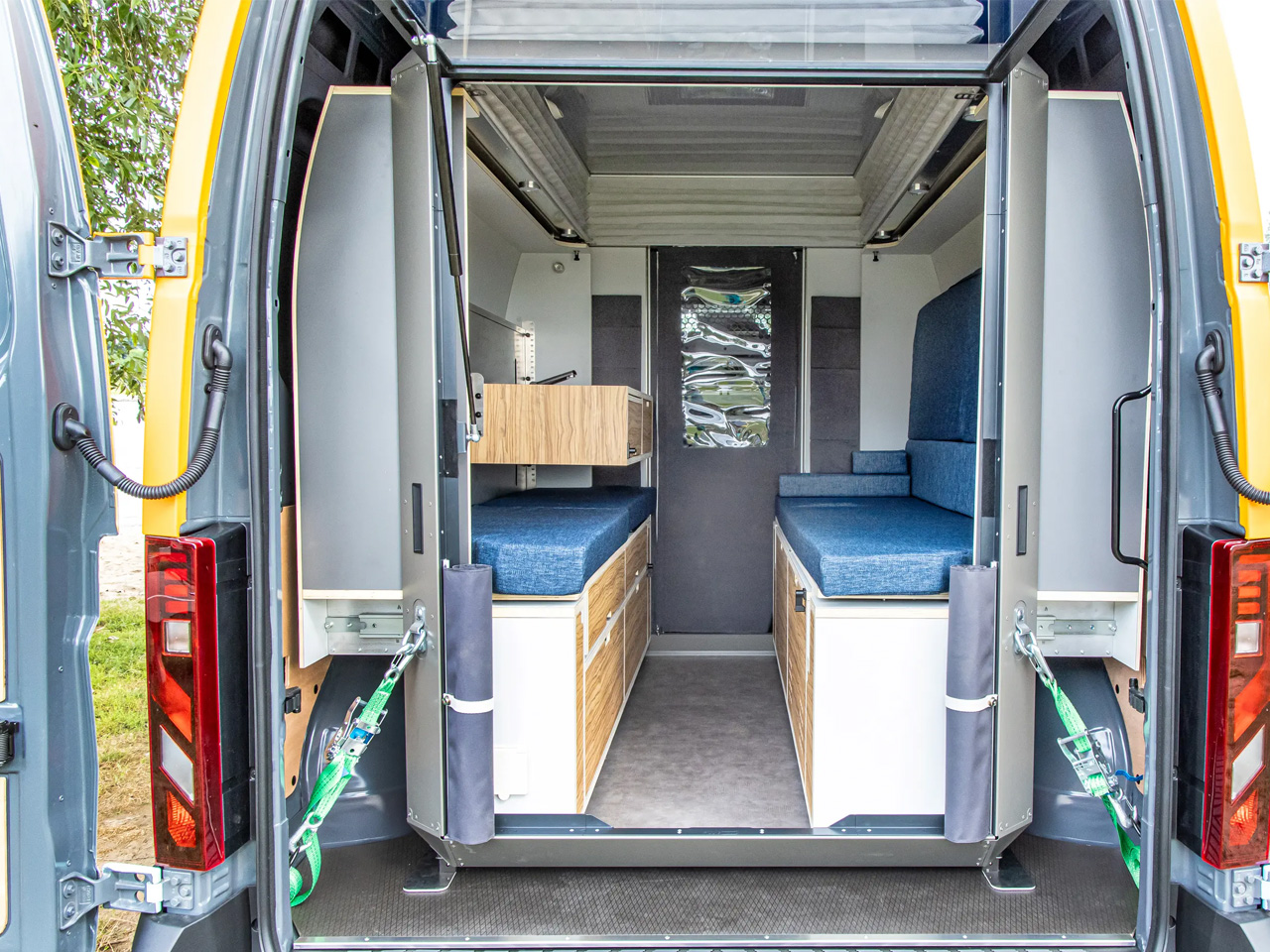
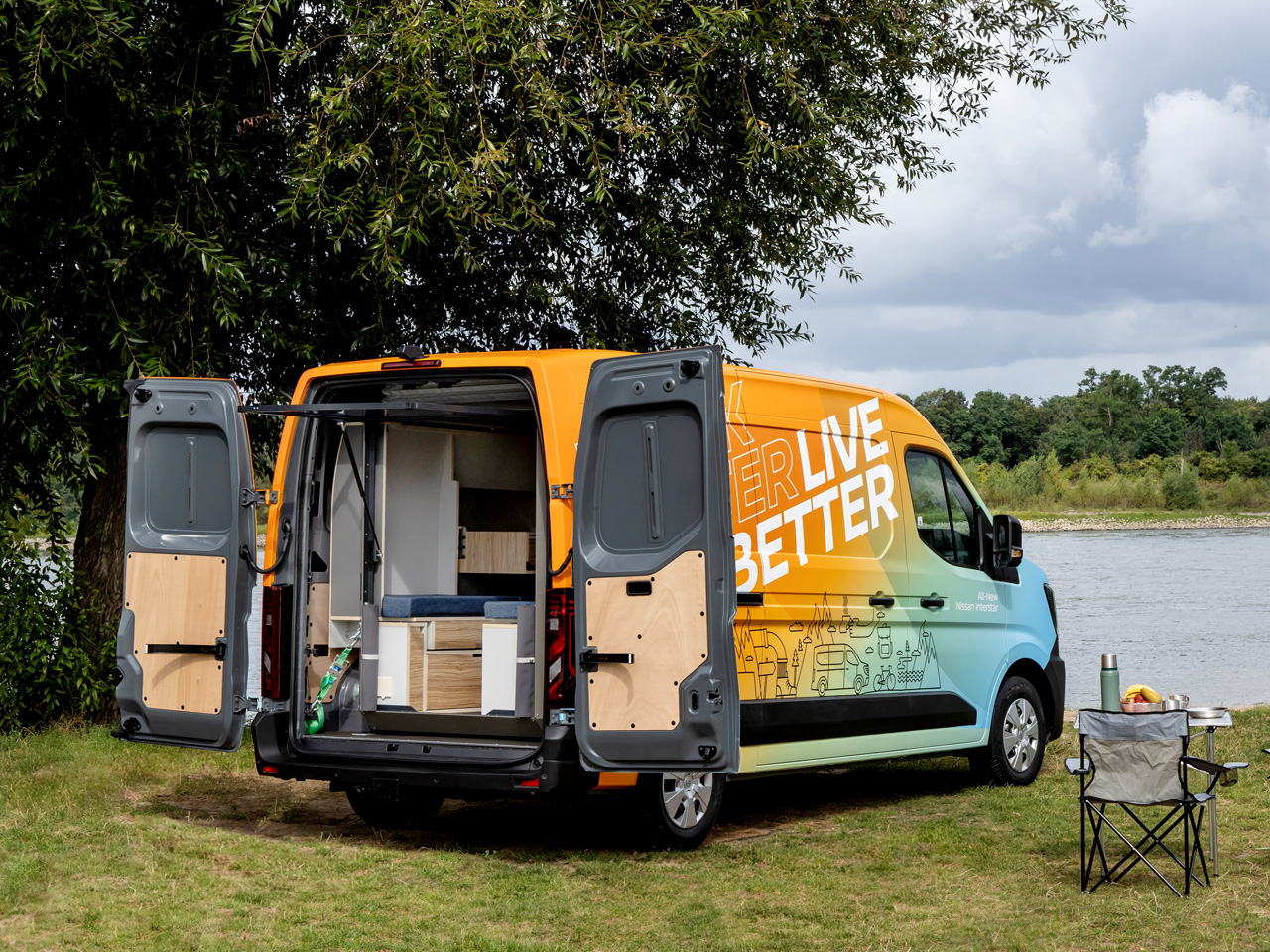
From how it appears, the PlugVan camper-in-a-box for the Nissan Interstar can be installed and removed from the vehicle in minutes. With the camper module onboard, it is ready for a tiresome adventure, and when you take it down it is your everyday back-to-work van. The cleaver conversion module therefore transforms the Interstar in a few steps thanks to its detachable and height-adjustable form factor.

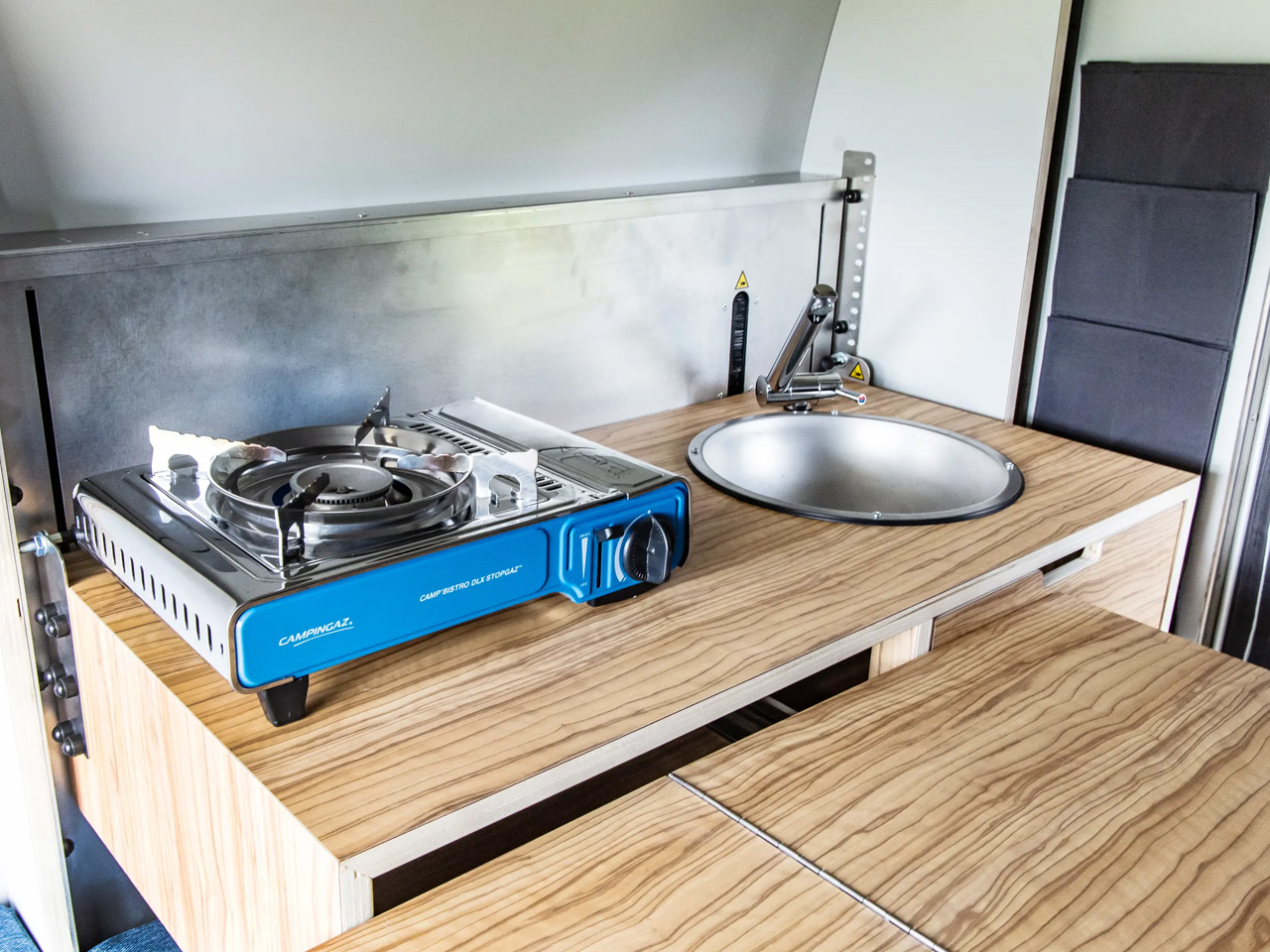
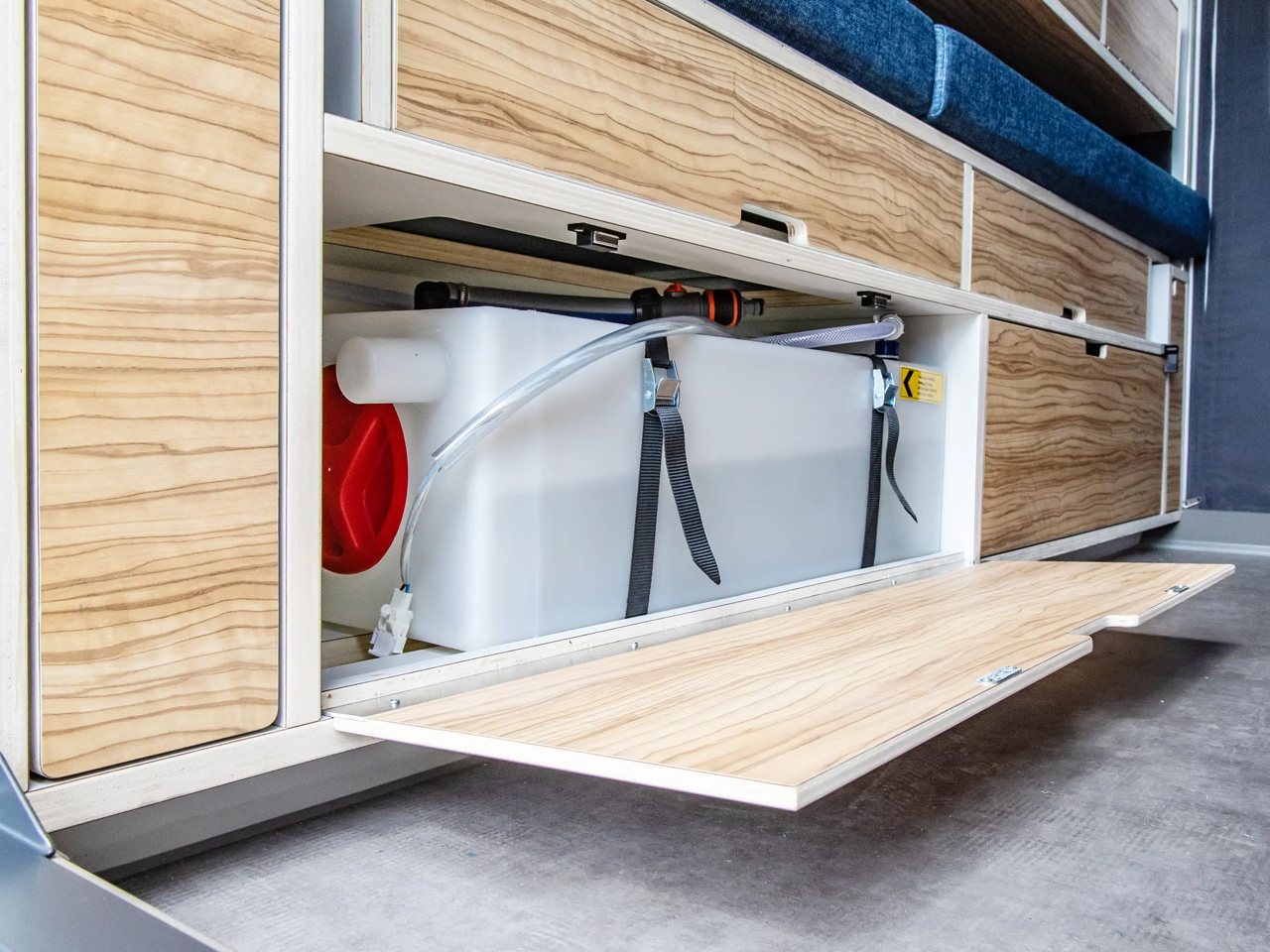
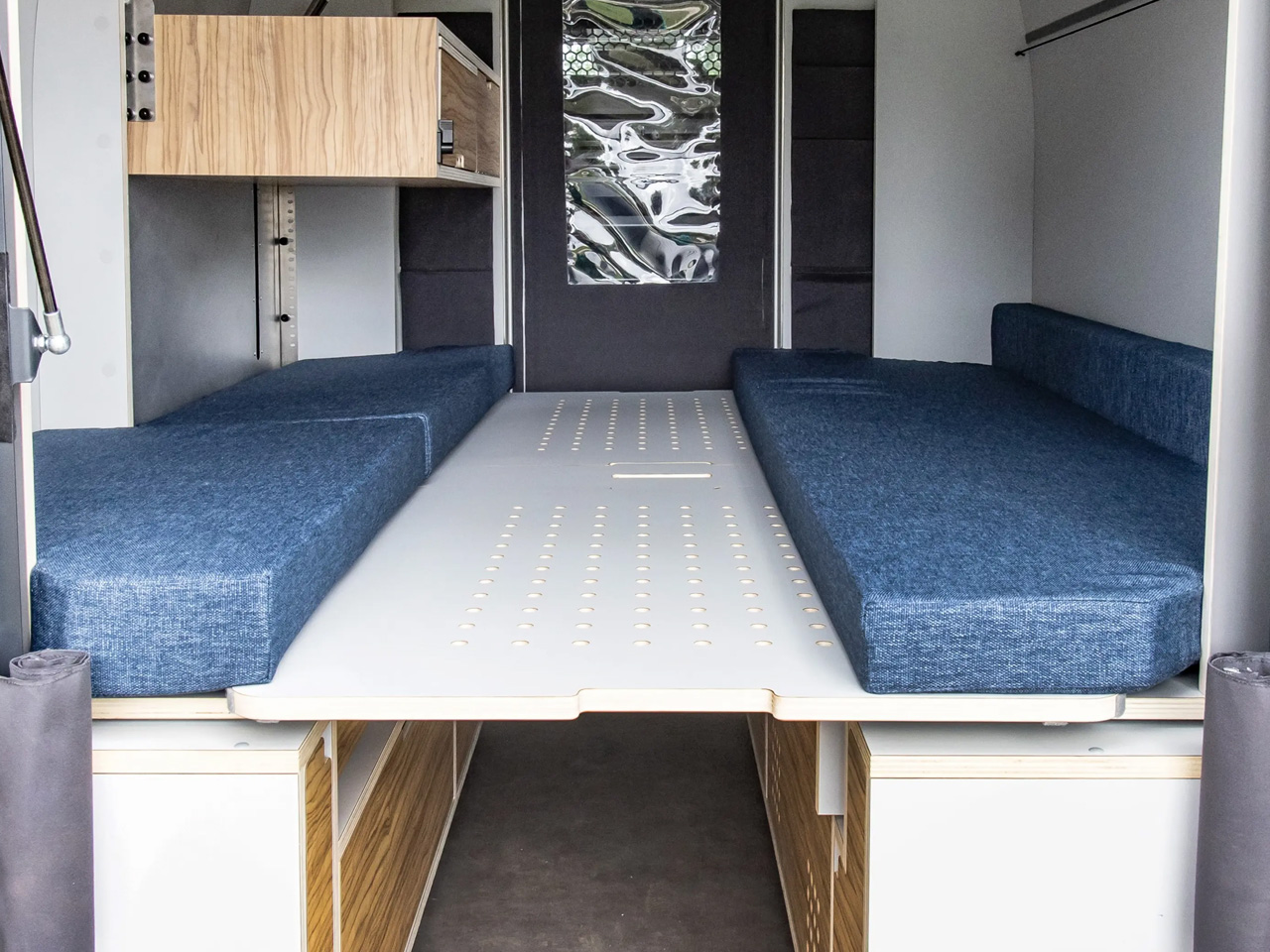
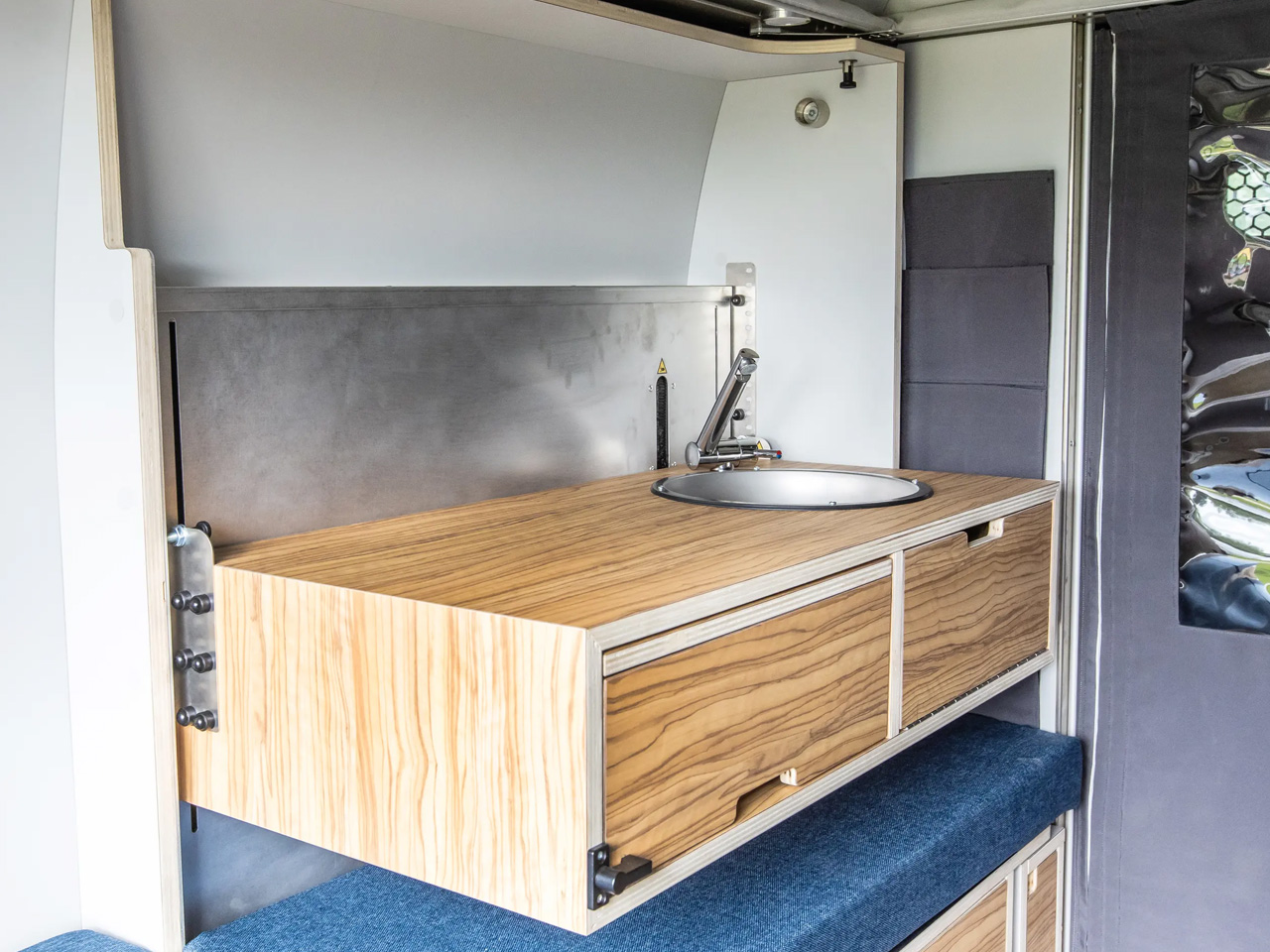
Perhaps the slightly foldable roof of the PlugVan unit allows it to fit through the Interstar doorway and expand inside into a full-blown home facility with pop-up roof, full kitchen, and a sleeping zone for a couple. The kitchen is erected behind the driver and is meant to slide, lift and expand depending on the user’s requirements. It comes with a portable single-burner stove, slide-out fridge box, an integrated sink and a faucet connected to 43l gray and freshwater tanks (also connected to the outdoor shower) onboard, respectively.

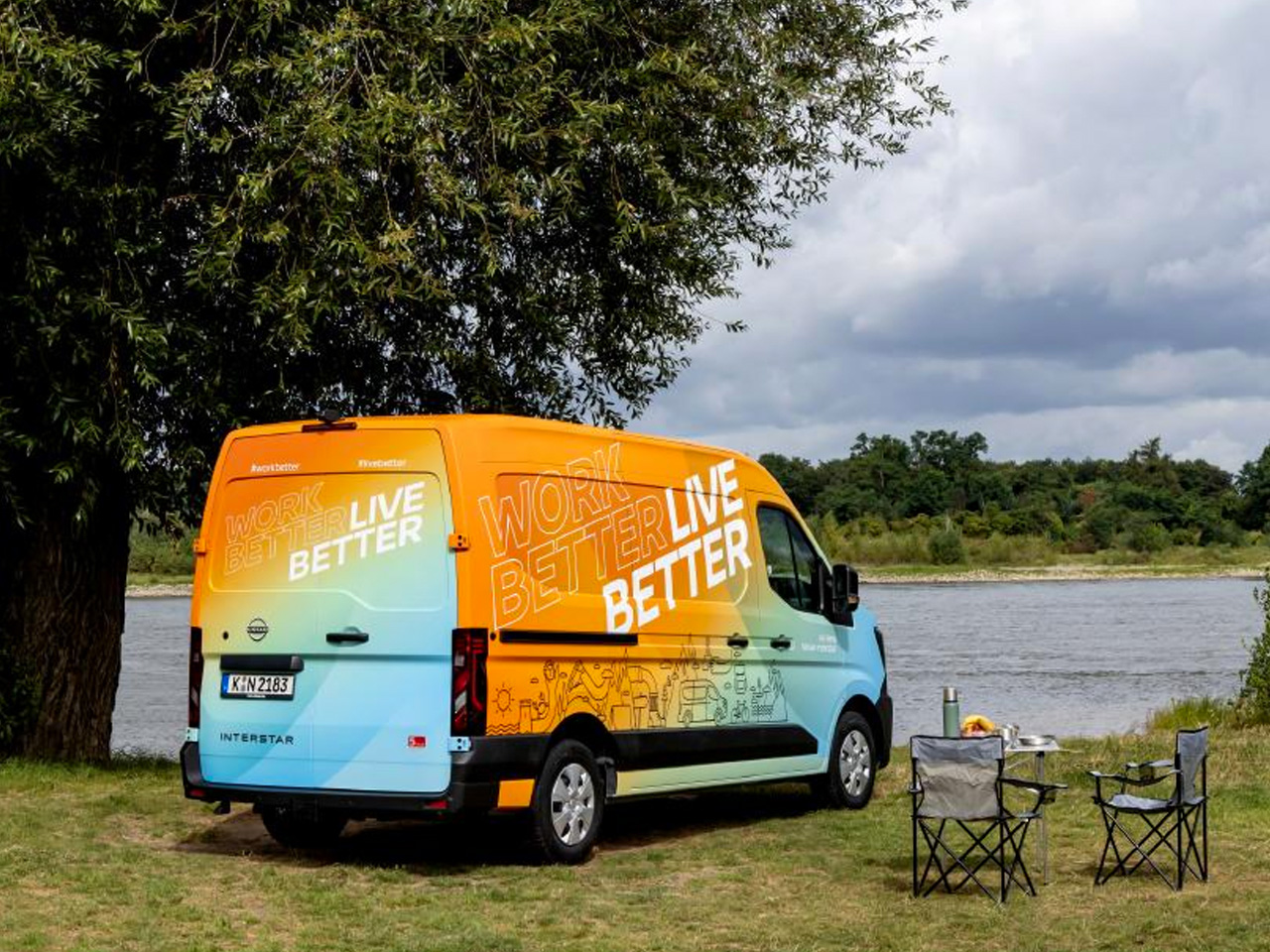
The kitchen has slide-out drawers and a retractable dining table accessible from the sofa on the opposite side of the kitchen unit that lifts upward to clear room below for the convertible sofa bed at night. The PlugVan unit does not fill up the entire space of the full-size Interstar, so a bathroom (that packs down into a suitcase) with fabric walls, portable dry toilet, and a water heater is provided alongside. The interesting camper van with an interesting exterior colorway is accessible through the side door, while the large rear window provides amazing views of the surroundings while you drive to your halt by the evening.

The post Nissan Interstar converted into comfortable camper van with adaptable living module from PlugVan first appeared on Yanko Design.
The 2025 VW ID.Buzz gets 3 full-fledged Campervan Upgrades courtesy Peace Vans

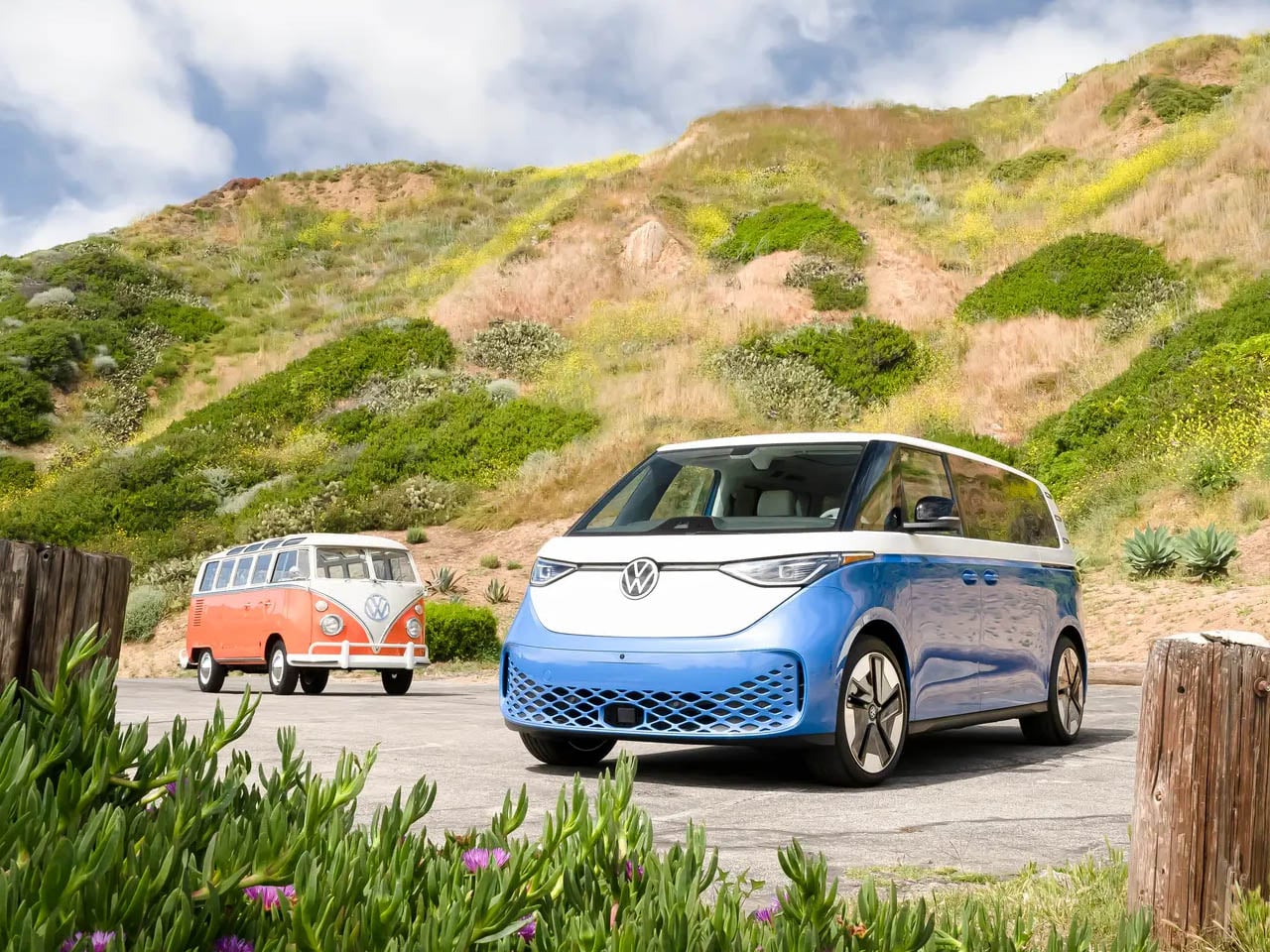
Of course, the future of van camping is electric. Arguably, in that future, the much-anticipated all-electric ID.Buzz from Volkswagen is going to be the lead. This modern, electrified variant of the retro VW Bus was expected in a campervan variant. Still, the company thought otherwise, and pushed the release back to fall 2024, citing lack of demand on the market as the reason for its thoughtful delay.

Before the camper version of the electric VW Bus can hit roads, there is a hardcore VW campervan repair and restoration outfit in Seattle, United States, by the name of Peace Vans that has introduced three fitting options to uplift the 2025 ID.Buzz into a capable campervan right from the word go when launched. Two options: either purchase an ID.Buzz directly from Peace Vans with your choice of the camper conversion option, or bring your own vehicle and return with it ready for the camping excursions.

Designer: Peace Vans

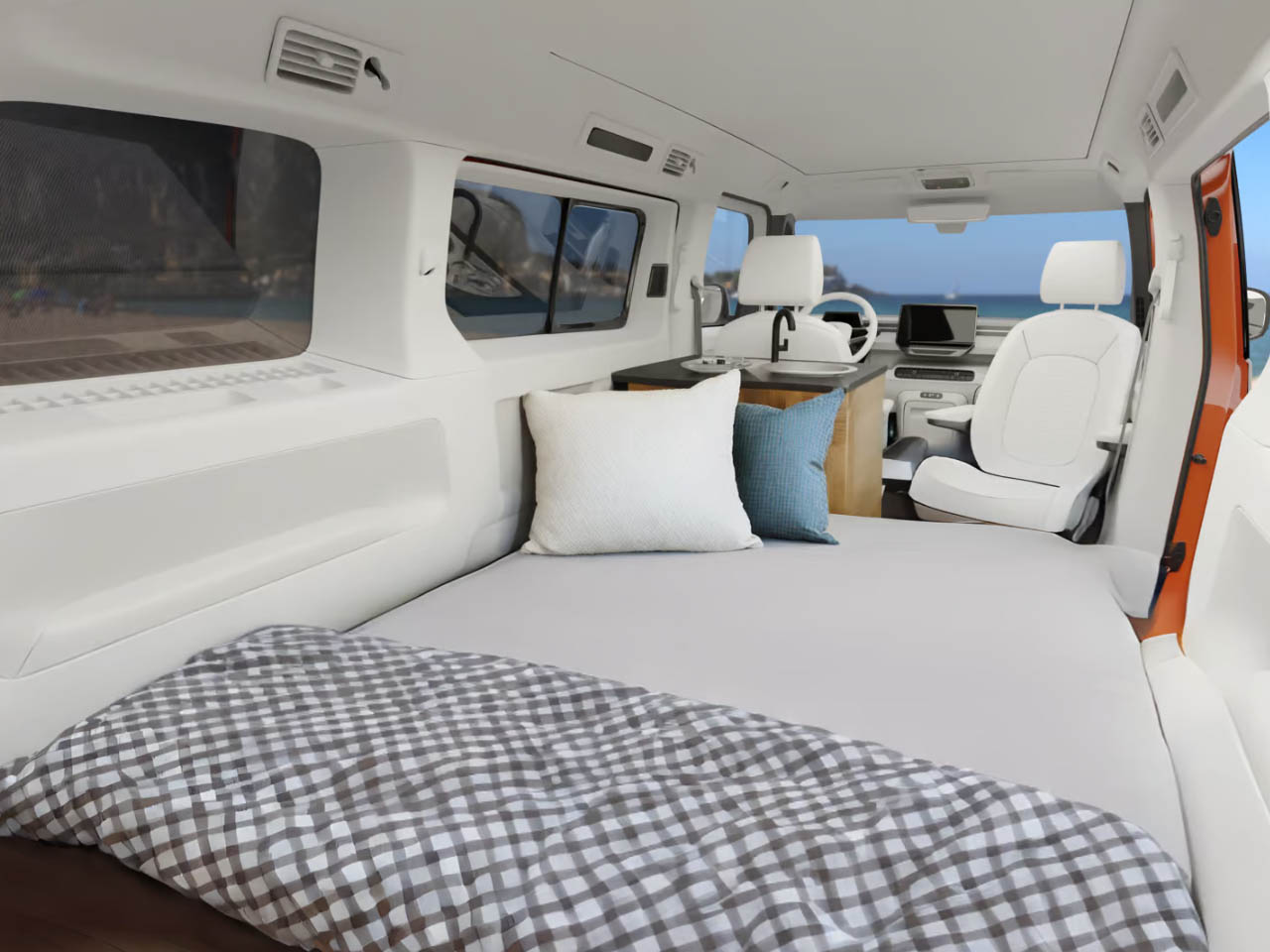
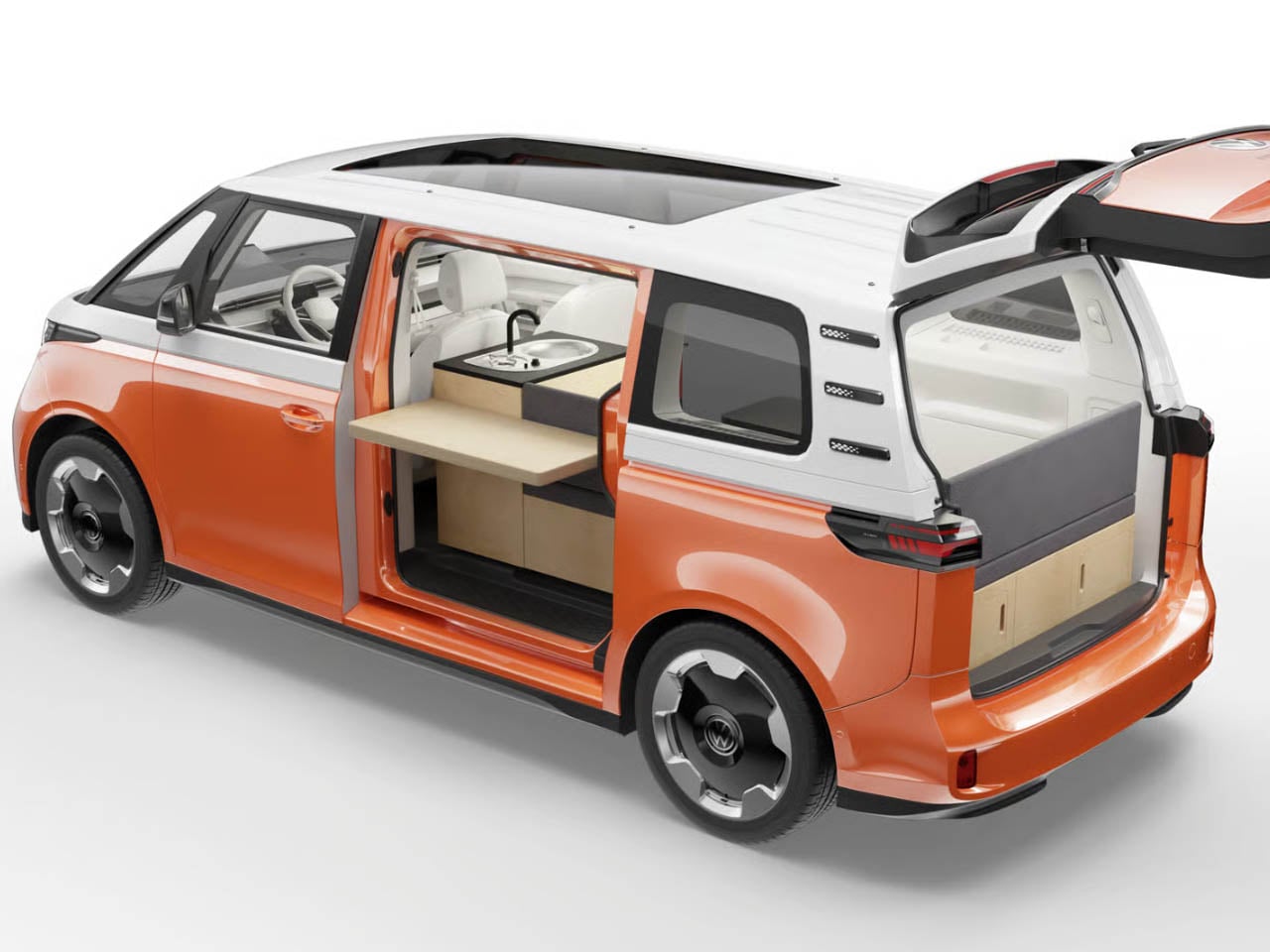
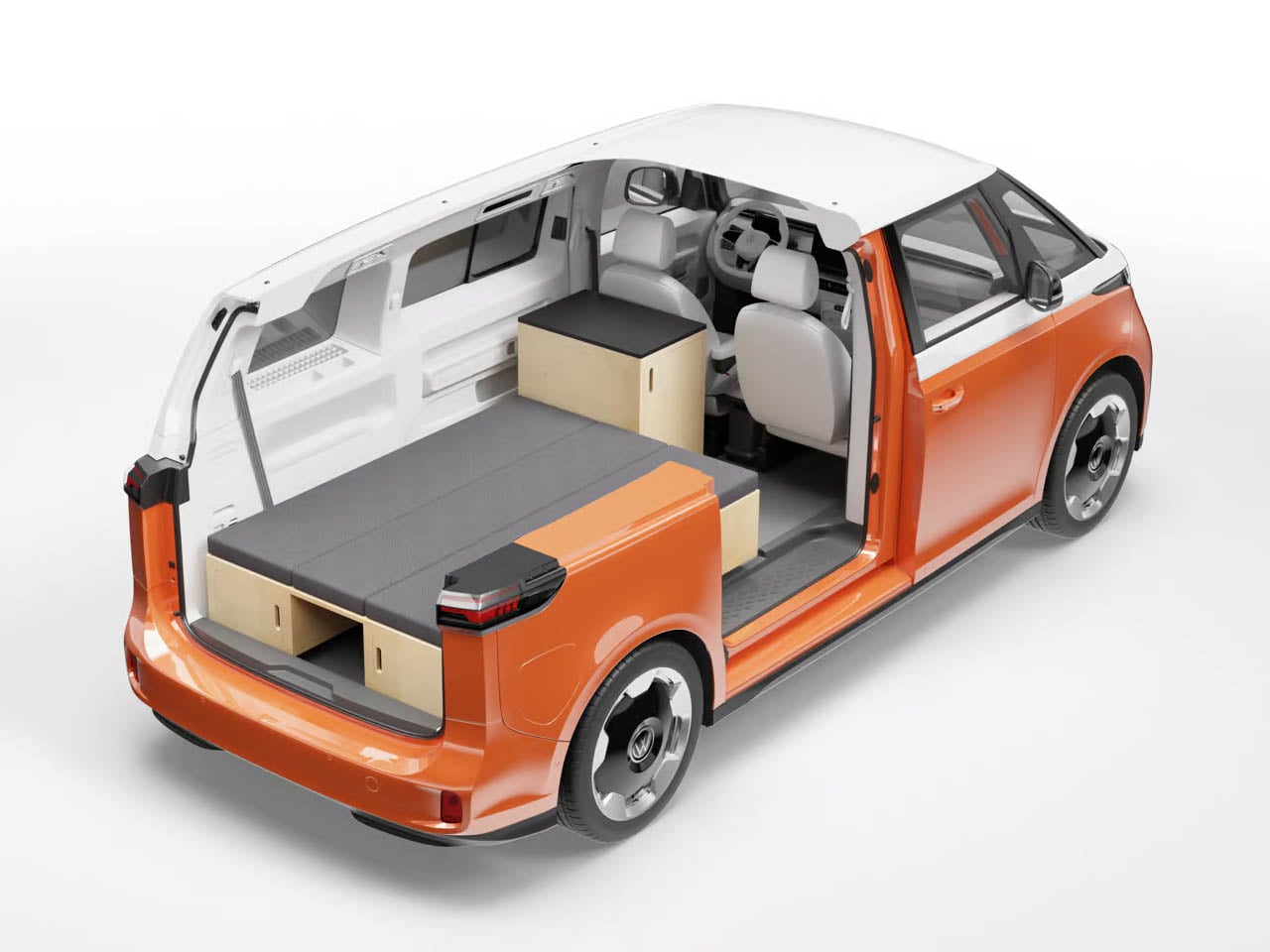
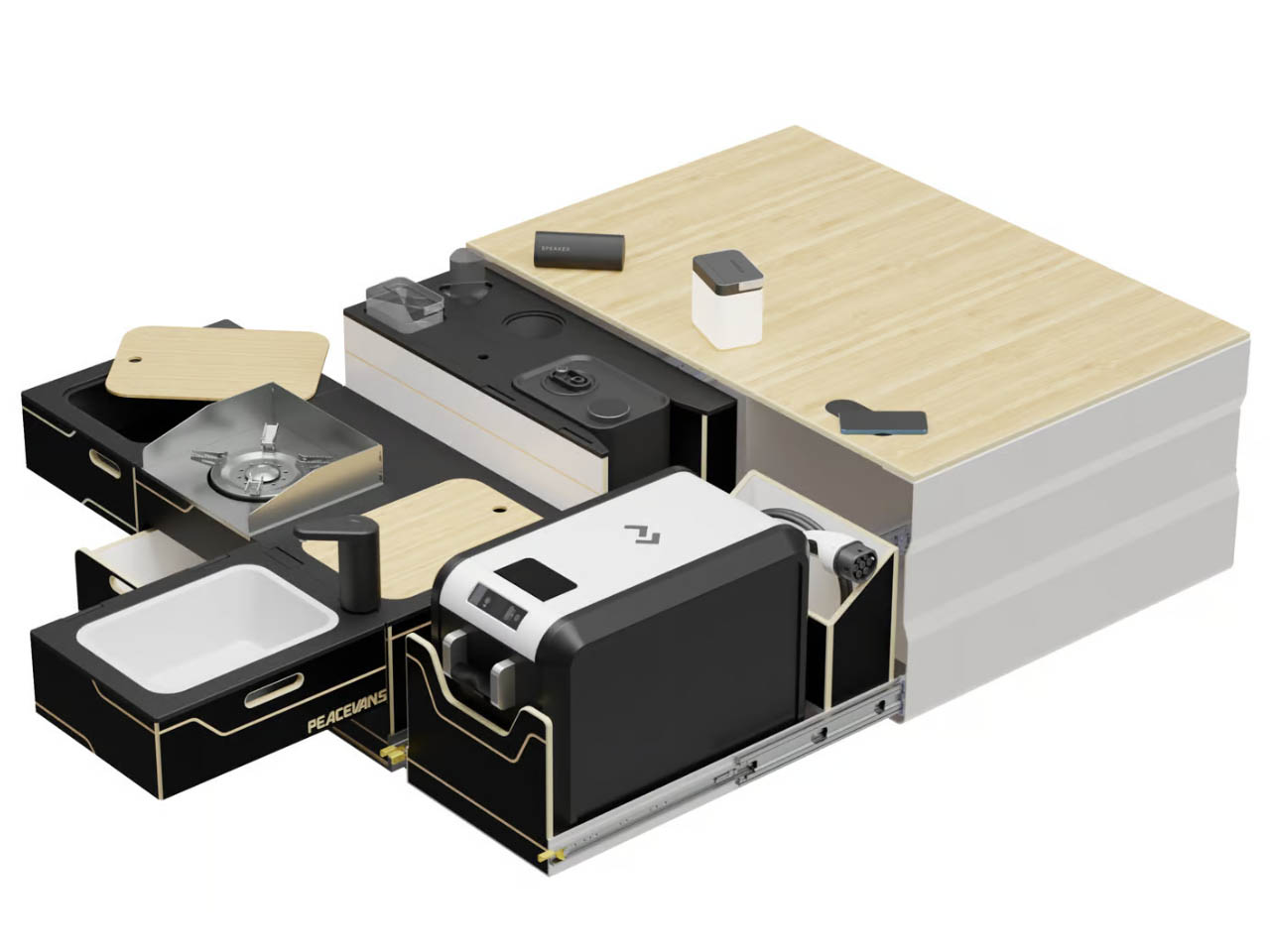
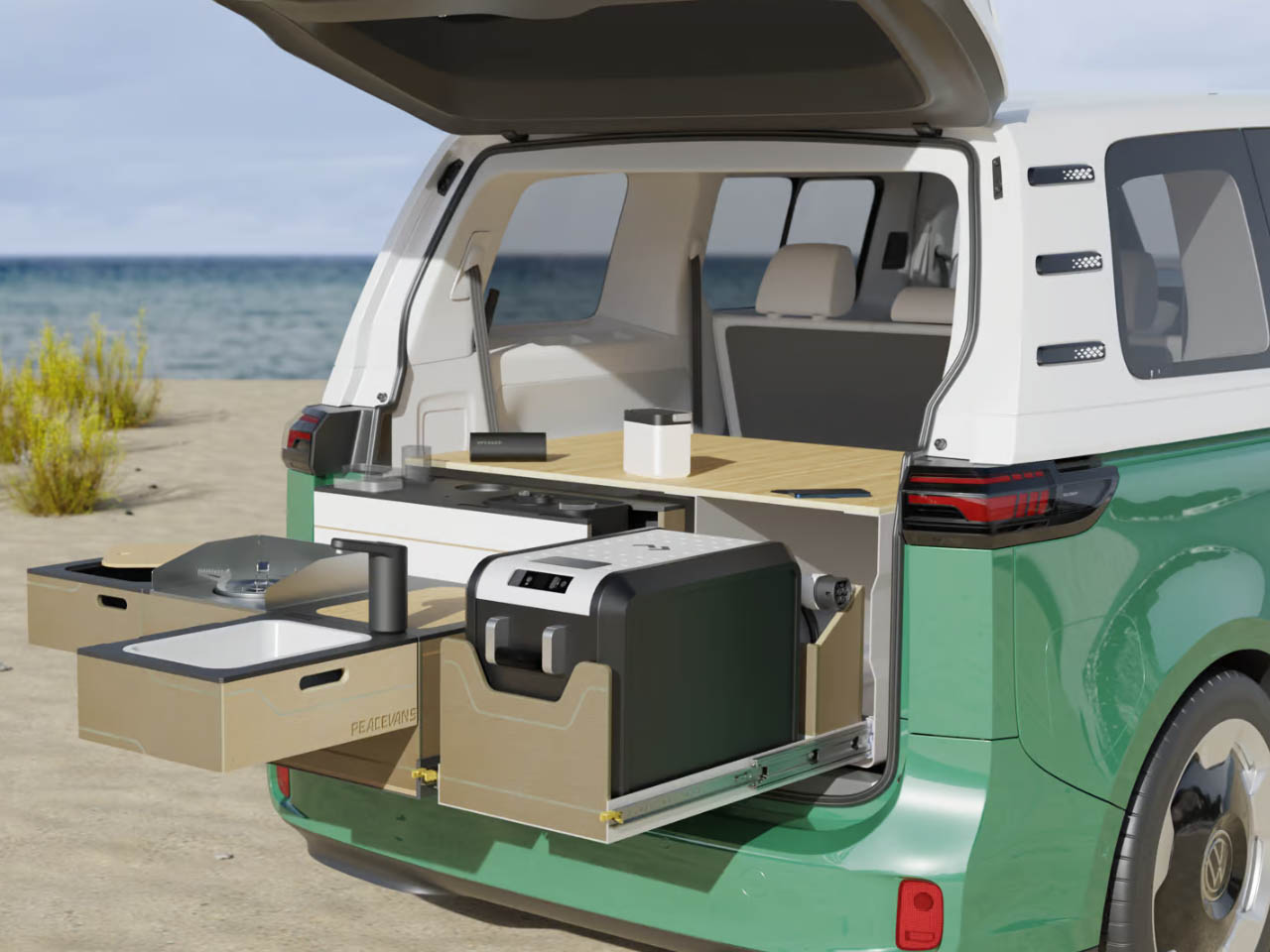
Peace Vans has been at the forefront of retrofitting Volkswagens with camping solutions. Furthering its experience, it has three customizable units for camping enthusiasts who want their ID.Buzz to an adventure-ready vehicle. These are Buzz.Box, Buzz.Box.Sleeper, and Buzz.Camper. Ideal for tailgating or a day ride with a kitchen integrated into the back of the vehicle, the campers can go with the Box. But if you want the Box with a sleeping solution, opt for the Sleeper or you can go with the Camper for a full-fledged camp on wheels with a queen bed and indoor kitchen.

The Box, as we said, is designed for day trips. It comprises a kitchen complete with an integrated cooktop, a fridge, a sink, and some prep area. The Box would fit in the back of the ID.Buzz and would require the third-row seats removed to accommodate the kitchen setup. If you want some sleeping area along with the Box kitchen – so you can spend at least a weekend in the wilderness – choose the Sleeper option that includes a fold-out bed to transform the back of your van into a comfortable sleeping area.

For the more hardcore, of course, is the Camper add-on that would convert the ID.Buzz into an ultimate adventure van with a fully functional internal kitchen, a queen-sized bed, storage cabinets, and much more. The Camper unit would require the removal of both rows of seats, leaving you with just two seats up front. If you’re a couple wanting a campervan, you shouldn’t look beyond this. To make the integration somewhat lucrative for you, the three units are fairly priced by Peace Vans. The Buzz.Box would be $7,995, while Buzz.Box.Sleeper would cost $10,995. The price of the Camper unit is still under wraps even though the company has started taking pre-orders for all its variants with delivery expected in November.

The post The 2025 VW ID.Buzz gets 3 full-fledged Campervan Upgrades courtesy Peace Vans first appeared on Yanko Design.
This limited edition 4×4 off road camper van discreetly fits two double beds in the roof

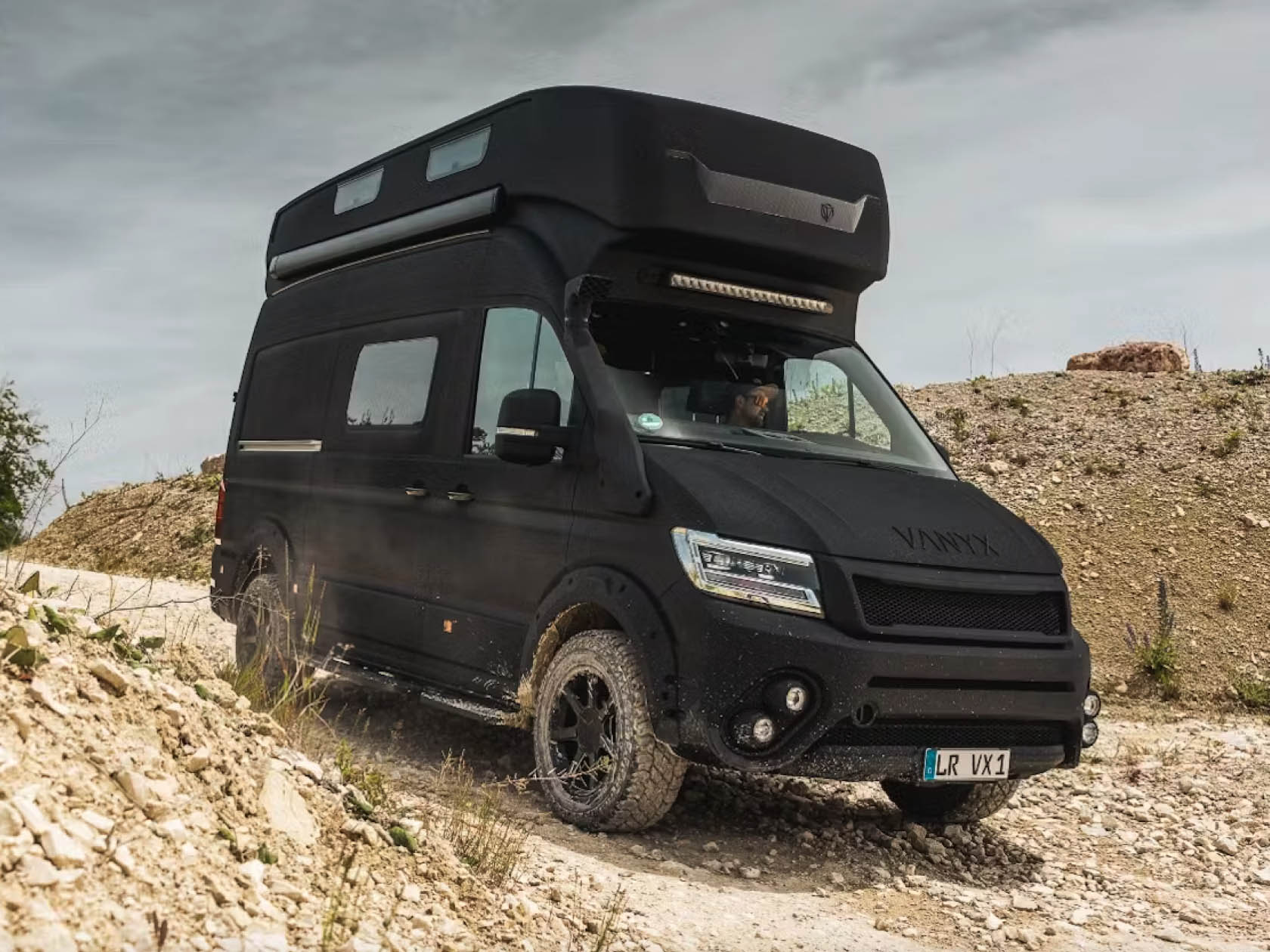
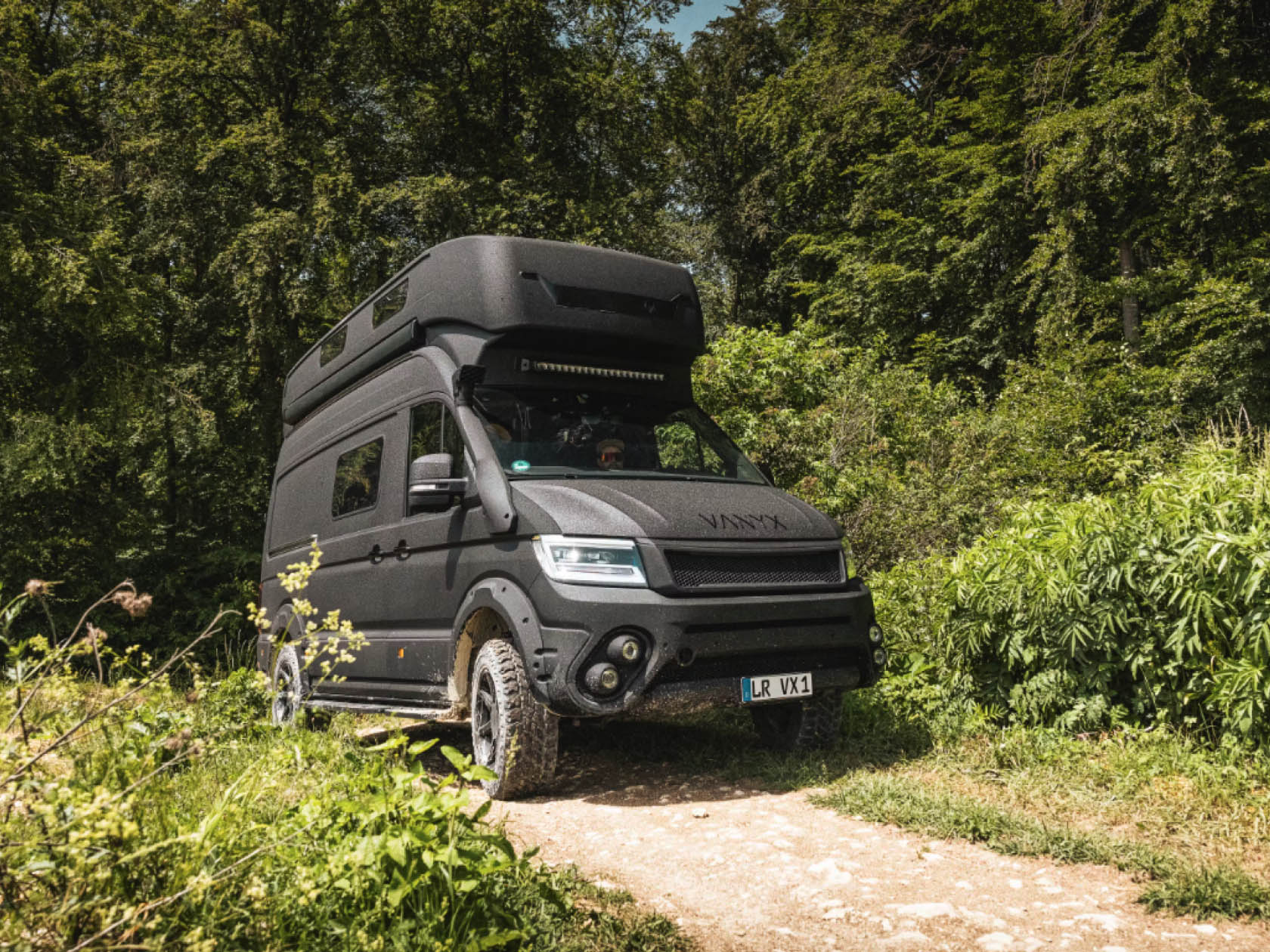
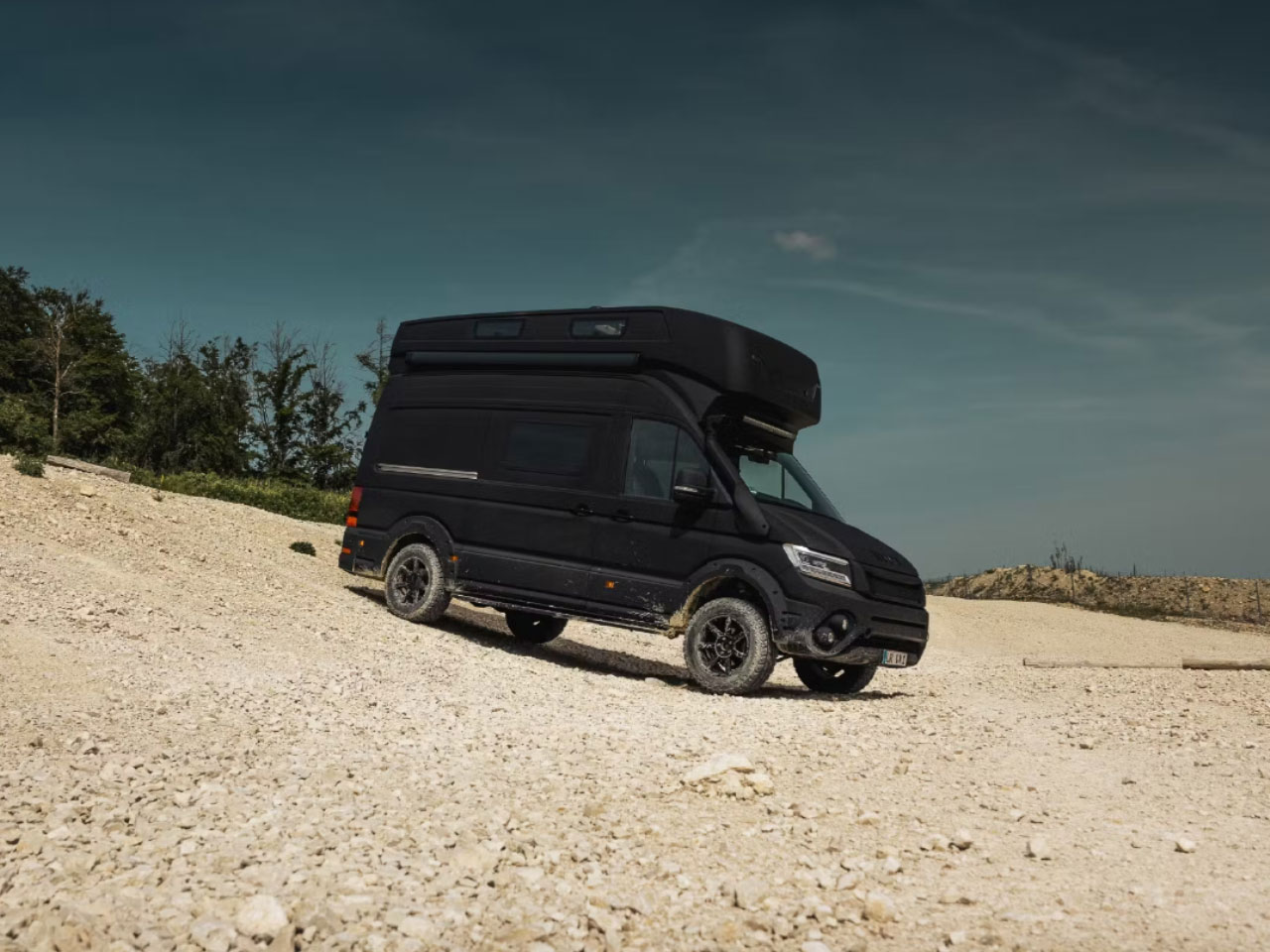
We have been through various iterations of 4×4 off-roading camper vans that adventurers swear by. Yet there is scope for new entrants, not so much because of the market demand, but because of the scope for innovation, which companies try and explore at every given opportunity. The latest in the league is the Vanyx 4×4 off-roader which distinguishes itself with its robust yet lightweight construction, ensuring top-notch performance on any terrain.

Conceived for long-term travelers, the camper allows you to immerse yourself in nature’s beauty while keeping safe and self-sufficient for weeks on the trot. It is therefore designed with the idea of eliminating the reliance on diesel and maximizing self-sufficiency in electricity and water.

Designer: Vanyx

Loosely termed as “A Game-Changer in Camper Vans,” the Vanyx could revolutionize the camper van market with its carbon fiber “Luxury Edition,” of which only 99 units will be produced. Its exclusivity is not in the limited nature, but the ingenious split separate floors design that puts sleeping and living areas on different levels.

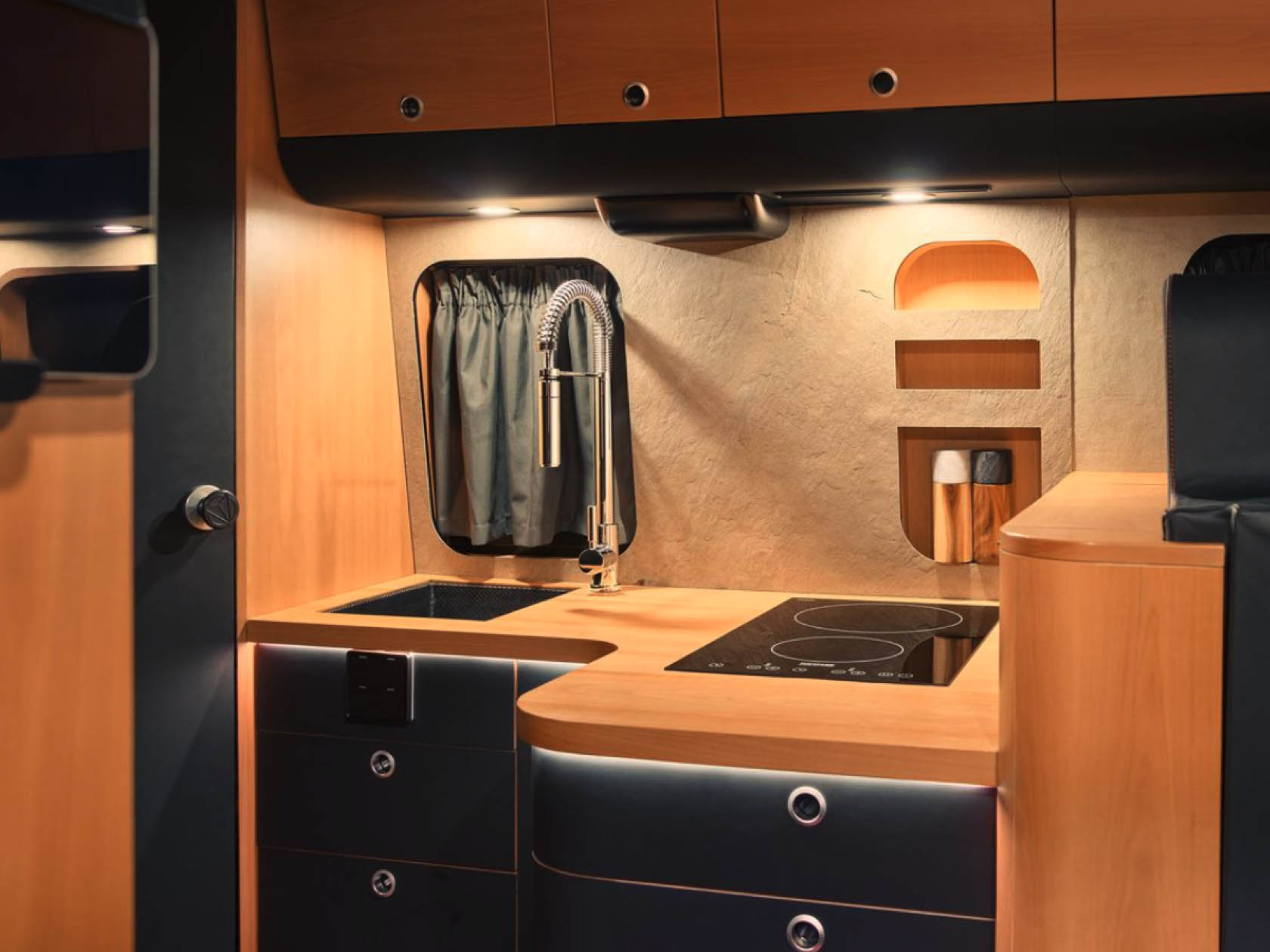
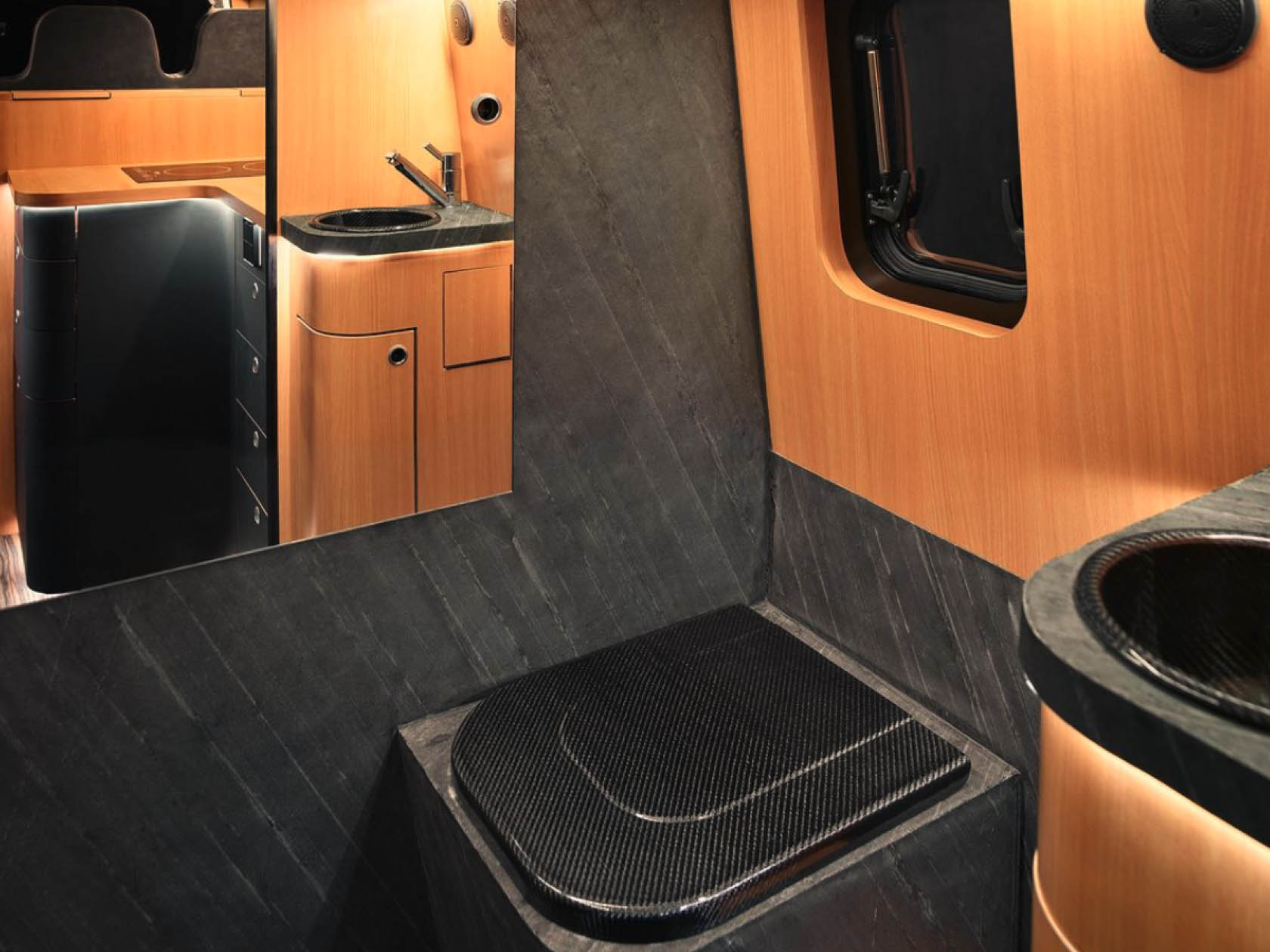
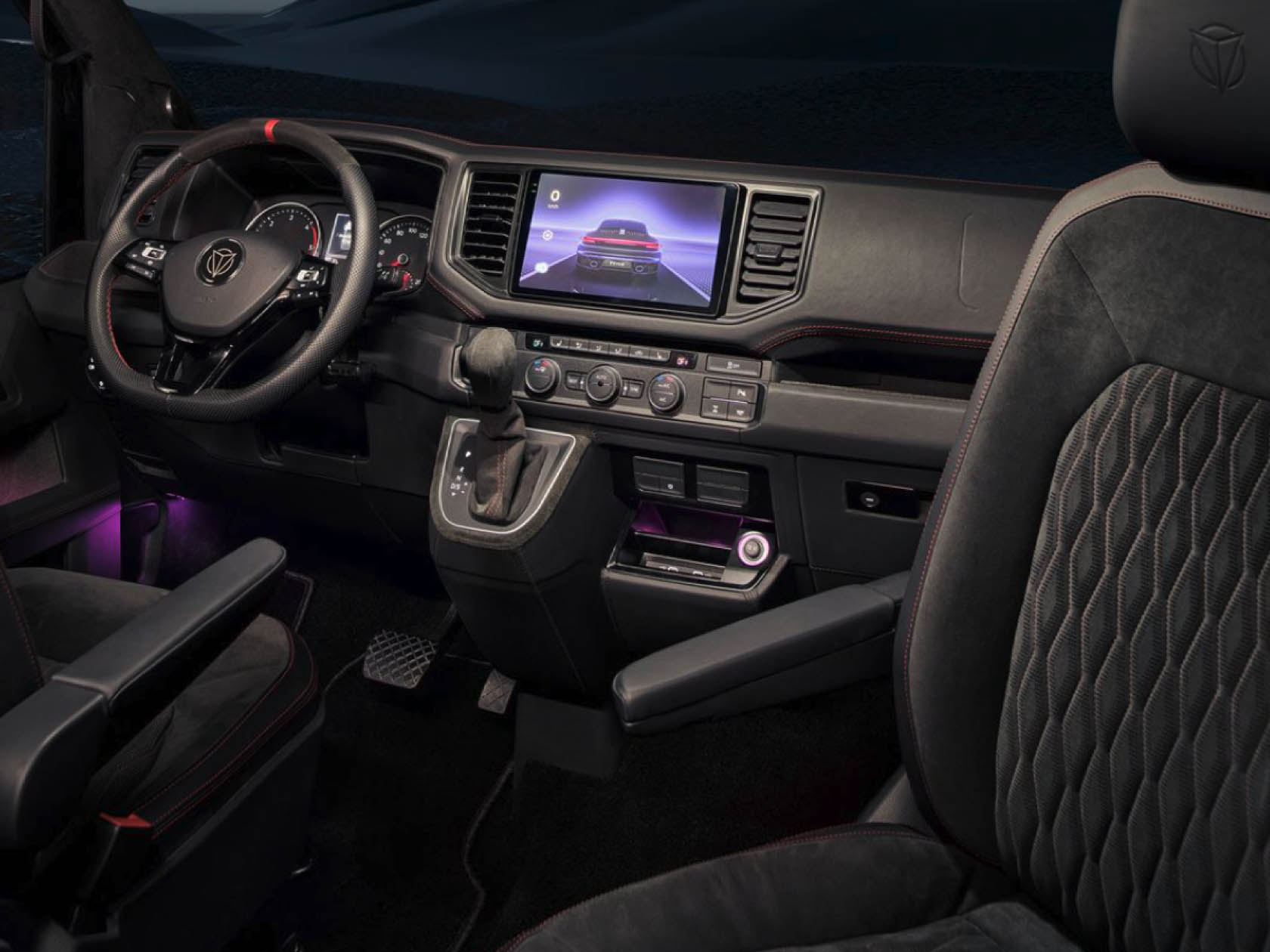
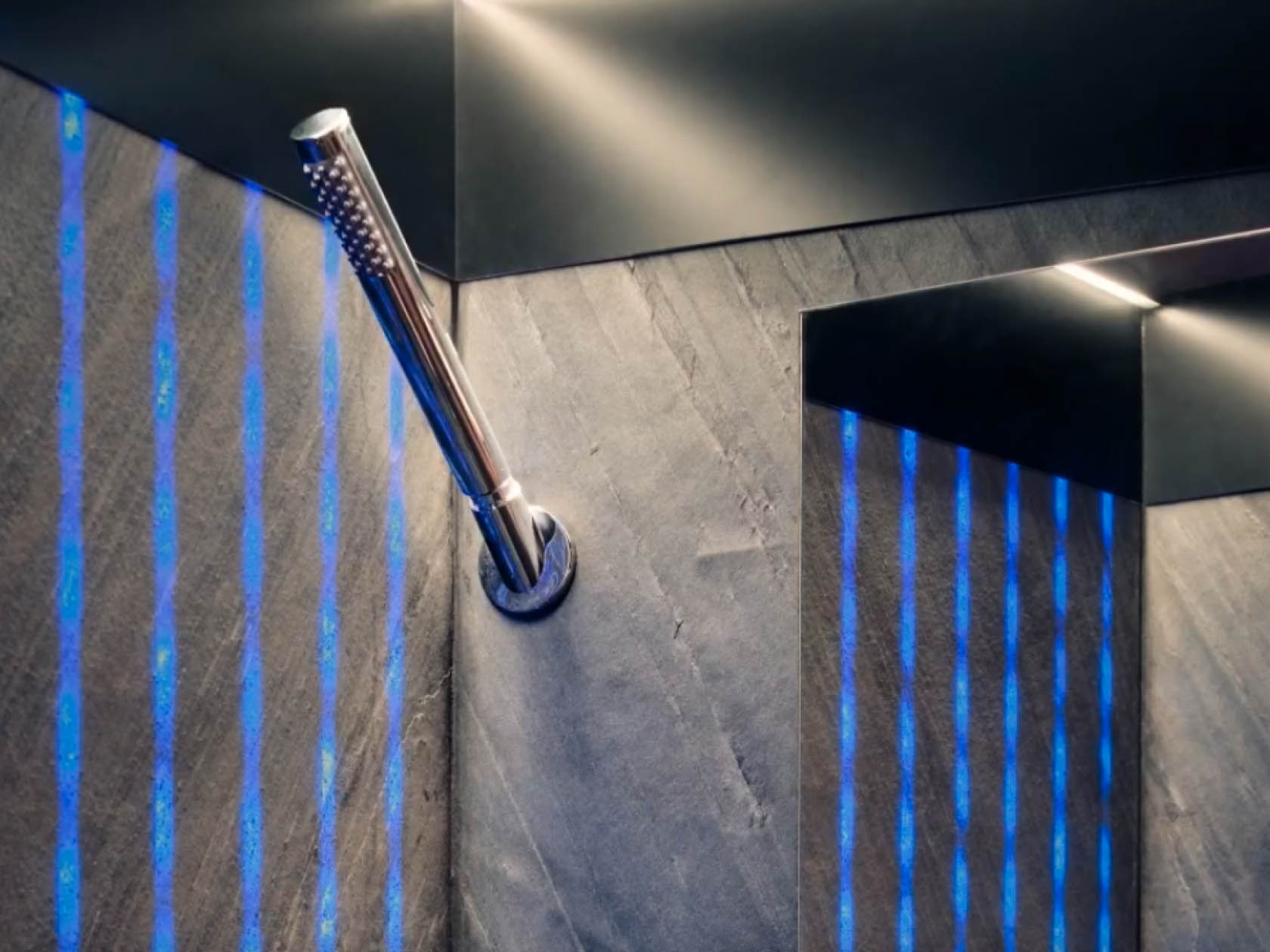
This German-built all-wheel-drive van home is packed with sufficient features and impresses especially with spaciousness and comfort on both levels. It allows occupants to explore and live autonomously and sustainably for extended days on the treks off the road. The motorhome comes with the option to choose from three distinct interior styles, comprising wood finish, stone surfaces, leather colors and even different mattress options.

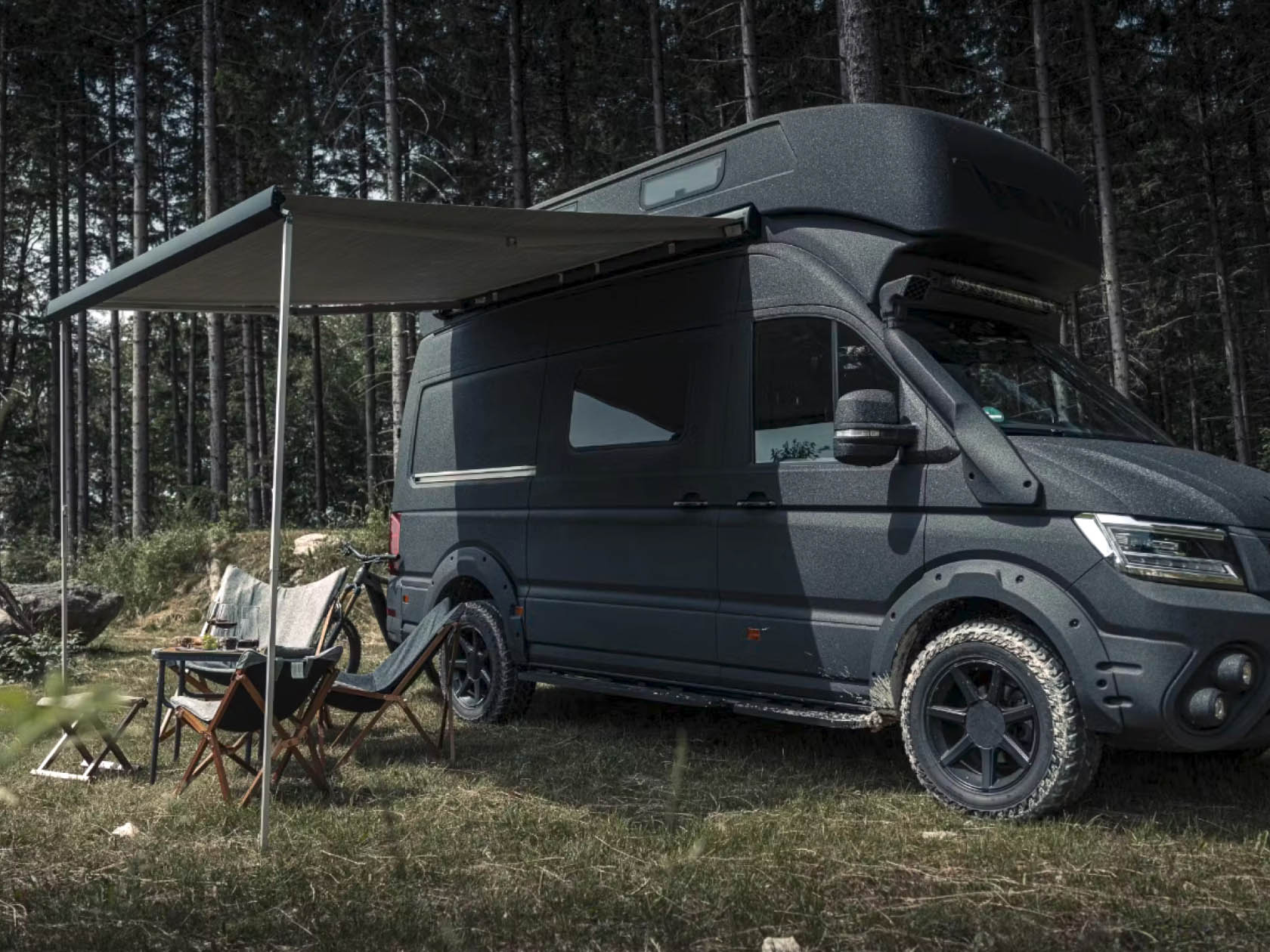
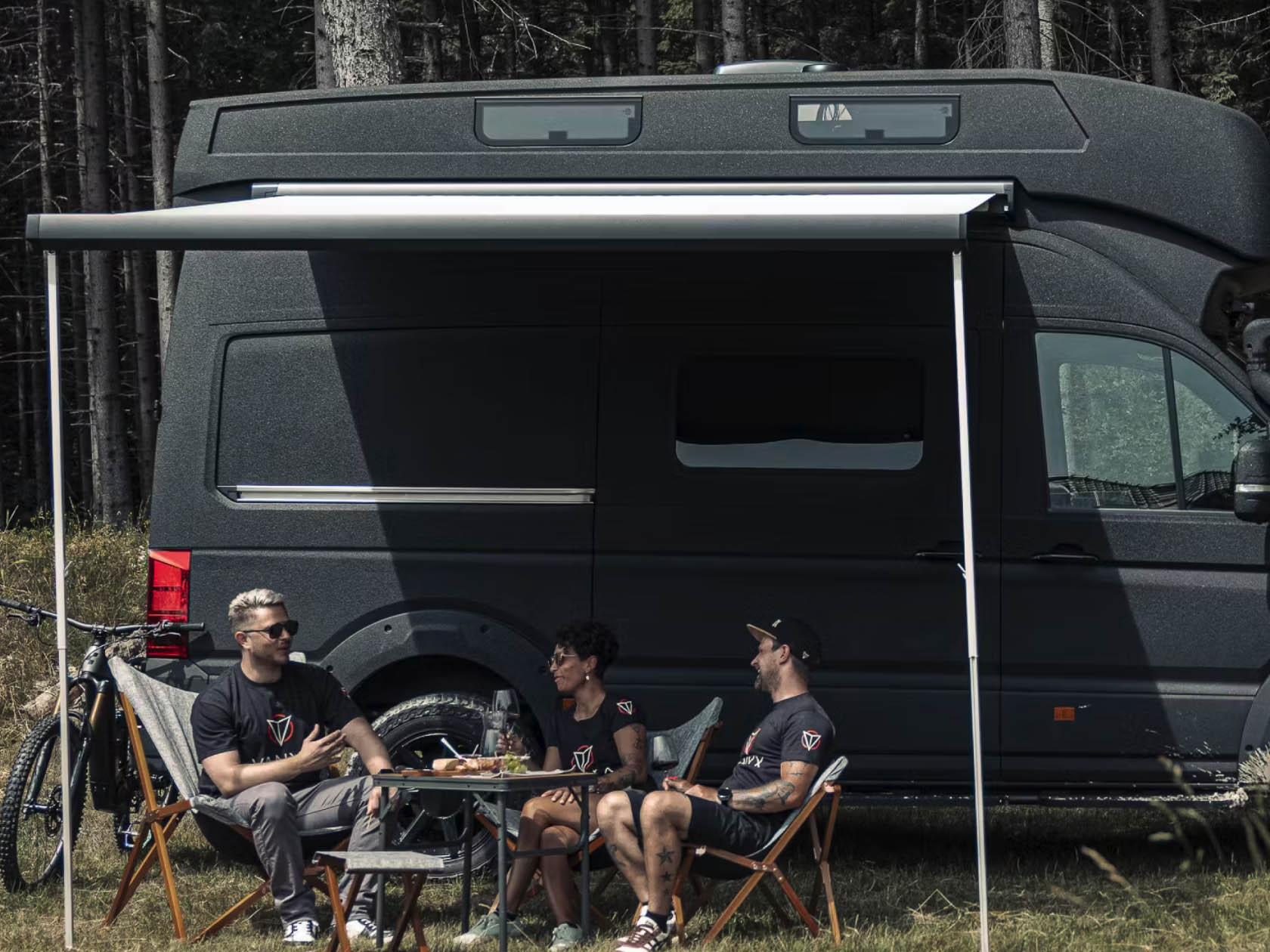
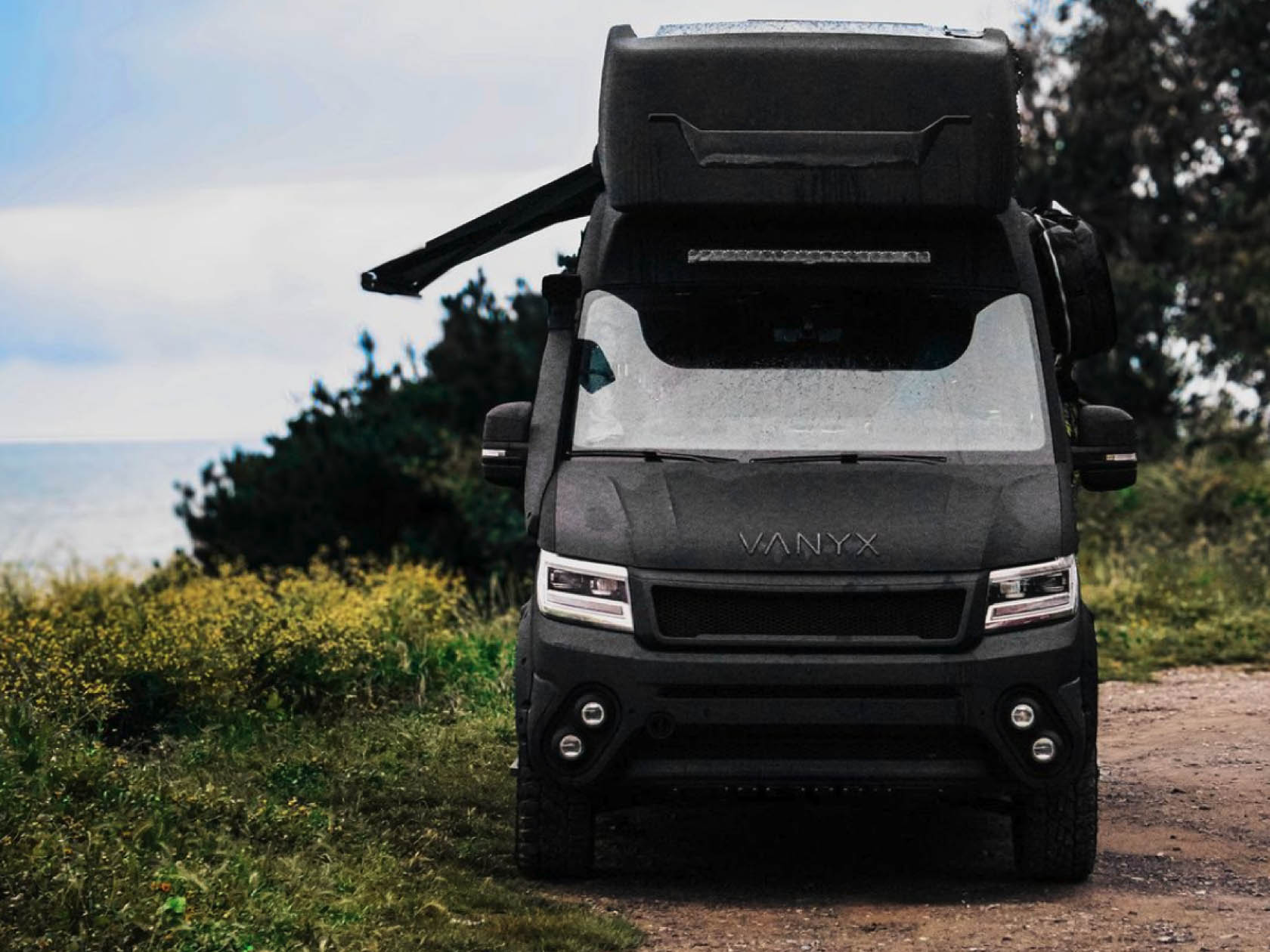
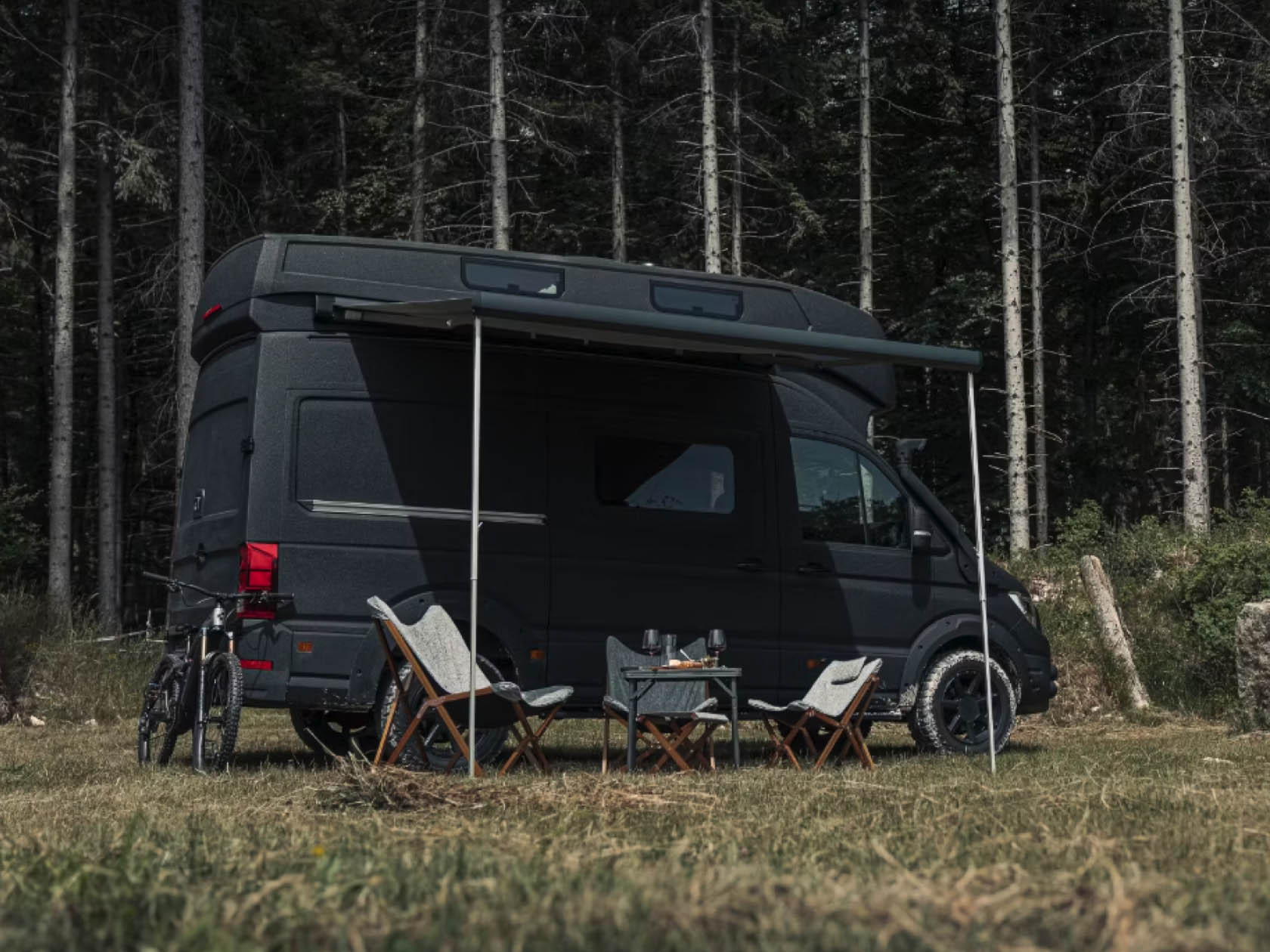
A standout luxury feature is the specially developed underfloor heating. It is coupled with stationary air conditioning, ensuring a comfortable temperature inside the camping van no matter how the elements are behaving outdoors. On the outside, the Vanyx camper van is made to be durable. It features Line X protective coating and is equipped with LED light bar, a snorkel and an electric outdoor awning to stretch the living space further out when need be. For off-roading efficiency the van is provided with automatically leveling full-air suspension, that lifts for up to 15 cm ground clearance, 18-inch forged alloy wheels, and all-terrain tires.

On it inside, on the bed level of the van, you have a living area comprising an L-kitchen kitchen, a bathroom complete with a dry toilet and shower, and a dinette section. On the front is the elaborate cockpit. The sleeping area is sectioned in the high roof, the roof is made from carbon fiber and is designed to accommodate (by splitting in the middle) two double beds of which one is shorter and the other is a standard queen size. The space may seem crampy but the room height is comfortable enough to give you a nice cozy sleep under the starry sky. The off-roading experience in a camper van is incomplete if the ride doesn’t ensure off-grid living. Besides the mentioned conveniences like the complete kitchen and dry toilet; the Vanyx comes with a 1200 Ah LiFePo4 lithium battery, 800W solar panels, and a 700-l fresh water tank. Starting at around a million-dollar mark, the high-luxury camper also includes a 6 kW diesel heater.

The post This limited edition 4×4 off road camper van discreetly fits two double beds in the roof first appeared on Yanko Design.

Modified Mercedes-Benz Sprinter van doubles into a 5-Person Camper with Bunk Beds

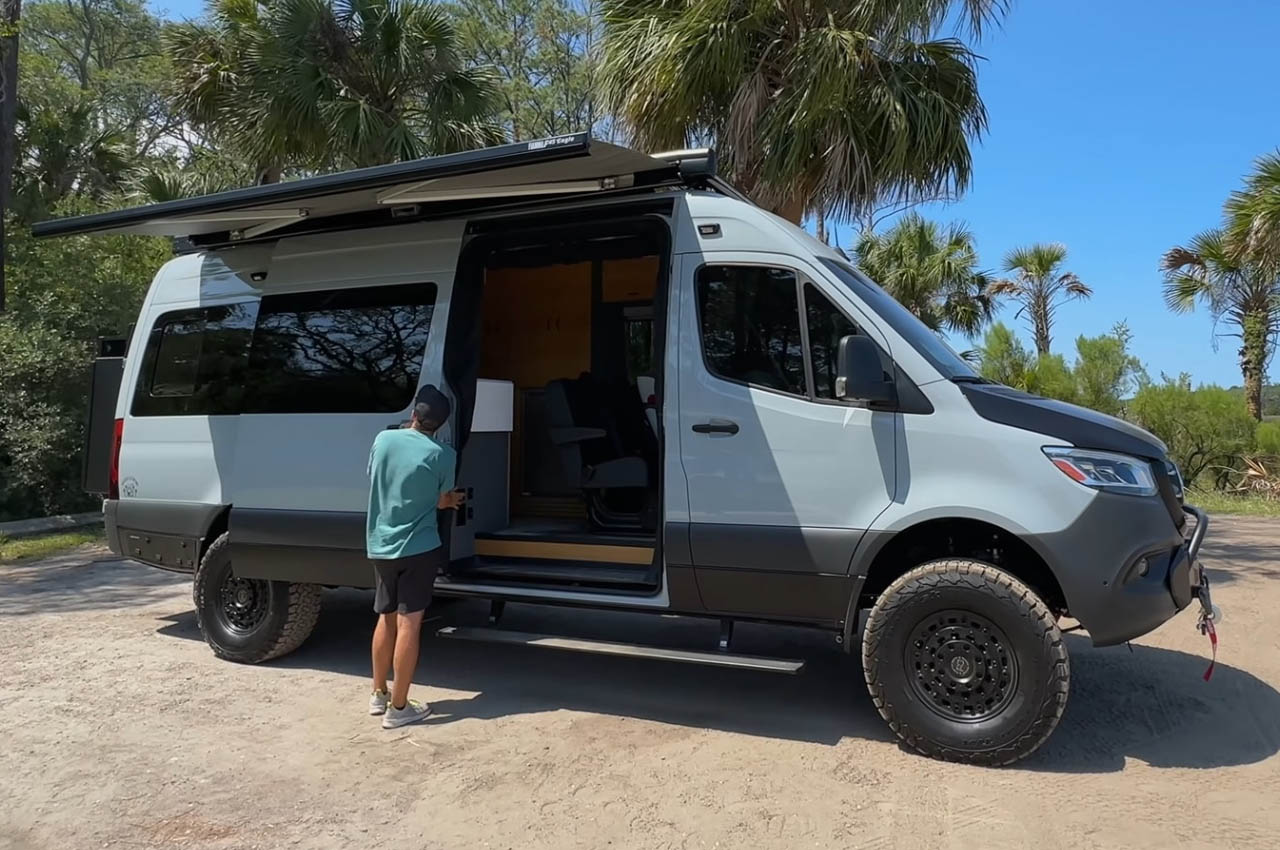
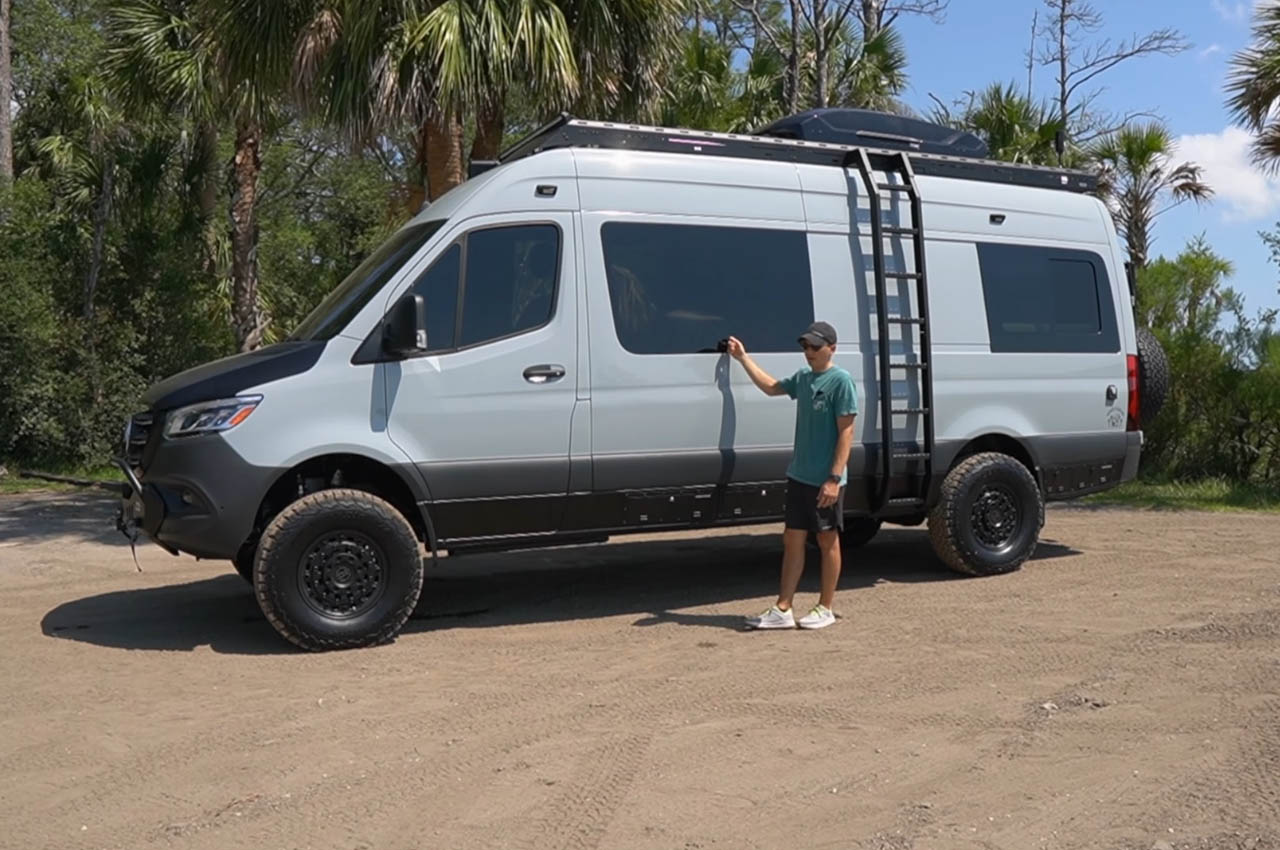
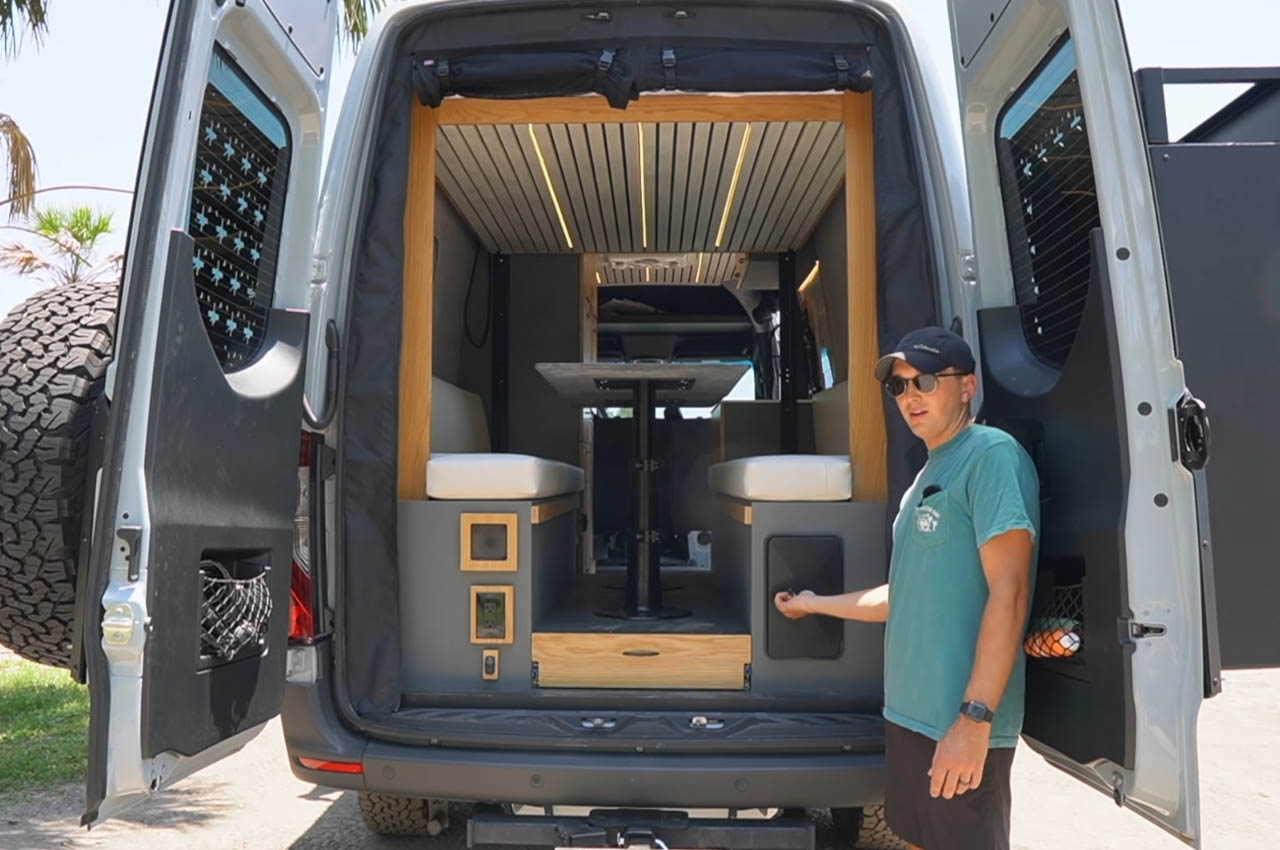
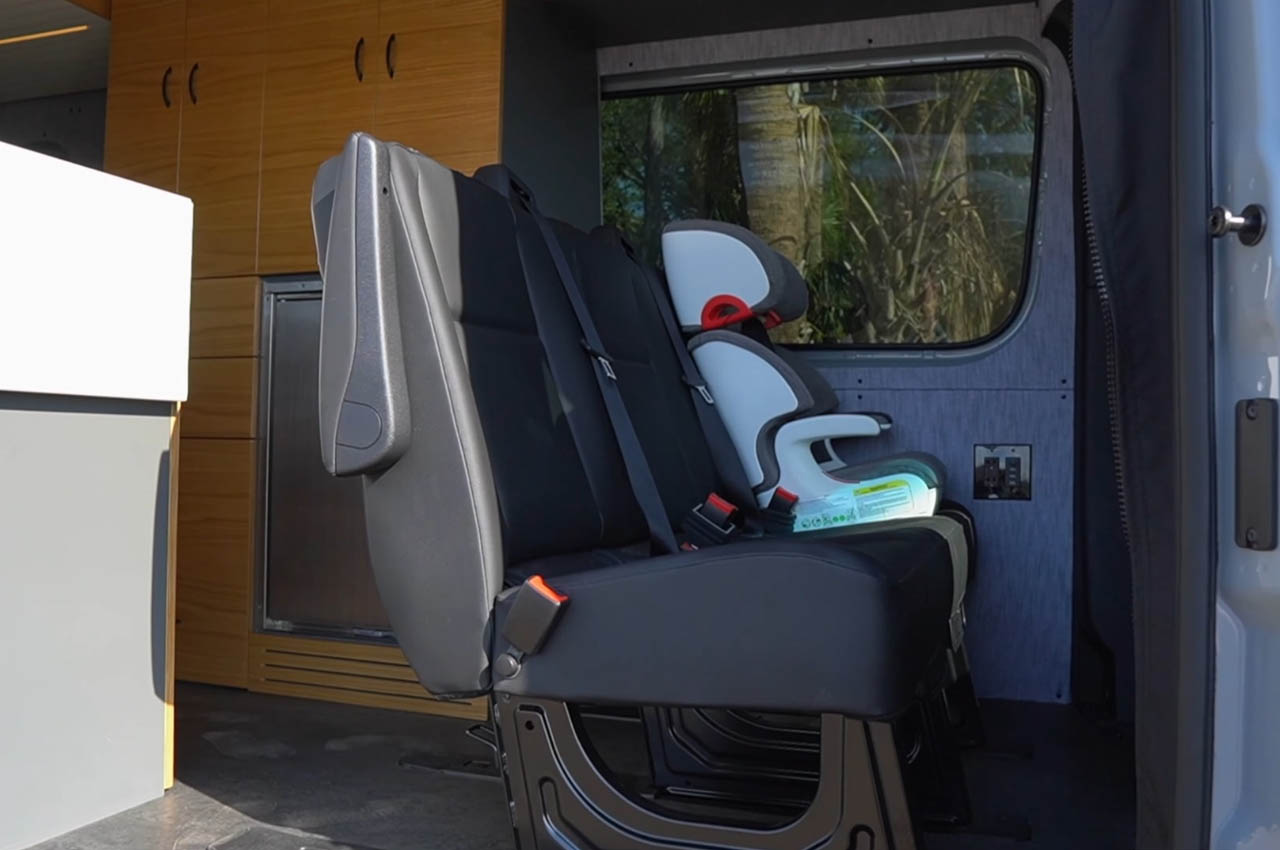
If you have been wanting a custom-built van home for your journeys around the US, Beachside Custom Vans has delivered 2024 AWD Mercedes-Benz Sprinter-based Fam Van: a van home for a family of five to travel together. A van that can accommodate five people seems a cramped-up idea that no one would want to invest in. At least, that was my perception in the beginning. But the way the Mercedes-Benz Sprinter, comprising a 170″ wheelbase, has been configured, I have a different take. When you reach the end of this article, I’m sure you will have a revised perception as well.

Atlantic Beach, Florida-based Beachside Custom Vans is known for designing van homes that rival tiny houses. The vans are custom-built for people, in a manner they want, to make life on the road smooth, comfortable, and feature-packed. These Mercedes-Benz Sprinter-based vans, including the Fam Van, are designed with accessories inside and an exterior that catches the eye at first glimpse.

Designer: Beachside Custom Vans

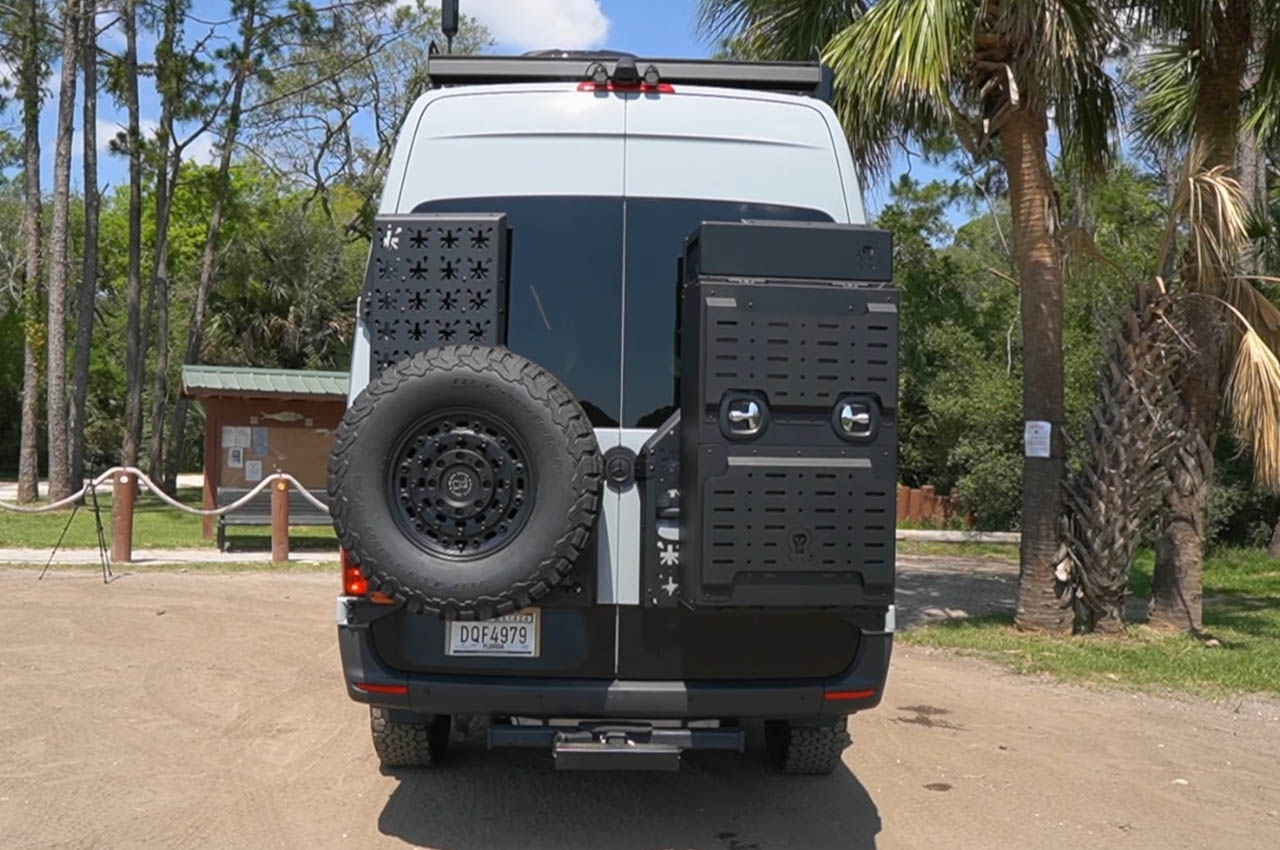
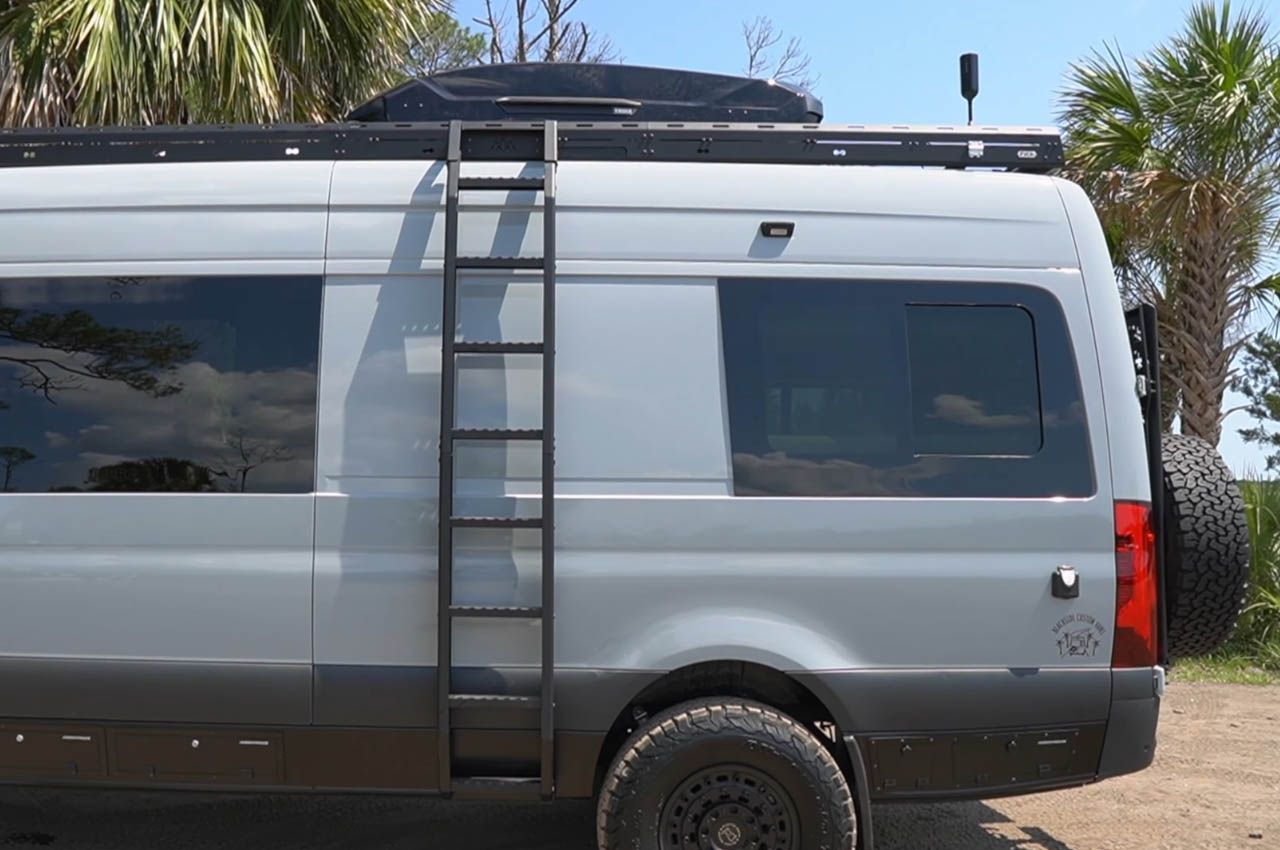
Offering seating and sleeping space for five people, along with a full kitchen, toilet, and enough storage sections; the Beachside Custom Vans’ Fam Van is a superior option for any adventure family. The exterior of the van is delivered in ceramic-coated gray and blue dual-tone. Its suspensions and wheel rims along with all-terrain tires facilitate off-the-road travel.

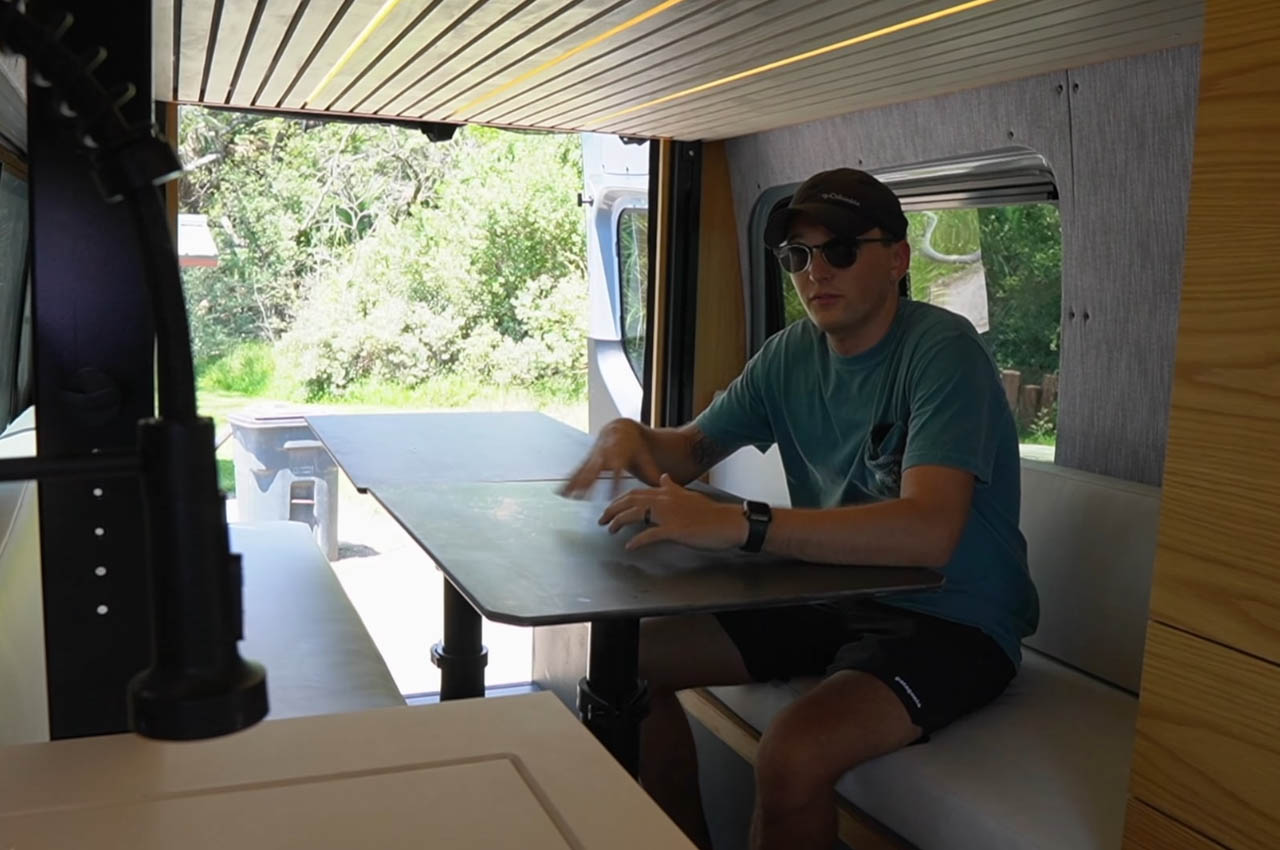
Even when the Sprinter is custom-designed for adventures off the road. It is not entirely off-grid. The van home is provided with 200 Ah batteries, a 3,000 W inverter, but there are no solar panels (presumably you should get it as an addon, if you may). Inside, the Fam Van is pretty spacious and open with oak plywood cabinetry marine vinyl flooring, grey upholstered wall paneling, and white ceiling with strip LED lights.

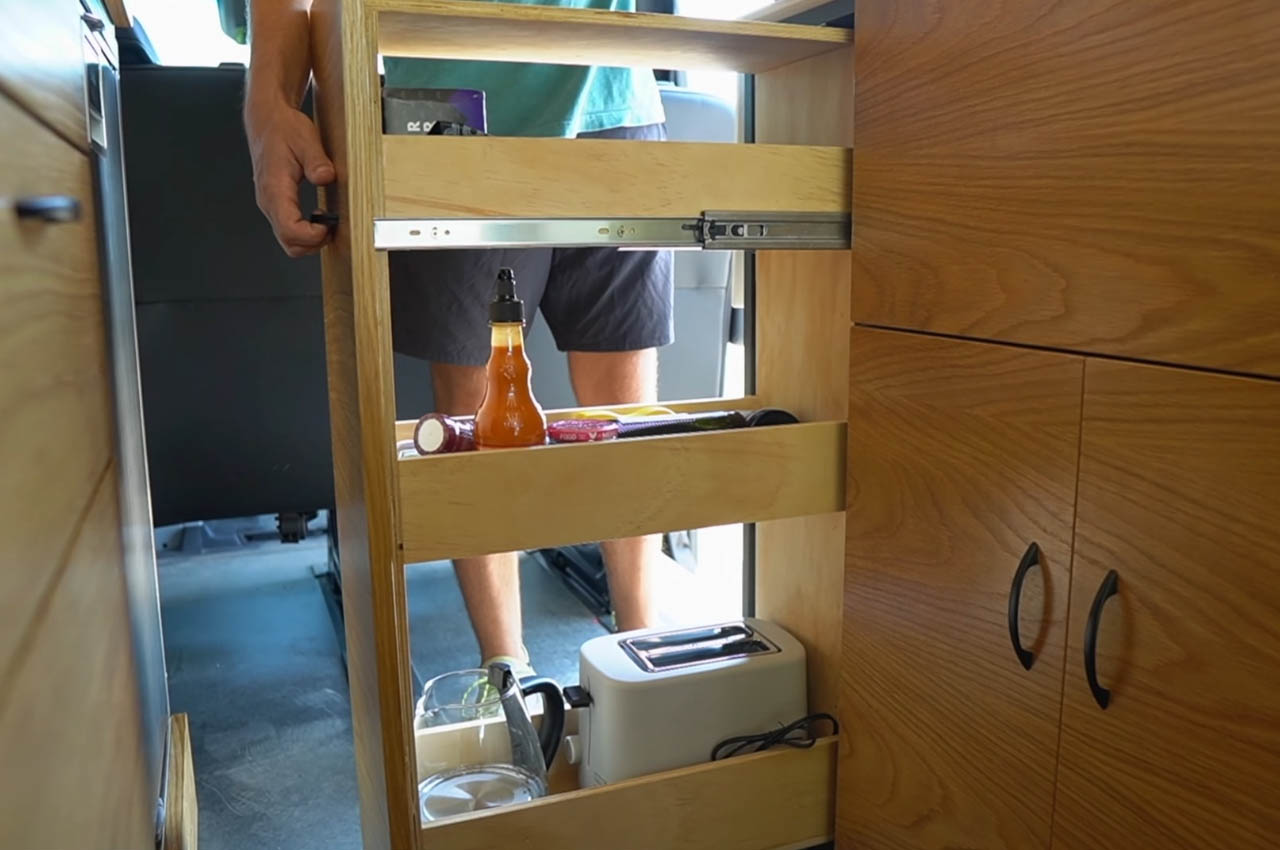
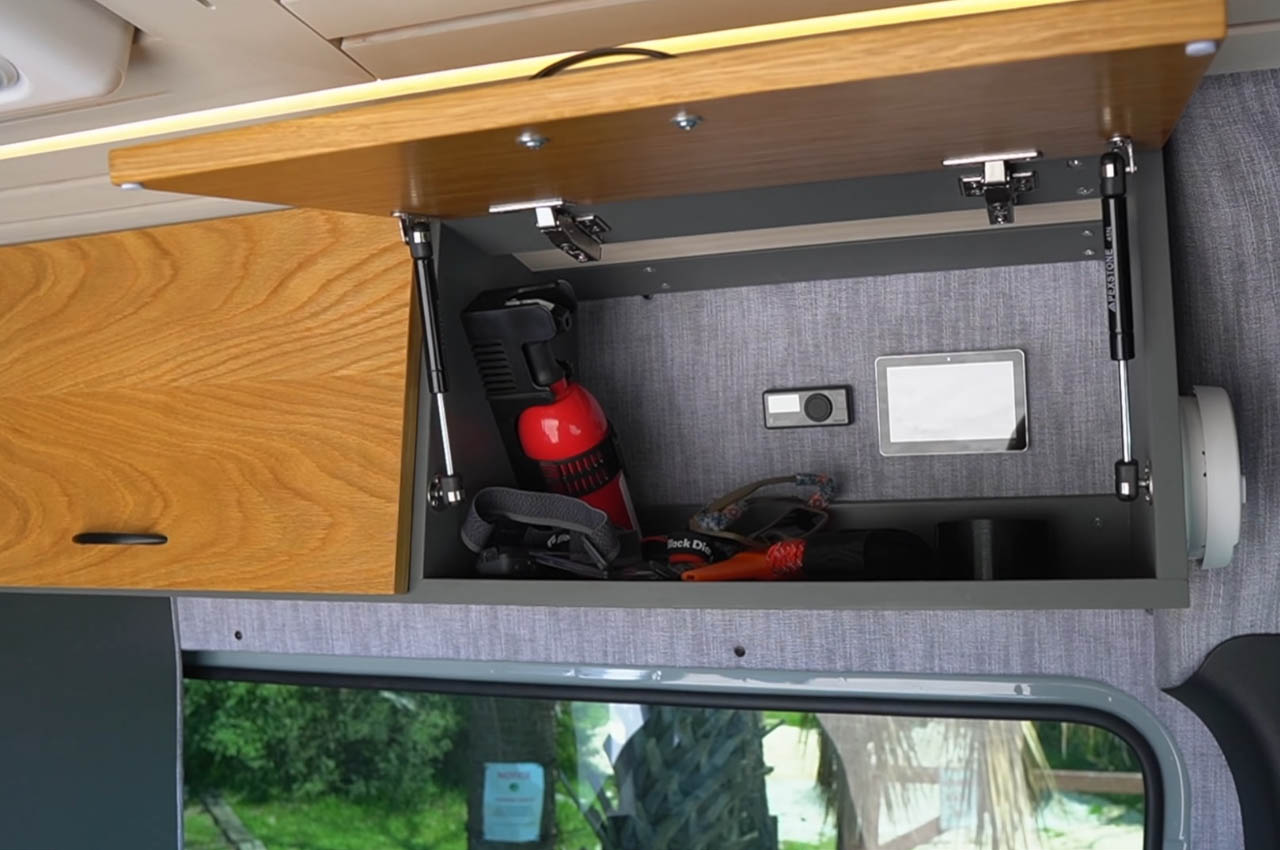
The front portion of the van home has seating for the family comprising the driving seat and a bench for other passengers. Overhead is a shelf featuring the van’s heater control panel and a touchscreen monitor. Moving back on the passenger side is the kitchen that features a white countertop, white subway-tiled backsplash, a countertop with a fold-away table, sink, fridge compartment, a pull-out pantry, and under-sink and overhead cabinets for storage.

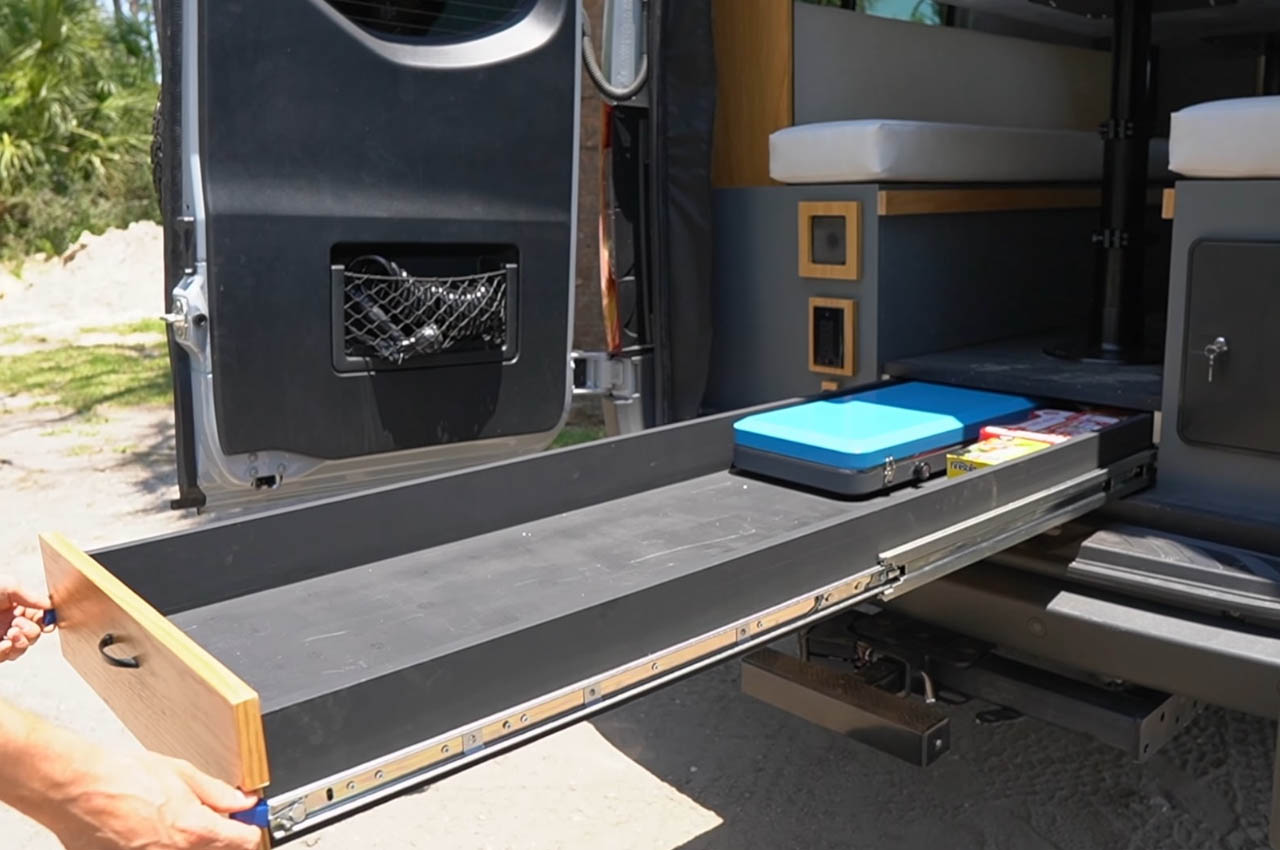
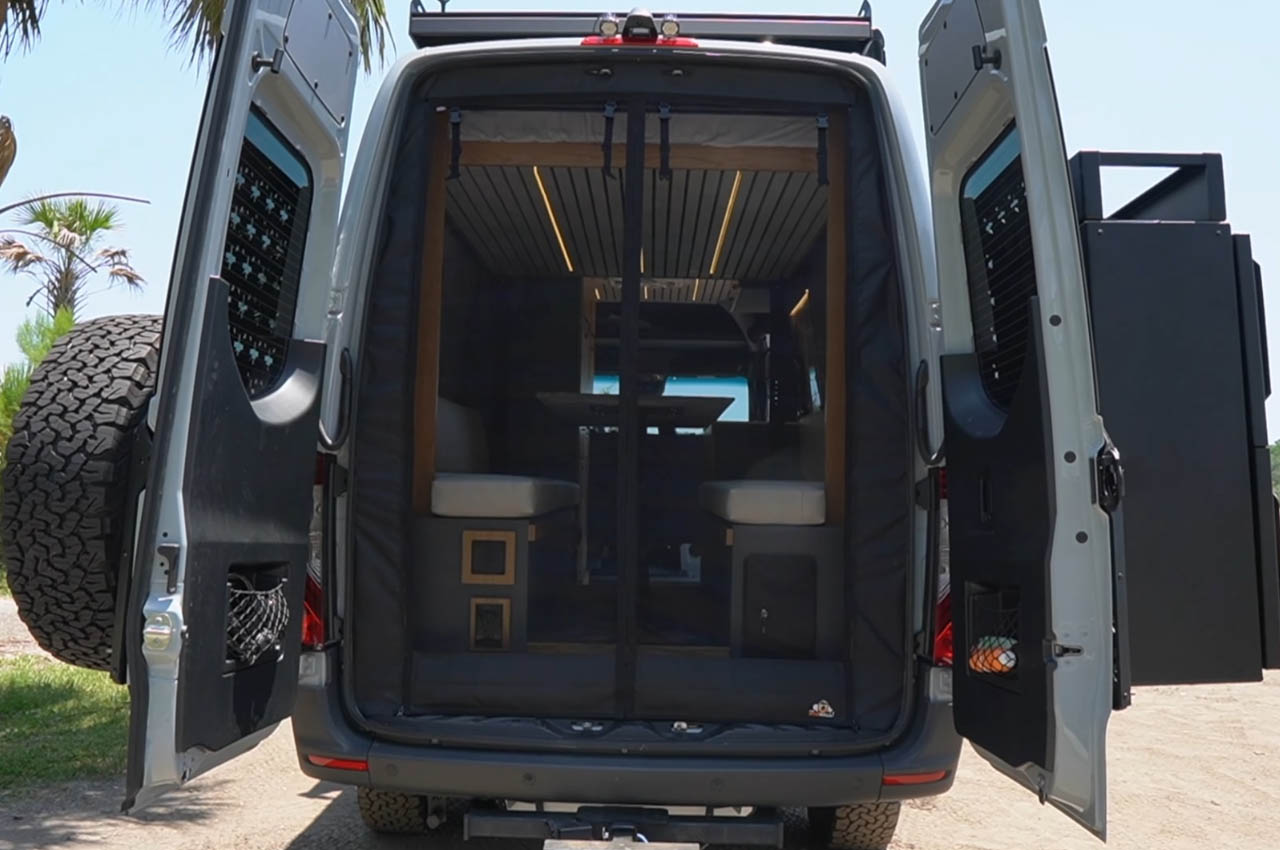
The water of the Beachside Custom Vans family van home is managed by a 28-gallon freshwater tank and a 5-gallon graywater storage, which can be emptied appropriately on the press of a button. Opposite the kitchen are two large closets for storage along with a slide-out section for the dry-flush toilet. If you’re thinking of how to wash up and bathe; opening the two rear doors you can access an outdoor shower. Here a large drawer also slides out which you can use for various requirements, including keeping your gear.

When the day is over and the family wants to dine and retire, there is a dinette with a pair of benches and tables that can transform into a bed. The main queen-size bed hangs down from the ceiling, leaving good headroom for the sleepers on the couch below. The entire van home conversion is possible for $75,000.

The post Modified Mercedes-Benz Sprinter van doubles into a 5-Person Camper with Bunk Beds first appeared on Yanko Design.
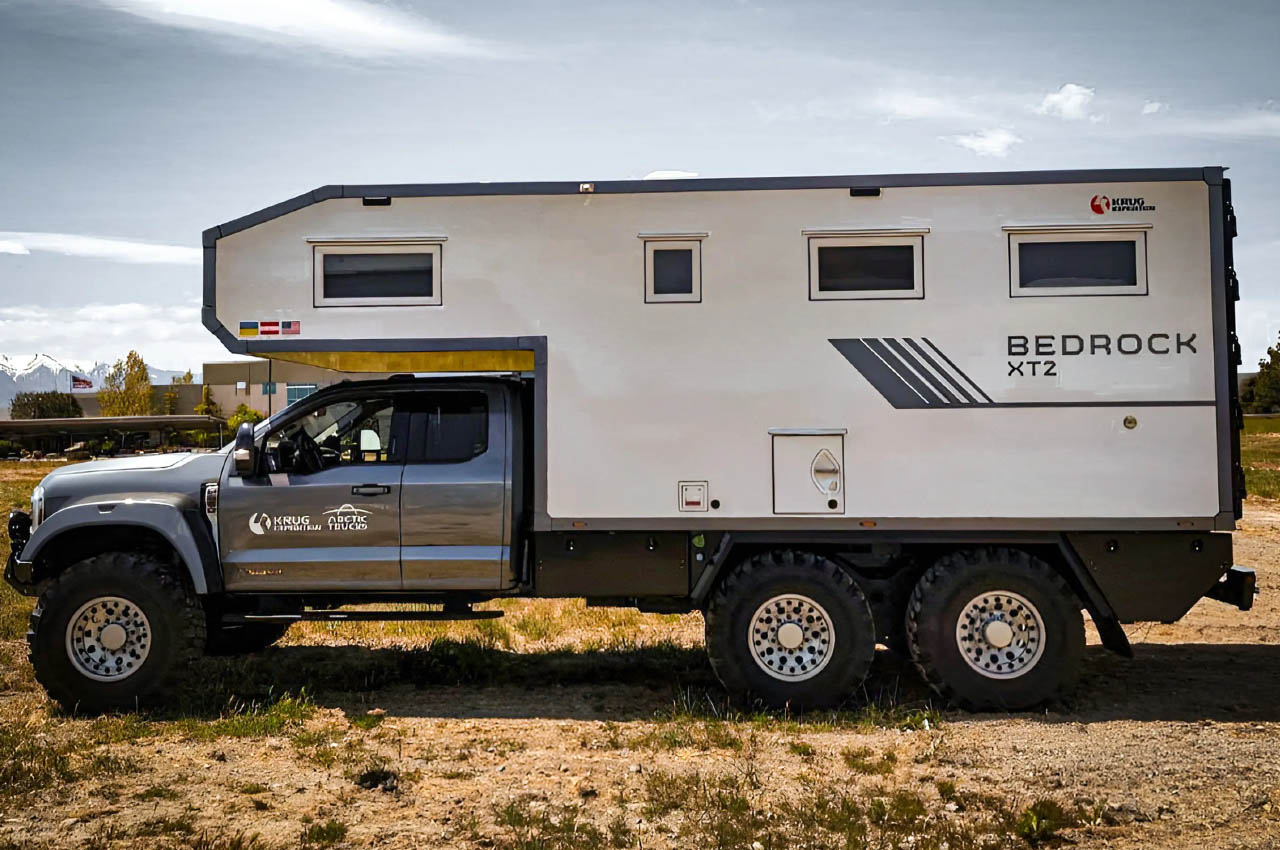
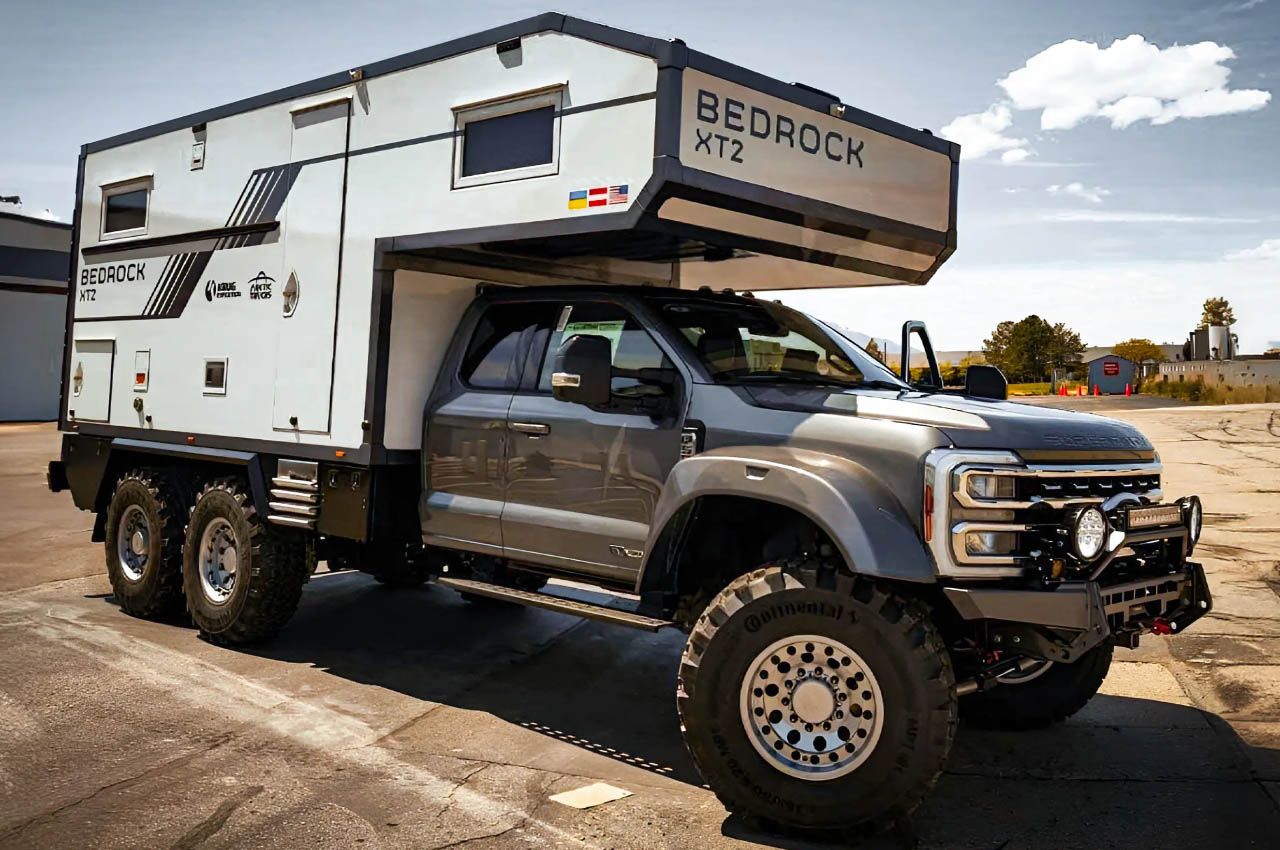
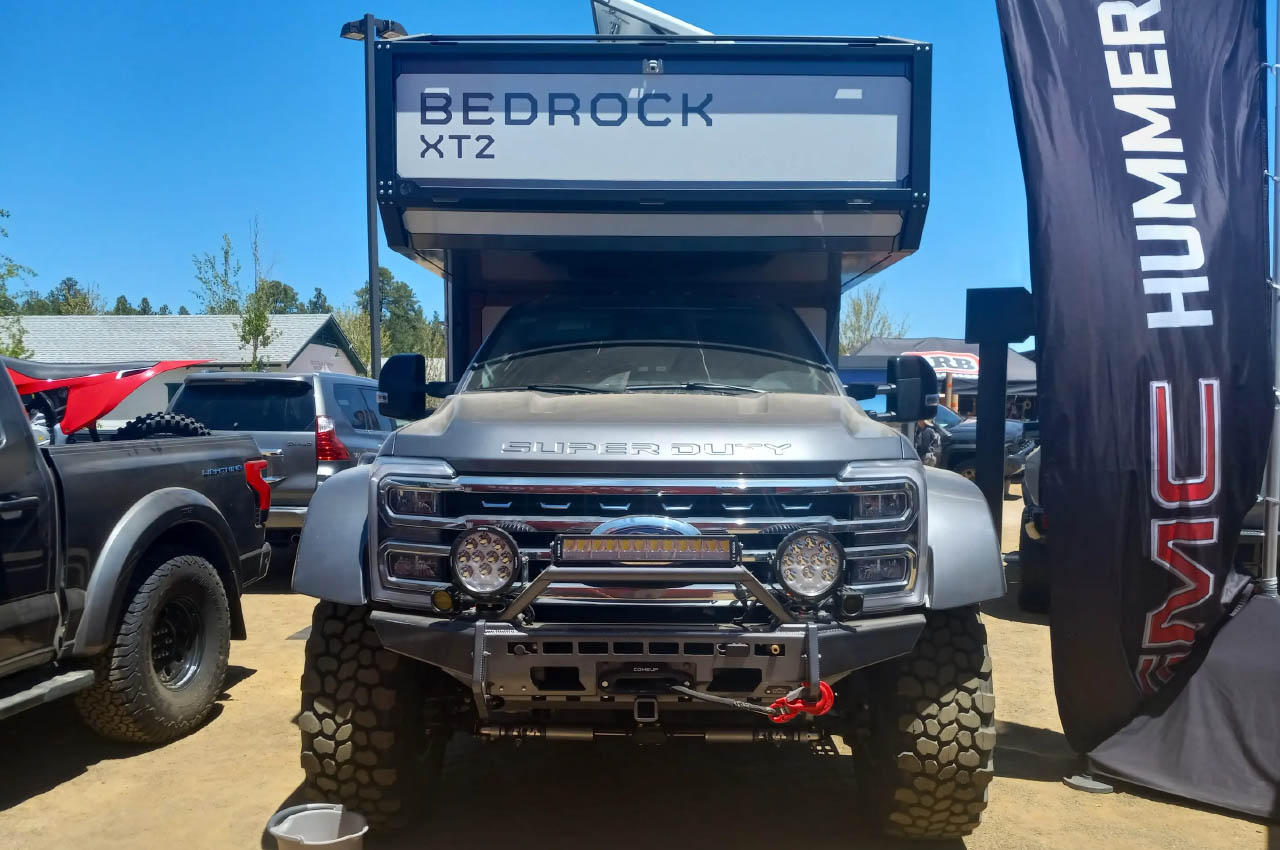
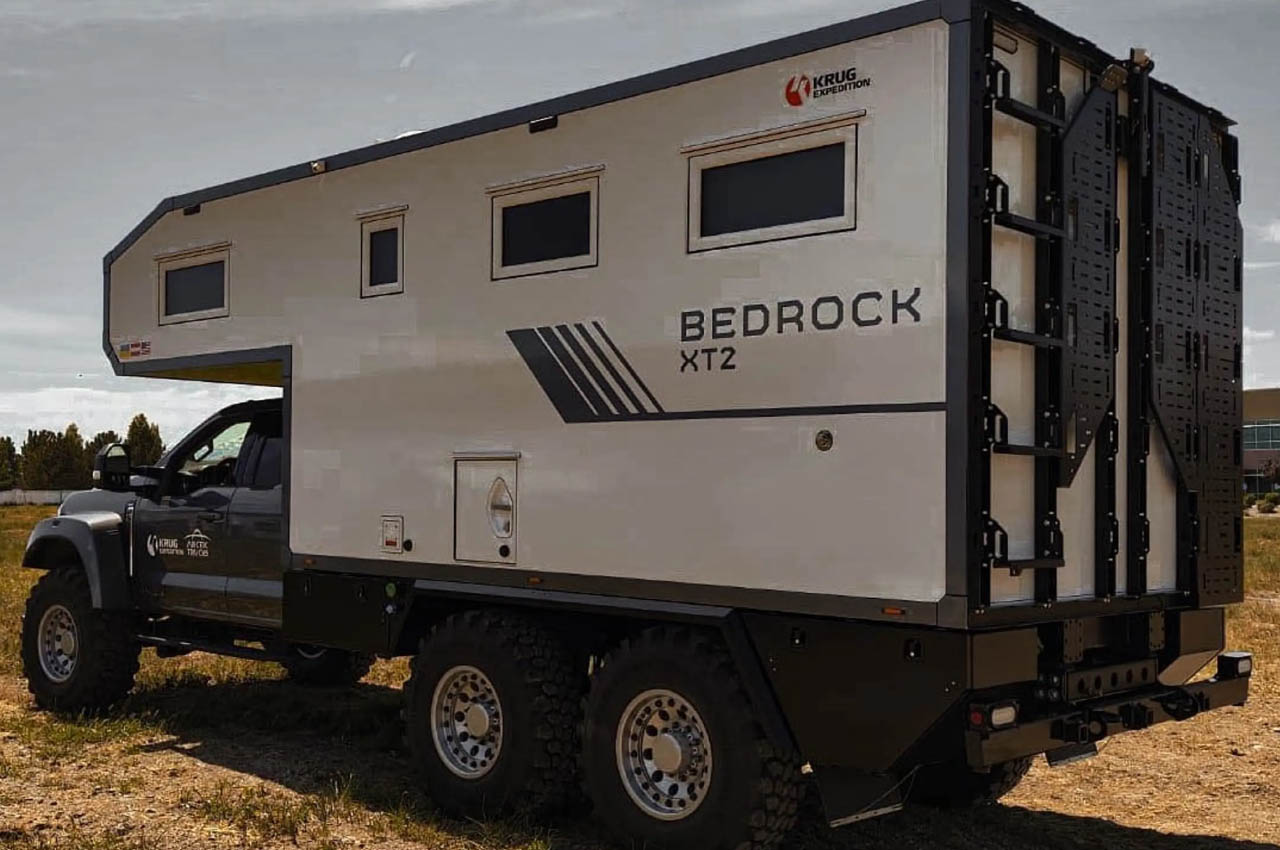
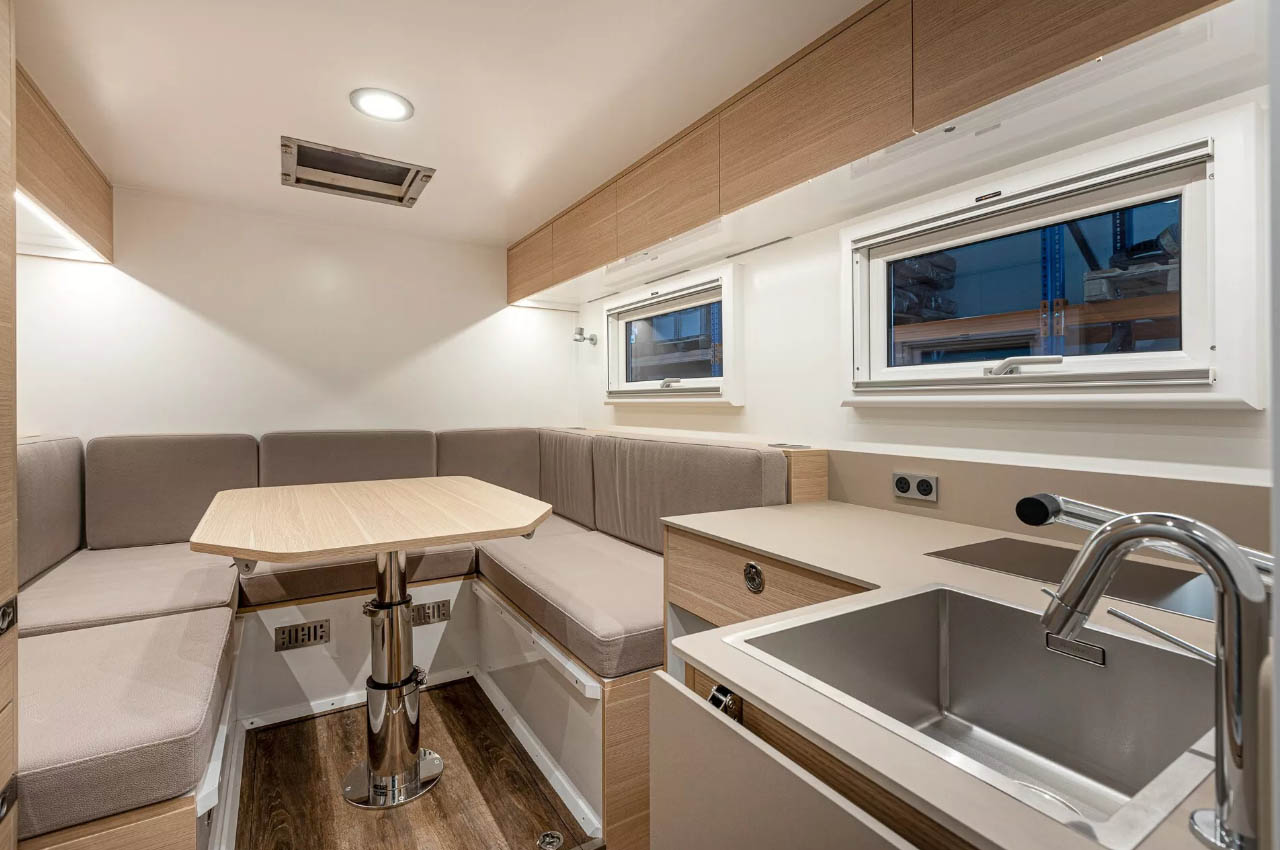
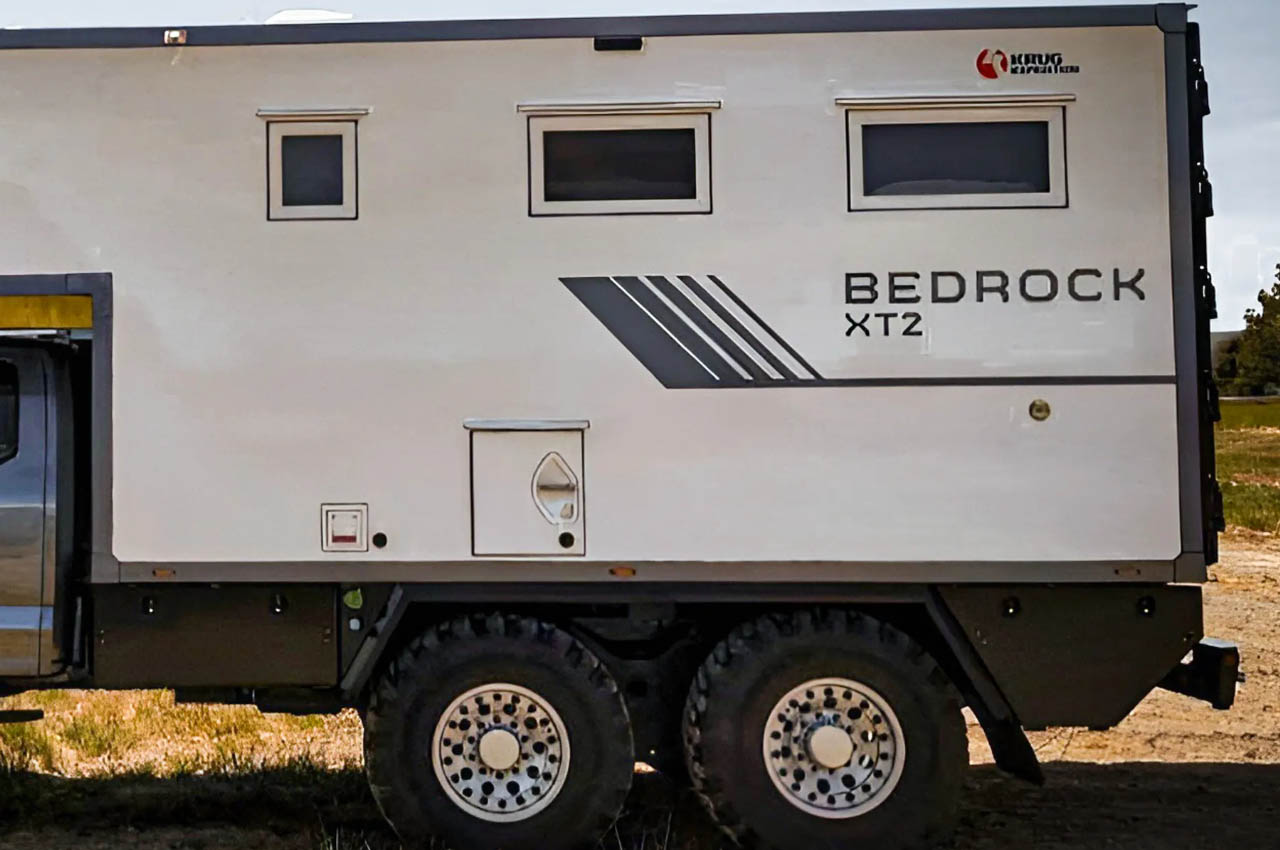
Krug Expedition Bedrock XT2 off-road camper is ultimate partner for overlanding journeys in the US

Of course, when the best in the business come together the result is absolutely impressive. Add to that specifications and ideas cooked for a defined regional dominance and it is bound to have some waves riding its way. Case in point the new Bedrock XT2. It is made especially for the US and comes out as an impressive and luxurious truck home for the overland expeditions you will plan later in the year.

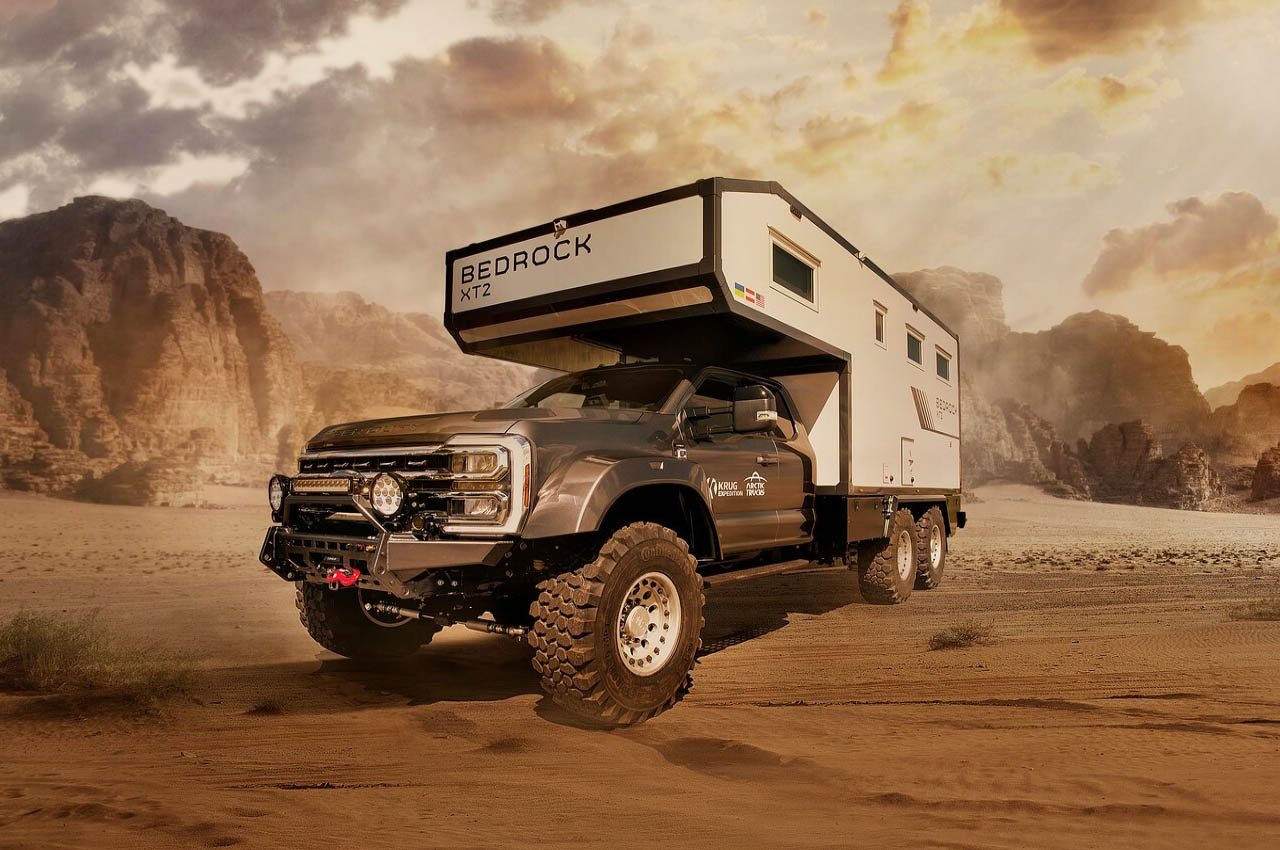
Coming back to the story lede, the Bedrock XT2 is the result of an amalgamation between two stalwarts – Krug Expedition and Artic Trucks – of their own device. The former, an Austrian business, brings decades of experience in building expedition-level trucks while the latter adds a spice of polar transportation to it, giving us an off-road camper that’s robust, comfortable, and spacious; name it and your wish will be granted.

Designer: KRUG Expedition and Artic Trucks

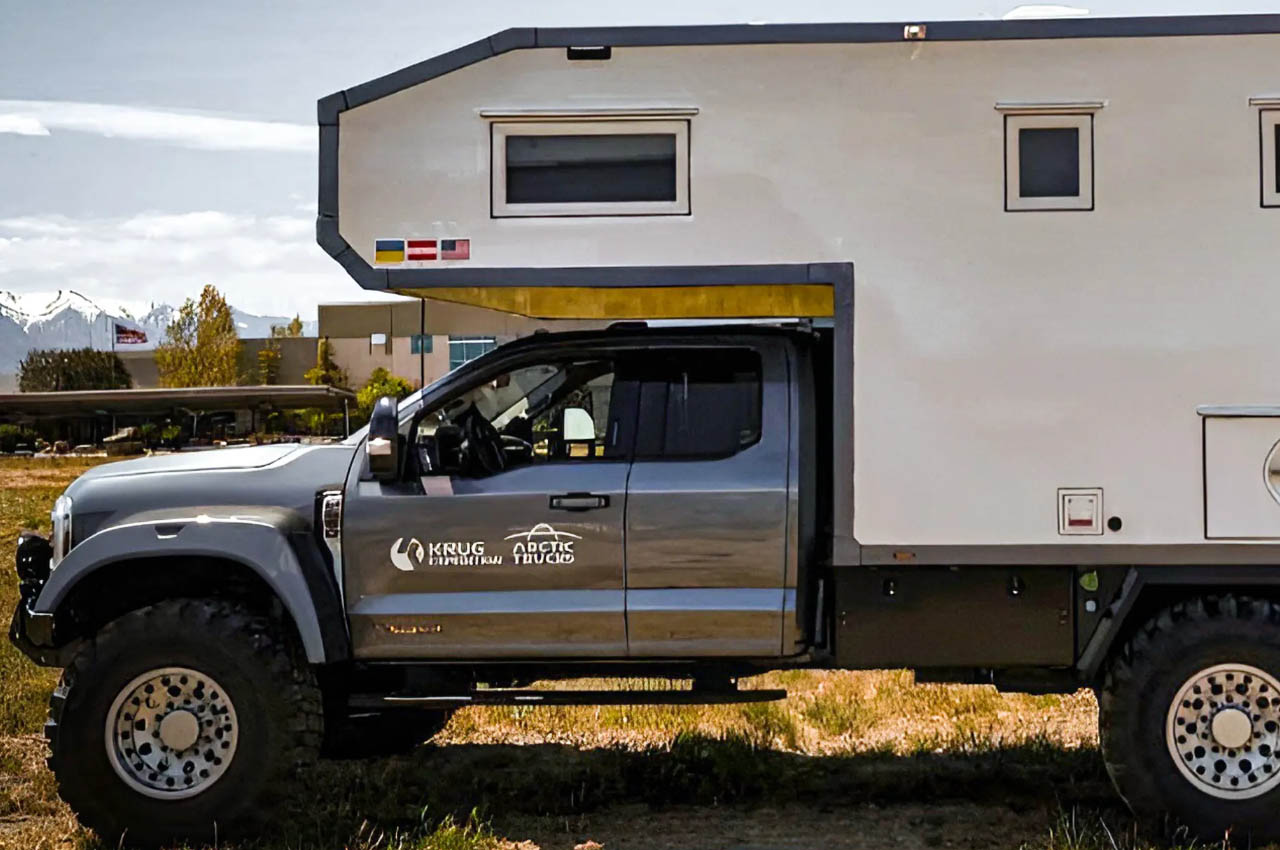
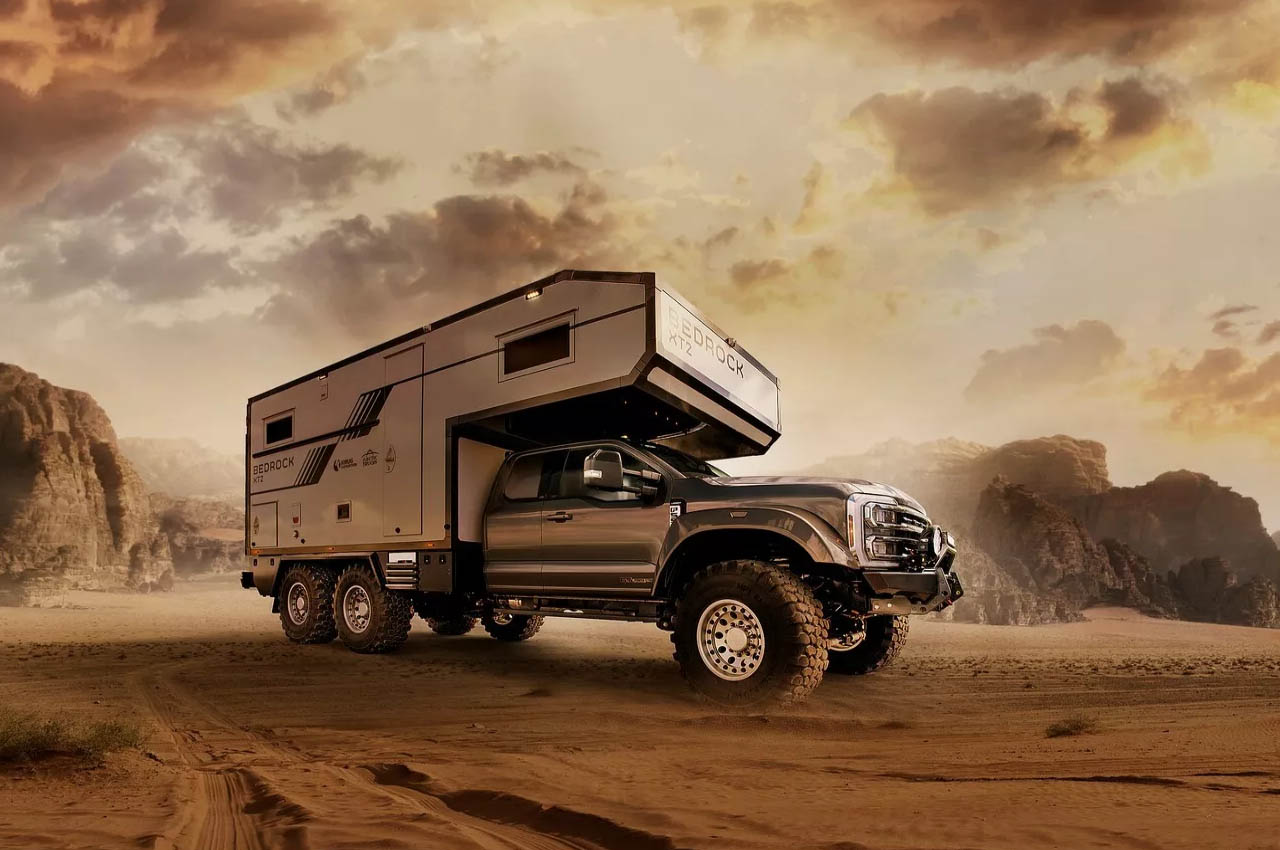
Designed to sit on the bed of the amazing AT44 XT2 Ford F-550, the Krug Expedition Bedrock XT2 off-road camper is positioned on a next-level suspension and chassis that’s made for reliability. To put that into perspective, the Artic Truck’s massive custom ride comes with a three-axle, 6×4 off-road drivetrain and eight-link air suspension so you are never left stranded in the middle of nowhere with a vehicle breakdown.

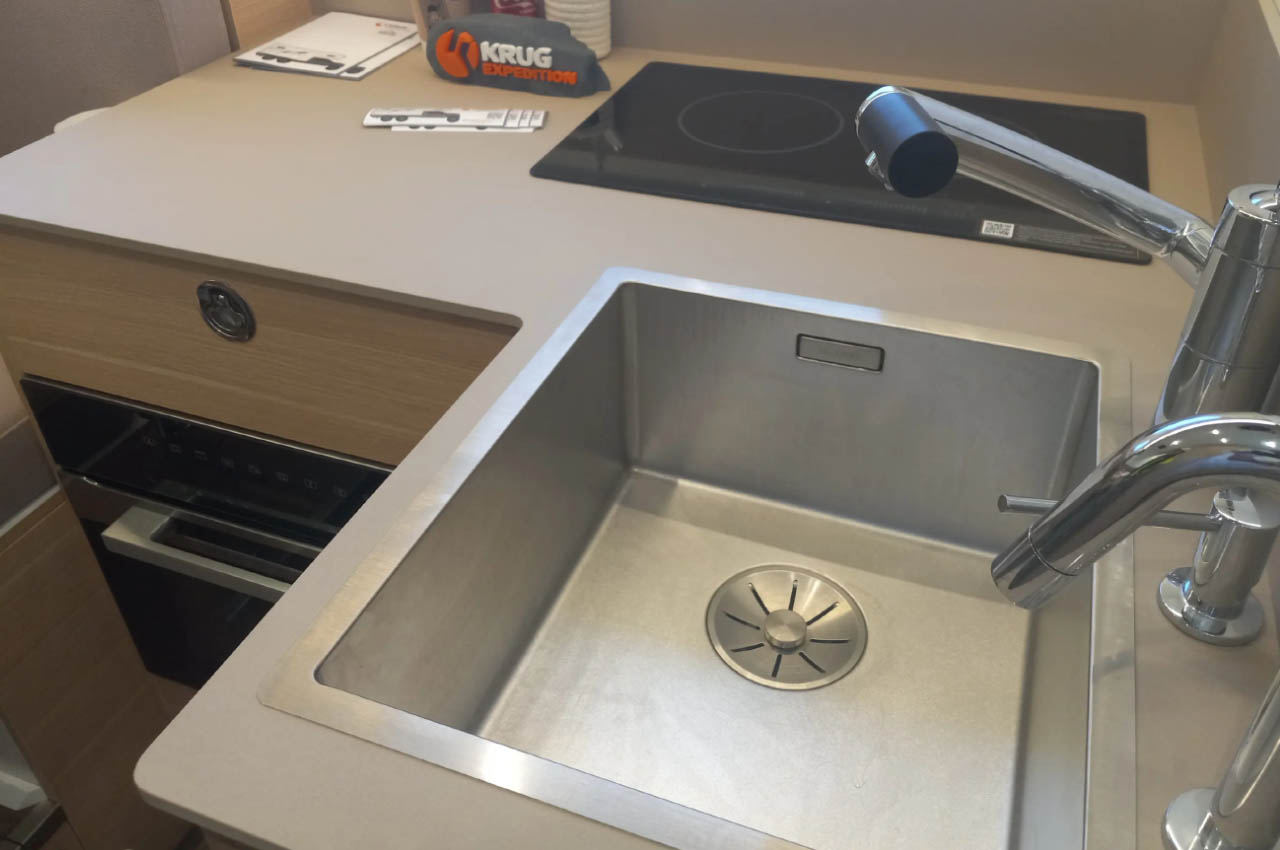
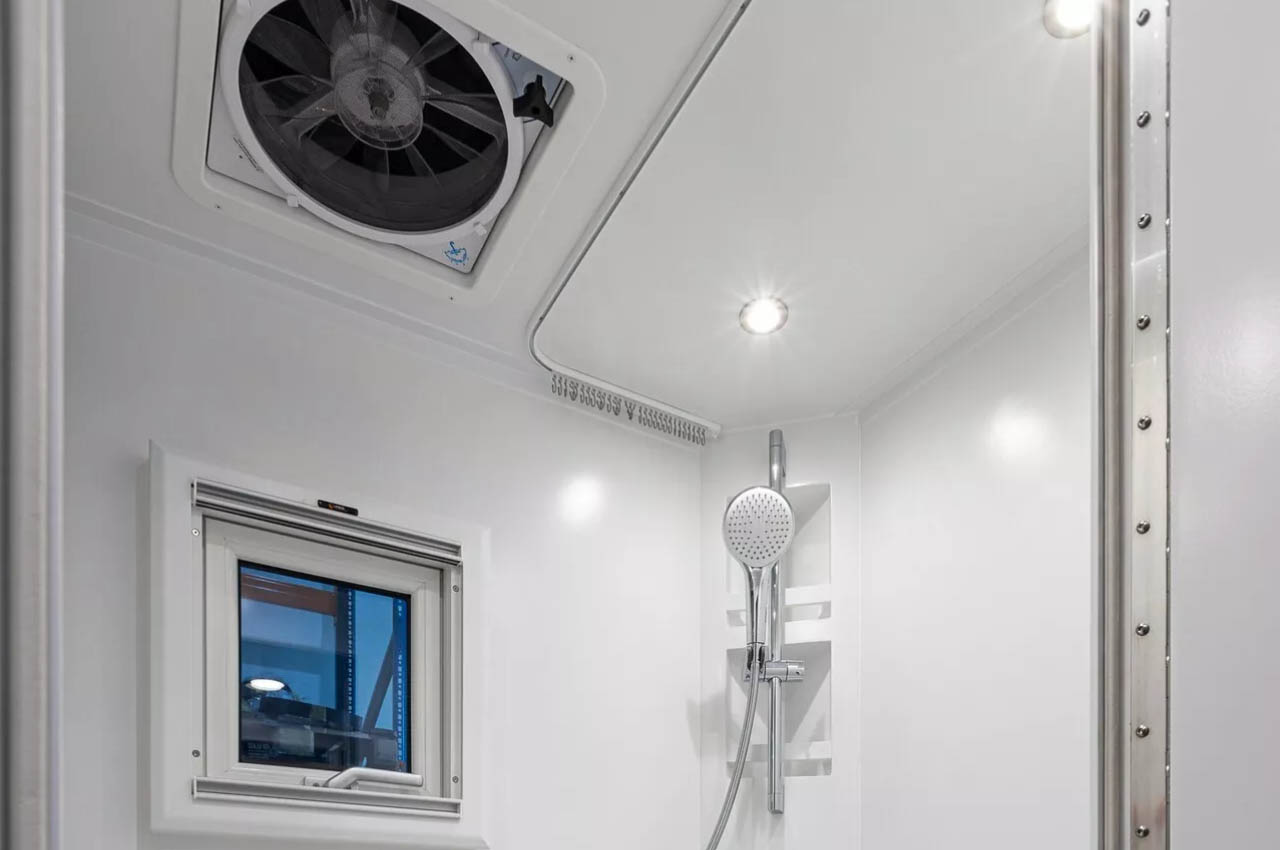
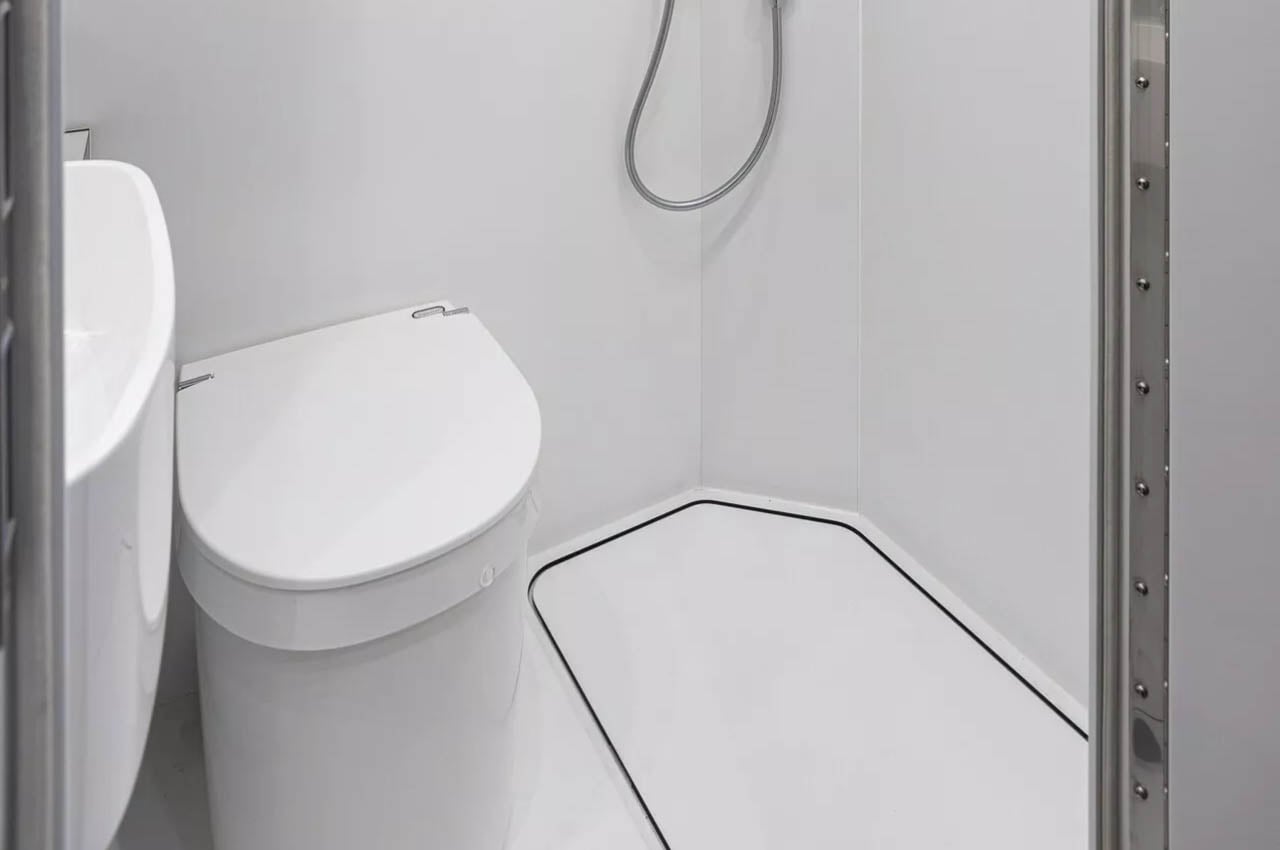
This home on the road meant to ride you back home without hesitation, sits on an 8.4m long base, and makes things really intriguing with the option of its removable living module. On the inside of this hard-shell, reinforced sandwich panels exterior of the gooseneck-like camper lies a space you can associate with road luxury. The insulated living area is dressed with a king-size bed, dining/sitting area that converts into an additional sleeping nook, a full-fledged bathroom with shower and water storage, and a high-octane L-shaped kitchen for cooks with a Nespresso coffee maker for a bean pod-like me.

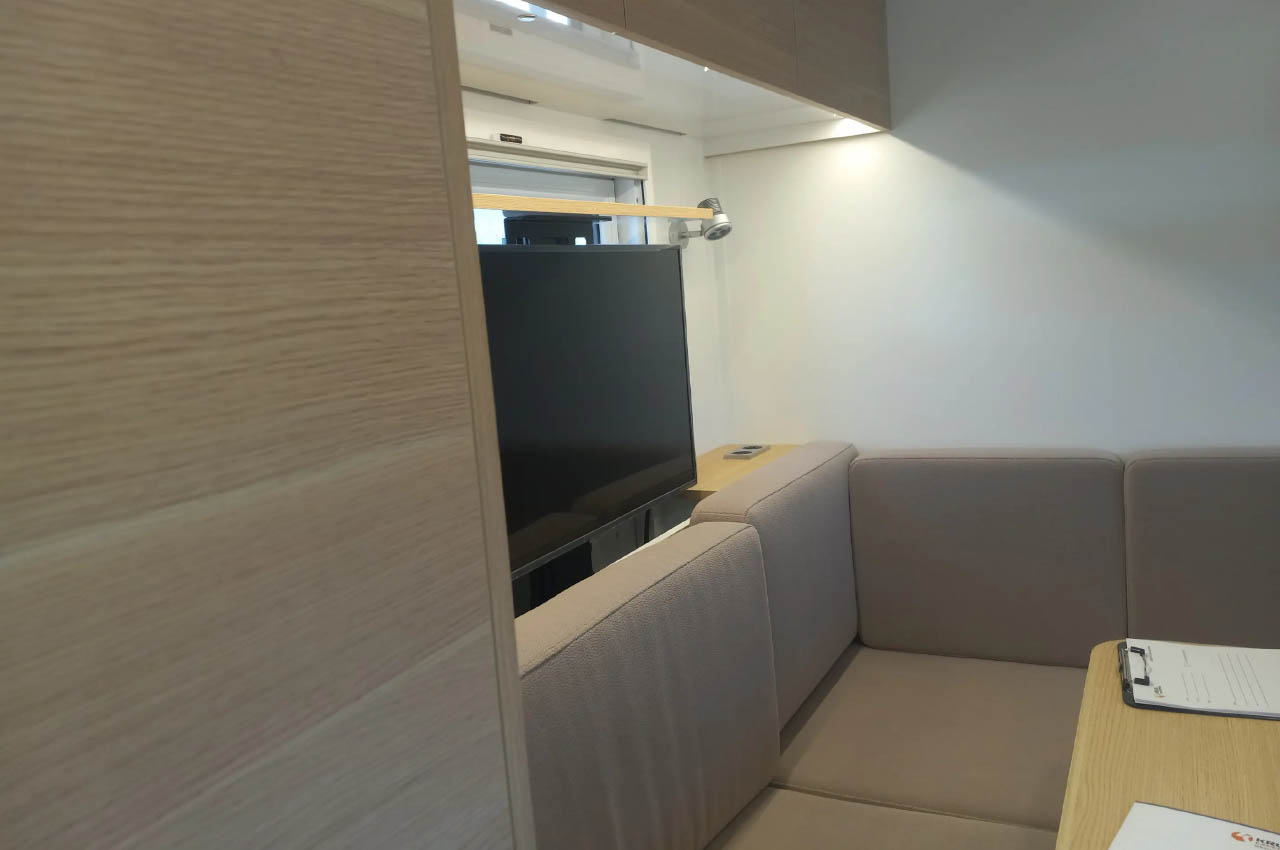
On board the off-road camper is a 23kW hour battery, which draws power from the 1450W rooftop solar panel, and can power the pickup camper’s power requirement when the HVAC system stops/or is not running on diesel.  Besides the entertainment needs in-house are taken care of by a smart TV, connected to the Starlink internet, in the living section. As an add-on, the company can provide the Bedrock XT2 with a pullout outdoor kitchen, options for wood veneer finish, and leather upholstery for seating indoors.


The post Krug Expedition Bedrock XT2 off-road camper is ultimate partner for overlanding journeys in the US first appeared on Yanko Design.

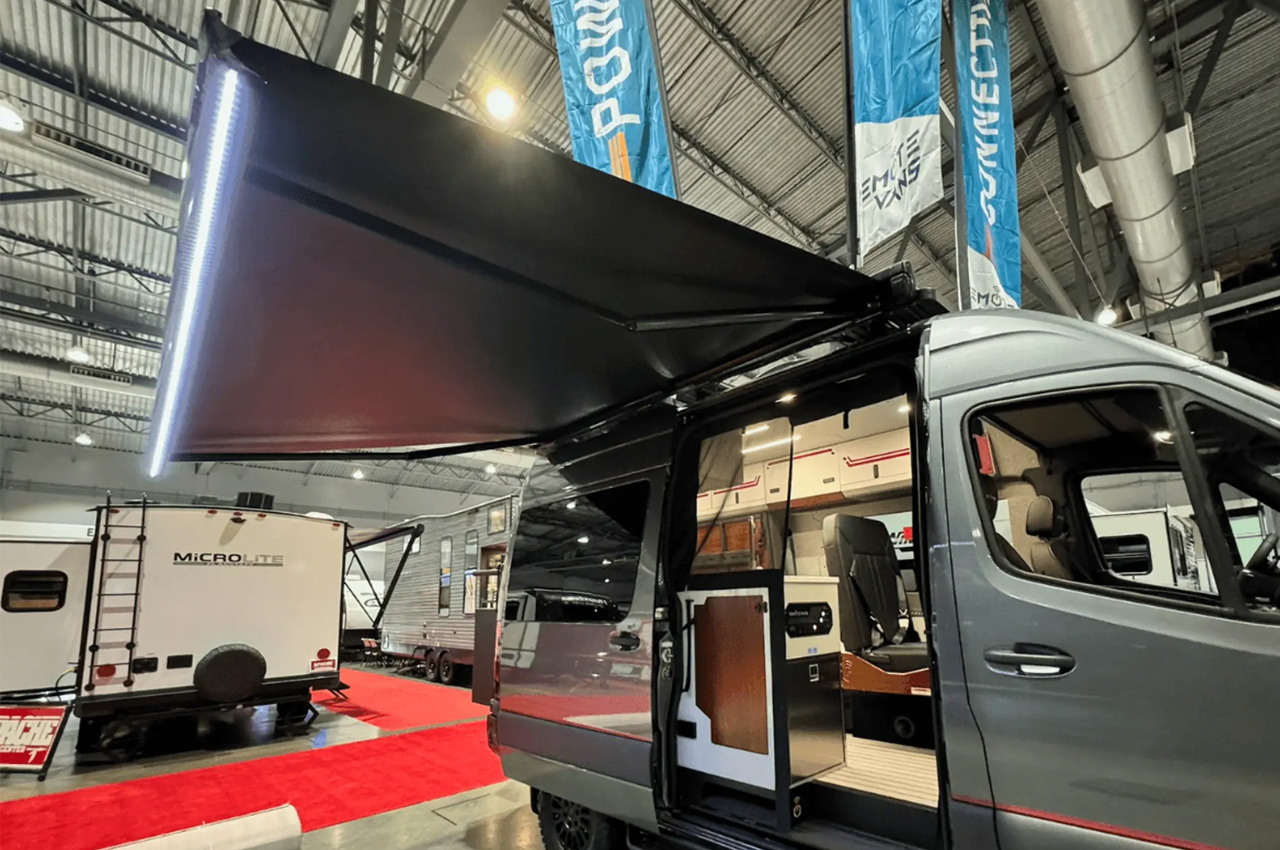
Camper van with space-saving indoor shower and Starlink internet is designed for extended days on road

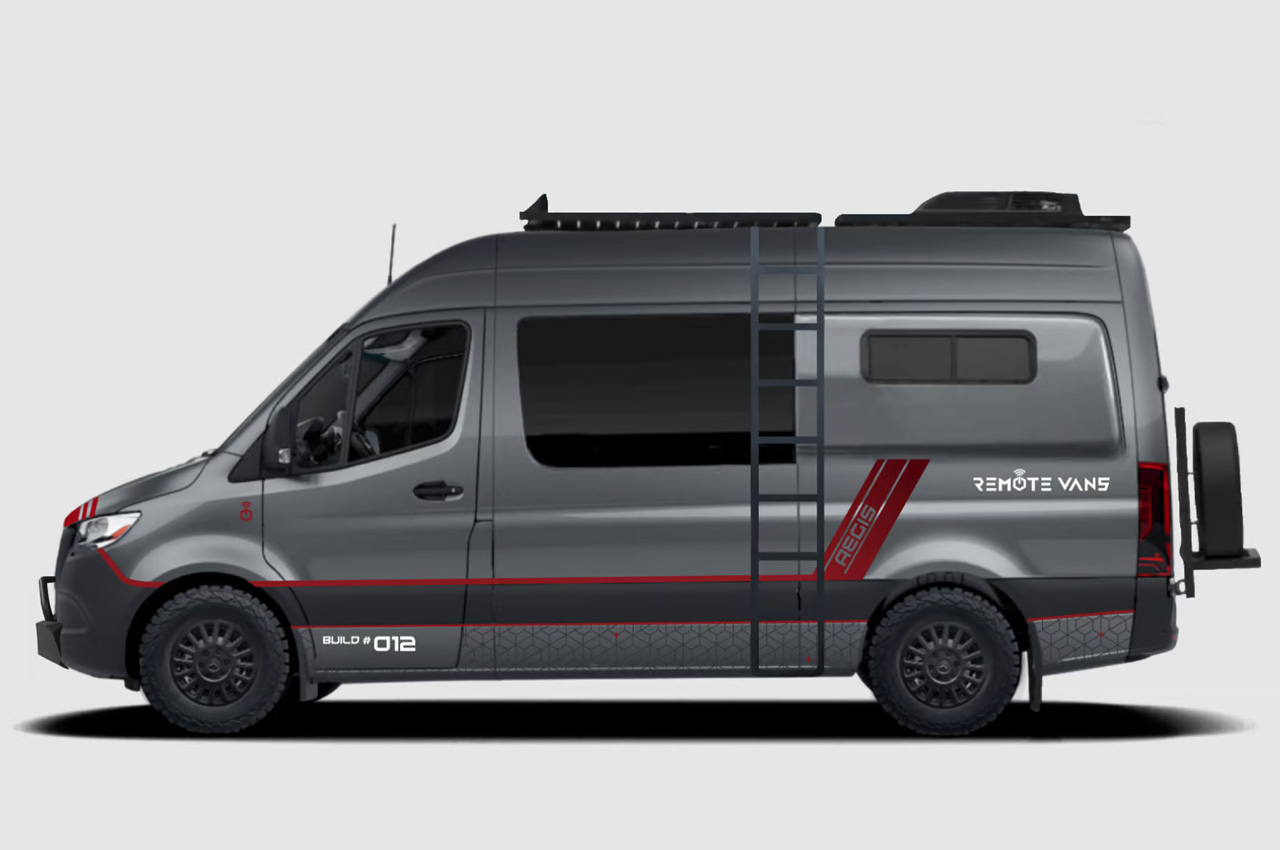
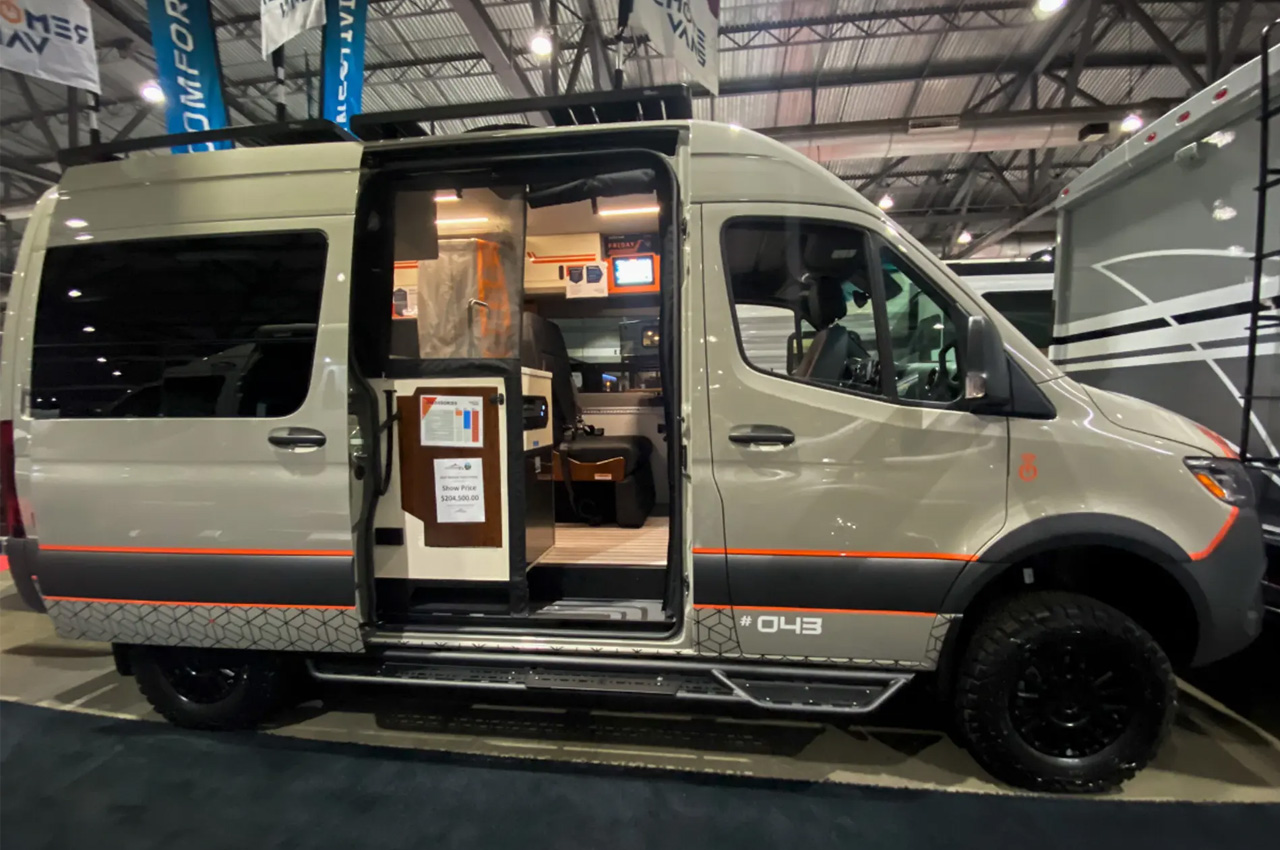
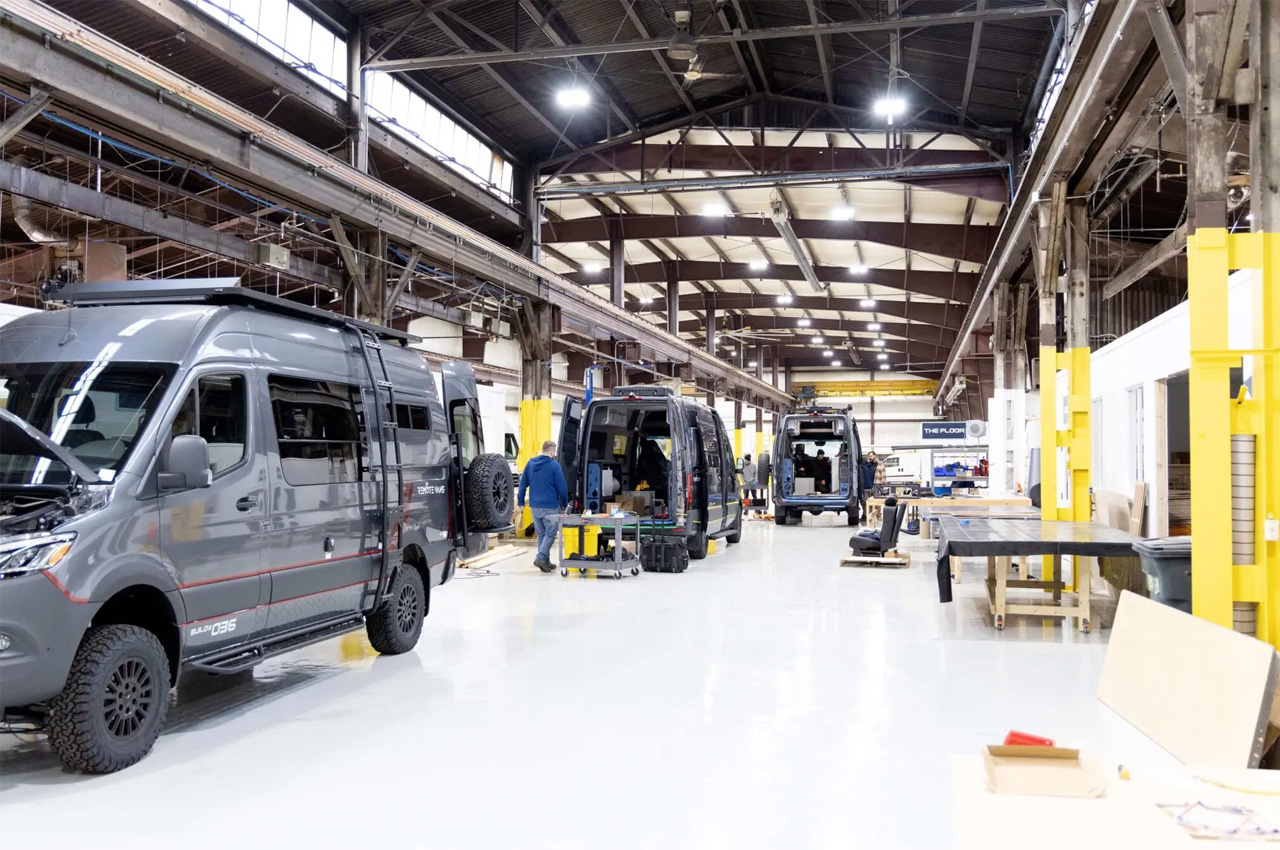
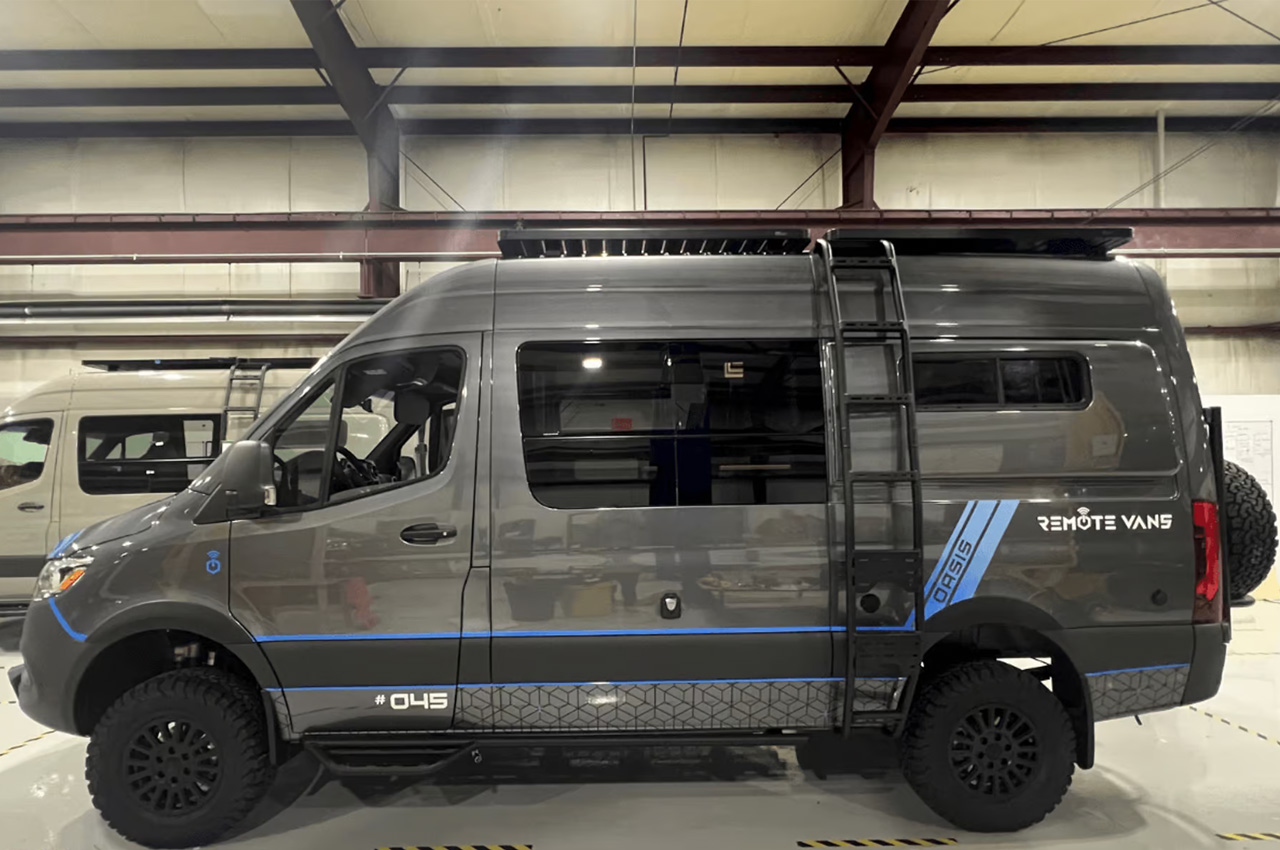
Living, Working, and Traveling have a new definition in 2024. Once, all three were separate entities; where you lived wasn’t where you worked, or where you worked you didn’t travel. But with trailers and camper vans, the entire definition is altering. Now, where you live is where you work, and where you work is where you travel. Based out of Cincinnati, Remote Vans has been making this transformation come real since 2021 and it’s reached a new high in 2024 with three new models—Friday, Oasis and Aegis.

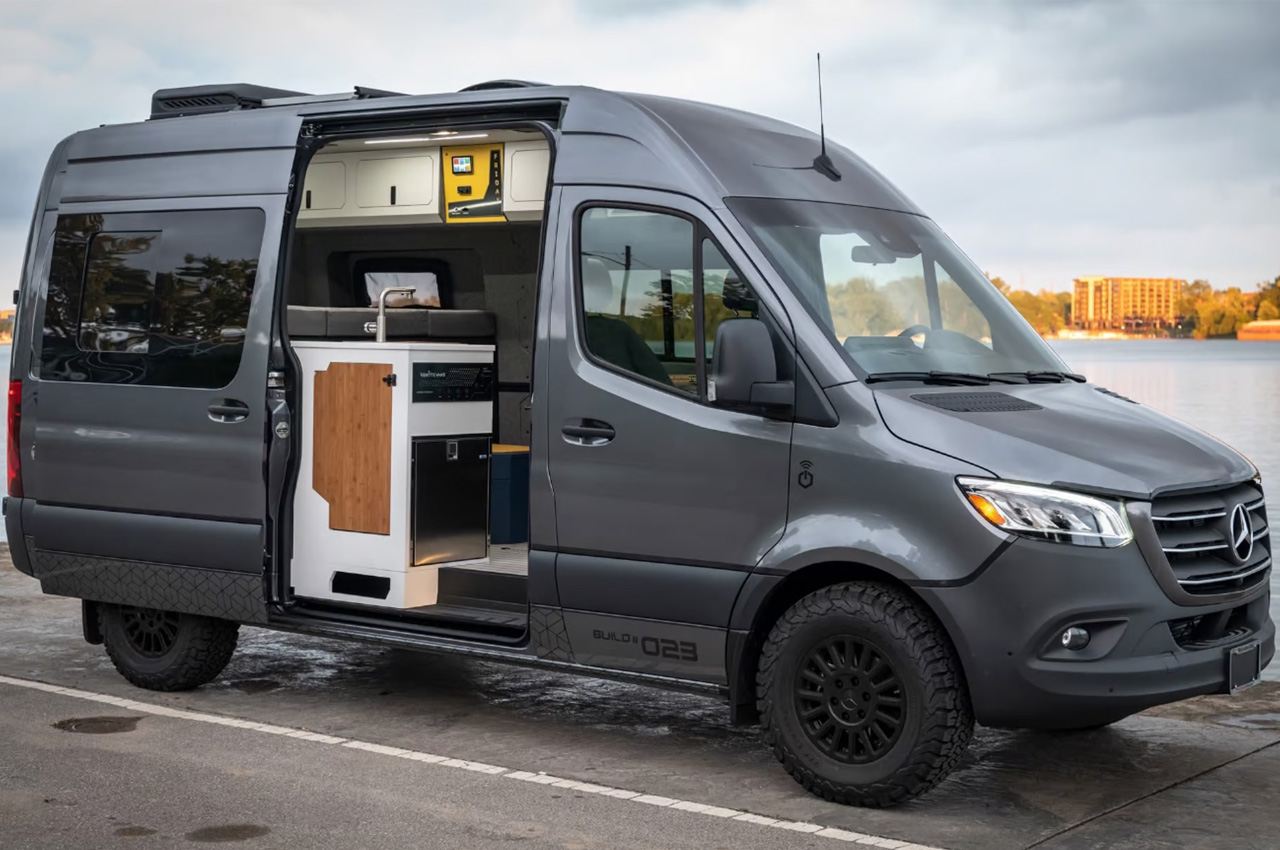
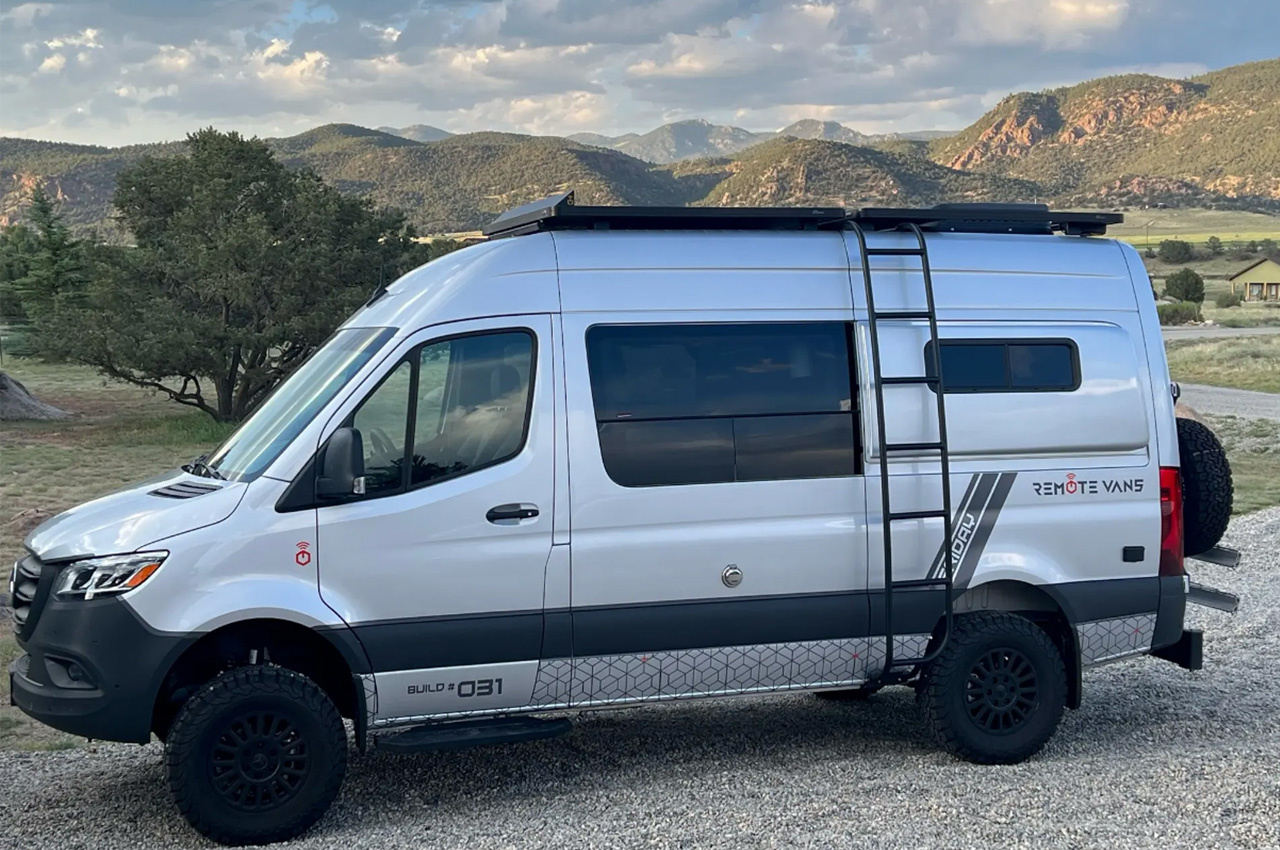
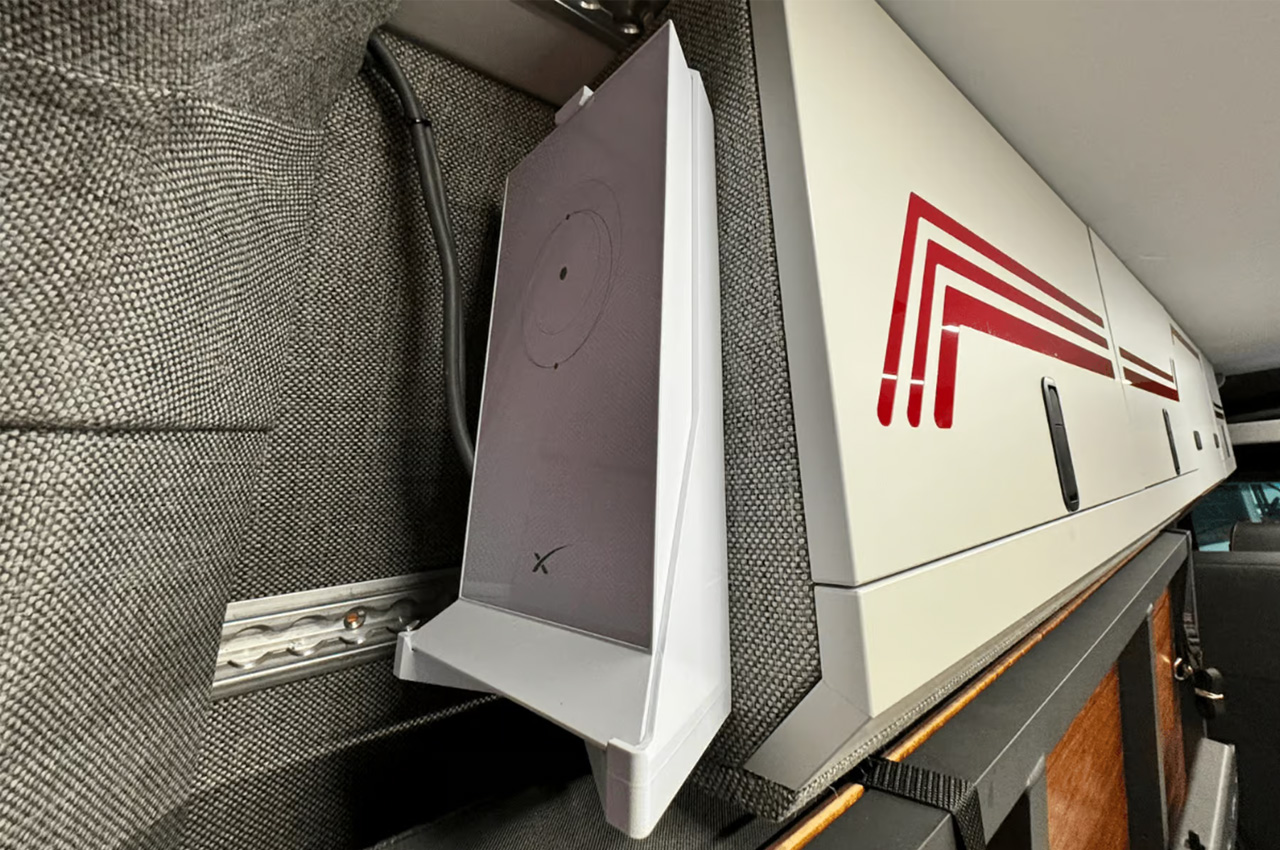
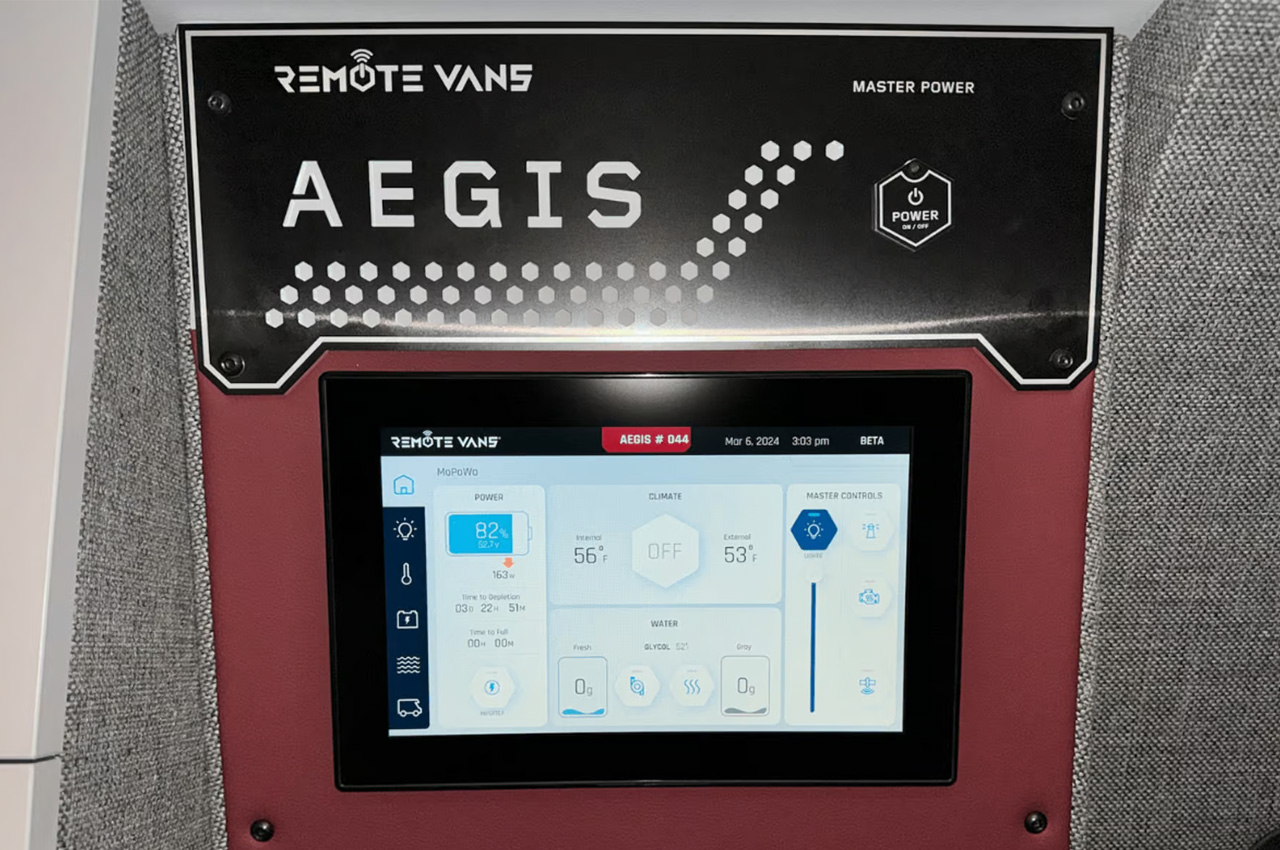
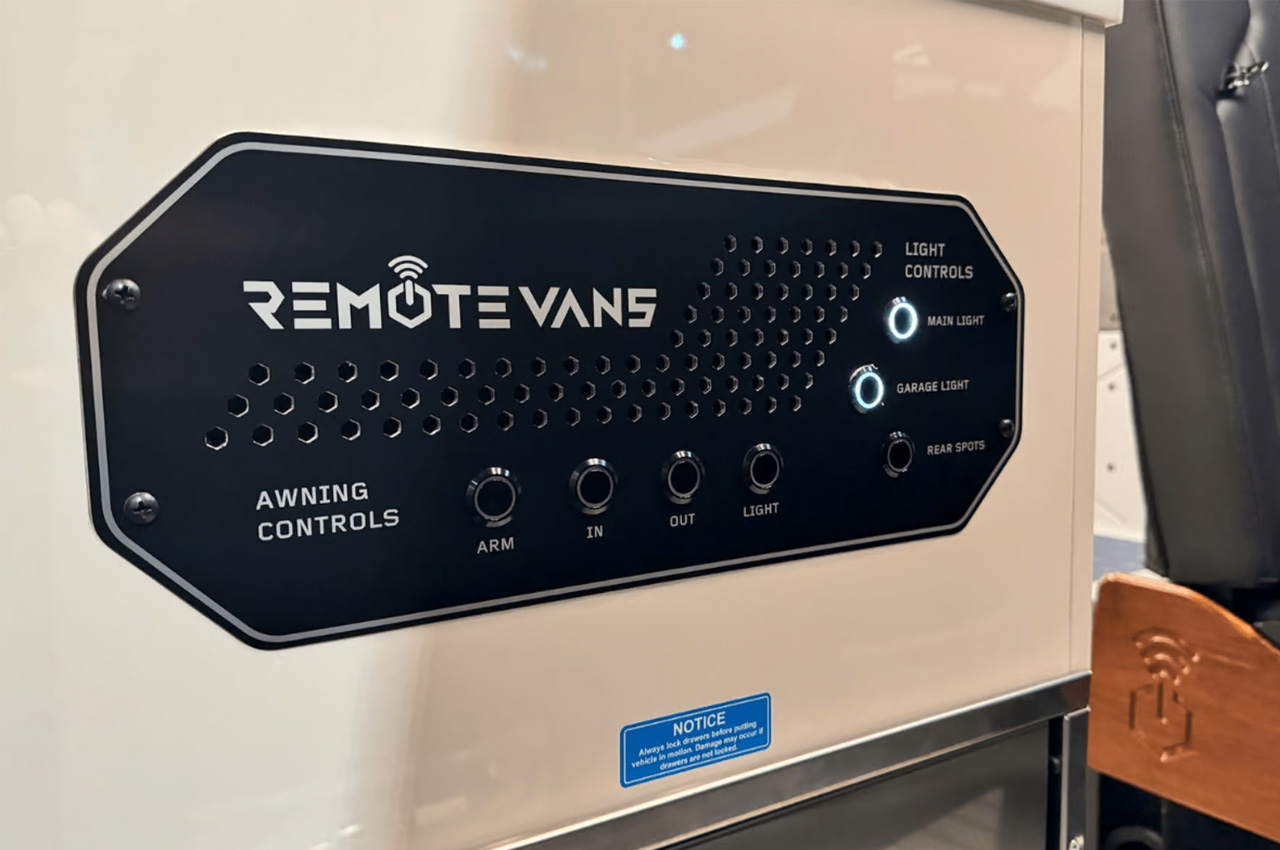
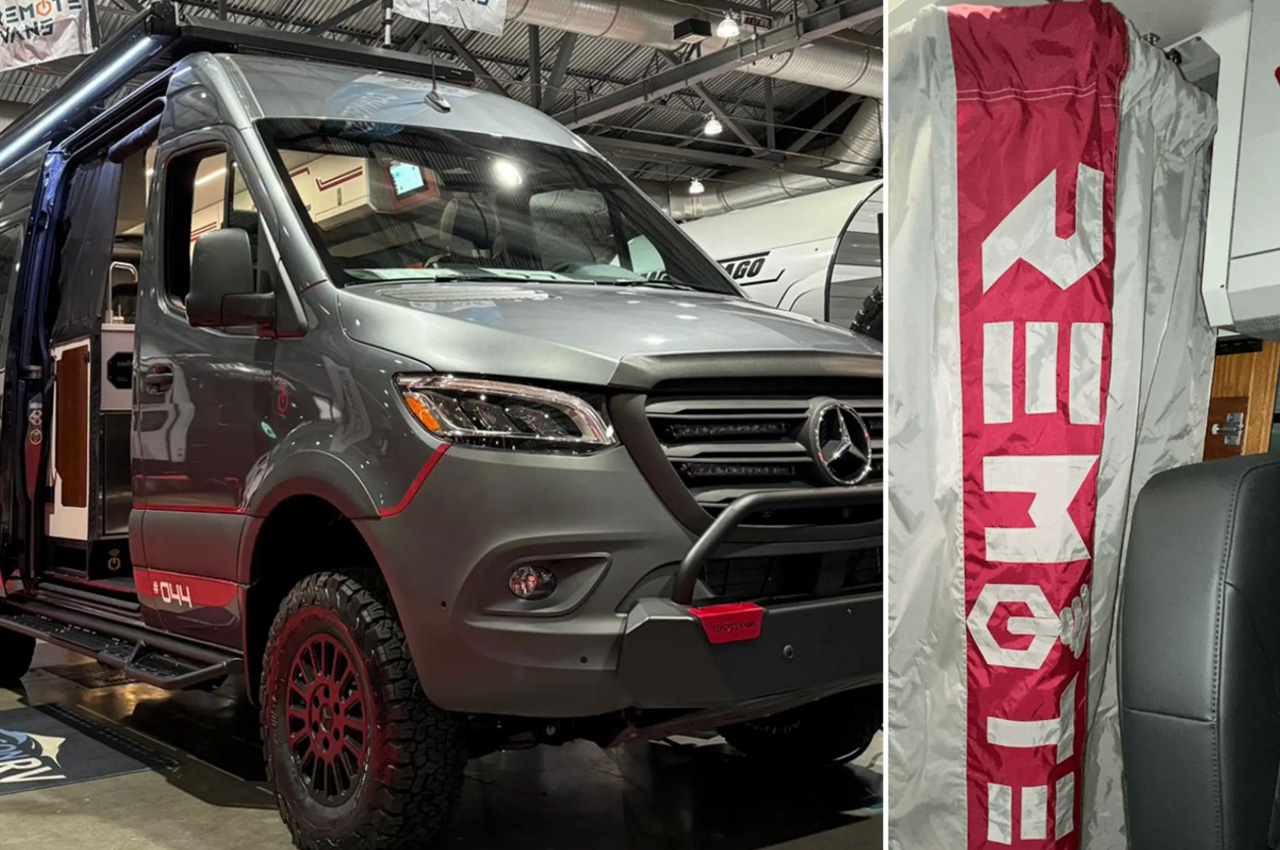
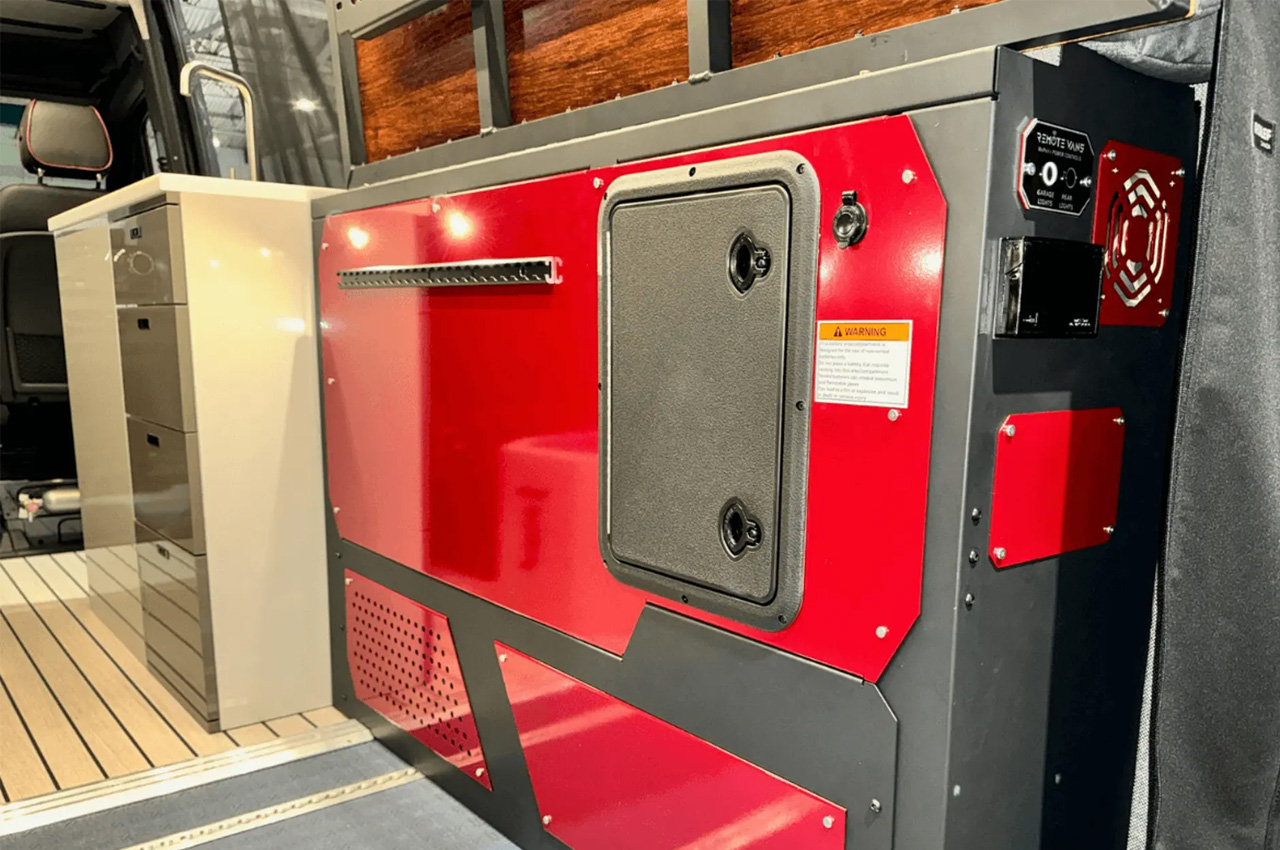
The three Remote Vans variants are built on Mercedes Sprinter chassis with “power, comfort and connectivity” at the forefront. Born at the company’s new 30,000-square-foot production facility, all of the Friday, Oasis and Aegis are designed and fabricated in the factory except for slight metalwork carried out by a local vendor. While power comes from the Sprinter, comfort is ensured by the Remote Vans’ experience in Class B motorhomes, and connectivity is provided with Starlink high-speed internet. All of it is powered by a massive power bank, which can either juice up electrically or using a 190 watts solar panels.

Designer: Remote Vans

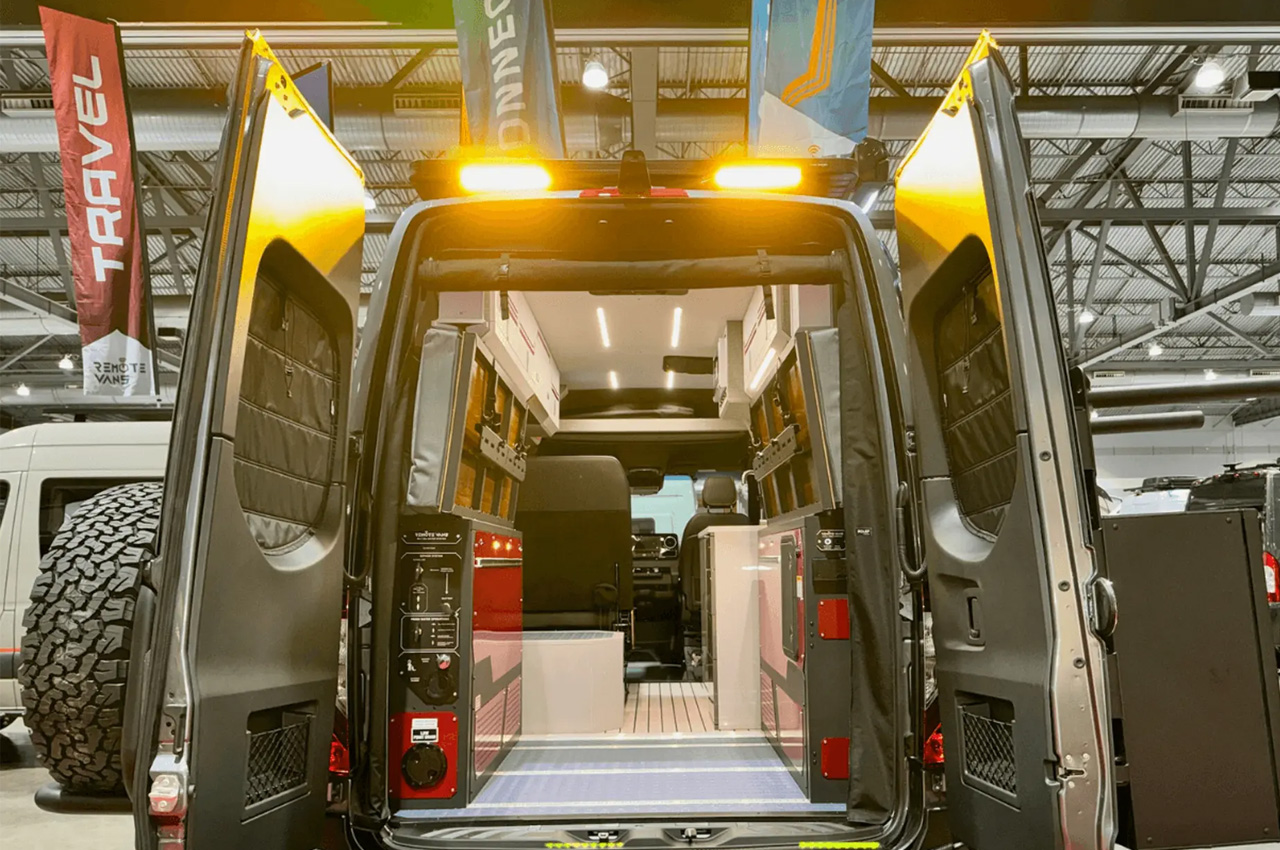
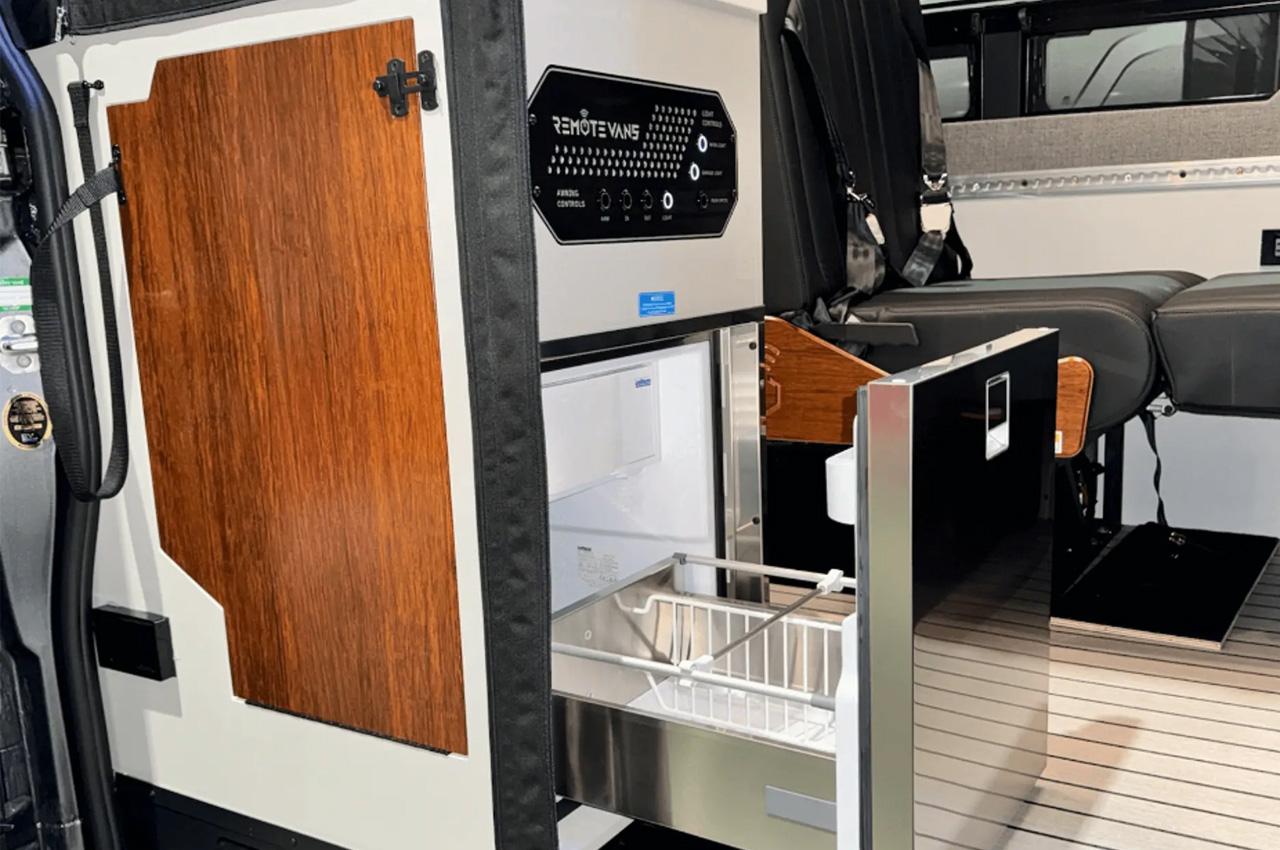
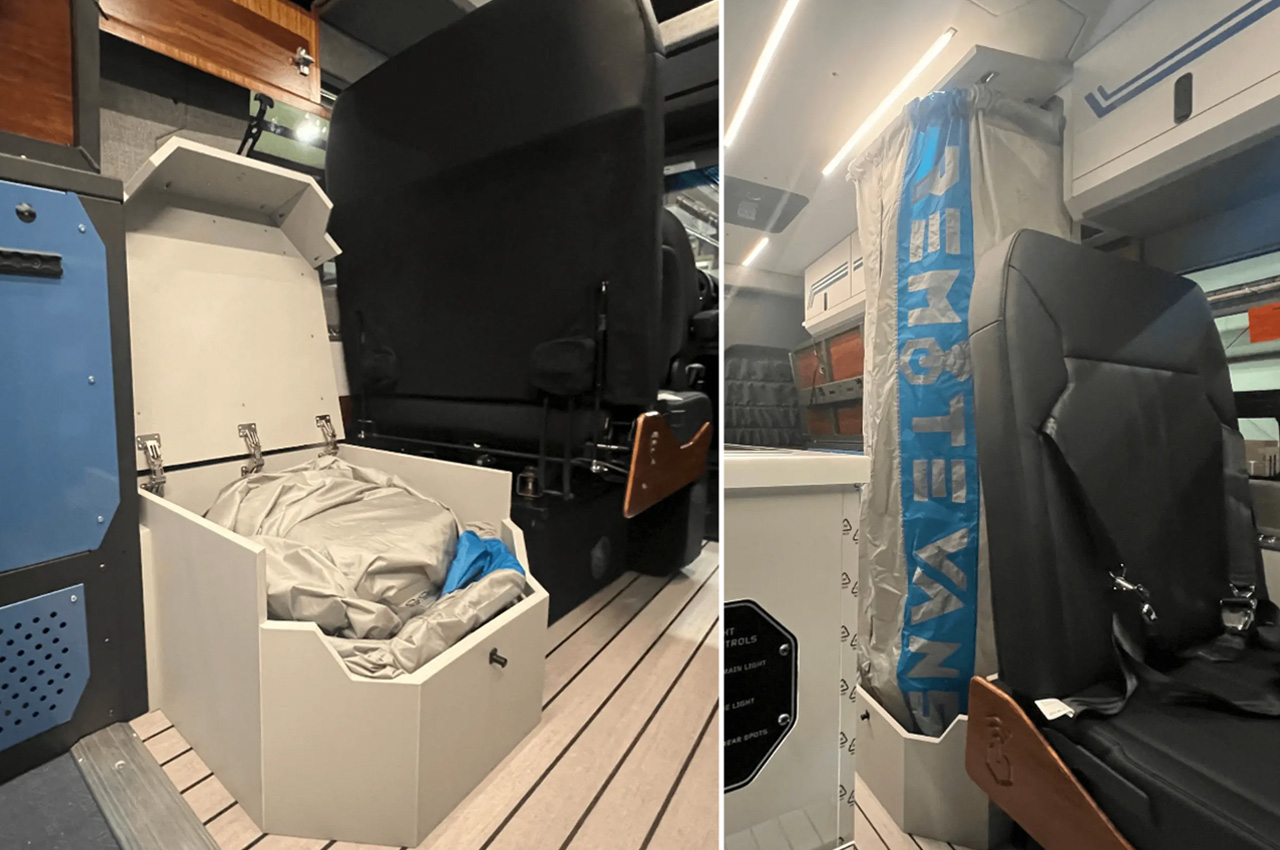
Remote Vans is making inroads in the RV market now with some customized features that should put it in a different league from its competitors. For instance, the new Friday, Oasis and Aegis arrive with a company-built shower pan (recirculating and collapsible shower system), freshwater tank and other befitting features like Espar hydronic water and air heating system to make camping for extended time fun in them.

The new power bank – comprising a 16.8-kWh 51-V Lithionics battery and a 3,000W inverter – onboard these Remote Vans models comes with 60 percent more storage than in the previous models. It takes care of the power needs of an efficient 48-volt air conditioner that can run for days on portable energy. All three variants with features onboard are ideal for both small and grand expeditions but the base model Friday lacks some premium features like a suspension kit, long-range fuel tanks, and an option for additional solar panels that Oasis and Aegis do.

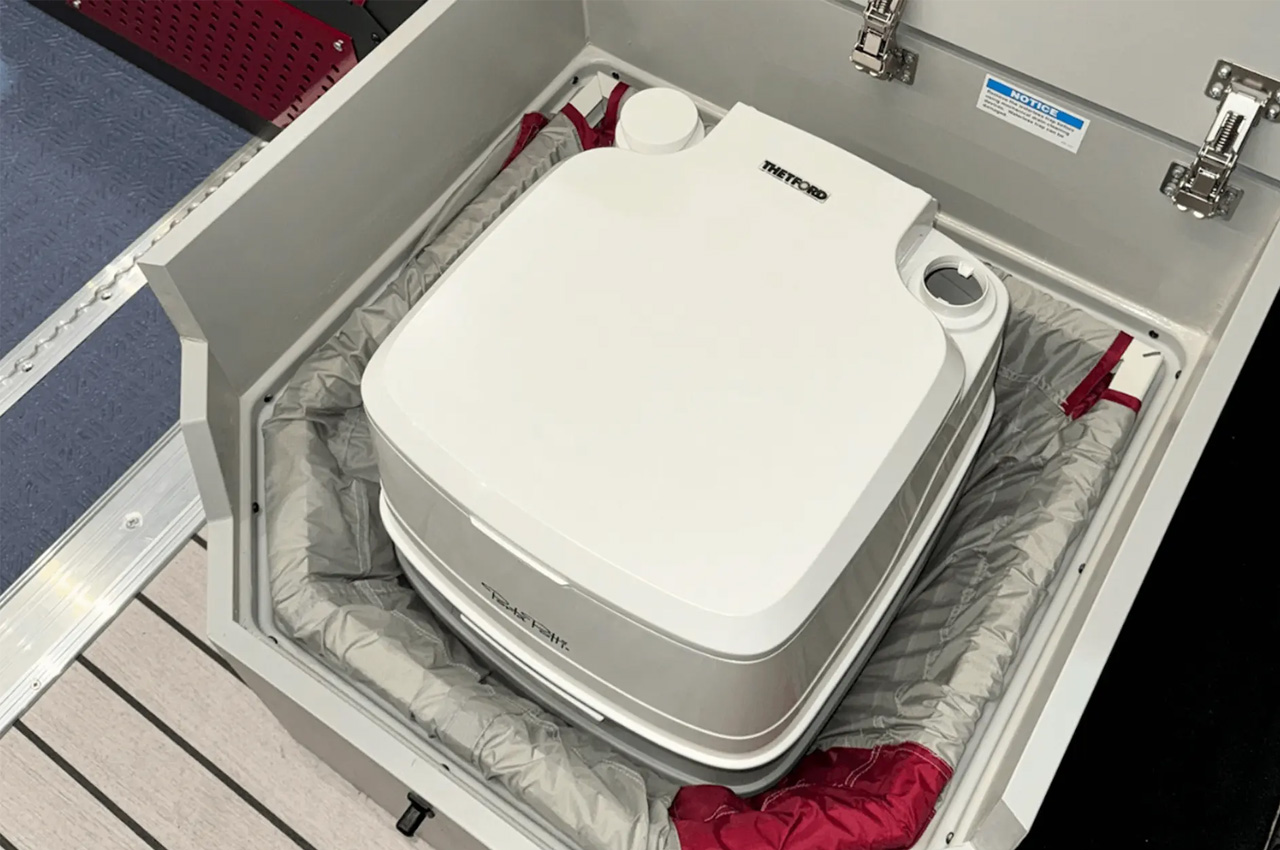
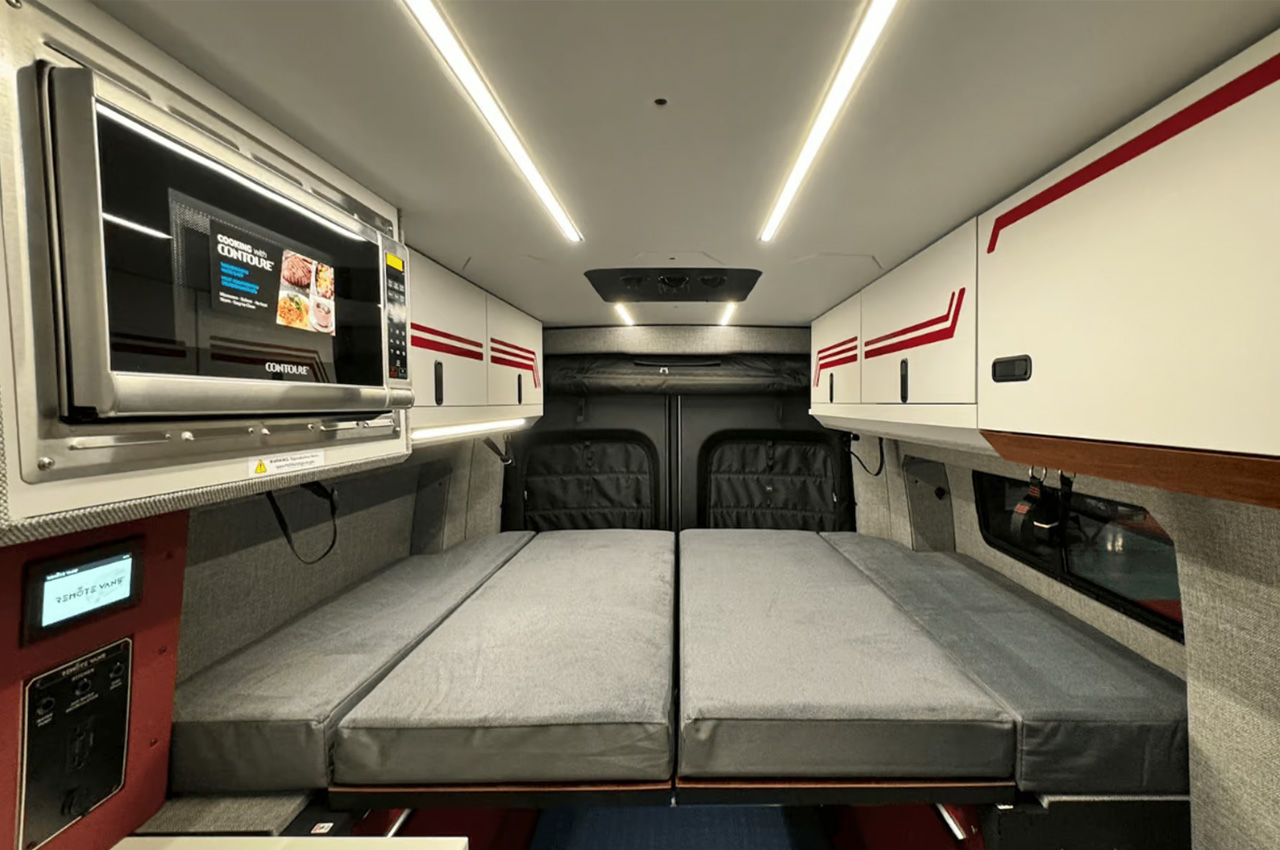
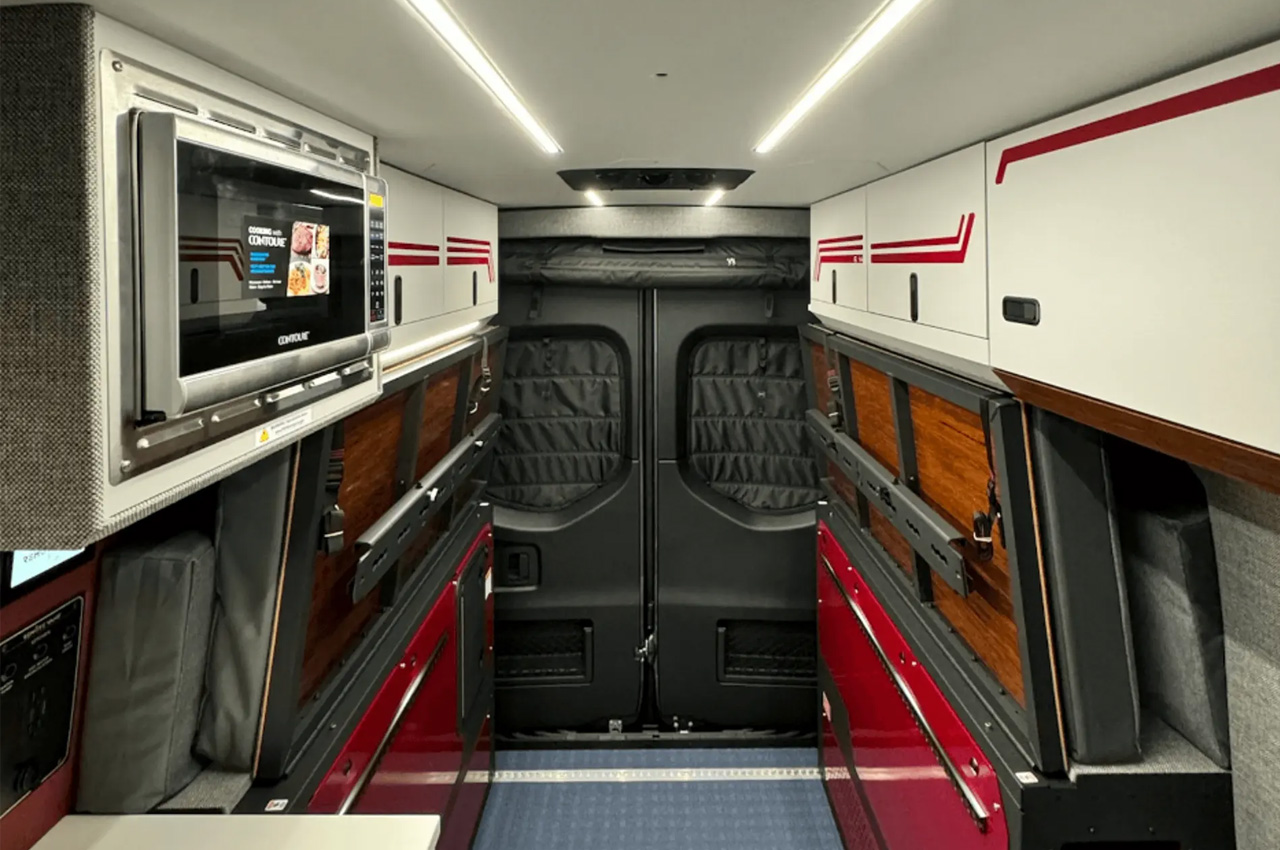
Friday, starting at $205,000 and includes a kitchen, queen bed, 90-degree swing seat, internal shower, portable toilet, roof rack, and awning. On the entry, you have a comfortable and warm living space, saturated with a legless bed, a scratch-proof kitchen, an overhead shelf, and lightweight upper cabinets. The kitchen comprising a countertop, induction cooktop, microwave, minimalist drawers, sink, and fridge is easily accessible from inside or outside of the van.
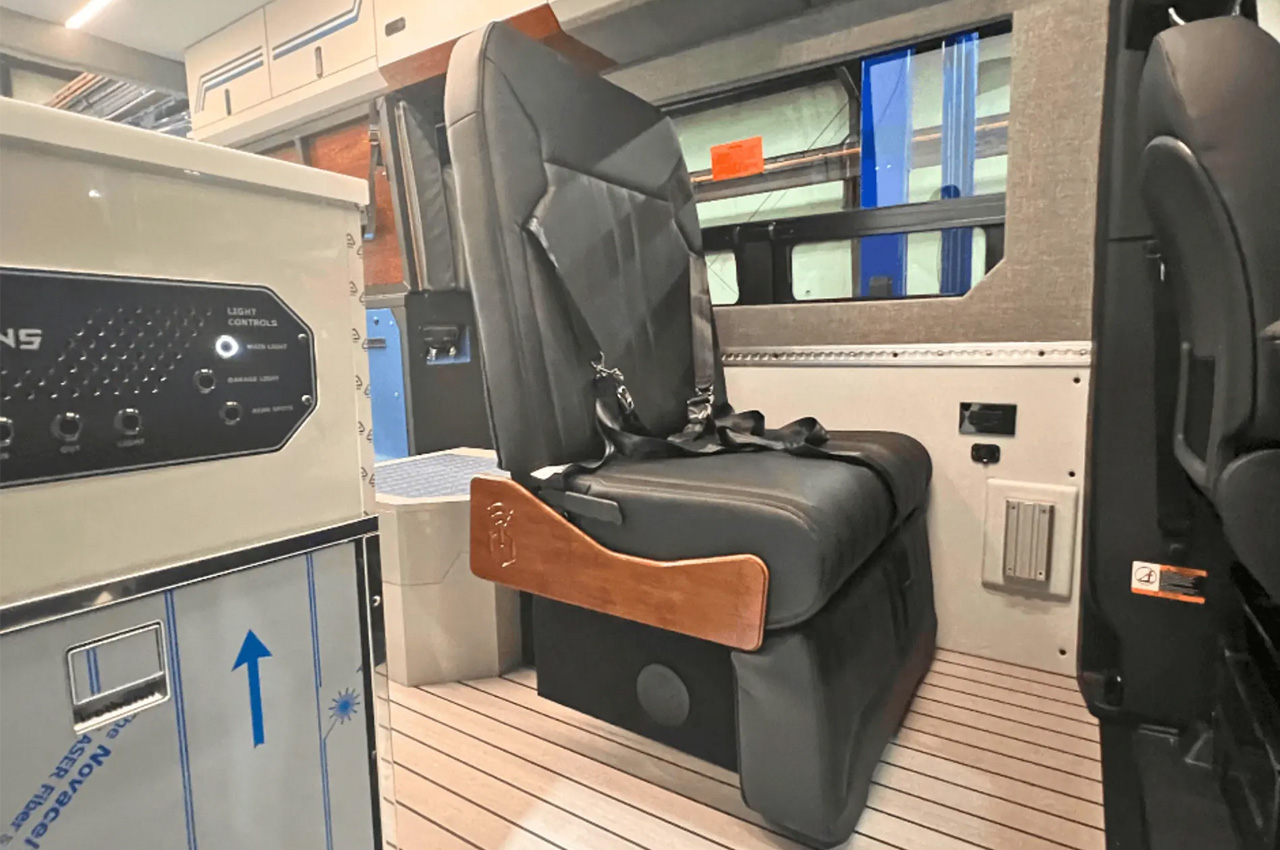
The queen-size Bascule Bed is designed to folds-up during the day to provide 17.4 sqft of unobstructed garage space beneath when required, while the interesting swivel seats and fold-out swivel table make possible multiple, remote workstation setups or dining possibilities on the go. The base essentials of the Friday remain the same for Oasis and Aegis, while some additional features spike up the price for the latter two camper vans.
The post Camper van with space-saving indoor shower and Starlink internet is designed for extended days on road first appeared on Yanko Design.