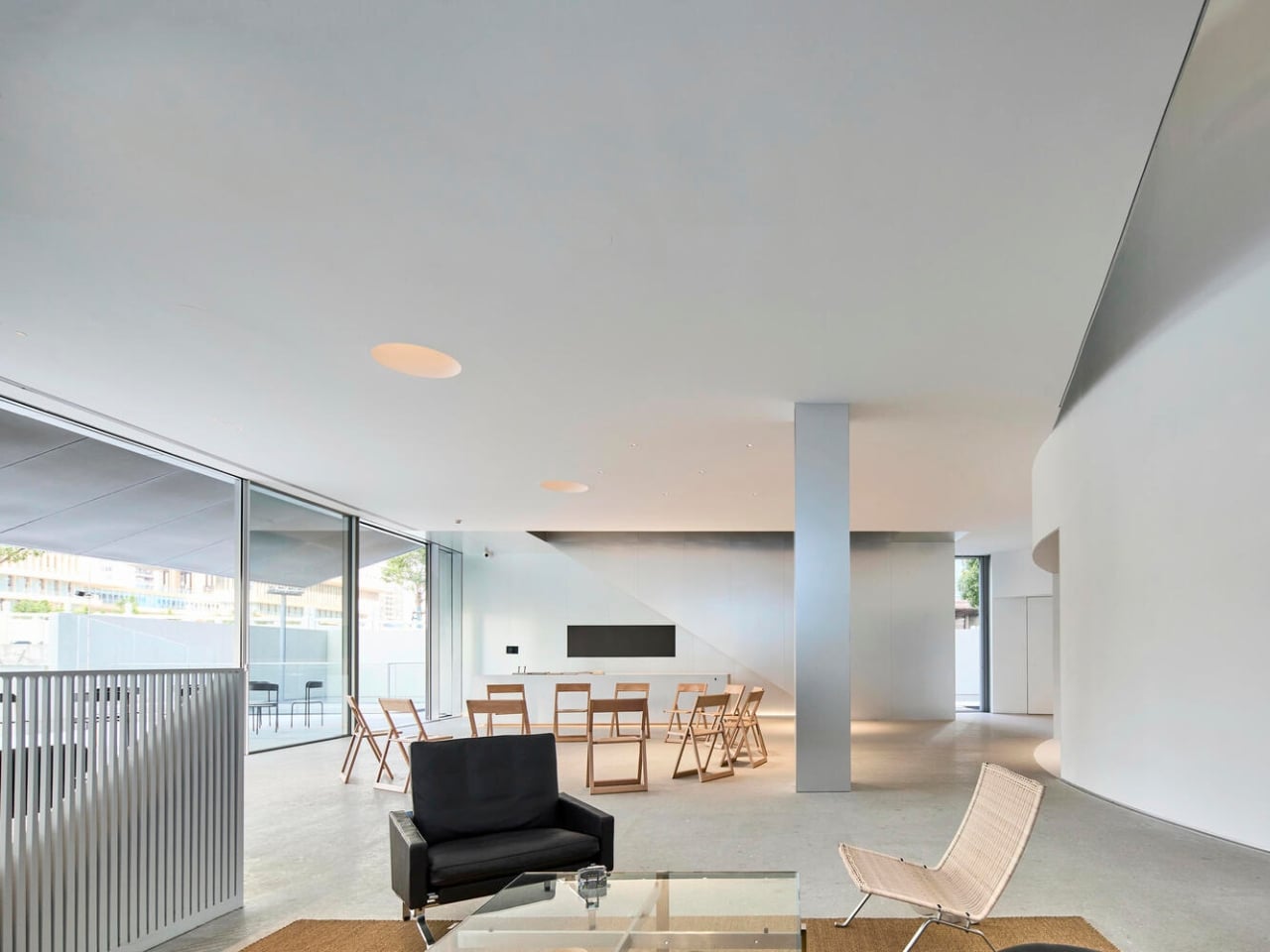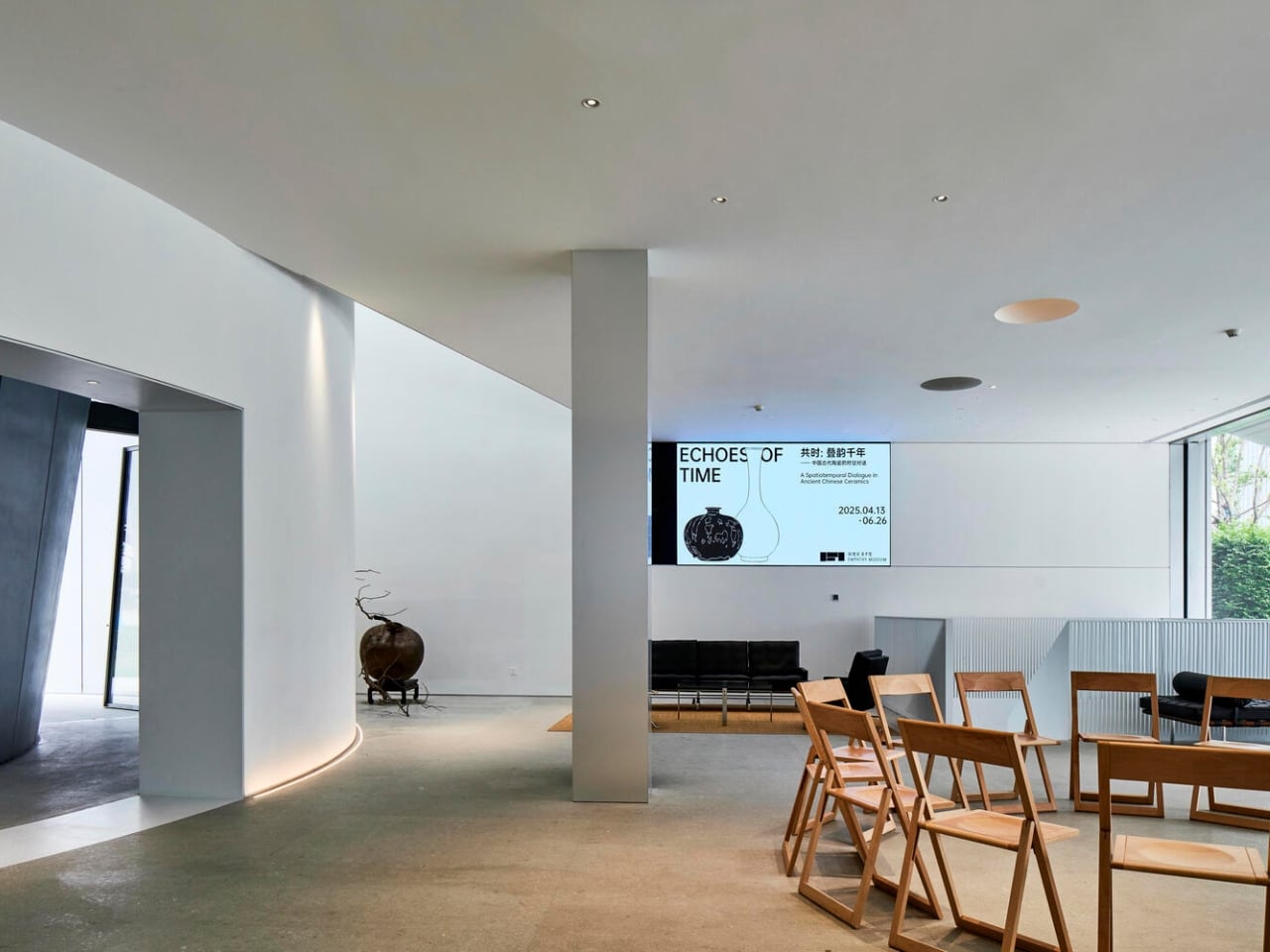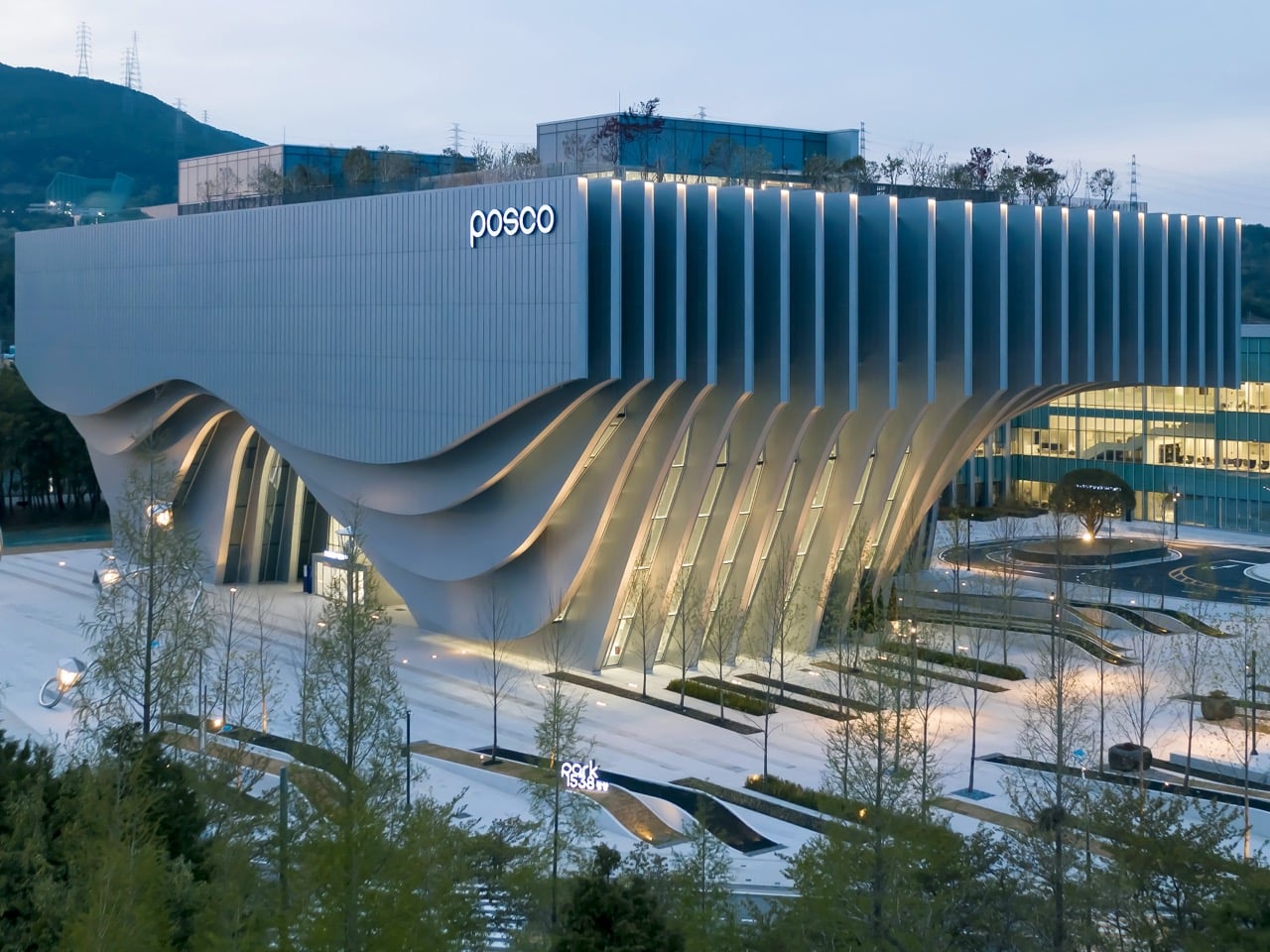
Park1538 Gwangyang turns the industrial identity of Gwangyang into a public cultural experience. Located within the former greenhouse site of POSCO’s Gwangyang Steelworks, the project sits in a powerful contrast, surrounded by heavy industry while still connected to the Seomjin River and Baegunsan Mountain. Instead of separating itself from this context, the architecture embraces it. The memory of steel production is reshaped into a place where visitors can gather, learn, move through layered spaces, and experience the material history of the city.
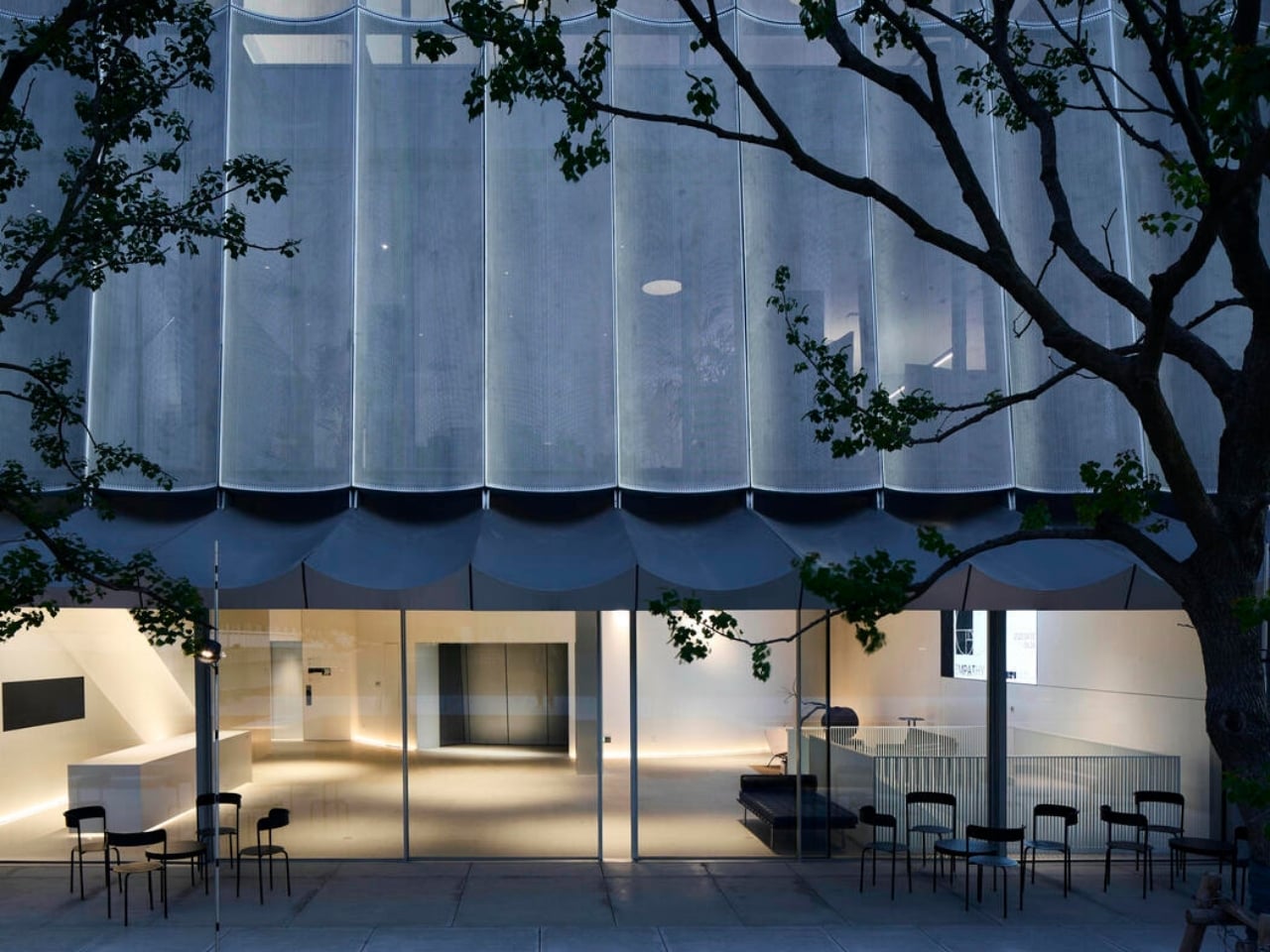
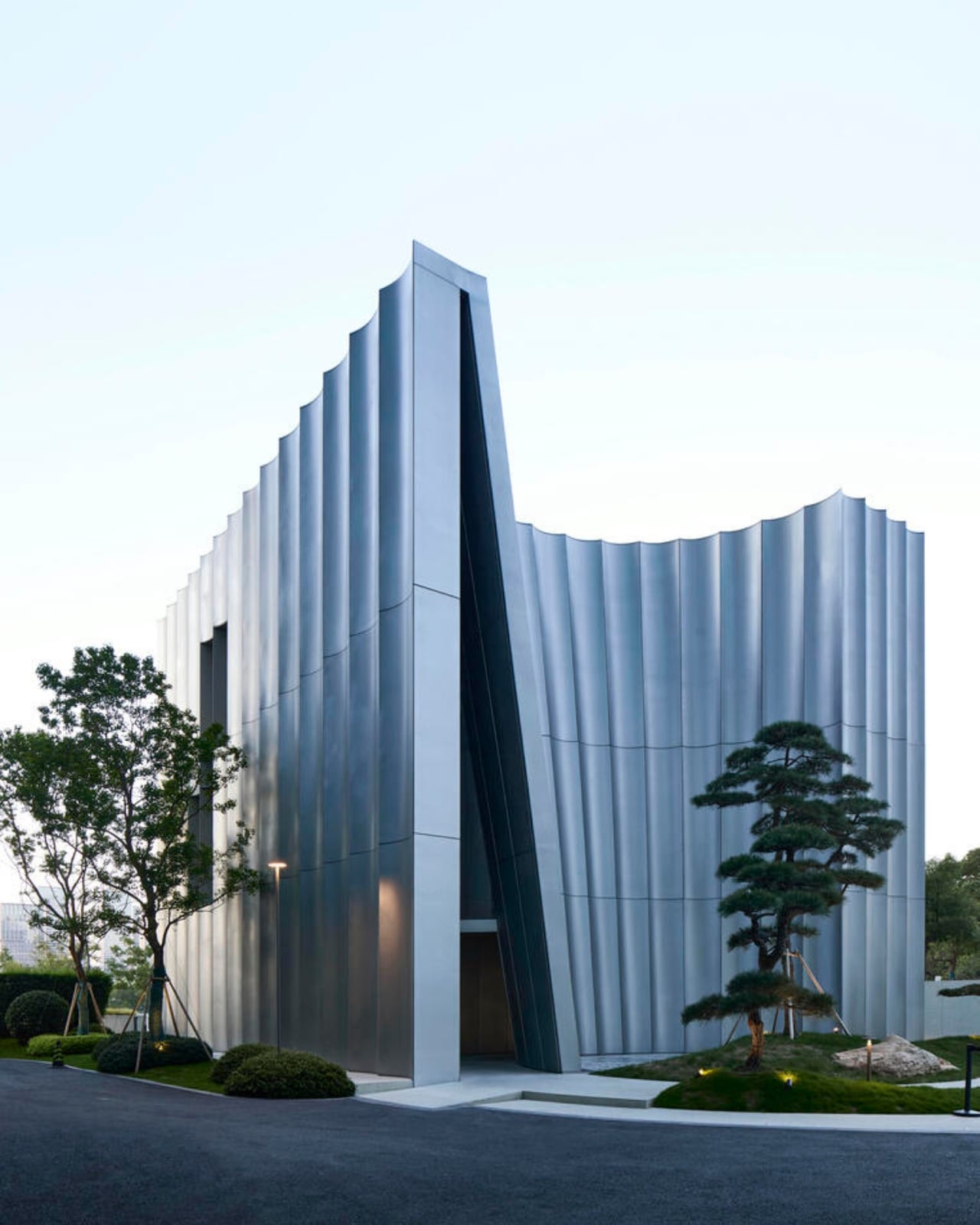
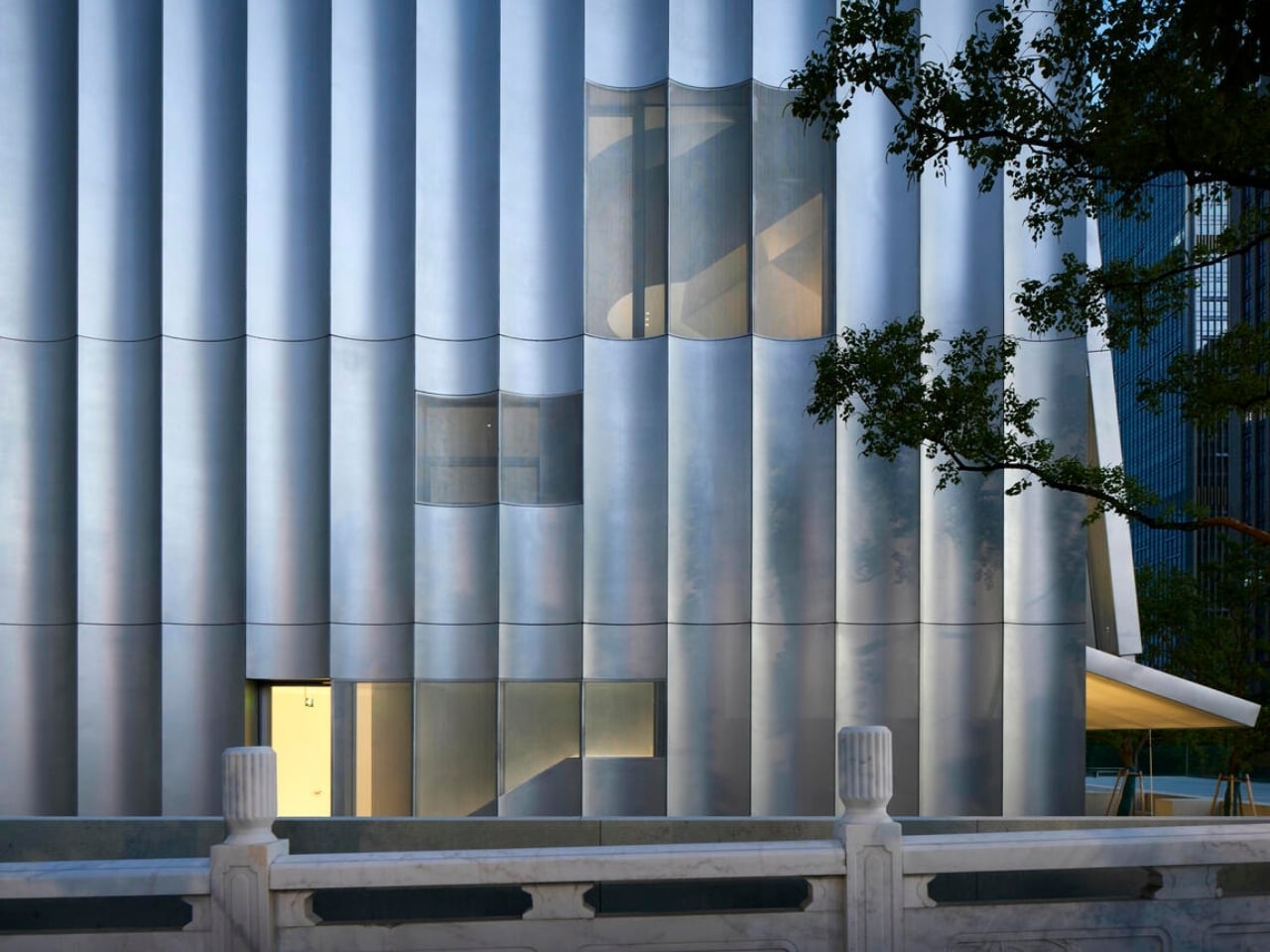
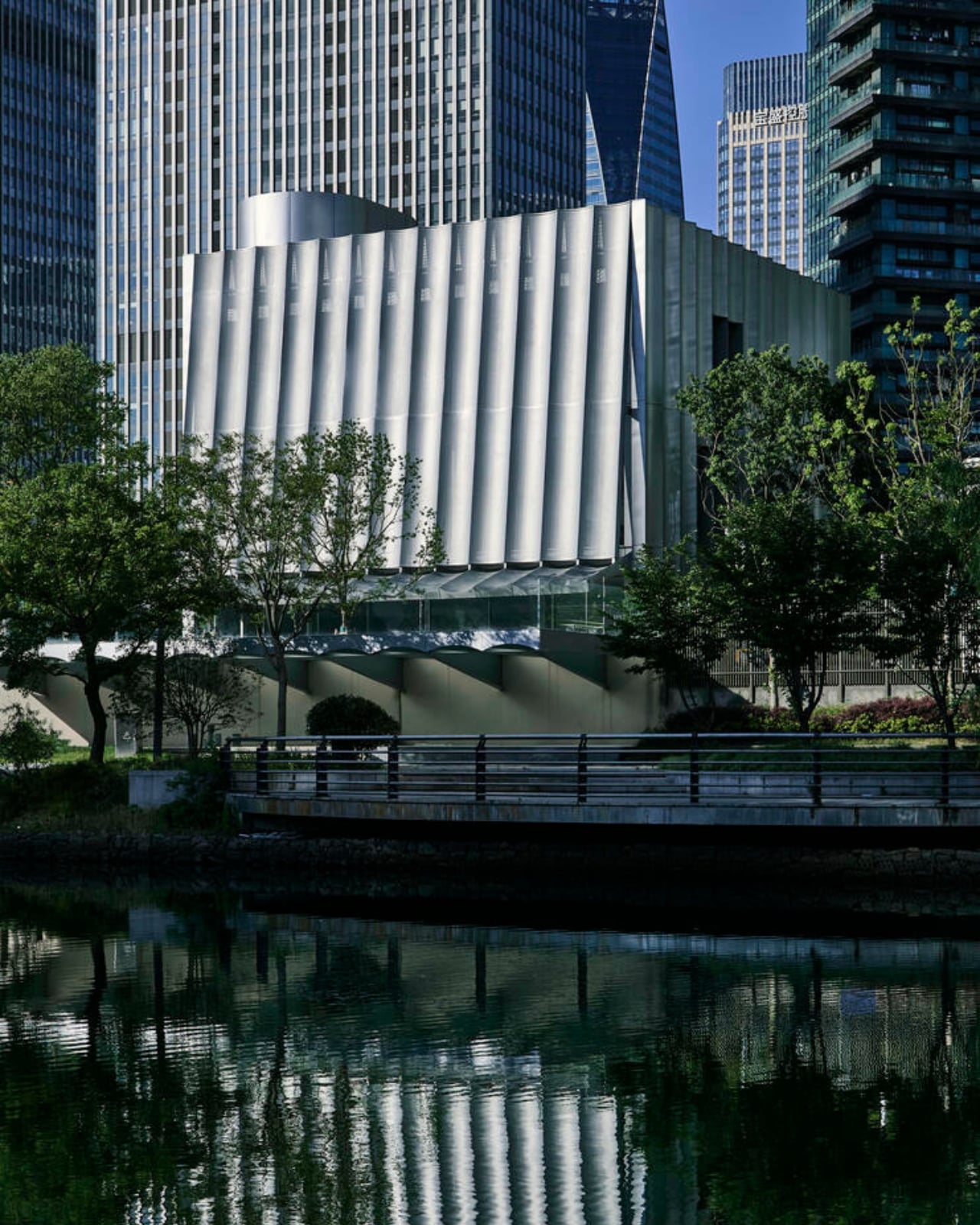
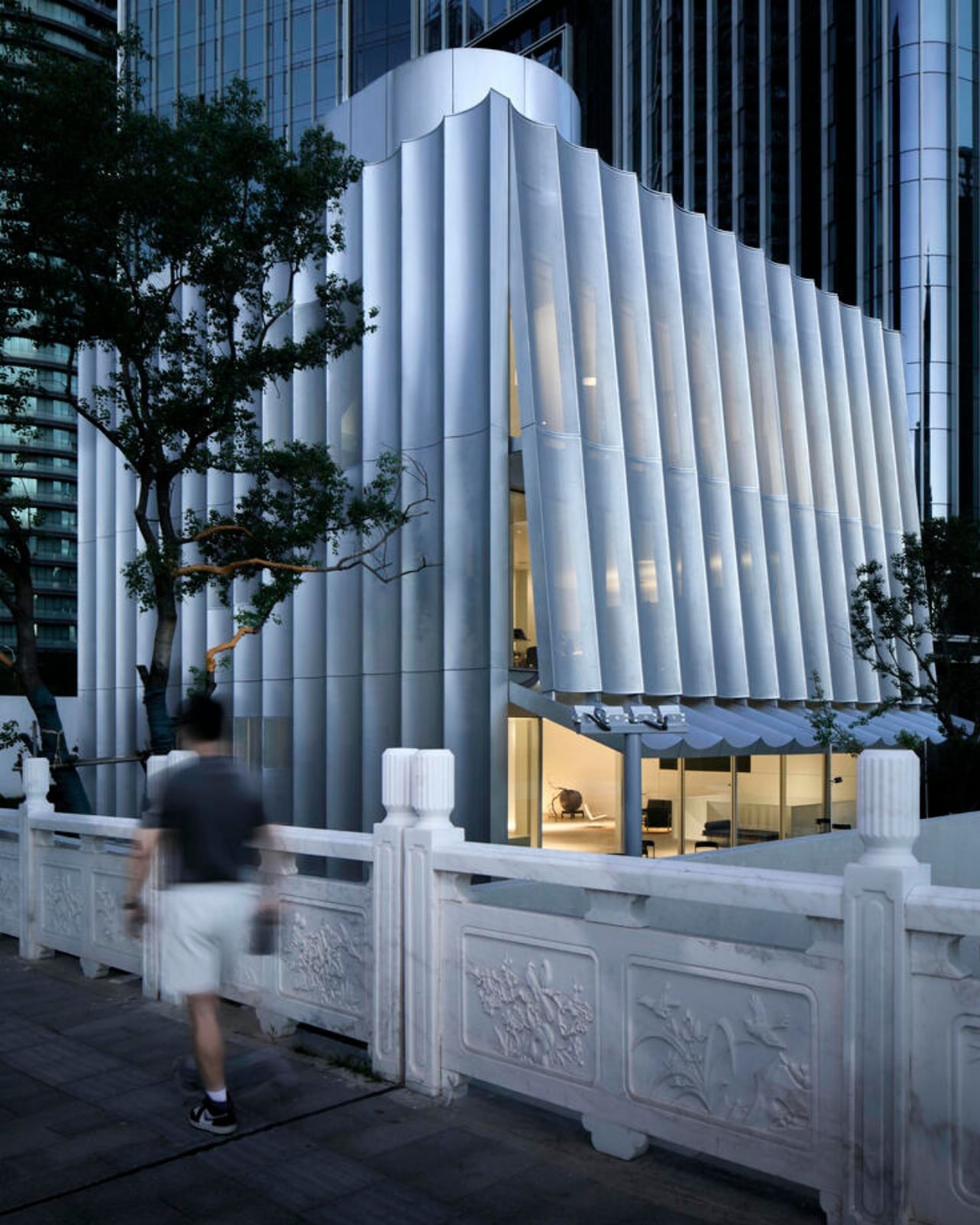
The design takes inspiration from the name of the city, Gwangyang, which means sunlight. This idea becomes visible through sweeping, curved steel surfaces that reflect and refract light throughout the day. As daylight moves across the building, the structure appears to shift in mood and presence. It does not feel fixed or static; it feels responsive to its surroundings. The curves soften the usual image of steel as rigid and heavy, revealing the material’s ability to become expressive, flexible, and almost fluid.
Designer: Unsangdong Architects and Posco A&C
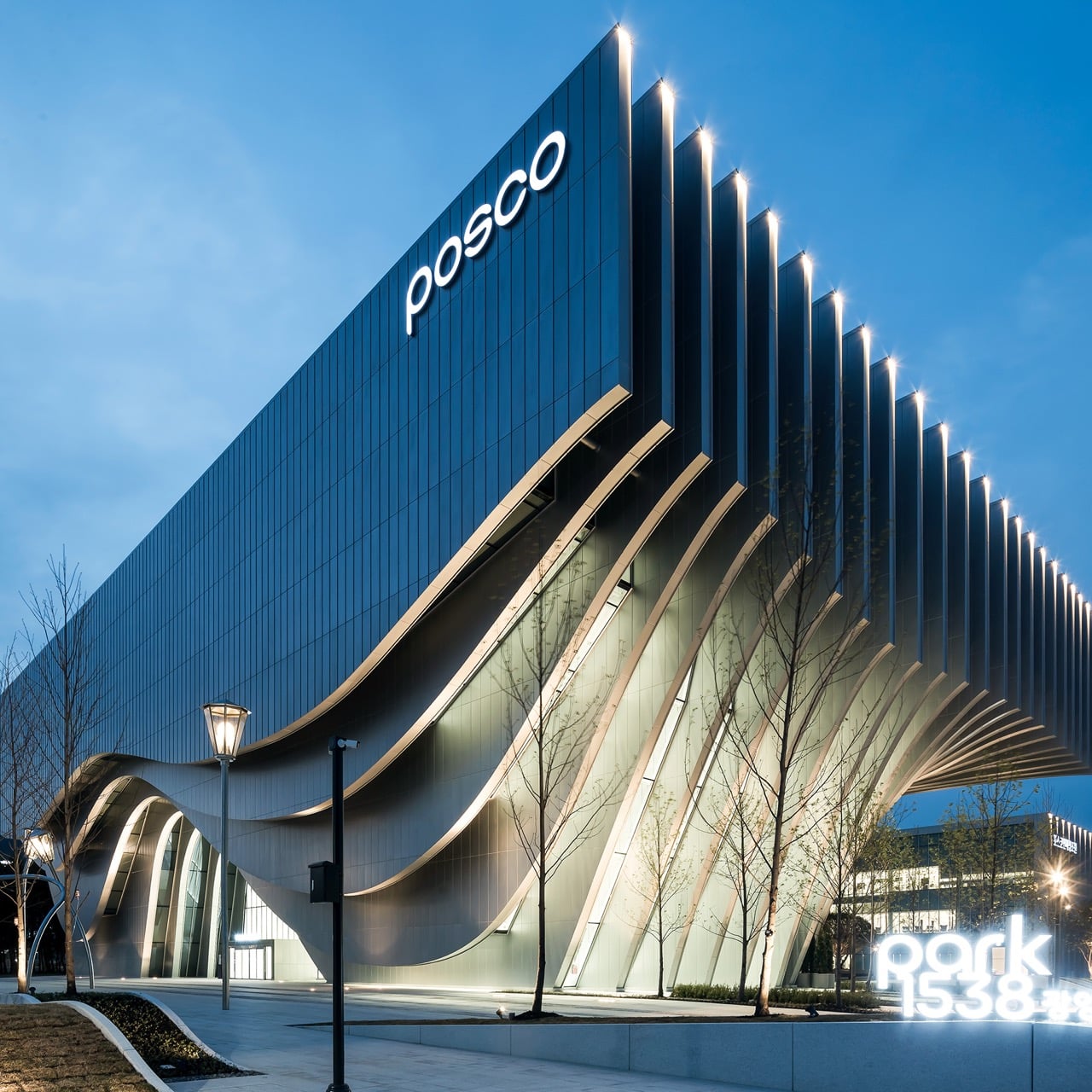
This connection to steel is central to the project because Gwangyang is a city shaped by steel production. Park1538 transforms that industrial background into cultural value by making steel the language of the architecture itself. Through the exhibition hall, education center, plaza, and circulation spaces, visitors encounter steel as history, structure, surface, and experience. The project challenges the common idea that steel is only cold, strong, and industrial. Here, it becomes spatial, sculptural, and human.
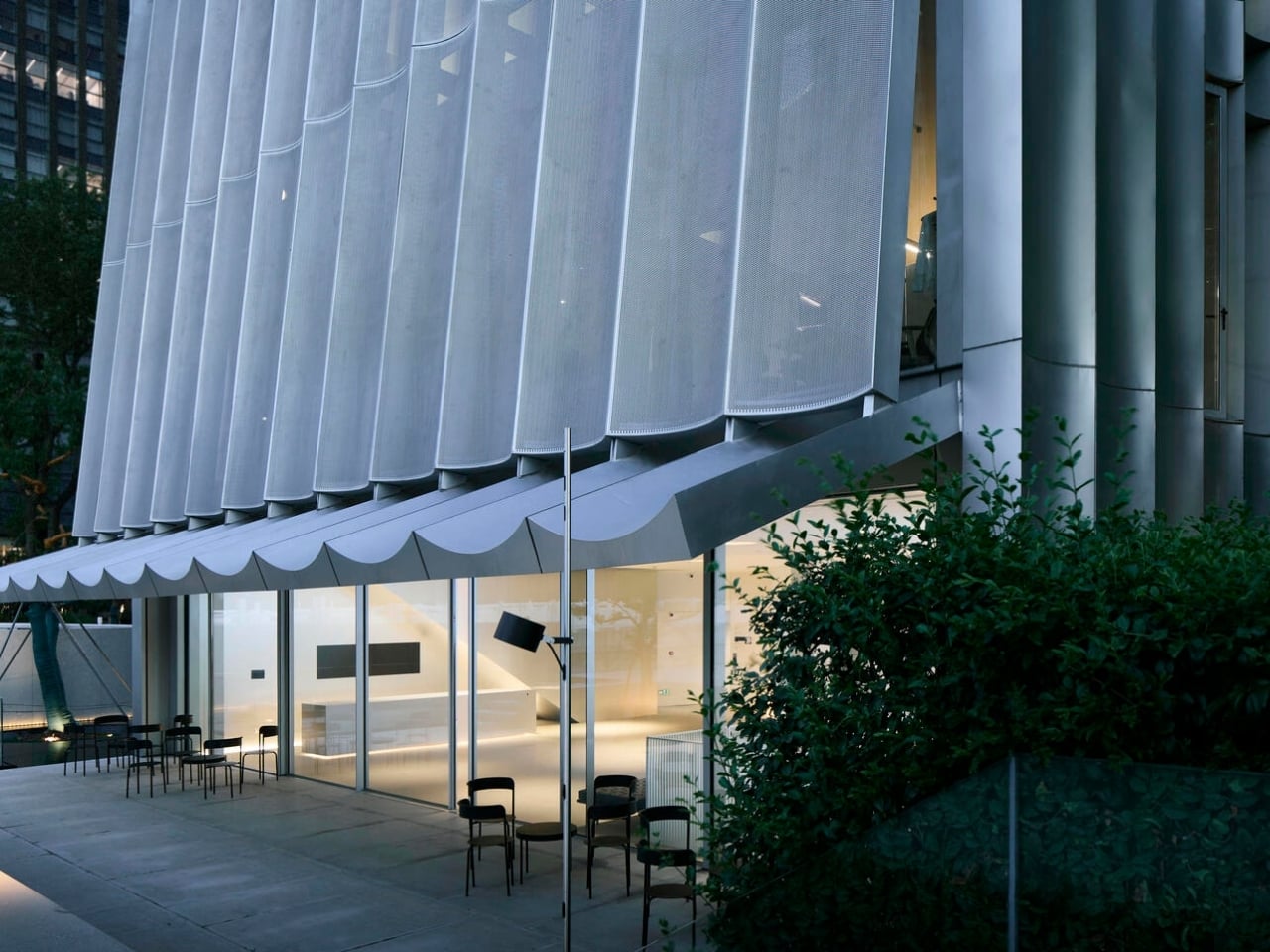
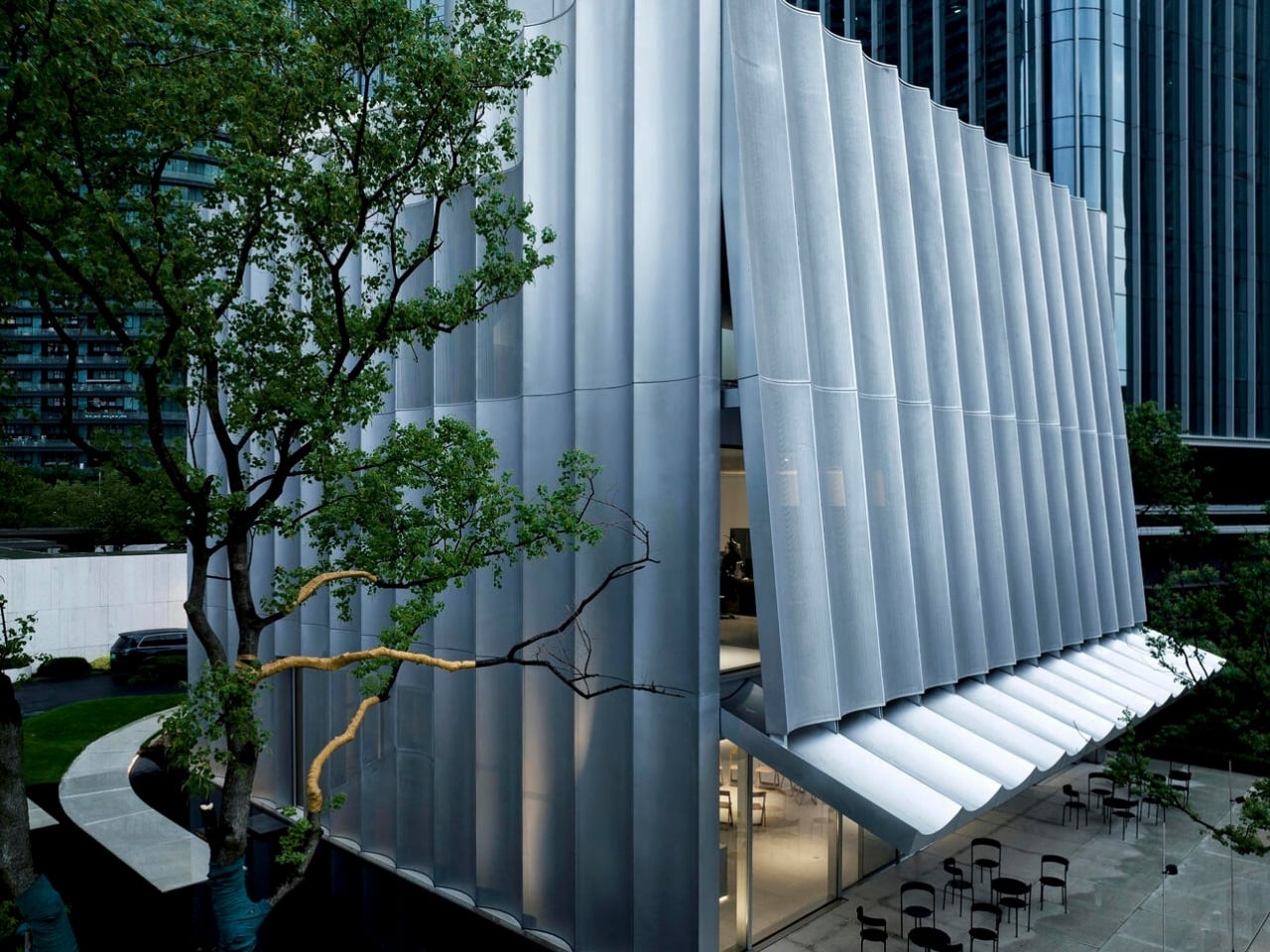
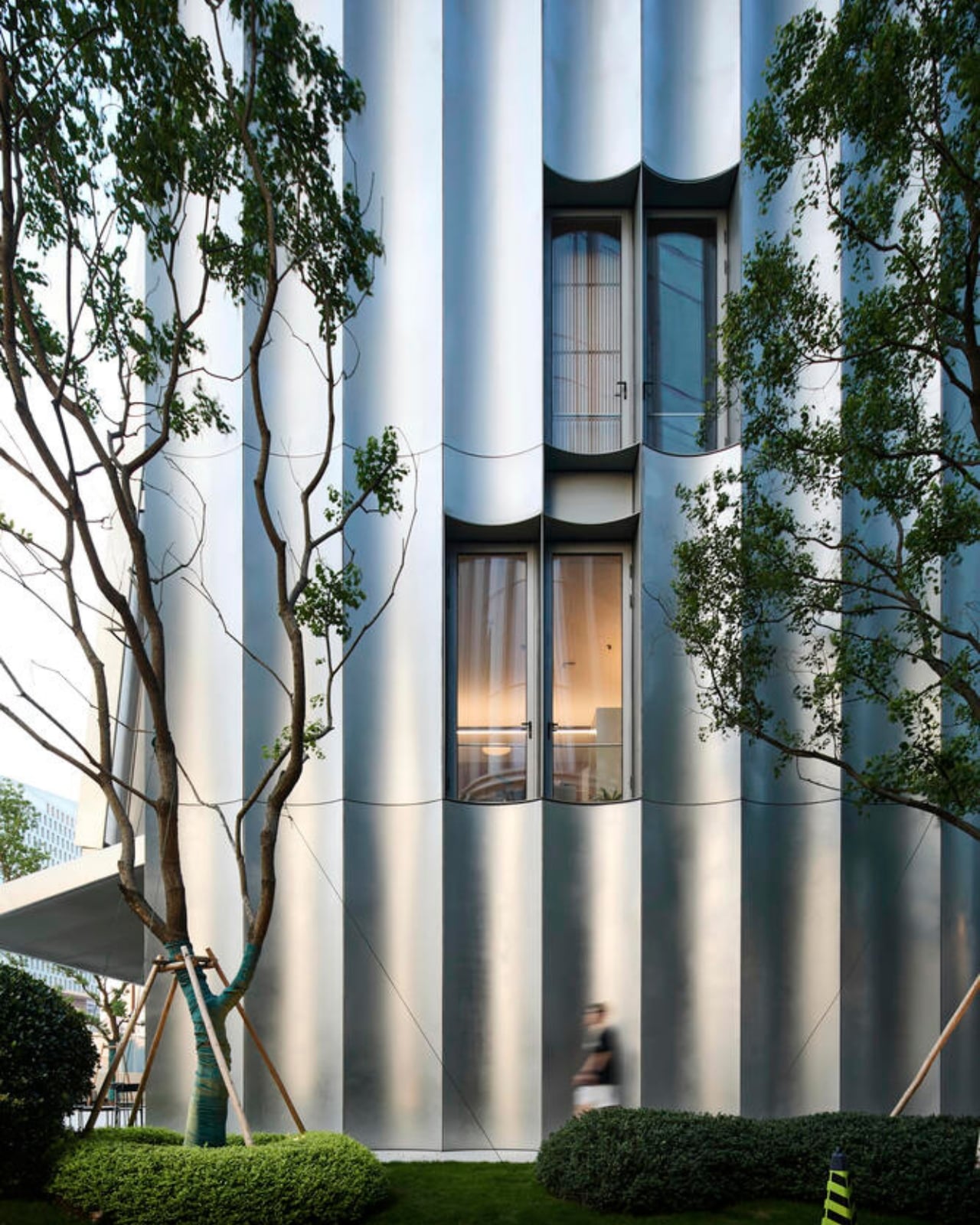
A major part of this expression comes through the vertically oriented steel ribs. These ribs are more than facade elements. They carry structural loads, shape the exterior, guide movement, and define interior space. In many ways, they behave like the bones of the building. Each rib has a specific curvature and inclination, creating a continuous rhythm across the architecture. This rib system supports long spans and flexible layouts, allowing the exhibition spaces to remain open, adaptable, and immersive.
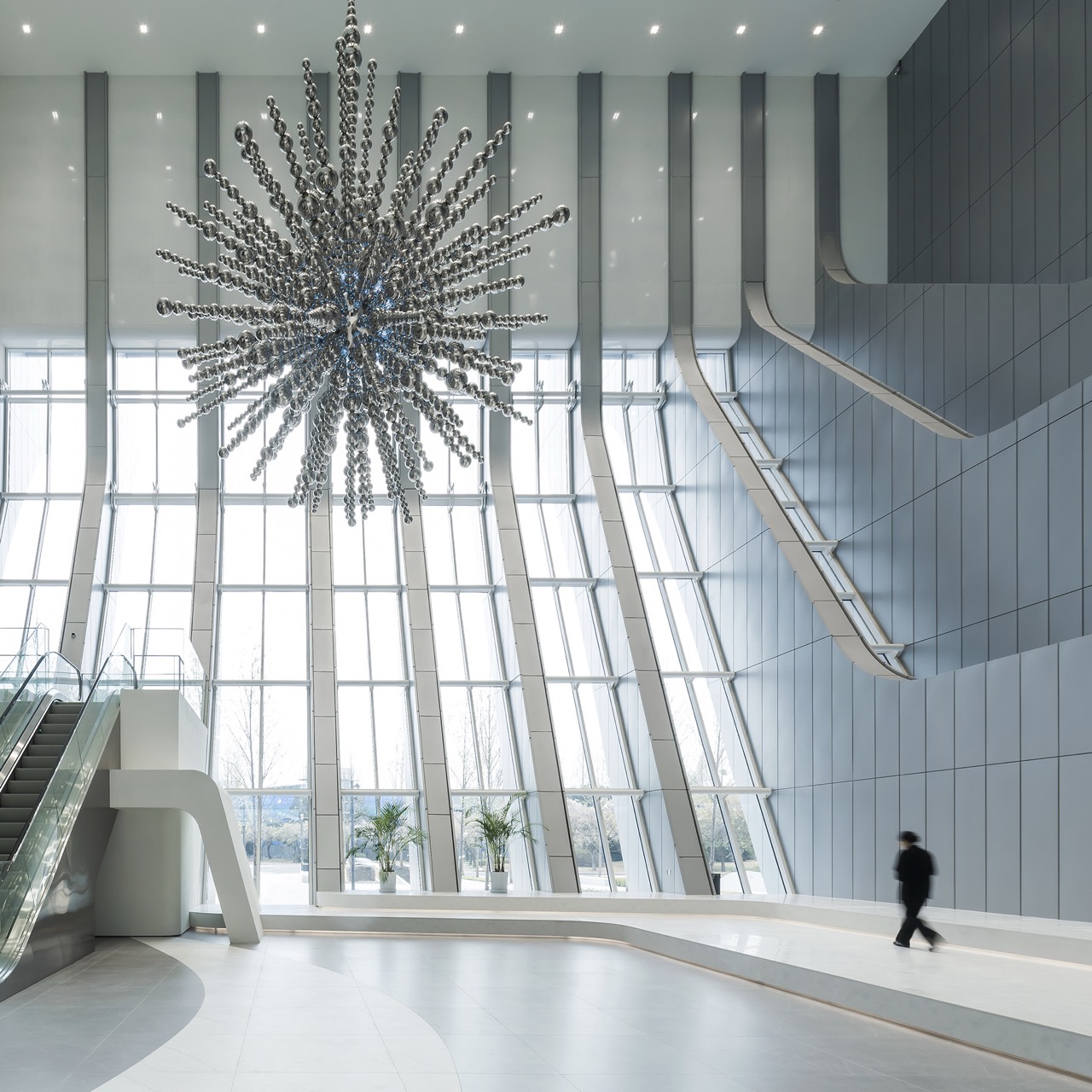
Because the ribs perform so many roles at once, the design required a highly coordinated process. A minor change in the position or size of an interior room could affect the reference module, the linear finishing of the ribs, and the steel truss structure. This is where parametric design became essential. Through precise 3D modeling and verification simulations, the design team could coordinate the curvature, spacing, inclination, and structural performance of each rib. Parametric coordination allowed the project to maintain its dramatic sculptural form while still achieving rational construction, facade logic, and structural stability.
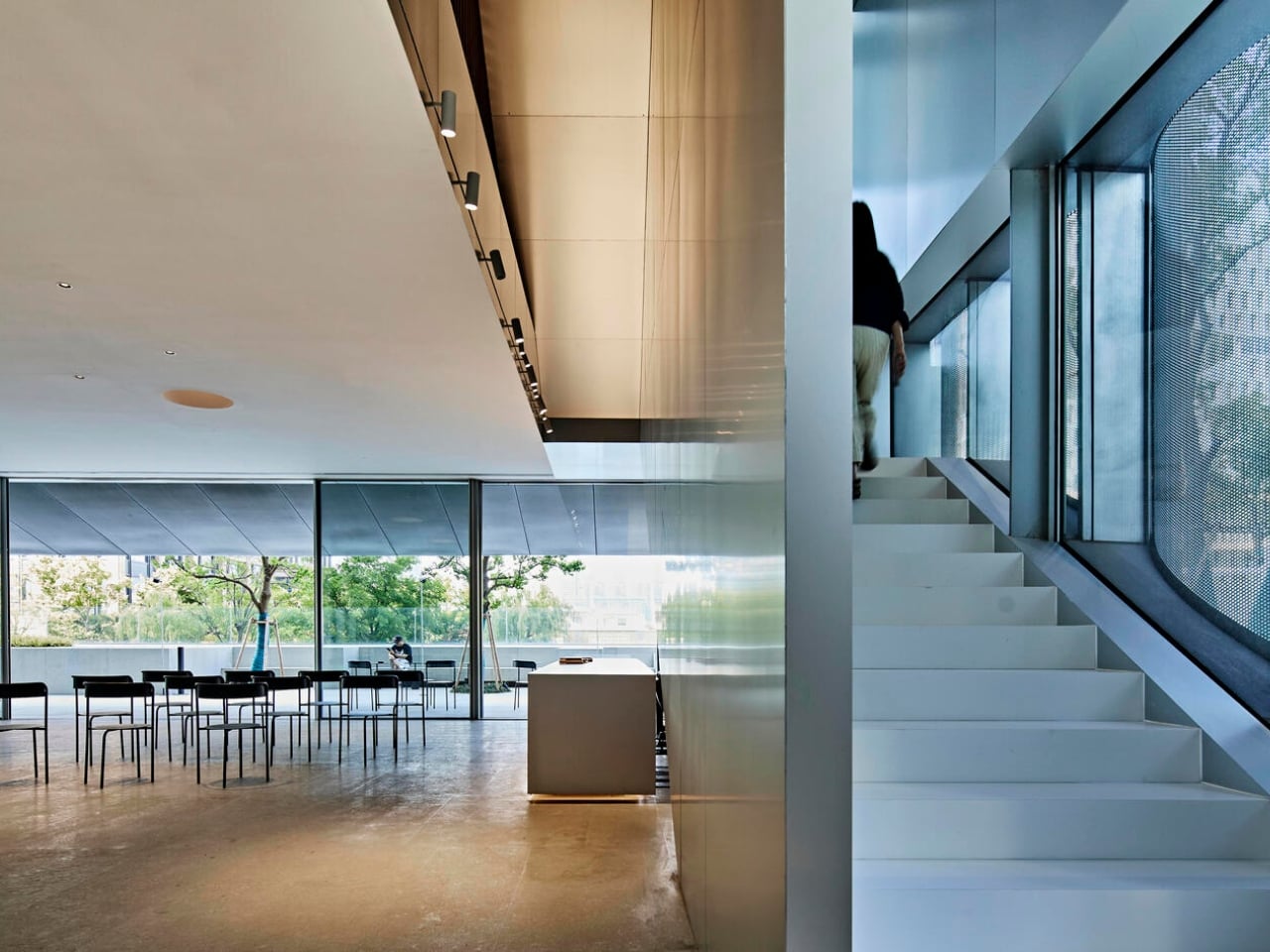
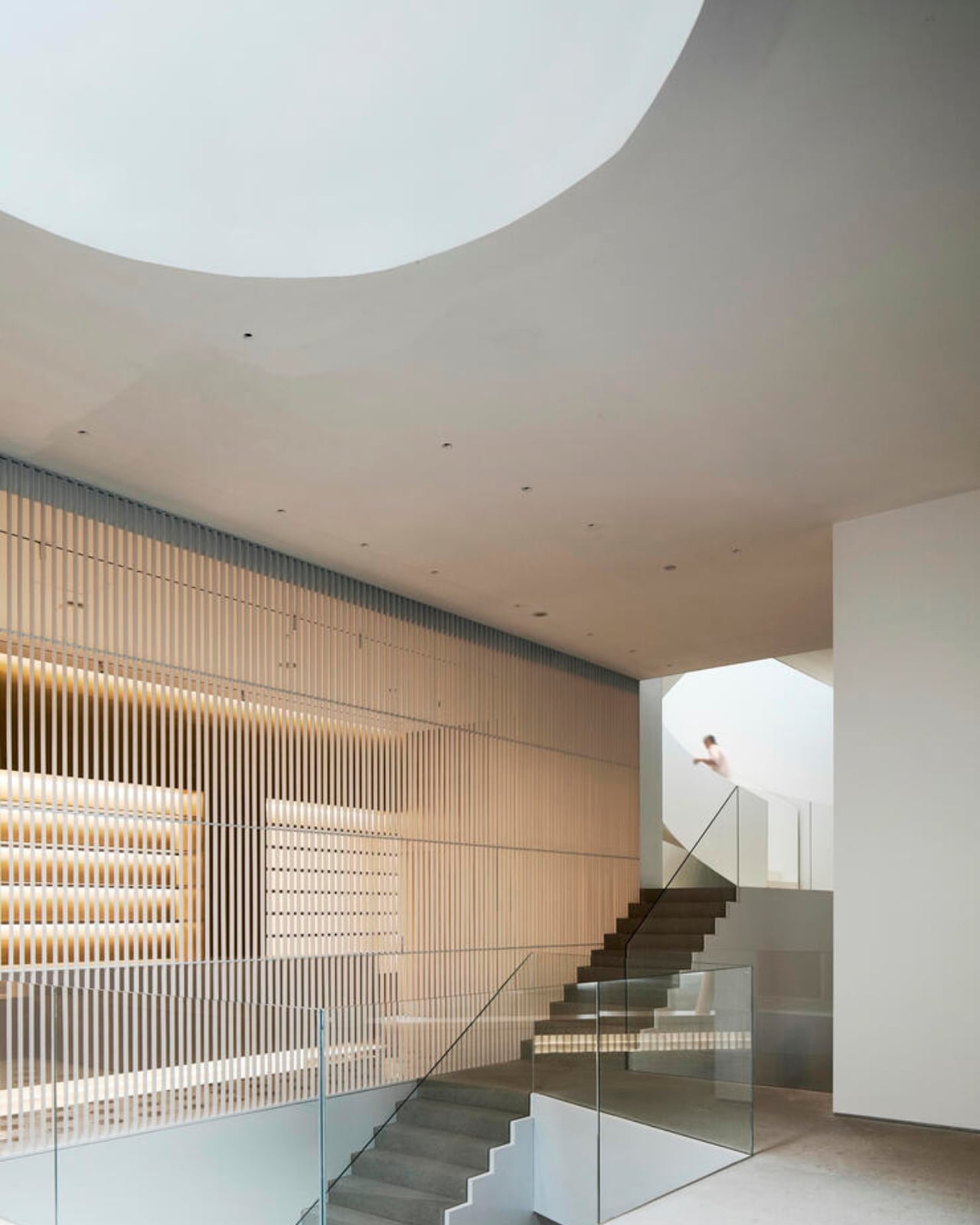
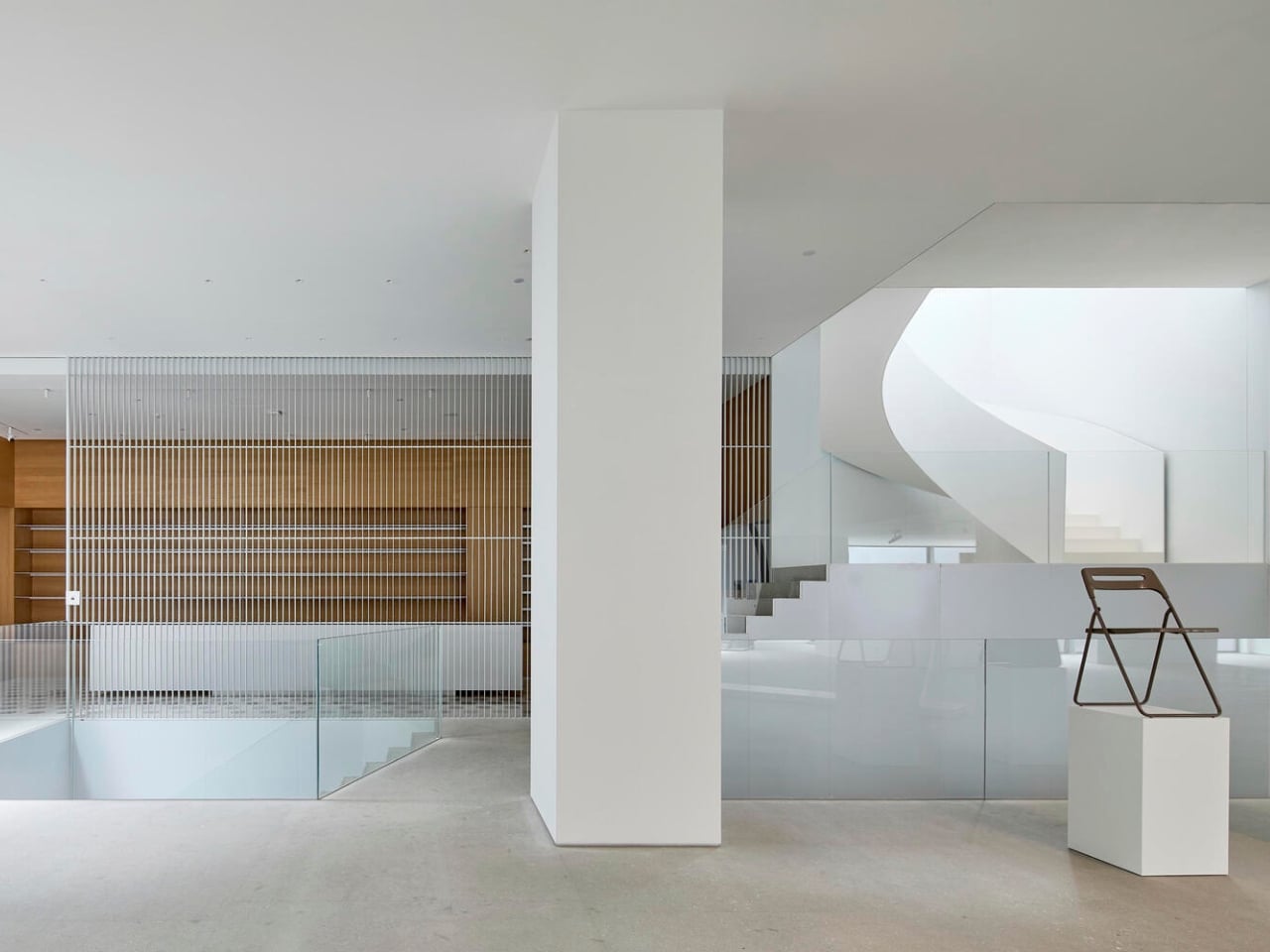
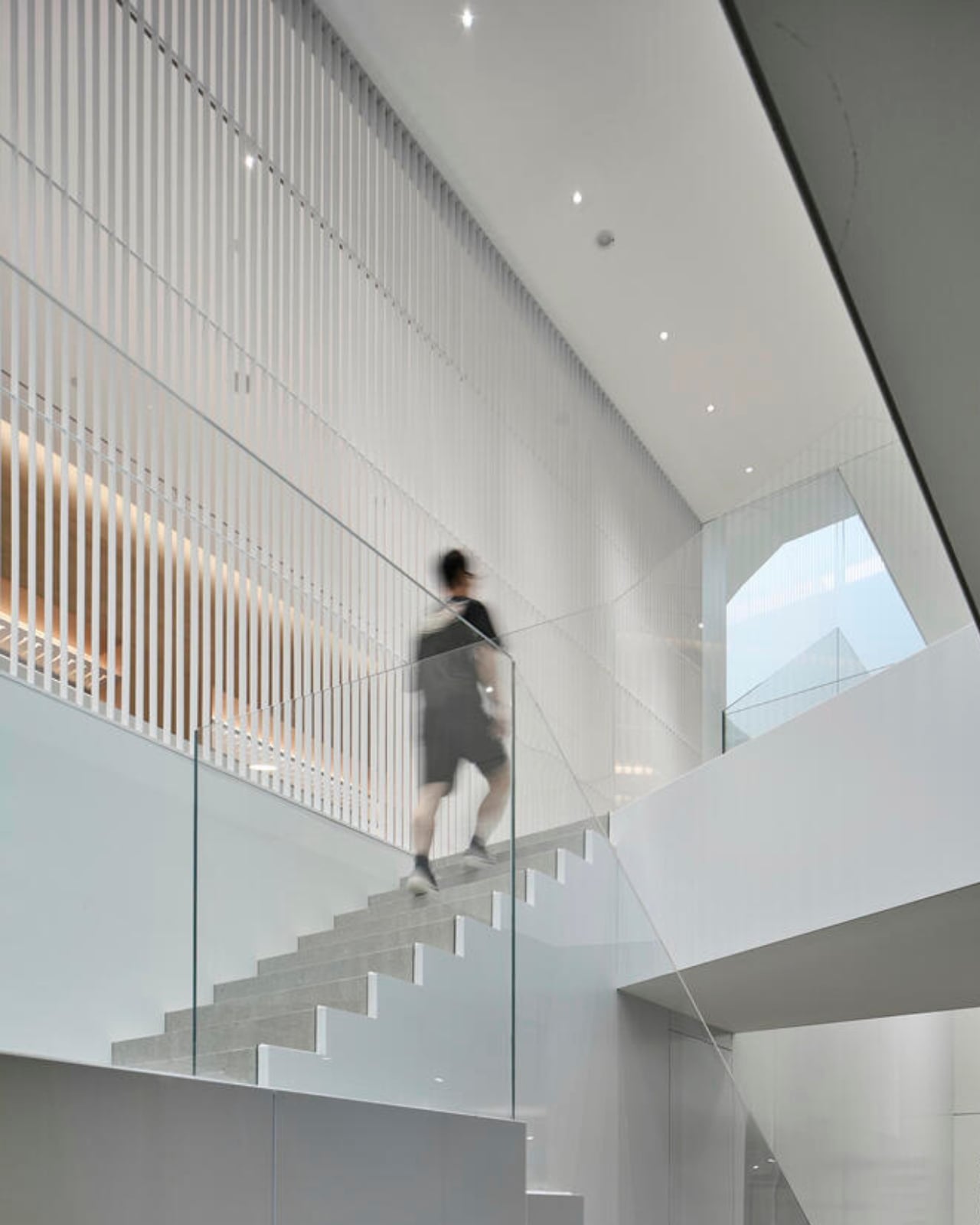
The same structural logic shapes how visitors move through the building. Circulation unfolds through ramps, vertical transitions, and a grand stair that becomes part of the spatial experience rather than a separate functional element. As people move through the project, framed views of the city, industrial landscape, river, and mountains are gradually revealed. The journey feels layered, encouraging visitors to understand the site through movement, light, and changing perspective.
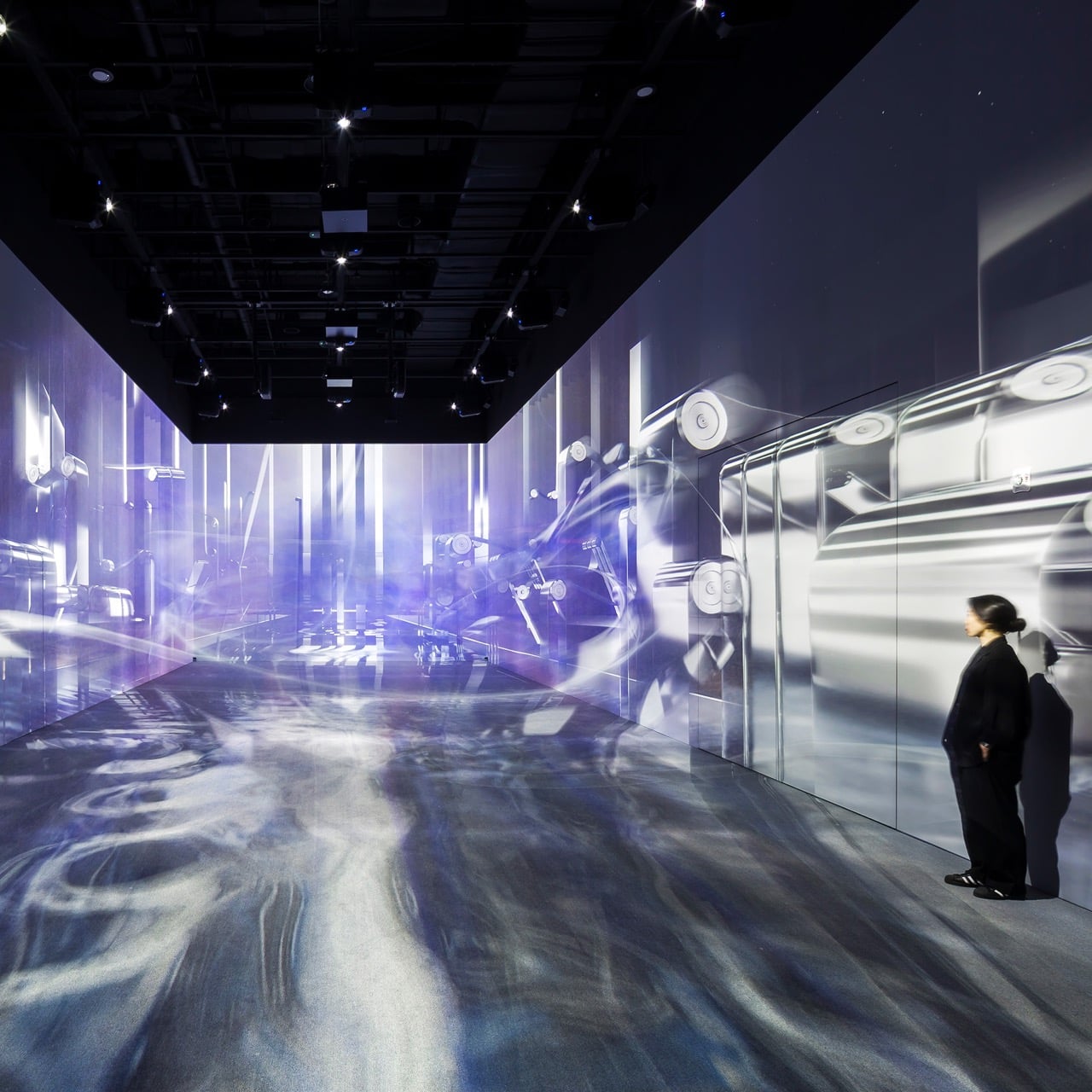
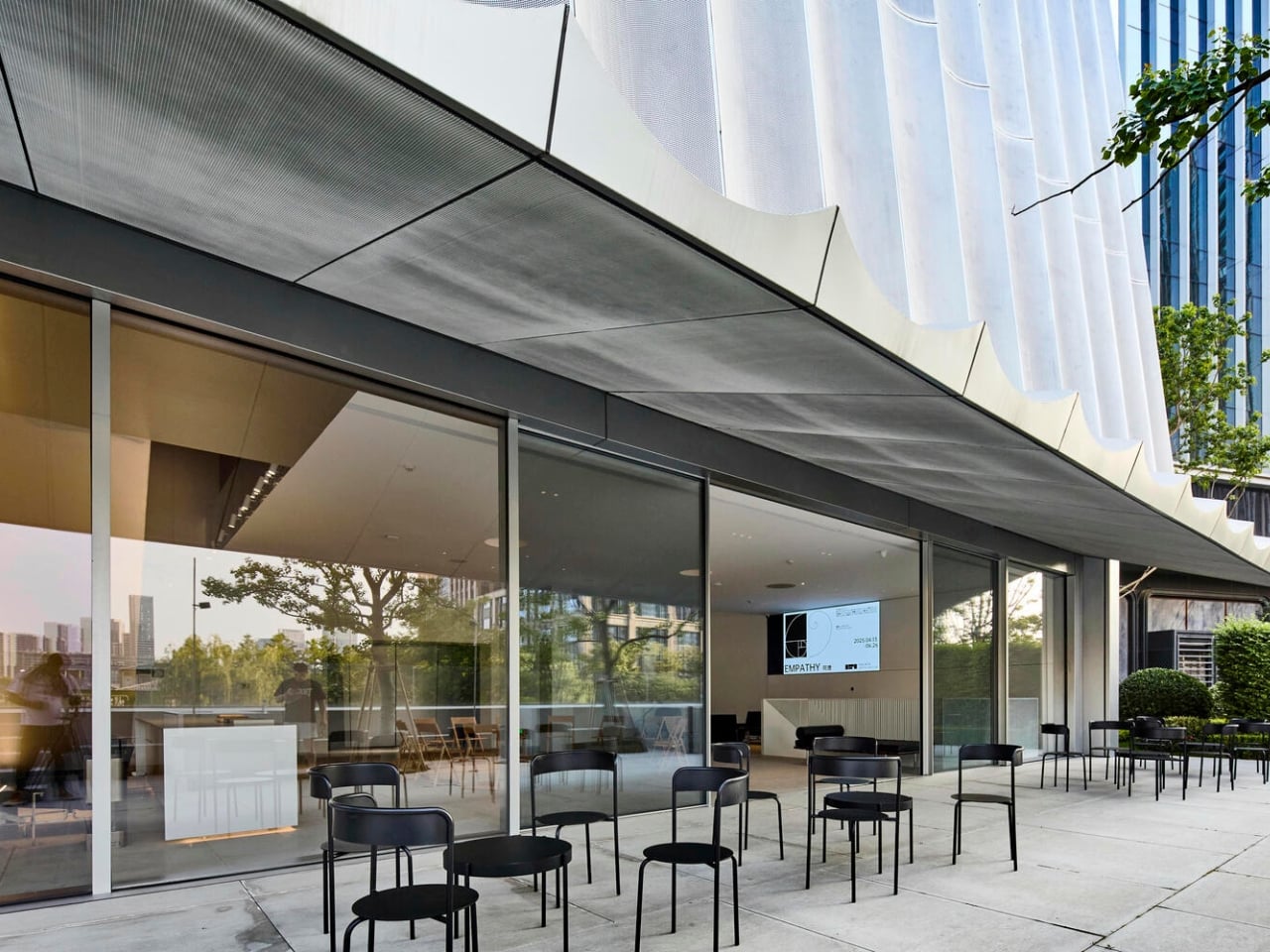
The cantilevered exhibition hall extends this experience outward by creating a sheltered plaza beneath it. This open space turns the building into a civic platform, giving the public a place to pause, gather, and enter the cultural program. The cantilever also demonstrates the strength and possibility of steel, using structure to create generosity at the ground level. What could have been a closed industrial site becomes open, accessible, and connected to community life.
The landscape continues this transformation. The flat industrial ground is reshaped into planted mounds, while former machinery is embedded as sculptural artifacts. These remnants of production are not treated as leftover objects, but as part of the site’s memory. They allow visitors to recognize the industrial past while experiencing the space as active, green, and public.
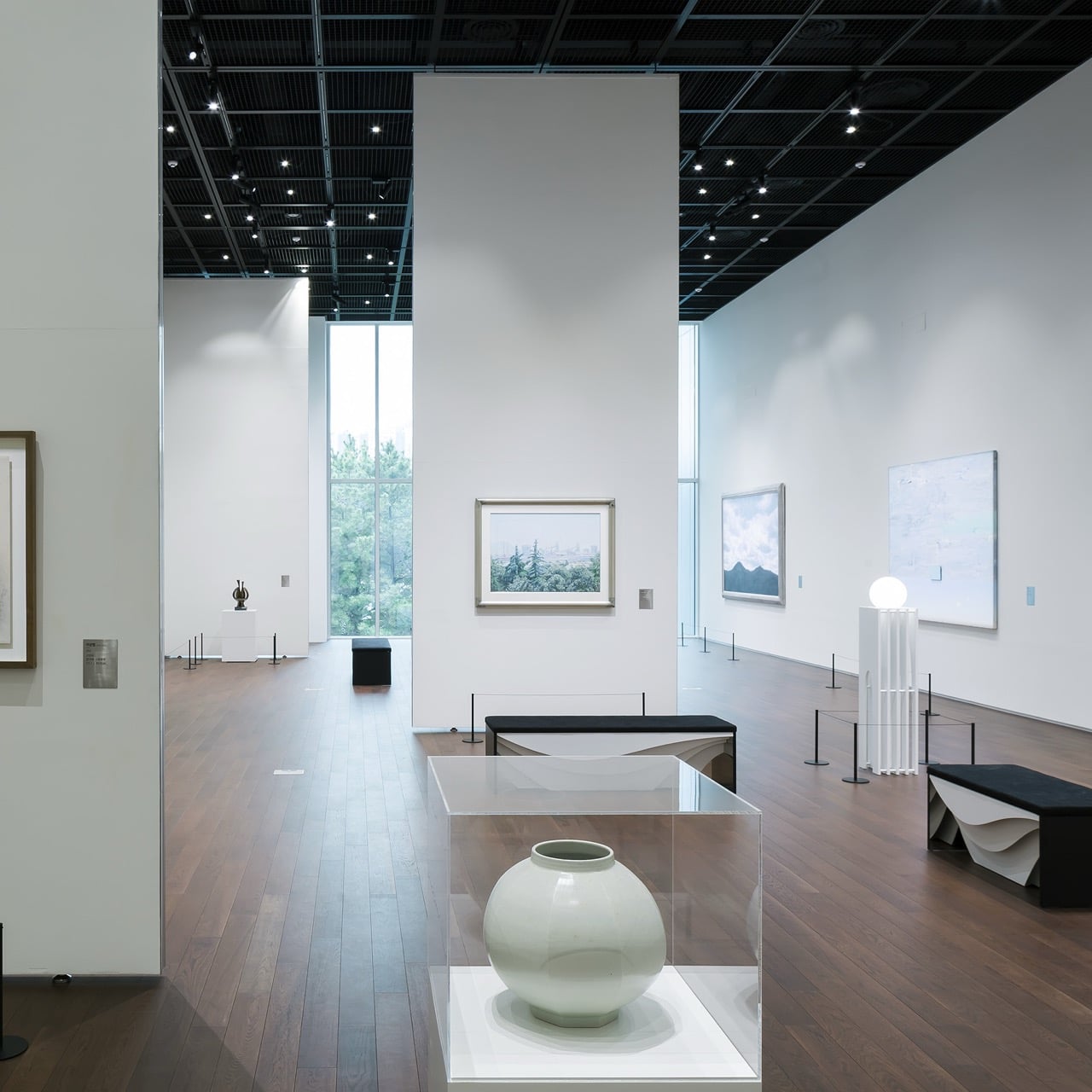
Park1538 includes an exhibition hall with one basement level and four above-ground floors, along with an education center with one basement level and three above-ground floors. Its structure combines steel frame and reinforced concrete construction, balancing expressive architectural form with practical performance. Across its structure, circulation, facade, and landscape, the project creates a clear relationship between material, place, and public experience. Through sunlight, curved steel, parametric precision, and layered movement, Park1538 gives Gwangyang’s industrial heritage a more open, human, and cultural meaning.
The post A Cultural Facility Turns Gwangyang’s Steel Heritage Into a Sunlit Cultural Landscape first appeared on Yanko Design.