Retro iMac G3-style AirPods Max takes inspiration from Apple’s most colorful tech era

Sure, the AirPods Max come in colors – but there’s something so cold and un-emotional about anodized aluminum. It grabs your eye, but then immediately lets your eye wander once your fingers have run past its cool matte surface. Aluminum’s only purpose was to help build devices that were sleek and thermally advantageous. The problem, however, is that the AirPods Max aren’t ‘sleeker’ than your average headphone. Again sure, the MacBook Air looks so much thinner than the other average laptop – but aluminum in headphones achieves nothing. It adds weight, makes the head feel heavy, and doesn’t even look as eye-catching as some of its plastic-based counterparts.

Saffy Creatives recognized this and decided to give the AirPods Max a rather fitting makeover. After reinventing the Apple Watch as a G3-inspired retro-dream, they’re back with a redesign for the AirPods Max that looks oh-so-gorgeous it makes me want to try licking the headphones – obviously in a non-creepy way.

Designer: Saffy Creatives

What Saffy Creatives did is clever because it doesn’t change the AirPods Max silhouette – just its material treatment. Fair warning, the images ARE made using AI, but to be honest, AI is used more as a rendering tool here than it is as an imagination aid. The device looks exactly the same, except the parts made from metal are now replaced with dual-tone transparent/translucent plastic. The headphones here adopt Apple’s iconic Bondi Blue color scheme, with the outer cans giving a look into the headphones’ inner mechanics (just as Jobs intended with the iMac G3). A cloudy white element breaks the transparent shell, adding almost a halo of sorts around the can while also meaningfully separating the materials that would be probably impossible to injection-mold otherwise.

The old colorful Apple logo also finds itself on both the outer cans – something Apple wouldn’t be caught dead doing with their metal headphones. Is the detail almost too distracting? Some Apple purists would probably say it is – but nobody buys headphones because they look boring. Every audio-lover worth their salt wants headphones that make a noise, whether it’s through audio drivers, or through visuals.
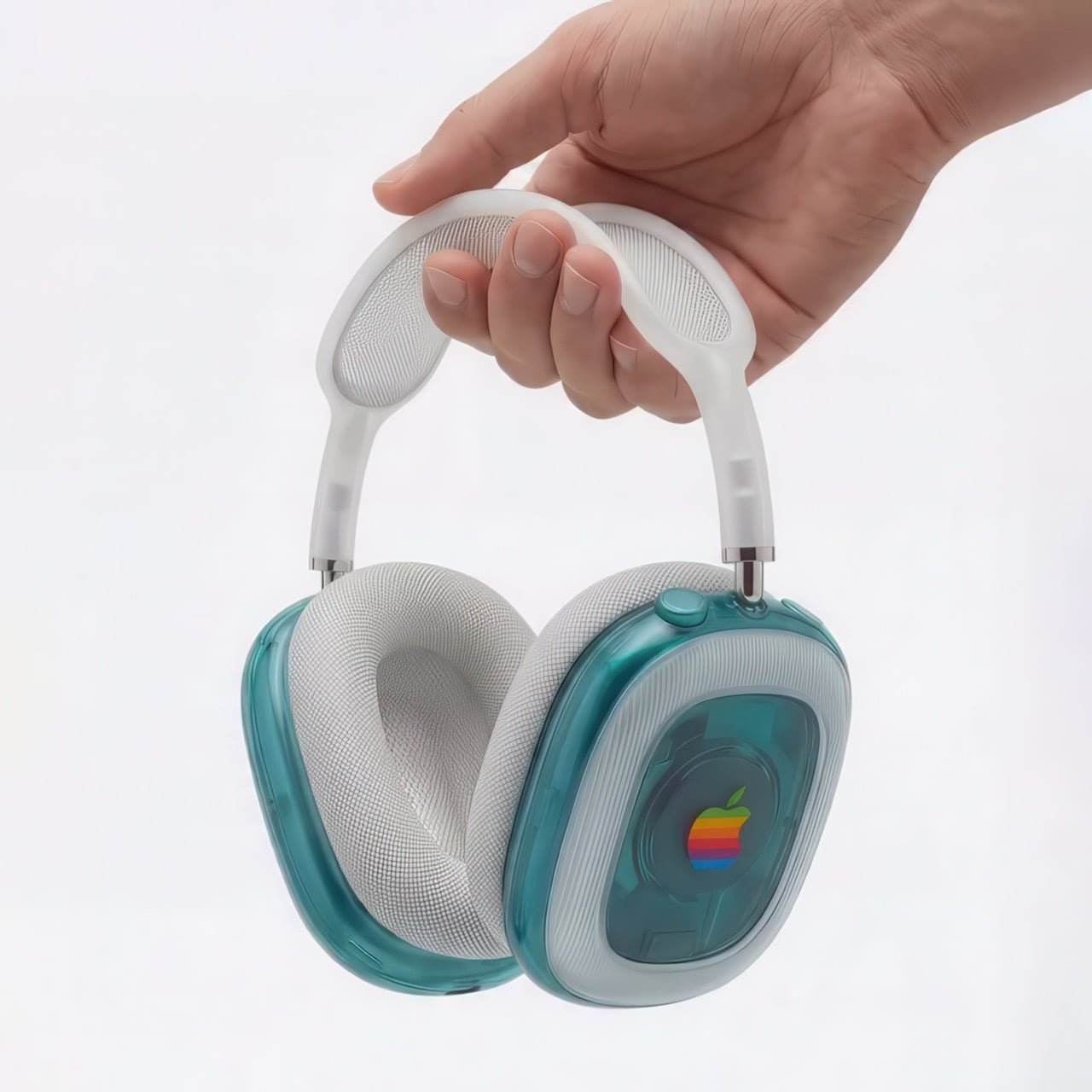
The rest of the headphone remains fairly the same. The cups stay exactly the way they originally were, with the 3D mesh we’ve come to love. Similarly, the headband retains its mesh cushion too, however, the outer plastic frame also gets translucent/cloudy white plastic treatment to match the overall vibe. The result is a pair of headphones that are as gorgeous as any of Apple’s turn-of-the-millennium products – when Jobs and Jony Ive probably had more fun than they ever had making products.

Obviously such a pair of headphones will never exist (and I do wish Nothing had done a better job with their transparent design), but if there’s some maverick YouTuber looking to mod the AirPods Max, this weirdly nostalgic build is definitely worth a shot. After all, it’s nothing a 3D printer could churn out in a few hours. You’re not really changing the geometry either – just the material.

The post Retro iMac G3-style AirPods Max takes inspiration from Apple’s most colorful tech era first appeared on Yanko Design.
This transparent Spigen shell turns your Mac mini into a tiny iMac G3 and I kind of love it

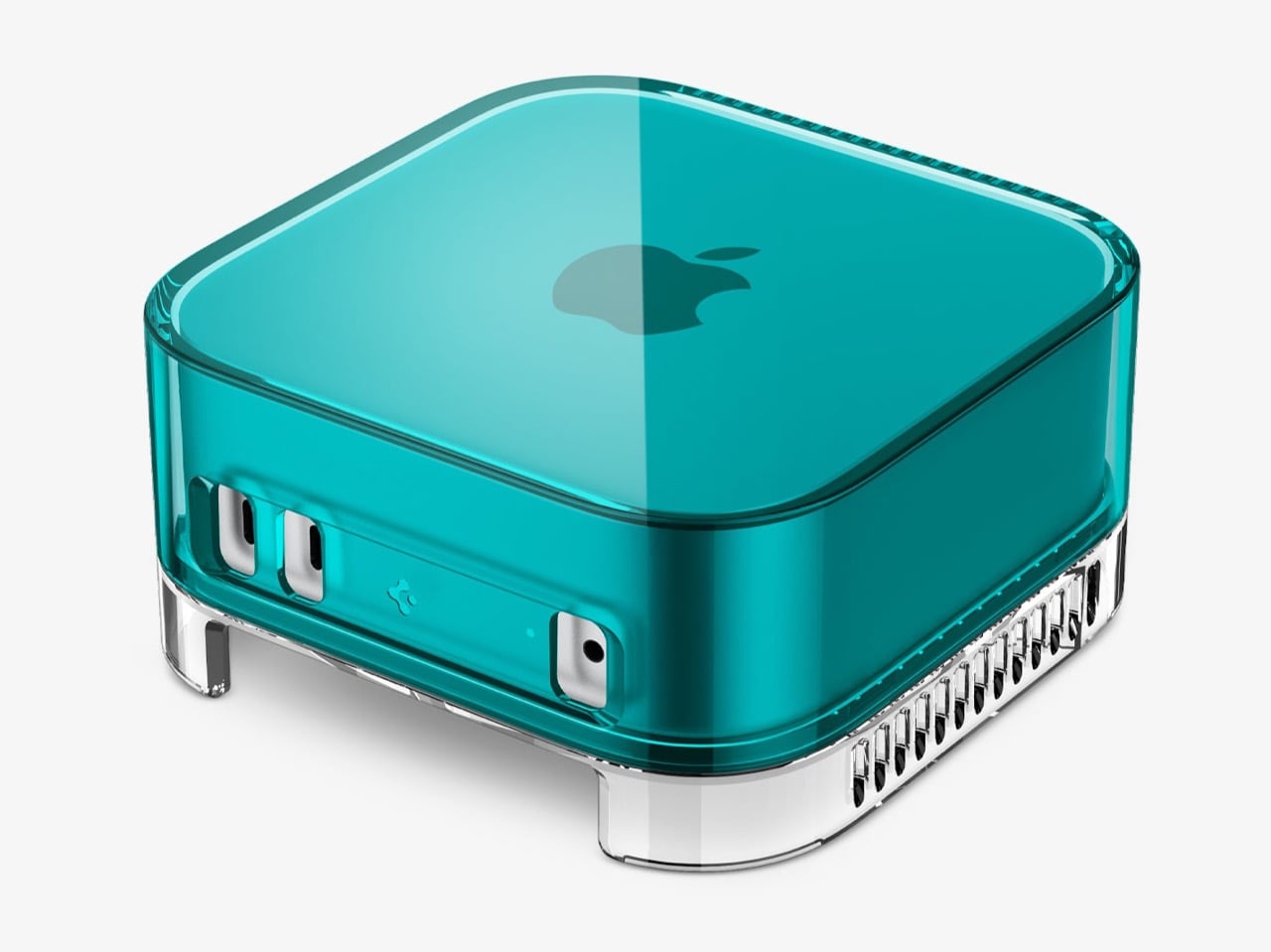
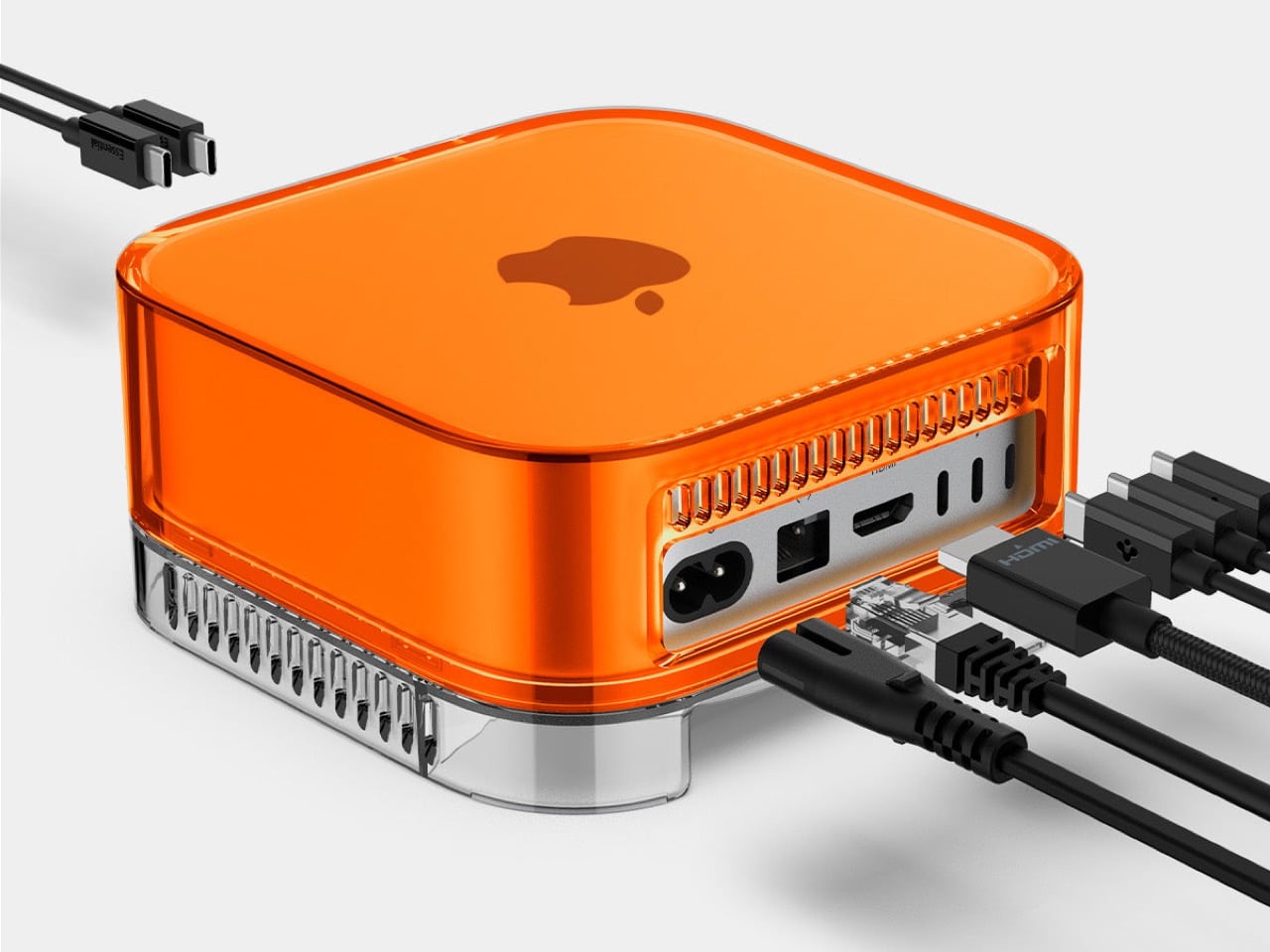
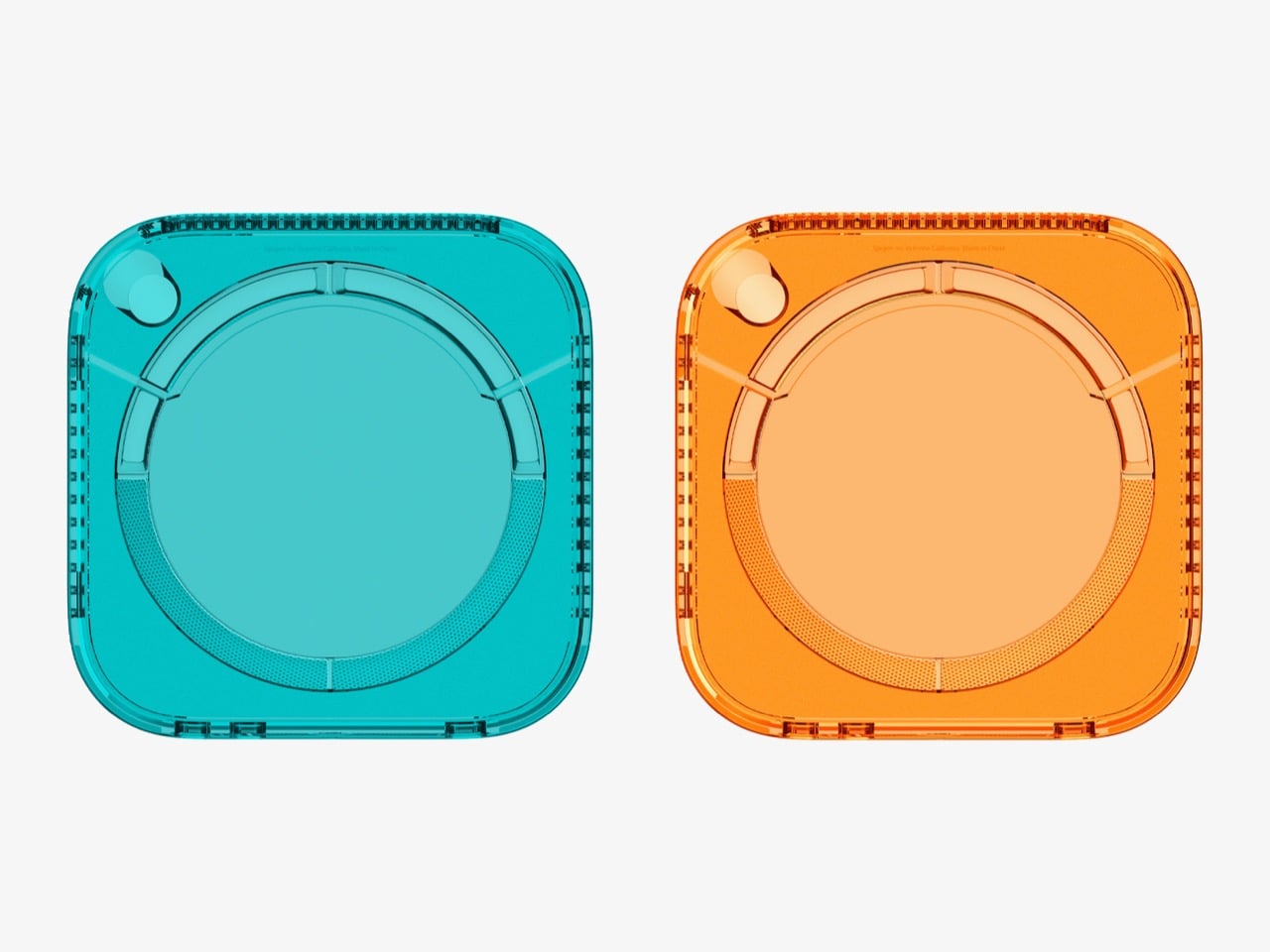
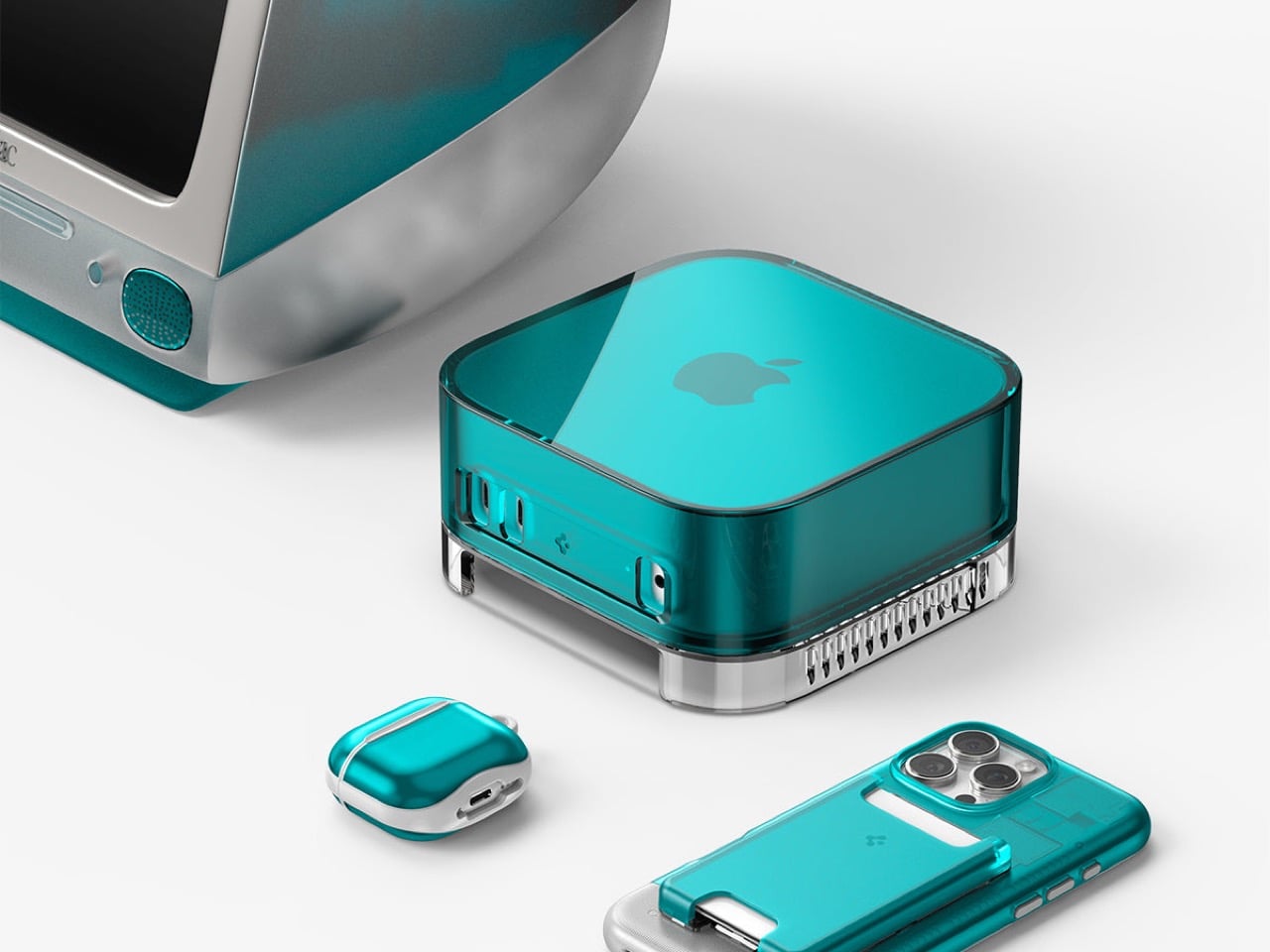
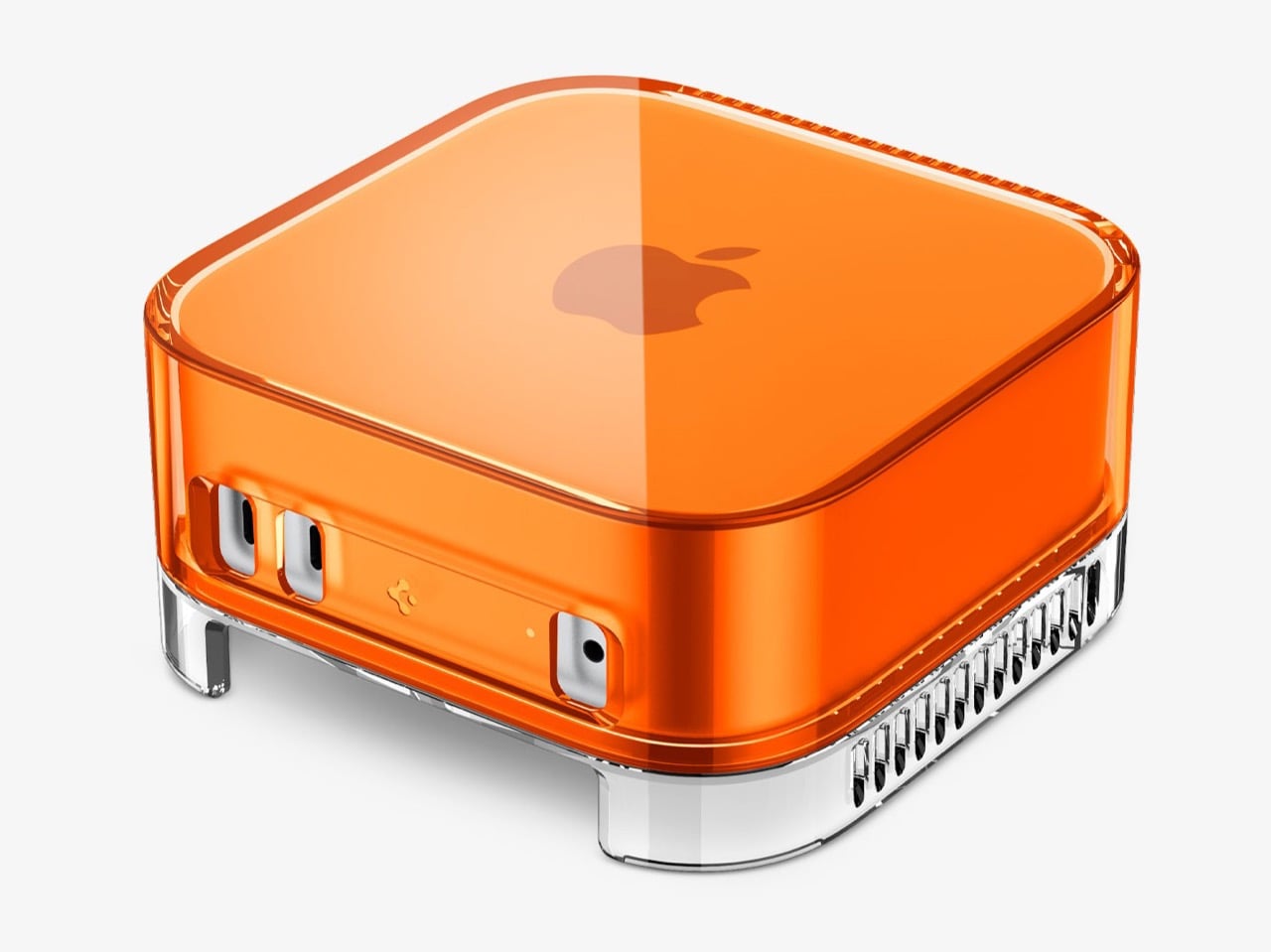
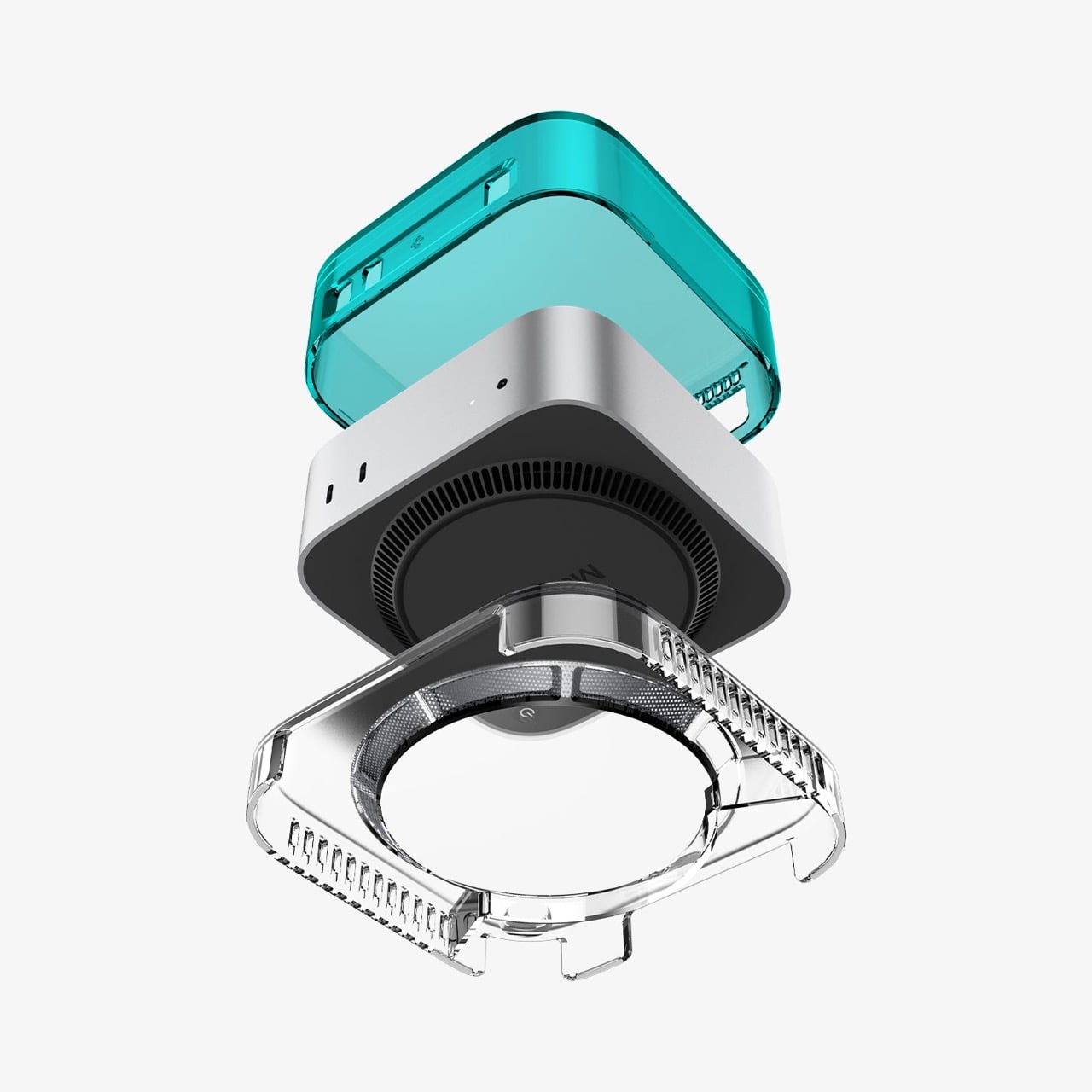
Spigen just launched a plastic shell that turns your Mac mini into a time machine. The Classic C1 wraps Apple’s minimalist aluminum cube in translucent plastic inspired by the iMac G3, complete with Bondi Blue and Tangerine colorways that defined Apple’s most playful era. For $32.99, your desk gets an instant injection of late ’90s nostalgia without sacrificing any of the Mac mini’s modern functionality.

The case feels like Spigen asking “what if Apple never stopped being fun?” The iMac G3 saved the company in 1998 by proving computers could be joyful instead of boring beige boxes. Now that same translucent aesthetic wraps around Apple’s most compact desktop, creating a bridge between two completely different design philosophies. The Mac mini stays minimalist underneath while the C1 shell broadcasts personality loud enough to make your entire workspace smile.

Designer: Spigen

Click Here to Buy Now

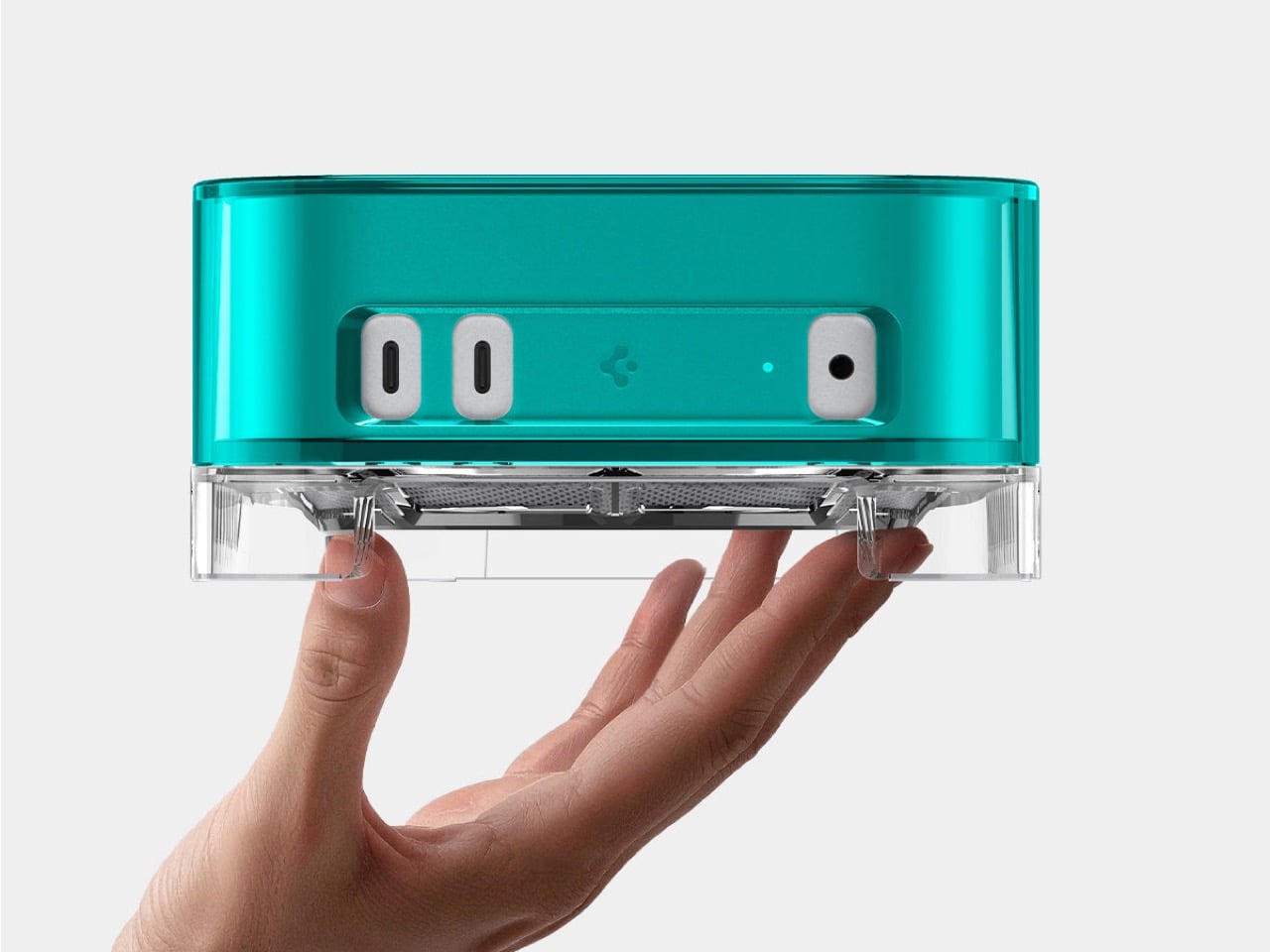
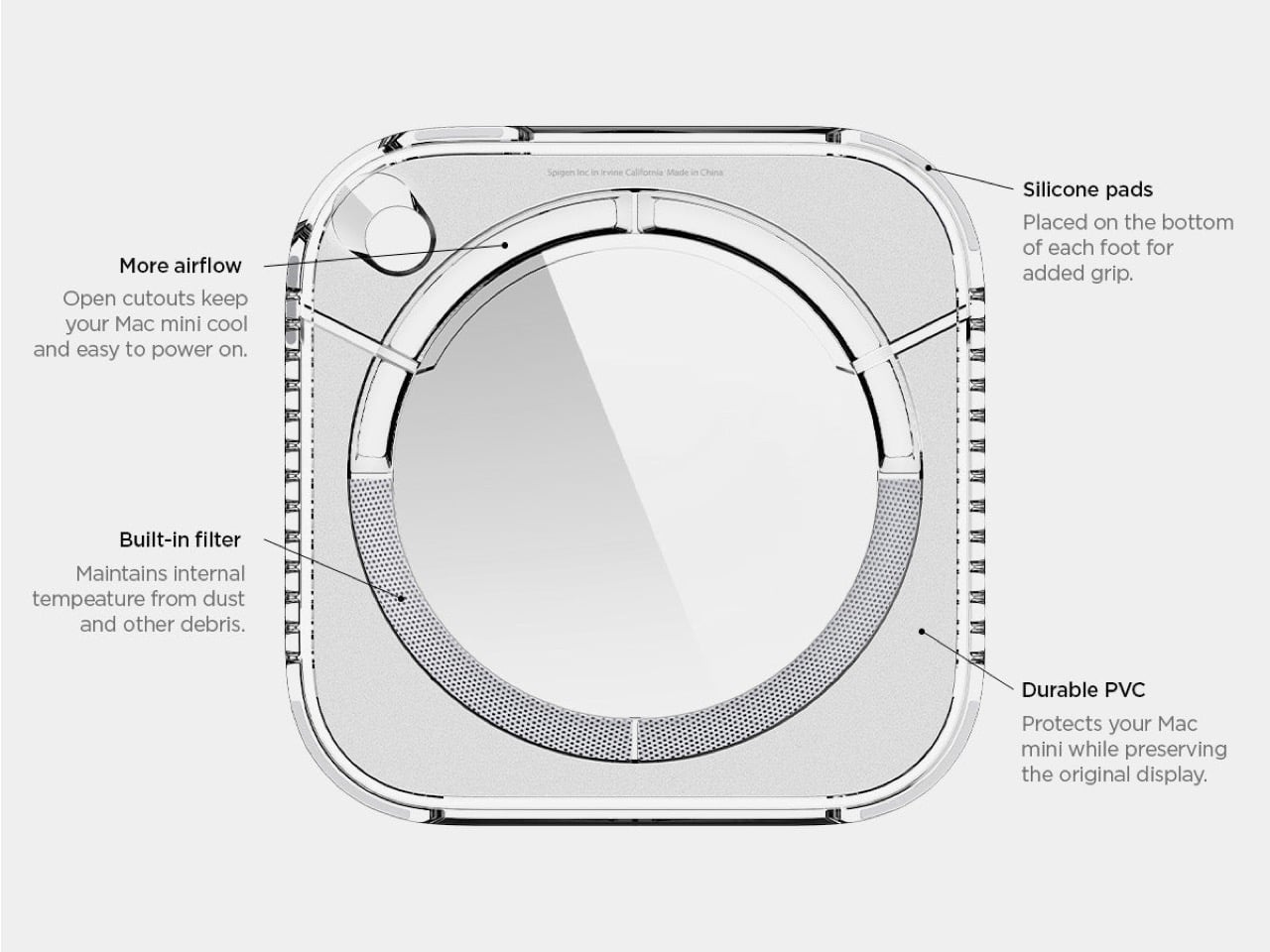
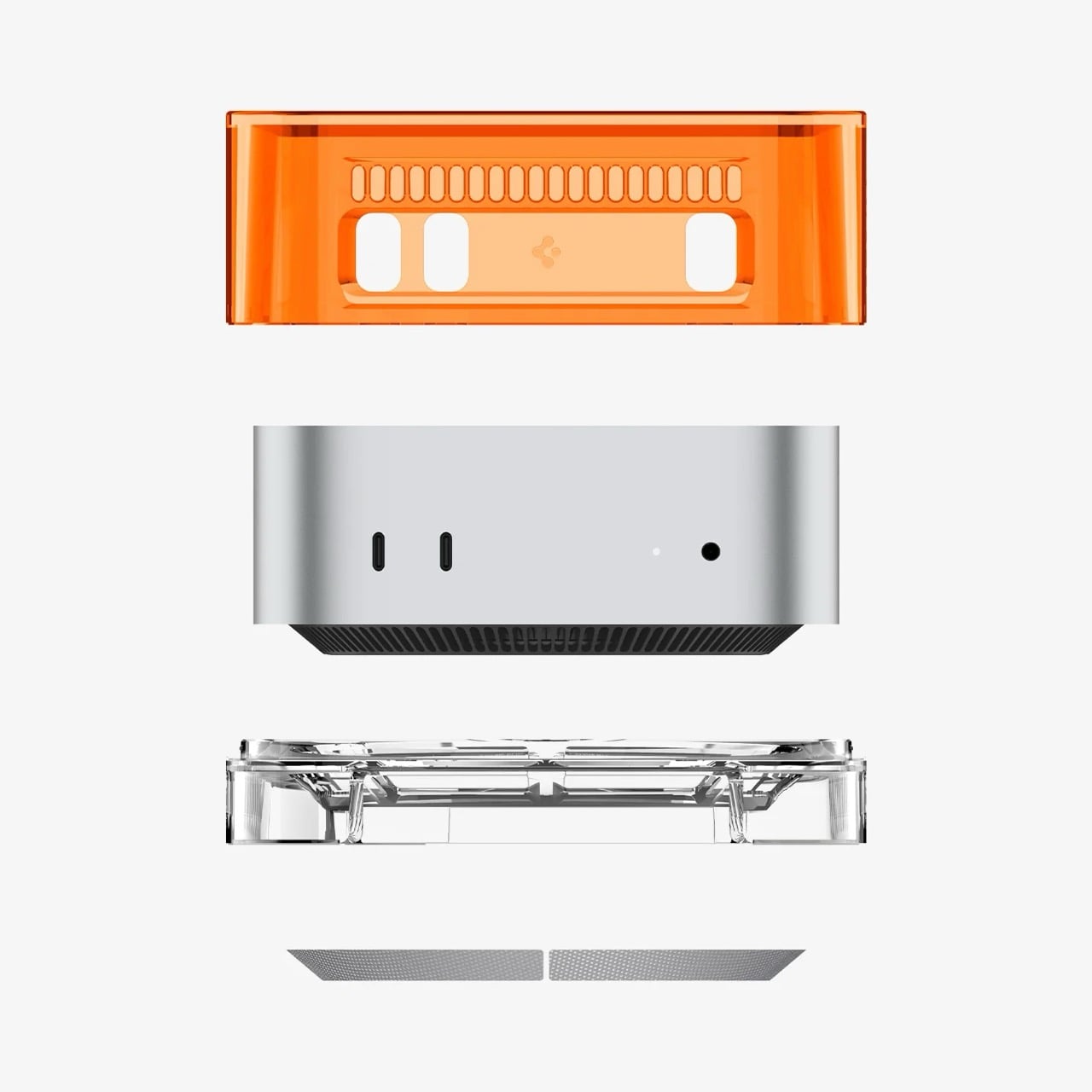
You’d almost expect a $45 plastic accessory to feel like a cheap gimmick, but peeling back the layers reveals some genuinely clever engineering. The exploded view shows this is a multi-part assembly, not some flimsy snap-on lid. Its base is a precisely molded cradle with ventilation slots that align perfectly with the Mac mini’s own air intake. The whole thing is built from a sturdy blend of PMMA, acrylic, and PVC that gives it the authentic heft and feel of turn-of-the-millennium hardware. This isn’t just a costume; it’s a well-made suit of armor.

It’s the smaller, nerdier details that really sell the execution. The vertical grilles on the sides are a direct homage to the Power Mac G4 Cube, yet they also provide functional ventilation for a machine that can get surprisingly warm. That clear base also elevates the entire unit just enough to improve airflow from below, and the inclusion of a simple dust filter is a practical touch most companies would skip. This is what separates a thoughtful tribute from a lazy cash-grab, proving someone at Spigen actually did their homework on Apple’s golden age.

Let’s face it, the Mac mini is an incredibly boring-looking box. It’s a marvel of miniaturization, sure, but it has all the personality of a corporate paperweight. The C1 completely upends that sterile aesthetic, swapping the cold, professional feel of aluminum for the warm, inviting glow of colored plastic. It reminds you that technology can be approachable and even a little bit weird. It turns an appliance back into a companion, something with a presence that does more than just sit there and compute.

Ultimately, this little plastic shell is a rebellion against the sea of monotonous silver and gray (we even wrote about an iMac G3-inspired Apple Watch just yesterday!) Given CES is in another week or so, we’re prepared for an onslaught of sleek silver or black boxes that do a lot without having much character. But for thirty-three bucks, you get to reclaim a bit of that lost optimism as an existing (or prospective) Apple Mac mini owner. It’s a small, delightful declaration that our desktops don’t have to be so damn serious (aka boring) all the time.

Click Here to Buy Now

The post This transparent Spigen shell turns your Mac mini into a tiny iMac G3 and I kind of love it first appeared on Yanko Design.
Custom Modded iMac G3 Has An M4 Chip And Runs Cyberpunk 2077 At 30 FPS

Remember the Apple iMac G3? Those translucent, candy-colored bubble machines were everywhere in the late 90s and early 2000s. Steve Jobs and Jony Ive turned computing into something you’d actually want on your desk, and suddenly schools, offices, and homes were full of these things. For a lot of people, this was their first real computer.

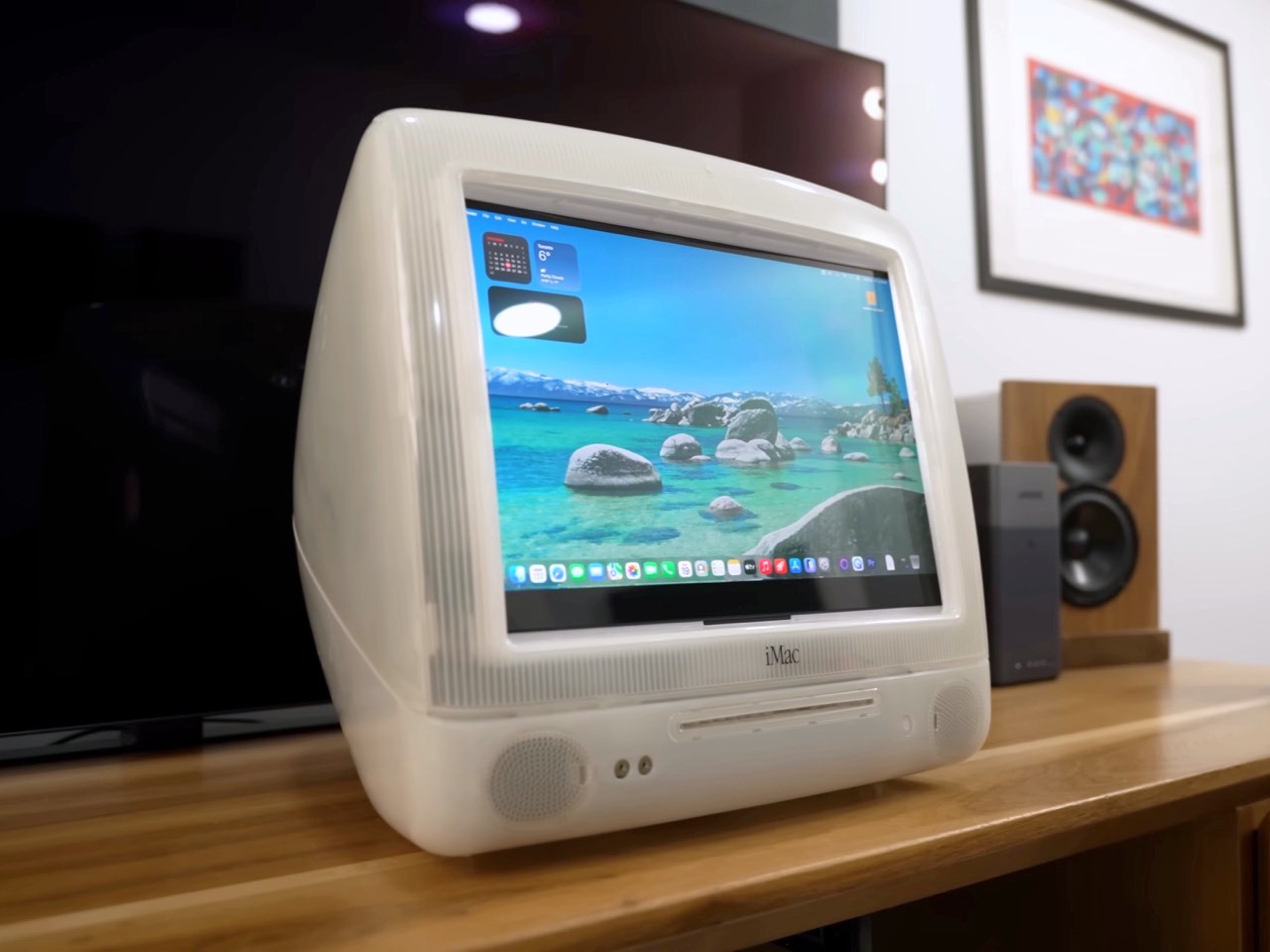
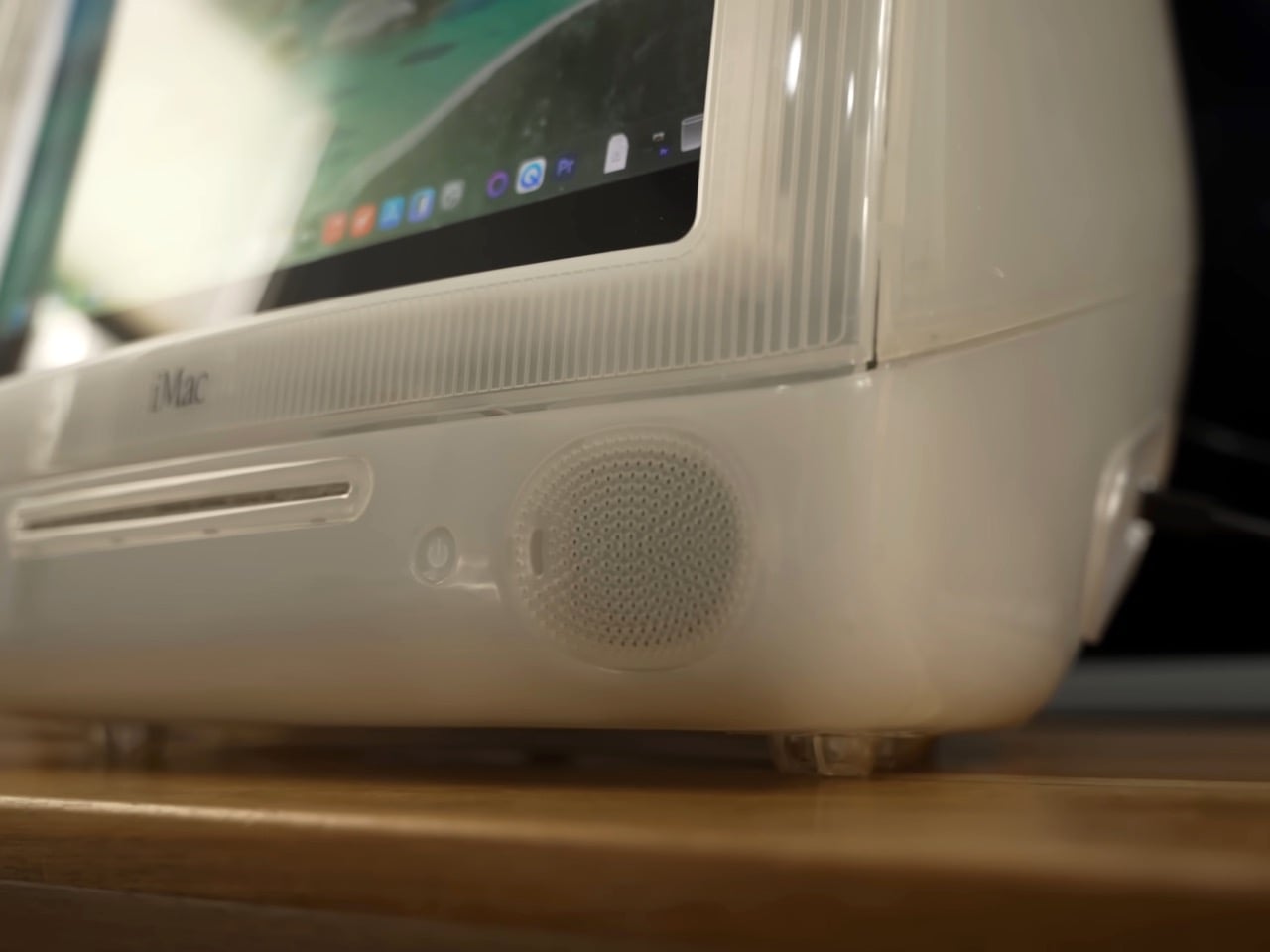
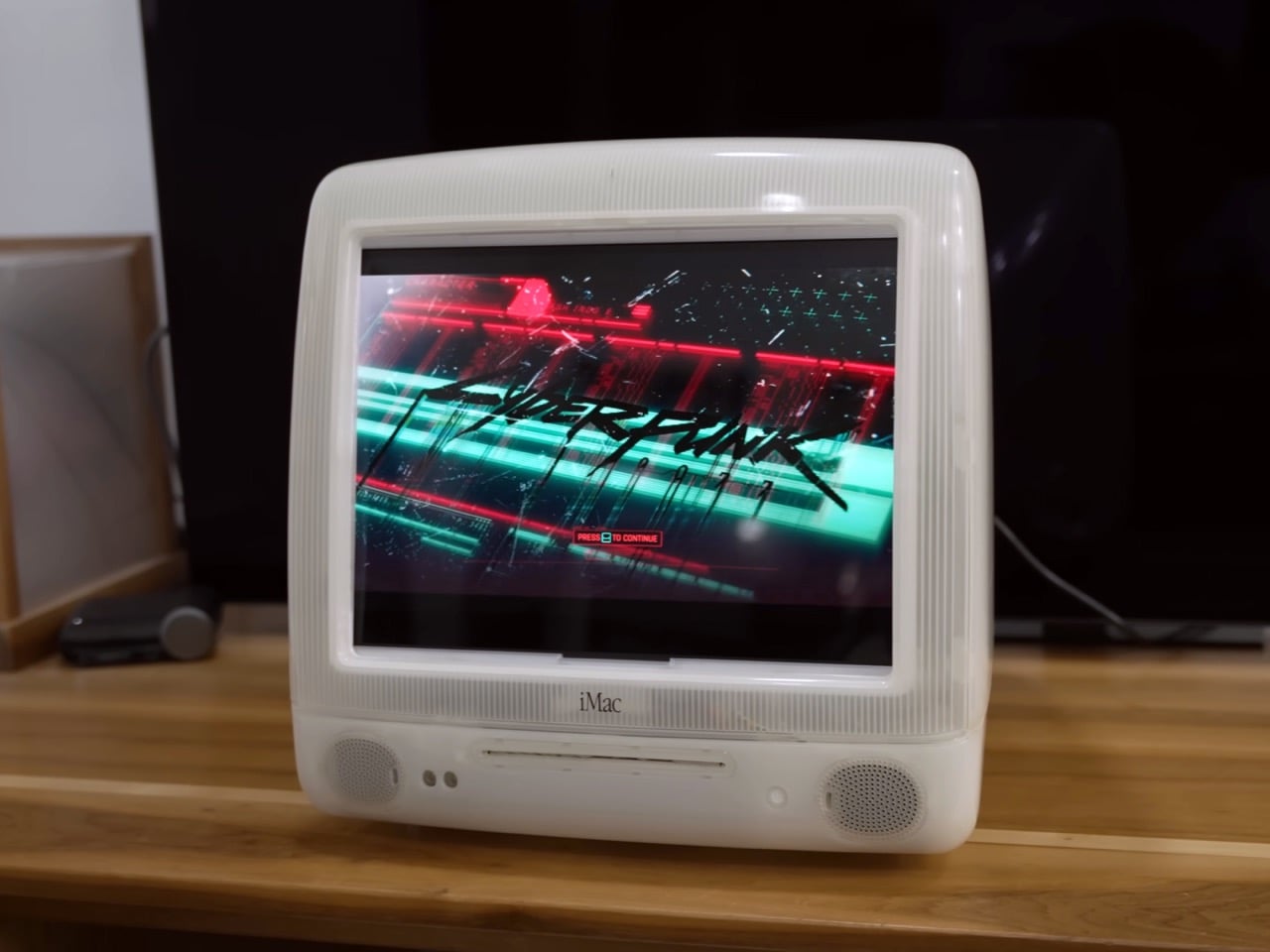
But try using one today and you’ll understand why they’re mostly decorative now. The CRT screen hurts to look at, the processor moves like molasses, and those integrated speakers that seemed so premium back then sound absolutely terrible. That’s what makes Zac Builds’ recent project worth paying attention to. He took an iMac G3 shell and rebuilt it with current hardware, keeping everything that made the original iconic while fixing everything that makes it painful to actually use.

Designer: Zac Builds

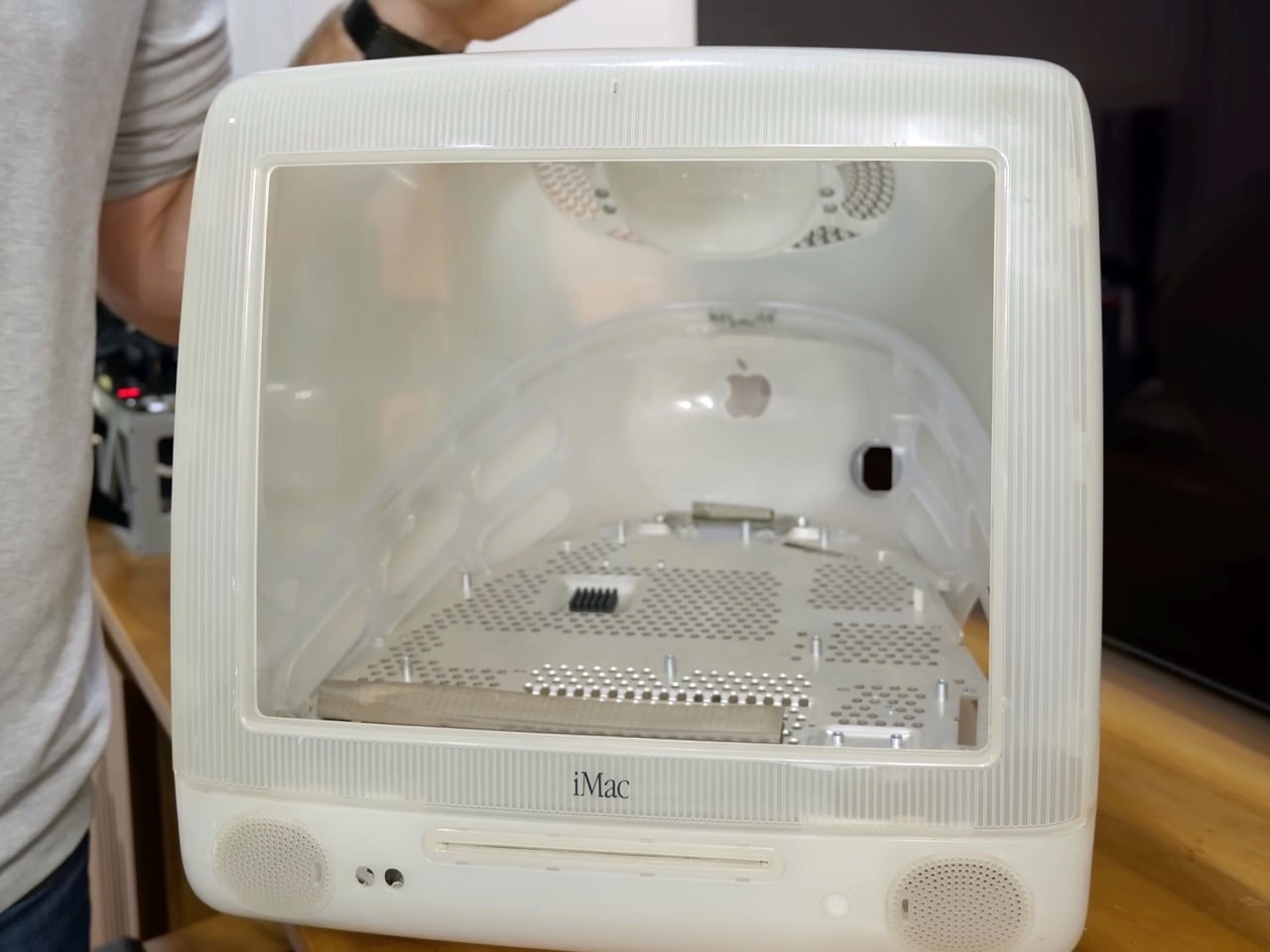
The teardown shows just how strange these computers were. Apple used pressed-form RF shielding that looked genuinely sculptural, completely functional but designed to look cool even though nobody would ever see it. Then there’s the CRT, which can store lethal amounts of energy months after you unplug it. After carefully discharging the tube and pulling out all the original components, Zac had that famous shell and a whole lot of empty space to work with.

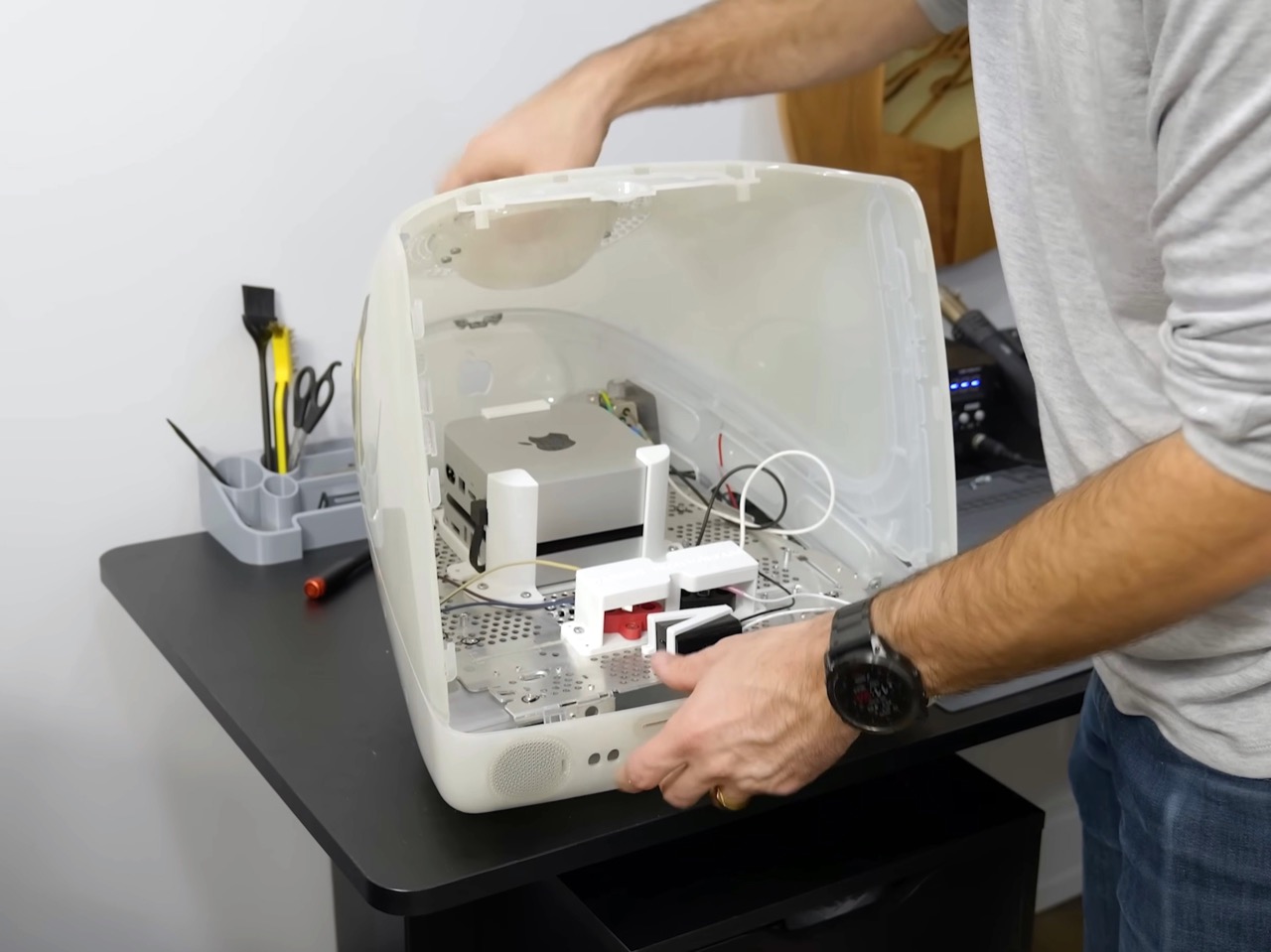
Removing everything created a structural problem. The case was basically held together with clips, so Zac 3D-scanned all the remaining parts to create precise digital models. He designed custom posts to properly connect the top and bottom halves, plus replacement clips where the old plastic had crumbled. He even tracked down the right 3D printing filament to match Apple’s original translucent plastic, testing physical color swatches until he found Bambu’s transparent PETG.

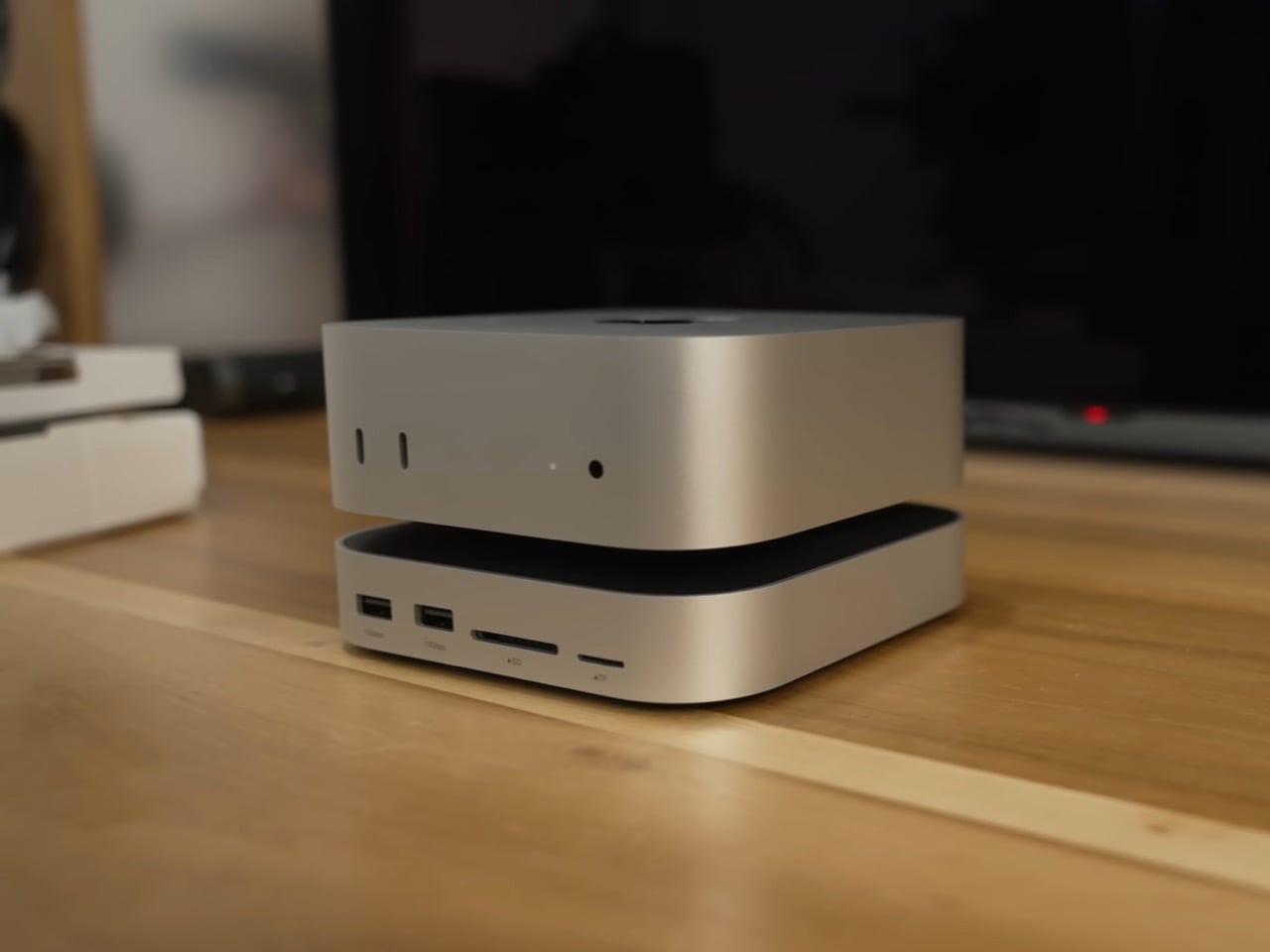
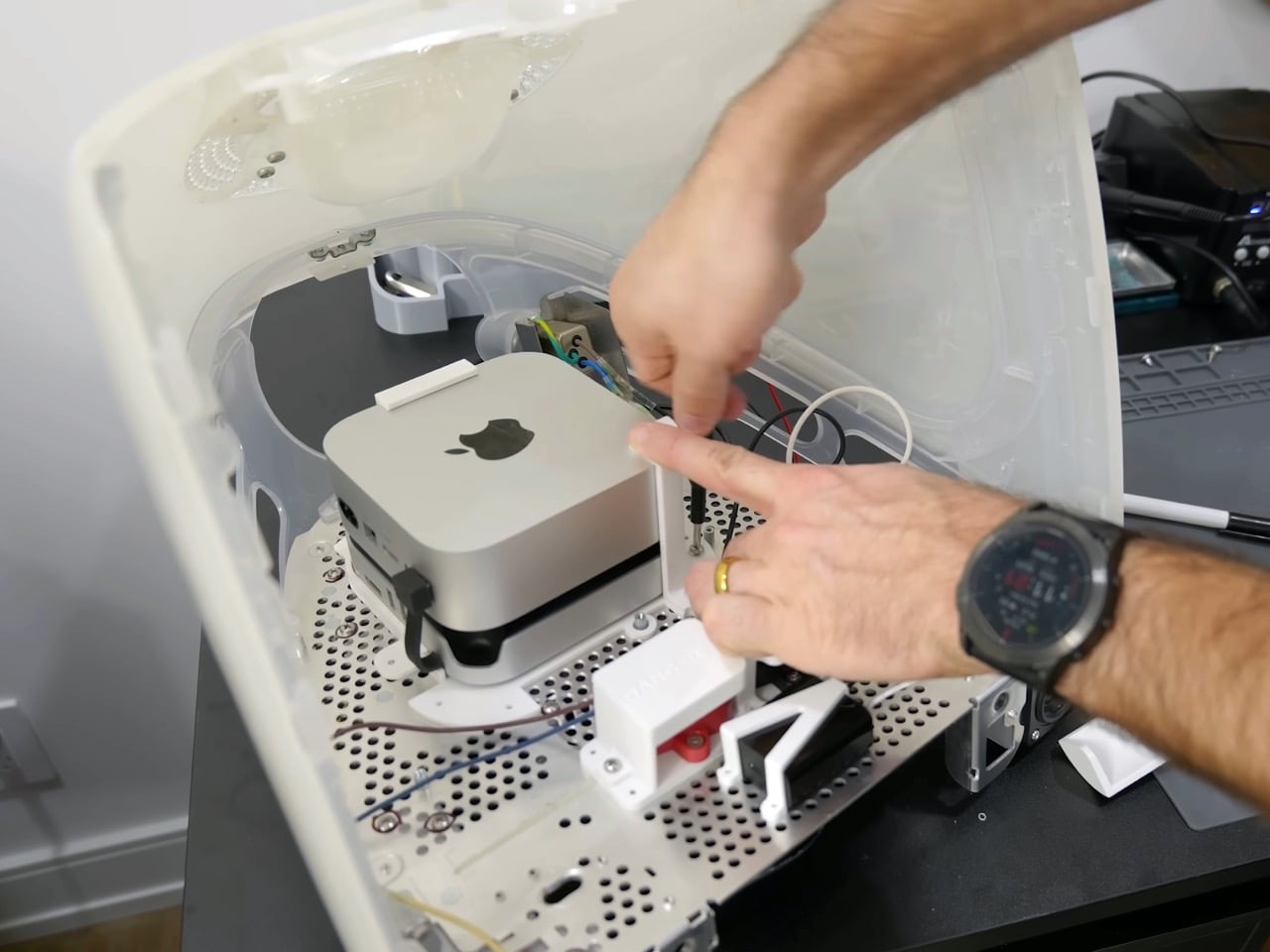
The core of the build is an M4 Mac Mini. Apple’s M-series chips have turned out to be legitimately good. They’re efficient, compact, and powerful enough for serious work without turning into space heaters. The base $599 model delivers solid performance, though Apple still charges obscene amounts for storage upgrades.

Zac addressed storage with three different solutions. First, he upgraded the internal NVMe drive. The Mac Mini’s storage isn’t soldered, which is unusual for Apple, though it uses a proprietary format and requires another Mac to restore the system via DFU mode. Apple’s documentation even gets it wrong, saying not to use a Thunderbolt cable when that’s actually what makes it work. Second, he added a UGREEN hub that plugs into the Mac Mini and has its own NVMe slot underneath, adding 2TB in about 15 seconds. Third, he connected a UGREEN NAS for bulk storage, supporting up to 60TB without subscription fees.

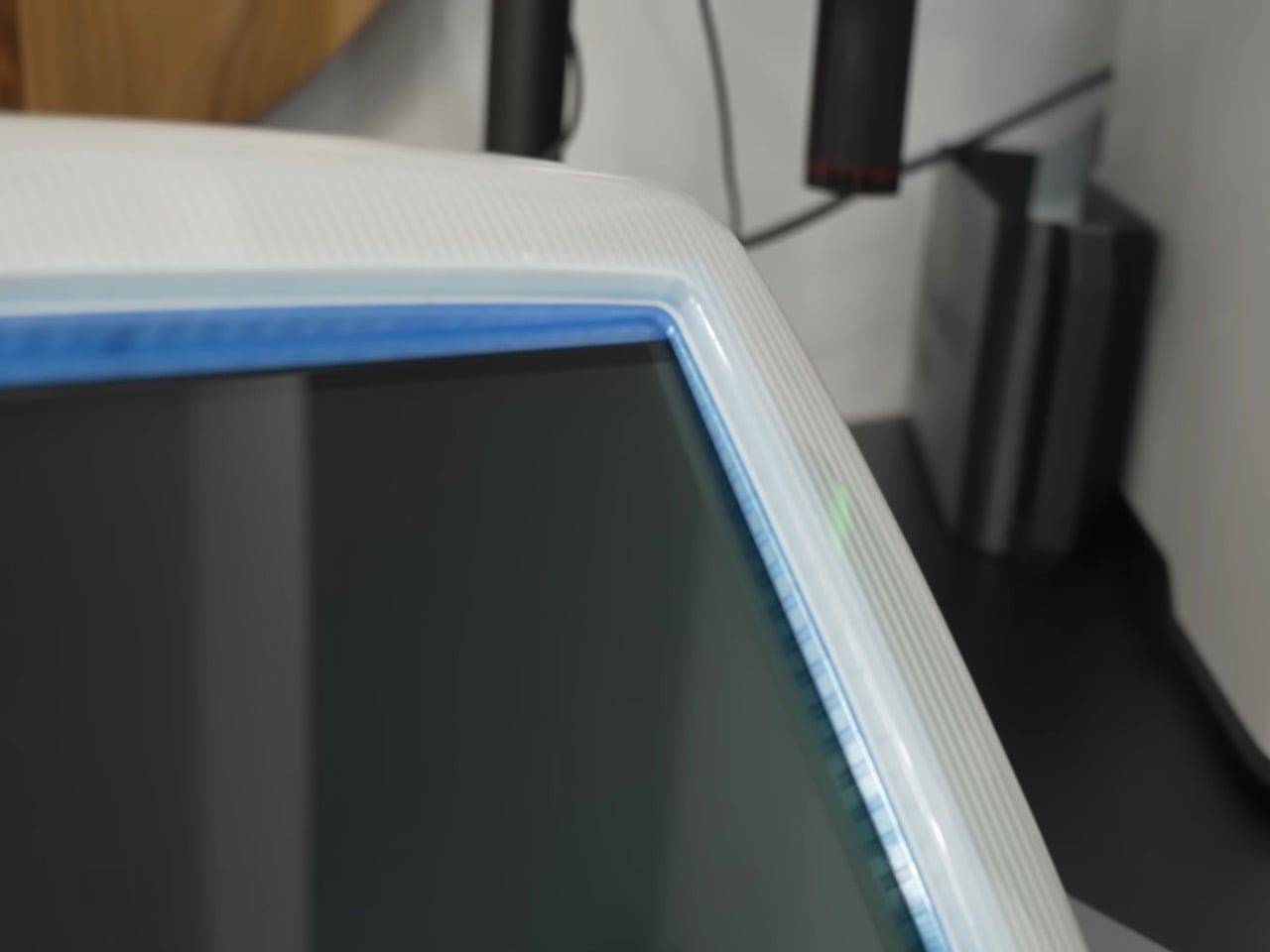
The display replacement required some creative problem-solving. Finding a modern screen that fits the G3’s curved opening while maintaining that retro 4:3 aspect ratio is basically impossible. Zac went with a 14-inch 4K OLED at 16:10, then designed a custom interposer frame to bridge the gap between the flat screen and the curved case. Getting that transparent frame to look right meant using CA glue without accelerator spray, which takes 8+ hours to cure but avoids the foamy expansion you’d see through clear plastic.

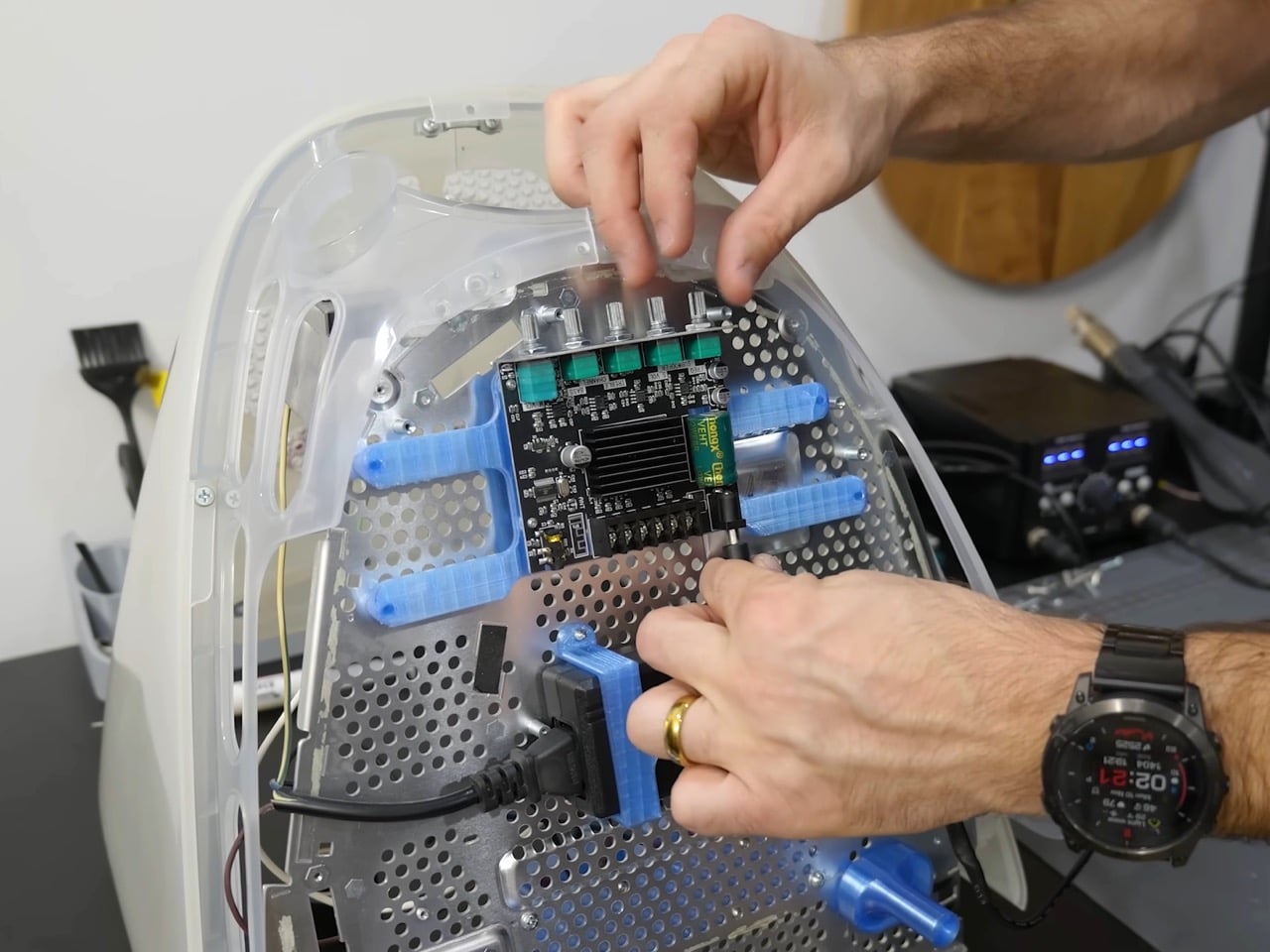
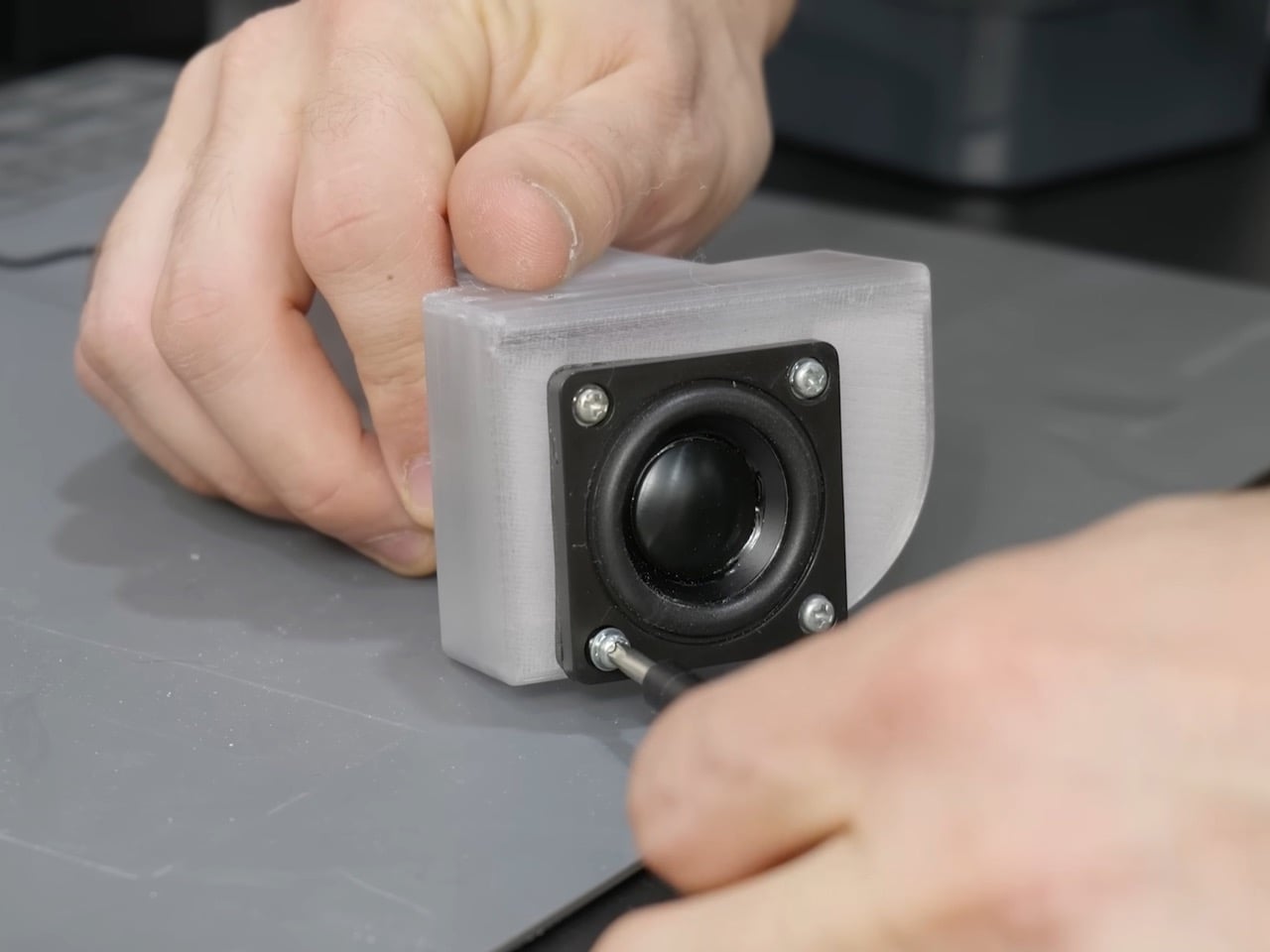
The audio system got a proper upgrade too. Zac installed Dayton Audio 1.5-inch full-range drivers in custom 3D-printed enclosures designed for optimal acoustic volume. A 200-watt digital amp boosts the signal from the Mac Mini’s headphone jack, and after some tweaking, the whole setup works like it’s factory-integrated and responds to software volume controls.

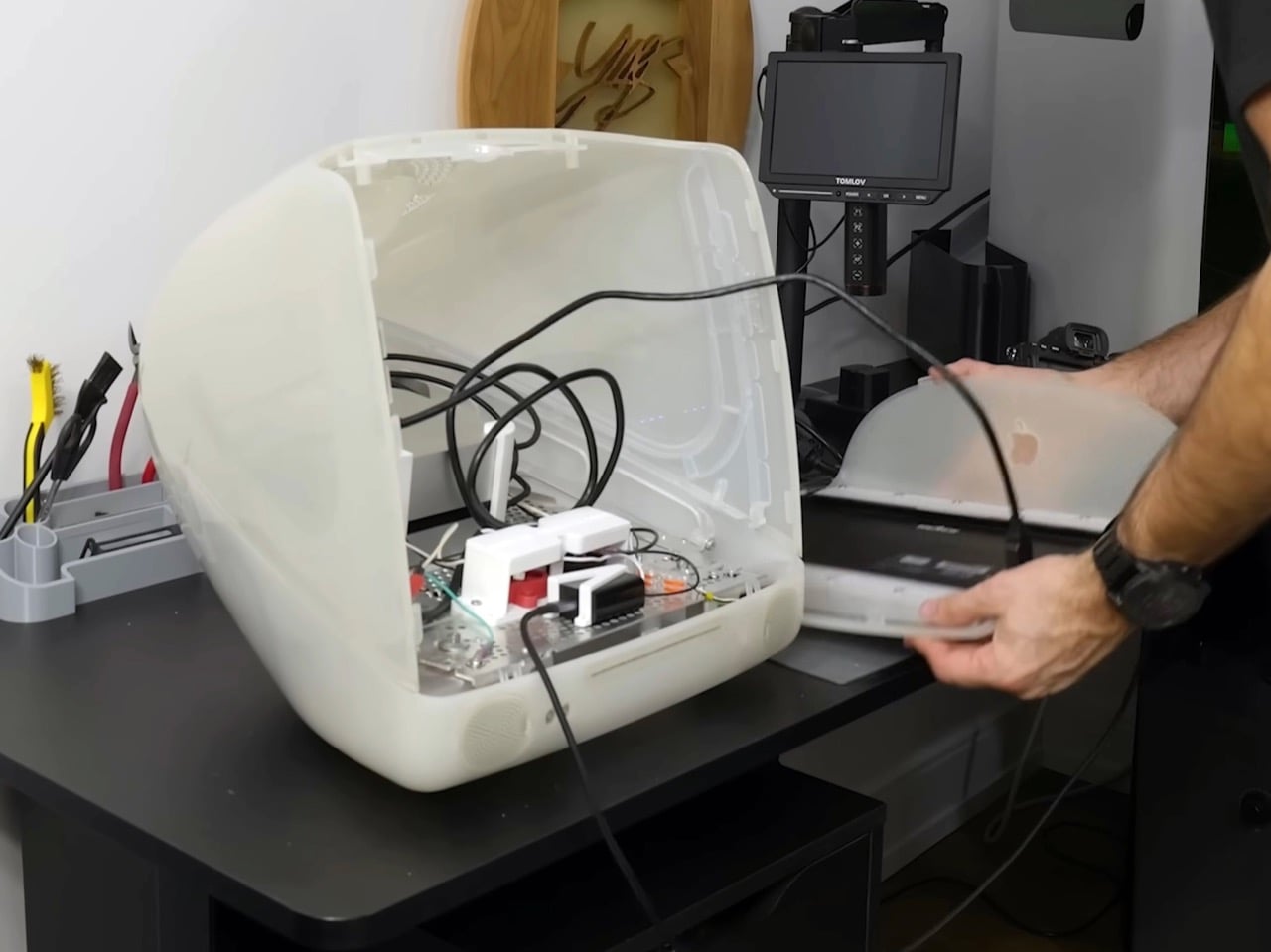
The power system is genuinely clever. Zac rewired the original power cord to feed automotive-grade junction terminals that distribute 120V AC to everything inside: the Mac Mini, the screen’s power supply, the amp’s transformer, and anything else that needs power. It’s live electricity, so there’s real risk if you’re careless, but the modular approach means one cord powers everything.

The IO panel mirrors the original’s placement while offering Thunderbolt, USB-C, dual USB-A, and Ethernet, all connected back to the Mac Mini through short cable extensions. Even the original power button works, thanks to some microscope-assisted soldering that extended the Mac Mini’s switch contacts to reach the front of the case.

The rebuilt machine runs Cyberpunk 2077 and handles 6K video editing smoothly. The upgraded internal drive shows 50% speed improvements, while the external NVMe delivers nearly 1GB/s transfers. Both options cost significantly less than Apple’s storage pricing.

Could you just buy a MacBook instead? Sure, and you’d get more portability. But you’d also pay nearly three times as much for comparable storage, and you’d miss the entire point. This project isn’t about building the most practical computer – it’s about preserving a design icon while making it genuinely usable. Like restoring a classic car, you’re trading pure practicality for the joy of bringing something meaningful back to life. Zac’s rebuilt iMac G3 delivers that early-2000s nostalgia without the painful slowness, eye-straining display, or terrible speakers, proving that sometimes the best way forward is to bring the past along with you.

The post Custom Modded iMac G3 Has An M4 Chip And Runs Cyberpunk 2077 At 30 FPS first appeared on Yanko Design.