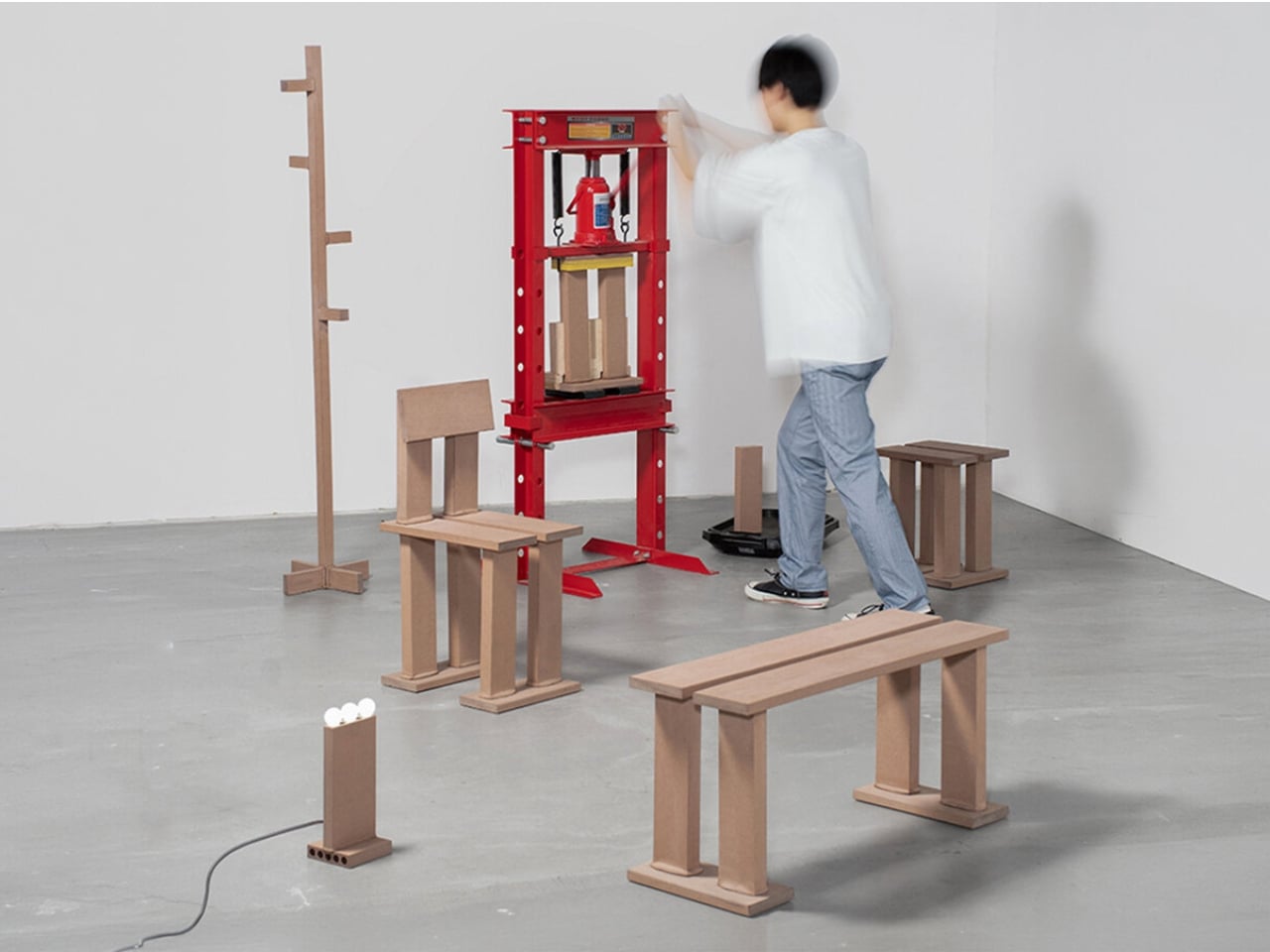
Japanese Designer Built Furniture With No Glue or Screws

Most furniture is held together by things you can’t see. Mortise-and-tenon joints, steel brackets, wood glue applied in generous amounts before being clamped overnight. The craft of traditional joinery is genuinely impressive, and furniture historians will rightly tell you it’s one of the oldest engineering feats in human history. But a Japanese designer named Tact Inoue just asked a simple question: what if you didn’t need any of that?

His answer is Mocky, a furniture series that throws out conventional joinery entirely and replaces it with heat, pressure, and the natural behavior of a material most people walk past every day without a second thought.

Designer: Tact Inoue
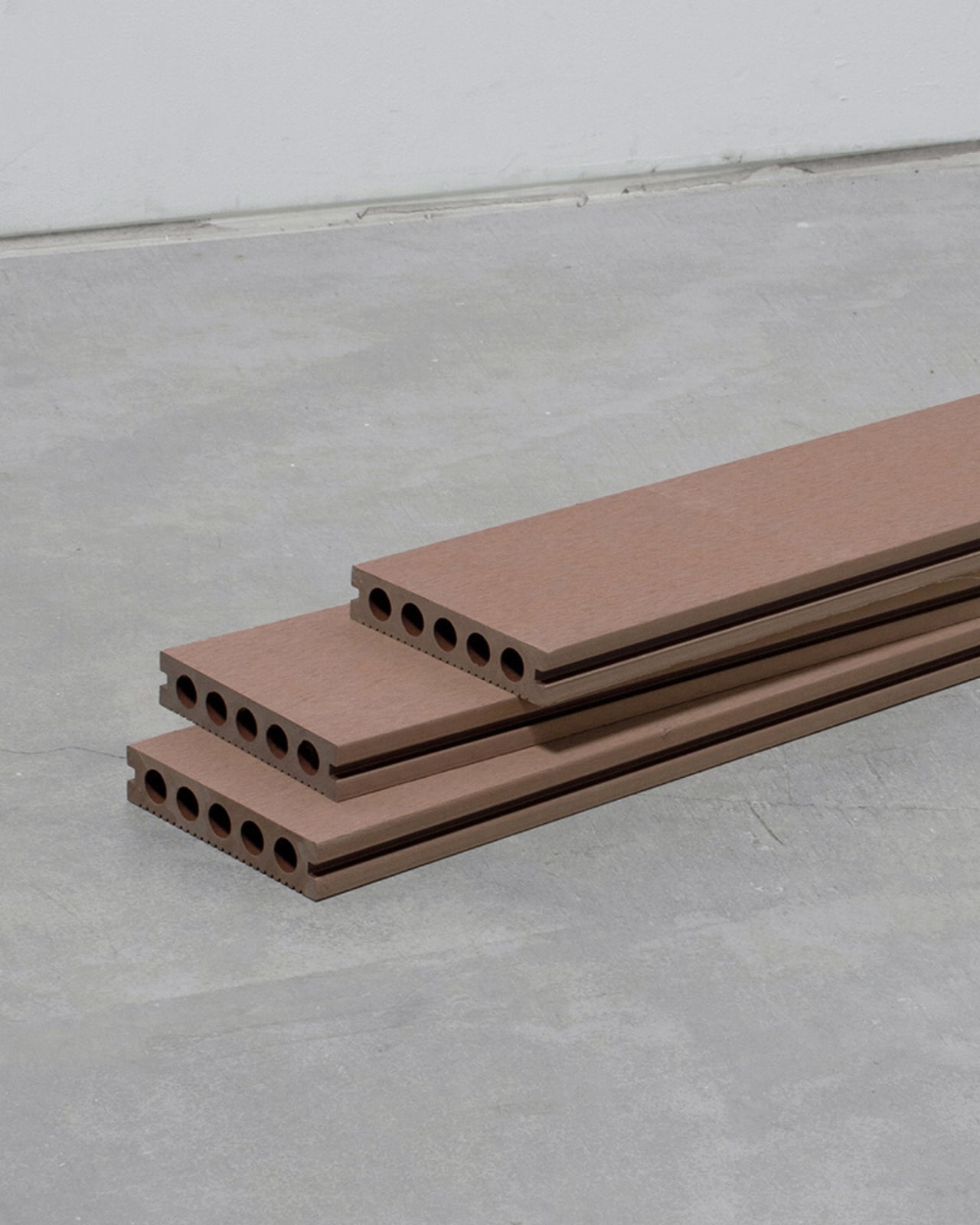
The material in question is artificial wood, specifically the kind composed of wood flour and resin, commonly used in outdoor decking. It’s not a glamorous material by any stretch. You’ve probably seen it on a boardwalk, a backyard patio, or a poolside deck. It blends in, does its job, and gets credited with being “low maintenance.” Tact Inoue looked at that material and saw something different entirely.
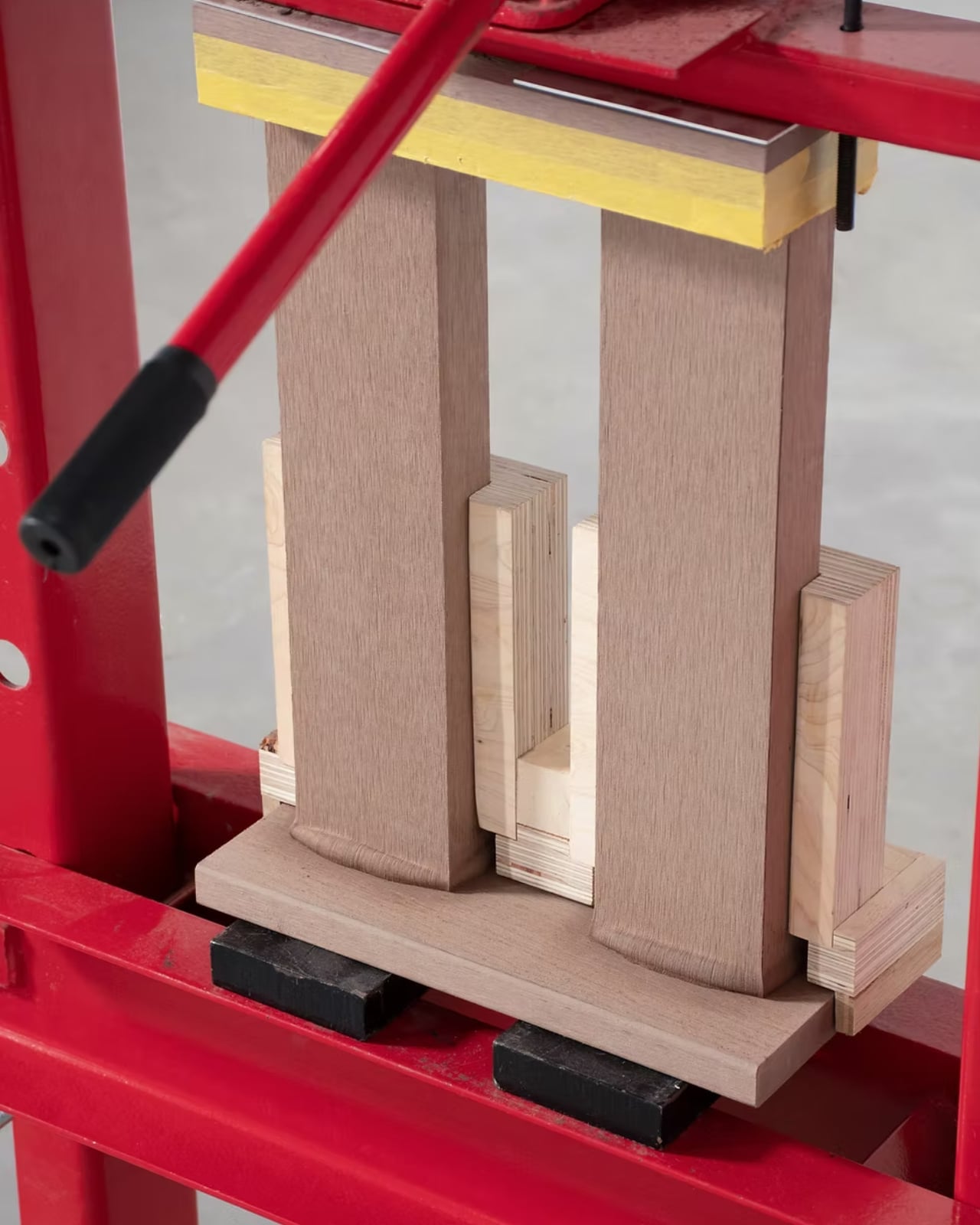
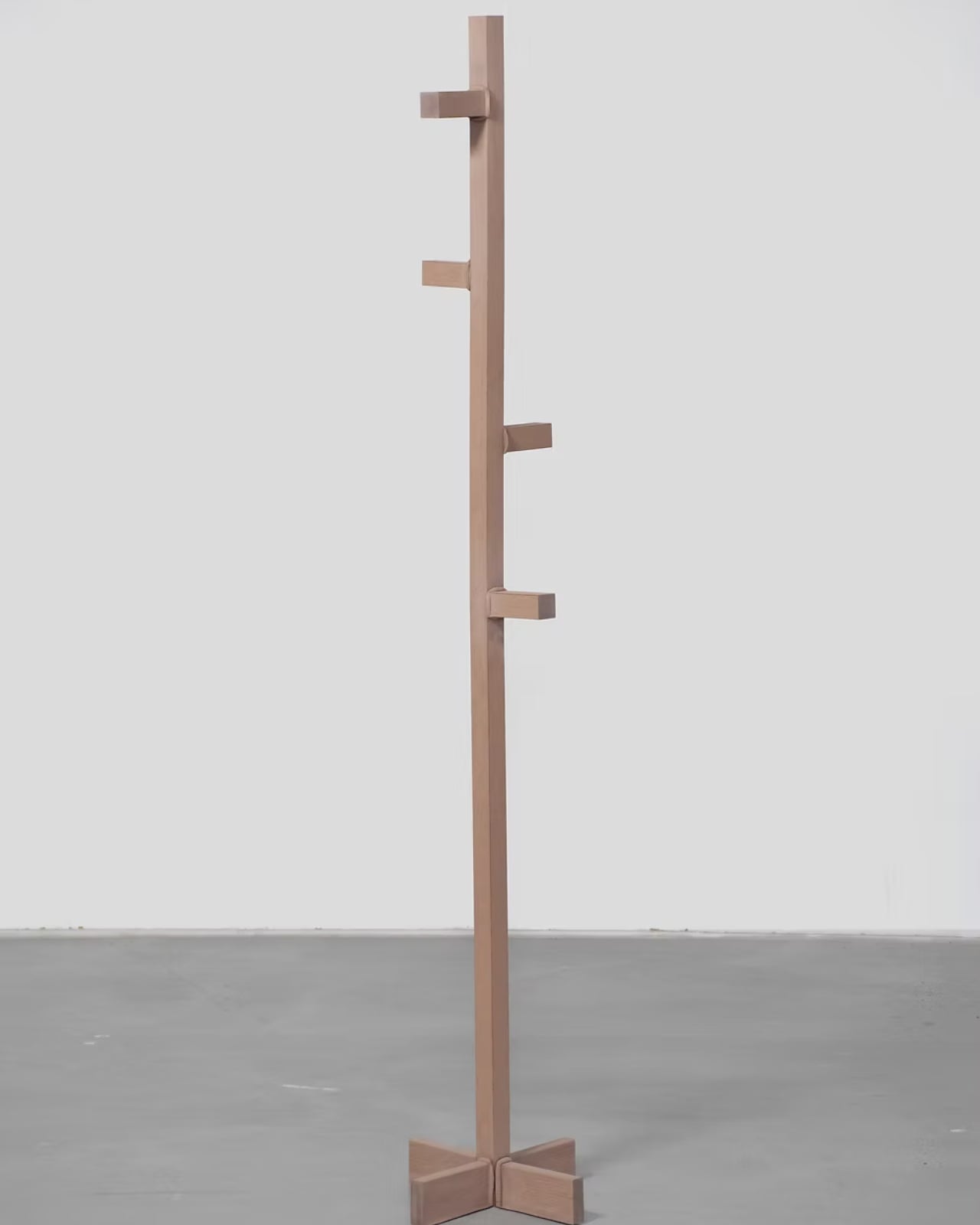
Because of its resin content, artificial wood can be heated until it softens. Inoue takes that softened state and presses the components together using a 20-tonne press machine. The heated surfaces fuse, adhering to each other as they cool. There are no fasteners, no glue, no mortise-and-tenon joints. The connection is the material itself. What comes out the other side looks nothing like what you’d expect from anything made of wood: warped surfaces, irregular joints, organic protrusions where two pieces met and merged under pressure.
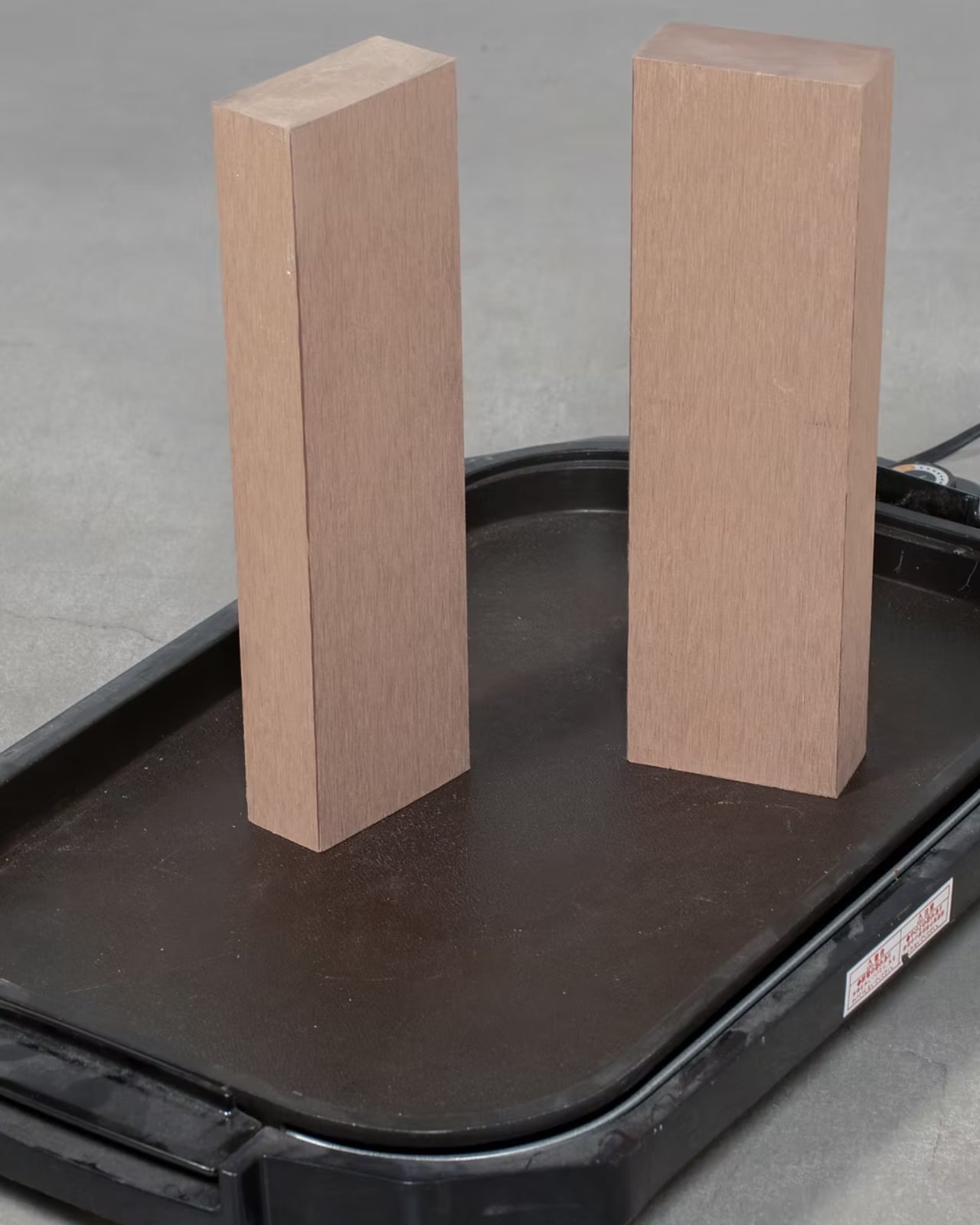
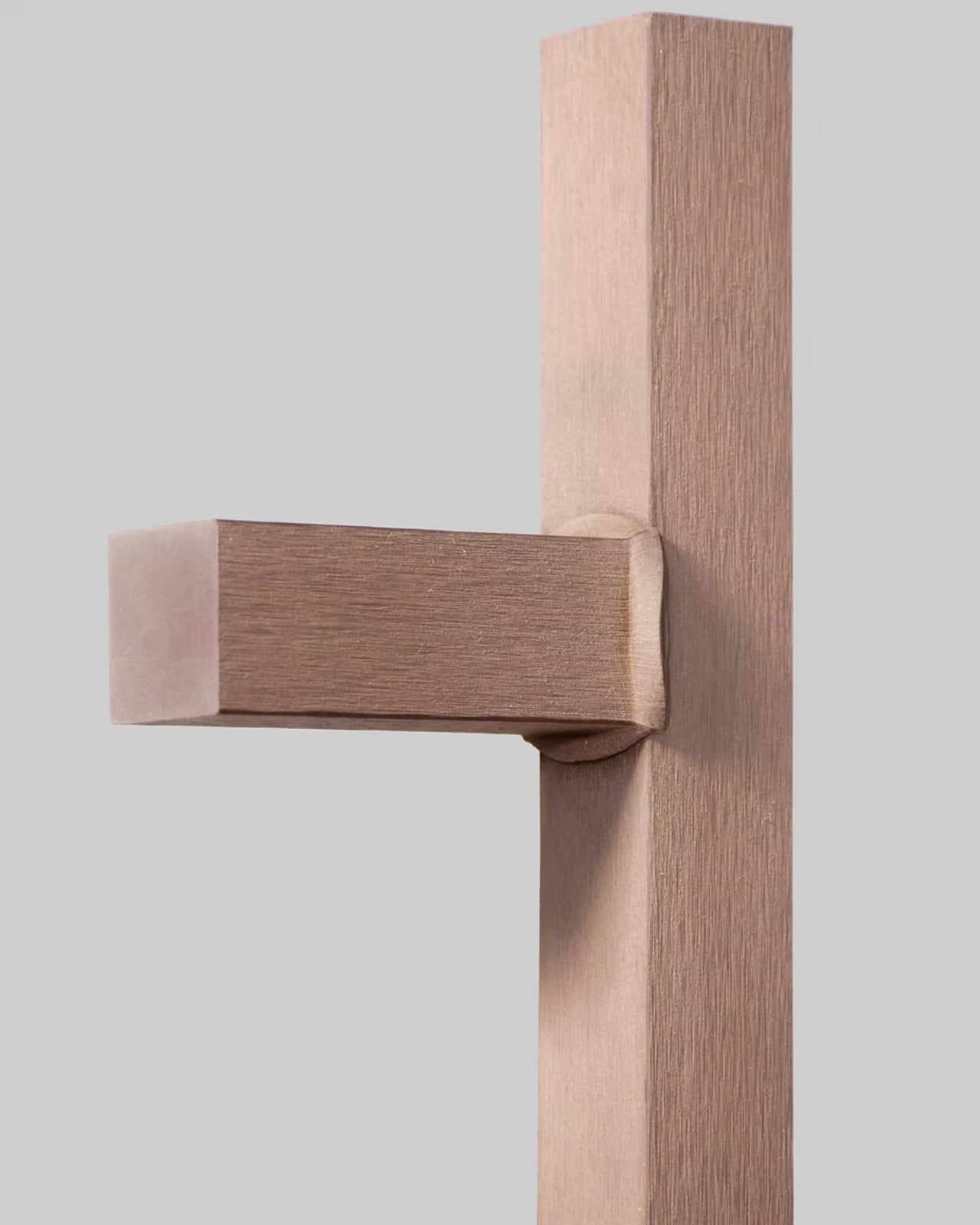
And the thing is, it looks extraordinary. The imperfections are the point. Inoue isn’t treating the irregularities as flaws to be corrected before the piece ships. The warping and distortion that happen during the heat-pressing process are built into the design language of Mocky from the start. Irregularity is an active part of the making, not an accident of it. Each joint emerges from the behavior of the softened material rather than from a pre-drawn spec sheet. That’s a genuinely different relationship between designer and material, one where control is shared rather than total.
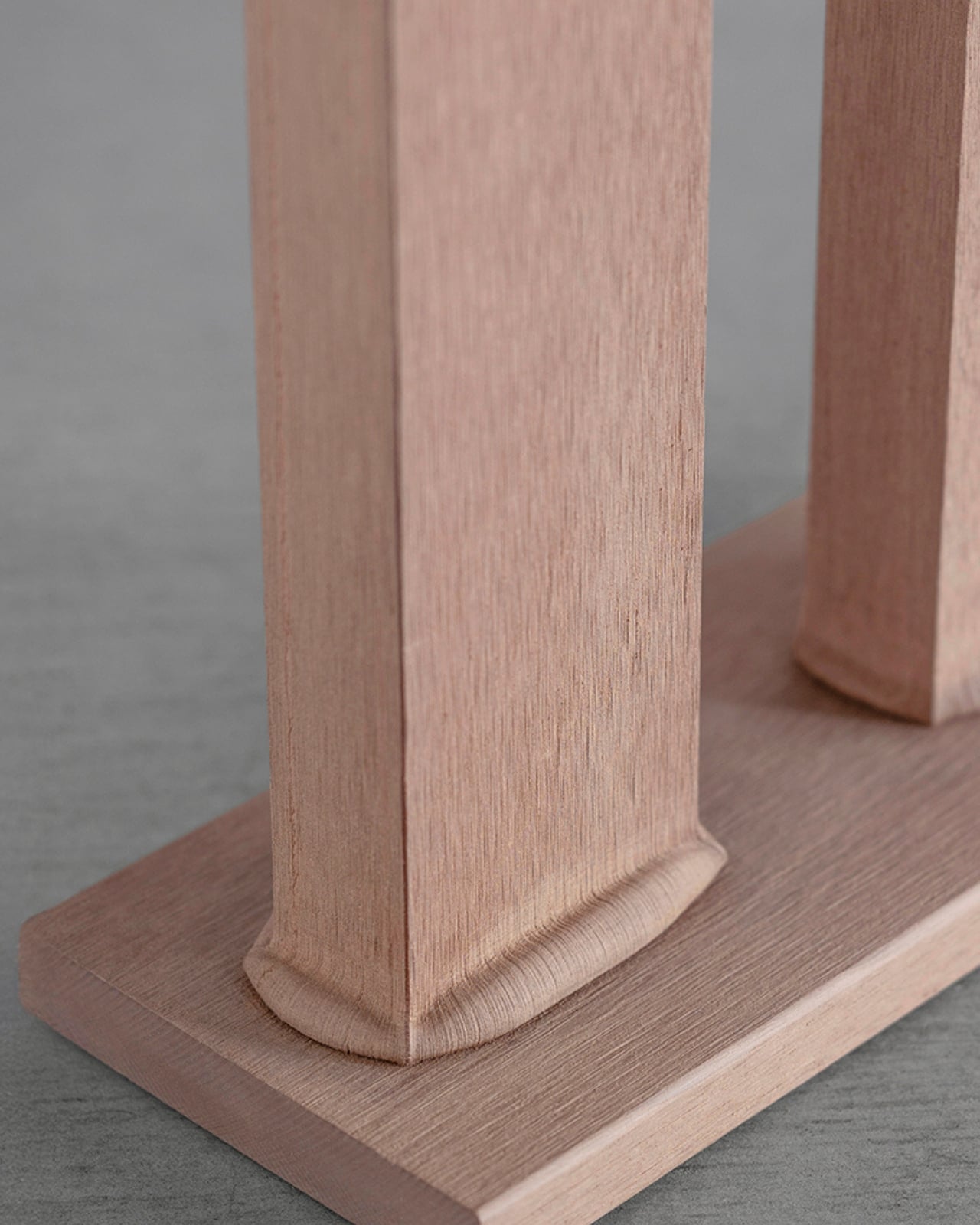
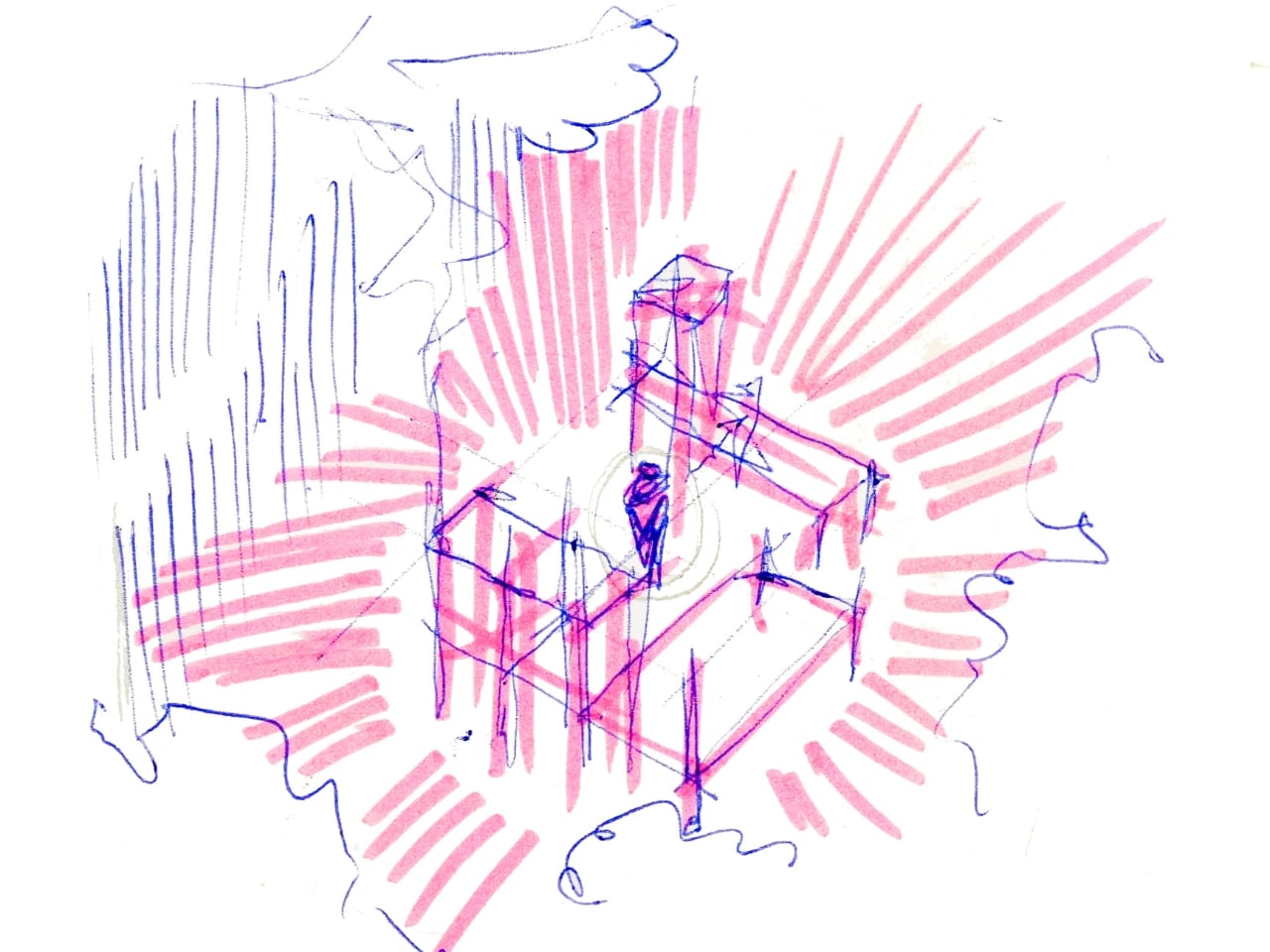
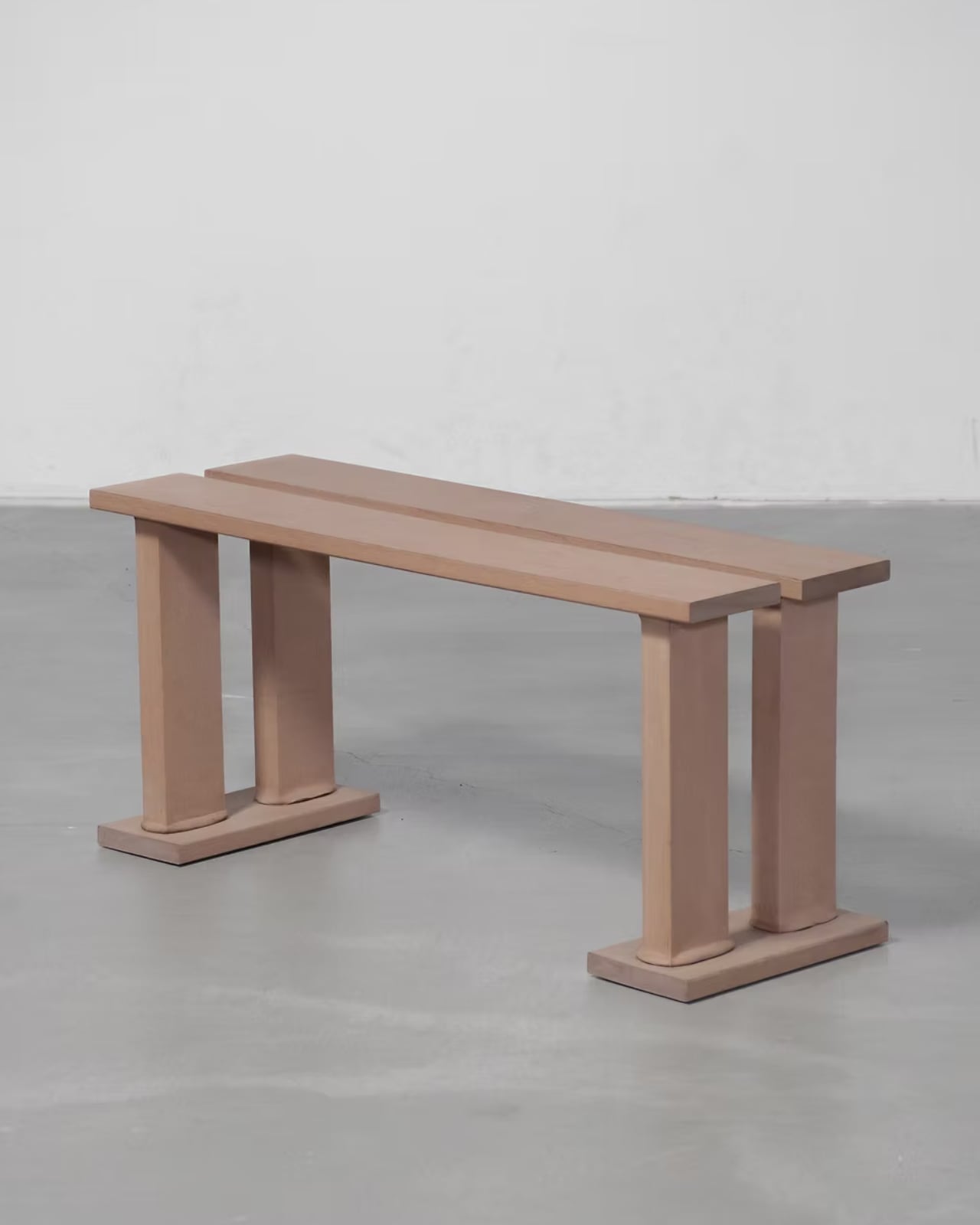
One of the standout pieces in the series is a bench that requires no aprons or stretchers to hold it together. The seat is made of two completely independent components that bond entirely through the fused connection. From a structural standpoint, that’s remarkable. From a visual one, it’s striking in the best way: a piece that looks grown rather than built.
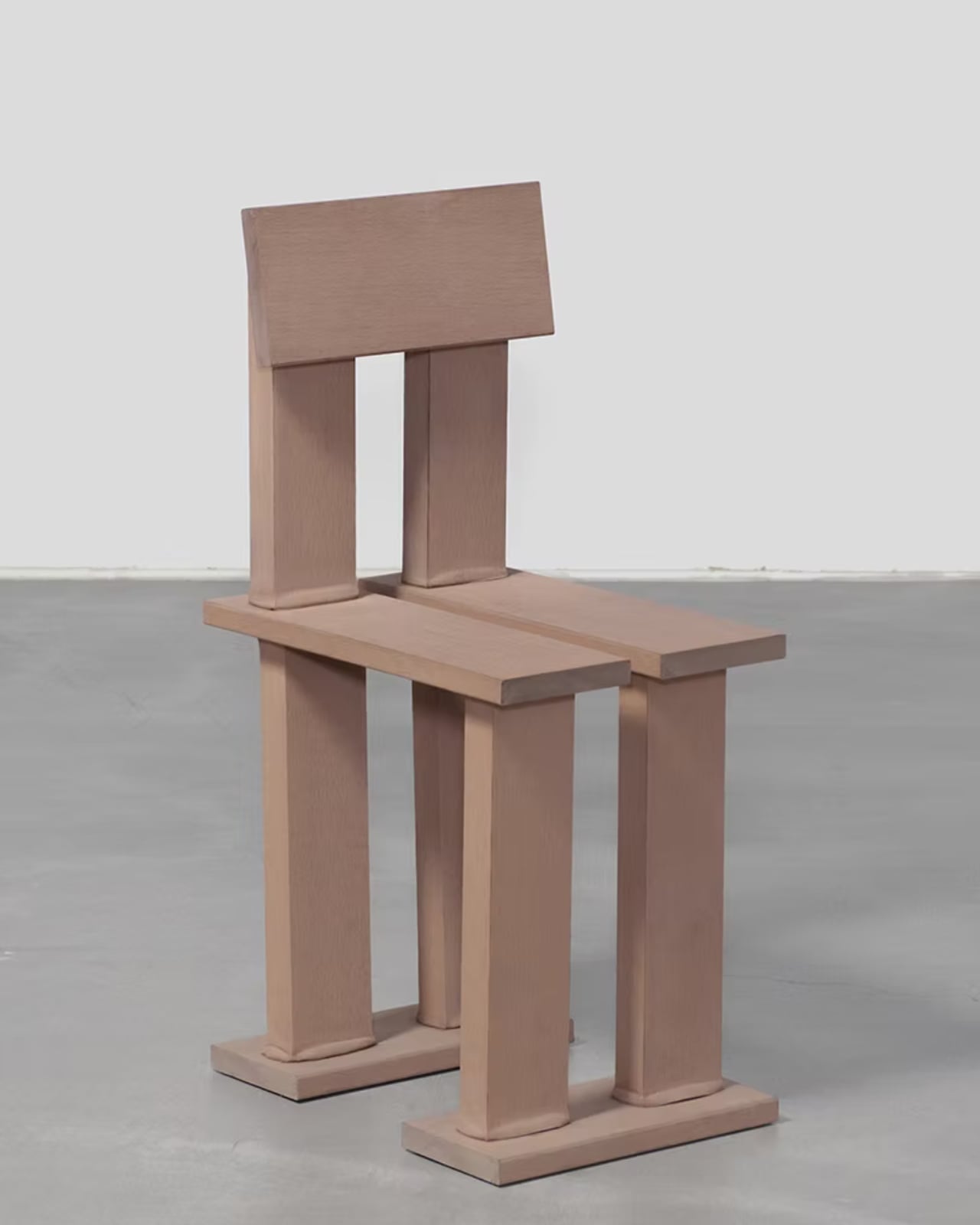
That distinction matters. So much furniture design right now falls into one of two camps: aggressively minimal, where the process is hidden and the object looks like it appeared fully formed, or intentionally handmade, where visible effort is treated as the point. Mocky doesn’t fully belong to either. The process is visible, but it isn’t precious. The irregularity is intentional, but it isn’t decorative for its own sake. It reads as material honesty, which is a rarer quality in furniture than we might assume.
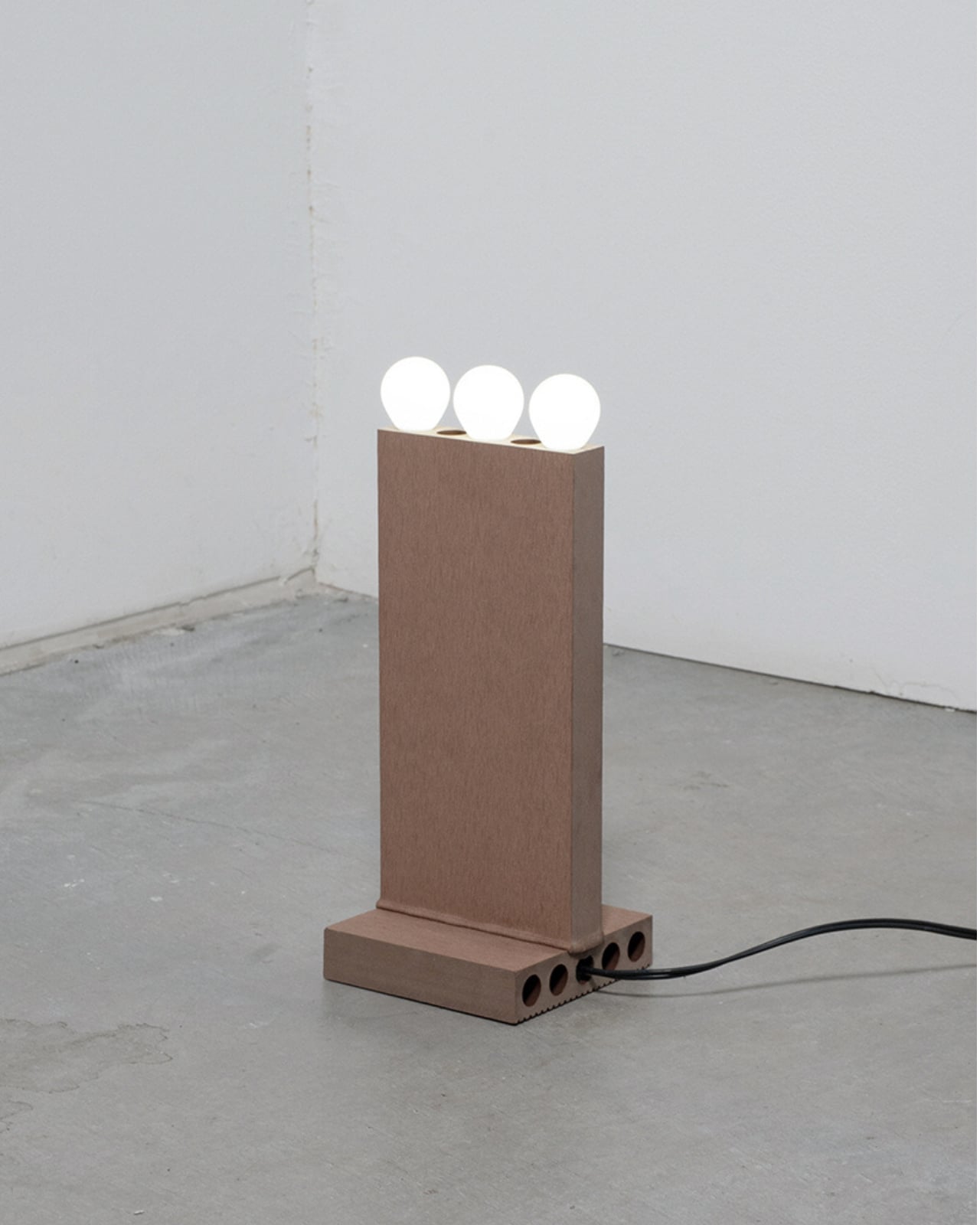
Inoue is also making a quieter argument about what artificial wood is for. It has spent its entire commercial life as a substitute, a stand-in for timber that doesn’t want to rot on your deck. Mocky pushes back on that framing. When you stop treating artificial wood as a replacement for something better and start treating it as a material with its own specific properties, it turns out it can do things natural wood never could. You cannot melt a solid oak leg into a joint. You cannot fuse cherry wood planks into each other using pressure alone.
That shift in perspective, from material-as-substitute to material-on-its-own-terms, is what makes Mocky feel genuinely interesting rather than just visually surprising. It’s a reminder that designers often do their best work not when they reach for the expected material, but when they ask what a rejected or overlooked one is actually capable of. The answer, in this case, is quite a lot.
The post Japanese Designer Built Furniture With No Glue or Screws first appeared on Yanko Design.
Omnibite’s Screwless Joint Wants You to Build With Raw Branches

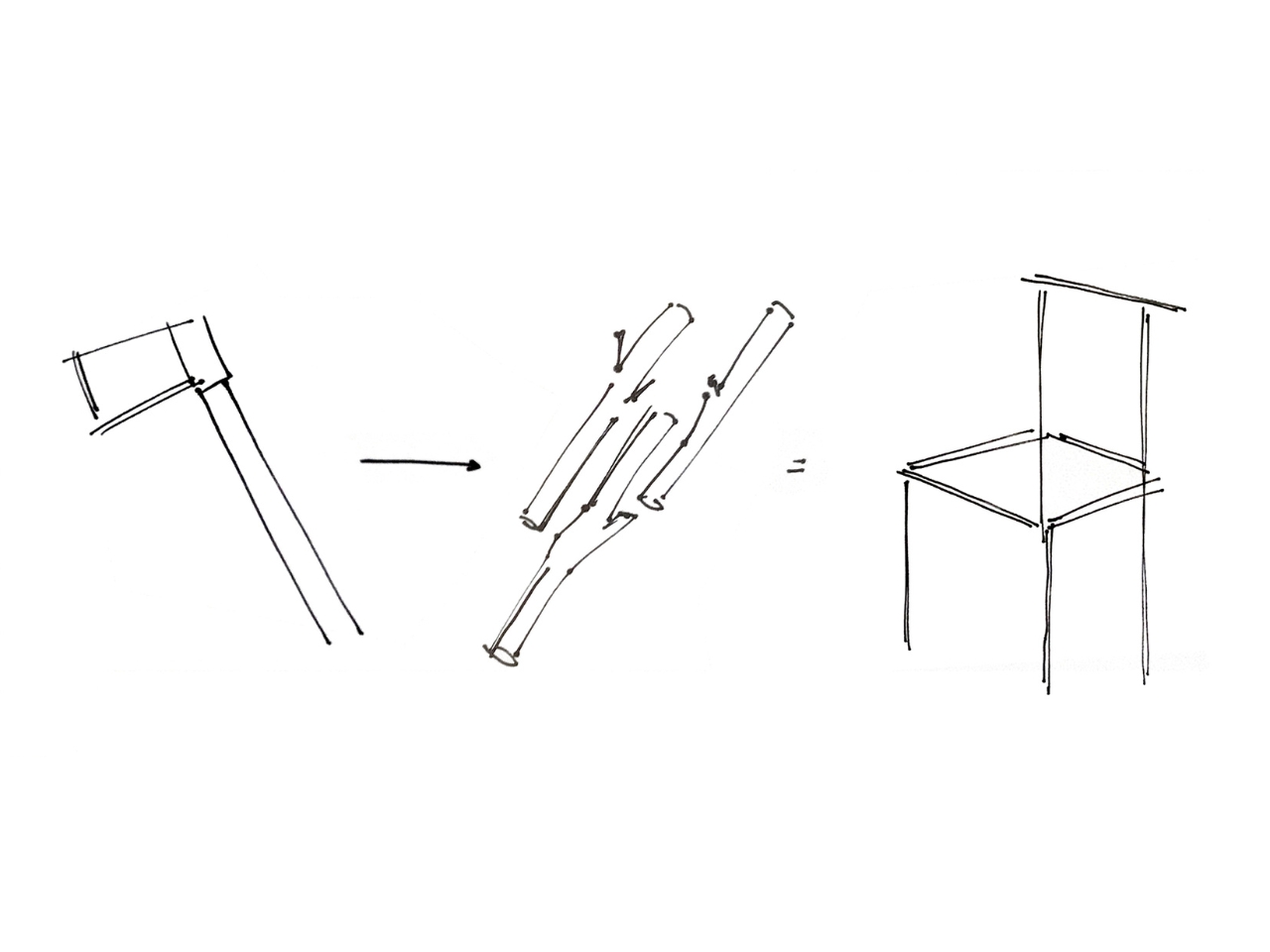
Most design projects start with the finished object. You picture a chair, sketch it out, source the materials, and figure out how to put it together. It’s a logical sequence that’s worked for centuries. Omnibite, a joint system by Milan-based designers Eugenio Costa and Nicolò Tallone, quietly dismantles that sequence and puts something far more interesting in its place.

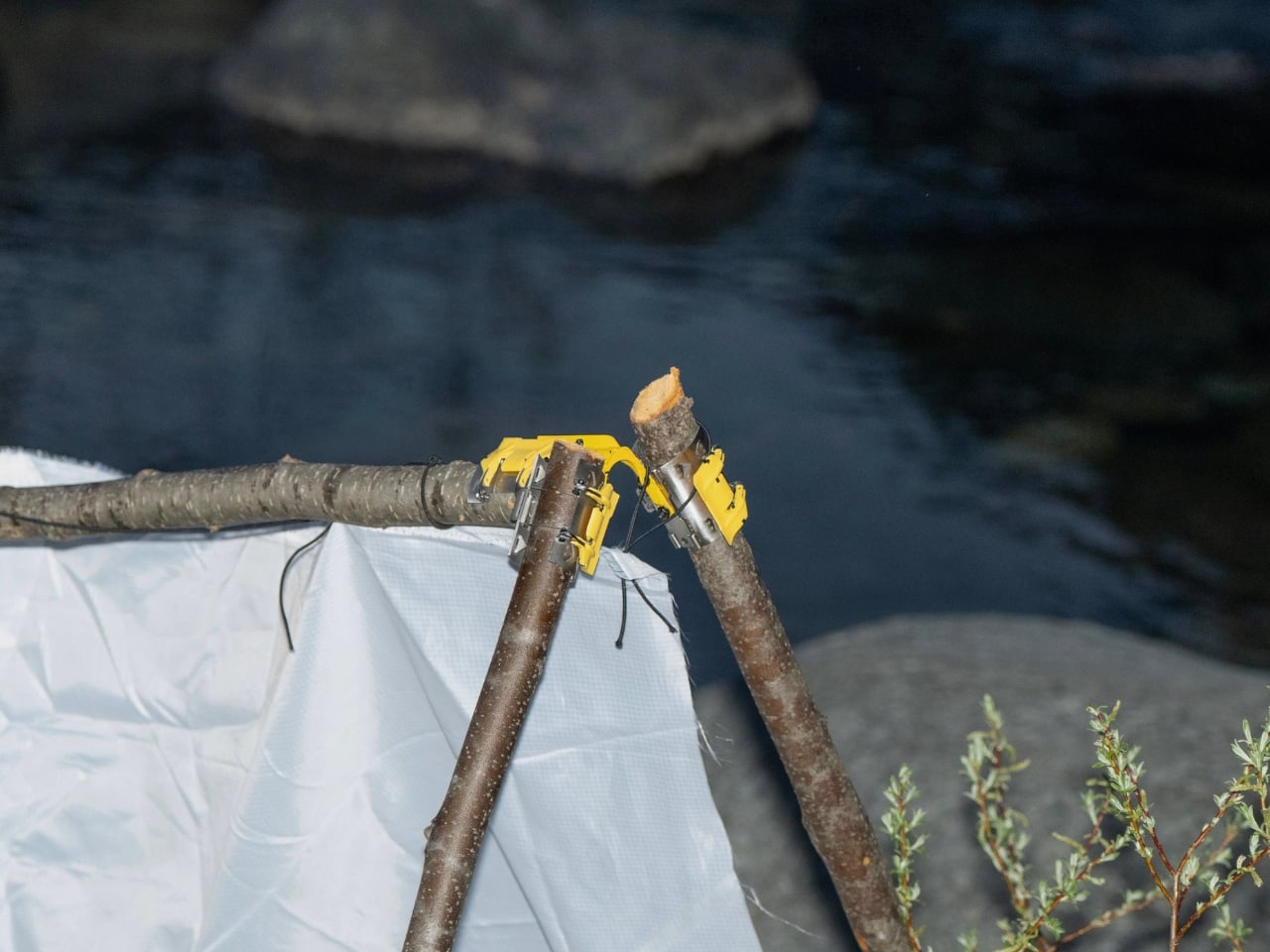
The premise is almost stubbornly simple: before you build anything, you go and find your wood. Not the pre-cut, pre-sanded, pre-dimensioned kind that arrives neatly bundled from a supplier. The raw kind, the kind that still has its bark and its irregularities and its own particular opinions about what shape it wants to be. A branch picked up, turned over in your hands, considered. Only then does construction begin.

Designers: Eugenio Costa, Matok Lab, nicola tallone

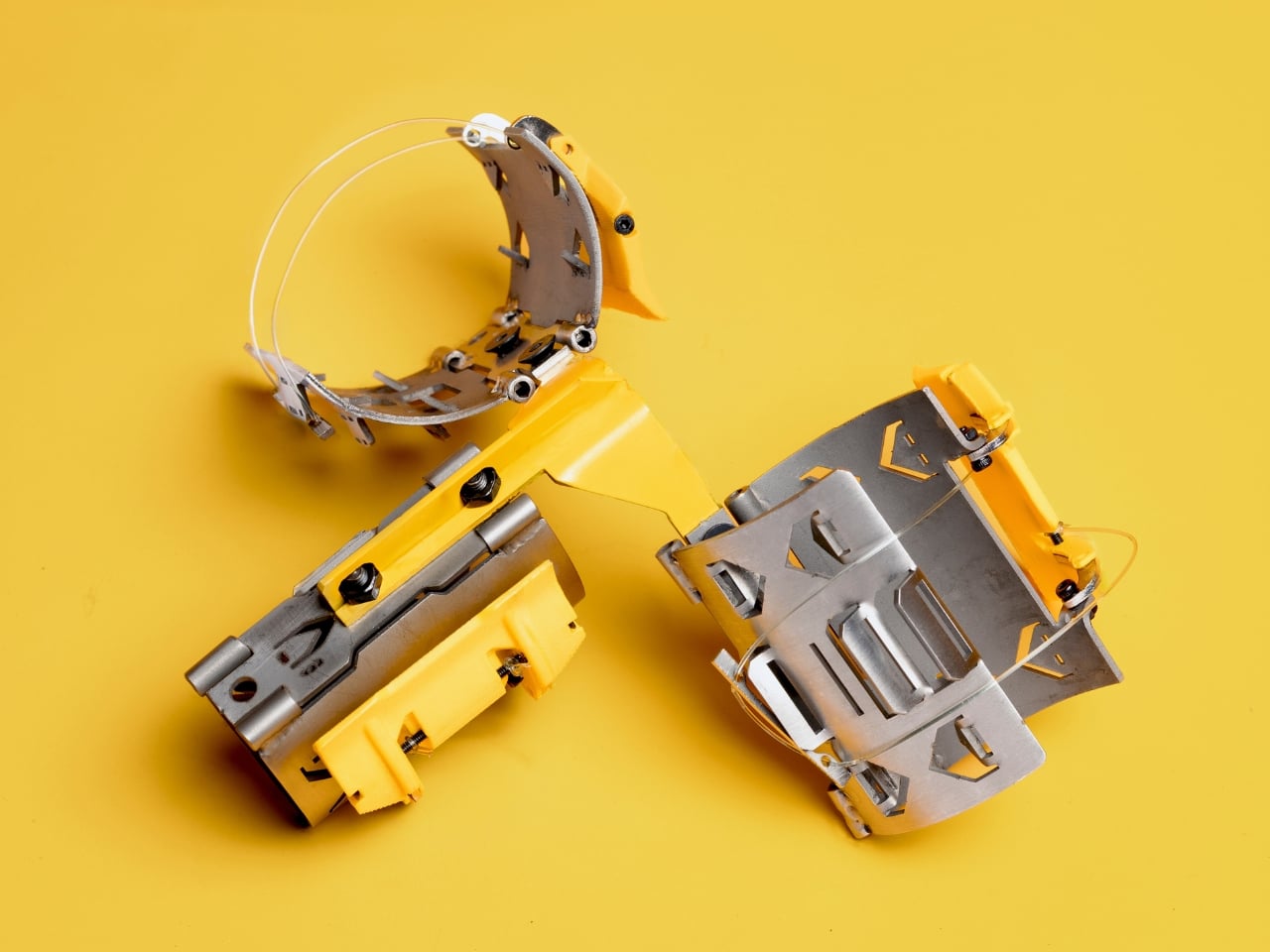
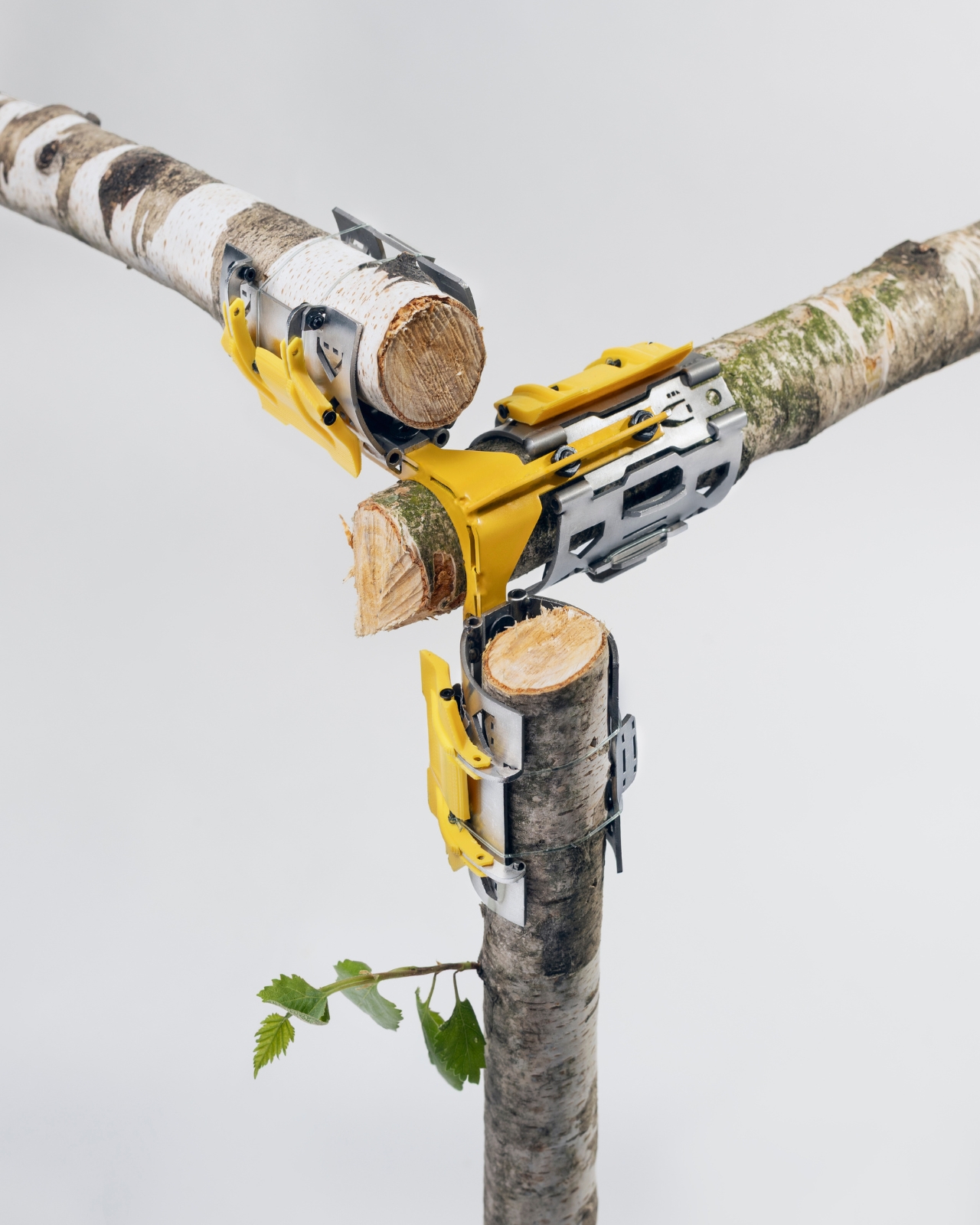
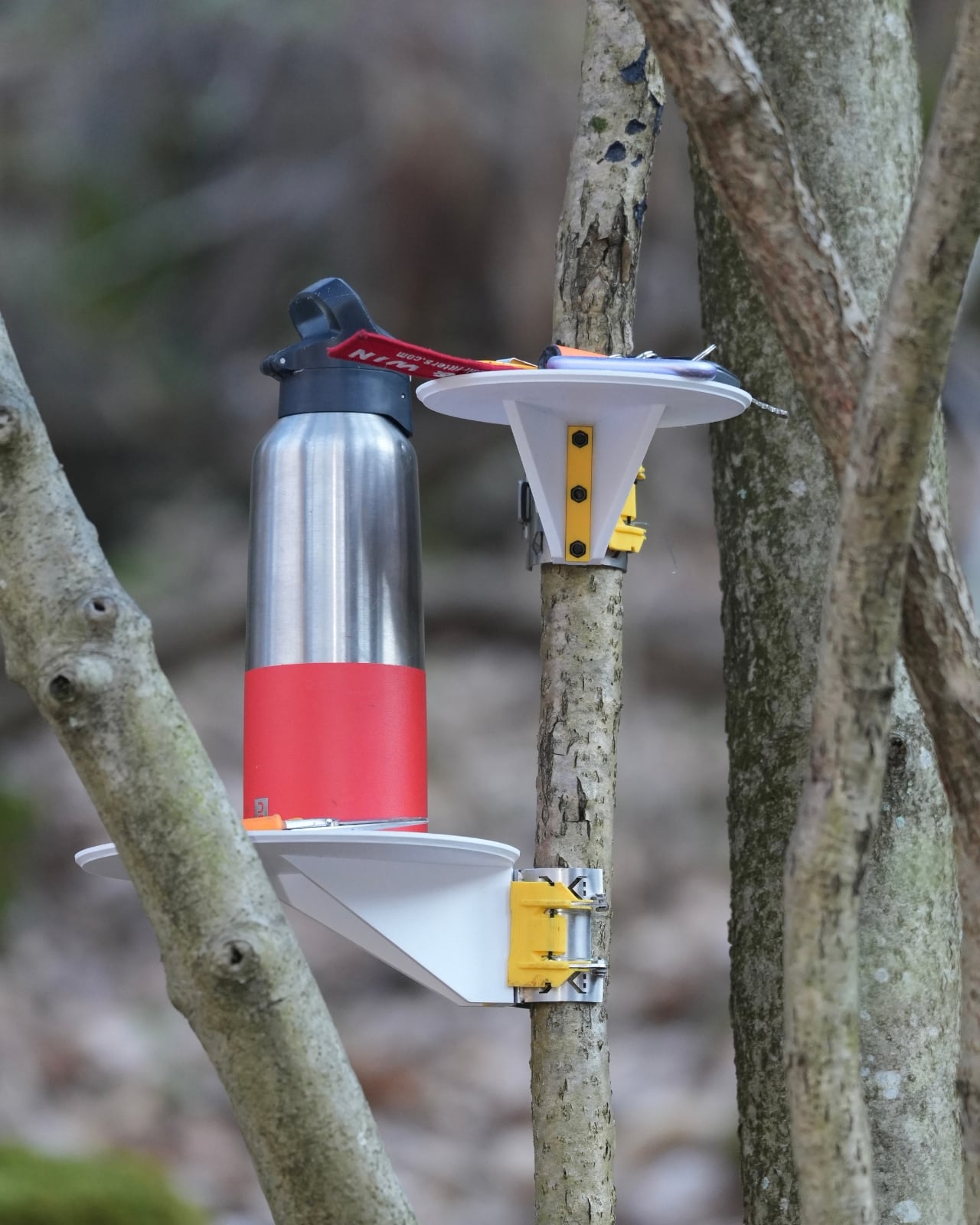
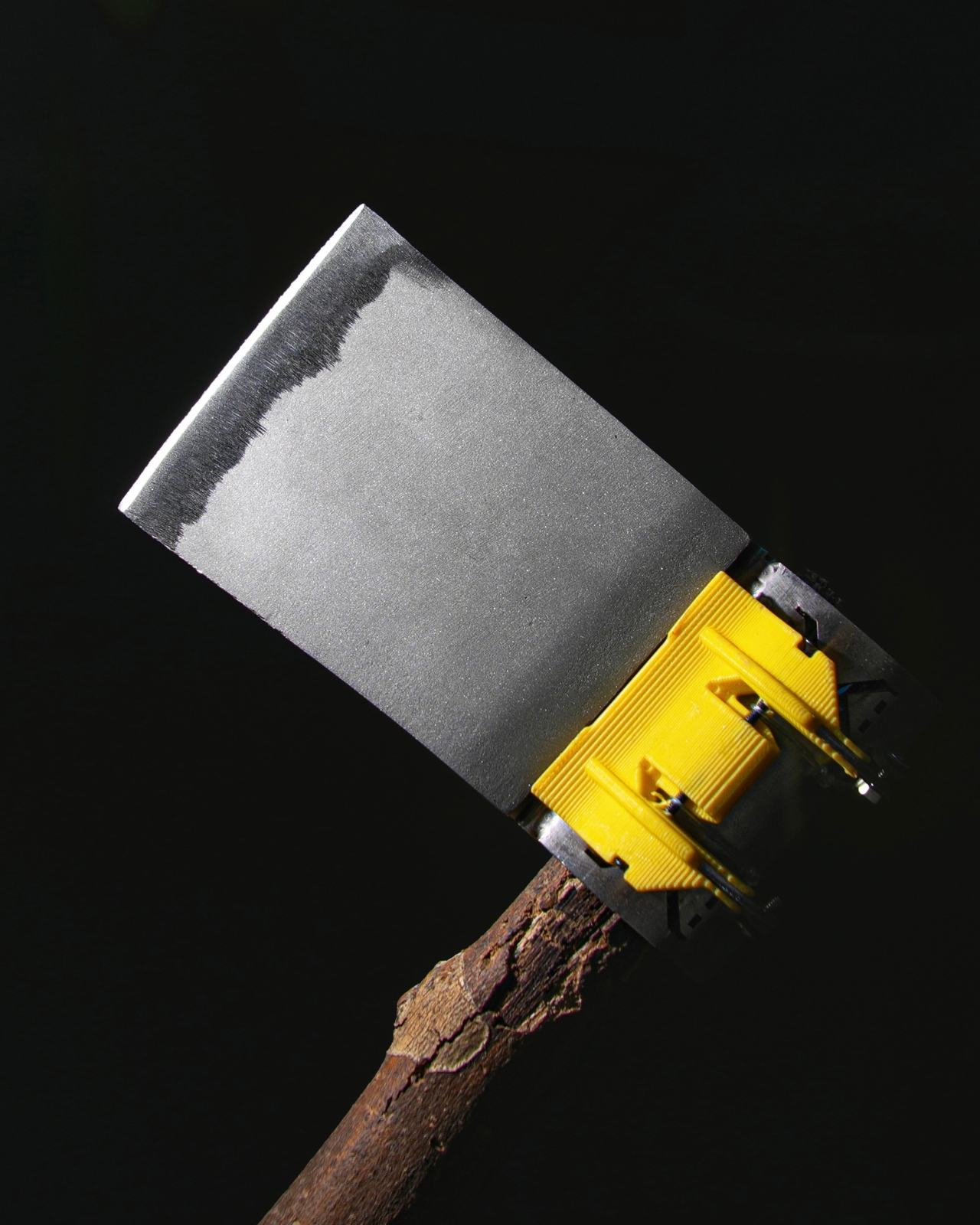
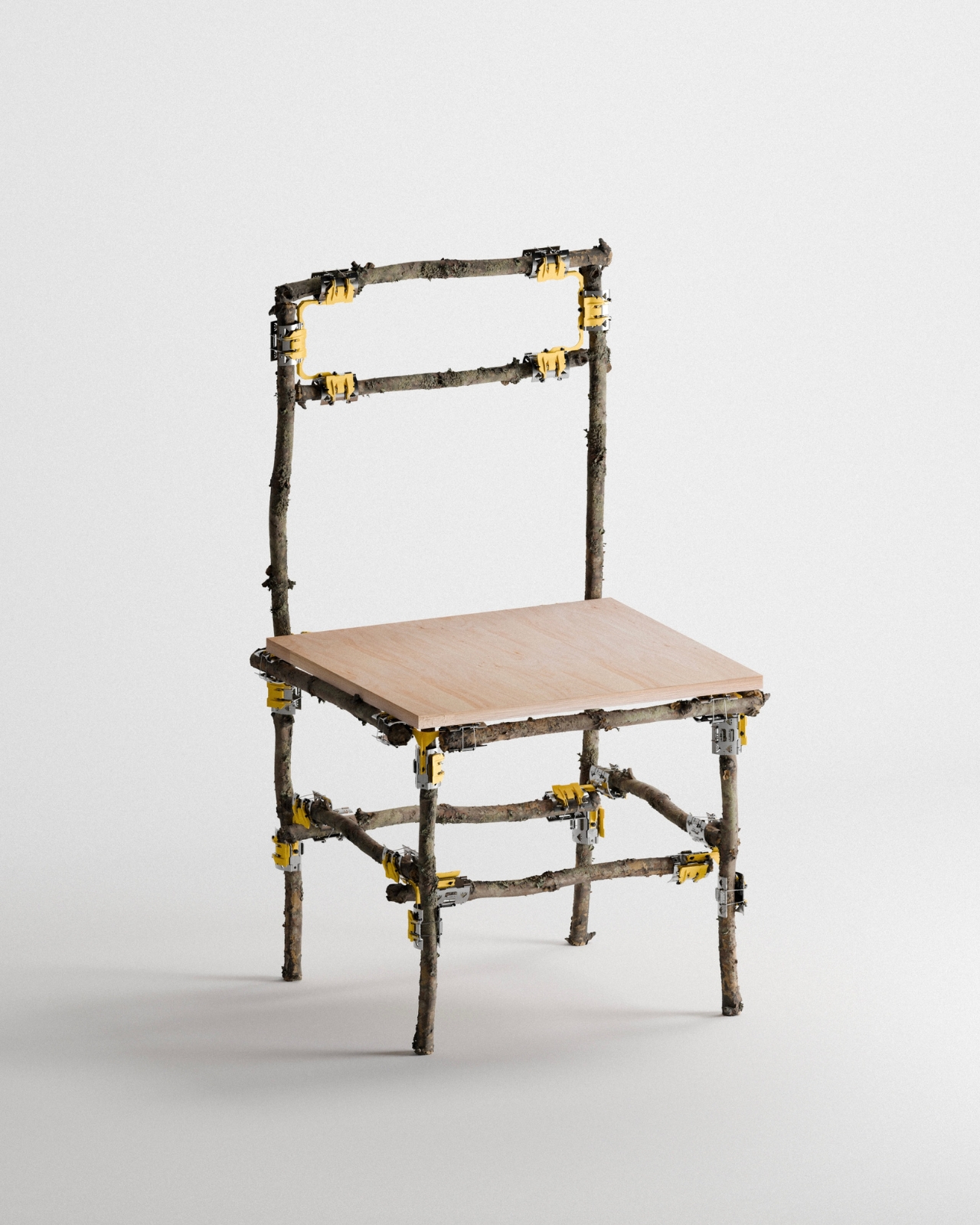
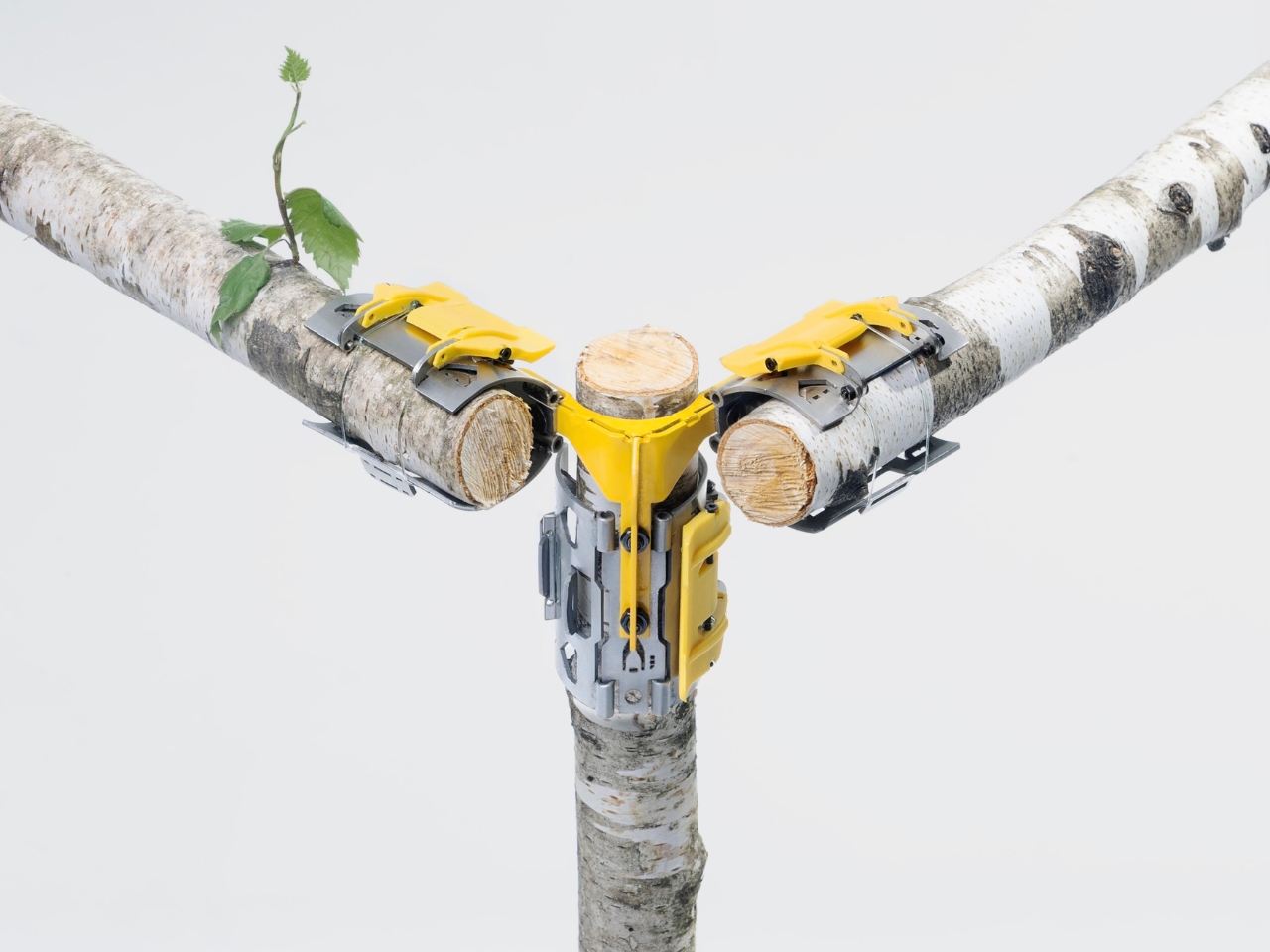
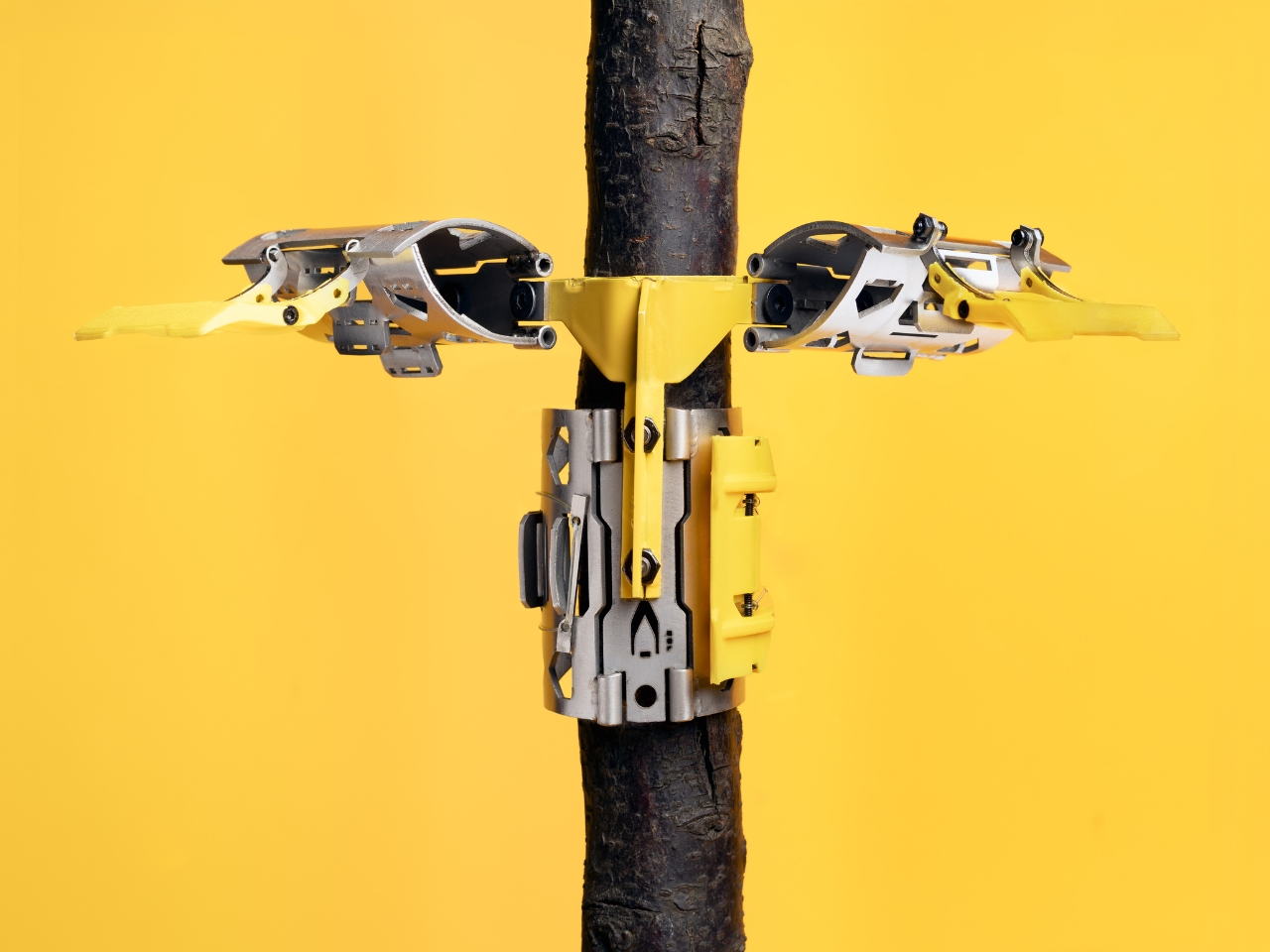
What makes Omnibite work is the joint itself, a precisely engineered three-axis connector with a quick-locking mechanism that holds irregular branches together without screws, adhesives, or any of the usual industrial hardware. It stabilizes intersecting elements from multiple directions, which means it can accommodate the natural variation of found wood rather than demanding that the wood conform to a predetermined plan. You’re not fighting the material. You’re working with it, on its own terms.

I find that genuinely refreshing. So much of contemporary design is obsessed with precision and replicability, with making sure every unit coming off a production line looks exactly like the last. That’s not inherently a flaw, but it does mean that variation gets treated as error rather than character. Omnibite inverts that logic entirely. The irregularity of a branch, its knots and curves and asymmetry, becomes part of the design language rather than something to be corrected or worked around.

The project grew out of research into local wood species in Lombardy, with Costa and Tallone treating the surrounding landscape as both a material resource and a knowledge base. Each wood type carries its own structural properties, and understanding those properties changes how you approach selection and use. The construction process, in this framework, doesn’t begin in the workshop. It begins the moment you start looking at the trees around you with intent.

That shift in starting point is where the real design thinking lives. The joint itself is elegant and well-resolved, but the bigger idea is that Omnibite asks you to read your environment differently. A fallen branch isn’t debris. A stand of young timber isn’t scenery. It’s potential. Having a tool that lets you act on that potential, without a factory supply chain in between, changes the relationship between maker and material in a way that feels genuinely meaningful rather than just conceptually tidy.

The practical applications are modest, and that’s appropriate. You can build chairs, tables, small-scale structures, the kind of things you might want to assemble in a garden or a studio and take apart later without damaging anything. Disassembly and reconfiguration are built into the system from the start, which aligns naturally with circular design principles. Nothing is wasted, nothing is permanently fixed, and the materials move on to their next life when the current structure no longer serves its purpose.

Omnibite also sits at an interesting intersection. It’s not purely furniture design, and it’s not quite architecture either. It occupies a productive space between those categories and feels more like a building philosophy given physical form through a single, precisely engineered component. A joint that doesn’t just connect things, but proposes a genuinely different way of thinking about what making something actually means.

Whether this becomes a widely adopted system or stays a compelling design experiment, it points at something the field genuinely needs more of right now. Not more objects, but more frameworks. Not more finished things, but more intelligent starting points. Omnibite doesn’t hand you a product to sit on. It hands you a method to think with, a different lens for the landscape you move through every day, and a genuinely compelling reason to look up from your screen and notice what’s already there.

The post Omnibite’s Screwless Joint Wants You to Build With Raw Branches first appeared on Yanko Design.