Joseph Joseph finally solves the grossest part of mopping

Most people mop their floors, thinking they’re getting them clean. The uncomfortable truth, though, is that the moment you dunk the mop head back into the bucket, you’re no longer cleaning with fresh water. You’re spreading a diluted mix of soap and grime across the same surface you just wiped down. It’s a problem as old as the mop itself, and nobody has done much about it.

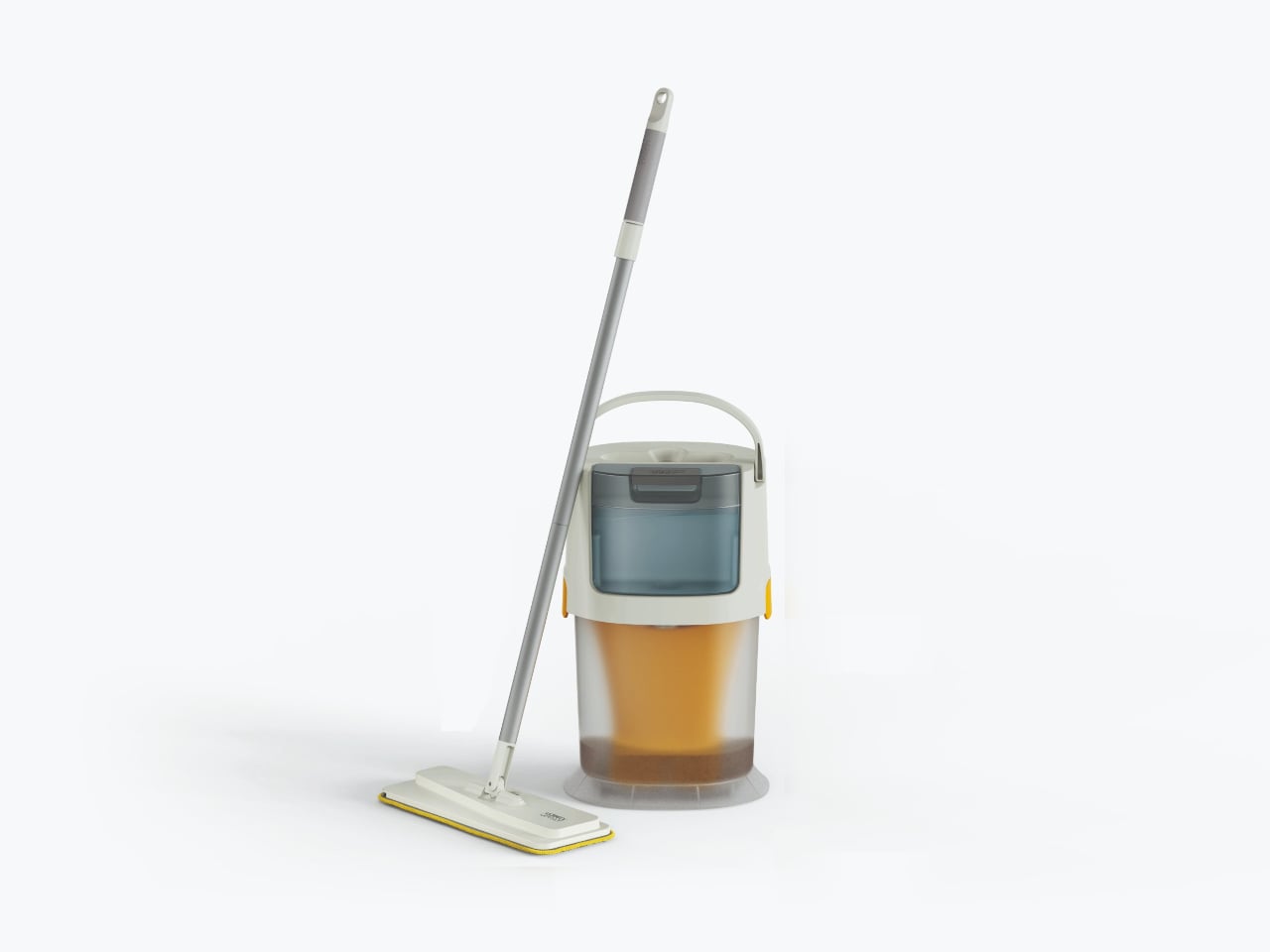
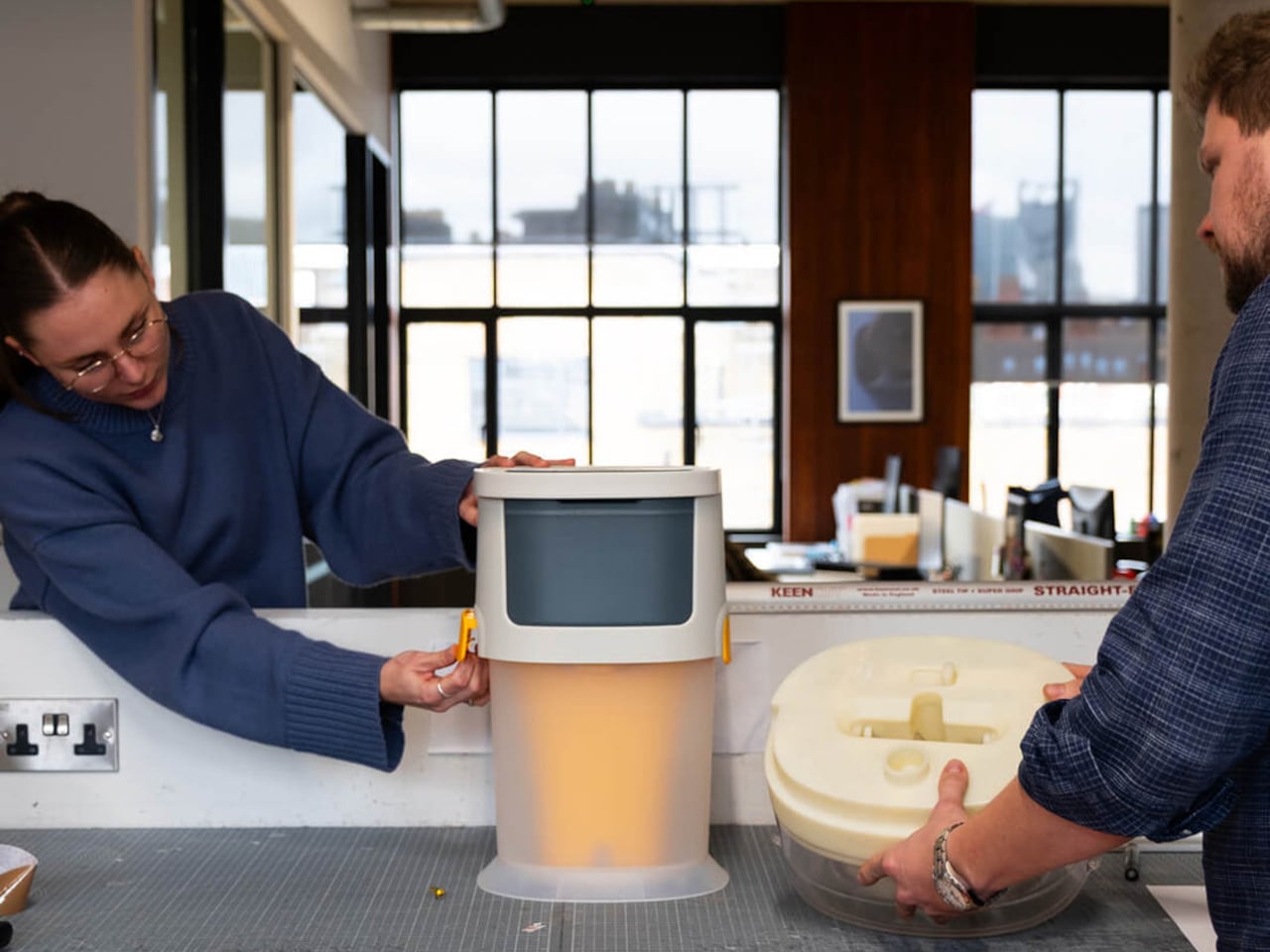
Joseph Joseph spent four years trying to solve it. The result is the UltraClean Microfibre Floor Mop Cleaning System, a complete rethink of what mopping should actually achieve. The goal was to design something that genuinely removes dirt rather than just diluting it and spreading it around. The solution required a patented mechanism and six prototypes before the team arrived at a final design.

Designer: Joseph Joseph
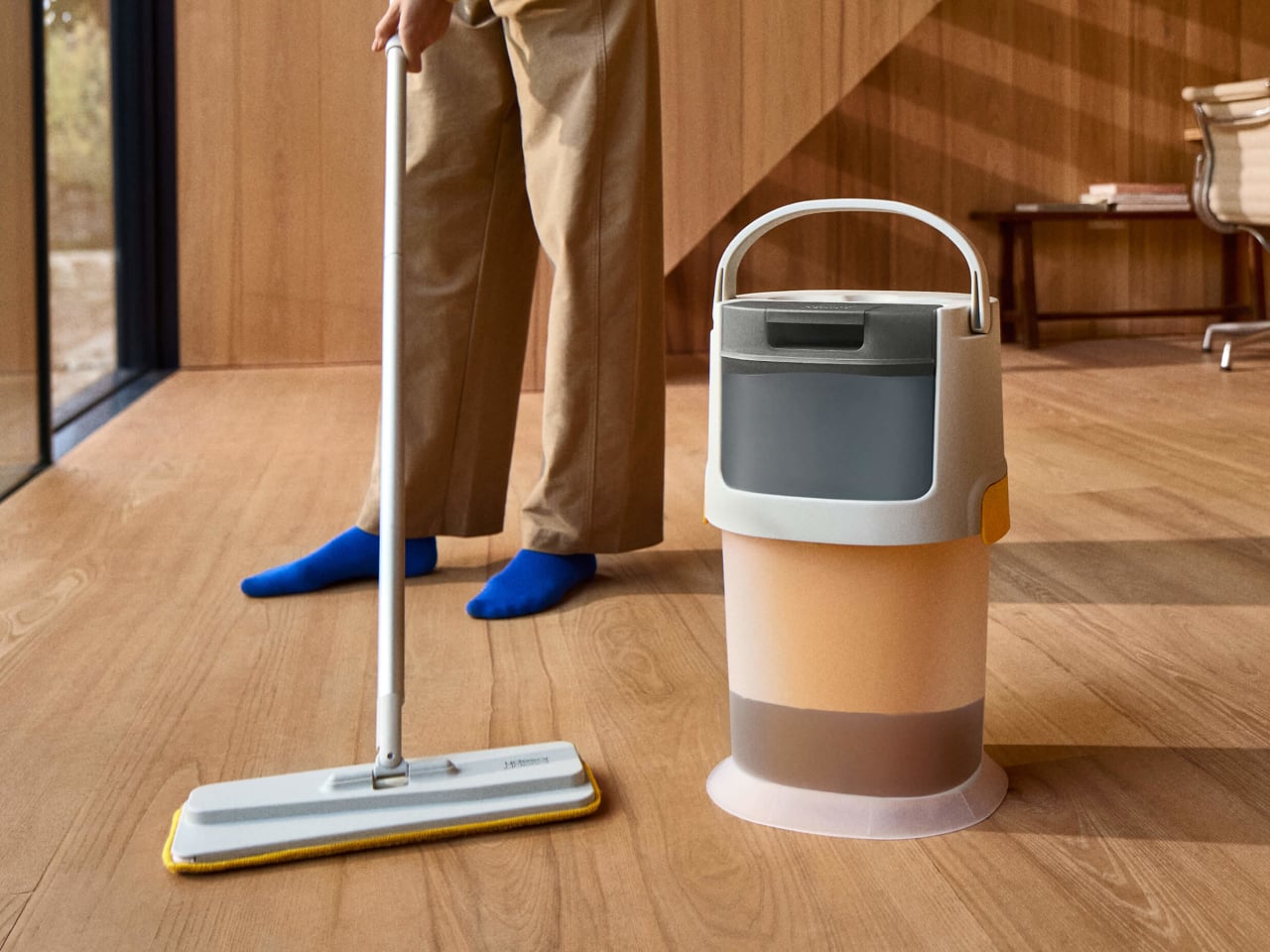
At the heart of the design is SprayClean technology, a patented mechanism built into the bucket’s slot. Each time you insert the mop head, a built-in scraper squeezes the dirty water into a sealed collection chamber while six nozzles spray fresh water onto the pad. The mop comes out clean and damp, not soaked, which means your floors dry faster, too.
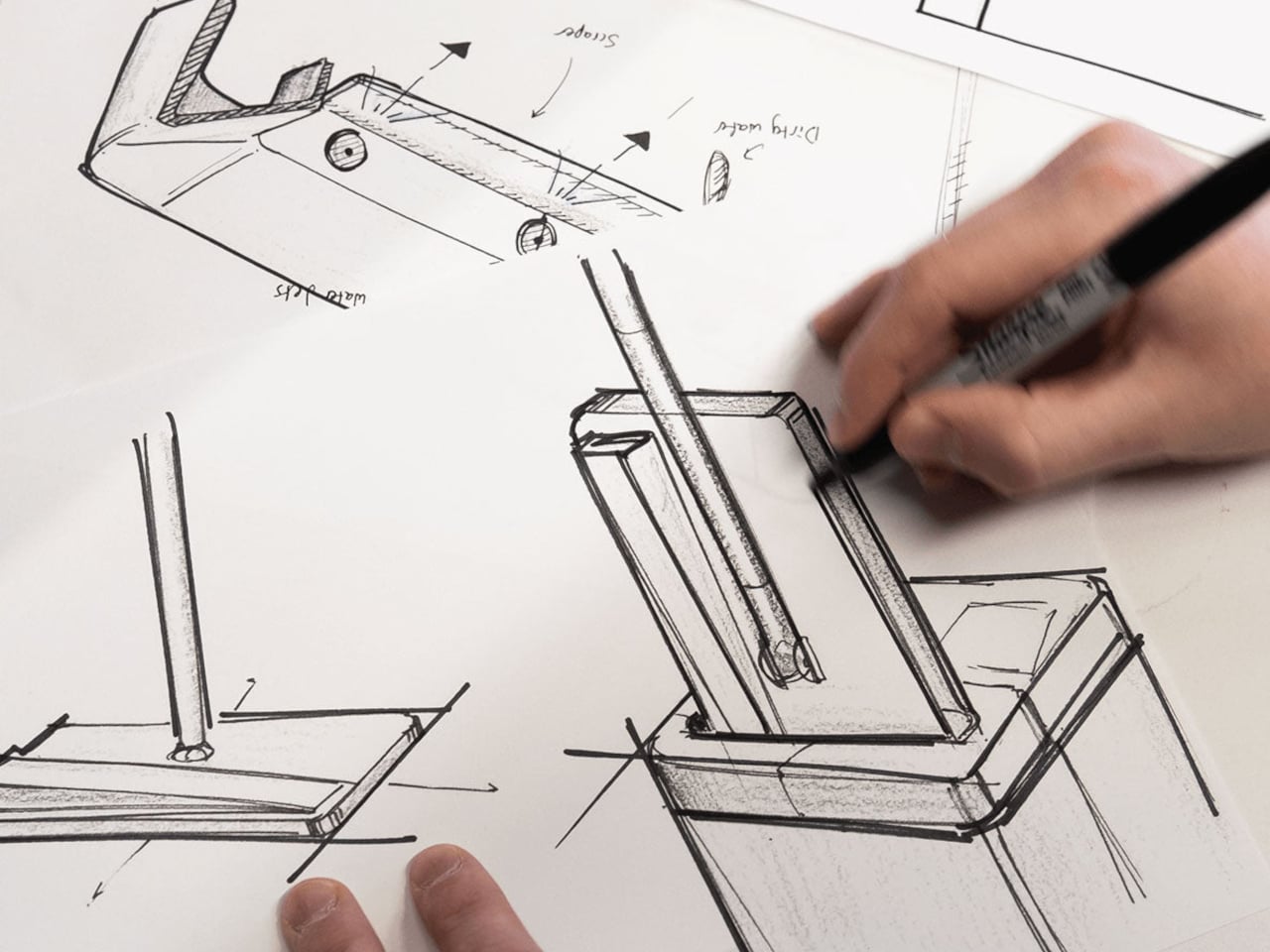
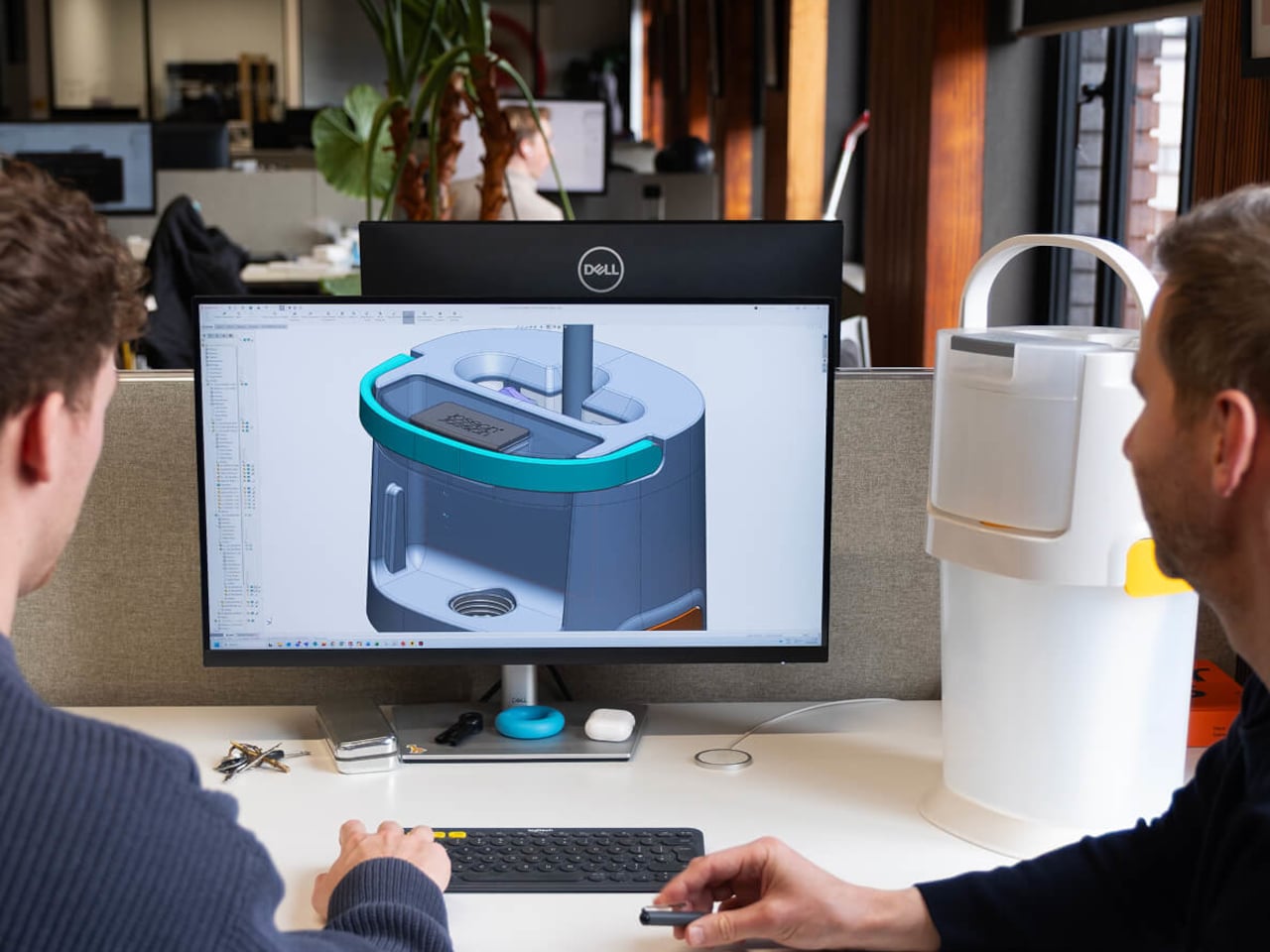
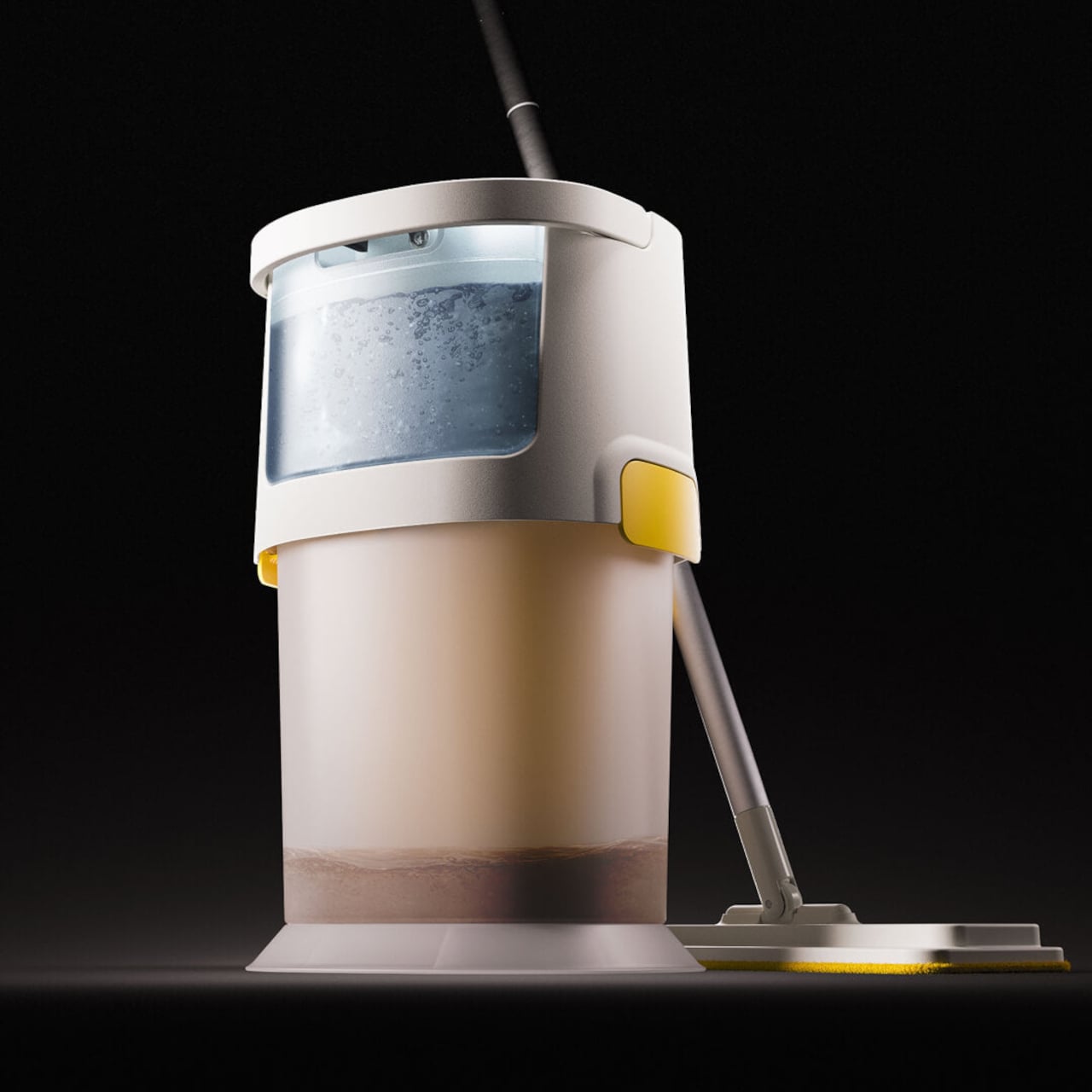
The bucket is divided into two completely separate chambers. The upper reservoir holds up to 1.4 litres of clean water, enough to cover up to 70 m² on a single fill. That’s most of a typical home in one go. The bottom chamber is translucent, so you can watch the dirty water accumulate as you clean, which is simultaneously gross and oddly satisfying.
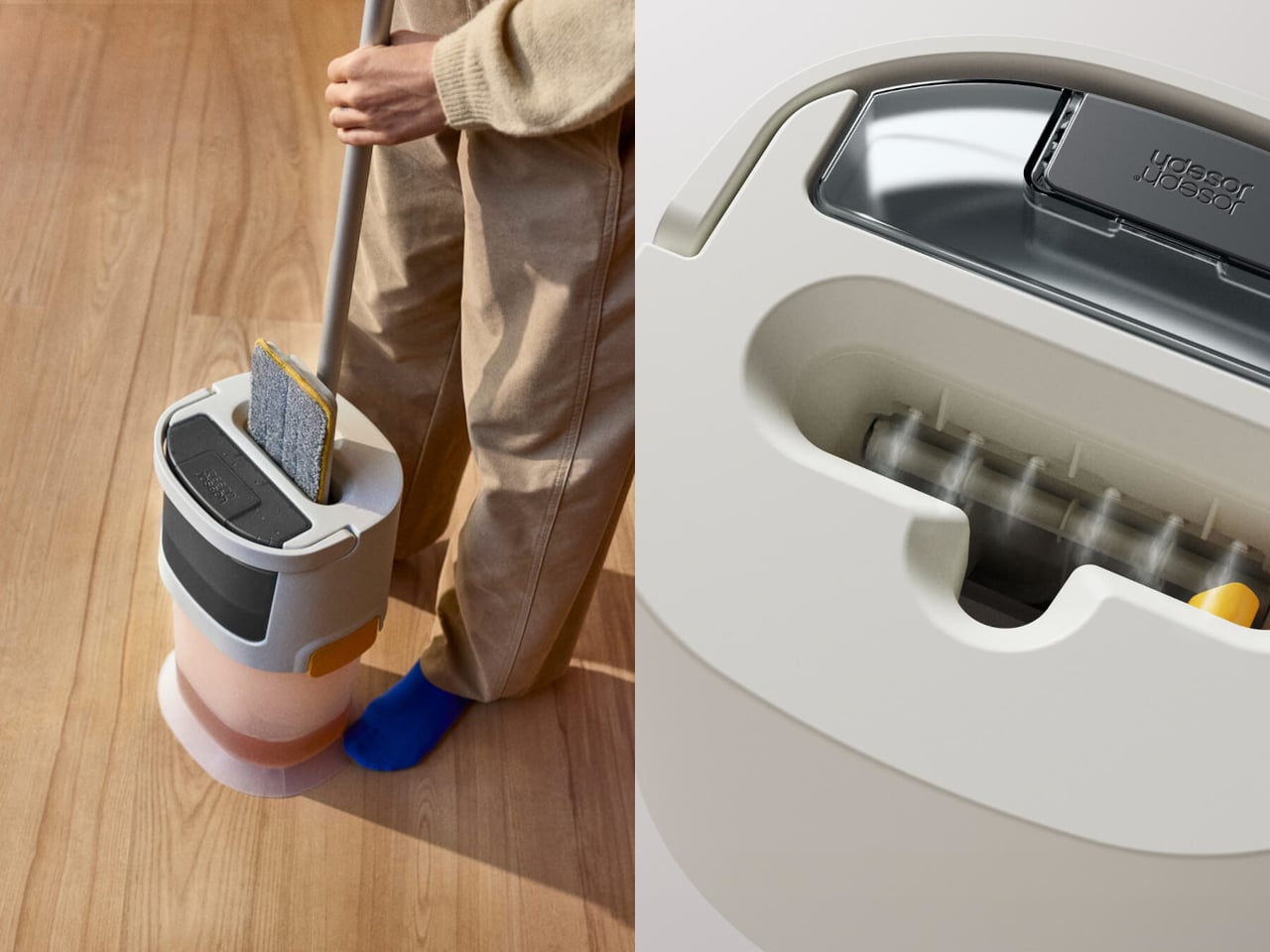
The mop head is designed with the same care. It rotates to access tight corners and lies flat to get under furniture, where dust and grime tend to hide. The telescopic handle adjusts to suit whoever’s doing the cleaning. The microfibre pad is machine-washable, and the system comes with three of them, so you’re not stuck waiting for one to dry between rooms.
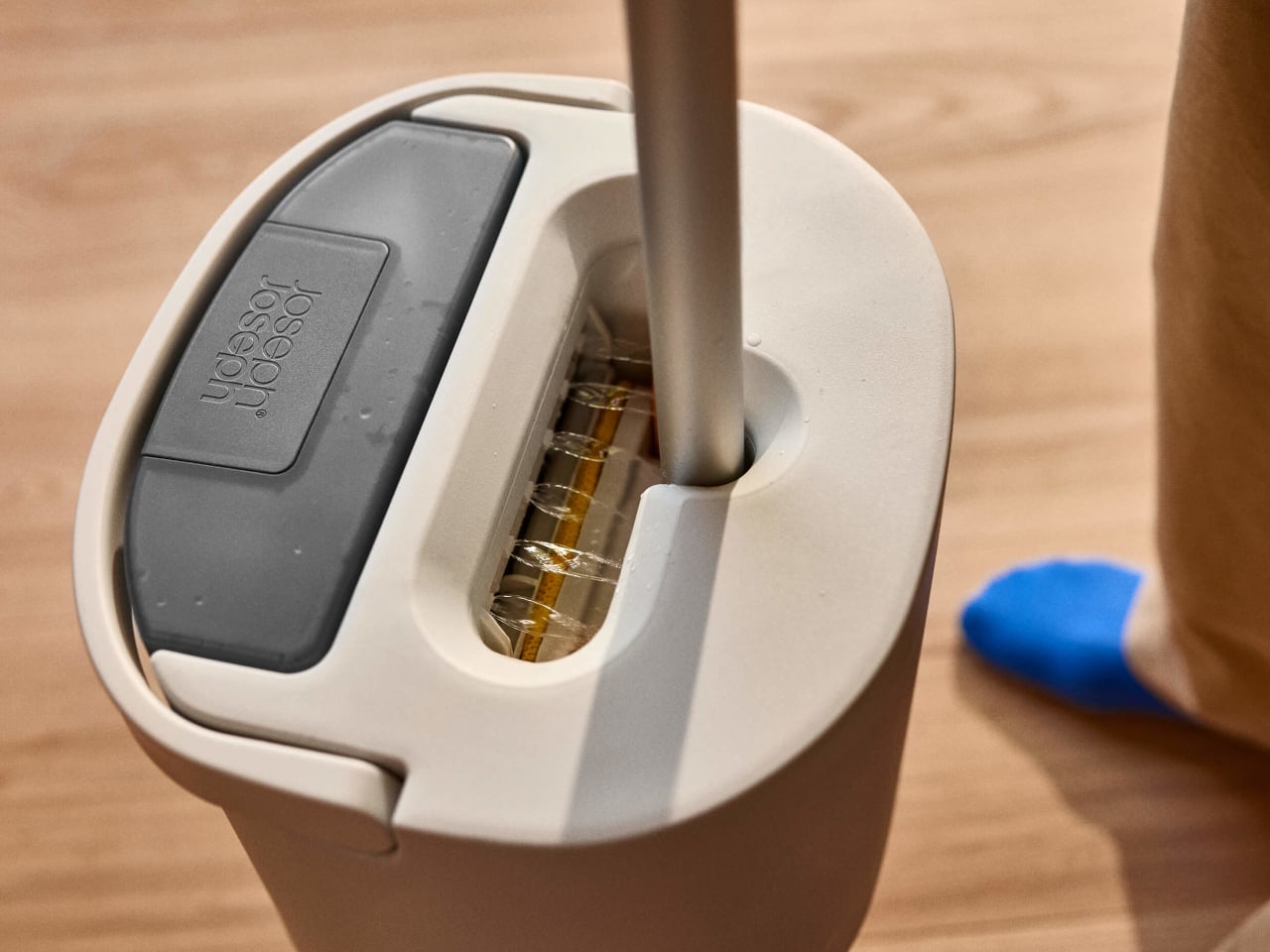
For large open-plan spaces with a mix of hard flooring and tiles, the UltraClean removes the need to stop and change the water halfway through, a chore that most people skip anyway. And for kitchens, where floors tend to accumulate grease and food residue, mopping with genuinely fresh water each pass makes a noticeable difference in how clean the floor actually feels underfoot.

The UltraClean Microfibre Floor Mop Cleaning System retails for $90. It took four years and six prototypes to get here, which, given how long the classic mop and bucket pairing has gone essentially unchanged, seems like a reasonable investment. Cofounder Antony Joseph calls this the product’s delight factor, and given how satisfying it is to actually clean your floors properly, it’s hard to argue.
The post Joseph Joseph finally solves the grossest part of mopping first appeared on Yanko Design.
Glue gun concept gives the crafting tool a modern and ergonomic makeover

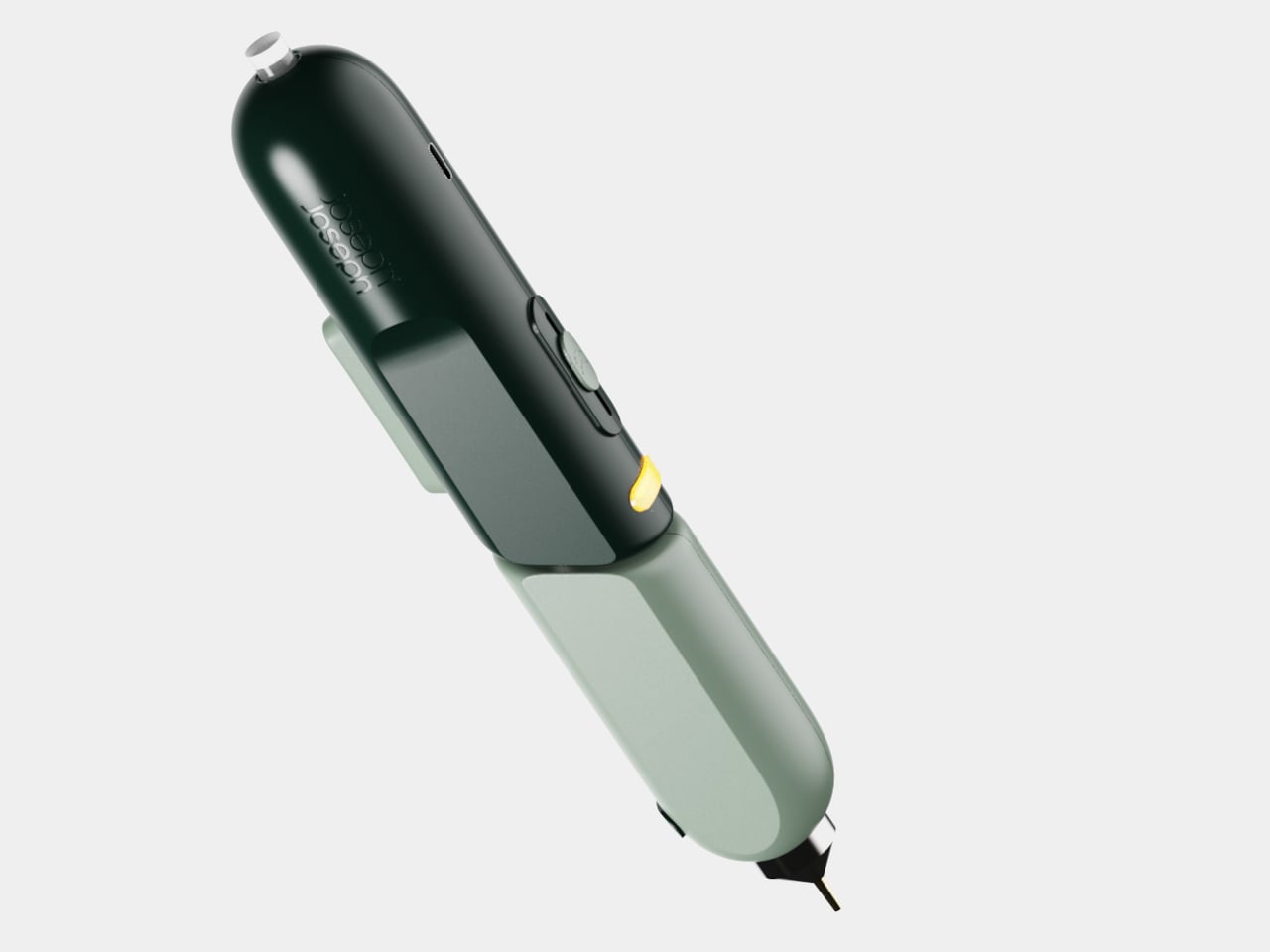
Anyone who has done any kind of craft would have at one point or another used a glue gun. This tool simply melts solid glue and dispenses it through a nozzle, and its design hasn’t changed one bit over the decades. It’s a very simple tool that’s shaped like a toy gun, and while it does get the job done, it is inefficient, uncomfortable, and even unsafe. Perhaps it’s because it has fallen out of use that the glue gun hasn’t seen any action in the design department, something that this concept design tries to make up for by taking inspiration from an iconic houseware brand commonly associated with kitchen tools.

Designer: Sahitya Kashyap

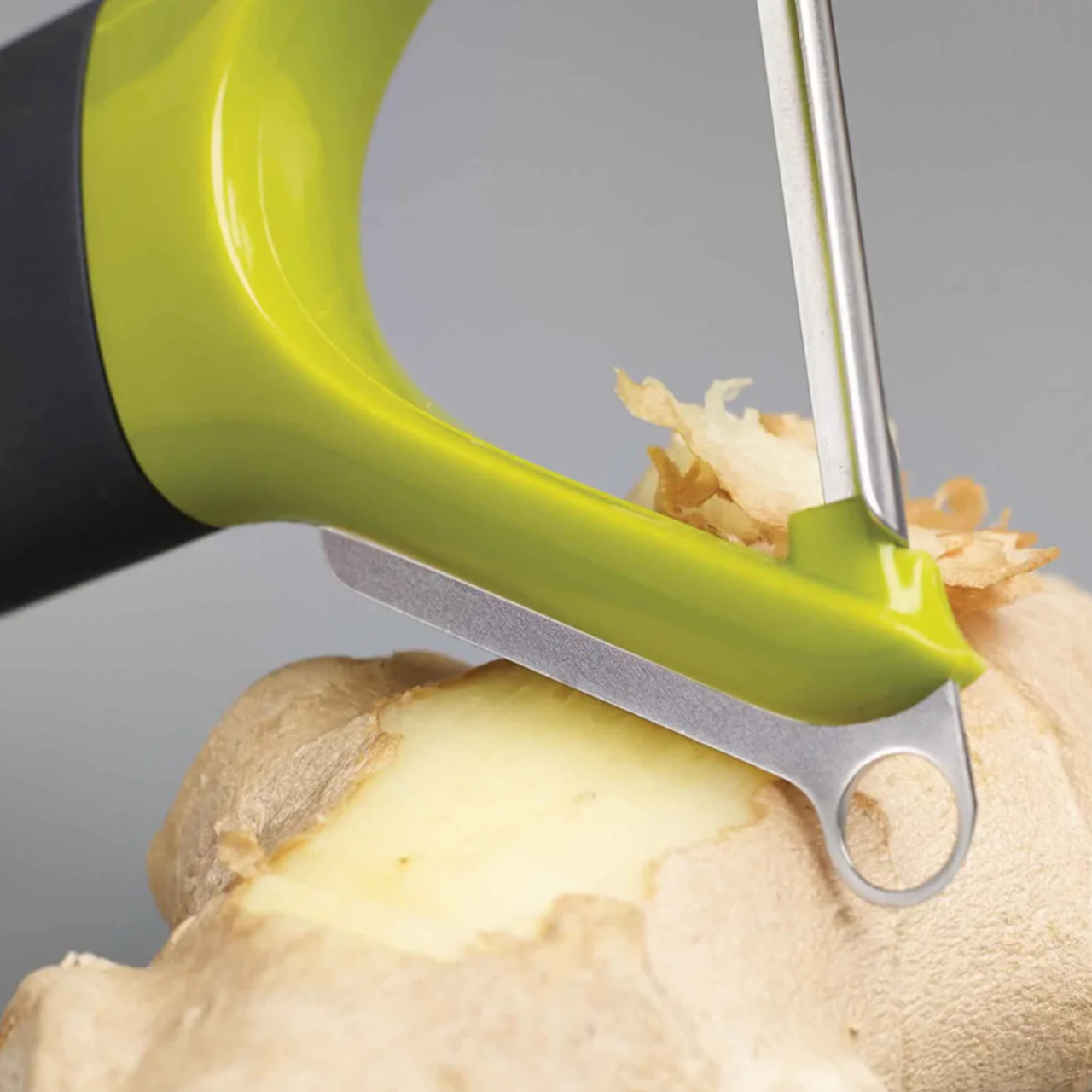
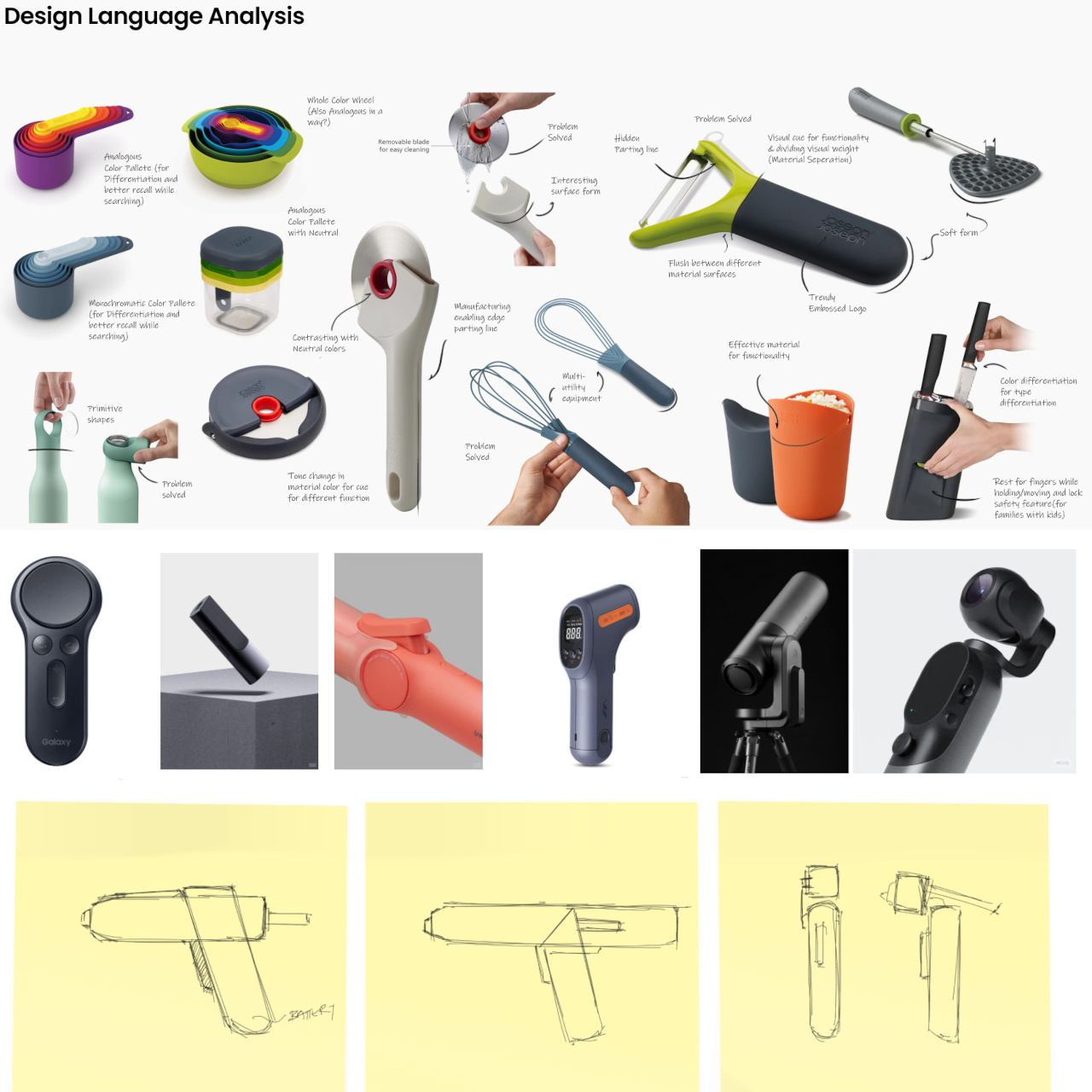
Kitchen tools like whisks and tongs are probably the last things you’d expect to be given the beauty treatment, but that’s exactly what Joseph Joseph brought to the kitchen countertop. The brand’s products are famed not just for their utility but also for their simple charm, turning their use from a chore to a joy. Given the expectations of a glue gun, this tool definitely deserves such a treatment as well, but one that also redefines the basic shape that is at the heart of the glue gun’s woes.

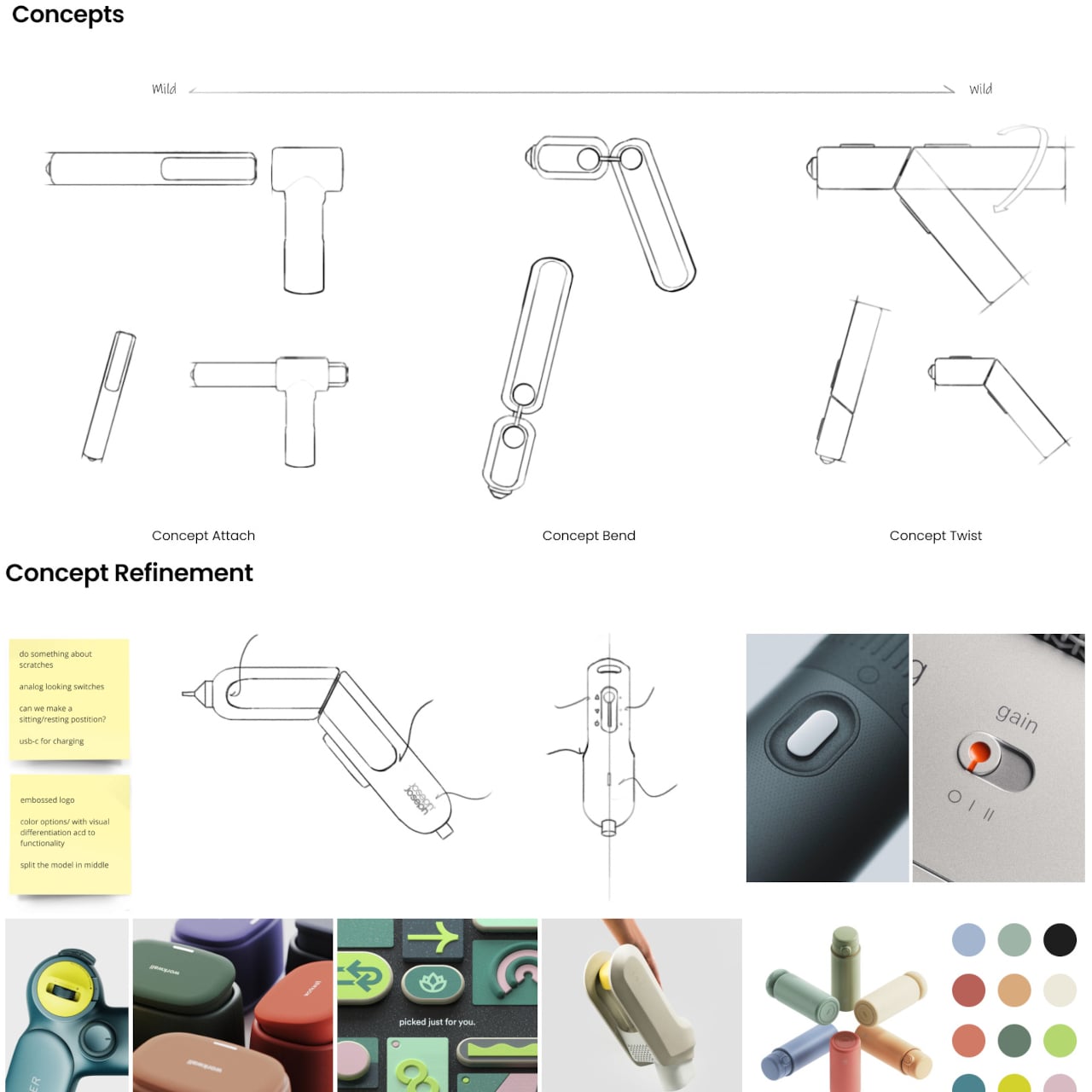
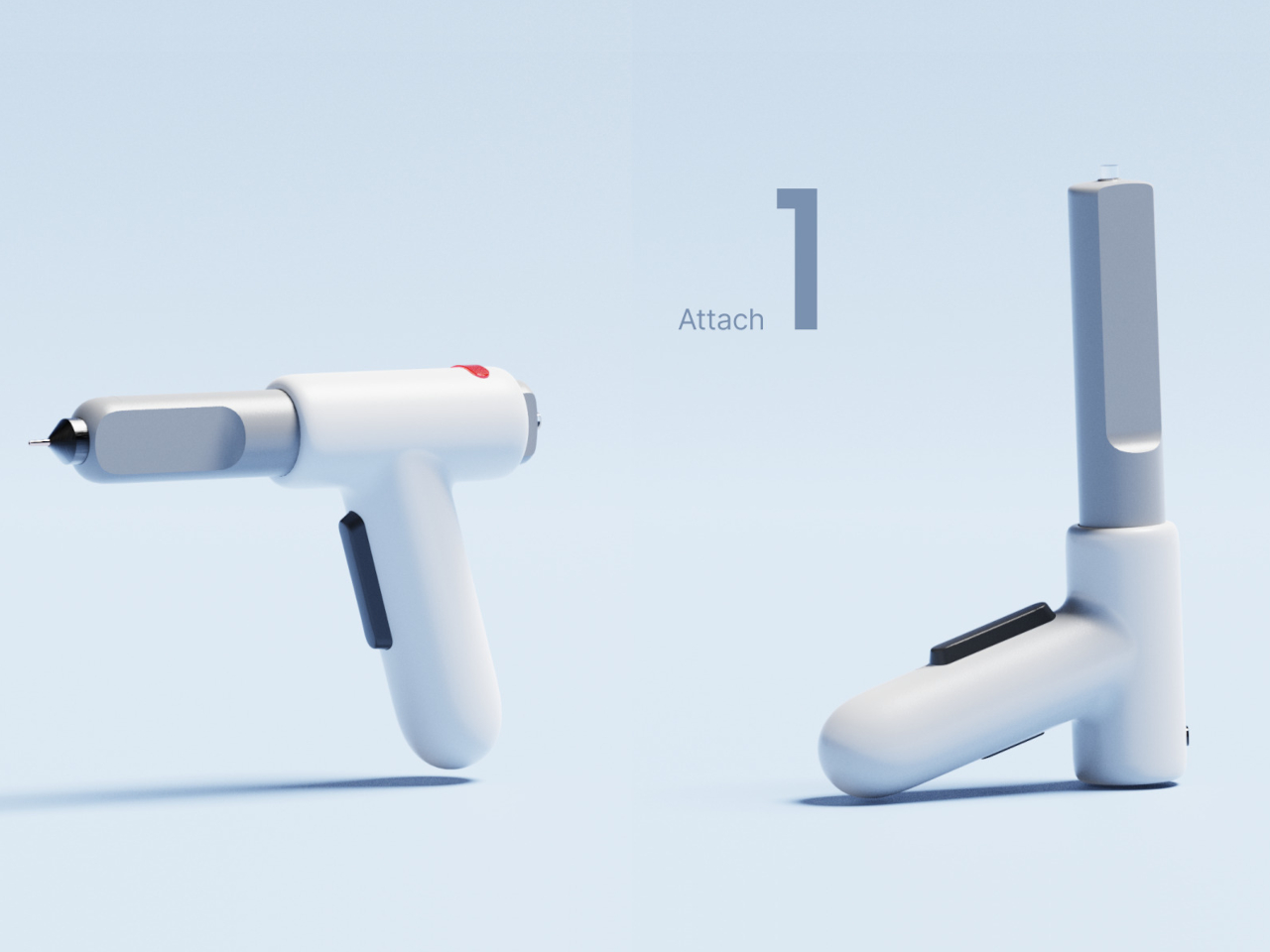
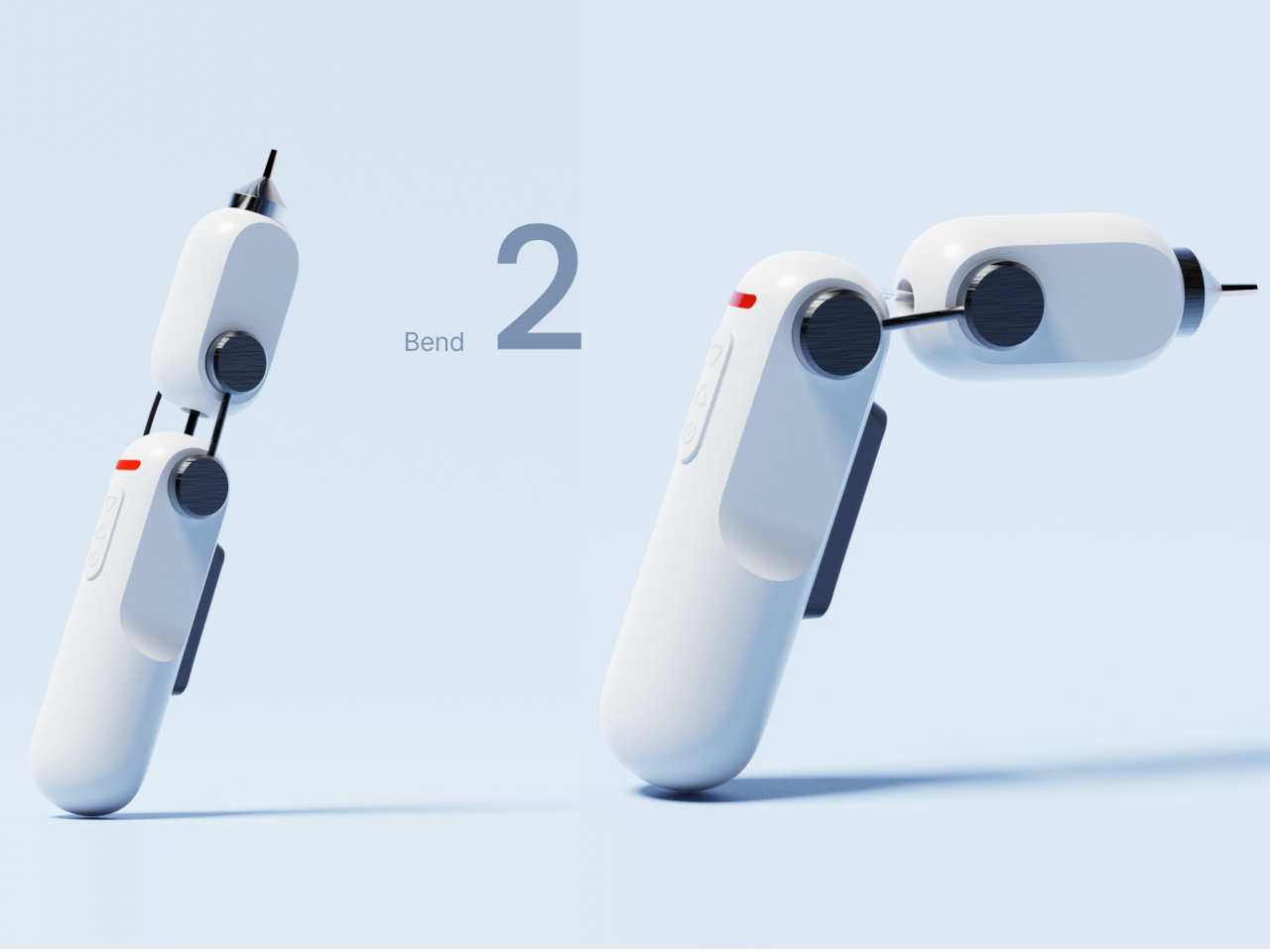
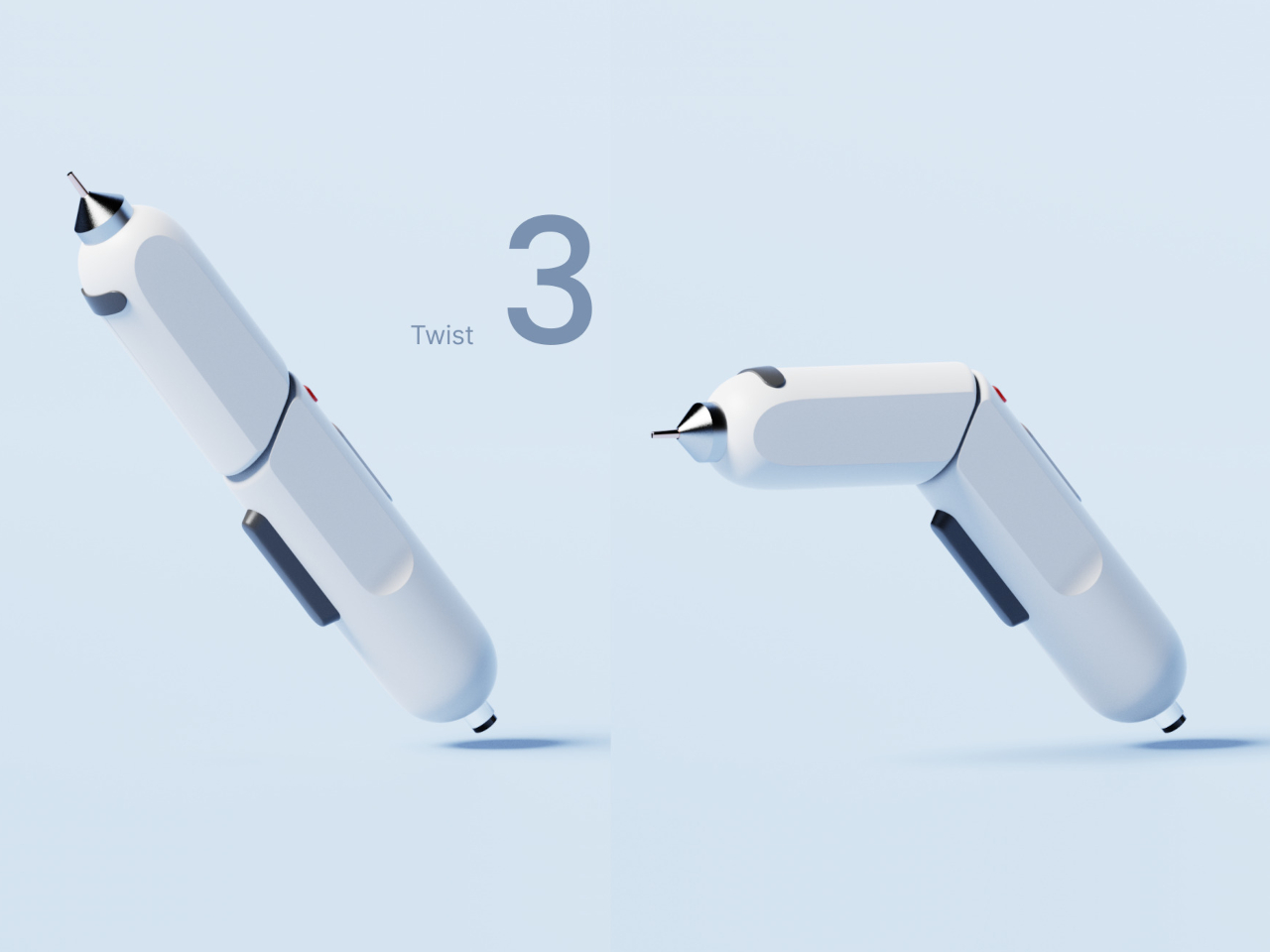
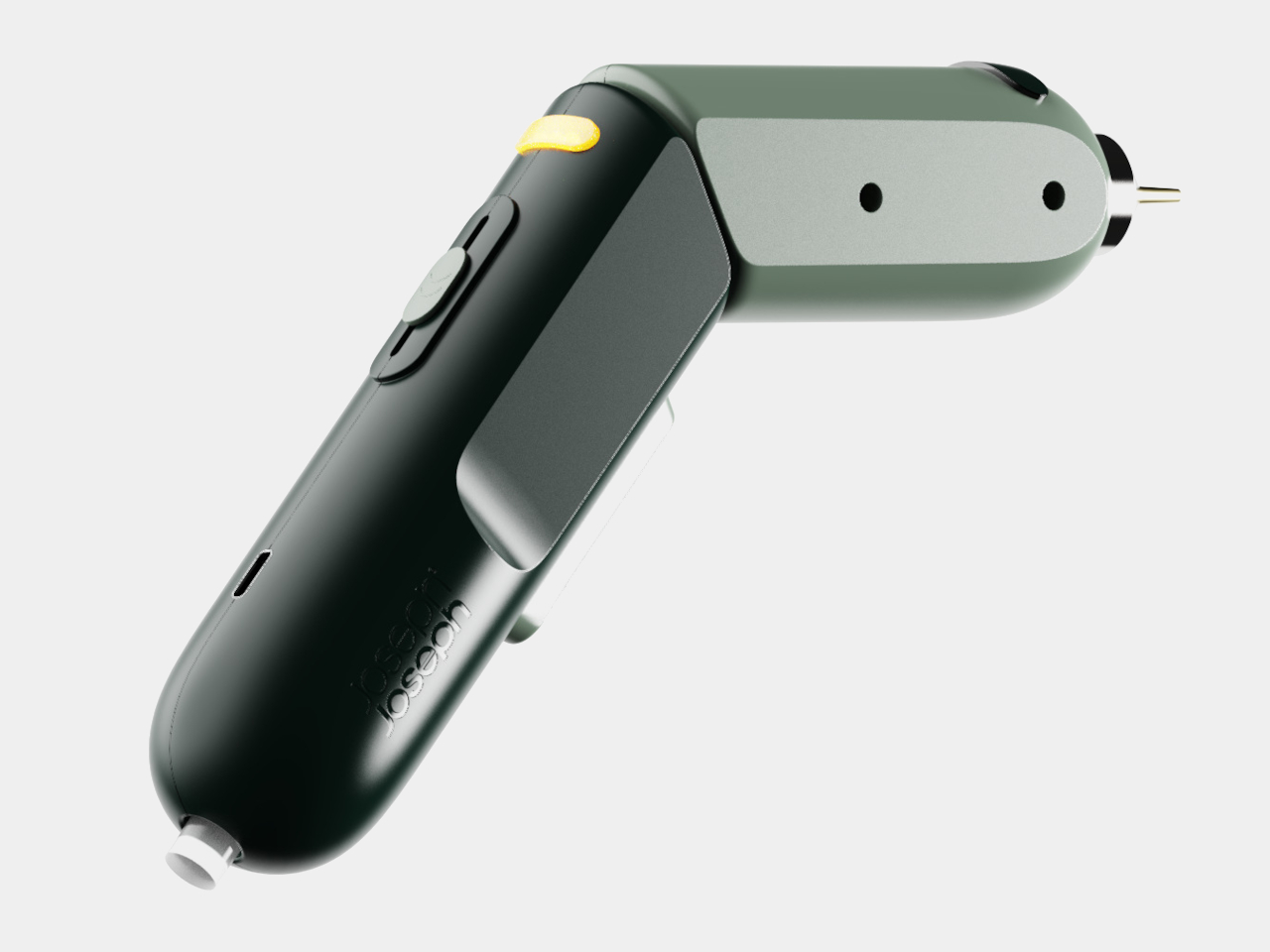
There’s really no reason why it needs to be shaped like a gun anymore, at least not one that faithfully sticks to that form. Any L-shaped form with a trigger mechanism can easily be considered a gun, and our brains will fill in the rest. This concept goes through various iterations to achieve that design, until one that is distinctive and more interactive makes it to the top. It comes in the form of a tube that has been flattened on its long sides and is actually made of two parts connected at an angle. Thanks to that cut, twisting one end creates that angle that associates the form with a gun.

The design also resolves the problem of precision with a significantly smaller and thinner rod-shaped nozzle. Unlike the conical nozzle of today’s glue guns, this allows the tip to get closer to narrow spaces without the hot metal touching the surface. The design also adds an LED light to signal when the gun is ready to use, a feature that 3D printing pens had for years now. And when you’re done, simply twisting the gun back to its original straight form is enough to turn it off, and you don’t have to worry about how to put the still-hot gun down.

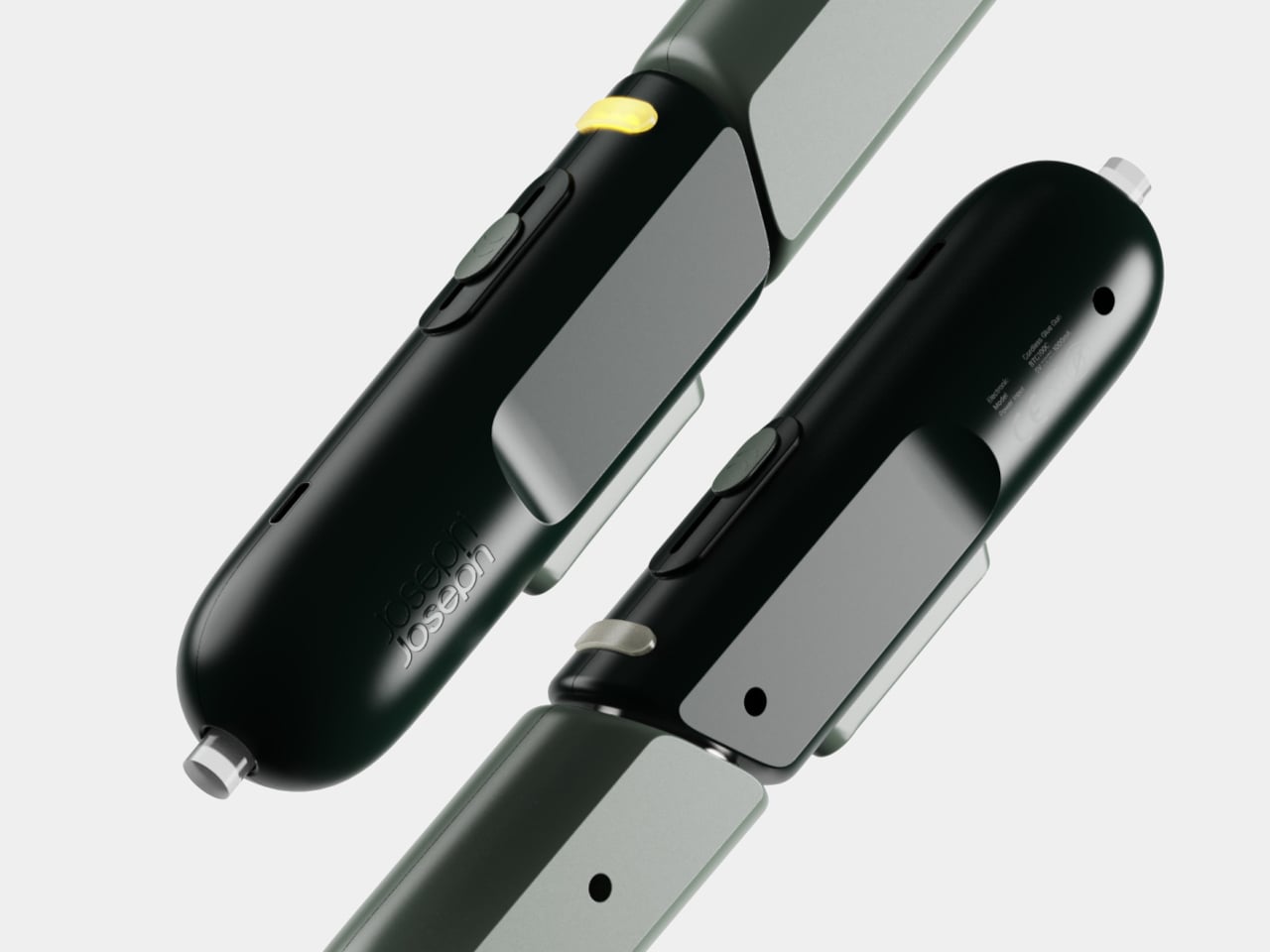
More than just the form, the aesthetics of the glue gun also changes significantly. Gone is the plain, unattractive, and cheap plastic, replaced by a smooth and glossy finish befitting of a Joseph Joseph product. The design does still leave a few problems to be solved, like how the glue stick is supposed to bend as well, but it’s an interesting thought experiment for a product that has barely been given the long-overdue attention it deserves.

The post Glue gun concept gives the crafting tool a modern and ergonomic makeover first appeared on Yanko Design.