This Furniture Collection Was Designed By Your Inner 5-Year-Old

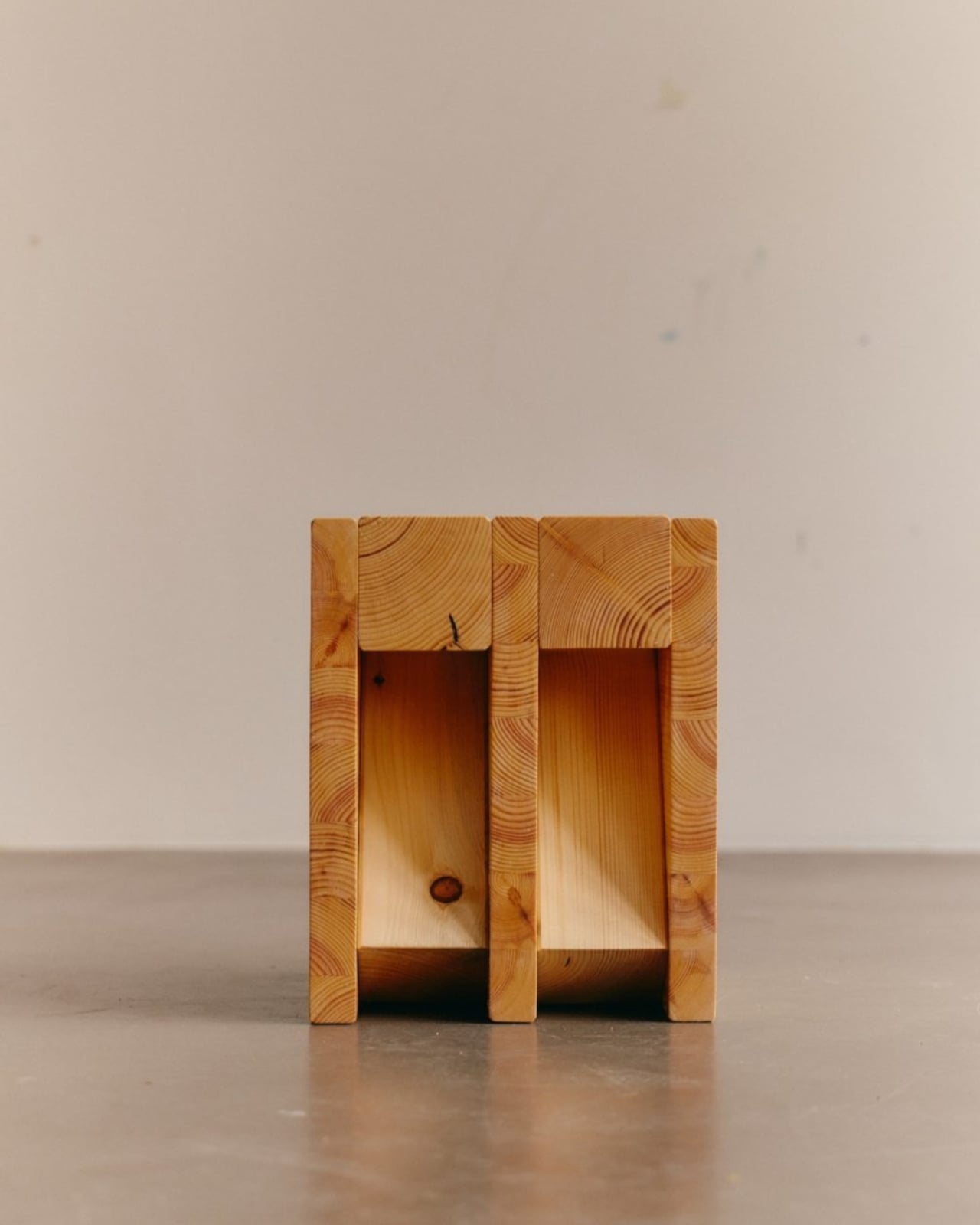
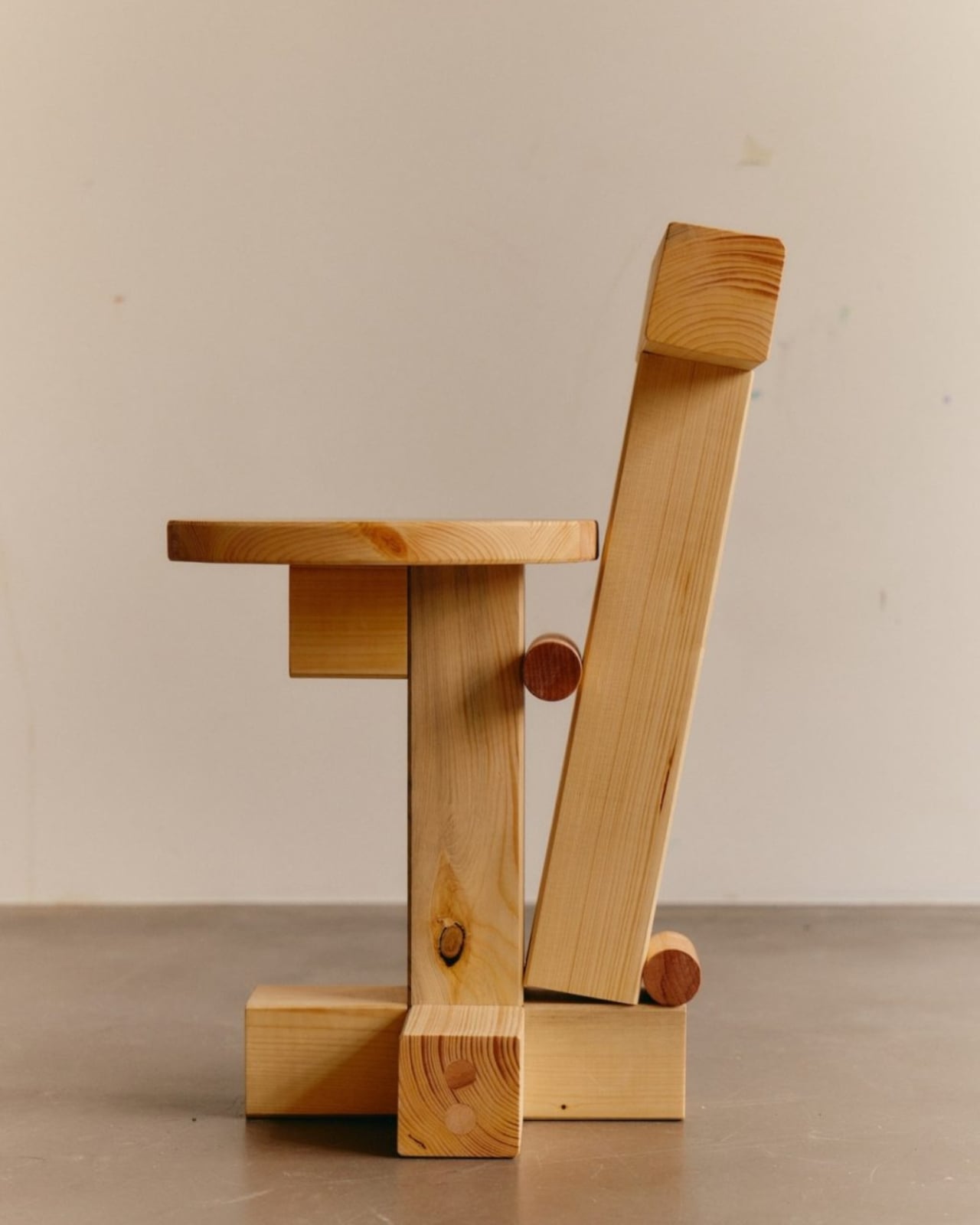
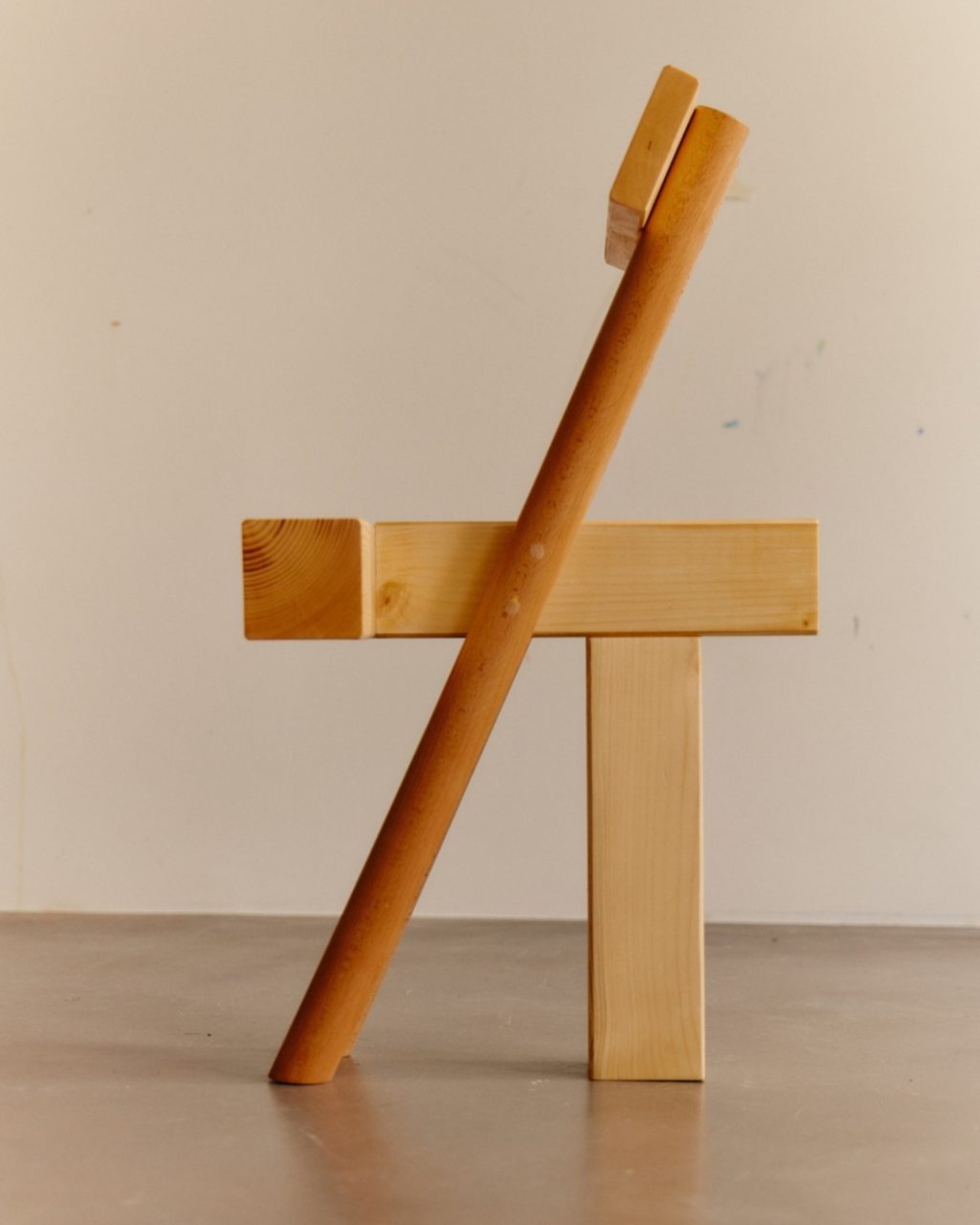
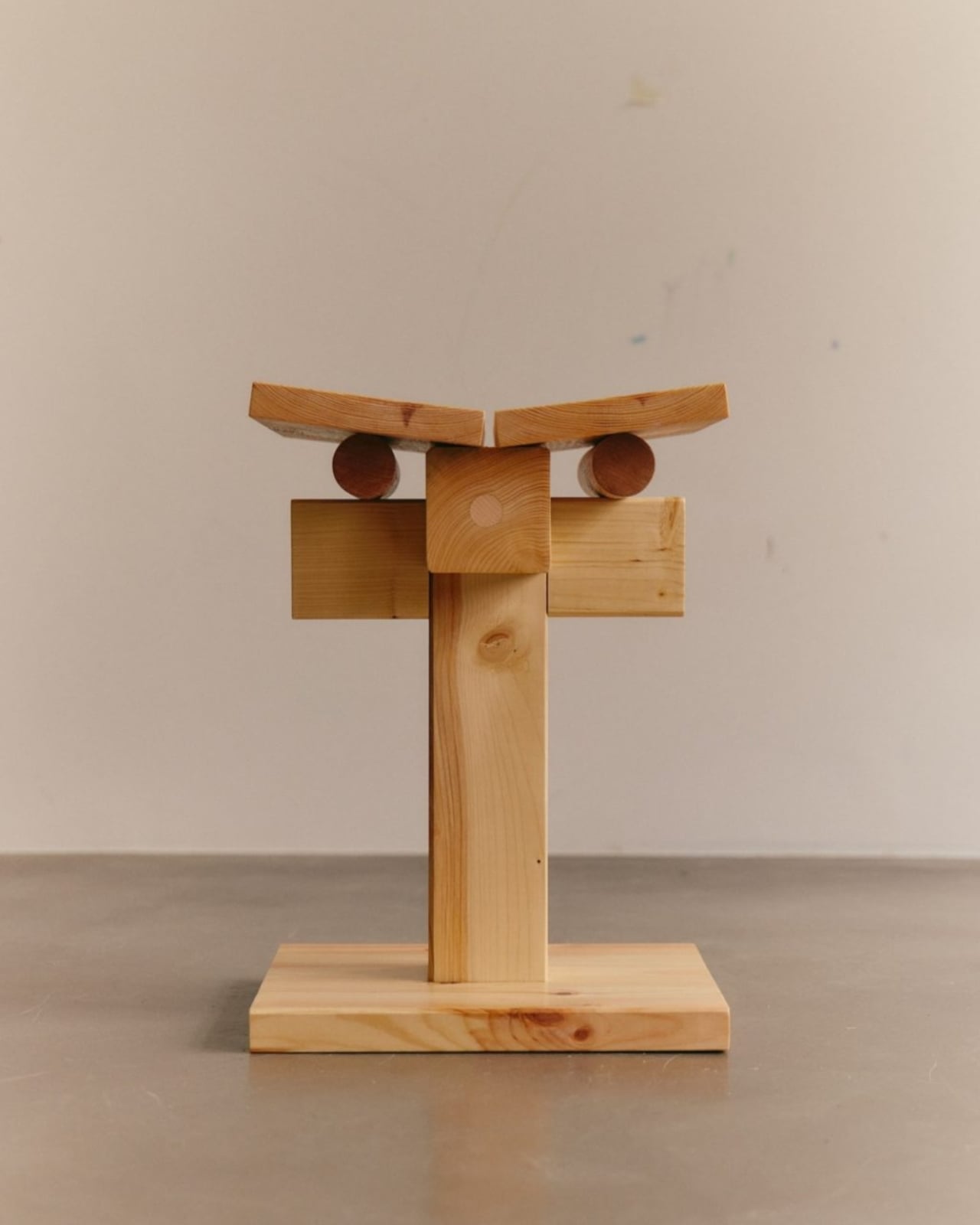
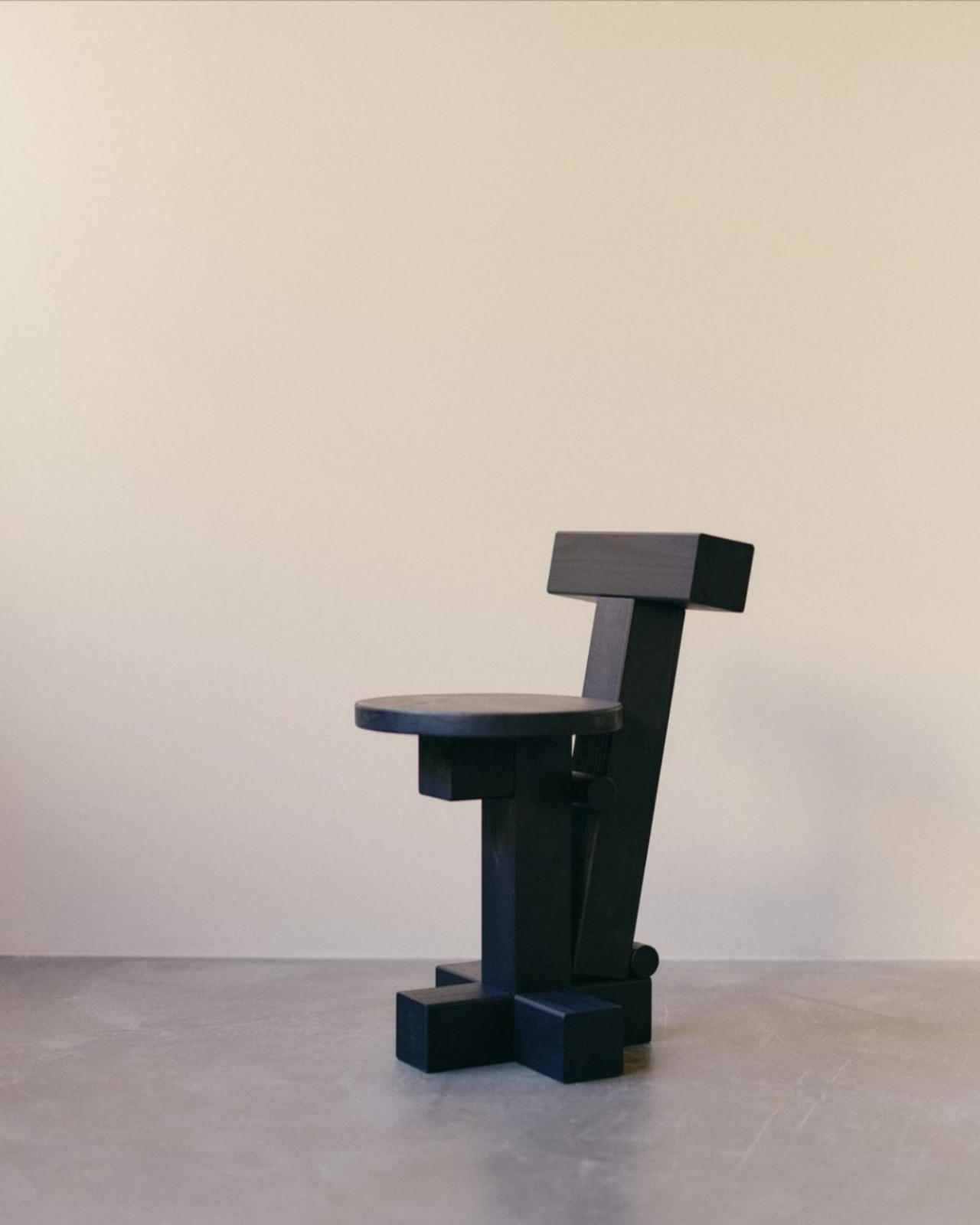
Remember the pure joy of stacking blocks as a kid? That satisfying click when you balanced a square on a circle, or the creative rush when you toppled everything and started fresh? Yellow Nose Studio remembers, and they’ve turned that childhood magic into furniture that actually makes sense for adults. Their INDERGARTEN collection is basically what happens when you let your inner five-year-old design chairs, and honestly, it’s brilliant.

The Berlin-based Taiwanese design duo behind Yellow Nose Studio did something clever with the name itself. They dropped the “K” from kindergarten, and in doing so, opened up a whole new way of thinking about design. It’s not just a cute play on words. It’s an invitation to approach furniture the same way we approached play: with curiosity, experimentation, and zero pretension.

Designer: Yellow Nose Studio

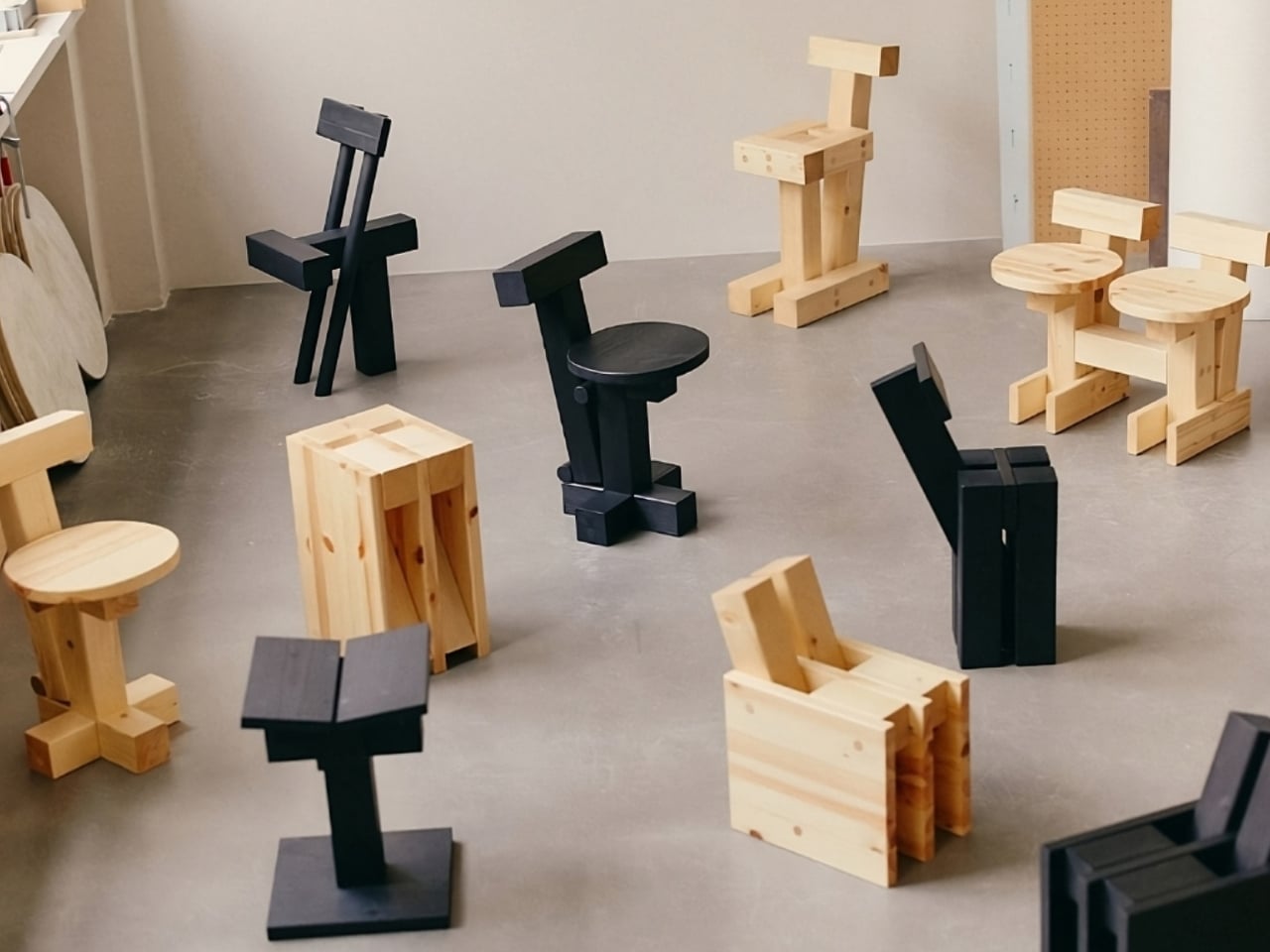
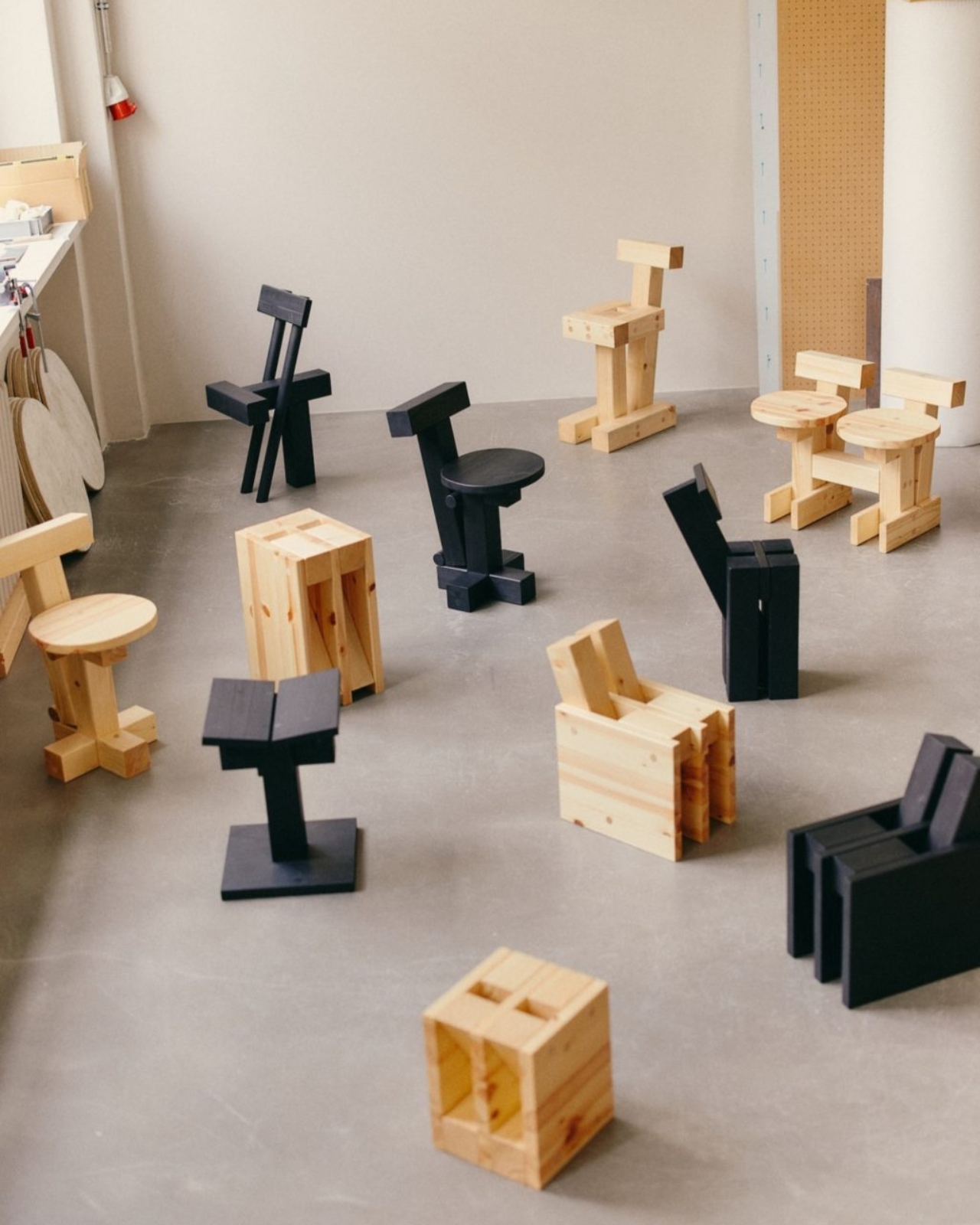
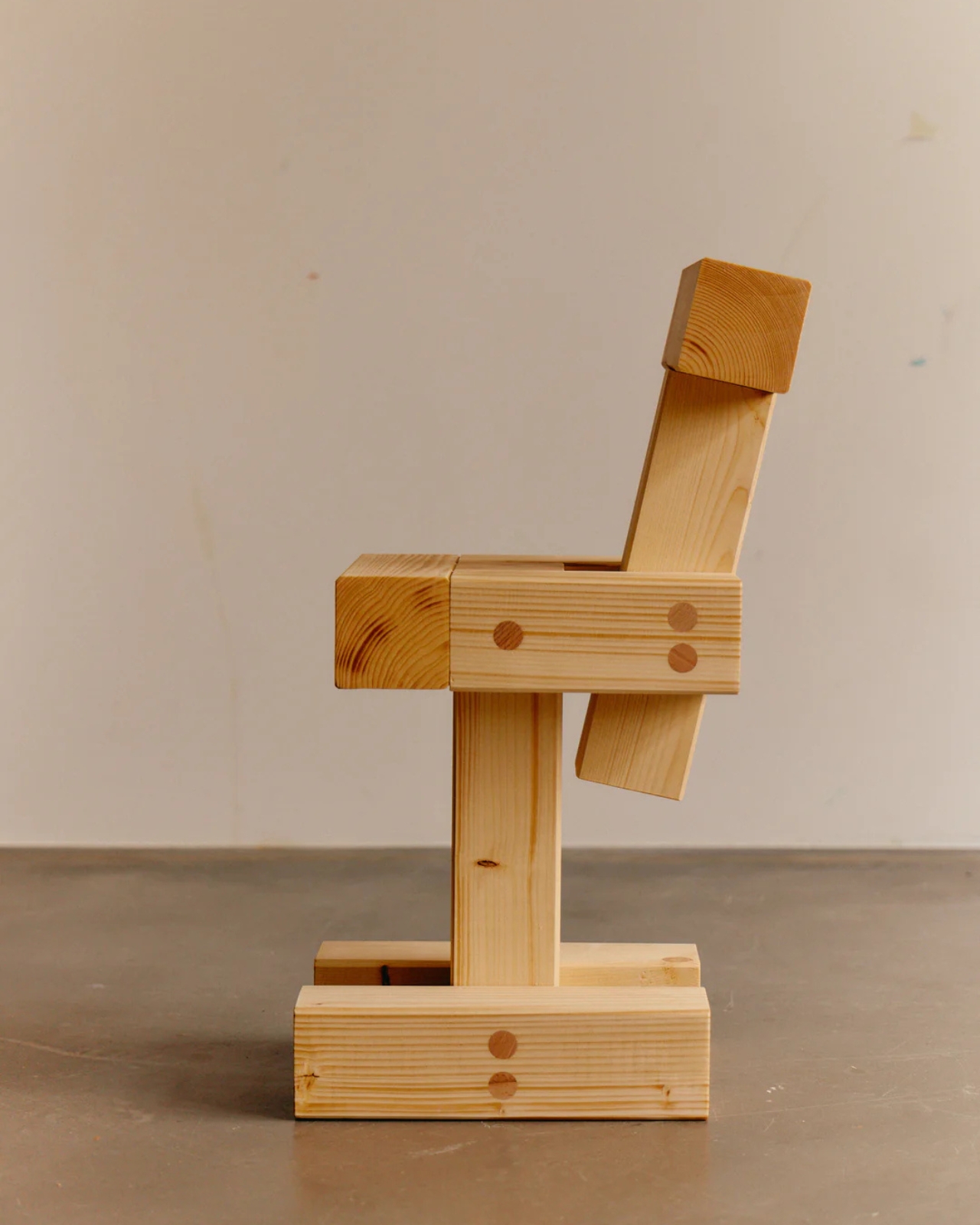
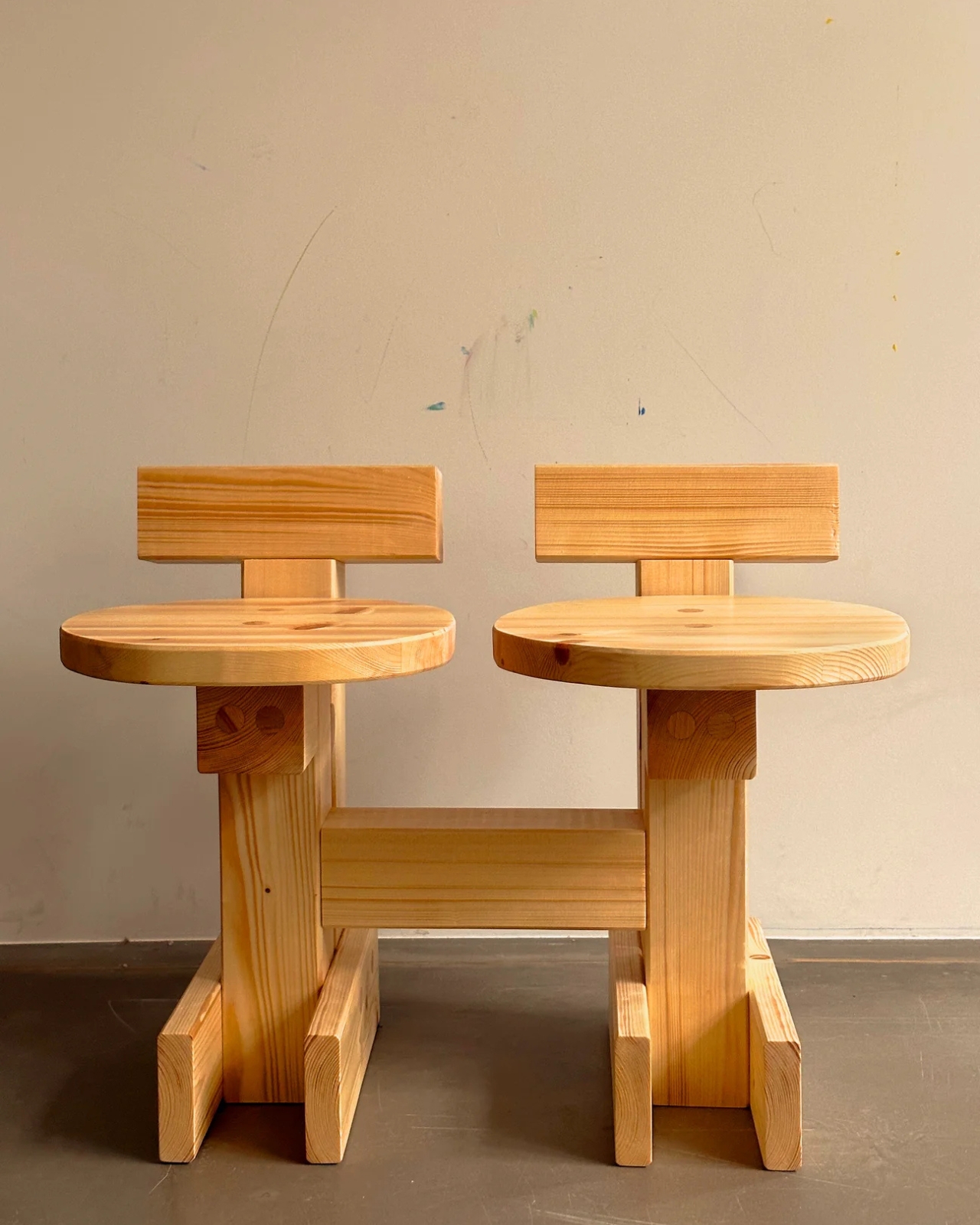
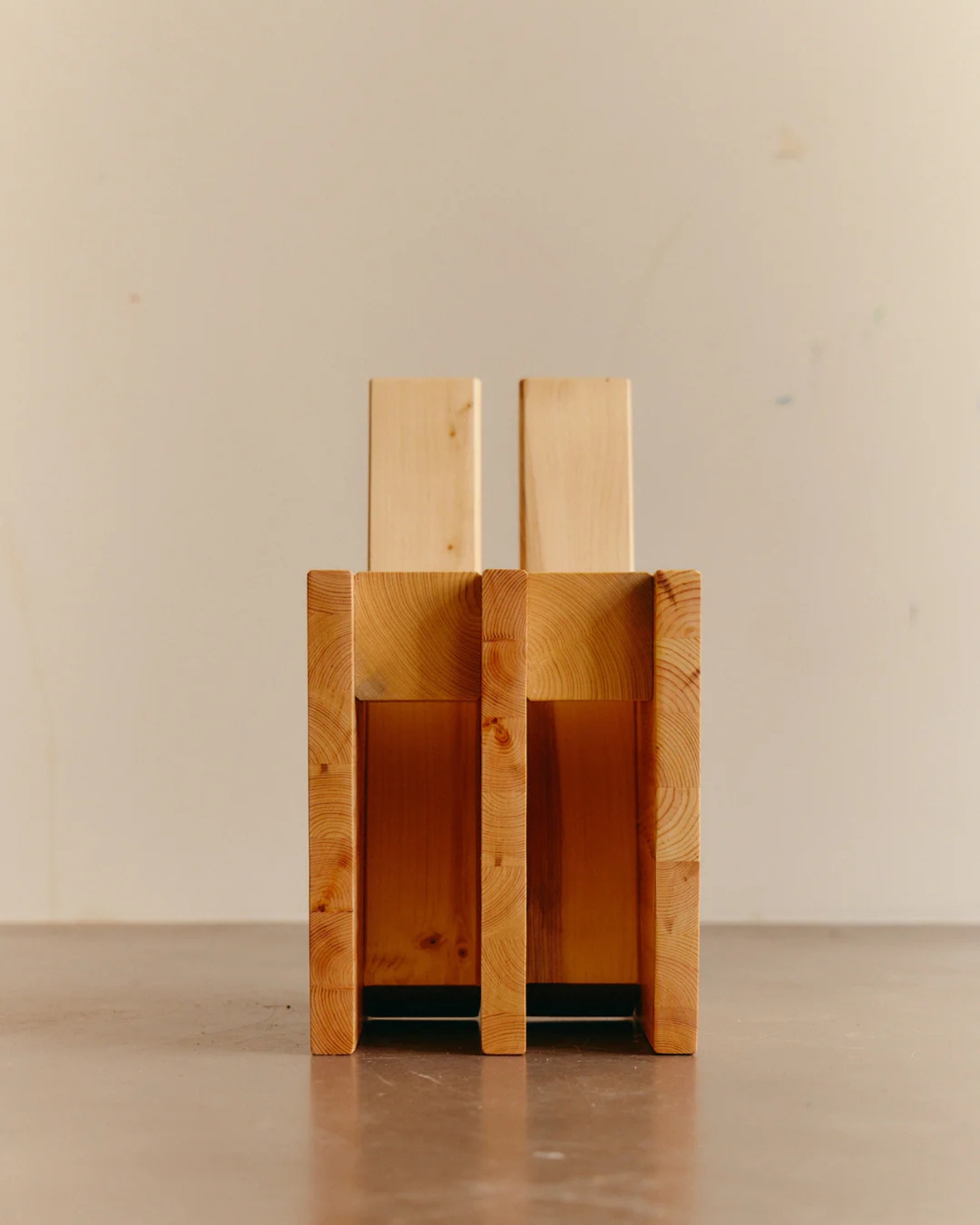
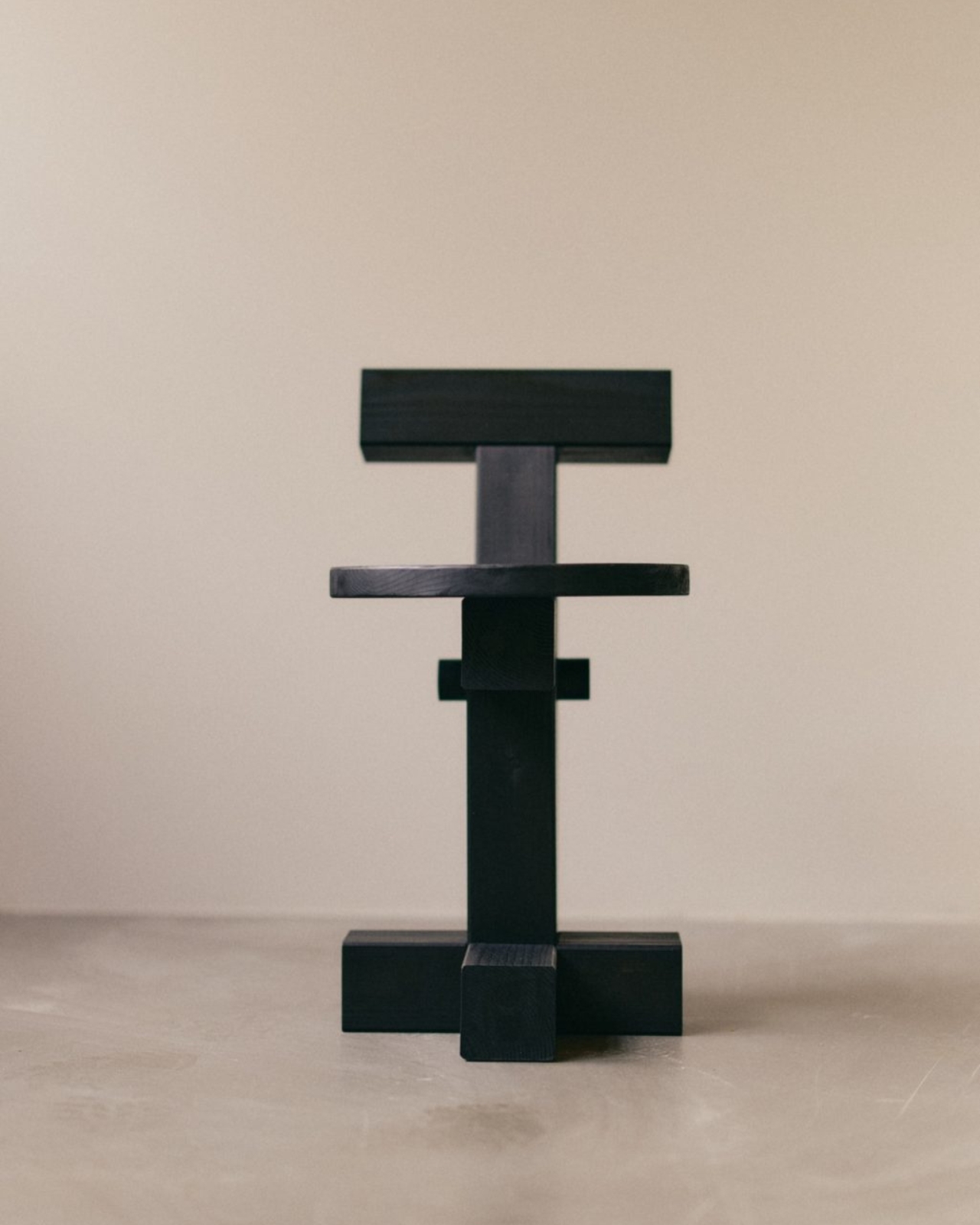
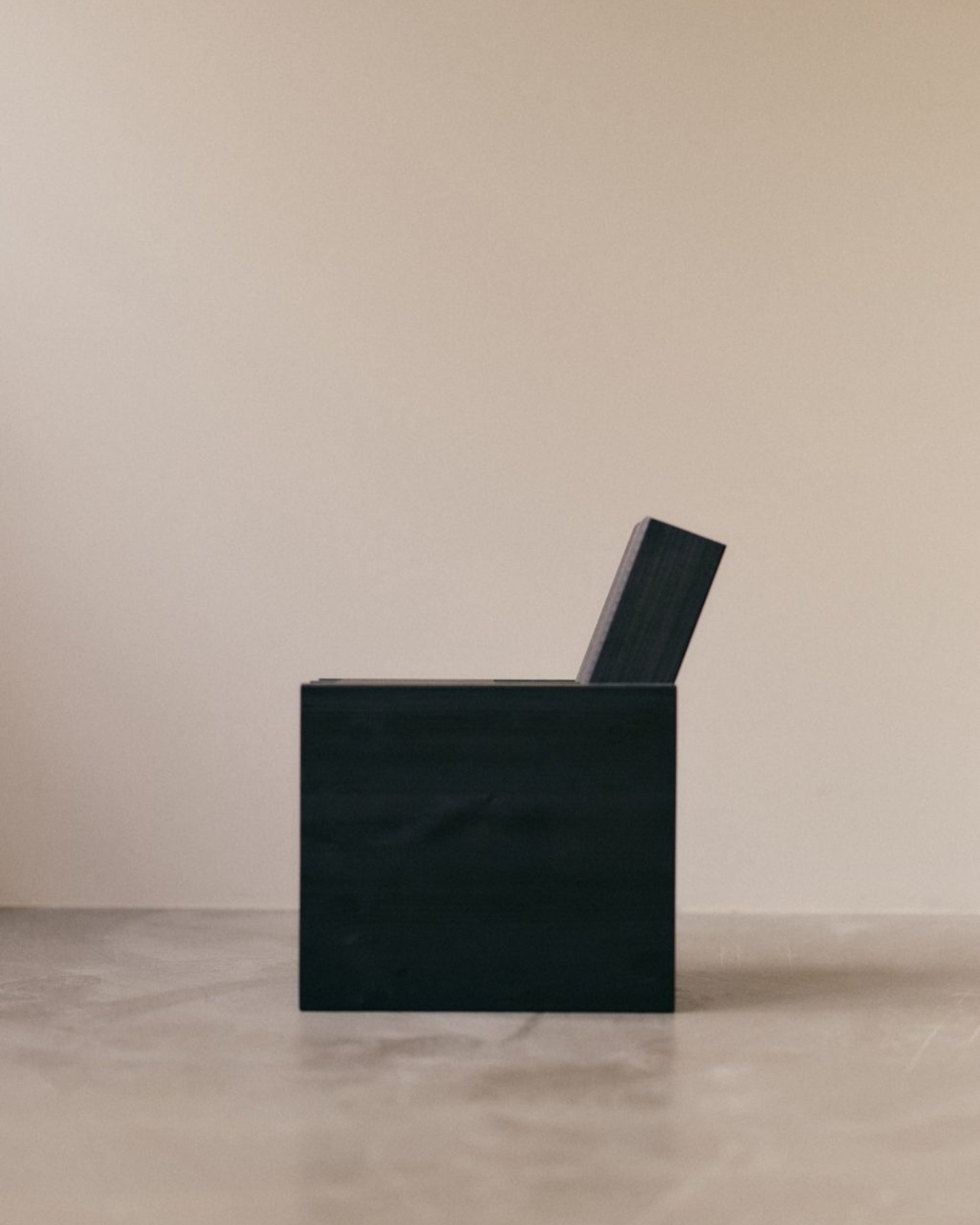
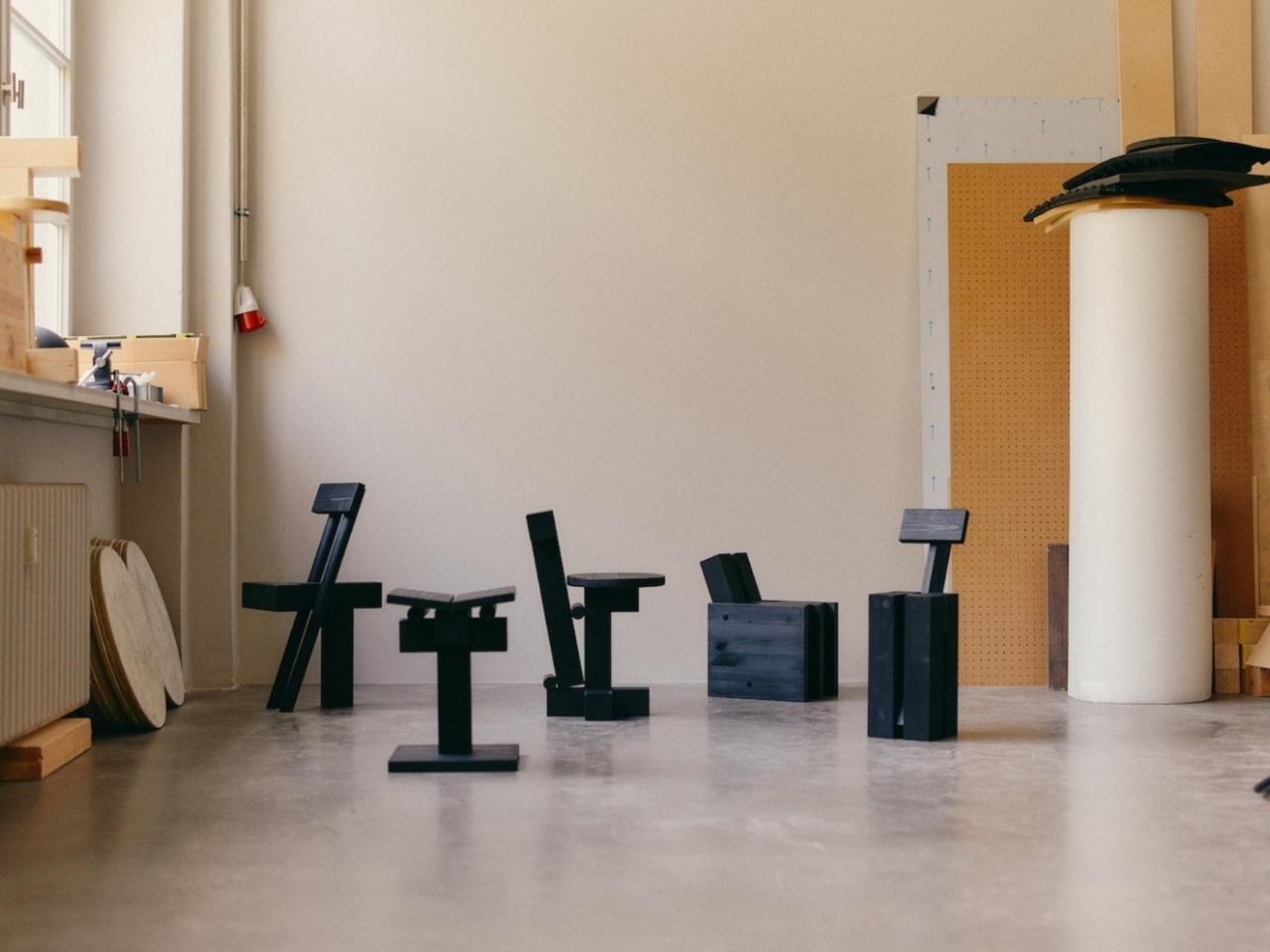
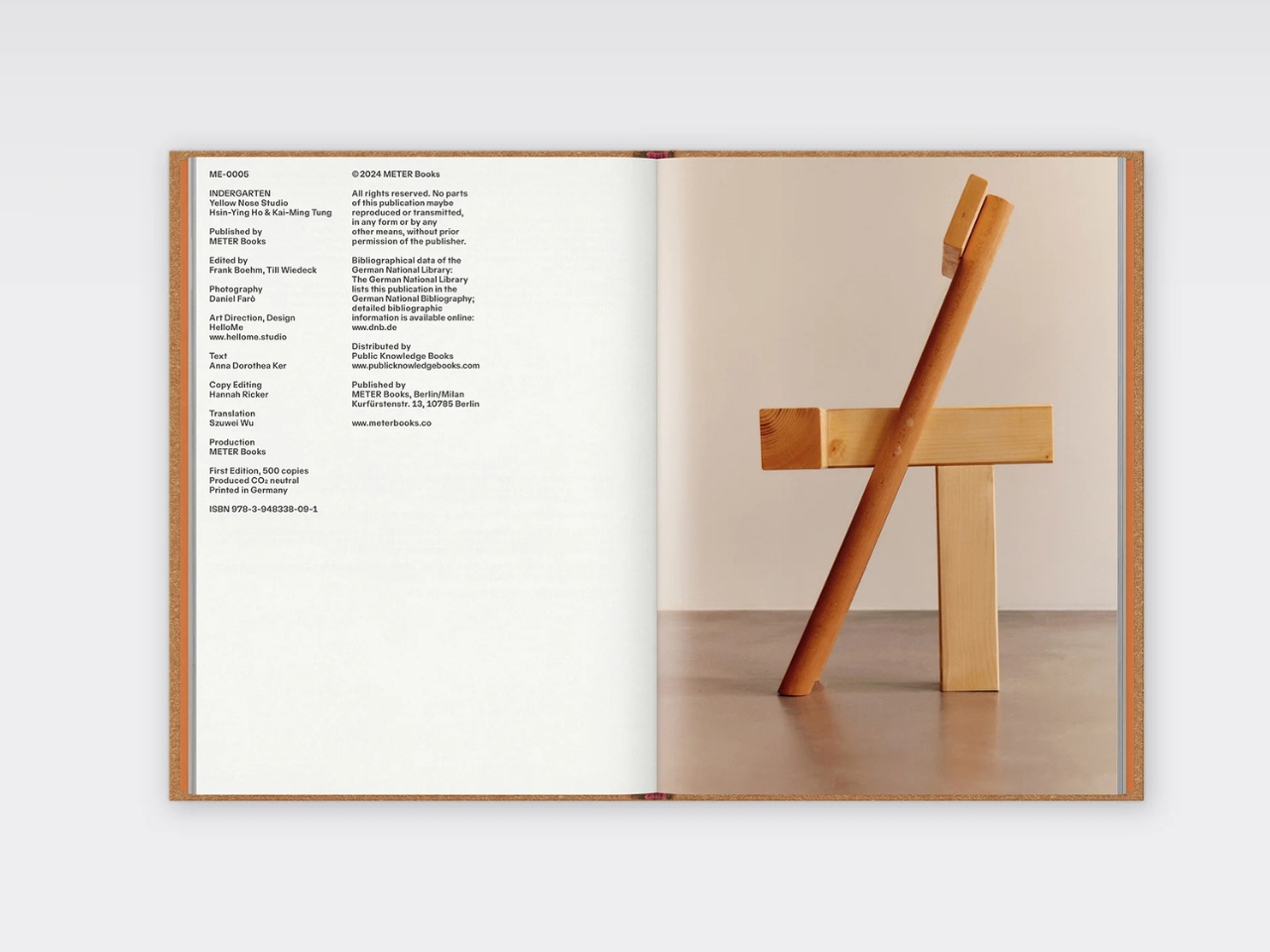
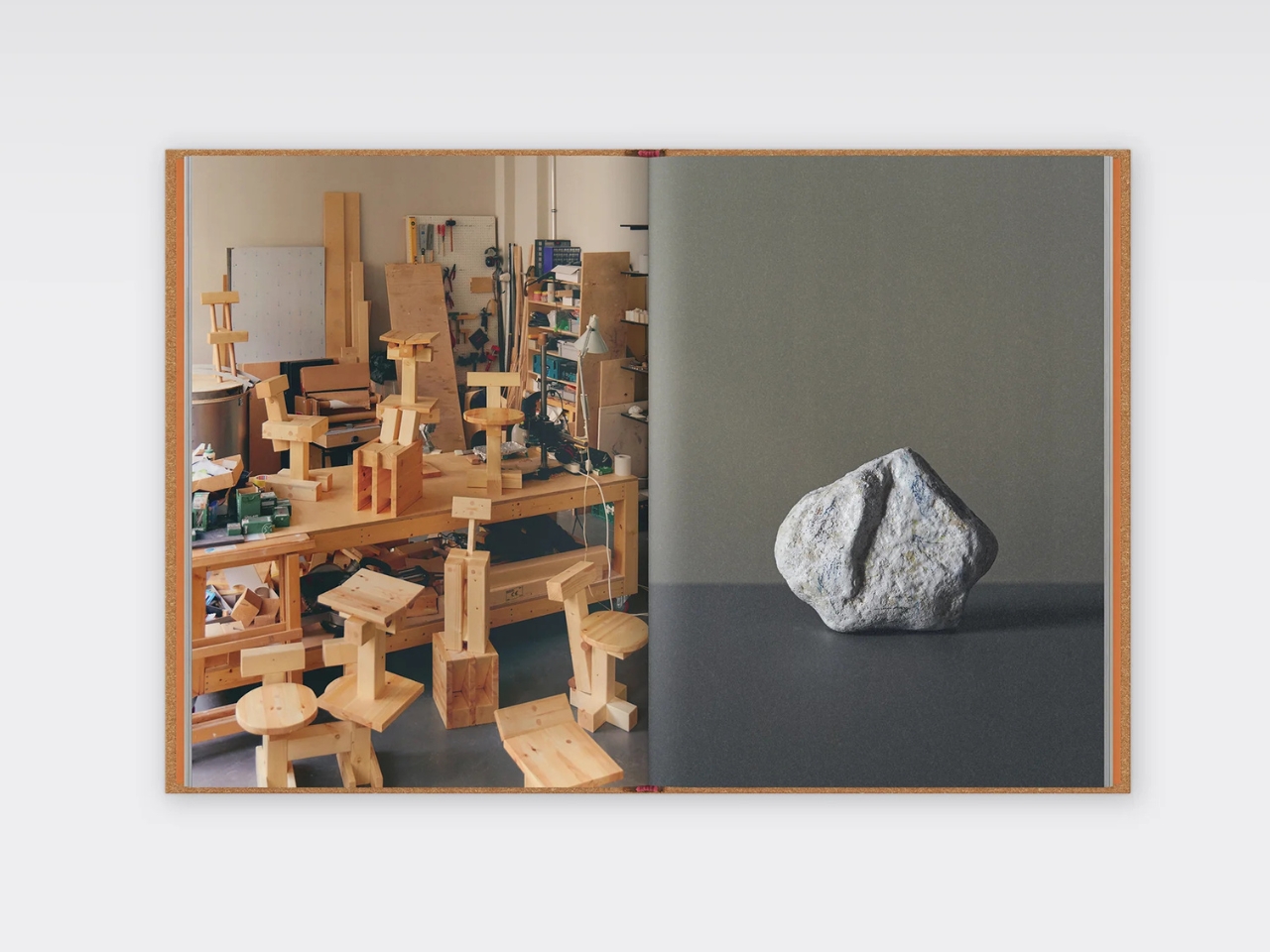
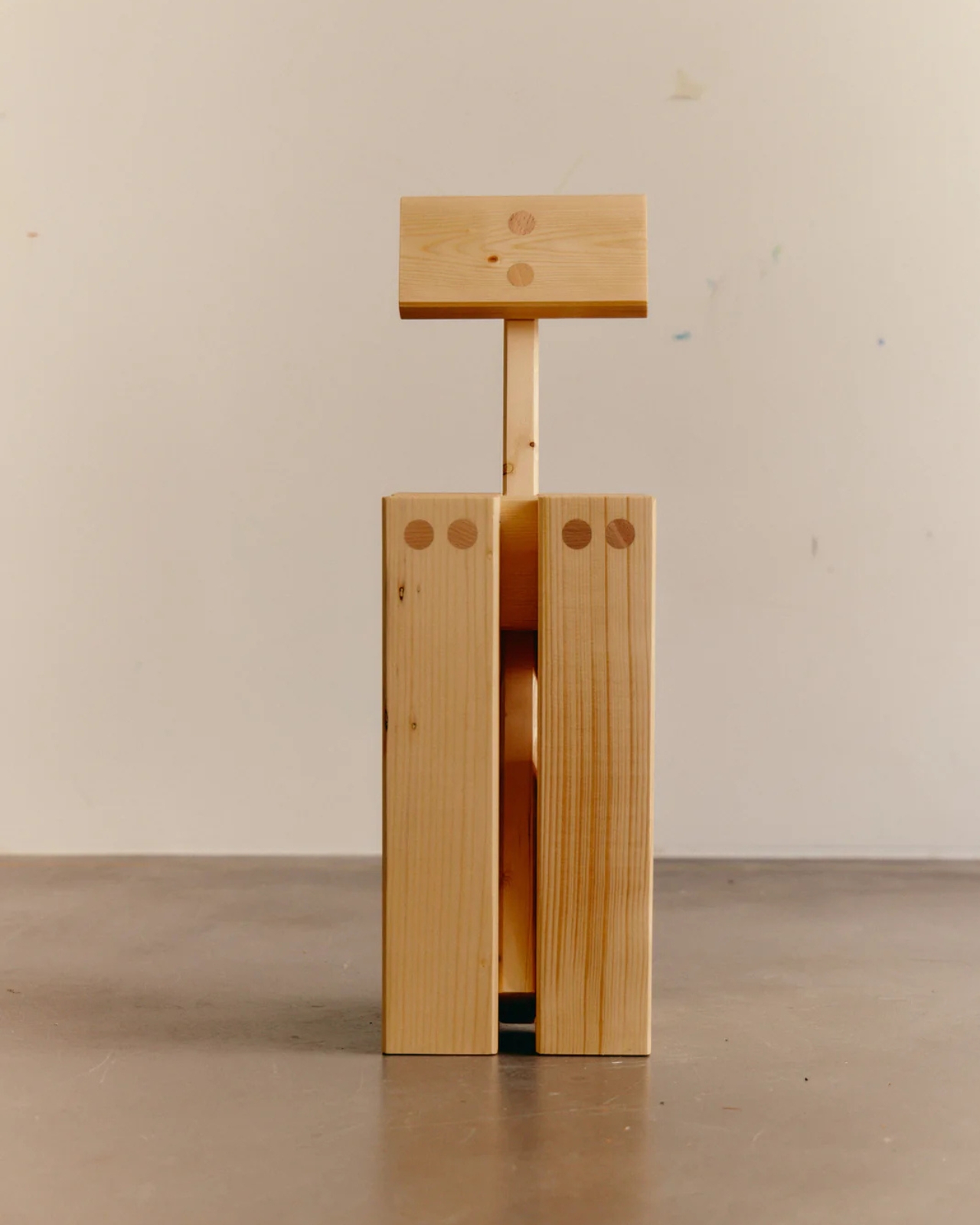
Here’s the concept in its simplest form. Take three basic wooden shapes: a circle, a square, and a rectangle. Stack them. Rotate them. Layer them differently. What you get is ten distinct variations that somehow look like they belong in a contemporary art gallery and your living room at the same time. The pieces function as seating objects and vases, all handcrafted from beech, cedar, and pine.

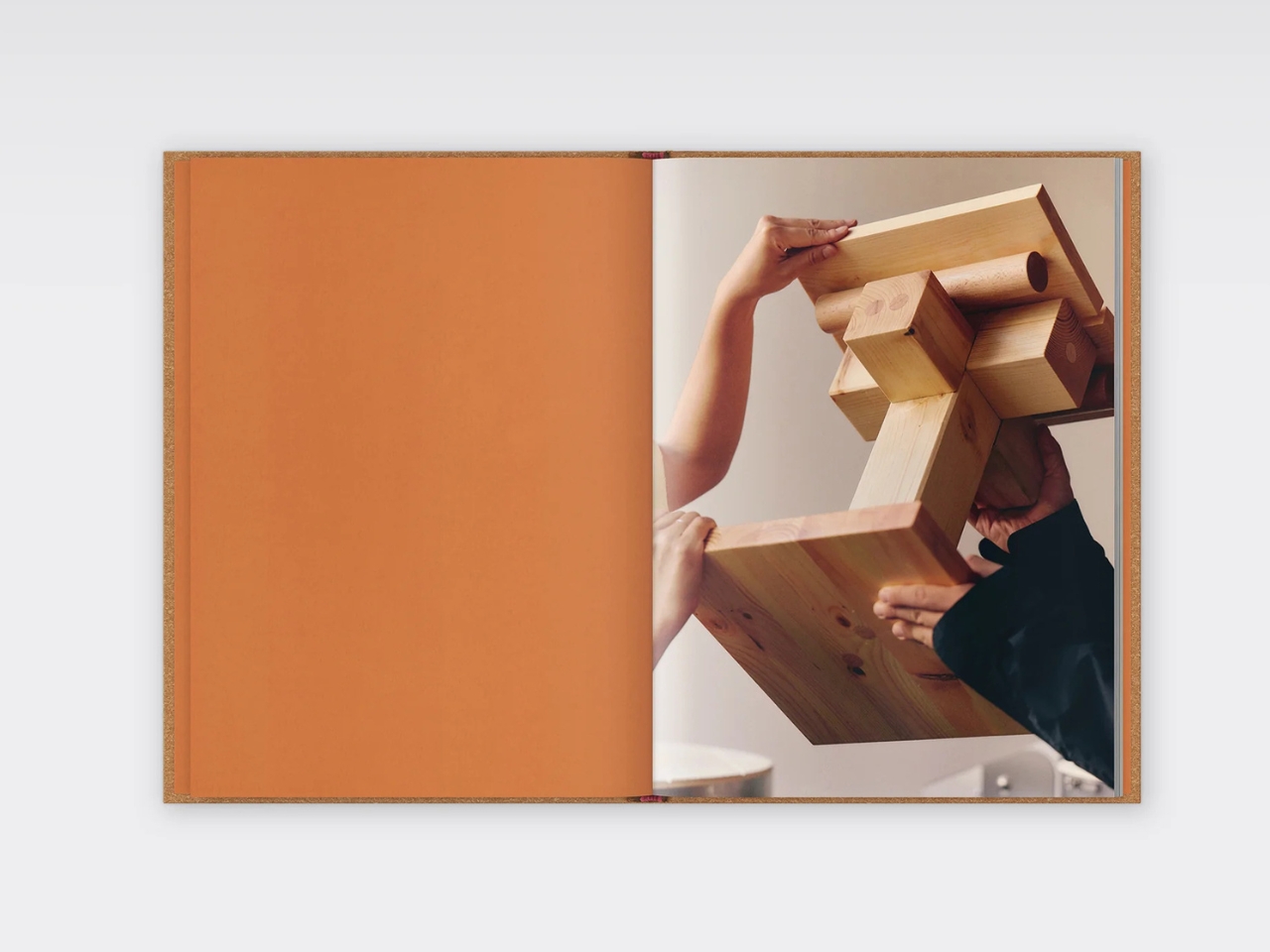
What makes this collection so fascinating is how the duo actually creates these pieces. They don’t just sketch ideas and hand them off to manufacturers. Each designer makes ten pieces, then they swap and literally deconstruct each other’s work, adding new elements until they both agree on the final ten designs. It’s collaborative in the truest sense, with every piece containing both perspectives. That back-and-forth, that willingness to take apart and rebuild, echoes exactly how kids play with blocks, and it’s what gives these pieces their unique energy.

The philosophy behind INDERGARTEN nods to Friedrich Froebel, who established the first kindergarten in 1840 with the radical idea that children learn best through play and hands-on experimentation. Yellow Nose Studio has taken that concept and applied it to their entire creative process. The result is furniture that feels both architectural and organic, structured yet playful. New geometries emerge from simple gestures, the same way a tower appears when you stack blocks one on top of another.

The collection made its debut and has since traveled to exhibitions, including “A Second Field” at Tokyo’s LICHT Gallery in 2025. The gallery’s director gave them total creative freedom, telling them to create whatever they wanted with no restrictions. That kind of trust speaks to how well this collection bridges the gap between functional design and art. These aren’t just chairs you sit on. They’re conversation pieces that challenge how we think about form, function, and the creative process itself.

In a design world that often takes itself too seriously, INDERGARTEN feels refreshing. The pieces are sophisticated without being stuffy, minimal without being cold, and playful without being childish. They prove that you can make something grown-up and refined while still channeling the experimental spirit of play. Whether you’re a design enthusiast, someone who appreciates contemporary craft, or just someone who wants furniture that makes people do a double-take, this collection delivers.

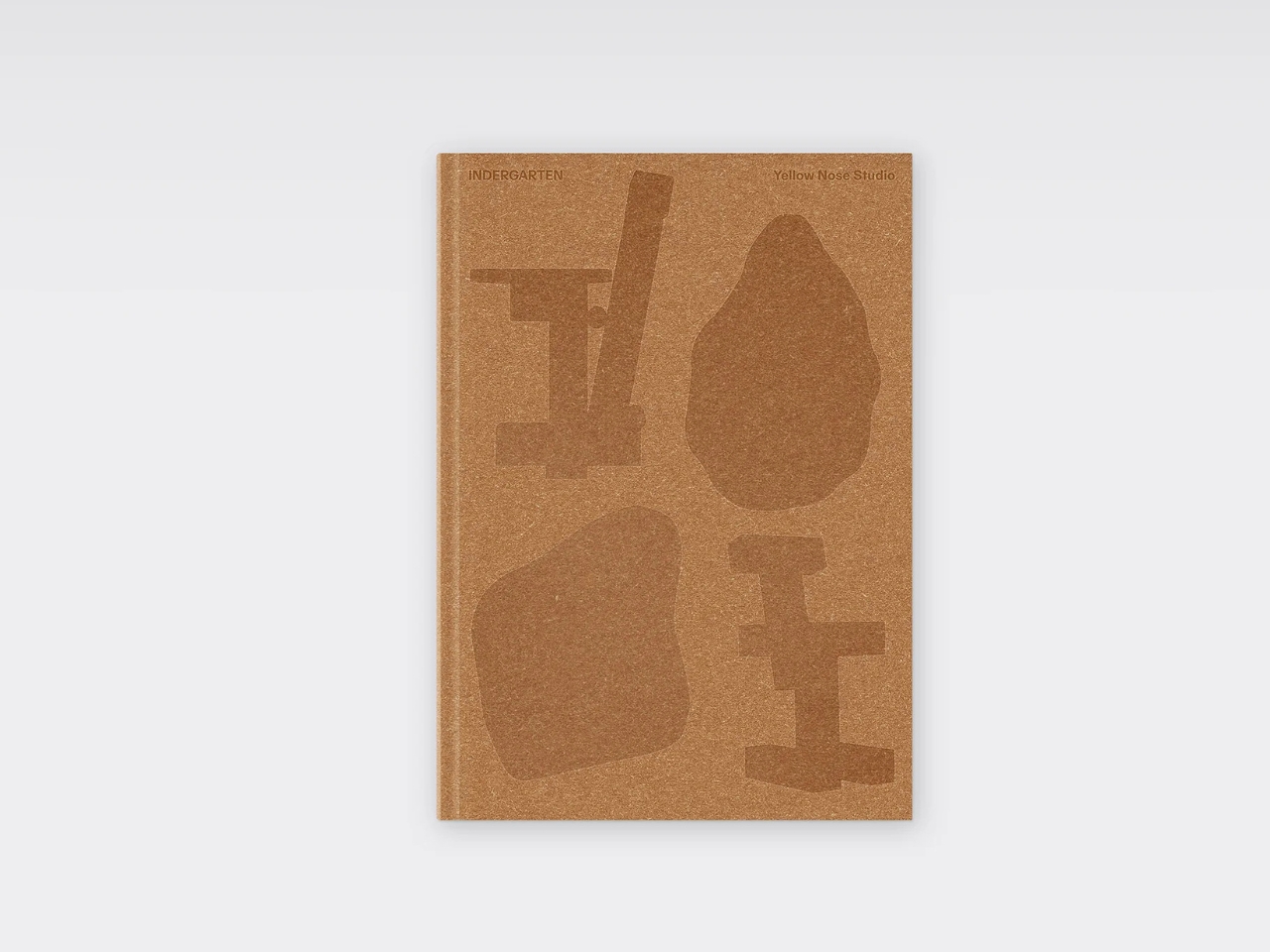
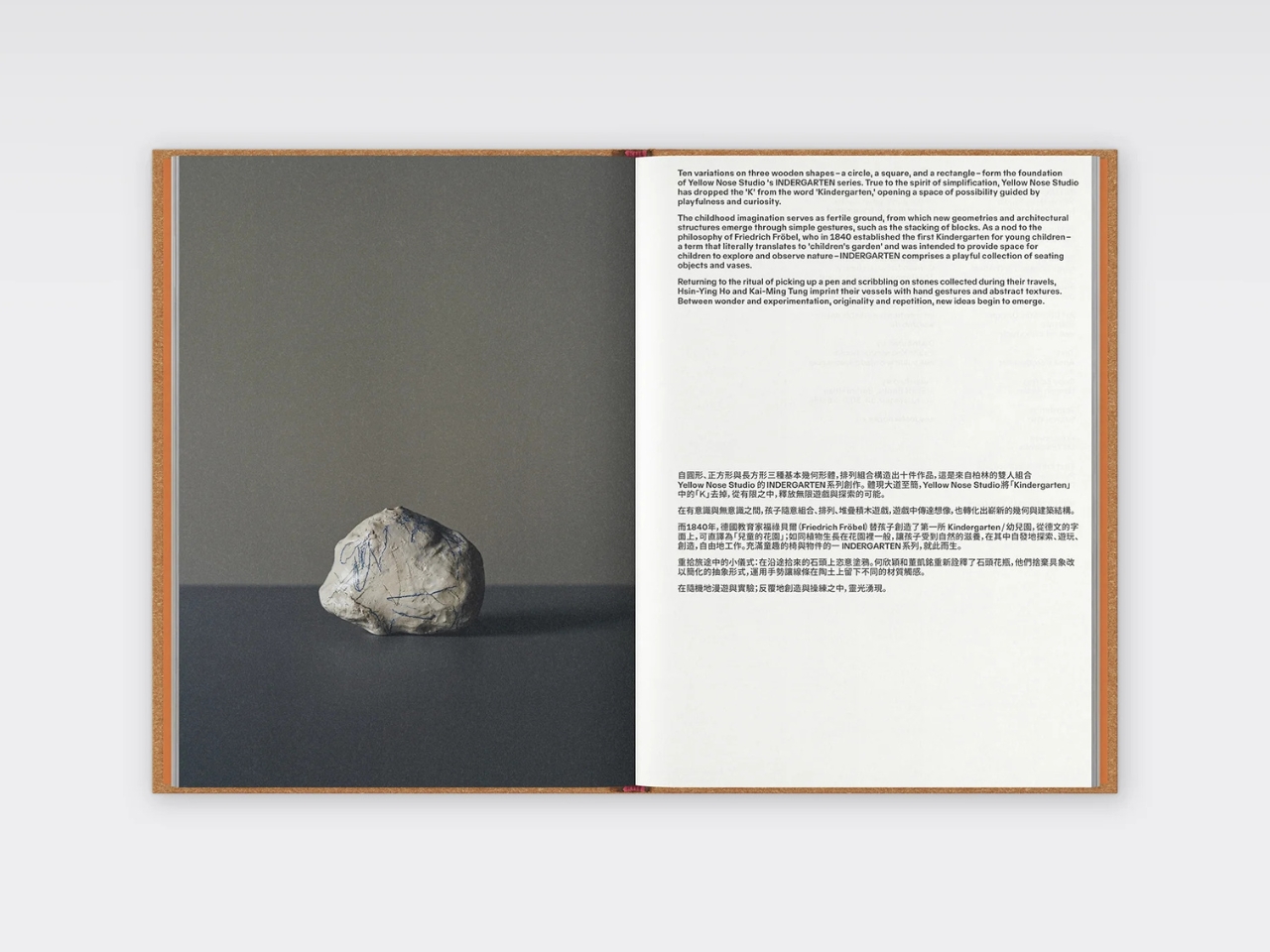
Yellow Nose Studio has even published a monographic book documenting the series, complete with stunning photography by Daniel Farò. The hardcover publication emphasizes the duo’s fluid practice between design, craft, art, and architecture, showing how blurry those boundaries can get when you’re working from a place of genuine curiosity. What’s next for INDERGARTEN? The designers hope curators will imagine these ideas evolving into bigger projects. They’re following the same playful, exploratory process to see where it leads. And if their wooden blocks have taught us anything, it’s that the best creations come from stacking, unstacking, and being willing to start over when the spirit moves you.

The post This Furniture Collection Was Designed By Your Inner 5-Year-Old first appeared on Yanko Design.
This Colorful Kindergarten gives young children the feeling of being inside a Kaleidoscope

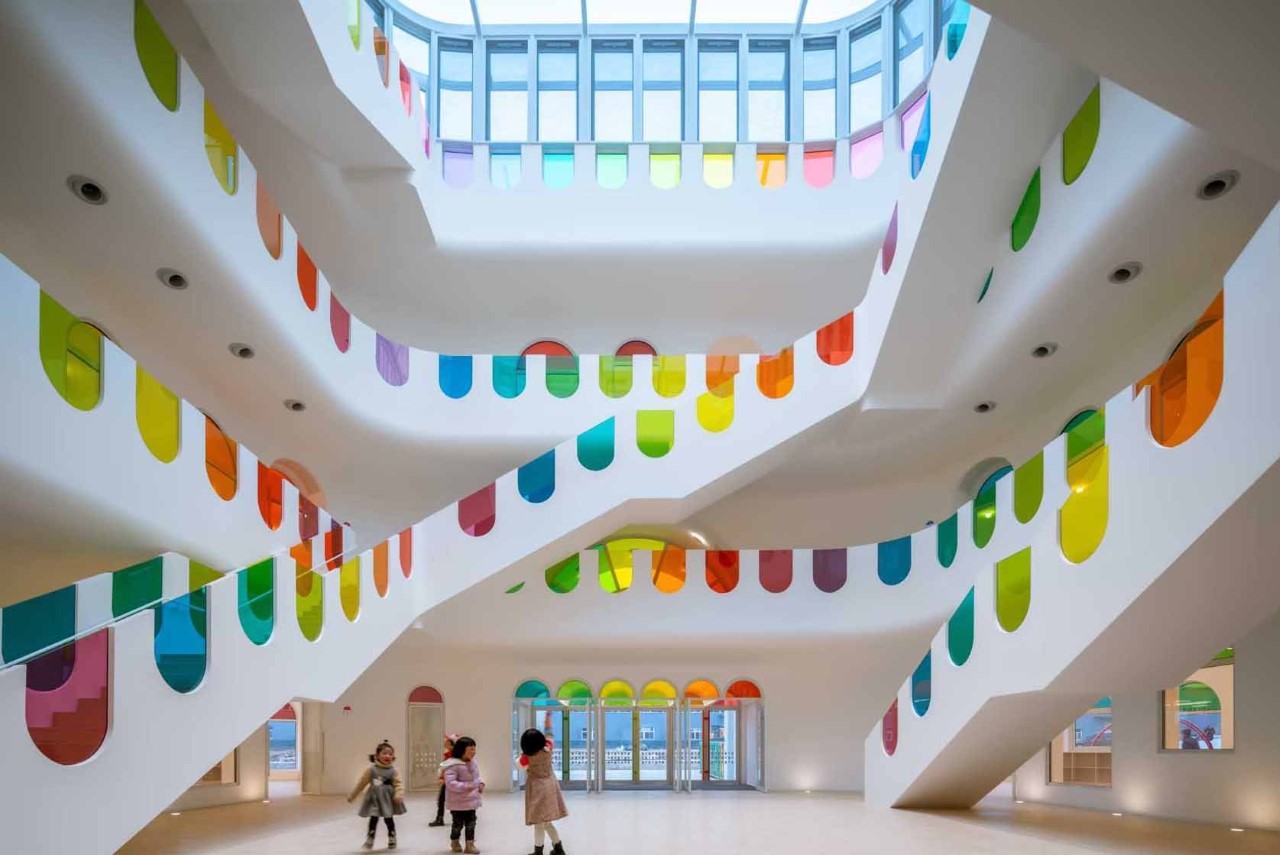
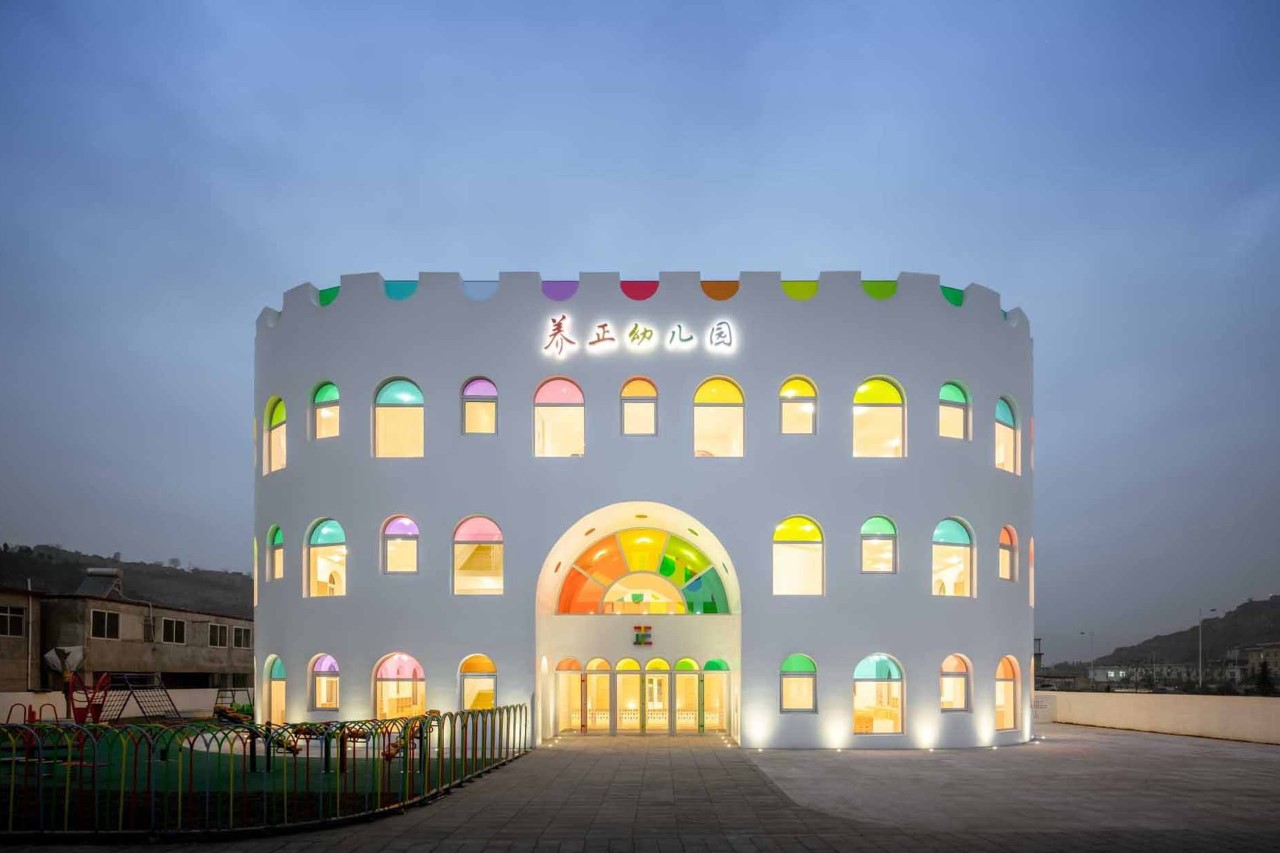
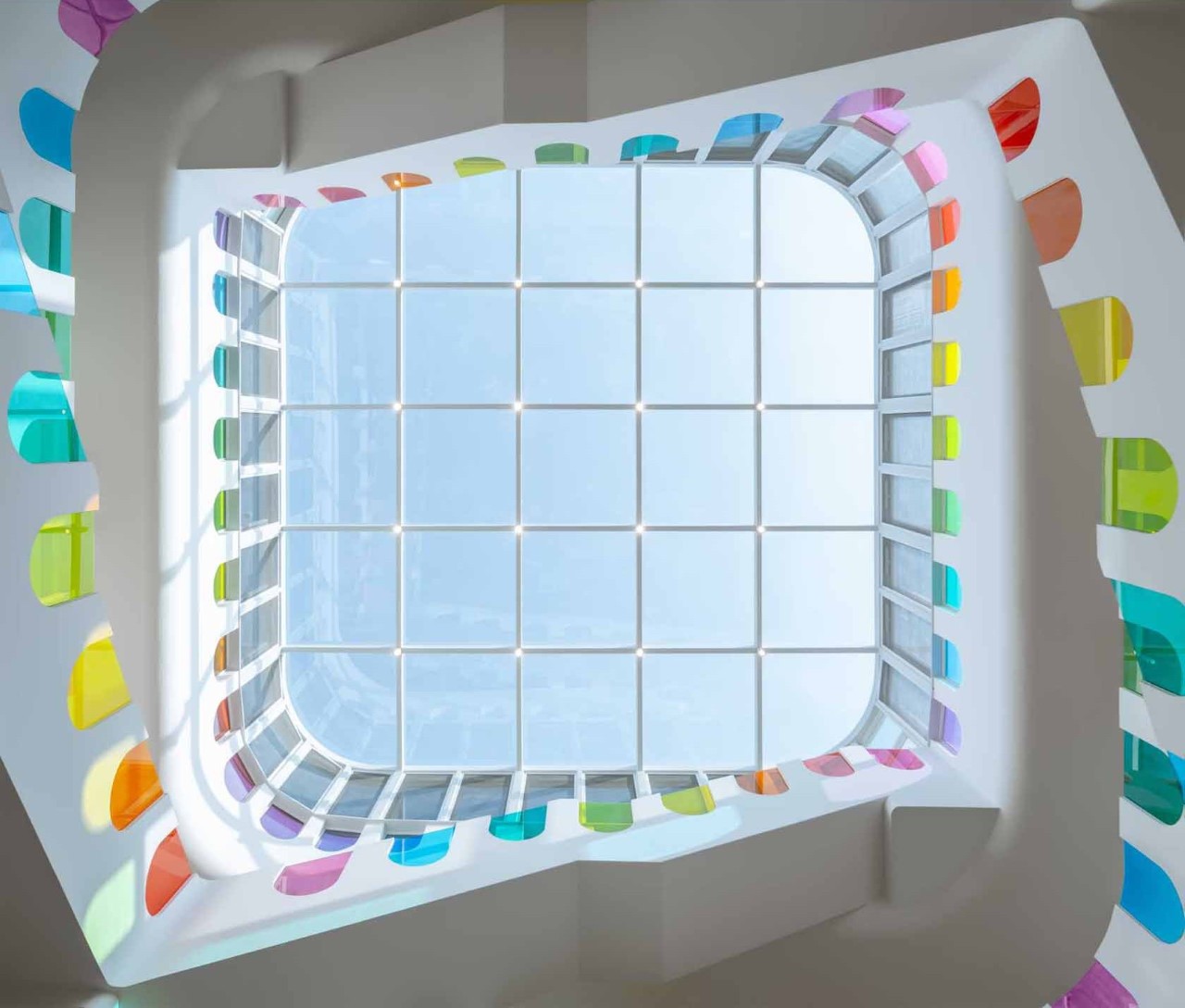
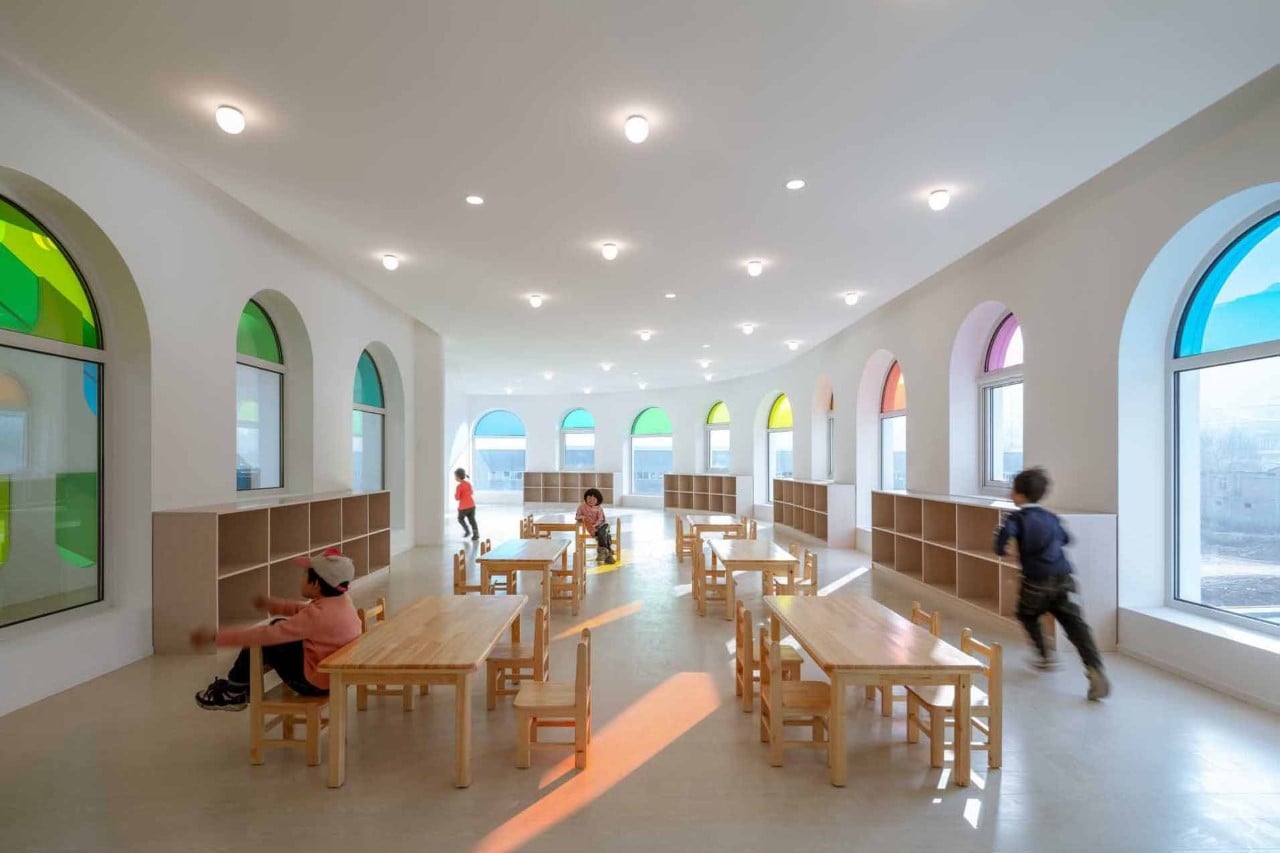
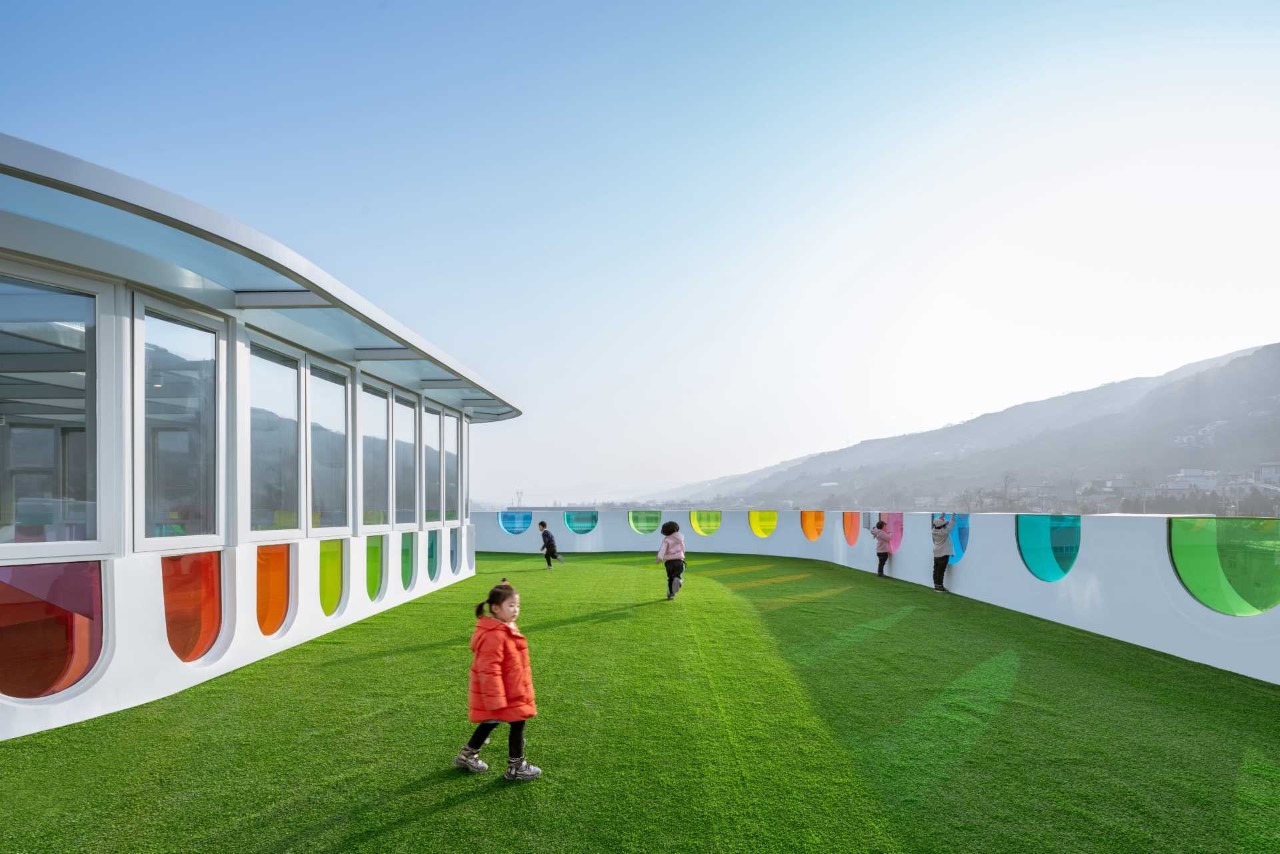
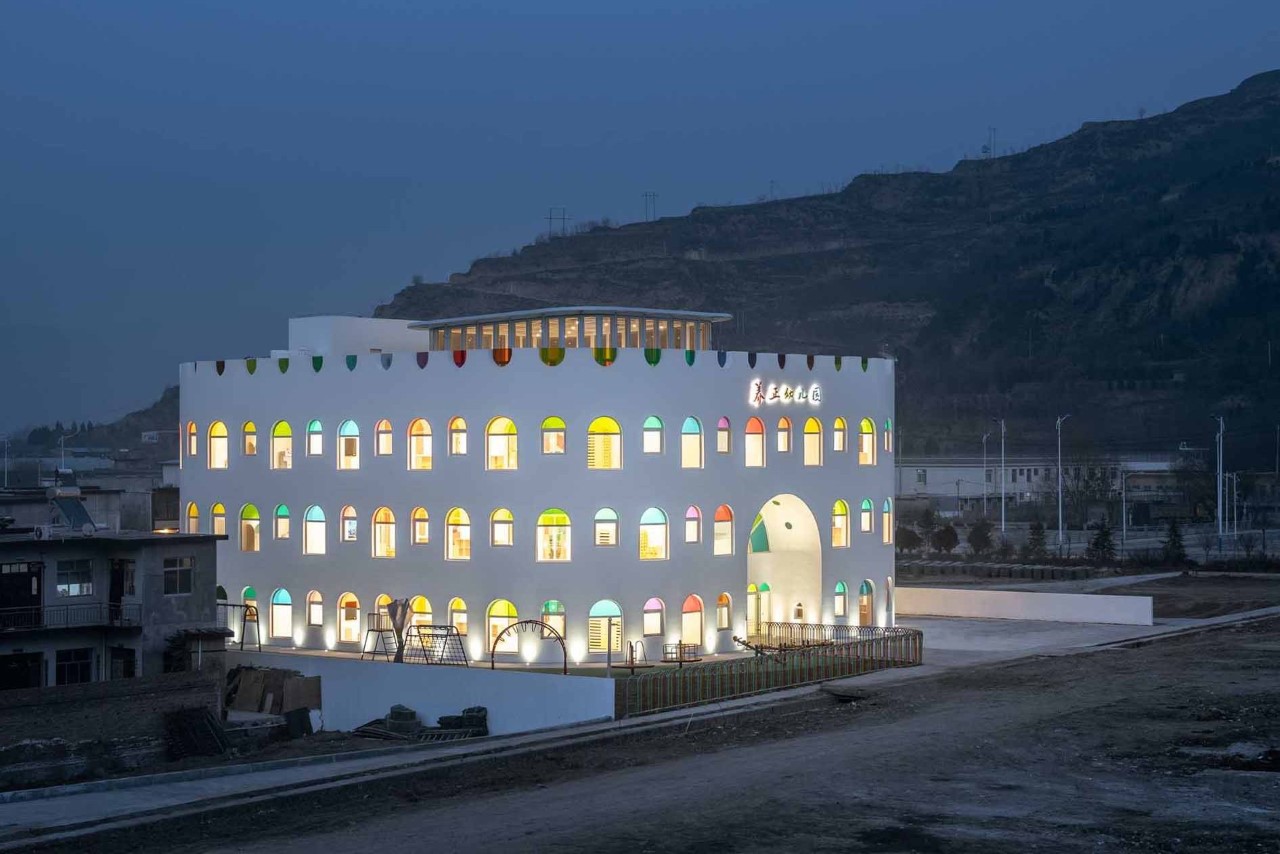
If you were driving through the small provincial town of Tianshui, China, you wouldn’t be wrong to stop dead in your tracks as you passed the Tianshui Kindergarten, a school designed to capture and captivate the fancy and whimsy of its young occupants. Designed by SAKO Architects, the kindergarten stands out with its incredible kaleidoscope-inspired design that looks just as impressive on the inside as it does from the outside, boasting an impressive 438 pieces of colored glass that are sure to have children wanting to spend more time in school than ever before!

Designer: SAKO Architects

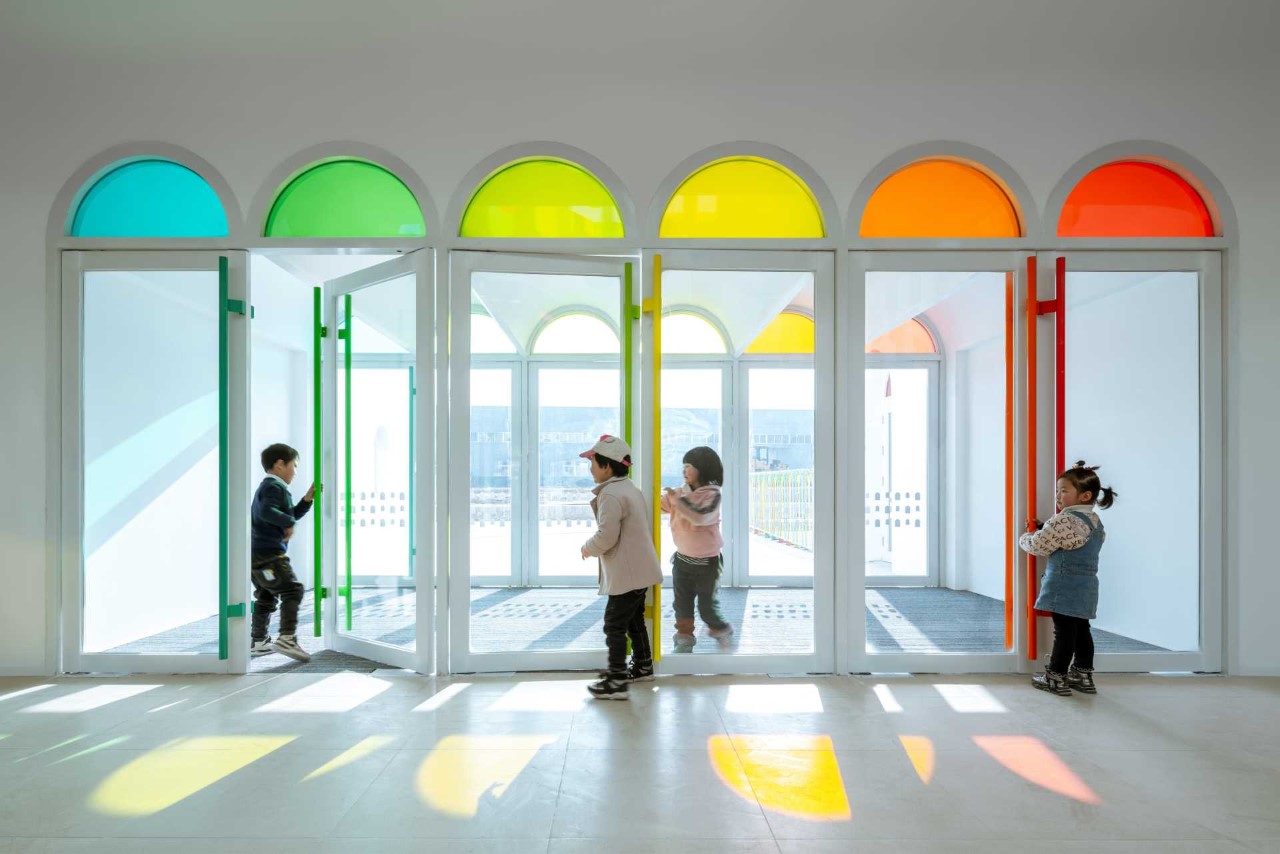
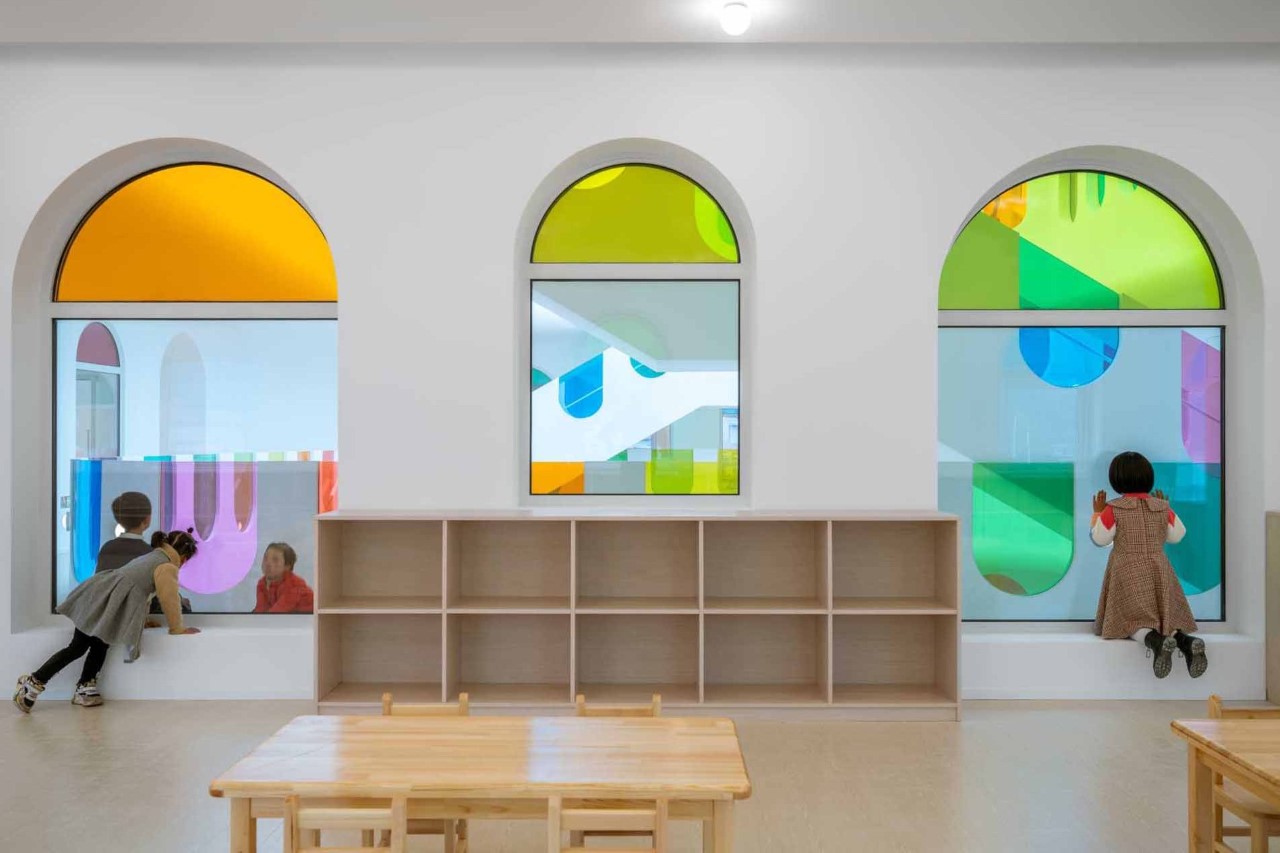
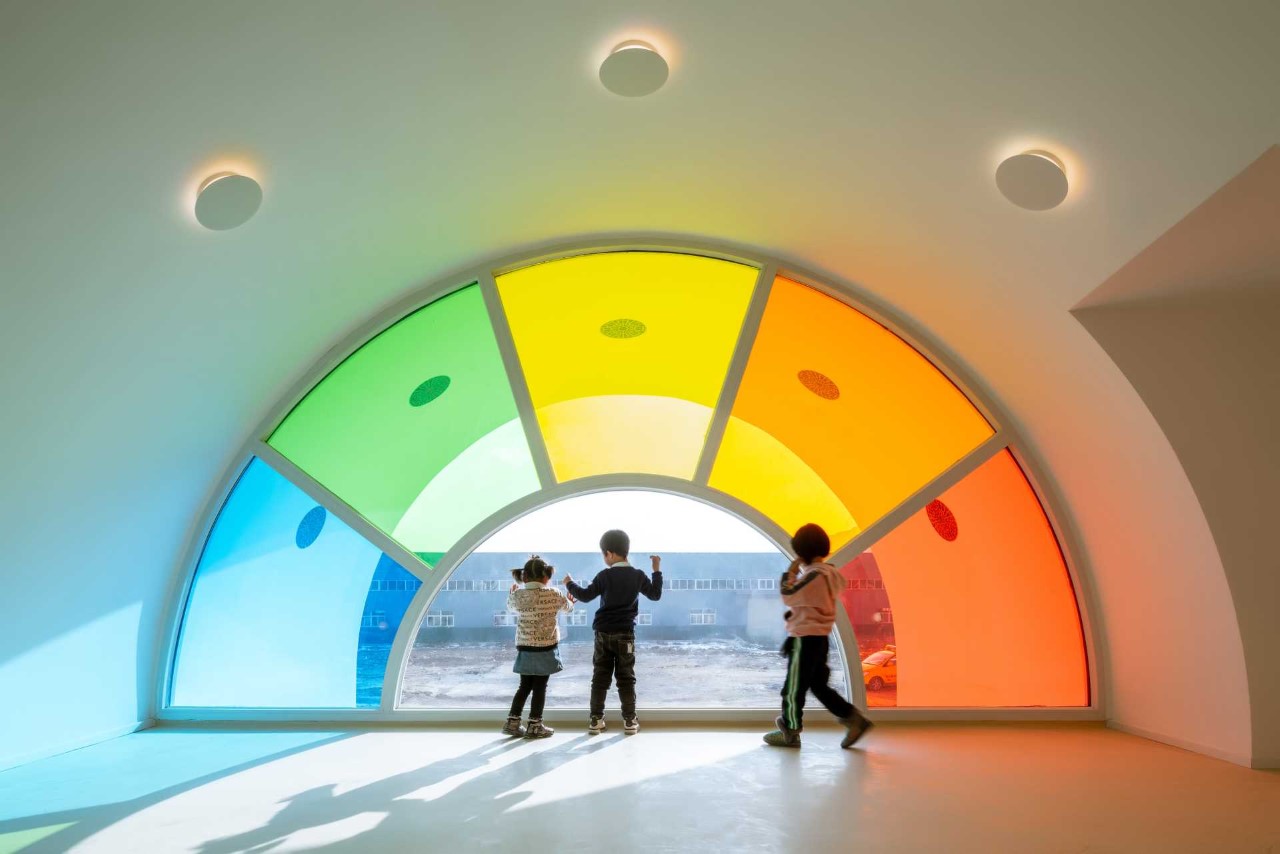
The kindergarten’s design philosophy revolves around stimulating children’s imagination and creativity. During the day, sunlight filters through the colored glass, casting a vibrant tapestry of lights and shadows across classrooms, invoking a sense of play and discovery. At night, the scene transforms as the building’s interior lights emit a beautiful glow, creating a stunning visual spectacle from the outside.

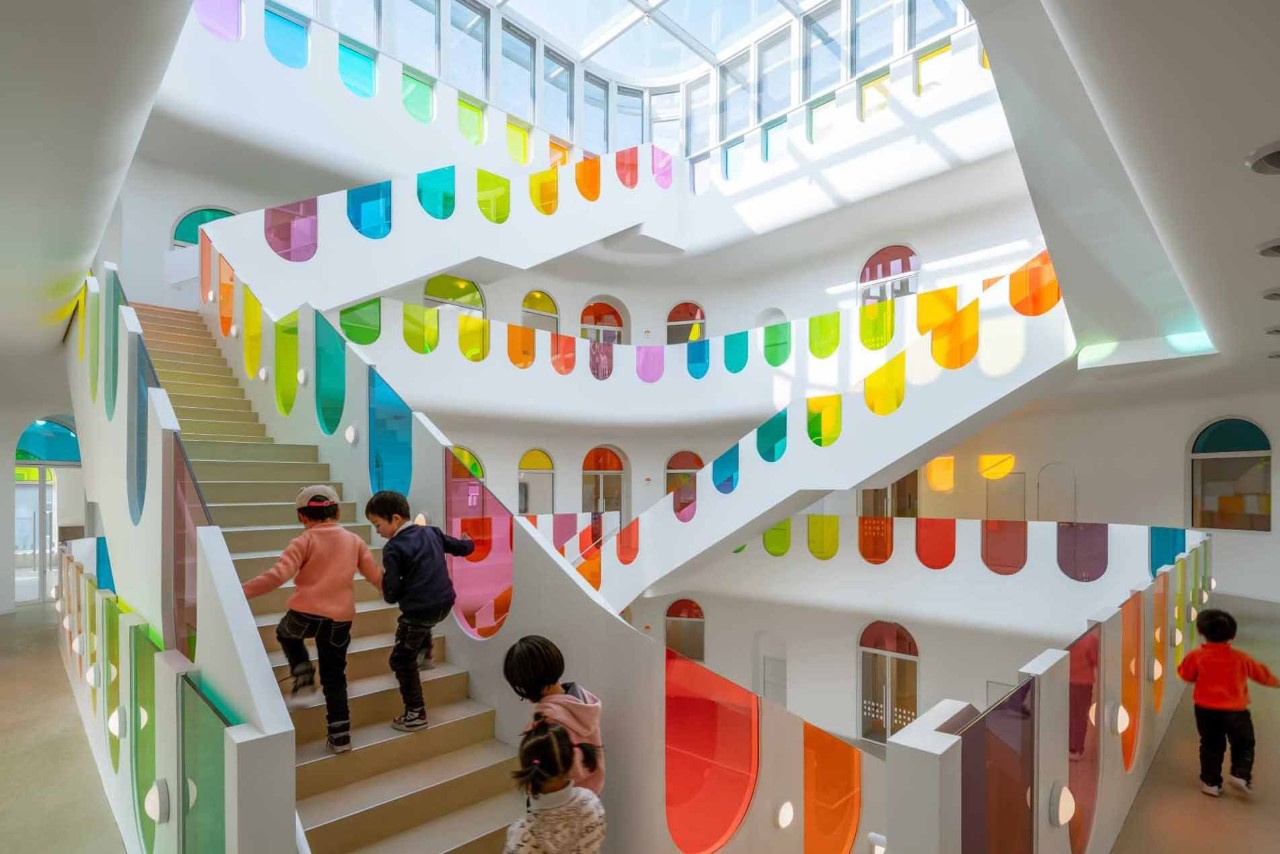
A central feature of the design is the three-story open atrium, crowned with a massive glass ceiling. This space is multifunctional, suitable for activities throughout the year, thanks to its floor heating and air conditioning systems. Moreover, windows around the atrium can be opened for ventilation during summer or closed to retain heat in the colder months​​​.

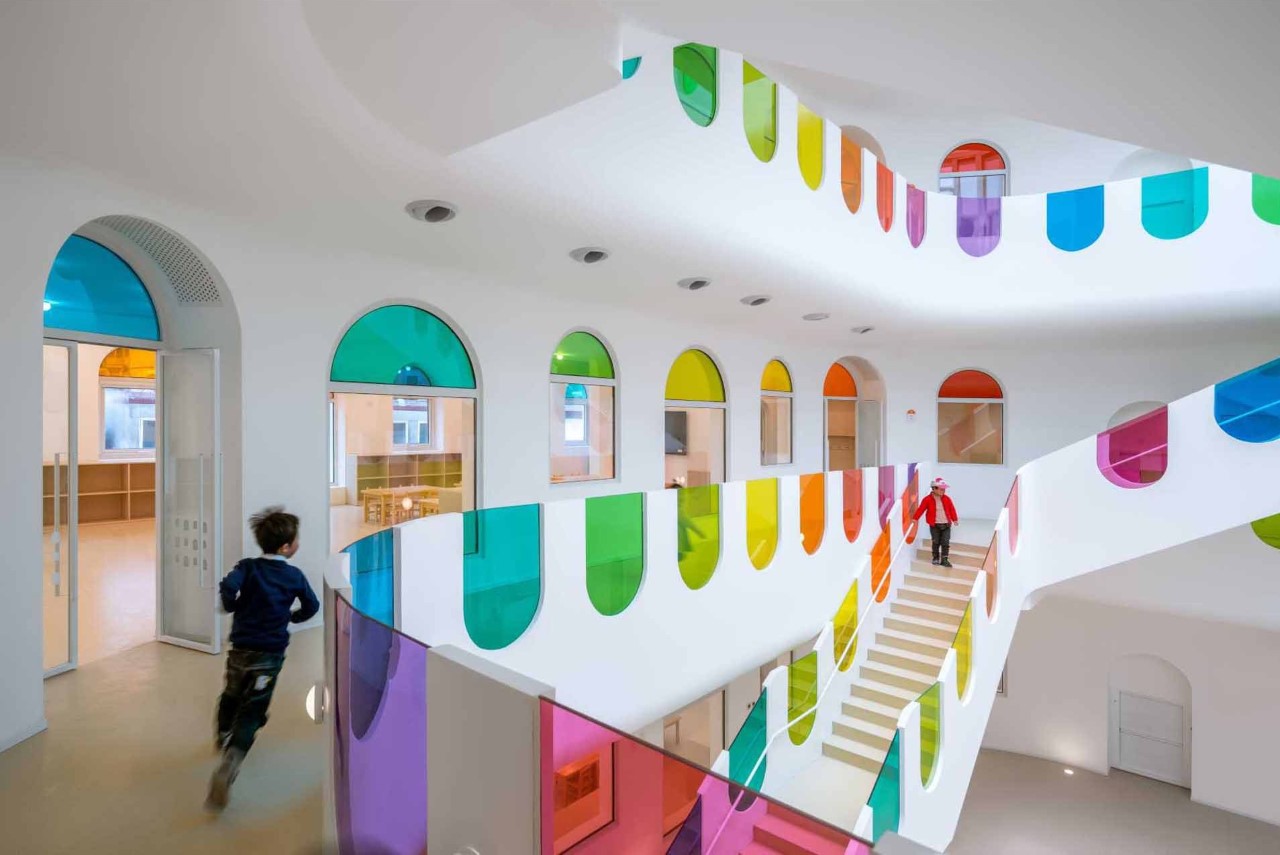
The heart of the building is its atrium, where sunlight, refracted by colored glass, dances across the interior, creating an ever-changing kaleidoscopic effect. The glass, applied to handrails and windows, forms colored shadows in various shapes that morph throughout the day as the sun’s angle changes. This dynamic interplay of light and color makes the space an engaging and stimulating environment for the young minds it nurtures​​​​.

Architecturally, the kindergarten pays homage to the local heritage. The use of arched openings throughout the building draws inspiration from the traditional cave-like dwellings of the Loess Plateau, on which Tianshui City is situated. These arched windows, varying in size and scattered across the building, give it a whimsical appearance, reminiscent of a birthday cake​​​.

The Tianshui Kindergarten’s architecture focuses on sustainability too, with the strategic use of natural light significantly reducing the reliance on artificial illumination. Additionally, the building’s design includes adaptive features like windows that can be opened for ventilation in summer or sealed to conserve heat in winter, demonstrating a keen awareness of the local climate. This thoughtful integration of sustainable practices ensures that the kindergarten’s architecture is a broader lesson for its occupants too, allowing them to appreciate how sustainability is seen less as a compromise and more as a wonderful design direction!

Lastly, the rooftop playground offers a safe and enjoyable space for children, providing panoramic views of Tianshui City. This feature ensures that as the children grow, they will carry with them memories of a unique and inspiring learning environment, fostering a deep sense of pride in their hometown.

The post This Colorful Kindergarten gives young children the feeling of being inside a Kaleidoscope first appeared on Yanko Design.