Most market stalls are, at best, an afterthought. You’ve seen them: mismatched canopies, folding tables dragged out from a storage room, zip-tied banners flapping in the wind. The sellers are talented, the products are wonderful, and the setup looks like it was assembled in fifteen minutes by someone who barely slept the night before. Nobody ever thought to make the stall itself part of the experience. Until now, apparently.
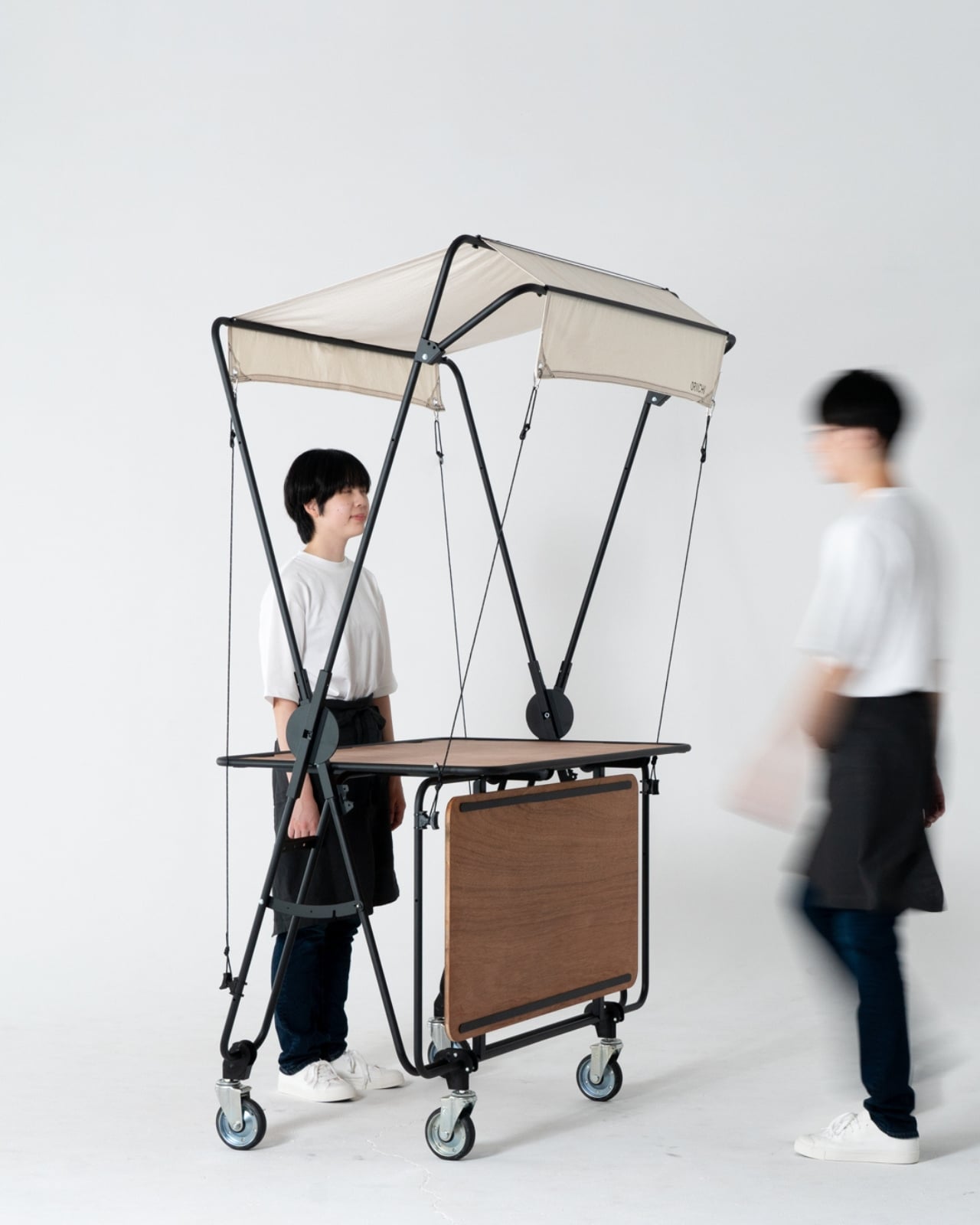
Oriichi is a foldable market stall designed by N&R Foldings Japan Co., and it recently claimed a spot among the iF Design Award 2026 winners in the Product Design and Public Design category. Looking at it, the recognition makes complete sense. This isn’t just a better version of a folding table with a canopy tacked on. It’s a considered piece of urban furniture that asks a genuinely interesting question: what if the infrastructure of a pop-up market was as carefully designed as the products being sold inside it?
Designer: N&R Foldings Japan Co
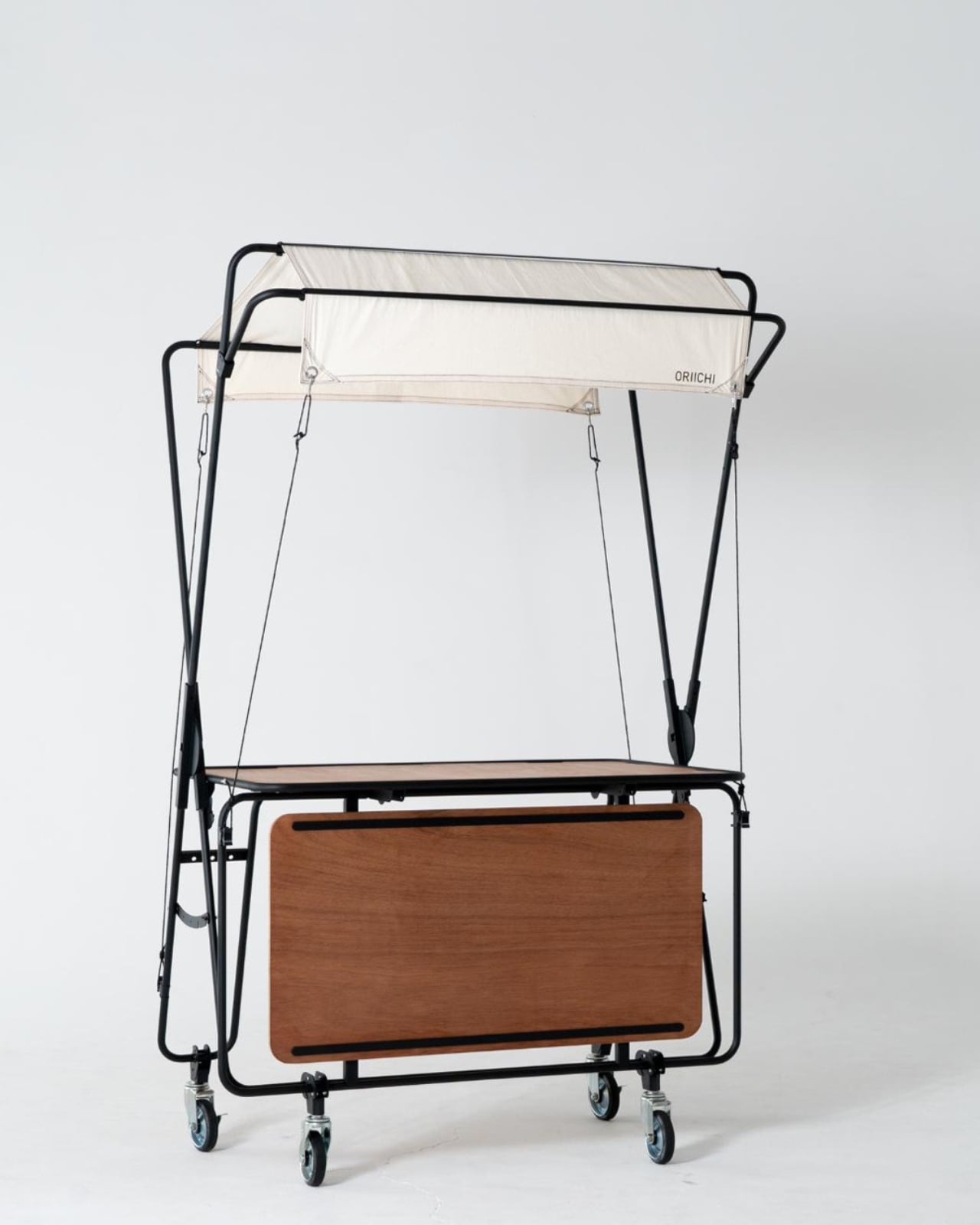
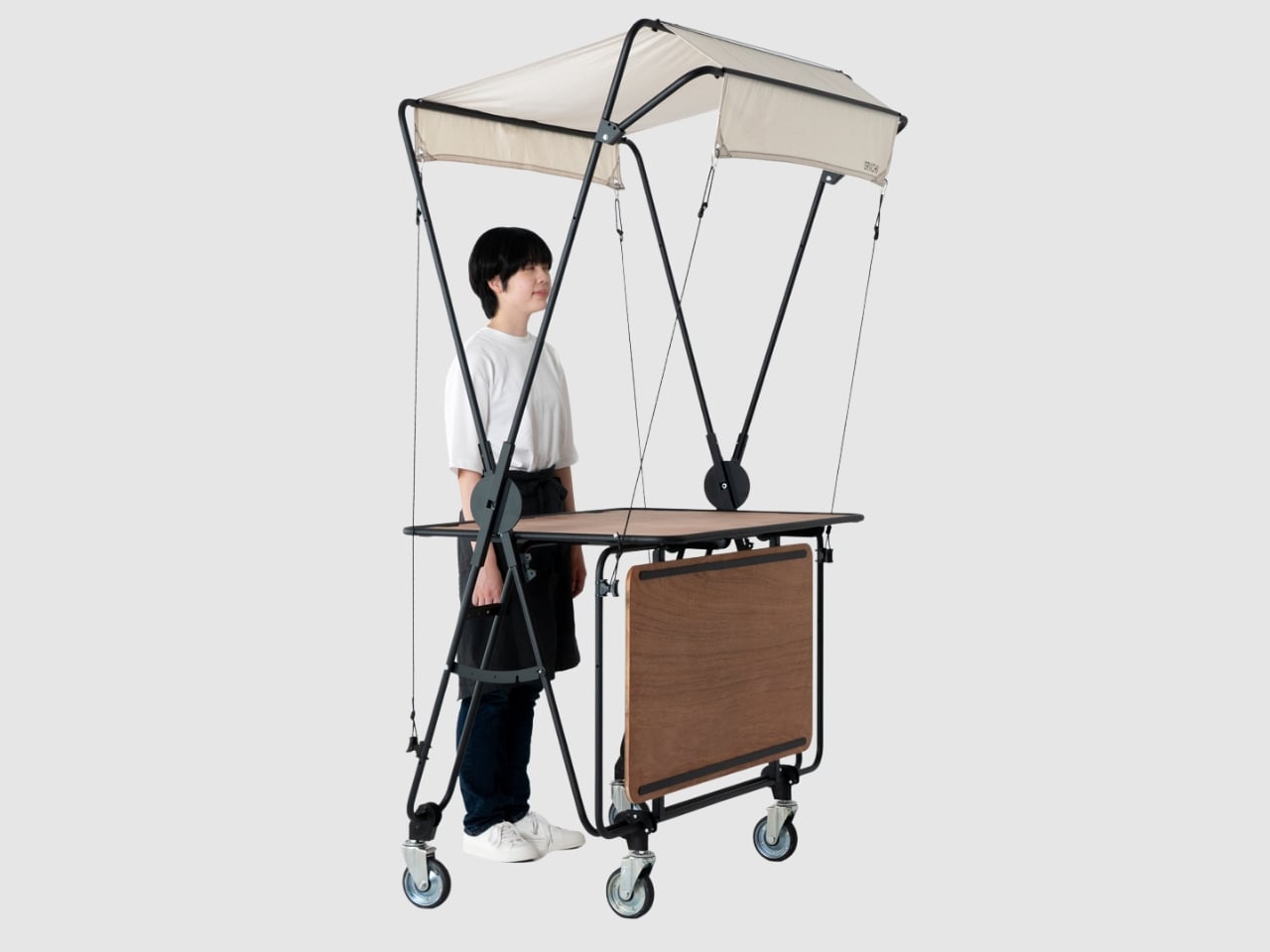
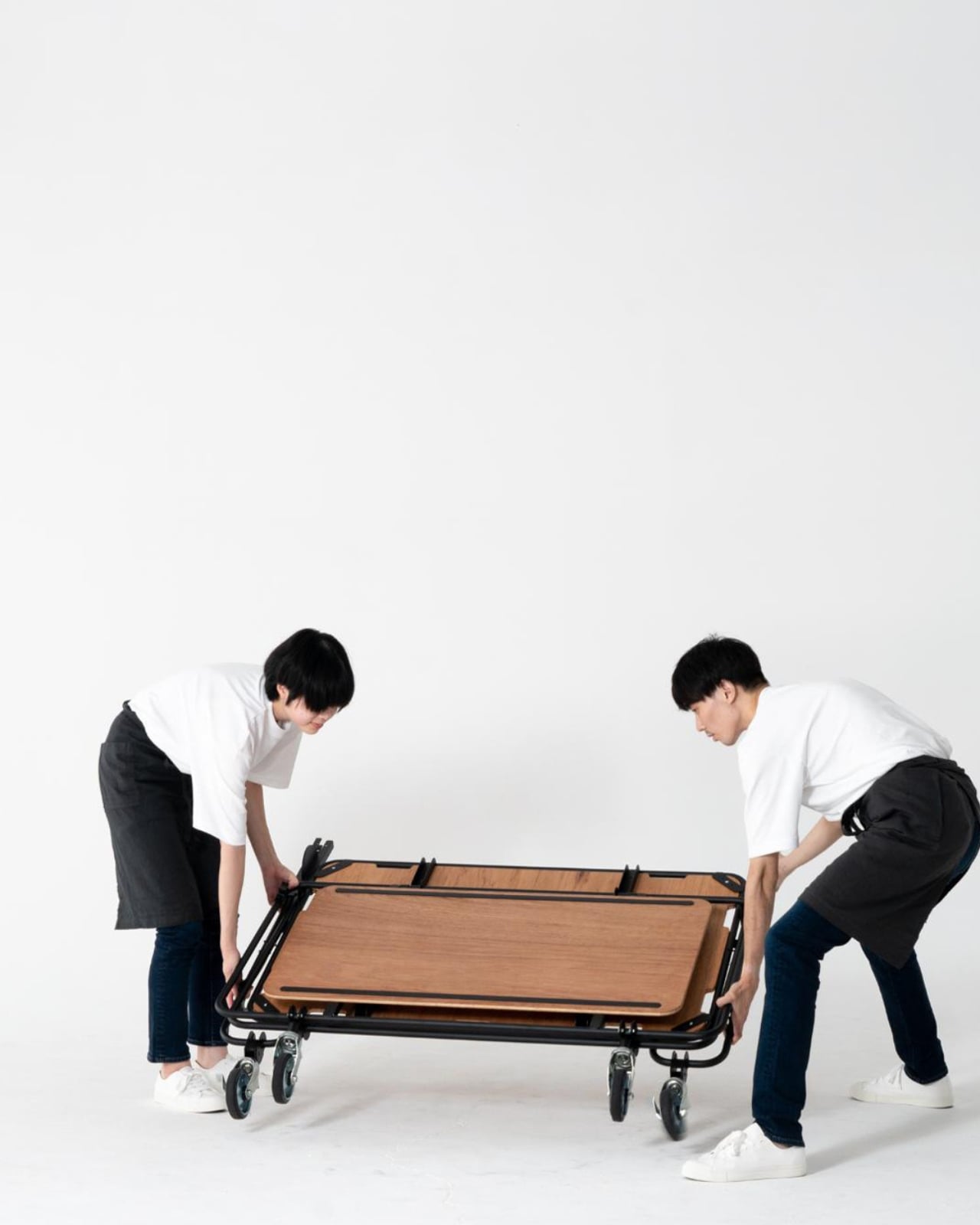
The answer, at least visually, is striking. The structure is clean and architectural, built around a matte black metal frame with crossed legs that recall both origami geometry and classic market cart silhouettes. A cream canvas canopy sits on top, and a warm wood-finished surface functions as the display counter. On casters, it rolls easily, which matters enormously for vendors who have to transport, set up, and pack down multiple times a week. The whole unit folds into four distinct configurations, making it adaptable to different venues, whether that’s a wide outdoor plaza, a narrow indoor corridor, or anything in between.
The design team clearly thought about the vendor experience first. Setup time, portability, structural stability, and visual consistency were all baked into the brief. When you see Oriichi deployed across an actual market, as the photos show, the effect is immediately readable. The stalls share a visual language without being identical, which gives the market a cohesive, curated feel without turning everyone into a clone. That balance is harder to achieve than it sounds.
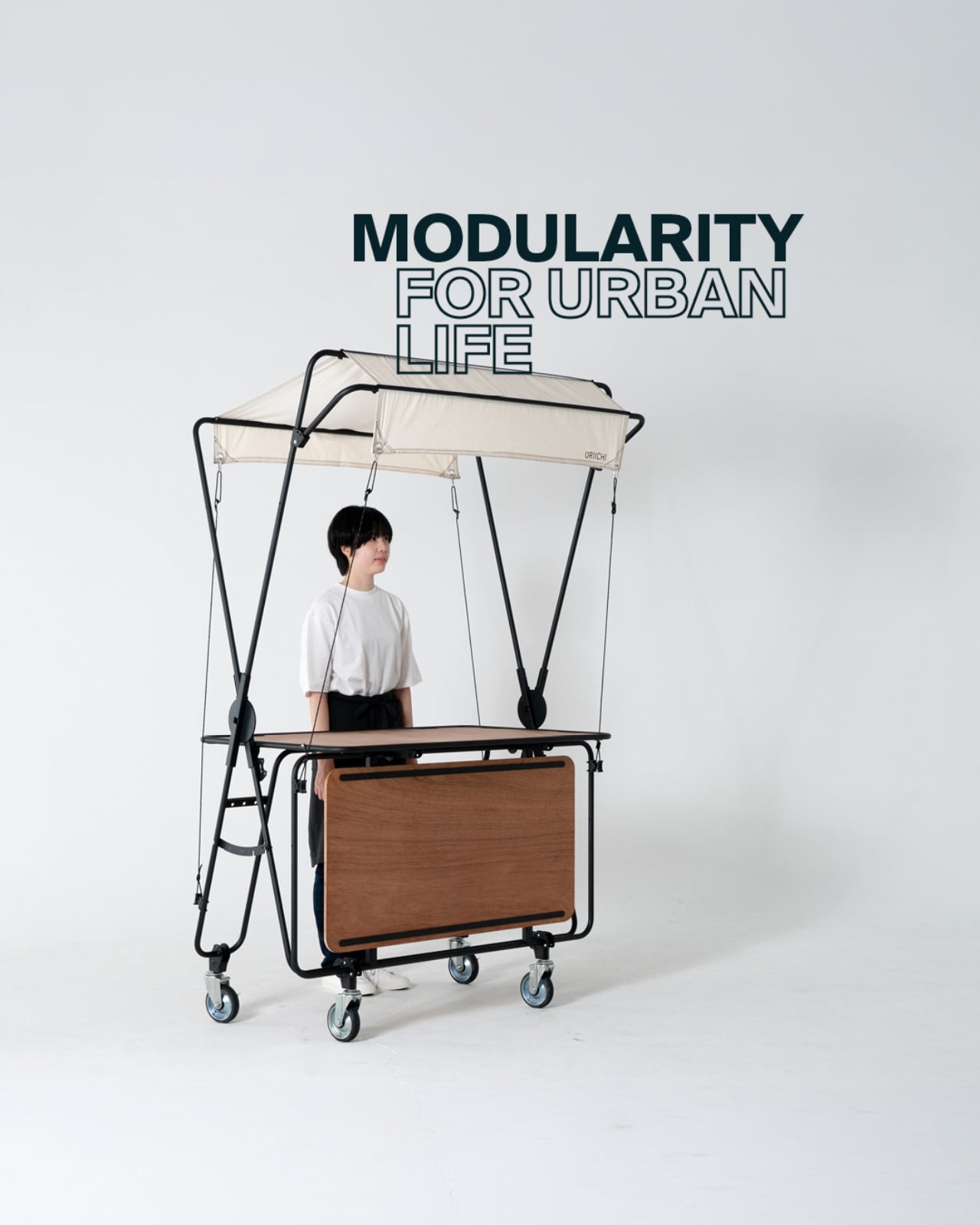
From a design philosophy standpoint, this feels very Japanese. The idea of making something functional also beautiful, of applying craft thinking to infrastructure rather than just objects, runs deep in Japanese design culture. N&R Foldings Japan is making a clear bet that the temporary nature of pop-up markets doesn’t mean the design has to feel temporary. Durability and reuse are built into Oriichi’s material and structural choices, which puts it squarely in the conversation about sustainable urban design without making that the centerpiece of the pitch.
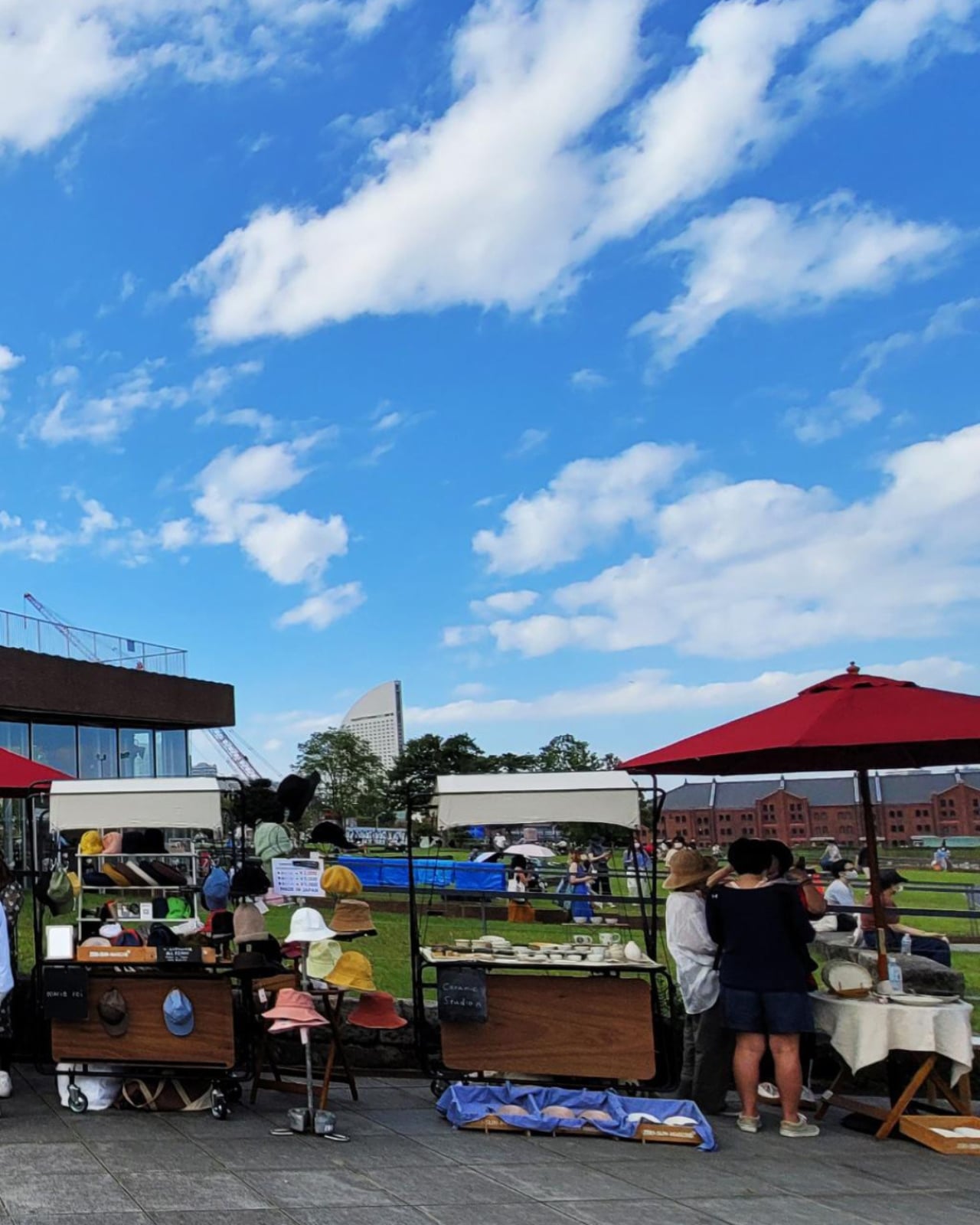
The bigger idea here is worth sitting with. Pop-up markets have become one of the most relevant commercial formats of the last decade. They’re how independent designers, food vendors, artists, and makers reach customers without committing to permanent retail space. Yet the physical infrastructure supporting these markets has largely been ignored by the design world. A tent is still a tent. A folding table is still a folding table. Oriichi treats those market vendors like they deserve better, and by extension, treats the people shopping there like they deserve better too.
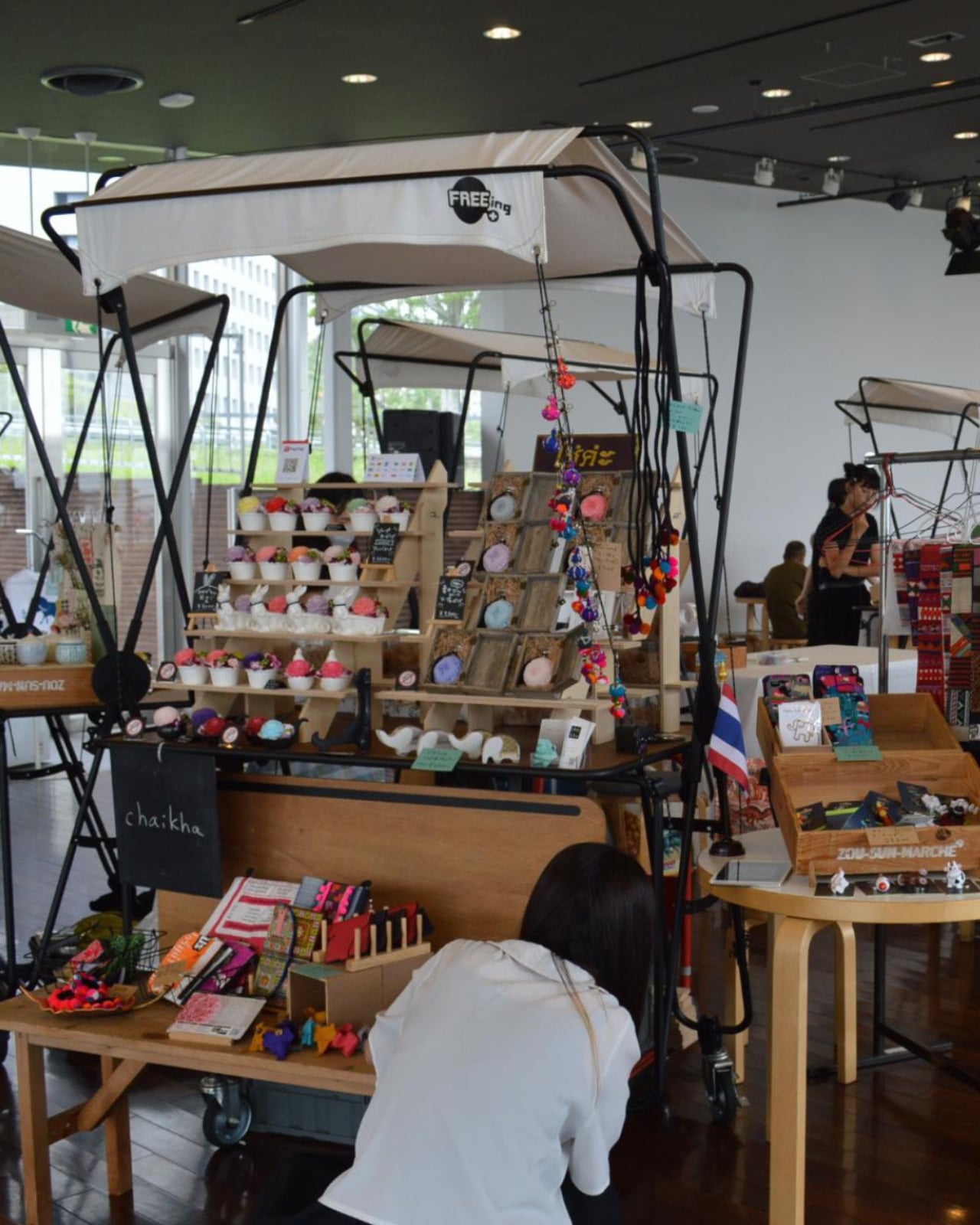
It also raises an interesting point about urban space. Streets and plazas look different when the things occupying them are designed with intention. A well-designed market stall doesn’t just serve its vendor. It contributes to the visual and social texture of the street, making the space feel more alive, more human, more worth lingering in. Oriichi seems to understand that a market is never just a transaction. It’s a gathering.
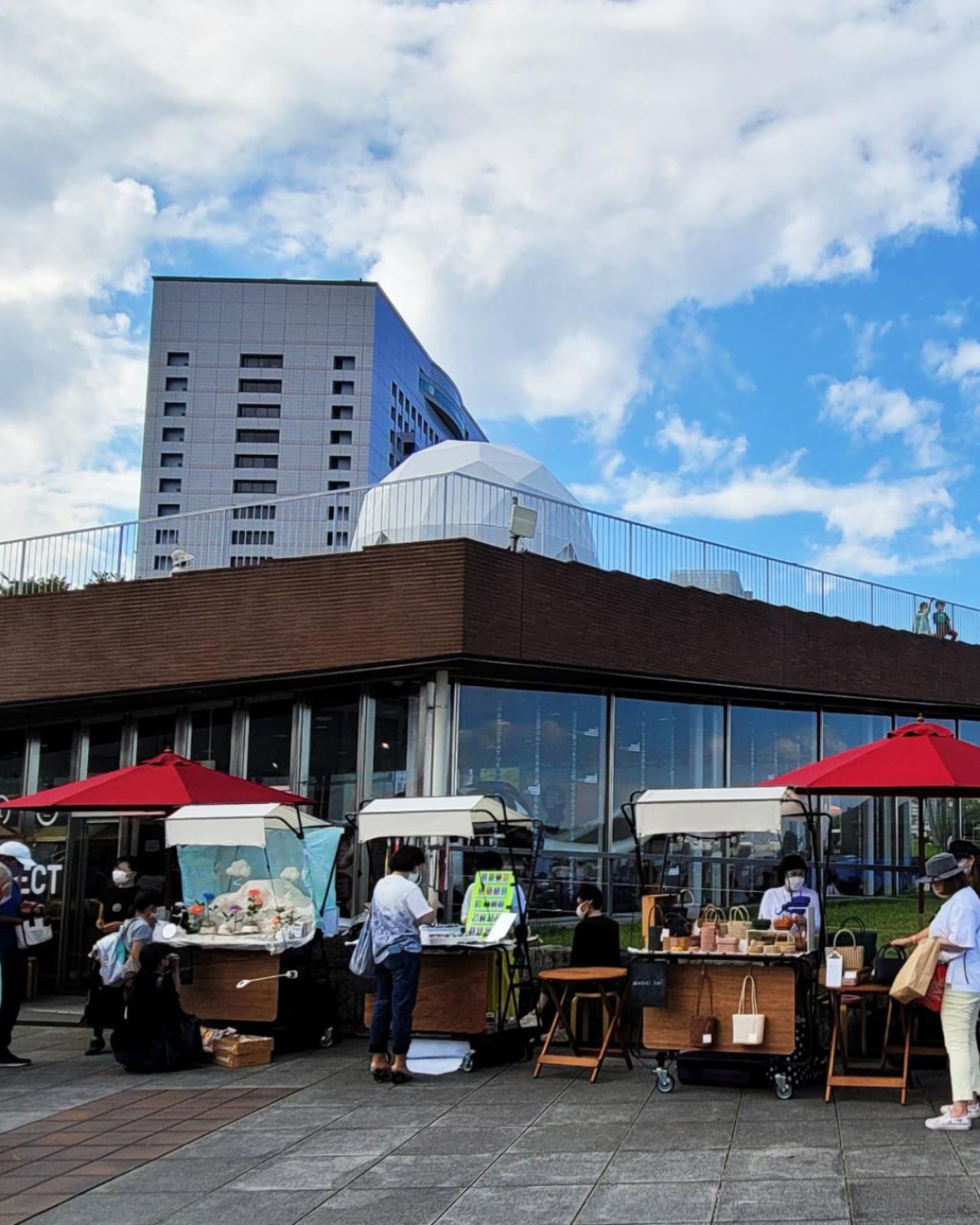
Whether it becomes widely adopted depends on cost, logistics, and availability, and those details aren’t yet public. But as a design statement, it lands. It’s a rare piece that makes you wonder why nobody solved this problem sooner, and then immediately grateful that someone finally did.
The post Japan Just Redesigned the Humble Market Stall first appeared on Yanko Design.