This Concept Car’s AI Slows Down When It Finds a Scenic Road

Modern life has made genuine rest surprisingly hard to come by. Homes are saturated with obligations, travel gets consumed by itineraries, and the spaces that are supposed to support recovery often fall short. Young people in particular are navigating a kind of exhaustion that doesn’t come from a lack of free time, but from a lack of environments that actually know how to be still.

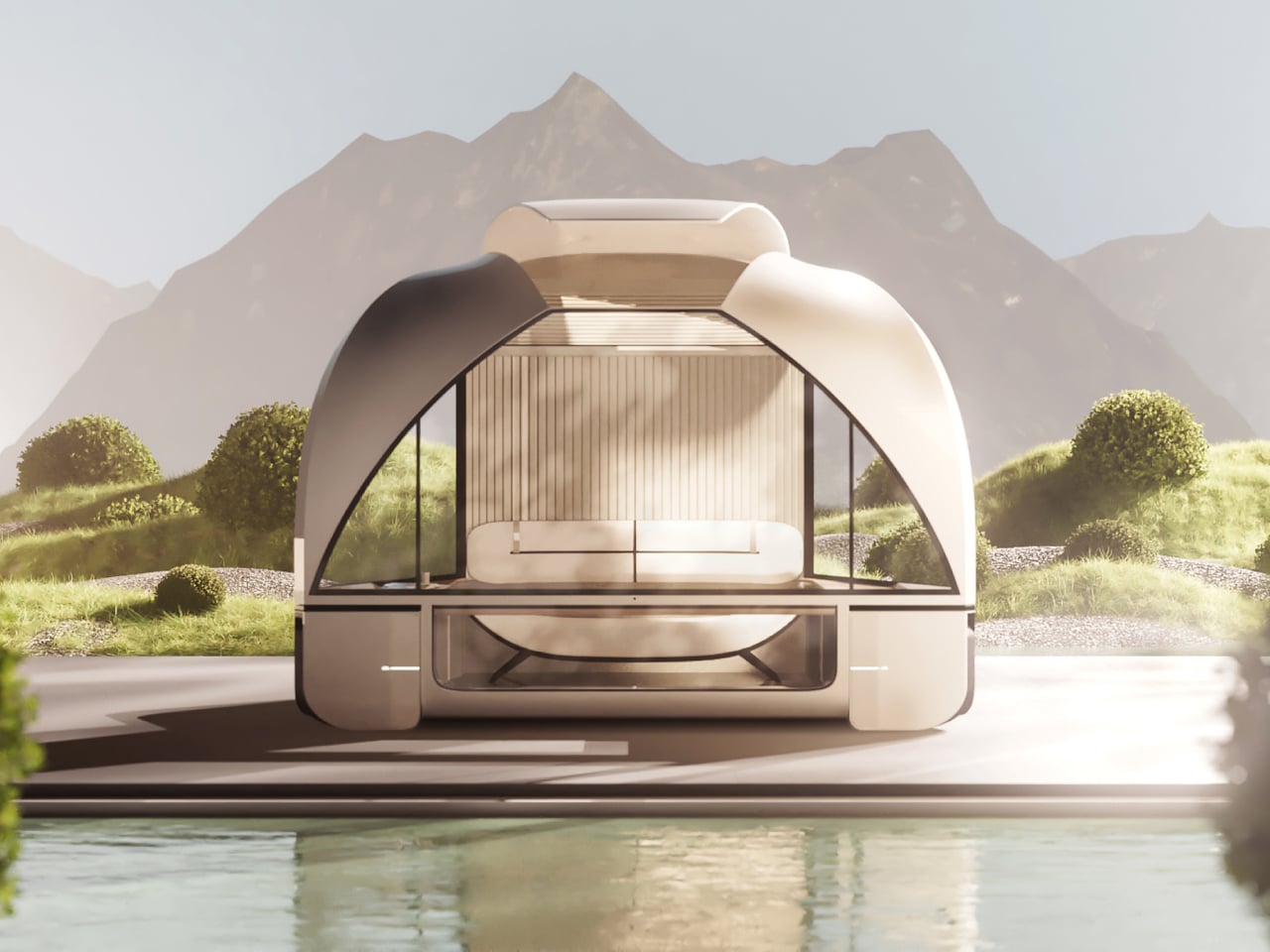
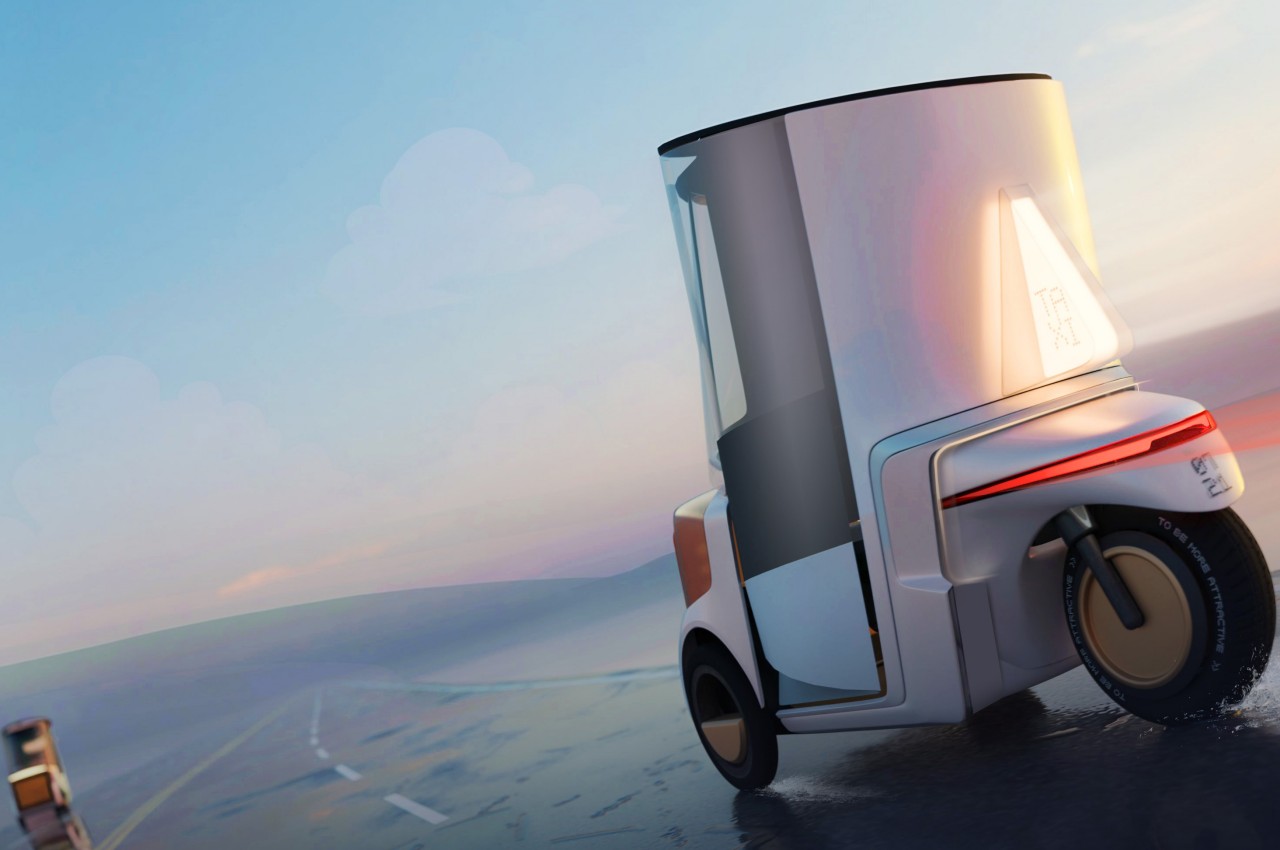
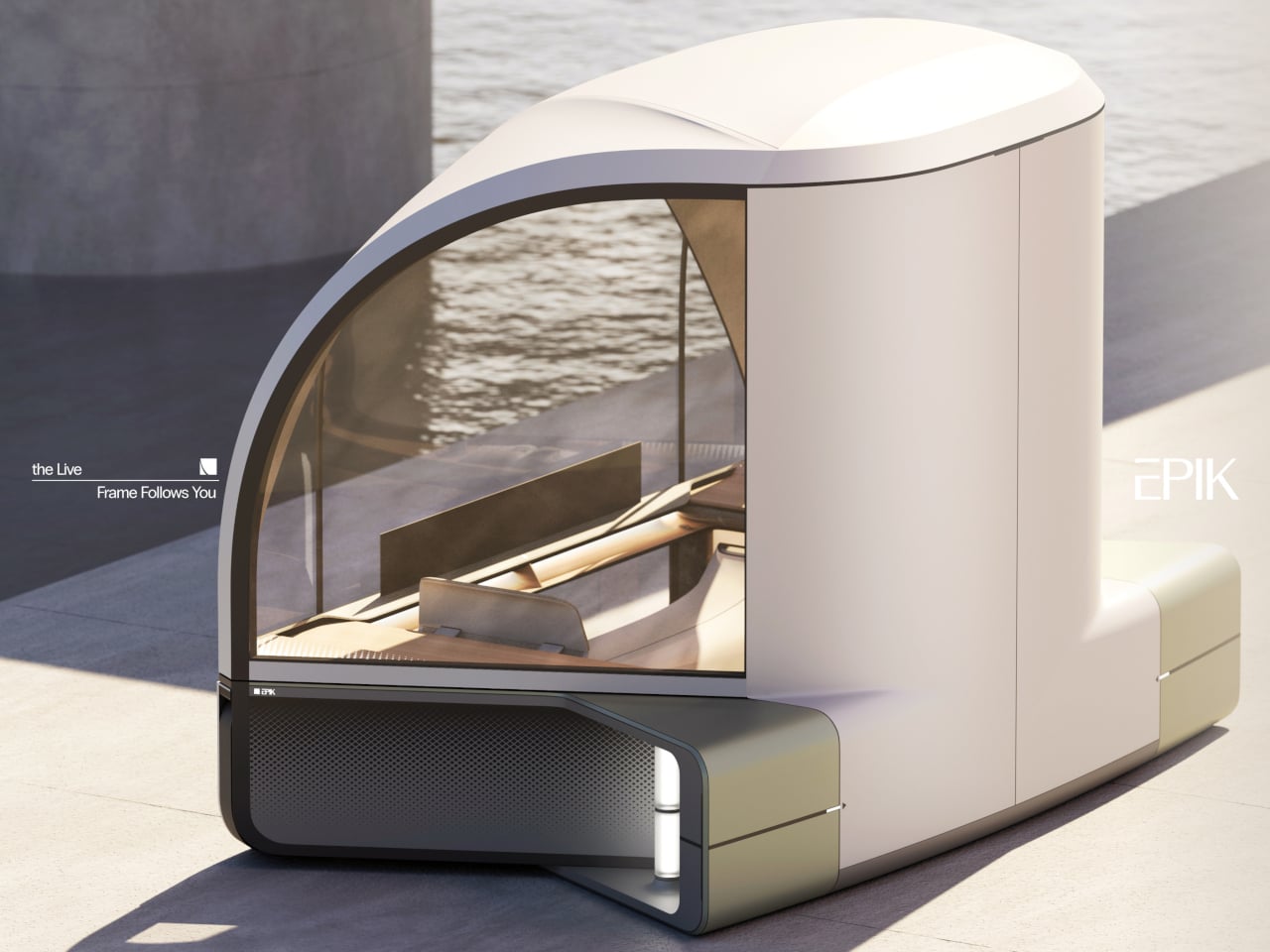
Epik is a mobility concept that addresses this at its root. Rather than packing more comfort into transit or filling trips with more activities, it takes a different route entirely: nature and light, the things that already surround you but go unnoticed, become the primary tools for rest. The vehicle reimagines the journey as a second home that moves with you and adapts entirely to your intentions.

Deisgners: Ellie Ahn, Shirley Cheon, Changdong Min, Geonhoo Son
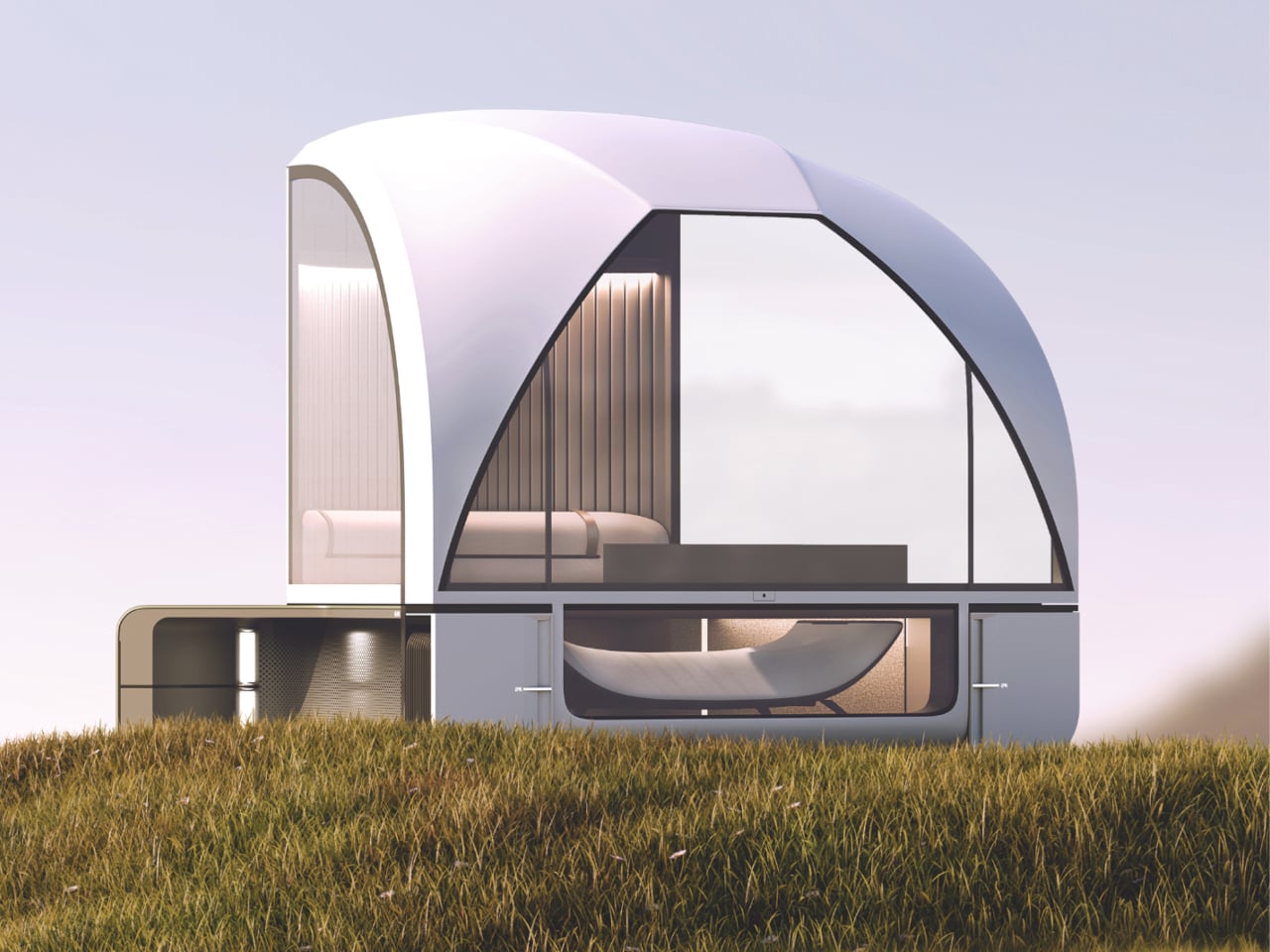
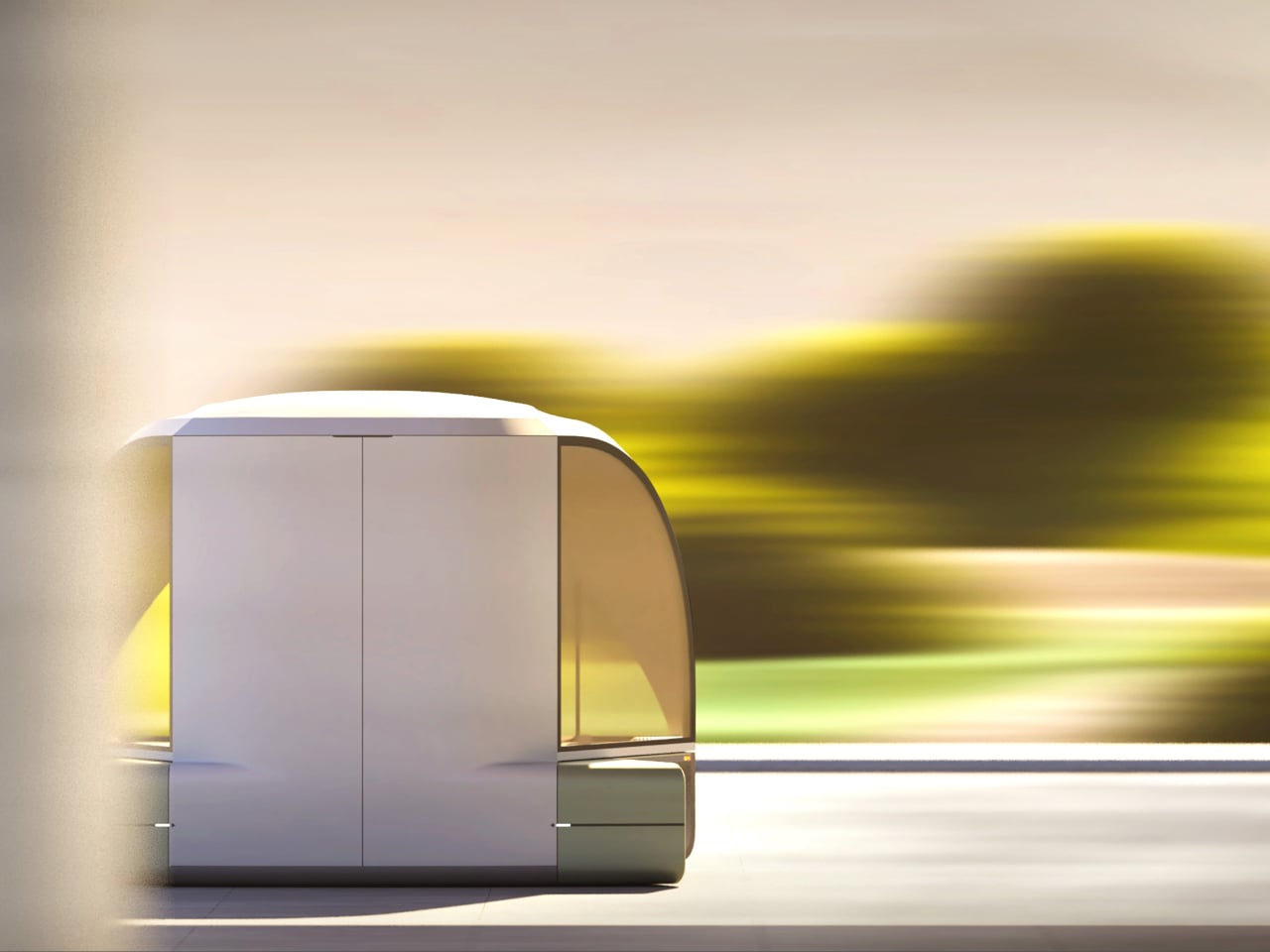
The exterior form draws from the architecture of an auditorium, with a broad, arched glass canopy that gives the interior an immersive, wide-angle view of whatever lies outside. This isn’t incidental; it’s the entire premise. Epik calls this the “Live Frame,” treating the vehicle less like a transport pod and more like a moving window that actively captures and amplifies the surrounding scenery.
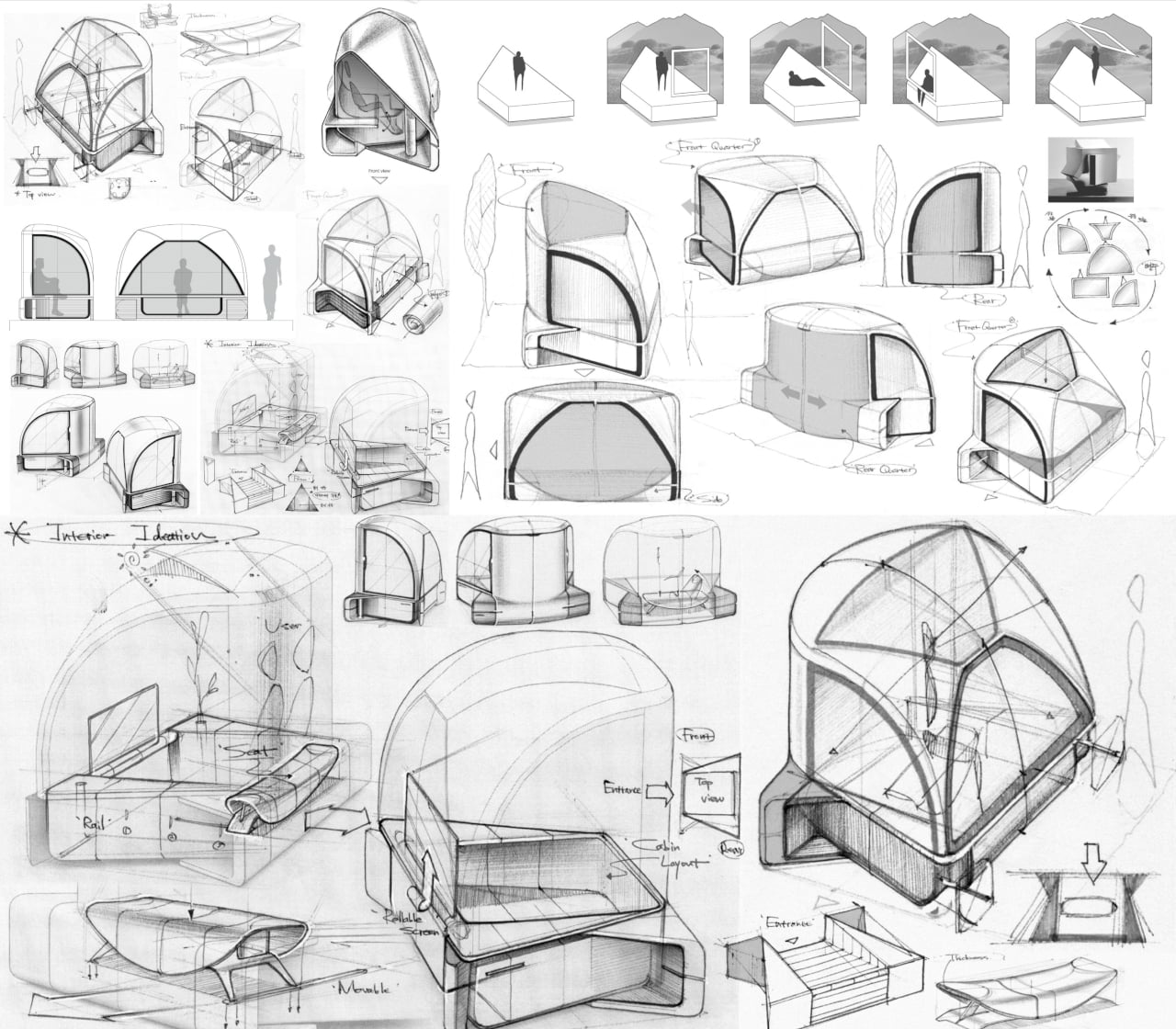
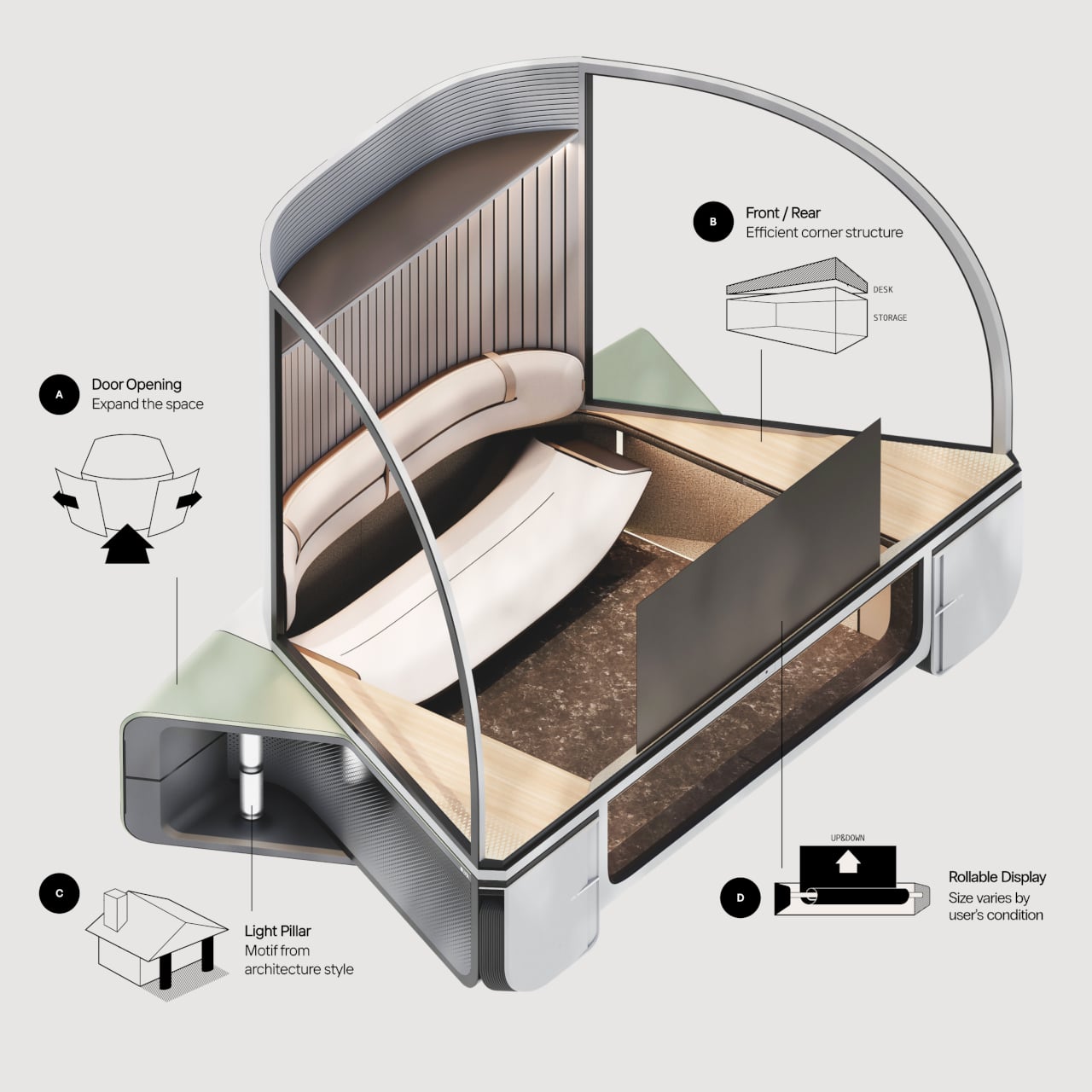
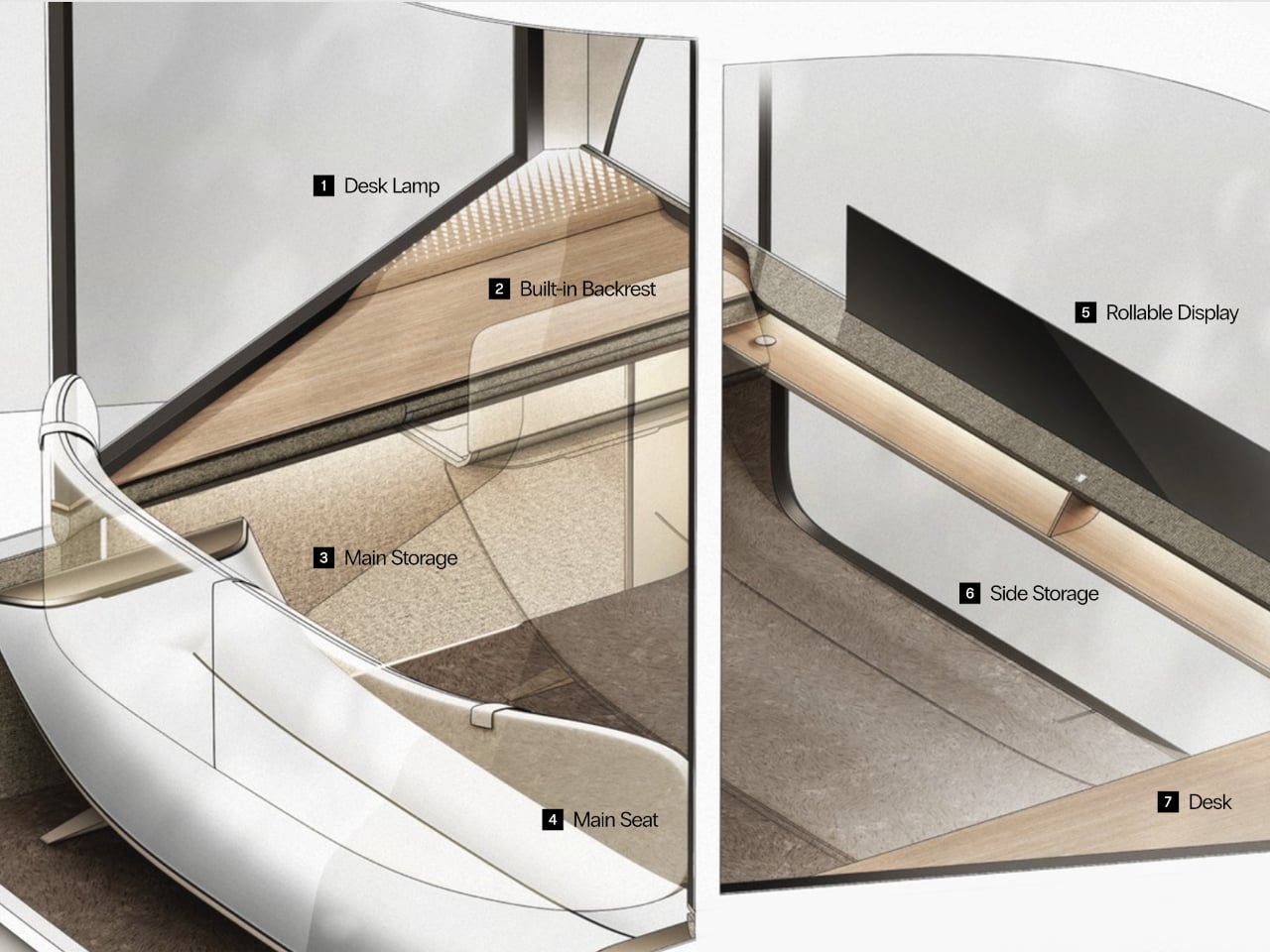
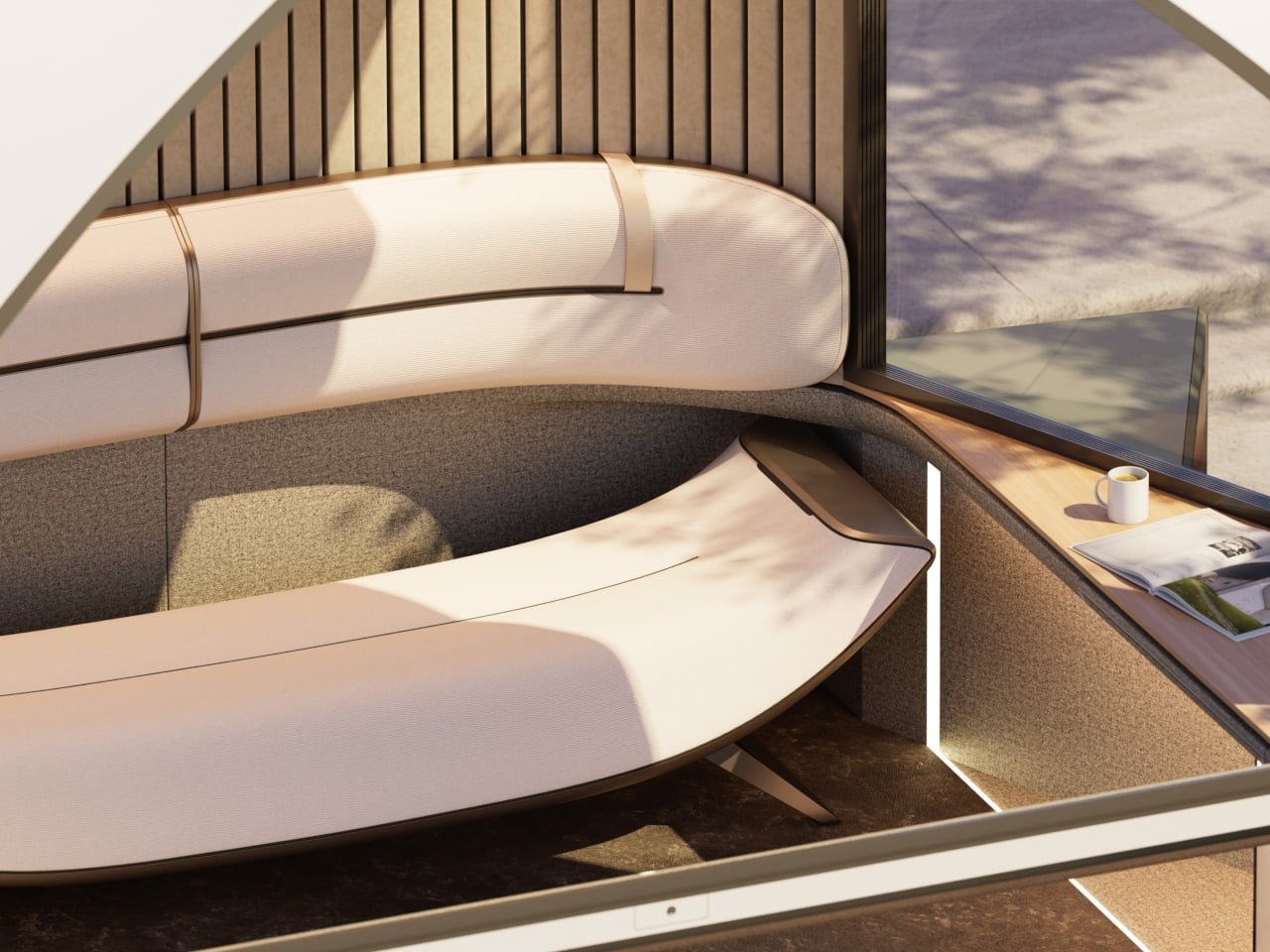
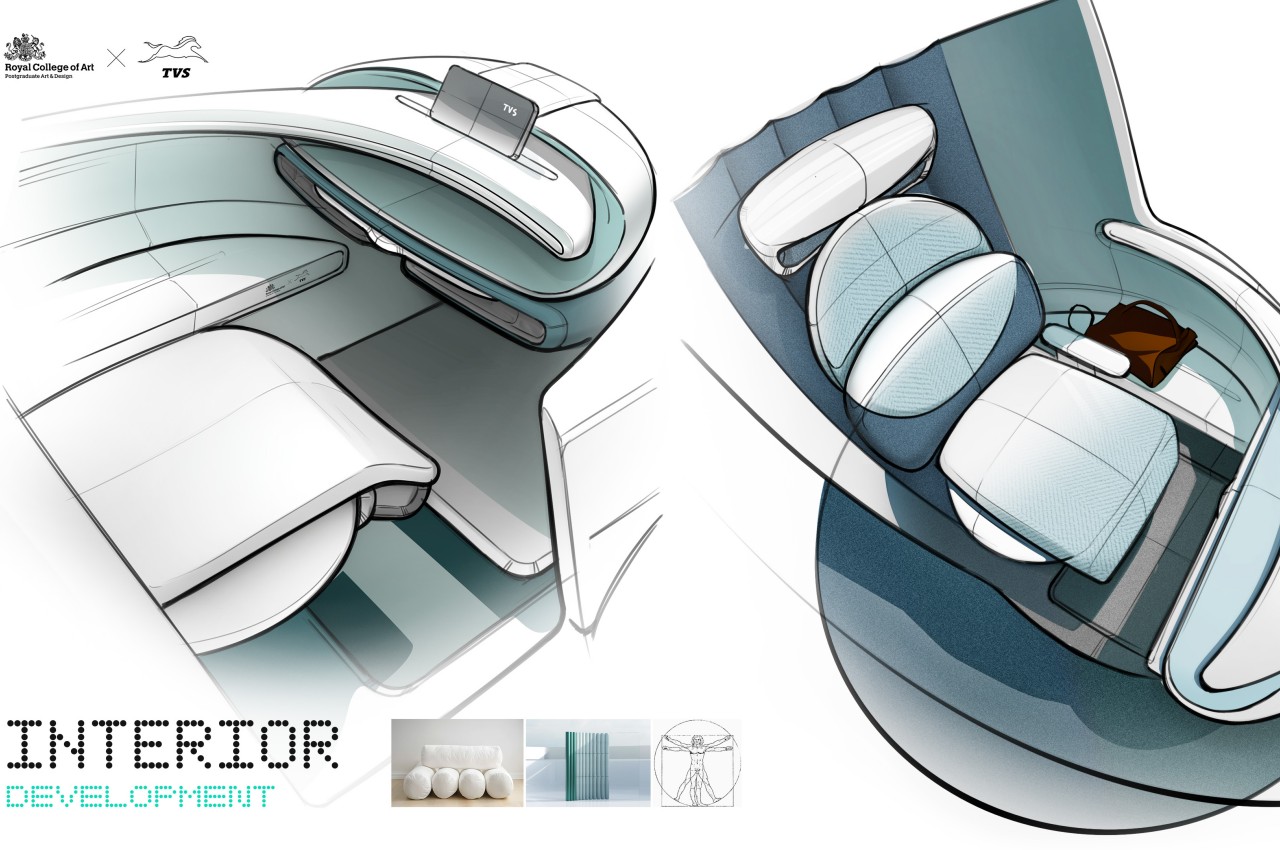
Inside, the compact cabin is built around flexibility rather than fixed arrangements. Doors and windows can open to varying degrees, inviting nature in or closing it out. A rollable display changes size depending on what the occupant wants to do, while corners that would otherwise go to waste are repurposed as storage and a small work surface. The same space can hold one person alone or two people together.
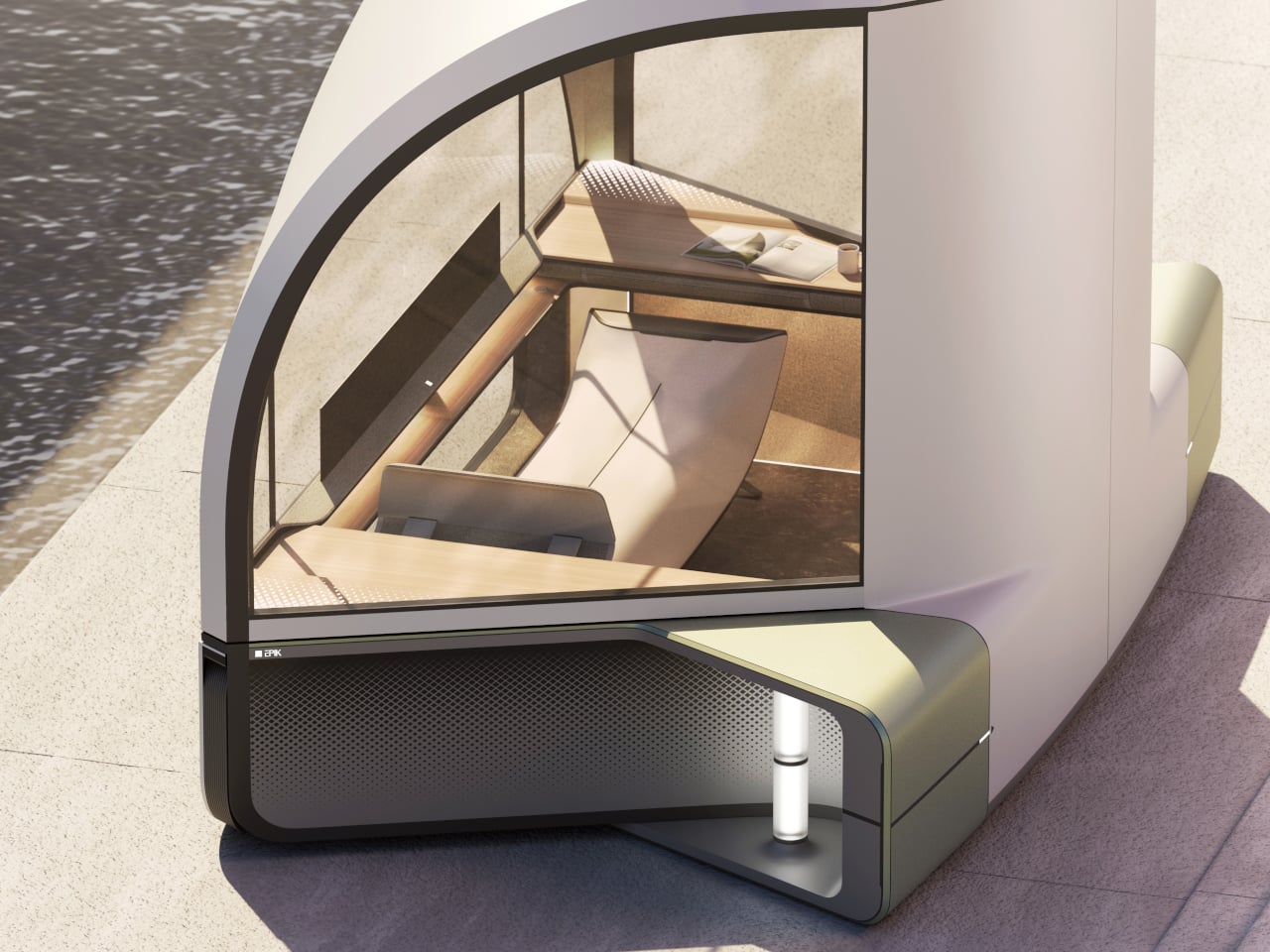
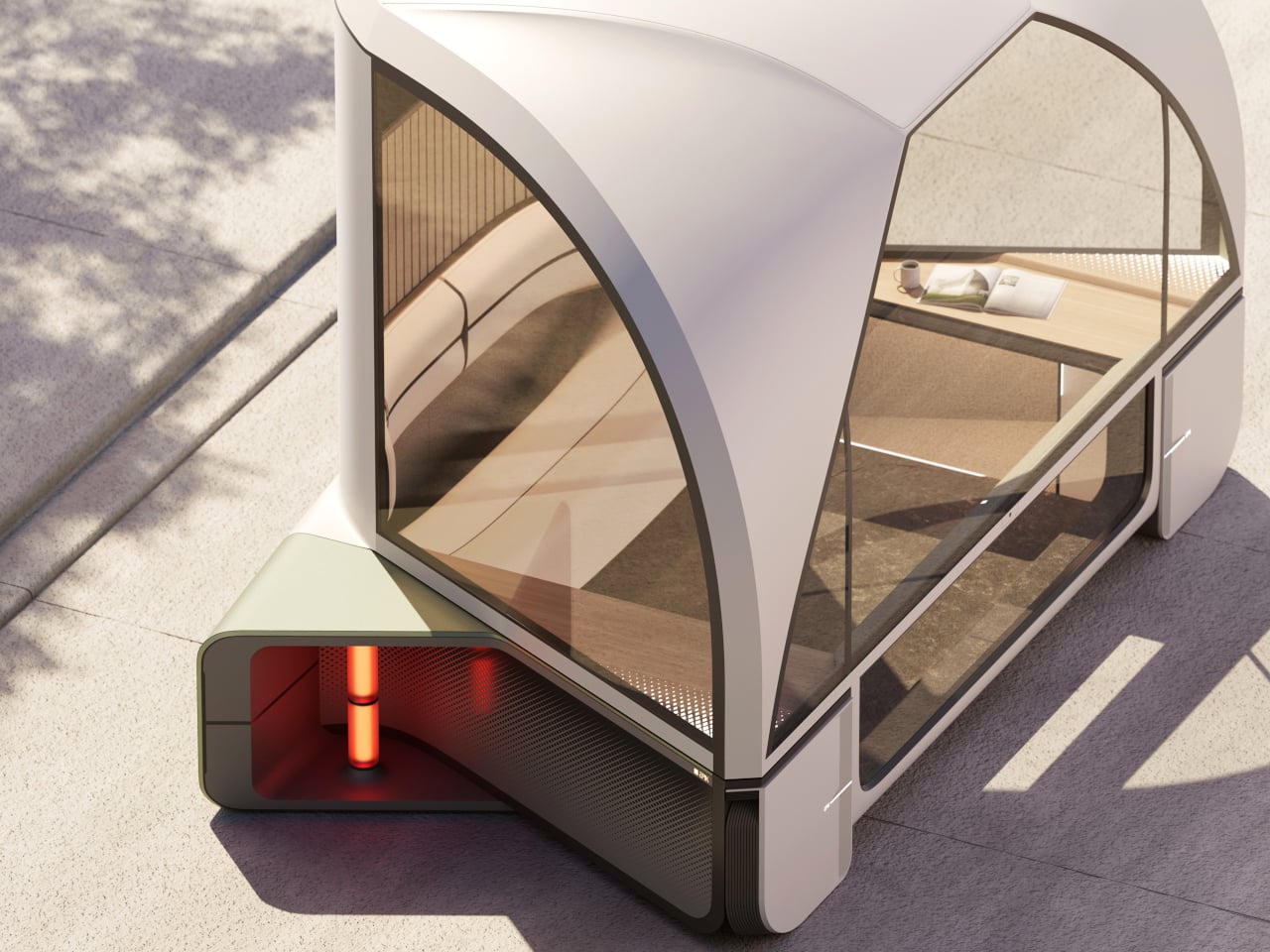
On a trip through mountain country, Epik’s Scenic Mode detects beautiful stretches of road and quietly slows the vehicle, adjusting window angles to frame the best view, almost as if the pod itself is composing a photograph. The detours it suggests aren’t inconveniences; they’re the whole point. Every landscape encountered gets logged in the “Rest Timeline,” a running record of every journey worth remembering.
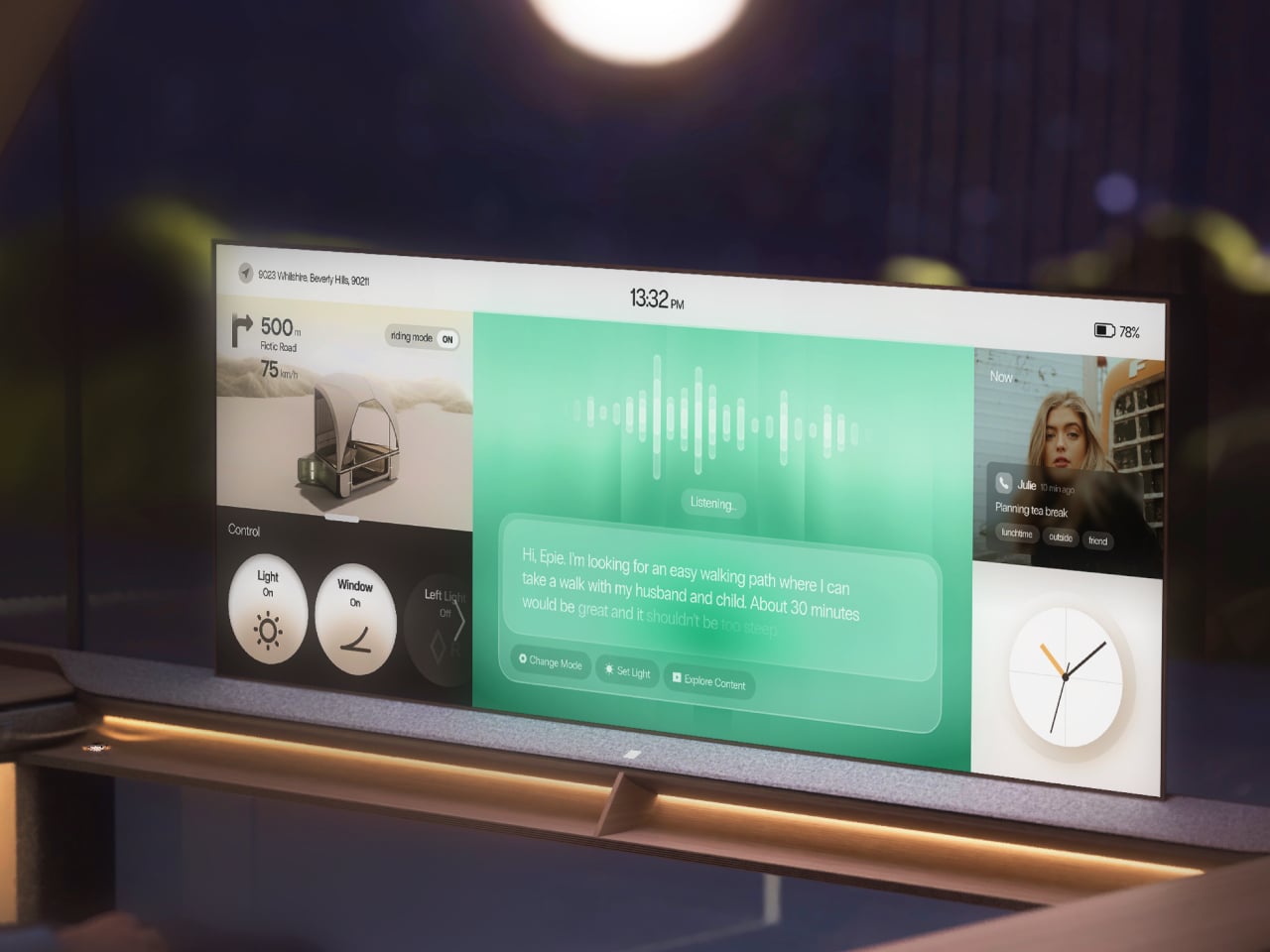

The onboard AI, called EPIE, learns the occupant’s routines, preferences, and how they typically spend time with the people around them. It reads mood signals through music and content choices, then gently nudges toward what comes next, whether that’s a nearby walking path, a quiet stop, or simply reconfiguring the cabin layout. For couples, it can even split the space into two personalized zones when schedules diverge.

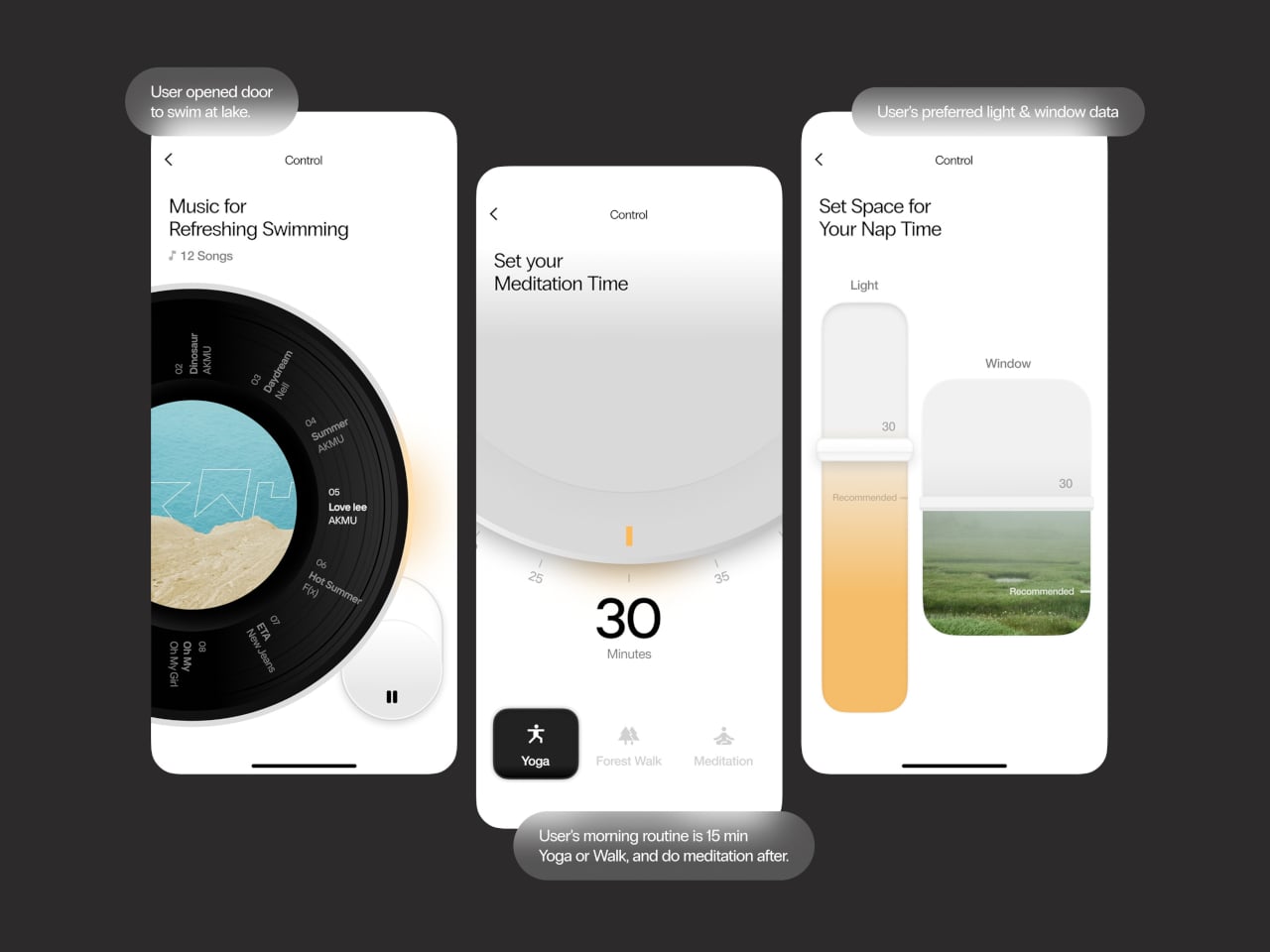
When there’s nothing more to do than absorb the moment, the interface knows to retreat. The screen takes on a skin drawn from the surrounding landscape, blending into the view, and only the most essential details, like weather and music, stay visible. Controls are modeled after analog buttons, using transparent textures so the display feels less like a gadget and more like a natural extension of the cabin walls.
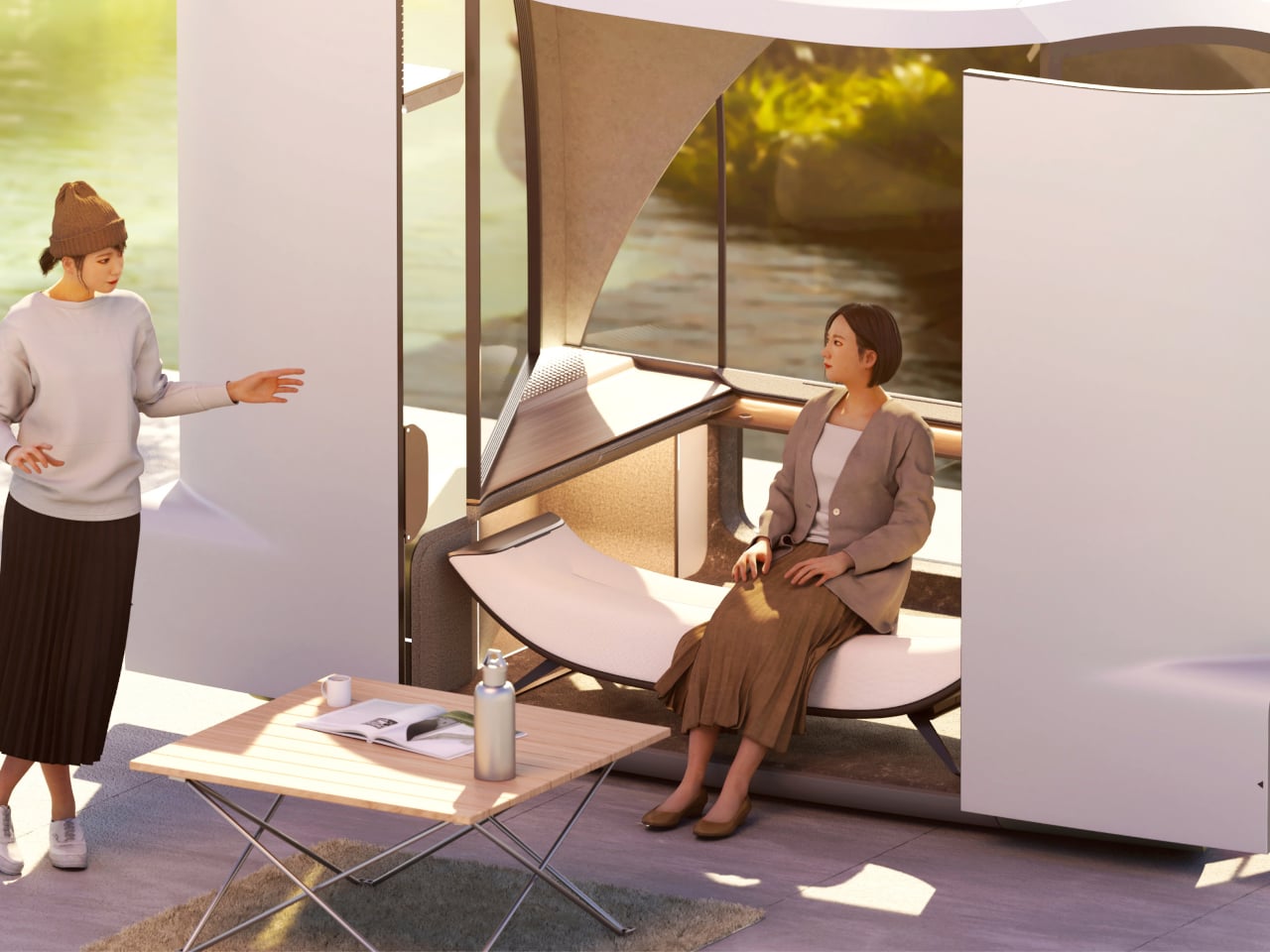

The idea that a vehicle could be primarily about rest rather than destination is still a rare one. Epik doesn’t claim you can find peace anywhere with the right pod, but it argues that the ingredients, specifically light, nature, and a space that listens, are far closer than most people realize. Getting somewhere just becomes the occasion for that rest, rather than the thing standing in its way.
The post This Concept Car’s AI Slows Down When It Finds a Scenic Road first appeared on Yanko Design.
Self-driving taxi for one concept is perfect for solo commuters

The majority of self-driving car concepts envision a future where family and friends take advantage of the freedom these vehicles offer. Even strangers, however, can also benefit from autonomous vehicles by making mass transit more efficient. Not all commuters, however, are comfortable traveling with strangers, and even self-driving sedans could be a waste of space and energy for these people. If self-driving vehicles are supposed to make traveling more efficient and, therefore, more environment-friendly, then they should also take into account the needs of solo commuters, which is exactly what this concept for a single-person autonomous taxi tries to do.

Designer: Tony Ma

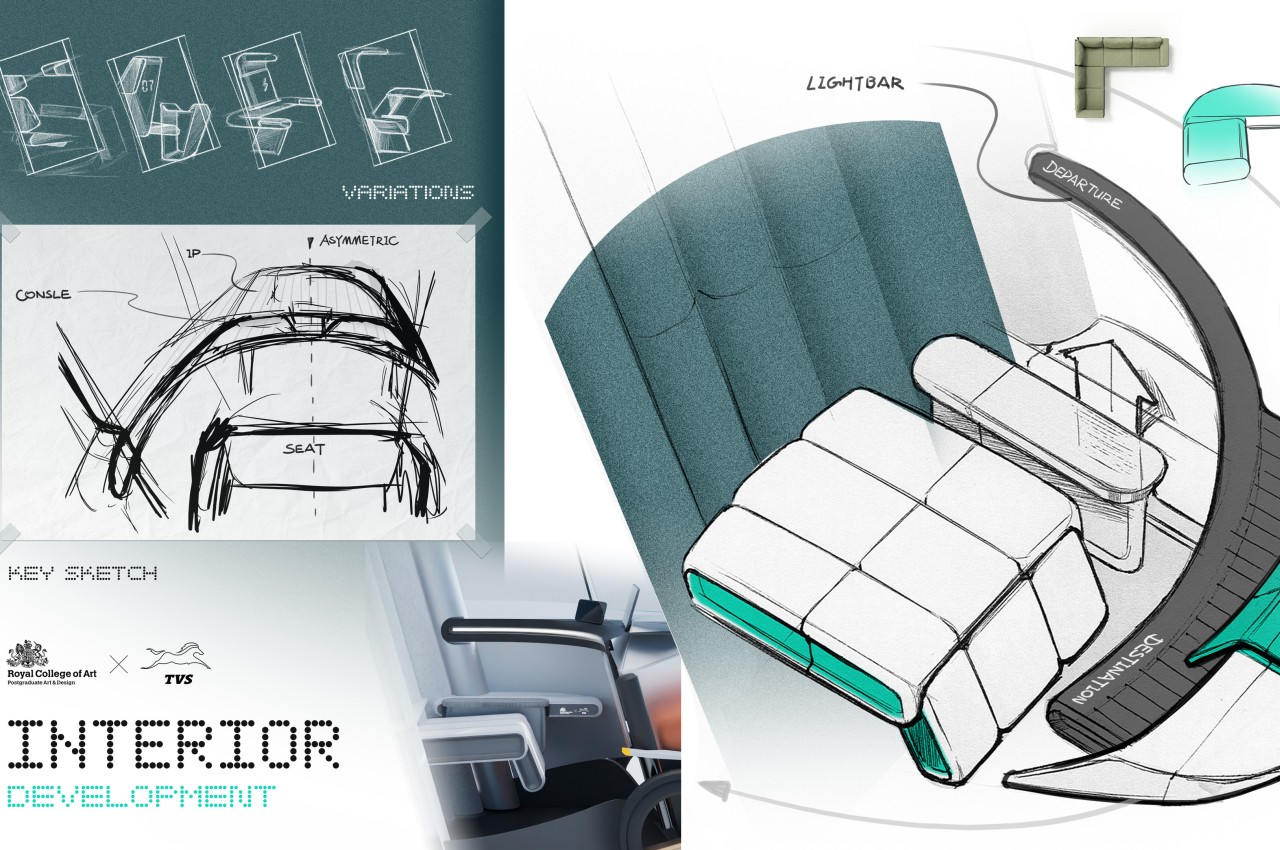
To be fair, not having to worry about driving while interacting with other people in the vehicle is one of the biggest pulls of the concept, but it’s not the most fundamental benefit. What autonomous cars offer is the freedom to do more important things other than almost mindless driving, whether it’s socializing, preparing for your next meeting, or even resting. Spending some alone time is not exactly easy if you’re traveling with others, whether they’re strangers or not, and having a four-passenger car all to yourself every day is a wasteful use of resources.

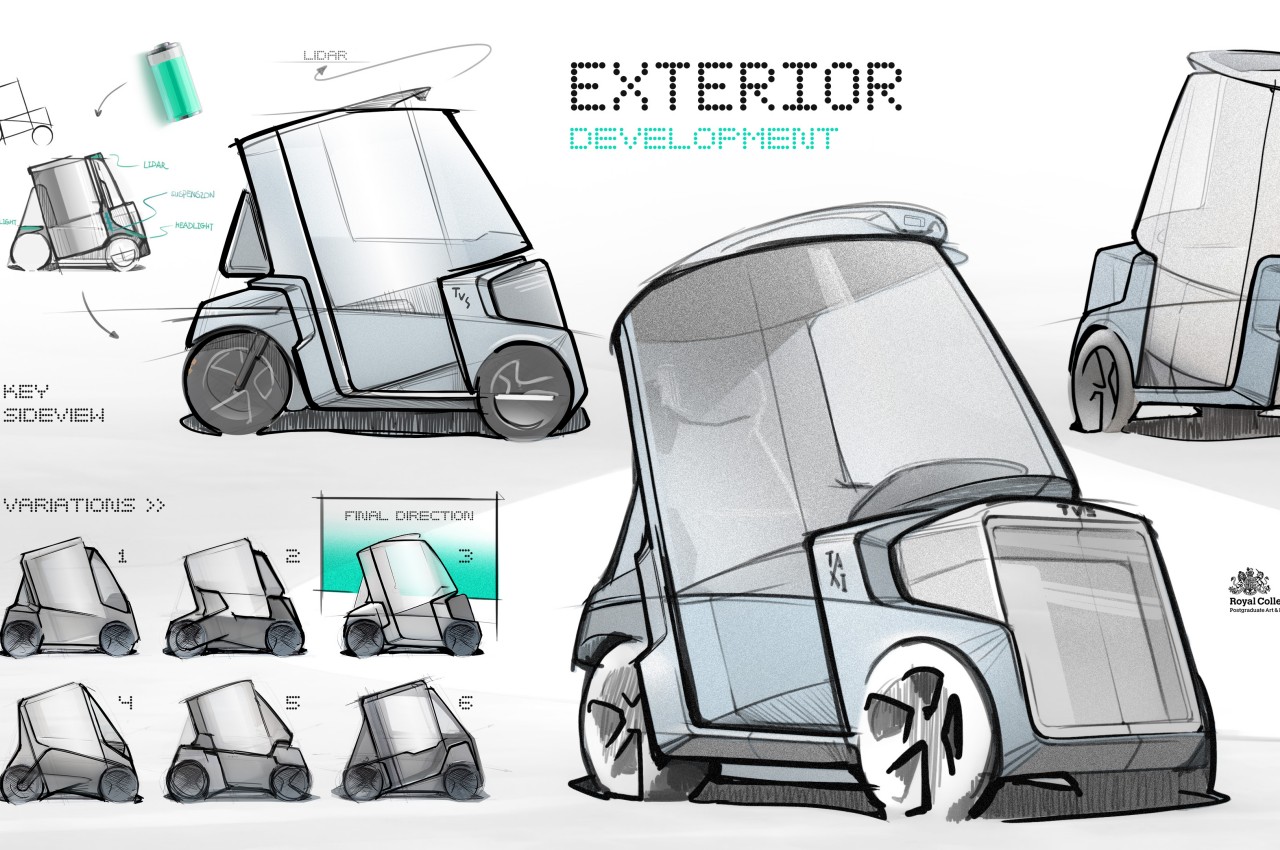
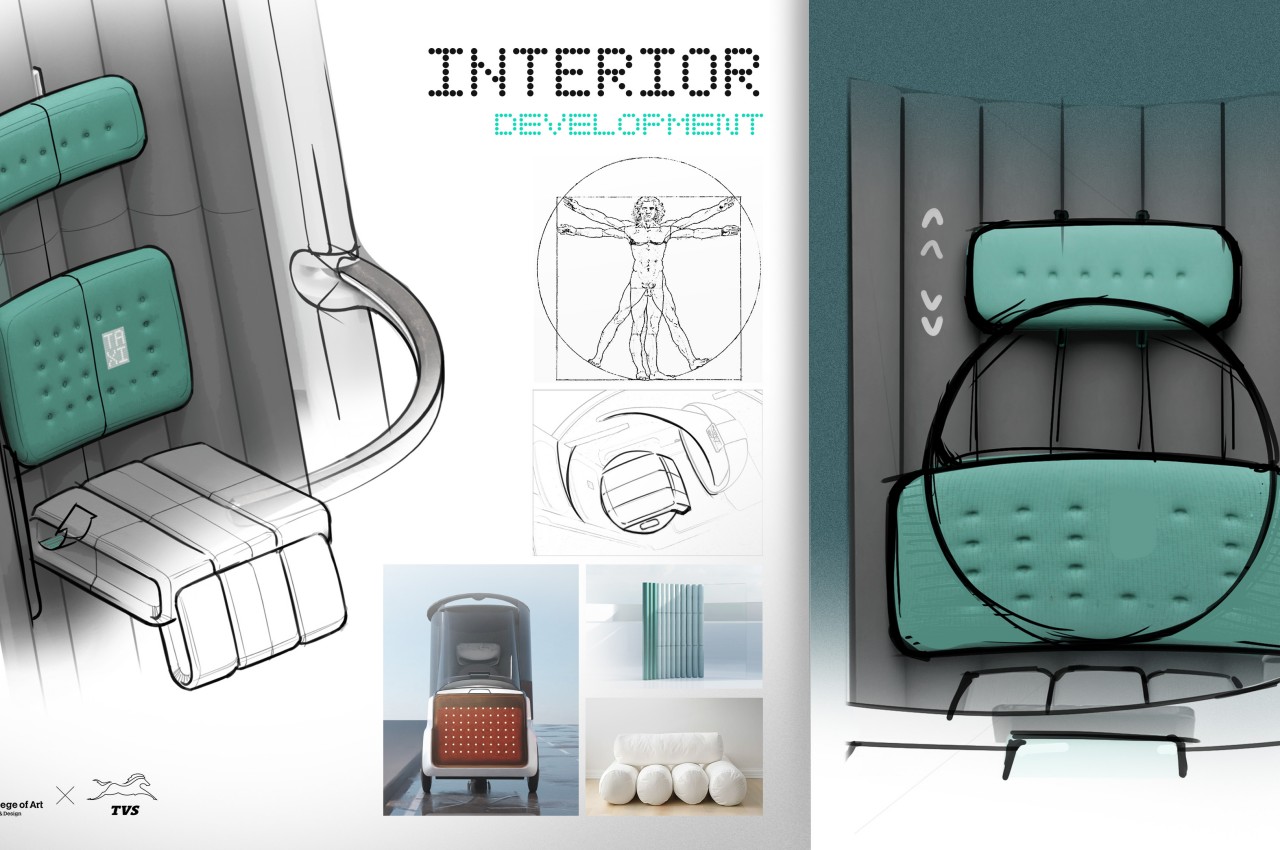
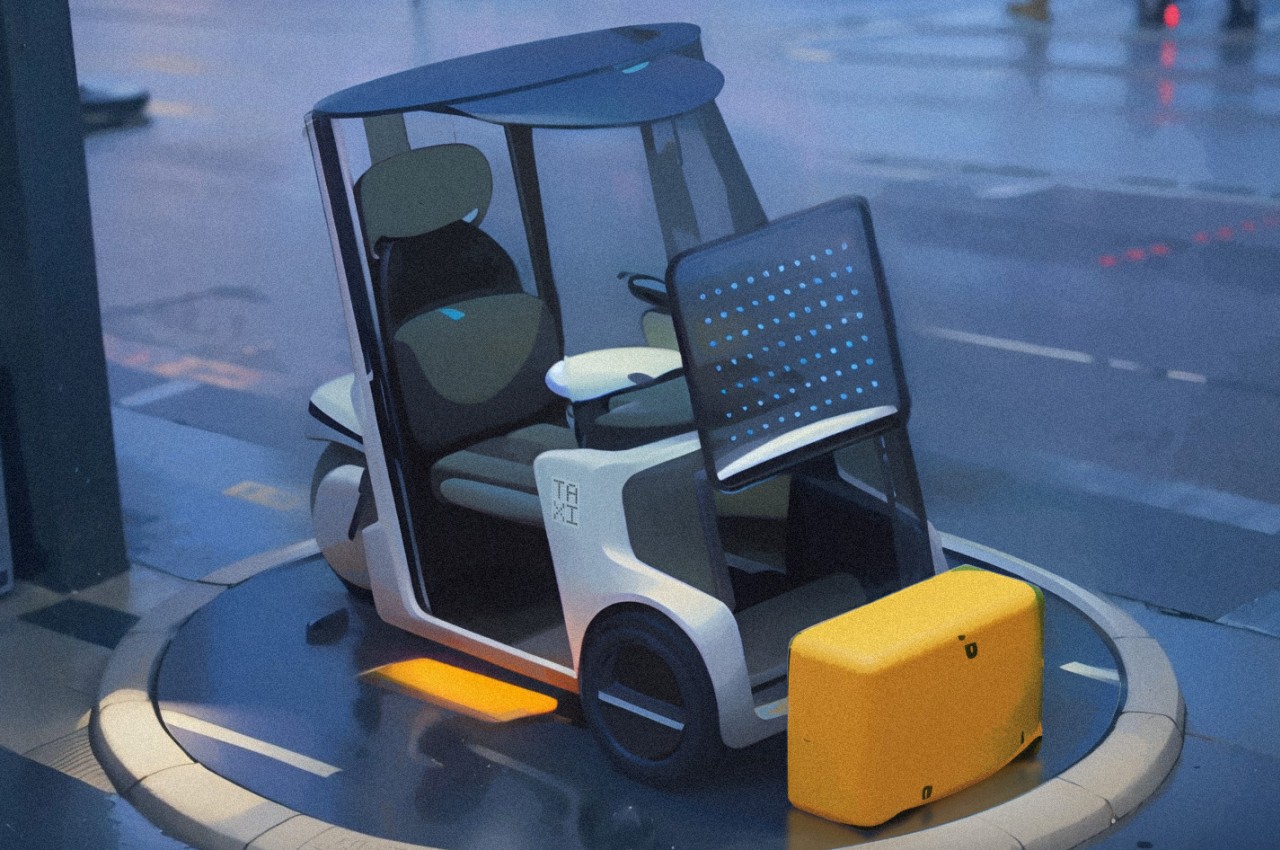
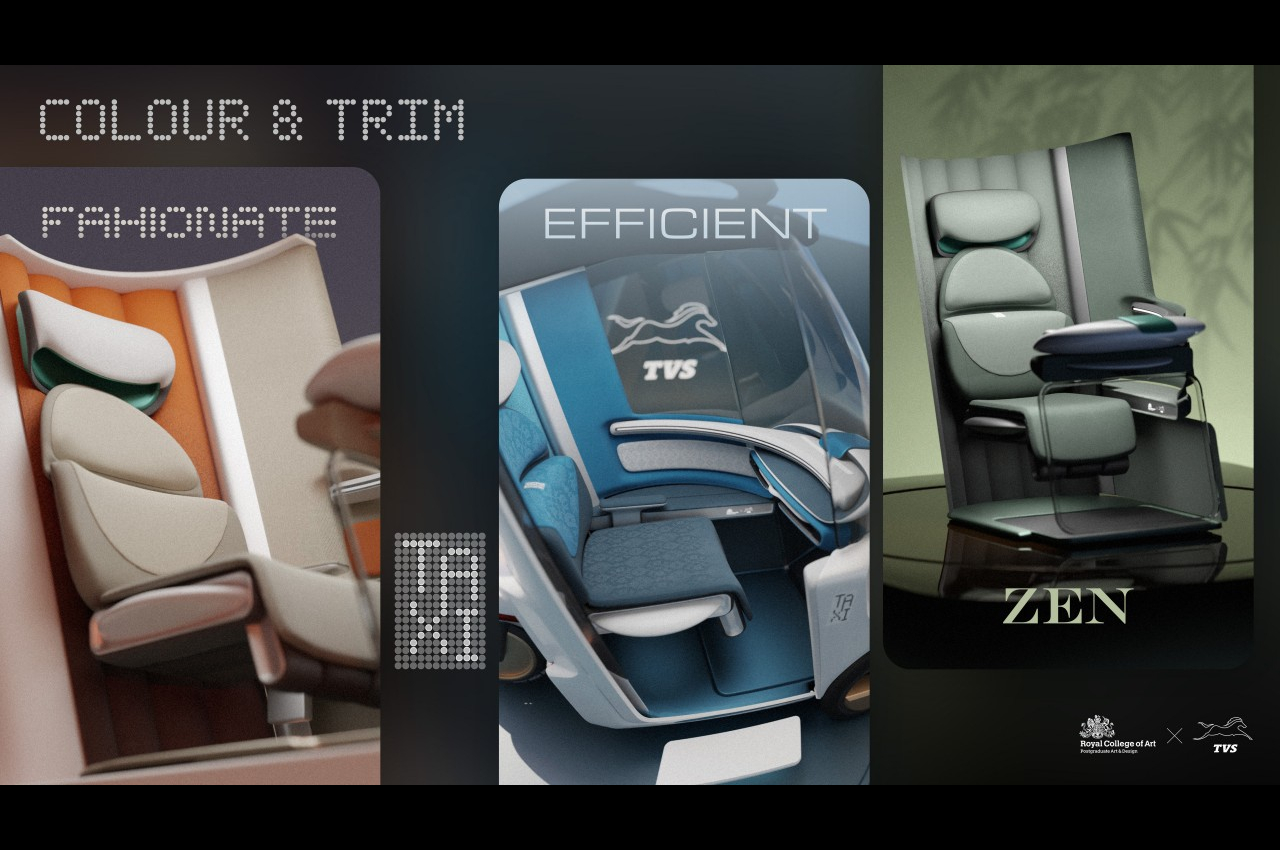
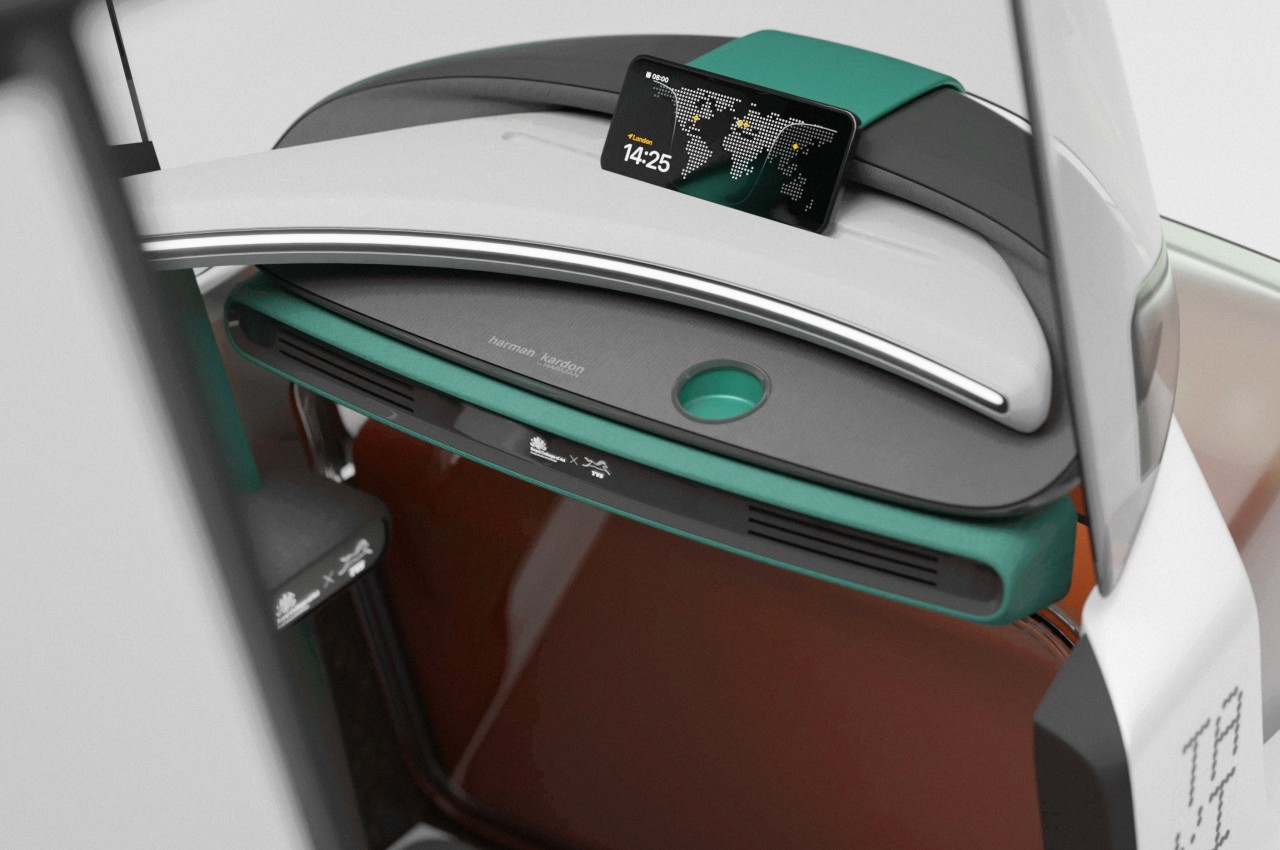
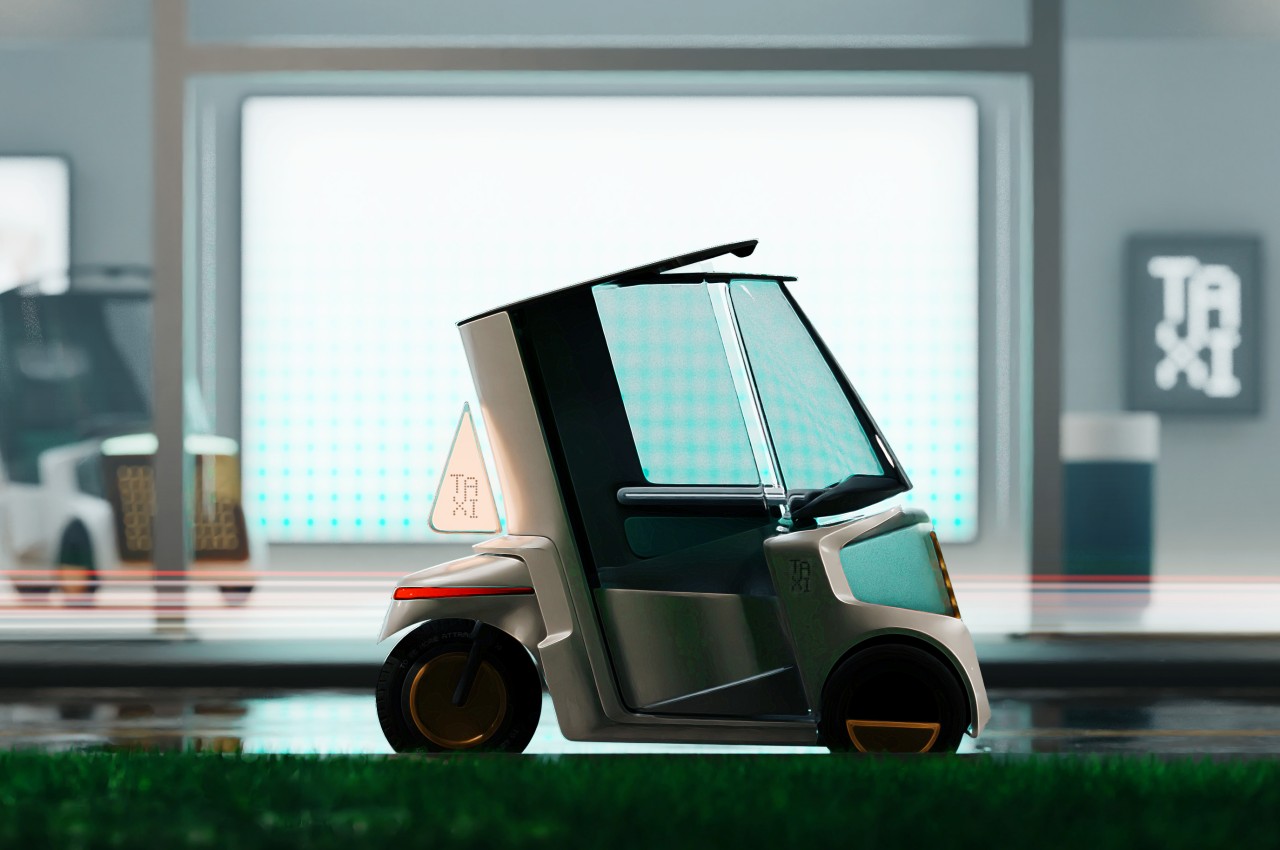
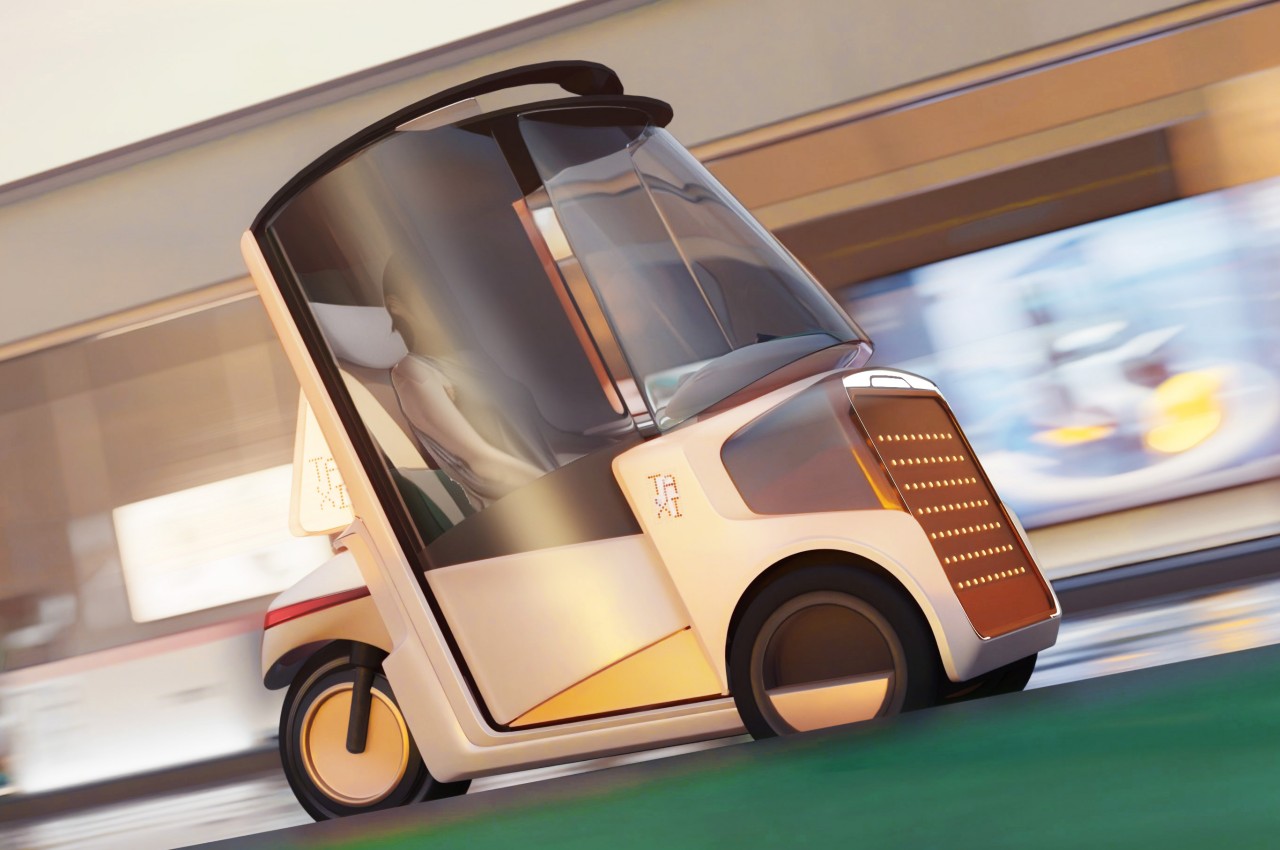
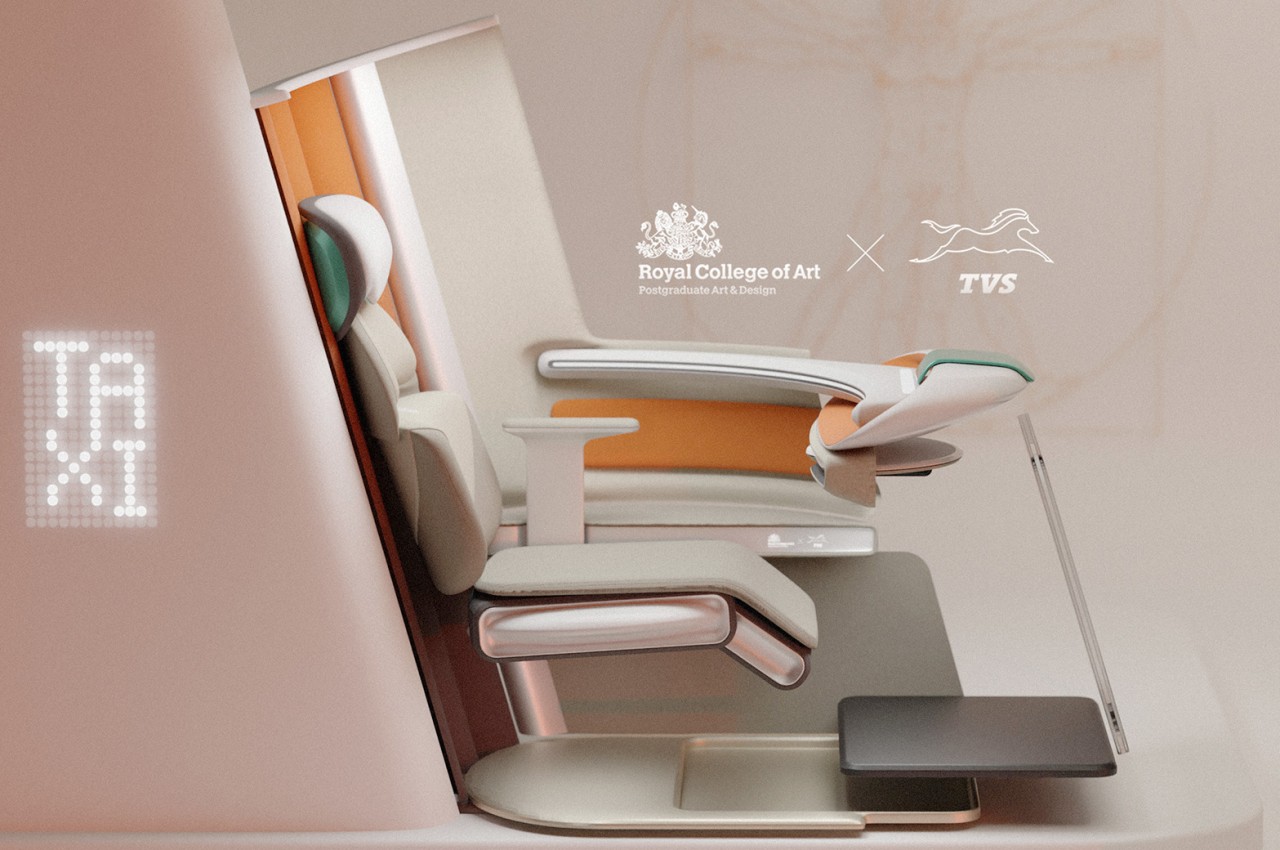
TAXI for one is a design concept whose name says it all. Instead of a car, it looks more like a mini golf cart split in half to fit only one person inside. And since it’s a self-driving vehicle, that person is the one and only passenger, with no other people to potentially disturb you or make you feel less secure. It’s perfect for people who, for whatever reason, prefer to travel solo and have very few things to carry with them, like going to and from the office.

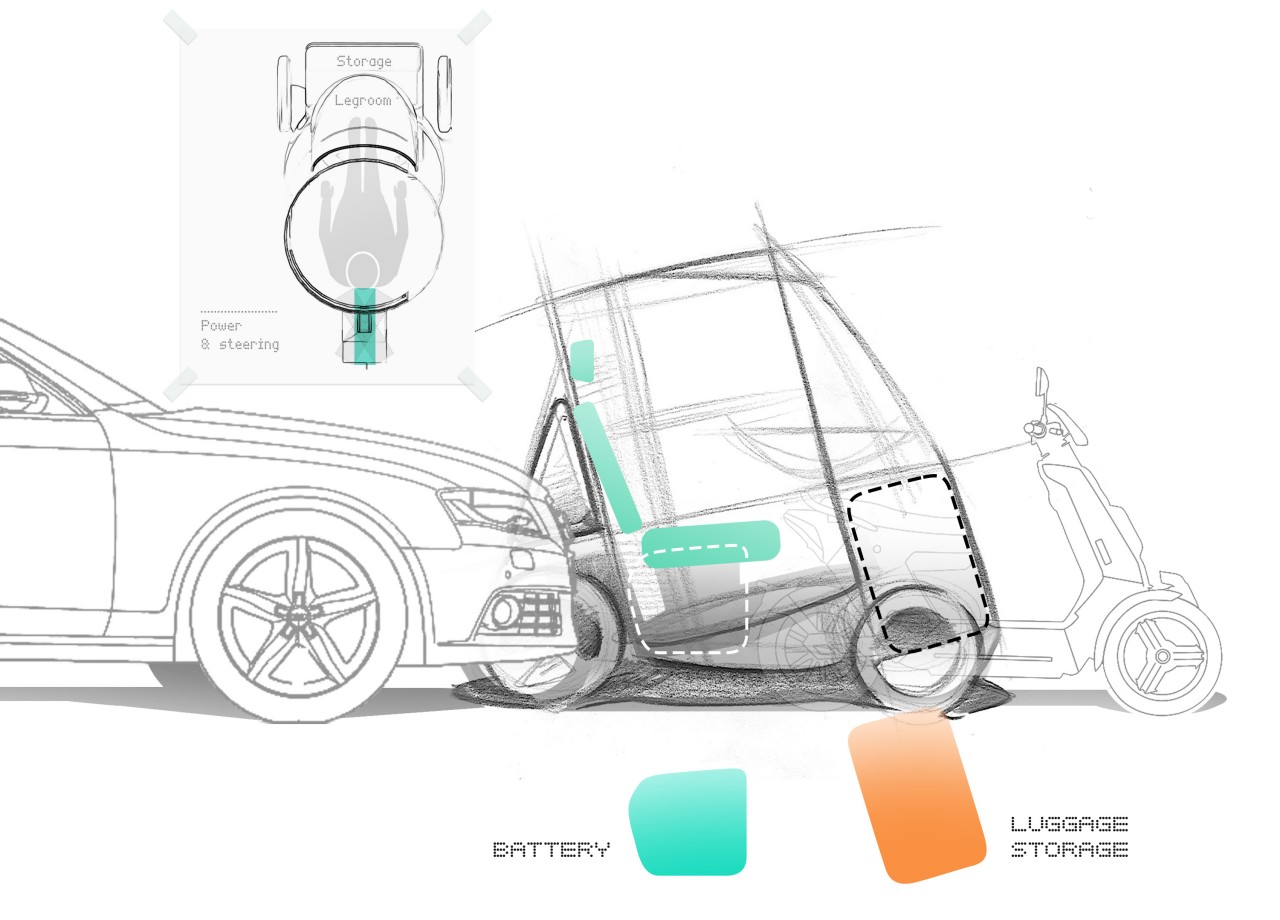
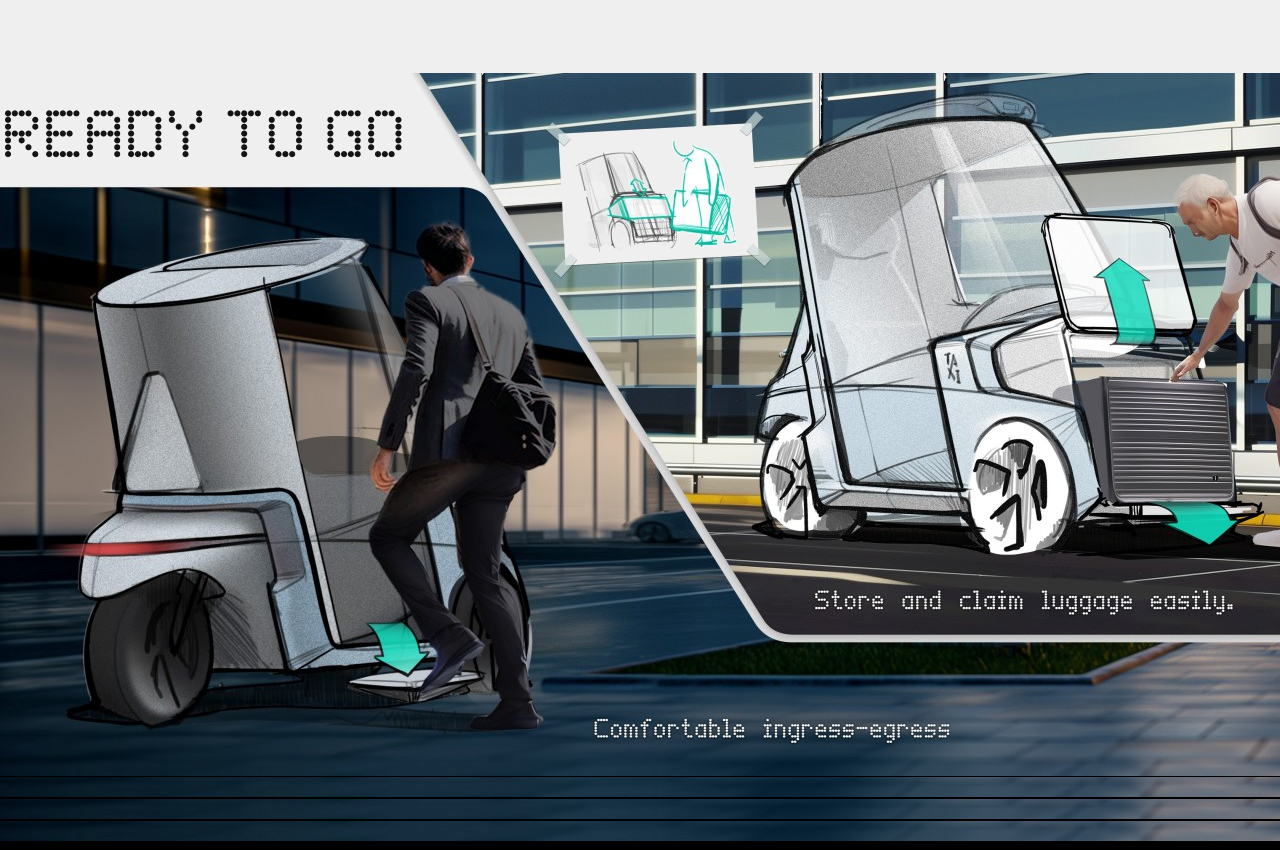
The key design requirement for such a single-passenger autonomous vehicle would be the compactness of space while still providing comfort and room for storage. The latter goes into a compartment in front of the vehicle rather than at the back like a traditional trunk. This makes loading and unloading easy because the storage is near the vehicle’s door rather than forcing riders to go around first.

In exchange for the more compact form, however, the TAXI for one has very little room for reclining the seat and stretching your legs. As such, it isn’t exactly designed for longer periods of travel and is better suited for inter-city commutes only. That is probably fine for future workers who just want to get to the office and back home without much fuss, fanfare, or dealing with random people.

The post Self-driving taxi for one concept is perfect for solo commuters first appeared on Yanko Design.
Self-driving car concept is a hotel-like sleeping pod on wheels

Autonomous vehicles are still a somewhat controversial topic these days, but even detractors and critics will begrudgingly admit that it is the inevitable future. Given a foolproof and safe implementation, it opens up plenty of opportunities for people to do more during their travels, especially over very long distances. They can be more productive with work, spend more quality time with family, or simply get a good night’s sleep in transit. The latter isn’t exactly comfortable to do with today’s car designs, but that’s only if you don’t let go of current conventions and limitations. This design concept for a mobile sleeping pod, in contrast, pulls out all the stops and demonstrates what’s possible with the right technologies, the right design, and especially the right shape.

Designer: Peter Stulz

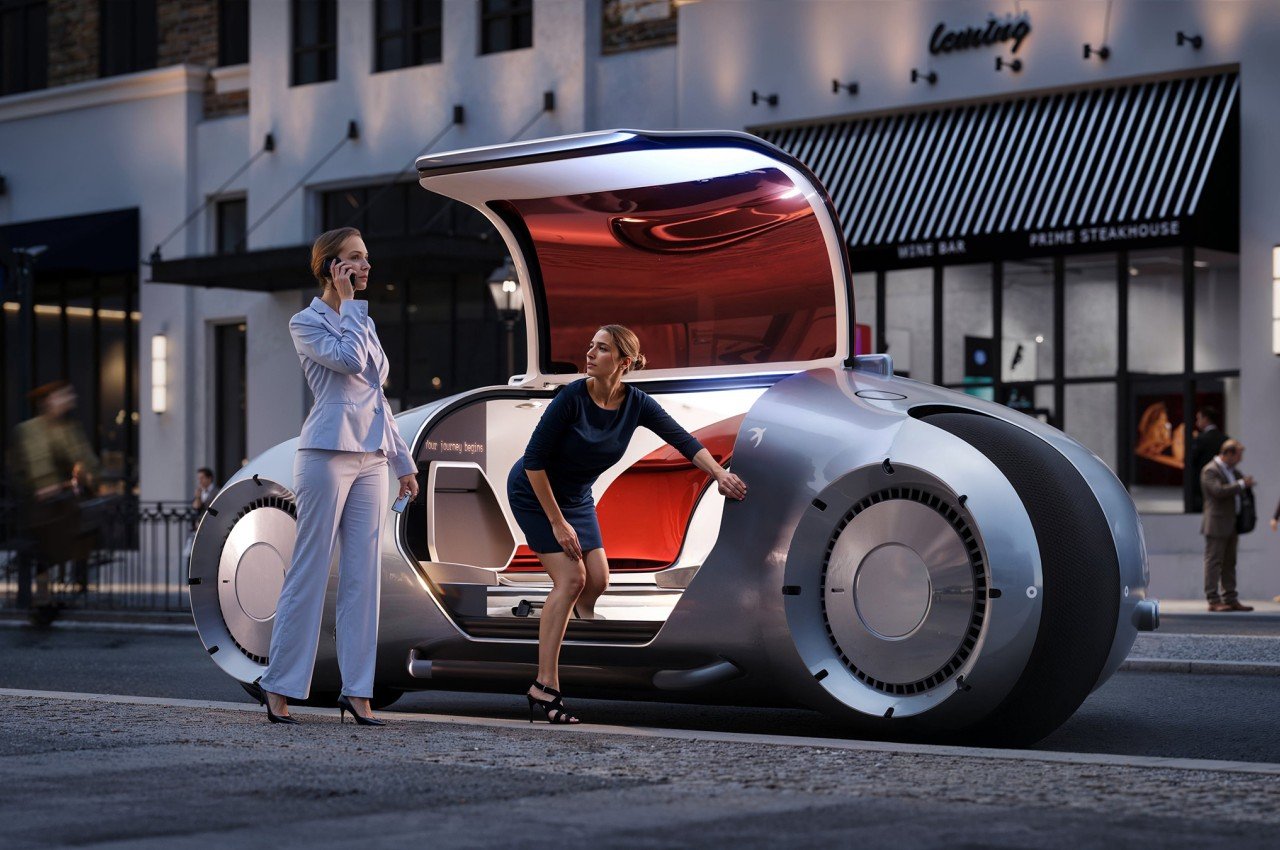
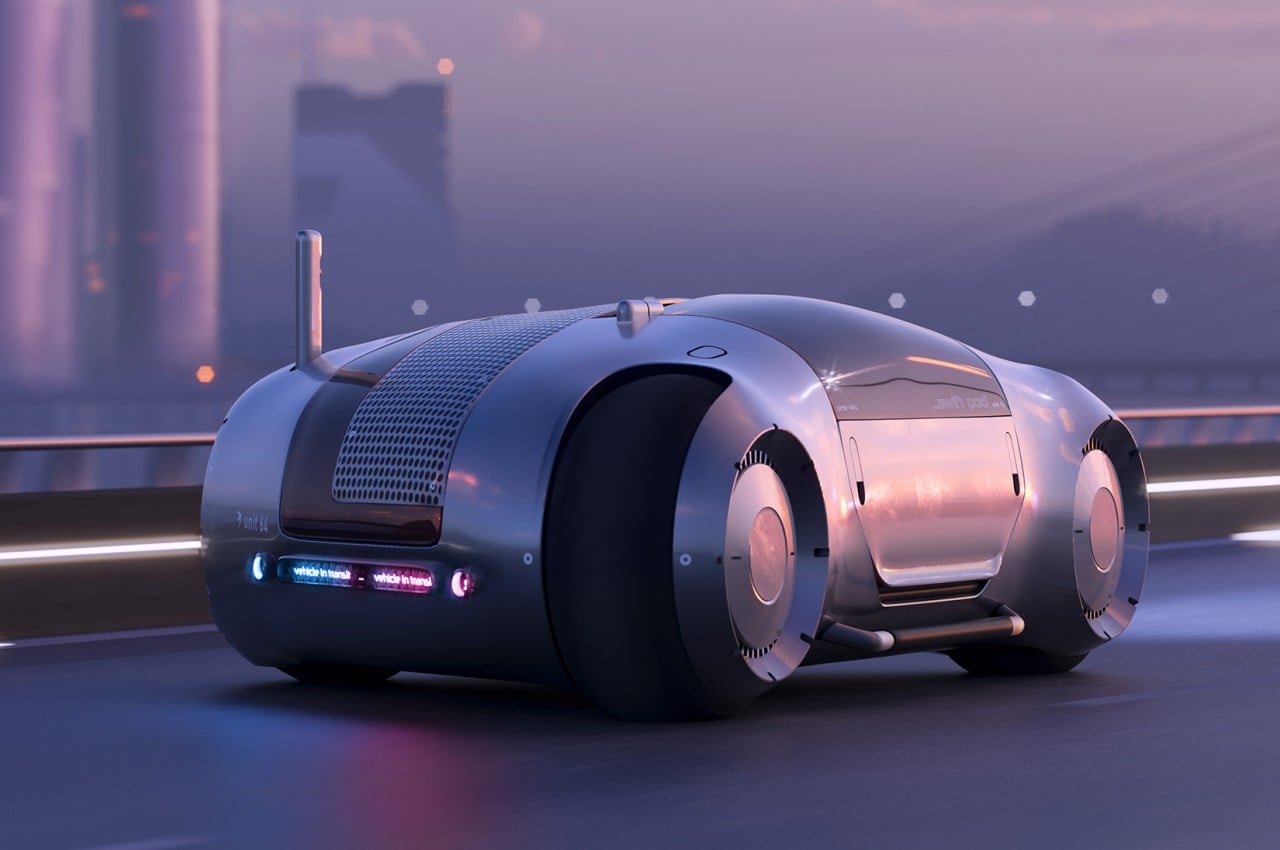
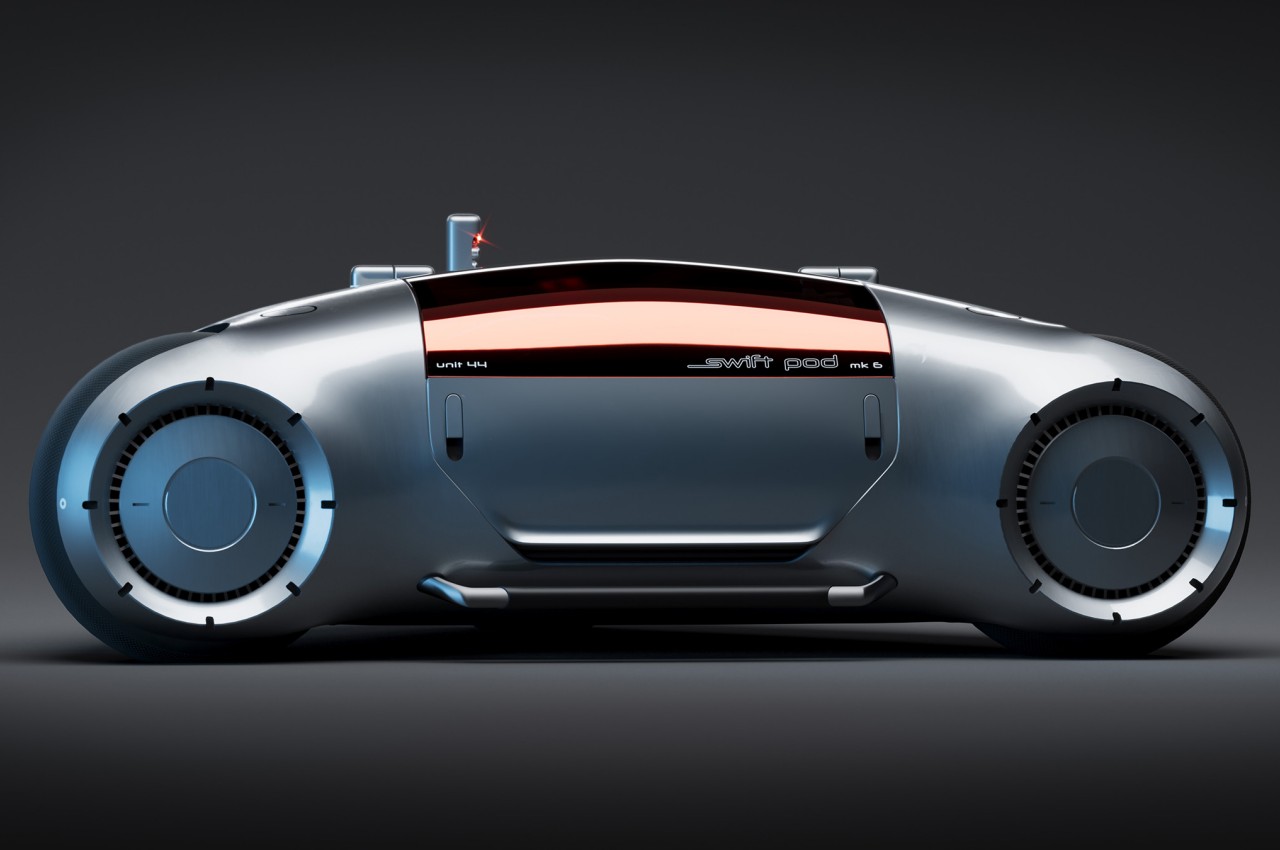
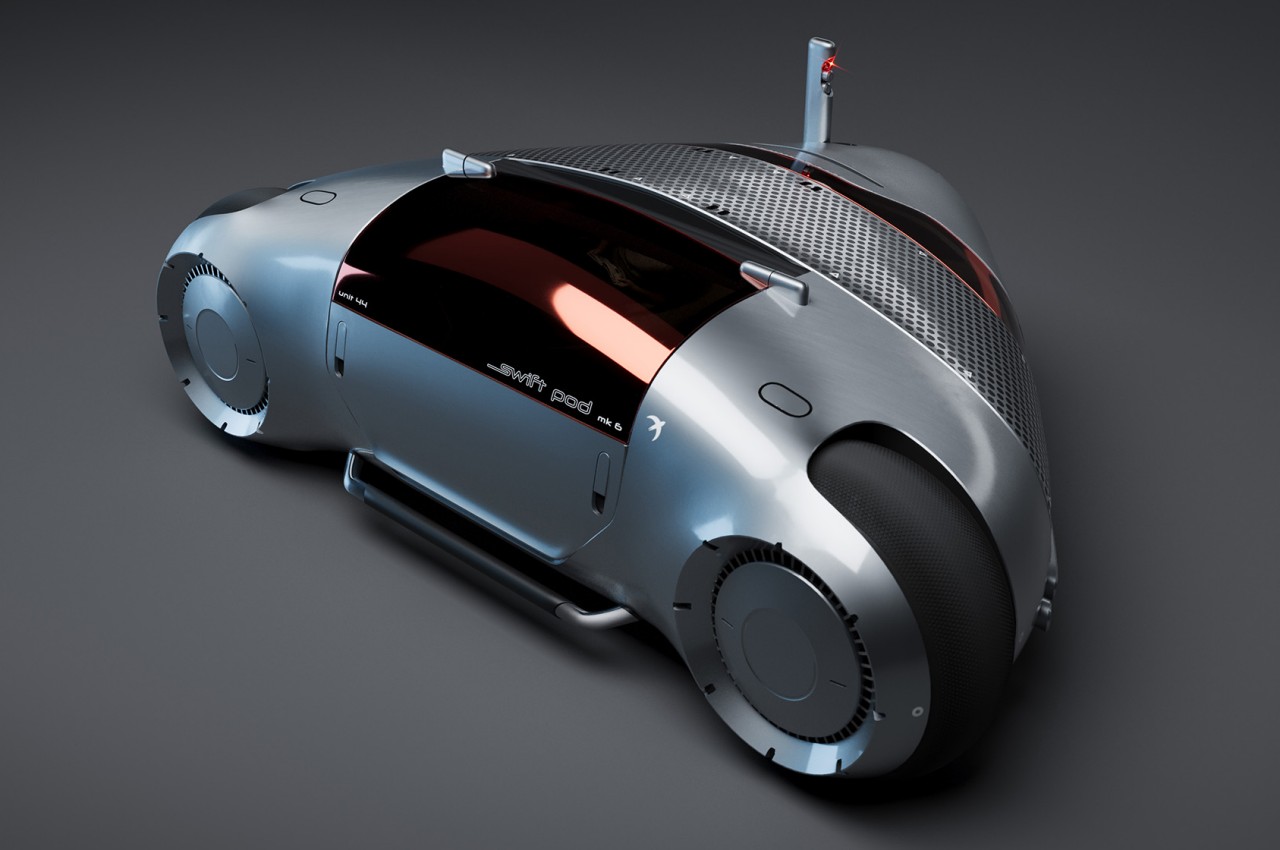
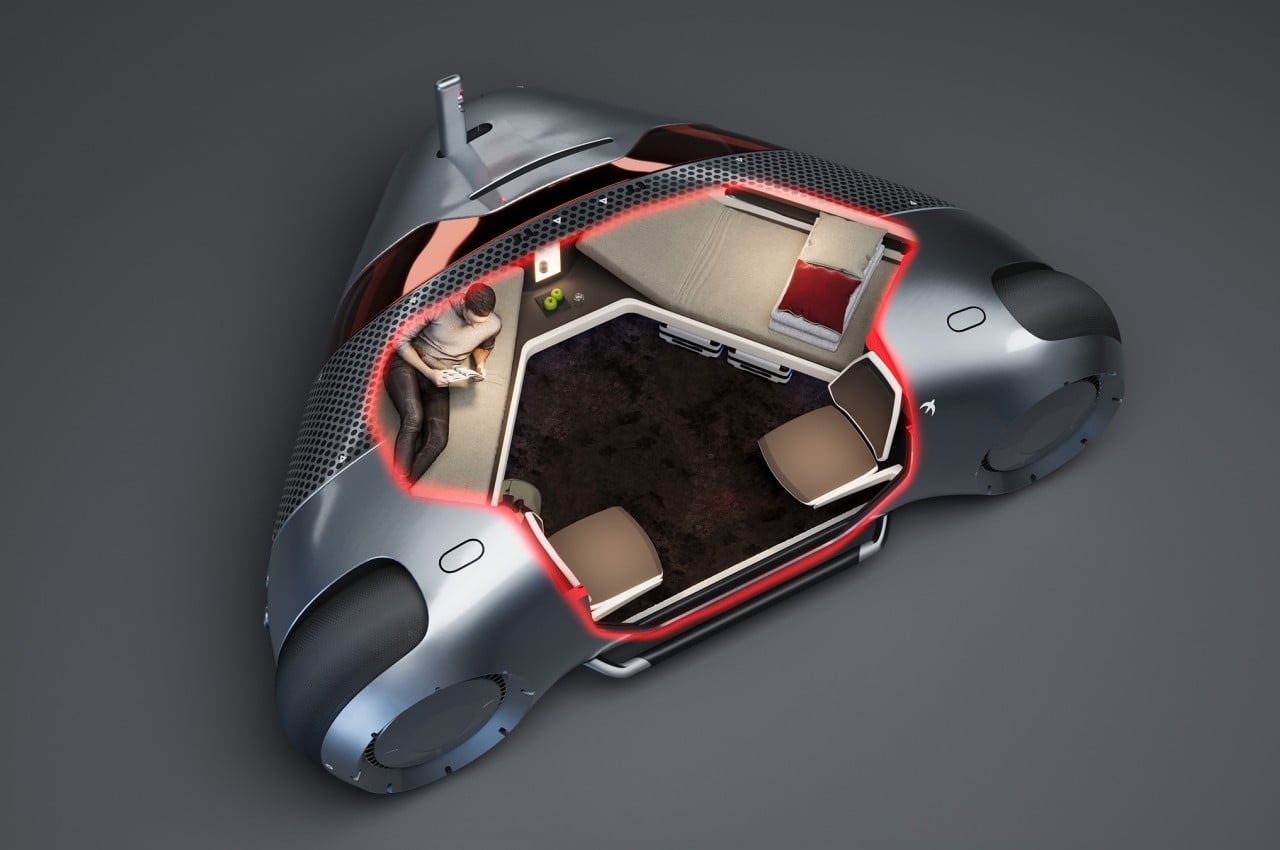
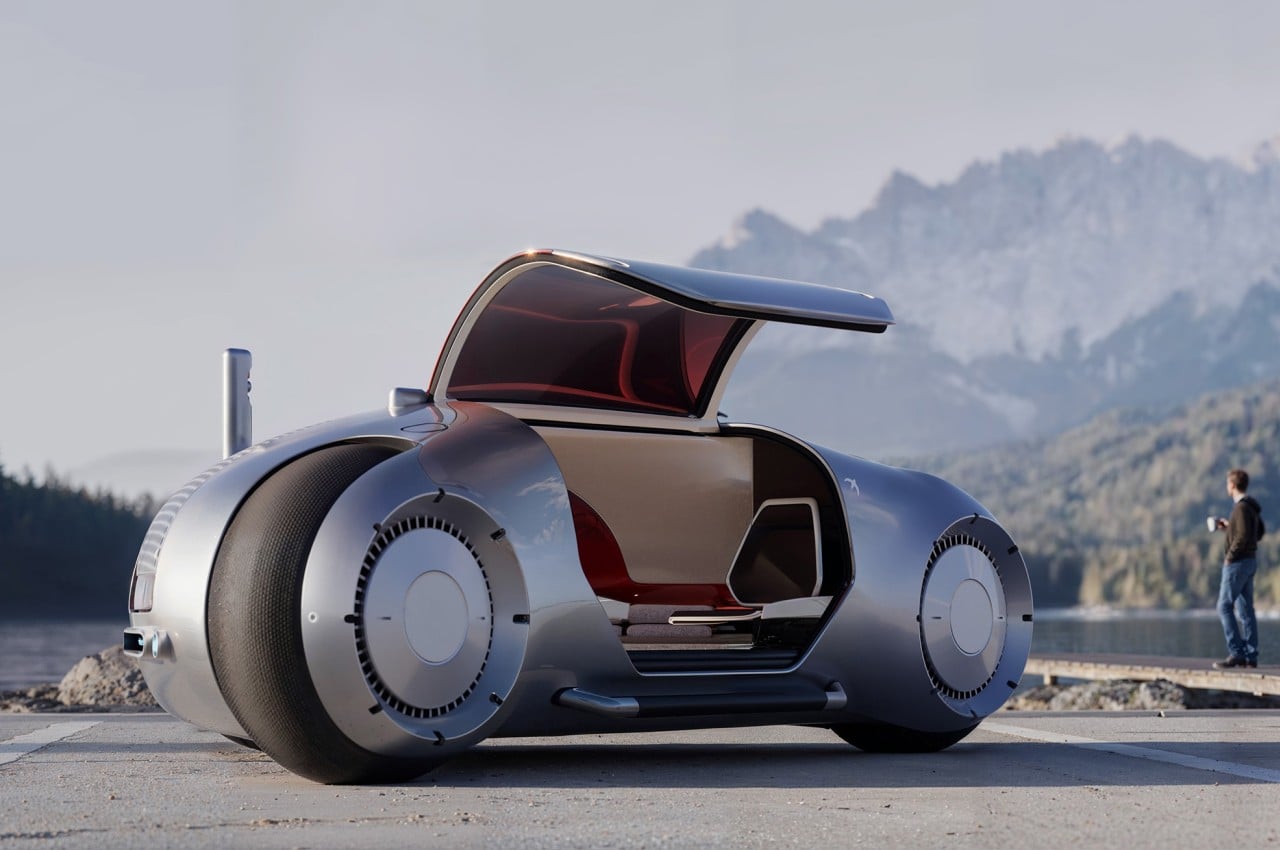
When viewed from its profile, the Swift Pod looks more like a gigantic motorcycle, a vehicle that stands on two wheels only. It’s definitely not your regular motorbike, even disregarding the significantly larger size, because it looks more like a cross between a bike and a car from the way it has a cabin instead of just a seat. When viewed from the top, however, the vehicle is revealed to actually run on three wheels, forming an odd triangle shape instead of a typical box you’d expect from cars.

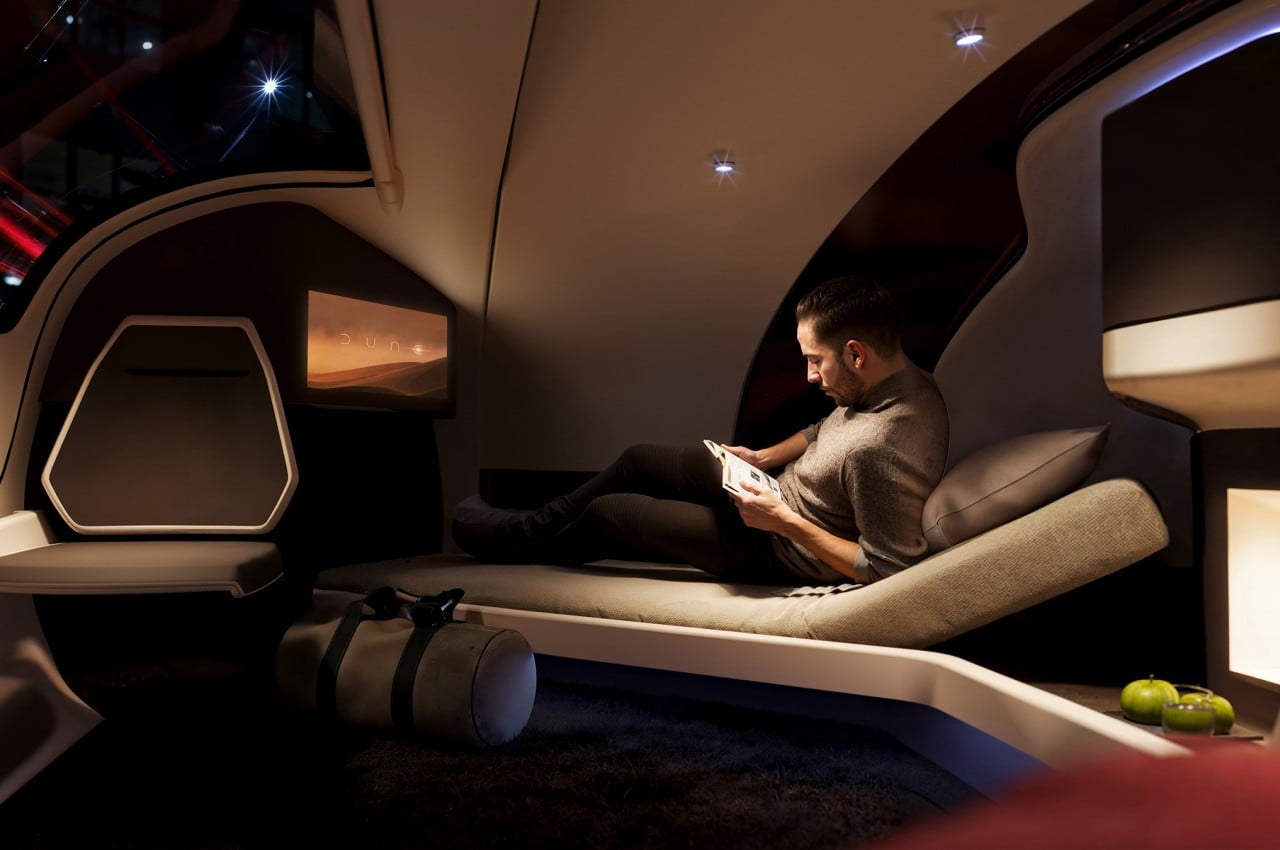
The choice of the shape isn’t for appearance’s sake, though, but was made to maximize available space inside while minimizing the vehicle’s size. After all, the Swift Pod is designed to have two adult-sized beds inside, one on each side of the triangle, in addition to two chairs, amenities, and, of course, the vehicle’s actual hardware and components. The concept, after all, is for a mode of transportation that will let you sleep through your journey, at least if you want to. There’s plenty of space for two people to do anything, including working if necessary.

The concept was inspired by how some people are able to get a decent amount of sleep on trains and planes, and that’s without a comfortable bed or other conveniences. With Swift Pod, you not only have a comfortable place to recline but also an entertainment system, snacks and beverages, and plenty of storage for your belongings. What it doesn’t have room for is a human or physical driver.

The Swift Pod concept only works if autonomous driving has reached a point where one can really entrust their safety to these invisible drivers. The design envisions an extremely smart self-driving vehicle that, after booking a ride like a taxi, would be able to determine the best path toward your destination and navigate the roads safely. While the default is to simply go from point A to point B in one go, the system also has room for stop-over breaks where you can get off, eat some heavier meals, and freshen up before you take the next leg of your journey in the comfort of a bed.

The post Self-driving car concept is a hotel-like sleeping pod on wheels first appeared on Yanko Design.