Since I live alone, listening to music or podcasts before I sleep is not really an issue, as there’s no one to complain about the sound. But when I share a hotel room or someone sleeps over, this may become a problem. Sure, there are earbuds, but I have this irrational fear that they may get buried deep in my ears when I fall asleep and move around. One possible solution would be speakers that can sit under the pillow and play close to my ears, with the aim of keeping the sound from bothering other people in the room.
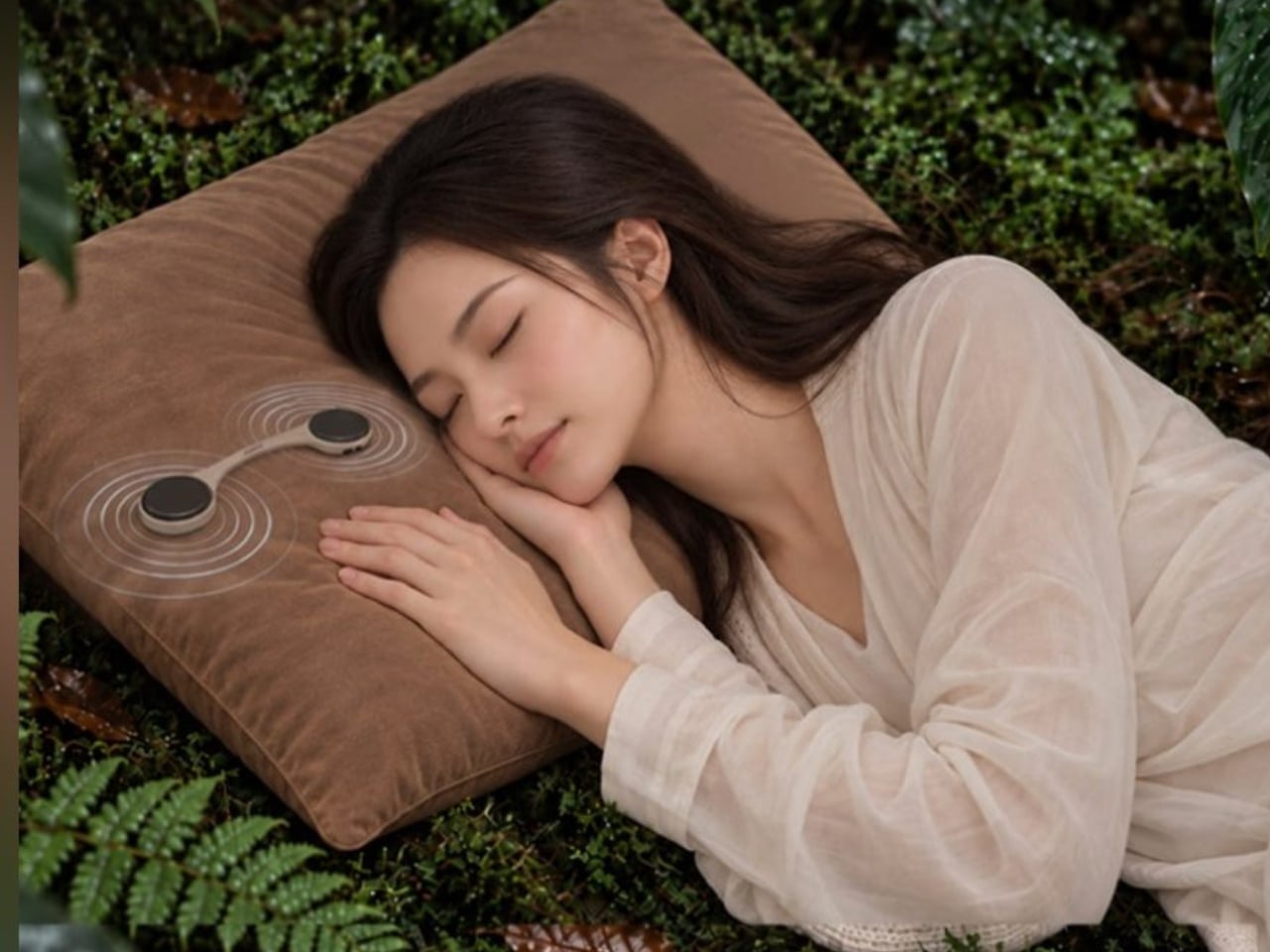
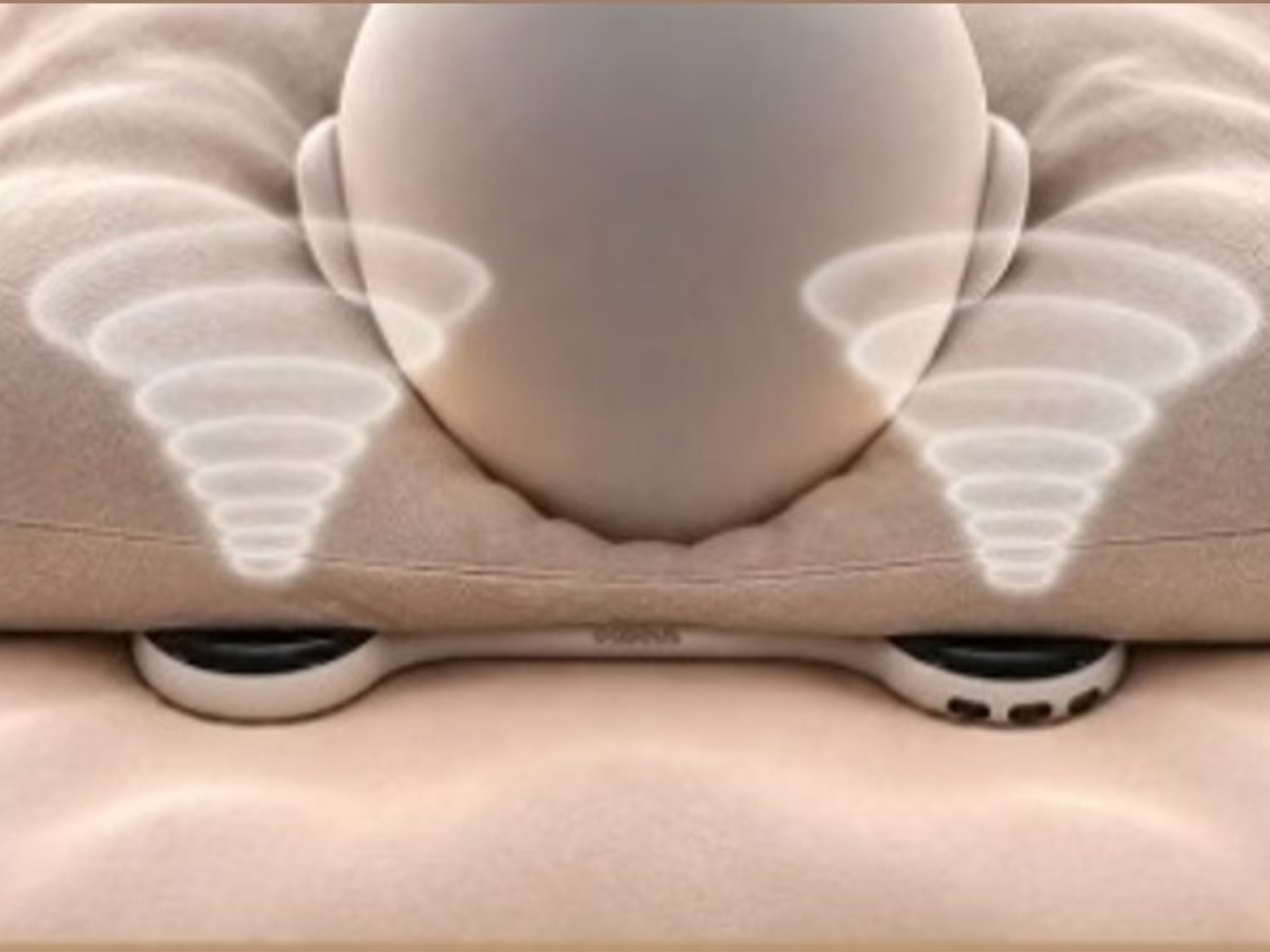
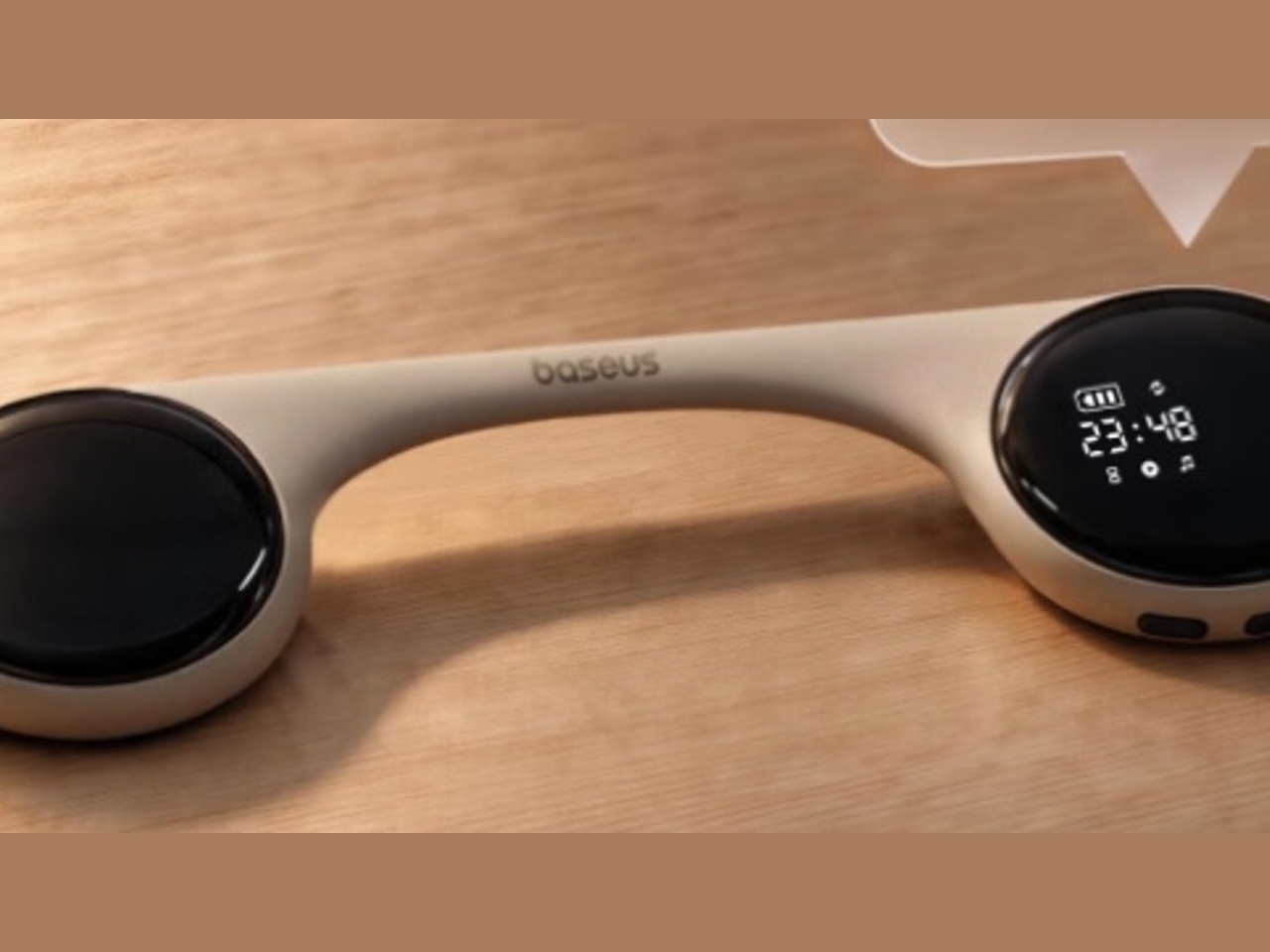
The Baseus Sleep SK1 is one such speaker. It uses what Baseus calls micro-vibration conduction to carry audio through the pillow to your ears. Basically, your pillow becomes part of the audio system, while two sound-producing units are intended to direct the music, audiobook, or podcast toward the sleeper’s head. The idea is to keep the listening area small rather than fill the bedroom with sound.
Designer: Baseus
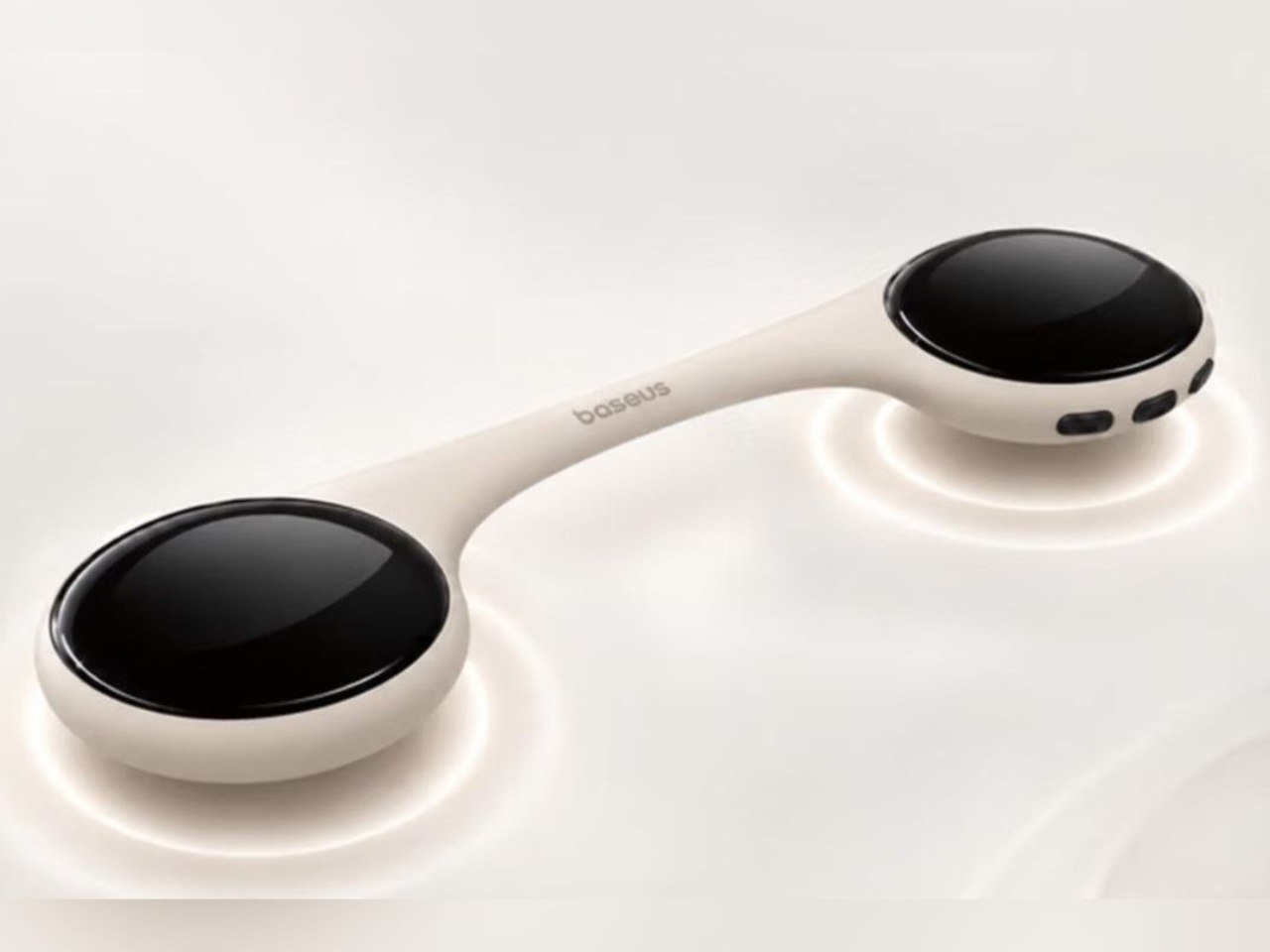
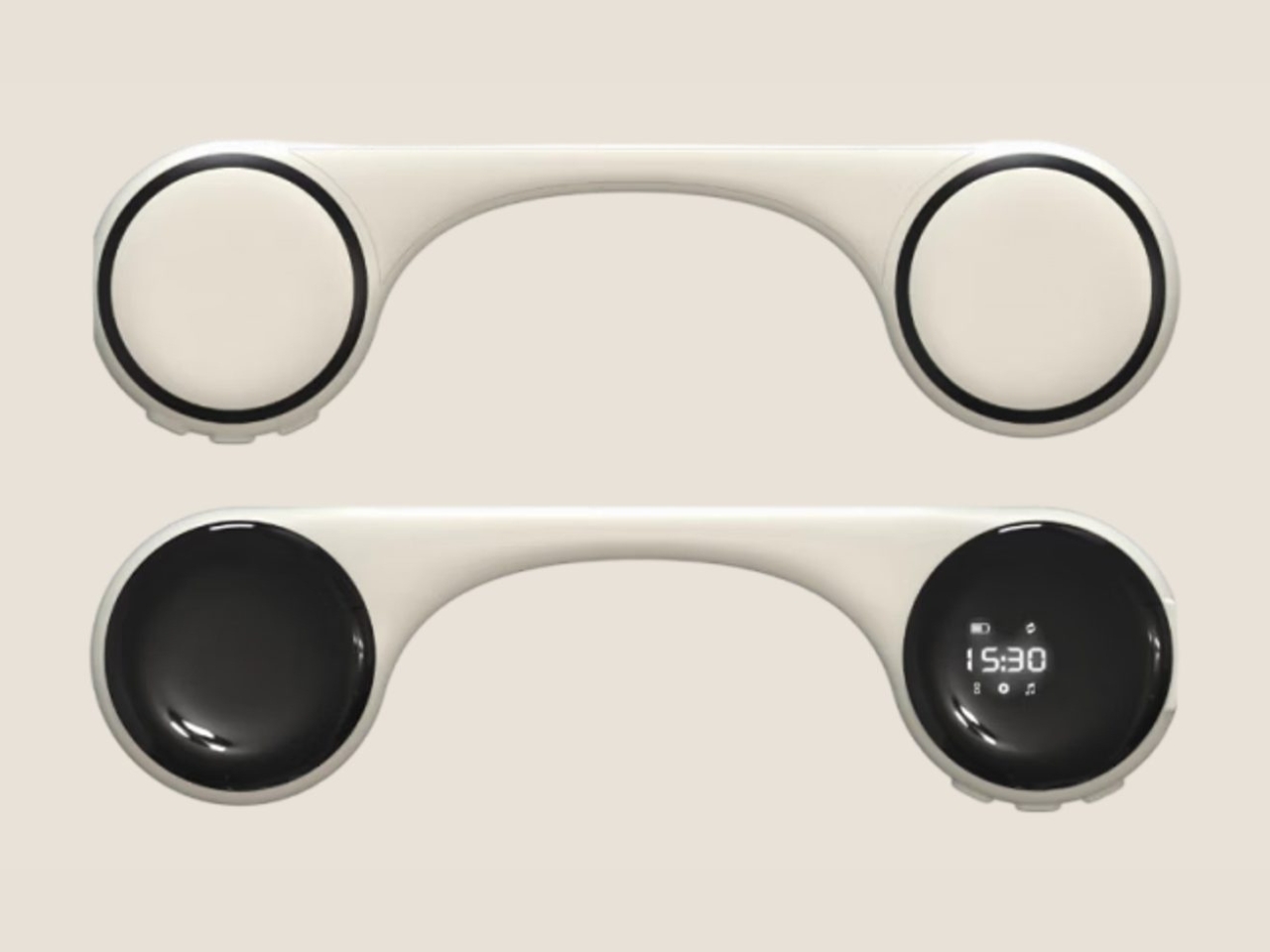
The Sleep SK1 looks like a Bluetooth speaker, with two circular pods joined by a narrow, curved bridge. It looks more like connected pucks than a bedside speaker. Its reported dimensions are about 6.5 by 1.8 by 0.55 inches, and it weighs roughly 1.55 ounces. The low profile is designed to minimize intrusion, although that doesn’t mean you won’t feel it through a compressed pillow. Comfort would still need to be tested.
The device has three physical buttons around the edge of one pod for operating the speaker. There’s also a digital display integrated into one circular face, showing the time, operating mode, and remaining battery level. That gives you another way to check the time when you wake up in the middle of the night instead of automatically reaching for your phone. Of course, you’d still have to uncover the display if it’s underneath your pillow.
For people who prefer background sounds to music or conversation, Baseus says its companion app offers more than 100 sound options, including rain, ocean waves, campfire sounds, and ASMR. You can also set up to 10 alarms for different schedules. The alarms use the same pillow-directed approach, which could be useful if you need to get up before the person sleeping beside you.
Baseus claims more than 10 hours of playback from the built-in 300 mAh battery, which would cover an overnight listening session if it holds up in practice. Charging is via USB-C, with a full charge reportedly taking about two hours. For something intended to stay beneath a pillow, the useful part is having enough battery life to use it without leaving a charging cable attached.
Your pillow is an important part of the setup, though. The Gadgeteer reports that Baseus recommends pillows up to about 3.1 inches thick and suggests increasing the volume for thicker pillows or when sleeping on your back. That makes pillow thickness and sleeping position things to consider before buying. Turning the volume up may help you hear, but whether it stays quiet enough for someone nearby is another question.
The SK1 is listed on JD.com in China, with a reported price of 184 yuan. That shouldn’t be mistaken for a confirmed US retail price, and an official US release hasn’t been established in the available sources. It’s worth checking regional availability and app support rather than assuming an imported unit will offer the same experience everywhere.
For me, the appeal is being able to listen without putting anything in my ears. But I’d want to know how clearly a podcast comes through my own pillow and how much of it someone else can hear. Those would be the deciding factors for me. If the SK1 can keep a familiar voice close to my pillow without sharing the whole conversation with the room, that would be a good enough reason to consider it.
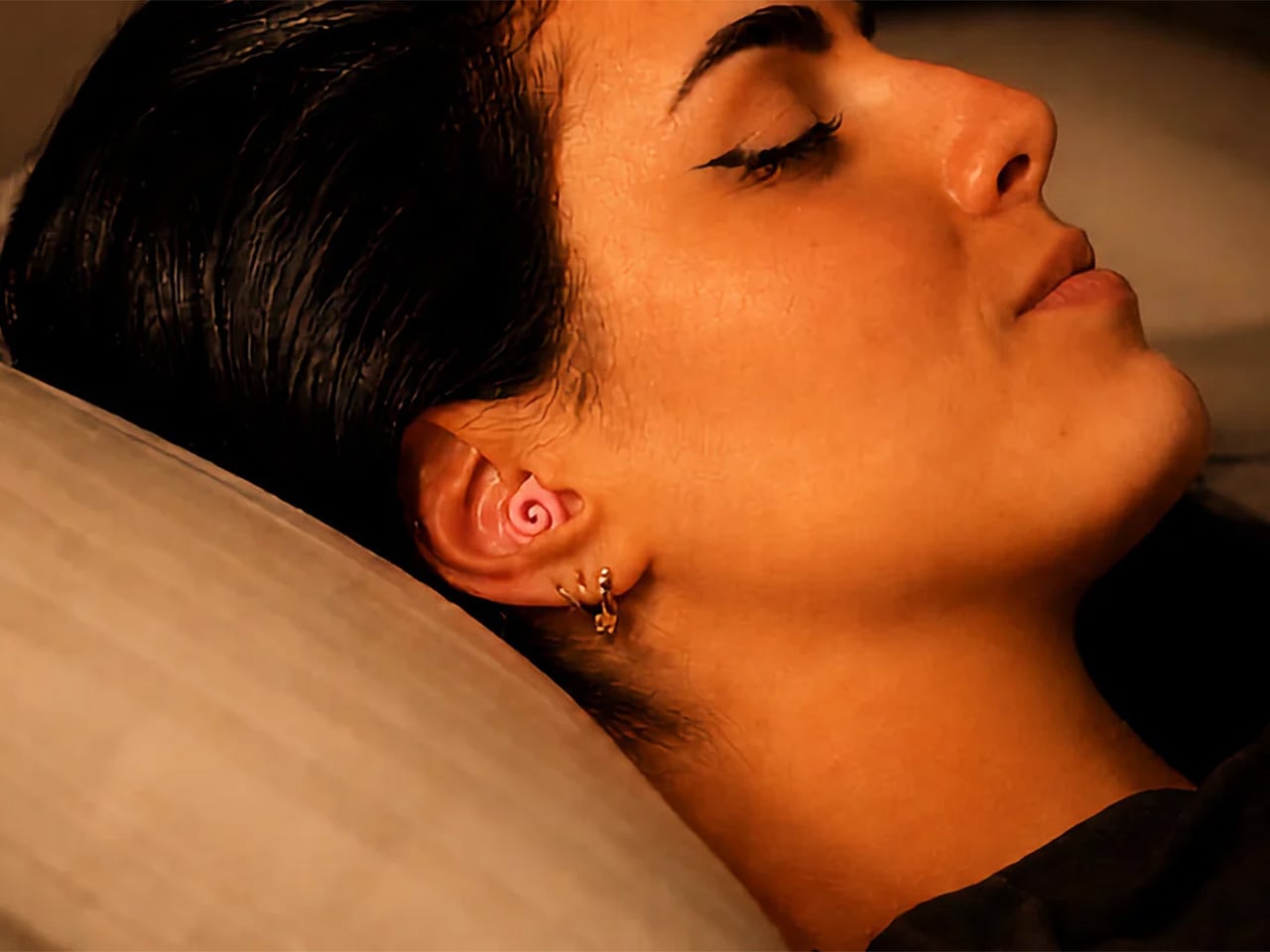
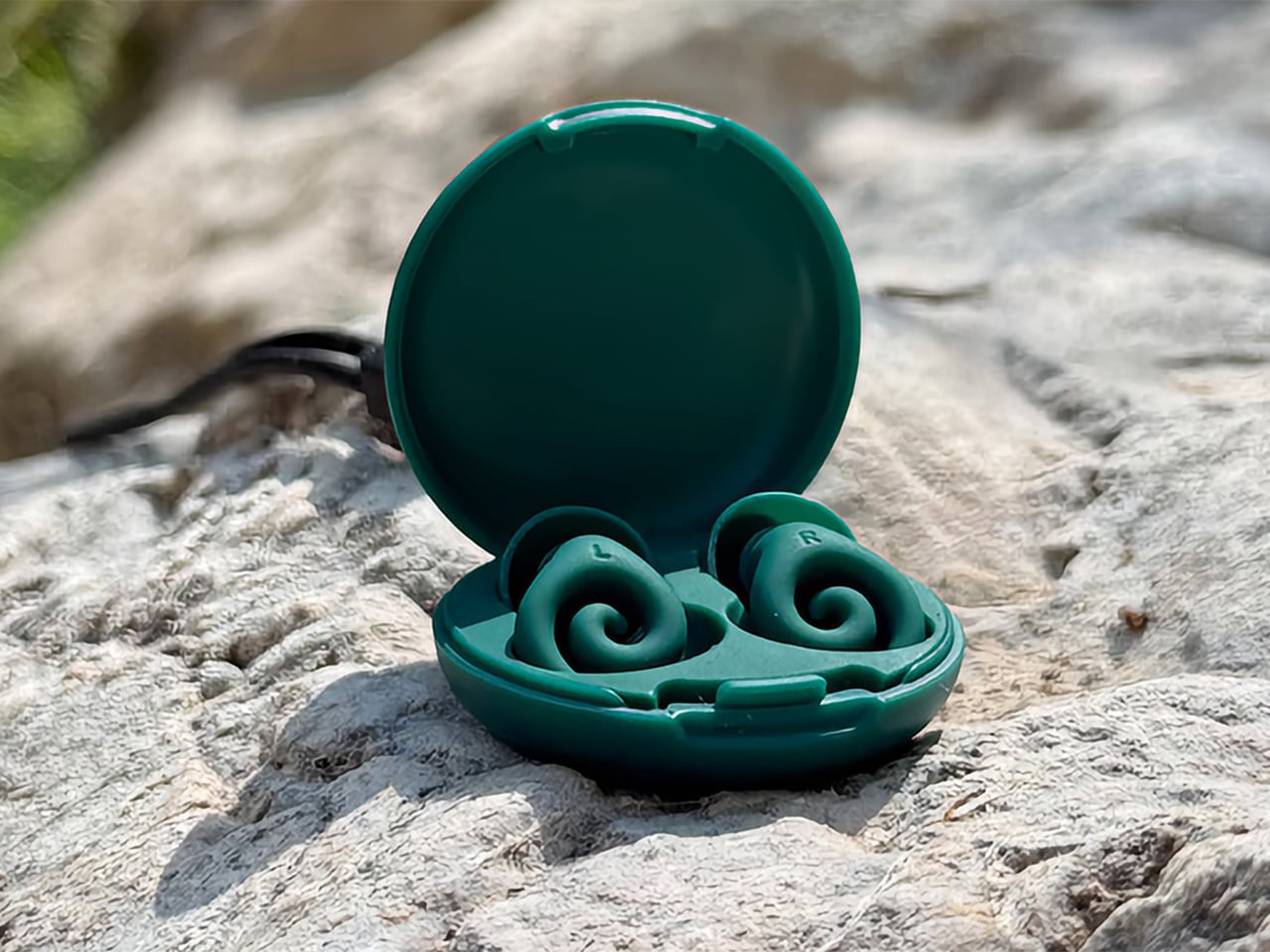
Most earplugs are built for your ear canal. Ears 360 Silence was built for your pillow as well. The French-designed earplug swaps the usual foam cylinder or silicone bud for a soft, retractable spiral that curls against the outer ear instead of wedging deep inside. The promise is simple: stay put through a full night’s sleep, filter out unwanted noise, and disappear until you forget it’s there.
The mechanism behind that promise is simple engineering. Twist the spiral open, tuck it against the ridges of your outer ear, then let it retract back into shape. It locks in place through geometry, not pressure, so there’s no tip wedged deep into your ear canal, nothing to ache by 2 a.m. The whole body sits nearly flat, flat enough to sleep on your side.
That geometry matters most at night. Side sleepers know the drill: a plug that protrudes gets crushed against the pillow, and foam that expands too much starts to throb before sunrise. With the Ears 360 Silence tucked into the curve of your ear, nothing stands proud enough to notice. You roll over, the plug stays where you left it, and the room stays quiet until your alarm decides otherwise.
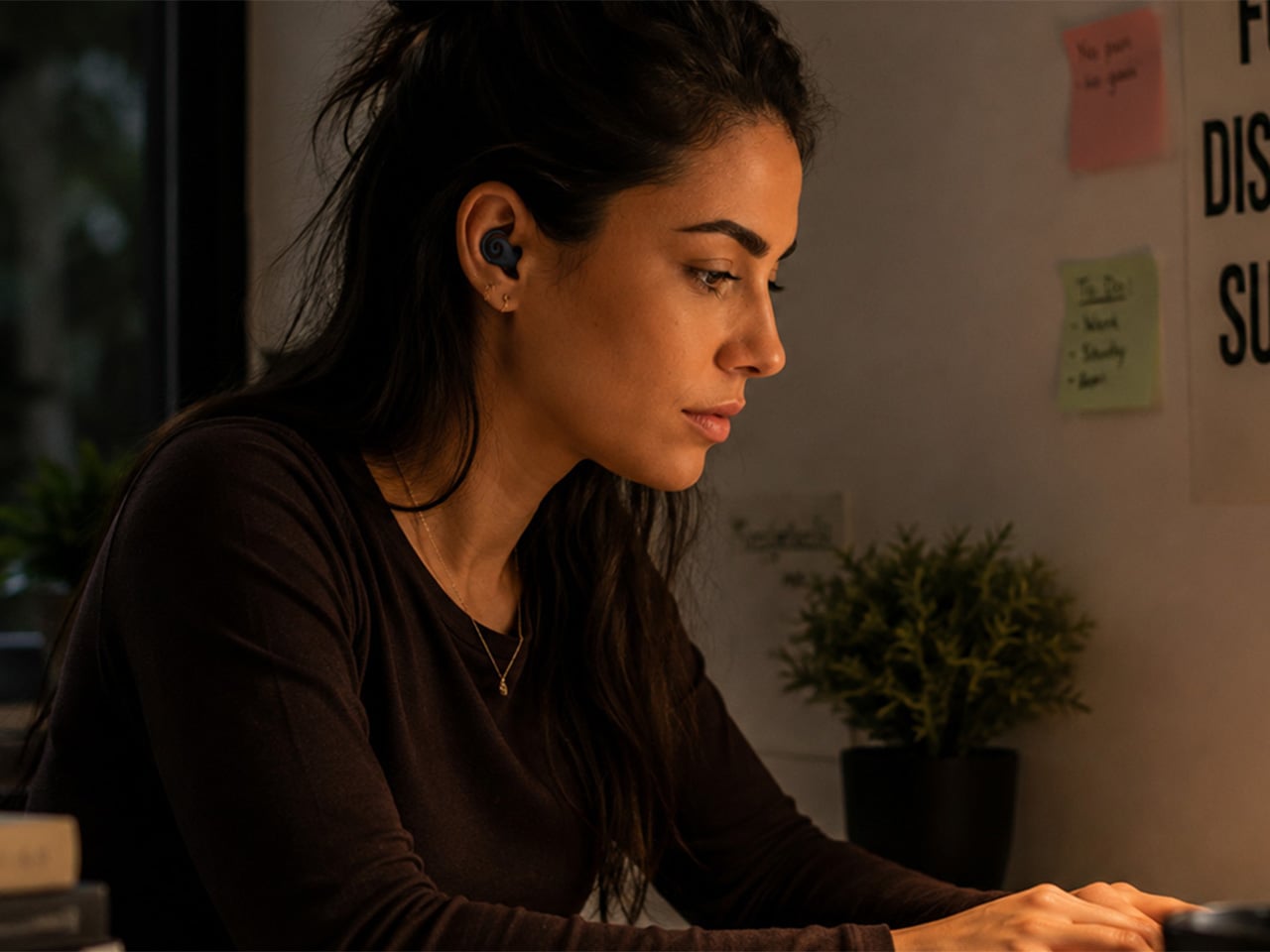
Sleep isn’t the only place this earplug earns its keep. Slip it in at a coffee shop or an open-plan office, and it softens the clatter around you without shutting out the person talking across the table. That’s the filtering trick at work, dialing down ambient chaos while keeping voices intelligible. And because the spiral sits low against the ear, nobody nearby even notices you’re wearing it.
Of course, comfort isn’t the whole story. Ears 360 Silence carries a certified 24 dB noise reduction rating under the EN 352-2:2020 standard, independently lab-tested rather than self-reported. Its attenuation peaks right around the frequency range where snoring and conversation both live, exactly where extra help matters most. It’s also rated IPX7 for water resistance and ships standard with four pairs of tips: S, M, L and a double-flange pair
Swap the standard tip for the clip-on triple-flange tip from the Swim & Work Kit, sold as a separate add-on, and attenuation climbs toward 29 dB. That’s enough for a construction site or a pool deck without having to switch out a different pair of buds. The tips swap in seconds, so the same pair that quiets a bedroom at night can handle a job site or open water the next afternoon.
Build quality is, of course, top-notch as well. The body is soft silicone, meant to be reused for years rather than tossed after one restless night, and it wipes clean easily. Four pairs of tips come in every box, so the fit adjusts to your ear rather than the other way around. Plus, the whole kit tucks into a case small enough to close in one hand, so there’s absolutely no reason you can’t take it anywhere with you, even if you’re not going to bed just yet.
Design touches carry through to the small stuff, too. The Ears 360 Silence comes in black, pink, and green, each paired with a case in the same shade, small enough to vanish into a pocket. And with the latest stretch goal reached, every backer gets a soft silicone neck cord, one per pair, to keep your Ears 360 Silence around your neck between uses. The whole object reads more like a considered accessory than a medical necessity you’d hide in a drawer, something you’d actually want sitting on your nightstand in plain sight.
Wake up after a full night wearing one, and you’ll notice what’s missing rather than what’s there. No hunting around the sheets for a stray foam cylinder, no ache in your ear canal from a tip jammed in too far. Just a quiet room and a plug that did its one job so well you forgot you were wearing it, which was the entire point.
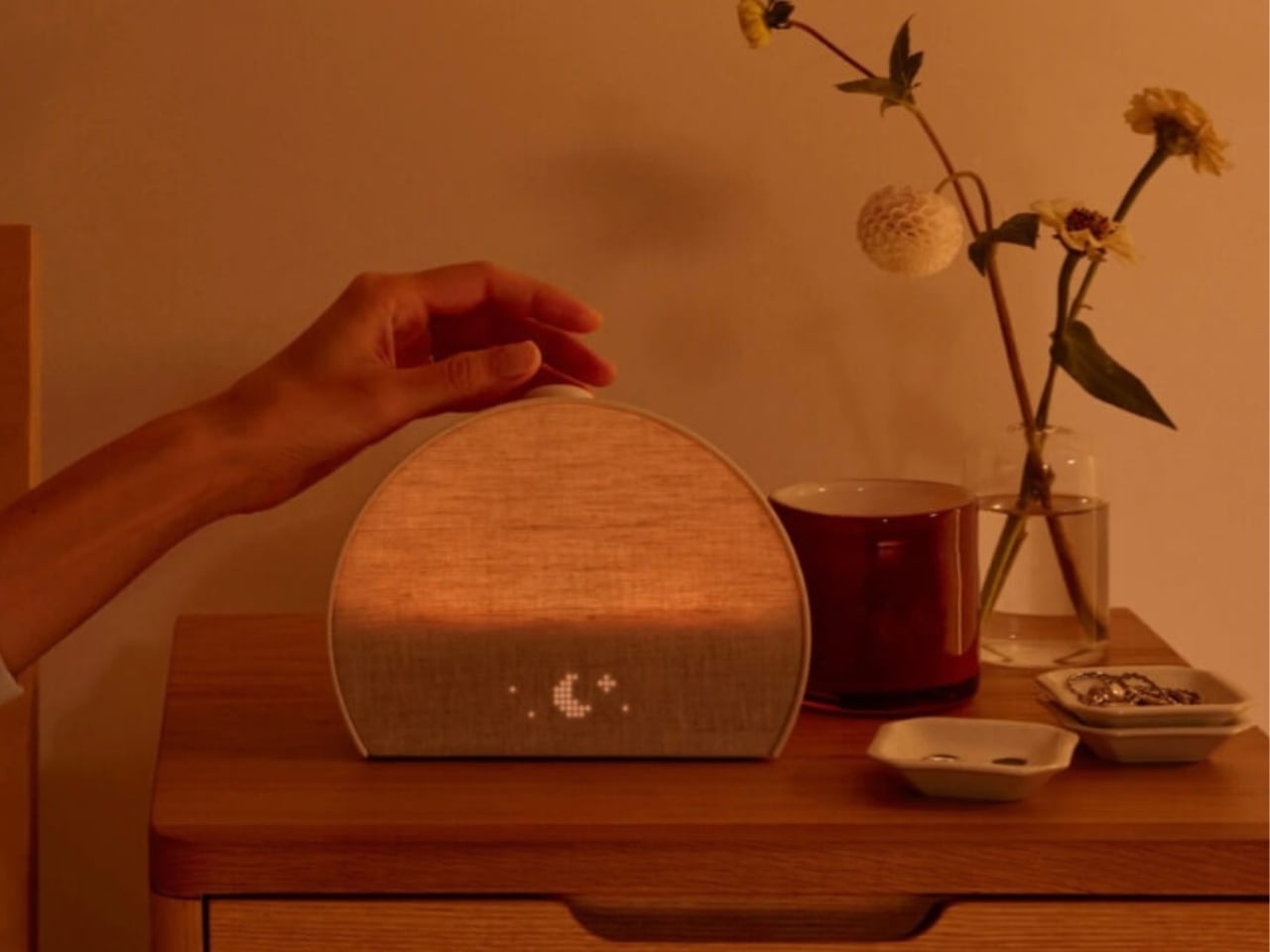
Most of us fall asleep holding the very thing that’s keeping us awake. The phone. The infinite scroll. The algorithm engineered to make you feel like you’re missing something if you put it down. It’s a strange modern paradox, that a device built for connection has become the dominant object in one of the most intimate spaces in our home: the bedroom. Hatch seems to have understood this better than most, and their Restore 3 is a quiet but deliberate argument for doing things differently.
On paper, it’s a smart sleep clock. A well-designed one, yes, but still, at its core, a bedside device that helps you fall asleep and wake up. What makes it worth talking about isn’t necessarily the specs, though they’re solid. It’s the philosophy behind it. The entire product is built around the idea of putting your phone down, and keeping it that way.
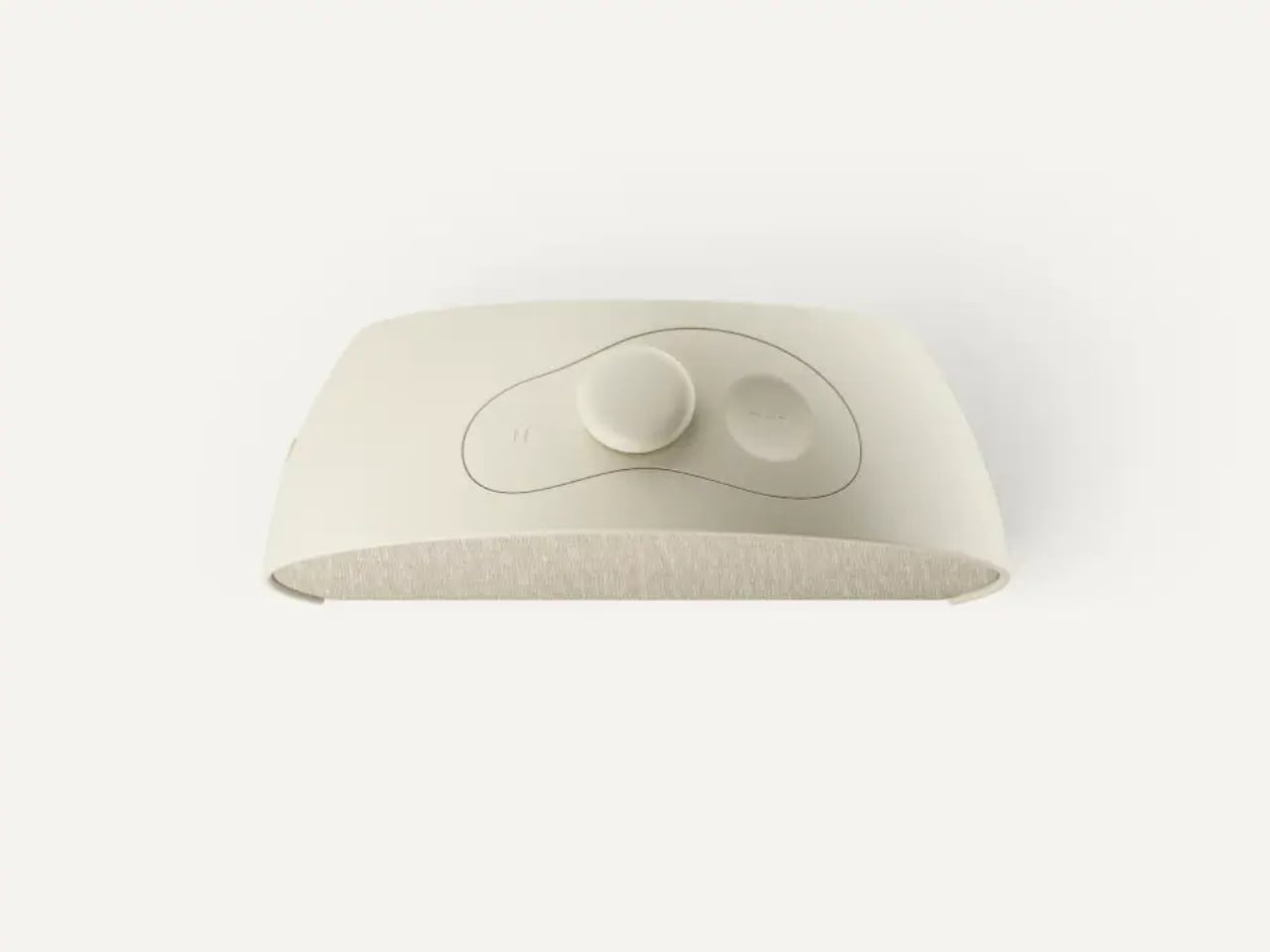
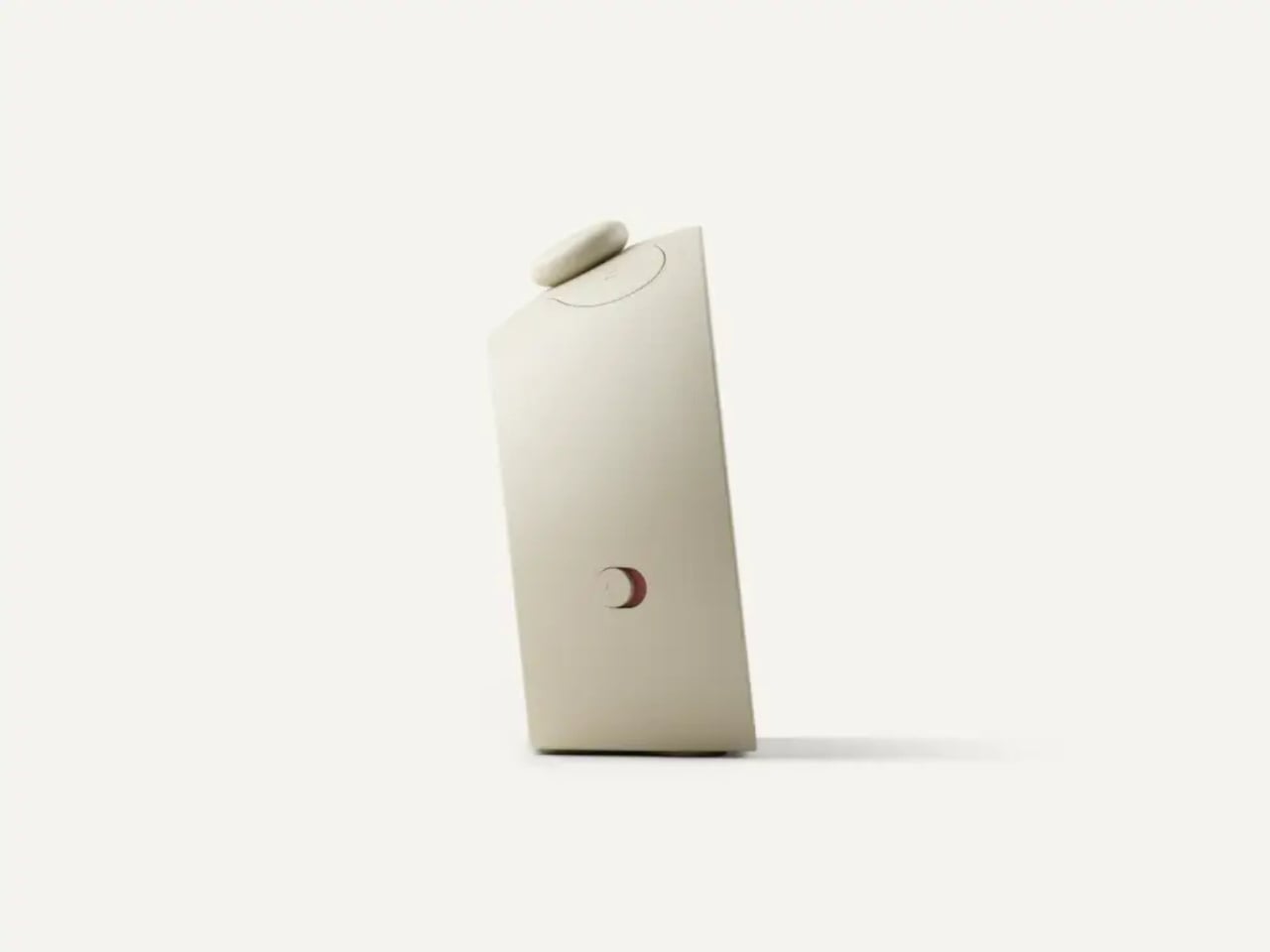
That’s where the redesigned hardware comes in. Unlike its predecessor, the Restore 3 has five physical controls: three on top, including a pause button, an Unwind Swap button, and what Hatch calls the Big Button, plus two more on the sides for the bedside light and alarm toggle. You can swap your wind-down routine, adjust volume, and silence your alarm without ever picking up your phone. It sounds minor until you realize how reflexively most of us grab the phone the second the alarm goes off, then somehow lose forty minutes to Instagram before we’ve brushed our teeth.
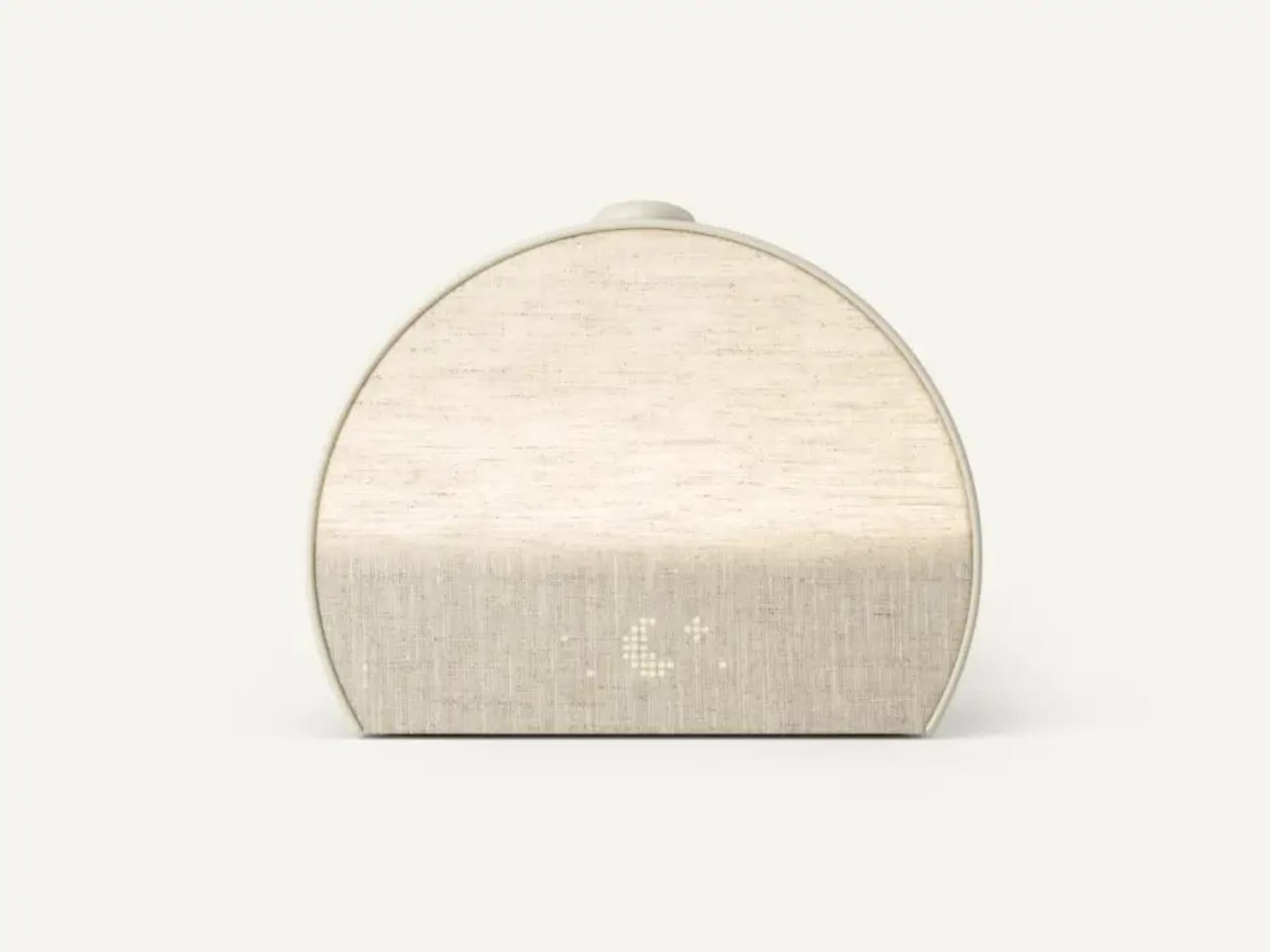
The design itself is clean and restrained in a way that feels intentional. Compact at roughly 7.24 inches wide and just over 5 inches tall, it comes in three muted colorways: Putty, Greige, and Cocoa. None of them scream “tech product.” All of them could pass for a ceramic lamp or a minimalist decor piece, which is likely the point. It’s designed to disappear into your nightstand while doing a lot of work. The time display is almost comically understated, barely noticeable at a glance.
Where the Restore 3 earns its $169.99 price tag is in the routines. Hatch structures your night into three stages: unwind, sleep, wake. During the unwind phase, you can cycle through immersive light and audio experiences, including meditations, bedtime podcasts, sleep soundscapes, and layered ambient sounds. The sleep phase takes over from there, and in the morning, a gradually brightening sunrise alarm eases you out of sleep rather than yanking you out of it. You set all of this through the companion app and then, ideally, never touch your phone again until morning.
The optional Hatch+ subscription, at five dollars a month or fifty for the year, unlocks over 100 sounds and lighting programs, with new content added regularly. A 30-day trial comes included with every purchase, which is a smart way to explore the full library before committing. Without the subscription, you still get access to more than 20 alarm sounds and 12 color noise options, which is genuinely more than most people will ever cycle through.
A few caveats worth naming: the Restore 3 doesn’t track your sleep. No biometric sensors, no data scores, no readiness analysis to scroll through every morning. For some, that’s a dealbreaker. Personally, I think it’s a feature. Sleep culture has gotten strangely clinical, with people waking up to check scores and percentages before they’ve had coffee. The Restore 3 isn’t interested in quantifying your rest. It just tries to improve it.
It’s also worth noting that the sunset mode, which winds down the lighting at night, isn’t as gradual as some competing sunrise alarms. If you’re particularly sensitive to light cues, that’s a real consideration. Still, the Restore 3 gets far more right than it gets wrong. It’s a thoughtfully designed product in a category that tends toward the overly clinical or the embarrassingly basic. The fact that it actually looks good on your nightstand while doing something genuinely useful puts it in a rare category. Sometimes the best tech is the kind that quietly asks you to use less of it.
We spend about a third of our lives asleep, and most of us are still doing it on the same basic setup we’ve had since forever: a mattress, some pillows, and a blanket we’re either kicking off or pulling back over our shoulders at 3 a.m. For something so essential to how we function every single day, every workout, every decision, sleep technology has been surprisingly slow to catch up with everything else in our homes. That changes with the Orion Sleep System.
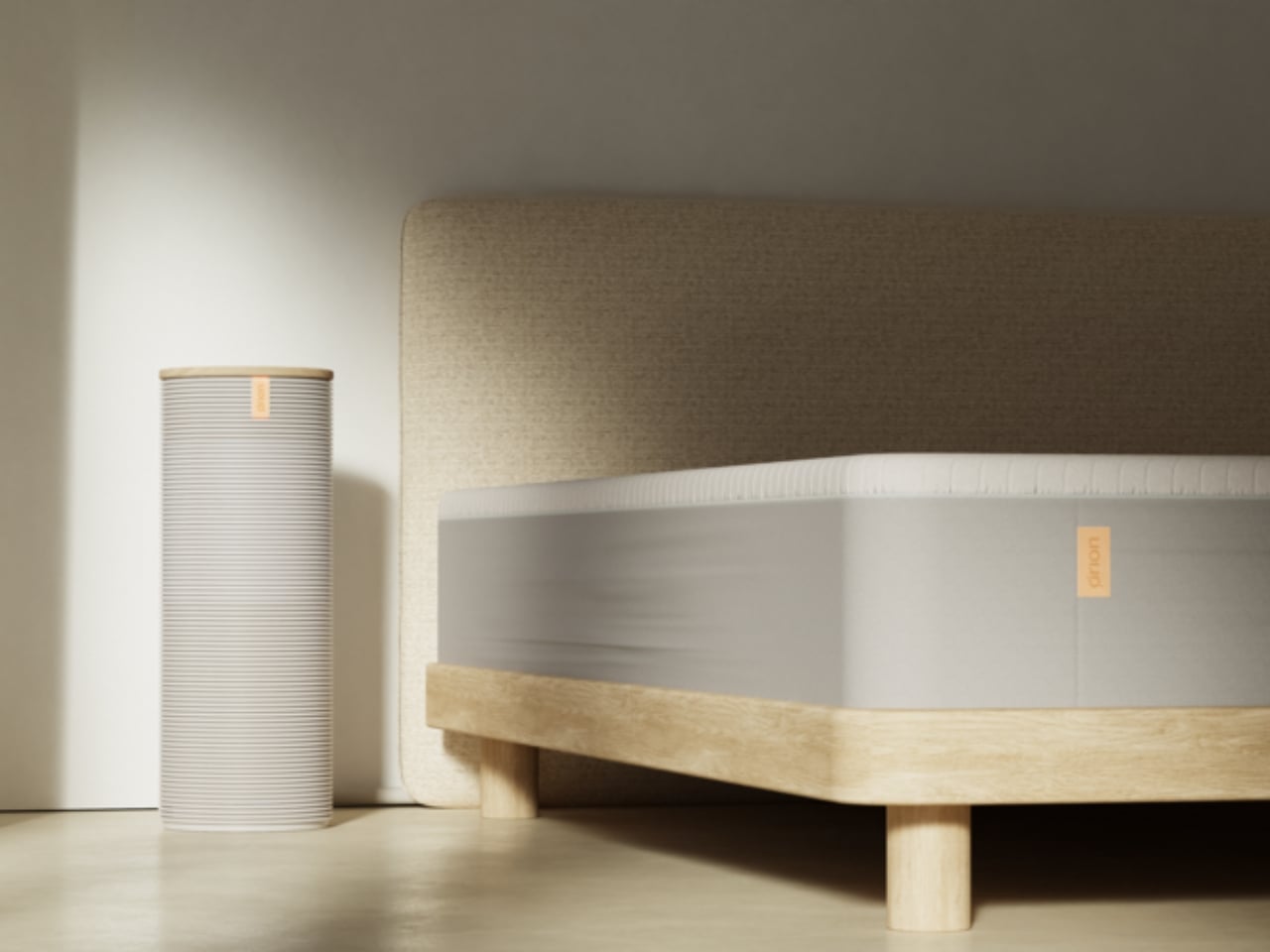
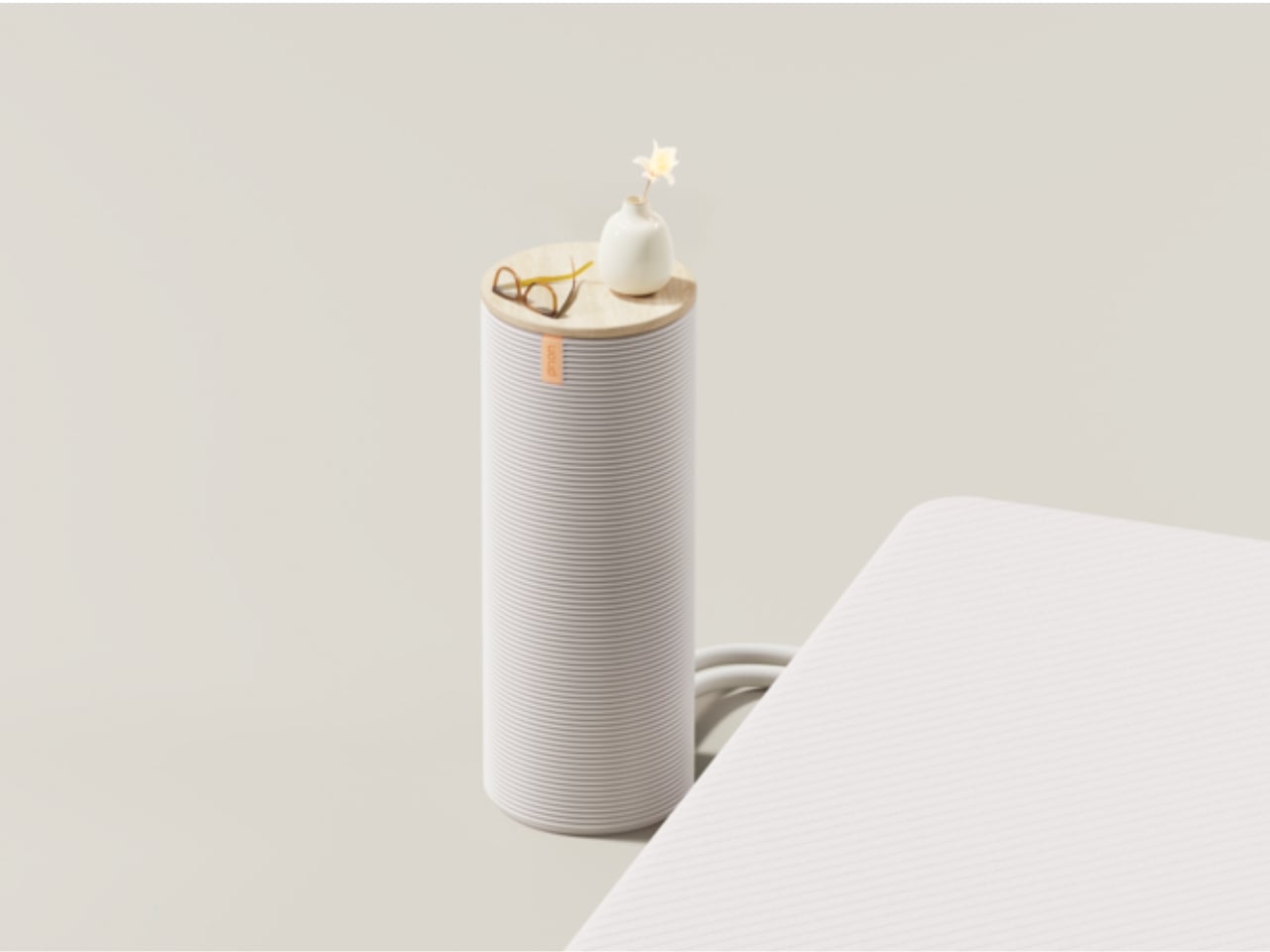
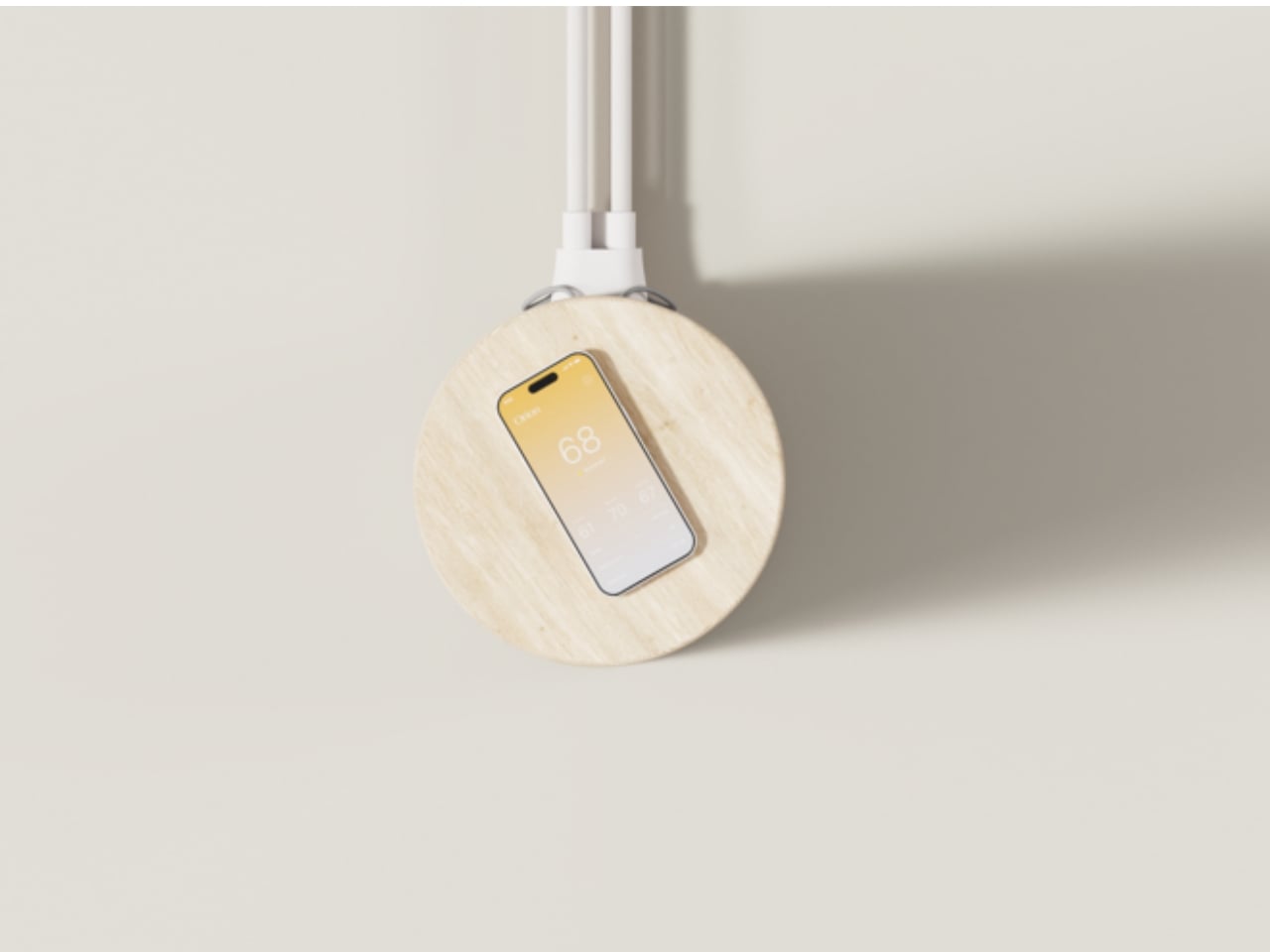
Designed by Santa Cruz-based studio Herbst Produkt, Orion is a Smart Cover that turns your existing bed into a fully intelligent, AI-powered sleep system. No mattress replacement required. The concept alone is worth pausing on. Most high-tech sleep products ask you to invest in an entirely new bed setup. Orion fits over what you already have, which says a lot about how this team thinks about design: it’s not about selling you more, it’s about making what you already own work smarter.
Designer: Herbst Produkt
The core technology centers on dual-zone thermoregulation that senses, learns, and adapts in real time. If you tend to overheat at night and your partner is perpetually cold, Orion handles both sides of the bed separately, without negotiation, without a thermostat war, and without anyone losing sleep over it (pun fully intended). Biometric sensing feeds data into an AI that builds personalized temperature profiles over time. The more you sleep with it, the better it gets at keeping you in that ideal zone where deep, restorative sleep actually happens.
Temperature, by the way, is one of the most underrated factors in sleep quality. Research consistently shows that our bodies need to cool down to fall asleep and stay that way through the night. For anyone who’s ever been yanked out of a deep sleep by a sudden hot flash, a restless partner, or just a bedroom that refuses to cooperate with the season, that’s not a small thing. Orion treats it like the serious physiological variable it actually is.
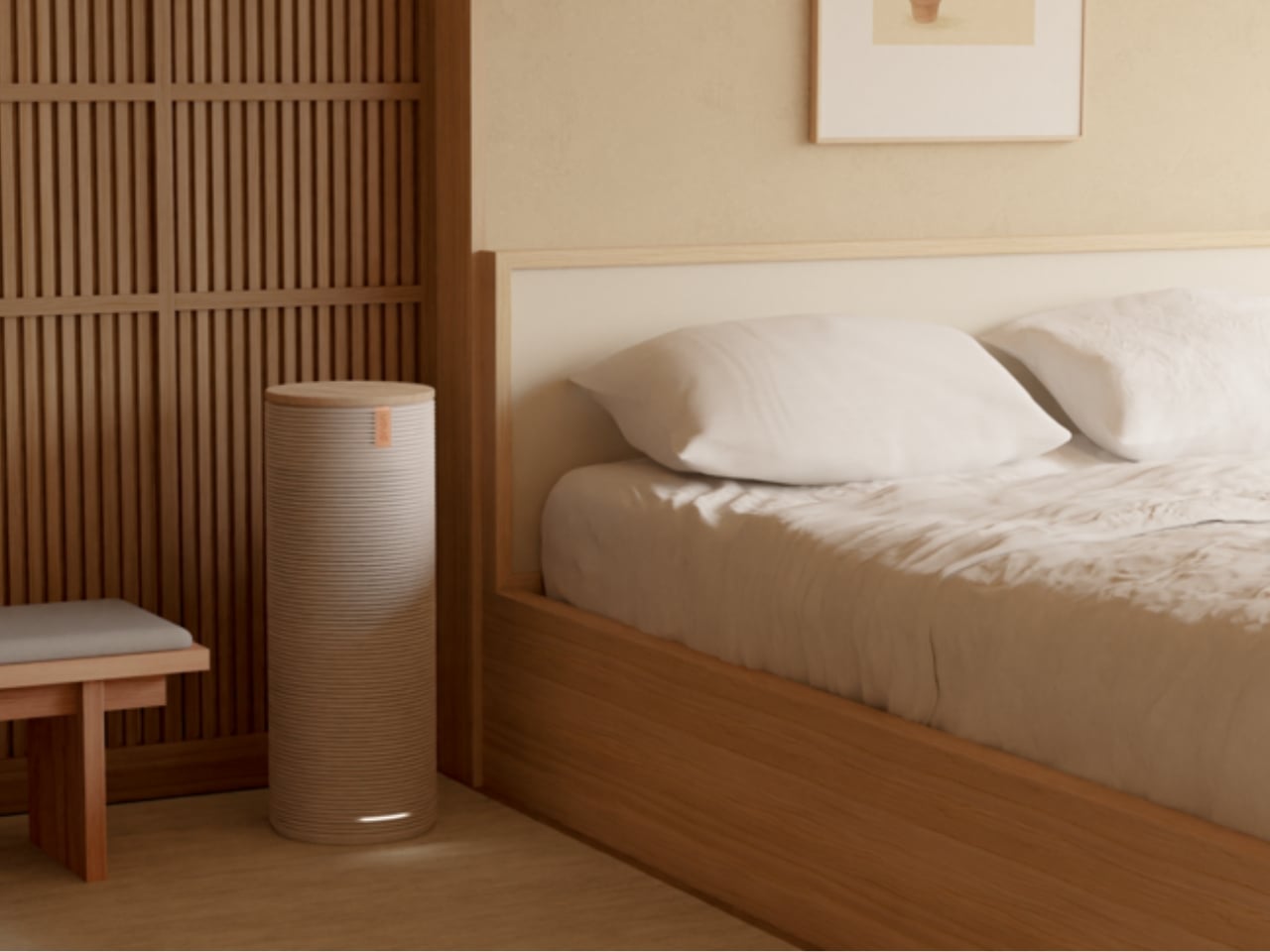
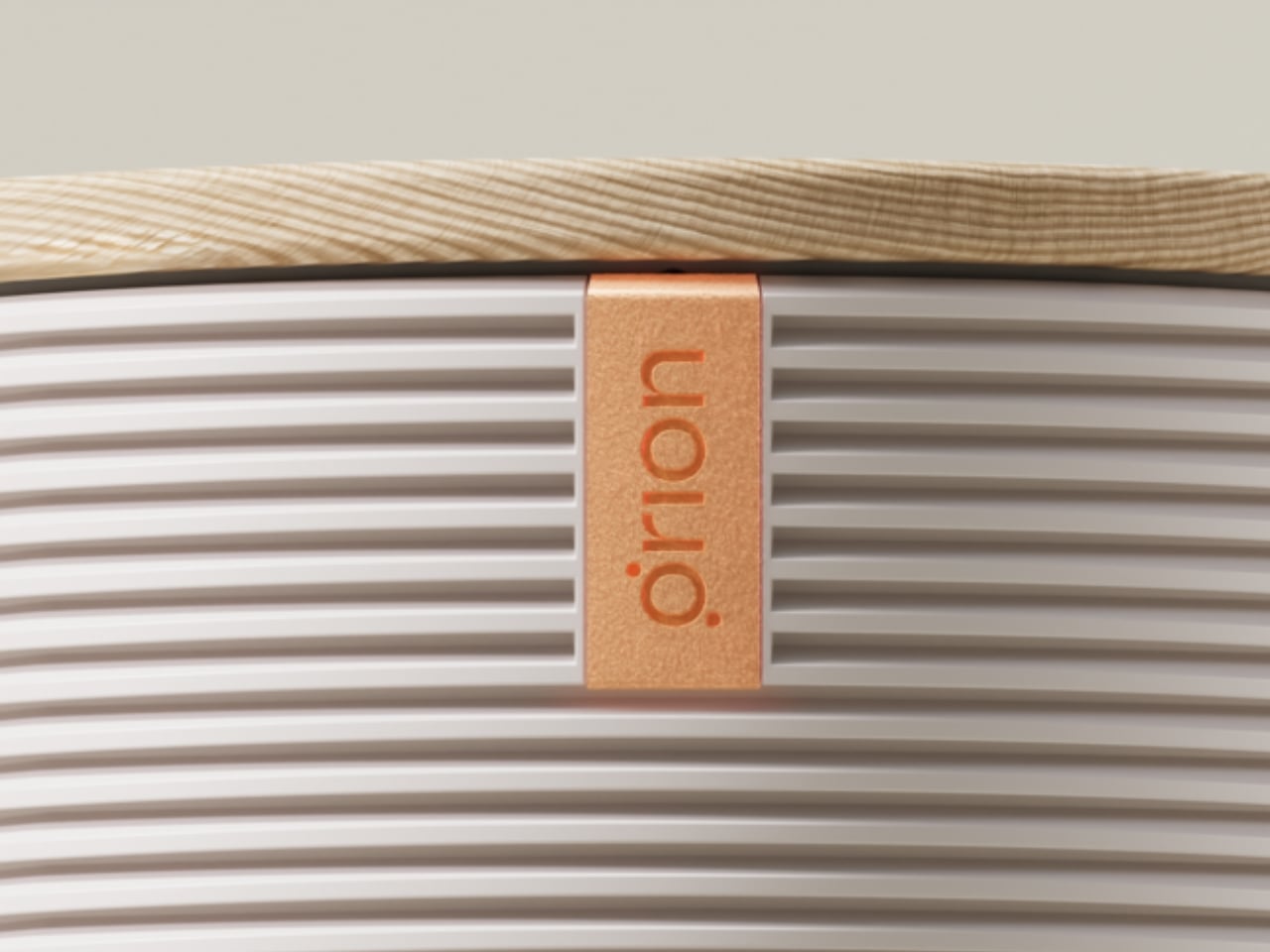
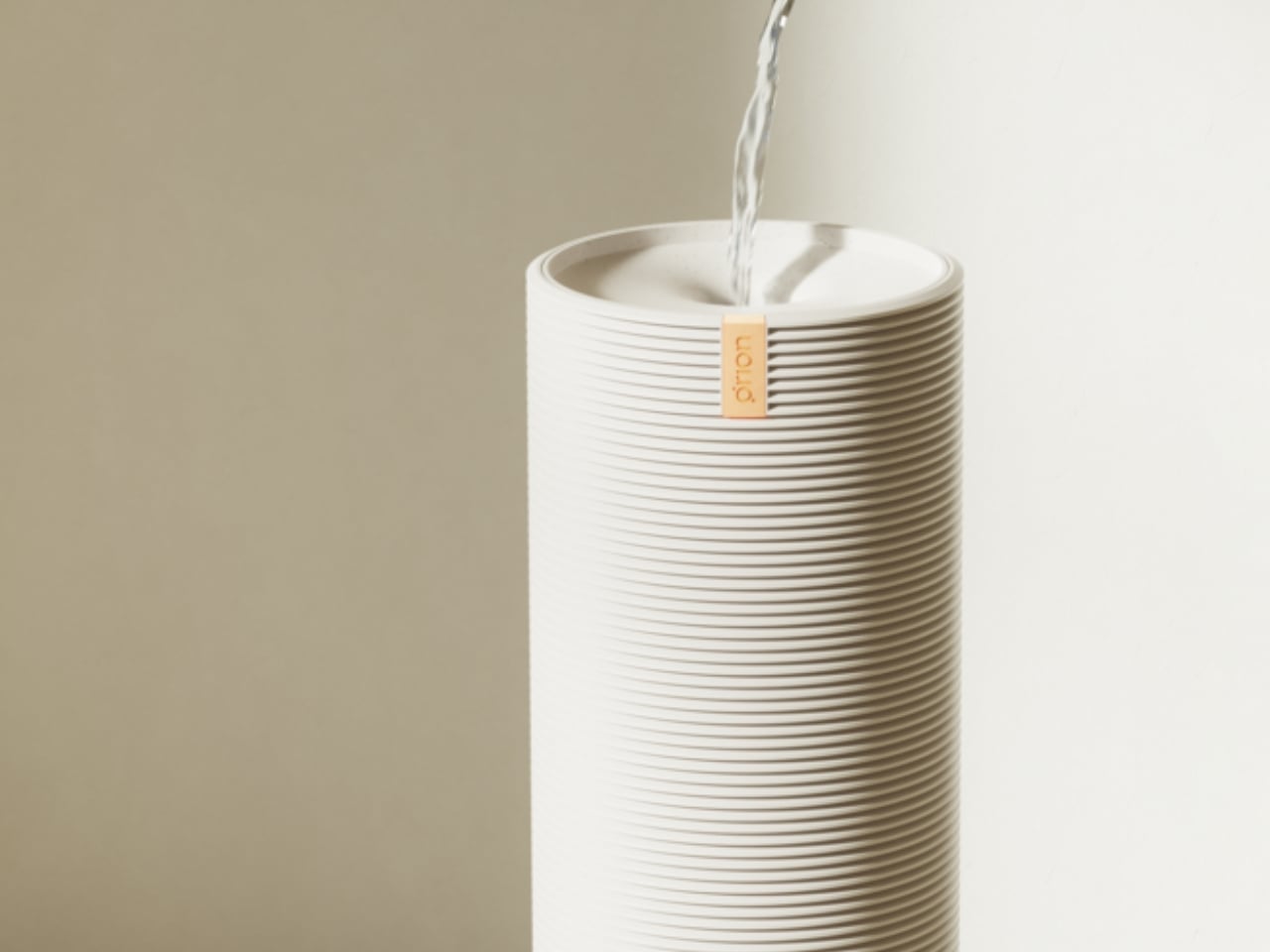
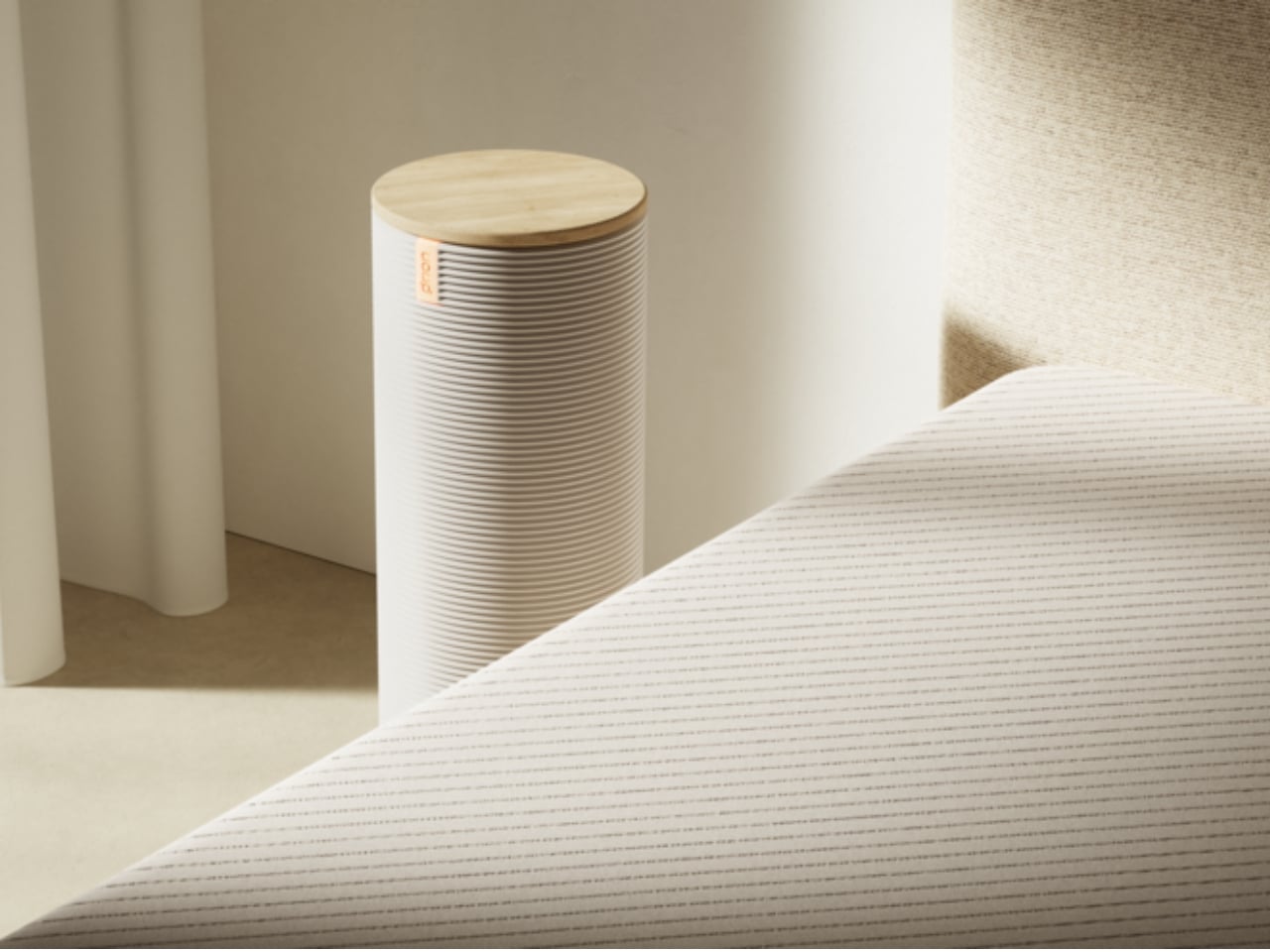
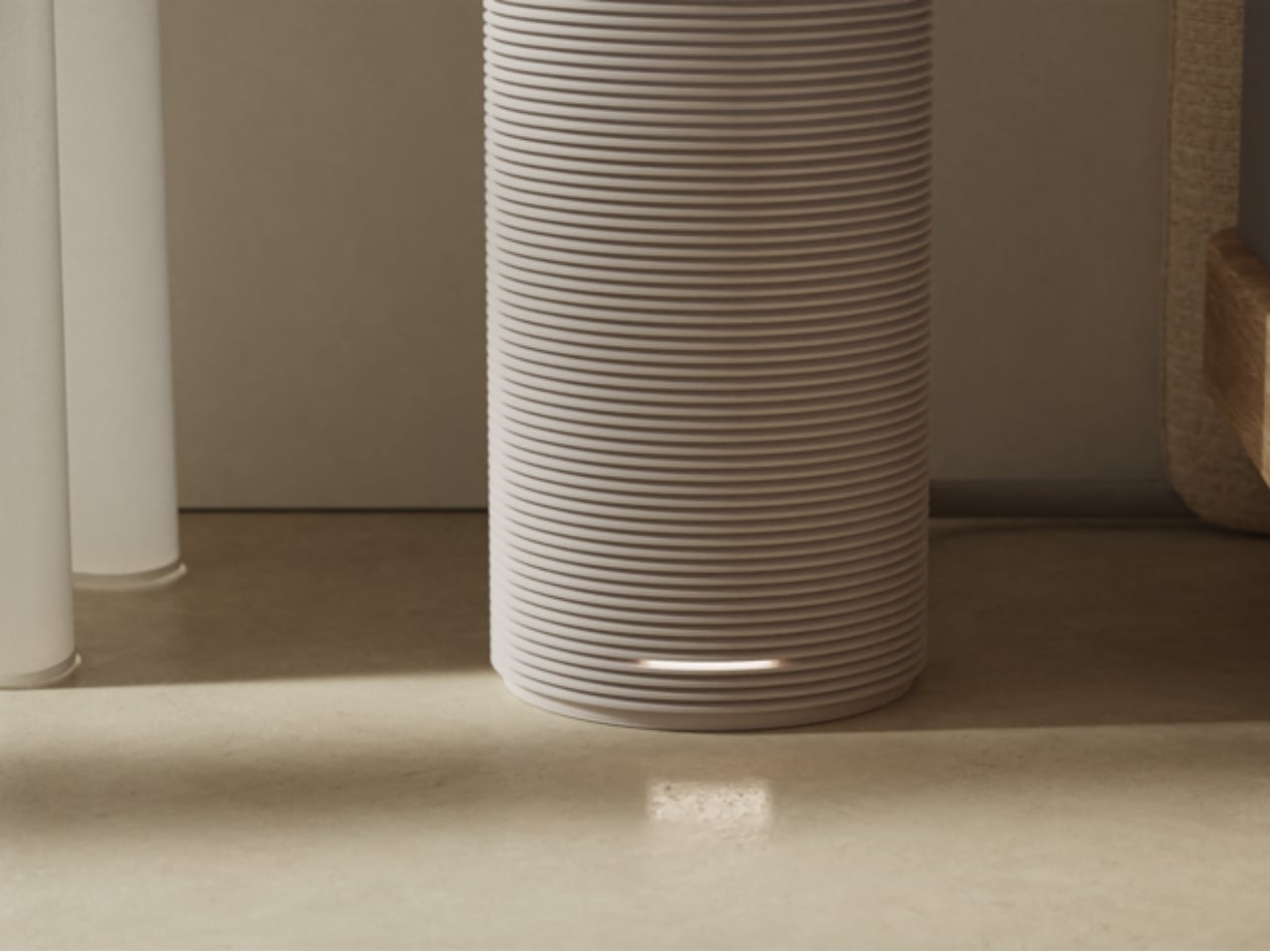
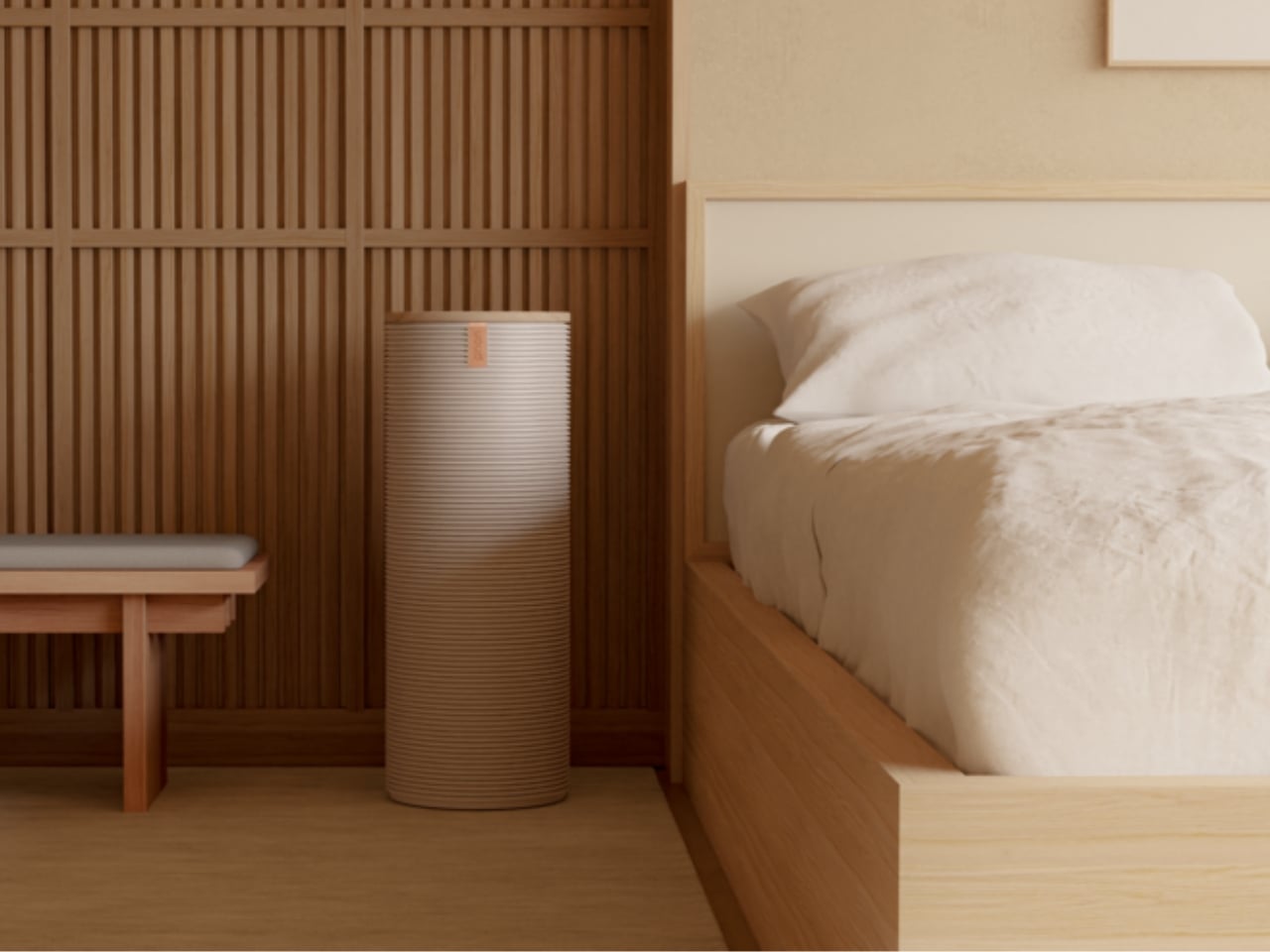
What makes this stand out beyond the specs, though, is the physical design approach. Sleep tech has a history of looking like medical equipment, things you’d rather keep hidden than have sitting prominently on your nightstand. Orion went the opposite direction. The hub is built with warm wood tones and a clean cylindrical form that reads more like a considered home object than a gadget. It sits on your nightstand like something you consciously chose to put there. It was designed to live in your space, not just function in it, and the difference between those two things is exactly what separates good design from great design.
That choice matters more than it might seem. The best technology is the kind you forget is there, the kind that doesn’t make your bedroom feel like a biohacking lab. Orion lands somewhere between sophisticated and approachable, and the design team specifically built it to be accessible to people who aren’t particularly tech-savvy. There’s no steep learning curve here, no intimidating interface to decode at midnight. That kind of inclusive thinking in product design still doesn’t happen enough.
At around $2,295 for a Queen size, the Orion Sleep System is a real investment. It’s not for everyone’s budget, and glossing over that would be doing you a disservice. But the framing matters here. This is being positioned alongside wellness tools, not bedding. When you start thinking about it the way people think about a Peloton or a standing desk, the math starts to feel different.
Sleep is the foundation everything else is built on. Energy, focus, mood, recovery, even creativity all trace back to how well you rested the night before. The fact that a product this considered, this well-designed, and this genuinely functional now exists to address it feels like a meaningful signal of where the wellness and design worlds are finally, properly meeting. It took long enough.
Sleep has quietly become one of the most closely watched aspects of personal health. Around one in three people struggle with it, and roughly half of Americans already use a wearable device to track their sleep each night. That growing awareness has made sleep monitoring mainstream, turning the wrist and the finger into familiar real estate for all kinds of sleep-tracking sensors.
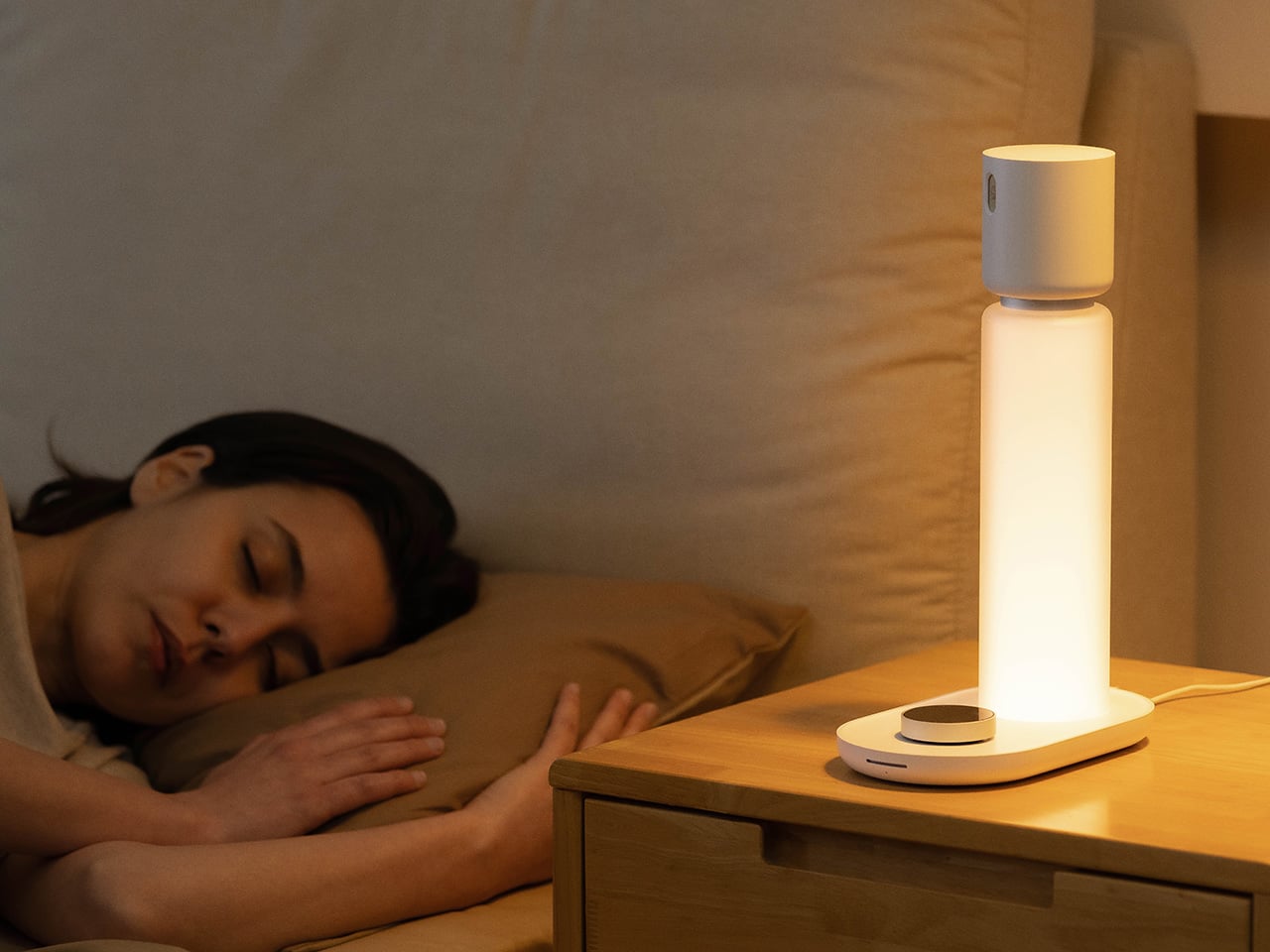
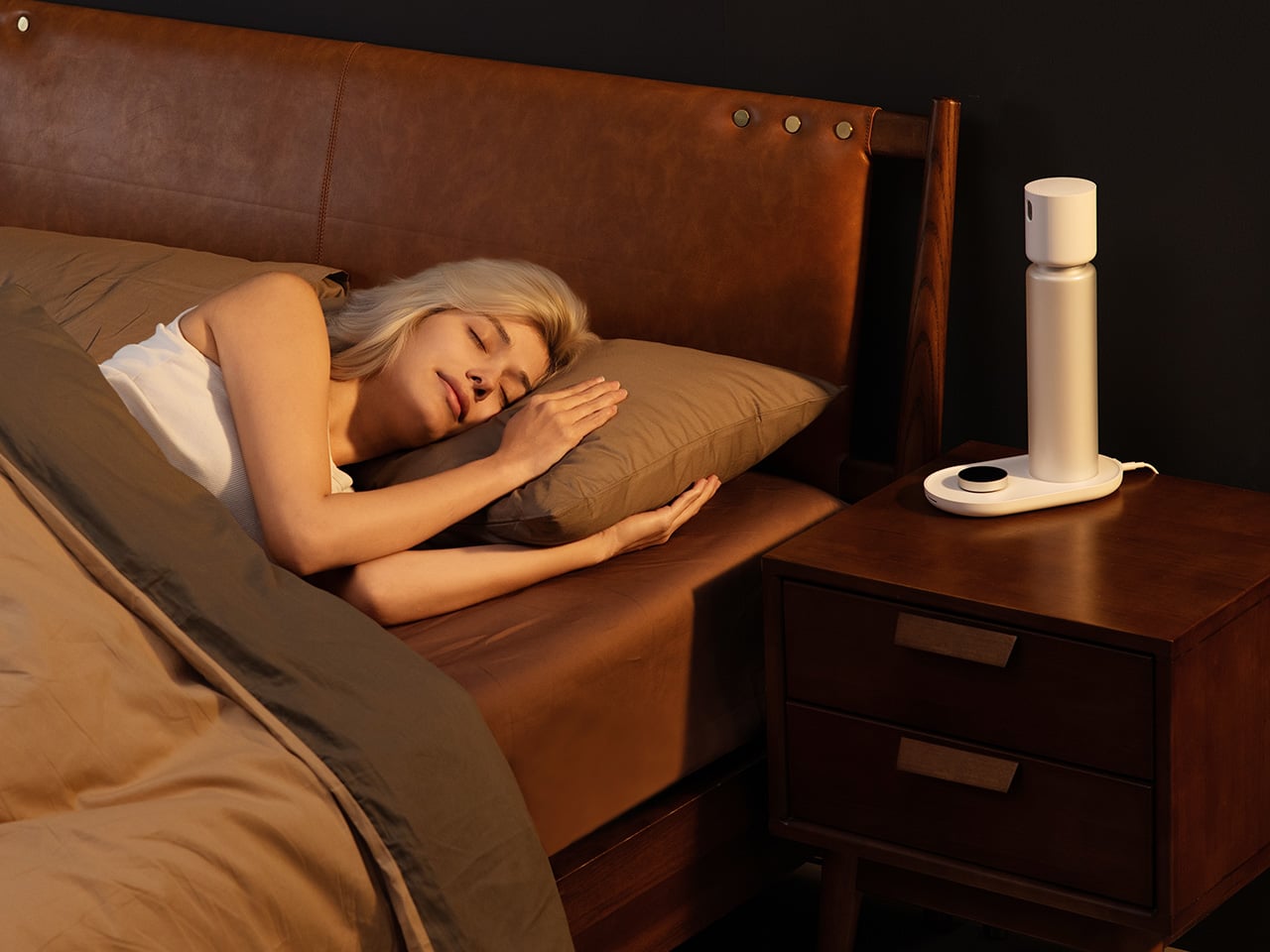
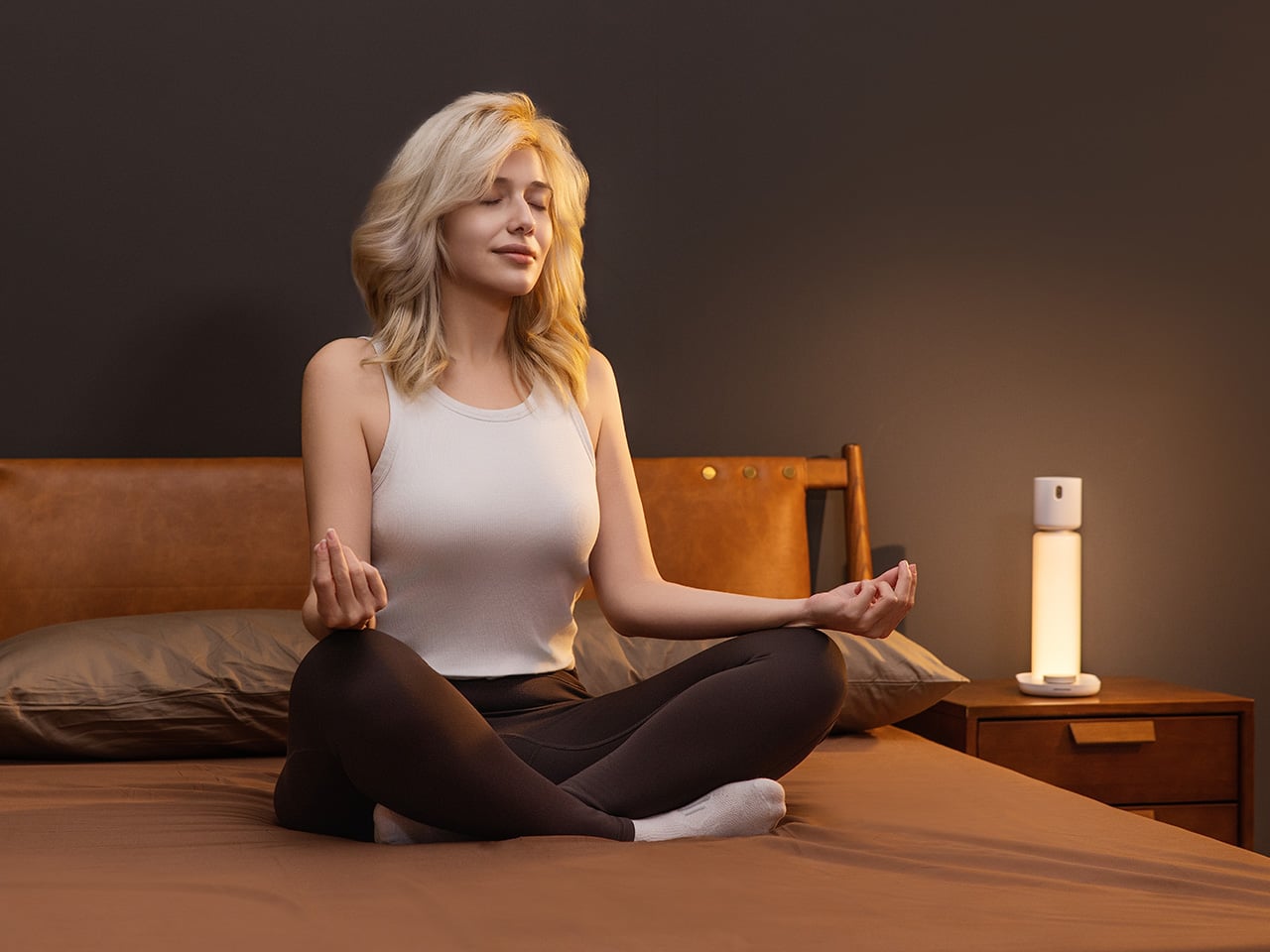
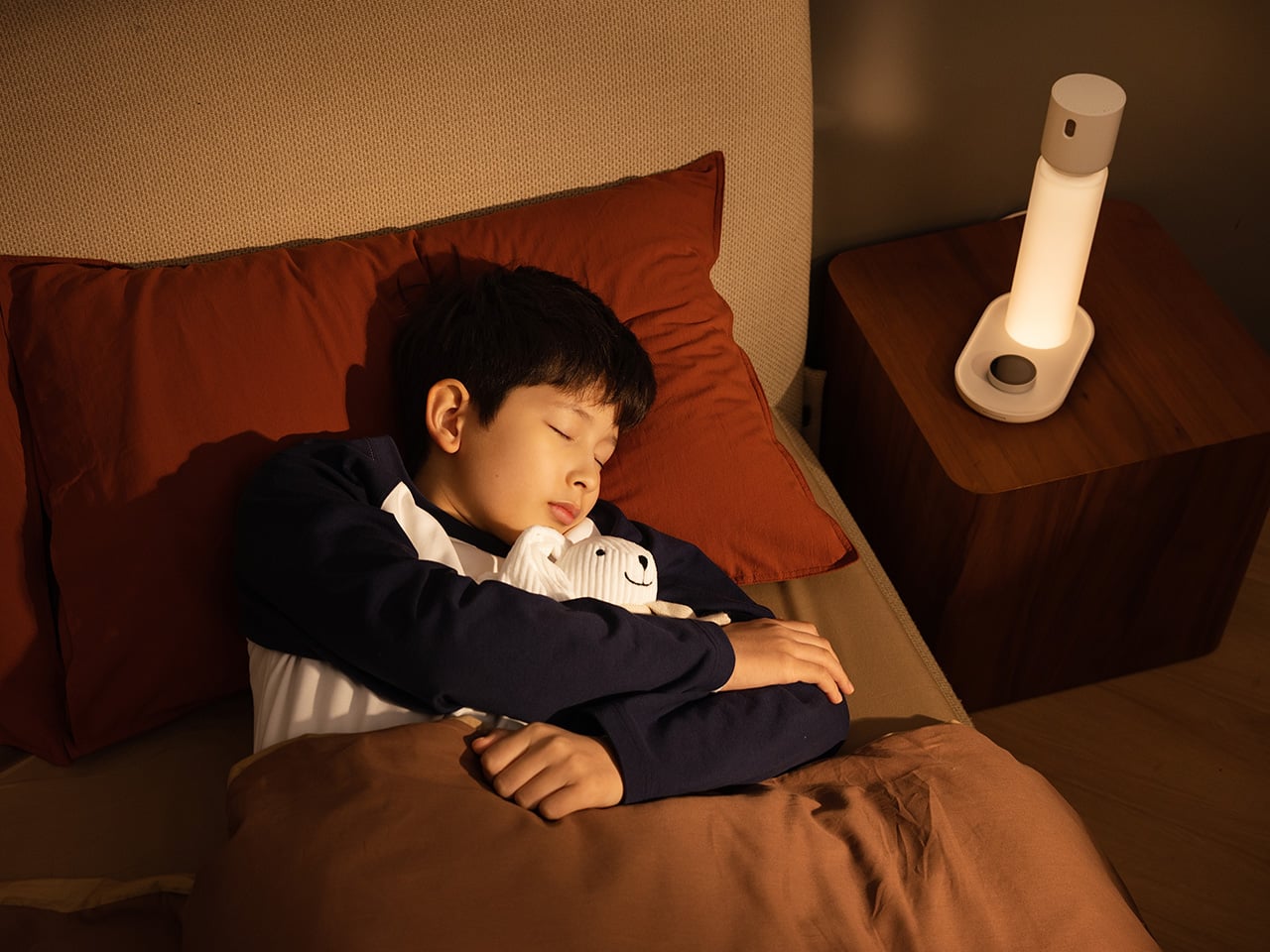
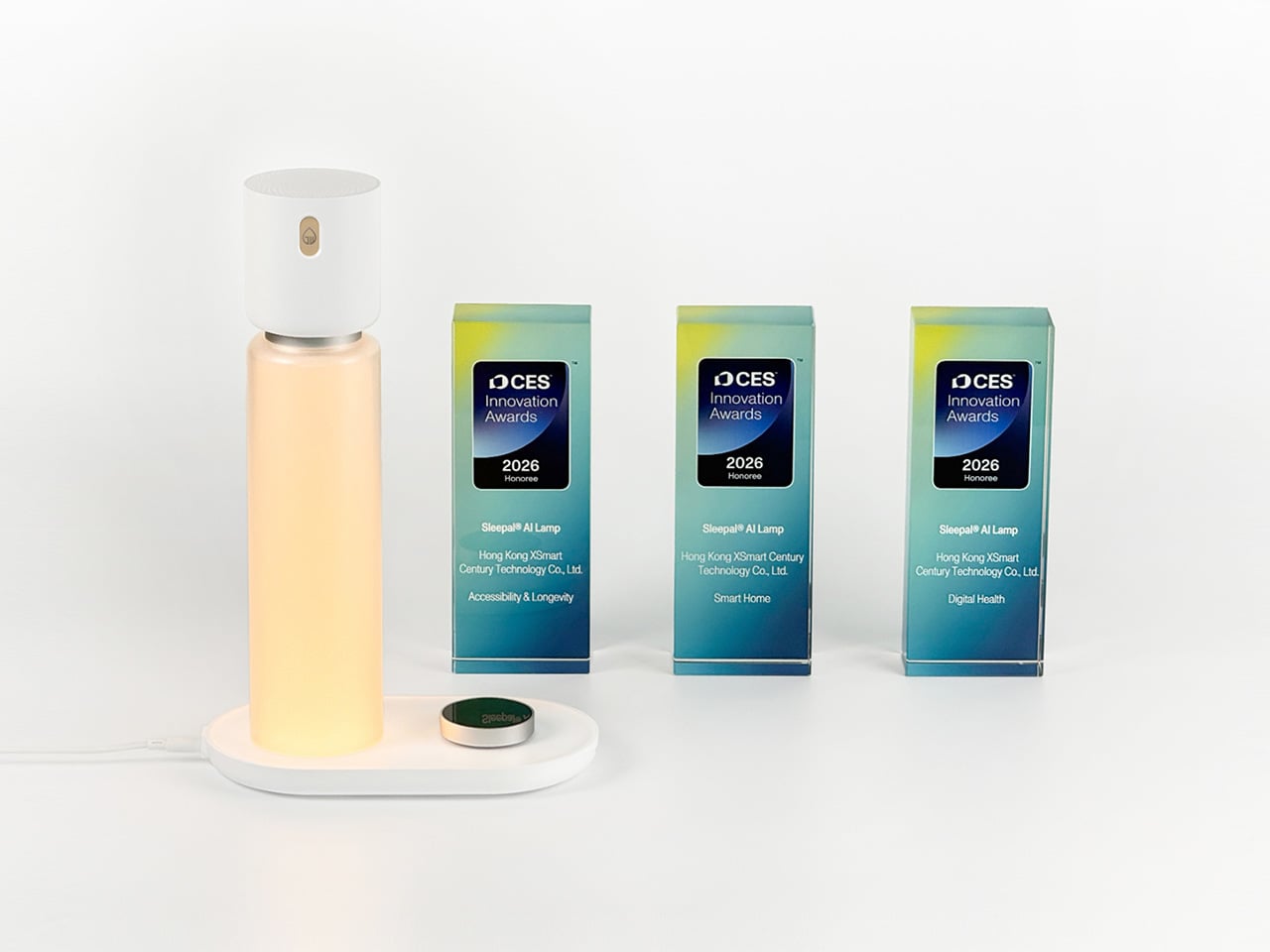
The irony, of course, is that wearing a device to bed can get in the way of the very thing you’re trying to improve. A watch or ring adds a layer of physical awareness that makes settling in harder, especially for someone who already struggles with sleep. Sleepal addresses that contradiction by embedding the tracking technology inside something already on your nightstand: a bedside lamp.
That choice of form factor carries real design logic. Around 70% of people already own a bedside lamp, and it’s naturally tied to the rituals of winding down and waking up. Building contactless sleep monitoring into that familiar object means Sleepal enters the bedroom without asking anything of you. No new habits to form, no extra device to charge, nothing to adjust to before lights out.
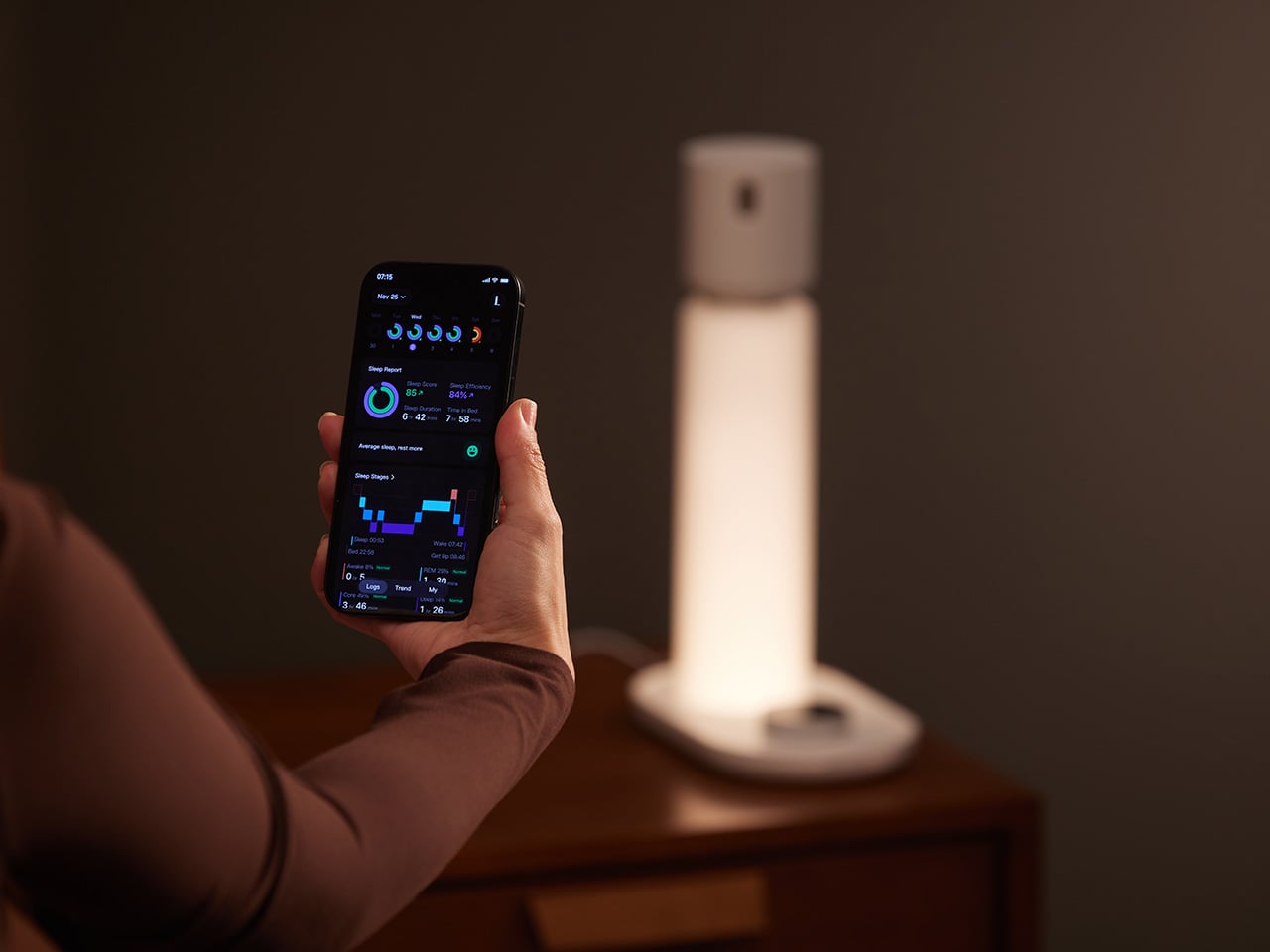
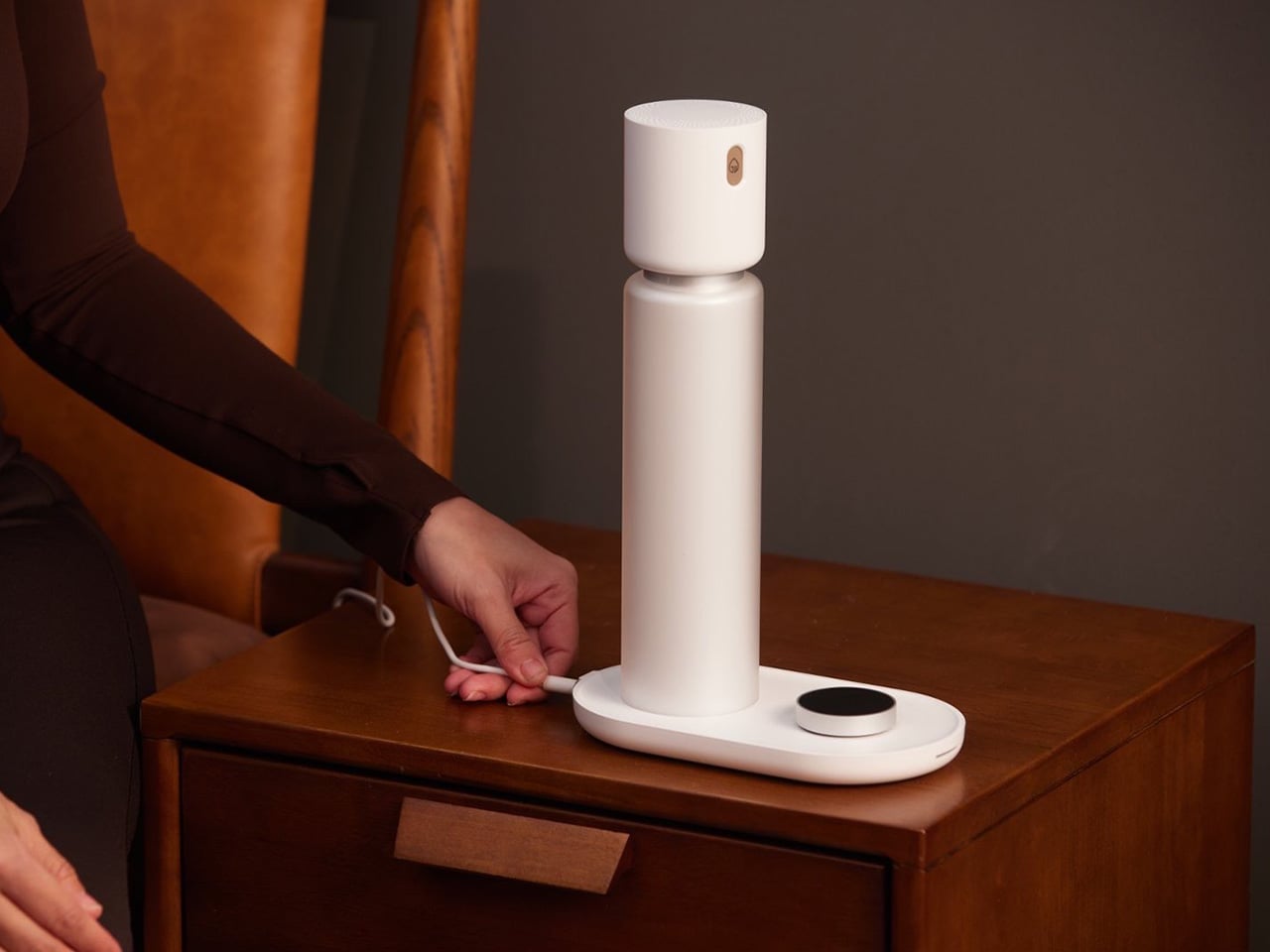
And setting it up is just as effortless. You plug it in, scan the device with the app, and after that, there’s really nothing else to manage. No nightly adjustments, no calibrations, nothing to put on before getting into bed. You simply sleep as you normally would and check your sleep report the next morning, which makes the whole experience feel remarkably frictionless.
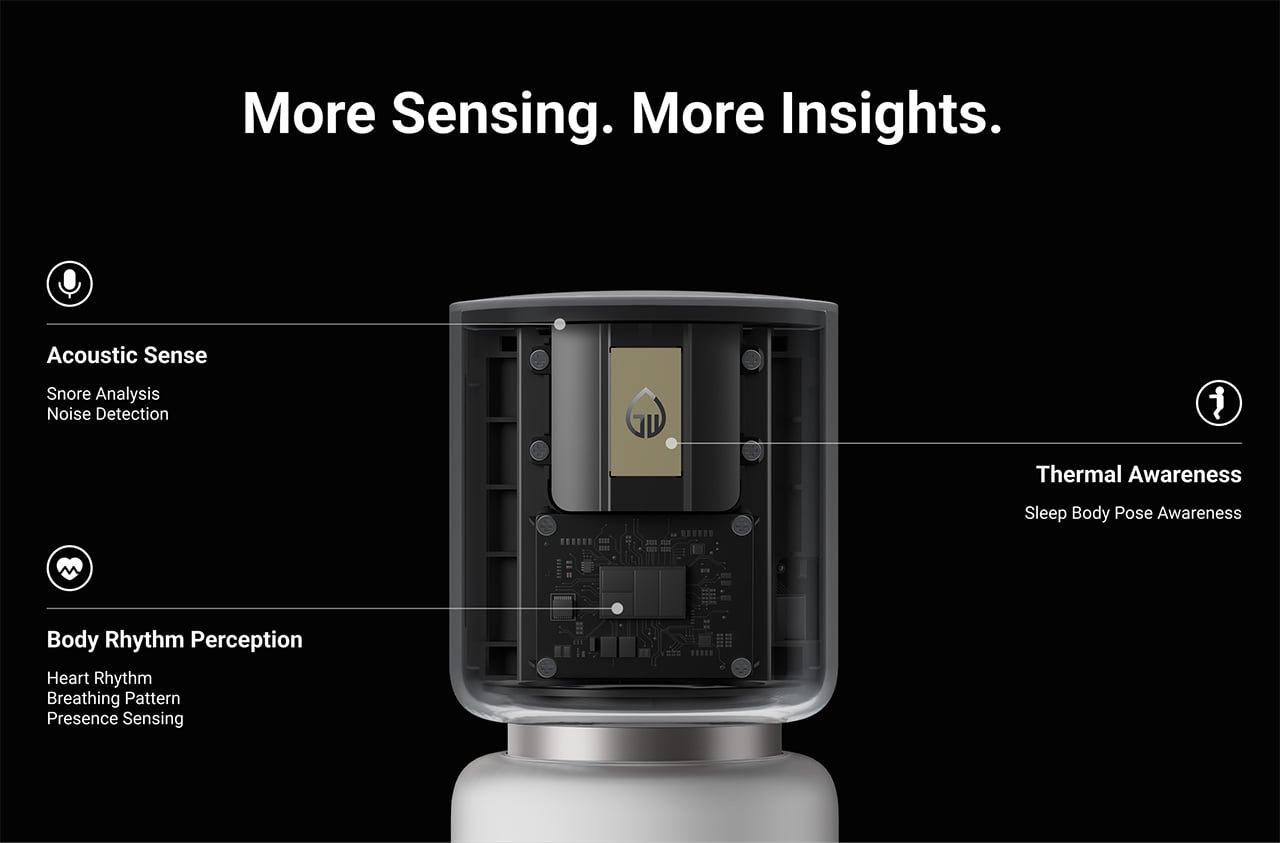
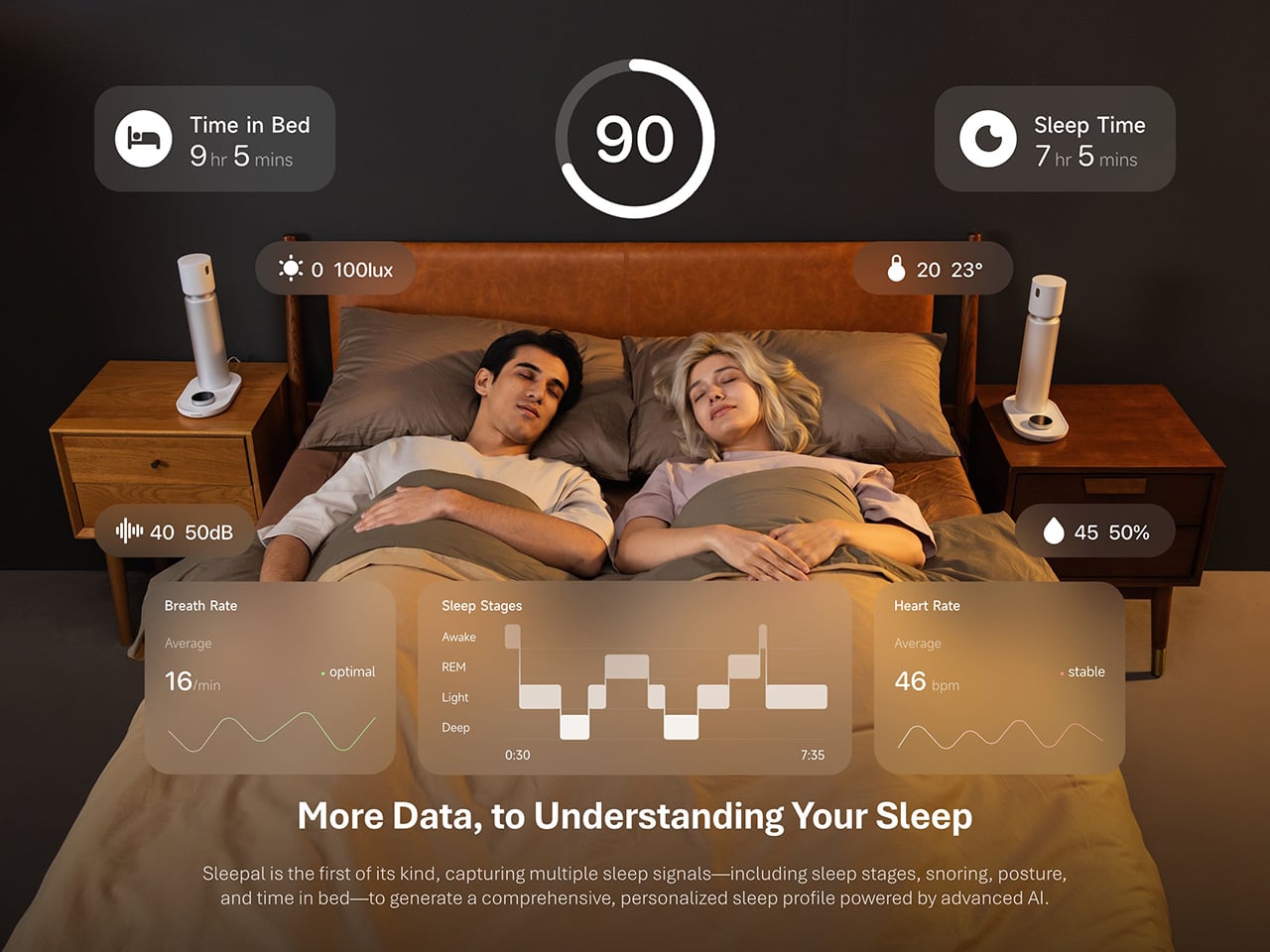
Behind that calm, unhurried exterior sits some serious sensing technology. Sleepal uses 60 GHz millimeter-wave radar with a detection precision of 0.1 mm, picking up the subtle chest micro-movements that come with breathing and a heartbeat. Those signals combine with environmental data and run through a sleep AI model built from scratch with nearly 100 million parameters, making the sleep-stage picture both thorough and precise.
And that technical foundation is backed by genuine clinical work. Sleepal collaborated with multiple hospitals to build one of the world’s largest radar-based sleep databases, including more than 2,000 datasets collected alongside polysomnography testing. This medical-grade data foundation is a key source of its accuracy, and based on Sleepal’s test results, its sleep-tracking accuracy is higher than that of most mainstream wearables.
Because it functions as a lamp, the light itself becomes part of how it supports your sleep. It adapts through the night, softening as you settle in and brightening gently as morning approaches. Plus, it reads the room’s environmental conditions, capturing the ambient factors that affect rest and giving you a fuller picture of your night by combining physiological and environmental data.
The wake-up experience gets the same level of thought. When you set a target time in the app, Sleepal doesn’t just ring at that exact moment. It looks for a more natural waking window, steering clear of deep sleep and REM in favor of lighter stages. A turn of the body triggers snooze, and if you drift off again, the alarm continues until it detects you’ve left the bed.
Getting to sleep is handled just as carefully. Breathing guidance, meditation, and relaxation audio are all built in, giving you a non-pharmaceutical way to ease into rest before the tracking even begins. Heck, for a lot of people, better sleep doesn’t come from gathering more data alone; it comes from having practical tools to actually wind down, and Sleepal has a solid set of those.
One of the more quietly impressive things about Sleepal is how much it conceals. There’s no camera, and a physical control for key sensors adds a layer of discretion, while all that advanced sensing sits behind a lamp that simply looks like it belongs. The design emphasizes comfort and calm over any overt technological statement, making it easy to trust in a space as personal as a bedroom.
Most sleep gadgets feel like they belong in a gym or a lab: chunky watches, bright screens, and apps that want you to stare at charts before bed. There is a disconnect between wanting a soft, quiet bedroom and plugging in devices that blink, buzz, and look like mini computers parked on your nightstand. Sleep tech rarely starts from the mood of the room it lives in, focusing instead on metrics and dashboards that feel clinical.
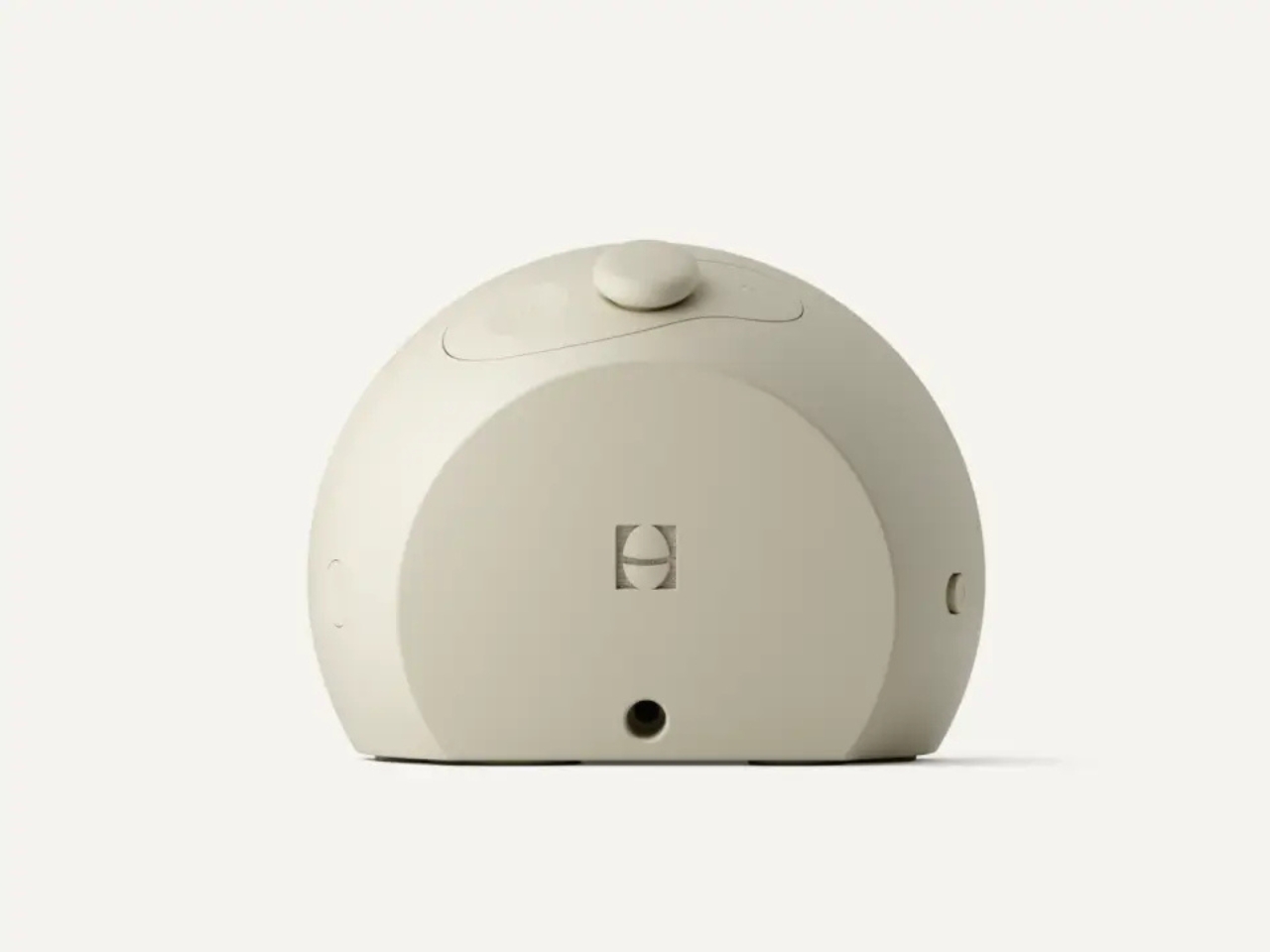
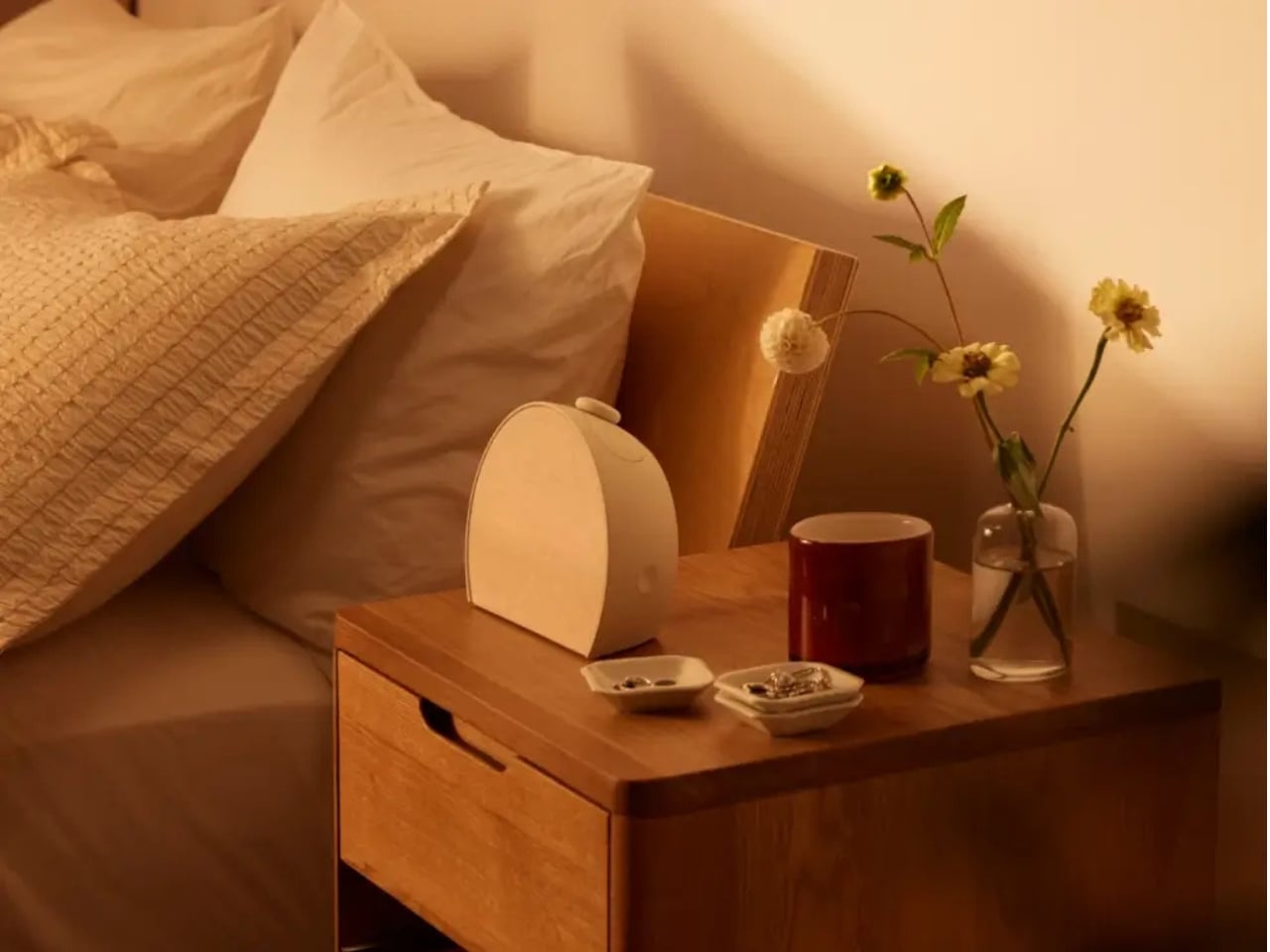
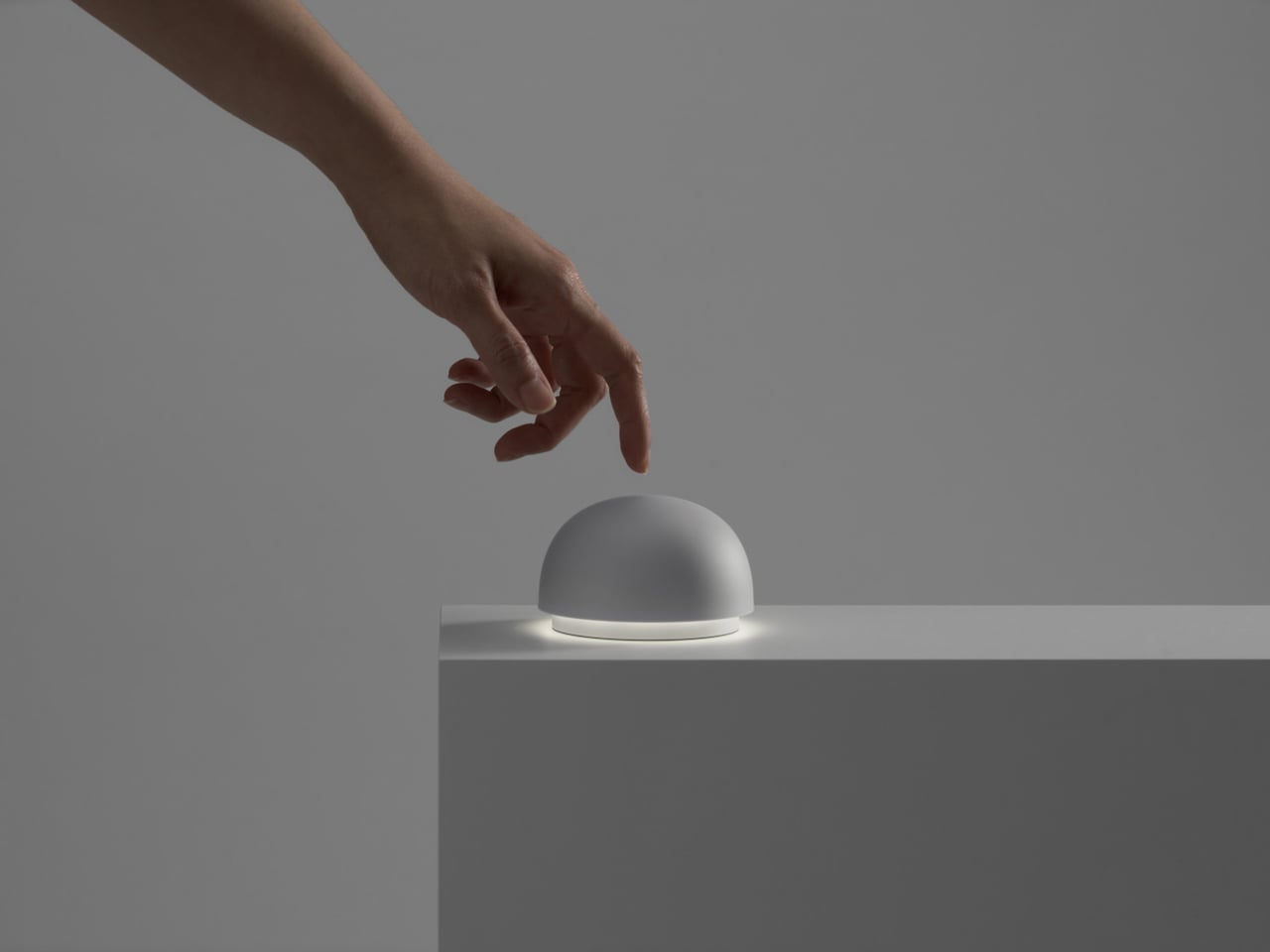
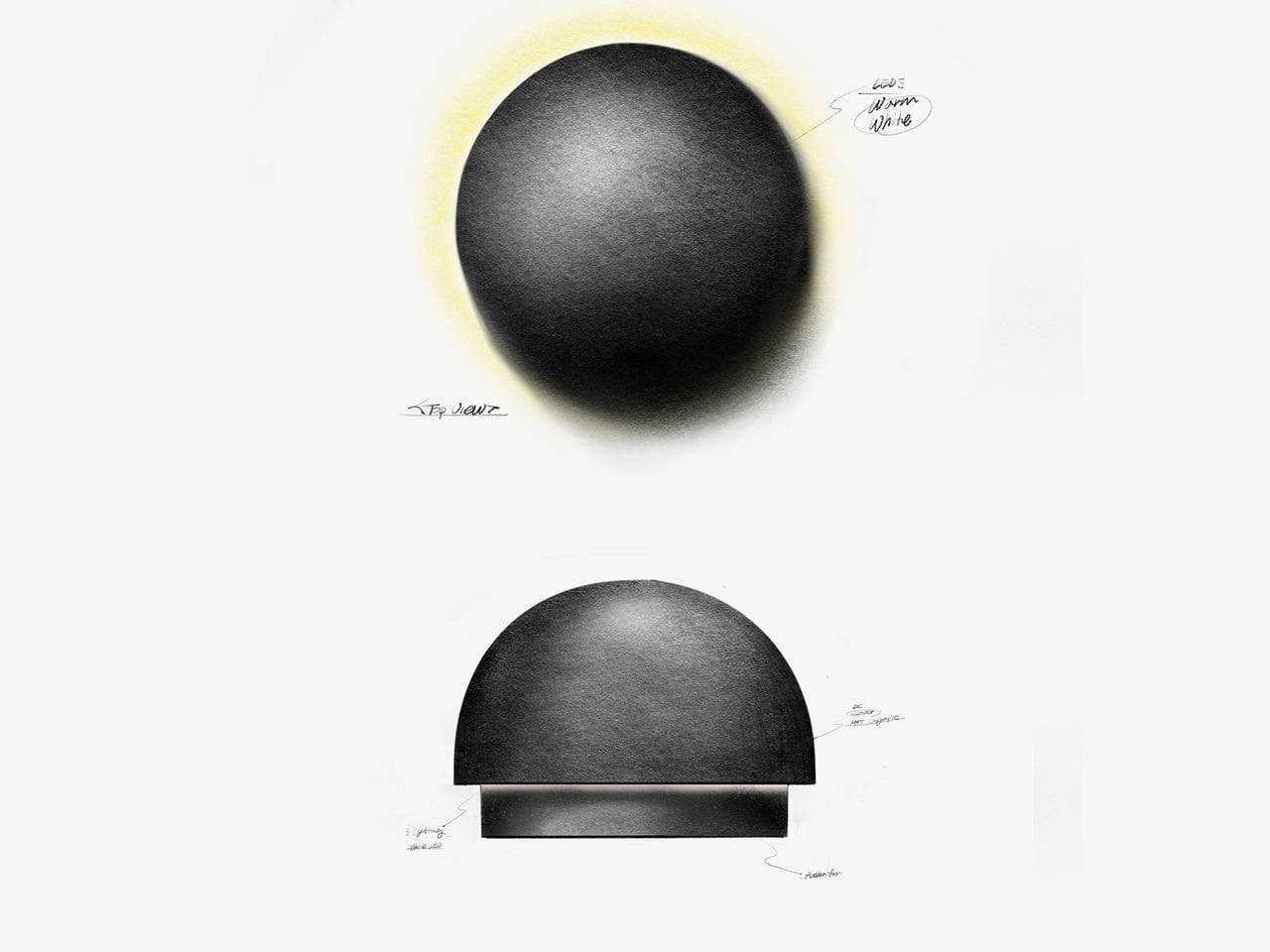
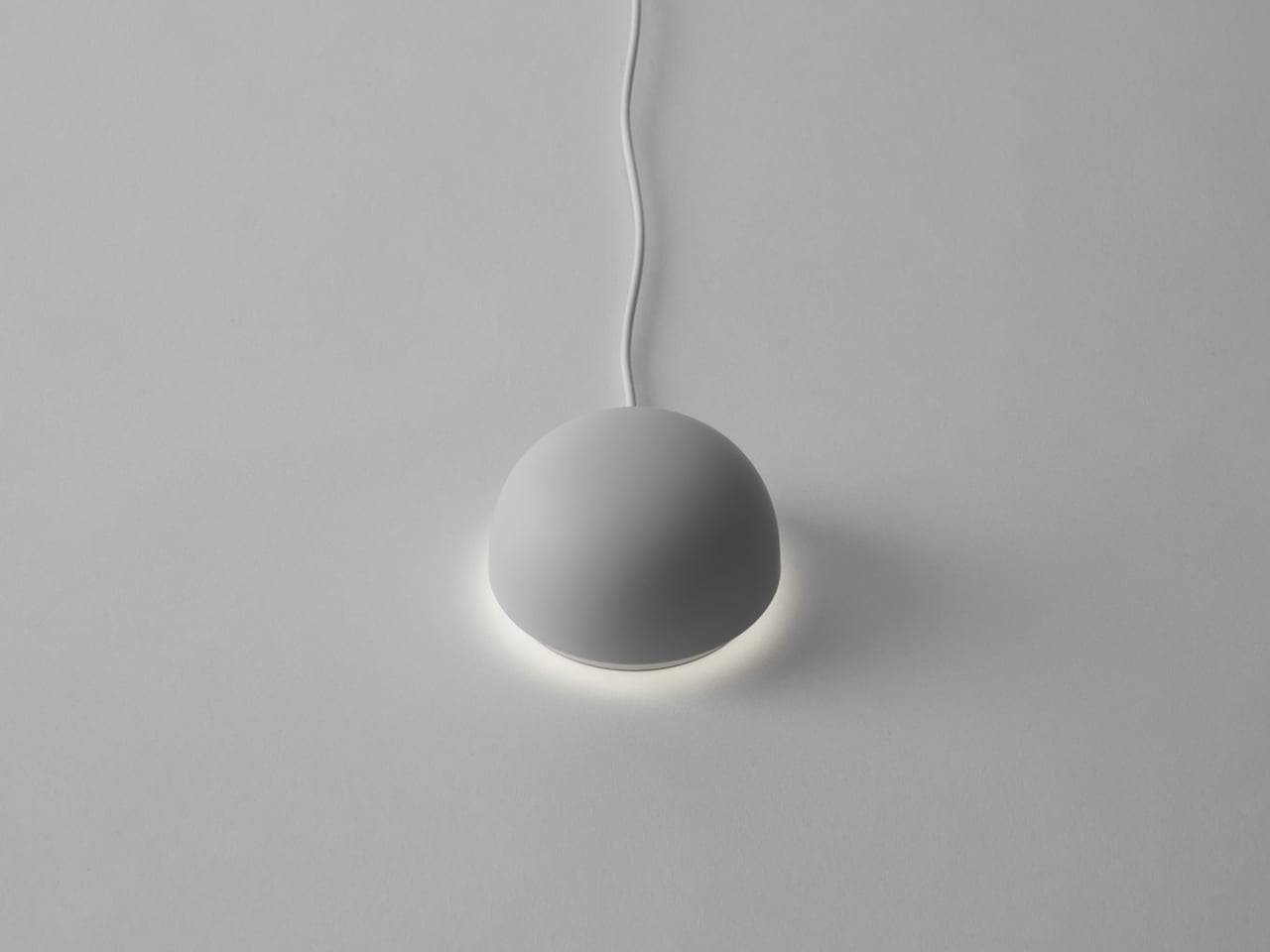
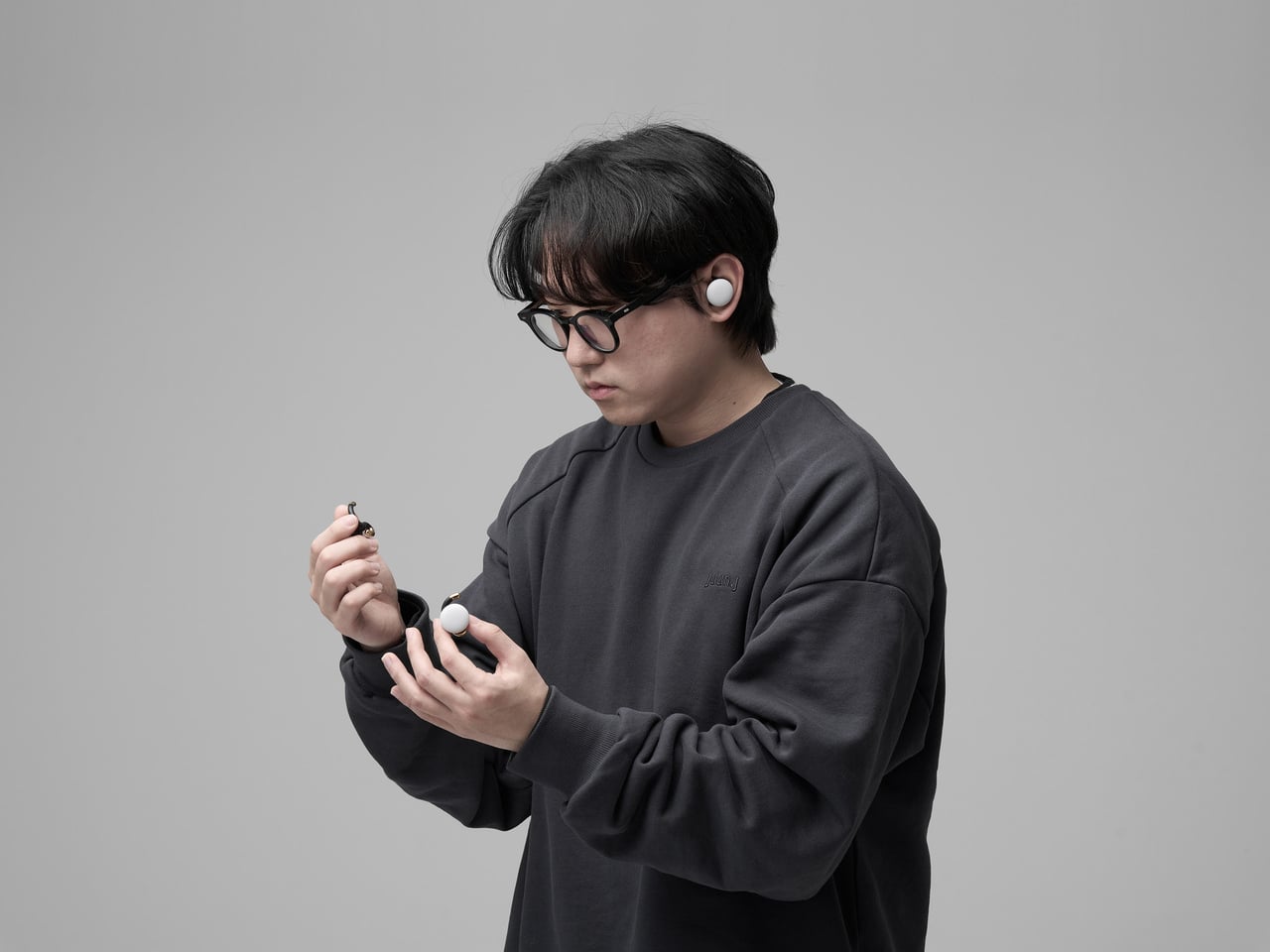
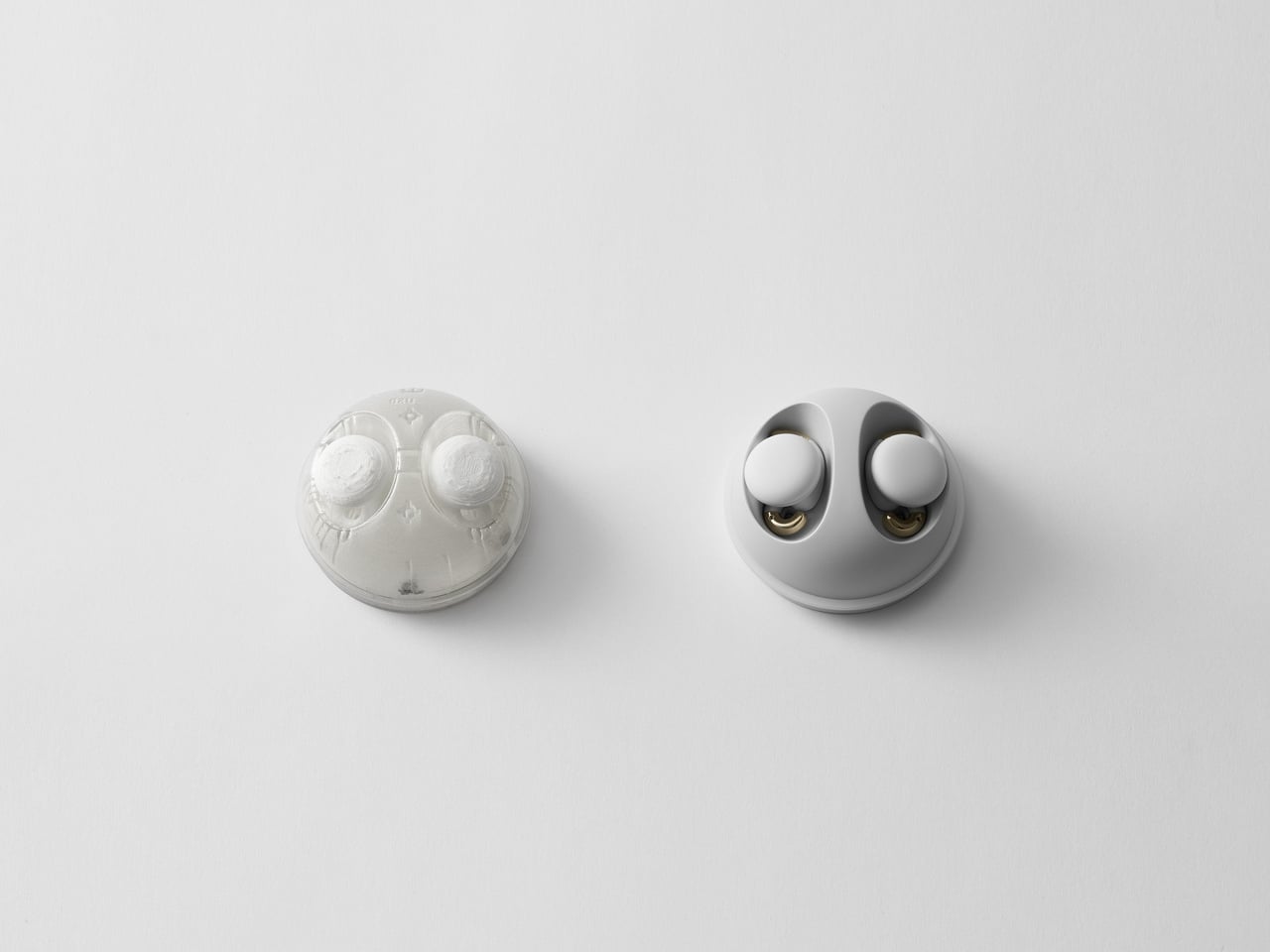
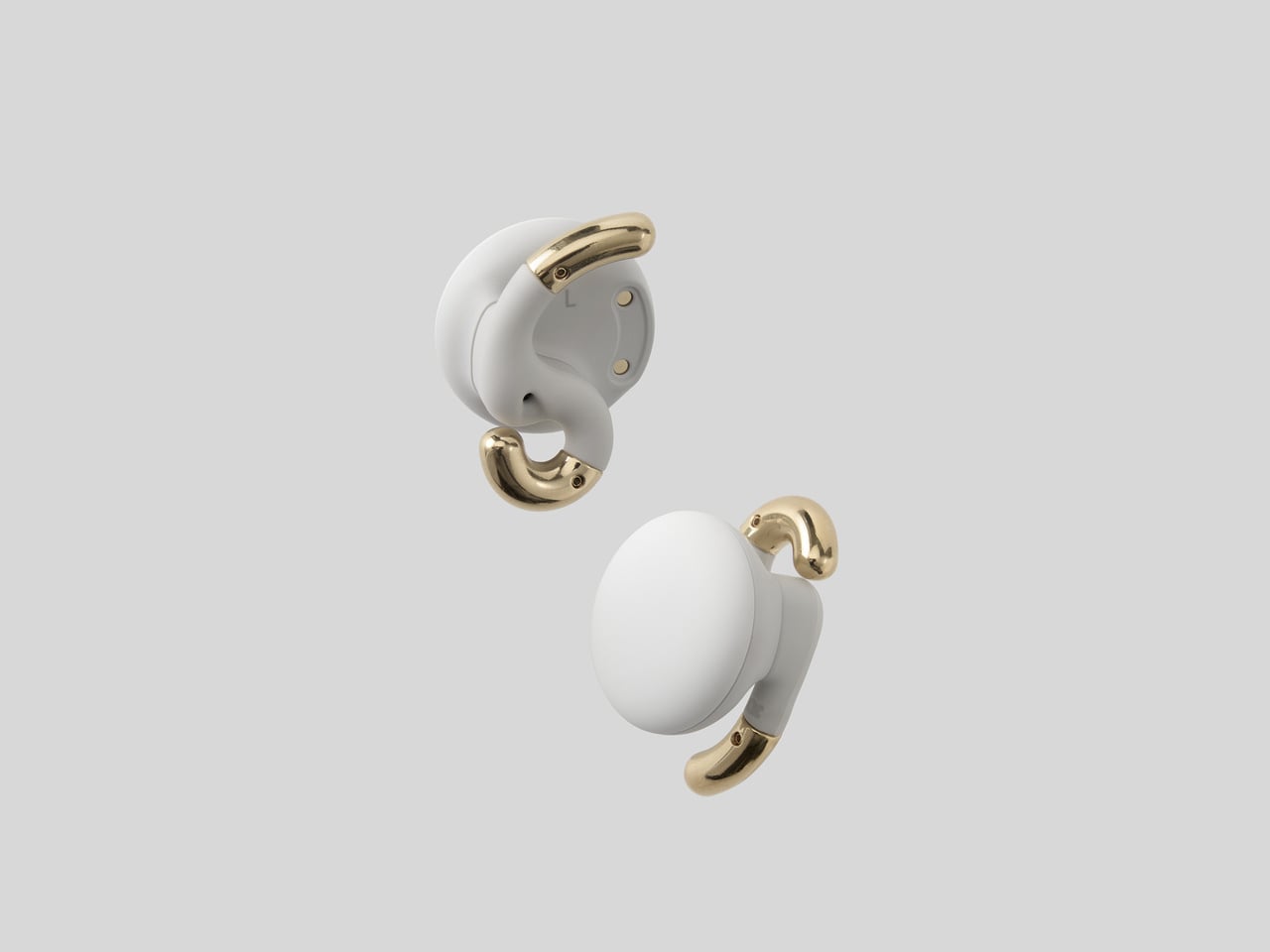
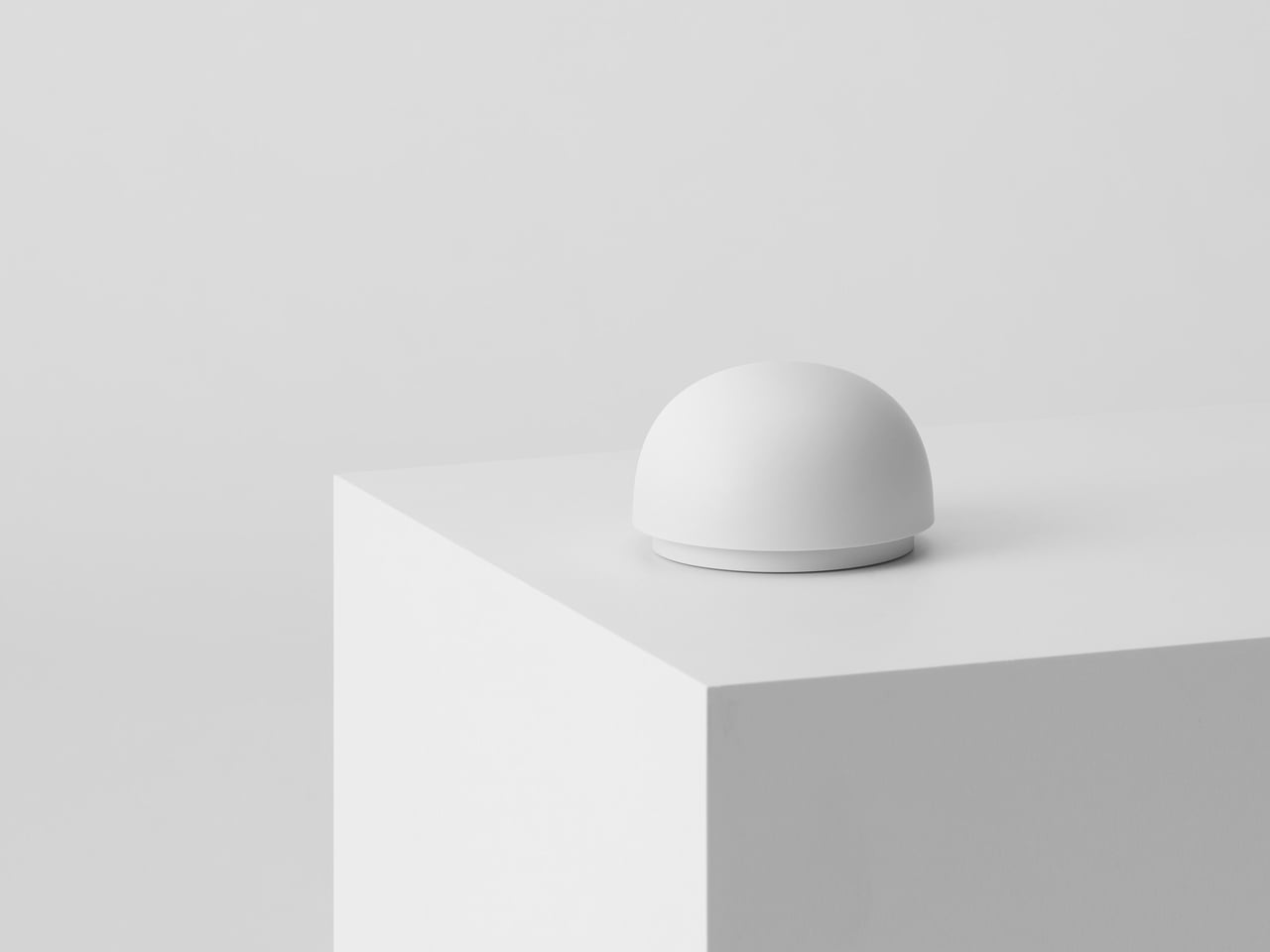
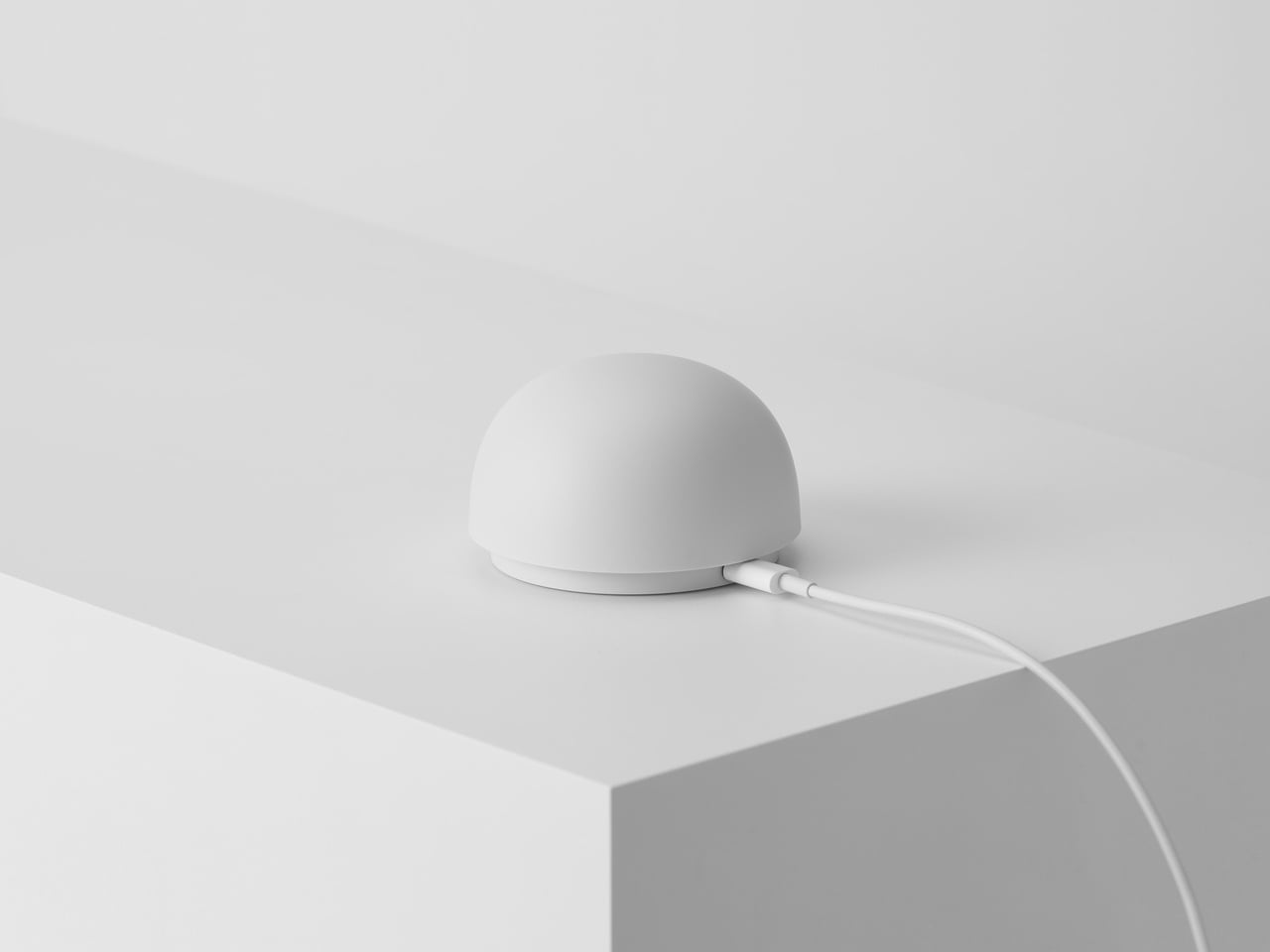
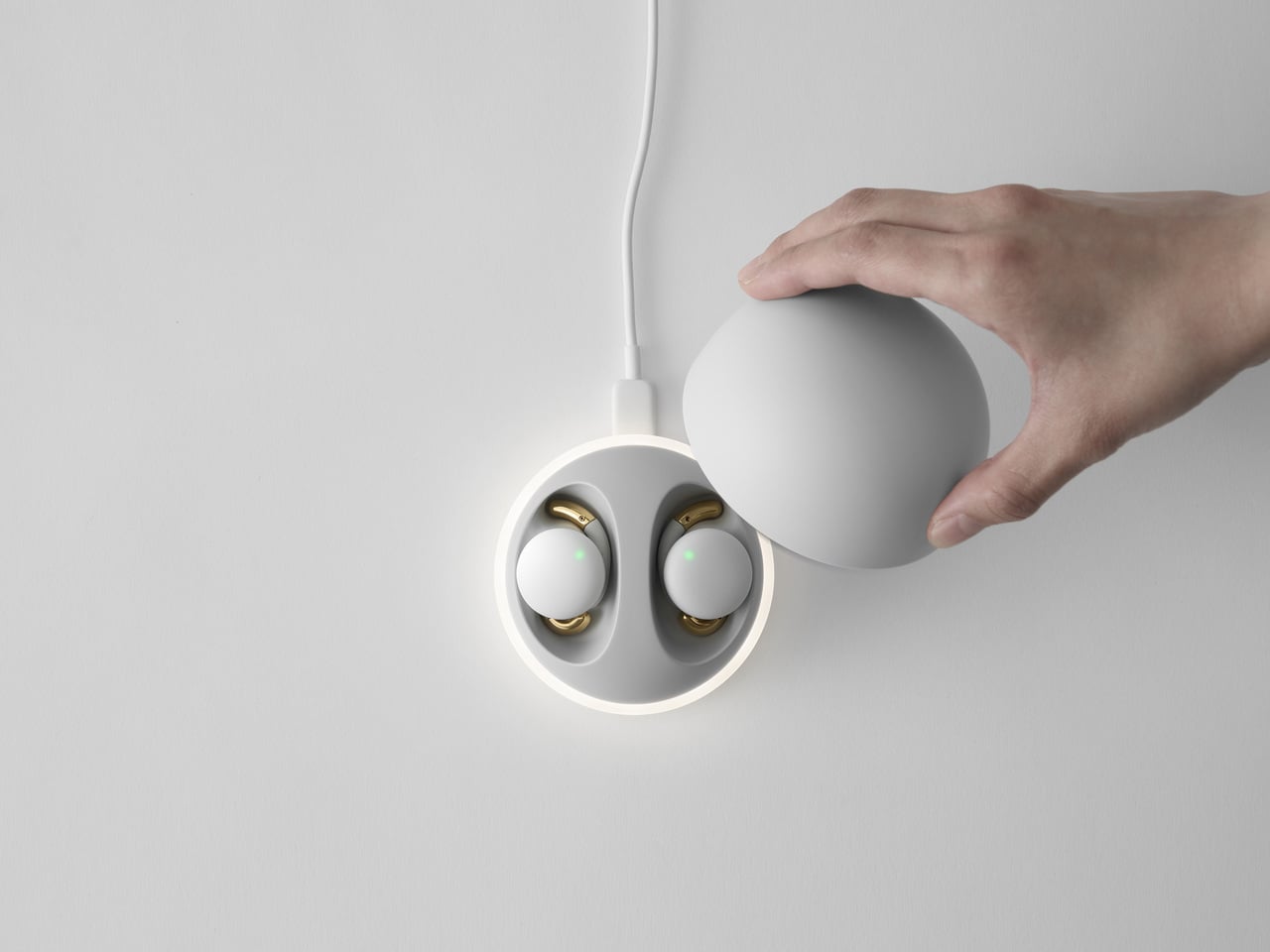
Bird.zzz is a project from Jiyoun Kim Studio and LG Labs that begins with a softly lit, cozy bedroom. It is a sleep wellness earbud paired with a dome-shaped bedside cradle that doubles as a knock-on lamp. The earbuds measure sleep via EEG and physical data, then use that analysis to deliver sound designed to improve sleep quality, all while sitting on your nightstand like a small sculpture rather than a charging puck.
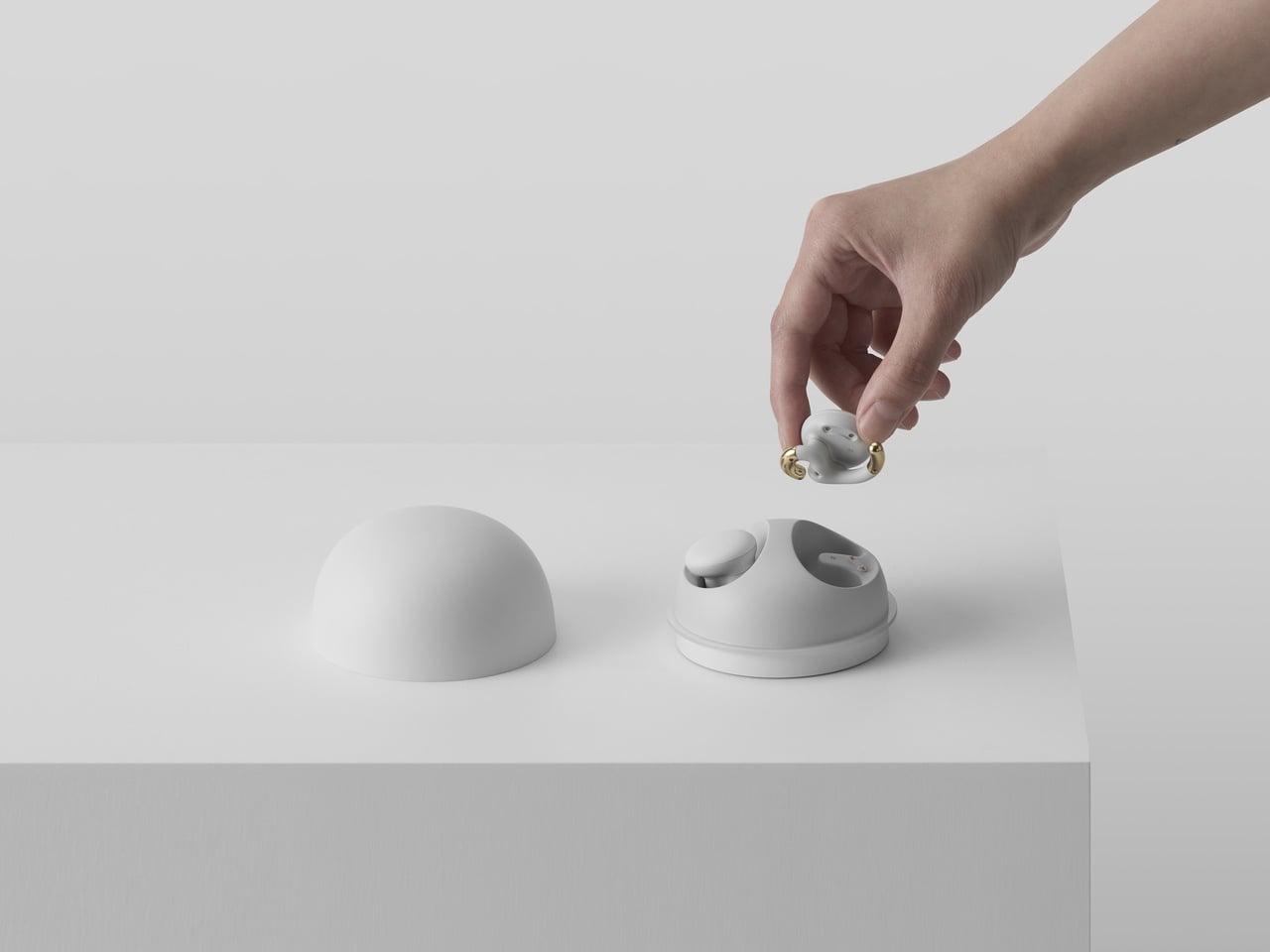
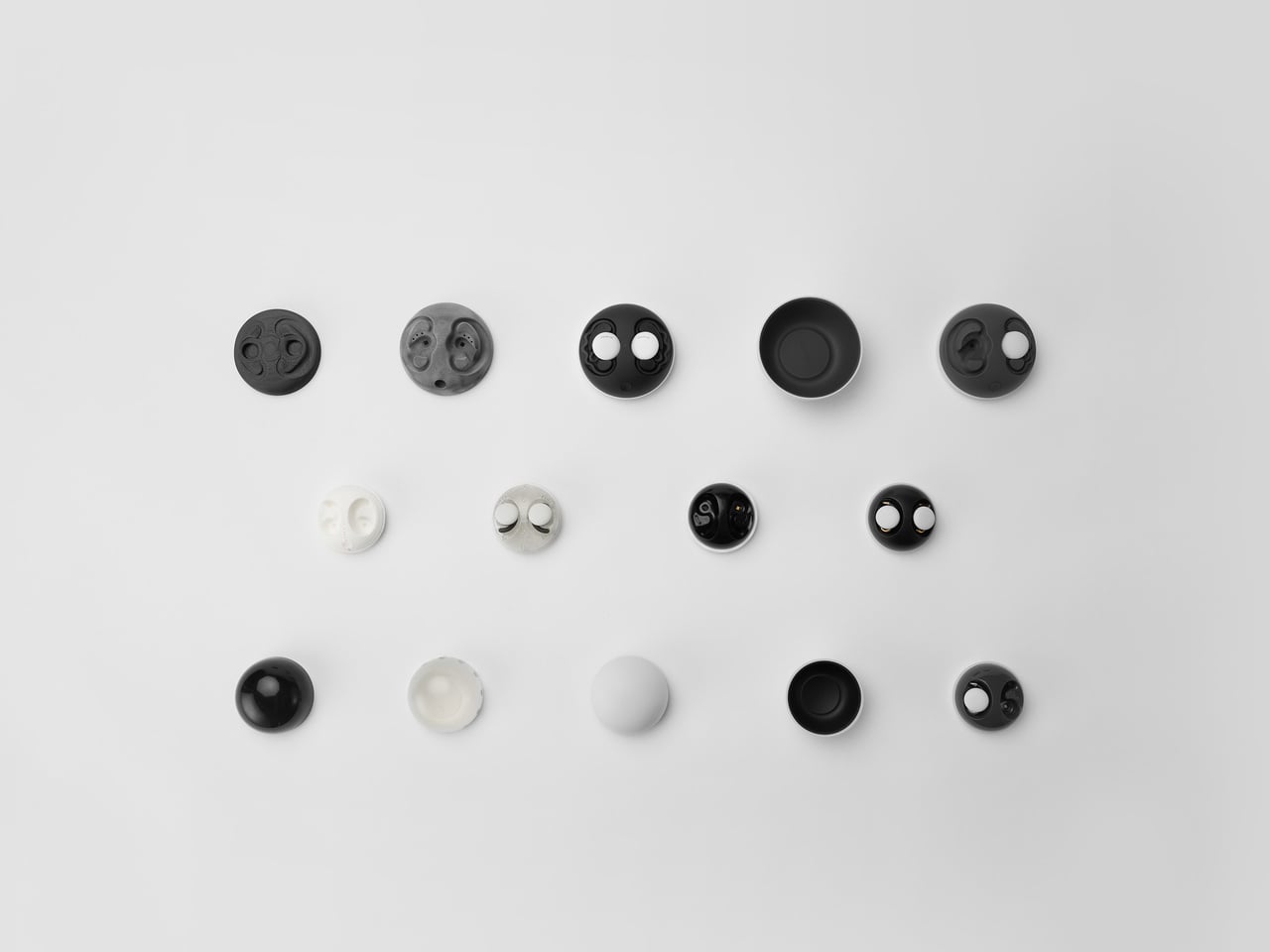
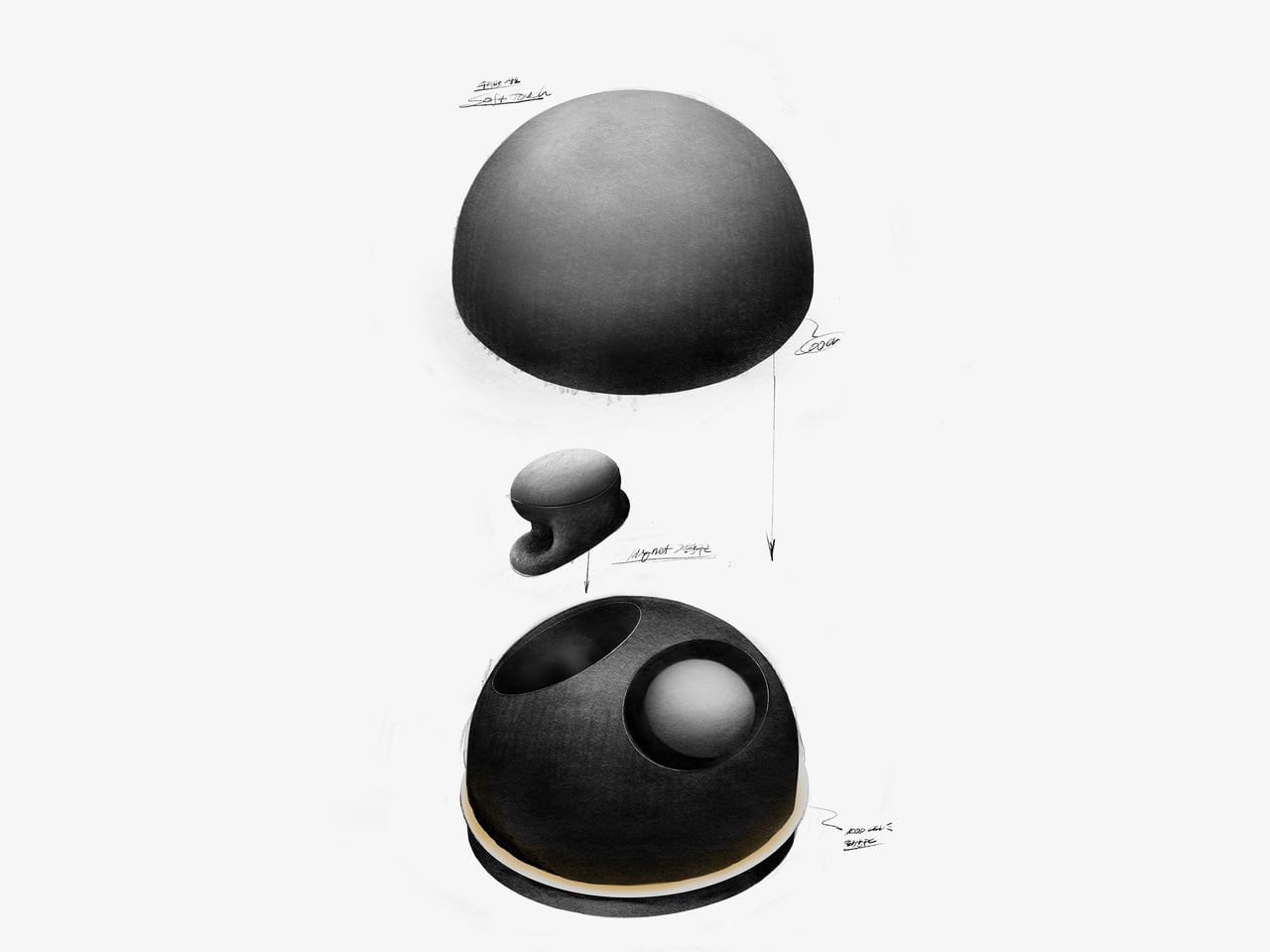
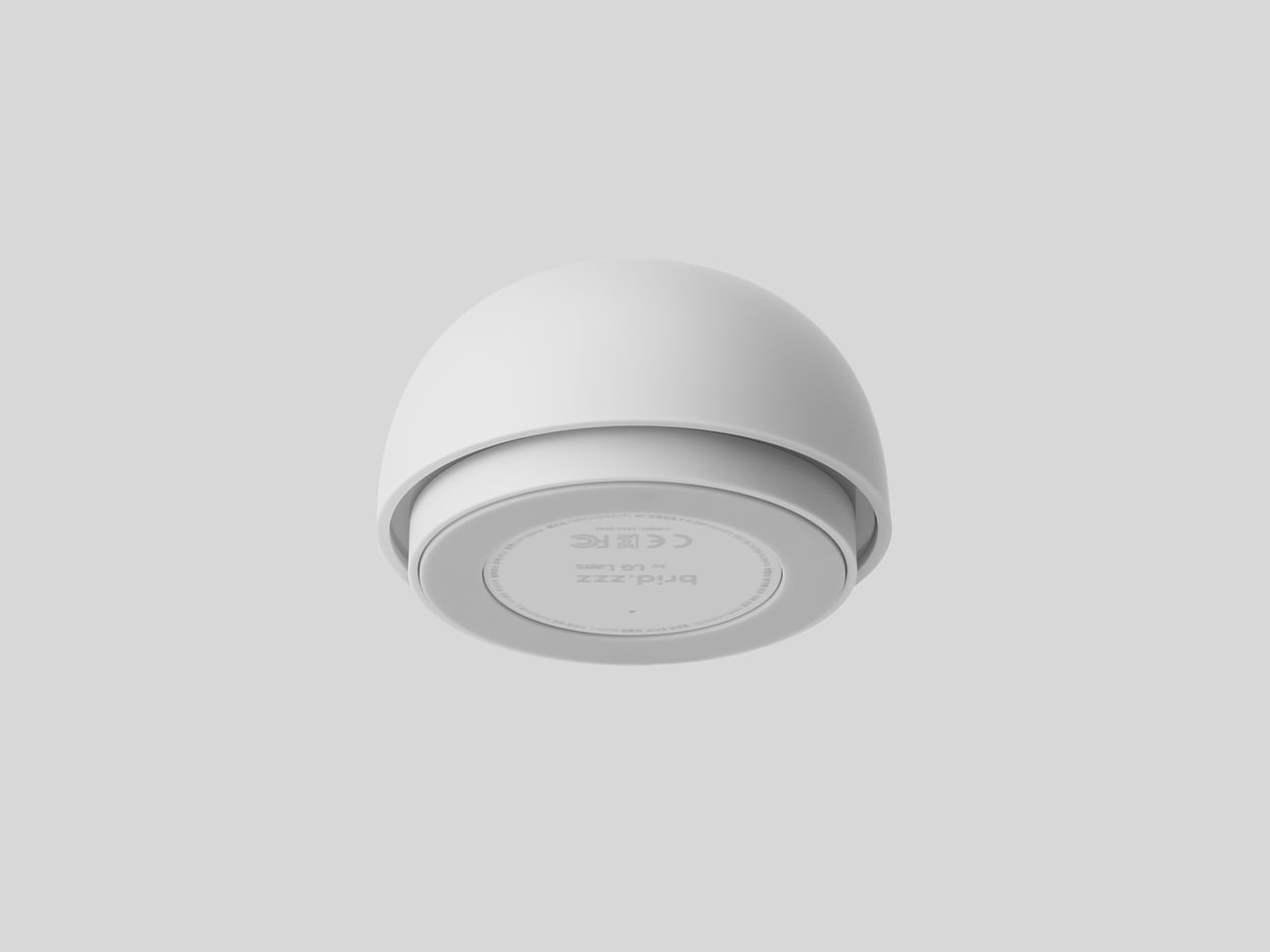
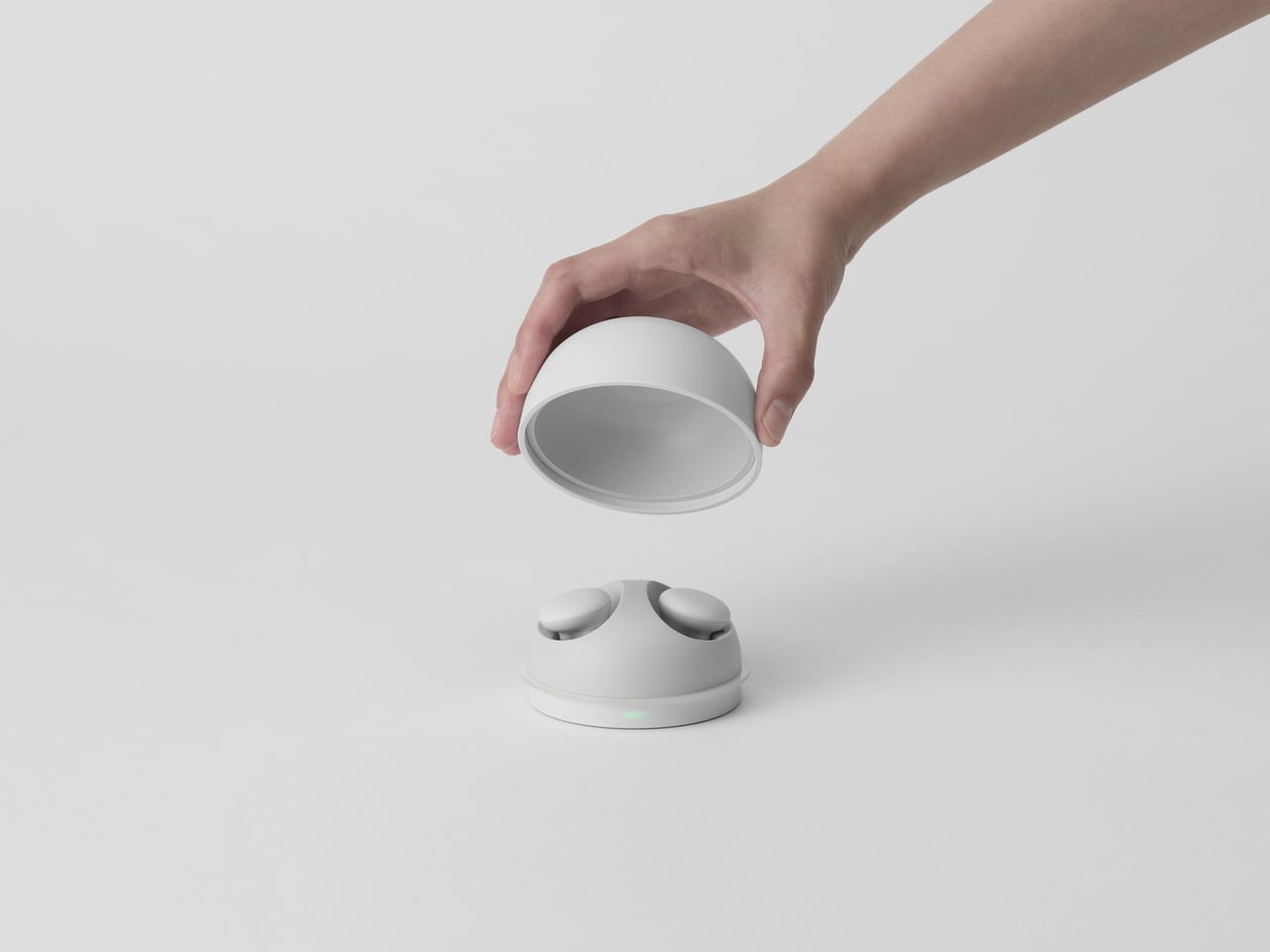
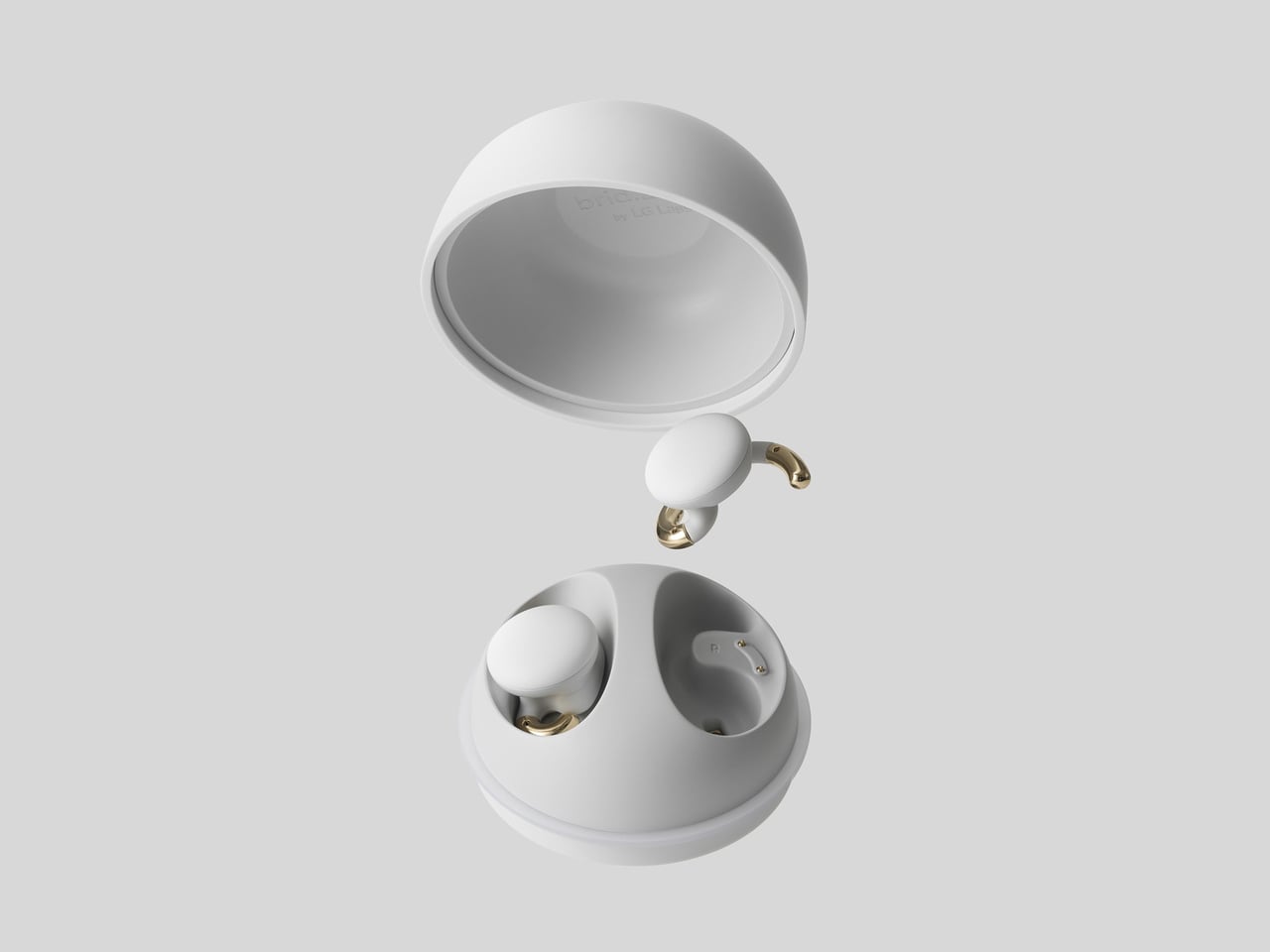
The design started from the cradle, imagined as a small object on a nightstand rather than a tech dock. It works as a bedside lamp using LG’s knock-on technology; a tap on the cover turns a warm, indirect LED halo on or off. The magnet-fixed top lifts to reveal the earbuds, and the weight is tuned so it feels stable and reassuring when you reach for it half-awake in the dark.
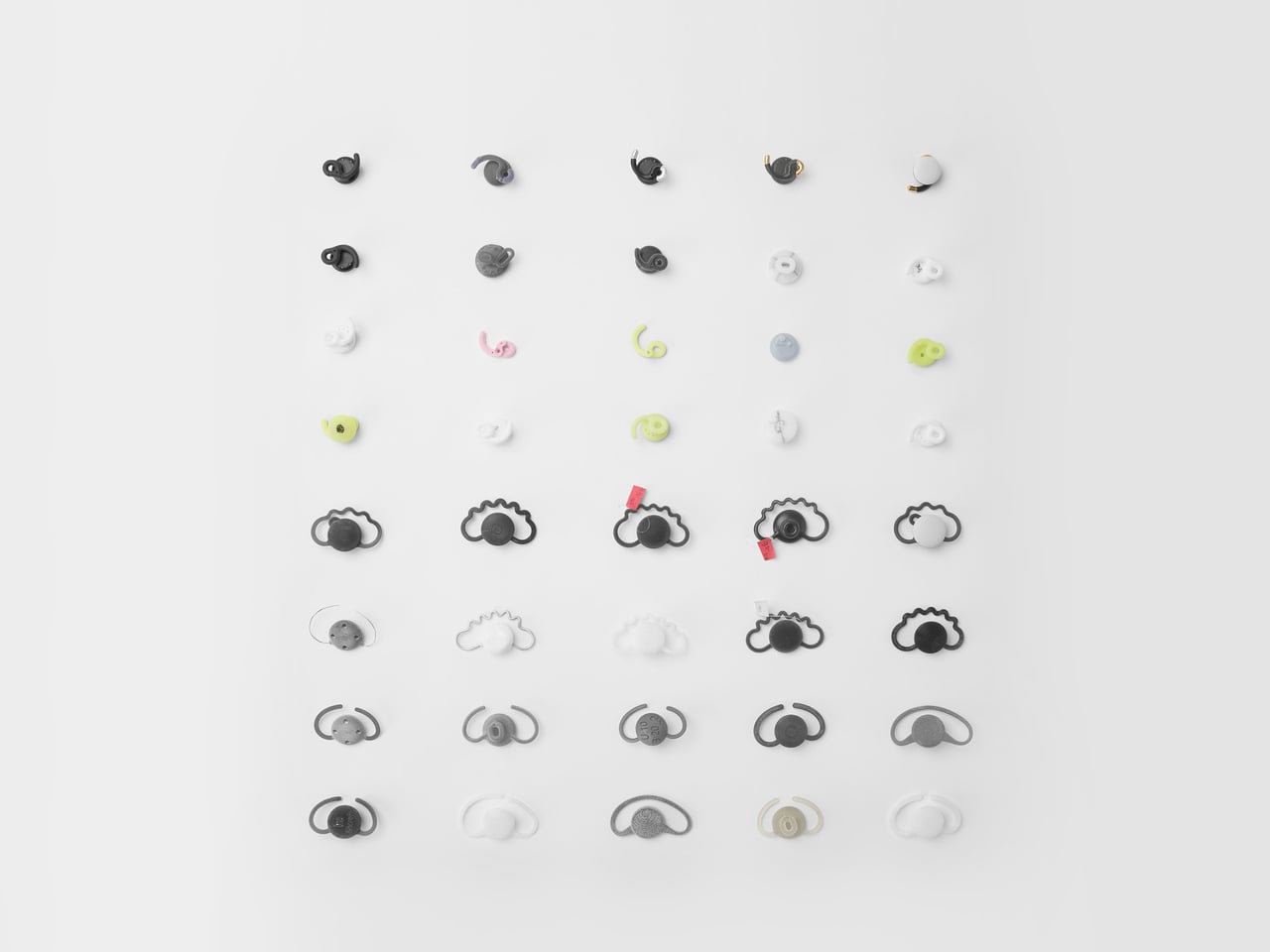
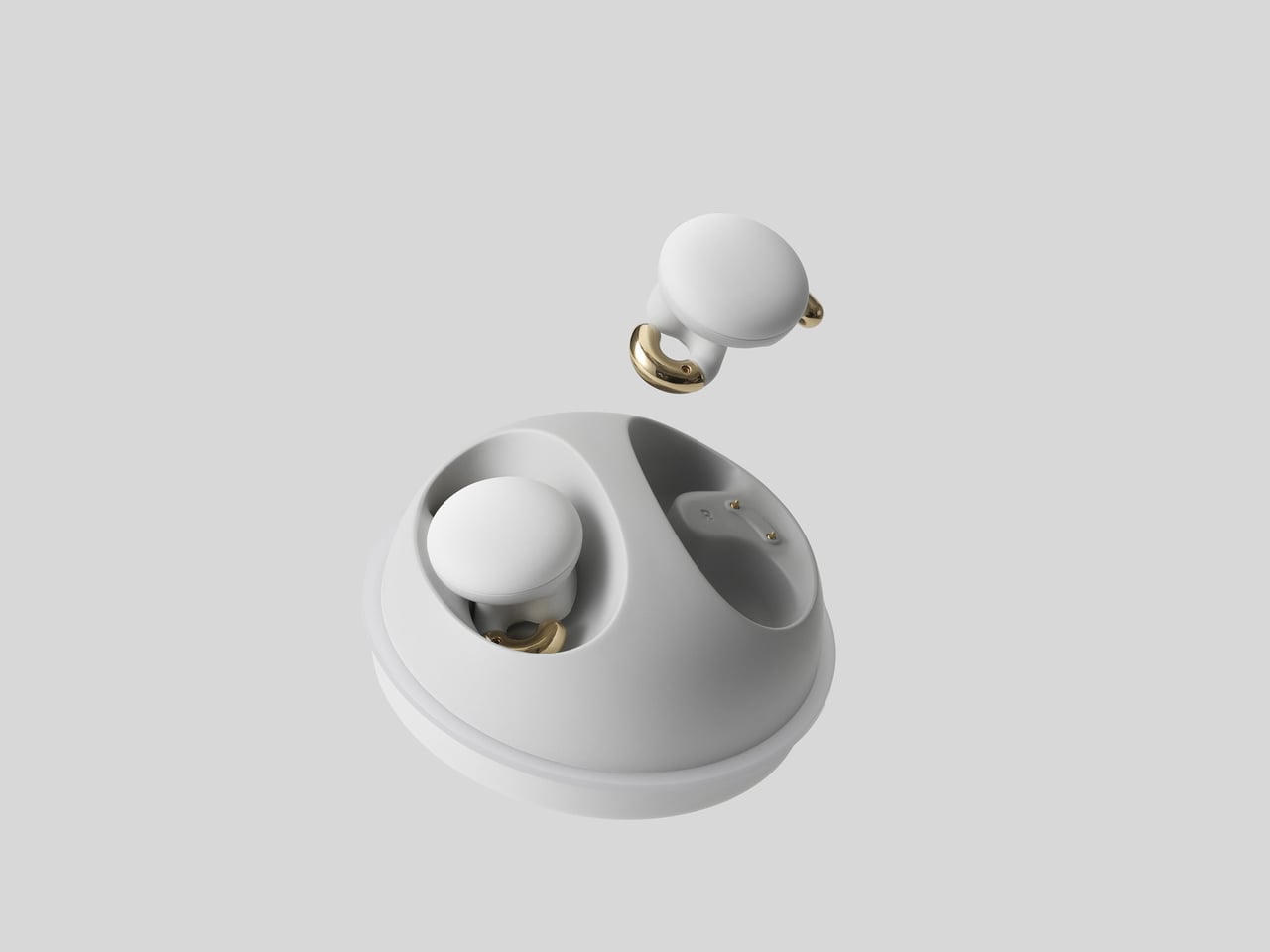
The earbuds had a specific challenge, needing skin contact for EEG sensing while staying loose enough for comfortable sleep. The team explored numerous forms and landed on a novel S-shaped ear tip, a hybrid of open and closed designs that keeps sensors in place without pressing hard into the ear canal. It borrows benefits from both types while avoiding the pressure points that make most in-ear devices unbearable after 20 minutes.
A typical evening means placing the earbuds in the cradle, tapping the dome to turn on a soft light, then lifting the lid to put the earbuds in as you settle into bed. As you fall asleep, the system reads brain activity and physical signals, adjusting soundscapes or audio cues based on your patterns. In the morning, the earbuds go back into their dome, and the object returns to being a quiet lamp.
The project covered product, packaging, and manual design, so the experience runs from unboxing to nightly use with consistent, minimal language. The warm white LED, indirect lighting, and knock-on interaction follow calm technology principles, asking for as little attention as possible. Bird.zzz launched after CES 2023, but it looks more like a small piece of bedroom architecture than a trade show gadget you plug in reluctantly.
Bird.zzz treats sleep as an environment to design for, not just a graph to optimize. The dome cradle, the S-shaped ear tip, and the soft interactions all point toward tech that respects the bedroom as a place to wind down. For anyone wary of strapping more screens to their body at night, an earbud and lamp combo that tries to disappear into the ritual of going to bed feels like a more thoughtful direction.
Anyone who has shared a bed with a snorer or tried to sleep in a city apartment knows how fragile nighttime silence can be. Most earplugs force you to choose between blocking noise and staying comfortable, leaving you either wide awake from unwanted sound or unable to sleep from constant pressure against your ear canal throughout the night.
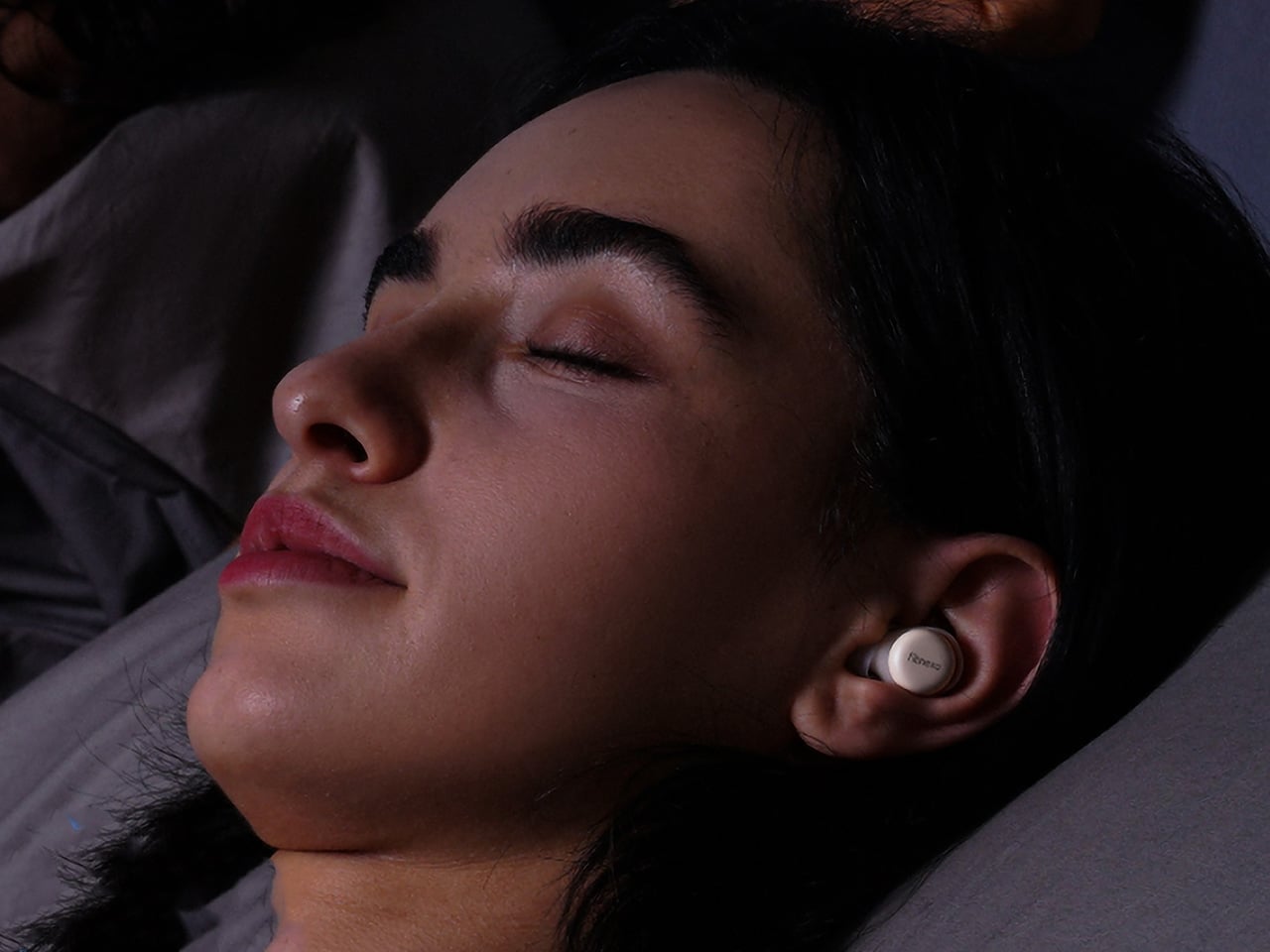
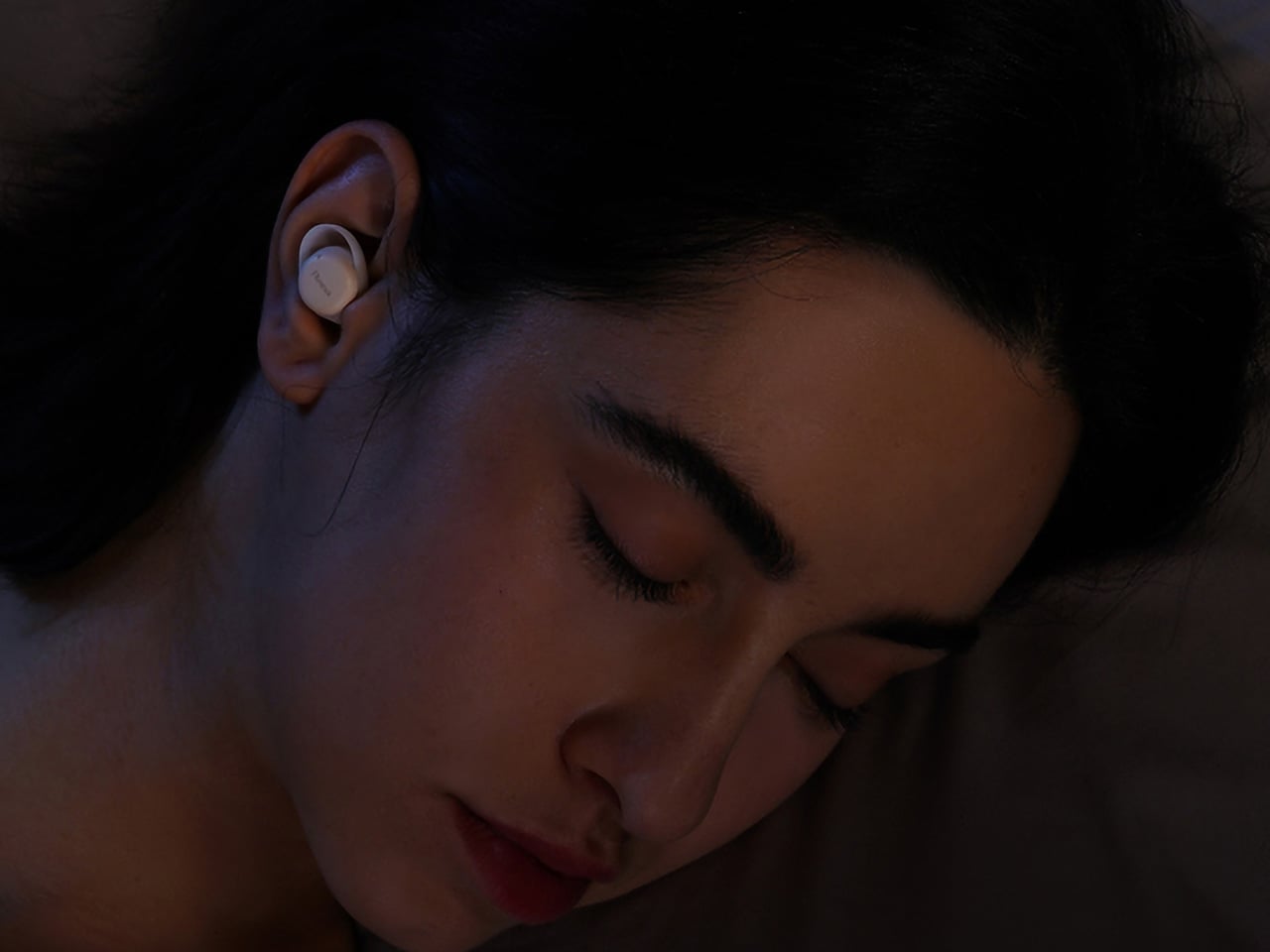
Fitnexa SomniPods 3 was designed as a solution to that trade-off by making silence and comfort coexist rather than compete. Every curve and contour is shaped around one core idea: earbuds that disappear against your pillow while the world around you fades to quiet, without forcing you to sacrifice either aspect for the other during extended wear.
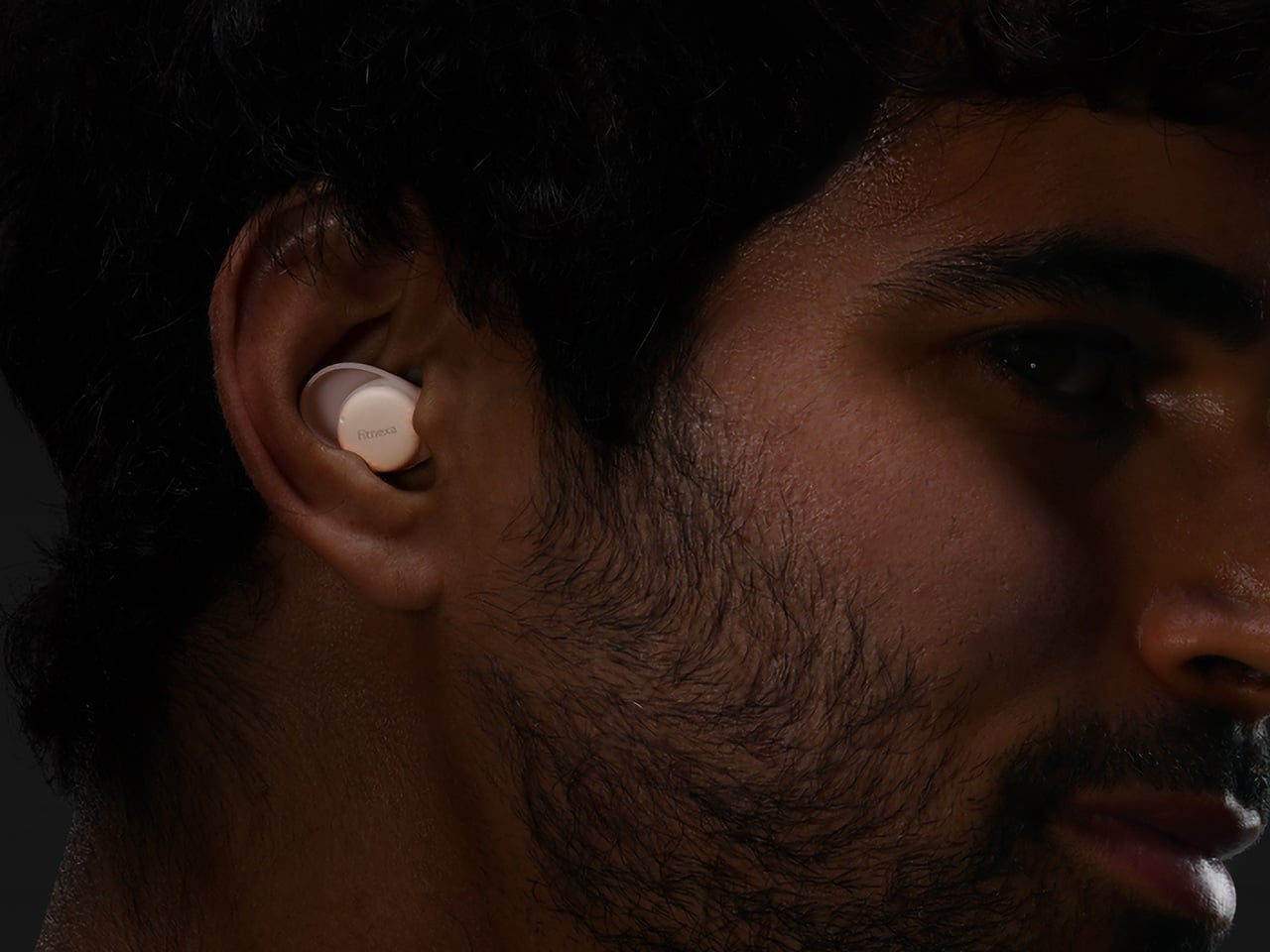
The design starts with a fundamental question: how do people actually sleep, rather than how engineers typically design for performance first. Each earbud reflects that thinking through its proportions: just 3.3 grams and under 9.9 millimeters thin, with a softly rounded form that avoids creating pressure points when your head rests sideways on a pillow for hours at a time. The medical-grade silicone tips feel gentle against your skin, while the compact footprint ensures the earbuds never protrude or press uncomfortably as you shift naturally through the night.
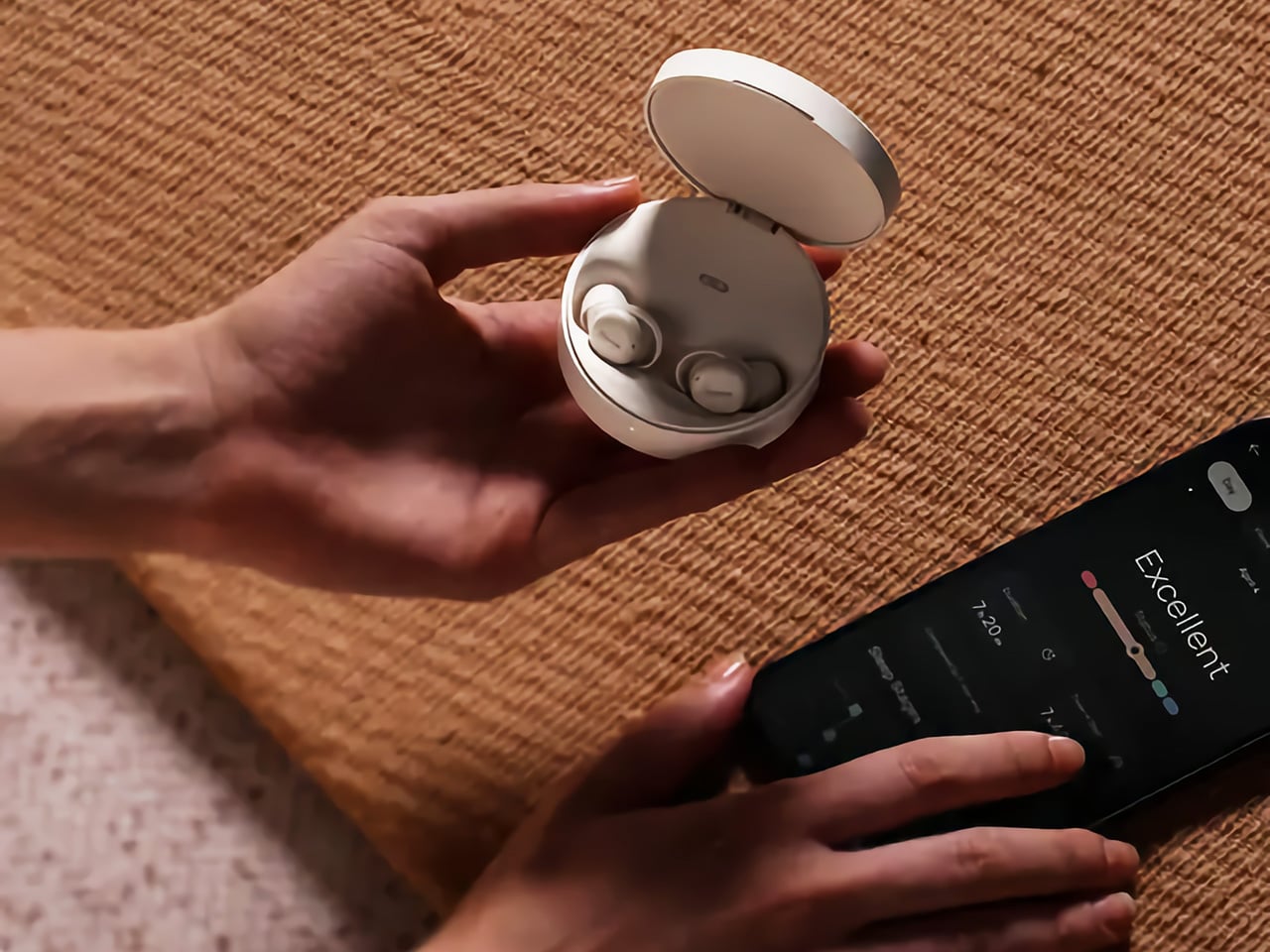
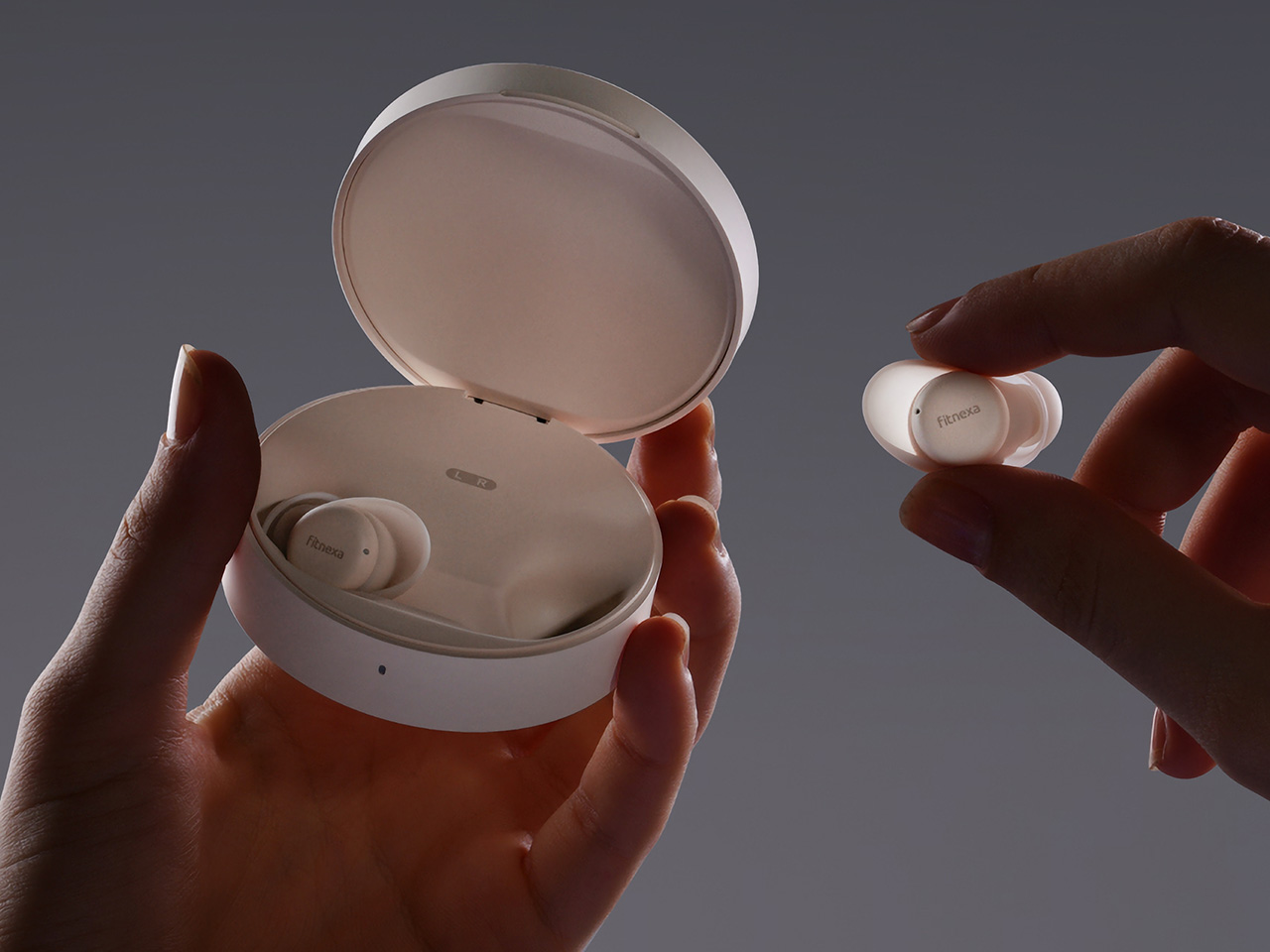
Fitnexa includes ten pairs of ear tips in two distinct shapes and five sizes each, plus four sizes of ear wings for additional stability options. This variety addresses the reality that ear canals vary significantly between people, while multiple size options ensure proper acoustic seal without creating pressure or discomfort during overnight wear when you can’t easily adjust fit.
This variety does more than improve comfort alone. It establishes the foundation for effective passive noise cancellation by ensuring a secure, well-sealed fit that blocks ambient sound naturally. This proper seal gives the adaptive ANC system the stable acoustic base it needs to perform at its best throughout the night without gaps or inconsistencies.
Building on that passive isolation foundation, the hybrid ANC system uses feedforward and feedback microphones to detect and cancel noise from both outside and within the ear canal itself. A low-latency processor generates counter-phase signals in real time to maintain consistent quiet as you move or change sleeping positions naturally throughout the night.
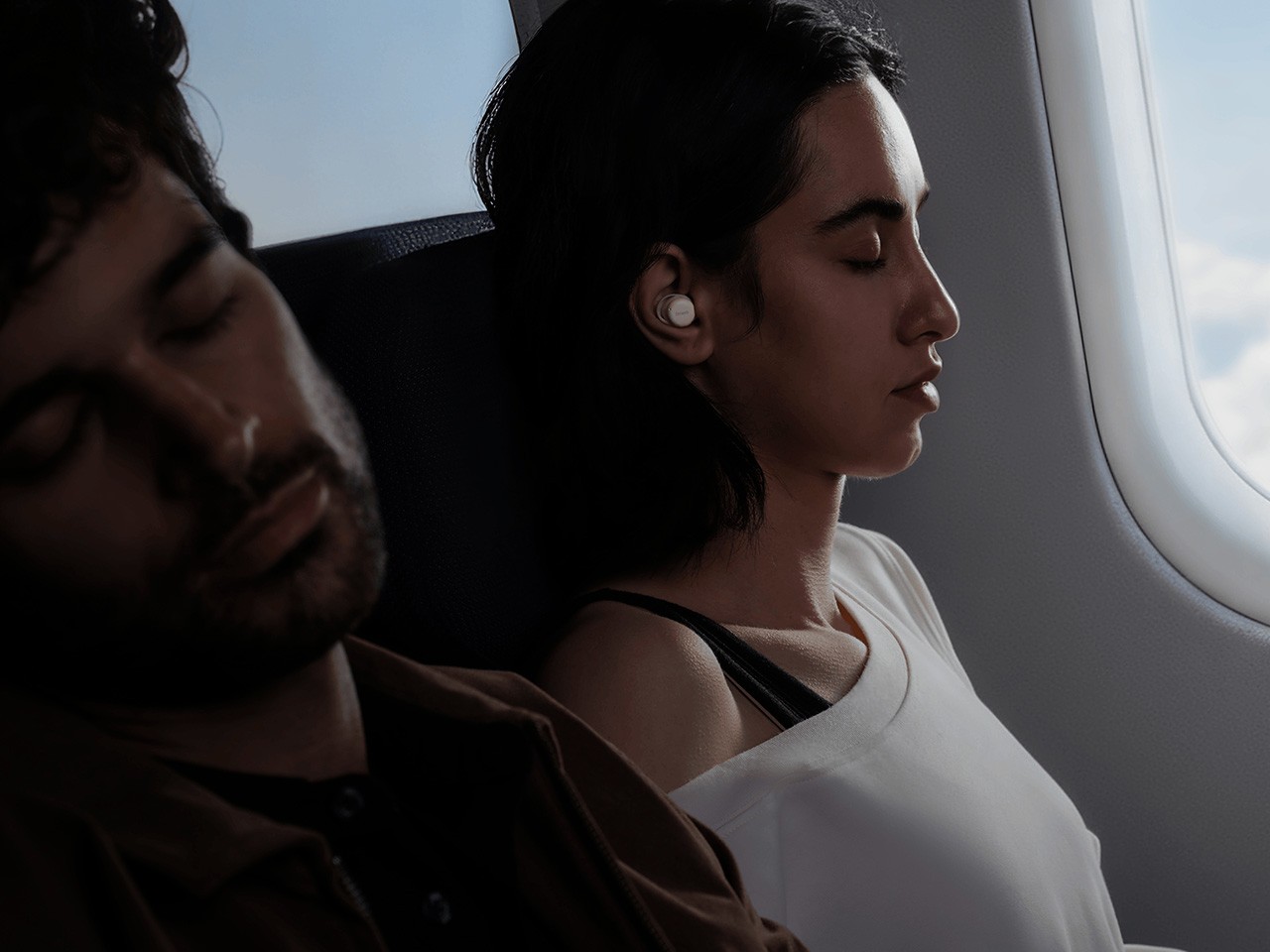
Within the ANC system, Adaptive Leak Compensation continuously senses subtle changes in ear canal pressure or seal integrity and automatically adjusts the ANC response in real time. The result is up to 42 decibels of noise reduction across different sleeping positions. Snoring, traffic, the hum of air conditioners, all fade into natural silence while SomniPods 3 hold the soundscape steady, whether you’re on your back or on either side.
The IPX4 water resistance extends design thinking beyond the bedroom into real-world scenarios where sleep happens in imperfect conditions. After-workout naps and long flights no longer require worry about moisture damage. Hi-Res Audio with LDAC and aptX Lossless keeps sound quality rich and detailed, while the 10-band EQ lets you adjust the experience precisely to match preferences.
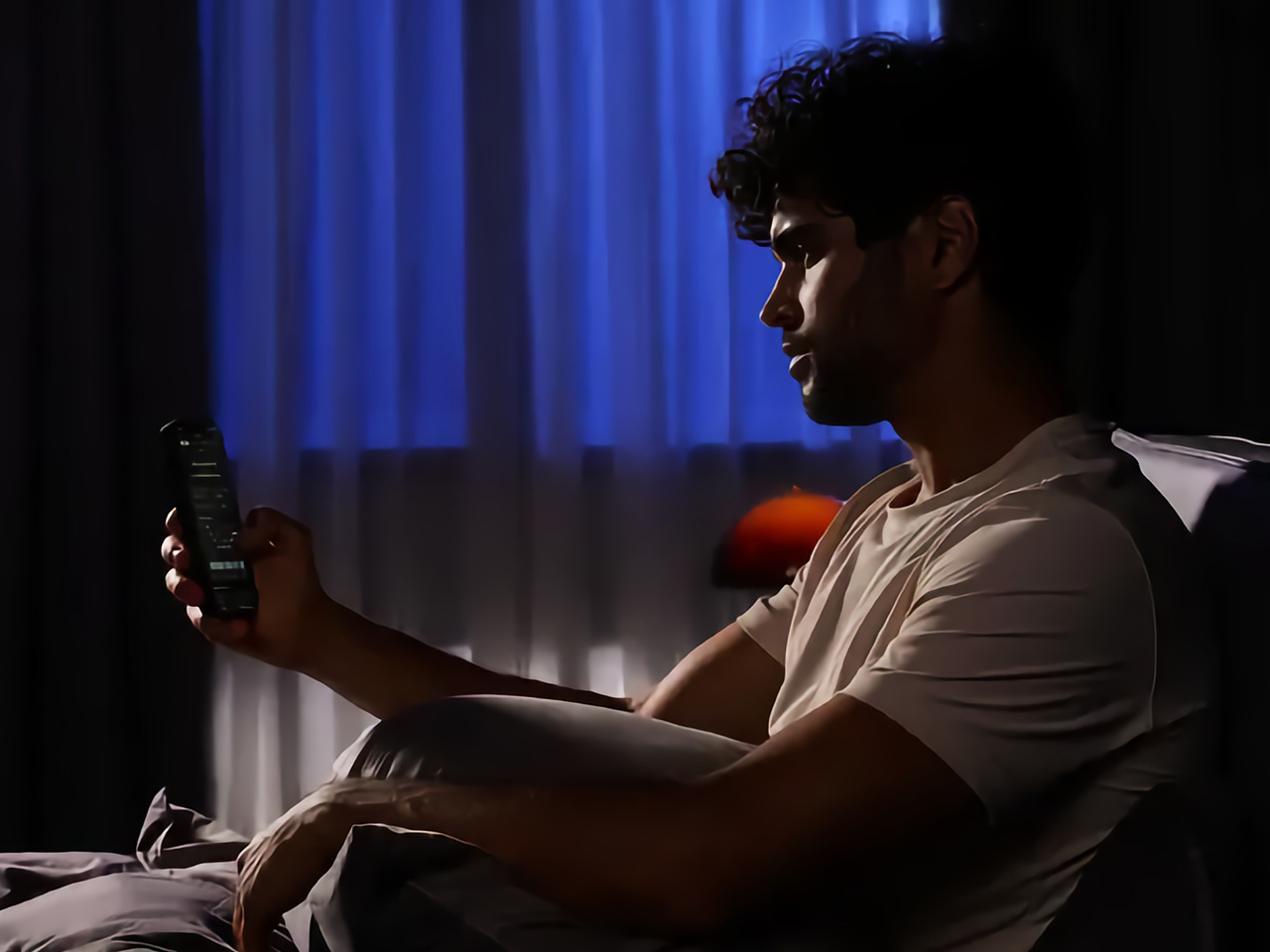
Battery life reaches up to 12 hours in Sleep Mode, extending to 48 hours with the charging case for multiple nights without interruption. Integrated sensors quietly track sleep stages and positions throughout the night, while the Fitnexa app translates that data into AI-driven insights that help you build better sleep habits gradually over time without overwhelming you with information.
Fitnexa SomniPods 3 bring together comfort, advanced noise cancellation, and smart sleep coaching into a discreet package that actually works for real-world use. For anyone tired of restless nights and noisy environments, these earbuds offer a smarter, quieter way to sleep, no matter where life takes you or what challenges your bedroom environment presents.
As awareness grows regarding the importance of quality sleep for health and productivity, many face challenges with poor sleep habits and reliance on short-term remedies like pills, which can have adverse effects. Additionally, increasing stress levels and evolving lifestyles have led to disrupted sleep patterns due to excessive use of mobile phones and other electronic devices.
Note that LED screens from devices like computers, laptops, TVs, smartphones, and tablets emit high levels of blue light, which can disrupt the release of melatonin in the evening, leading to delayed or disrupted sleep cycles. This reliance on technology has led to the emergence of a thriving industry focused on providing solutions for better sleep.
Wearable fitness trackers and smartwatches with sleep-tracking features monitor sleep duration, quality, and stages. Analyzing this data over time helps individuals understand and improve their sleep habits.
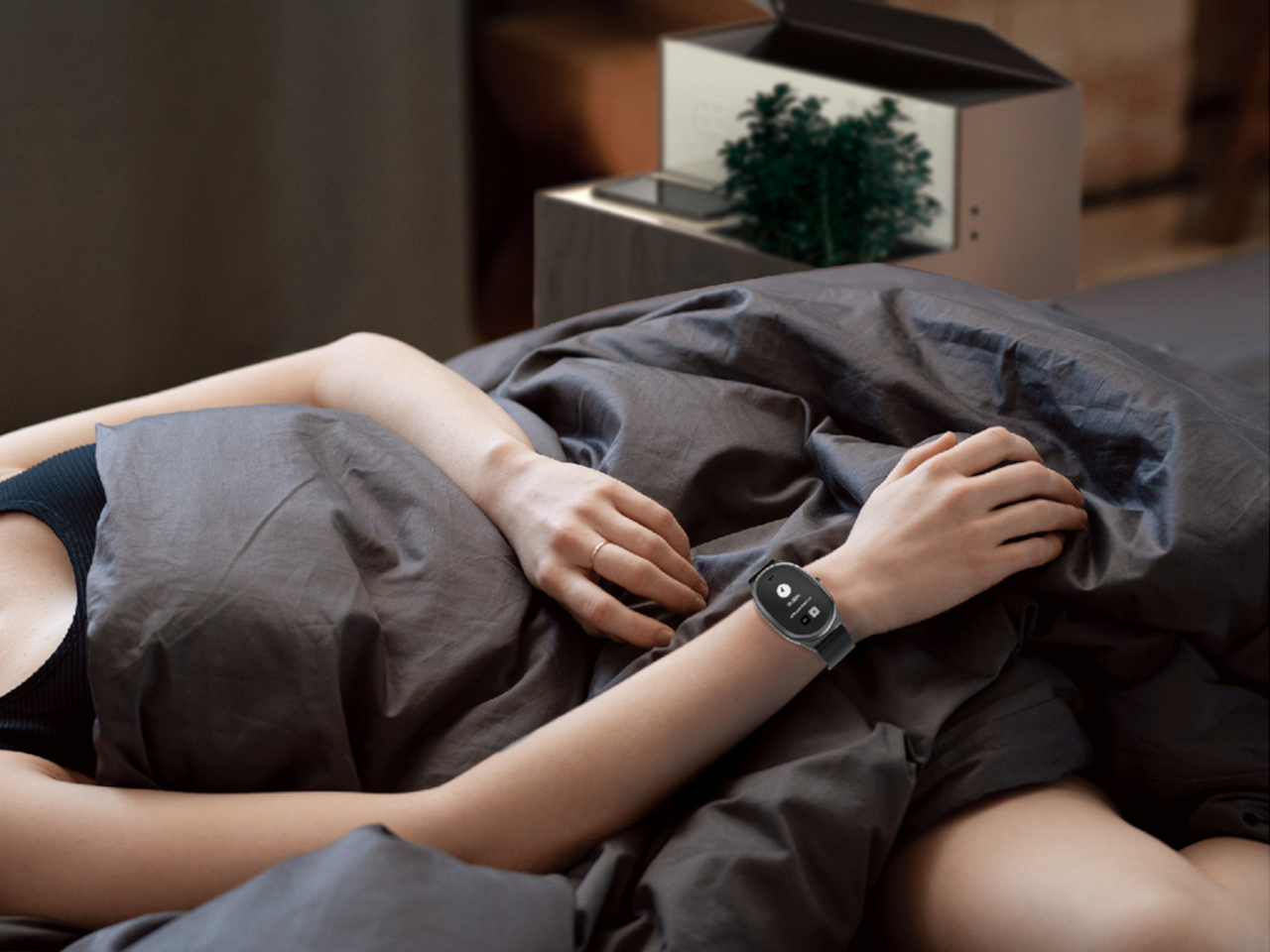
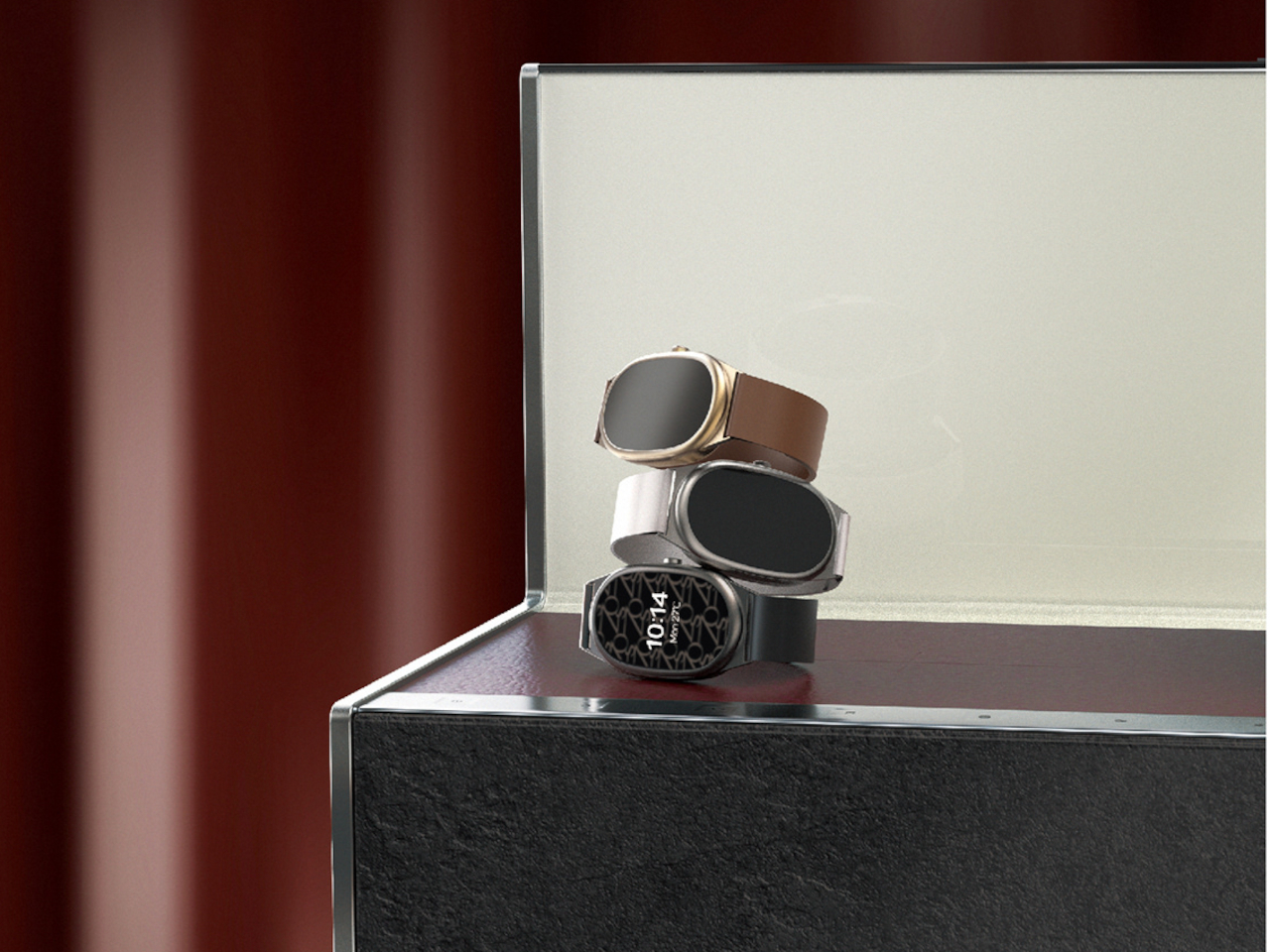
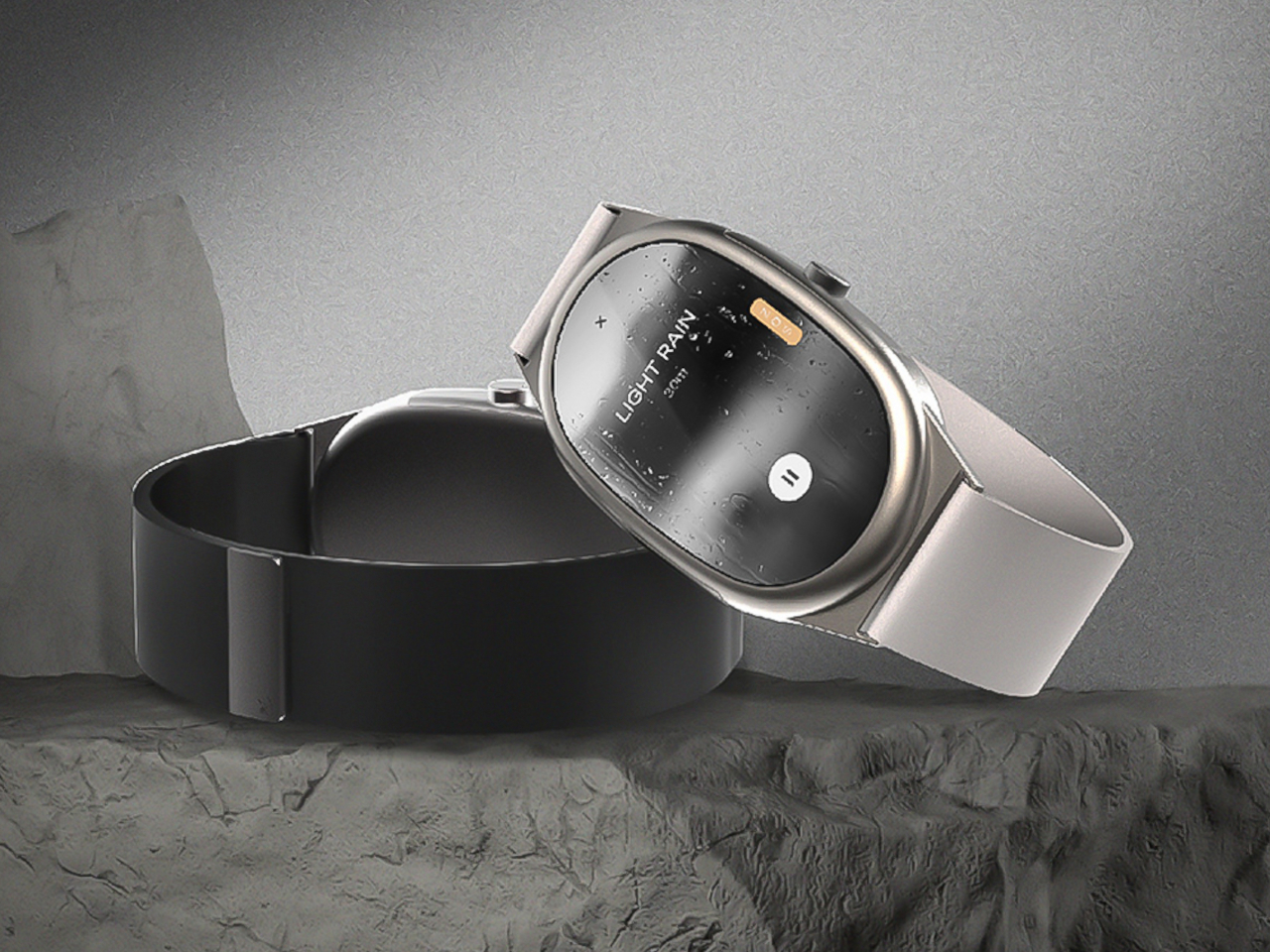
The ZOS smartwatch prioritizes optimal sleep quality alongside overall health monitoring. Unlike typical smartwatches, it’s designed for comfort during sleep with features like smart alarms and ASMR audio recordings to induce sleep. Its elongated screen and magnetic straps ensure uninterrupted wear. Also, it integrates with the CLOSSY air purifier and plant care cabinet, making it a comprehensive solution for health-conscious users.
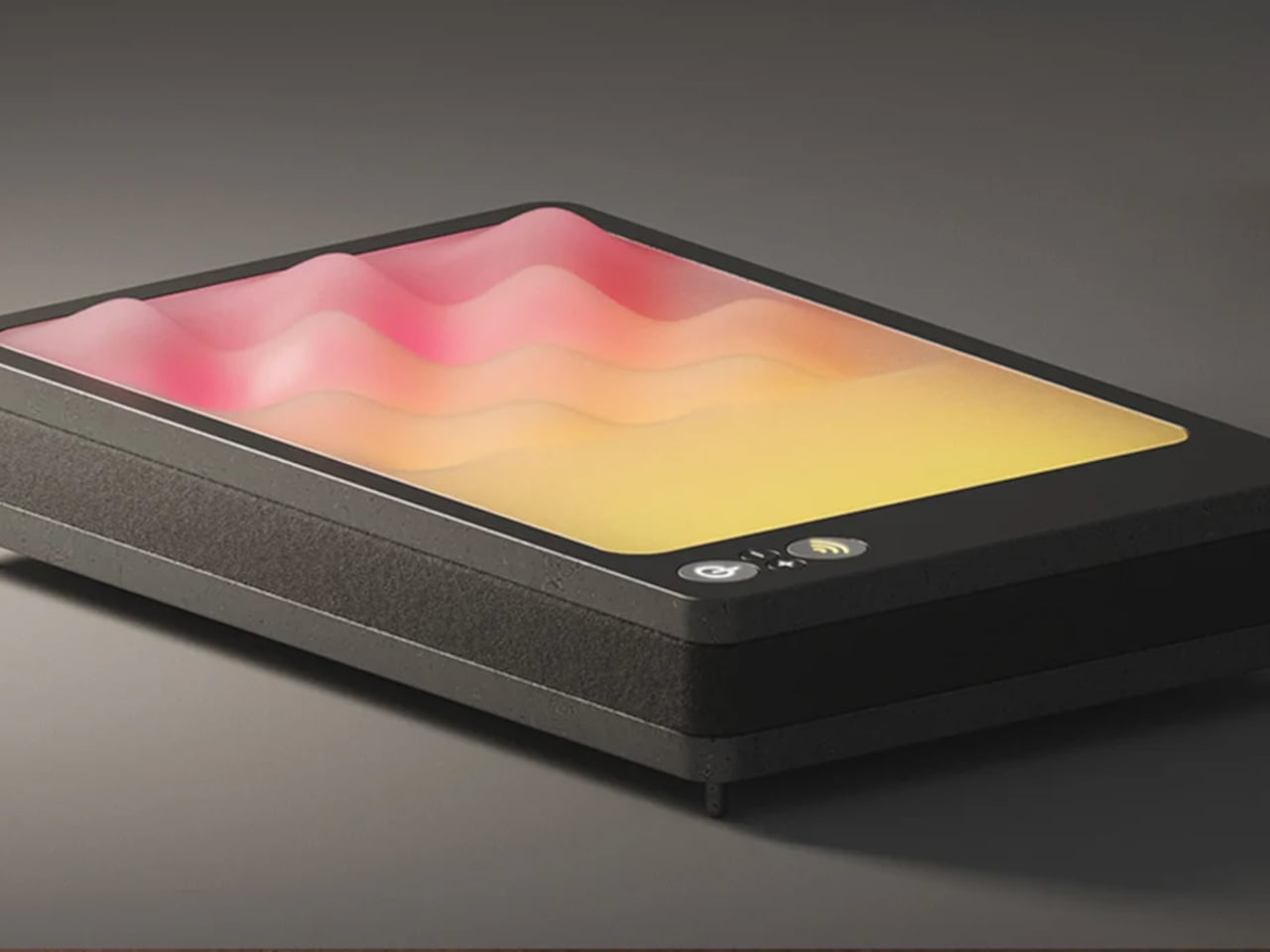
This revolutionary bedside device is designed to enhance one’s nightly routines and promote restful sleep. With smart technology, this device tailors your bedtime environment for optimal rest by adjusting lighting, temperature, and ambient sound.
2. Neck Pillows
A neck pillow promotes good sleep as it offers support to the neck and head, promoting proper alignment of the spine, which reduces discomfort and enhances relaxation. This can lead to deeper and more restful sleep, leaving one feeling refreshed and revitalized upon waking.
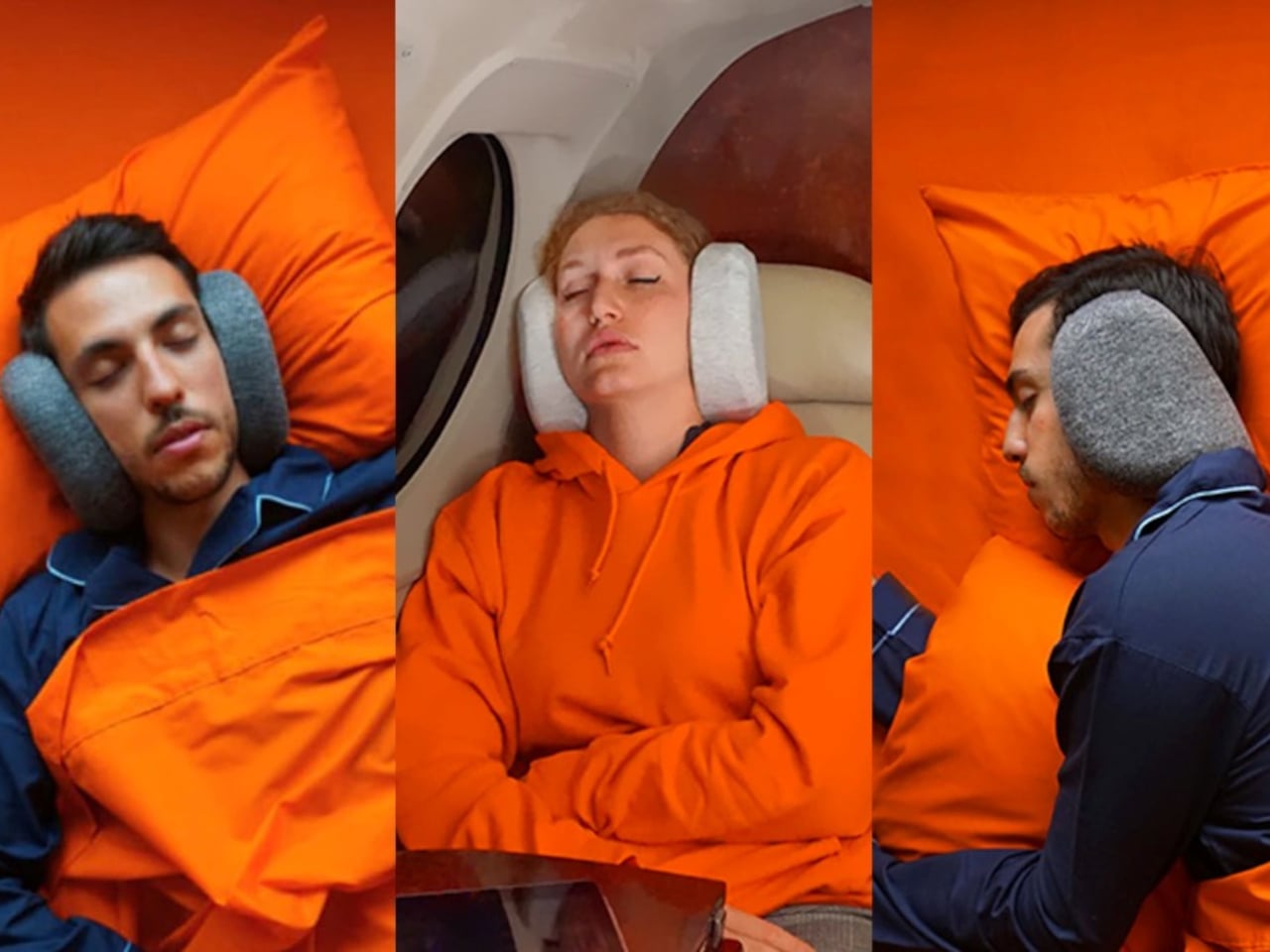
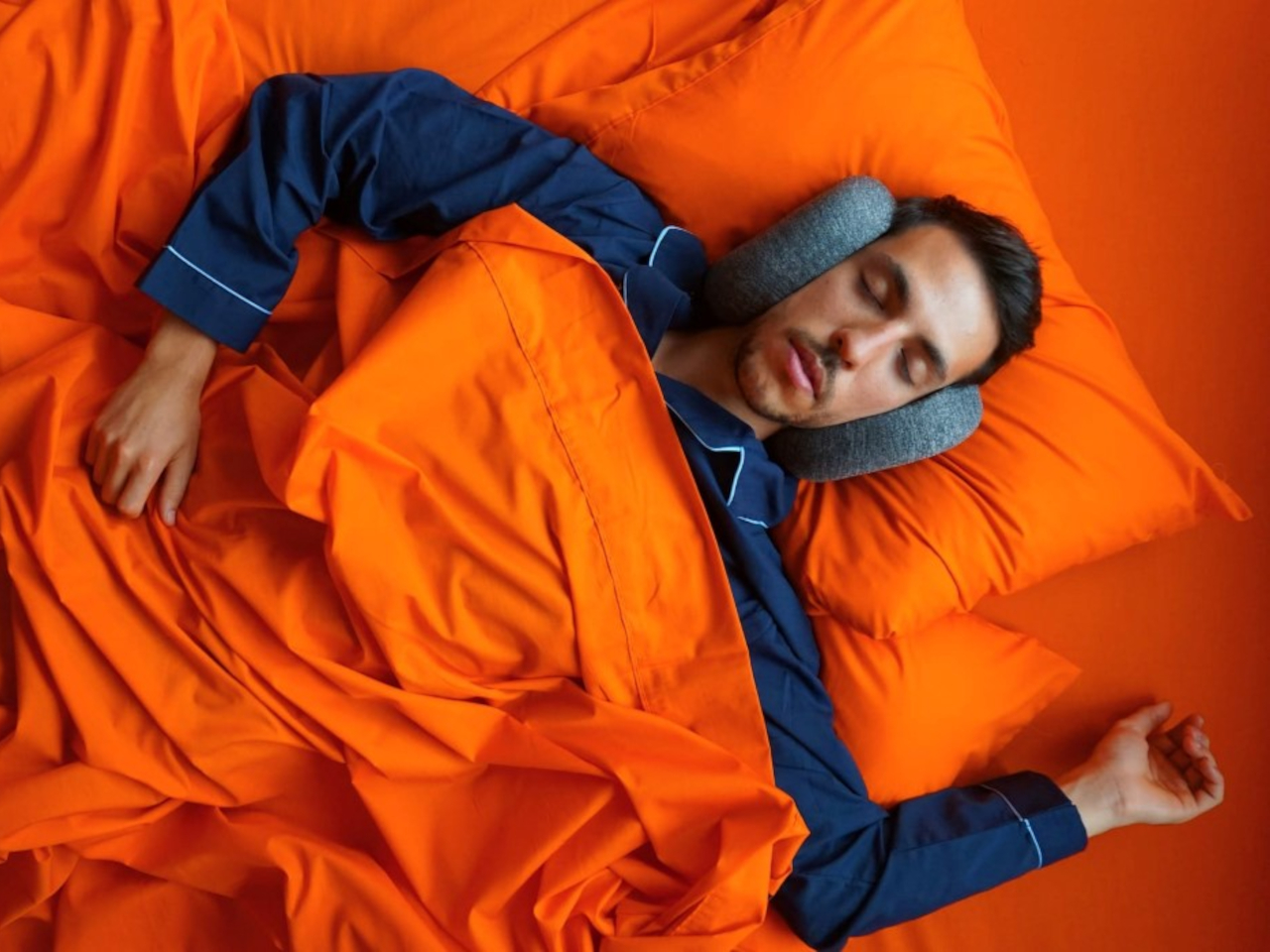
Sleepmuffs offer comfort and quiet for perfect sleep as these oversized earmuffs double as neck support, providing high-quality foam for comfort and exceptional sound blocking. Designed with two types of foam and a hard acoustic shell, they ensure a proper seal and minimize sound disruption. Their breathable fabric construction allows for extended wear without discomfort. Plus, they’re travel-friendly with a convenient storage case included.
3. Smart Lighting
Smart lighting systems, like smart bulbs or light strips, regulate the sleep-wake cycle by mimicking natural light. They dim in the evening to promote relaxation and melatonin production, and gradually brighten in the morning to simulate a sunrise, helping people wake up naturally.
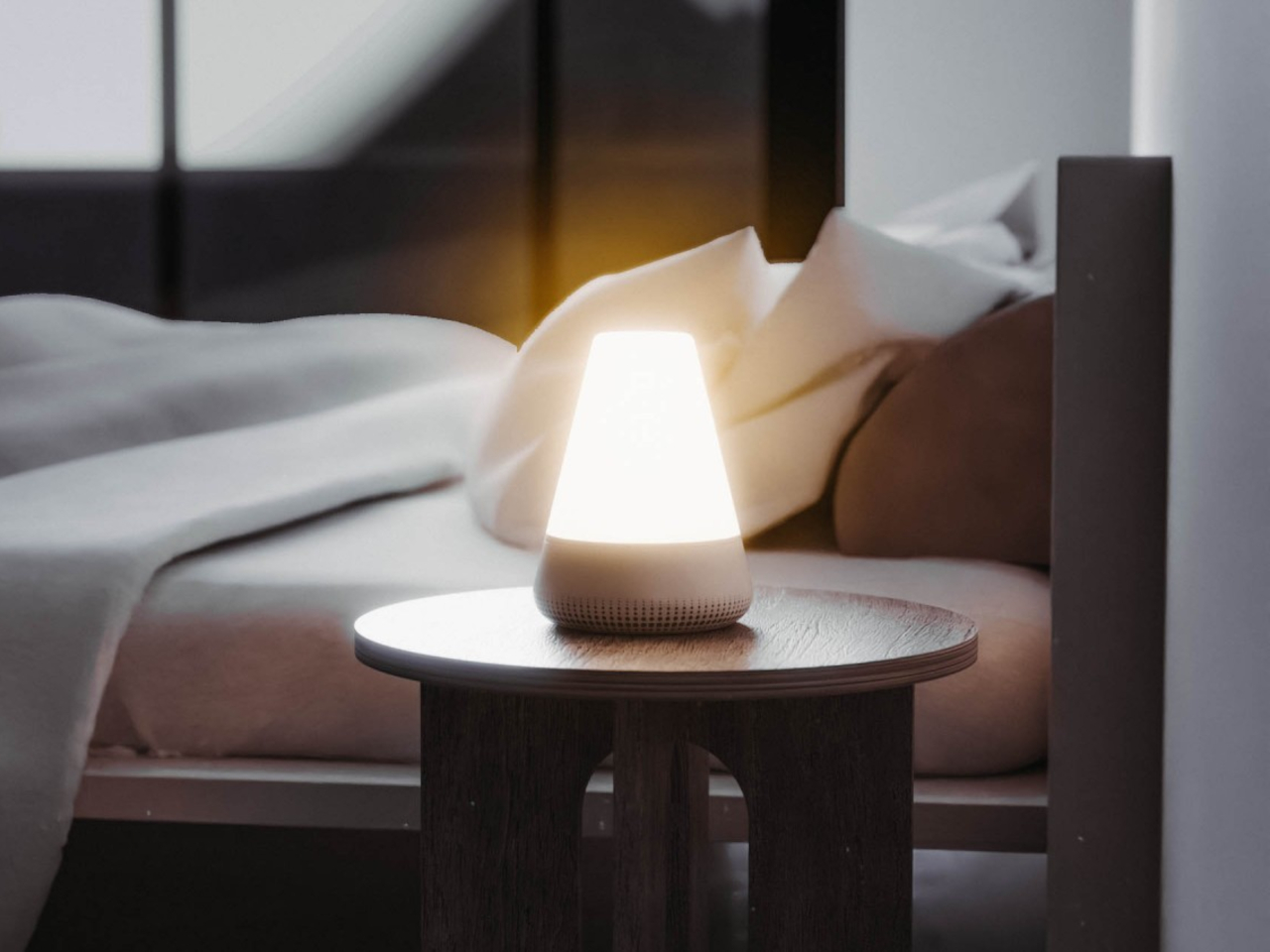
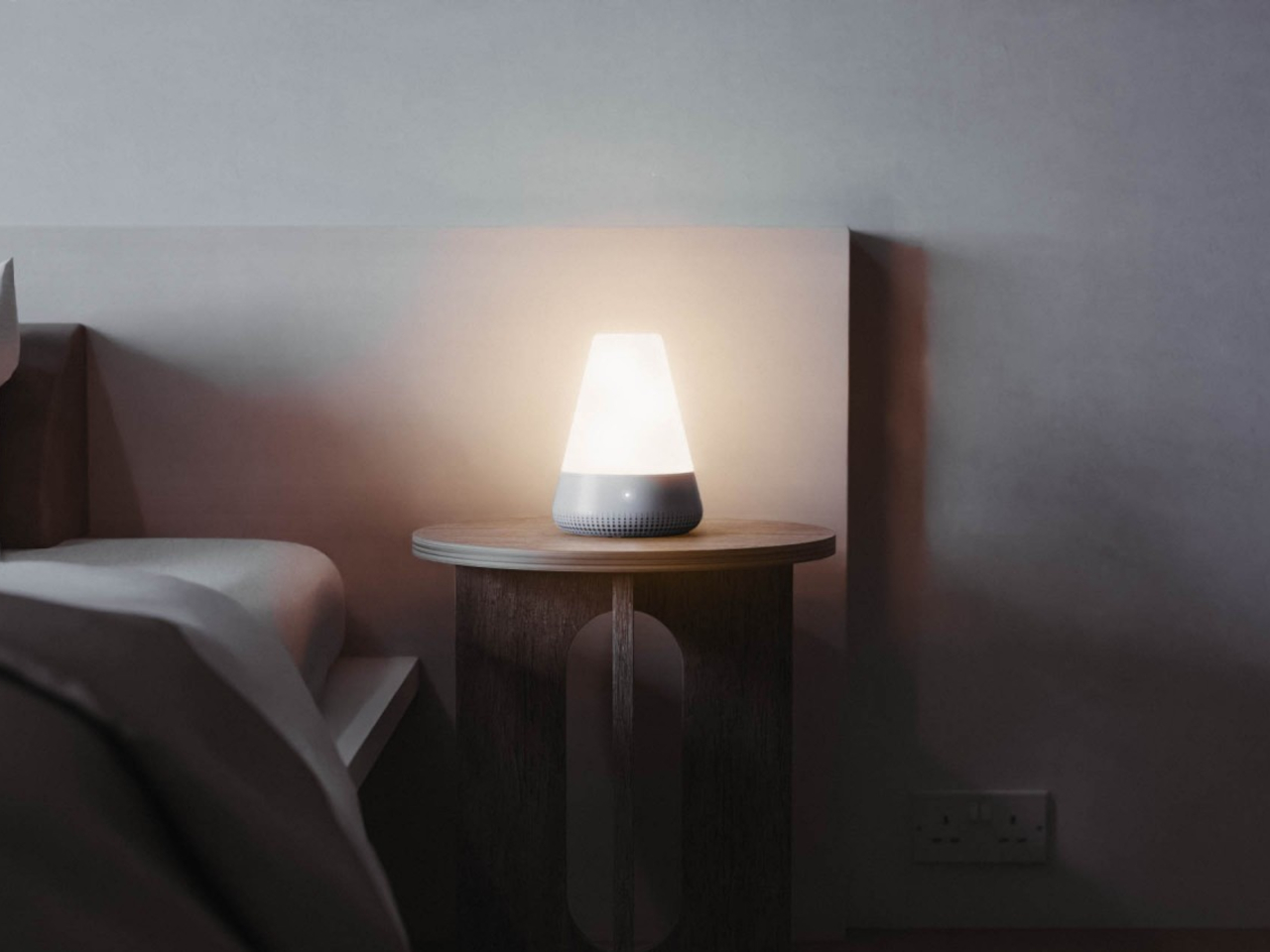
EPY lamp offers a holistic approach to sleep, using light and sound to induce serene slumber and refreshing awakenings. Its minimalist design and intuitive controls foster calm, with warm light mimicking sunset to trigger melatonin production. White noise cancels ambient distractions, promoting restorative rest without the need for supplements or complex features.
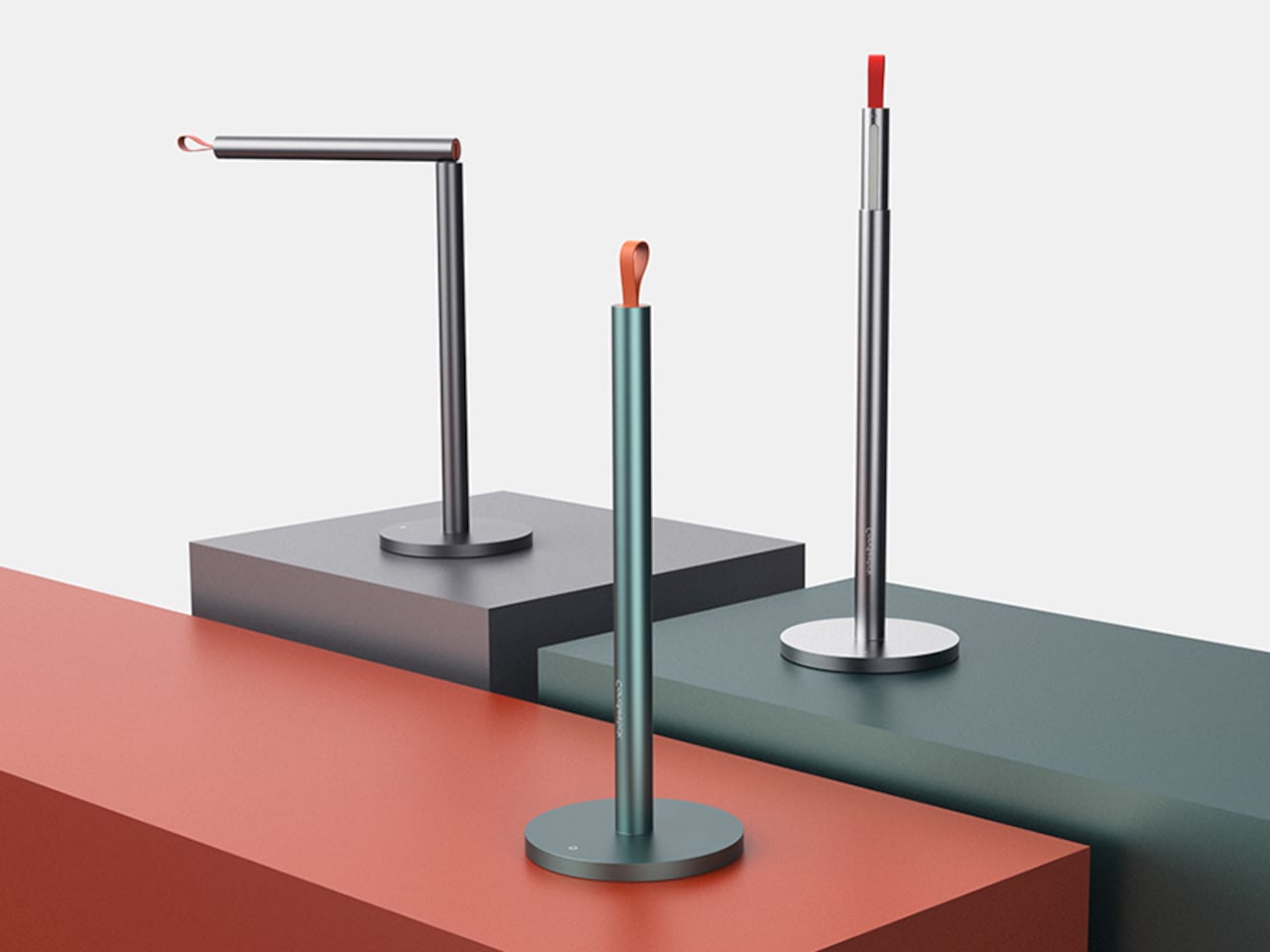
This lamp is designed to establish healthy sleep patterns, it creates a soothing ambiance mimicking natural light cycles. Adjustable light levels cater to pre-bedtime activities, while gradual dimming aids in regulating your circadian rhythm. Versatile and minimalist, it complements any space as both a desk lamp and a sleep aid and promotes good sleep.
4. Smart Beds and Mattresses
Smart mattresses and advanced sleep systems feature adjustable firmness, temperature regulation, snore detection, and sleep tracking. Some also provide personalized sleep coaching and targeted pressure relief, enhancing comfort and support.
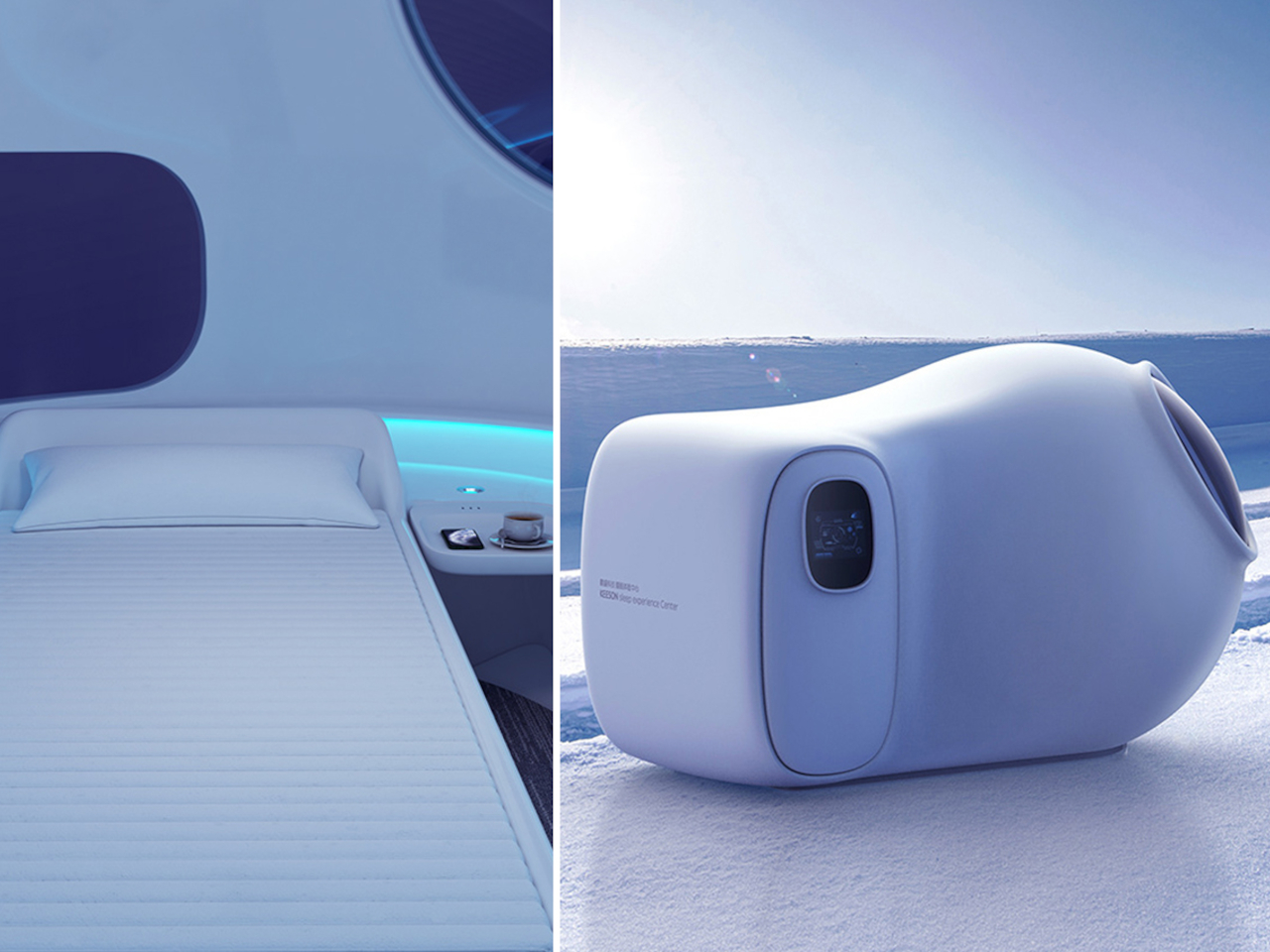
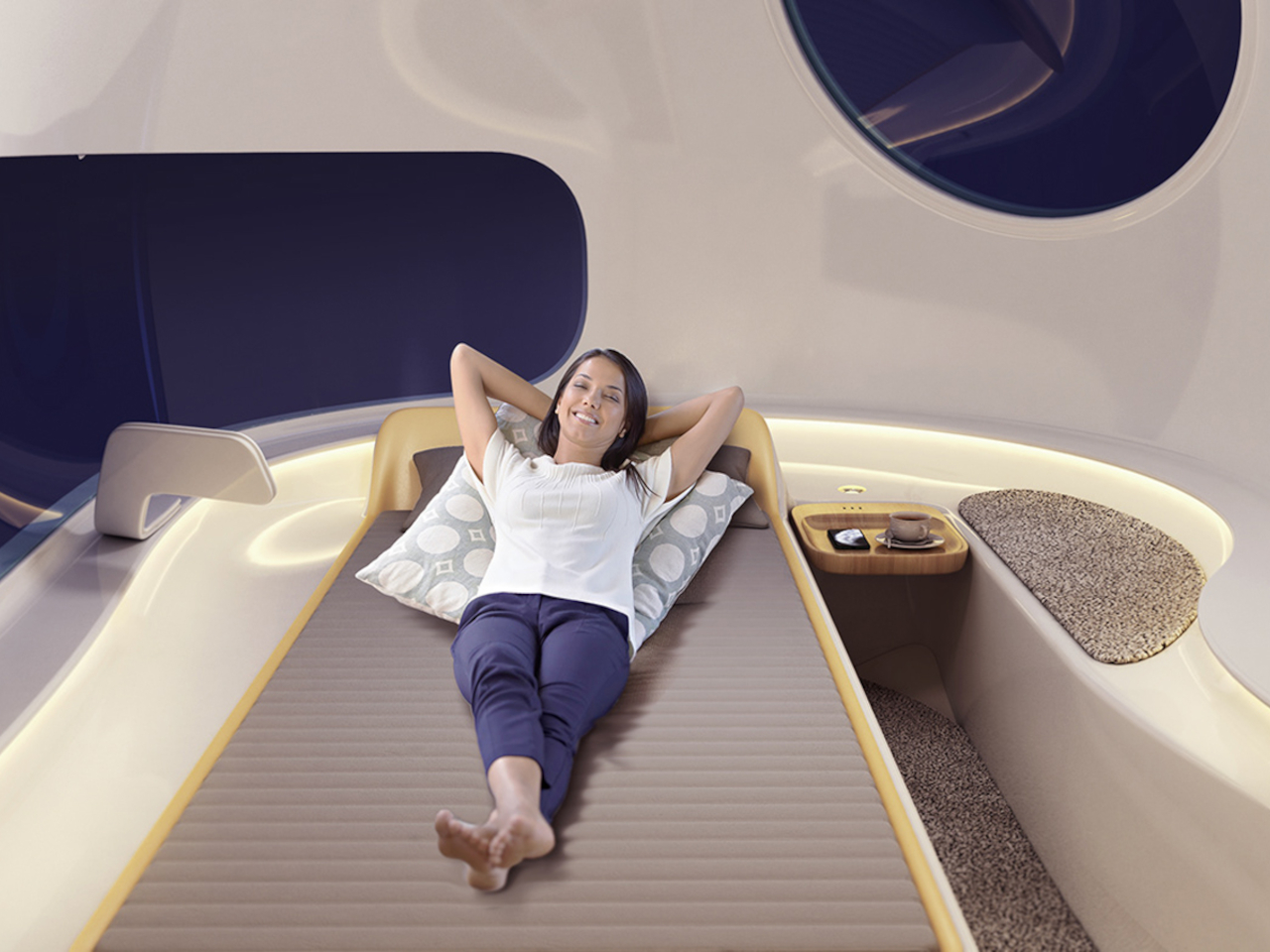
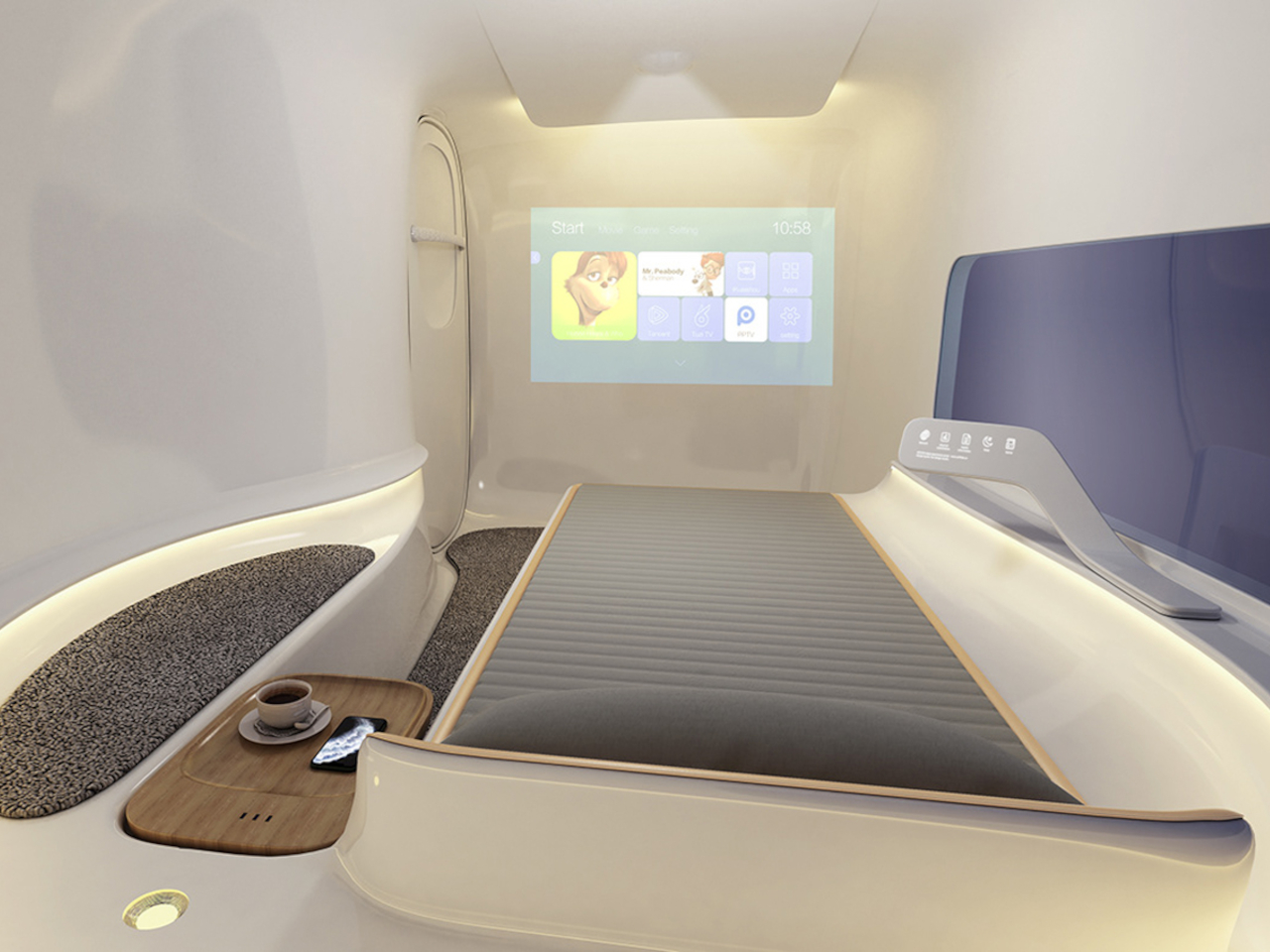
The Sleep Experience Center by designer KAI XIA is a revolutionary pod designed for ultimate relaxation during layovers. Equipped with a state-of-the-art smart mattress, entertainment system, and storage space, including aromatherapeutic lamps and a built-in air filtration system, to enhance the overall experience, this sleek and modern pod offers travelers a tranquil retreat in busy environments like airports. With automated access and customizable features, it’s the perfect solution for weary travelers seeking comfort and rejuvenation on the go.
5. Smart Home
Integrating sleep technology with smart home devices creates a sleep-friendly environment. Smart thermostats adjust room temperature, and smart blinds block external light, all automatically, ensuring optimal sleep conditions without manual effort.
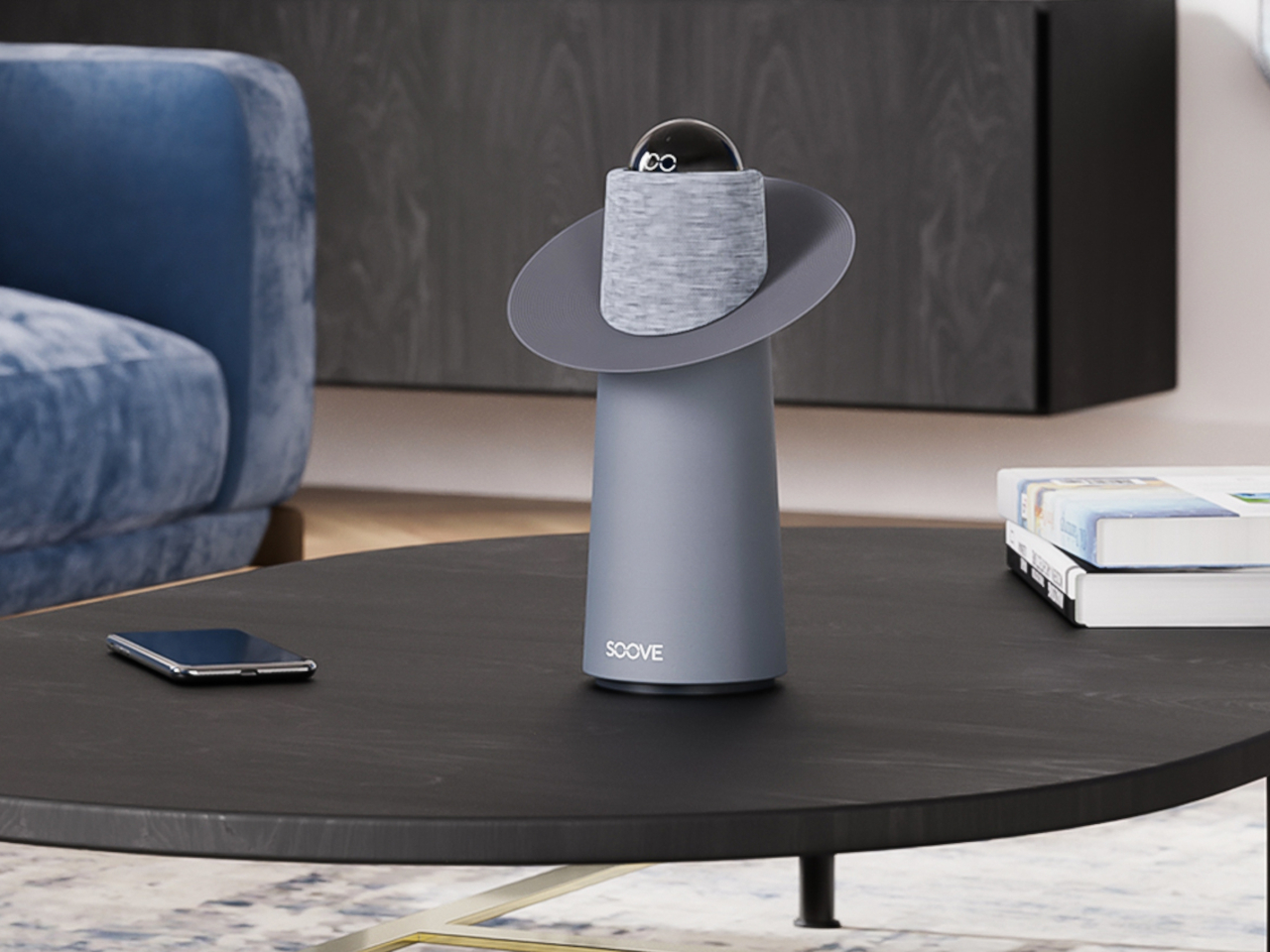
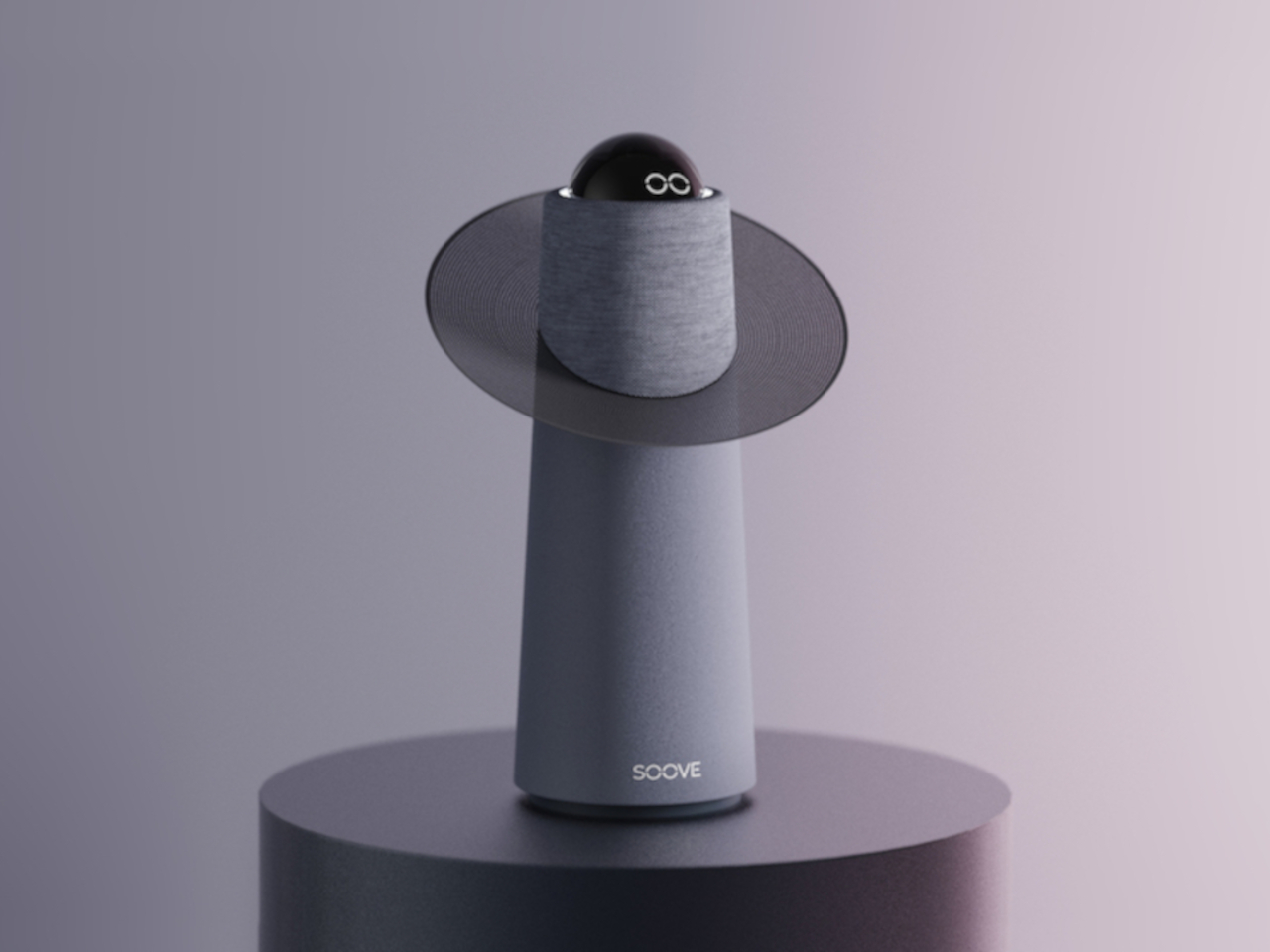
Privacy concerns abound with smart speakers and displays, but Soove offers a refreshing perspective. Its friendly design, complete with expressive eyes, sets it apart from typical smart devices. Soove uses facial tracking to recognize emotions and adjust the environment accordingly, prioritizing well-being over mere functionality. Recipe Design aims to redefine face-tracking technology as a positive tool for enhancing the smart home experience and improving sleep behaviors.
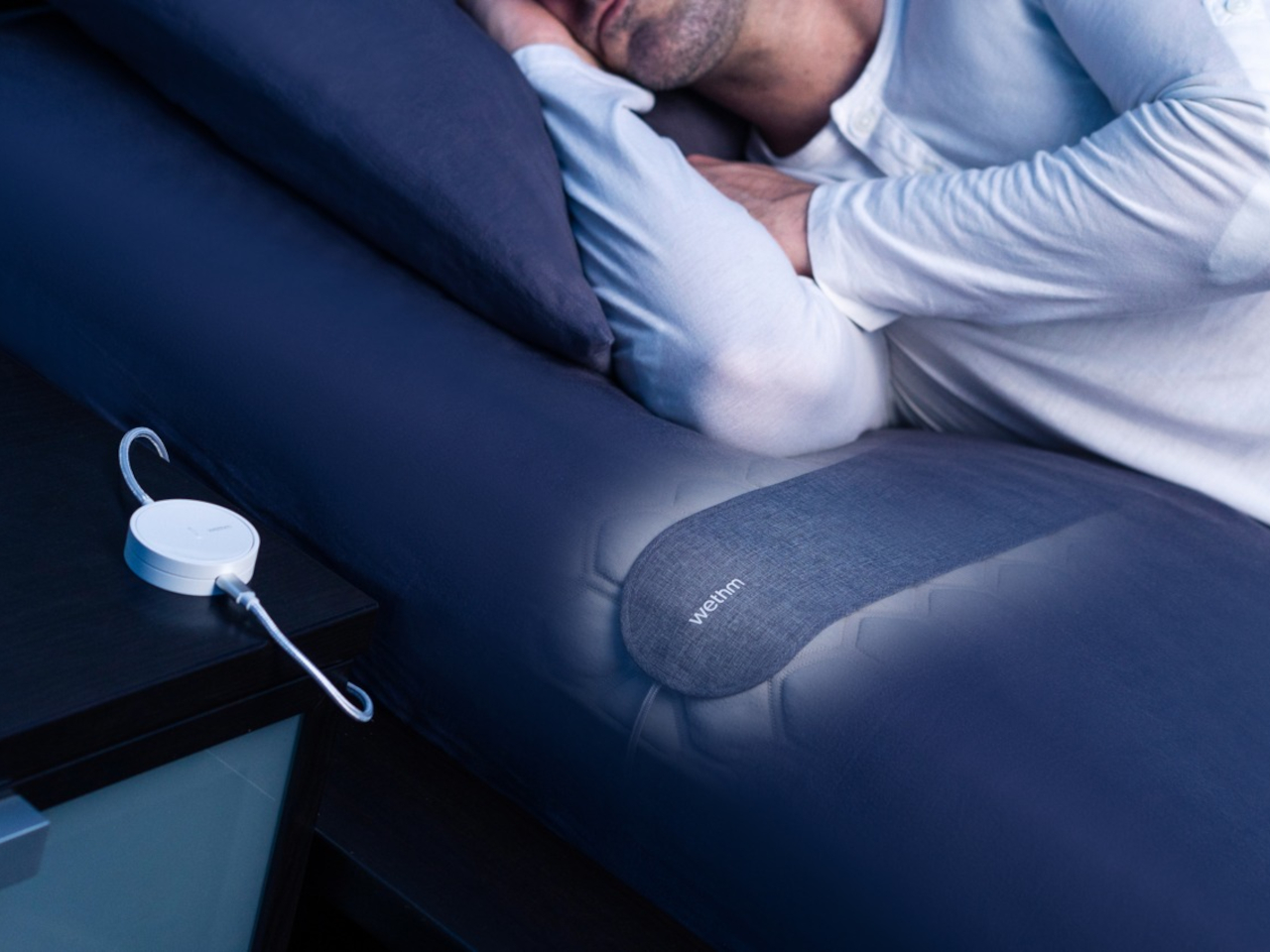
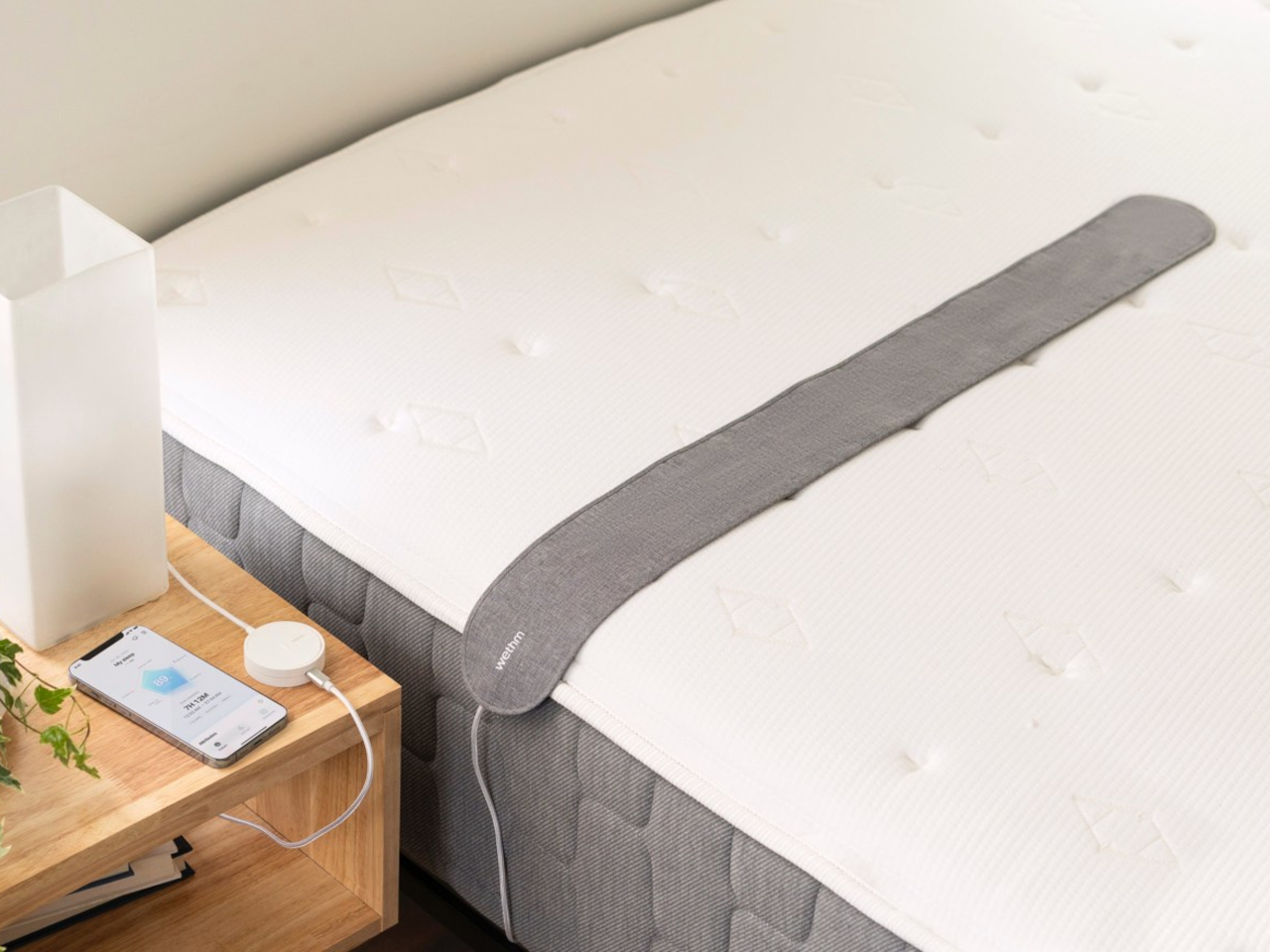
Wethm is an innovative bed accessory for better sleep. Harnessing gentle vibrations, it mimics the calming rhythm of a train journey to induce deep sleep. With cardiovascular synchronization, Wethm gradually slows your heart rate for restful sleep and gently wakes you with subtle buzzing. Easy to use, just place it under your sheets and set the alarm via the app. With AI-powered tracking, Wethm provides personalized insights into your sleep patterns.
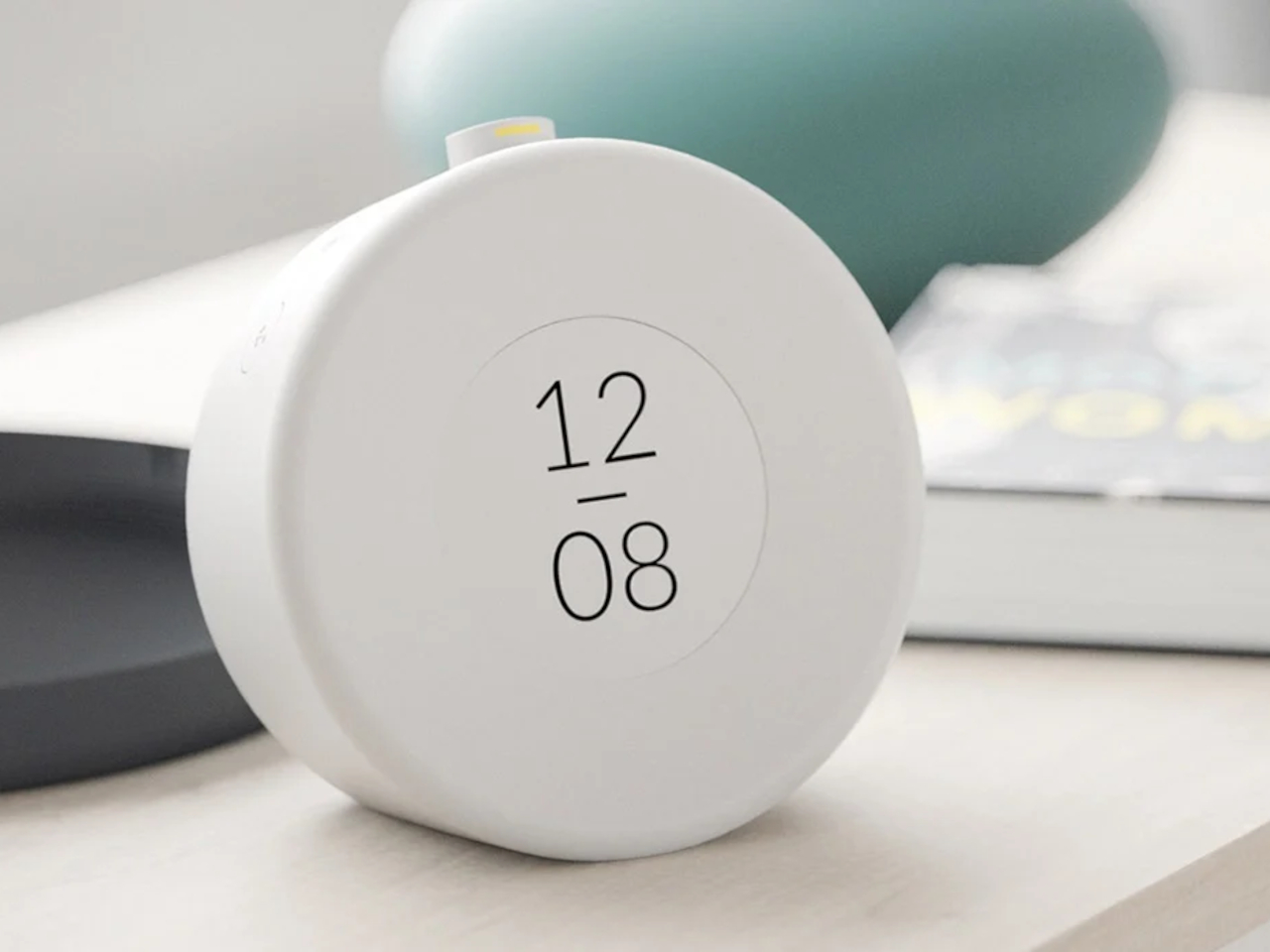
The Mudita Bell calming alarm clock is your solution to waking up refreshed. Designed to align with the body’s natural rhythms, it features gentle acoustic sounds and an E-Ink screen to minimize blue light exposure. With its minimalist design and meditation timer, it promotes restful sleep and peaceful mornings.
8. Smart Sleep Mask
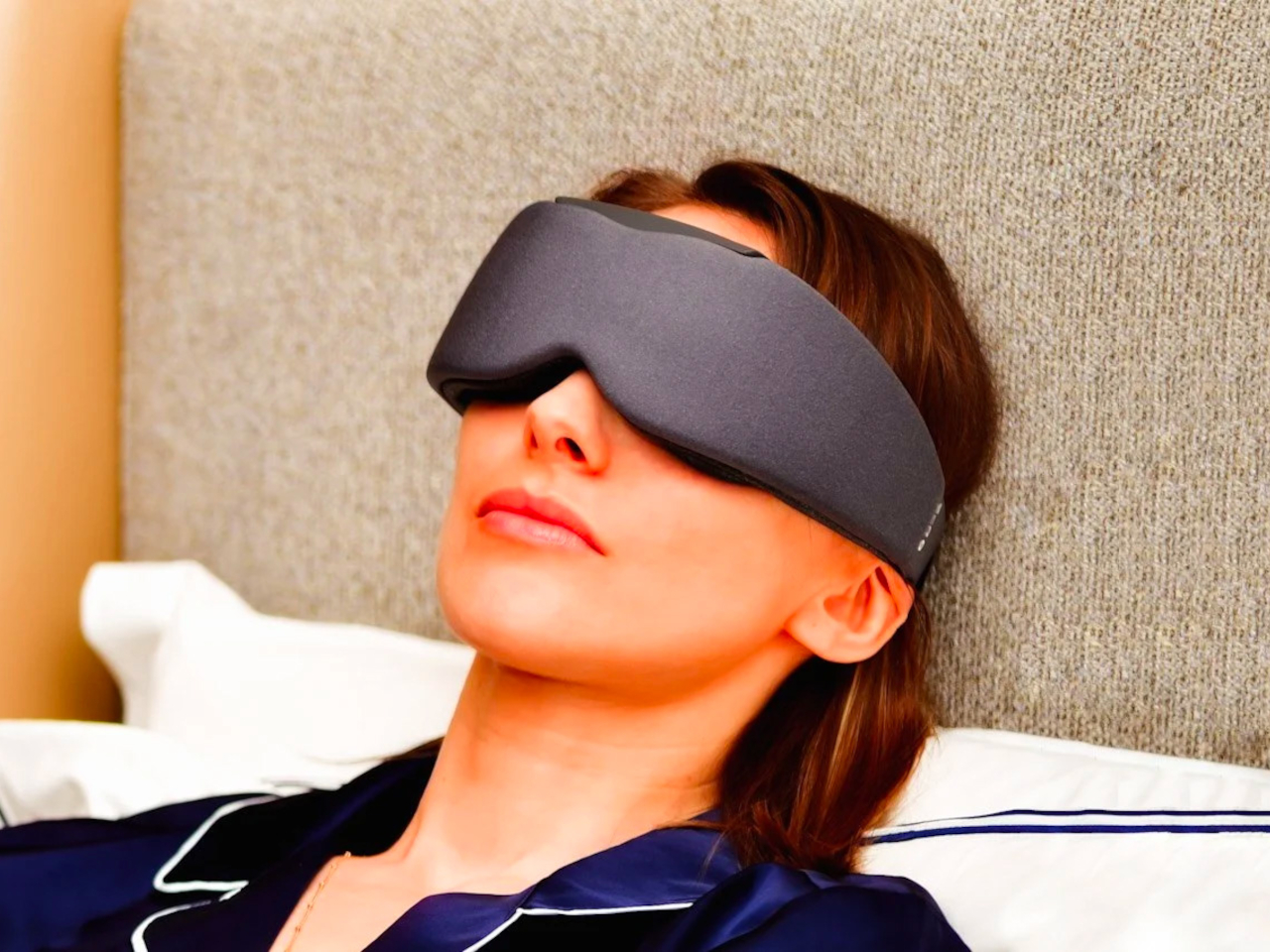
A smart sleep mask contributes to improving sleep quality through its array of features and functionalities. These may include sensors, Bluetooth connectivity, and some even offer built-in speakers for playing relaxing sounds. By blending comfort with innovative technology, these masks aim to enhance sleep quality effectively.
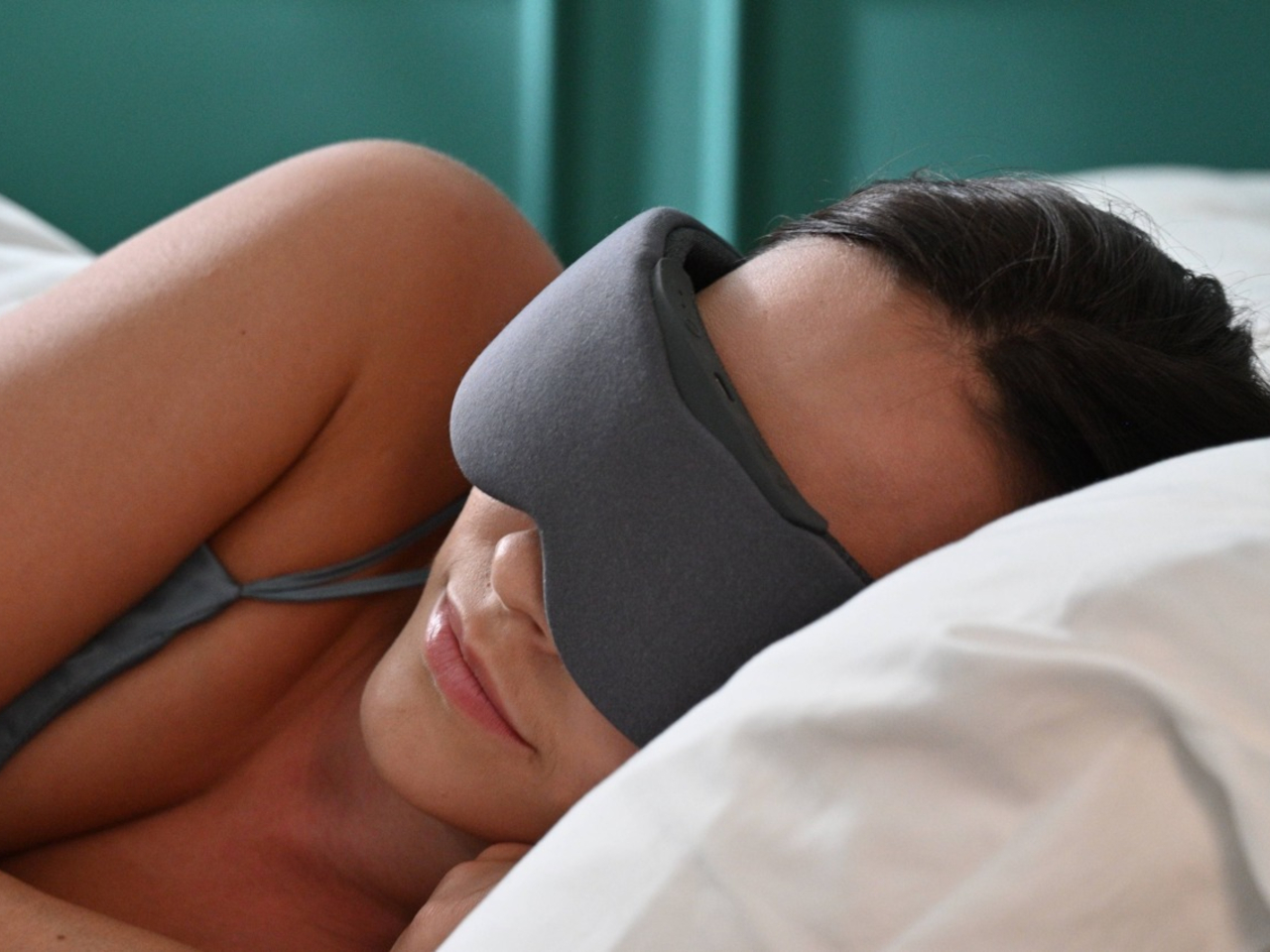
The Aura Smart Sleep Mask offers a natural solution for combating sleep disorders, utilizing sound and light therapy for deep sleep and gentle awakening. It creates a personalized sleep sanctuary with total blackout and comfortable memory foam. Simply pair it with the mobile app, select your preferred Dreamscape, and enjoy a peaceful sleep experience.
9. Ear Plugs
Ear plugs are truly effective in enhancing our sleep quality by substantially reducing disruptive noises from our surroundings.
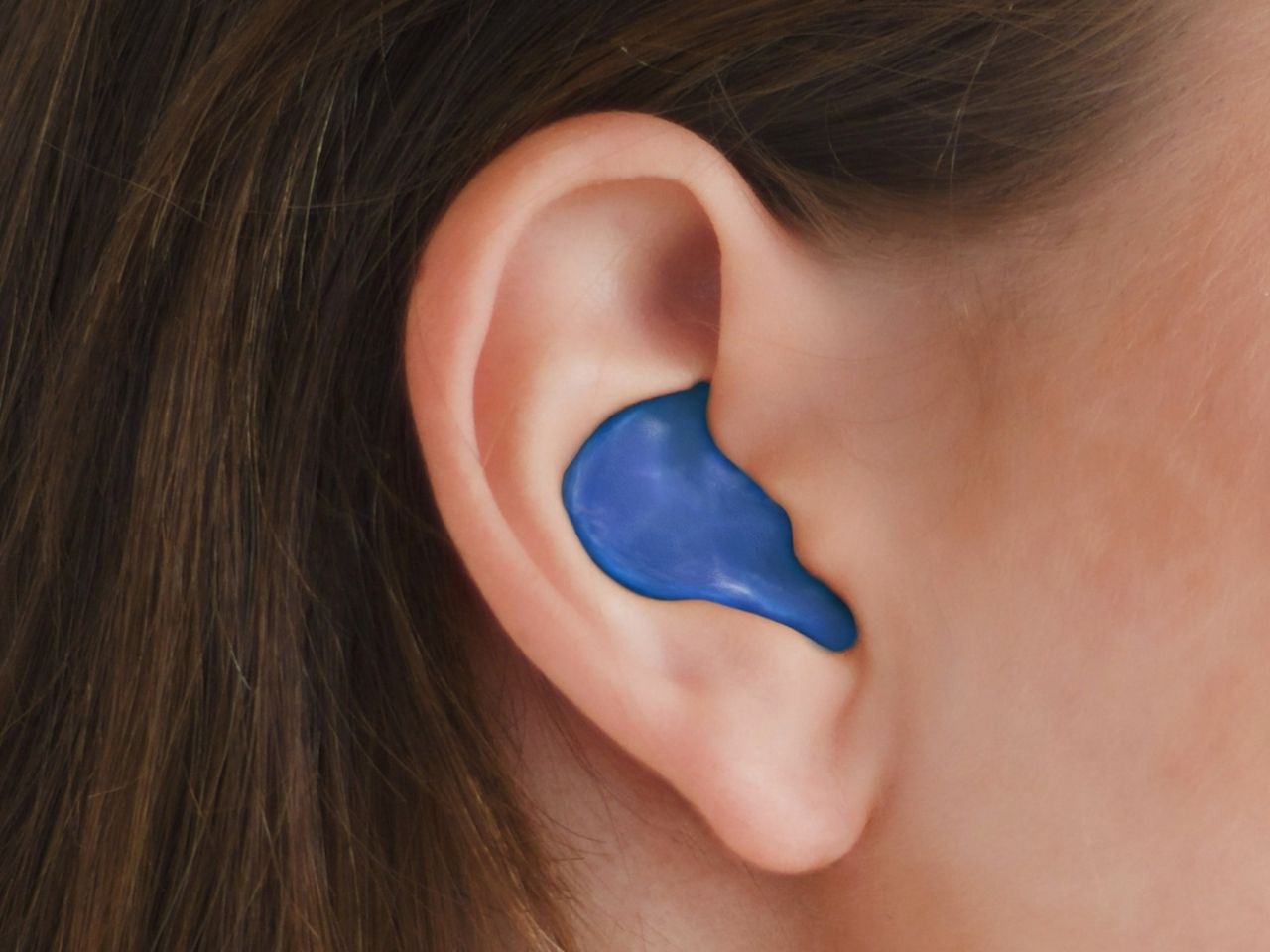
Earplugs or earbuds can block noise, but they often fall out and cause irritation. Soundbuds, a new brand, offers a solution. Unlike traditional options, Soundbuds spread through the ear canal area for a comfortable fit. Made from soft silicone rubber, they mold to your ears without needing custom solutions. Each pack includes 4 pairs in yellow, violet, green, and blue. With 27dB passive noise isolation, they dampen background noise while allowing you to hear important sounds. This colorful and practical option soothes anxiety from various noises, making sleep easier.
10. Sleeping Pods
Nap pods vary from egg-shaped chairs with head covers to small, soundproofed rooms with beds. Typically found in quiet spots like airport lounges or libraries, these pods provide a peaceful sanctuary away from busy areas.
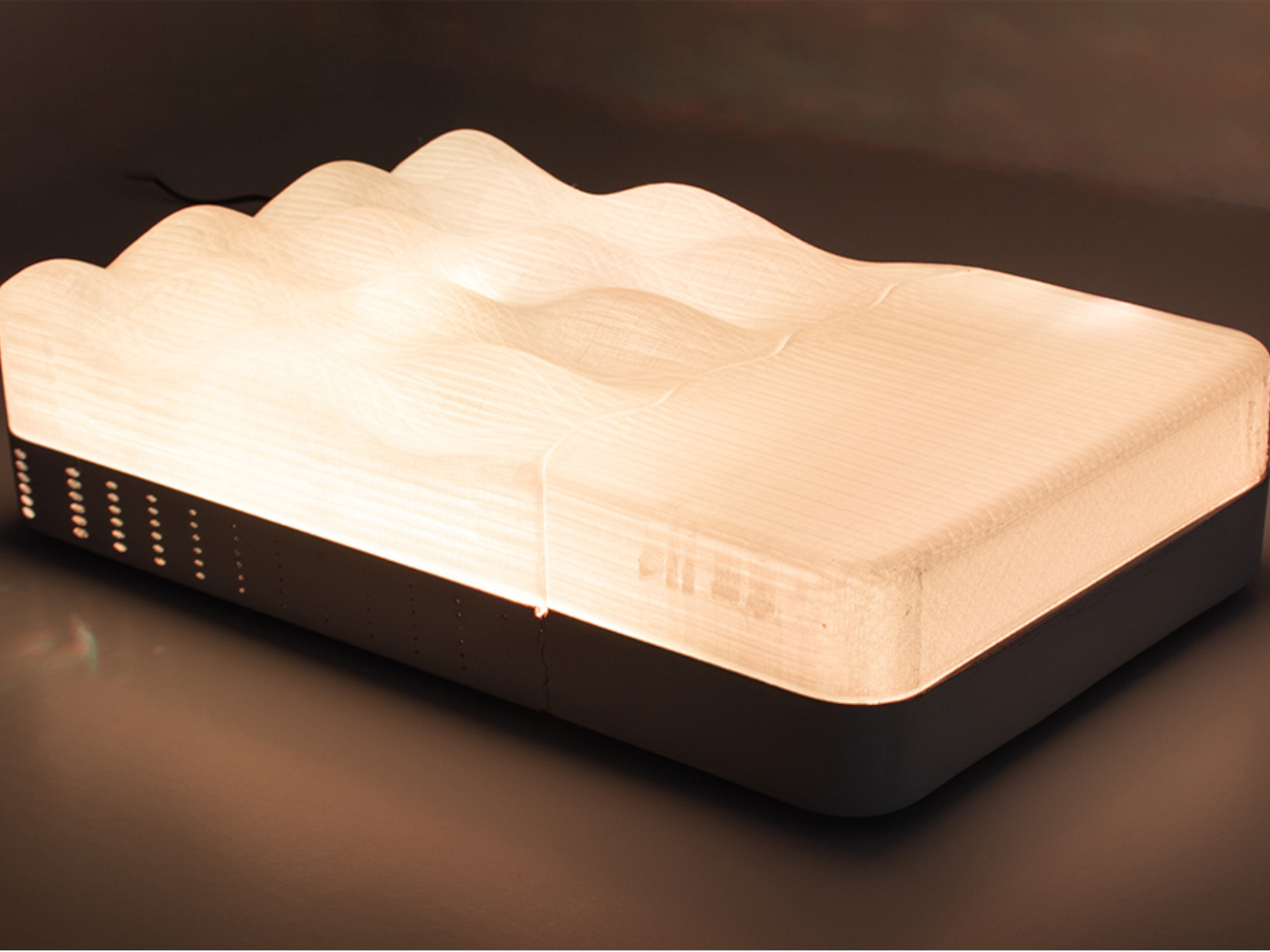
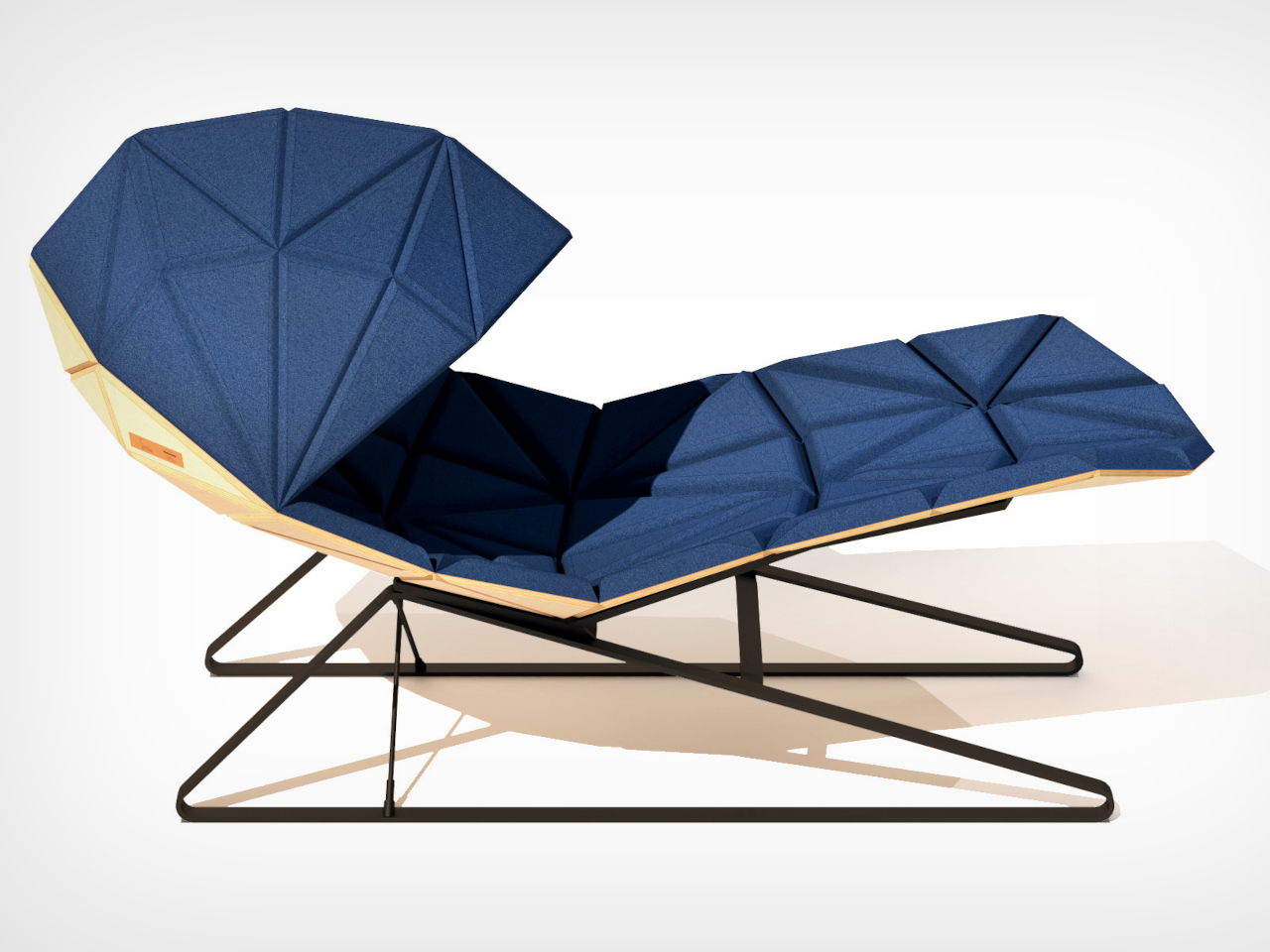
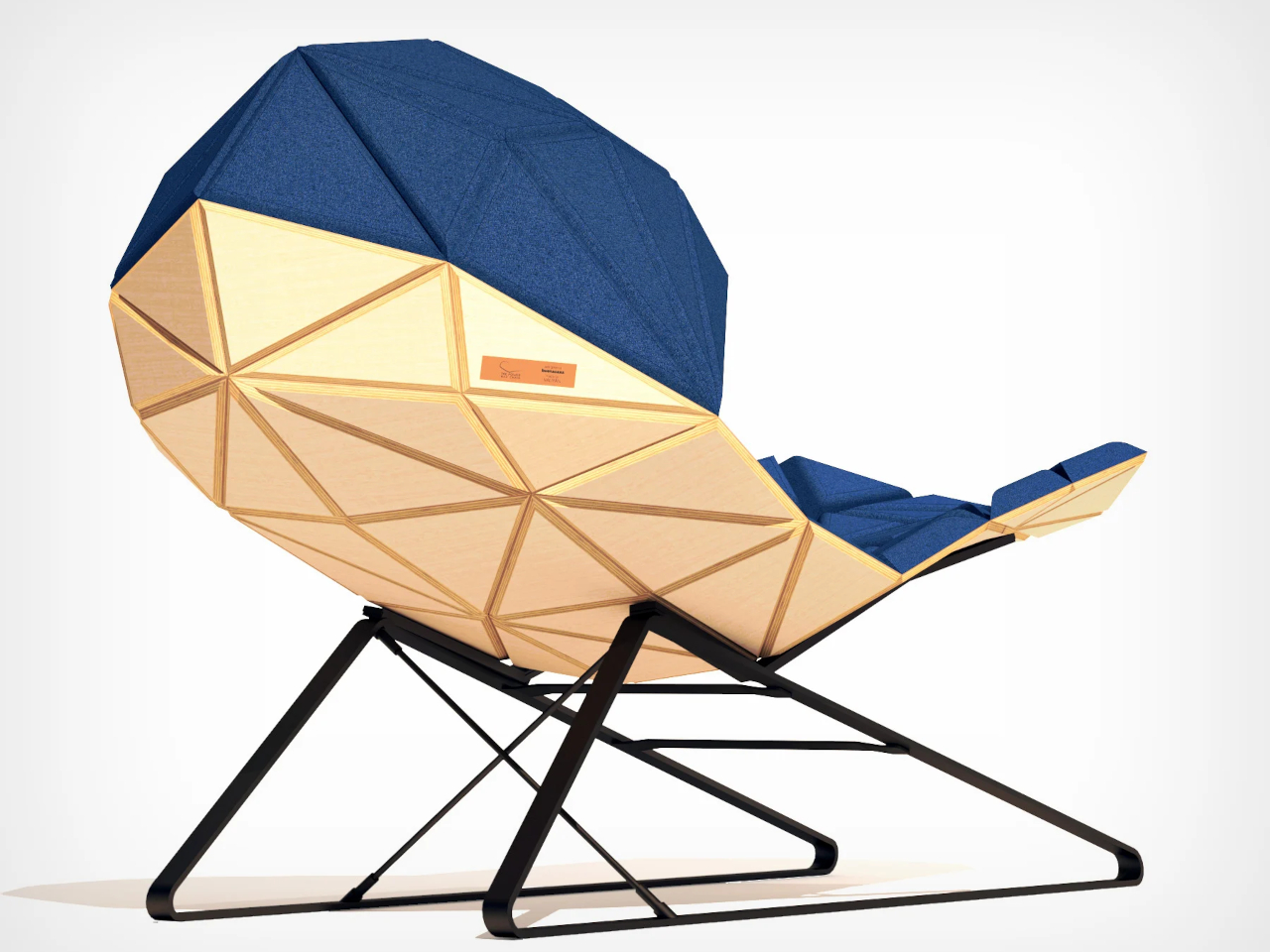
The Power Nap Chair is a revolutionary furniture piece designed by Martin Tsankov to combat exhaustion. Inspired by the productivity-boosting benefits of power naps, this sleek chair offers a cozy cocoon-like design with a foldable hood for privacy. Crafted sustainably with a metal frame, birch plywood body, and woolen fabric, it challenges workplace rest stigmas.
While technology aids sleep, natural methods are key. One can stick to a consistent sleep schedule by eating balanced meals, creating a calming sleep environment, limiting daytime naps, exercising regularly, and managing stress effectively.
Smart rings offer an opportunity to free our wrists from bulky and sometimes gaudy smartwatches, becoming more fashionable alternatives to wearable tech. A ring itself can be considered a fashion item, part of one’s jewelry, but smart rings like the Samsung Galaxy Ring opt for more discreet and minimalist designs. The idea is for these devices to get out of your way and do their jobs in the background while you wear your more luxurious bracelets and watches on your wrist. That’s not stopping the tech giant from trying to build bridges with the fashion industry, and that has given birth to one of the oddest mashups between these two worlds: smart ring-inspired luxury sleepwear.
Designer: Samsung
It’s not the first time that the tech industry has tried to make its presence and products known in the fashion world. From “accessories” like the foldable Honor V Purse to the oddities like Microsoft’s annual ugly sweaters, there are numerous examples of phones and gadgets trying to look chic, one way or another. Smartwatches themselves are supposed to be fashionable, which is why luxury brands once tried to break into that nascent market.
This collaboration between Samsung and famed luxury fashion designer LaQuan Smith, however, is both unusual yet also thankfully not as in-your-face as previous works. This piece of fashion doesn’t flaunt the Galaxy Ring in any form, but it also makes it less evident how the two are related. At New York Fashion Week next month, LaQuan Smith will showcase his Spring/Summer ’25 Collection, including the Lucid Dream line of luxury sleepwear inspired by Samsung’s latest luxurious-looking wearable.
It’s admittedly difficult to immediately discern the connection between these two very unrelated things, and the explanation is also a bit of a stretch. In a nutshell, the fashionable two-piece pajamas can be used not only in bed but also during the day, transitioning from sleepwear to daywear without having to take anything off. This, according to Samsung, echoes the Galaxy Ring’s 24/7 usability, never taking it off unless to charge it after a few days.
Of course, LaQuan Smith himself wears a Galaxy Ring all day, or so the press release states, which includes during his sleeping hours. Sleep, according to the designer, is a critical factor not just in his wellness but also in his creativity, where many of his waking designs were inspired by dreams in his sleep. Whether that will immediately make you think of Galaxy Ring-inspired pajamas is left to your imagination, but those who want a piece of this limited edition fashion item will have to wait after the event to see when and where Samsung will sell them.