John Cena’s spinning championship belt should not have worked. It was gaudy, it was hip-hop inflected, it belonged more to a music video than a wrestling ring, and it absolutely captured a generation of young fans who grew up treating it as the definitive image of what a championship looked like. That belt stayed on WWE television long after Cena’s character stopped spinning it, because WWE understood that the object itself had taken on a life independent of the man who introduced it.
That is the particular power that championship belts hold over wrestling. Mick Foley took three of the most brutal falls in WrestleMania history and walked away as champion, and the belt validated every bit of the punishment. Bray Wyatt’s Fiend character carried a Universal Championship with his own face grotesquely incorporated into the design, because for that character, the belt had to be an extension of the horror. These objects absorb the identity of whoever holds them, and they carry that identity forward long after the reign ends.
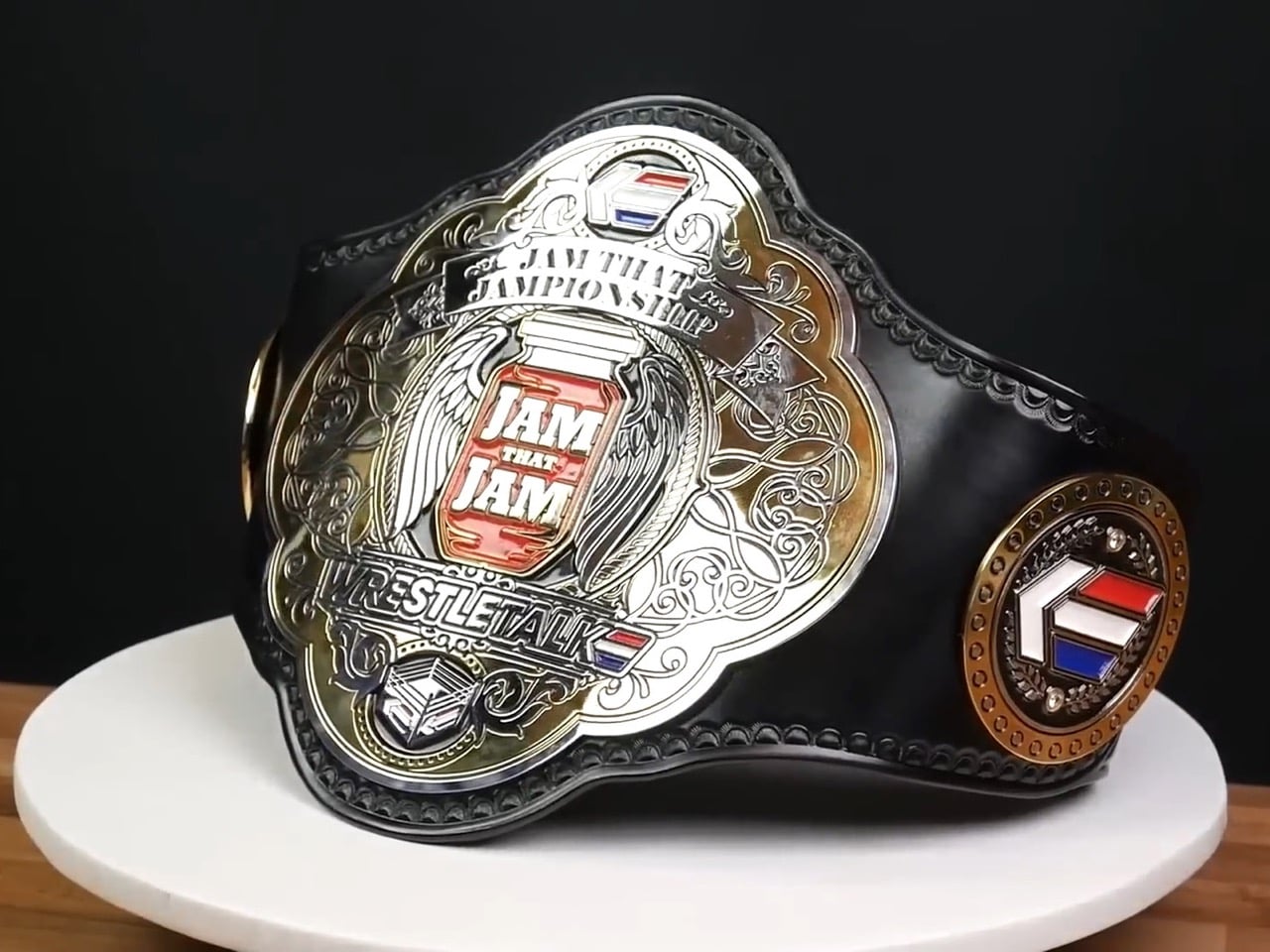
A Tradition Borrowed From Boxing
Championship belts predate professional wrestling entirely. The tradition traces back to 1810, when British boxer Tom Crib defeated American boxer Tom Molino in a grueling 35-round fight, and King George III presented Crib with what historians consider the first championship belt, reportedly constructed from lion skin decorated with silver claws. One popular theory holds that early boxers would bring colored cloths to tie around their waists before fights, and winners would take their opponents’ colors and wear them as a belt to signal victory. The symbolism was immediately legible and it stuck.
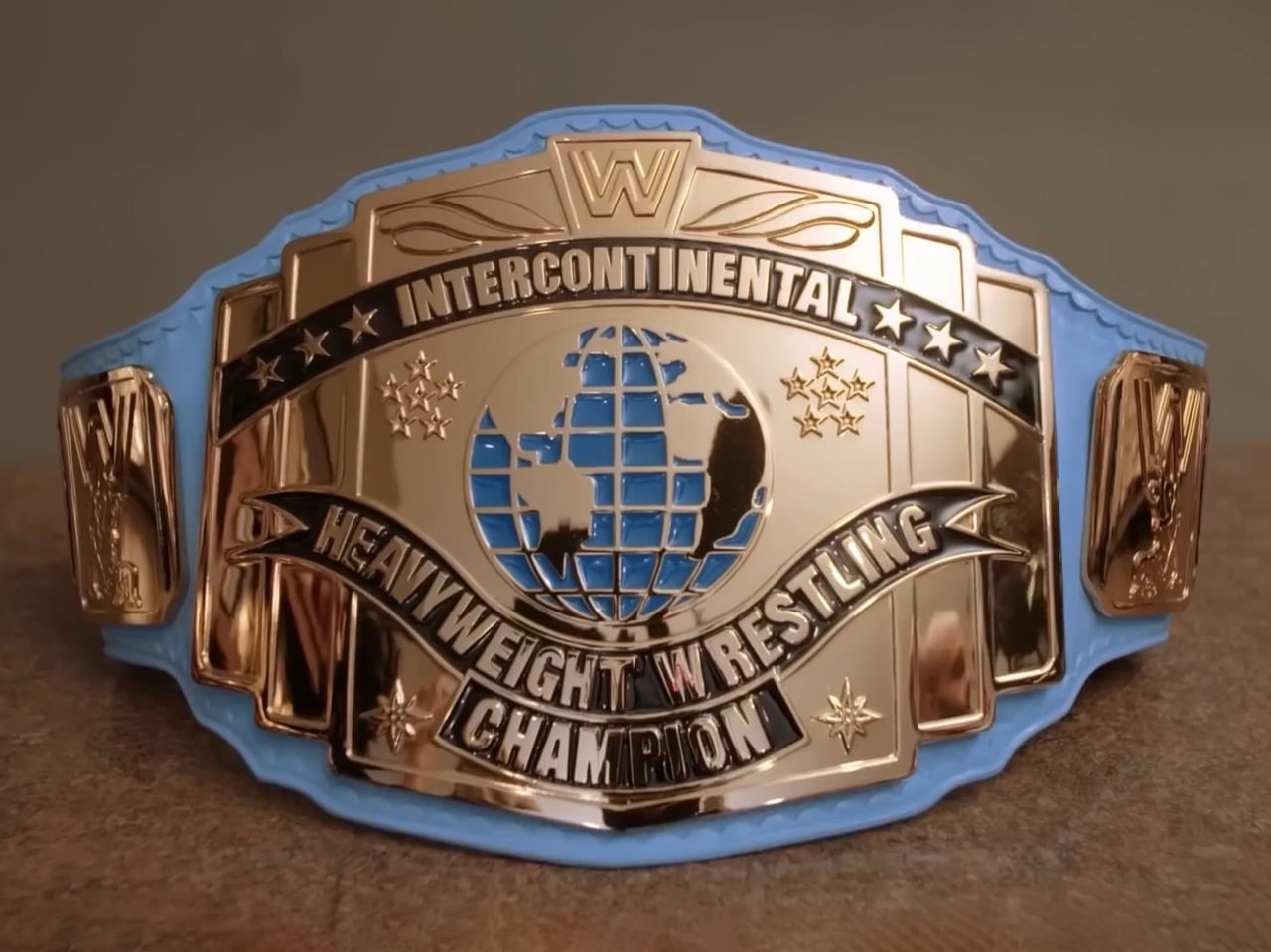
When professional wrestling emerged as a competitive sport in the late 19th century, it borrowed the championship belt wholesale from boxing. The first recognized wrestling championship arrived in 1905, with George Hackenschmidt becoming the inaugural World Heavyweight Wrestling Champion. Early WWE belts were plain objects, basic leather straps with small metal plates, and during Bruno Sammartino’s legendary seven-year reign in the 1960s, the design featured little more than the shape of the United States pressed into leather. The wrestling mattered more than the prop, and nobody pretended otherwise.
From Simple Leather to Cultural Artifact
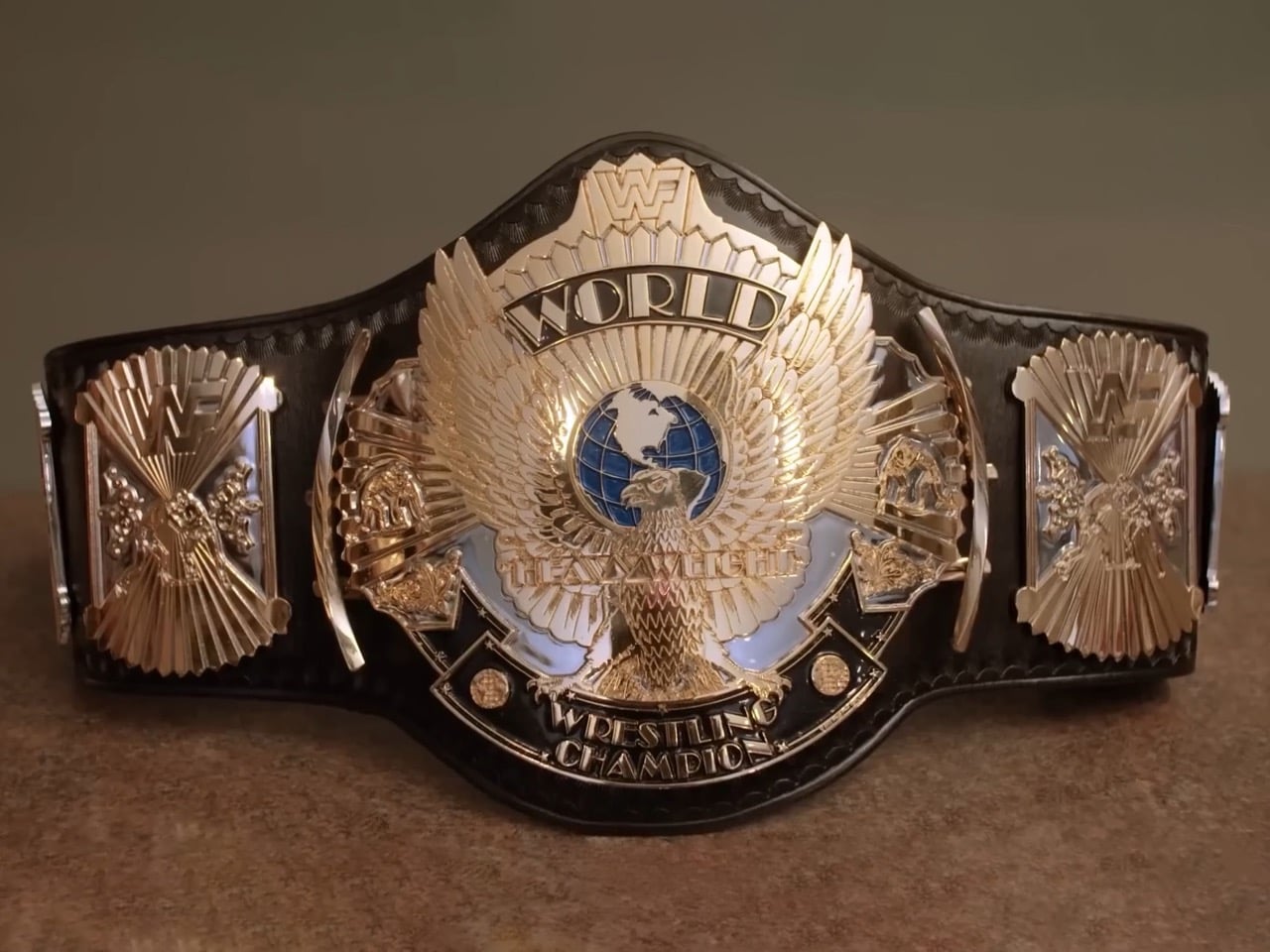
The 1980s changed everything. As wrestling transformed from regional athletic competition into globally televised entertainment, the belts transformed with it. The winged eagle championship arrived during the Golden Era and was perfectly calibrated for the personalities carrying it, Hulk Hogan, Randy Savage, the Ultimate Warrior, larger-than-life characters who needed a larger-than-life object to hold above their heads. Reggie Parks, a former wrestler turned belt maker, created that winged eagle design, and it remains the belt most commonly cited when fans argue about the greatest championship design in history.
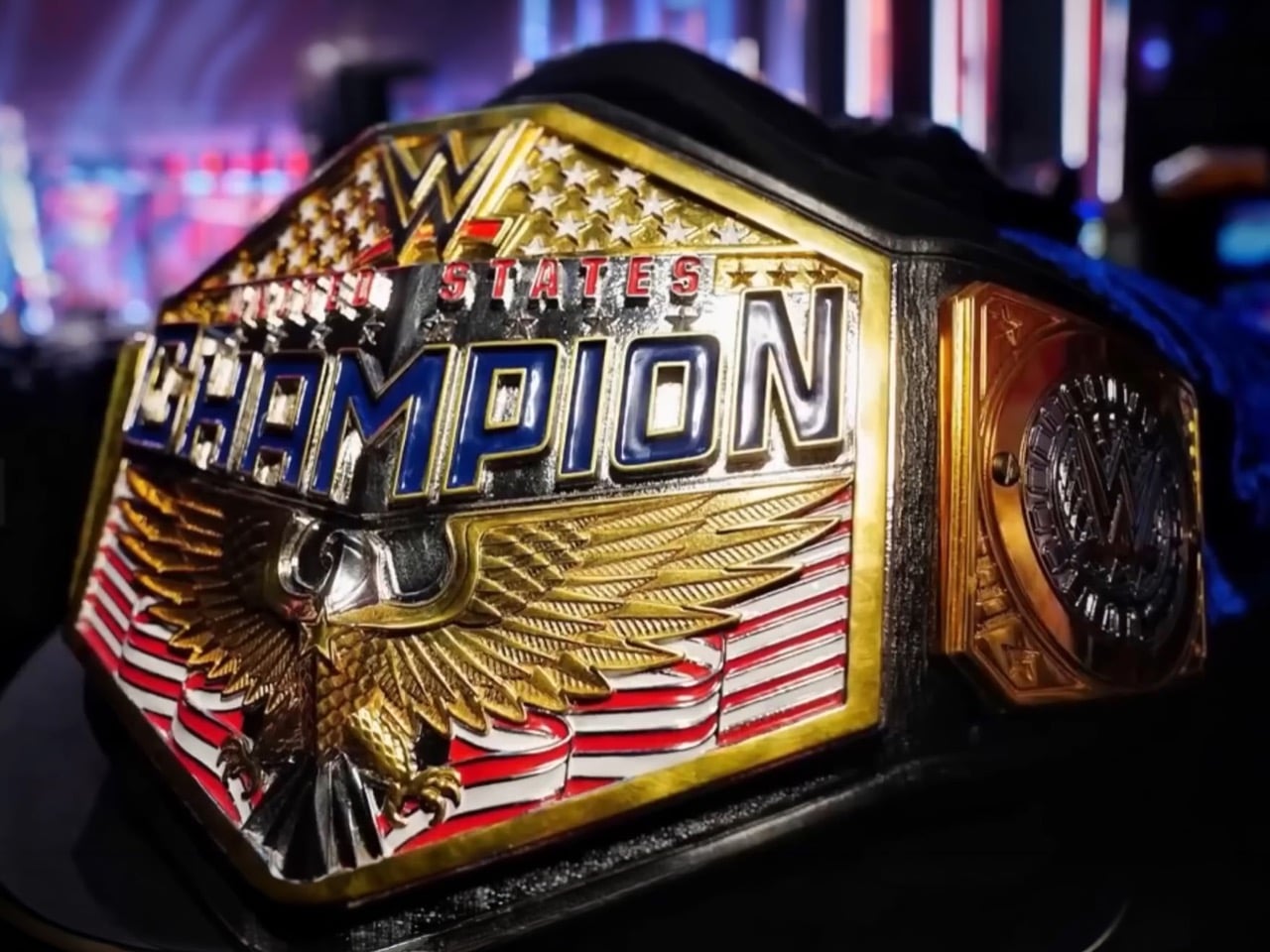
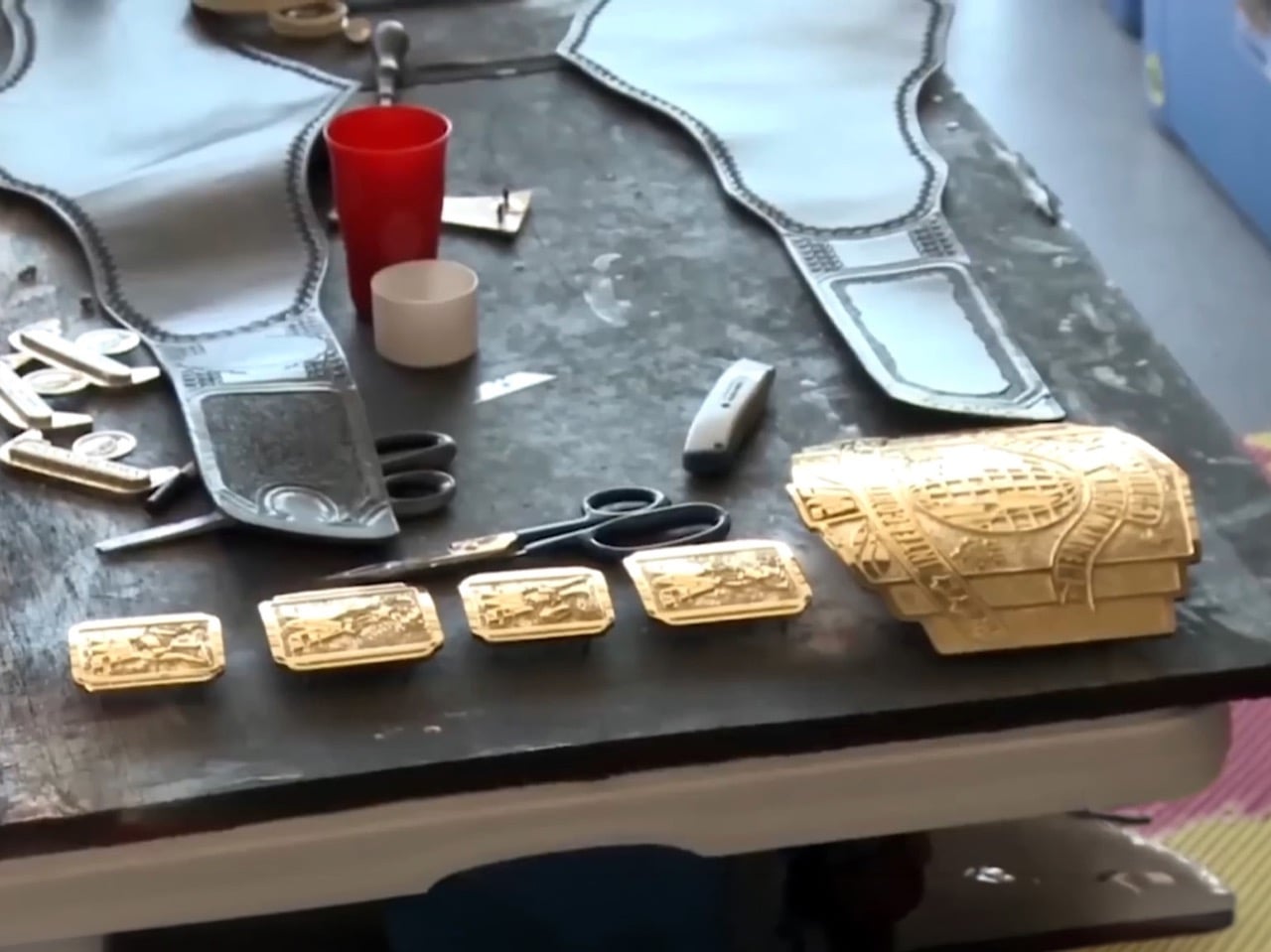
The 1990s brought the Big Gold Belt, originally from NWA and WCW, featuring 24-karat gold, silver, diamonds, and rubies, a genuinely opulent object that looked like it belonged in a museum case. Then came the spinner, Cena’s spinner, which arrived in 2005 and did something no belt had done before: it became a product. Kids wanted replicas not because they idolized the championship lineage but because the belt itself was cool, in the same way a sneaker or a video game peripheral was cool. The customizable side plates introduced in 2013 pushed this further, allowing each new champion to stamp their own identity onto the physical object, making every title change feel like a genuine handover rather than just a storyline beat.
The People Who Actually Build Them
Creating a WWE Championship belt is not a factory operation. It is a craft practiced by a small number of artisans working out of workshops in the United States, and the knowledge passes between them the way apprenticeships work in watchmaking or leatherwork. Dave Millican is one of the primary belt makers working with WWE today, responsible for the WWE Championship, the World Heavyweight Championship, the Intercontinental Title, and the tag team titles among others. He learned his craft directly from Reggie Parks, the man who built the winged eagle, and credits Parks entirely for his credibility when he was starting out.
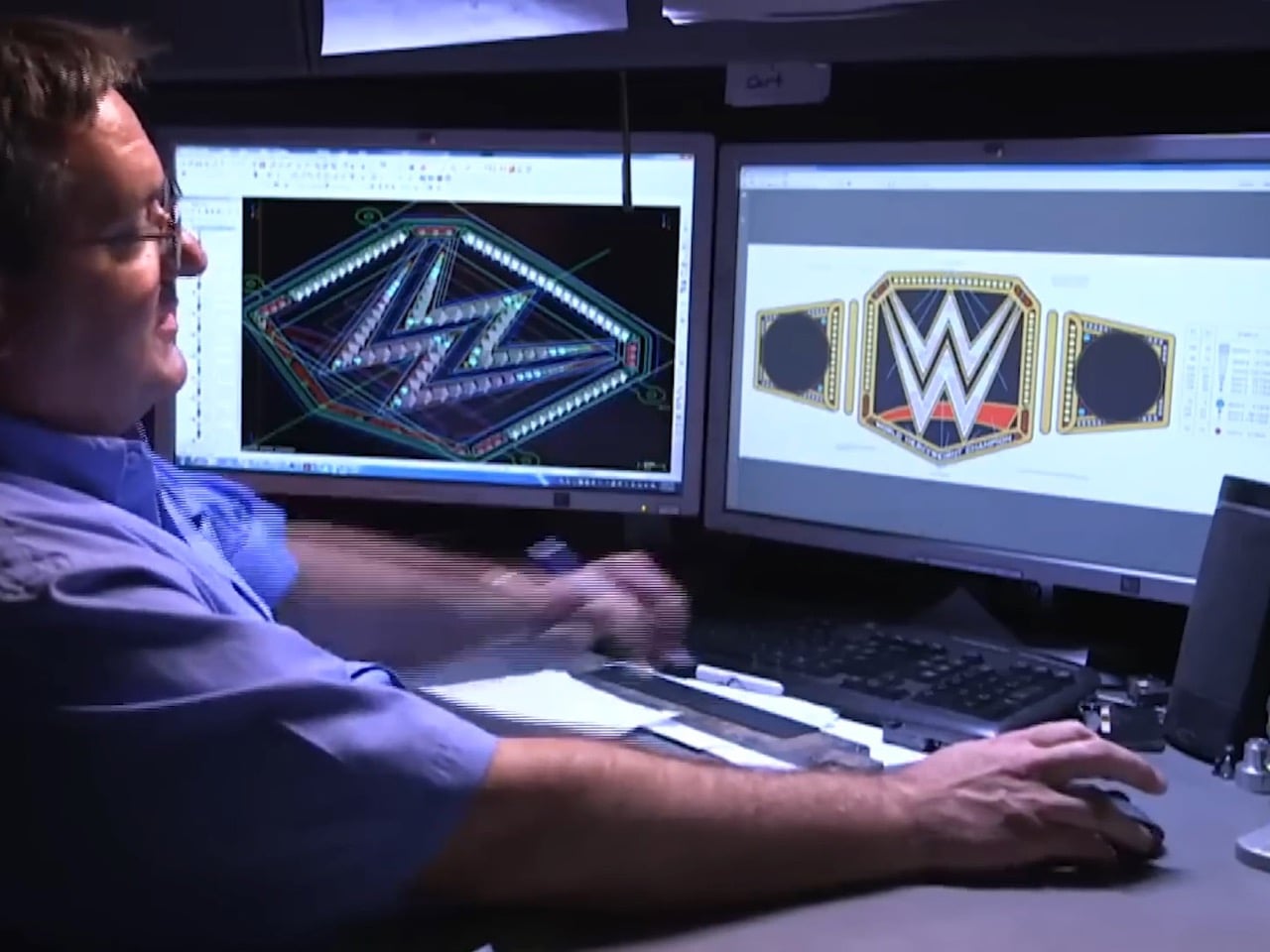
Millican works from a garage workshop, which tells you something important about the scale of this industry. There is no belt-making facility, no assembly line, no team of technicians running shifts. There is a craftsman, a set of specialized tools, and months of painstaking handwork. WWE contacts belt makers with a set of requirements, the two collaborate through sketches and revisions, and once a design is locked, the real work begins.
Clay, Tin, and Months of Handwork
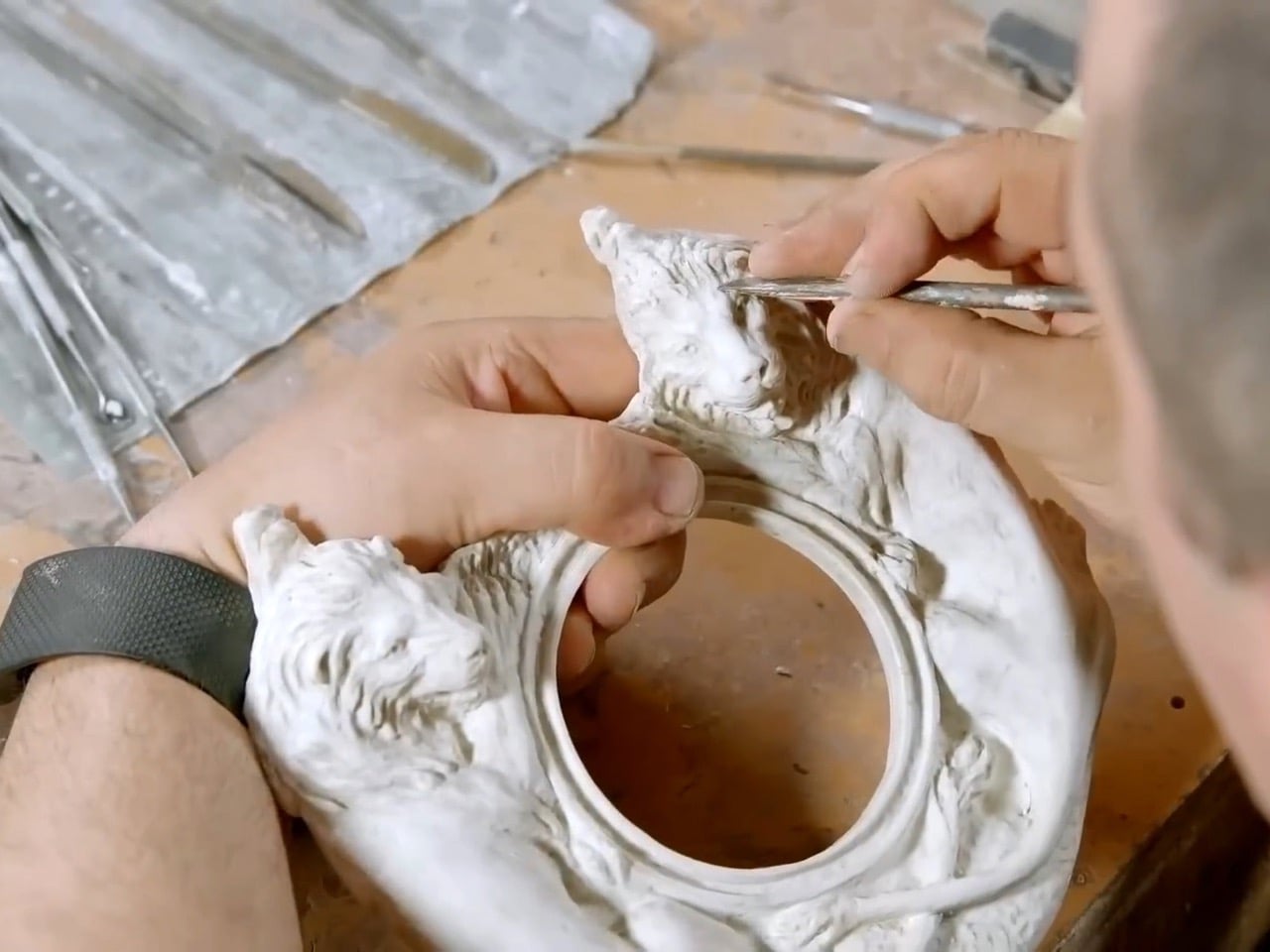
The process starts with clay. The belt maker hand-sculpts a detailed three-dimensional model of each plate from soft clay, capturing every ridge, letter, and decorative element by hand. Once the clay dries and hardens, plaster is poured around it to create a negative mold. That plaster mold produces a soft metal model, typically aluminum, which the artist then spends considerable time refining, sharpening details, smoothing transitions, and preparing for the next stage. This refined metal model becomes the template for the final casting mold.
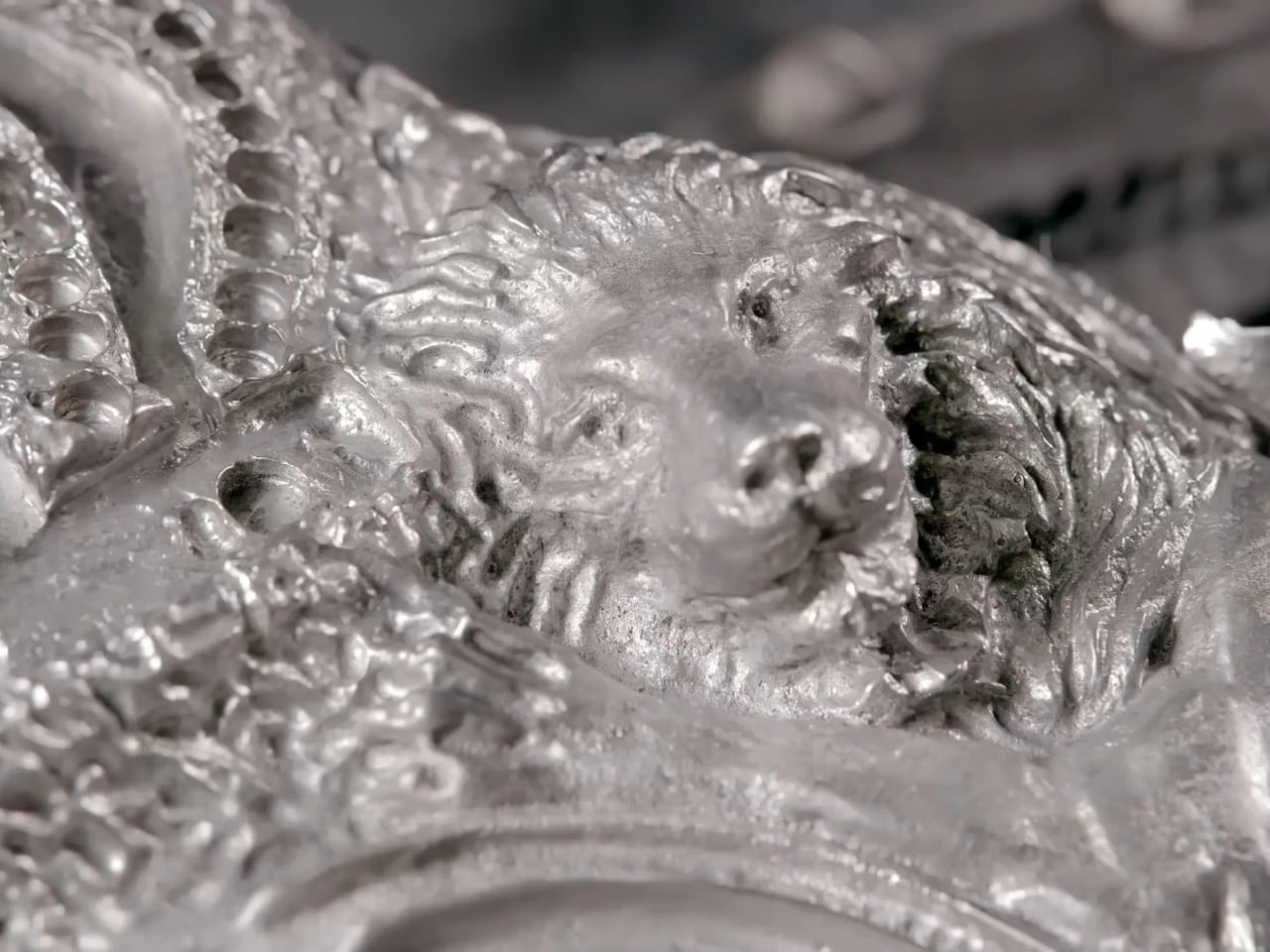
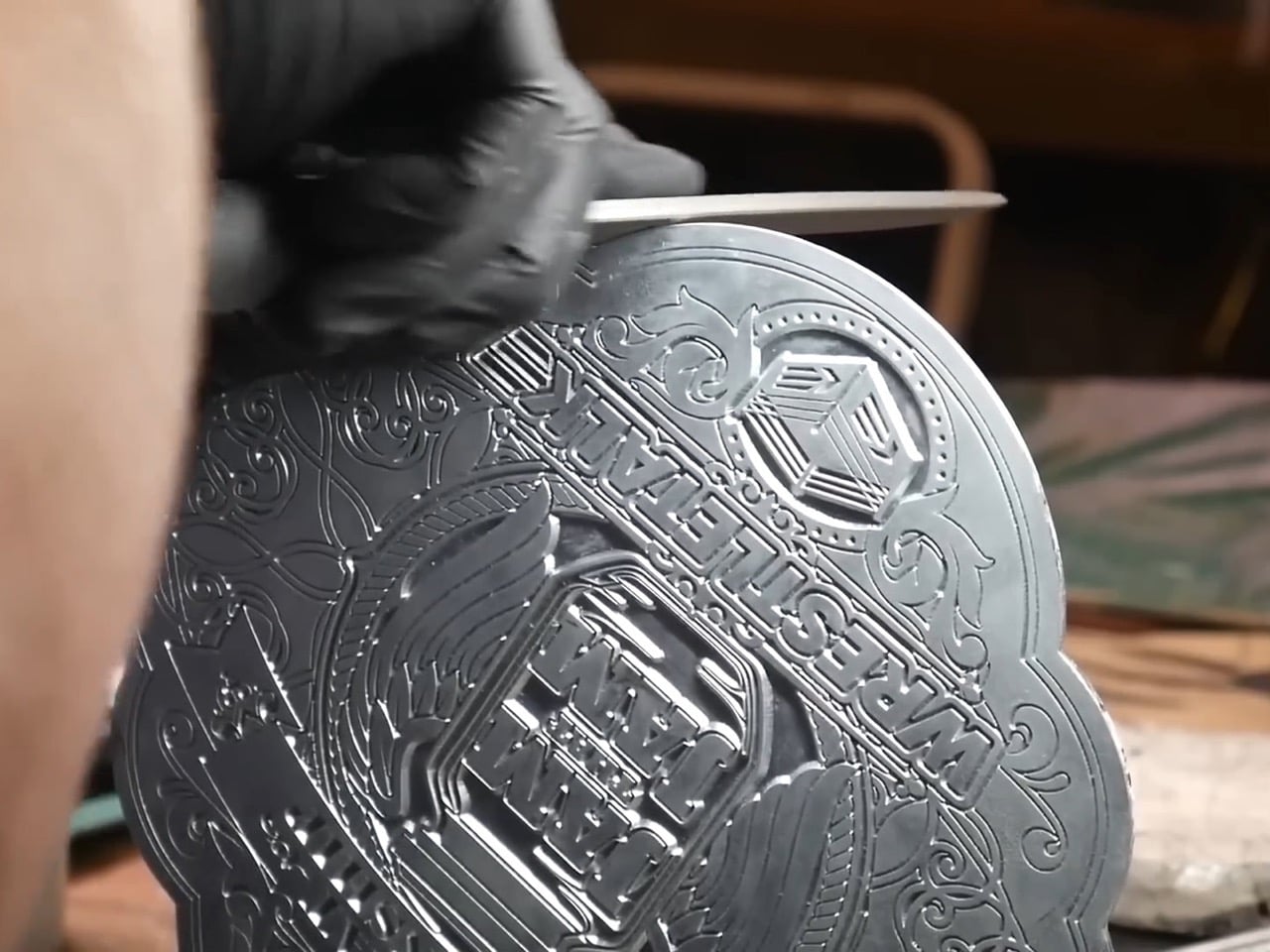
The actual plates are cast from molten tin. Liquid metal is poured into the mold, left to cool completely, and then pulled out in a state that is nowhere near finished. Freshly cast plates have rough edges, shallow details, and a surface that requires hours of hand-finishing using files, chisels, and specialized tools. Elements that cannot be achieved through casting alone, particularly sharp lettering and small sculptural details, are crafted as separate pieces and attached to the main plate, then refined by hand until they blend seamlessly with the surrounding surface.
Electroplating and the Gold Finish
Tin is structurally workable but visually unimpressive, so once the plates are refined, they go through electroplating. The plates are cleaned thoroughly to remove any residual metal shavings or surface contamination, then polished on a rotating buffing wheel until they shine. From there, they are submerged in an electrolyte solution while connected to an electrical circuit, and the current slowly deposits a layer of precious metal onto the surface. Most WWE belts receive a gold finish, though silver and rhodium are also used depending on the design requirements. For belts featuring multiple metal tones, different sections are masked during separate plating stages to create a two-tone effect.
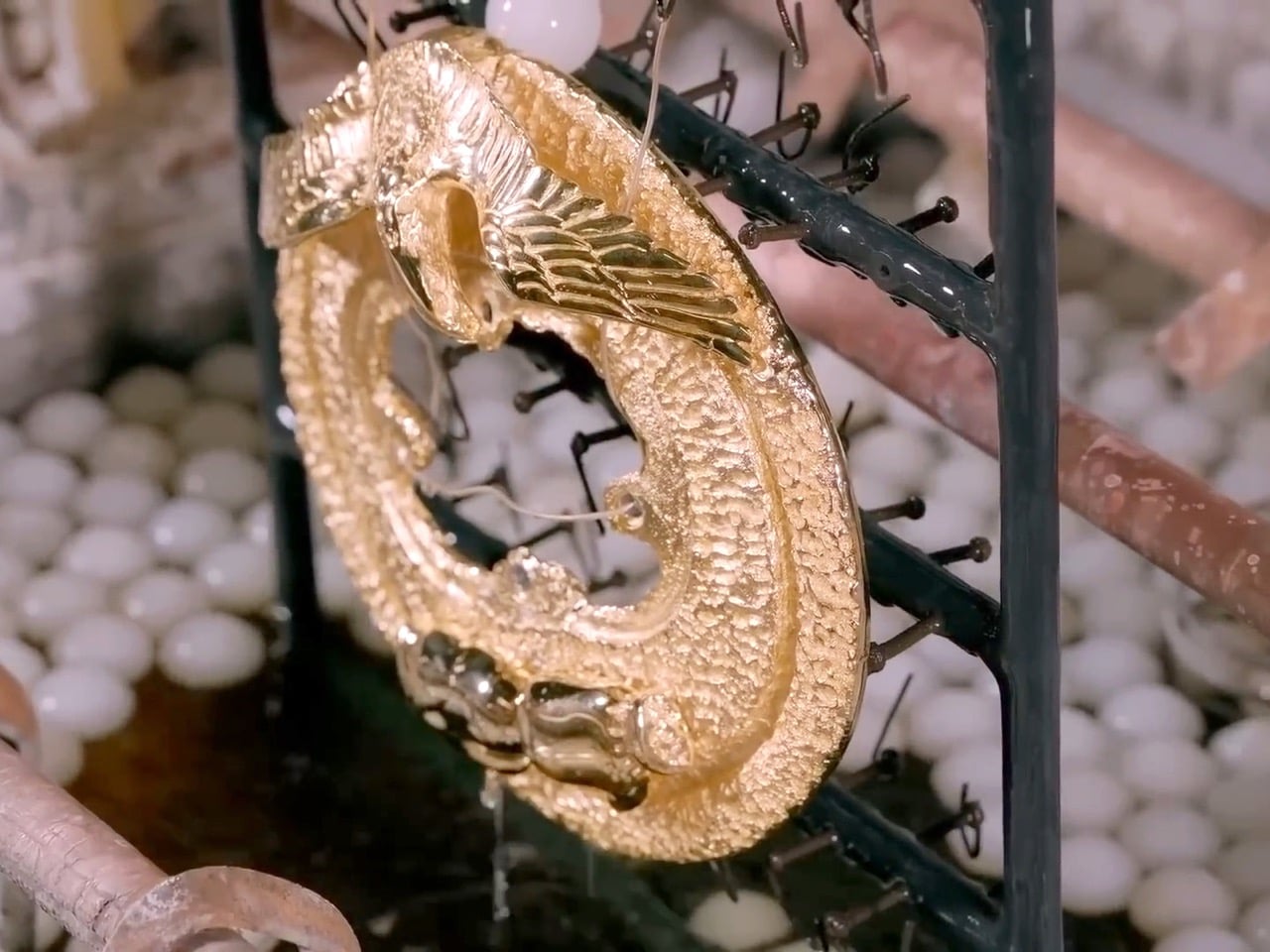
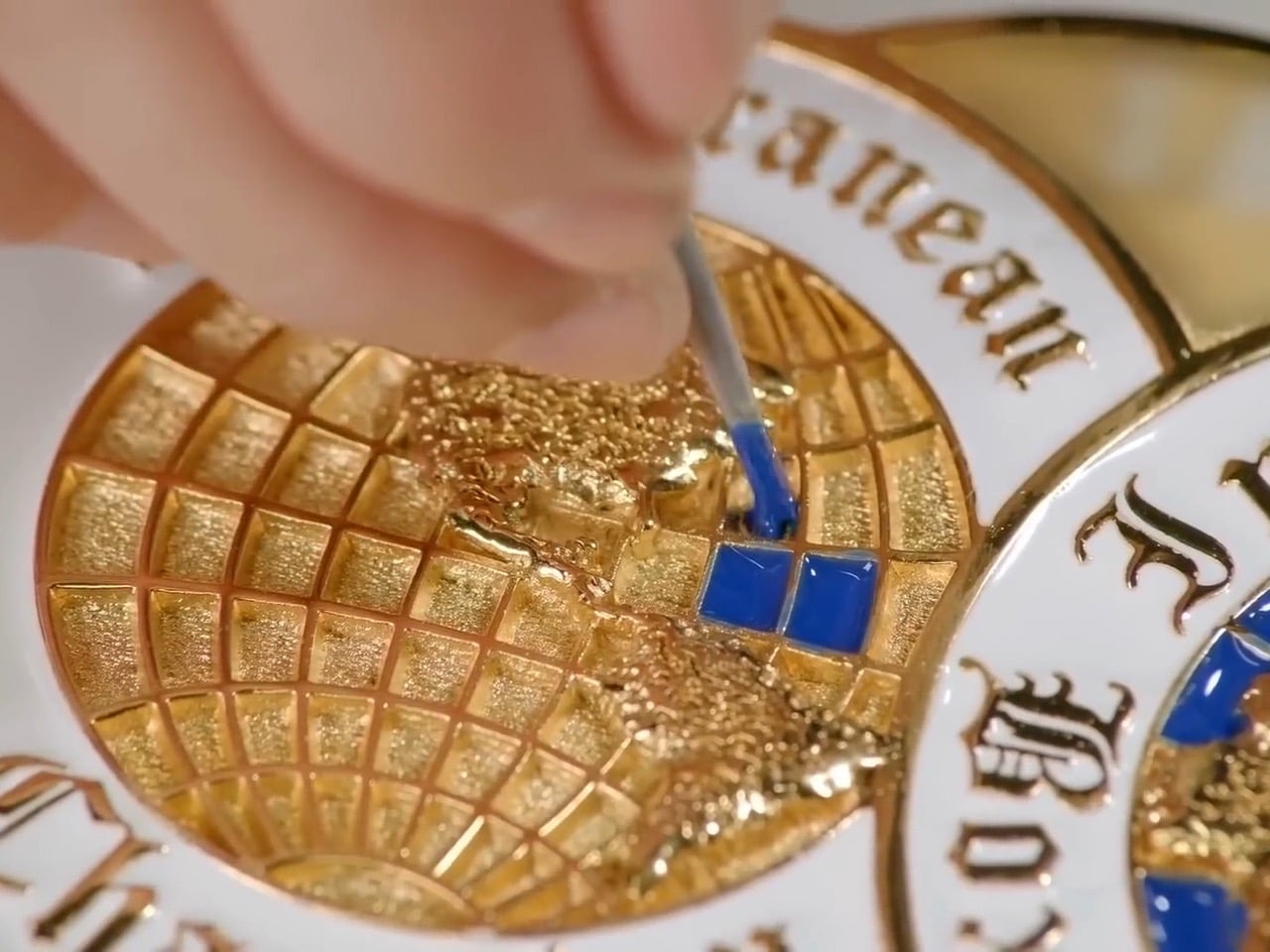
After plating, three finishing techniques add the visual complexity that makes these objects so immediately striking. Etching applies a chemical to specific areas and then submerges the plate in an etching solution, creating textured patterns that contrast against the polished metal. Enamel painting involves applying thick enamel paint to designated sections and baking the plates to lock in a durable, colorful finish. Gemstone setting, the most labor-intensive of the three, has a jeweler attaching rubies, sapphires, diamonds, or crystals directly to molded cavities in the metal surface. The Crown Jewel Championships, the most expensive belts in WWE history, reportedly contain 50-karat diamonds and carry a value exceeding one million dollars. Champions are not permitted to take them home; they remain in Saudi Arabia, and winners receive rings instead.
Leather, Assembly, and the Finished Object
With the plates complete, attention moves to the leather strap that holds everything together. The belt maker hand-traces and cuts the strap from high-quality leather, dyes it to the required color (typically black, though the Universal Championship famously used red), then waxes and polishes it to a durable finish. An inner lining of spandex or felt is added for comfort against bare skin, all layers are stitched together, and the plates are secured using thick leather-working string or industrial-strength adhesive. A closing mechanism, either buckles or snap hooks depending on the design, is added, high-grade vinyl finishes the outer edges, and the inside is branded with both WWE’s logo and the belt maker’s own insignia before the whole thing is packed and shipped.
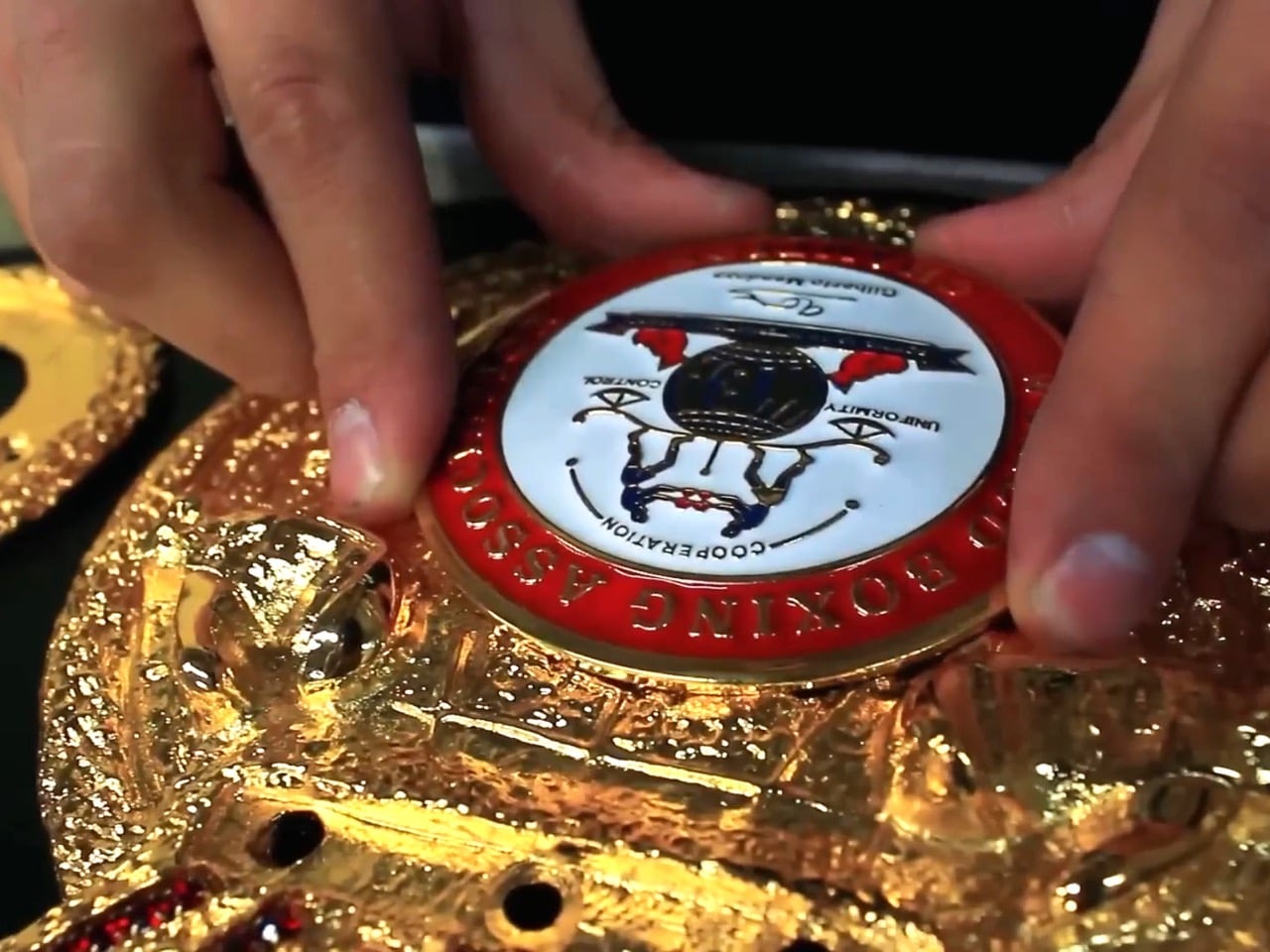
WWE maintains multiple copies of each belt design. HD belts are built specifically for television, engineered to catch light perfectly under arena conditions. Champions also receive separate travel belts for appearances, signings, and live events. According to Millican, when a new HD belt is produced or refurbished, the previous version gets demoted to road use, which explains the occasional moments when attentive fans spot a belt with slightly wrong plates or minor inconsistencies on broadcast. The pristine version simply did not make it to the venue in time.
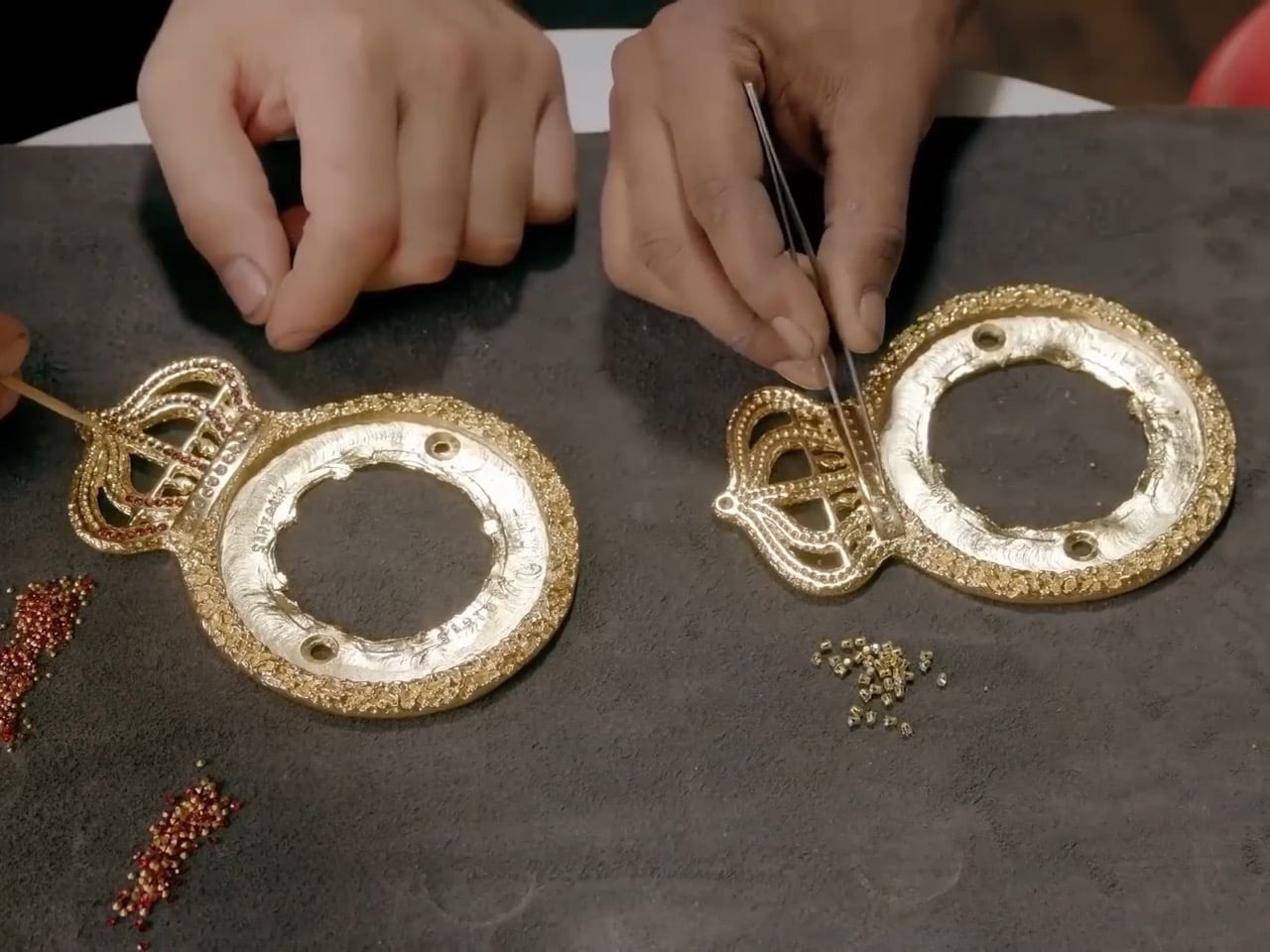
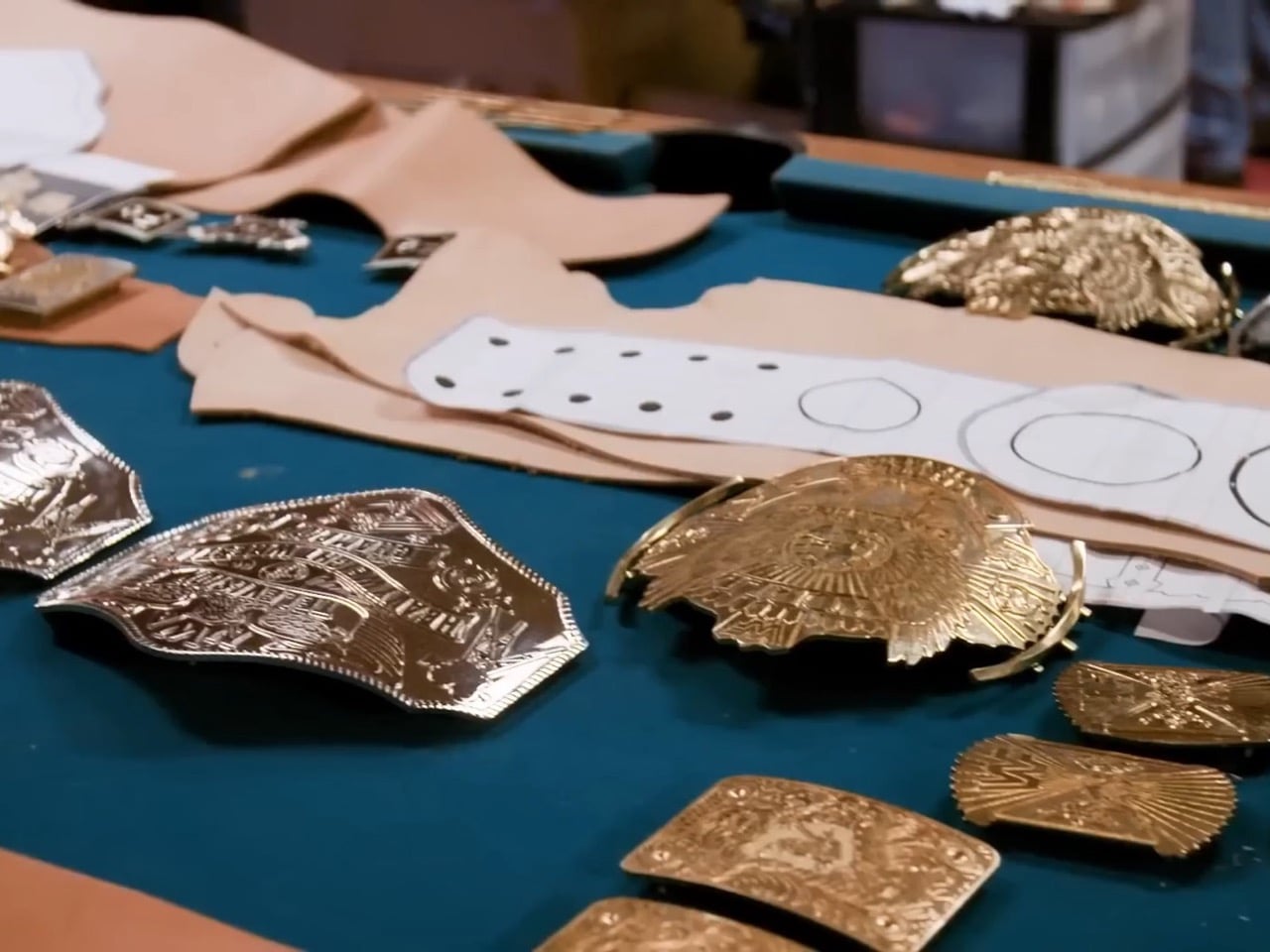
WWE creates what it calls HD belts, versions built specifically to perform under television lighting and capture every engraved detail on camera, while champions carry separate travel belts to appearances and signings on the road. When a new HD belt is made, the previous one gets demoted to road duty, which explains the occasional glimpse of a belt with slightly wrong plates or an unfamiliar finish on a live broadcast. Even the logistics of managing these objects reflects how seriously WWE treats them as artifacts rather than accessories.
A replica belt sells at retail because fans understand instinctively that what they are buying is a piece of wrestling history in miniature, a connection to the moment their favorite wrestler finally hoisted the real thing overhead. That impulse makes complete sense when you understand what went into building the original: months of clay sculpting, metal casting, electroplating, gemstone setting, and leather work, all converging into an object that a 10-year-old sees on television and immediately understands means everything.
The post How Is a WWE Championship Belt Made? One Man’s Garage, $40,000, and a Handful of Artisans first appeared on Yanko Design.