
PS2 or GameCube: Which retro console emulates better?
The GameCube and PS2 both have mature emulation ecosystems. If you're new to the scene, here's the one that's easier to emulate and why.
I check the time roughly forty times a day, and I couldn’t tell you what any of those glances felt like. A phone screen lights up, a number flashes, and I move on before the information even registers. That’s the strange thing about how we live with time now: we have more ways than ever to know what hour it is, and less reason than ever to actually notice it. Digital displays don’t ask anything of us. They just report, and we absorb, and nothing about the moment sticks.
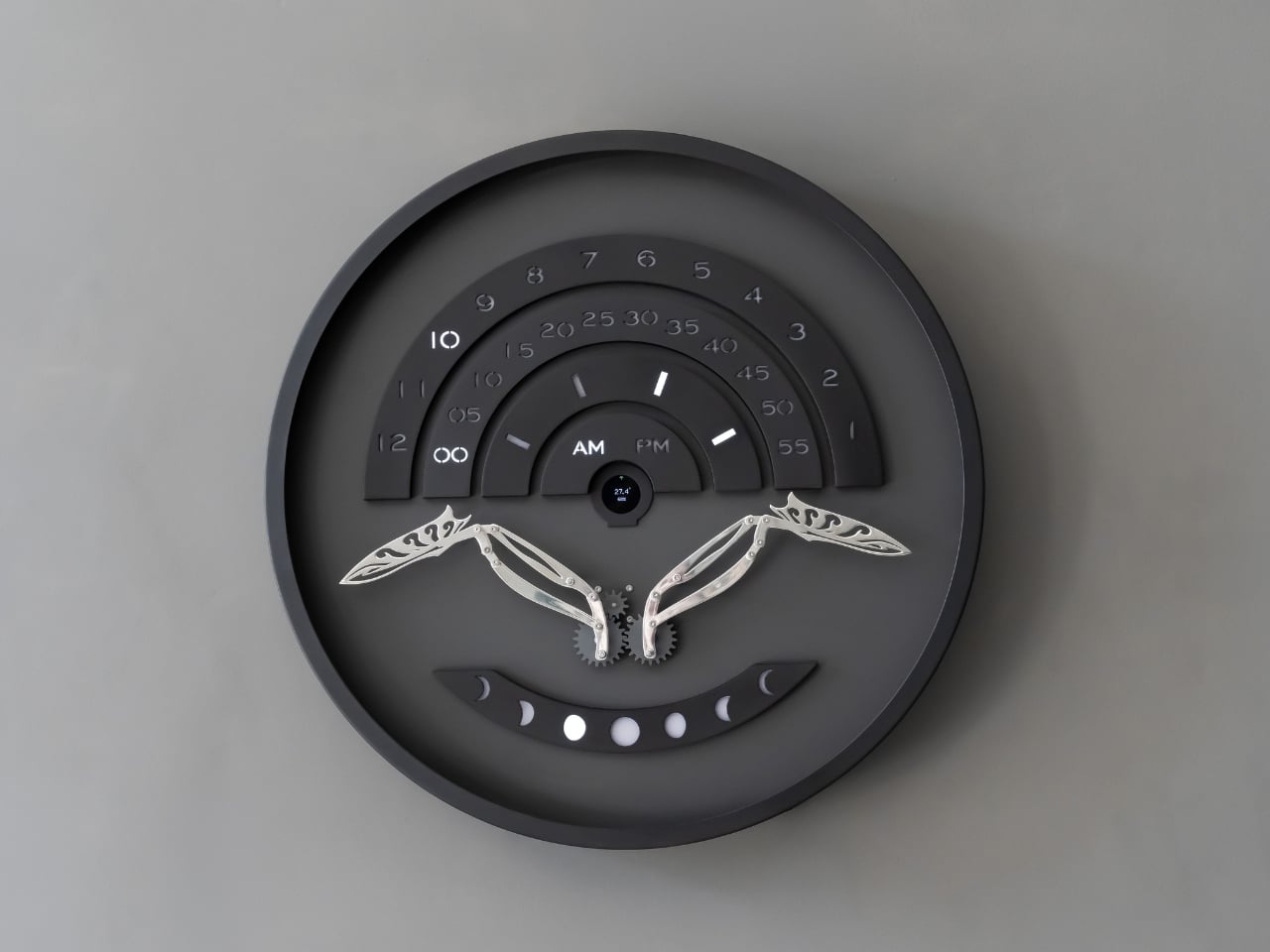
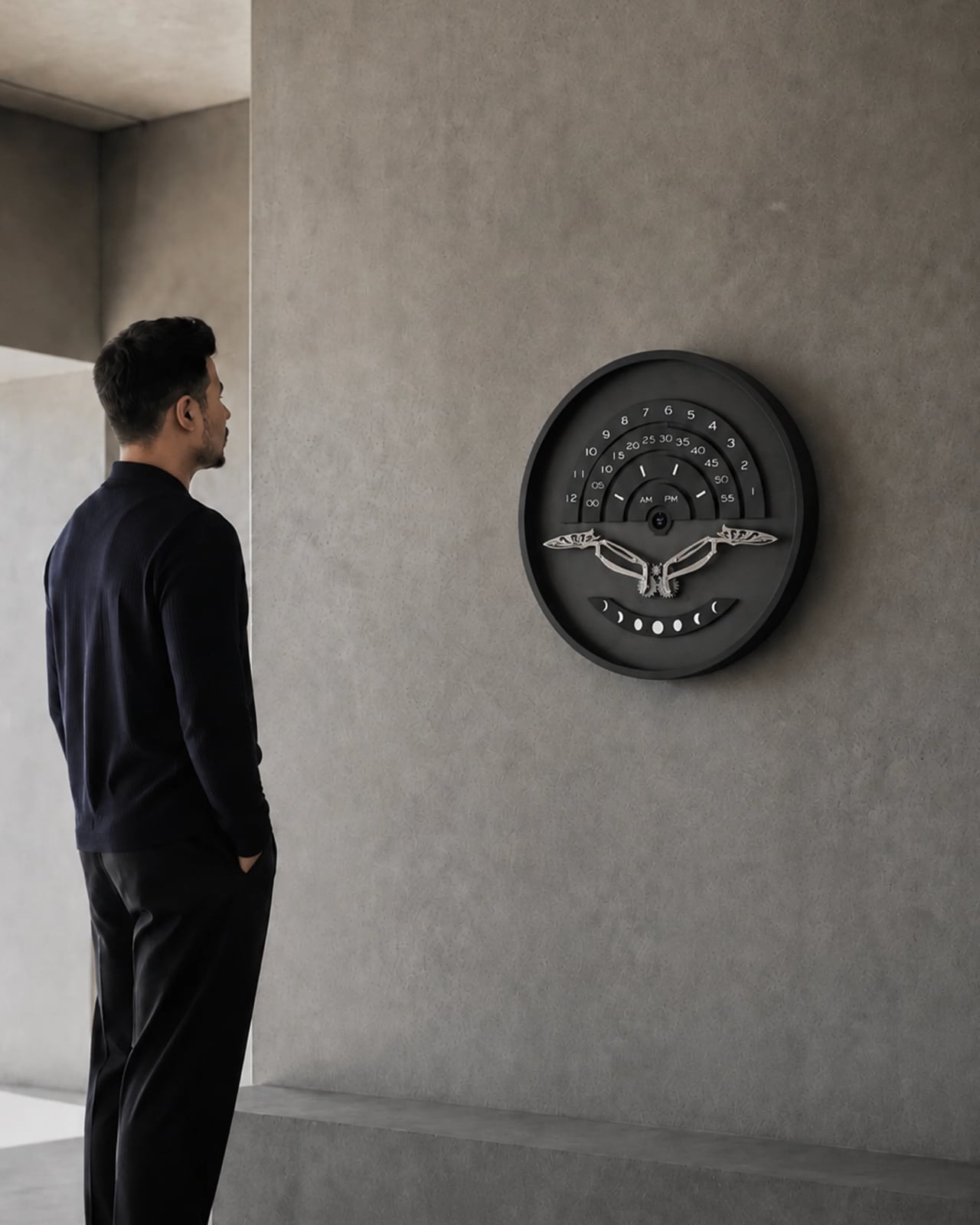
That’s the gap a new piece from Istanbul studio Omora Lusso seems built to close. Instead of showing the hour as flat information, it makes you wait for it, watch for it, and experience it as something closer to a small performance than a readout. The studio calls it Muvaqqit 60, and as the press materials put it, it’s a 60-centimetre kinetic time artwork that transforms the reading of time into a recurring physical ritual.
Designer: Omora Lusso
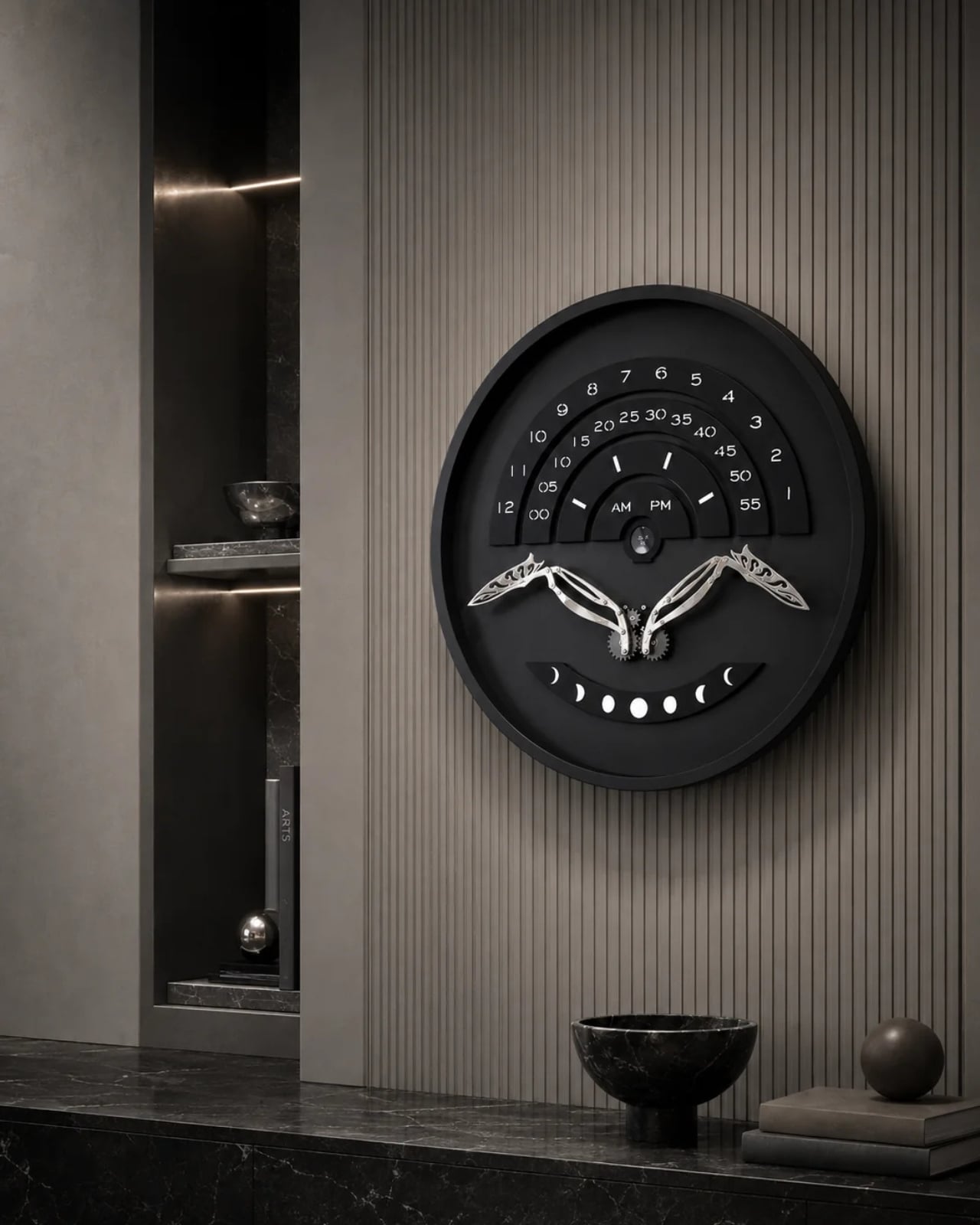
The name itself carries weight before the mechanism even moves. Muvaqqit takes its name from the historical timekeeper responsible for determining and regulating time through astronomy and exact observation, and in Ottoman cities, muvakkithanes were dedicated timekeeping rooms, often associated with mosque complexes, where prayer times were calculated and astronomical knowledge was practised. I appreciate that Omora Lusso didn’t try to costume this piece in false antiquity. The studio does not reproduce the instruments or forms of these spaces; instead, it reinterprets their culture of precision, contemplation and measured time through contemporary kinetic design. That distinction matters. It would have been easy, and a little lazy, to slap old astronomical symbols onto a modern object and call it heritage. This is a harder, more honest route: borrowing the spirit of a tradition rather than its skin.
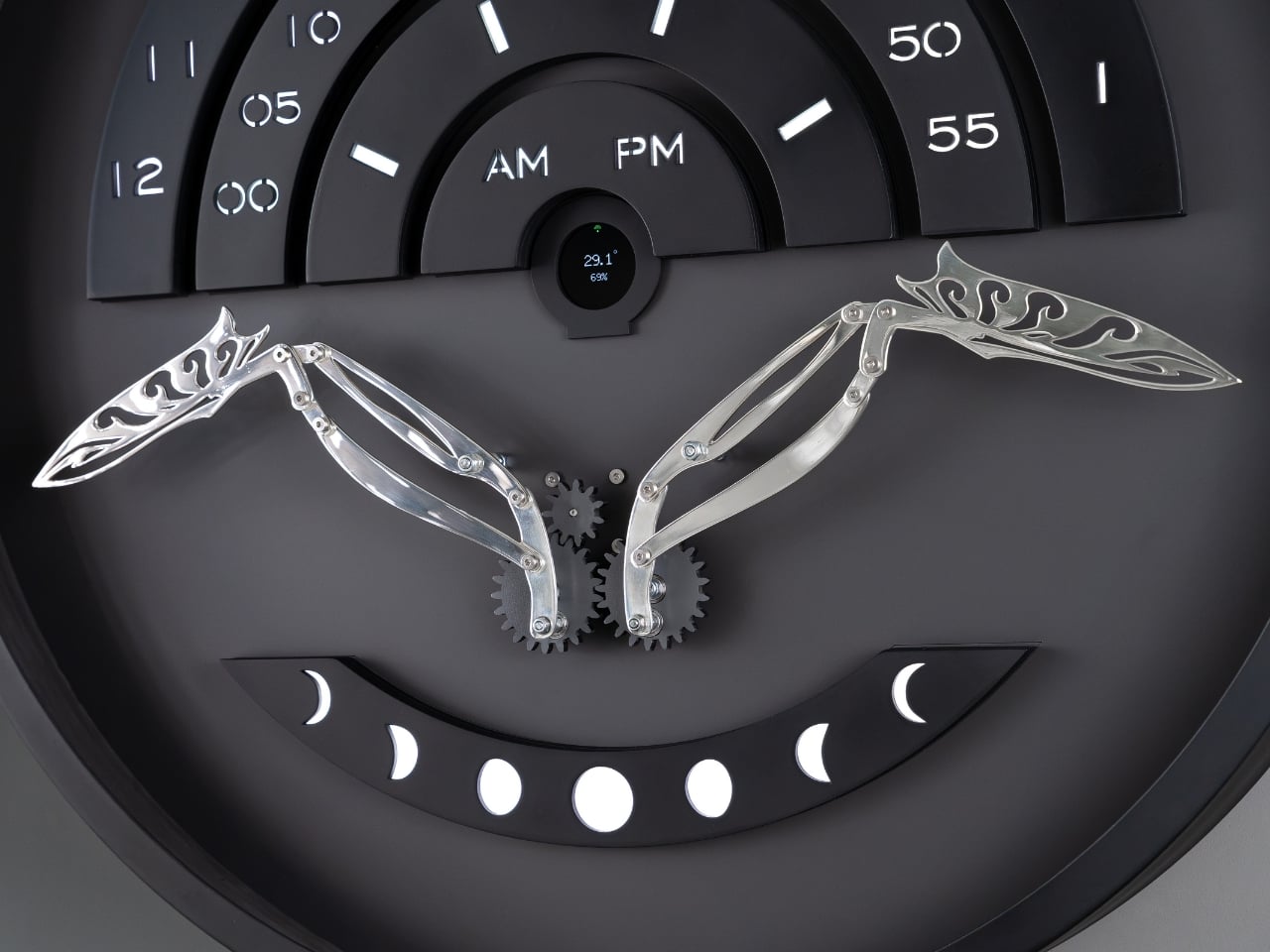
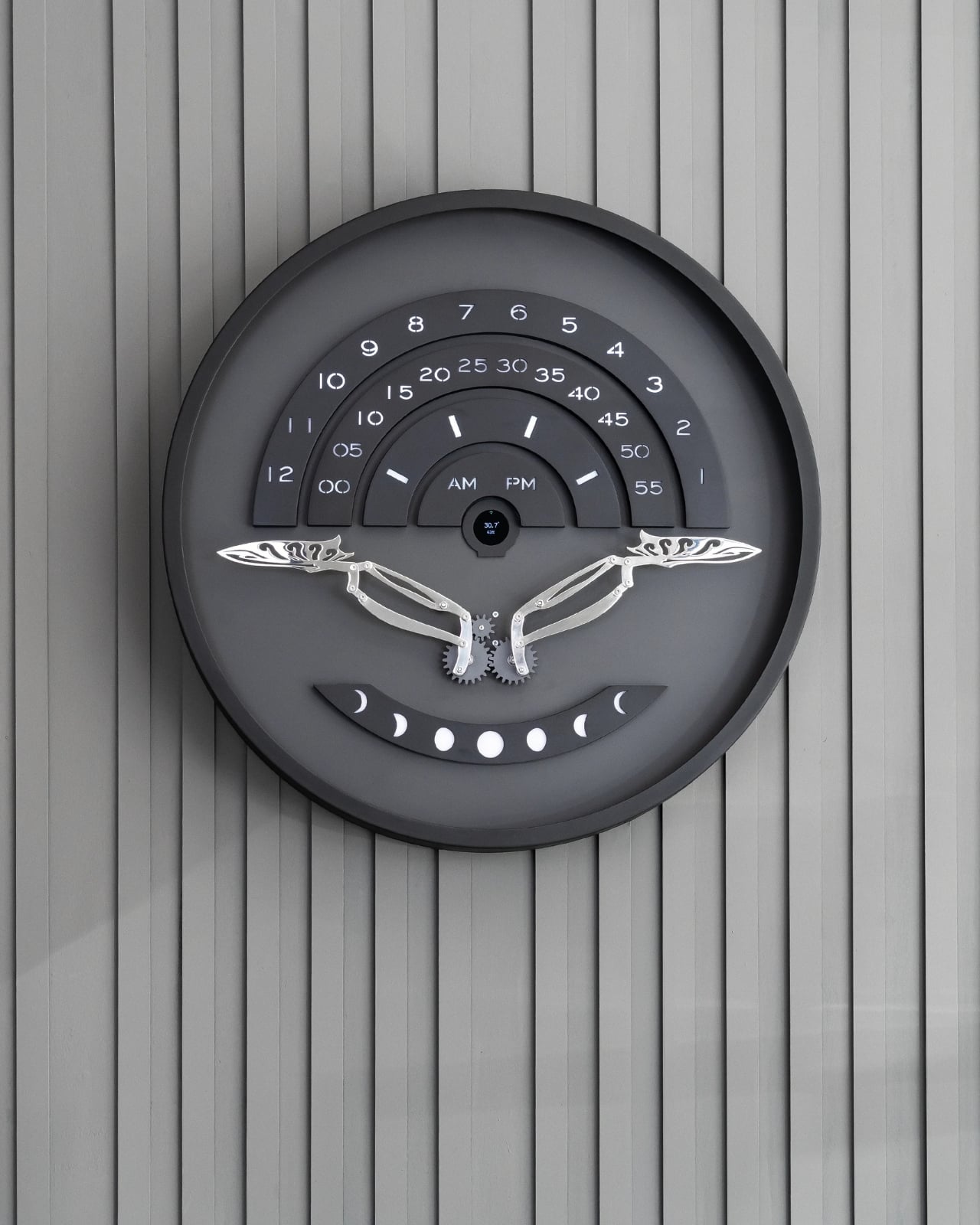
The piece itself only reveals what it can do once a minute, and that restraint is the whole point. Once each minute, Muvaqqit performs a time-indication sequence: a comet-like progression of light moves through its layered scales as a mirror-silvered kinetic bird rises into position, while the hour, five-minute interval and minute increment are read across three curved scales, with an AM/PM display and an illuminated moon-phase arc completing the temporal composition. The rest of the time, it stays quiet on purpose. Between these moments, the work remains visually restrained, allowing anticipation to become part of the experience. There’s a kind of confidence in a product that chooses to stay dark and still for fifty-nine seconds just so the sixtieth means something. Most gadgets are terrified of silence. This one leans into it.

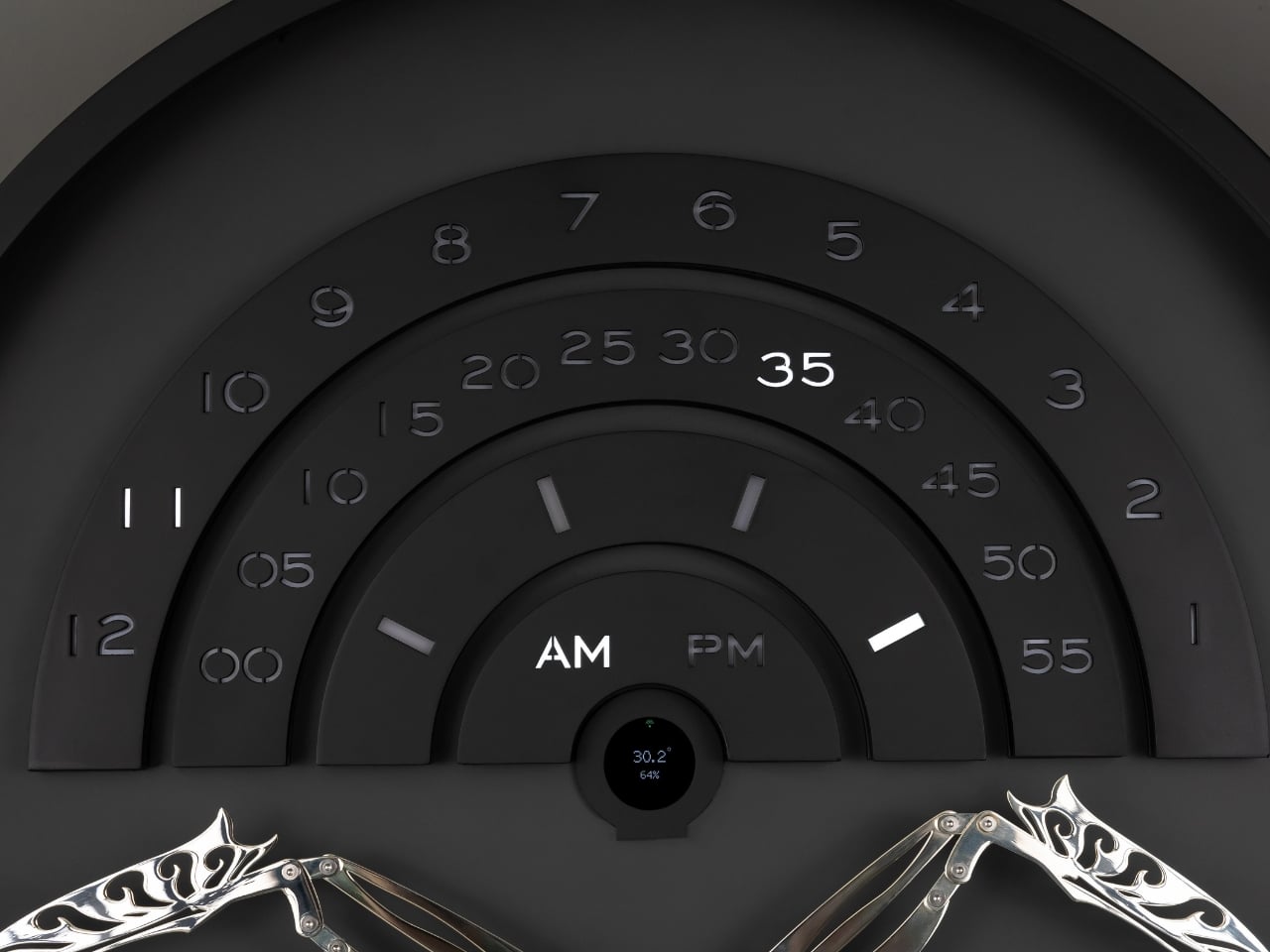
Omer Fatih Sevinctekin, the studio’s founder, frames the whole project as a question rather than a solution, which I found refreshing given how many product launches arrive dressed as answers. He describes it as beginning with the question of whether time can be experienced as a ritual rather than simply read as information, wanting the work to connect Istanbul’s culture of precise timekeeping with a contemporary language of motion, light and material.
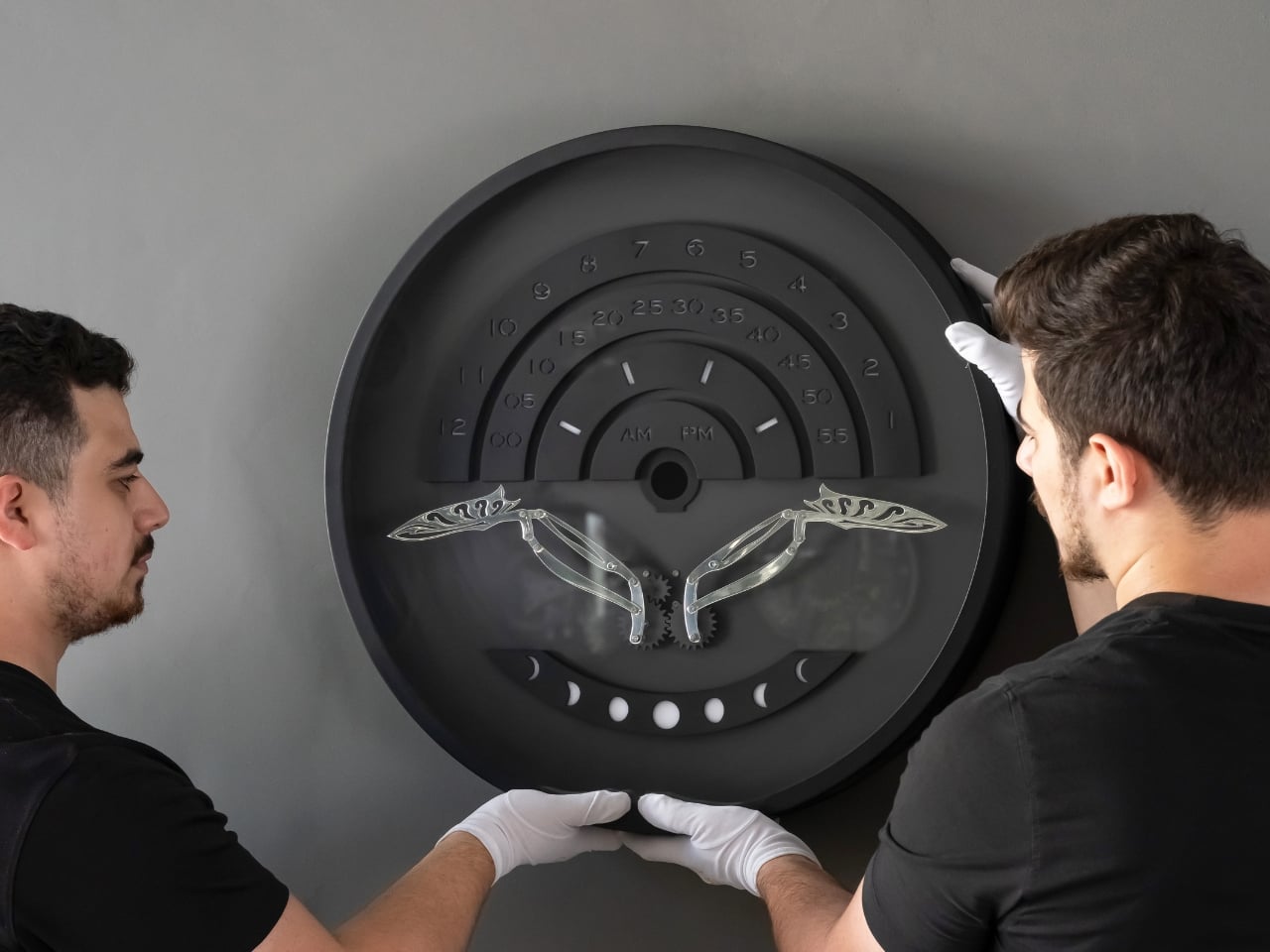
Materially, the Noir Silver edition plays a straightforward but effective contrast game. It pairs a soft-black metal frame and anthracite inner dial with a hand-polished, mirror-silvered brass bird, presented behind a four-millimetre glass front, with a controlled palette designed to sharpen the contrast between stillness and movement, and between the dark architectural body and the brief illumination of the time ritual. Nothing about it is loud until the moment it needs to be.
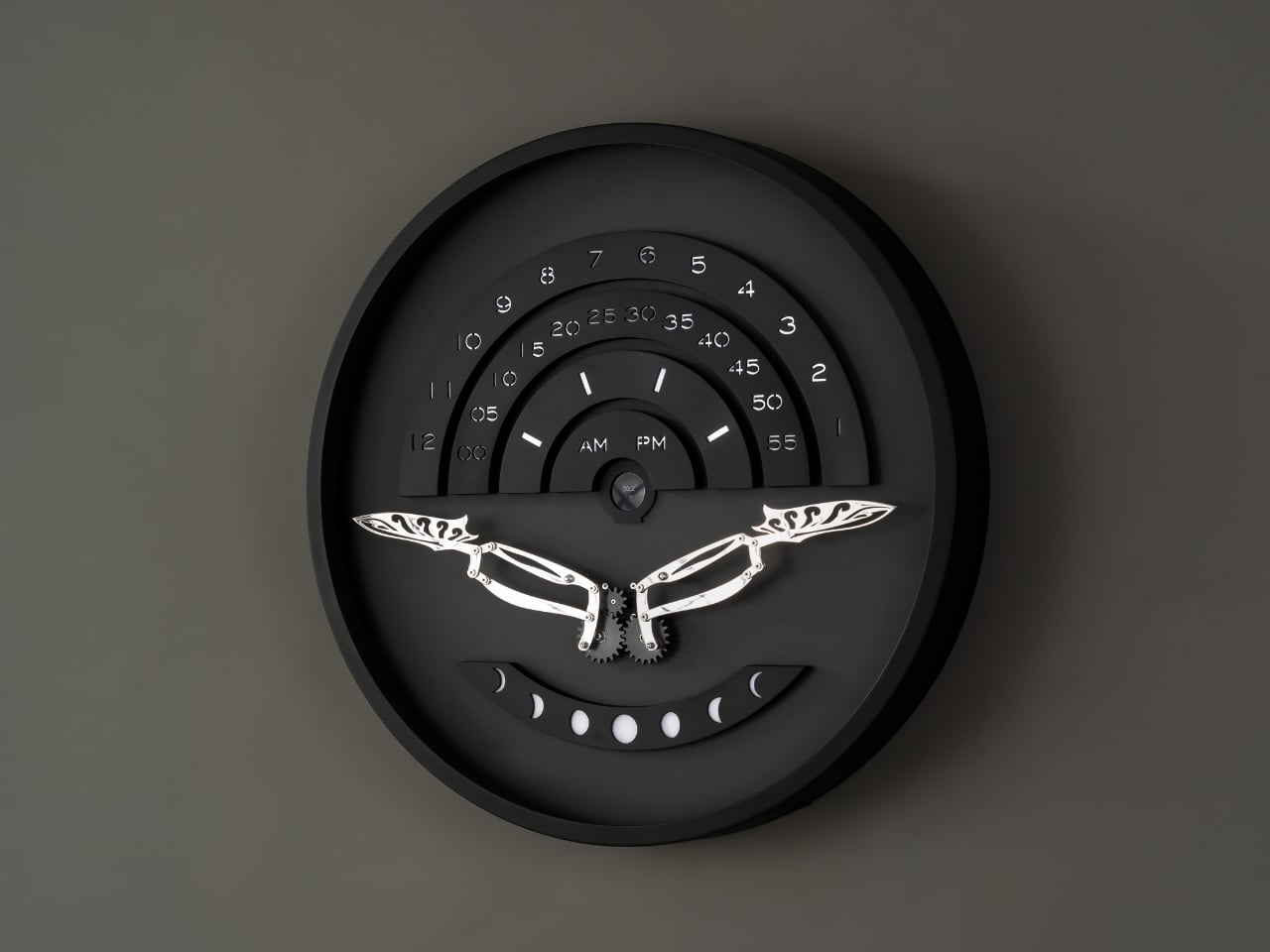
This isn’t a mass object, and it was never going to be. Muvaqqit 60 Noir Silver is limited to 50 pieces worldwide, offered at USD 6,000, with each work produced in Istanbul and accompanied by a Certificate of Authenticity, a dedicated wooden presentation case, art-handling gloves and operating materials. That price and scarcity will keep it out of most homes, and I won’t pretend otherwise. But the idea underneath it, that time deserves a moment of attention instead of a passing glance, doesn’t require owning the object to land. The studio’s broader collection treats time not as a static reading but as an event, a sequence that can be anticipated, observed and remembered, and that’s a quietly radical stance in a culture that mostly wants its information delivered instantly and forgotten just as fast.
The post A Clock That Refuses to Just Tell You the Time first appeared on Yanko Design.
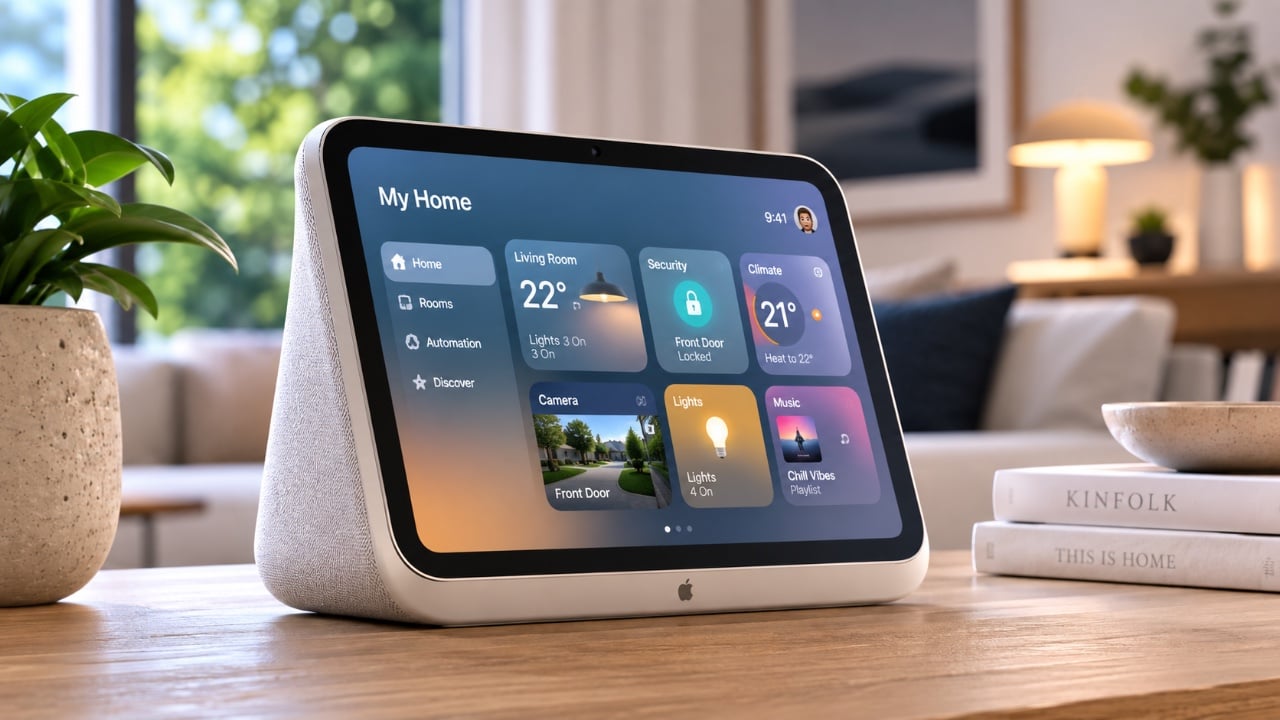
Apple is reportedly preparing to unveil its first smart home device with a display, the “Home Hub.” Designed to compete directly with Amazon’s Echo Show and Google’s Nest Hub, this device aims to centralize smart home control while seamlessly integrating into Apple’s ecosystem. With advanced hardware, a new operating system and a focus on user-friendly […]
The post Apple’s Leaked Home Hub Looks Ready to Rival the Echo Show appeared first on Geeky Gadgets.


Most gadget refreshes add something: a brighter screen, an extra sensor, a higher price tag. The XTEINK X4 Classic does the opposite, and that’s precisely the point. It keeps the same 4.3-inch E Ink display, the same buttons-only interface, and the same $79 price as the original X4, while quietly upgrading the chip, the battery, and the body underneath. The result is a pocket reader that feels more refined without feeling more complicated.
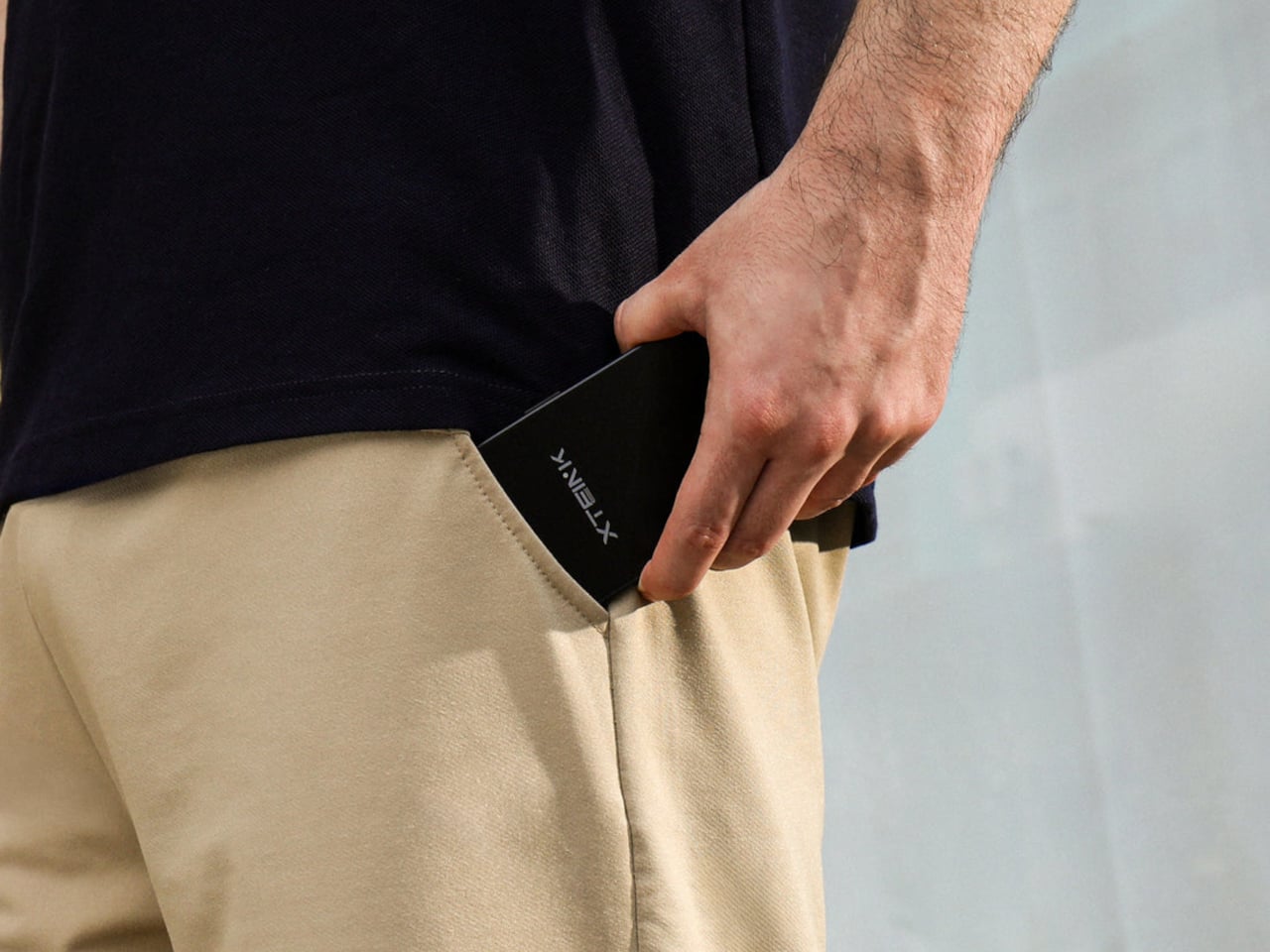
Slimming down to 4.9mm and 68g doesn’t sound dramatic on paper, but it changes how the device behaves in daily use. A magnetic backplate lets it snap onto the back of any smartphone, MagSafe included, turning your phone case into a bookshelf you never have to think about. Pull it off before a commute, let it ride along through a museum visit, or leave it clipped to a bag strap so it’s never more than an arm’s length away.
Designer: XTEINK


That magnetic system carries over from the original X4, but XTEINK reinforced the hold this time around, a significant upgrade more than you’d expect. A phone accessory that occasionally slides off with a slight wiggle isn’t an accessory people trust. A firmer grip means the reader stays put through a subway ride or a bike commute, exactly the fragmented pockets of time this device is built to fill.

Inside, a faster chip and a bigger battery replace the original hardware, translating into quicker page turns and a longer stretch between charges. It’s something you’d feel more than think, especially on a transatlantic flight or a week of packed commutes. Reading in short bursts stops feeling like a compromise when the device itself gets out of the way that quickly.
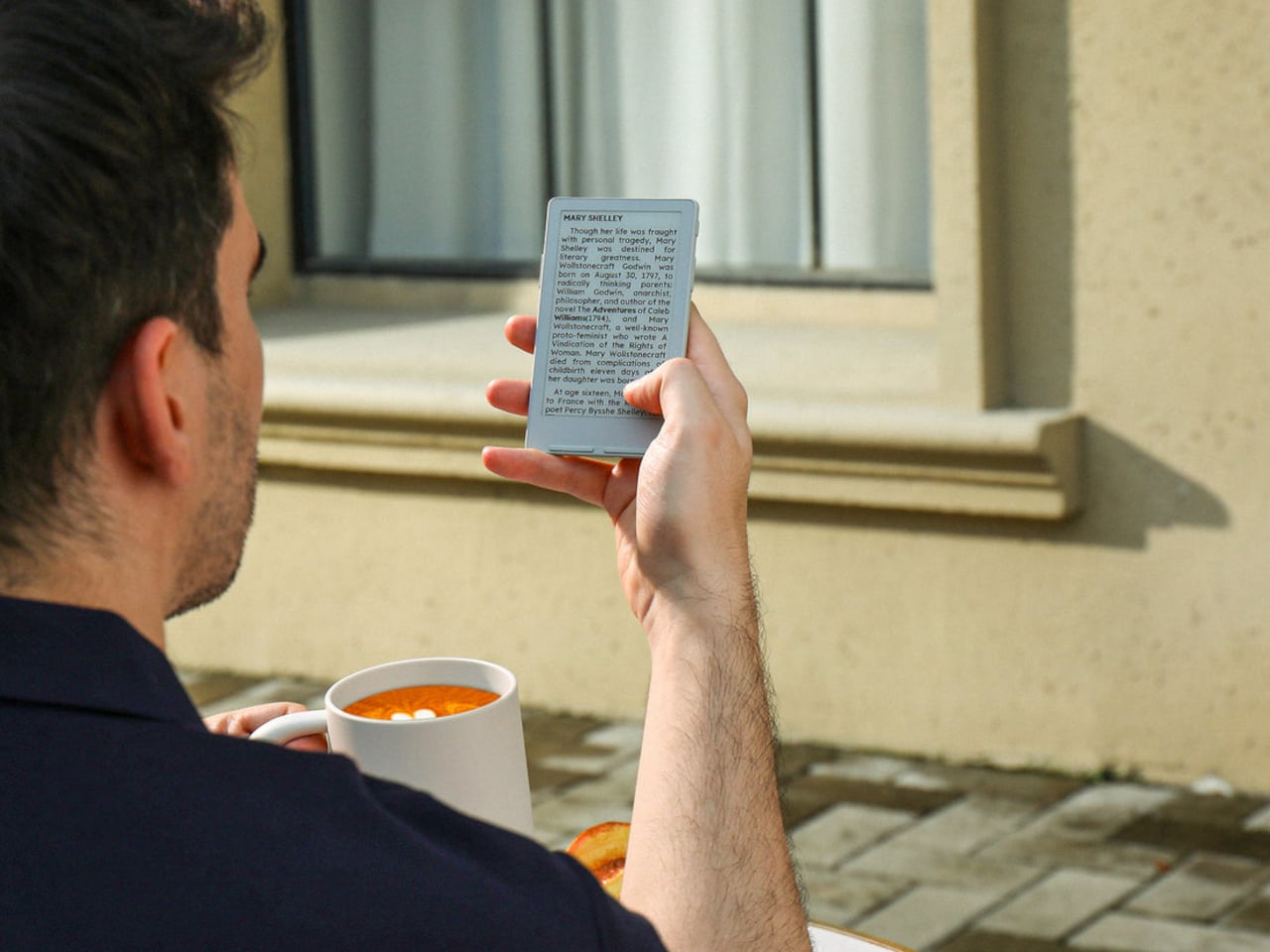
There’s no touchscreen here, and no front light either, and that’s a deliberate omission rather than some cost-cutting measure. Physical buttons handle every page turn, keeping your thumb in one place and your eyes on the text instead of hunting for a tap target. Anyone who’s ever fumbled a touchscreen ereader while lying in bed with the lights off knows how the tactile approach actually wins over advanced features.

The smaller 4.3-inch canvas does mean less text per page compared to a standard-sized ereader, so pages turn more often. That trade-off only works because the X4 Classic isn’t trying to replace a full-sized reader. It’s built for the reading that already happens in stolen minutes: a chapter on a train platform, a few pages before a meeting starts, a bedtime scene squeezed in before the lights go out.

What makes the X4 Classic worth paying attention to isn’t a headline feature. It’s the discipline behind leaving features out while still making the hardware measurably better. In a category where every new release tends to pile on screens, sensors, and price increases, holding the line at $79 while improving the parts that matter most is its own kind of design statement.
The post XTEINK Made Its $79 Reader Better by Adding Less, Not More first appeared on Yanko Design.
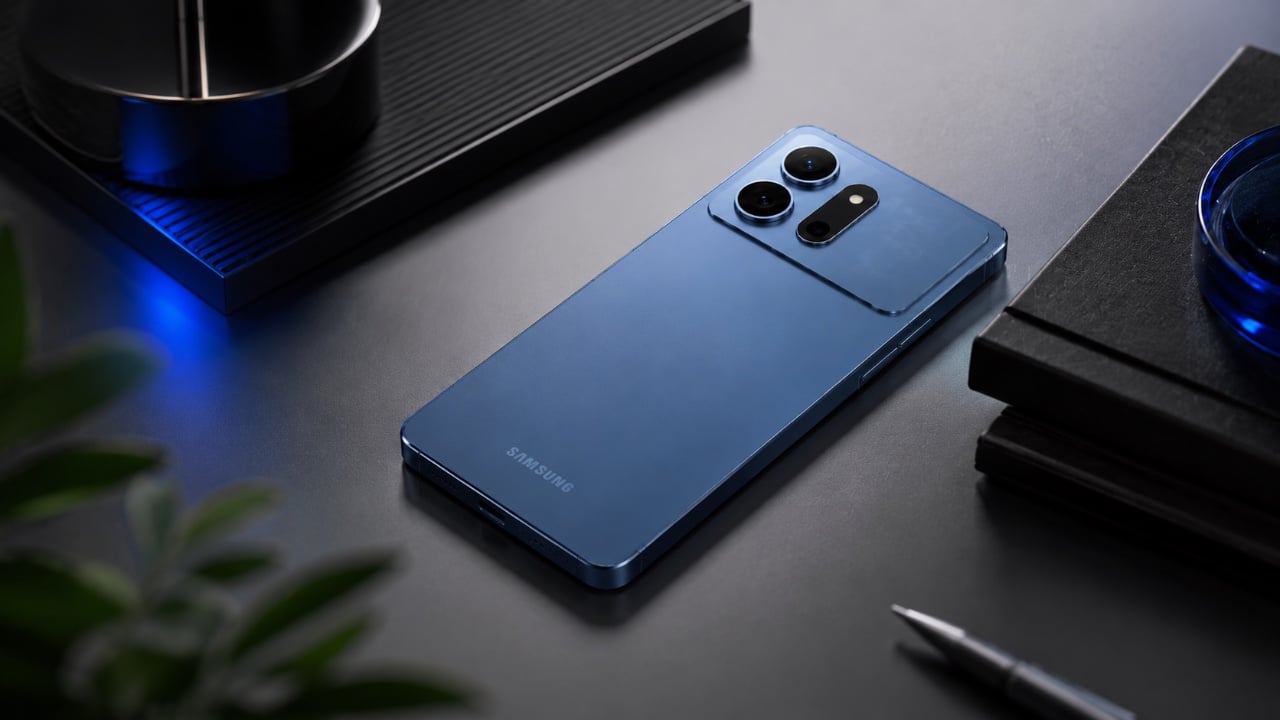
The Samsung Galaxy S27 Ultra is positioned to redefine the flagship smartphone experience, combining a sleek design, advanced hardware, and notable performance improvements. Alongside it, the Galaxy S27 Pro offers a slightly pared-down alternative, sharing much of the Ultra’s design ethos but with distinct functional differences. Both models are expected to launch in February 2027, […]
The post Galaxy S27 Ultra Leak: Samsung Ditching Its Signature Look? appeared first on Geeky Gadgets.

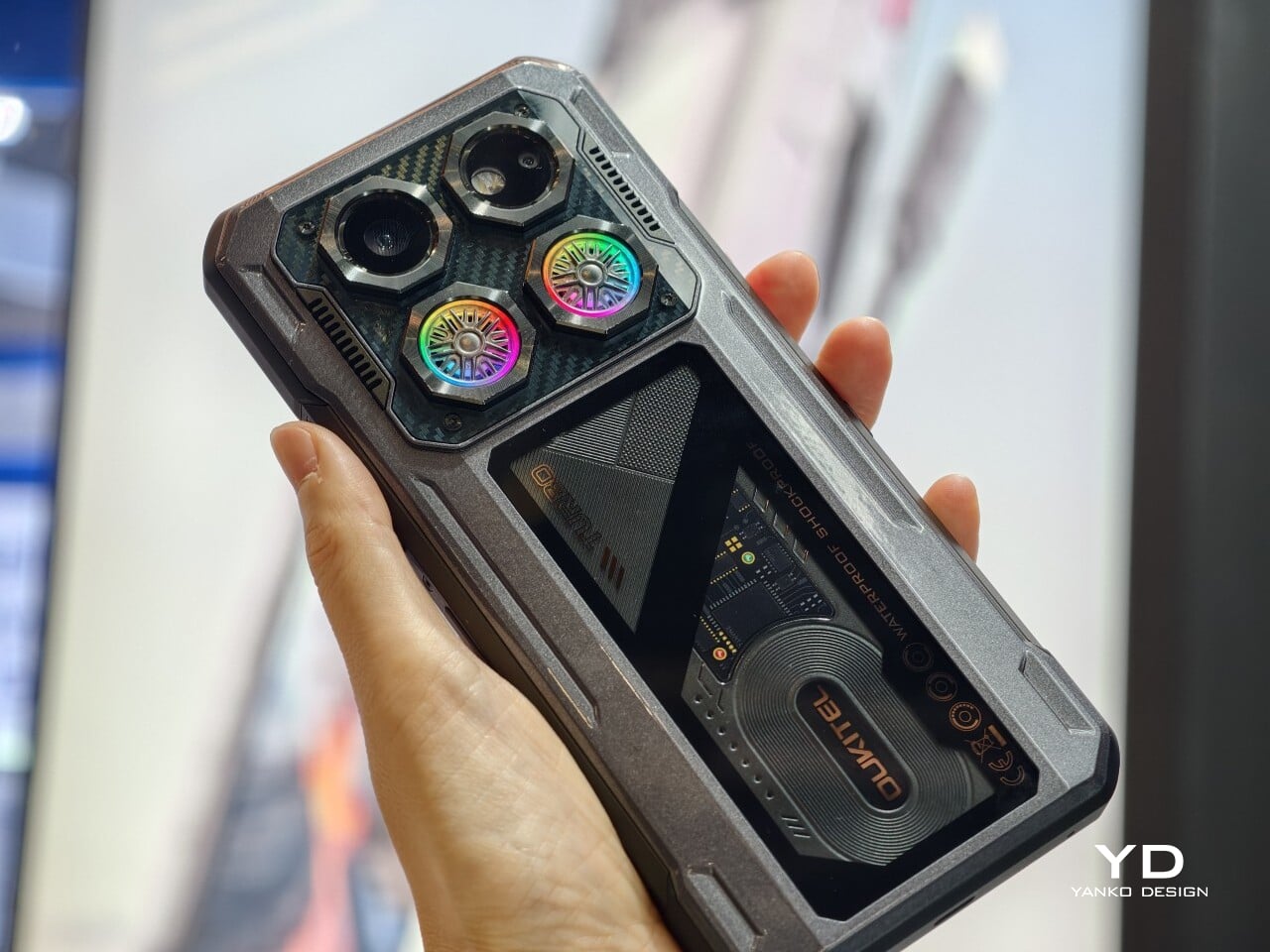
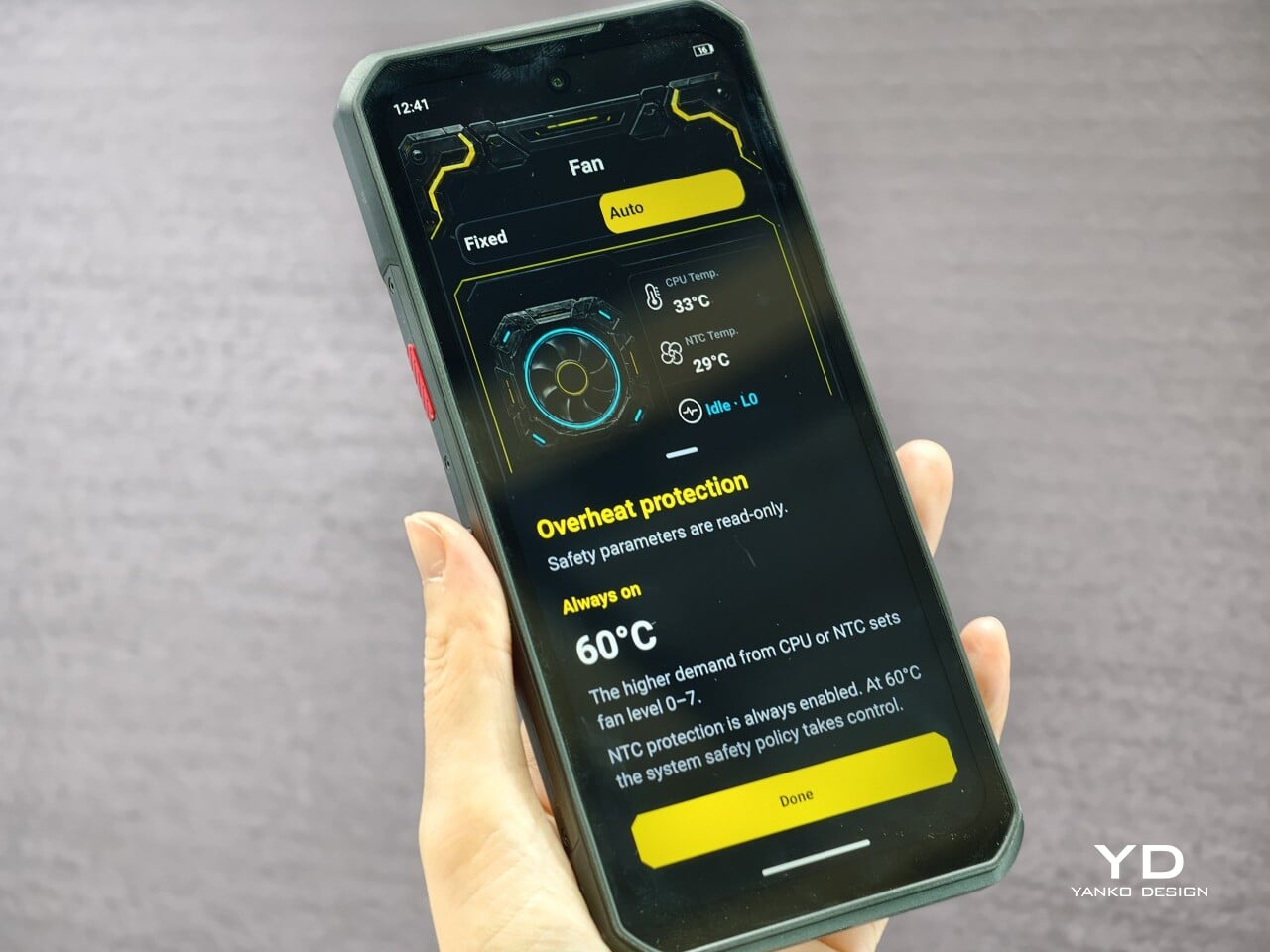
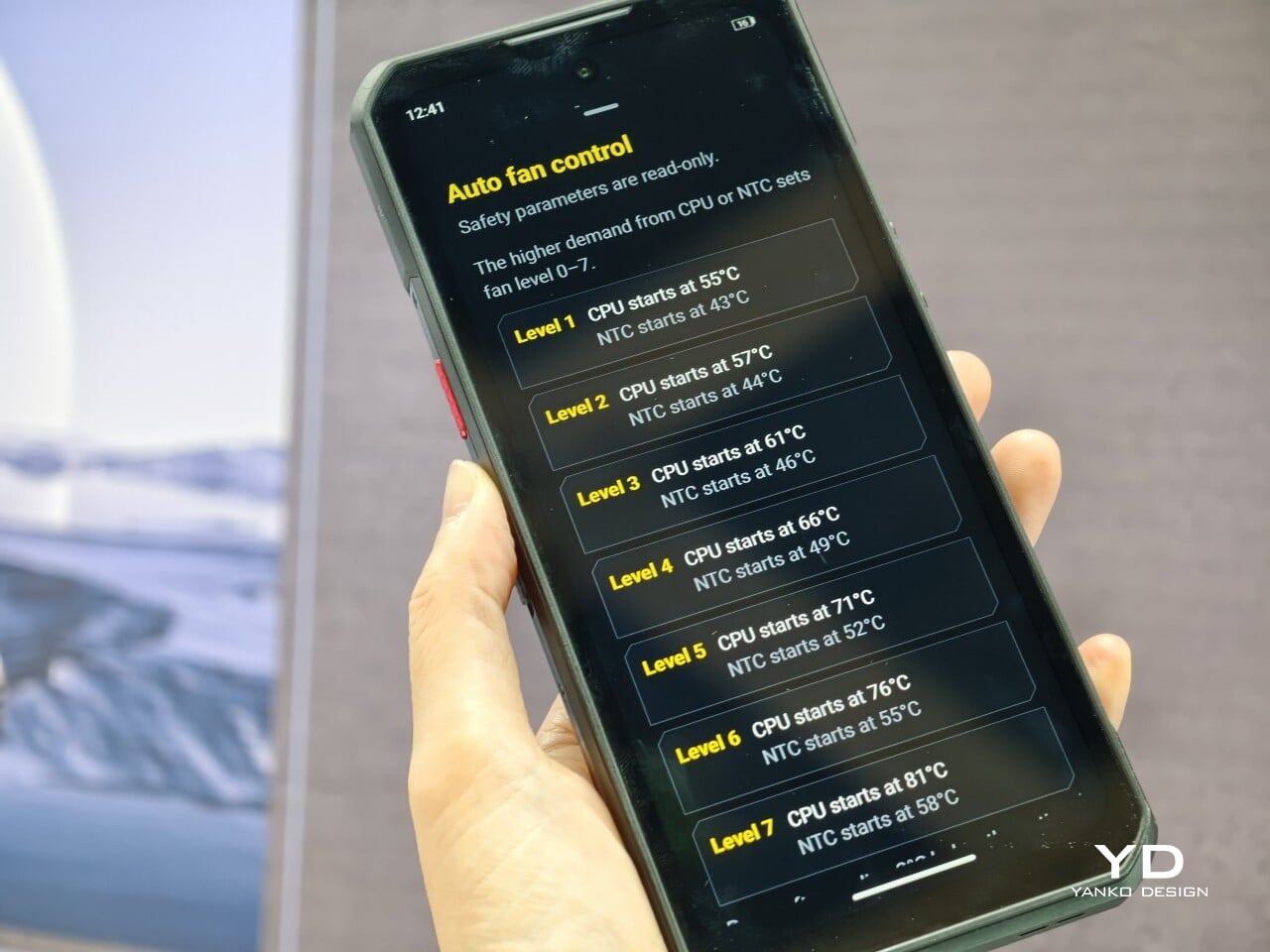
Rugged phones have always made a quiet trade-off. Sealing a device against water and dust means sealing in heat too, and that trapped warmth forces powerful chips to slow themselves down right when gaming or heavy use needs them most. OUKITEL’s WP600, unveiled at IFA 2026, treats that compromise as something worth engineering around, building visible cooling straight into its armor rather than hiding the problem under a tougher shell.
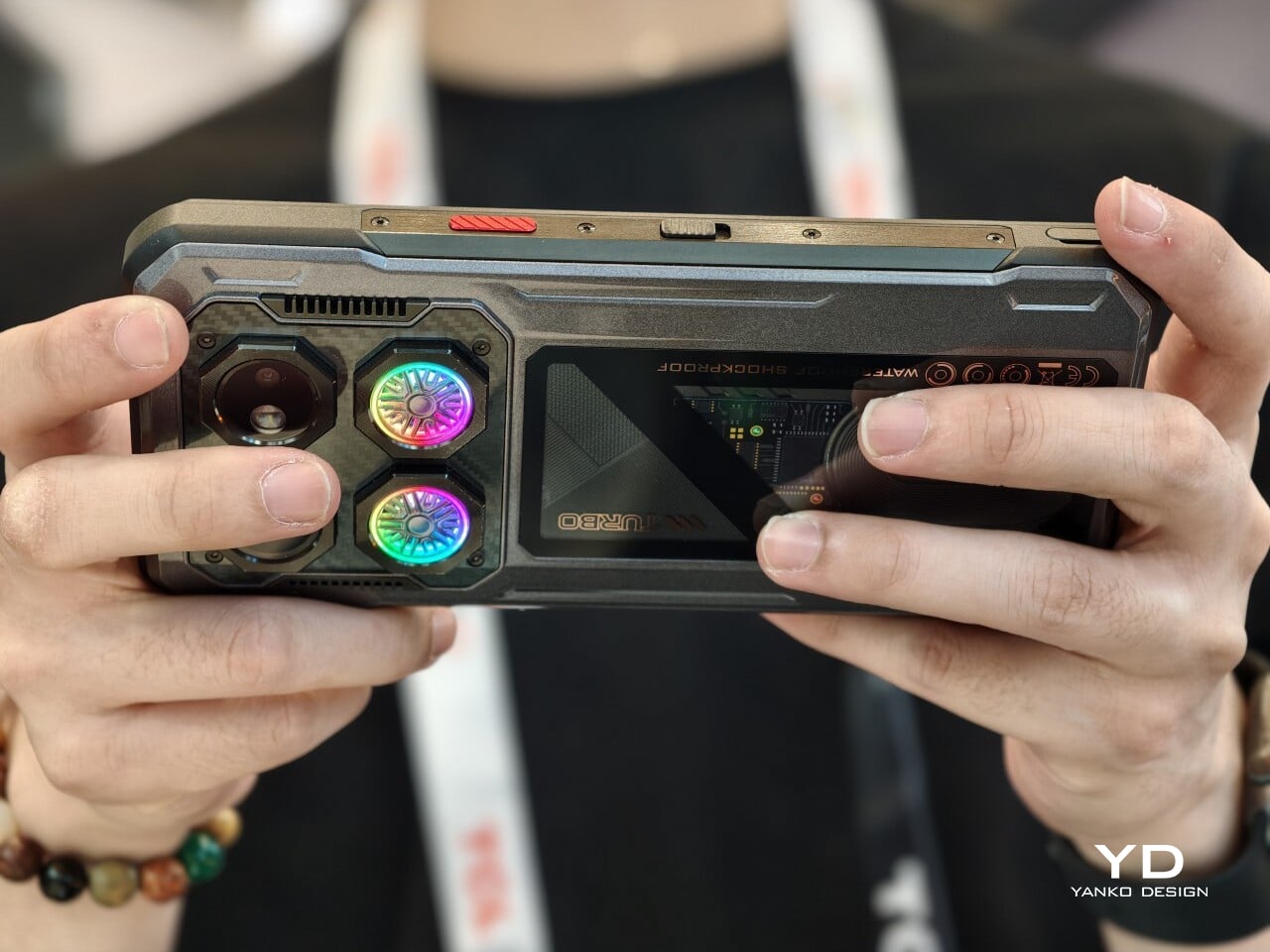
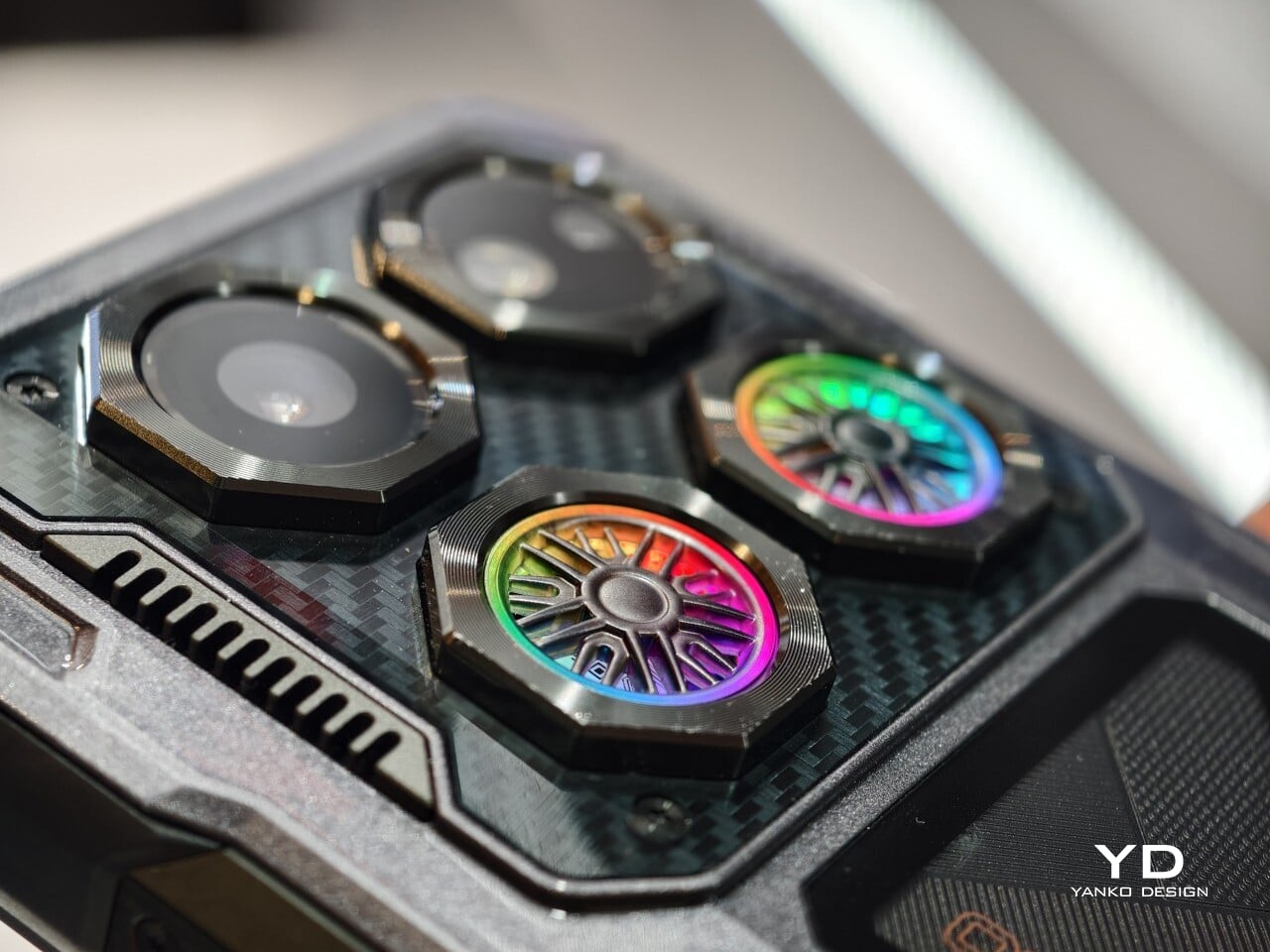
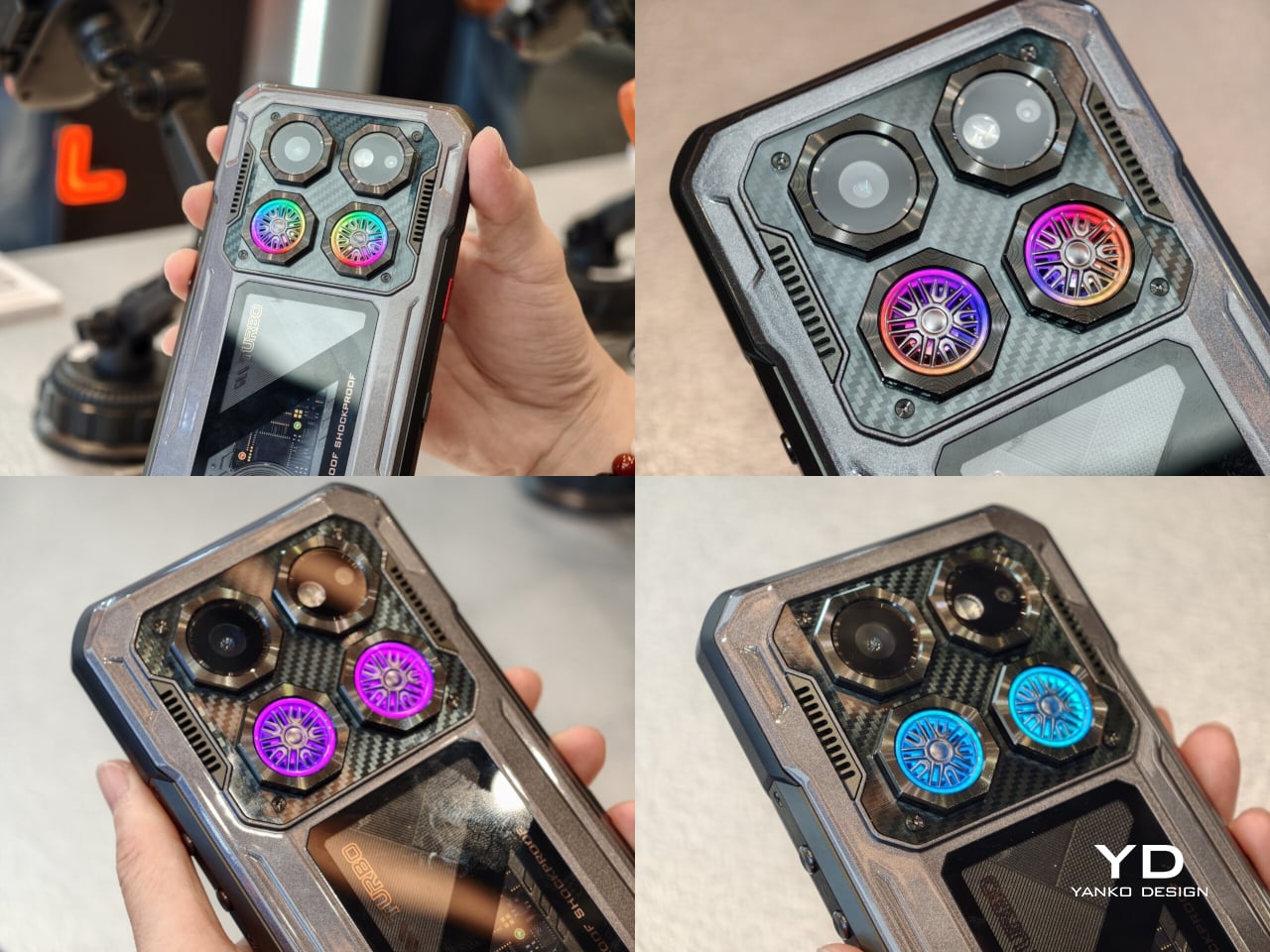
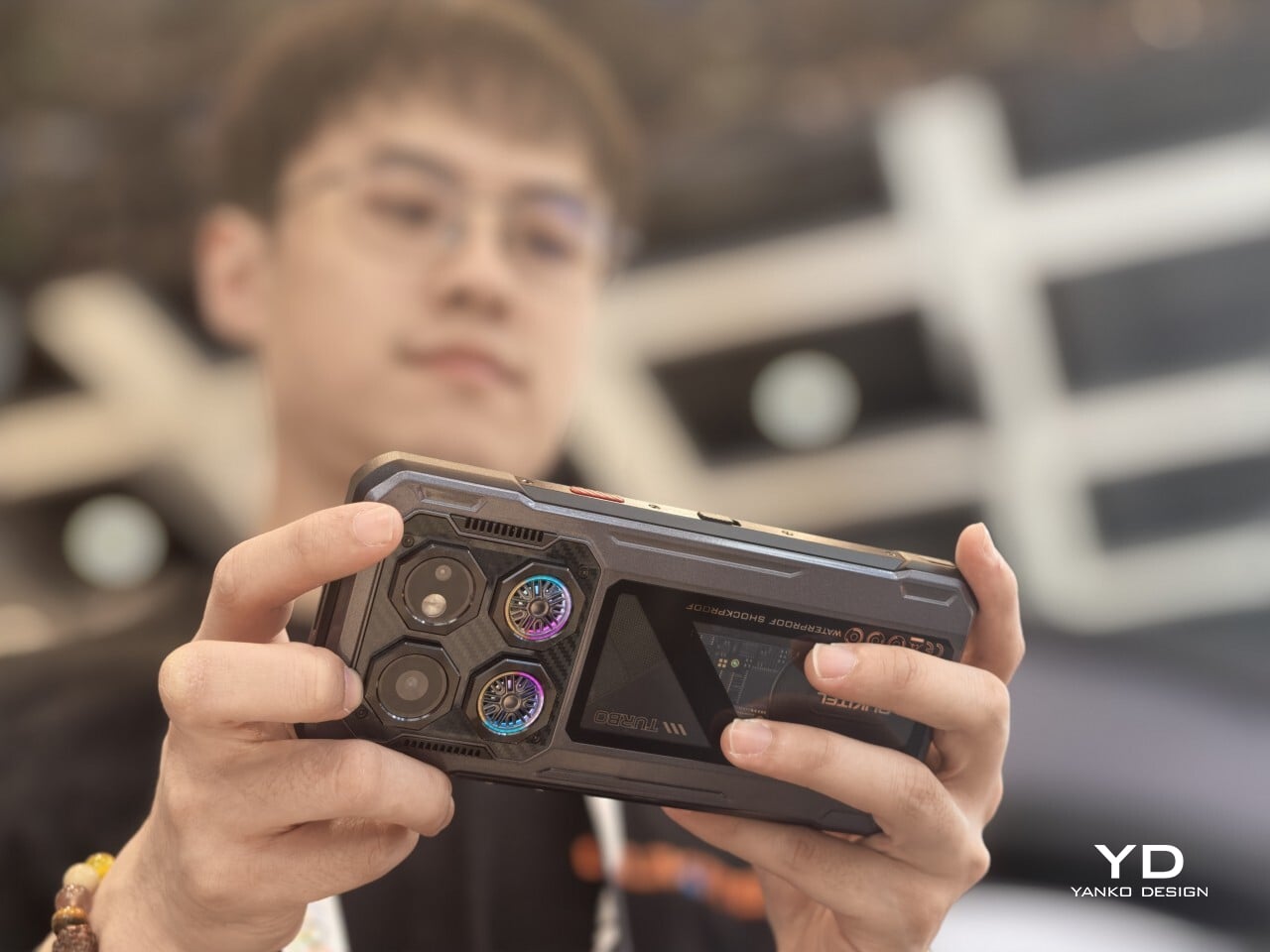
That solution shows up immediately on the back of the phone, where two turbine-style fans sit inside an octagonal housing next to the camera lenses. Rather than tucking cooling components away, OUKITEL frames them as part of the visual identity, finished in a gunmetal tone with RGB lighting that shifts through purples, oranges, and blues while the fans spin during demanding sessions.
Designer: Oukitel
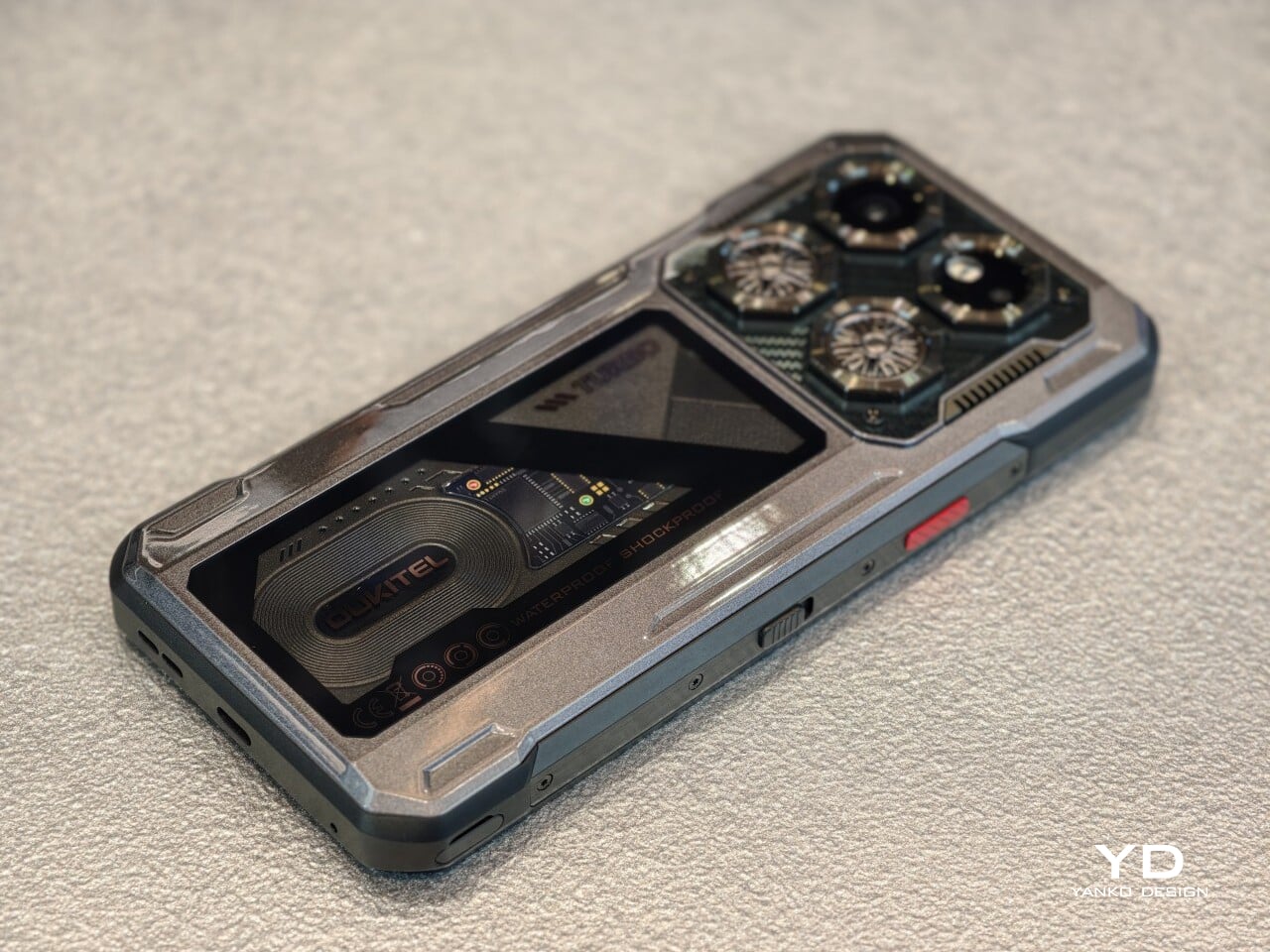
Underneath that display sits a MediaTek Dimensity 8300 chip running at 3.35GHz, paired with up to 24GB of RAM and a full terabyte of storage in its top configuration. Active airflow means that hardware can stay at full speed through a long gaming session in direct sun, instead of throttling the moment internal temperatures climb, the usual fate of sealed devices pushed hard outdoors.
A 10,000mAh battery backs up that sustained performance, large enough to outlast a full day of mixed use, camera work, and gaming without needing a midday top-up. When charging is needed, 45W wired input gets things moving again quickly, keeping downtime short for anyone relying on the phone through fieldwork, travel, or a weekend away from outlets.
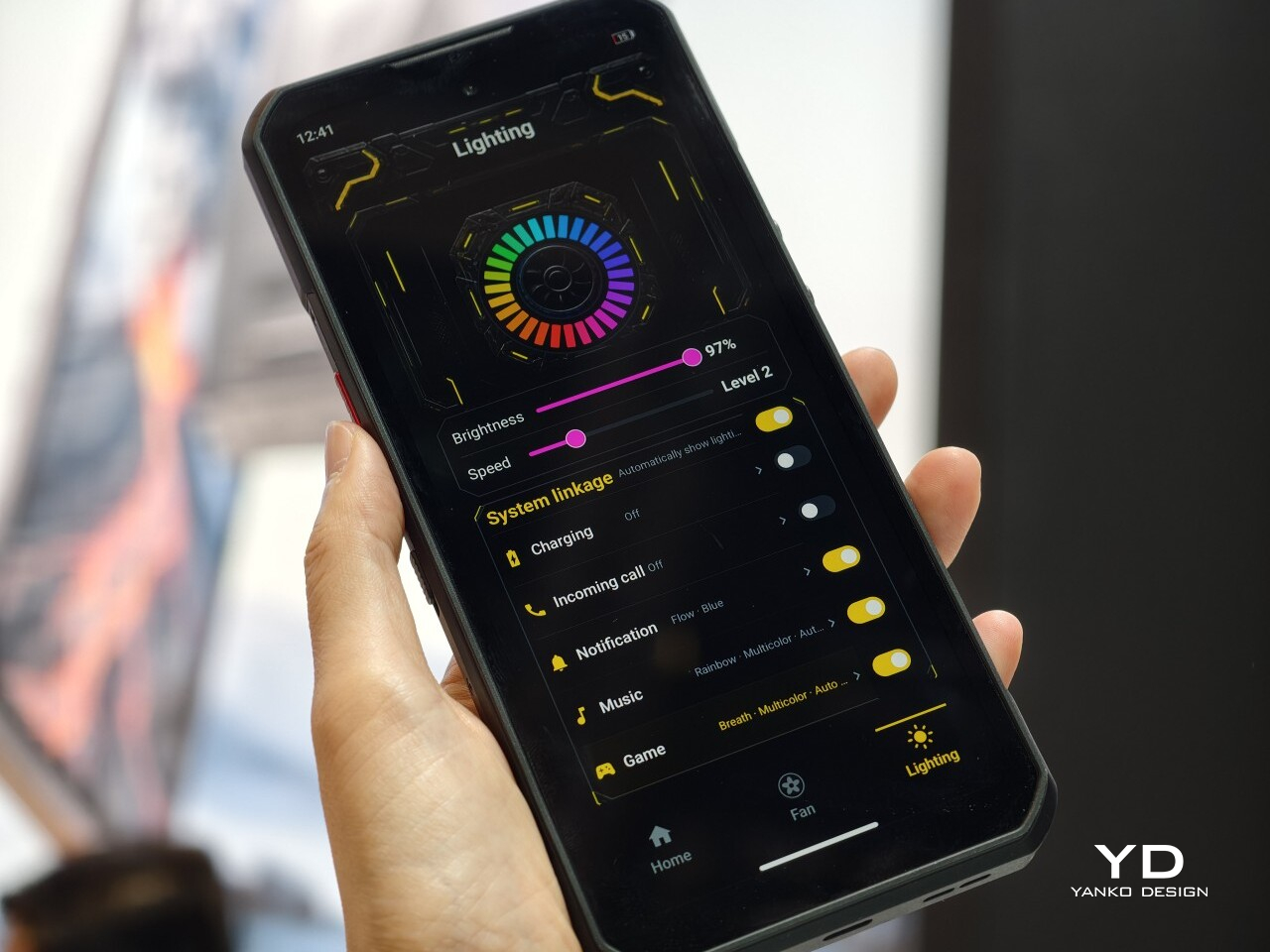
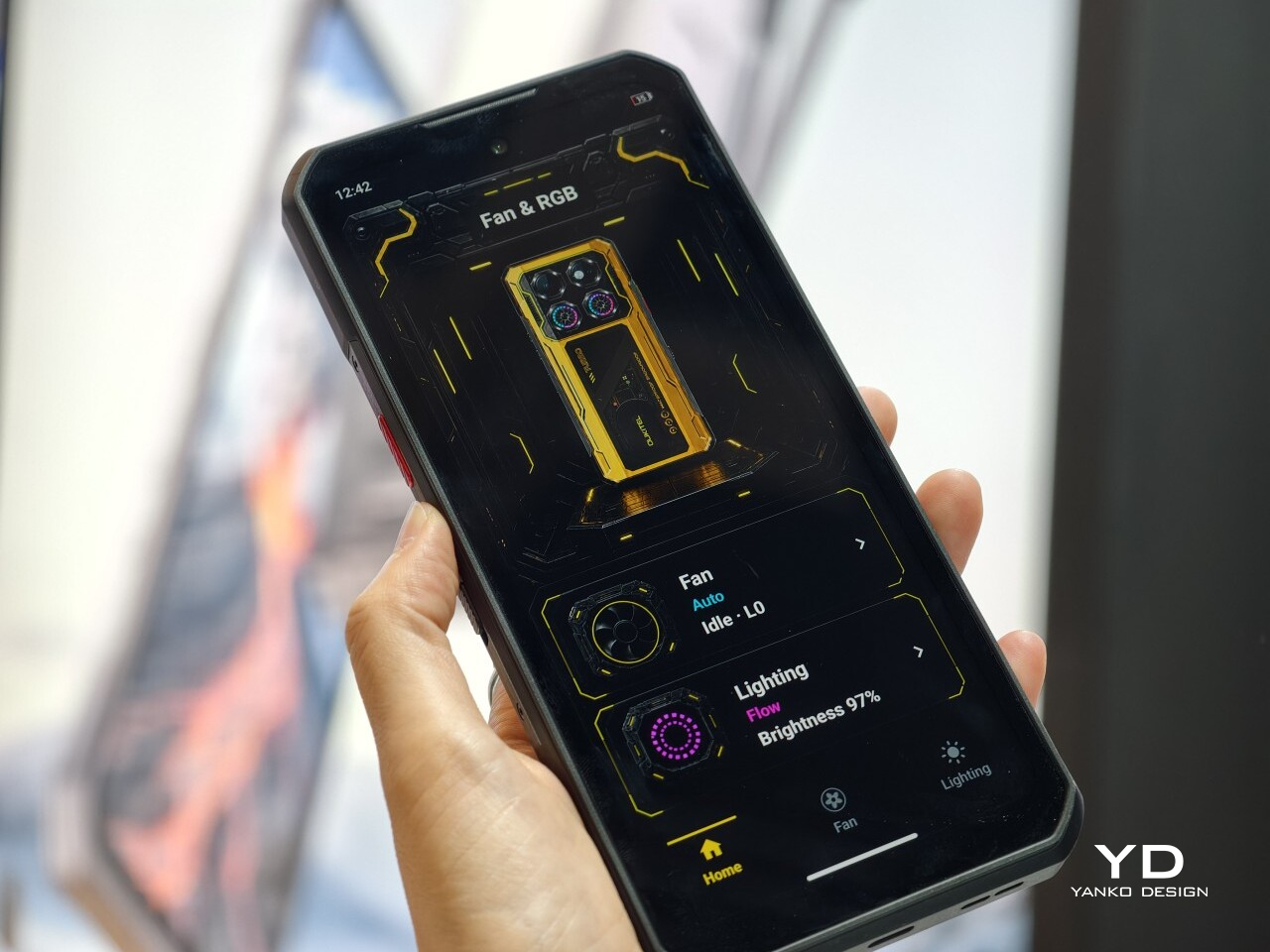
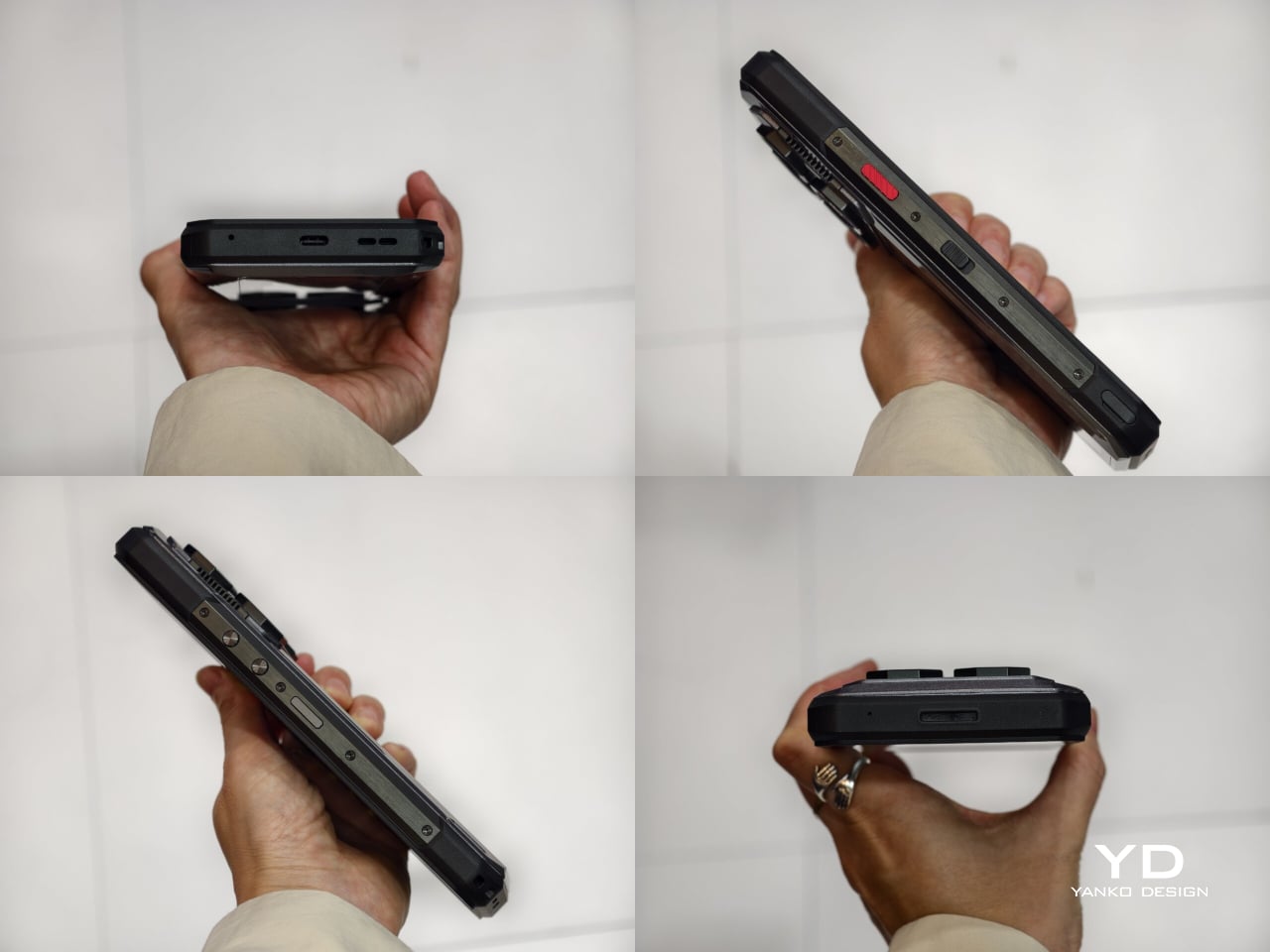
Privacy gets a physical answer instead of a software toggle buried in settings. A dedicated switch, styled as a bright red accent against the phone’s black and metallic paneling, physically disconnects the camera, microphone, and GPS at once. It is the kind of control that matters to fieldworkers or anyone stepping into a sensitive meeting who wants certainty that nothing is listening or tracking, not just a setting that claims to be off.
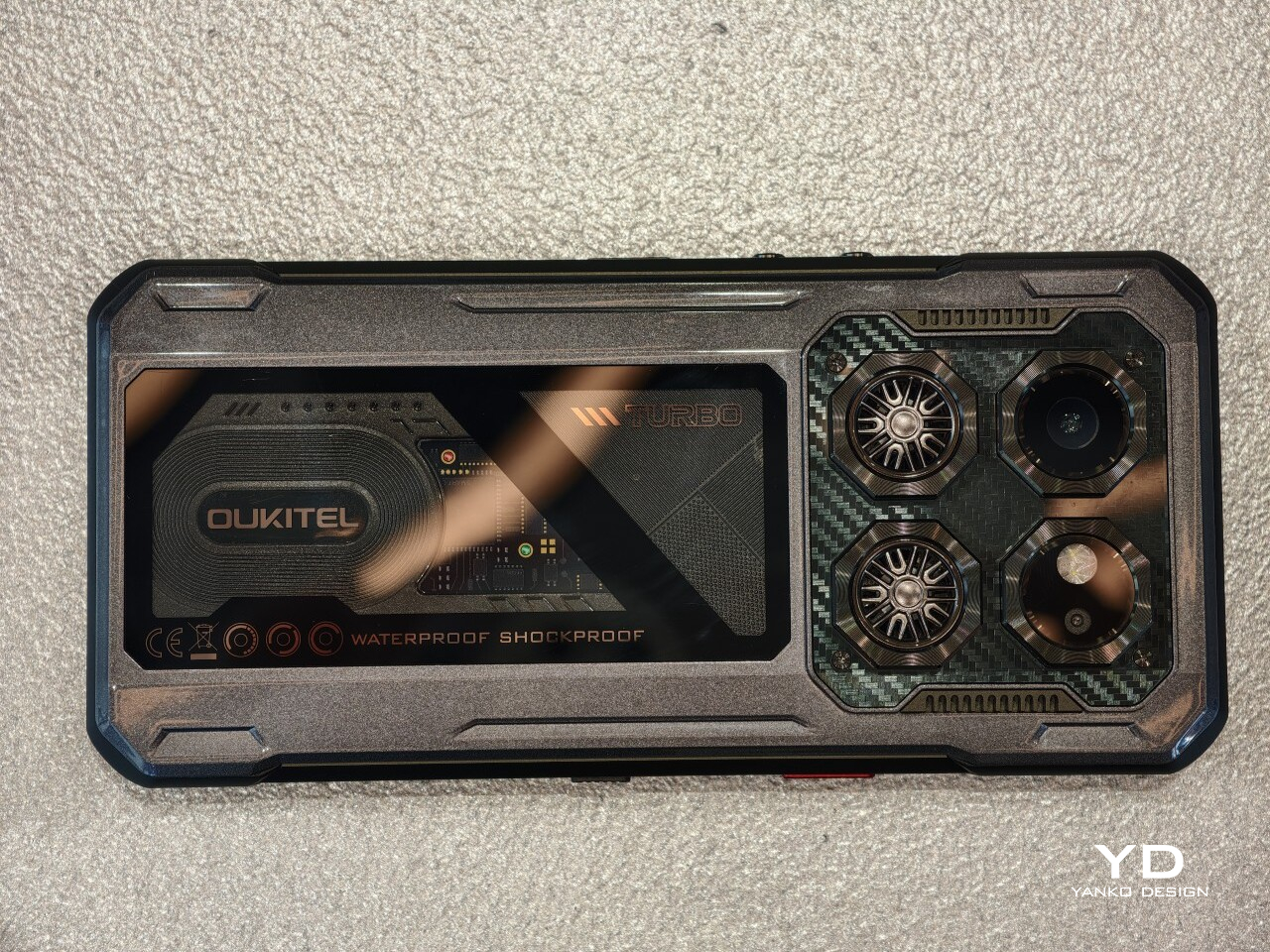
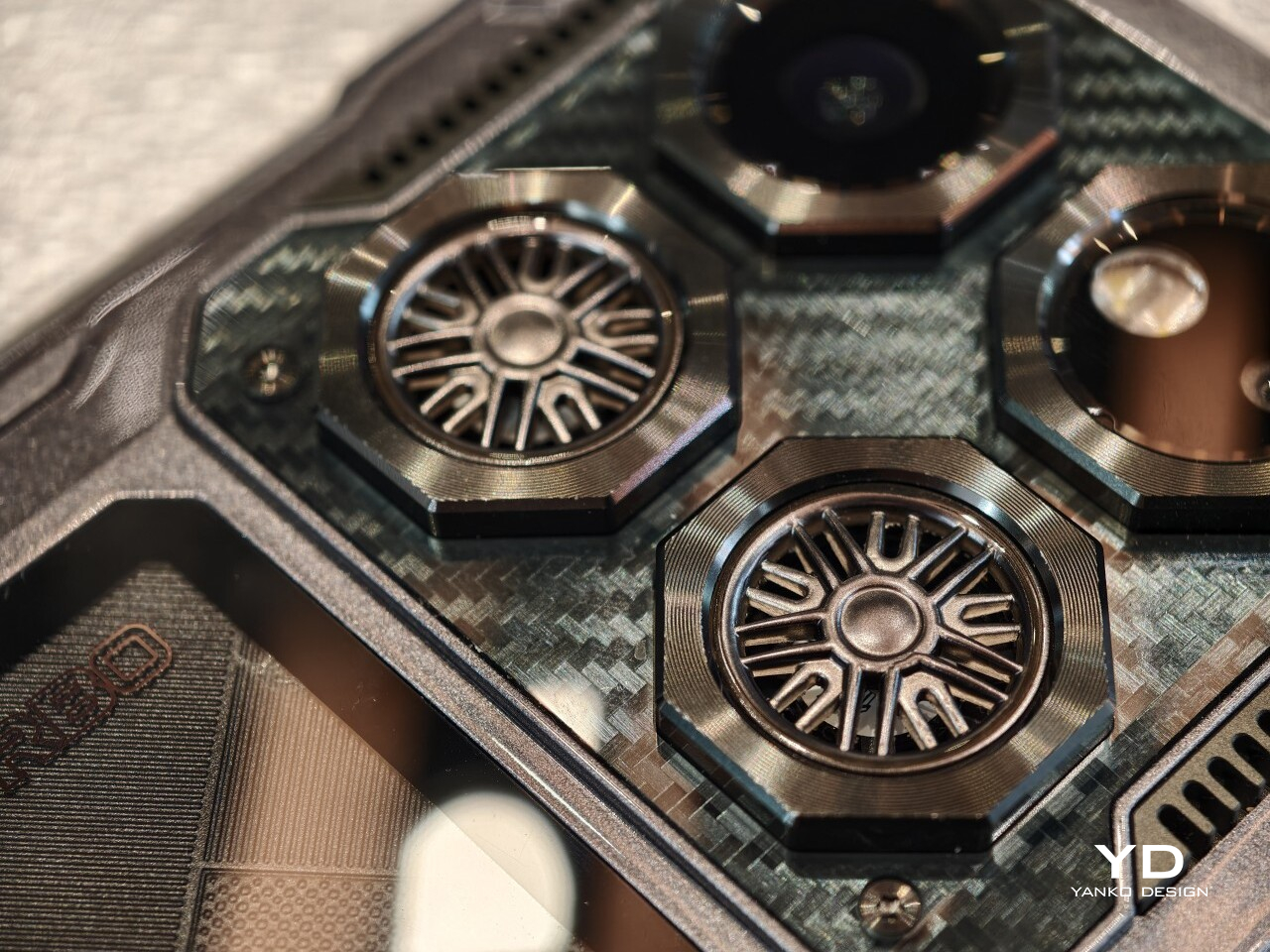
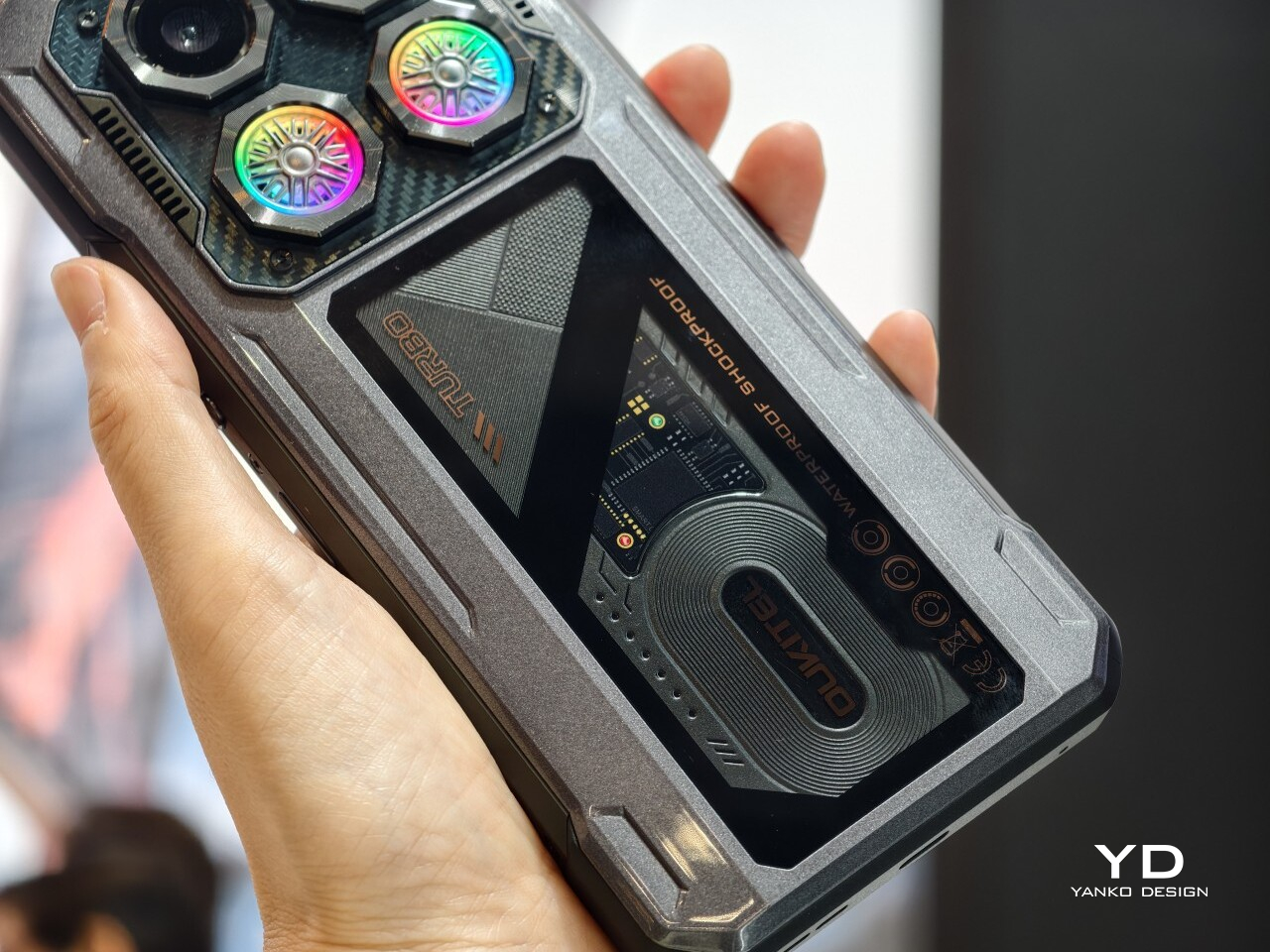
The rest of the chassis carries that same rugged-but-considered language throughout. Exposed hex screws, ridged texture strips along the frame, and a carbon-fiber-patterned panel insert surrounding the camera module all read as intentional detailing rather than leftover industrial parts. A 6.8-inch, 120Hz display handles the front, while the whole package comes finished in either black or yellow, playing into the tool-like character rugged phones usually lean into.
None of this asks buyers to choose between toughness and capability anymore. A phone built to survive drops and submersion can still run demanding software at full tilt, provided the cooling behind it gets treated as a design feature rather than an afterthought bolted on for a spec sheet.
The post Most Rugged Phones Hide From Heat, This One Has Two Fans to Fight It first appeared on Yanko Design.