We're not quite done with video game showcases for the year 2023. Devolver Digital is squeezing in one more in the form of its annual Public Access Holiday Special. The stream starts at 11AM ET and you can watch it below.
It seems like the publisher's going to stick to form by delivering some offbeat skits (including a musical number and "a surprisingly detailed cooking segment") alongside more details on some of its upcoming games. Expect fresh looks and additional info on Baby Steps (think QWOP but 3D and with a story), Pepper Grinder and the impossibly charming-looking The Plucky Squire at the very least.
We're very much looking forward to Baby Steps, which is slated for a summer 2024 debut, so extra details about that one will be more than welcome. I'm personally hoping for an update on Skate Story after Devolver delayed that one (and several other games) to 2024.
This article originally appeared on Engadget at https://www.engadget.com/watch-devolver-digitals-holiday-showcase-here-at-11am-et-152726012.html?src=rss
We're not quite done with video game showcases for the year 2023. Devolver Digital is squeezing in one more in the form of its annual Public Access Holiday Special. The stream starts at 11AM ET and you can watch it below.
It seems like the publisher's going to stick to form by delivering some offbeat skits (including a musical number and "a surprisingly detailed cooking segment") alongside more details on some of its upcoming games. Expect fresh looks and additional info on Baby Steps (think QWOP but 3D and with a story), Pepper Grinder and the impossibly charming-looking The Plucky Squire at the very least.
We're very much looking forward to Baby Steps, which is slated for a summer 2024 debut, so extra details about that one will be more than welcome. I'm personally hoping for an update on Skate Story after Devolver delayed that one (and several other games) to 2024.
This article originally appeared on Engadget at https://www.engadget.com/watch-devolver-digitals-holiday-showcase-here-at-11am-et-152726012.html?src=rss
The Porsche 911 GT3 R rennsport race car was made official back in September and now we get to find out more details about the car, Porsche has released a new video about their latest racecar. Dreams have defined us, but sport has made us. Because sport is a mindset that pushes us forward. It […]
It's been an interesting few years for Huawei. After the Chinese giant's initial struggle with the US trade sanctions, it would end up with a surprise mobile resurgence featuring homegrown processors — ones that are just two generations behind the competition. Not only that, the Chinese government has since allocated billions of dollars to boost its silicon industry, so much that Huawei is already working towards a self-sufficient chip network. It's as if former President Donald Trump's earlier attempts to starve Huawei of vital inputs eventually accelerated China's semiconductor development.
Trump's first strike on Huawei was the declaration of a national emergency in May 2019, which saw the Commerce Department add the company to its Entity List, citing surveillance concerns and links to the Chinese state security. As such, Google could no longer provide Android support to Huawei, thus causing the Mate 30 series and later models to miss out on Google apps (they would eventually adopt Huawei's Android replacement, HarmonyOS, two years later).
In November 2019, the FCC banned carriers from buying Huawei and ZTE networking gear with government subsidies.The following March, Trump signed a bill that would reimburse the replacement of Chinese gear — even if it meant spending an estimated $1.8 billion. Huawei attempted to sue the FCC over these restrictions, but the court sided with the regulator.
The tech war heated up rapidly in May 2020, when the US further restricted Huawei's access to American equipment and software. This meant Taiwan Semiconductor Manufacturing Company (TSMC), the world's leading fab, would have to stop producing HiSilicon chips for Huawei — its then second-largest customer, after Apple. Likewise, Samsung and SK Hynix had to stop selling chips to the Chinese brand by the September 15, 2020 deadline. As Bloomberg's teardown of the latest Huawei smartphones revealed, the company didn't have a problem stockpiling these Korean memory chips.
For processors, Huawei had no choice but to rely more on local chip makers, namely Semiconductor Manufacturing International Corporation (SMIC) and Shanghai IC R&D Center. That meant a significant downgrade, though: SMIC had just started mass-producing 14nm chips for Huawei then, whereas TSMC reached 5nm later that year and supplied Kirin 9000 processors for Huawei's Mate 40. That would be the final "high-end" Kirin chip, Huawei's mobile boss Richard Yu said at the time.
Qualcomm was eventually allowed to supply 4G chips to Huawei as of November 2020, but that's fourG, and market share figures don't lie. The once-leading brand in China dropped to just 16 percent locally in January 2021 (and then down to a mere 6 percent in Q2 2022), as noted by Counterpoint. Huawei's global market share has been negligible since 2021. According to both Counterpoint and Statista, though, since Huawei sold the Honor brand in November 2020, the spin-off has been able to claim one of the top China quarterly chart positions all this time.
China's chip investment finally paid off when SMIC made a 7nm breakthrough in August 2022 — a leap from 14nm in just two years — faster than it took TSMC or Samsung, according to TechInsights. What's more, this achievement was apparently done without using the most advanced lithography equipment, which were largely exclusive to the likes of ASML and Nikon. It wasn't until earlier this year that the US convinced the Netherlands and Japan to restrict China’s access to advanced chipmaking machinery.
As Bloomberg would later find out in a lengthy investigation, this might have been the fruition of a Shenzhen city government investment fund from 2019 that helped Huawei build "a self-sufficient chip network." Through a network of enterprises, Huawei could stealthily gain access to lithography tech while exchanging experts to work on each others' turfs, without raising any flags. Huawei apparently even managed to hire several former ASML employees, which was likely key to reaching the 7nm node process for its latest processor (the 5G-capable HiSilicon Kirin 9000S, fabricated by SMIC). Benchmarks indicate that this chip's performance is on par with Qualcomm's Snapdragon 888 from late 2020, thus suggesting that it's around two generations behind the leading competition.
Huawei then took a rather unusual approach to launch its Kirin 9000S smartphones at the beginning of September this year. Without any launch event or teaser, the company simply announced on Weibo that the Mate 60 and Mate 60 Pro were immediately available. This surprise stunt coincided with the US Commerce Secretary Gina Raimondo's visit to China, which led many to believe that Huawei received special orders from certain authorities to hastily launch these 5G devices ahead of schedule. This was quickly followed by the China's announcement of a $40 billion fund to further boost its chip industry, as well as the launch of two more phones, the Mate 60 Pro+ and the Mate X5 foldable, a week later.
REUTERS / Reuters
While this may seem a temporary win for China, the country actually saw 10,900 chip-related companies close down in 2023 (as of December 11) — a staggering 90-percent year-on-year increase, which is a sign of a bad economy, according to TMTPost. On the flip side, 65,700 new chip-related companies registered in the same period, which is a 9.5 percent increase year-on-year. The report added that the China-made RAM chips and processors on Huawei's Mate 60 series are an indication of the growing reliance on the local supply chain, which will continue to drive the long-term development of the Chinese semiconductor industry.
As much as the US government wants to limit China's access to high-end tech, the truth is western companies still want to tap into the big market in the east. NVIDIA is a prime example, as it's still in talks with the authorities on the specifications of AI chips that it can sell to China, without breaching US export rules. "What we cannot allow them to ship is the most sophisticated, highest-processing power AI chips, which would enable China to train their frontier models," Raimondo told Reuters. Of course, failing that, China may eventually come up with an AI chip that's just as impressive, if not more — like its recent claim of a light-based chip that is apparently 3,000 times faster than NVIDIA's A100.
The US-China tech war isn't just limited to chips, either. The Biden administration is proposing to cut tax credits on electric vehicles that contain Chinese components — especially batteries, as an attempt to wean local car brands off Chinese components. The trade-off here is always the cost savings (as is the idea behind Ford and CATL's Michigan battery plant), as well as the US market missing out on potential breakthroughs on power density or output, namely the upcoming 150kWh battery demoed in Chinese EV manufacturer Nio's ET7, which reached a range of around 650 miles. Who knows, maybe someday Huawei may want to sell its Aito or Luxeed electric cars in the US, too — if it's allowed to enter at all.
This article originally appeared on Engadget at https://www.engadget.com/how-chinas-chip-production-boomed-in-2023-despite-sanctions-143058510.html?src=rss
It's been an interesting few years for Huawei. After the Chinese giant's initial struggle with the US trade sanctions, it would end up with a surprise mobile resurgence featuring homegrown processors — ones that are just two generations behind the competition. Not only that, the Chinese government has since allocated billions of dollars to boost its silicon industry, so much that Huawei is already working towards a self-sufficient chip network. It's as if former President Donald Trump's earlier attempts to starve Huawei of vital inputs eventually accelerated China's semiconductor development.
Trump's first strike on Huawei was the declaration of a national emergency in May 2019, which saw the Commerce Department add the company to its Entity List, citing surveillance concerns and links to the Chinese state security. As such, Google could no longer provide Android support to Huawei, thus causing the Mate 30 series and later models to miss out on Google apps (they would eventually adopt Huawei's Android replacement, HarmonyOS, two years later).
In November 2019, the FCC banned carriers from buying Huawei and ZTE networking gear with government subsidies.The following March, Trump signed a bill that would reimburse the replacement of Chinese gear — even if it meant spending an estimated $1.8 billion. Huawei attempted to sue the FCC over these restrictions, but the court sided with the regulator.
The tech war heated up rapidly in May 2020, when the US further restricted Huawei's access to American equipment and software. This meant Taiwan Semiconductor Manufacturing Company (TSMC), the world's leading fab, would have to stop producing HiSilicon chips for Huawei — its then second-largest customer, after Apple. Likewise, Samsung and SK Hynix had to stop selling chips to the Chinese brand by the September 15, 2020 deadline. As Bloomberg's teardown of the latest Huawei smartphones revealed, the company didn't have a problem stockpiling these Korean memory chips.
For processors, Huawei had no choice but to rely more on local chip makers, namely Semiconductor Manufacturing International Corporation (SMIC) and Shanghai IC R&D Center. That meant a significant downgrade, though: SMIC had just started mass-producing 14nm chips for Huawei then, whereas TSMC reached 5nm later that year and supplied Kirin 9000 processors for Huawei's Mate 40. That would be the final "high-end" Kirin chip, Huawei's mobile boss Richard Yu said at the time.
Qualcomm was eventually allowed to supply 4G chips to Huawei as of November 2020, but that's fourG, and market share figures don't lie. The once-leading brand in China dropped to just 16 percent locally in January 2021 (and then down to a mere 6 percent in Q2 2022), as noted by Counterpoint. Huawei's global market share has been negligible since 2021. According to both Counterpoint and Statista, though, since Huawei sold the Honor brand in November 2020, the spin-off has been able to claim one of the top China quarterly chart positions all this time.
China's chip investment finally paid off when SMIC made a 7nm breakthrough in August 2022 — a leap from 14nm in just two years — faster than it took TSMC or Samsung, according to TechInsights. What's more, this achievement was apparently done without using the most advanced lithography equipment, which were largely exclusive to the likes of ASML and Nikon. It wasn't until earlier this year that the US convinced the Netherlands and Japan to restrict China’s access to advanced chipmaking machinery.
As Bloomberg would later find out in a lengthy investigation, this might have been the fruition of a Shenzhen city government investment fund from 2019 that helped Huawei build "a self-sufficient chip network." Through a network of enterprises, Huawei could stealthily gain access to lithography tech while exchanging experts to work on each others' turfs, without raising any flags. Huawei apparently even managed to hire several former ASML employees, which was likely key to reaching the 7nm node process for its latest processor (the 5G-capable HiSilicon Kirin 9000S, fabricated by SMIC). Benchmarks indicate that this chip's performance is on par with Qualcomm's Snapdragon 888 from late 2020, thus suggesting that it's around two generations behind the leading competition.
Huawei then took a rather unusual approach to launch its Kirin 9000S smartphones at the beginning of September this year. Without any launch event or teaser, the company simply announced on Weibo that the Mate 60 and Mate 60 Pro were immediately available. This surprise stunt coincided with the US Commerce Secretary Gina Raimondo's visit to China, which led many to believe that Huawei received special orders from certain authorities to hastily launch these 5G devices ahead of schedule. This was quickly followed by the China's announcement of a $40 billion fund to further boost its chip industry, as well as the launch of two more phones, the Mate 60 Pro+ and the Mate X5 foldable, a week later.
REUTERS / Reuters
While this may seem a temporary win for China, the country actually saw 10,900 chip-related companies close down in 2023 (as of December 11) — a staggering 90-percent year-on-year increase, which is a sign of a bad economy, according to TMTPost. On the flip side, 65,700 new chip-related companies registered in the same period, which is a 9.5 percent increase year-on-year. The report added that the China-made RAM chips and processors on Huawei's Mate 60 series are an indication of the growing reliance on the local supply chain, which will continue to drive the long-term development of the Chinese semiconductor industry.
As much as the US government wants to limit China's access to high-end tech, the truth is western companies still want to tap into the big market in the east. NVIDIA is a prime example, as it's still in talks with the authorities on the specifications of AI chips that it can sell to China, without breaching US export rules. "What we cannot allow them to ship is the most sophisticated, highest-processing power AI chips, which would enable China to train their frontier models," Raimondo told Reuters. Of course, failing that, China may eventually come up with an AI chip that's just as impressive, if not more — like its recent claim of a light-based chip that is apparently 3,000 times faster than NVIDIA's A100.
The US-China tech war isn't just limited to chips, either. The Biden administration is proposing to cut tax credits on electric vehicles that contain Chinese components — especially batteries, as an attempt to wean local car brands off Chinese components. The trade-off here is always the cost savings (as is the idea behind Ford and CATL's Michigan battery plant), as well as the US market missing out on potential breakthroughs on power density or output, namely the upcoming 150kWh battery demoed in Chinese EV manufacturer Nio's ET7, which reached a range of around 650 miles. Who knows, maybe someday Huawei may want to sell its Aito or Luxeed electric cars in the US, too — if it's allowed to enter at all.
This article originally appeared on Engadget at https://www.engadget.com/how-chinas-chip-production-boomed-in-2023-despite-sanctions-143058510.html?src=rss
Samsung has announced that it is adding a new Medications tracking feature to Samsung Health for its Galaxy range of devices, this new featurer will allow uyou to track your medication and manage your health. Upon entering the name of a select medication into Samsung Health, the Medications feature will provide users with detailed information […]
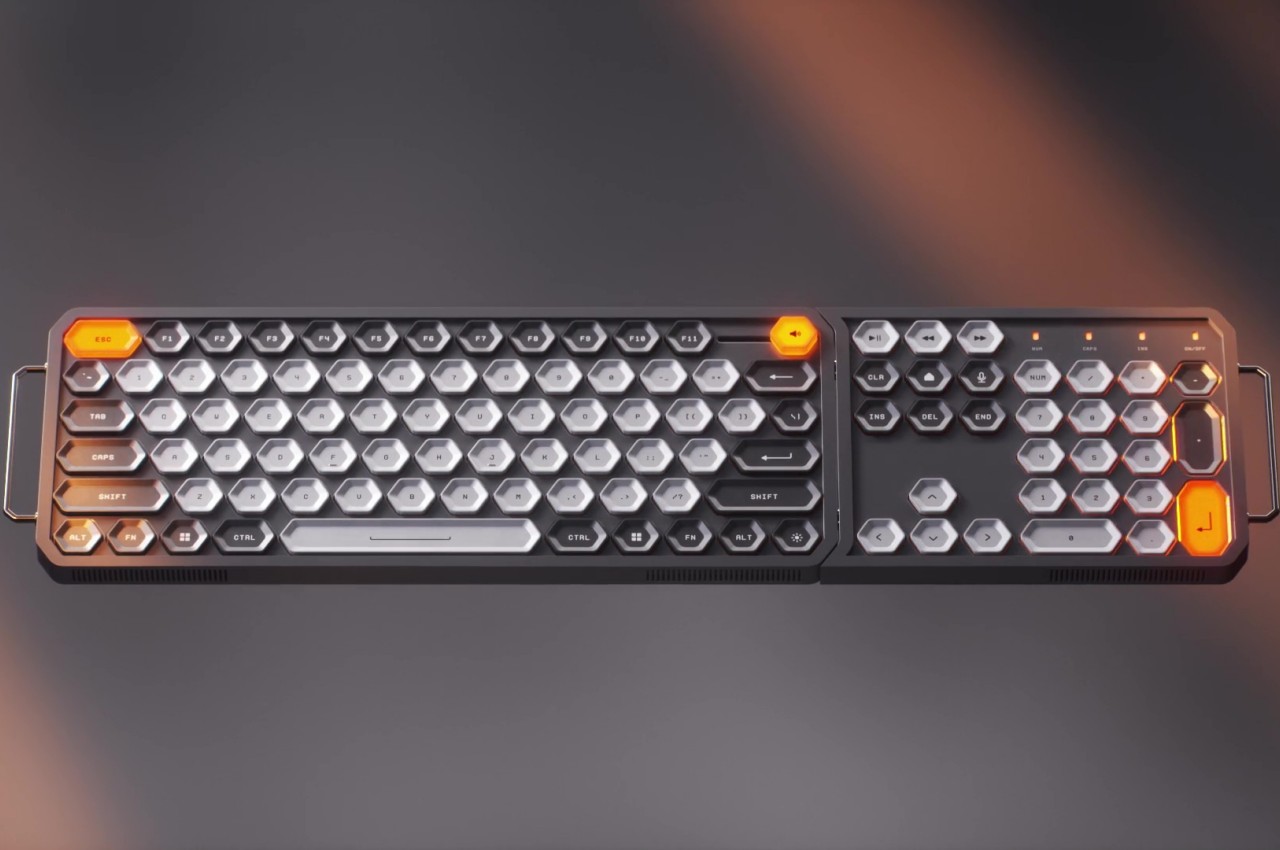
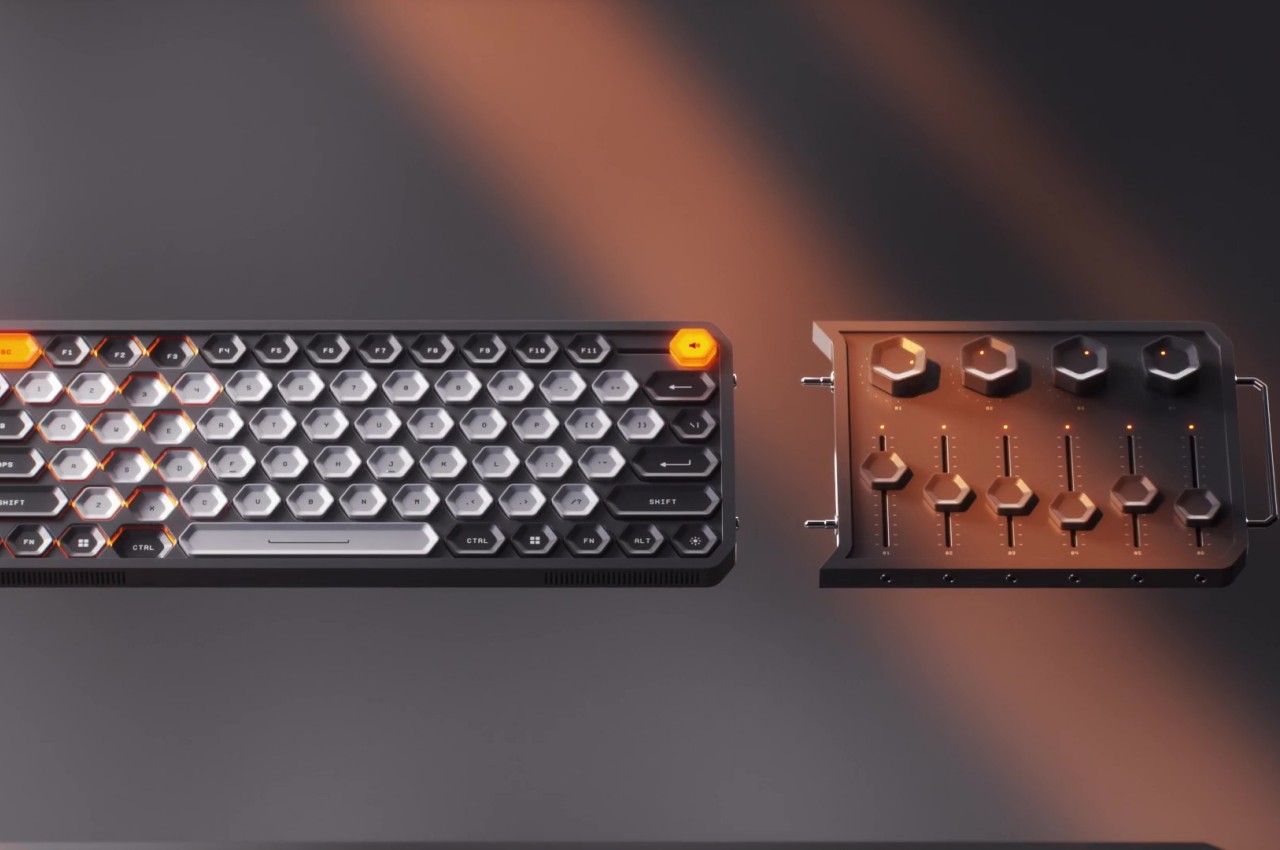
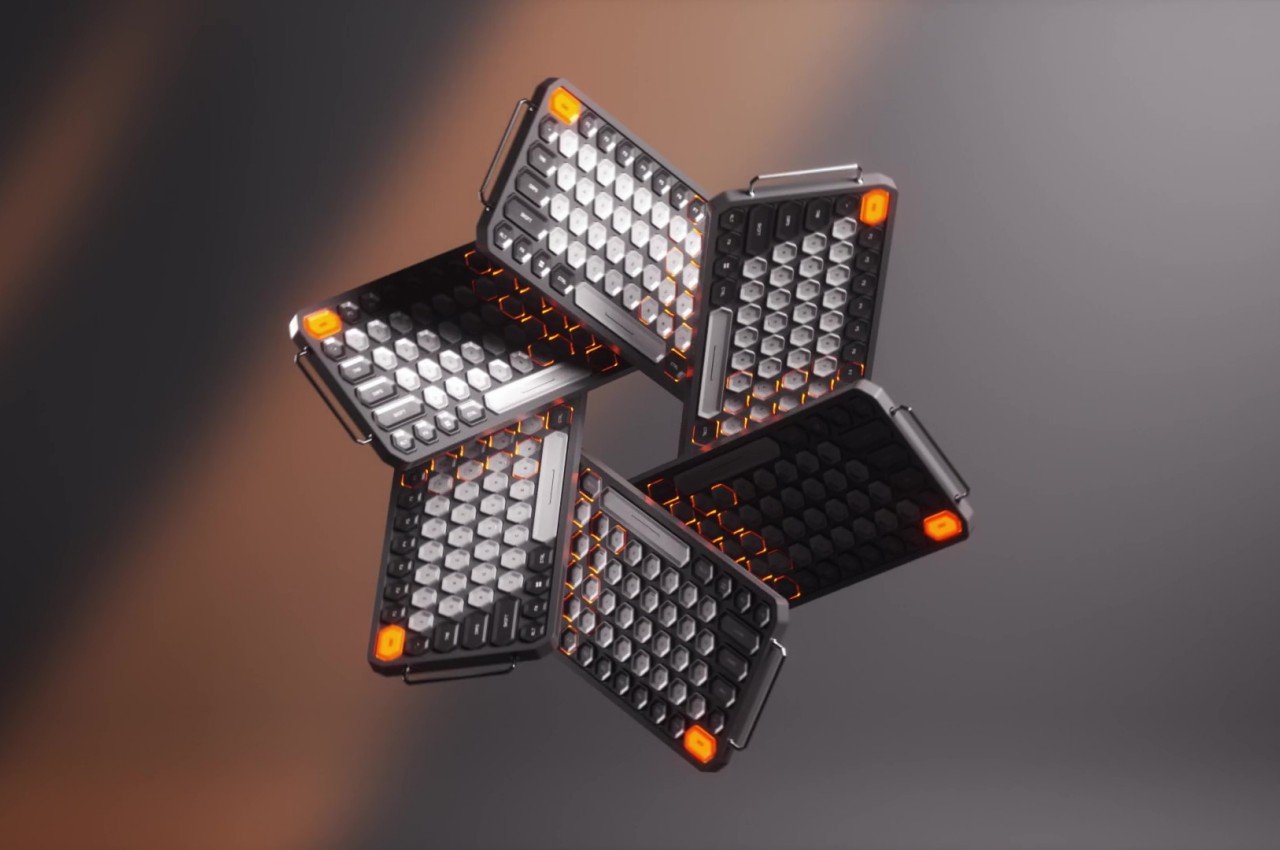
There has been a great deal of effort and attention put on keyboards these past years, whether for actual products or for ideas that embody the hopes and wishes of both users and designers. From split-type ergonomic keyboards to keyboards with all sorts of knobs and touch screens, these designs are all made in an attempt to make people’s lives easier and to cater to their needs. Of course, not everyone’s needs are the same, so features on one keyboard might not work for different audiences. This keyboard design concept is already interesting because of its modularity, but it becomes even more eye-catching thanks to an unusual choice in the shape of its keys and controls.
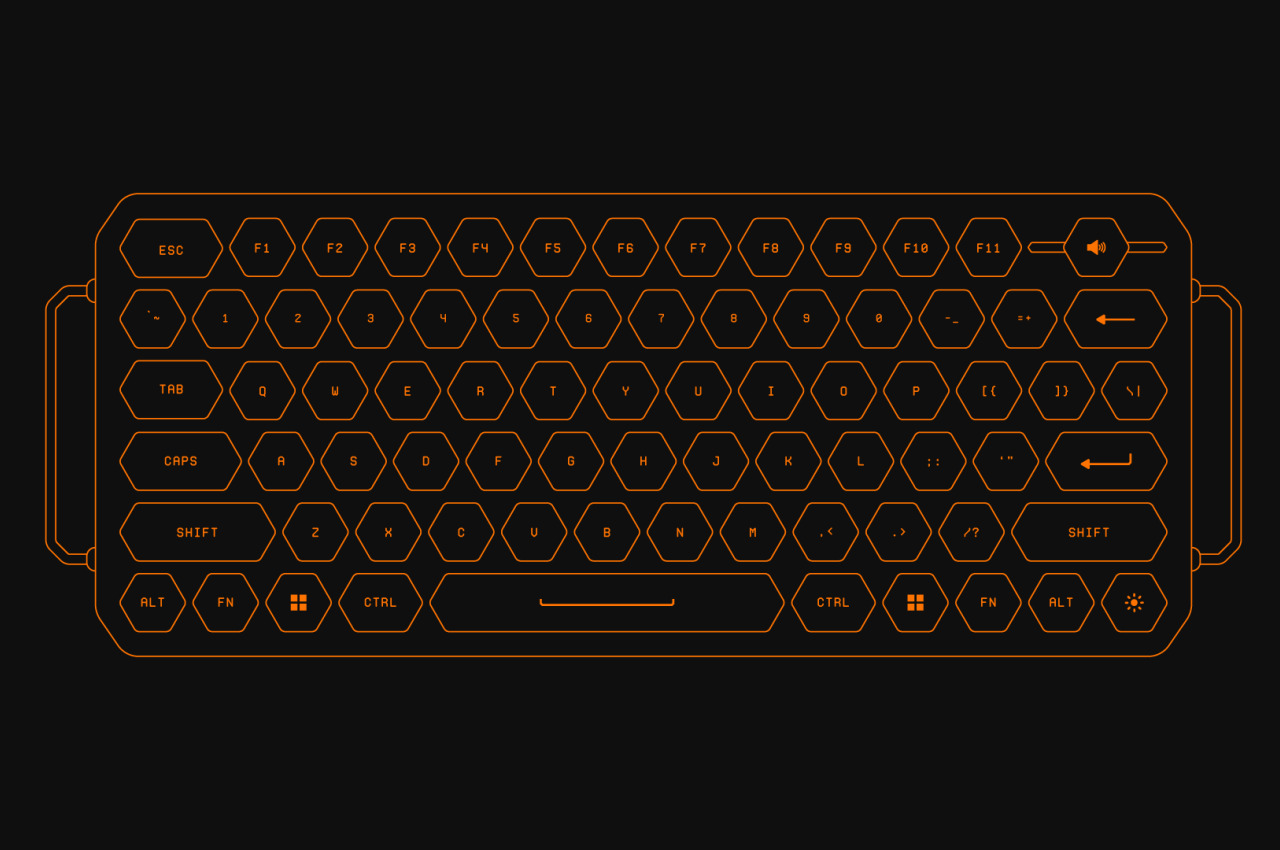
The basic design of keyboards is almost set in stone, at least for the combination of letters and numbers that make up the essentials for keyboards of any size. The layouts might differ from region to region or from laptop to laptop, but there are more or less 80 keys even on the smallest configurations. Beyond that is almost fair game, with some preferring a numeric keypad to the side, while others probably wish for a different set of controls.
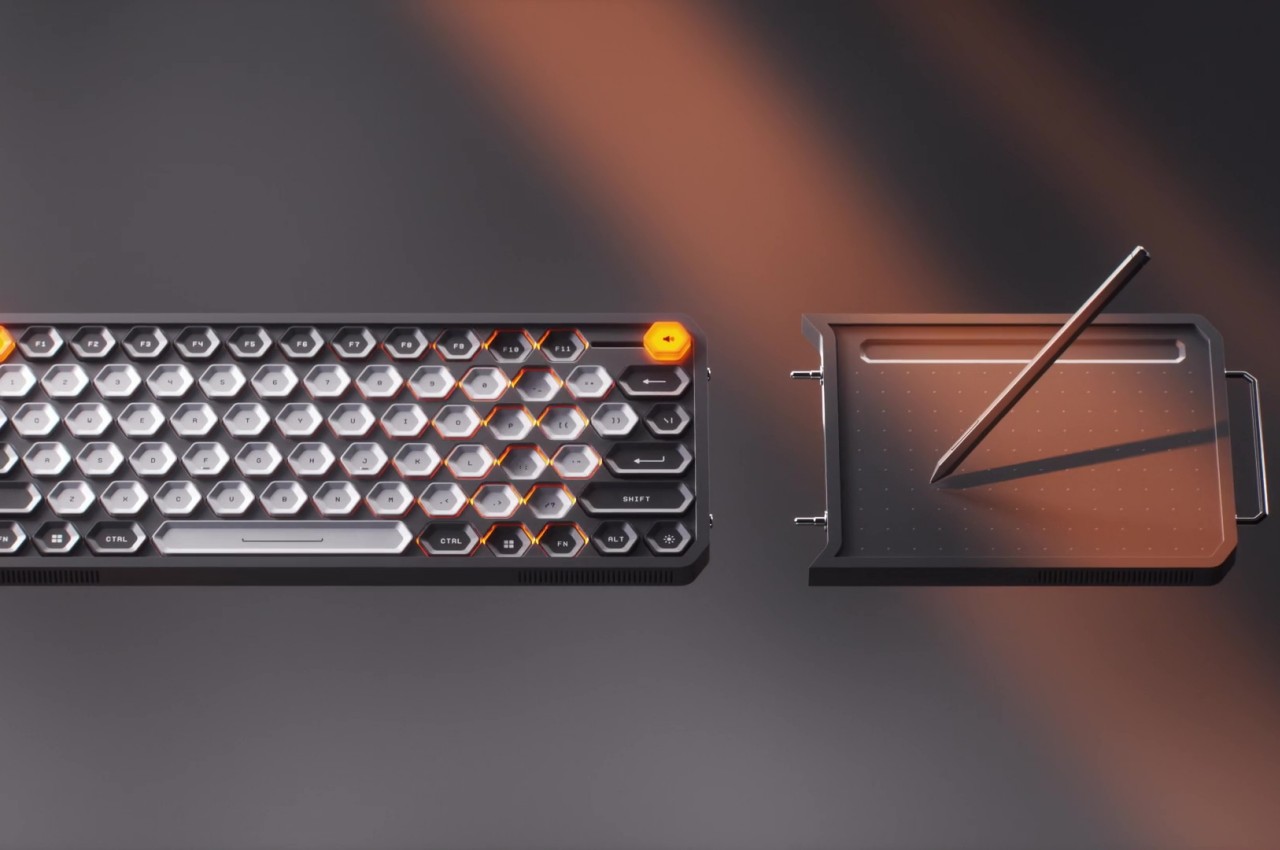
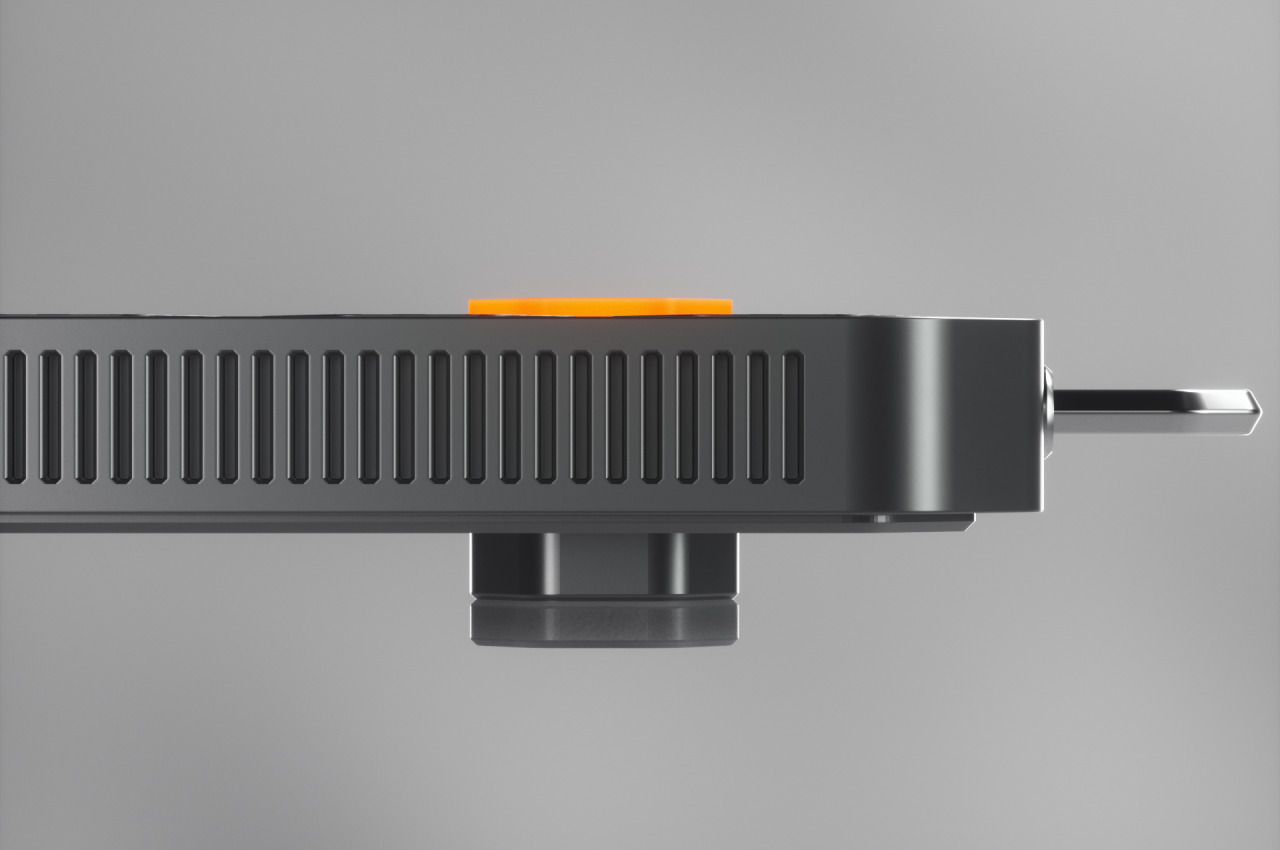
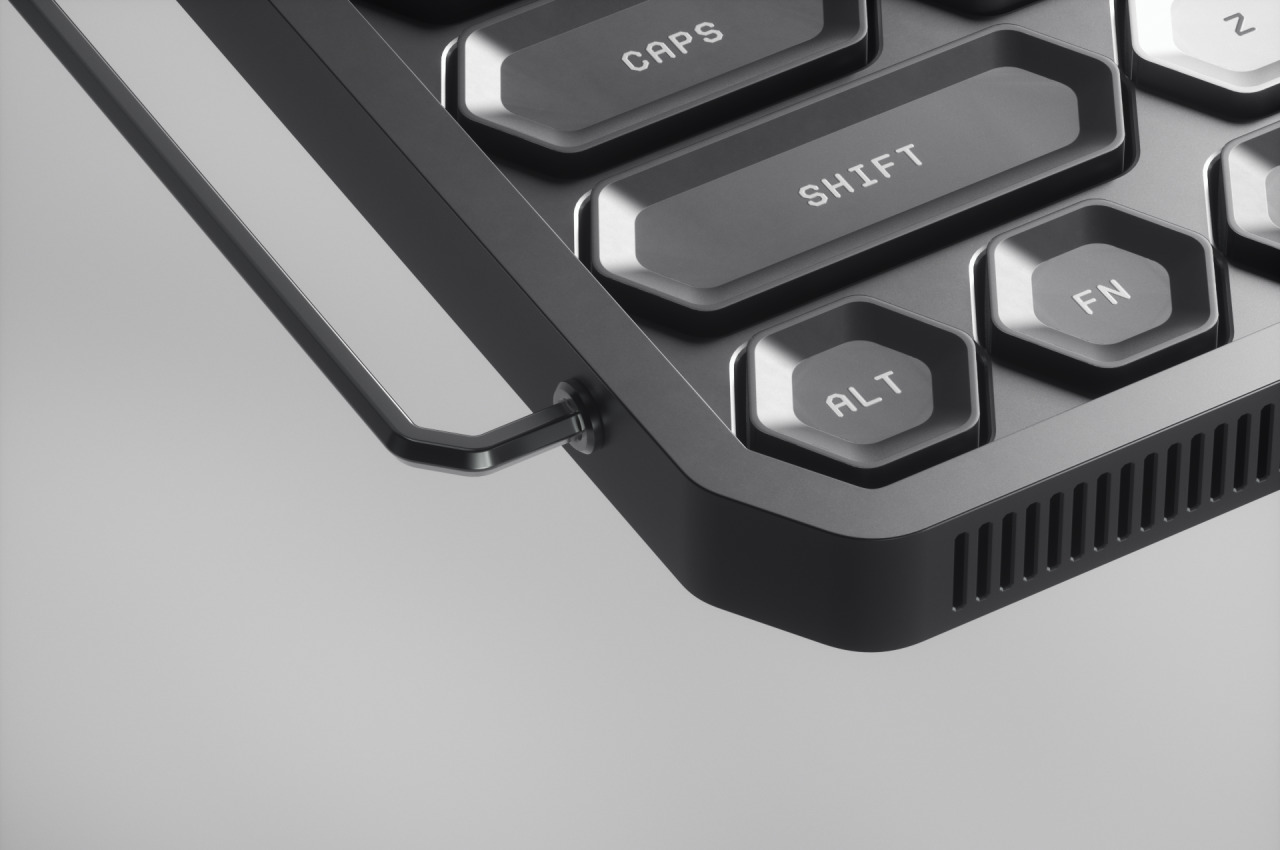
The K-Bird Spec Project is a concept design for a modular keyboard that tries to address that need by providing a different side module for different applications. You can have the typical numpad for fast numeric input or you can have a set of sliders and dials for quickly controlling or editing audio. You can even have a small drawing area with a groove to place a stylus. Or you can have no modules at all and be left with admittedly odd-looking handles protruding from the side.
The base shape of the keyboard theoretically allows for modules to be placed on either side, but the modules themselves would have to be designed to be ambidextrous. The default seems to presume the current convention of placing modules on the right side where the numeric keypad would usually be, and you can’t simply put it on the left because of the handle extending from that side.
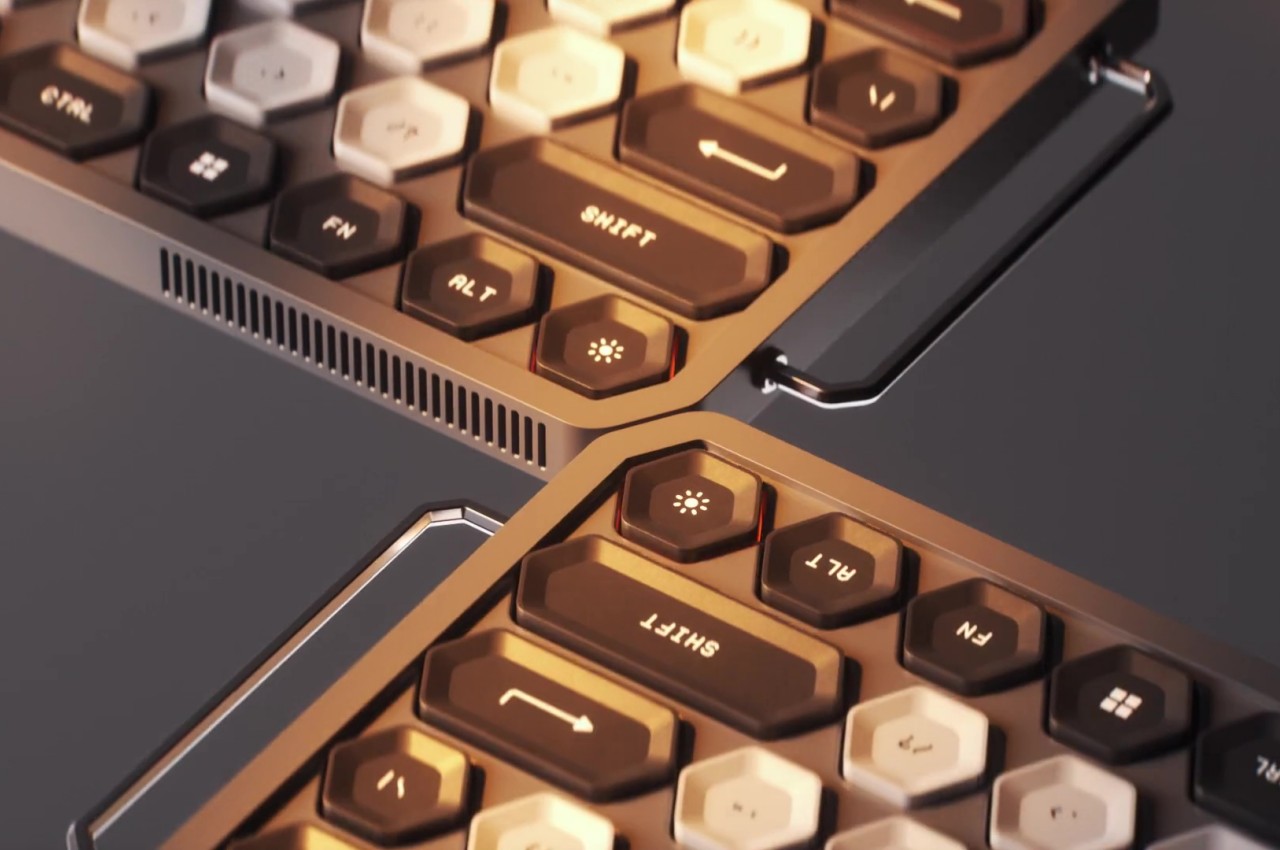
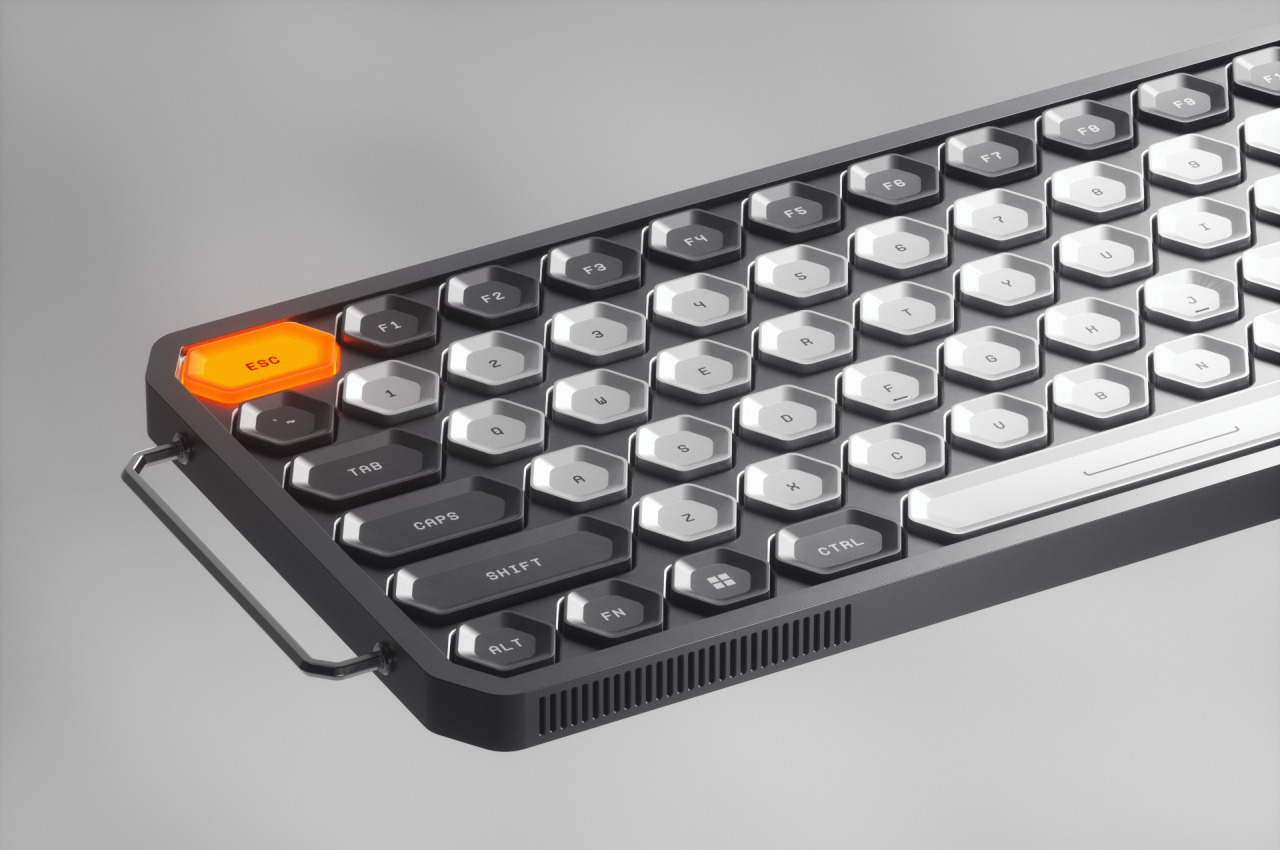
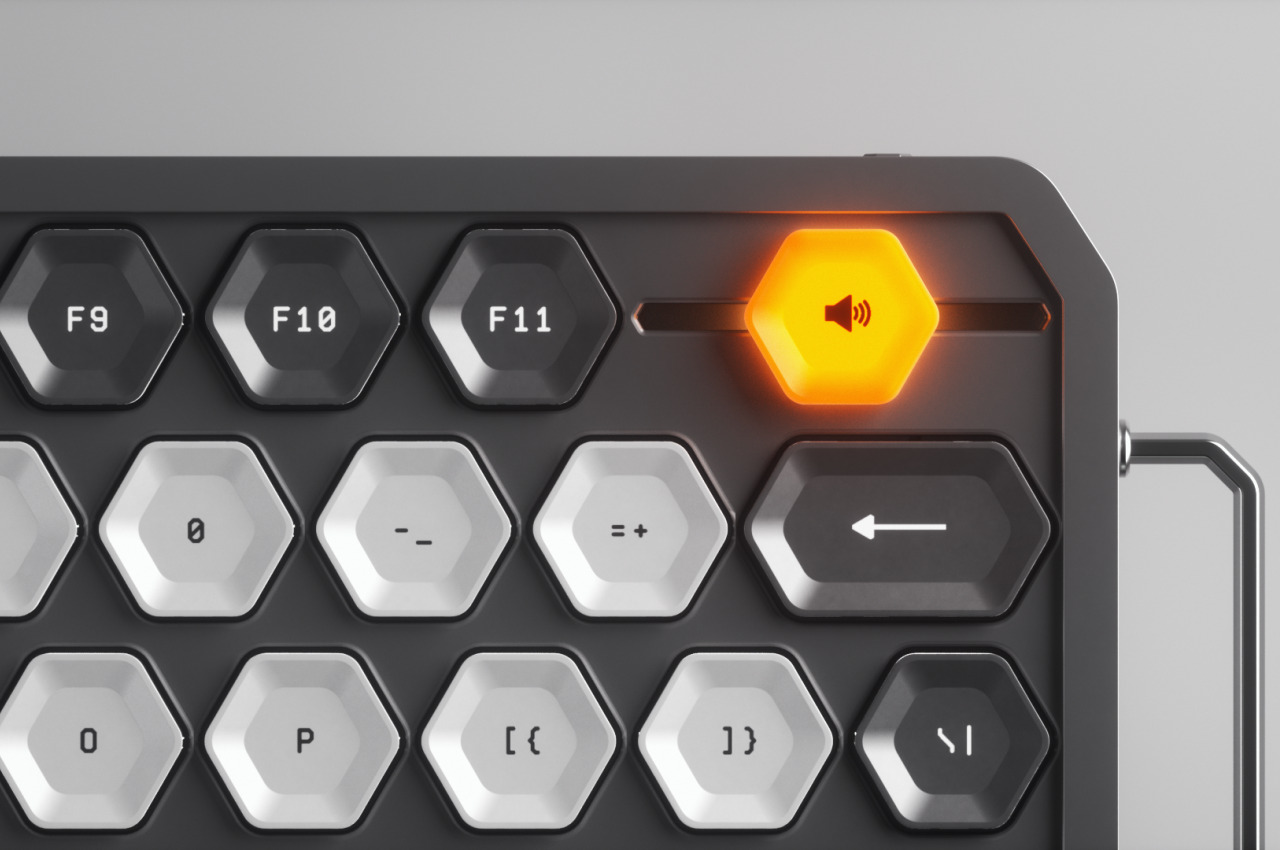
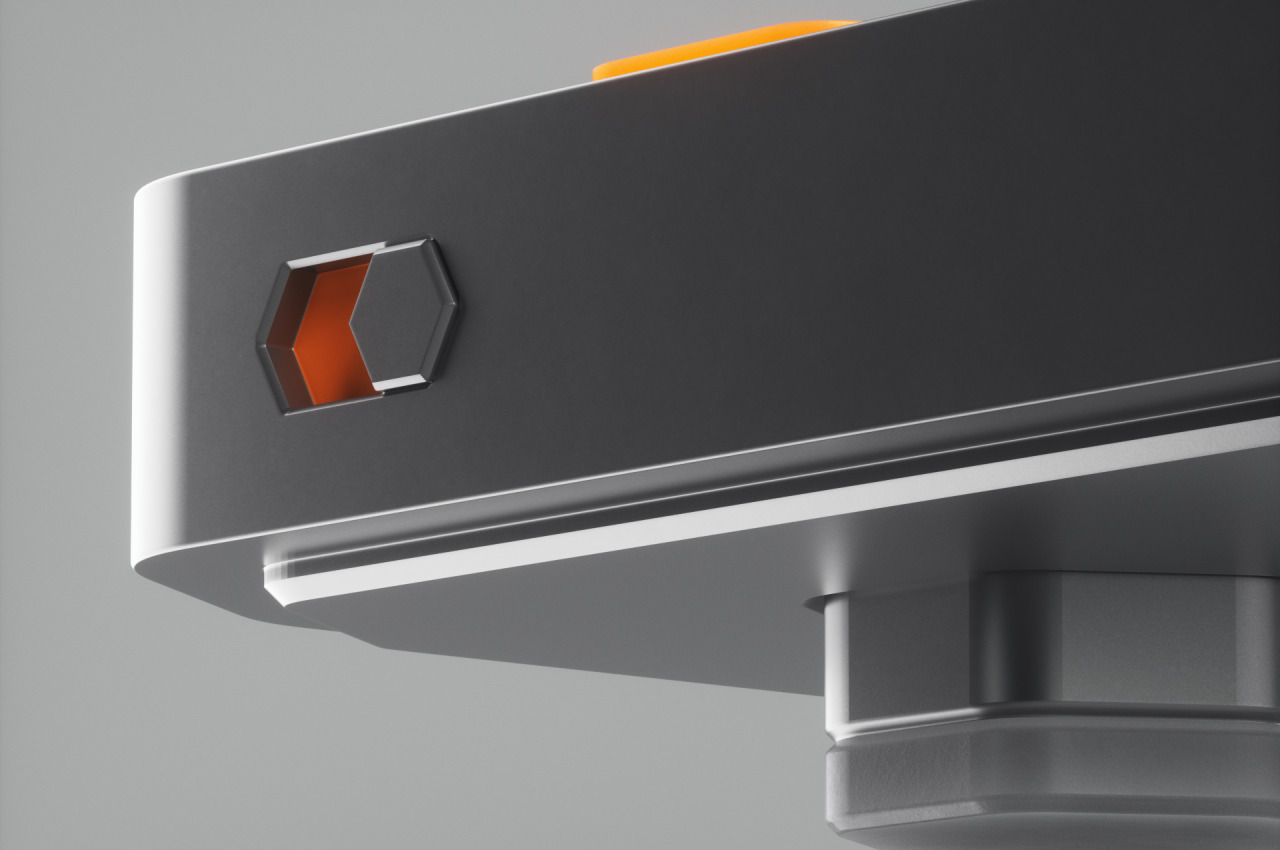
What makes this design a little different from other modular keyboard concepts is its use of hexagons as the main shape for all the controls, even the sliders and dials on the modular extensions. The keys themselves are indented, which is already unconventional as far as keyboard designs go. It gives the keyboard a more visually interesting appearance, though it’s not clear whether that will have any negative impact on the ergonomics of typing on such a kind of keycap shape.
When building a small form factor PC on a budget, finding the right components can be a challenge. The ASRock Intel Arc A380 low profile graphics card emerges as a cost-effective solution for those who need a compact yet capable GPU. With a price tag of approximately $99, it’s an appealing option for casual gamers […]
It's hardly a secret that Samsung reveals its latest slate of Galaxy smartphones at the beginning of each year. With only a few weeks to go until the first Unpacked of 2024 is expected to take place, the rumor mill is ramping up and credible leaks are starting to shed some light on what the Korean manufacturer most likely has up its sleeve.
Along with a countdown indicating that the next Unpacked will take place on January 17, leaker Evan Blass shared a spec sheet that purports to break down the components of the Galaxy S24 lineup. There are no prizes for guessing that Samsung likely has three Galaxy devices in store: the regular model, an S24+ and an S24 Ultra. All three are slated to run on Qualcomm’s Snapdragon 8 Gen 3, at least in the US, Canada and China (folks elsewhere might have to make do with the company's own Exynos 2400, as The Vergenotes).
The standard Galaxy S24 is slated to have a 6.2-inch AMOLED 2x FHD display along with a 50MP main camera that can shoot video at up to 8K. The leak suggests Samsung will offer Space Zoom of up to 30x and dual telephoto zoom of up to 3x in the Galaxy S24. The device is likely to have 8GB of RAM and internal storage options of 128GB and 256GB. You may be able to charge the 4,000mAh battery to 50 percent capacity in 30 minutes.
Per this leaked spec sheet, the S24+ is likely to have the same camera system as the base model. The key upgrade will come in the form of the display, which seems to be a 6.7-inch AMOLED 2x QHD+ panel. There will probably be a larger 4,900mAh battery as well, with the spec sheet indicating you'll be able to charge this to 65 percent of its capacity in half an hour. The S24+ will likely have more RAM as well at 12GB, with internal storage options of 256GB and 512GB.
Unlike the other two models, which are slated to have an Armor Aluminum 2.0 casing, the S24 Ultra may have a titanium body. Although it's likely to have the same RAM and storage options as the S24+, the Ultra will probably have a vastly superior camera system. It will have a 200MP main lens, per the spec sheet, with up to 10x quad telephoto and 100x Space Zoom. The AMOLED 2x QHD+ display is likely to measure 6.8 inches, while the battery should be slightly larger than one in the S24+ at 5,000mAh.
The displays on all three models are expected to have up to a whopping 2,600 nits of brightness, so you shouldn't have to struggle to make out what's on your screen while the sun's out. Expect IP68 water resistance on all three models, while the S24 Ultra is likely the only one of the three that will boast a built-in S Pen.
As for the designs, what we can see of them in the spec sheet indicates they'll largely be the same as the S23 lineup. However, previous reports suggested that the S24 Ultra has a fully flat screen.
Based on the leaks so far, the Samsung S24 lineup isn't likely to have any terribly exciting upgrades in terms of the designs and pure specs. However, Samsung is widely expected to integrate its Gauss generative AI system into the S24 lineup. It may be the case that GAI processes will be handled entirely on-device rather than requiring access to the cloud (the new Snapdragon chipset will help on that front).
This article originally appeared on Engadget at https://www.engadget.com/samsung-galaxy-s24-leak-breaks-down-what-the-lineup-likely-has-to-offer-141214873.html?src=rss
It's hardly a secret that Samsung reveals its latest slate of Galaxy smartphones at the beginning of each year. With only a few weeks to go until the first Unpacked of 2024 is expected to take place, the rumor mill is ramping up and credible leaks are starting to shed some light on what the Korean manufacturer most likely has up its sleeve.
Along with a countdown indicating that the next Unpacked will take place on January 17, leaker Evan Blass shared a spec sheet that purports to break down the components of the Galaxy S24 lineup. There are no prizes for guessing that Samsung likely has three Galaxy devices in store: the regular model, an S24+ and an S24 Ultra. All three are slated to run on Qualcomm’s Snapdragon 8 Gen 3, at least in the US, Canada and China (folks elsewhere might have to make do with the company's own Exynos 2400, as The Vergenotes).
The standard Galaxy S24 is slated to have a 6.2-inch AMOLED 2x FHD display along with a 50MP main camera that can shoot video at up to 8K. The leak suggests Samsung will offer Space Zoom of up to 30x and dual telephoto zoom of up to 3x in the Galaxy S24. The device is likely to have 8GB of RAM and internal storage options of 128GB and 256GB. You may be able to charge the 4,000mAh battery to 50 percent capacity in 30 minutes.
Per this leaked spec sheet, the S24+ is likely to have the same camera system as the base model. The key upgrade will come in the form of the display, which seems to be a 6.7-inch AMOLED 2x QHD+ panel. There will probably be a larger 4,900mAh battery as well, with the spec sheet indicating you'll be able to charge this to 65 percent of its capacity in half an hour. The S24+ will likely have more RAM as well at 12GB, with internal storage options of 256GB and 512GB.
Unlike the other two models, which are slated to have an Armor Aluminum 2.0 casing, the S24 Ultra may have a titanium body. Although it's likely to have the same RAM and storage options as the S24+, the Ultra will probably have a vastly superior camera system. It will have a 200MP main lens, per the spec sheet, with up to 10x quad telephoto and 100x Space Zoom. The AMOLED 2x QHD+ display is likely to measure 6.8 inches, while the battery should be slightly larger than one in the S24+ at 5,000mAh.
The displays on all three models are expected to have up to a whopping 2,600 nits of brightness, so you shouldn't have to struggle to make out what's on your screen while the sun's out. Expect IP68 water resistance on all three models, while the S24 Ultra is likely the only one of the three that will boast a built-in S Pen.
As for the designs, what we can see of them in the spec sheet indicates they'll largely be the same as the S23 lineup. However, previous reports suggested that the S24 Ultra has a fully flat screen.
Based on the leaks so far, the Samsung S24 lineup isn't likely to have any terribly exciting upgrades in terms of the designs and pure specs. However, Samsung is widely expected to integrate its Gauss generative AI system into the S24 lineup. It may be the case that GAI processes will be handled entirely on-device rather than requiring access to the cloud (the new Snapdragon chipset will help on that front).
This article originally appeared on Engadget at https://www.engadget.com/samsung-galaxy-s24-leak-breaks-down-what-the-lineup-likely-has-to-offer-141214873.html?src=rss