Dxuscreen dual screen touchscreen laptop and tablet

dual screen laptop

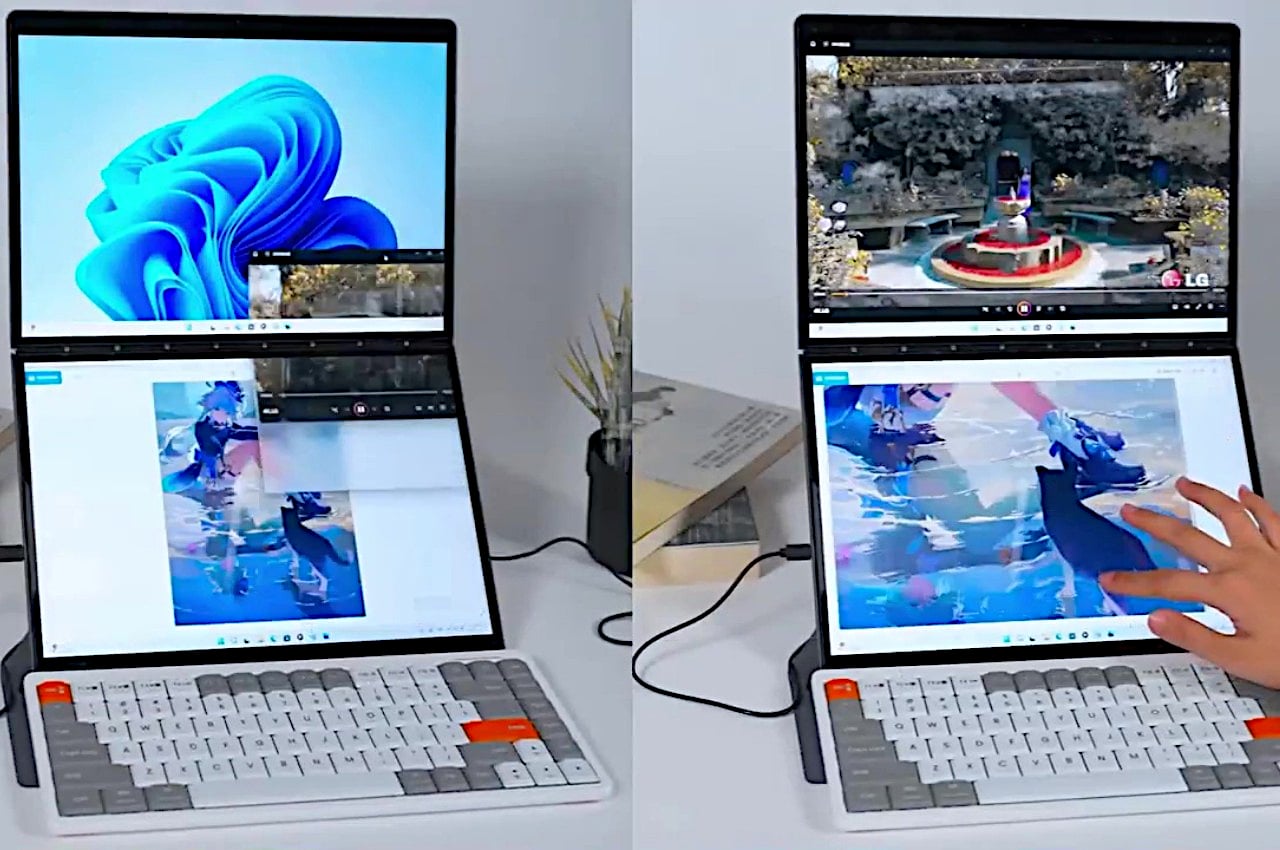
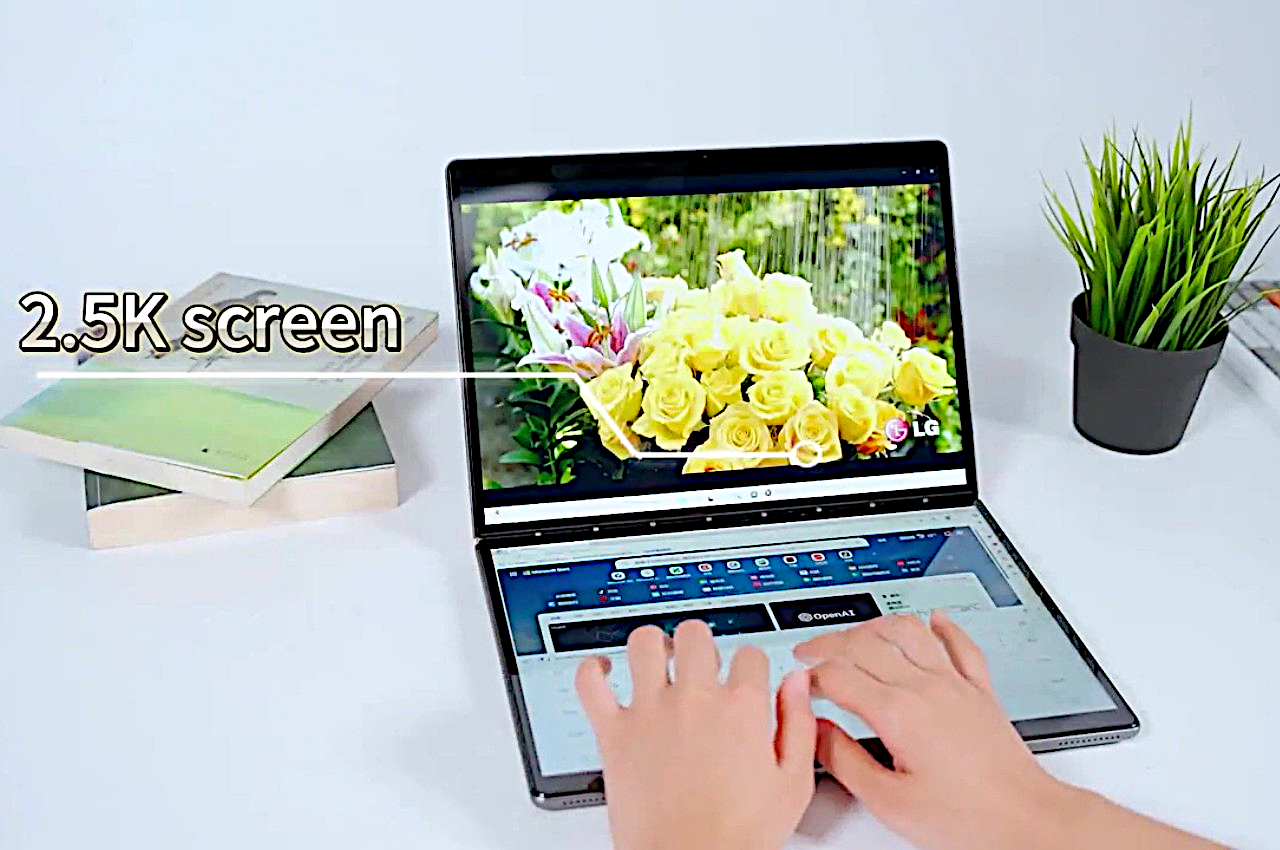
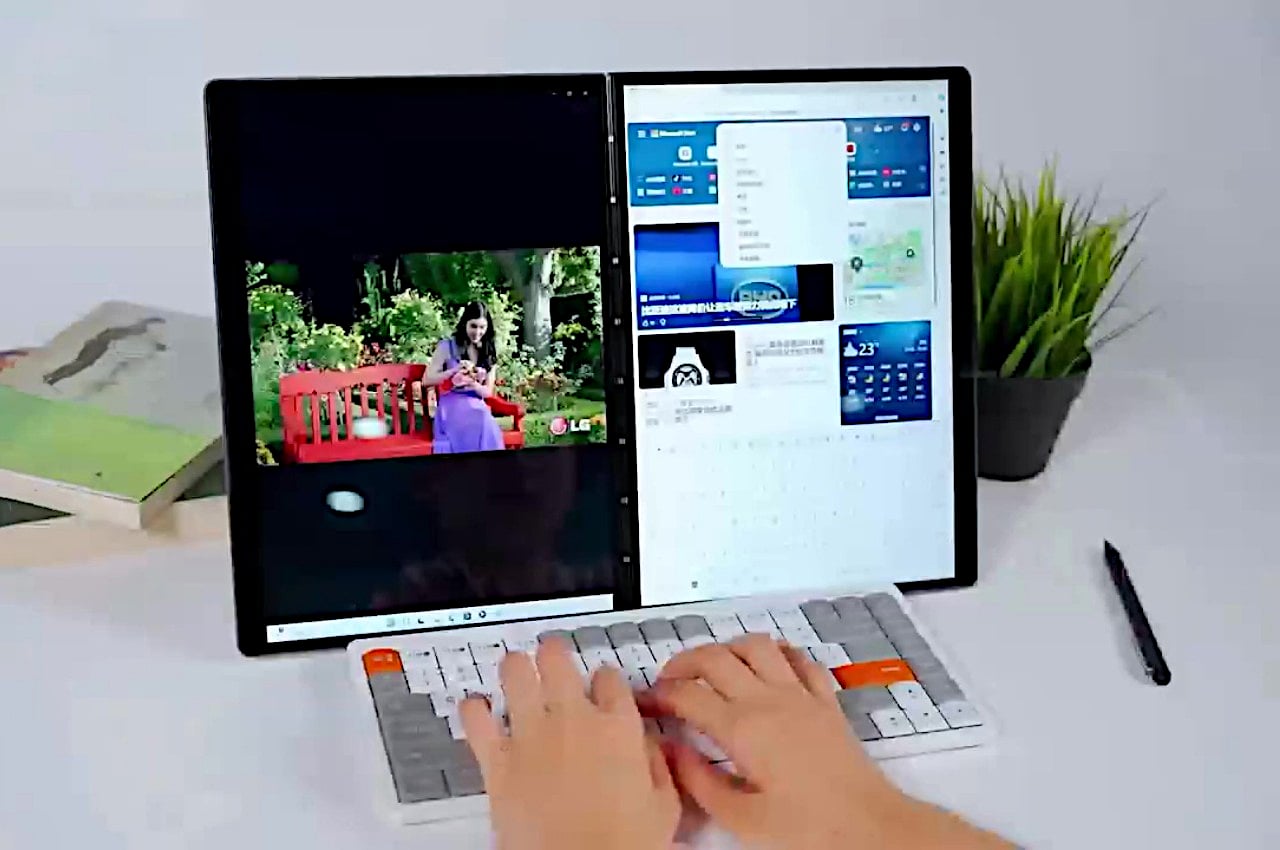
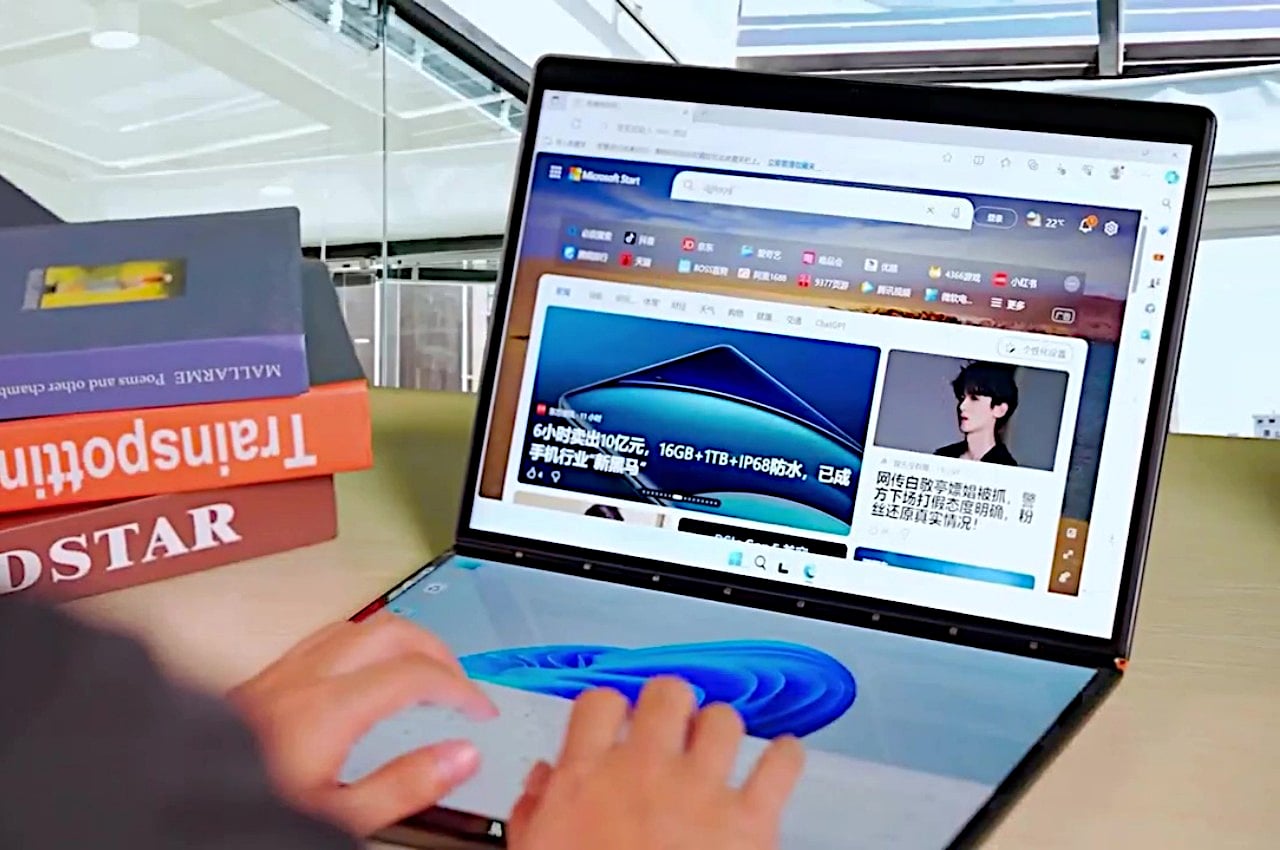
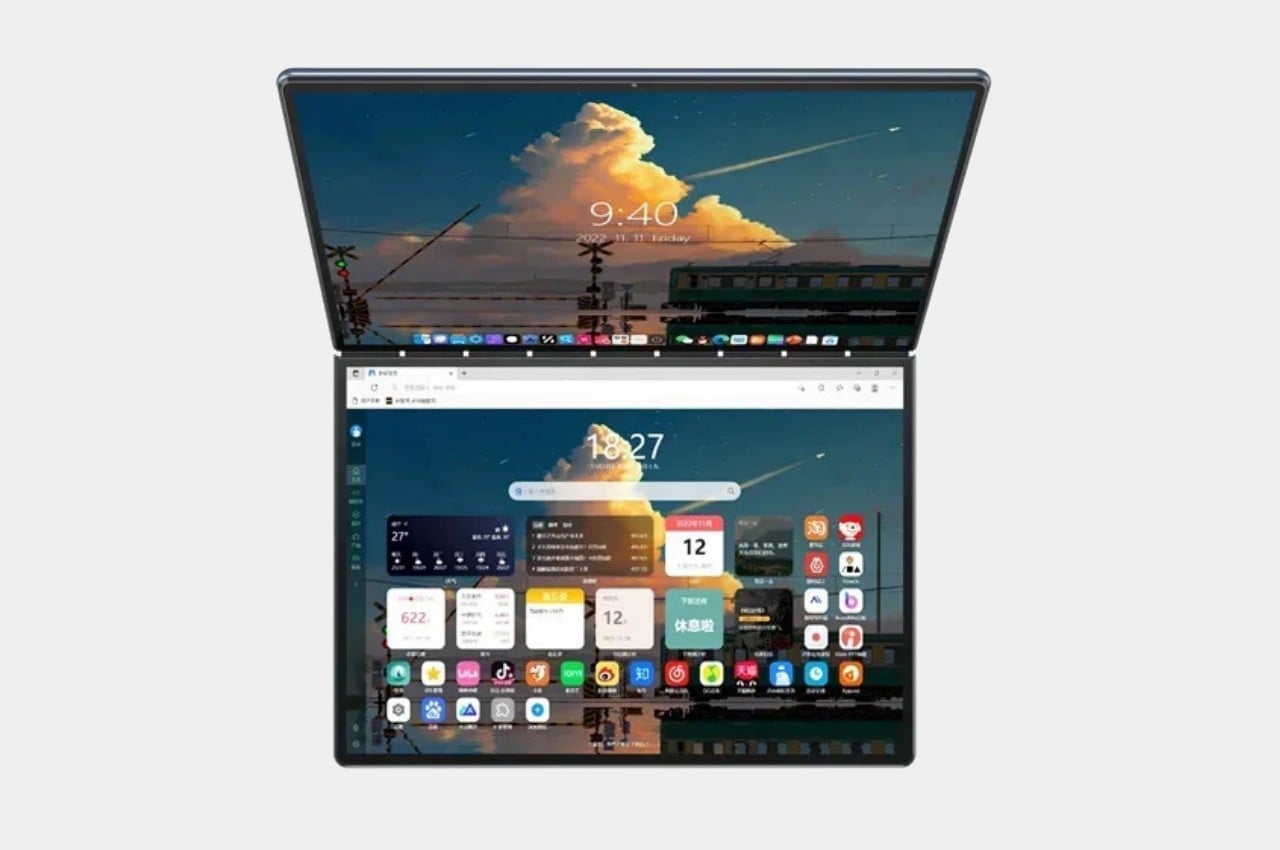
The age of single-screen laptops appears to be on the wane, with dual-screen laptops, such as the Dxuscreen, taking center stage. This innovative piece of technology offers an array of features designed to enhance productivity and offer new avenues for work and leisure alike. The Dxuscreen is a dual-screen laptop specifically designed to facilitate multitasking. […]

The post Dxuscreen dual screen touchscreen laptop and tablet appeared first on Geeky Gadgets.

How a social engineering hack turned these Facebook pages into a dumping ground for spam

Hannah Shaw, better known as the “Kitten Lady,” teaches people how to care for neonatal cats, and has raised more than $1 million for animal shelters and rescues. Her Facebook page has gained over a million followers since she began making cat content, but she almost lost it all to a social engineering hack that took over access to her Meta business account.

“I built that community for more than a decade. Thinking that I might lose it was pretty devastating,” Shaw said.

Influencers rely on platforms like Facebook, Instagram and YouTube for their income. These sites have evolved from side project enablers to the sole source of income for some content creators. However, bad actors have found ways to also take a piece of the piece from those earning an honest living there. Yes, high-level hackers tend to seek entities with deep pockets, targeting them with highly complicated attacks. But much of the cyber criminality today is social engineering jobs, ripping off mid-level creators with much fewer resources than a multinational corporation, but also significantly less technical know-how.

A creator who goes by Hobby Bobbins — who gained a cult following within her niche of vintage clothing restoration — walked me through how all of this happened to her. The attack occurred in almost the exact same steps that led to Shaw’s account takeover. It started with an interview request from an individual going by Rex Hall, who claimed to be a manager for the show “Podcast and Chill with MacG.” This appears to be a real podcast, although no one named Rex Hall seems to be publicly associated with it. (We reached out to the podcasters to determine if they're aware their brand is being used to perpetrate a social engineering scheme and have not heard back.) "Podcast and Chill" is based in South Africa, and according to its Twitter bio, its purpose is in part for "documenting black excellence.” It doesn’t specifically focus on the topics Shaw or Bobbins cover, like animal wellness or vintage clothing. But influencers receive these requests constantly, the podcast hosts had a digital footprint and "Rex" was able to answer any questions that Bobbins had.

The malicious actor asked their targets to hop on a Zoom call for pre-interview prep, including setting up Facebook Live to bring in revenue. “Everything seemed normal at first, the only odd thing was his camera was not on. But even that is not too odd, a lot of people don’t want to be on camera,” Shaw said. After a labyrinth of back and forth over backend settings, the scammer leads their targets to a backend setting called “datasets.” It’s an obscure page, often used to give people admin access to a business account. But victims thought it was a normal part of setting up for Facebook Live because it does include event management options.

Both Shaw and Bobbins pushed back on the request to access datasets and turned off their screen sharing to avoid giving too much away. But the hackers still got in by insisting they help with setup, saying that they needed to view one seemingly innocuous link. In datasets, creators generated a unique URL that the scammers could use to get into the account. “When he captured that direct URL, it basically generated that email invite for him without ever having to access my email without him even needing to know a password or anything,” Bobbins said. “All he had to do was put in the link and accept the invite and then it automatically added his own personal Facebook to my page.”

After gaining access, "Rex" was able to make themself an admin of the page. With that power, they could remove Bobbins’ ability to log in. Support tickets with Meta sent her in circles trying to get her account back. Bobbins’ lost her way to communicate with her 400,000 followers, and hackers deleted years of content she had dedicated her career to making.

The scammers cleaned the page to make room for bogus links that led to ad-filled sites to generate easy revenue. They put in a list of about 100 blocked words so that followers couldn’t flag to each other that the account had been hacked. “Anybody who commented on my page that said ‘stolen’ or ‘hacked’ or ‘scam’ or whatever would be automatically blocked out. So, none of my other followers could see the people who knew that my account was hacked,” said Bobbins. She lost an unknown number of views and “hundreds of dollars” worth of sales each day that her account had been taken over.

Shaw and Bobbins both went to Meta for help, but it was fruitless. “There is zero support for a problem like this with Facebook,” Bobbins said. Resetting her password went nowhere, because it couldn’t change the admin settings that the hackers had changed. When Bobbins finally figured out how to contact the help desk at Facebook with a support ticket, it was closed out “almost instantly” with no help received, she said. In response to our questions about this attack vector or what they’re doing to help creators keep accounts secure, Meta recommended users implement multifactor authentication and report any issues to its support center. But Shaw and Bottoms both have two-factor authentication turned on, and their accounts still got taken over. Meta did, however, introduce better customer service as a feature in its paid verification package earlier this year, another way social media platforms are charging for security features.

Shaw got her account back in about 72 hours from the initial attack by using her following to find a person who could help, but Bobbins wasn’t as lucky. She’s still struggling with access today, over a month since the hack occurred. She briefly got back in and was able to begin manually reuploading her past content. Beyond that, those who accessed the accounts changed location permissions, turned off messaging capabilities, removed her shop from her page, blocked certain followers and took away her $5 per month subscribers. The web of damage became so widespread, Bobbins created a list of the footprints left by the attacker to help others undo the changes. Since the account takeover, Bobbins has struggled to keep access to her account, with unusual flags on seemingly unwarranted copyright violations and other issues kicking her out.

“There’s no extra step that can be taken right now to protect somebody from the thing that I just went through,” Bobbins said. The only prevention for a crime like this is spreading the word, so that others don't fall for the same social engineering trick. That’s why Shaw is helping bring together more than a dozen of other victims of the same scam to minimize damage and call for greater creator security.

Still, there’s no real solution without the platforms creating major change. Platforms should do a better job of quickly investigating complaints from followers because right now the onus is on the page owners to figure it out, said Eva Velasquez, president and CEO of the Identity Theft Resource Center. While there are a lot of prescribed processes for traditional identity theft, like freezing your credit, there aren’t well-defined practices for social media account takeovers because creators are at the mercy of these platforms.

If you stumble upon what appears to be an account takeover as a follower, Velasquez recommends getting in touch with the creator outside of that specific platform to let them know a hack is occurring. Victims of an account takeover can also alert the Internet Crimes Complaint Center about the incident, but there’s not much else they can do. Or, creators can avoid using the platform altogether. “At this moment in time, I don't recommend that anybody accepts Facebook Live interviews,” Shaw said.

This article originally appeared on Engadget at https://www.engadget.com/how-a-social-engineering-hack-turned-these-facebook-pages-into-a-dumping-ground-for-spam-143010079.html?src=rss

How a social engineering hack turned these Facebook pages into a dumping ground for spam

Hannah Shaw, better known as the “Kitten Lady,” teaches people how to care for neonatal cats, and has raised more than $1 million for animal shelters and rescues. Her Facebook page has gained over a million followers since she began making cat content, but she almost lost it all to a social engineering hack that took over access to her Meta business account.

“I built that community for more than a decade. Thinking that I might lose it was pretty devastating,” Shaw said.

Influencers rely on platforms like Facebook, Instagram and YouTube for their income. These sites have evolved from side project enablers to the sole source of income for some content creators. However, bad actors have found ways to also take a piece of the piece from those earning an honest living there. Yes, high-level hackers tend to seek entities with deep pockets, targeting them with highly complicated attacks. But much of the cyber criminality today is social engineering jobs, ripping off mid-level creators with much fewer resources than a multinational corporation, but also significantly less technical know-how.

A creator who goes by Hobby Bobbins — who gained a cult following within her niche of vintage clothing restoration — walked me through how all of this happened to her. The attack occurred in almost the exact same steps that led to Shaw’s account takeover. It started with an interview request from an individual going by Rex Hall, who claimed to be a manager for the show “Podcast and Chill with MacG.” This appears to be a real podcast, although no one named Rex Hall seems to be publicly associated with it. (We reached out to the podcasters to determine if they're aware their brand is being used to perpetrate a social engineering scheme and have not heard back.) "Podcast and Chill" is based in South Africa, and according to its Twitter bio, its purpose is in part for "documenting black excellence.” It doesn’t specifically focus on the topics Shaw or Bobbins cover, like animal wellness or vintage clothing. But influencers receive these requests constantly, the podcast hosts had a digital footprint and "Rex" was able to answer any questions that Bobbins had.

The malicious actor asked their targets to hop on a Zoom call for pre-interview prep, including setting up Facebook Live to bring in revenue. “Everything seemed normal at first, the only odd thing was his camera was not on. But even that is not too odd, a lot of people don’t want to be on camera,” Shaw said. After a labyrinth of back and forth over backend settings, the scammer leads their targets to a backend setting called “datasets.” It’s an obscure page, often used to give people admin access to a business account. But victims thought it was a normal part of setting up for Facebook Live because it does include event management options.

Both Shaw and Bobbins pushed back on the request to access datasets and turned off their screen sharing to avoid giving too much away. But the hackers still got in by insisting they help with setup, saying that they needed to view one seemingly innocuous link. In datasets, creators generated a unique URL that the scammers could use to get into the account. “When he captured that direct URL, it basically generated that email invite for him without ever having to access my email without him even needing to know a password or anything,” Bobbins said. “All he had to do was put in the link and accept the invite and then it automatically added his own personal Facebook to my page.”

After gaining access, "Rex" was able to make themself an admin of the page. With that power, they could remove Bobbins’ ability to log in. Support tickets with Meta sent her in circles trying to get her account back. Bobbins’ lost her way to communicate with her 400,000 followers, and hackers deleted years of content she had dedicated her career to making.

The scammers cleaned the page to make room for bogus links that led to ad-filled sites to generate easy revenue. They put in a list of about 100 blocked words so that followers couldn’t flag to each other that the account had been hacked. “Anybody who commented on my page that said ‘stolen’ or ‘hacked’ or ‘scam’ or whatever would be automatically blocked out. So, none of my other followers could see the people who knew that my account was hacked,” said Bobbins. She lost an unknown number of views and “hundreds of dollars” worth of sales each day that her account had been taken over.

Shaw and Bobbins both went to Meta for help, but it was fruitless. “There is zero support for a problem like this with Facebook,” Bobbins said. Resetting her password went nowhere, because it couldn’t change the admin settings that the hackers had changed. When Bobbins finally figured out how to contact the help desk at Facebook with a support ticket, it was closed out “almost instantly” with no help received, she said. In response to our questions about this attack vector or what they’re doing to help creators keep accounts secure, Meta recommended users implement multifactor authentication and report any issues to its support center. But Shaw and Bottoms both have two-factor authentication turned on, and their accounts still got taken over. Meta did, however, introduce better customer service as a feature in its paid verification package earlier this year, another way social media platforms are charging for security features.

Shaw got her account back in about 72 hours from the initial attack by using her following to find a person who could help, but Bobbins wasn’t as lucky. She’s still struggling with access today, over a month since the hack occurred. She briefly got back in and was able to begin manually reuploading her past content. Beyond that, those who accessed the accounts changed location permissions, turned off messaging capabilities, removed her shop from her page, blocked certain followers and took away her $5 per month subscribers. The web of damage became so widespread, Bobbins created a list of the footprints left by the attacker to help others undo the changes. Since the account takeover, Bobbins has struggled to keep access to her account, with unusual flags on seemingly unwarranted copyright violations and other issues kicking her out.

“There’s no extra step that can be taken right now to protect somebody from the thing that I just went through,” Bobbins said. The only prevention for a crime like this is spreading the word, so that others don't fall for the same social engineering trick. That’s why Shaw is helping bring together more than a dozen of other victims of the same scam to minimize damage and call for greater creator security.

Still, there’s no real solution without the platforms creating major change. Platforms should do a better job of quickly investigating complaints from followers because right now the onus is on the page owners to figure it out, said Eva Velasquez, president and CEO of the Identity Theft Resource Center. While there are a lot of prescribed processes for traditional identity theft, like freezing your credit, there aren’t well-defined practices for social media account takeovers because creators are at the mercy of these platforms.

If you stumble upon what appears to be an account takeover as a follower, Velasquez recommends getting in touch with the creator outside of that specific platform to let them know a hack is occurring. Victims of an account takeover can also alert the Internet Crimes Complaint Center about the incident, but there’s not much else they can do. Or, creators can avoid using the platform altogether. “At this moment in time, I don't recommend that anybody accepts Facebook Live interviews,” Shaw said.

This article originally appeared on Engadget at https://www.engadget.com/how-a-social-engineering-hack-turned-these-facebook-pages-into-a-dumping-ground-for-spam-143010079.html?src=rss

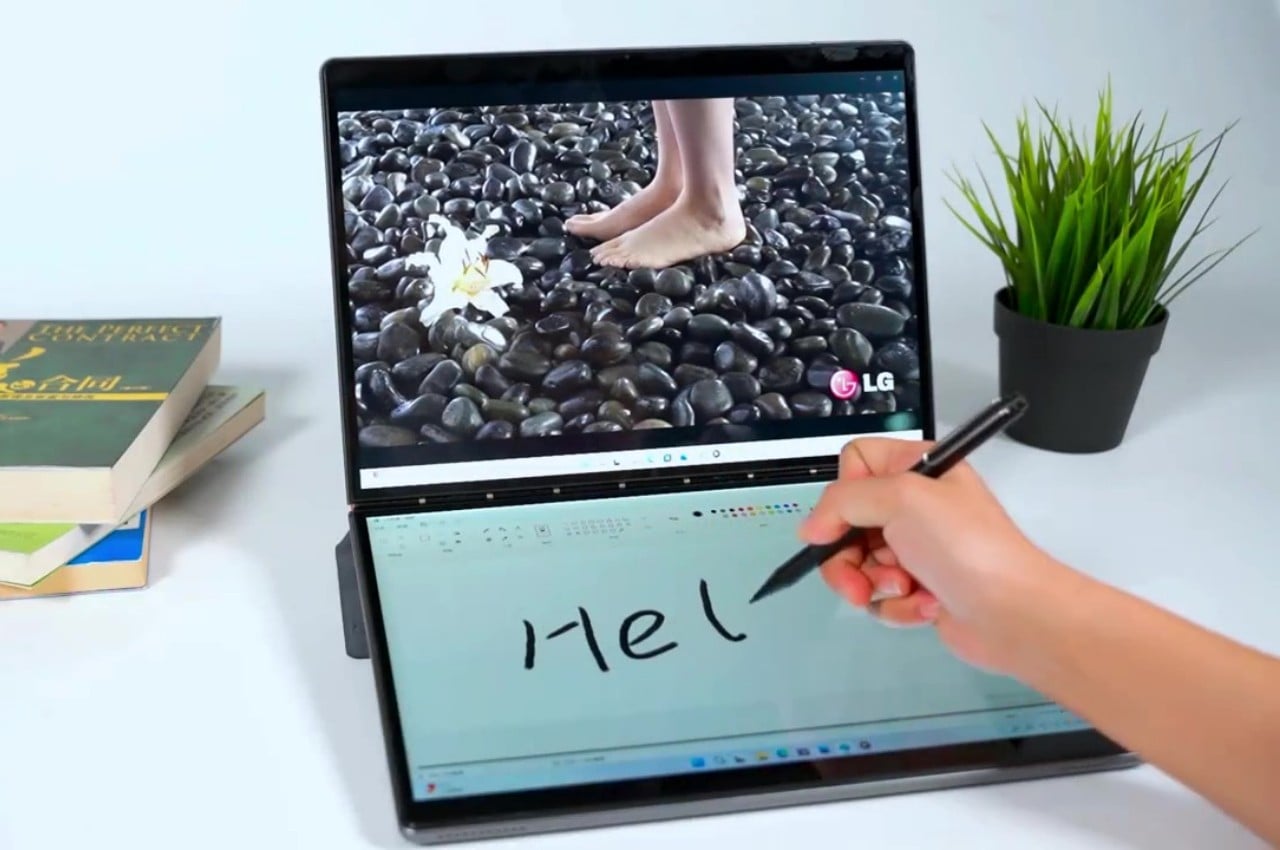
Dual-screen laptop clone puts a tempting price tag on poor design

Foldable smartphones are starting to become more mainstream, so it’s not that surprising that even laptops are slowly starting to follow suit. These computers with large foldable screens are admittedly a harder sell, but it’s not the only “foldable” design available for laptops. There was a point in time when it seemed more feasible, not to mention more practical, to have a dual-screen laptop than a single foldable screen. But while those do exist, they tend to carry a pretty hefty price tag for what can be considered new and experimental technologies. An affordable option like this dual-screen laptop that seemingly popped up out of nowhere would normally be a welcome arrival, except for the fact that it fails to deliver the benefits of having two screens instead of one.

Designer: SZBOX

A dual-screen foldable device isn’t exactly that new and smartphones with this design came out way before there were foldable phones. Those designs were a bit awkward, though, especially considering a phone or tablet is often considered to have a single, unified screen. A laptop with two screens, on the other hand, seems to be a bit more useful. You still have a whole screen if you need it but can span the content across two screens if you want to. It’s like having a second screen permanently attached to the laptop, except that that second screen can function as your keyboard or drawing canvas as well.

In theory, this design should be more practical and less expensive to make since there are no experimental or expensive components like flexible displays and specially designed hinges. In practice, however, they’re still just as expensive as foldable laptops because of production and market dynamics. The SZBOX DS135D dual-screen laptop from a lesser-known Chinese brand is trying to impress buyers with its $699 starting price. The only problem is that the specs, design, and configuration of this device will prove to be more trouble than it’s worth.

The Intel N100 processor is an underwhelming piece of silicon, even when paired with 16GB of RAM. Since it’s running Windows 11 on two, large 13.5-inch touch screens, it will have to take on more work than it should normally be capable of. And while you can use one of the screens as the virtual keyboard for the laptop, experience has proven time and again that people will only use that as a final resort. Most will prefer a Bluetooth keyboard in this situation, and that price tag doesn’t include one. Neither does it include the stylus it advertises to be such a helpful tool, leaving buyers trying to figure out which pens are compatible in the first place.

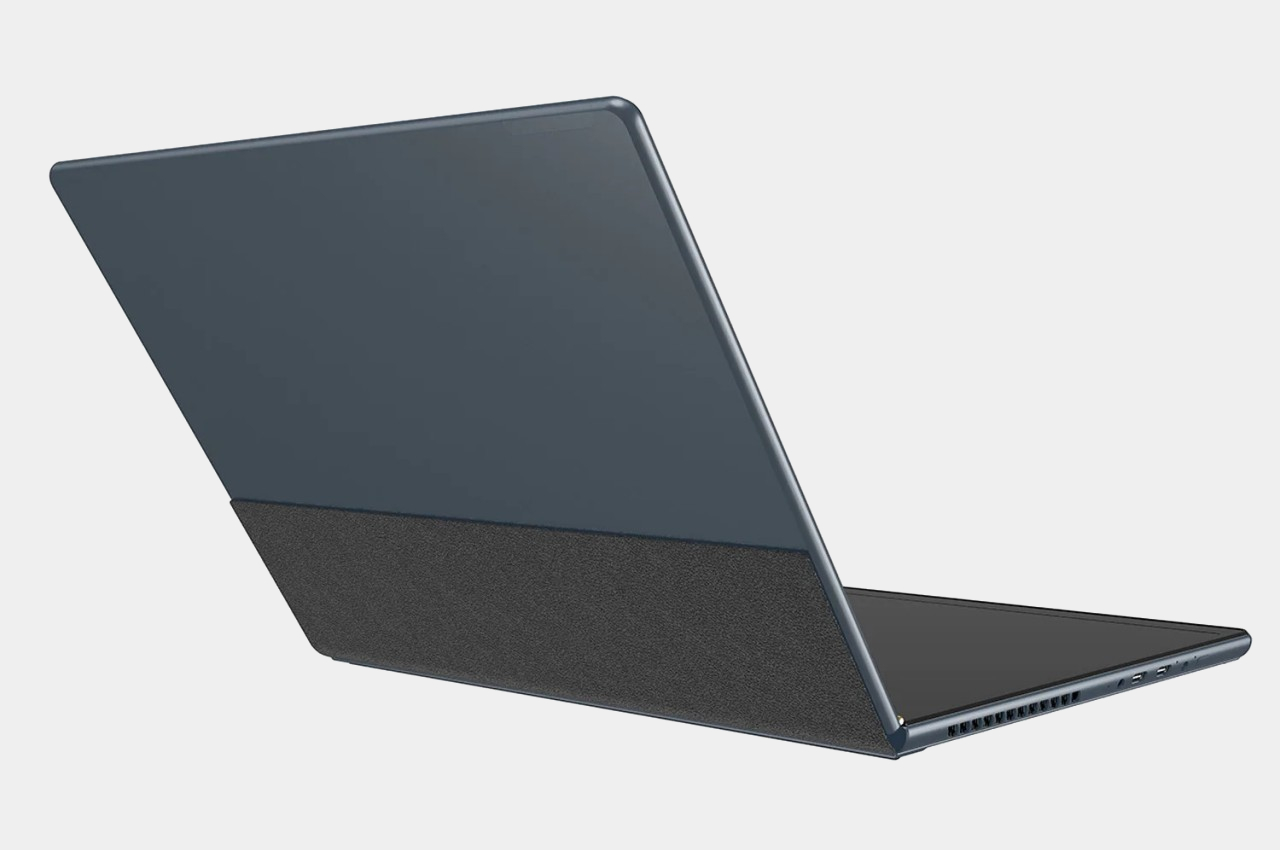
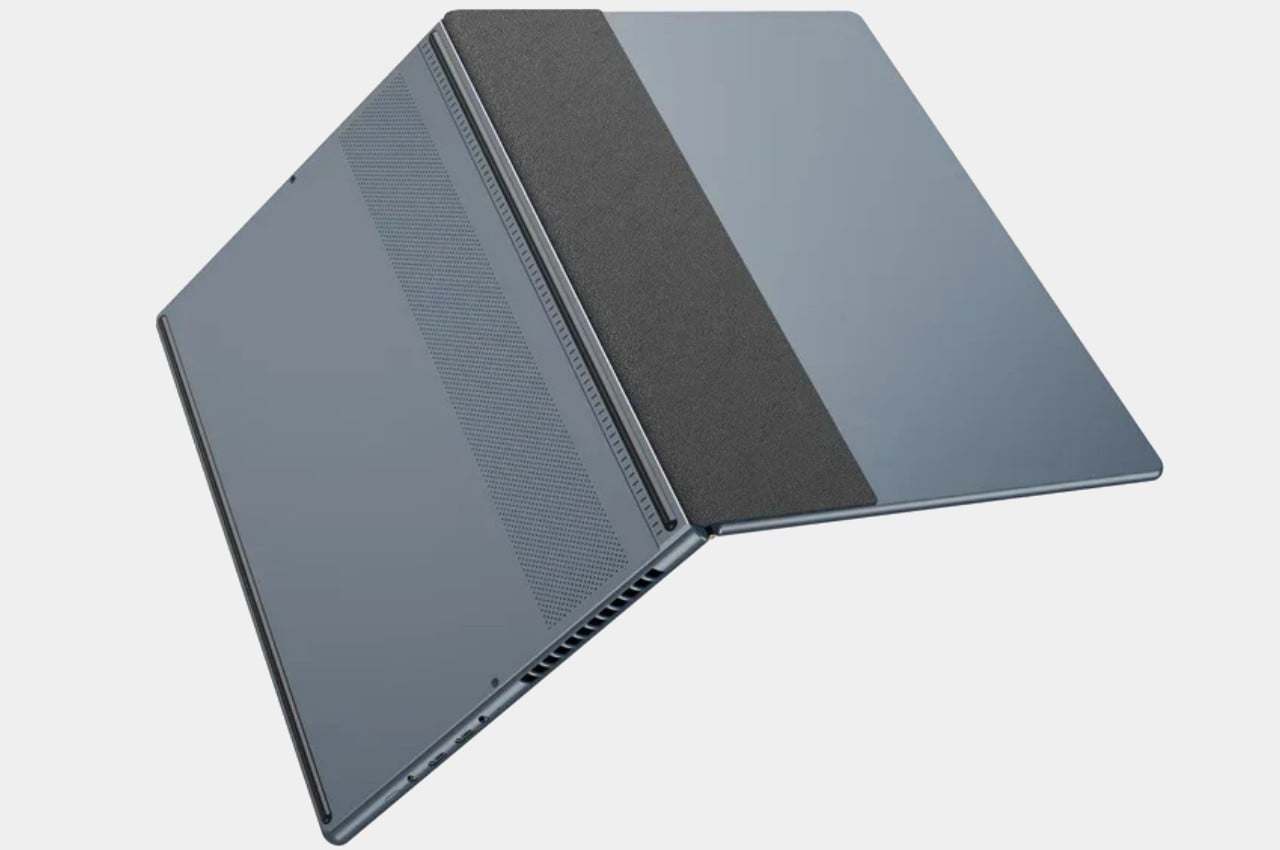
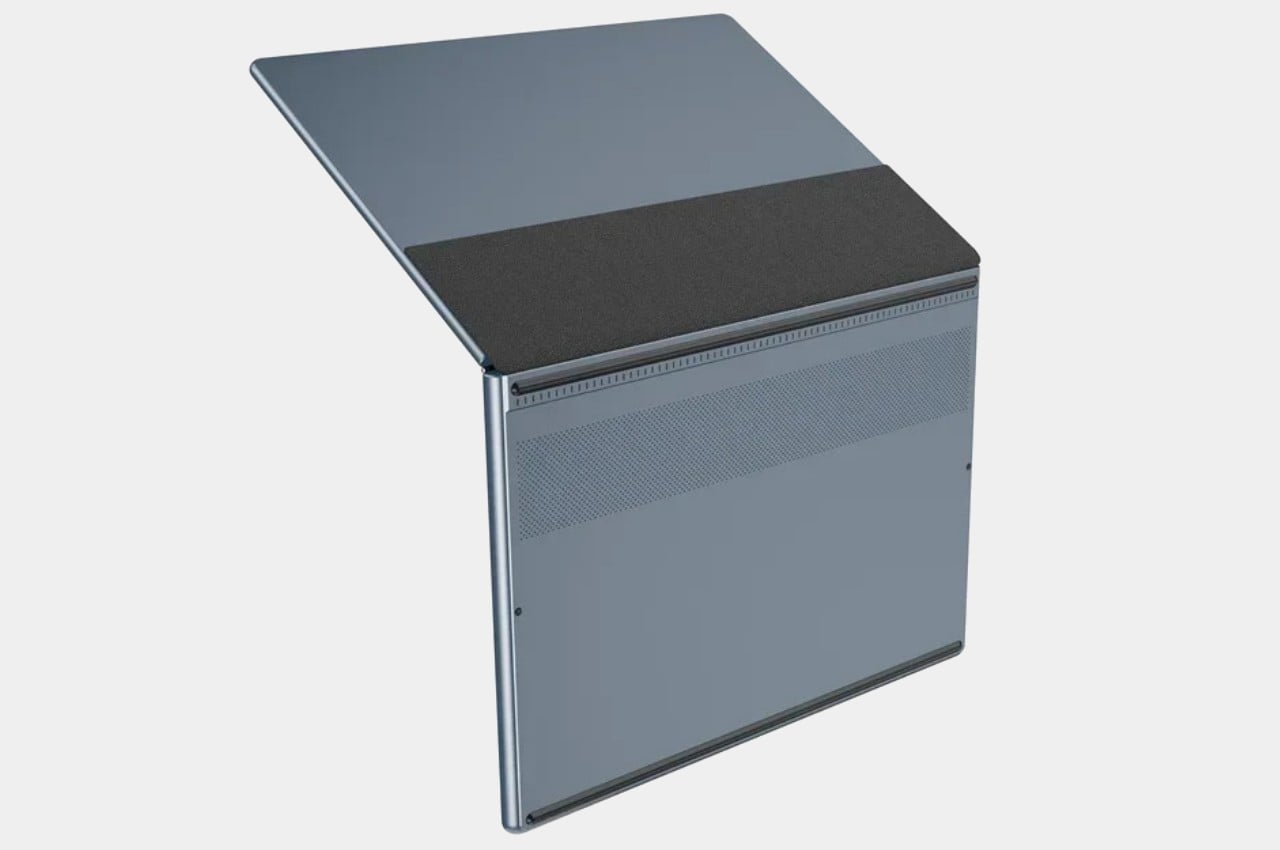
The design of this dual-screen laptop also differs from others in that it doesn’t seem to fold beyond 180 degrees. In other words, you can’t fold it backward and use it like a tablet, let alone in a tent mode for sharing content with others around you. The SZBOX DS135D functions pretty much like a laptop with a second screen permanently attached, and that is also how it’s advertised to be used. While it could still potentially do more than a regular laptop, its mediocre hardware might not be up to the task anyway. Making a product more affordable is definitely commendable, but not if it results in a crippled and unpleasant experience.

The post Dual-screen laptop clone puts a tempting price tag on poor design first appeared on Yanko Design.

Visions of Mana game launches 2024 announces Square Enix

Visions of Mana game

Square Enix as announced the new Visions of Mana game will launch next year during 2024 as a new entry in the renowned Mana series. This highly anticipated release marks the first mainline installment in the series in over 15 years, a return to the action-RPG roots that have made the franchise beloved by many. […]

The post Visions of Mana game launches 2024 announces Square Enix appeared first on Geeky Gadgets.

Google reveals the most searched people, places and things on the planet

Google reveals the most searched

Google has this year been celebrating a significant milestone, marking a quarter of a century in the field of search. As part of its 25 Years in Search celebration, the Google has taken a nostalgic journey, revealing the most searched people, places, and things over its history. This retrospective not only provides a unique insight […]

The post Google reveals the most searched people, places and things on the planet appeared first on Geeky Gadgets.

Synology VisualStation VS600HD TV-wall Surveillance Station solution

Synology VisualStation VS600HD

The world of surveillance management has received a new addition with the launch of Synology’s VisualStation VS600HD. This compact monitoring and management client offers a comprehensive solution for managing surveillance systems, with a focus on user-friendliness, space efficiency, security, and compliance with US federal requirements. The VisualStation VS600HD is a groundbreaking addition to Synology’s Surveillance […]

The post Synology VisualStation VS600HD TV-wall Surveillance Station solution appeared first on Geeky Gadgets.

iOS 17.2 expected to land tomorrow (Video)

iOS 17.2

Last week Apple released iOS 17.2 Release Candidate and we are expecting the final version of the software to be released tomorrow, along with iPadOS 17.2, watchOS 10.2, and macOS Sonoma 14.2. We have already seen a number of videos of the new iOS 17.2 software in action and now we have another one, this […]

The post iOS 17.2 expected to land tomorrow (Video) appeared first on Geeky Gadgets.

EverFitX home gym treadmill, fitness pump, and rowing machine in one compact design

compact home gym

EverFitX is an inventive approach to exercise equipment providing owners with an all-in-one fitness solution that combines the functionalities of a treadmill, fitness pump, and rowing machine into one compact home gym design. This innovative equipment aims to revolutionize the way individuals approach fitness, blending technology and convenience to seamlessly integrate workouts into daily routines. […]

The post EverFitX home gym treadmill, fitness pump, and rowing machine in one compact design appeared first on Geeky Gadgets.