5 Fantastic AI tools for small businesses in 2024

Fantastic AI tools for small businesses

If you are considering starting a business or have a small business that you are looking to grow you might be interested in these excellent AI tools recommended by Phil Palen, a brand strategist. More and more small businesses are increasingly turning to artificial intelligence (AI) to stay competitive and thrive in their respective markets. […]

The post 5 Fantastic AI tools for small businesses in 2024 appeared first on Geeky Gadgets.

10 Most Popular Kitchen Flooring Materials: Their Pros and Cons

The primary purpose of kitchen flooring is to offer a flat, comfortable surface for walking and standing for extended periods, facilitating easy movement around the space. It’s crucial to choose durable materials that can withstand daily wear and tear, considering that kitchens often require frequent cleaning due to food spills. Here are the top flooring materials suitable for kitchens, emphasizing resistance to heat, moisture, staining, and impact damage to ensure longevity.

Designer: Konga
1. Ceramic Tile
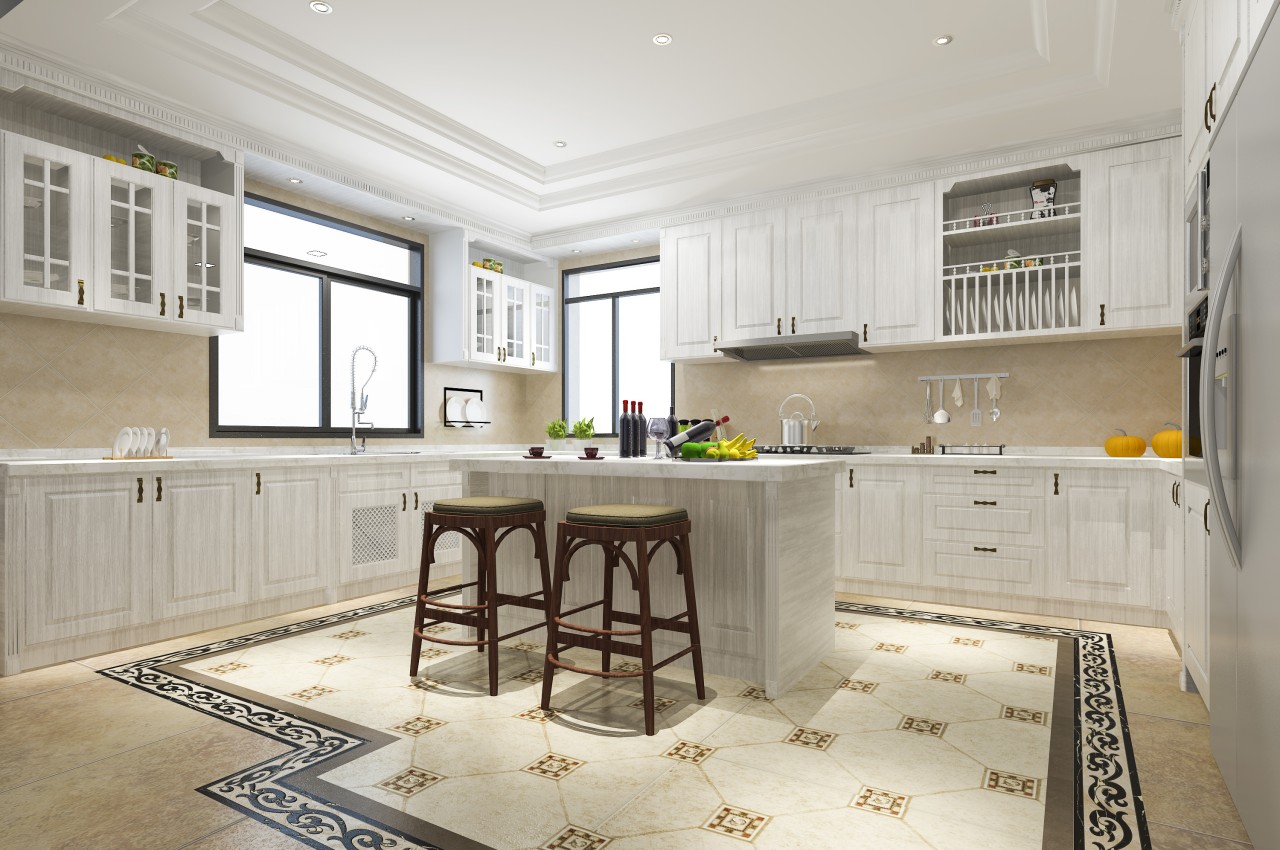
Image courtesy of: dit26978

Pros:
Ceramic tile is crafted from clay and natural ingredients, shaped, glazed, and fired at high temperatures. Resistant to water and stains, it’s an ideal choice for kitchen flooring, also withstanding heat and breakage. While it can last indefinitely under optimal conditions, it may develop cracks and chipping if the top layer wears off. Ceramic tiles are resistant to water and heat.

Cons:
Ceramic tile, while exceptionally hard, may be uncomfortable to stand on for extended periods. Improper installation can lead to cracking and chipping, resulting in the top layer peeling off.

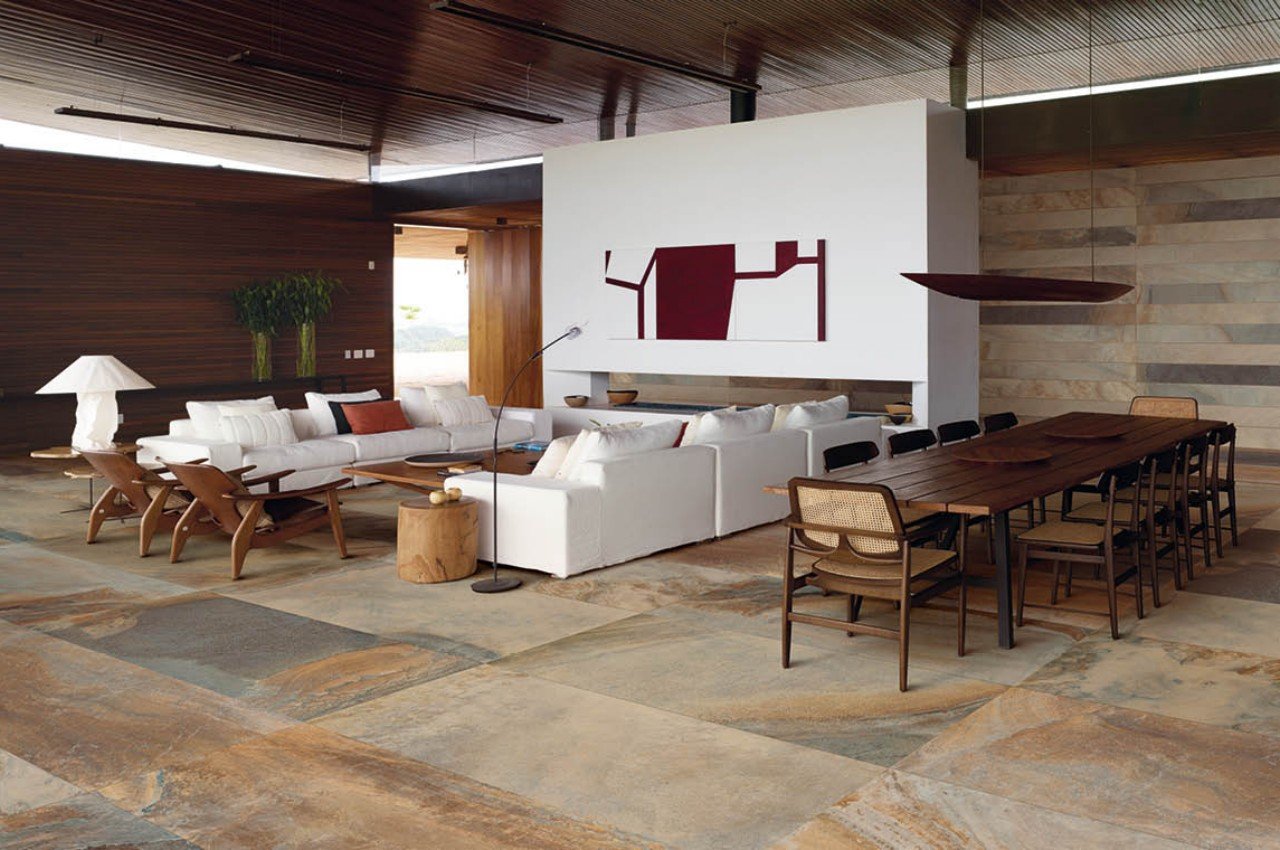
2. Porcelain tile
Designer: Horizon Italian Tile

Pros:
Porcelain tiles, made from baked natural clay at high temperatures and pressure, are exceptionally strong, durable, and long-lasting. Their non-porous surface makes them resistant to stains and scratches. Available in a variety of colors, textures, and patterns, including designs resembling natural stone and wood, they are easy to maintain.

Cons:
The biggest disadvantage of porcelain tiles is that they possess a dense and hard composition, resulting in considerable weight.

3. Concrete Flooring
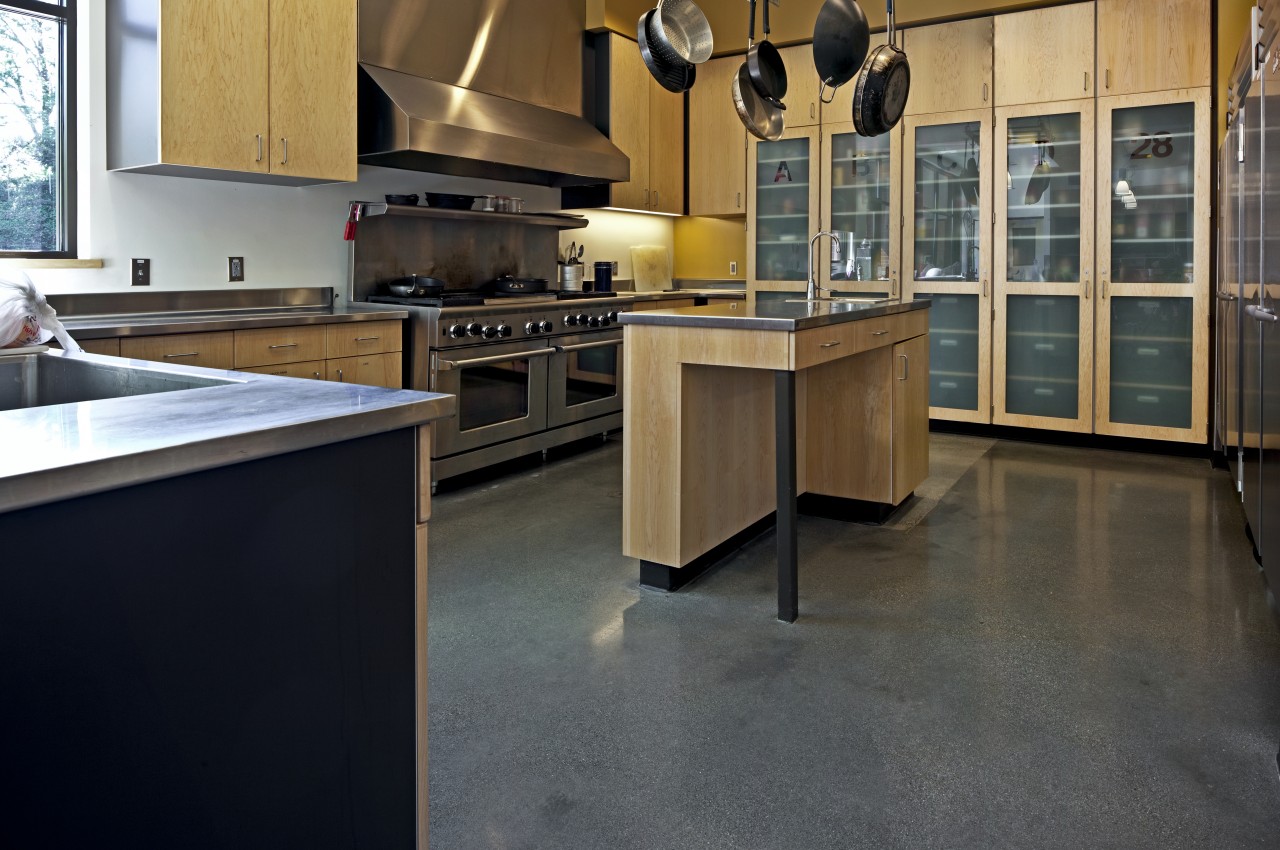
Image courtesy of: Mint_Images

Pros:
Concrete floors are a highly cost-effective flooring option for industrial-themed kitchens. One of the best aspects of concrete is that it is versatile and can be stained, polished, or can be treated creatively into stylish works of art. Concrete floors are particularly suitable for modern kitchens. Concrete floors are resistant to impact and heat.

Cons:
Due to its porous nature, concrete requires periodic sealing to safeguard against staining and water damage. Additionally, it can feel hard and cold underfoot. Moreover, while concrete offers an urban or industrial aesthetic, its appearance may not be unique.

4. Natural Stone
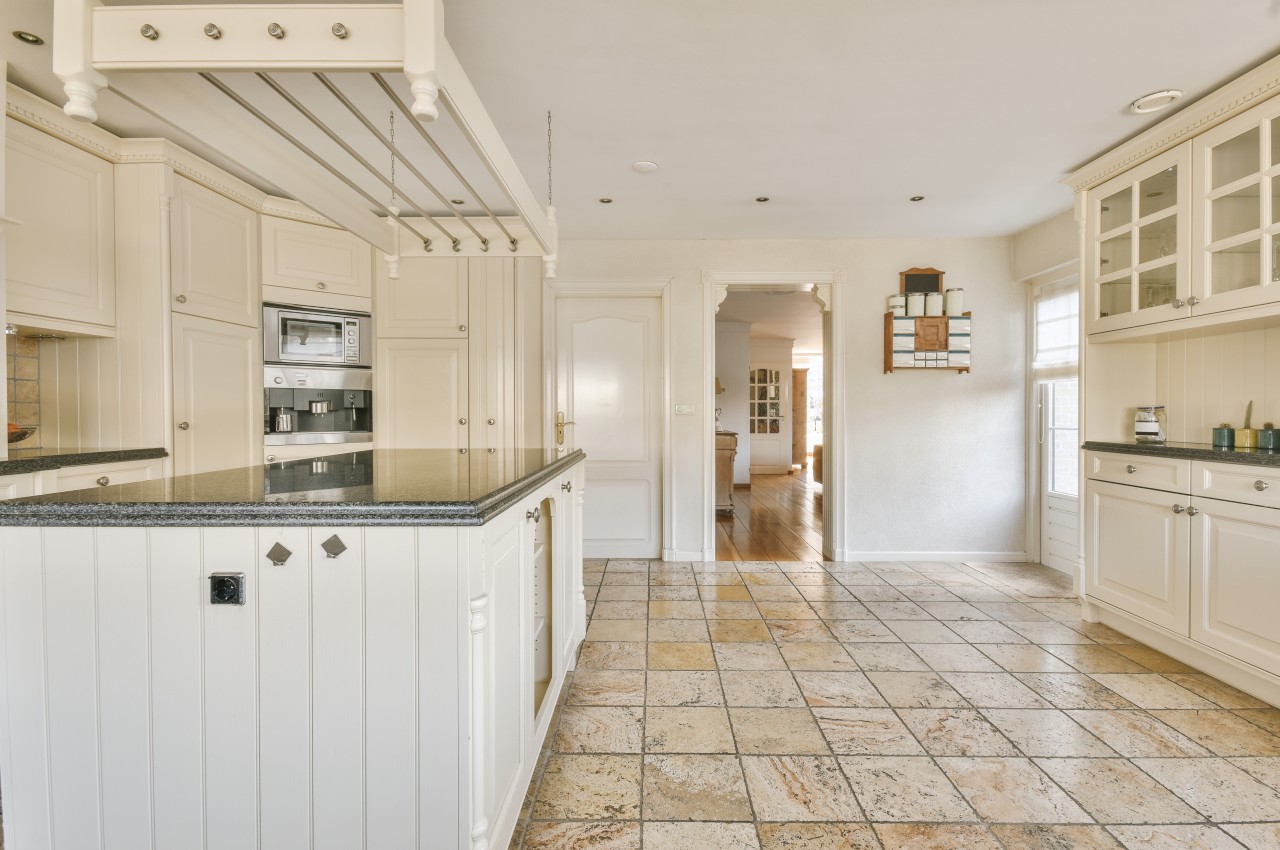
Image courtesy of: pro_creator

Pros:
Natural stone is a popular choice for durable kitchen flooring, offering various options with distinct properties. Granite is sturdy and versatile, suitable for both tiles and countertops. Limestone adds aesthetic appeal but is softer and better suited for accents. Marble is elegant but prone to scratching and staining. Sandstone offers a soft, multicolored look ideal for kitchens. Slate is durable and sophisticated, lasting for decades with proper maintenance while travertine provides Old World style, though it’s less durable than other options. Overall, natural stone enhances the kitchen’s appearance while ensuring long-lasting functionality. Also, its natural vein patterns provide a unique look, and no two tiles or slabs look alike.

Cons:
Stone installation is time-consuming, involving cutting and handling heavy materials. Its main drawback is its porous nature, making it susceptible to water and liquid stains, particularly in the kitchen. Applying a quality penetrating stone sealer annually can provide invisible protection, but reapplication is necessary at regular intervals.

5. Vitrified Tiles
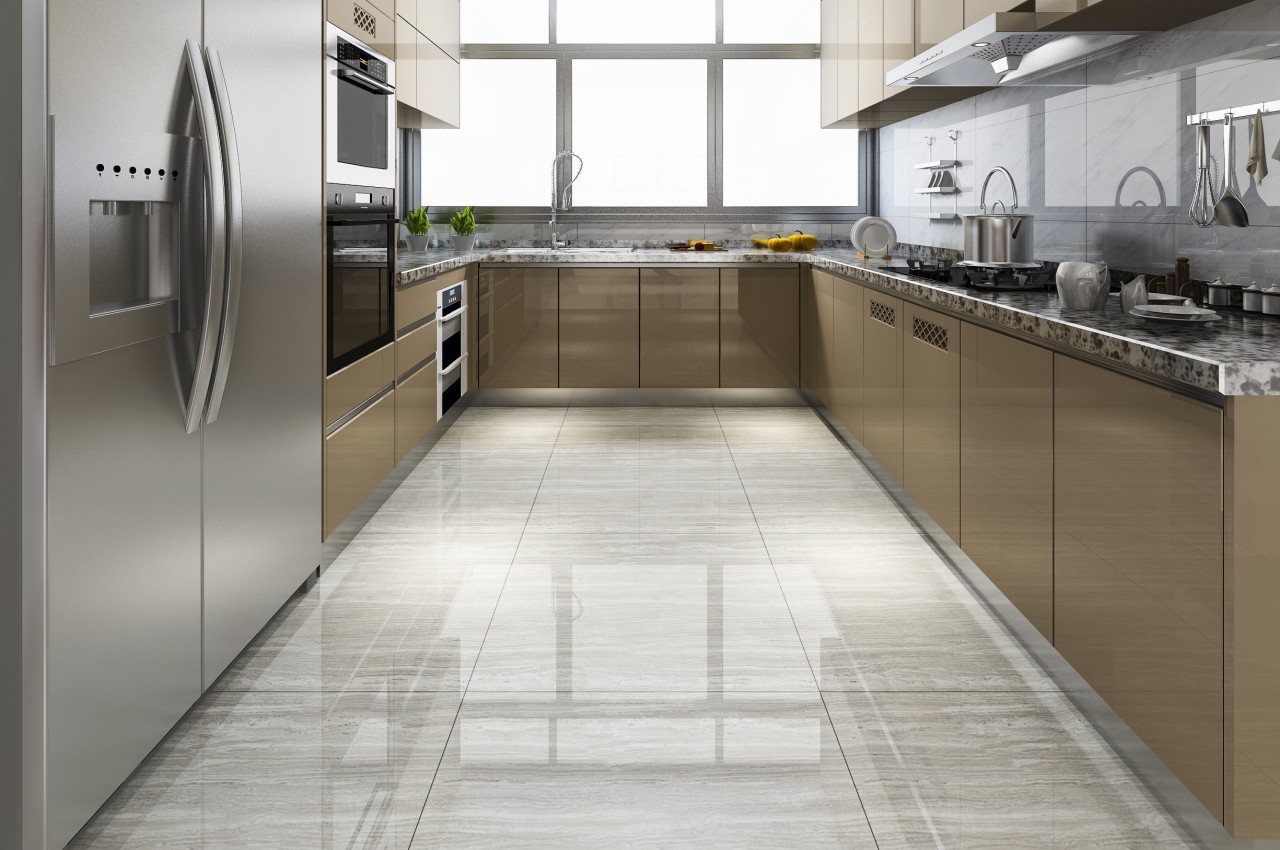
Image courtesy of: dit26978

Pros:
Vitrified tiles are highly favored as a flooring choice for kitchens due to their numerous advantages. These tiles are renowned for their exceptional hardness, density, and strength, making them resistant to stains, scratches, and acids, which are common in kitchen environments. Available in a diverse array of colors, designs, and sizes, including glazed, full-body, and double-charged varieties, vitrified tiles offer versatility to suit different aesthetic preferences. Moreover, their ability to withstand heavy foot traffic ensures long-lasting durability, making them an ideal option for busy kitchen spaces.

Cons:
The biggest disadvantage is that vitrified tiles can become slippery when wet.

6. Bamboo Flooring
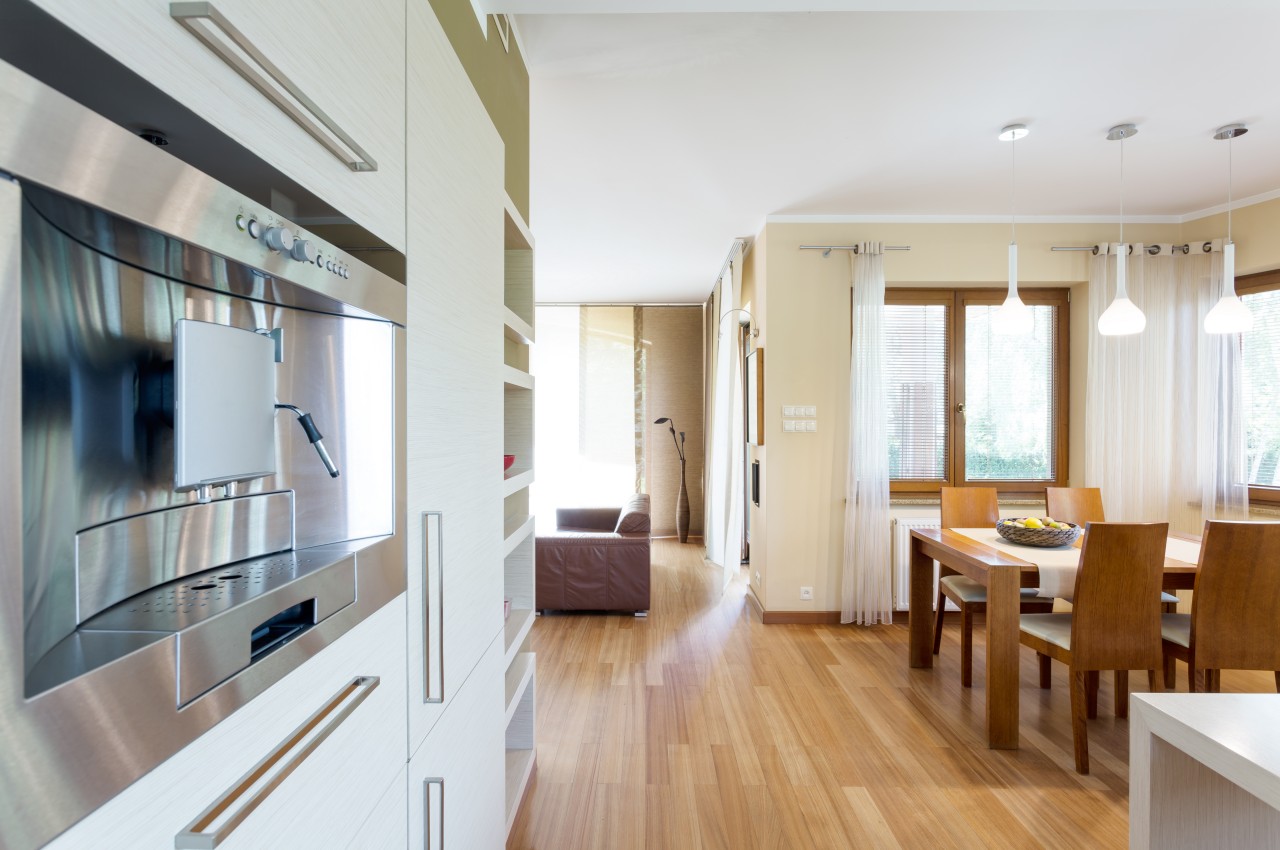
Image courtesy of: bialasiewicz

Pros:
A recent innovation is bamboo flooring which is becoming increasingly popular for kitchens due to its durability and enhanced moisture resistance from the manufacturing process. It offers the look of hardwood with greater durability. There are three types: strand woven, engineered, and solid bamboo, each offering varying levels of durability and cost.

Cons:
The drawback is that this flooring type can vary in appearance based on color, grain, and pattern. Solid bamboo may not be suitable for kitchens with moisture present.

7. Cork Flooring
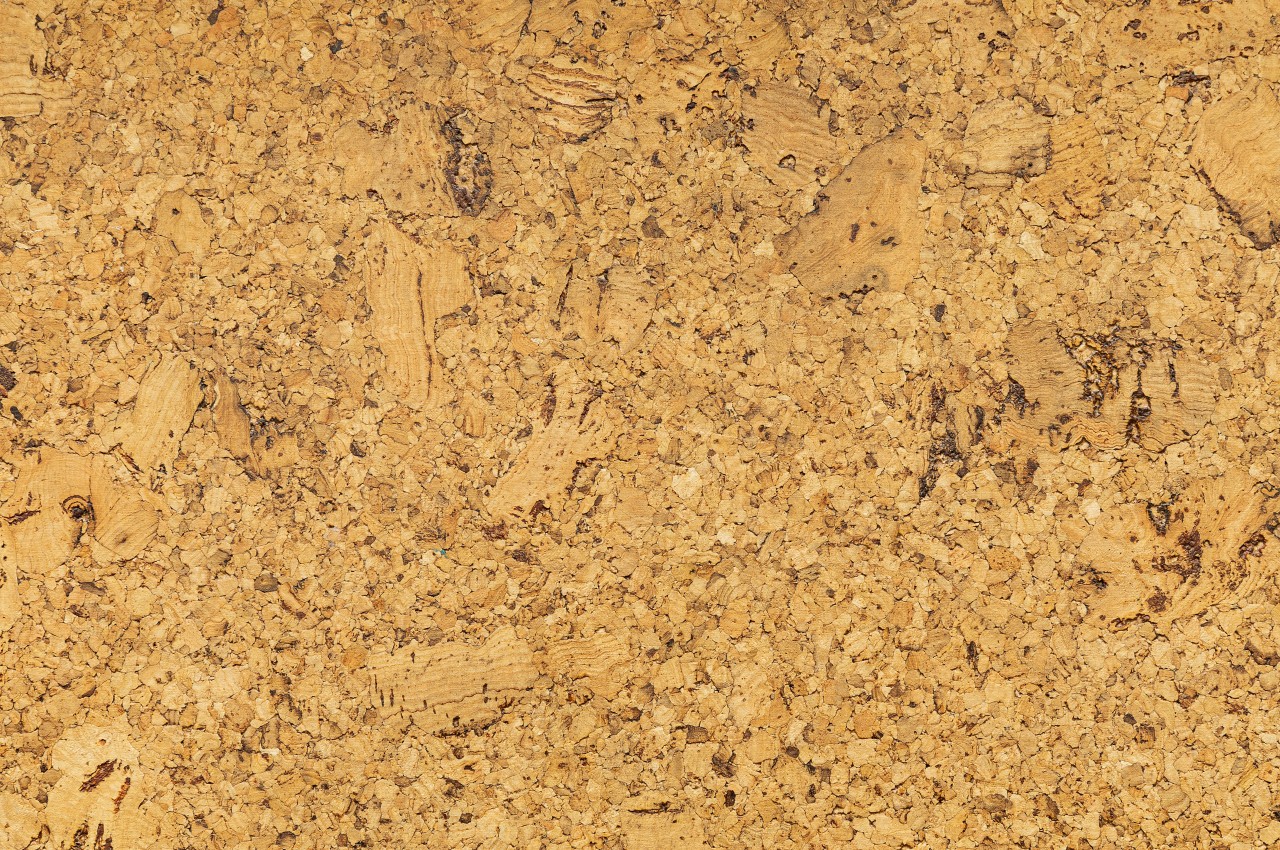
Image courtesy of: traimakivan

Pros:
Cork flooring seeks to improve the comfort of the user with a soft construction that reduces fatigue and strain from walking and standing during food preparation. This material has a unique appearance that can add to the home’s aesthetic, and it is made from sustainable materials, harvested from the bark of cork oak trees.

Cons:
Cork offers a warm and soft underfoot experience, but it’s less durable than most flooring options and susceptible to scratches and moisture. To prevent staining and water damage, sealing the flooring every one to two years is recommended.

8. Laminate Flooring
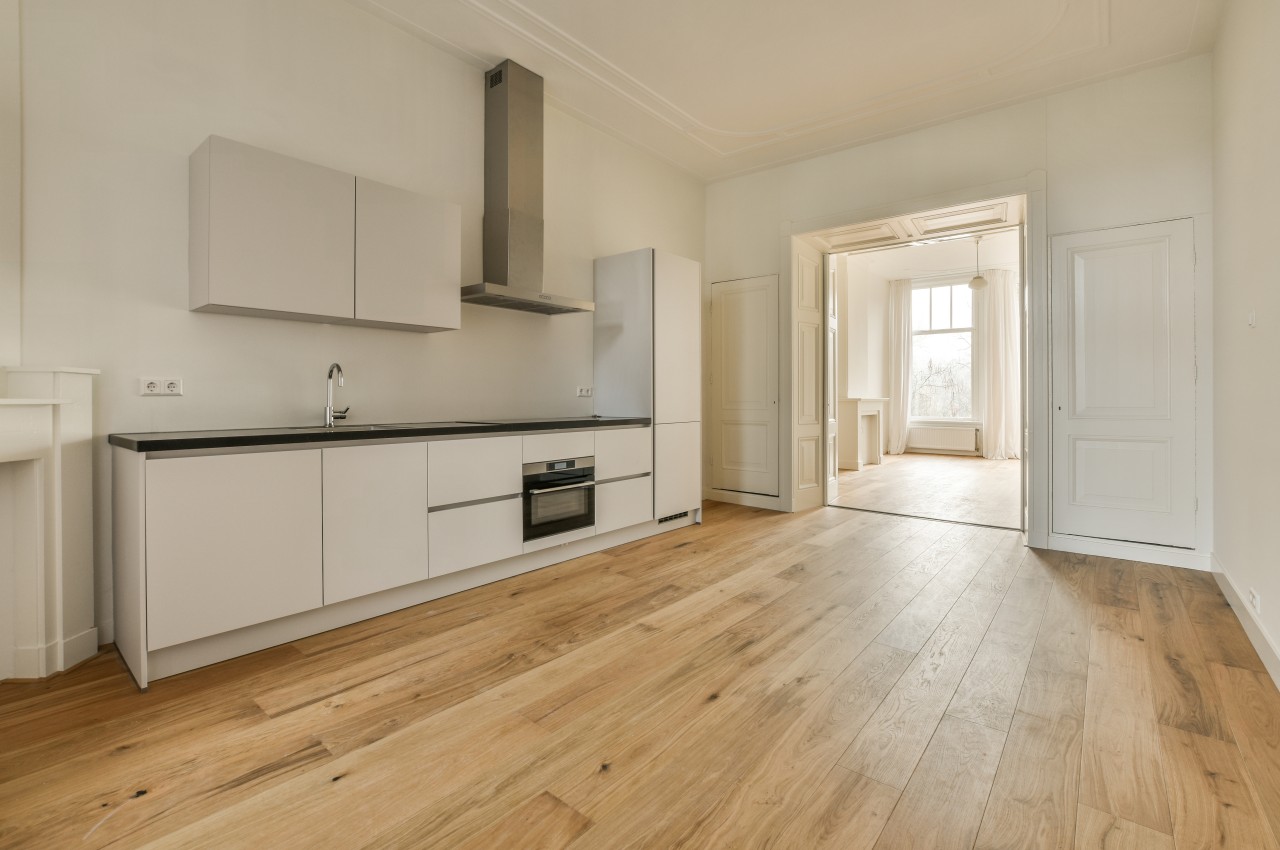
Image courtesy of: pro_creator

Pros:
Laminate wood flooring presents an affordable option for flooring, offering a cost-effective means to elevate the aesthetic of a kitchen compared to hardwood. Its superior scratch resistance against regular foot traffic makes it an attractive choice. Additionally, laminate serves as a practical alternative to hardwood floors and is available in a variety of styles and finishes.

Cons:
Laminate flooring isn’t as well-suited for handling moisture, which can make maintenance more challenging when used in kitchens. If you choose to install laminate in this space, it’s essential to employ a proper moisture barrier. Additionally, laminate doesn’t offer the same longevity as hardwood, tile, and vinyl flooring options.

9. Vinyl Flooring
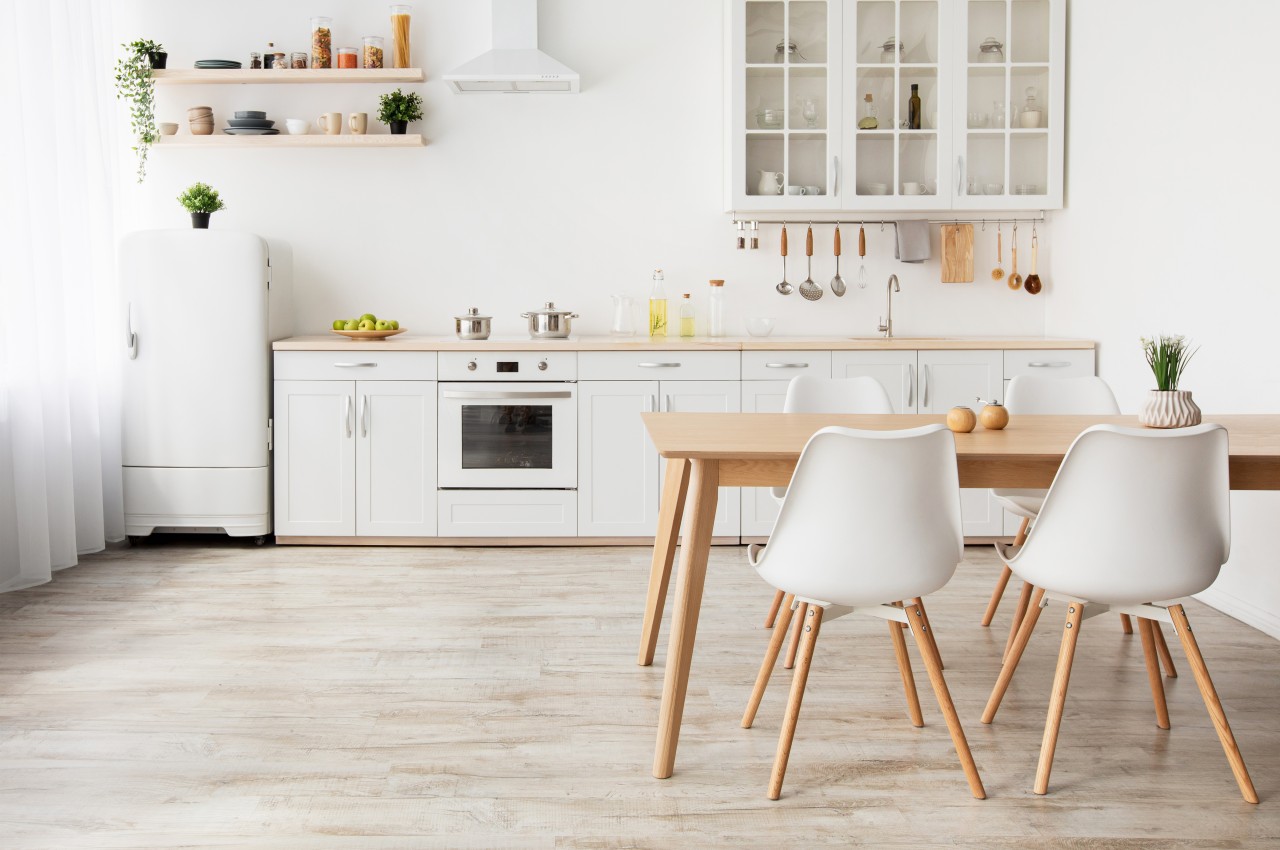
Image courtesy of: studio

Pros:
Vinyl flooring offers numerous benefits specifically tailored for kitchen environments. Its durability, with a lifespan ranging from 10 to 20 years, can be further extended through proper maintenance and careful use. With its water-resistant and anti-slip features, vinyl flooring is an ideal option for moisture-prone spaces like kitchens, offering easy maintenance and effective stain resistance. The softness underfoot, thanks to its foam or felt backing layer, ensures comfort during prolonged periods of standing while reducing fatigue. Moreover, vinyl flooring comes in a wide range of colors and designs, providing options that mimic the appearance of natural materials like stone and wood.

Cons:
Vinyl flooring emits high levels of VOCs (volatile organic compounds) and may have a noticeable odor upon installation. Additionally, it is not resistant to strong chemicals, which can cause permanent discoloration and damage. Outdoor use is not recommended as prolonged sunlight exposure can lead to fading. Furthermore, an uneven subfloor can result in lumps and damage over time, while sharp objects can cause cuts and dents that are challenging to repair.

10. Hardwood Flooring
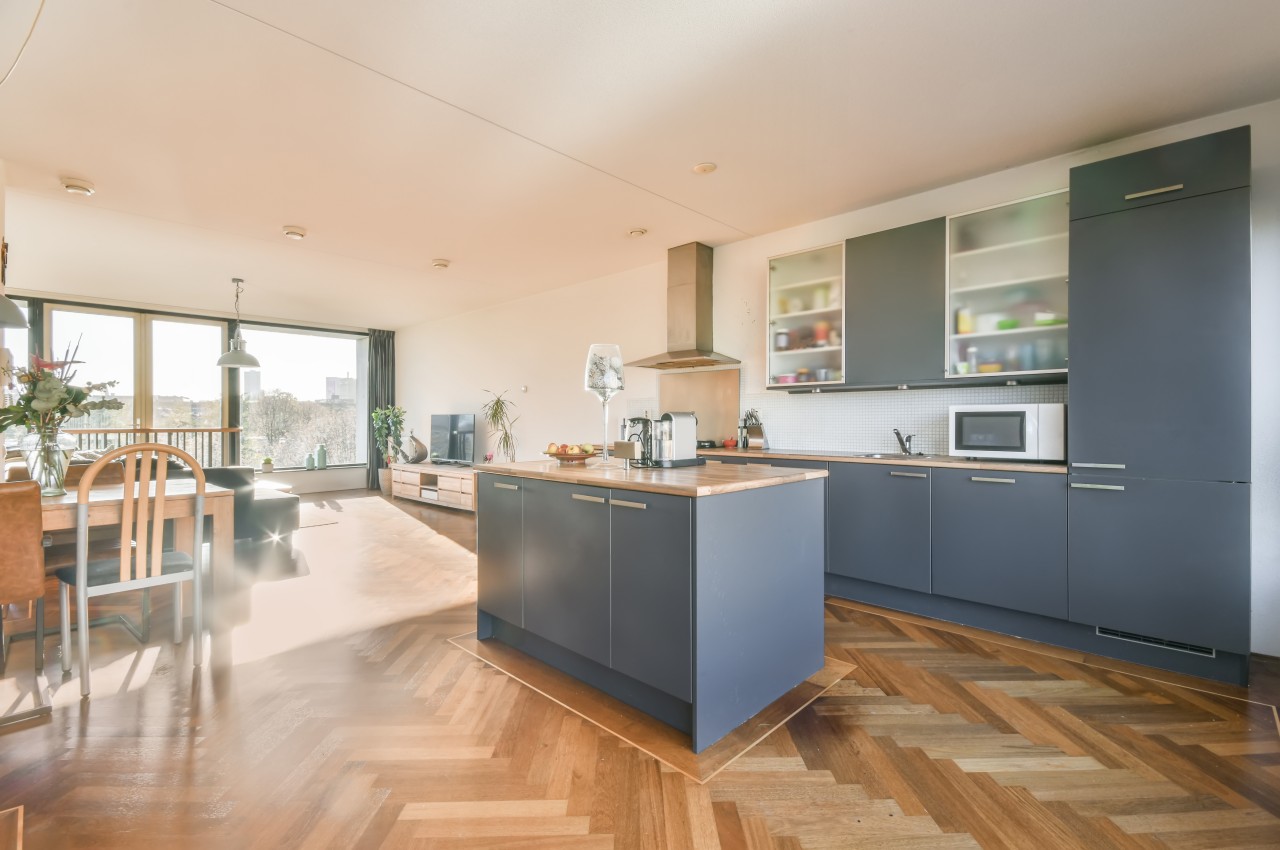
Image courtesy of: studio

Pros:
Hardwood flooring is known for its durability as it offers good longevity with proper care and maintenance. With a diverse array of styles available, it can suit any decor. It is easy to maintain as it requires only regular sweeping and vacuuming, although it’s essential to avoid wet-mopping and promptly clean up spills to prevent damage.

Cons:
While engineered hardwood is typically more affordable, solid hardwood remains costly. Both types are susceptible to moisture damage, with solid hardwood being especially vulnerable. Moreover, hardwood floors are susceptible to scratches, dents, and photosensitivity, prompting the need for more durable species or alternative materials like laminate or vinyl, especially in sunlit rooms.

The post 10 Most Popular Kitchen Flooring Materials: Their Pros and Cons first appeared on Yanko Design.

How to fix iPhone battery drain in iOS 17.4.1

iPhone battery drain fixes iOS 17

If you have been experiencing battery drain on your iPhone since installing iOS 17.4.1 these hints and tips might be able to extend the time between charges. To effectively address battery drain, it’s crucial to understand what’s causing it. In many cases, the culprit is the background activity of apps. Even when you’re not actively […]

The post How to fix iPhone battery drain in iOS 17.4.1 appeared first on Geeky Gadgets.

How to use Suno 3 AI music generator to make tunes

Suno 3 AI Music Generator beginners guide

A new version of the Suno AI Music Generator has been released in the form of version 3. Providing users within easy way to make music in a variety of different styles. Whether you are looking just to have a play or streamline your music creation process? The latest Suno AI Music Generator is designed […]

The post How to use Suno 3 AI music generator to make tunes appeared first on Geeky Gadgets.

The Morning After: California introduces right to disconnect bill

Even with burnout, overwhelm, budget cuts, hiring freezes, waves of redundancies and everything else in 2024, there’s still little regulation in the US to stop employers tapping workers to respond to requests either at their desk or through their smartphones and laptops at home.

(Of course, France is showing us all up, having introduced a right-to-disconnect policy back in 2017. Those pesky, utterly correct French…)

This week, California State Assemblyman Matt Haney introduced AB 2751, a “right to disconnect” proposition. If passed, it would make every California employer lay out exactly what a person’s hours are and ensure they aren’t required to respond to work-related communications while off the clock. Time periods in which a salaried employee might have to work longer hours would need to be laid out in their contract.

“I do think it’s fitting that California, which has created many of these technologies, is also the state that introduces how we make it sustainable and update our protections for the times we live in and the world we’ve created,” Haney told The San Francisco Standard.

He’s not wrong: California is the birthplace of Gmail, the iPhone, although not Slack — watch out Vancouver, Canada.

— Mat Smith

The biggest stories you might have missed

HP Spectre x360 14 review

Tesla sees EV deliveries drop year-over-year for the first time since 2020

England’s NHS will provide artificial pancreas to thousands of diabetes patients

X names its third head of safety in less than two years

​​You can get these reports delivered daily direct to your inbox. Subscribe right here!

Form’s next-gen goggles make for a more comfortable swim

Smart Swim 2 is smaller, lighter and more useful.

TMA
Engadget

Form launched its Smart Swim goggles in 2019. They featured a built-in display showing real-time data when you swim, and its successor, the Smart Swim 2, is a refinement in every way. Form has nipped and tucked the existing model, with the tech pack 15 percent smaller than its predecessor. It also worked on comfort and fit, giving the goggles longer, more adjustable straps and a broader range of swappable nose bridges.

Continue reading.

Amazon just walked out on its self-checkout technology

The company is removing Just Walk Out from Fresh grocery stores in the US.

TMA
Amazon

Amazon is removing its much-trumpeted Just Walk Out tech from all of its US Fresh grocery stores. The self-checkout system used cameras, sensors and good old-fashioned human eyeballs to track what people leave the store with, charging the customers accordingly with no human needing to scan a thing.

One issue was the system didn’t use AI object detection and advanced smarts as much as Amazon would like you to believe. There are reportedly over 1,000 people in India scanning the camera feeds to ensure accurate checkouts.

Amazon tried to sell the technology to other retail chains, but its only major deal was with Starbucks in a few locations. These systems require high ceilings to accommodate the cameras and sensors. Reuters suggested many retailers consider Amazon a competitor and didn’t want its hooks in their systems. For now, the systems will continue in select UK stores.

Continue reading.

This article originally appeared on Engadget at https://www.engadget.com/the-morning-after-california-introduces-right-to-disconnect-bill-111536502.html?src=rss

The Morning After: California introduces right to disconnect bill

Even with burnout, overwhelm, budget cuts, hiring freezes, waves of redundancies and everything else in 2024, there’s still little regulation in the US to stop employers tapping workers to respond to requests either at their desk or through their smartphones and laptops at home.

(Of course, France is showing us all up, having introduced a right-to-disconnect policy back in 2017. Those pesky, utterly correct French…)

This week, California State Assemblyman Matt Haney introduced AB 2751, a “right to disconnect” proposition. If passed, it would make every California employer lay out exactly what a person’s hours are and ensure they aren’t required to respond to work-related communications while off the clock. Time periods in which a salaried employee might have to work longer hours would need to be laid out in their contract.

“I do think it’s fitting that California, which has created many of these technologies, is also the state that introduces how we make it sustainable and update our protections for the times we live in and the world we’ve created,” Haney told The San Francisco Standard.

He’s not wrong: California is the birthplace of Gmail, the iPhone, although not Slack — watch out Vancouver, Canada.

— Mat Smith

The biggest stories you might have missed

HP Spectre x360 14 review

Tesla sees EV deliveries drop year-over-year for the first time since 2020

England’s NHS will provide artificial pancreas to thousands of diabetes patients

X names its third head of safety in less than two years

​​You can get these reports delivered daily direct to your inbox. Subscribe right here!

Form’s next-gen goggles make for a more comfortable swim

Smart Swim 2 is smaller, lighter and more useful.

TMA
Engadget

Form launched its Smart Swim goggles in 2019. They featured a built-in display showing real-time data when you swim, and its successor, the Smart Swim 2, is a refinement in every way. Form has nipped and tucked the existing model, with the tech pack 15 percent smaller than its predecessor. It also worked on comfort and fit, giving the goggles longer, more adjustable straps and a broader range of swappable nose bridges.

Continue reading.

Amazon just walked out on its self-checkout technology

The company is removing Just Walk Out from Fresh grocery stores in the US.

TMA
Amazon

Amazon is removing its much-trumpeted Just Walk Out tech from all of its US Fresh grocery stores. The self-checkout system used cameras, sensors and good old-fashioned human eyeballs to track what people leave the store with, charging the customers accordingly with no human needing to scan a thing.

One issue was the system didn’t use AI object detection and advanced smarts as much as Amazon would like you to believe. There are reportedly over 1,000 people in India scanning the camera feeds to ensure accurate checkouts.

Amazon tried to sell the technology to other retail chains, but its only major deal was with Starbucks in a few locations. These systems require high ceilings to accommodate the cameras and sensors. Reuters suggested many retailers consider Amazon a competitor and didn’t want its hooks in their systems. For now, the systems will continue in select UK stores.

Continue reading.

This article originally appeared on Engadget at https://www.engadget.com/the-morning-after-california-introduces-right-to-disconnect-bill-111536502.html?src=rss

How to use the new Excel SCAN Function

Excel SCAN Function explained

Microsoft has recently added a new feature to excel in the form of the extremely useful Scan Function. This guide aims to provide a quick overview of how you can get the most from this new function within Excel to improve your productivity and workflows. The SCAN function, has been specifically created to simplify the […]

The post How to use the new Excel SCAN Function appeared first on Geeky Gadgets.

Installing the autonomous Open Devin AI Software Engineer on Windows

Open Devin Windows autonomous AI software engineer

This guide offers insight on installing and setting up Open Devin, an AI software engineering tool, on a Windows system. Open Devin is an open-source project that has gained popularity in the developer community for its autonomous operation and user-friendly interface. Offering a Devin alternative and providing similar features to other AI tools like ChatGPT, […]

The post Installing the autonomous Open Devin AI Software Engineer on Windows appeared first on Geeky Gadgets.

Retractable ceiling-mounted laundry rack saves space and functions as a lamp

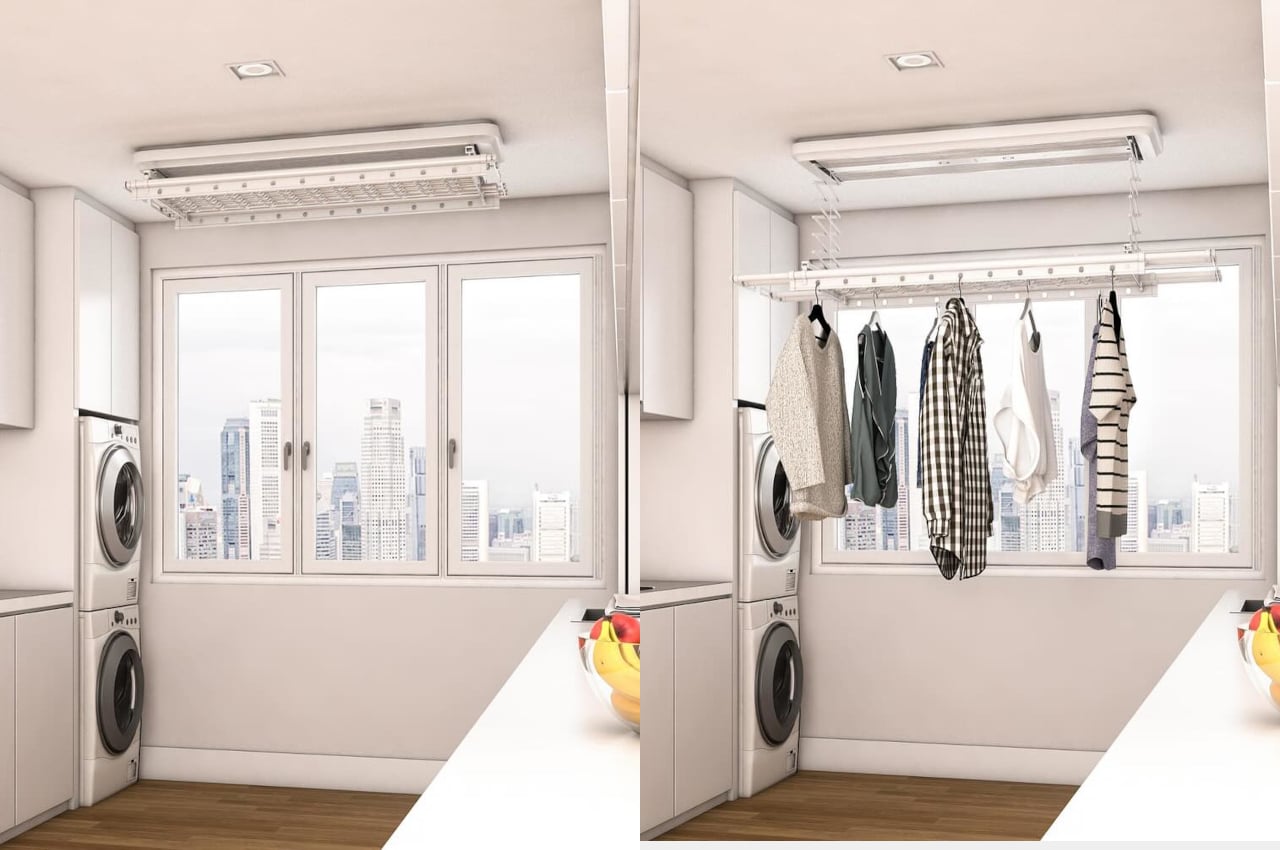
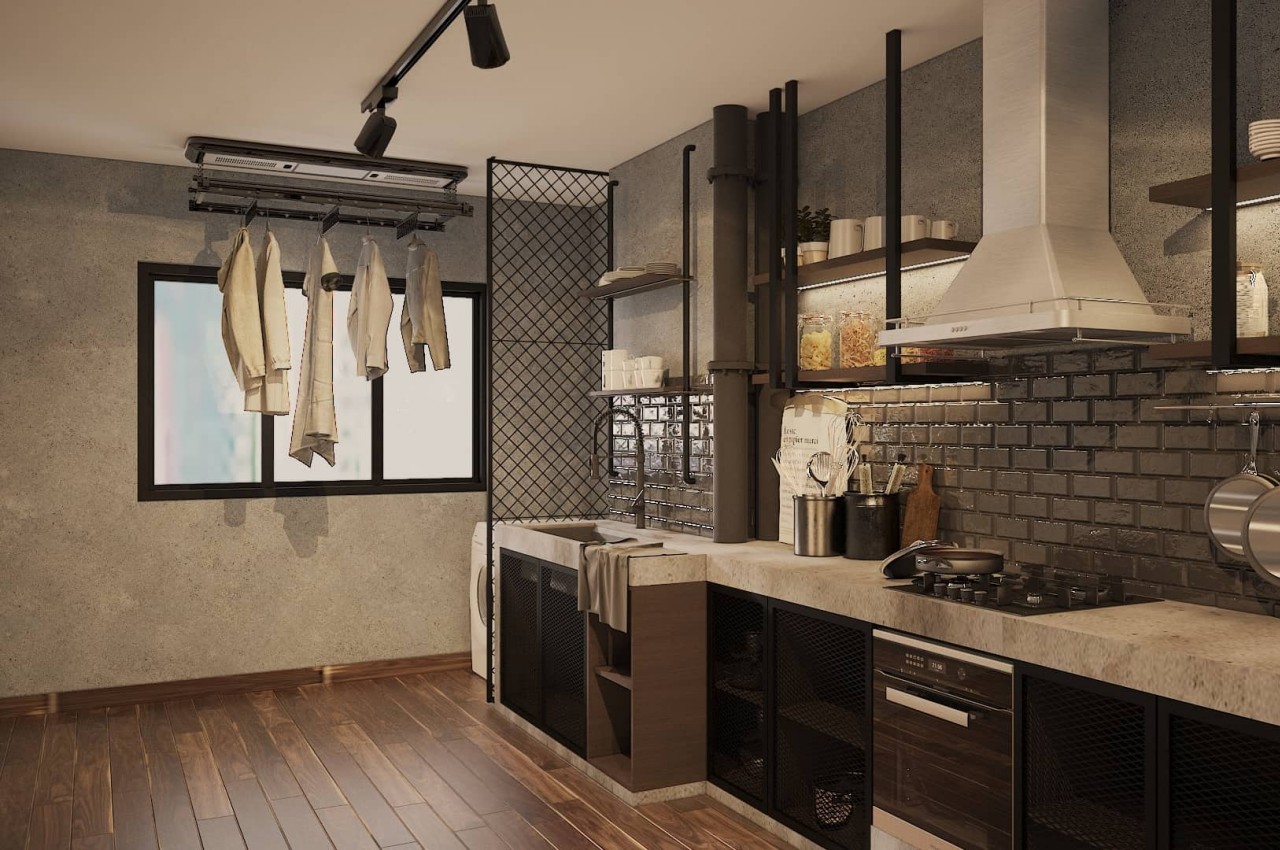
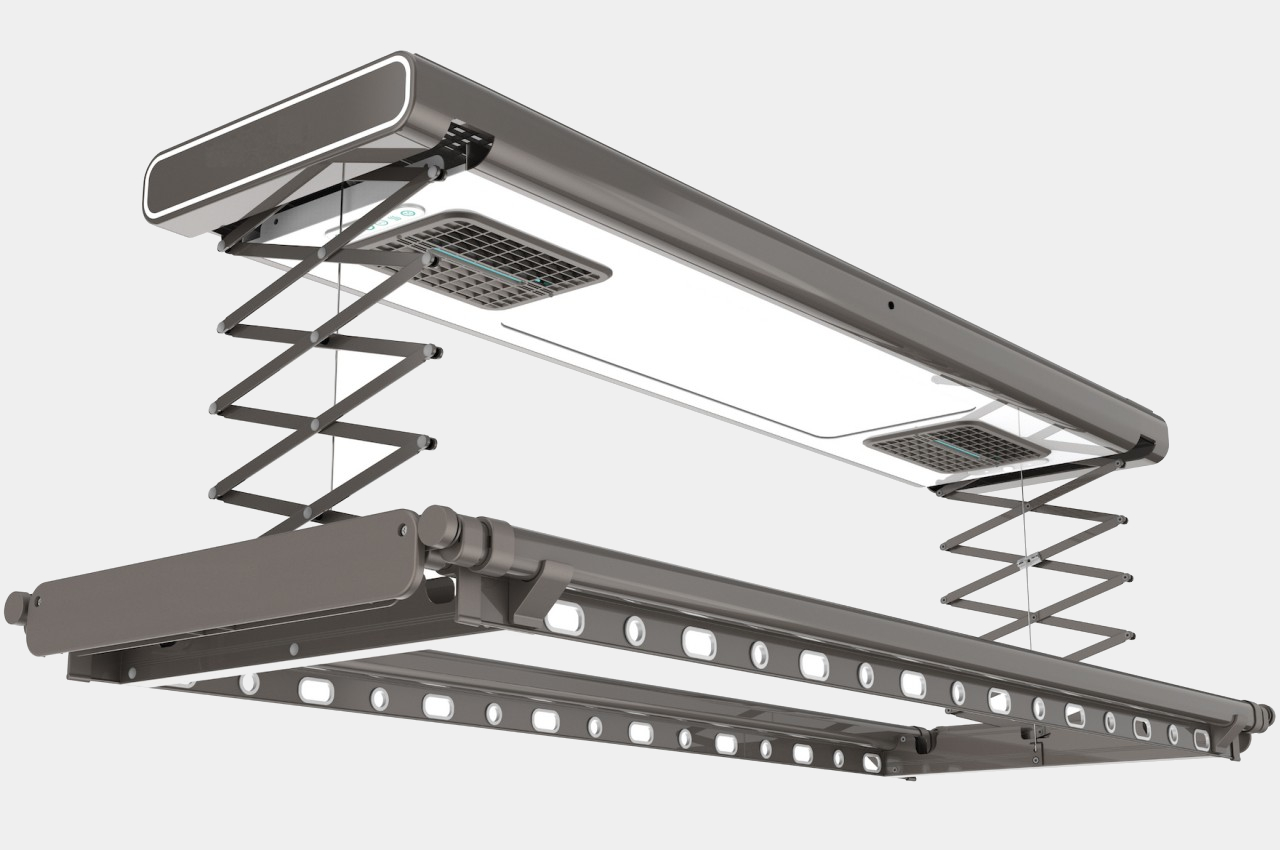
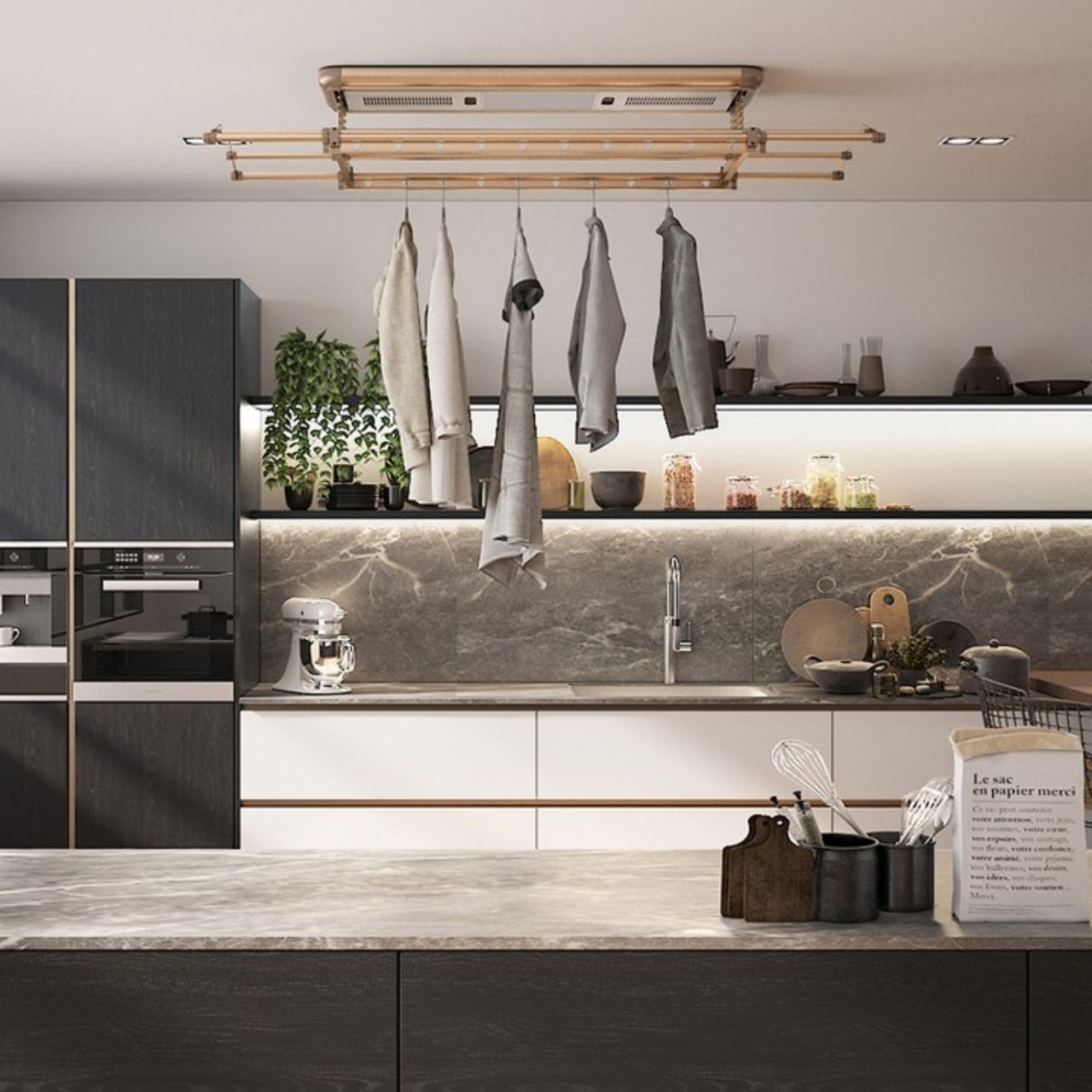
Space is a very expensive commodity these days, especially for people living in cramped apartments in cities. Every square inch counts, especially on the floor where most things are placed unless they stick to walls or hang from the ceiling. Because of how most furniture, appliances, and tools are designed, you can quickly lose precious floor space even for things that you don’t have to use daily. A laundry rack, for example, should really only be there when you have clothes to dry, so it makes little sense for them to take up space on other days. That’s the principle behind this rather unique retractable clothes rack that descends from the ceiling when you need it and serves as a ceiling lamp on the days that you don’t.

Designer: GoodLiving

Furniture designs are becoming smarter when it comes to space-saving tricks, which include modular parts, foldable sections, and the like. Most of these, however, are still placed on floors and are unable to utilize the free space of walls and ceilings. Singaporean company GoodLiving is trying to change that for at least one kind of household product, the rack where we hang clothes to dry even indoors.

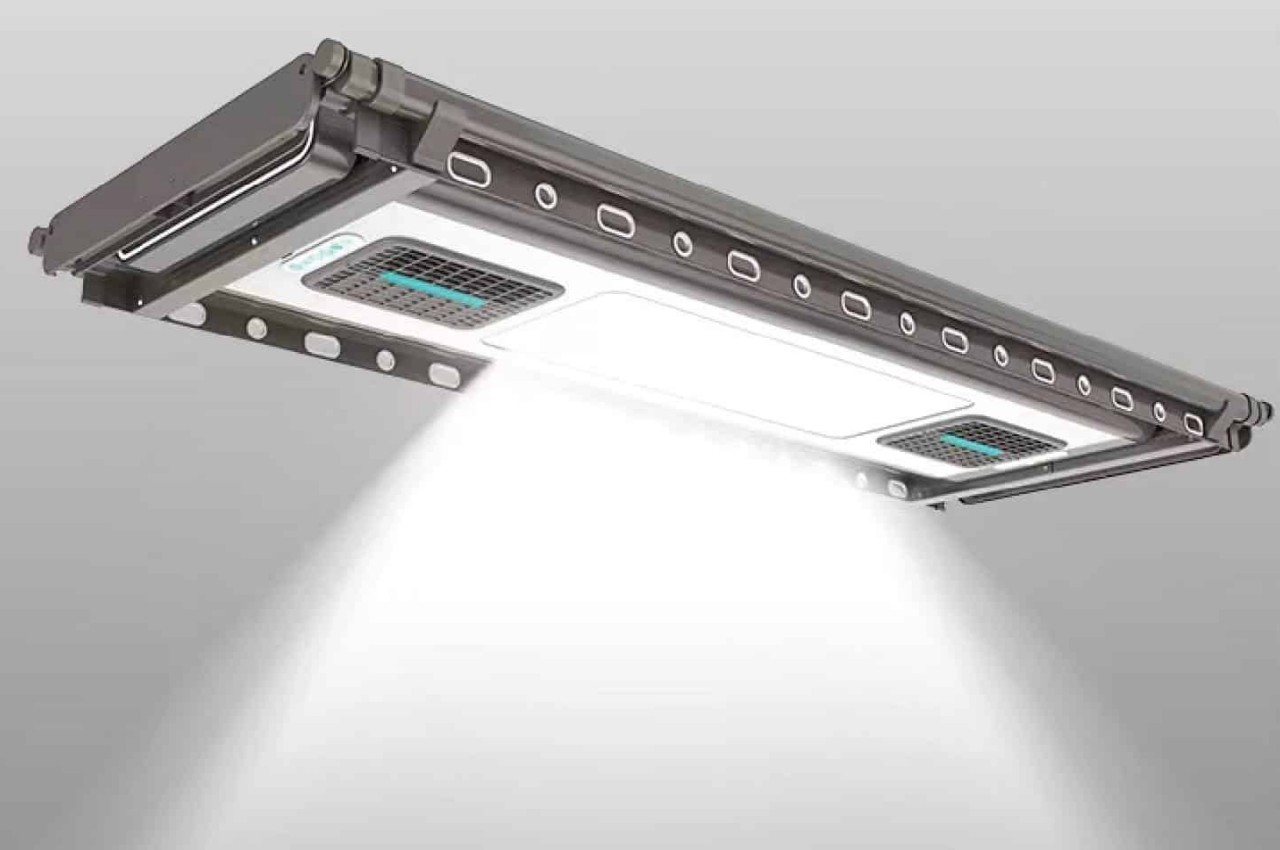
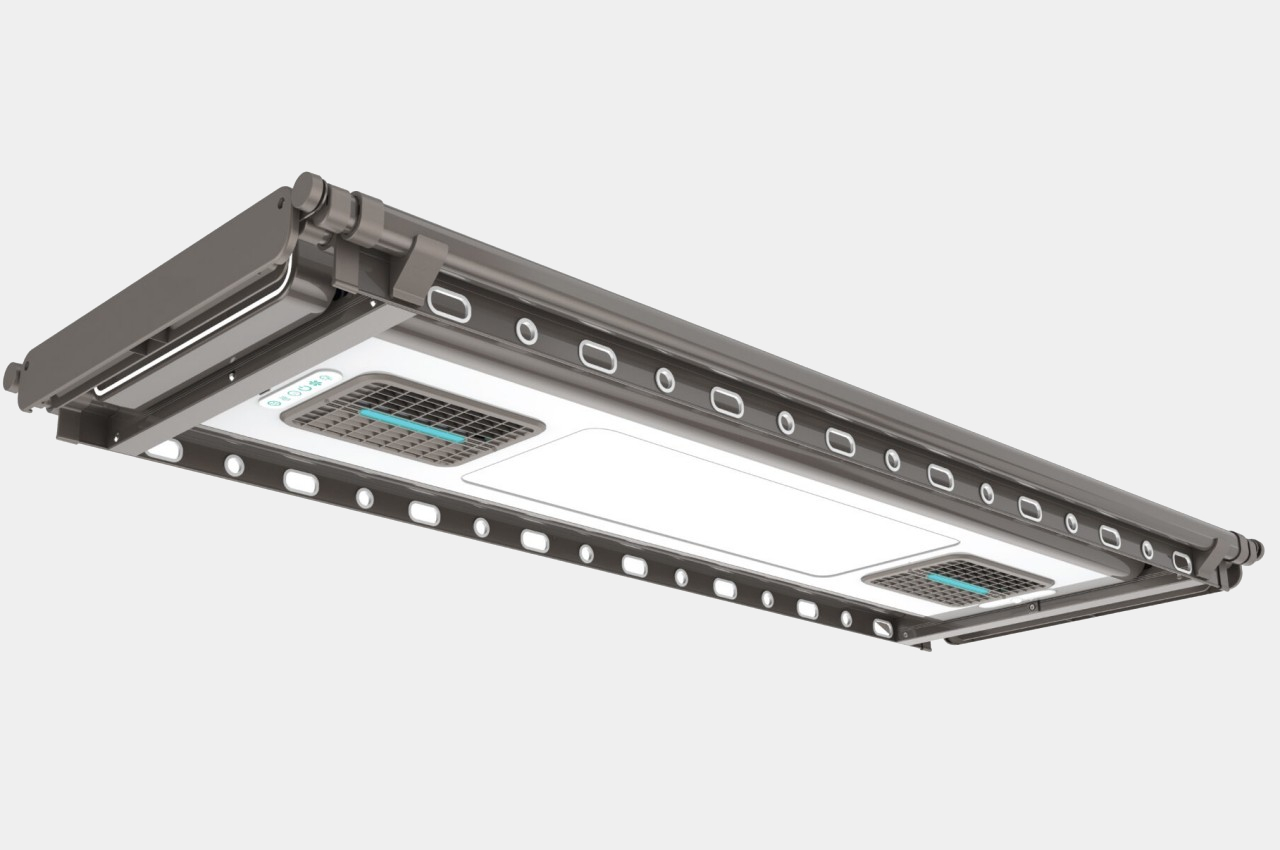
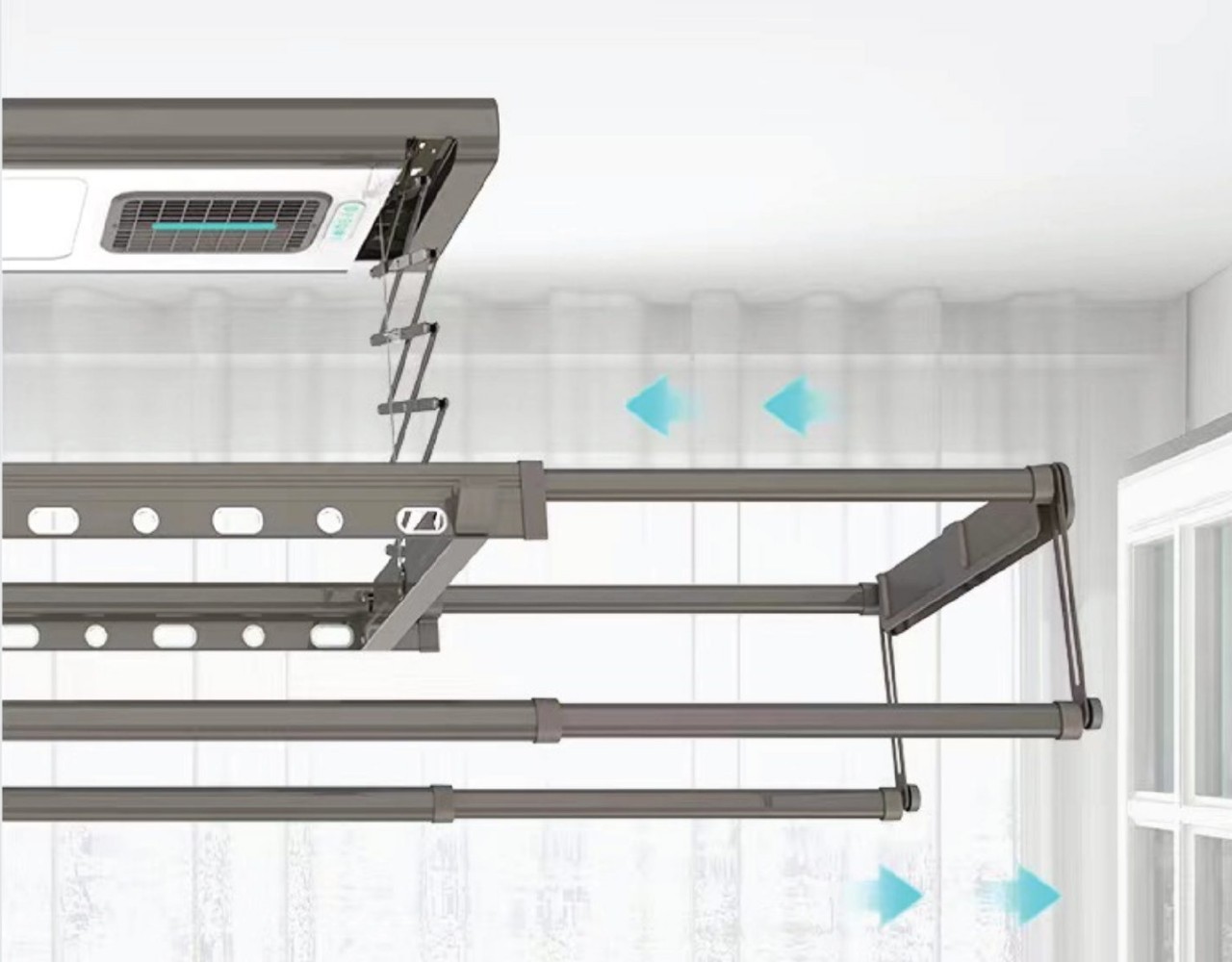
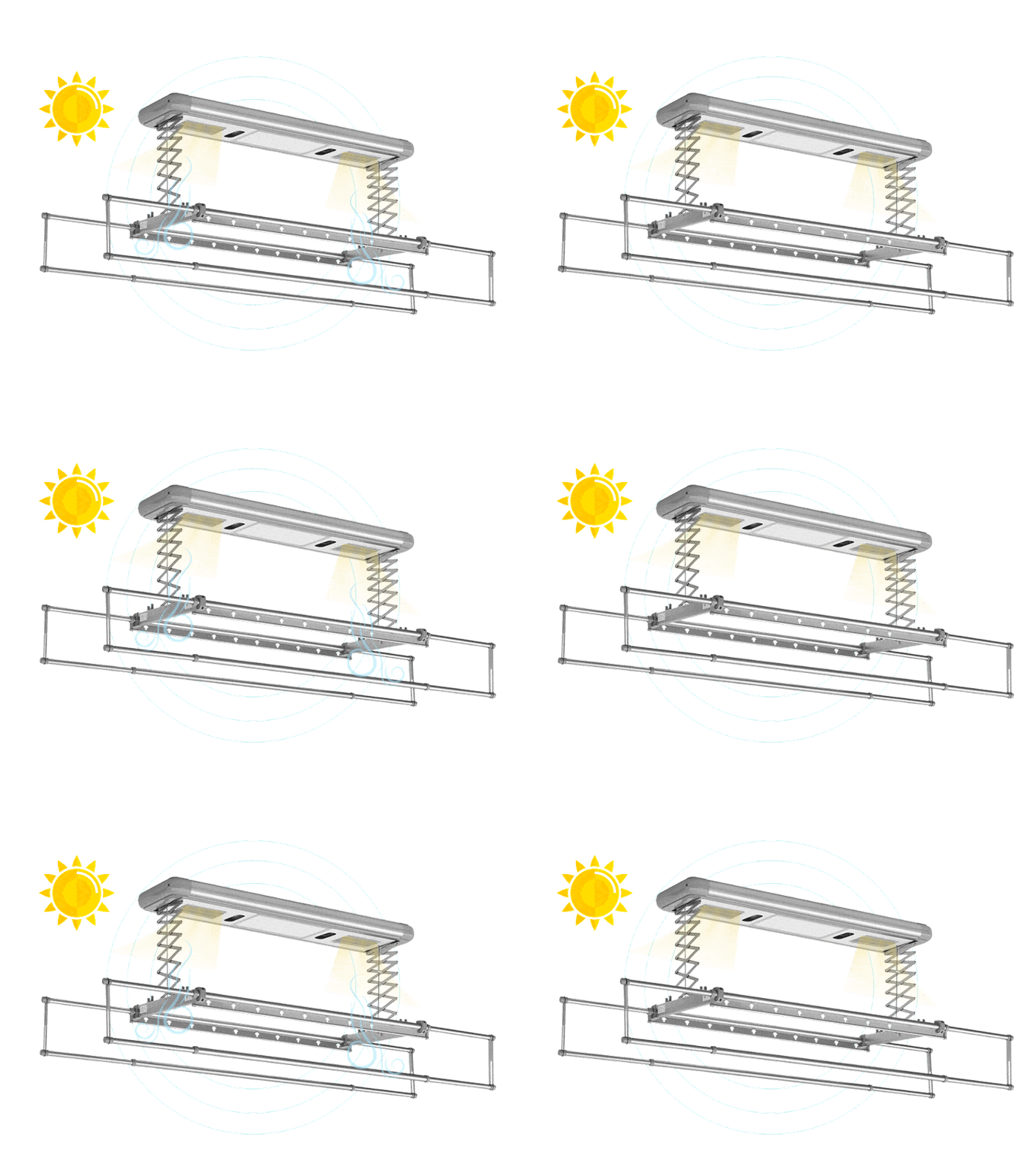
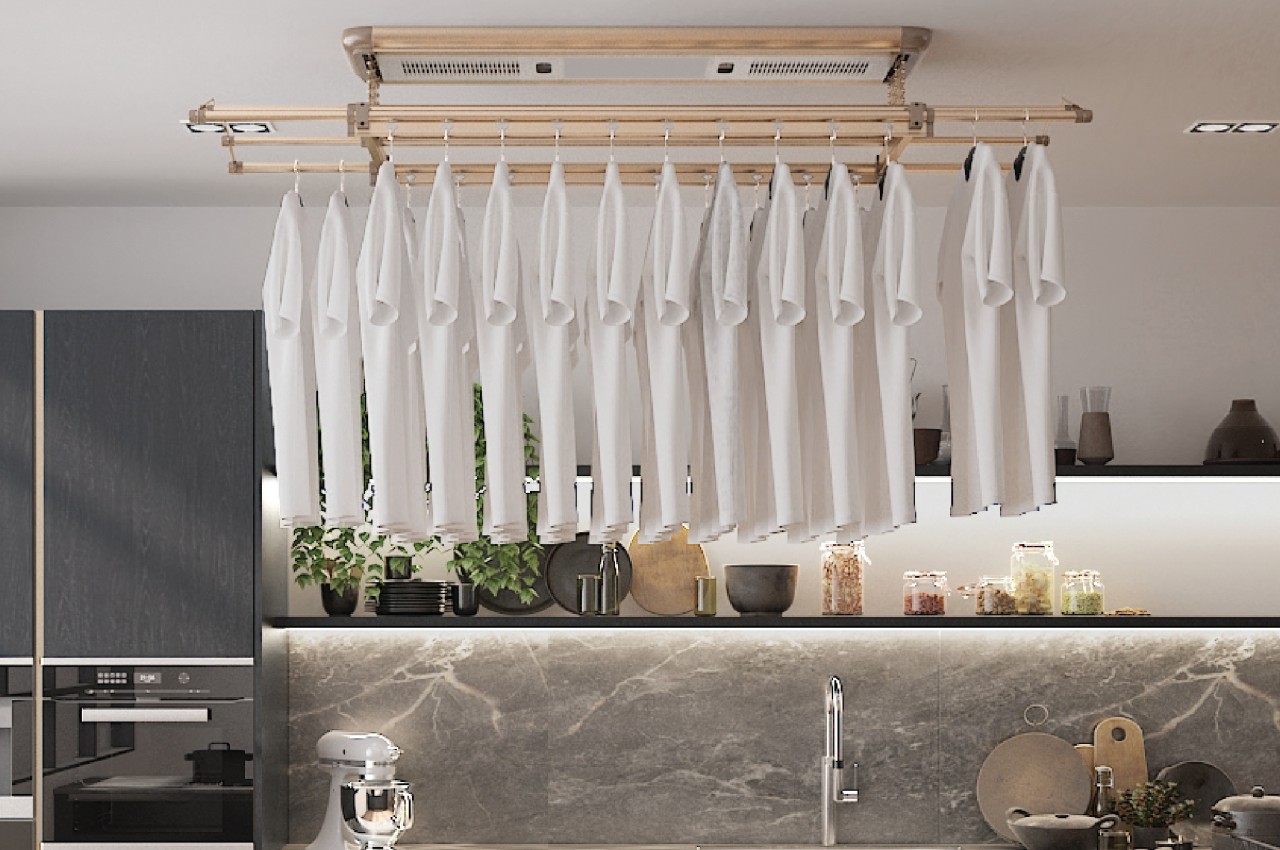
These racks are installed on ceilings and are automatically deployed using scissor mechanisms at the press of a remote control button. This means that the collapsed form of the rack pretty much hides itself and gets out of the way when not needed. To make sure that even the space it occupies isn’t wasted when not in use, the base of the rack serves as LED lighting for the room.

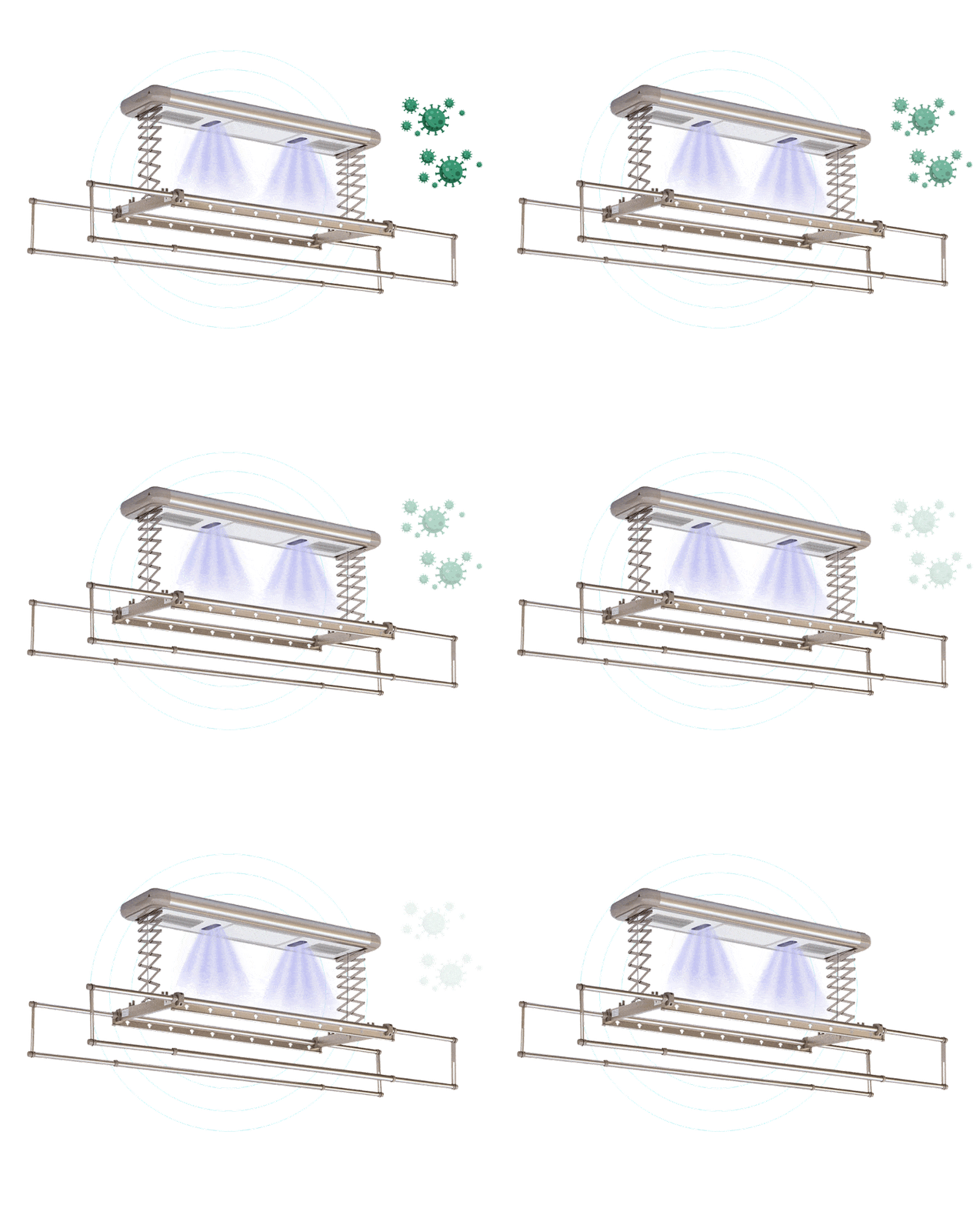
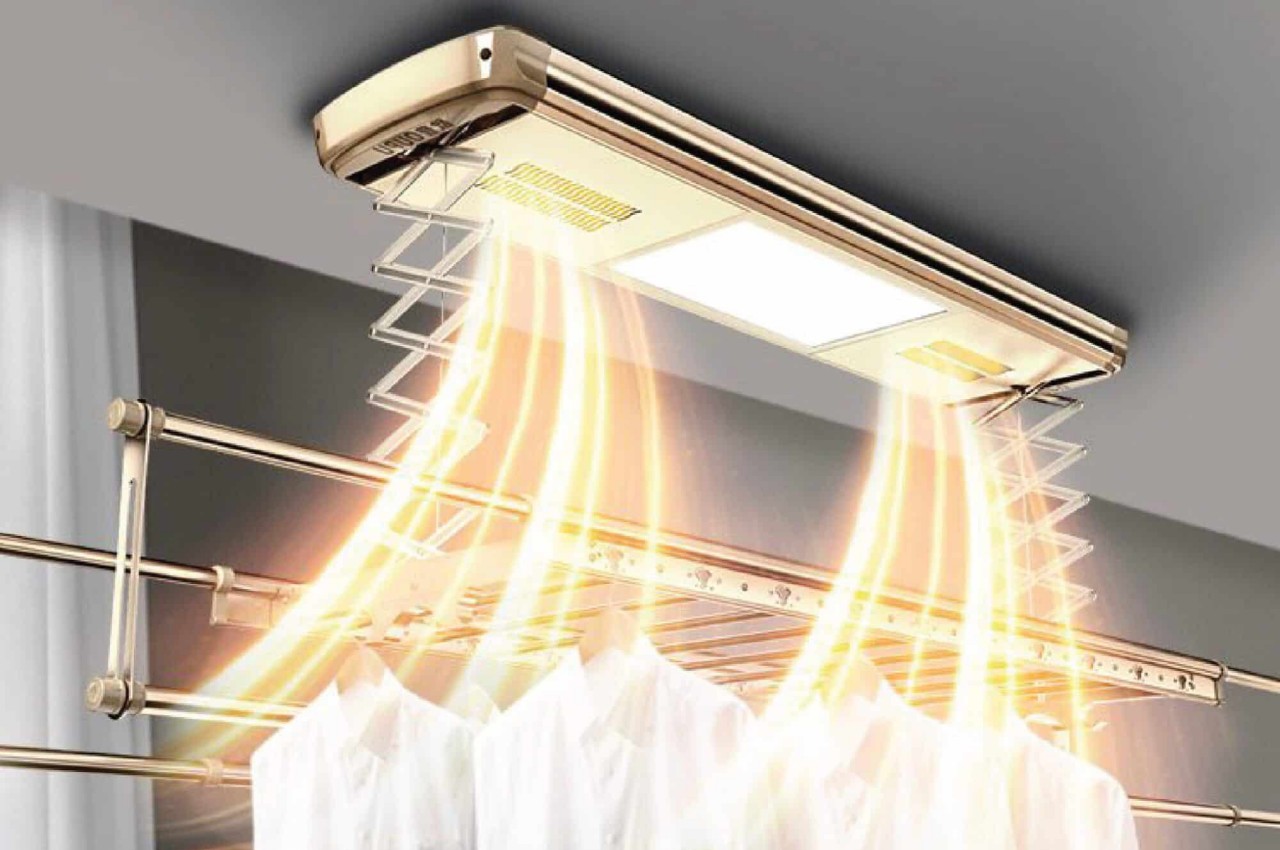
These peculiar hanging machines, however, do more than just hang your clothes to dry. They’re equipped with fans and heaters that blow hot air to dry clothes even faster. It also has repellents for dust mites and bacteria, as well as ionizers that prevent the buildup of odor and keep the fabric soft to the touch. It’s definitely more than what you could get with a traditional dryer, and you don’t even have to sacrifice space to place such a large box in your house.

1

1

Granted, your room probably won’t look that presentable with clothes hanging from the ceiling, but that’s something no one else has to see. For single-person apartments or small houses, the practical benefits of having such a space-saving laundry rack far outweigh the temporary unappealing visual of hanging clothes. Then again, you would have probably hanged them on an equally visible regular rack as well, so might as well just bear with the sight for just a day than to always see that rack every day, even when there are no clothes hanging from it.

The post Retractable ceiling-mounted laundry rack saves space and functions as a lamp first appeared on Yanko Design.

Apple’s iPhone 12 can now charge wirelessly at 15W with non-MagSafe chargers

With the launch of the iPhone 12 Apple doubled wireless charging power to 15 watts, but there was a catch: only Apple-branded MagSafe chargers operated at full power. Now, users are getting a surprise update. The latest iOS 17.4 release now allows third-party Qi2 chargers to charge at the maximum rated 15 watts of power as well, MacWorld reported. 

Apple introduced Qi2 15 watt wireless charging support for the iPhone 13 and 14 with iOS 17.2, and the iPhone 15 supported the standard from the get-go. In fact, it's based on Apple's MagSafe technology, with Apple being a "steering member" and chair of the Wireless Power Consortium (WPC) board of directors. 

When the iPhone 12 came along in October 2020, however, Qi2 didn't exist and the WPC's original Qi standard was limited to 7.5 watts. Since the iPhone 12 used MagSafe, it was apparently able to support Qi2 and its higher max charging capability. 

Apple has yet to officially comment on this change. However, Macworld tested the iPhone 12 with Qi2 devices and found that they match the charging speeds of official MagSafe chargers. 

Charger manufacturer Belkin also stated that its Qi2 chargers "are fully certified to deliver up to 15 watts of fast wireless charging to Qi2-enalbed devices," while referring any other questions to Apple. With the change, all MagSafe iPhones now support Qi2 charging.

Apple's move to support Qi2 with its iPhone lineup was a bit of a surprise, considering it tends to favor in-house proprietary solutions. It may have been done to fend off regulators, as the EU had already forced it to switch to USB-C charging to avoid wasteful multiple standards. 

This article originally appeared on Engadget at https://www.engadget.com/apples-iphone-12-can-now-charge-wirelessly-at-15w-with-non-magsafe-chargers-095421869.html?src=rss