Valve Bringing Full PC Gaming to Smartphones : Proton with FEX Power

Valve Bringing Full PC Gaming to Smartphones : Proton with FEX Power

What if you could take your entire PC gaming library and fit it in your pocket? That’s no longer a distant dream. Water CS2 takes a closer look at how Valve is transforming gaming by allowing native PC games to run seamlessly on mobile devices like smartphones, tablets, and even VR headsets. Unlike traditional cloud […]

The post Valve Bringing Full PC Gaming to Smartphones : Proton with FEX Power appeared first on Geeky Gadgets.

Posted in Uncategorized

This 1970s Kids’ Desk Flatpacked Before IKEA Even Existed

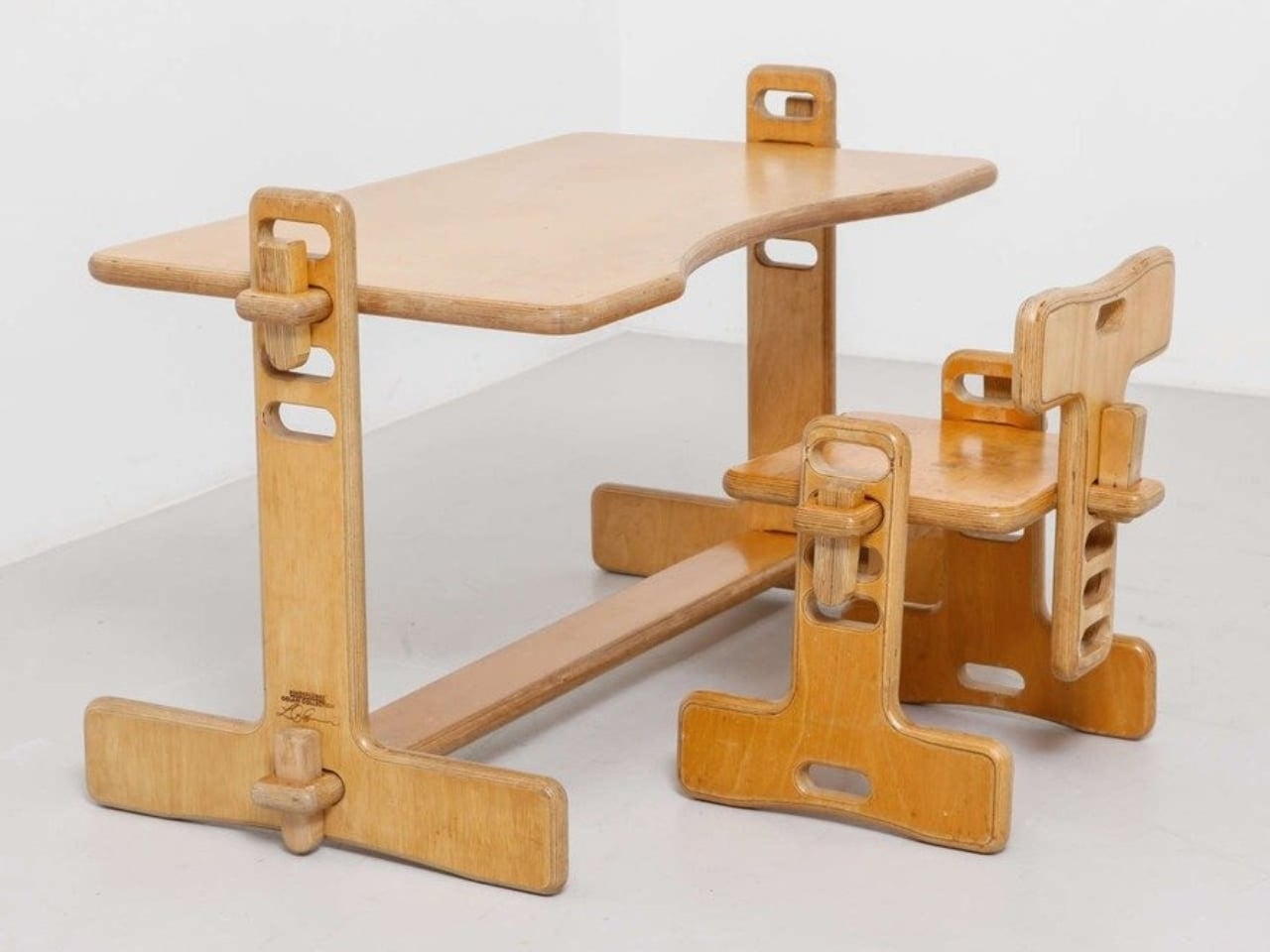
Here’s something to blow your mind: decades before IKEA convinced us all that assembling furniture with an Allen wrench was somehow fun, a visionary designer named Luigi Colani was already flatpacking children’s furniture in the 1970s. And get this, it wasn’t just about convenience. His Tobifant desk and chair set was actually genius problem-solving at its finest.

If you know anything about Luigi Colani, you know he was the king of curves and organic shapes. This is the guy who designed everything from streamlined trucks to futuristic cameras, always with that signature bio-design aesthetic. But with the Tobifant collection, created for West German children’s furniture brand Kinderlübke, he tackled a problem every parent faces: kids grow way too fast.

Designer: Luigi Colani
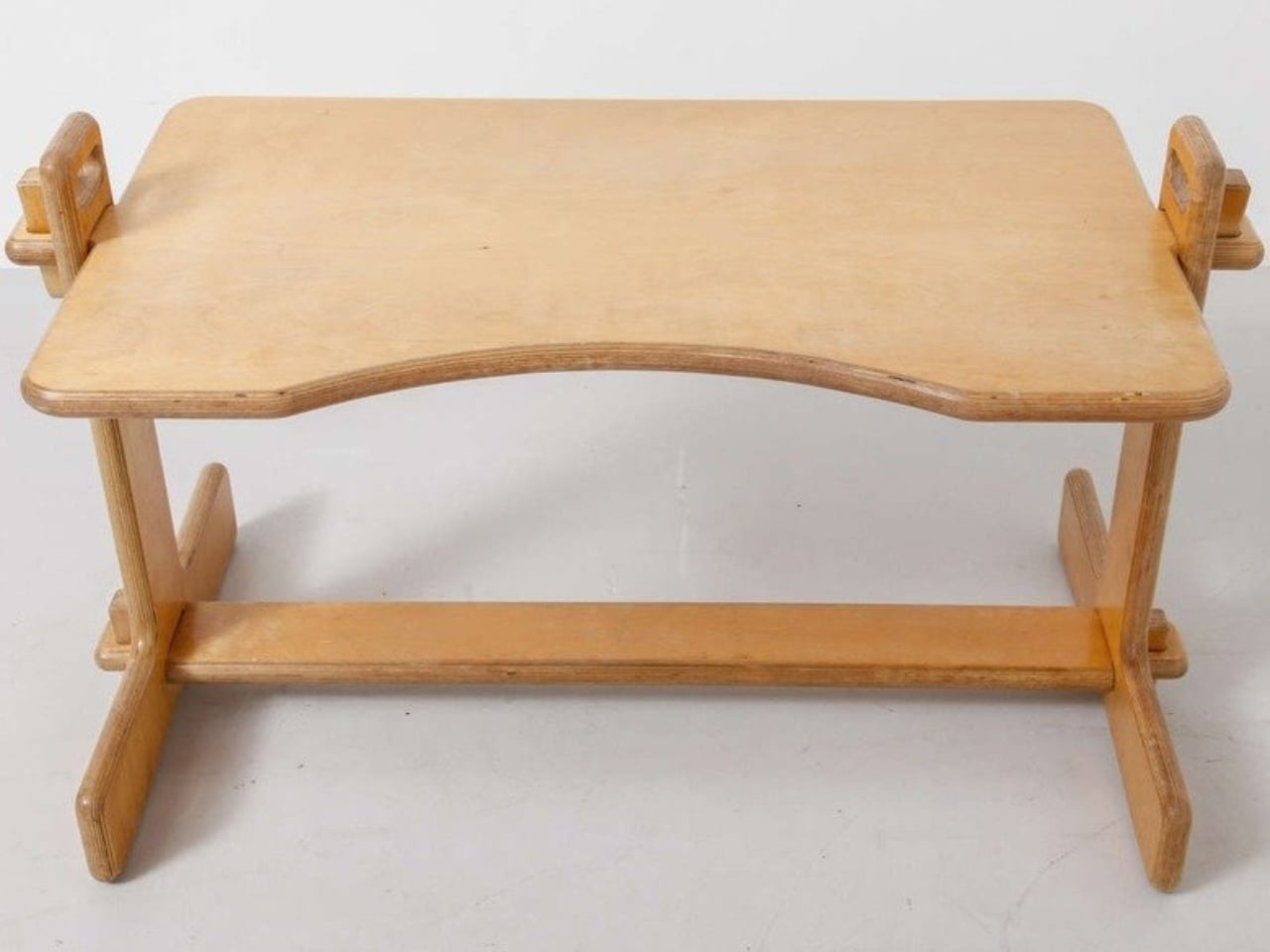
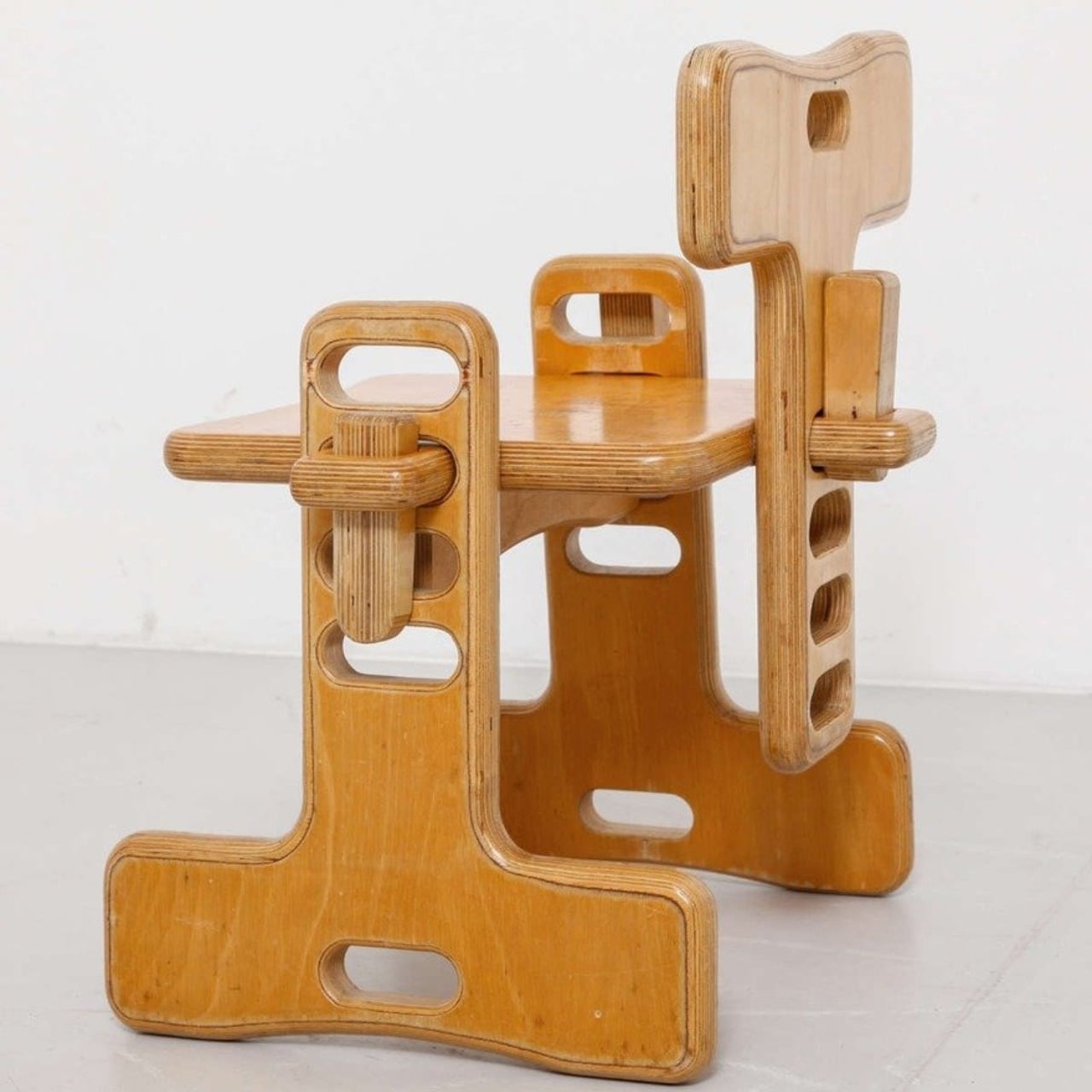
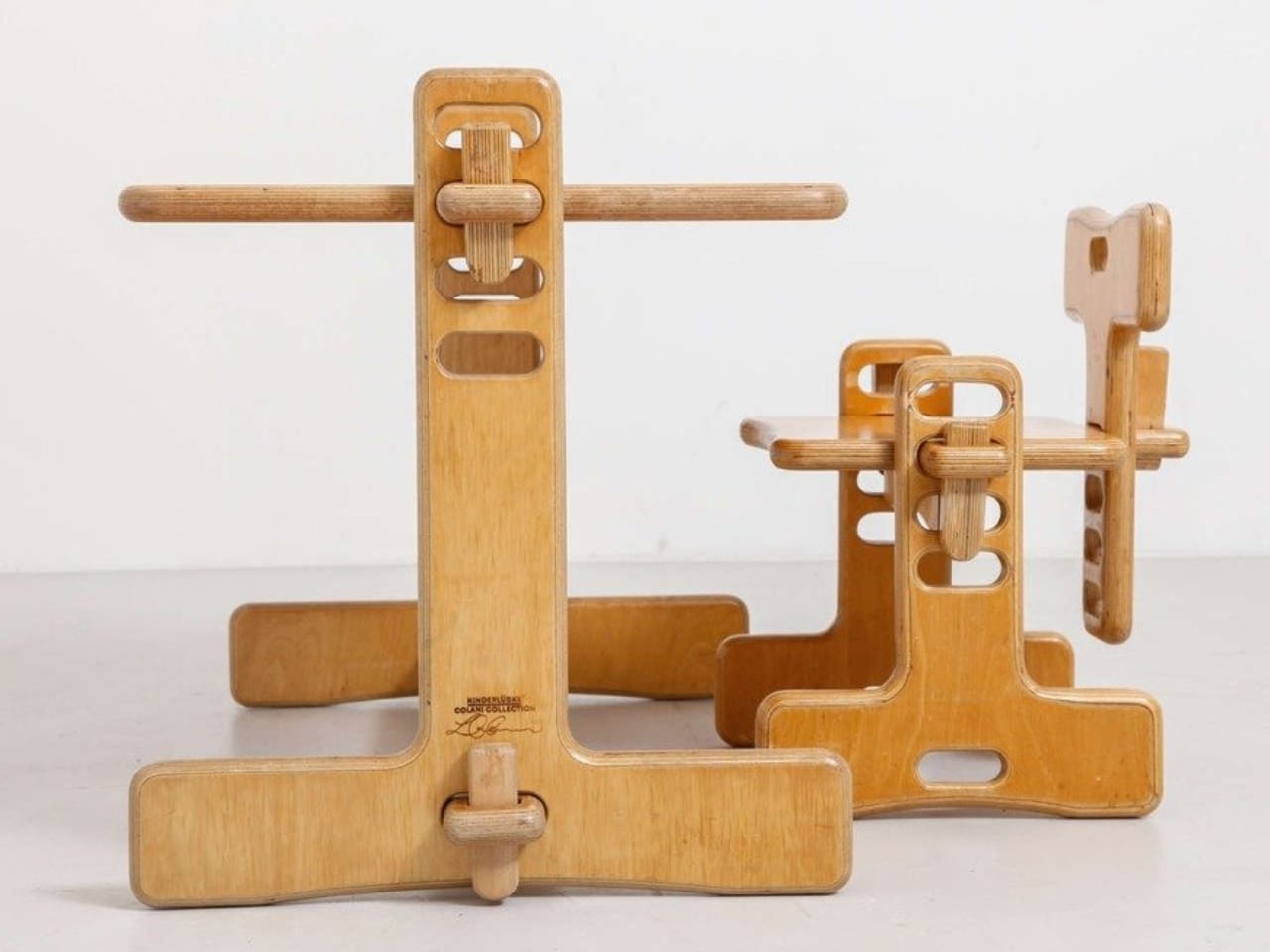
The Tobifant set came flatpacked (yes, in the ’70s!), but that was just the beginning of its brilliance. Made from beech plywood, both the desk and chair featured height-adjustable frames, so you could raise the seat, backrest, and writing surface as your child sprouted upward. Instead of buying new furniture every couple of years, parents could invest once and adjust as needed. It was sustainable before sustainability became a design buzzword.

Think about what a radical concept this was. It was a time when most children’s furniture was either cheap throwaway pieces or expensive heirlooms that kids outgrew almost immediately. Colani created something practical, beautiful, and adaptable. The furniture could literally grow with your child, which meant it could potentially serve them from toddlerhood through their early teens.

But wait, there’s more. Colani didn’t just stop at smart construction. He actually specified that each Tobifant desk should come with one kilogram of modeling clay and three wooden tools. Because apparently he understood that a desk isn’t just a place to do homework. It’s a creative laboratory, and kids need to be encouraged to make things, to experiment, to get their hands dirty (or clayey, as it were). How many furniture designers think about what happens after the sale? Colani was playing 4D chess while everyone else was still figuring out checkers.

The flatpack design wasn’t just about shipping efficiency, though that was certainly a bonus. It was about democratizing good design. By making the furniture easy to transport and assemble, Colani made it more accessible to regular families. This was thoughtful, human-centered design at work.

What’s really striking when you look at photos of the Tobifant set today is how modern it still looks. The clean lines, the warm plywood finish, the elegant simplicity of the adjustable mechanism… it could easily sit in a contemporary home without looking dated. That’s the mark of truly timeless design. While so much ’70s furniture screams its decade with harvest gold upholstery and chrome everywhere, the Tobifant feels almost minimalist in its restraint.

The set went into production in the late 1970s, and today surviving examples pop up on vintage reseller sites, often commanding impressive prices from collectors. It makes sense. Original Colani pieces are increasingly rare, and the Tobifant represents such a perfect intersection of form, function, and forward-thinking design philosophy.

What’s fascinating is how Colani’s approach predated so many trends we think of as recent innovations. Flatpack furniture? Check. Modular, adjustable design? Check. Sustainability through longevity? Check. Child-centered functionality that doesn’t sacrifice aesthetics? Double check. He was essentially doing what today’s best furniture startups are trying to do, except he did it before many of them were even born.

So next time you’re wrestling with those cryptic IKEA instructions, spare a thought for Luigi Colani and his Tobifant collection. He proved that flatpack furniture could be more than just affordable practicality. It could be beautiful, innovative, and genuinely improve how families live. That’s the kind of design legacy that deserves way more recognition than it gets.

The post This 1970s Kids’ Desk Flatpacked Before IKEA Even Existed first appeared on Yanko Design.

This 1970s Kids’ Desk Flatpacked Before IKEA Even Existed

Here’s something to blow your mind: decades before IKEA convinced us all that assembling furniture with an Allen wrench was somehow fun, a visionary designer named Luigi Colani was already flatpacking children’s furniture in the 1970s. And get this, it wasn’t just about convenience. His Tobifant desk and chair set was actually genius problem-solving at its finest.

If you know anything about Luigi Colani, you know he was the king of curves and organic shapes. This is the guy who designed everything from streamlined trucks to futuristic cameras, always with that signature bio-design aesthetic. But with the Tobifant collection, created for West German children’s furniture brand Kinderlübke, he tackled a problem every parent faces: kids grow way too fast.

Designer: Luigi Colani
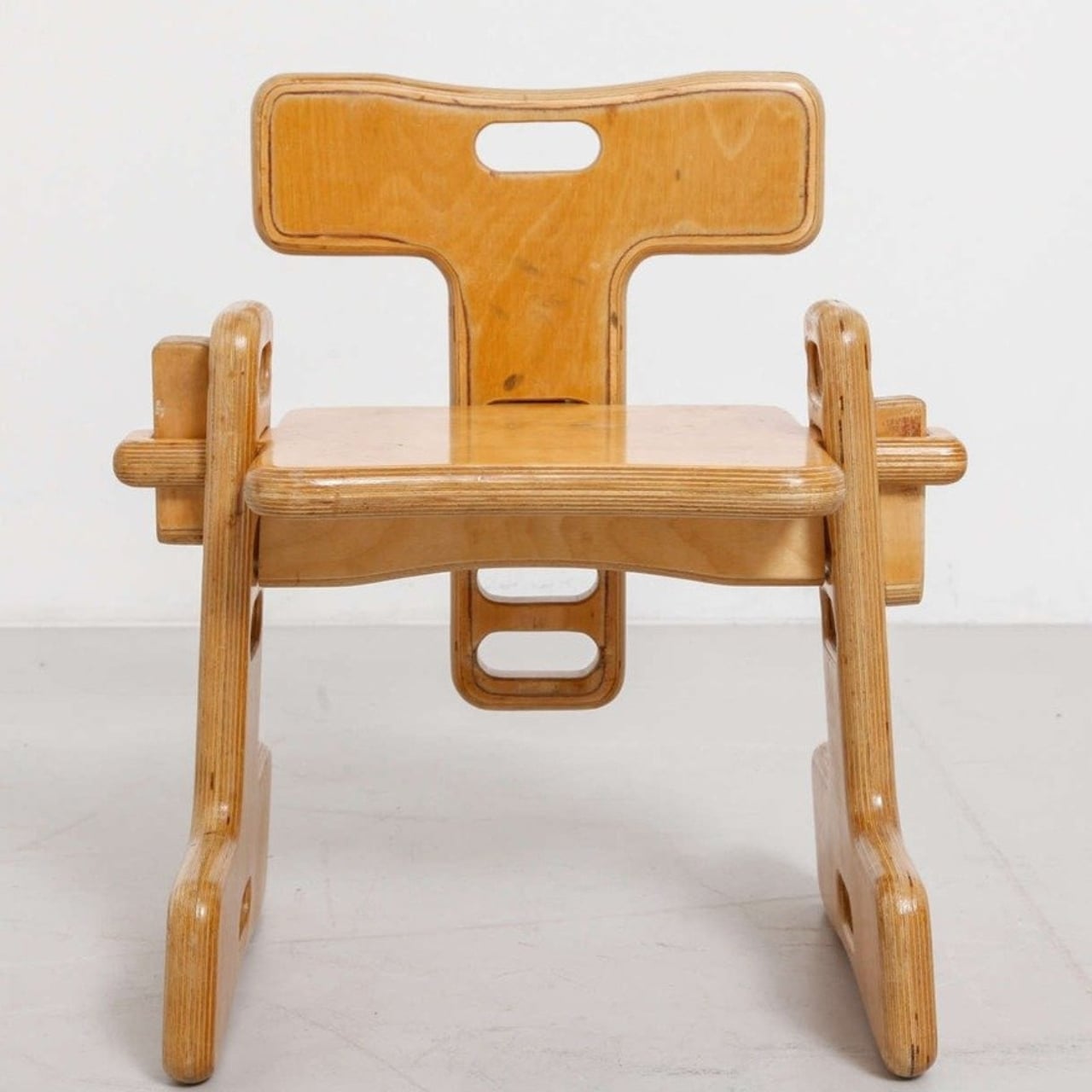
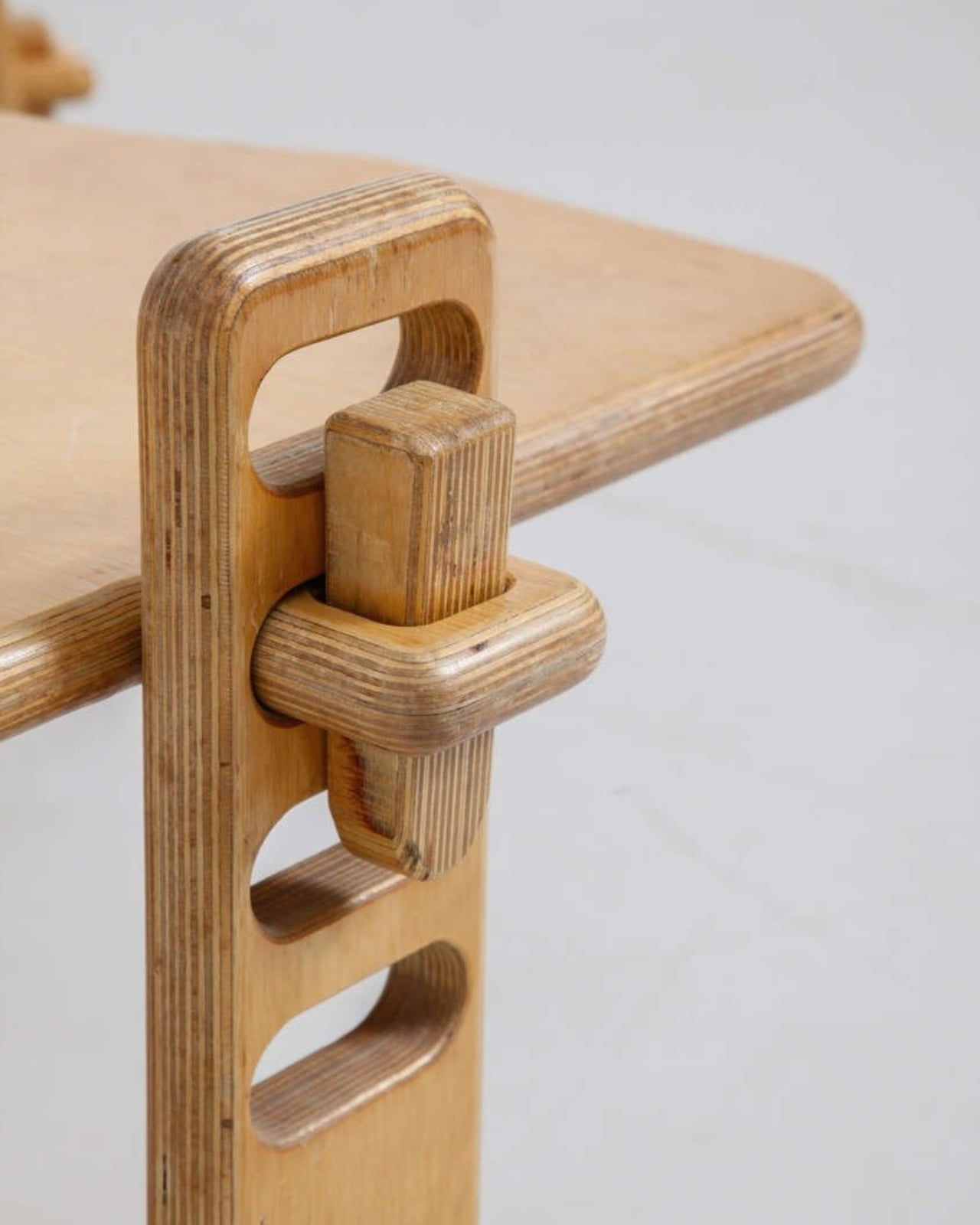
The Tobifant set came flatpacked (yes, in the ’70s!), but that was just the beginning of its brilliance. Made from beech plywood, both the desk and chair featured height-adjustable frames, so you could raise the seat, backrest, and writing surface as your child sprouted upward. Instead of buying new furniture every couple of years, parents could invest once and adjust as needed. It was sustainable before sustainability became a design buzzword.
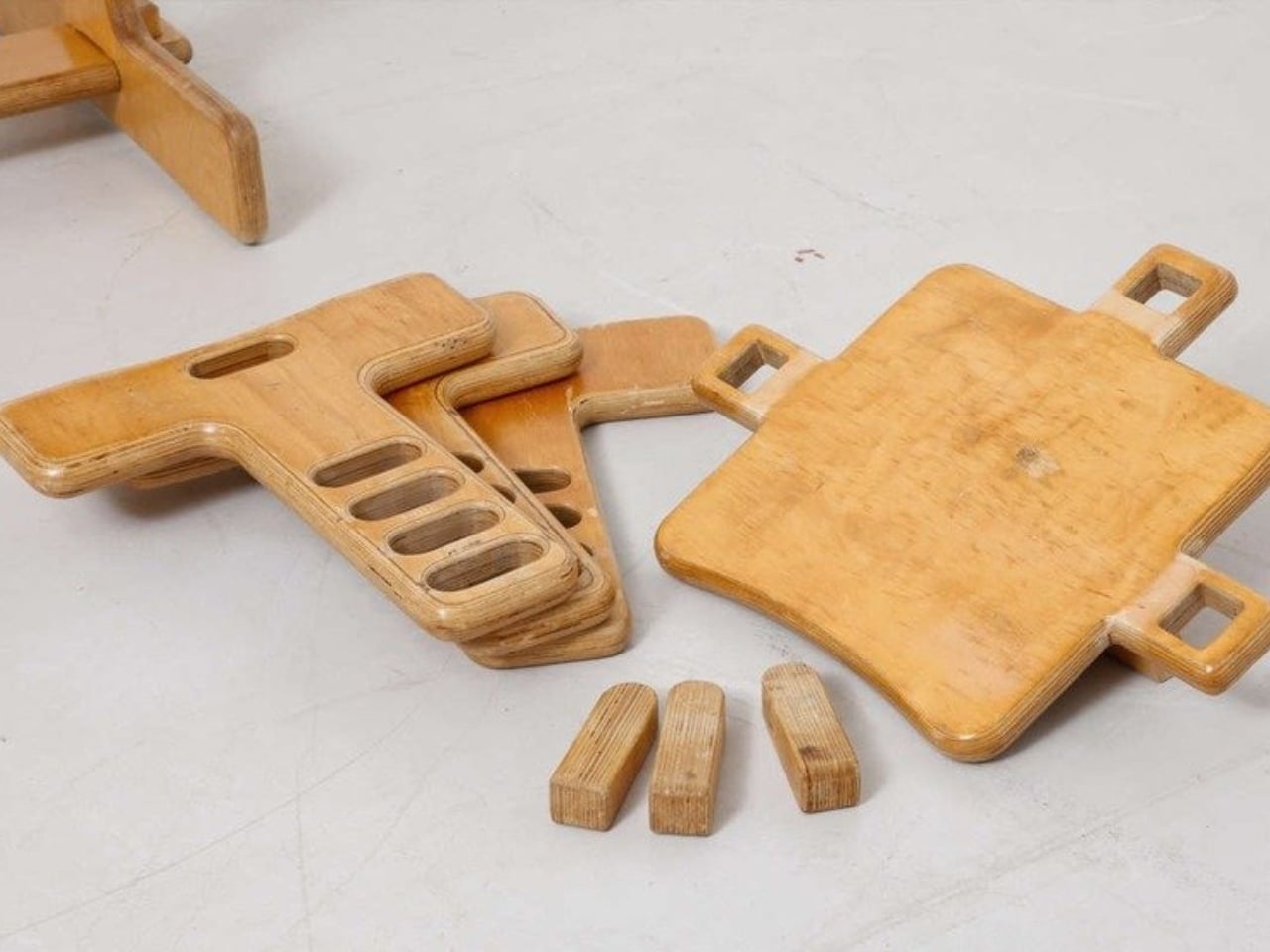
Think about what a radical concept this was. It was a time when most children’s furniture was either cheap throwaway pieces or expensive heirlooms that kids outgrew almost immediately. Colani created something practical, beautiful, and adaptable. The furniture could literally grow with your child, which meant it could potentially serve them from toddlerhood through their early teens.

But wait, there’s more. Colani didn’t just stop at smart construction. He actually specified that each Tobifant desk should come with one kilogram of modeling clay and three wooden tools. Because apparently he understood that a desk isn’t just a place to do homework. It’s a creative laboratory, and kids need to be encouraged to make things, to experiment, to get their hands dirty (or clayey, as it were). How many furniture designers think about what happens after the sale? Colani was playing 4D chess while everyone else was still figuring out checkers.
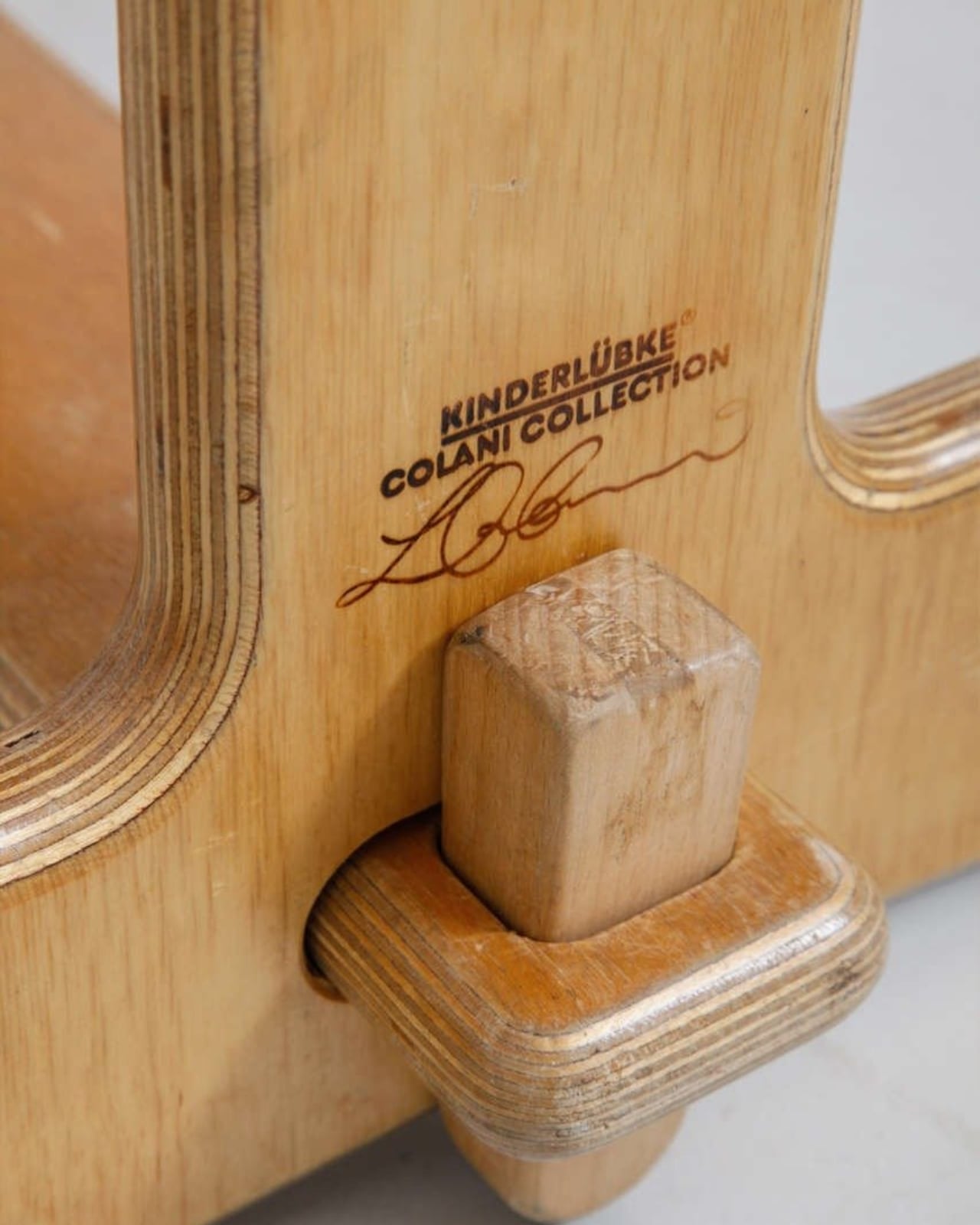
The flatpack design wasn’t just about shipping efficiency, though that was certainly a bonus. It was about democratizing good design. By making the furniture easy to transport and assemble, Colani made it more accessible to regular families. This was thoughtful, human-centered design at work.

What’s really striking when you look at photos of the Tobifant set today is how modern it still looks. The clean lines, the warm plywood finish, the elegant simplicity of the adjustable mechanism… it could easily sit in a contemporary home without looking dated. That’s the mark of truly timeless design. While so much ’70s furniture screams its decade with harvest gold upholstery and chrome everywhere, the Tobifant feels almost minimalist in its restraint.
The set went into production in the late 1970s, and today surviving examples pop up on vintage reseller sites, often commanding impressive prices from collectors. It makes sense. Original Colani pieces are increasingly rare, and the Tobifant represents such a perfect intersection of form, function, and forward-thinking design philosophy.
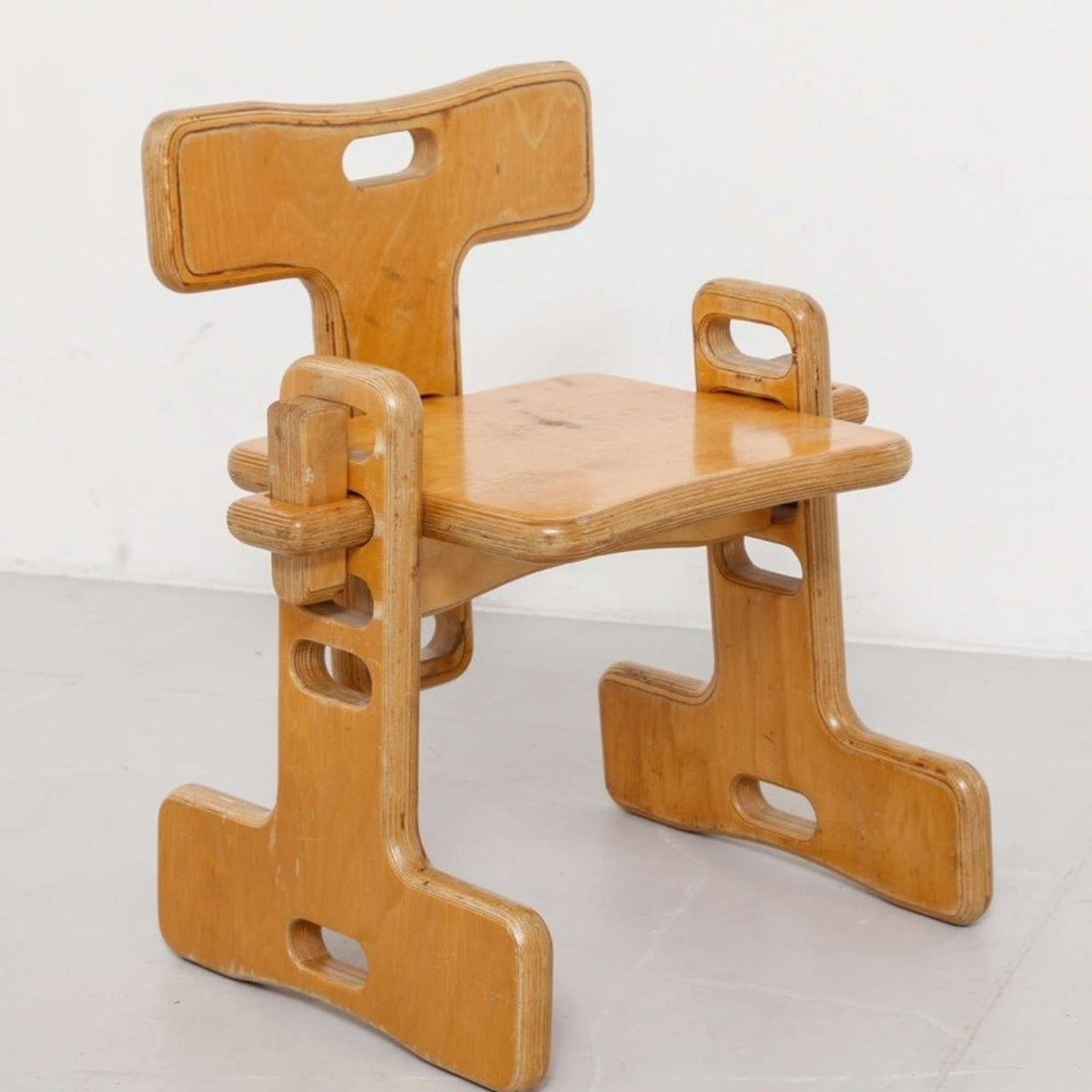
What’s fascinating is how Colani’s approach predated so many trends we think of as recent innovations. Flatpack furniture? Check. Modular, adjustable design? Check. Sustainability through longevity? Check. Child-centered functionality that doesn’t sacrifice aesthetics? Double check. He was essentially doing what today’s best furniture startups are trying to do, except he did it before many of them were even born.
So next time you’re wrestling with those cryptic IKEA instructions, spare a thought for Luigi Colani and his Tobifant collection. He proved that flatpack furniture could be more than just affordable practicality. It could be beautiful, innovative, and genuinely improve how families live. That’s the kind of design legacy that deserves way more recognition than it gets.
The post This 1970s Kids’ Desk Flatpacked Before IKEA Even Existed first appeared on Yanko Design.
Apple’s January Event: 6 Game-Changing Products You Need to Know About

Apple’s January Event: 6 Game-Changing Products You Need to Know About

Apple is apparently starting 2026 with a highly anticipated January event, unveiling six new products that aim to redefine the landscape of consumer technology. These releases span across multiple categories, showcasing advancements in performance, connectivity, and user experience. From upgraded MacBook Pros to smarter AirTags, Apple’s latest lineup underscores its commitment to innovation and meeting […]

The post Apple’s January Event: 6 Game-Changing Products You Need to Know About appeared first on Geeky Gadgets.

Posted in Uncategorized

Copilot Excel AI Beginners Guide: Faster Cleaning, Smart Analysis, Python Insights

Copilot Excel AI Beginners Guide: Faster Cleaning, Smart Analysis, Python Insights

Have you ever wished Excel could do more of the heavy lifting for you? Imagine transforming hours of tedious data cleaning and analysis into just a few clicks. That’s exactly what Microsoft’s AI-powered Copilot promises to deliver. Simon Sez IT outlines how this new feature is reshaping Excel by automating repetitive tasks, interpreting natural language […]

The post Copilot Excel AI Beginners Guide: Faster Cleaning, Smart Analysis, Python Insights appeared first on Geeky Gadgets.

Posted in Uncategorized

The iPhone 18 Pro: Revolutionary Features You Need to See

The iPhone 18 Pro: Revolutionary Features You Need to See

The iPhone 18 Pro, set to launch this September alongside the highly anticipated iPhone Fold, represents a pivotal evolution in smartphone technology and design. Building on the success of its predecessor, the iPhone 17 Pro, this latest model introduces significant advancements in camera capabilities, processing power, and connectivity. With a refined design and innovative features, […]

The post The iPhone 18 Pro: Revolutionary Features You Need to See appeared first on Geeky Gadgets.

Posted in Uncategorized

Linux vs Windows 11 : Proton PC Gaming GPU Benchmarks on Bazzite

Linux vs Windows 11 : Proton PC Gaming GPU Benchmarks on Bazzite

What if you could move beyond the frustrations of Windows 11 gaming, bloated updates, intrusive data collection, and system inefficiencies, and embrace a platform designed to give you more control? In this guide, Gamers Nexus explains how the Linux-based Bazzite distribution is reshaping gaming benchmarks, offering a compelling alternative to the Windows ecosystem. With the […]

The post Linux vs Windows 11 : Proton PC Gaming GPU Benchmarks on Bazzite appeared first on Geeky Gadgets.

Posted in Uncategorized

Google’s Pixel 11 Pro Fold Could Revolutionize Foldable Phones

Google’s Pixel 11 Pro Fold Could Revolutionize Foldable Phones

Foldable smartphones have become a defining feature of modern technology, combining compact designs with expansive, flexible displays. However, a persistent issue has limited their practicality: the use of glued-in batteries. These adhesive-secured components complicate repairs, increasing costs and risks for both consumers and technicians. A recently uncovered patent suggests that Google’s Pixel 11 Pro Fold […]

The post Google’s Pixel 11 Pro Fold Could Revolutionize Foldable Phones appeared first on Geeky Gadgets.

Posted in Uncategorized

Latest AI Avatars Look Real : Monetizing Followers & Raising New Trust Concerns

Latest AI Avatars Look Real : Monetizing Followers & Raising New Trust Concerns

What if the person you’re chatting with online isn’t a person at all? Imagine scrolling through your favorite social media feed, captivated by a charismatic influencer, only to discover they’re not human. Universe of AI walks through how lifelike AI avatars are now so convincing, they’re blurring the line between reality and simulation. These digital […]

The post Latest AI Avatars Look Real : Monetizing Followers & Raising New Trust Concerns appeared first on Geeky Gadgets.

Posted in Uncategorized

instax mini Evo Cinema Hides 15-Second Clips Inside QR Code on Prints

Instant cameras and short-form video have been running on parallel tracks, one about physical keepsakes you can hold, the other about clips that vanish into feeds. Instax has always been about handing someone a moment they can stick on a wall, while most video lives on screens. The question of what it would look like if those two ideas finally met in a single handheld object has been hovering for a while.

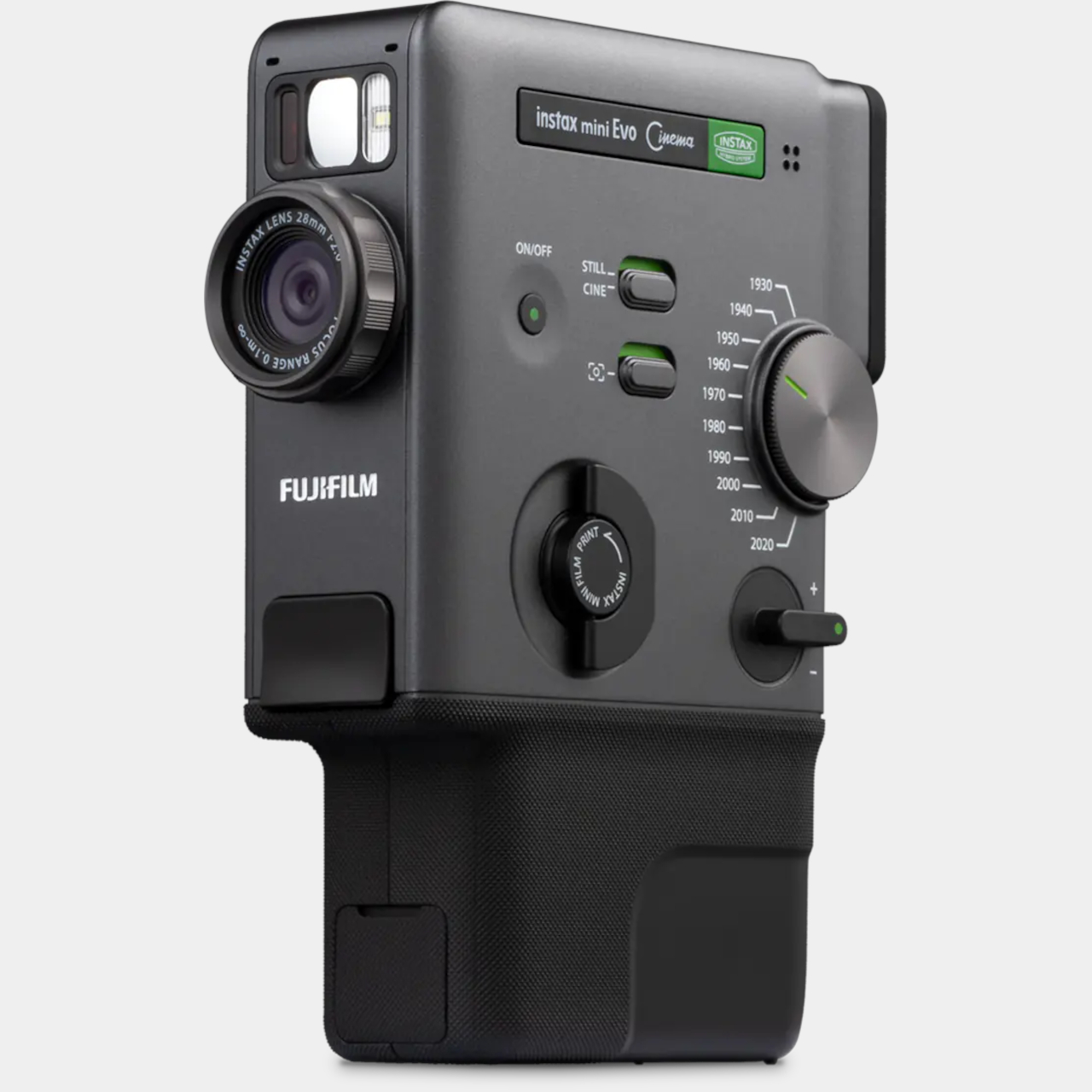
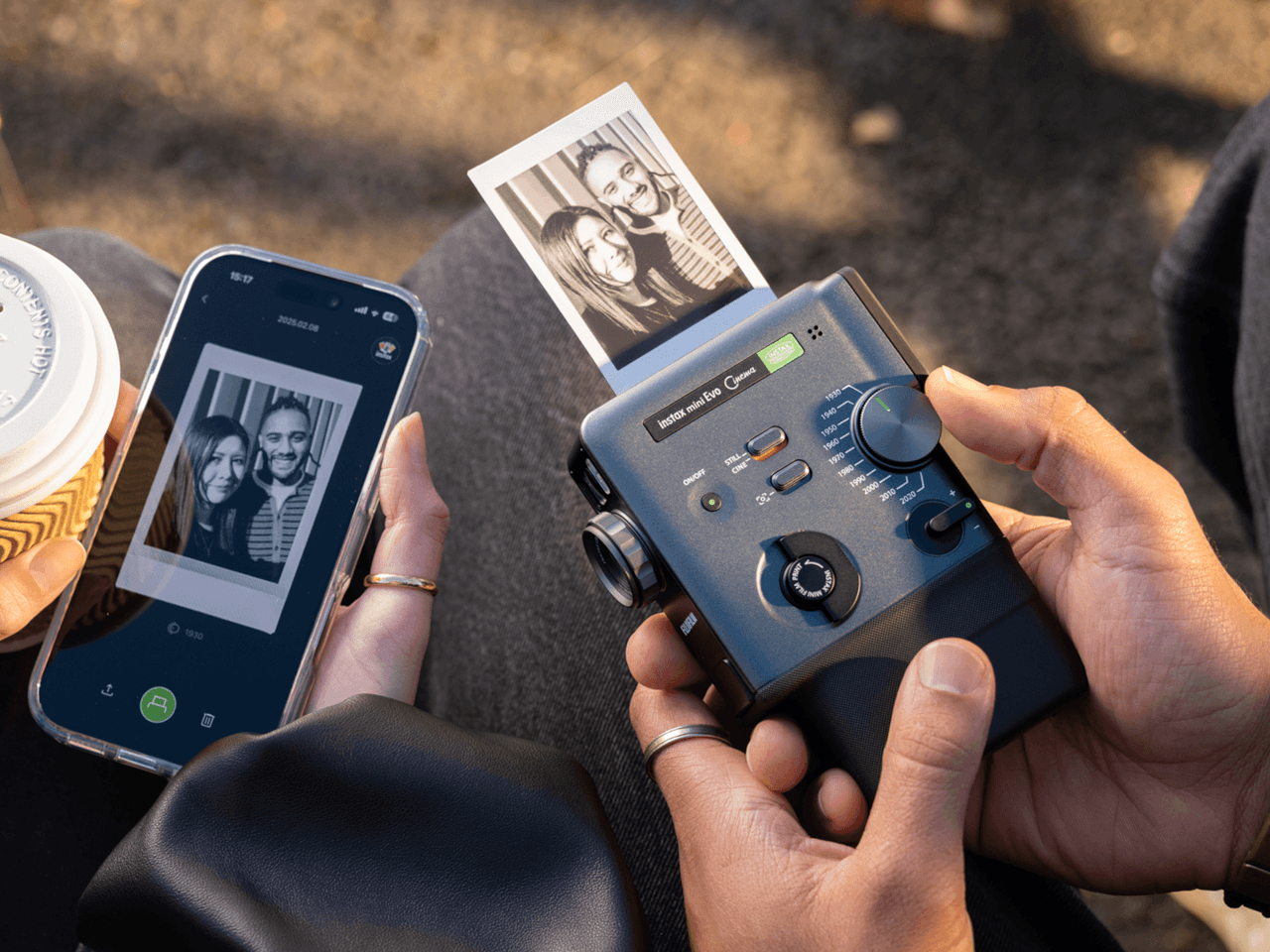
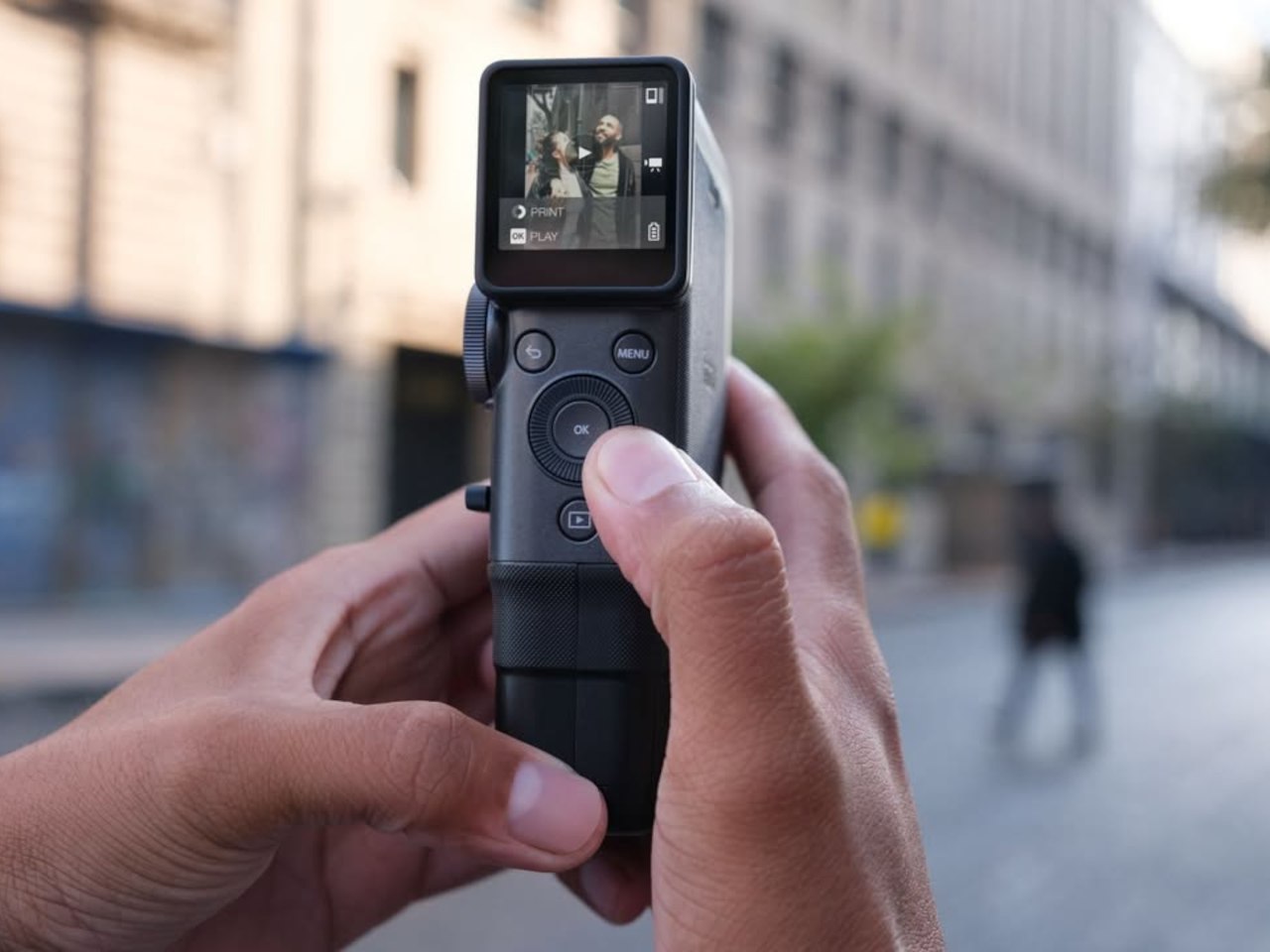
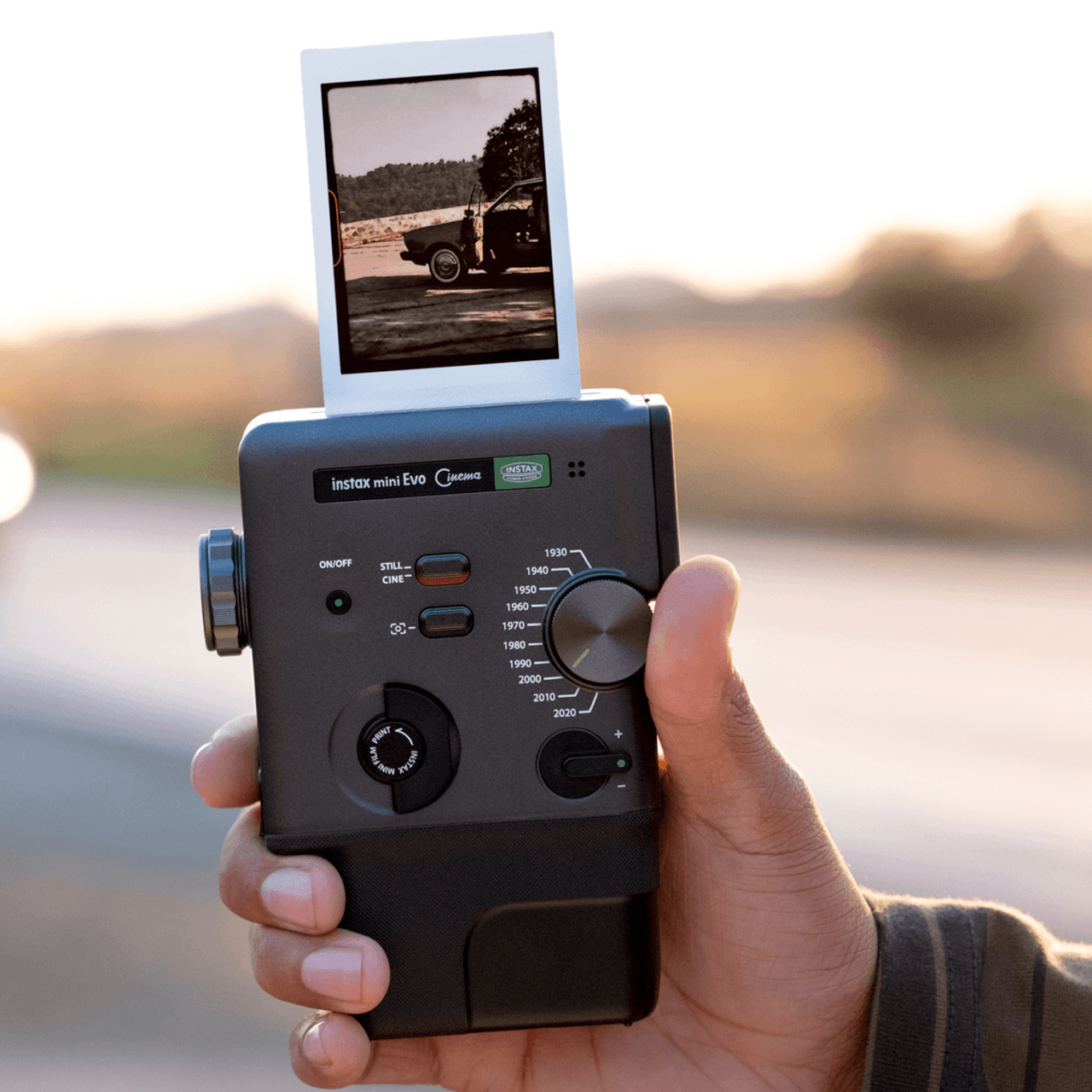
Instax mini Evo Cinema is Fujifilm’s attempt to do exactly that. It is a hybrid instant camera that shoots both stills and 15-second video clips, then turns those clips into instax mini prints with QR codes. You pick a frame, print it, and the tiny card becomes both a photograph and a doorway back to the moving memory when someone scans it, blurring the line between souvenir and portal.

Designer: Fujifilm

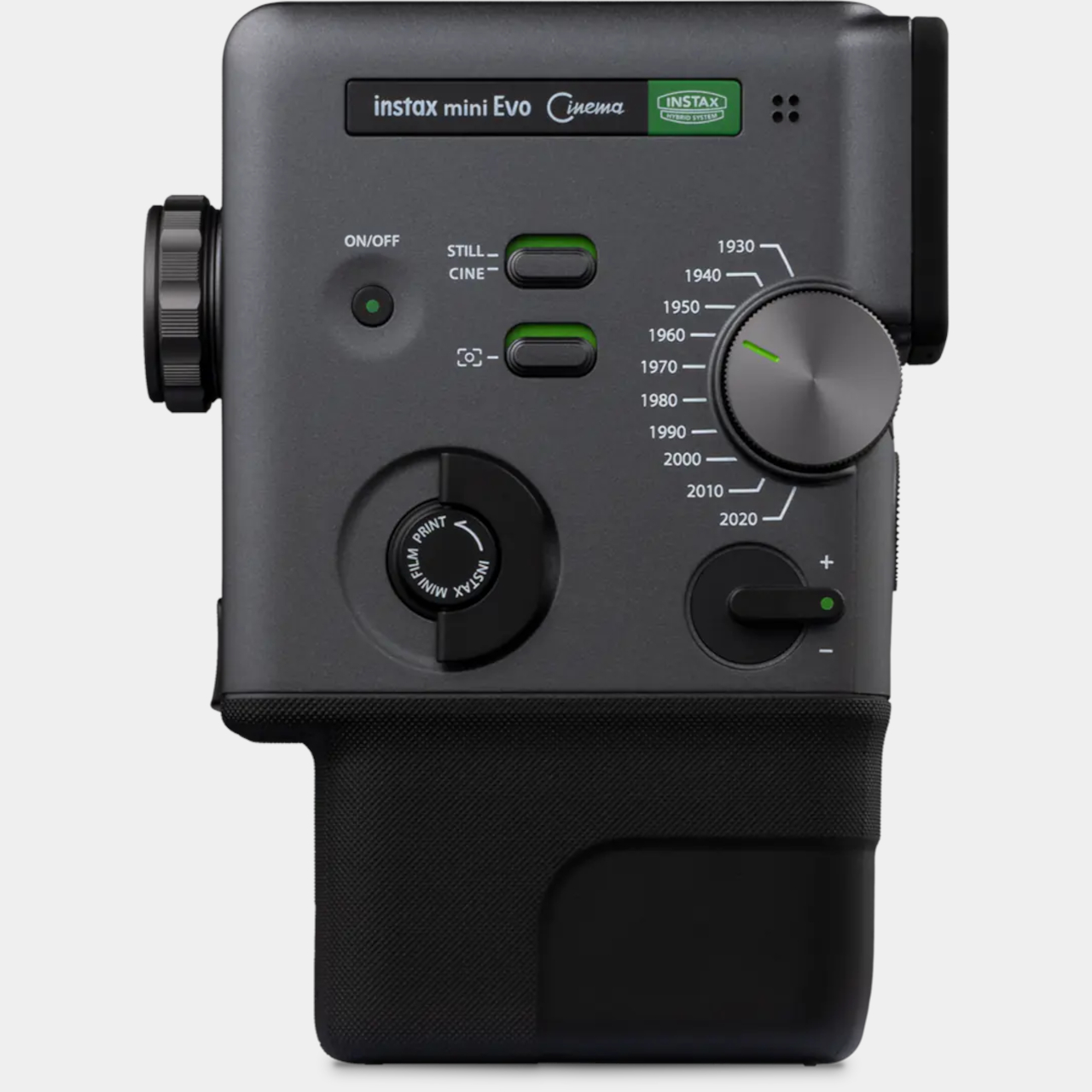
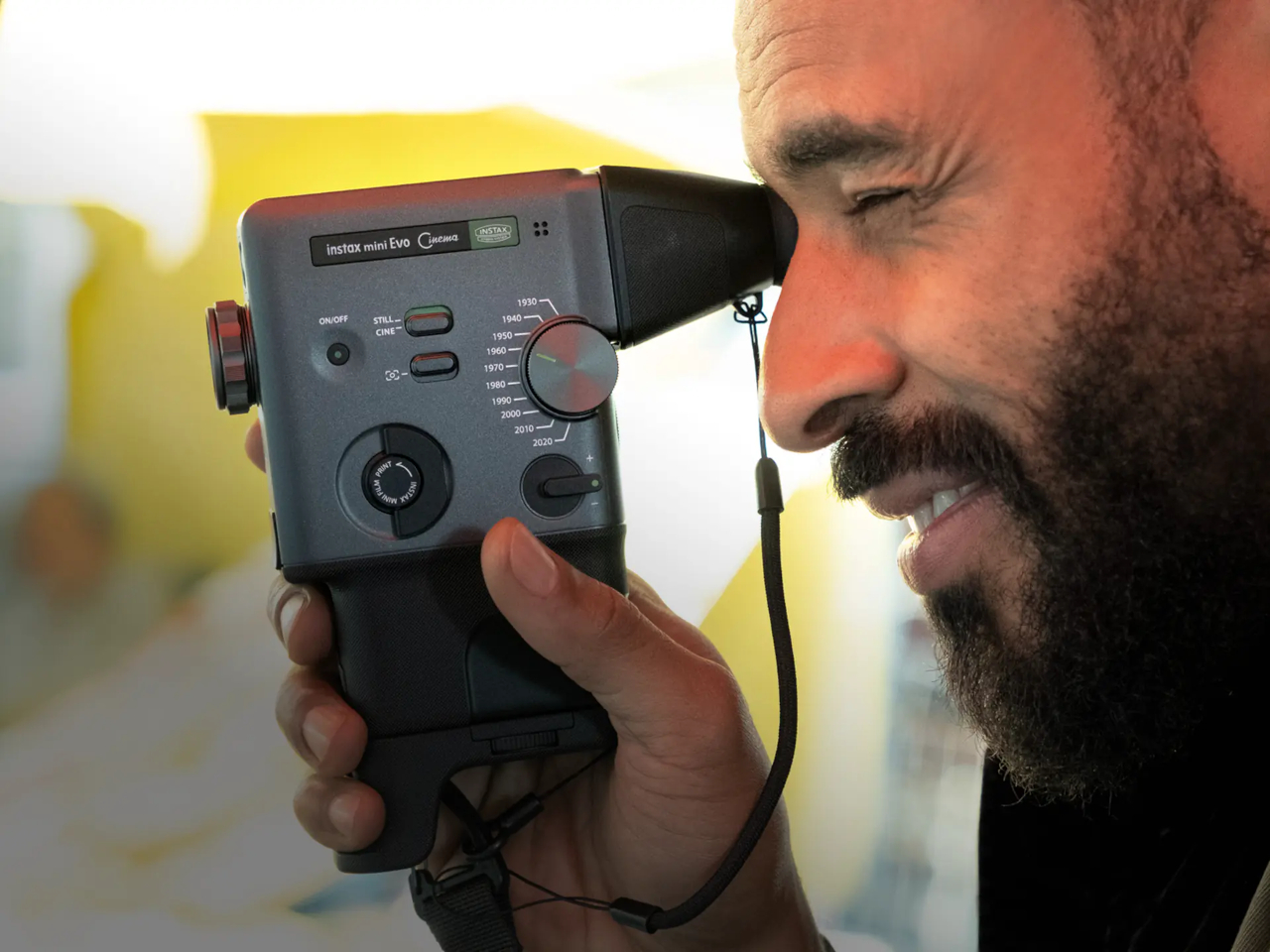
The Eras Dial is a new control that dresses your footage in looks inspired by different decades. There are ten effects, from 1960’s 8mm film to 1970’s color CRT, 1980’s 35 mm negatives, and a 2010 mode that feels like early smartphone filters, each with ten intensity levels. Visual textures, noise, tape flutter, and sound all get processed, so shooting can feel like stepping into another era with dial clicks marking each shift.

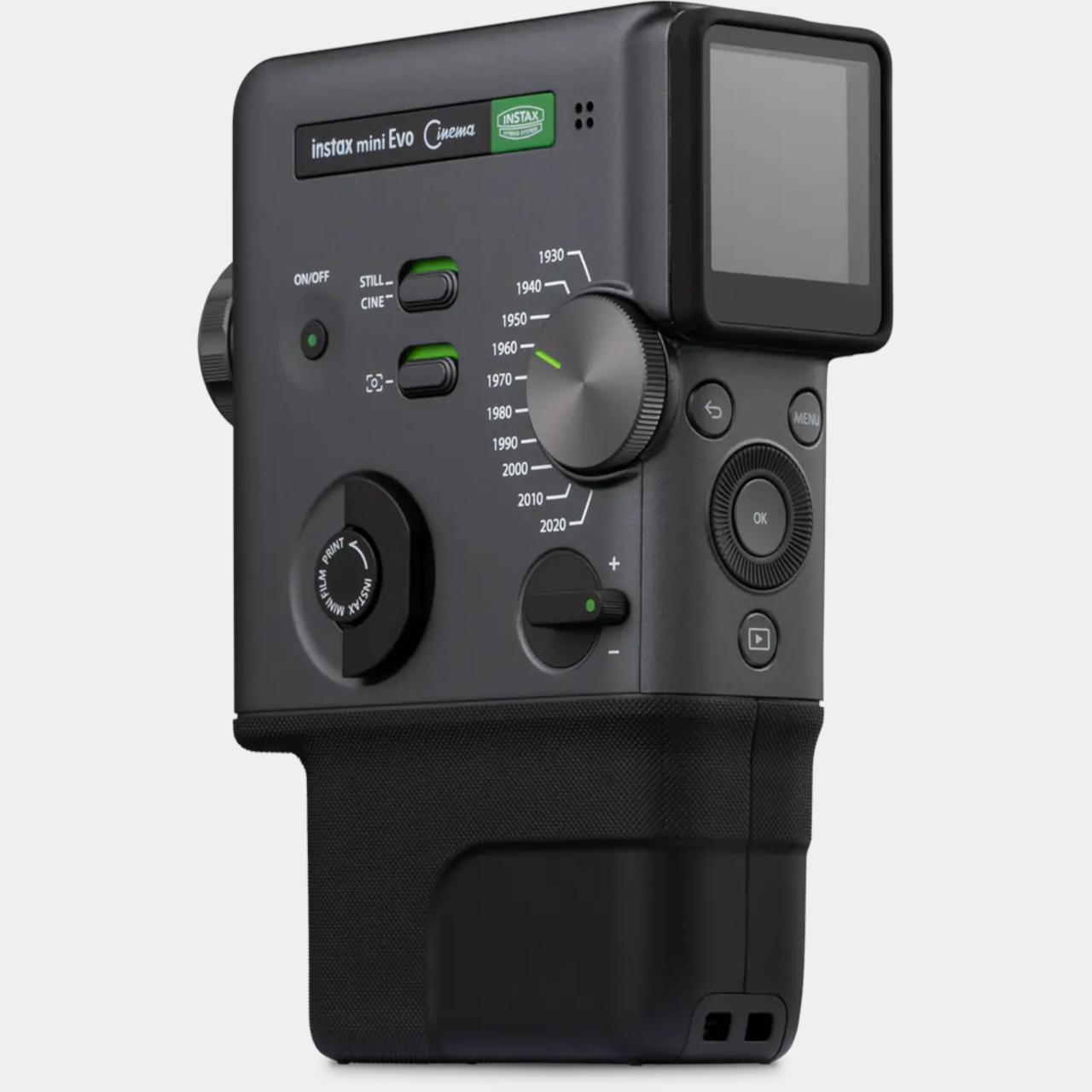
The vertical grip borrows from Fujifilm’s FUJICA Single-8 8mm camera, making it feel more like a tiny movie camera than a flat point-and-shoot. The tactile Eras Dial and Print Lever that mimics winding film turn printing into a small ritual. You can frame shots on the rear LCD or snap on the included viewfinder for a more immersive experience that feels surprisingly satisfying when you are used to phone cameras.

Picture filming a friend’s toast or a quick city walk, holding the shutter to record and releasing to pause between cuts. Later, you scroll through clips on the screen, pick a favorite frame, and pull the lever to spit out an instax mini with a QR code. Handing that card over feels different from sending a link, it is a tiny artifact that still carries the motion with it.

The dedicated app lets you combine clips into 30-second mini films with cinematic intros and outros, design poster-style prints with titles, and use Direct Print to turn phone photos into instax minis. Bluetooth and Wi-Fi make transfers faster, but the camera still stands on its own when you leave your phone in your bag and just want to shoot and hand someone a print.

The Mini Evo Cinema treats the instax print as more than a frozen frame. With the QR code and Eras Dial, each card becomes a little time capsule, a still that points back to a moving, era-tinted moment. A camera that lets you hand someone a clip disguised as a photograph feels like a surprisingly natural evolution, especially when you love both the physicality of instant film and the playfulness of short video that disappears into feeds.

The post instax mini Evo Cinema Hides 15-Second Clips Inside QR Code on Prints first appeared on Yanko Design.