9 Samsung Galaxy S26 Ultra Leaks That Will Make iPhone Users Switch

9 Samsung Galaxy S26 Ultra Leaks That Will Make iPhone Users Switch

The Samsung Galaxy S26 series, anticipated for release in early 2026, is shaping up to be a pivotal addition to the smartphone market. Packed with advancements in display technology, battery performance, and design, the lineup—led by the Ultra model—aims to deliver premium features while maintaining competitive pricing. The video below from ZONEofTECH gives us a […]

The post 9 Samsung Galaxy S26 Ultra Leaks That Will Make iPhone Users Switch appeared first on Geeky Gadgets.

Posted in Uncategorized

Dioxus Framework Might Be the Future of Cross-Platform Apps

Dioxus Framework Might Be the Future of Cross-Platform Apps

What if you could build apps for web, mobile, and desktop, all from a single codebase—without sacrificing performance or flexibility? Better Stack walks through how Dioxus, a Rust-based framework, is redefining cross-platform development with features like RSX syntax, hot reloading, and GPU-based rendering. While frameworks like Flutter and React Native dominate the space, Dioxus is […]

The post Dioxus Framework Might Be the Future of Cross-Platform Apps appeared first on Geeky Gadgets.

Posted in Uncategorized

The New King of 2026? OPPO Find X9 Ultra Leaks are Insane!

The New King of 2026? OPPO Find X9 Ultra Leaks are Insane!

The OPPO Find X9 Ultra is shaping up to be one of the most anticipated smartphones of 2026. Building on the success of its predecessor, the Find X9 Pro, this flagship device is rumored to push the boundaries of innovation in camera technology, performance, and design. While excitement grows, questions about its global availability persist, […]

The post The New King of 2026? OPPO Find X9 Ultra Leaks are Insane! appeared first on Geeky Gadgets.

Posted in Uncategorized

17 New Excel Features for 2026 to Speed up Your Work

17 New Excel Features for 2026 to Speed up Your Work

What if the Excel you know today could completely transform the way you work tomorrow? Below Jon from Excel Campus explores how the new 2026 updates to Microsoft Excel aren’t just incremental improvements. From using AI to clean messy datasets in seconds to integrating Python for advanced analytics, these features are designed to redefine productivity […]

The post 17 New Excel Features for 2026 to Speed up Your Work appeared first on Geeky Gadgets.

Posted in Uncategorized

How to Enable Actual Dark Mode On Iphone In iOS 26

How to Enable Actual Dark Mode On Iphone In iOS 26

Dark mode on iPhones running iOS 26 or later offers more than just a visual transformation. It reduces eye strain, conserves battery life on OLED screens, and provides a sleek, unified interface. By exploring system settings and customizing features, you can unlock a fully optimized dark mode experience. The video below from Zollotech will walk […]

The post How to Enable Actual Dark Mode On Iphone In iOS 26 appeared first on Geeky Gadgets.

Posted in Uncategorized

xLean TR1 Brings Dual-Form, Human-Intent Cleaning to CES 2026

xLean TR1 Brings Dual-Form, Human-Intent Cleaning to CES 2026

As CES 2026 approaches, one robotics debut is already standing out for its focus on real-world problems rather than incremental upgrades. xLean has confirmed it will showcase the xLean TR1, marketed under the banner “Reinventing Clean for Real Life.” The TR1 aims to rethink what a cleaning robot can be by combining two machines into […]

The post xLean TR1 Brings Dual-Form, Human-Intent Cleaning to CES 2026 appeared first on Geeky Gadgets.

Posted in Uncategorized

Mac vs. Windows at $750: Don’t Waste Your Money on the Wrong Laptop

Mac vs. Windows at $750: Don’t Waste Your Money on the Wrong Laptop

When searching for a laptop in the $750 price range, achieving the right balance between performance, design, and long-term value is crucial. This comparison examines four popular options: the Apple M4 MacBook Air, Microsoft Surface Laptop (Snapdragon X Plus), Acer Aspire (Intel Lunar Lake), and Lenovo IdeaPad (AMD Ryzen AI 7350). While each device offers […]

The post Mac vs. Windows at $750: Don’t Waste Your Money on the Wrong Laptop appeared first on Geeky Gadgets.

Posted in Uncategorized

Top 5 Reasons the Roborock Qrevo Curv 2 Flow Is Built for Open-Plan Homes With Mixed Flooring

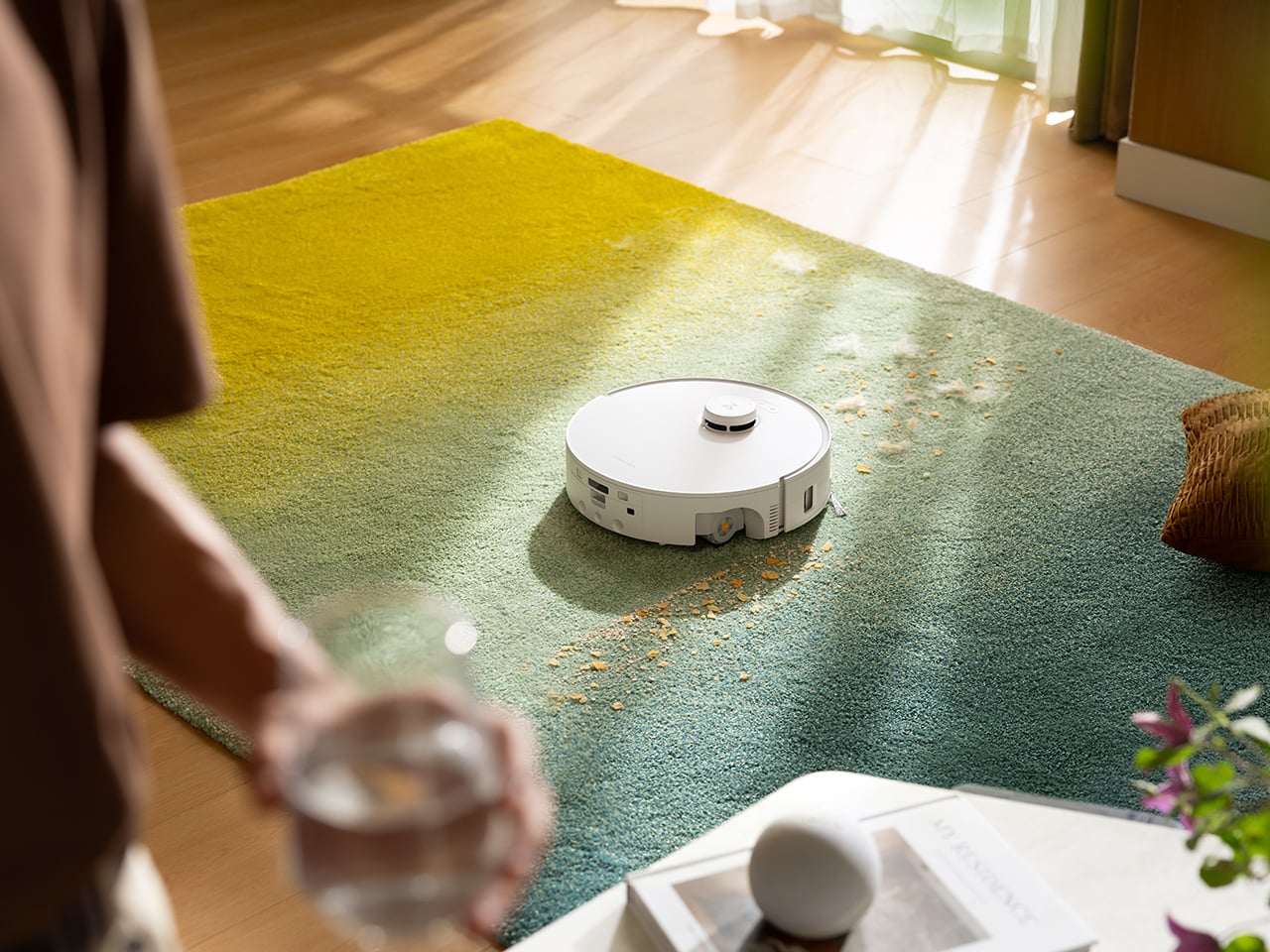
Most robot vacuum-mop combos on the market right now do an acceptable job on light dust and can push a damp pad across hardwood, but ask them to handle a real kitchen spill or a week’s worth of tracked-in dirt from a dog, and the cracks start to show. Streaky floors, damp patches that take twenty minutes to dry, wheel marks through the mess, and mop pads that smell like a gym locker after three days. The promise has always been “set it and forget it,” but the reality for most owners involves regular pad washing, manual spot cleaning, and a nagging sense that the robot is just redistributing grime rather than actually removing it. Homes with kids, pets, or open-plan layouts where the kitchen flows into the living room need more than a technical pass, they need floors that are genuinely clean and dry enough to walk on immediately.

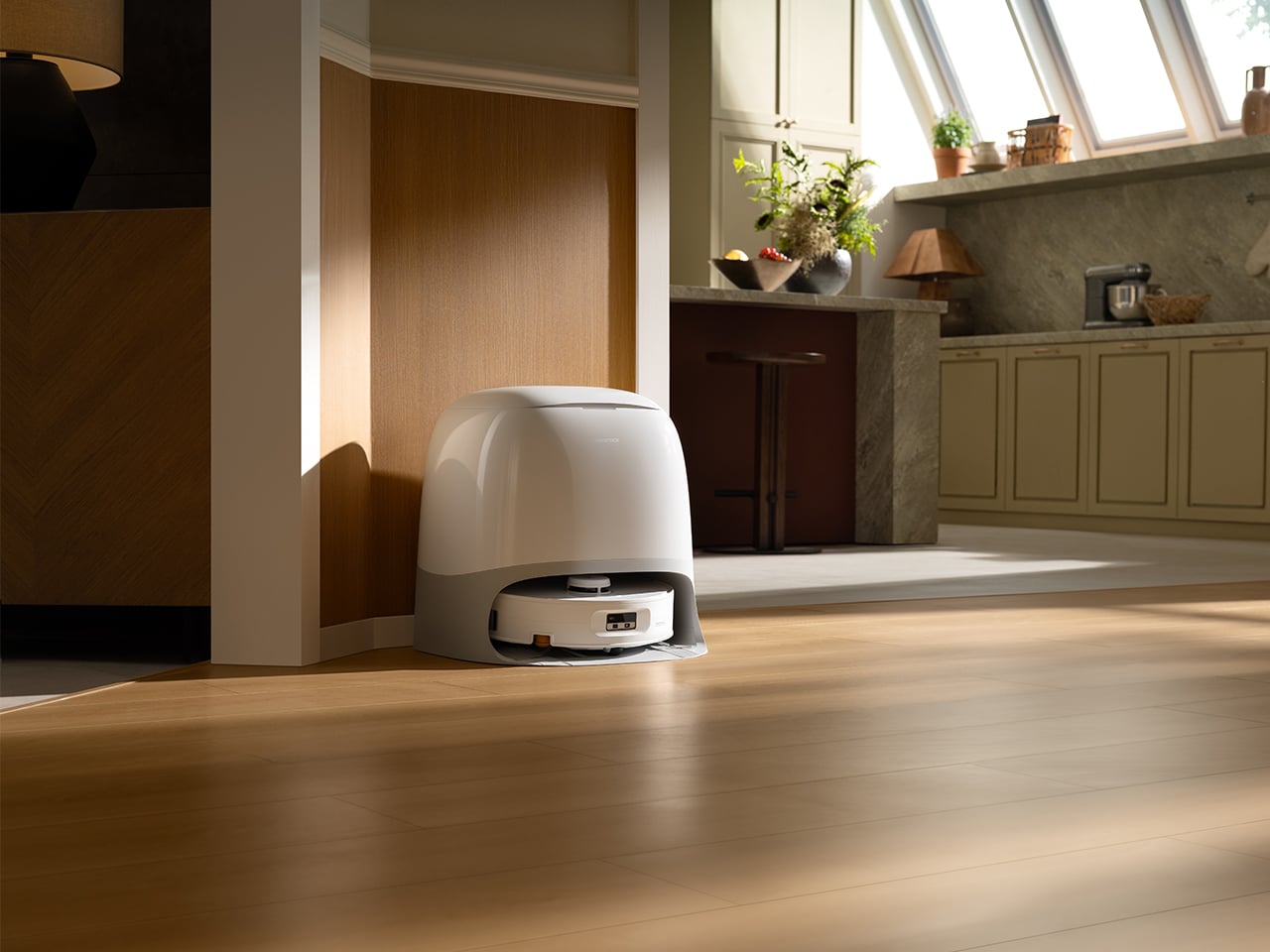
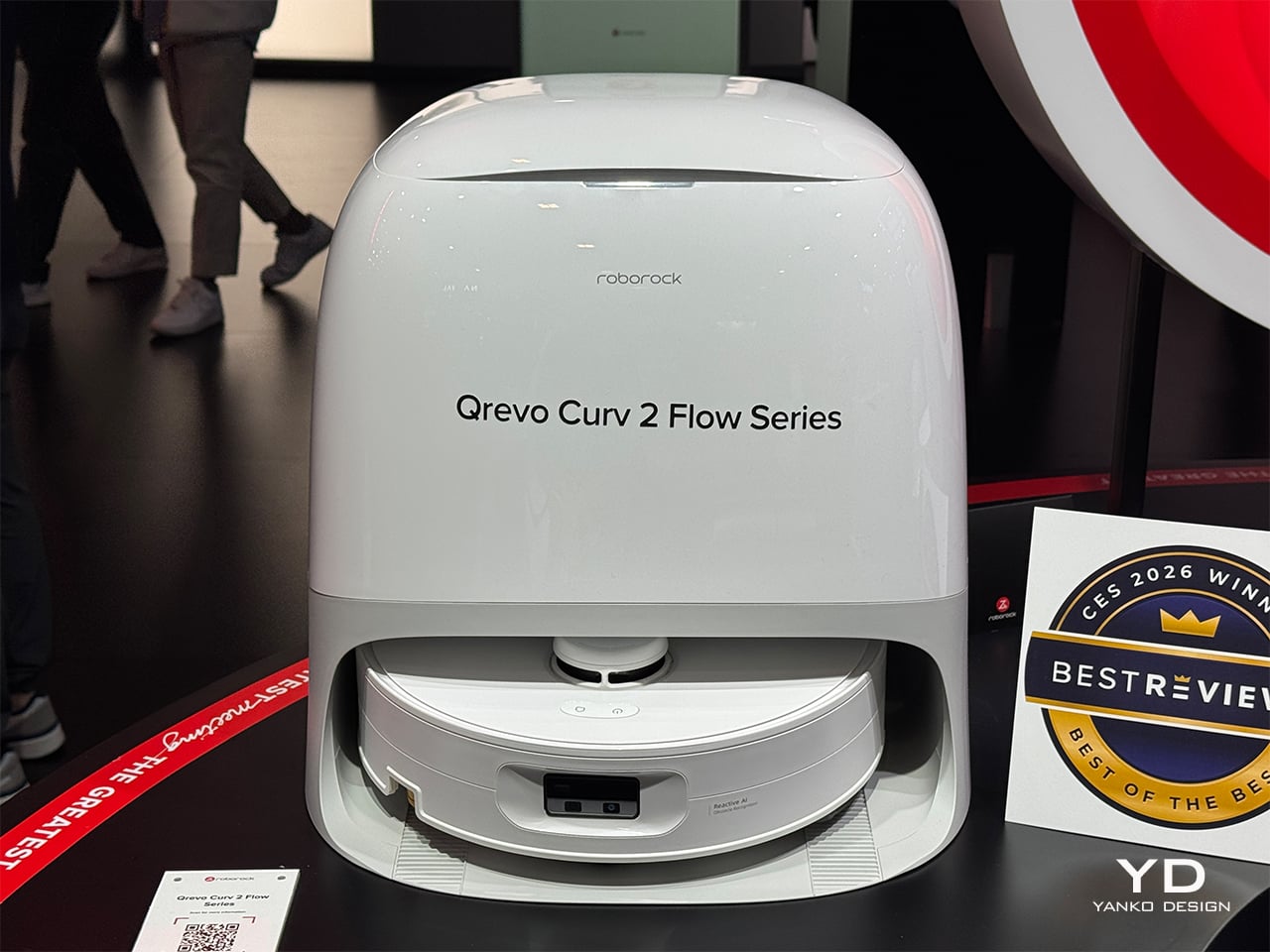
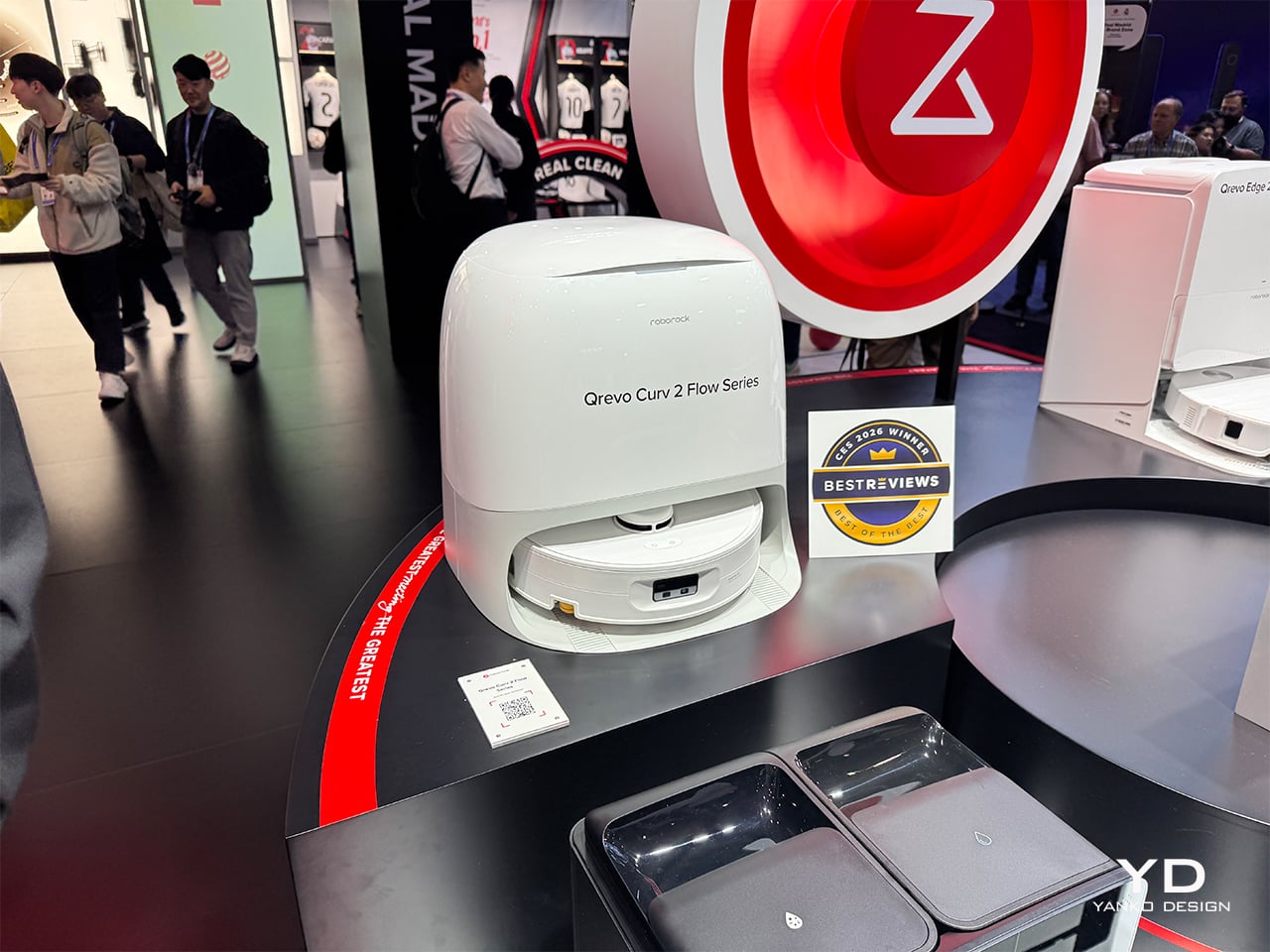
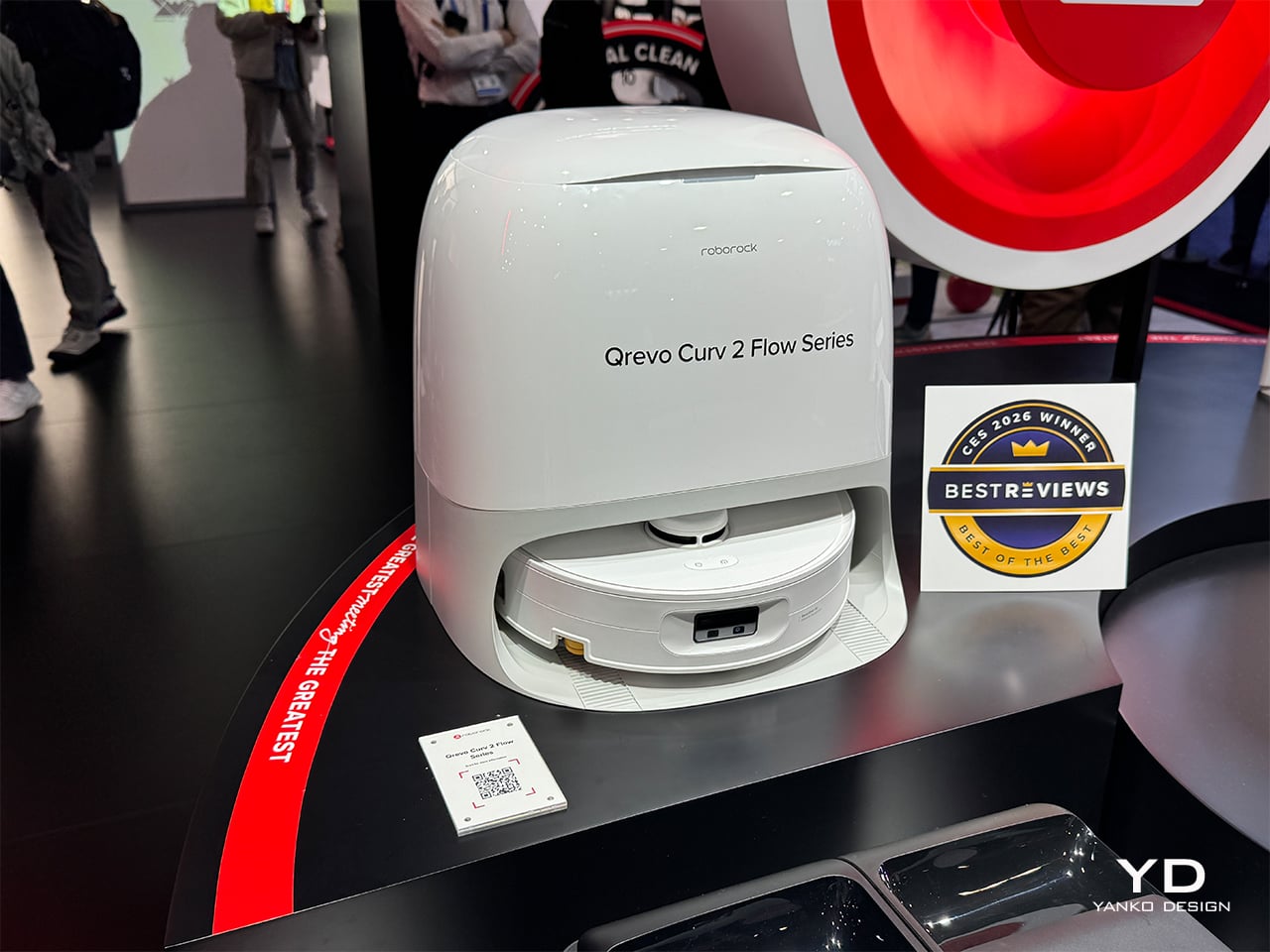
Roborock’s answer to that gap is sitting on the show floor at CES 2026, and it is called the Qrevo Curv 2 Flow. Positioned as the brand’s first “Real Clean Challenge” hero product, it is engineered specifically around what North American households actually throw at a robot vacuum: sticky spills, pet messes, carpets next to hard floors, and the expectation that a thousand-dollar machine should not become another maintenance project. The pitch centers on “real dry and real clean” performance, delivered through a one-pass roller-mop system, automatic wet/dry carpet separation, and a dock that handles most of the gross maintenance work without intervention. What follows is a walkthrough of the five things that stand out most after watching it run through Roborock’s booth demos, with an eye on what actually matters once this machine is navigating a real living room.

Designer: Roborock

1. One-Pass Roller Cleaning That Actually Looks Finished
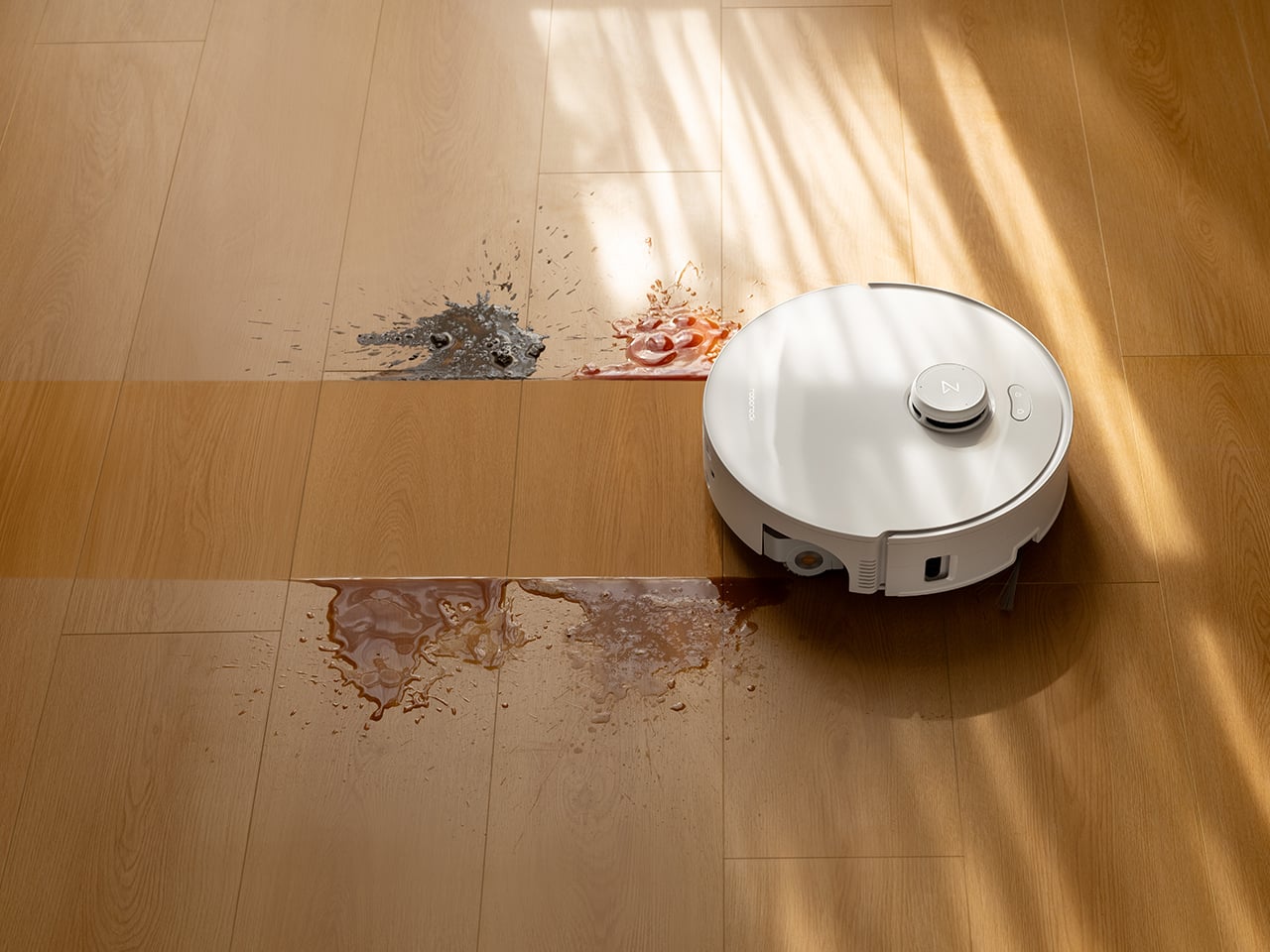
The centerpiece is a 270mm-wide roller mop, noticeably wider than the typical 180mm rollers on most competitors. That extra width means fewer passes to cover the same area, and in booth demos running over simulated coffee spills and muddy pet prints, the difference is visible. The system applies 15N of downward pressure (roughly 2.5 times the previous model, equivalent to about 1.5kg of force) combined with 220 RPM rotation, so the roller scrubs rather than just wipes. Where shorter rollers leave streaks or require a second pass, this one clears the mess in a single stroke and moves on.
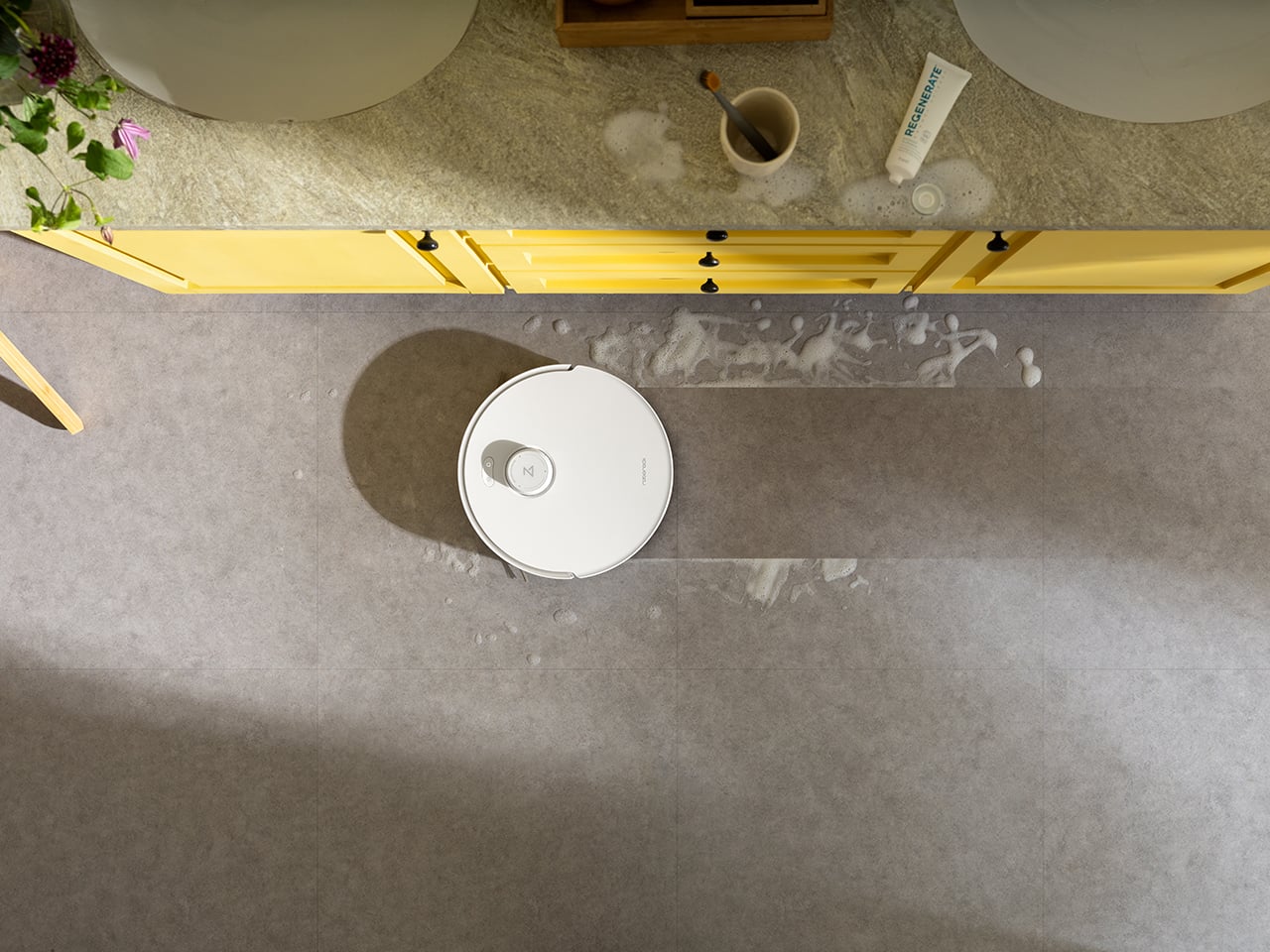
What keeps it from smearing dirty water around is the SpiralFlow real-time self-cleaning system. Eight precision hydration points distribute clean water across the roller while a built-in floating scraper removes excess moisture and channels dirty water into a separate wastewater tank. The four-step process (hydrate, control moisture, scrub, collect) happens continuously while the robot moves, so every pass uses a relatively fresh section of roller. The floating scraper automatically adjusts to the roller surface, unlike fixed scrapers on track-mop designs that apply uneven pressure and leave streaks. In controlled spill tests, floors look finished after one pass and dry to the touch within a couple of minutes.

2. Carpets Stay Dry, Even When You’re Not At Home
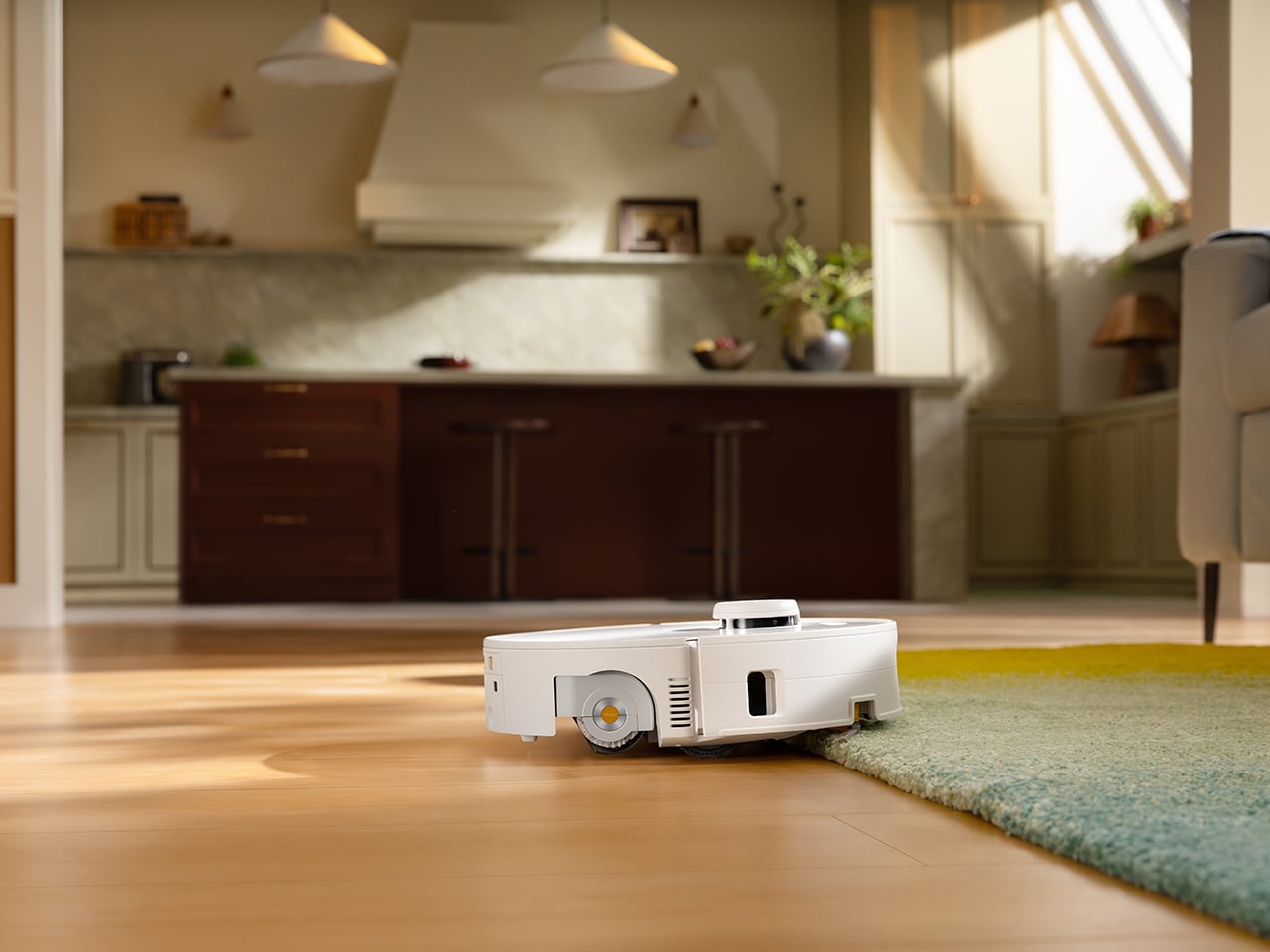
Before the robot reaches a carpeted area, the roller lifts up to 15mm off the floor while a roller shield simultaneously extends to cover the mop, creating a physical barrier that blocks both moisture and dirt from transferring onto carpet fibers. The system works with carpets up to about 13mm pile height, and for taller rugs, the app lets users set custom behaviors. In the demo setup with a kitchen runner adjacent to tile and a living room area rug, the robot transitions cleanly between surfaces without leaving visible damp spots on carpet edges, which is usually where most robots fail.

That edge transition matters for homes with mixed flooring, especially where a spill on hard floor sits right next to a rug. Most two-in-one robots either roll onto the rug and react (leaving damp edges) or force users to draw manual no-go zones around every carpet. The shield solves that by keeping the wet roller physically separated during the entire crossing, rather than relying solely on lift height.

3. Edge Cleaning Without the Baseboard Crunch
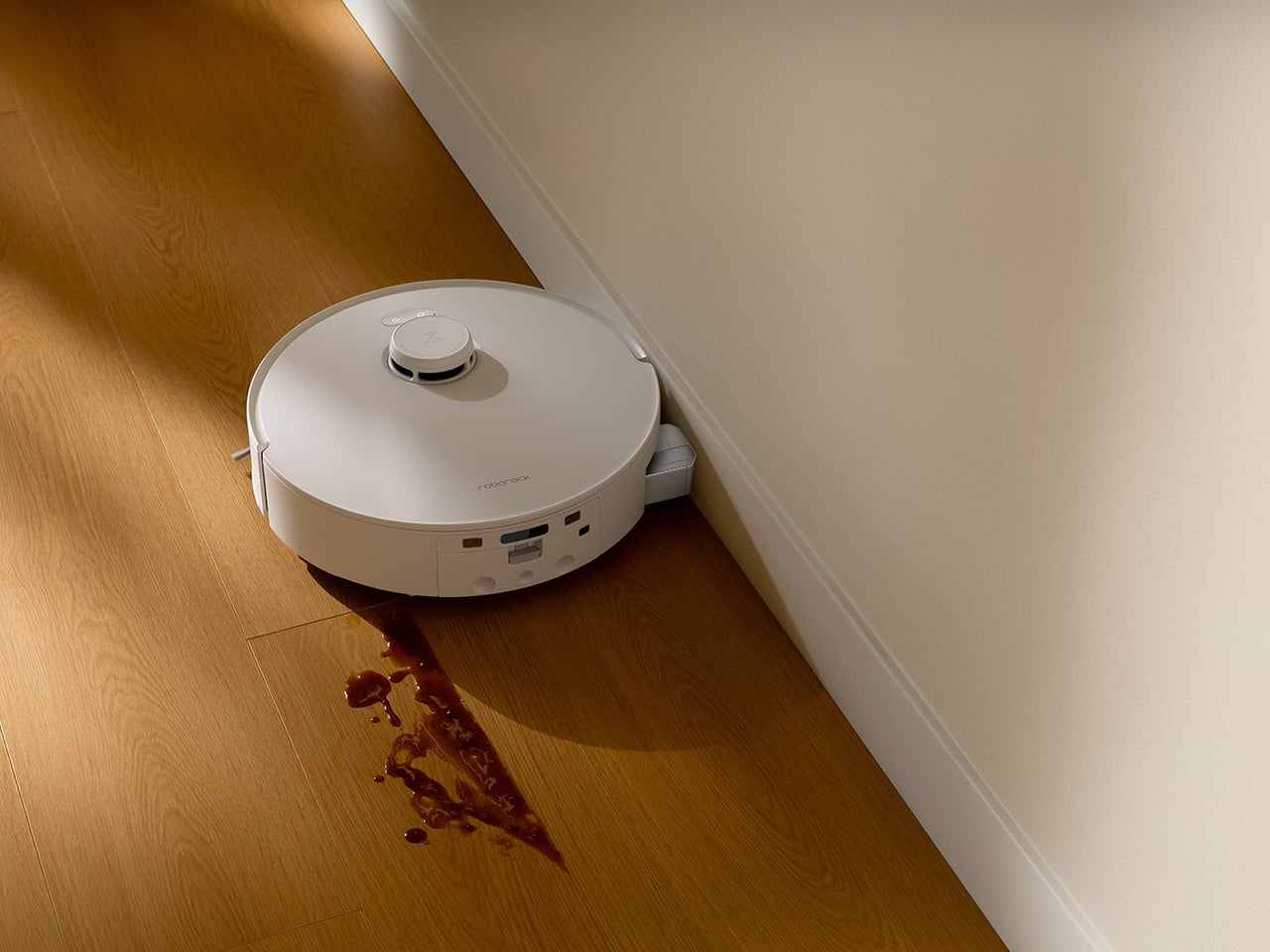
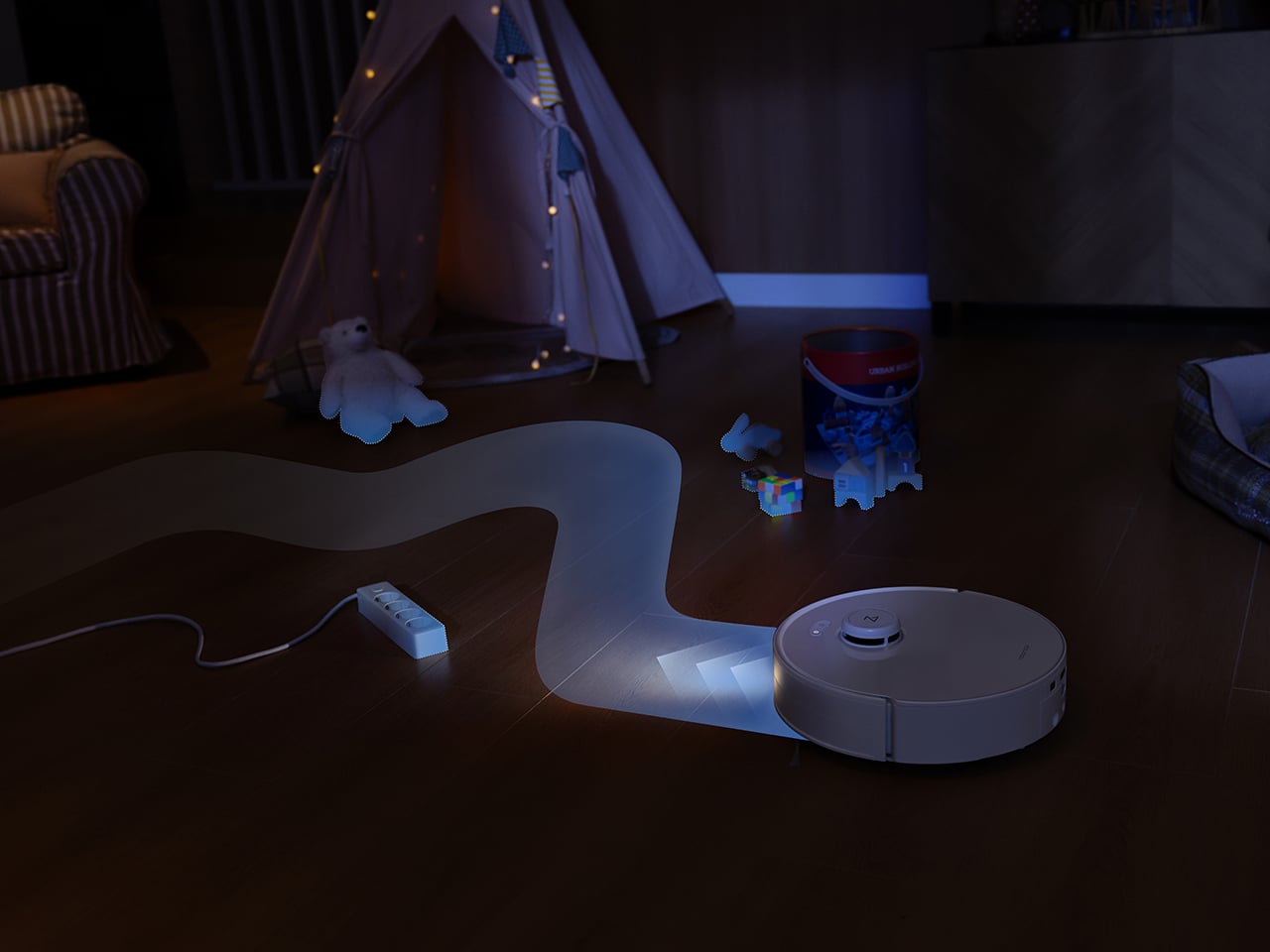
Getting close to walls has always been a trade-off: stay back and leave a visible dirt line, or bump repeatedly into trim and sound like the robot is attacking the baseboards. The Qrevo Curv 2 Flow uses an edge-adaptive roller mop that extends outward to reach within about 10mm of the wall, rather than relying entirely on side brushes. The precision extension mechanism activates when the robot detects an edge, allowing the roller to cover areas that would normally be missed without requiring the entire robot body to press against the wall.
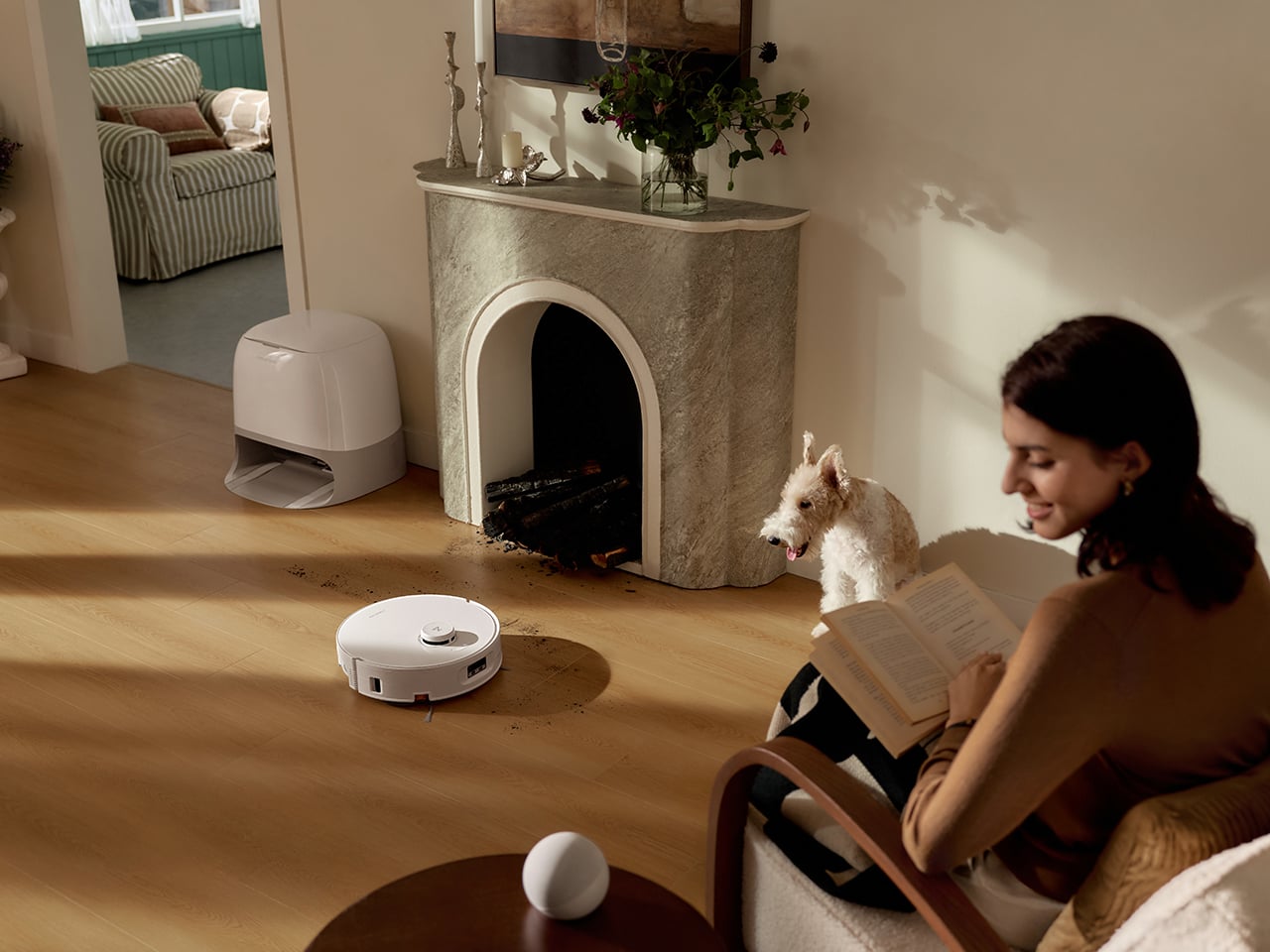
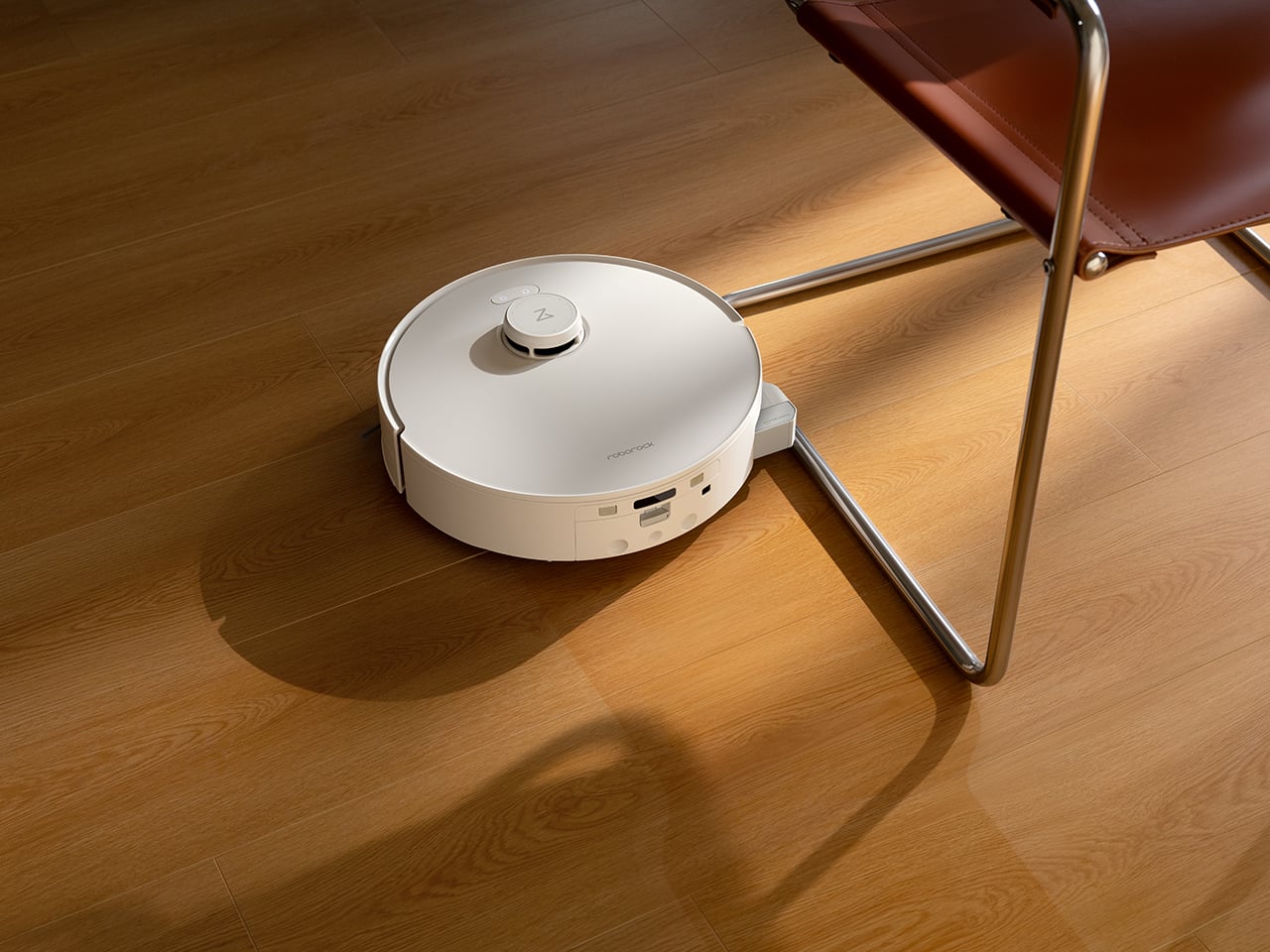
In booth demos around skirting boards, TV cabinet legs, and furniture corners, the coverage is noticeably better than non-extendable designs, which typically leave a 2-3cm gap that accumulates dust. The other advantage is noise and wear. Robots that compensate for short rollers by repeatedly bumping into walls create scraping sounds and can scuff paint over time. The extendable design means the robot maintains a few millimeters of clearance while still getting the roller right up to the edge, reducing both noise and long-term cosmetic damage.

4. Hair Management That Doesn’t Turn Into Weekly Surgery
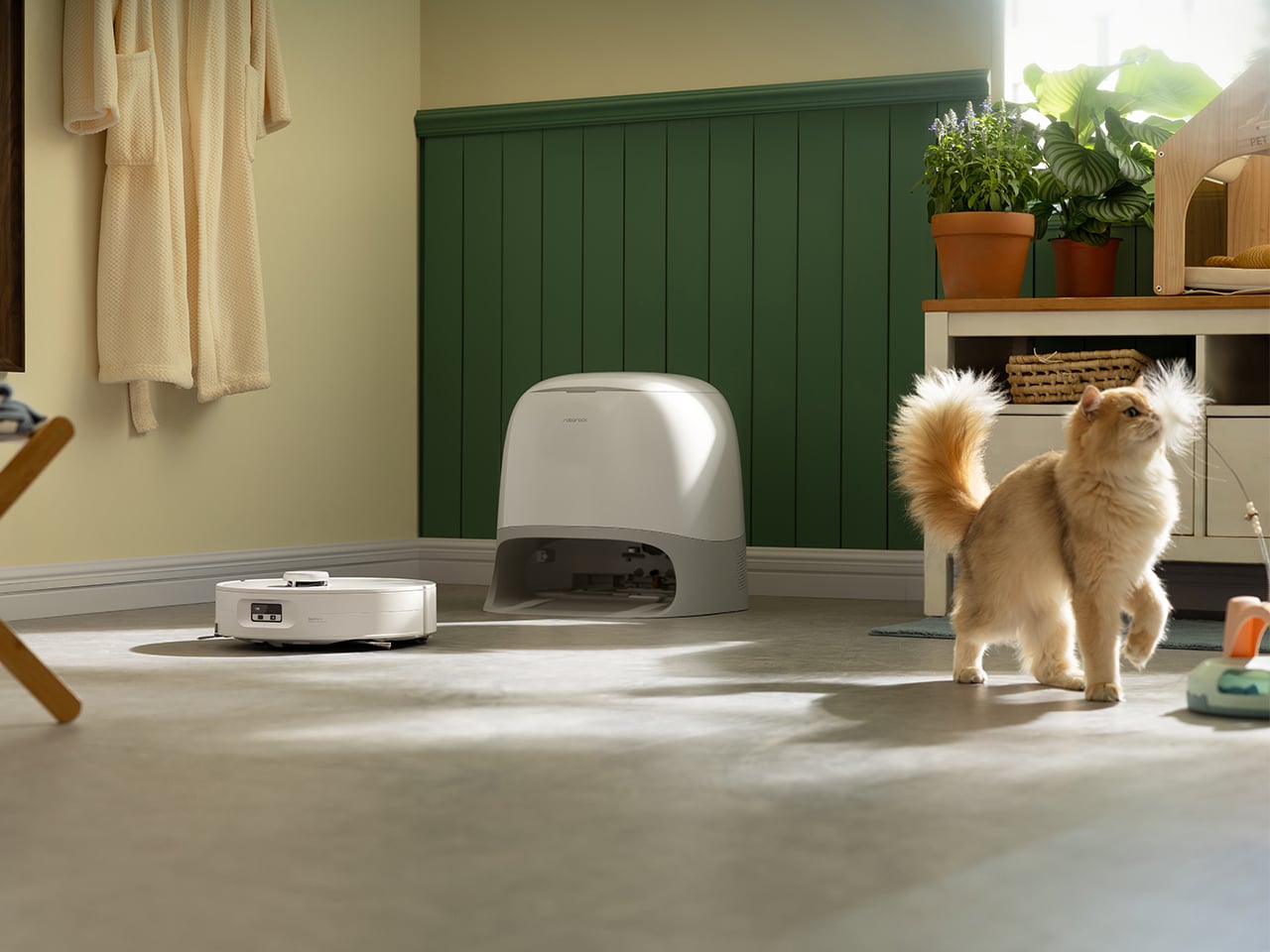
The DuoDivide main brush uses a split design with two counter-rotating arms that move hair from both ends toward the center, cutting transport distance in half. At the center gap, the two brushes spin at slightly different speeds, creating a differential effect that tears apart bundled hair rather than letting it wrap into a solid ring. A precision scraper strips the hair off, and high-flow suction pulls it into the dustbin. After a simulated hair test at the booth (long hair and pet fur spread across hard floor and low-pile carpet), the brush remains visibly clean with no wrapping at the ends and no hair stuck in the dustbin inlet.

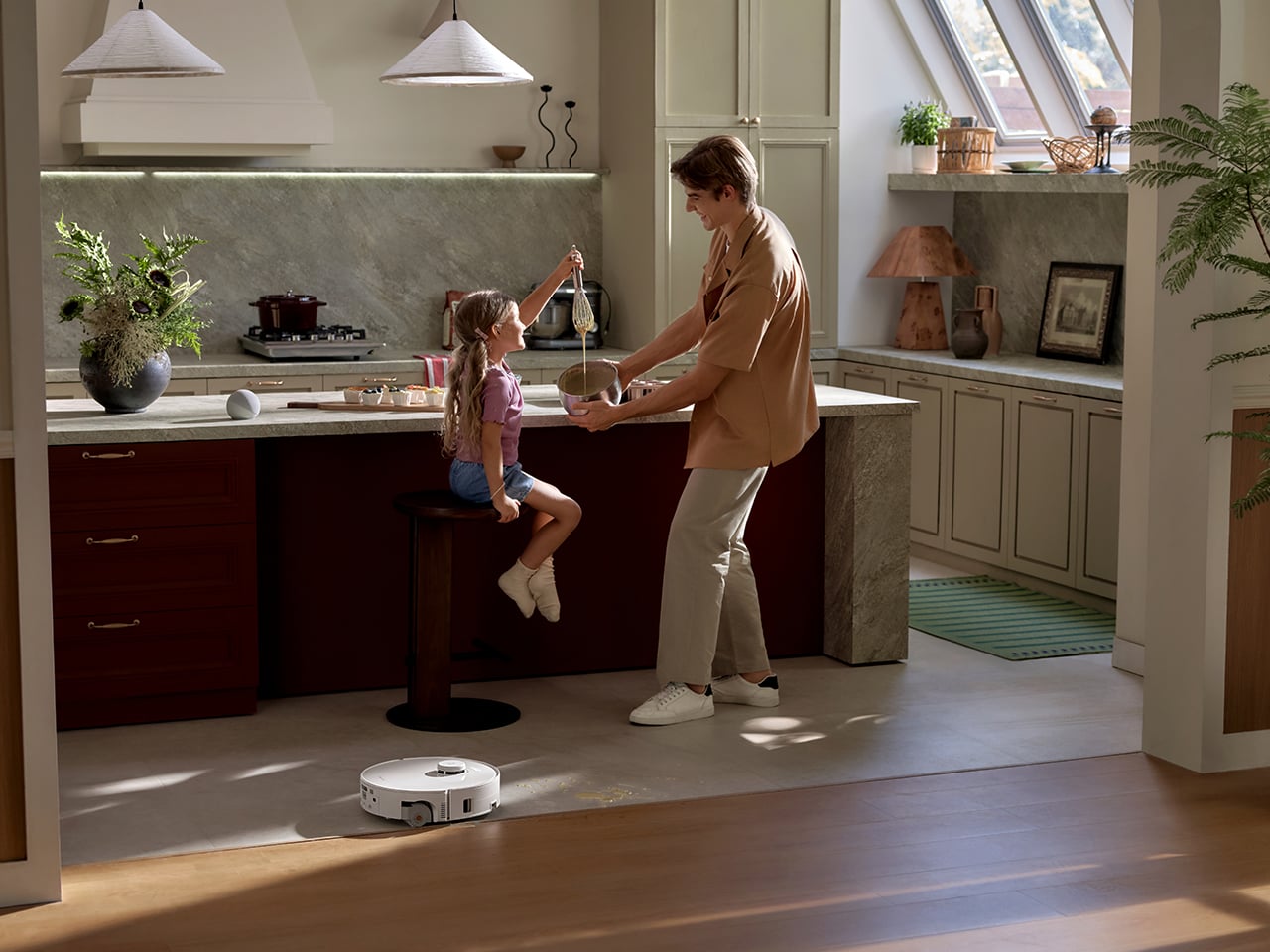
The side brushes use dual lifting arc designs with an asymmetrical spiral arc shape. As the brush rotates, centrifugal force pushes hair outward toward the bristle ends instead of letting it spiral inward toward the hub, and a soft rubber baffle at the base blocks hair from wrapping around the mounting point. Both side brushes also lift automatically when switching to mop-only mode or approaching wet messes, preventing them from getting caked with damp debris. Whether the zero-tangle performance holds up over weeks in a real home is the open question, but the engineering choices are mechanically sound approaches to the hair problem.

5. A Dock That Cleans Like a Mini Washer, Not Just a Parking Spot

When the robot returns to wash its roller, the dock first drains the dirty water from the previous clean, then rinses the roller with fresh water, rather than back-washing dirty water into the roller. While the roller is being cleaned, it alternates between forward and reverse rotation while dual scrapers comb through the fibers from both directions. The dock heats wash water to 75°C (Roborock claims 99% bacteria removal) and runs 55°C warm air drying afterward to prevent mildew and odor. Intelligent dirt detection monitors how dirty the water is during washing, and if it detects heavy soiling, it automatically extends wash duration and can trigger the robot to return to heavily soiled areas for an additional mopping pass.
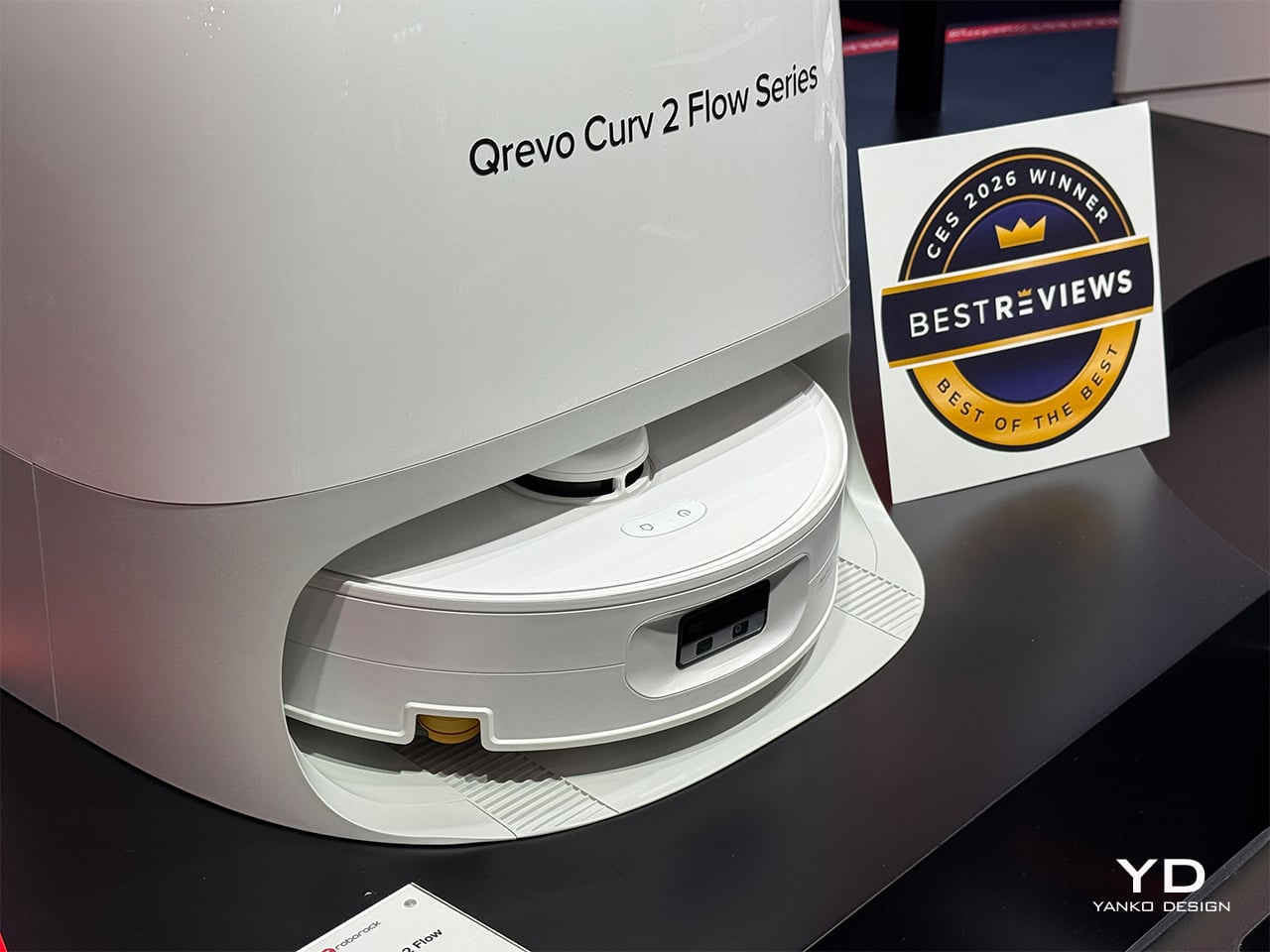
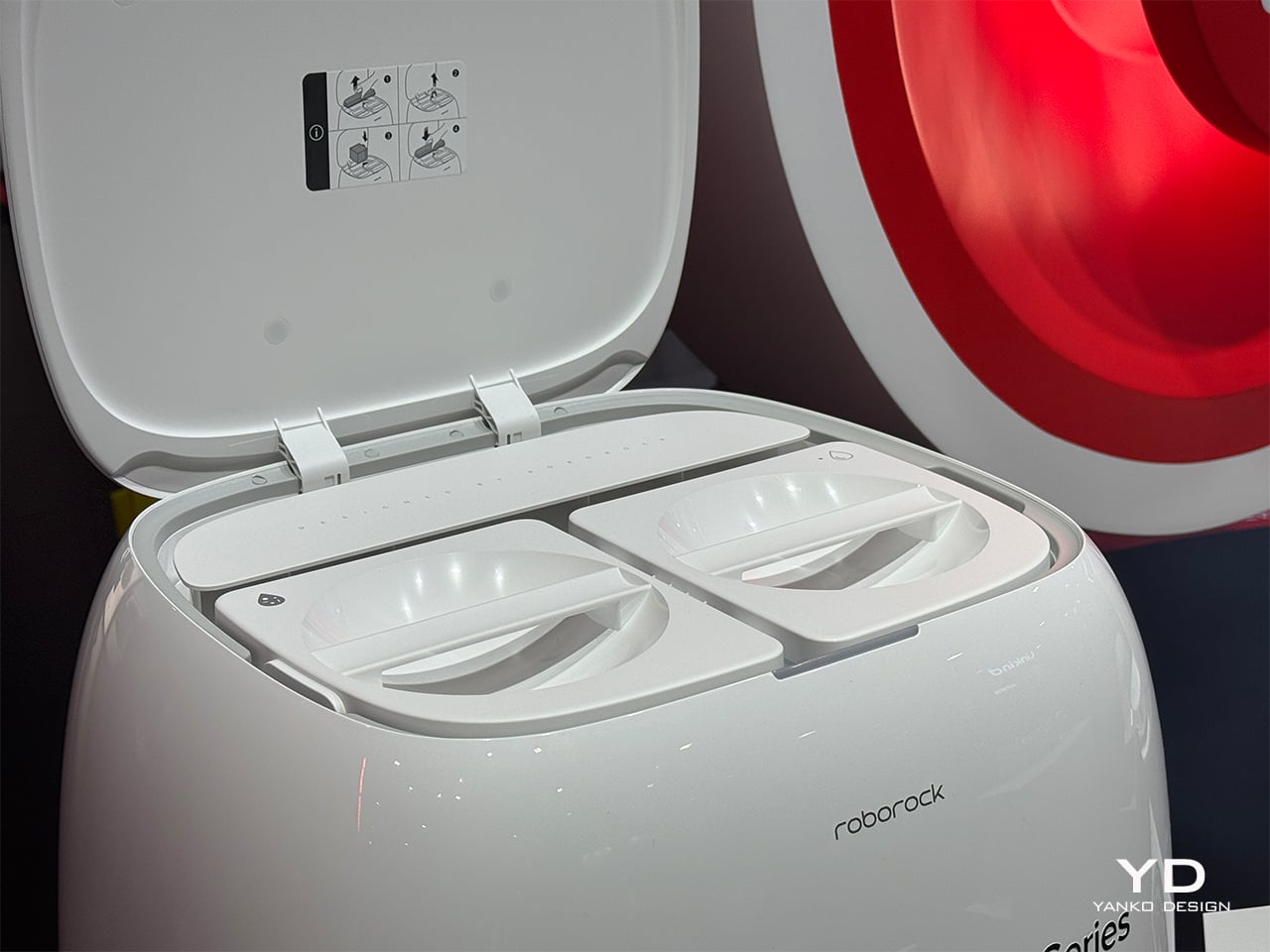
The dock handles auto dust emptying with a 2.5L bag capacity (roughly 65 days under typical use), and more importantly, the roller, roller shield, dirty water tank, and dock base are all designed for quick removal and manual cleaning. Unlike competitor docks with non-removable shields and narrow gaps that accumulate hidden grime, everything that touches dirty water can be pulled out and rinsed. The trade-off is complexity: more sensors, more moving parts, and likely higher consumable costs. But the design philosophy is clear: take on more of the maintenance burden at the dock level so the user does not have to babysit the system daily.

The post Top 5 Reasons the Roborock Qrevo Curv 2 Flow Is Built for Open-Plan Homes With Mixed Flooring first appeared on Yanko Design.
Industrial Wire Mesh Transforms Traditional Tea House

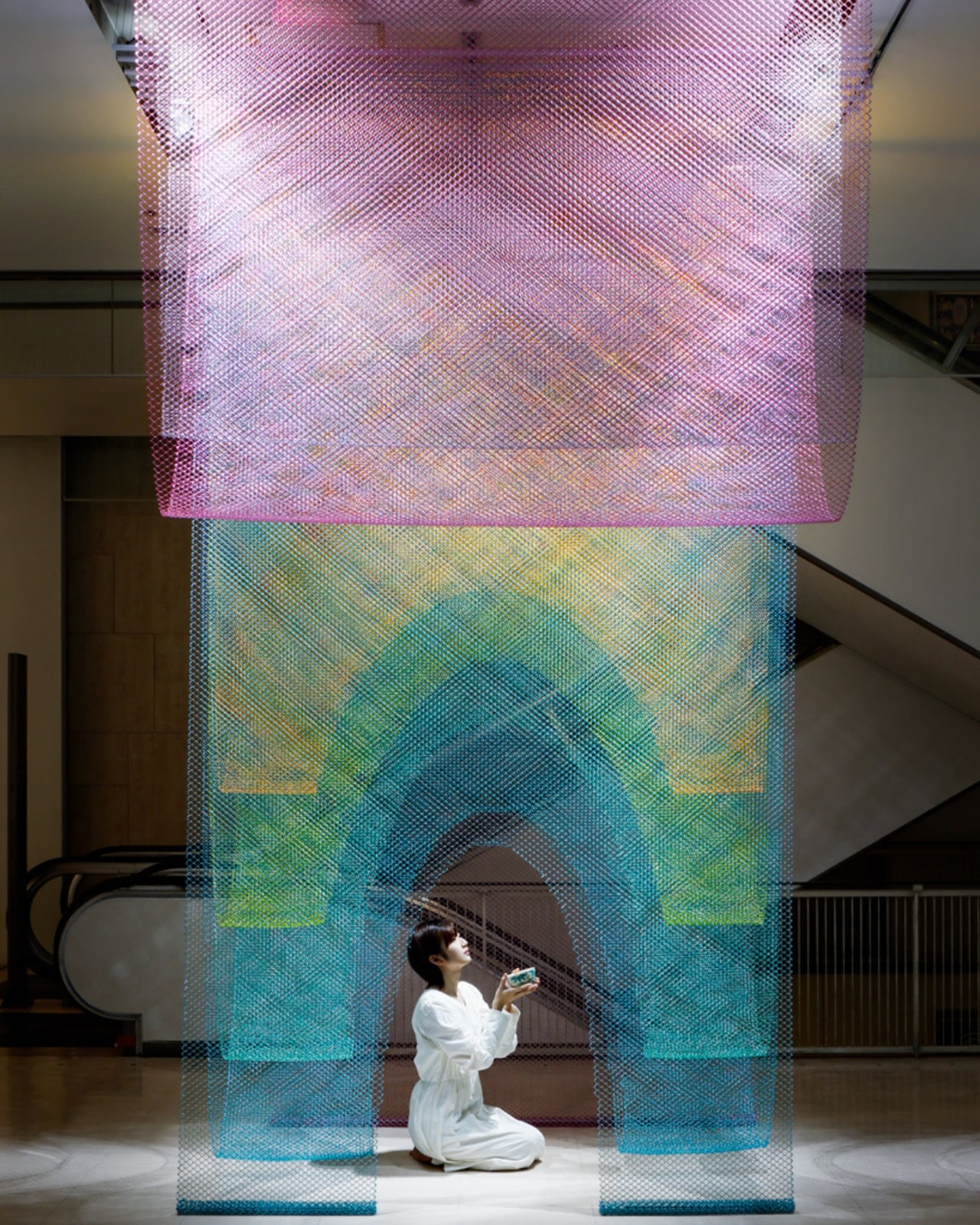
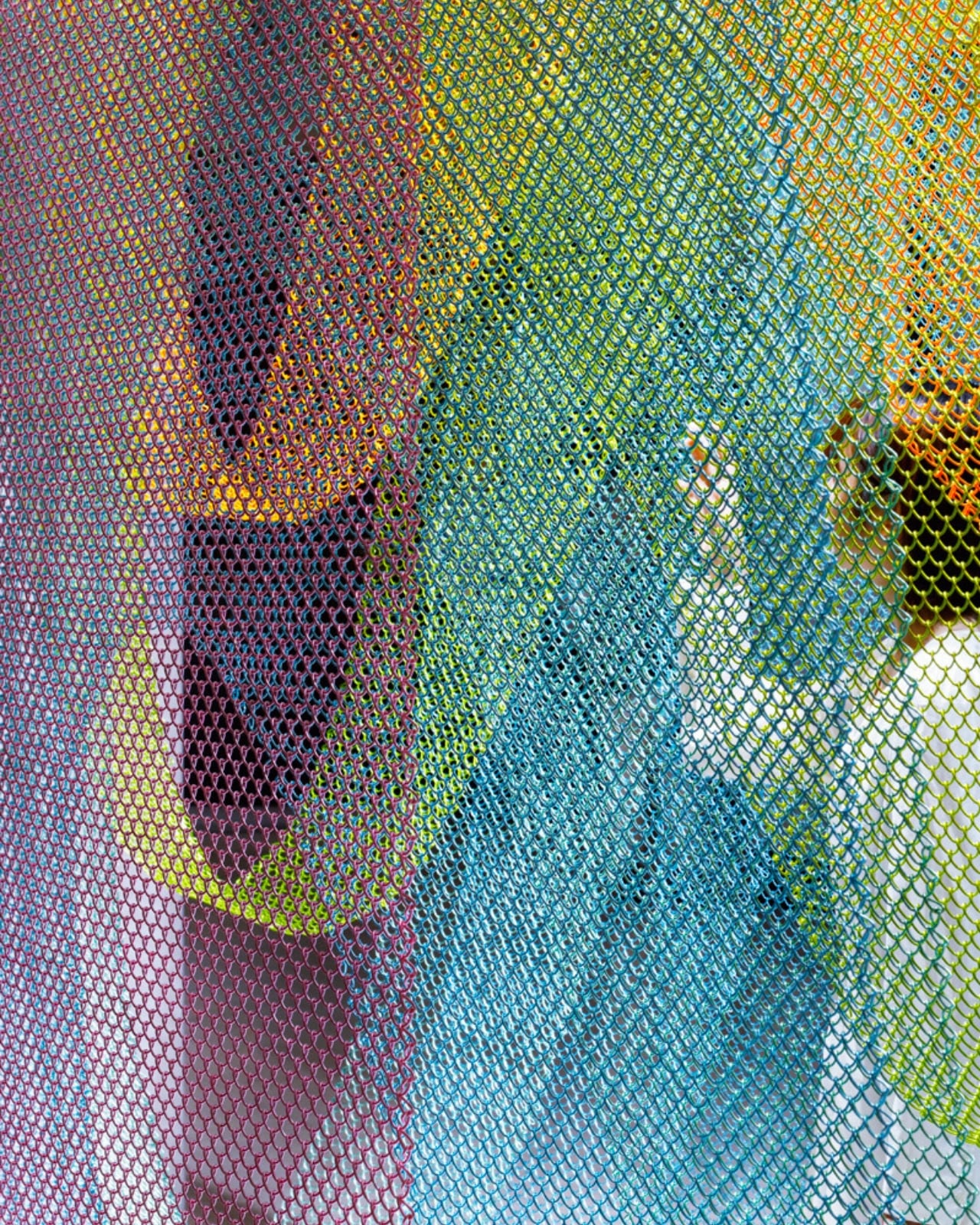
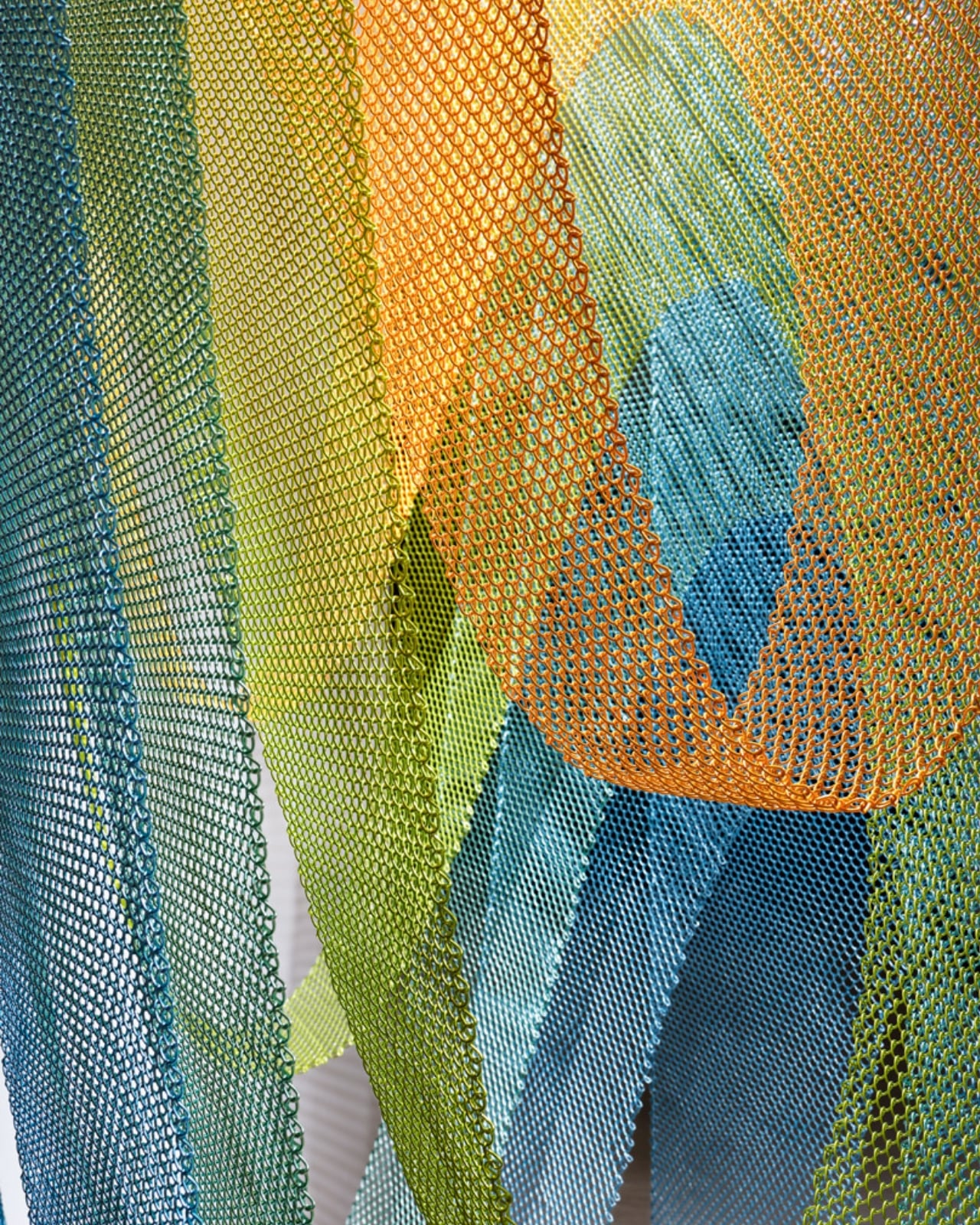
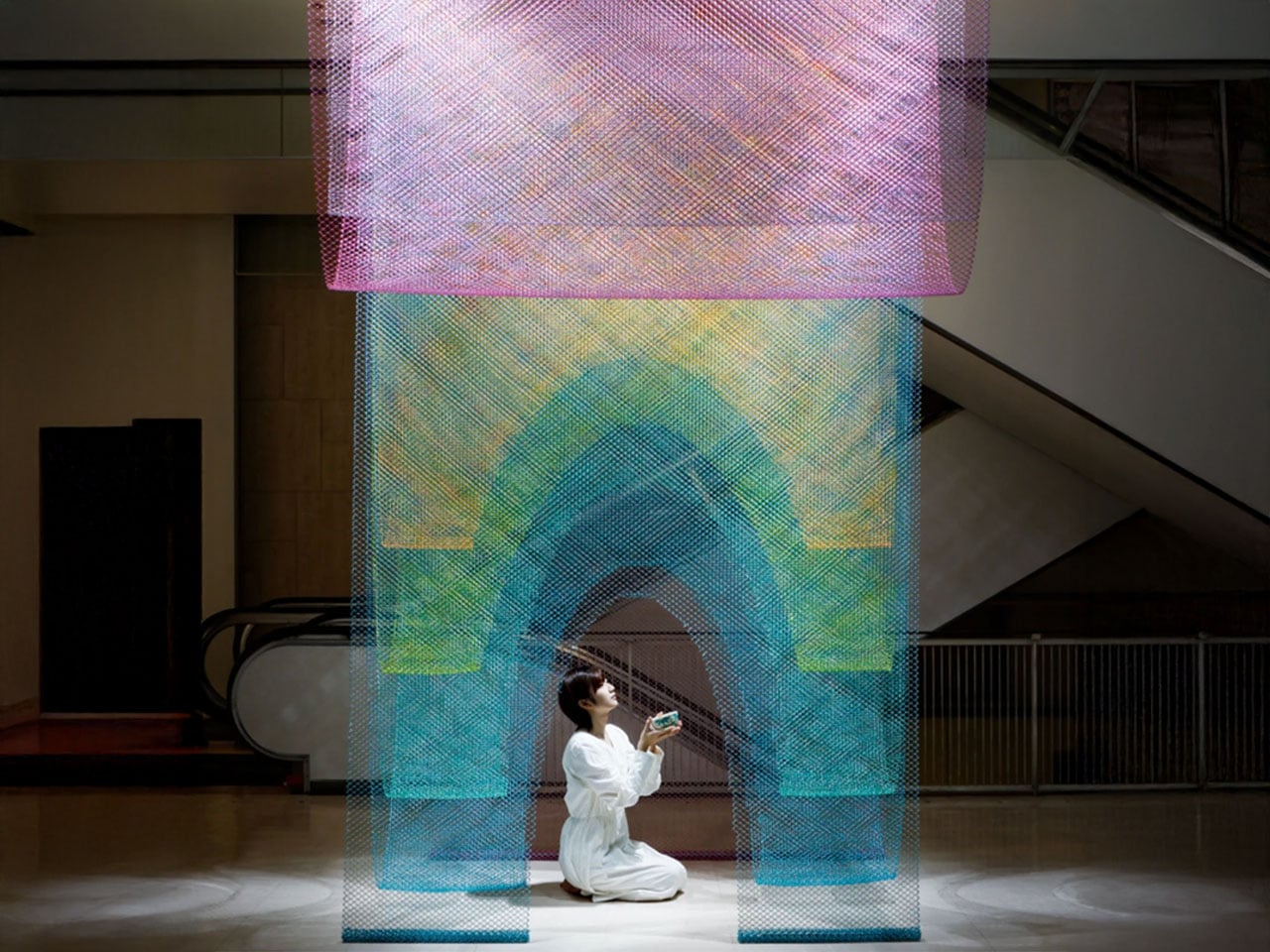
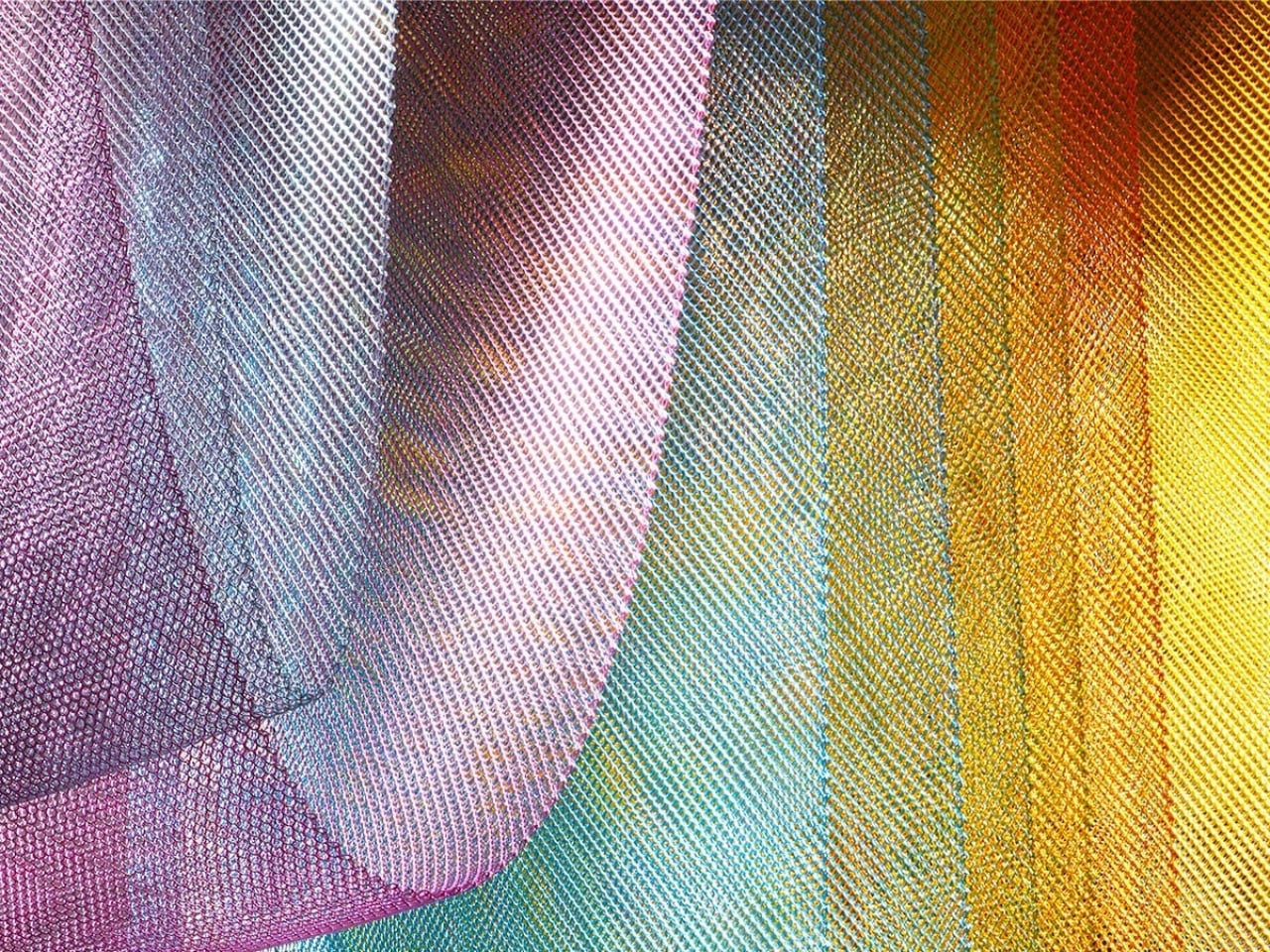
There’s something deeply poetic about watching light pass through layers of colored wire mesh, each one adding a new dimension of color and shadow until you’re not quite sure where the walls end and the air begins. That’s exactly what Japanese architect Moriyuki Ochiai wants you to experience with his latest installation, a tea ceremony house that reimagines one of Japan’s most sacred cultural traditions through an unexpectedly industrial material.

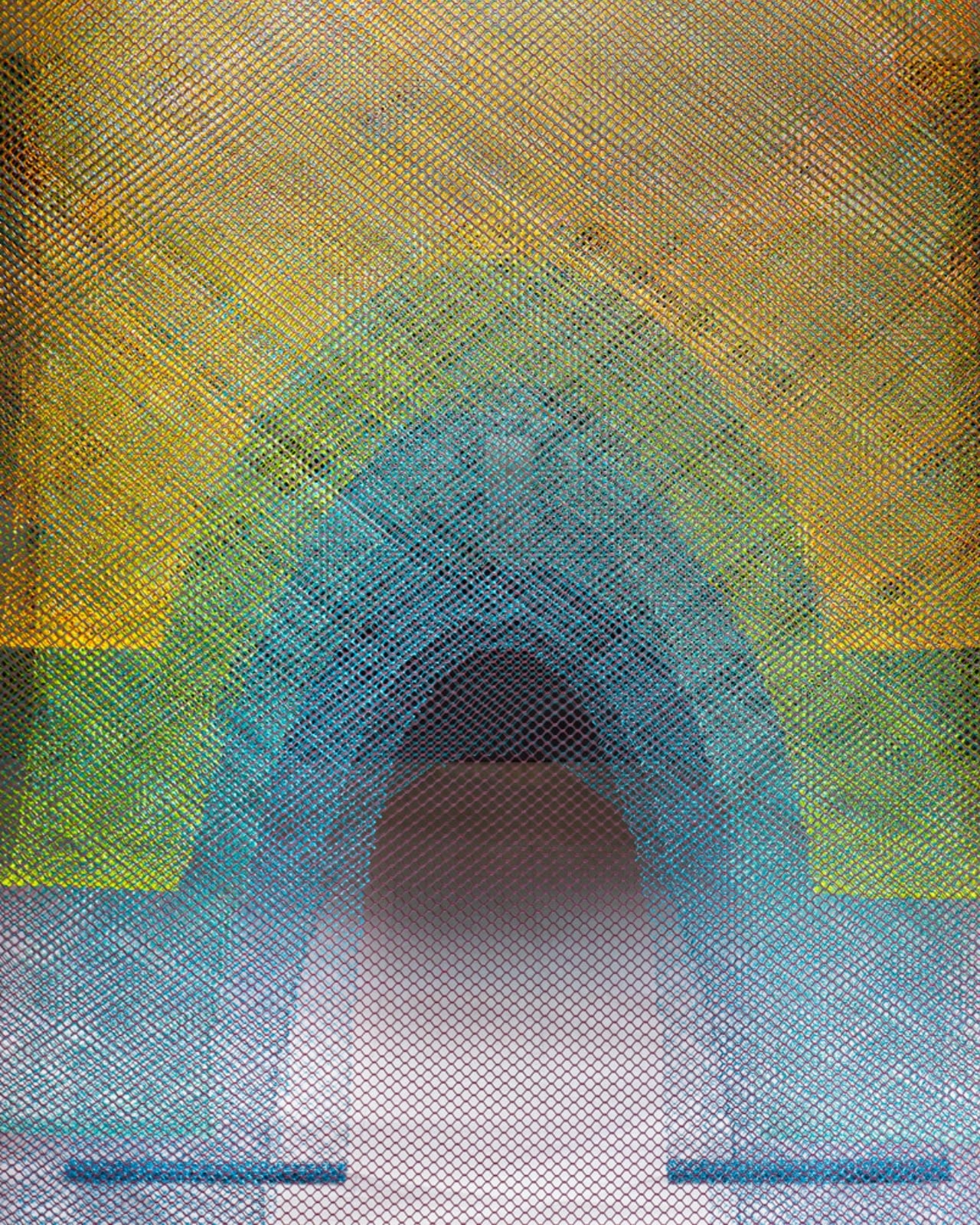
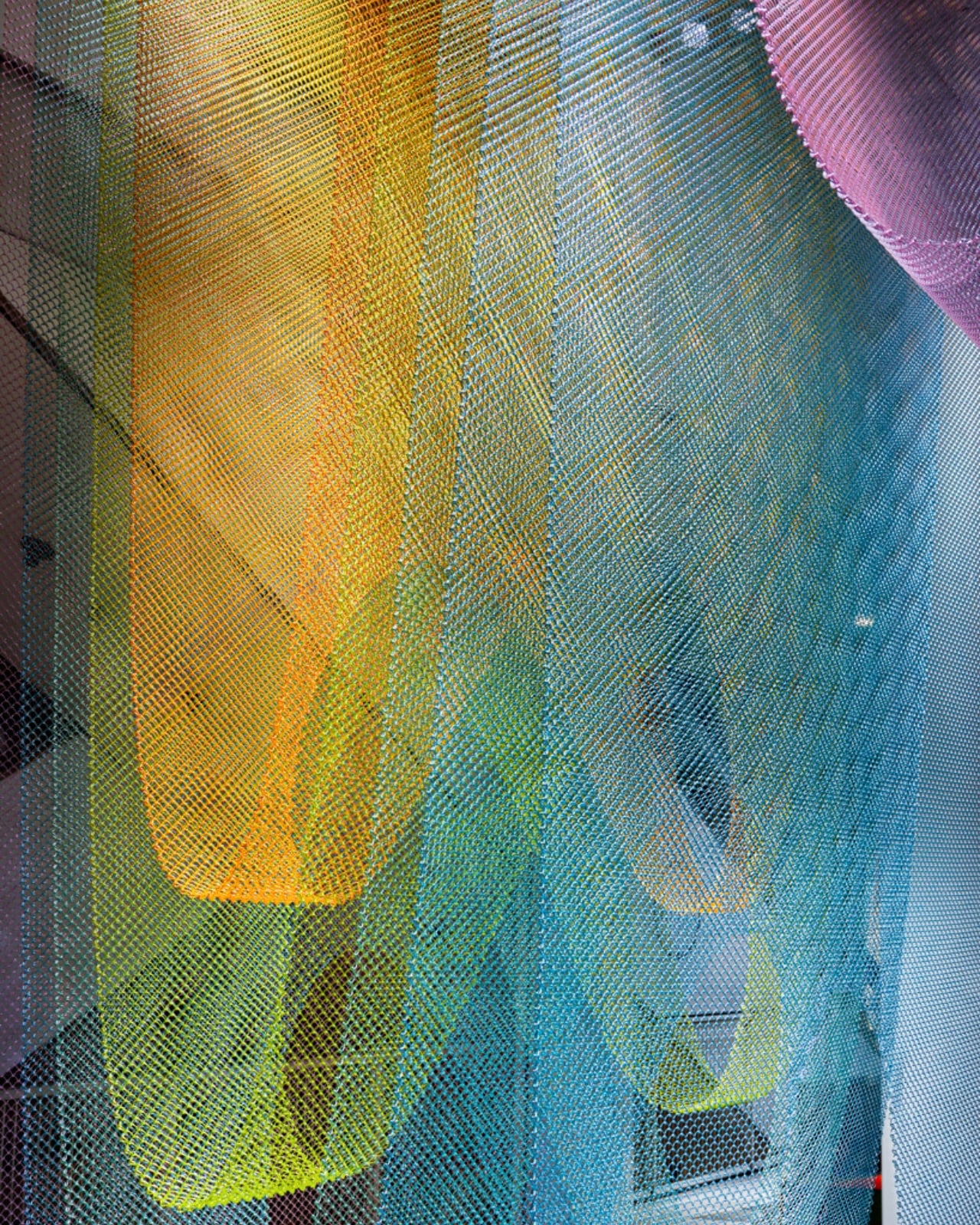
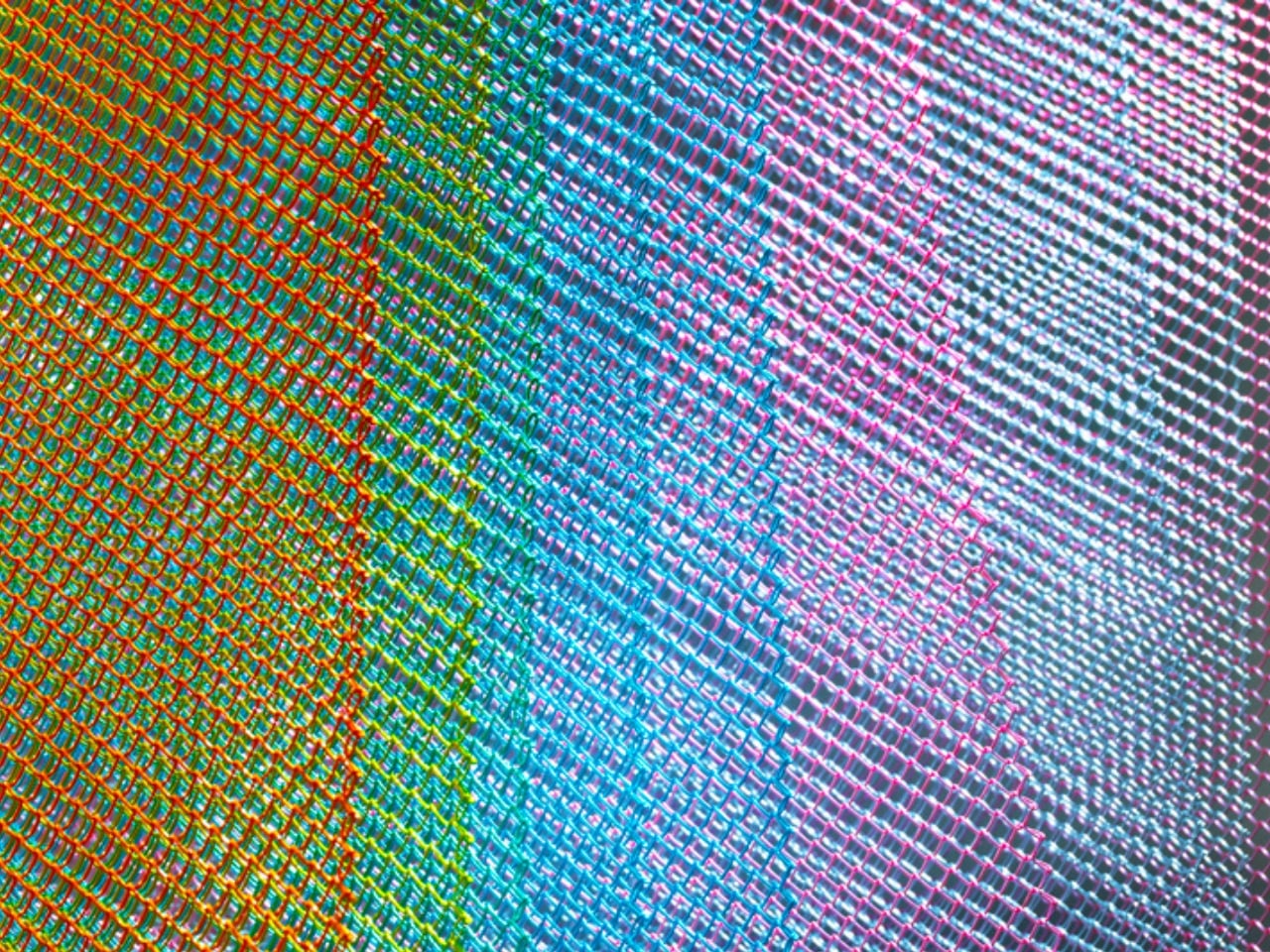
Instead of the typical wooden walls and paper screens you’d expect in a traditional tea house, Ochiai wrapped his structure in layers of diamond-shaped wire mesh, each one a different color. It’s the kind of material you’d normally see around construction sites or industrial facilities, not places of quiet contemplation and ritual. But that contrast is precisely what makes this installation so striking.

Designer: Moriyuki Ochiai (photos by Daisuke Shima)

The traditional tea house has always been about creating a contained microcosm, a small world where every detail is carefully considered to heighten your awareness and bring you into the present moment. Ochiai respects that fundamental principle but completely reframes how it works. Rather than using solid boundaries to create enclosure, he uses layered transparency. The result is something that feels simultaneously open and intimate, grounded and ethereal.

What happens when you layer multiple sheets of colored wire mesh is honestly kind of magical. Light doesn’t just pass through, it gets transmitted, reflected, and diffused across the interior in constantly shifting patterns. As you move through the space, the mesh layers create changing optical depth and spatial ambiguity. Stand in one spot and you see one configuration of color and light. Take a few steps and everything transforms. The installation responds continuously to your movement and viewpoint, making you an active participant in the experience rather than just an observer.

This isn’t Ochiai’s first experiment with unconventional tea house designs. He’s previously created installations like the “Constellation of Stargazing Tea Ceremony House,” showing a continued interest in how traditional Japanese cultural spaces can be reinterpreted for contemporary contexts.

What makes this wire mesh installation particularly relevant right now is how it speaks to broader conversations happening in design and architecture about materiality, transparency, and the relationship between interior and exterior spaces. We’re seeing more designers question the conventional boundaries between inside and outside, public and private, solid and void. Ochiai’s tea house takes those questions and filters them through a specifically Japanese cultural lens.

There’s also something to be said about the choice to use such an industrial, utilitarian material for such a refined, spiritual purpose. In Japanese aesthetics, there’s a long tradition of finding beauty in unexpected places and everyday objects. The tea ceremony itself was developed partly as a way to appreciate simple, rustic materials and unadorned beauty. By wrapping a tea house in construction-grade wire mesh, Ochiai is working within that tradition while also pushing it forward.

The semi-transparent environment he creates challenges our expectations about what a contemplative space should look like. Most meditation rooms and spiritual spaces emphasize solid, quiet boundaries that shut out the world. Ochiai’s installation does the opposite. It filters the world, refracts it, transforms it, but never fully blocks it out. You remain aware of your surroundings even as they become abstracted through layers of colored mesh.

Photographed by Daisuke Shima, the installation becomes a study in how light and material can work together to create atmospheric effects that shift between architectural intervention and art installation. It’s the kind of project that makes you reconsider what you thought you knew about traditional cultural forms and how they might evolve without losing their essential character.

In an era when so much of design feels like either nostalgic reproduction of the past or aggressive rejection of it, Ochiai’s wire mesh tea house offers a different path: respectful innovation. He’s not trying to preserve the tea house in amber, nor is he discarding its principles. Instead, he’s asking what those principles might look like when expressed through contemporary materials and sensibilities. The answer, rendered in layers of colored industrial mesh, is surprisingly beautiful.

The post Industrial Wire Mesh Transforms Traditional Tea House first appeared on Yanko Design.
Balmuda Just Made the Humidifier You’ll Actually Display

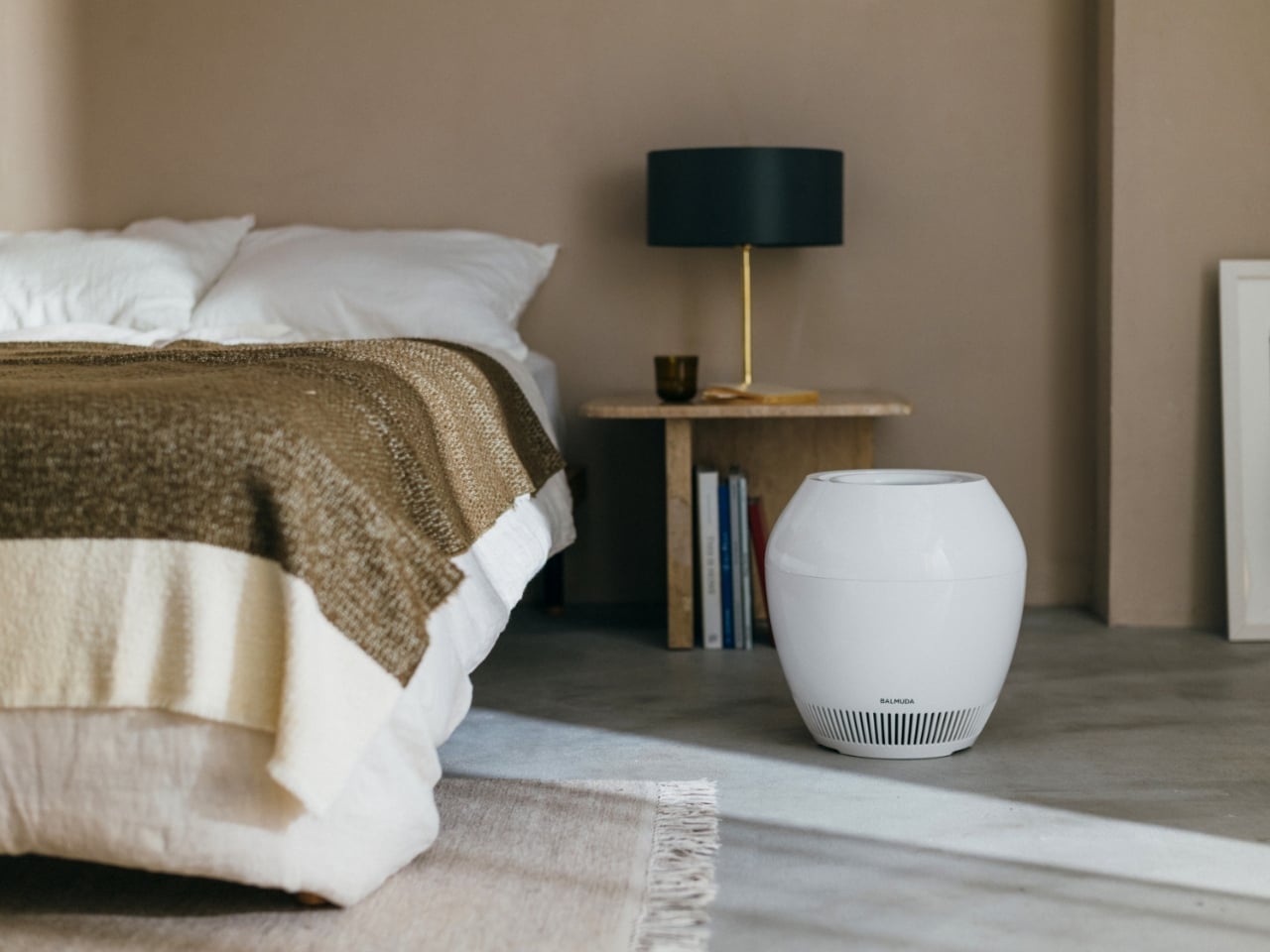
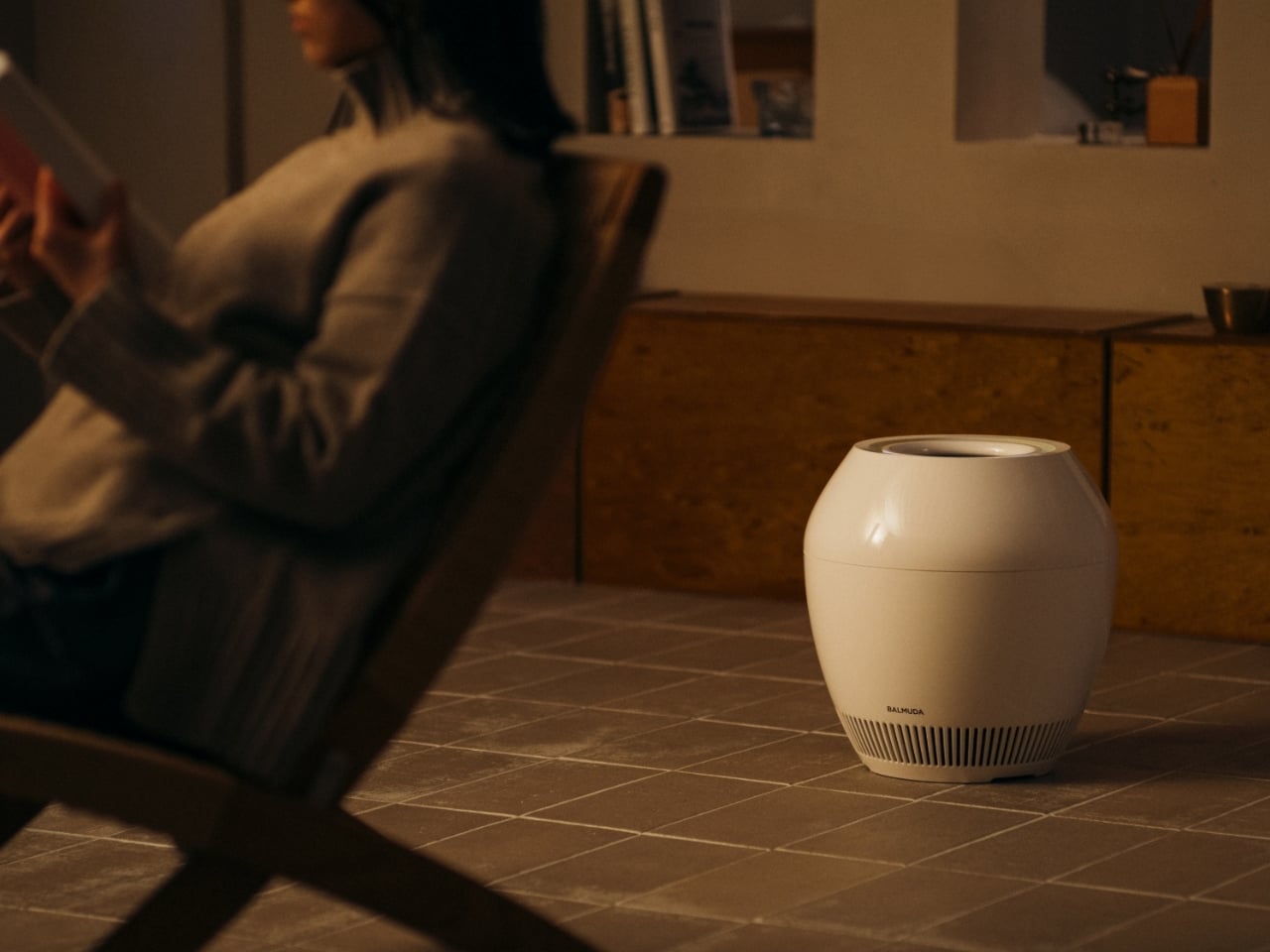
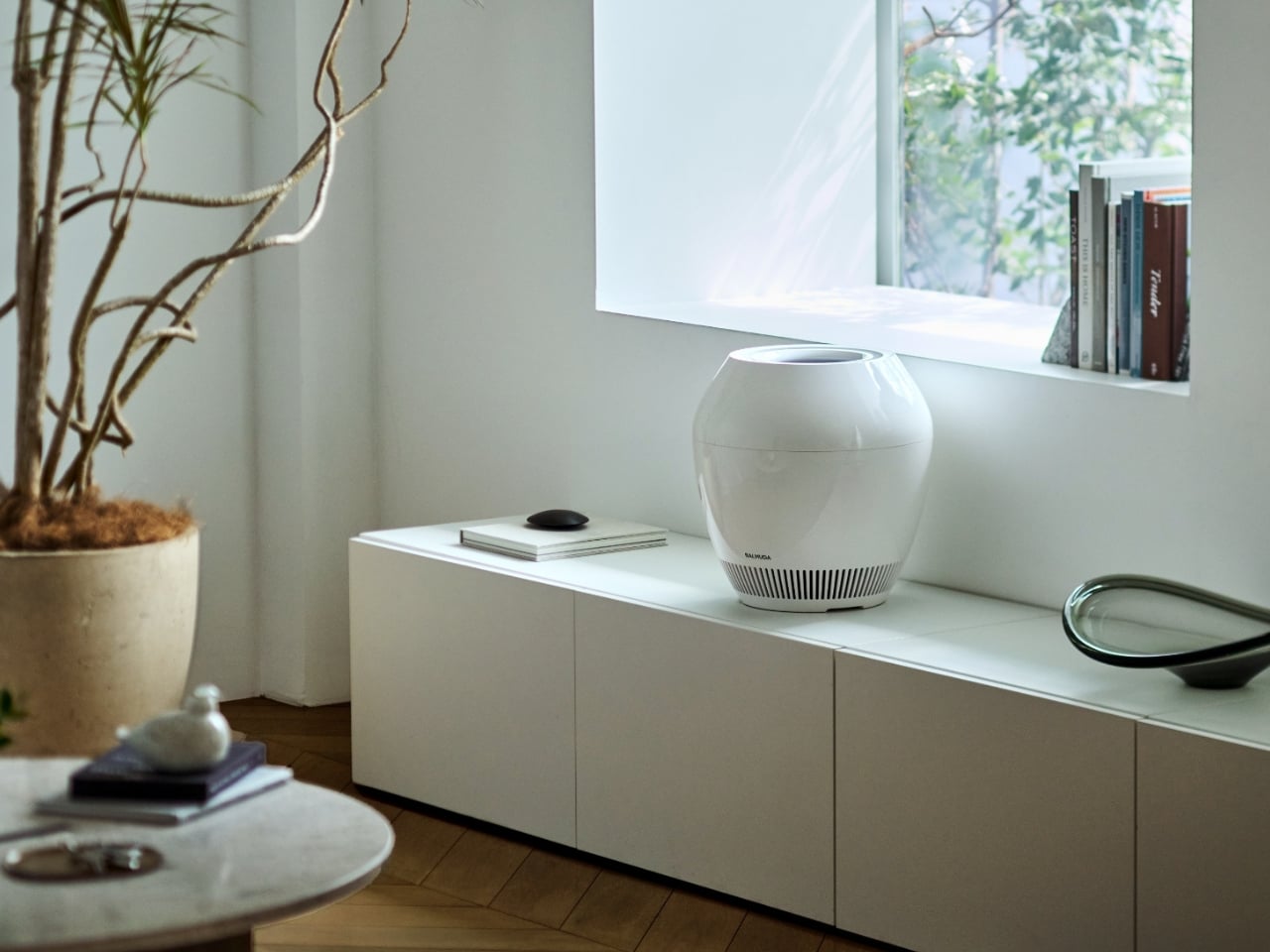
Let’s be honest: most humidifiers are not so visually pleasant. They’re the appliances we hide in corners, tuck behind furniture, or banish to the bedroom where guests won’t see them. But what if a humidifier was so stunning you’d actually want to show it off? Enter the Balmuda Rain, a Japanese design marvel that’s making us completely rethink what a functional appliance can look like.

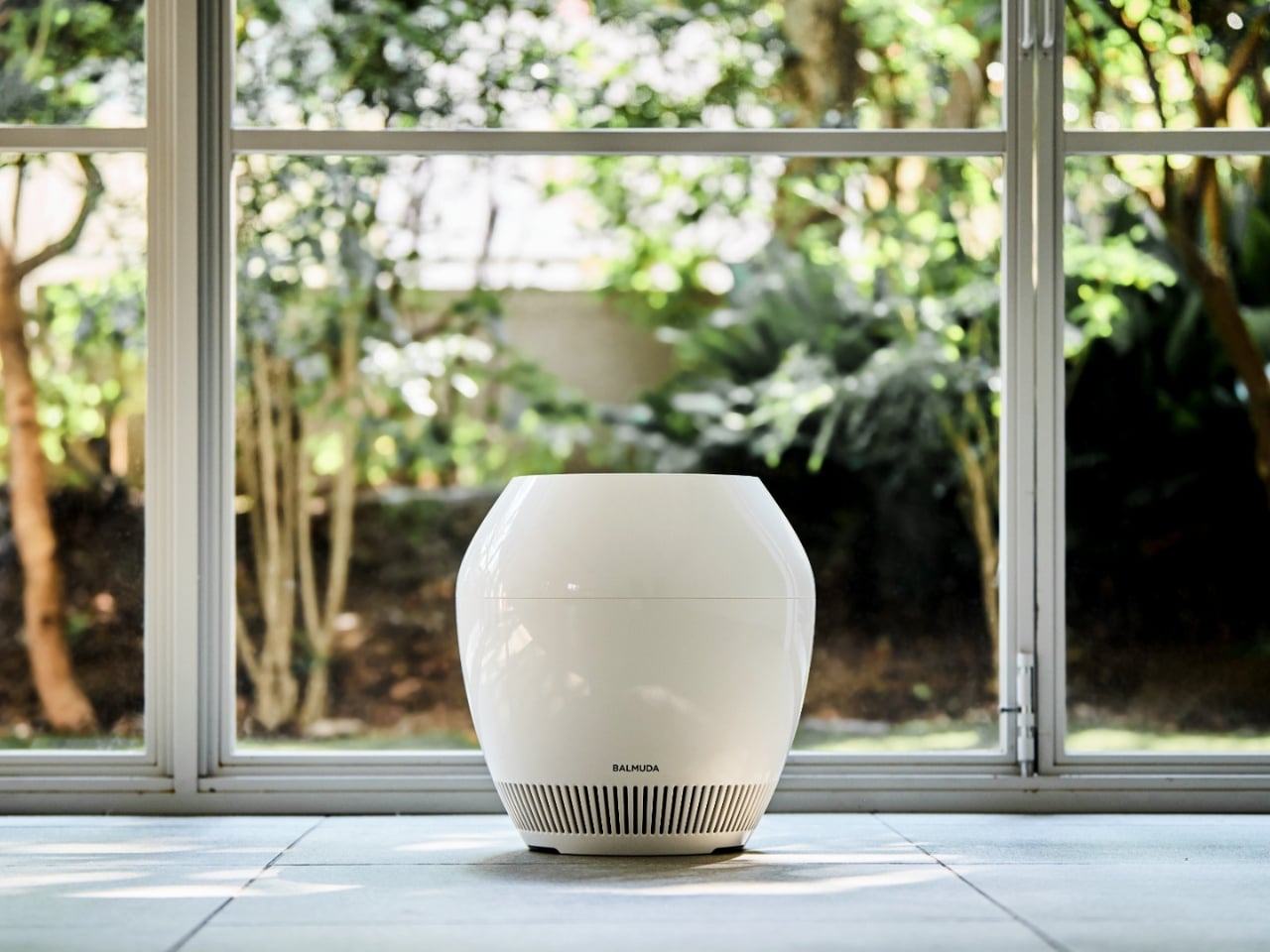
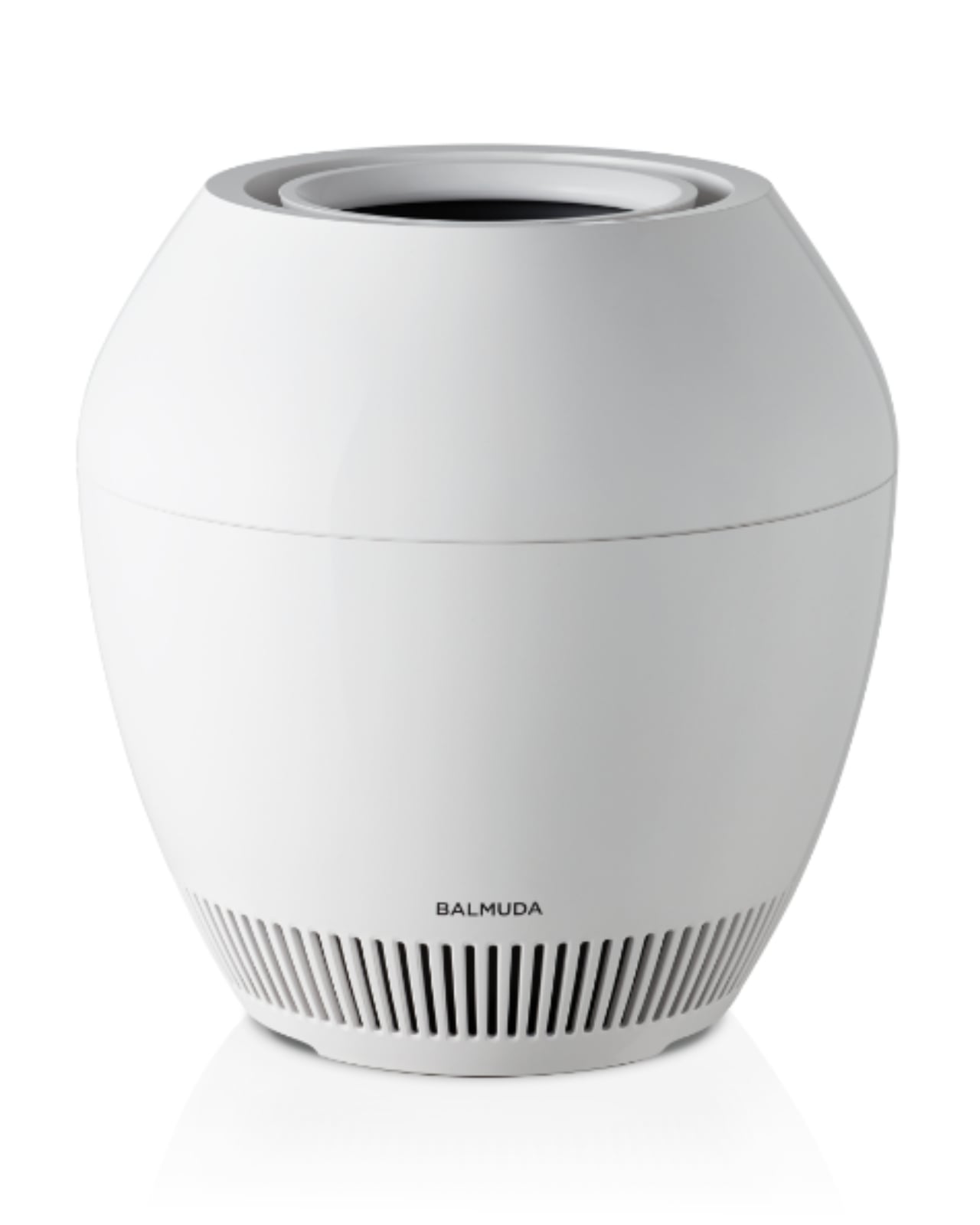
The moment you see the Balmuda Rain, you know something’s different. Standing at just over 14 inches tall with a perfectly square footprint, this humidifier looks more like a sculptural vase than a household appliance. And that’s entirely intentional. The Japanese design company Balmuda has built its reputation on transforming everyday objects into things of beauty, and with the Rain, they’ve truly outdone themselves.

Designer: Balmuda

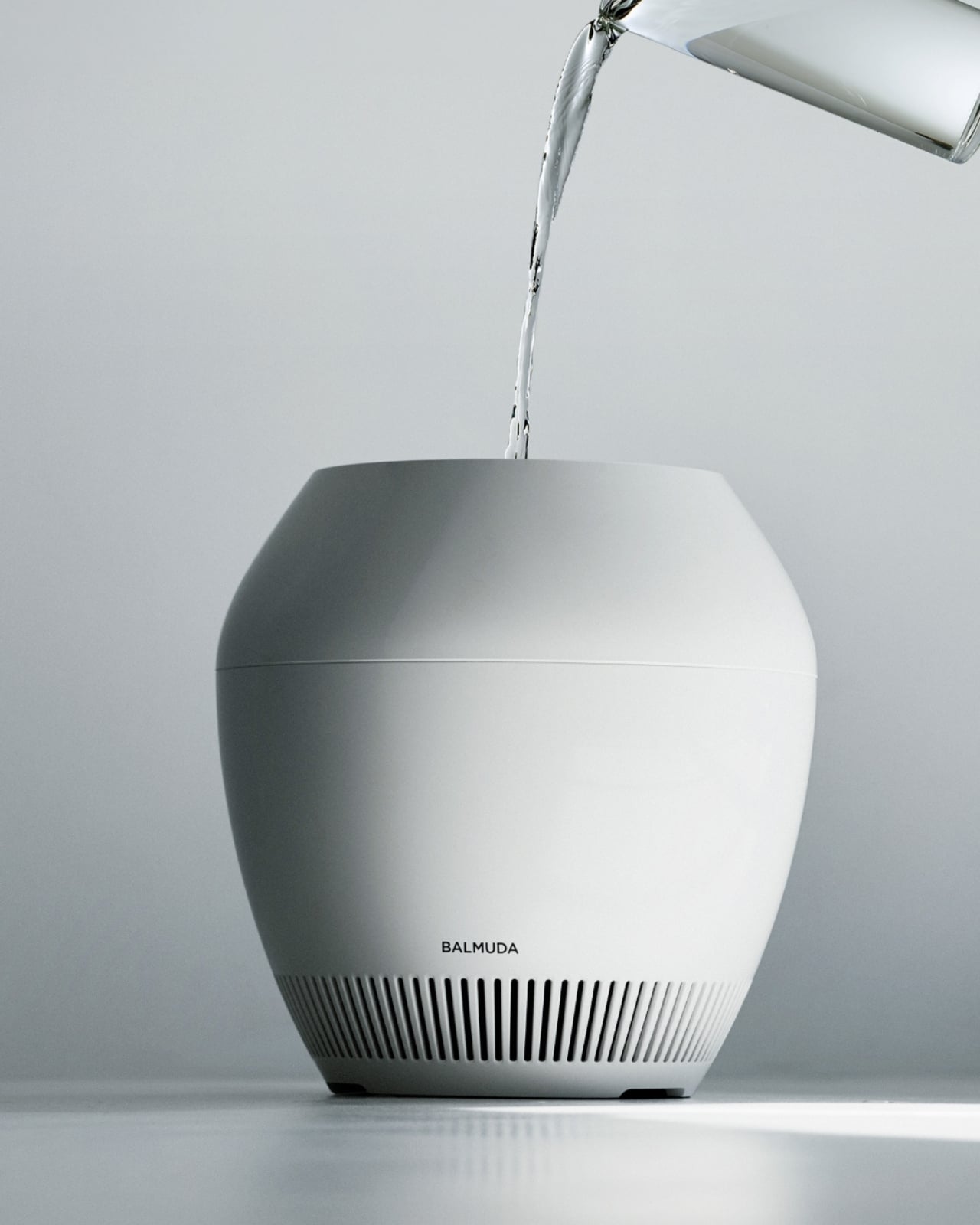
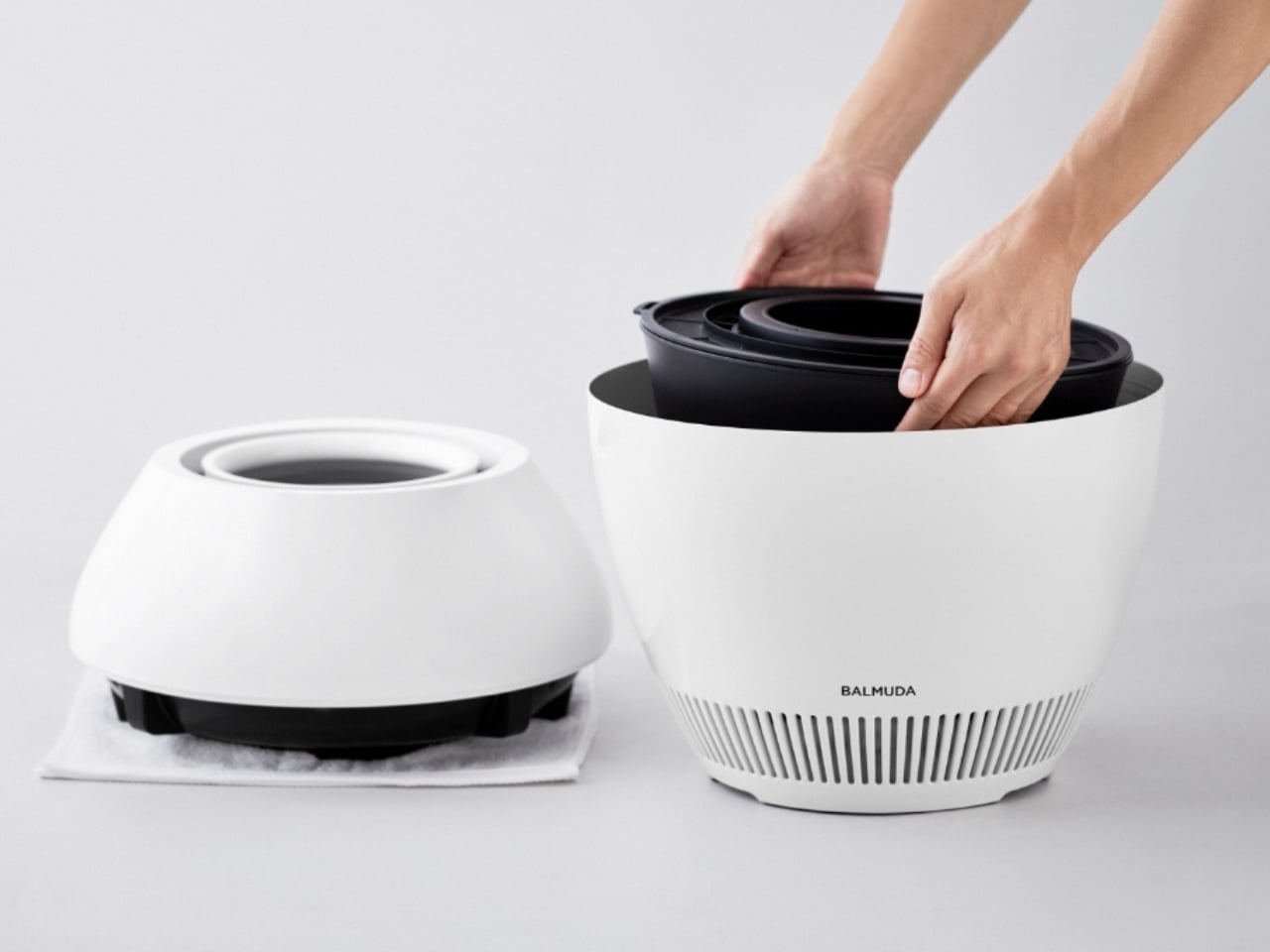
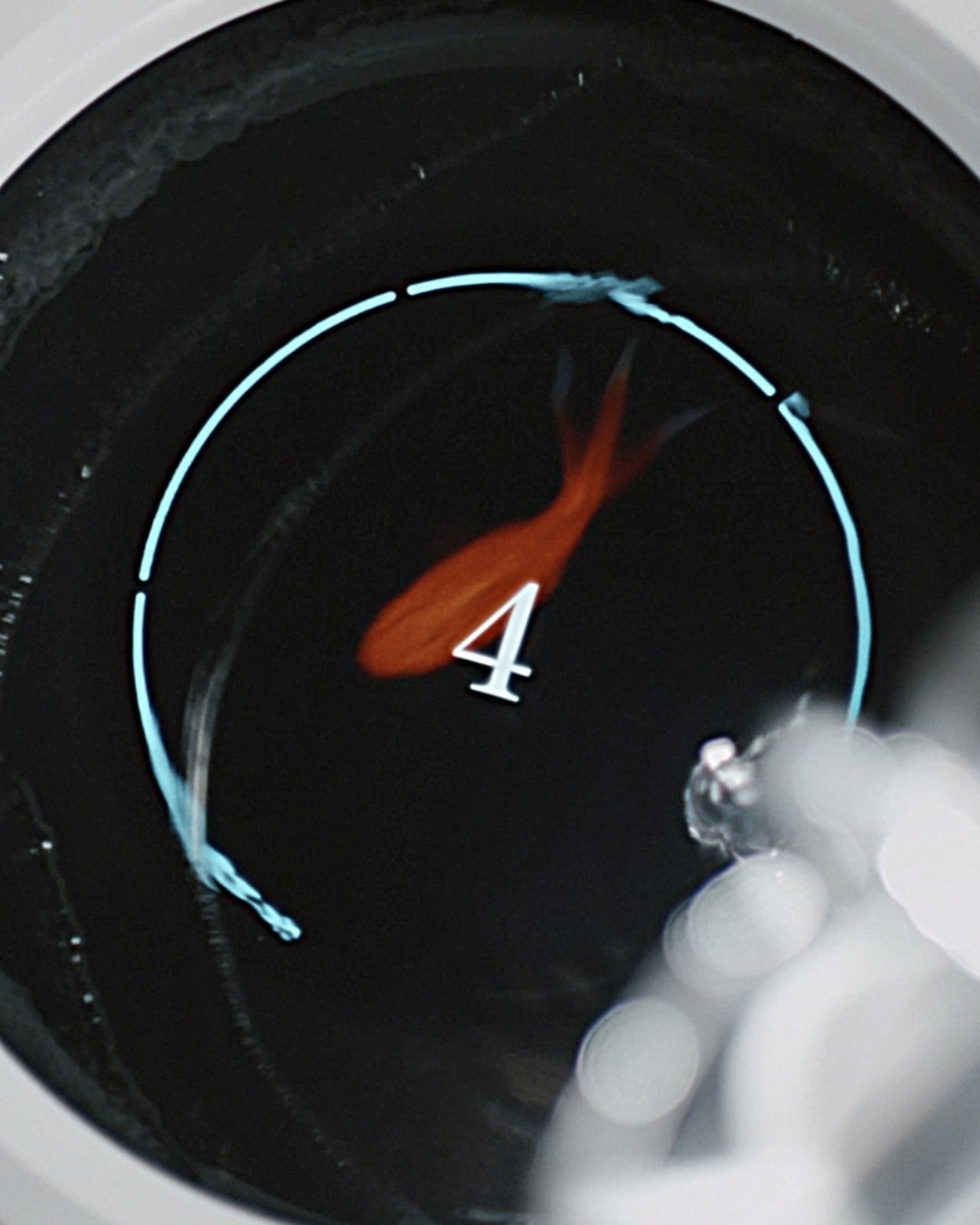
But here’s where it gets really interesting. Most humidifiers make you wrestle with a detachable tank, carrying it back and forth to the sink, water dripping everywhere. The Rain throws that entire concept out the window. Instead, it features a revolutionary tankless design. You simply pour water directly into the top, like you’re filling a vase with fresh flowers. It’s such an elegant solution that you’ll wonder why no one thought of it sooner. The 5-liter capacity means you’re not constantly refilling it, and a subtle LED display lets you know when it’s running low.

Now, before you think this is all style and no substance, let me tell you about what’s happening inside this beauty. The Rain isn’t just humidifying your air; it’s actually purifying it too. A multi-layer filtration system works quietly in the background, with an enzyme pre-filter that captures dust and viruses, plus a silver ion cartridge for antibacterial protection. It uses natural evaporation technology rather than ultrasonic misting, which means no white dust settling on your furniture and a much more energy-efficient operation.

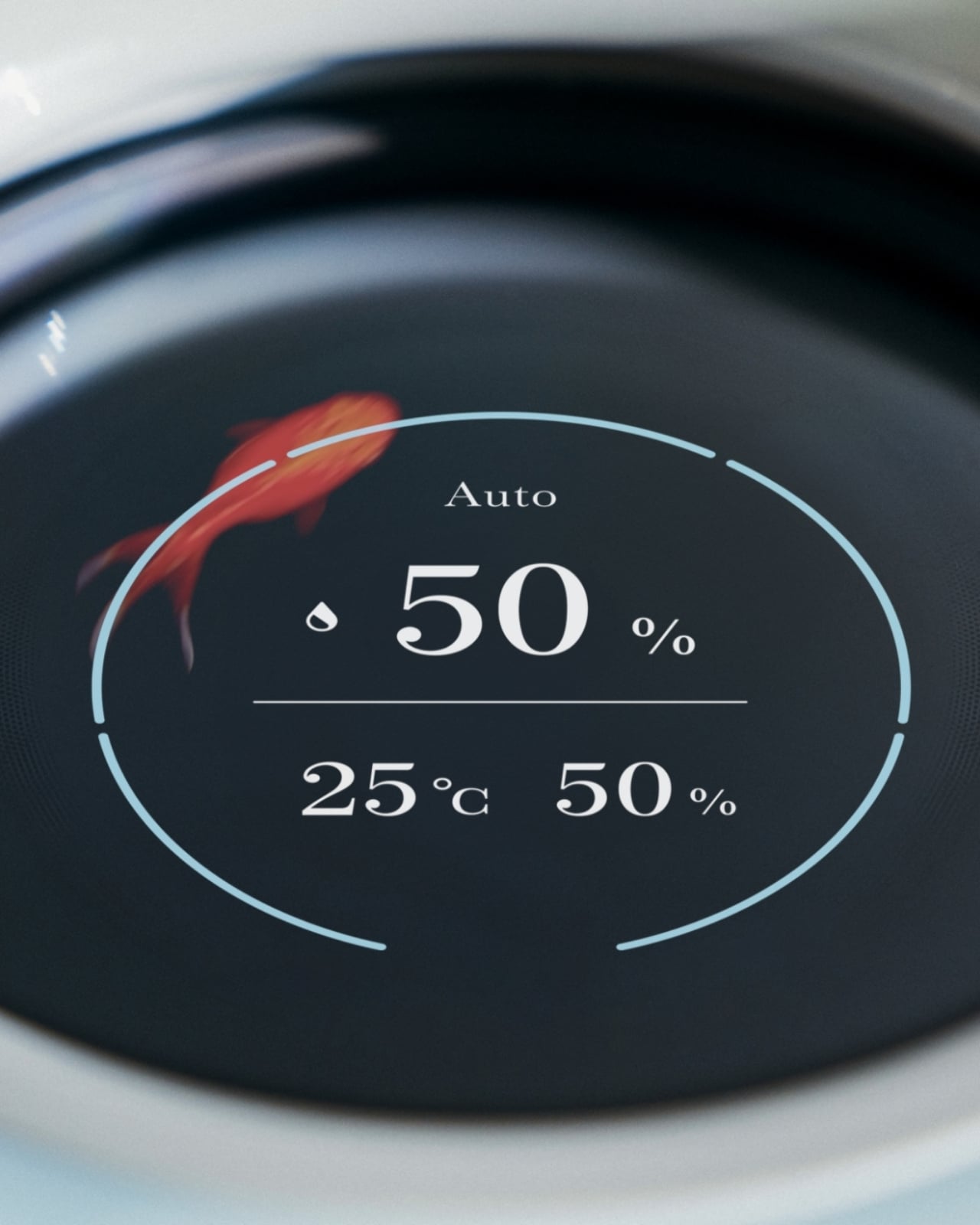
The performance is genuinely impressive. With five adjustable levels, the Rain can push out up to 600 ml of moisture per hour, easily handling rooms up to 28 square meters. There’s an automatic mode that maintains ideal humidity levels between 40 and 60 percent, which is exactly where you want to be for healthy skin and respiratory comfort. In testing, it took just 30 minutes to bring a dry 40-square-meter room from 35% to a comfortable 50% humidity.

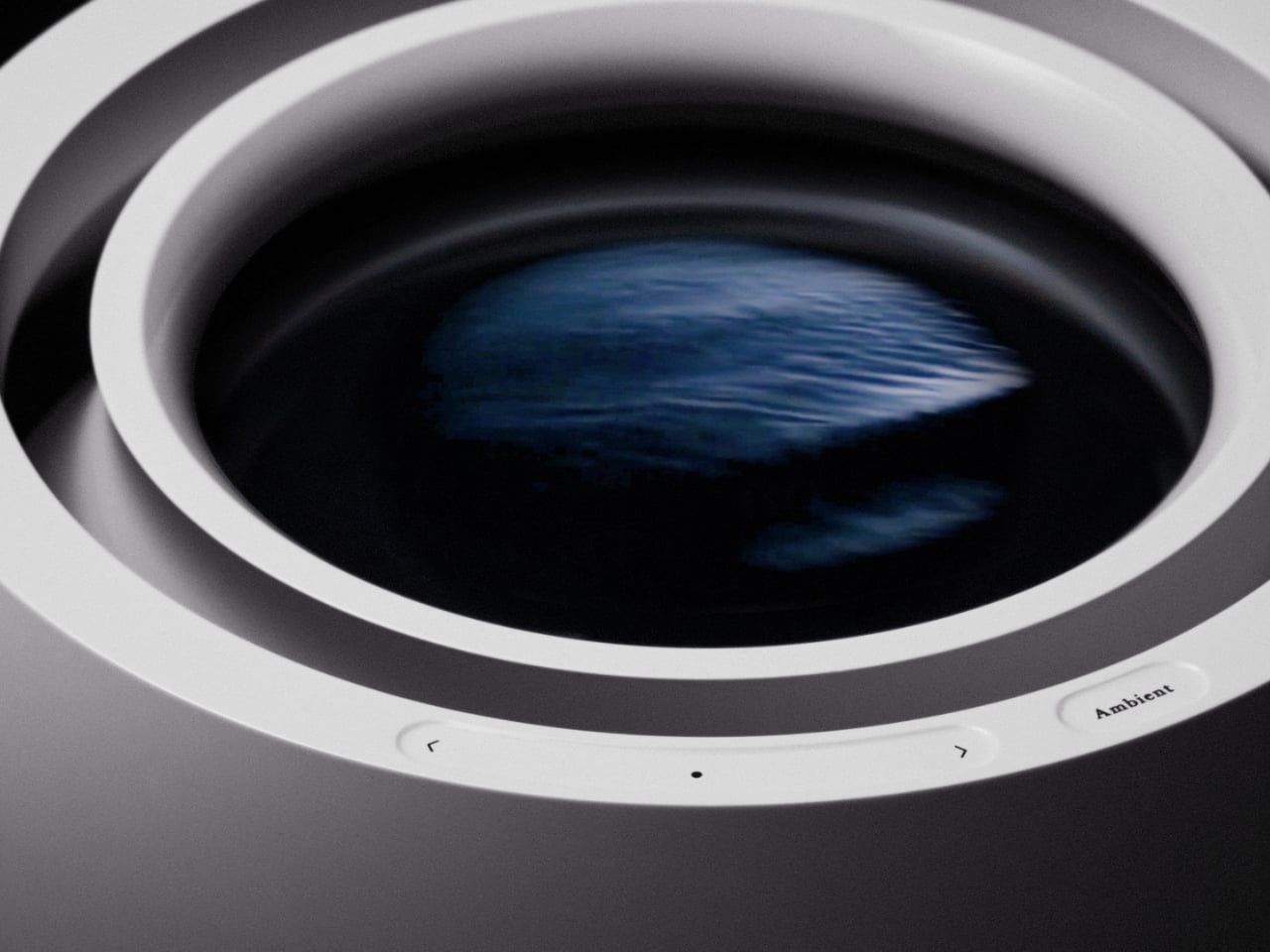
The interface is beautifully simple. A circular control ring lets you adjust settings, and you can customize everything from display brightness to speaker volume. There’s even a child safety lock for households with curious little ones. The display automatically dims when you’re not using it, so it won’t light up your bedroom at night. Maintenance is surprisingly easy too. The main filter gets cleaned with warm water and household items like citric acid and baking soda. The enzyme pre-filter just needs a quick vacuum, and the silver ion cartridge rinses under running water. No complicated procedures or expensive replacement parts to track down.

Here’s the thing about the Balmuda Rain: it represents a shift in how we think about the objects in our homes. We’re moving past the era of purely utilitarian appliances that we tolerate because we need them. Instead, we’re seeing a new generation of products that refuse to compromise, offering both exceptional functionality and genuine aesthetic value. Yes, the Rain comes with a premium price tag. But for design enthusiasts, tech lovers, and anyone who believes their space should reflect their taste, it’s an investment in daily delight. This is an object you’ll use every winter and still appreciate five years from now. It won’t feel dated or look tired because good design is timeless. The Balmuda Rain proves that we don’t have to choose between form and function. We can have both, elegantly integrated into one beautiful package. And honestly? That’s exactly what our homes deserve.

The post Balmuda Just Made the Humidifier You’ll Actually Display first appeared on Yanko Design.