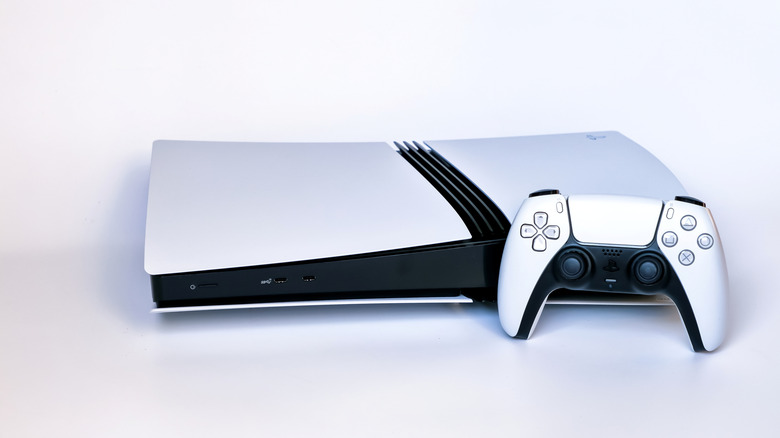
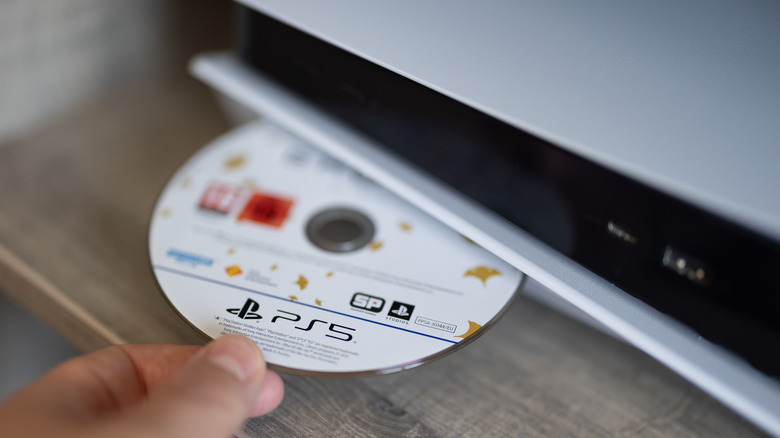
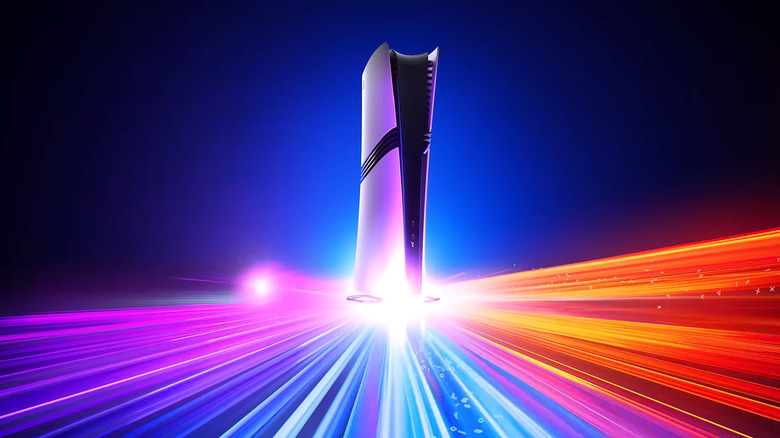
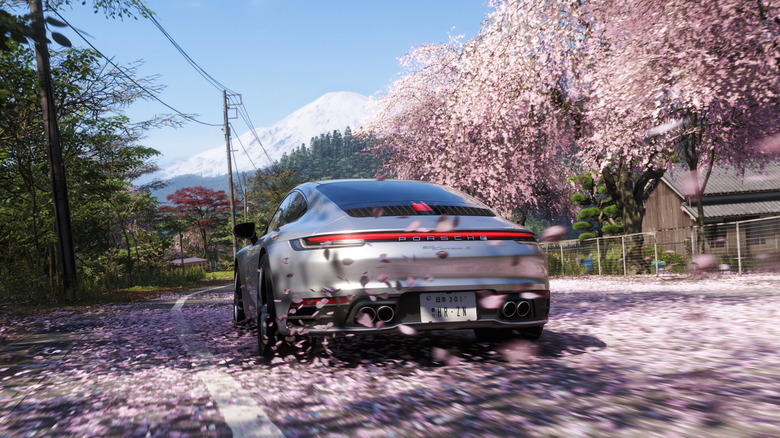
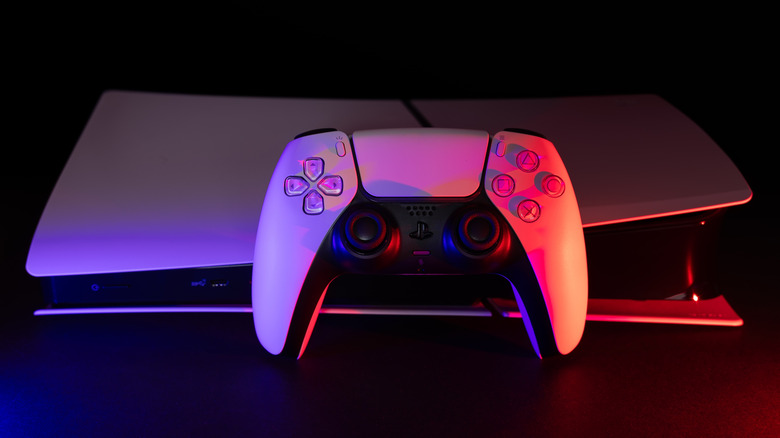
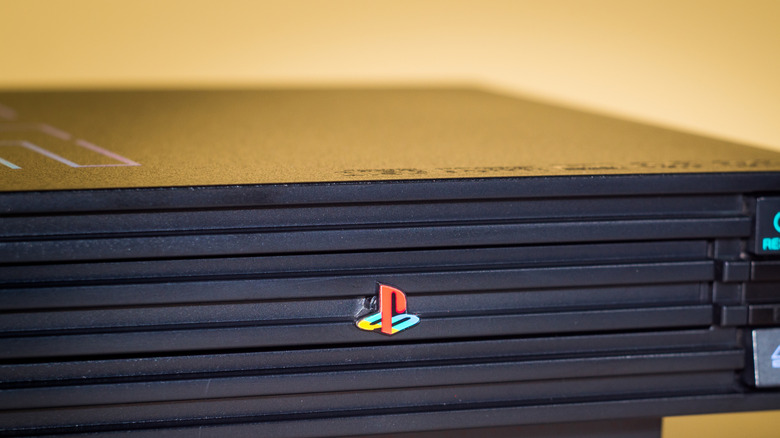
The highly anticipated Sony PlayStation 5 Pro has finally arrived, marking a significant milestone in the evolution of gaming technology. As you carefully unbox the sleek package, you’ll find a treasure trove of innovative accessories, including: A state-of-the-art DualSense controller A UK power lead to ensure optimal power delivery An HDMI 2.1 cable for seamless […]
The new PlayStation 5 Pro, now available, offers upgraded graphics, faster speeds, advanced ray tracing, and AI upscaling for more immersive gaming experience.
The Nintendo Switch ushered in a new age for handheld gaming devices, but somewhat ironically, PC gaming handhelds are the ones dominating that niche market. There was a time when the PlayStation Portable and Vita were the only “serious” portable consoles around, but neither Sony nor Xbox seems to be in a rush to catch up. No, the PlayStation Portal doesn’t qualify in this regard.
This left PlayStation fans to their own devices to scratch this portable itch, leading to many mods and DIY projects with varying levels of success. What makes the “PS4T” rather notable isn’t its looks, which is downright basic, but the way it tries to reuse as much of the original PS4 Slim hardware as much as possible, leading to some interesting design choices.
There is no shortage of attempts to shoehorn PlayStation and Xbox consoles into relatively handheld sizes, and many of them require modifying and cutting up the console’s motherboard to shrink the whole system down. Curiously, this particular design doesn’t do that, which simplifies the process a little bit but does mean that “handheld” is loosely applied in this case. Of course, many parts like the optical drive and hard disk have to be removed, but the fan and cooling system are mostly the same.
The PS4 Slim is used as the base for this mod as it has the smallest mainboard, fan, and power draw of modern PlayStation models. An original DualShock 4 controller was also used and gutted, but unnecessary parts like the rumble motor and the touchpad were thrown out. The process is definitely not for the faint of heart, but more seasoned modders probably won’t break a sweat.
What’s interesting about the entire process is how it reveals the considerations that have to be made when designing a portable gaming device. Not only do you have to think about battery capacity and heat management, you also have to consider the optimal placements of components inside. It’s definitely not as simple as throwing everything together to have a pretty layout, but the final design, despite its boxy shape, is satisfying and, more importantly, actually functional.
Of course, Sony would have better engineers and designers to work on such a product, so it’s really a matter of business why it hasn’t yet made a new portable PlayStation. For now, console gamers will have to settle for fan-made handheld designs, presuming they’re not wading into the murky gray area of intellectual property rights.
Seagate has announced its latest innovation for PlayStation enthusiasts: the officially licensed Game Drive External SSD. This new addition to Seagate’s extensive line of storage solutions is designed specifically for PS5 and PS4 console users who require additional fast and large capacity storage. Available in 1 TB and 2 TB options, the Game Drive External […]
Sony has announced the PlayStation 30th Anniversary Collection, a special release that commemorates three decades of gaming excellence. This limited edition collection features exclusive designs and accessories that pay homage to the original PlayStation console, launched on December 3, 1994. The collection includes the PlayStation 5 Pro Console, PlayStation 5 Digital Edition, and various standalone […]
Sony has today announced that the highly anticipated new PlayStation 5 Pro games console, is set to launch in November 2024. Bringing with it substantial upgrades in graphics, performance, and AI-driven features. The PS5 Pro is aimed at serious gamers and developers seeking top-tier gaming experiences and will be available to preorder in a few […]
Astro Bot, the Mario-like adventure game for PS5, developed by Sony Interactive Entertainment and team Asobi, is all set to arrive on September 6. On the same day debuts, the limited-edition Astro Bot controller, based on the reliable DualSense controller by Sony. The lively peripheral will cost a bit more than the normal wireless DualSense version, but it does come with some perks that’ll excite gamers.
The pint-sized robot featured in the game has become a modern-day PlayStation mascot, and to have a controller that blinks its googly eyes is exciting for fans. This limited edition Astro Bot PS5 DualSense gamepad is priced at $80 and will be available for pre-orders from August 9 at PlayStation Direct in the US and UK at select retailers.
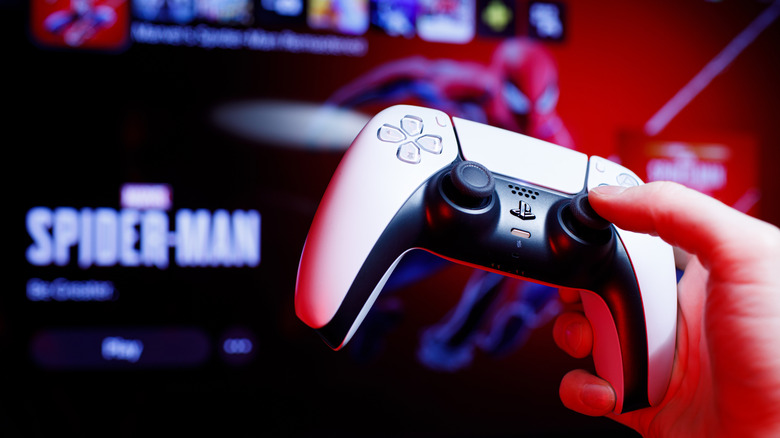
This special gamepad is unsurprising as Sony has previously launched themed controllers including the limited edition PlayStation 5 Spider-Man Miles Morales console. According to the Japanese consumer electronics giant, the themed wireless controller “is a work of art” and we can see why. The touchpad has robotic blue eyes that seem like blinking, while the handles and buttons have signature blue hues.
Another interesting thing is the number of textures (like grass, metal, sand, water, or glass) that the player feels through the haptic feedback. The adaptive trigger response further enhances the overall experience. Things like the feeling of the thruster rattle when the Barkster bulldog jetpack is deployed, the power-ups going through your fingers, or the impacts of the one-on-one battles in the boss fights. This Dual Speeder gadget can be felt as the motion-controlled input for the spaceship too.
The sensory feeling is matched with the sound effects for a complete experience of the upcoming title. The blue accents on the handles and buttons are carved in a sci-fi theme which makes owning this controller special. If you too love Astro Bot, it’ll be a wise decision to hit the pre-order button when the floodgates open. For those who already own the standard DualSense version, it would make more sense to go for the feature-loaded DualSense Edge controller.
Have you ever found yourself battling against your own controller rather than the game itself? Joystick drift is a common issue that plagues many PS5 users, causing characters to move without any input. It’s frustrating, right? While traditional fixes like replacing potentiometers or buying new controllers offer temporary relief, there’s a more permanent solution out […]
You might be wondering how to enhance your gaming experience on the PS5, and one of the best ways to do that is by using Discord. Discord is a popular communication platform that allows you to chat with friends, join communities, and even share your gameplay. In this guide, you will learn how to get […]
“Ten years from now, we will be living in a more multi-layered world where physical and virtual realities overlap without boundaries,” says the entertainment and hardware company. With the number of pies they’ve got their fingers in (you remember they even announced a car a few years ago?), it makes sense for Sony to operate not one but ten steps ahead to make sure they’re leaders in every single industry they’re in. That even means condensing a home theater to a size small enough to fit around your neck). Today, the company unveiled their Creative Entertainment Vision, a demonstration or visualization of what Sony wants the future to look like. It’s a practice that a lot of companies do, helping consumers, investors, and even competitors understand what direction technology and innovation are going to go in. Sony doubles down on mixed reality and spatial entertainment in this segment (they aren’t, after all, an enterprise or productivity company), showcasing a few unique concepts that feature holographic floating screens, absurdly futuristic gaming controllers, and super-slim spectacles that transform into AR eyewear.
Designer: Sony
Somewhere around the 1-minute and 12-second mark, Sony reveals a few very interesting concepts. One of them is what looks like a futuristic PlayStation controller with its own holographic screen. The controller itself looks familiar yet nothing like any controller we’ve seen. It features a hollow center with two grips on each end. The center is supposedly where the holograph projects out of, while thumb-pads on the left and right come with unusual controls to help maneuver the game. The controller is also space-aware and can be tilted as a means of input.
Another concept was a tablet that looks like, as Apple likes to call their iPad, a slab of magic glass. Except, this does feel like glass and the experience is tantamount to magic. There are no bezels, no cameras, not even any perceived electronics. The glass is transparent when the screen is off, and translucent when you’re watching stuff, so you can still see through it.
The third is an extension of Sony’s tablet vision, but in the form of a smartphone. According to Sony, the future of phones isn’t rectangular slabs of glass, it’s capsule-shaped oval slabs of glass. I don’t know what that says for the future of videos and TikTok, but this new form of screen real estate feels unique for sure. Sony displays a music interface on this mobile device, with album art practically existing from edge to edge. The games, videos, and music in all the concepts above are connected to Sony’s hit PlayStation game Horizon Zero Dawn.
These concepts are also coupled with a set of AR glasses that completely immerse you in a virtual world. As slim as a pair of sunglasses albeit with ski goggle-style eyepieces, this concept piece offers a kind of immersion even the Vision Pro can’t promise. You’re turned into a full-body AI avatar, immersed in a virtual world that exists separate from reality. Made more for entertainment, it lets you play games, interact with people, or even see movies in a way that you never have before. Sony even previews a scene where the city’s streets are filled with ghosts and a giant Pillsbury Dough Boy trods across buildings, lifted right out of the Ghostbusters movie.
While these concepts don’t specifically confirm what Sony plans to release in the near future, it’s important to understand their ‘vision’ of what’s to come. Ideas change based on consumer feedback and technological innovation, but in an ideal world, Sony believes the future will be about crafting new and wonderful realities, and living in stories instead of watching or playing them.