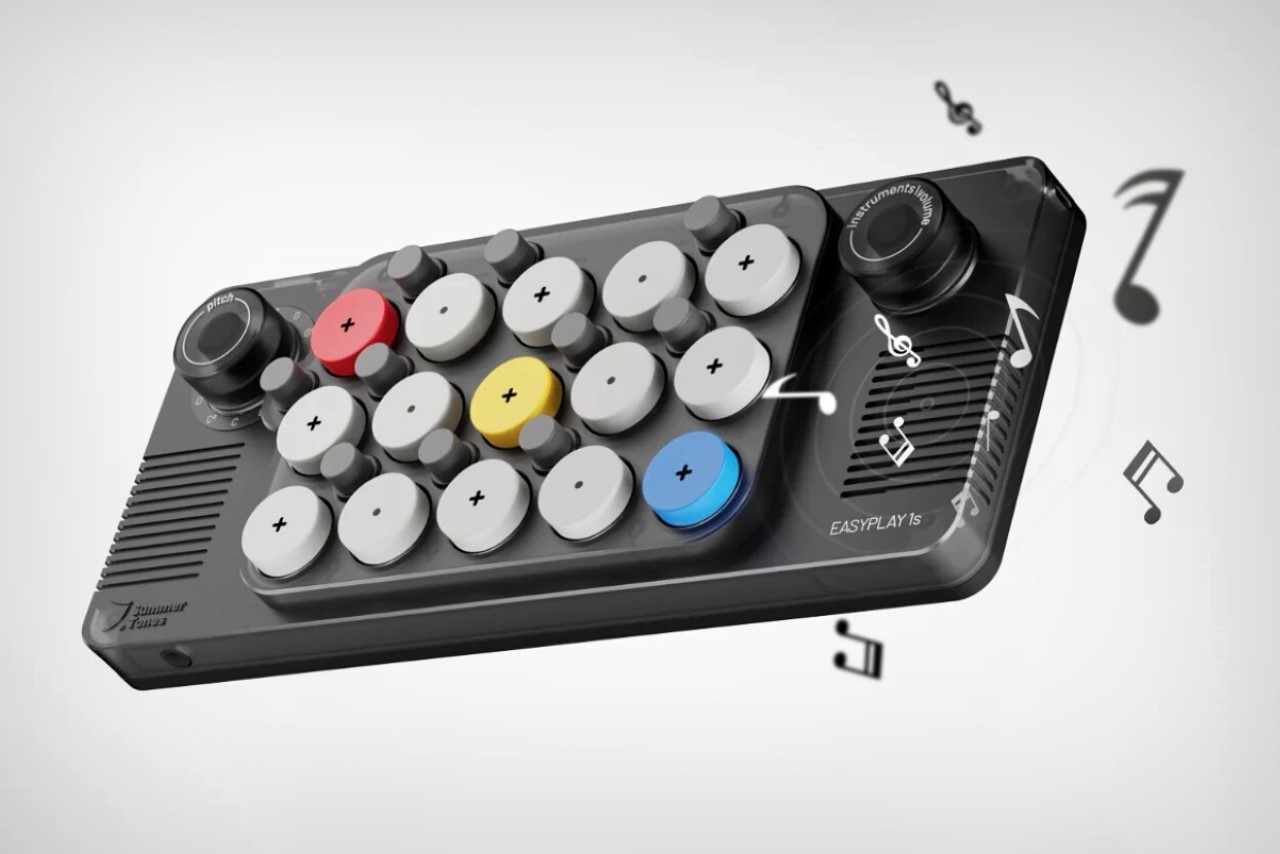
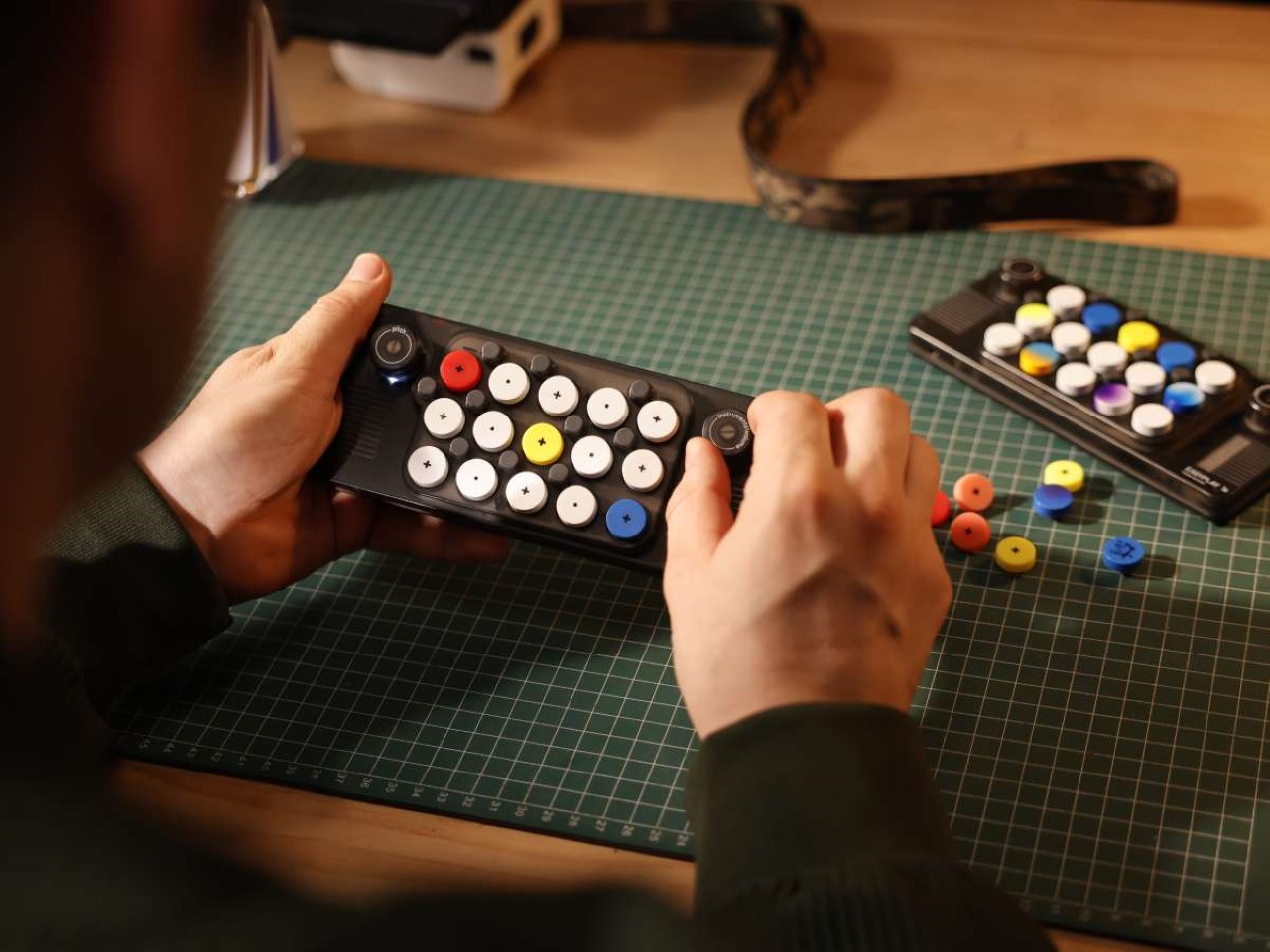
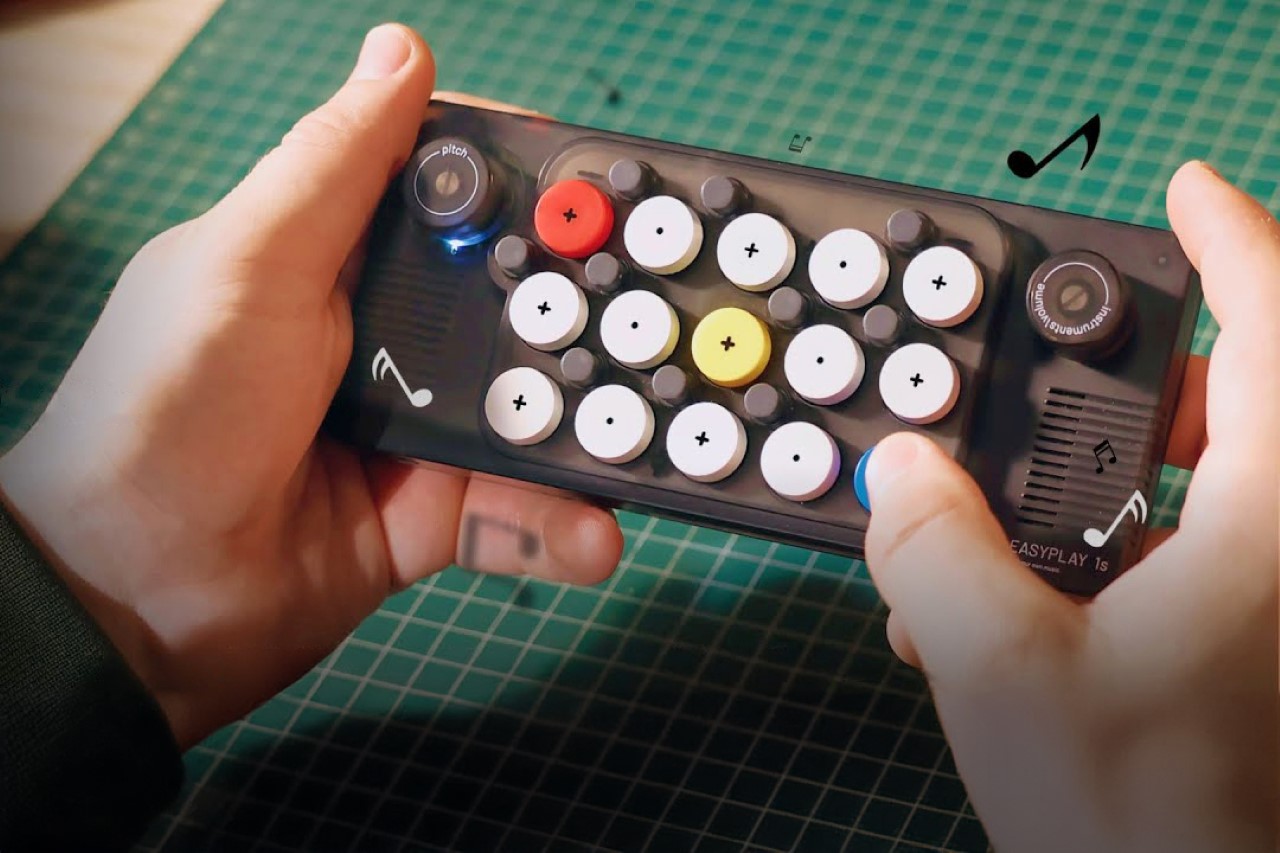
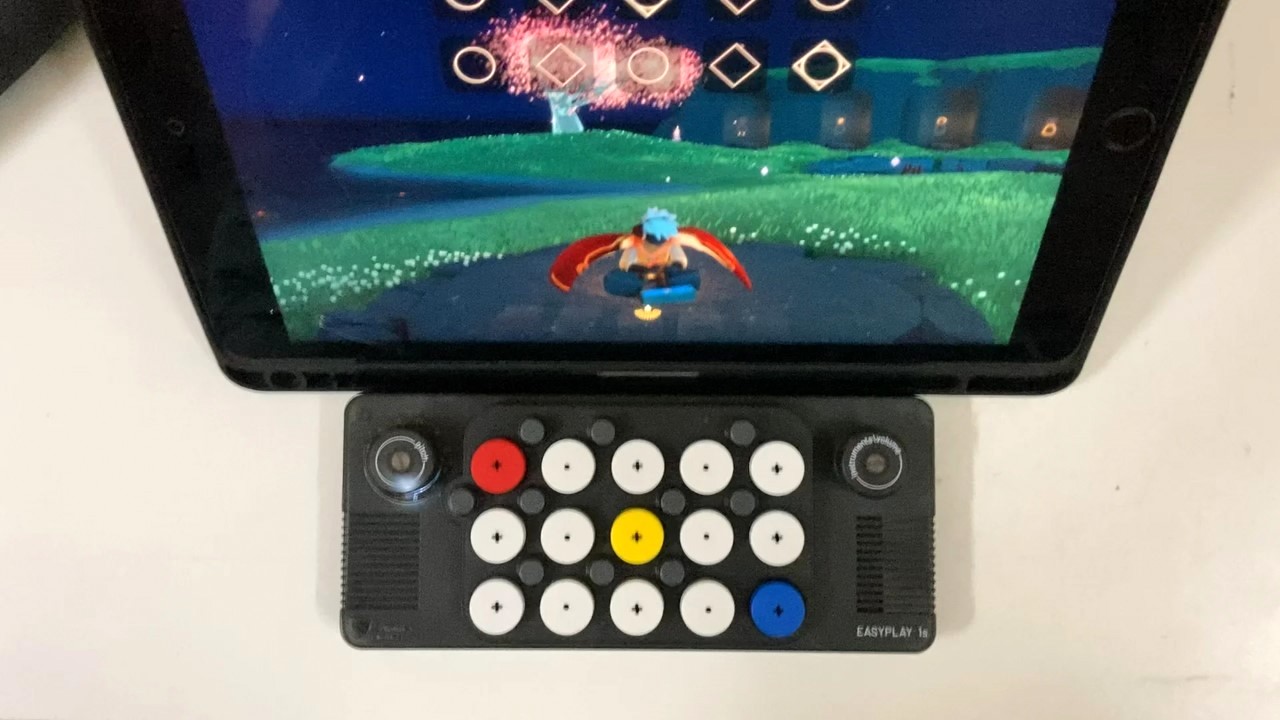
AI-powered synthesizer lets you create tailored music just by pressing buttons

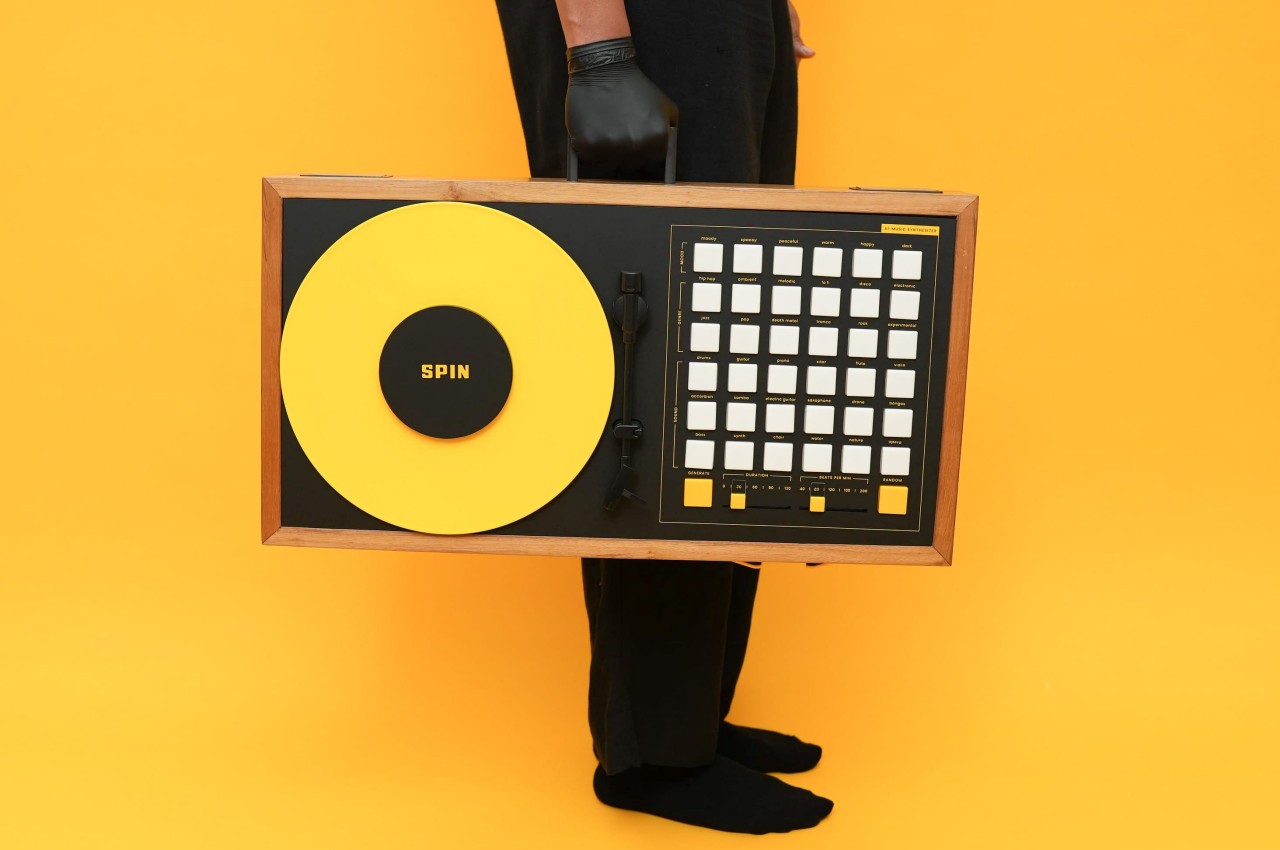
AI has become a powerful and controversial tool that’s being applied to the creation of many things in different industries. The most well-known are, of course, images and text, but these same technologies can also be applied to other fields, even ones that are considered to require more human creativity than others. Music, for example, is believed to be an art that’s hard to master and difficult to quantify in a way that would be of use to AI, but that’s exactly what’s happening here with this “artifact from the future.” That said, the suitcase-sized synthesizer doesn’t completely wrest the act of creation away from your hands but turns it into a creative collaboration between man and machine.

Designer: Arvind Sanjeev

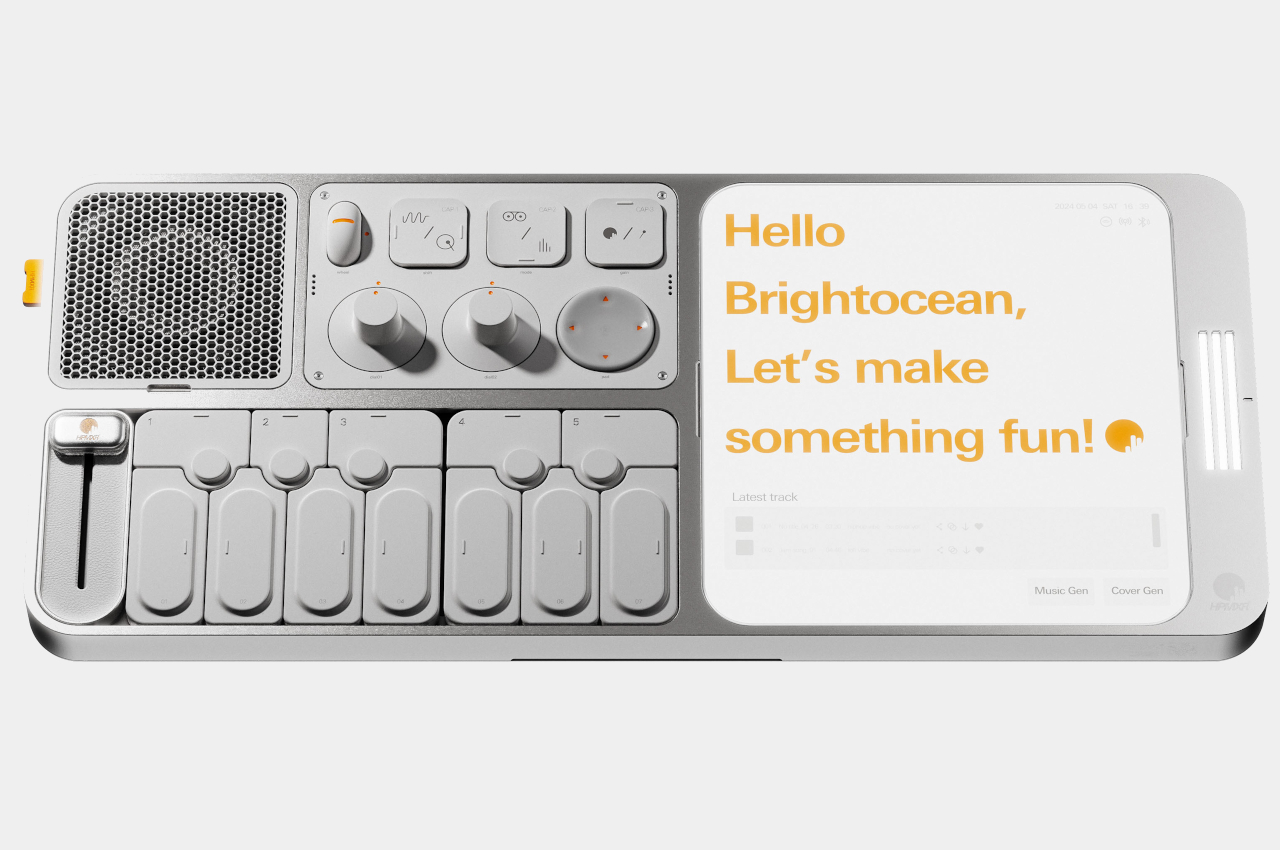
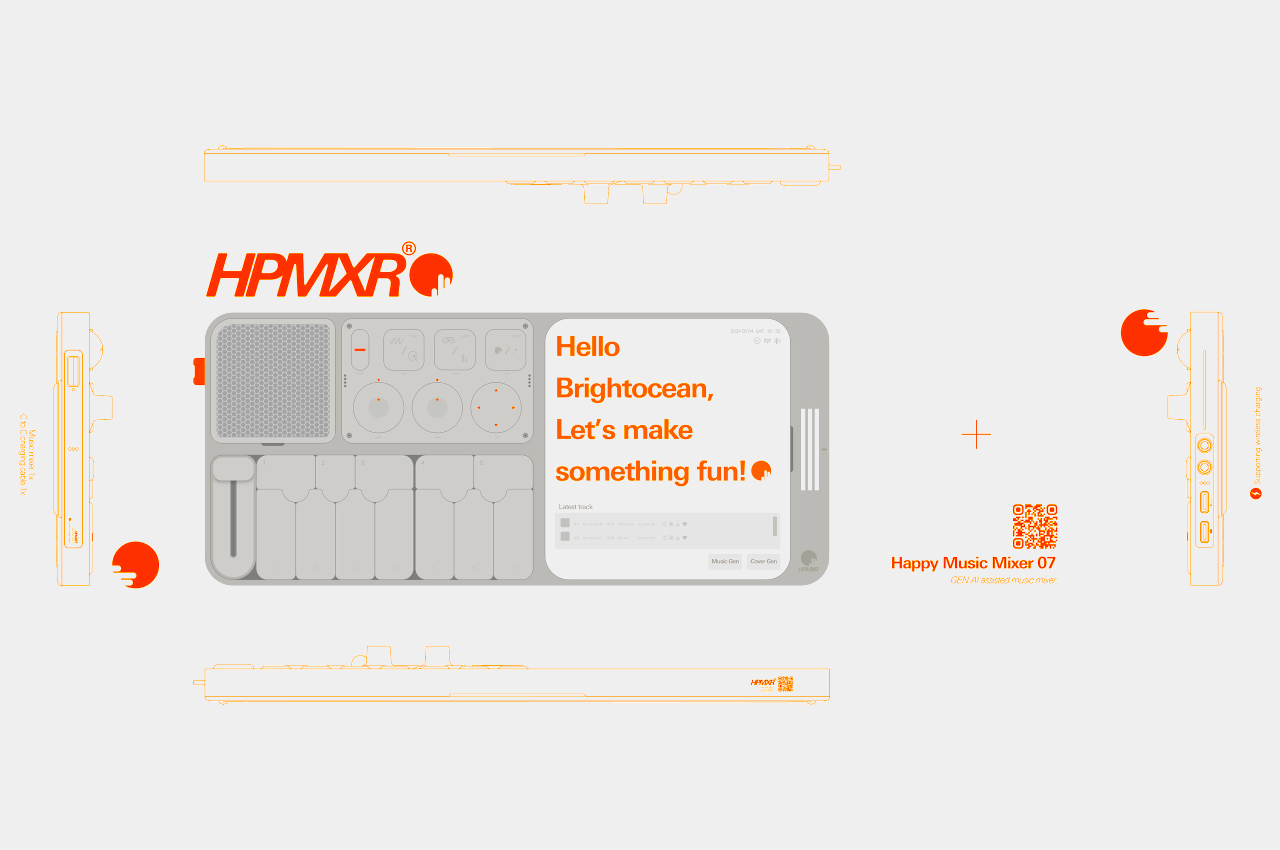
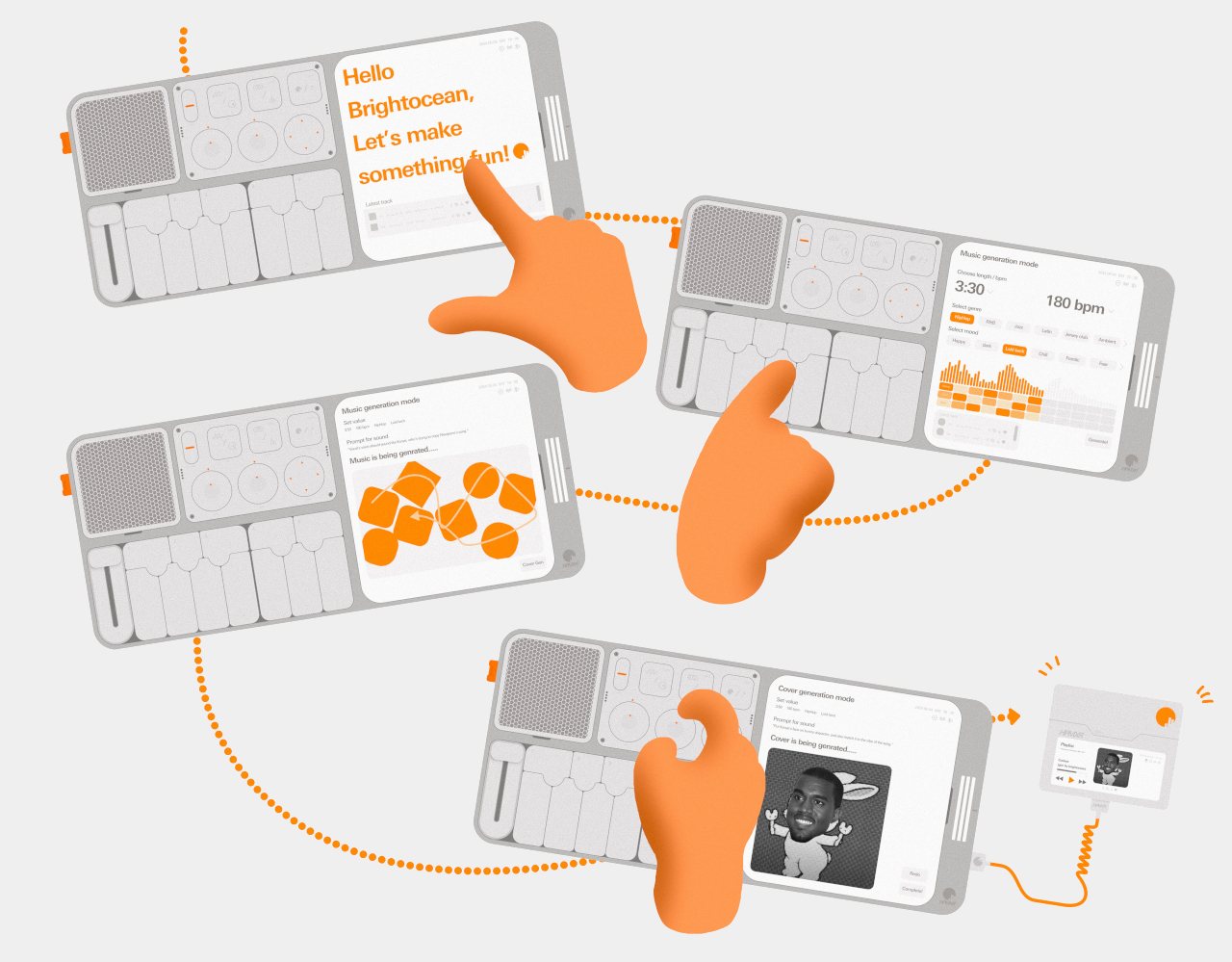
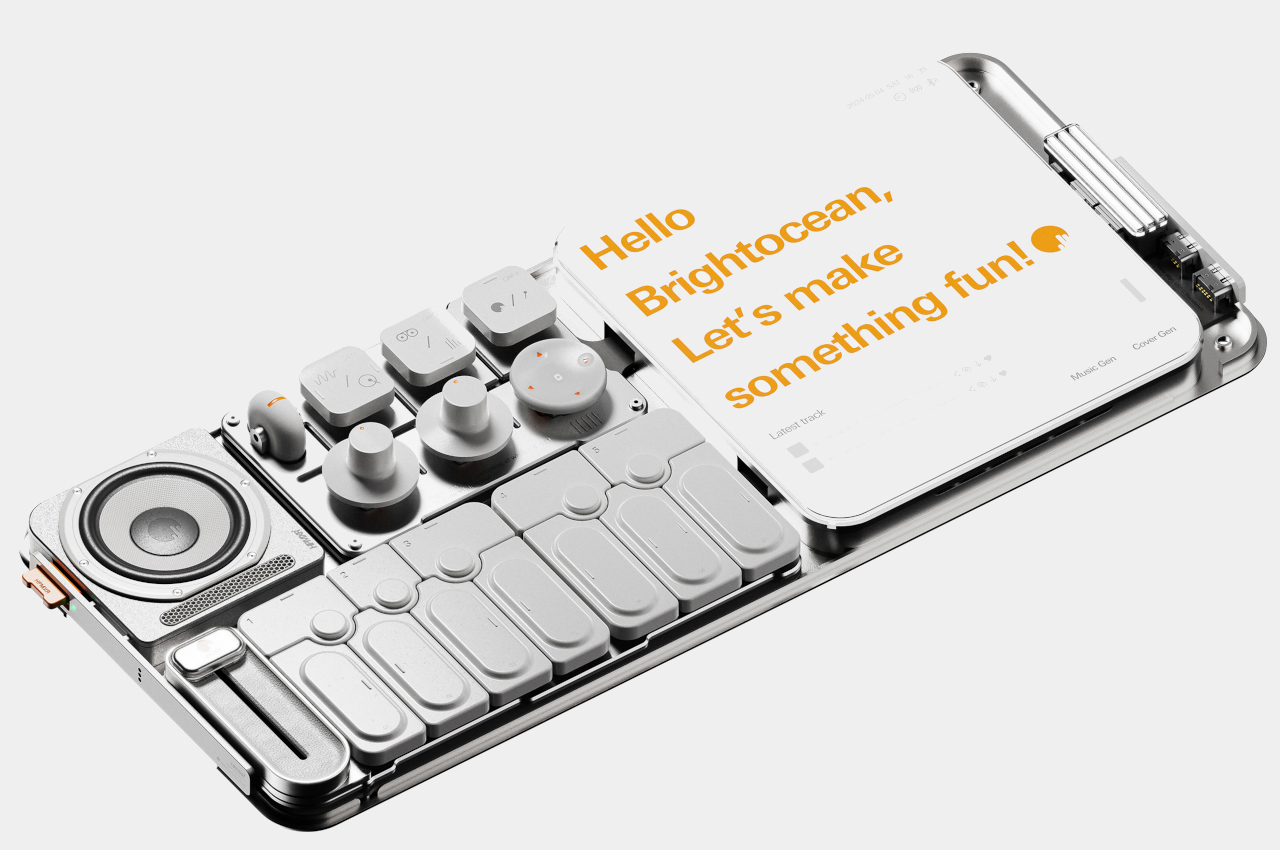
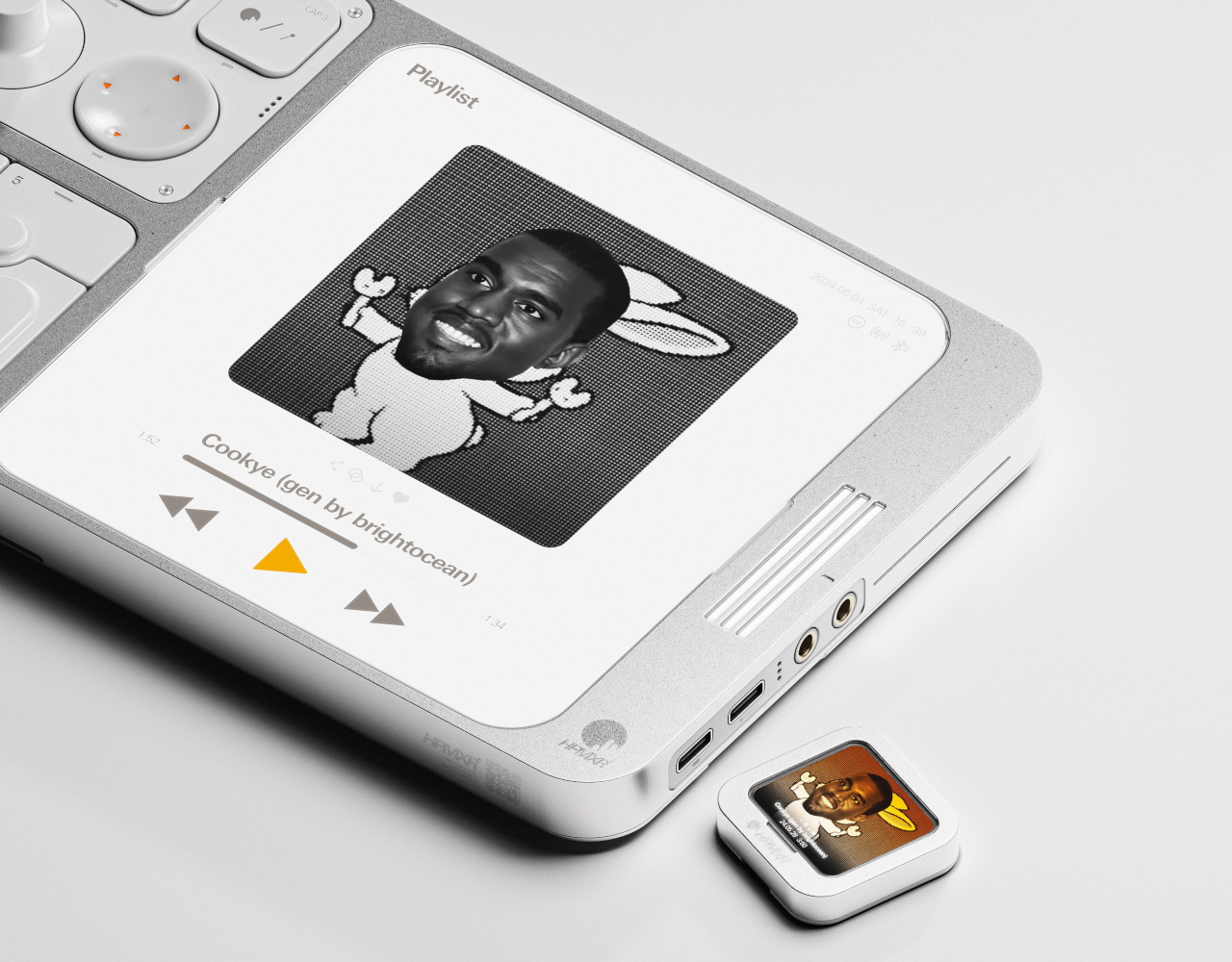
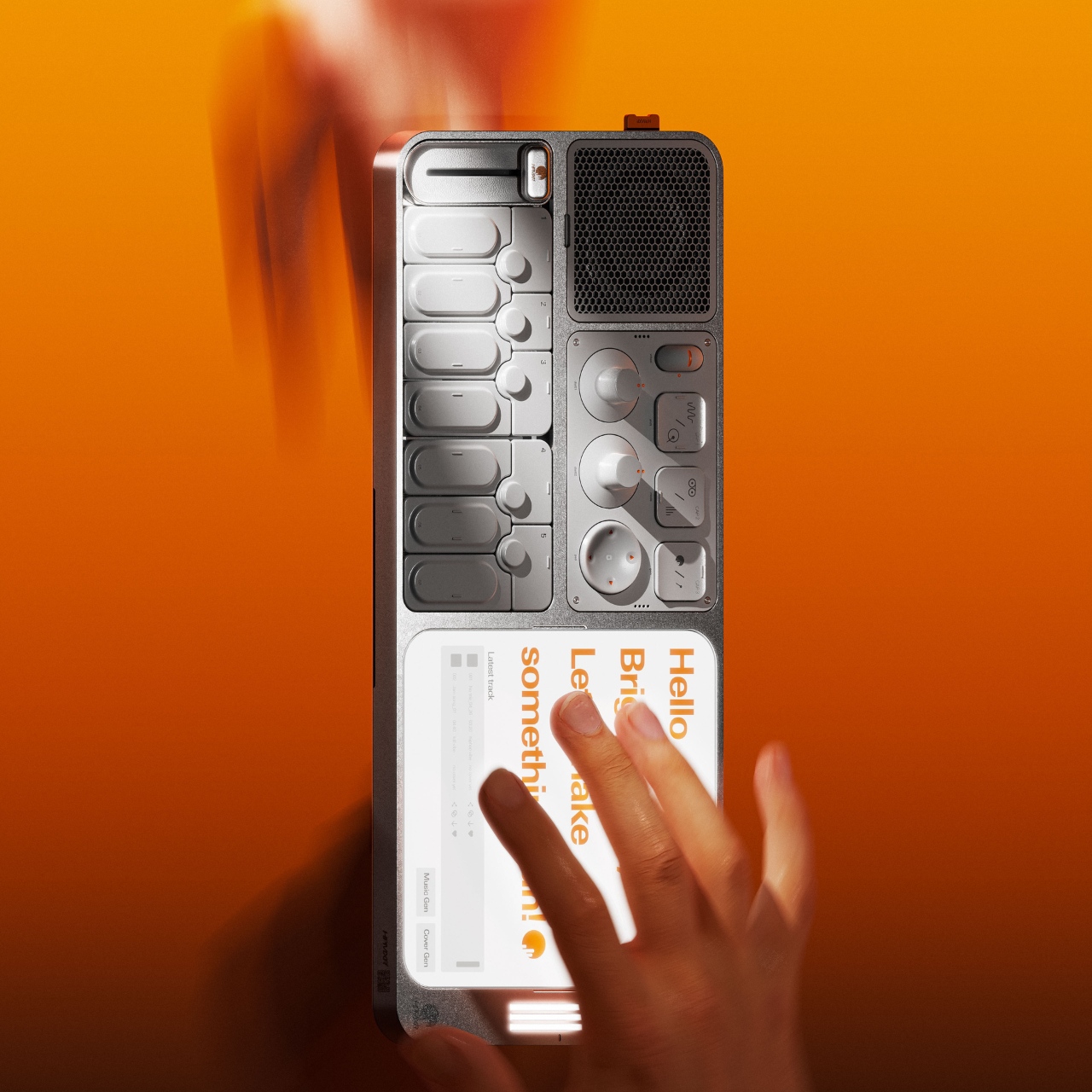
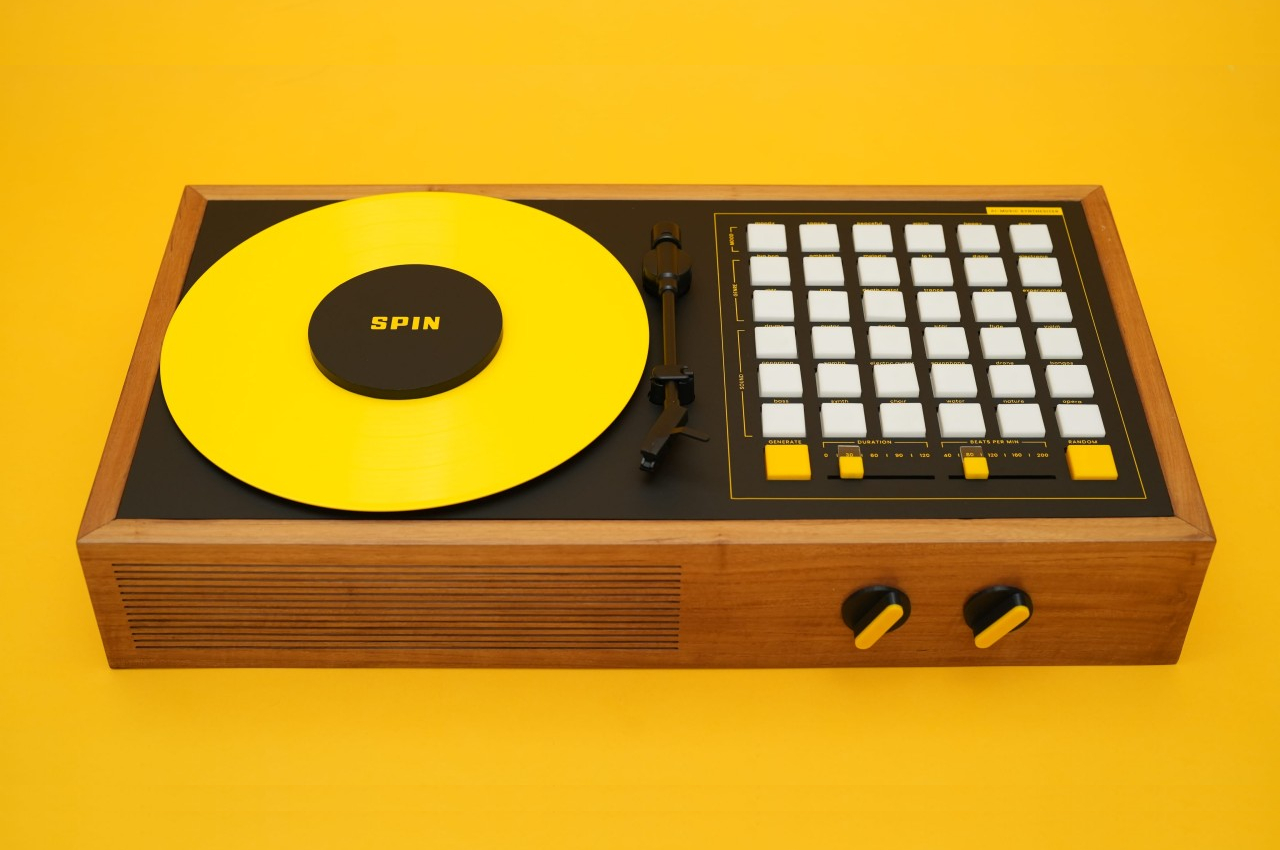
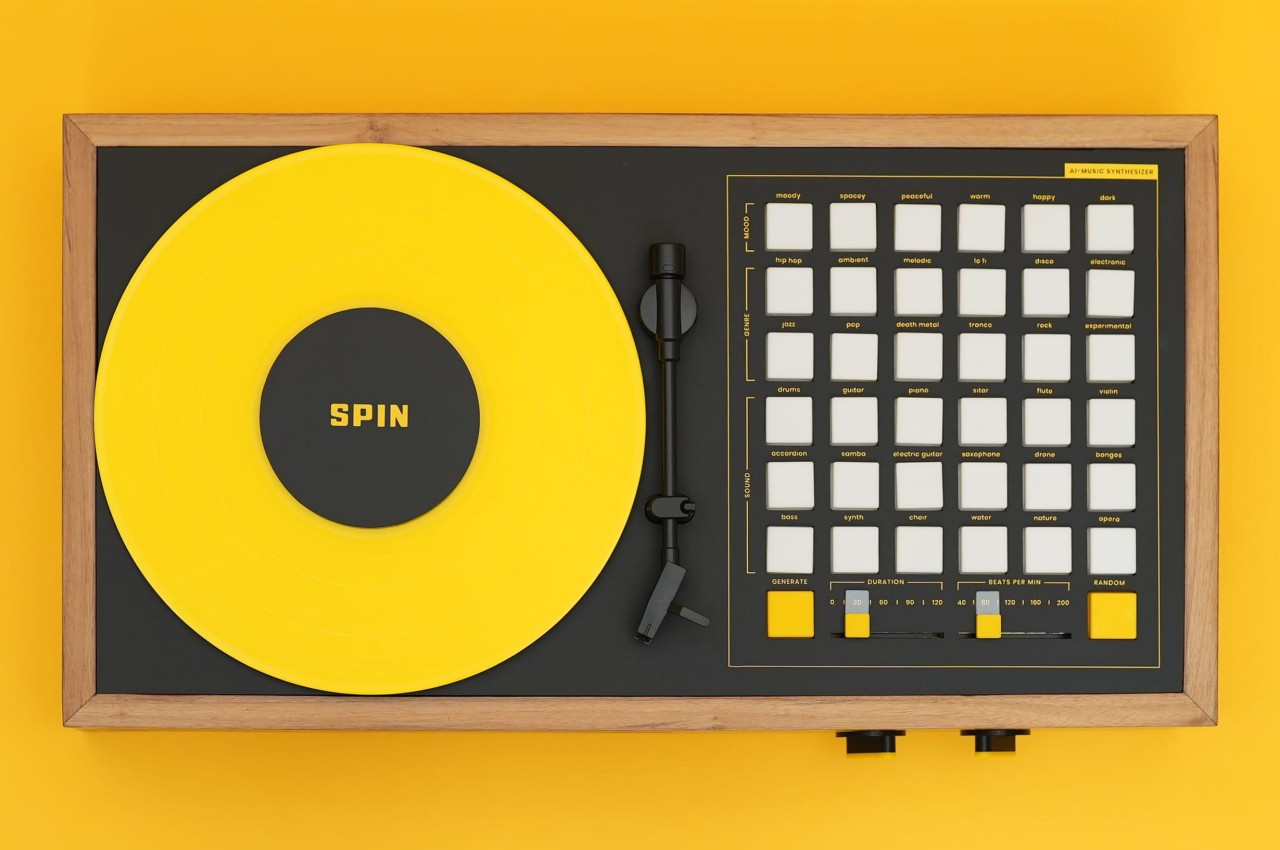
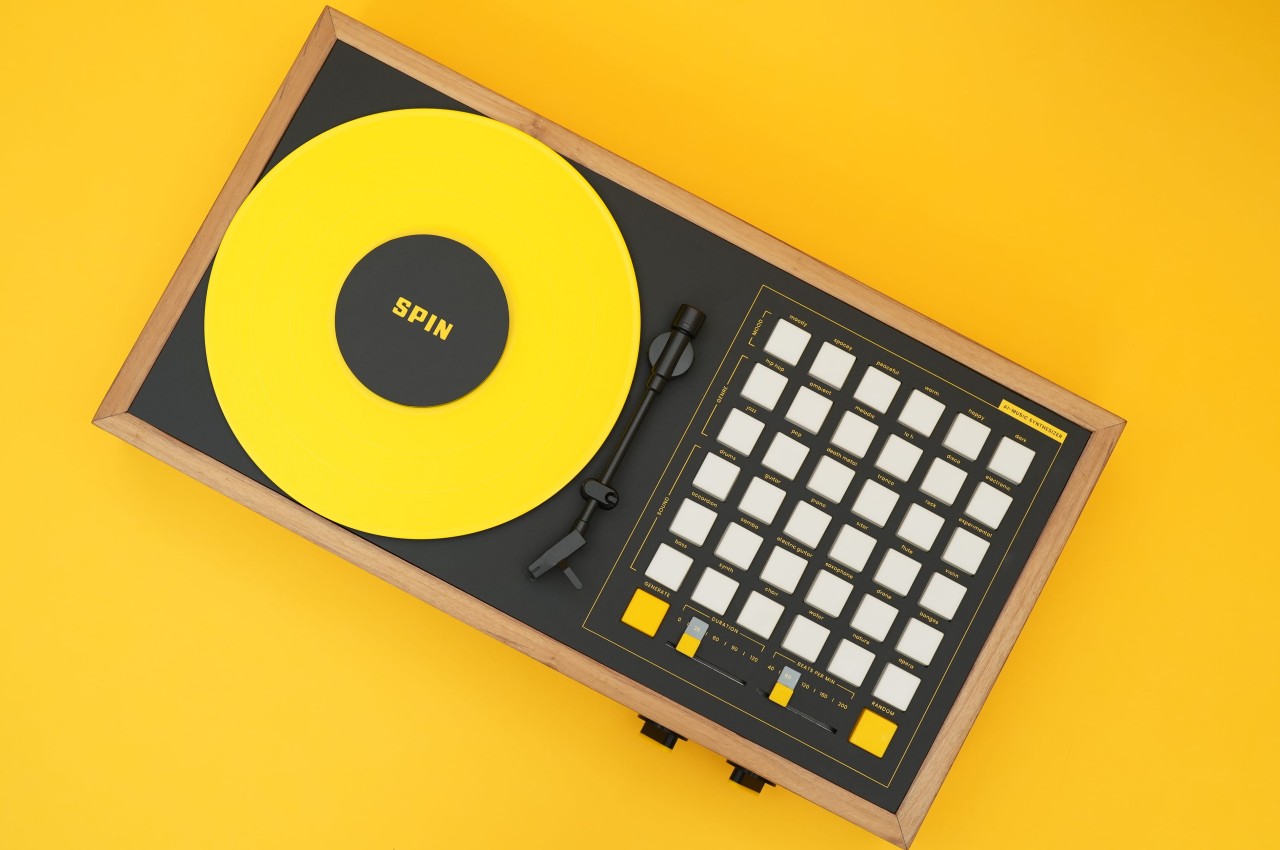
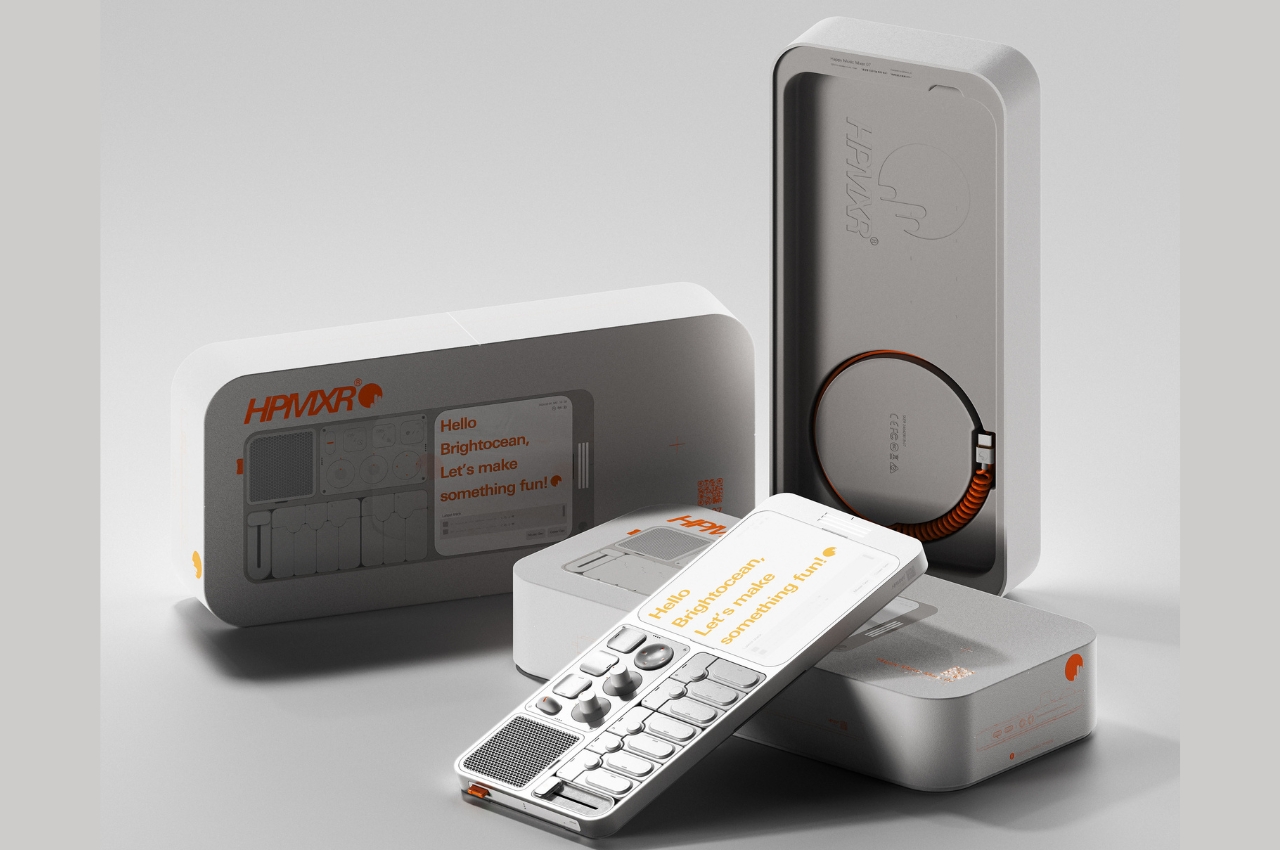
Imagine having to only press a few buttons and you’ll have tunes that are specifically crafted to suit a given mood or genre. Most synthesizers simply give you the raw controls to mix and match to your heart’s content, but you’ll have to draw from your own creativity to actually come up with a pleasing harmony tailored to fit that situation. SPIN, the name for this AI-powered music synthesizer, actually helps you in this creative journey by serving ready-made ingredients to put into your mix without taking anything away from your freedom. It’s like the difference between buying a can of tomato sauce for a recipe versus making your own from scratch.

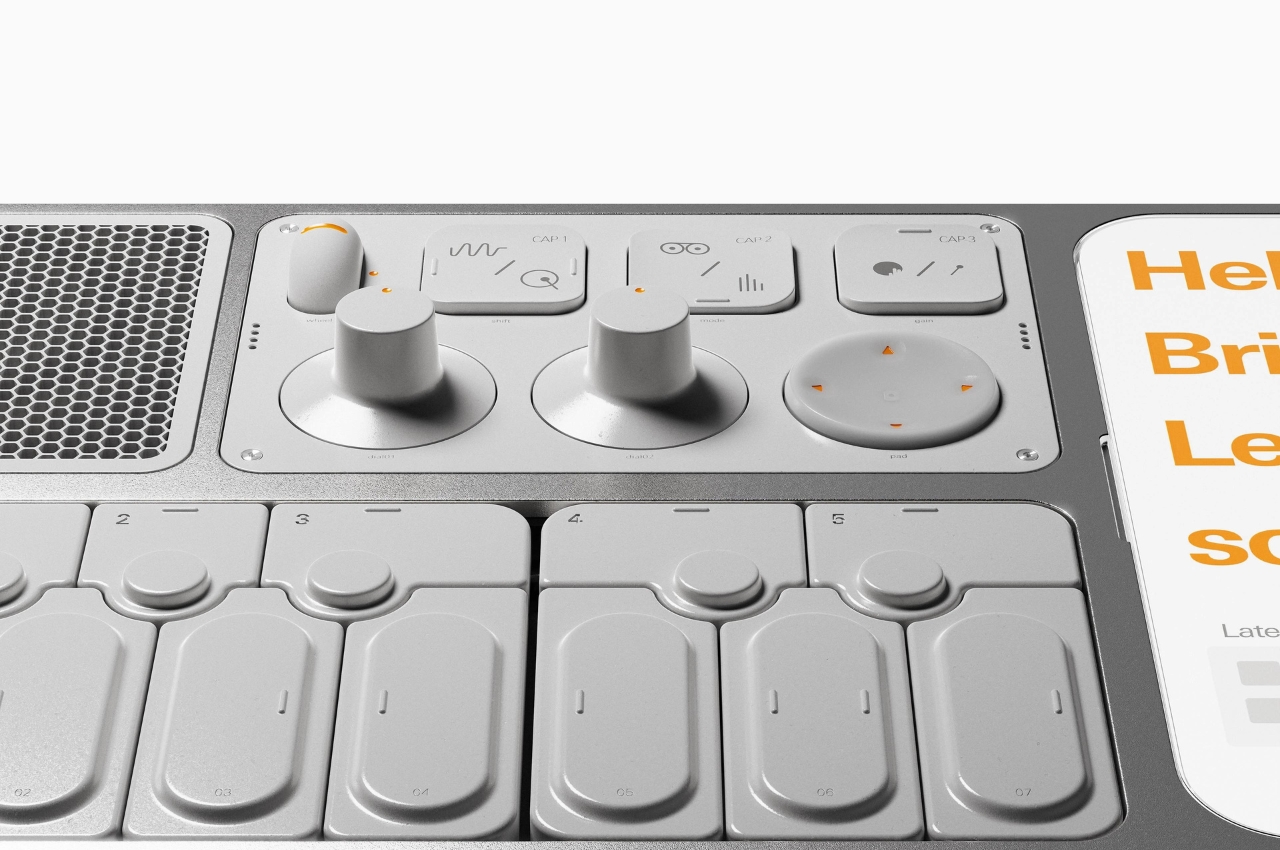
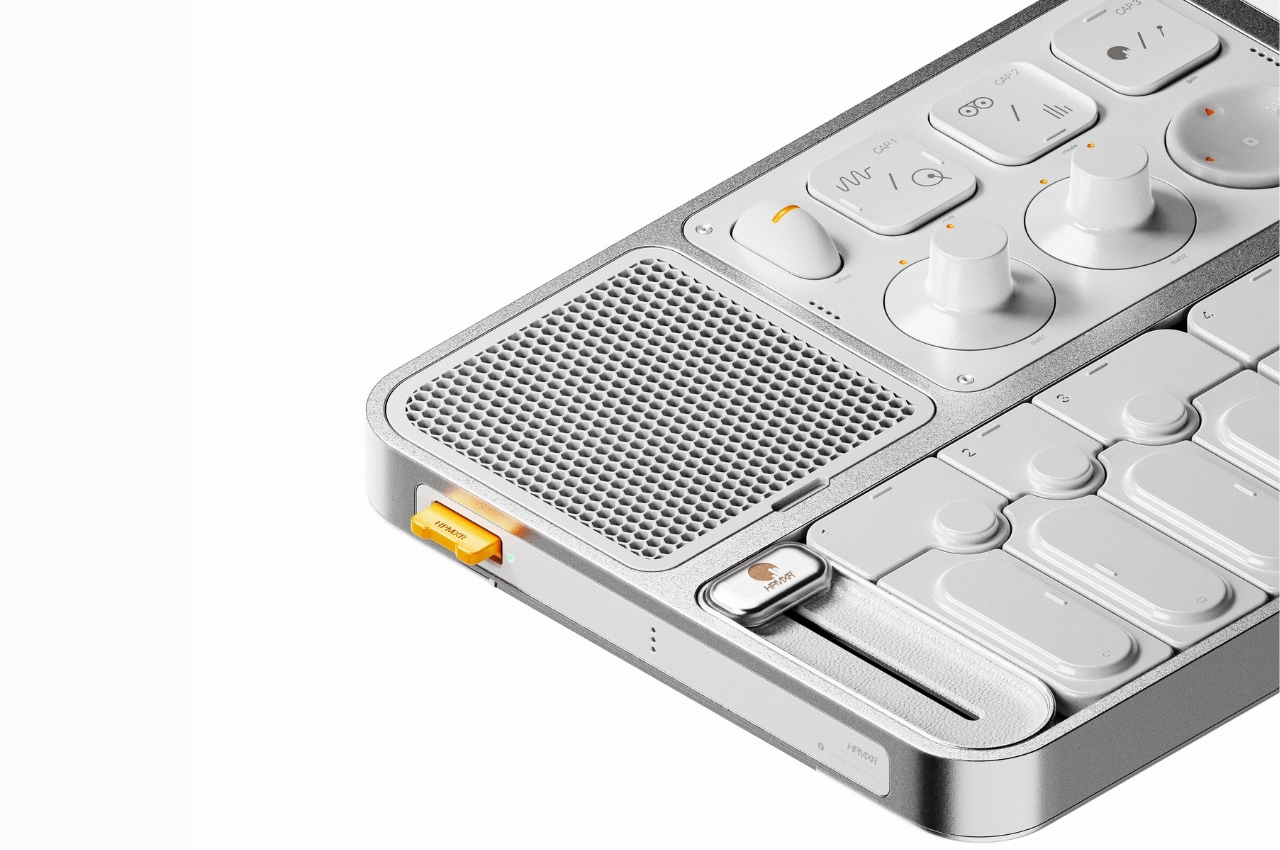
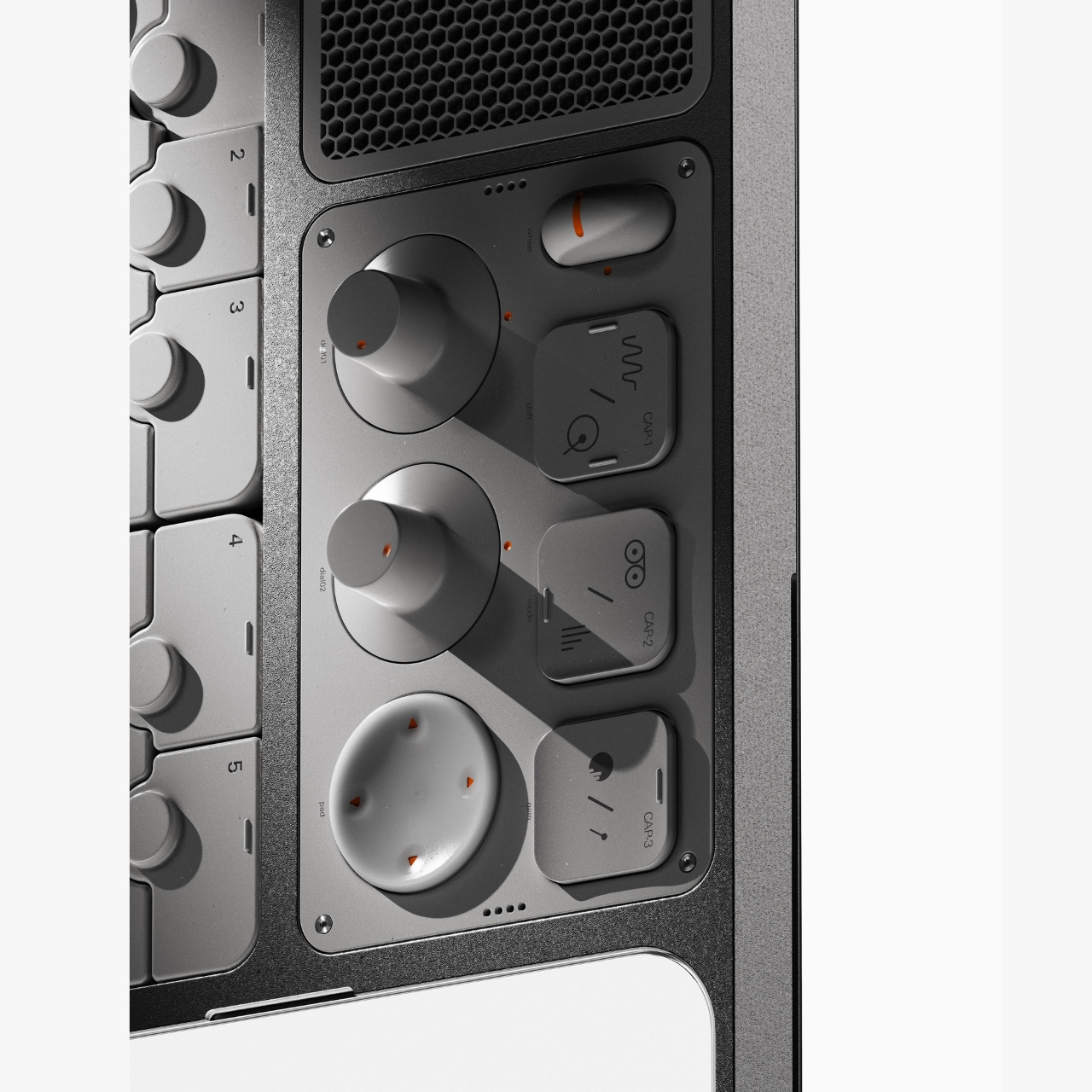
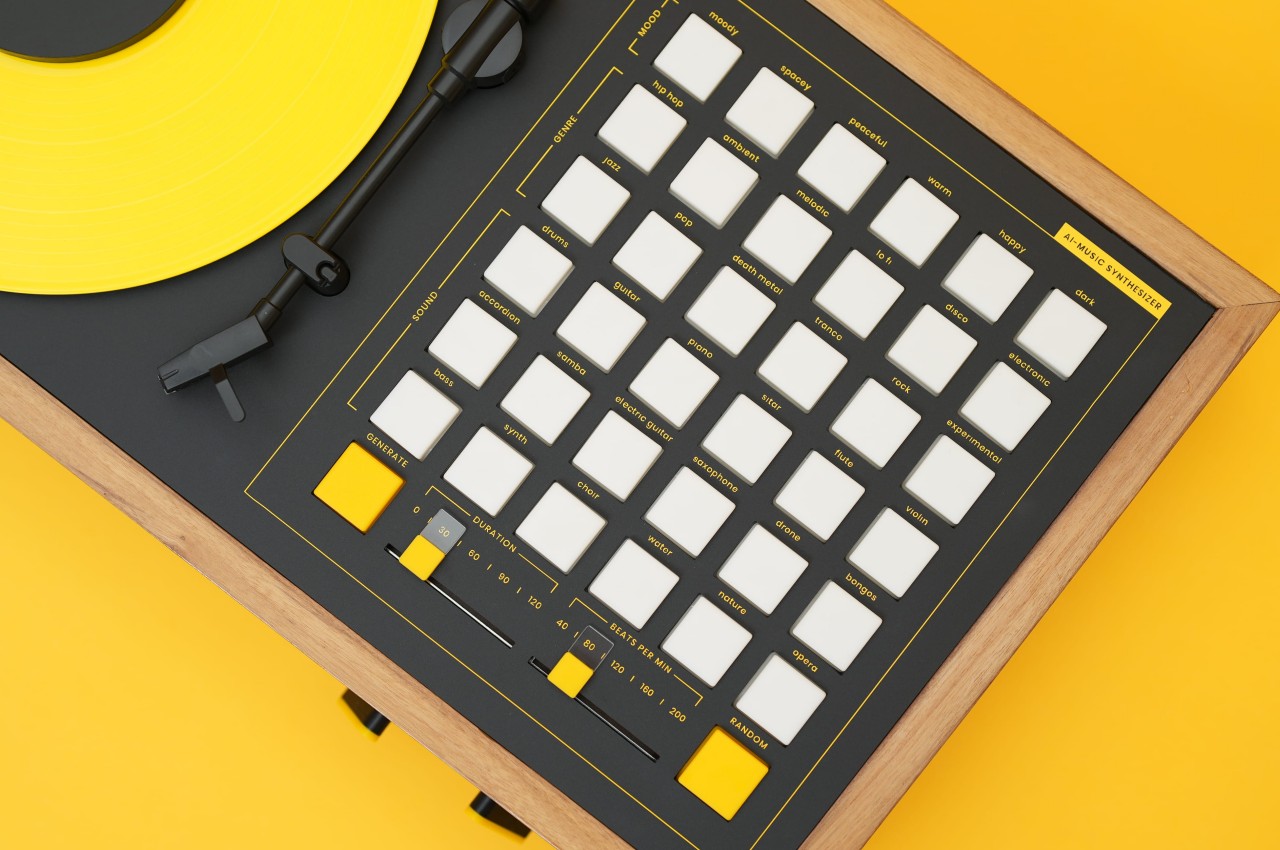
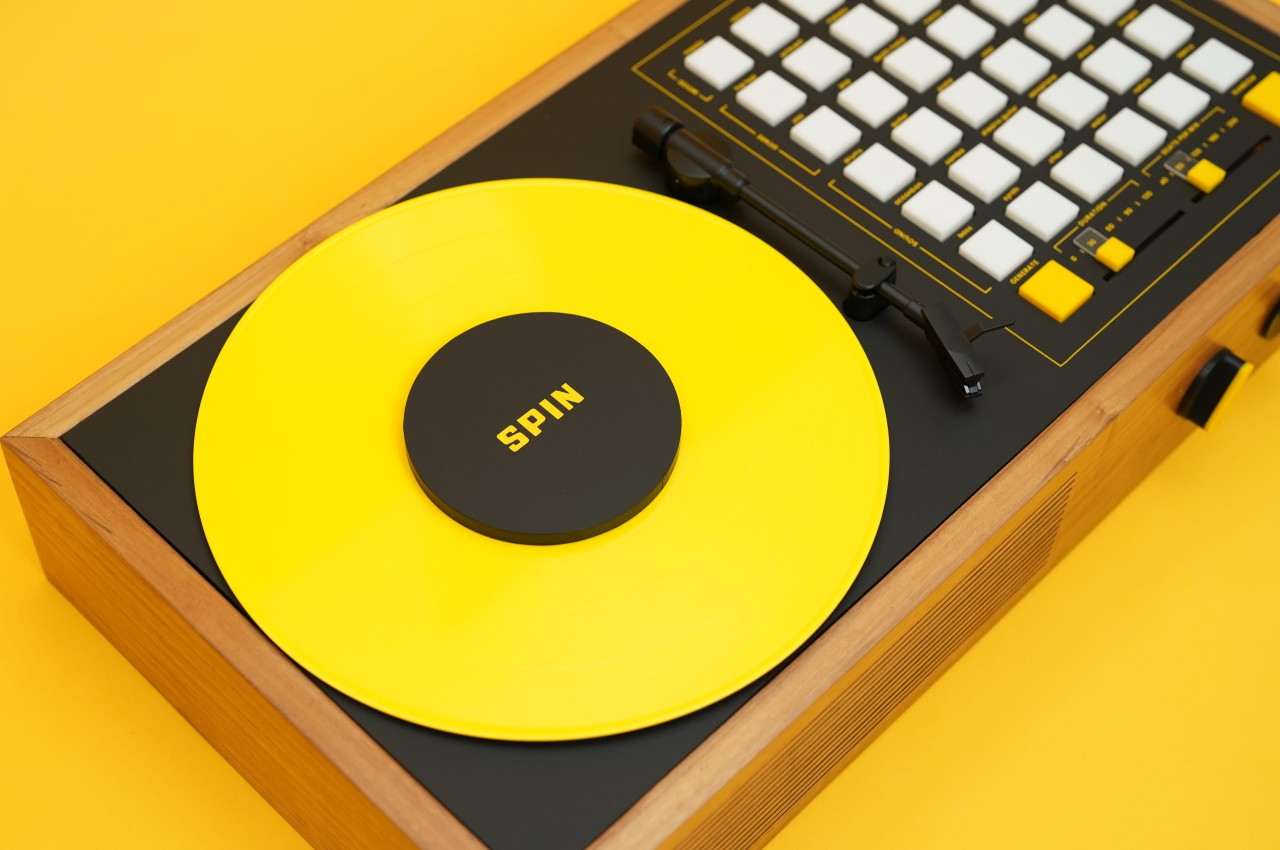
SPIN has buttons for different moods, genres, and sounds that you can mix and match to your heart’s content. How does happy death-metal disco sound? Why not try some dark jazz opera to really turn heads? Not every combination is going to work, of course, so you’ll still have to step in and fine-tune it to your tastes, no pun intended. And with sliders for BPM or duration and a turntable to scratch, you also have the tools to make your own style shine, with or without AI’s help.

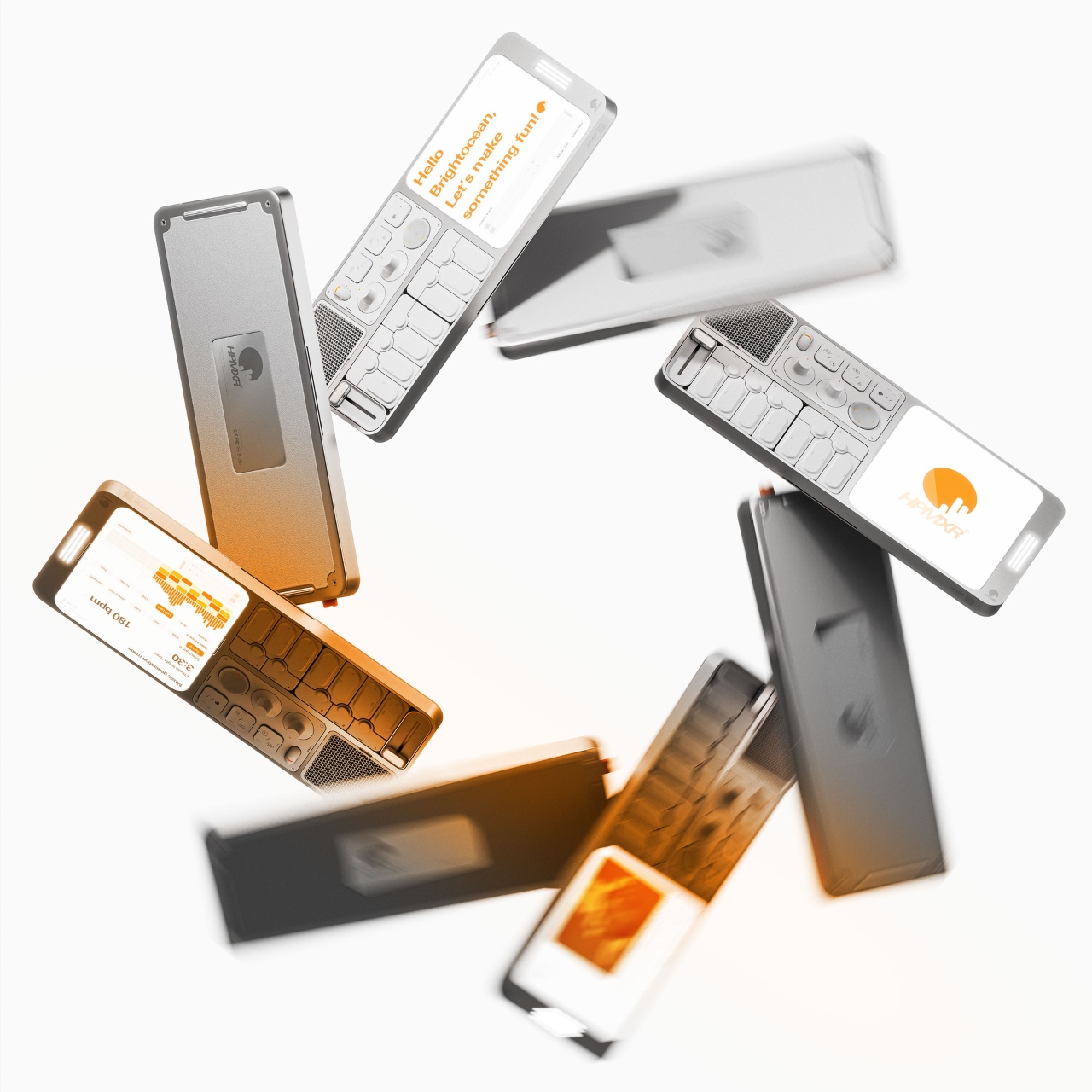
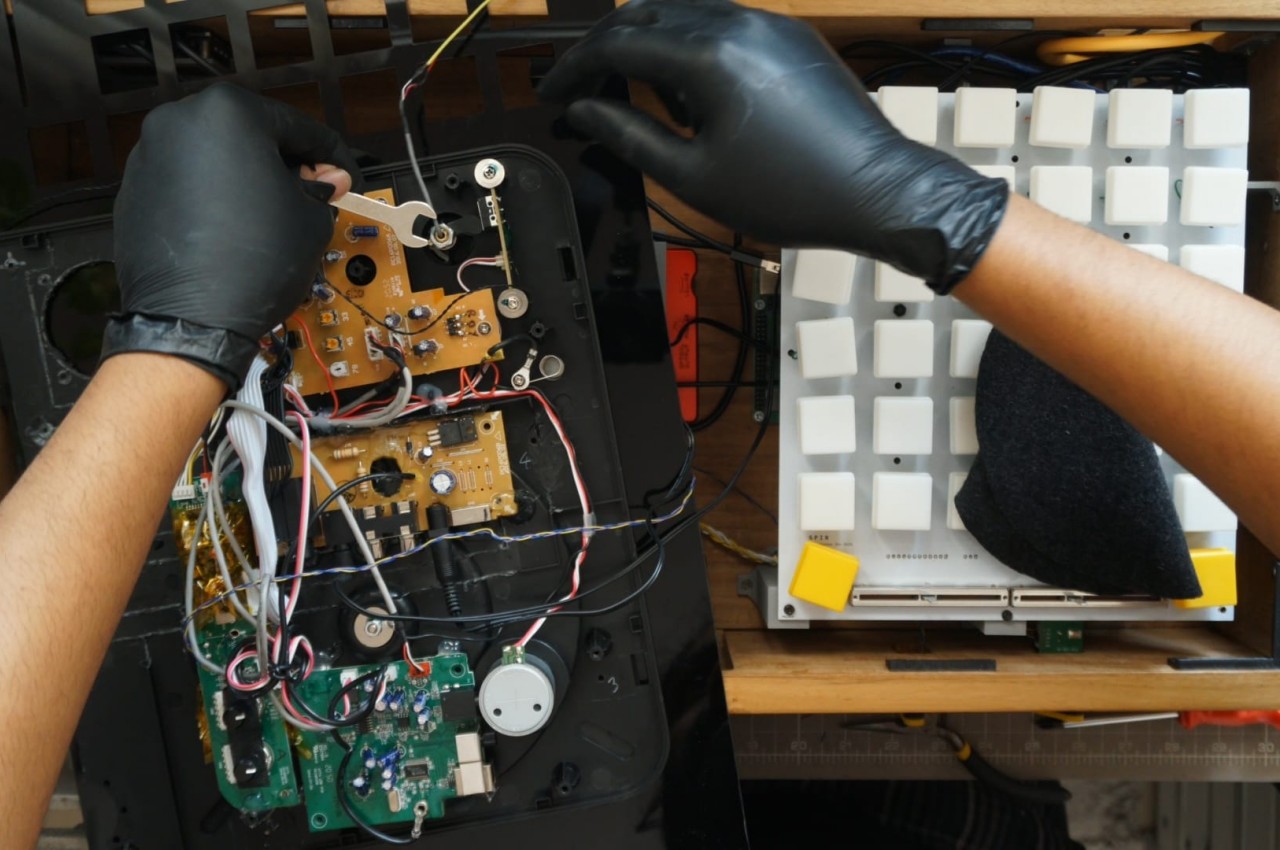
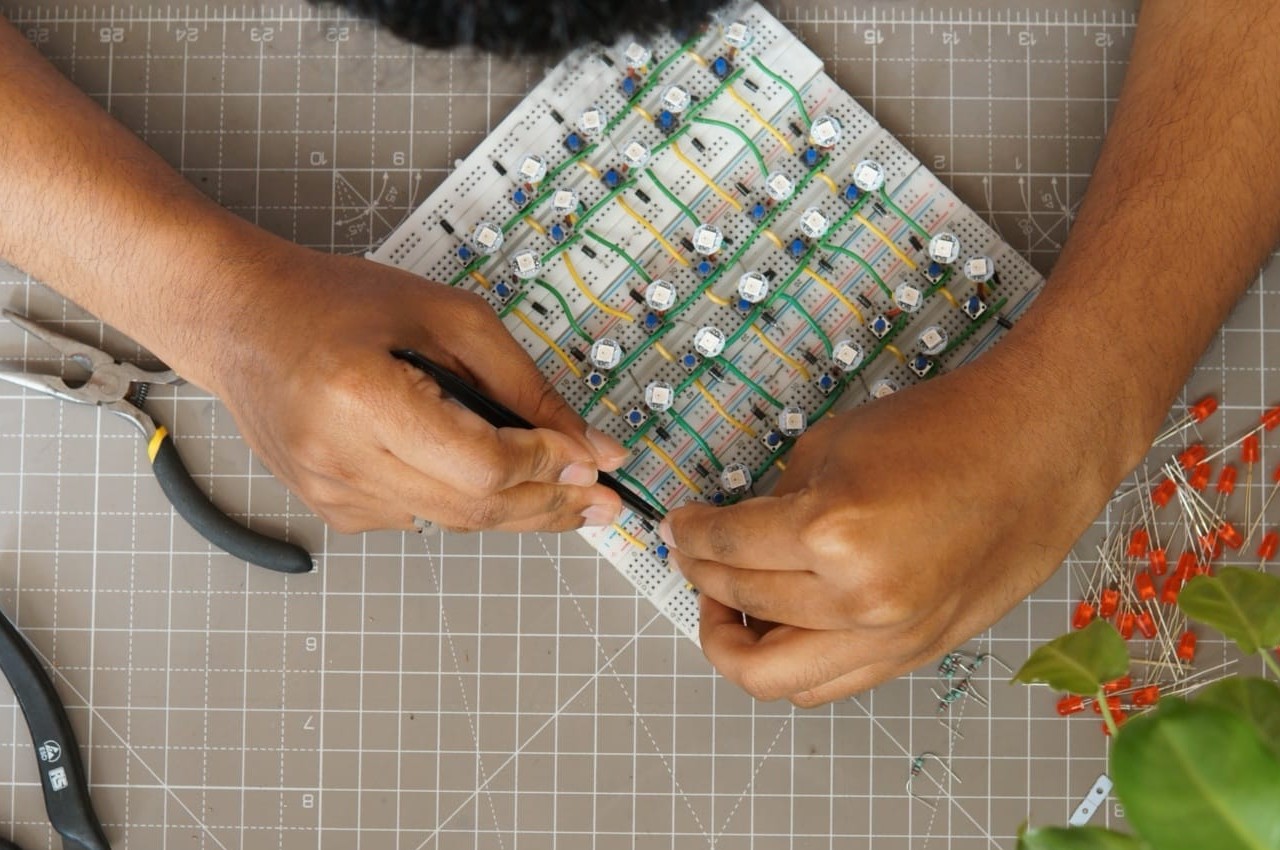
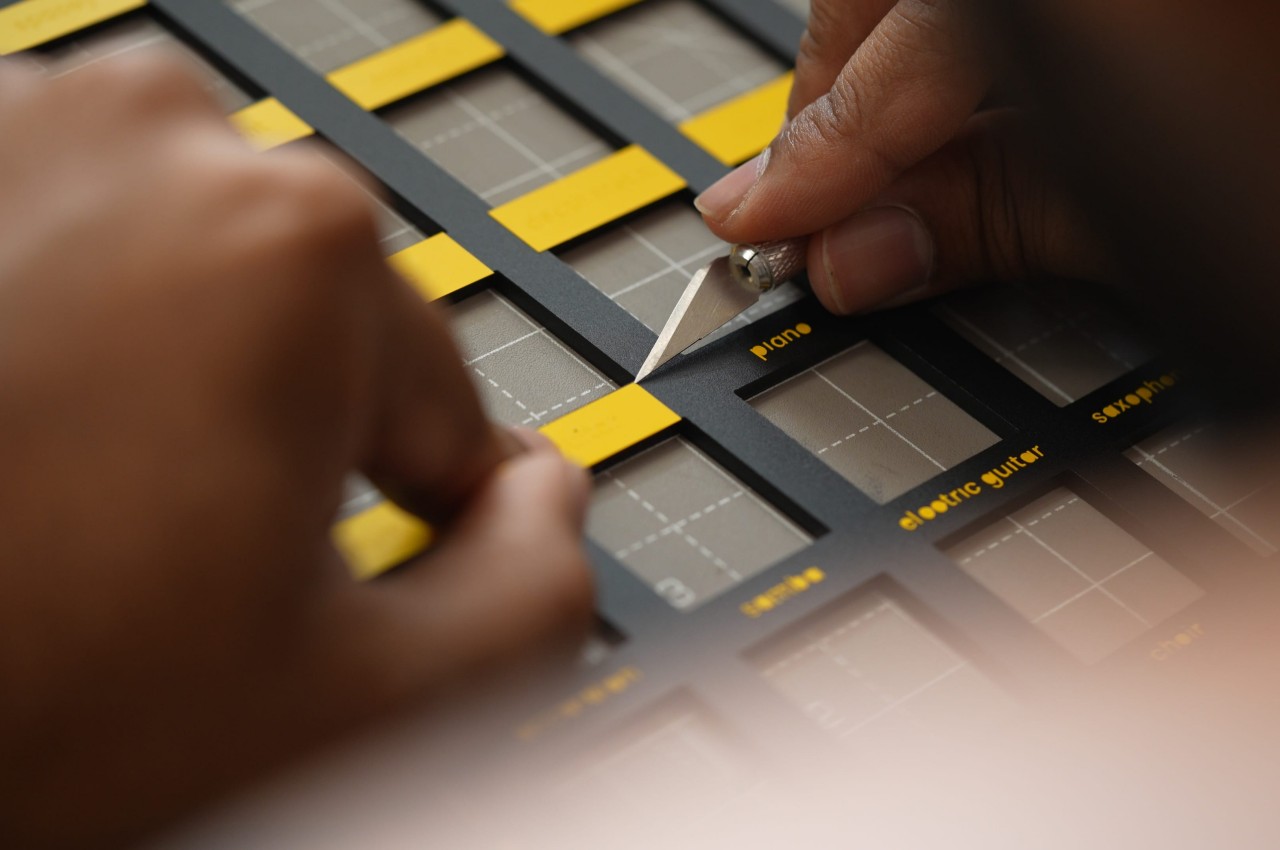
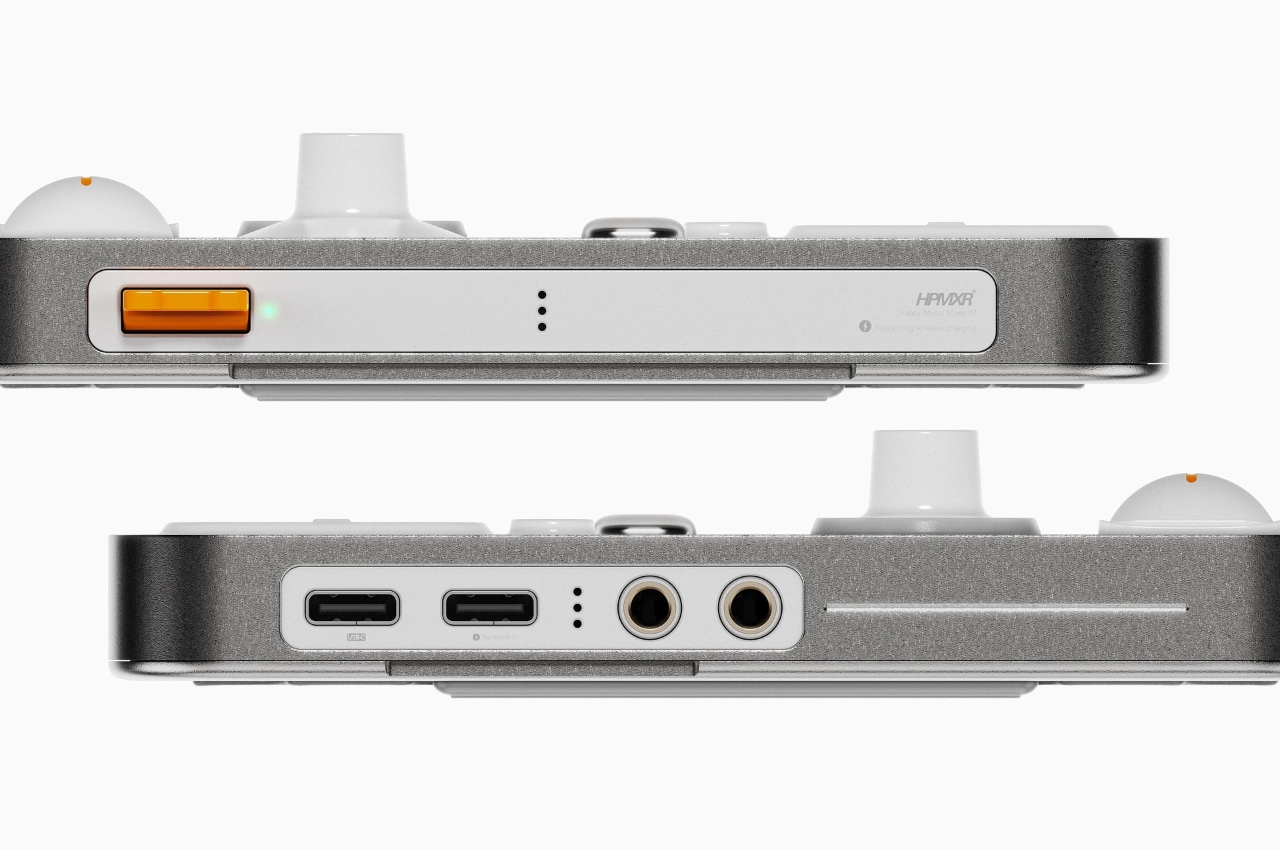
The synth is just as much a work of art as it is a demonstration of the power of AI. A variety of off-the-shelf components are assembled to provide the brains and muscle behind the scenes, almost literally. You won’t see any of these while using SPIN, as all are hidden behind an interface and a design that’s meant to encourage playfulness and experimentation. Even the choice of bright yellow and white colors, unusual for most synth designs, emphasizes that rather jovial character.

Generative AI has been receiving a lot of flak, in no small part thanks to abuse and misuse of the technology rather than anything inherent. SPIN is an attempt to reverse that perception and present AI not only as something approachable but even fun to use. Given how it works, you won’t even have to worry about infringing on anyone’s copyright or intellectual property, leaving you free to explore that harmony between human creativity and machine learning.

The post AI-powered synthesizer lets you create tailored music just by pressing buttons first appeared on Yanko Design.
Suzuki Omnichord is back to offer a fun and interesting way to make music

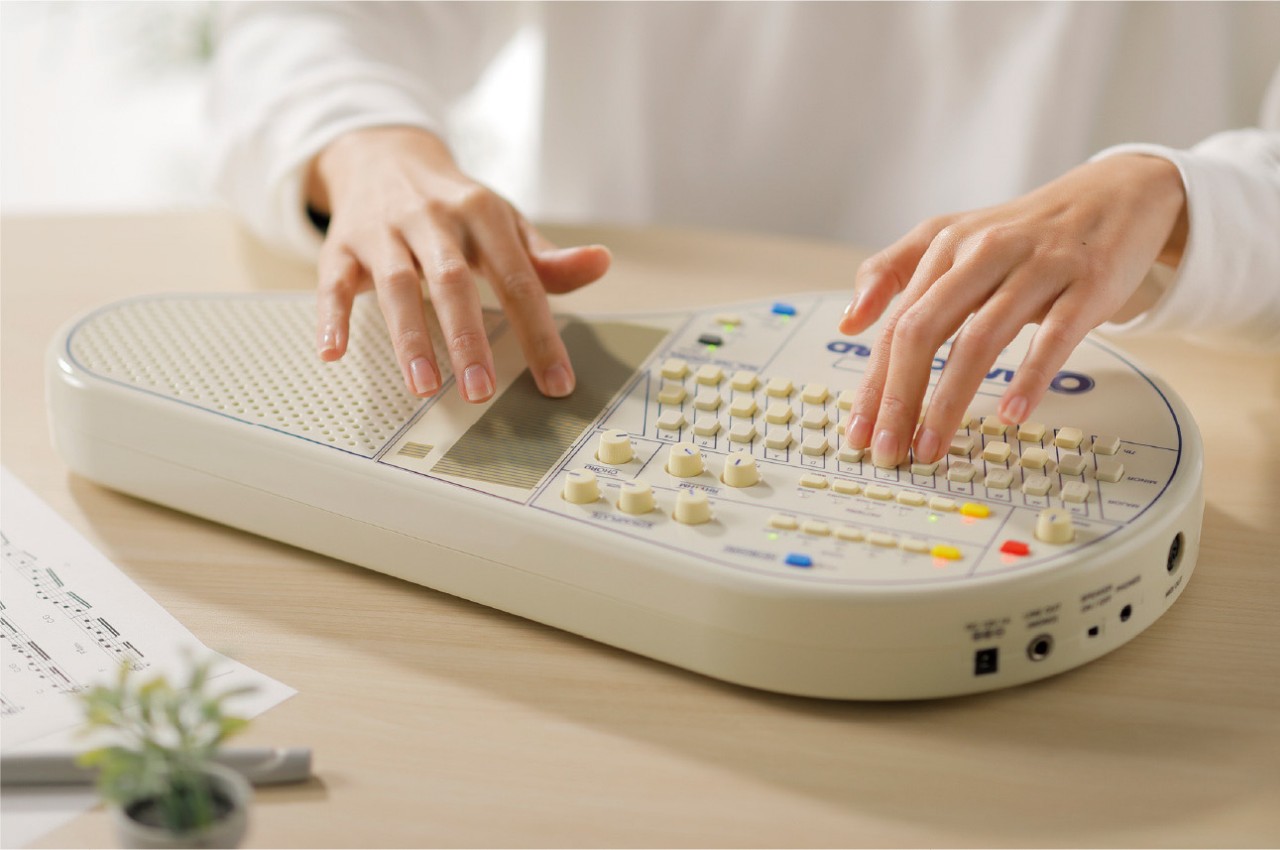
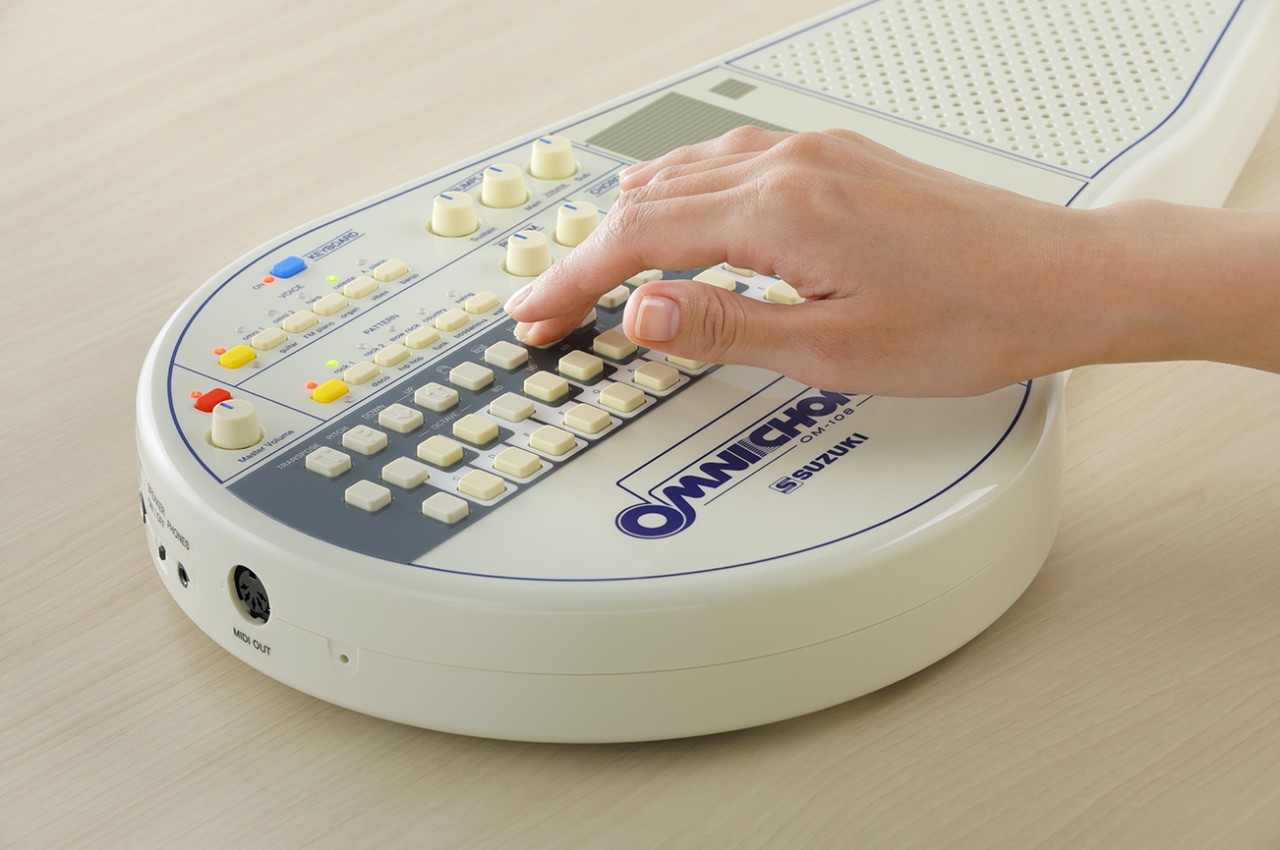
When you think of musical instruments, you will probably first think of things like pianos and guitars. Electronic musical instruments, on the other hand, conjure up images of keyboards, electric guitars, and complicated synthesizers. Suzuki’s Omnichord, on the other hand, is an odd yet curious duck that stands somewhere in between these two extremes. First launched in 1981, this electronic device empowered anyone to make music or accompany a song even without previous musical experience or even reading notes. The Omnichord’s distinctive electronic sounds and novel design made it quite a hit, but the product faded into obscurity back in 1996. To commemorate its upcoming 40th anniversary, Suzuki decided to give today’s generation a taste of that unique experience with a new model that recreates the original so faithfully down to using the same analog circuits.

Designer: Suzuki

Imagine just pressing a few buttons and sliding your finger on a flat surface and then suddenly producing wonderful music. That’s pretty much the experience that the Suzuki Omnichord offered, presenting people, whether musically trained or not, the joys of creating music with ease and freedom. There are no wrong notes, just new harmonies and beats to be discovered and incorporated into your masterpiece. It’s like an adventure for novices but also a new territory for veterans who want to add a unique flavor to their music.

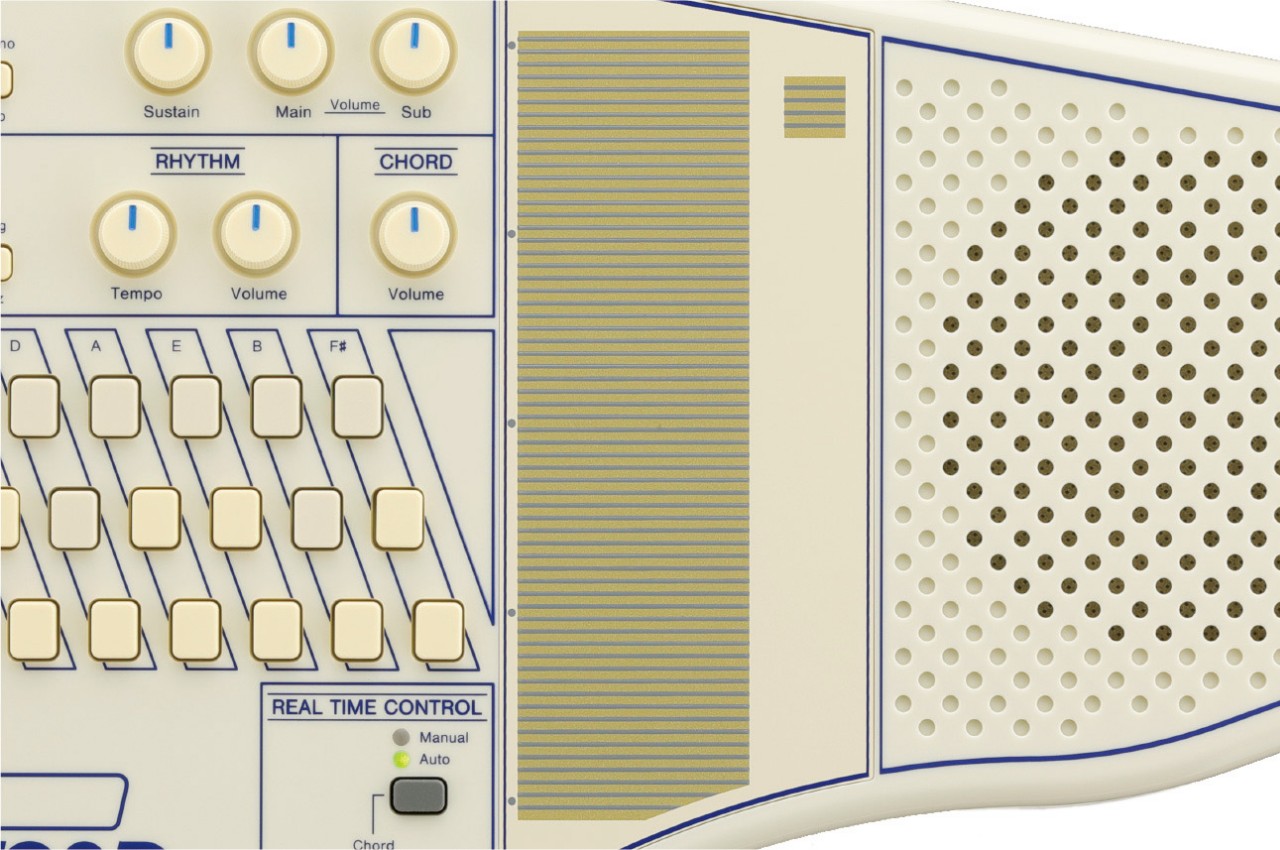
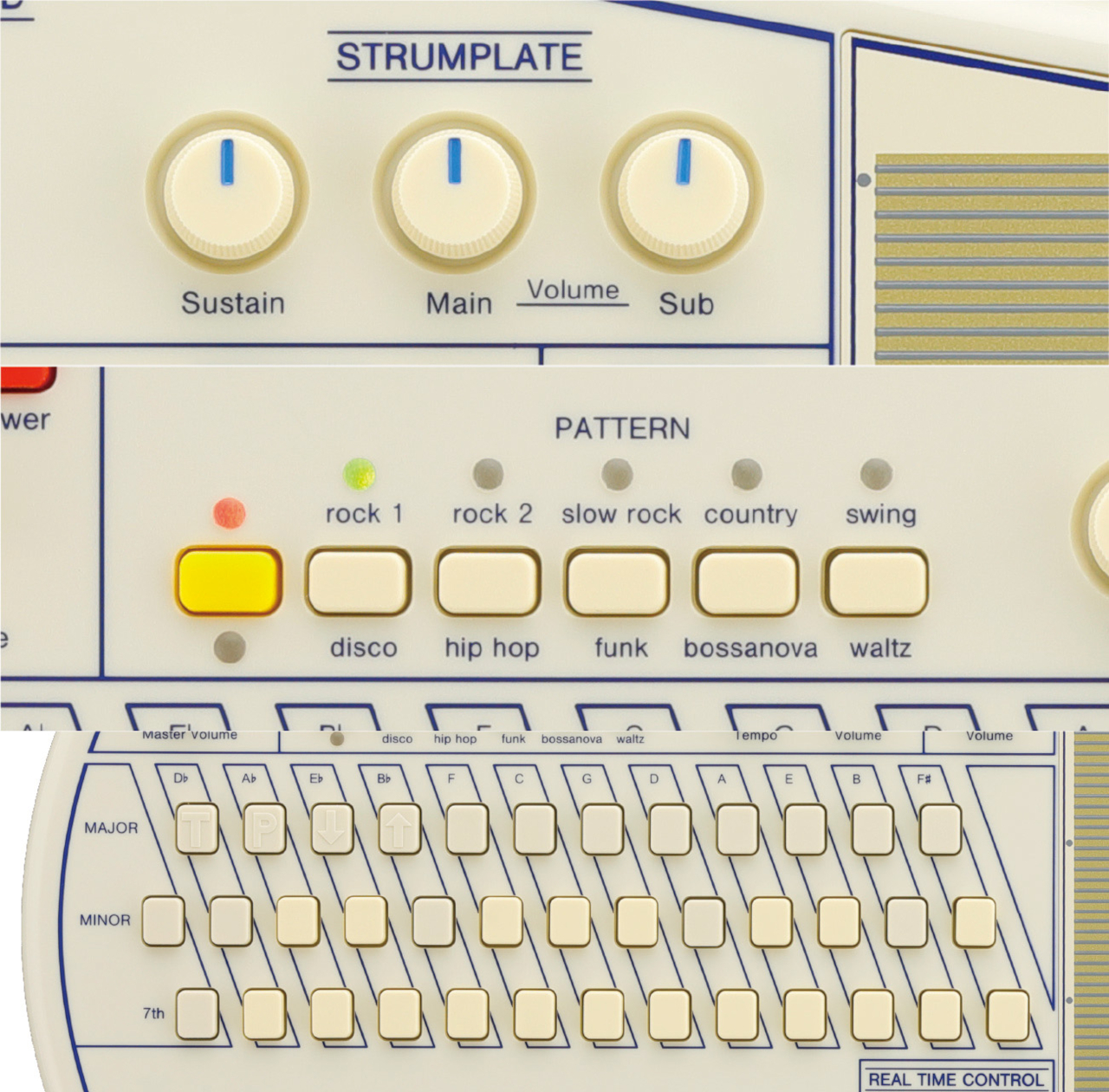
The new Suzuki Omnichord OM-108 tries to bring that 80s experience to the 21st century, reproducing the tonality that characterized that period while also adding modern features that cater to today’s more demanding audience. To accurately recreate the same tones of the OM-84, perhaps the most popular Omnichord ever released, Suzuki opted to go completely old school and apply the same analog circuitry that gave the original its distinctive electronic sounds. It also has that popular harp sensor or strumplate that lets you easily slide or tap your finger to produce the “notes” that will make up your music.

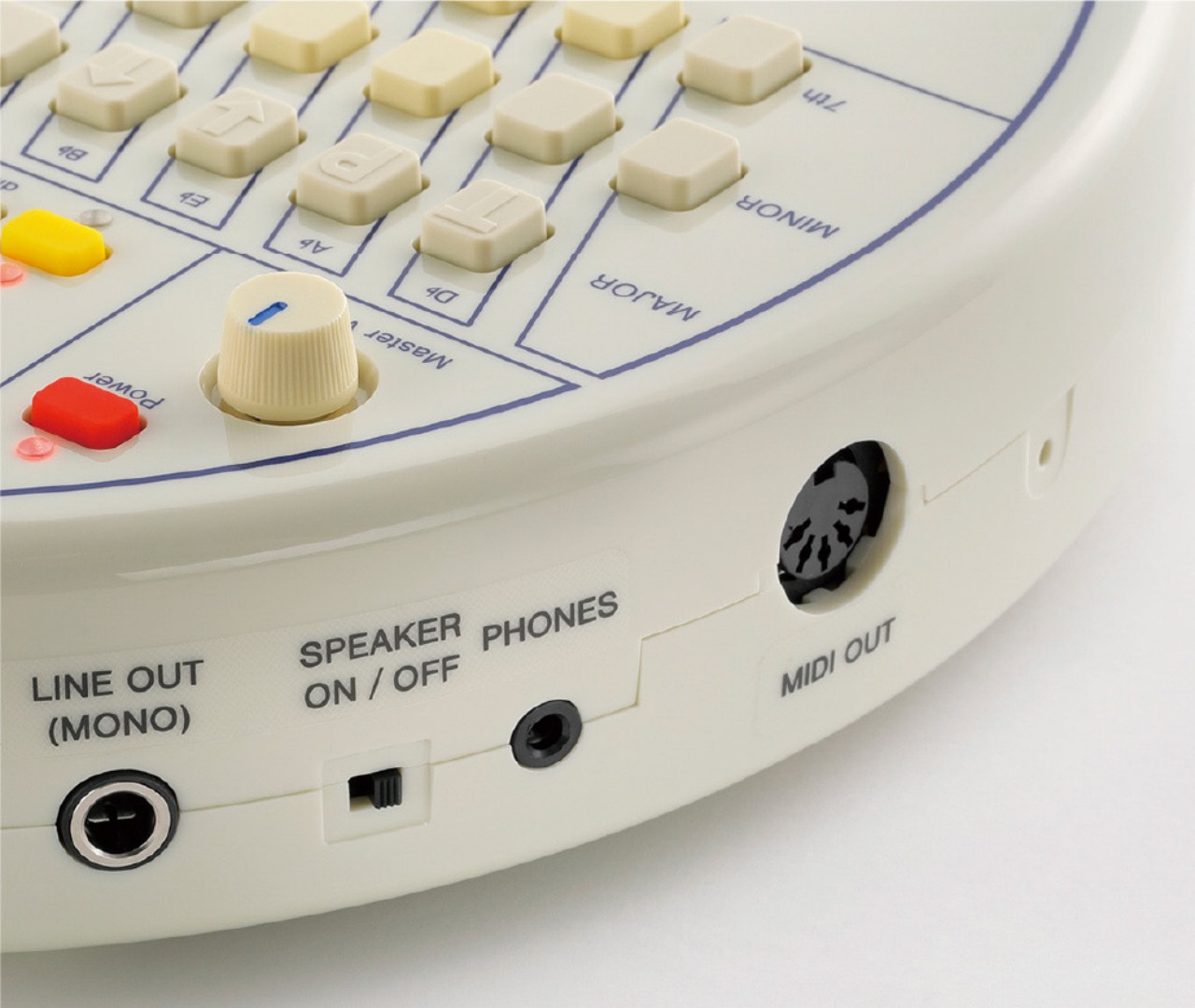
The new OM-108 model boasts 108 chords, hence the name, as well as many new functions, like a switch that changes the way chords and rhythms are played. There’s also a drum pad mode that turns the chord keys as well as the sturmplate itself into beats. And like with many modern electronic musical instruments, you can connect the Omnichord to external MIDI devices to mix tones to your heart’s delight. Plus, the built-in speaker can be turned on or off when you connect an external speaker, useful when you want to monitor your own sound during a live performance.

The Suzuki Omnichord OM-108 may look like a toy, but the unique sounds it lets you produce are pure joy, at least to fans of the electronica genre. Its revival coincides with the retro craze gripping many industries and is a perfect example of a design that manages to remain relevant decades after its last appearance. That said, you’ll have to wait a bit before you can get your hands on the newest Omnichord, as sales aren’t expected to start until July, with the price and market availability still unknown.

The post Suzuki Omnichord is back to offer a fun and interesting way to make music first appeared on Yanko Design.
Teenage Engineering made a tricorder-like gadget that’s actually a portable synthesizer

Teenage Engineering is best known for audio equipment with unique aesthetics, though it does sometimes put out unrelated products, such as a desktop PC tower, wooden “choir” mini figurines, and a toy car. That last one was its prelude to the real product launch it had planned, a product that seemed to straddle the line between a full-fledged tool and a sophisticated toy. Given its size, design, and pedigree, Teenage Engineering’s shiny new EP-133 K.O. II is something you might find hard to take seriously at first glance. Fortunately, it seems to have just the right knobs and buttons, literally, to make it a real tool for music makers, at least those that will be able to shoulder its price.

Designer: teenage engineering

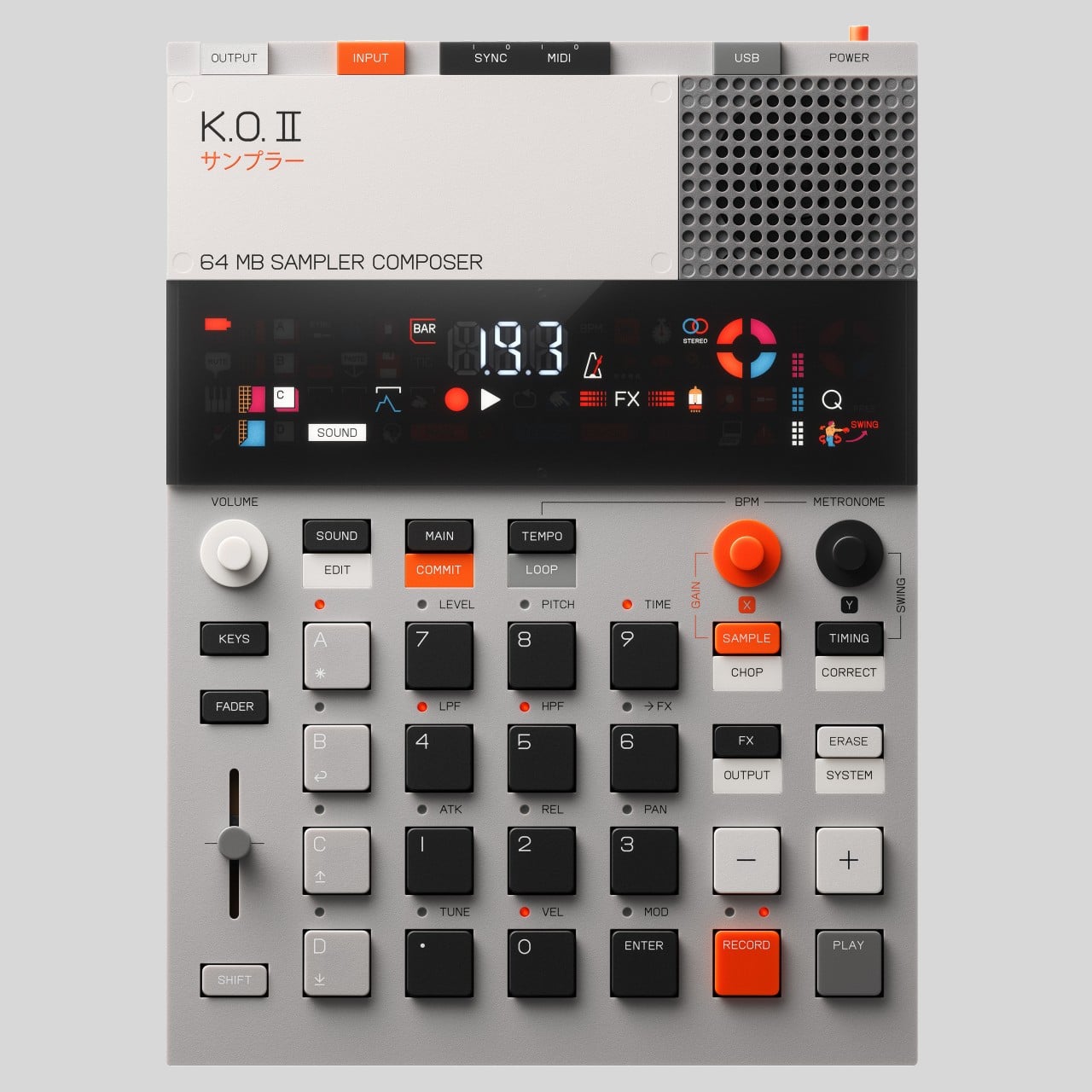
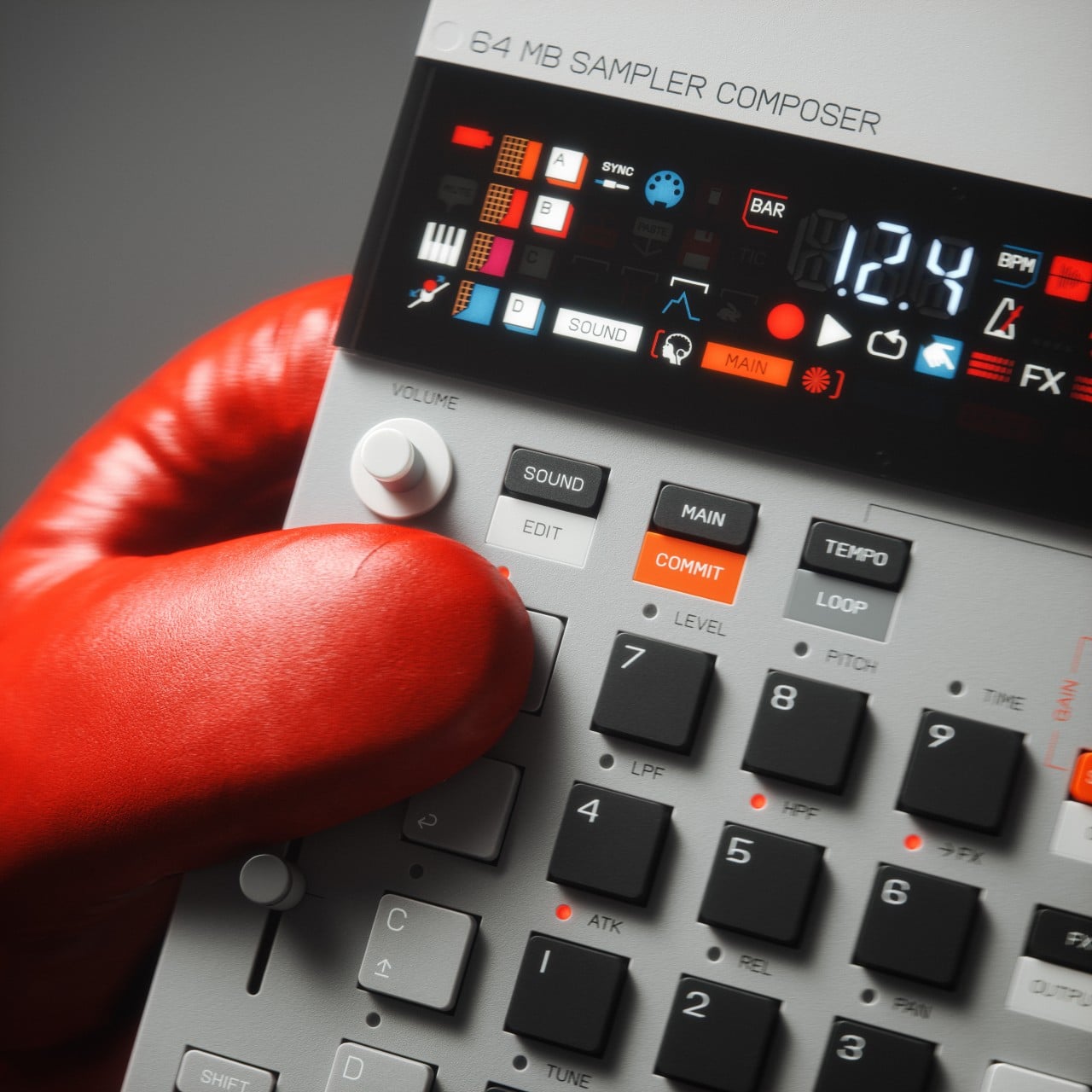
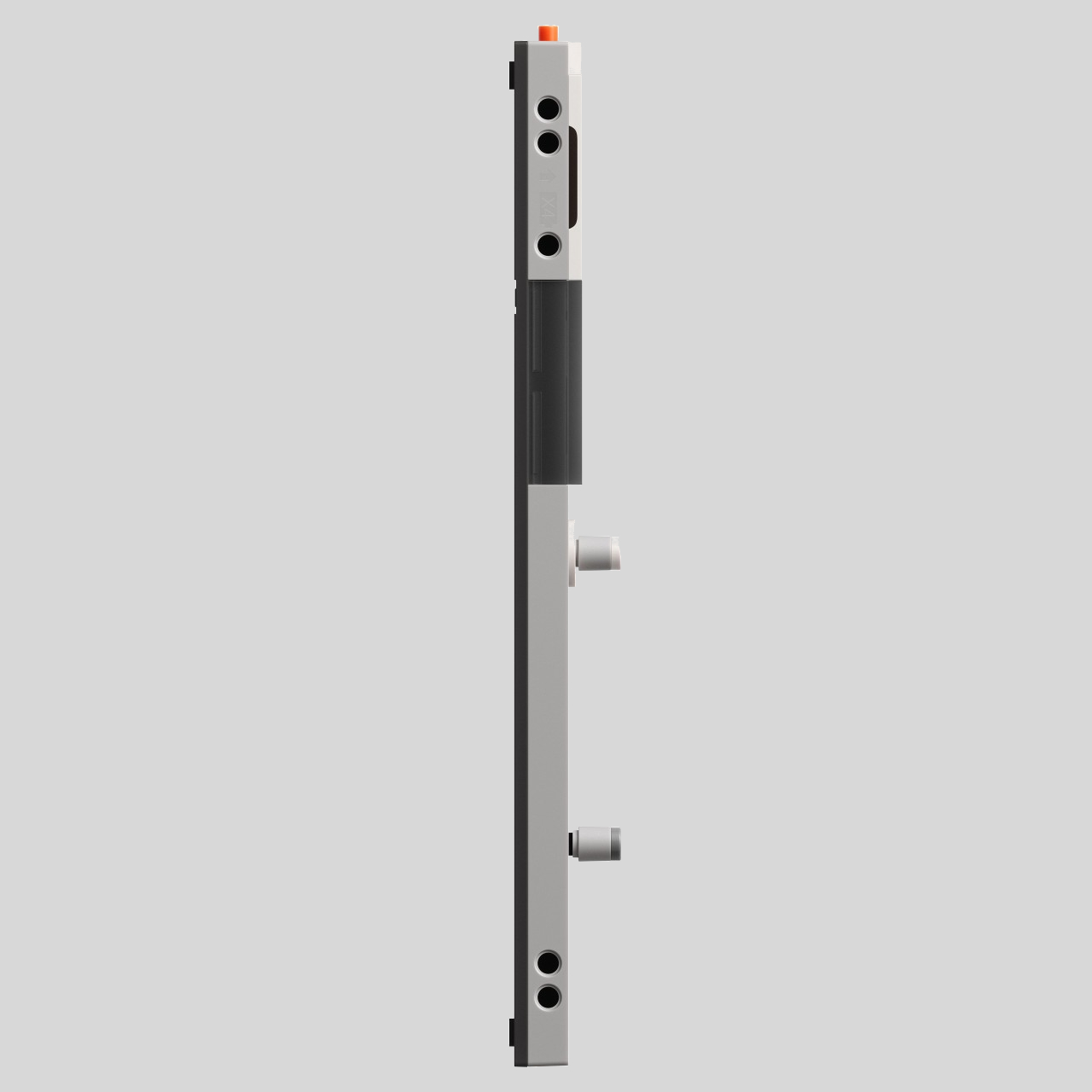
This new sampler, sequencer, and composer takes its inspiration from the brand’s Pocket Operator PO-33 K.O. I back in 2015. This device’s small, calculator-like design and accessible price point really made it look and feel more like some fun gadget for some whimsical music mixing. In contrast, the EP-133 K.O. II, or just KO II, for short, is way too large to fit in your pocket, which is the price you’ll have to pay for significantly more functionality that makes this portable synthesizer worth its weight in gold.

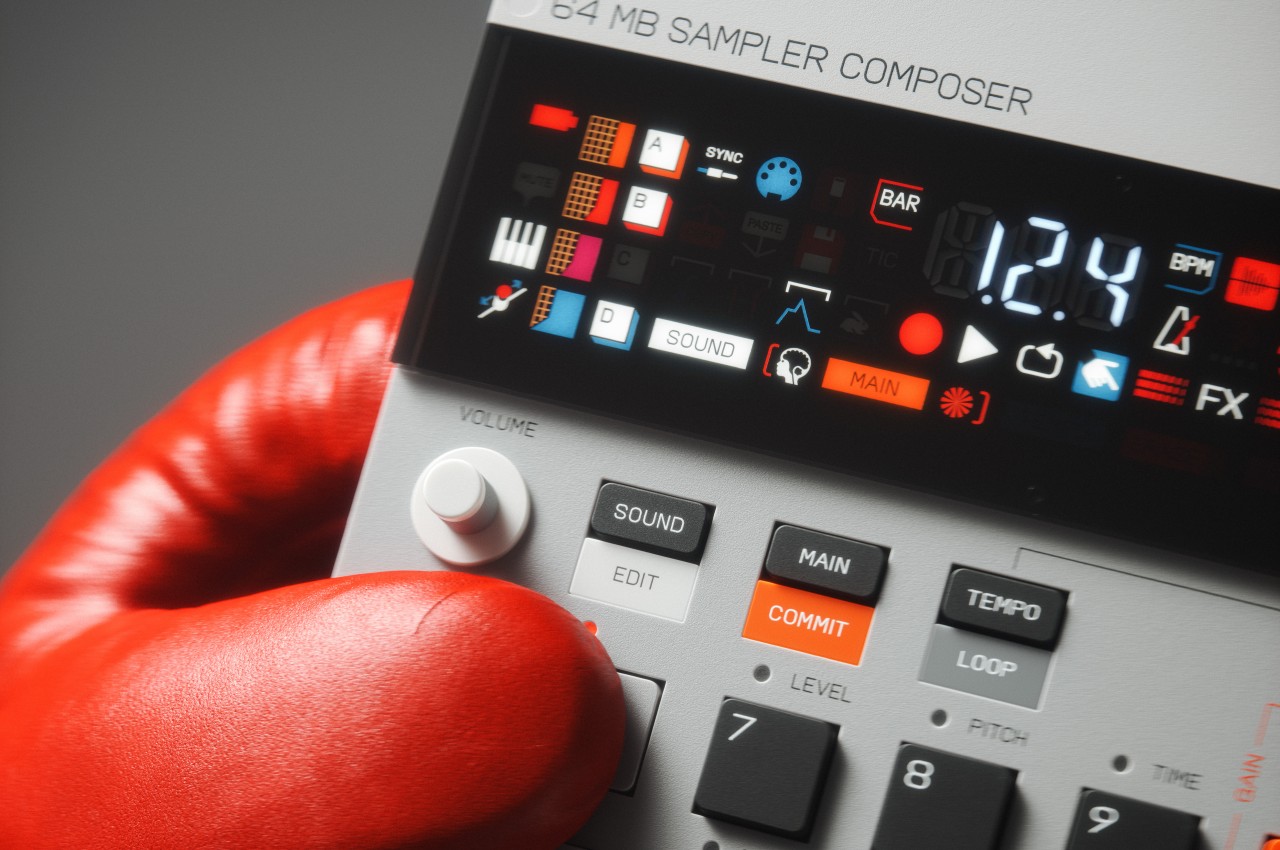
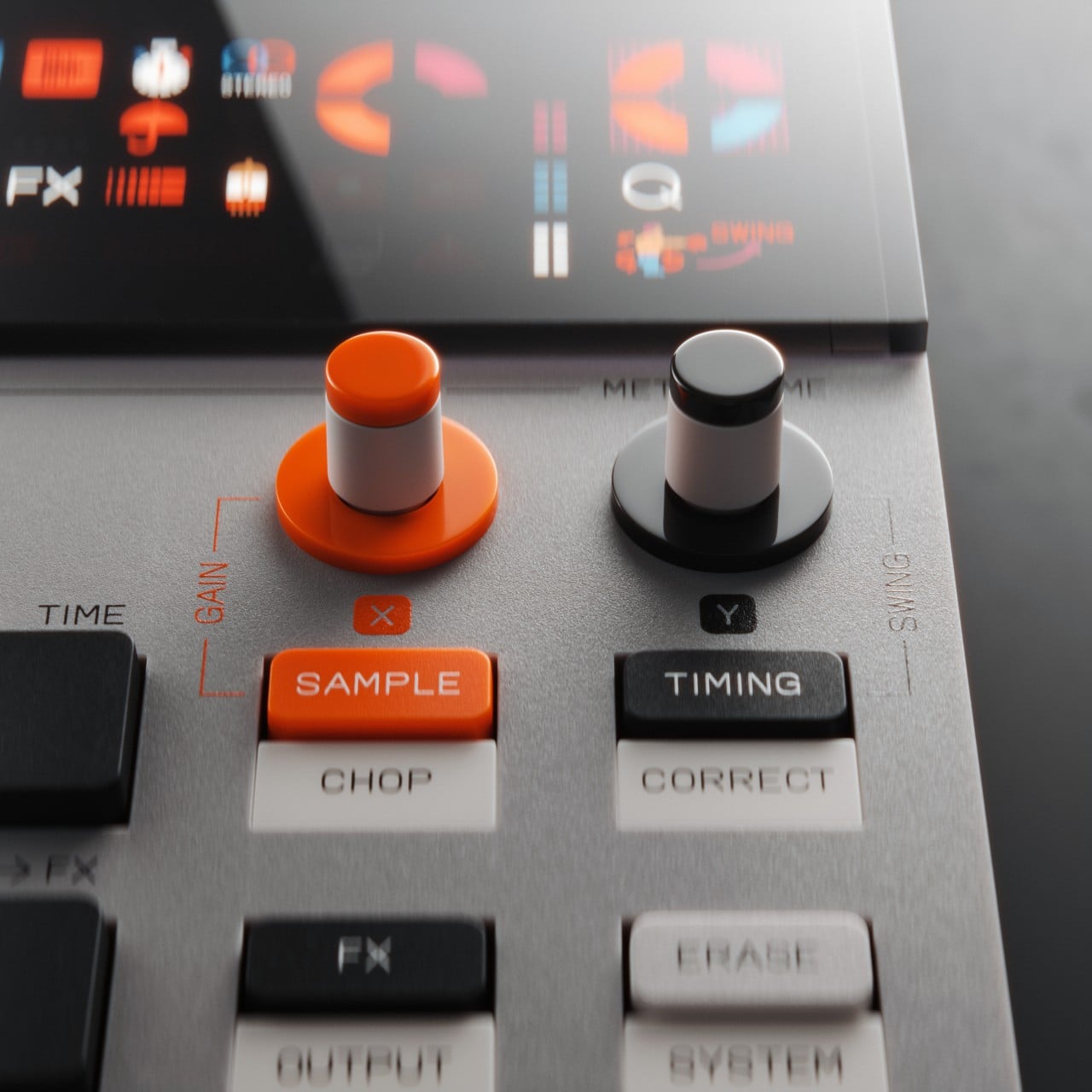
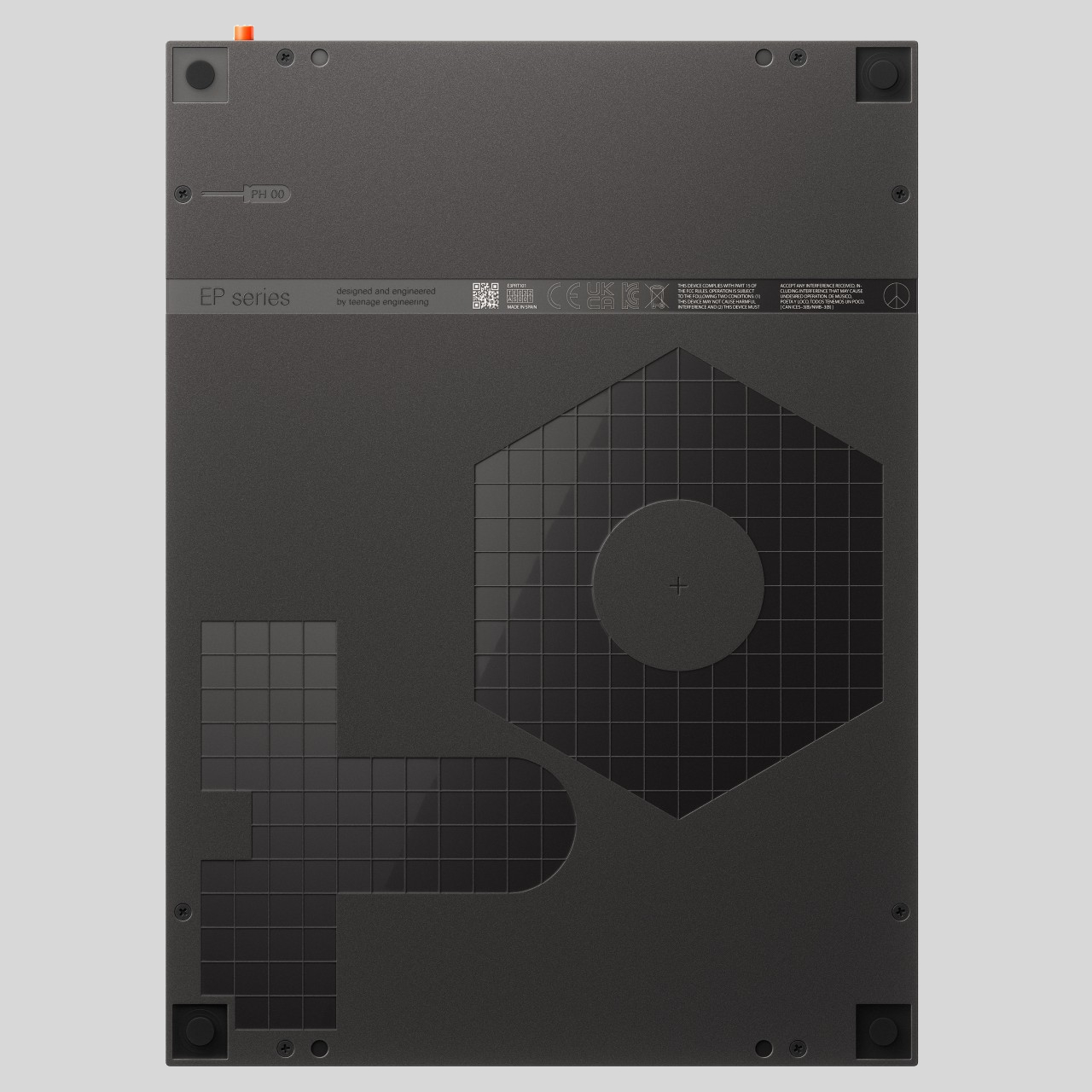
The aesthetics are also worlds apart as well. While the Pocket Operators really looked more like black Pocket Calculators, the KO II more than doubles the size and injects a mix of grays, whites, and oranges all over the place. The large buttons, tall knobs, and industrial aesthetic might remind some of the props from sci-fi shows during the 60s, specifically those from Star Trek. The rectangular screen’s choice of colors and shapes to display the user interface is also reminiscent of the show’s LCARS user interface. It might even be able to play those tricorder sound effects because, after all, it is a portable synth anyway.

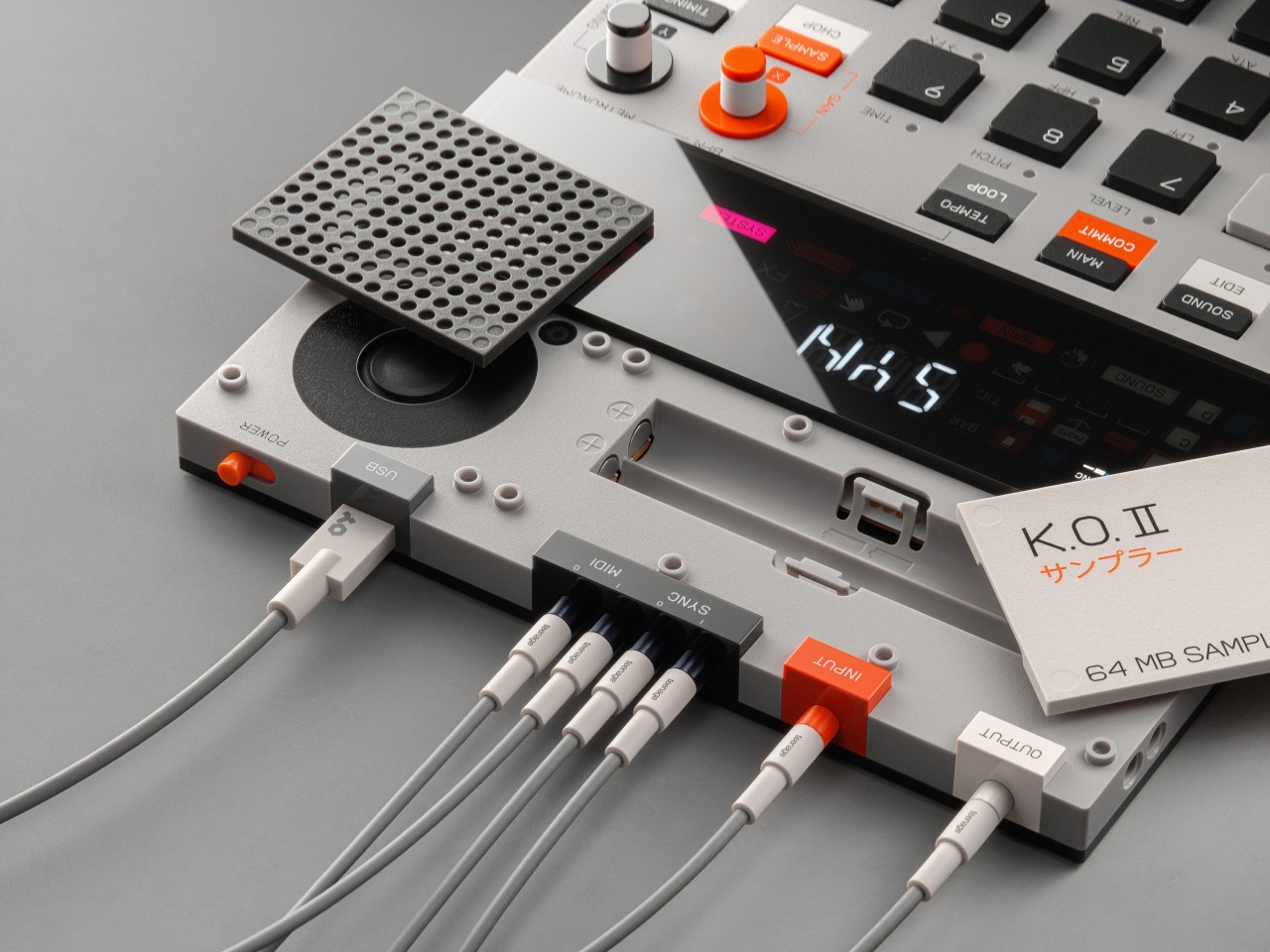
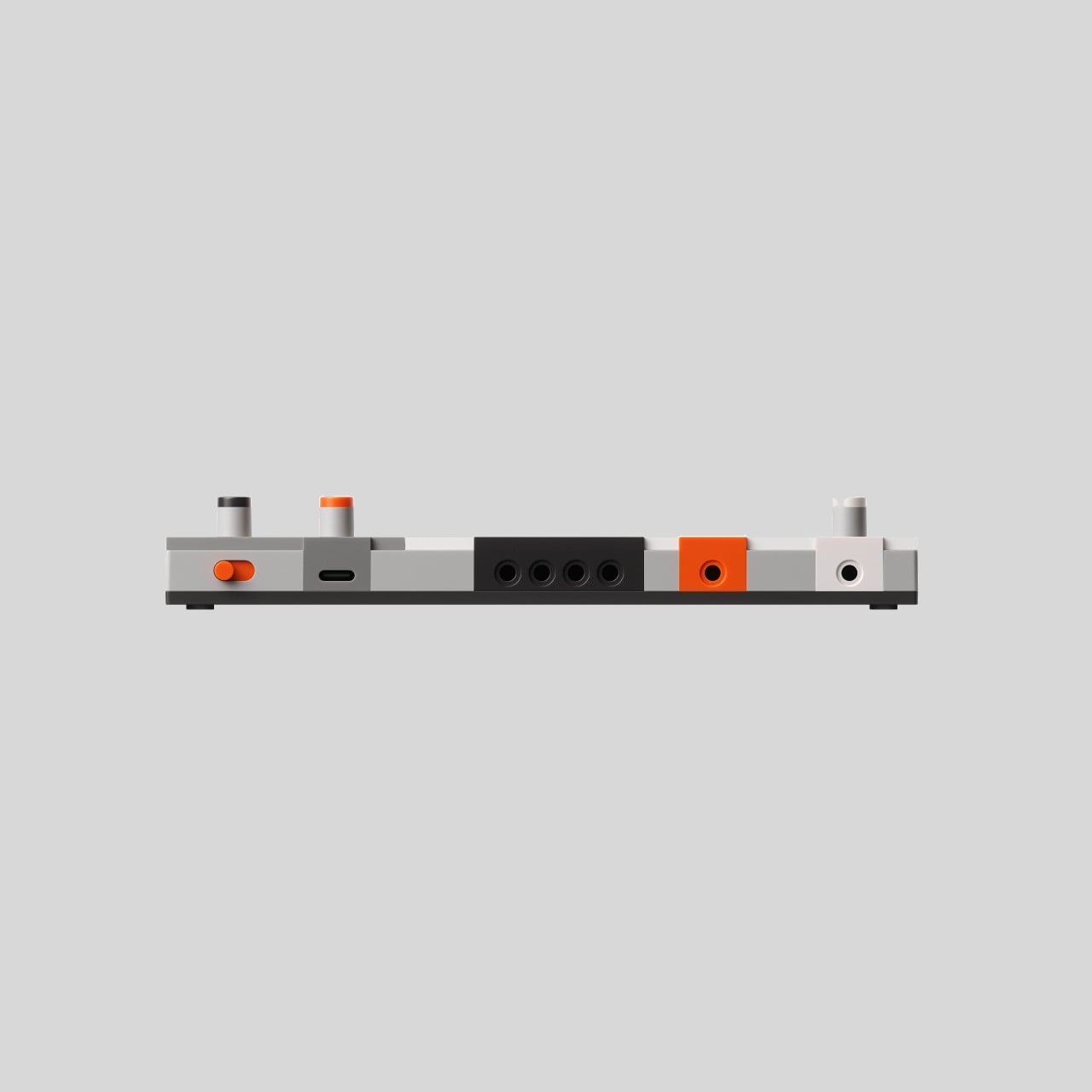
It actually has quite a lot of features for that purpose, including 999 sample slots and a built-in speaker. There’s also a built-in mic to let you record your own samples right then and there, as well as a selection of drums, bass, and keys to help you get started. There’s a 3.5mm headphone jack in case you want to extend the sampler’s features, but do note it only has 64MB of memory, which is probably the biggest deal-breaker for this product. Apparently, the limitation is there to encourage musicians to finish their creations in one go rather than delaying them forever.

Teenage Engineering is slapping a $299 price tag on the EP-133 K.O. II, amusingly just $50 more than its toy Grip Car. It’s still considerably lower than its other synths, enough to entice music makers of all skill levels, but still quite a hefty investment. Then again, it’s a fully functional portable groove box that has quite a distinctive design you can flaunt around, giving you an image of a retro-futuristic music genius controlling the beat with your hi-tech tool.

The post Teenage Engineering made a tricorder-like gadget that’s actually a portable synthesizer first appeared on Yanko Design.