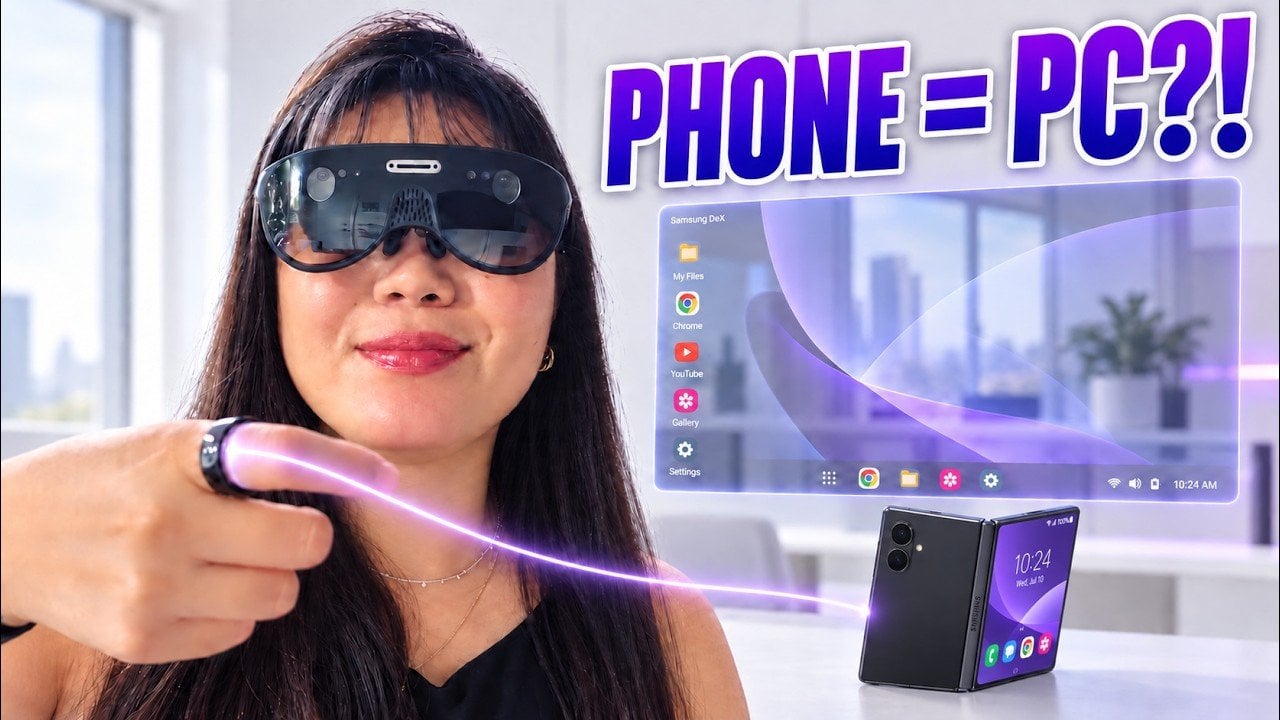
Samsung DeX, when paired with the URXR1 smart glasses and KiWear ring, offers a unique approach to portable computing by combining a smartphone-powered desktop interface with augmented reality and gesture-based controls. In her overview, Jasmine Uniza explores how this system works, highlighting the URXR1 glasses’ ability to project a private, virtual workspace and the KiWear […]
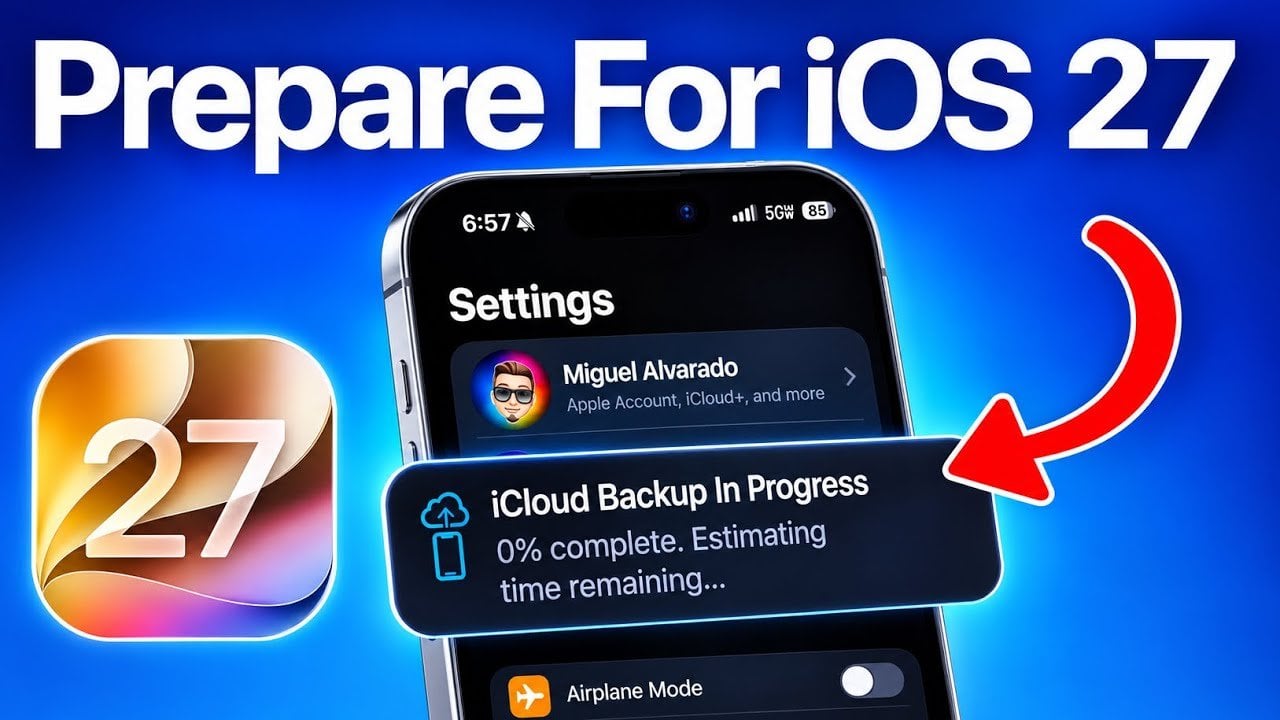
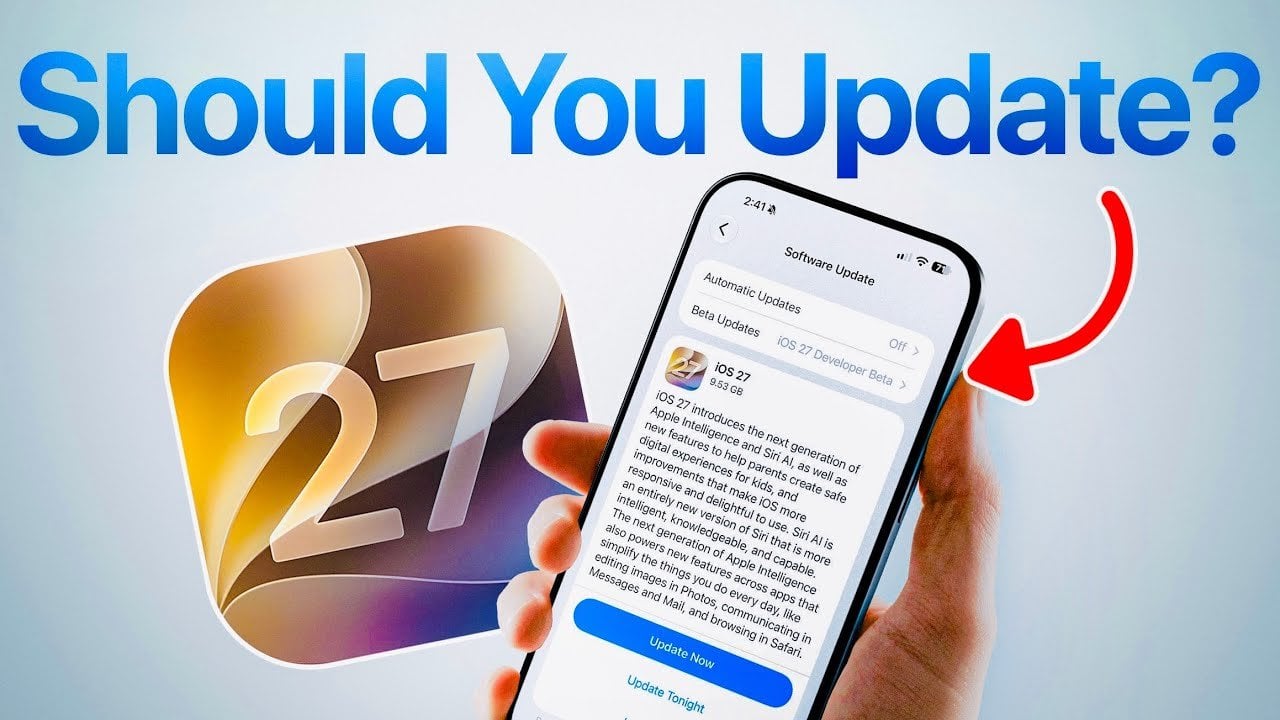
The release of iOS 27 is highly anticipated, promising a range of new features such as advanced Siri AI and improved Spotlight Indexing. While these updates aim to enhance your device’s performance and functionality, preparing your device properly is essential to avoid potential issues during or after the installation. Below is a comprehensive video from […]
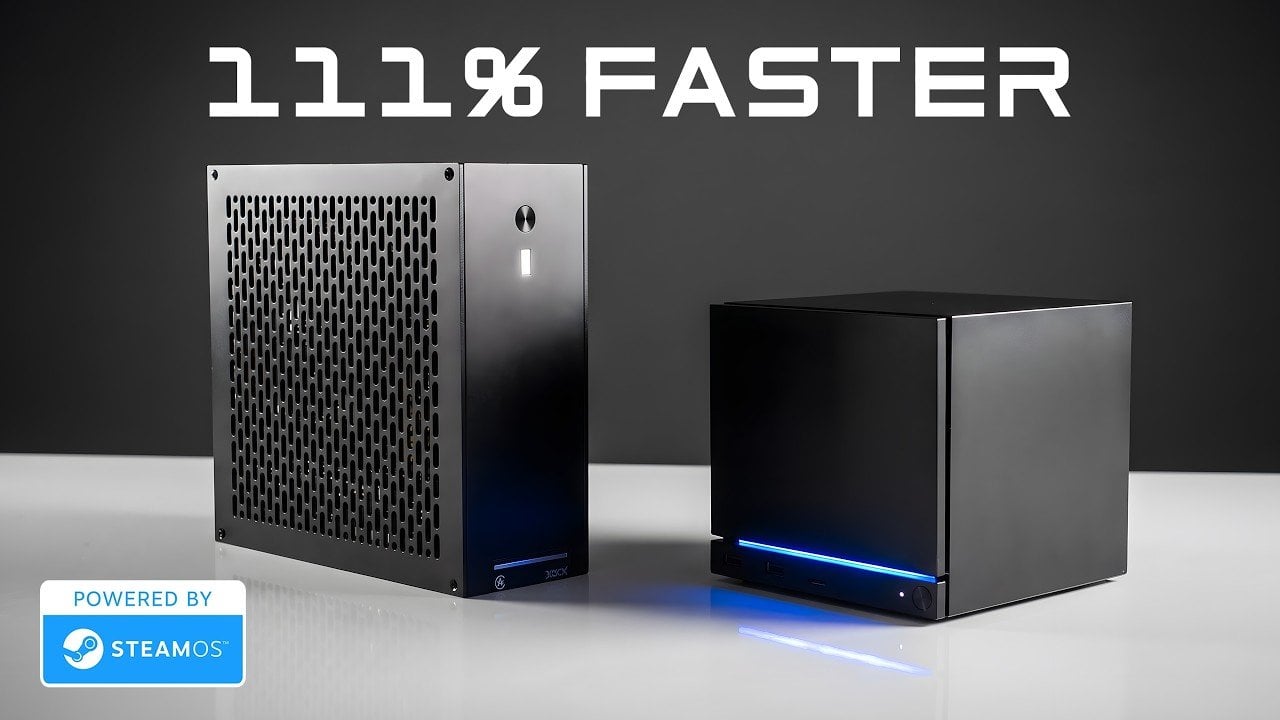
The 4.6L SteamOS mini PC combines compact design with impressive hardware capabilities, offering a notable alternative to the original Steam Machine. As detailed by ETA Prime, this system features an AMD Ryzen 7700X processor and Radeon RX 7600 XT GPU, delivering significantly improved performance. Equipped with 32GB of DDR5 RAM and a 500W power supply, […]
The Apple Watch Series 12 and Ultra 4 represent a significant evolution in wearable technology, offering advancements in battery life, health tracking, and performance. Whether upgrading is the right choice depends on your current device, personal priorities, and how much you value the latest features. These new models cater to a wide range of users, […]
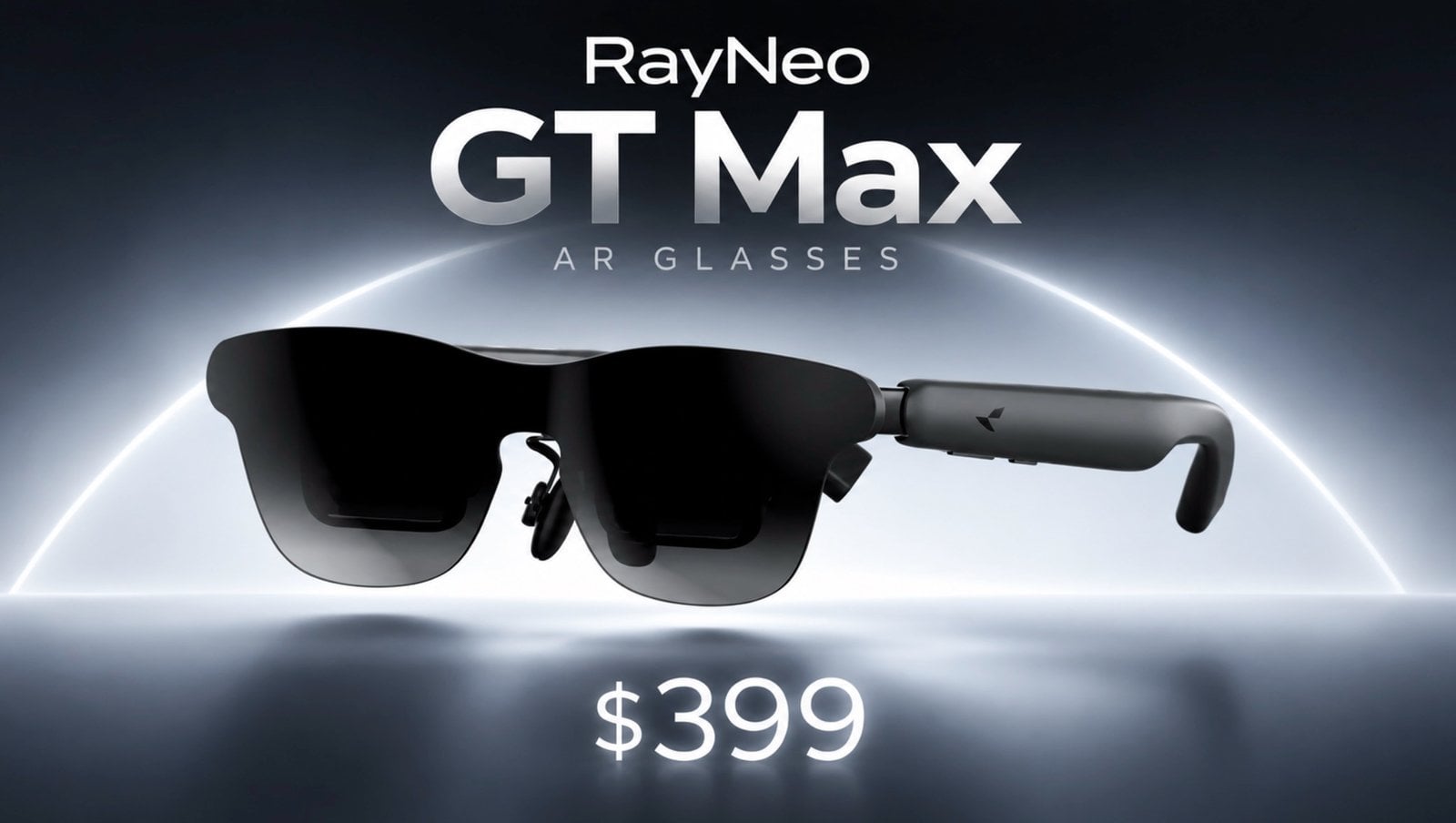
Augmented reality glasses have often been associated with high price tags, but the RayNeo GT Max is challenging that perception. Priced at $399, these glasses offer a 59° field of view (FOV)—the largest available in consumer AR at this price point, making them a standout option for immersive experiences. In his review, Steven Sullivan highlights […]
Apple’s iOS 27 brings a host of improvements designed to enhance battery life, boost performance, and refine the overall user experience. After extensive testing on devices such as the iPhone 17 Pro Max, 16 Pro Max, and 14 Pro Max, the update has demonstrated remarkable stability and reliability. If you’re considering whether to install this […]
Running a $10,000 AI model at home is now feasible thanks to advancements in open source frameworks and efficient hardware configurations. David Ondrej explains how frameworks like Kimi K3 and DeepSeek V4 allow developers to deploy AI systems capable of handling tasks such as fraud detection or medical imaging analysis. By using fine-tuning methods and […]
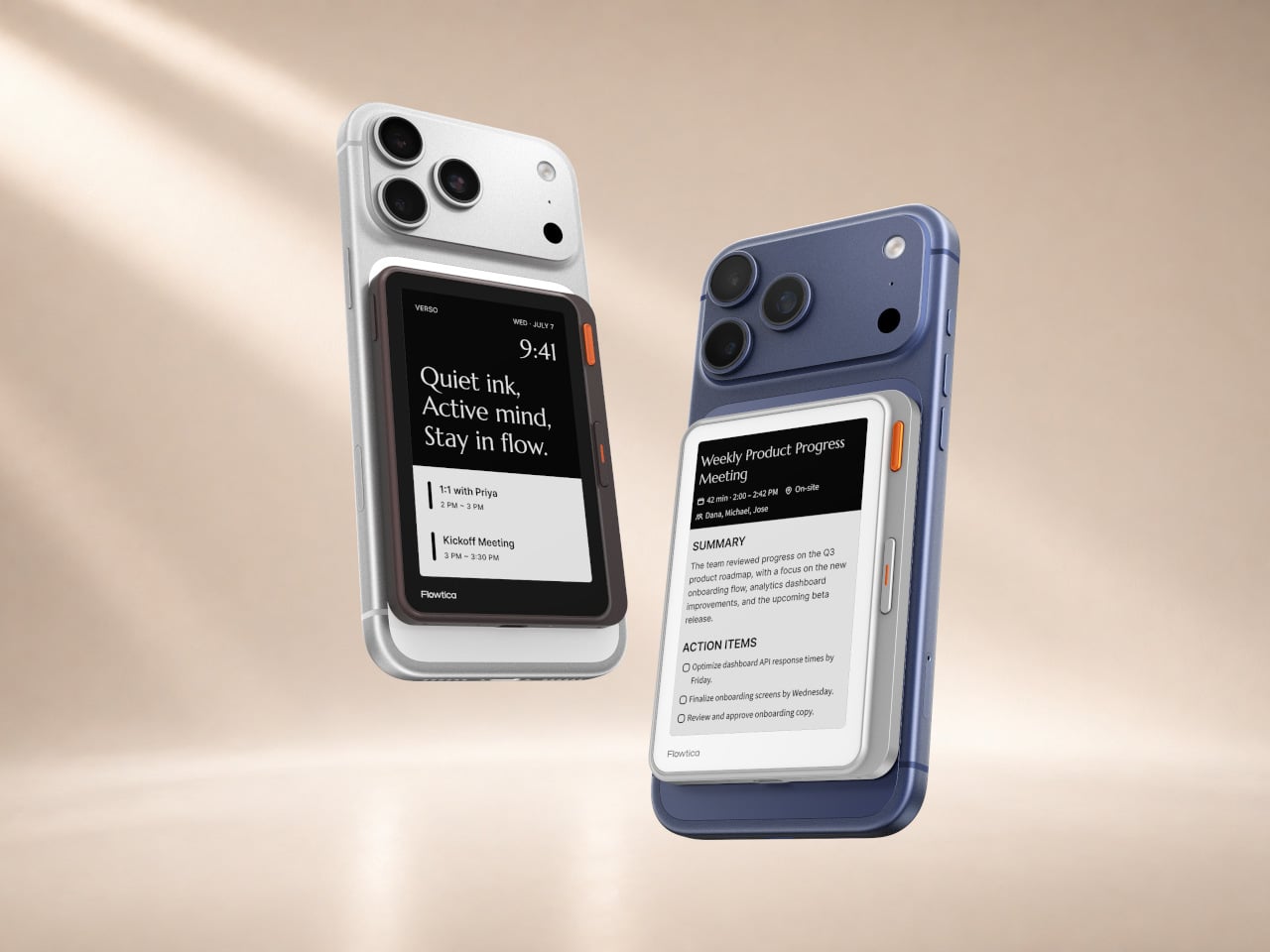
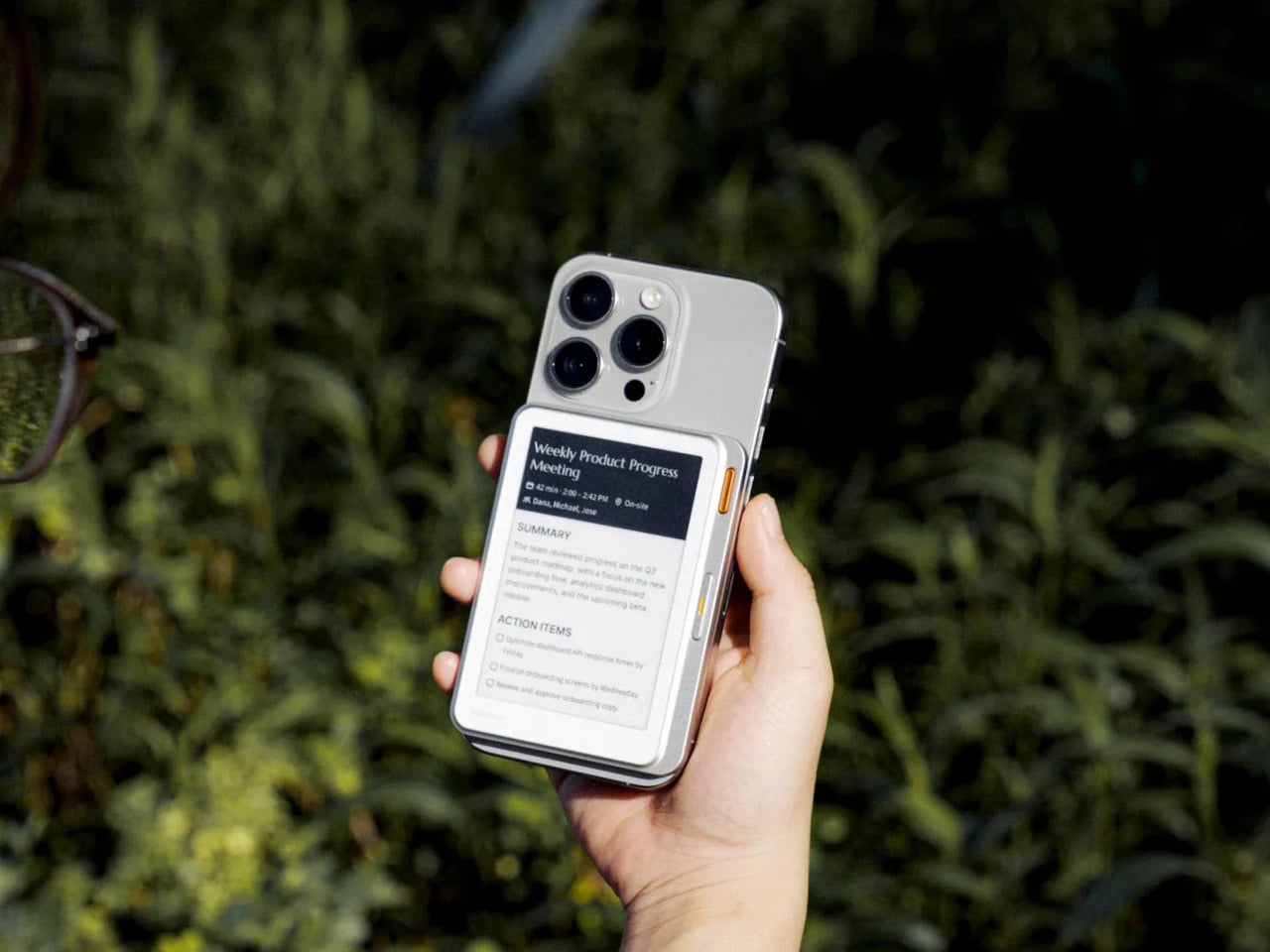
Phone screens have quietly become the default display for everything, including thoughts that never needed an app in the first place. The Flowtica Verso pushes back on that habit by giving your phone a second face, a card-sized panel with its own always-on e-paper screen. Snap it onto the back of a handset, and it starts listening, transcribing, and summarizing conversations without asking you to unlock anything.
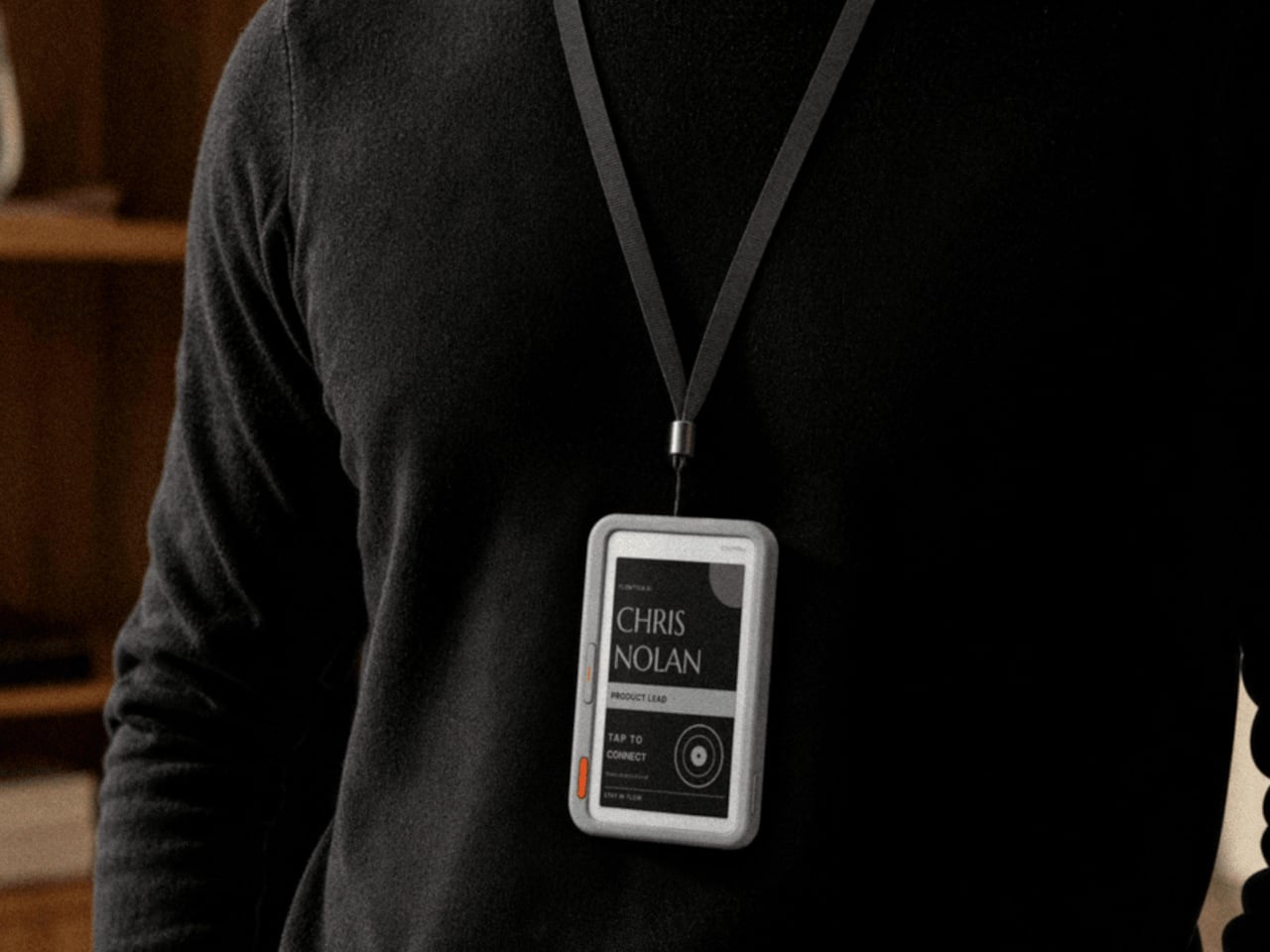
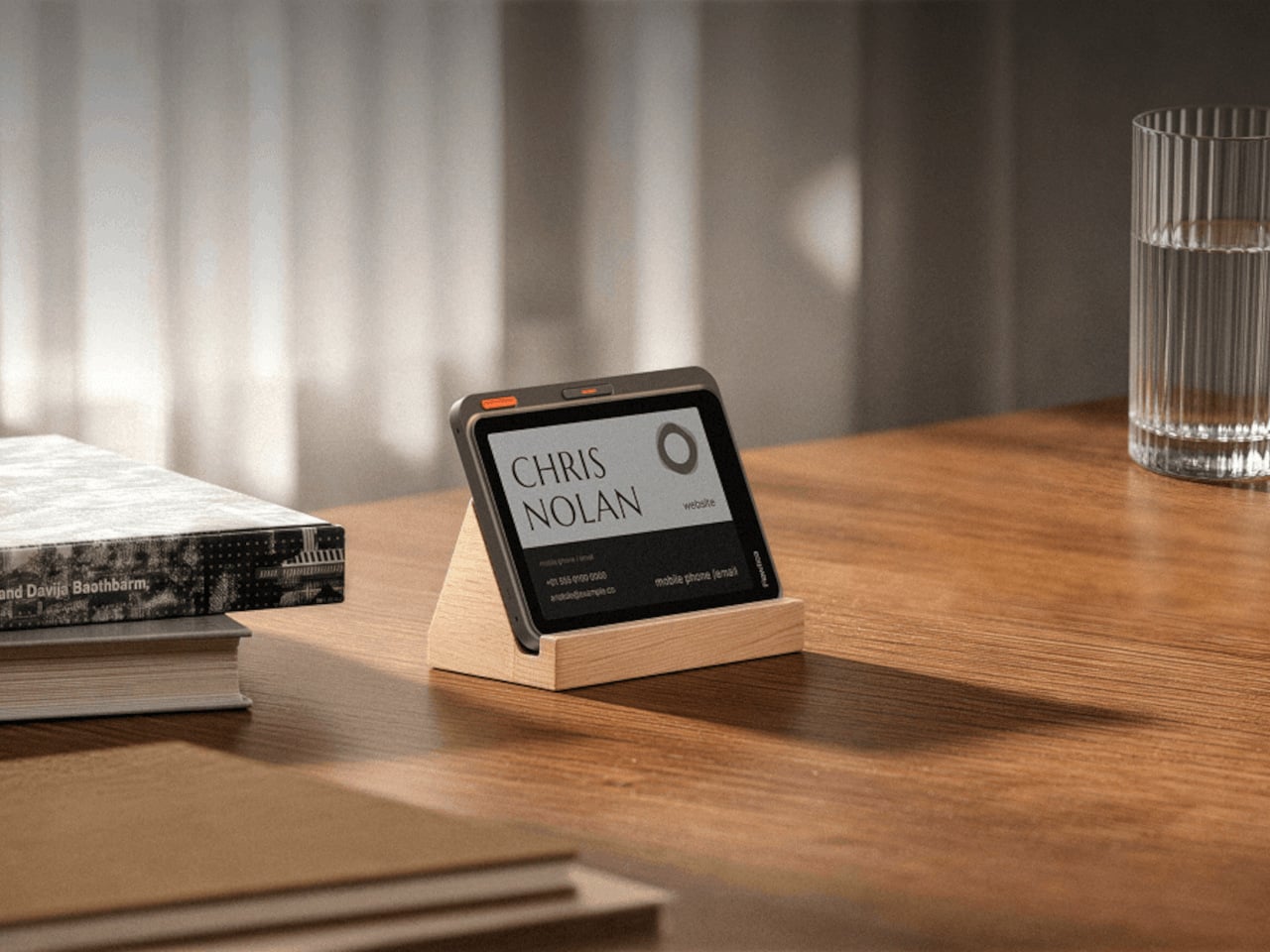
That panel is barely 6.5 millimeters thick, thinner than most phone cases, yet it holds a full touchscreen, a five-microphone array, and enough battery to run for up to 72 hours between charges. Magnets let it click onto a MagSafe-compatible phone, but that’s only one option. Hang it from a lanyard during a conference, or prop it on a desk stand next to a laptop instead.
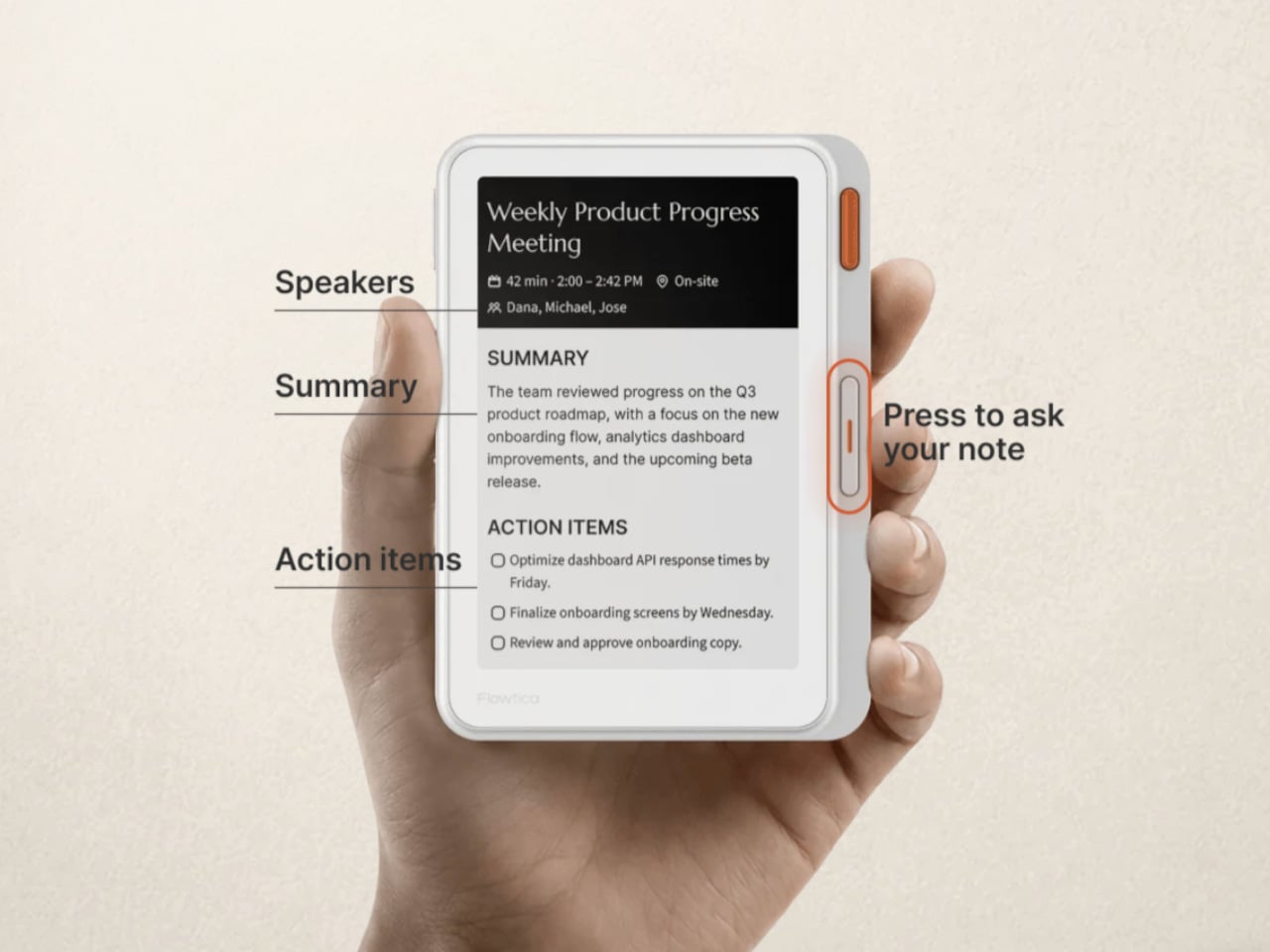
Picture a meeting that runs long and scattered, the kind where important details slip past because everyone’s phone is face down on the table. With the Verso clipped to a case, none of that gets lost. It records the discussion, then turns the audio into a clean summary with action items sitting right there on its screen, ready before anyone reaches for a notebook or a second device.
A second button turns the same panel into something closer to a conversation partner. Hold it down, ask a quick question about what just got discussed, and the answer appears on the e-paper face within seconds, no app switching required. That small design choice matters more than it sounds, because it keeps a person’s attention on the room instead of a glowing rectangle in their palm.
A Screen That Keeps Working After the Meeting Ends
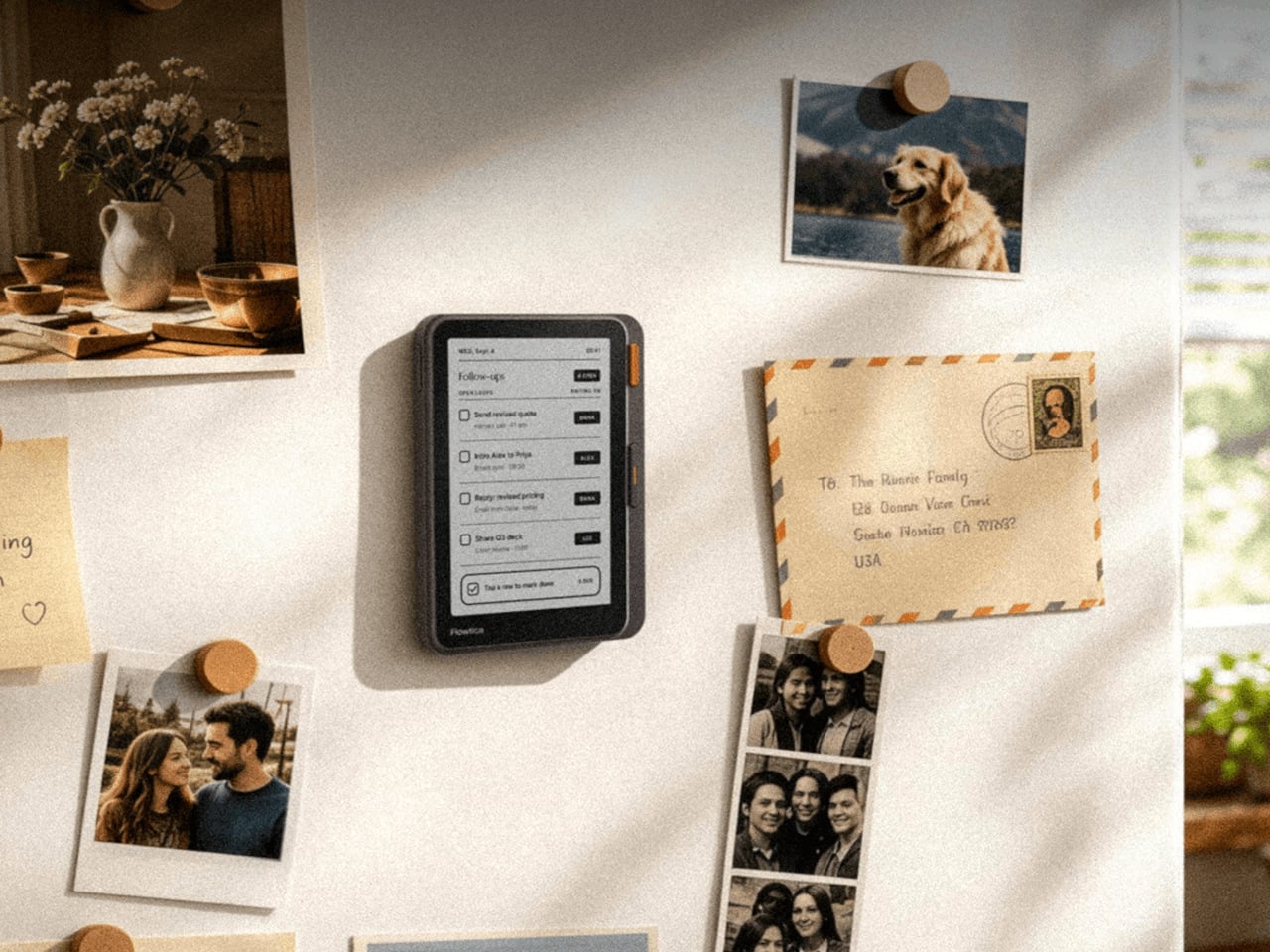
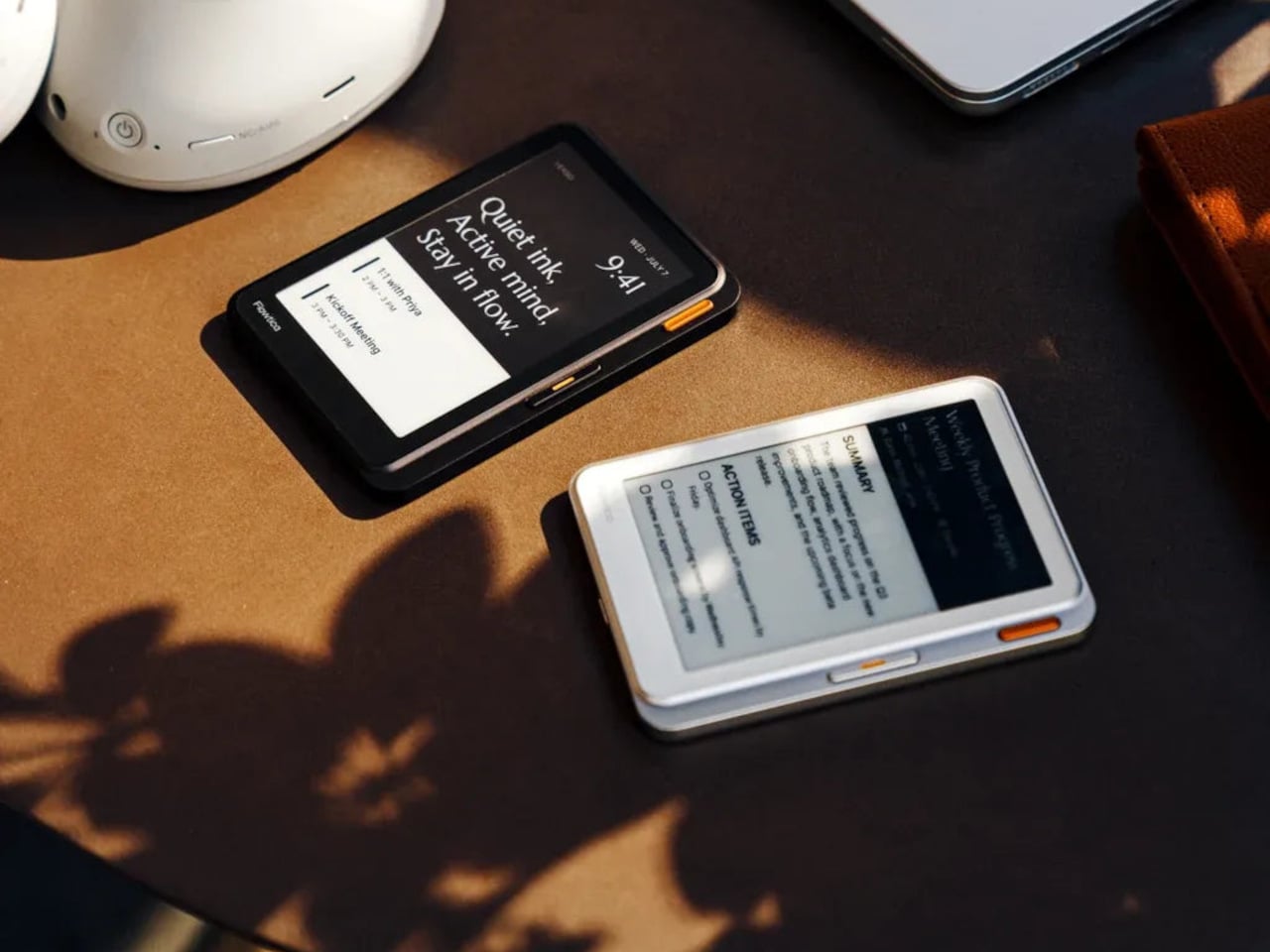
Beyond a single meeting, the same panel doubles as a running dashboard for the day. It surfaces calendars, pending to-do items, and summaries pulled from earlier recordings, so checking on today’s schedule stops requiring a phone unlock at all. The device is priced at $299, positioning it closer to a dedicated tool than a phone accessory picked up on a whim.
E-paper is the quiet advantage running through the whole design. Unlike an OLED display that drains a battery just by staying lit, the Verso’s screen holds its last update with almost no power draw, which is how it stretches to 72 hours of use. Text also stays legible outdoors under direct sun, somewhere most phone screens start to wash out and become unreadable within minutes.
Shared Real Estate, Different Jobs
The back of a phone has quietly become contested real estate. Xteink’s X4 Classic strips a magnetic add-on down to page-turn buttons and nothing else at $79, while its X4 Pro version adds a front light for $99, and BOOX’s Picco shrinks a touchscreen reader to pocket size for around $100. Each one chases distraction-free reading. Verso claims the same magnetic footprint but points it at conversations instead of pages.
That distinction matters because a magnetic back panel is easy to copy, but the job it performs is not. Reading gadgets ask for stillness and a single task done well. Verso asks for the opposite, staying alert through scattered conversations and handing back organized thoughts before the moment passes. Both approaches treat a phone’s blank back as valuable space, just aimed at very different kinds of attention.
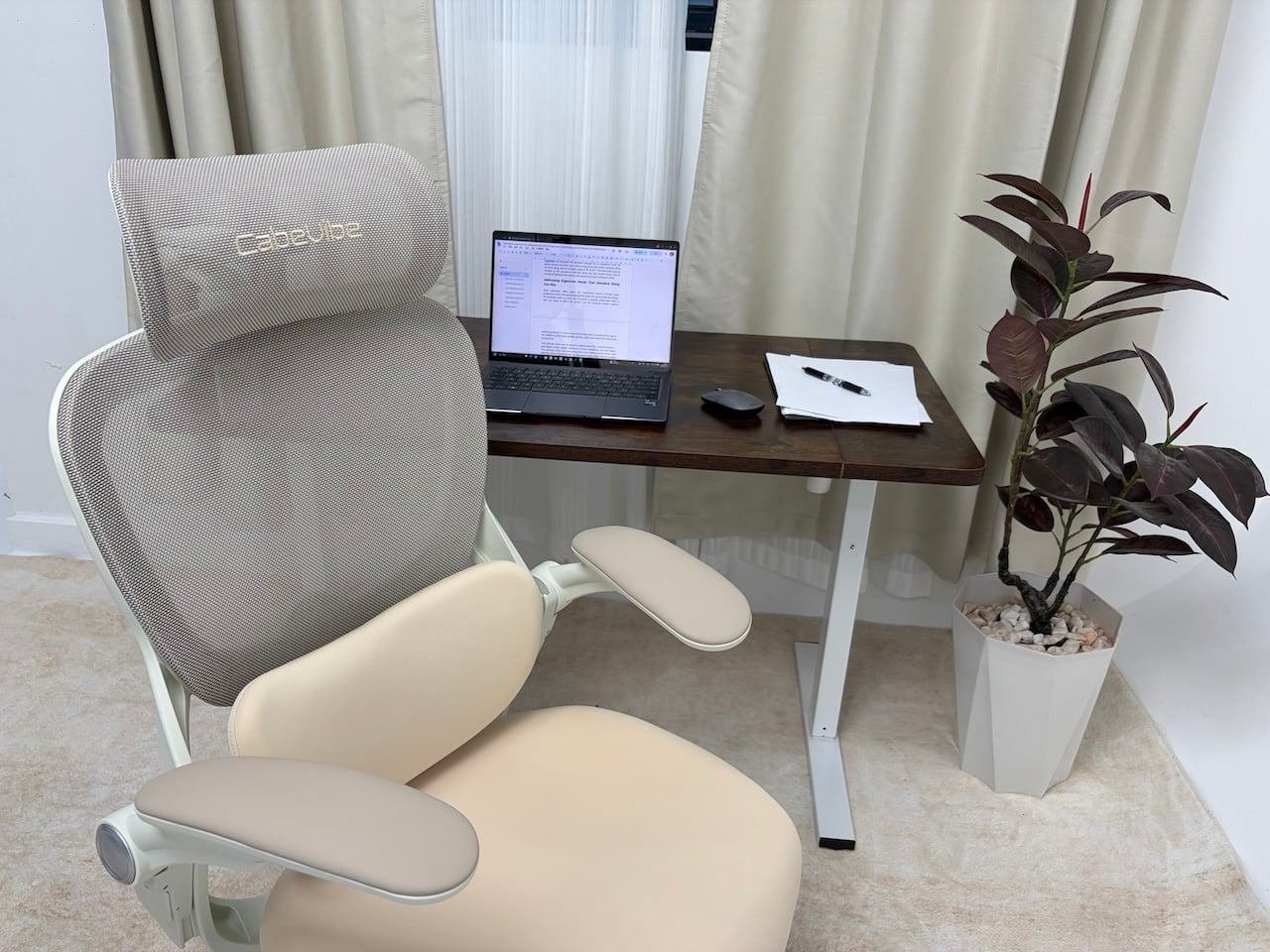
Finding an ergonomic office chair that fits properly can be frustrating if you are under 5’4″. Many standard office chairs follow a one-size-fits-all approach based on average body proportions. For petite professionals, remote workers, and creators, this can result in seats that are too high or deep, armrests positioned too far apart, and lumbar supports […]
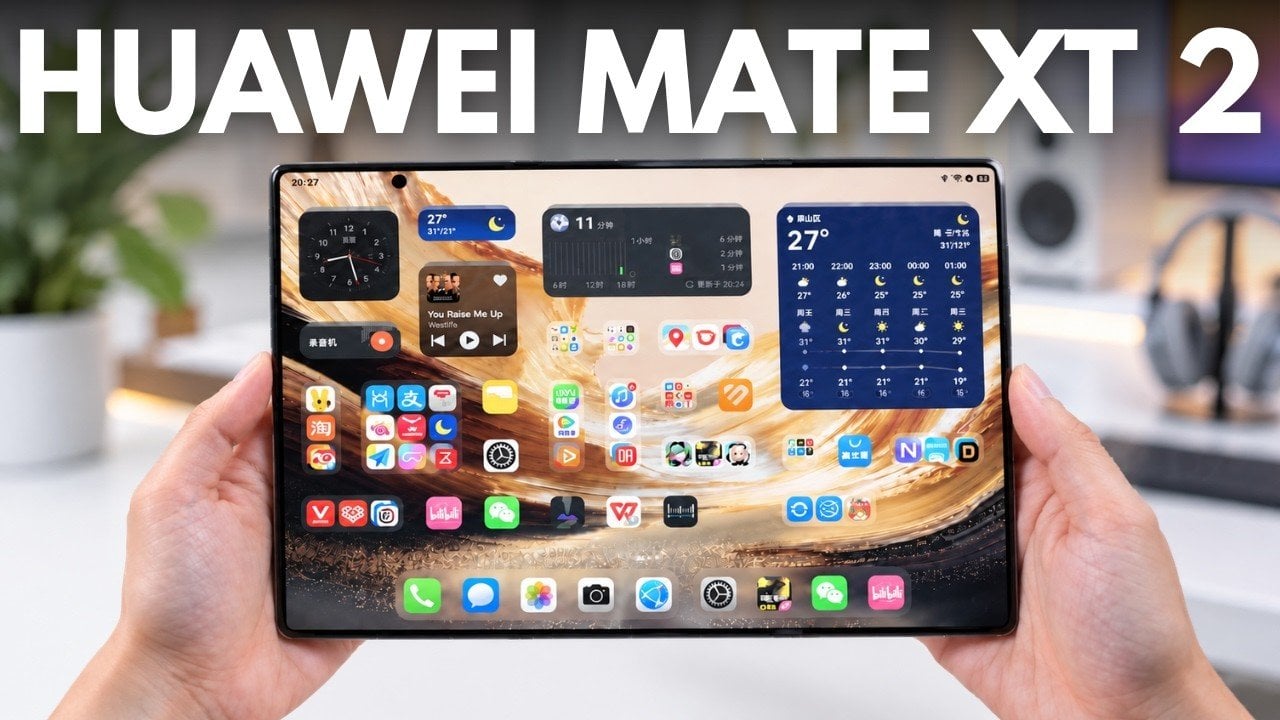
Huawei’s Mate XT 2 introduces a trifold smartphone design that emphasizes functionality and adaptability. As noted by Tech Court, the device features a 10.2-inch 3K OLED display when fully unfolded, providing ample space for multitasking or media use. When folded, it shifts to a compact 6.5-inch outer display, making it suitable for everyday activities like […]