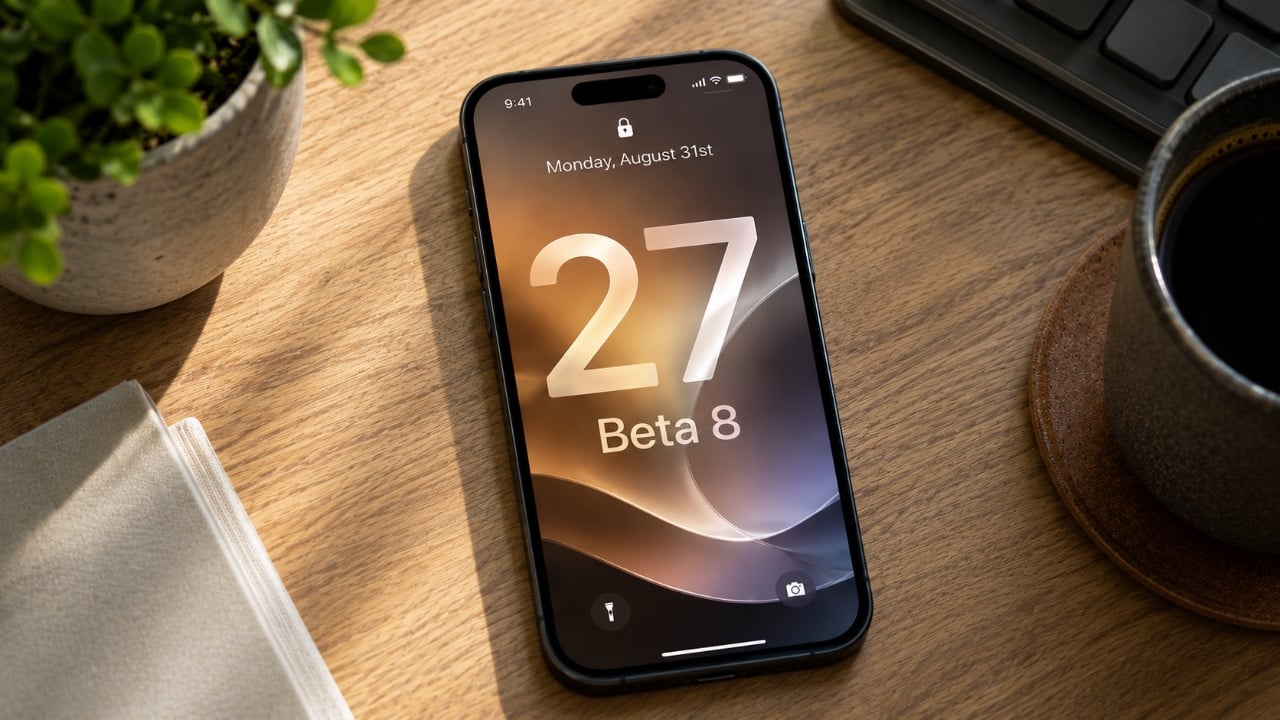
iOS 27 delivers a thoughtful blend of enhancements designed to refine daily interactions, improve system reliability, and introduce smarter, more intuitive features. With a strong focus on personal AI, photo editing, and automation, this update addresses prior limitations while introducing meaningful tools to simplify and enrich your experience. Whether you’re managing tasks, editing photos, […]
The Apple Watch Ultra 4 builds upon the solid foundation of its predecessor, the Ultra 3, by introducing a range of meaningful upgrades. These enhancements include improved battery life, smarter health tracking, and advanced AI-powered features. While the design remains largely familiar, the Ultra 4 refines the overall user experience with innovative technology and enhanced […]
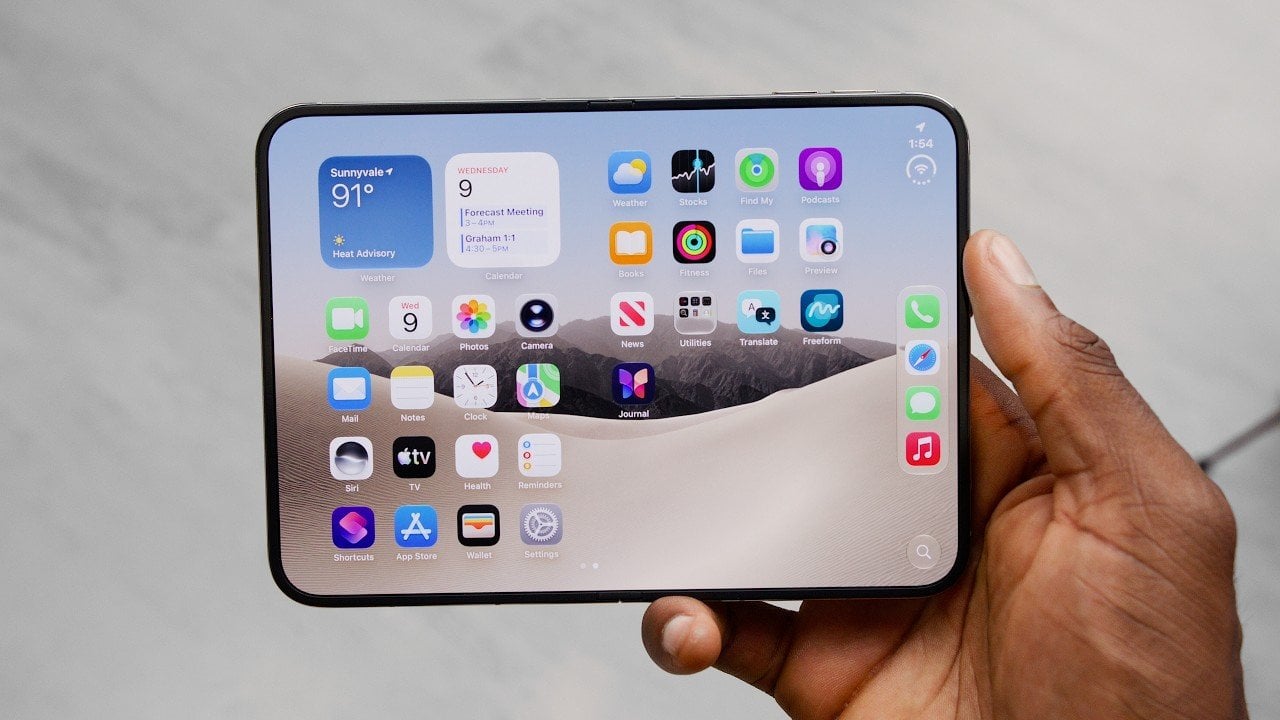
Apple has officially entered the foldable phone market with the launch of the iPhone Duo, a hybrid device that merges the portability of an iPhone with the expanded functionality of an iPad Mini. This innovative product represents a significant step forward in mobile technology, offering users a device that combines productivity and entertainment in a […]
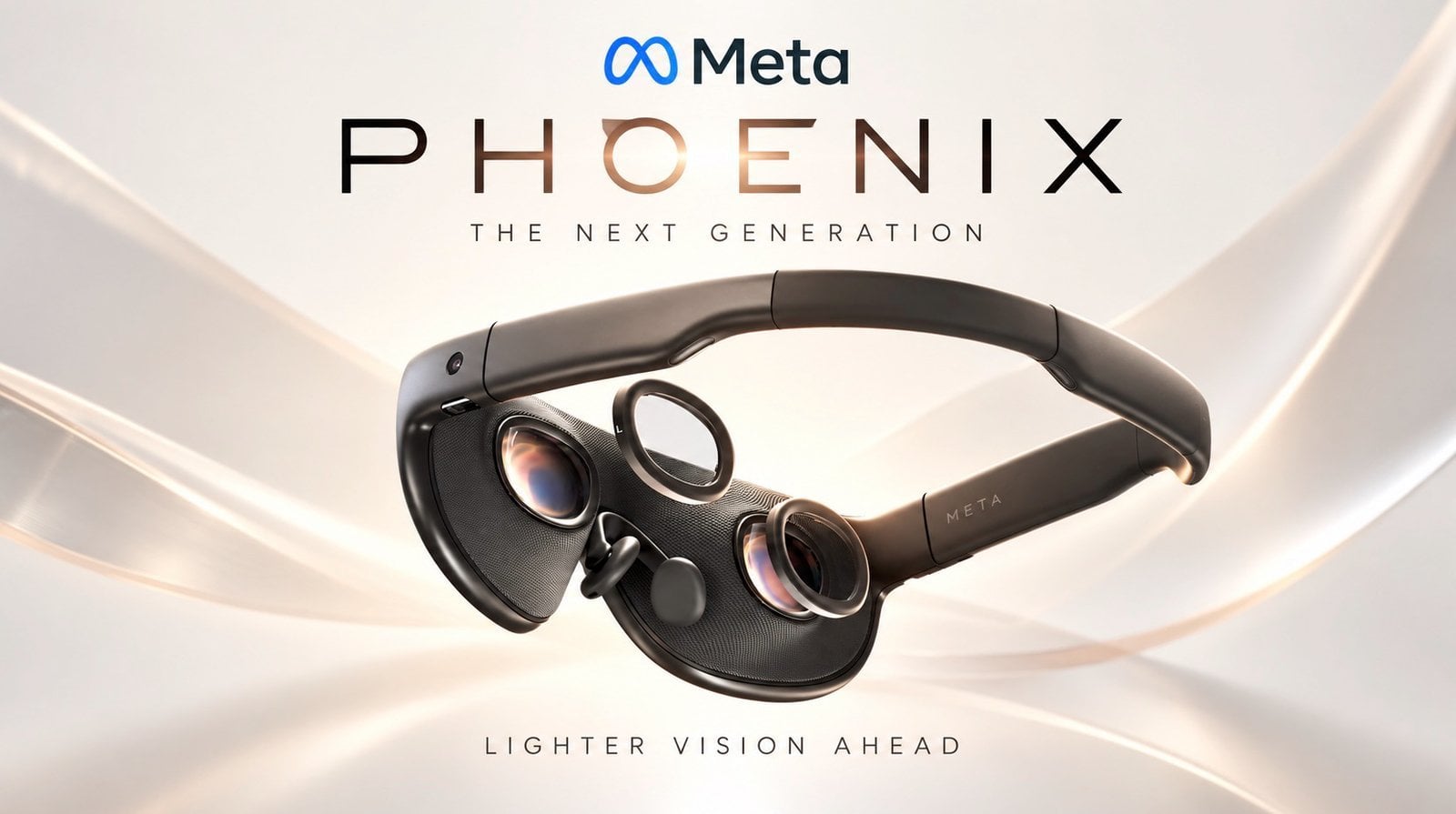
Meta’s upcoming mixed reality headset, codenamed “Project Phoenix,” has surfaced in a leaked official image, offering a glimpse into its design and functionality. Tyriel Wood highlights that the device, potentially named the Meta Phoenix or Quest Air, prioritizes media consumption and mixed reality applications over gaming. Key features include high-resolution micro OLED displays, Horizon OS […]
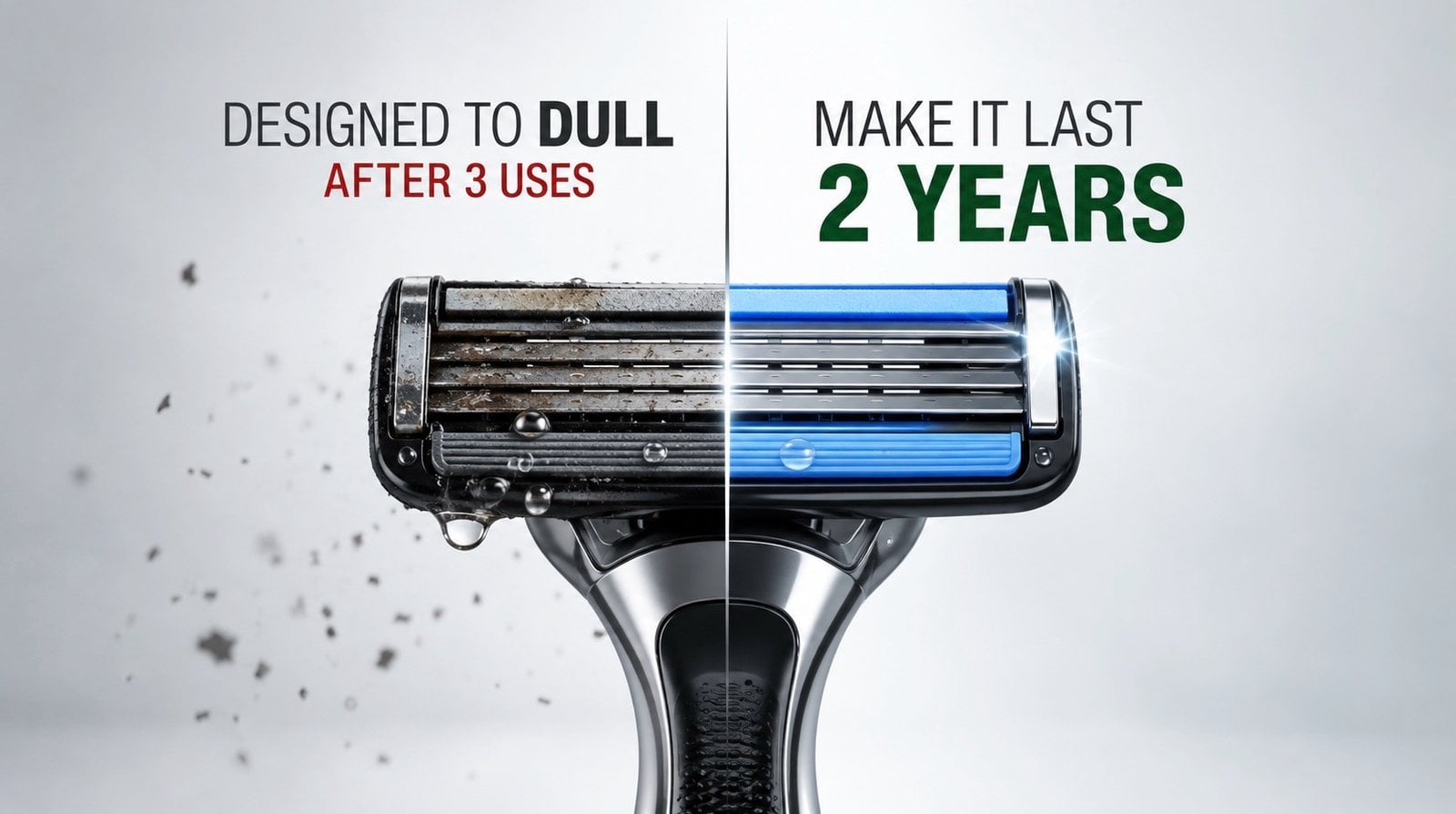
Razor blades often seem to lose their edge after just a few uses, but their rapid dulling is rarely caused by shaving alone. As Sidney Explains highlights, factors like oxidation, mineral deposits and microscopic damage play a significant role in shortening a blade’s lifespan. For example, leaving a razor in a damp environment can accelerate […]
Apple has officially entered the foldable phone market with the iPhone Duo, marking a significant milestone seven years after Samsung pioneered the category with its Galaxy Z Fold series. This delayed entry has allowed Apple to refine key aspects of foldable technology, but Samsung’s Galaxy Z Fold 8 remains a formidable competitor. This comparison video […]
Apple’s iPhone Duo, the company’s first foldable smartphone, marks a significant milestone in mobile technology. With its innovative design, advanced multitasking capabilities, and creative tools, it caters to a specific audience seeking versatility and innovative features. However, it also comes with trade-offs that may not suit every user. Below is a detailed video from Max […]
Apple’s iOS 27 introduces a host of new features, design enhancements, and performance upgrades aimed at improving your device’s overall functionality. However, before proceeding with the update, it’s essential to evaluate both the advantages and potential challenges. While the update promises a more seamless and modern user experience, early adopters may face temporary issues such […]
The humble foam earplug has been functionally unchanged since the 1970s: roll it down, jam it in, hope it expands to a seal, and find it somewhere in the sheets by 2 AM. It’s one of the few everyday objects that design culture has genuinely never come for, maybe because the attenuation numbers technically work, or maybe because nobody with enough resources was annoyed enough to fix it. The Ears 360 Silence, a CE-certified soft silicone earplug from Paris, is a structural redesign of that whole idea. Its retractable spiral wraps into the outer ear’s helix rather than anchoring in the canal, locking the plug flat and flush against the head with 24 dB SNR measured to EN 352-2:2020 and a peak of 29.9 dB at the frequency range where snoring and human voices live. The foam never had a chance.
Youcef Abdaoui runs a studio near Paris and started prototyping the Silence in 2024 with a bent wire and a bit of putty, just to test whether a helix-anchoring spiral could hold in an ear. It did, and the dozens of iterations that followed produced a product France voted Product of the Year 2026, consumer-elected rather than jury-awarded, which tells you something about how it performs in actual ears. Ears 360 has since shipped to more than 120,000 customers through their store, 500+ pharmacies, and B2B partners before going international. The Silence is not a prototype. It is certified to EN 352-2:2020, mass-produced, and more than 14,000 units are already in stock. I got to see a pair in person, and the silicone finish reads as serious product, not a health-aisle impulse buy.
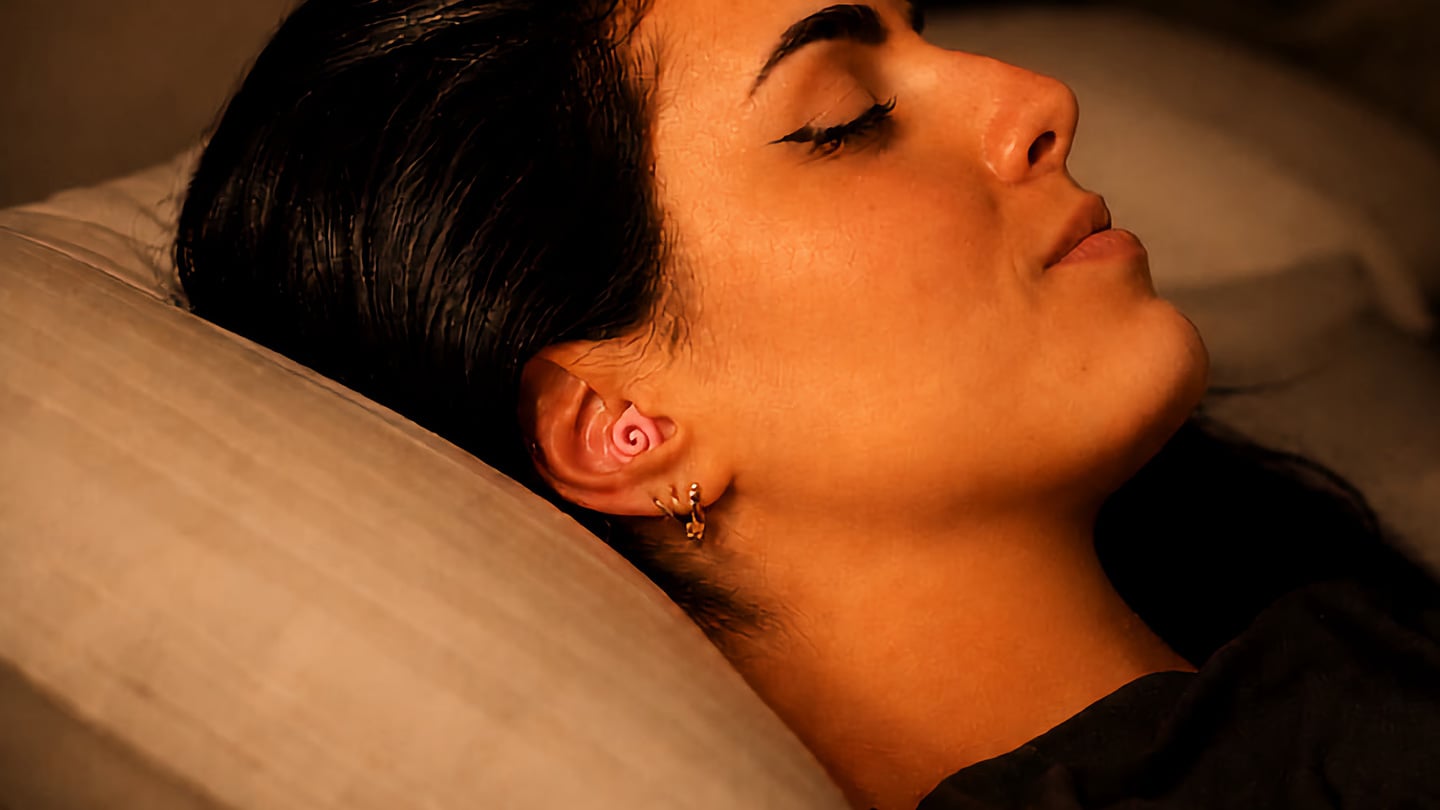
The ear is already a spiral. The outer rim of the pinna is anatomically called the helix, a curved ridge that traces a partial revolution around the auricle, and deeper inside, the cochlea completes that geometry: a full spiral chamber, coiled like a snail shell, that converts sound pressure into neural signal. Nature returns to the spiral repeatedly because it distributes force without concentration points, the same structural logic behind a nautilus shell or the tight coil of a fern fiddlehead before it unfurls. The Ears 360 Silence works with that architecture: the spiral holds, not the tip. Instead of pressing into the canal and trusting friction, the retractable spiral wraps laterally into the helix and locks there through geometry, bearing almost no canal pressure, which is the whole reason the plug sits flush rather than protrude. If you know how spiral springs work, think of the way the spiral on the earplug expands to fill your ear canal. Along with friction, this physical detail helps the Silence adapt to pretty much any ear shape or size.
The flatness is perhaps the most impressive detail, setting it apart from every earplug you’ve seen in the past. The loop-style reusable earplugs that have become popular over the past few years make a design virtue of their visibility, with a circular protrusion sitting outside the ear canal as a deliberate aesthetic statement. That works at a concert, but it becomes a pressure point the moment you roll onto your side in bed, which is the situation most people are buying earplugs for in the first place. The Silence’s spiral body measures 18.44 mm by 15.49 mm, slim enough that there’s nothing significant pressing against a pillow. The profile looks almost deceitfully small for what it’s actually doing… and yes, Youcef did mention that the earplugs work perfectly well in concerts too.
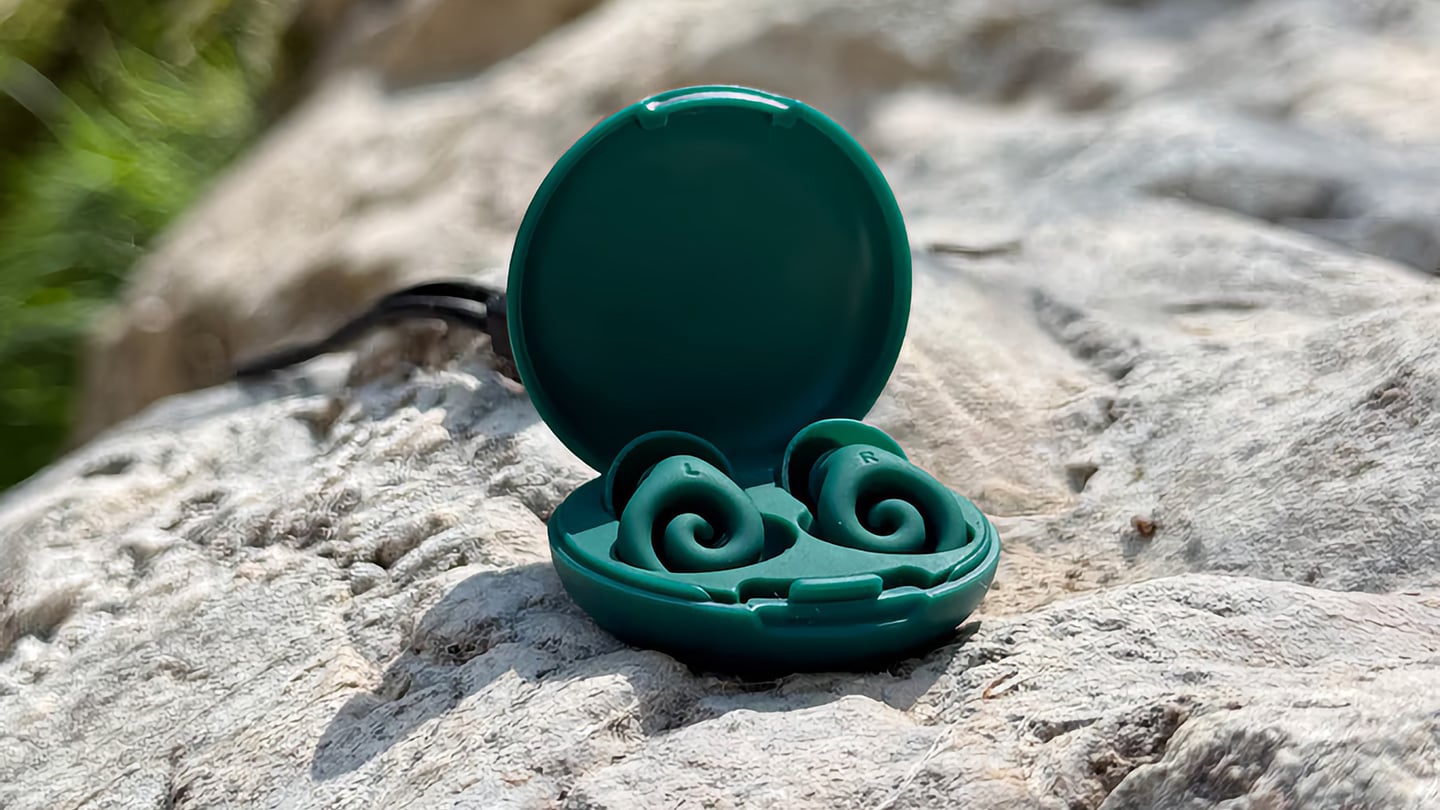
One spiral body, two protection levels, switchable in seconds from 24 dB to 29 dB. The standard silicone tips, available in three sizes (9.9 mm, 11.9 mm, and 12.9 mm diameter), deliver 24 dB SNR, enough to take a busy street down to library territory without muffling conversation entirely. The Swim & Work Kit clips on triple-flange tips that push attenuation up to 29 dB, entering genuine worksite and industrial territory. User satisfaction data from Ears 360 puts concert approval at 91% and commute approval at 97%, and an IPX7 waterproof rating keeps the spiral itself pool-ready alongside the kit’s triple-flange seal.
One Silence replaces hundreds of disposable foam earplugs. The earplug’s body is made to last for years, the silicone tips are replaceable instead of throwing the product away, and the packaging is compact by design so every shipment travels as a slim letter, not a parcel. No separate carbon offset claim required. Pricing starts at €24 (roughly $28) for a single unit with carry case and all three tip sizes, with the Silence and Swim & Work Kit bundle at €27, and a Duo Pack at €39 for two. Current colorways are Black and Pink, with Green planned as a future addition. Delivery is November 2026, and no specific warranty period is stated on the product page, though the replaceable-tip architecture makes longevity something you can actually act on rather than just take someone’s word for.