Who among us hasn't tormented over the burden of having to exit an AI app to check the weather? Well, I haven't, and I'm guessing you haven't either. But AccuWeather has a solution regardless. On Tuesday, the company rolled out a ChatGPT app to spare… someone that pain.
Snark aside, there may be a few niche situations where this provides a slight advantage. AccuWeather suggests asking ChatGPT, "When is the best time this afternoon to go for a run with the most comfortable weather conditions?" or "Will it rain on my planned vacation this weekend?" Of course, you could just read the dang forecast to get those same answers. But hey, to each their own.
After you've connected the AccuWeather app to your ChatGPT account, your weather-related queries will be answered in an interactive weather module. Available info includes MinuteCast, RealFeel and RealFeel Shade.
This isn't the first time AccuWeather has adapted its service — perhaps questionably — to emerging technologies. In 2017, it pushed out a virtual reality app for Samsung's Gear VR headset. Engadget noted at the time that it "sounds like one of the least exciting VR experiences imaginable."
This article originally appeared on Engadget at https://www.engadget.com/ai/accuweather-is-now-available-inside-chatgpt-192637363.html?src=rss
iOS and iPadOS 26.4 are here, with a surprising number of new features for a point release. Chief among them is a new AI playlist generator, similar to one Spotify launched in 2024.
Playlist Playground is Apple's branding for the song list generator. It works as you'd expect: Type a prompt, and it spits out tracks that match it. As MacRumorsnoted, your prompts can relate to mood, feelings, activities and more.
Also new in iOS 26.4, an ambient music widget puts background sounds on your home screen. Like the corresponding Control Center tool, it brings up (Apple-curated) sounds for sleep, chill, productivity or well-being. Yet another music feature is Bandsintown integration: upcoming concert dates in your area will appear in the Apple Music app.
Unicode's latest emoji characters arrive in the update, too. This includes "Hairy Creature," also known as Bigfoot. Another fun one is fight cloud. (Think old-timey cartoons beating each other up inside a puff of vapor.) Also onboard are a trombone, a treasure chest, a distorted face, an apple core, an orca, ballet dancers and a landslide.
The update also has fixes for some of iOS 26's nagging bugs. In Apple's latest attempt to stem the tide of complaints about Liquid Glass, there's a new "Reduce Bright Effects" setting. There's also a fix for a keyboard bug that caused errors when typing rapidly.
Although we aren’t seeing it on our devices just yet, macOS Tahoe 26.4 should be arriving today as well. The update brings back the option to use Safari’s compact tab bar. (You’ll find this in iPadOS 26.4 as well.) Mac users can also customize their maximum charge level — anywhere from 80 to 100 percent. Meanwhile, watchOS 26.4 finally lets you start a workout with one tap.
This article originally appeared on Engadget at https://www.engadget.com/mobile/ios-264-is-here-with-playlist-playground-and-new-emoji-171343120.html?src=rss
The best-selling game of all time is moving from the virtual to the physical. Minecraft World, a permanent Greater London theme park based on the game, is scheduled to open in 2027. The announcement came during Minecraft Live 2026.
It will be a new section in Chessington World of Adventures, a theme park with a built-in zoo. The resort is a 35-minute train ride from London's Waterloo station.
Details are still fairly light on the park. But we know it will include a roller coaster, "interactive adventures" and "epic block-built playscapes." Torfi Frans Ólafsson, the game franchise's creative director, said they're aiming for "an experience that feels immersive, authentic and welcoming." Naturally, that will include welcoming you to open your wallet in Minecraft-themed retail and dining spots.
The park is a collaboration between Mojang Studios and Merlin Entertainments, the world's second-largest theme park builder. (A certain rodent-led empire is first.)
If visiting the full theme park in England isn't your thing, the latest location of the game’s (also real-world) pop-up events will open in May. Minecraft Experience: Moonlight Trail will let visitors in Buenos Aires, Argentina, go on an hour-long outdoor nighttime adventure. As its name suggests, you'll "walk a moonlit trail” through iconic Minecraft biomes. Along the way, you’ll craft gear, mine diamonds, battle mobs and “help restore an ancient beacon." The event opens in May.
The game's next big drop, Tiny Takeover, arrives on Tuesday.
Mojang Studios
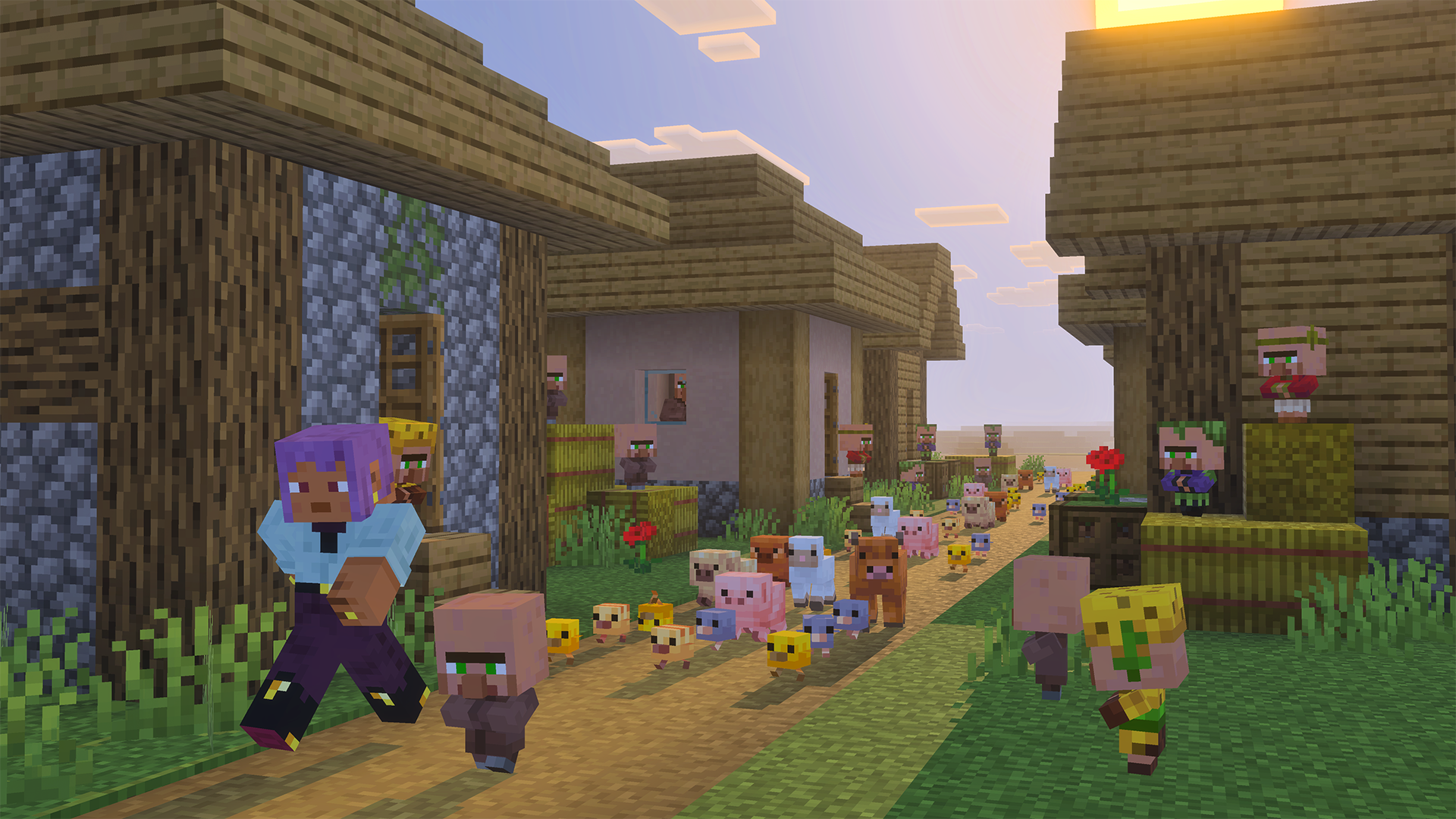
Not all of Minecraft Live's announcements were about real-world empire building. Minecraft, the game, is getting some updates, too. Its next big drop, Tiny Takeover, will live up to the billing with a redesigned "cuter" look for baby mobs. The update will also add a golden dandelion, which you can feed to a baby mob to make it stay young forever. (Or, at least until you feed it a second one.) Tiny Takeover arrives on March 24.
Mojang also teased the next drop after that. Later this year, Chaos Cubed will add a sulfur cube that changes properties when absorbing different materials. "There is a lot of variety in what the cube can do," Mojang promises. "Just like there are balls with different 'bounciness' and behavior, the sulfur cube can have different physics."
Finally, the long-rumored Minecraft Dungeons II game is official. We're still extremely light on details about the sequel to the 2020 spinoff, aside from the fact that you can wishlist it on March 21.
This article originally appeared on Engadget at https://www.engadget.com/gaming/a-minecraft-theme-park-will-open-in-london-in-2027-173000917.html?src=rss
The Switch 2 ports keep on coming. This time it's Kena: Bridge of Spirits, the award-winning 2021 title from Ember Lab. Previously announced for spring 2026, the visually striking title now has an official release date of March 26.
Kena: Bridge of Spirits won Best Independent Game and Best Debut Indie Game at The Game Awards 2021. It's already available for PS5 / PS4, PC (Steam and Epic) and Xbox Series X/S and One.
You play as Kena, a young spirit guide on a quest to a sacred mountain shrine. Gameplay has a Zelda-like flair. (That could make it a solid next play after Breath of the Wild and Tears of the Kingdom.) Like in Link’s adventures, you’ll find plenty of exploration, puzzles and fast-paced combat. That encompasses whacking bad guys with Kena's staff, firing arrows and flinging bombs.
Kena: Bridge of Spirits launches for Switch 2 on March 26 in North America, Europe and Asia. Meanwhile, folks in Thailand can get it a day earlier, on March 25. Details about Taiwan will be announced "soon." You can preorder the game today in North America and Europe and get a taste of its Pixar-esque art style in the trailer below.
This article originally appeared on Engadget at https://www.engadget.com/gaming/nintendo/kena-bridge-of-spirits-launches-for-switch-2-on-march-26-163540229.html?src=rss
A recent change in how the US Postal Service handles shipping partners appears to have forced Amazon to make alternative plans. The company reportedly plans to cut the number of packages it ships through USPS by at least two-thirds later this year. It says the decision came after USPS ended negotiations “at the eleventh hour” in favor of a new bidding process.
On Tuesday, the Wall Street Journalreported that Amazon plans to reduce the shipments it hands off to USPS. Last year, the company accounted for nearly 15 percent of the Postal Service’s package deliveries. Cutting that by nearly two-thirds diminishes one of the USPS’s most reliable sources of revenue. In fiscal 2025, the agency reported a net loss of $9 billion.
Amazon’s current contract with USPS ends on September 30. In a public response to the WSJ story, the company said it notified USPS in October 2025 that it would need to complete a new deal by December. “You can't add capacity for hundreds of millions of packages overnight — it requires major capital investment, long-term infrastructure planning, hiring, and logistics coordination,” Amazon wrote.
According to Amazon, USPS then pulled the plug on negotiations at the last second. “We negotiated with [USPS] in good faith for more than a year to reach a deal that would bring them billions in revenue and believed we were heading toward an agreement,” Amazon wrote in a statement. “Our goal was to increase our volumes with USPS, not reduce them — until USPS abruptly walked away at the eleventh hour in December.”
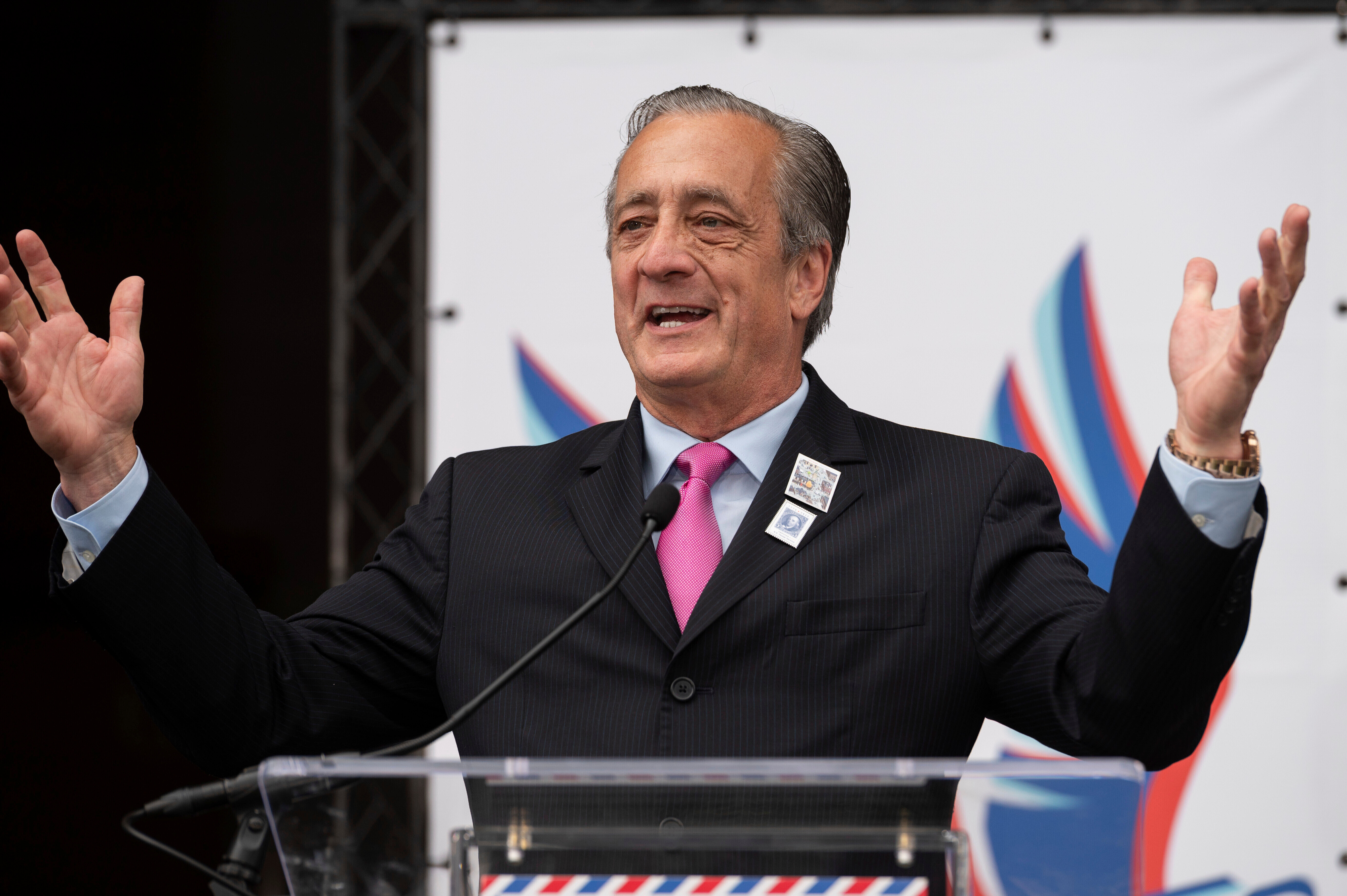
Postmaster General David Steiner (AP Photo/Cliff Owen, File)
ASSOCIATED PRESS
That’s when Postmaster General David Steiner implemented a new bidding process for last-mile deliveries, replacing a long-established one where USPS negotiated with shipping partners individually. He described the move as “a fair bidding process that enables the marketplace to find the best mix of local shipping attributes for the best volume-driven pricing.” Steiner was appointed to the post in May 2025, following the departure of former head Louis DeJoy.
Amazon said it submitted a bid in February using the new system but hasn’t heard back. “This creates significant uncertainty for our long-term network planning,” the company said. “Despite this, we participated in good faith and submitted a bid in February 2026. We've received no response.”
USPS plans to announce the bidding results in Q2 2026. Contracts are expected to be finalized by Q3. Despite apparently moving forward with the contingency plan, Amazon said it’s still “ready to continue this partnership.”
As for Postmaster Steiner, he spent Tuesday asking Congress to loosen USPS regulations and let him raise prices. Warning that the agency will “run out of cash” in about a year, he told a House subcommittee that he wants to raise the agency’s current $15 billion debt cap. He also asked for the ability to increase postage prices and reform its retiree pension obligations.
This article originally appeared on Engadget at https://www.engadget.com/big-tech/amazon-will-reportedly-cut-its-usps-shipments-by-at-least-two-thirds-200915702.html?src=rss
Chalk up a win for creative artists against AI companies. On Wednesday, the UK government abandoned its previous position on copyrighted works. It’s currently working on a data bill that, if unaltered, would have allowed AI companies like Google and OpenAI to train models on copyrighted materials without consent. Artists and other copyright holders would only have been offered a mere opt-out clause.
After significant backlash, the UK backed off from that position. "We have listened," Technology Secretary Liz Kendall said on Wednesday. However, the government’s new stance is, well, not a stance at all. It currently "no longer has a preferred option" about how to handle the issue.
Still, backpedaling from its previous position is viewed as a win for artists. UK Music CEO Tom Kiehl described the decision as "a major victory," while promising to work with the government on the next steps.
Elton John and Dua Lipa spoke out against the government's previous stance. (Photo by Kevin Mazur/Getty Images for Elton John AIDS Foundation)
Kevin Mazur via Getty Images
Last year, some of Britain's highest-profile artists objected to the government's position. Sir Elton John and Dua Lipa were among those speaking out. Even Sir Paul McCartney weighed in, warning that the AI industry could "rip off" artists and lead to a "loss of creativity."
"You get young guys, girls, coming up, and they write a beautiful song, and they don't own it, and they don't have anything to do with it," McCartney told the BBC in 2025. "And anyone who wants can just rip it off. The truth is, the money's going somewhere… somebody's getting paid."
The government will now weigh its options, taking "the time needed" to balance the wishes of artists and the tech industry. "We will not introduce reforms to copyright law until we are confident that they will meet our objectives for the economy and UK citizens," it wrote in a report. "This means protecting the UK's position as a creative powerhouse, while unlocking the extraordinary potential of AI to grow the economy and improve lives."
"Any reform must ensure that right holders can be fairly rewarded for the economic value their work creates, and that they are protected against unlawful and unfair use of their work. It must also ensure that AI developers can access high-quality content."
This article originally appeared on Engadget at https://www.engadget.com/ai/uk-reverses-course-on-ai-copyright-position-after-backlash-175630732.html?src=rss
FIFA is turning to streaming platforms to maximize its return on the 2026 World Cup. Two months after announcing a "Preferred Platform" partnership with TikTok, the organization has now struck a similar deal with YouTube.
Broadcasting rights are FIFA’s largest revenue stream for the tournament — and media companies pay top dollar for that access. So, deals like this with streaming platforms help sweeten the package for broadcasters looking to boost their reach.
What does that look like for those watching from home? FIFA says its media partners will have the option of streaming "a select number of matches in full" on their YouTube channels. They can also live-stream the first 10 minutes of every match, presumably serving as a hook to coax viewers to finish the match on television. In addition, FIFA's media partners will get access to "every angle" of match footage to craft custom content.
"As the world's attention turns to the action in Canada, Mexico and the United States, this collaboration with YouTube reinforces our ambition to maximise the tournament's impact across the ever-evolving media landscape," FIFA Secretary General Mattias Grafström said. He says the partnership will offer "fans everywhere easy access to an immersive view of the biggest single-sport event in history."
The World Cup runs from June 11 to July 19. Matches will take place in 16 cities across Canada, Mexico, and the US.
This article originally appeared on Engadget at https://www.engadget.com/entertainment/streaming/youtube-and-fifa-partner-up-for-the-2026-world-cup-170200470.html?src=rss
Apple and Nike are at it again. But this time, their collaboration doesn't involve Apple Watch bands or a shoe-tracking iPod. Instead, the companies are launching a new color option for Beats' fitness-focused earphones. Meet the Powerbeats Pro 2 - Nike Special Edition.
"This isn't just a new colorway," Beats CMI Chris Thorne wrote in a press release. "It's a collision of two brands that define performance, culture and sports — the attributes of today's athlete."
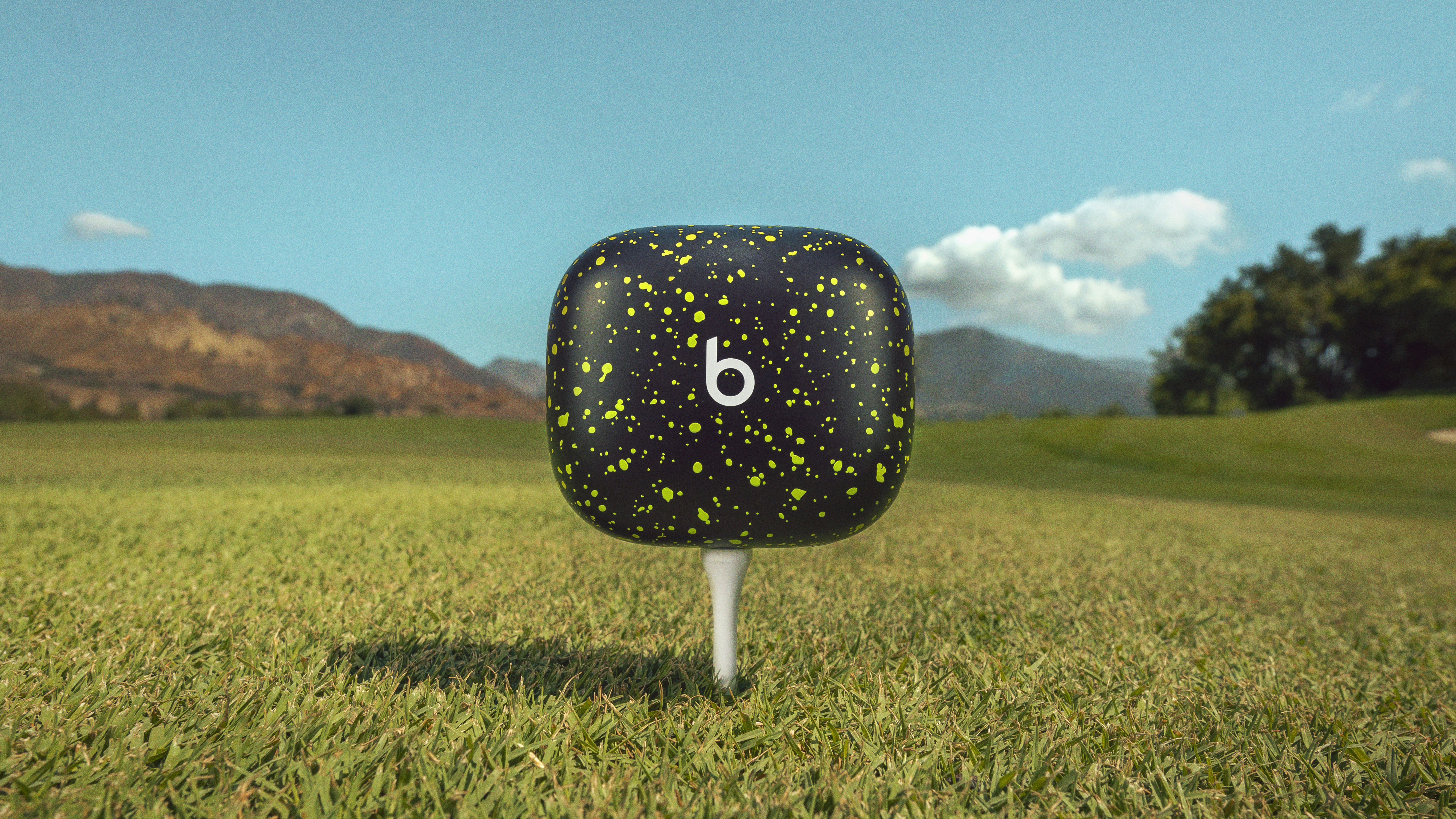
Okay, cool, but marketing-speak aside, this is, in fact, just a new colorway. However, depending on your taste, it might be one you're into. Nike's "Volt" palette takes center stage, with its love-it-or-hate-it electric yellow-green motif. The two companies share logo duties, with the Beats "b" on the left bud and Nike's swoosh on the right. Meanwhile, the charging case takes you to Speckle City, looking like something Jackson Pollock flung a can of leftover shoe paint onto.
Apple / Nike
Otherwise, these are the same Powerbeats Pro 2 earphones that launched last year. You get heart-rate tracking, decent ANC and Spatial Audio. You can revisit Billy Steele's review for more details on the earphones.
To help move the product, Beats and Nike called upon an athlete they both sponsor: a little-known hooper named LeBron James. The Lakers vet stars in a new ad, where he uses the Nike Powerbeats to tune out the noise with a little help from Lionel Ritchie.
You can watch the commercial below — and order the new colorway from Apple’s and Nike's respective websites on March 20. The Nike Special Edition Powerbeats Pro costs the same $250 as the standard version. However, this is a limited-edition variant, so there's no guarantee it will be around for long.
This article originally appeared on Engadget at https://www.engadget.com/audio/headphones/apple-and-nike-team-up-for-a-new-powerbeats-pro-2-colorway-140000882.html?src=rss
Marshall is launching a smaller companion for its highly rated Bromley 750 party speaker. The new Bromley 450 retains the larger model’s guitar-amp motif but comes in a petite, less expensive package.
The Bromley 450 carries over its larger sibling’s 360-degree audio trickery. Like equivalents from other companies, Marshall’s “True Stereophonic 360-degree sound” fools your brain into perceiving more directionality than its form factor allows. Lighting effects (“inspired by ‘70s stage shows”) also carry over from the larger model. However, this new speaker lacks the “sound character” control found in the Bromley 750.
Marshall says you can expect over 40 hours of playtime. If your party somehow goes on longer than that, you can swap out its battery on the fly (using the same one found in the Bromley 750). Or, you know, just plug it into a power outlet. And if your event turns into a performance, you’re covered with mic and instrument inputs.
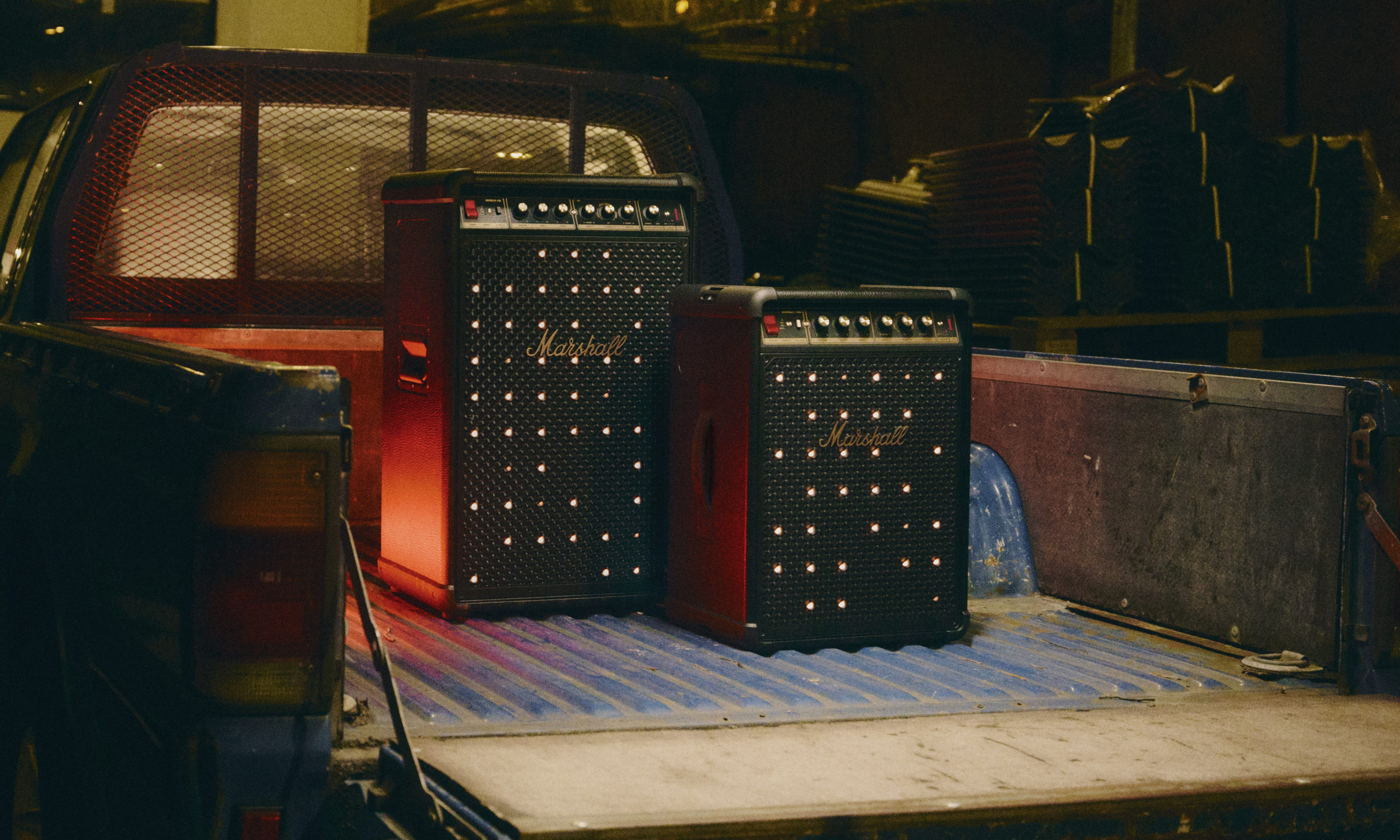
The Bromley 750 (left) and Bromley 450
Marshall
The Bromley 450 measures 360 x 261 x 492mm, making it about 25 percent shorter than its big brother. At just under 27 lbs, it only weighs about half as much. That helps to explain Marshall’s decision not to include wheels on this model. (But don’t worry, it still has a handle.) The speaker has an IP55 rating for dust and water resistance.
The Marshall Bromley 450 may be less expensive than its larger counterpart, but it still costs a pretty penny. It’ll set you back $800 when it goes on sale on March 31. You can order it on Marshall’s website and from select retail partners (including Best Buy, Sweetwater and Crutchfield).
This article originally appeared on Engadget at https://www.engadget.com/audio/speakers/marshall-adds-a-junior-sized-party-speaker-to-its-lineup-120000871.html?src=rss
At GTC 2026, NVIDIA and Bolt announced what they hope will be a symbiotic partnership. Bolt gets NVIDIA technology that would be costly and impractical to build on its own. Meanwhile, NVIDIA not only gains a major customer but also access to the European rideshare company’s driving data.
Bolt says its fleet data will build a "learning engine" for autonomous vehicles (AVs) using NVIDIA tech. The rideshare company will use NVIDIA Cosmos to curate and search driving data. It will tap into NVIDIA Omniverse to reconstruct digital twins of real-world driving logs, then use Cosmos again to generate and augment data at scale.
NVIDIA's Alpamayo model, designed specifically for AVs, will help the AI learn how to drive safely and appropriately in European cities. Finally, Bolt will integrate NVIDIA's Drive Hyperion platform into its AVs.
"Autonomous vehicles require a full-stack approach that unifies AI models, high-performance compute, and a robust sensor architecture," NVIDIA EMEA Automotive VP Philippe Van Den Berge said. "By combining Bolt's real-world operational data with the NVIDIA Drive Hyperion platform, AI infrastructure, and open models & libraries across Omniverse, Cosmos, and Alpamayo, we're enabling a scalable foundation for safe, high-performance autonomous mobility services designed for the complexity and diversity of European roads."
Bolt has been busy gearing up for an autonomous future. In late 2025, it announced partnerships with Pony.ai and Stellantis.
The companies haven't announced a timeline for when we can expect to see NVIDIA-powered Bolt robotaxis in European cities. However, they promise that Bolt's fleet data will comply with GDPR standards. They also say they’ll provide open-source access to European universities and small- and medium-sized businesses.
This article originally appeared on Engadget at https://www.engadget.com/transportation/evs/nvidia-and-bolt-team-up-for-european-robotaxis-220100551.html?src=rss