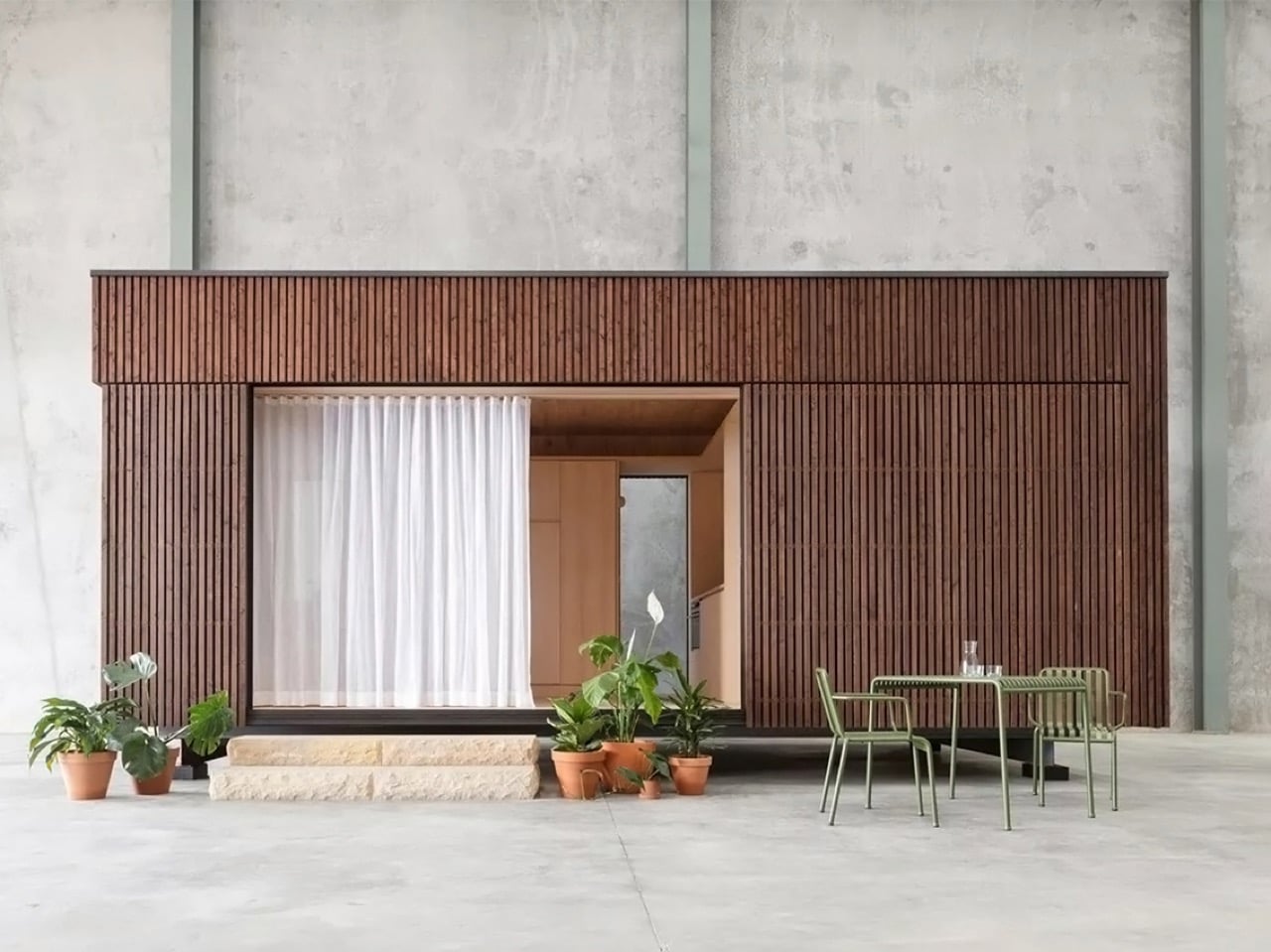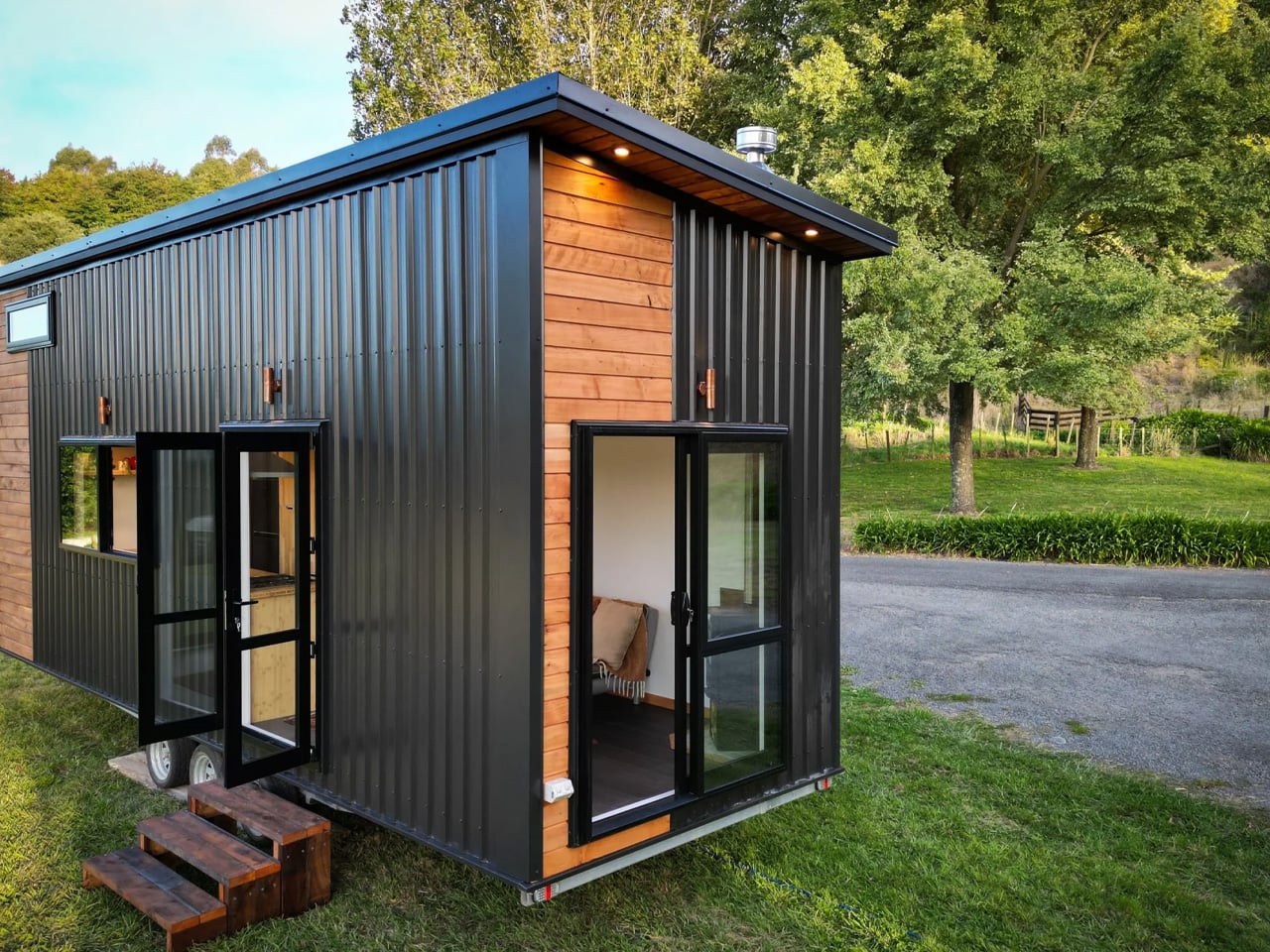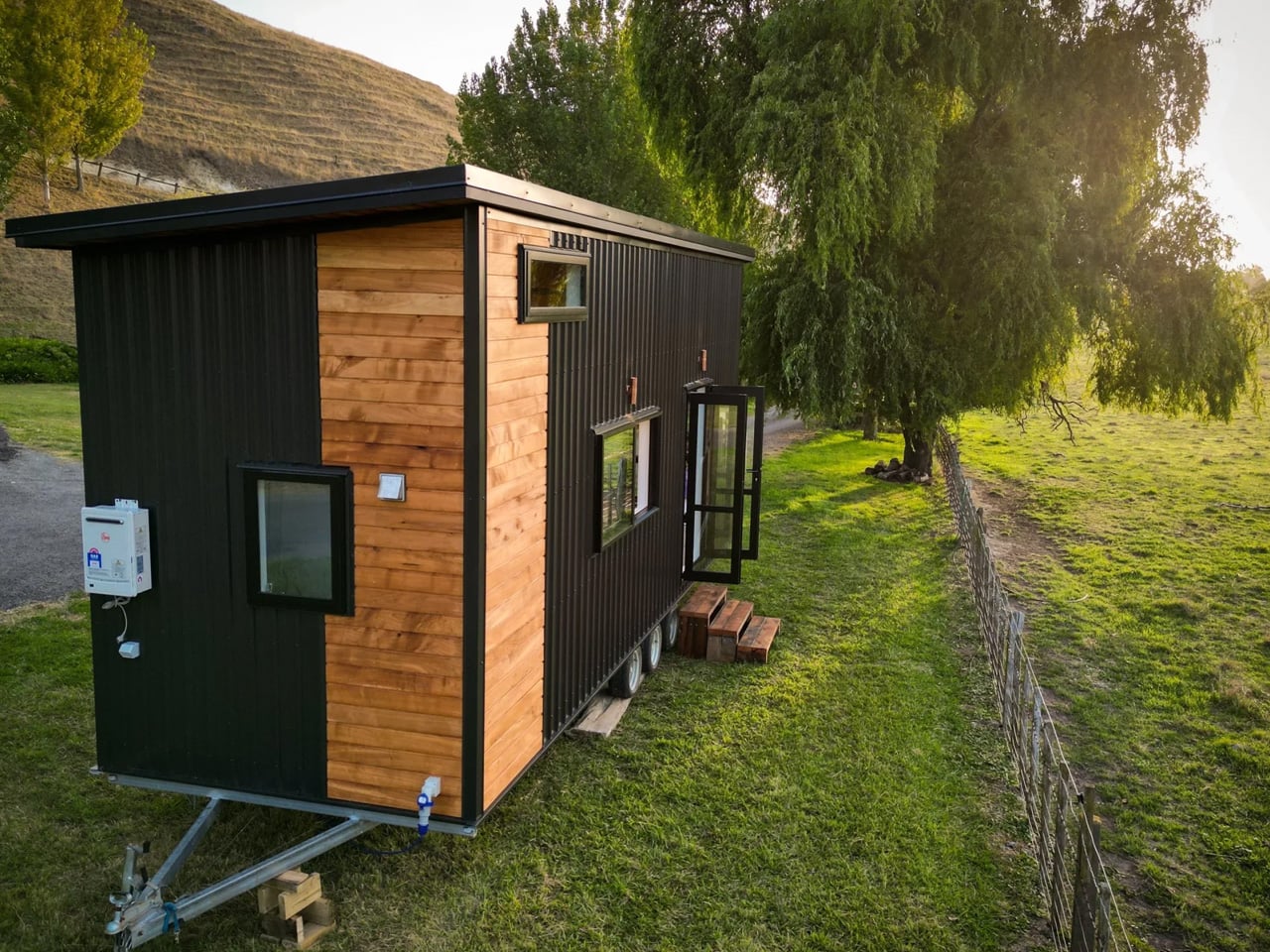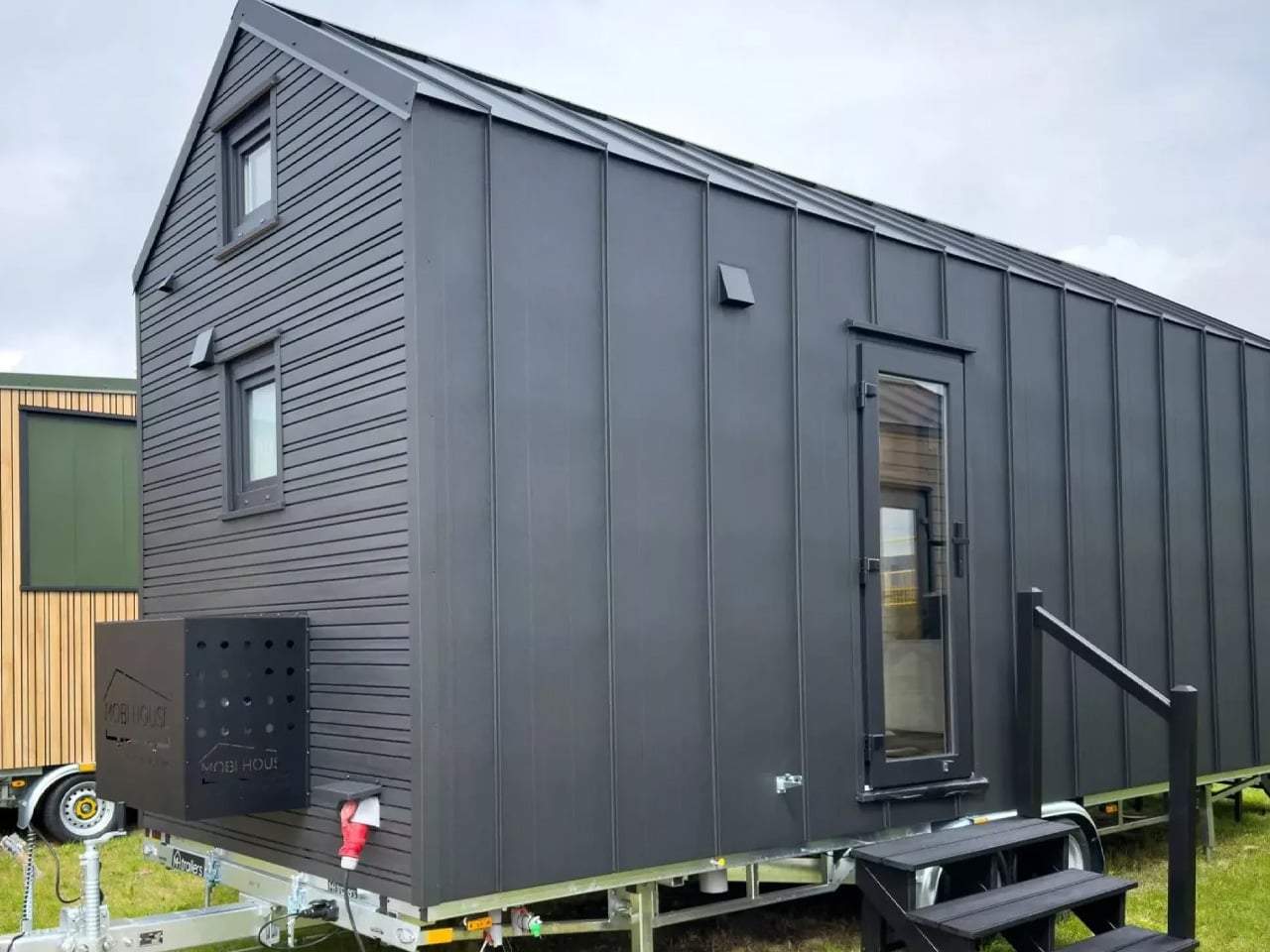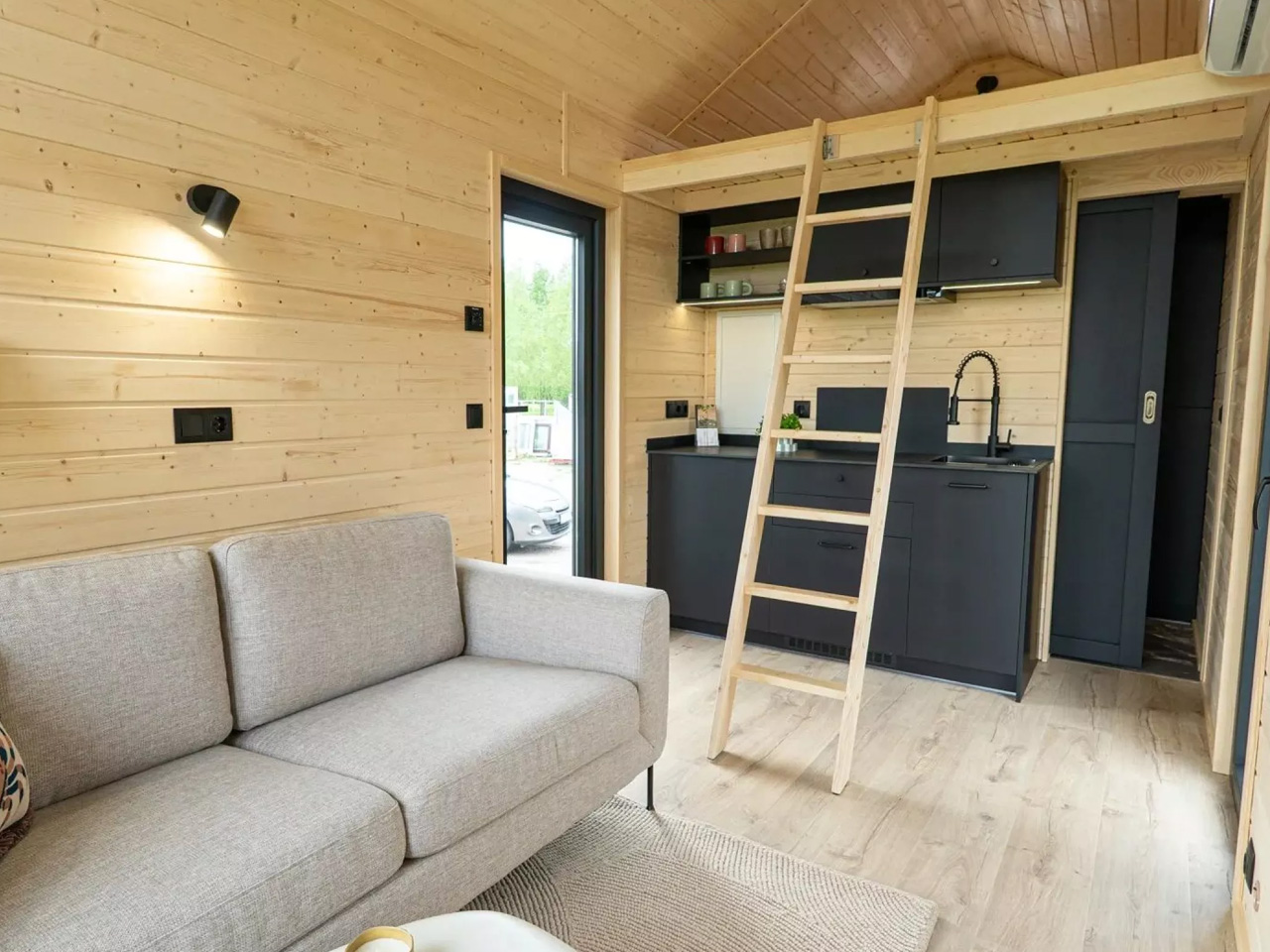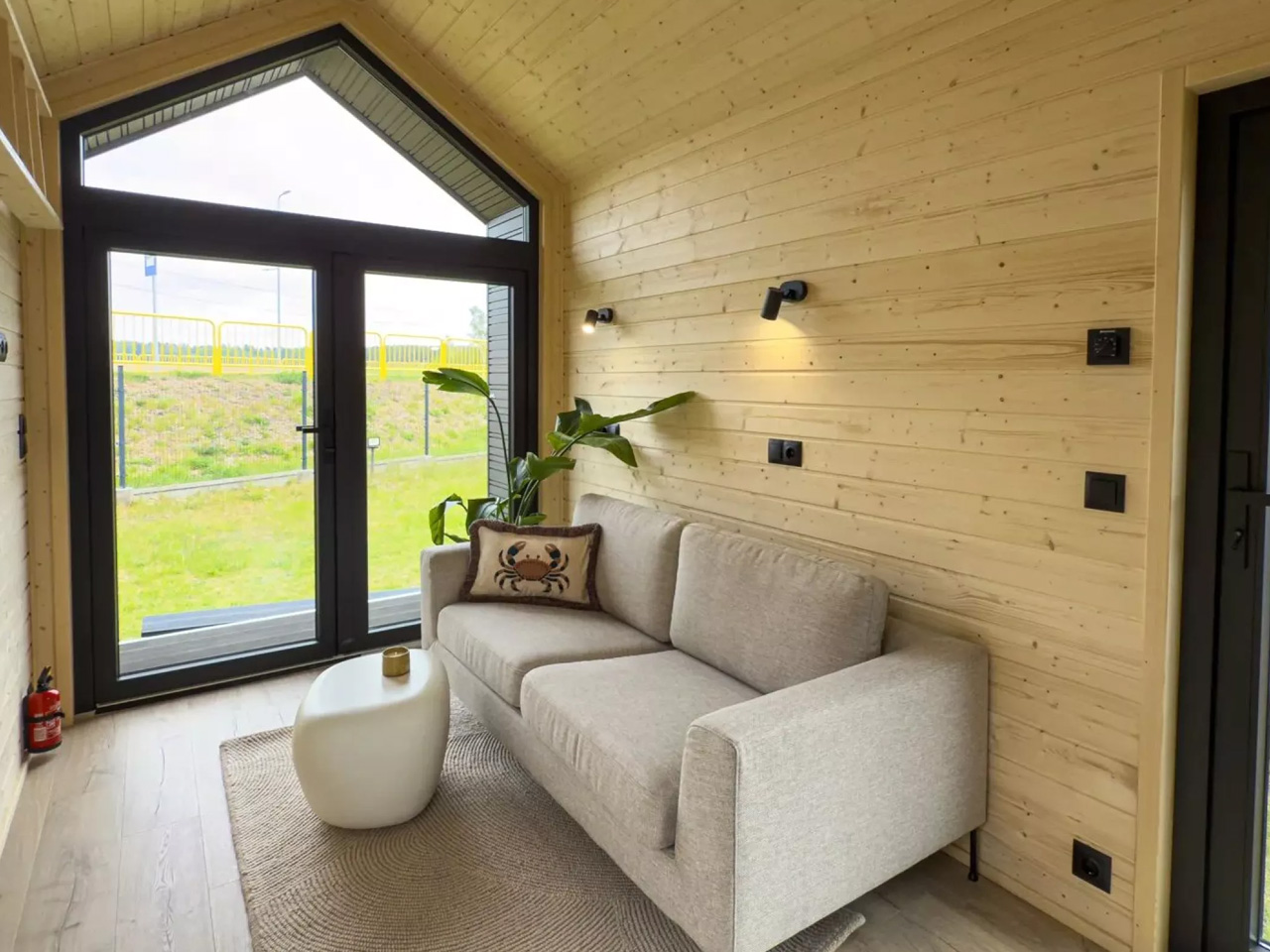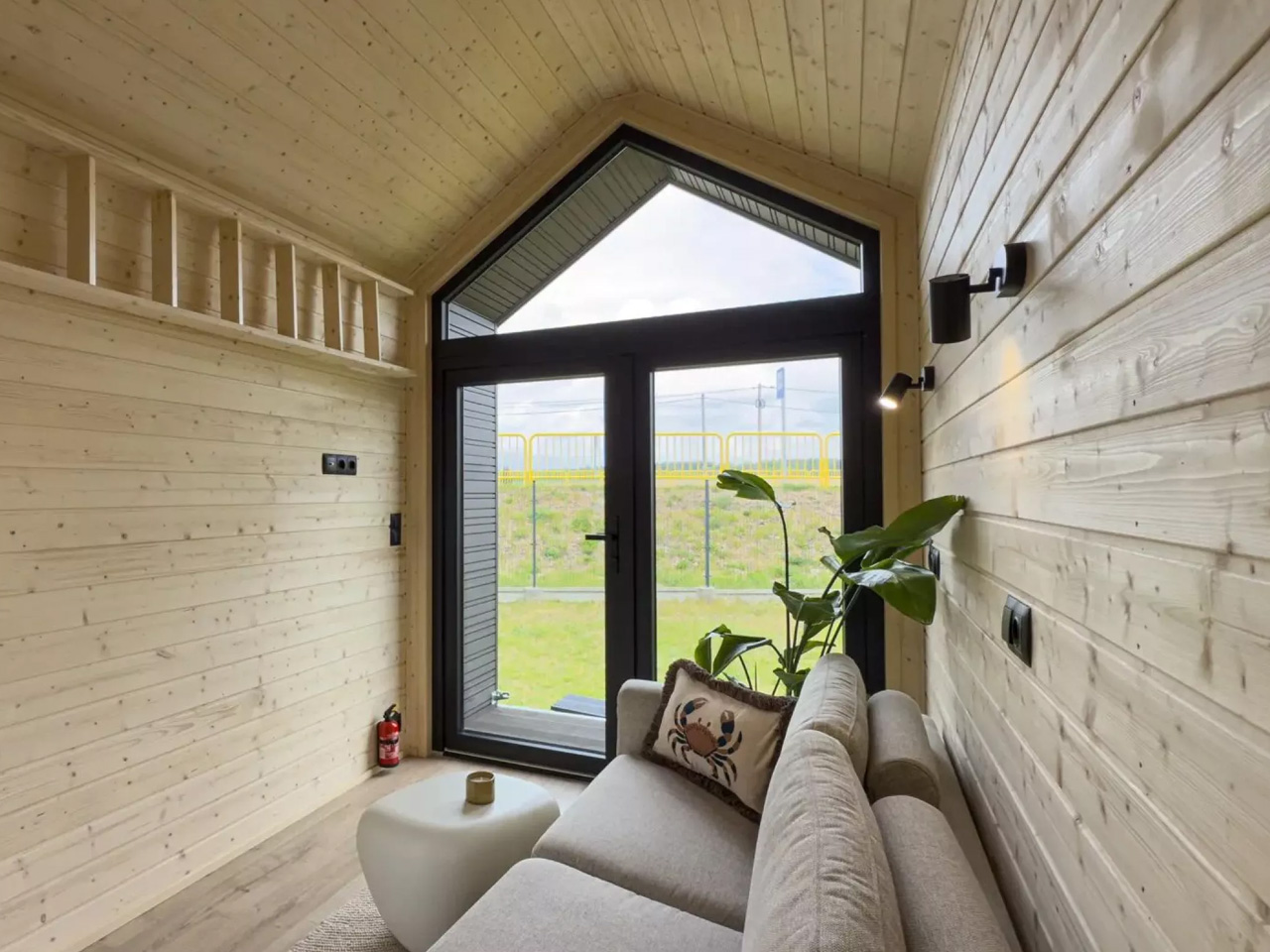
This Is the Tiny House the Short-Term Rental Market Has Been Waiting For

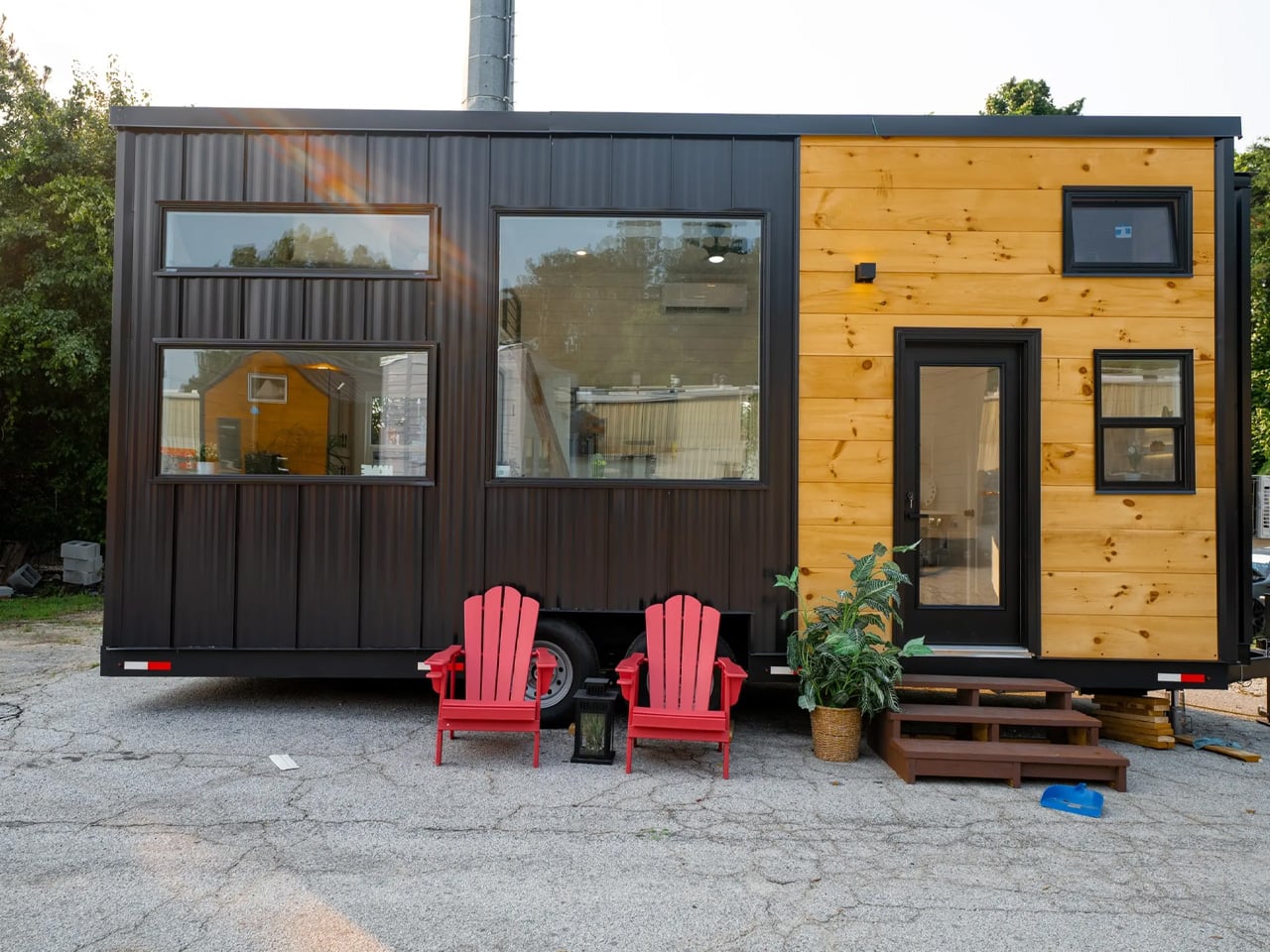
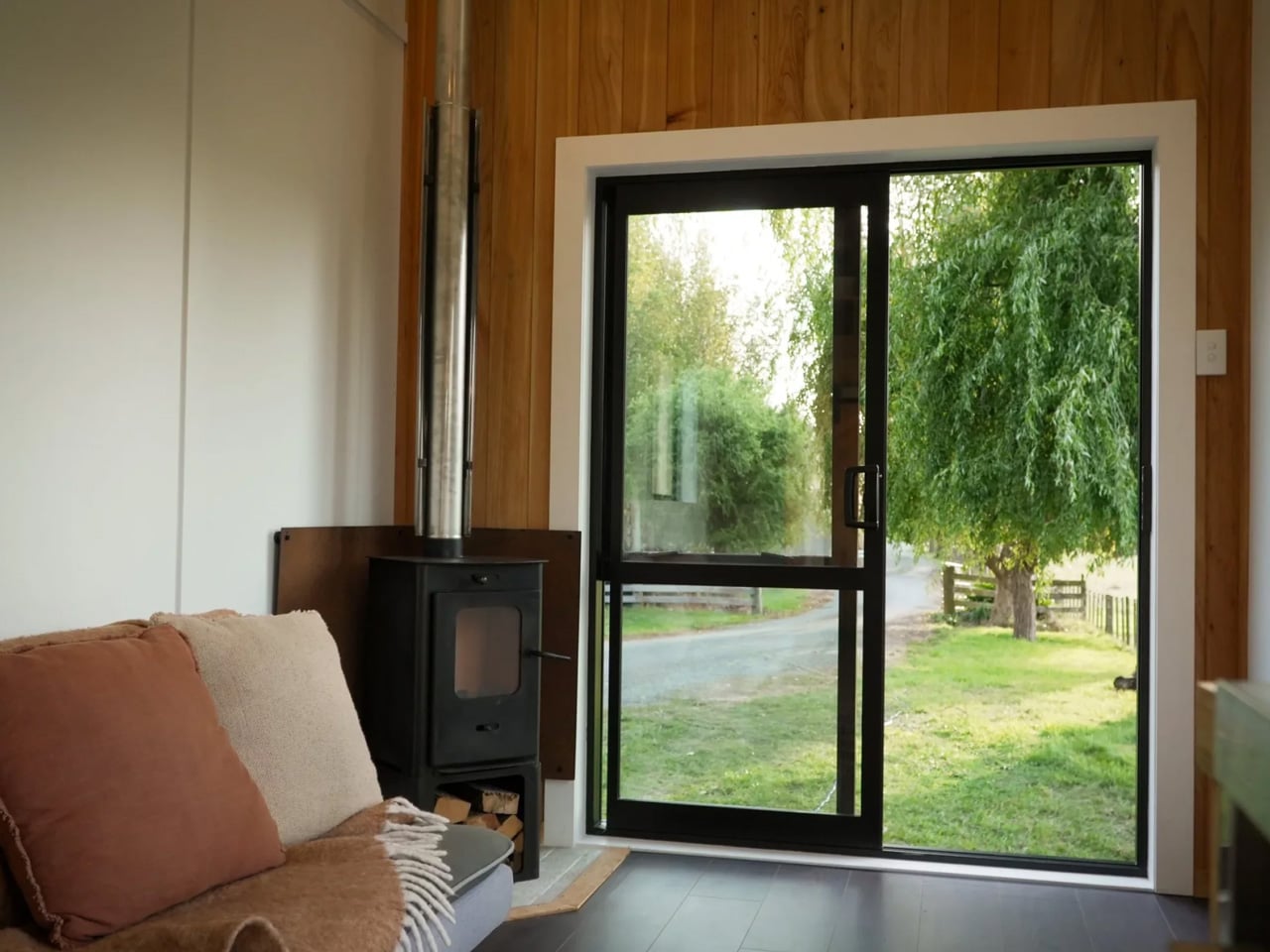
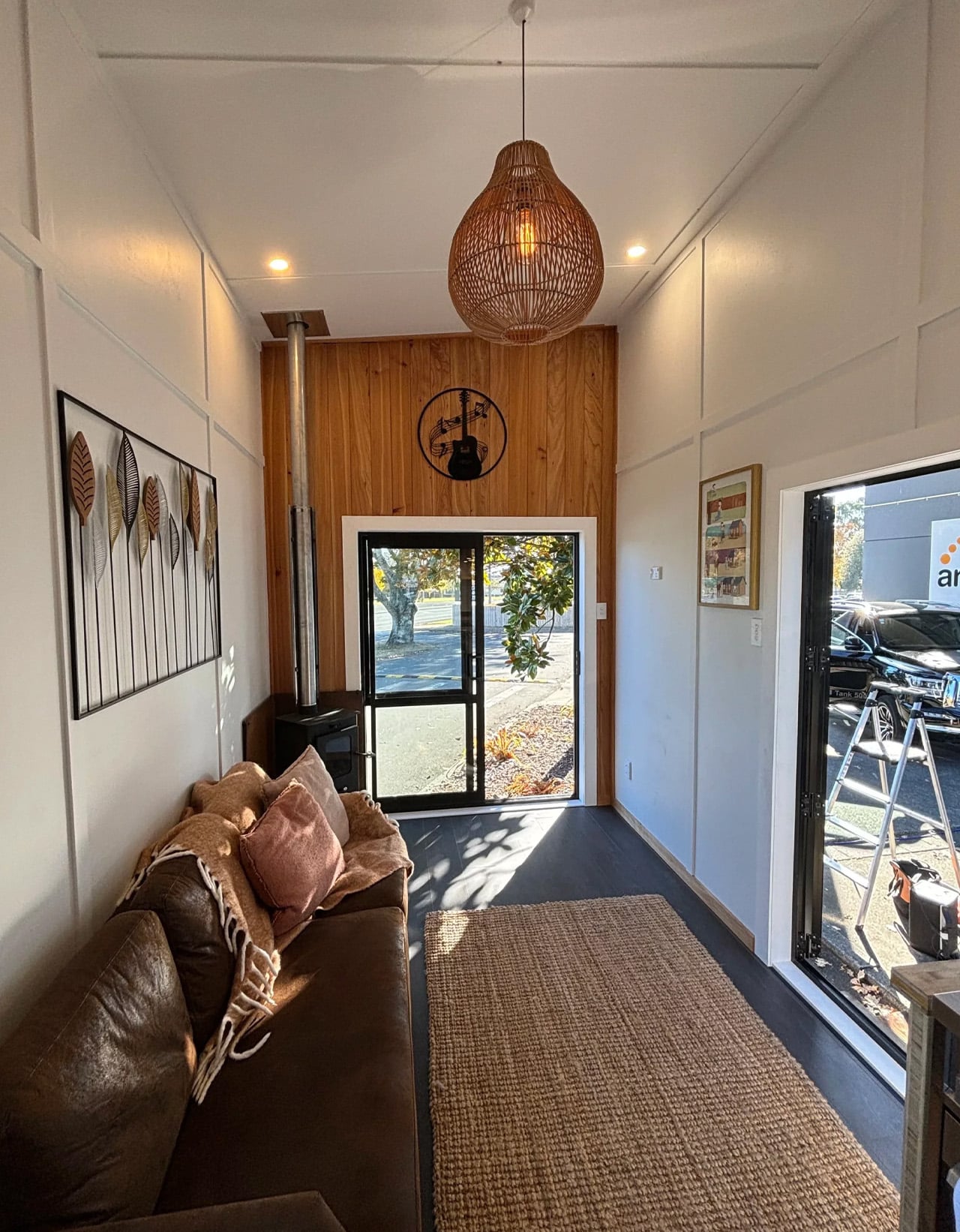
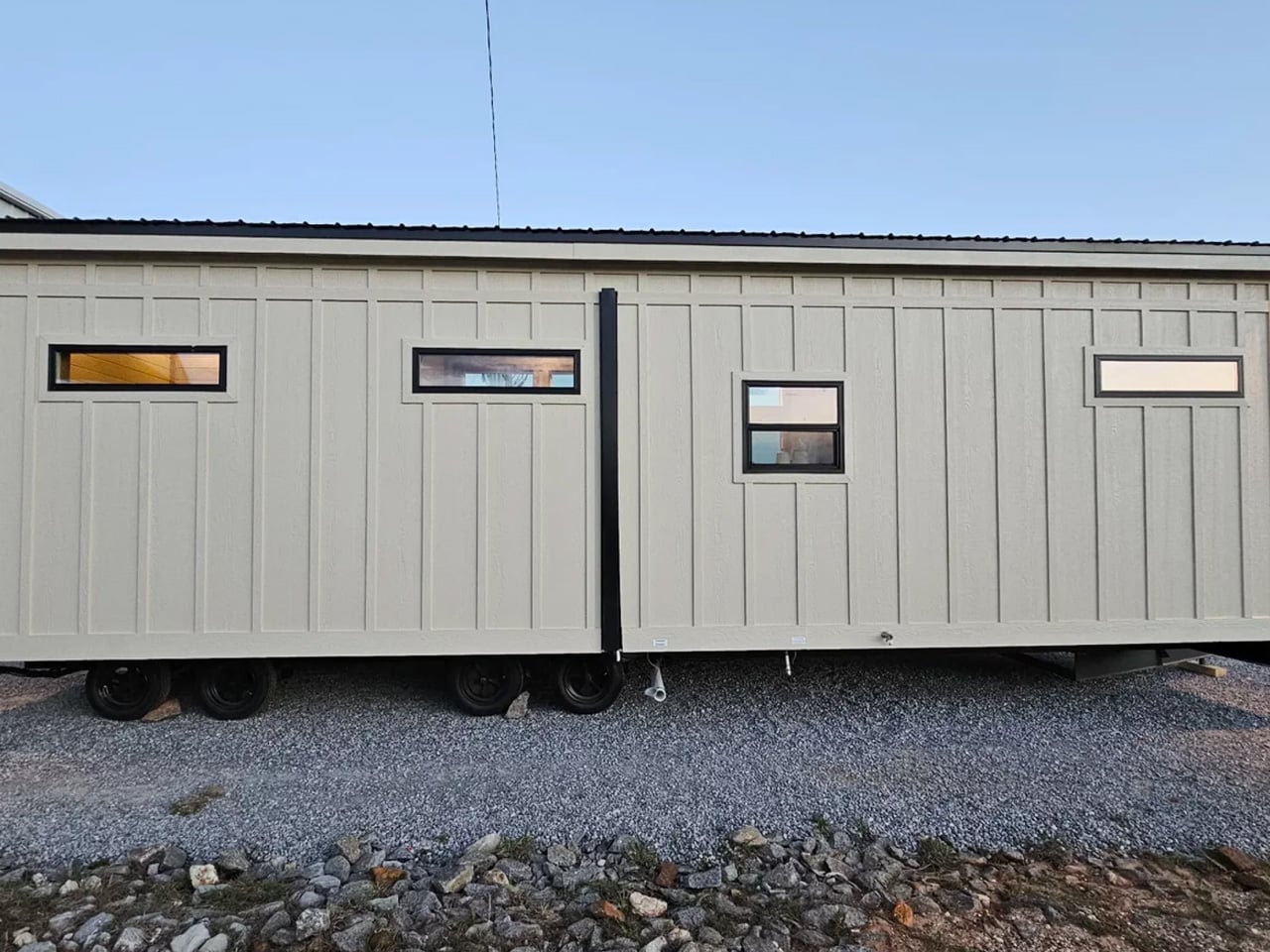
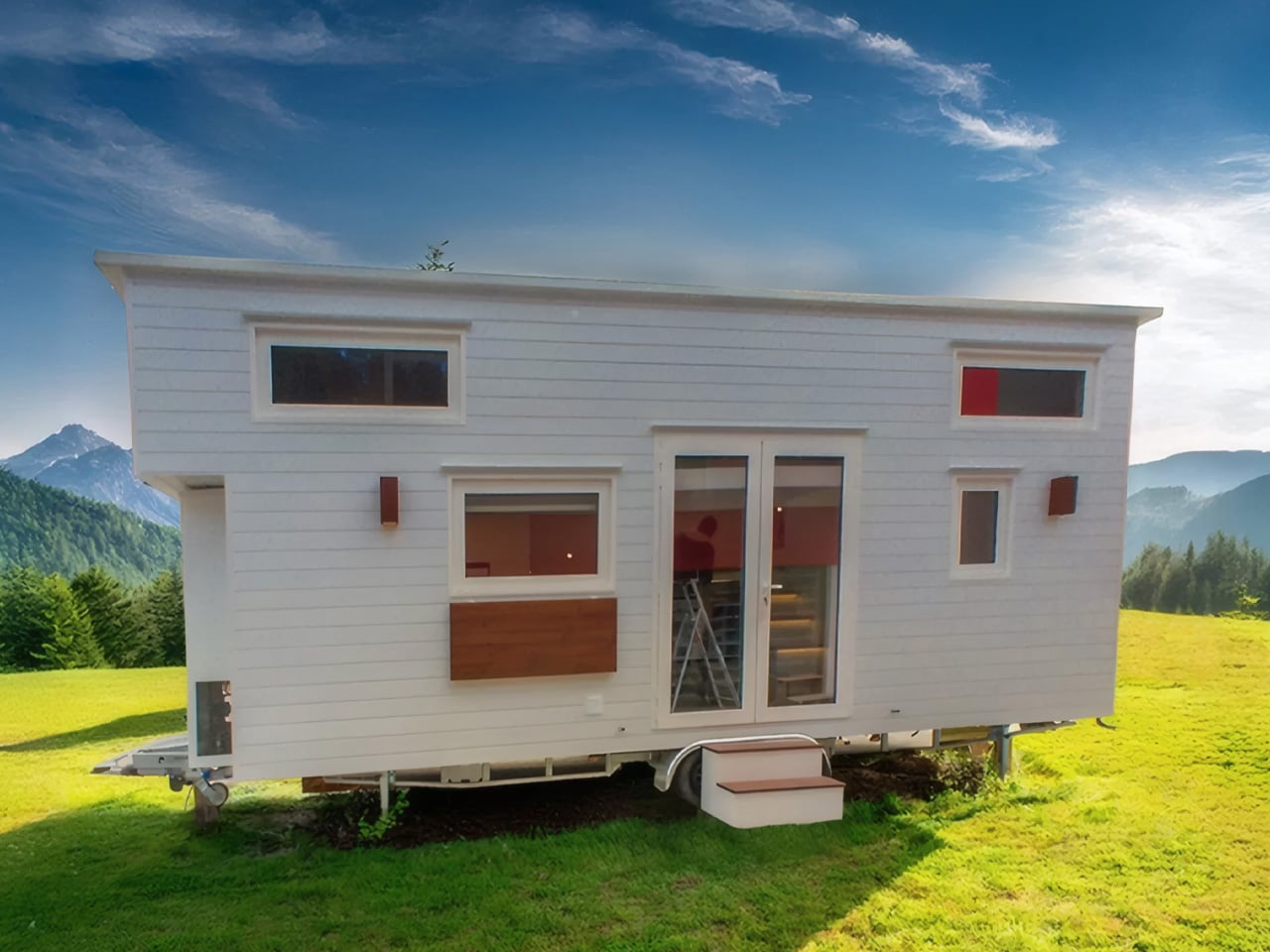
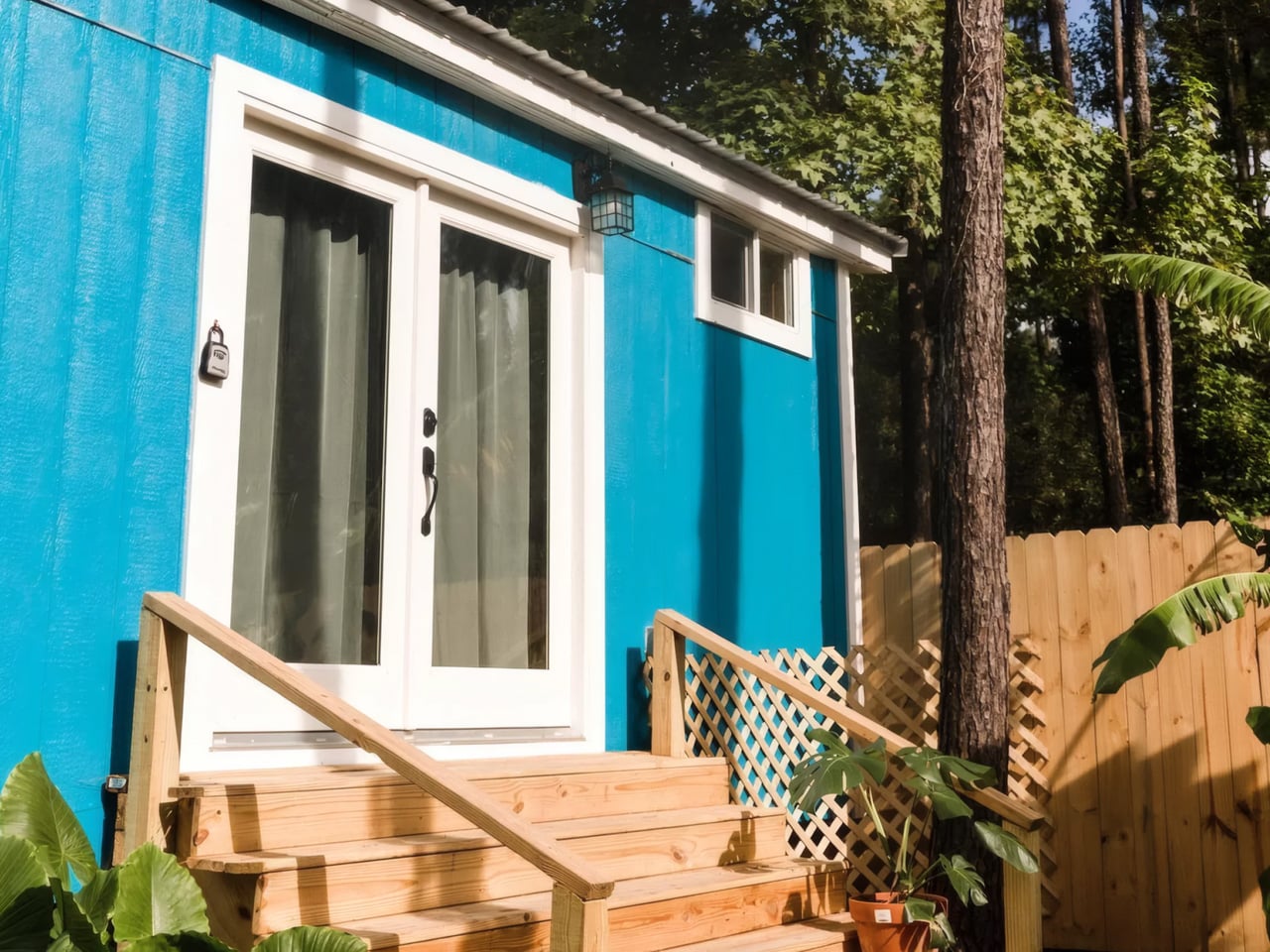
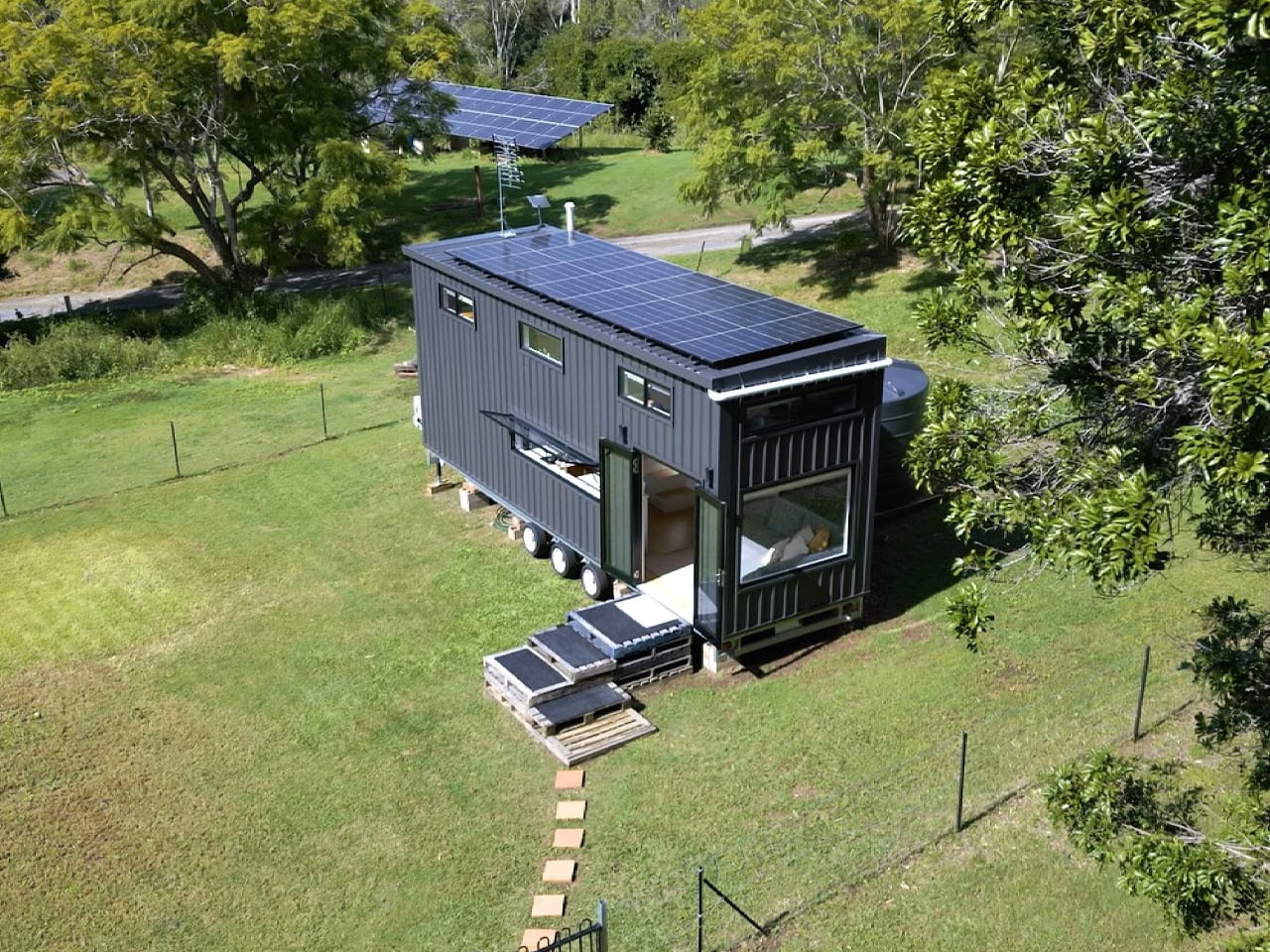
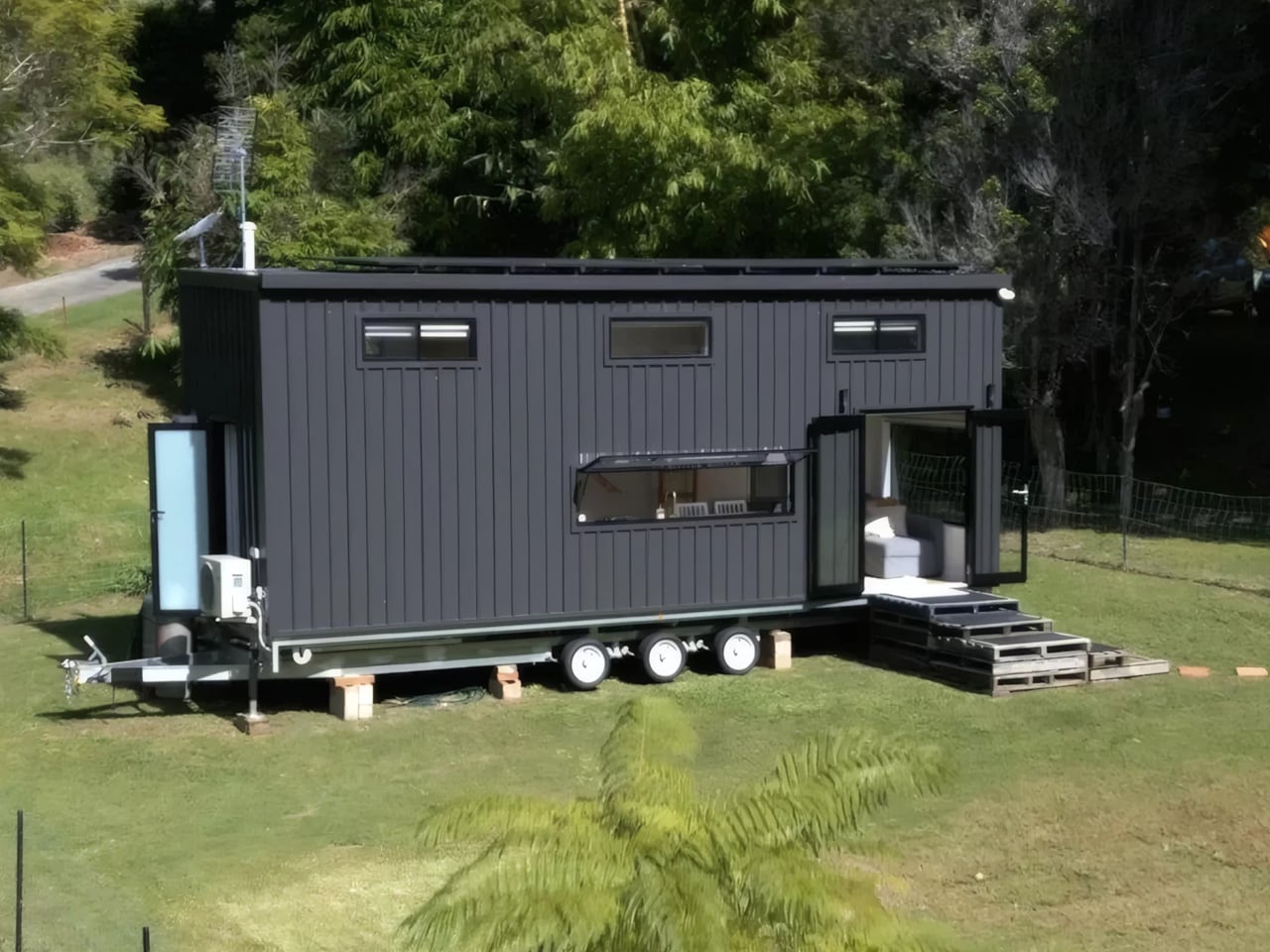
I truly love a well-designed tiny home — one that doesn’t just compress living into a smaller footprint but genuinely rethinks how space can work harder. The Rasa by Simplify Further Tiny Homes is exactly that. Born from three years of hands-on Airbnb hosting experience and 16 active listings, this 20-foot home on wheels isn’t a design exercise. It’s a tested, refined answer to what guests actually need and what hosts actually want.

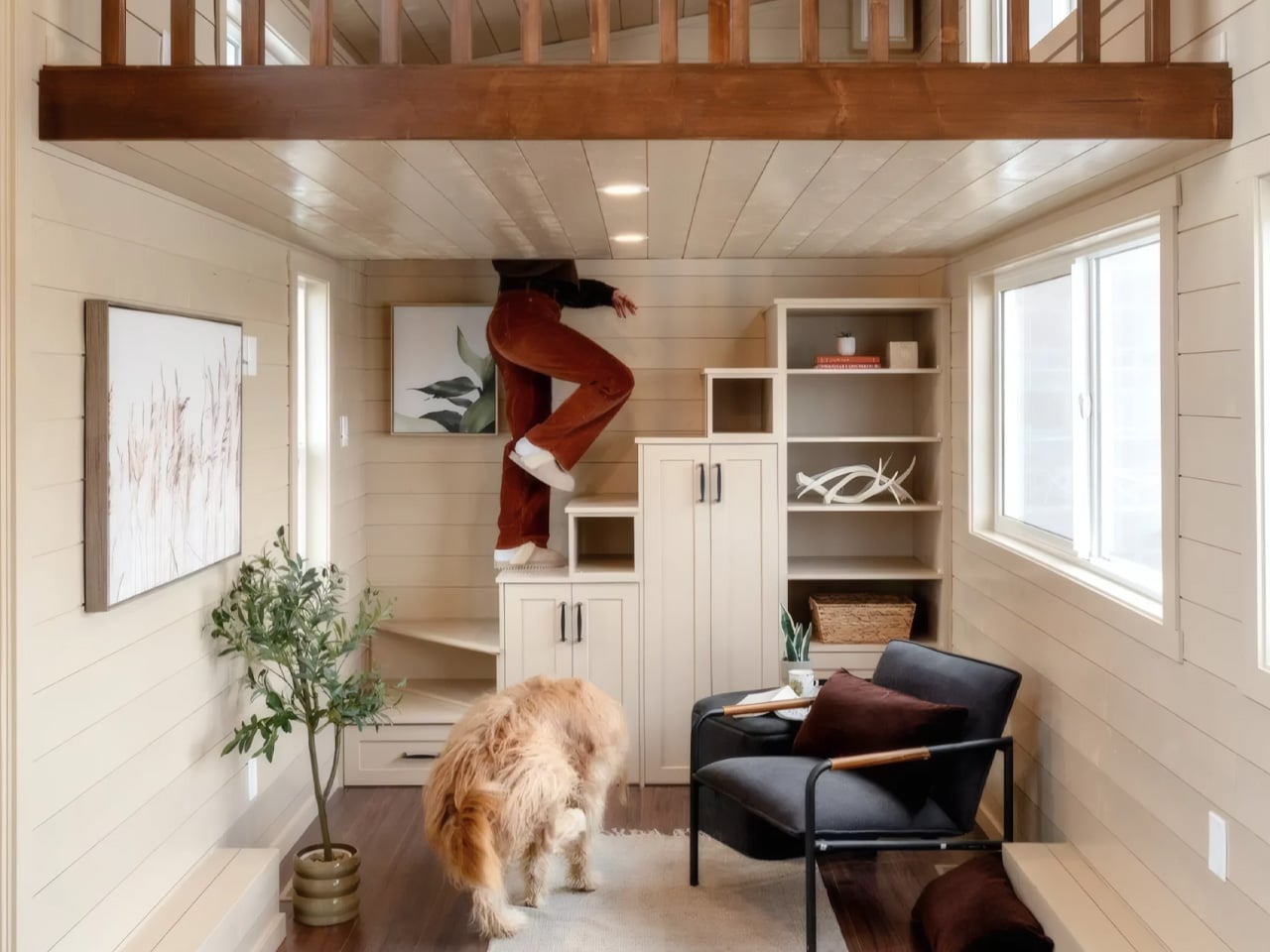
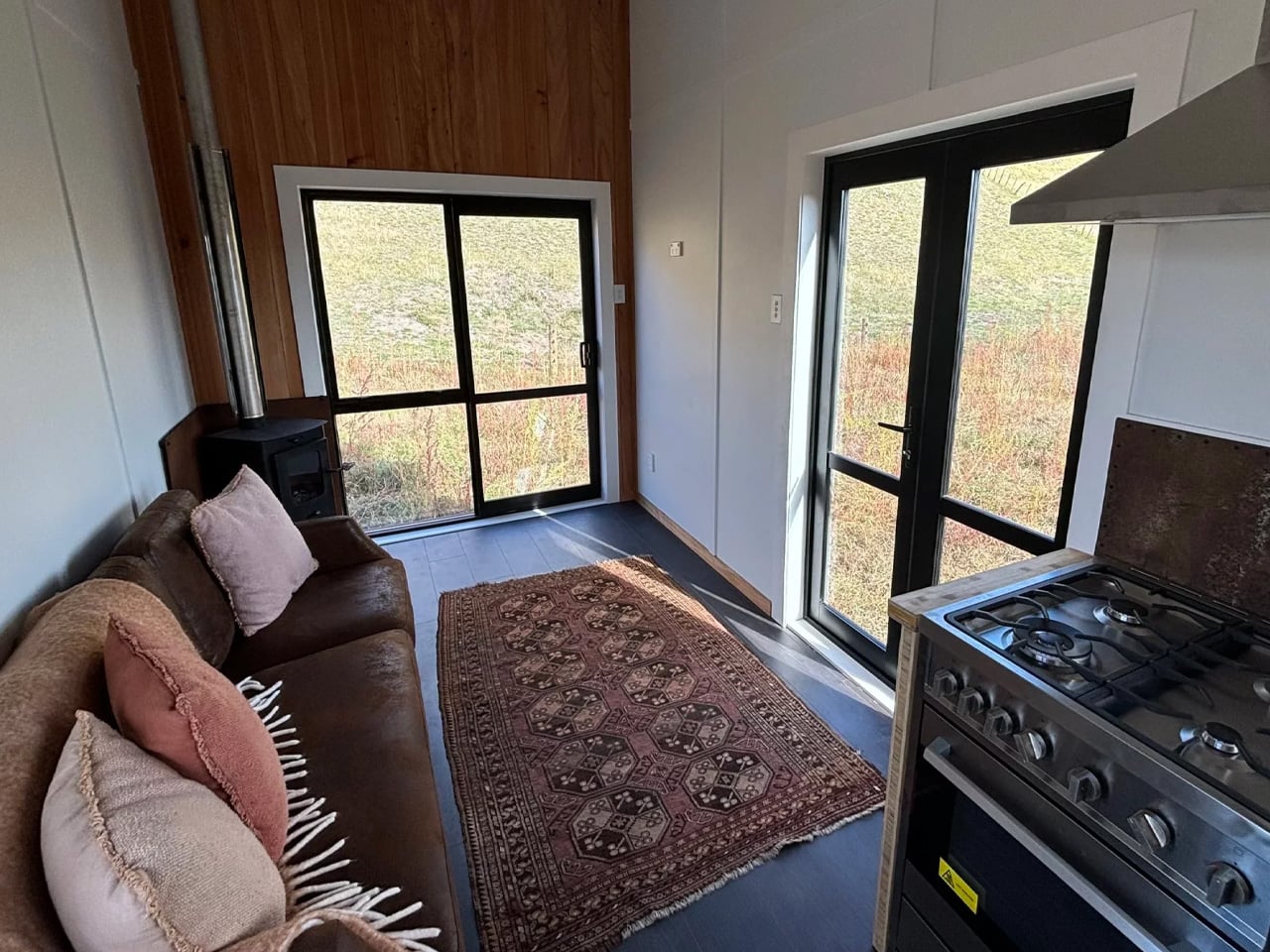
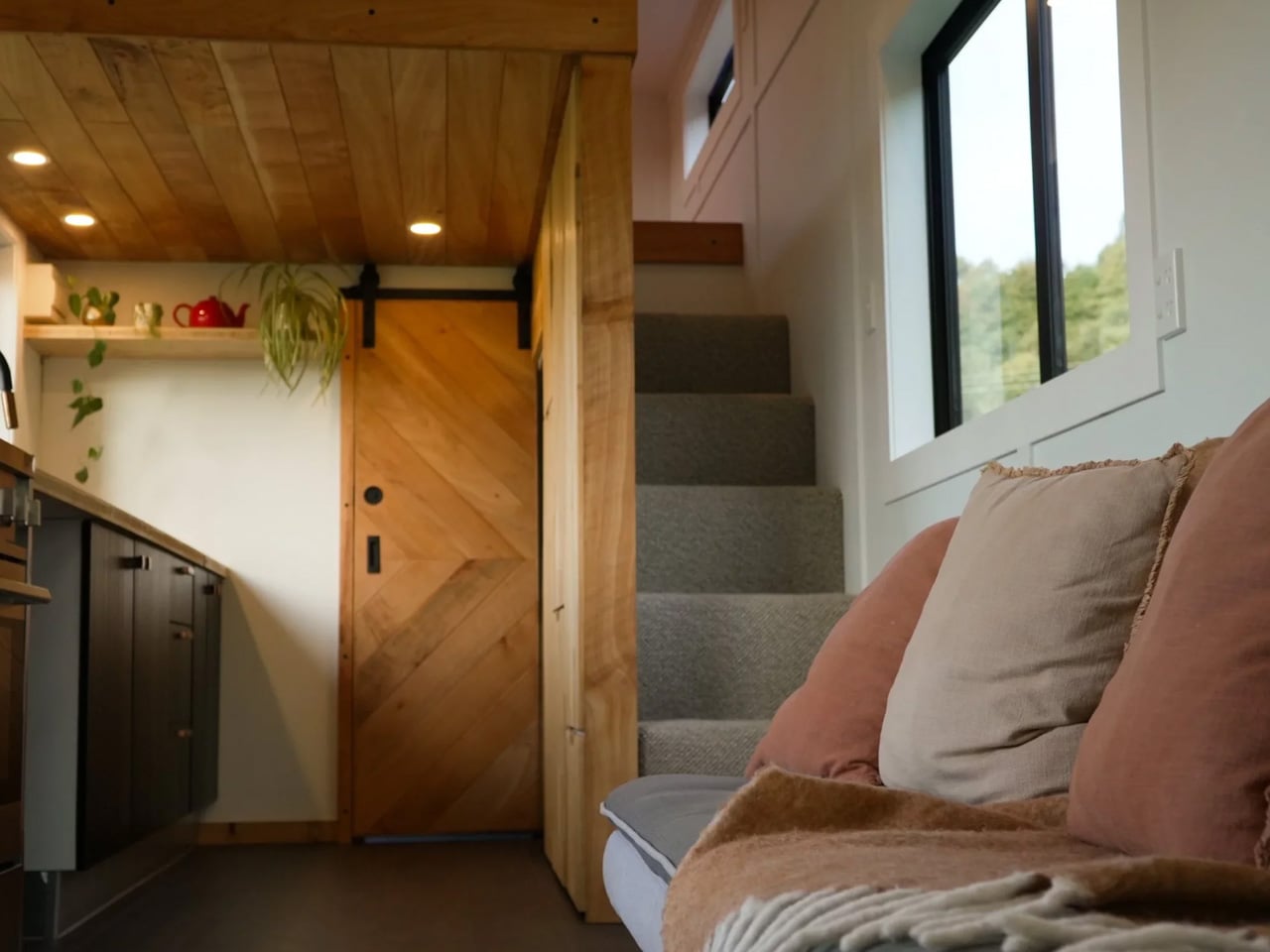
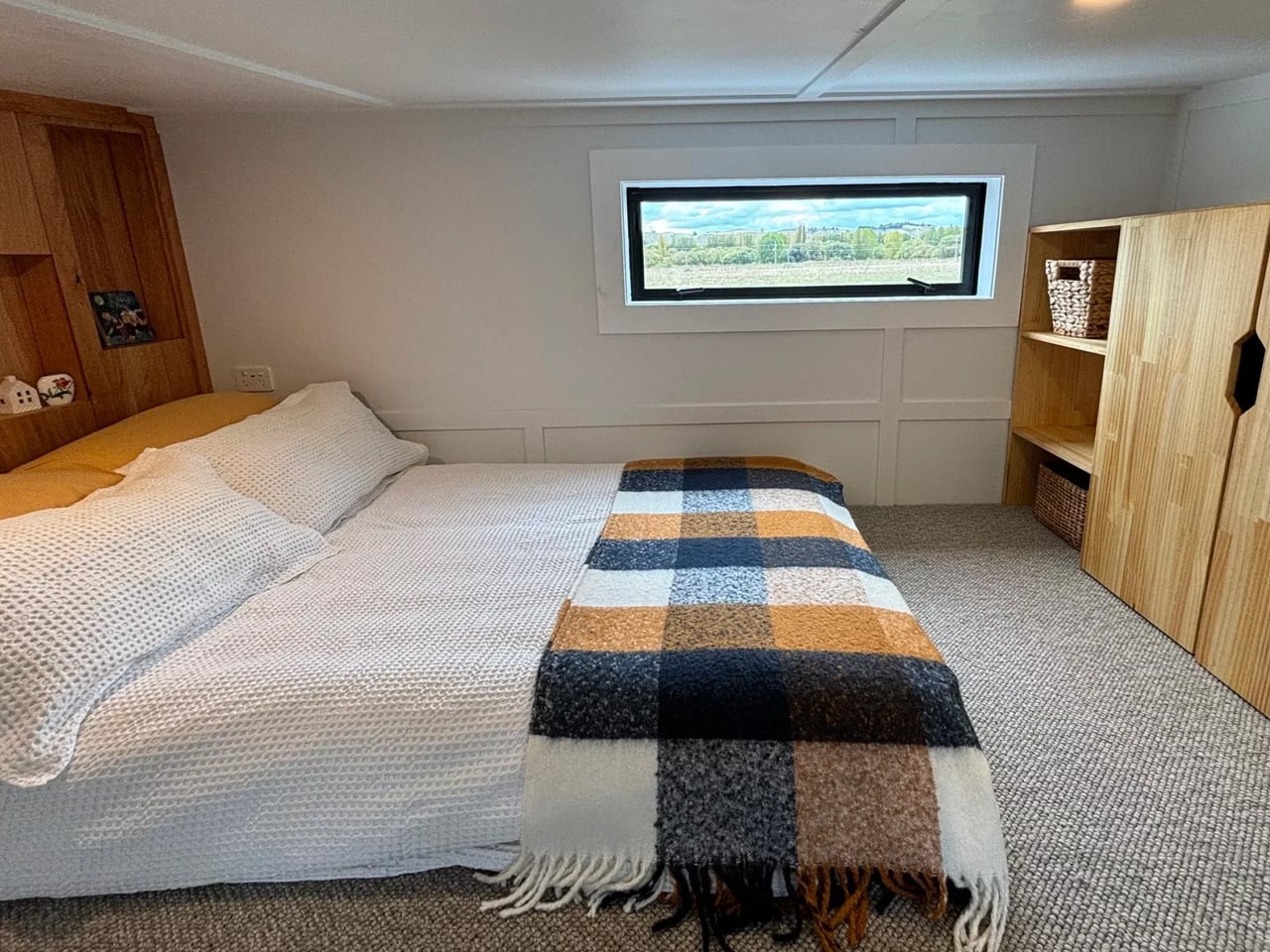
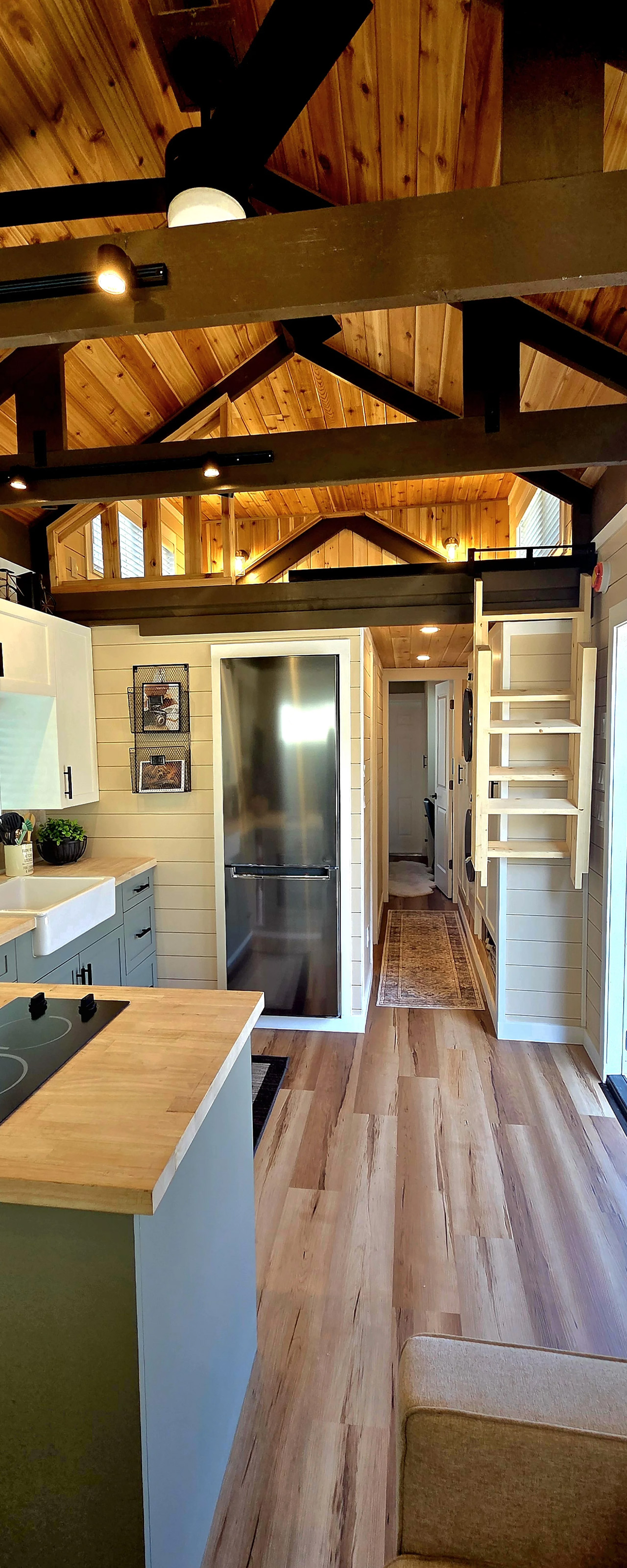
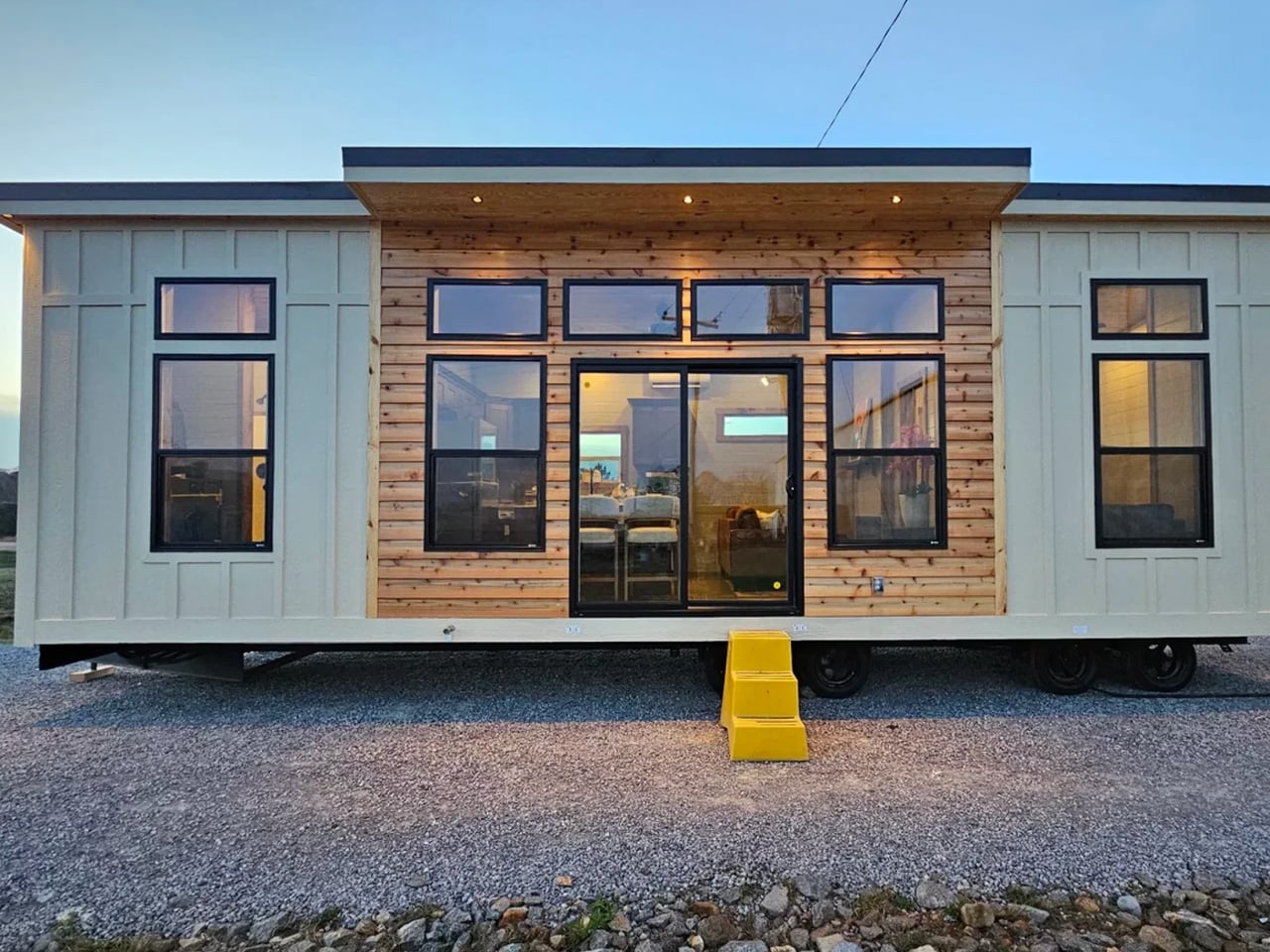
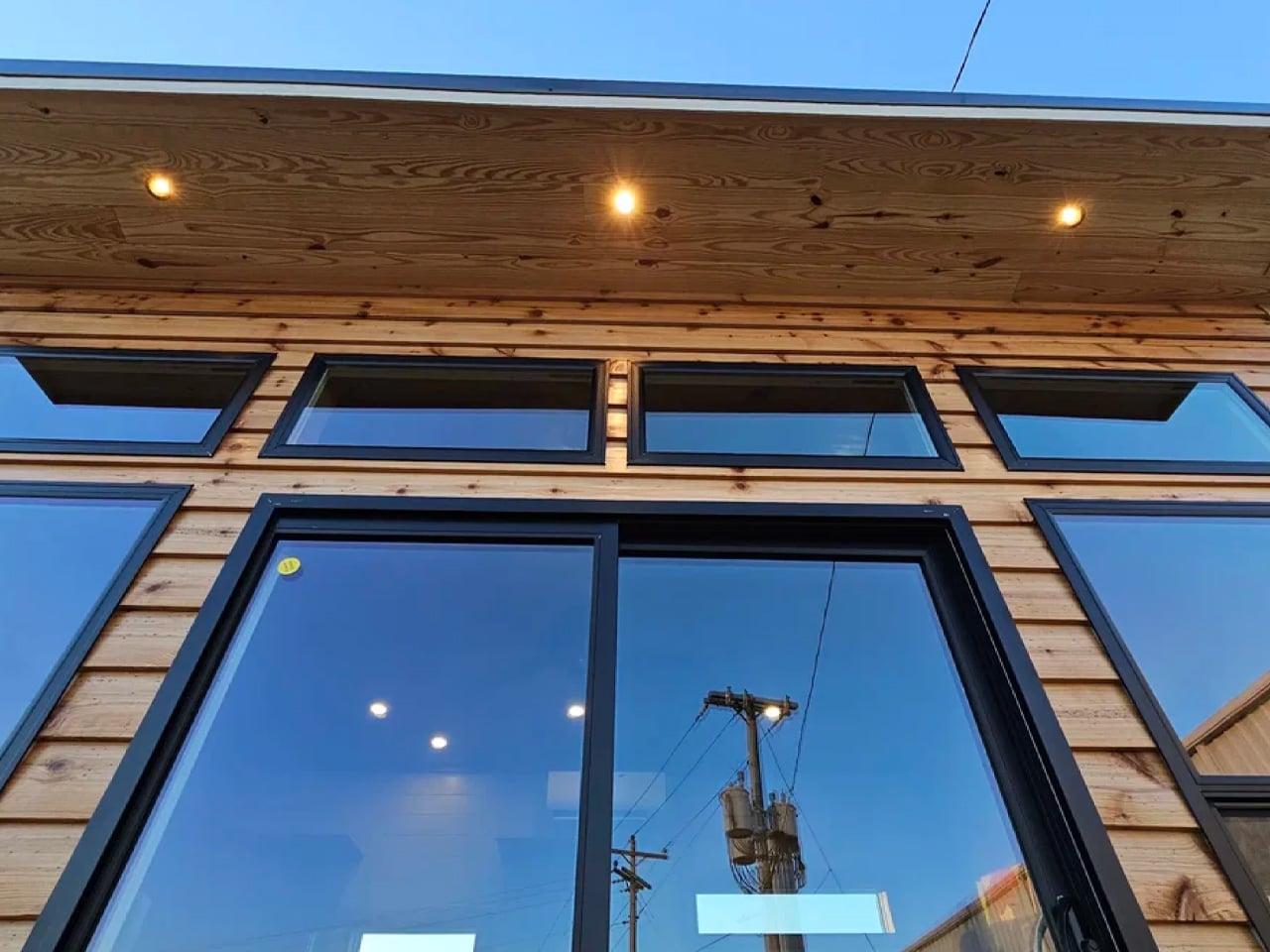
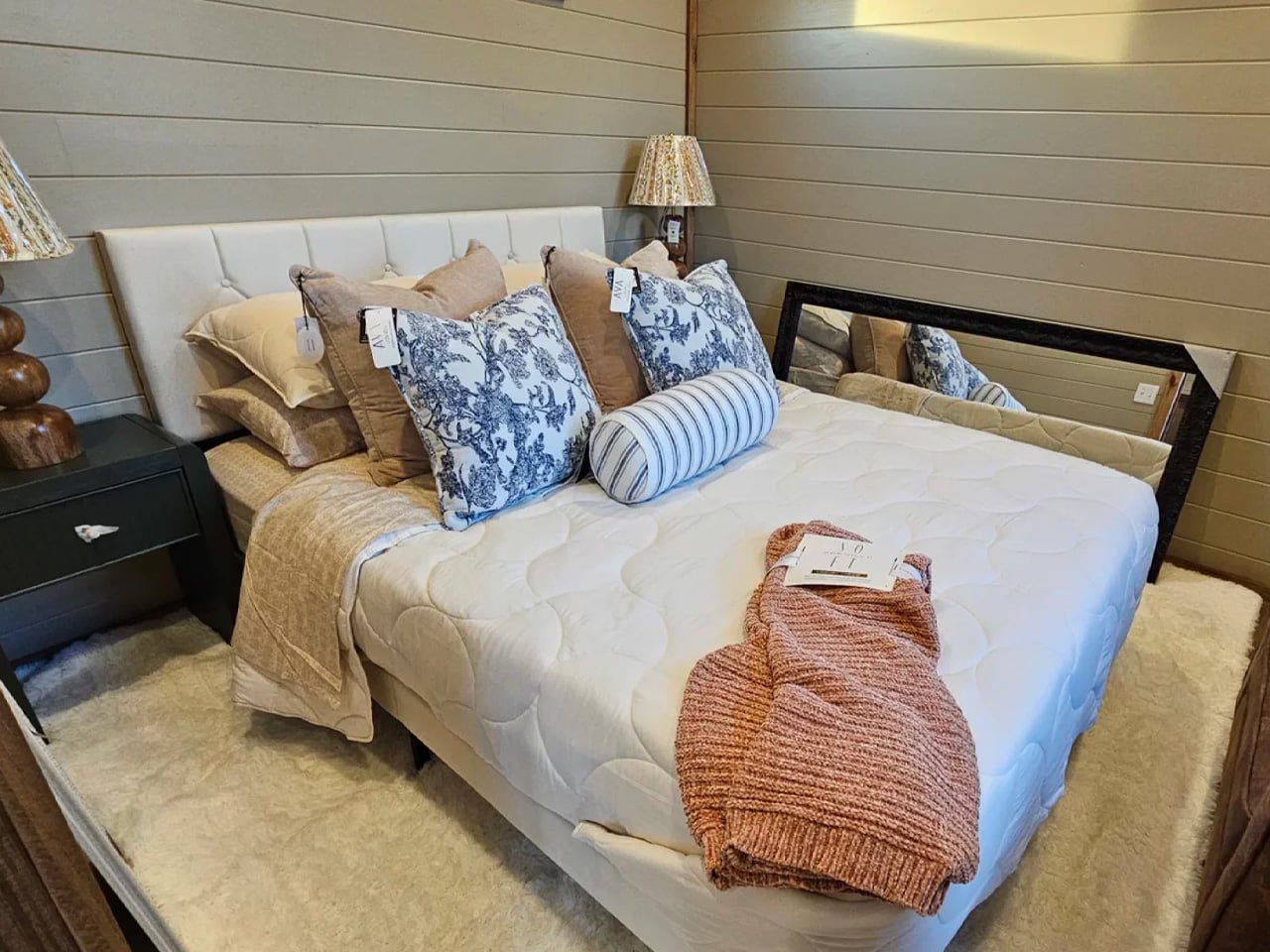
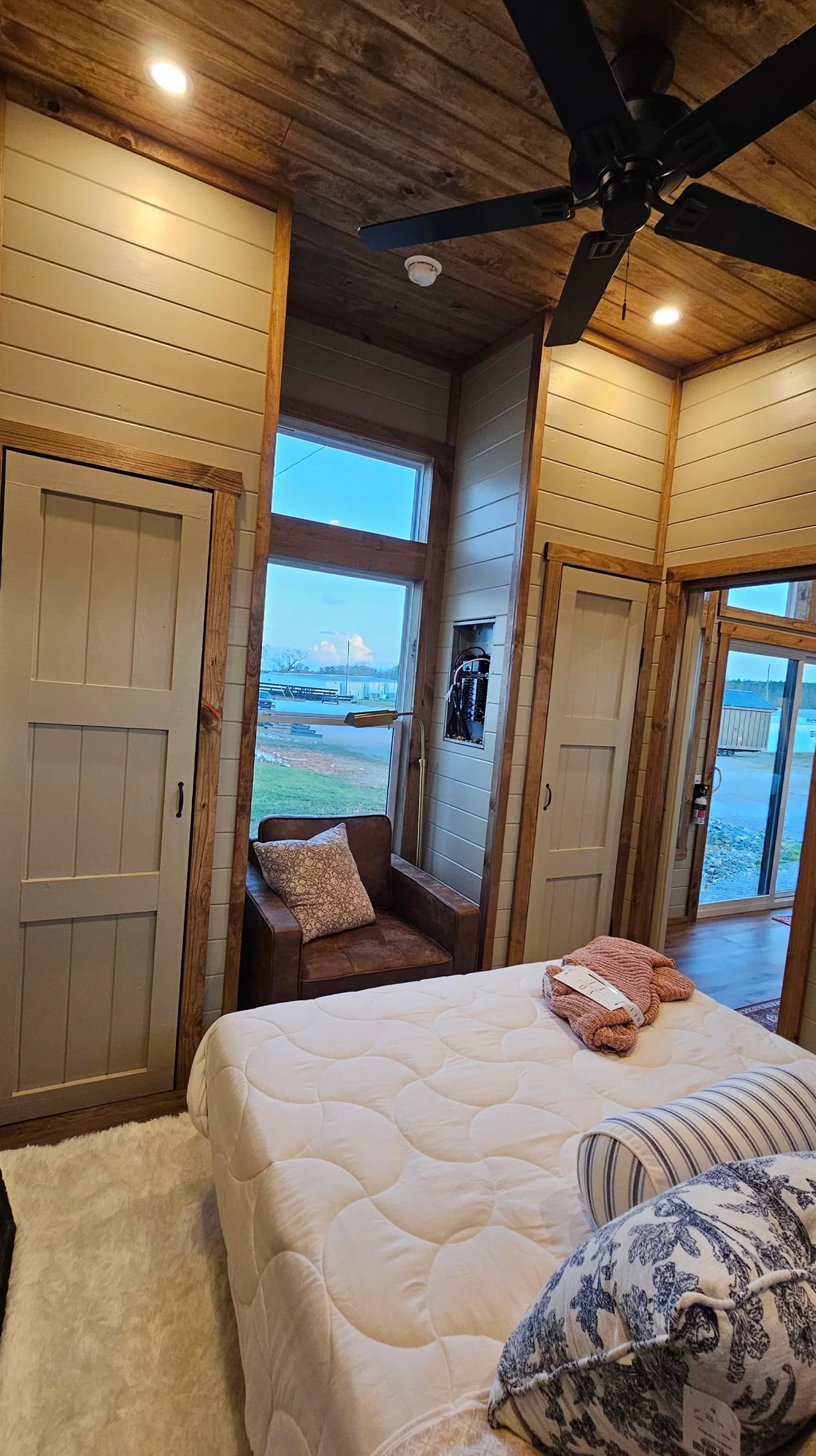
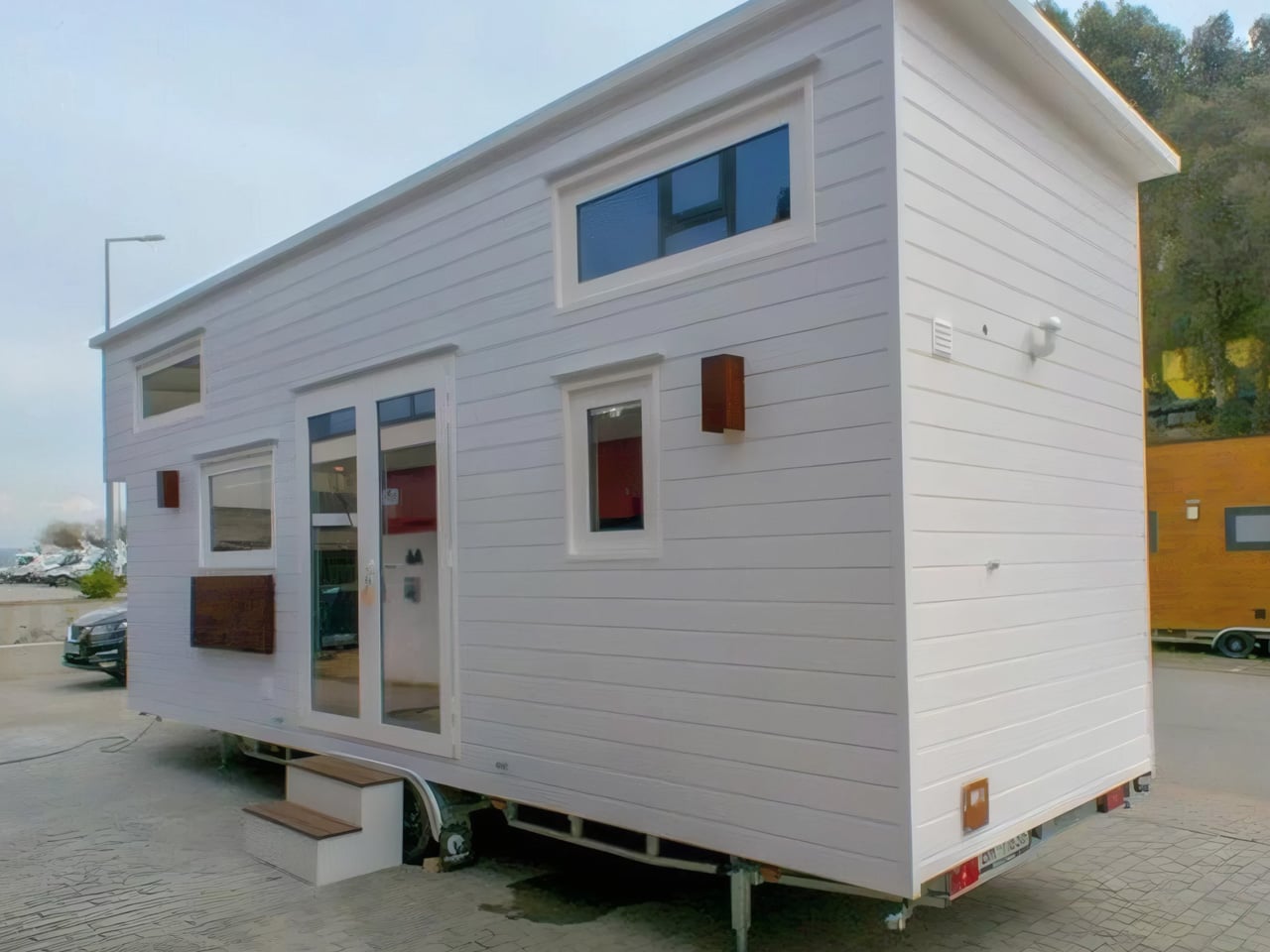
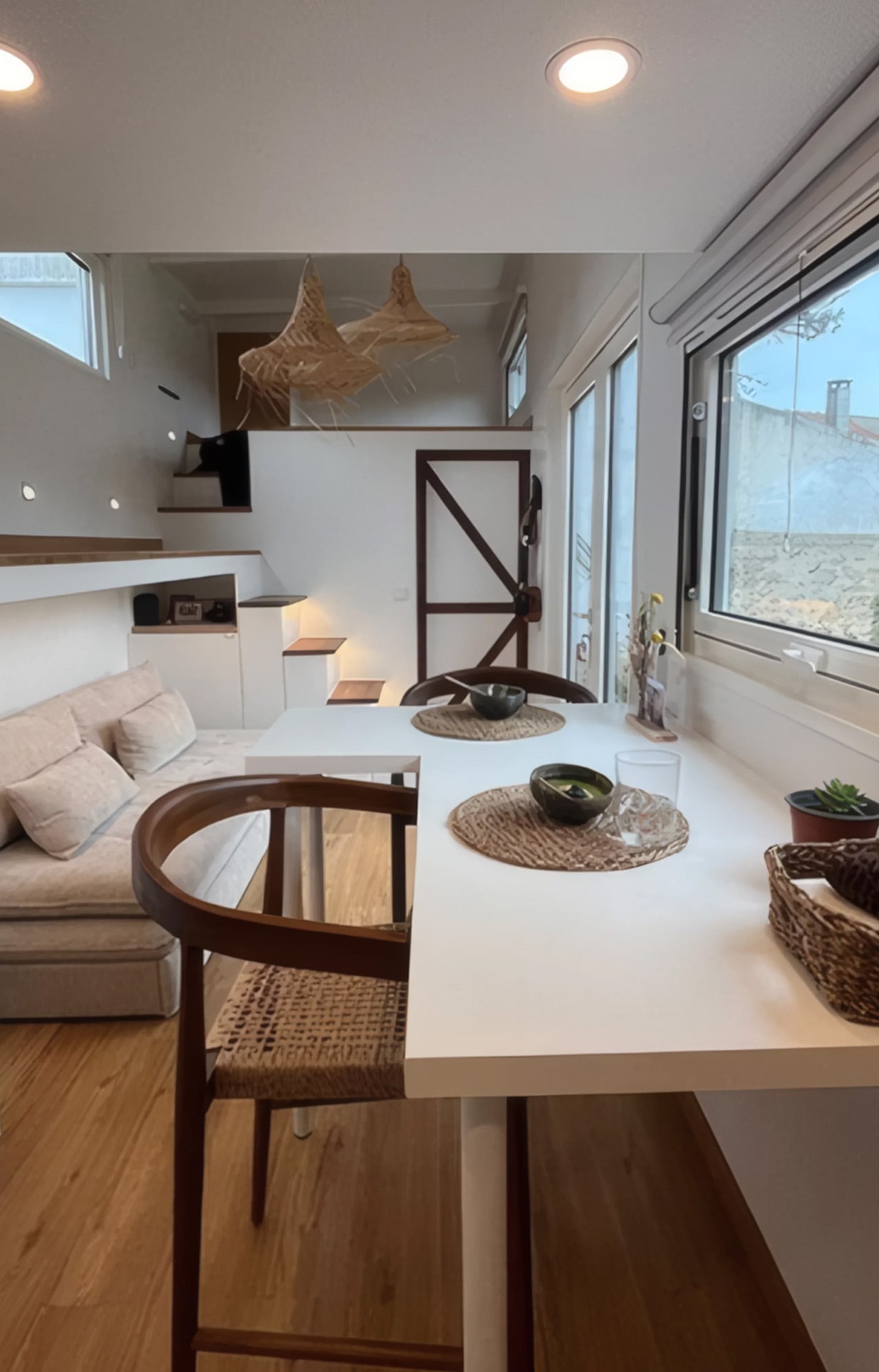
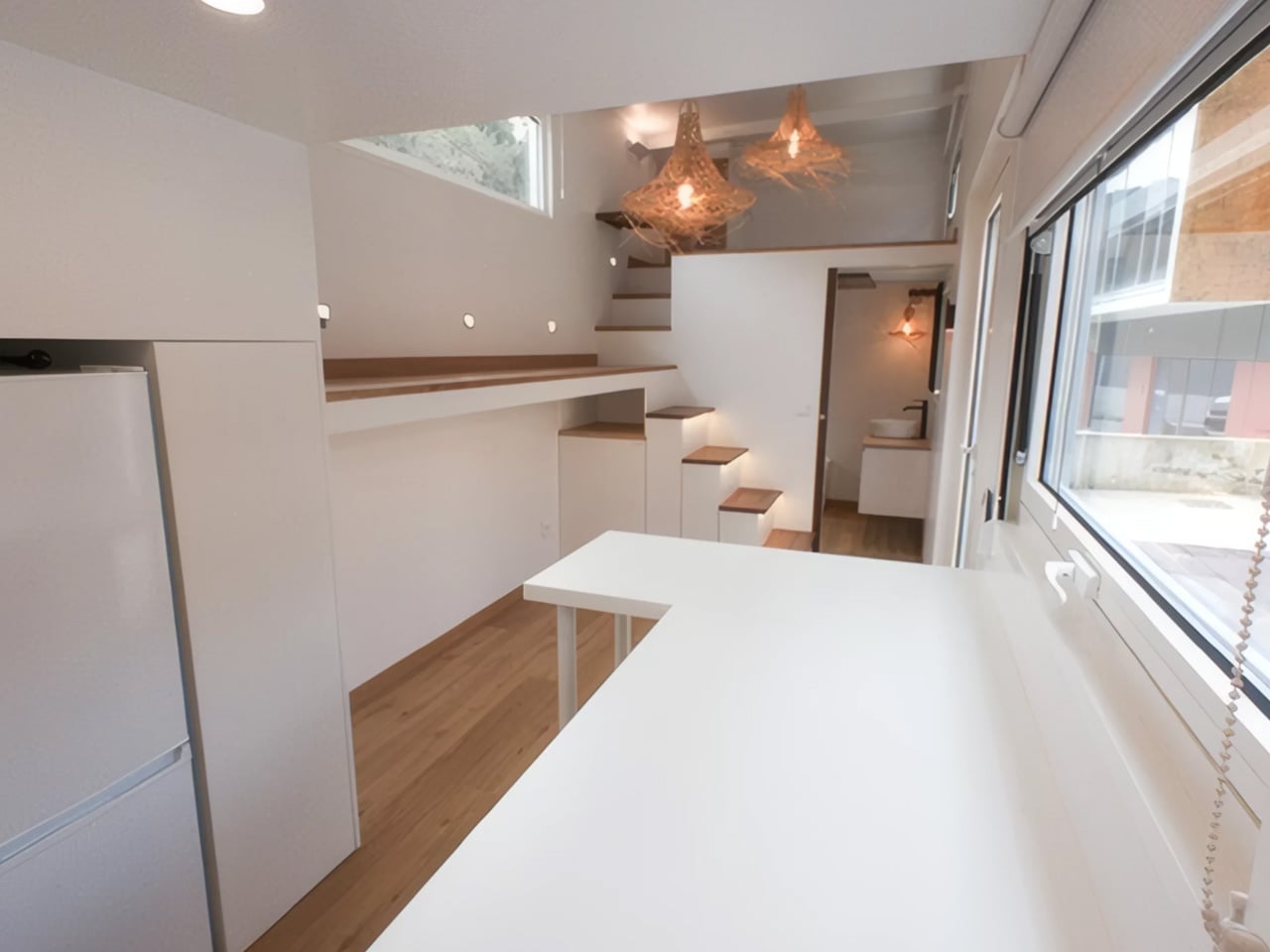
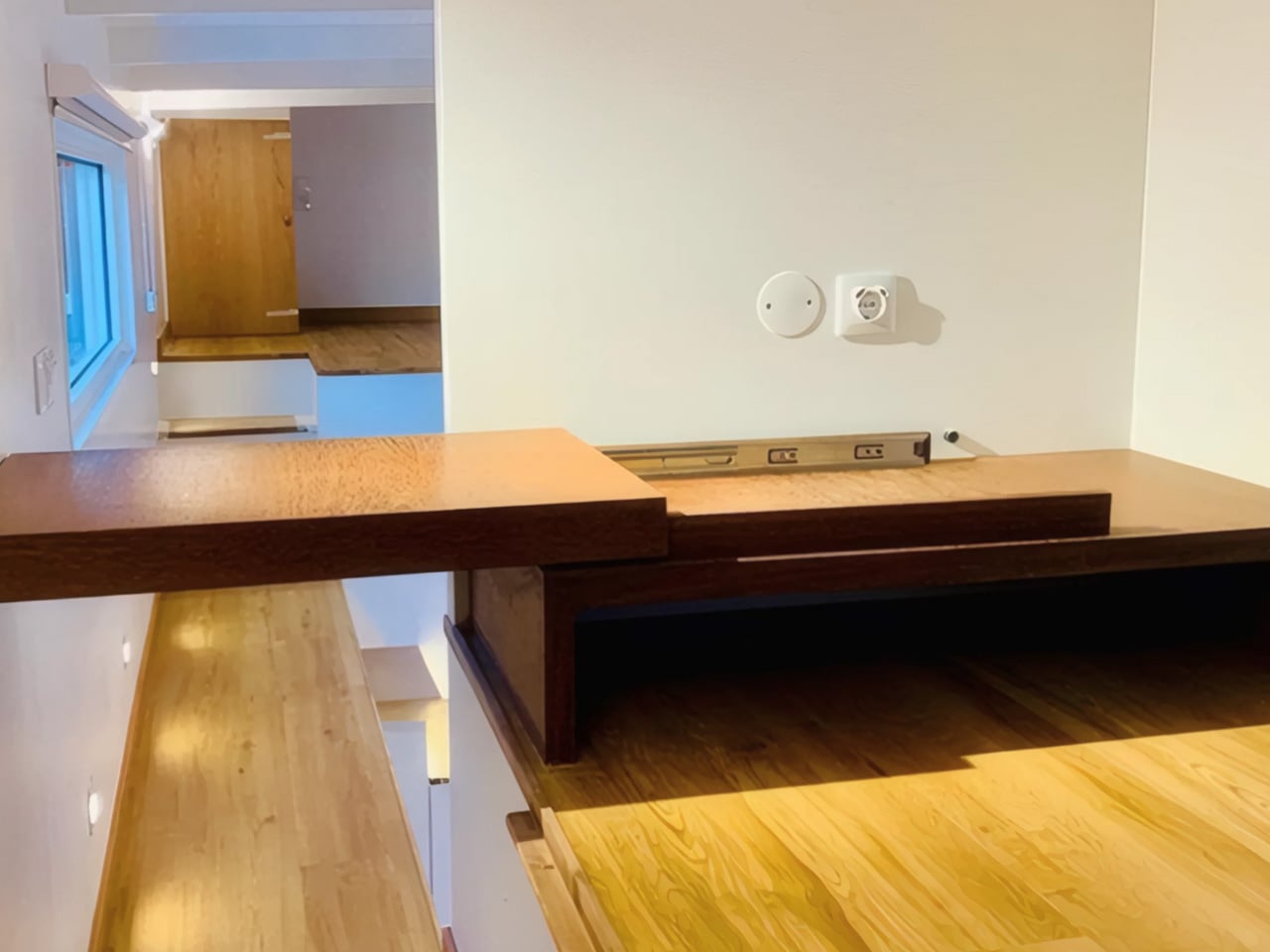
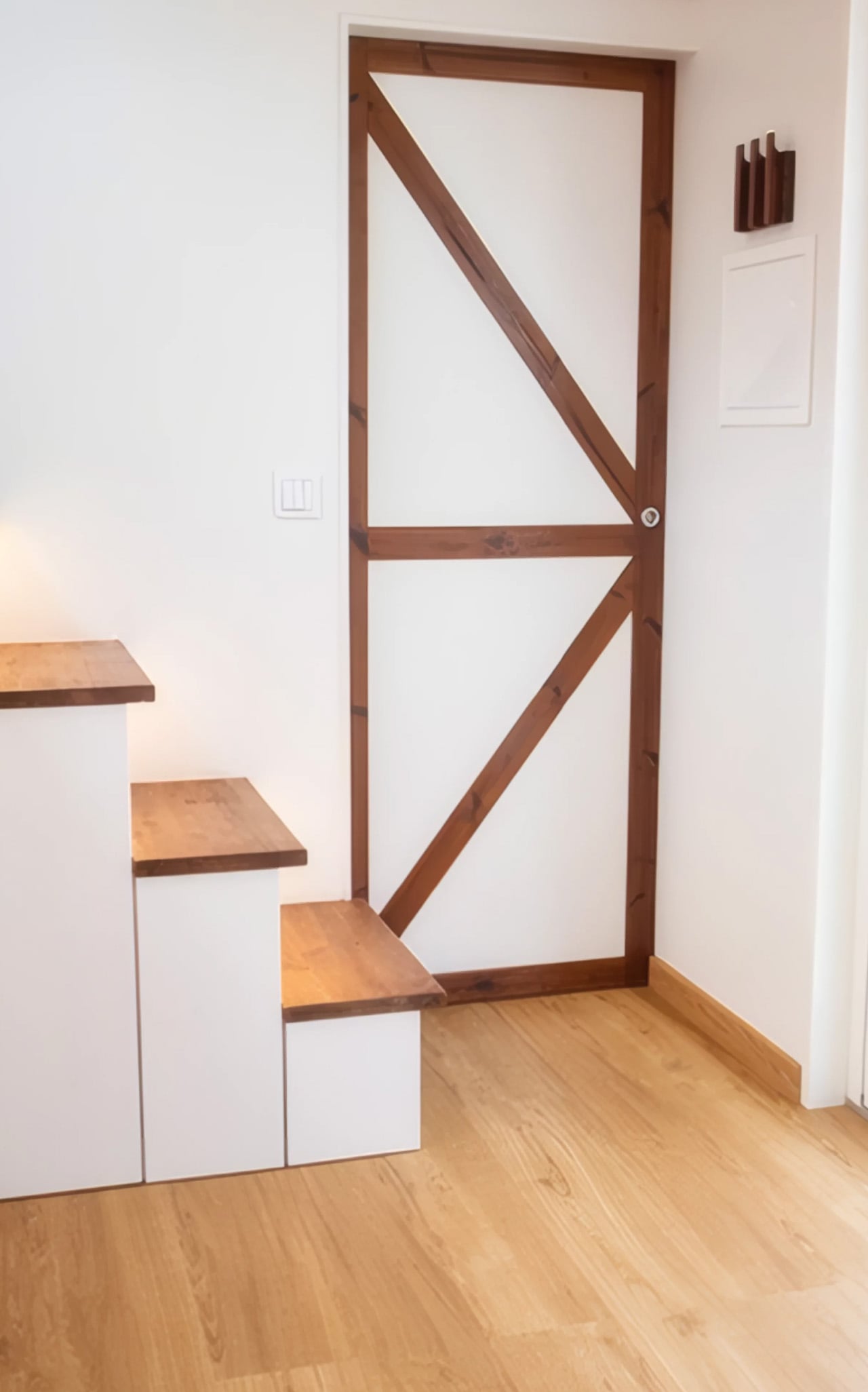
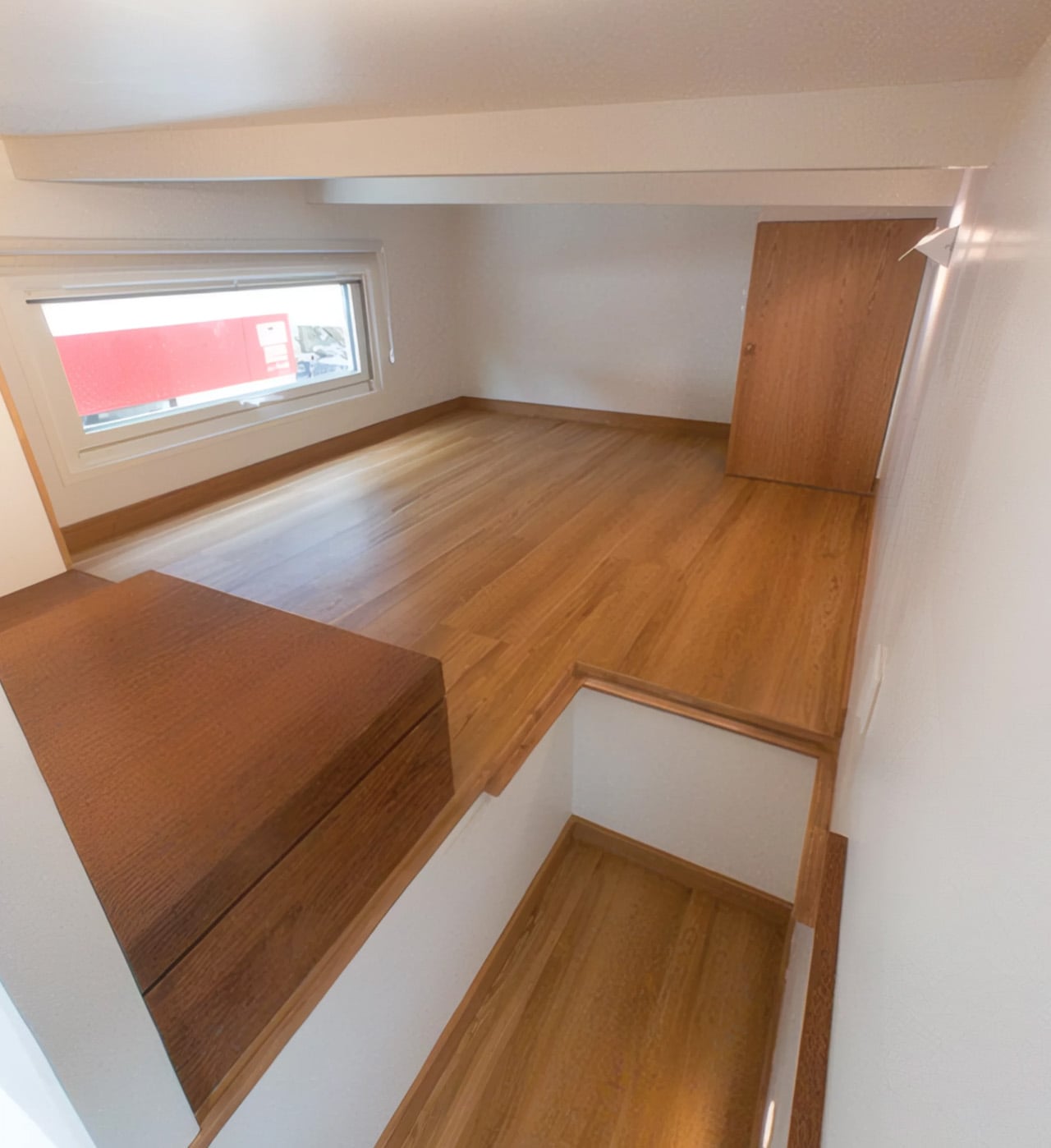
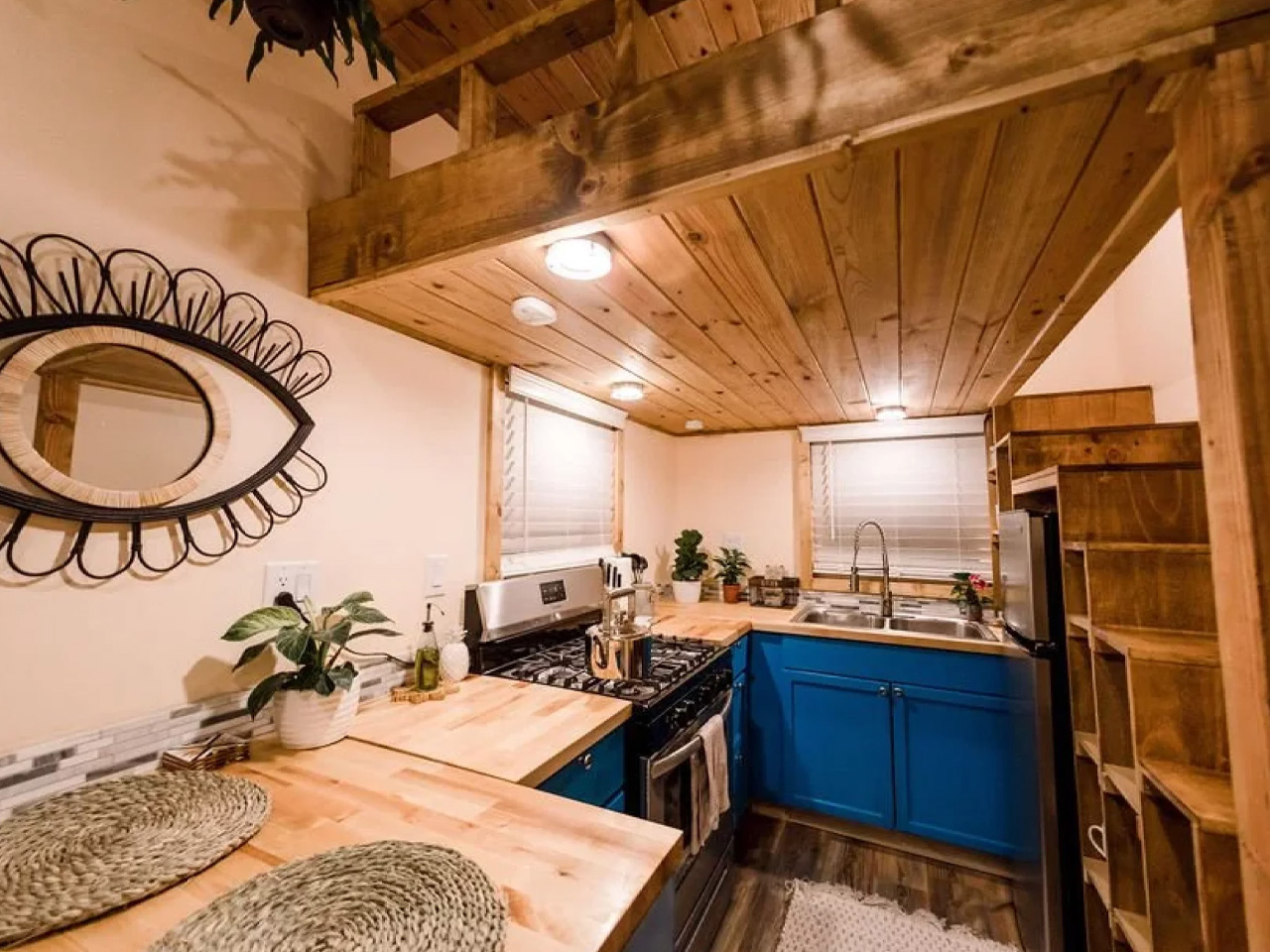
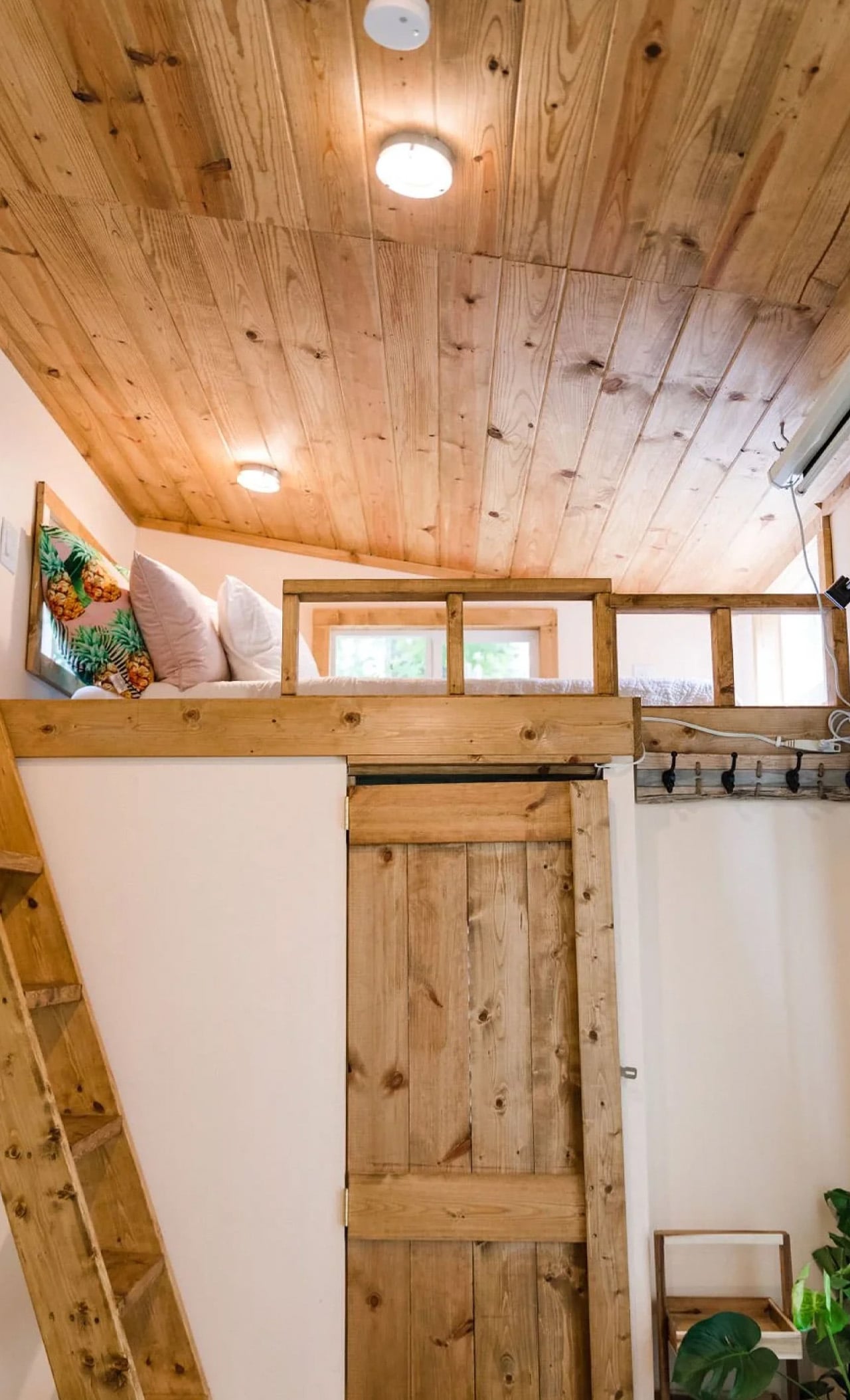
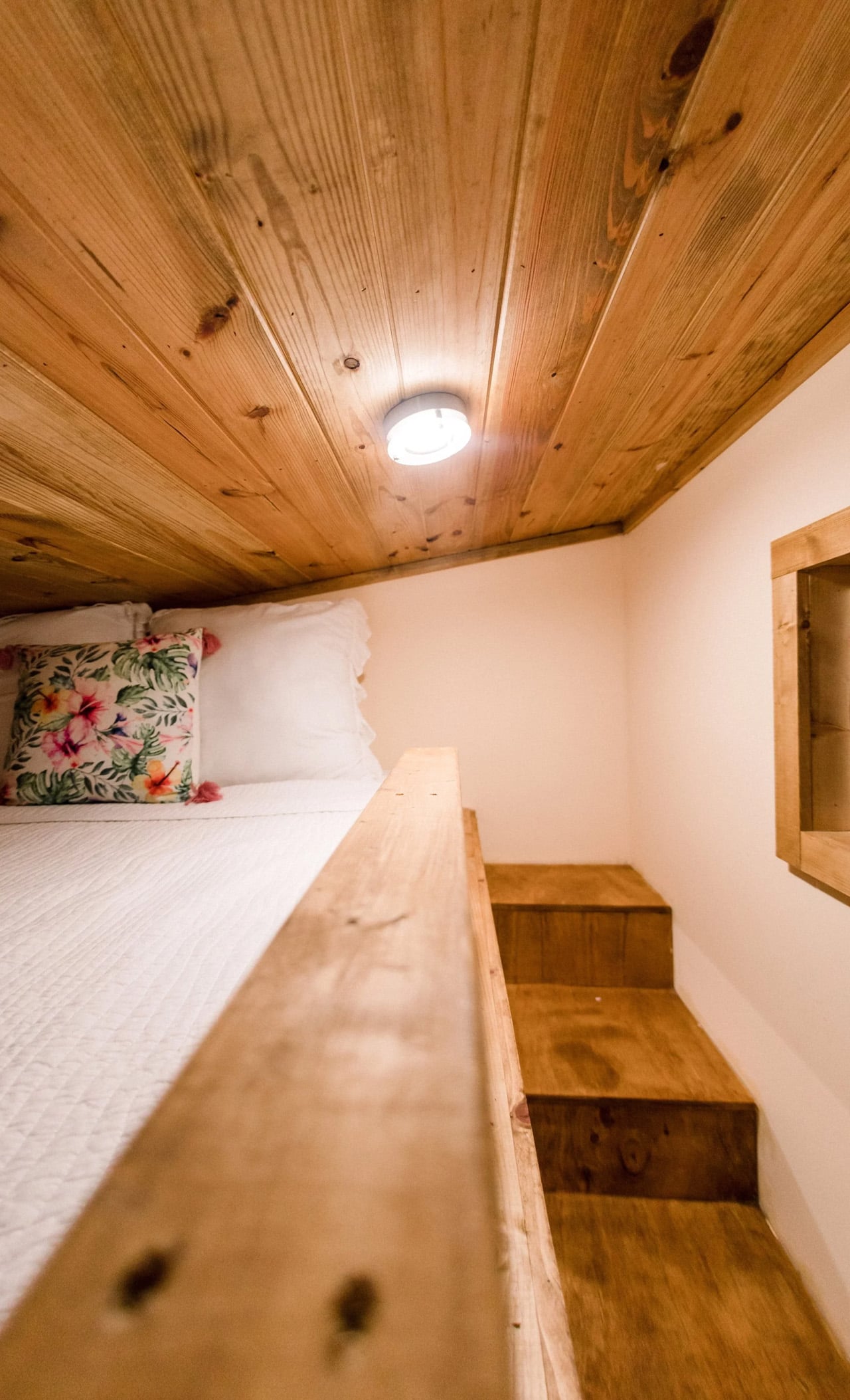
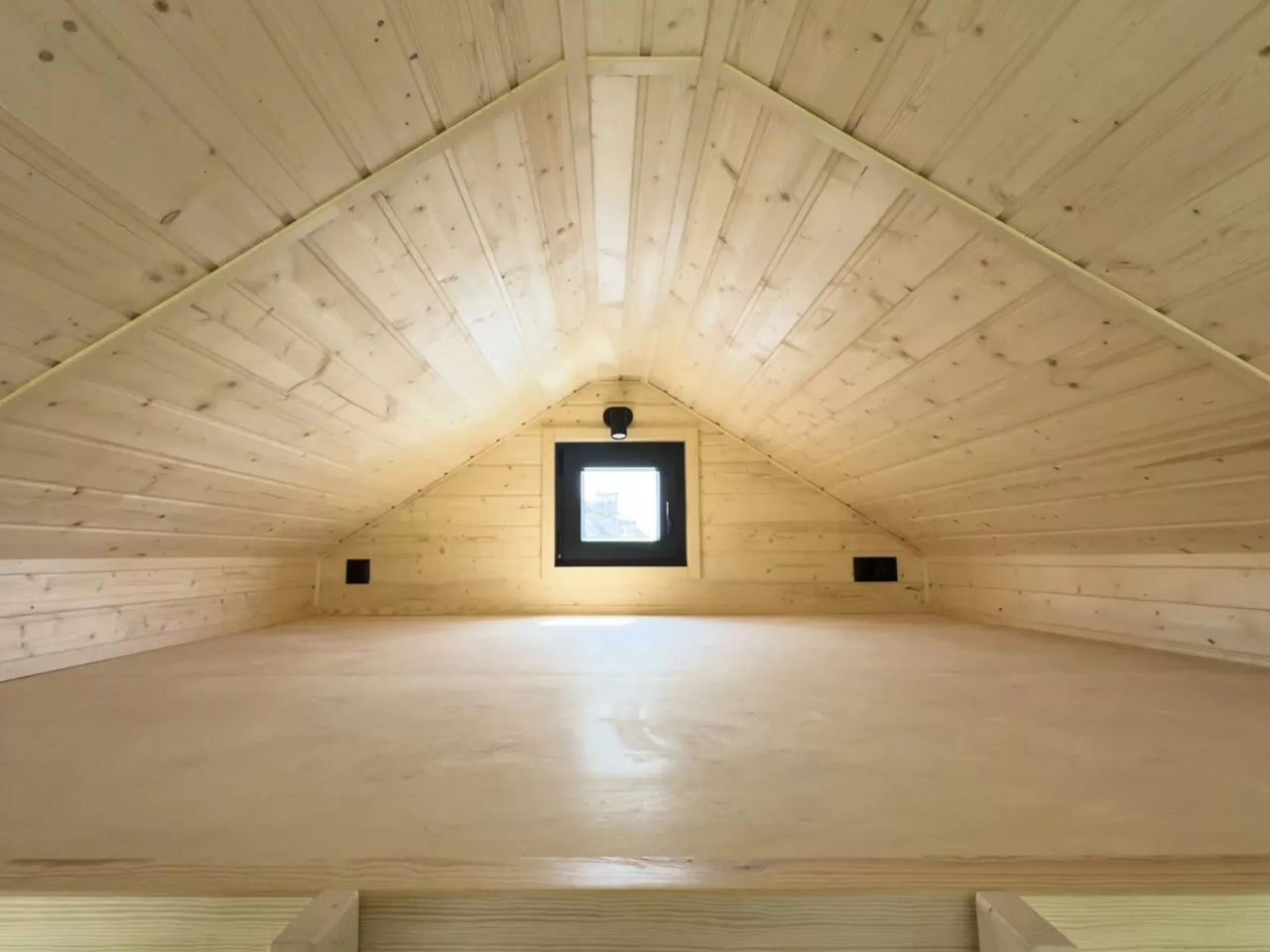
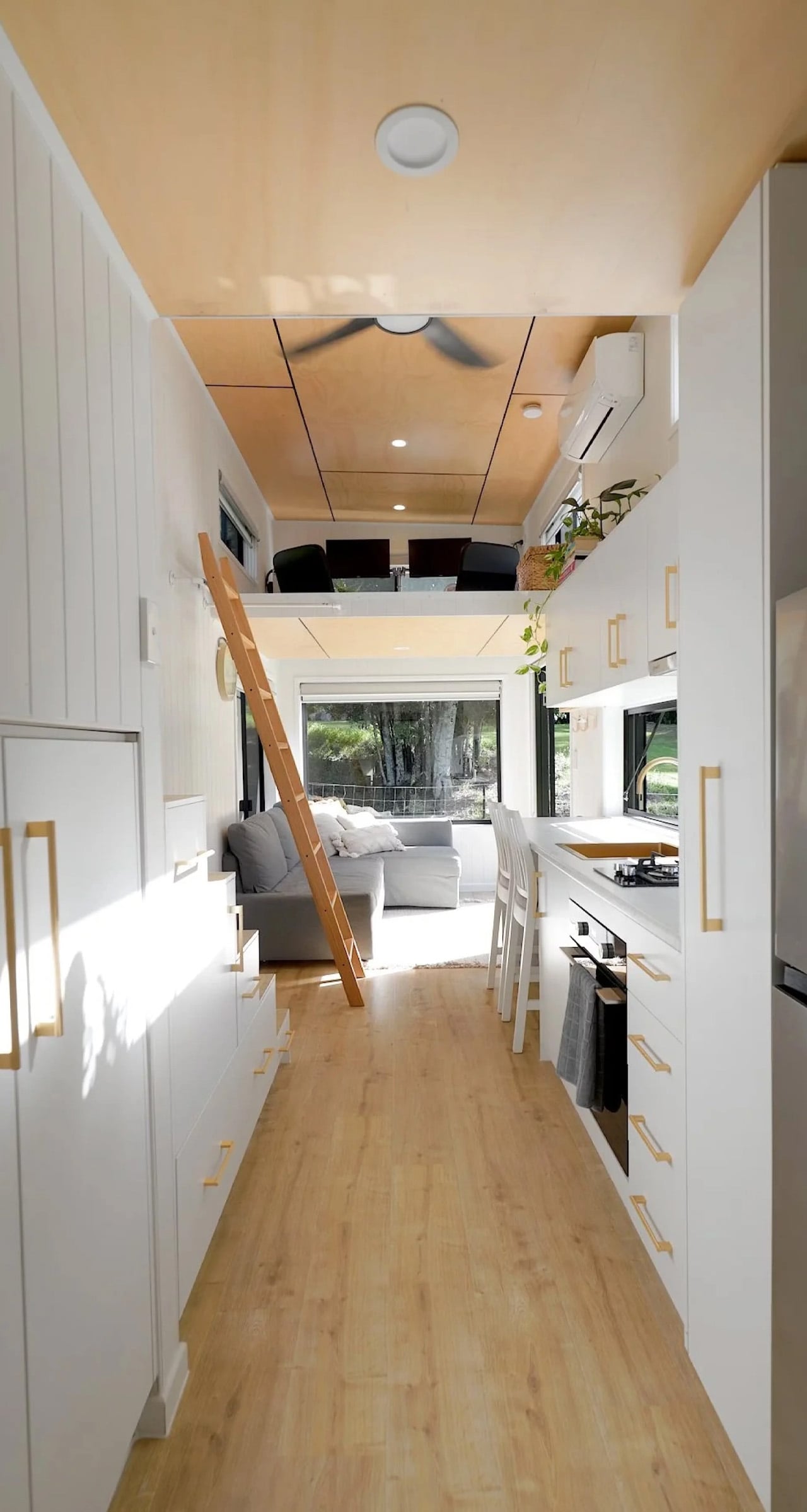
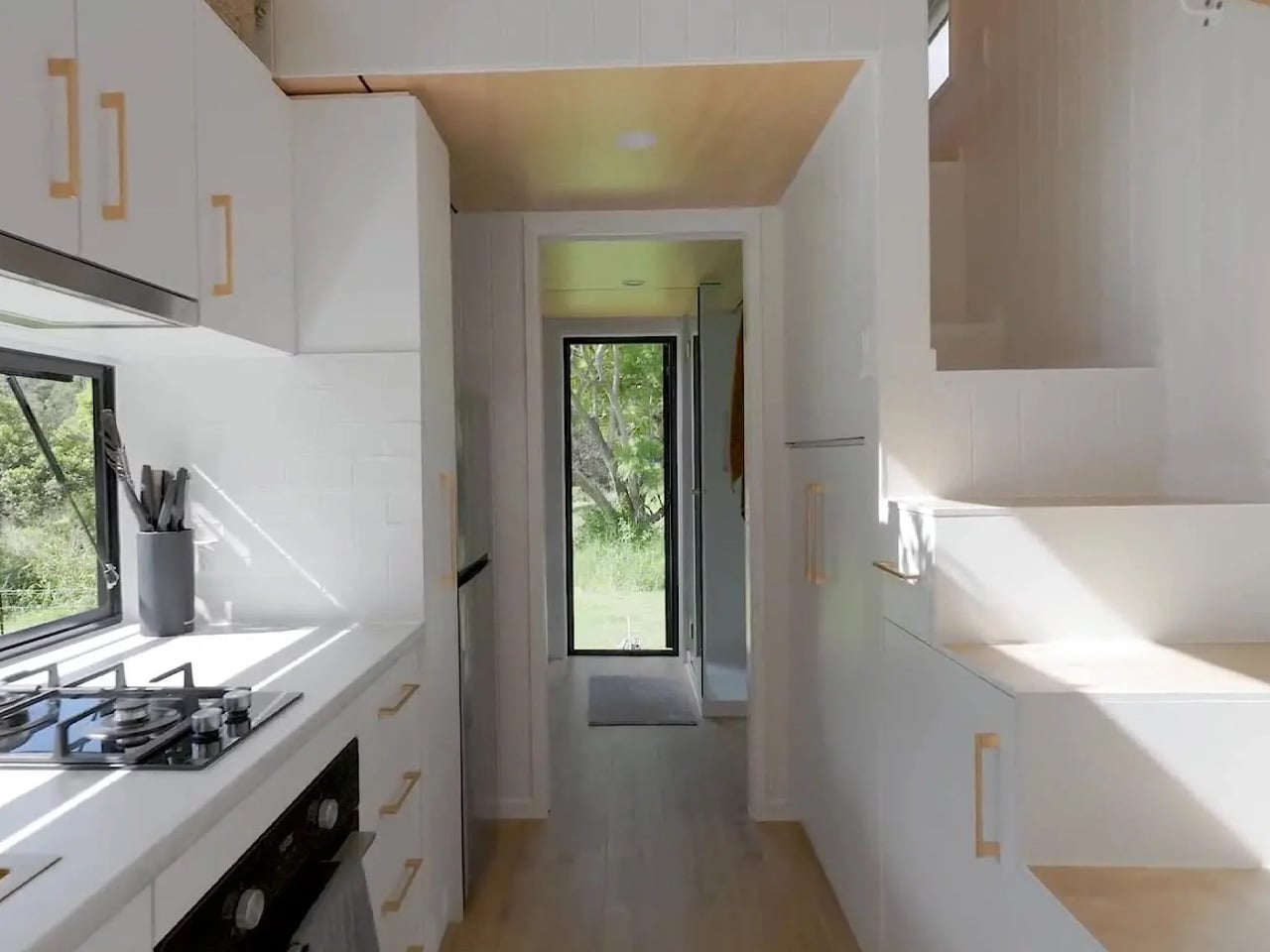
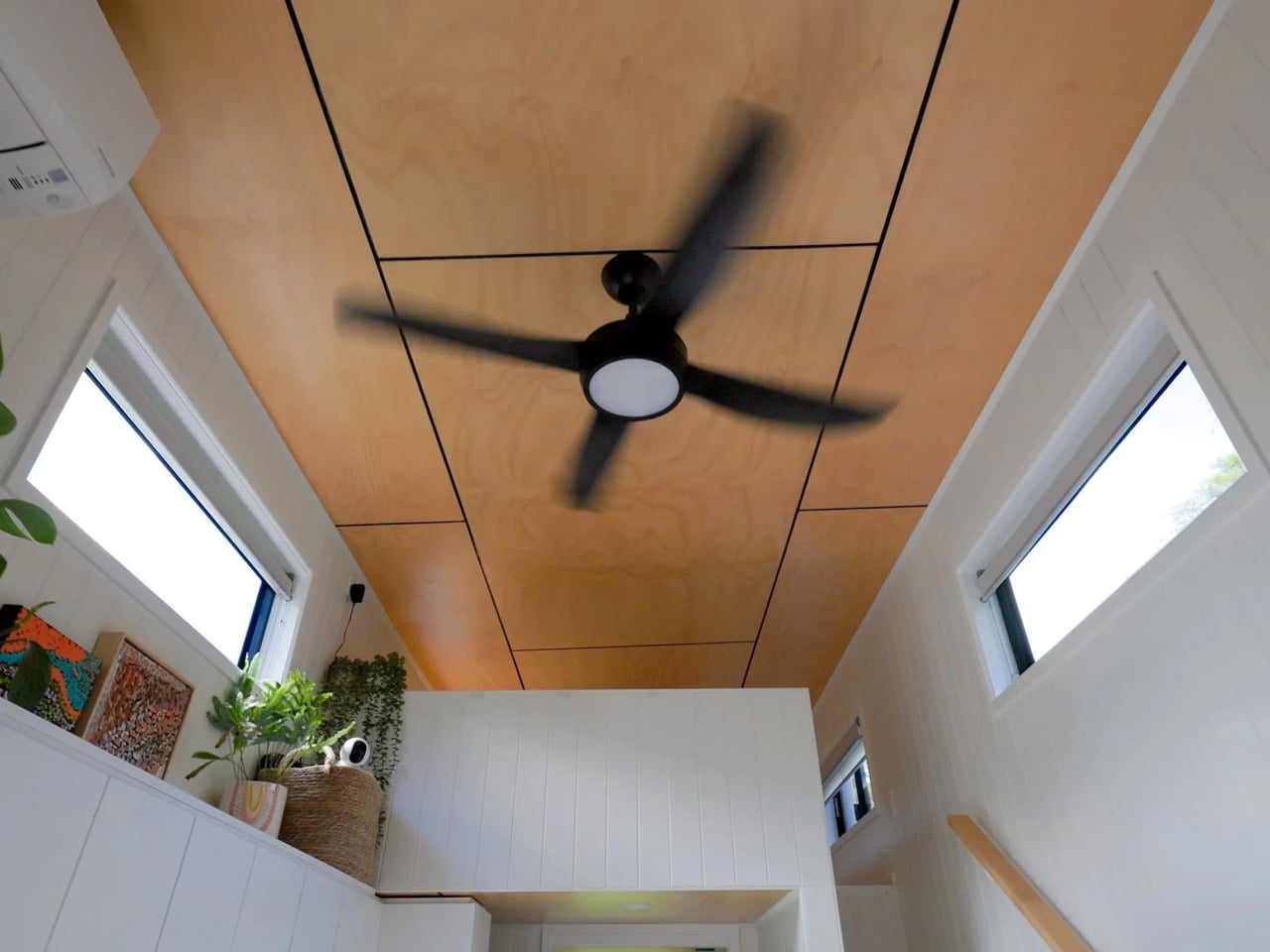
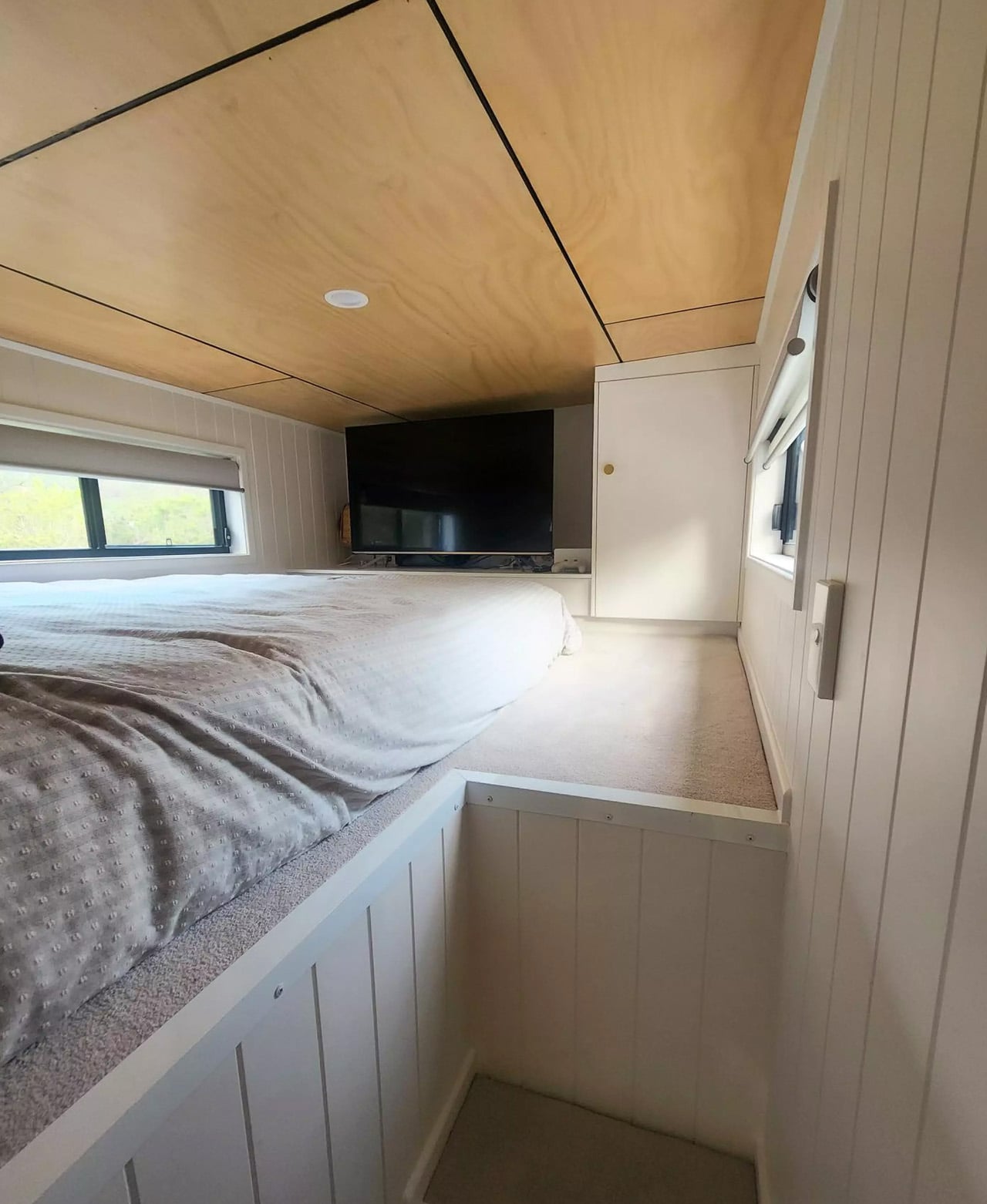
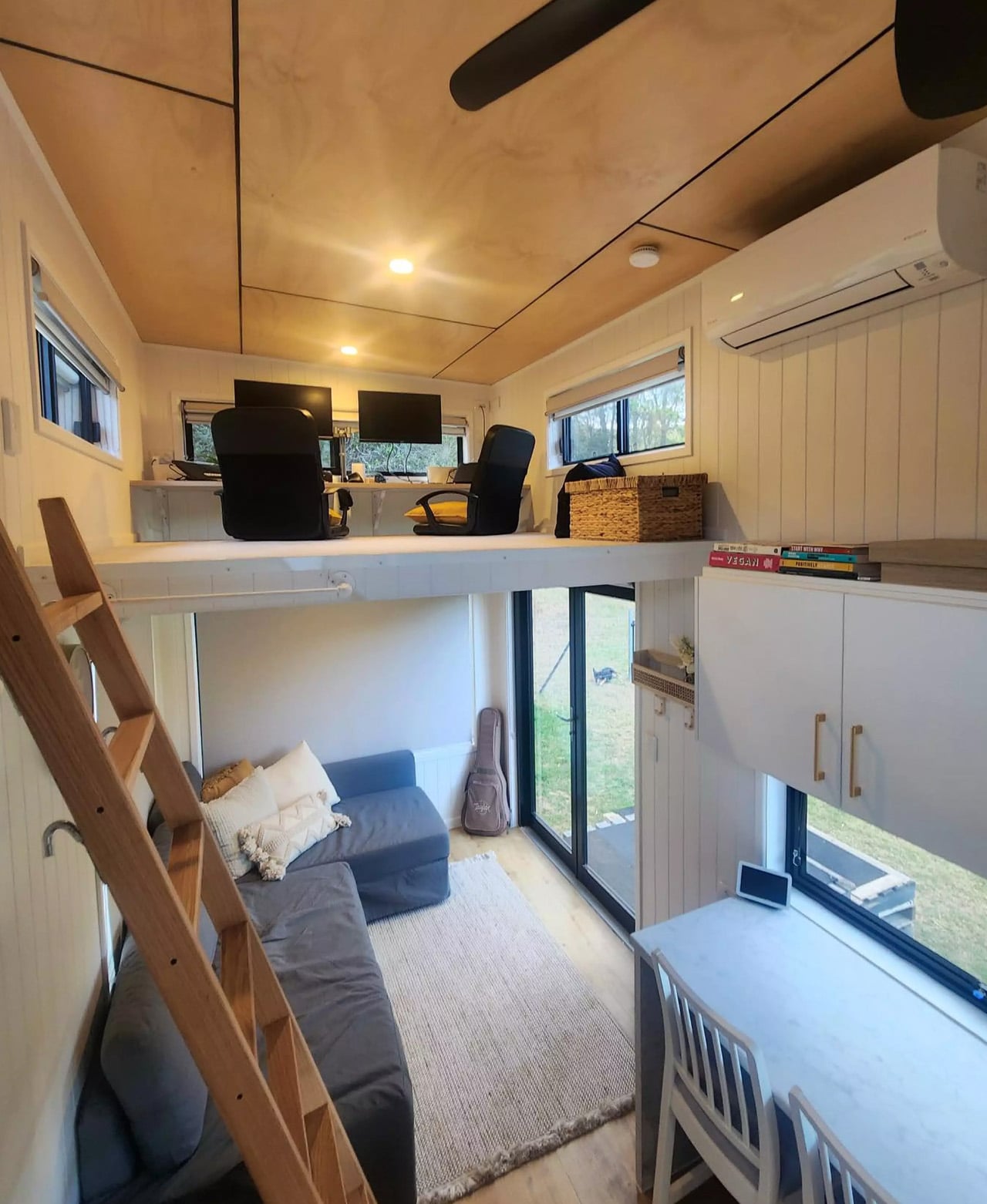
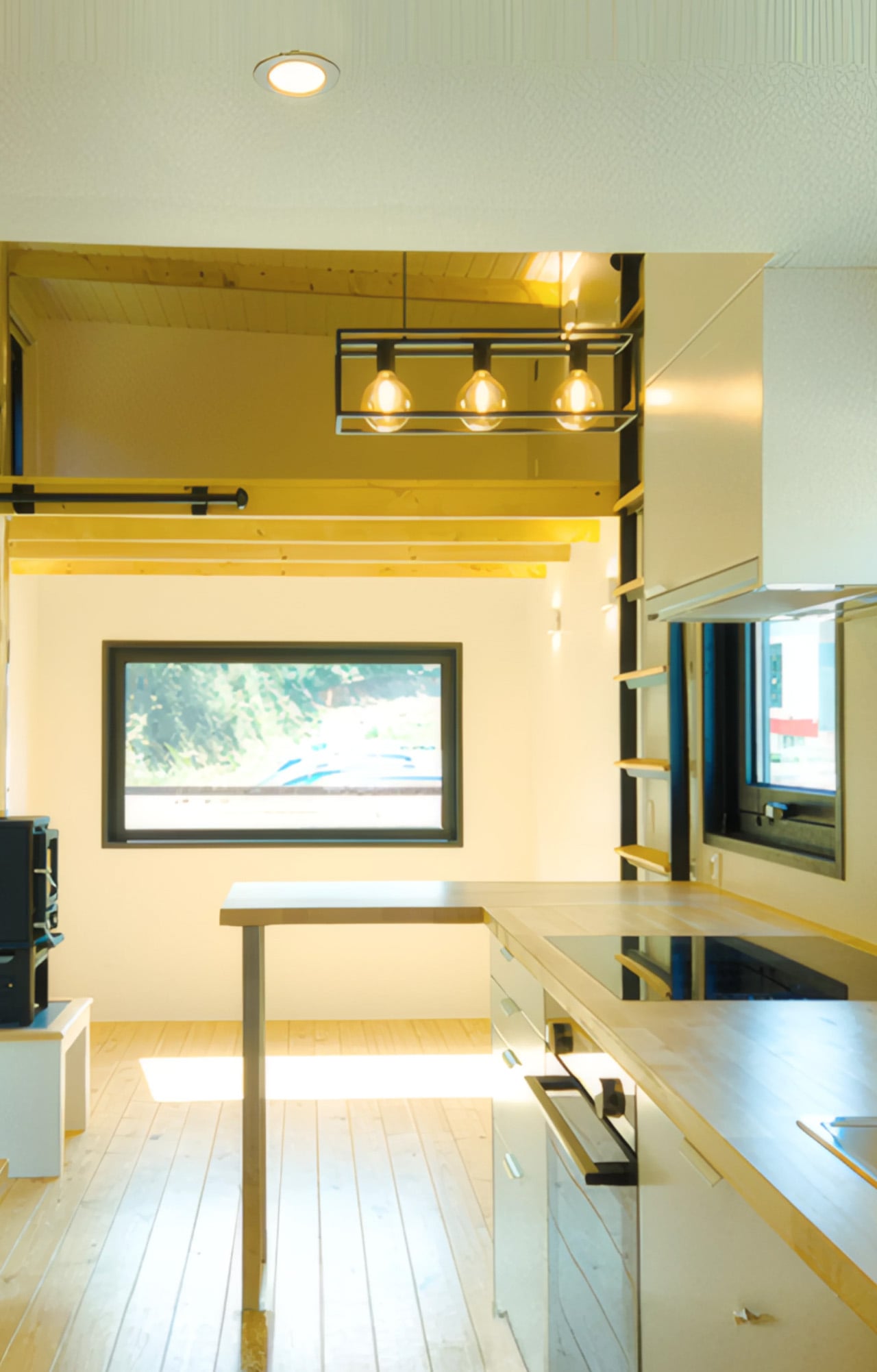
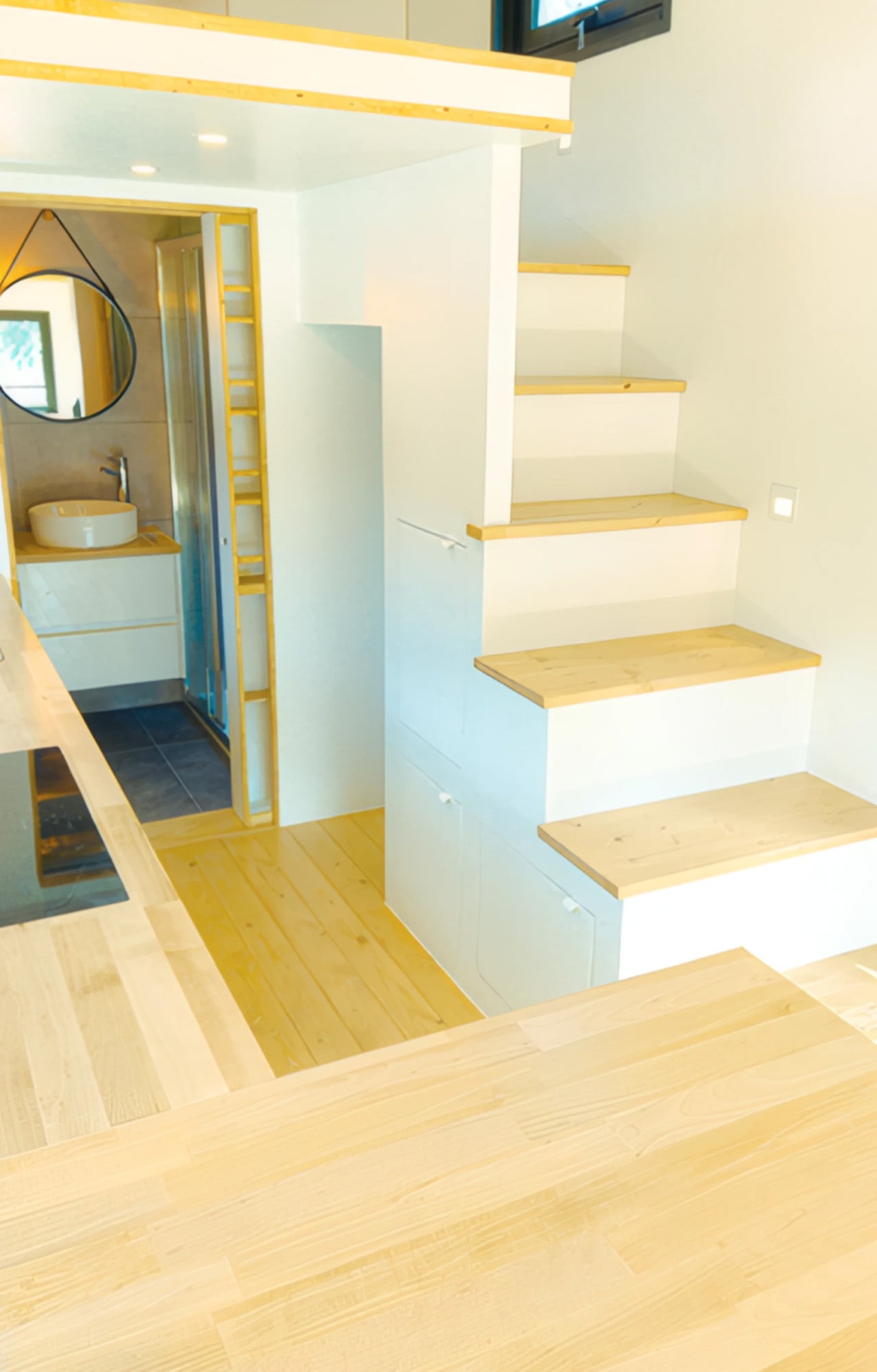
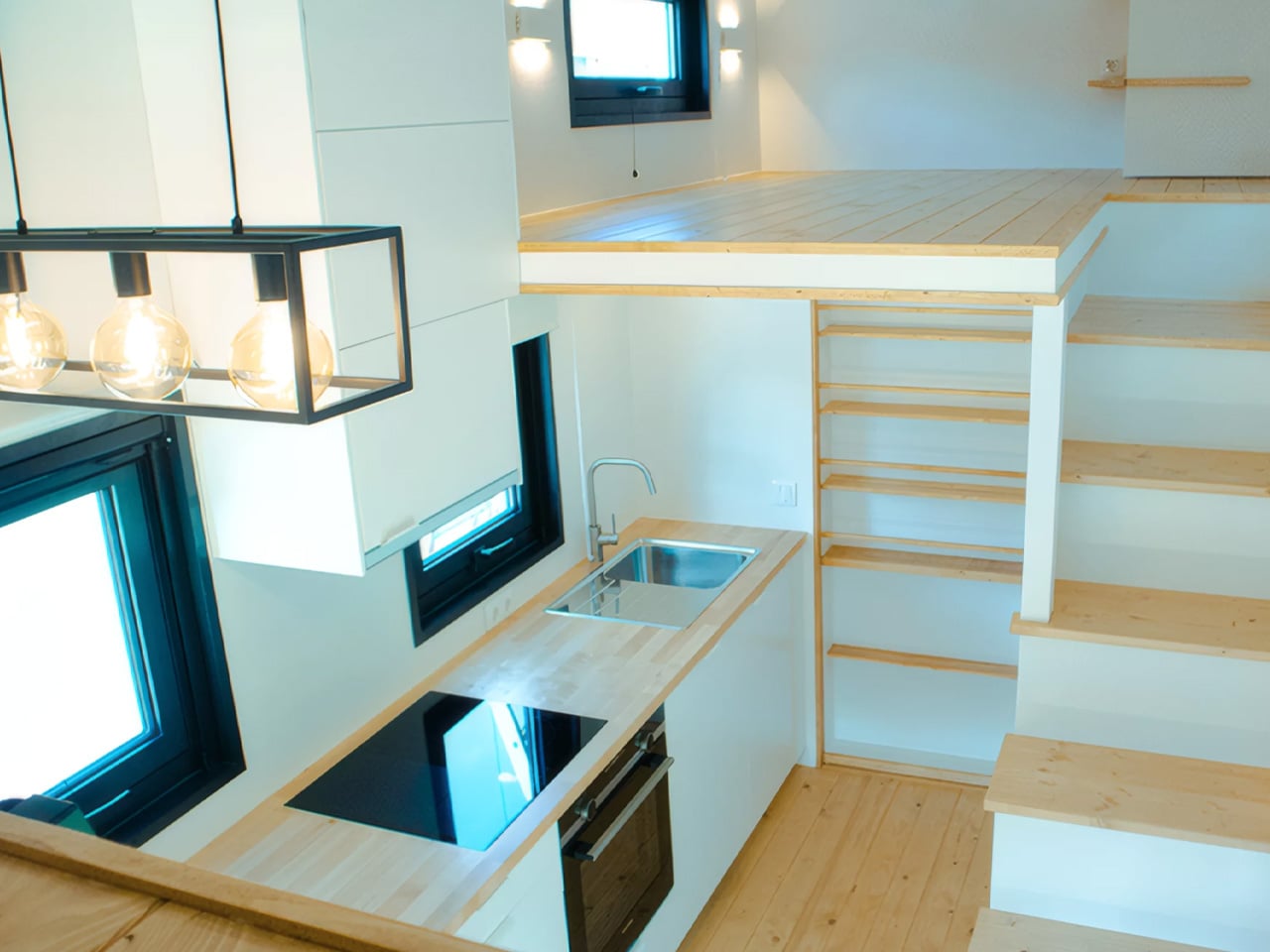
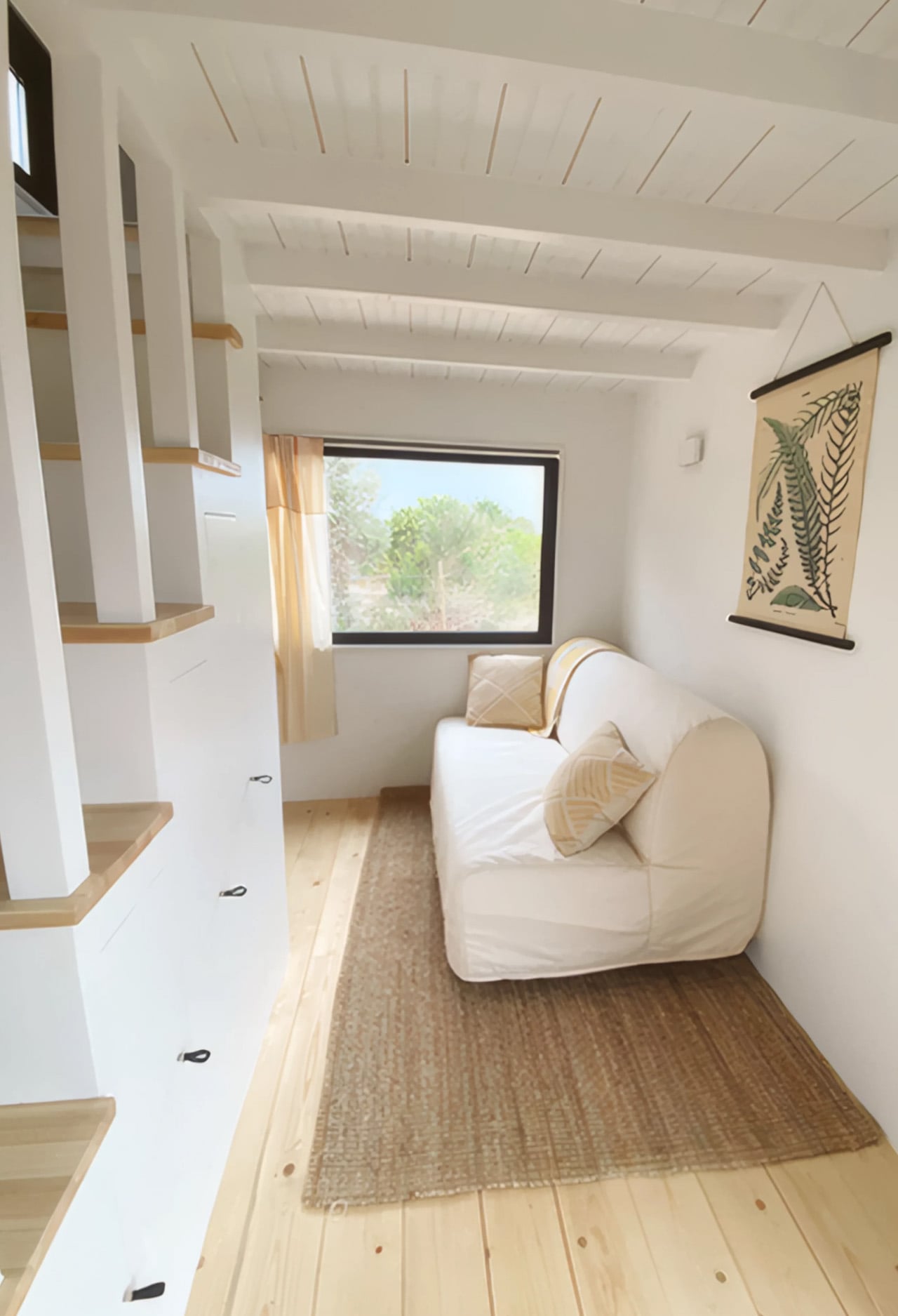
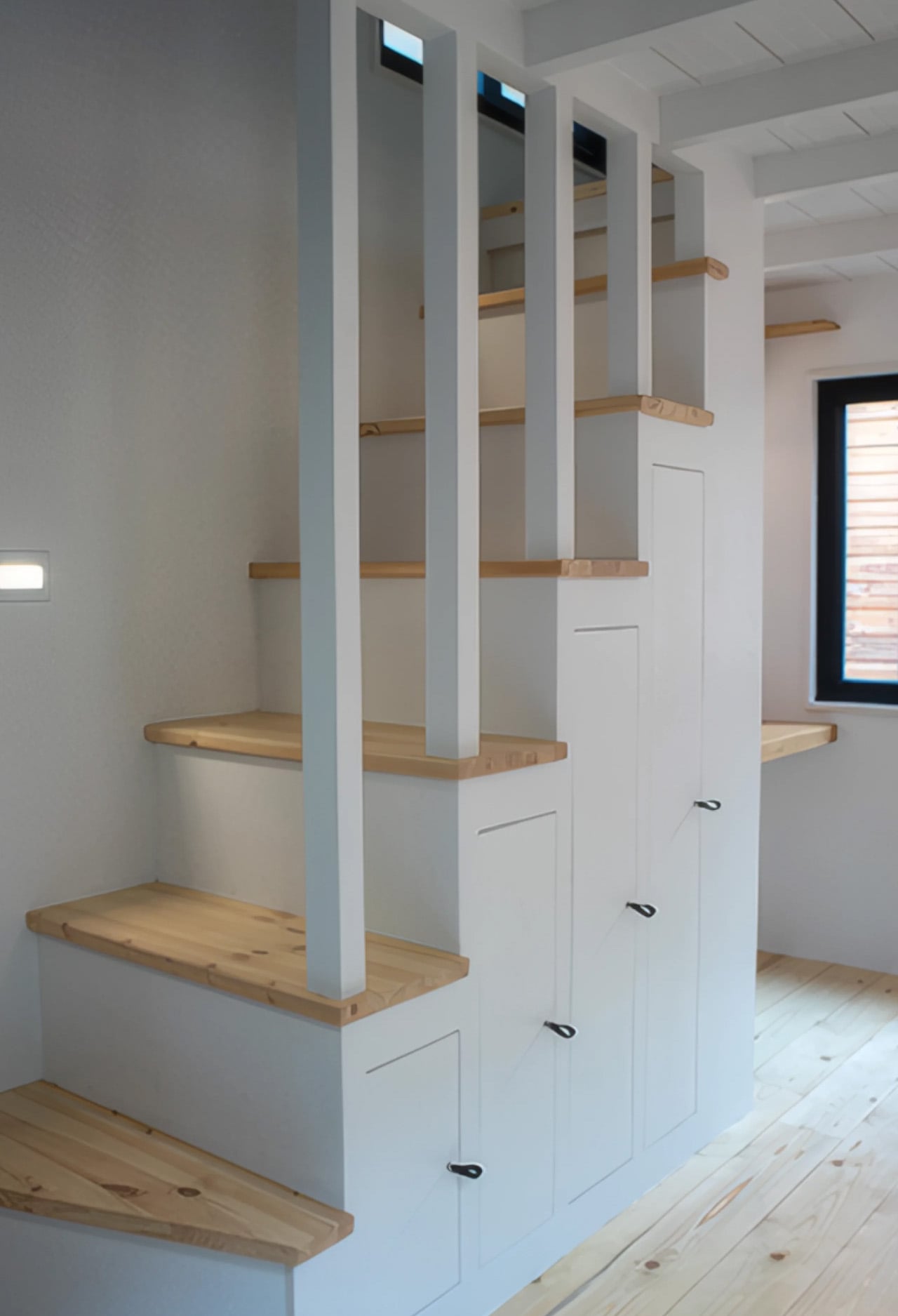
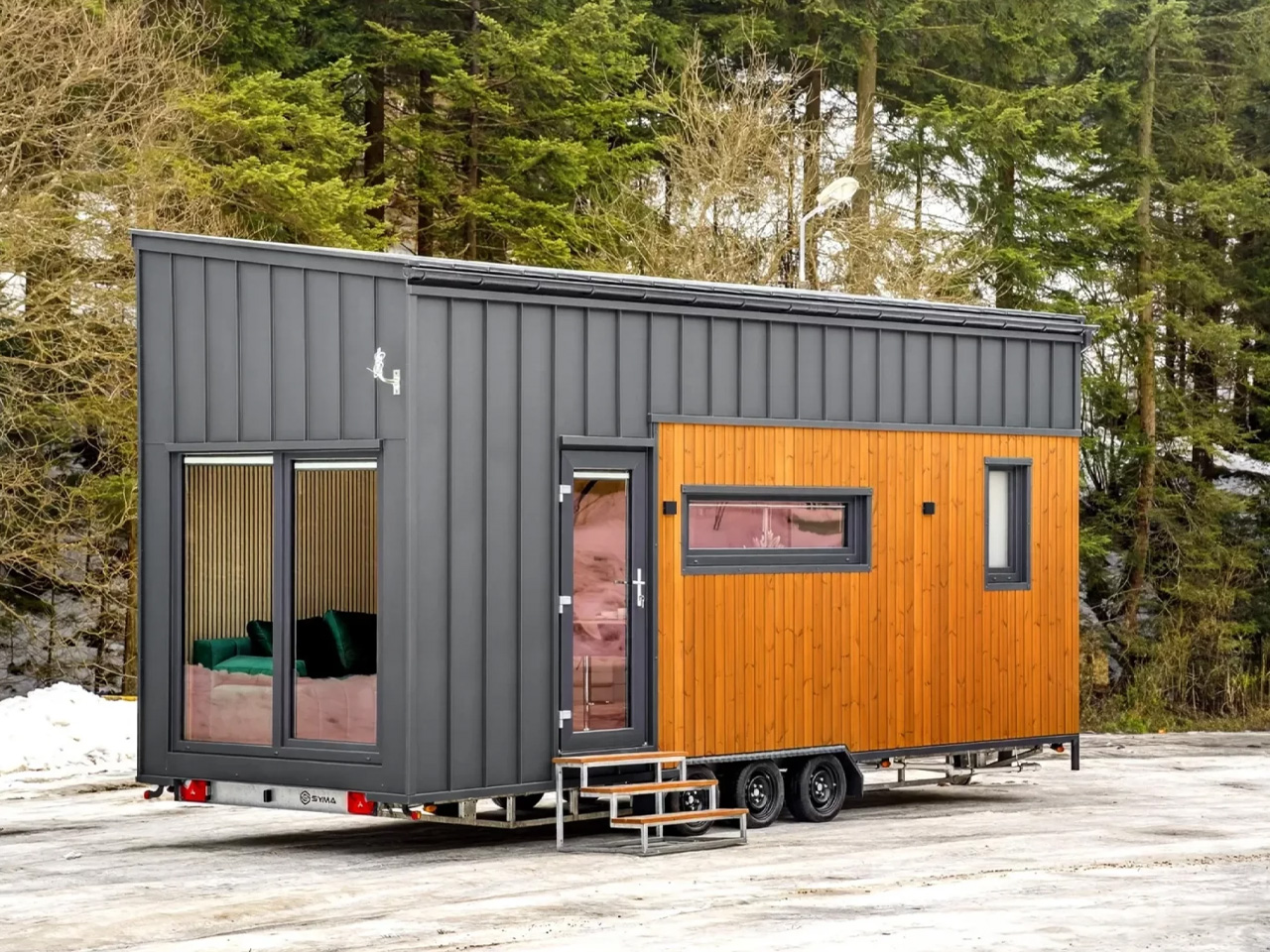
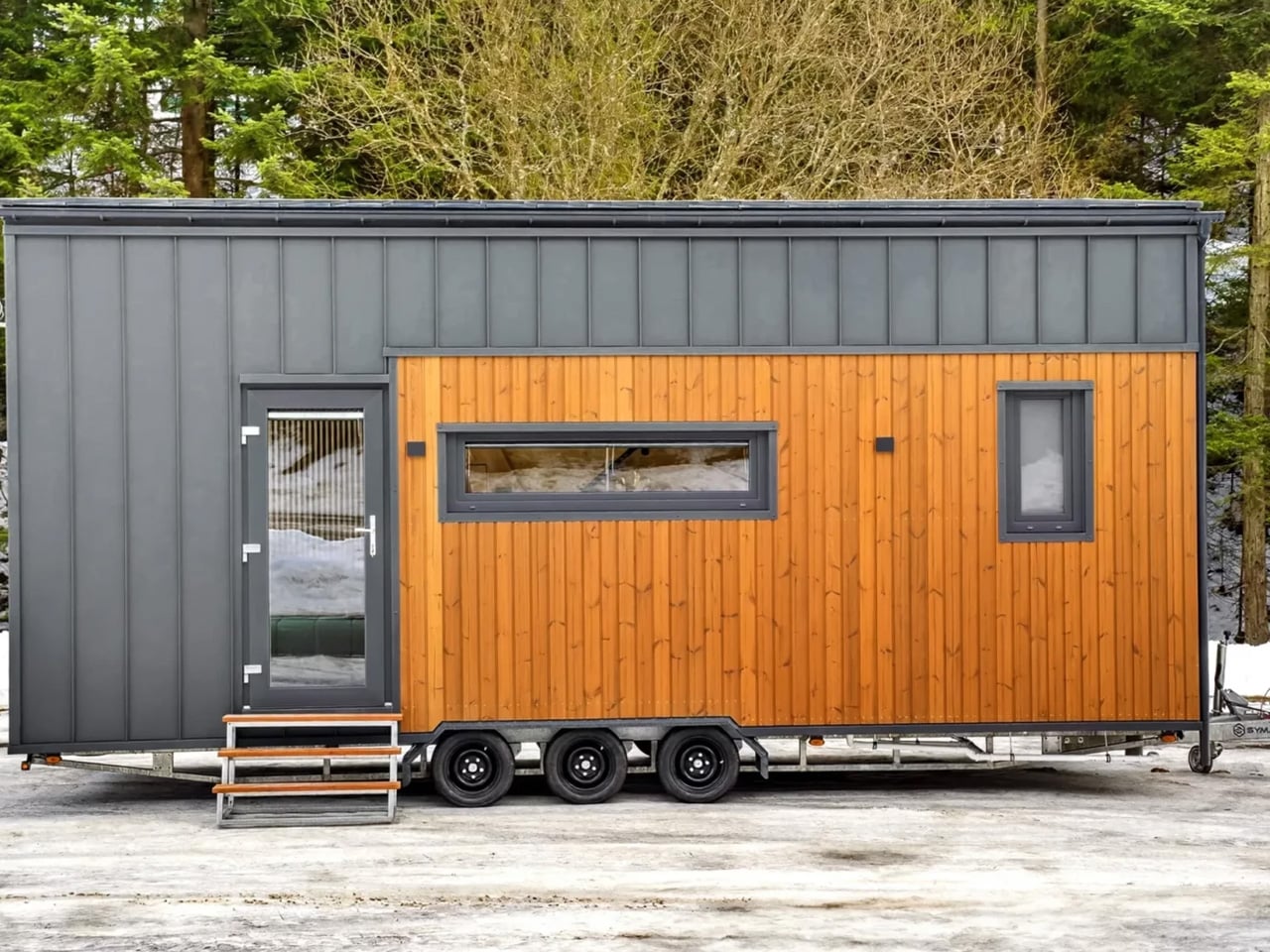
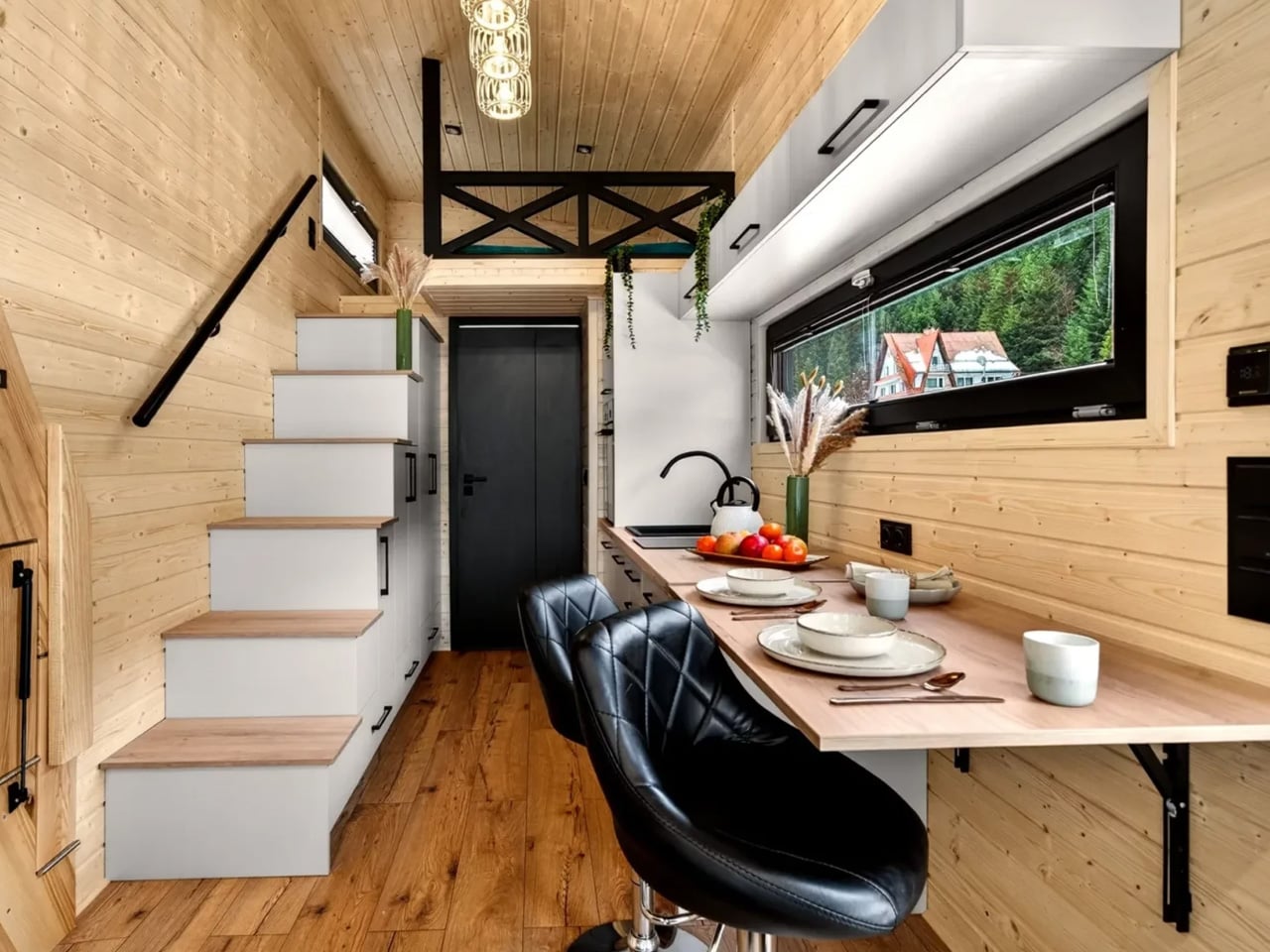
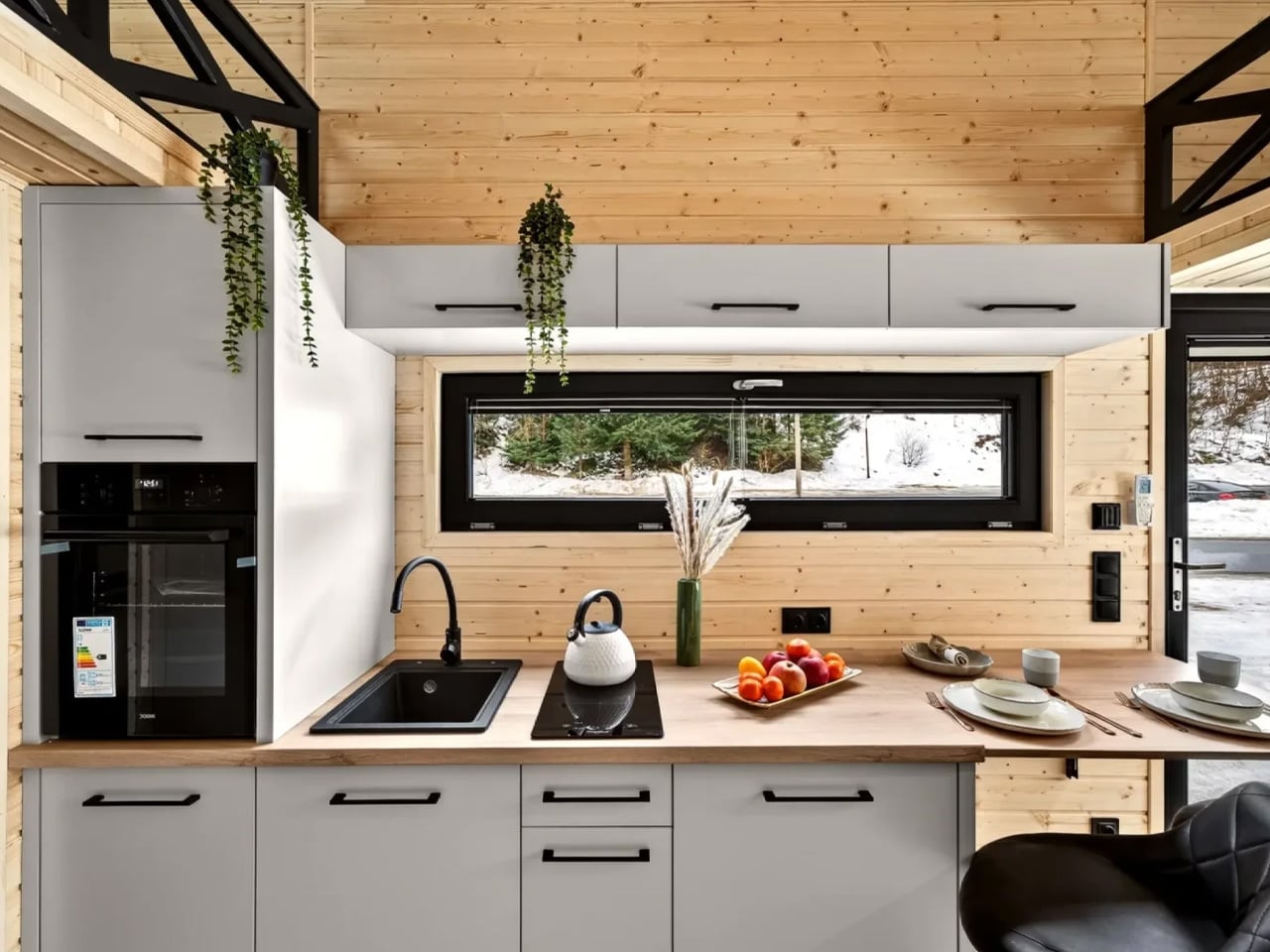
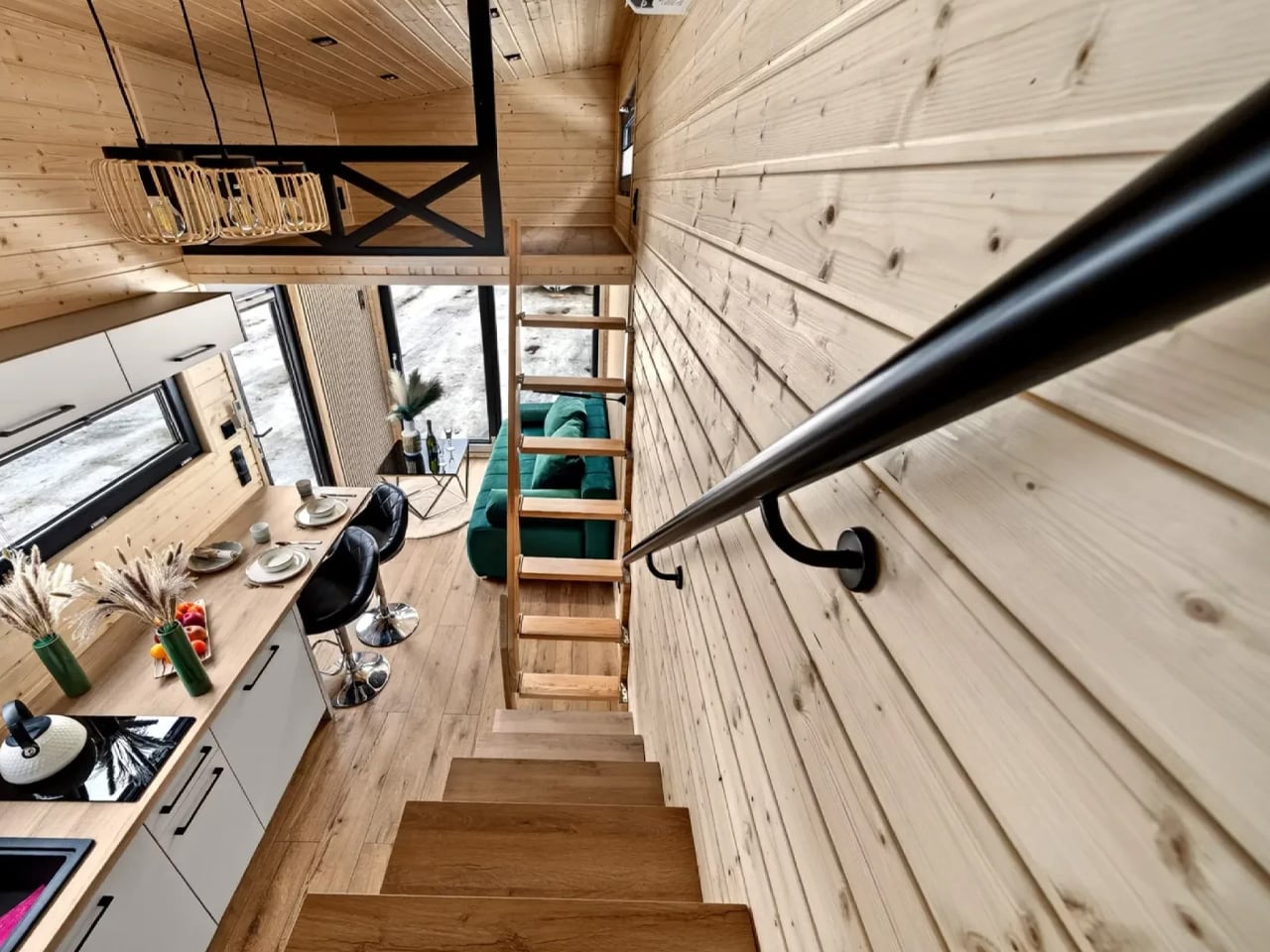
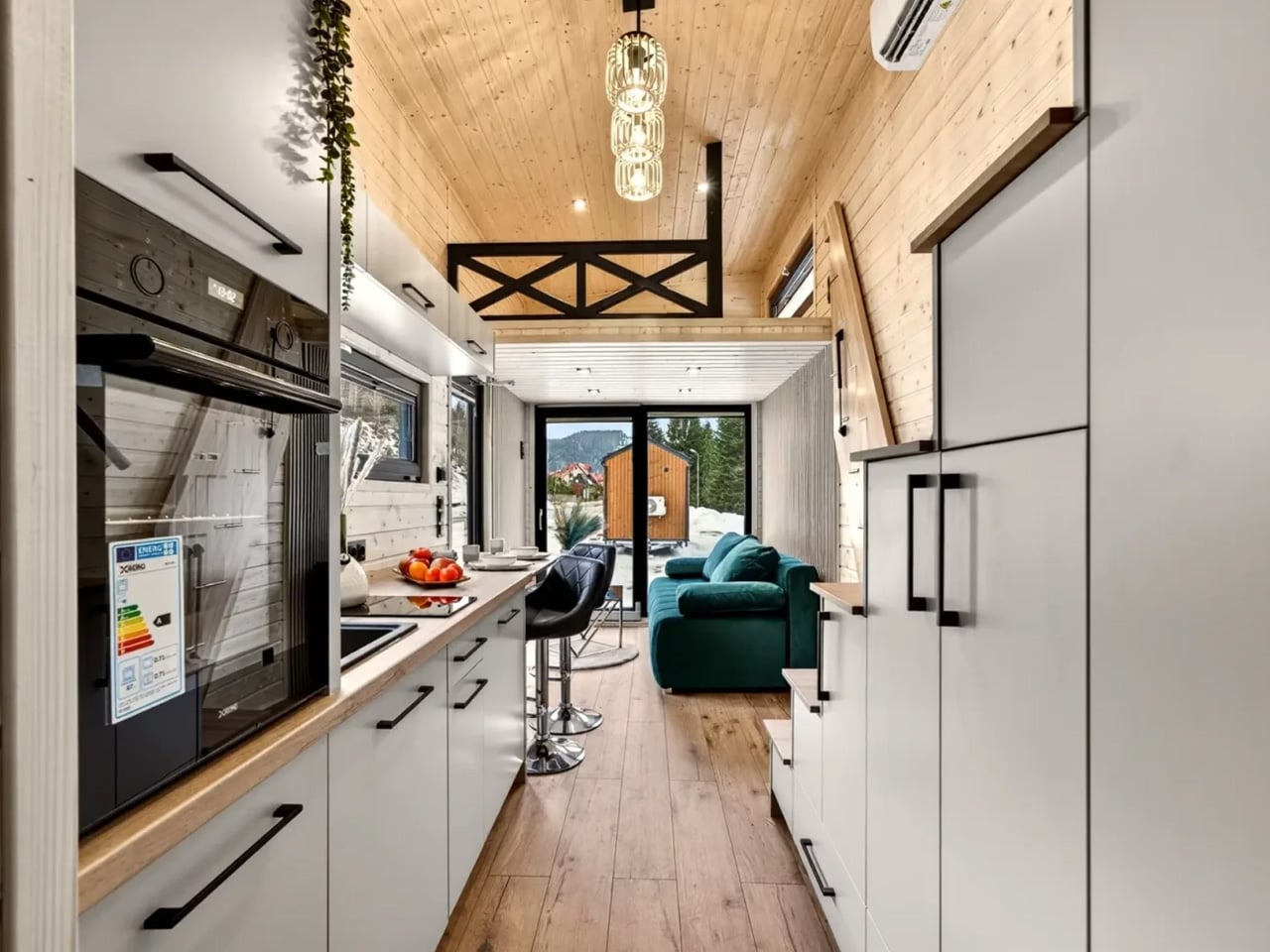
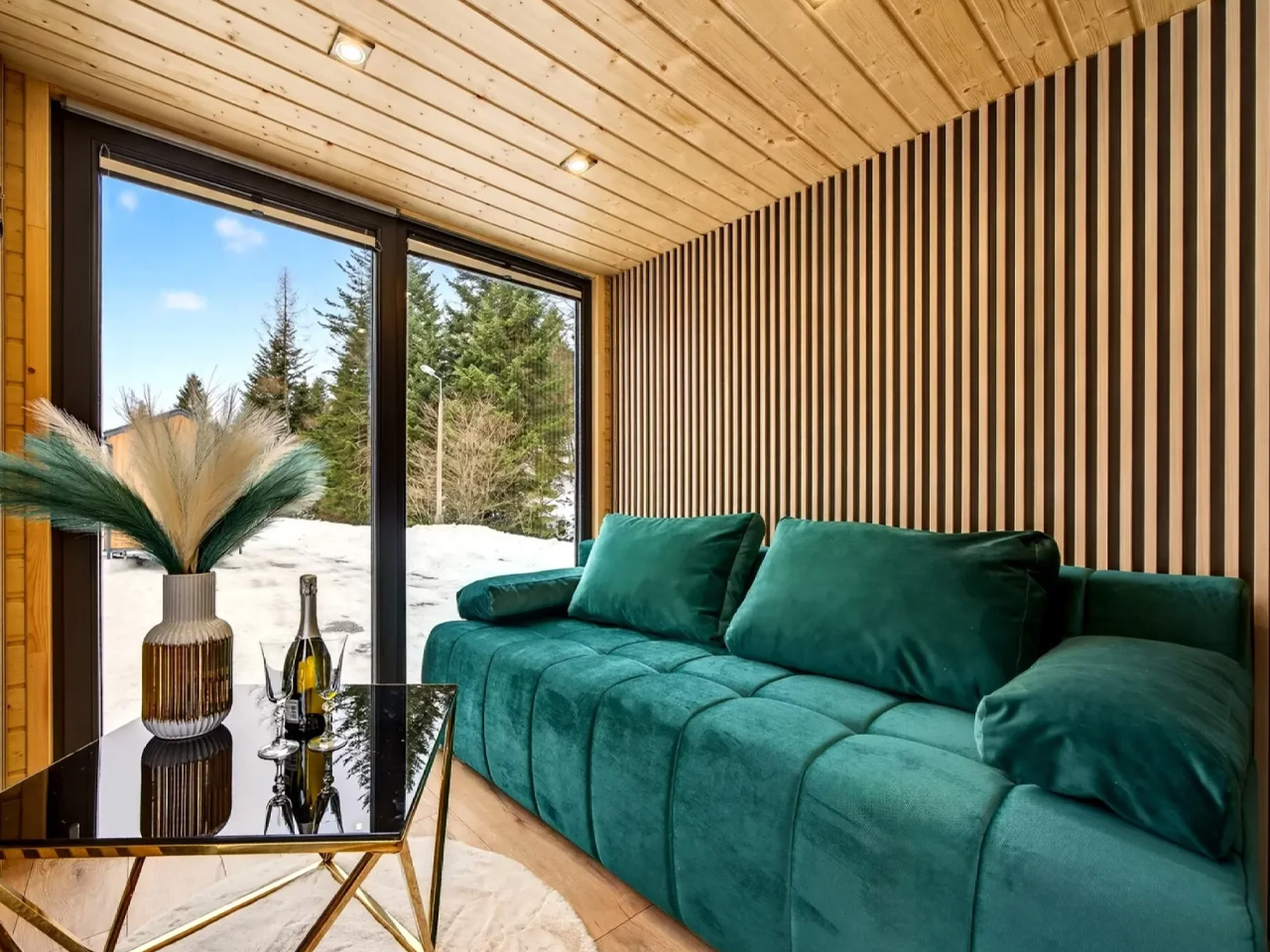
At 224 square feet, the Rasa measures 8 feet wide, 20 feet long, and stands 13 feet 6 inches tall. Those numbers might sound modest until you realize the layout sleeps up to six people across two queen-sized sleeping lofts. A 7×8-foot master loft accessible via open stairs, and a 7×5-foot second loft reached by ladder. The height under the lofts clears 6 feet 4 inches, which means the main living level doesn’t feel compressed; it feels considered. Black metal railings frame the lofts with a clean, architectural edge that keeps the interior from tipping into cabin territory.

Designer: Simplify Further Tiny Homes

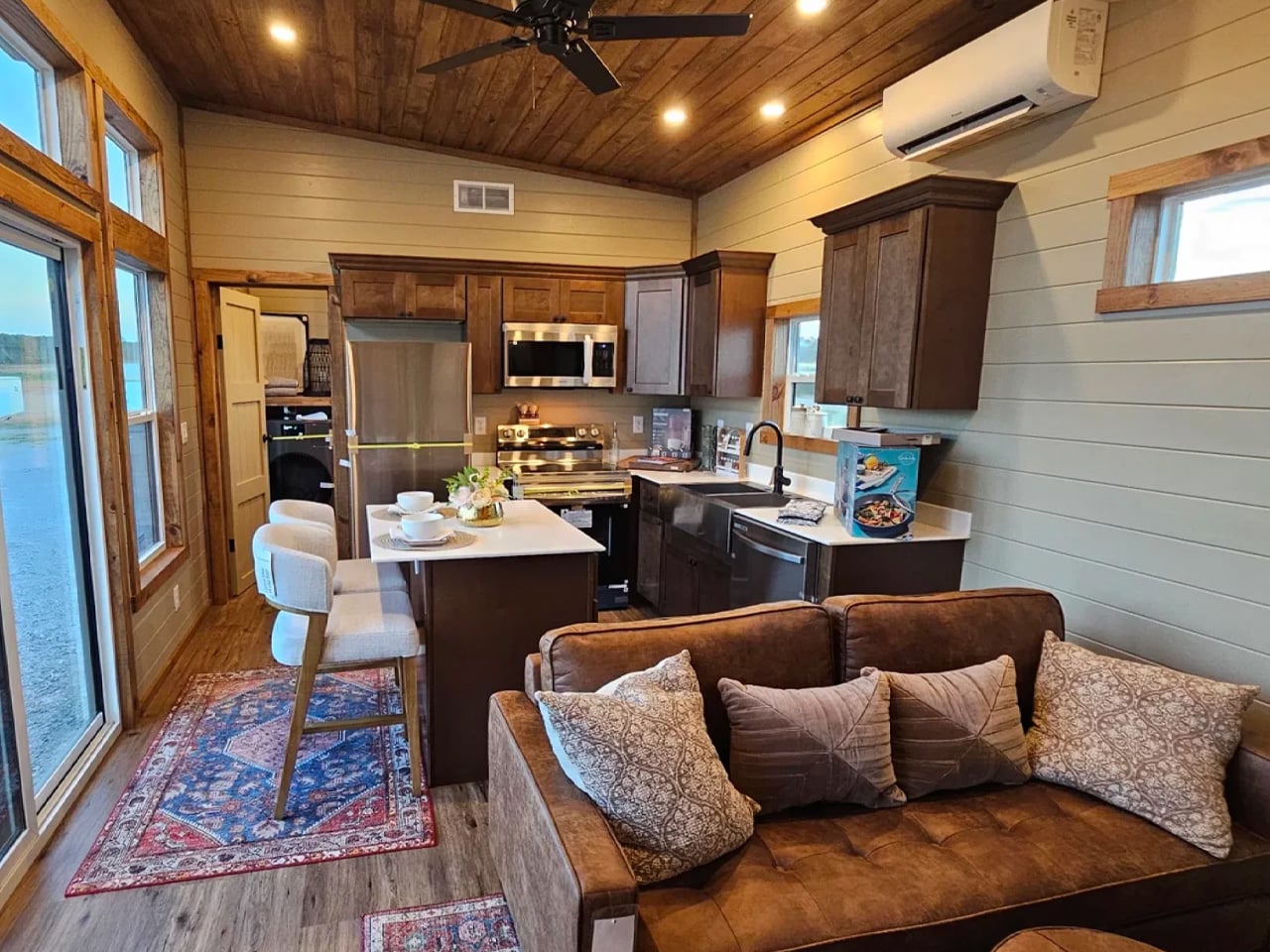
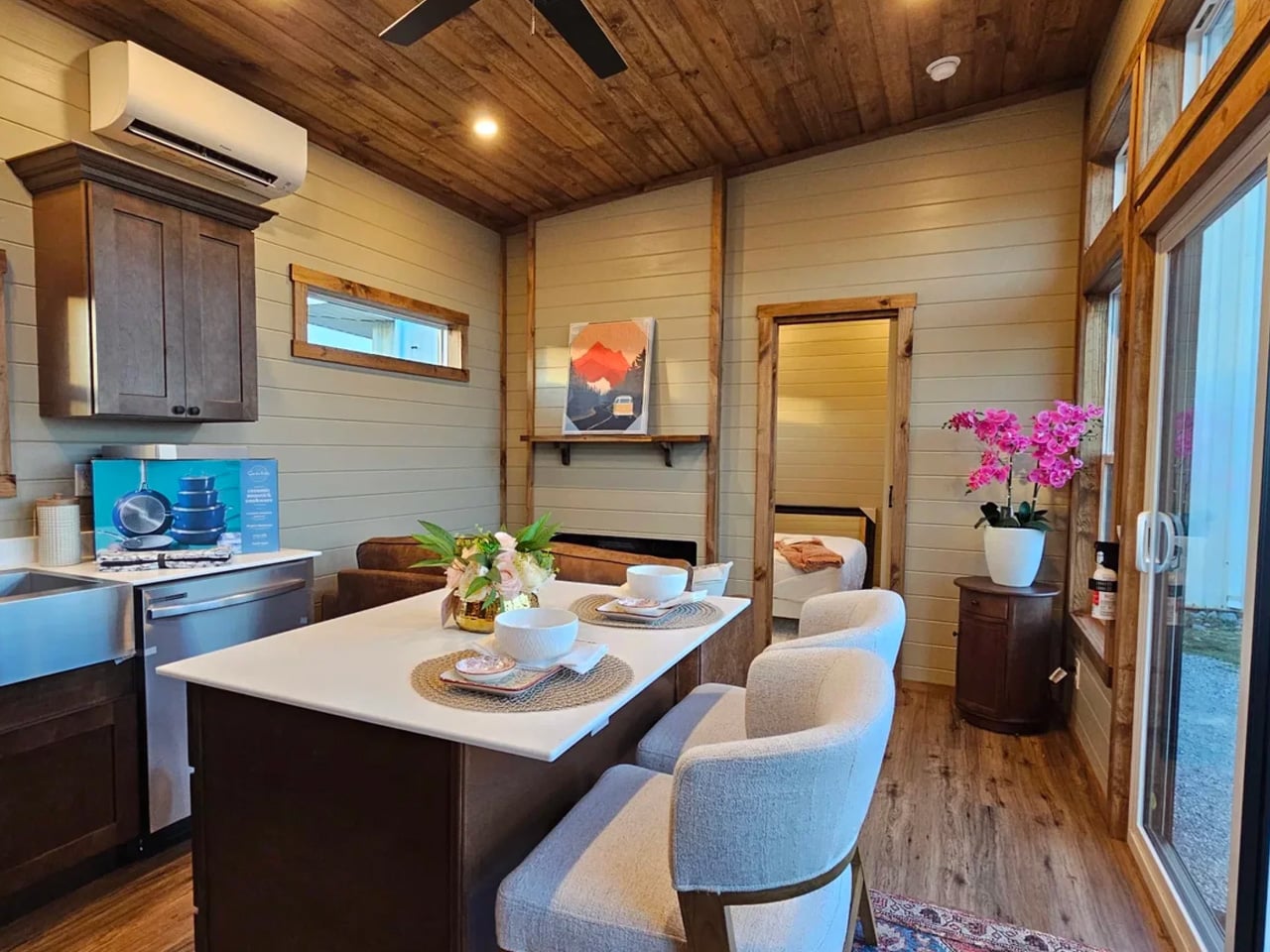
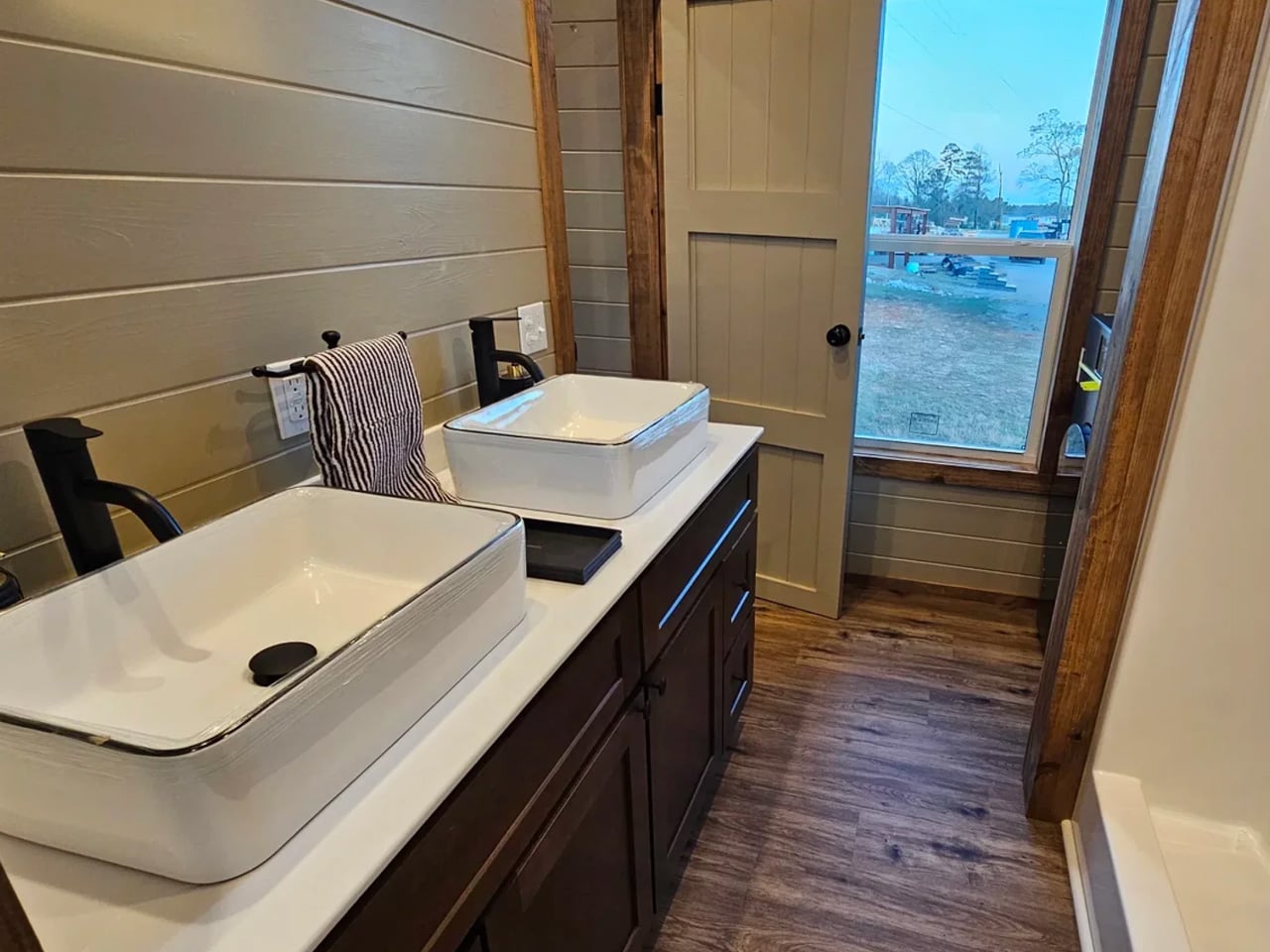
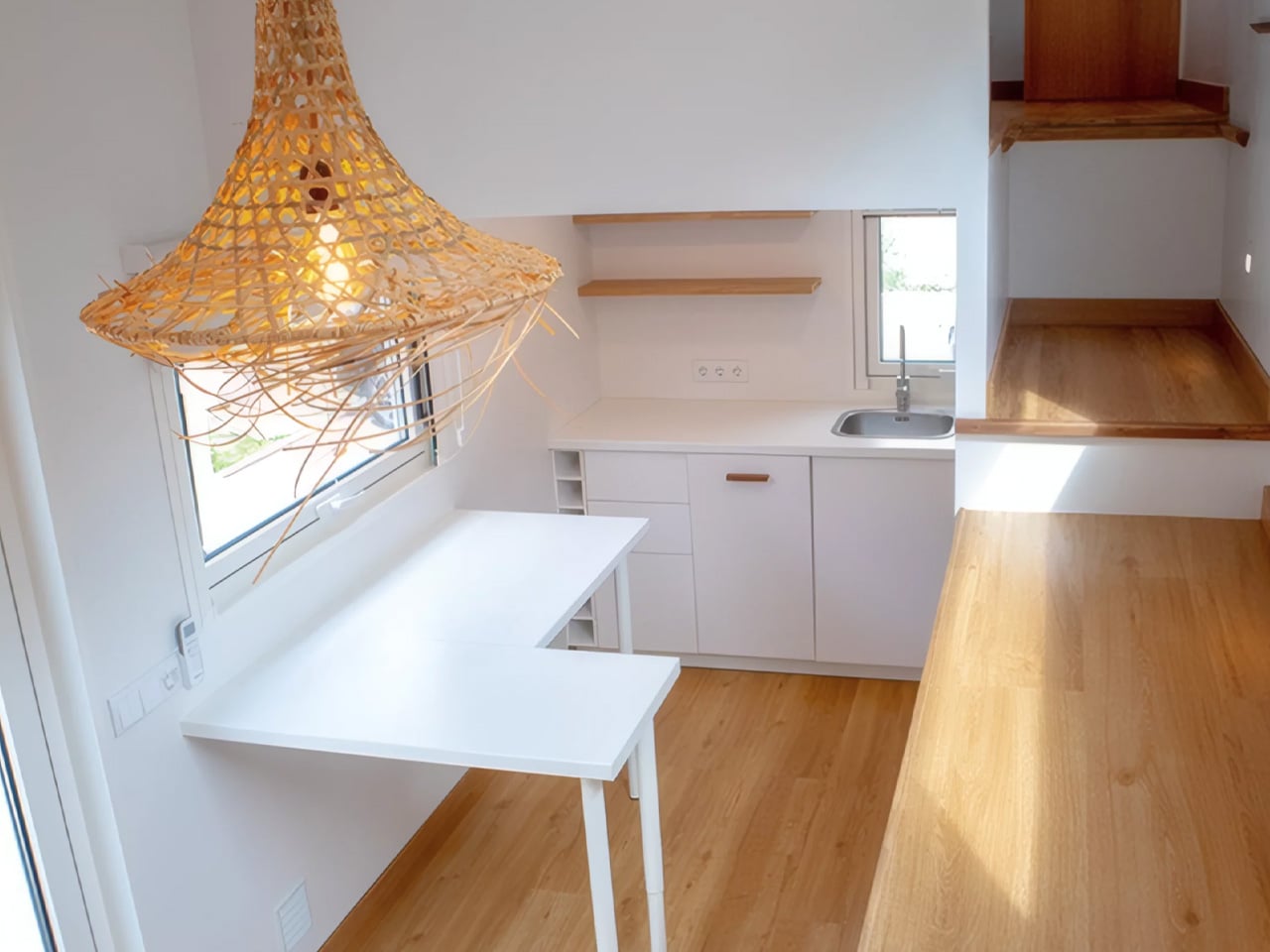
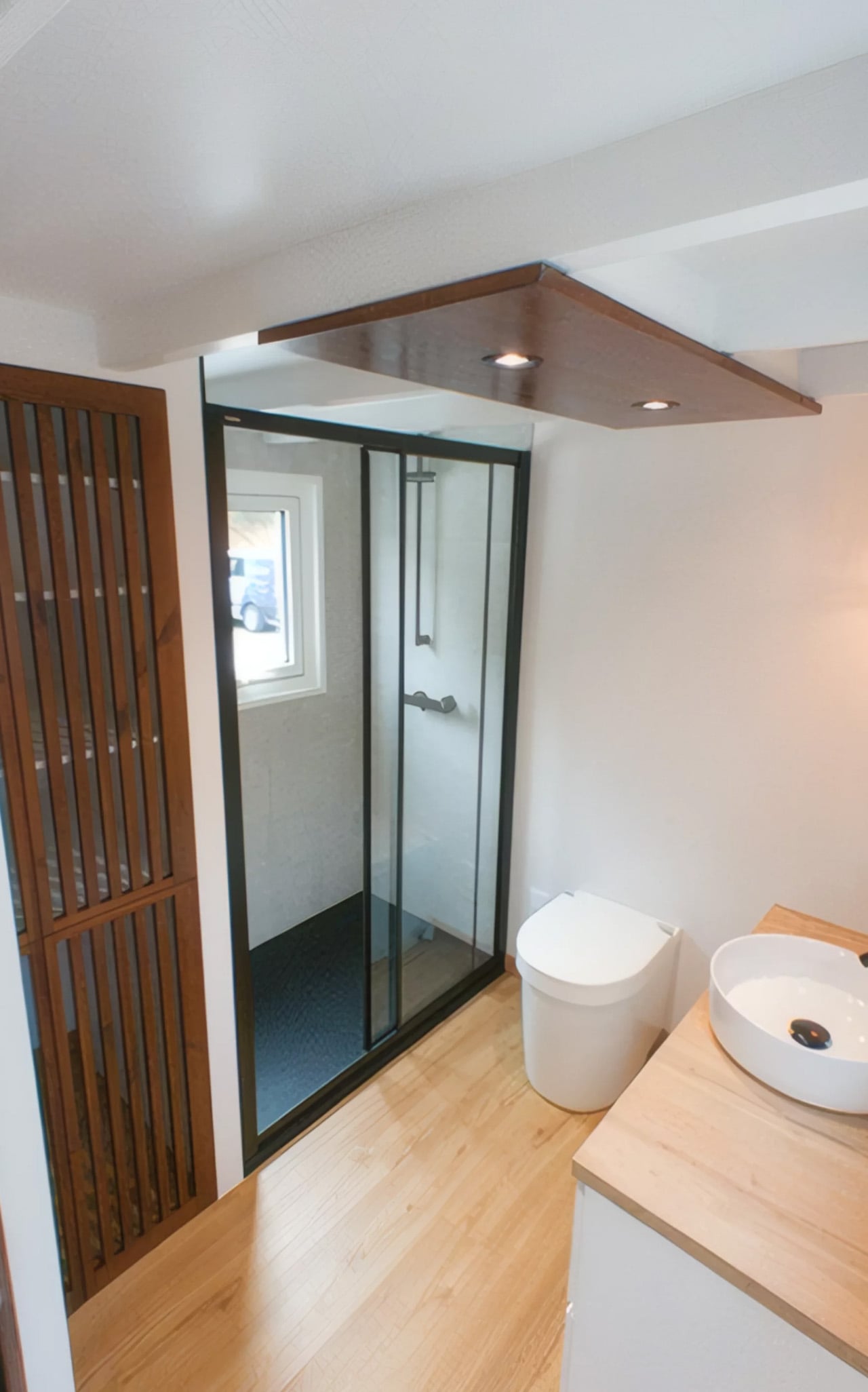
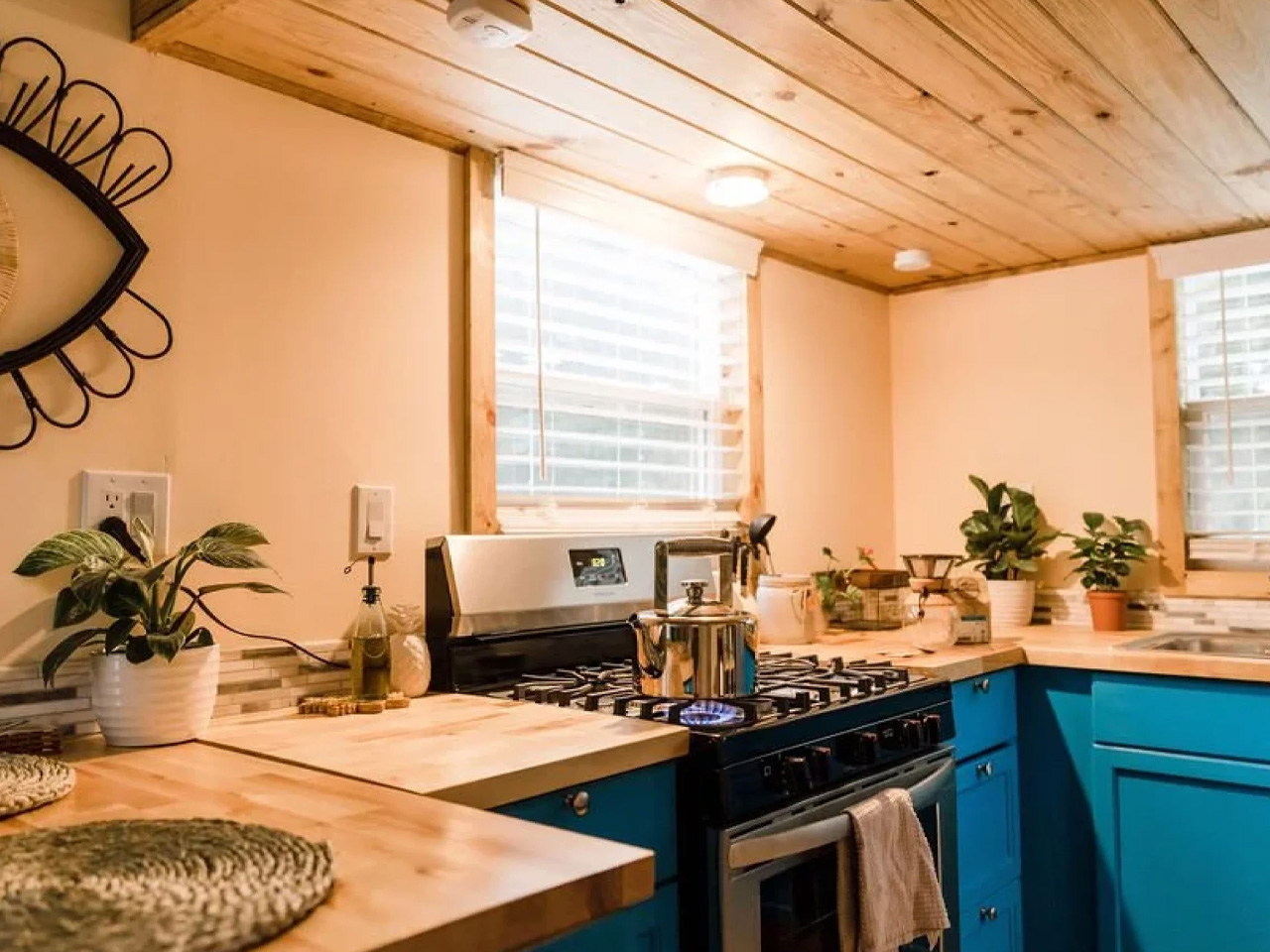
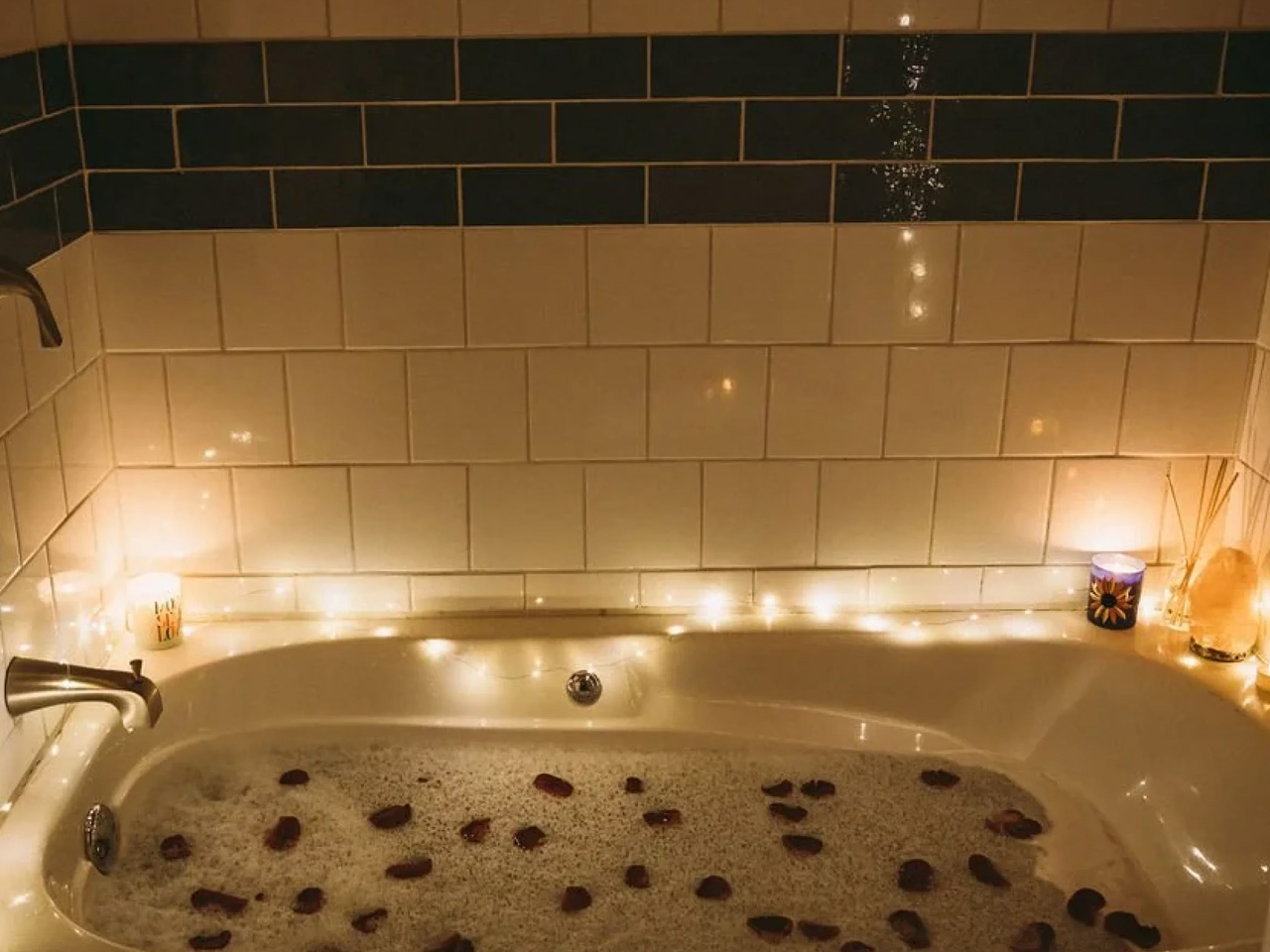
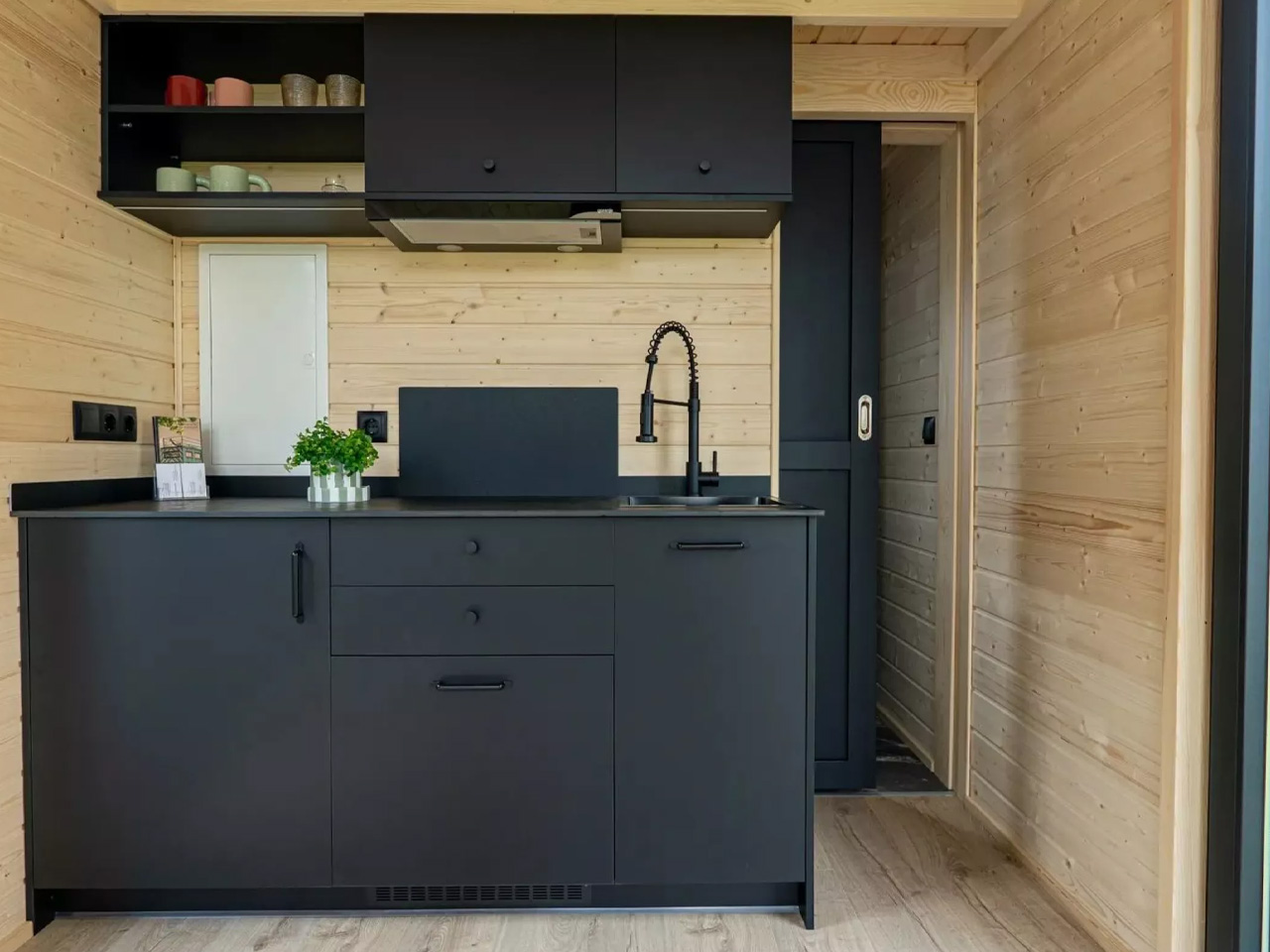
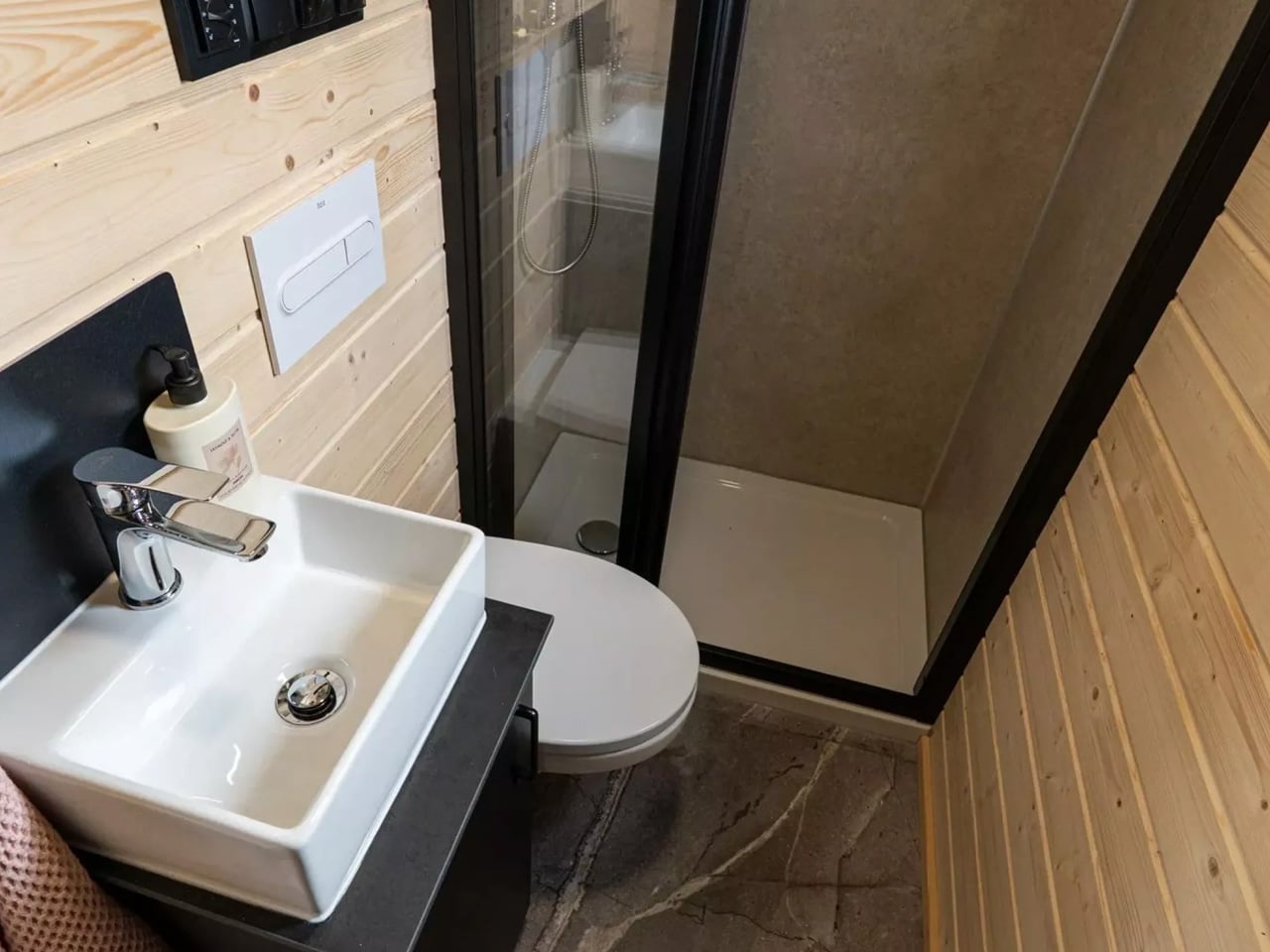
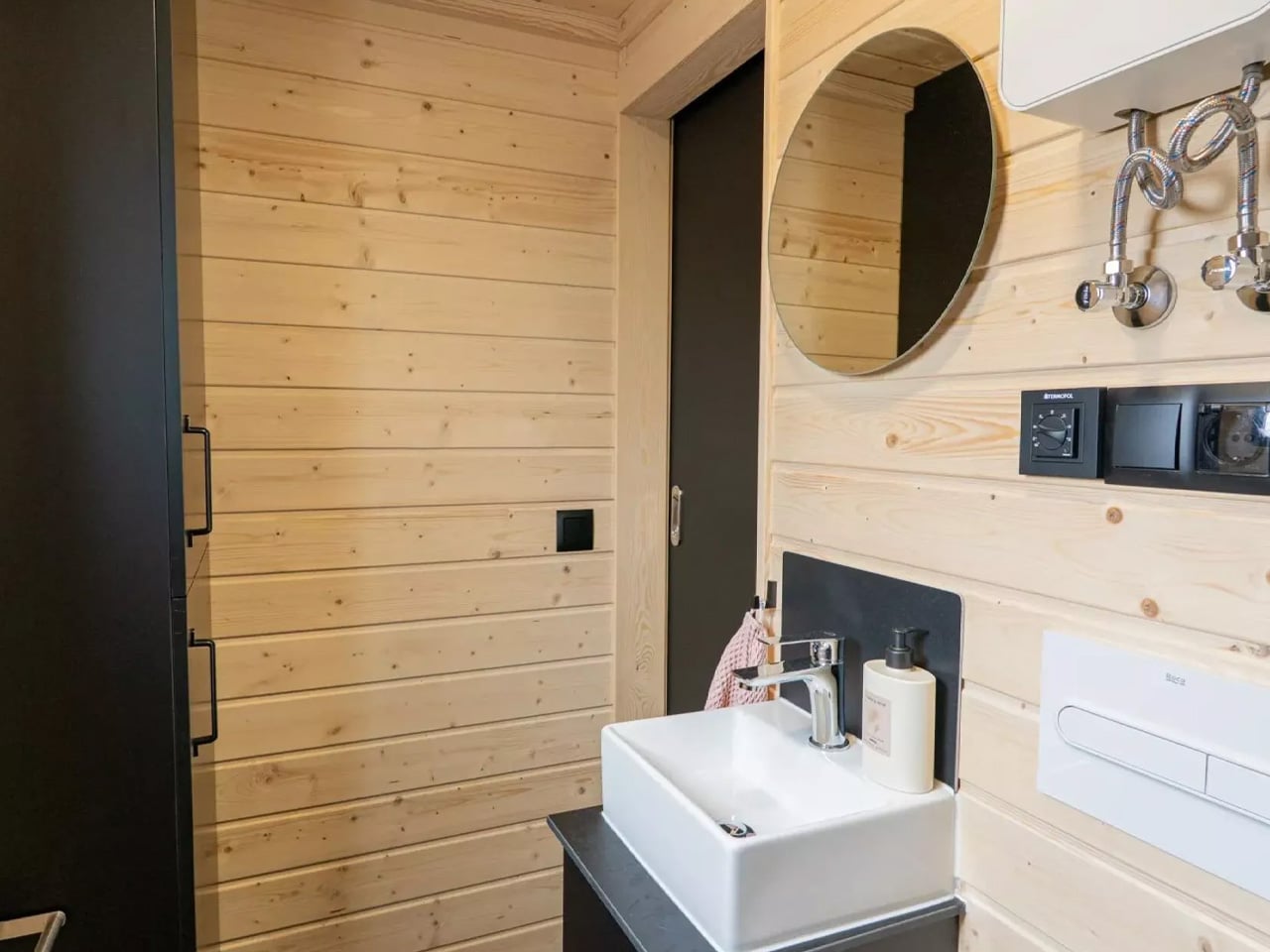
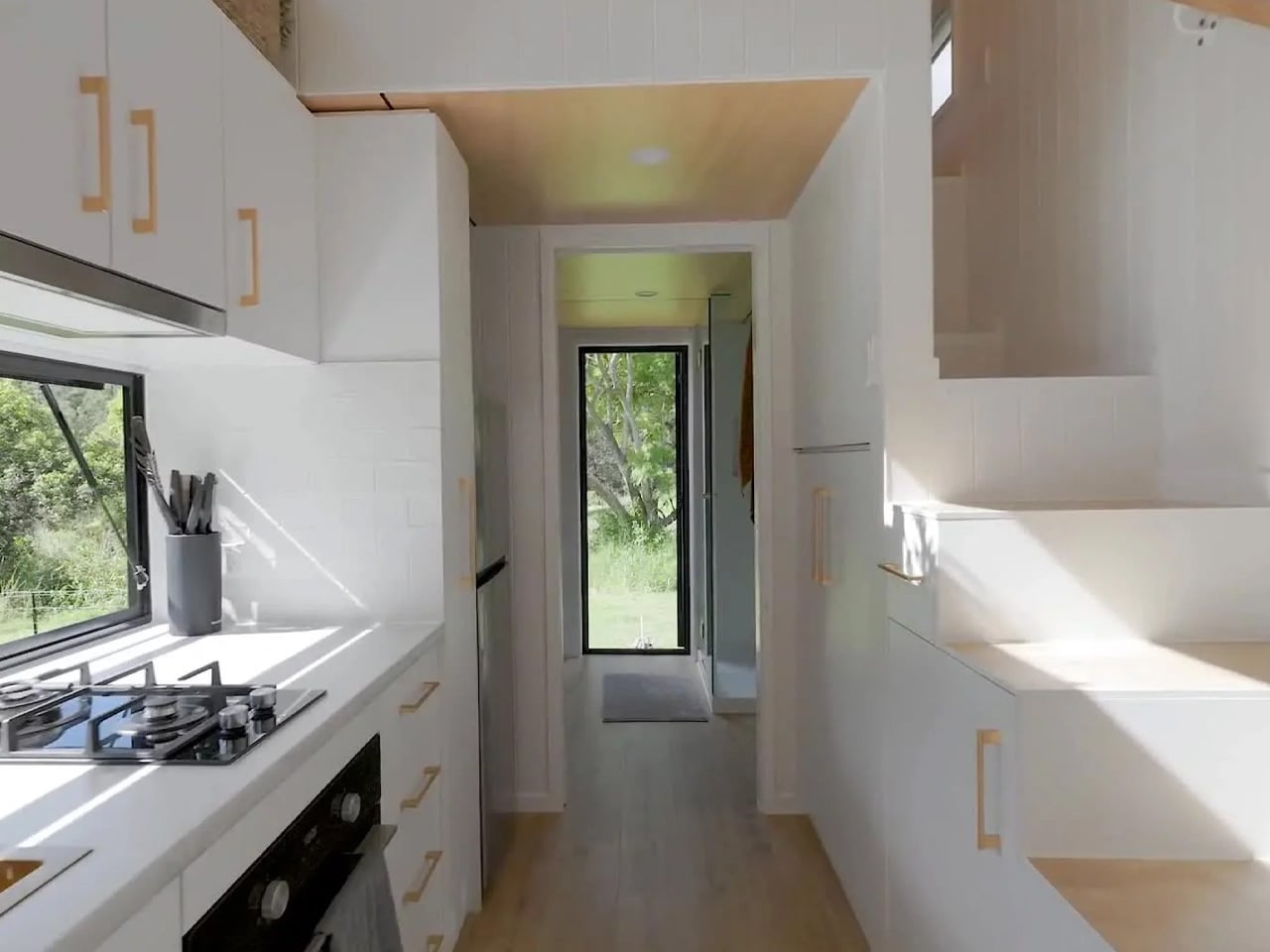
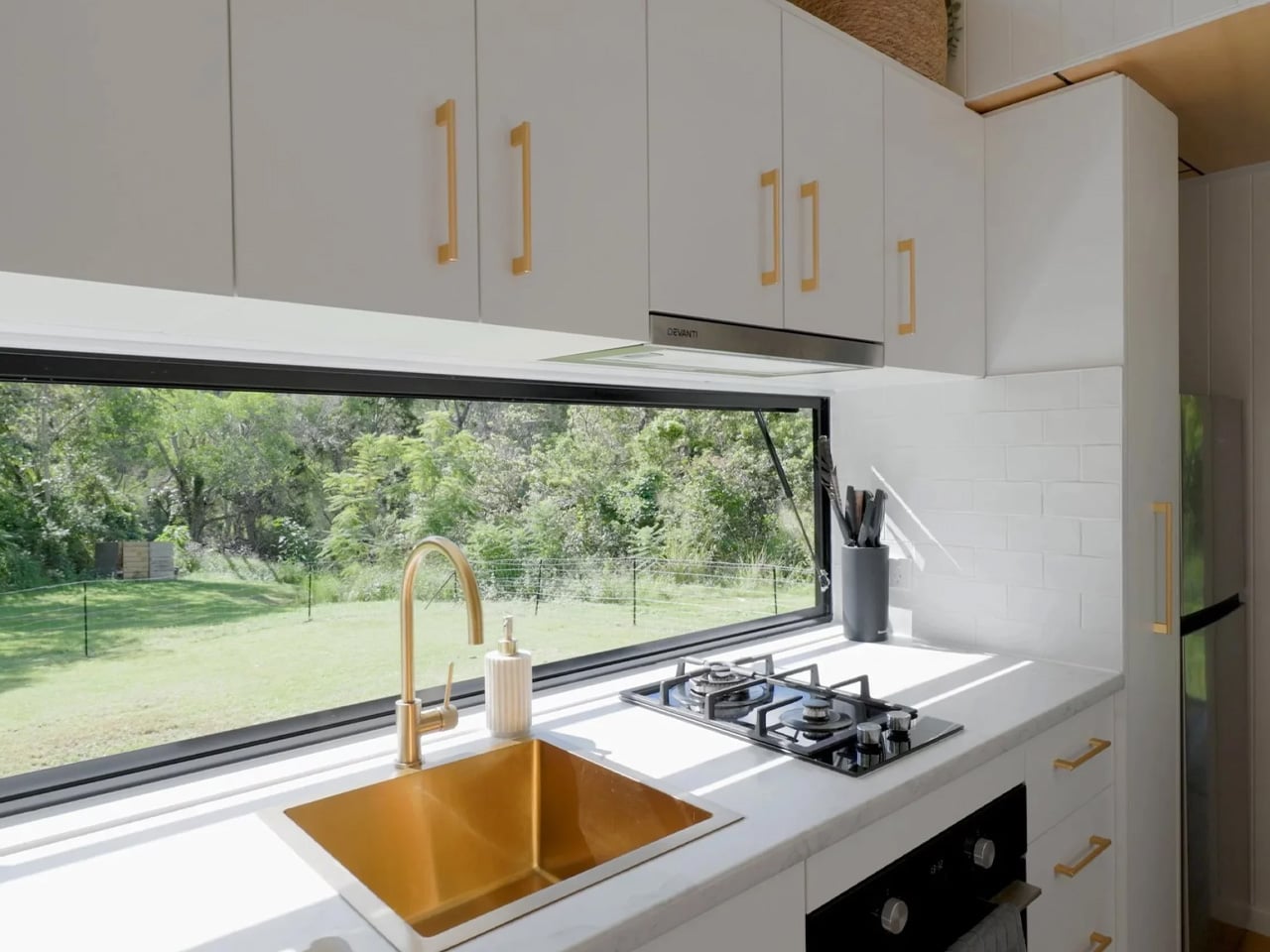
The kitchen punches above its weight. A two-burner electric cooktop, mini fridge, and a pull-down stainless steel sprayer sink cover the essentials without crowding the counter. Built-in barstool seating lines one side, though Simplify Further will swap that out for additional cabinetry if storage matters more than a social kitchen setup. The bathroom follows the same logic: shower stall, vanity, flush toilet, and storage, all functioning without the usual trade-offs that plague tiny home bathrooms. Nothing is squeezed. Everything has a place.

What makes the Rasa genuinely interesting is its design origin story. Simplify Further didn’t sit down with a mood board. They sat down with data. Three years of short-term rental hosting taught them what makes turnover fast, what keeps maintenance low, and what makes guests leave five-star reviews.

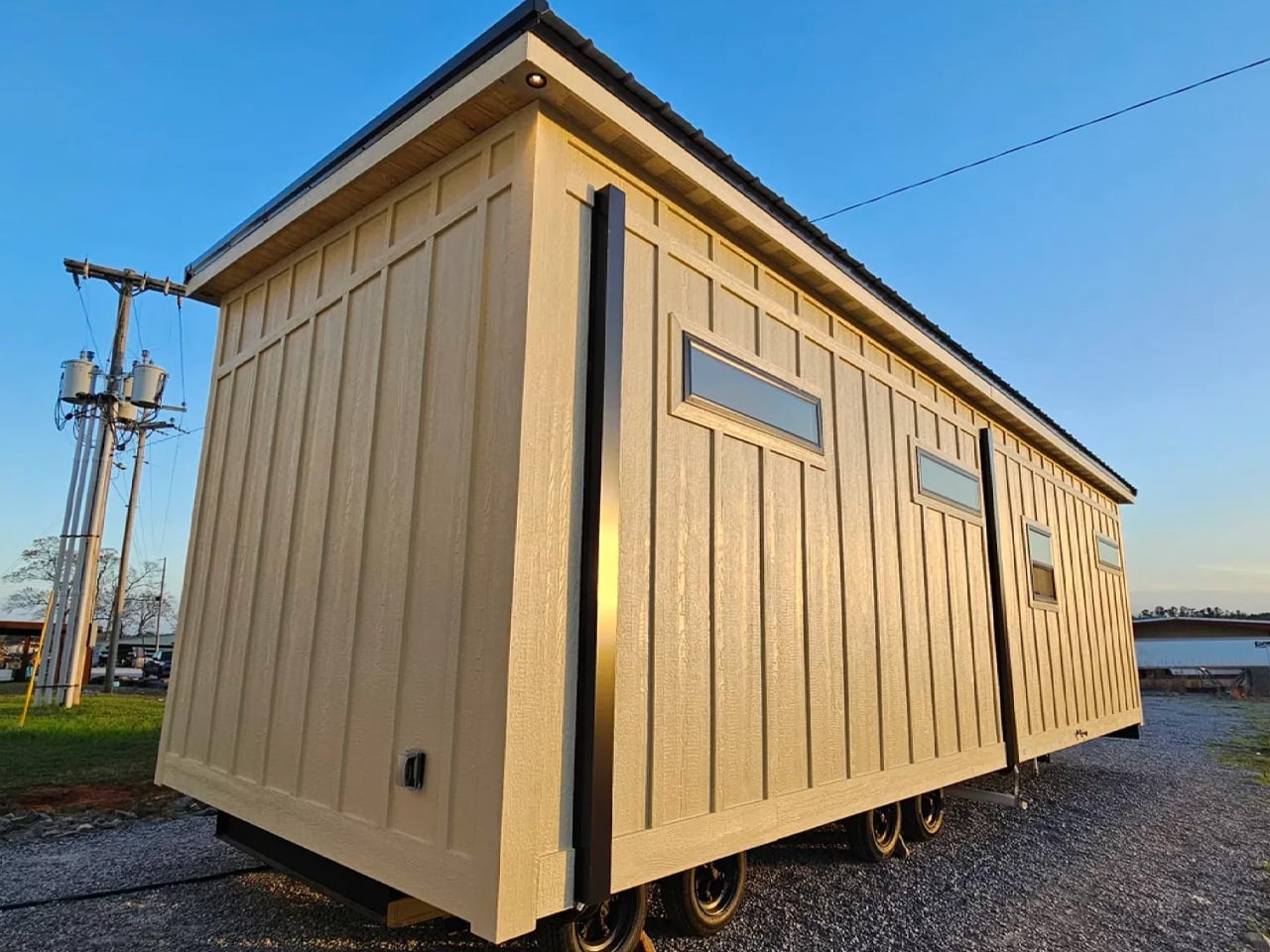
The result is a home where minimalism isn’t aesthetic posturing. It’s an operational strategy. Clean lines mean easy cleaning. Durable materials mean fewer call-outs. A NOAH-certified RV chassis means it can legally move, park, and host across a wide range of properties.

Simplify Further has now delivered over 100 tiny homes nationwide, earning a 3-time Best In Show and Best Tiny Home award at the Florida Tiny Home Festival, alongside a BBB Accredited A+ rating. The Rasa is the flagship that makes that reputation legible. It’s a tiny home that thinks like a busi

The post This Is the Tiny House the Short-Term Rental Market Has Been Waiting For first appeared on Yanko Design.
This $30,000 Tiny Home Puts the Bed on the Ground Floor and the Price Below Every Competitor

At just $30,000, the Shanti by Simplify Further Tiny Homes might be the most honest tiny home on the market right now. No gimmicks, no inflated square footage promise, just a clean, well-built 20-foot home on wheels that does exactly what it says it will. For a space category that has a habit of creeping toward six figures before you’ve even added a kitchen, the Shanti lands like a breath of fresh air.

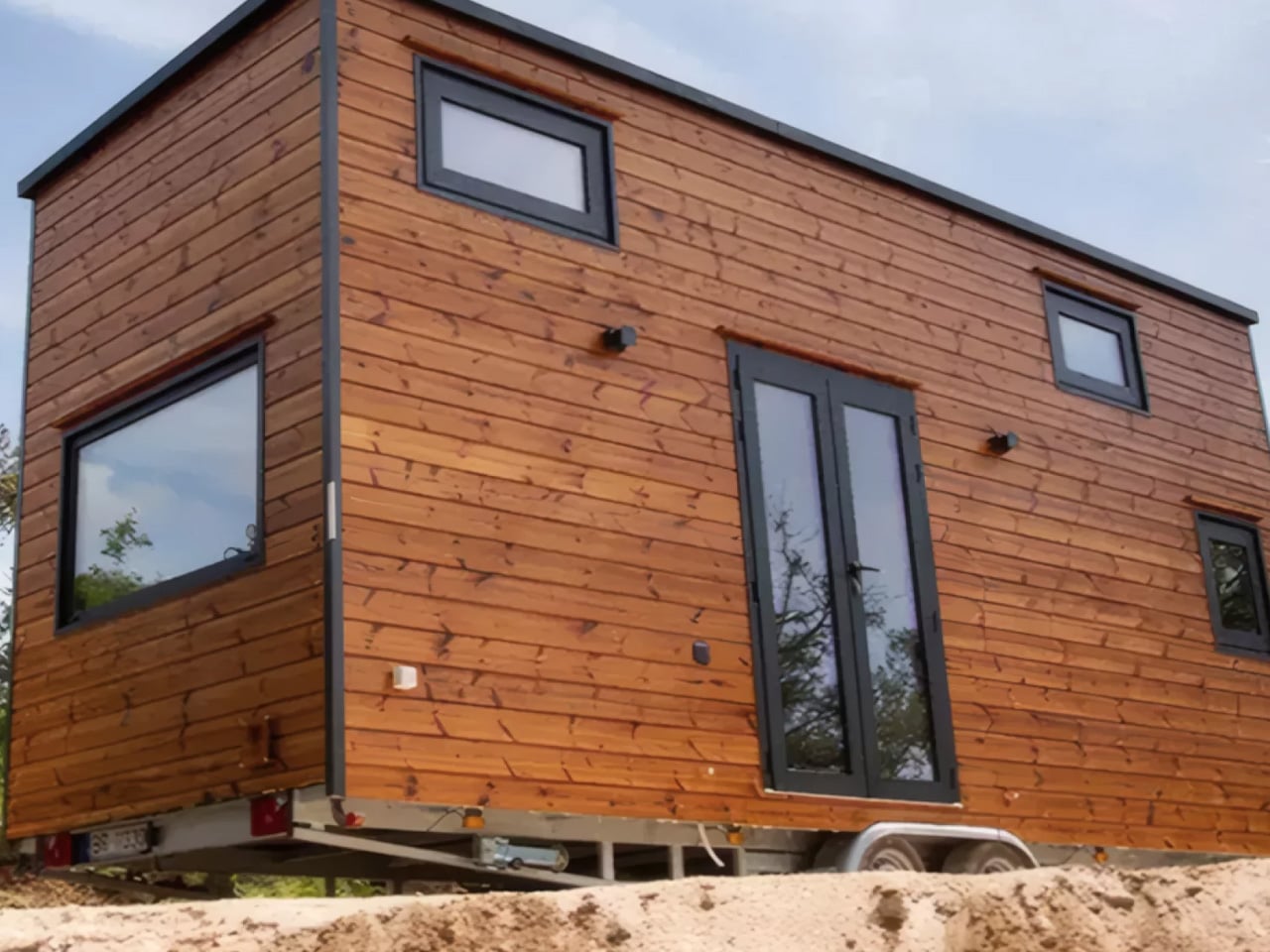
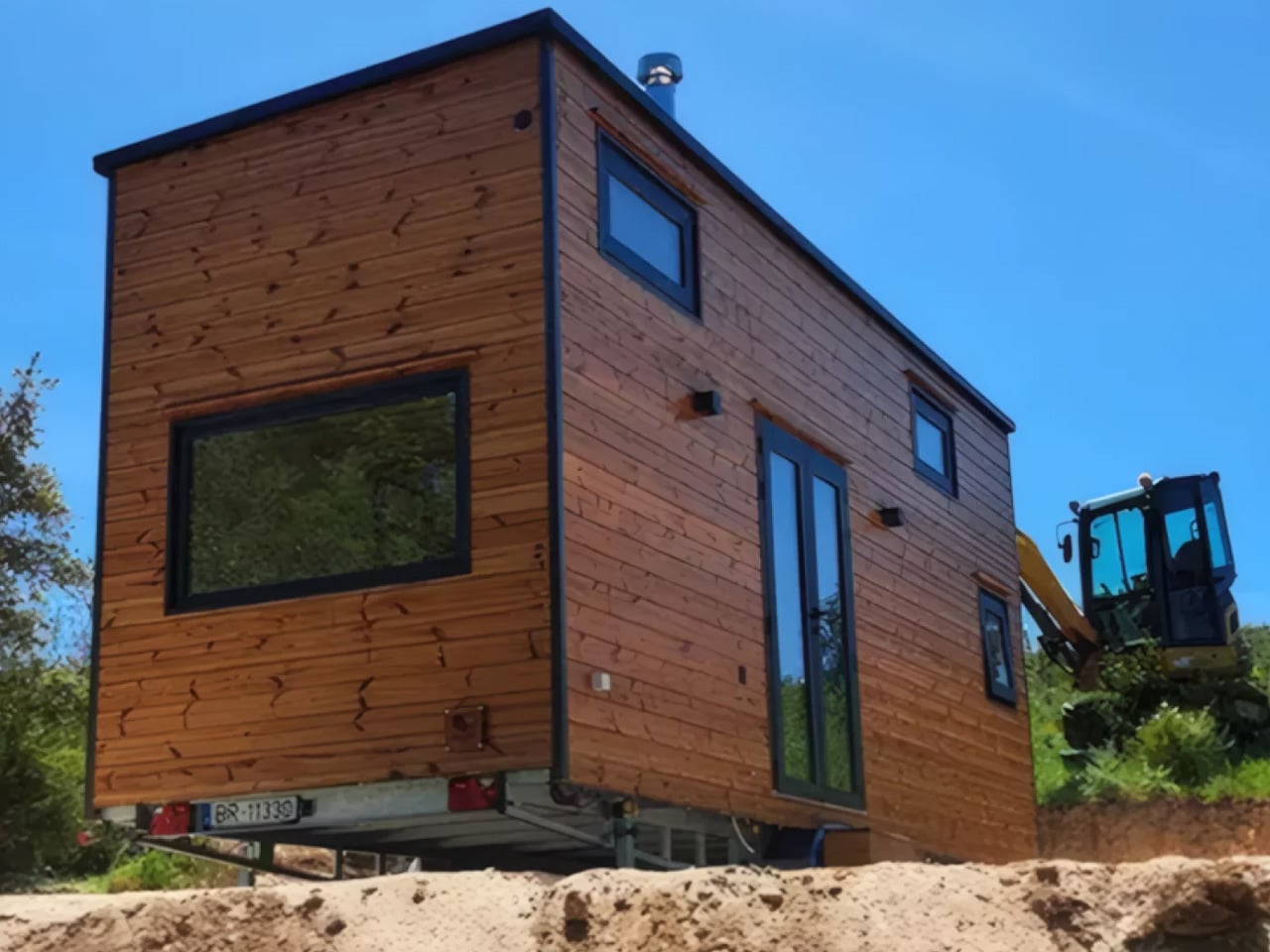
The Shanti measures 8’5″ wide, 20 feet long, and stands 13’6″ tall, translating to 133 square feet of main-level living space. Unlike most tiny homes where sleeping is relegated to a loft you have to climb into every night, the Shanti puts the queen-sized bed on the ground level — a decision that alone sets it apart. The loft exists, but it’s purely for storage, which makes the Shanti a natural fit for older residents, guests, or anyone who’s simply done negotiating with a ladder.

Designer: Simplify Further Tiny Homes

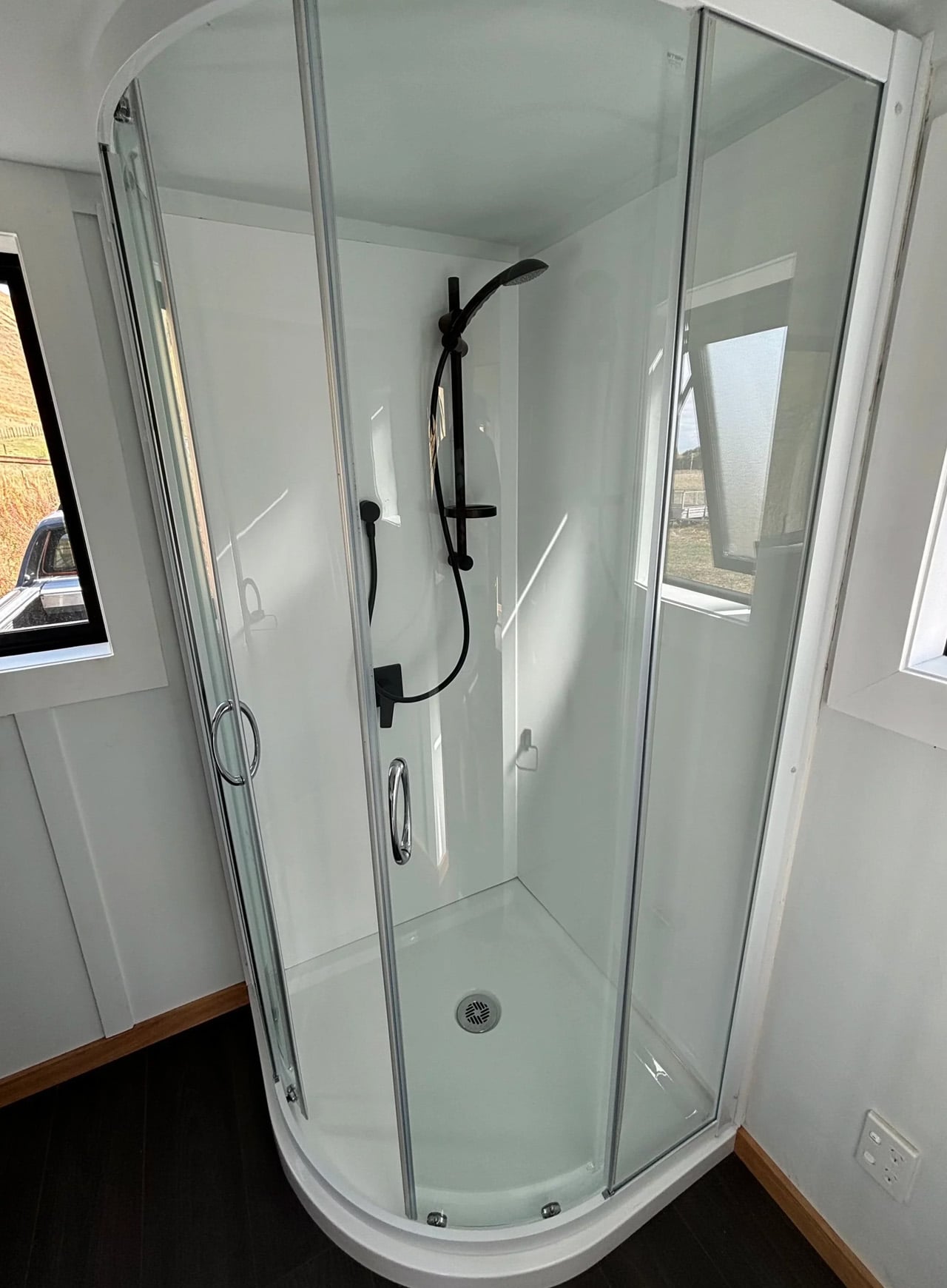
Inside, the layout is deliberately open. A kitchenette, a bathroom with a shower stall, a flush toilet, and a mini sink round out the essentials without overcomplicating the floor plan. Upgrade options include shiplap interior walls, a washer/dryer combo unit, and full furnishing — meaning a move-in-ready Shanti fully finished starts at $35,000, which remains remarkably low for a certified build. The entire structure is NOAH certified as an RV and sits on a hand-built chassis with thick gauge steel, double axles rated at 5,000 lbs each, trailer brakes, and DOT-approved highway lighting — built to travel, not just to sit.

Simplify Further, based out of Lake Butler, Florida, built the Shanti as their very first model, and it’s arguably still their most versatile. The company describes it as a blank canvas, and the use cases back that up: guest house, mother-in-law suite, home office, Airbnb rental, teen housing, healing arts studio, or emergency shelter. Several Shanti units have already been listed on Airbnb near Florida’s crystal clear springs, giving prospective buyers a chance to actually sleep in one before committing.

For a builder that has delivered over 100 tiny homes nationwide and holds a 3-time Best in Show award from the Florida Tiny Home Festival, the Shanti is a quiet statement. It’s proof that the best entry point into tiny living doesn’t have to compromise on quality — it just has to be honest about what space you actually need.

The post This $30,000 Tiny Home Puts the Bed on the Ground Floor and the Price Below Every Competitor first appeared on Yanko Design.
This $156K Tiny Home Is Essentially a Tiny Mansion With a Party on Its Roof

The tiny home movement has long wrestled with one stubborn contradiction: how do you downsize without actually feeling like you’ve given something up? Brisbane-based builder Removed Tiny Homes has a compelling answer with the Solace — a wide-body, rooftop-equipped micro-dwelling that reframes what small living can look and feel like.

The Solace sits within Removed Tiny Homes’ newly launched Tiny Mansion collection, a premium lineup designed for people who are genuinely drawn to intentional living but aren’t willing to sacrifice comfort, space, or a little luxury to get there. It’s a category of architecture that’s quietly shifting the tone of the entire tiny home conversation — less rustic escape, more elevated lifestyle choice.

Designer: Removed Tiny Homes

At its core, the Solace is built on a triple-axle trailer and measures 10 meters (32.8 ft) long and 3.4 meters (11.1 ft) wide, making it notably broader than most tiny homes on the market. That extra width is immediately felt inside — the layout is open, breathable, and free of the cramped compromises that often define the category. There are no loft sleeping arrangements here. Instead, the single bedroom is a proper retreat, fitted with a king-size bed and a floor-to-ceiling wardrobe that spans the entire right wall. A private glass entrance door connects the bedroom directly to the outdoors, adding a hotel-suite quality that feels anything but modest.

The kitchen and living spaces carry the same thoughtful confidence. Clean lines, full-scale proportions, and modern finishes give the interior a sense of permanence rather than temporariness. The exterior wraps in a combination of corrugated metal and timber, a pairing that reads as both industrial-modern and grounded in natural warmth.

What truly sets the Solace apart is what sits above and below. A large ground-floor deck wraps the front of the home, while an expansive rooftop terrace crowns the structure, generous enough for outdoor dining, lounging, and genuinely hosting guests. It’s a design move that effectively doubles the usable living space without adding a single square foot to the floorplan. That’s smart architecture.

Pricing starts at approximately USD $155,800, with customization options available for those who want to personalize the build. Early buyers can also access a Luxury Living Upgrade Pack, valued at over AUD $30,000, which adds a fully tiled bathroom, optional skylights, and stone kitchen worktops. The Solace doesn’t ask you to romanticize sacrifice. It asks something far more interesting: what if living smaller actually meant living better?

The post This $156K Tiny Home Is Essentially a Tiny Mansion With a Party on Its Roof first appeared on Yanko Design.
The $17,000 Micro Cabin That Makes Every Other Tiny Home Look Overpriced

I must admit there is a certain freedom in stripping things back to exactly what you need and nothing more. That’s the quiet confidence behind the Mantra, the newest micro cabin from Florida-based Simplify Further Tiny Homes — and at $17,000, it might just be the most straightforward shelter concept to come along in years.

The Mantra measures 12 x 8 feet as a living unit, sitting on a double-axle trailer that brings its full length, porch included, to 16 feet (4.8 meters). The usable interior clocks in at just 98 square feet (9.1 sq m), which sounds tight until you see how it’s been organized. Everything lives in a single open room: a bed that doubles as a daybed, a desk and dining table, seating, a wall-mounted TV, and a mini-split air-conditioning unit. The whole thing sleeps up to two people.

Designer: Simplify Further Tiny Homes

What Simplify Further didn’t include is just as deliberate as what they did. There’s no indoor kitchen, no bathroom — a choice that keeps the footprint honest and the price point realistic. The Mantra was designed for people who want a serious shelter without the serious overhead: a glamping cabin, a backyard guest suite, an accessory dwelling unit, a dedicated work-from-anywhere office. It earns its role by not pretending to be something it isn’t.

On the outside, the cabin wears engineered wood cladding with pine tongue and groove accenting and a metal roof, materials picked for durability and a cabin aesthetic that doesn’t look out of place whether it’s parked in the woods or in a suburban backyard. The double-axle trailer base means it can be moved between sites without a production, which opens up use cases most permanent structures simply can’t compete with.

The $17,000 starting price is the number that tends to stop people mid-scroll, and for good reason. Most tiny houses, marketed as simple and affordable alternatives, have quietly crept into the $80,000 to $150,000 range. The Mantra pushes back on that without sacrificing the things that actually matter: climate control, a comfortable sleeping setup, and a design sensibility that doesn’t feel like an afterthought.

Simplify Further built their name on the idea that design and craftsmanship don’t require excess. The Mantra is that philosophy distilled. It’s not trying to replicate a house in miniature; it’s building something that knows exactly what it is. And in a market cluttered with overbuilt, overpriced micro dwellings, that clarity is worth more than the square footage.

The post The $17,000 Micro Cabin That Makes Every Other Tiny Home Look Overpriced first appeared on Yanko Design.
This Tiny Home Has No Wheels and That’s Exactly the Point

Craft House’s latest model arrives without wheels and makes no apology for it. The obsession with portability is slowly giving way to something more intentional, and the Lukas makes a strong case for planting roots.

The Lukas is not towable. It has no wheels, and it arrives at its destination by truck. For anyone dreaming of nomadic living, that might sound like a dealbreaker. But step inside, and the trade becomes immediately clear. What Lukas gives up in mobility, it returns in space, comfort, and a roomy interior that genuinely feels like a proper apartment.

Designer: Craft House

At 10 meters long and 3.5 meters wide, the Lukas sits in an interesting middle ground. It is compact enough to earn the tiny home label with a straight face, yet generous enough to sleep four people comfortably. That is no small feat for a structure of this scale, and Craft House pulls it off without compromising the refined design language that has come to define the brand across its previous models.

The exterior reads clean and considered. Engineered wood and standing seam aluminum make up the cladding, a material pairing that signals permanence without heaviness. It shares visual DNA with earlier Craft House models like the Katrin, though the Lukas carries a quieter confidence that comes from not needing to justify its footprint.

Inside, light does a lot of the work. Generous glazing runs throughout, and multiple skylights flood the space with natural brightness that makes the interior feel larger than its dimensions suggest. The kitchen is a genuine highlight, offering real cabinetry and a breakfast bar for two. This is not a kitchenette tucked into a corner. It is a proper cooking space built for everyday use, and it shows that Craft House understands what people actually need when they downsize.

Like other models in the Craft House lineup, the Lukas is built to order, which means buyers can shape it to their needs. An outdoor terrace is available as an optional extra, and those wanting full independence from the grid can opt for a complete off-grid package, making it viable as a permanent, fully independent residence in almost any location.

Pricing starts at roughly $88,000 USD. For a structure of this quality, finish, and livability, that number is competitive. Delivery timelines are not publicly listed at this time, so those seriously interested are encouraged to reach out to Craft House directly to discuss lead times and configuration options. The Lukas will not suit everyone. But for those willing to let go of the fantasy of endless movement, it offers something arguably more valuable: a small home that actually feels like one.

The post This Tiny Home Has No Wheels and That’s Exactly the Point first appeared on Yanko Design.
The Urban Gable Park Is What Happens When a Tiny Home Builder Stops Making Compromises

There’s a version of tiny home living that asks you to give things up…headroom, counter space, the dignity of a real kitchen. The Urban Gable Park by Tru Form Tiny isn’t that version. This is a single-level park model that leans fully into comfort, using its generous footprint to deliver something closer to a well-designed apartment than a life lived sideways.

The numbers tell part of the story. At 30 ft long and 11 ft wide, the Urban Gable Park goes significantly beyond the standard 8.5 ft width found in most tiny homes on wheels. That extra width isn’t just a spec, it changes how the interior feels. Rooms breathe. The bedroom has real headroom. The living area fits an actual sofa without everything feeling like a puzzle. The trade-off is a permit requirement for towing on public roads, but given that this is a park model built to stay put, that’s rarely a concern.

Designer: Tru Form Tiny

The design language throughout is clean and considered. The kitchen is fully equipped with maple slab cabinets, an induction cooktop, a full-size fridge, and a dishwasher, all tucked into a striking limewash alcove. It’s the kind of kitchen that makes cooking feel intentional rather than improvised. The bathroom holds its own too. A concrete vessel sink, terrazzo tile floors, and matte black fixtures run throughout, alongside a walk-in shower and a stacked washer/dryer. These aren’t budget compromises dressed up to look good. They’re material choices made by people who know what they’re doing.

The layout is built for two. The bedroom features deck access, offering a private outdoor connection that’s rare at this scale. A full-light black fiberglass entry door anchors the exterior alongside the home’s gable roofline; simple, architectural, and confident. A covered porch rounds out the outdoor living space, giving the Urban Gable Park a residential quality that most park models simply don’t reach.

Built on a quad-axle trailer, the Urban Gable Park is currently available starting at $174,000. For a home this refined and this livable, that figure starts to make a certain kind of sense. Tru Form Tiny, now celebrating its 10th year as a builder, has always understood that downsizing shouldn’t mean downgrading. The Urban Gable Park is the clearest proof of that philosophy yet.

The post The Urban Gable Park Is What Happens When a Tiny Home Builder Stops Making Compromises first appeared on Yanko Design.
The Knoll Is a Tiny House That Finally Refuses to Think Small

Tiny house living has always asked one thing of its converts: sacrifice. Less square footage, less storage, less room to breathe. The Knoll, the latest model from Backcountry Tiny Homes, pushes back on that idea — and does so with a lot of personality. Built on a triple-axle gooseneck (raised) trailer, the Knoll stretches 38 feet long and 10 feet wide, giving it 390 square feet of total living space.

That extra foot and a half of width over standard tiny homes makes a real difference inside — the layout feels less like a camper van and more like a proper apartment. It’s wide enough to sleep between one and five people, which makes it a genuine option for couples or small families who want to downsize without completely giving up comfort. The trade-off is that its width requires a permit to tow on public roads — a logistical consideration, but one most buyers seem willing to accept.

Designer: Backcountry Tiny Homes

The exterior sets the tone early. A two-tone mix of metal and board and batten siding sits beneath a metal roof, giving the Knoll a sharp, modern look that reads more mountain cabin than mobile home. Inside, the design team leaned into color — boldly. The home’s interior philosophy is captured in a quote right on the Backcountry website: *”Color does not add a pleasant quality to design — it reinforces it.”* That commitment shows in every room, with rich, layered tones that make the space feel intentional rather than improvised.

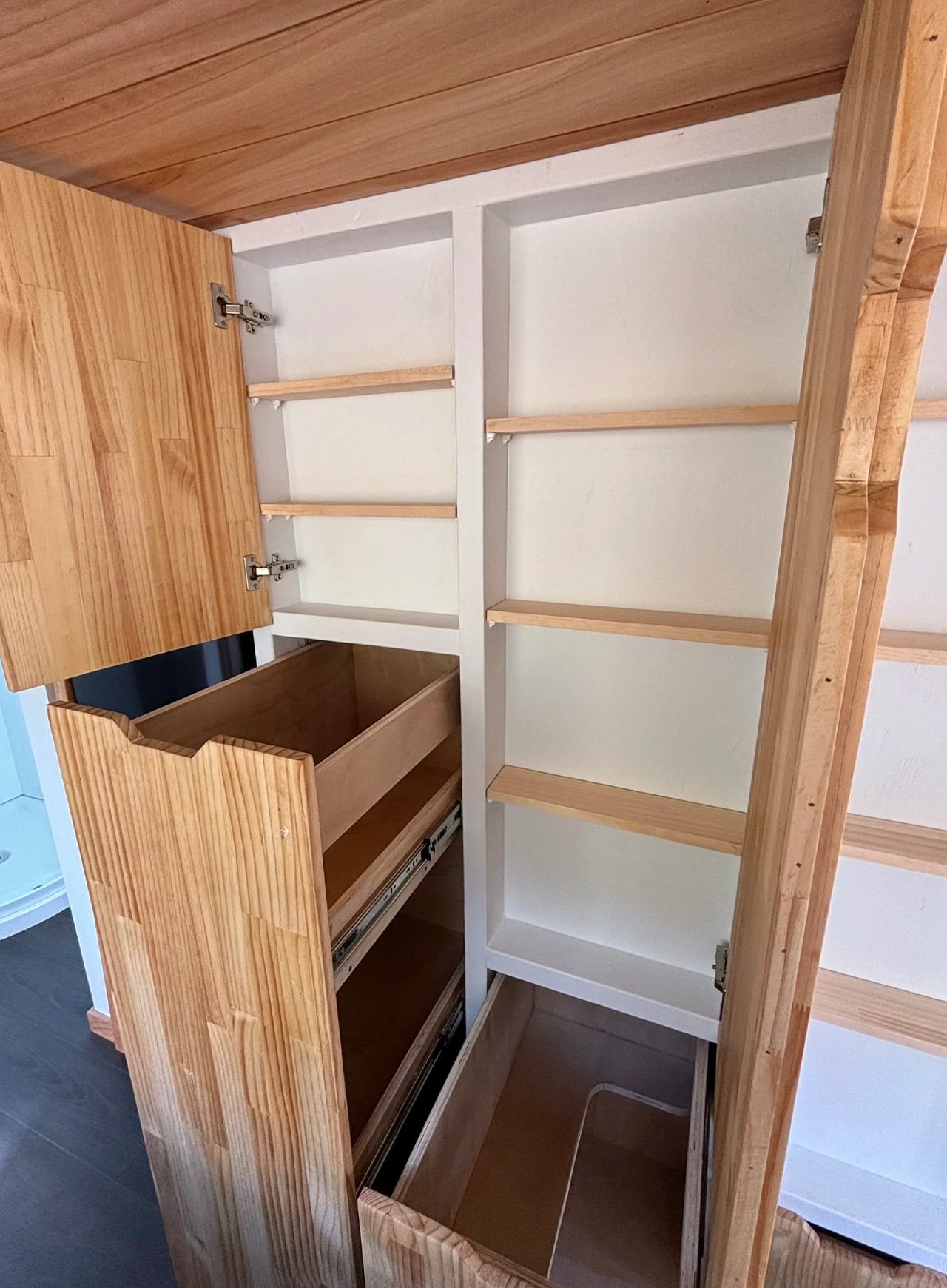
The floor plan is where things get genuinely clever. The main level handles the kitchen and living area, while the full-height gooseneck loft above serves as the primary bedroom — a queen-size bed, a desk, and a chair for working from home. From there, storage-integrated steps lead to a second, lower-ceilinged library loft, fitted with a long bookcase and a single sleeper sofa. It’s a rare thing in tiny living — a dedicated reading nook. The home also includes washer and dryer hookups, making it a fully functional permanent residence rather than a glorified weekend retreat.

All configurations come NOAH certified. Pricing runs $162,950 for the fully furnished turnkey version, $155,250 for the unfurnished option (which still includes the kitchen and bathroom), and $81,475 for the shell build for those who want to finish the interior themselves. The Knoll doesn’t try to hide what it is. It’s a small home — but it’s a real one, built for people who want to live smaller without feeling like they settled.

The post The Knoll Is a Tiny House That Finally Refuses to Think Small first appeared on Yanko Design.
Three Bedrooms, Two Bathrooms, and a Tiny Home Layout Nobody Thought to Try Until Now

Most tiny homes follow the same predictable playbook: squeeze a loft bed above, cram the kitchen below, repeat. The Onda by Australian builder Removed Tiny Homes throws that rulebook out entirely. Part of the brand’s new Tiny Mansions lineup — a series of oversized, premium tiny homes built for people who love the concept of small-scale living but refuse to sacrifice comfort — the Onda is the first of its kind to introduce a true upside-down layout.

The concept is disarmingly simple, yet nobody has really done it before. All three bedrooms sit on the ground floor, while the kitchen, living room, and bathroom occupy the elevated upper level. It’s a reverse loft plan, and once you see it, the logic is undeniable. Private spaces below, communal life above, all wrapped in a design that moves with natural fluency between the two.

Designer: Removed Tiny Homes

Built on a double-axle trailer, the Onda is finished in steel with warm wooden accents that keep it from reading too industrial. It measures 10 meters long, 3.4 meters wide, and 4.5 meters tall, dimensions that push it squarely into apartment territory rather than anything you’d call a cabin. An optional deck extends the footprint further, spilling the living area outdoors when the weather calls for it.

Upstairs is where the design really earns its Tiny Mansion billing. The kitchen is a proper one with stone benchtops, full cabinetry, and no compromises. The living room opens beside it, lit by a trio of skylights that flood the space with natural light. The bathroom is equally considered: a central vanity, a glass-enclosed shower positioned directly beneath a skylight, a toilet, a closet, and a stacked laundry setup all within a space that somehow feels spa-like.

The three downstairs bedrooms give a growing family actual breathing room, not a ladder-accessed loft shared with luggage, but real rooms with doors. That shift alone repositions the Onda from novelty to a genuine alternative for families navigating an increasingly impossible housing market.

Early buyers are rewarded with a Luxury Living Upgrade Pack that includes the fully tiled bathroom, the skylight trio, and the stone benchtops at no extra cost. Customization options ranging from strategic window placement to full off-grid capability mean the Onda can be tailored to wherever life needs to land next. Pricing starts at around USD $161,700, with delivery available across Australia. For a home that carries three bedrooms, two bathrooms, and an entirely new way of thinking about space, that number is harder to argue with than it looks.

The post Three Bedrooms, Two Bathrooms, and a Tiny Home Layout Nobody Thought to Try Until Now first appeared on Yanko Design.
Why the Audrey by CozyCo Might Be the Most Practical Tiny Home on the Market

Most tiny homes ask you to compromise. The Audrey by Australia’s CozyCo Tiny Homes is built around the idea that you shouldn’t have to, delivering a compact, single-level build that makes efficient living look effortless. At just 7.2 metres (23.7 ft) long and mounted on a triple-axle trailer, the Audrey punches well above its footprint.

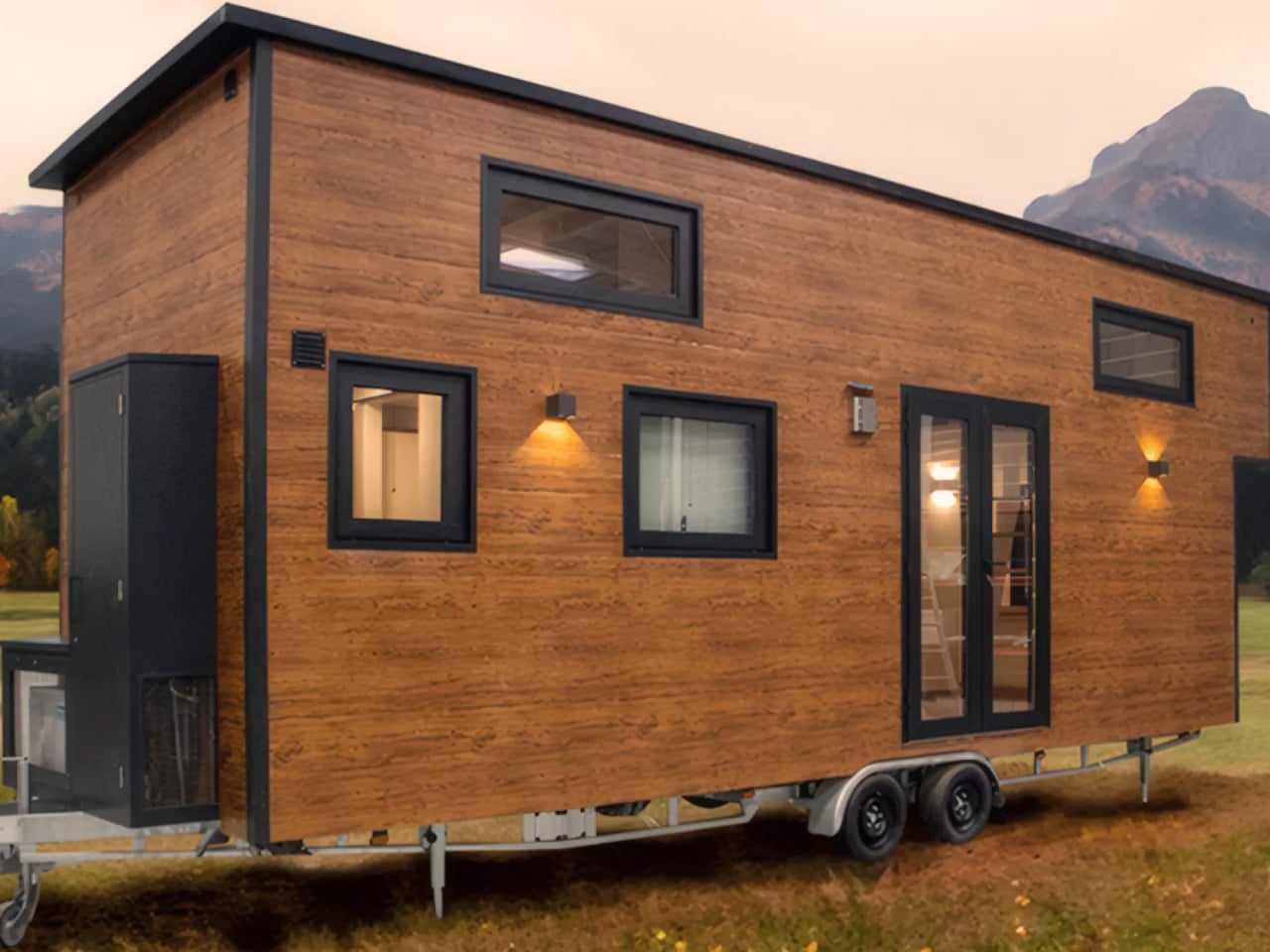
Its exterior is a clean mix of corrugated aluminium and timber-look panels, a combination that gives the home a timeless aesthetic that could slot into a bush property, a coastal block, or a suburban backyard without missing a beat. A small external box handles propane storage, keeping things tidy on the outside.

Designer: CozyCo Tiny Homes

Step inside, and the single-level layout immediately makes sense. Designed to sleep up to two people comfortably, the Audrey works equally well as a short-stay rental, a guest suite, a granny flat, or a semi-permanent retreat. The open studio configuration keeps circulation easy, while sliding glass doors flood the interior with light and make the space feel far larger than its dimensions suggest.

The build quality is where CozyCo makes its case. R2.5 insulation, VJ paneling, and double-glazed windows work together to keep thermal comfort dialed in across seasons. Gas, hot water, and air conditioning mean the Audrey handles year-round living without compromise. A storage bed rounds out the interior, removing the need for bulky furniture and keeping the floor plan clean.

For those who want to go further off-grid, CozyCo offers optional packages that include solar power systems, eco-friendly toilets, and water storage. The brand sources materials locally and builds each home to residential standards, backing every Audrey with a seven-year structural warranty and a lifetime warranty on the trailer. That’s a level of confidence that’s rare in the tiny home space.

CozyCo is an Australian outfit that brings real construction industry experience to the table, with a clear focus on builds that minimise environmental impact and maximise longevity. The Audrey is architecturally designed and finished to a premium standard, not a flat-pack workaround, but a proper home that happens to be mobile.

Whether the goal is Airbnb income, a low-maintenance guest house, or a quieter way of living, the Audrey makes a compelling argument. It’s proof that you don’t need more square footage. You need better decisions about the space you already have.

The post Why the Audrey by CozyCo Might Be the Most Practical Tiny Home on the Market first appeared on Yanko Design.
Backcountry’s Scandi Inn Makes 270 Sq Ft Feel Generous

The tiny house movement has had its share of aesthetic whiplash over the years. One week it’s shiplap and barn doors, the next it’s industrial pipe fixtures and Edison bulbs. So when something comes along that actually commits to a visual language and carries it through consistently, it’s worth paying attention. The Scandi Inn by Backcountry Tiny Homes is one of those rare builds that knows exactly what it is.
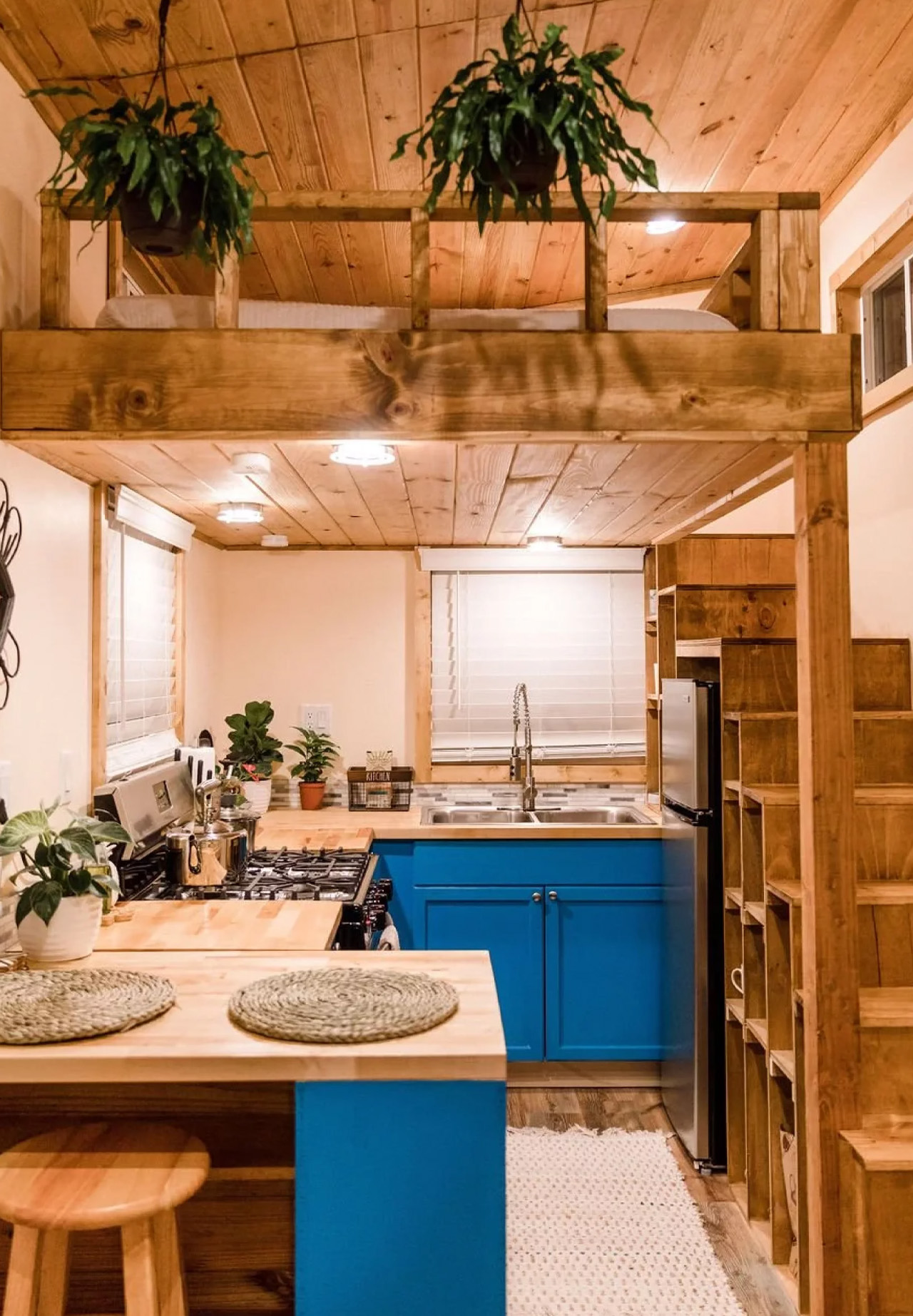
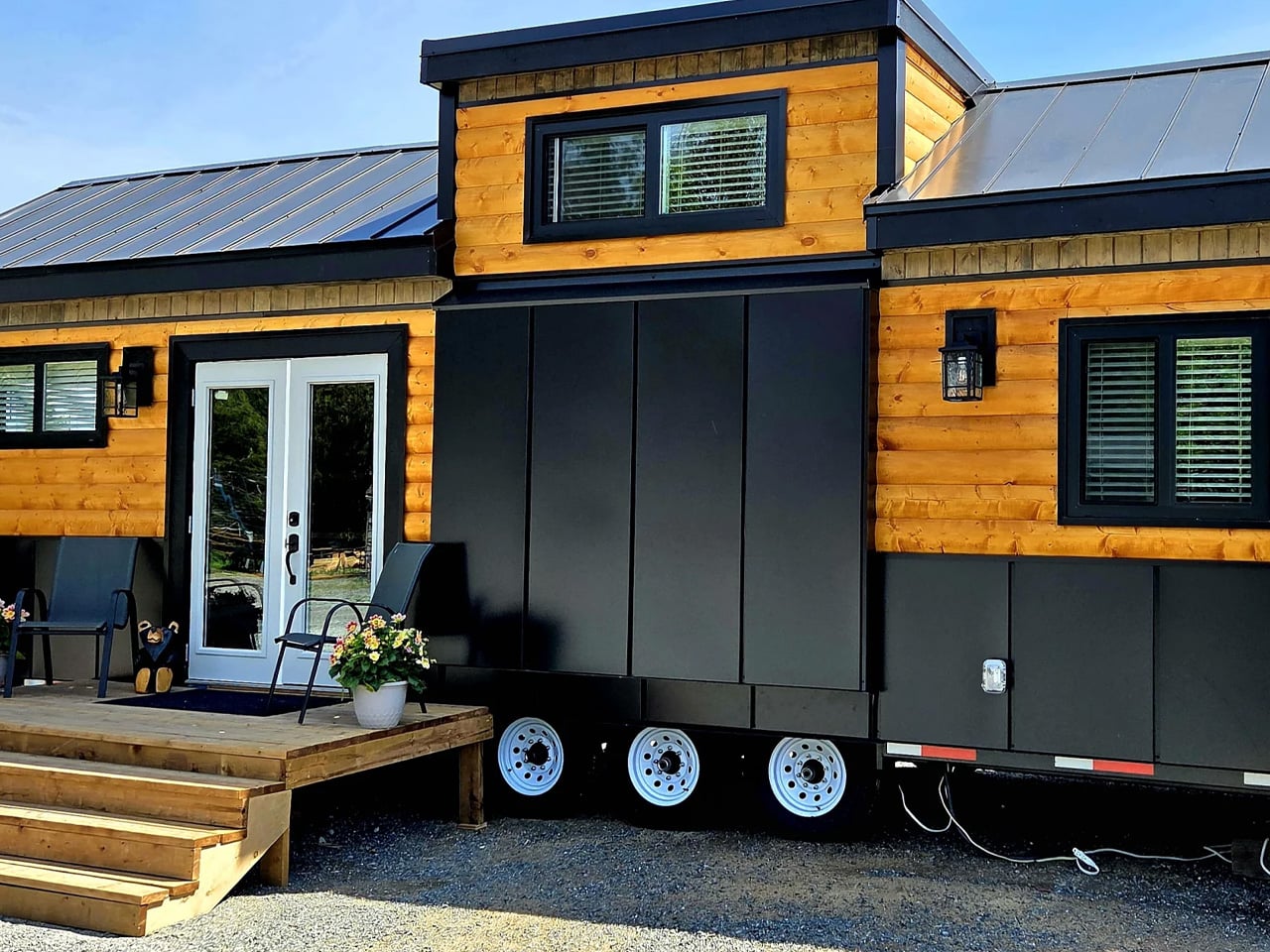
At 270 square feet and 24 feet long, the Scandi Inn sits on a triple-axle trailer and borrows its design sensibility from Scandinavian interiors. Cedar tongue-and-groove siding on the exterior, paired with metal cladding, gives it that understated cabin quality that reads more European alpine than American backwoods. It doesn’t shout for attention, which is a deliberate choice, and the right one.

Designer: Backcountry Tiny Homes

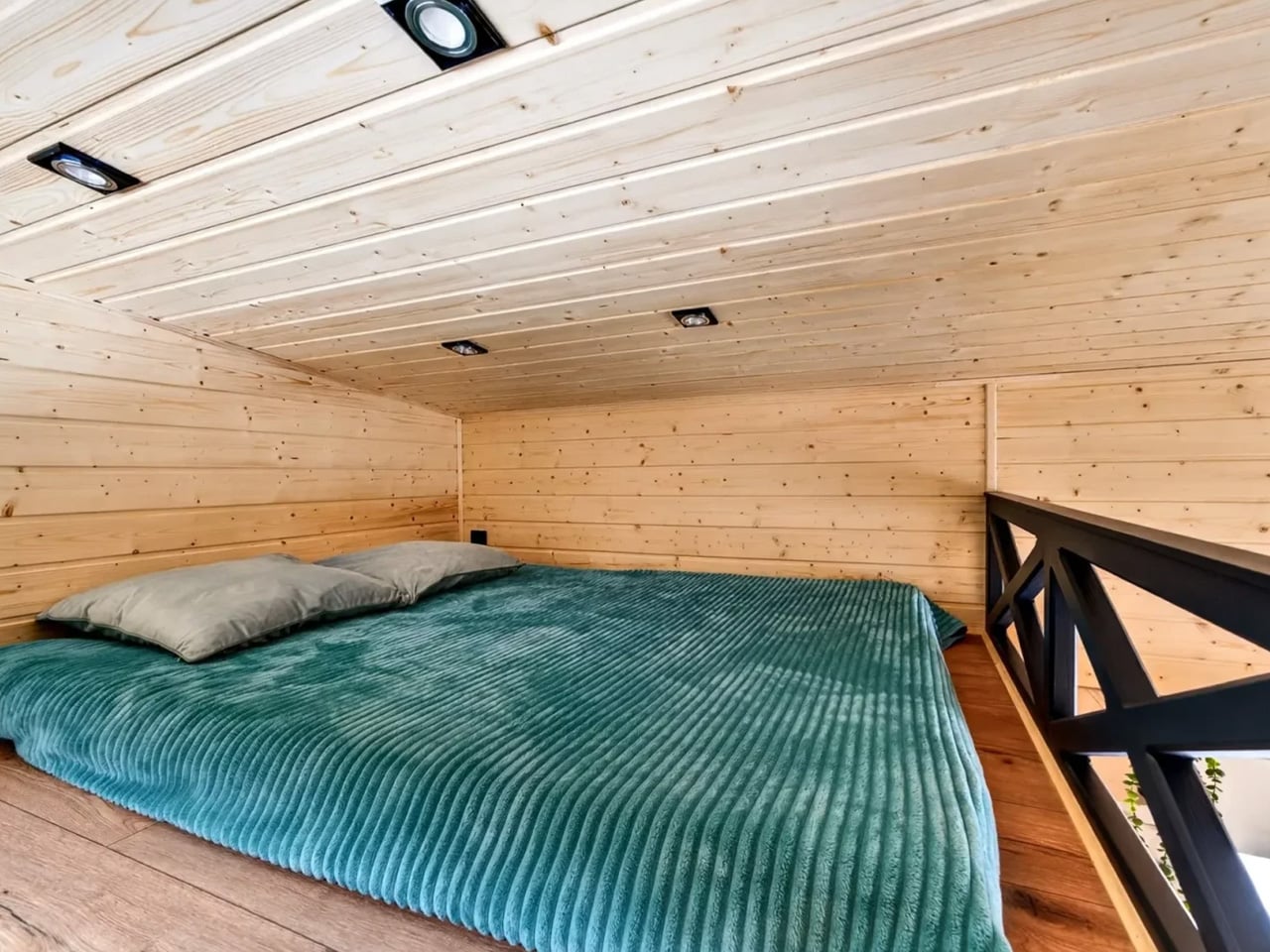
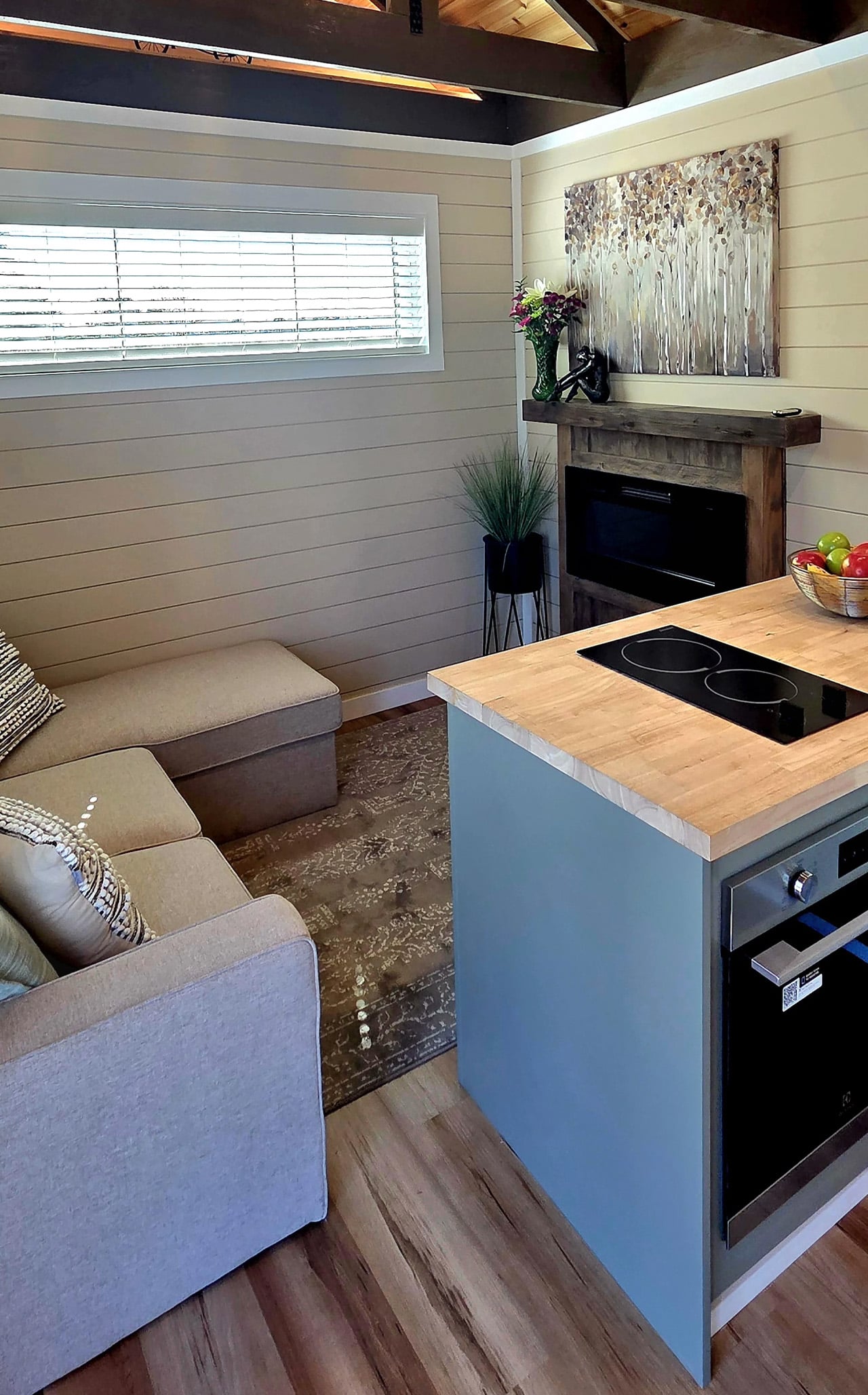
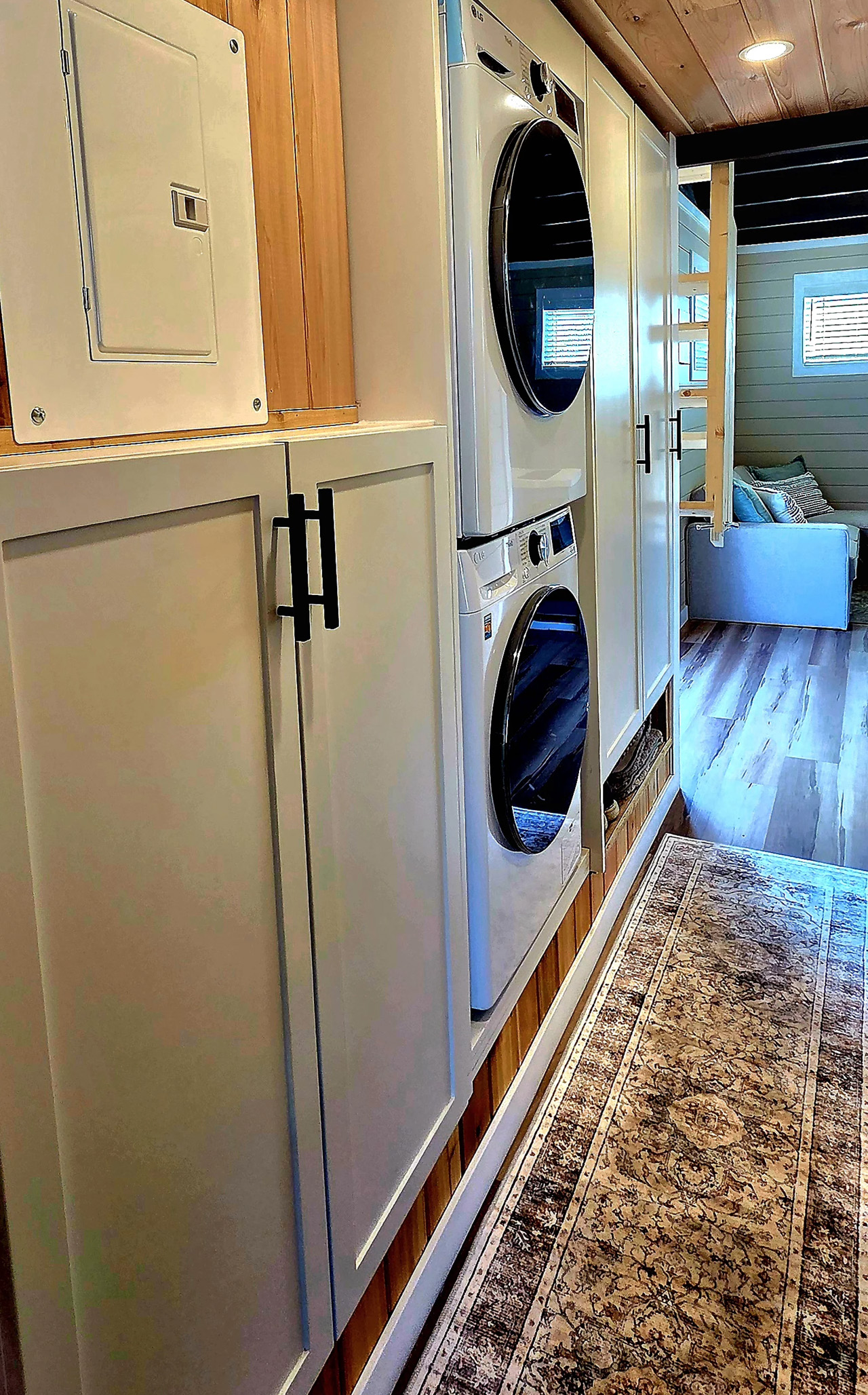
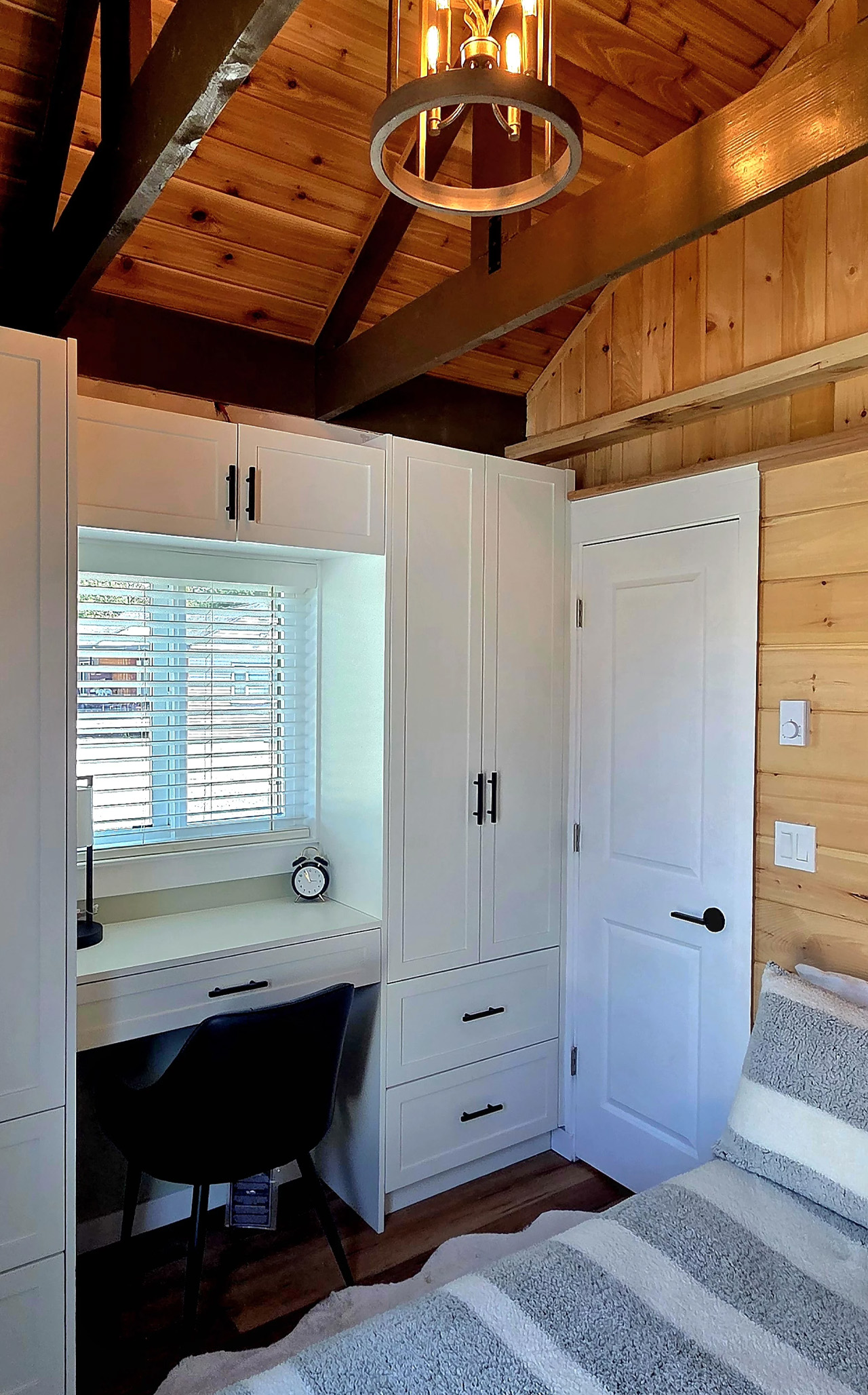
Step inside, and the interior is finished entirely in tongue-and-groove pine. The effect is warm without being heavy, which is genuinely hard to pull off in a small space. Nordic design has always understood the relationship between wood and light, using natural materials to compensate for limited square footage and often-limited daylight. In the Scandi Inn, that same logic applies, and it translates surprisingly well to a 270-square-foot box on wheels. The overall atmosphere lands somewhere between a mountain cabin and a well-curated hotel room, which is a balance most interior designers wouldn’t attempt at full scale, let alone this one.

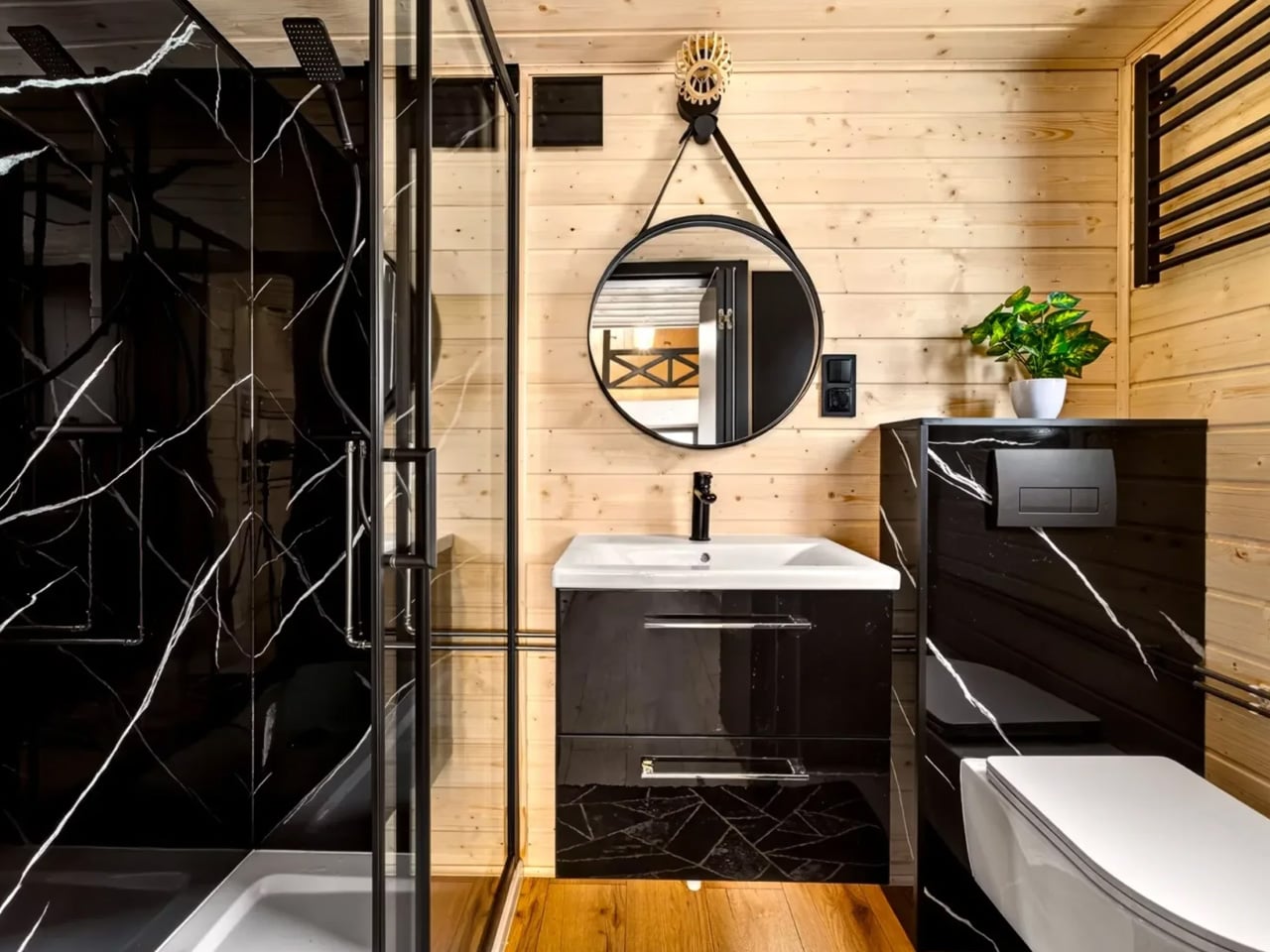
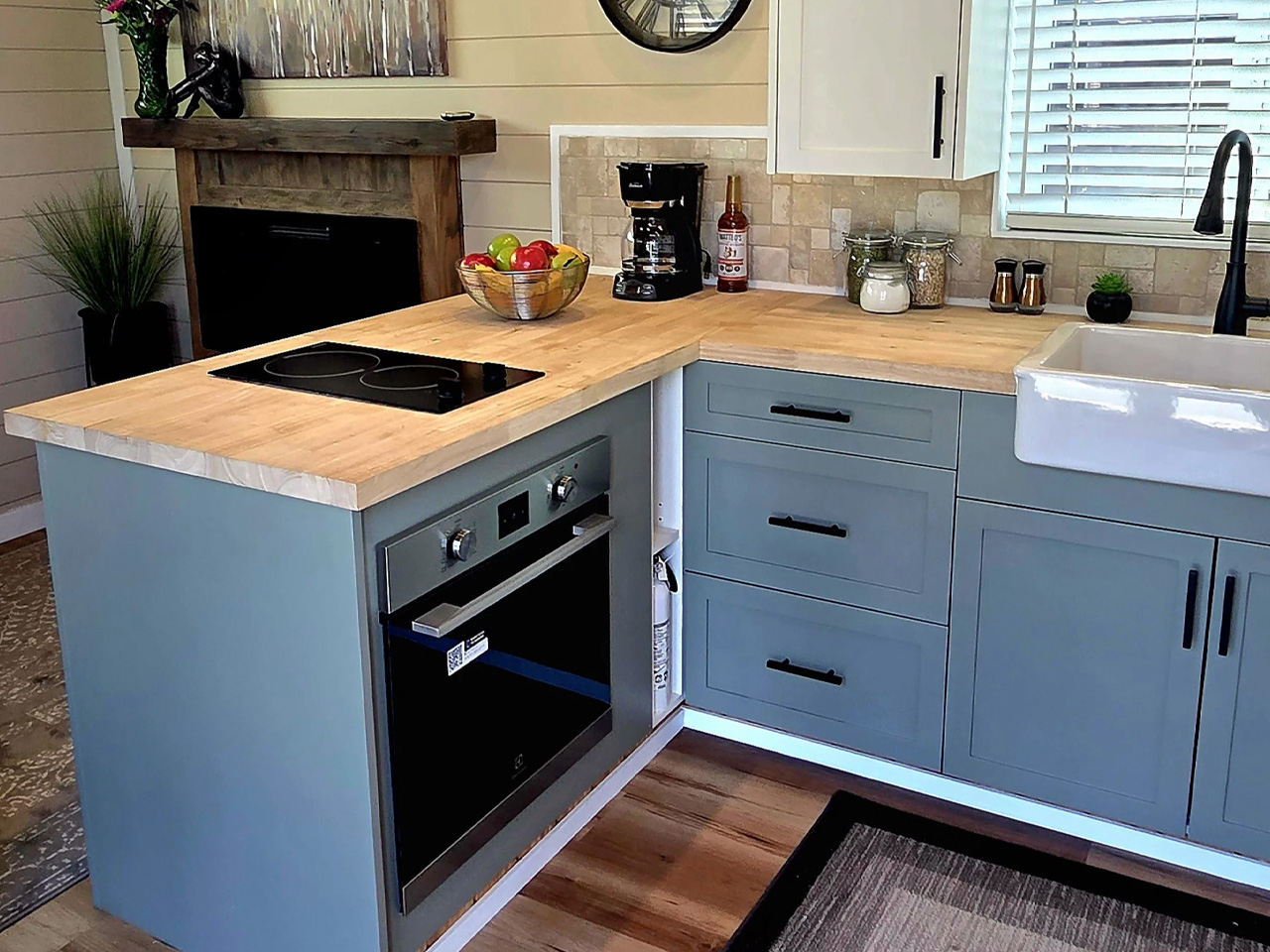
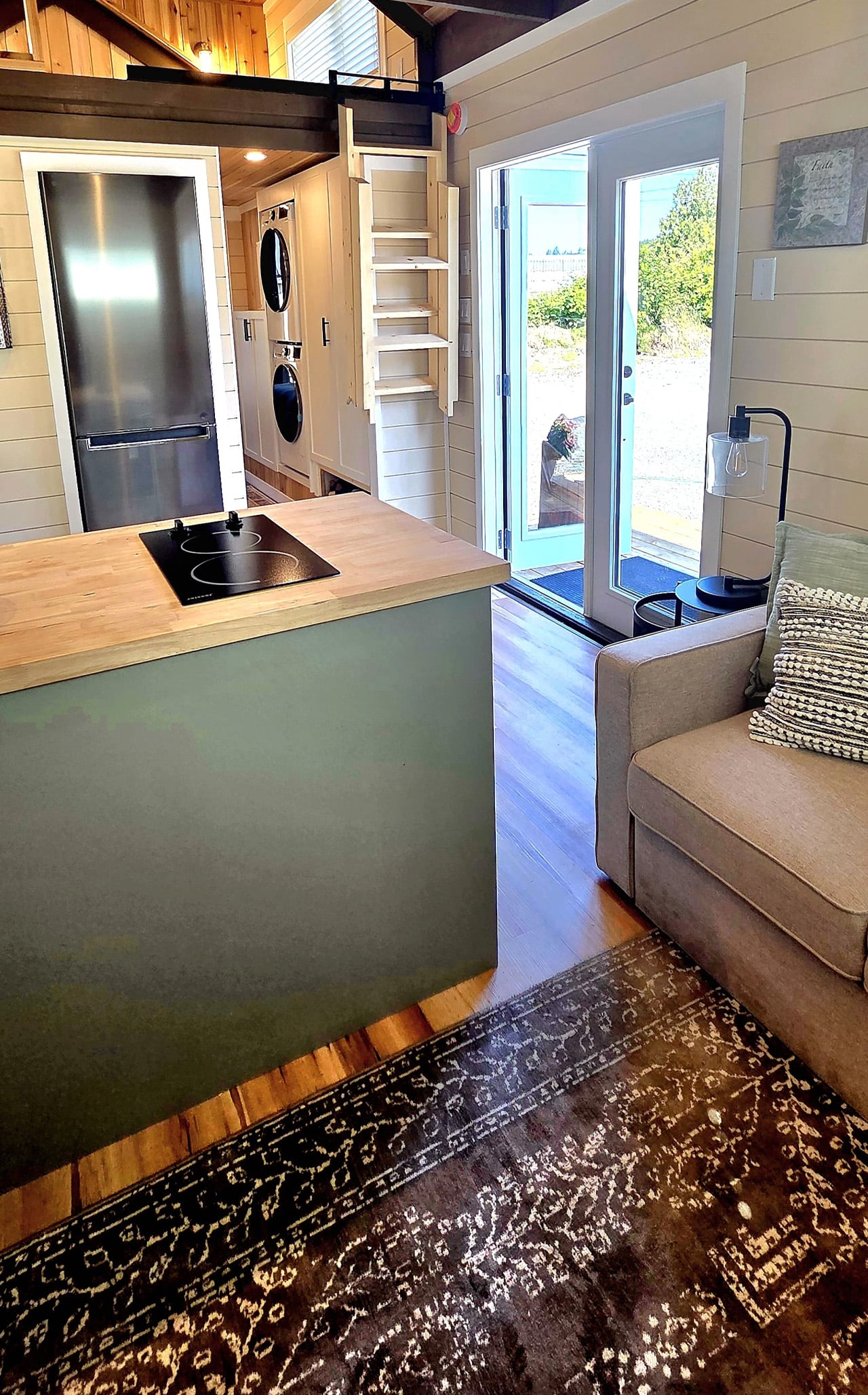
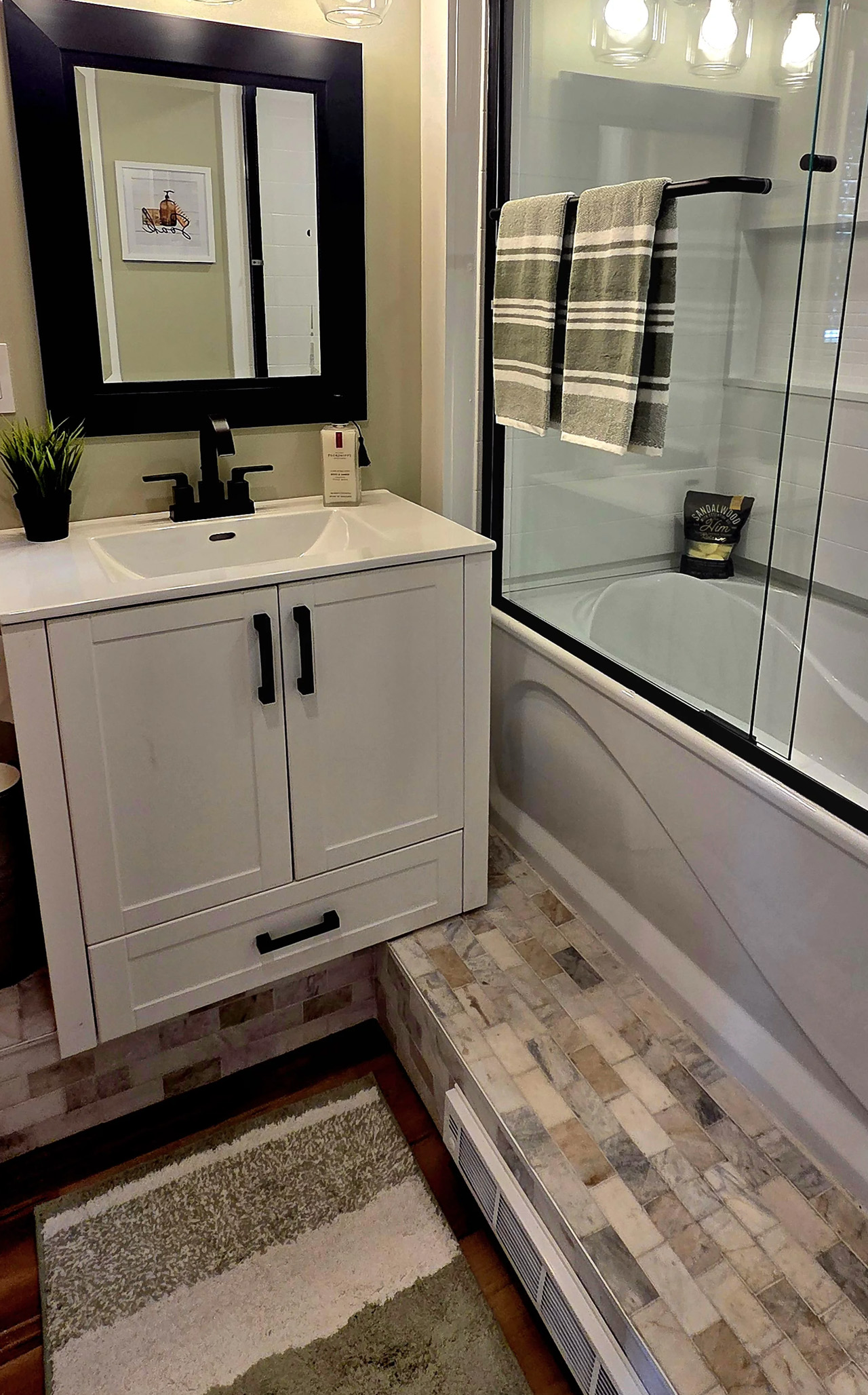
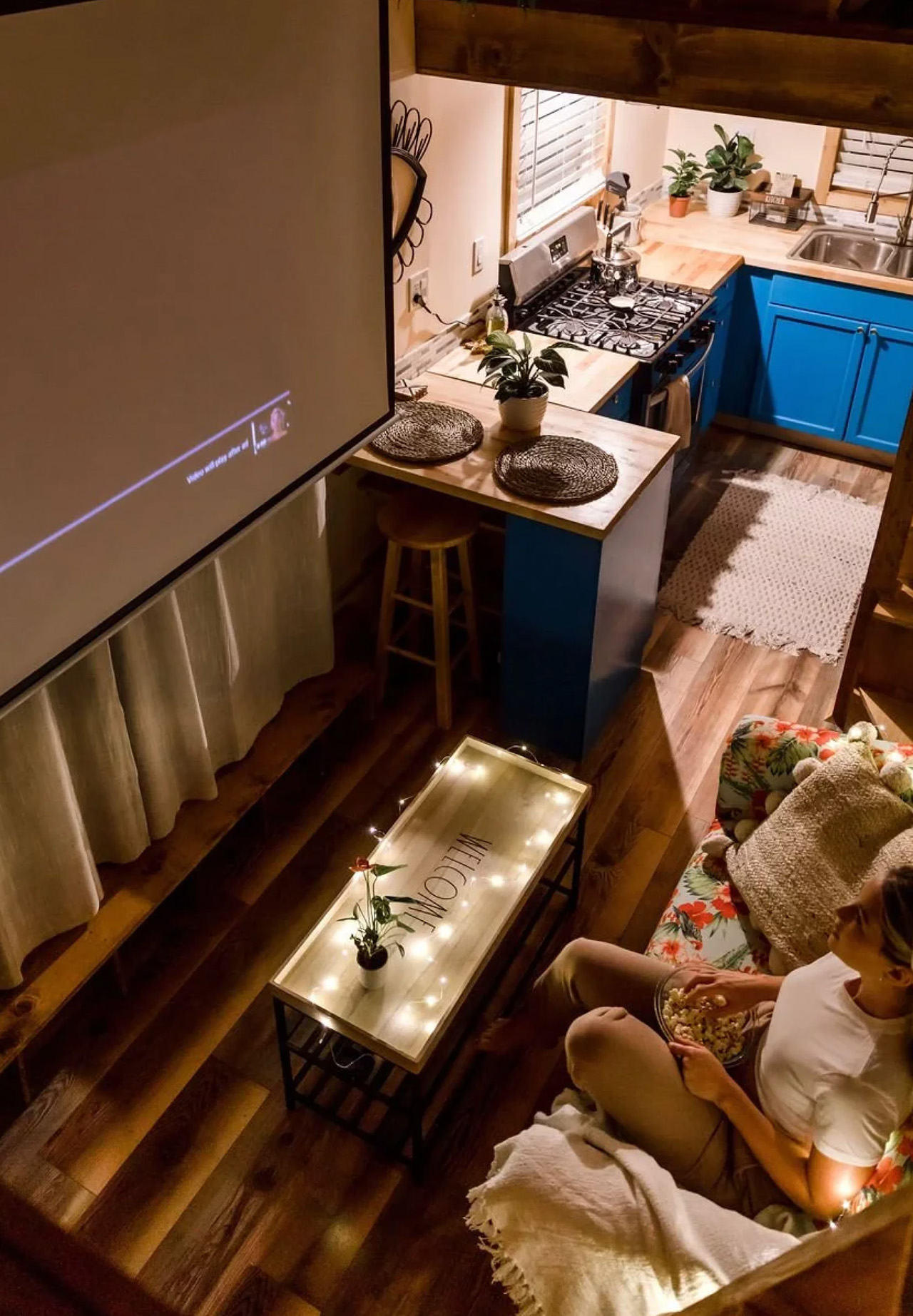
The layout makes serious use of every inch. The kitchen includes a breakfast bar that seats two, alongside a dining area, a living room, and a tiled shower bathroom. A loft bedroom sits above the main floor, and a reading nook tucks into the plan somewhere in between, which is the kind of detail that separates a thoughtful design from a merely functional one. A reading nook isn’t about space efficiency. It’s about acknowledging that people need places to exist quietly, even in small homes. Especially in small homes.

The Scandi Inn sleeps up to three people, which is ambitious for 270 square feet but not unrealistic. The loft configuration handles sleeping without eating into the main living space, a solution that tiny house designers have relied on for years. What makes it work here is that the loft doesn’t feel like an afterthought squeezed in at the last minute. It feels planned, proportional, and consistent with the rest of the interior.

Backcountry Tiny Homes has built a reputation for custom builds that take their design cues seriously, and the Scandi Inn reflects a clear maturity in that thinking. Earlier tiny house builds, from this maker and others, often suffered from the same problem: too many styles competing for attention in a space that couldn’t support the noise. The Scandi Inn has none of that. The palette is restrained, the material choices are cohesive, and the proportions feel considered rather than accidental.

The turnkey price lands at $77,800, which in the current housing market feels almost quaint. That’s not a dismissal of the cost. It’s a significant sum. But context matters. The average home price in the US continues to climb past the reach of a growing number of people, and builds like the Scandi Inn represent a legitimate alternative for those rethinking what homeownership can look like. It’s not a compromise so much as a reorientation of priorities.

The tiny house conversation used to center on sacrifice, on what you give up, what you do without, how you make peace with less. The Scandi Inn frames it differently. The quality of the materials, the cohesion of the design, and the genuine livability of the layout suggest that the goal was never to shrink a house. It was to build something intentional from the start. That distinction matters more than it might seem. Most spaces, regardless of size, feel the way they do because of decisions made about materials, light, layout, and proportion. The Scandi Inn makes good decisions throughout. At 270 square feet, that’s all it needs to do.

The post Backcountry’s Scandi Inn Makes 270 Sq Ft Feel Generous first appeared on Yanko Design.