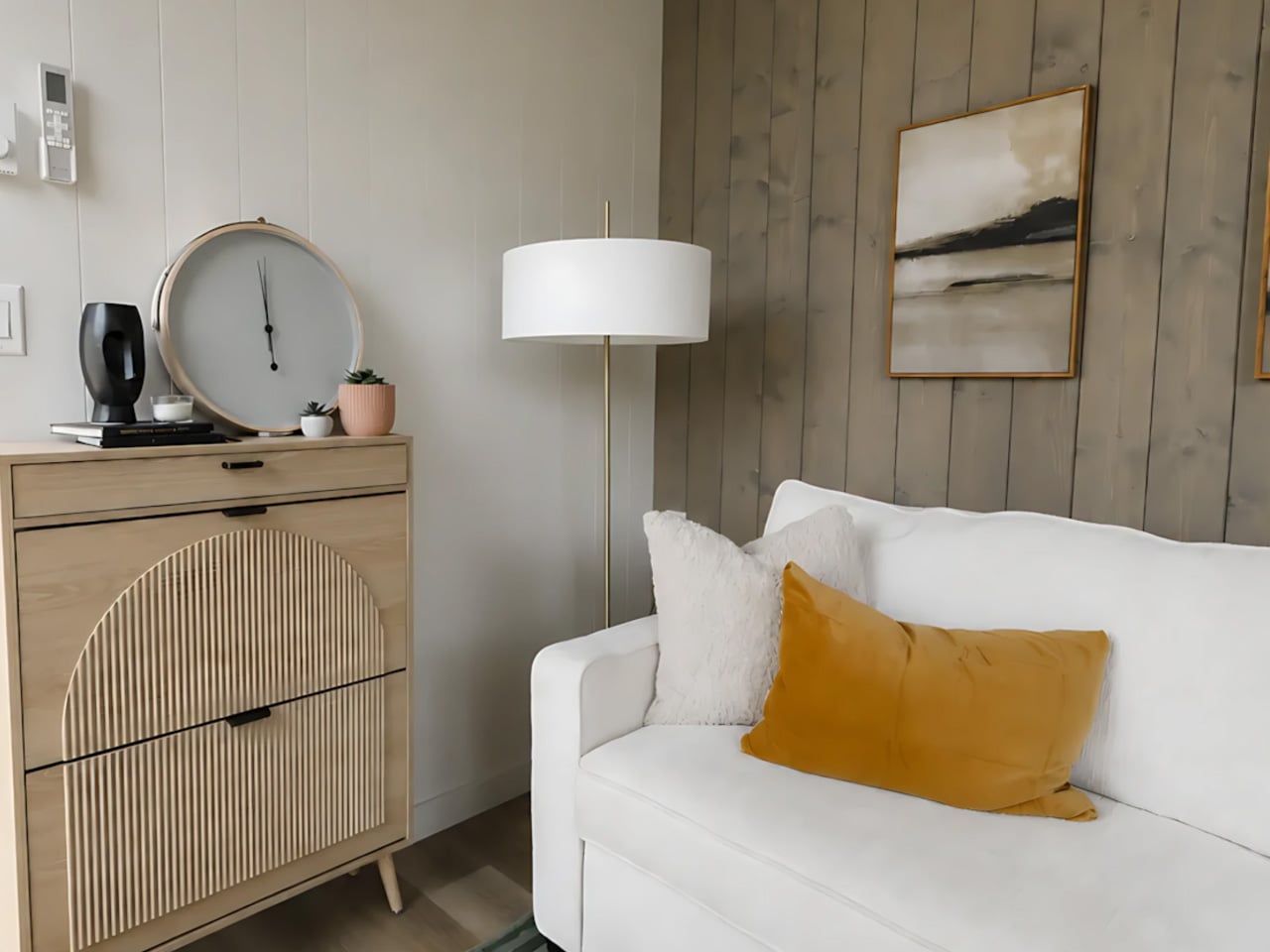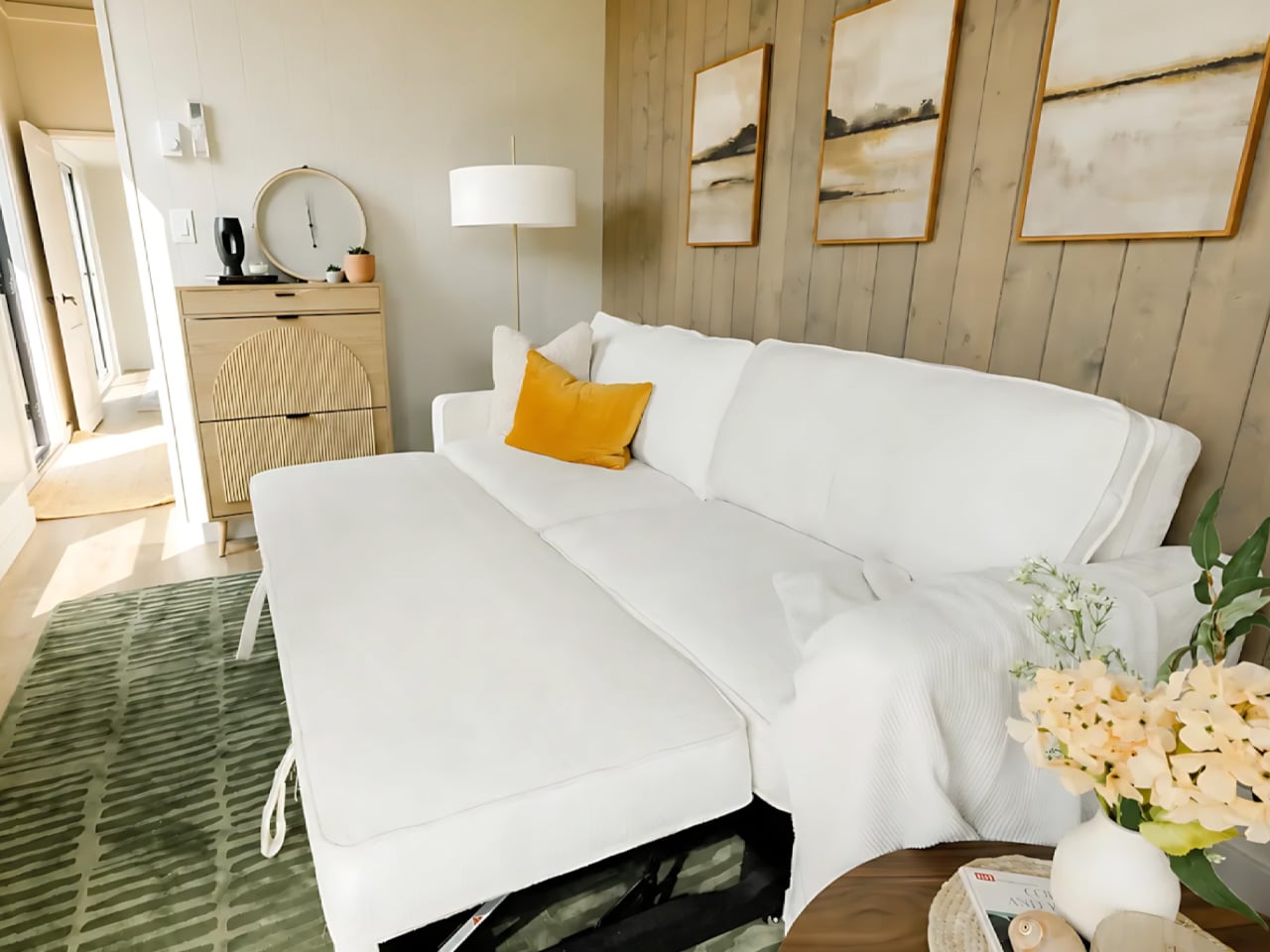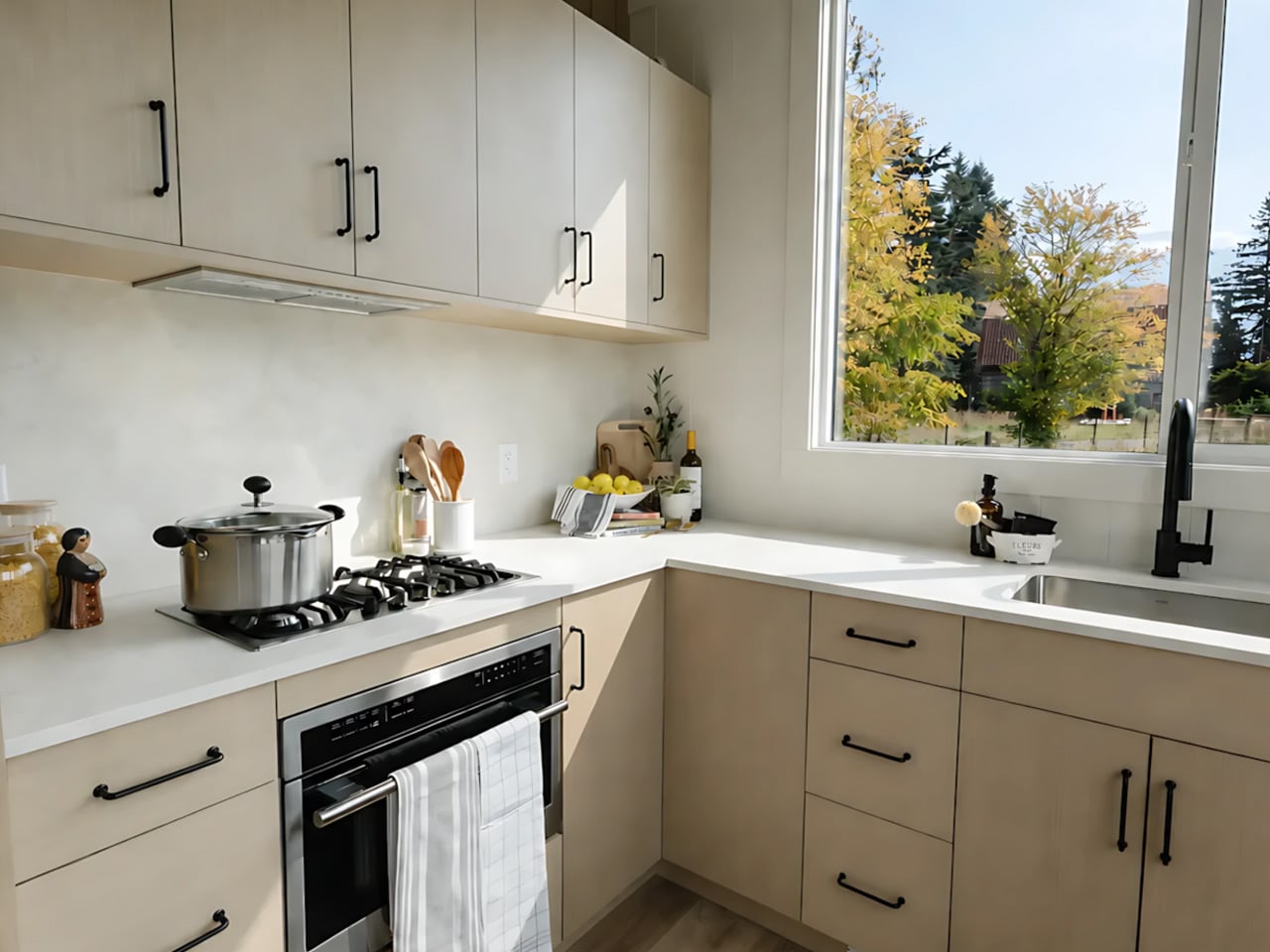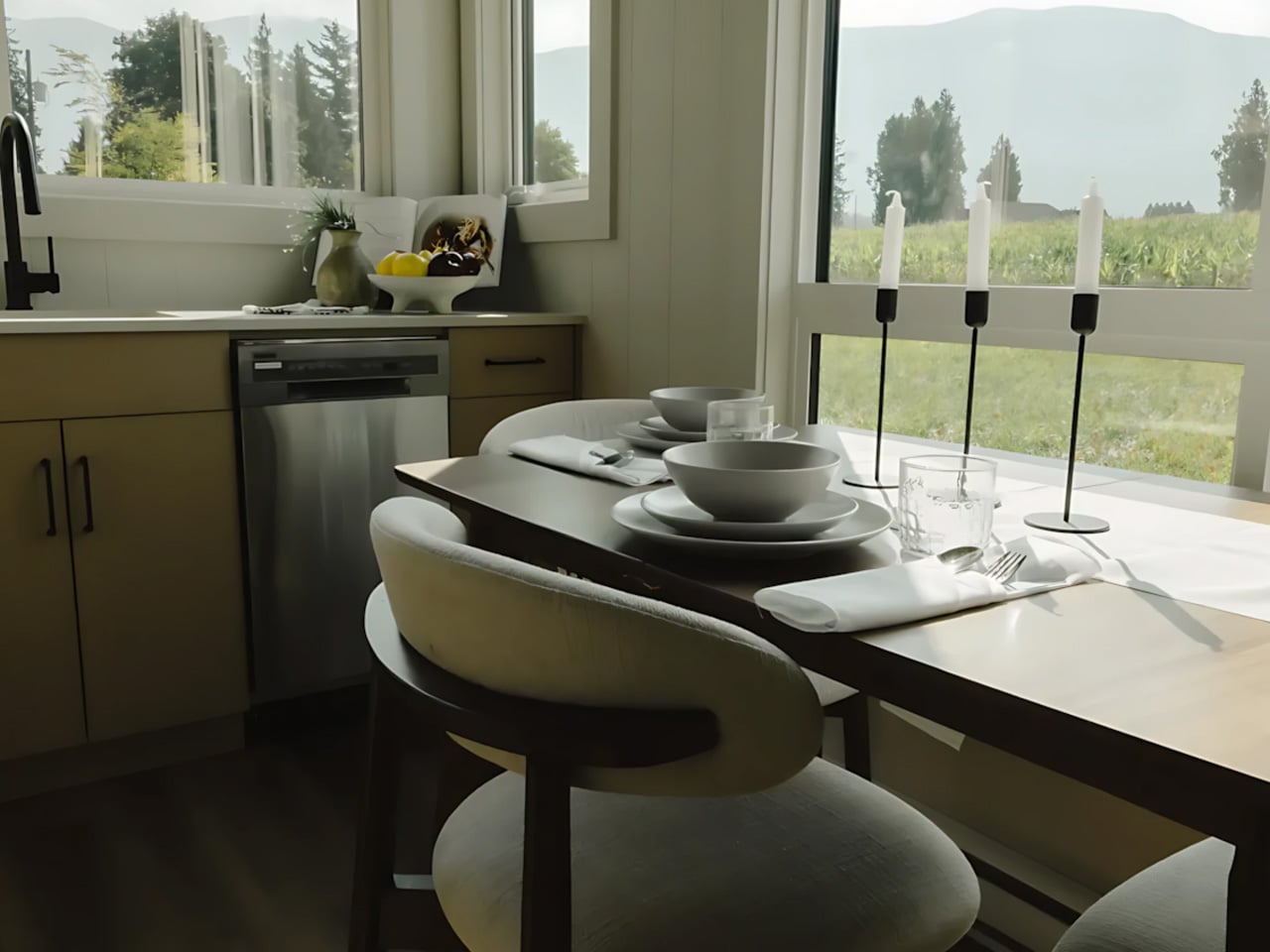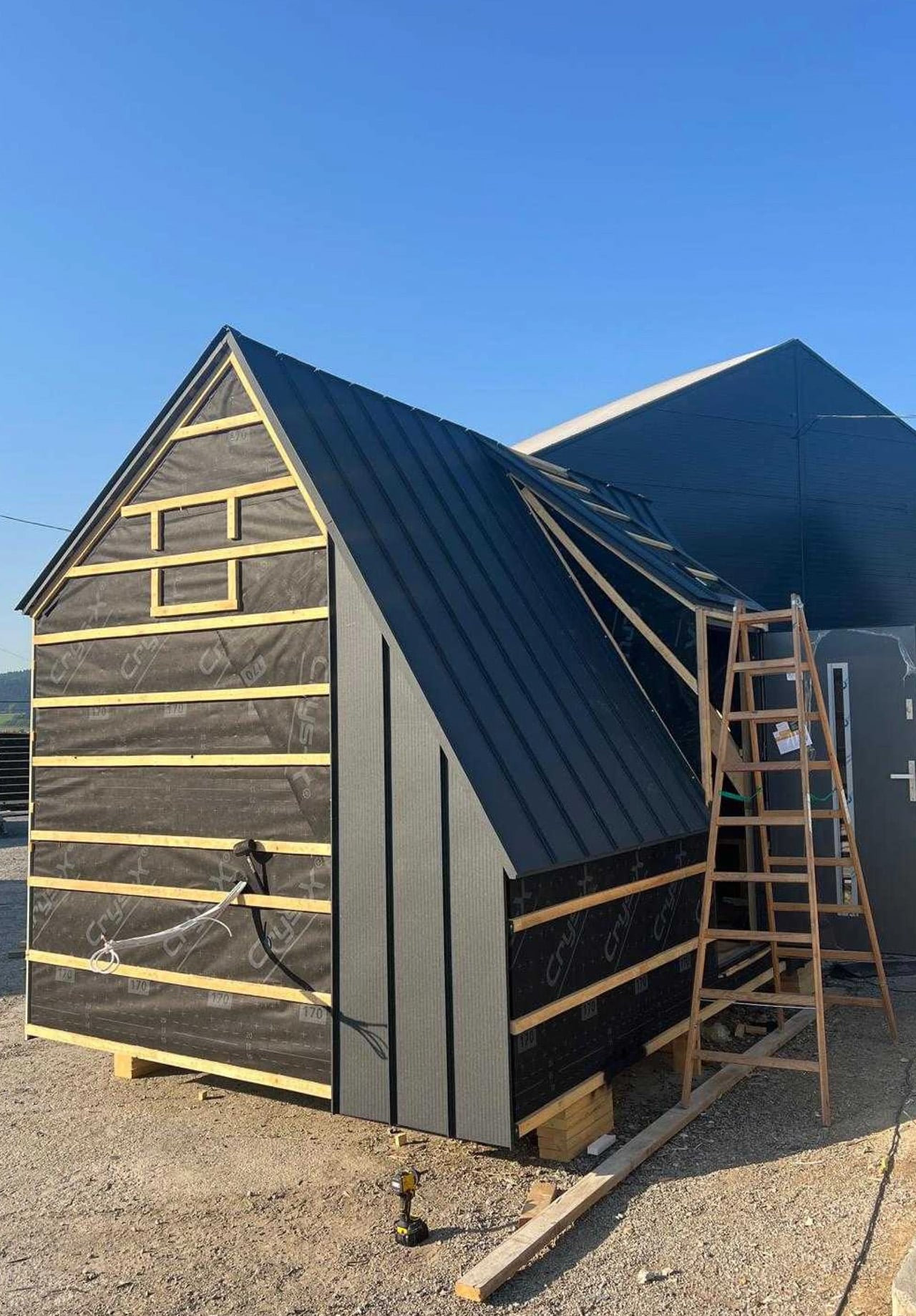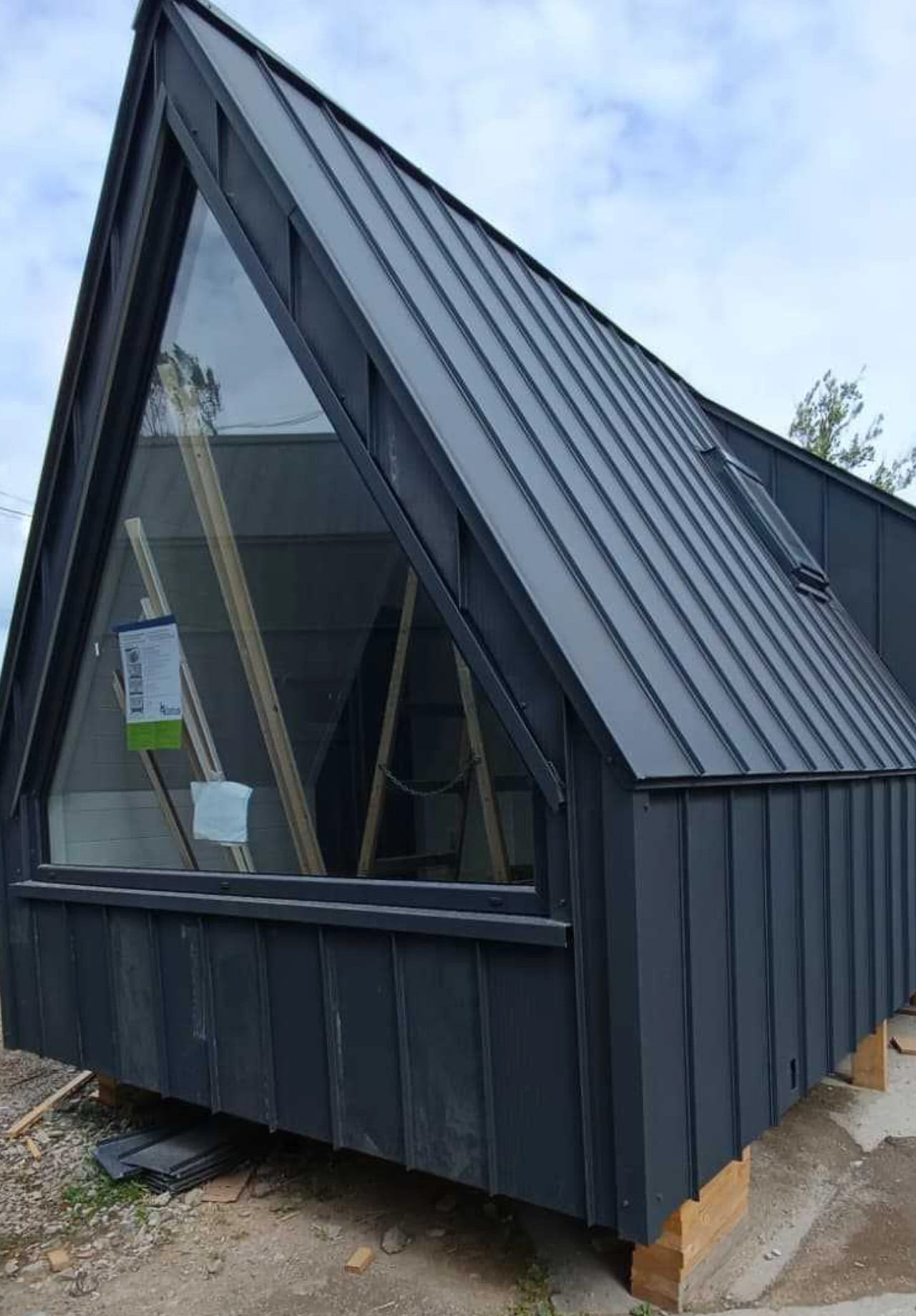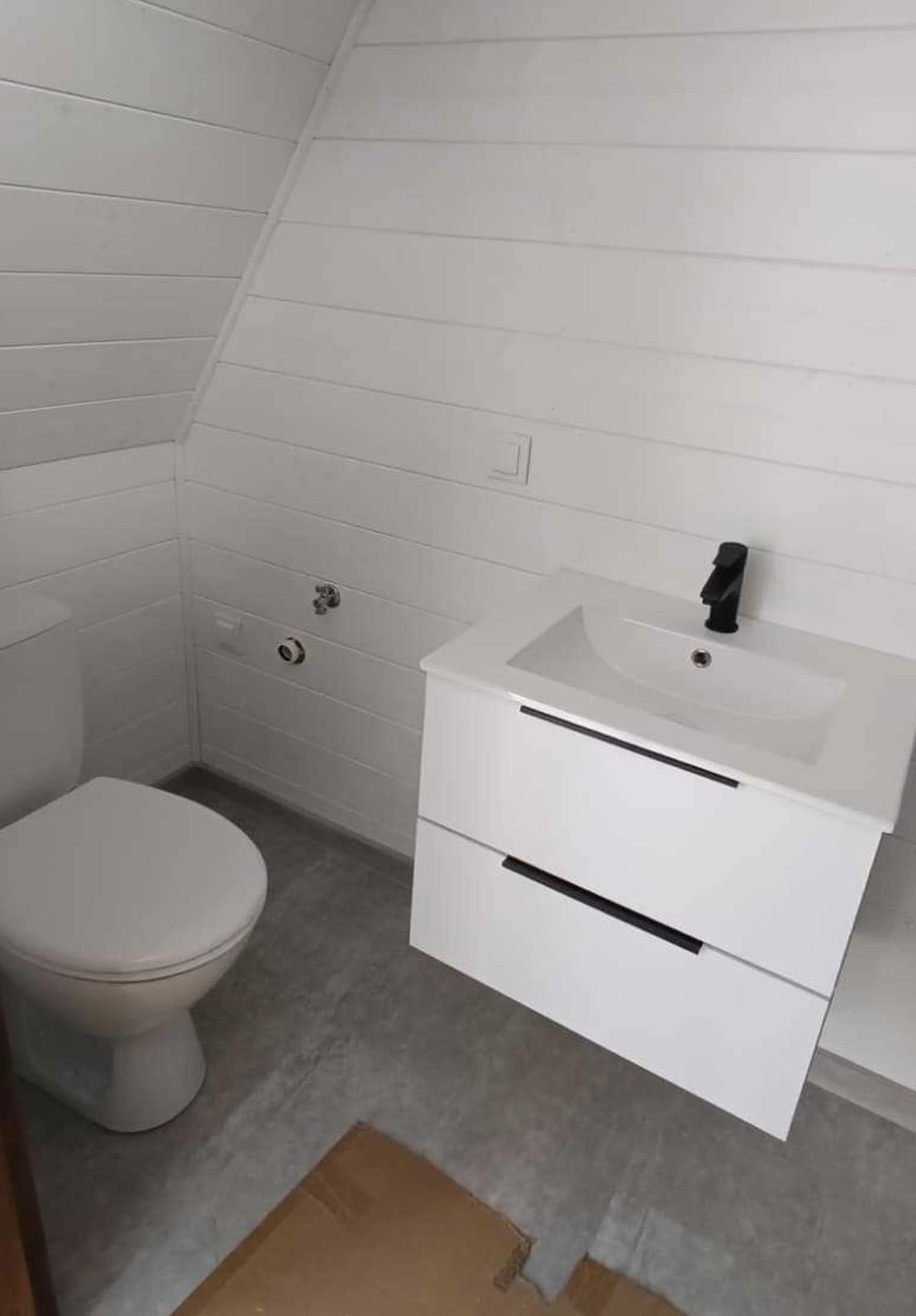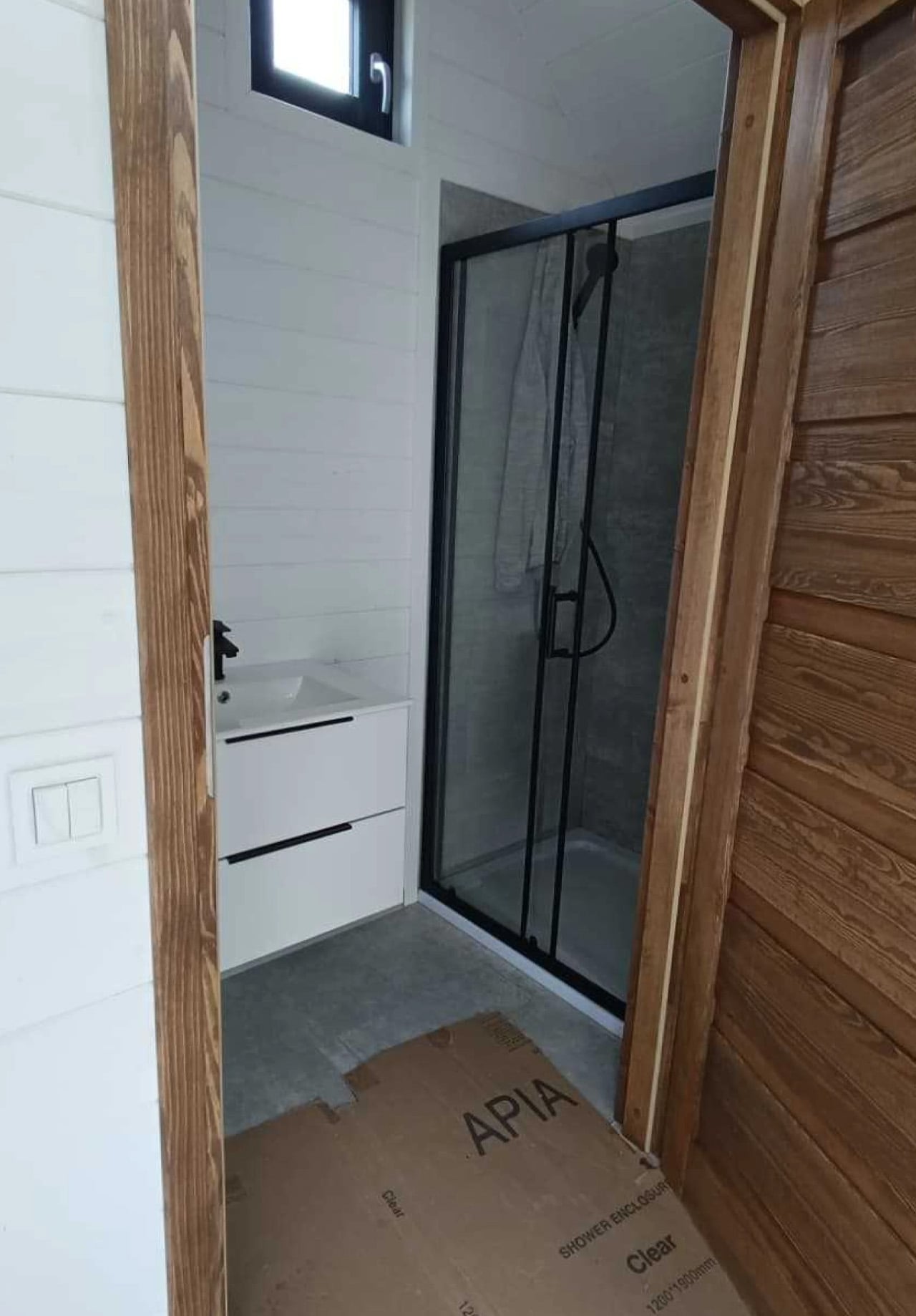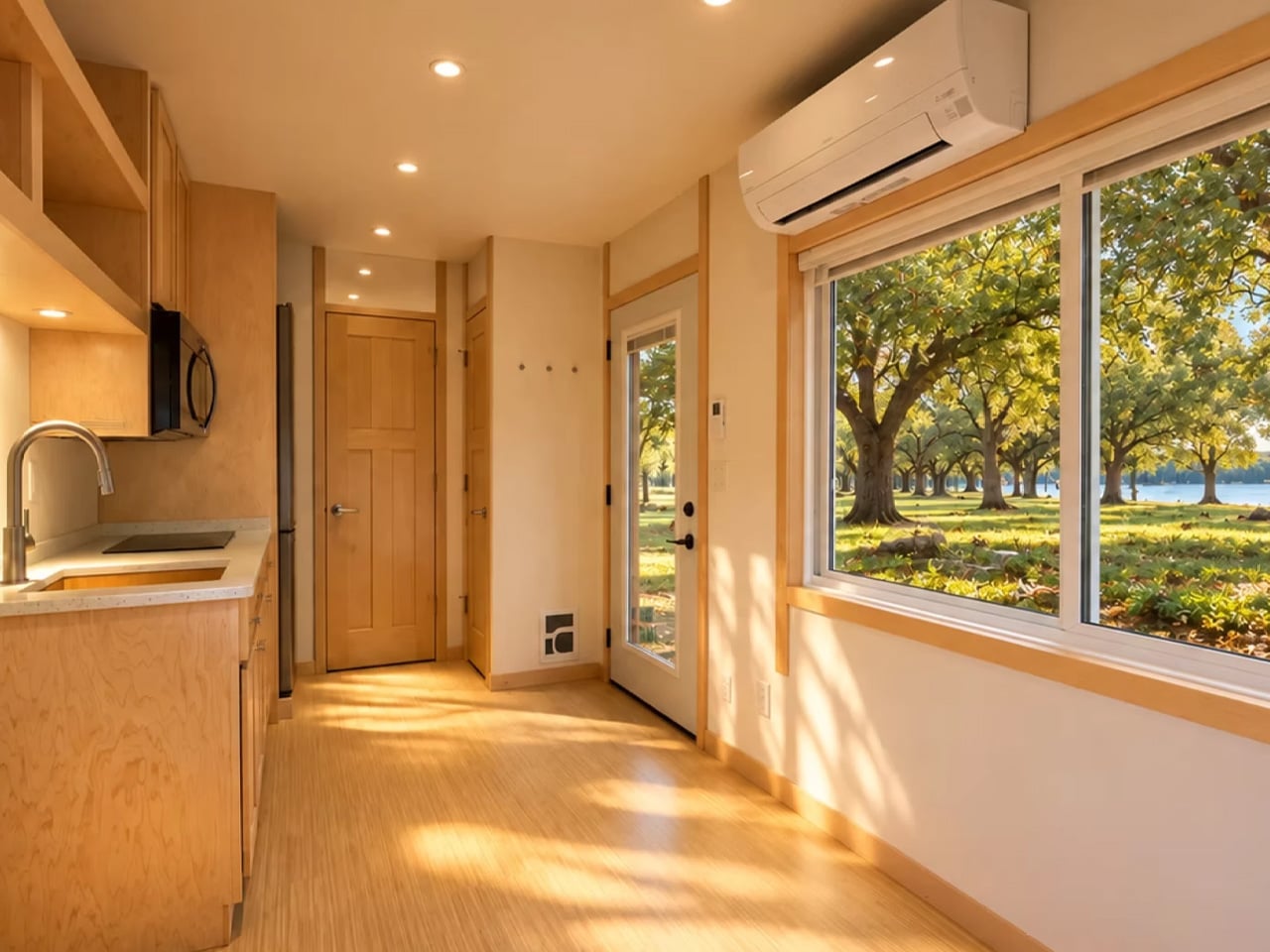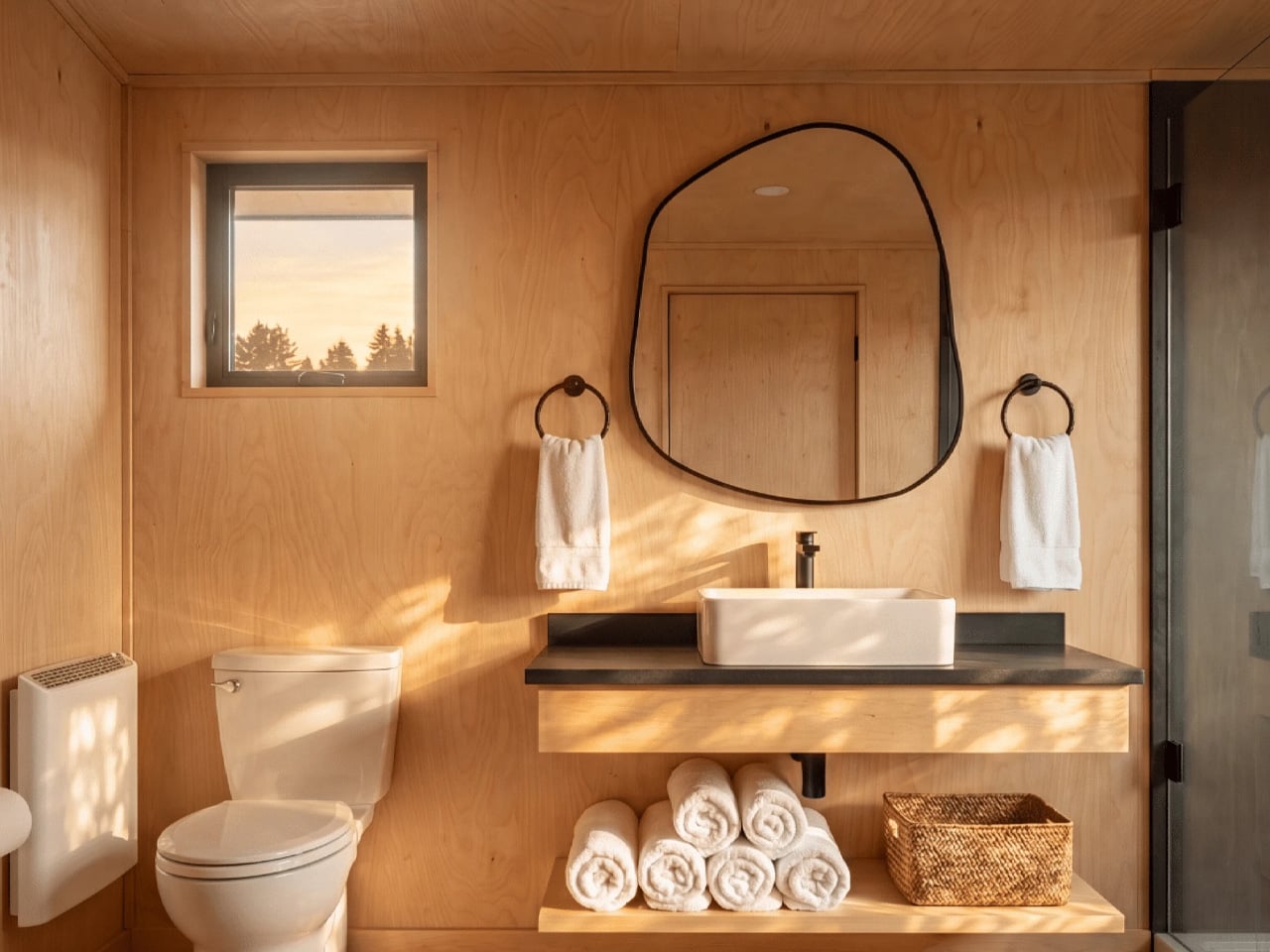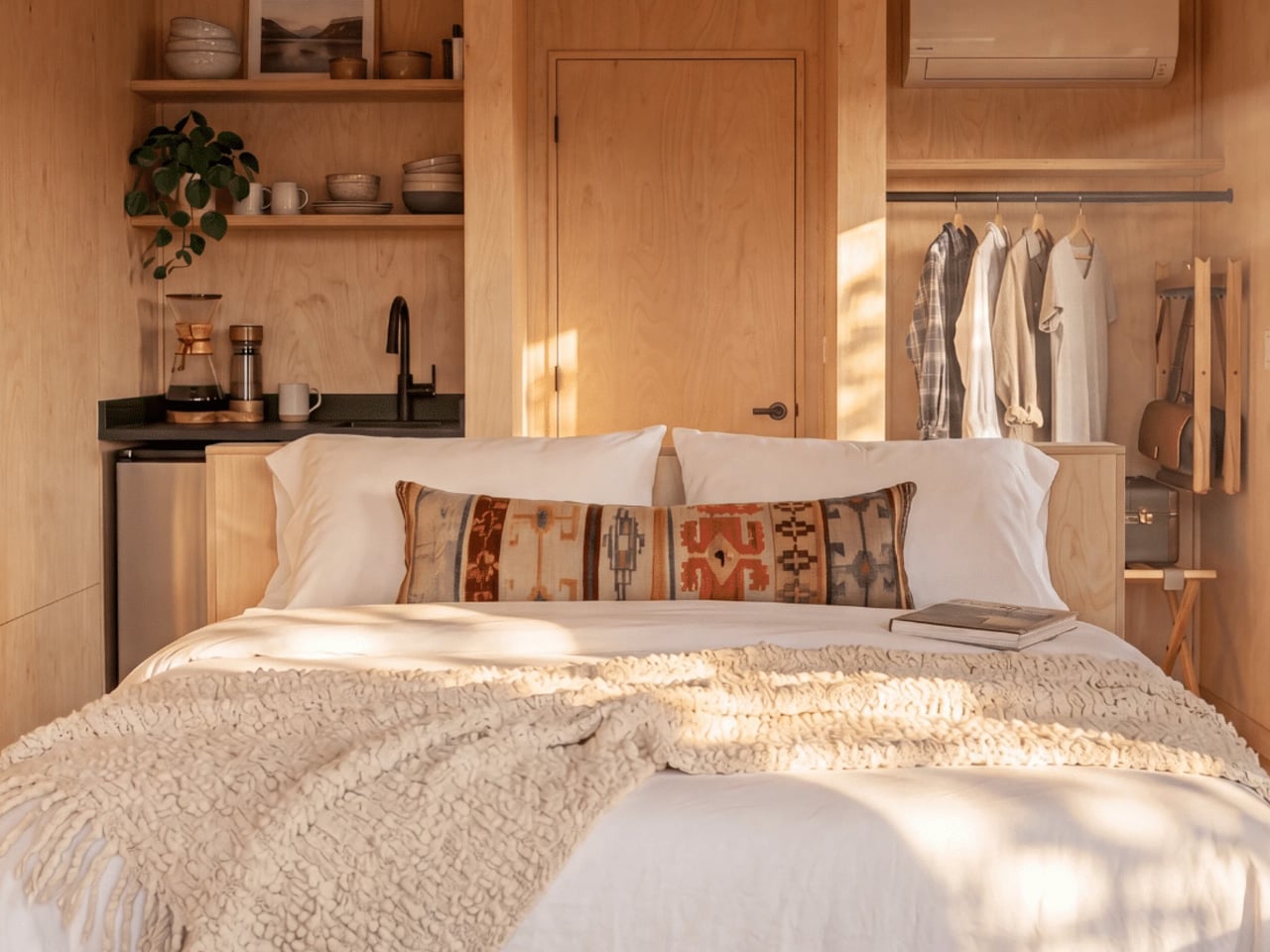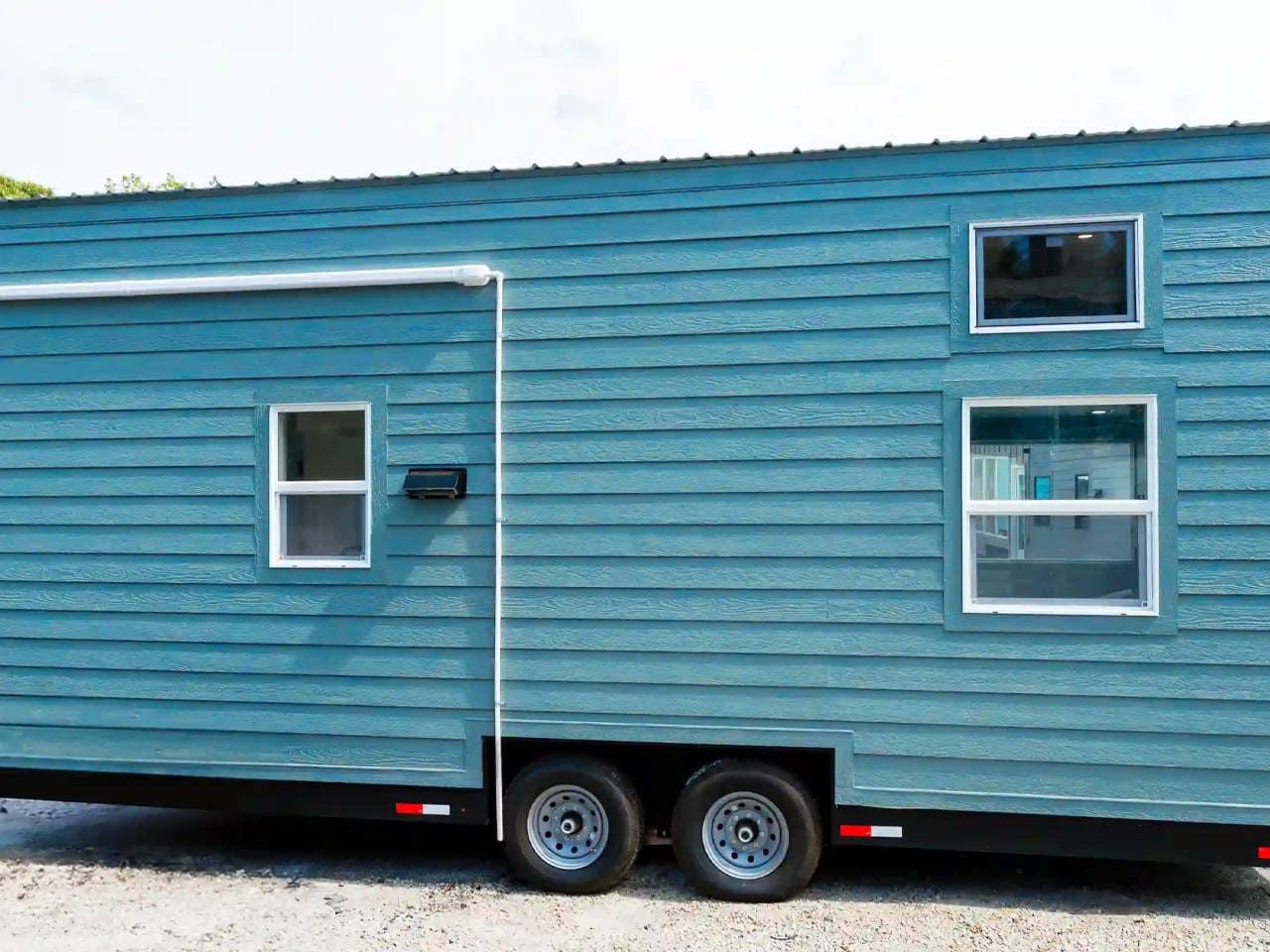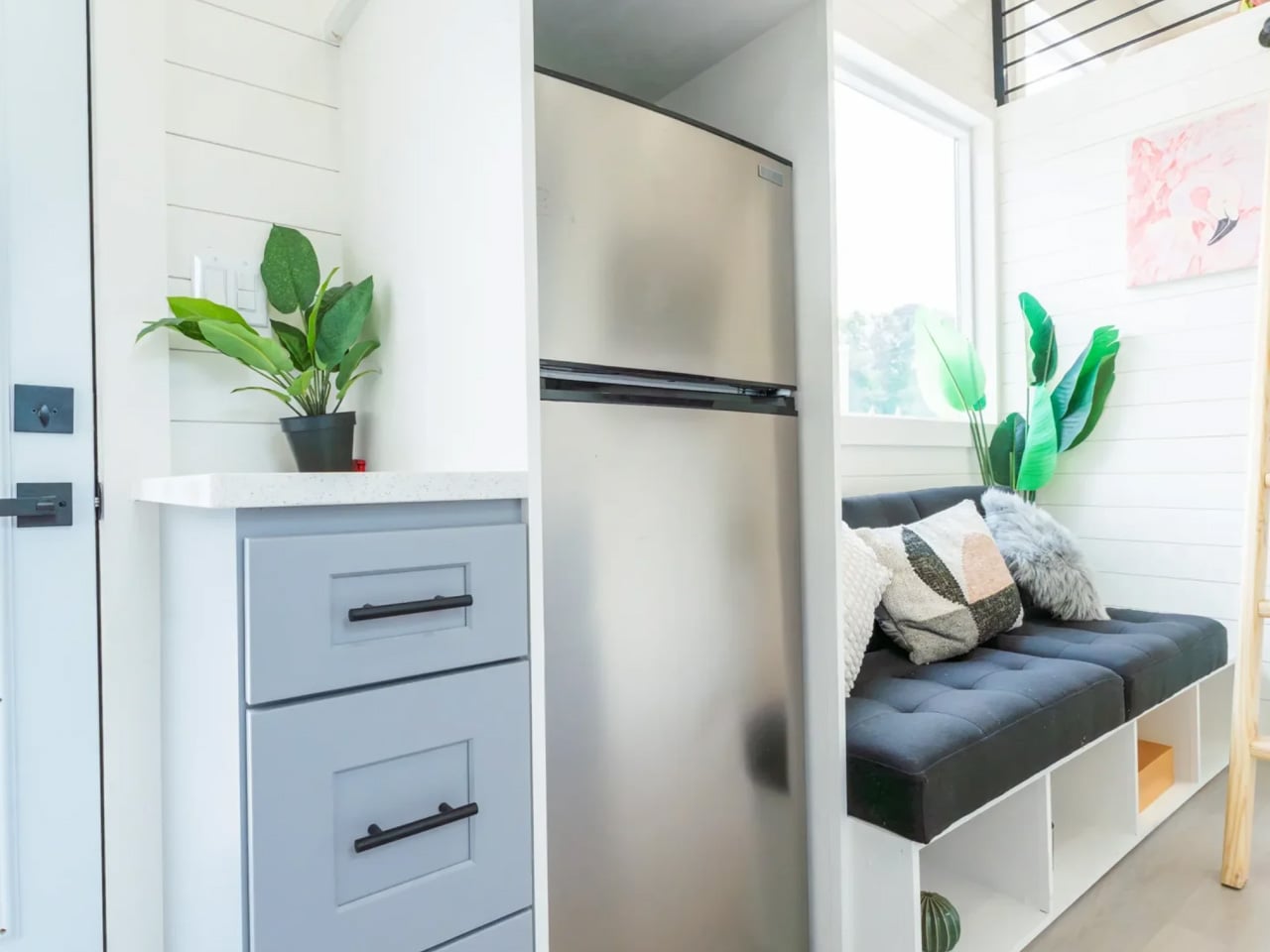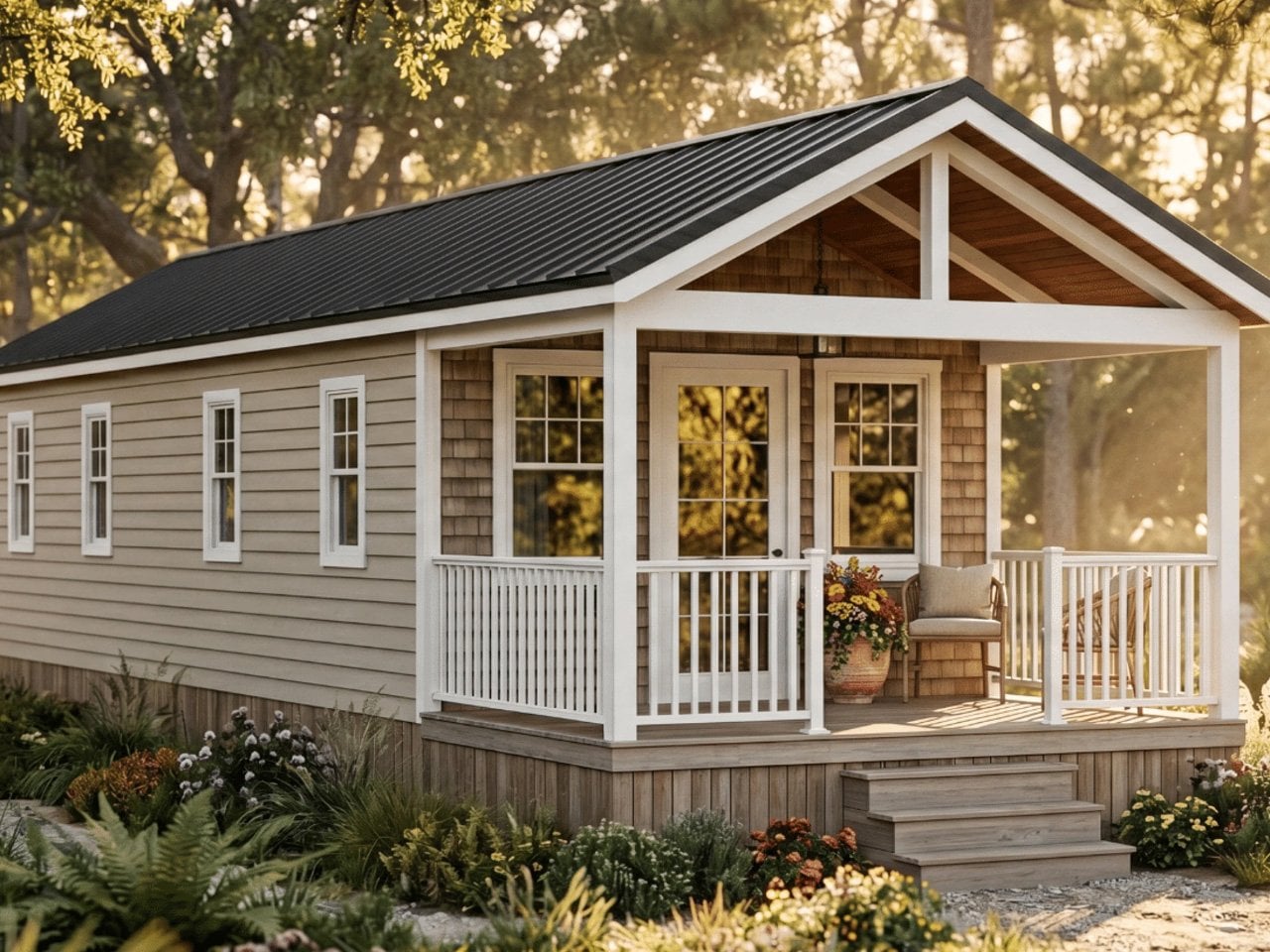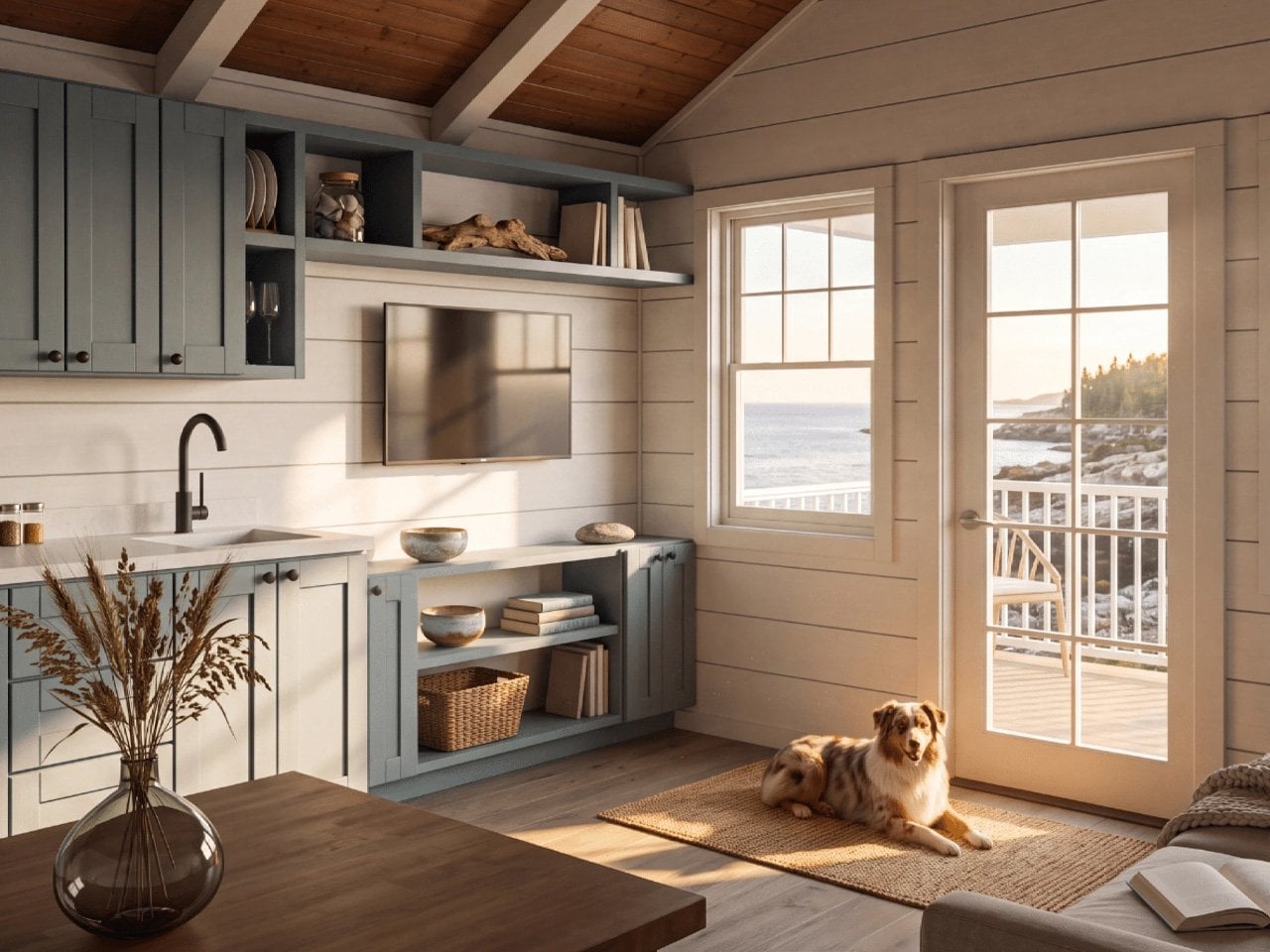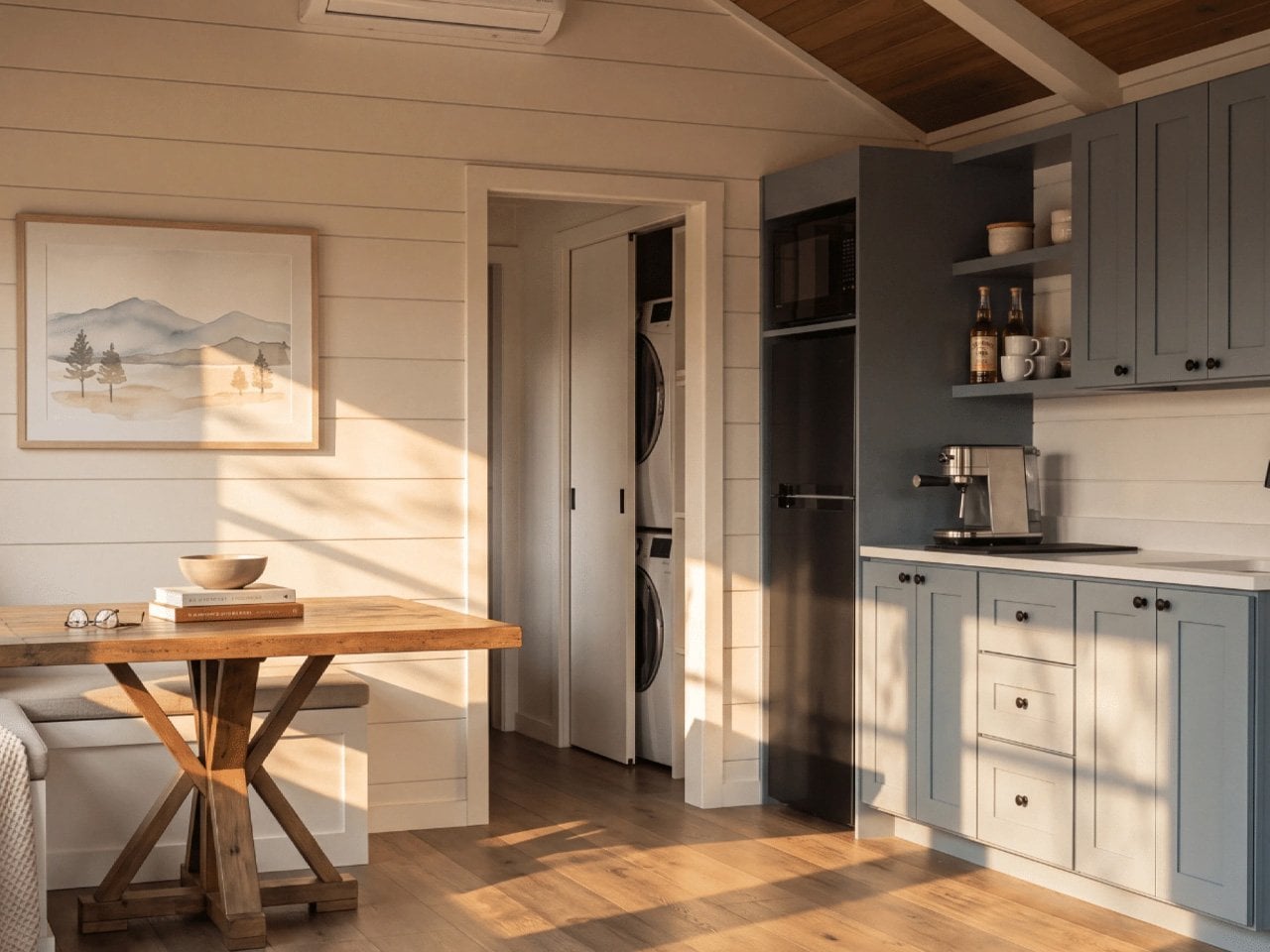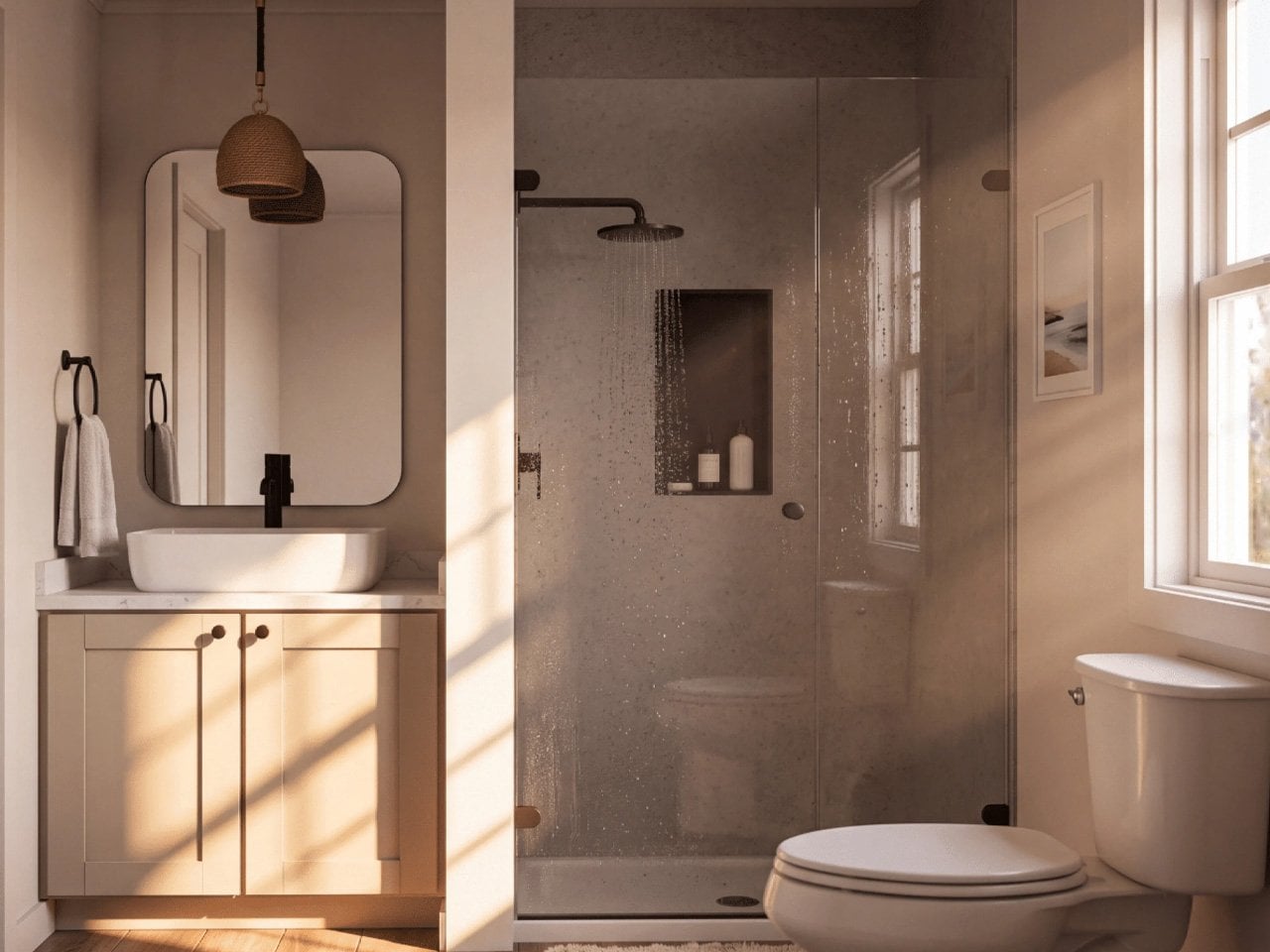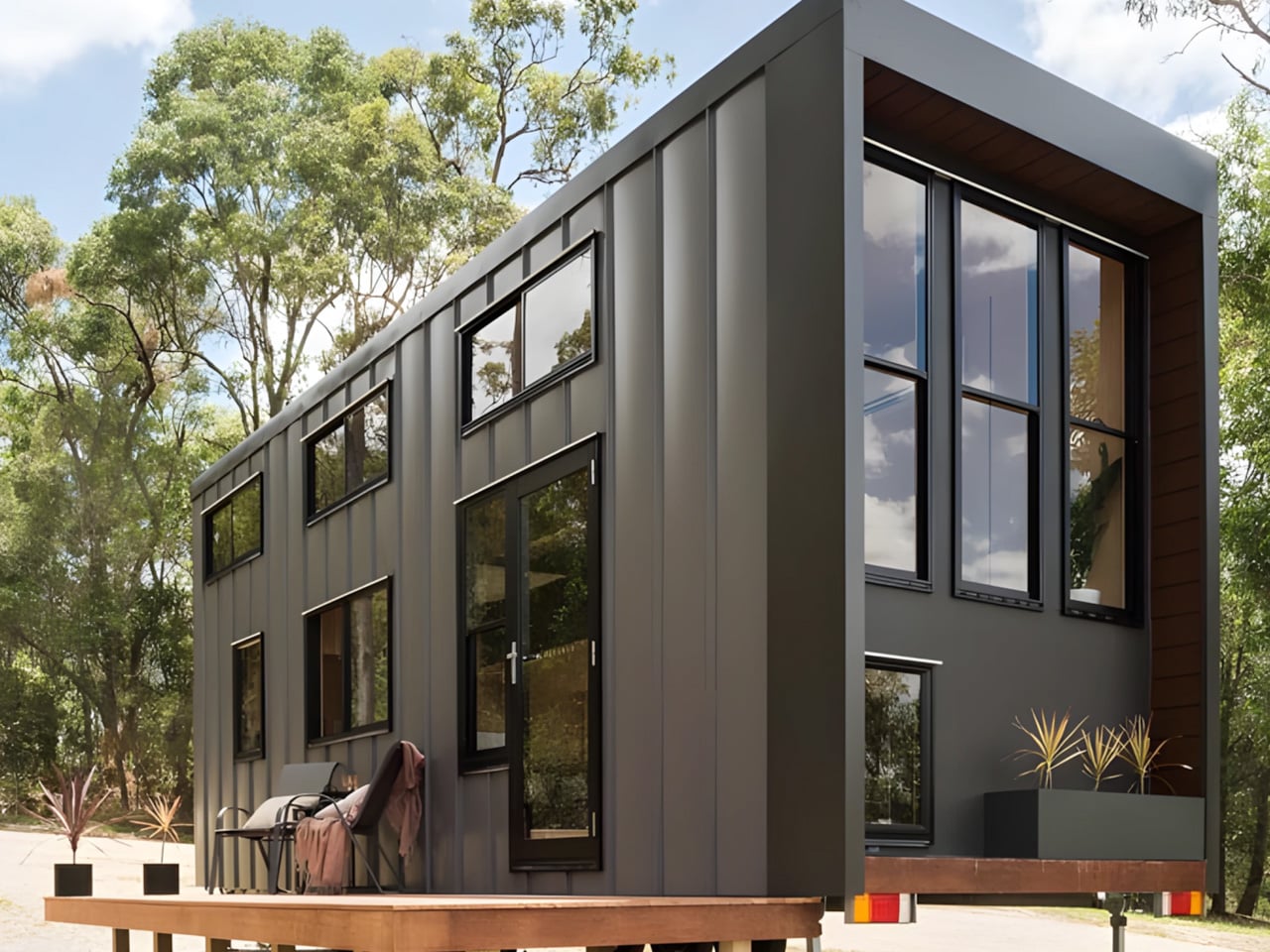
The tiny house movement has found a new voice in Japan, where Ikigai Collective is creating homes that honor traditional aesthetics while embracing modern minimalism. The Nozawa stands out as a stunning expression of Japanese design philosophy, built not as an homage from afar but as an authentic creation rooted in local culture and craftsmanship. Measuring just 20 feet in length, this compact dwelling challenges the North American trend toward ever-larger tiny homes that sometimes stretch beyond 50 feet. The Nozawa aligns more closely with European sensibilities, proving that thoughtful design can create livable spaces without expanding square footage. Its modest dimensions become an asset rather than a limitation when every inch serves a purpose.
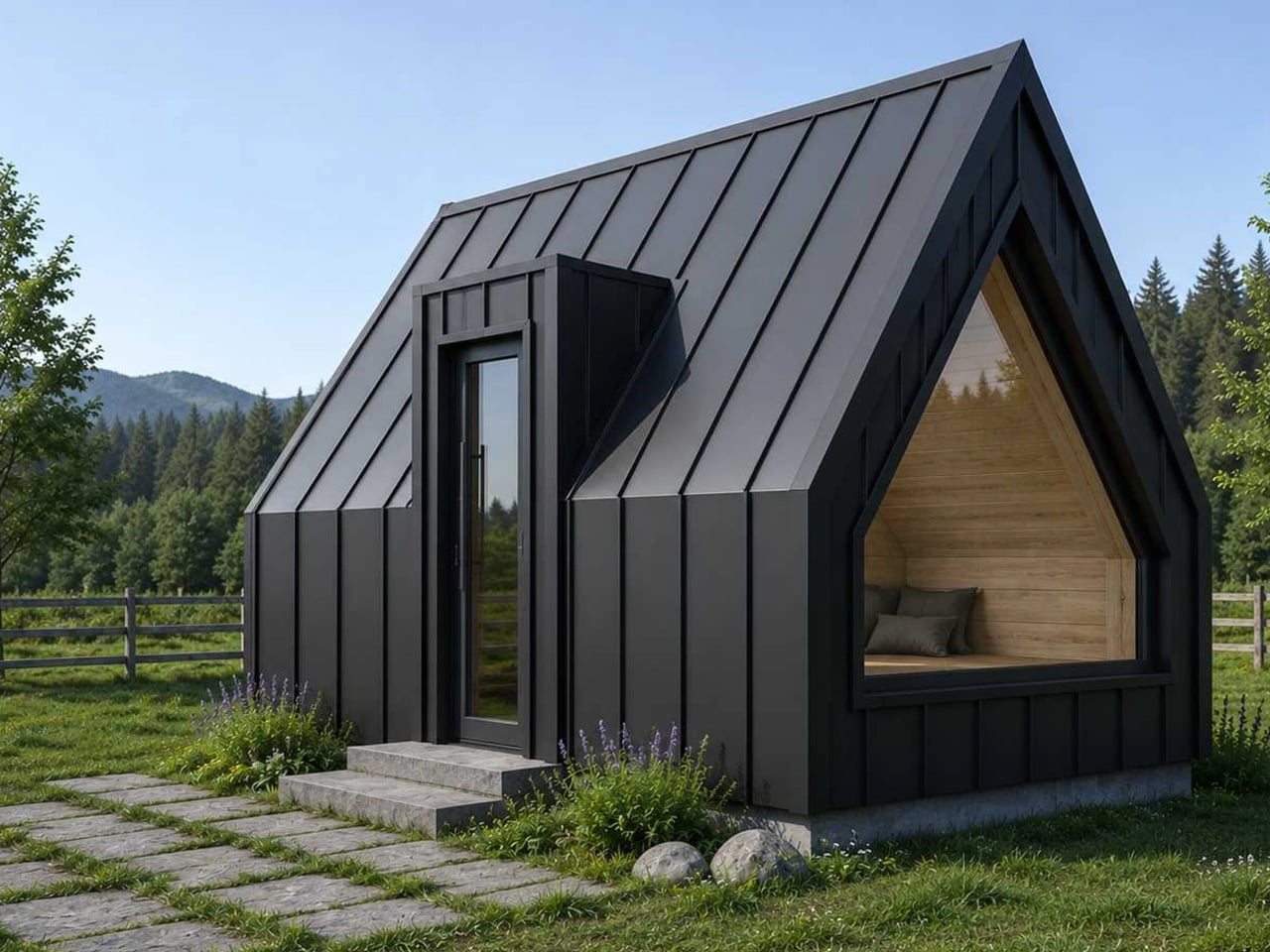
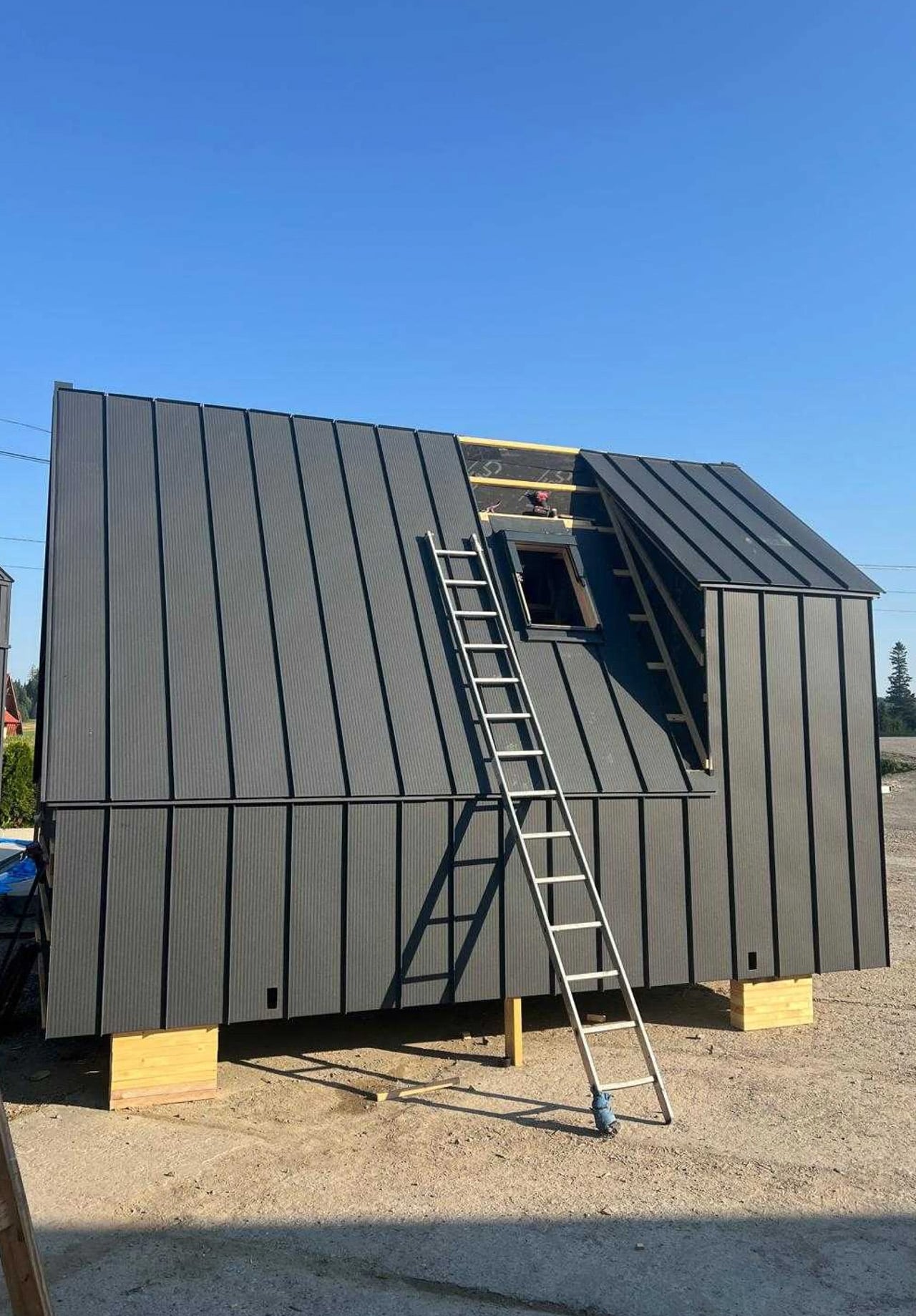
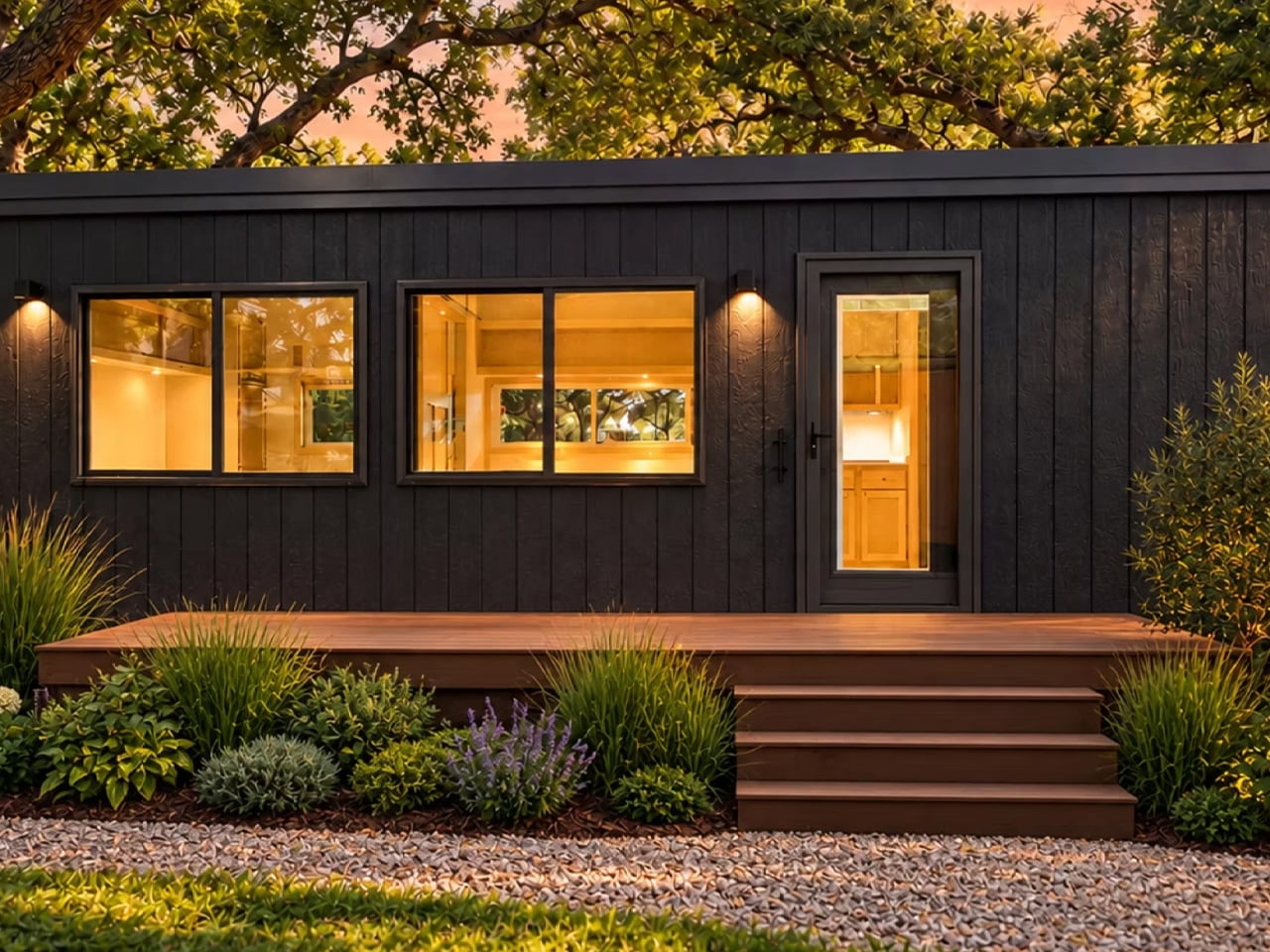
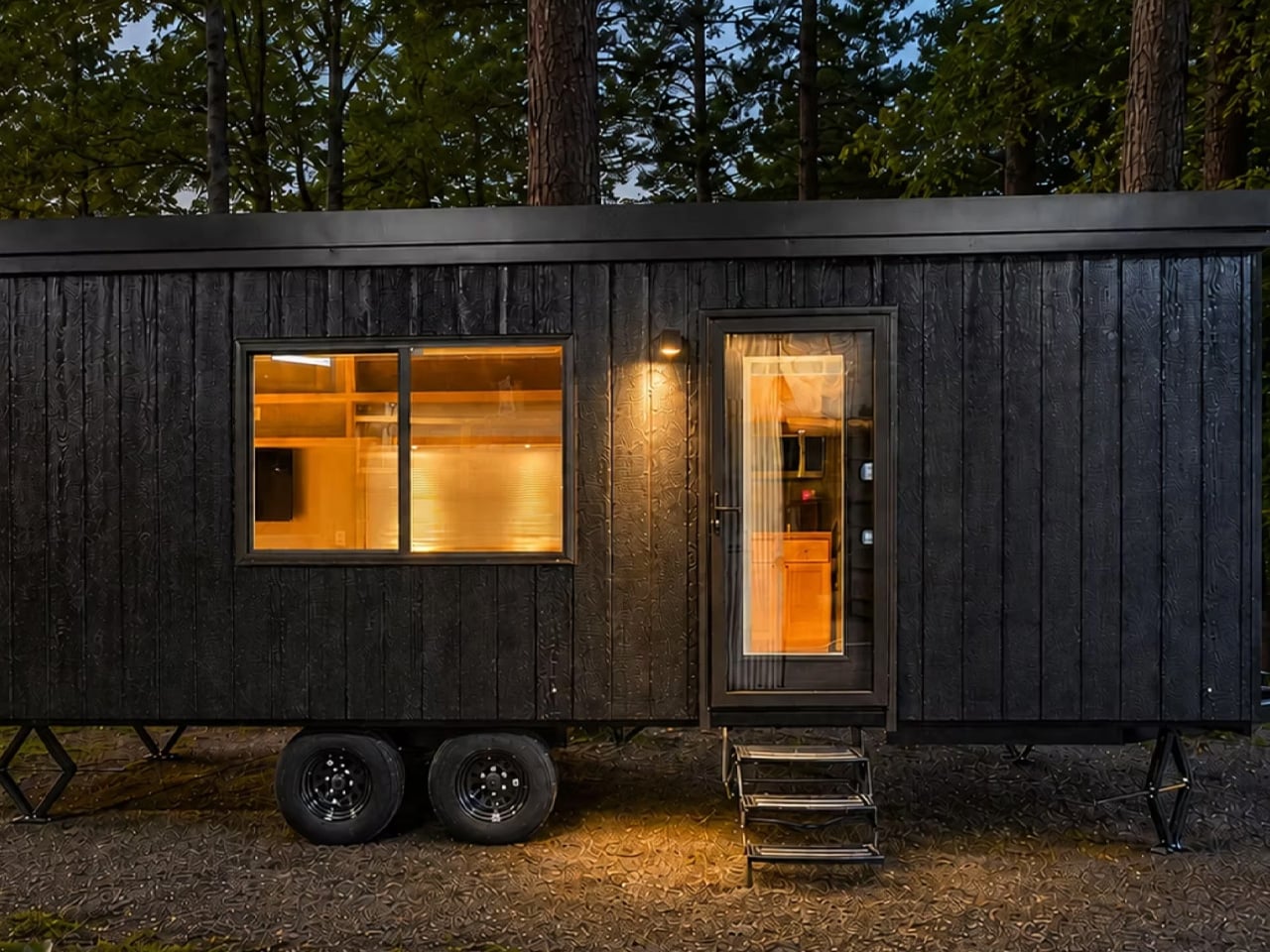
The exterior combines durable steel cladding with wooden accents, creating visual warmth while standing up to varied weather conditions. Inside, wood dominates every surface, enveloping occupants in a cabin-like atmosphere that feels both grounded and inviting. The material choice speaks to Japanese design principles where natural elements bring spaces to life without unnecessary ornamentation. The design acknowledges that wild parties aren’t part of the plan, focusing instead on quiet comfort for two people who value intimate living spaces over expansive floor plans.
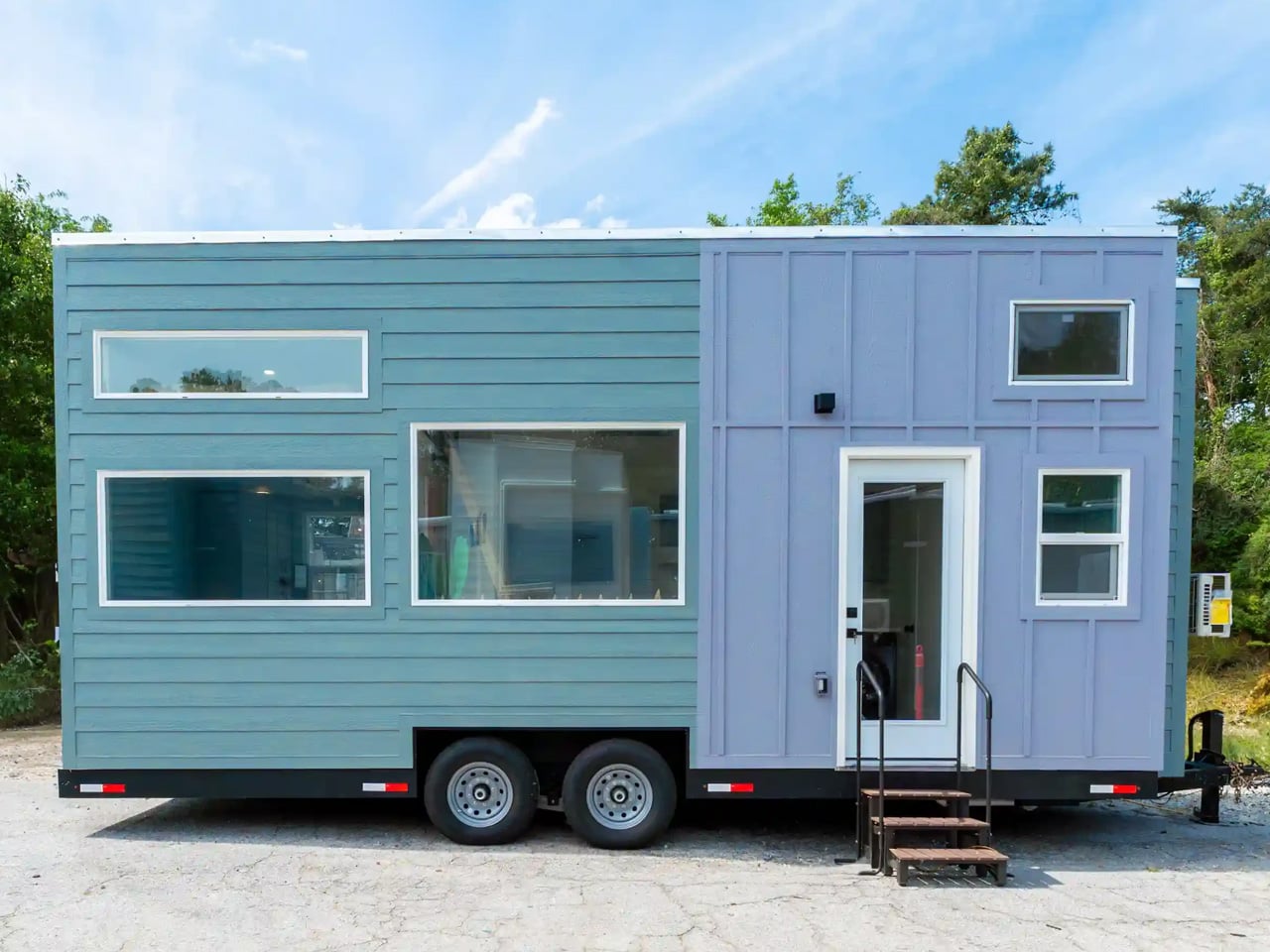
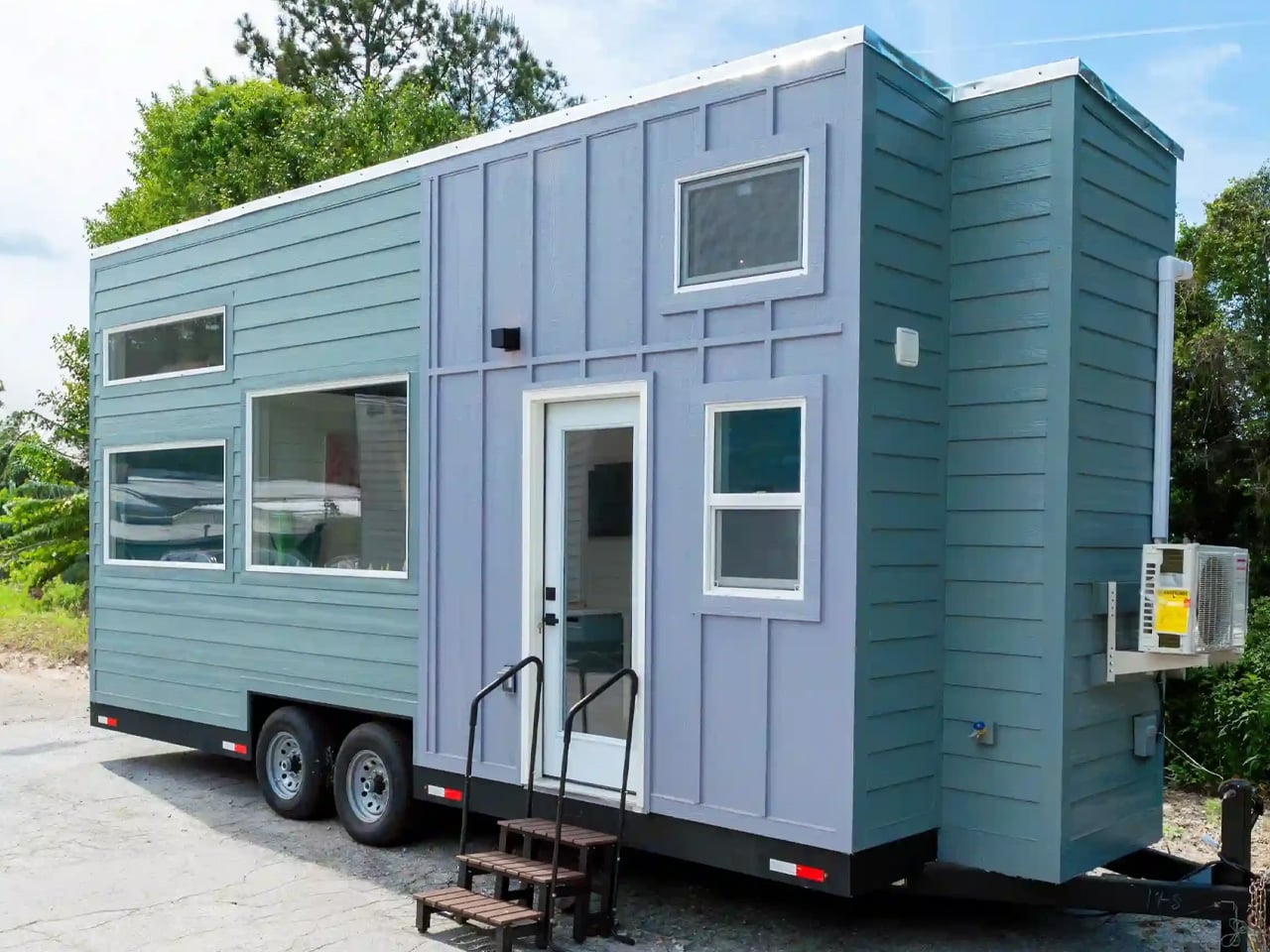
The layout unfolds across two levels, with the ground floor dedicated to a tatami-style living room that requires a slight crouch to enter. This low-ceilinged space embraces the floor-level living tradition found in Japanese homes, where straw mat flooring and minimal furniture create rooms for contemplation and connection. A simple table anchors the space, offering flexibility for dining, working, or hosting intimate gatherings. The tatami concept draws from centuries of Japanese residential design, bringing that cultural heritage into a modern mobile dwelling that can adapt to contemporary lifestyles while maintaining traditional sensibilities.
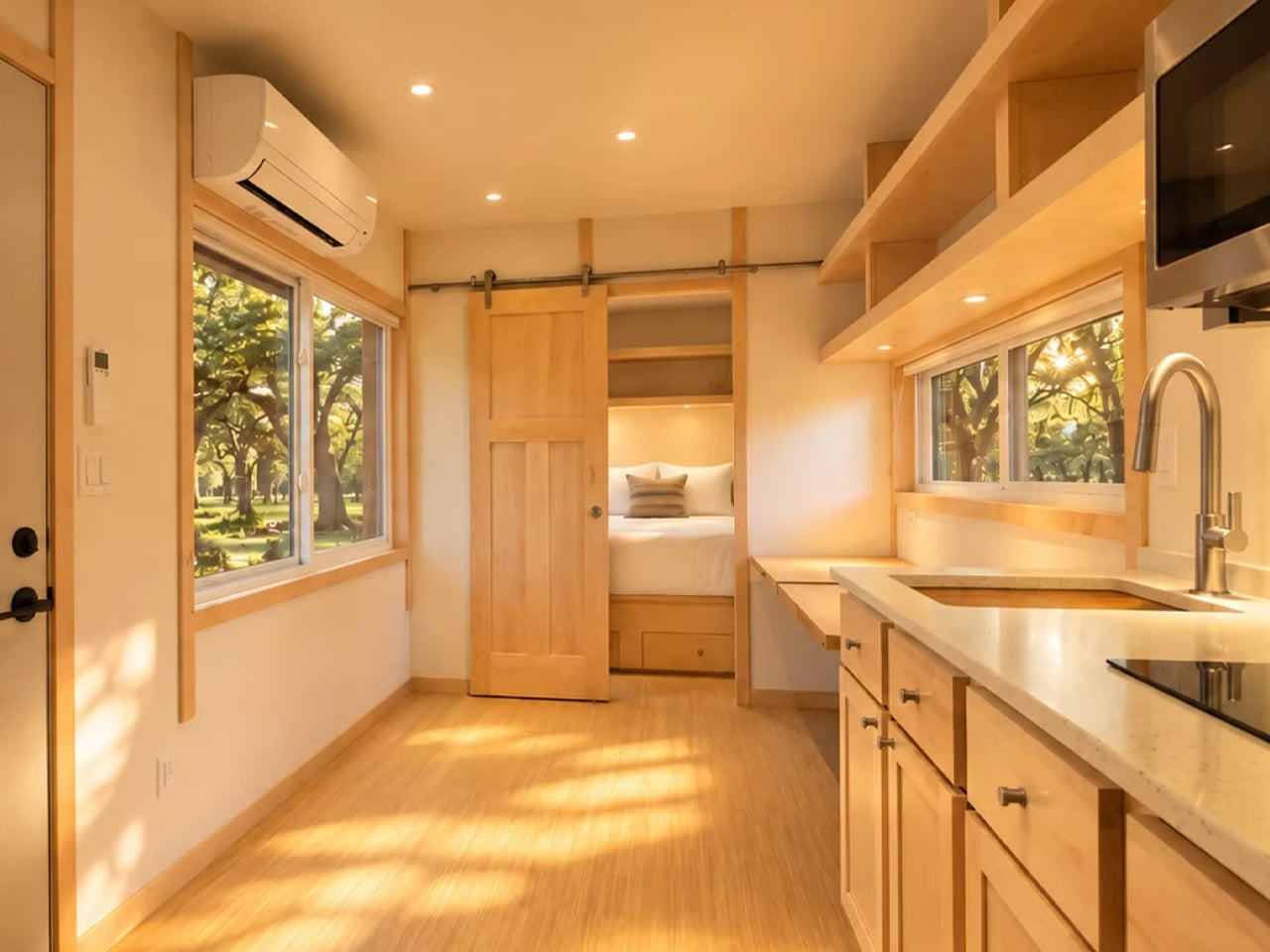
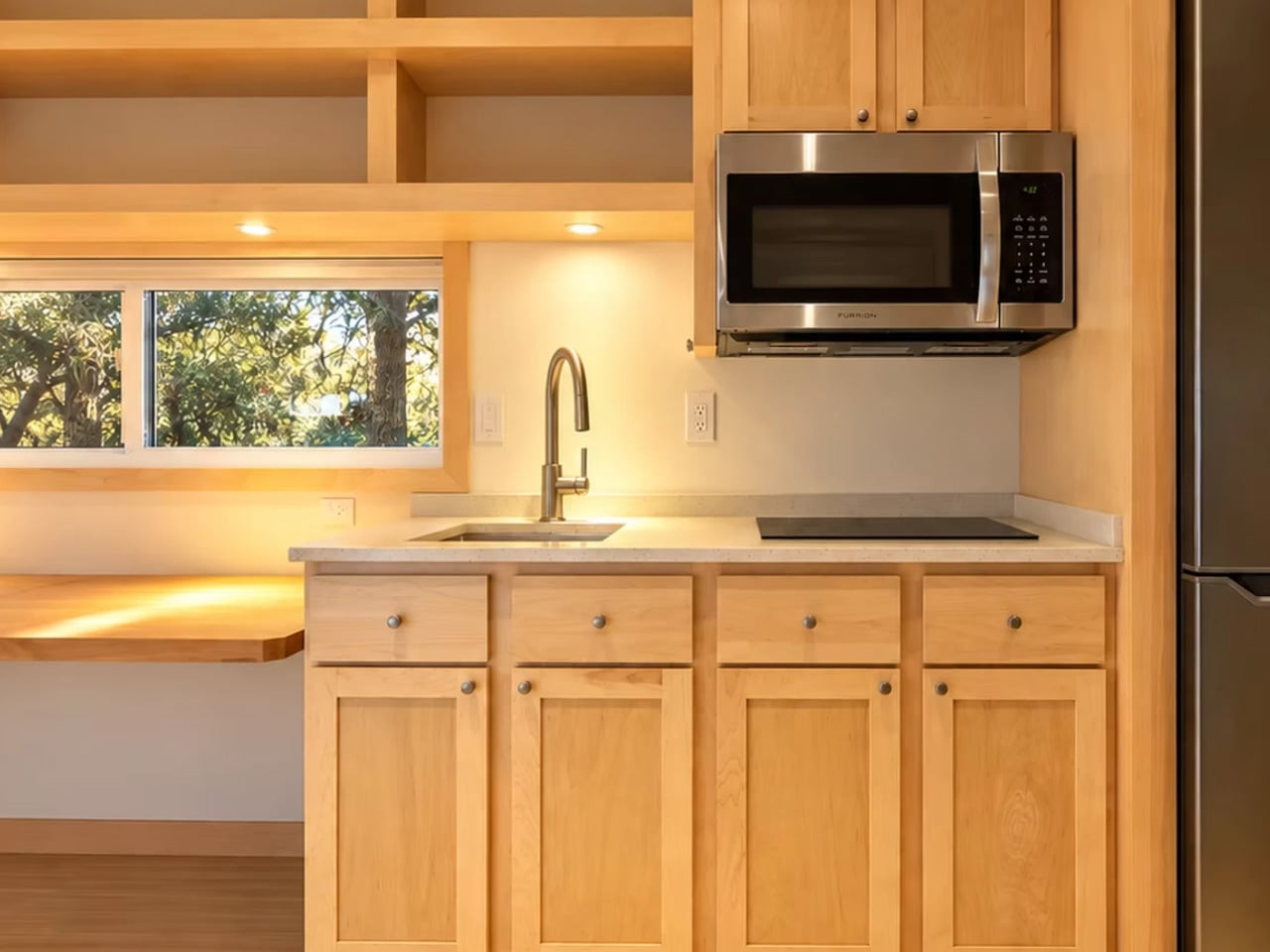
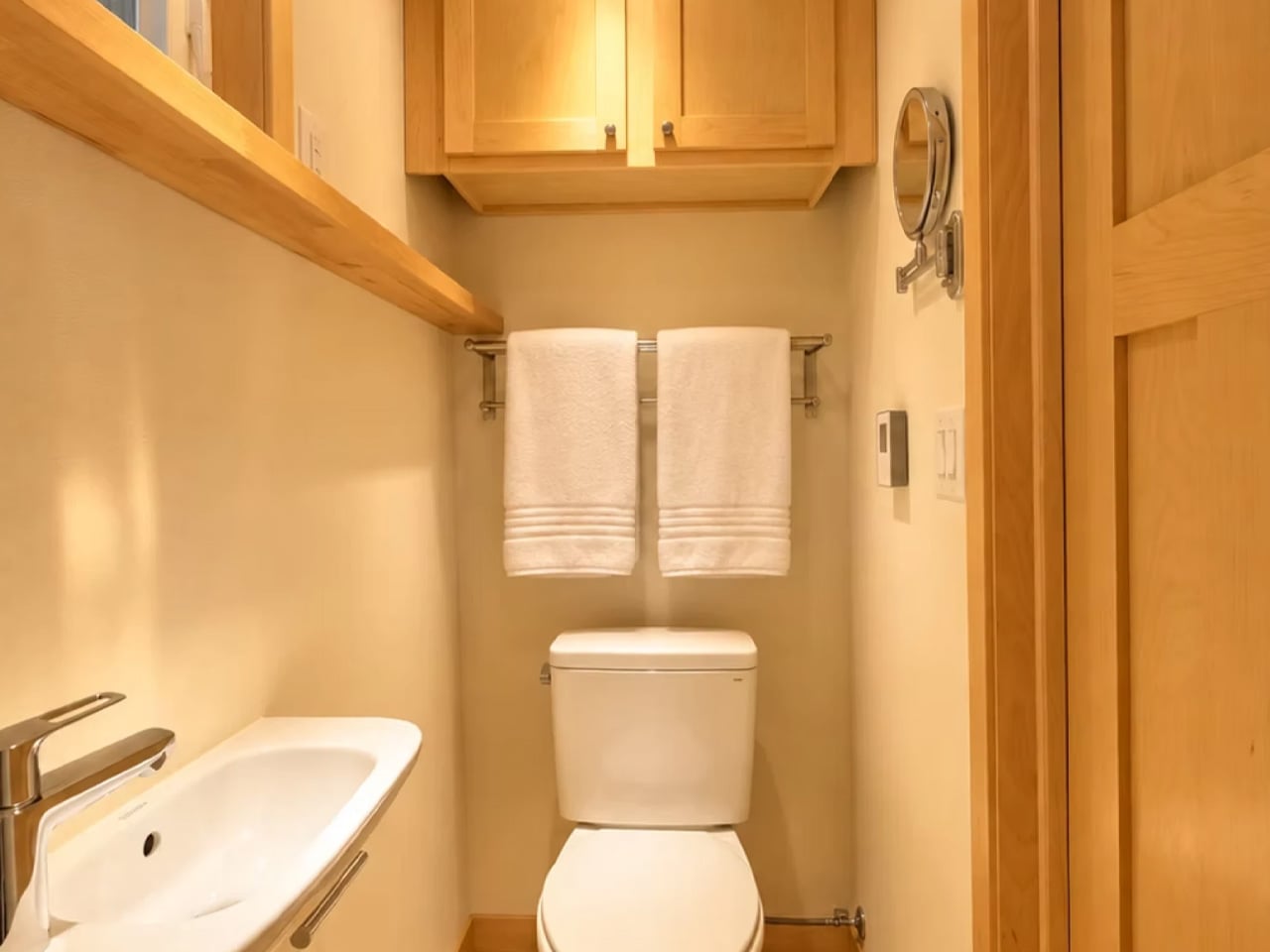
The kitchen occupies its own zone nearby, impressively equipped for such a compact footprint. A large stainless steel sink pairs with a two-burner propane stove, while a full-size fridge and freezer eliminate the compromises often required in tiny living. Ample cabinetry keeps essentials organized, and a dining table extends the kitchen’s functionality as both a meal space and a potential work area. A sliding door reveals the bathroom, where a shower, flushing toilet, and petite sink handle daily needs efficiently within the tight quarters. The thoughtful placement of these essential spaces demonstrates how careful planning transforms limitations into livable solutions.
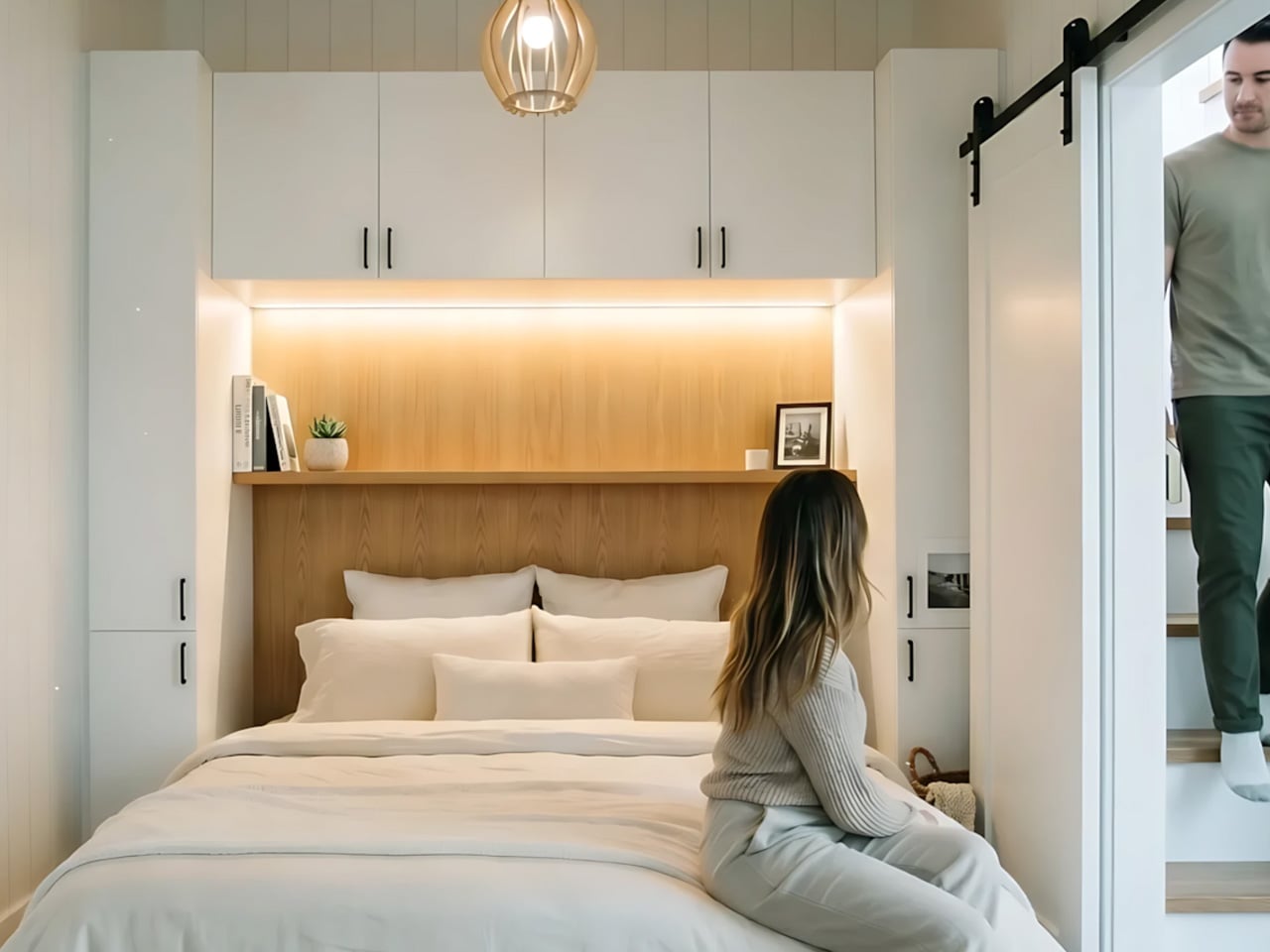
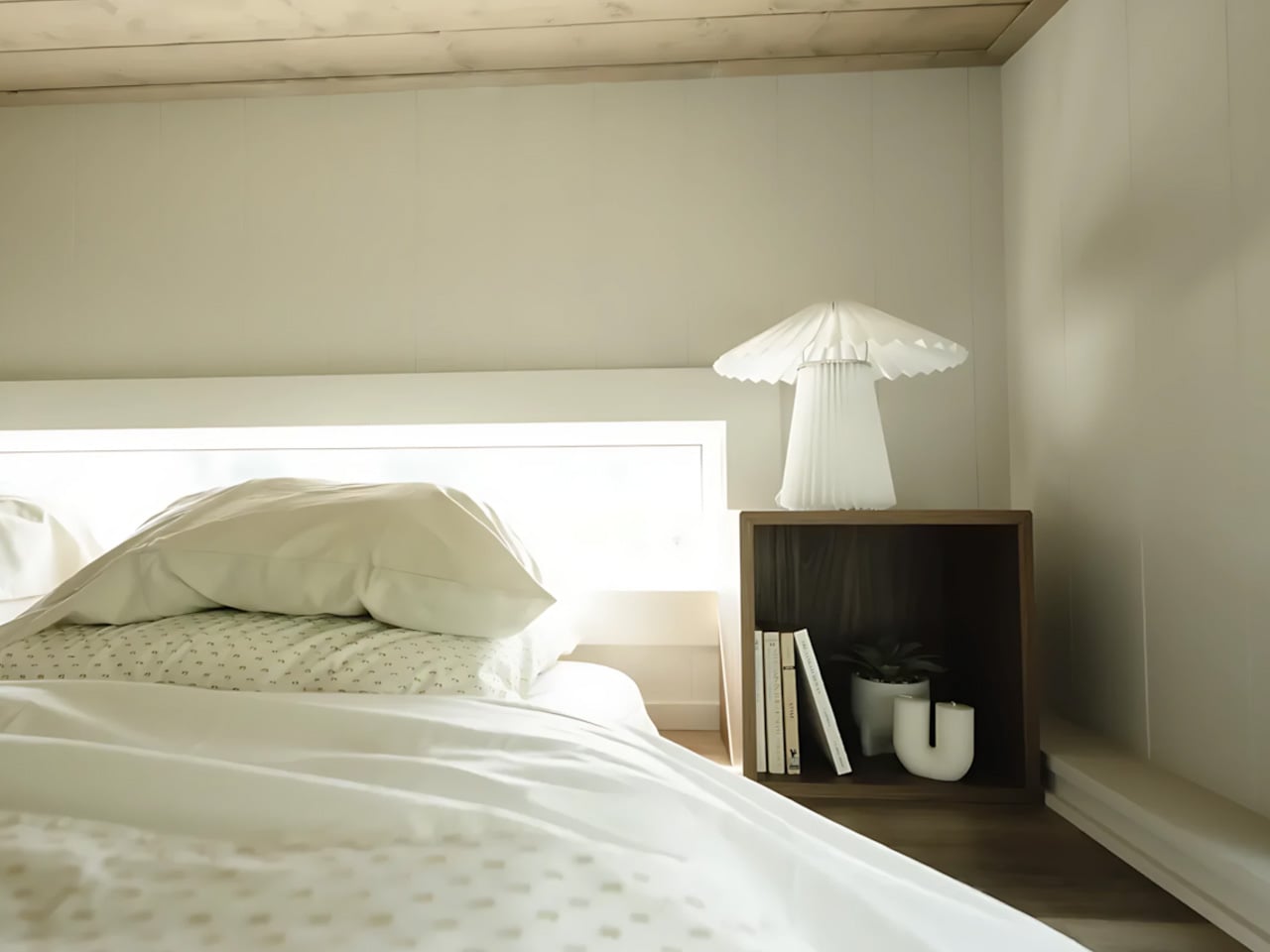
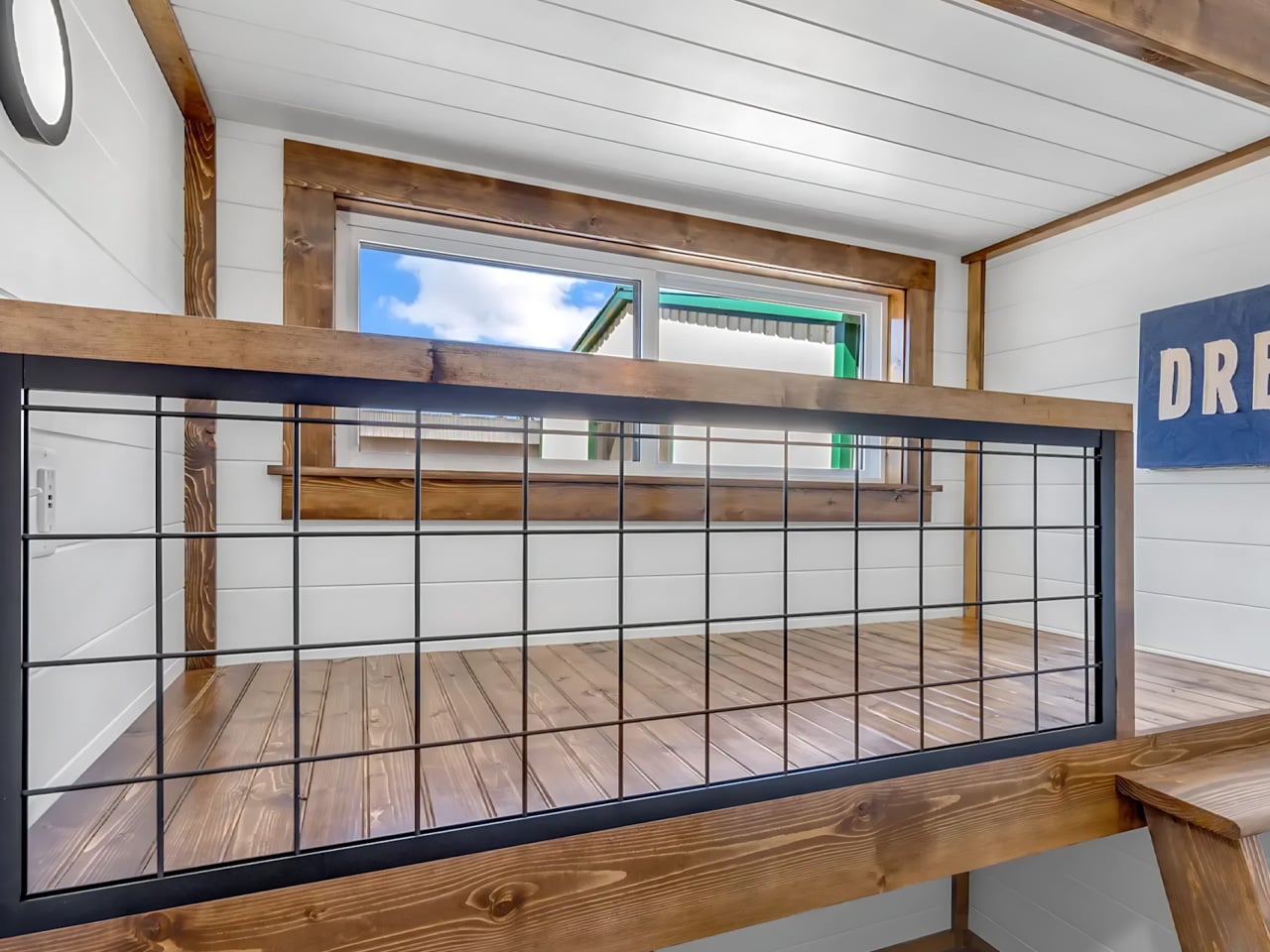
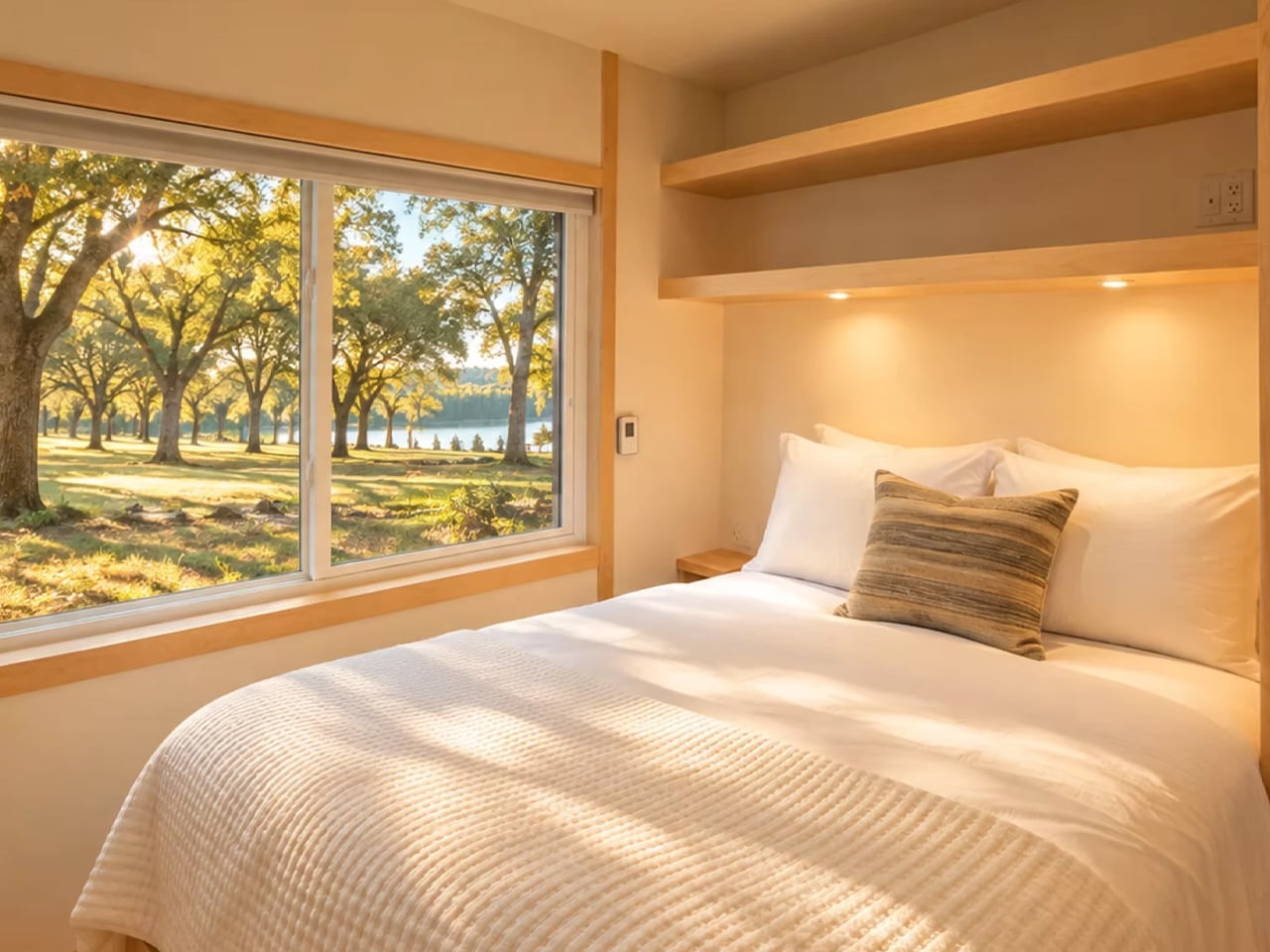
Above the living room, a loft bedroom accessed by a removable ladder provides sleeping quarters fitted with a double bed, storage solutions, and a wall-mounted television. The space maintains the low ceiling typical of loft designs but offers privacy without isolation, separated from the living areas yet connected to the home’s overall flow. The bedroom represents the final piece of the Nozawas’ puzzle, creating a complete home environment where two people can comfortably manage daily routines without feeling cramped or compromising on essential amenities.
Ikigai Collective positions the Nozawa at ¥11,300,000, roughly $72,000, with various customization options available for materials and furnishings. International availability remains unclear, making direct contact with the firm necessary for interested buyers outside Japan. The price reflects both quality construction and the specialized market it serves, targeting buyers who value authentic cultural design over generic tiny house trends. The Nozawa succeeds by staying true to its Japanese roots rather than attempting universal appeal. This focused vision creates a home that works beautifully within its cultural context, offering a template for how regional tiny house movements might develop their own distinct character and aesthetic language that honors local traditions while meeting contemporary needs.
Nestled in the mountains of Nozawaonsen, Nagano, a young company called Ikigai Collective is rewriting the rules of compact living. Their latest creation, the Yamabiko, challenges everything we thought we knew about tiny houses. At just 6.6 meters long, this remarkable dwelling doesn’t squeeze one living space into its metal frame. It fits two. The concept sounds impossible until you see it. Two front doors hint at the Yamabiko’s clever secret: a perfectly mirrored layout that splits the home down the middle. Enter through the left door, and you’ll find a complete living space with a lofted bedroom, compact kitchen, and cozy lounge area. The right side offers an identical setup, reversed like a reflection. Between them sits a shared bathroom, the only space where the two halves meet.
This isn’t just architectural cleverness for its own sake. Ikigai Collective designed the Yamabiko specifically for staff accommodation in Japan’s seasonal resort towns. Ski instructors, hospitality workers, and summer camp employees often require housing that strikes a balance between privacy and efficiency. The Yamabiko delivers both. Two people can live independently under one roof, each with their own kitchen and sleeping loft, while sharing a single bathroom and utility connection. The exterior speaks to Japanese minimalism through its utilitarian Galvalume steel cladding. This durable material handles everything from heavy mountain snow to coastal humidity, aging gracefully while maintaining its modern edge. The design doesn’t shout for attention. It simply exists, blending into mountain landscapes and urban lots with equal ease.
Inside, the spaces feel surprisingly complete despite their compact footprint. Each kitchen comes equipped with a two-burner propane stove and sink. The living rooms feature built-in seating and small tables. Loft bedrooms provide privacy without wasting precious floor space below. Every centimeter serves a purpose, reflecting the Japanese principle of functional beauty. The shared bathroom sits strategically between both living areas, creating the connection point where the two mirrored halves meet while maintaining the independence of each space.
Ikigai Collective keeps customization at the forefront. Buyers can select their color scheme, choose between flooring options, design their shower layout, and pick between standard or composting toilets. The starting price of ¥9,900,000 positions the Yamabiko as a serious housing solution rather than a lifestyle experiment. The timing feels right. Japan is slowly embracing tiny living as urban space grows scarcer and younger generations seek alternatives to traditional housing. Ikigai Collective was founded just two years ago by people who came to Japan and fell in love with its culture. They’re not just importing Western tiny house trends. They’re creating something distinctly Japanese, built for Japanese needs and sensibilities.
For those curious to experience the Yamabiko firsthand, Ikigai Collective operates a showroom village in Iiyama where visitors can book overnight stays. The facility includes wellness amenities like a sauna, letting guests test the tiny house lifestyle before committing. The Yamabiko proves that innovation in tiny living isn’t about shrinking everything down. Sometimes it’s about reimagining how space can serve multiple lives at once.
Rupert McKelvie’s latest creation sits somewhere between architectural statement and wellness refuge. The Aquila, a mobile sauna from his Devon-based studio Out of the Valley, transforms the traditional Finnish ritual into something you can tow behind a truck. It’s taking heat therapy to lakesides, coastal cliffs, and forest clearings across the United Kingdom, proving that proper bathing culture doesn’t need permanent foundations.
Built on a double-axle trailer measuring just 3.8 meters in length, this compact structure seats six people and runs entirely off-grid. Black larch cladding covers the exterior, treated using yakisugi, the Japanese charring technique that both protects the wood and creates that striking carbonized finish. The roof folds down using a mechanical system that took multiple prototypes to get right. McKelvie admits it was the hardest part of the build, requiring constant testing to ensure the mechanism could handle repeated setup and breakdown without fail.
McKelvie started Out of the Valley six years ago after building his first timber cabin as a personal escape near Dartmoor National Park. That project sparked something bigger, evolving into a full design-build practice focused on handcrafted structures that work with natural materials rather than against them. The Aquila marks the studio’s most ambitious output so far, earning recognition this year with a longlisting at the Dezeen Awards 2025 in the Product Design category for Health, Wellbeing and Wearables. It competed against over 4,300 entries from 89 countries.
Inside, thermally modified alder lines the walls, chosen specifically because it can handle extreme temperature shifts without warping or splitting. A 16-kilowatt Narvi wood-burning stove anchors the space, delivering the kind of authentic heat that electric alternatives struggle to replicate. Solar panels power subtle LED lighting throughout, keeping the unit functional wherever it gets parked. At the rear, a panel drops down to form an entrance deck, while an integrated cold shower completes the traditional contrast bathing experience that sauna purists swear by.
The design packs in clever details without feeling overworked. Perforated storage at the hitch end holds firewood for multiple sessions. The folding roof protects everything during transport and creates visual drama when deployed. The compact footprint gets into remote locations while maintaining comfortable capacity inside, which isn’t an easy balance to strike when you’re working with trailer dimensions.
Over recent months, Out of the Valley has partnered with lifestyle brands Passenger Clothing and Canopy & Stars to tour the Lake District National Park. Another unit spent a season with Unique Homestays, giving vacation rental guests an unexpected amenity. McKelvie and his team handcraft each unit in their workshops, with a current lead time sitting at four months. Pricing is available on request, reflecting the bespoke nature of every build and options for customizations, including door orientation and heating preferences.
Nestled away in Priors Hall, Corby, The Thicket by Rewild Homes is doing something different with sustainable housing. This Northamptonshire development isn’t trying to be just another eco-project with a few solar panels slapped on the roof. The name itself comes from the woodland character that shaped the entire design, which tells you something about how seriously they’ve taken the environmental angle here. It’s part of a broader movement in the area, but The Thicket stands out for actually following through on its green promises.
Rewild Homes has built its reputation on refusing to choose between sustainability and livability, and you can see that playing out across this development. The homes manage to be energy efficient and environmentally responsible without feeling like you’re camping indoors or sacrificing modern conveniences. They’ve used sustainable materials and construction methods throughout, but not in that performative way some developers do when they’re really just ticking boxes for marketing purposes. The approach here feels more genuine, like someone actually thought about how these choices would affect daily life.
The location in Priors Hall puts residents in the middle of a community that’s become something of an experiment in sustainable urban planning. Corby isn’t exactly where you’d expect to find cutting-edge green development, which makes The Thicket more interesting. The area gives you access to shops, schools, and everything else you need without bulldozing every tree in sight. There’s a balance here between practical living and maintaining the natural features that make the place feel less like a housing estate and more like somewhere you’d actually want to spend time.
What makes The Thicket work is that sustainability isn’t an afterthought. Large windows bring in natural light so you’re not constantly flipping switches during the day. The homes are positioned to take advantage of natural heating and cooling instead of relying entirely on mechanical systems. Materials were chosen for durability and low environmental impact, creating spaces that look contemporary without feeling like they’ll be dated in five years. These aren’t revolutionary ideas individually, but together they add up to homes that function differently from standard new builds.
The woodland aesthetic goes beyond surface decoration. The designers preserved existing natural features and integrated them into the development instead of clearing everything and starting from scratch. This creates an actual connection to the surrounding landscape rather than the token green space most developments offer. Walking around The Thicket, you get the sense that someone understood sustainable living means more than reducing emissions—it’s about creating environments where people can live comfortably alongside nature instead of constantly working against it.
For buyers trying to square environmental concerns with practical housing needs, The Thicket offers a legitimate option. It’s aimed at people who want to make better choices but aren’t willing to compromise on quality of life to do it. As more homeowners factor climate impact into their decisions, developments like this prove there’s real demand for innovation beyond greenwashing. Rewild Homes has positioned itself to meet that demand, and The Thicket shows they understand how to deliver sustainable housing that people actually want to live in, not just admire from a distance.
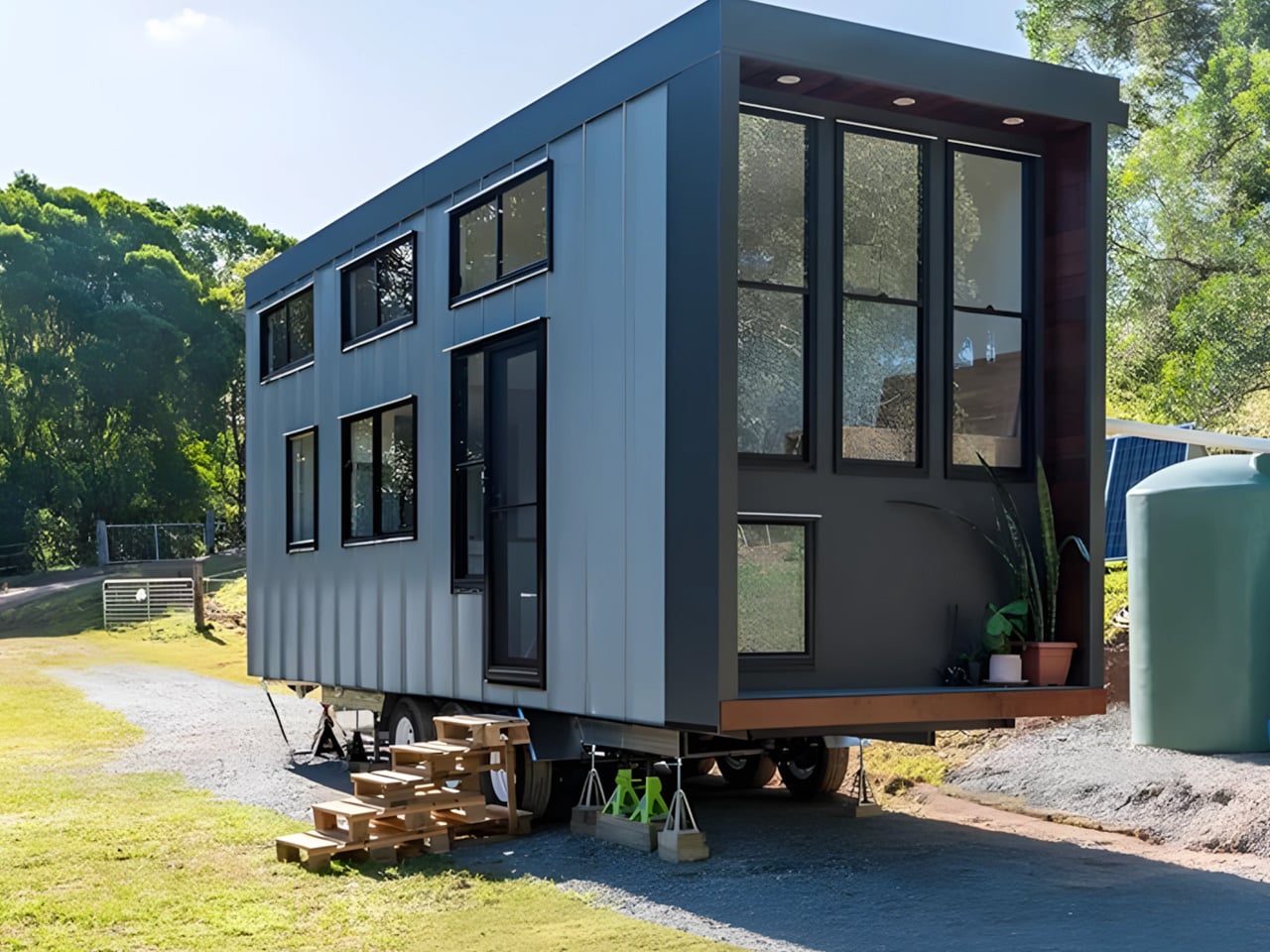
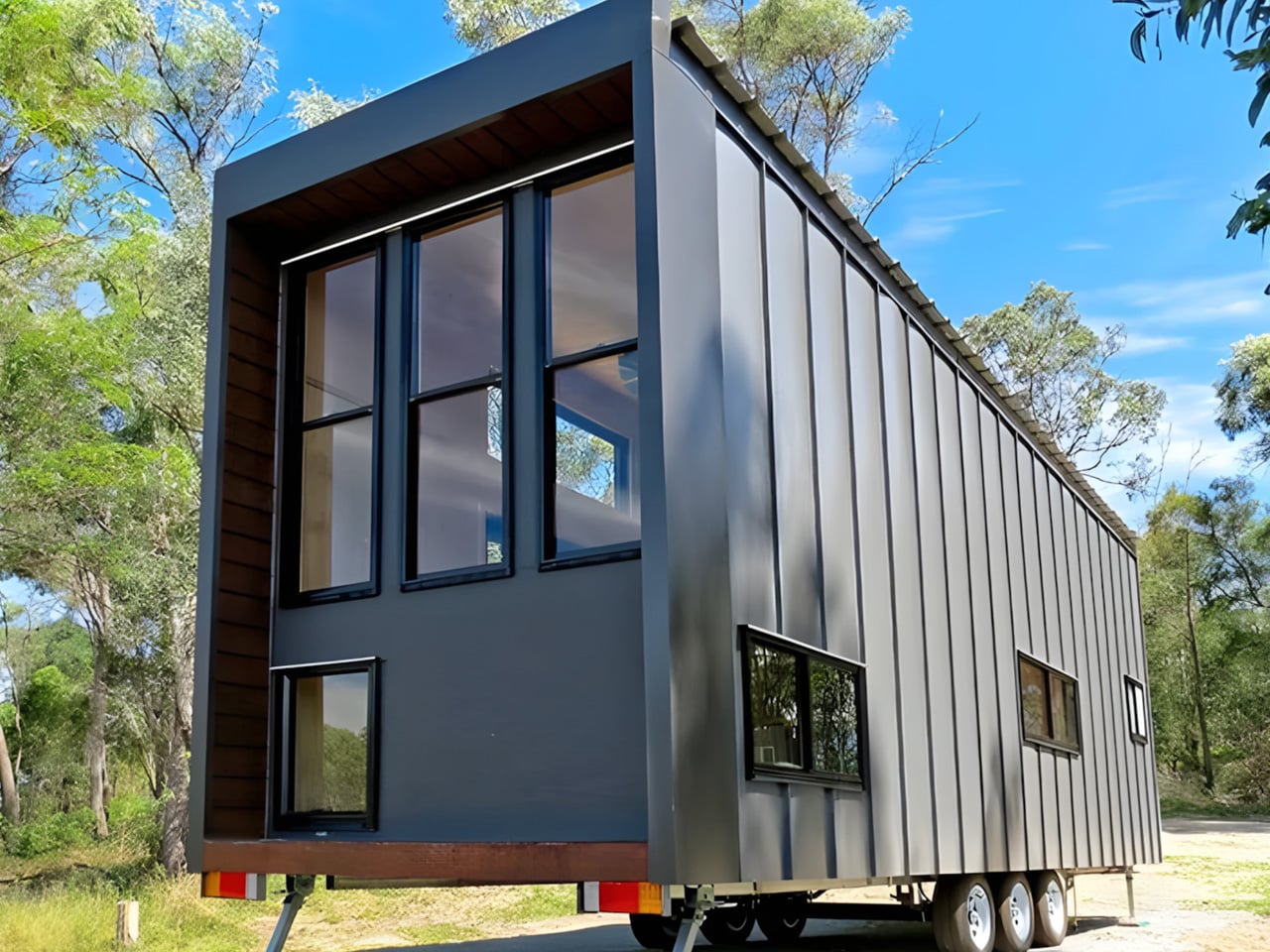
Vagabond Haven has unveiled a tiny house that challenges the notion that small spaces require compromise. This recently completed dwelling demonstrates how thoughtful design can deliver full off-grid capability and genuine comfort within a modest 7.2-meter footprint. Built to accommodate two people, the home functions equally well as a vacation retreat or income-generating rental property. The exterior showcases black-painted spruce siding that gives the structure a contemporary edge while maintaining natural appeal. Solar panels crown the roof, working in tandem with a battery array to provide consistent power regardless of weather conditions. Though the model can be permanently installed on a plot, as shown in the featured version, its trailer-based construction allows for relocation whenever desired. The pictured rental includes an optional deck that effectively extends the living area outdoors, creating a seamless transition between interior and exterior spaces.
It includes solar panels, a gas water heater, a gas cooktop, and a fridge, a composting toilet, and the option to add water tanks, plus a full kitchen and bathroom, making it a self-sufficient retreat, and a place to escape for days or weeks at a time, while enjoying true off-grid comfort without sacrificing any of life’s little pleasures. This comprehensive approach to self-sufficiency means occupants can genuinely disconnect from municipal services while maintaining modern conveniences. The integration of multiple power sources and water management options ensures the home can function independently for extended periods, making it ideal for remote locations or environmentally conscious owners seeking to minimize their utility dependence.
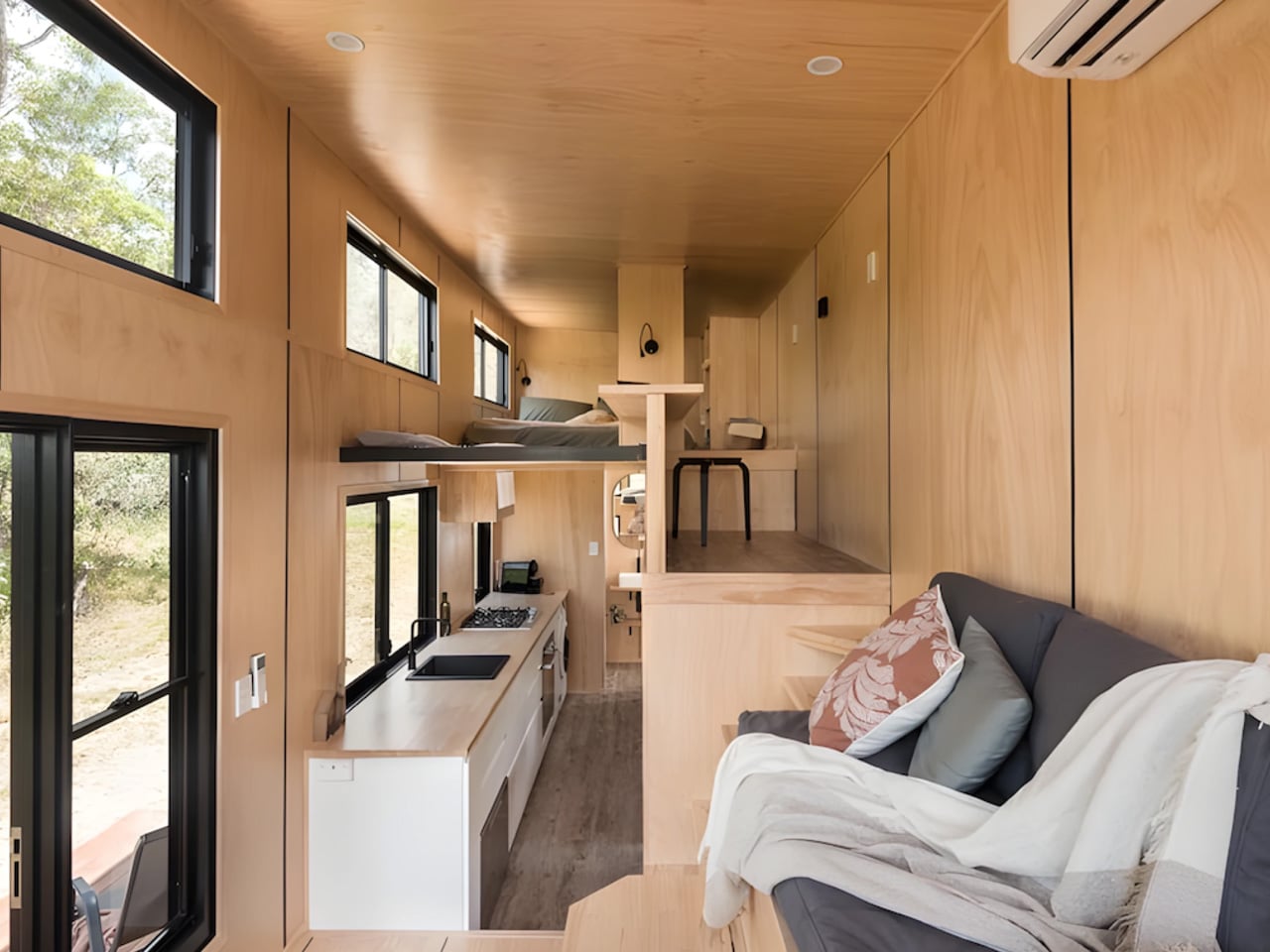
The single-level interior layout makes intelligent use of every available inch. Plywood finishes create warmth throughout the open-plan space, where natural light floods through the glazed entry door. The kitchen occupies the central position, acting as the home’s functional heart. Designed for efficiency rather than elaborate meal preparation, it features a two-burner propane stove, sink, refrigerator, and thoughtfully arranged cabinetry. The compact configuration proves perfectly suited for short stays, providing everything needed to prepare satisfying meals without overwhelming the limited square footage.
A wood-burning stove provides cozy warmth during colder months, positioned near the kitchen to maximize its heating efficiency throughout the main living area. A mini-split air-conditioning unit handles cooling needs, ensuring year-round comfort regardless of the climate. The bathroom maintains the home’s ethos of compact functionality. Despite its modest dimensions, it includes all essential fixtures: a shower, vanity sink, and composting toilet. The space proves that small bathrooms can still feel complete when properly planned, with each element carefully selected to balance practicality and comfort.
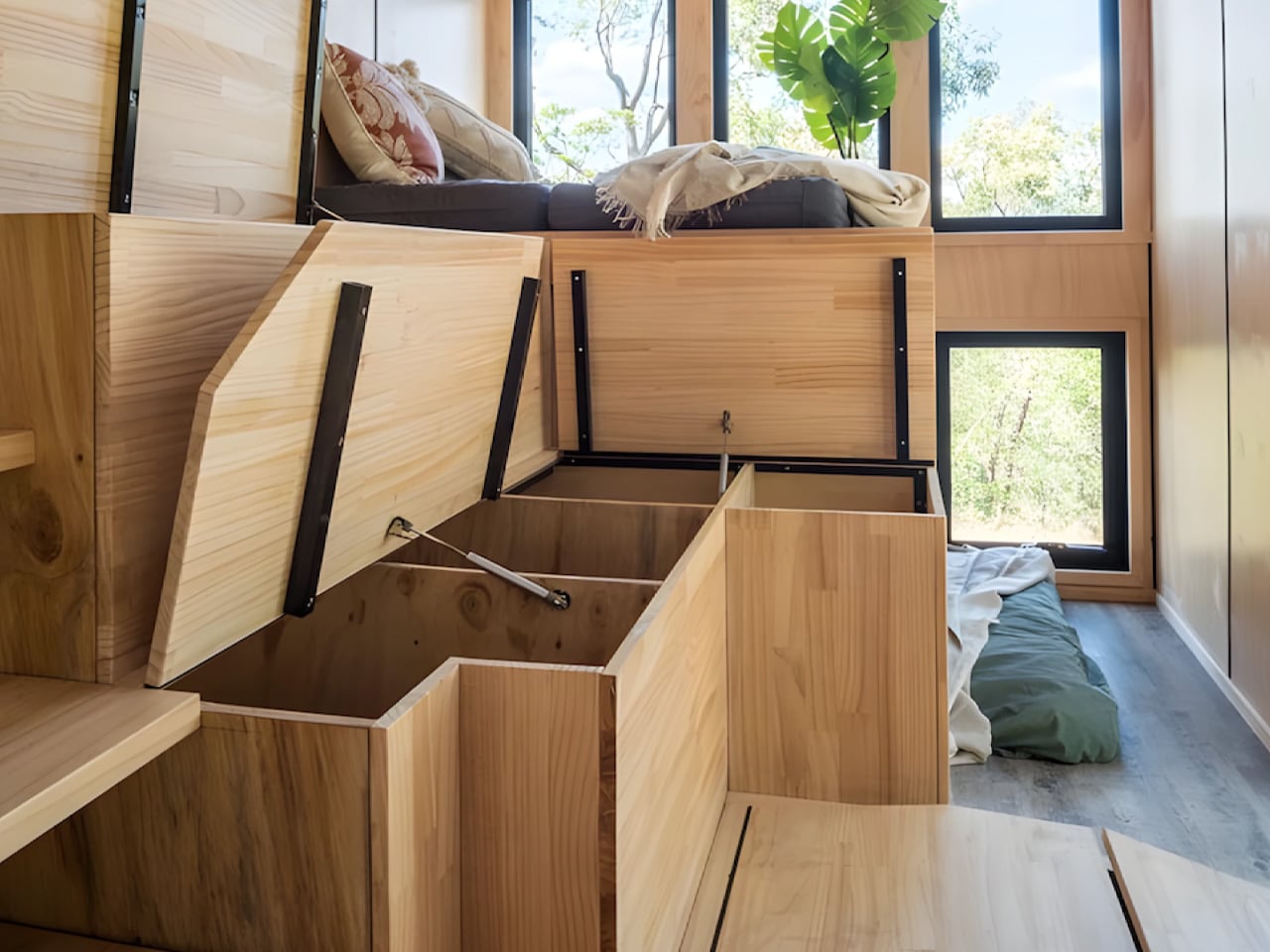
The bedroom takes inspiration from Escape’s Vista model, featuring an elevated double bed that serves dual purposes as both sleeping quarters and a daytime lounging area. Storage units built beneath the raised platform ensure belongings have designated homes, preventing the clutter that can quickly overwhelm tiny spaces. This arrangement recognizes that multipurpose furniture is essential in compact dwellings, where every piece must justify its footprint by serving multiple functions. The elevated position also creates visual interest and helps define separate zones within the open layout.
Vagabond Haven’s design makes no pretense about hosting large gatherings or accommodating families. Instead, it focuses on what it does best: providing a well-appointed sanctuary for couples seeking temporary escape or a sustainable downsizing option. The home delivers on its promise of off-grid capability through carefully integrated systems that work together seamlessly. For those drawn to minimalist living or seeking a low-impact vacation property, this tiny house offers a compelling blueprint that prioritizes quality over quantity.
French tiny house builder Atelier Bois d’ici has unveiled its largest creation to date, and the Tiny XXL is challenging long-held assumptions about downsizing with children. Stretching 26 feet in length and 11.5 feet in width, this mobile dwelling offers 430 square feet of thoughtfully designed living space that actually feels livable for a family of four. Most French tiny homes measure just 8.2 feet wide, making them feasible for regular road travel but challenging for families seeking genuine comfort. The XXL breaks from this tradition with its extra-wide footprint, sacrificing easy mobility for the kind of space that transforms tiny living from a compromise into a legitimate lifestyle choice.
The trade-off requires a special permit for towing on public roads, which positions this home as a semi-permanent dwelling rather than a frequent traveler. That’s not necessarily a dealbreaker. If you’re planning to park it somewhere beautiful and stay put, the extra breathing room is worth far more than the freedom to move every few months. The layout addresses one of the biggest pain points in family tiny living, which is privacy. Two separate bedroom lofts sit on opposite sides of the home, giving parents and children their own retreats without the awkwardness of sharing one cramped sleeping area. The main floor dedicates generous square footage to a full kitchen and living area where the family can gather without bumping elbows at every turn.
Atelier Bois d’ici brings exceptional craftsmanship to every build, operating as much more than a construction company. Manager Jean-Daniel runs a sawmill and wood storage facility on the same property as the workshop, creating an integrated approach to tiny house building that starts with raw logs rather than processed lumber. This connection to the material allows the team to incorporate up to 12 different wood species into a single home, using redwood, chestnut, walnut, and beech to create depth and character throughout the space. Natural timber cladding wraps the exterior, creating warmth that carries through to the interior spaces with an eclectic aesthetic that feels worlds away from the clinical minimalism often associated with tiny homes.
The sustainability credentials run deep. Every piece of timber comes from within 30 kilometers of the workshop, sourced through local or short-circuit supply chains that keep the environmental footprint minimal. The team avoids all toxic chemical treatments, letting the natural properties of carefully selected woods provide durability and weather resistance. This philosophy transforms each build into a showcase of regional materials and traditional woodworking techniques that have been refined over generations. It’s a thoroughly French approach to construction, where quality and provenance matter just as much as the final product.
Practical amenities make daily life comfortable. A full bathroom includes a shower, sink, and composting toilet, while a washer/dryer combo machine handles laundry needs without requiring trips to a laundromat. The kitchen comes fully equipped for meal preparation, centered around a dining area that serves as the home’s social hub. A 50-liter electric water heater provides hot water throughout, and a wood-burning fireplace adds both ambiance and heating during colder months. The XXL sits on a rugged agricultural chassis built to handle the weight and stress of the larger structure, ensuring stability for decades of stationary living.
For families weighing the move to smaller living, the Tiny XXL offers proof that downsizing doesn’t require sacrificing comfort or personal space. It’s a home that takes the tiny house concept seriously while refusing to ignore the practical realities of raising kids in close quarters. The result is something that feels more like a real home than a temporary experiment in minimalism, built with old-world craftsmanship for modern sustainable living.
Finding the perfect gift for someone who lives in a tiny home requires thoughtful consideration. You can’t just grab any item off the shelf when you’re shopping for people who’ve intentionally downsized their lives. The best gifts for tiny home dwellers are those that solve real spatial challenges, serve multiple purposes, or bring beauty without demanding precious square footage. Understanding their lifestyle means choosing presents they’ll genuinely use rather than items that become clutter.
These seven accessories embody what makes a gift truly valuable to tiny home enthusiasts. Each piece offers either exceptional functionality or serves dual purposes while maintaining a small footprint. They prove that gifting for compact living doesn’t mean compromising on quality or thoughtfulness. Whether you’re shopping for a friend who just moved into their tiny house or a family member who’s been perfecting small-space living for years, these selections show you understand and appreciate their intentional lifestyle choices.
1. RetroWave 7-in-1 Radio
Small spaces leave little room for single-purpose gadgets. The RetroWave radio understands this reality, packing seven distinct functions into a footprint smaller than a toaster. Its Japanese-inspired aesthetic adds visual warmth to any shelf, while the tactile tuning dial provides a satisfying analog experience in an increasingly digital world. The device streams music via Bluetooth, plays MP3 files from USB or microSD cards, and receives FM, AM, and shortwave broadcasts—offering entertainment options that don’t rely on internet connectivity, which is particularly useful in remote tiny home locations.
Beyond entertainment, this compact unit serves as an emergency preparedness hub. The built-in flashlight, SOS alarm, and hand-crank charging system mean you’re covered during power outages without dedicating separate storage space to emergency equipment. The solar panel and power bank functions transform it into a charging station for your devices, eliminating the need for multiple chargers and cables cluttering your limited counter space. When floor space comes at a premium, investing in multi-functional pieces like this becomes an essential strategy rather than mere convenience.
The seven integrated functions eliminate the need for separate devices, freeing up valuable storage space
The solar charging capability reduces dependence on electrical outlets, which can be scarce in tiny homes
The retro design aesthetic doubles as a decorative accent rather than obvious tech clutter
Emergency features provide peace of mind without requiring dedicated emergency equipment storage
What we dislike
The variety of functions may require a learning curve to utilize fully
The vintage styling might not suit an ultra-modern minimalist interior
2. Sakura Petal Grater
Kitchen tools multiply quickly, but tiny home kitchens demand selectivity about what cuts. The Sakura Grater approaches this challenge through precision engineering and thoughtful material choices. Available in pink anodized aluminum or tin-plated copper, the grater brings Japanese craftsmanship into a space-efficient form. The custom-machined blades deliver performance that surpasses standard graters, meaning you can accomplish prep work faster and with less effort—a meaningful advantage when your kitchen measures just a few square feet and every task needs efficiency.
The grater’s flat profile allows it to slip into narrow drawer spaces or hang on wall-mounted magnetic strips, taking advantage of vertical storage opportunities that tiny home dwellers learn to maximize. Beyond functionality, the sakura-inspired design transforms a utilitarian tool into something worth displaying. In small kitchens where storage often means leaving items visible on open shelving, having tools that look intentional rather than cluttered makes a tangible difference in how your space feels. The commemorative packaging also makes this a piece you’ll want to keep rather than discard, serving as protective storage between uses.
The flat profile fits easily into narrow drawer spaces or hangs on walls
Precision-crafted blades outperform standard graters, speeding up kitchen prep
Beautiful design makes it worthy of open display in visible storage
Durable materials ensure long-term reliability without replacement needs
What we dislike
The specialized design comes at a higher price point than basic graters
The copper version adds weight that some users may find cumbersome
3. Fire Capsule Oil Lamp
Lighting shapes how tiny spaces feel. Harsh overhead fixtures can make small rooms feel clinical, while thoughtfully placed ambient lighting creates depth and warmth that visually expands your space. The Fire Capsule oil lamp offers that transformative quality without requiring electrical outlets or taking up surface area as multiple candles would. The cylindrical design fits easily on narrow shelves, windowsills, or side tables, and the included protective pouch means you can stow it away completely when not in use—something impossible with hardwired lighting fixtures.
The 80ml fuel capacity provides up to sixteen hours of continuous illumination, making it practical for extended gatherings or power outages rather than just brief ambiance. The included aroma plate turns the lamp into a diffuser, eliminating the need for separate aromatherapy devices that would consume additional space. When using paraffin oil with insect-repelling properties, the lamp serves outdoor tiny home dwellers who want to enjoy their compact porches or decks without chemical sprays or bulky citronella torches. The dust-free lid design keeps the glass chimney pristine between uses, meaning it always looks presentation-ready even when stored openly.
The long burn time reduces the frequency of refueling interruptions
The multi-purpose design combines lighting and aromatherapy in one object
Portable construction with a protective pouch allows for flexible placement or complete storage
The flameless alternative to candles eliminates wax drips and smoke residue
What we dislike
The oil lamp requires fuel purchases and storage of flammable liquid
The glass construction needs careful handling to avoid breakage
4. Obsidian Black Mini Grip Tongs
Compact kitchens force you to reconsider even basic tools. Full-sized tongs work fine until you try storing them in a shallow drawer or hanging them on a small magnetic strip. The Obsidian Black Mini Grip Tongs solve this spatial puzzle by reducing length to 4.9 or 7 inches while maintaining the control needed for precise cooking tasks. The SUS821L1 stainless steel construction offers twice the strength of standard steel, allowing for a thinner, lighter design without sacrificing durability—a material innovation that directly addresses tiny home needs.
These tongs excel at the detailed work that tiny home cooking often requires. When you’re working with smaller pots, pans, and cooking surfaces, oversized tools become awkward and imprecise. The compact size gives you better control when plating dishes, arranging appetizers, or flipping delicate ingredients in tight quarters. The black finish adds visual sophistication that elevates them beyond standard kitchen tools, making them acceptable to leave out on open shelving or hanging displays. For tiny home kitchens where everything visible contributes to the overall aesthetic, having tools that look intentional rather than utilitarian helps maintain the carefully curated feeling that makes small spaces work.
The reduced size fits comfortably in shallow drawers and compact storage
Superior steel strength allows for lightweight construction without fragility
The precise control suits detailed cooking work in confined kitchen spaces
The sleek black finish coordinates with modern tiny home aesthetics
What we dislike
The smaller size limits the capacity for larger food items
The specialized steel may increase the cost compared to standard tongs
5. Heritage Craft Unboxing Knife
Packages arrive regularly, but dedicating drawer space to scissors and box cutters feels wasteful when you’re working with limited storage. The Heritage Craft Unboxing Knife reimagines this everyday tool as something worth displaying openly. Carved from solid aluminum using precision machining, the design references Paleolithic hand axes while delivering modern cutting performance. The circular form with wave-patterned surface creates visual interest that elevates it from a hidden utility item to a conversation piece—exactly the kind of dual-purpose thinking tiny home living requires.
The tapered shape encourages desktop or counter display, keeping the tool within easy reach while contributing to your space’s aesthetic rather than detracting from it. In tiny homes where surfaces stay relatively clear by necessity, having a few carefully chosen objects on display adds personality without creating clutter. The aluminum construction provides substantial weight that feels quality in hand while remaining light enough for comfortable use. The material’s inherent luster catches light beautifully, and the machining marks that provide grip also create a subtle texture that reads as intentional design rather than rough finish. When every visible object needs to justify its presence, pieces like this that merge beauty with utility become invaluable.
The sculptural design merits open display rather than drawer storage
The aluminum construction balances substantial feel with lightweight usability
The circular shape with tapered edge provides a secure grip during use
The piece serves as functional art that sparks conversation
What we dislike
The specialized design comes at a significantly higher cost than basic cutters
The exposed blade requires careful handling when not in use
6. Jewelry Display Clock
Tiny homes eliminate the luxury of dedicated spaces for specific activities. Jewelry storage becomes particularly challenging when you lack both drawer space and counter area for traditional boxes or stands. The Jewelry Display Clock addresses this by combining timekeeping with accessory storage in a single wall-mounted or shelf-standing piece. The hollow center creates space for rings, bracelets, and small items, while the pendulum can hold earrings on display. This merging of functions exemplifies smart tiny home thinking—identifying items you need anyway and expanding their capabilities.
The bioplastic construction containing rice husks gives the piece environmental credentials while keeping weight manageable for wall mounting. Quartz movement ensures accurate timekeeping without the maintenance requirements of mechanical movements. The minimalist aesthetic works across various interior styles, from Scandinavian to Japanese-inspired designs. For tiny home dwellers who embrace capsule wardrobes and intentional possession, having jewelry visible rather than hidden away in boxes reinforces mindful accessory choices. The open display encourages wearing what you own rather than forgetting pieces buried in storage, making your curated collection work harder for you.
The dual function combines timekeeping with jewelry storage elegantly
Wall-mounting capability frees up valuable surface area
The visible storage encourages wearing accessories rather than forgetting them
The bioplastic material offers environmental benefits over traditional plastics
What we dislike
The open display leaves jewelry exposed to dust accumulation
The storage capacity may prove insufficient for extensive collections
7. Battery-Free Amplifying iSpeakers
Entertainment systems can quickly dominate tiny home interiors with speakers, subwoofers, soundbars, and the cables connecting them all. The battery-free amplifying iSpeakers strip audio enhancement down to pure physics—no electricity, no batteries, no charging cables. The Duralumin metal construction uses the material’s acoustic properties to amplify your smartphone’s sound naturally, achieving room-filling volume through design rather than power consumption. Simply place your phone in the speaker and let the metal’s resonance do the work.
The golden ratio proportions create optimal acoustic performance while maintaining a compact footprint that fits easily on shelves, desks, or nightstands. The speaker becomes a phone stand during use, keeping your device accessible and visible rather than lost in cushions or pockets. The vibration-resistant Duralumin—the same material used in aircraft construction—ensures durability that outlasts battery-powered speakers prone to degradation and obsolescence. When you’re not using it, the speaker occupies minimal space and can move anywhere without concern for outlet access. For tiny home dwellers who camp, travel, or park in remote locations, having reliable audio that works anywhere without power dependency removes one more constraint from already simplified living.
The no-power design eliminates charging concerns and works anywhere
The compact size fits easily on shelves without dominating space
The Duralumin construction ensures long-term durability and reliability
The phone stand function adds utility beyond audio amplification
What we dislike
The amplification level may not satisfy those accustomed to powered speakers
The specific opening size may not accommodate all smartphone models perfectly
The metal construction adds weight compared to plastic alternatives
Gifting with Intention
The best gifts for tiny home dwellers acknowledge their lifestyle choices rather than complicate them. These seven accessories demonstrate that understanding—each one thoughtfully designed to maximize utility while respecting spatial constraints. They show that you’ve considered not just what someone might like, but what they can actually accommodate and use regularly. When you gift items that work harder and take up less space, you’re honoring their commitment to intentional living.
Choosing presents for people who’ve embraced tiny homes means moving beyond generic gift-giving. These accessories prove that small-space living doesn’t require sacrifice when you select items that serve multiple purposes and look beautiful enough to display openly. Your gift becomes more meaningful when it enhances their daily routine while fitting seamlessly into their curated environment. The right present doesn’t add to their stuff—it improves their experience of the space they’ve created.
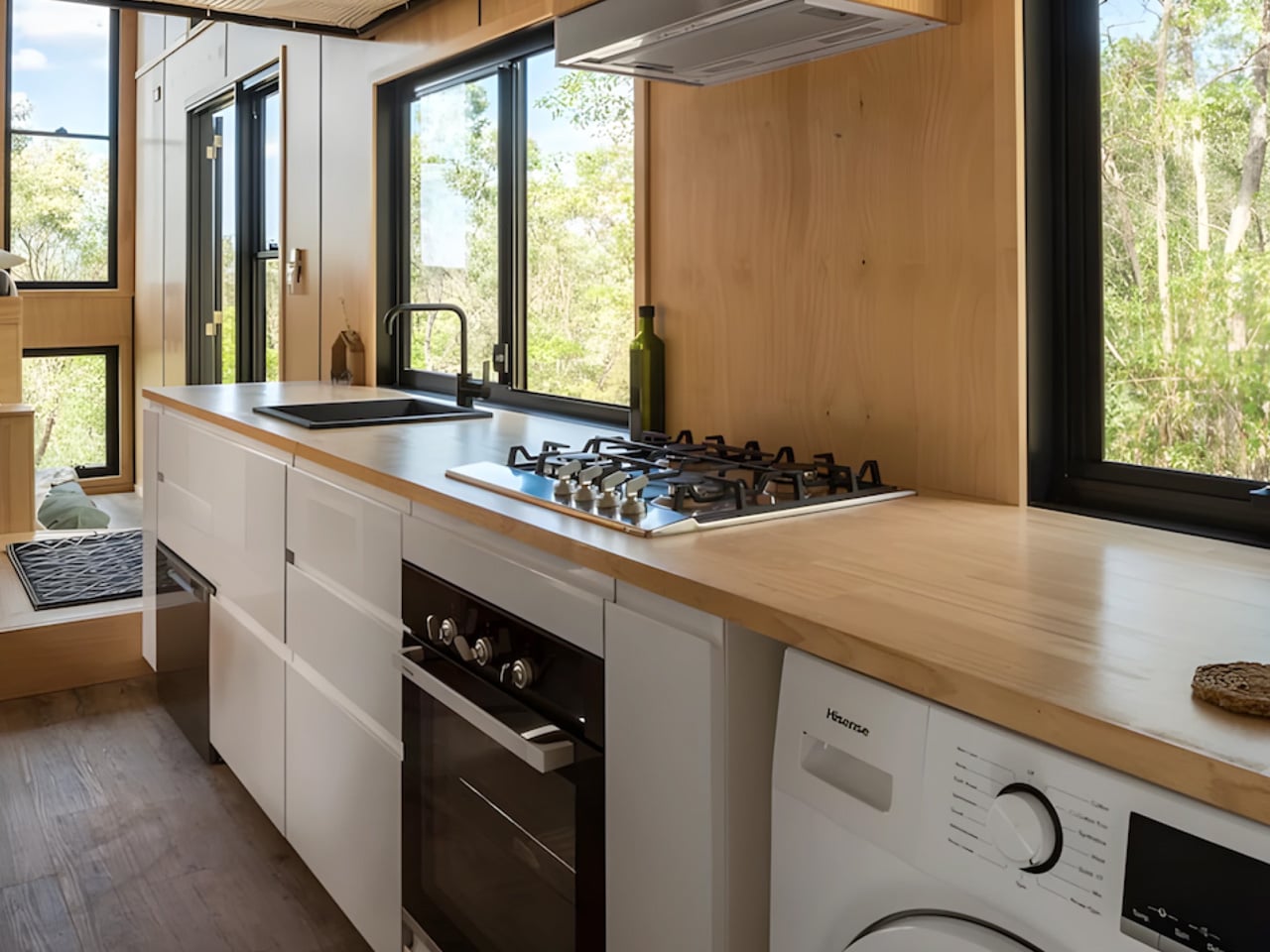
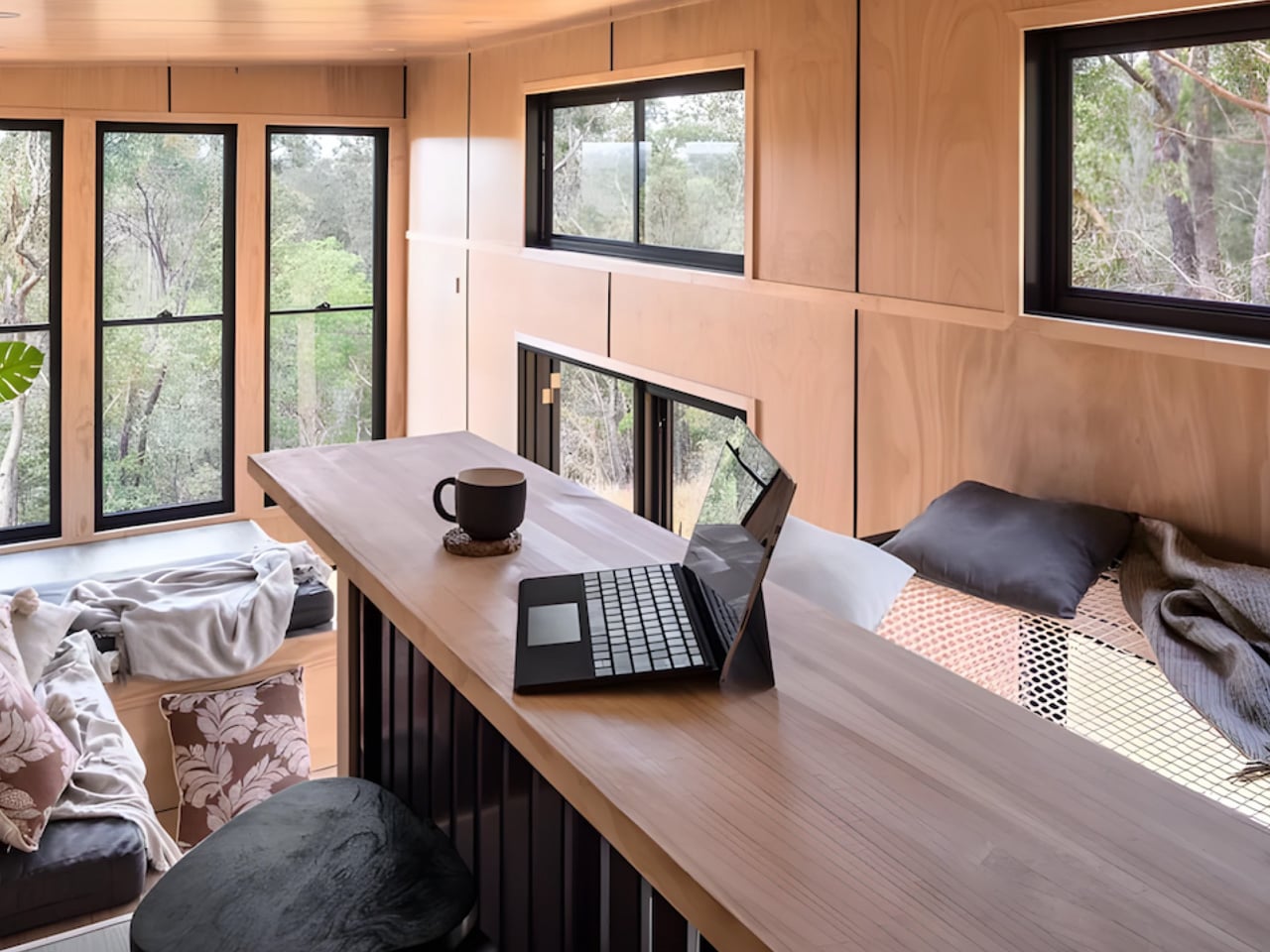
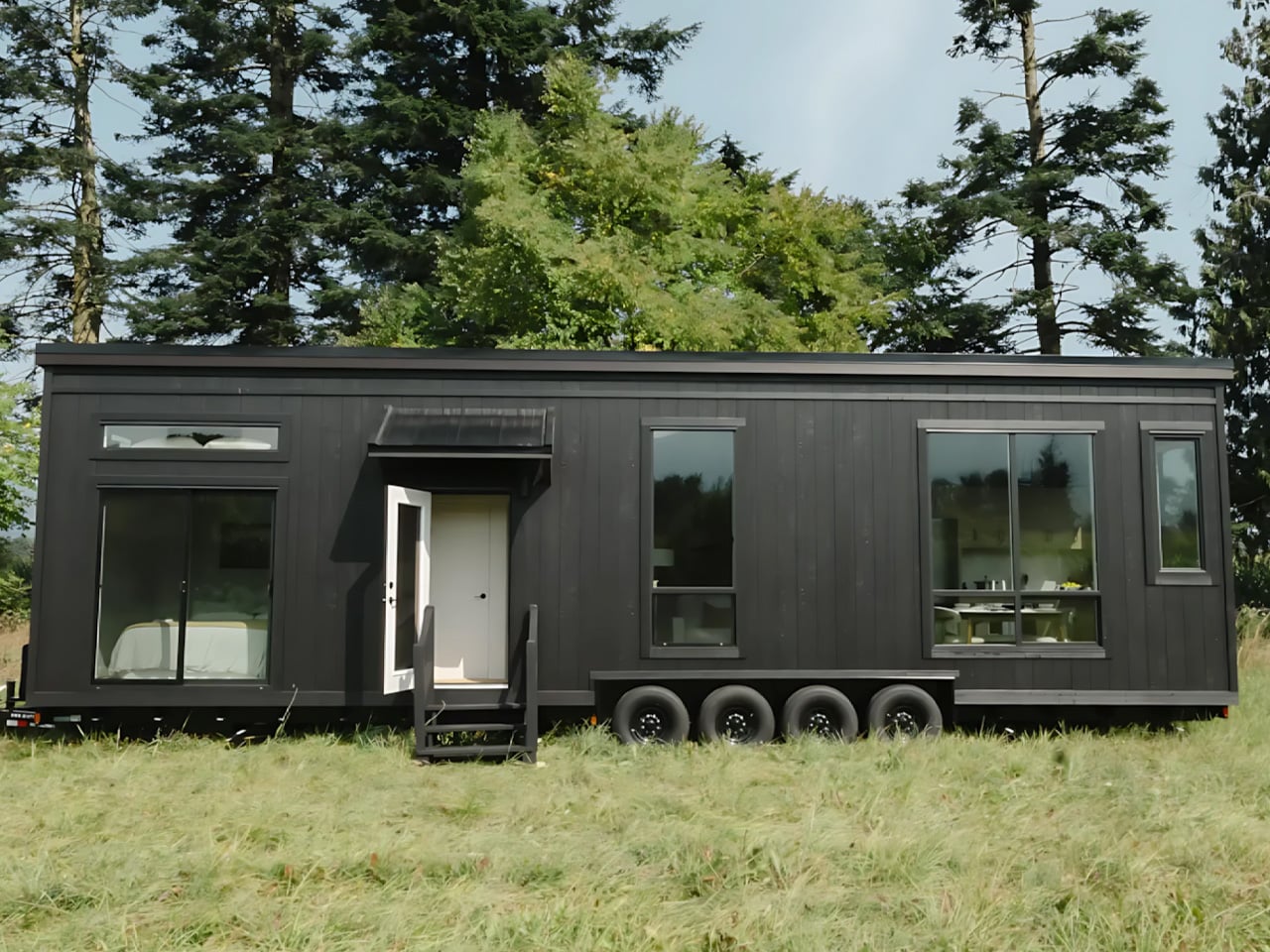
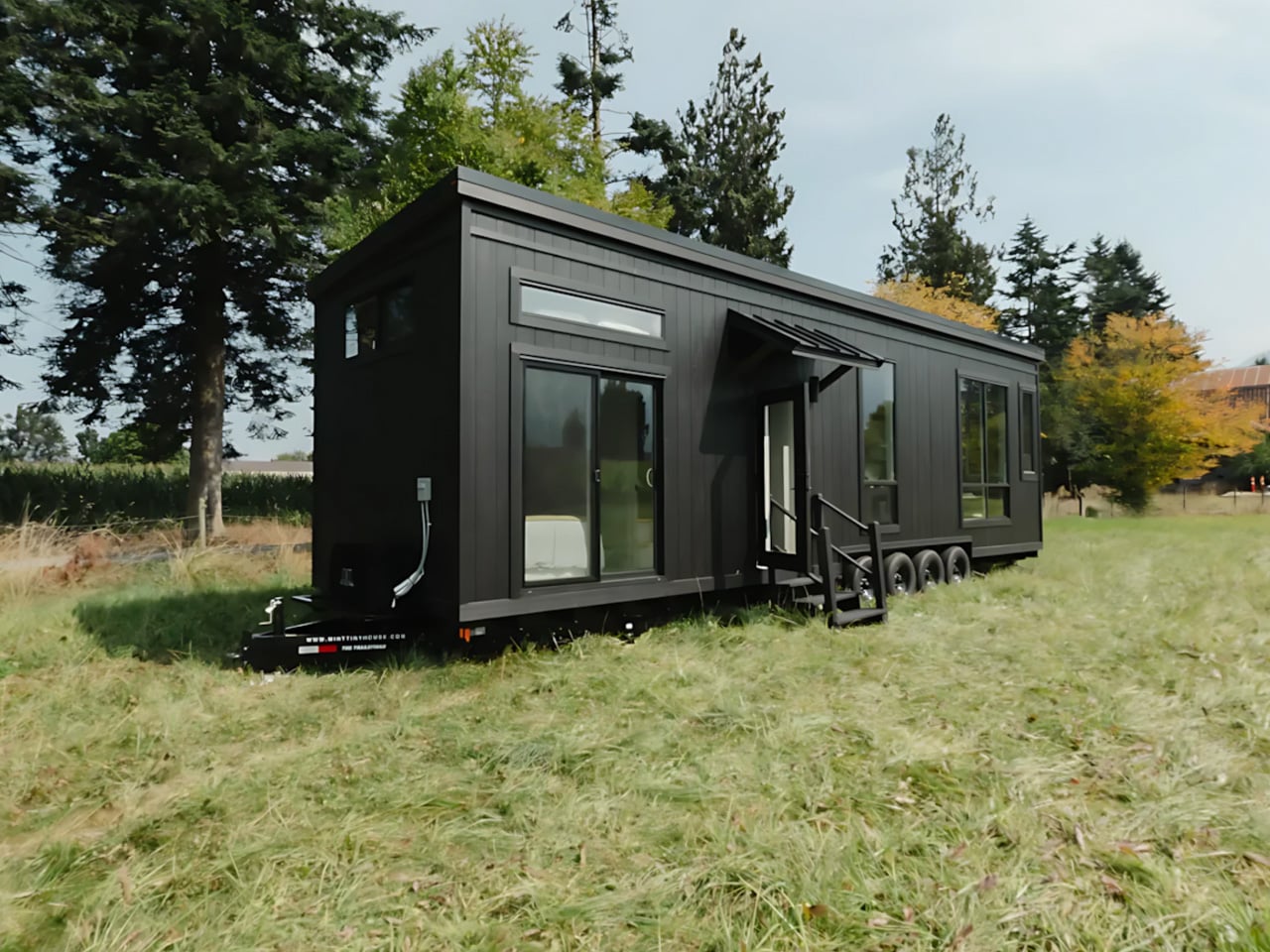
Decathlon Tiny Homes has released its latest model, the New Chapter, marking a thoughtful evolution in the company’s approach to compact living. This 32-foot tiny house represents the builder’s first 10-foot-wide Poseidon model, offering a more spacious interior than the standard 8.5-foot width common in the industry. The home sits on a triple-axle trailer, making it suitable for relocation while maintaining enough heft to accommodate a more substantial interior layout. That extra width translates to tangible benefits for those considering full-time tiny house living, a lifestyle choice that often requires careful consideration of practical needs.
Storage takes center stage in this design, and for good reason. The builders identified a consistent pain point among tiny house dwellers: finding adequate space for belongings without cluttering living areas. The New Chapter tackles this challenge head-on with integrated storage solutions woven throughout the floor plan. Cabinets, closets, and clever built-ins appear in every room, transforming what could feel cramped into something surprisingly functional. This isn’t just about hiding things away. The storage design reflects an understanding that people living in tiny homes still need to own winter coats, kitchen equipment, and the everyday items that make a house feel like home.
The layout includes two bedrooms, an open-concept living area, a full kitchen, and a bathroom. This configuration appeals to couples, small families, or individuals who need a dedicated workspace alongside their sleeping quarters. The open living space prevents the home from feeling like a series of disconnected boxes, while the two separate bedrooms offer privacy that single-loft designs cannot match. Design quality extends beyond the floor plan itself. The New Chapter features high-end finishes that elevate it beyond basic tiny house construction. These durable materials suggest the builders designed this home for long-term occupancy rather than weekend getaways, with an exterior that combines sleek lines with practical considerations for weather resistance and road travel.
The first New Chapter was delivered to The Birds Nest in Cumby, Texas, marking an important milestone for this expanded Poseidon model. The delivery process demonstrated how the 10-foot width, while more substantial than traditional tiny homes, still allows for practical transportation on standard highways. This width represents a sweet spot that many buyers find appealing, offering significantly more interior volume without crossing into oversize load territory that would require special permits and escort vehicles in most states.
This release reflects larger shifts in the tiny house movement that have been building for years. Early adopters often prioritized mobility and minimalism above all else, sometimes treating discomfort as a badge of honor. Today’s buyers want those benefits without sacrificing everyday convenience. They expect proper storage, quality materials, and layouts that accommodate real life rather than idealized versions of simplicity. The New Chapter’s proportional rooms feel less squeezed than narrower models, making it easier for residents to arrange furniture, move through spaces comfortably, and simply exist without constantly negotiating tight corners and awkward angles.
Decathlon Tiny Homes continues expanding its portfolio with models like the New Chapter, responding to feedback from actual tiny house residents rather than romanticized notions of what tiny living should be. The emphasis on storage throughout this design suggests the company is listening to those who have made the leap to downsized living and discovered what truly matters in a compact home. This balance between idealism and practicality might be exactly what the tiny house movement needs to grow beyond a niche market and into a legitimate housing option for more people.
Remote work has transformed how we think about our professional spaces, and Dragon Tiny Homes is taking that concept to its logical extreme. Their latest creation is a mobile office that ditches the spare bedroom setup for something far more intriguing: a dedicated workspace you can park in your backyard or tow to wherever inspiration strikes.
Measuring just 16 feet in length and sitting on a double-axle trailer, this compact structure takes cues from the company’s earlier Aria 20 model. At 135 square feet, it’s decidedly petite, even by tiny house standards. That modest footprint translates to relatively easy towing, making it genuinely portable rather than just theoretically mobile. The exterior combines engineered wood cladding with floor-to-ceiling glazing that would feel excessive in a residential setting but makes perfect sense here. Privacy concerns take a backseat to the benefits of natural light and visual connection to the outdoors. Anyone who’s spent hours in a windowless home office will immediately grasp the appeal. That single-glazed door opens to an interior that prioritizes function over square footage.
Inside, the plywood-finished space accommodates two desk stations, a storage unit, and a sofa for those moments when you need to step away from the screen. A ceiling fan handles air circulation. The single-room layout means zero wasted space on hallways or room divisions. Everything exists in one open area that feels more spacious than the numbers suggest, largely thanks to those generous windows. The setup shown in promotional images looks perfectly livable as a workspace, though potential buyers should clarify what’s actually included in the purchase price. That sleek iMac visible in the photos almost certainly isn’t part of the deal, and the furniture inclusion remains ambiguous.
One notable omission is a bathroom. For those envisioning this as a backyard office steps from the main house, that’s a non-issue. You simply use your existing facilities. The choice also keeps costs down by eliminating plumbing complexities. Those planning to take their office truly remote might view this differently, though the tradeoff makes sense given the price point.
Speaking of cost, Dragon Tiny Homes has positioned this office at a remarkably accessible $19,750 starting price. That’s a fraction of what most home renovation projects run, and potentially cheaper than renting commercial office space over just a few years. The company offers configuration options for buyers who need specific features, including a full off-grid setup for those seeking workspace away from traditional utilities and everyday interruptions.
The appeal here extends beyond pure functionality. Something is refreshing about physically separating work from living space, even if that separation is just a few dozen feet. No more trying to maintain professional composure on video calls while family members pass behind you. No dining table scattered with laptops and papers. Just a dedicated structure that exists solely for getting things done, whether that’s in your backyard or parked beside a mountain lake three states away.
Niederanven, a small commune in Luxembourg, now hosts the country’s first 3D-printed residential building. The Tiny House Lux, designed by local practice ODA Architects, marks a significant shift in how municipalities might approach affordable housing on difficult urban sites. Architect Bujar Hasani conceived the project as a practical response to housing shortages. Working with the Niederanven municipality and Coral Architects, he identified narrow, leftover parcels across Luxembourg that traditional construction methods couldn’t accommodate.
The solution arrived through on-site 3D concrete printing, using locally sourced aggregates rather than imported materials. The house stretches long and narrow across its site in Rammeldingen village. At just 3.5 meters wide but 17.72 meters deep, the 47-square-meter structure maximizes what would otherwise be unusable land. A mobile printer extruded standard batching-plant concrete to build the walls in roughly one week, with the complete build finishing within four weeks. The ribbed texture of the printed walls creates a distinctive facade that catches daylight throughout the day, while a lightweight timber frame supports the roof.
Inside, the layout reads as a single, clear axis running from the south-facing entrance through to the rear. Service zones tuck to each side, leaving the central corridor open and uncluttered. The entrance and terrace face south, pulling natural light deep into the interior. Film technology provides underfloor heating, powered entirely by solar panels mounted on the roof. This system positions the house as self-sufficient, reducing ongoing energy costs for its occupants.
The project fits within Niederanven’s “Hei wunne bleiwen” program, which translates to “Keep living here.” The initiative targets young adults seeking affordable entry points into Luxembourg’s expensive housing market. The local council selected the first tenant, who moved in shortly after the August 2025 inauguration. The design intentionally excludes features that would make it suitable for elderly residents, keeping the focus on younger demographics.
Not everyone welcomed the innovation. Local political parties DP and LSAP criticized the €320,000 price tag for what they viewed as an experimental project without proven methodology. They raised concerns about chemical additives in the concrete used to speed up hardening, questioning potential health implications. Both parties boycotted the inauguration ceremony in protest. Despite the controversy, the architectural and design community has responded with enthusiasm. Publications from New Atlas to HomeAdore covered the project, recognizing its potential as a replicable model. The key lies in scalability. If deployed across Luxembourg’s leftover urban fragments, this approach could generate hundreds of compact homes without consuming greenfield sites or requiring extensive infrastructure investment.
The Tiny House Lux demonstrates that 3D printing technology has matured beyond novelty status. When paired with thoughtful design and local materials, it offers municipalities a genuine tool for addressing housing shortages. The ribbed concrete walls, efficient layout, and energy autonomy prove that speed and innovation need not compromise quality or comfort. Whether this pilot project sparks wider adoption remains to be seen, but it has already proven that small plots can yield meaningful housing solutions.