AirPods Max 2 Finally Get Custom EQ in iOS 27 Beta

Apple has a playbook for innovation that often involves letting a feature mature elsewhere before adopting it, gift-wrapped, as a profound breakthrough. Widgets appeared on the iPhone long after becoming an Android signature, presented not as a catch-up but as a thoughtful redesign. A calculator app on the iPad took nearly 15 years to become reality. Multitasking came years after Android got it, packaged as Stage Manager. Even the simple act of circling an item to search for it, a trick already familiar on other platforms, is being framed as a new kind of magic. That same playbook is now being run on the AirPods Max 2’s equalizer, a feature that was conspicuously absent when the $549 headphones launched four months ago but has now arrived with the July 14 public beta of iOS 27.

The implementation is classic Apple. The new Equalizer screen is lush and responsive, with an animated waveform that pulses to your music under three simple drag handles: Low, Mid, and High. It feels intuitive, and it looks alive on the screen. This is also a stark contrast to the multi-band or parametric controls that have been standard on flagship headphones from Sony and Bose for years. Just as with Widgets and Stage Manager, Apple has delivered the feature on its own terms and on its own timeline, handing users a beautifully designed tool that prioritizes aesthetic simplicity over the technical depth many owners of a $549 headphone were actually waiting for.

Designer: Apple
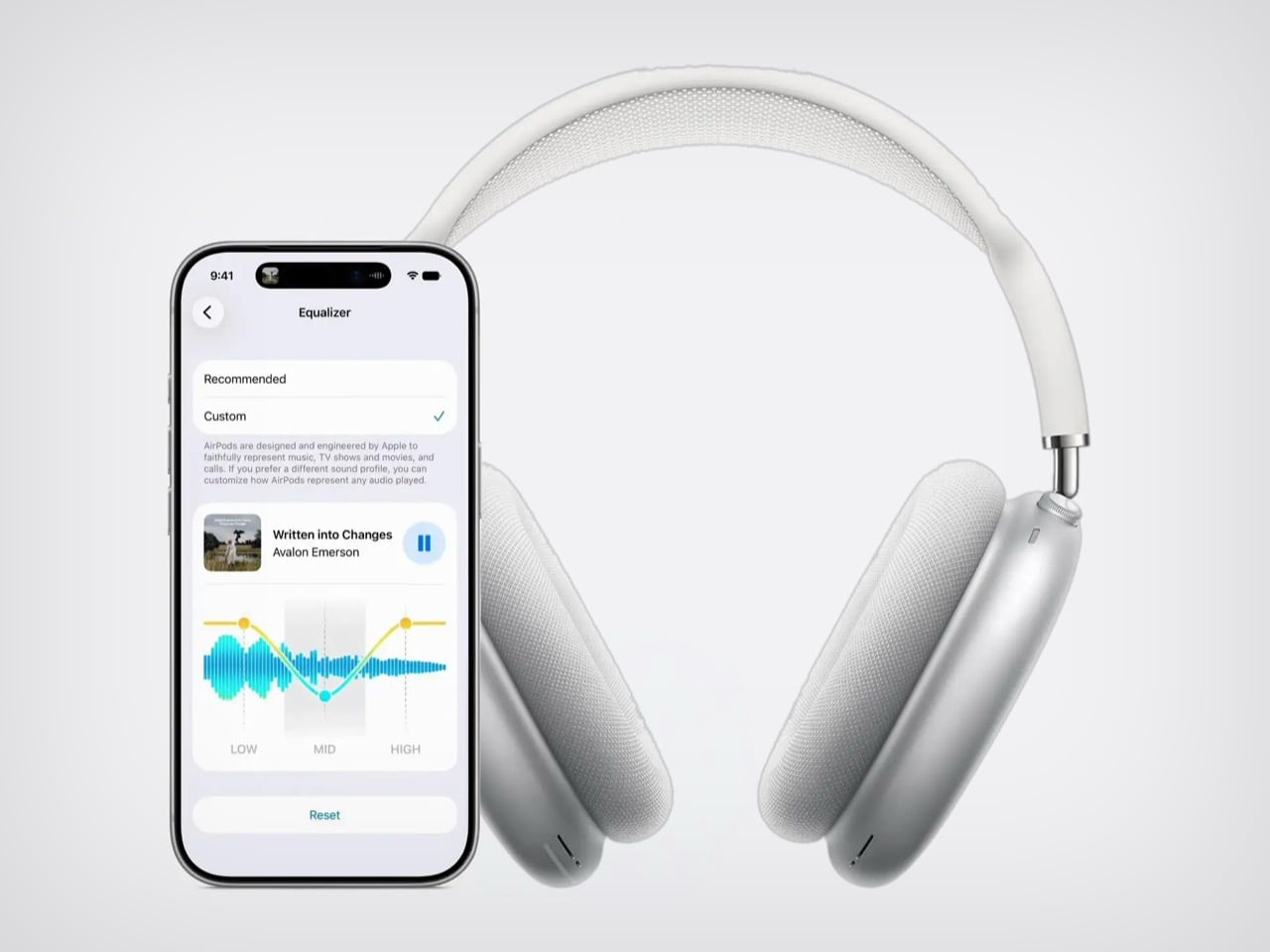
That polish, though, also reveals the limit of Apple’s ambition here. Three bands is enough to boost bass, pull back mids, or brighten the top end, but it is still a blunt instrument compared to the multi-band and parametric EQ controls that rivals like Sony and Bose have offered on flagship headphones for years. For casual listeners, that may be perfectly fine. Most people do not want to think in frequencies, Q values, or narrow corrective cuts. They want vocals clearer, bass deeper, and harshness reduced. Apple’s interface serves that audience beautifully.
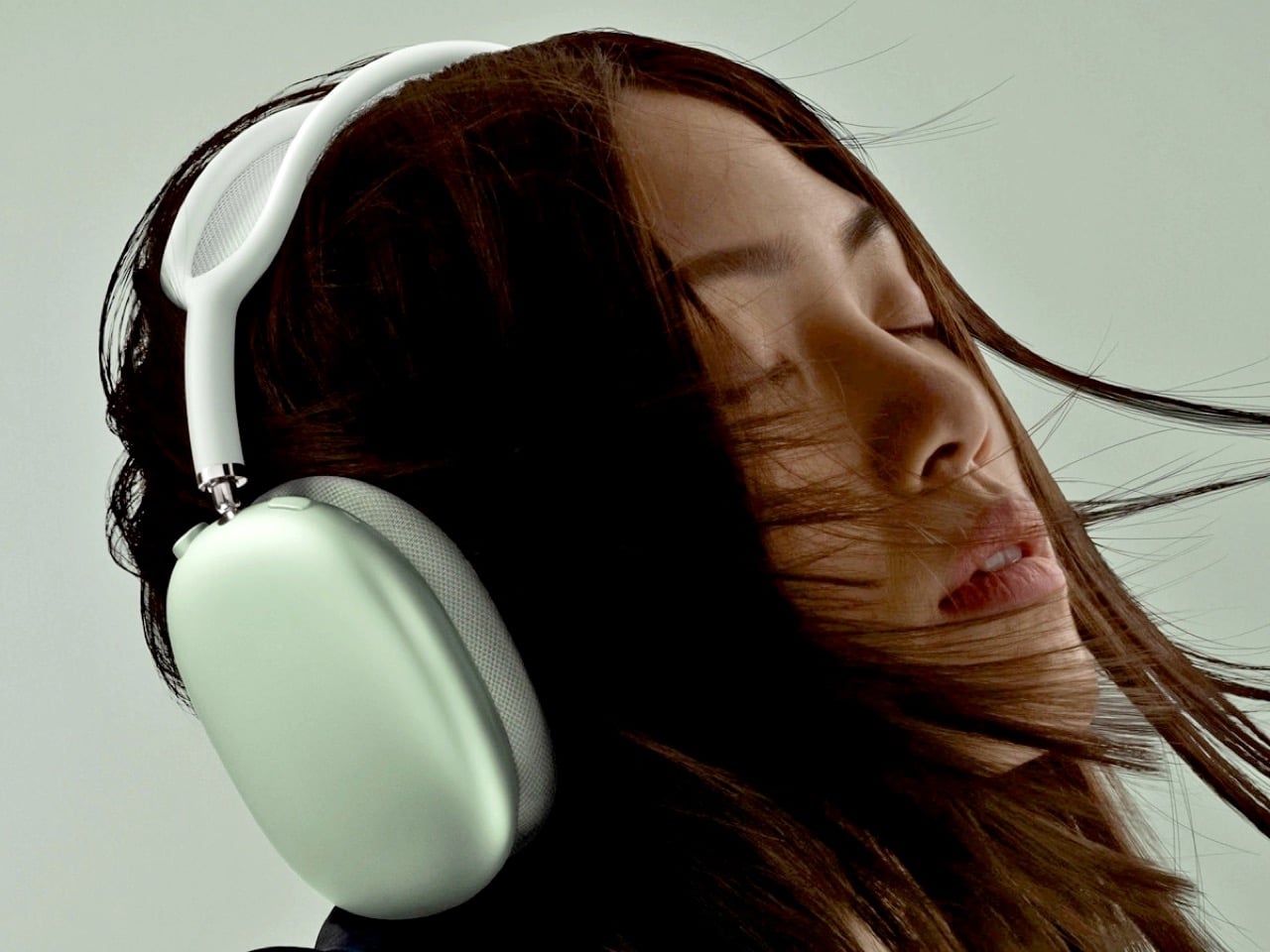
The problem is that Apple has spent real effort positioning the AirPods Max 2 as a premium audio product for creators, podcasters, and Logic Pro adjacent workflows. In that context, a three-band EQ feels less like a full correction and more like the minimum viable answer to a very public complaint. Reviews at launch repeatedly called out the absence of manual EQ, and this update finally closes that gap. What it does not do is move the AirPods Max 2 into the same conversation as tools built for more serious sound shaping.

That leaves the update in a very Apple place: fashionably late, classically elegant, and strategically simplified. The custom EQ finally gives AirPods Max 2 owners control they should have had from day one, but it also reinforces the company’s longstanding instinct to decide how much control its users really need. For some buyers, this will feel like a thoughtful refinement. For others, especially anyone spending $549 on over-ear headphones with professional aspirations, it may feel like Apple arrived to the party with a beautifully wrapped gift everyone else opened years ago.

The post AirPods Max 2 Finally Get Custom EQ in iOS 27 Beta first appeared on Yanko Design.
Apple Gave AirPods Max a Brain Transplant After 5 Years (Same Design, New Chipset)

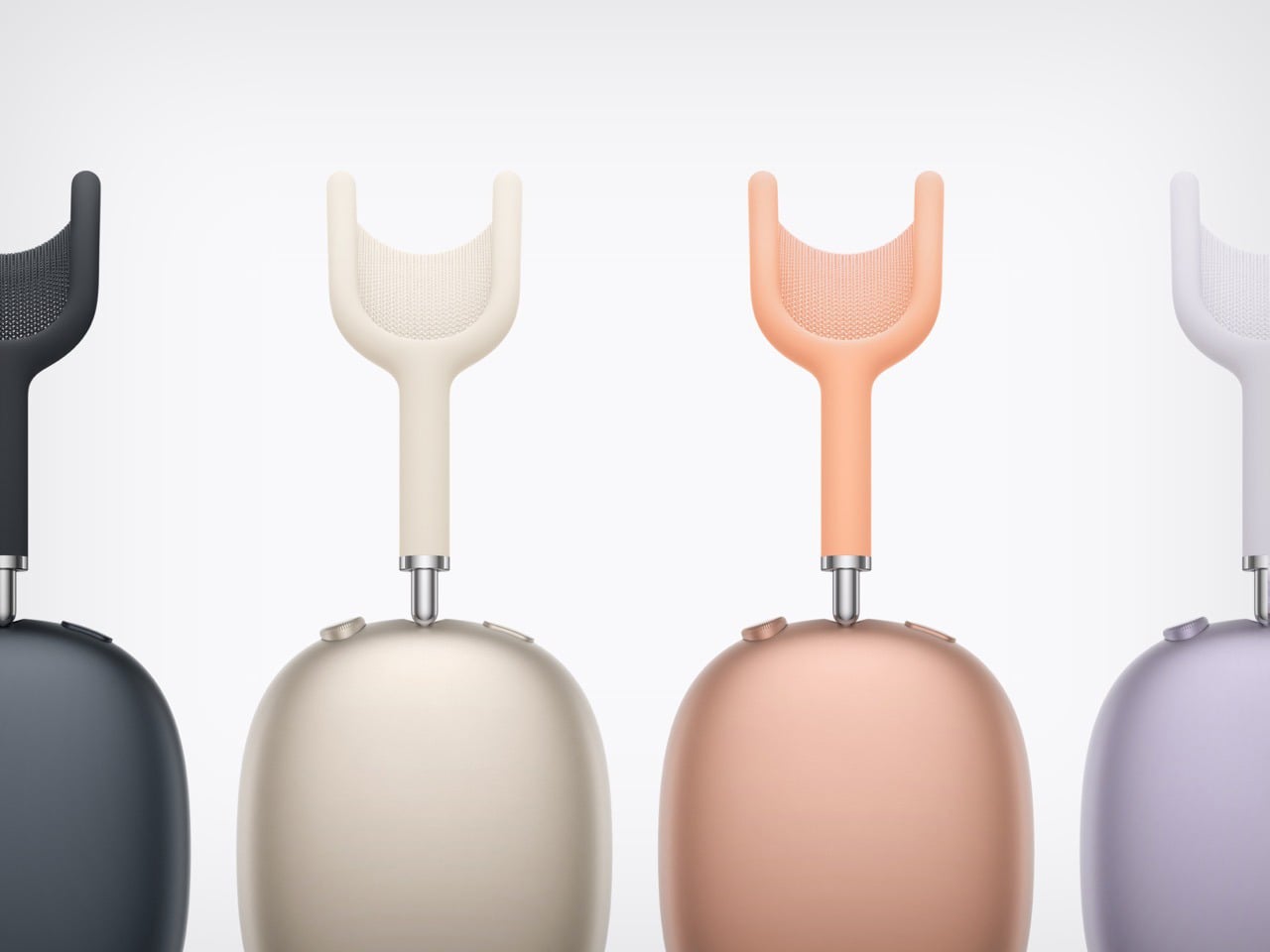
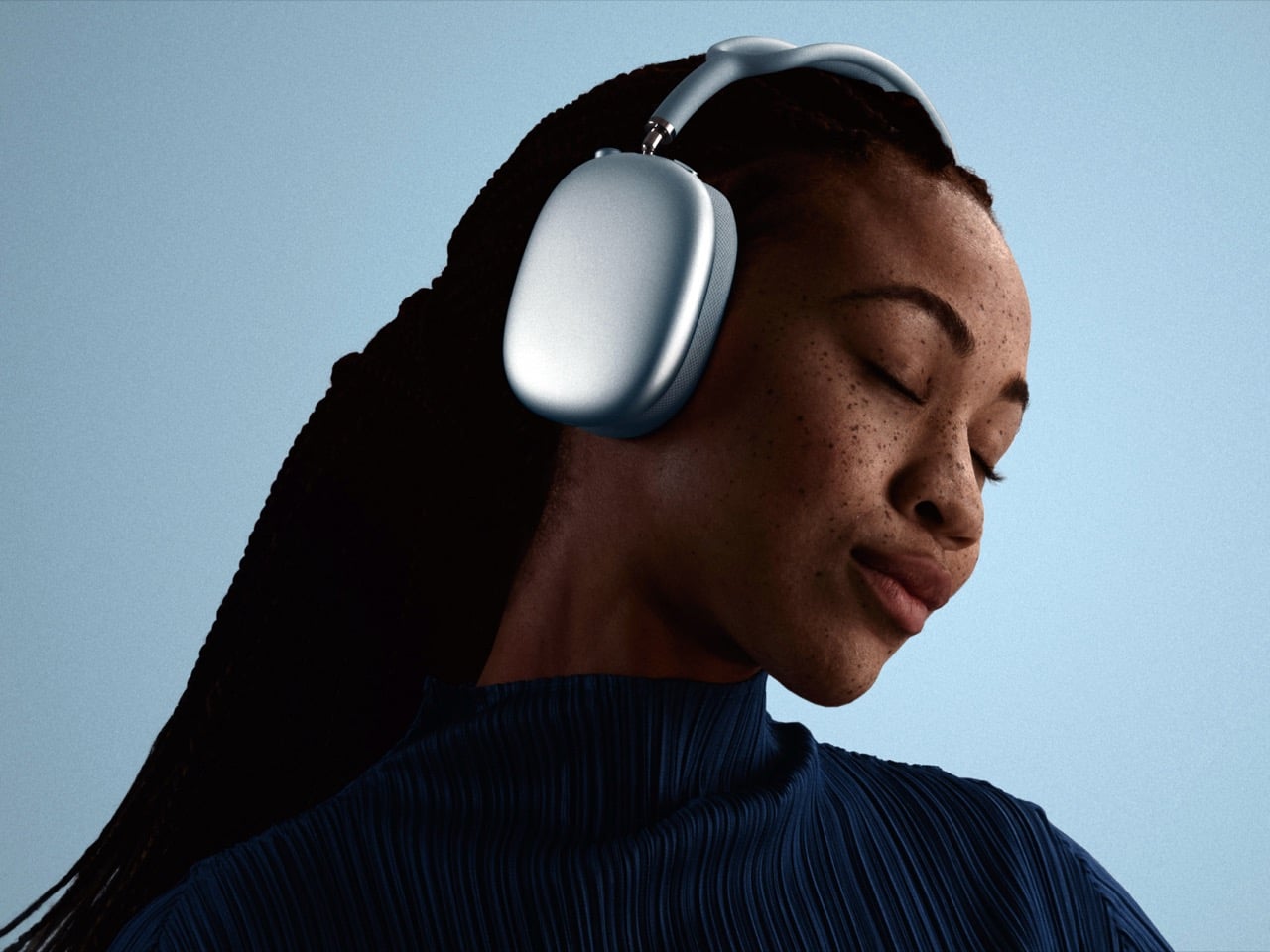
Apple just gave the AirPods Max a brain transplant, and after five years on H1 silicon that was already a generation behind when the AirPods Pro 2 launched in 2022, it was due. The H2 is the real story here, because everything else on this headphone is identical to what shipped in December 2020. Same aluminum frame, same stainless steel headband, same mesh knit ear cushions, same 385-gram weight, same $549 price. ANC is rated at 1.5x more effective than the previous gen, and the full H2 feature set, Adaptive Audio, Conversation Awareness, Voice Isolation, and Live Translation, all land here for the first time. What changed is everything running underneath a design that was already doing its job.

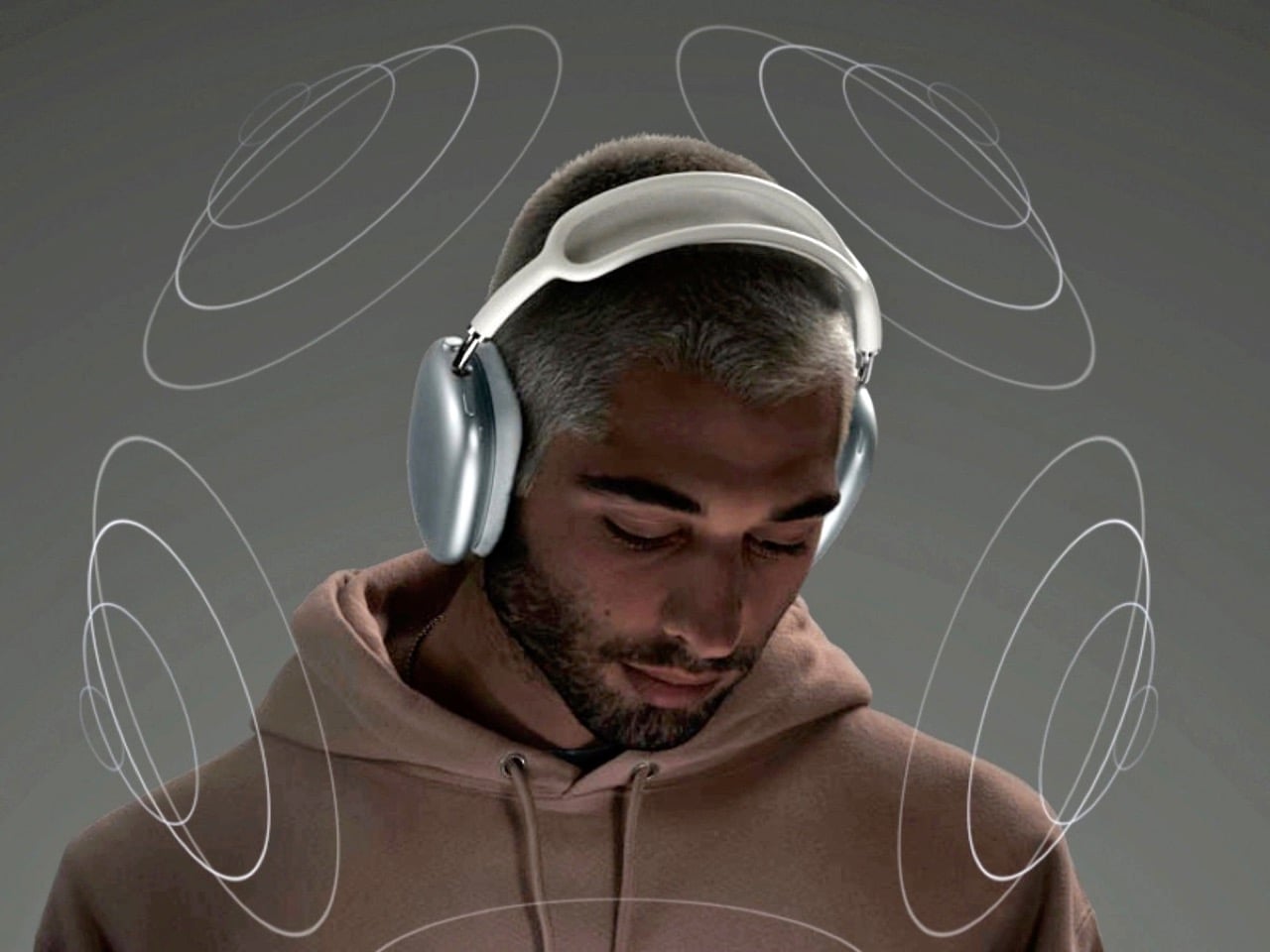
Adaptive Audio is what AirPods Max owners have been watching from the sidelines since AirPods Pro 2 launched in 2022. The mode dynamically blends active noise cancellation and transparency based on your environment, dialing back the ANC when someone speaks nearby and re-engaging it when you’re back on a loud street. It sounds incremental until you’ve used it for a full commute, at which point going without it feels like a step backward. H2 also brings lossless audio at 24-bit, 48 kHz, though only over a wired USB-C connection, so wireless listening stays capped at AAC. That’s a real ceiling to live with at this price, but the original AirPods Max never offered lossless in any configuration, so it’s at least movement.

Designer: Apple

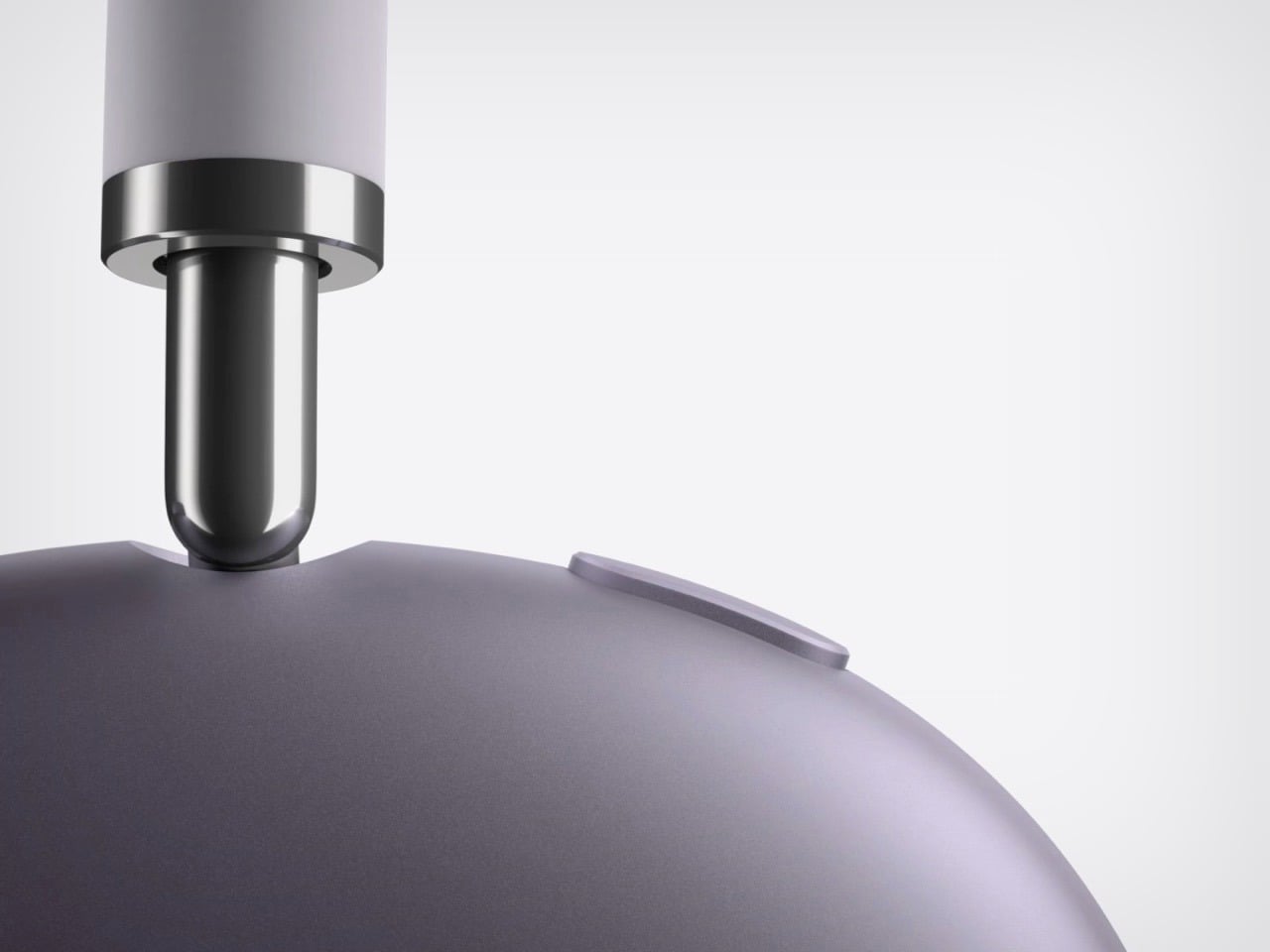
Five years, and Apple didn’t touch the design, which makes sense once you understand what the design is doing. The aluminum ear cups and stainless steel headband aren’t decorative choices, they’re structural, and they’re why this thing still looks and feels like a premium object after years of use, while equivalent plastic-and-fabric builds from Sony and Bose at lower prices tend to show wear sooner. The AirPods Max weighs 385 grams, heavier than anything in the over-ear category at this tier, and it still doesn’t fold flat for travel. Sony’s WH-1000XM6 and Bose’s QuietComfort Ultra are both lighter, foldable, and notably cheaper. Apple’s bet was that material quality carries the argument, and for desk or commute use, it mostly does. The Digital Crown for volume and track control is still here, and it remains one of the better physical inputs on any over-ear headphone.

The Smart Case is still a pouch, not a case in any conventional sense. It’s a silicone sleeve that covers the ear cups and nothing else, leaving the headband fully exposed to whatever else is in your bag. It doesn’t fold the headphones flat, it adds no meaningful drop protection, and it looks like a small clutch that wandered in from a different product category. For $549, the carry solution should be better than this, and the fact that it’s unchanged after five years suggests Apple either rationalized it or decided the complaint volume wasn’t loud enough to act on. It’s the one part of the AirPods Max story that feels genuinely unfinished, and at this price, that friction sticks out more than it should.

Battery life holds at 20 hours, which is fine but trails the Bose QuietComfort Ultra’s 24-hour rating and Sony’s 30-hour claim on the XM6. What AirPods Max 2 actually has now is alignment with the rest of Apple’s audio lineup, a chip-level catch-up that makes this headphone feel current for the first time since launch. The ANC improvement is real, the H2 feature parity with AirPods Pro 3 is real, and lossless audio over USB-C gives the product a use case it never had before. If you own the original and spent three years watching Adaptive Audio and Conversation Awareness roll out to cheaper AirPods, the upgrade argument is now solid. First-time buyers are getting the version of this headphone the original was always pointing toward.

The post Apple Gave AirPods Max a Brain Transplant After 5 Years (Same Design, New Chipset) first appeared on Yanko Design.